Dal'nie Zelentsy: Hike to the Edge of the Earth

Dates
11-19 Sep 2026
Duration (days)
9 days
Difficulty
3/5
Moderate Difficulty

A week-long autonomous trek suitable for beginners.

  • Backpack weight: up to 21 kg
  • Daily distance: up to 15 km

Duration: 5-7 days.

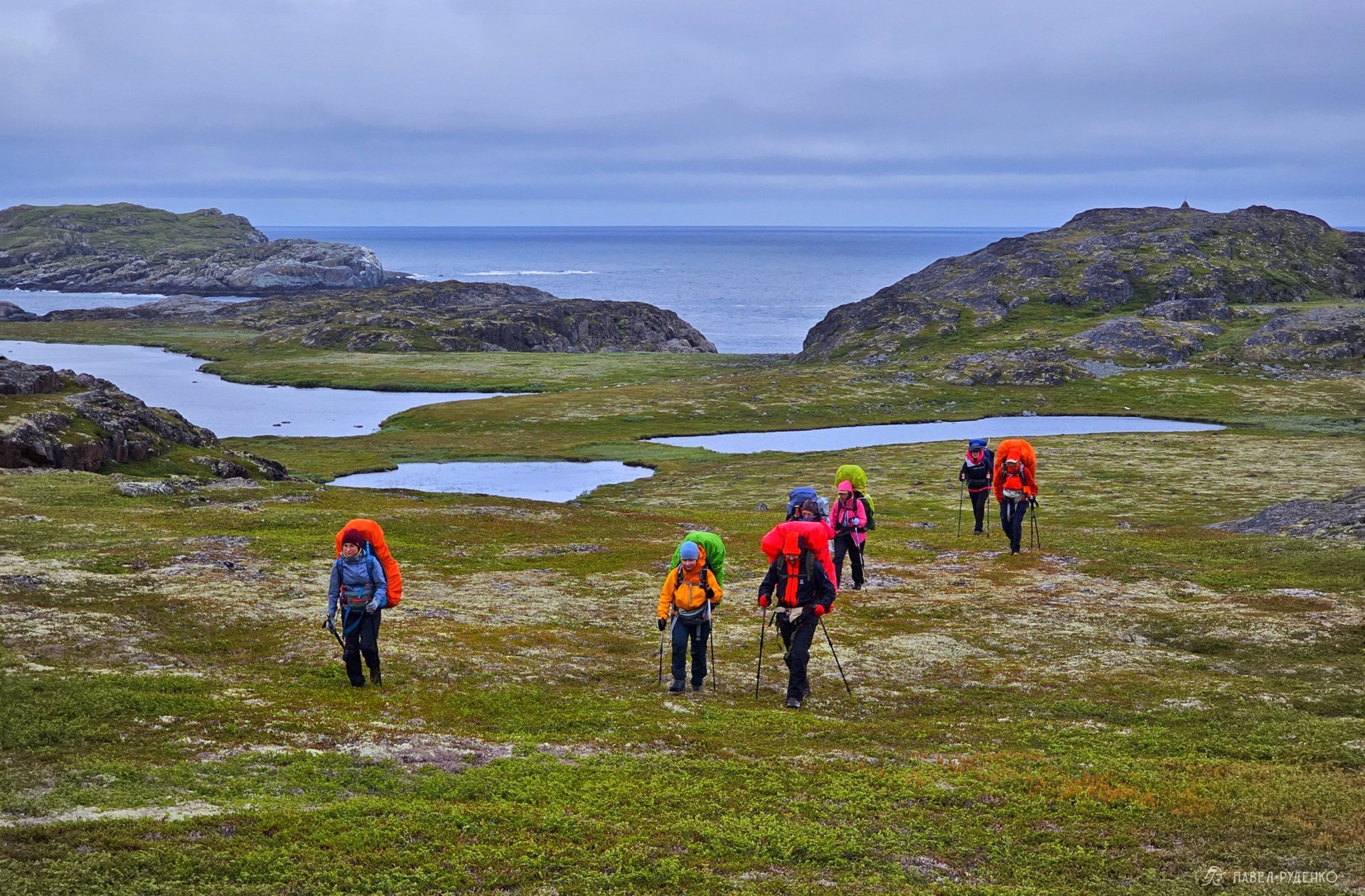
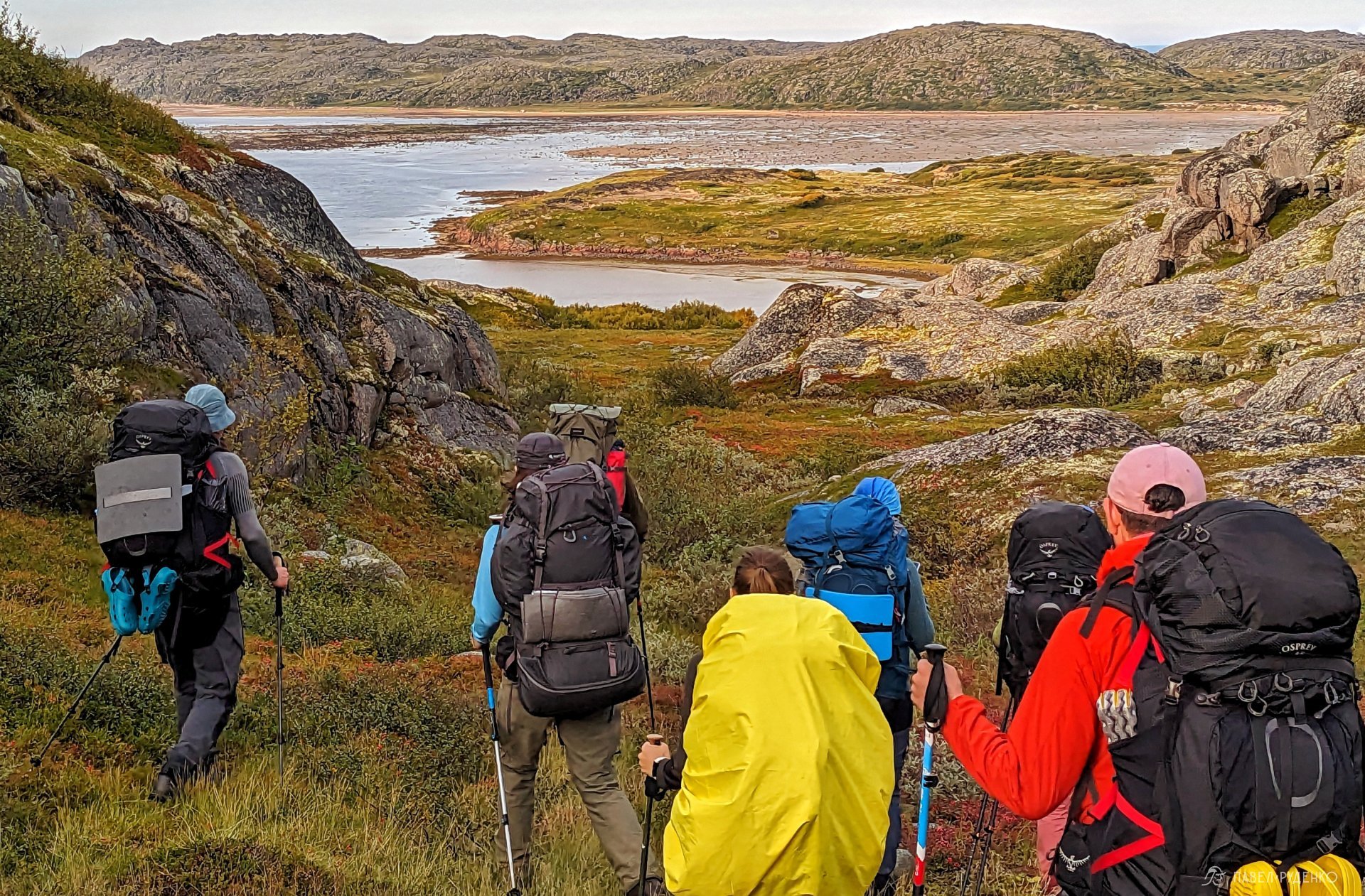
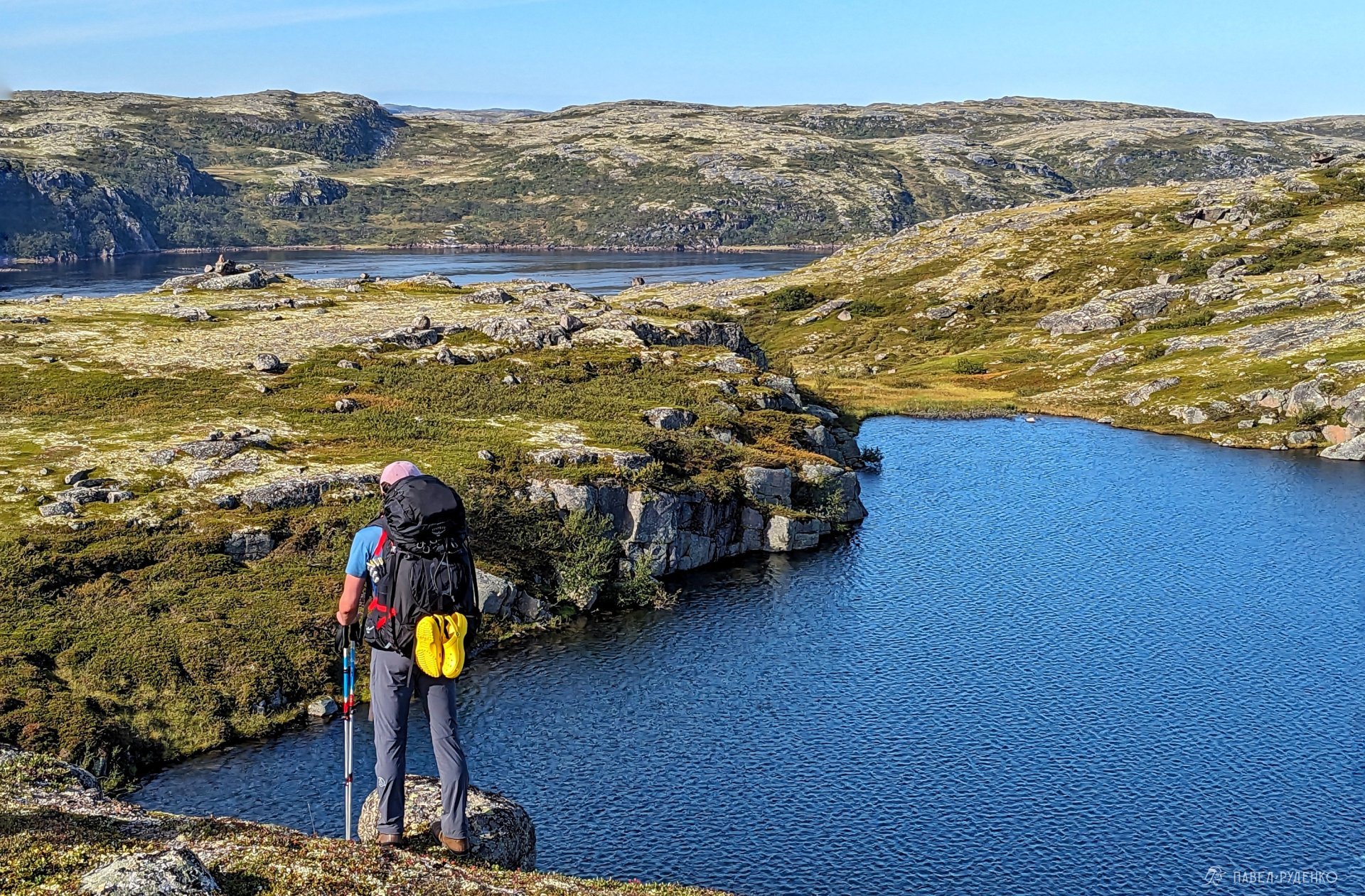
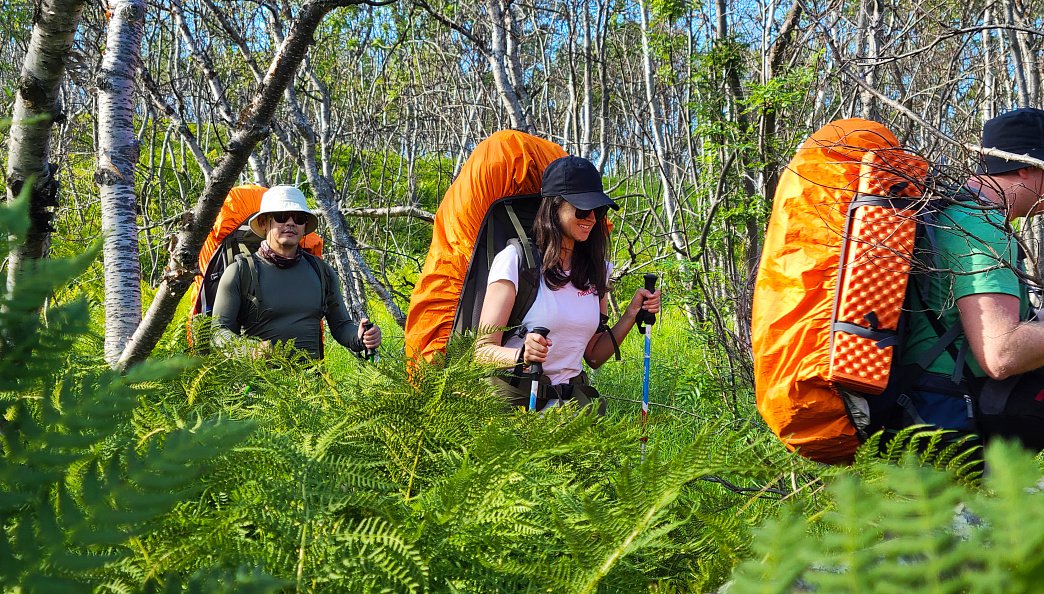
Moving through wild tundra with no trails. You carry all gear and food, living in tents in the wild. However, daily distances and elevation gains are balanced so a healthy person without special training can complete it. General fitness preparation (long walks, running) is recommended.

For whom: Beginners in good physical shape wanting to experience real expedition life.

Distance
73 km
Group
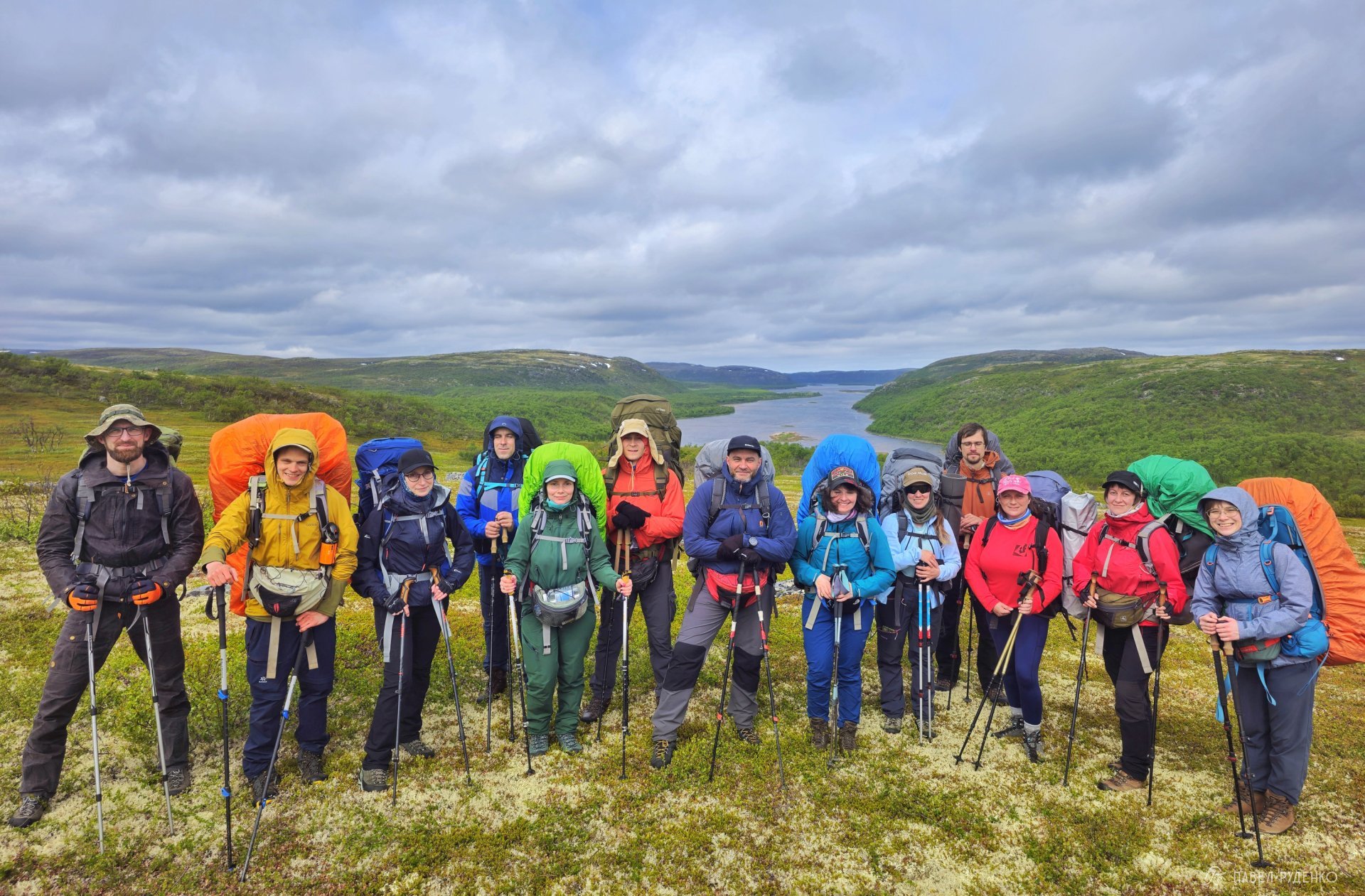
12 people

About the Tour

Author's trek

Dal'nie Zelentsy — to the edge of the Earth.

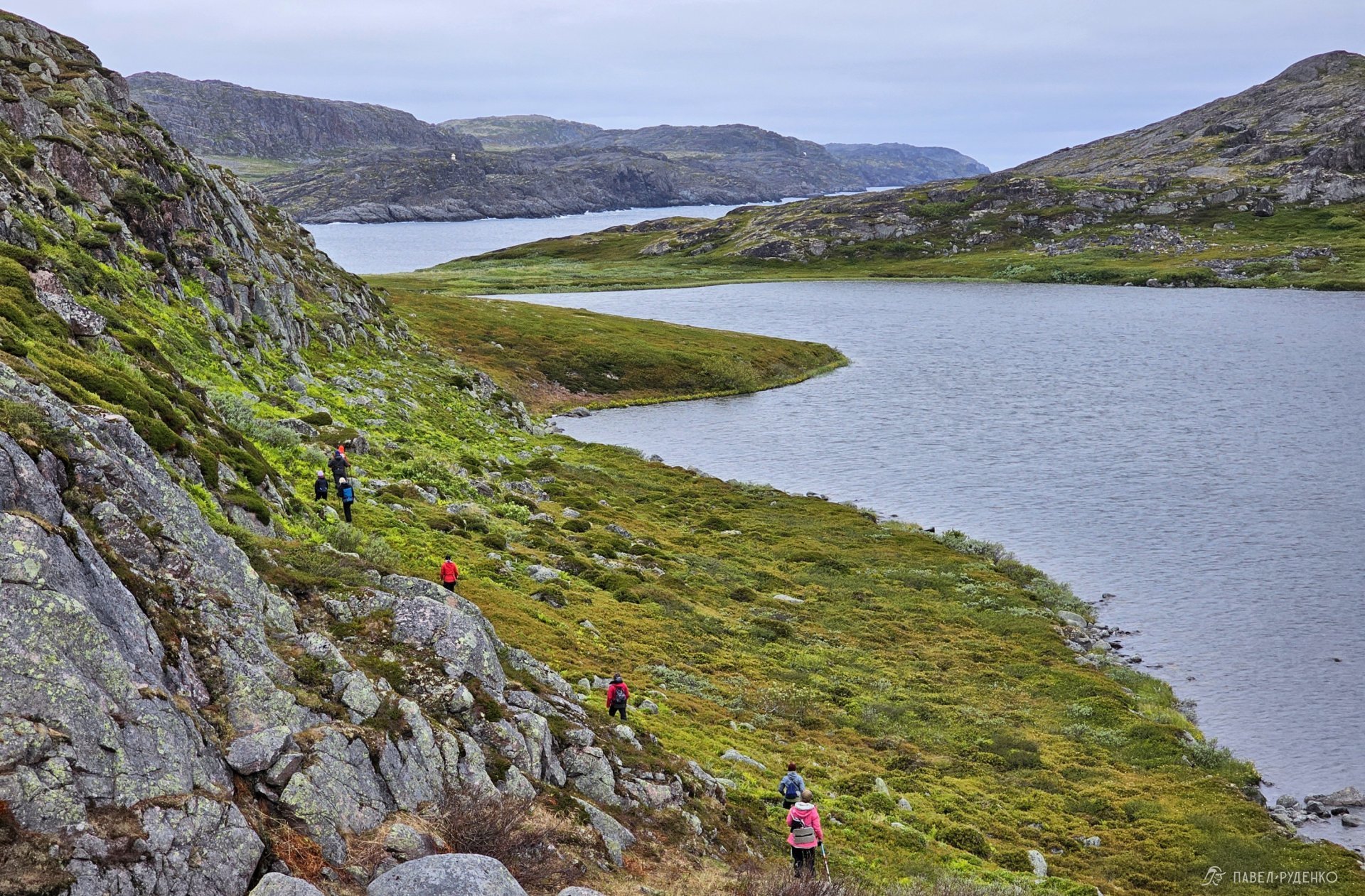
A self-supported trek with backpacks and tents through the wild tundra of the Barents Sea coast on the Kola Peninsula.

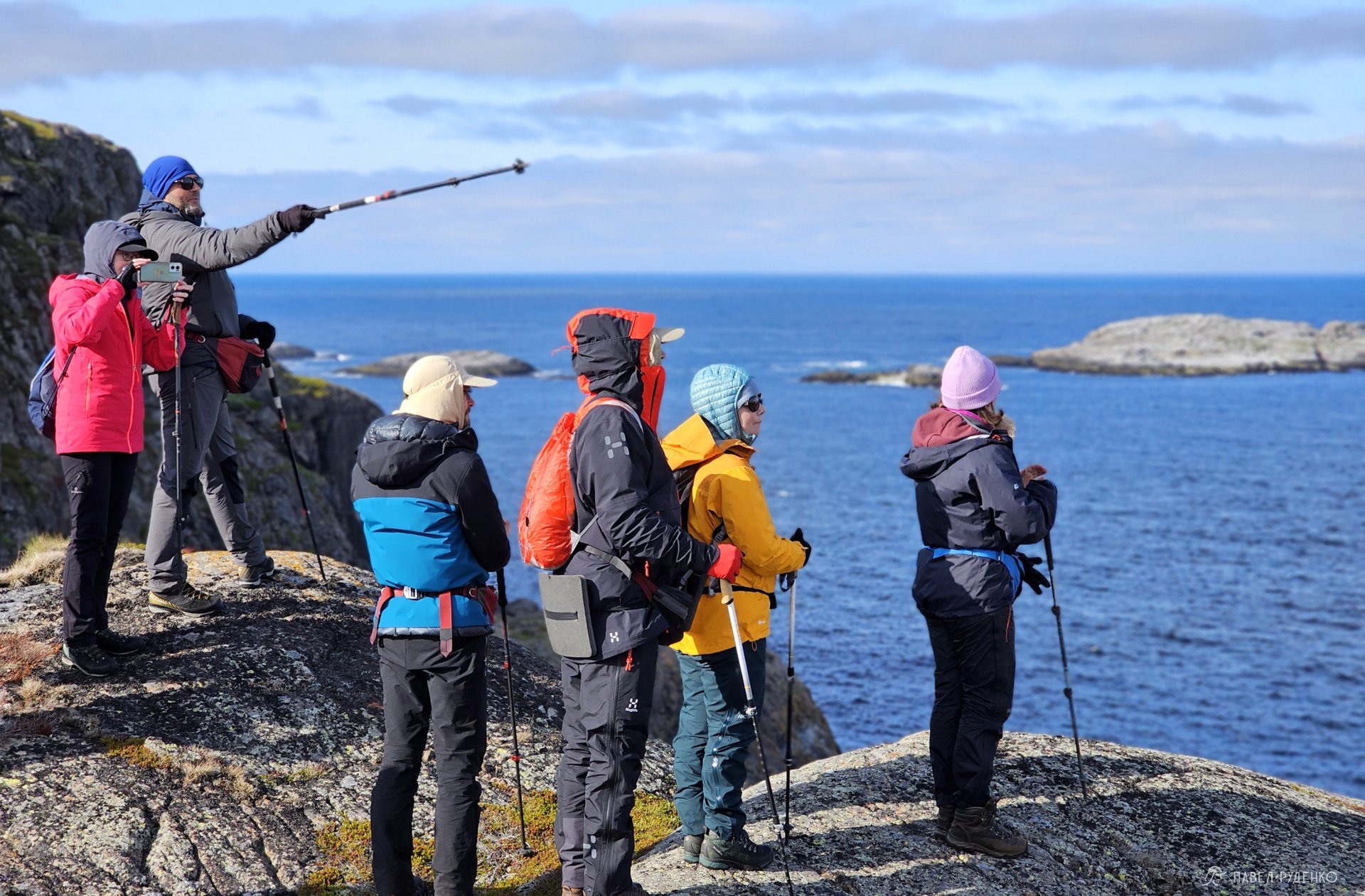
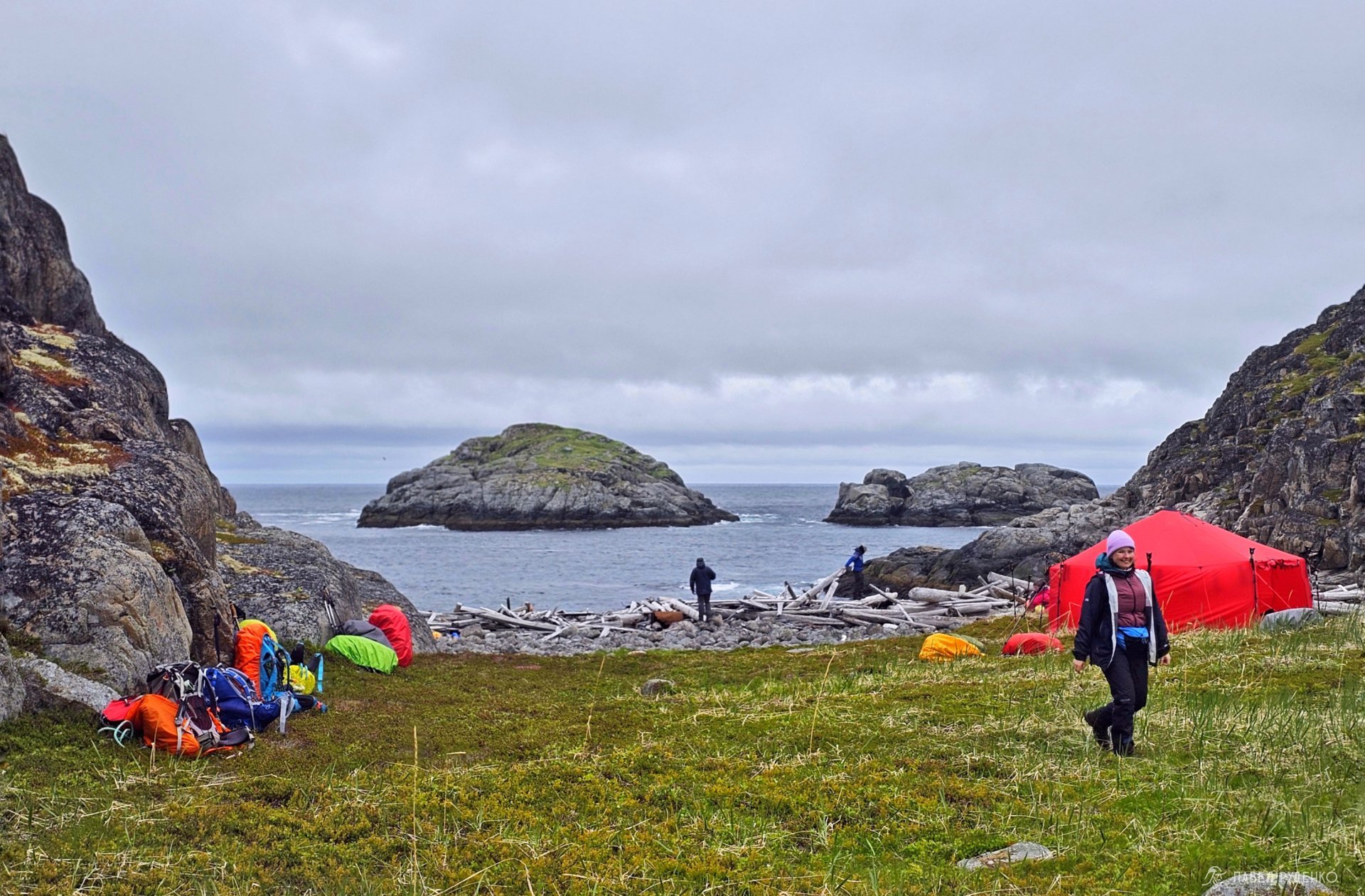
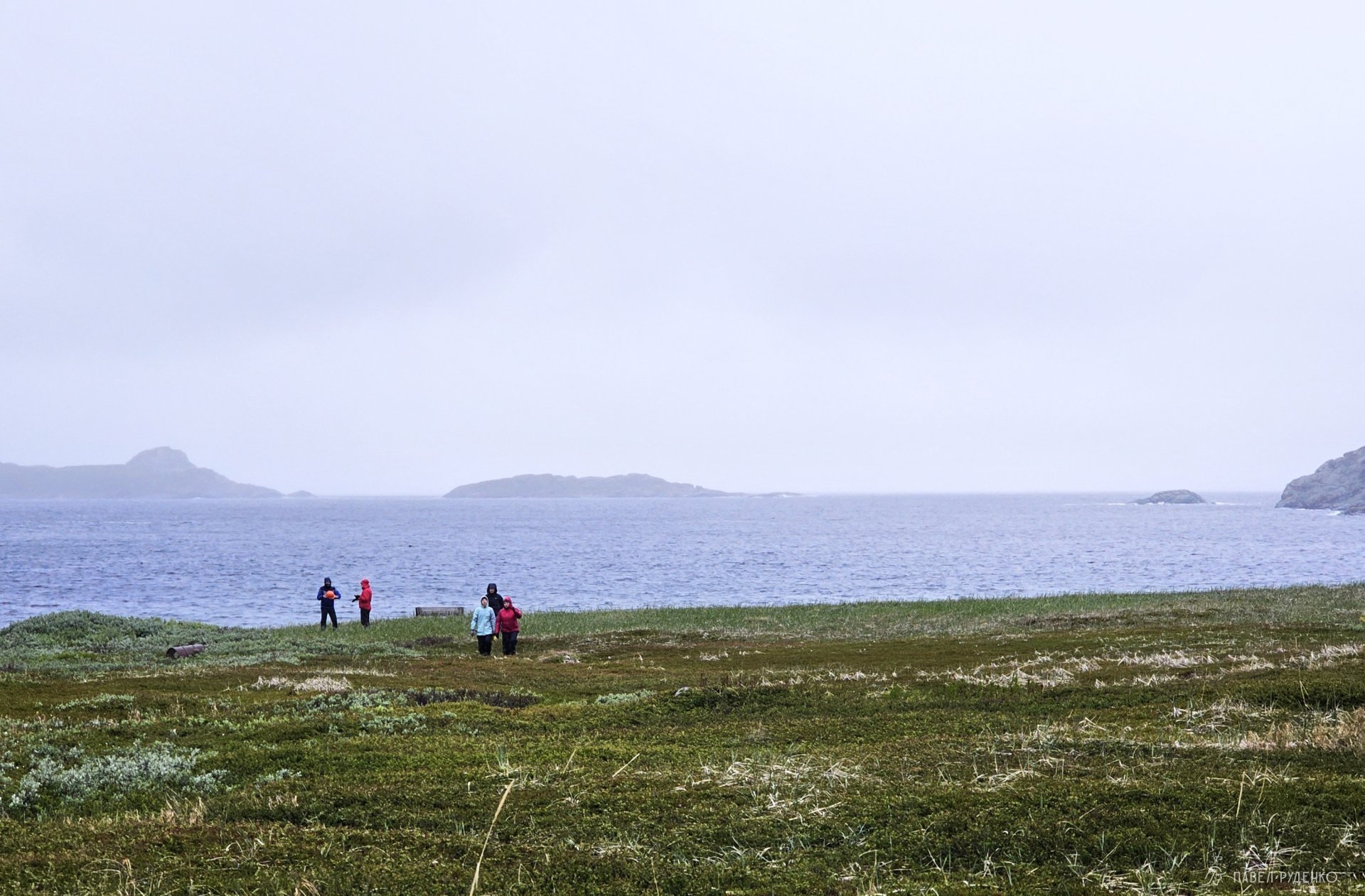
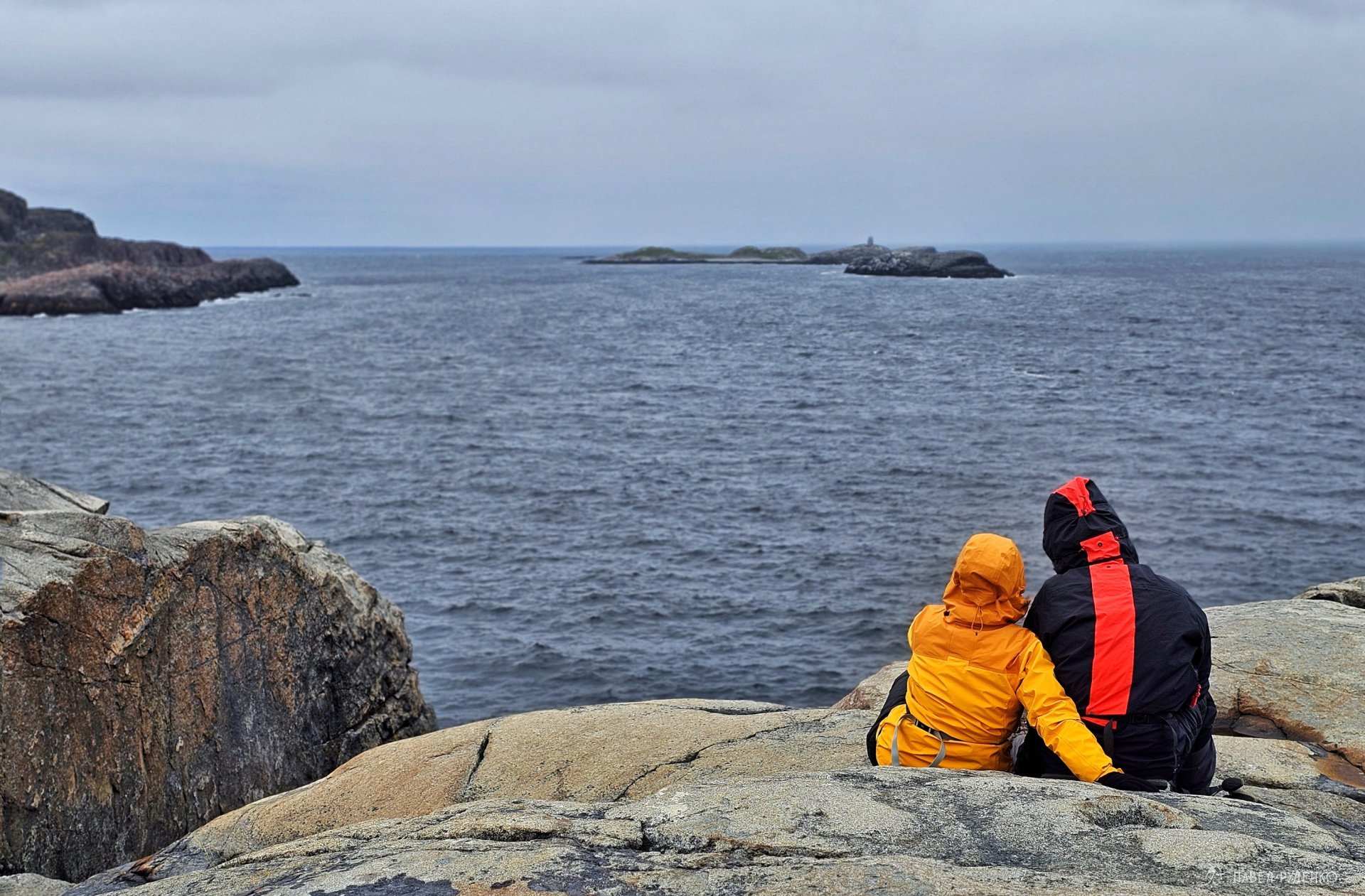
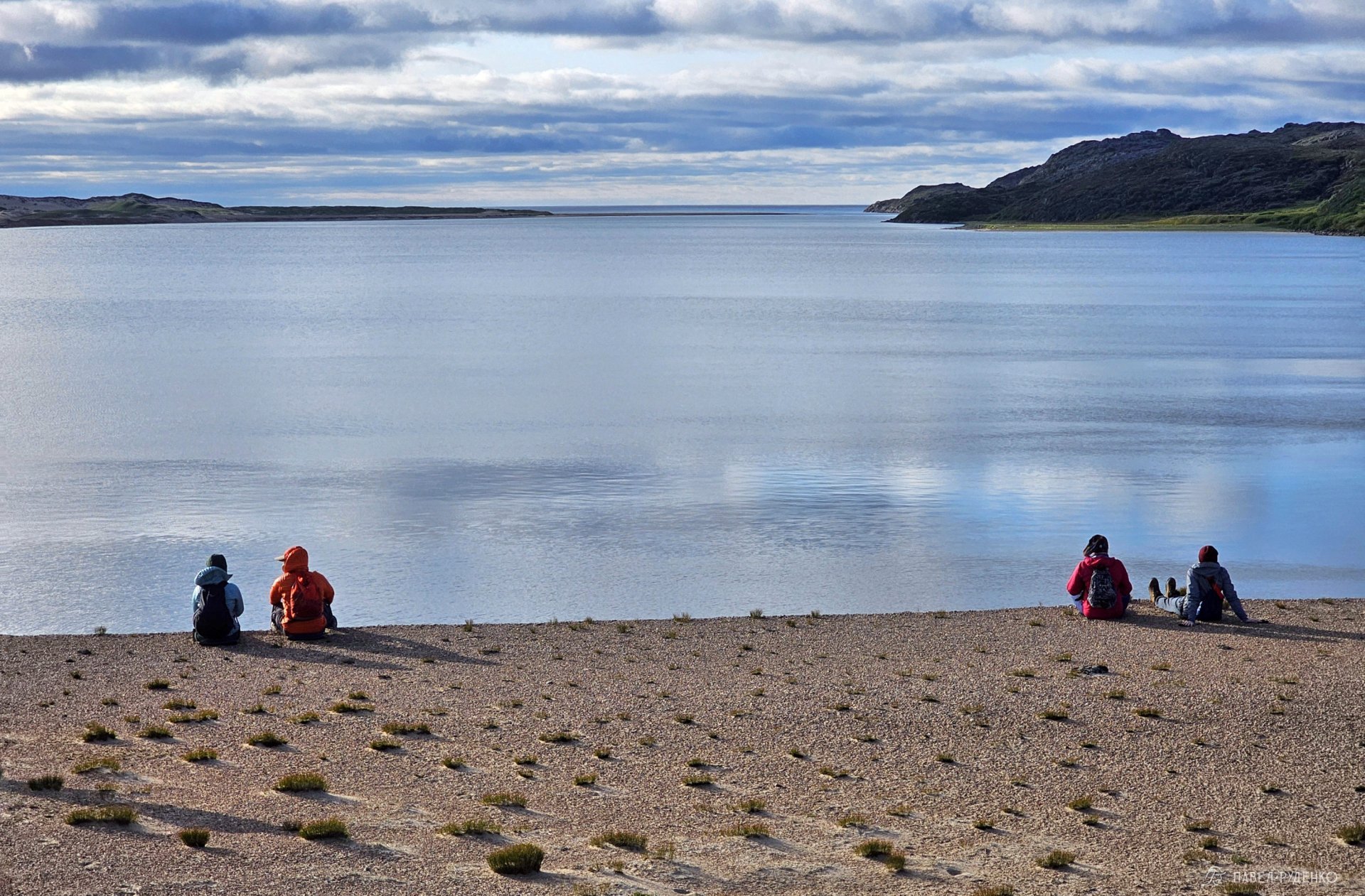
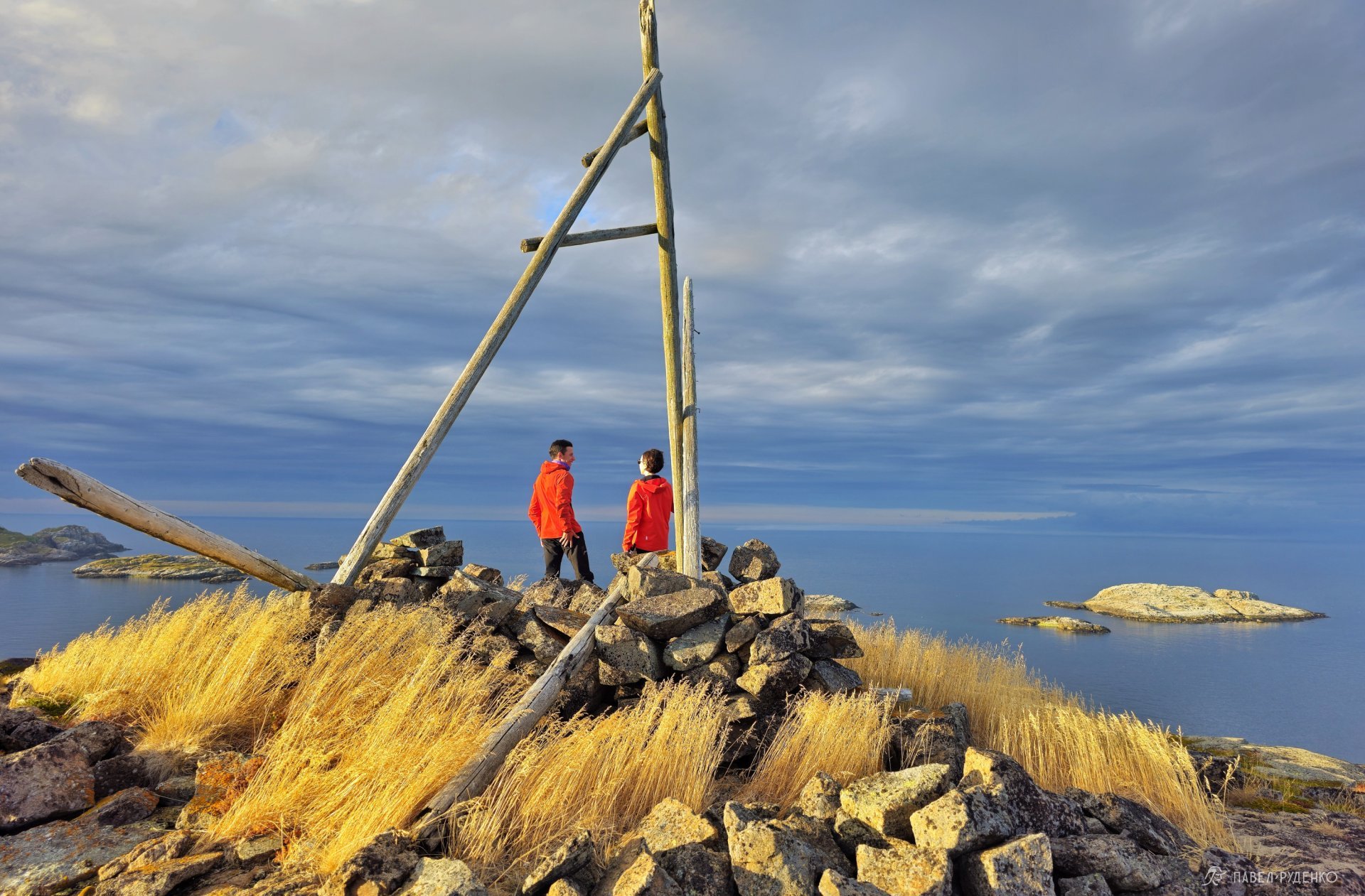
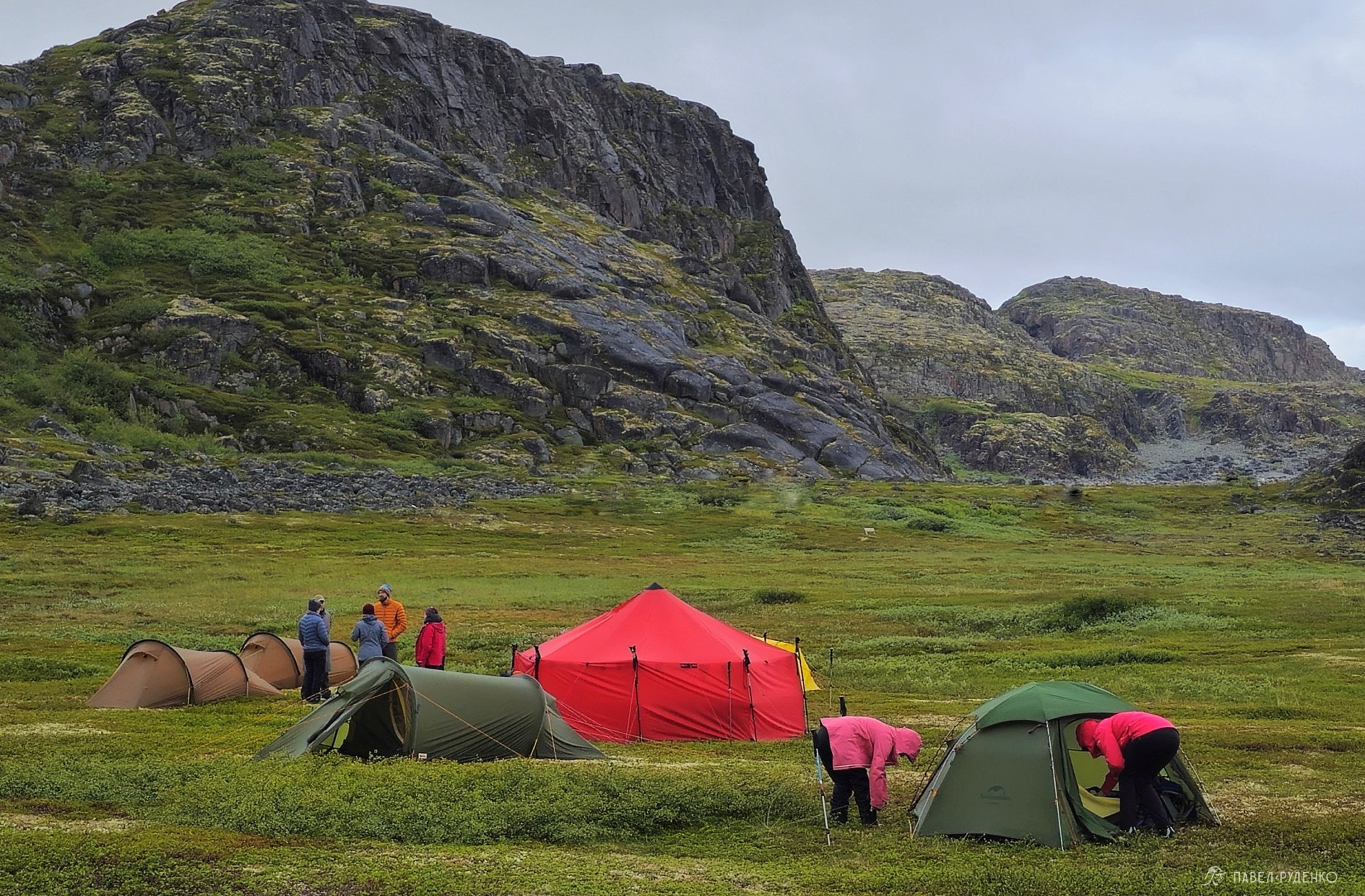
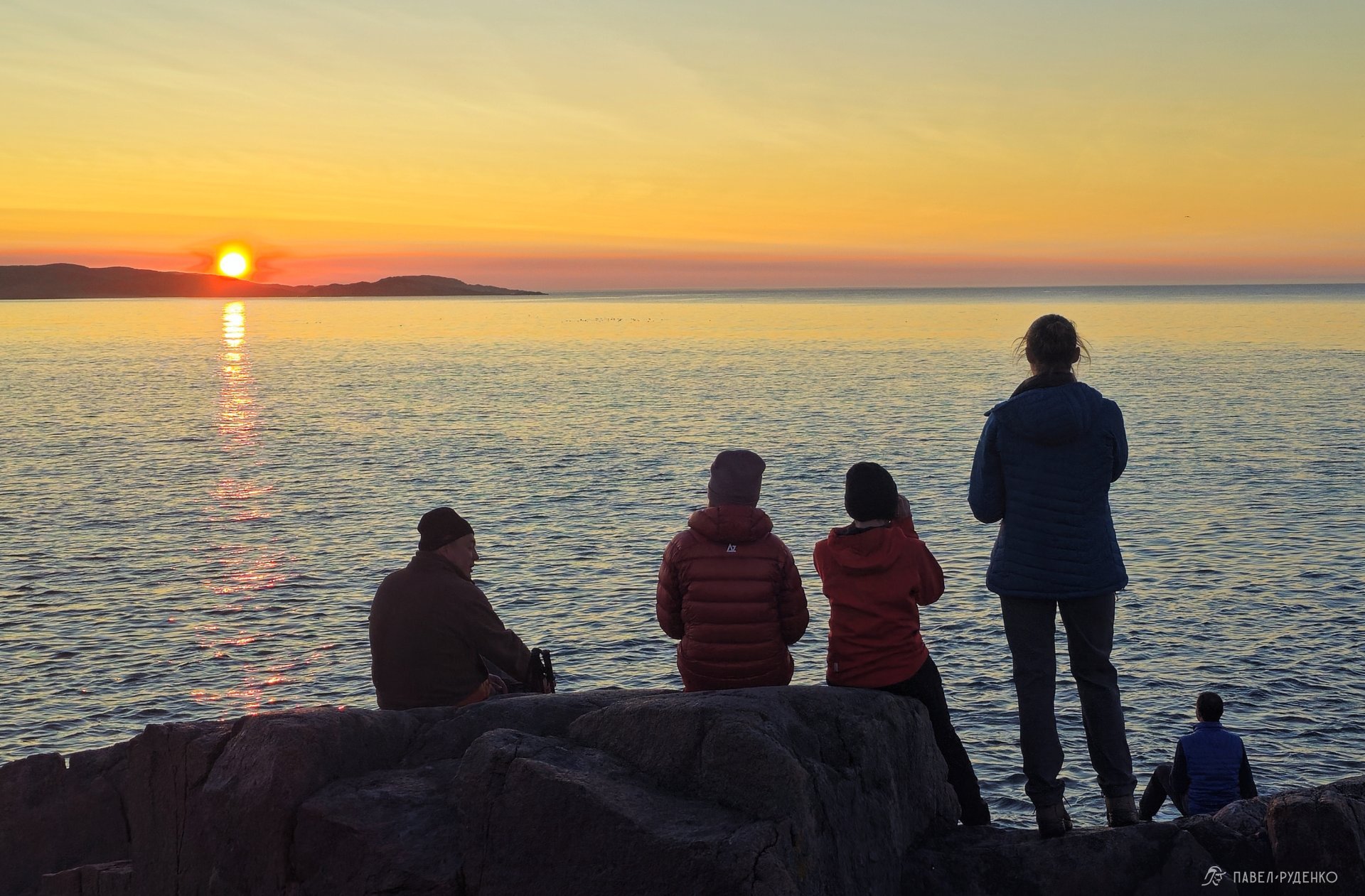
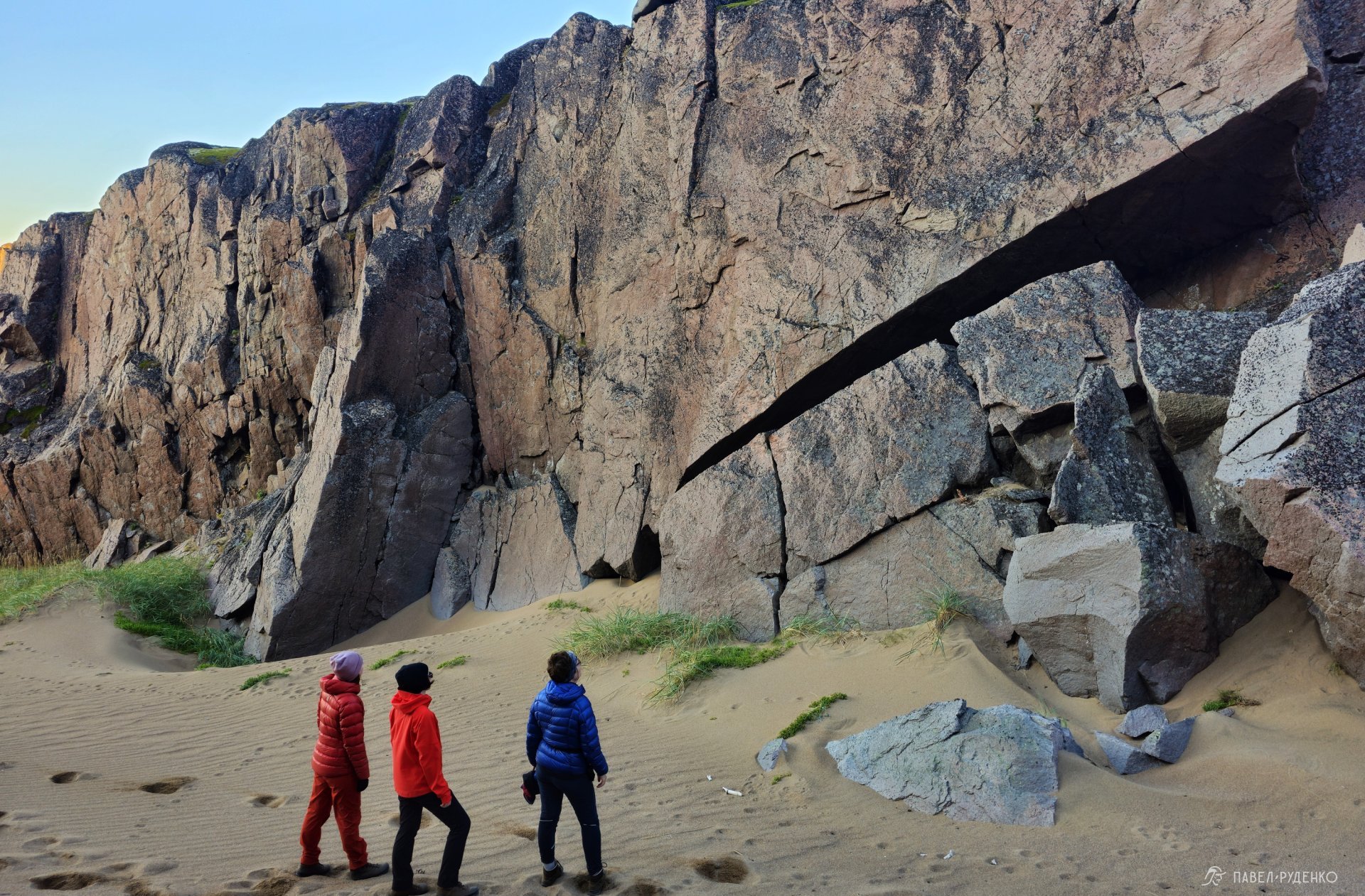
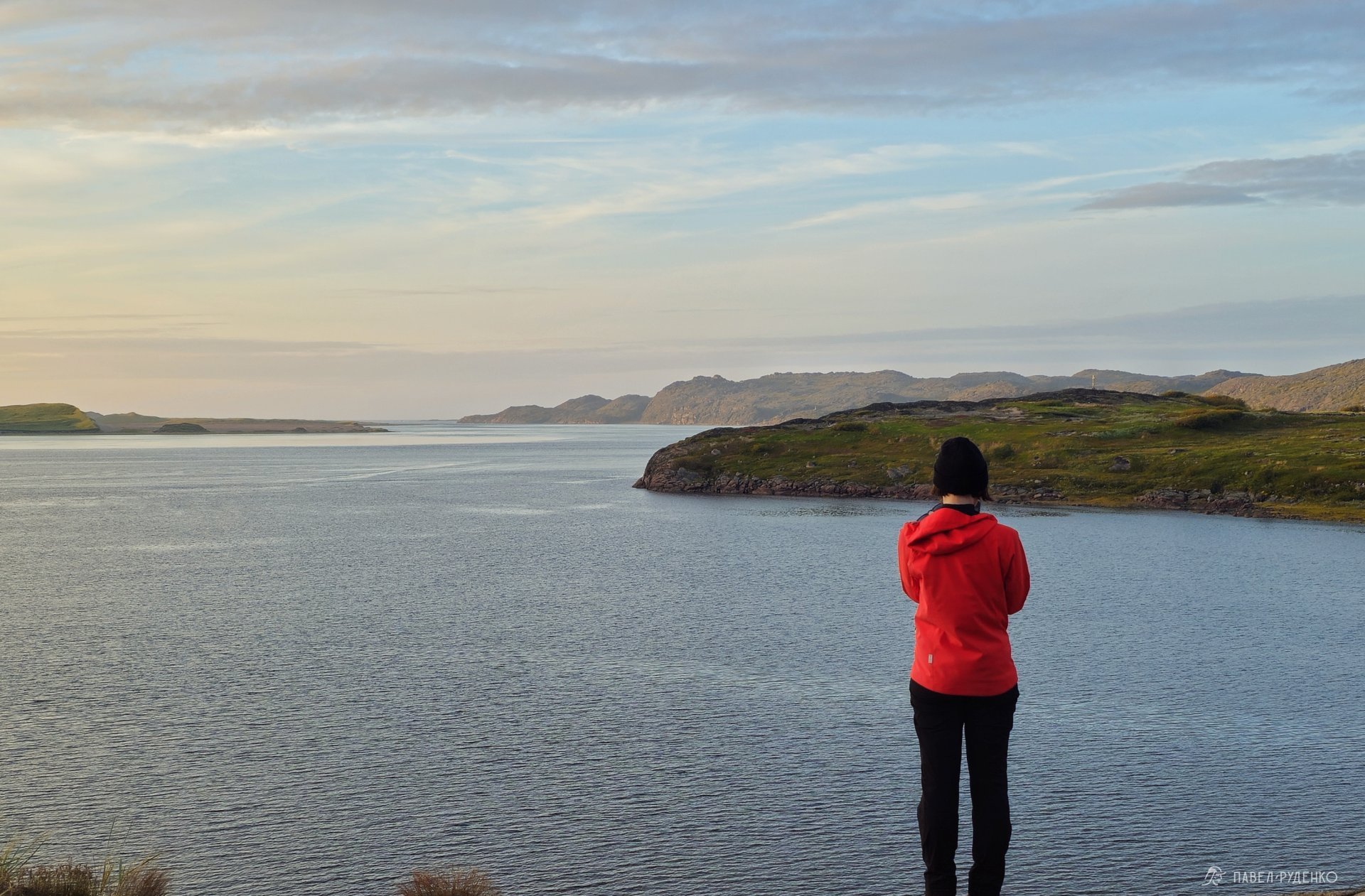
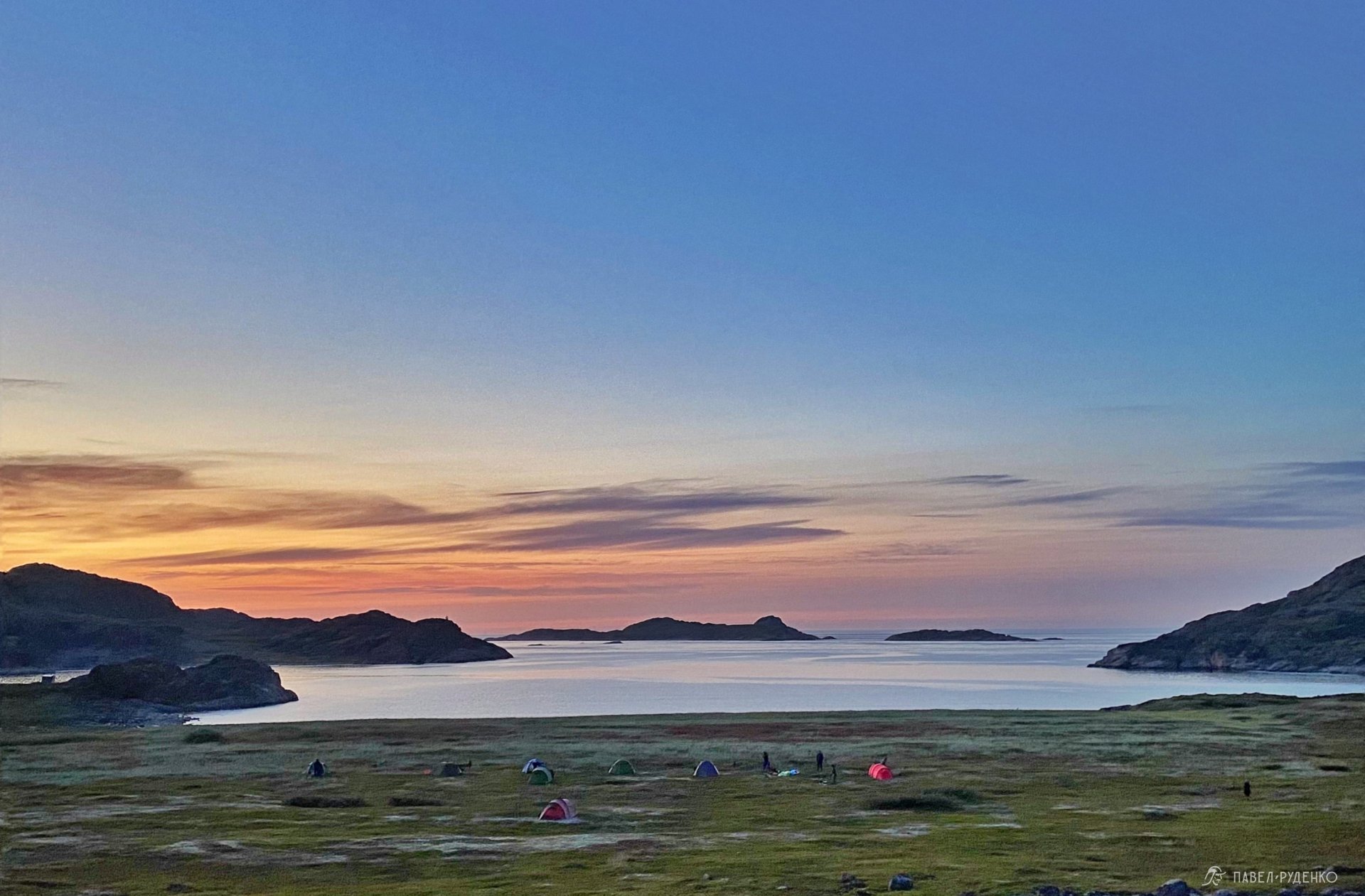
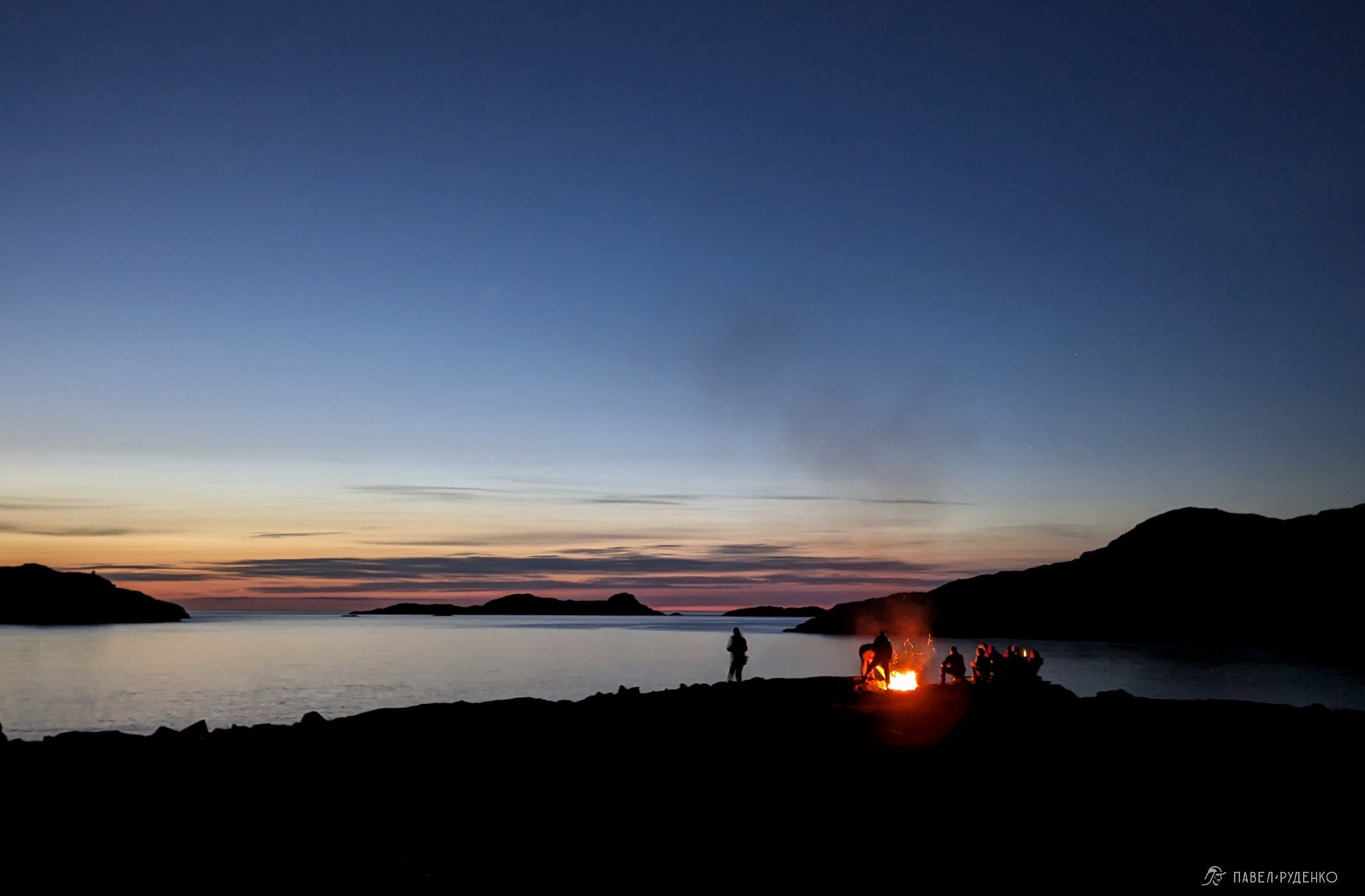
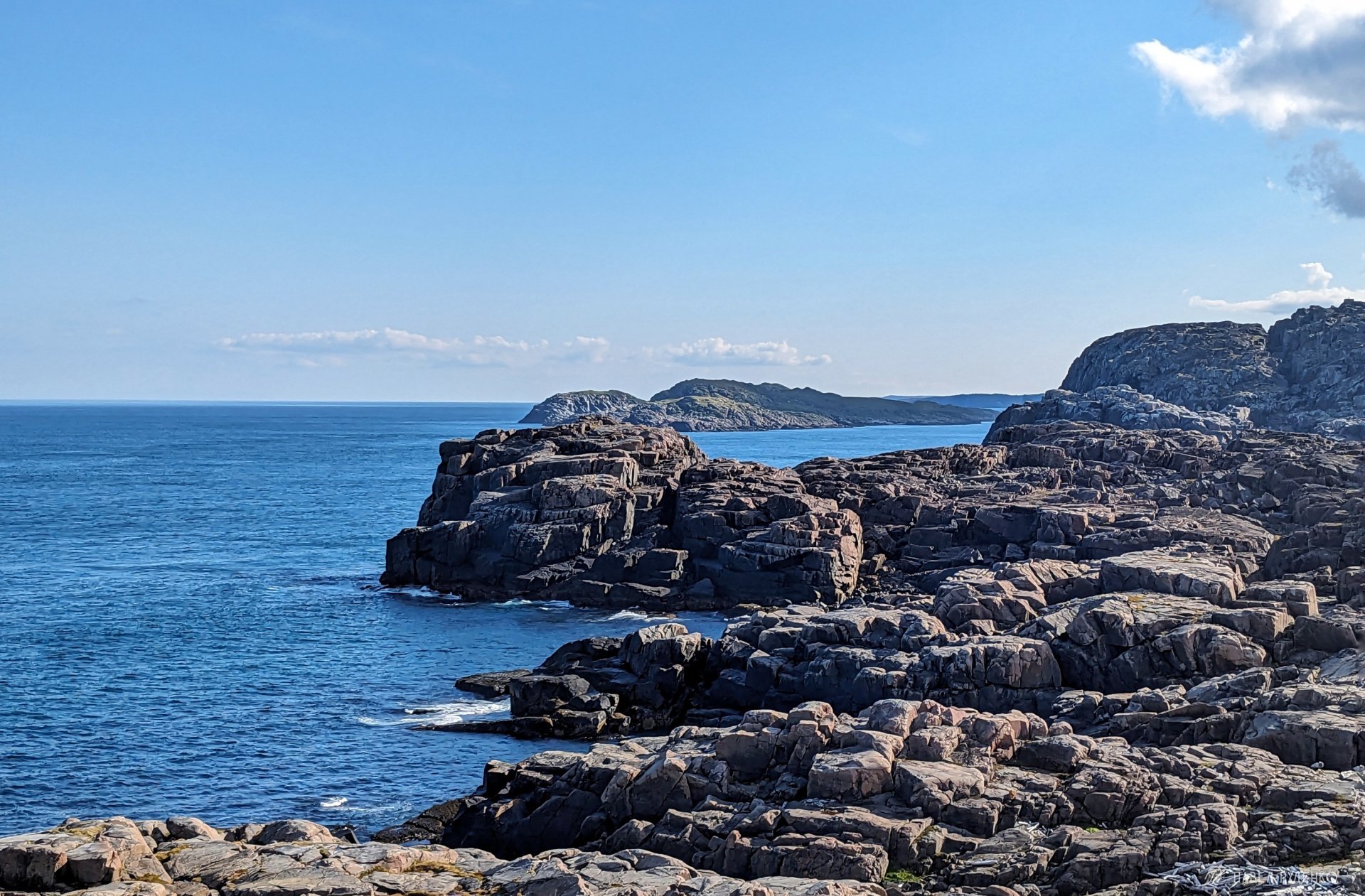
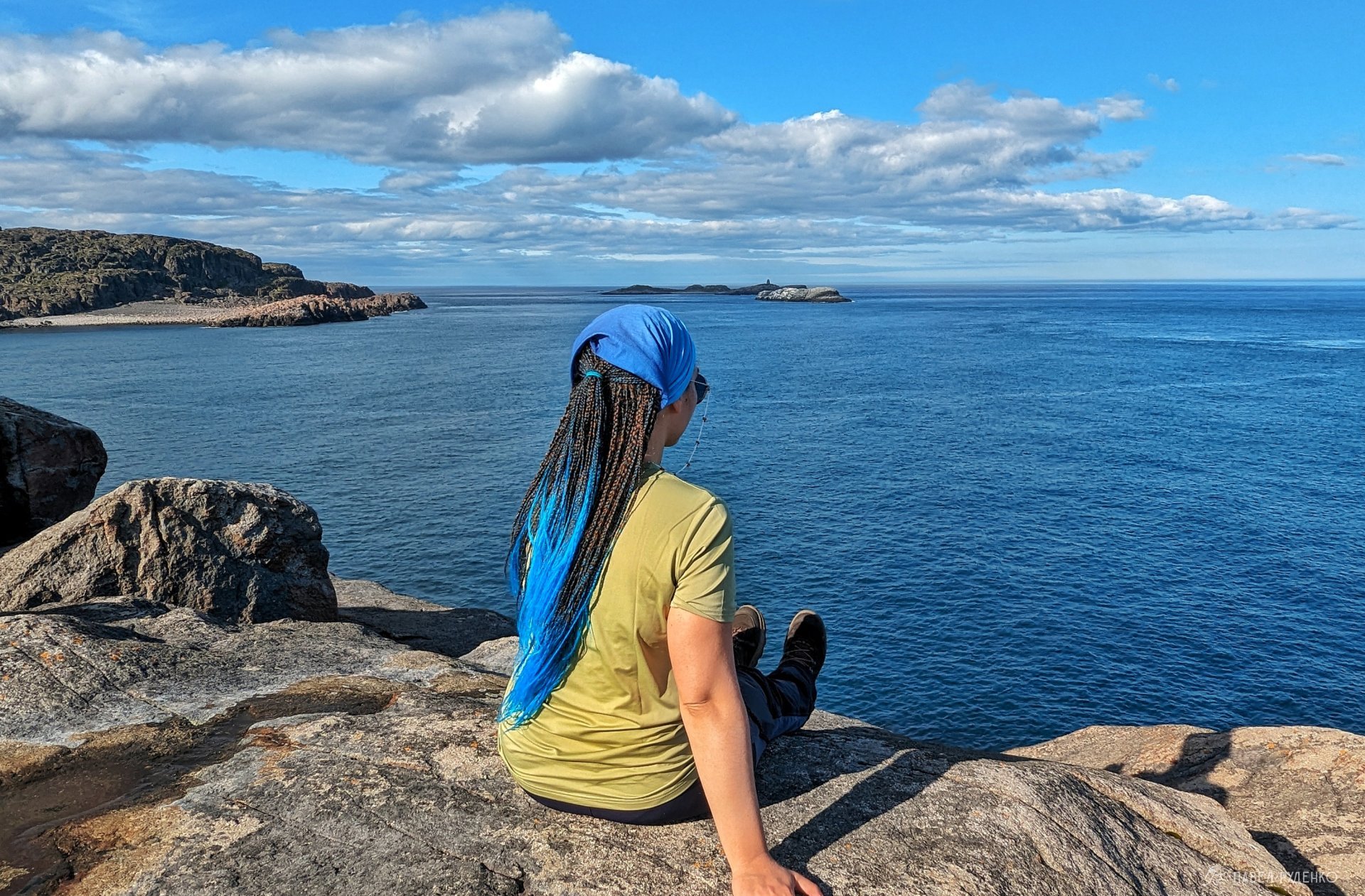
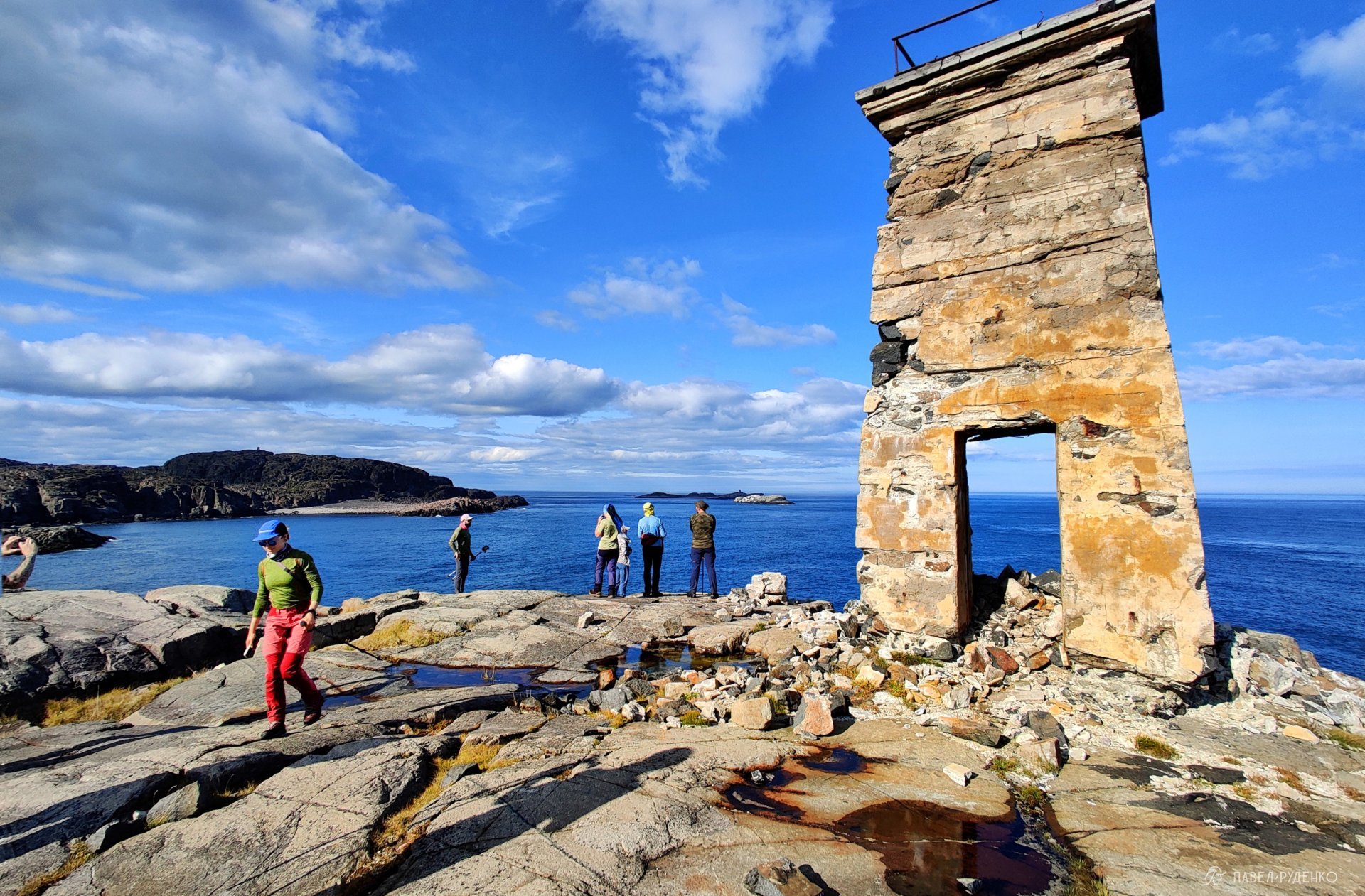
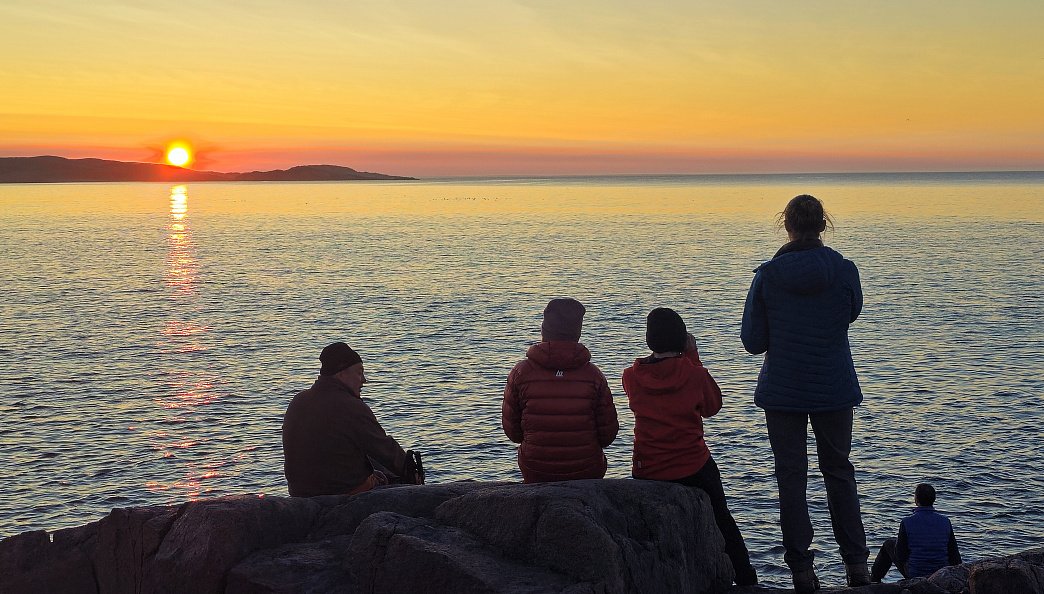
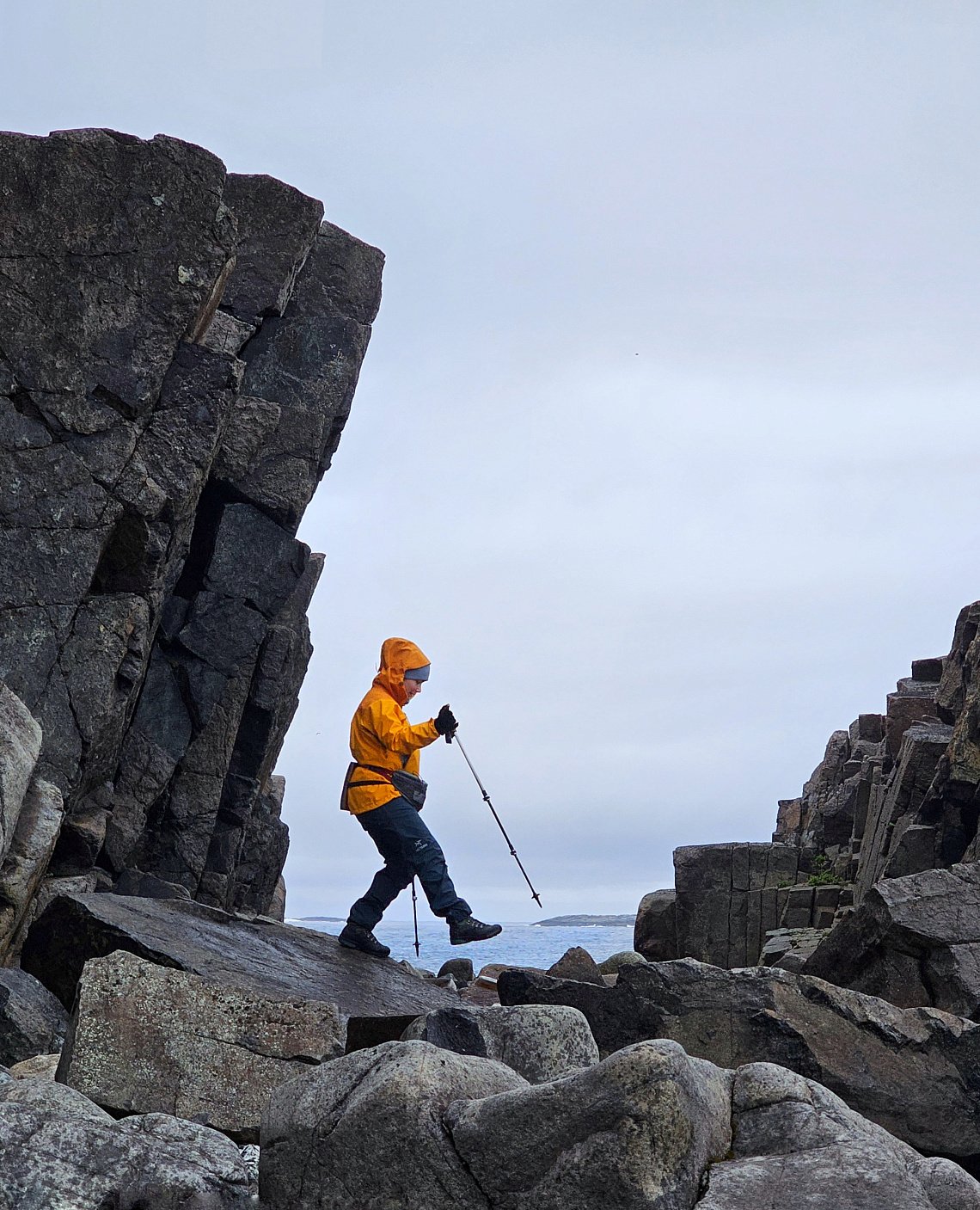
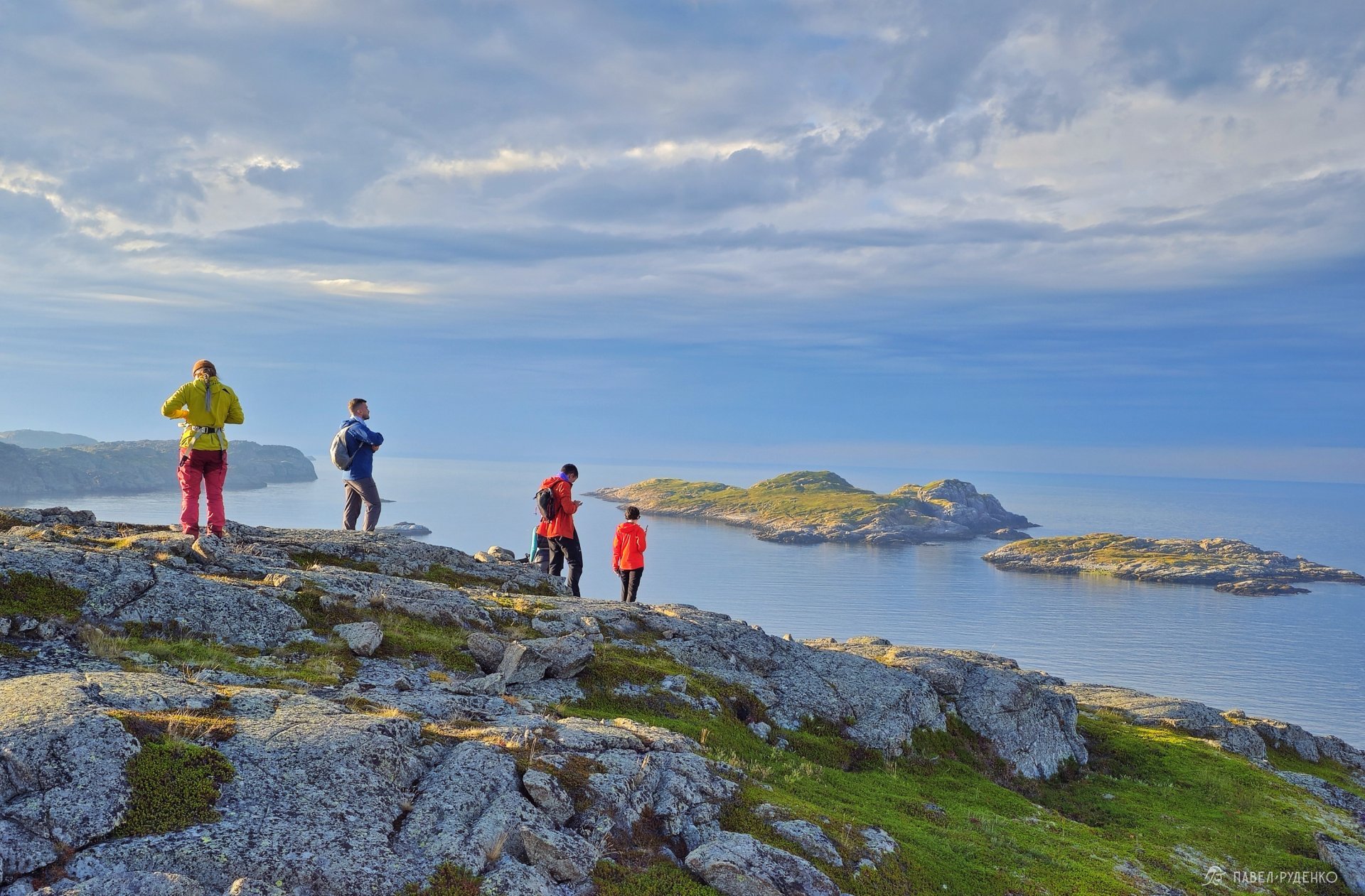
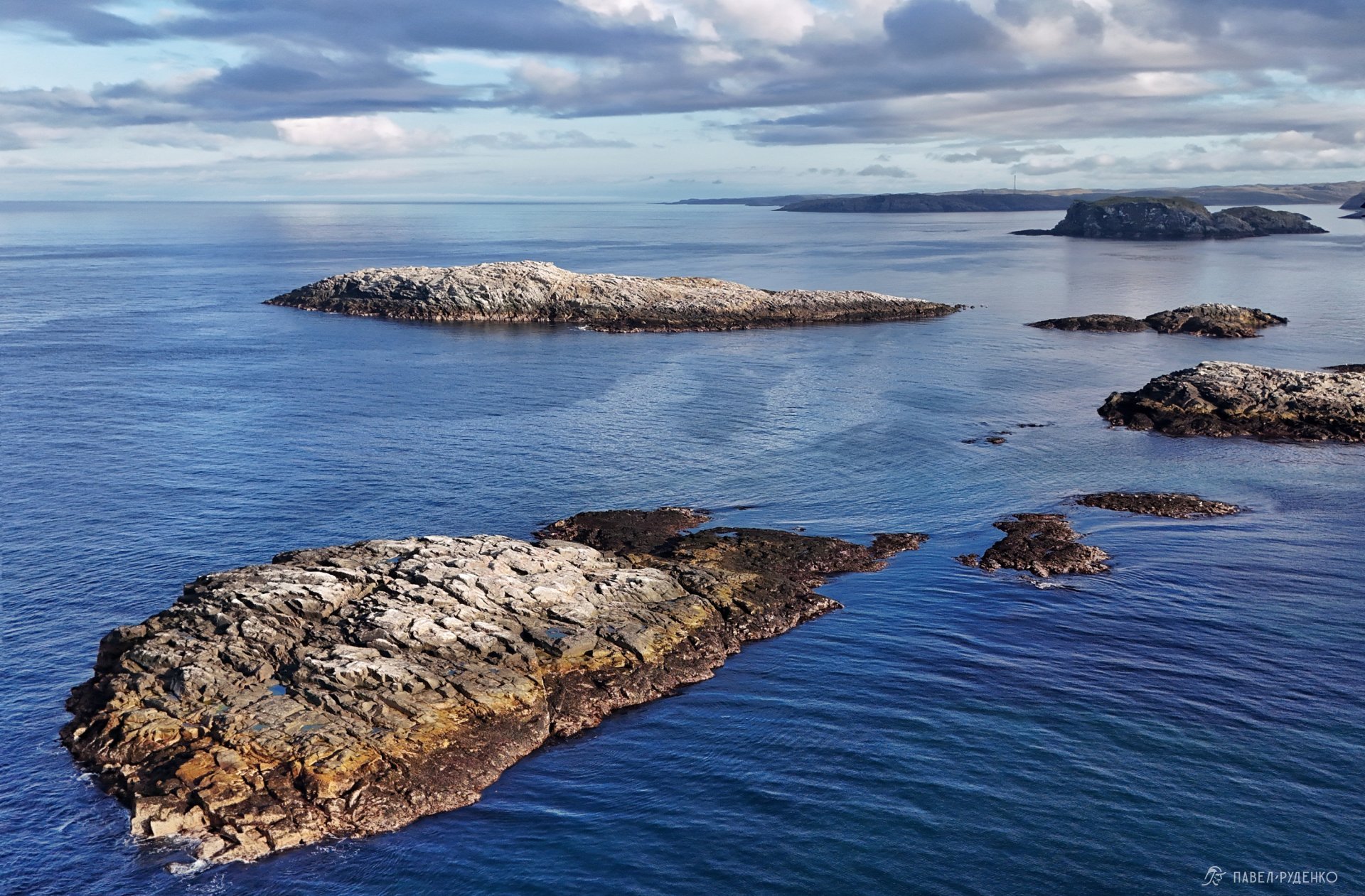
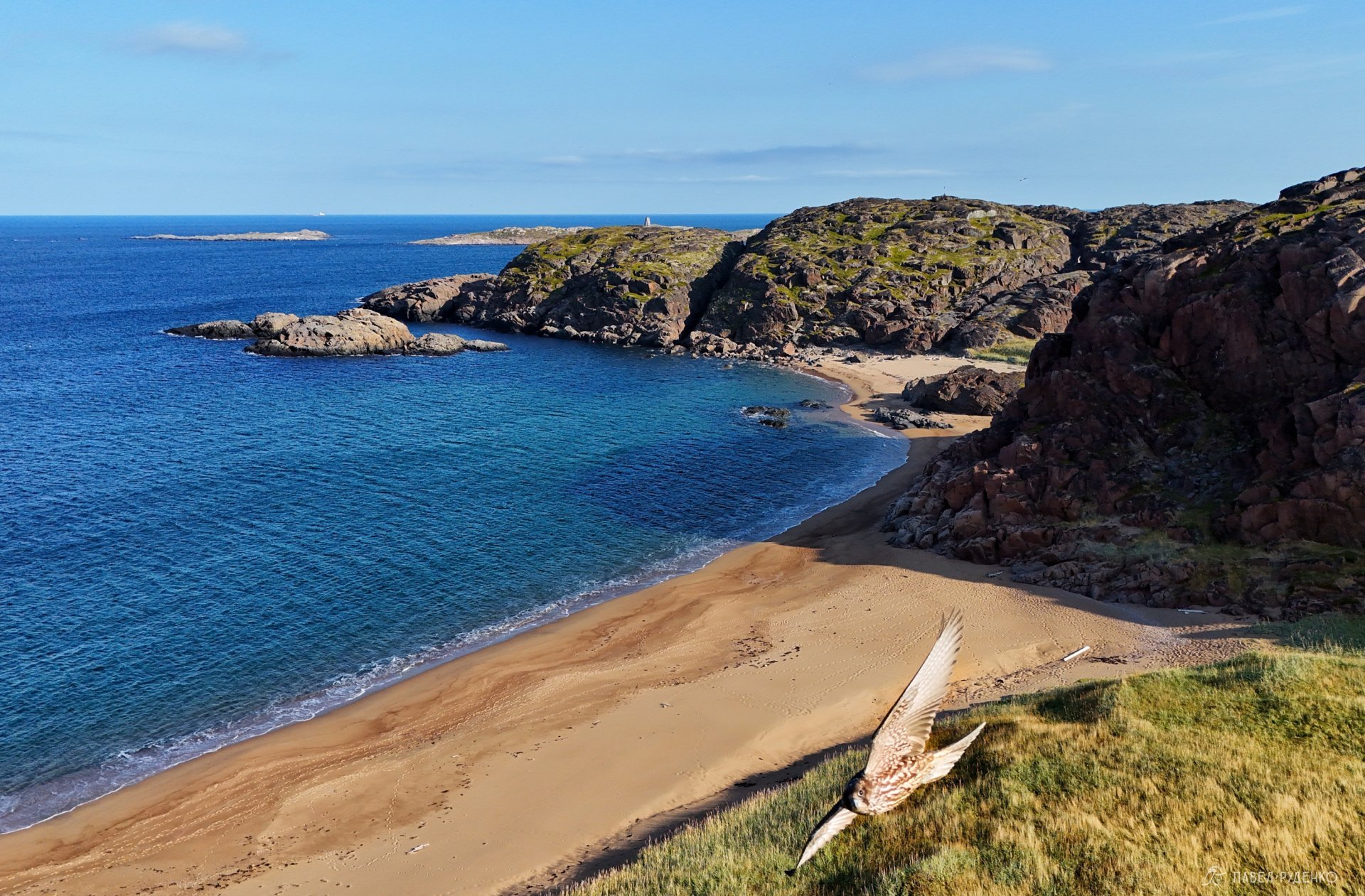
We are at the edge of the Earth. The wind in your hair, ahead are the endless expanses of the Barents Sea — a marginal sea of the Arctic Ocean. There are 2 400 km of ocean waters and ice left from us to the North Pole. Once upon a time, the Sami stopped here, then Russian hunters, and now these are sparsely populated places with pristine nature. There are no tourists, people are rarely seen — and this special charm of solitude will allow you to truly enjoy the North.

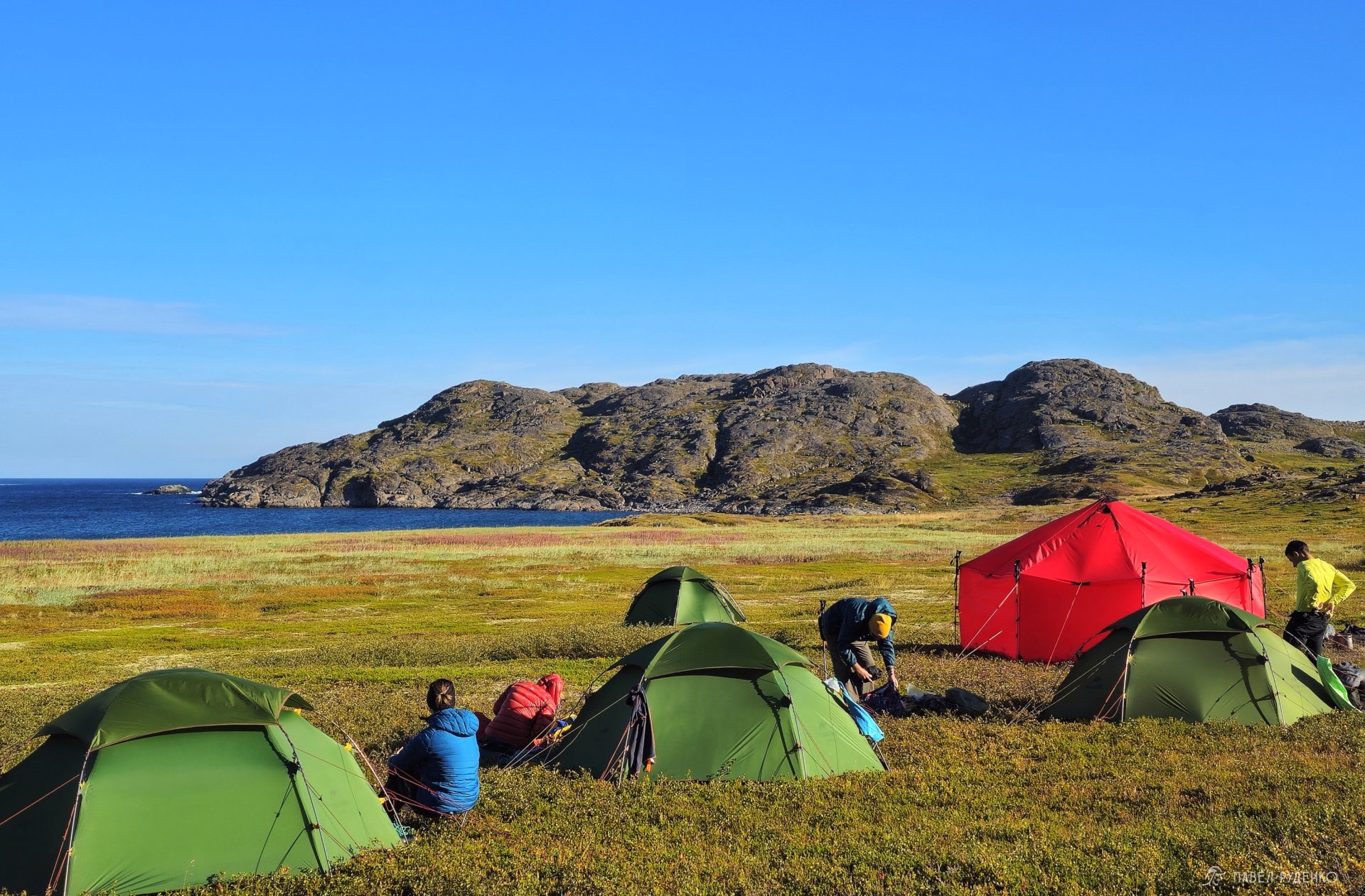
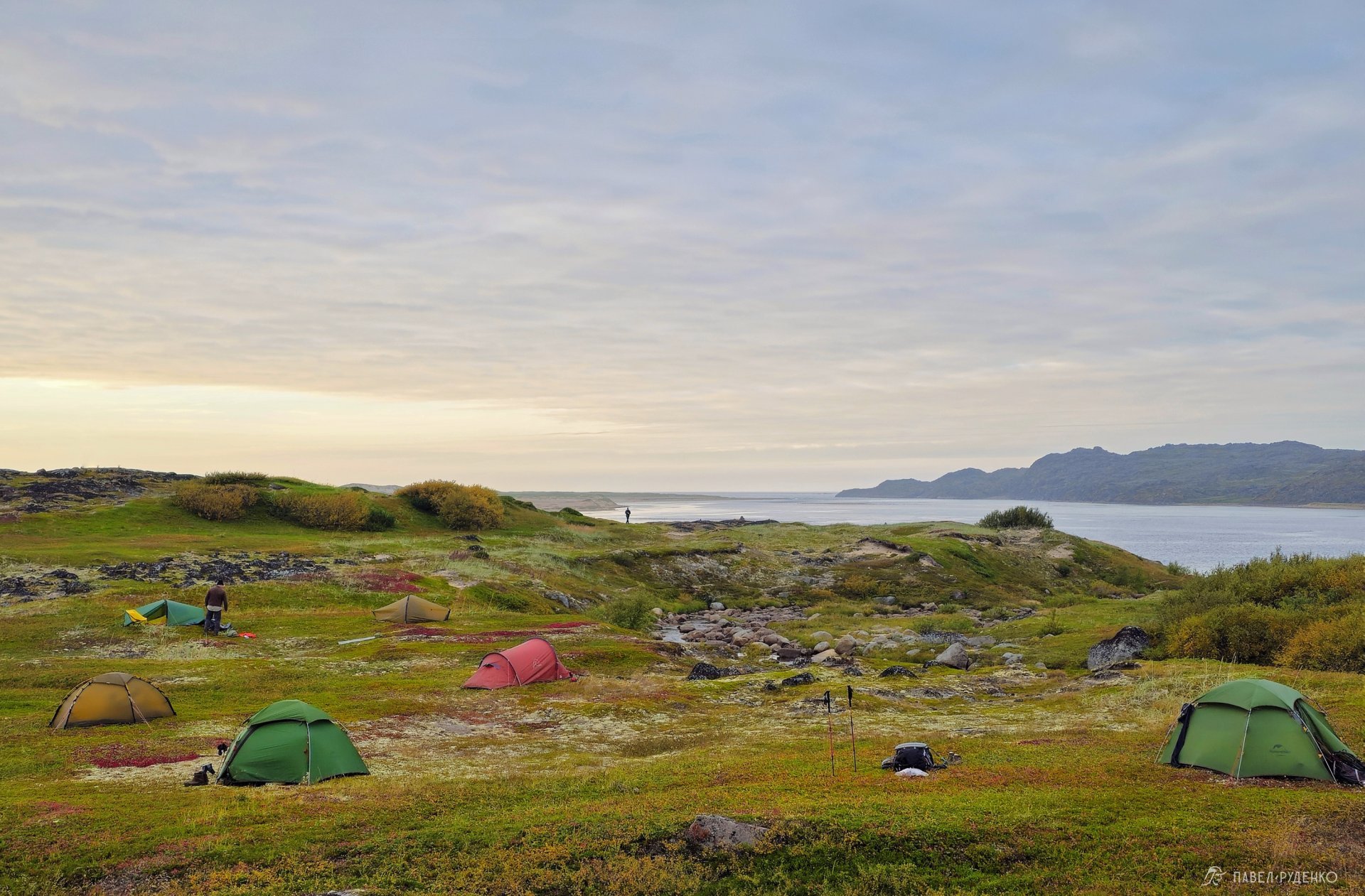
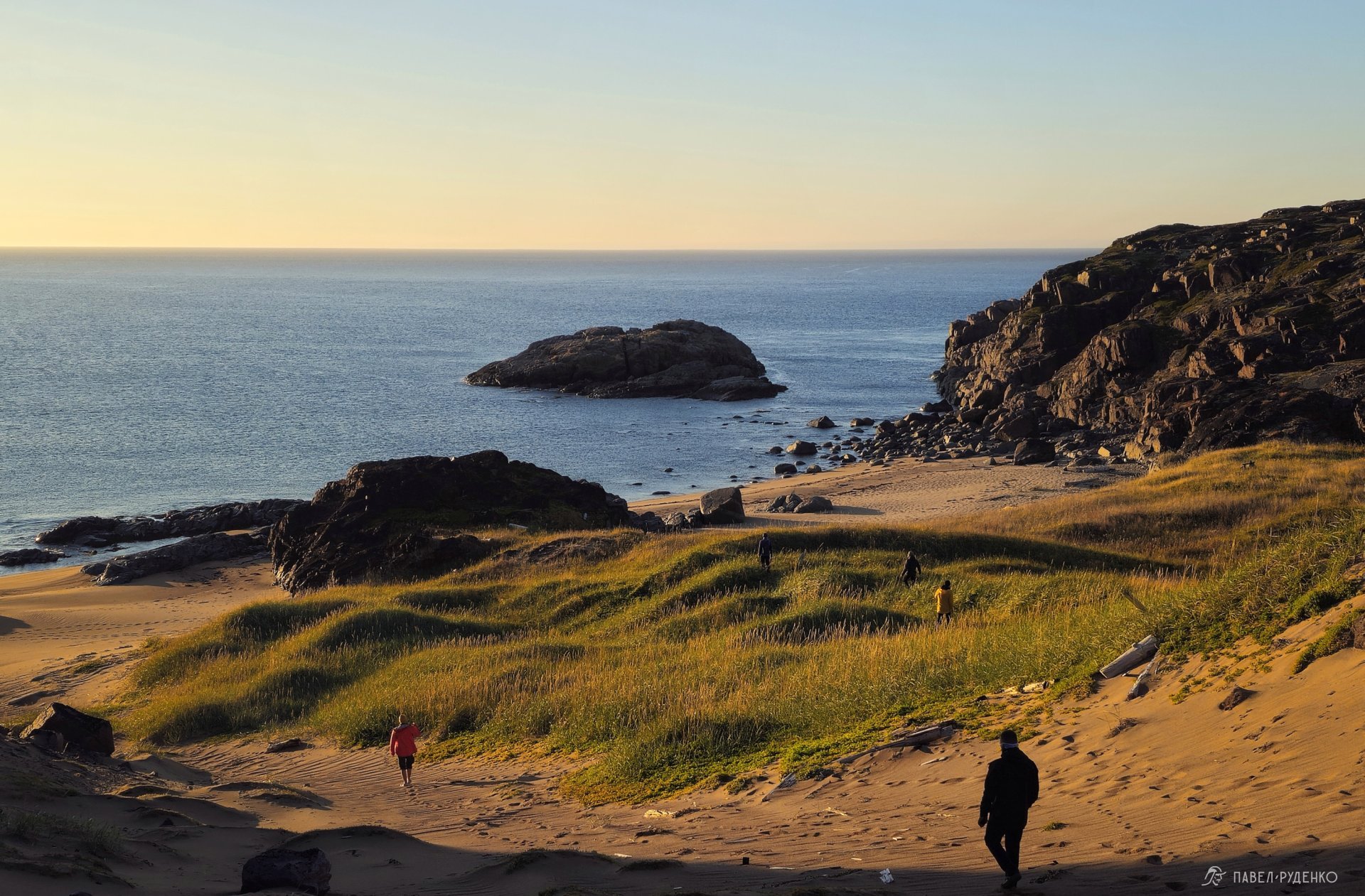
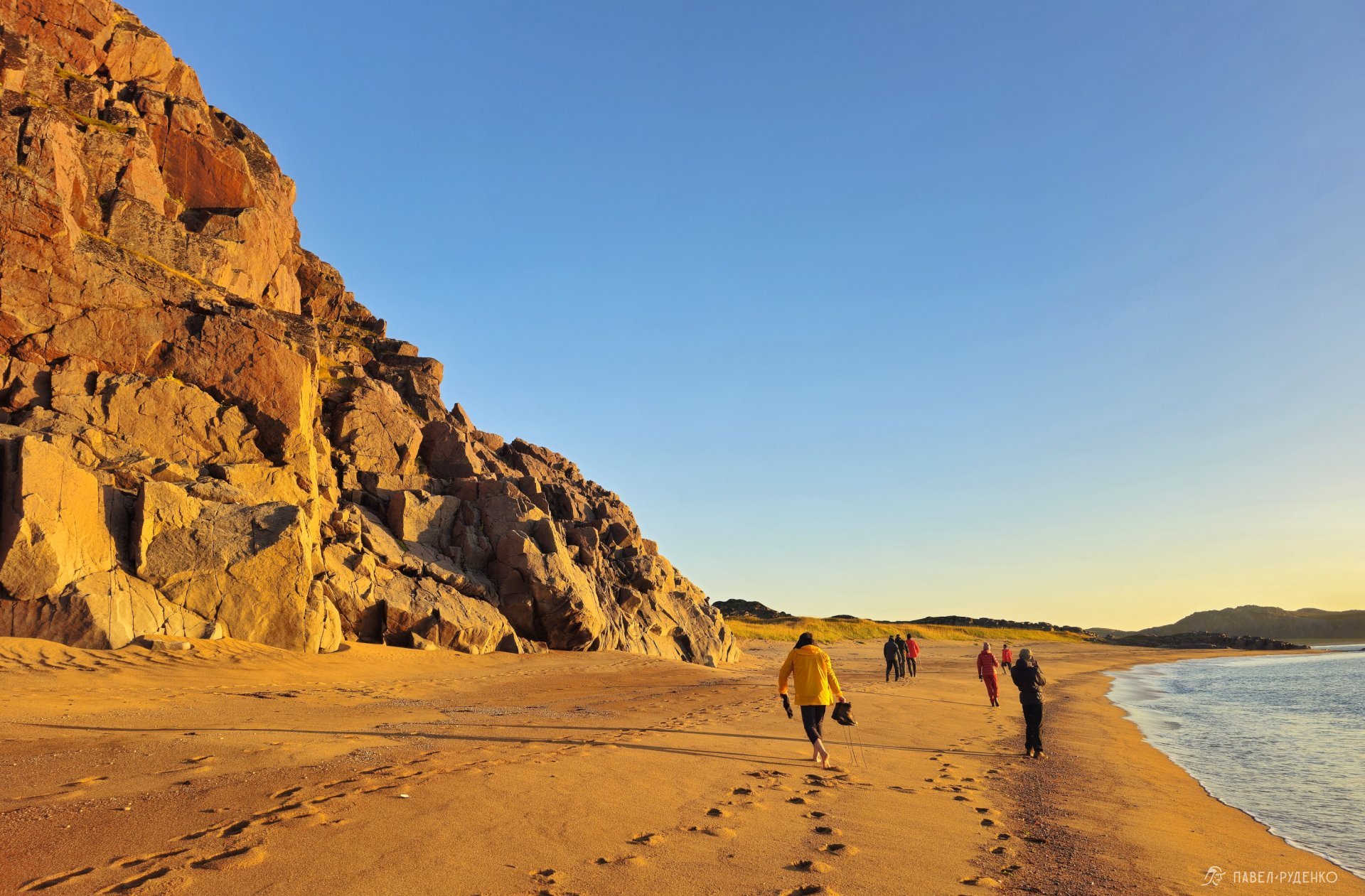
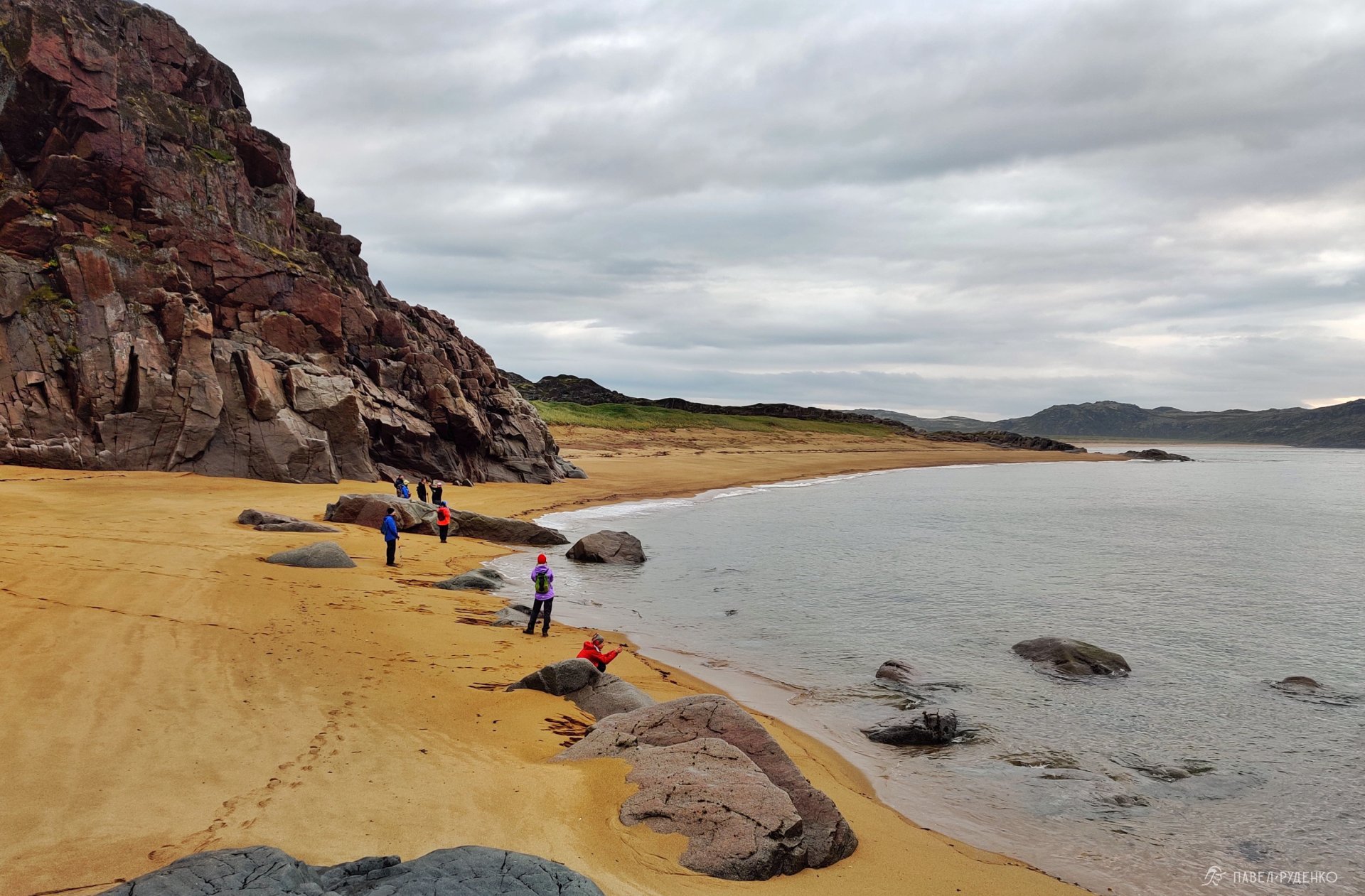
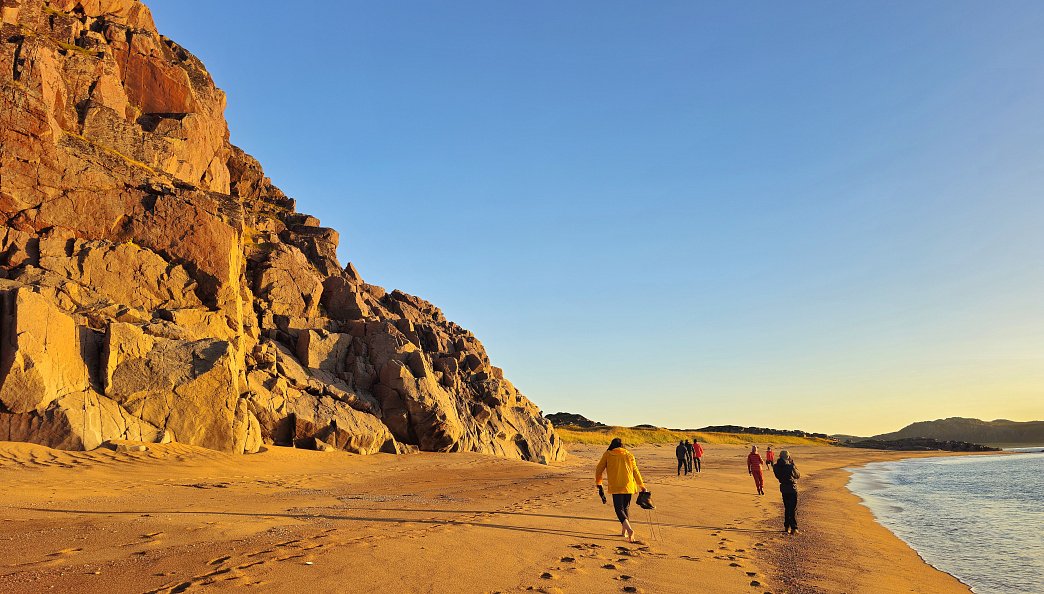
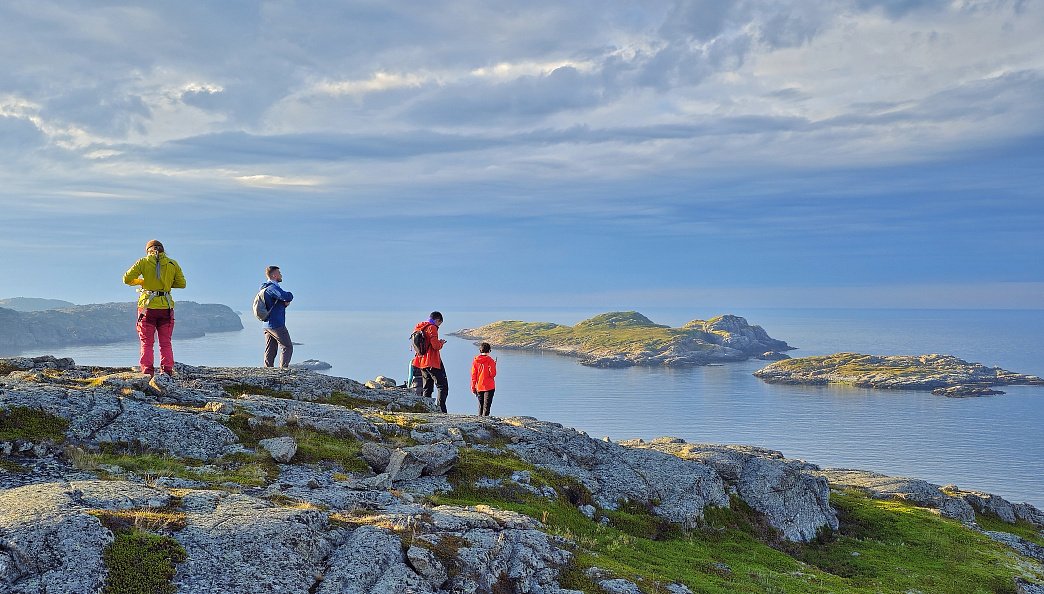
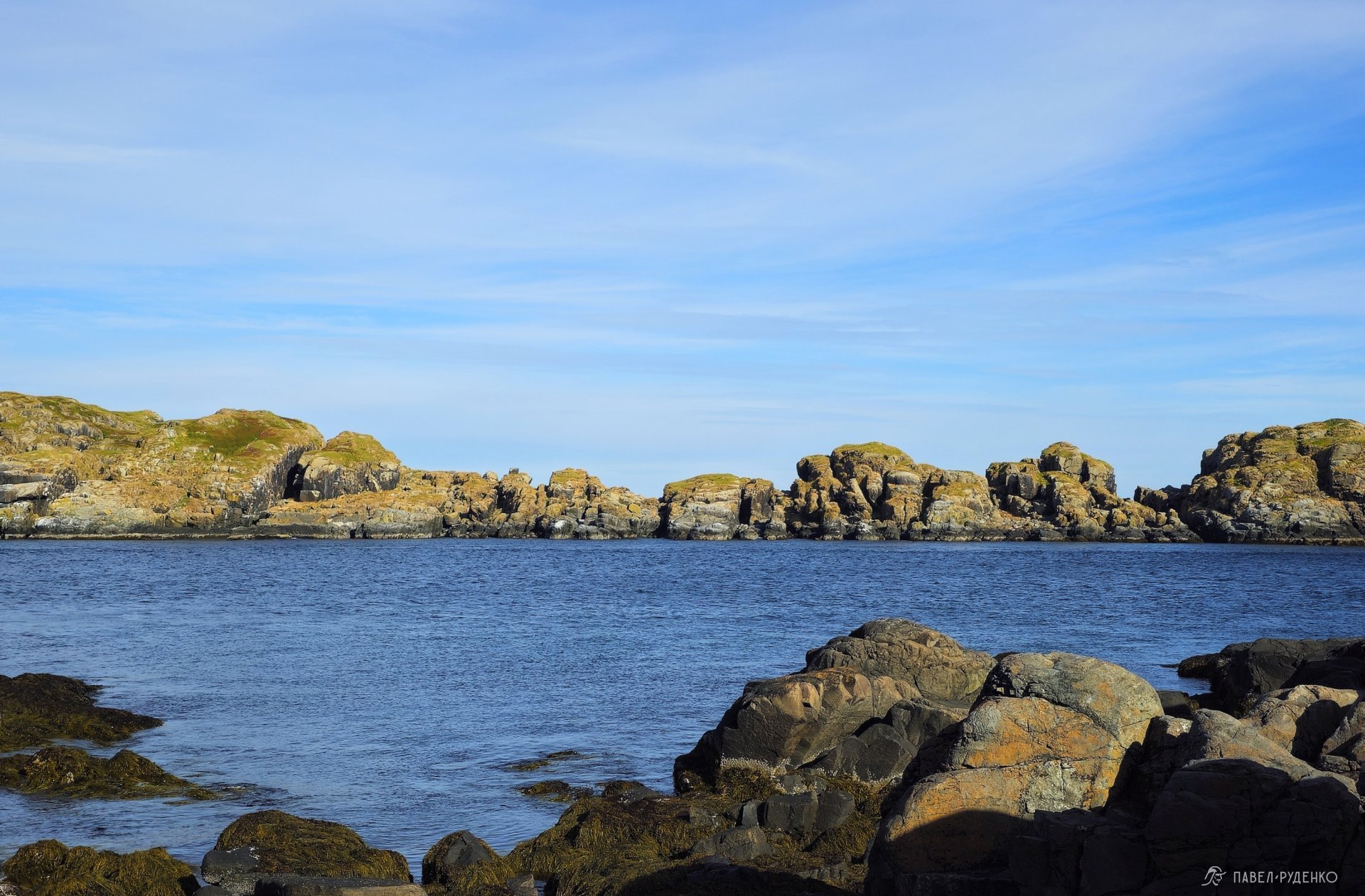
The peculiarity of the route is that we often make radial trips lightly to the rocks, beaches and view points, exploring every corner of the Arctic Ocean coast. We set up camp in the most picturesque bays, where we watch striped whales and Greenland seals every year, walk barefoot on the sand. This trek is complete harmony with nature and an opportunity to dissolve in its pristine beauty.
Read more

Who is the trek for

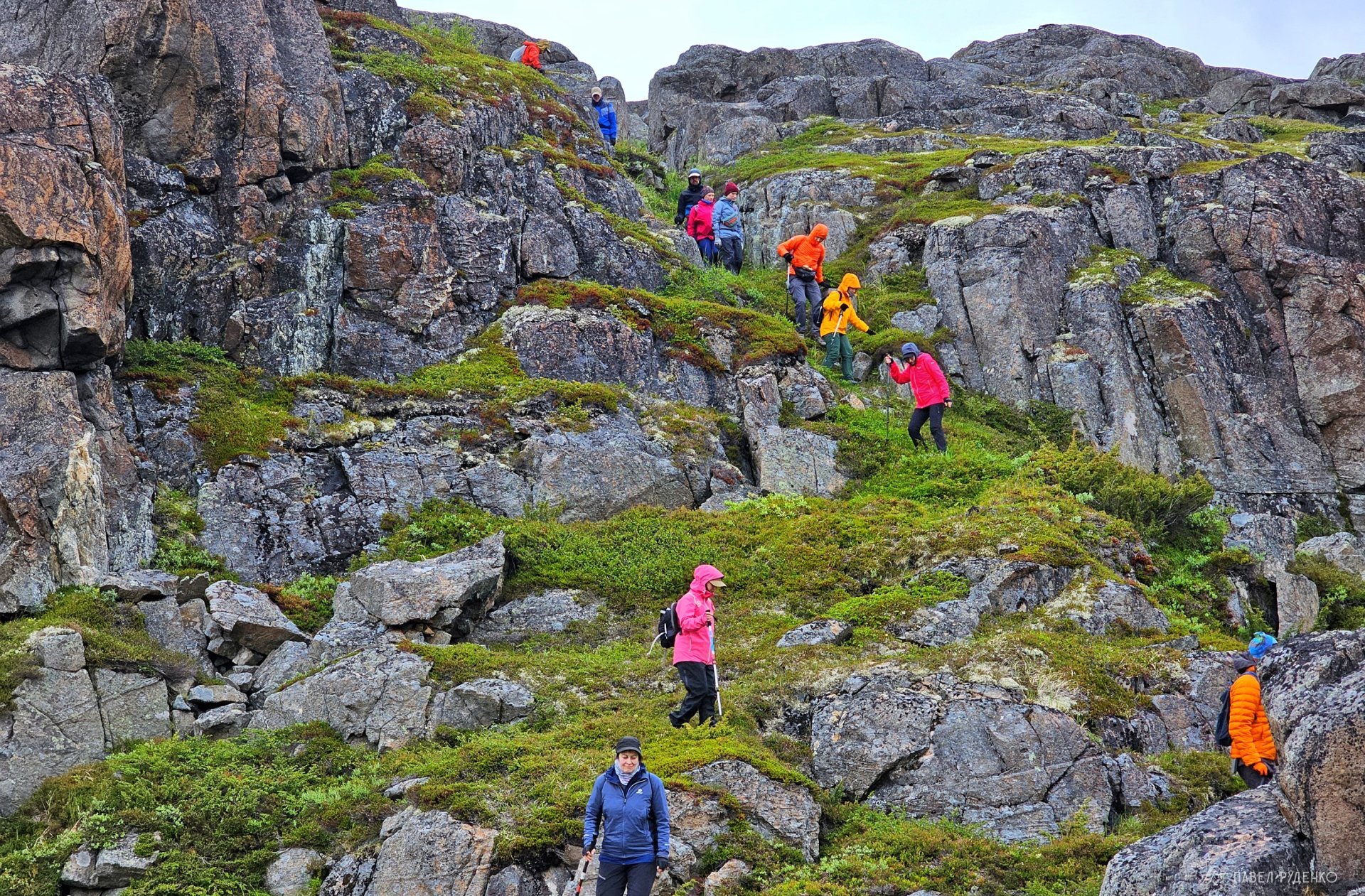
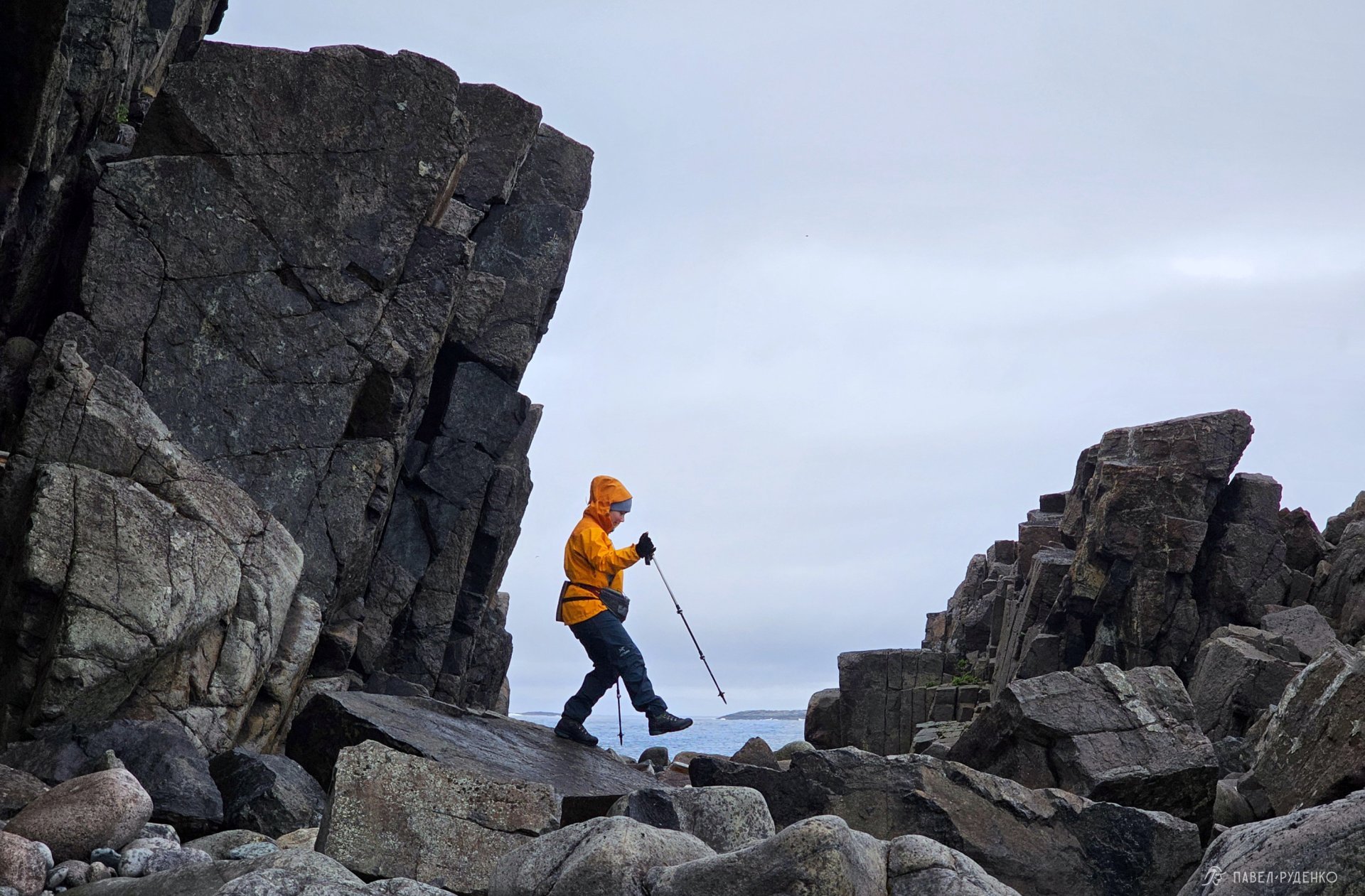
The route is perfect for both beginners in tourism and experienced travelers who want to take their time and explore the beauty of the north. At the same time, our path is not easy: we overcome hills, difficult terrain of the wild tundra and various weather conditions every day. Daily transitions and altitude differences are balanced so that a healthy person without special training can complete the route. Properly selected, technologically advanced gear is essential for comfort in polar conditions.

Trekking area

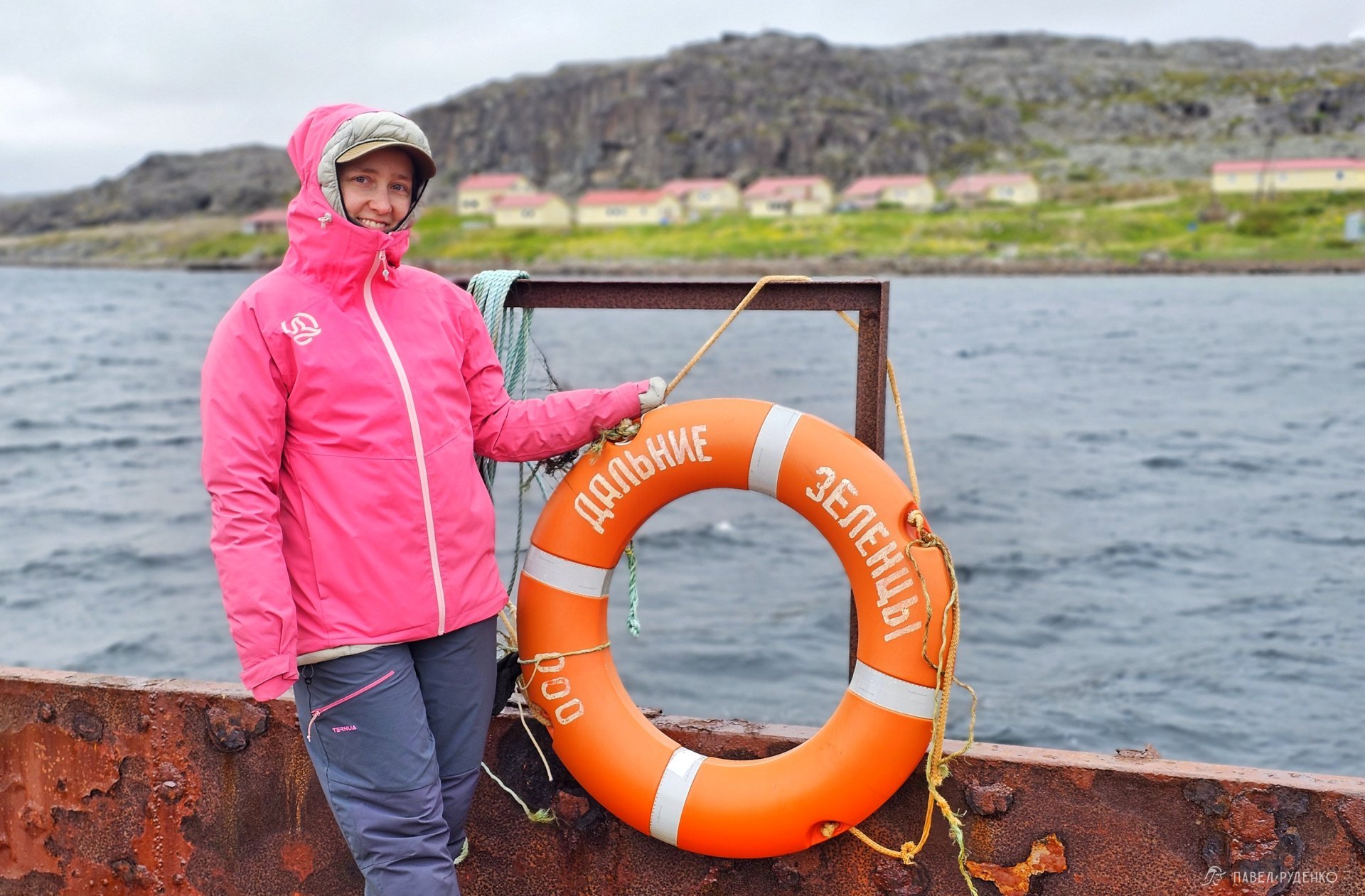
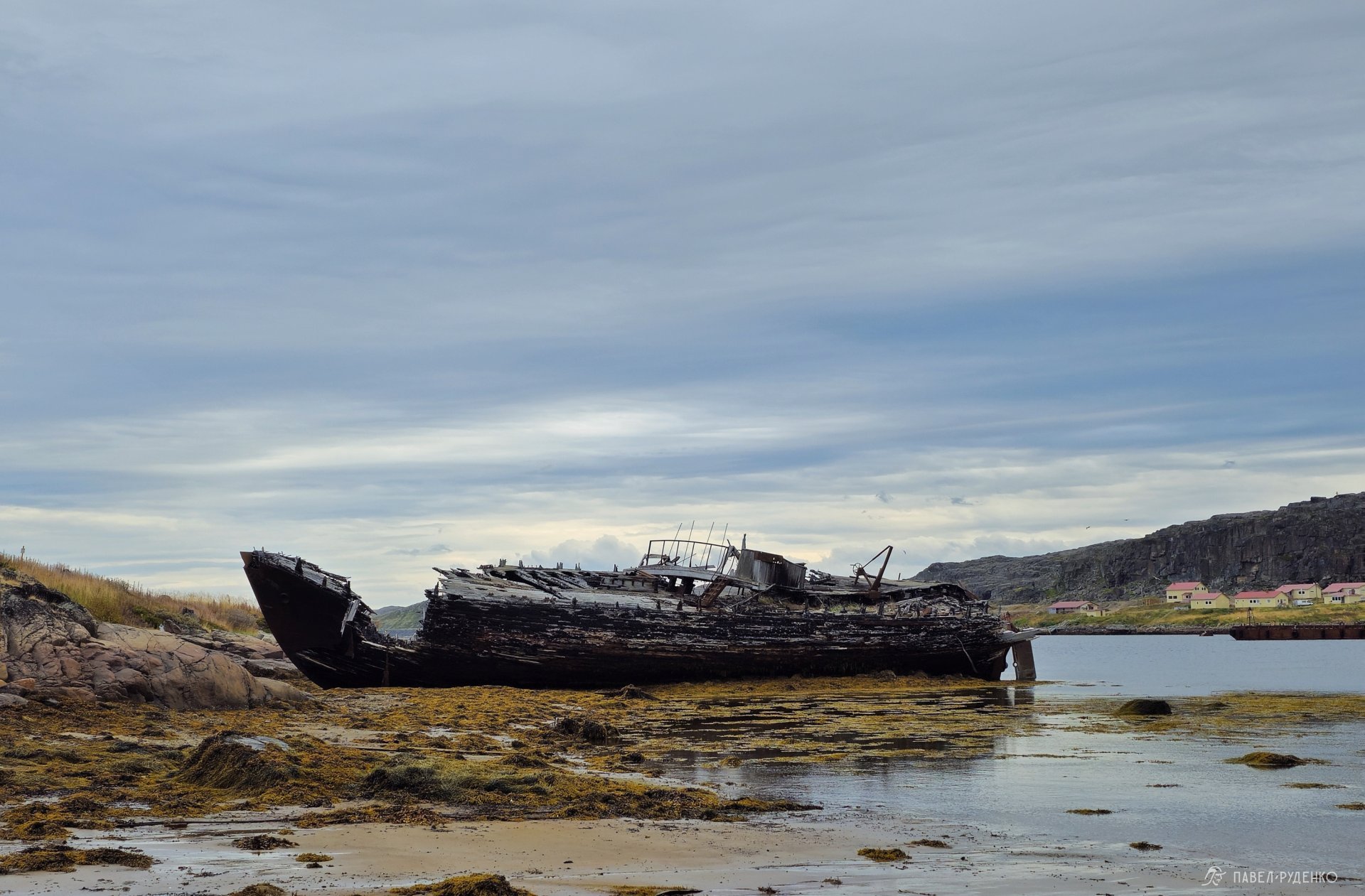
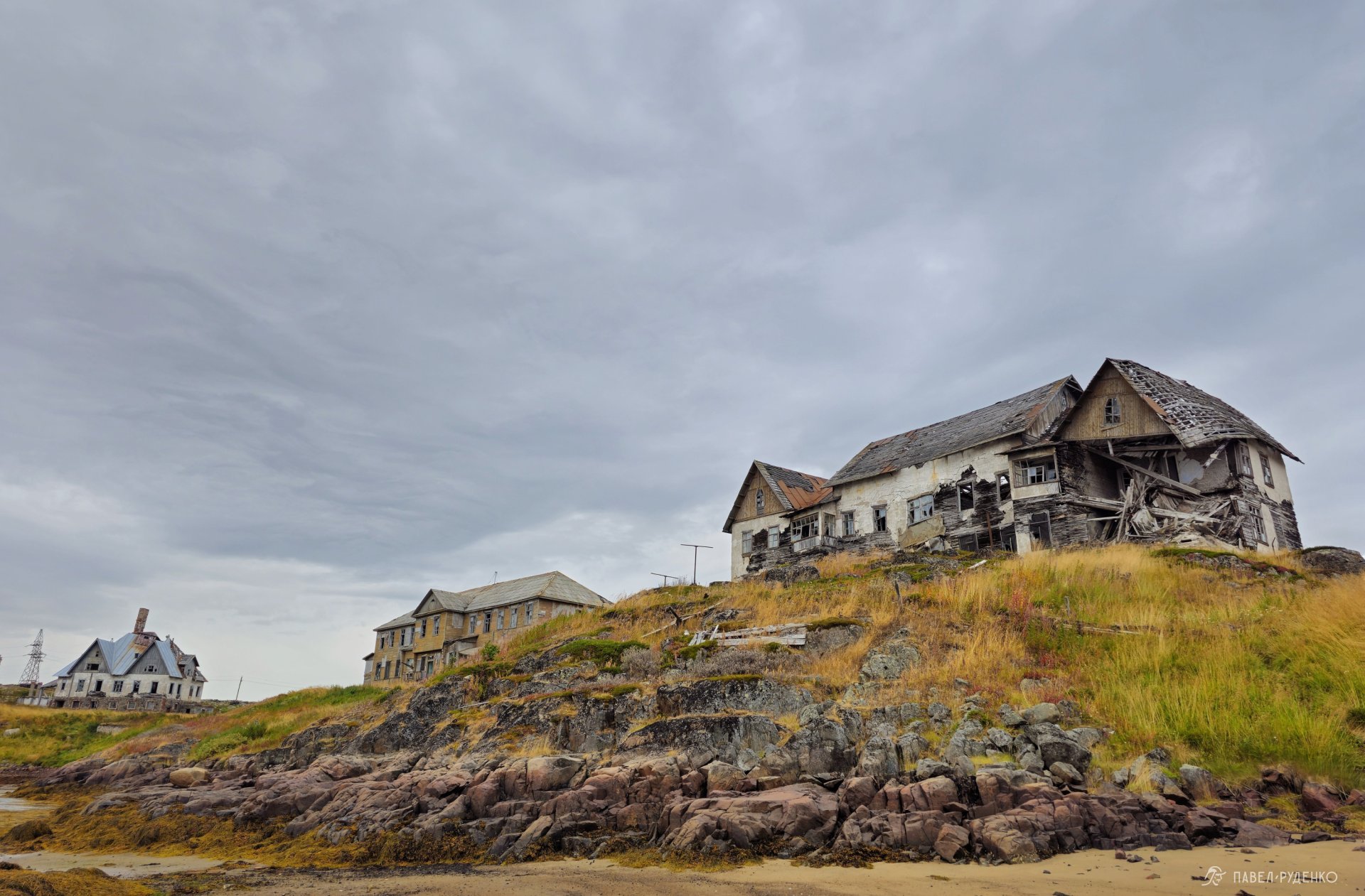
Dal'nie Zelentsy is a village lost on the edge of the Barents Sea with a dramatic fate. Since the 17th century, there has been a Pomor fishing camp here, where cod and halibut were caught in the summer. The Murmansk Biological Station was created, which turned into the best marine research center in the USSR by the 1980s. Scientists lived here, a school, kindergarten and post office worked — life was in full swing at the very edge of the earth. Today, Dal'nie Zelentsy live a quiet life of a forgotten outpost, keeping the memory of the times when big science was done on the edge of the Arctic.

Ocean's gifts

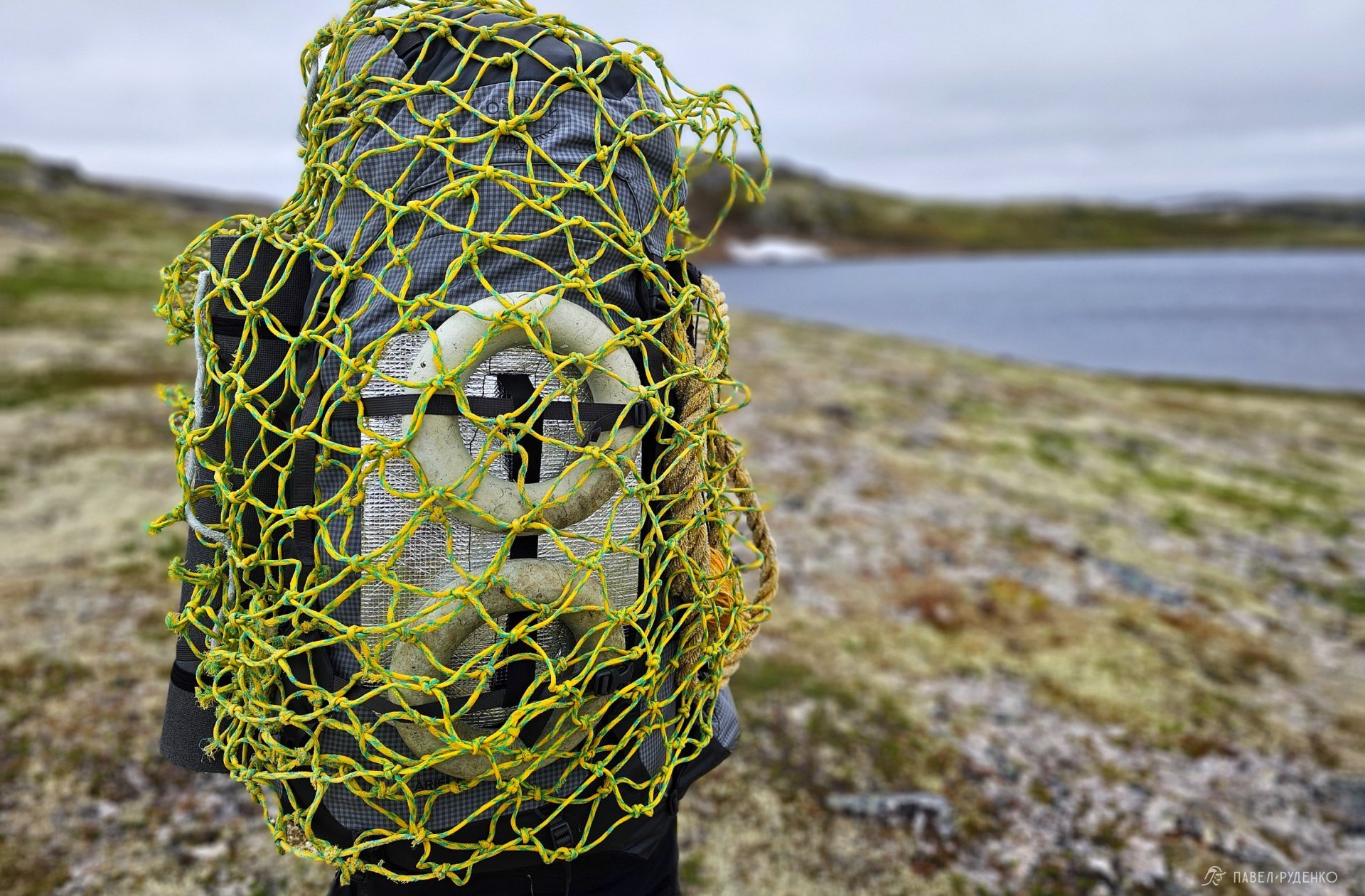
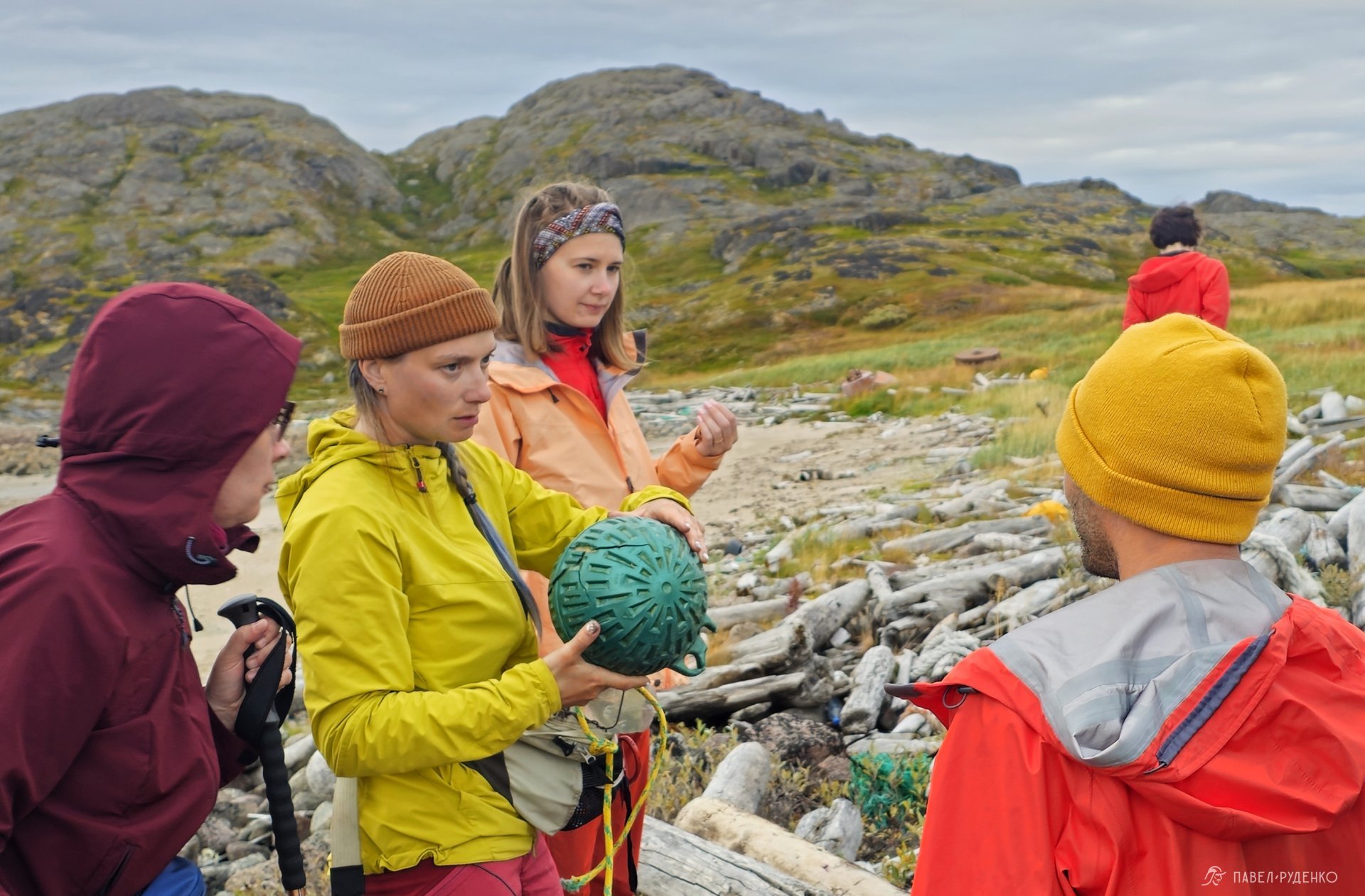
In some bays you can see submarine torpedoes, a rocket stage or whale bones washed up on the shore. The branch of the Gulf Stream, the North Cape Current, brings fishing nets and buoys from Iceland and Norway — we collect them for souvenirs.

Animals

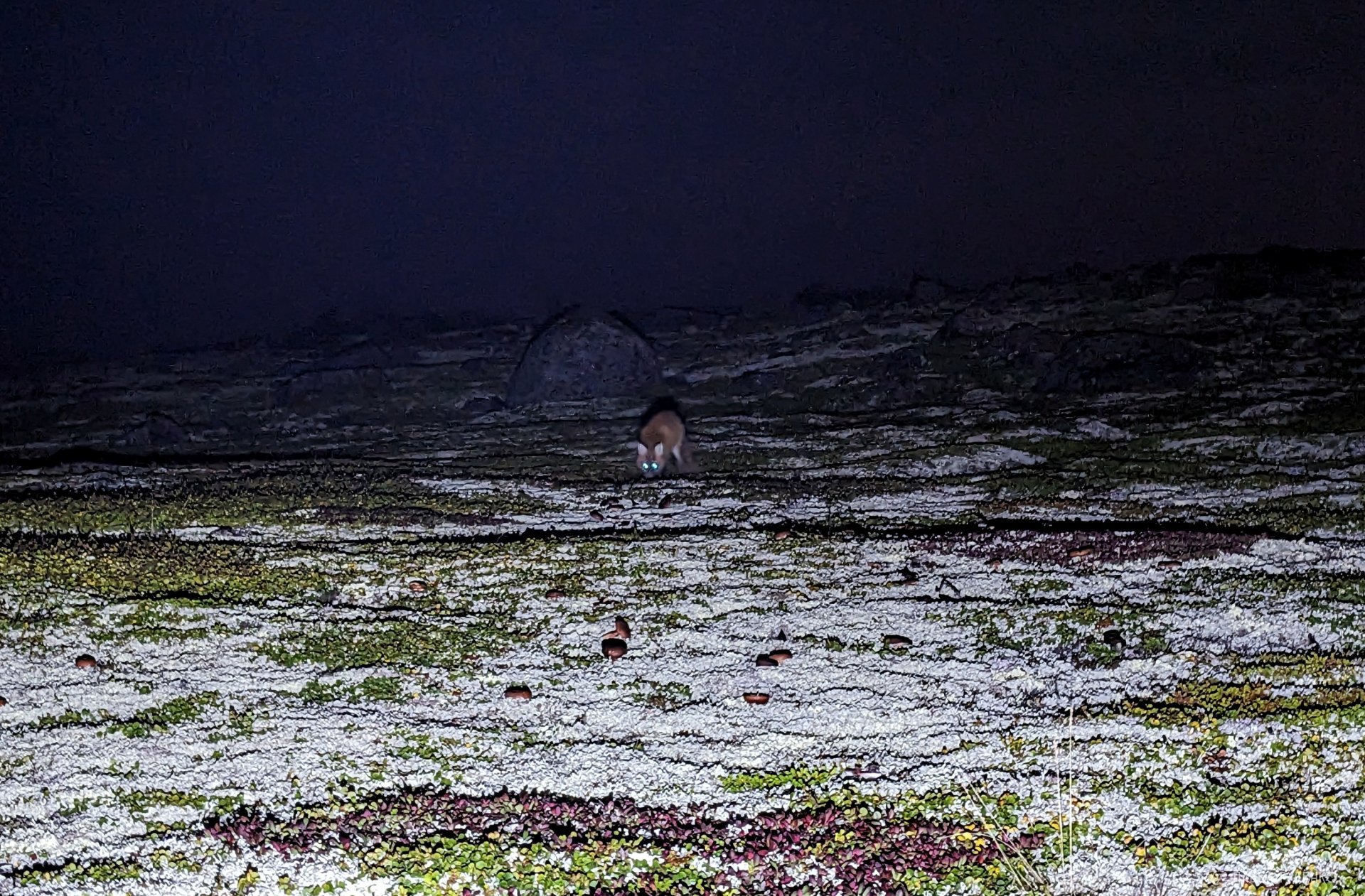
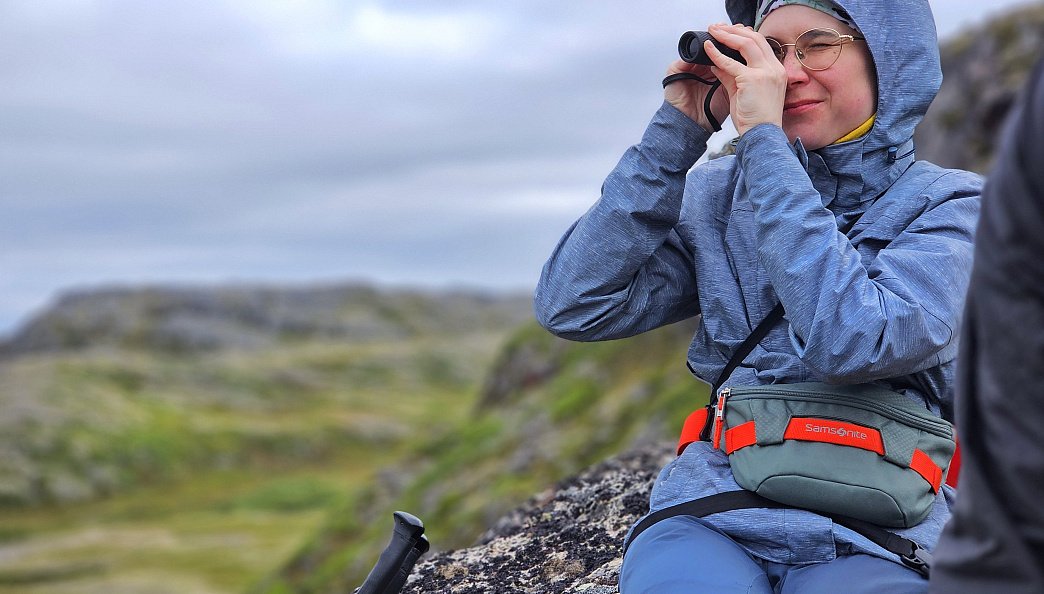
The North is minimalist in nature, but bright in manifestations. Animals here are like spirits, soaring over the endless expanses of the tundra. There is a chance to meet a flirtatious fox or a brown bear slowly walking along the neighboring hill. Bears are not big here and are afraid of people, so you need to keep the camera ready, otherwise the shot will quickly run away. Everything necessary for animal safety is available and always at hand.

Itinerary

1 day, 11 September
Meeting in Murmansk

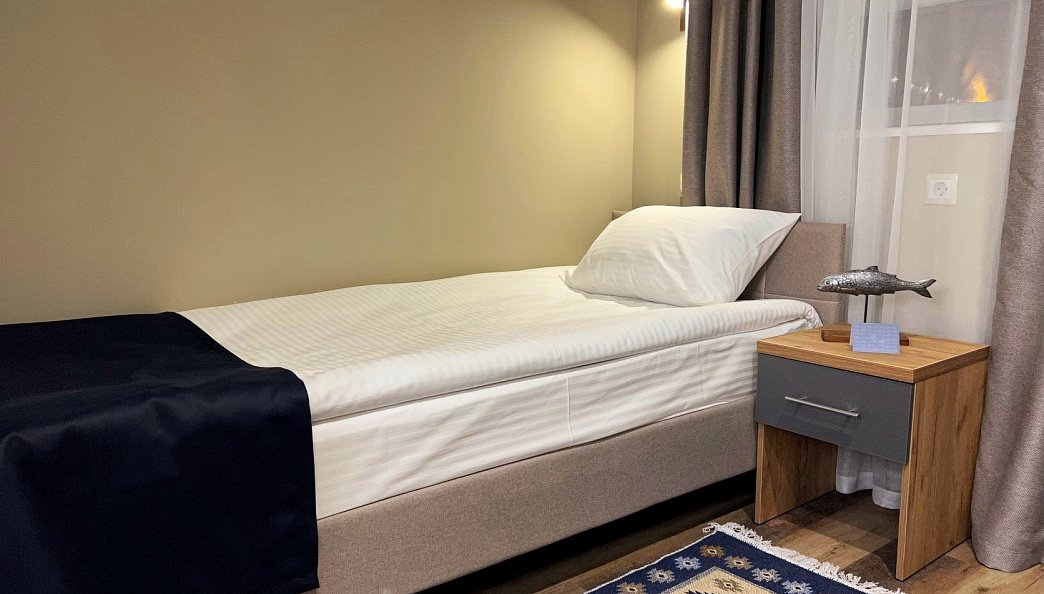
At 18:00 we meet at the briefing in the hotel. Check-in to the hotel from 14:00, you can arrive at a convenient time, walk around the city or rest. At the meeting we will get to know each other, check the gear, distribute food modules. Accommodation in double rooms.

2 day, 12 September
Straight to the tundra

Breakfast at the hotel, transfer. Warm-up and immersion in the tundra.

13 km
400 m
400 m
4 h
3 day, 13 September
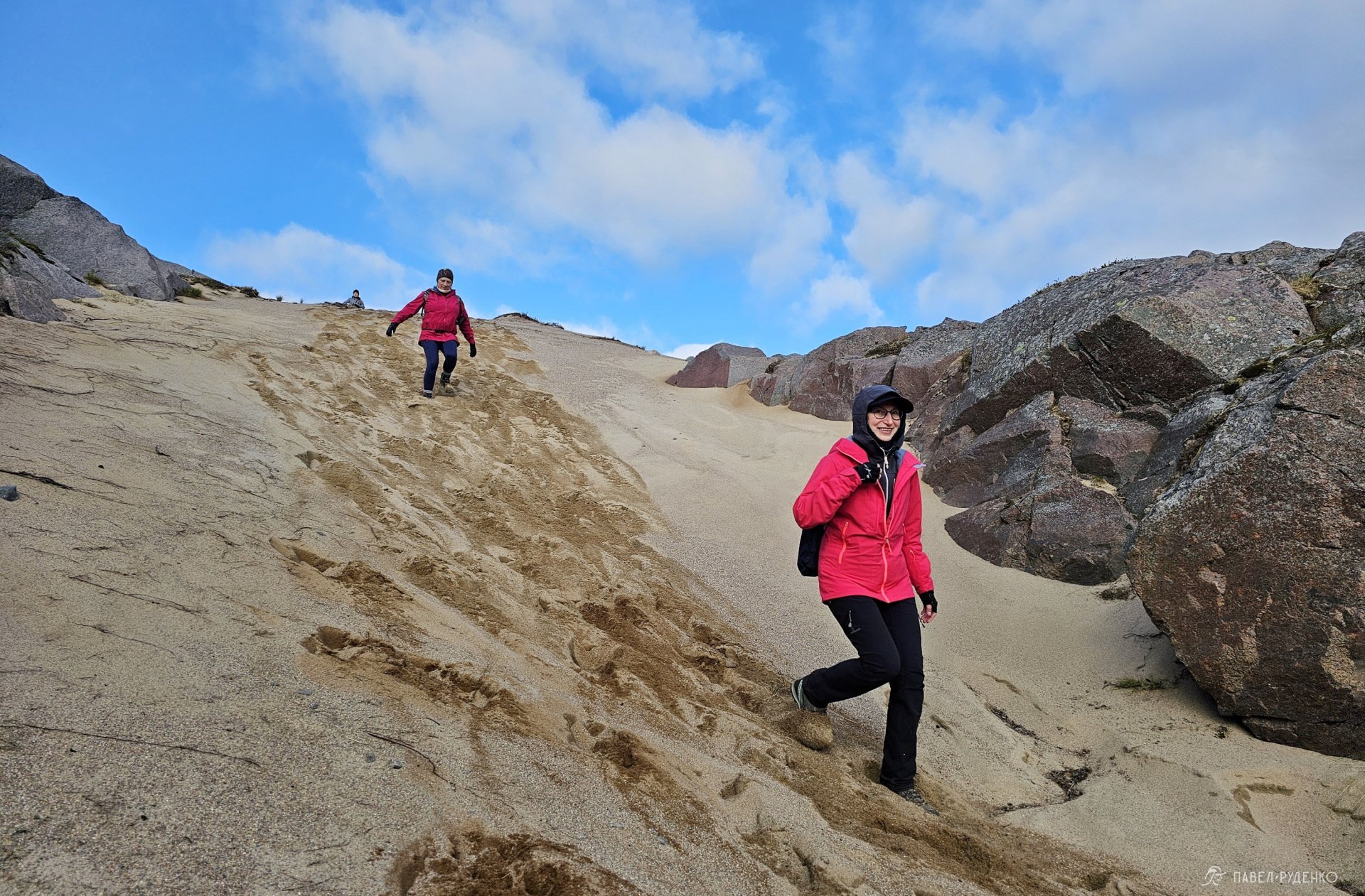
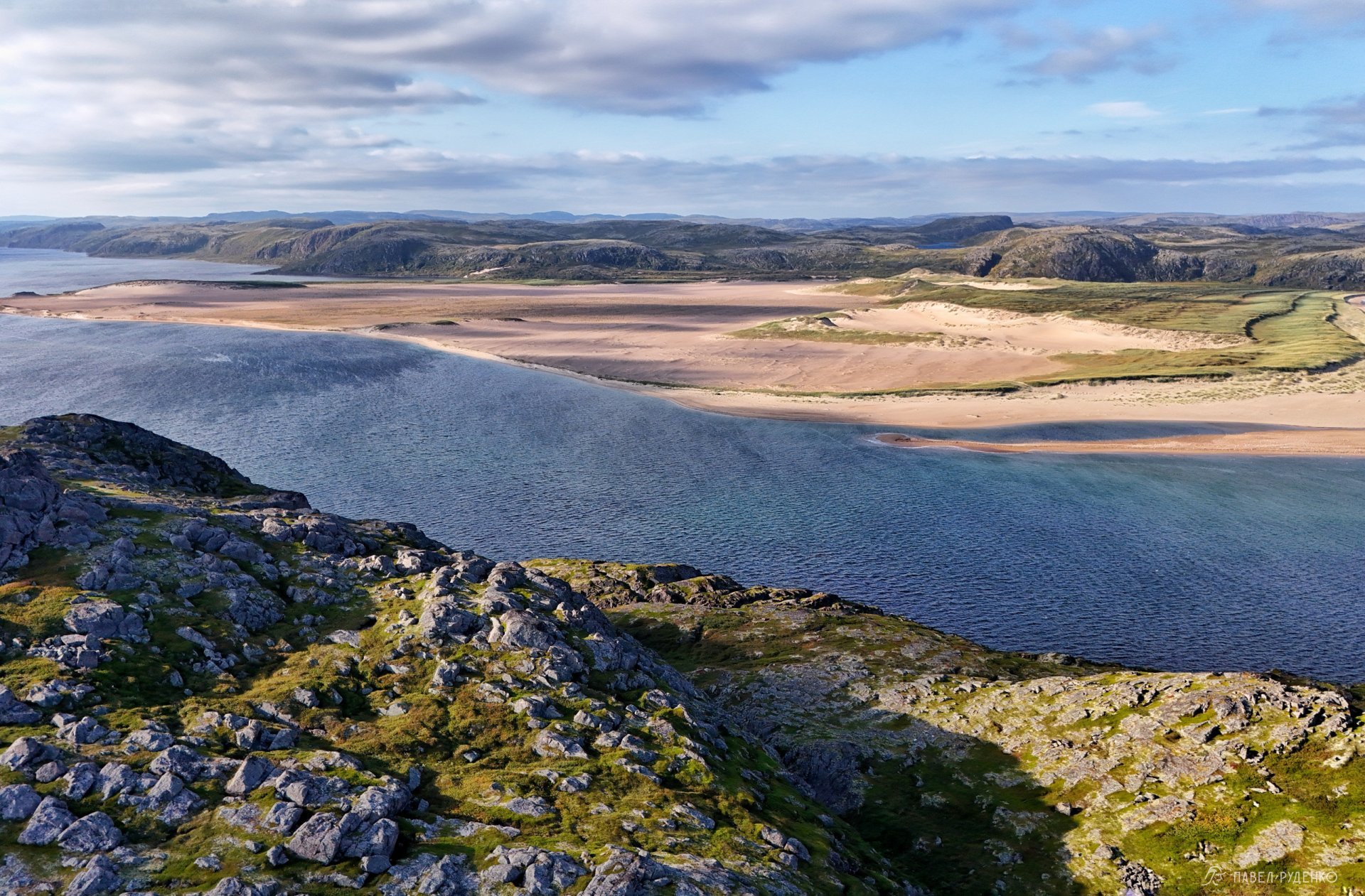
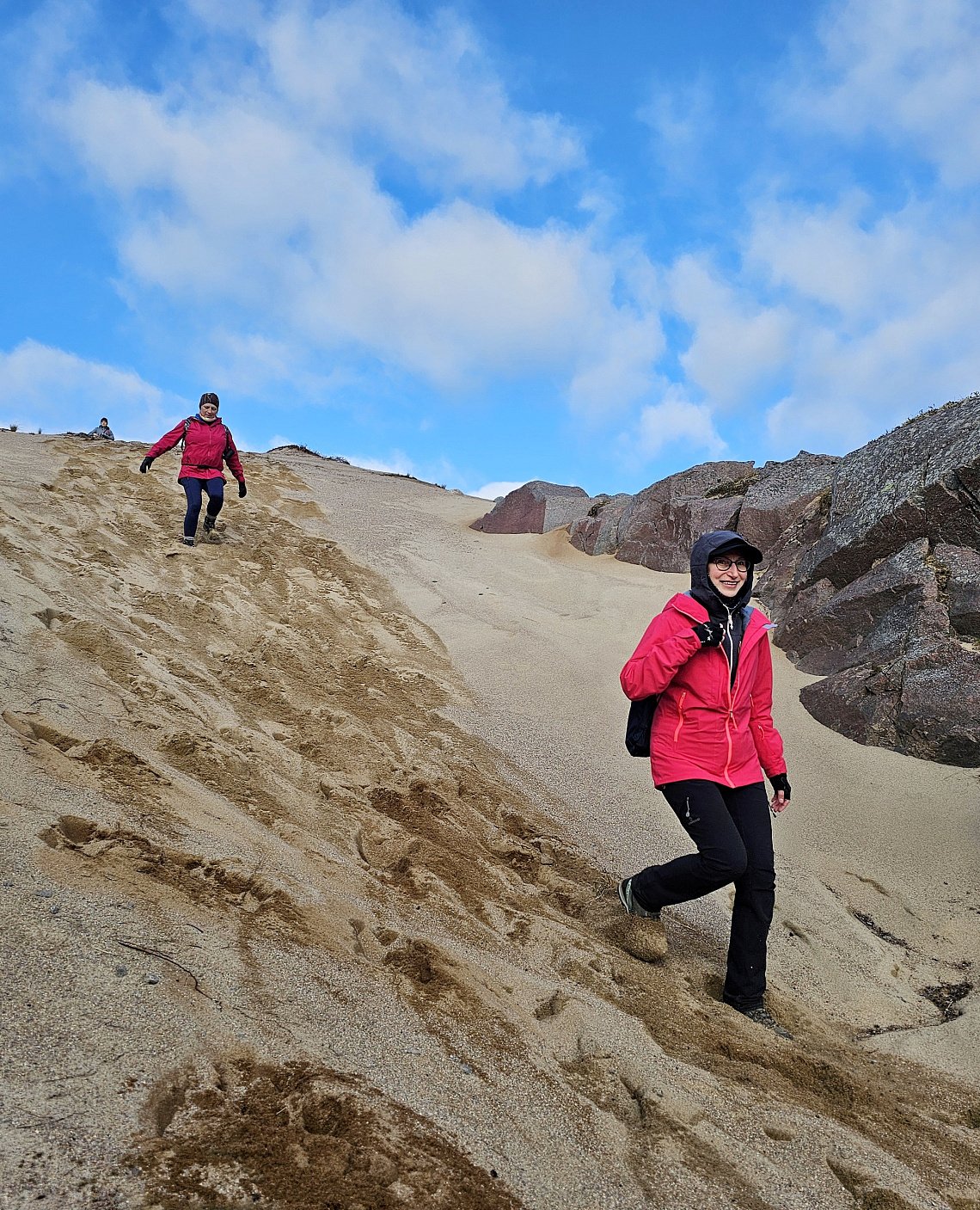
Sand dunes

We reach the camp site by lunchtime, and then go on a day hike with light packs.

8+5 km
300 m
350 m
4 day, 14 September
Edge of the Earth

We reach the camp site by lunchtime, and then go on a day hike with light packs.

5+5 km
250 m
200 m
5 day, 15 September
Along the sea
10+1 km
200 m
250 m
6 day, 16 September
Rest day

The tundra is watching us, we are watching the tundra. Day hike to scenic spots.

7 km
200 m
200 m
7 day, 17 September
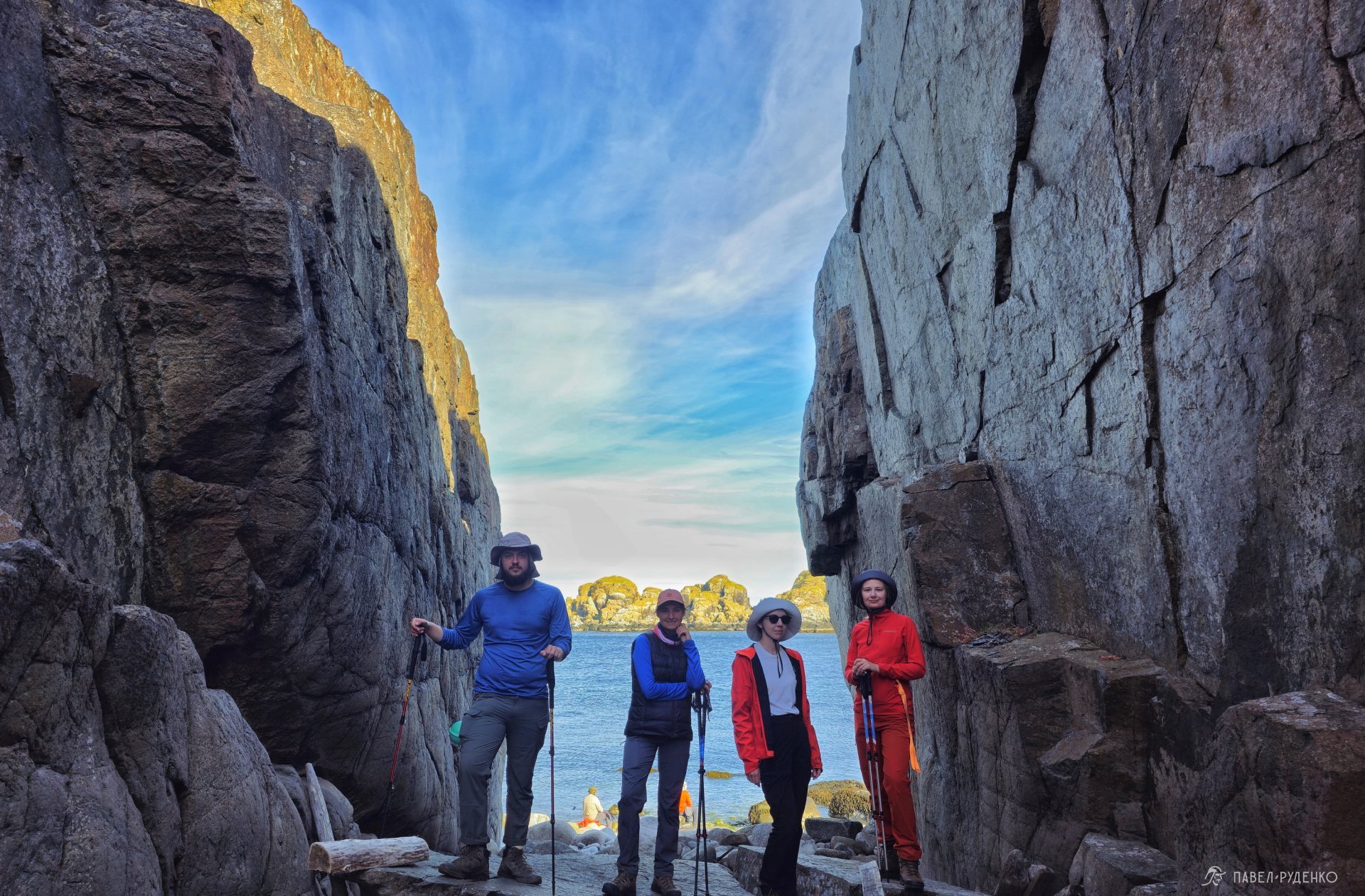
Rock fault
9+5 km
250 m
200 m
8 day, 18 September
Dalnie Zelentsy

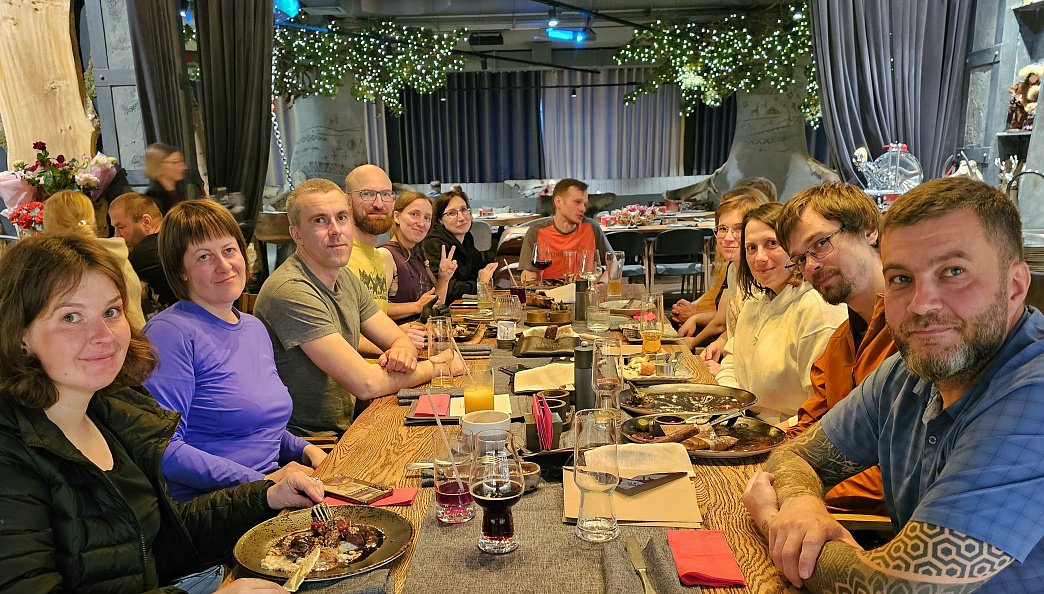
We go to the village and explore its attractions and history. We return to Murmansk in the evening, shower, festive dinner in a restaurant.

13 km
250 m
300 m
5 h
9 day, 19 September
Program completed

Breakfast included, check out from the hotel before 12:00.

Safety is My Priority

Two Guides
One guide for every six people; two guides for a group of 12.
Scouted Route
I specialize in Polar regions. Rest assured, the route is thoroughly explored and planned in detail.
Always Connected
The group is registered with the Ministry of Emergency Situations (EMERCOM). I carry spare GPS, radios, and an Iridium satellite communicator. A city coordinator tracks our movement daily and provides weather updates twice a day.
First Aid
All guides are Red Cross certified in Basic and Advanced Wilderness First Aid.
Pro Gear
I use only Arctic-grade gear capable of withstanding storms and heavy rain, ensuring your warmth and safety.
Insurance
Insurance is provided for every participant.
Preparation
I personally discuss gear with each participant to ensure the highest level of group safety and comfort.

Gear

You will receive a checklist, detailed gear recommendations, and discounts at outdoor stores.
Снаряжение
Travel backpack, 75 liters
The backpack capacity depends on your experience and the compactness of your gear. On average, for men and women, it's 75 liters. The backpack should fit your size. I recommend: Osprey Aether Pro 70, Tatonka Yukon LT 60+10, Sierra Designs Flex Capacitor 60-80, Karrimor Jaguar SA2 Flex Pro 75+15.
Rain cover for backpack
The cover should fully protect a loaded backpack and have wind fixation. I recommend a silicone impregnation.
Windproof tent for the tundra
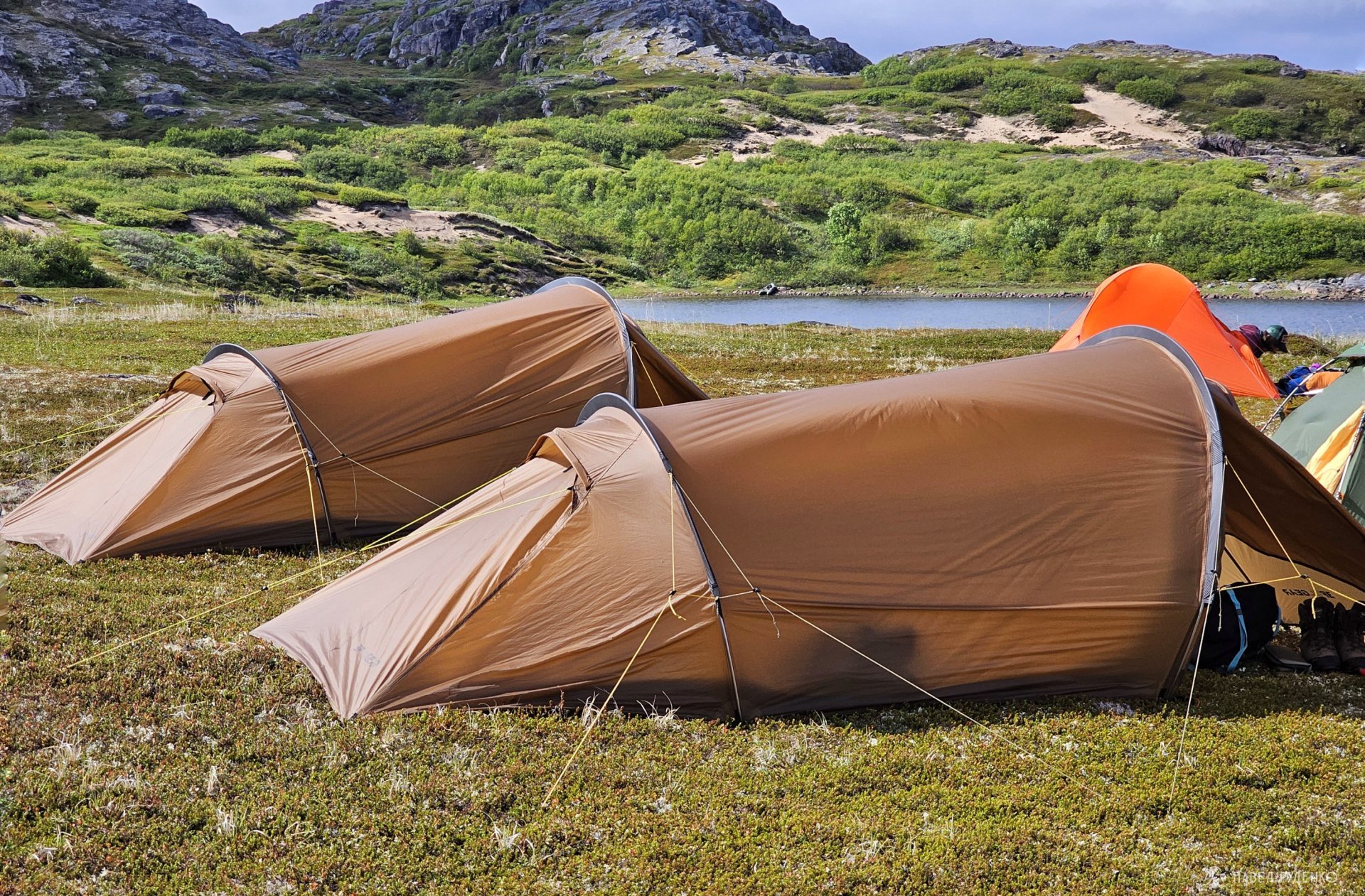
I will provide my own tent for free or coordinate yours. Winds in the tundra can reach 25 m/s, so only windproof models are suitable for us. For example: Naturehike Cloud Peak 2, 3FulGear Taiji 1, Hilleberg Enan, Hilleberg Anjan 2, Fjallraven Abisko 2, Helsport Lofoten 2.
Sleeping bag (t lim from 0 to -5 °C for men and from -3 to -9 °C for women)
A sleeping bag suitable for your height is preferable, down, for example, Sivera «Iriy» or «Sплав» Graviton Comfort. Be sure to pack in a waterproof bag, usually 12 liters. Temperature: 0...-5 °C (T.lim) for men and -3...-9 °C (T.lim) for women.
Camping mat (R-Value of 2 or higher)
An inflatable mat is preferable, with a thickness of at least 7 cm and insulation of 2 R-value or more. The tundra always has uneven surfaces.
Technical mat
The karimat is used in conjunction with an inflatable or self-inflating mat, for example, Isolon Fitness Flex with a thickness of 5 mm and a weight of 120 g.
Trekking poles
Trekking poles with a clip lock are preferable. It is better to use summer rings.
Lightweight chair for the tent
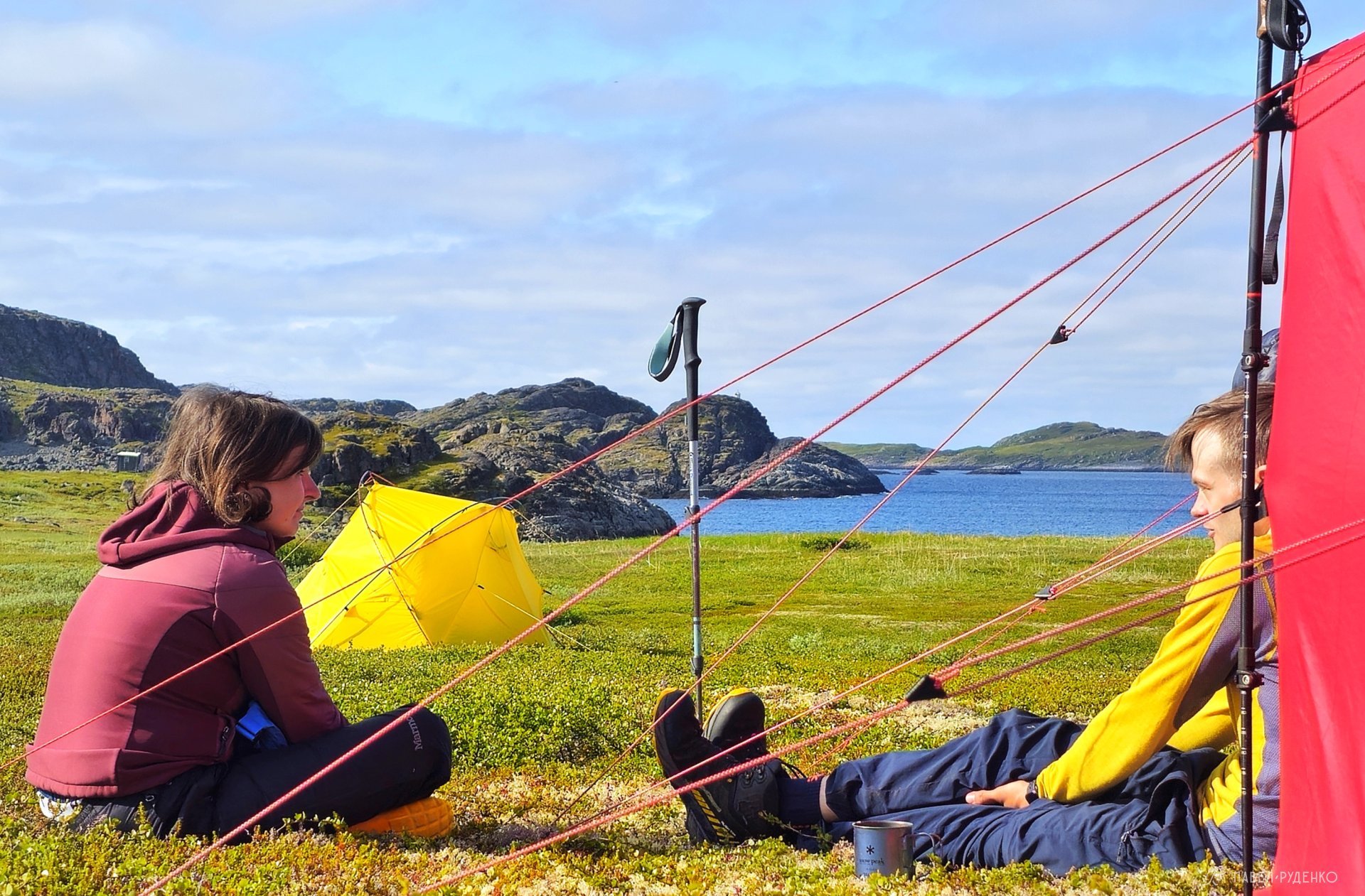
A chair is a must for sitting in the tent. For example, a Folding Stool weighing 350 g, a Sплав Shell Light chair weighing 675 g, or a Helinox Chair Zero weighing 510 g.
Mug, spoon, bowl
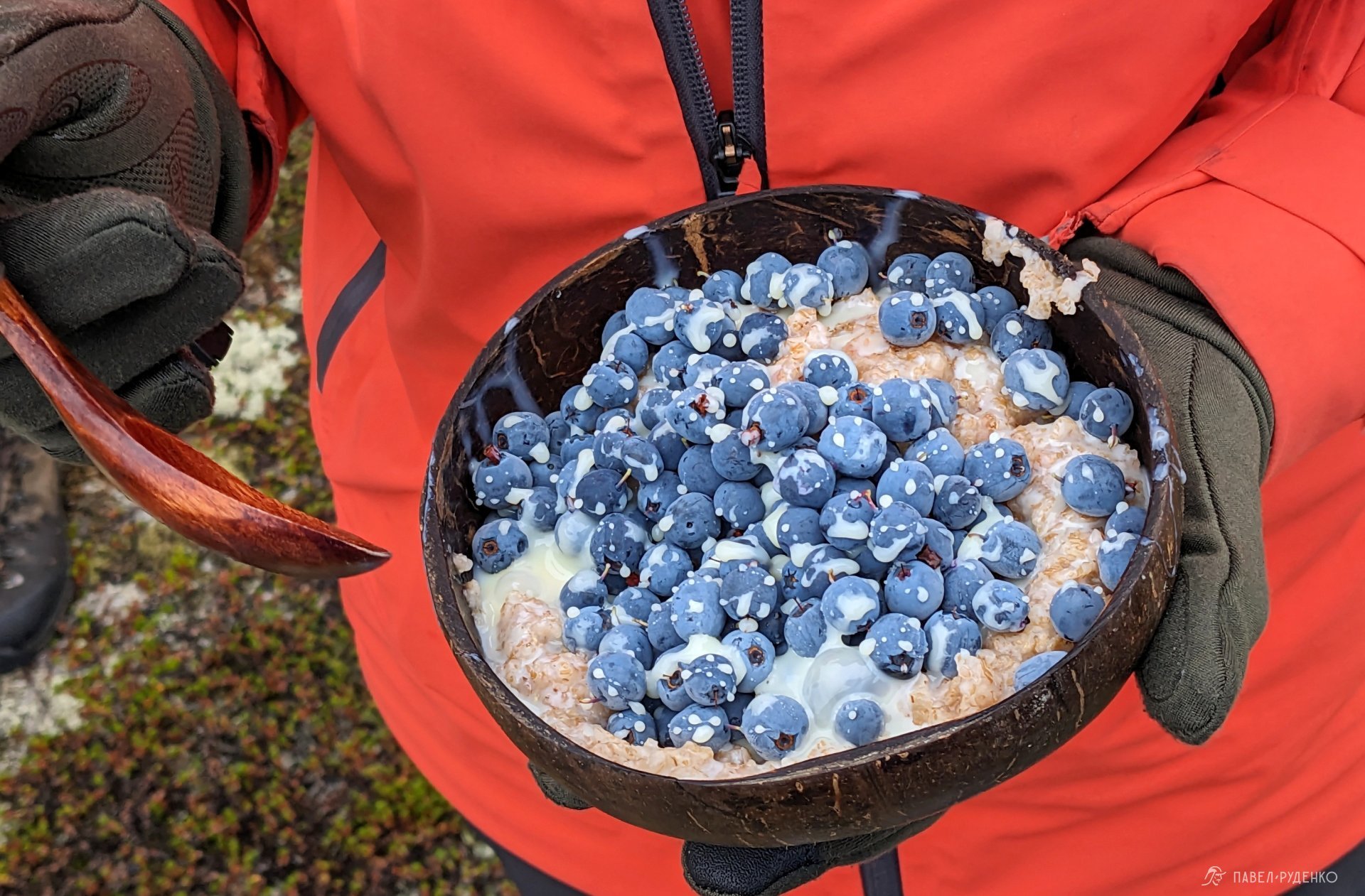
The optimal volume of a mug is 450–600 ml, a bowl is 750 ml. Their total weight in titanium does not exceed 200 g. You can also find lightweight and aesthetically pleasing coconutware.
Water bottle, 0.5–1 l
Depending on the backpack pocket and preferences, we take a soft flask (the best choice is Hydrapack: Stow, Flux, Seeker) or plastic bottles, such as Nalgene.
Dry bags for sleeping bag, clothes and electronics
Dry bags: for sleeping bag — 12 l, for electronics — 7 l, for clothes — 12 l.
Headlamp
It's more convenient to use a lamp with a battery, 400 lumens of power is enough for regular use. I recommend lamps from Fenix and Nitecore.
Mosquito net
The best option for a mosquito net is black, a great option is the Sea To Summit Ultra-Fine Mesh Headnet, weight 23 g.
Одежда
Long-sleeve T-shirt
1–2 pcs. Fine synthetic material is best, but merino wool is also acceptable. This is the main clothing for warm weather. Long sleeves (long sleeve) will protect against midge and mosquito bites, as well as from sun exposure, improve thermoregulation in windy weather and protect the skin from damage by bush branches.
Thin thermal pants
1 pc. The thinnest synthetic thermal pants. They wick moisture away perfectly and provide little warmth. Their purpose is to be used with membrane pants to avoid overheating while moving. They can be used to insulate in combination with softshell pants or used in a sleeping bag on warm nights. I recommend: Sivera «Geta» or «Godyobль», «Sплав» Fresh or Motion.
Medium insulating thermal underwear
Thermal sweater (insulating layer) allows you to combine layers perfectly, it can be used while moving, in the camp and during sleep. Density — 130–180 g/m2. I recommend: «Sплав» Gulf Stream (pullover), «Sivera» Vuyma.
Softshell jacket and pants
Basic trekking clothing. It is best to choose the lightest softshell with a density of 100–160 g/m2. Pants and jacket will provide high breathability and protection against overheating, optimal protection against wind speeds of 5–15 m/s, and also serve as an additional layer when moving in cold weather. I recommend: Sivera «Gran», «Murash»; «Sплав» Action Flex, Vector. Average weight of the jacket in size M: 250–350 g; pants: 170–250 g.
Membrane jacket and pants
Basic protection against rain and stormy wind. Suitable membrane is 2.5-layer or more durable 3-layer (3L) with minimum indicators of 15,000 / 15,000 and higher. In the North, Gore-Tex performs best, but other membranes are also suitable in terms of price/quality ratio. Optimal fabric density is 30–70 den. Weight of the jacket in size M: 300–500 g; pants: 250–400 g. For pants, the self-dump function (long side zipper) is important. I recommend: Mountain Equipment Zeno, SMGear, «Sплав» Balance and brands Norrona, Haglofs, Bergans, Klattermusen.
Insulated jacket and pants made of synthetic materials
Main insulation in the camp and at stops during the day. Down insulation is acceptable, but in the conditions of the North and cold regions of Russia, synthetics from the «active insulation» category (active insulation) with a density of 60–80 g/m2 have proven themselves better. For reference: the weight of the jacket in size M is 350–400 g, pants — 200–300 g. I recommend: Arc'teryx Proton or Atom, Sivera «Faris» or «Ledeny», Norrona Femund Thermo60, Black Diamond First Light Stretch Hoody 2.0, Mountain Equipment Kinesis, Patagonia Nano-Air Hoody, etc. Insulated self-dump pants (with zippers to put on quickly) should be slightly below the knee length, with insulation of 60 g/m2. I recommend: «Sплав» Quark or Sivera «Ledeny».
Trekking socks
3 pcs. Two- or three-season. Synthetic socks help to wick away sweat, provide compression fit, and protect against blisters. I recommend models from Lorpen, Decathlon, or Sплав.
Membrane socks and liners
2 pcs. Membrane socks are the perfect solution for protecting feet from moisture and cold in the North. Paired with fully leather/nubuck trekking boots, they will keep your feet protected. I recommend: DexShell Running Lite and Ultra Thin Crew (usually run a bit small). They work great with a thin synthetic liner sock (liner), which can be worn under the membrane sock to provide extra insulation and protection against blisters. I recommend: Lorpen Liner, Sплав Liner.
Hat and gloves
Insulation in camp and on the move. Choose a thin and lightweight fleece or Power Grid.
Headgear
Protection against sunburn, mosquitoes and wind. The choice depends on your personal preferences, but my recommendation is a cap with a wide brim or neck protection. It provides the greatest protection and comfort. I recommend: Outdoor Research Sun Runner Cap, AONIJIE E4089 and other analogues, for example Aonijie E4610, Kailas Neck Flap, Buff Pack Sahara Cap Acai.
Buff
A favorite accessory of a hiker. Protects the neck, and if necessary, the back of the head and ears from the wind. Used both on the move and in the camp and during sleep. Material — thin, summer, like Coolmax or CoolNet.
Общее
First aid kit
Medicines tailored to individual needs, a roll of adhesive plaster, an elastic bandage/knee pad, etc.
Documents
Passport, compulsory health insurance policy in waterproof packaging.
Toiletries
Toothbrush, toothpaste, toilet paper.
Обувь
Trekking boots
For the tundra, fully leather boots of medium stiffness are ideal, such as Meindl Kansas, Paradiso, Hanwag Tatra II. The boot should be about 1.5 sizes larger. I recommend trying on and buying them immediately with good Sidas Outdoor insoles: they will relieve excessive stress on your feet and reduce blisters.
Second footwear for wading, camp, hotel
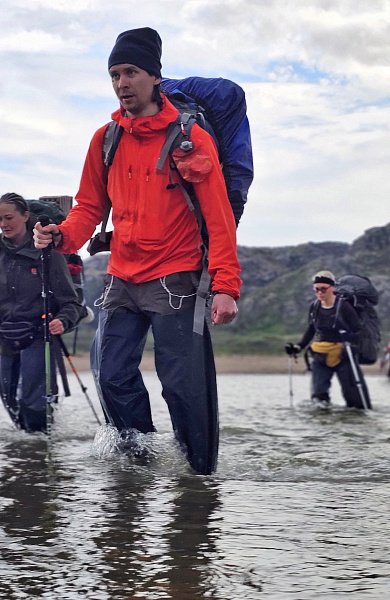
Due to the deep moss, I recommend closed 'crocs' or short EVA boots from hypermarkets 'Auchan', 'Leroy Merlin', 'O'Key'. Weight — up to 350 g.

Guides

Pavel Rudenko
Pavel Rudenko
Ambassador of the Kola Peninsula and a big fan of the North, exploring it for you and with you.

I have been hiking for 10 years, I am a certified guide-instructor, have a mountaineer badge, completed First Aid and Avalanche courses. I taught at the Sport-Marathon Tourism School and participate in the development of equipment for the Sплав brand.
Margarita Platonova
Margarita Platonova
Has been hiking for more than 5 years in Russia and abroad, including sports hikes. Completed first aid courses and constantly learns new things to be a reliable guide for the group.

A creative person — takes photos, draws and is inspired by the harsh but attractive beauty of the North.

Fell in love with the North four years ago and is now on the Rudenko team. Wants more people to learn about the incredible Arctic. Creates a positive atmosphere in the group and cooks delicious food.

Participant Reviews

Alexandra Levontin
The journey begins with a small climb up a hill, inhaling the most delicious and freshest cool air, taking in the incredible expanse and beauty around, smiling and feeling absolutely happy — that's it — what I've been waiting for all year.

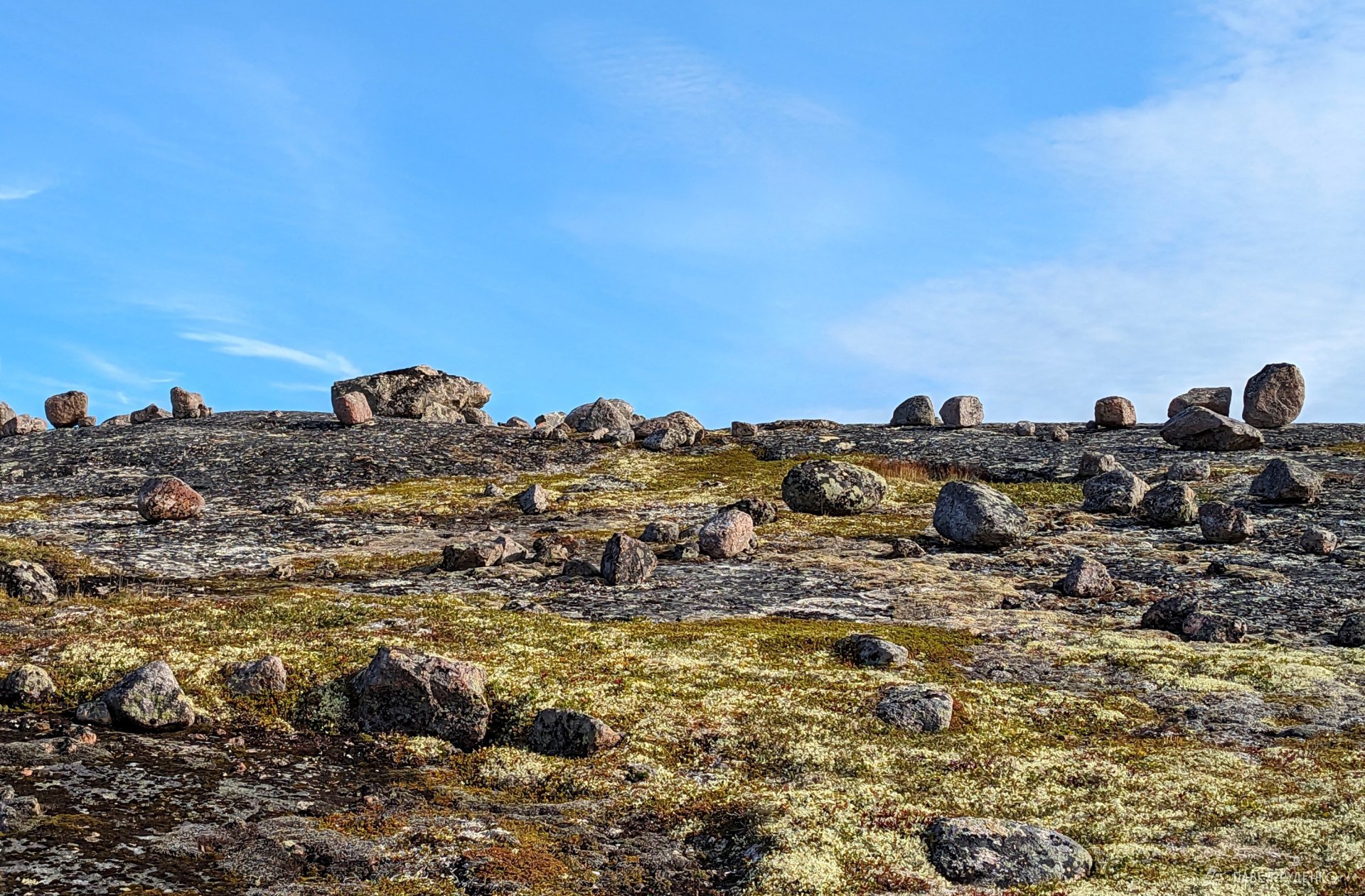
On this trek, the tundra is beautiful with its brutal beauty, the hills and rocks are low, wide, and massive, their walls are smooth, and they seem to tell that they have been here for millions of years, carved by a glacier, adorned by winds and waves, they do not age — they become more and more beautiful.

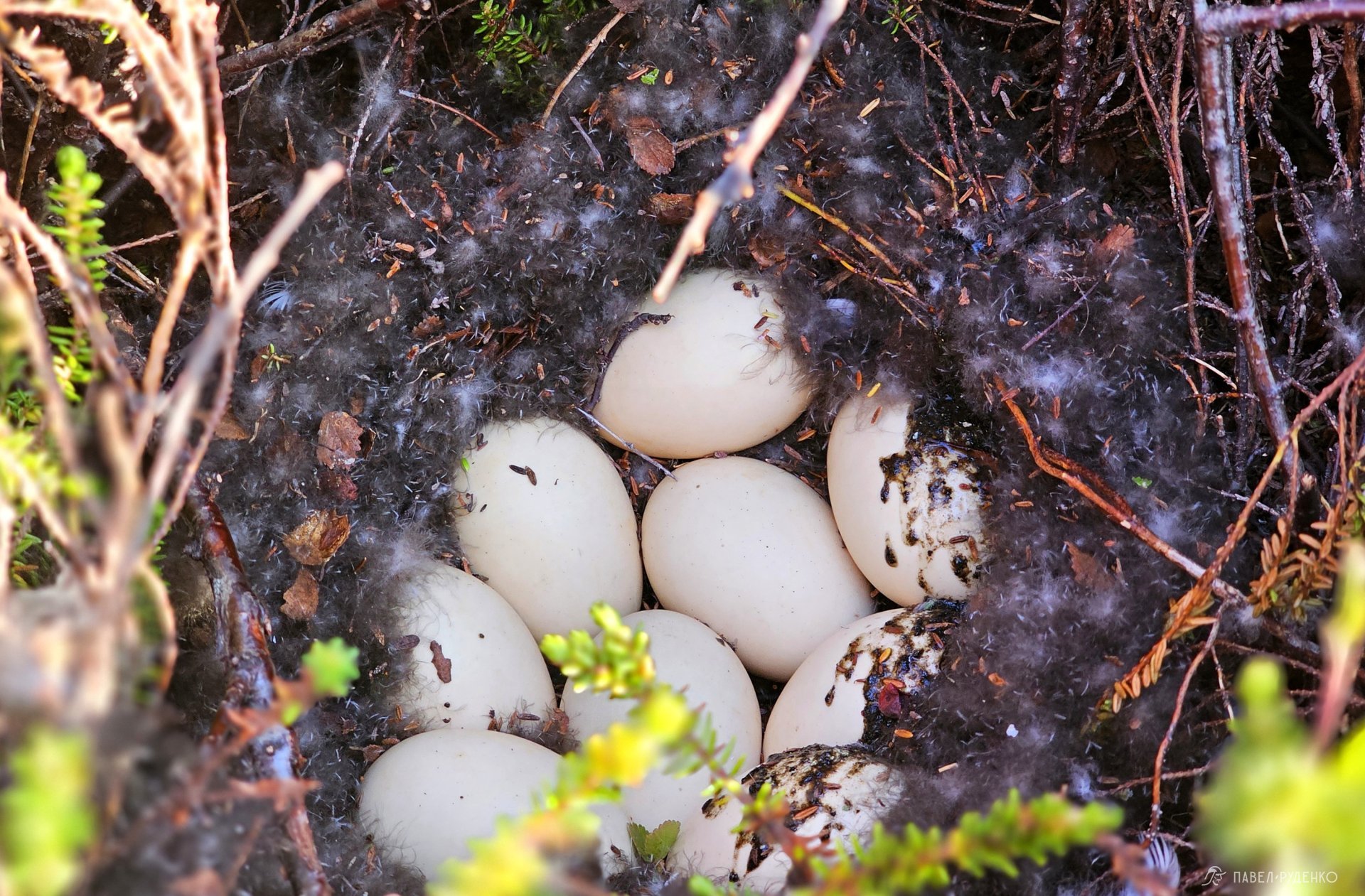
Early summer is a special time for the tundra: there are no thickets anywhere yet — all the leaves and buds are just gaining strength and look like an incredible tender miracle surrounded by massive stones. Birds are preparing to become parents: they incubate their clutches, protect them, and drive away uninvited guests.

A special pleasure is to walk along the shore during low tide — you can meet all the little sea creatures, watch the shrimp and crabs rushing about, the snails crawling slowly, and around there are whole fields of sandworms. It's so great that in such a cold sea there is so much incredible life.

For me, the tundra has become the most beloved place in the world, a place where I feel at home. Here it is always easy to breathe, the wind is blowing, there is an abundance of tasty and clean water, and there is so much beauty that the field of vision is not enough to see everything at once, because the beauty here is in everything — even underfoot there is an incredible carpet of mosses and reindeer moss. It is always different — behind every hill there is always something new waiting for you that will not leave you indifferent.

And the tundra loves you, even when you are tired and the weather is bad, you will definitely be cheered up: the sun will appear from behind the clouds, a huge seid, a rushing herd of deer, a whale in the sea, or you will be treated to berries.

I am very grateful to Pasha for all these incredible miracles. Words have not yet been invented to describe how much.

Pasha sees all this incredible beauty and knows how to infect others with it and share it. When I go on a trip with Pasha, I don't go to overcome something, but to live my best life. I know for sure that everything will be thought out and organized, that I will be fed very deliciously, supported, sheltered from the wind in a chum, told a lot about this region and its exploration, and also that no one will get lost, because there is a rear guide and everyone can go at a comfortable pace.

And Pasha is always in touch and you can get advice from him to choose the perfect gear, and then enjoy the trip both under the local Arctic rain and in +5 degrees, which feel like -2 due to the gusts of wind, and in +25 — all this diversity can happen in one day, but you will be ready for it, because Pasha is the best, and he has already thought of everything).
Kazbek Tleuzhev
I was lucky to go on a trek to the Far Greenlands with Pavel Rudenko and Anna Migalina.

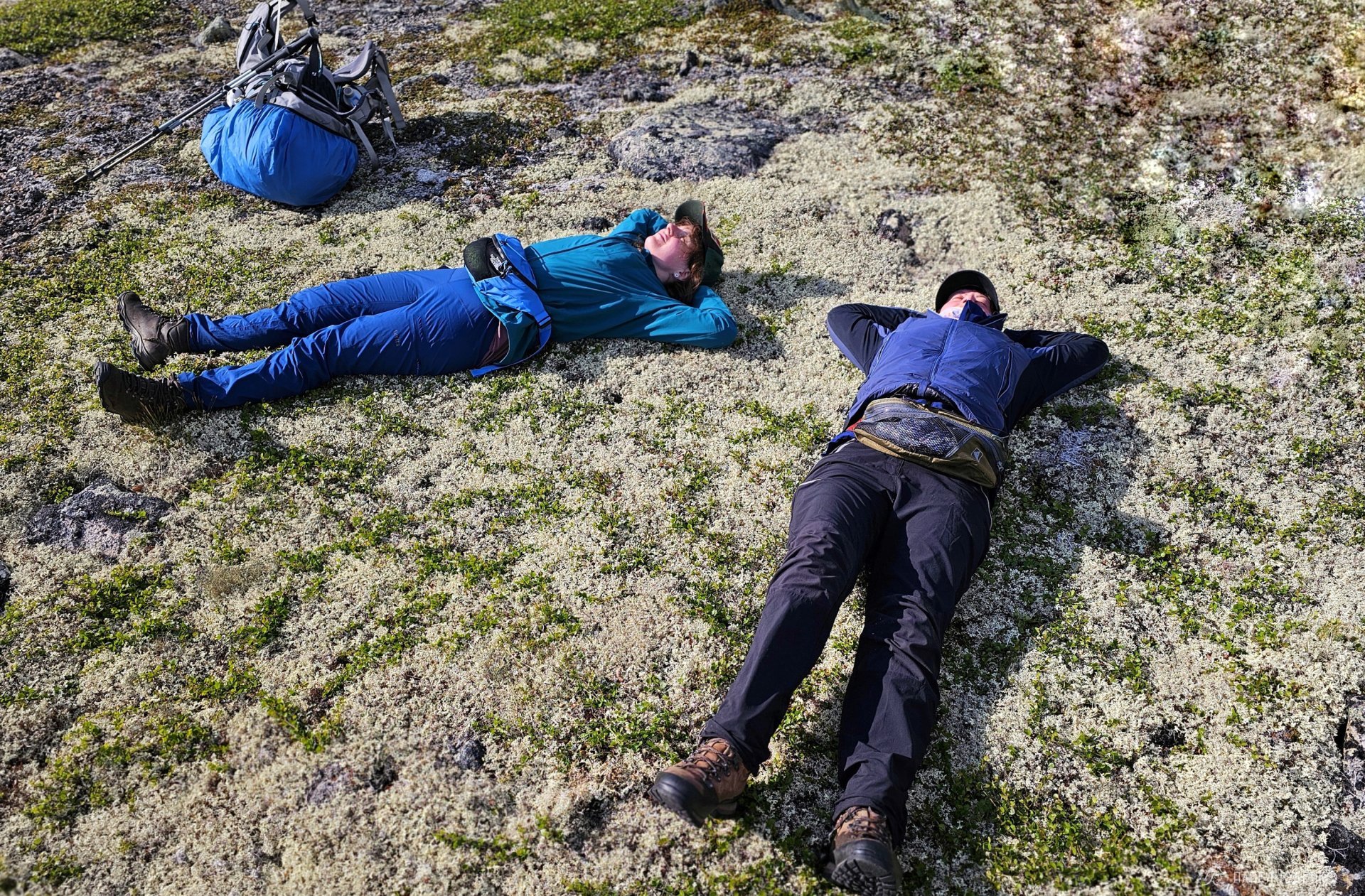
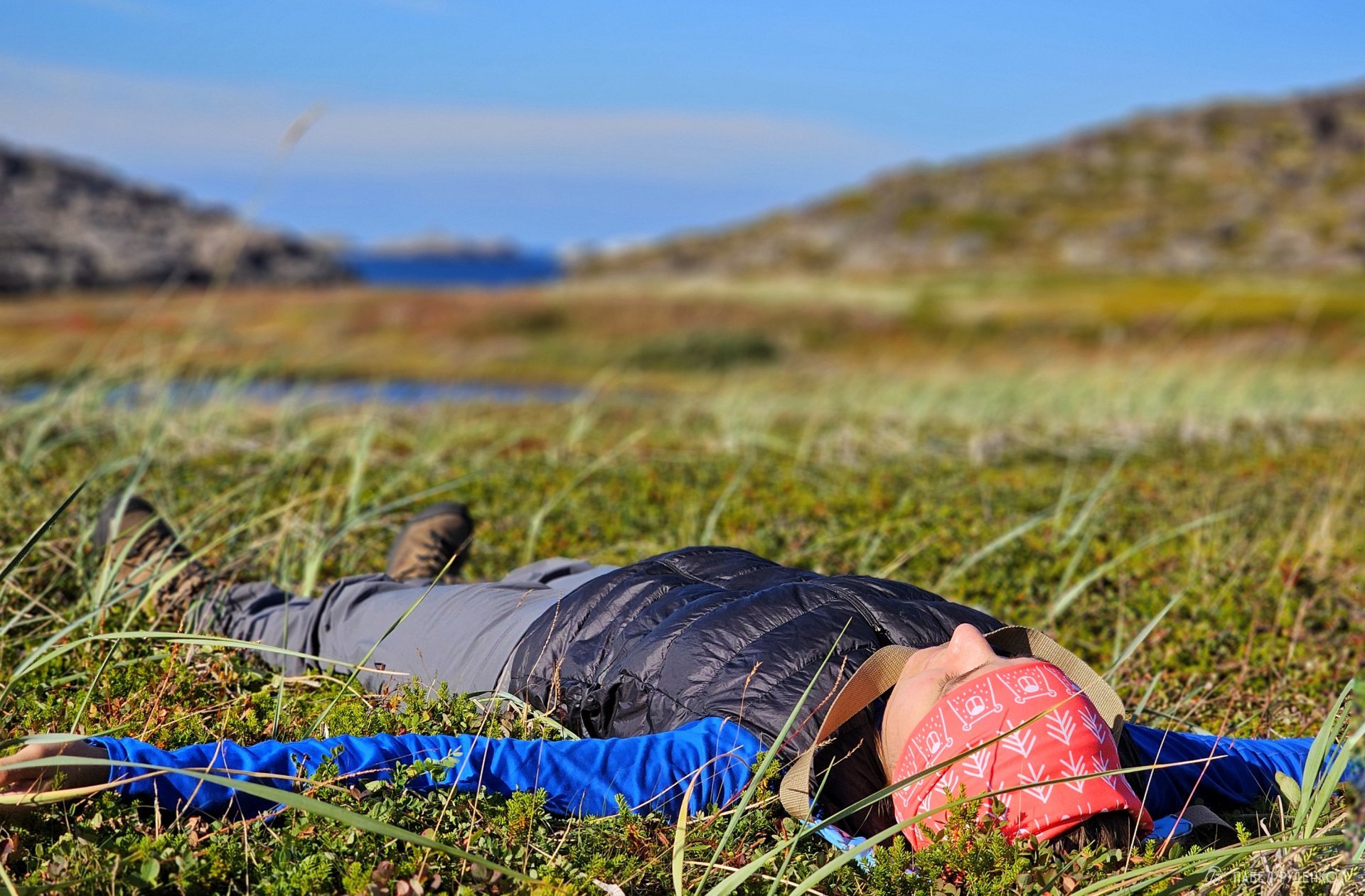
As always, a trek with Pasha and Anya was expected to be with beautiful views, a warm atmosphere, and a friendly company. But reality surpassed all the wildest expectations. Throughout the trek, the weather was warm and sunny, the moss and reindeer lichen beckoned to lie down,
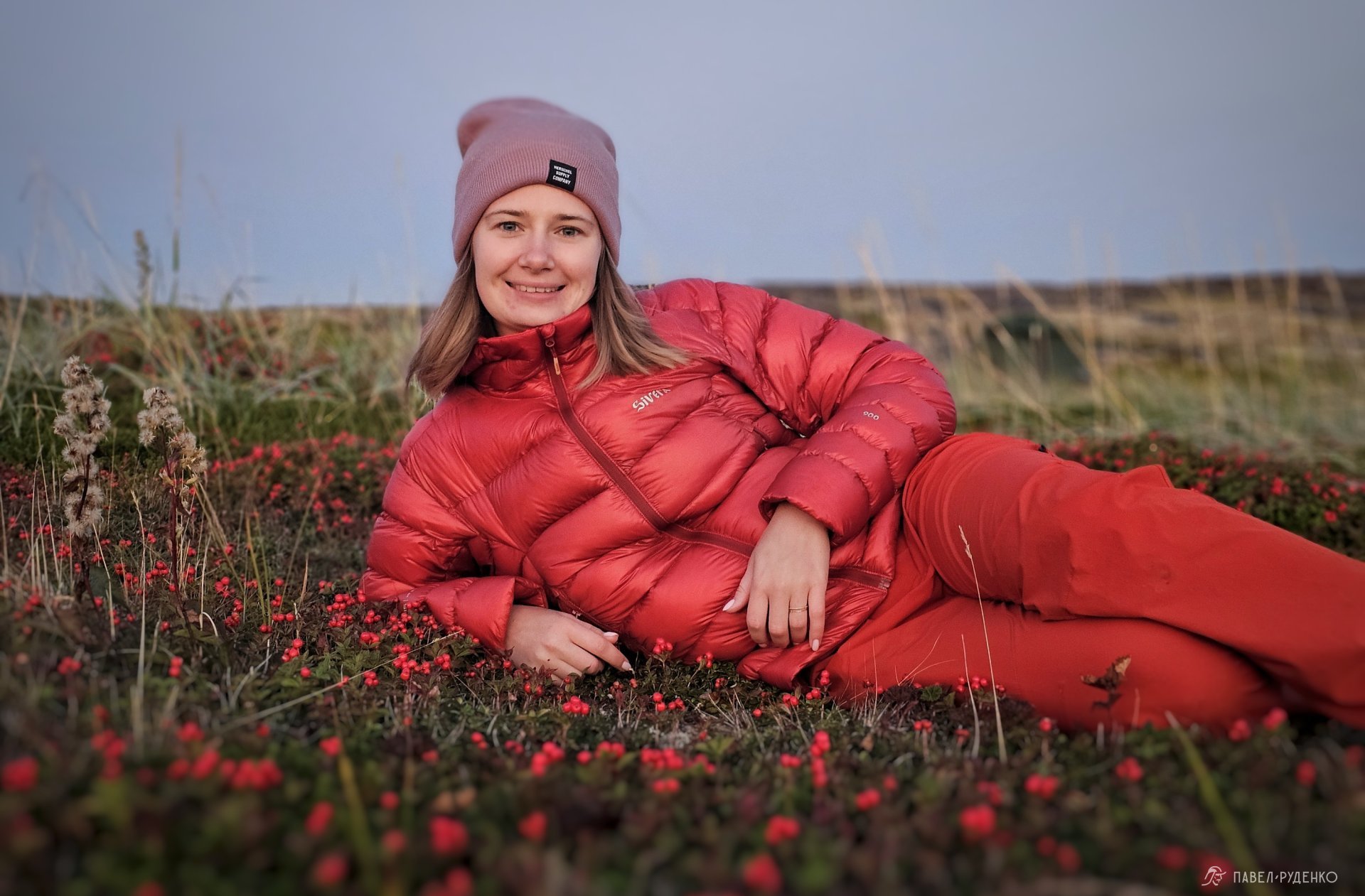
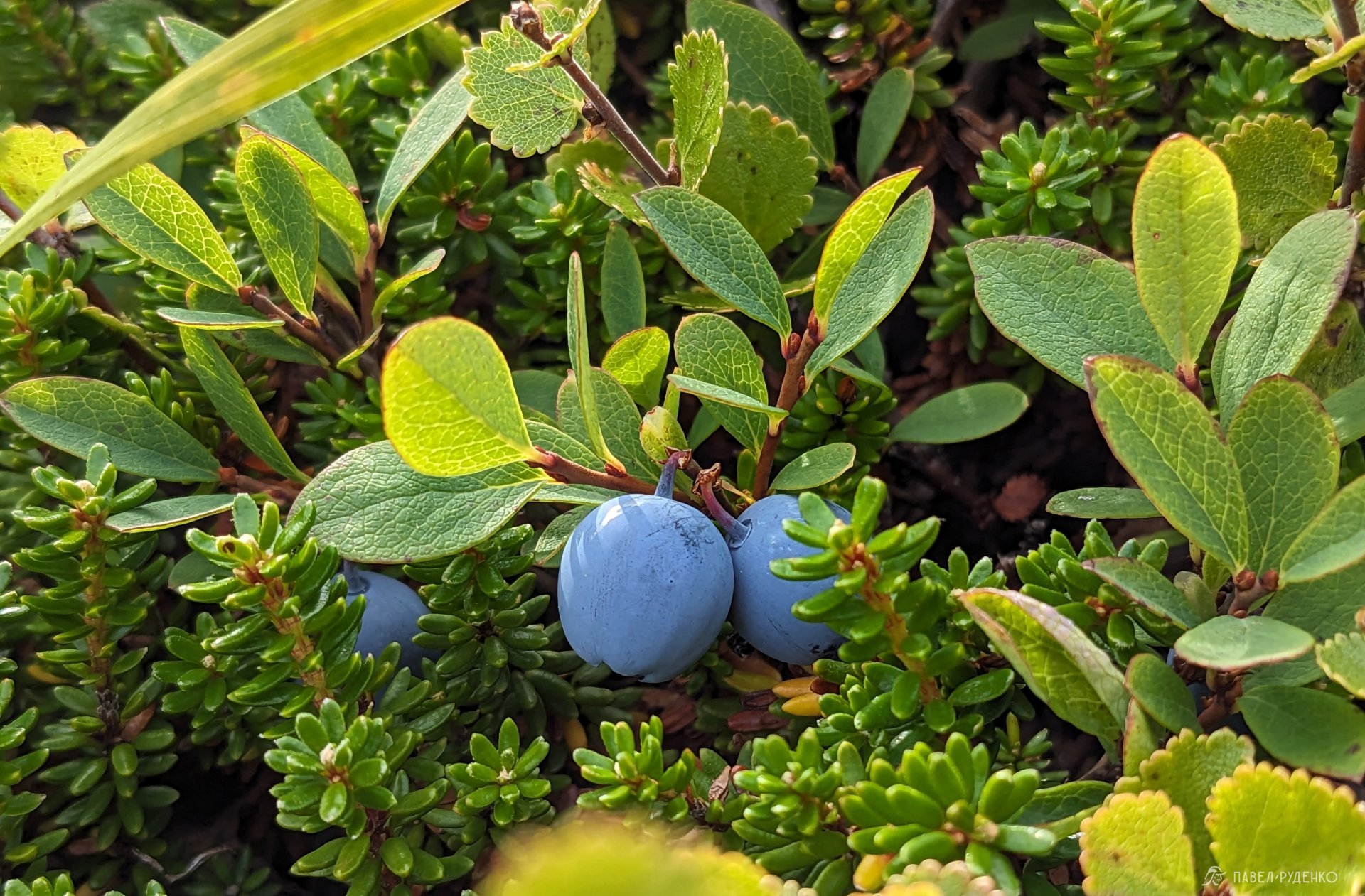
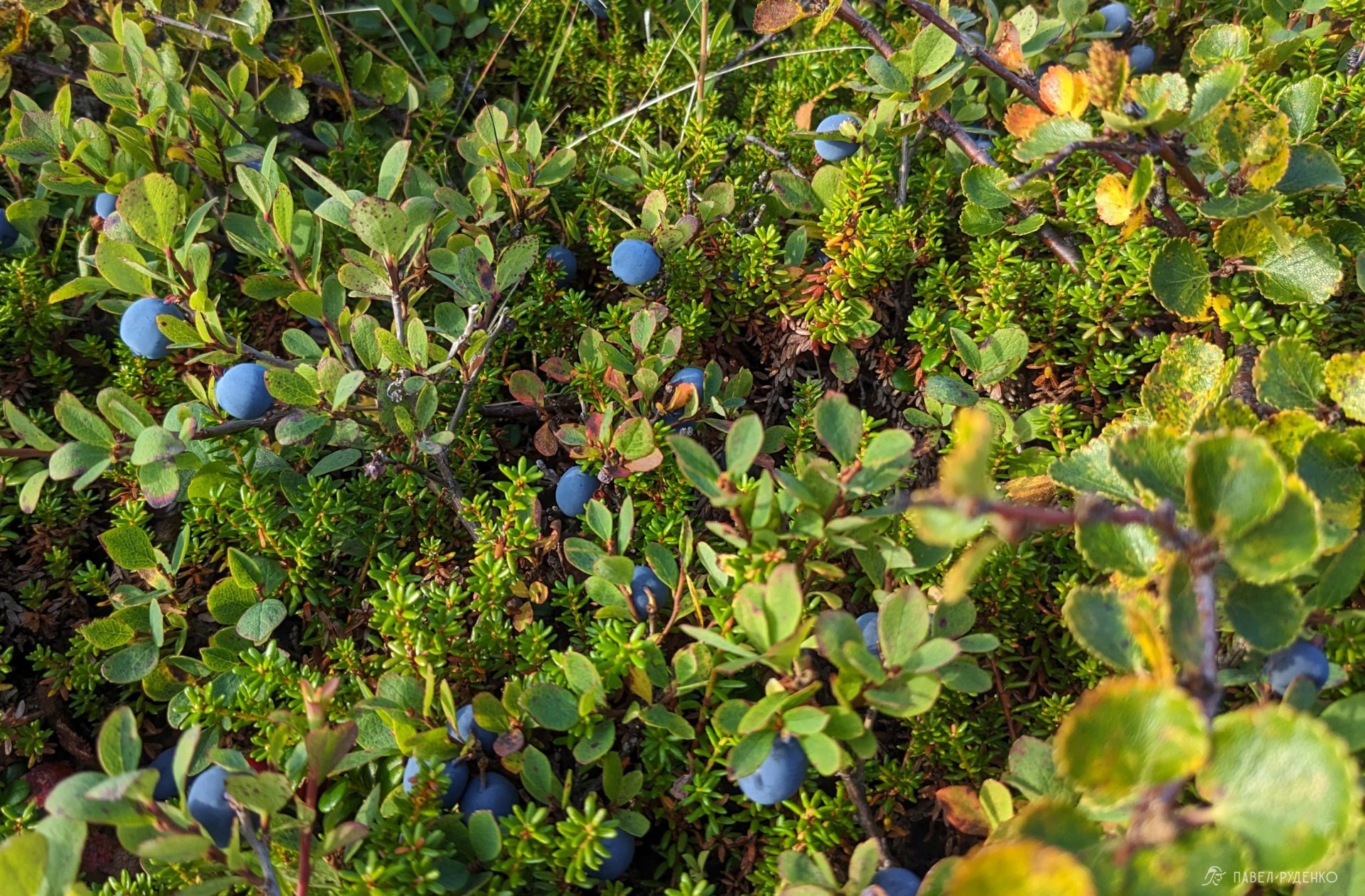
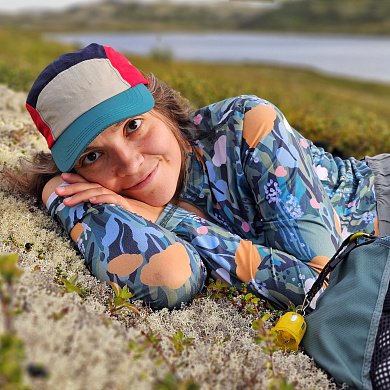
and the fields of cloudberries, blueberries, and lingonberries made it impossible to walk by, there was no strength to pass by.))

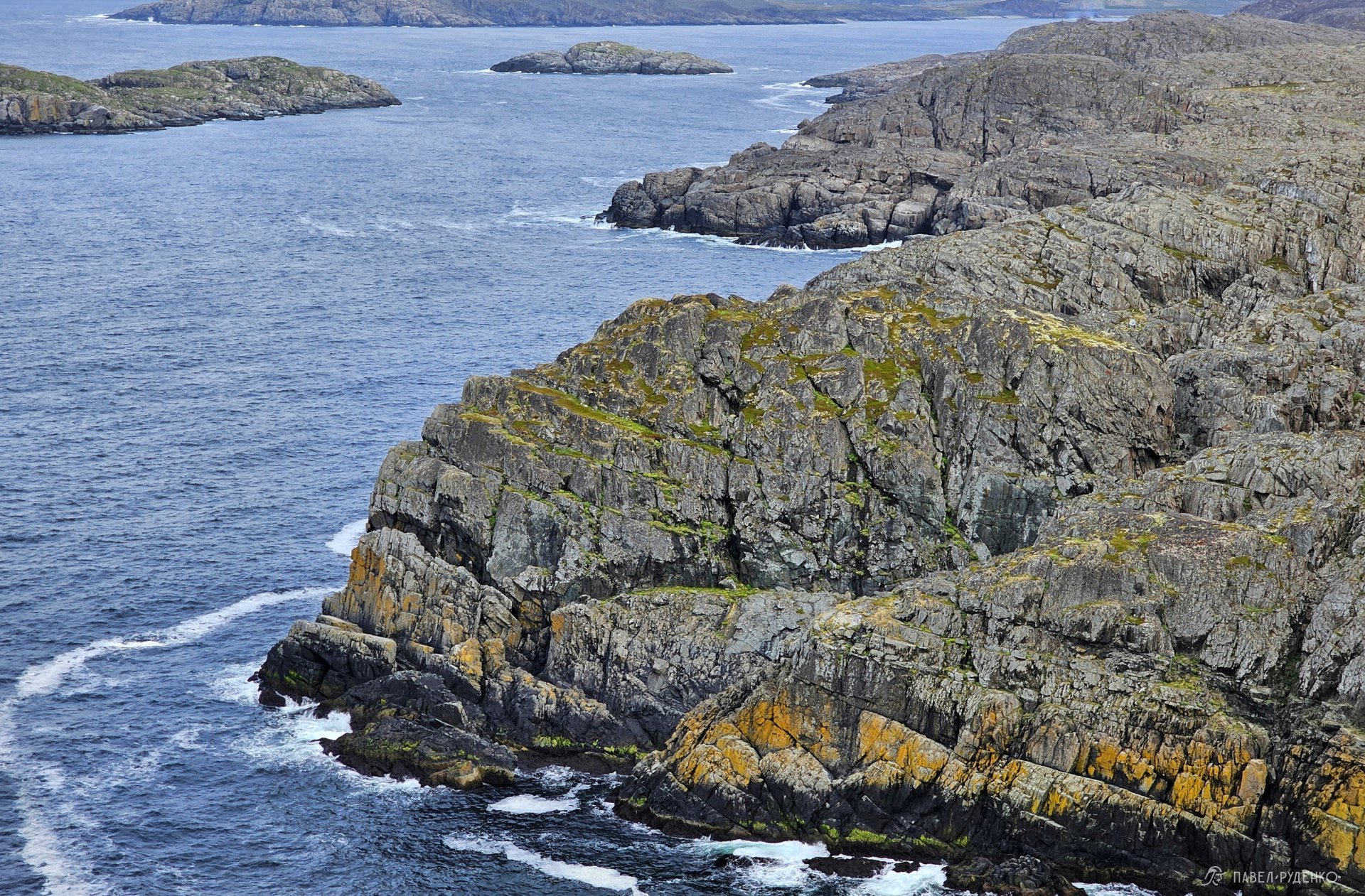
But we had to go, amazing views of the Barents Sea, cliffs, and beaches awaited us ahead. The trek turned out to be very scenic, the beauty of those places is hard to describe,
you need to be there to immerse yourself in this atmosphere. Returning to reality was difficult.))

The team on the trek was friendly and cheerful, mutual assistance was always present. I believe that such an atmosphere in the team is created thanks to the work of the guides, Pasha and Anya, for which they have great gratitude. I wish everyone to go on treks with them, and them - success and prosperity.
Maxim Bogatov
Hiking with Pavel is something unimaginable!!!

For me, this was the first serious hike, and to say that everything went super great is simply not saying anything.

From the very beginning of communication, Pavel shows complete interest in your well-being. Enjoyment from the hike every minute. Calls, consultations, promo codes, it's great! Then everything happens as if by magic of a magic wand) Once, and you're already on a magical carpet of berries and moss!

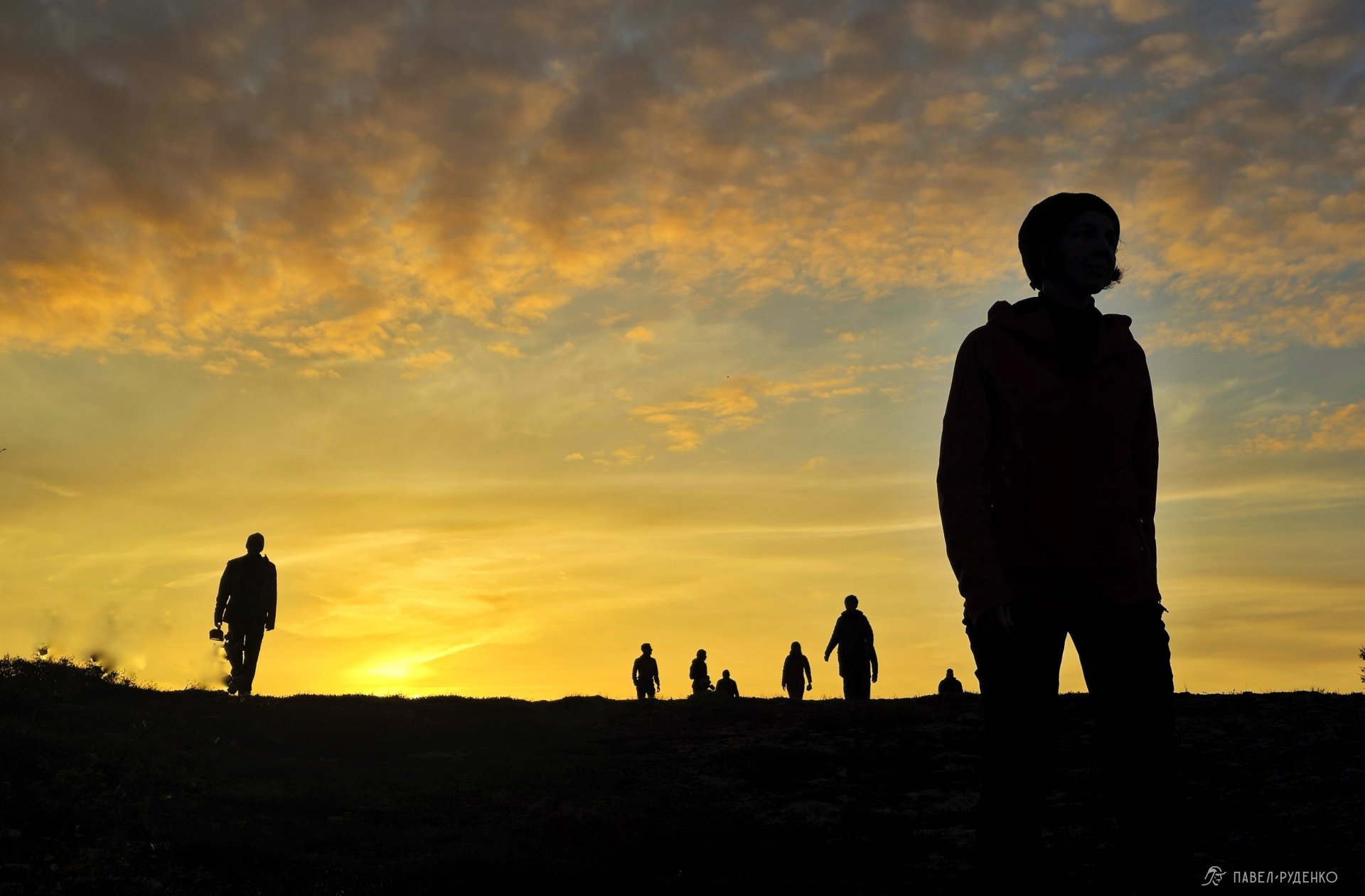
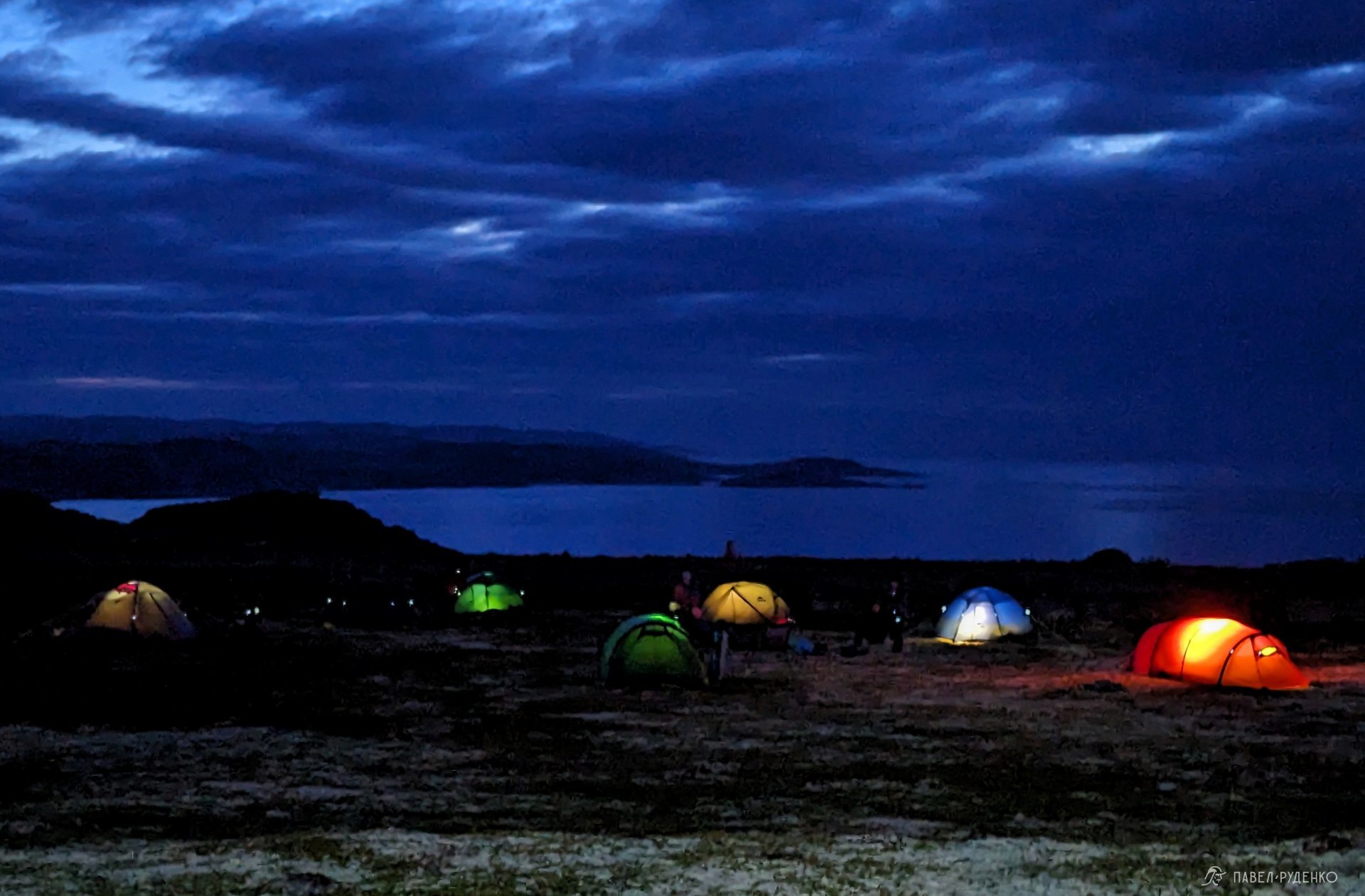
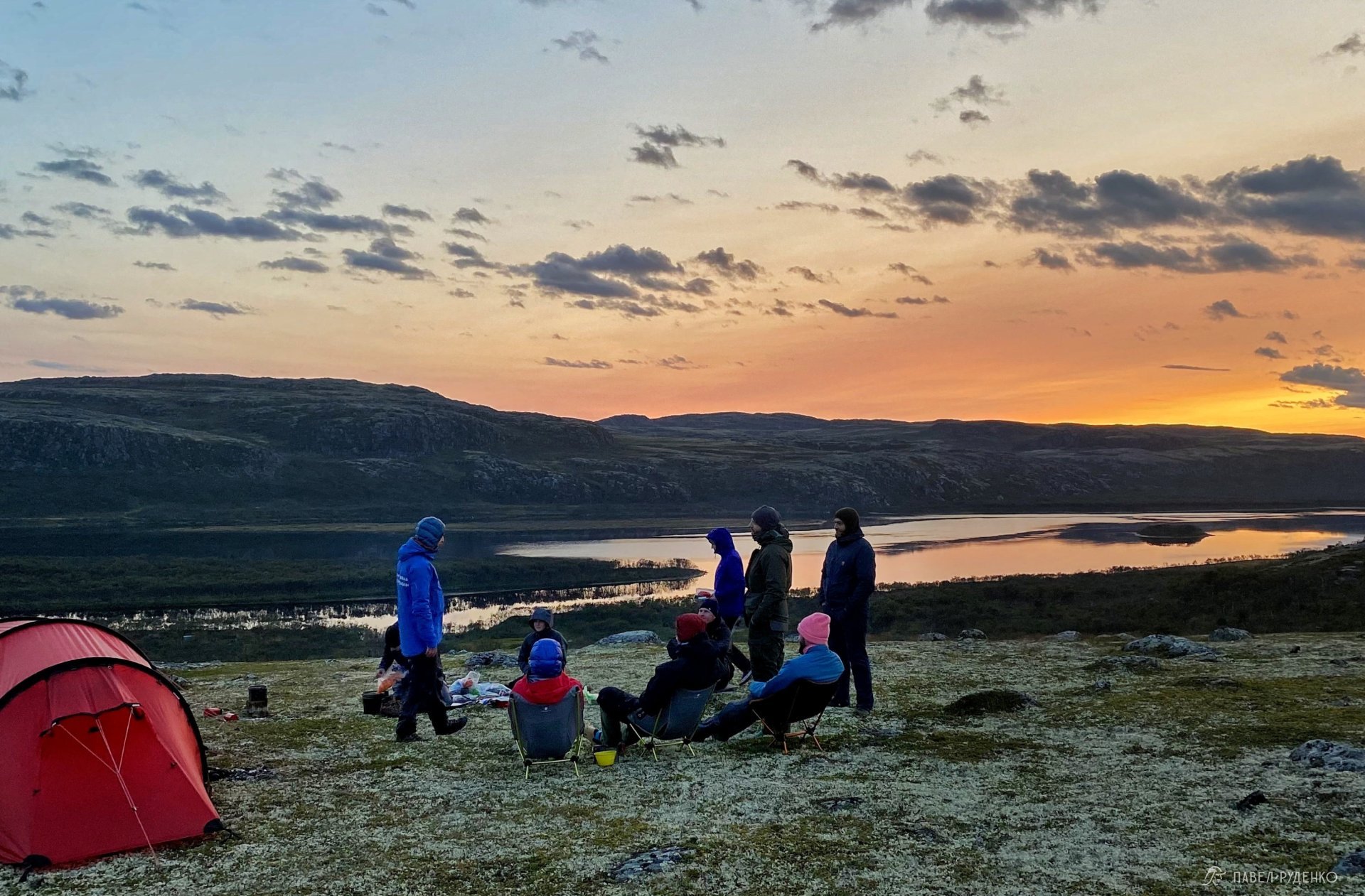
You set up a tent and admire the sunset overlooking the river flowing into the ocean! The variety of beauty and views is overwhelming! I would like to note Anna, his wife, she created coziness and delight from dinner every evening.

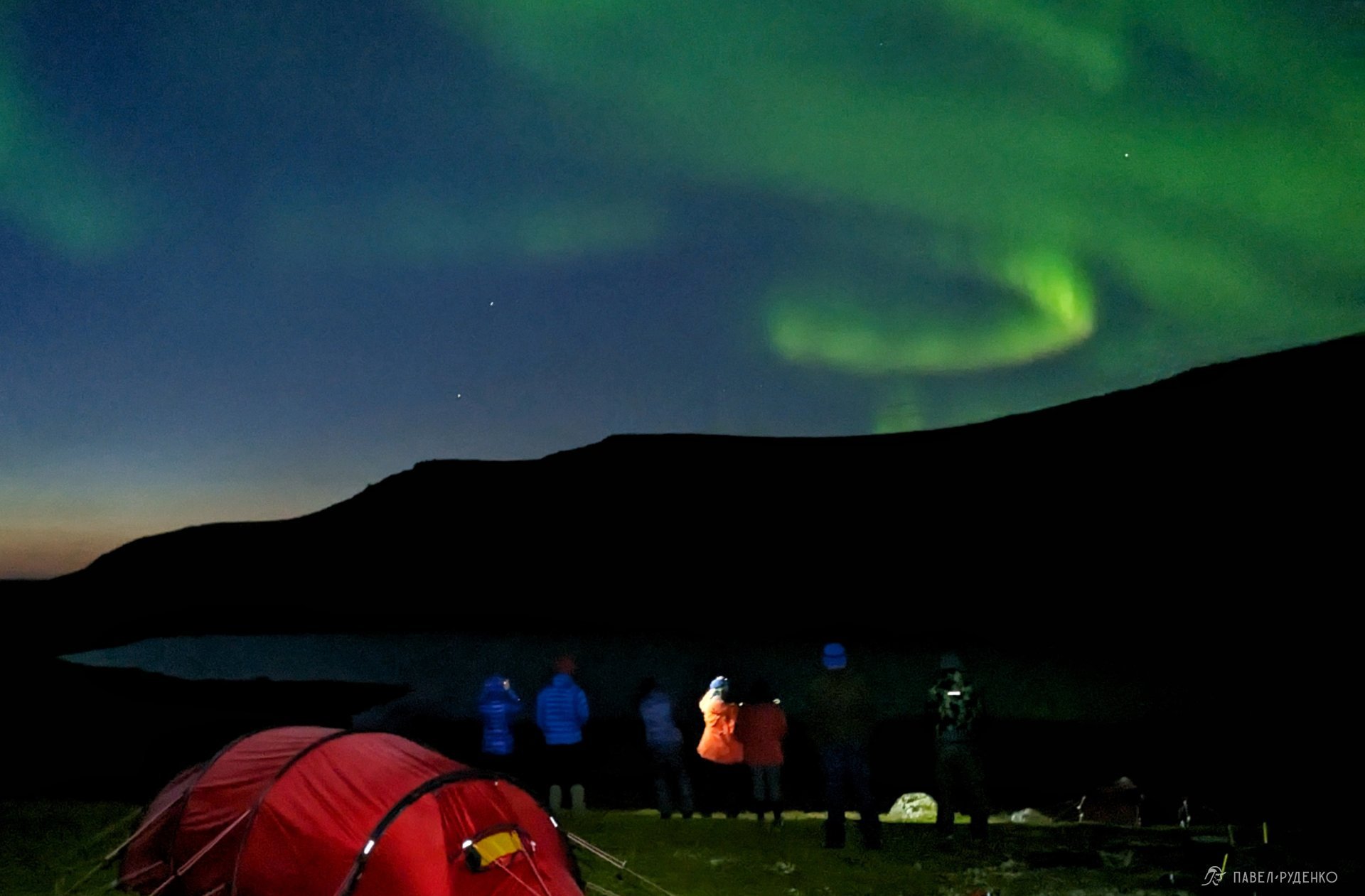
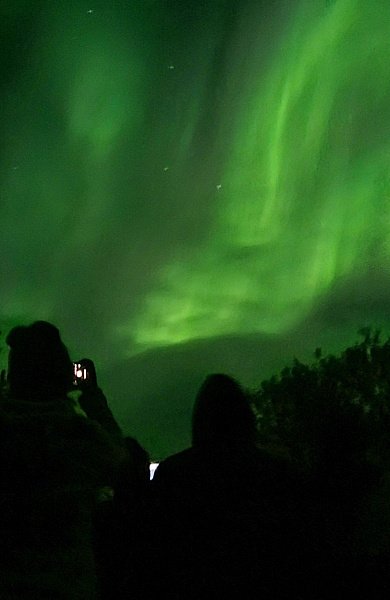
The tundra is beautiful in its own way! It must be seen, it must be felt, you must be there! An excellent itinerary, interesting and informative stories, stunning views and a great mood - that's what accompanied me all the time on the hike. The reward is the northern lights and a great team, unforgettable experiences and complete delight.

Many thanks to a very interesting person who was able to organize such an event, thanks to Pavel!
Evgeny Prervin
Summer was coming to an end and there was some fermentation, why not go on a hike.

I started thinking about the direction and decided to visit the Kola Peninsula, the places there are famous, the beauty and scale of nature are simply beyond limits. I made a decision and started looking for a company, the network, my thoughts led me to #PavelRudenko and it all started.

I studied everything and made a decision, the trek to Dalny Zelenets should happen. We messaged each other, called, discussed all the issues and I got into the group. I prepared for the trek, as I had experience in hiking in this region, and I started visiting the Murmansk region quite often, the north is like that, it attracts strongly. So on August 29, we met and set off with a group of like-minded people on a journey.

Pasha Rudenko is just an unreal person, he has studied nature, the right directions and the most beautiful locations during the trek so well that the trek turned into some kind of endless documentary about the history of the region. Despite the fact that I prepared for the trek very poorly and serious work on mistakes is ahead, everything was at the highest level.

I would like to especially note the organization of campsites and meals, it's just out of this world, organizing three meals a day on a long trek is not easy, thanks a lot to Anya for doing the impossible in such difficult conditions. I also want to mention the team, everyone was excellent, we completed the trek in one breath, everyone did a great job, it was very nice to meet new people, that's why I love hiking.

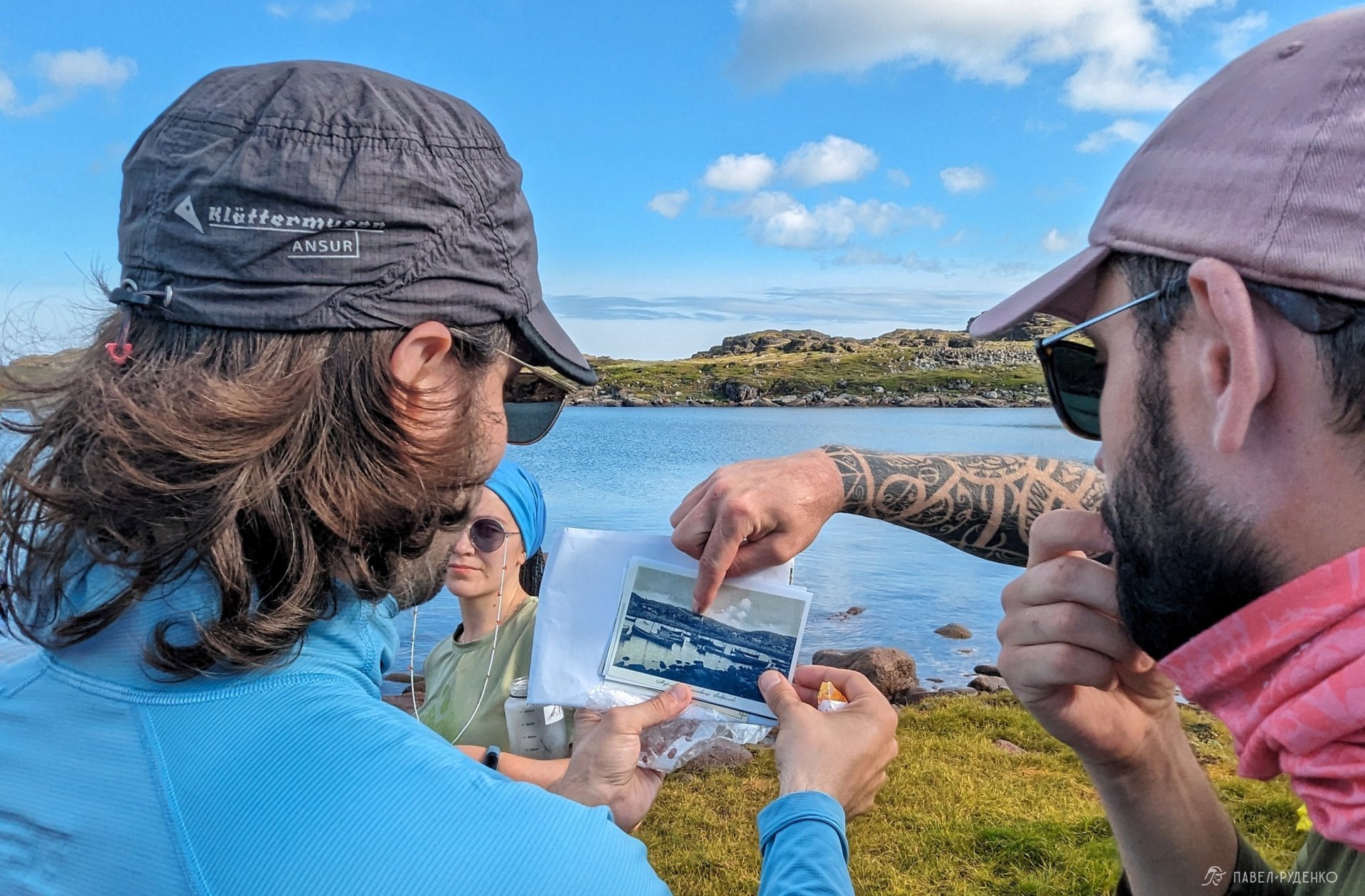
The route is awesome, the views are just amazing, the campsites are organized as cool as possible, on the last three nights the sky put on a show and the impressions intensified, along the way you meet various animals and birds, this is a separate story. Preparation for the trek on the part of the organizers is simply amazing, stories about these places were told at all campsites, supported by photographs, it is clear that the person is very interested in the history of these places.

I will be waiting for the schedule for next year and will definitely go again, either on this trek or on another route. It was very cool, there's nothing to add. Pasha and Anya, you are the best, keep promoting the northern story and develop in the direction of tourism.

The north is in the blood, the fire is in the chest, Skol!
Natalya Kruglova
I was very lucky to join Pasha's trek. And I want to say thank you for various aspects of this adventure. 

1) thank you for helping me see this beauty, feel the north, at least a little bit imagine how it was for people to live in these harsh conditions.
2) thank you for sharing your energy, knowledge, experience, everything so openly and kindly and inspiring with your example. At the same time, you are interested in every team member. 
3) thank you for the incredible atmosphere in the team. You created and maintained it with your warmth, energy, and humor. 

4) thank you for assigning us to tents. My partner and I immediately felt that we get along well with each other.  
5) thank you for how you planned and organized everything, the transitions and contemplative outings, the campsites, the entire trekking life, our cozy tent... 
6) thank you for your help with preparation, for calling and explaining everything in detail, resolving doubts about gear and giving so much advice. 

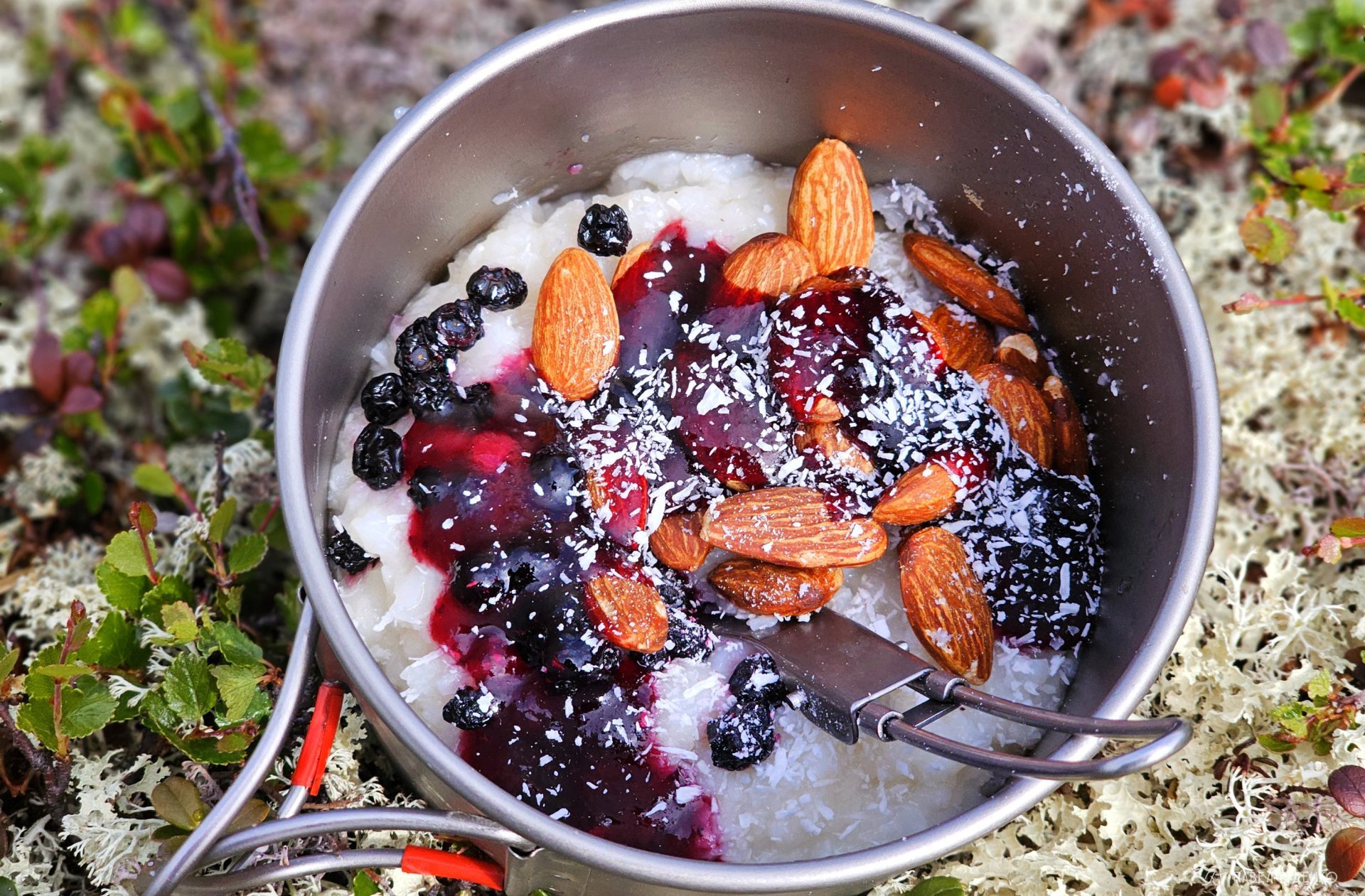
I also need to mention the food. The food was very tasty. There were many surprises that it's possible to cook like this on a trek. There were surprise dishes, probably better without spoilers, so that new participants can also be impressed. Breakfast cereals were always varied with interesting additives. For lunch, there were sandwiches with a show element, and hearty dinners with jerked meat of various animals. The pocket snack almost lasted until the end of the trek, and everything was so great.

It's impressive how much preparation and planning it took to achieve such a tasty and varied menu. The second guide, Ilya, was in charge of the kitchen on the trek. Cooking and cleaning with washing the cans were his responsibility, we only helped, he used to wake us up in the morning with care, made sure that everyone got their share. Because of citrus allergy, he made separate tea for my partner and me in a metal strainer (!). Big thanks for all this work and for us having such a hearty and tasty time.

Meals took place in a tent. For me, it was a new experience: sitting on chairs (!), in a tent, all together, protected from the wind, the burner hums nearby, Ilya is conjuring over the can, Pasha is telling stories. Эх, I'd like to go there again. 

I'll also add about the amazing teamwork of Pasha and Ilya and the fact that in the team, yes, in the team, there was a feeling of calm. We were in no hurry, those who wanted to go slower found themselves in the supportive company of the trailing guide, Ilya.

I really want to go on other treks with Pasha in the Kola Peninsula!

I looked again at what I wrote: there's nothing in the review about the north itself)) But those who've been there already know, and I'd like to wish those who haven't been there to go and see the distant horizon, feel the strong wind, and sense the moss under their feet.
Yulia Gordeeva
The hike to Dalnie Zelentsy is already my third hike with Pasha Rudenko in the Kola. Each time I return and say that I went on another best hike of my life)

Organization. As someone who has been on many hikes and has different experiences, including negative ones, I can say that I like the organization.
Pasha understands camping gear and will advise you what to wear from socks to jacket so that you don't get wet, cold or suffer on the hike, will provide a good tent that can withstand strong wind, recommend a warm lightweight sleeping bag and how to lighten your backpack. 

The route is well explored and personally traveled several times, so we always have stops in the most beautiful places. 

There is a second guide, there is communication by radio, bear protection, so even if you fall behind, you always feel safe.
The guides cook the food themselves, everything is very tasty, especially my favorite lentil soup with ostrich meat.

I would also like to express special thanks for the group tent, which fits all the participants of the hike and in which you can eat and chat if it's cool or rainy outside, it adds a lot of comfort. 
Since the food and gear are optimally selected, the weight of the backpack is small and you can walk and enjoy the views, plus in the evening at the camp it's comfortable and you have the strength to sit and chat.

I also consider an important component of success the fact that Pasha loves the north, hikes and people, is always in a positive mood and has an amazing sense of humor, this atmosphere is passed on to the team, so much positivity and laughter, funny stories told during this week, I don't have enough for a whole year.

Some guys go hiking several times. So, by the third hike, I felt that I met a group of friends. 

Also, Pasha selects guides with love for people and their work, big thanks to the second guide Ilya for his help and positivity)
This time a very good company gathered, hugging everyone, hope to see you again)  

Nature. I've been to the Caucasus, Turkey, Montenegro and other places, but now I've felt that the northern nature resonates with me, I felt that this is mine, that I am always beautiful here, everything pleases the eye - and horizons with green mountains, sandstone, tundra, ocean and the microcosm in the form of moss. I realized this only after coming here.

So, to summarize, I can say that everything coincided here - both nature and people, this week I was absolutely and unconditionally happy)
Big thanks to Pasha and everyone else for this wonderful week in the Kola) 
Maria Kulagina
I was on the tour Daliye Zelentsy - Hike to the Edge of the Earth with Pavel and Ilya in June 2025. 

The tour program was very comfortably planned. The hotel on the first and last day of the tour helps to buy missing items, relax after the road and get ready for the trip. All the stops had magnificent views! The guides cooked the food and it was very tasty and varied.

On the route, we were told about the history of the area where we passed, it was very interesting and informative. During the movement, there were always stops for rest and time to take photos for memory! The guides were always ready to help and answer any questions, advised on backpack settings and gear (that's great). The issued tent met all the requirements for this area. 

I came to the Kola Peninsula for the views, silence, sea and horizon, and the excellent work of the guides helped me get all this and even more.
Thank you so much! 
Ivan Sinyakov
I went on a hike to Daliye Zelentsy completely by chance. A friend suggested signing up and I agreed.

Then there were a number of organizational moments and the hike itself, of course. The nature of the Kola Peninsula is beautiful and exceeds all expectations, but most of all I liked Pasha's work.

Everything is thought out to the smallest detail in terms of organization. Interviews with potential participants, gear recommendations, hotel before and after the hike, no duty roster, maintaining a positive atmosphere in the group and caring for each participant of the hike and many other nuances. All this provides the best possible impressions and a comfortable atmosphere in the group.

The hike was very different from the usual commercial hikes I've been on before and I think it can be called exemplary)

Many thanks and best wishes to Pasha and Ilya!
I will definitely try to go with them again.
Yuri Savenok
I still think about the hike to Daliye Zelentsy with Pasha Rudenko every day.

I can't say that I have a lot of hiking experience, but I have something to compare with. Objectively, Pasha is in first place in terms of organization. The person understands and, most importantly, loves what he does, is passionate about it.

The entire route has been explored in advance, we never got lost, it feels like Pasha knows every stone here)) There is a second guide in the team who is always in his place at the back of the group. At the same time, the pace of movement is very comfortable, you don't get tired of the transitions, there is no need to overcome yourself/the desire to reach the camp faster, on the contrary, there were days when I wanted to keep going and going))

The organization of the hike is at the highest level, from choosing the route to the food rations, the guys do something interesting with food every time, and there are no duties, if you want, you can help with cooking, but you can also sleep longer)) At the end of the route, we came to the semi-abandoned village of Daliye Zelentsy, in which you don't feel like you've entered any kind of civilization at all, that is, the hike ends surprisingly harmoniously.

Overall, the impressions of the hike with Pasha were only positive, there wasn't a single day when something prevented me from enjoying the beautiful northern nature, nothing distracted me.

Thanks really want to be said for everything: the route, the organization, the responsibility, the humor, the positive attitude, the work of the very responsible second guide Ilya, thanks to the team, which included wonderful people, and it couldn't be otherwise with Pasha's approach to his business.
Vladimir Aleshin
Thank you and Anya for organizing this event) 

It's very cool that someone is now doing the 'everyone goes with their own' format. This makes both the price better and the group composition more experienced and interesting somehow) It's very cool that everything is up-to-date and modern, without sitting around with a guitar and drinks)))) 

Thank you for your love for your work and professionalism in it, that's worth a lot. And of course, for long conversations about gear))) 
And special thanks for the motivation with your example to go further, more, stronger) 

We will be waiting for more trips, especially winter ones. If you start leading them, I think it will be awesome, no one is doing this now)) 

We will definitely recommend you to friends who are interested in the North) 

There's nothing to write about the downsides. Well, maybe subjectively, the portions of food are too big)))))

Price

69,000 ₽
Included
  • Размещение в гостинице до и после похода
  • Завтраки в гостинице
  • Трансферы на маршруте
  • Общественное снаряжение
  • Оформление спортивной страховки на время похода
Not Included
  • Билеты в Мурманск и обратно
  • Питание в городе

I want to join the Dal'nie Zelentsy: Hike to the Edge of the Earth tour

Dates:
11-19 Sep 2026
Difficulty:
3/5
Distance:
73 km
Group full. Join the waiting list

After applying, you will receive a participant questionnaire. Once reviewed, we will call you to discuss details.

A deposit of 20 000 RUB is required to book. It is refundable if you cancel 30+ days in advance. If less than 30 days, it is only refundable if a replacement is found.

Ура!

FAQ

Can I handle the workload on the trek?
It largely depends on your experience, physical fitness, and mental attitude. Carefully study the program — each itinerary has not only its own difficulty category, but also specifies daily distances and elevation gain. It's important to choose an itinerary that is optimal for you in terms of workload. You need to consider the weight of the backpack, the need for acclimatization, climate, and the duration of the active part of the trip. That's why we pay so much attention to each application — we consult with the guide and select the appropriate route for you. 
How much does the backpack weigh?
It depends on the route, but on average, it's between 15 and 21 kilograms. Women's backpacks are usually lighter than men's. The weight of the backpack includes your personal belongings and the gear we provide: tent, sleeping bag, mat, and part of the food rations. The weight of our gear usually does not exceed 10–15 kilograms. Don't be alarmed by the heavy weight — a properly fitted backpack distributes the load so that it's much easier to carry than it seems. If porters or pack animals assist on the trek, your backpack's weight will be significantly lower! With maximum packing light, you can walk with just a light daypack of 5 kilograms — with the necessary things for the day and some snacks.
How do we handle hygiene on the trek?
On most routes, we wash in streams and lakes almost every day. The temperature of mountain rivers and lakes can be low — around 3–5 degrees, but if the weather is good, you can even swim! If you want to feel more confident, especially on long treks, start hardening yourself in the city. For washing, we recommend taking eco-friendly products to avoid harming nature. Guides have portable toilet shovels for the toilet — we'll show and tell you everything on site! We don't bury paper and hygiene products, but take them with us, for example, in individual garbage zip-lock bags. We recommend taking wet toilet paper with you — it uses less and provides additional hygiene. If possible, we always organize a bath at the end of the trek or make our own portable bath right on the route during one of the rest days.
How is the situation with drinking water?
On each route, we think in advance where we will collect water. Most often these are springs and clean streams, sometimes we use filters or boil water. Guides will always tell you which sources are safe to drink from and which ones it is better to avoid (for example, if there may be animals upstream). It is important to drink regularly — do not wait until you are very thirsty. If you need to replenish water or take a break, just say so — we will always find a convenient moment to stop.
Are there any wild animals on the route? Do I need to take self-defense equipment?
In some hikes, the likelihood of encountering a bear or other wild animal is high, but there is no need to be afraid of it. Each guide has protective equipment — a flare or a rocket launcher, there is no need to buy them yourself. The main thing is to follow the guides' instructions carefully. The bear, despite its sullen appearance and impressive size, is a very secretive animal that does not seek out encounters with humans.
How is the food organized during the hike?
The guides buy the necessary products in advance and make up a layout, taking into account the number of people and dietary restrictions of the participants. In the morning and in the evening there are full hot meals, and during the day, during the transition, there are hearty snacks with hot tea. The basis of the hiking cuisine is cereals, pasta and legumes. We complement the dishes with meat, cheese and vegetables, most often dried. This way, the products weigh less and last longer. In addition, there are prepared snacks: nuts, dried fruits, energy bars. And something sweet for the evening tea before bed! If you have allergies, intolerance to certain foods, or follow a certain type of diet, we can easily adapt the hiking menu for you, but please let us know in advance. We will ask you about this in the questionnaire after you make the prepayment.
How is everyday life organized? Do I need to do anything at the camp?
Our guides take care of everything — they prepare meals, make a fire and set up the camp. You will need to put up your own tent — on the first stop, we will definitely show you how to do it so that you can manage on your own later. The time for getting up, breakfast, and setting off is usually agreed upon by the guide the night before. On the way, we take short breaks and stop for lunch. Upon arriving at the next stop, you set up your tent, while the guides prepare dinner. In the evening, we share our impressions over a cup of hot tea and go to rest. If the itinerary includes a rest day, getting up may be later than usual — you can relax in the camp or go on a day trip with the group. If you want to help — for example, collect firewood or bring water — the guides are always happy to receive support. Just say if you want to learn something new or participate in everyday activities!

Other Tours

Questions? Message me on Telegram
Логотип Pavel Rudenko