The Far North: Ski Expedition to the Barents Sea

Trek Completed
No new dates are scheduled at the moment, but it may return in upcoming seasons. Choose from the current treks below
Dates
7-17 Mar 2026
Duration
11 days
Difficulty
4/5
Advanced Difficulty

A demanding, extended wilderness expedition.

  • Backpack weight up to 25 kg.
  • Daily hiking distance up to 20 km.

8–14 day trek.

Traversing off-trail Arctic wilderness. Daily distances and pace are more demanding than on moderate routes. The terrain may include challenging mountain passes, river crossings, scree slopes, and dense scrub. Requires endurance, mental grit, and targeted physical training 4–6 months prior to the trek.

Who it's for: Experienced trekkers with prior week-long self-supported expeditions looking to venture further into the wild.

Distance
101 km
Group size
10 person

About the trek

Signature Trek

The Far North — skiing to the Barents Sea.

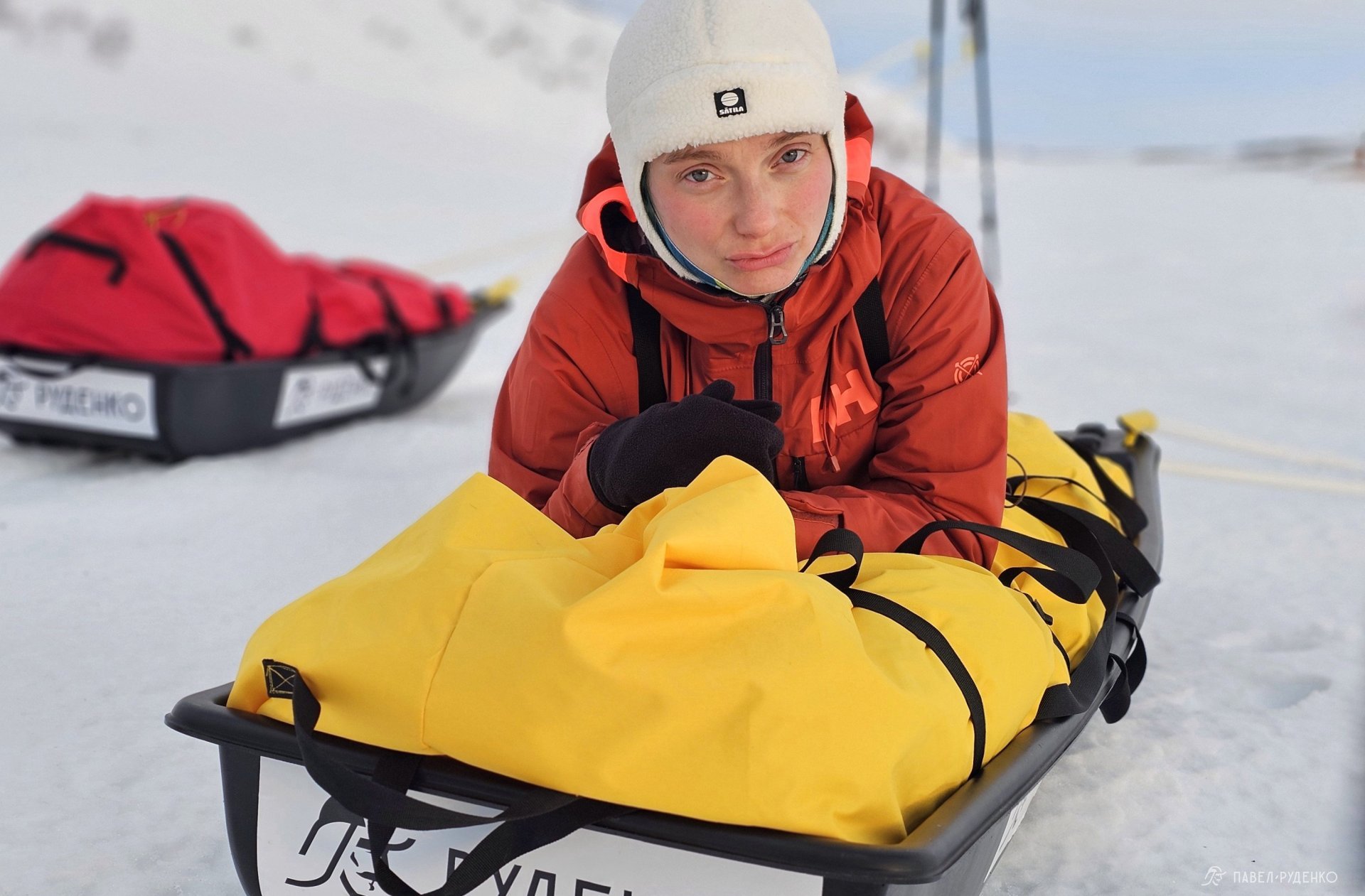
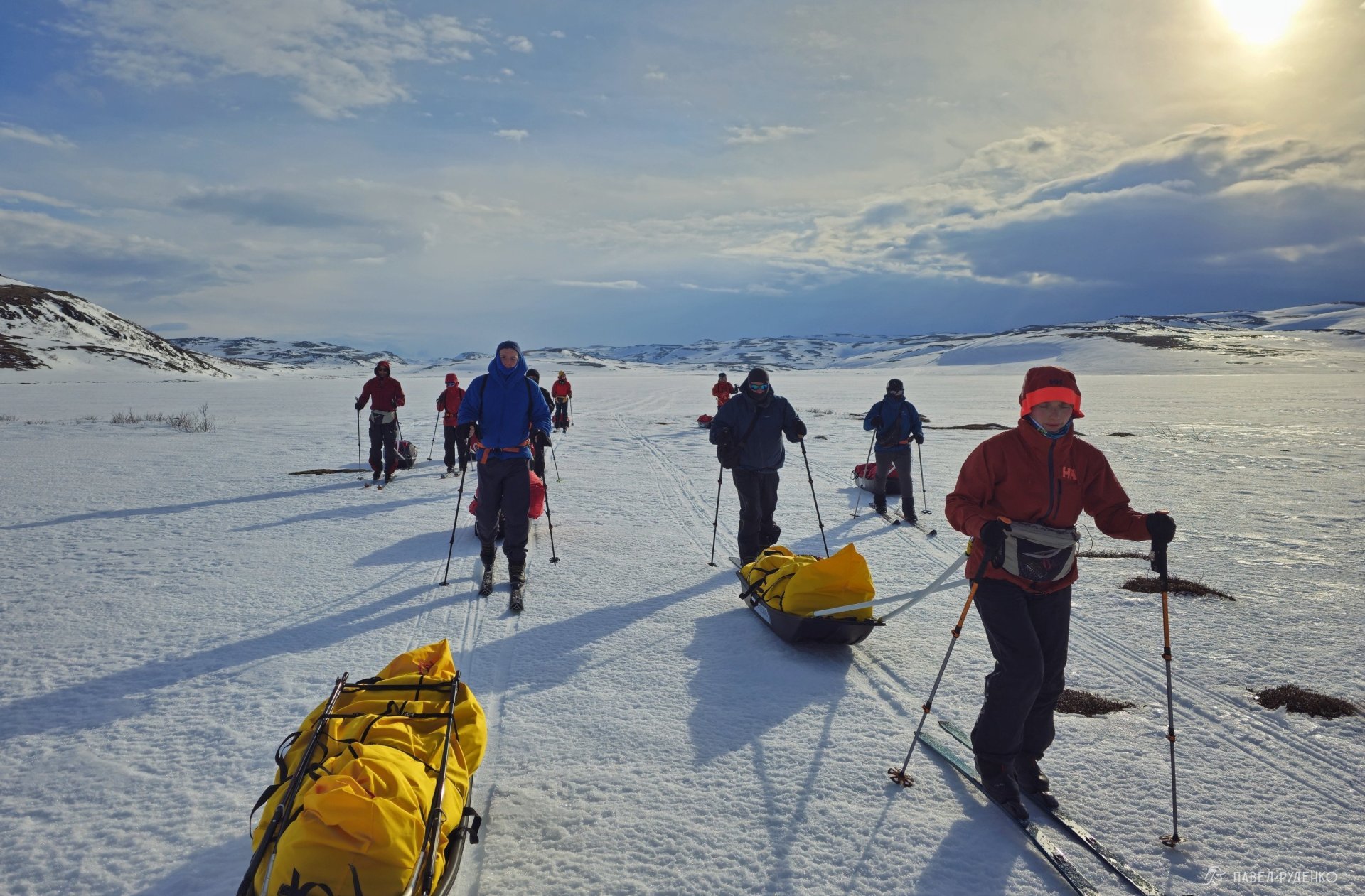
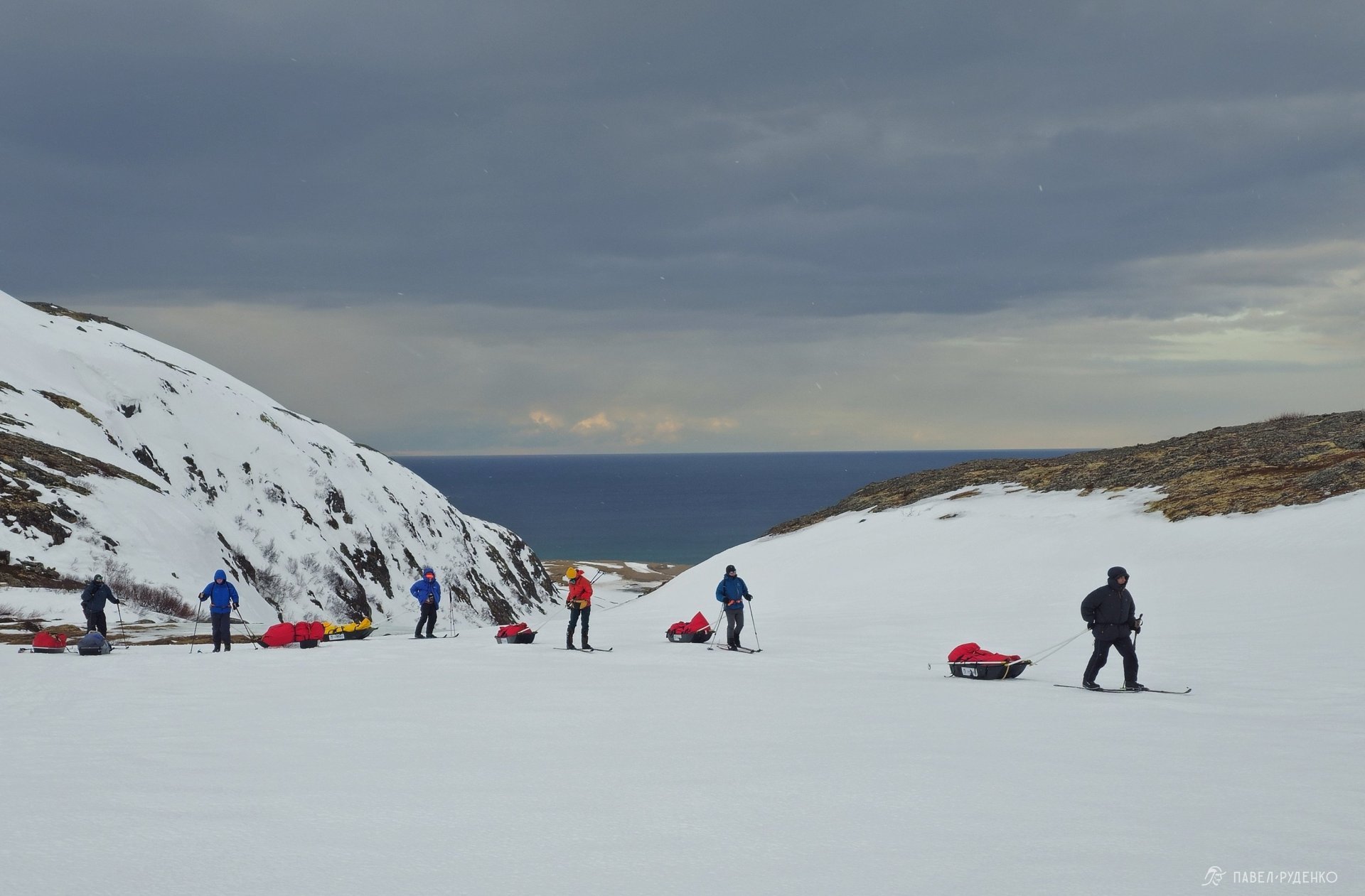
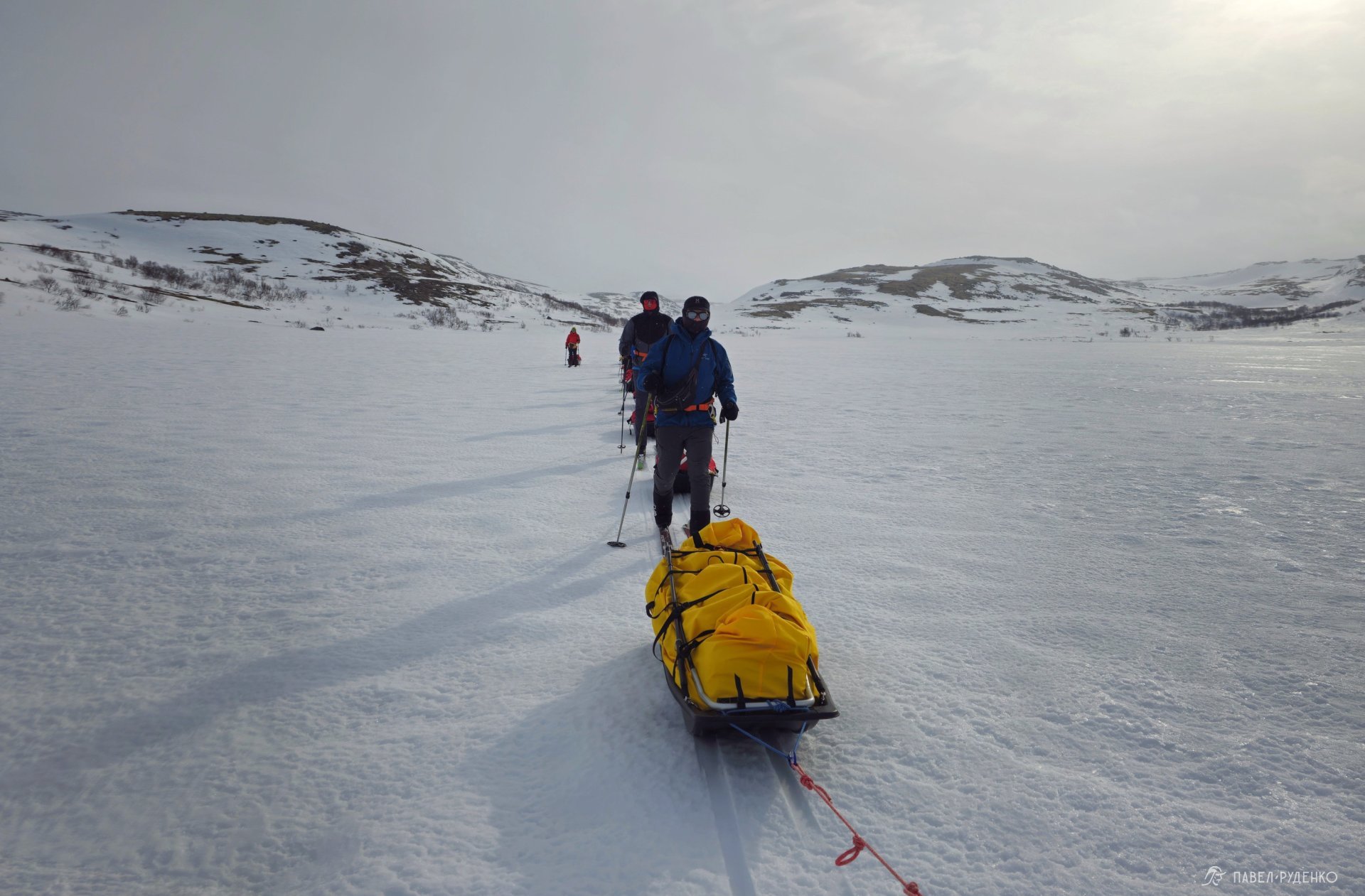
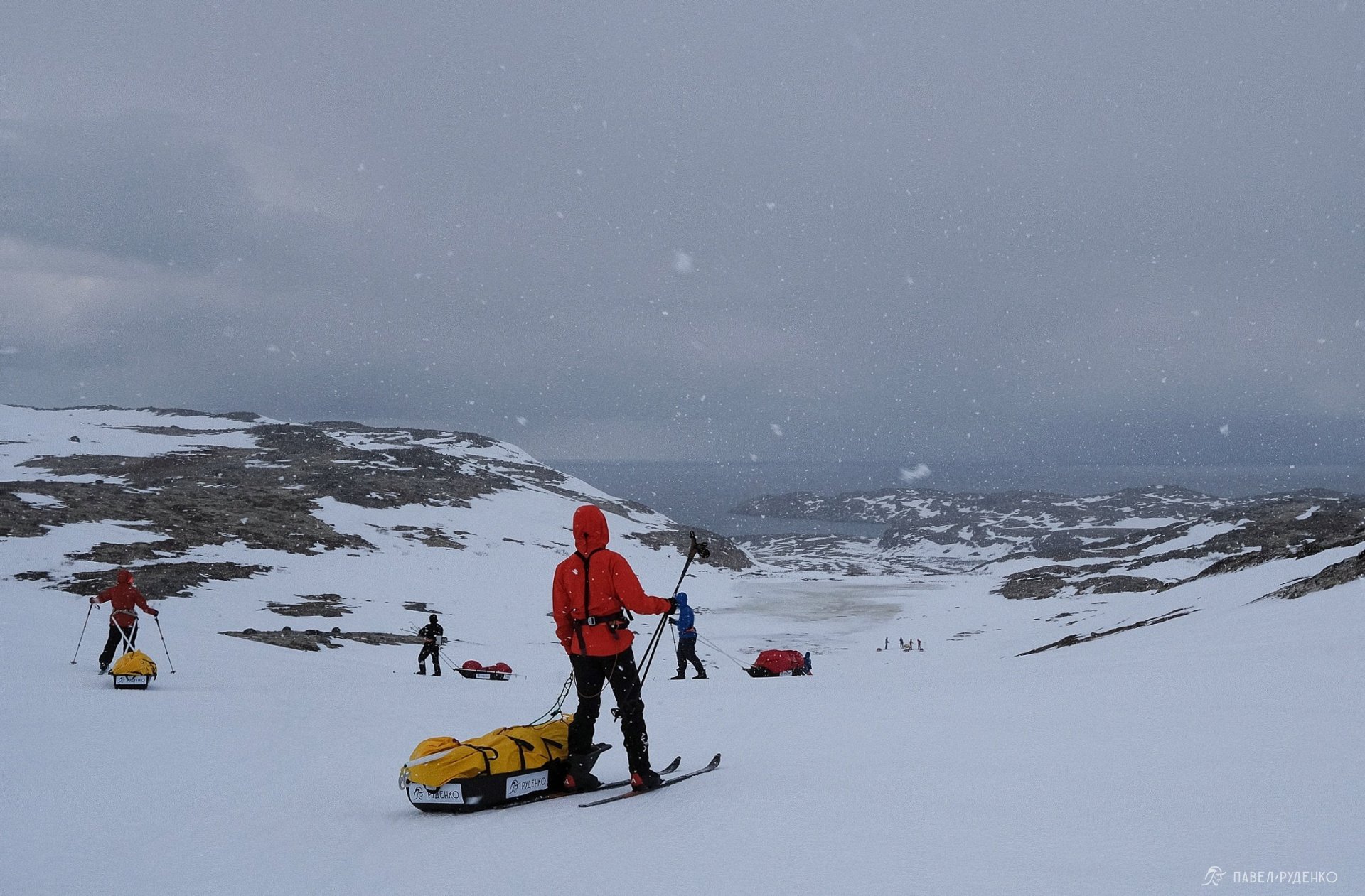
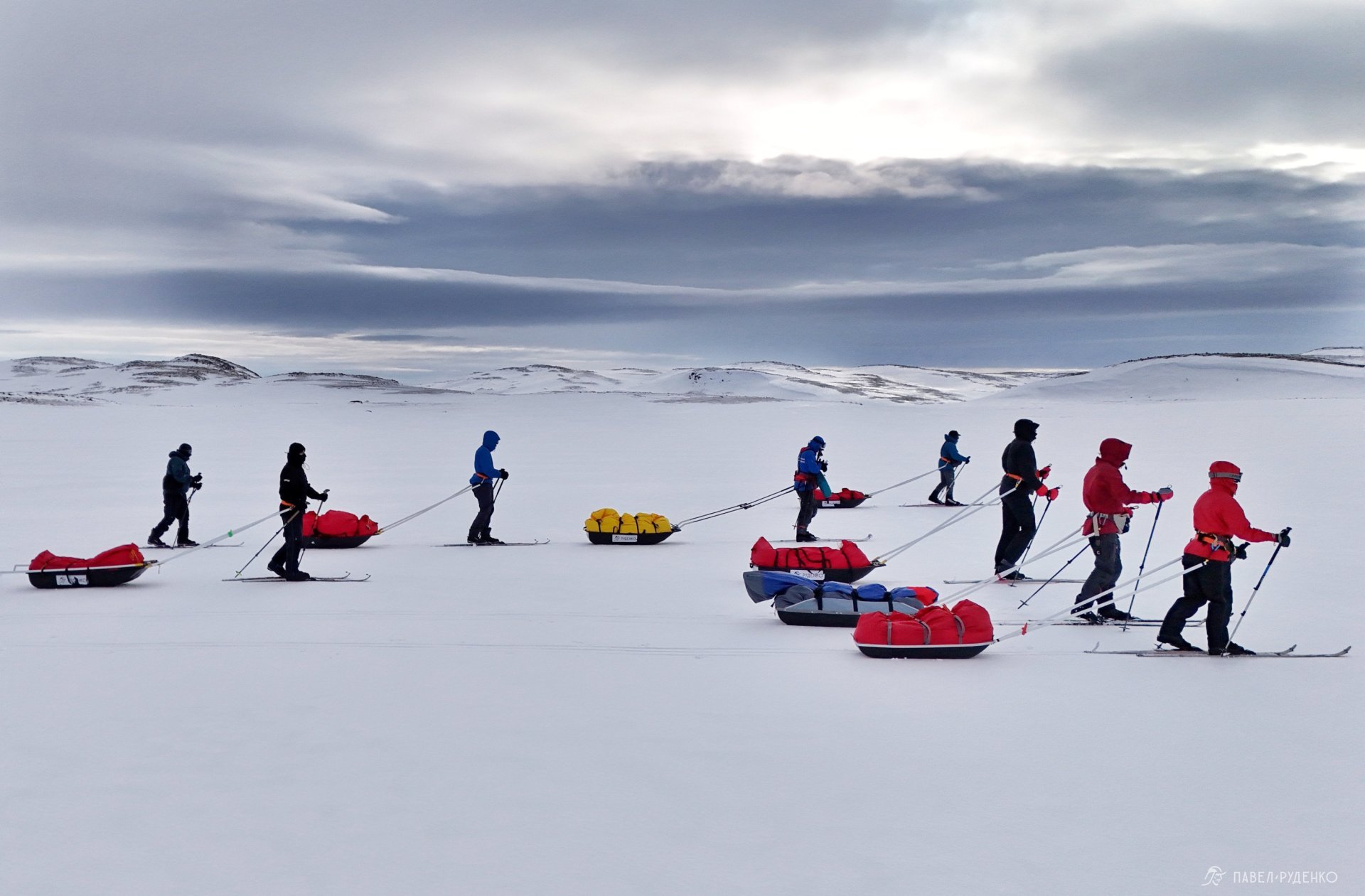
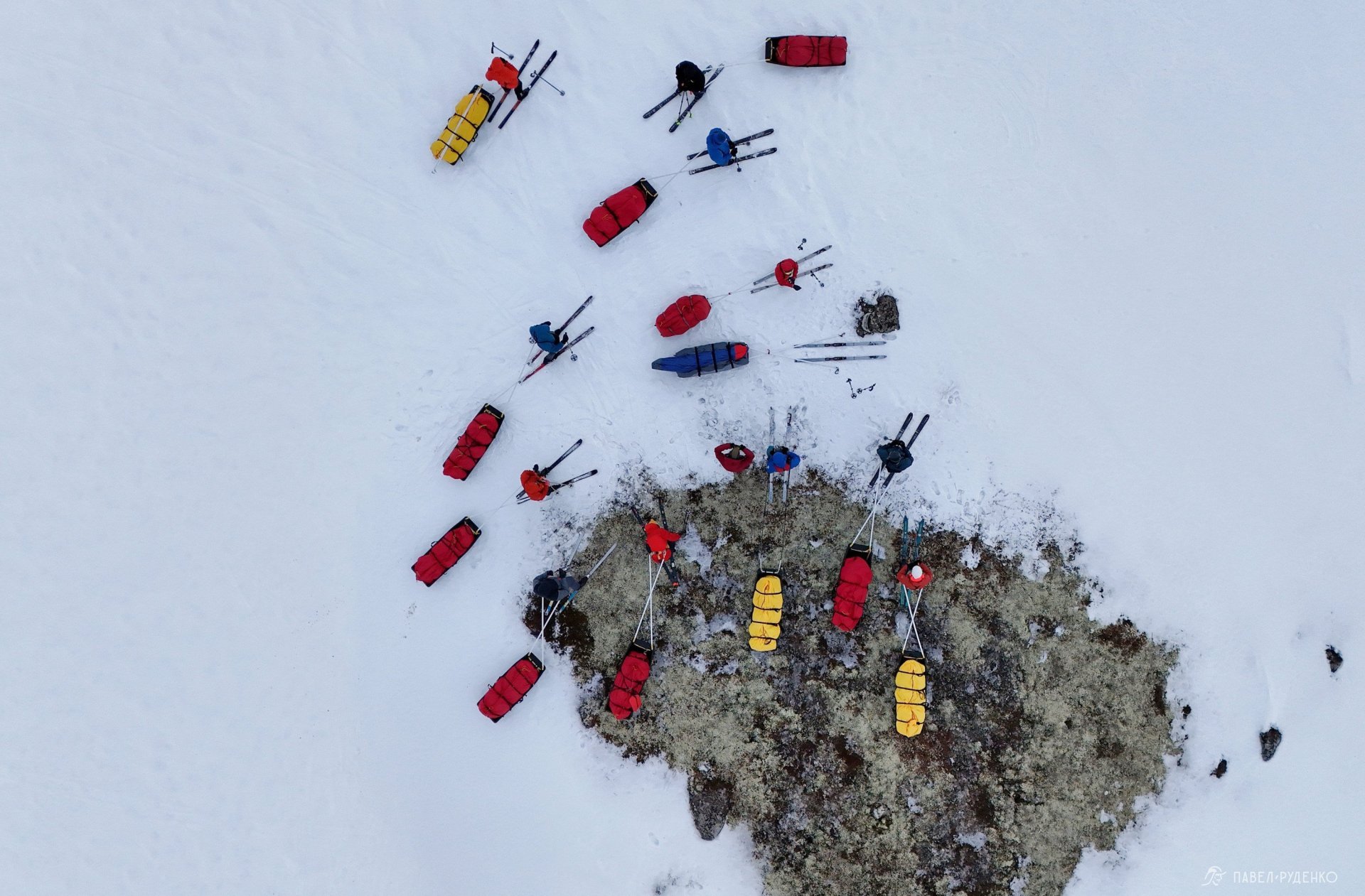
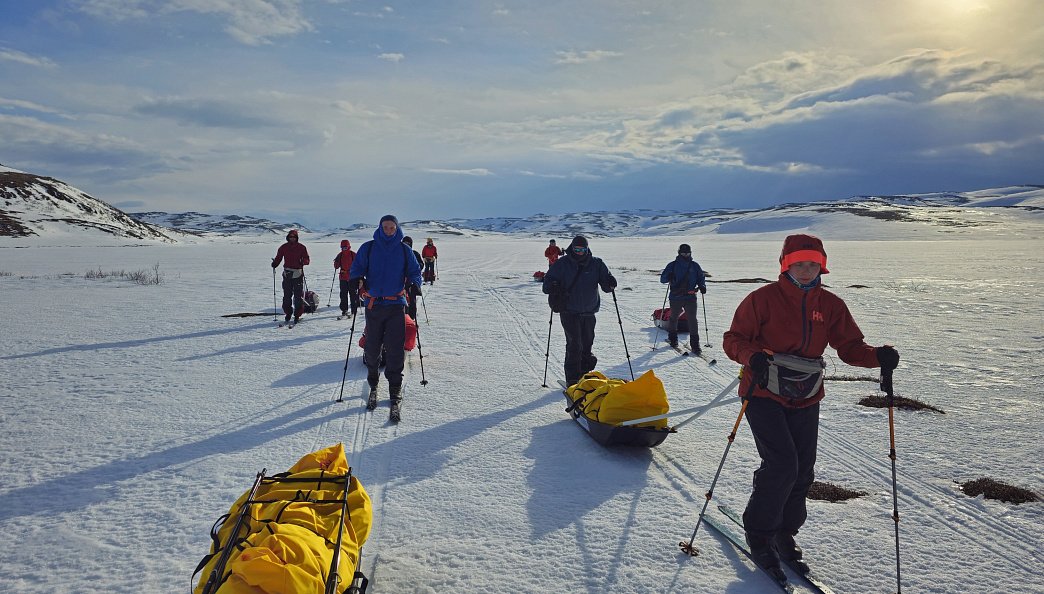
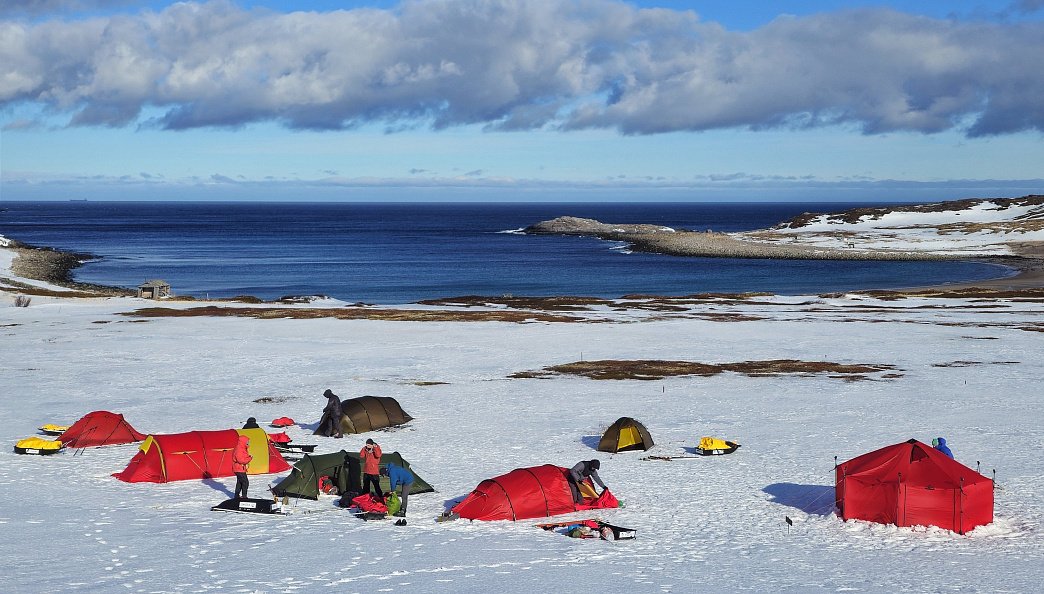
A self-supported expedition with Arctic pulkas across the coastal tundra of the Barents Sea, with overnights in unheated tunnel tents. Pulkas and tents are provided.

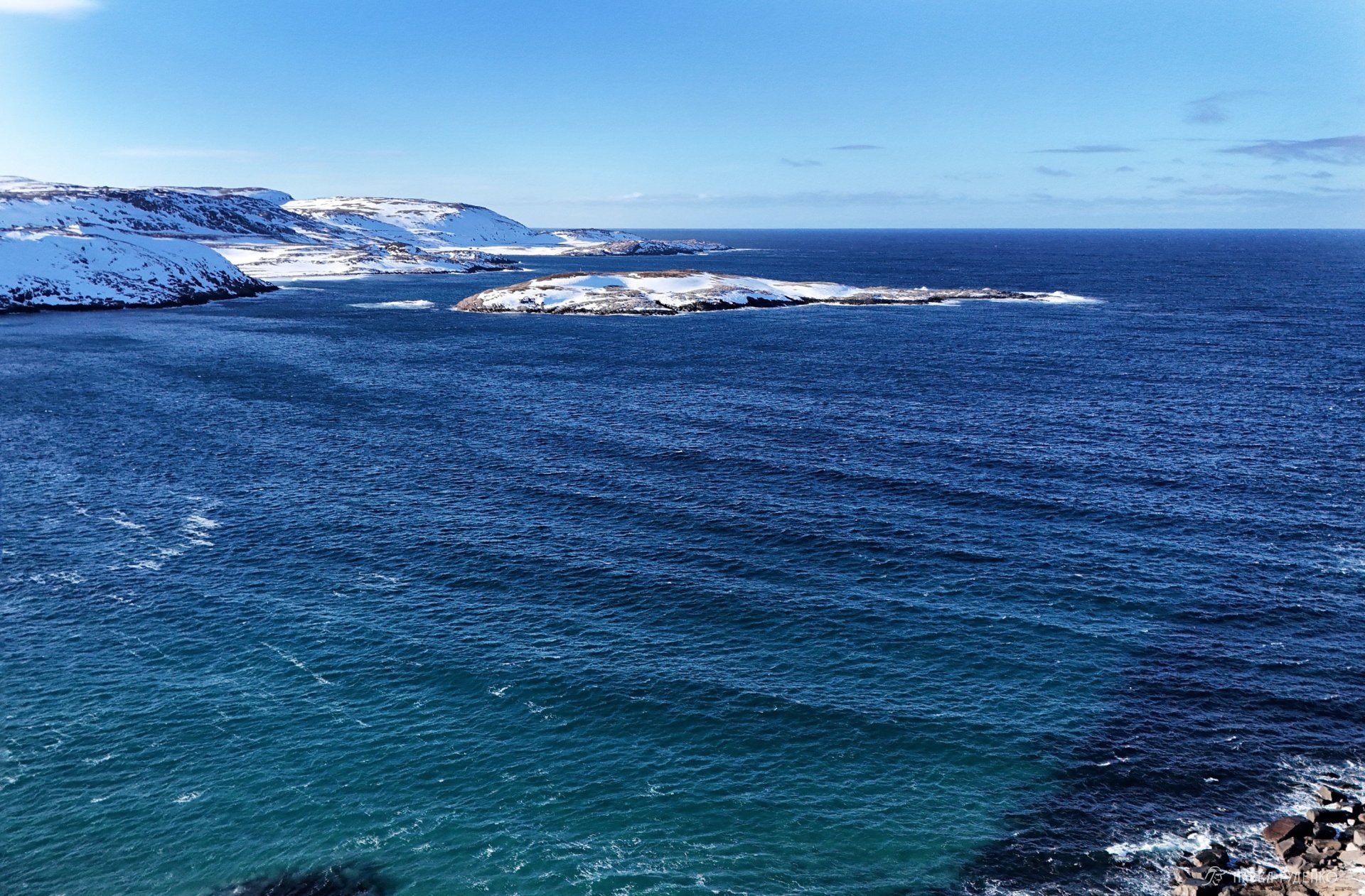
We begin our journey from the historic Pomor village of Teriberka, situated on the shores of the Barents Sea. Thanks to the warm Gulf Stream, this is Russia’s only ice-free Arctic sea. We get the incredible opportunity to ski along the coastline in winter and watch raging waves crash against the cliffs. It is one of the most extraordinary experiences of a lifetime.
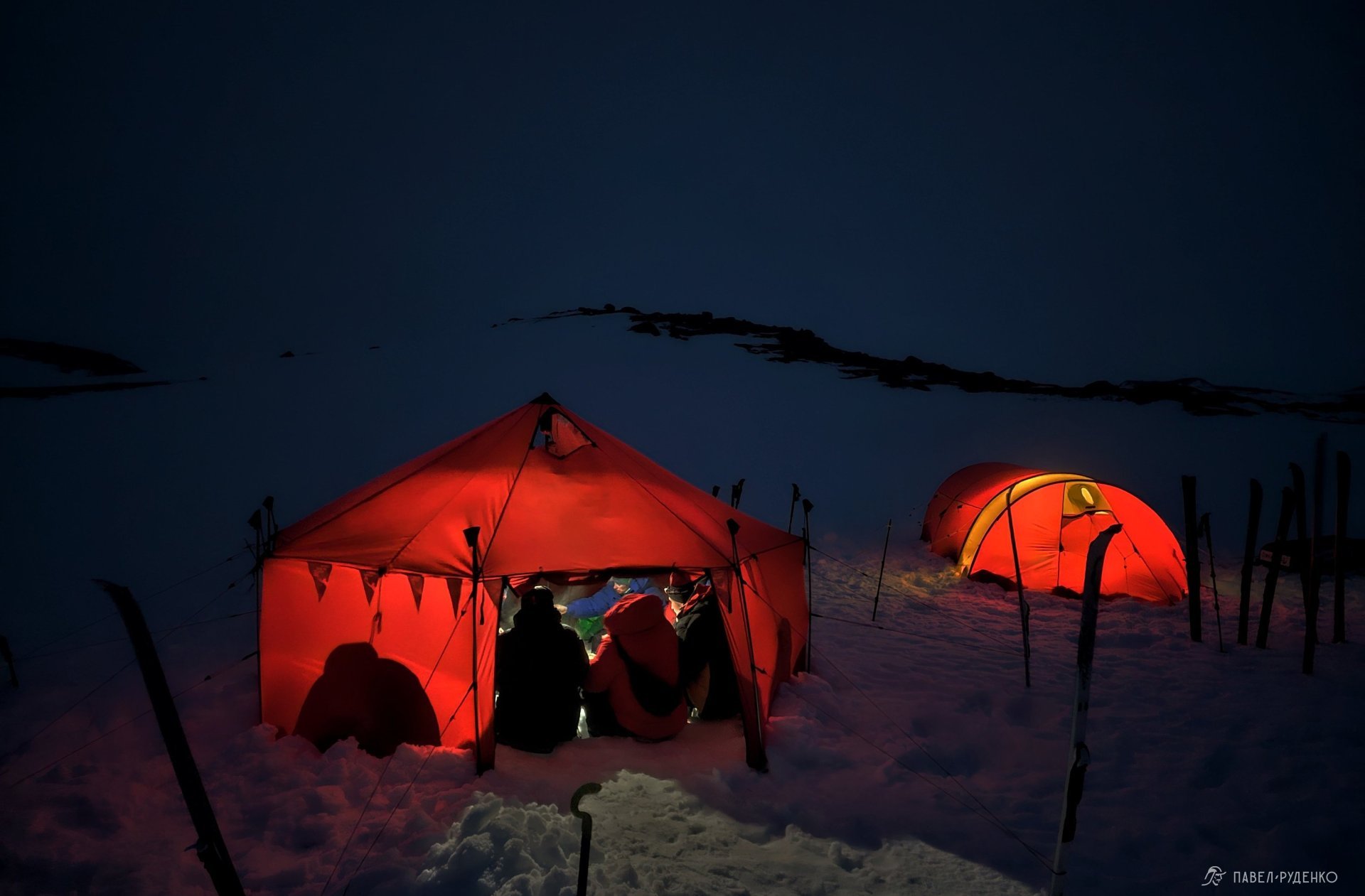
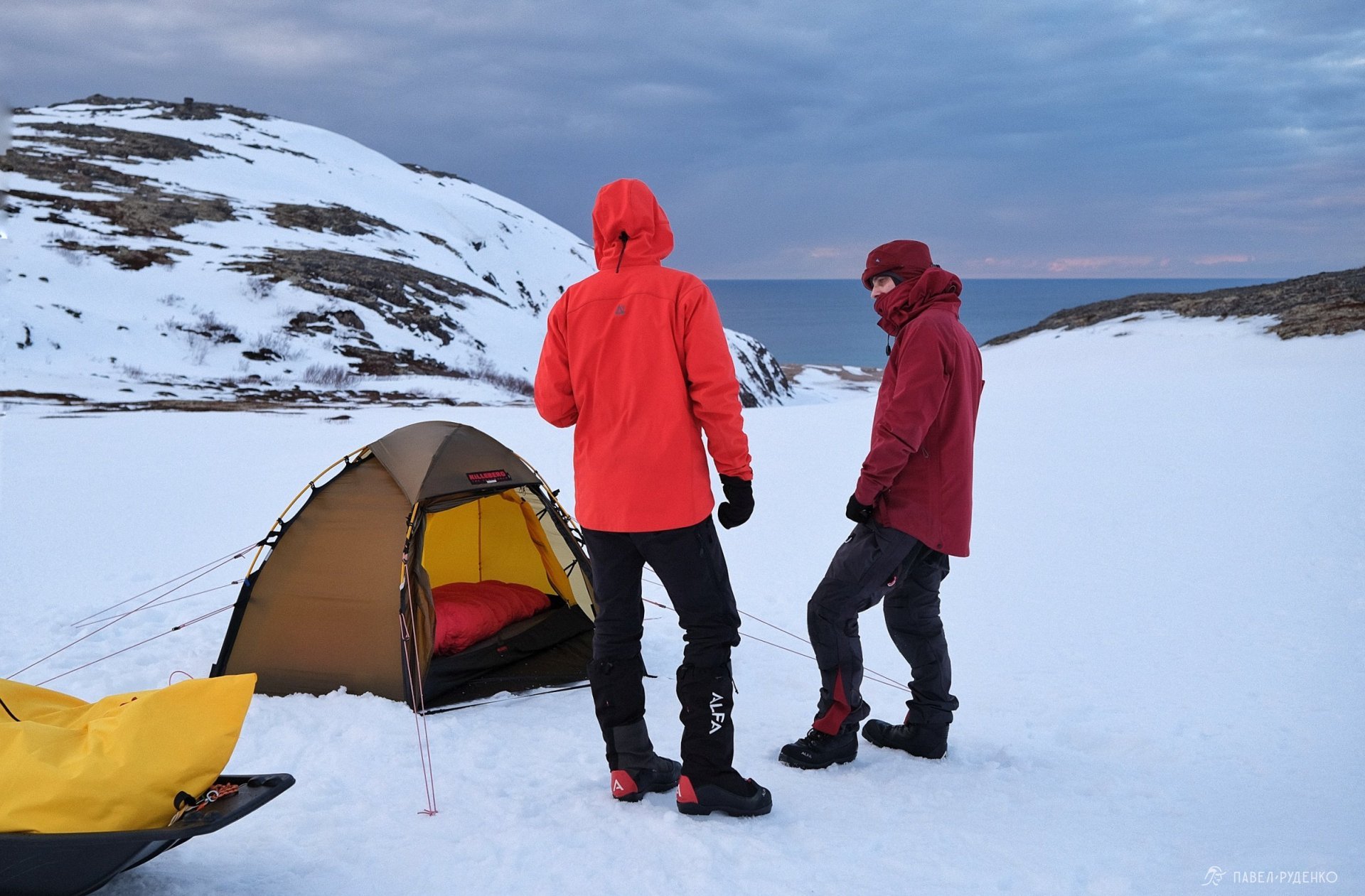
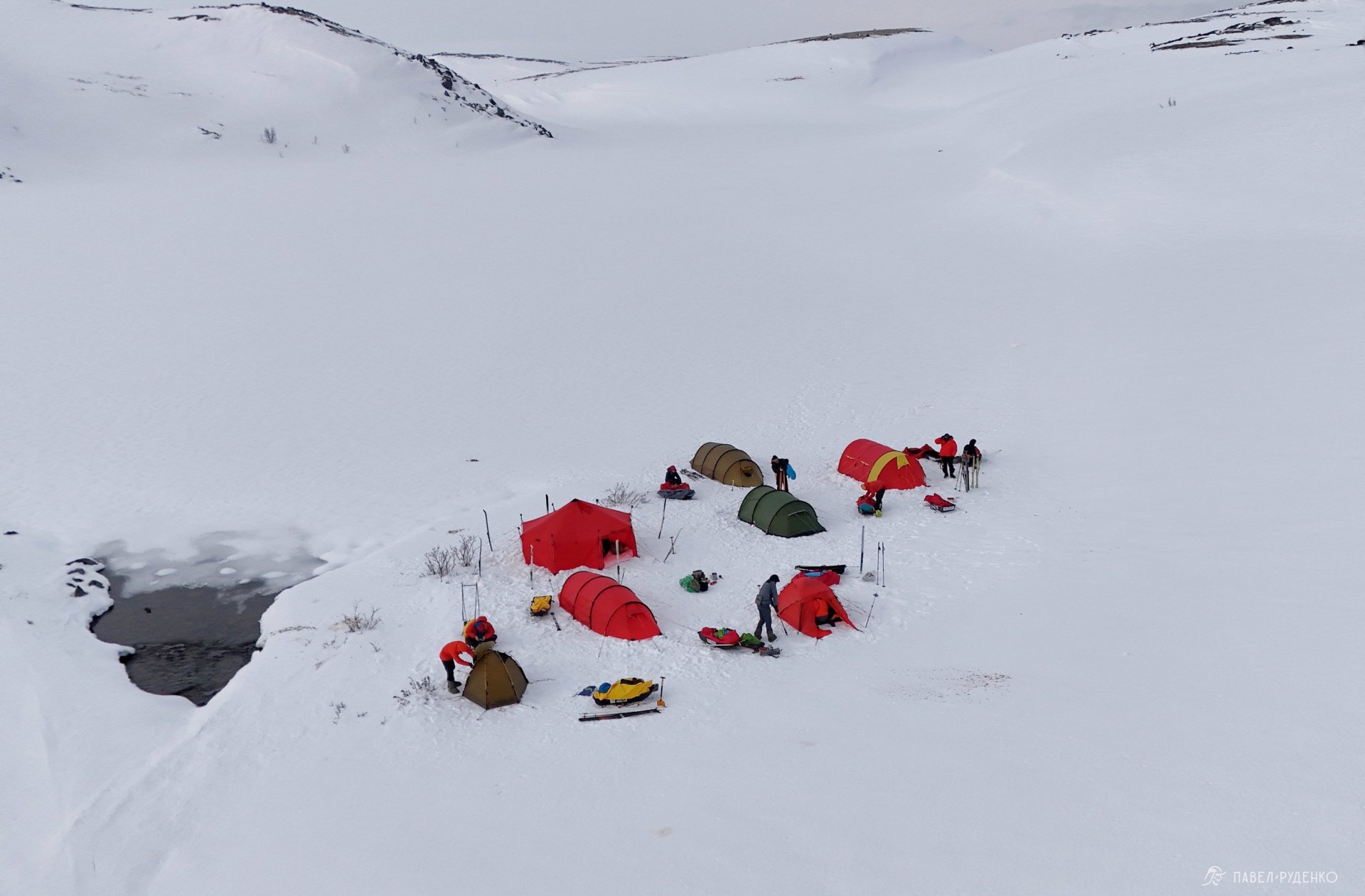
We pitch our camp in the open tundra and sheltered bays. For maximum reliability, we use the world's finest expedition tents, proven at both the North and South Poles: Hilleberg, Helsport, Fjallraven — with comfortable 2- and 3-person accommodation.

The expedition dates fall on public holidays, making it easier to arrange time off.

Learn more

Who this expedition is for

The mileage, duration, and self-supported format are ideal for skiers with prior experience in autonomous ski tours and unheated tent camping. You need to be ready for freezing winds and harsh winter conditions; properly selected gear is vital for safety in the winter Arctic. Thorough preparation will allow you to fully enjoy the stunning northern beauty.

Expedition area

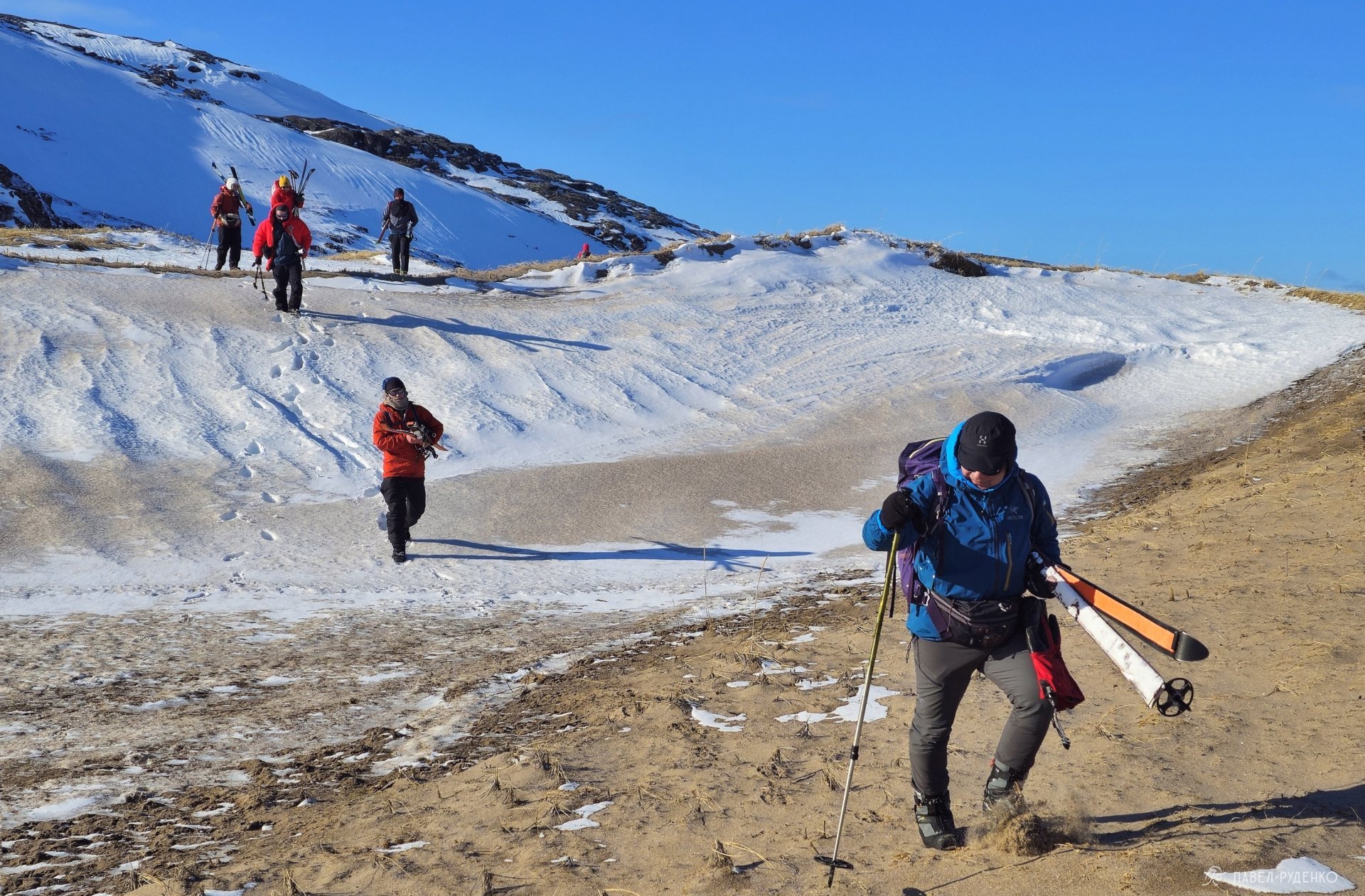
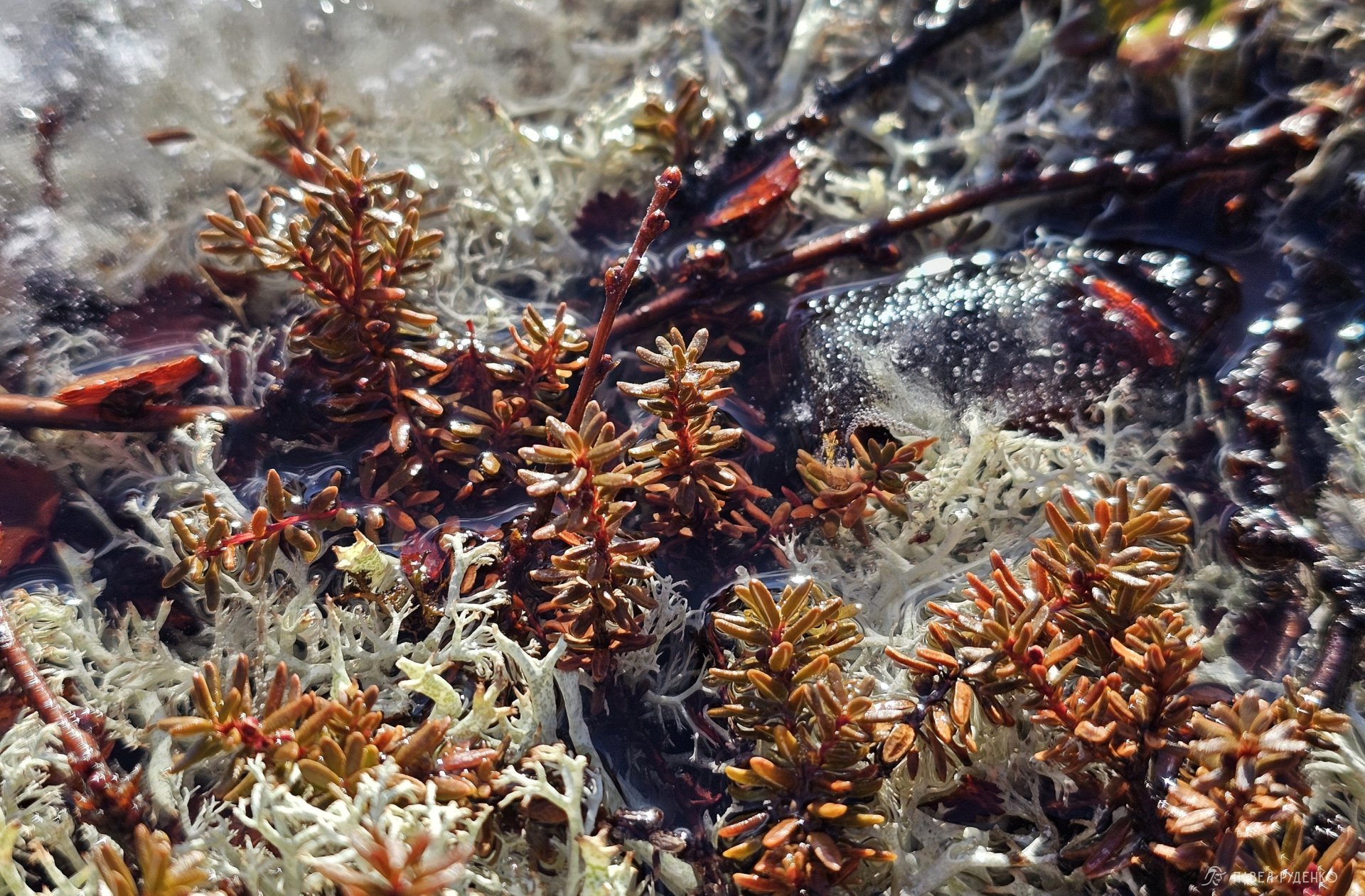
The terrain in this area is truly unique for ski touring. It can only be compared to the neighboring Finnmark region of Norway. This landscape was shaped by the Ice Age, when ancient glaciers sculpted these striking fells. In winter, the local tundra takes on an unreal appearance. The wind sweeps the snow and levels every dip, while the rolling hills offer fantastic downhill glides. However, the wind sets the rules, and the road to Teriberka can occasionally get snowed in for a couple of days.

We will adapt to the conditions, and if this happens on transfer day, we will aim to travel using specialized all-terrain tracked vehicles; we have also included two buffer days in the itinerary. Nevertheless, it is wise to keep a few reserve days off work and book flexible, refundable tickets.

Signature route

The story of my routes always begins with a map. I personally scout and complete each route solo. Deeply passionate about the wild nature of the Kola North, I have spent the last ten years exploring every corner of it. You won't find exact place names in the itinerary to protect it from mass imitation. But you can rest assured that it is meticulously planned, ensuring you experience the most breathtaking locations the region has to offer.

Day-by-day itinerary

Elevation gain by day
1750 m 1790 m
Day 1, Meeting in Murmansk: ascent 0 m, descent 0 m 1 Day 2, Transfer, Day 1 of the trek: ascent 200 m, descent 150 m, 9 km 2 Day 3: ascent 120 m, descent 90 m, 14 km 3 Day 4: ascent 150 m, descent 200 m, 15 km 4 Day 5, Rest Day: ascent 200 m, descent 200 m, 10 km 5 Day 6: ascent 180 m, descent 200 m, 14 km 6 Day 7, Rest Day: ascent 350 m, descent 350 m, 9 km 7 Day 8: ascent 100 m, descent 100 m, 12 km 8 Day 9: ascent 400 m, descent 400 m, 15 km 9 Day 10: ascent 50 m, descent 100 m, 3 km 10 Day 11, The program has concluded, check-out by 12:00.: ascent 0 m, descent 0 m 11
Elevation is shown relative to the starting point and calculated based on ascents and descents from the itinerary.
1 day, 7 March
Meeting in Murmansk

Briefing at 16:00, meet and greet, food module distribution, safety briefing, gear and ski check, learning how to pitch tunnel tents on snow. 

2 day, 8 March
Transfer, Day 1 of the trek

Transfer to the village of Teriberka to the start of the route. The drive takes about 3 hours, but weather-related delays are possible. 
We put on our skis and head toward our first night in tents.

9 km
200 m
150 m
3 h
3 day, 9 March

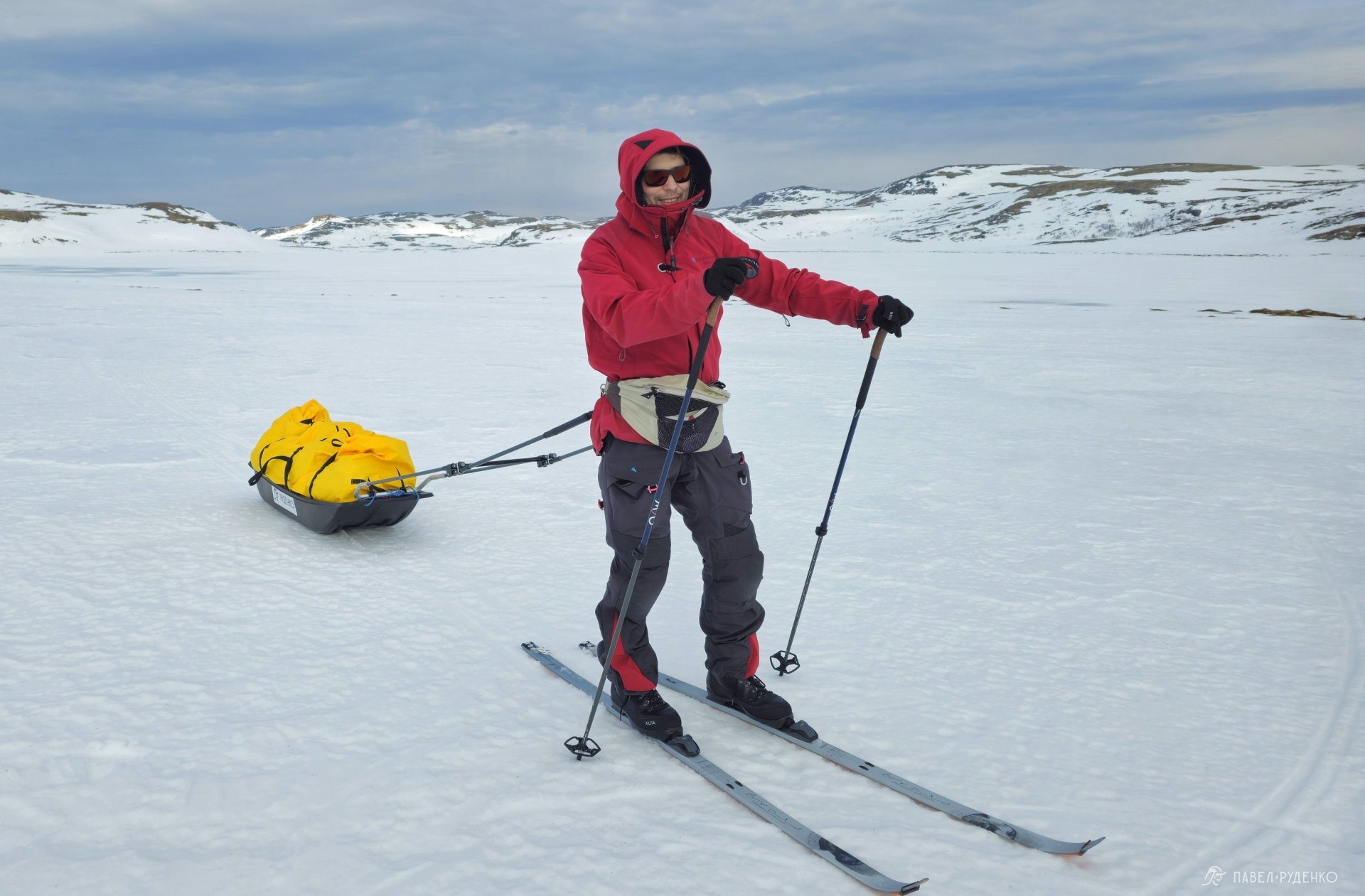
Depending on snow conditions, we use climbing skins or ski on fishscale bases. We get used to the wonderful and unique feeling of moving with pulkas, free from heavy backpacks on our shoulders.

14 km
120 m
90 m
4 day, 10 March

We traverse the snow-covered tundra and frozen lakes. Setting up camp between two sheer cliffs.

15 km
150 m
200 m
5 day, 11 March
Rest Day

Day trip. Carrying daypacks, we head toward the sea and beaches to admire the waves and ski down the fells. Reserve day in case of bad weather.

10 km
200 m
200 m
6 day, 12 March

Crossing a picturesque bay, we set up camp by an ice-covered lake.

14 km
180 m
200 m
7 day, 13 March
Rest Day

Day trip. With daypacks, we ascend a high fell with panoramic views and visit a sandy beach. Reserve day in case of bad weather.

9 km
350 m
350 m
8 day, 14 March

Crossing the open tundra. 

12 km
100 m
100 m
9 day, 15 March

Today we will navigate numerous fells and enjoy long descents with pulkas.

15 km
400 m
400 m
10 day, 16 March

We arrive in the village of Teriberka and board our transfer to Murmansk. After resting, we head to a local restaurant to celebrate our trek and savor Northern cuisine.

3 km
50 m
100 m
3 h
11 day, 17 March
The program has concluded, check-out by 12:00.

It is advisable to purchase a refundable return ticket or book it for a few days later, as the road to/from Teriberka can be closed due to weather conditions—sometimes for up to ten days, though usually for 1–2 days. 

*The itinerary may be adjusted due to weather and other significant factors.

Safety is my top priority

Two guides
On every trek: one guide per six participants, two guides per 12 participants
Scouted route
I specialize in Arctic regions. Rest assured that every route is thoroughly scouted and planned down to the smallest detail.
Always connected
The group is registered with EMERCOM (Search and Rescue). I always carry backup GPS navigation, a radio, and an Iridium satellite communicator. A base coordinator tracks the group's progress daily and sends weather updates twice a day
First aid
All guides are certified in Basic and Wilderness & Remote First Aid by the Red Cross
Professional gear
I use only gear tailored for Arctic conditions—designed to withstand gale-force winds and torrential rain while keeping you warm, comfortable, and safe
Insurance
Travel insurance is arranged for every participant
Preparation
I speak personally with each participant to review every piece of gear, ensuring a consistently high level of safety and comfort for the entire group

Why join this trip

1/10
Unique Arctic Style

On skis with large pulkas.

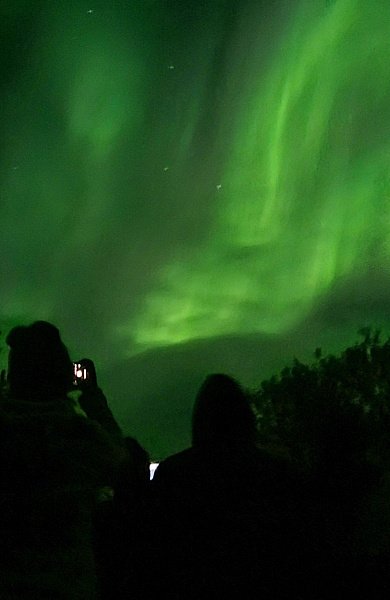
Northern Lights
Northern Lights

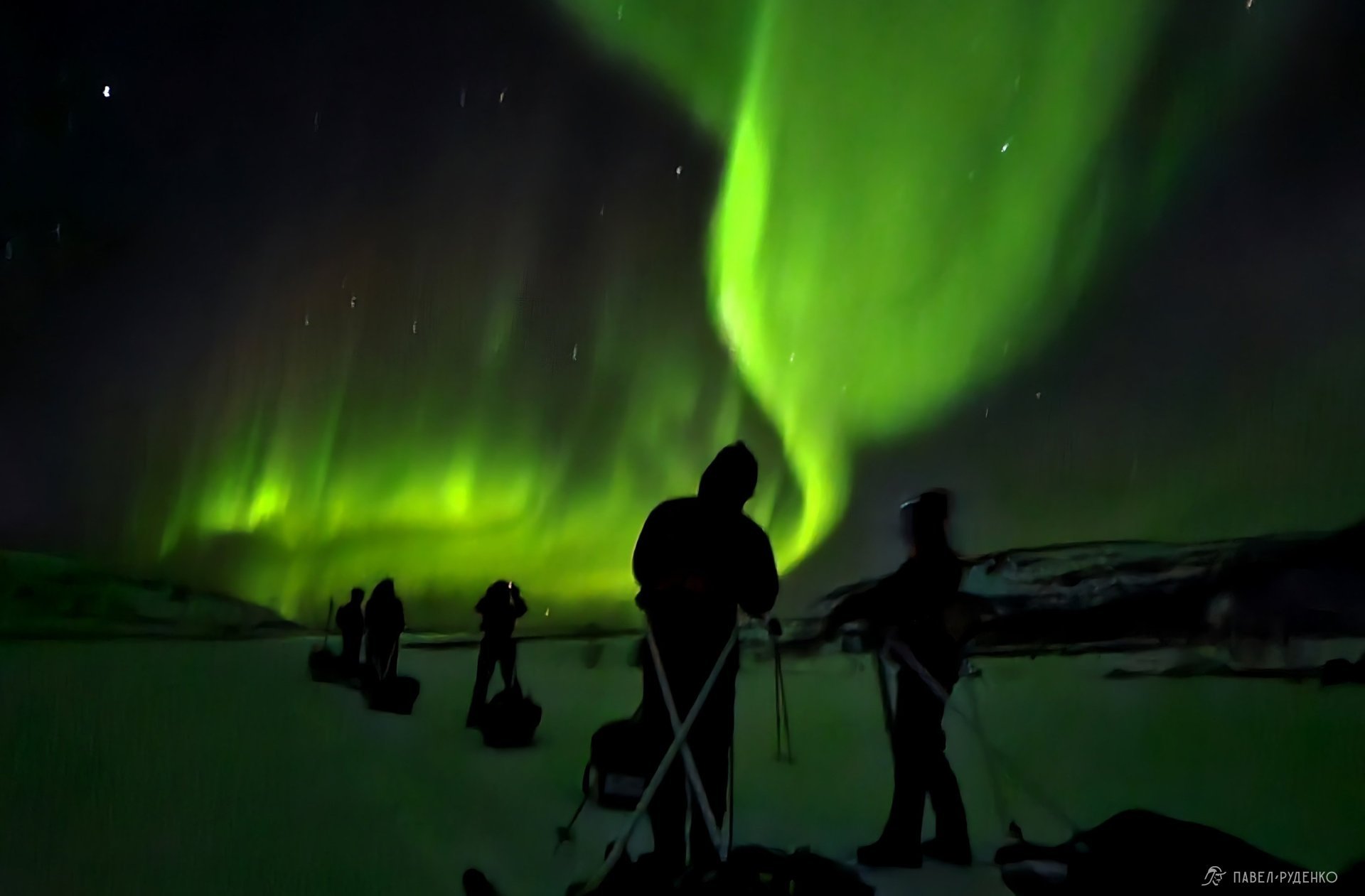
Visible right from the tent.

World-Class Gear

Thought out down to the smallest detail, ensuring safety and comfort.

Unique Trekking Area

Ski all the way to the Barents Sea.

No Trail Breaking
No Trail Breaking

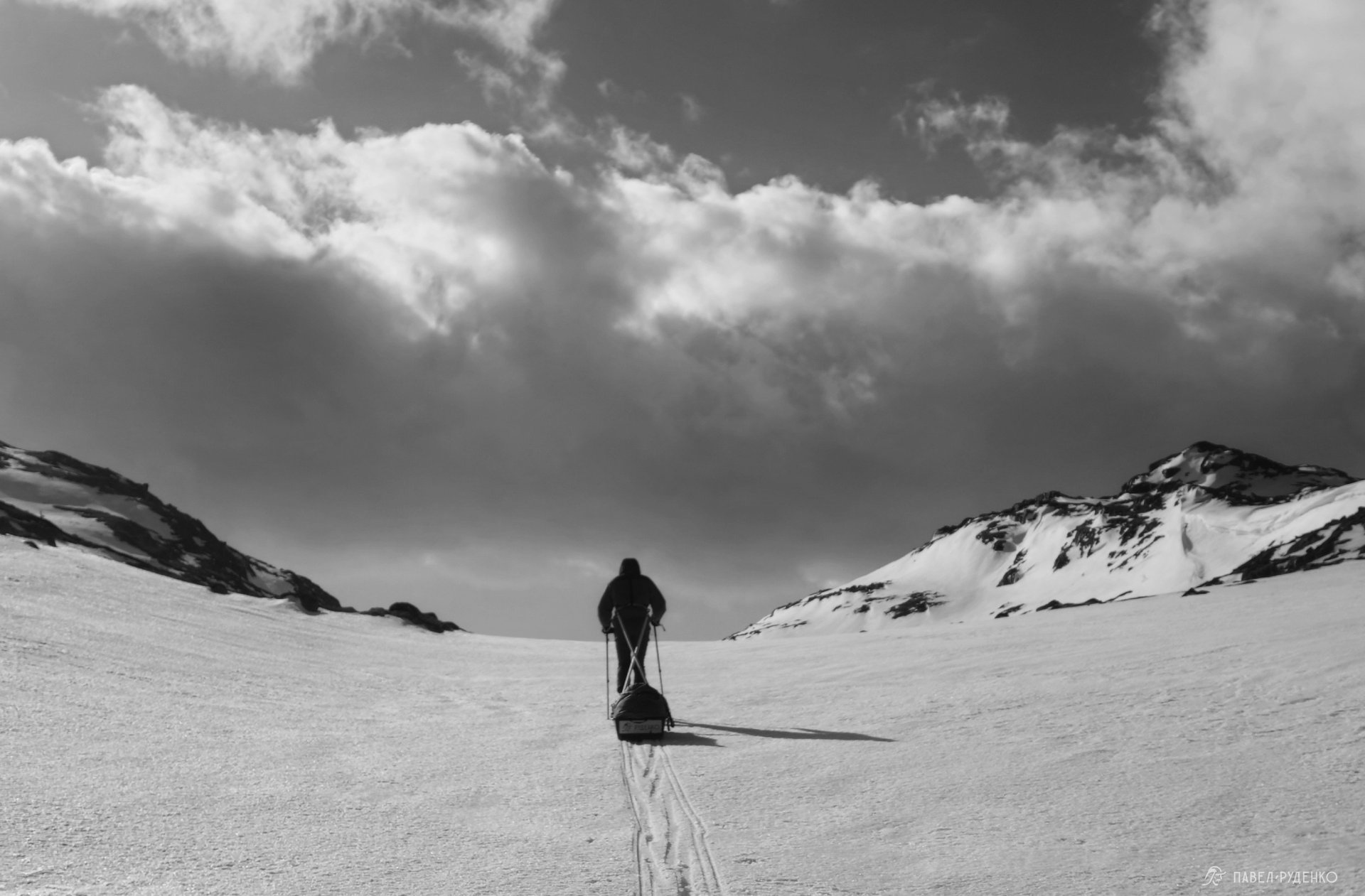
Thanks to the northern wind, we glide over firm crust.

Wild Wilderness

We won't see other tourists

No Camp Chores

The guides prepare gourmet trail meals

2 Nights in a Hotel
2 Nights in a Hotel

Rest for a night before and after the trek.

Participant Insurance Included

The expedition is registered with EMERCOM.
Satellite communication is provided.
Safety is our top priority.

2 Guides per Group of 12

Twice as much care and attention

Trek Details

Thermos Flask
On a winter expedition, there is no running water—at below-freezing temperatures, everything is frozen solid. Every day, we melt snow using high-power expedition stoves.

At breakfast and dinner, fresh boiling water is always ready for tea and freshly ground coffee.

For the trek during the day and for the night in tents, we boil extra water to fill personal thermos flasks. Recommended flask capacity: 0.7–1 L.
Food on the trek
Breakfast:
Rice, millet, and oatmeal porridges with dried berries, coconut flakes, nuts, sesame seeds, candied fruit, and assorted jams for every day.

Lunch:
Signature toasted burrito and Kola sandwich on bread, crispbread, and lavash, with smoked pork loin, bologna, and dry-cured sausage. A variety of high-quality cheeses.
Freshly brewed tea with berries and herbs, or freshly ground coffee with cream.
Sweet cookies.

Dinner:
Delicious, hearty meals with soba, pasta, potatoes, rice, and buckwheat, accompanied by dried vegetables, shrimp, mushrooms, and venison, ostrich, and turkey meat.
Hot tea and sweet treats.

Personal snack pack:
Jerky, nuts, dried mango, pineapple, cereal, and sweet snack bars, portioned for each day.

*If you have allergies or food intolerances, please let us know in your participant form, and we will substitute the items.
Guides prepare meals
There are no cooking duties for participants on my treks. All meals are prepared by the guides.
This ensures consistently delicious, high-standard expedition cuisine while giving you more time to rest, socialize, and soak in the Arctic landscapes. That said, we share a great team spirit, so any spontaneous initiative to help chop or serve is always appreciated.
Group Mess Tent
In the open, wind-exposed Arctic terrain, we use a Hilleberg group shelter for breakfast and dinner, affectionately calling it a chum or vezha.
The whole team sets it up using poles, guy lines, and snow shovels. Inside, we dig out a foot trench and sit on insulating foam pads.

The shelter protects us completely from the wind and creates an incredibly cozy atmosphere, while the heat from gasoline stoves warms the air inside, making it the perfect setting to unwind and connect.
Flight and Train Tickets
Check-in at the Murmansk cottage is from 14:00 on March 7, 2026. You can arrive by a flight of your choice, by car, or by train; the most important thing is to arrive in time for the group briefing at 16:00.

There are two ways to reach Murmansk:

1. By plane to Murmansk Airport (MMK). Make sure to book checked baggage for your gear and verify the airline's ski transport policy. Skis are often carried free of charge under the “sports equipment” allowance. According to airline regulations, all electronics and power banks must be packed in carry-on luggage. Power banks up to 100 Wh and not exceeding 20,000 mAh are permitted without issue. Anything above this requires airline approval or will be denied boarding.

Power banks of 30,000 mAh and above are not allowed, but carrying several 20,000 mAh units is fine.

2. By train to Murmansk railway station. I recommend the branded “Arktika” train. Skis and a duffel bag or backpack fit on the third upper luggage rack in open-sleeper cars (platzkart). Compartments (kupe) offer slightly less space, but enough for luggage and skis. Note that skis must be packed in a protective ski bag.
If needed, luggage can also be checked into the dedicated baggage car with prior booking and payment.

Before heading out on the trek, you will pack your personal gear into the pulka bags and leave your travel clothes along with your travel bag/backpack in the hotel luggage storage.

Return:

March 17, 2026: the program concludes, check-out from the hotel is by 12:00.
It is wise to book a flexible, refundable return ticket or schedule departure a couple of days later. In case snowdrifts close the road out of Teriberka, our return to Murmansk could be delayed. Having buffer days ensures you can reschedule your flight or train calmly without work-related stress.

Weather
March is an excellent month for ski expeditions on the Kola Peninsula.
Daylight returns to a normal rhythm after the polar night, lasting from 7:00 to 19:00.

Temperatures fluctuate between +3 °C and −30 °C. Typical conditions are −15 °C during the day and −20 °C at night.
A key factor is the wind blowing unimpeded along the Barents Sea coast. It is usually 5–15 m/s, ranging from calm spells to strong gusts.

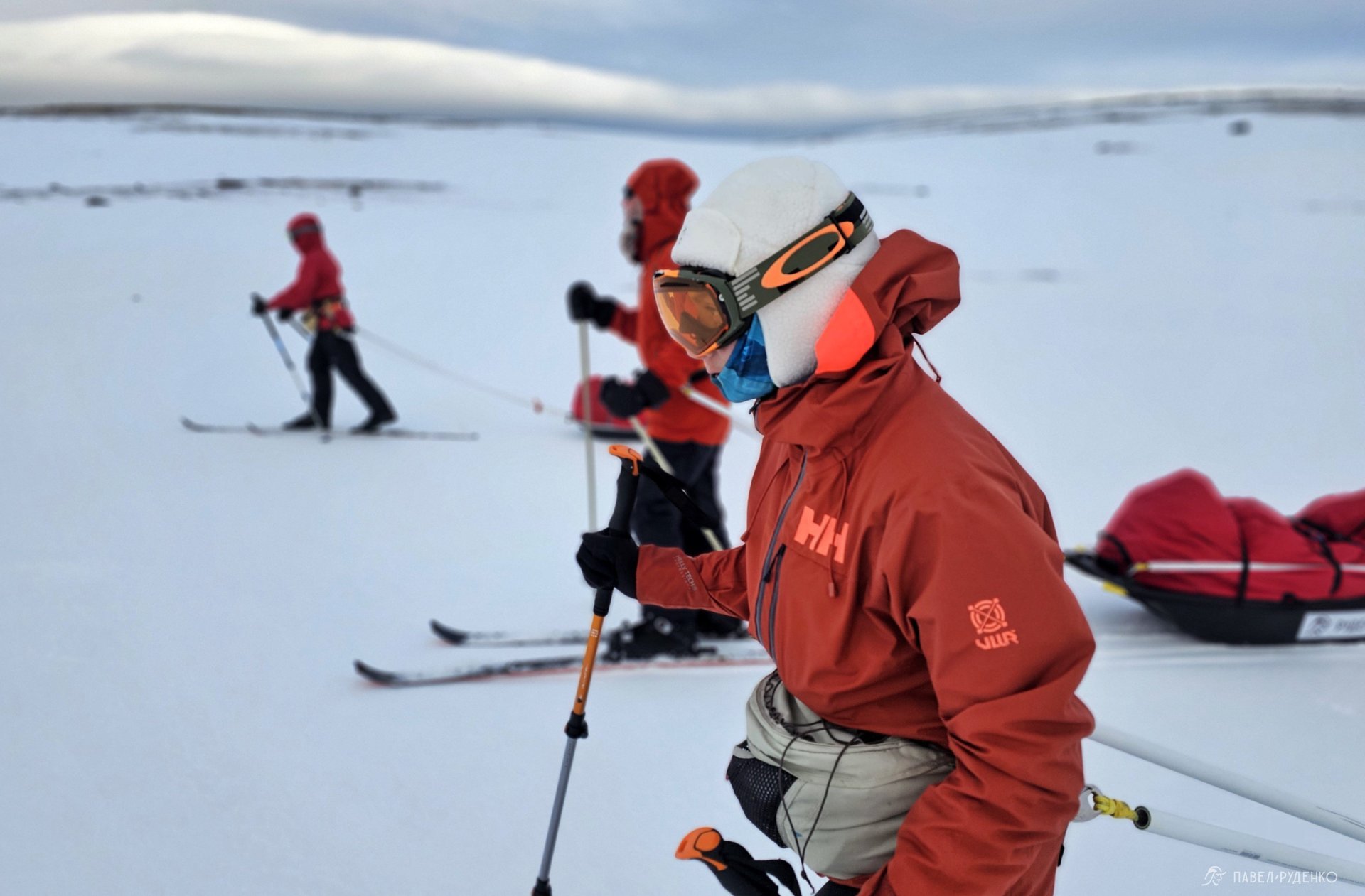
Therefore, the best trekking attire is a membrane shell jacket and pants, which block 100% of the wind and retain body heat. You will also need windproof or membrane mittens and a warm beanie.
Ski goggles and a balaclava will protect your face and eyes during wind and blizzards.
In camp during the morning and evening, when activity drops, an insulated jacket, warm pants, and overboots are essential.
For sleeping: a combination of a closed-cell foam pad and an insulated inflatable mat (combined R-value 4+), plus a sleeping bag rated down to at least −30 °C (T.lim).

More details can be found in the gear section.
How to stay warm
On this trek, we do not rely on an external heat source like a campfire or wood stove. Rather than a drawback, this is a distinct advantage: we are not tied to firewood, we waste no time or energy building fires, and our clothes stay safe from stray sparks. Instead, we use high-performance warm clothing and gear, carefully selected so you stay comfortable and warm even in the harshest cold.

Properly selected gear is essential: follow our recommendations and feel free to ask questions anytime. With the right gear, you will feel completely warm and secure.

For an extra boost of warmth, chemical heat packs can be used. Stick them to your socks, gloves, or chest during the day or at night. I will supply two pairs of heat packs for everyone; if you want more, please buy them in advance. Important: they activate and heat up properly only with initial body warmth, meaning they must be kept in the chest pocket of your base layer prior to use. Their heat output is subtle, so treat them as a supplementary aid.

The quickest way to warm up is to get your blood circulating: swing your arms and legs or do a few squats, and within minutes you will feel warmth returning.
Sleeping in a tent
To guarantee maximum comfort and safety, I provide tunnel tents from Hilleberg, Helsport, and Fjällräven.
Their full-coverage flysheet and breathable fabric inner tent protect you from the wind. High-strength fabric, robust poles, and multiple guy lines ensure superior storm stability.

The tents are designed for three and four occupants, but to ensure a comfortable night's sleep we sleep two and three people respectively, providing 70–80 cm of width per person. Dry bags with essential night gear go inside the tent or vestibule, while the rest stays packed in the pulkas.
Tent assignments are arranged before the trek in the Telegram group chat.

I will demonstrate how to pitch and pack down the tents during our briefing in Murmansk.
If you prefer to bring your own expedition tent, please note this in your application and coordinate with me in advance.

Repair Kit & First Aid Kit
I carry a comprehensive group repair kit and first aid kit.
The first aid kit contains essential medications, ointments, bandages, and blister plasters. You must also bring a personal medical kit containing your regular medications tailored to your individual needs. Keep in mind that in winter conditions, all liquids and some ointments will freeze. Typically, a personal first aid kit weighs under 100 grams.

The group repair kit has everything needed: from multi-tools, patches, needles, and threads, up to a spare Fischer ski with a universal Hagan Xtrace Pivot binding. Bringing a small personal repair kit is always a good idea—it enhances the group's self-reliance and allows you to handle minor fixes instantly. If you do not have one, no worries: you can fully rely on mine.

A night in Murmansk before the trek
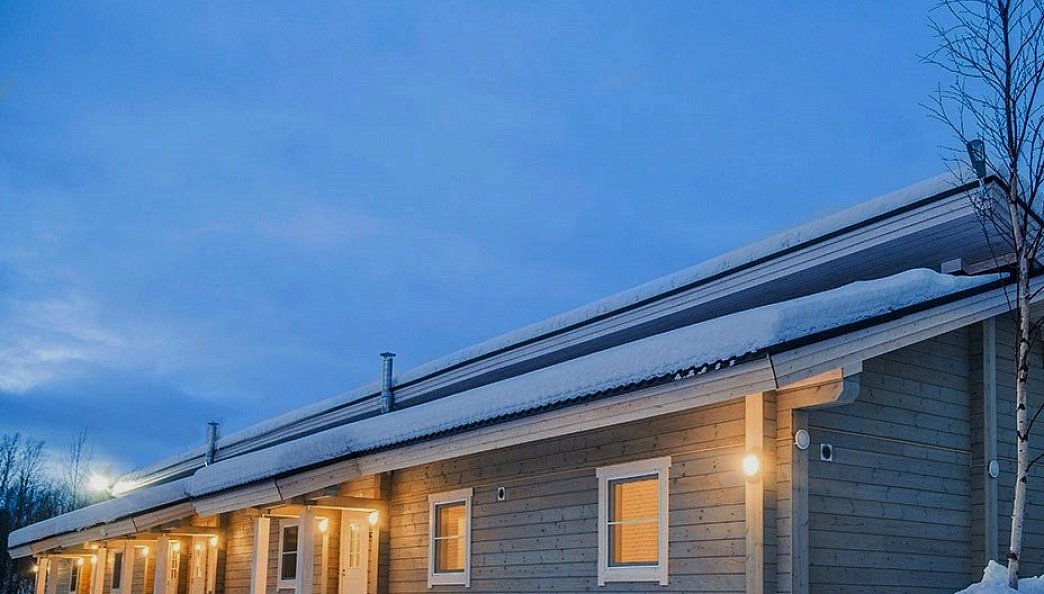
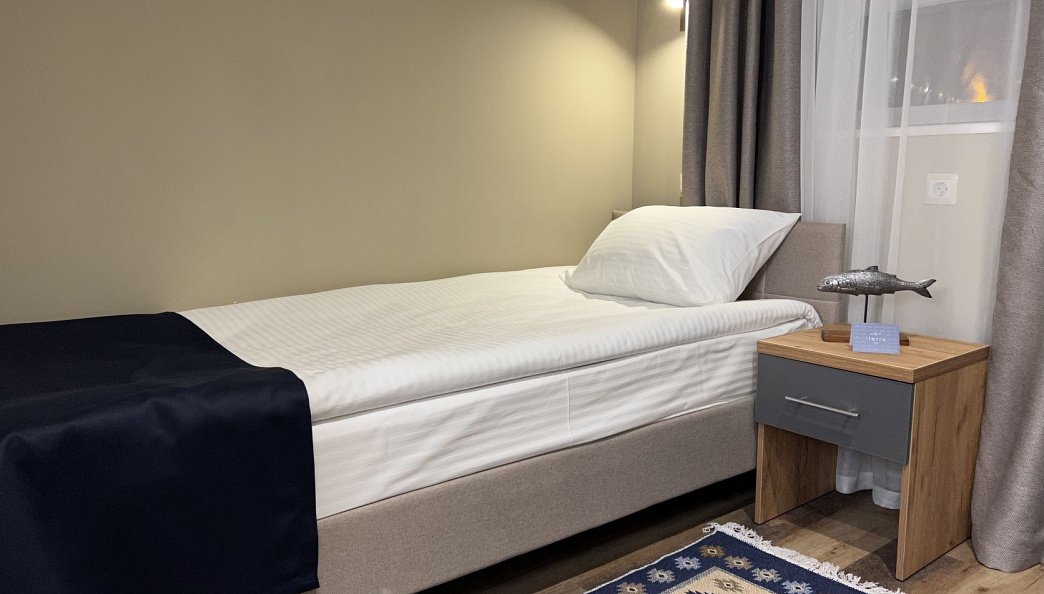
Check-in from 14:00 in triple rooms of a Scandinavian-style cottage. Features an open-plan kitchen and living area with a stove, microwave, kettle, and coffee maker. Shower rooms, washing machine.
Night in Murmansk after the trek
After the trek, we check into double/twin rooms at a hotel. The hotel features a communal kitchen with a stove, microwave, and all essential cookware. Shower rooms.
Breakfast included.

Gear

You will receive a checklist, detailed gear recommendations, and exclusive discounts at outdoor stores
Зимняя одежда
Thermal base layer
a:2:{s:4:"TYPE";s:4:"HTML";s:4:"TEXT";s:204:"Midweight warmth. Top and bottoms or a one-piece suit. + 2 pairs of underwear. The cut should not pinch at the elbows or knees, and cuff elastics must not restrict circulation to prevent cold extremities.";}
Fleece jacket
a:2:{s:4:"TYPE";s:4:"HTML";s:4:"TEXT";s:95:"Midweight fleece jacket, around ~150 g/m², or a softshell jacket with a brushed fleece lining.";}
Hardshell jacket and pants
a:2:{s:4:"TYPE";s:4:"HTML";s:4:"TEXT";s:76:"Membrane (hardshell) jacket and pants. The optimal shell layer for trekking.";}
Insulated mid-layer jacket
a:2:{s:4:"TYPE";s:4:"HTML";s:4:"TEXT";s:127:"Insulated active jacket with 60–80 g/m² synthetic fill. Lightweight warmth on the move, at camp, or inside the sleeping bag.";}
Insulated camp jacket
a:2:{s:4:"TYPE";s:4:"HTML";s:4:"TEXT";s:133:"Heavy insulated camp jacket: 300+ g of down or 260+ g/m² synthetic fill. For camp use; a weatherproof membrane shell is recommended.";}
Insulated camp pants
a:2:{s:4:"TYPE";s:4:"HTML";s:4:"TEXT";s:72:"Full-zip pants that can be put on without taking off your boots or skis.";}
Socks
a:2:{s:4:"TYPE";s:4:"HTML";s:4:"TEXT";s:94:"3 pairs of insulated winter trekking socks. 1 pair of warm non-compression socks for sleeping.";}
Beanie
a:2:{s:4:"TYPE";s:4:"HTML";s:4:"TEXT";s:134:"Active beanie. Not too warm to prevent sweating. Windproof membrane models (like Windstopper) or similar wind-blocking gear are ideal.";}
Trekking mittens
a:2:{s:4:"TYPE";s:4:"HTML";s:4:"TEXT";s:54:"Convenient options: Sivera Nokhra or Splav Torrent v2.";}
Insulated mittens
a:2:{s:4:"TYPE";s:4:"HTML";s:4:"TEXT";s:50:"For camp, rest breaks, or severe cold on the move.";}
Spare mittens
a:2:{s:4:"TYPE";s:4:"HTML";s:4:"TEXT";s:40:"In case your main pair gets lost or wet.";}
Buff or balaclava
a:2:{s:4:"TYPE";s:4:"HTML";s:4:"TEXT";s:59:"2 pcs — wind protection for your neck and face.";}
Ski goggles.
a:2:{s:4:"TYPE";s:4:"HTML";s:4:"TEXT";s:198:"Ideally with interchangeable lenses: Cat 1 and Cat 3. Cat 1 is for blizzards, low visibility, and twilight; Cat 3 is for bright, windy days. Photochromic or a versatile single Cat 2 lens also works.";}
Sunglasses.
a:2:{s:4:"TYPE";s:4:"HTML";s:4:"TEXT";s:87:"Cat 2–3, for when it's too warm for goggles under bright sun. An essential gear item.";}
Зимнее снаряжение
Backcountry Touring Skis
a:2:{s:4:"TYPE";s:4:"HTML";s:4:"TEXT";s:160:"For example, Fischer Transnordic, Traverse, Excursion, S-Bound, or Åsnes Nansen, Amundsen, etc.; Sporten Expedition, Ranger, Madshus, Rossignol, Ski Trab, etc.";}
Ski Bindings
a:2:{s:4:"TYPE";s:4:"HTML";s:4:"TEXT";s:138:"NNN BC is recommended as the optimal choice for the tundra, but NN75, Xplore, or universal Hagan X-Trace pivot bindings are also suitable.";}
Climbing Skins
a:2:{s:4:"TYPE";s:4:"HTML";s:4:"TEXT";s:257:"Full-length skins. A 65/35 mohair/synthetic mix is best, but 100% mohair will also work. Skin width: 45 mm or 60 mm, no wider. If you have Fischer or Åsnes skis, bring an extra pair of short kick-skins to better adapt to changing snow conditions.";}
Ski Poles
a:2:{s:4:"TYPE";s:4:"HTML";s:4:"TEXT";s:83:"Ski poles or appropriately sized aluminum trekking poles with large powder baskets.";}
Sleeping Bag
a:2:{s:4:"TYPE";s:4:"HTML";s:4:"TEXT";s:260:"Sleeping bag temperature rating from –30 °C T.lim. — either 1 warm sleeping bag or 2 layered together (approximately rated down to –5 °C T.lim. and –15 °C T.lim. respectively). Both down and synthetic are suitable.";}
Two Sleeping Pads
a:2:{s:4:"TYPE";s:4:"HTML";s:4:"TEXT";s:88:"A closed-cell foam pad plus an inflatable or self-inflating mat, combined R-value of 4+.";}
Camp Booties
a:2:{s:4:"TYPE";s:4:"HTML";s:4:"TEXT";s:62:"Essential for sleeping inside your bag to keep your feet warm.";}
Headlamp
a:2:{s:4:"TYPE";s:4:"HTML";s:4:"TEXT";s:63:"Make sure to test it and bring spare batteries or a power bank.";}
Mug, Spoon, and Bowl
a:2:{s:4:"TYPE";s:4:"HTML";s:4:"TEXT";s:73:"Plastic is not recommended as it gets brittle and cracks in extreme cold.";}
Dry Bags
a:2:{s:4:"TYPE";s:4:"HTML";s:4:"TEXT";s:58:"Dry bags for your sleeping bag, clothing, and electronics.";}
Thermos Flask
a:2:{s:4:"TYPE";s:4:"HTML";s:4:"TEXT";s:31:"Capacity per person: 0.7–1 L.";}
Microspikes
a:2:{s:4:"TYPE";s:4:"HTML";s:4:"TEXT";s:194:"Universal microspikes made of elastic material with chains and cleats underneath. Must fit over ski boots and insulated overboots in camp. Choose a large size and make sure to test them at home.";}
Общее
Personal First Aid Kit
a:2:{s:4:"TYPE";s:4:"HTML";s:4:"TEXT";s:197:"Personal prescription medications, a roll of adhesive plaster/tape, and an elastic bandage or knee brace. Detailed checklist of a hiking first aid kit.";}
Documents
a:2:{s:4:"TYPE";s:4:"HTML";s:4:"TEXT";s:63:"Passport and health insurance policy in a waterproof dry pouch.";}
Toiletries
a:2:{s:4:"TYPE";s:4:"HTML";s:4:"TEXT";s:41:"Toothbrush, toothpaste, and toilet paper.";}
Зимняя обувь
Ski boots
a:2:{s:4:"TYPE";s:4:"HTML";s:4:"TEXT";s:138:"Specialized boots for the corresponding binding (NNN BC, NN75, Xplore) or for universal bindings; trekking boots with insulated overboots.";}
Insulated overboots
a:2:{s:4:"TYPE";s:4:"HTML";s:4:"TEXT";s:76:"Worn over ski boots at camp to keep your feet warm when you are not on skis.";}
Crocs
a:2:{s:4:"TYPE";s:4:"HTML";s:4:"TEXT";s:33:"Slippers for the hotel and train.";}

Guides

Pavel Rudenko
Pavel Rudenko
Founder of the project and polar guide, ambassador of the Kola North, solo traveler, and outdoor gear specialist.
Certified wilderness guide, Mountaineer of Russia badge holder. Completed Wilderness First Aid, avalanche safety, and survival courses.
Former instructor at the Sport-Marafon Outdoor School.
Alexander Kardash
Alexander Kardash
Wilderness guide and a seasoned explorer of snow, frost, and the North.
Over 10 years of trekking experience: solo, with friends, and as an expedition leader. Former guide at the Sport-Marafon Outdoor School, currently an outdoor apparel consultant.
Passionate about Arctic-style ski expeditions and eager to help more people discover this incredible experience firsthand.

Trek participant reviews

Александра Новицкая
This was my first long winter trek across the Kola Peninsula.

Pure delight with a warm aftertaste! The format was very comfortable, allowing me to take photos of nature at my own pace. An interesting and diverse route: the landscape changed every day, from sea to fells, to beaches, with a fox darting past here, and another one there!
Plus a cozy atmosphere in the group, a great team, and Pasha is a master of funny stories!
Галина Пономаренко
This was my first winter ski trek with pulkas, and I fell in love with this format!

Skis offer an incredible sense of freedom: no heavy backpack, the pulkas take the load off, and you simply glide across the snow, soaking in the wide-open space and views.

Winter camp life is thoughtfully organized, allowing you to stay completely present in the moment, while the pulkas let you pack a large thermos, a book, and everything that warms both body and soul.

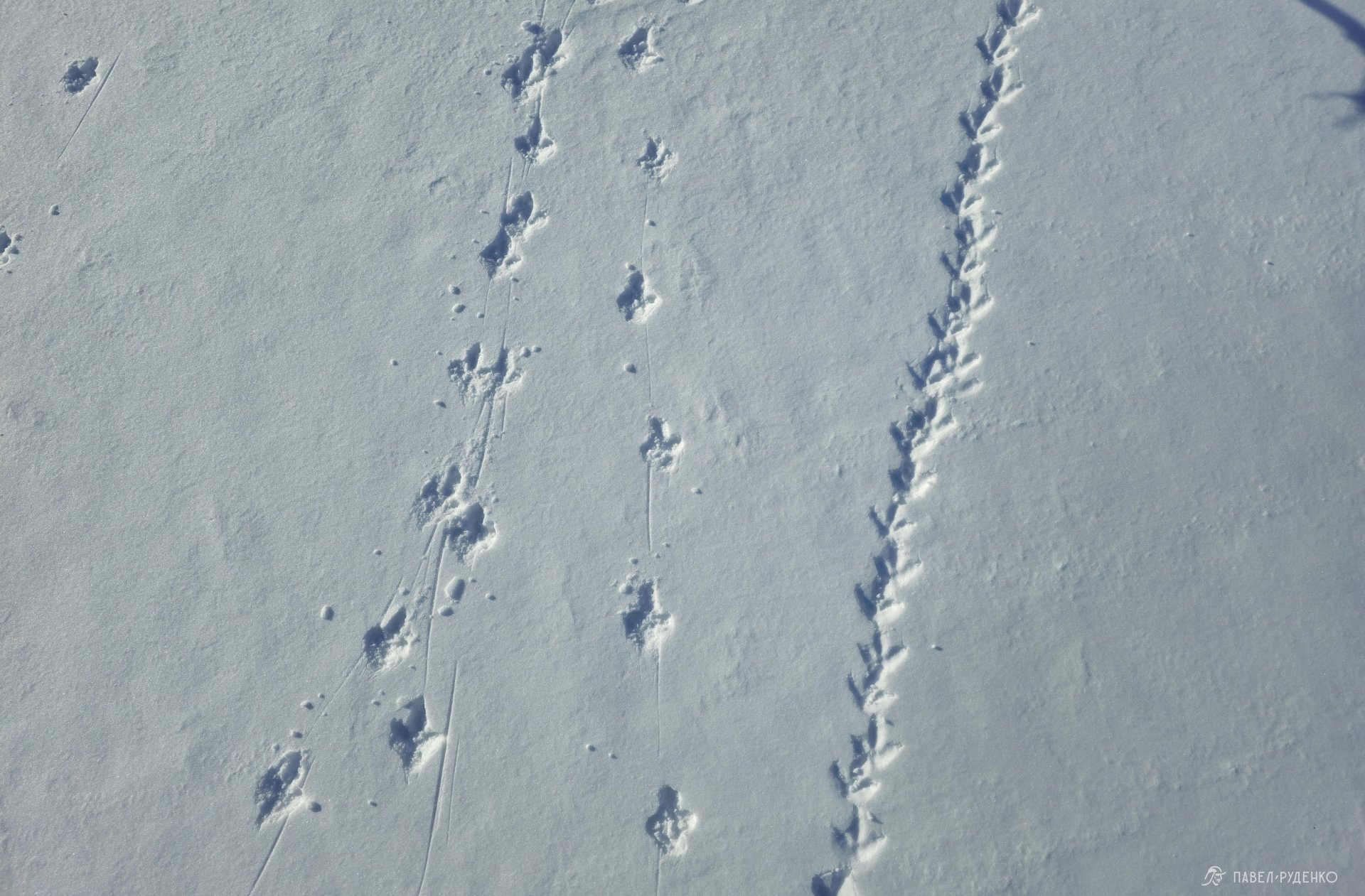
And, of course, the landscapes of the Kola Peninsula! The ice-free ocean, the bays of the Barents Sea, snow-covered fells, whimsical boulder formations, willow ptarmigans against the snow, red foxes, soaring birds — there is so much to see and admire.

What's truly special is that Pasha doesn't just guide you along the route, he helps you truly see and experience the place. An experience you definitely want to repeat!
Владимир Алешин
Ski expeditions with cold tent camping and pulkas are absolute exotics in these parts, kept alive by just a handful of enthusiasts.

As for an organized commercial guided trip — just a couple of years ago, you couldn't even dream of it. But I strongly believed Pasha would make this happen eventually. And lo and behold, it came to life. Without hesitation, I grabbed this ticket to happiness.

I should note that I have all the gear needed for this kind of adventure myself, spend winters in these parts precisely for this kind of outdoor fun, and could easily go solo or with my wife. Furthermore, an uncompromising approach is crucial here: if we go with pulkas, everyone pulls a pulka. If it's cold camping, then every single night is cold tent camping. So my personal bar for evaluating this expedition was set extremely high.

In short: everything was top-notch))

In detail on the key points:
 — Logistics were excellent. Considering potential transport disruptions, contingency routes were planned for both drop-off and pick-up.
 — Gear: if you don't have your own, what's provided is truly high-end and premium: Hilleberg, Helsport, Fjällräven… everything that delights any fan of Scandinavian outdoor gear is here for you to try.
 — All safety protocols were strictly followed: emergency services (EMERCOM) registration, satellite communication, and briefing participants on safety.

 — Demands are made of participants as well as their gear. Out here, one person's problem becomes everyone's problem, and that is taken into account.
 — Food. My wife and I strictly stick to freeze-dried meals and don't risk culinary experiments on expeditions, but the food looked great and nobody complained by word or deed. Huge thanks to the co-guide Sasha!)
 — The overall atmosphere was great with zero gloom. We got pretty unlucky with the weather — there was a thaw. But even so, spirits didn't thaw into misery. Down with gloom!)

Overall, Pasha brings a progressive vision to expedition travel, which is fantastic to see. I am thrilled I got into the very first group and will gladly join again in a few years to see how it has evolved and reflect on the years passed)

I wholeheartedly recommend experiencing it exactly this way: on skis, with pulkas, with cold camping. And getting into it with Pasha is an incredible opportunity)
Илья Байдаков
Ten out of ten!

I once heard an opinion from people who have done demanding treks in Europe and the Americas: “Abroad, you're guided like a client — professionally, but strictly within the service contract. In Russia, you're guided like a friend — with empathy and personal care, but often cutting corners on safety and protocols.”

After trekking with Pavel and his team, I can confidently state that this is not true. We can blend professionalism with personal care just as well. Gear, planning, briefings, and decision-making in challenging conditions are top-notch. And how else could it be on a self-supported expedition beyond the Arctic Circle?

Subscribe to Announcements

Get notified when the new trek schedule for next year is released.

FAQ

Will I be able to handle the physical demands of the trek?
This largely depends on your experience, physical fitness, and mindset. Please review the itinerary carefully—each trek lists not only its difficulty rating, but also daily distances and elevation gain. It is essential to choose a hike with an optimal workload for you. Factors to consider include backpack weight, acclimatization needs, climate, and the overall duration of the active itinerary. That is why we review every inquiry thoroughly, consulting with our guides to find the perfect route for you.
How much does the backpack weigh?
It depends on the route, but on average it ranges from 15 to 21 kilograms. Backpacks for women are usually lighter than those for men. The total weight consists of your personal belongings plus the gear we provide: tent, sleeping bag, sleeping pad, and your share of group food supplies. Our gear typically adds no more than 10–15 kilograms. Don't be intimidated by the weight—a properly fitted backpack distributes the load so well that it feels much lighter than it sounds. If porters or pack animals are available on the trek, your pack will be considerably lighter. In fully supported options, you may only need to carry a light daypack of about 5 kilograms with daily essentials and trail snacks.
What about personal hygiene on the trek?
On most routes, we wash in streams and lakes almost every day. The water in mountain rivers and lakes can be quite cold—around 3–5°C—but in good weather, you can even take a dip! To feel more comfortable, especially on longer treks, consider cold-shower conditioning before the trip. For washing, we strongly recommend biodegradable, eco-friendly toiletries to protect the pristine environment. For sanitation, our guides carry camp trowels—we will explain and demonstrate the Leave No Trace routine on-site. Toilet paper and hygiene items are packed out rather than buried, using personal ziplock waste bags. We recommend bringing moist flushable wipes for better hygiene and efficiency. Whenever feasible, we arrange a traditional banya at the end of the trip or set up a portable wilderness sauna on a layover day.
What is the drinking water situation?
On every route, we plan our water refill spots in advance. Most often, we draw water from natural springs and clear streams; occasionally, we filter or boil it. Your guides will always advise which water sources are safe to drink from and which to avoid (for instance, if wildlife might be upstream). Staying hydrated is crucial—drink regularly without waiting until you are parched. If you ever need to refill your bottle or take a short breather, just let us know—we will always find a convenient moment to pause.
Are there wild animals along the route? Do I need to bring self-defense items?
On some treks, the chances of encountering a bear or other wildlife are notable, but there is no need to worry. Every guide carries protective gear — signal flares or flare guns, so there is no need to buy your own. The most important thing is to carefully follow your guides' instructions. Despite their formidable appearance and imposing size, bears are very elusive animals that do not seek encounters with humans.
How are meals organized during the trek?
Our guides purchase all necessary provisions in advance and plan the meal rations, taking into account group size and dietary restrictions. Mornings and evenings feature hearty hot meals, while daytime trail stops include satisfying snacks with hot tea. The expedition menu is based on grains, pasta, and legumes, complemented by meat, cheese, and vegetables—most often dried to reduce weight and ensure long shelf life. We also provide pre-packed snacks: nuts, dried fruits, and energy bars, plus sweet treats for evening tea before bed! If you have allergies, food intolerances, or follow a specific diet, we can easily tailor the menu to your needs—just be sure to let us know in advance. We will ask you about this in the questionnaire after your deposit is made.
What is camp life like? Do I need to help around camp?
Our guides take care of everything — cooking meals, making campfires, and setting up camp. Your only task is pitching your personal tent — at the first campsite, we will show you exactly how to do it so you can easily handle it on your own moving forward. Wake-up, breakfast, and departure times are usually arranged by the guide the evening before. On the trail, we make short rest stops and pause for lunch. Upon reaching the next camp, you pitch your tent while the guides prepare dinner. In the evening, we share impressions over a cup of hot tea and turn in to rest. If a rest day is scheduled on the route, wake-up may be later than usual — you can relax in camp or join a day hike with the group. If you would like to help — for example, gathering firewood or fetching water — our guides always appreciate the support. Just let us know if you want to learn something new or take part in camp life!

Other treks

Pavel's Runner Run across the Kola Peninsula, pick berries, dodge branches. Seasons change — and so do the clothing and the rules. Will download 1174 KB Failed to load the game. Please check your connection and try again.
Pavel Rudenko logo