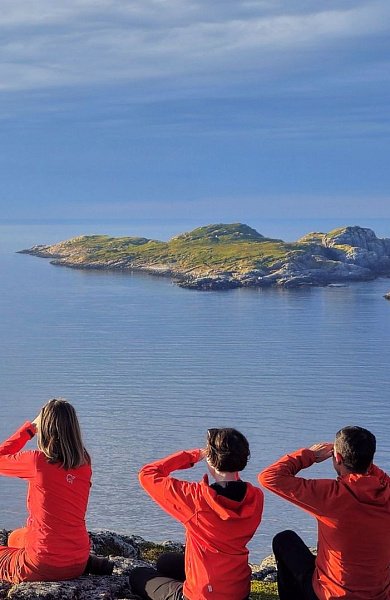
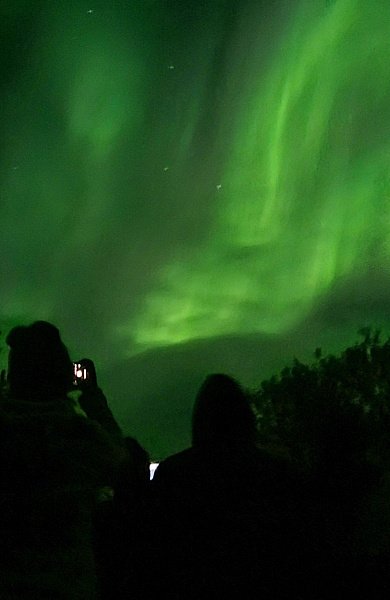
Who is this trek for?
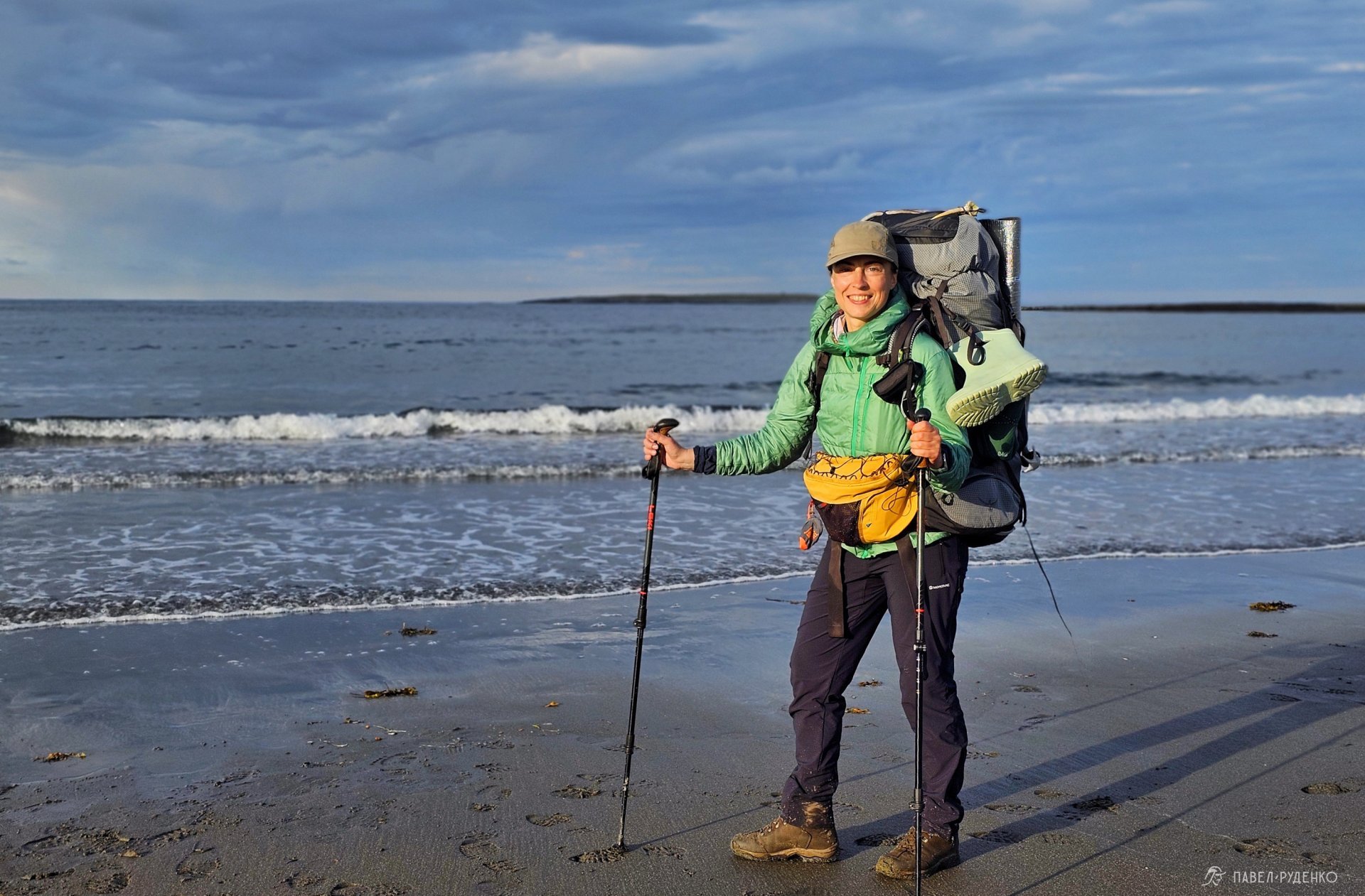
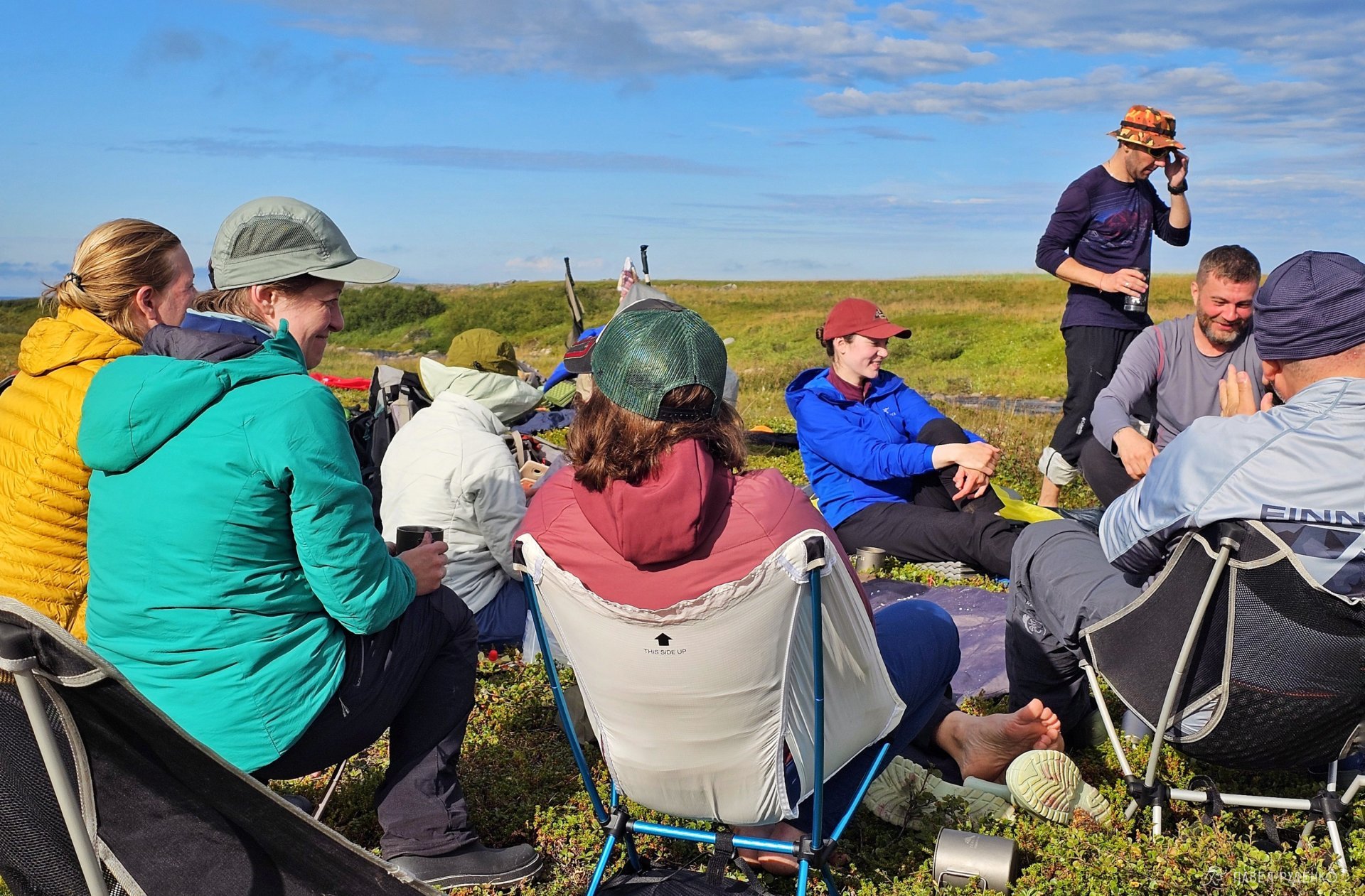
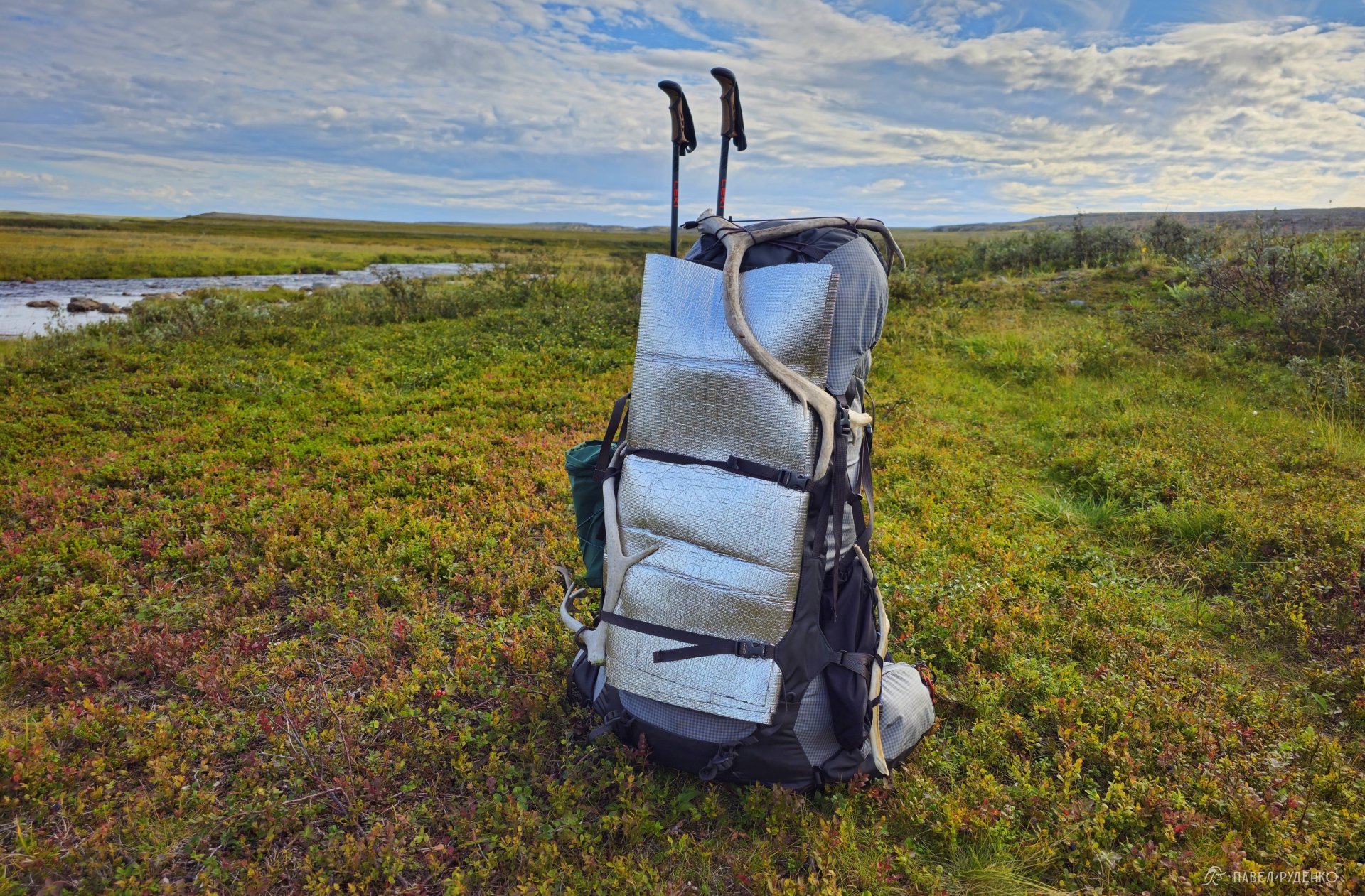
The mileage, duration, and self-supported nature of this trek are best suited for hikers with experience in at least a one-week autonomous trek and good physical fitness. Well-chosen gear is essential for comfort in Arctic conditions while keeping backpack base weight low.
Trek area
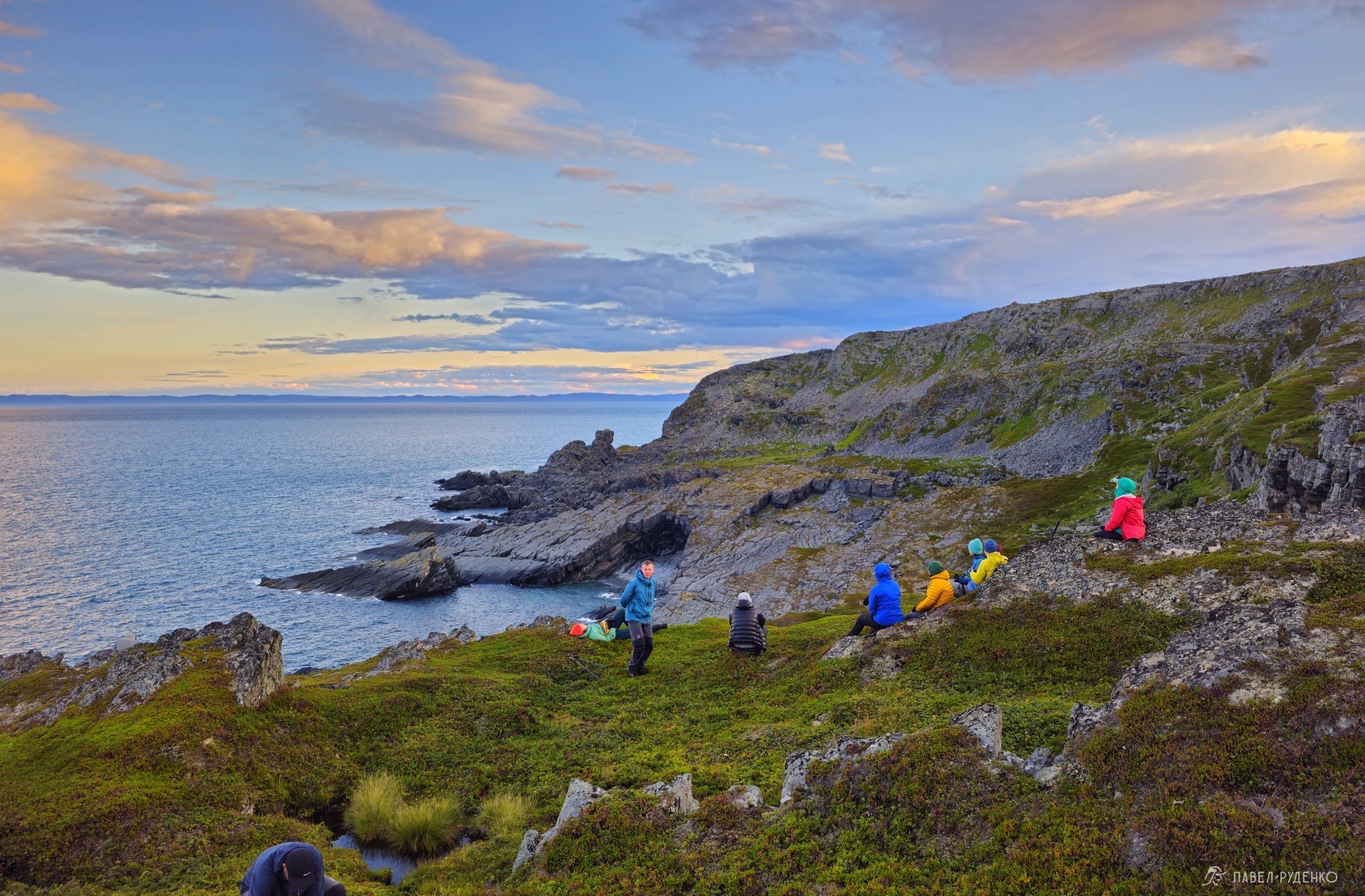
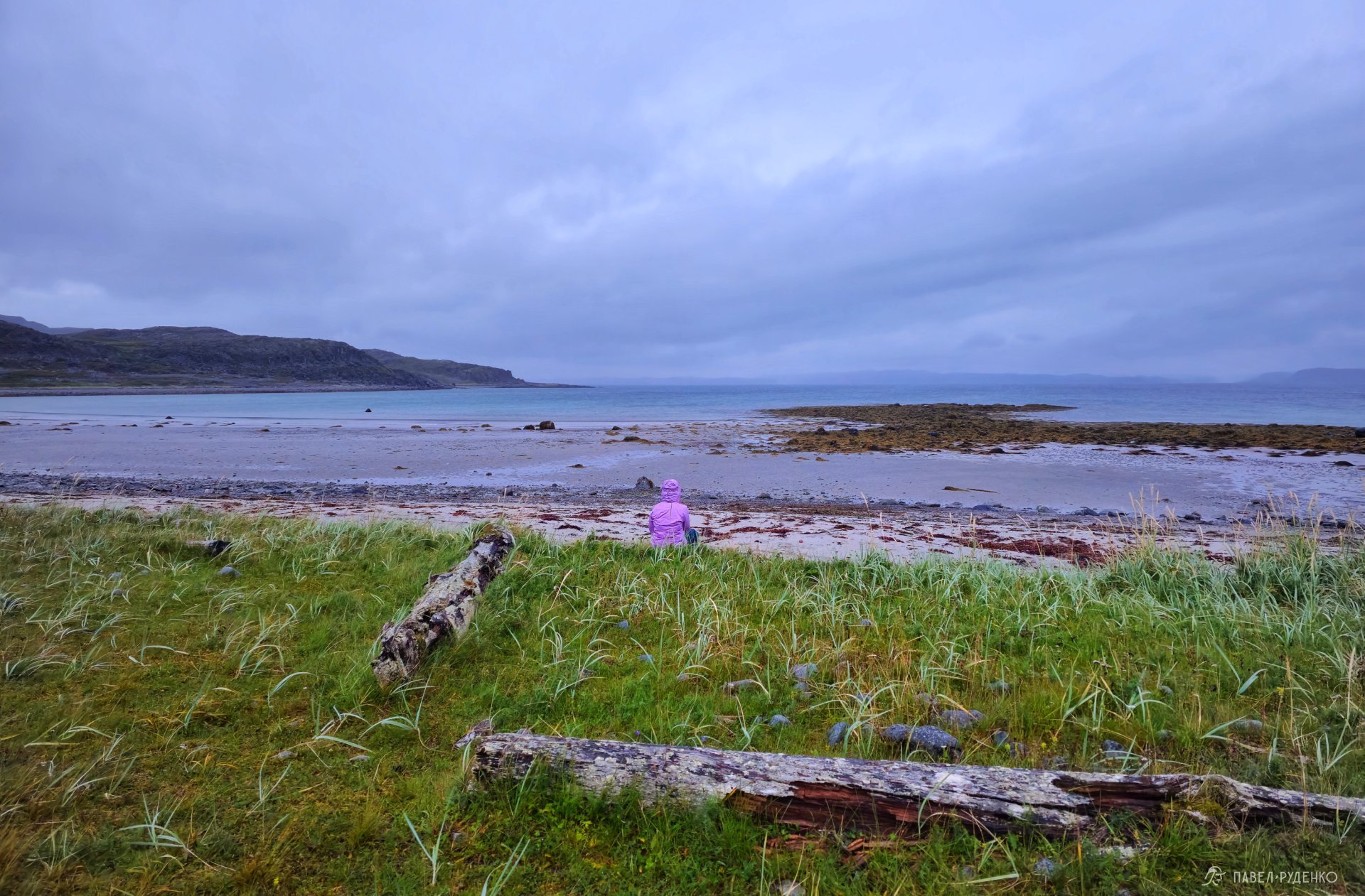
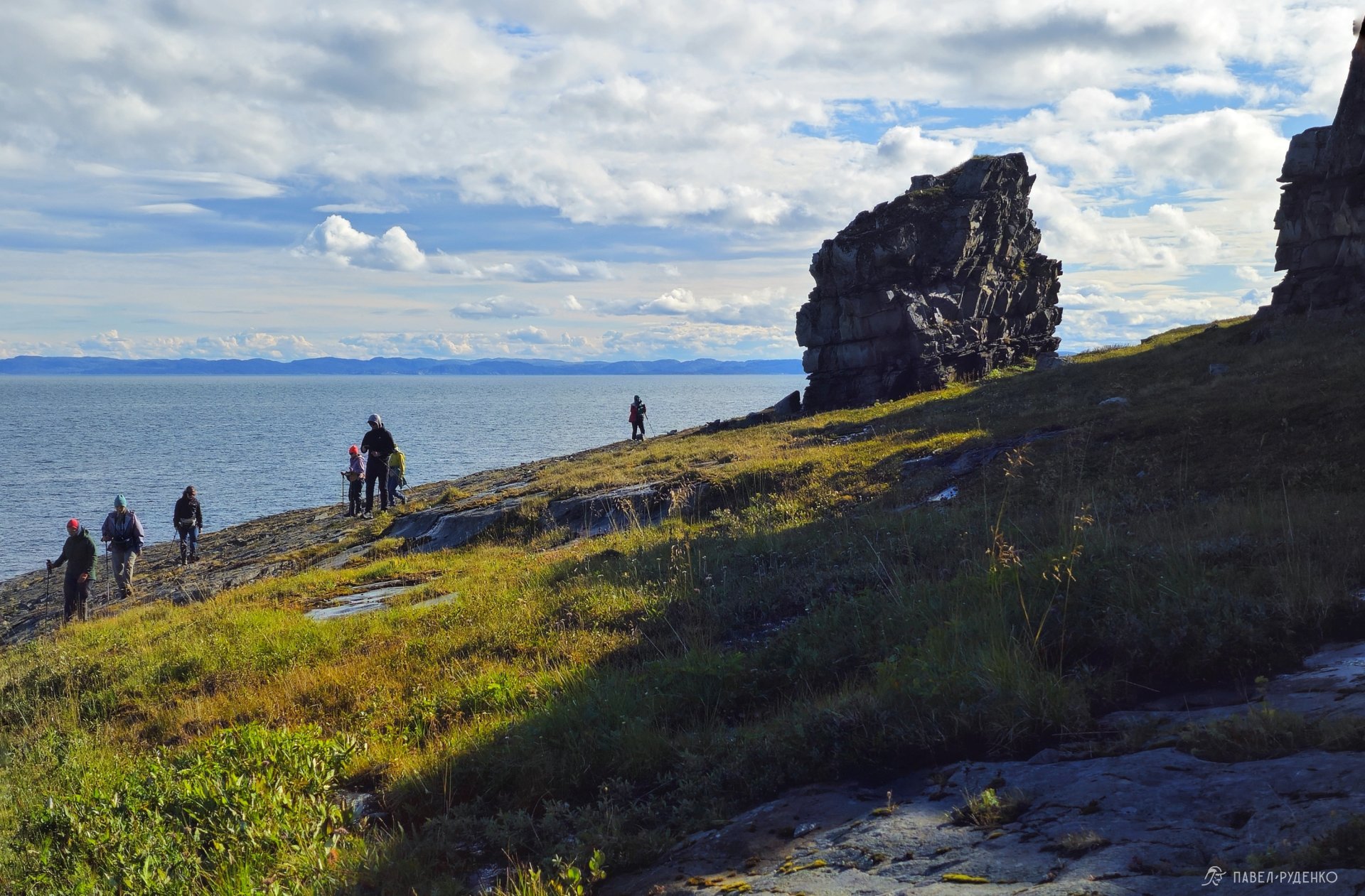
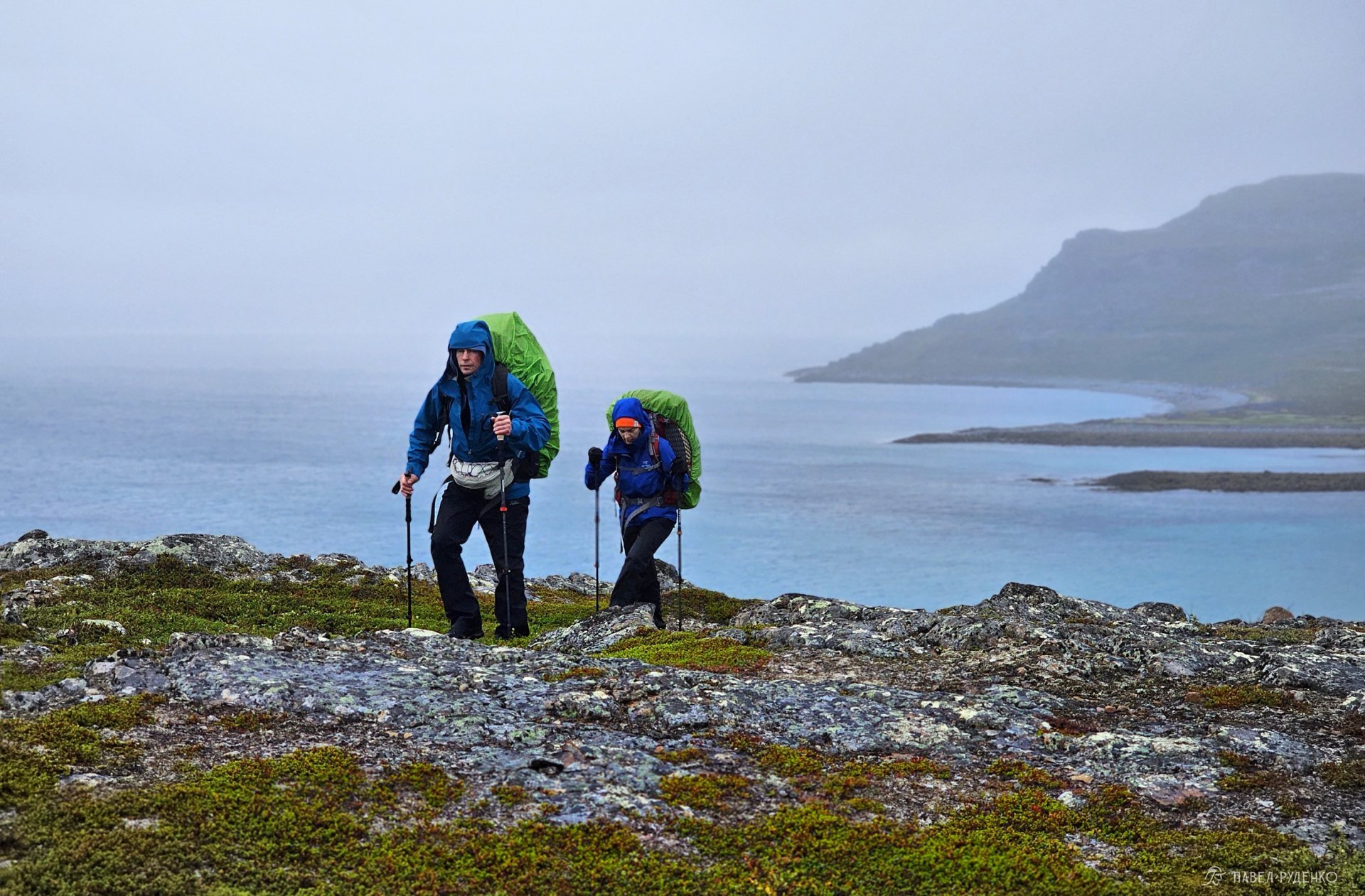
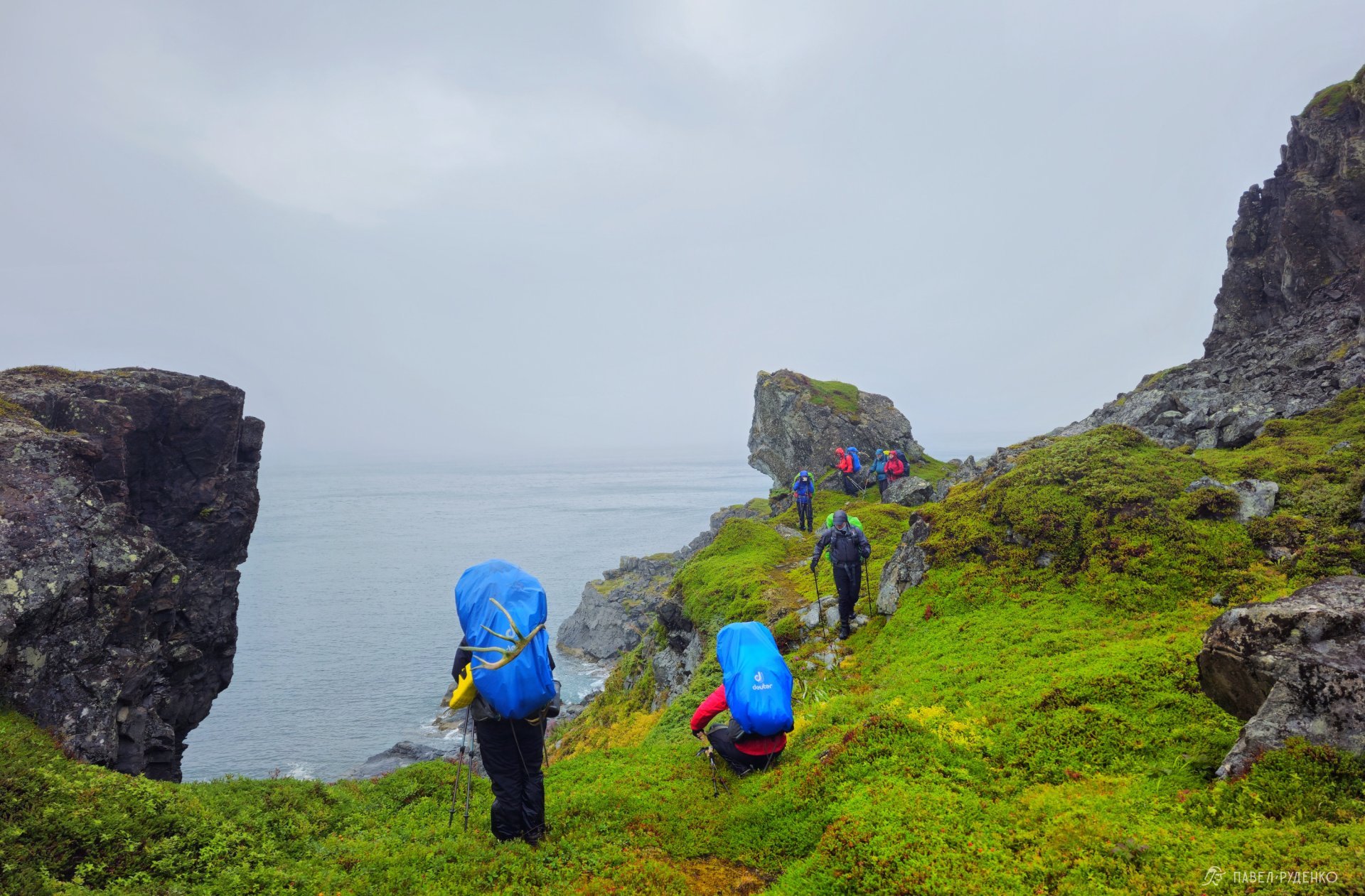
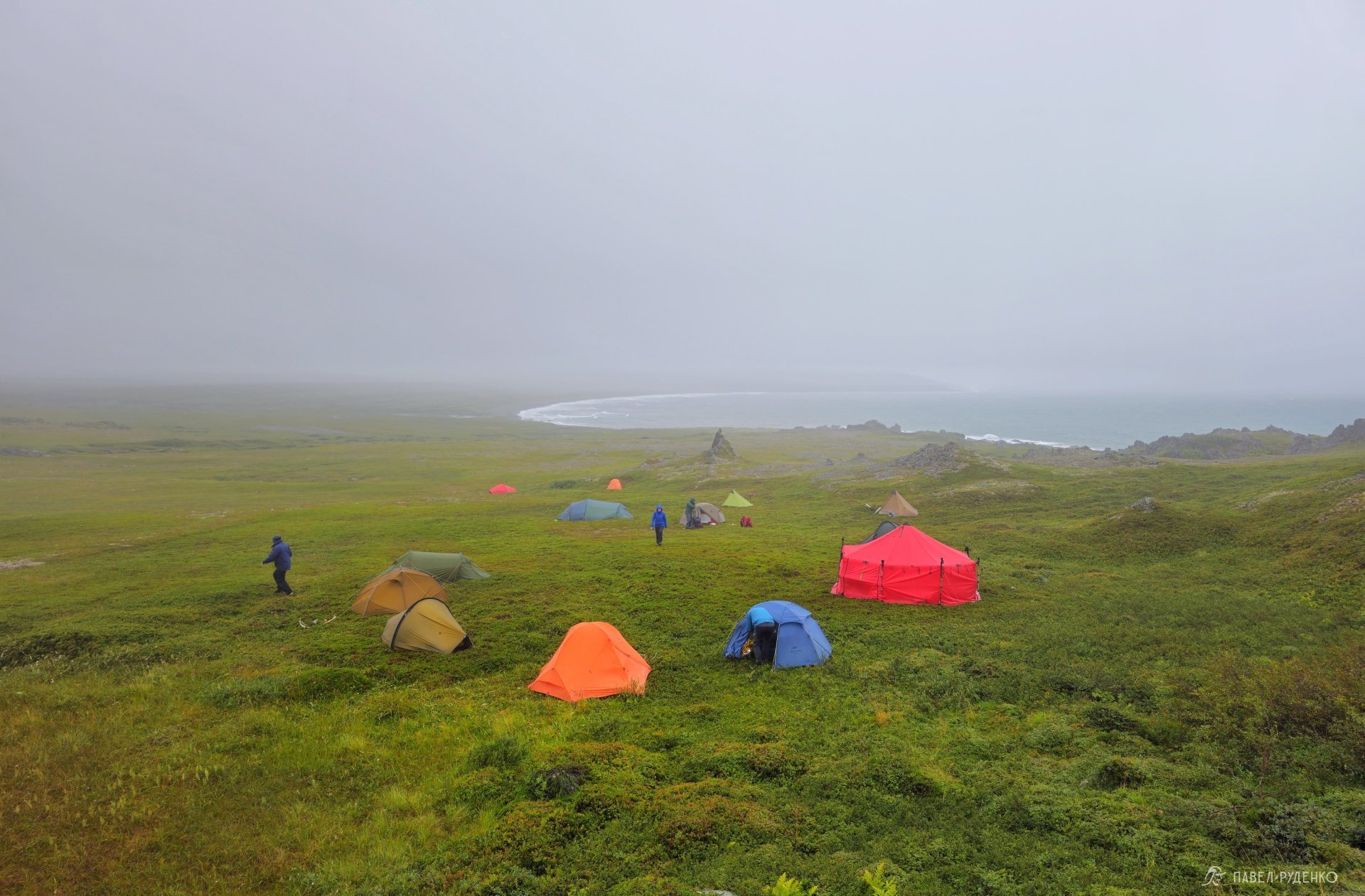
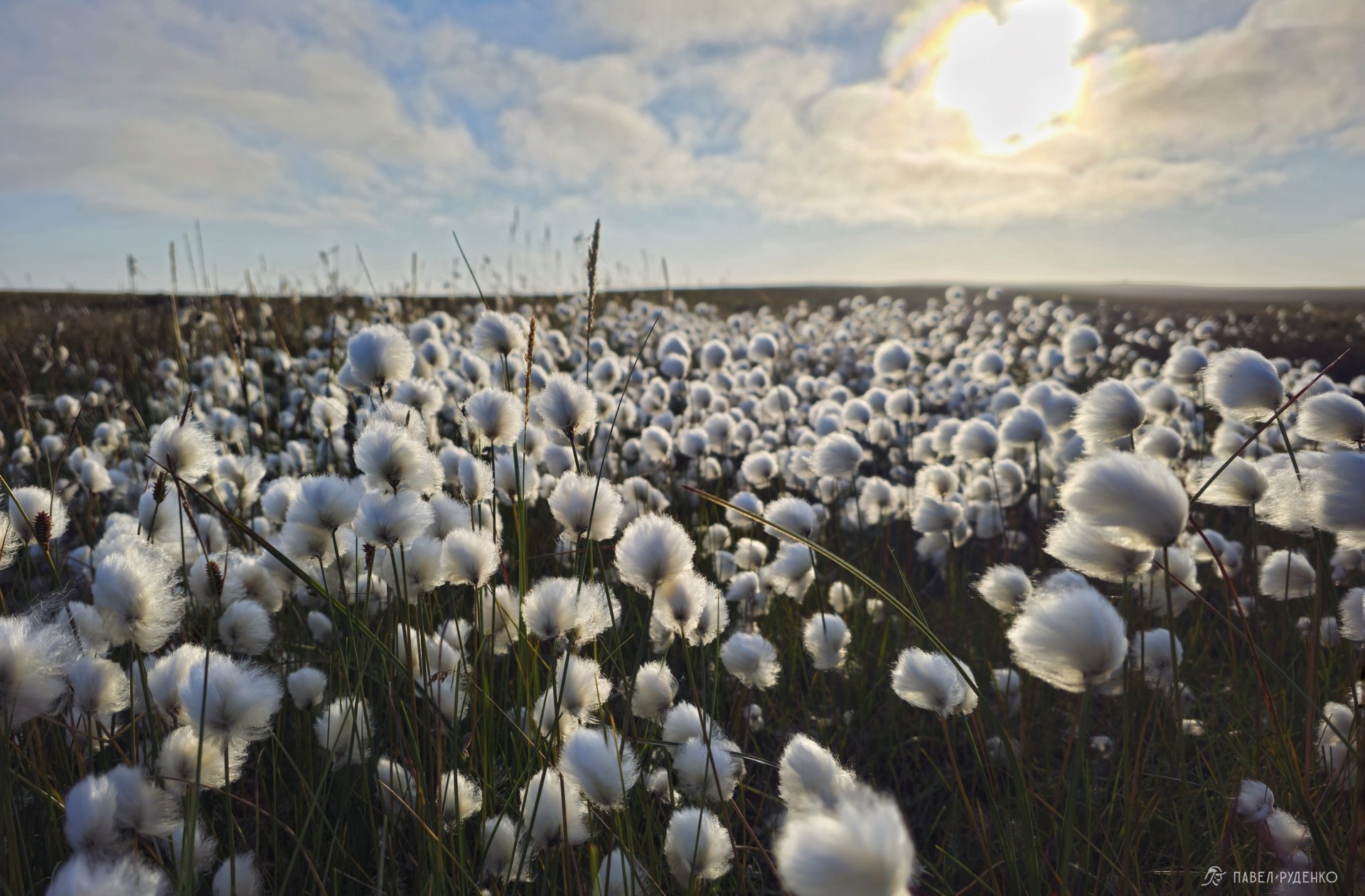
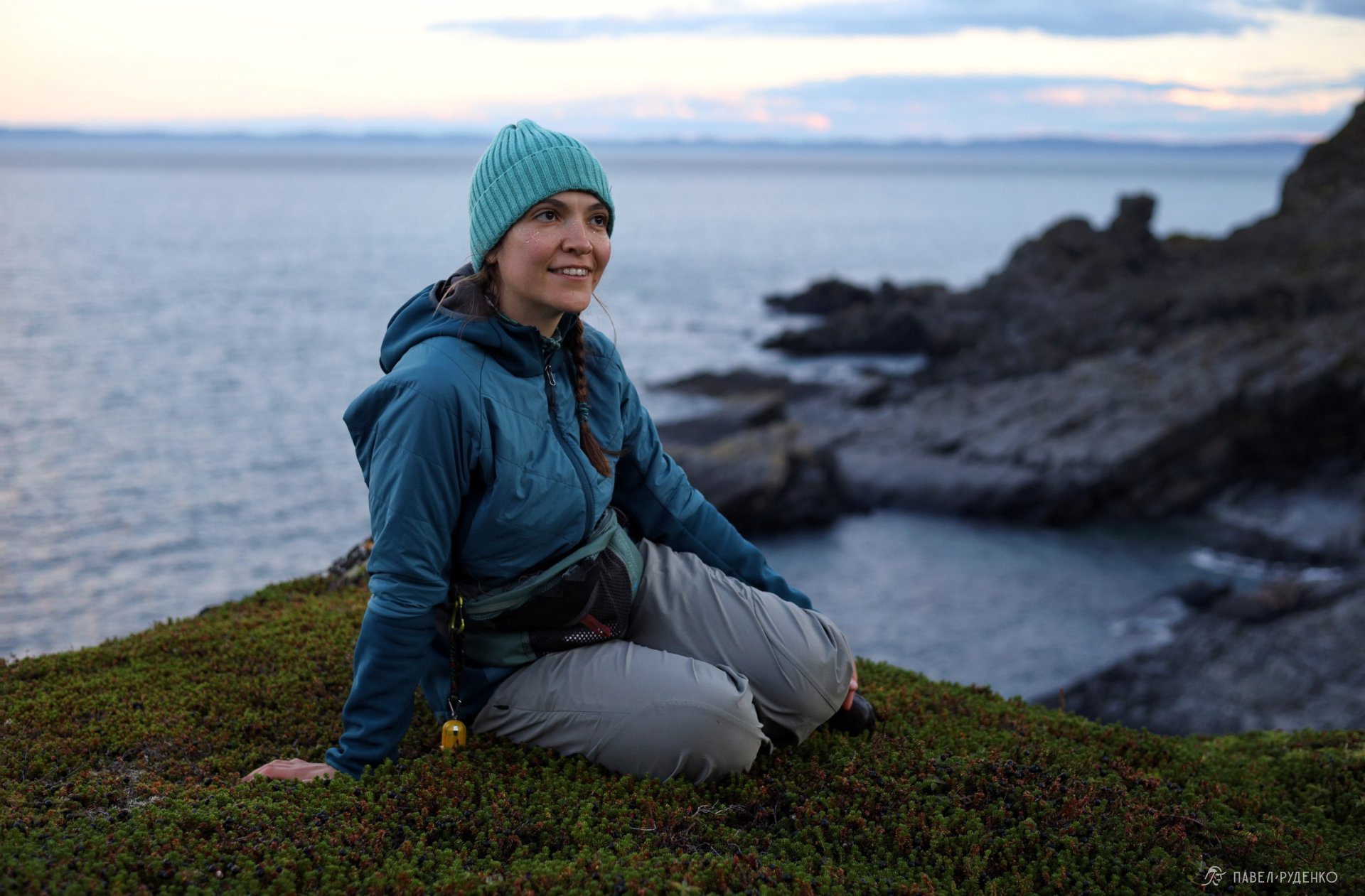
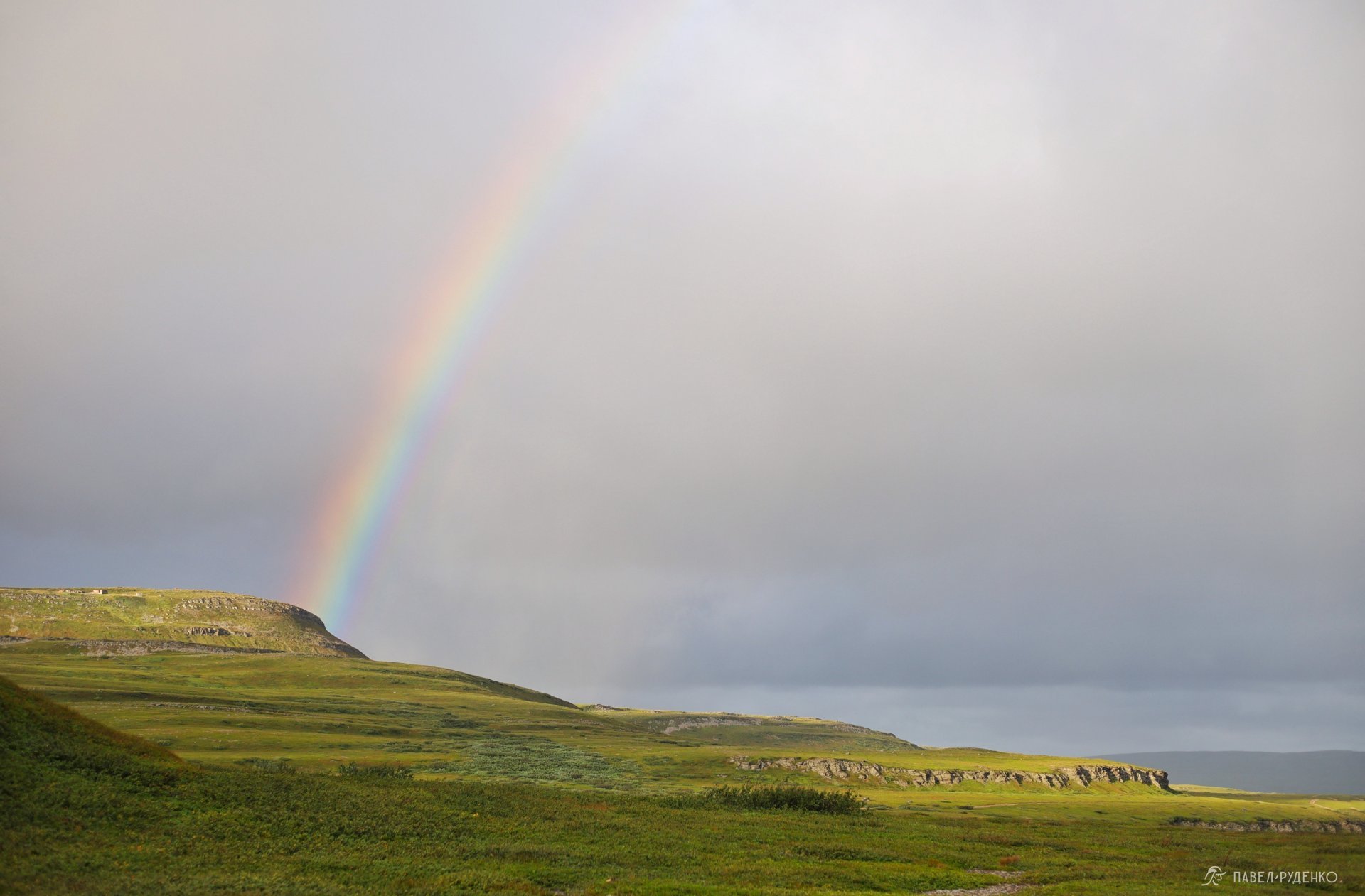
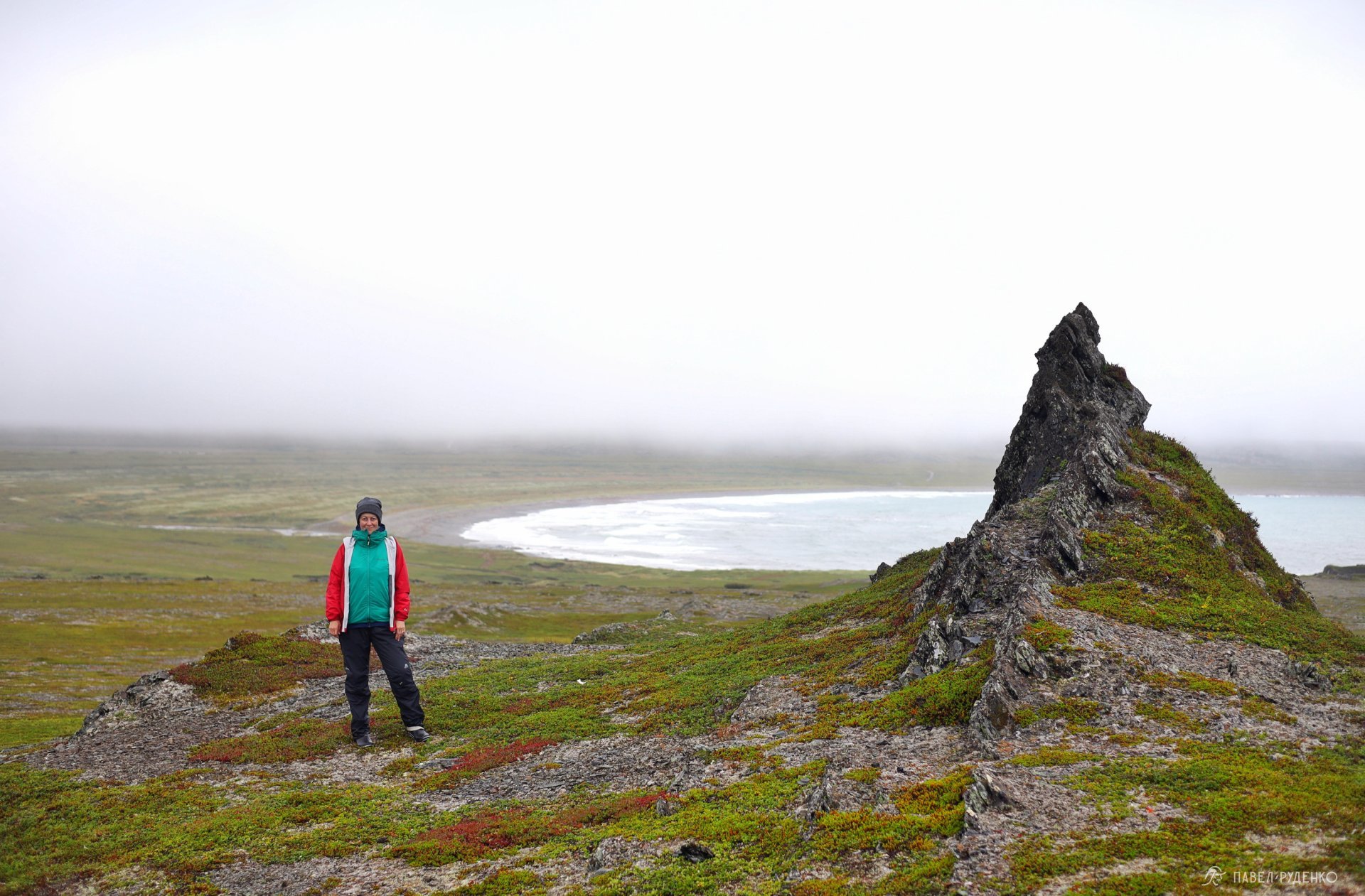
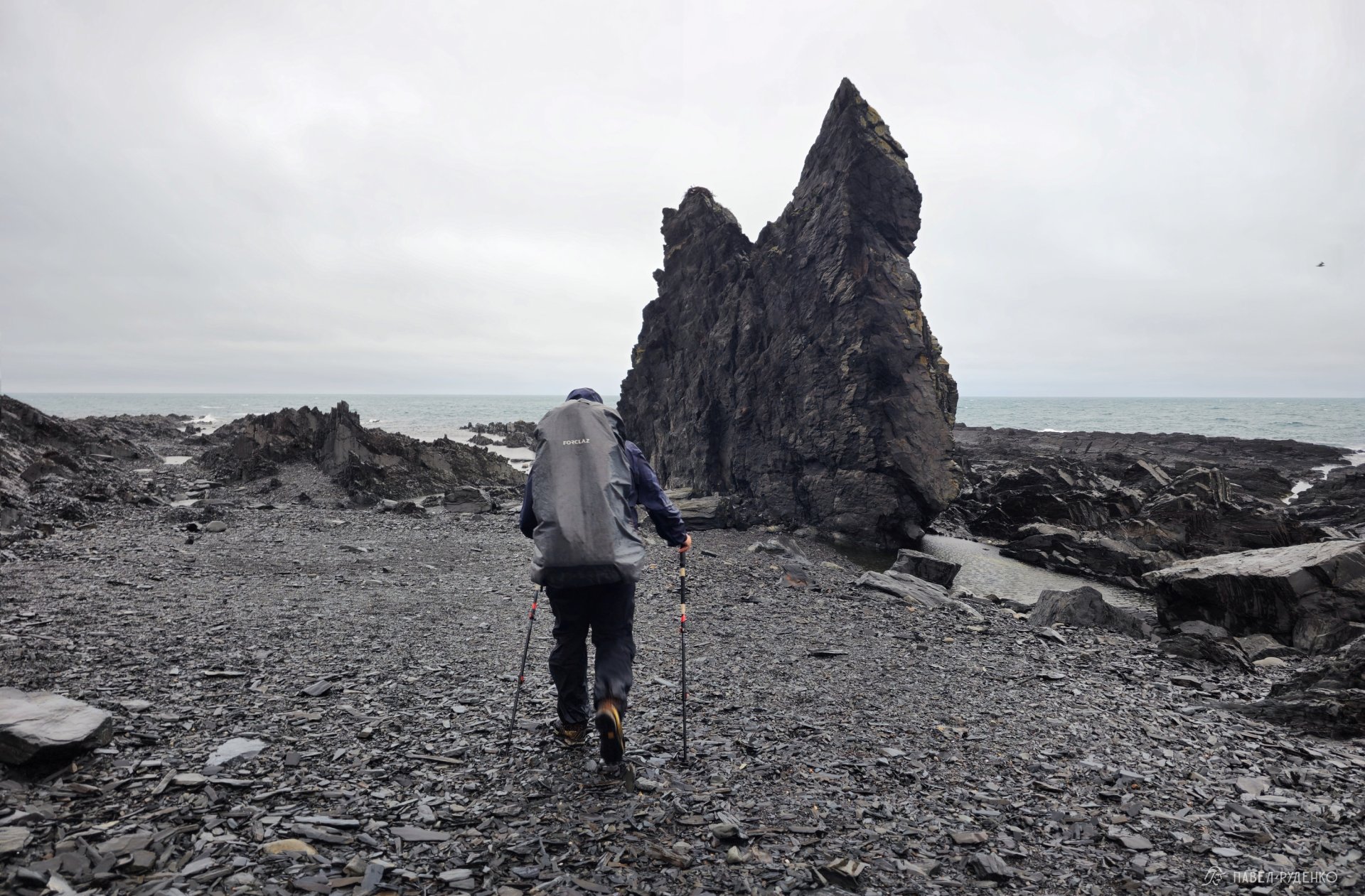
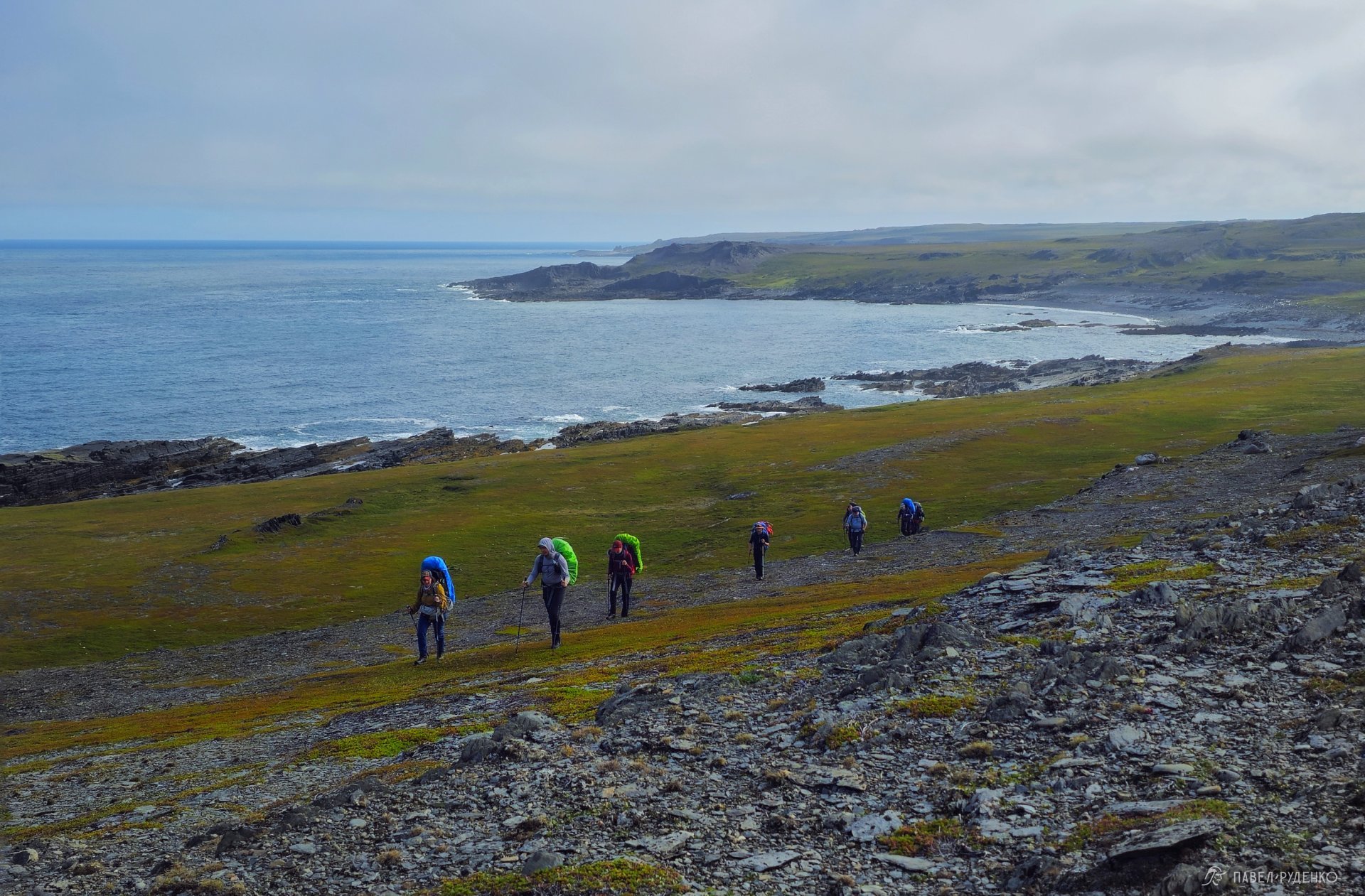
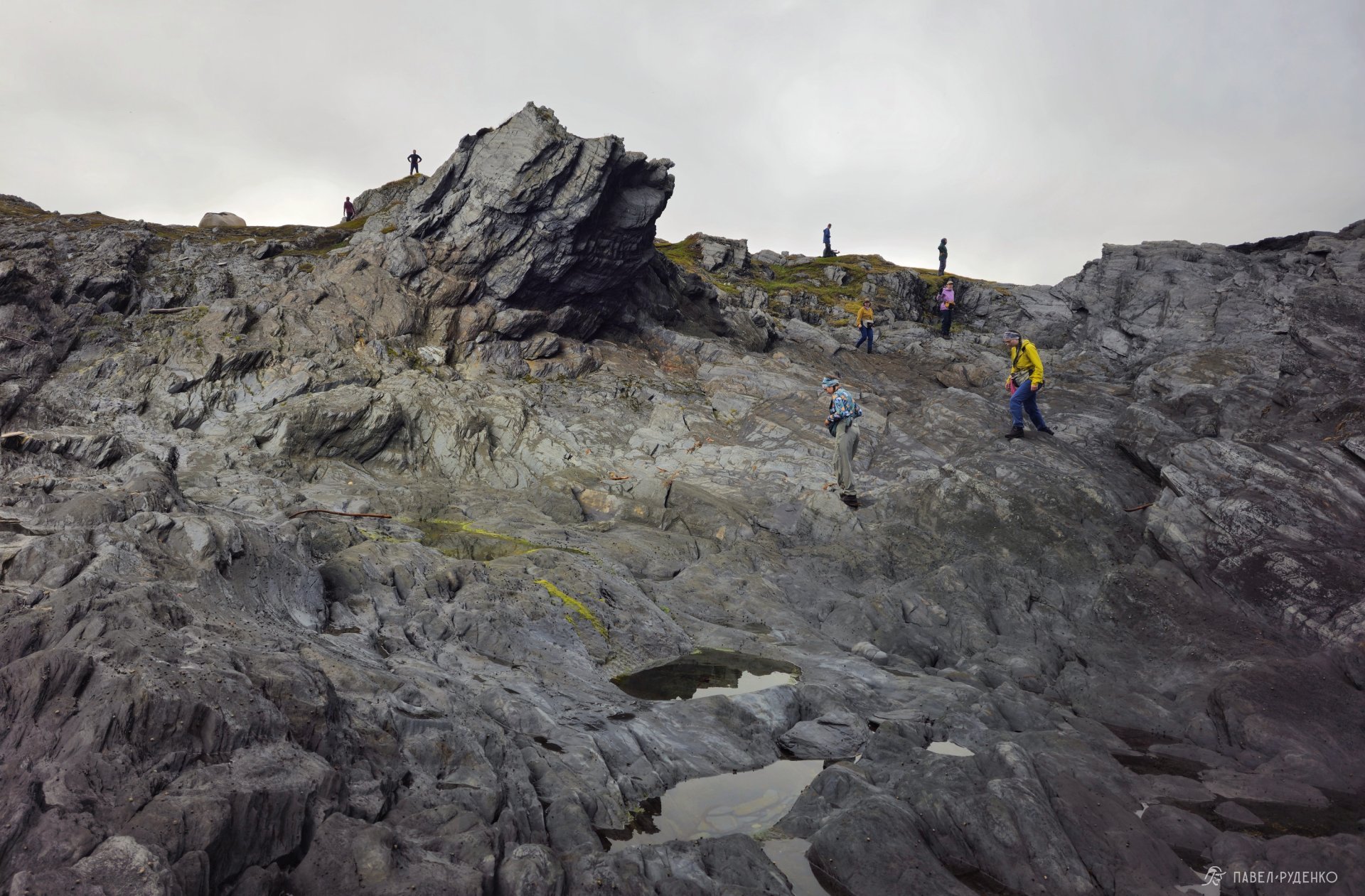
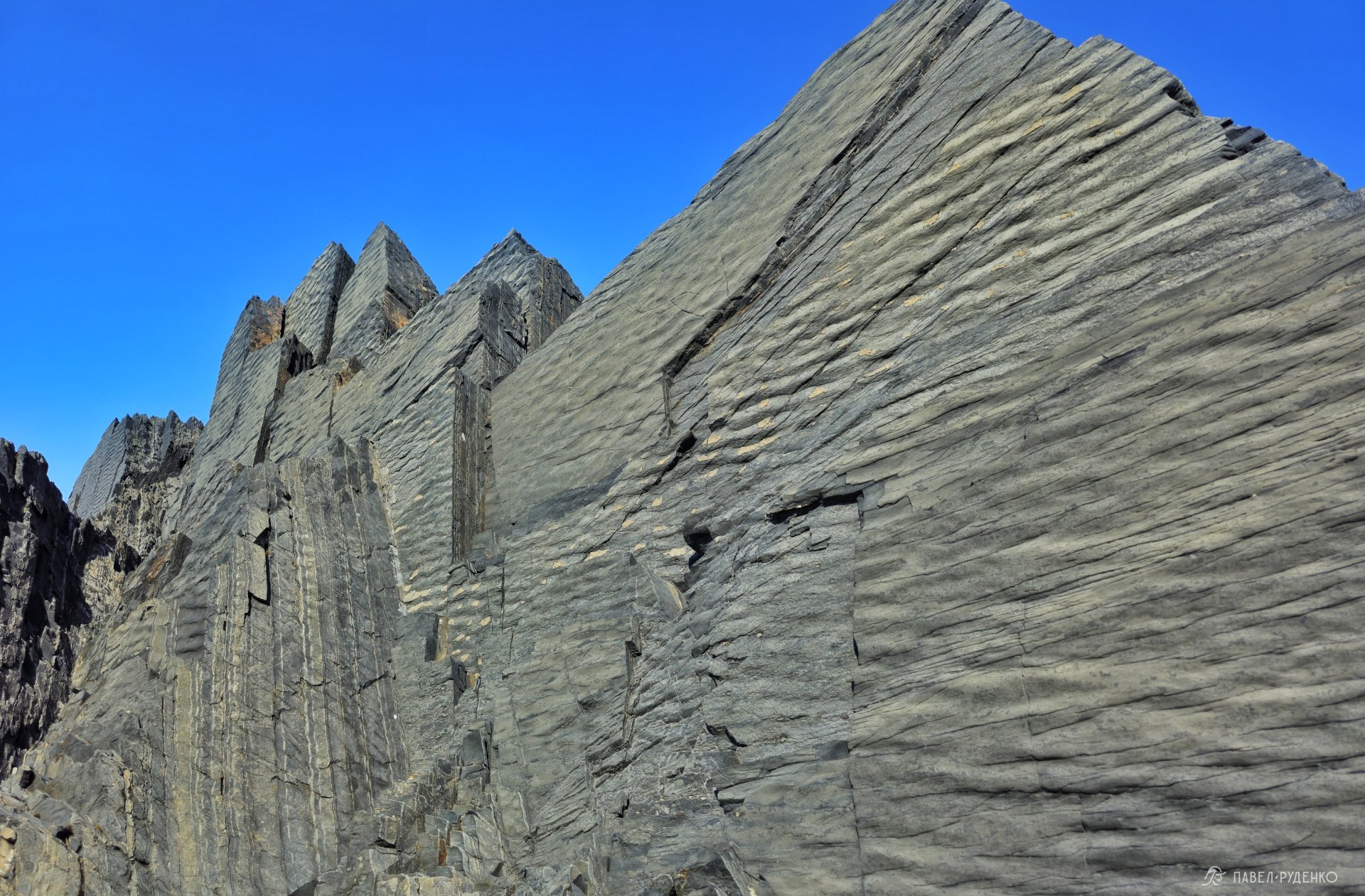
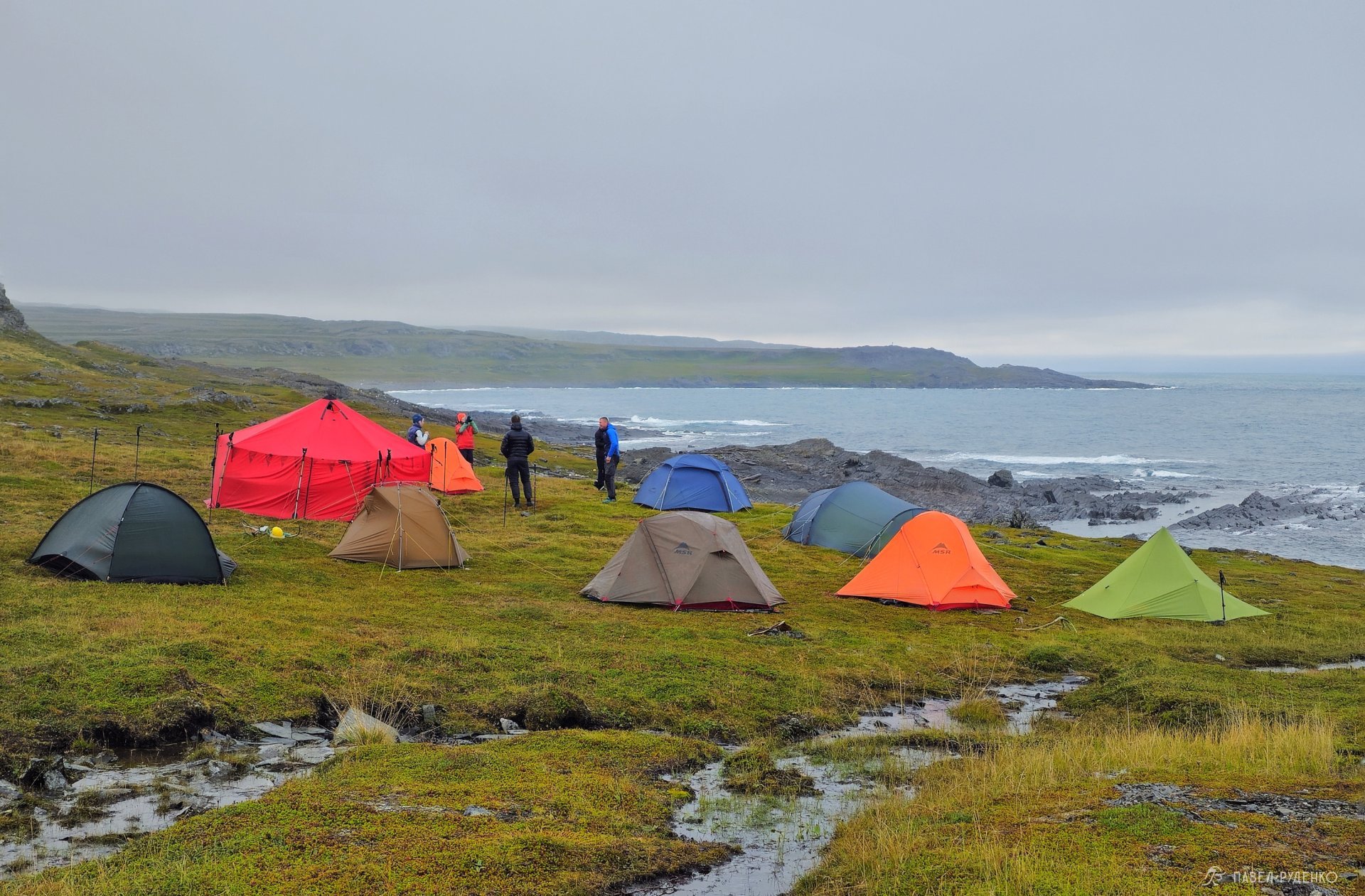
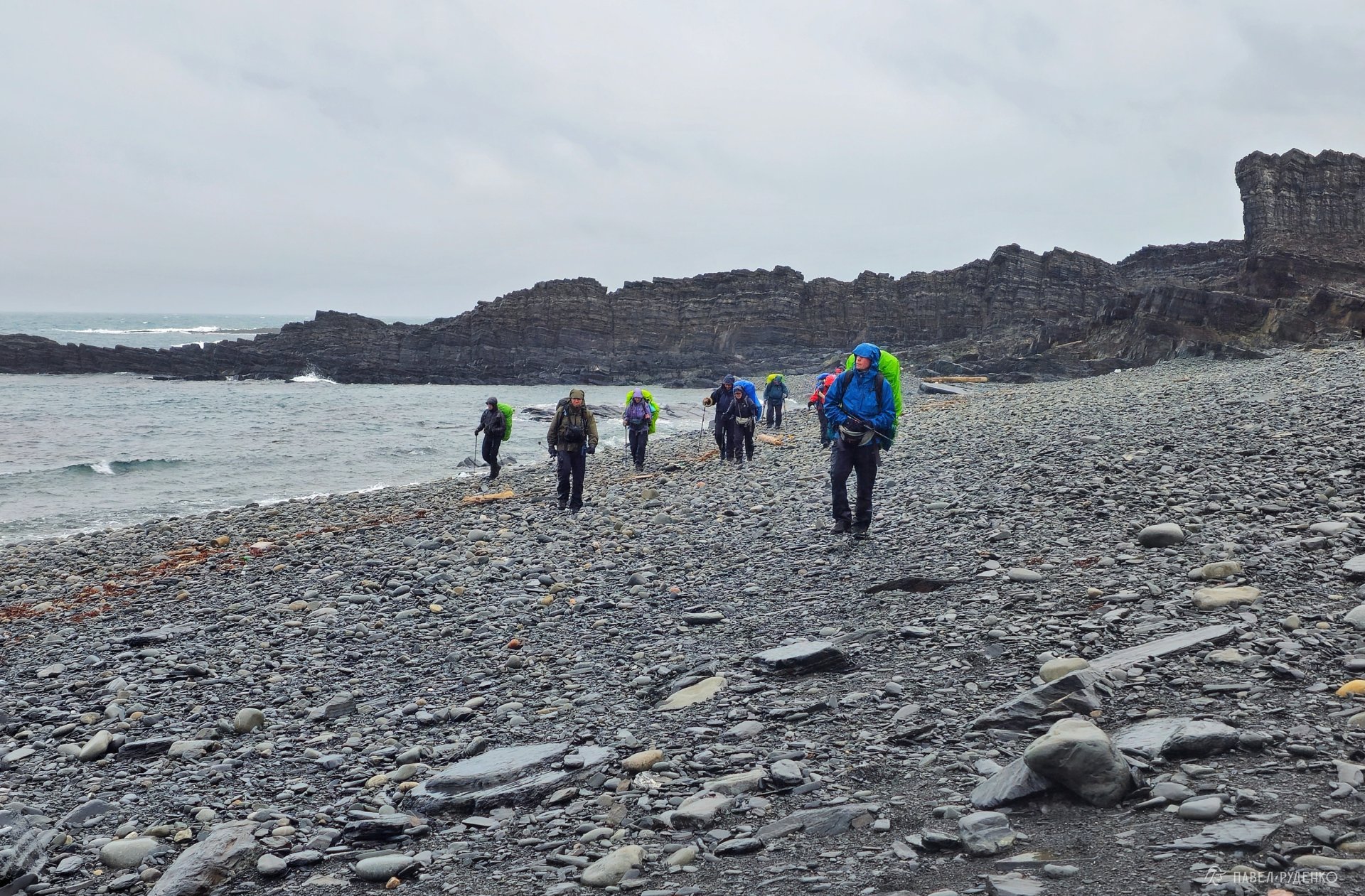
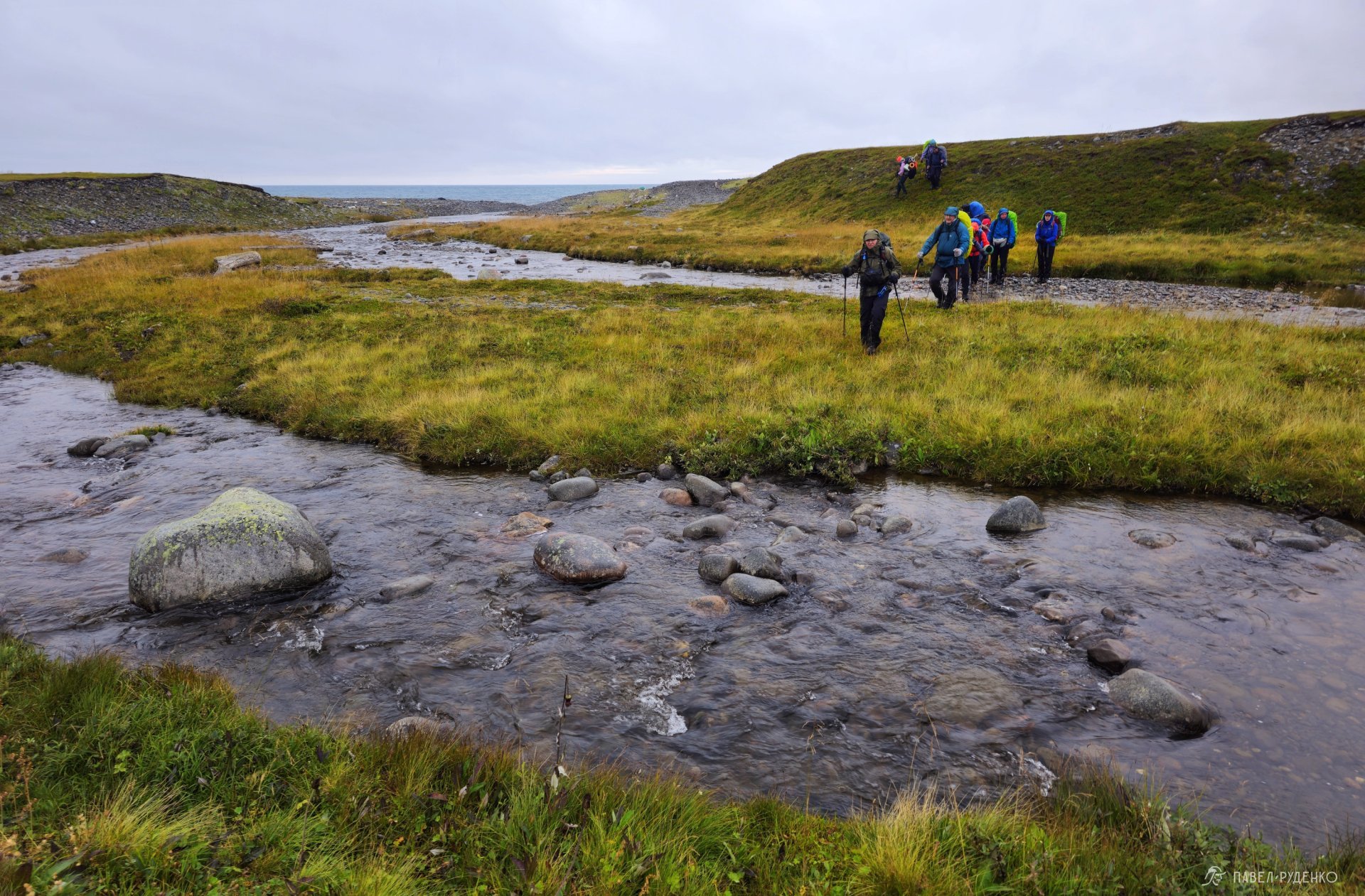
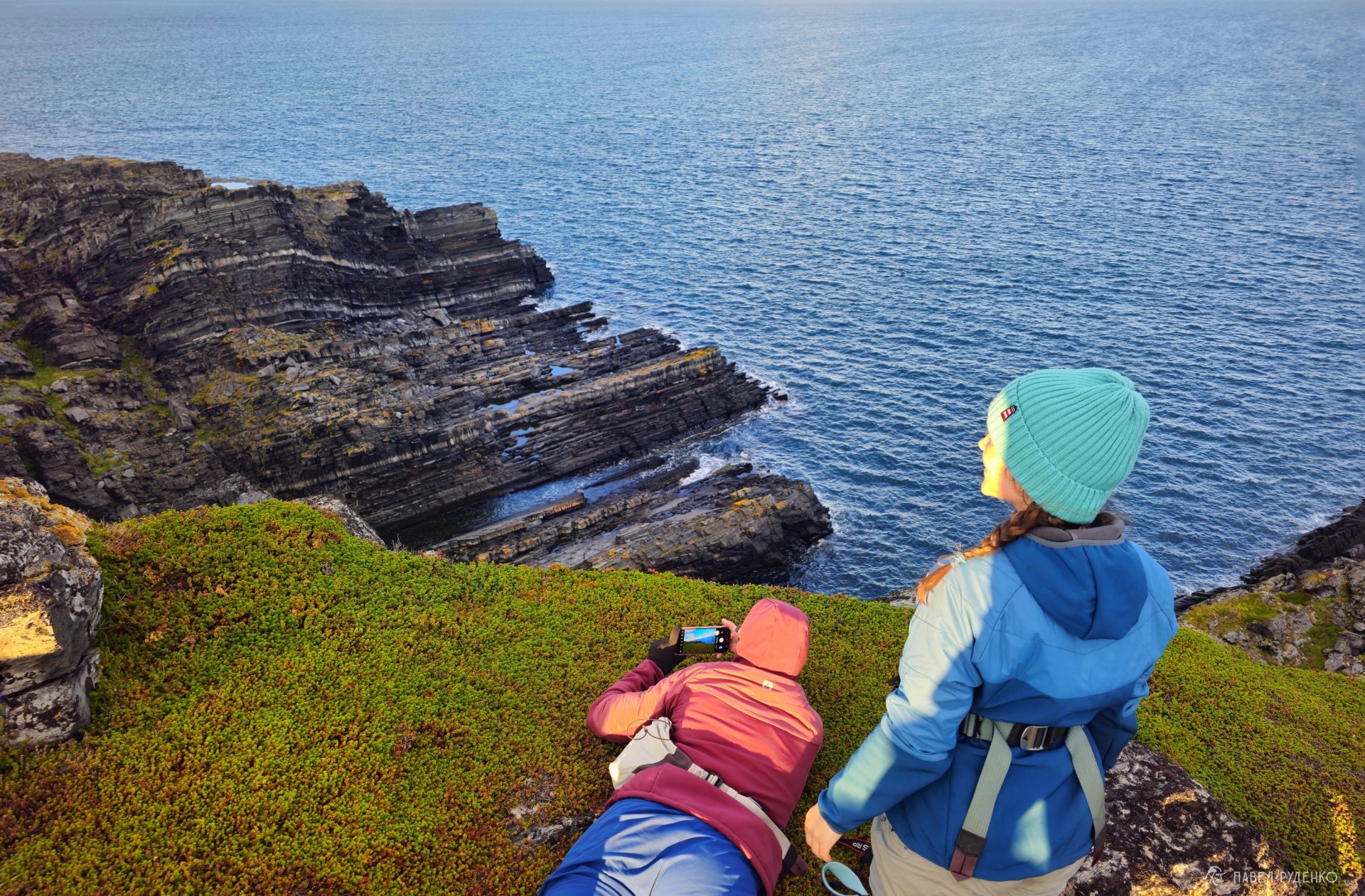
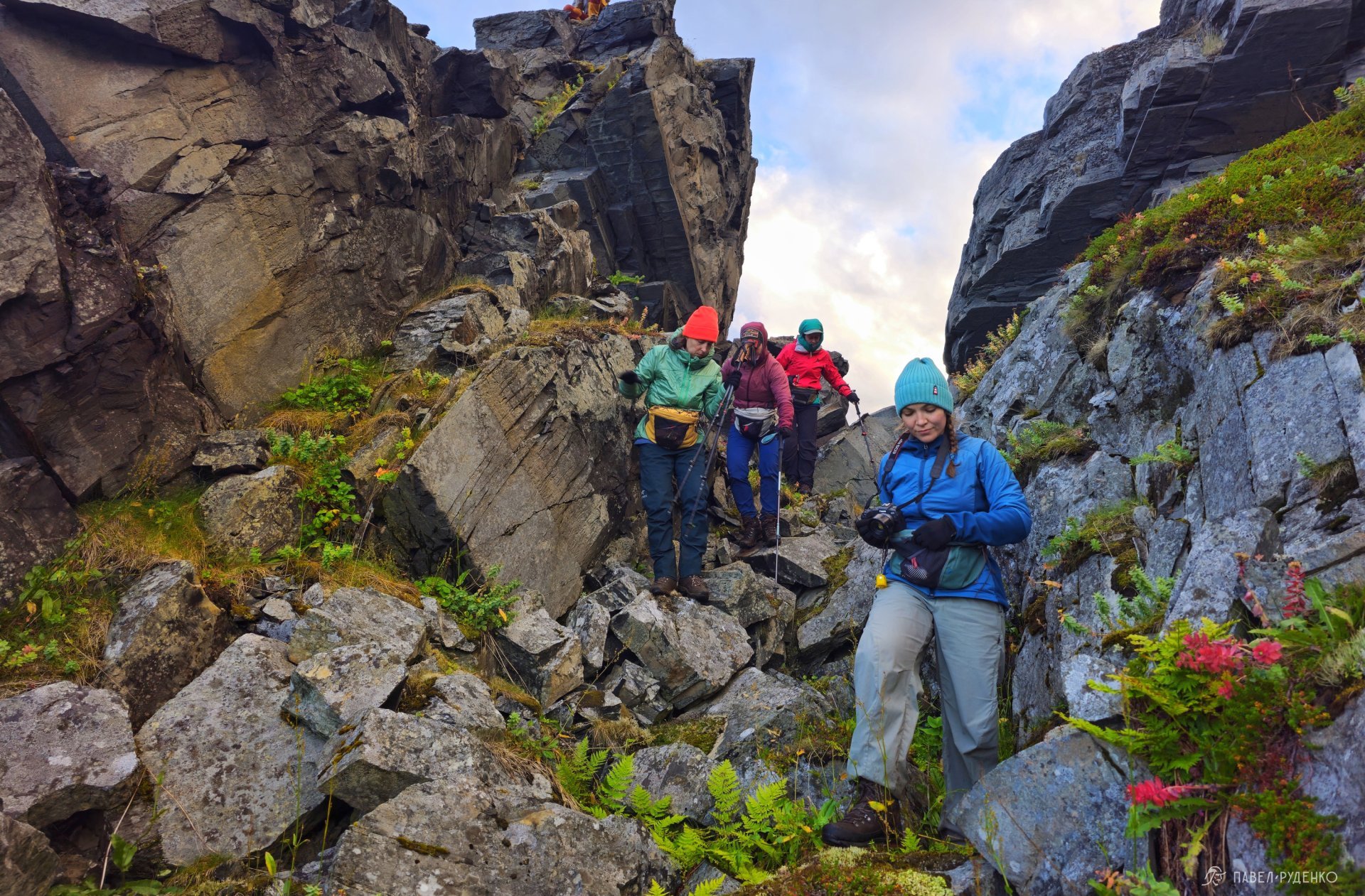
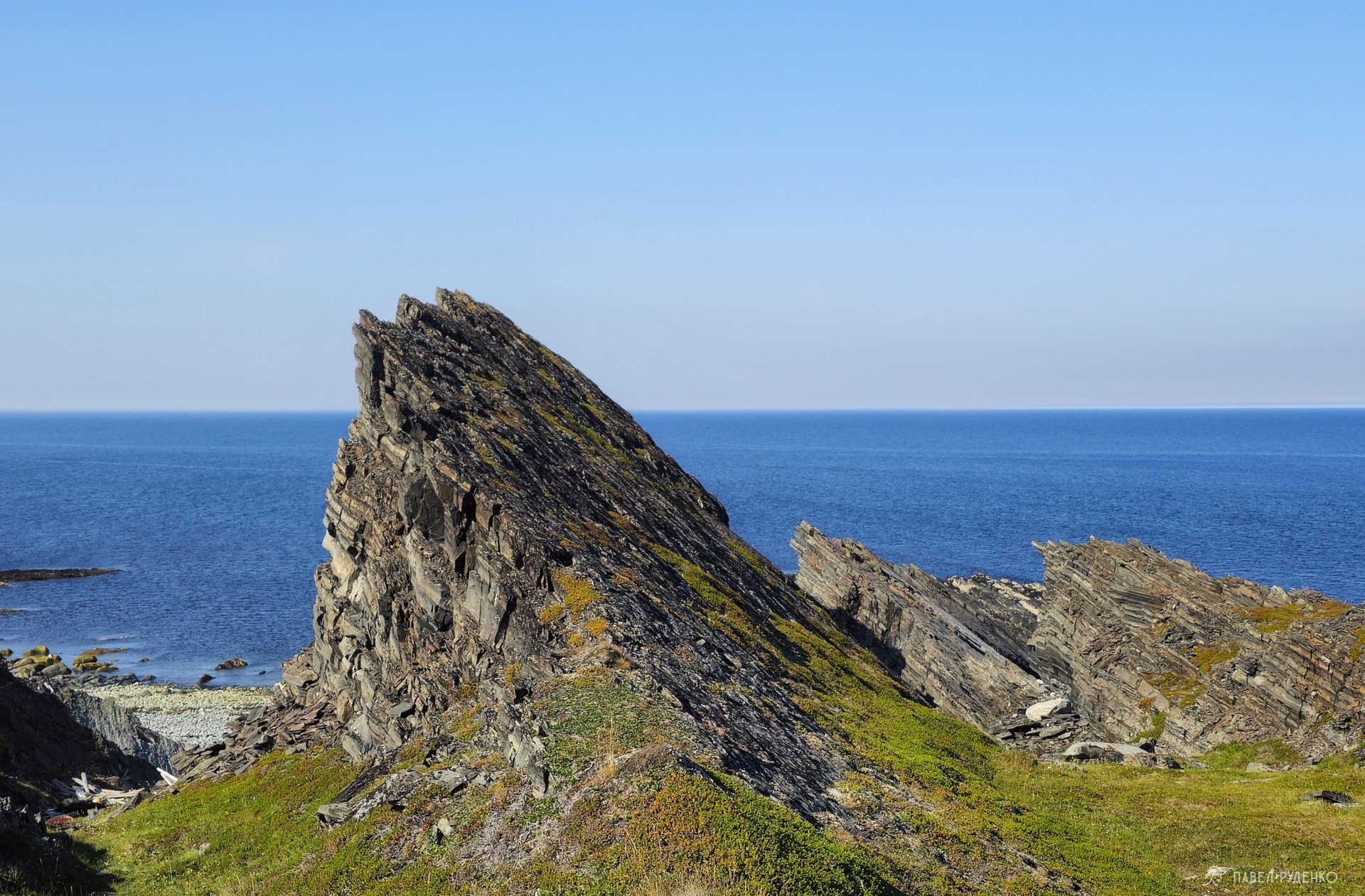
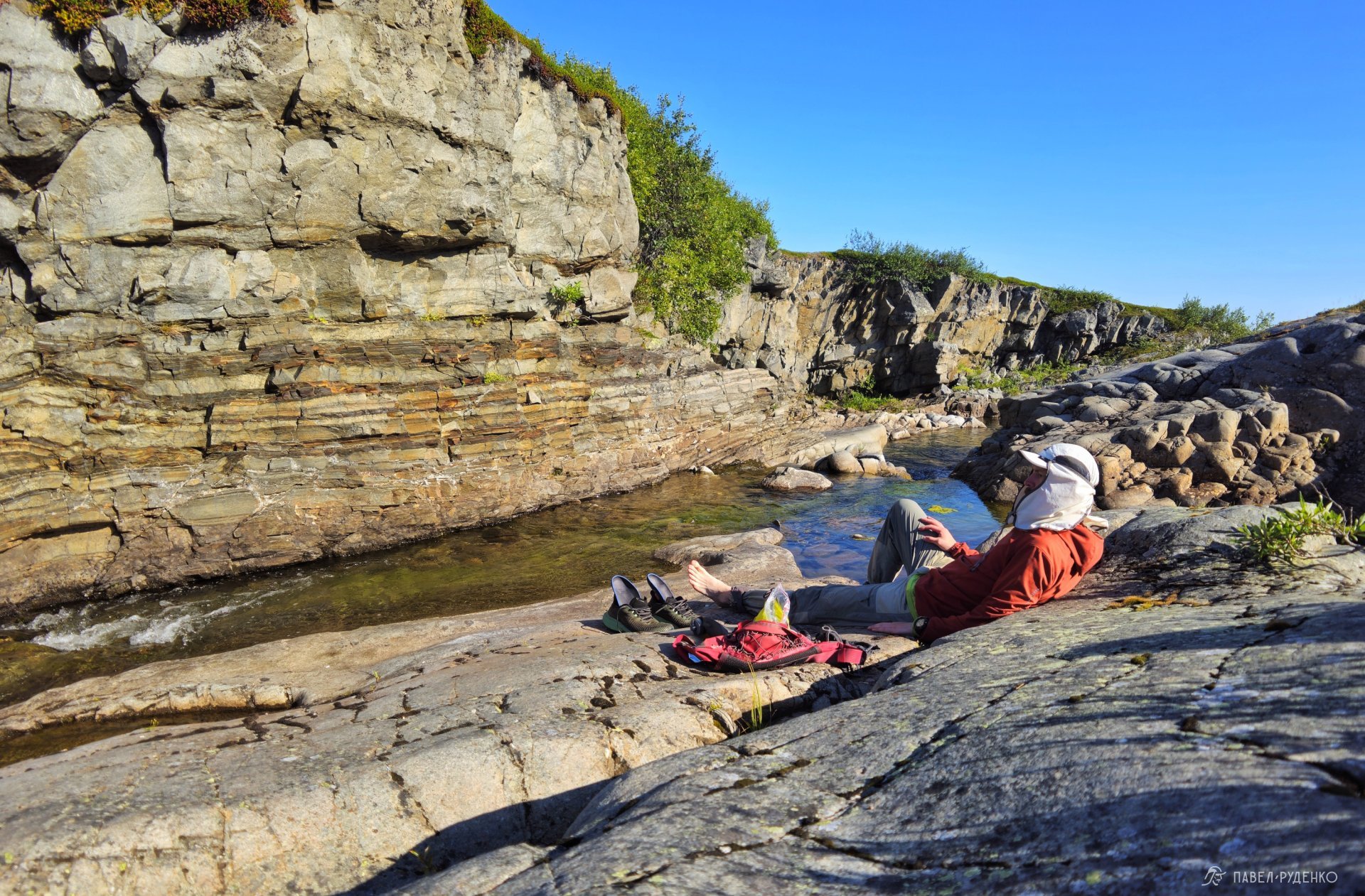
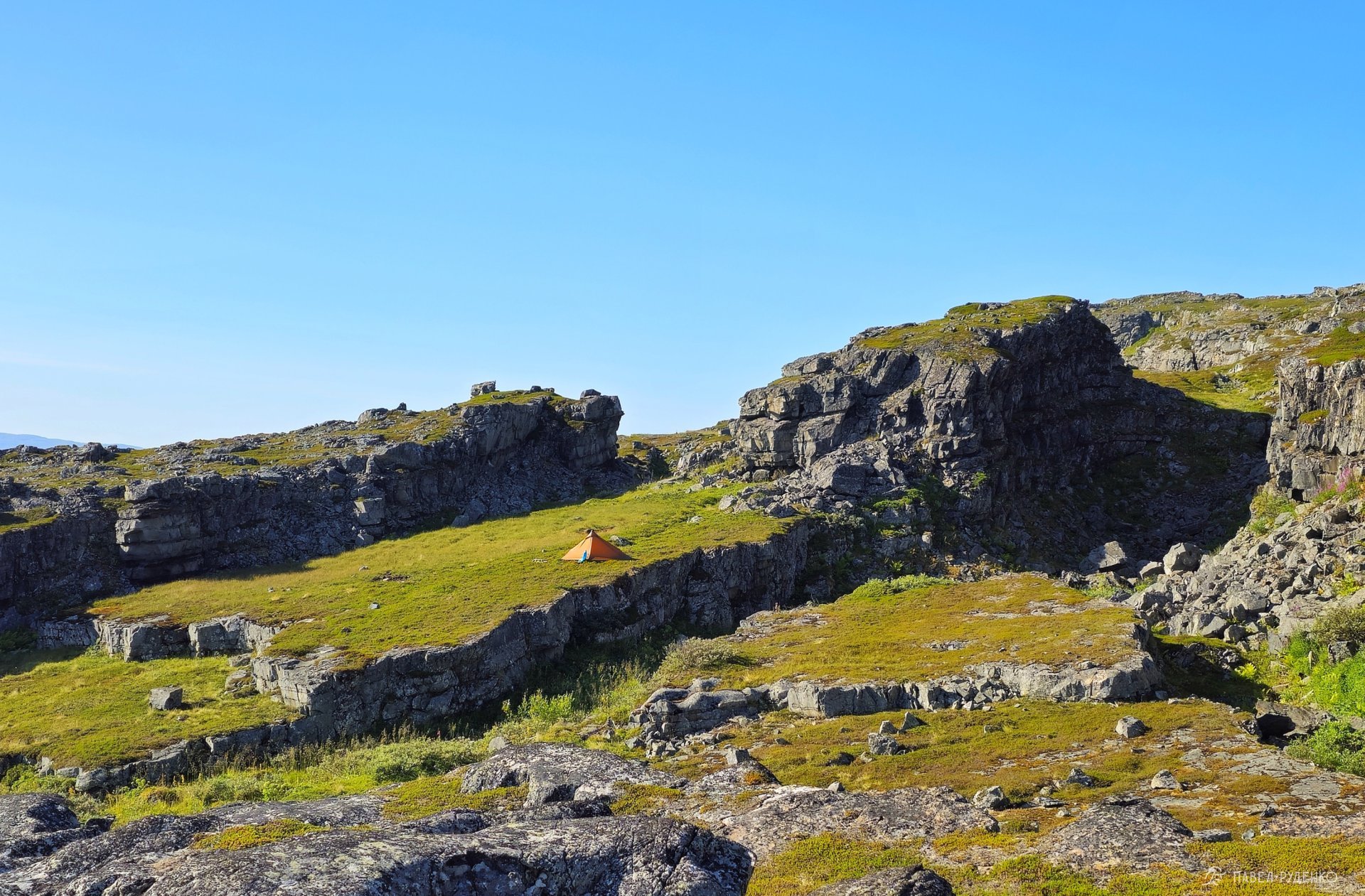
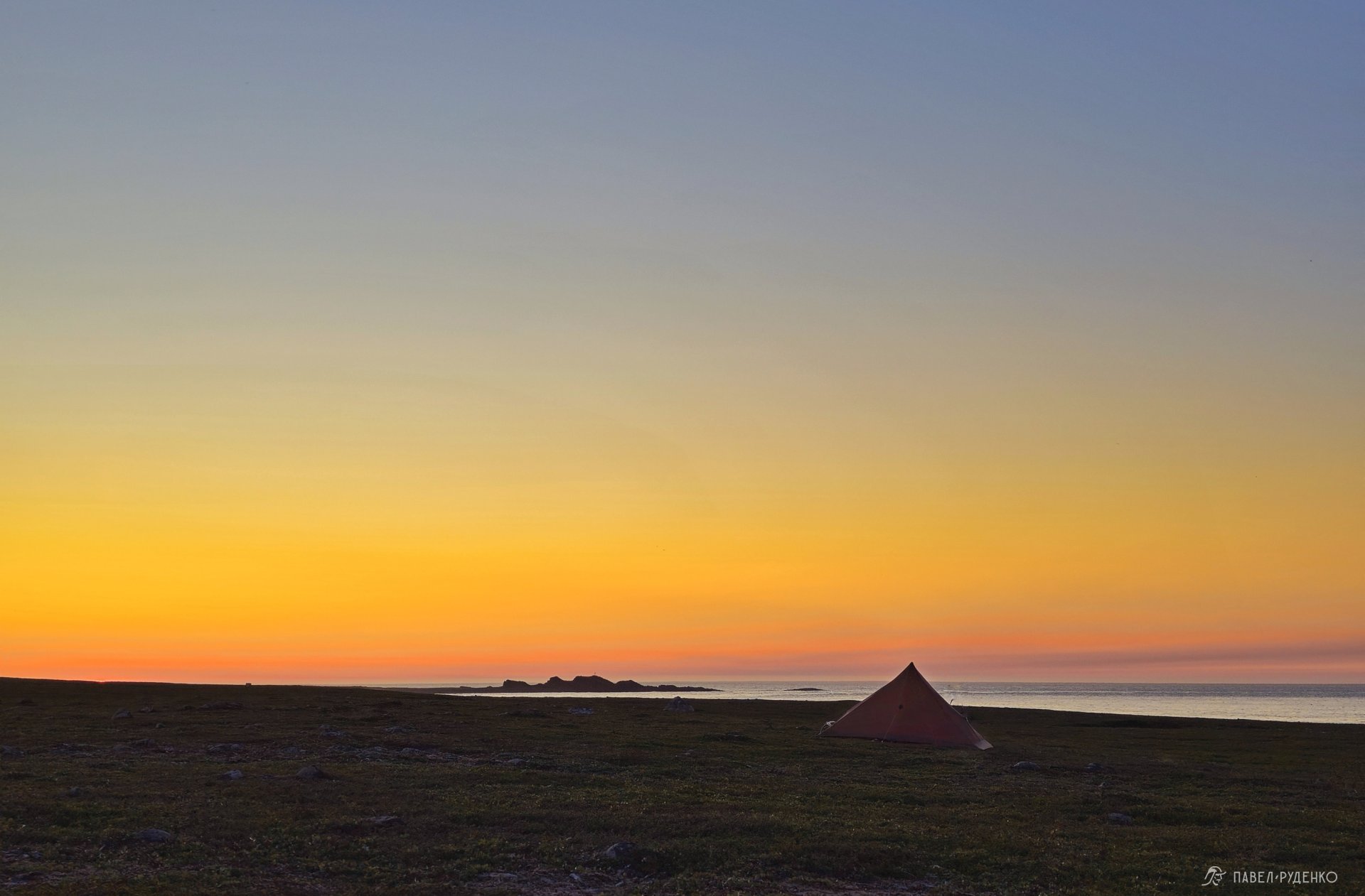
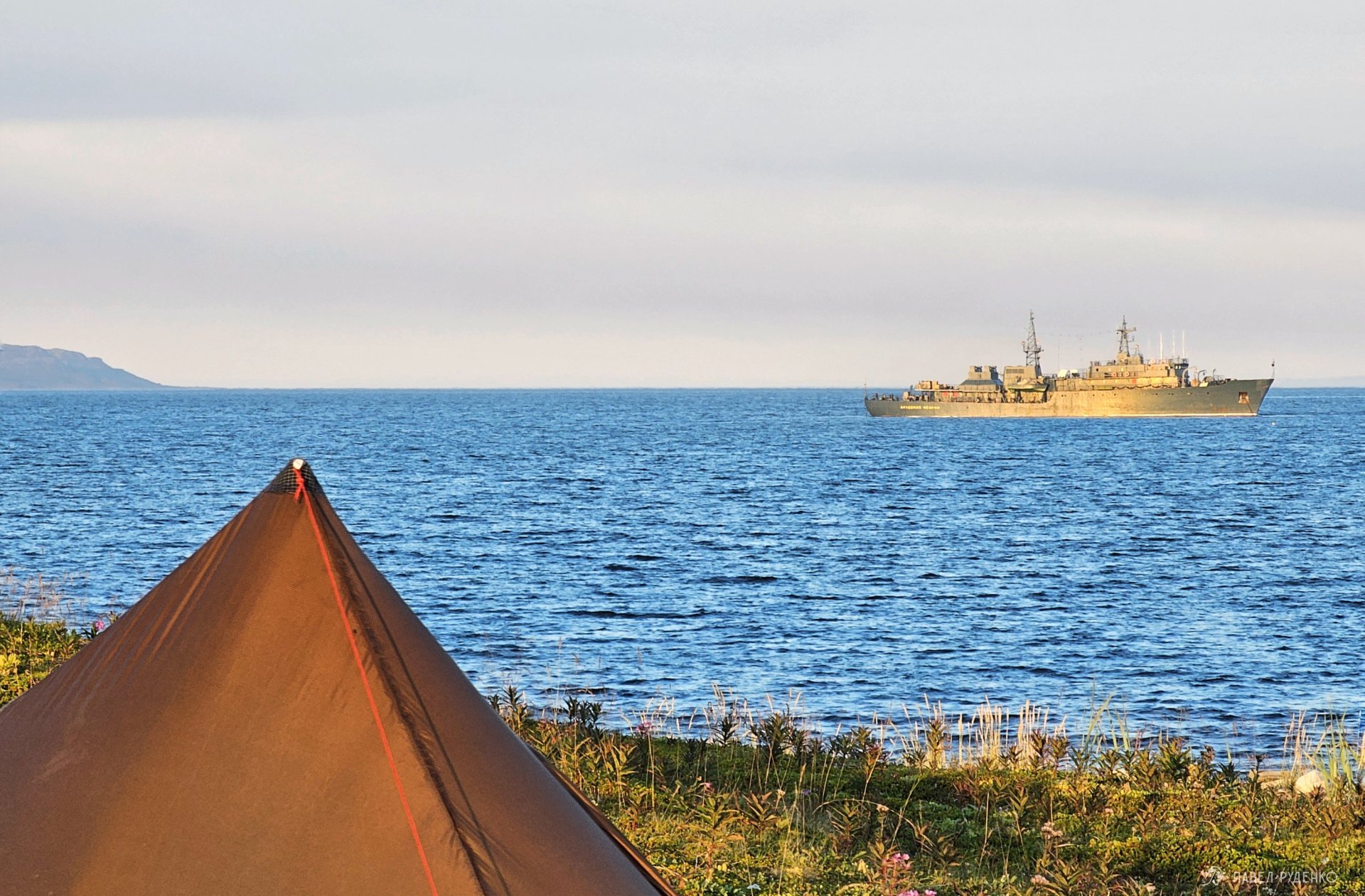
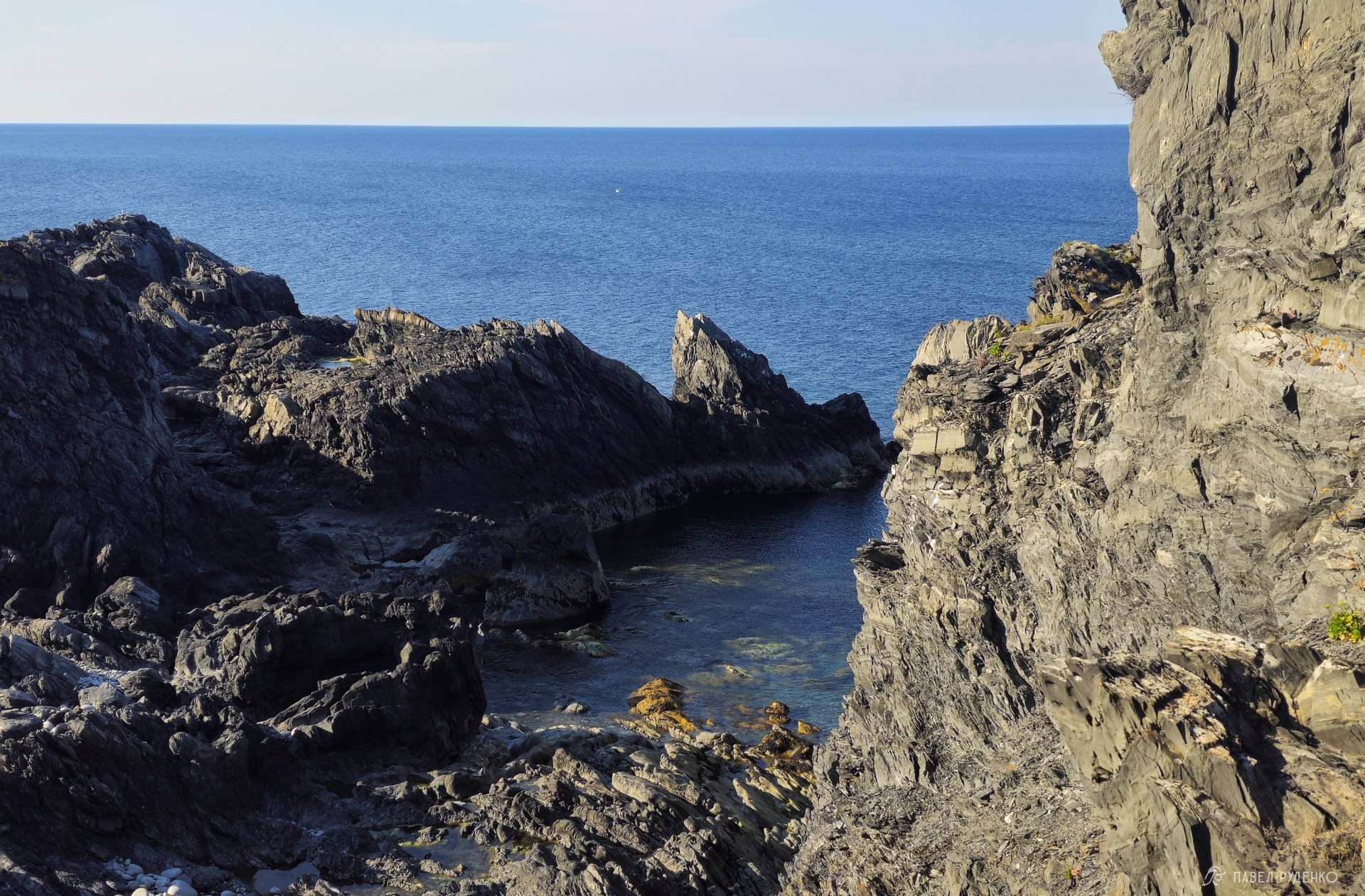
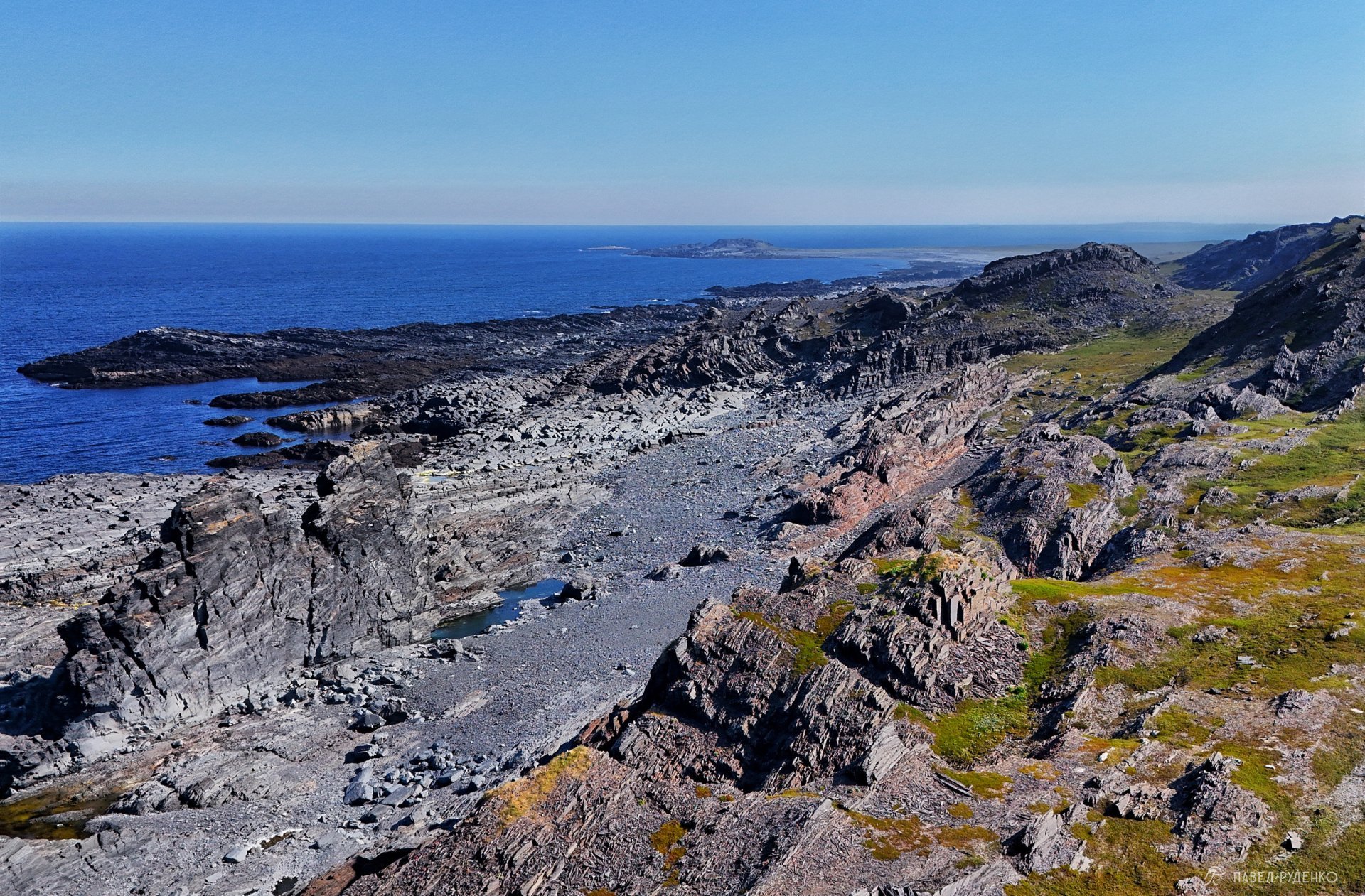
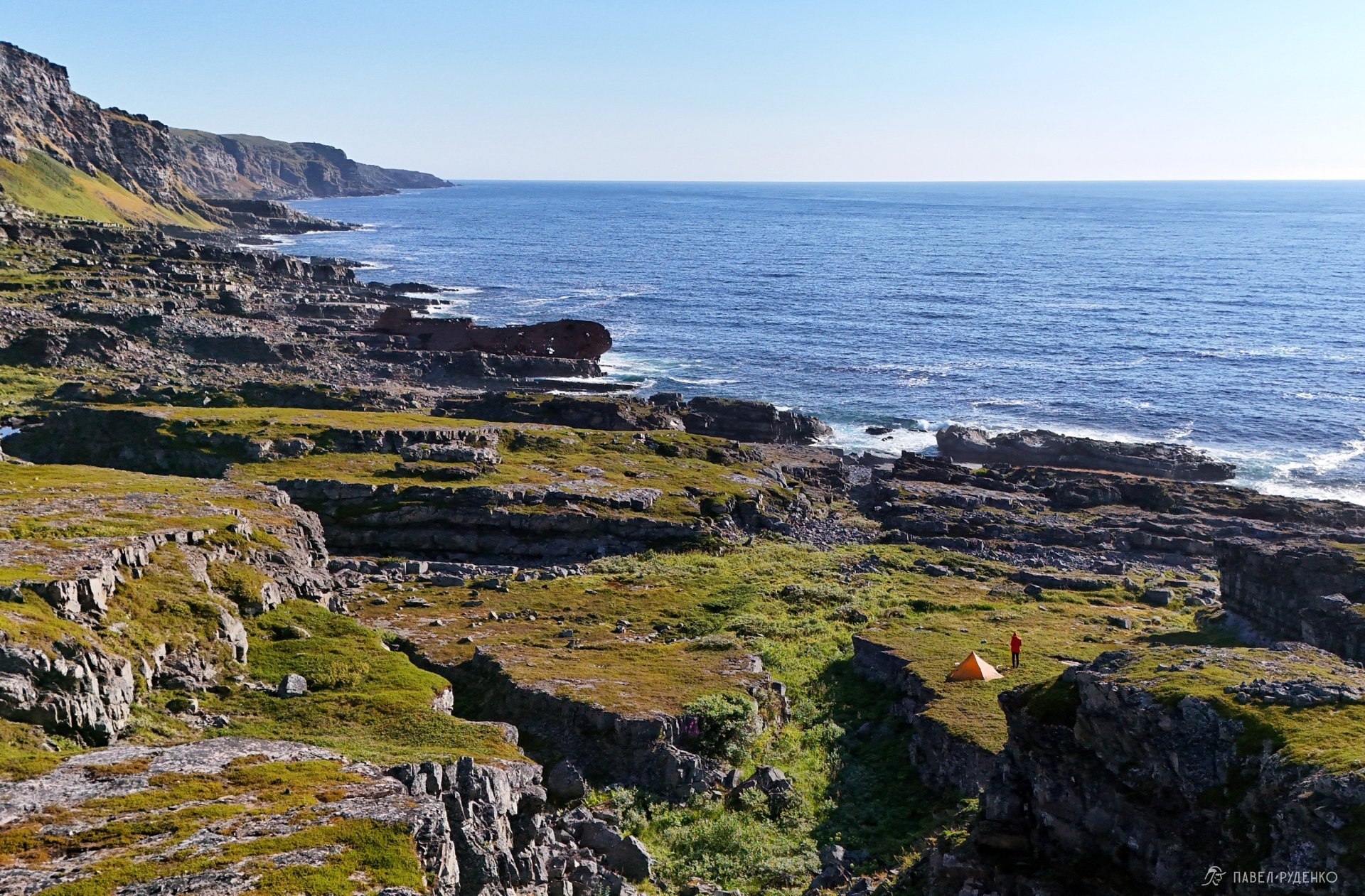
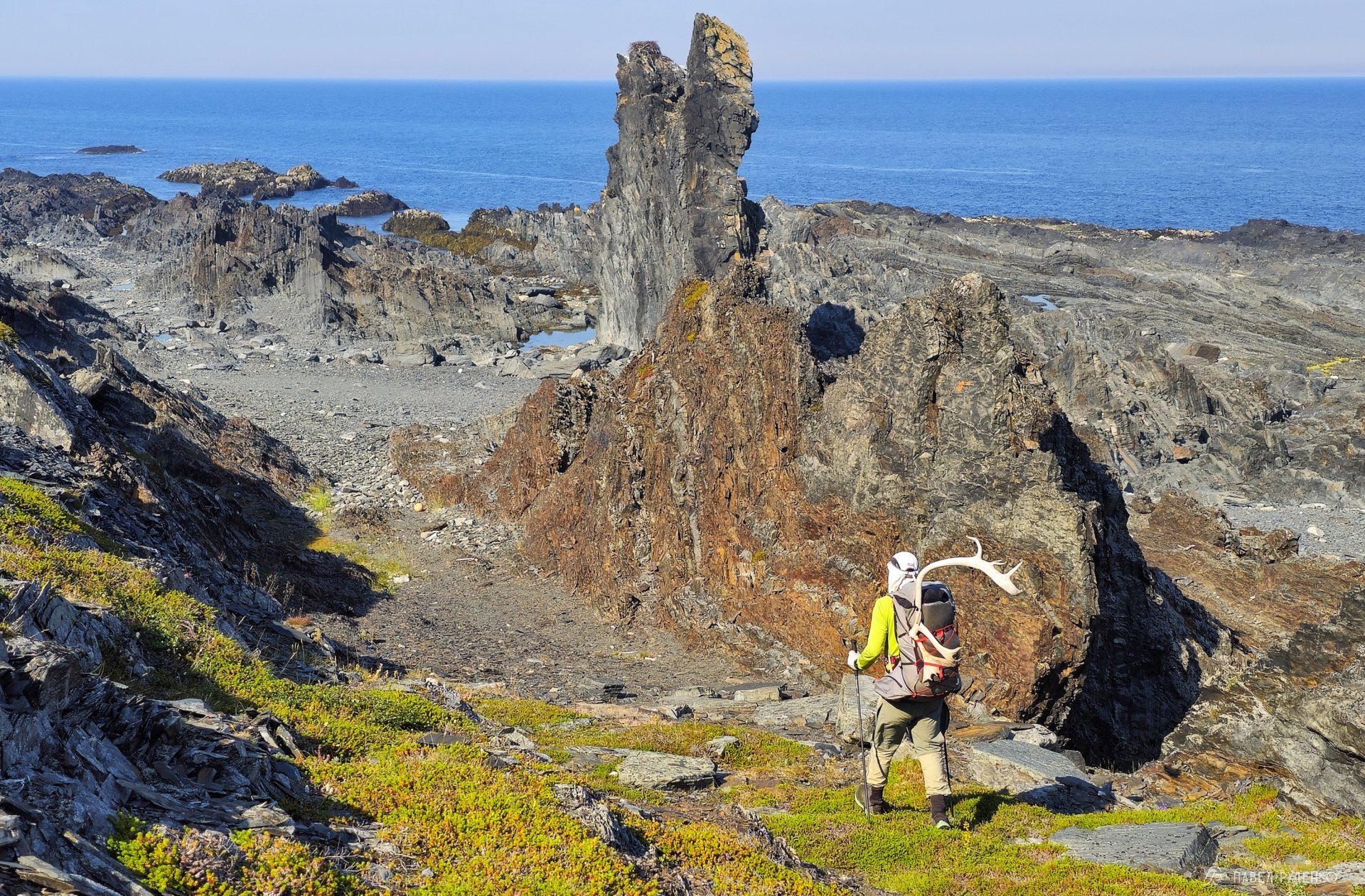
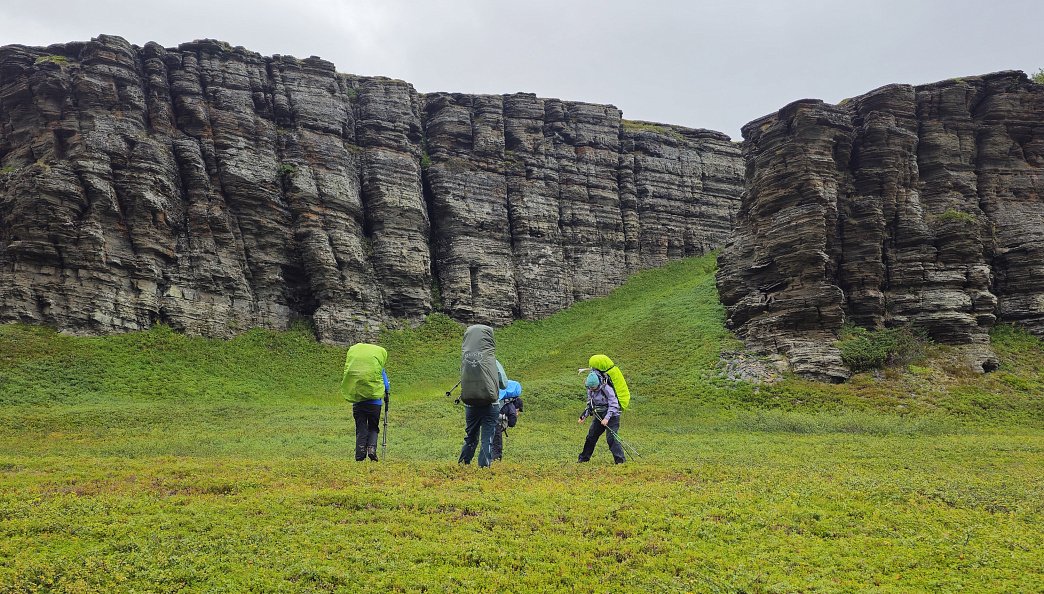
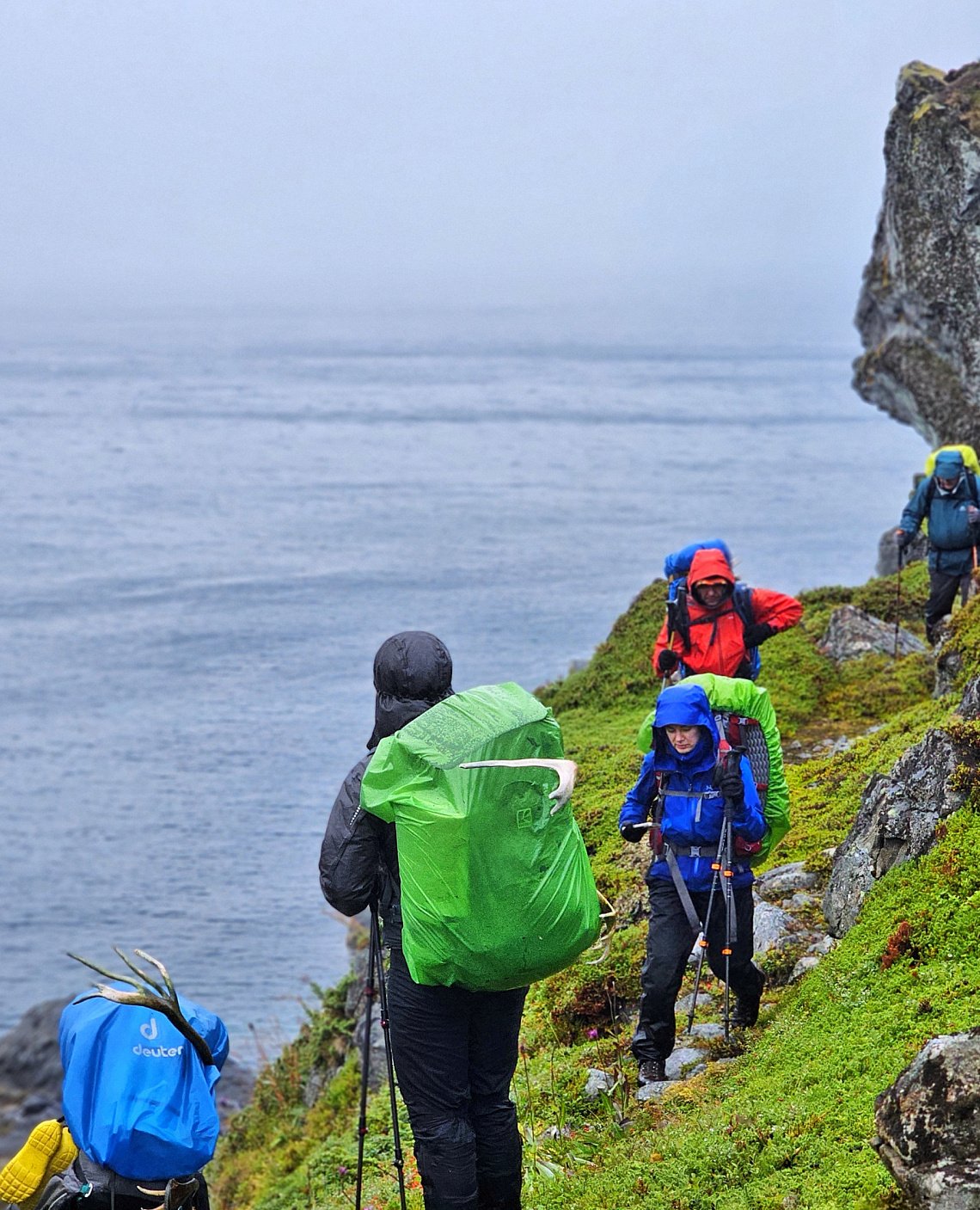
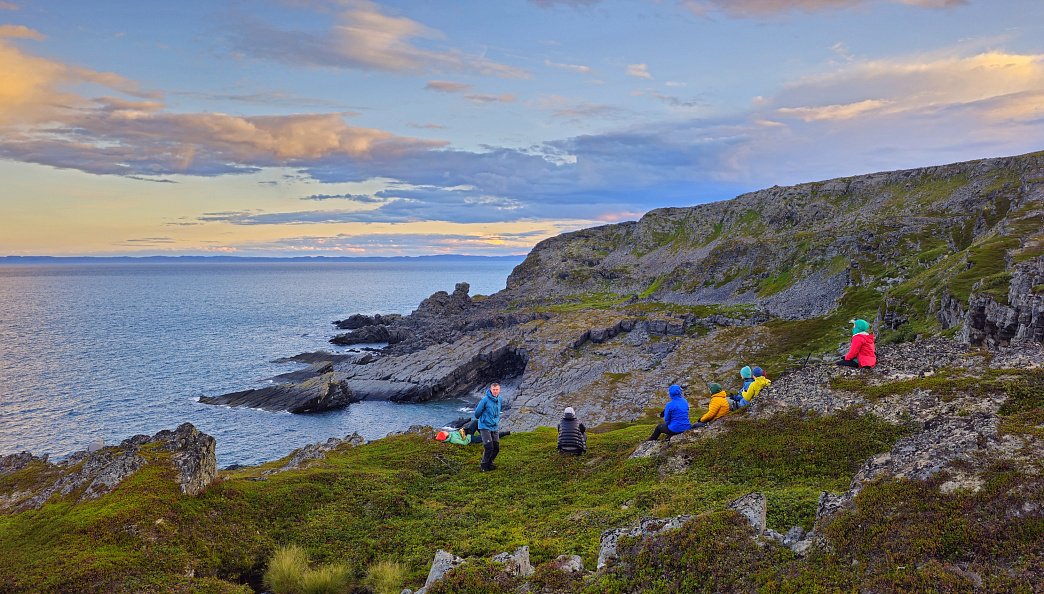
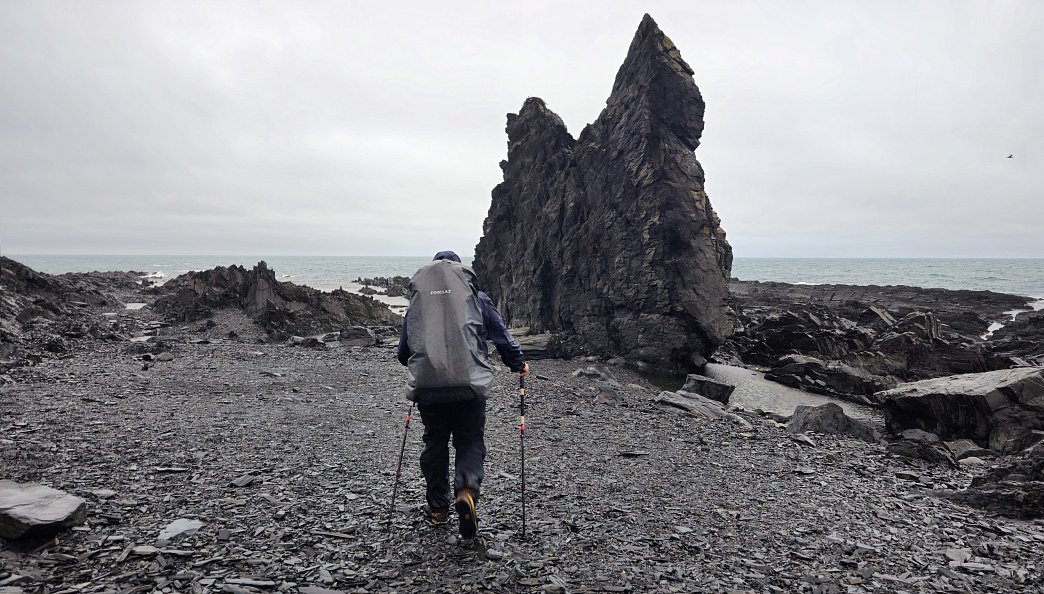
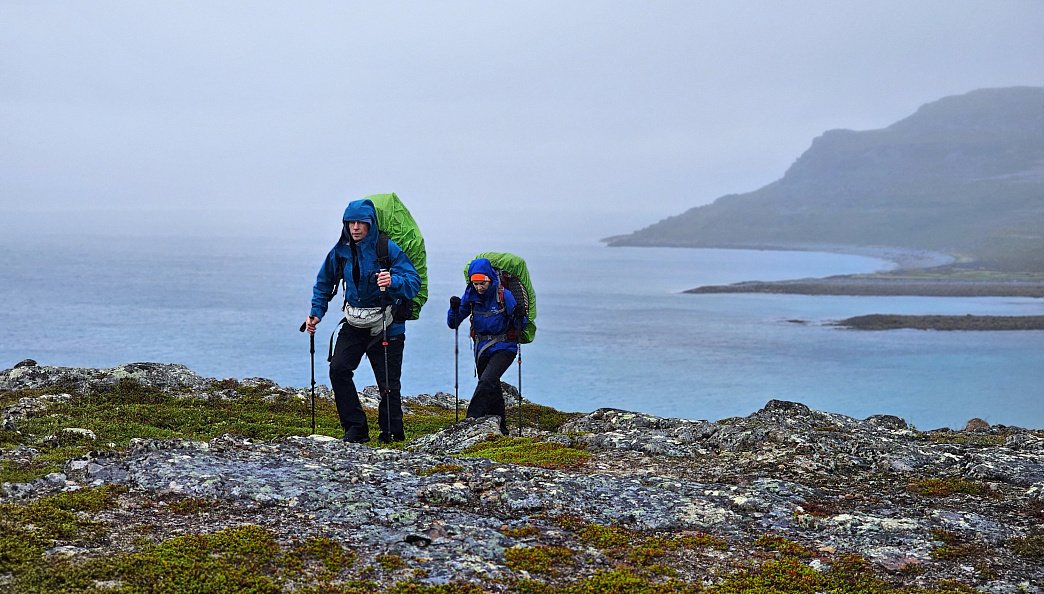
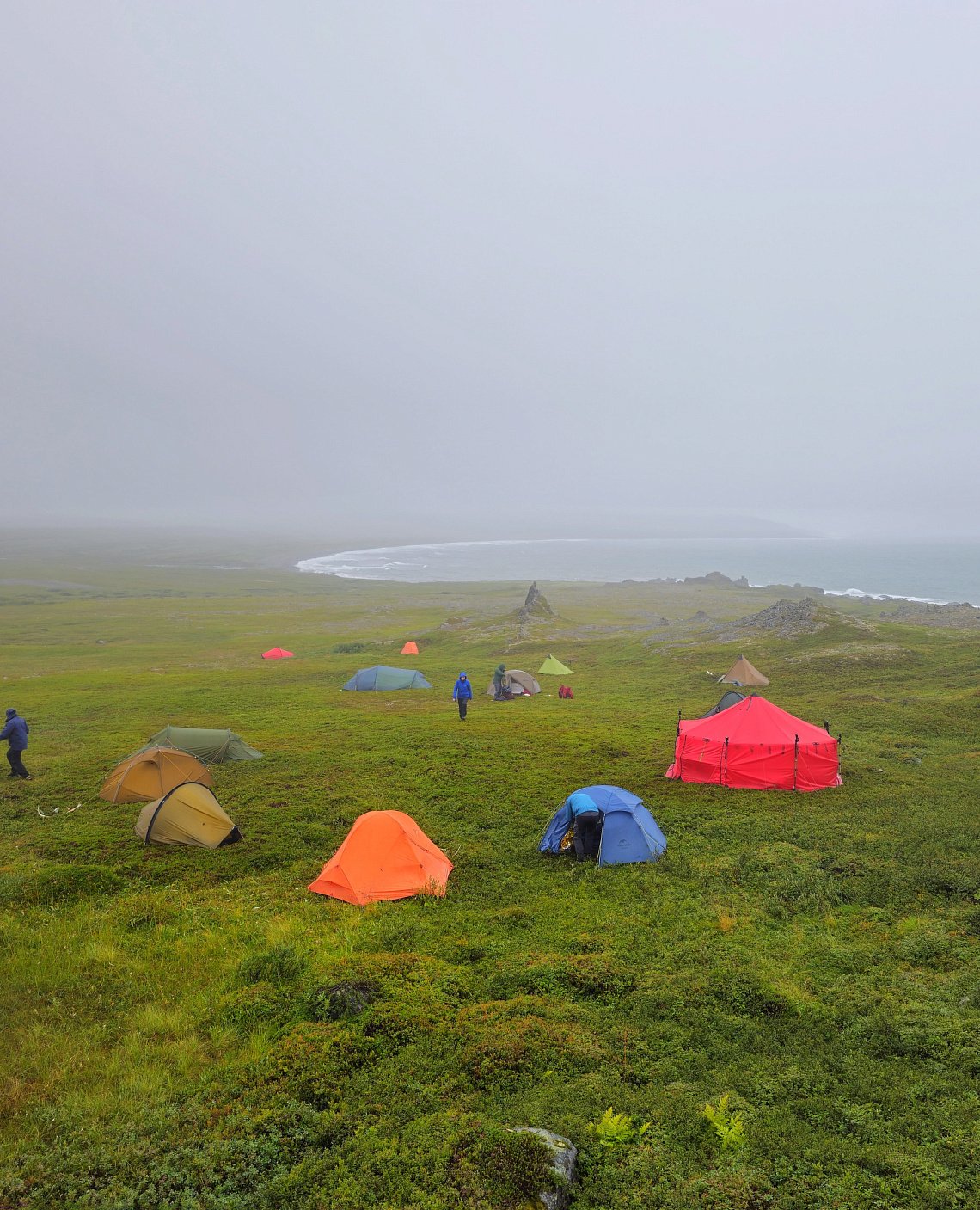
Our goal is to explore the wildest, most scenic part of the peninsula. In places, an old track eases our way, but mostly we hike across raw tundra, spongy moss, and raised bogs, scramble over boulders, and ford Arctic rivers.
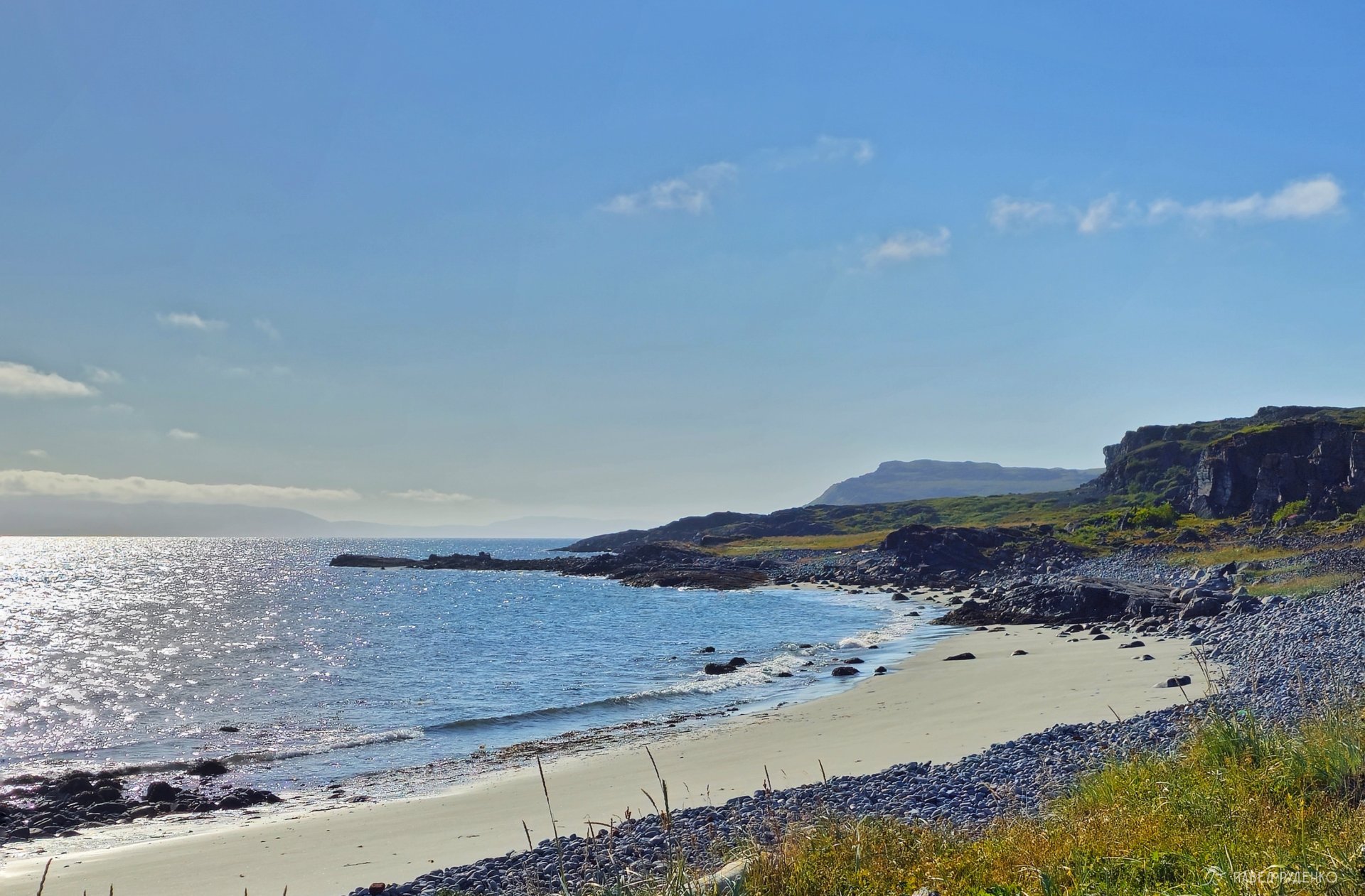
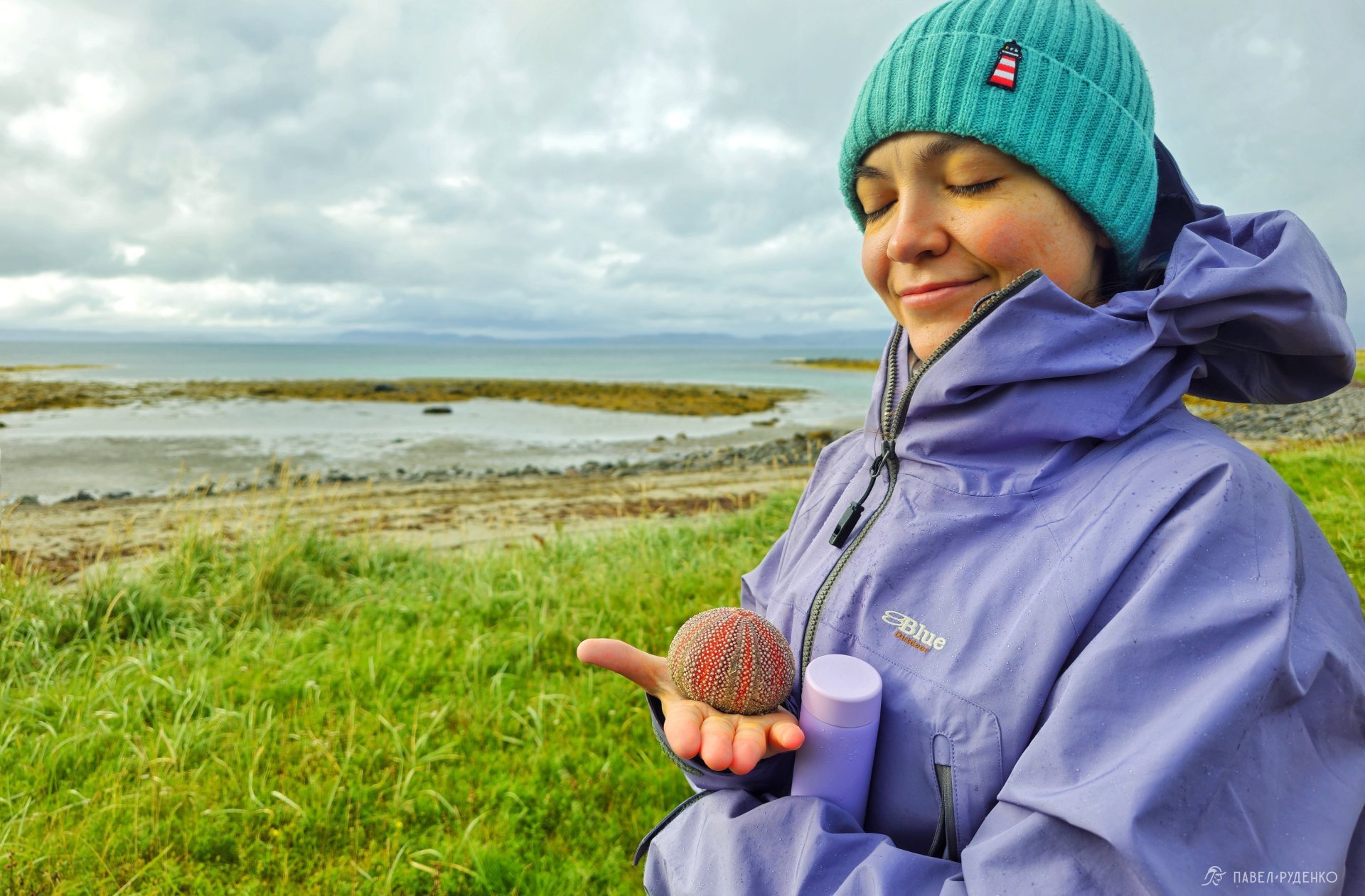
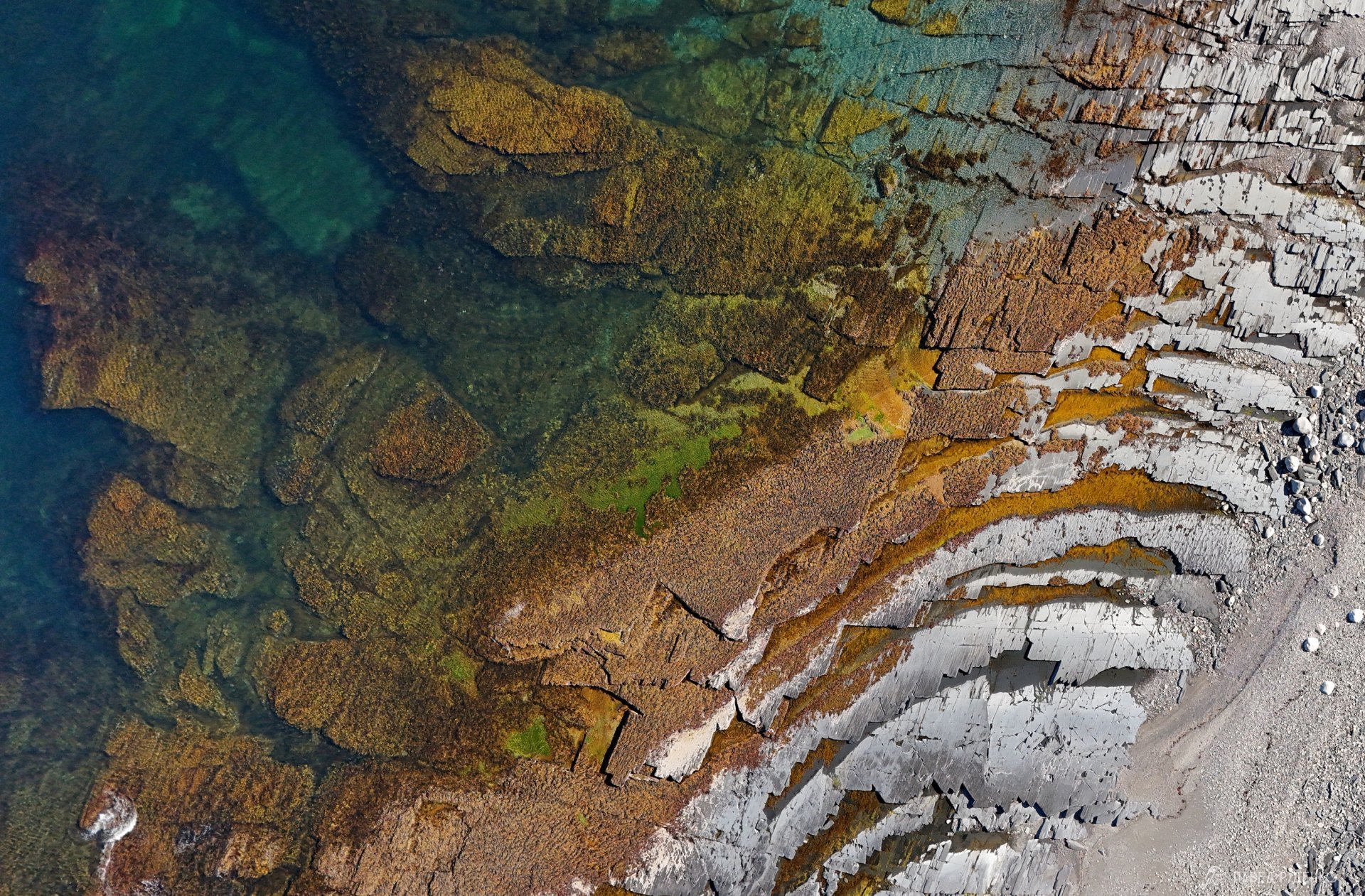
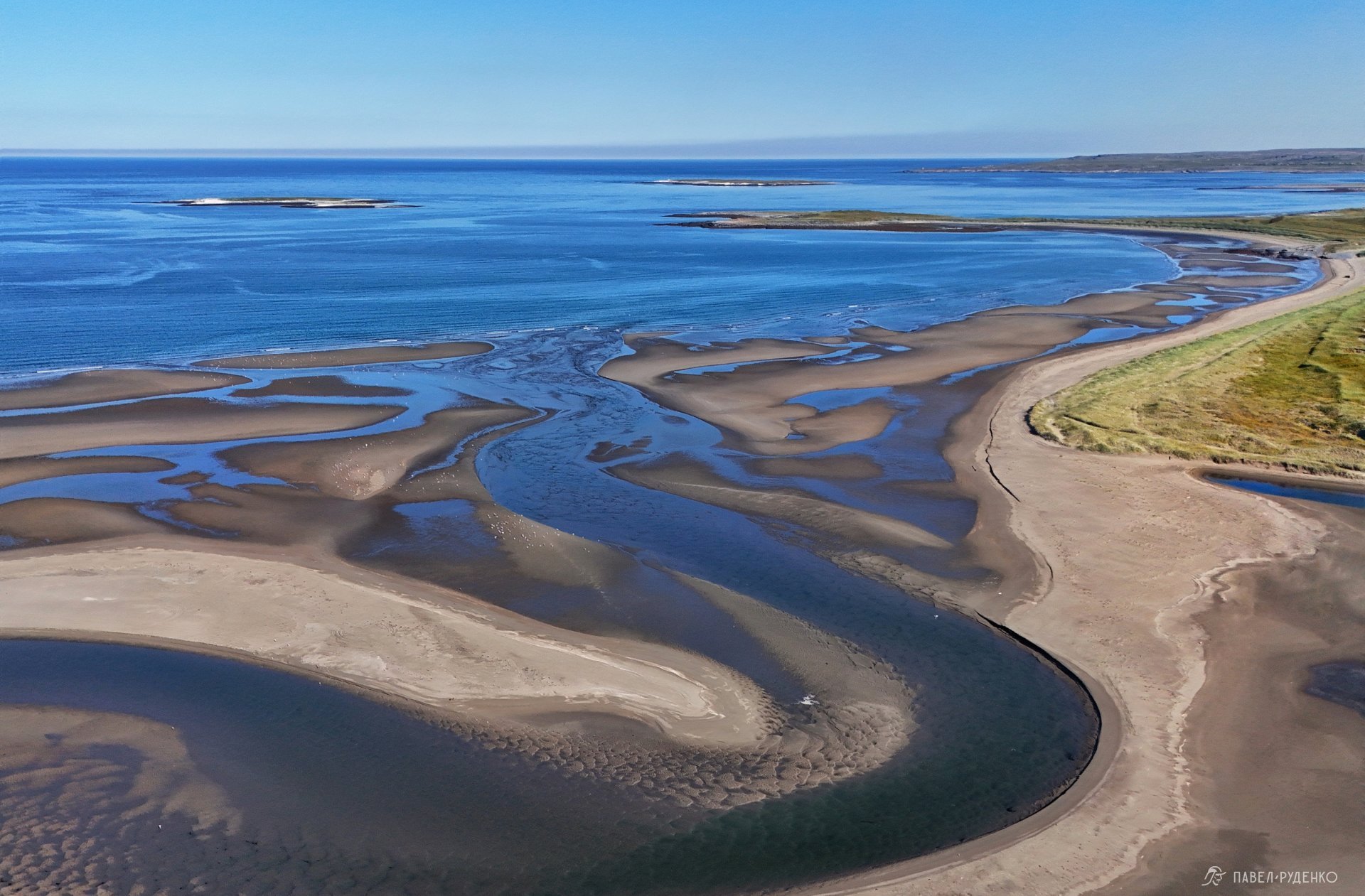
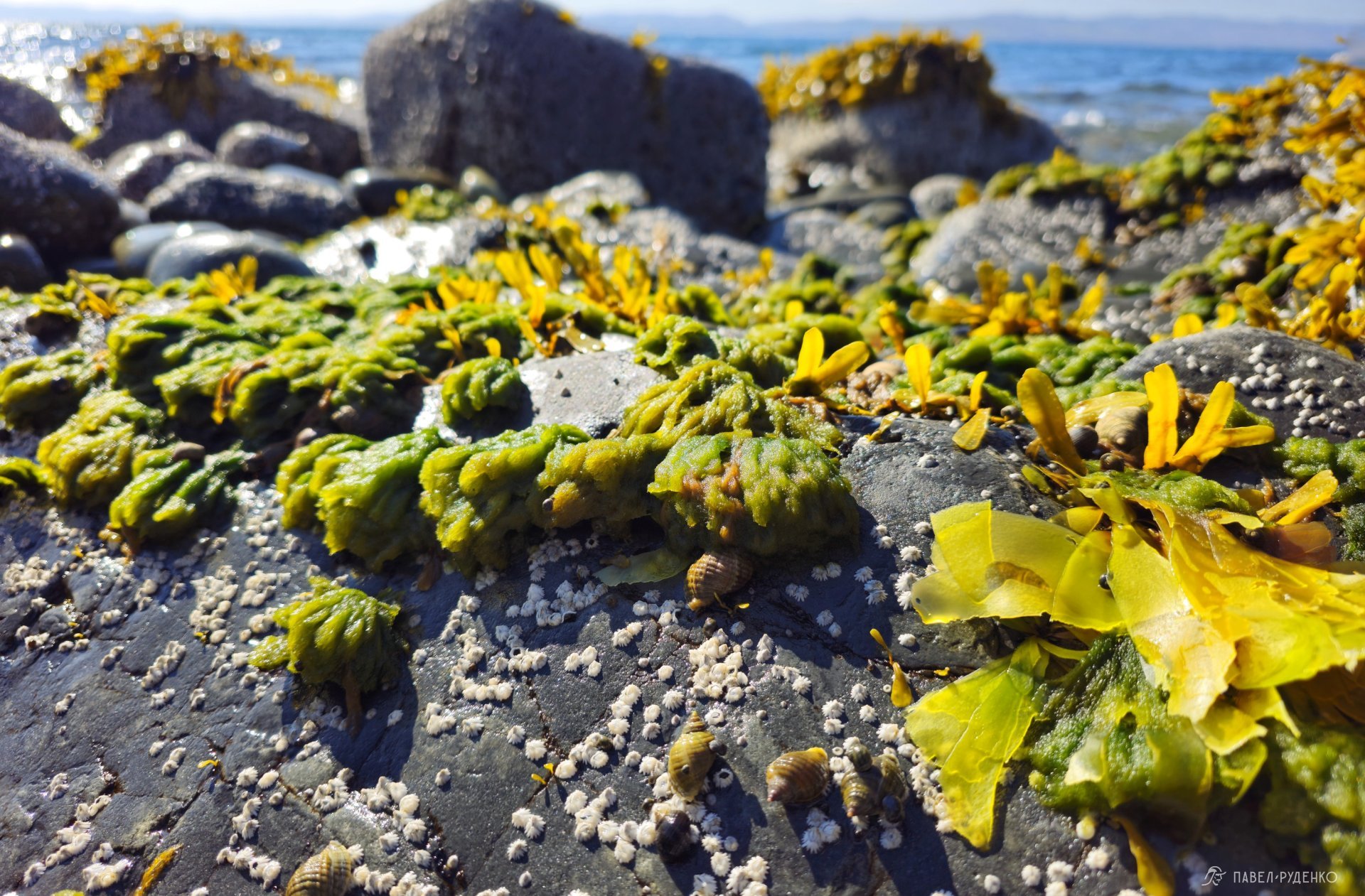
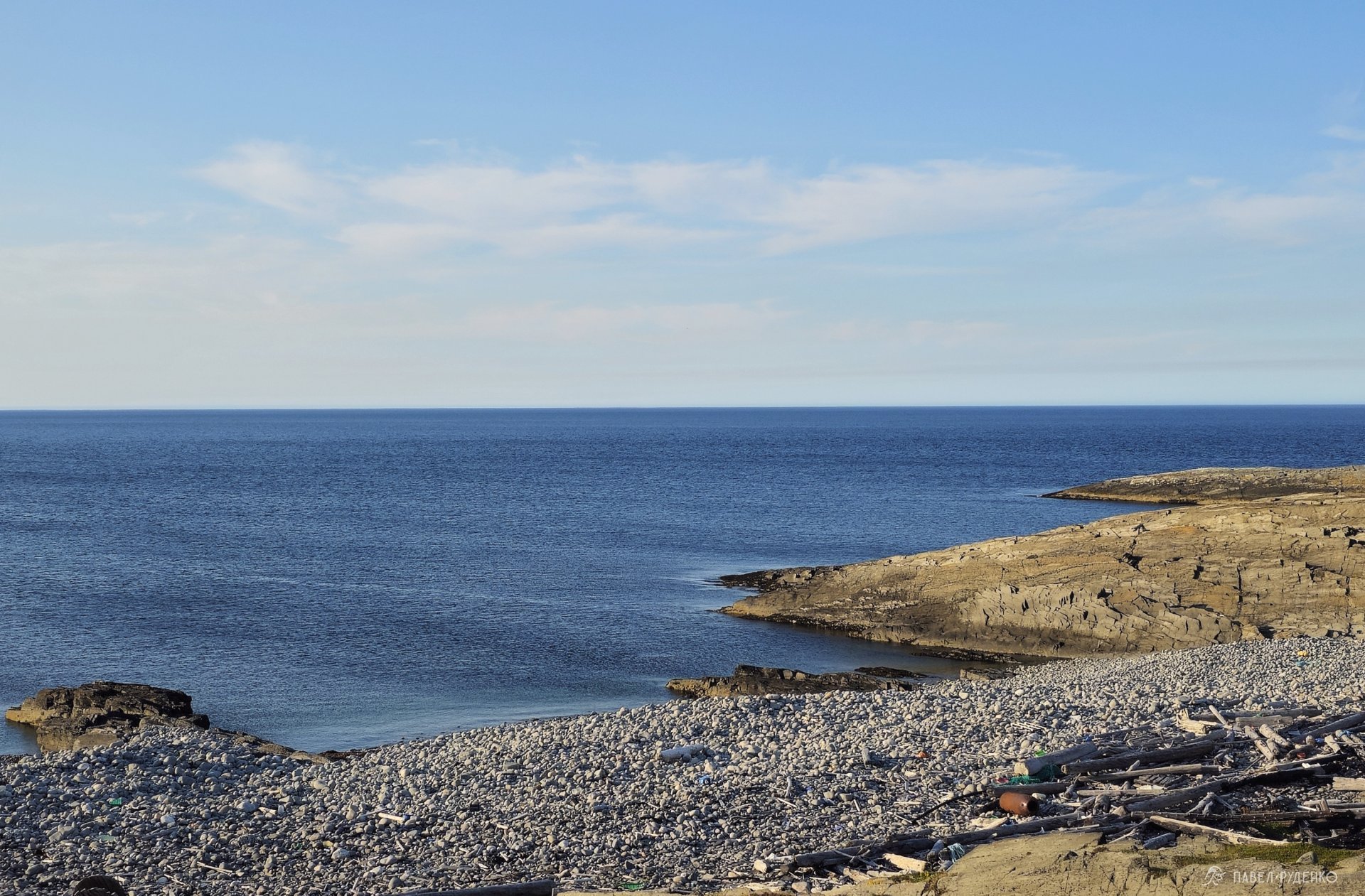
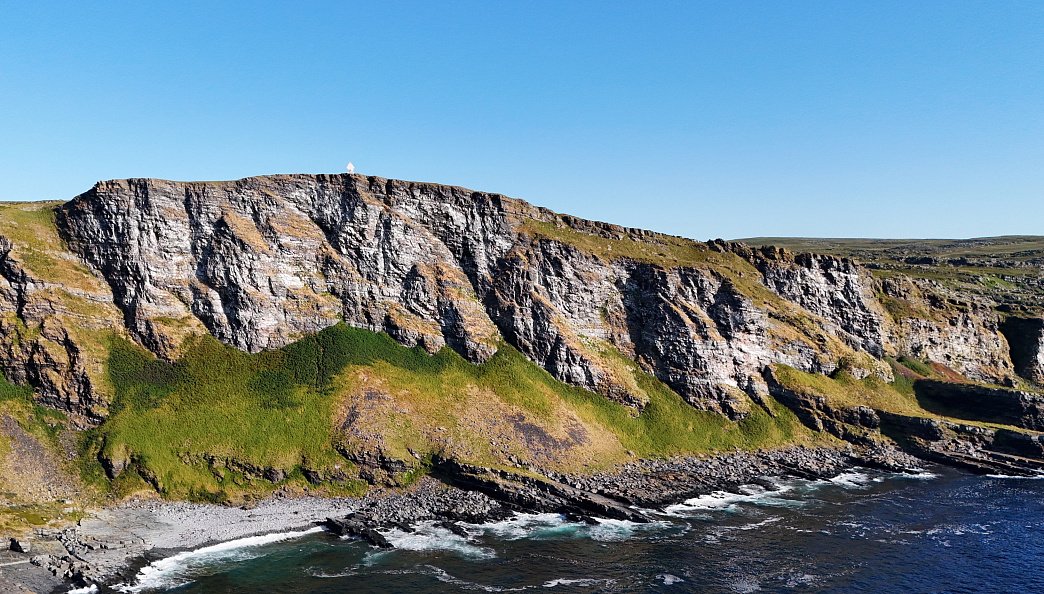
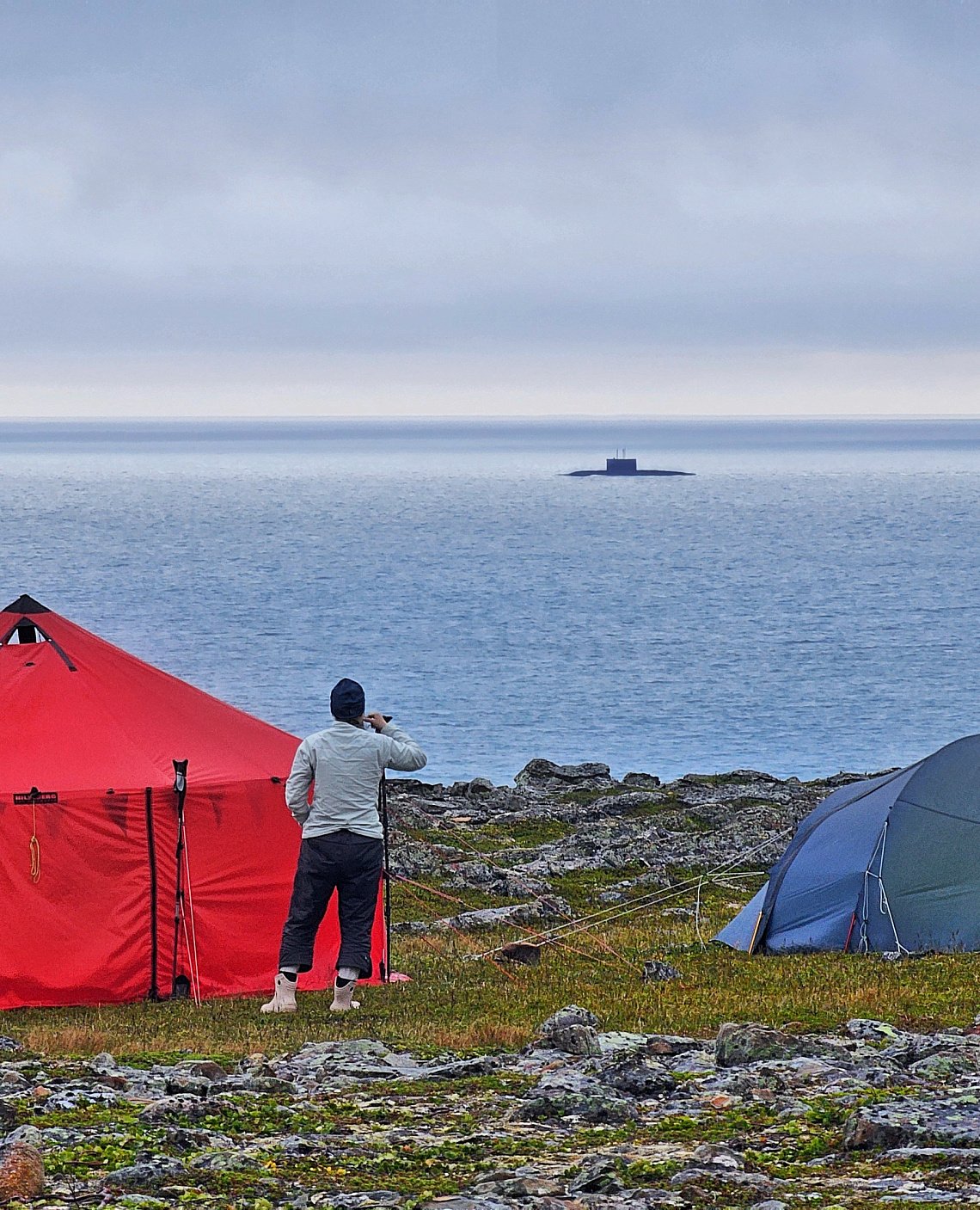
The North Cape Current is a warm surface current off the northern coasts of the Scandinavian and Kola Peninsulas, forming a branch of the Norwegian Current alongside the Spitsbergen Current. Named after the North Cape, it keeps the sea along the Murman coast ice-free even in deep winter chills. Notably, Norway is just 60 km from our camp. Awaiting us are vast bays, some spanning up to 20 km, pristine sandy beaches, and soft tundra moss beneath our feet.
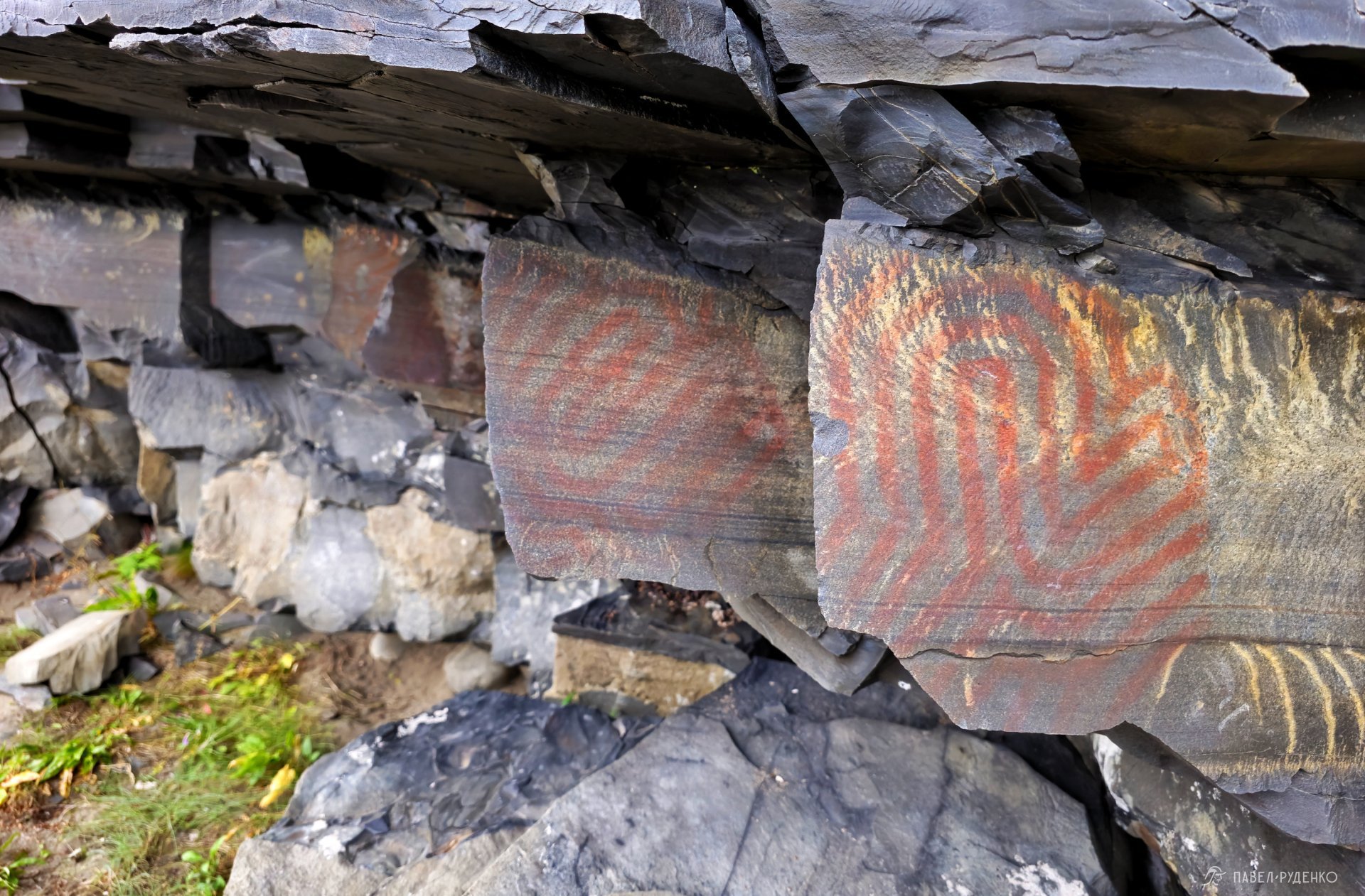
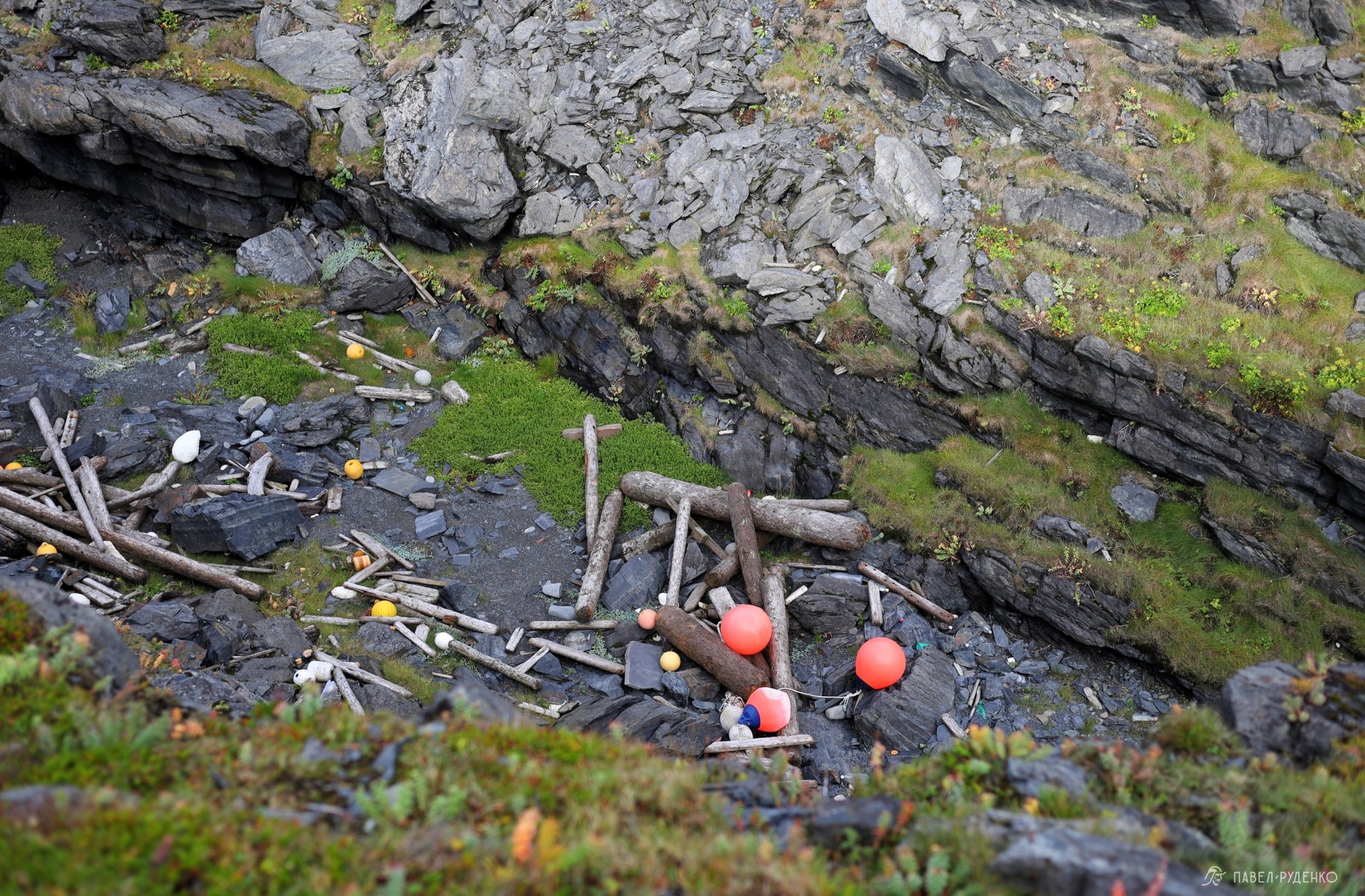
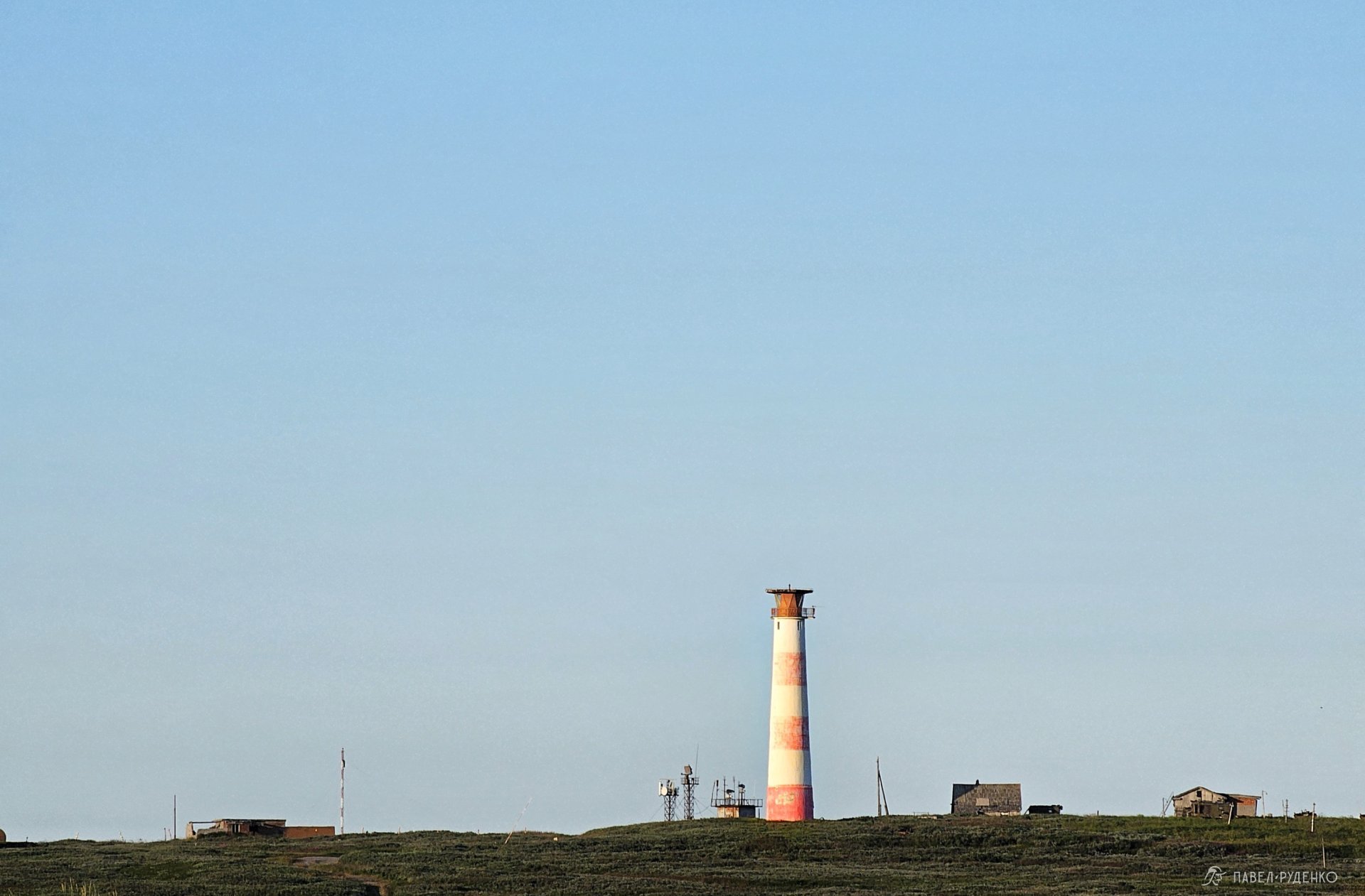
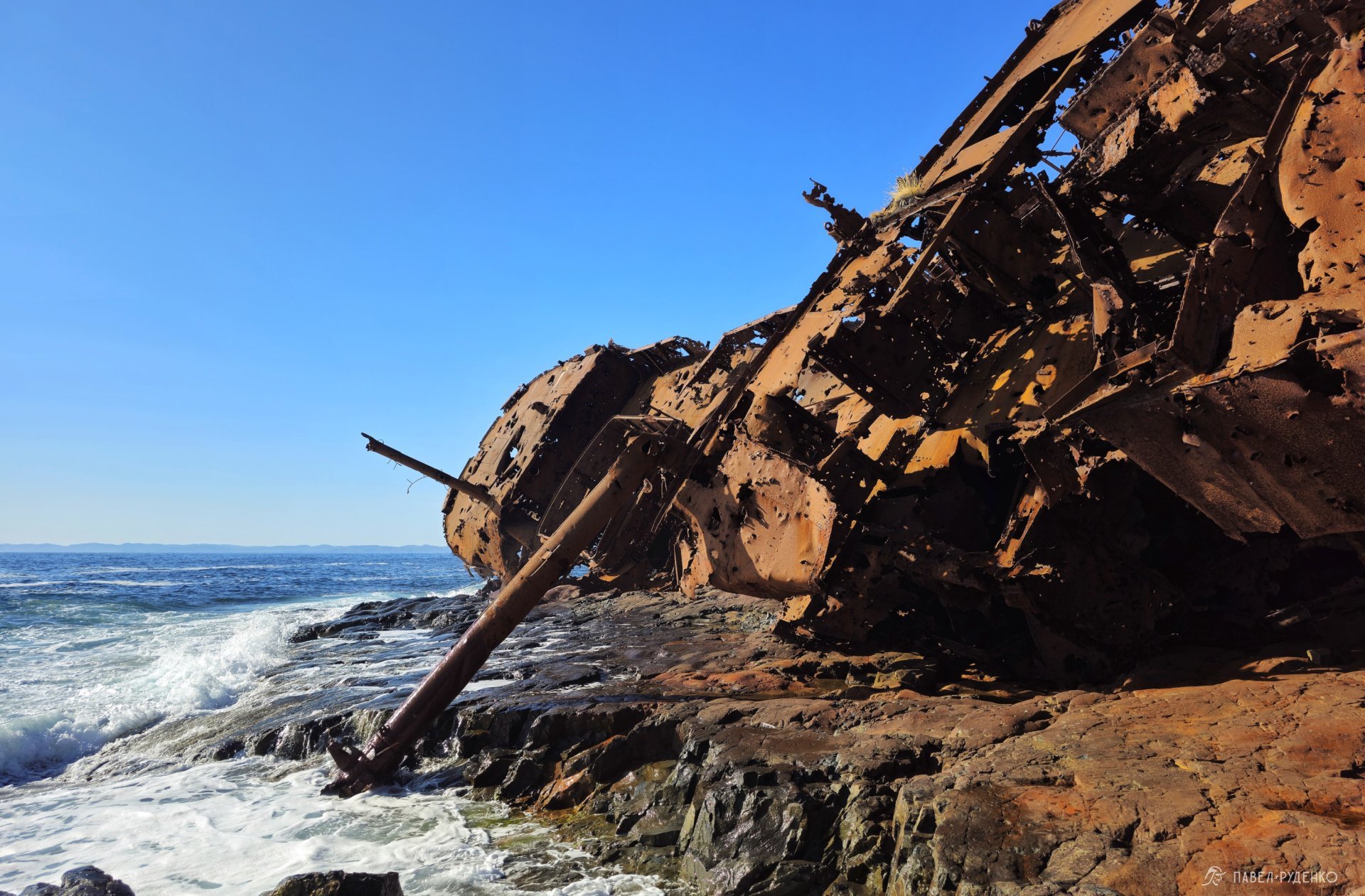
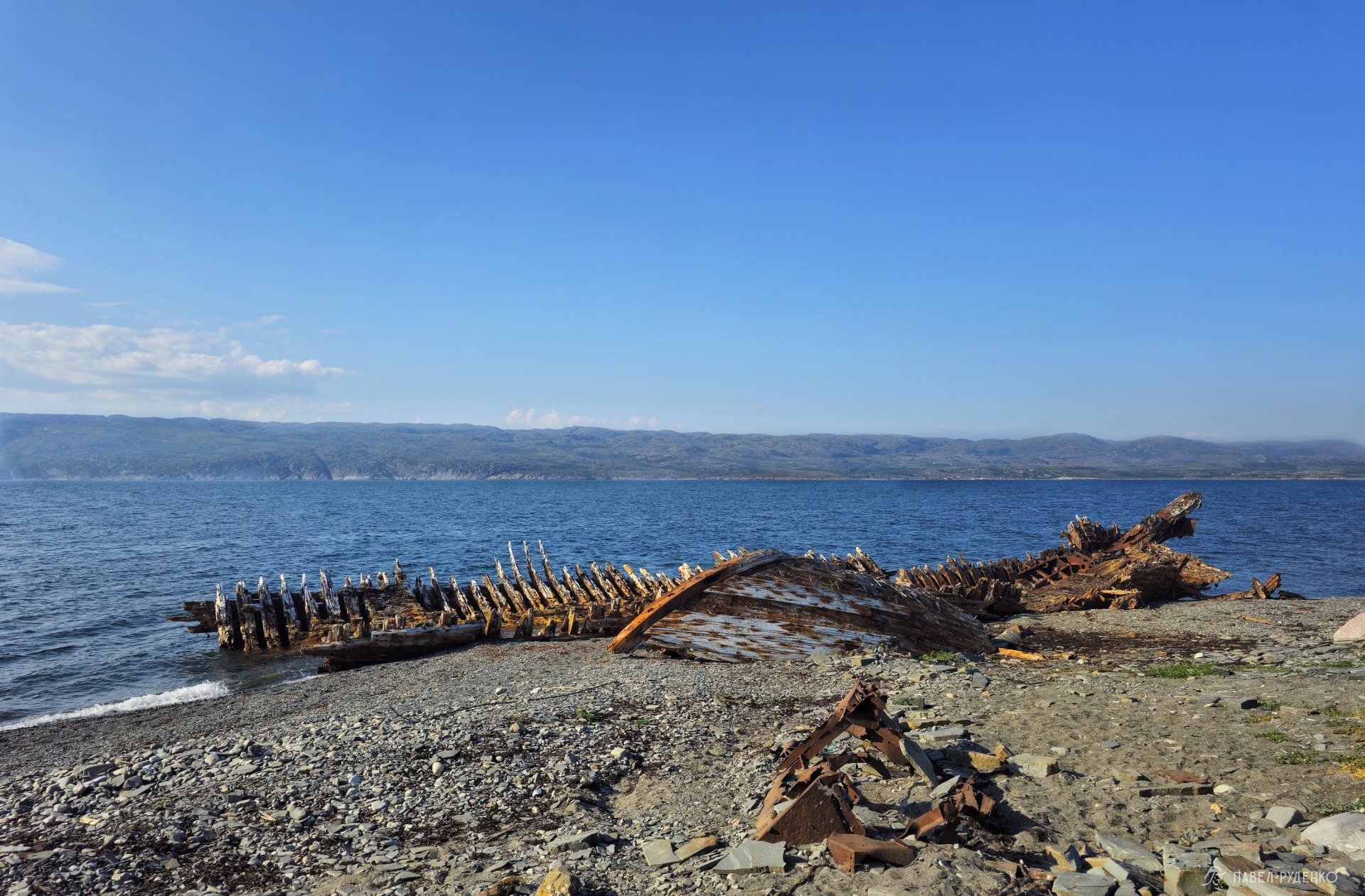
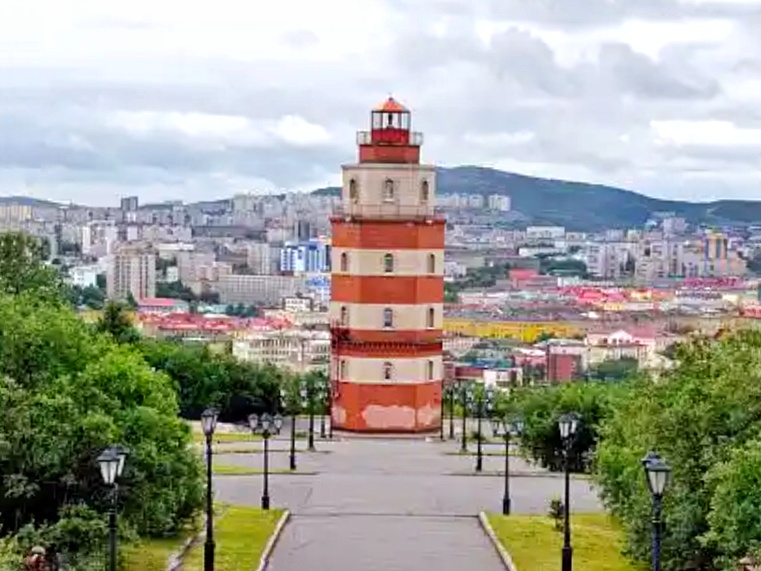
In the harsh conditions of the Far North, people historically thrived by hunting sea mammals and wild reindeer, as well as fishing. For centuries, the Sámi and small communities of Russians and Norwegians called this coast home. Along our route, we will encounter historic fishing coves and one of only three active lighthouses on the northern coast.
Wildlife
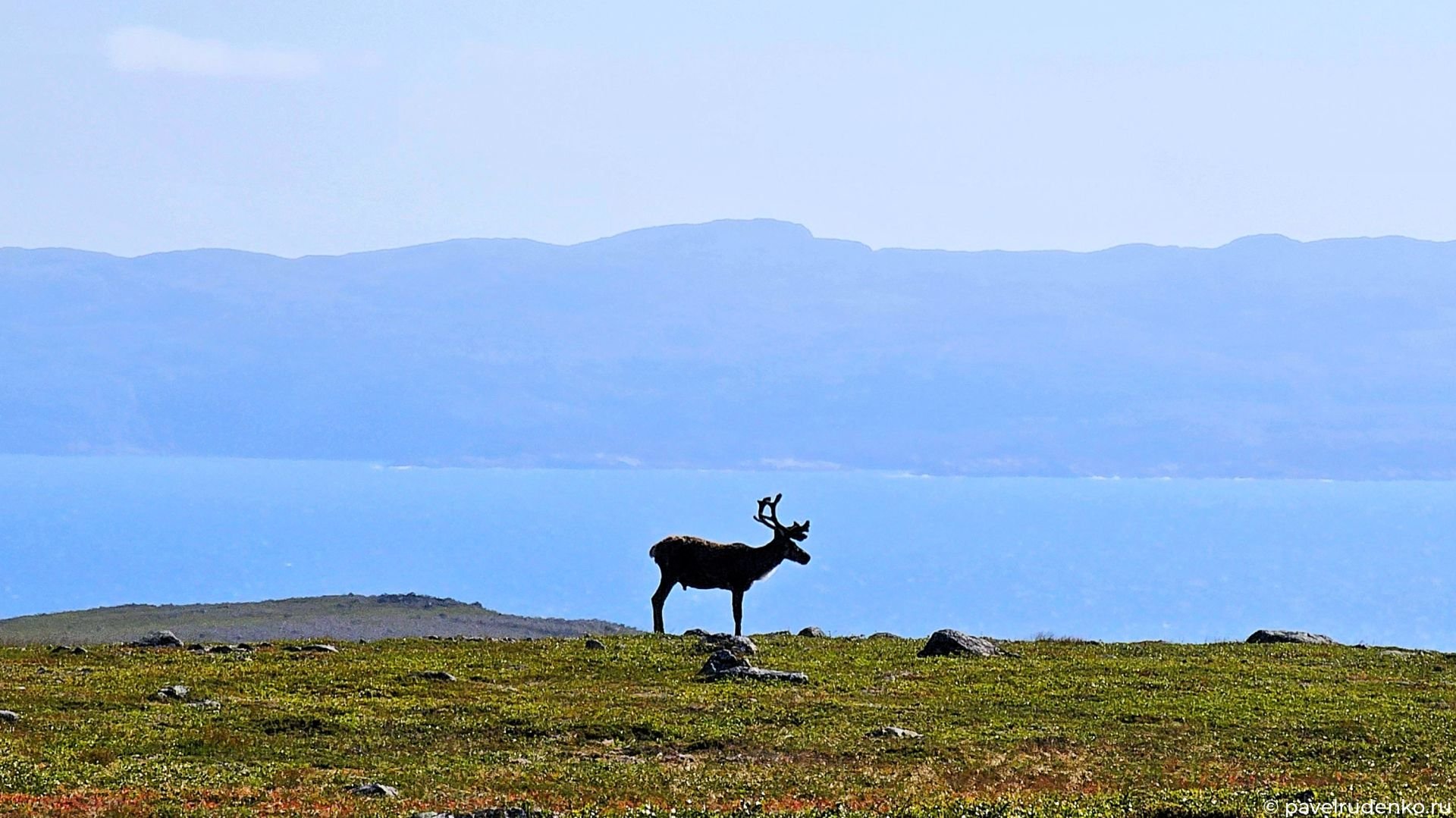
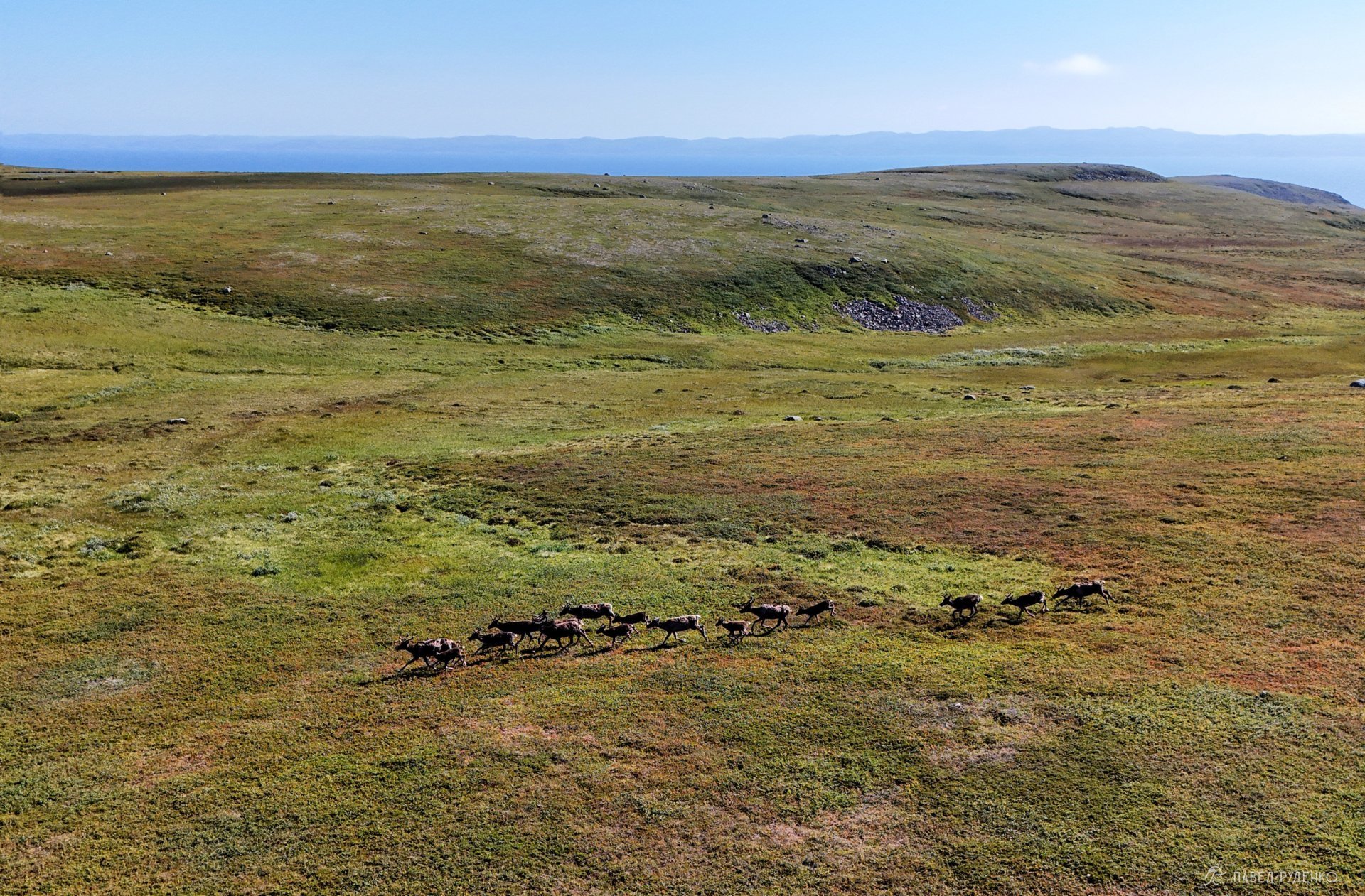
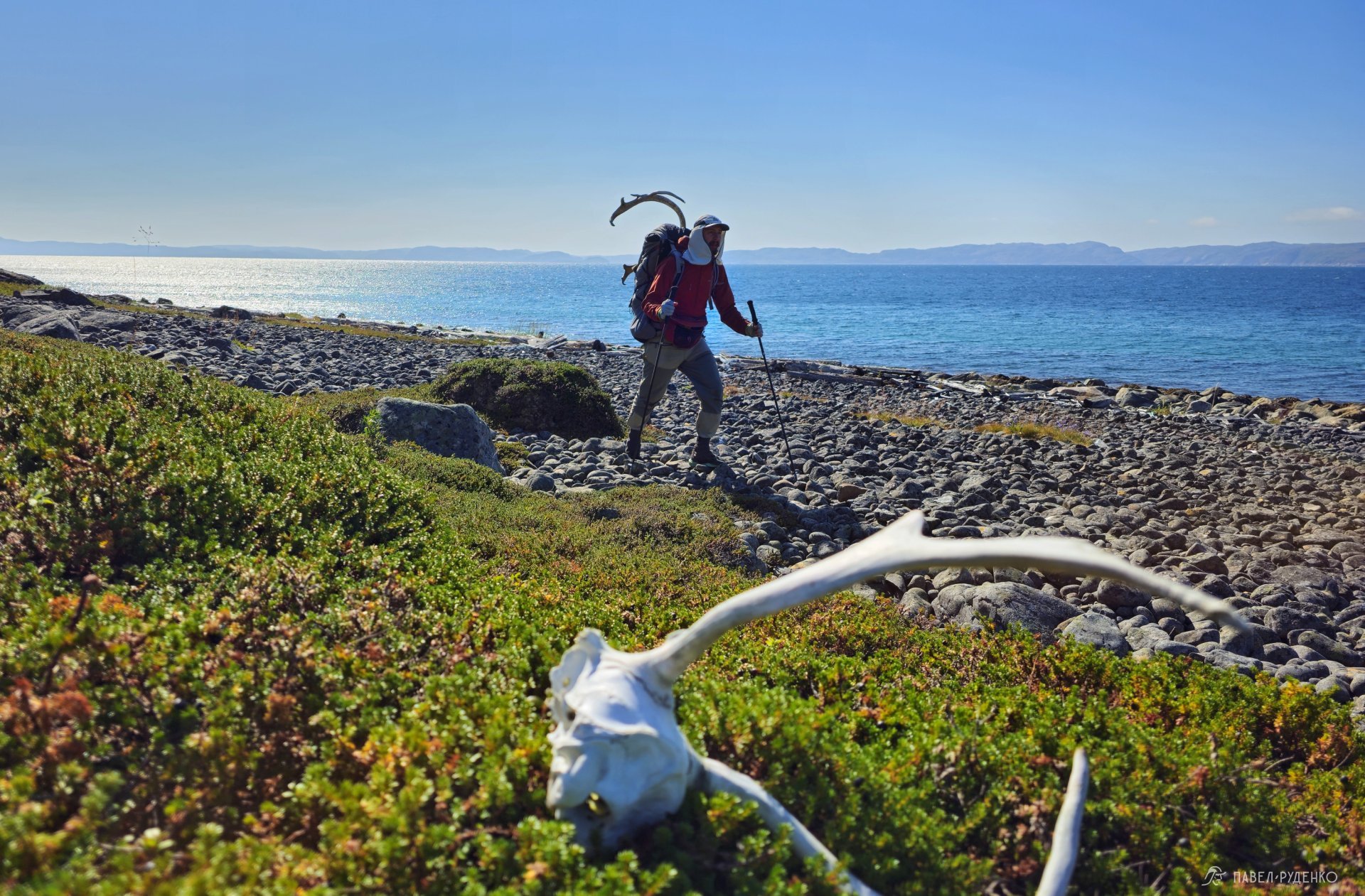
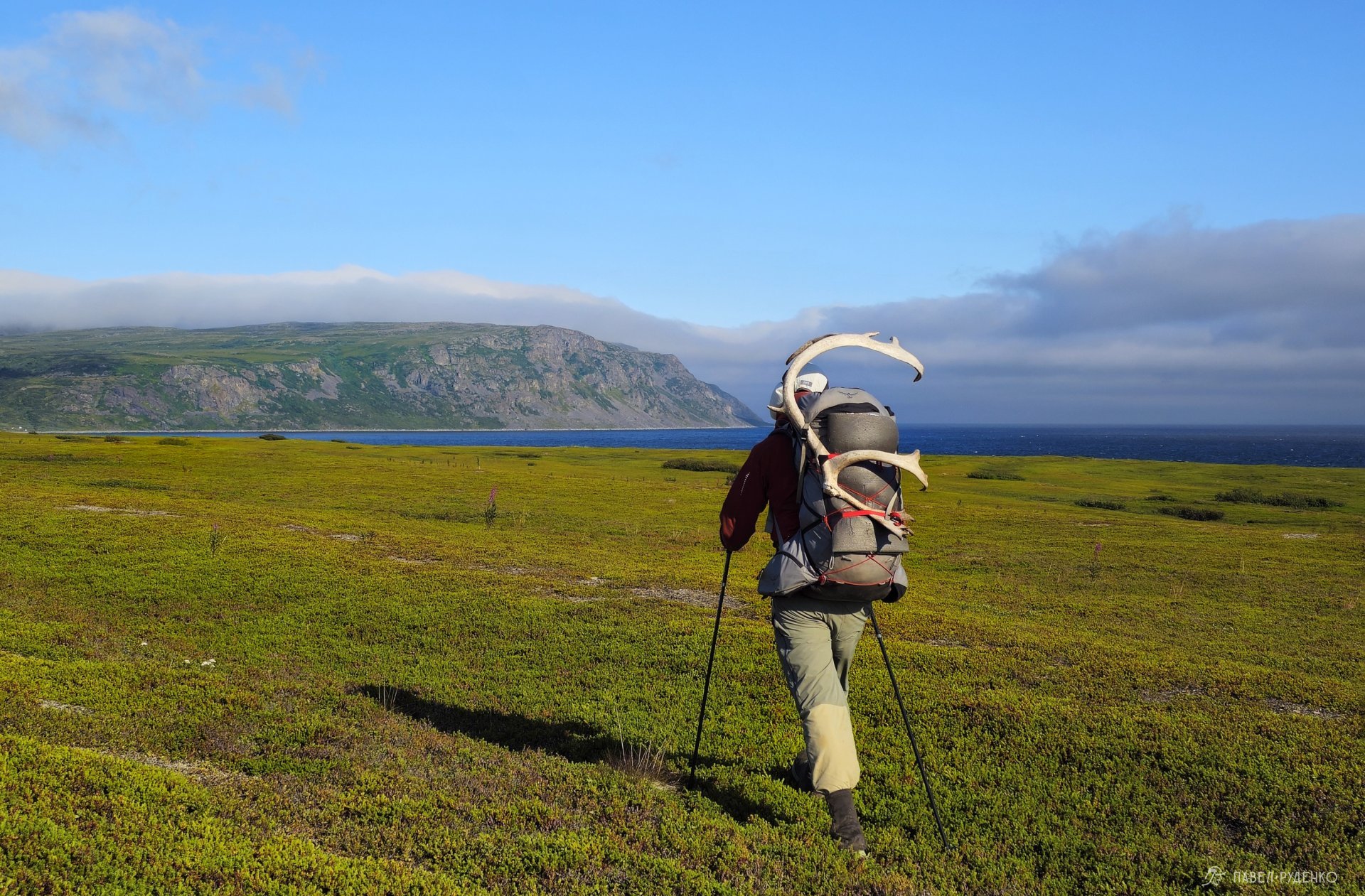
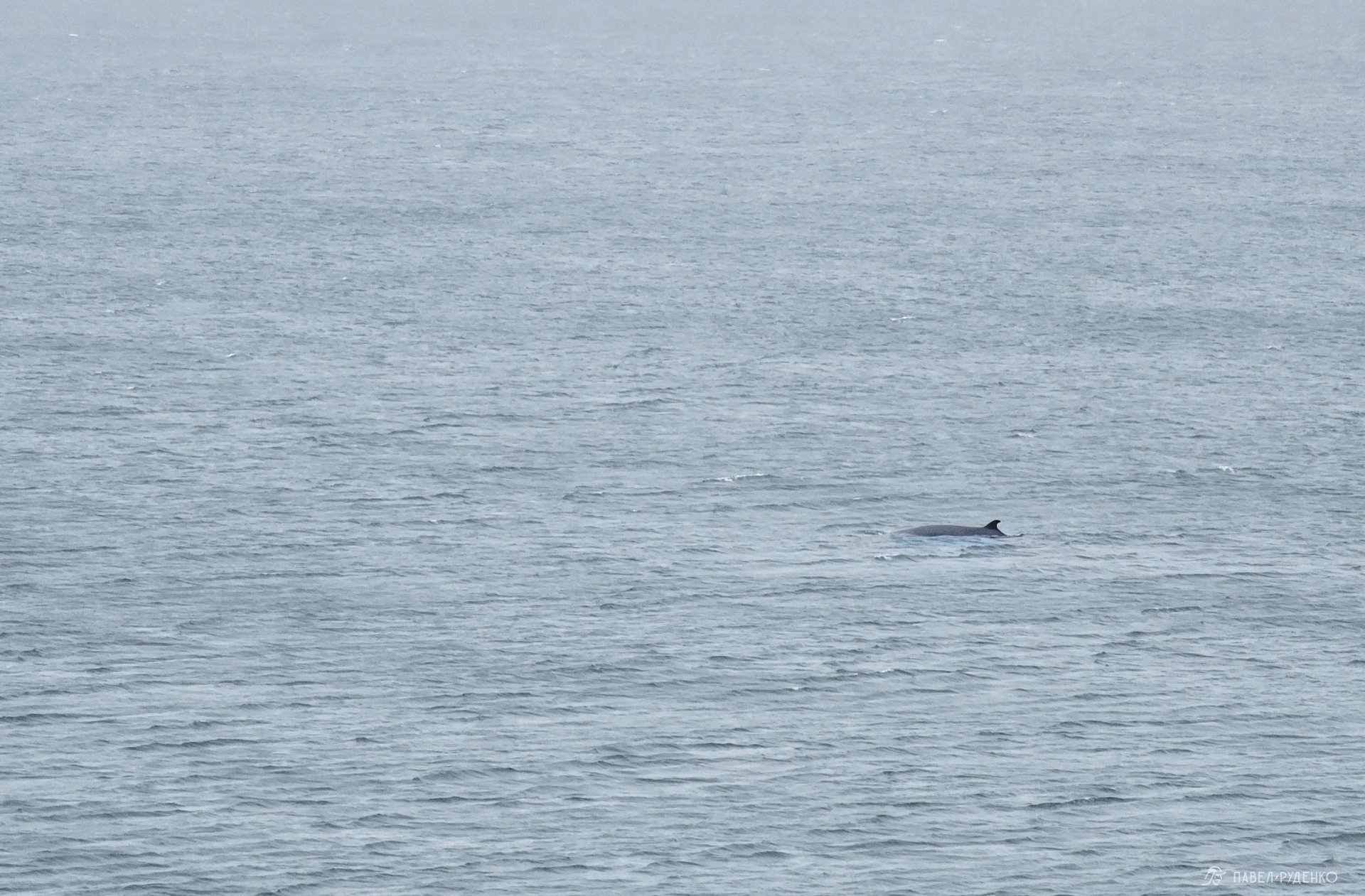
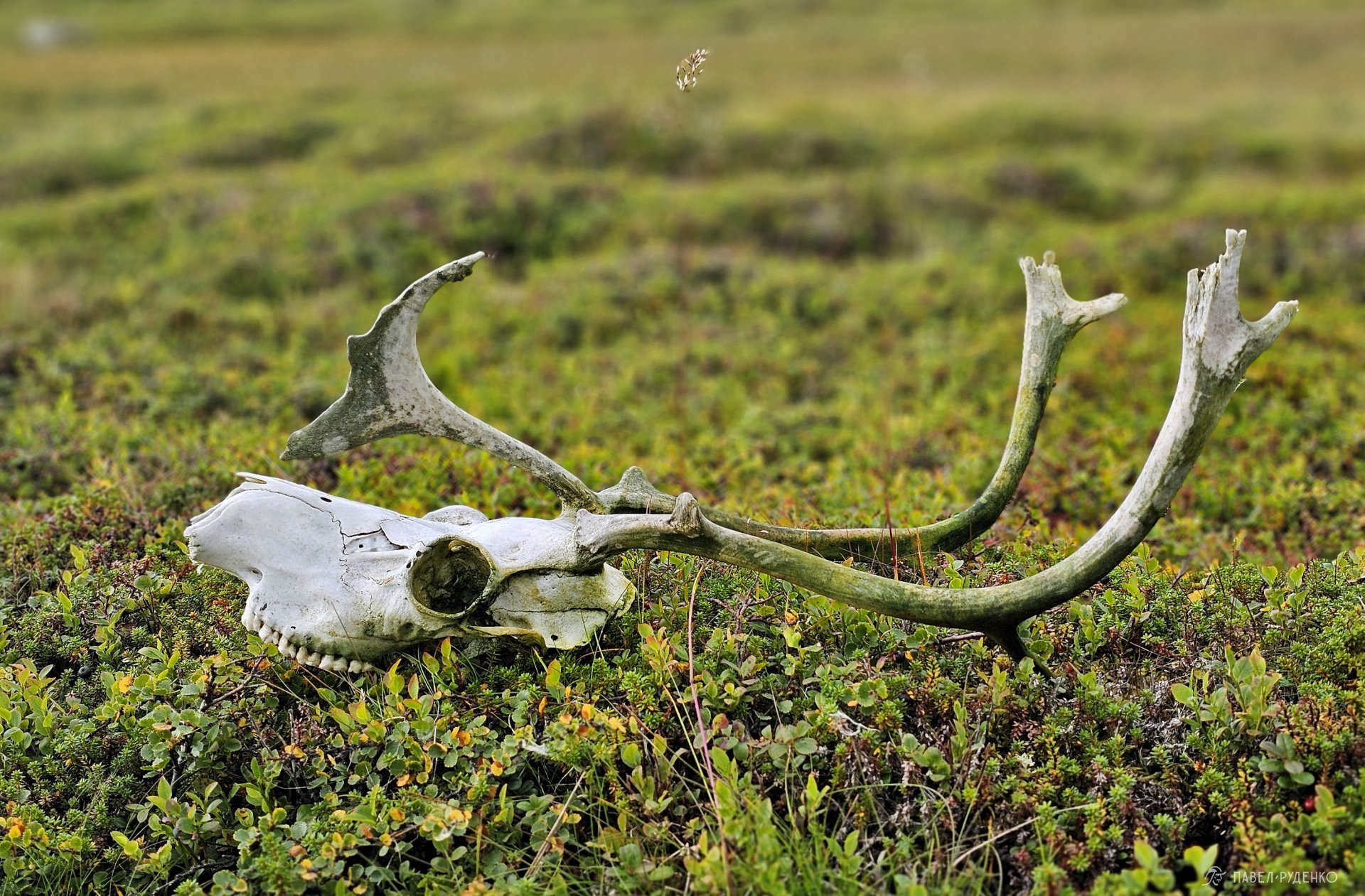
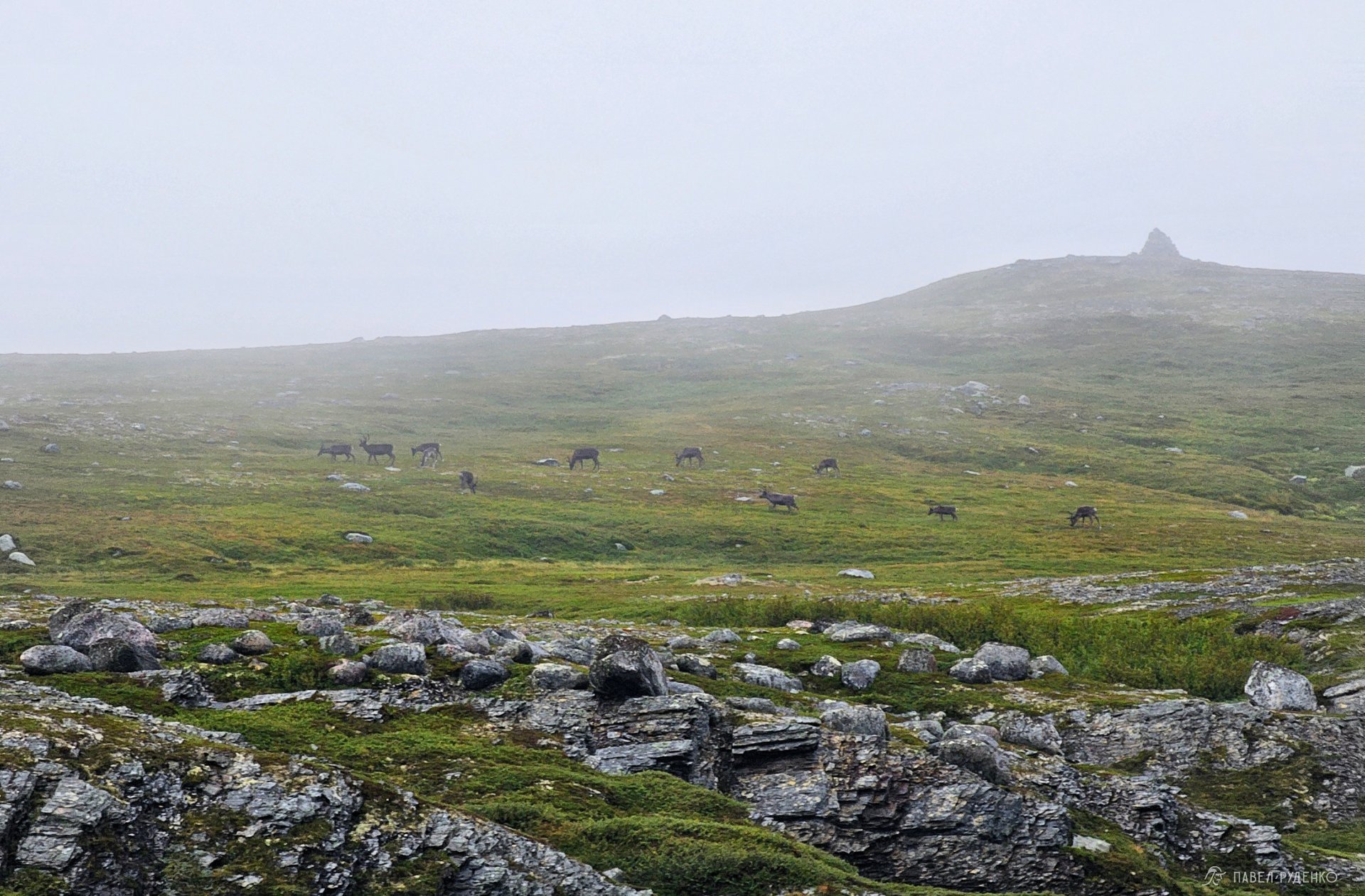
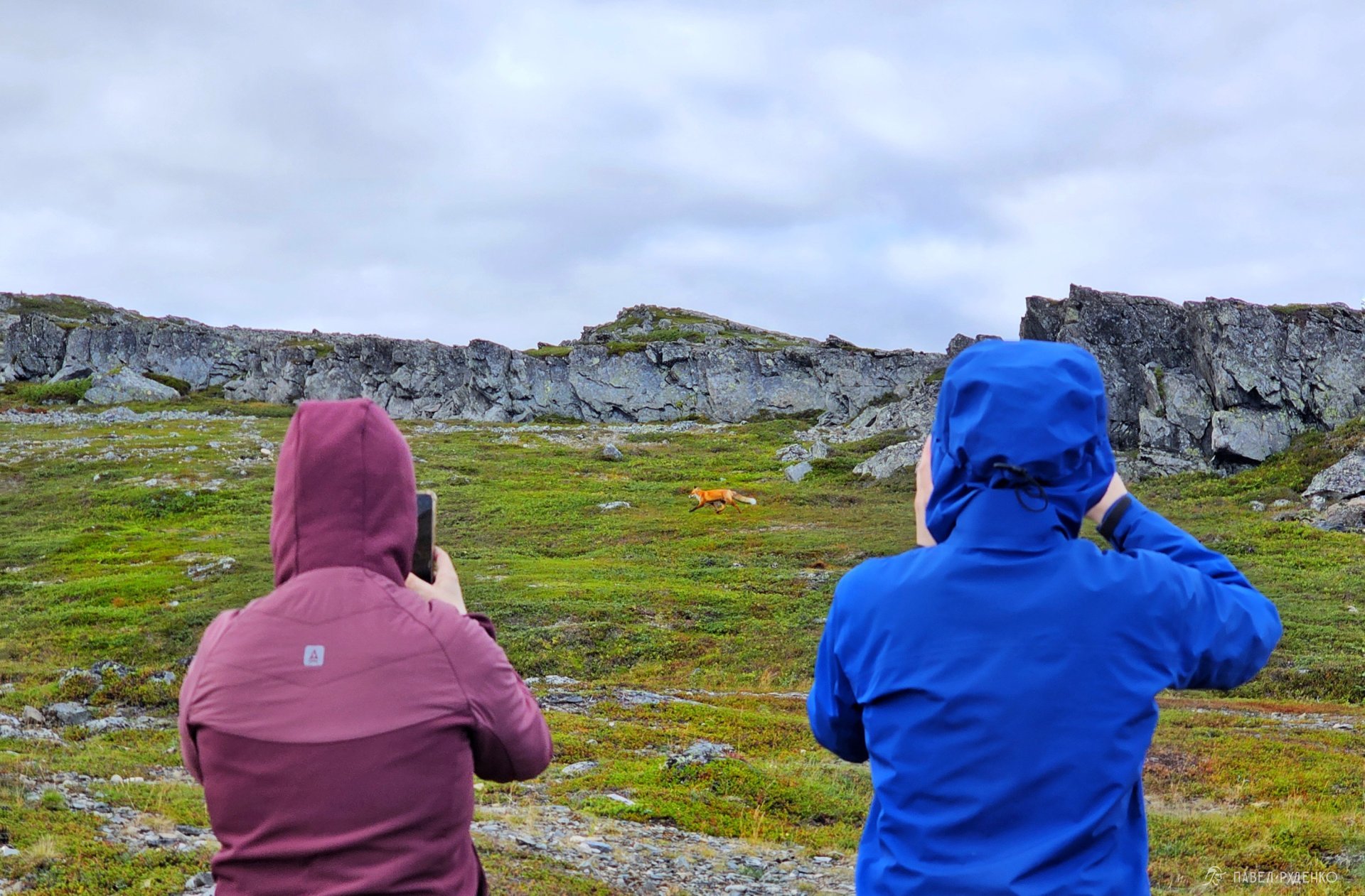
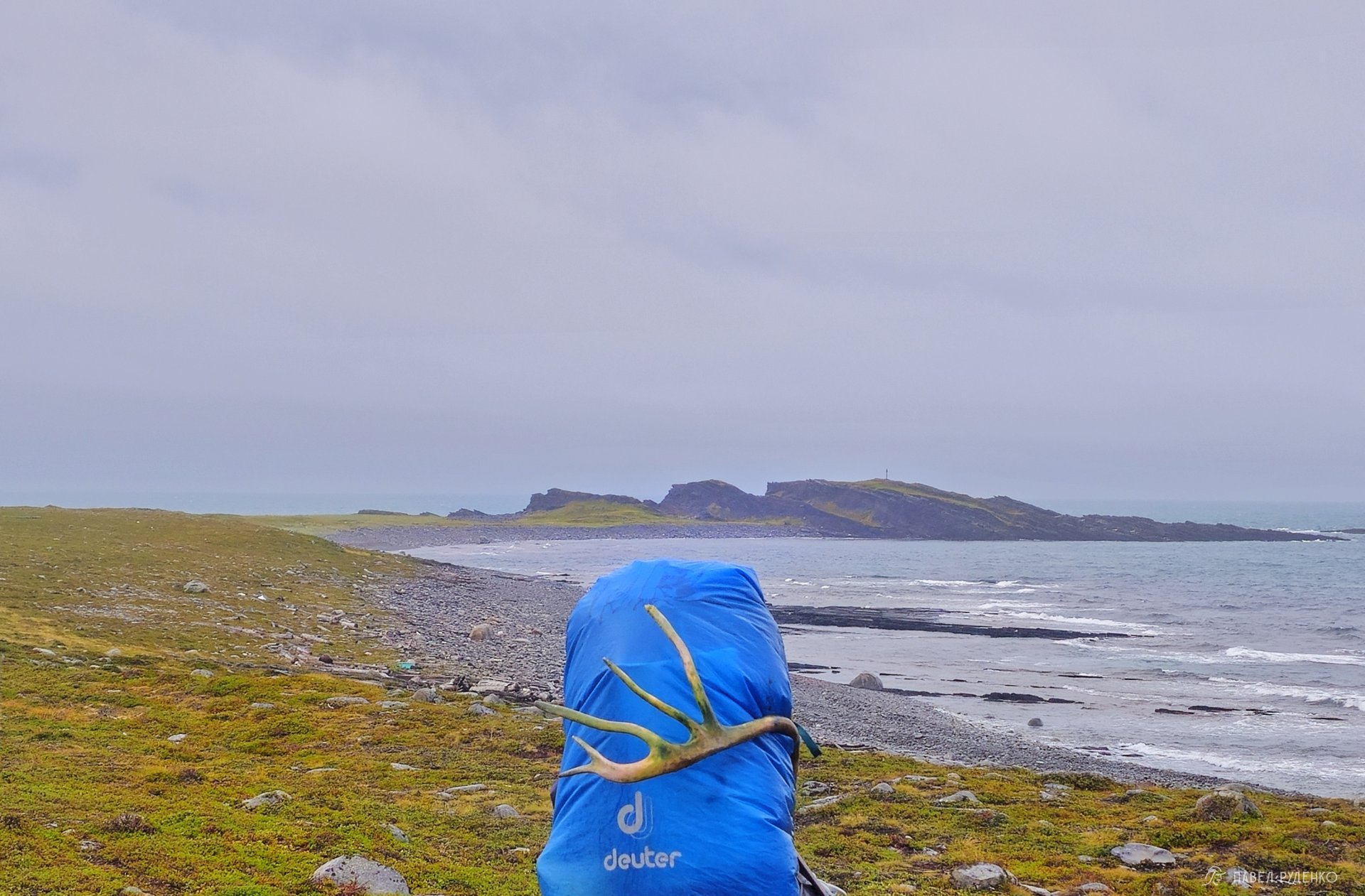
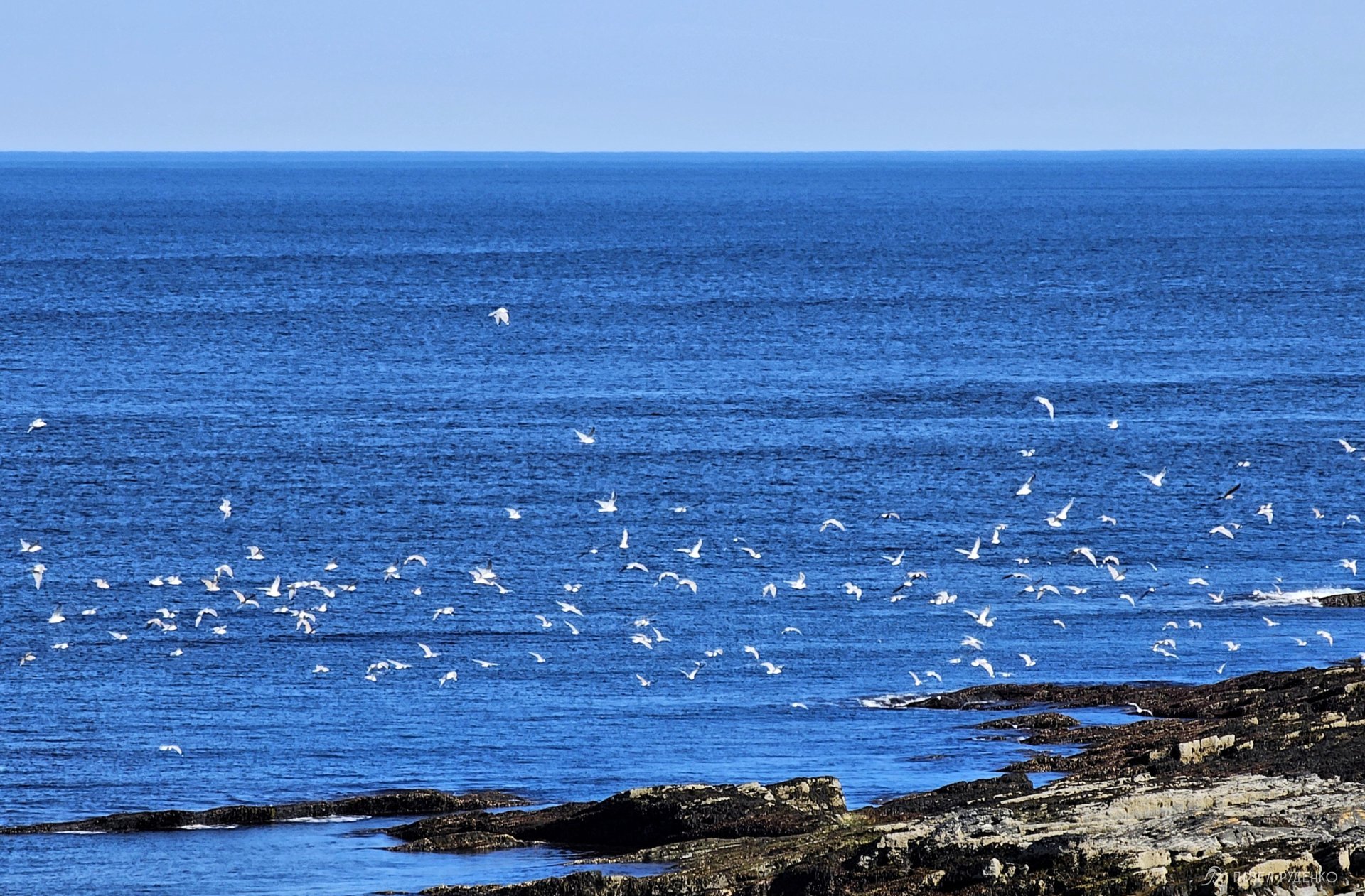
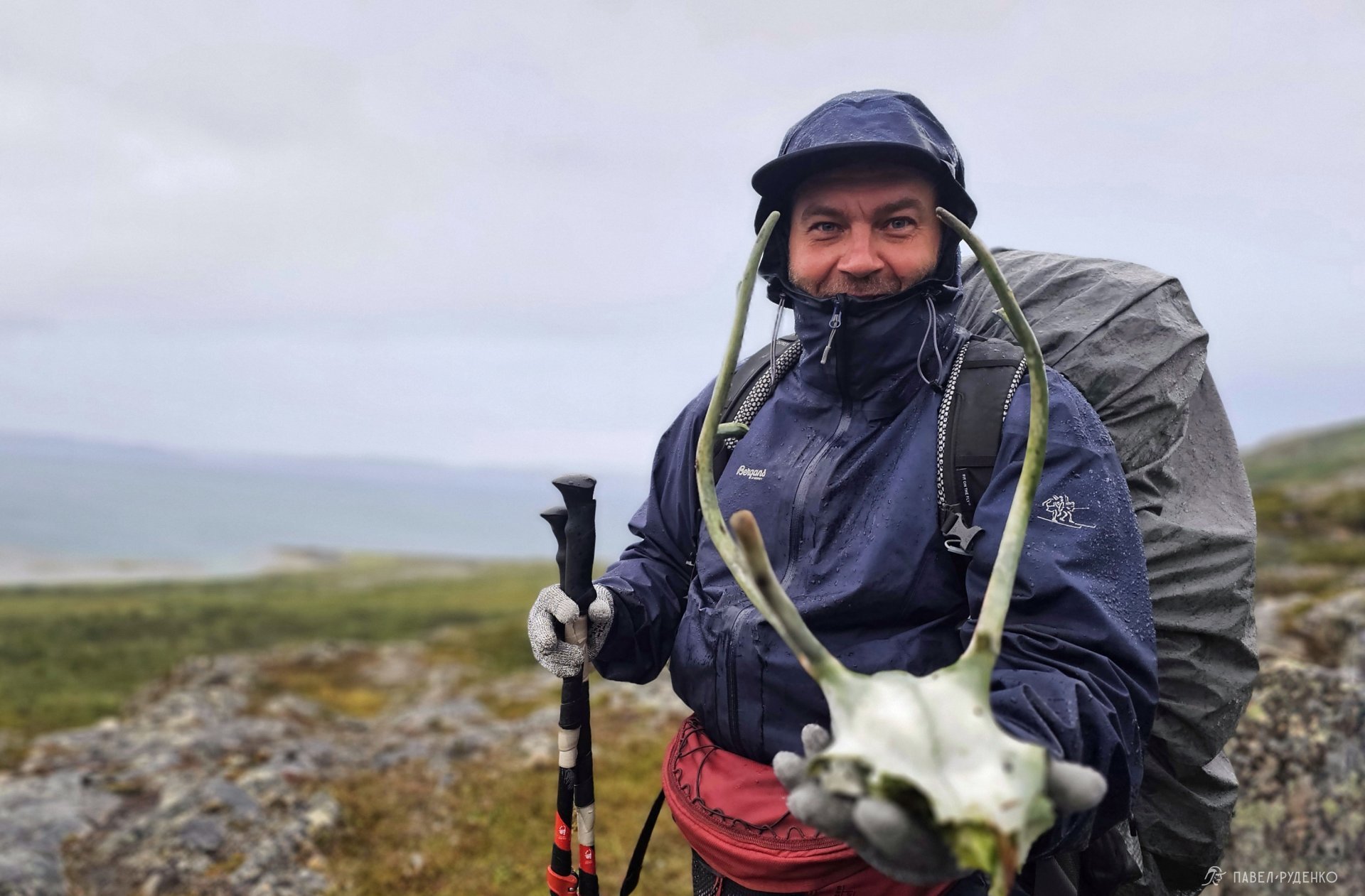
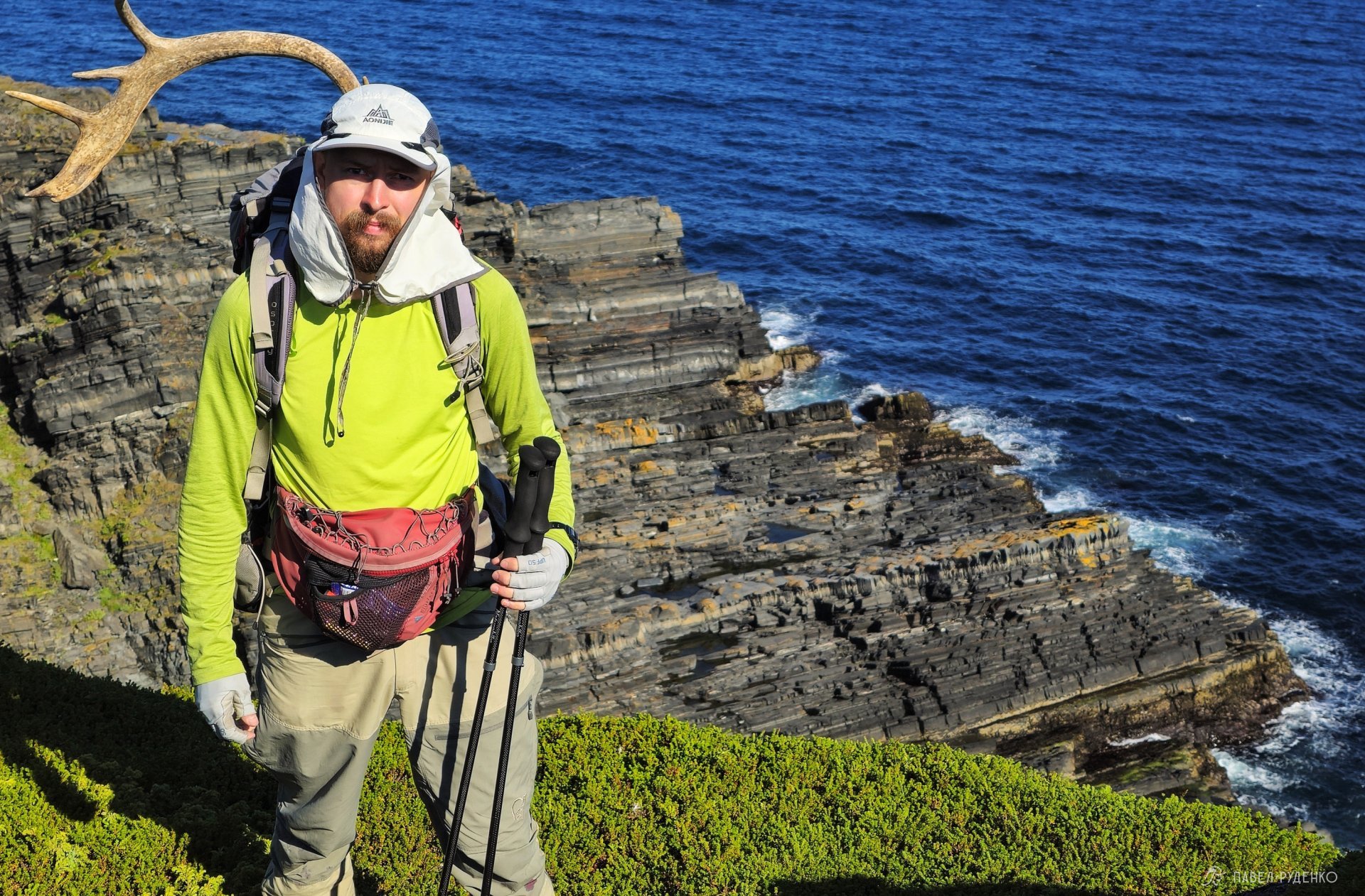
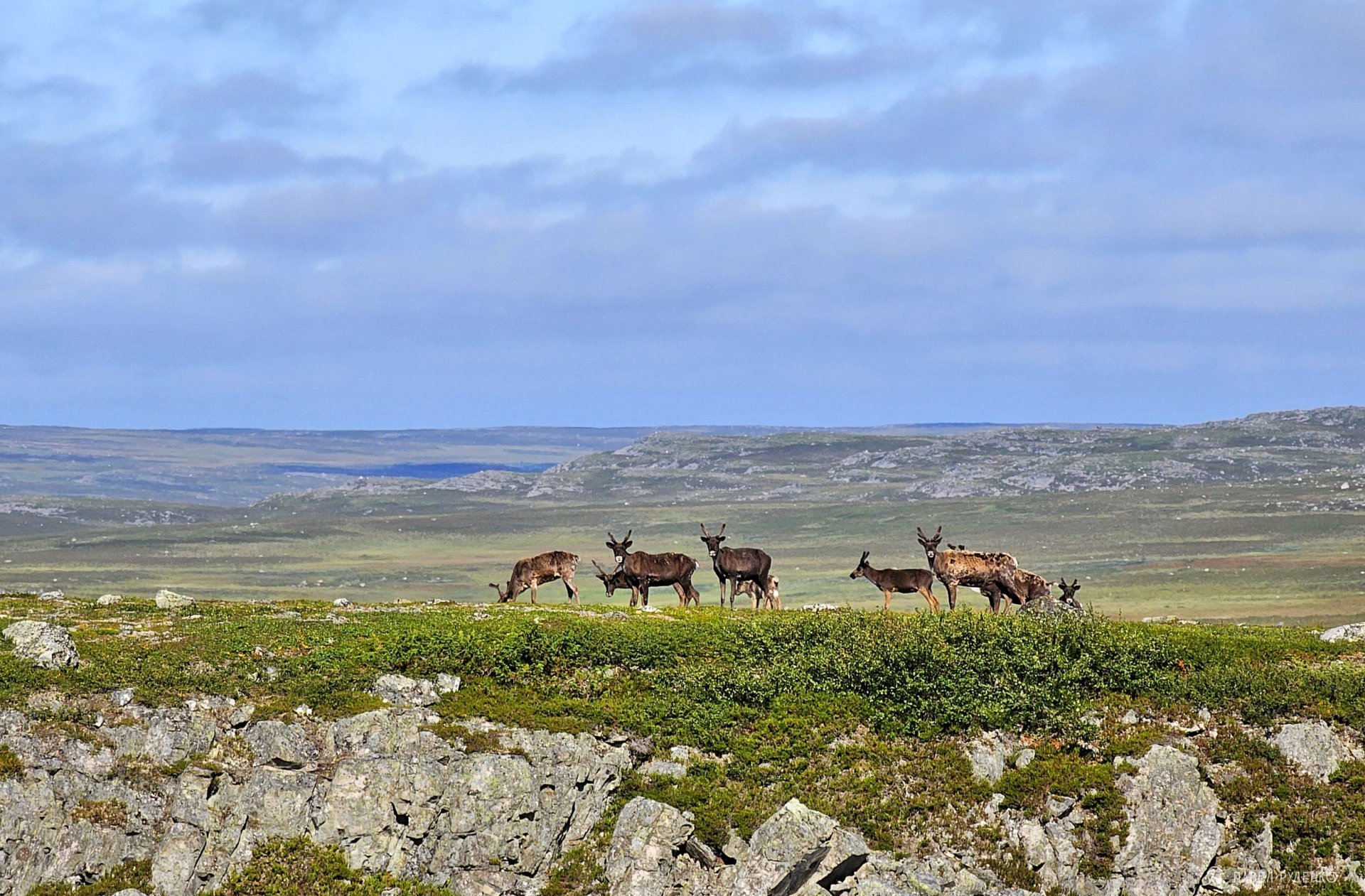
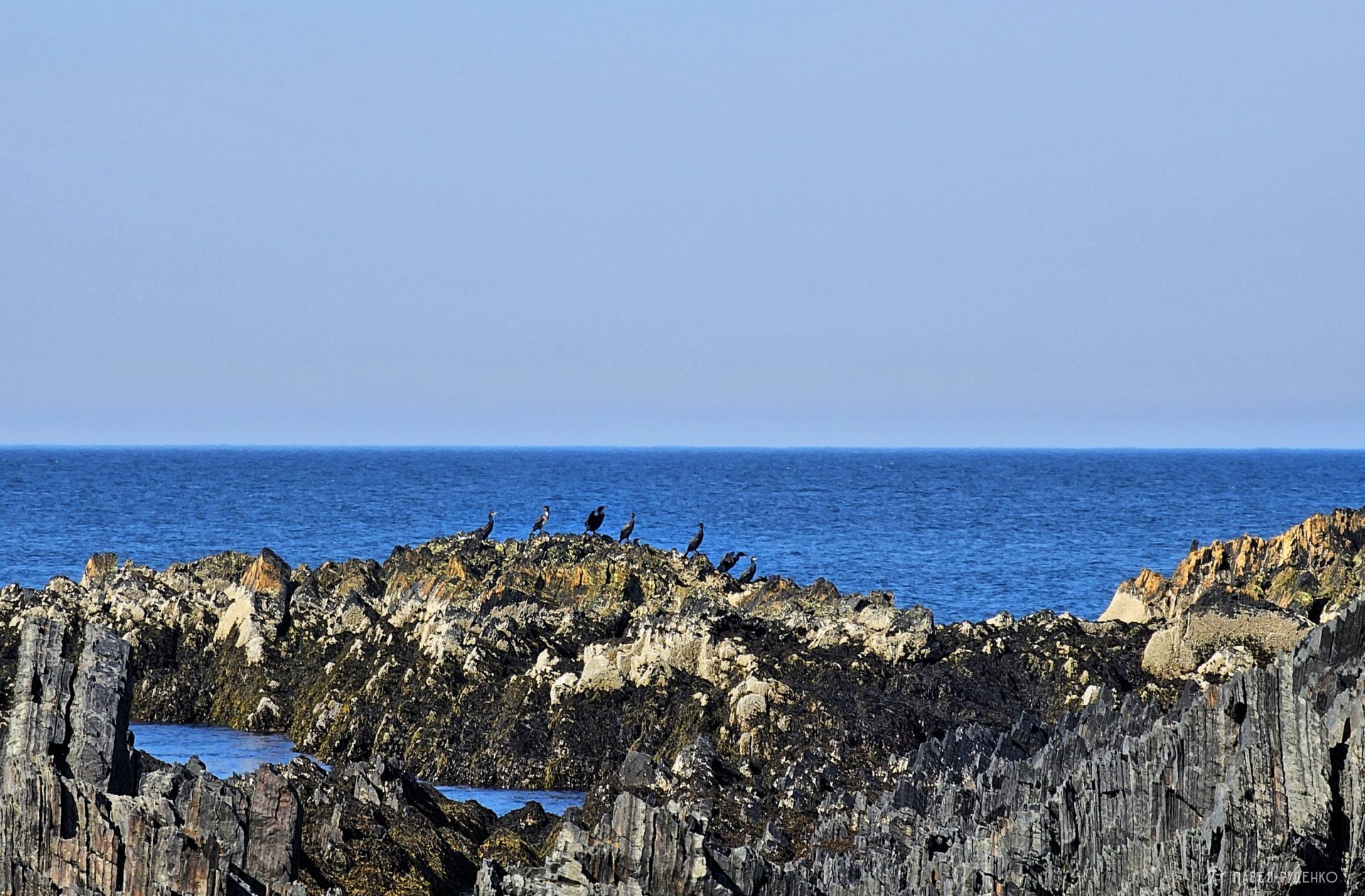
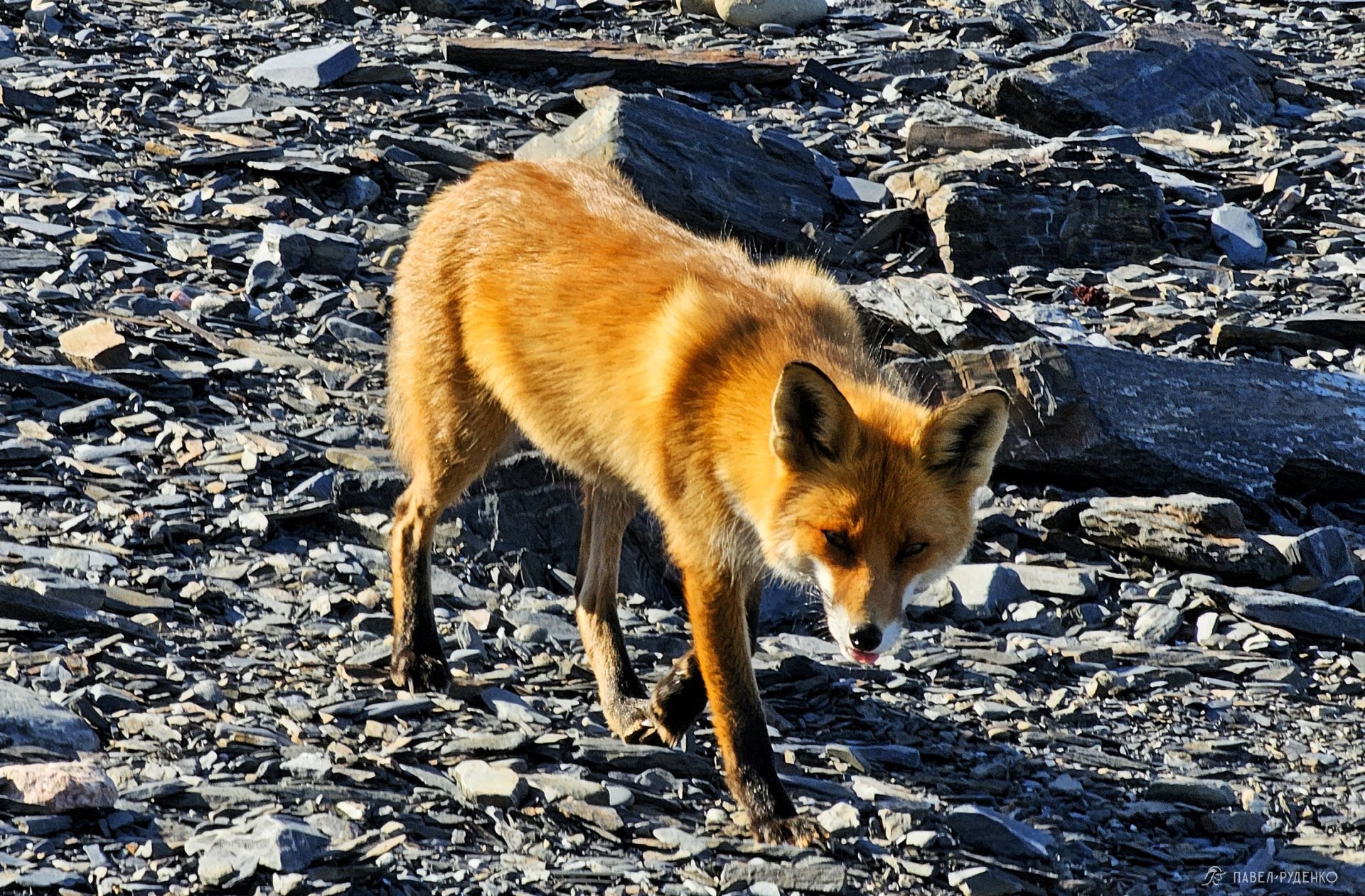
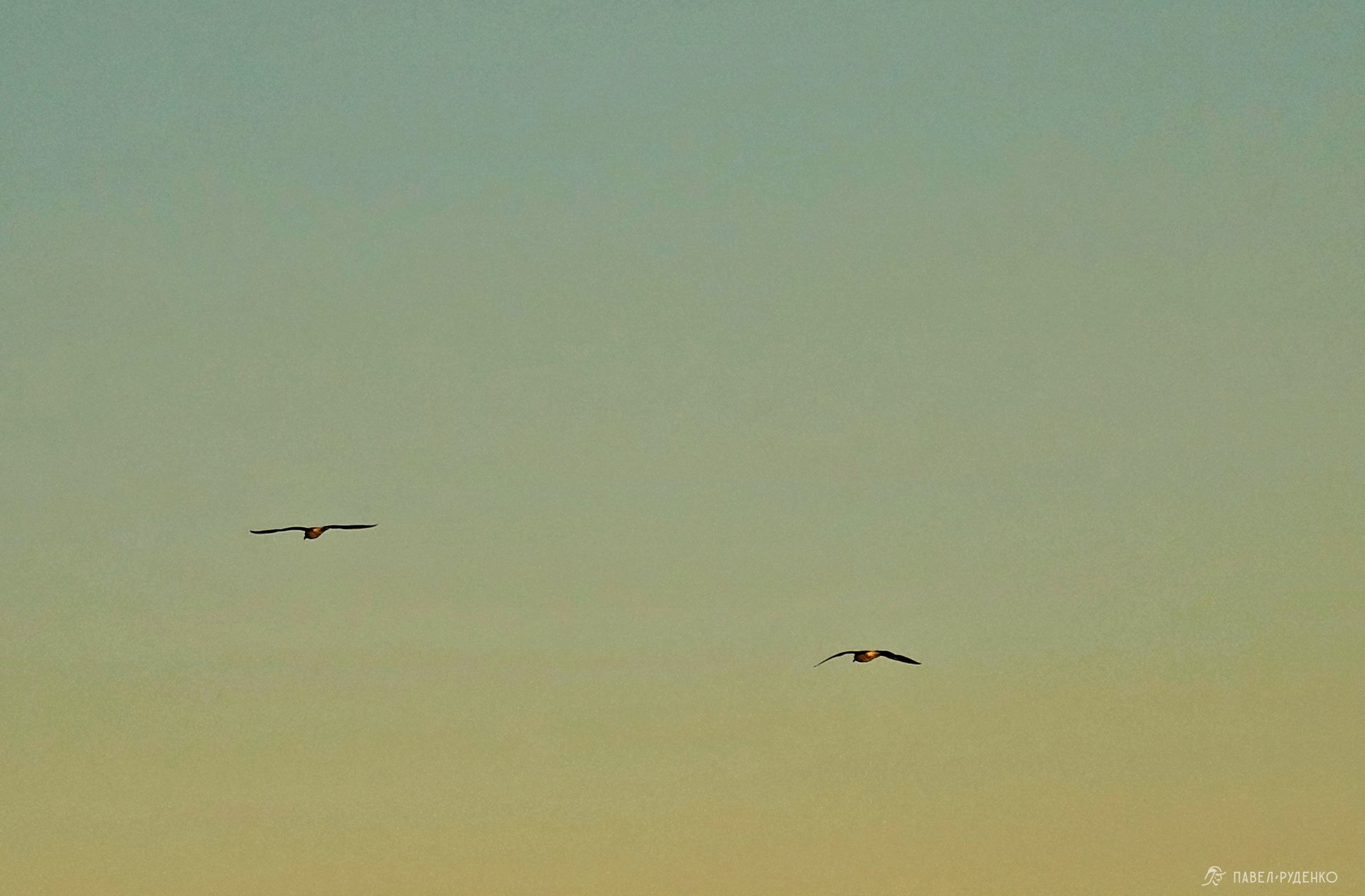
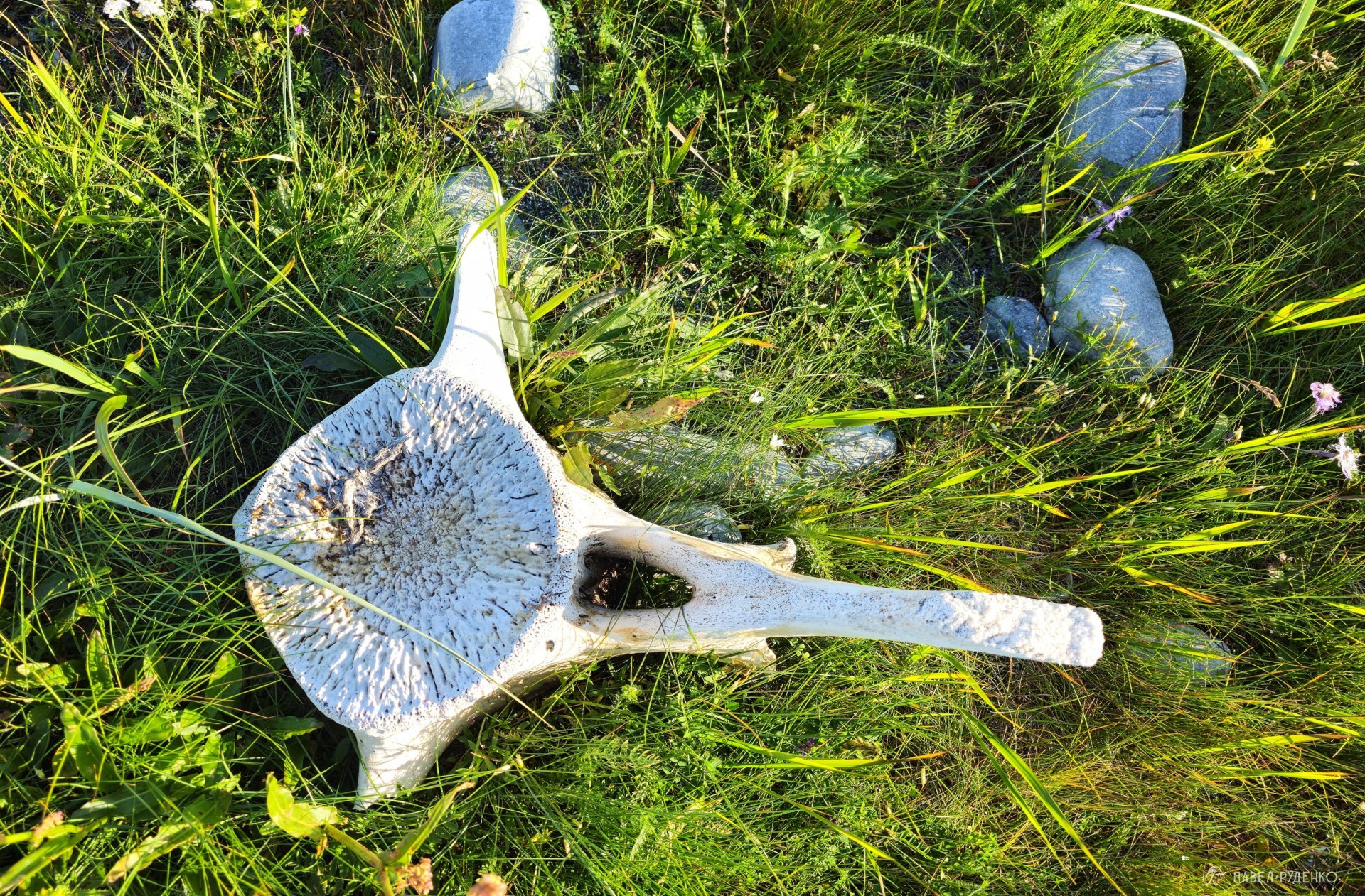
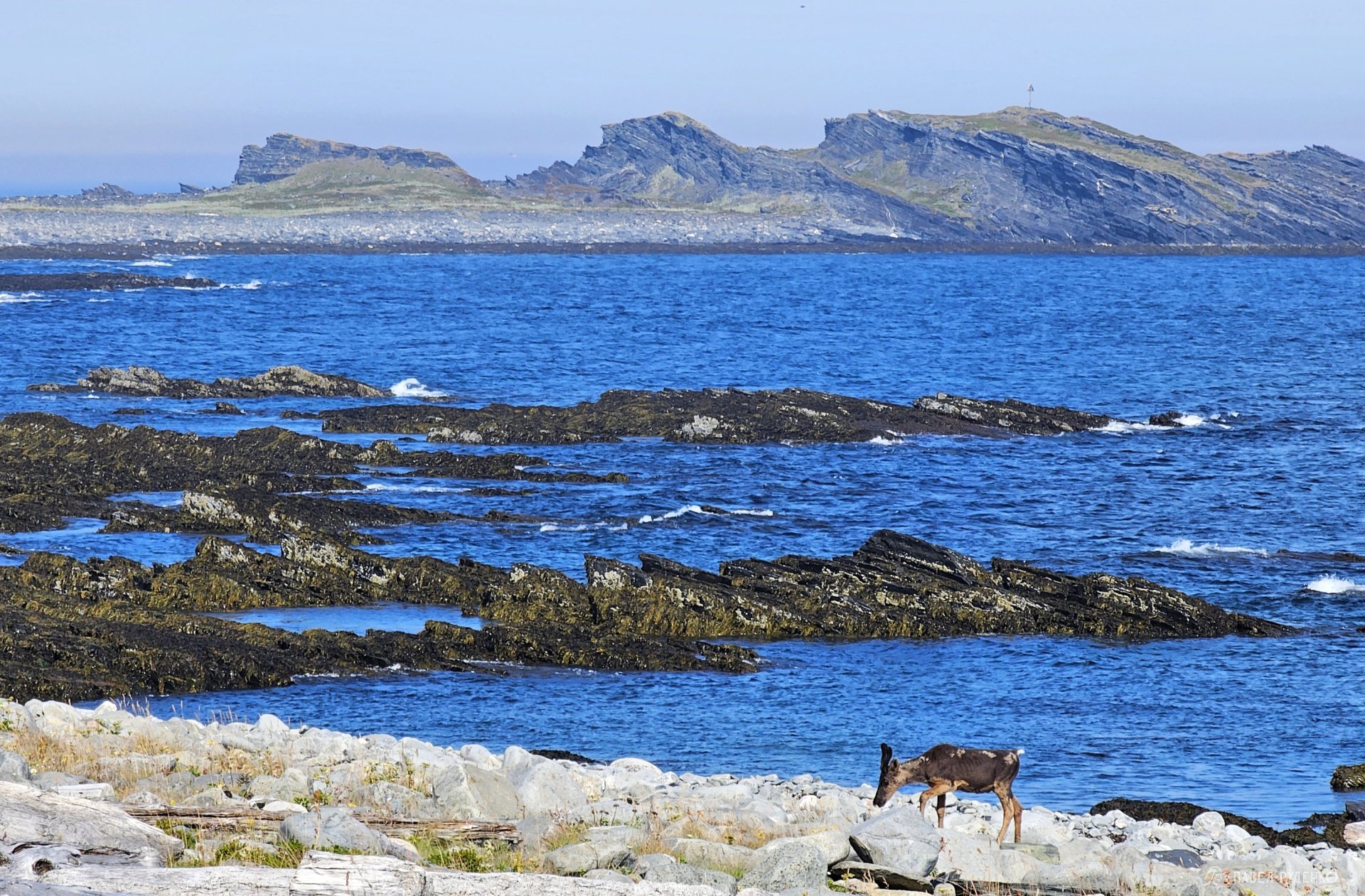
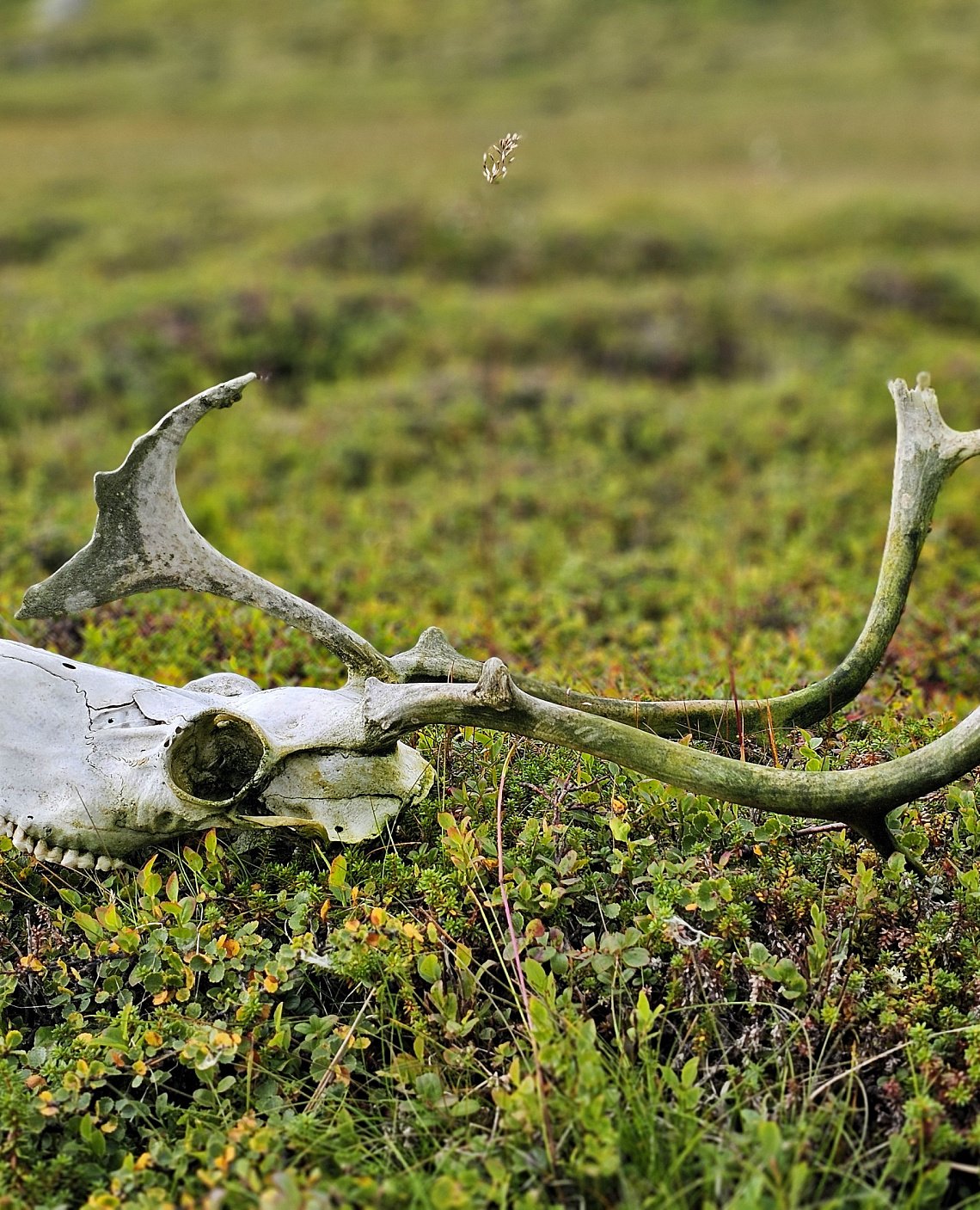
The reindeer we meet shed their antlers every year two to three months after the mating season. New antlers begin growing immediately to be ready for rutting battles the following season; the earlier they drop, the larger they can grow by the next year. You may also spot Arctic hares, foxes, mustelids, and ptarmigans. From the shore, minke whale spouts and seals are a frequent sight. Rybachy is also renowned for hosting the region's largest seabird colonies. We look forward to encountering wildlife while strictly adhering to Leave No Trace ethics and safety rules.

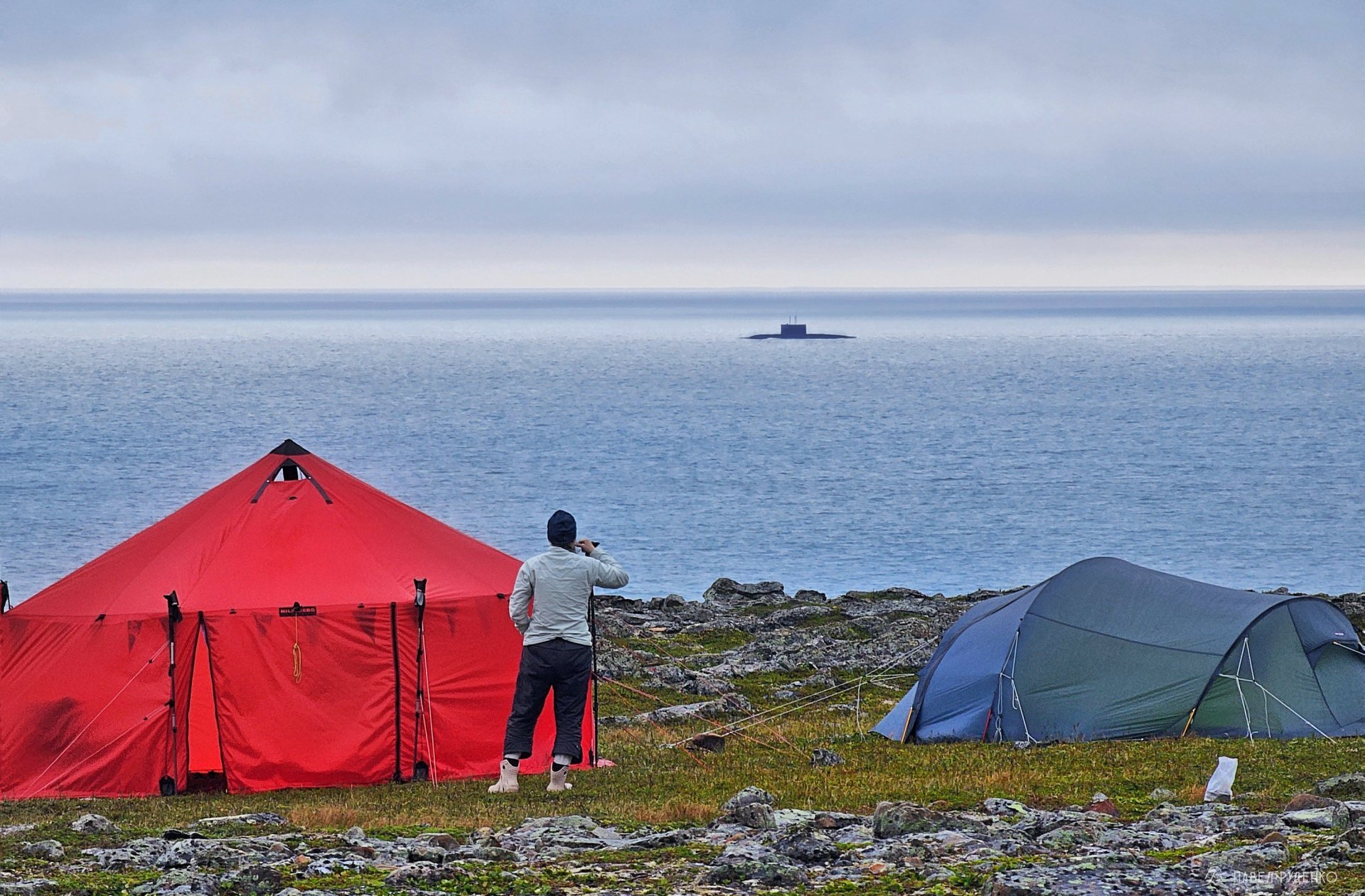

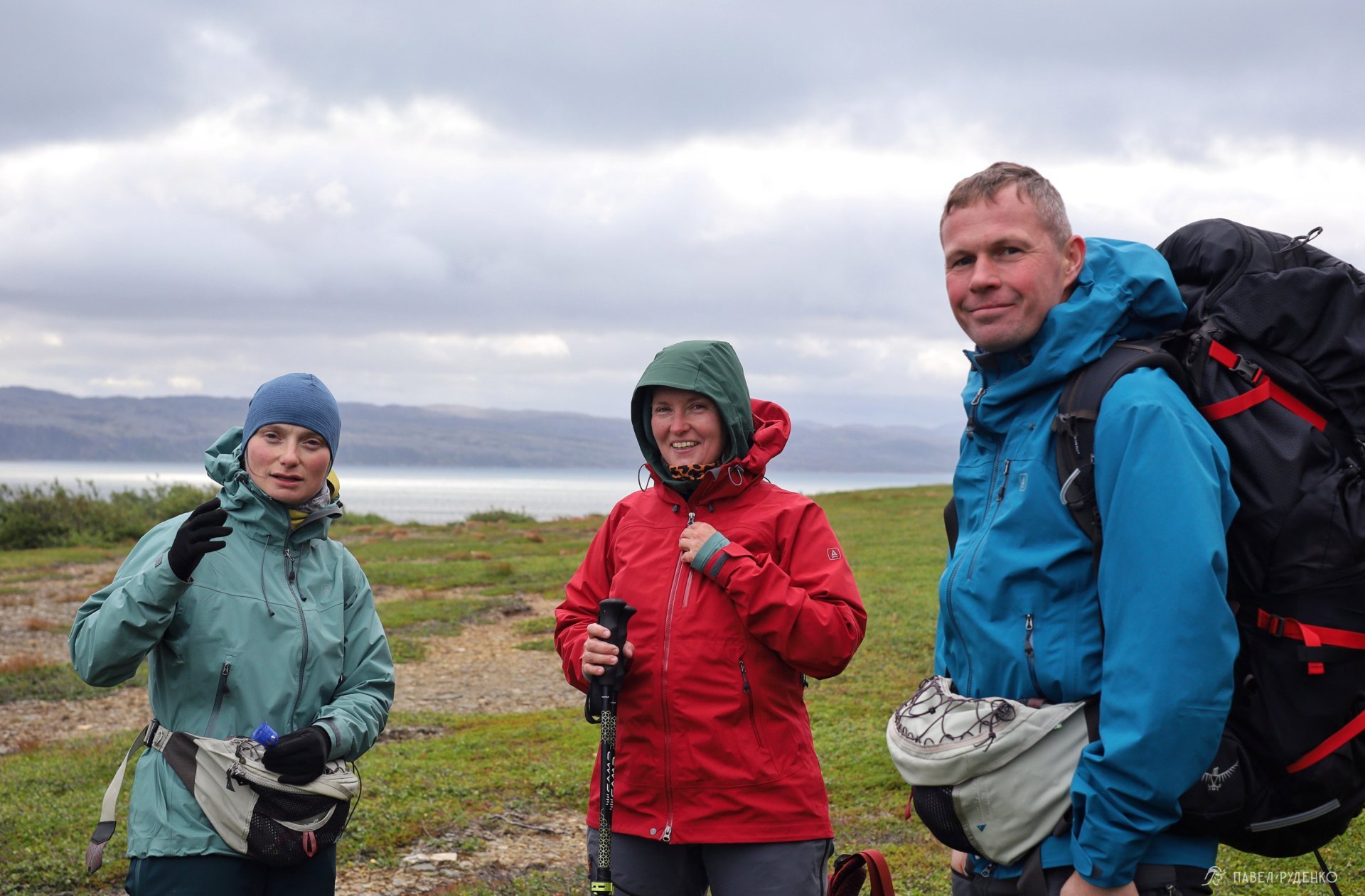


 All guides are certified in Basic and Wilderness & Remote First Aid by the Red Cross


 Написать в Telegram