Teriberka: Trek to the Arctic Ocean Beaches

Dates
1-9 Jun 2026
Duration
9 days
Difficulty
3/5
Moderate Difficulty

A week-long self-supported trek suitable for beginners.

  • Backpack weight up to 21 kg.
  • Daily hiking distance up to 15 km.

5–7 day trek.

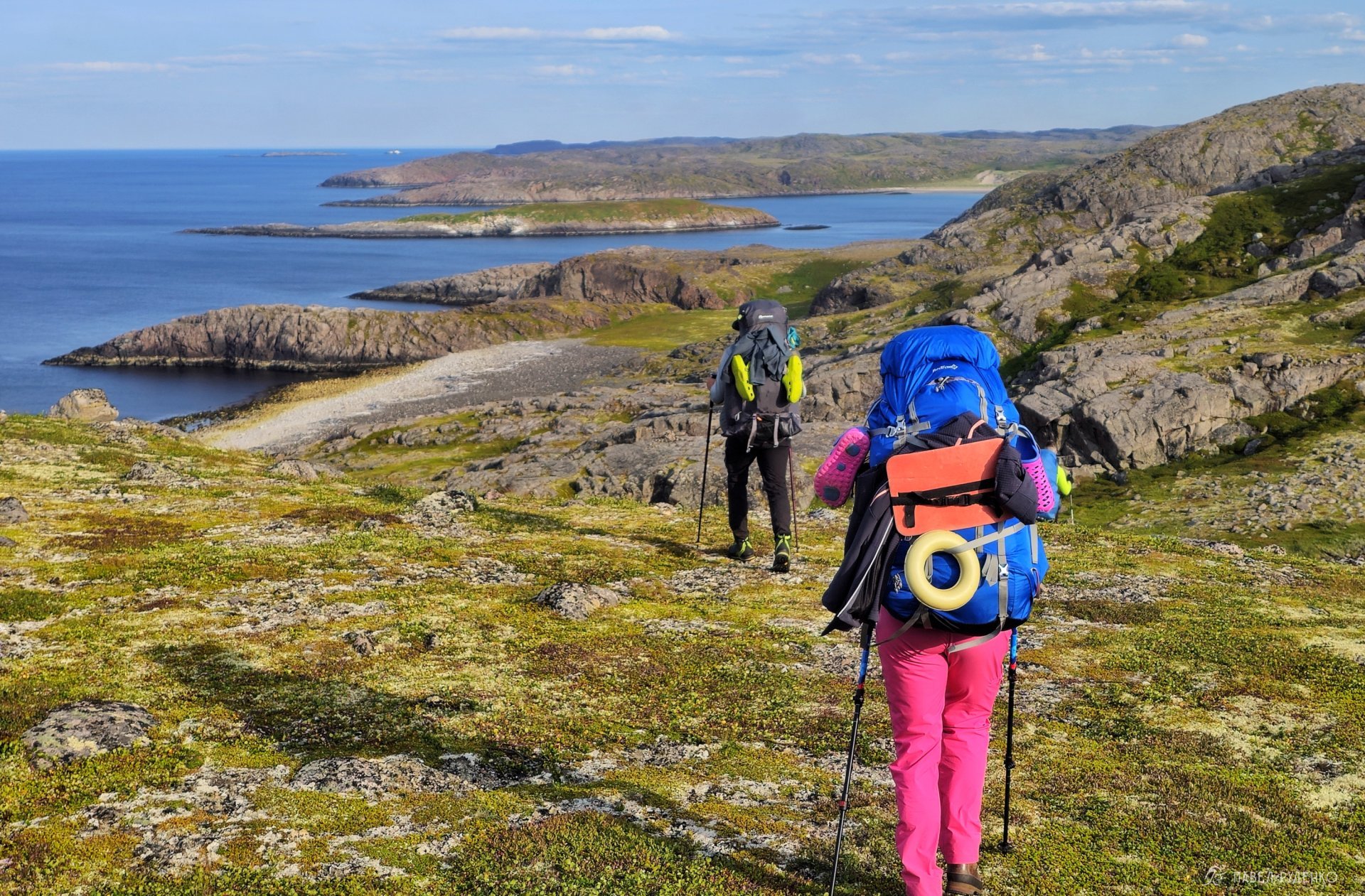
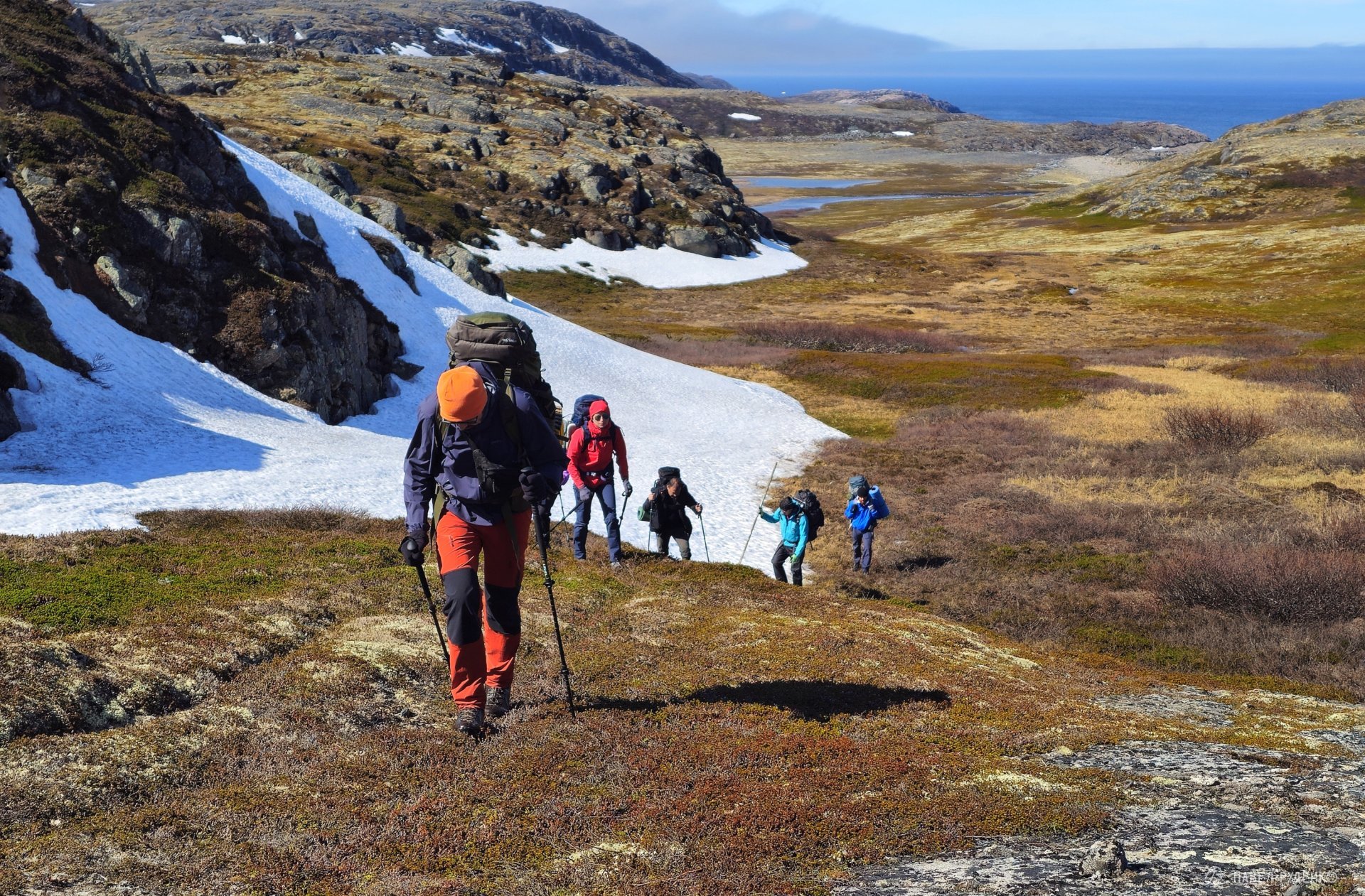
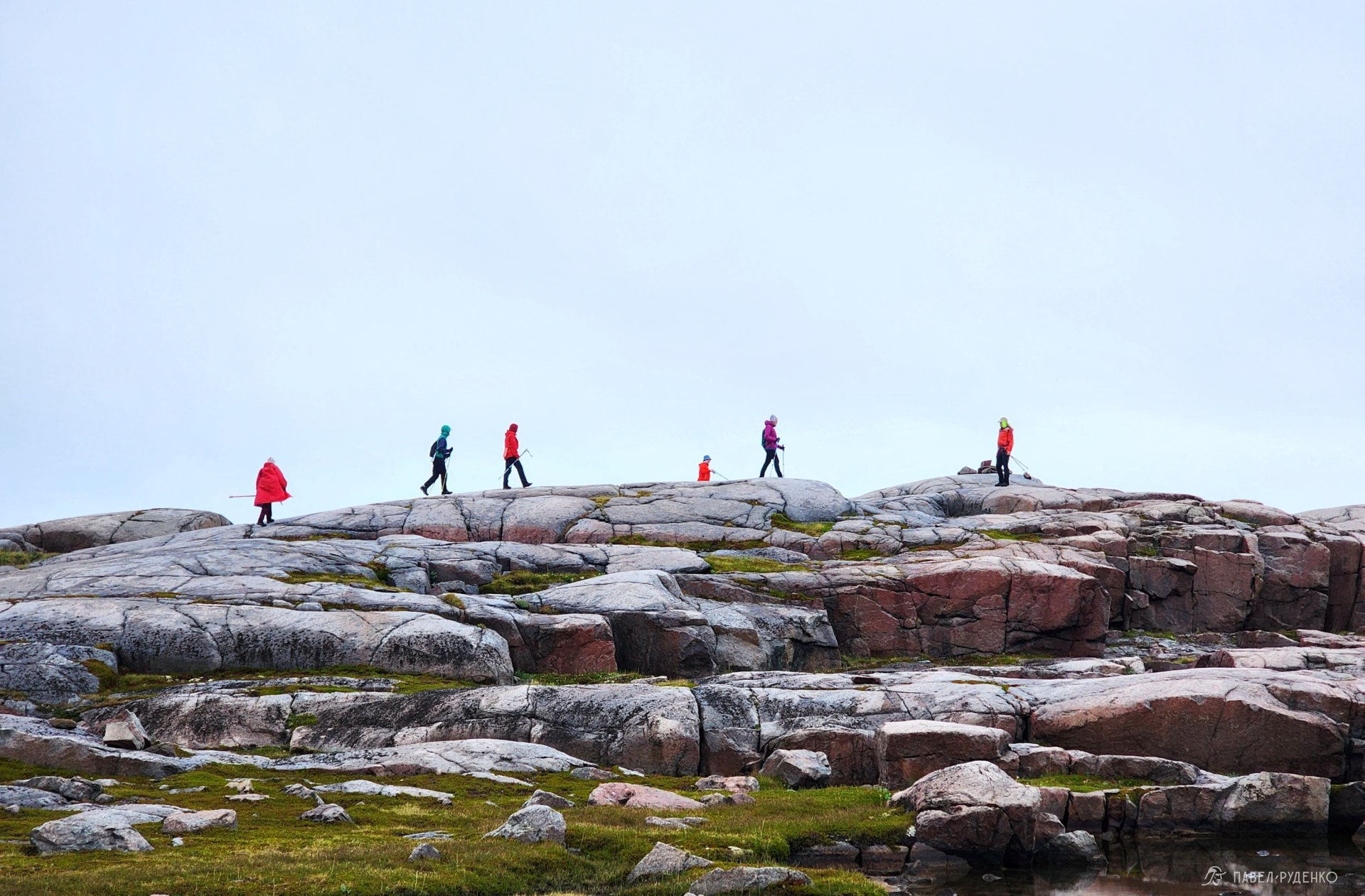
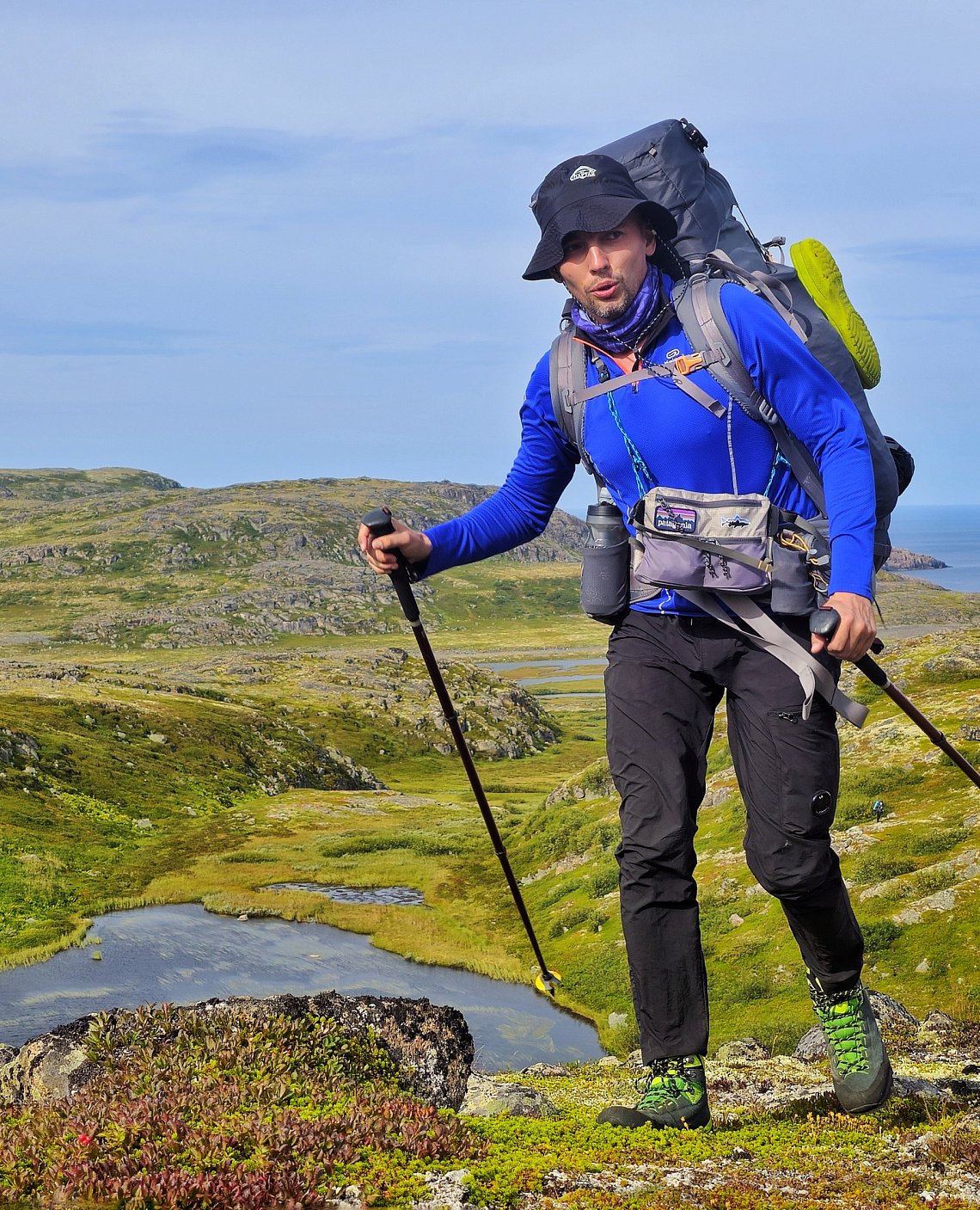
Traversing off-trail Arctic wilderness. You carry all your gear and food, camping in tents out in the wild. Daily distances and elevation gains are balanced so that any healthy individual without specialized training can complete the route. Light preparation such as long walks, running, or general fitness will make your trek even more enjoyable.

Who it's for: Beginners in average physical shape eager to experience authentic wilderness life.

Distance
73 km
Group size
14 person

About the trek

Signature Trek

Teriberka — a trek along the Arctic Ocean beaches

A self-supported backpacking and tent trek across the wild tundra of the Barents Sea Arctic coast on the Kola Peninsula.

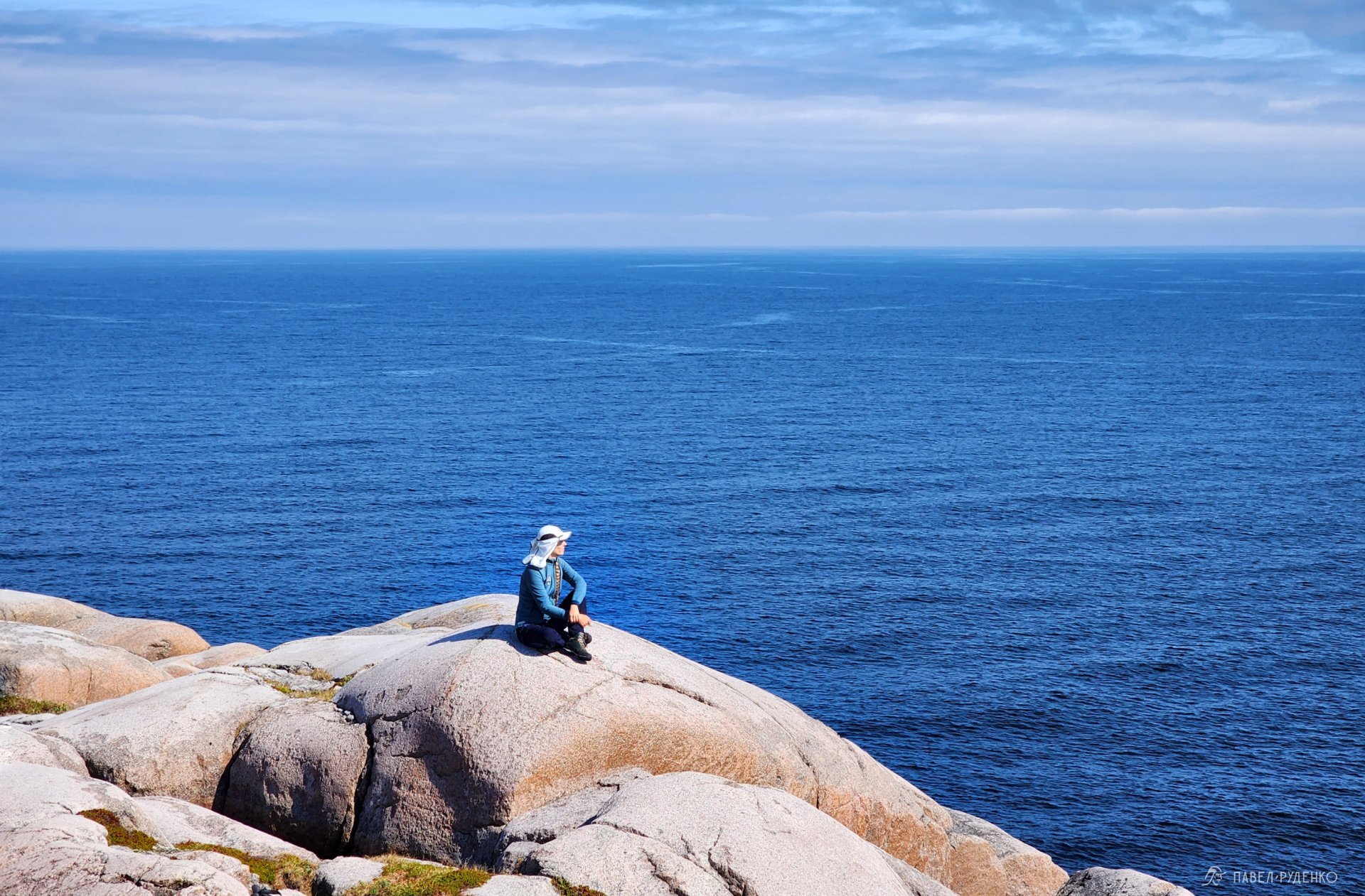
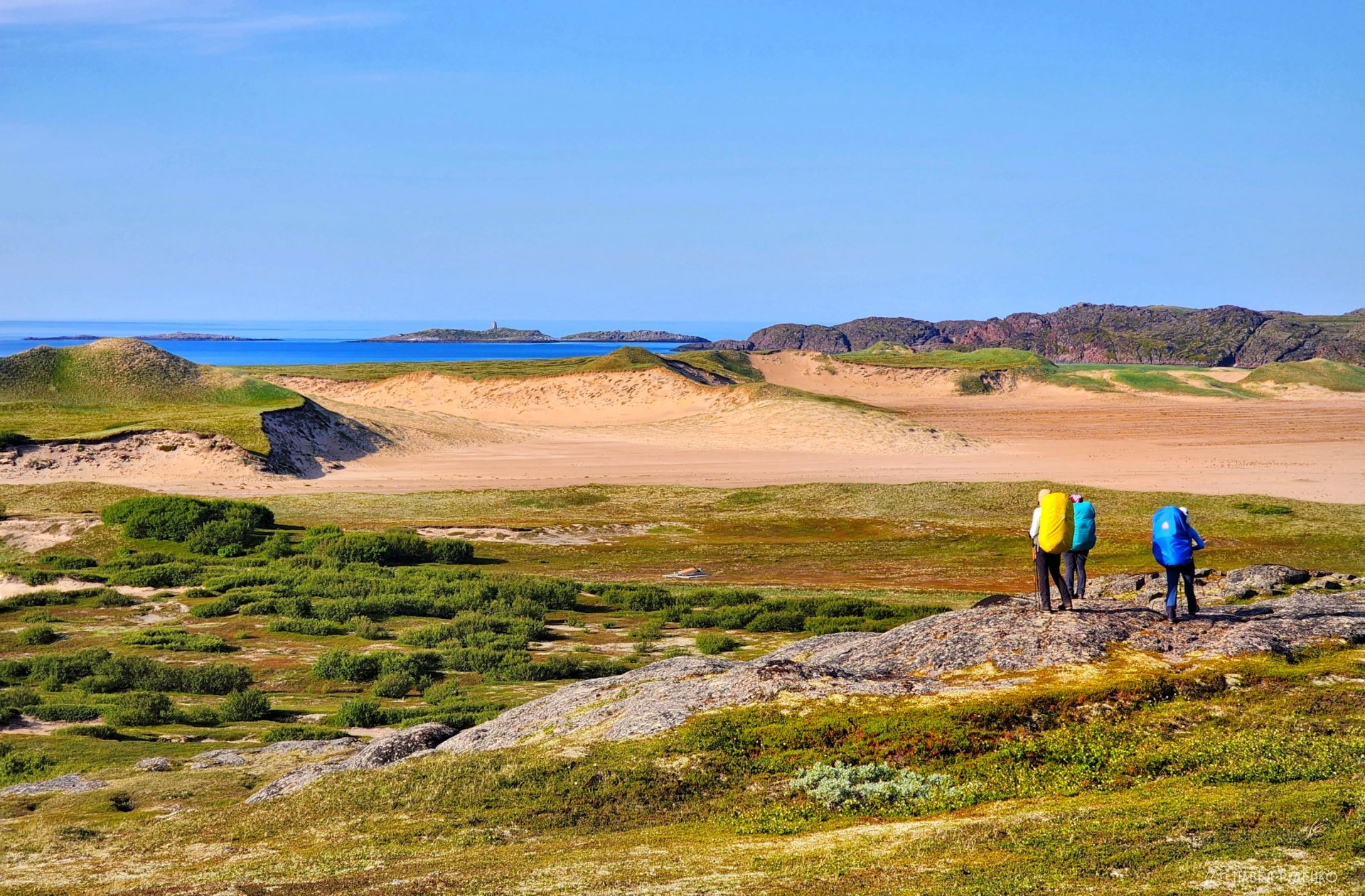
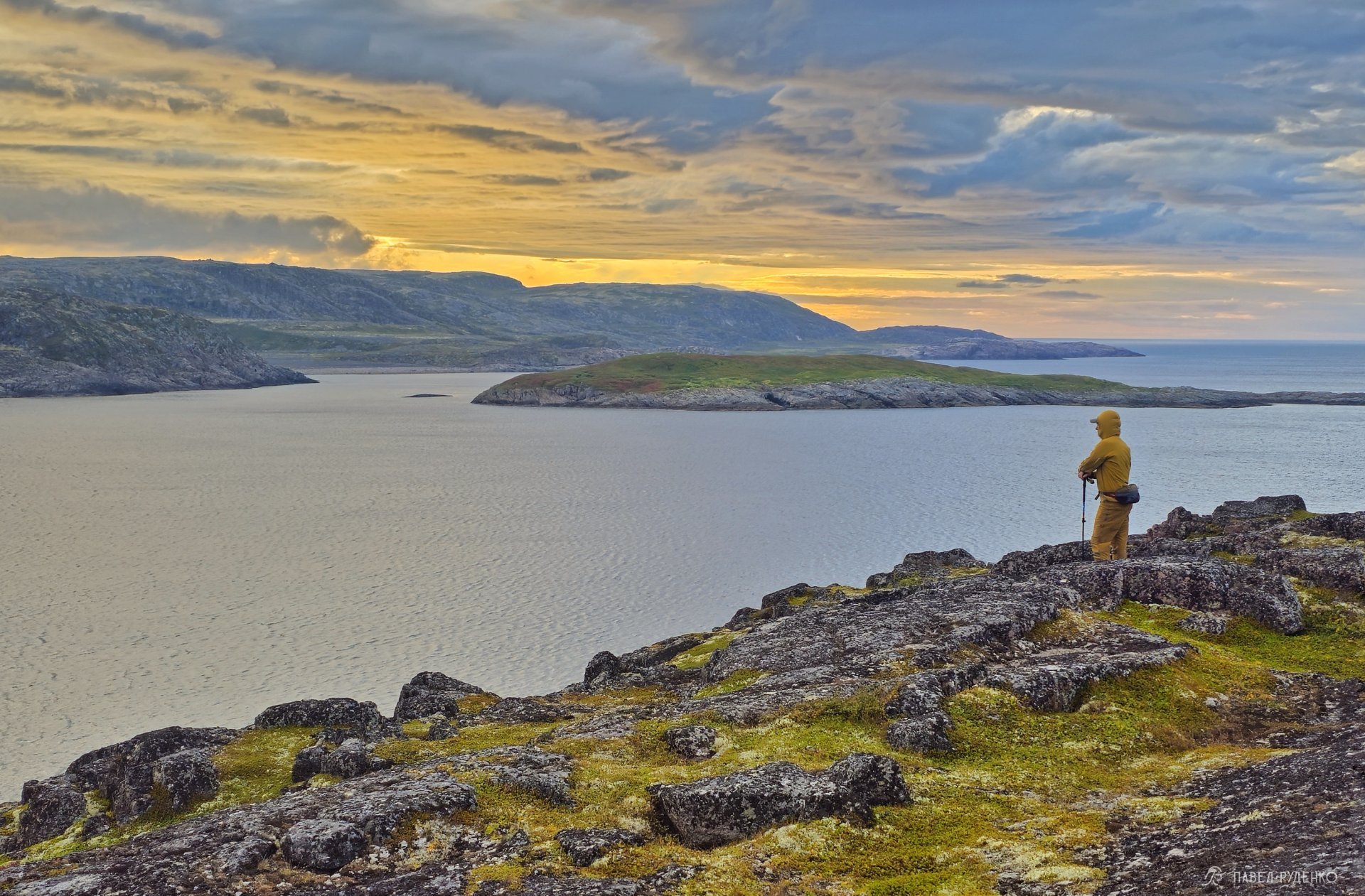
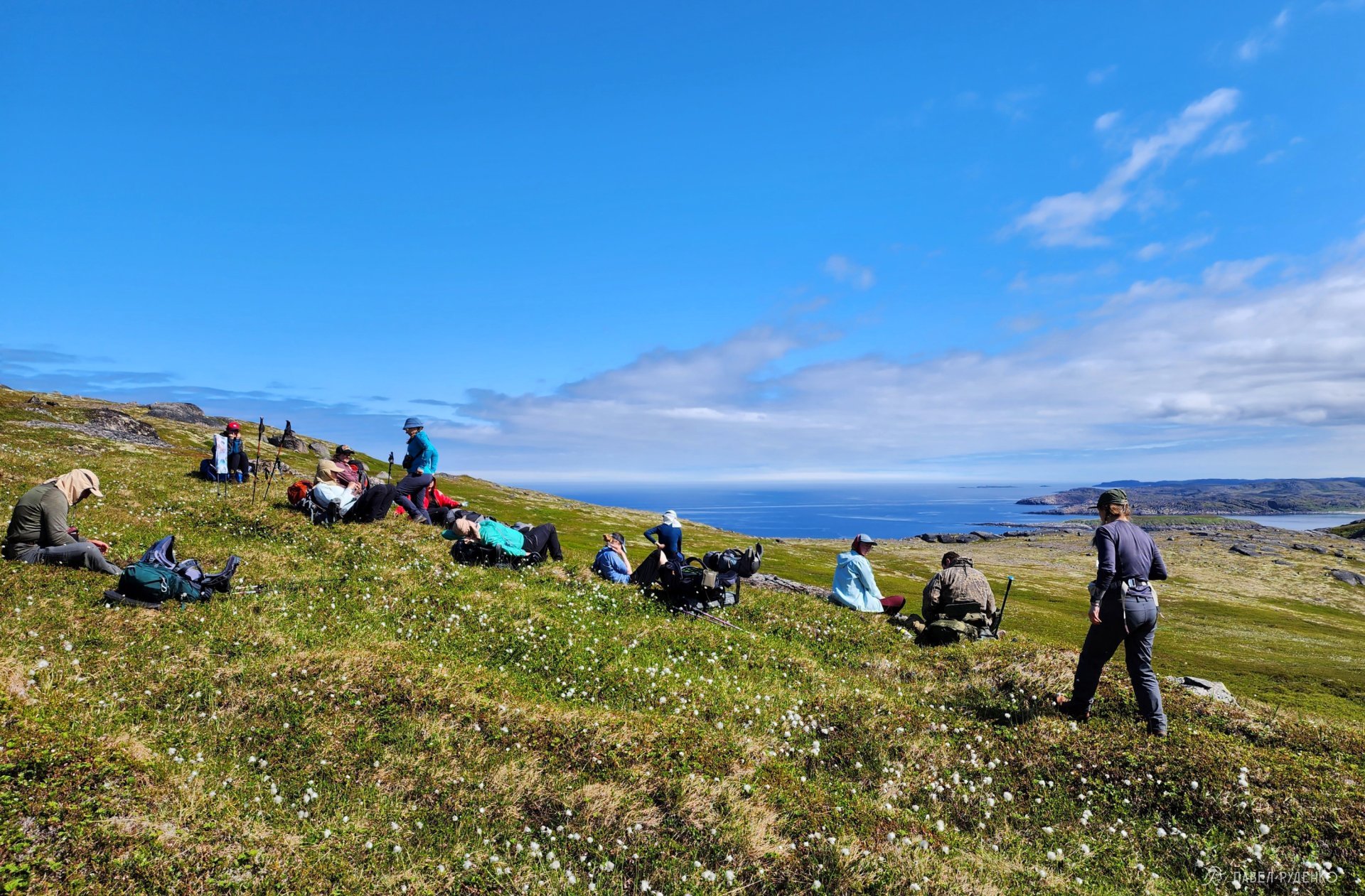
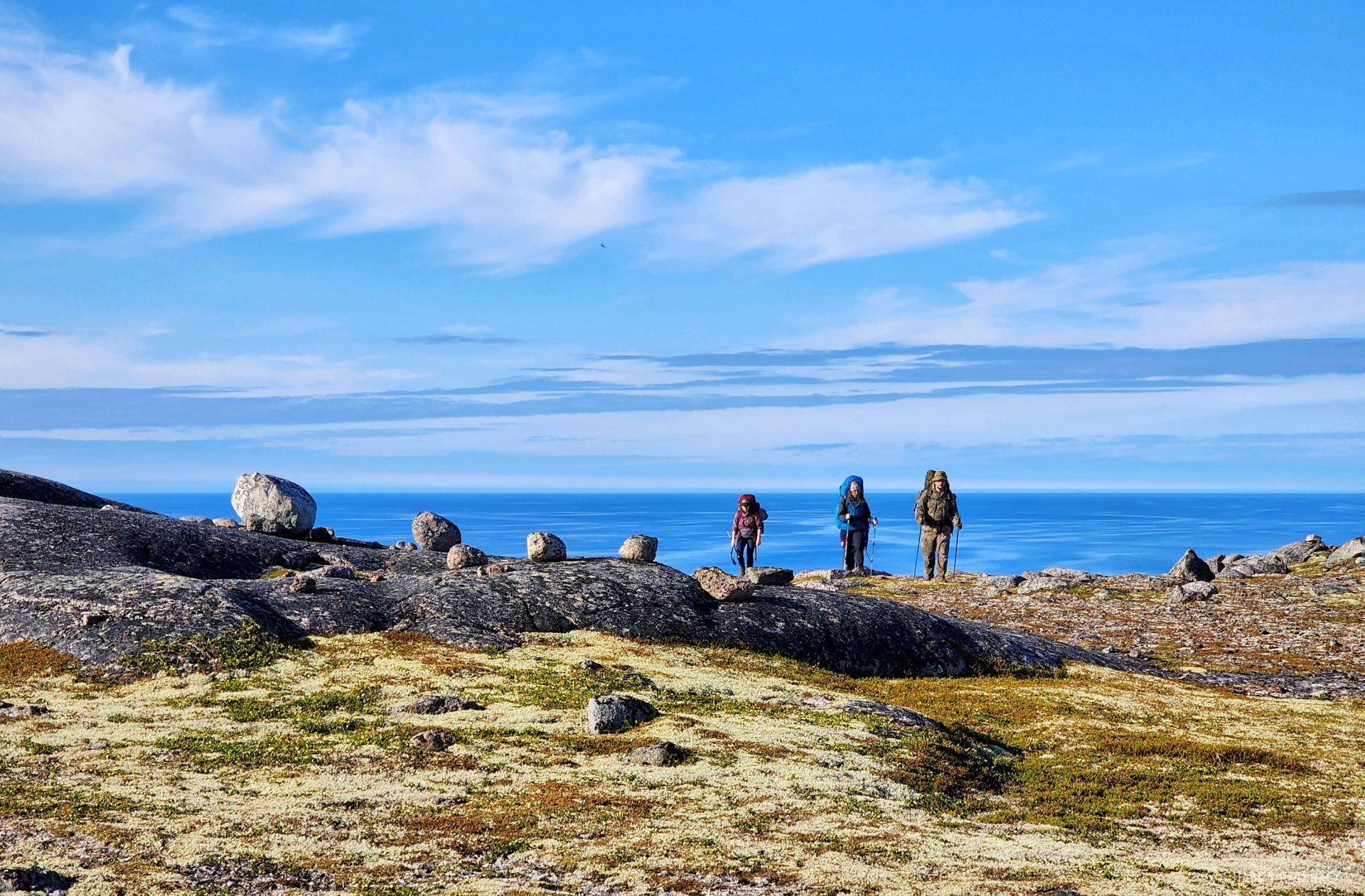
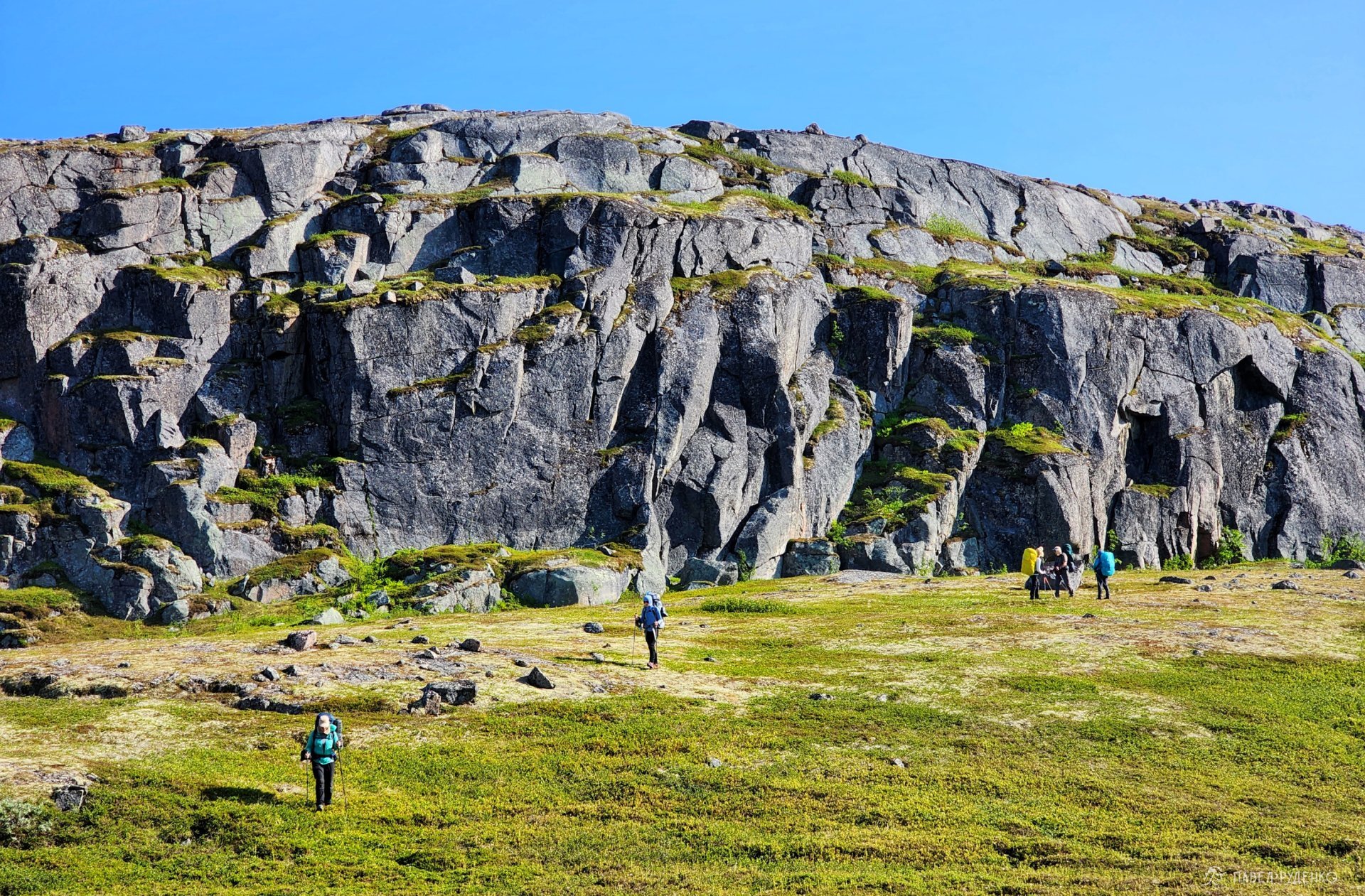
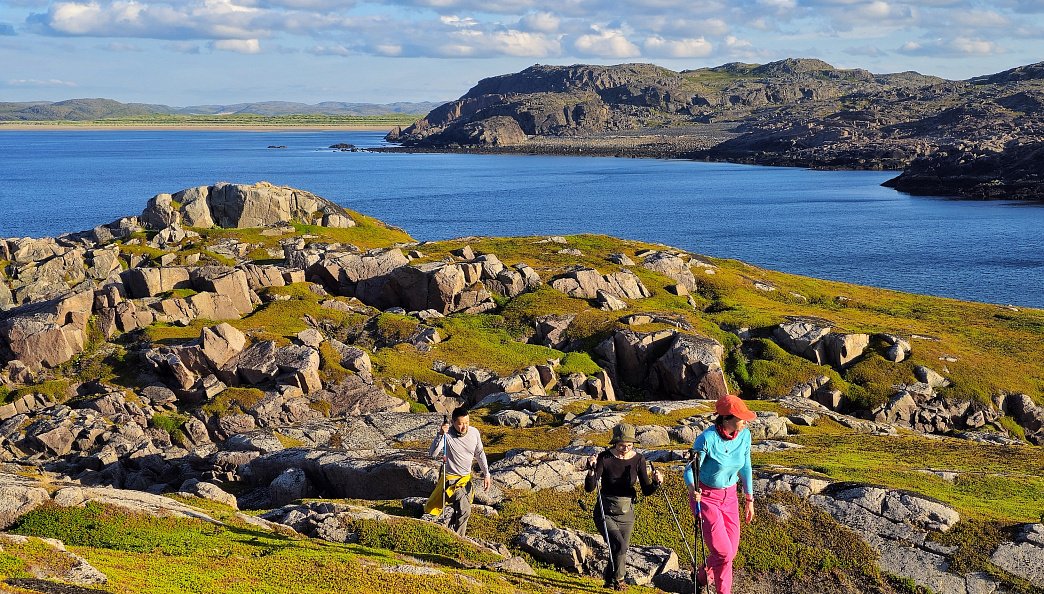
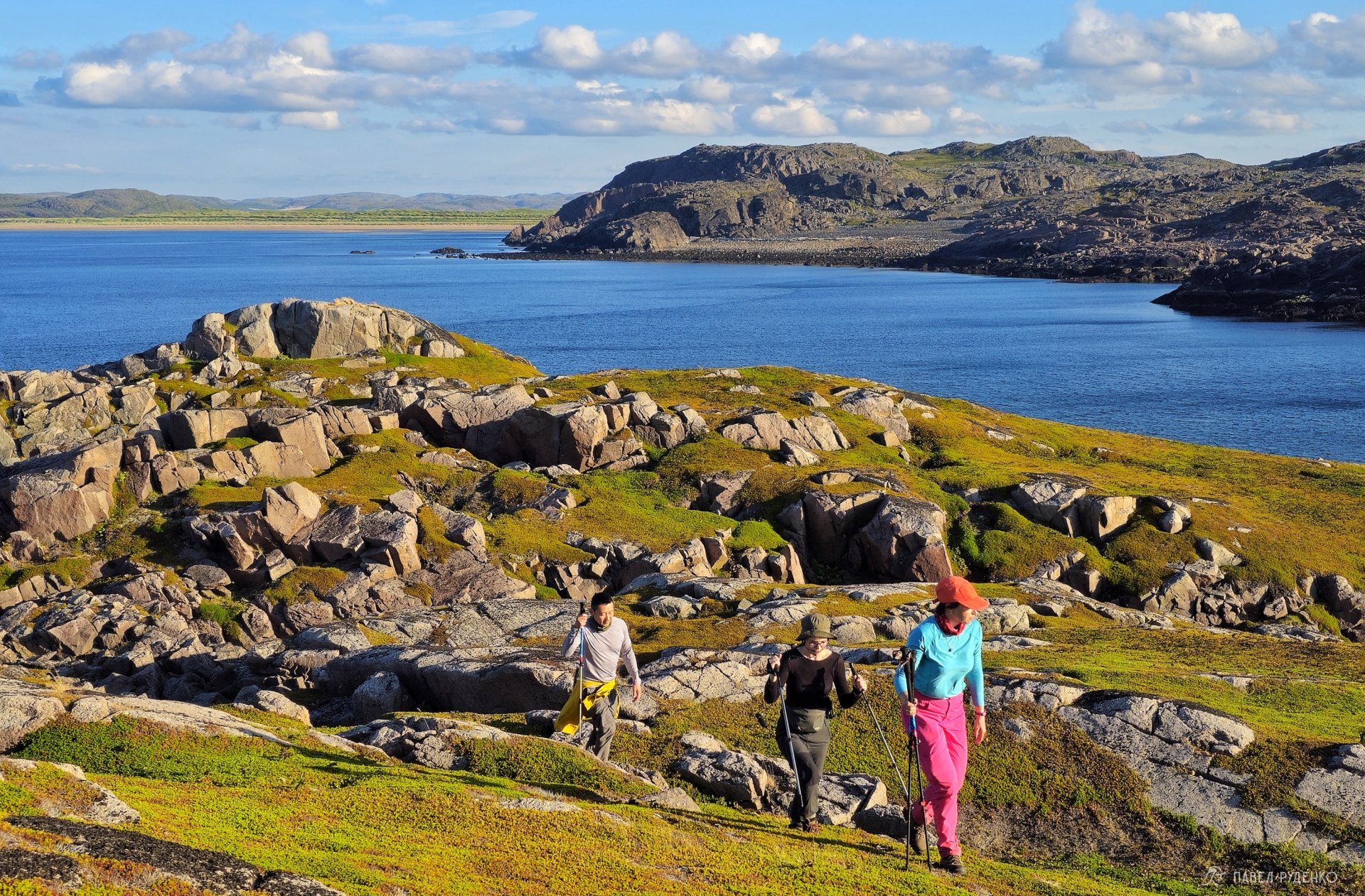
The 69th parallel north is truly unique on the Kola Peninsula. Thanks to the warm Gulf Stream, the local tundra is exceptionally rich and diverse. Glacial ice sheets during the Ice Age carved the coastal terrain, creating a dramatic landscape of whimsical fells. Here, the raw beauty of the Arctic surrounds you 24/7: ahead, behind, all around, underfoot, and overhead every single minute — that is the true essence of the Kola North! There are no tourist crowds or worn trails along the route, offering a complete escape from civilization and a true reset.

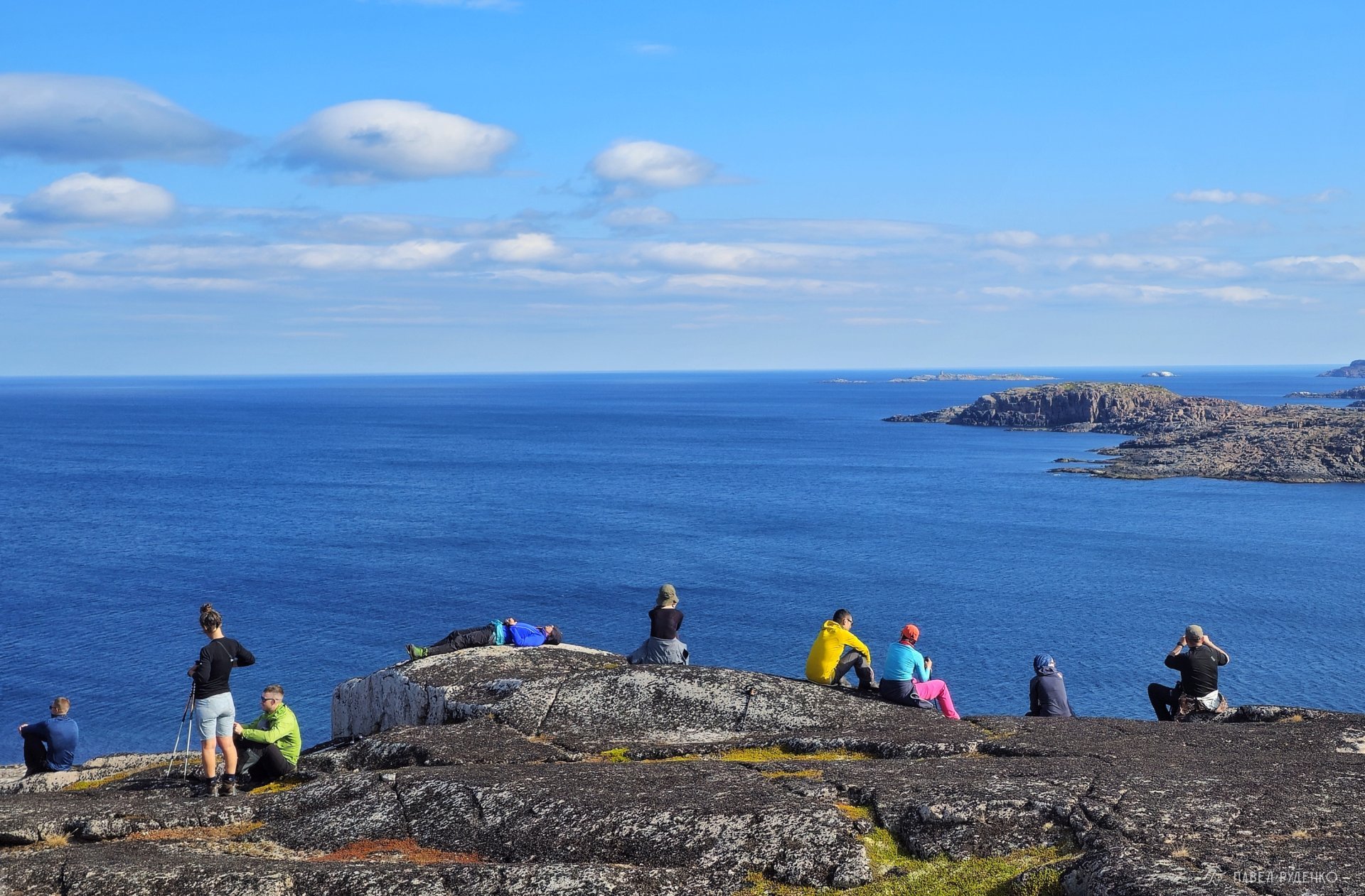
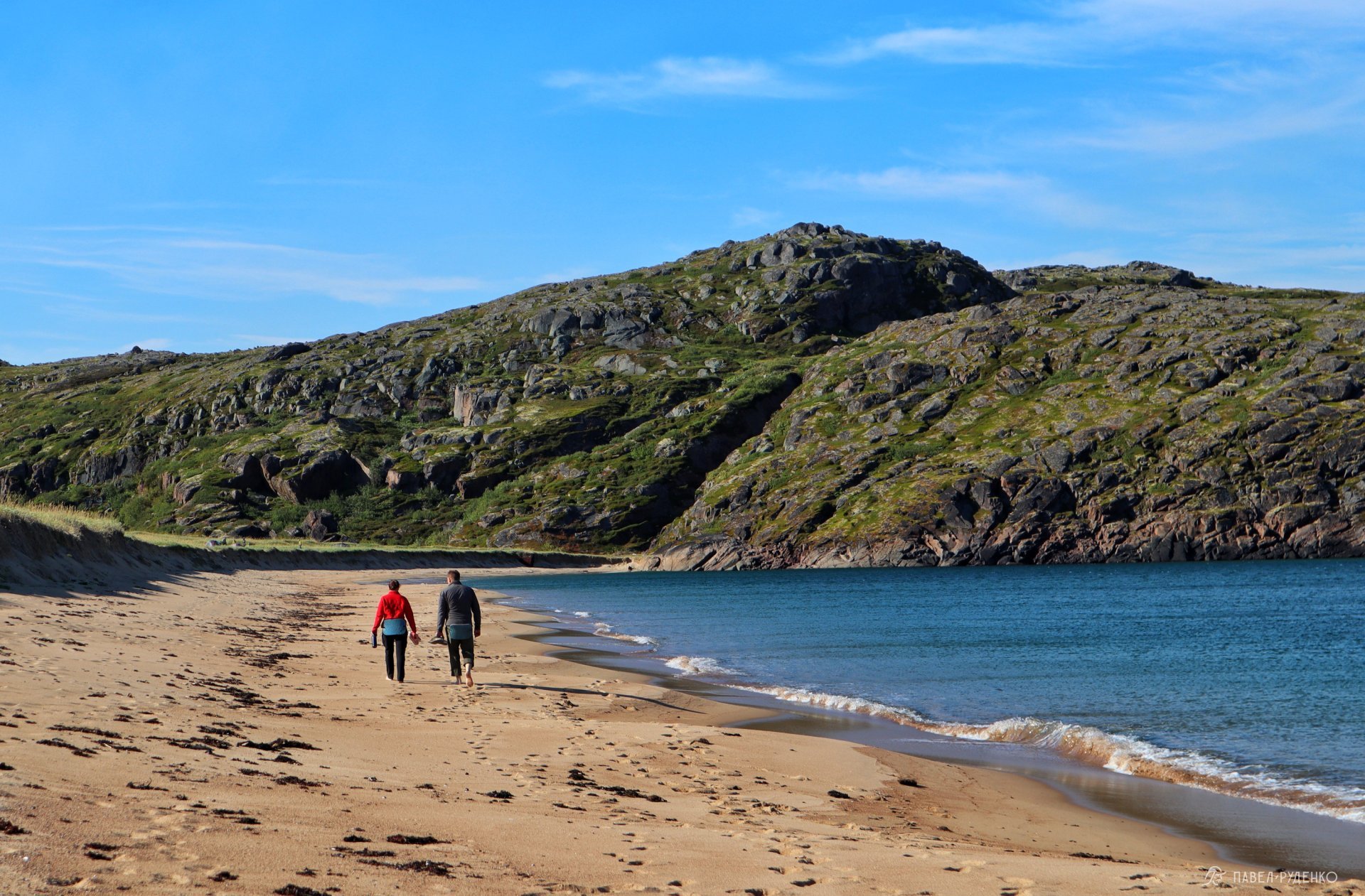
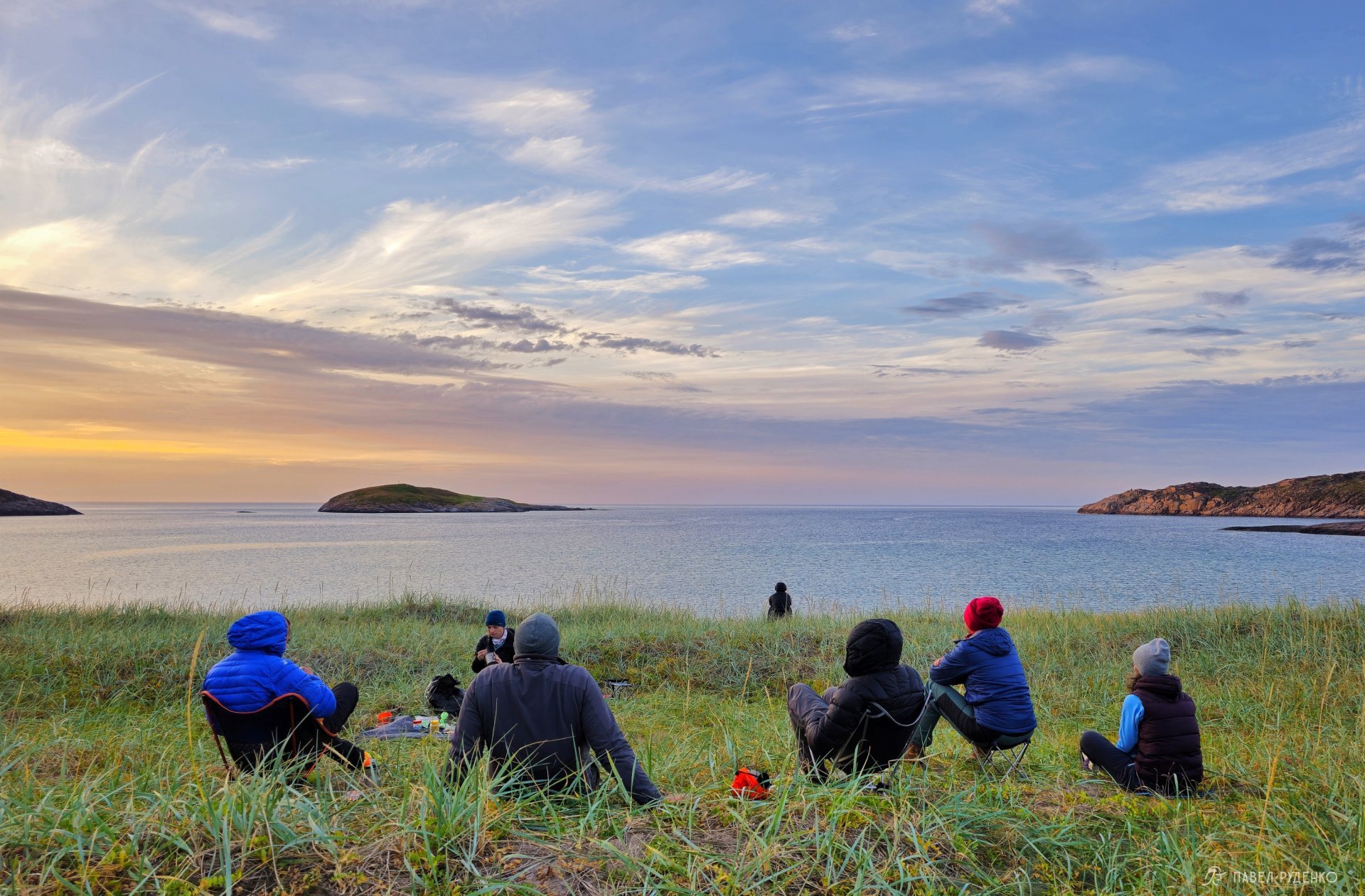
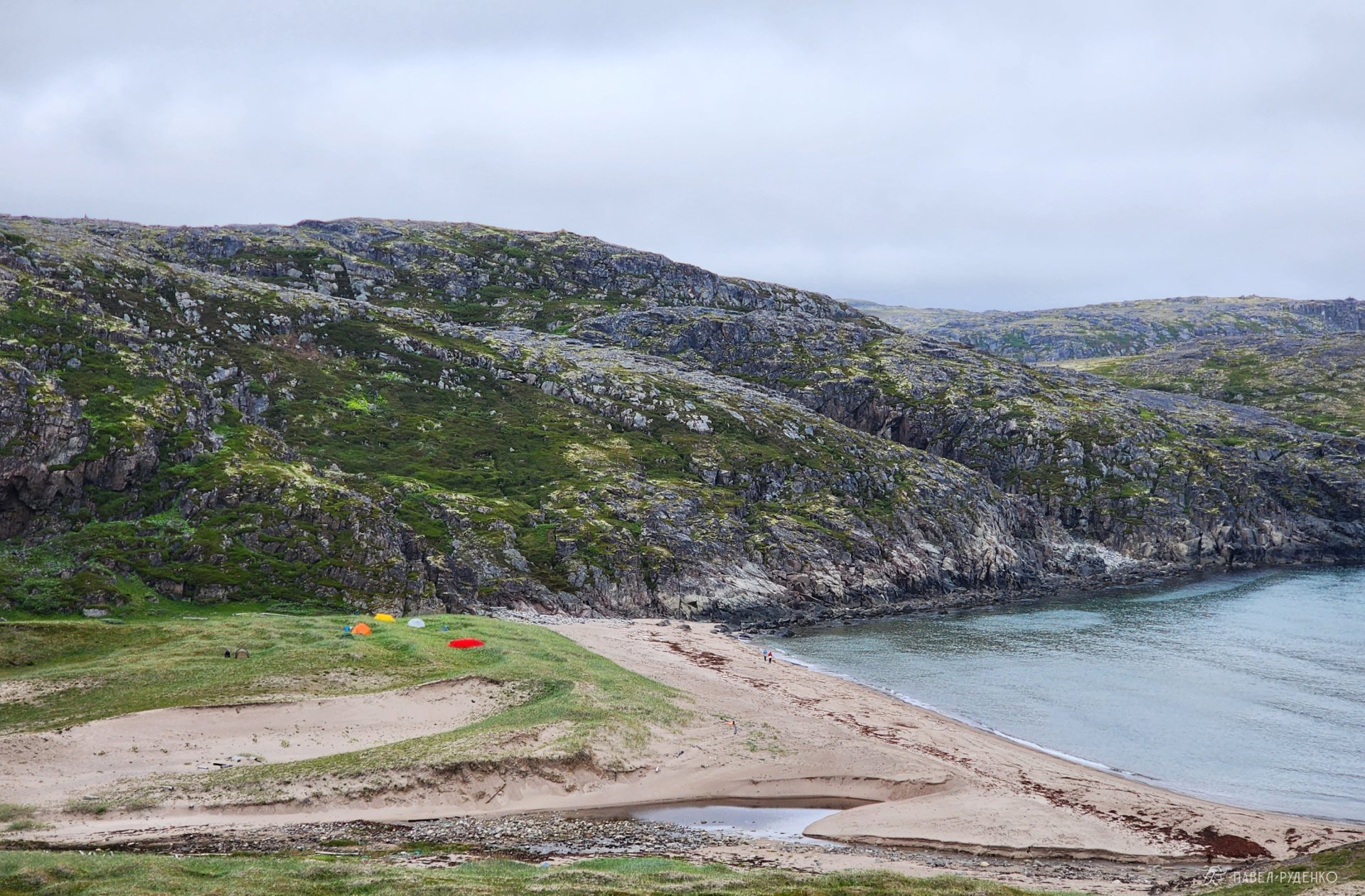
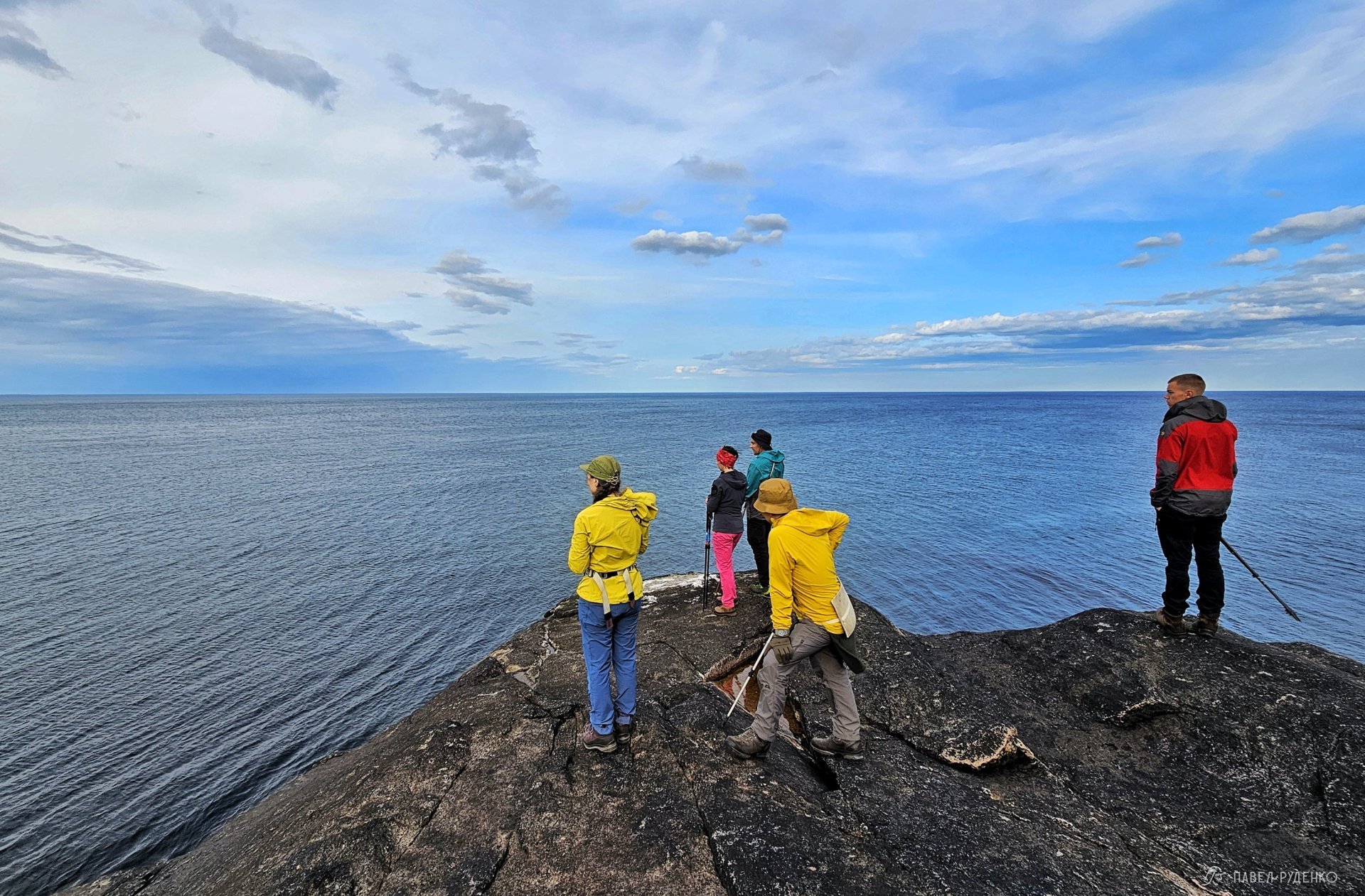
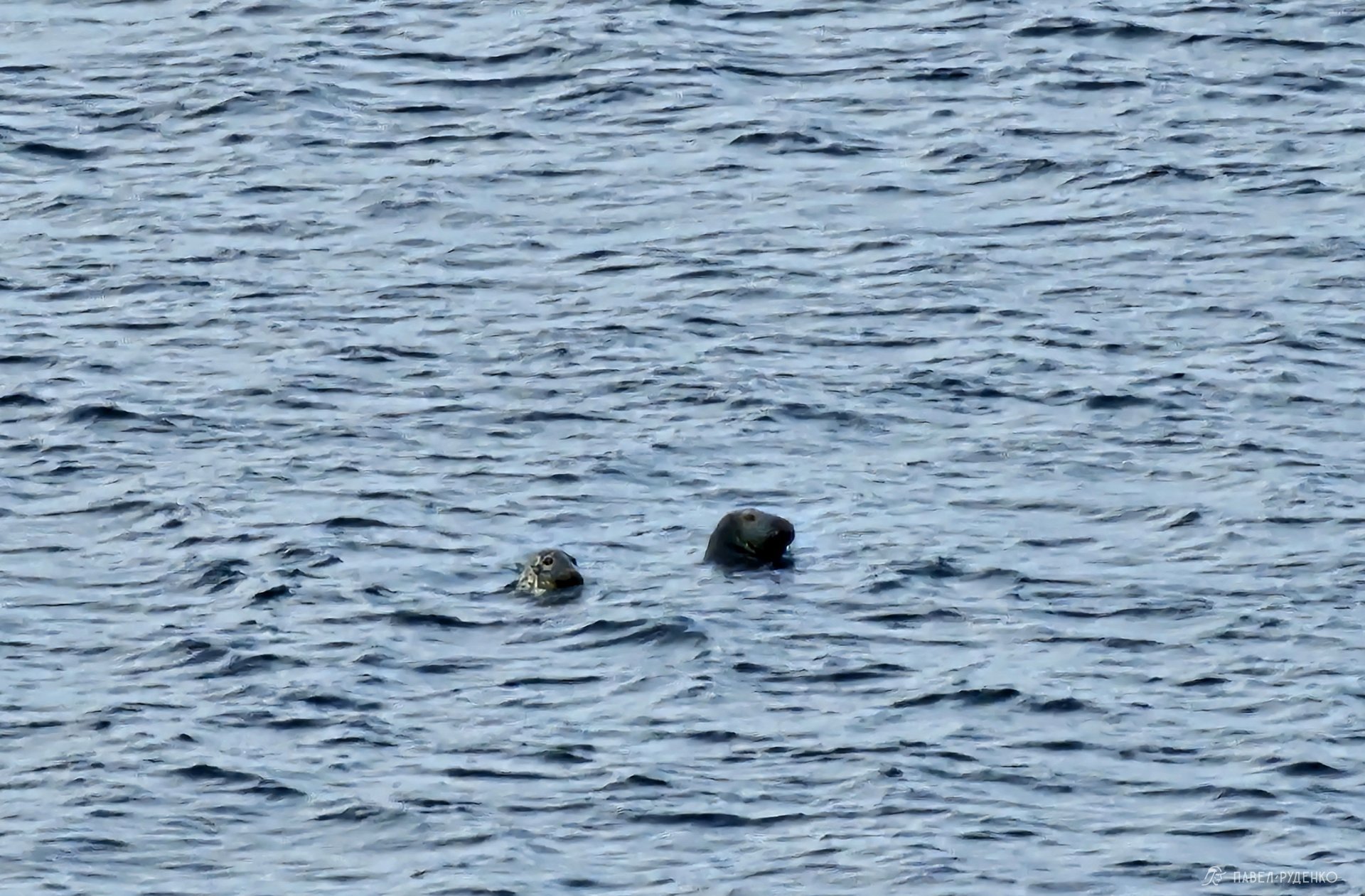
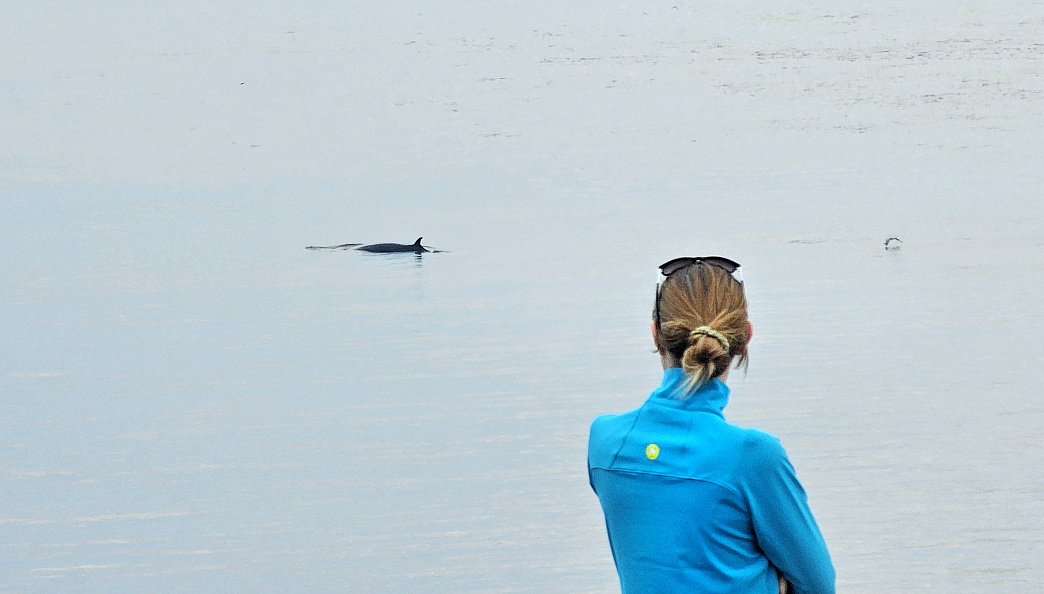
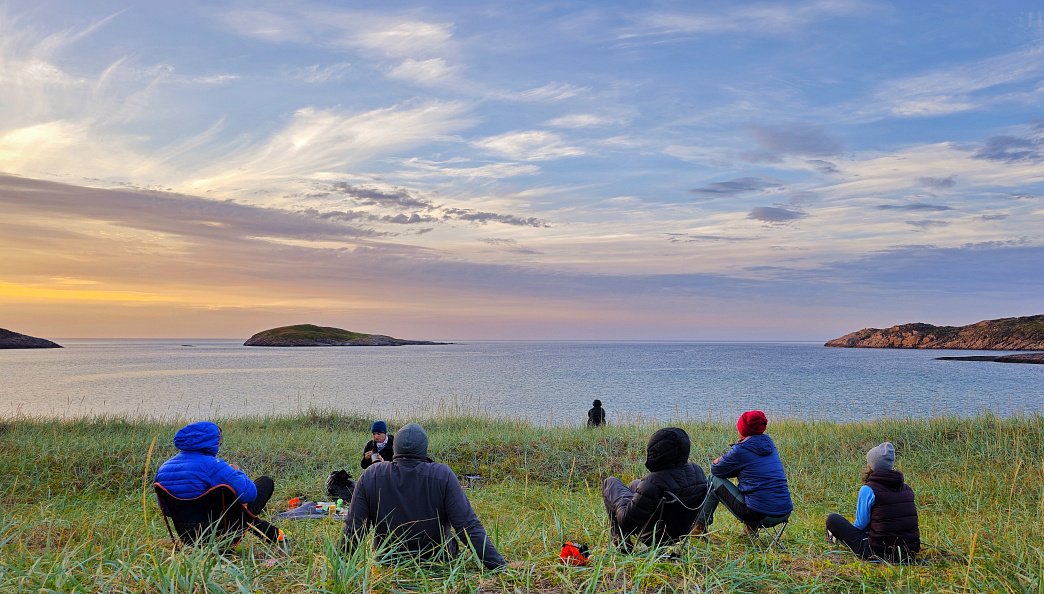
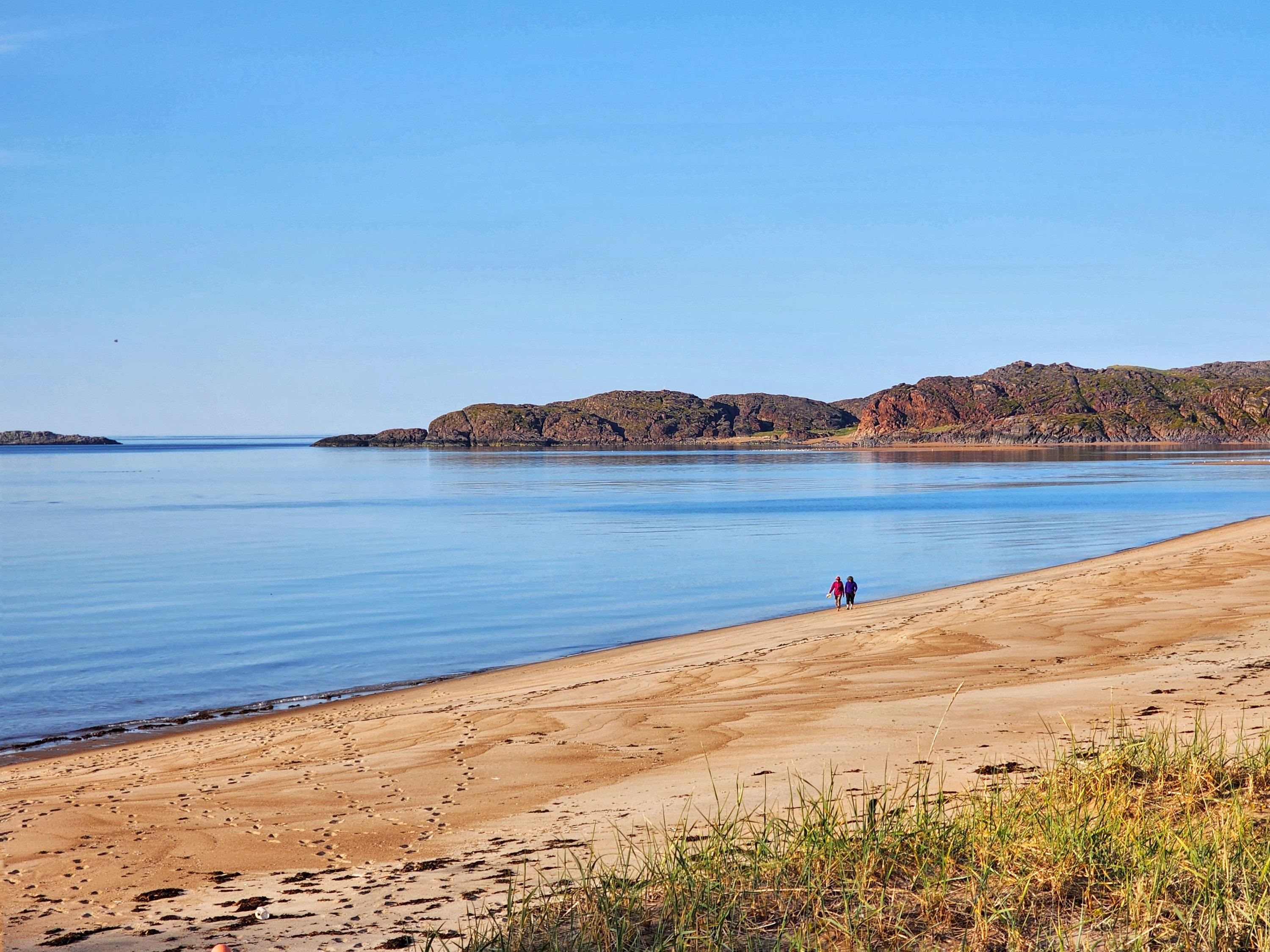
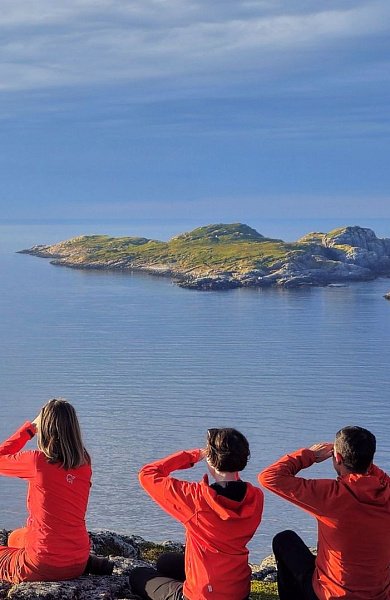
A unique highlight of this route is that we frequently take light day hikes to cliffs, beaches, and scenic viewpoints, exploring every hidden corner of the Arctic Ocean coast. We set up camp in the most picturesque coves, where we watch whales and seals every year, and stroll barefoot on the sand. This signature tour is all about pure harmony with nature and immersing yourself in its pristine wilderness.

Learn more

Who is this trek for

This route is ideal for both trekking beginners and seasoned adventurers looking to slow down and explore the beauty of the North. Yet, our journey is an active adventure: each day we navigate fells, the rugged terrain of the wild tundra, and changing weather conditions.

Daily distances and elevation gains are balanced so that any healthy person without specialized training can complete the route. Properly selected, high-performance gear is essential for your comfort along the trek.

Trek area

The village of Teriberka is an ancient Russian Pomor settlement at the mouth of a river on the Arctic Ocean coast. It was marked on the 1598 map 'Arctic and Scandinavia' by cartographer Theodor de Bry. The Kola Peninsula is marked as LAPPIA. You can recognize the contours of the Rybachy Peninsula (Kegor), Kola Bay (Cola), and Kildin Island (Kyldin). The map depicts explorer sailing ships surrounding the peninsula — these waters were first charted five centuries ago.

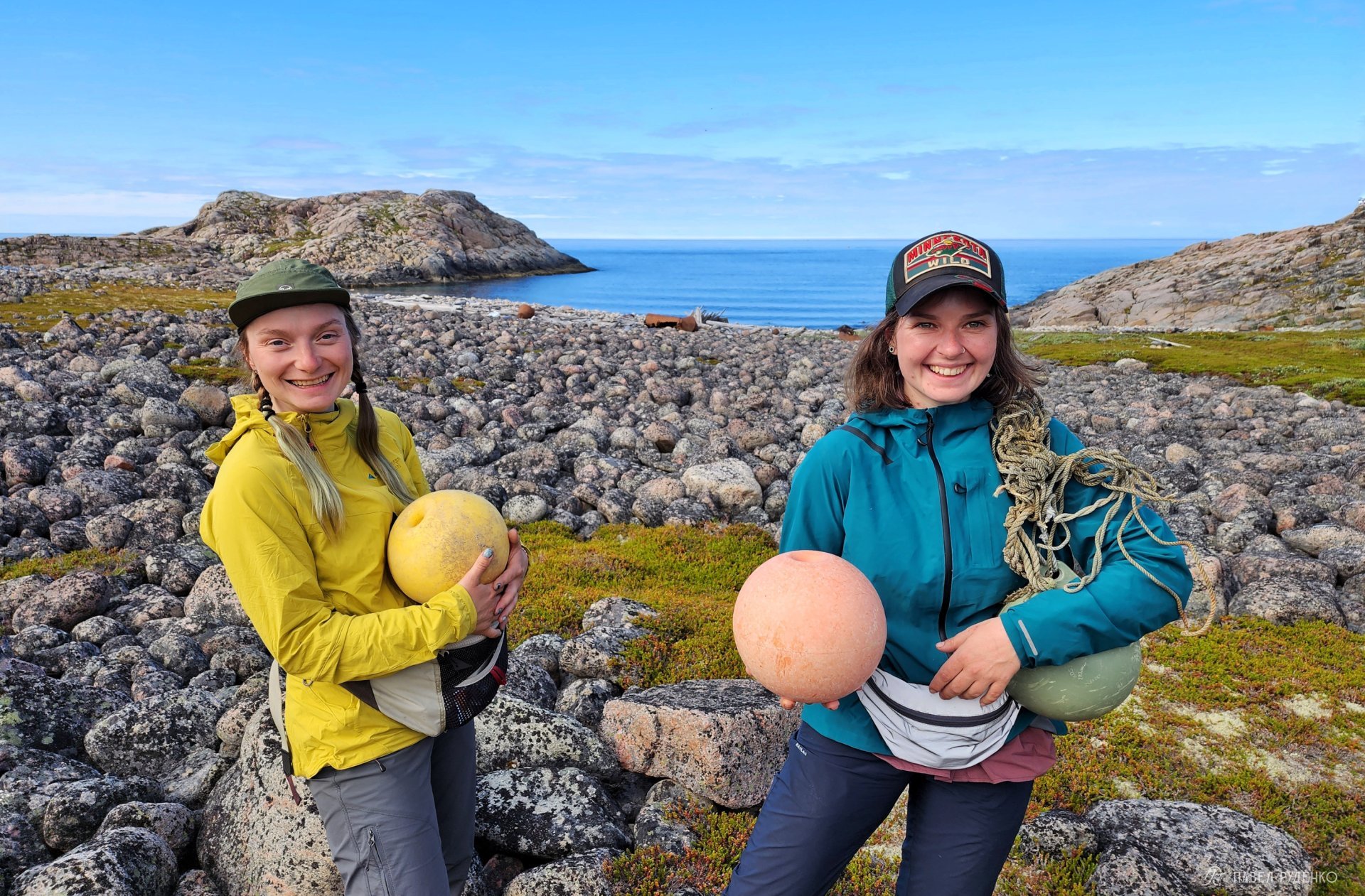
Ocean gifts

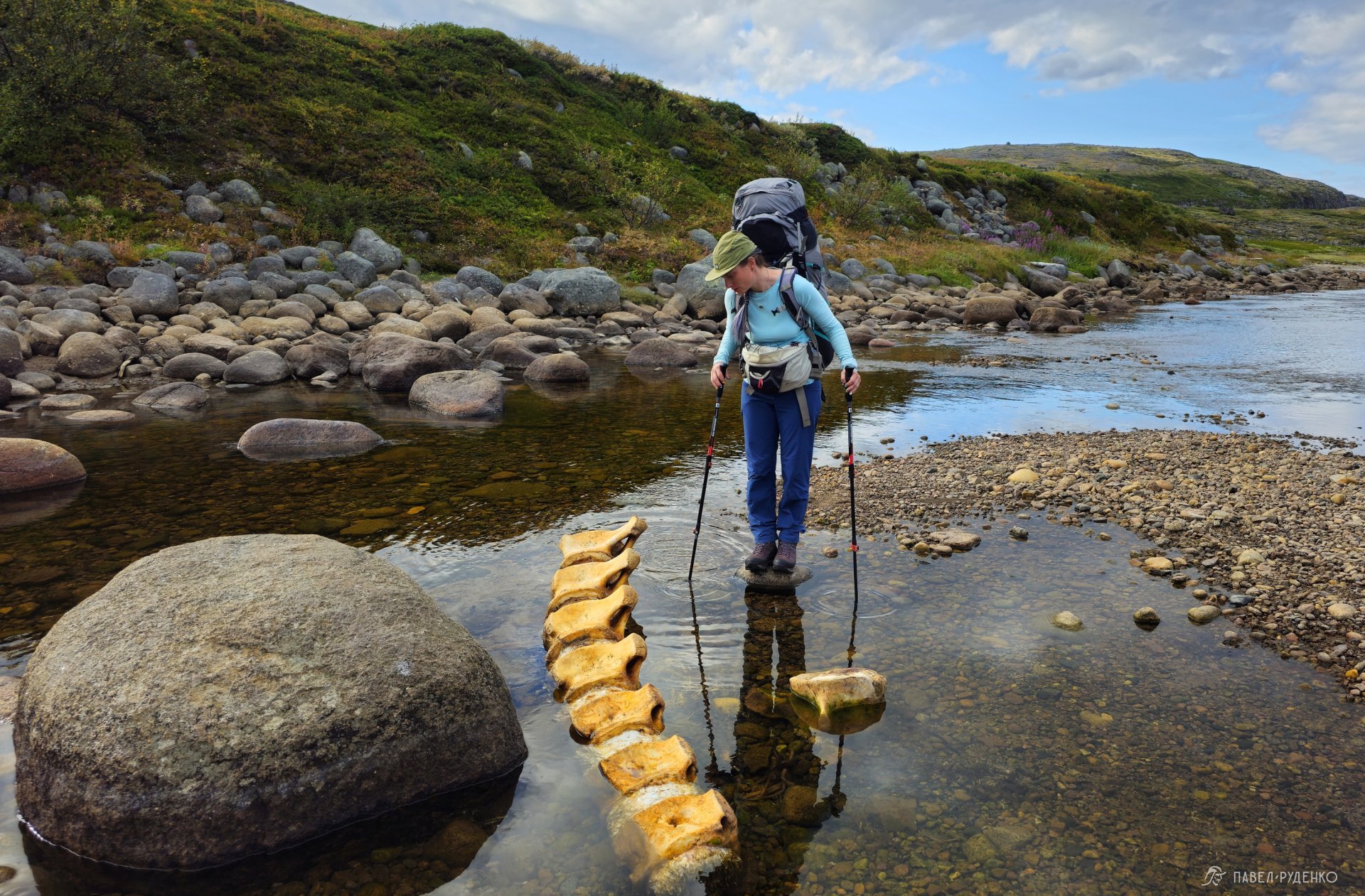
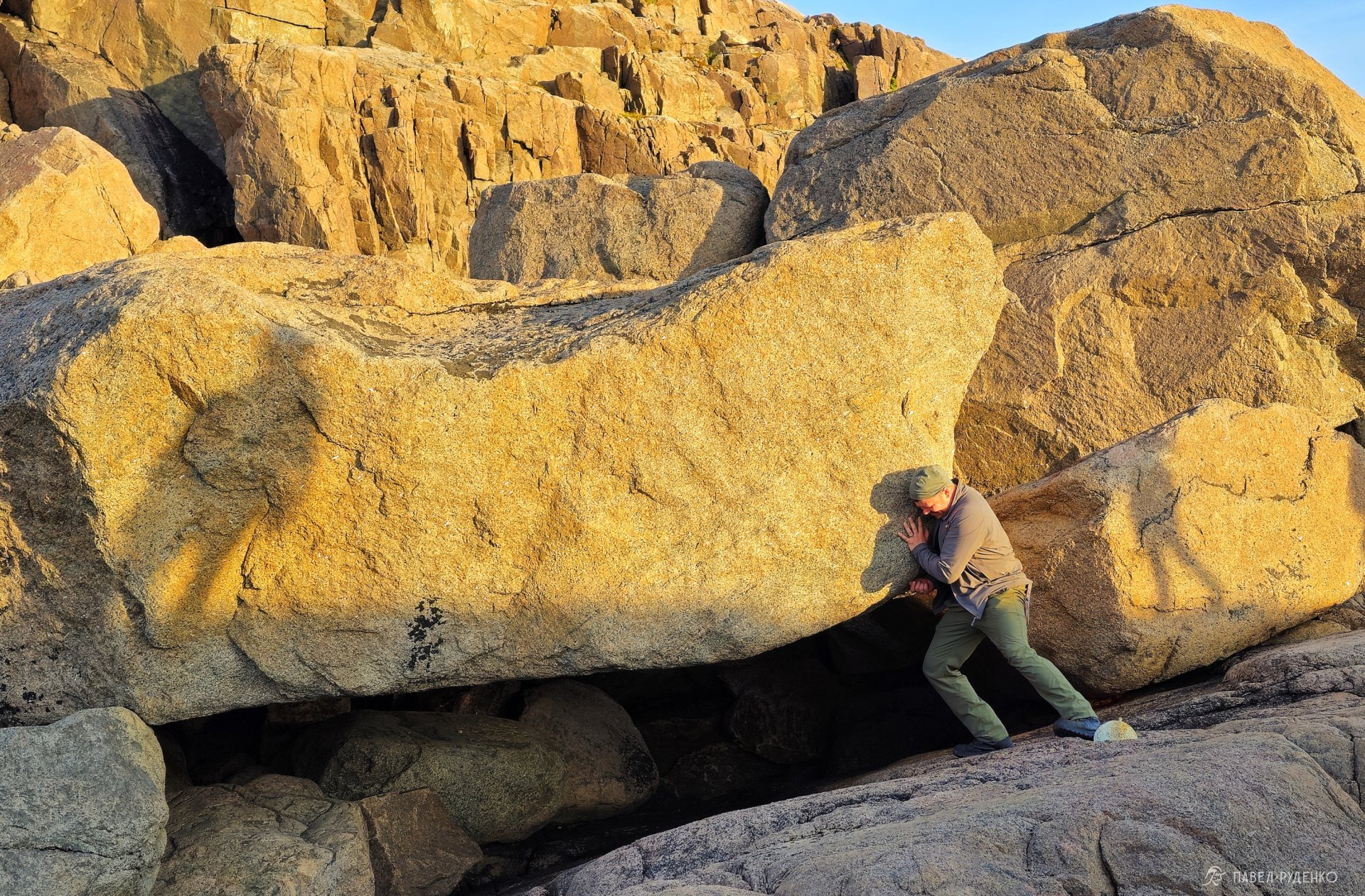
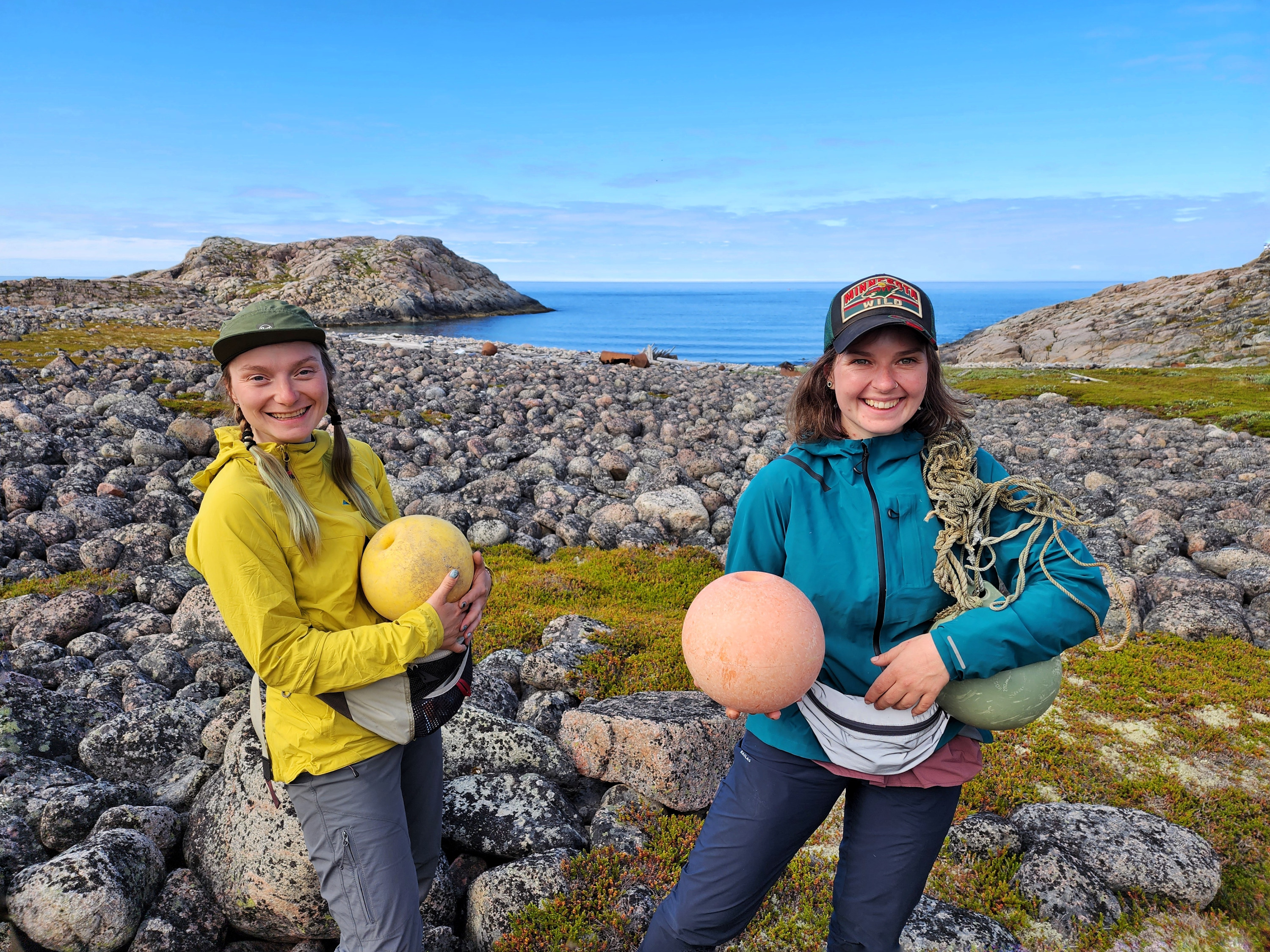
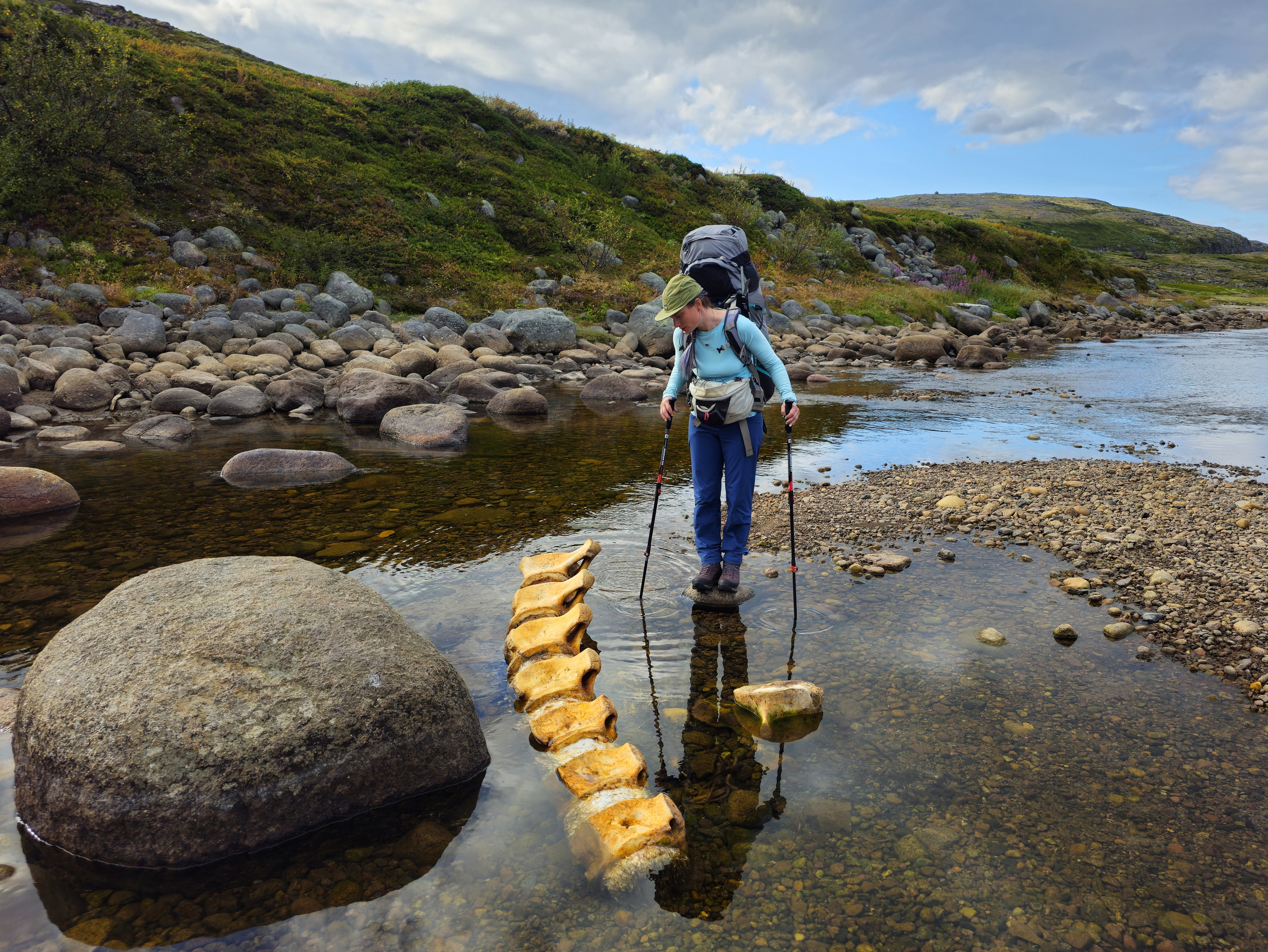
In some coves, you can spot washed-up underwater torpedoes, a rocket booster stage, or whale bones. A branch of the Gulf Stream, the North Cape Current, washes ashore fishing nets and buoys from Iceland and Norway — we collect them as unique souvenirs.

Wildlife

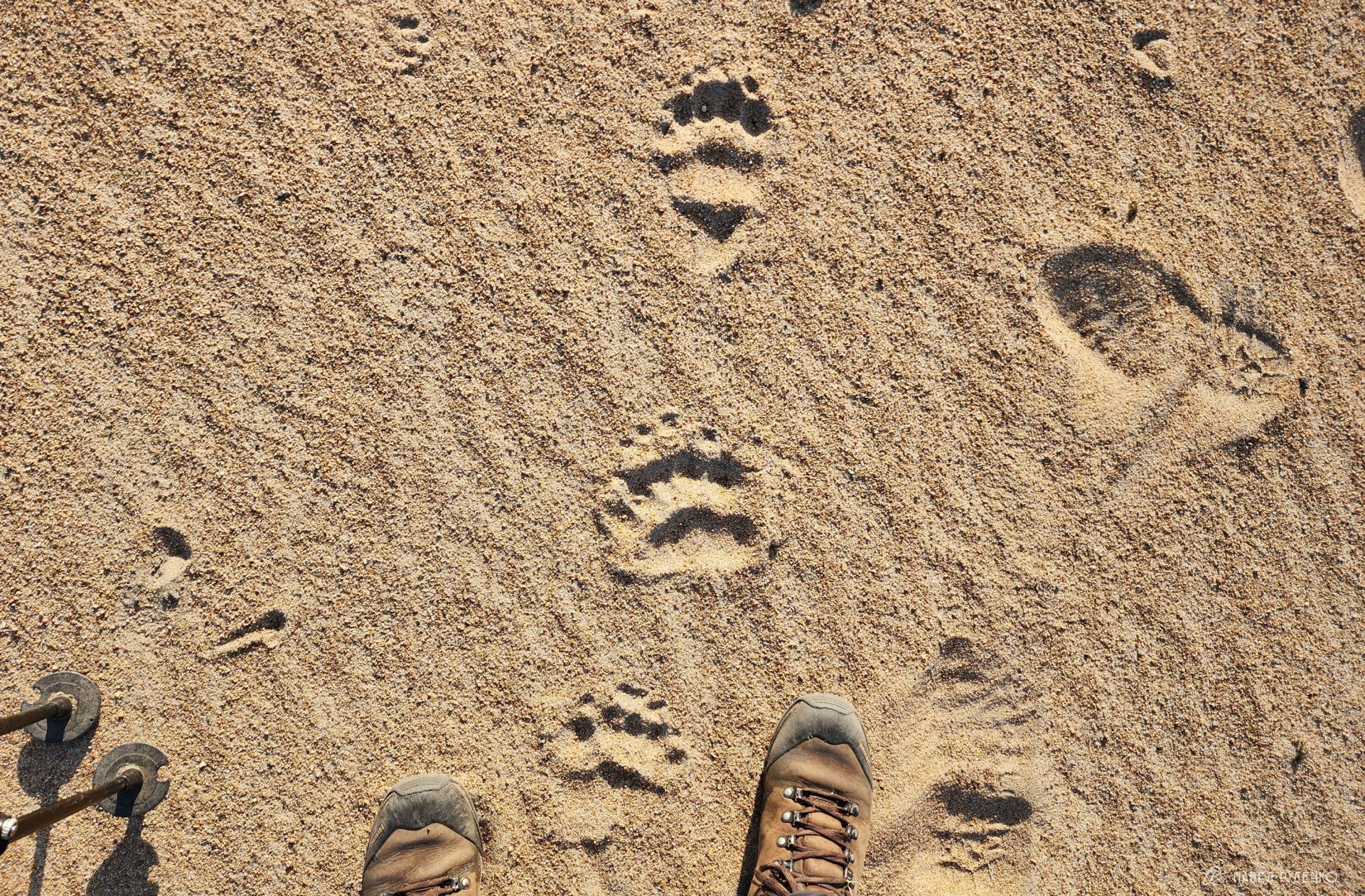
The North is minimalist by nature, yet vivid in its displays. Animals here are like spirits, roaming the endless expanses of the tundra. There is a chance to meet a playful fox or a brown bear ambling along a nearby fell. The bears here are relatively small and naturally cautious around humans, so keep your camera ready before the moment slips away. All necessary wildlife safety gear is provided and always at hand.

Day-by-day itinerary

Elevation gain by day
1900 m 1850 m
Day 1, Meet in Murmansk: ascent 0 m, descent 0 m 1 Day 2, Straight into the Tundra: ascent 450 m, descent 450 m, 13 km 2 Day 3, Arctic Ocean Coastline: ascent 350 m, descent 350 m, 12 km 3 Day 4, Sea Bays: ascent 250 m, descent 250 m, 10 km 4 Day 5, Rocky Tundra: ascent 350 m, descent 300 m, 14 km 5 Day 6, Extended Day Hike: ascent 100 m, descent 100 m, 7 km 6 Day 7, Northern Lakes: ascent 250 m, descent 200 m, 11 km 7 Day 8, Return to Civilization: ascent 150 m, descent 200 m, 8 km 8 Day 9, End of the Program: ascent 0 m, descent 0 m 9
Elevation is shown relative to the starting point and calculated based on ascents and descents from the itinerary.
1 day, 1 June
Meet in Murmansk

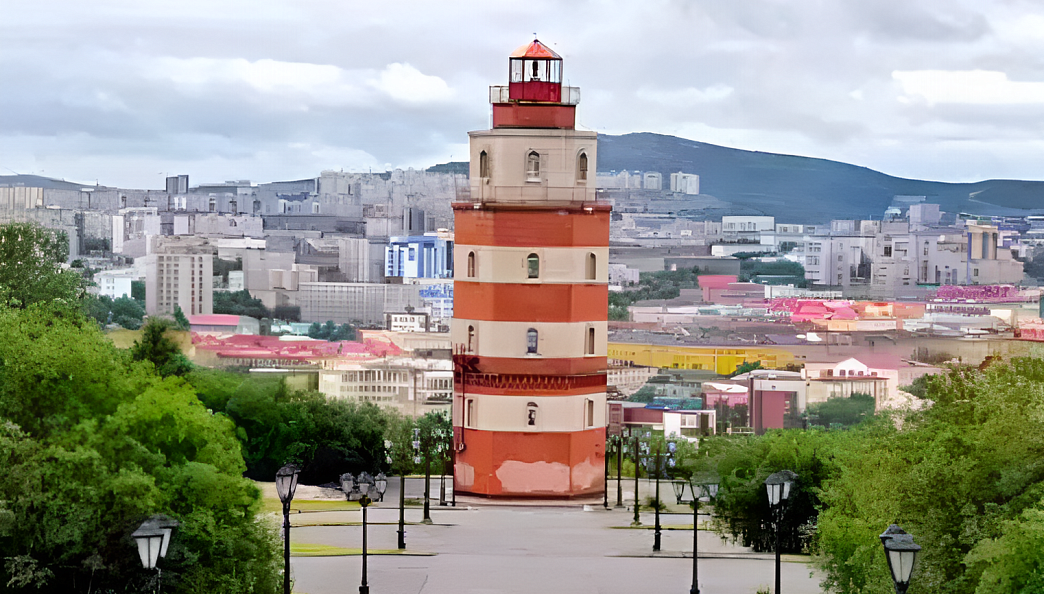
At 18:00 we meet for a briefing to get to know each other, check our gear, and distribute food rations. 

2 day, 2 June
Straight into the Tundra

Breakfast, transfer to the trailhead. Warm-up and immersion into the tundra.

13 km
450 m
450 m
3 h
3 day, 3 June
Arctic Ocean Coastline

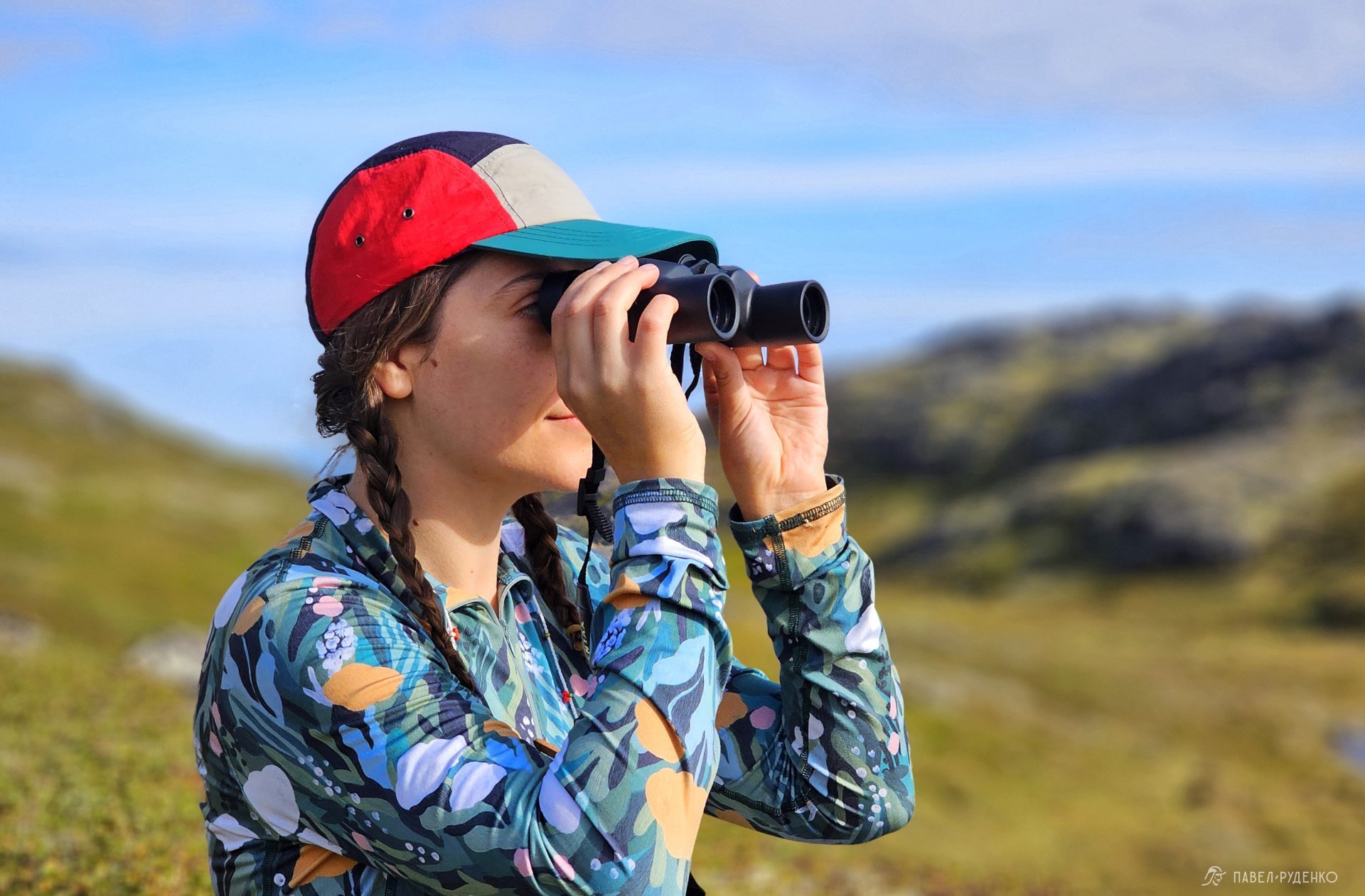
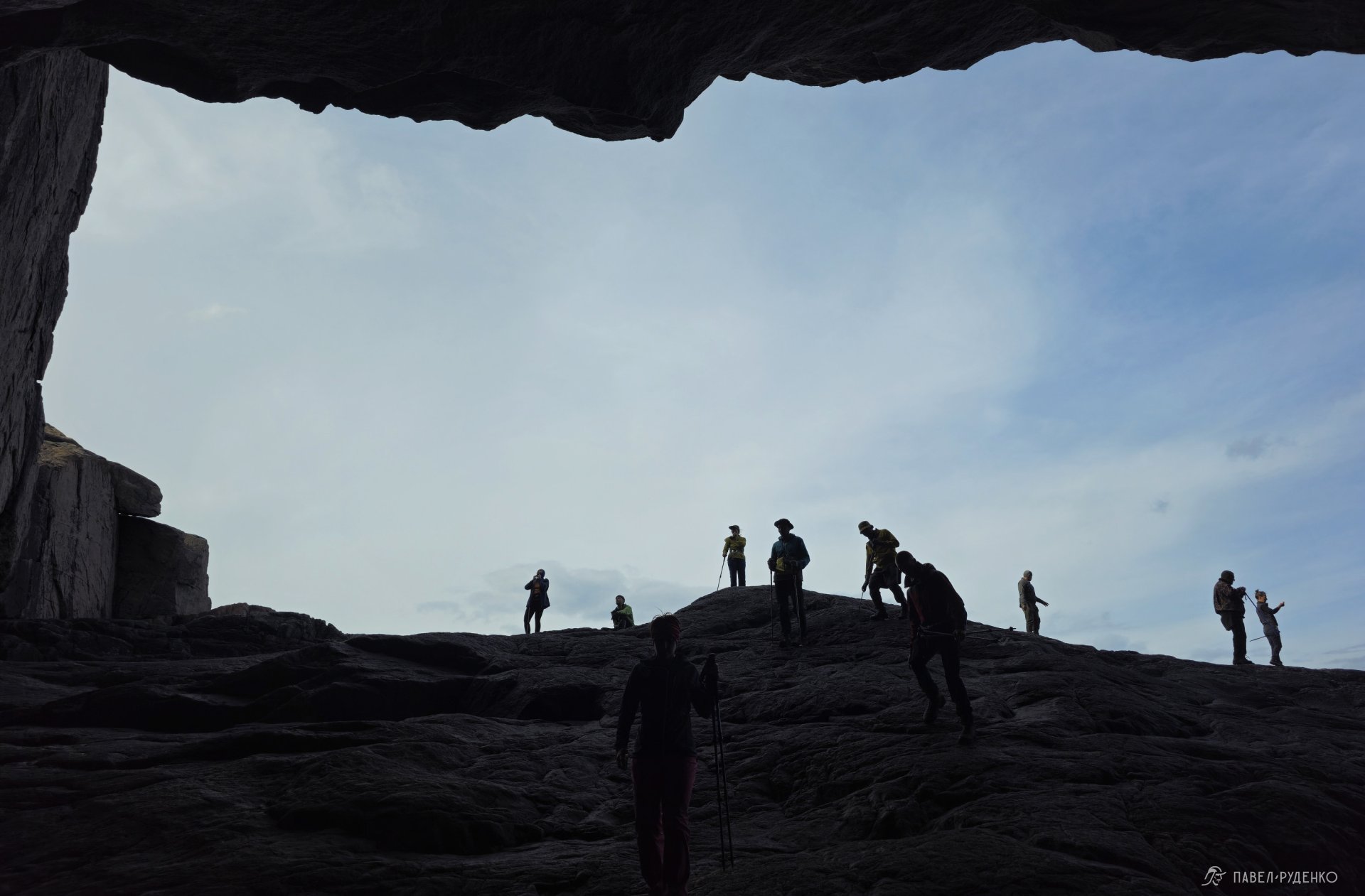
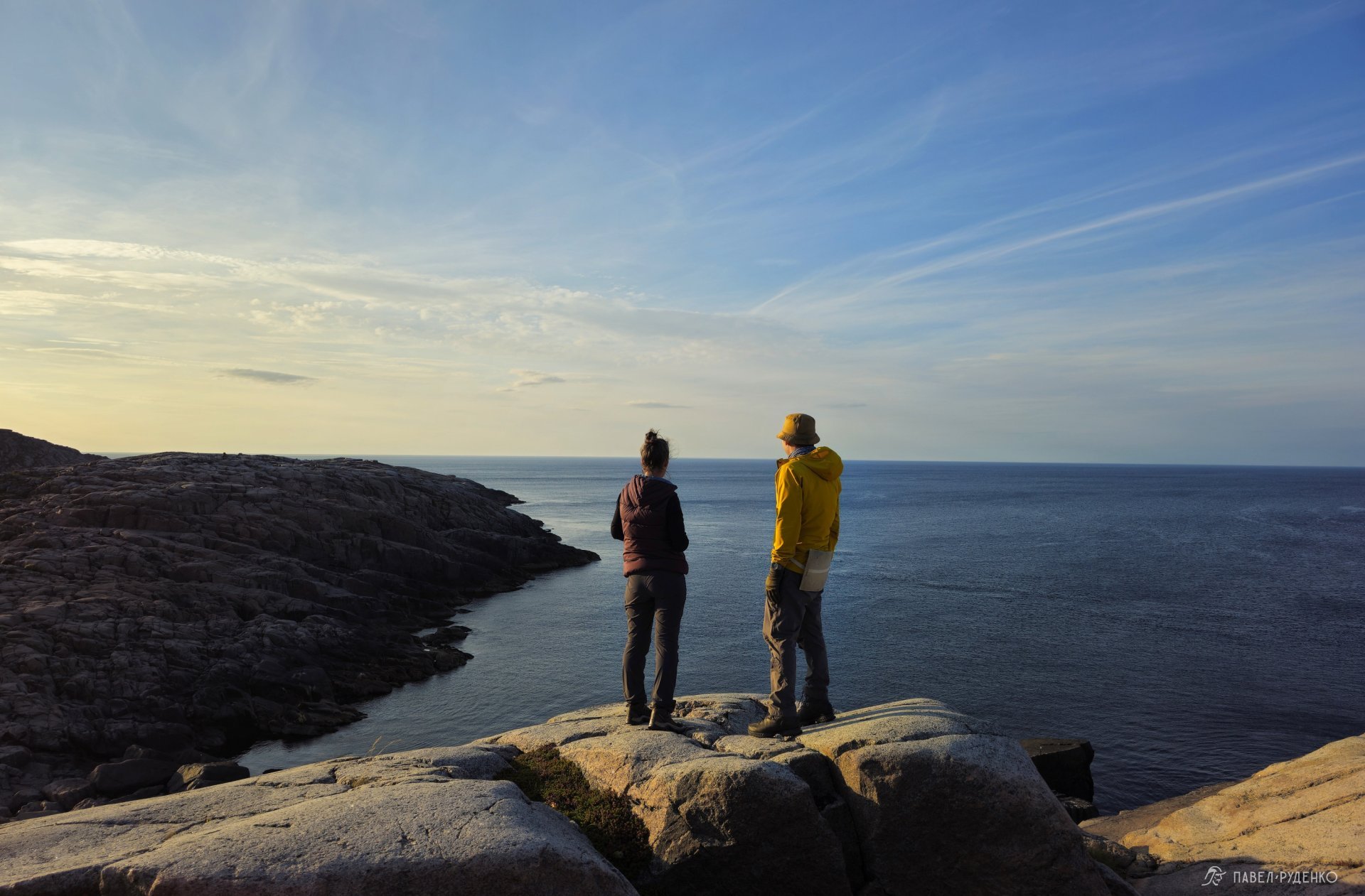
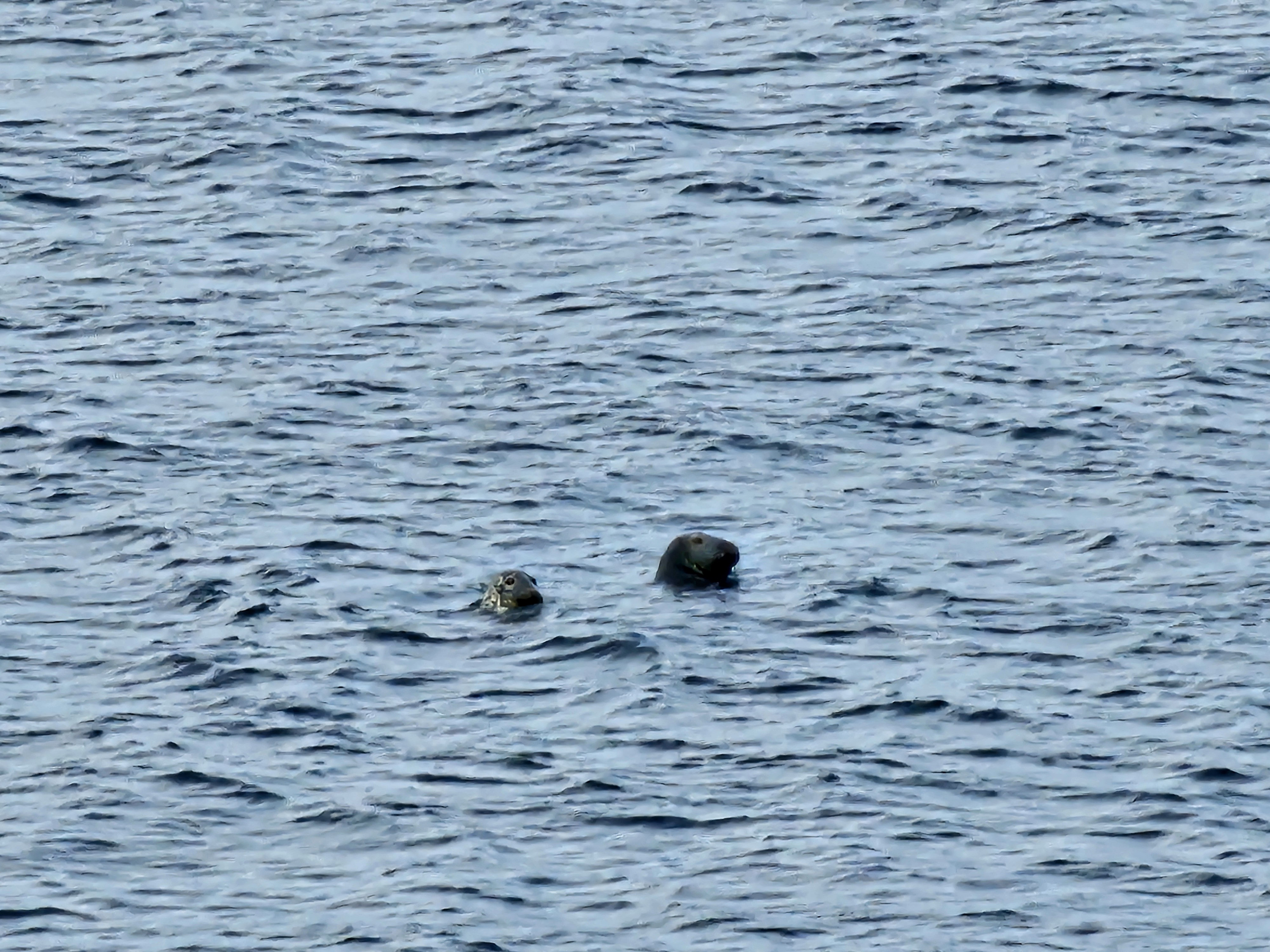
We explore the rocky coastline, scanning the waters with binoculars for whale fins or seal heads. A 2 km side hike.

10+2 km
350 m
350 m
4 day, 4 June
Sea Bays

After lunch, we pitch camp in an extraordinarily beautiful bay and head out on a 5 km side trek to explore the coastline.

5+5 km
250 m
250 m
5 day, 5 June
Rocky Tundra

Trek into an entirely different tundra landscape offering breathtaking panoramic views. 

14 km
350 m
300 m
6 day, 6 June
Extended Day Hike

Spend the first half of the day resting, catching up on sleep, and gazing at the sea. In the afternoon, we head out to explore the area.

7 km
100 m
100 m
7 day, 7 June
Northern Lakes
10+1 km
250 m
200 m
8 day, 8 June
Return to Civilization

Return to Murmansk, followed by a celebratory dinner at one of the top restaurants in the world's largest Arctic city.

8 km
150 m
200 m
4 h
9 day, 9 June
End of the Program

Check-out by 12:00. If you wish, you can extend your stay for another day and explore the city on your own.

Safety is my top priority

Two guides
On every trek: one guide per six participants, two guides per 12 participants
Scouted route
I specialize in Arctic regions. Rest assured that every route is thoroughly scouted and planned down to the smallest detail.
Always connected
The group is registered with EMERCOM (Search and Rescue). I always carry backup GPS navigation, a radio, and an Iridium satellite communicator. A base coordinator tracks the group's progress daily and sends weather updates twice a day
First aid
All guides are certified in Basic and Wilderness & Remote First Aid by the Red Cross
Professional gear
I use only gear tailored for Arctic conditions—designed to withstand gale-force winds and torrential rain while keeping you warm, comfortable, and safe
Insurance
Travel insurance is arranged for every participant
Preparation
I speak personally with each participant to review every piece of gear, ensuring a consistently high level of safety and comfort for the entire group

Why join this trip

1/9
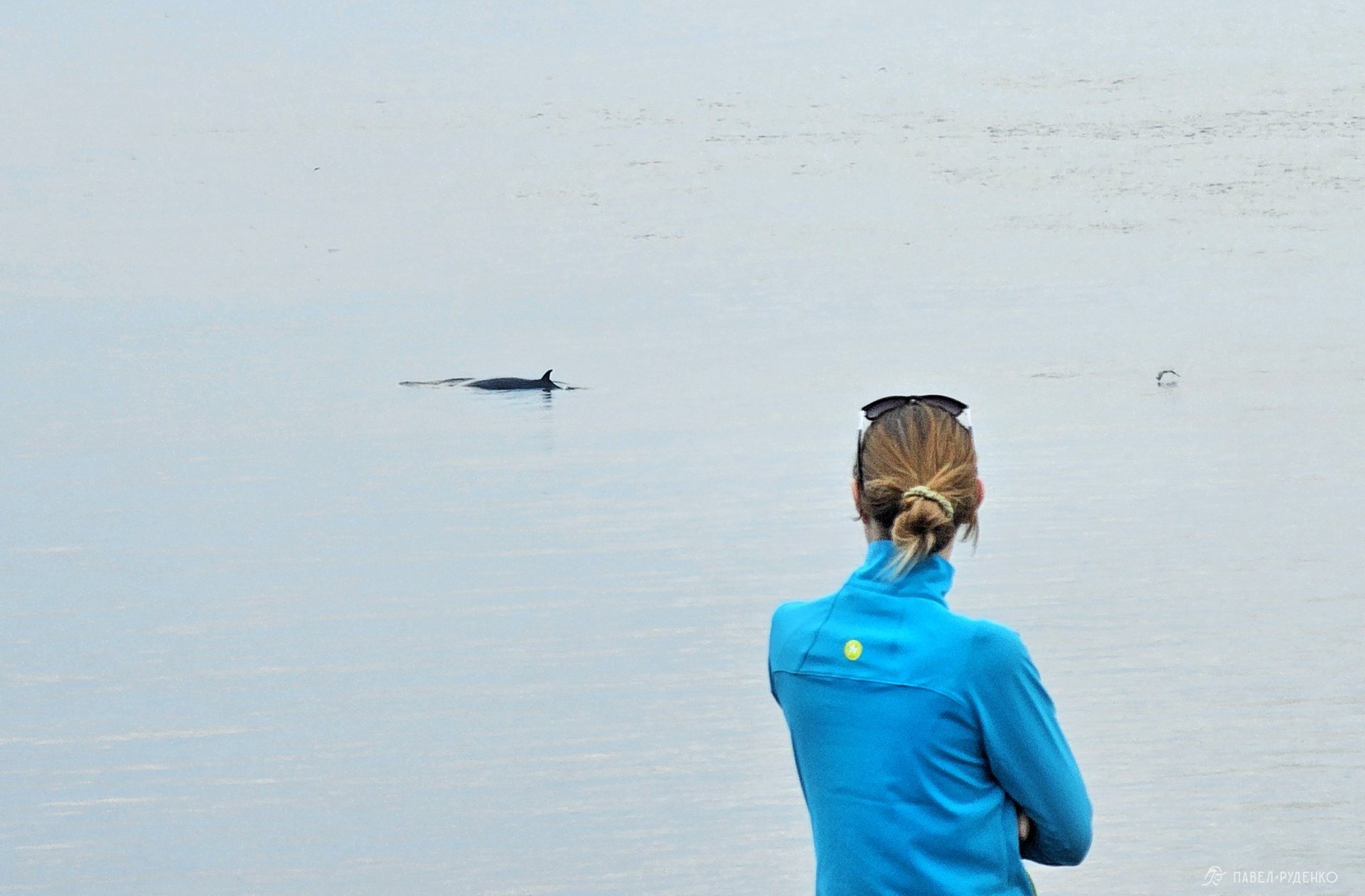
Common minke whale
Common minke whale

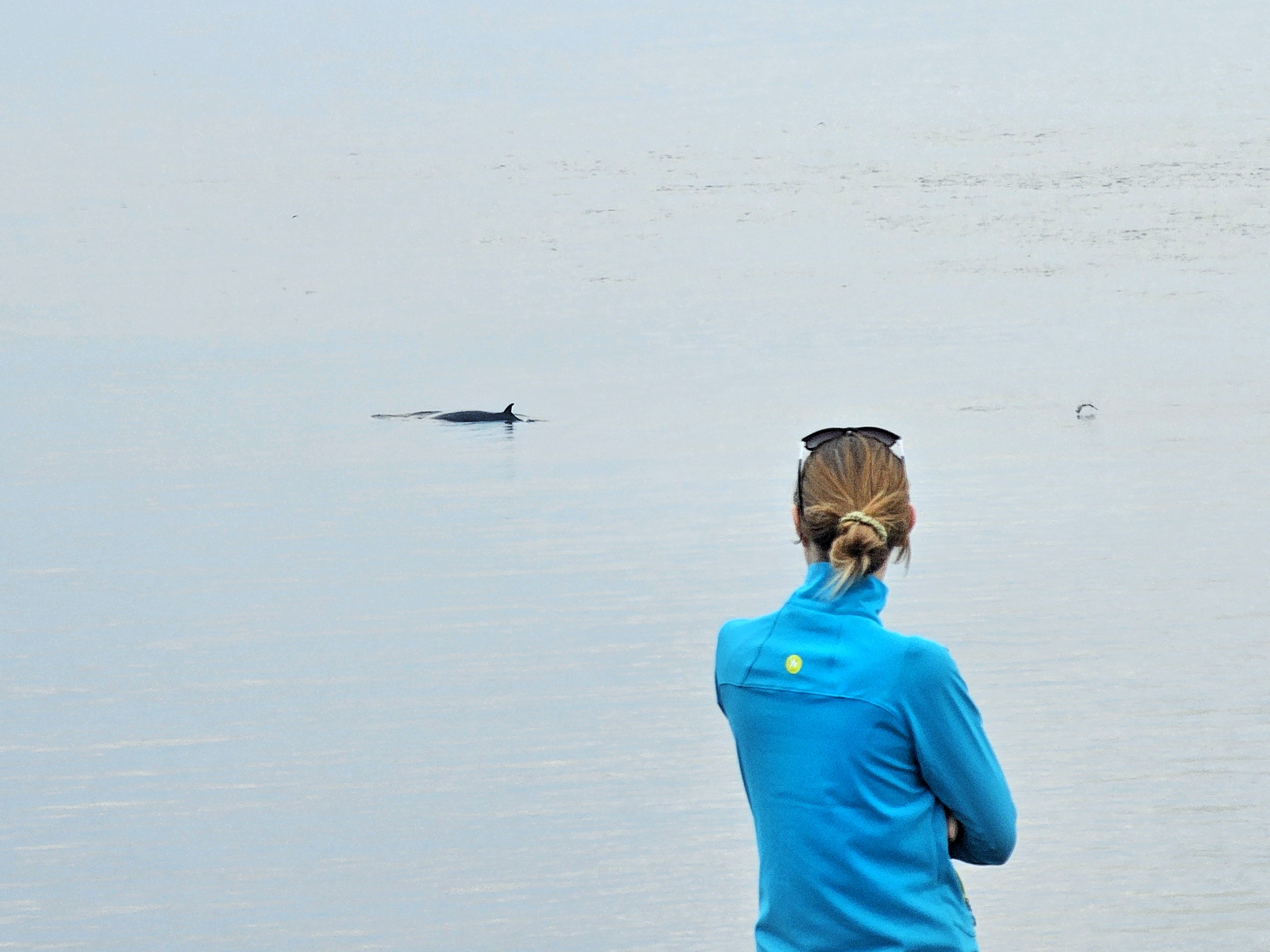
Can be seen right from the shore.

Harp seal
Harp seal

Often checks in on what we are doing.

Midnight sun
Midnight sun

An amazing phenomenon where the sun never sets around the clock.

Marine souvenirs
Marine souvenirs

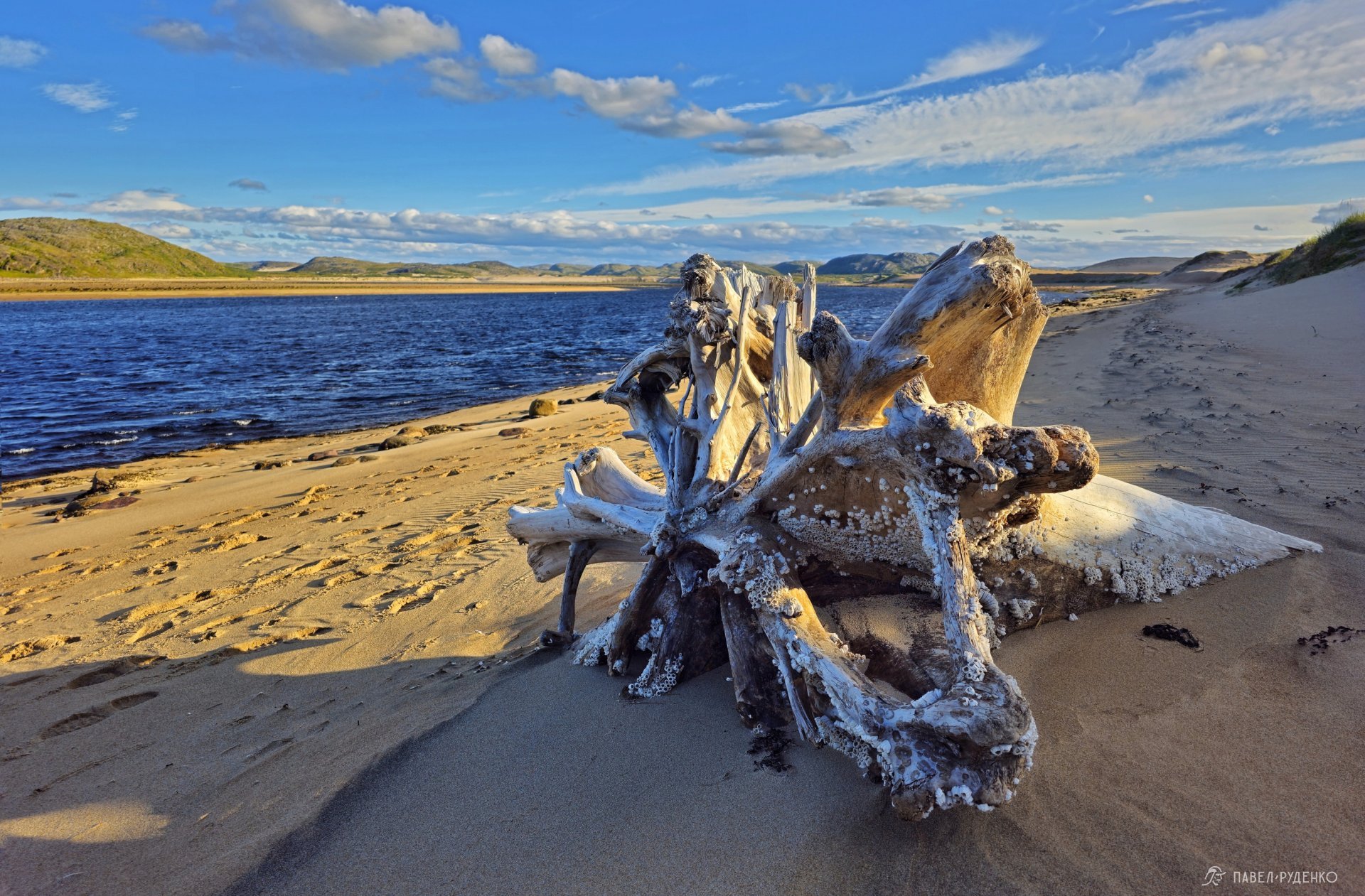
We collect buoys, driftwood, and fishing nets as keepsakes.
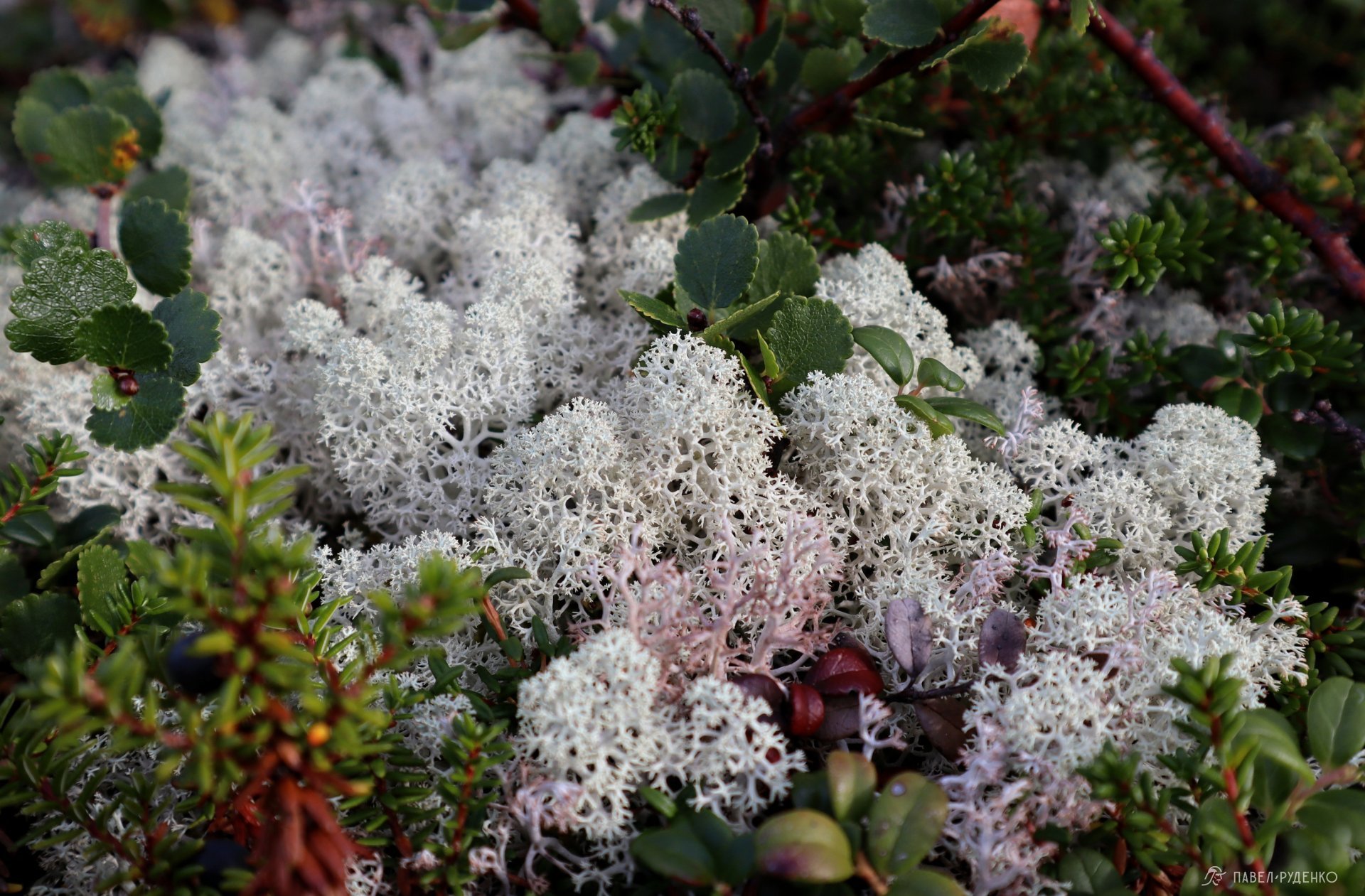
Tundra microworld
Tundra microworld

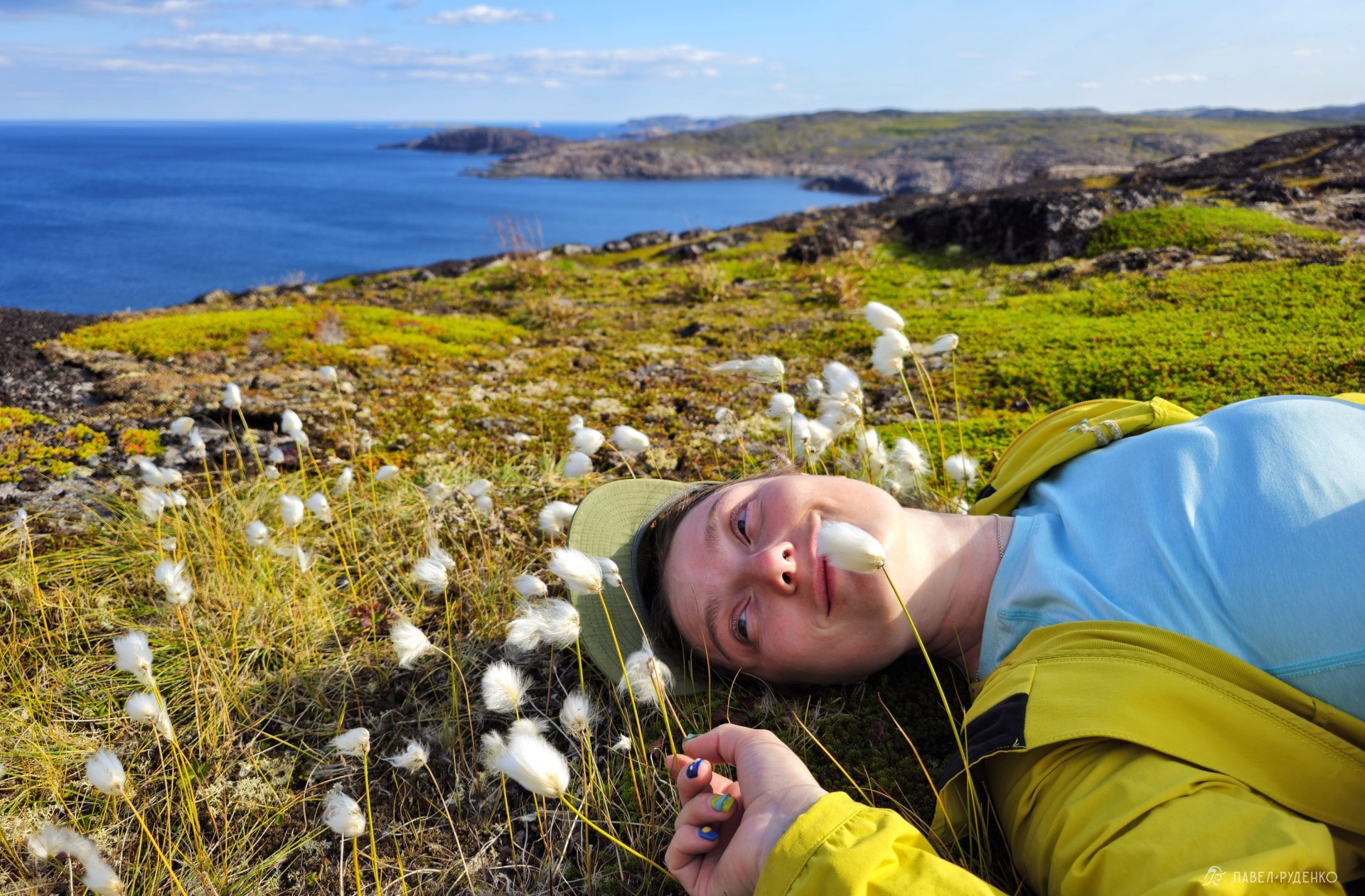
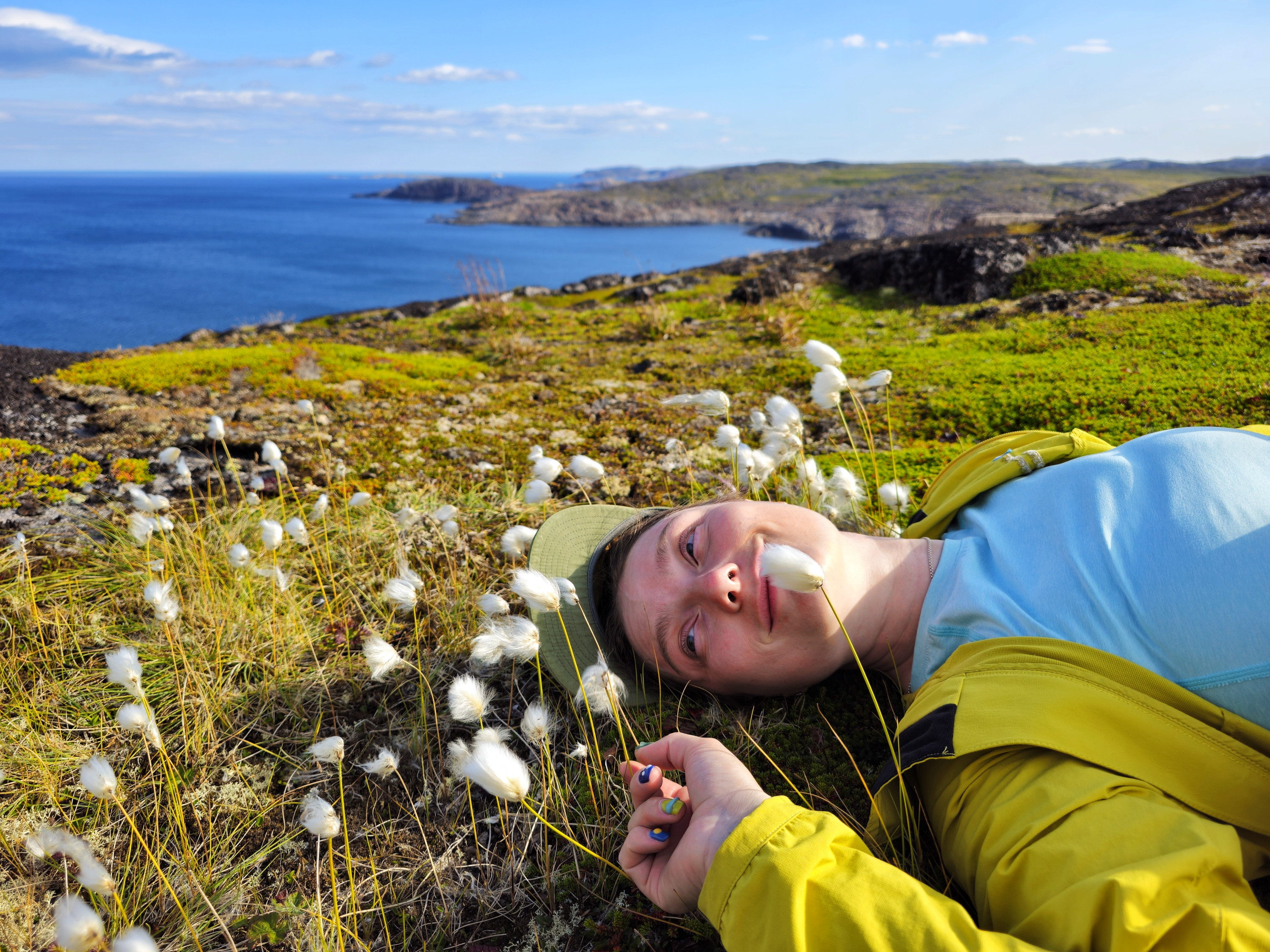
Fascinating lichens and mosses.
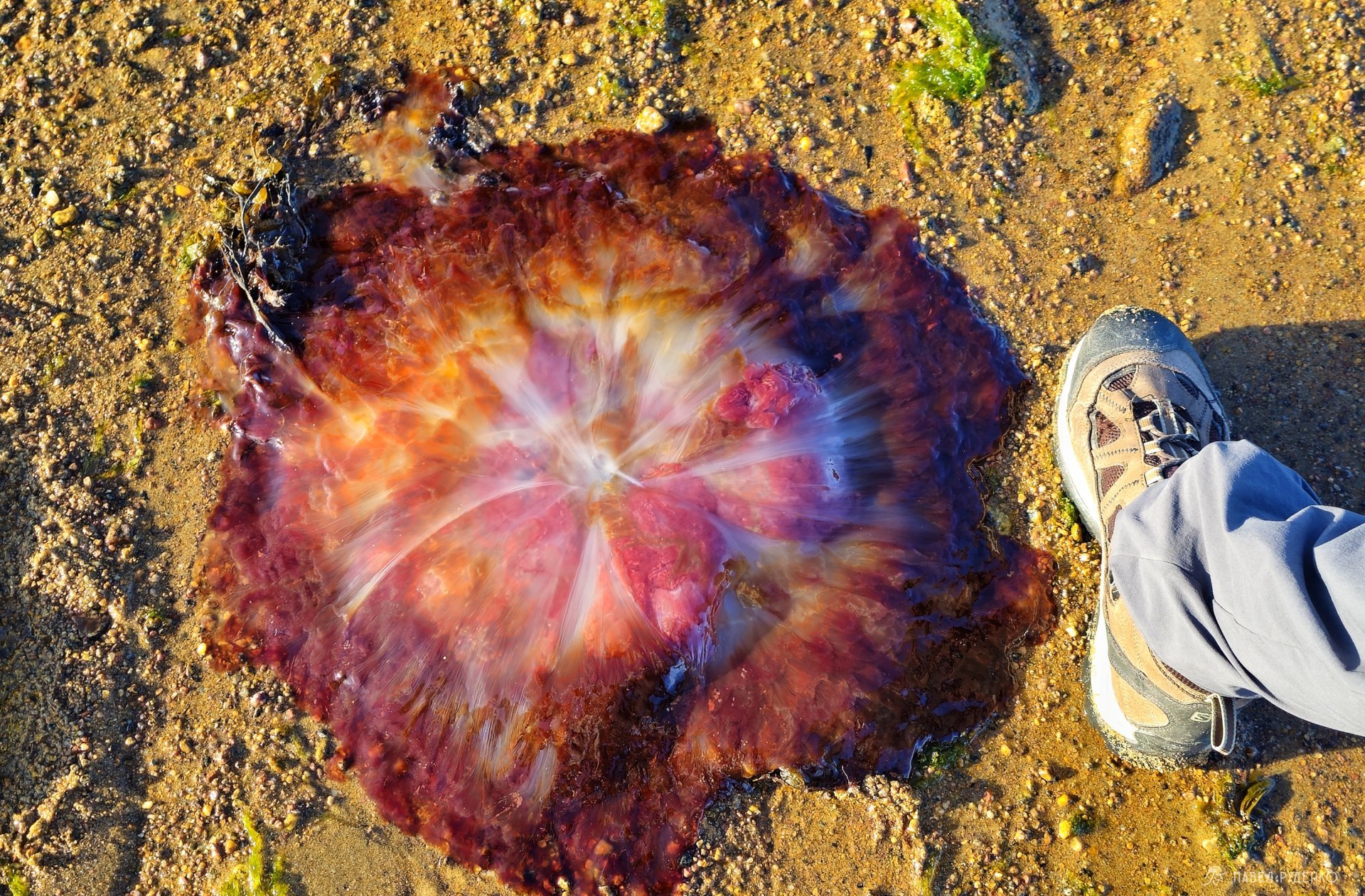
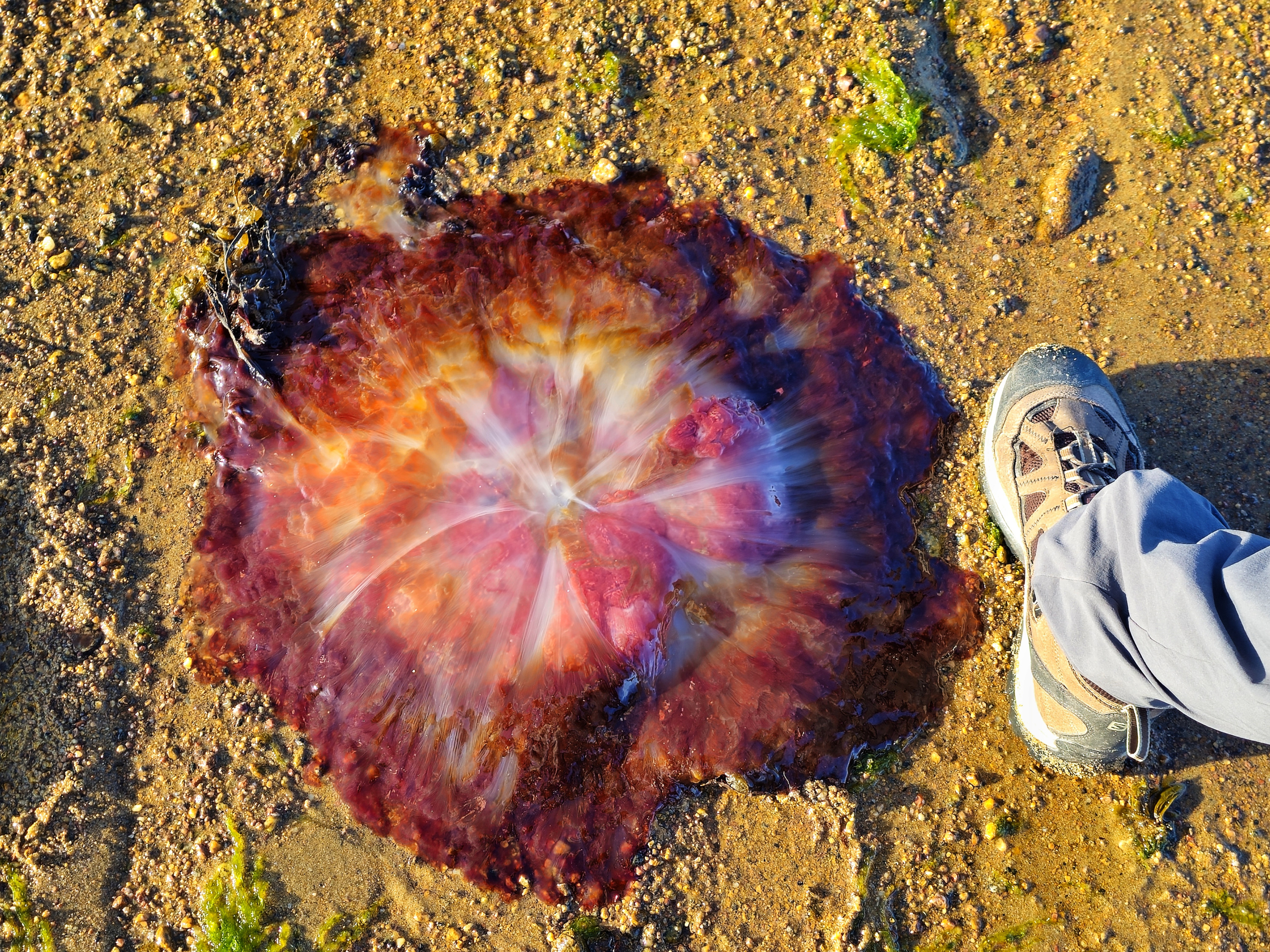
Lion's mane jellyfish

Northern waters are home to the largest jellyfish in the World Ocean.
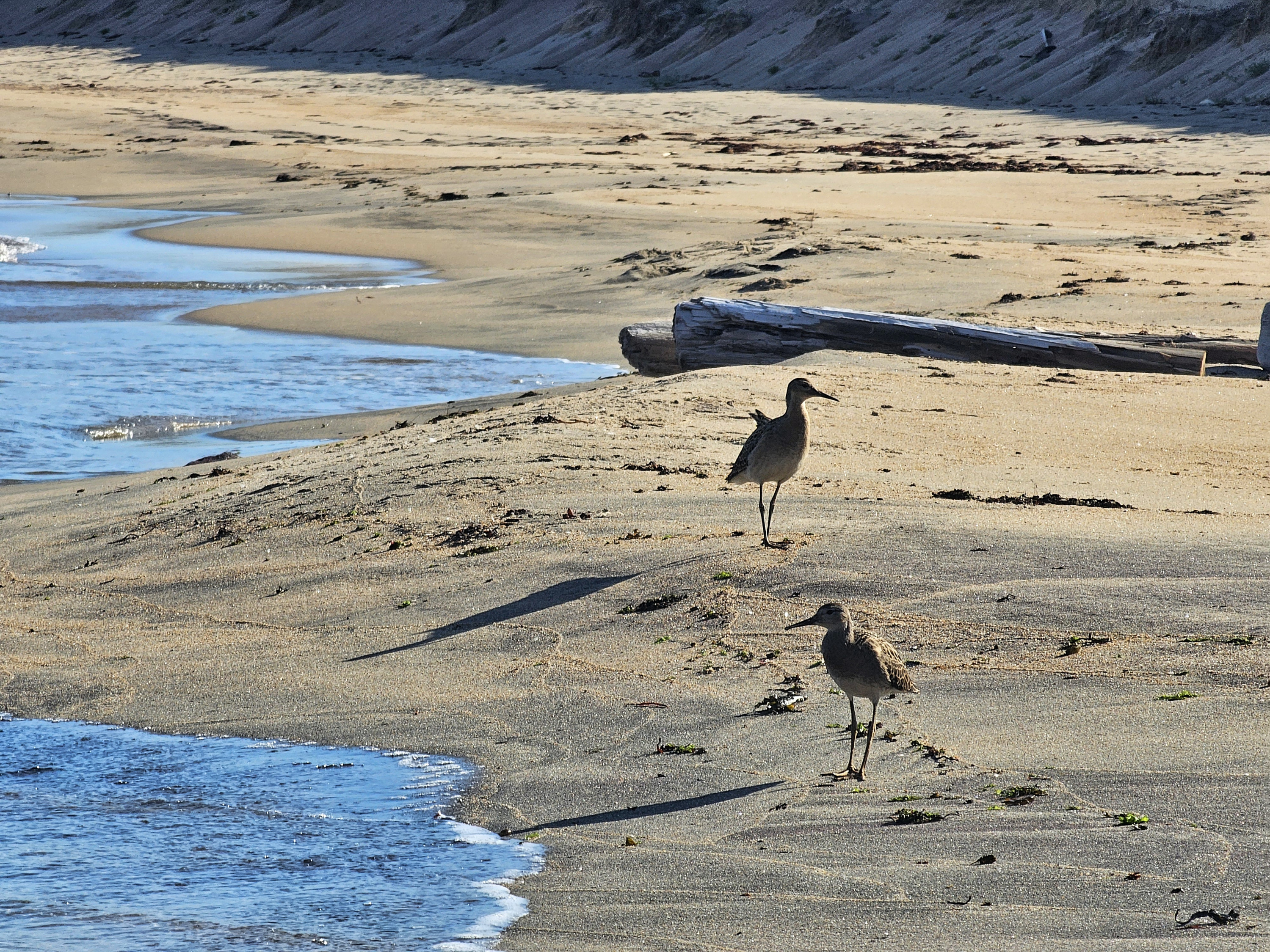
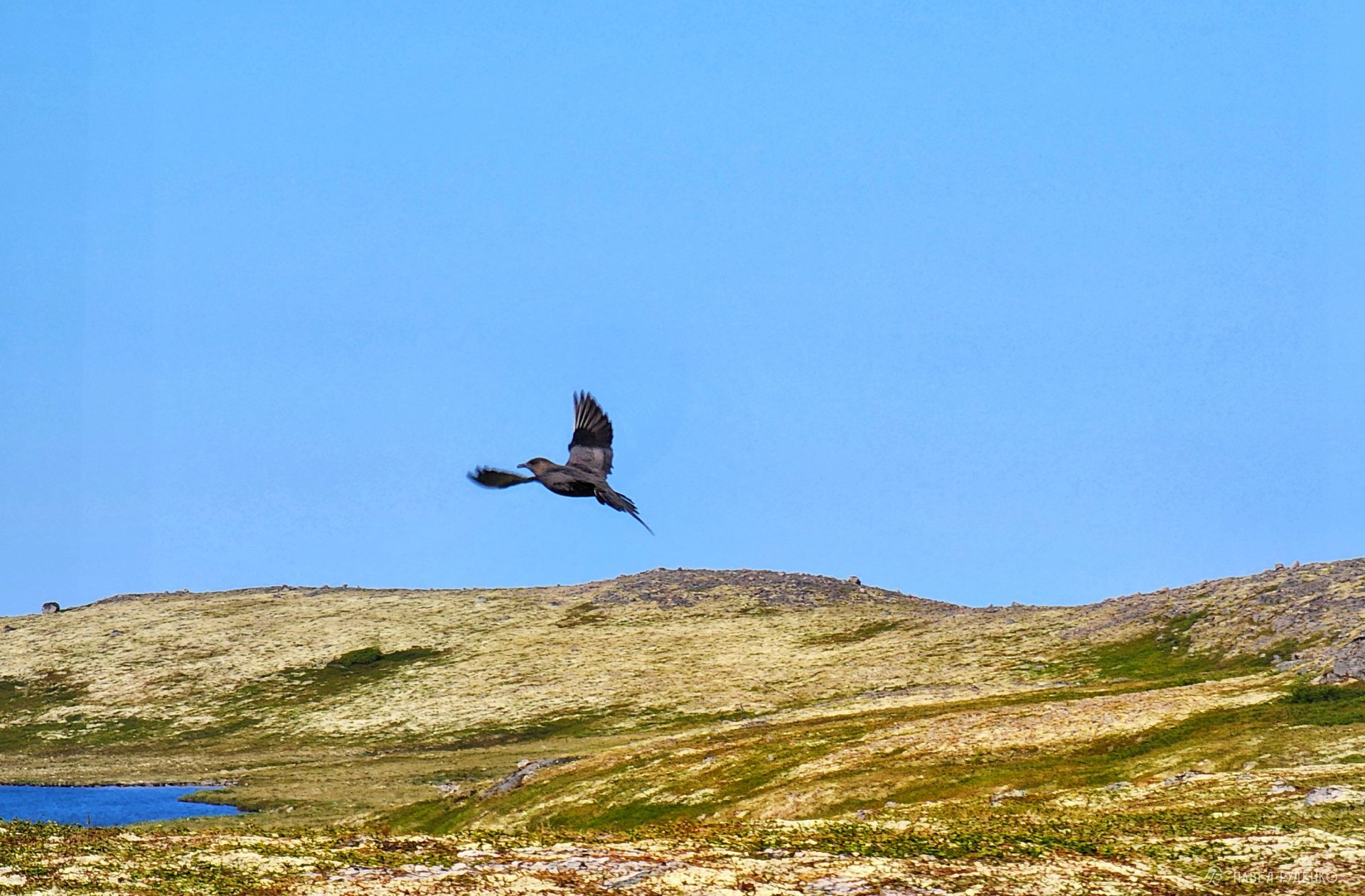
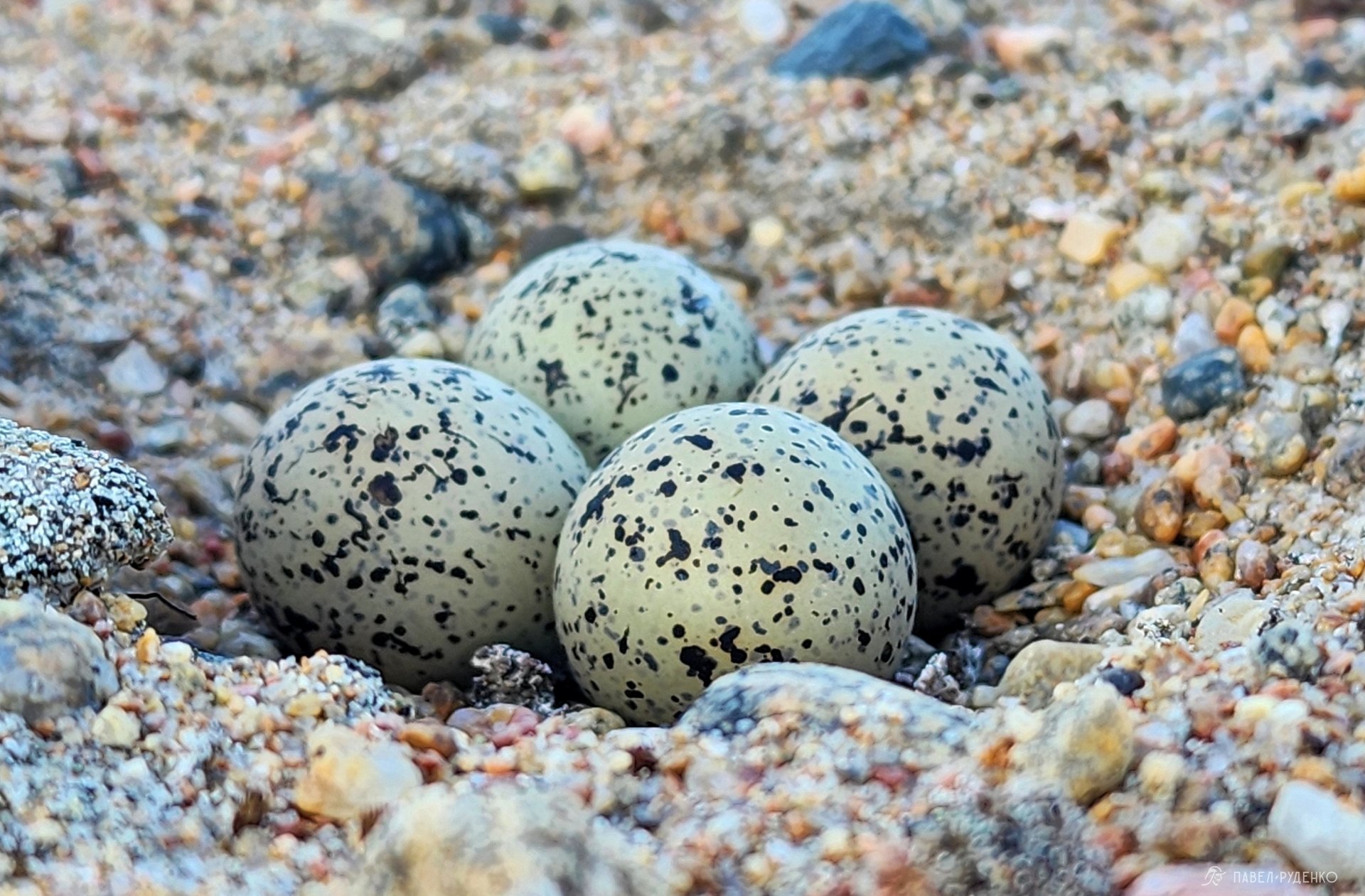
Bird nesting
Bird nesting

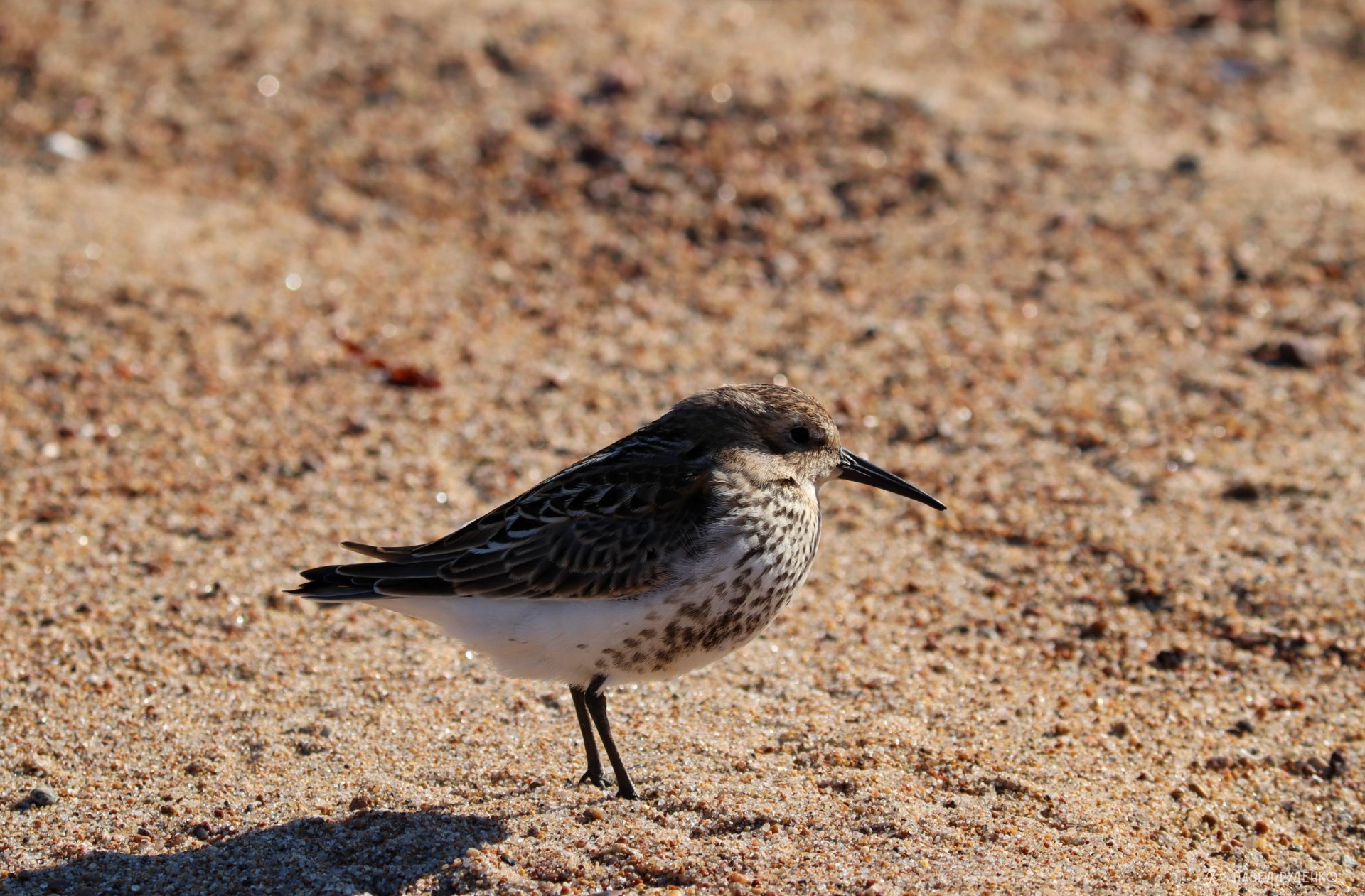
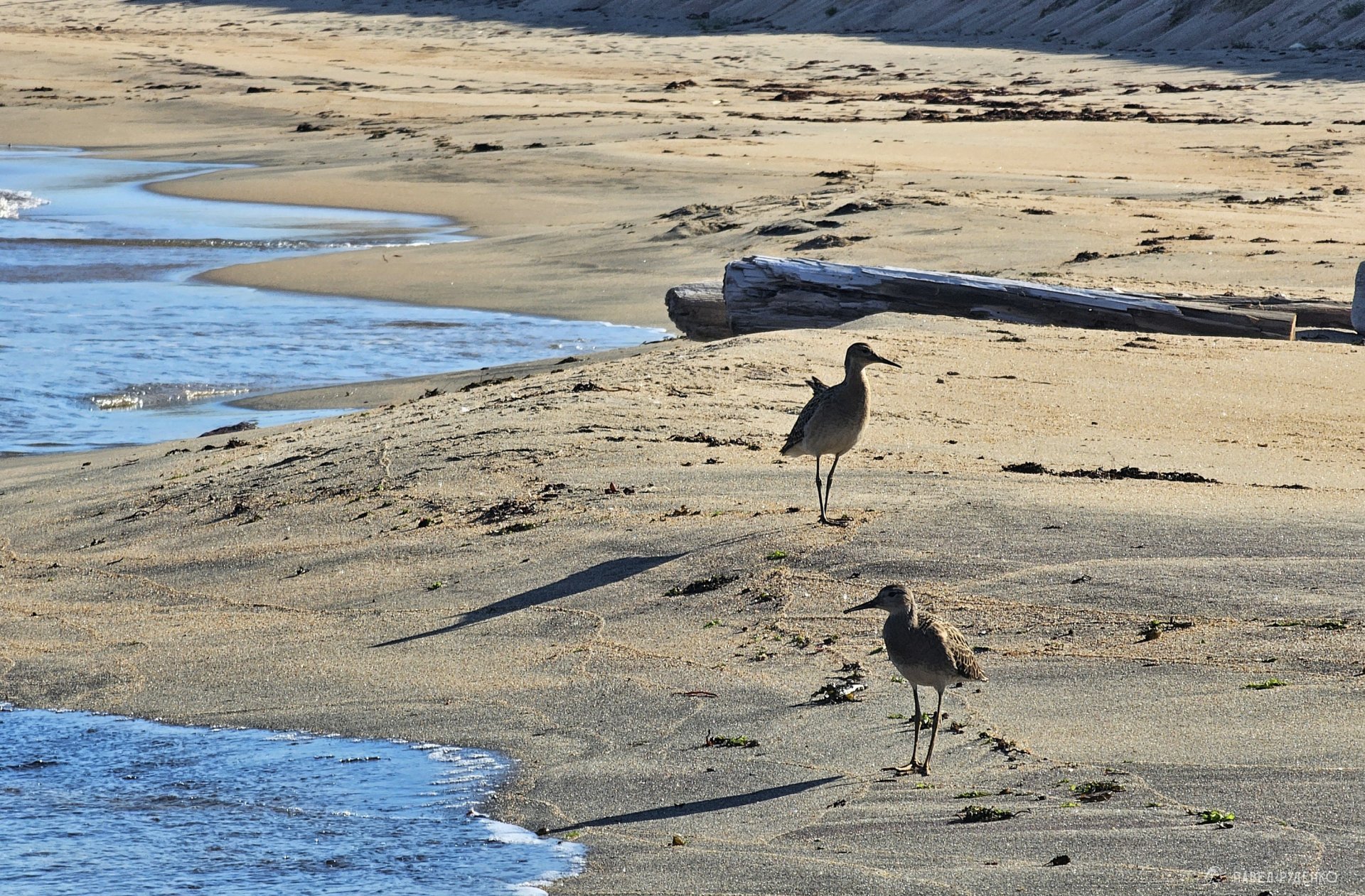
June is the peak nesting season for many Arctic and taiga birds.
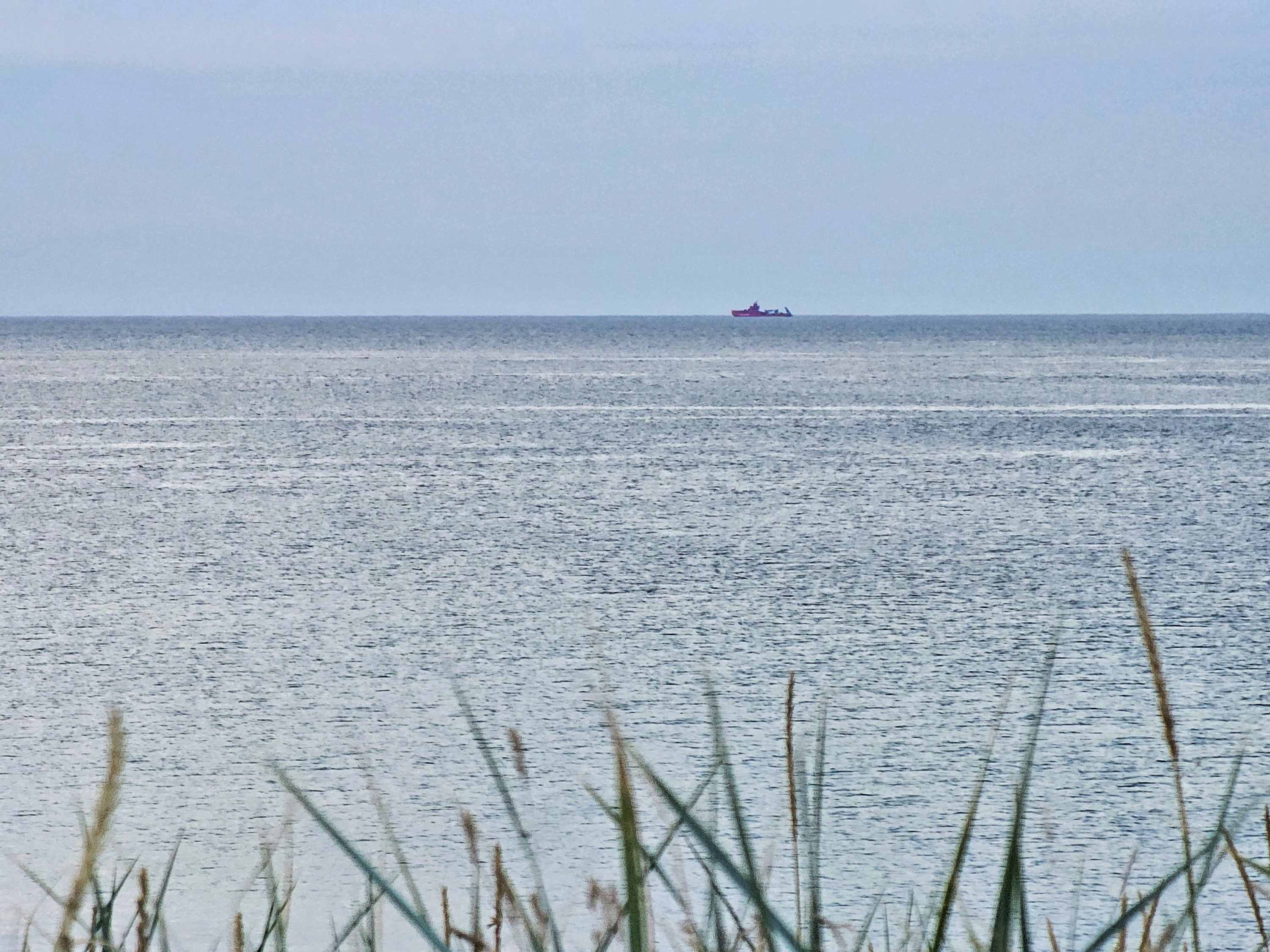
Nuclear icebreaker
Nuclear icebreaker

The most powerful in the world.

Whale remains
Whale remains

Giants washed ashore by the tides.

Gear

You will receive a checklist, detailed gear recommendations, and exclusive discounts at outdoor stores
Снаряжение
Trekking backpack, 75 L
a:2:{s:4:"TYPE";s:4:"HTML";s:4:"TEXT";s:313:"Backpack volume depends on your experience and how compact your gear is. On average, 75 L works best for both men and women. The backpack must fit your torso size properly. Recommended models: Osprey Aether Pro 70, Tatonka Yukon LT 60+10, Sierra Designs Flex Capacitor 60–80, Karrimor Jaguar SA2 Flex Pro 75+15.";}
Backpack rain cover
a:2:{s:4:"TYPE";s:4:"HTML";s:4:"TEXT";s:118:"The rain cover must fully cover a loaded backpack and feature wind-securing straps. A silicone coating is recommended.";}
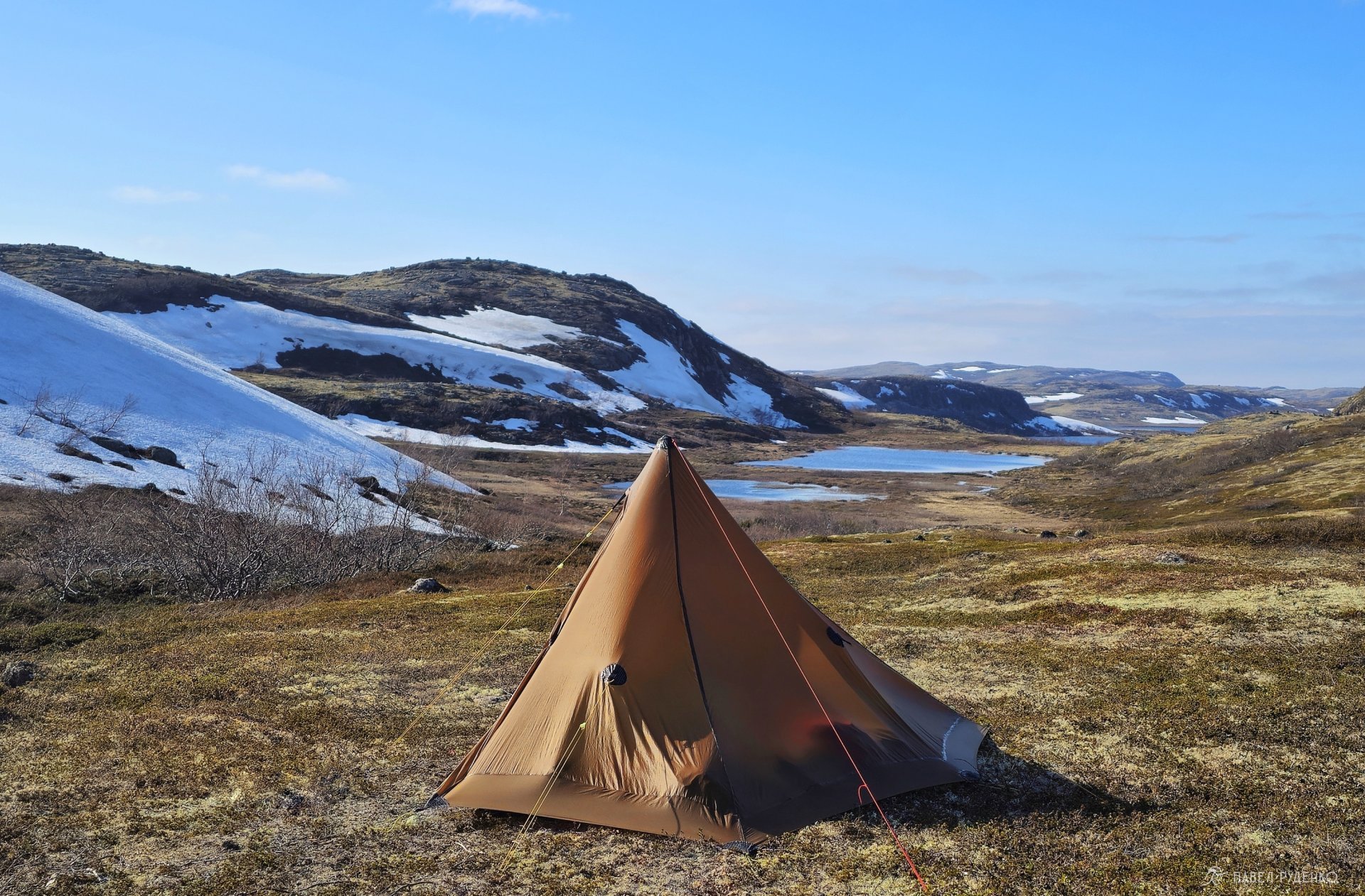
Wind-resistant tundra tent
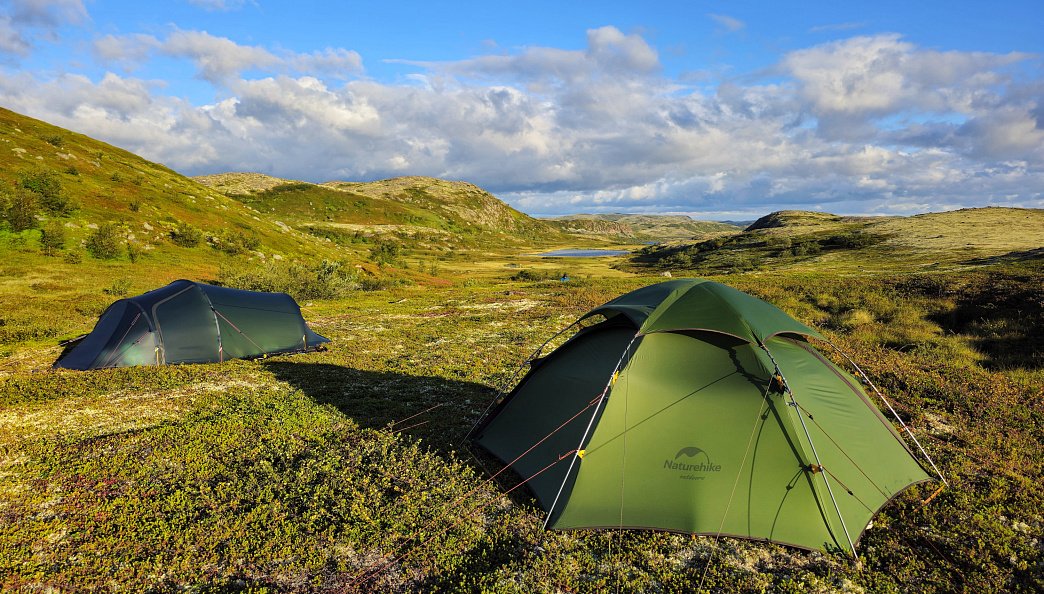
a:2:{s:4:"TYPE";s:4:"HTML";s:4:"TEXT";s:278:"I can provide my own tent free of charge or review and approve yours. Tundra winds can reach 25 m/s, so only wind-resistant models are suitable. For example: Naturehike Cloud Peak 2, 3FulGear Taiji 1, Hilleberg Enan, Hilleberg Anjan 2, Fjällräven Abisko 2, Helsport Lofoten 2.";}
Sleeping bag (T.lim 0 to -5 °C for men and -3 to -9 °C for women)
a:2:{s:4:"TYPE";s:4:"HTML";s:4:"TEXT";s:261:"A sleeping bag sized to your height; down insulation is preferred, such as Sivera Iriy or Splav Graviton Comfort. It must be packed in a dry bag, typically 12 L. Temperature ratings: 0 to -5 °C (T.lim) for men and -3 to -9 °C (T.lim) for women.";}
Sleeping pad (R-value 2 or higher)
a:2:{s:4:"TYPE";s:4:"HTML";s:4:"TEXT";s:134:"An insulated inflatable pad at least 7 cm thick with an R-value of 2 or higher is preferred. The tundra terrain is always uneven.";}
Protective foam pad
a:2:{s:4:"TYPE";s:4:"HTML";s:4:"TEXT";s:168:"A closed-cell foam pad is used underneath an inflatable or self-inflating pad for puncture protection, for example, Isolon Fitness Flex (5 mm thick, weight 120 g).";}
Trekking poles.
a:2:{s:4:"TYPE";s:4:"HTML";s:4:"TEXT";s:108:"Trekking poles with lever-lock (cam-lock) mechanisms are preferred. Summer trekking baskets are recommended.";}
Lightweight mess tent chair.
a:2:{s:4:"TYPE";s:4:"HTML";s:4:"TEXT";s:159:"A camp chair is essential for relaxing in the mess tent. For example: a folding stool weighing 350 g, Splav Shell Light (675 g), or Helinox Chair Zero (510 g).";}
Mug, spoon, bowl
a:2:{s:4:"TYPE";s:4:"HTML";s:4:"TEXT";s:202:"The optimal volume is 450–600 ml for a mug and 750 ml for a bowl. In titanium, their combined weight is under 200 g. Lightweight and aesthetic coconut shell tableware is also a great choice.";}
Water bottle, 0.5–1 L
a:2:{s:4:"TYPE";s:4:"HTML";s:4:"TEXT";s:182:"Depending on your backpack pockets and personal preference, choose a collapsible soft flask (HydraPak Stow, Flux, or Seeker is the best option) or a hard plastic bottle like Nalgene.";}
Dry bags for sleeping bag, clothing, and electronics
a:2:{s:4:"TYPE";s:4:"HTML";s:4:"TEXT";s:82:"Dry bags: 12 L for the sleeping bag, 7 L for electronics, 12 L for spare clothing.";}
Headlamp
a:2:{s:4:"TYPE";s:4:"HTML";s:4:"TEXT";s:133:"A USB-rechargeable headlamp is most practical; 400 lumens is sufficient for typical camp use. Recommended brands: Fenix and Nitecore.";}
Mosquito head net
a:2:{s:4:"TYPE";s:4:"HTML";s:4:"TEXT";s:125:"A black mesh net offers the best visibility. An excellent option is the Sea to Summit Ultra-Fine Mesh Headnet (weight: 23 g).";}
Одежда
Long-sleeve trekking shirt
a:2:{s:4:"TYPE";s:4:"HTML";s:4:"TEXT";s:318:"1–2 pcs. Lightweight synthetic fabric is ideal, though merino wool is also acceptable. This is your primary trekking layer in warm weather. Long sleeves protect against biting flies and mosquitoes, shield against sun exposure, assist thermoregulation in windy conditions, and protect your skin from scrub brush.";}
Lightweight base layer bottoms
a:2:{s:4:"TYPE";s:4:"HTML";s:4:"TEXT";s:360:"1 pc. Ultra-light synthetic thermal bottoms. They provide excellent moisture wicking with minimal warmth. Designed for wear under hardshell waterproof pants to prevent overheating on the move. They can also be paired with softshell pants for warmth or worn inside a sleeping bag on warmer nights. Recommended: Sivera Geta or Godobl, Splav Fresh or Motion.";}
Midweight insulating base layer
a:2:{s:4:"TYPE";s:4:"HTML";s:4:"TEXT";s:193:"An insulating thermal top serves as an essential mid-layer for active trekking, camp life, and sleeping. Fabric weight: 130–180 g/m². Recommended: Splav Gulf Stream (pullover), Sivera Vuyma.";}
Softshell jacket and pants
a:2:{s:4:"TYPE";s:4:"HTML";s:4:"TEXT";s:383:"Primary active trekking layers. A lightweight softshell with a fabric weight of 100–160 g/m² is best. Softshell pants and jacket offer high breathability, prevent overheating, block 5–15 m/s winds, and serve as an active thermal layer in cold weather. Recommended: Sivera Gran, Murash; Splav Action Flex, Vector. Average weight for size M: jacket 250–350 g; pants 170–250 g.";}
Hardshell (membrane) jacket and pants
a:2:{s:4:"TYPE";s:4:"HTML";s:4:"TEXT";s:563:"Essential storm protection against heavy rain and Arctic gale-force winds. A 2.5-layer or durable 3-layer (3L) membrane with at least a 15,000 / 15,000 rating is required. Gore-Tex performs best in Arctic conditions, though other high-performance membranes are also suitable. Optimal fabric density: 30–70D. Weight for size M: jacket 300–500 g; pants 250–400 g. Pants must have full-length side zippers for quick on/off over boots. Recommended: Mountain Equipment Zeno, SMGear, Splav Balance, and brands like Norrøna, Haglöfs, Bergans, Klättermusen.";}
Insulated Synthetic Jacket and Pants
a:2:{s:4:"TYPE";s:4:"HTML";s:4:"TEXT";s:666:"Primary insulation for camp and rest breaks during the day. Down insulation is acceptable, but in the conditions of the North and Russia's cold regions, synthetic “active insulation” with a density of 60–80 g/m² performs best. As a guideline: jacket weight in size M is 350–400 g, pants 200–300 g. Recommended models: Arc'teryx Proton or Atom, Sivera Faris or Leden, Norrona Femund Thermo60, Black Diamond First Light Stretch Hoody 2.0, Mountain Equipment Kinesis, Patagonia Nano-Air Hoody, etc. Insulated full-zip pants (with side zips for quick on/off) should fall just below the knee, with 60 g/m² insulation. Recommended: Splav Quark or Sivera Leden.";}
Trekking Socks
a:2:{s:4:"TYPE";s:4:"HTML";s:4:"TEXT";s:166:"3 pairs. Two- or three-season. Synthetic socks wick away sweat, provide a snug compression fit, and prevent blisters. Recommended brands: Lorpen, Decathlon, or Splav.";}
Waterproof Membrane Socks and Liners
a:2:{s:4:"TYPE";s:4:"HTML";s:4:"TEXT";s:473:"2 pairs. Waterproof membrane socks are the ideal solution to protect your feet from cold and wet conditions in the North. Paired with full-leather or nubuck trekking boots, they will keep your feet safe. Recommended: DexShell Running Lite and Ultra Thin Crew (they usually run slightly small). They work great with thin synthetic liner socks worn underneath the membrane socks when needed, adding warmth and extra blister protection. Recommended: Lorpen Liner, Splav Liner.";}
Beanie and Gloves
a:2:{s:4:"TYPE";s:4:"HTML";s:4:"TEXT";s:92:"Insulation for camp and on the move. Choose thin, lightweight fleece or Polartec Power Grid.";}
Headwear
a:2:{s:4:"TYPE";s:4:"HTML";s:4:"TEXT";s:363:"Protection against sunburn, mosquitoes, and wind. The choice depends on your personal preference, but my top recommendation is a wide-brim hat or a cap with a neck flap. It offers the best protection and comfort. Recommended: Outdoor Research Sun Runner Cap, AONIJIE E4089, and similar models such as Aonijie E4610, Kailas Neck Flap, or Buff Pack Sahara Cap Acai.";}
Buff / Neck Gaiter
a:2:{s:4:"TYPE";s:4:"HTML";s:4:"TEXT";s:226:"Every hiker's favorite accessory. Protects the neck and, if needed, the back of the head and ears from the wind. Used while moving, around camp, and while sleeping. Material: thin, summer-weight fabric like Coolmax or CoolNet.";}
Обувь
Trekking boots
a:2:{s:4:"TYPE";s:4:"HTML";s:4:"TEXT";s:319:"Medium-stiff full-grain leather boots are ideal for the tundra, such as Meindl Kansas, Paradiso, or Hanwag Tatra II. Choose boots roughly 1.5 sizes larger than your standard shoe size. We recommend fitting and purchasing them directly with premium Sidas Outdoor insoles to reduce foot fatigue and prevent blisters.";}
Camp and river-crossing footwear.
a:2:{s:4:"TYPE";s:4:"HTML";s:4:"TEXT";s:108:"Due to deep, wet moss, closed-toe Crocs or short lightweight EVA boots are recommended. Weight: under 350 g.";}
Chivers — ultralight waterproof gaiters/overboots
a:2:{s:4:"TYPE";s:4:"HTML";s:4:"TEXT";s:93:"Height 90 cm. Sized according to boot dimensions: 36–45 and 45–50. Weight 1 kg.";}
Общее
Personal First Aid Kit
a:2:{s:4:"TYPE";s:4:"HTML";s:4:"TEXT";s:197:"Personal prescription medications, a roll of adhesive plaster/tape, and an elastic bandage or knee brace. Detailed checklist of a hiking first aid kit.";}
Documents
a:2:{s:4:"TYPE";s:4:"HTML";s:4:"TEXT";s:63:"Passport and health insurance policy in a waterproof dry pouch.";}
Toiletries
a:2:{s:4:"TYPE";s:4:"HTML";s:4:"TEXT";s:41:"Toothbrush, toothpaste, and toilet paper.";}

Guides

Pavel Rudenko
Pavel Rudenko
Founder of the project and polar guide, ambassador of the Kola North, solo traveler, and outdoor gear specialist.
Certified wilderness guide, Mountaineer of Russia badge holder. Completed Wilderness First Aid, avalanche safety, and survival courses.
Former instructor at the Sport-Marafon Outdoor School.
Margarita Platonova
Margarita Platonova
Has been trekking for over 5 years across Russia and abroad, including athletic treks. Certified in First Aid and constantly mastering new skills to be a reliable guide for the team.
A creative soul who takes photos, paints, and draws inspiration from the harsh yet magnetic beauty of the North.
Fell in love with the North four years ago and joined the Rudenko team. Passionate about revealing the magic of the Arctic to travelers. Creates a warm, positive atmosphere on expeditions and prepares delicious camp meals.

Trek participant reviews

Виктор Пронозин
Exactly a week has passed since we returned from our UNFORGETTABLE trip… and I still can't shake Kola off!

It’s no wonder you fell in love with it and have dedicated so many years to this region. I must say, the North is special in itself, but the way you design routes, plan each day, and make evenings in camp so rich in stories and atmosphere—it's a whole art form! Hats off to you! I didn't just visit this Arctic land, I learned its history as if on a fascinating tour:))

In short, I'd go to the ends of the earth with you:) just need to tweak my gear a bit;)

p.s. Save me a spot for the ski tour in March!
Ольга Кольцова
The landscapes and views are breathtaking to the core and beyond!

Look one way, and the tundra shimmers with vivid colors; look the other, and there’s the endless sea, even an ocean with its wildlife (little seals and cetaceans accompany you almost the entire way).

I consider this route one of the absolute best in terms of the effort-to-beauty ratio.

The trek itself is arranged very conveniently, with hotel stays on the first and last days. Comfortable transfers. Special thanks for the delicious, varied meals along the route!
Every campsite is in a stunning spot, though finding an unsightly place there would be quite a challenge anyway.

I'd especially like to highlight that Pavel doesn’t just guide you along the trail; he shares the geography, history, and even ethnography of these lands! Huge thanks for these stories—it was captivating!

Highly recommend this trek to fall in love with Kola for a lifetime!
Михаил Зорин
Trek 'Teriberka — Arctic Ocean Beaches'.
I learned about this hike by chance from an ad on hiker Vladimir Chaykin’s YouTube channel, and immediately messaged Pavel about joining. Pavel got in touch, explained all the nuances of the trek, and detailed the necessary gear. Frankly, I was worried that late August in those latitudes would be damp and cold, so I tried to 'conjure up' some good weather.

The journey began with a briefing at the hotel, where Pavel prepped us and handed out ration bags; we were also equipped with flares and a wind-resistant tent with plenty of extra guylines. The next day we set off for Teriberka, the trailhead. The weather looked gloomy at first, but the 'magic' worked, and we enjoyed fair, dry, and warm conditions almost throughout the entire trek. It only rained a couple of times, and both times after camp was already pitched.

The whole route was about traversing from 'fell to fell'. Each time we ascended a hill, we were greeted by an awe-inspiring view of lakes, surrounding hills, and, of course, the Barents Sea. Underfoot was nearly dry tundra covered in moss, reindeer lichen, and berry bushes—mostly bilberries and blueberries, occasionally cloudberries. The berries were ripe and delicious.

We hiked between 6 and 13 kilometers a day with backpacks, taking a few half-day rests and one full rest day. In addition to trekking with full packs, we did short day hikes with light packs to exceptionally scenic spots. We saw whales and seals.

The organization was beyond praise, the meals were delicious and plentiful, and the provided tents fully lived up to their wind-resistant claims. All in all, the hike was a total success, exactly what I hoped for. A huge thank you to our guides, Pavel and Anya, for this exciting and memorable expedition.
Никита Богданов
There are so many impressions that words can hardly describe them, because the trek went flawlessly and unforgettably. I still haven't come down from the trip, feelings are overflowing)

I was amazed by how meticulously everything was organized; I didn't have to worry about a thing, just soaked in the northern wilderness and great company.

Pasha and Anya, you are the best)) Truly grateful for your warm hospitality and consummate professionalism.

Thank you for a phenomenal trek! I'm thrilled))
Михаил Цой

It was an unforgettable adventure where Kola once again revealed a new facet, stealing your heart away forever as it always does.

And, as always on these treks, the company was the best. Though here, that praise is more than justified.

Our resident namesake 'wizard' conjured up unbelievable (or at least highly improbable) weather. A special bow to him!

The wildlife showed up in all its glory. A fluffy (putting our Moscow foxes to shame, no offense to them) bold fox spent two evenings trying to cadge food or entertainment. The former was strictly off-limits, but with the latter, we did our best—I hope the shouting and chasing entertained our foxy visitor.

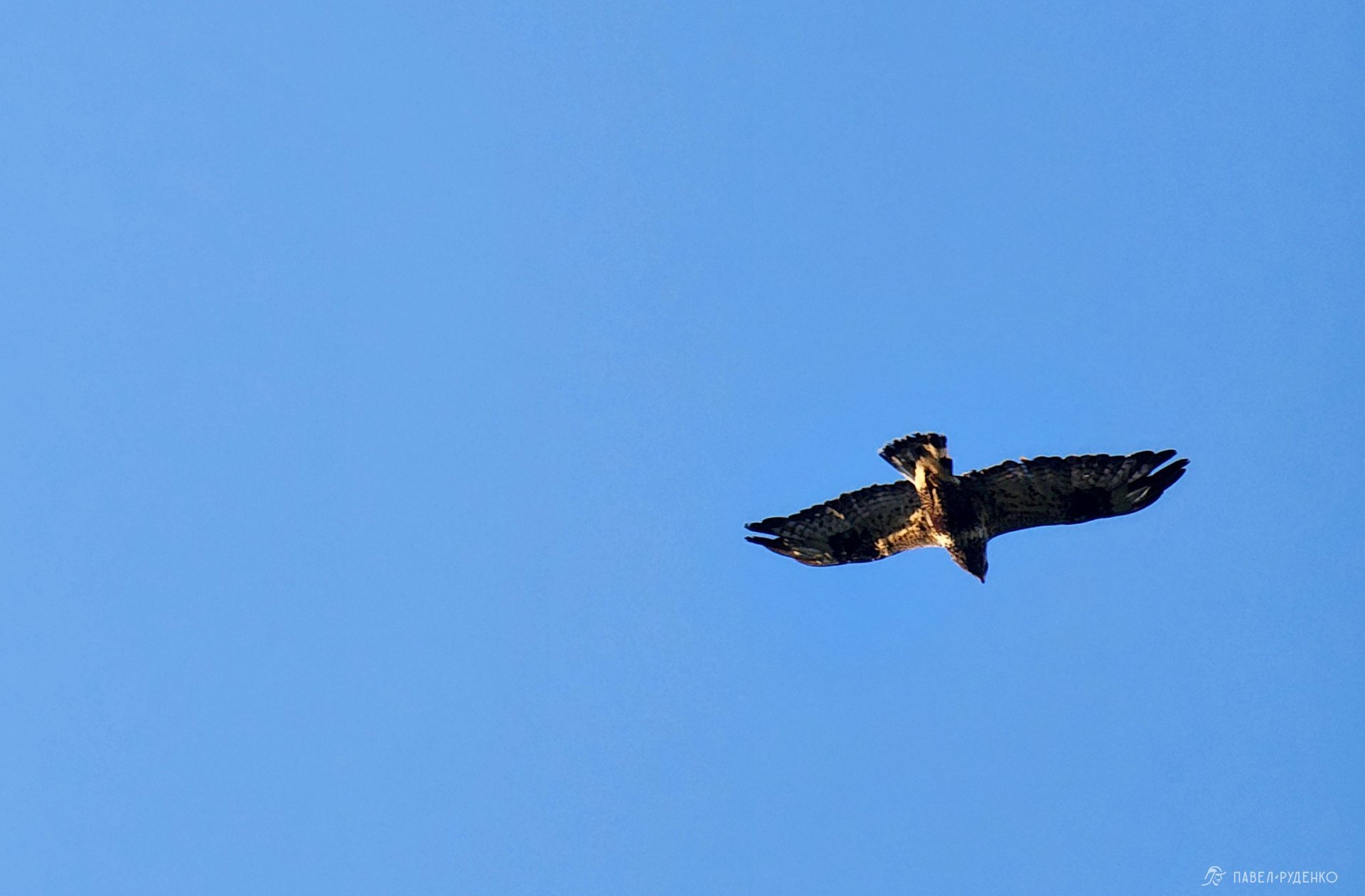
In the sea, minke whales, seals, and fur seals showed off. On the beaches, we saw lion's mane jellyfish washed ashore by the surf. Hawks soared in the sky, and partridges hid among the rocks.

Huge thanks to Pasha and Anya for this unimaginably wonderful week! Until next time!

Виктория Исаева
After each breathtaking sight, you can't help wondering: 'What else could there possibly be?!! It already feels like the absolute peak.'

Feel like you're exploring a lost world or starring in a documentary about the dawn of our planet—whichever you prefer!

This is something you definitely need to experience and witness with your own eyes!
Каролина Калашникова

A while ago, after attending one of Pavel's lectures, it was immediately obvious: here’s a capable guy you’d follow to the ends of the Earth. Outdoor school only confirmed it, so when I saw an Instagram story in winter about group registration for a trek, my summer plans were set)

I was delighted to meet our second guide, Anna, and be in her caring hands—she fed us so deliciously!

The personal approach to each participant was wonderful: preliminary calls, advice on arrival logistics, answers to all questions no matter how trivial, constant support, and a handy cheat-sheet for women covering trail essentials.

What made it especially enjoyable was the absence of rigid timetables; we adjusted the route a couple of times to linger longer and simply savor the scenery)

Special thanks for the hiking pace—we never had to sprint across the tundra like reindeer, but walked at a comfortable stride, with plenty of time to take in the rolling hills. The group always stayed together without splitting up on the trail.

Organization-wise, everything was seamless, thoughtful, and well prepared. Lovely details like snack bars, cheering sweets during hill ascents, mementos at the end of the journey, and always smiles and good vibes)

Thank you, Pavel and Anna, for the chance to experience the beauty of the tundra, step away from routine life, immerse into Arctic Zen, and revel in the rugged, brooding, yet deeply soulful scenery of moss, rocks, lichen, and crystal-clear lakes. Breathing sea breezes, walking into sea mist, and soaking up the midnight sun of the North. I will remember this adventure with warmth and affection for a long time.

Илья Настюшенко
A scenic route that I probably would never have taken on my own. I would like to note the comfortable pace and great campsites. But for me, the most important thing is that this journey left vivid, positive, and lasting memories. The guides and fellow participants were incredibly interesting, diverse, and wonderful to be around.

I am deeply grateful for the organization of this trek.

I truly hope the stars align again and we head out on another adventure.
Анна Родионова
You live in the city, a year goes by, and your brain starts looking like Sméagol from The Lord of the Rings. The time comes to embark on a long journey.

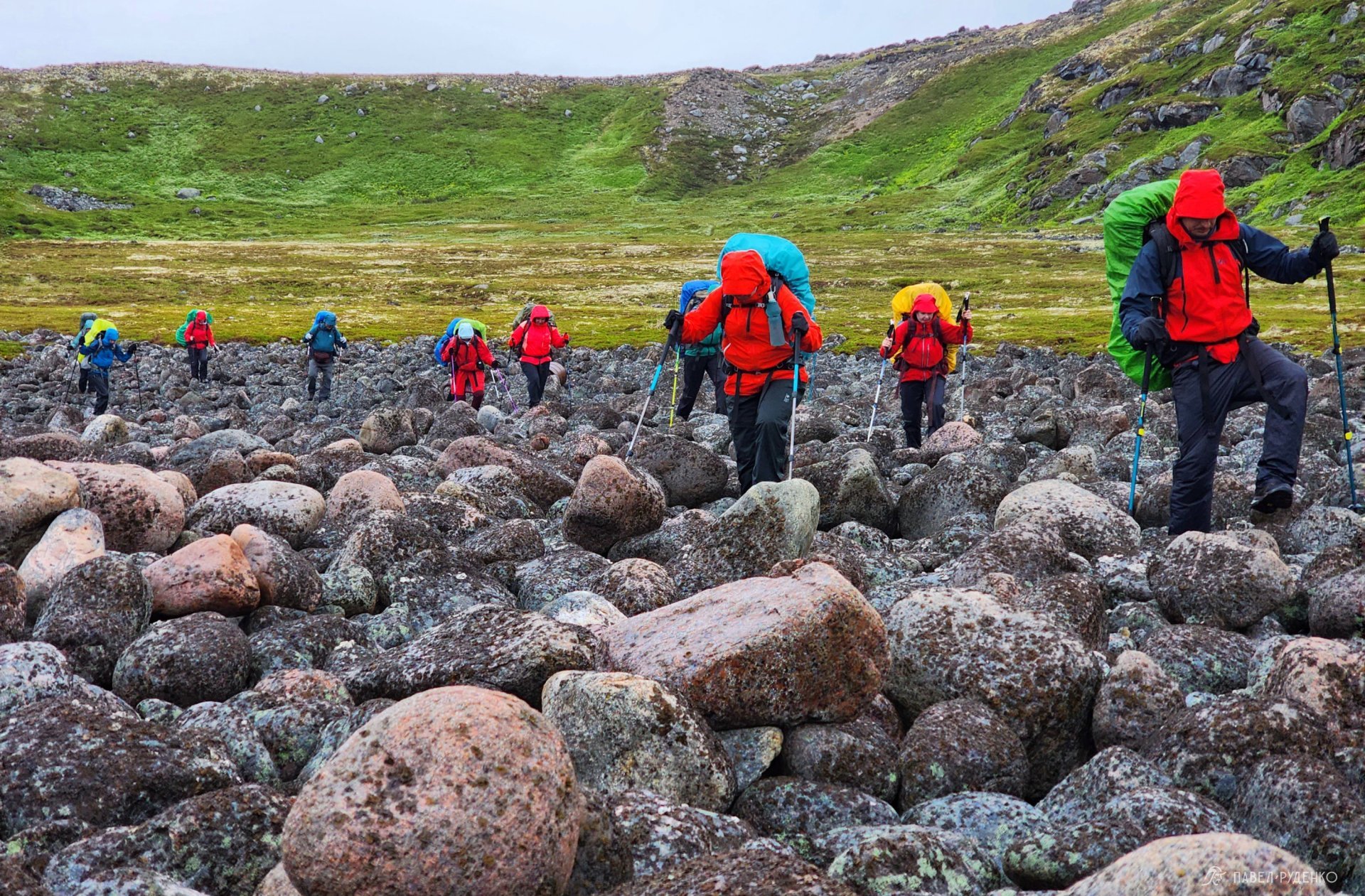
You step onto reindeer terrain sinking into reindeer moss, peat moss, and crowberry. Under the weight of the backpack, your feet sink into the soft surface. Balancing like this every new day, you push forward, picking your way through massive lichen-covered boulders. While the blazing sun exhausts your body, swarms of mosquitoes dance around you, testing how deeply civilised city life has frayed your nerves.

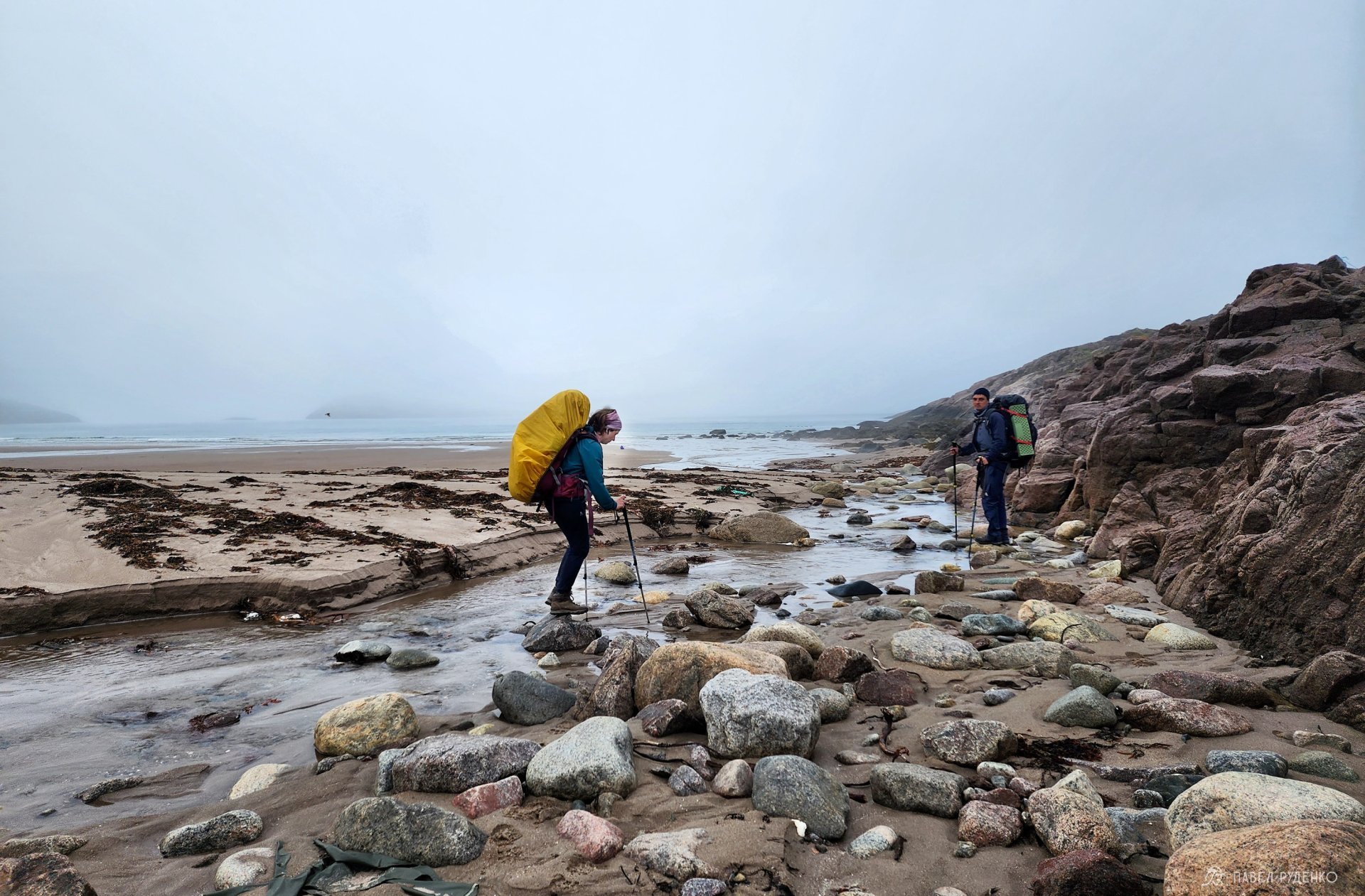
The tundra is the perfect place to reset. In a single day here, you can experience all four seasons. Sunshine suddenly gives way to pouring rain and freezing wind. You stop complaining about mosquitoes and midges, but now you are shivering with cold. To ford a river, you untie your boots, hands shaking uncontrollably and teeth chattering. Amazingly, after crossing the icy river, you feel revitalised and even warm up from the adrenaline rush (the fear of water hasn't left me yet).

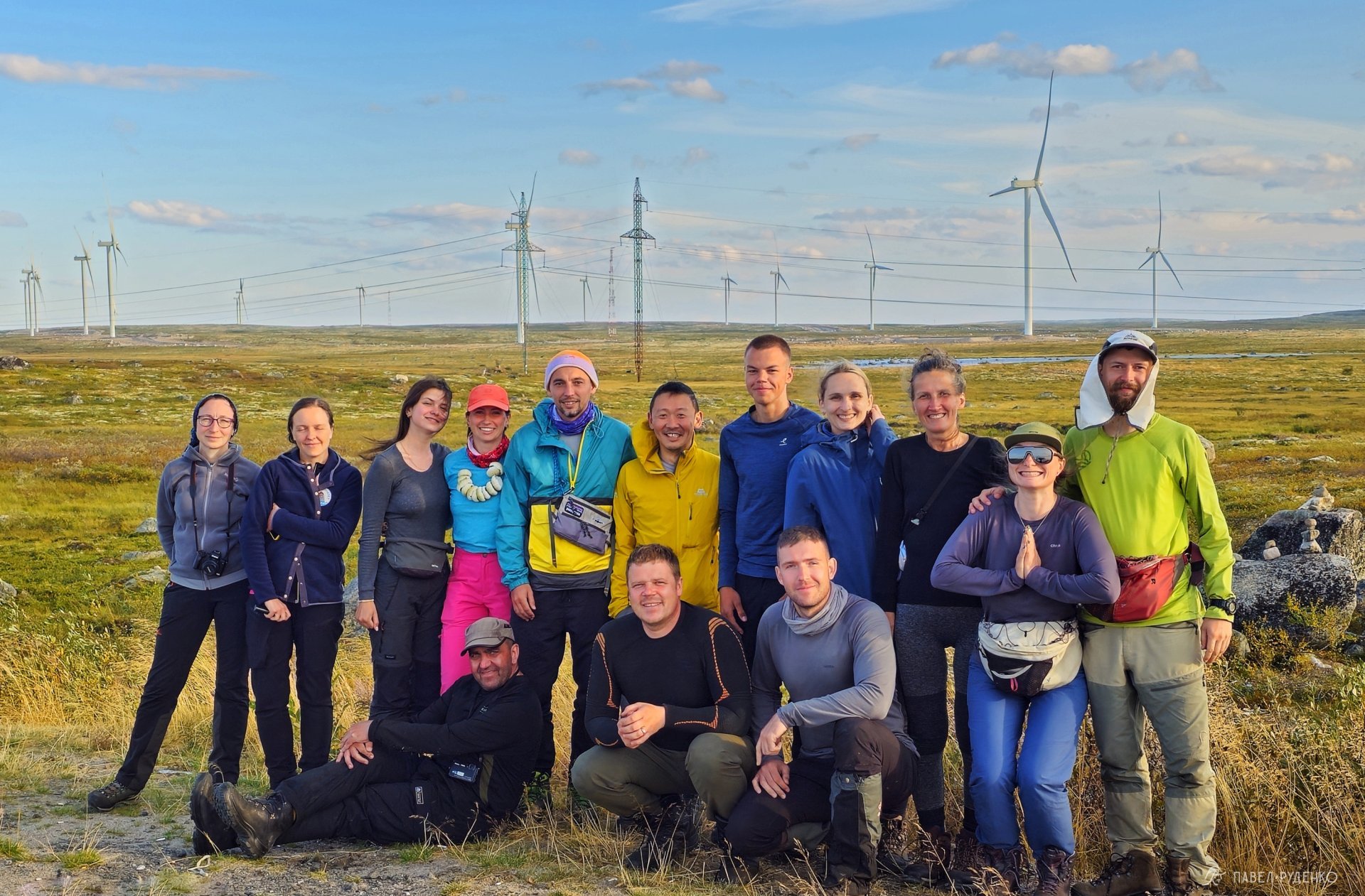
Sharing this journey with you are 13 other “hobbits” eager to hit the reset button. Here, you cannot wear a mask or pretend. Here, you are real, laid bare. Here, everyone sees just how deeply stuck you were in the urban routine. Yet it is precisely these conditions, this very wilderness, that can shake you awake. By the end of your trek, you begin to feel the inner Sméagol fading away.

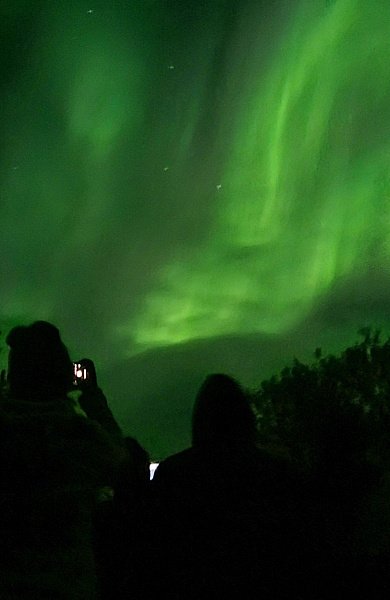
The first time was when, as a young girl, I went to the sea with my very first real paycheck… it stole my heart, and I thought, yes, this is my place, so beautiful and warm! I said, I'll live by the sea! But then… I saw the mountains! And there, the sheer power, height, and majesty of these ancient giants swept me off my feet! And of course, I shouted: I'm staying here! And now, the North happened… By a twist of fate, I ended up on the Kola Peninsula, and I feel it welcomed me, gifted us its warmest days, hugged us with sunlit tundra, laid out the softest reindeer moss, gave us fresh water, and fed us wild berries… what more could one ask for? And on top of that… behold the Northern Lights!

I couldn't even imagine everything would be so perfect! We stood at the edge of the world, with nothing beyond… the wind from the Arctic Ocean didn't cut with cold; it brought a refreshing breeze on a hot day… The most incredible feeling, of course, was that we were completely alone out there… as if we were the first explorers of these lands!

And of course, none of this would have happened without our incredible guides, the best in the North — Pavel Rudenko and Anna Migalina. They share and show the North with so much love! Truly amazing instructors! Together with the tundra, they welcomed us warmly and gave us an unforgettable adventure!

The North is in my heart now, which means I will definitely return.
Алексей Золотов
What can I say about the Arctic Ocean beaches? They are beyond compare.
What can I say about the mountain tundra? It is pure magic.

This was my fourth time in these places, and they truly resonate as my own. I have been here in storms, throughout week-long treks, and on bright sunny days, and to me, these landscapes are endlessly beautiful.

This trek was also wonderful thanks to our organizers, Pavel and Anna. It is a genuine pleasure to hike with people who share a deep love for this land. And speaking from experience, Pavel and Anna are invaluable organizers because their expertise is not based on rumors or hearsay — they know what they are talking about and what they are doing.

A huge thank you for an outstanding trek!
Надежда Мартос
There is a rare gift: revealing the world in all its beauty, where tiny details create a sense of fullness, where crisp air free of scents and noise expands the horizon, and where the unseen wildlife makes its presence deeply felt.

When a person is at peace and in harmony with themselves and their companions — that is a gift Pavel Rudenko possesses. He has unlocked the Arctic for himself and many fellow travelers: the Kola Peninsula, a land of unique magnetic pull, raw power, and beauty.

Deeply passionate about what he does, exceptionally reliable, educated, welcoming, open, and eager to share his experience and warmth, he is constantly expanding his horizons, and it is a true joy to be around him. You want to preserve that connection, which is why people return to trek with Pavel time and time again, immersing themselves in those northern yet heartwarming moments of true recreation.

Any trek along the Kola coast with Pavel is a route that will make you fall in love with the tundra without a doubt. It will suit and delight experienced hikers, those who are just gaining trail experience, and even first-time backpackers alike.

The gentlest Arctic experience imaginable.
Саша Левонтин
I was planning for a rugged trek through the mountain tundra, but in reality, I spent the week surrounded by incredible care, completely taken care of, and enveloped in stunning beauty all around.

The tundra turned out to be an incredible place. You would think there is just a standard set of plants, mosses, lichens, rocks, lakes, and streams, but behind every fell, a breathtaking new view was waiting for me. And then there was the sea.

At one point, I caught myself almost running with my heavy pack just to see what was around the corner. For the first time all winter, I could finally breathe out completely, and my face even grew tired from smiling.

I am so grateful to the wonderful Pavel Rudenko and Anna Migalina for this fairytale and genuine care, as well as for their professionalism. Guys, you are the best! Rumor has it that Pasha still has spots available on other trips this summer — folks, don't miss your chance)
Анастасия Ковшова
I've never liked writing reviews. It always felt like you had to find just the right words to make it sound nice and read well… but these people, with whom I shared a week of my life, will stay in my memory forever)

Once again, I am genuinely grateful to the Universe for bringing me together with such bright, charismatic people)

Thank you, my dear new friends, for being by my side throughout the entire trek.

Subscribe to Announcements

Get notified when the new trek schedule for next year is released.

FAQ

Will I be able to handle the physical demands of the trek?
This largely depends on your experience, physical fitness, and mindset. Please review the itinerary carefully—each trek lists not only its difficulty rating, but also daily distances and elevation gain. It is essential to choose a hike with an optimal workload for you. Factors to consider include backpack weight, acclimatization needs, climate, and the overall duration of the active itinerary. That is why we review every inquiry thoroughly, consulting with our guides to find the perfect route for you.
How much does the backpack weigh?
It depends on the route, but on average it ranges from 15 to 21 kilograms. Backpacks for women are usually lighter than those for men. The total weight consists of your personal belongings plus the gear we provide: tent, sleeping bag, sleeping pad, and your share of group food supplies. Our gear typically adds no more than 10–15 kilograms. Don't be intimidated by the weight—a properly fitted backpack distributes the load so well that it feels much lighter than it sounds. If porters or pack animals are available on the trek, your pack will be considerably lighter. In fully supported options, you may only need to carry a light daypack of about 5 kilograms with daily essentials and trail snacks.
What about personal hygiene on the trek?
On most routes, we wash in streams and lakes almost every day. The water in mountain rivers and lakes can be quite cold—around 3–5°C—but in good weather, you can even take a dip! To feel more comfortable, especially on longer treks, consider cold-shower conditioning before the trip. For washing, we strongly recommend biodegradable, eco-friendly toiletries to protect the pristine environment. For sanitation, our guides carry camp trowels—we will explain and demonstrate the Leave No Trace routine on-site. Toilet paper and hygiene items are packed out rather than buried, using personal ziplock waste bags. We recommend bringing moist flushable wipes for better hygiene and efficiency. Whenever feasible, we arrange a traditional banya at the end of the trip or set up a portable wilderness sauna on a layover day.
What is the drinking water situation?
On every route, we plan our water refill spots in advance. Most often, we draw water from natural springs and clear streams; occasionally, we filter or boil it. Your guides will always advise which water sources are safe to drink from and which to avoid (for instance, if wildlife might be upstream). Staying hydrated is crucial—drink regularly without waiting until you are parched. If you ever need to refill your bottle or take a short breather, just let us know—we will always find a convenient moment to pause.
Are there wild animals along the route? Do I need to bring self-defense items?
On some treks, the chances of encountering a bear or other wildlife are notable, but there is no need to worry. Every guide carries protective gear — signal flares or flare guns, so there is no need to buy your own. The most important thing is to carefully follow your guides' instructions. Despite their formidable appearance and imposing size, bears are very elusive animals that do not seek encounters with humans.
How are meals organized during the trek?
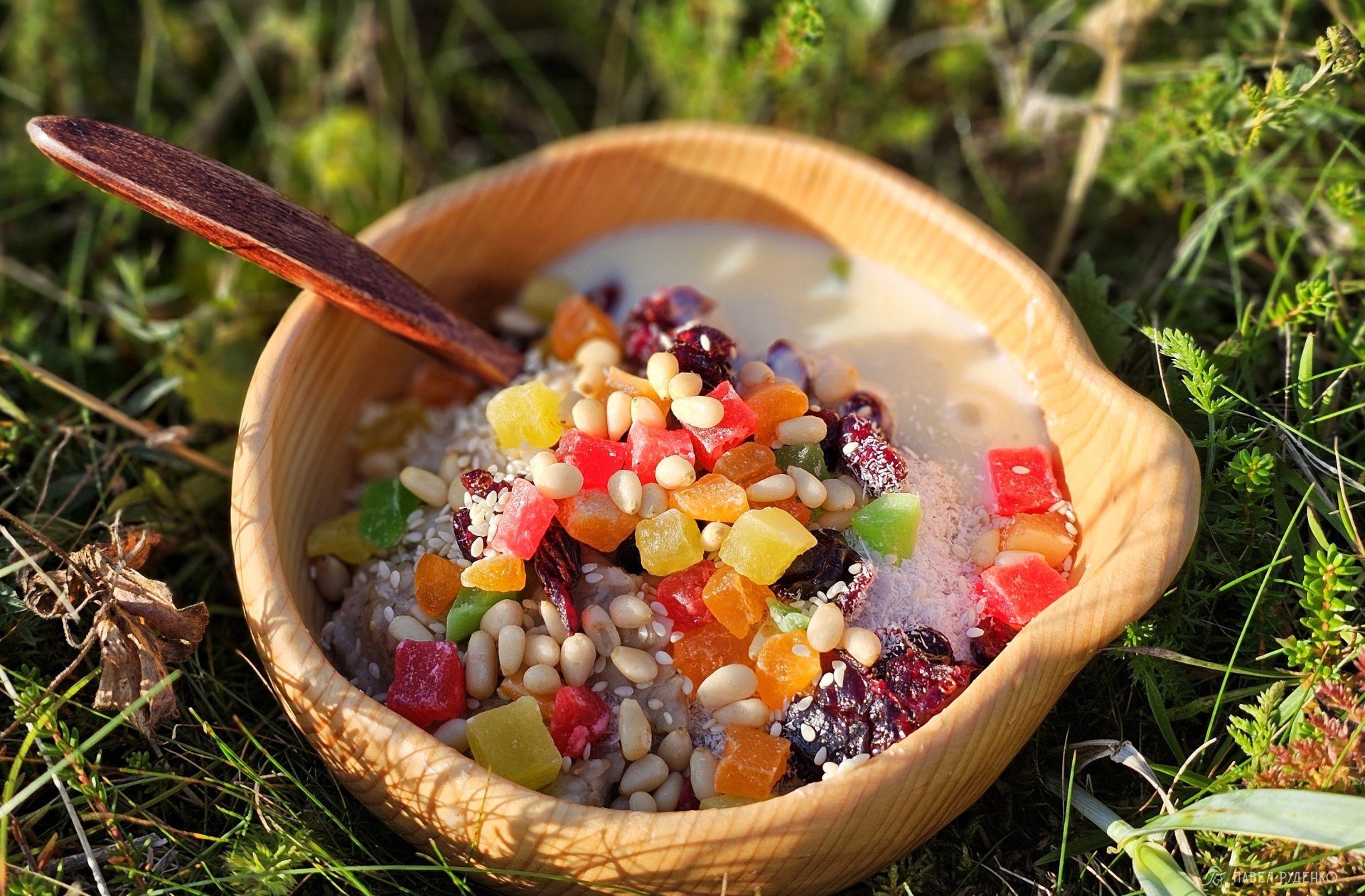
Our guides purchase all necessary provisions in advance and plan the meal rations, taking into account group size and dietary restrictions. Mornings and evenings feature hearty hot meals, while daytime trail stops include satisfying snacks with hot tea. The expedition menu is based on grains, pasta, and legumes, complemented by meat, cheese, and vegetables—most often dried to reduce weight and ensure long shelf life. We also provide pre-packed snacks: nuts, dried fruits, and energy bars, plus sweet treats for evening tea before bed! If you have allergies, food intolerances, or follow a specific diet, we can easily tailor the menu to your needs—just be sure to let us know in advance. We will ask you about this in the questionnaire after your deposit is made.
What is camp life like? Do I need to help around camp?
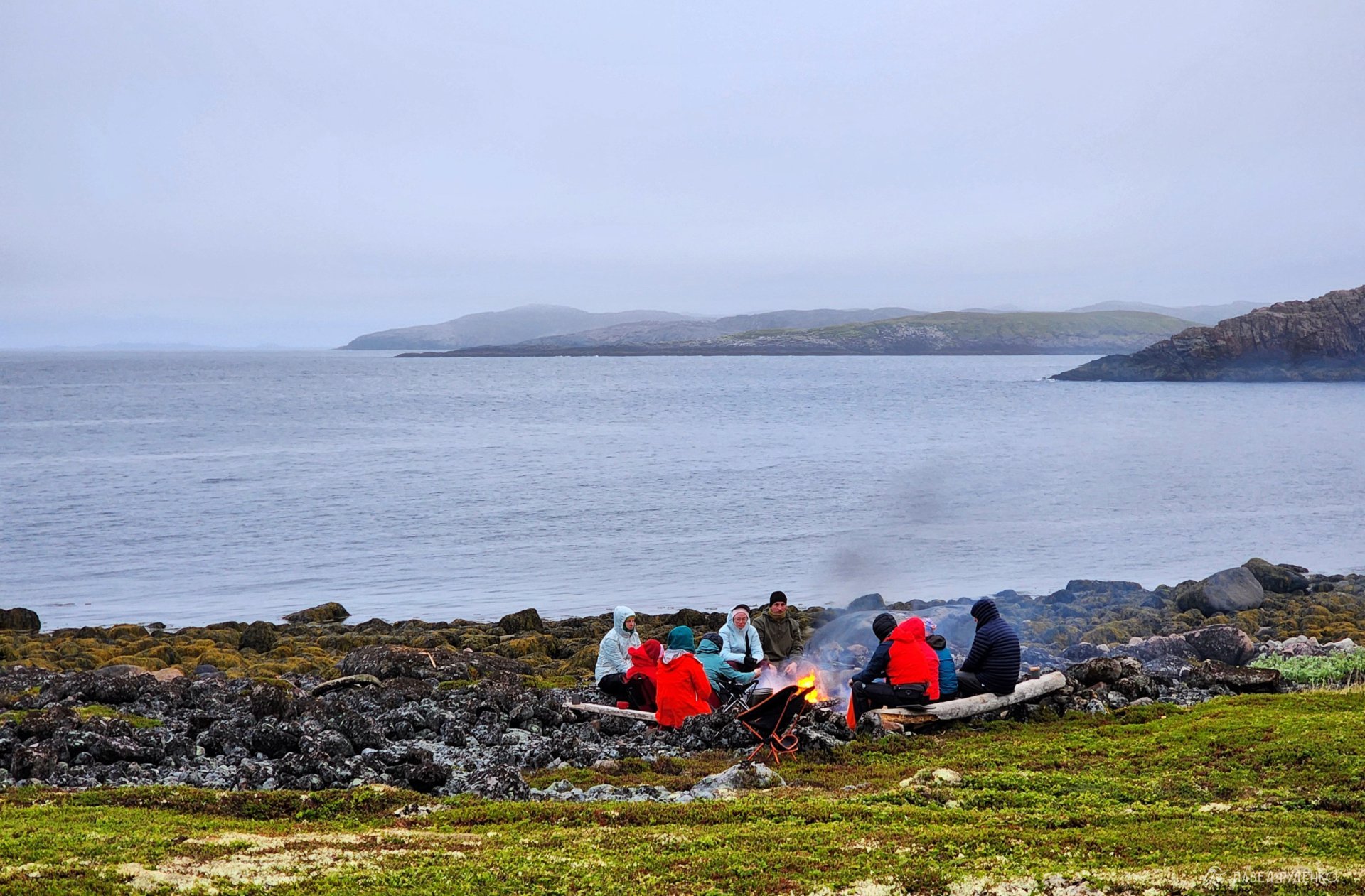
Our guides take care of everything — cooking meals, making campfires, and setting up camp. Your only task is pitching your personal tent — at the first campsite, we will show you exactly how to do it so you can easily handle it on your own moving forward. Wake-up, breakfast, and departure times are usually arranged by the guide the evening before. On the trail, we make short rest stops and pause for lunch. Upon reaching the next camp, you pitch your tent while the guides prepare dinner. In the evening, we share impressions over a cup of hot tea and turn in to rest. If a rest day is scheduled on the route, wake-up may be later than usual — you can relax in camp or join a day hike with the group. If you would like to help — for example, gathering firewood or fetching water — our guides always appreciate the support. Just let us know if you want to learn something new or take part in camp life!

Other treks

Pavel's Runner Run across the Kola Peninsula, pick berries, dodge branches. Seasons change — and so do the clothing and the rules. Will download 1174 KB Failed to load the game. Please check your connection and try again.
Pavel Rudenko logo