Who is this trek for
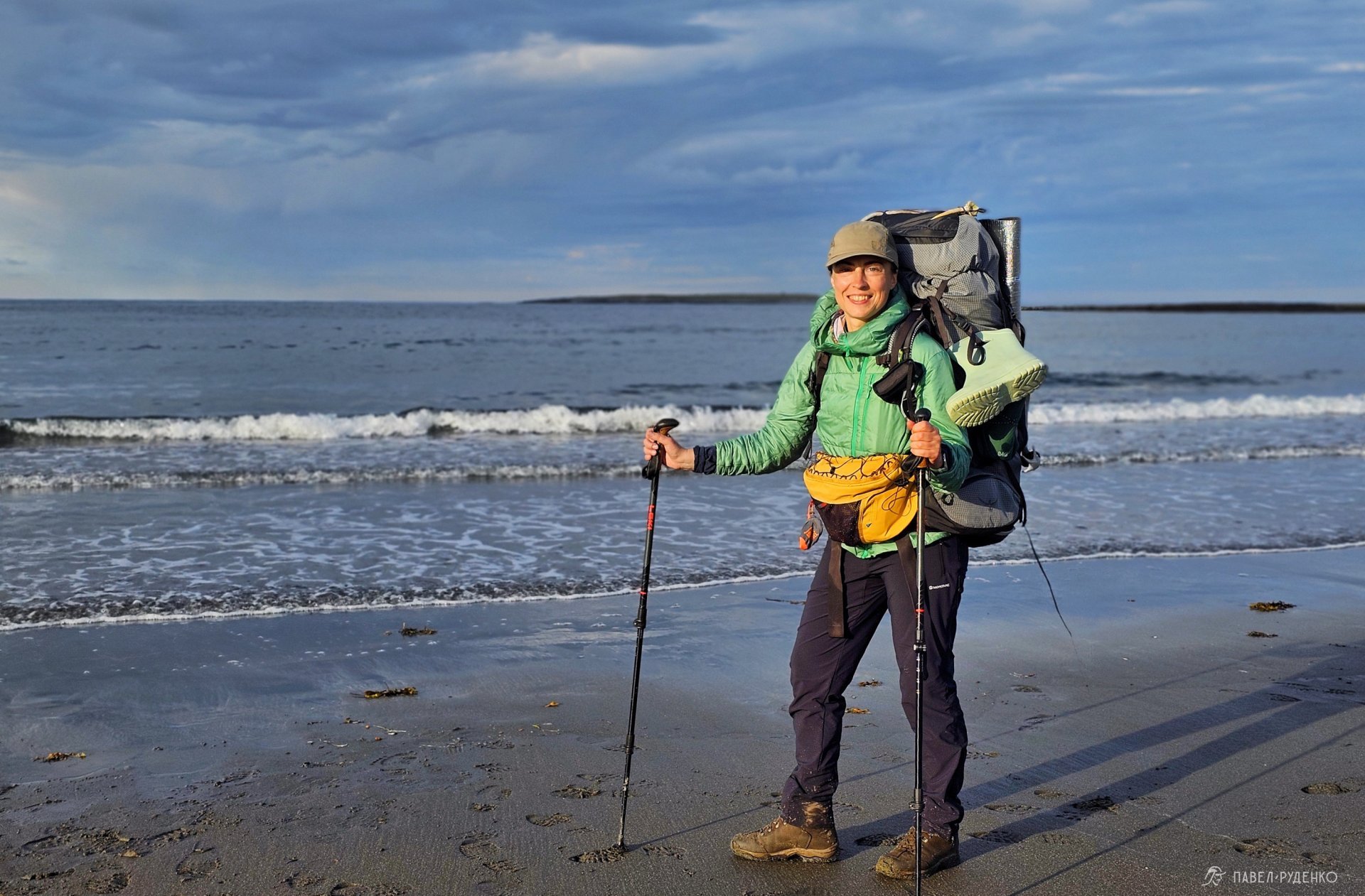
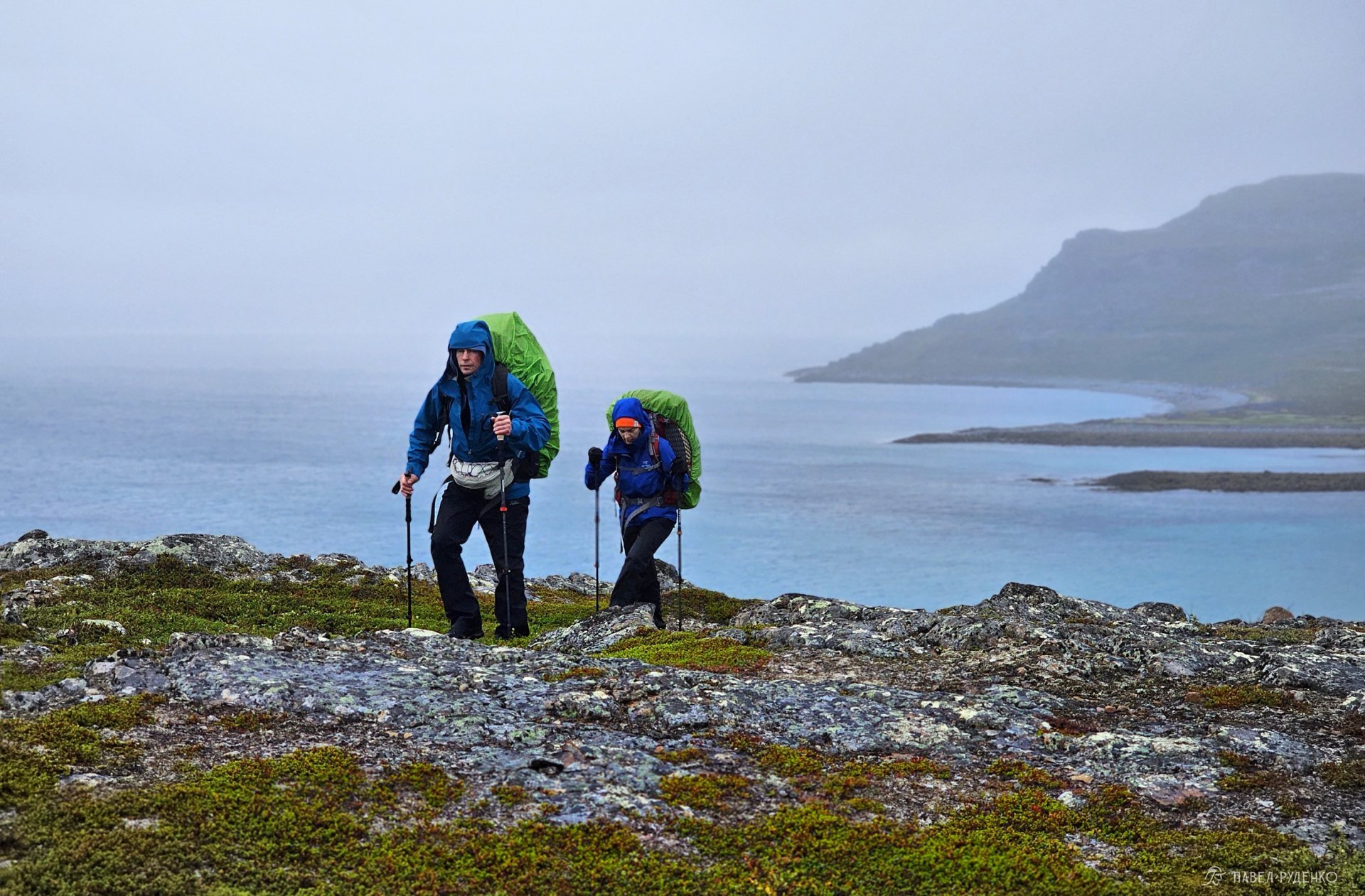
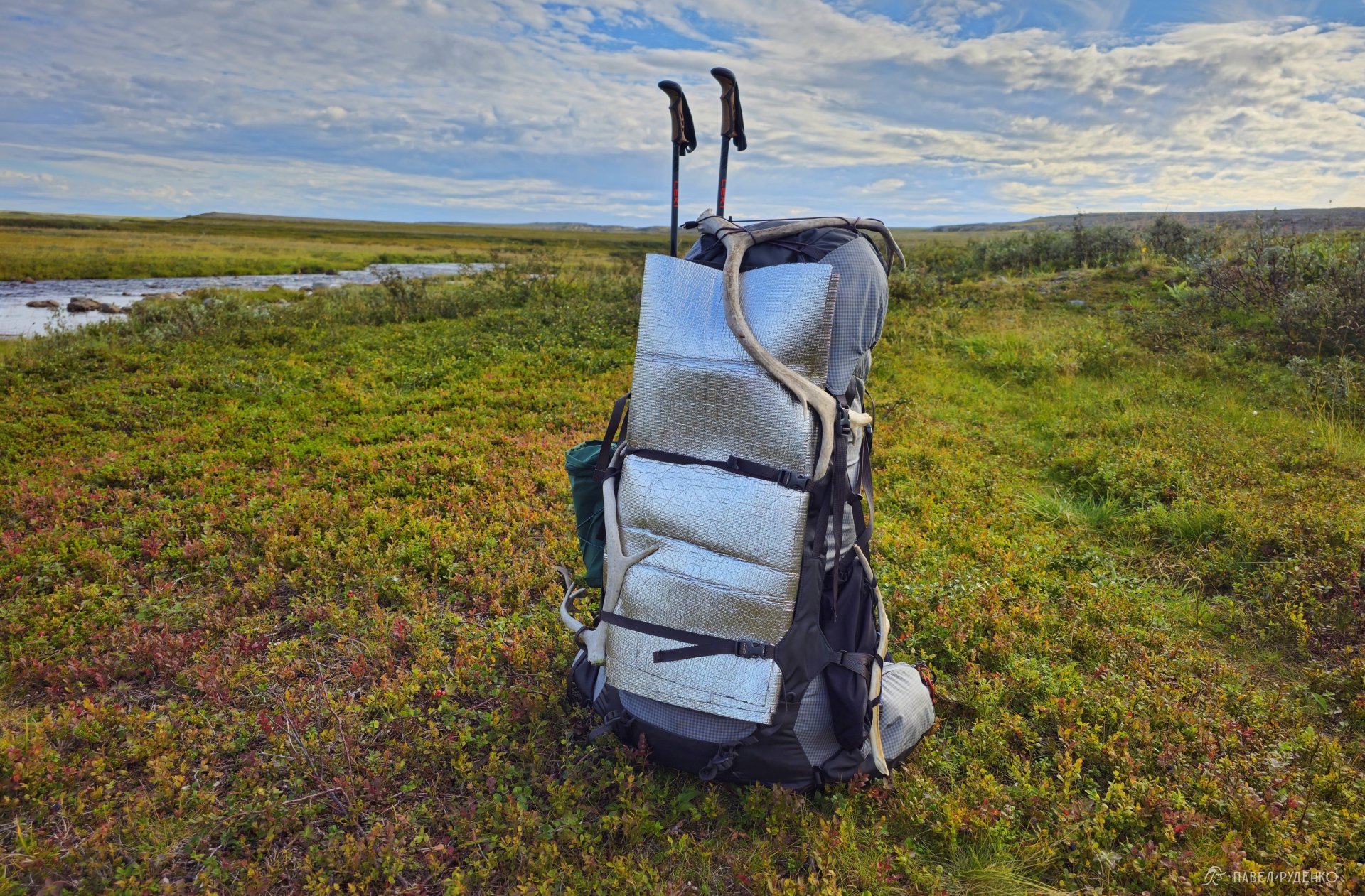
The distance, duration, and autonomy will suit hikers with experience in a week-long self-supported trek and good physical fitness. Properly selected gear is essential for comfort in Polar conditions while maintaining a low base weight of the backpack.
Trekking area
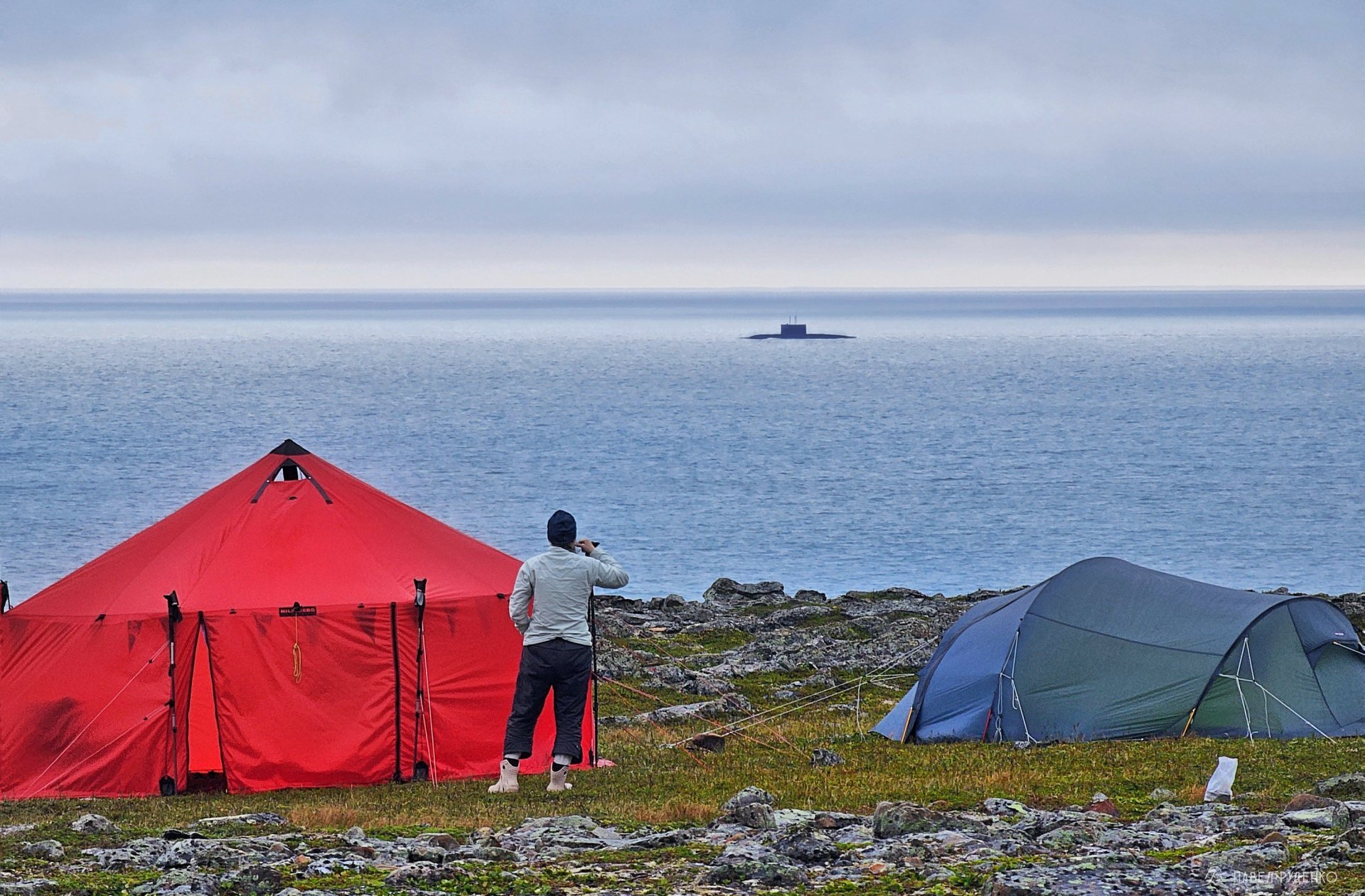
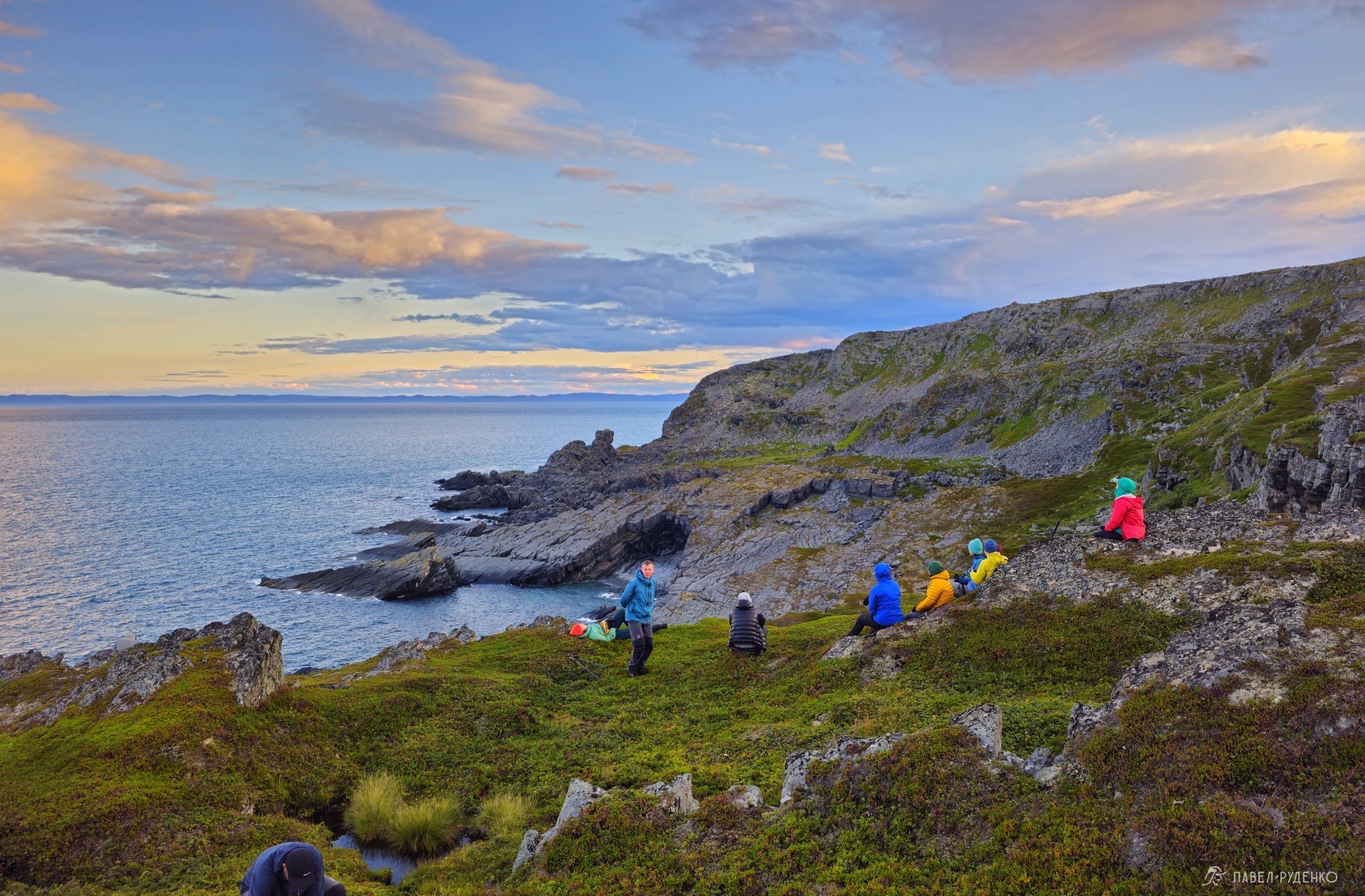
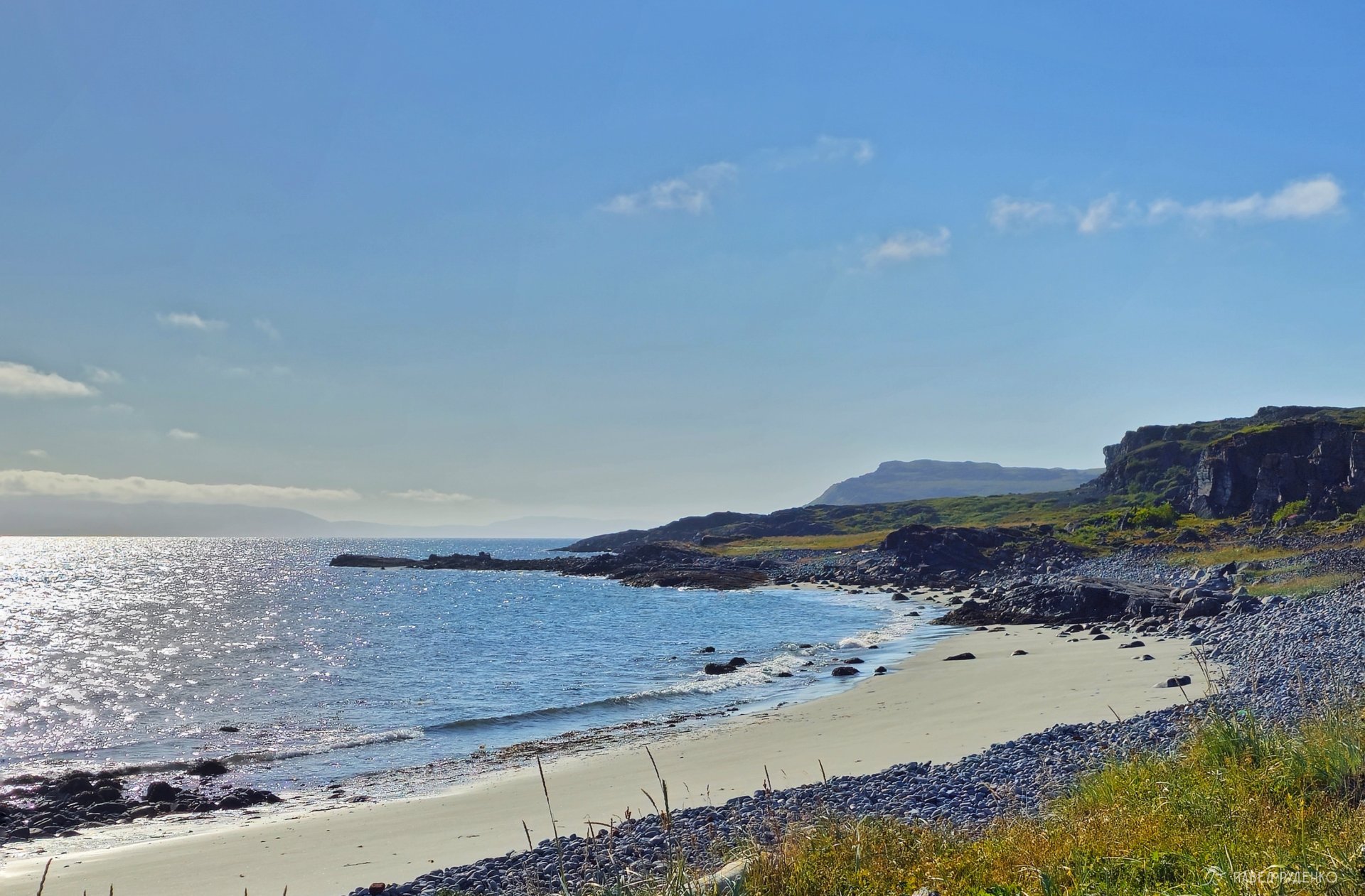
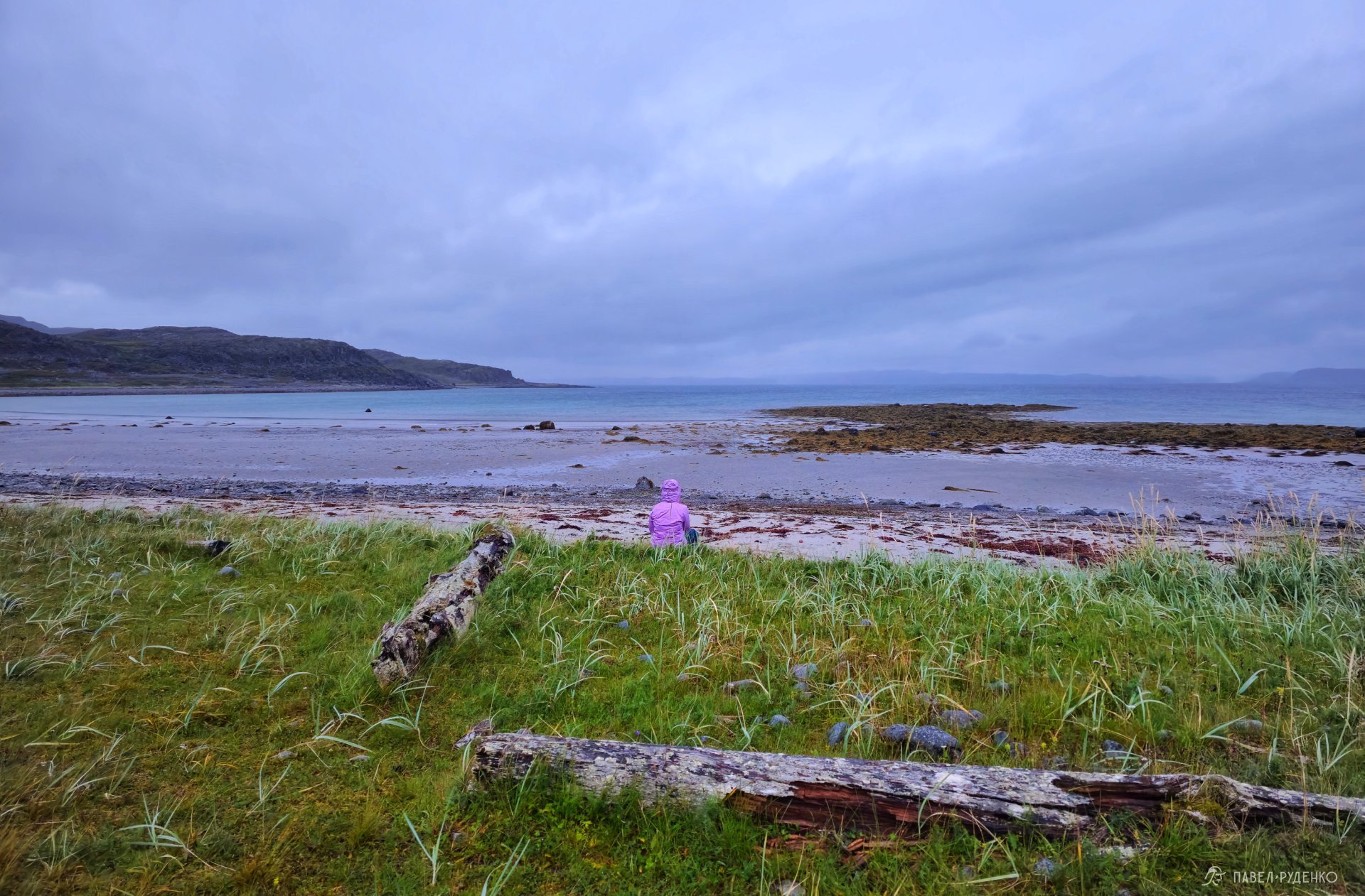
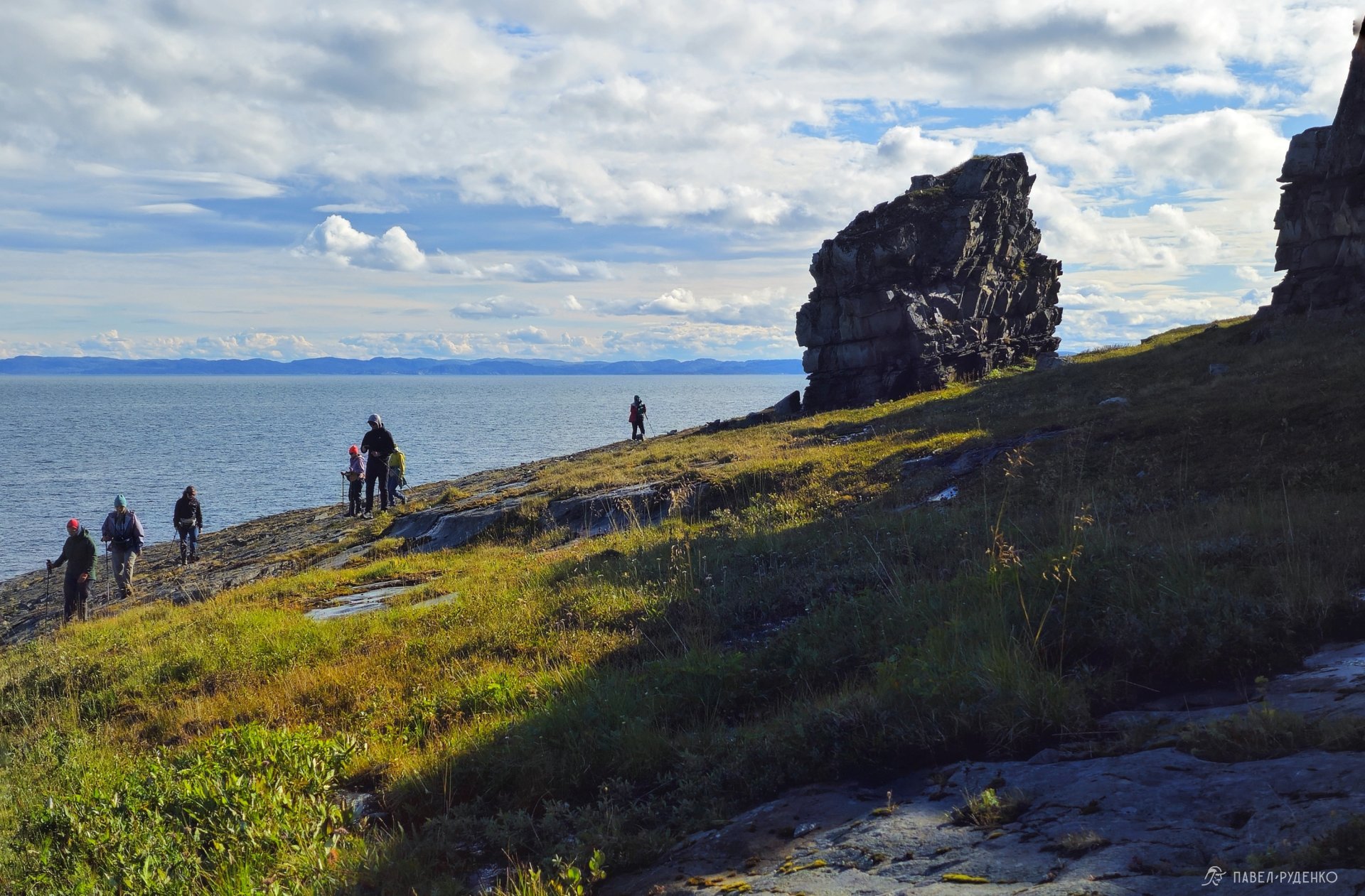
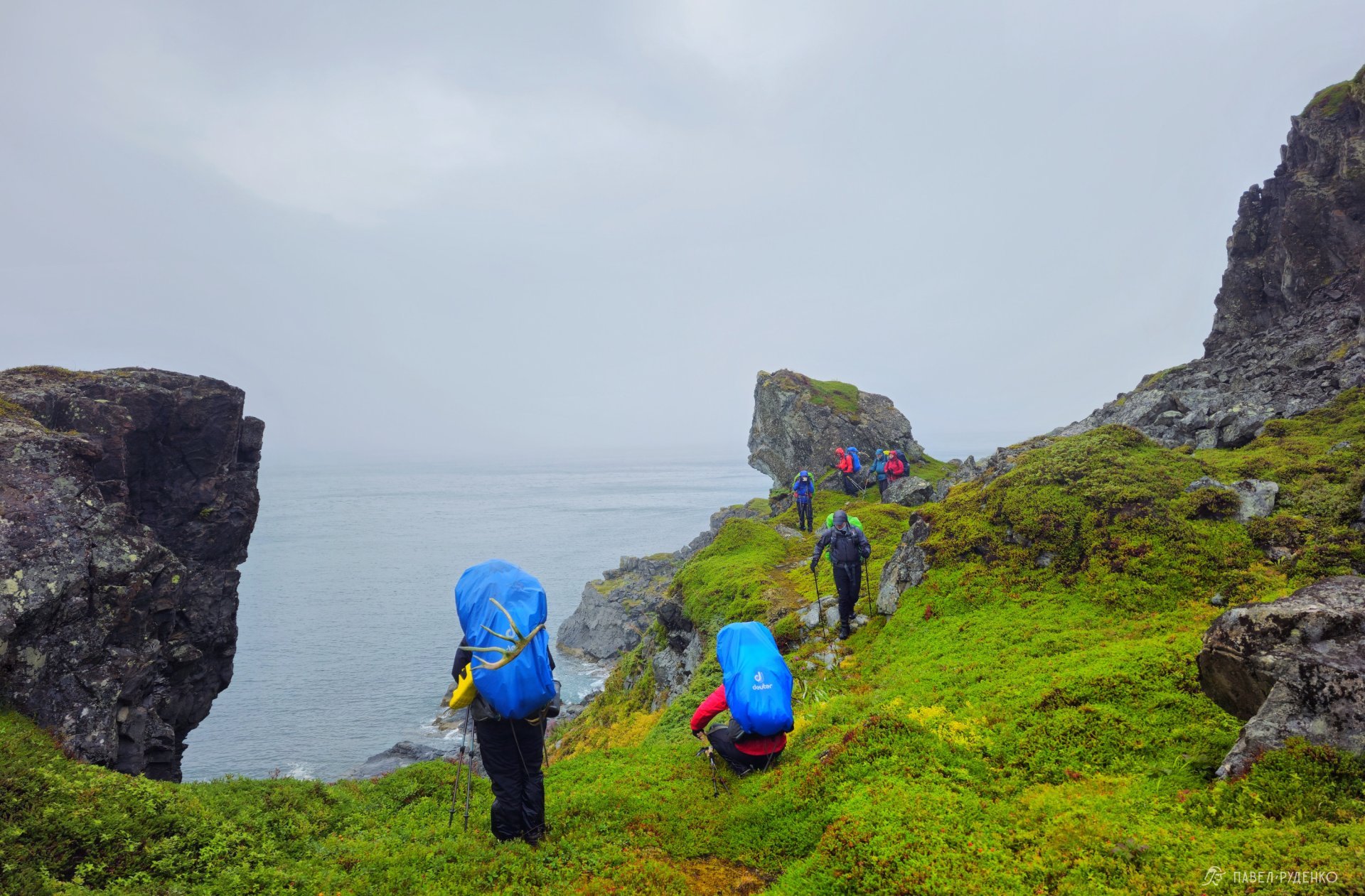
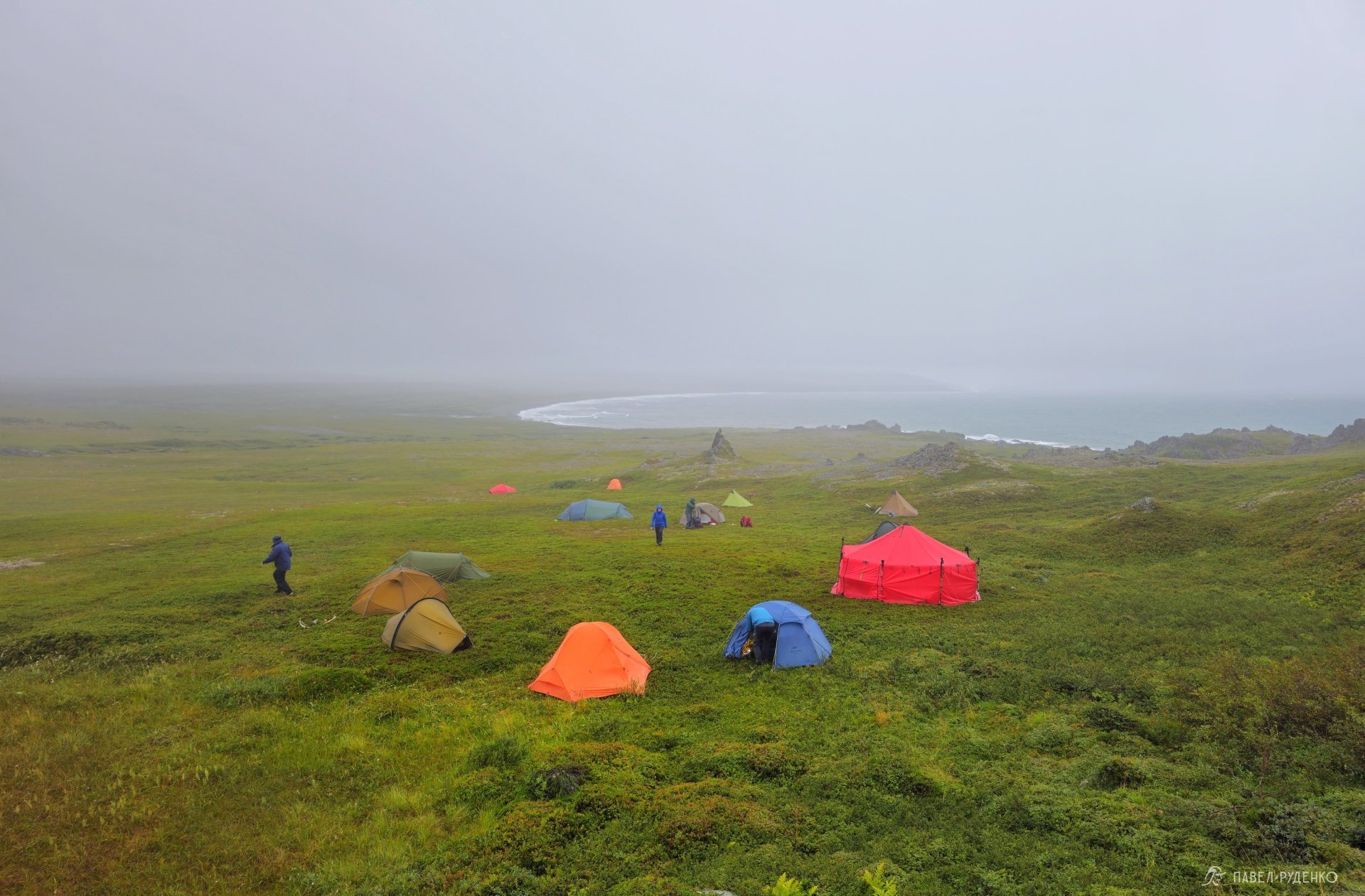
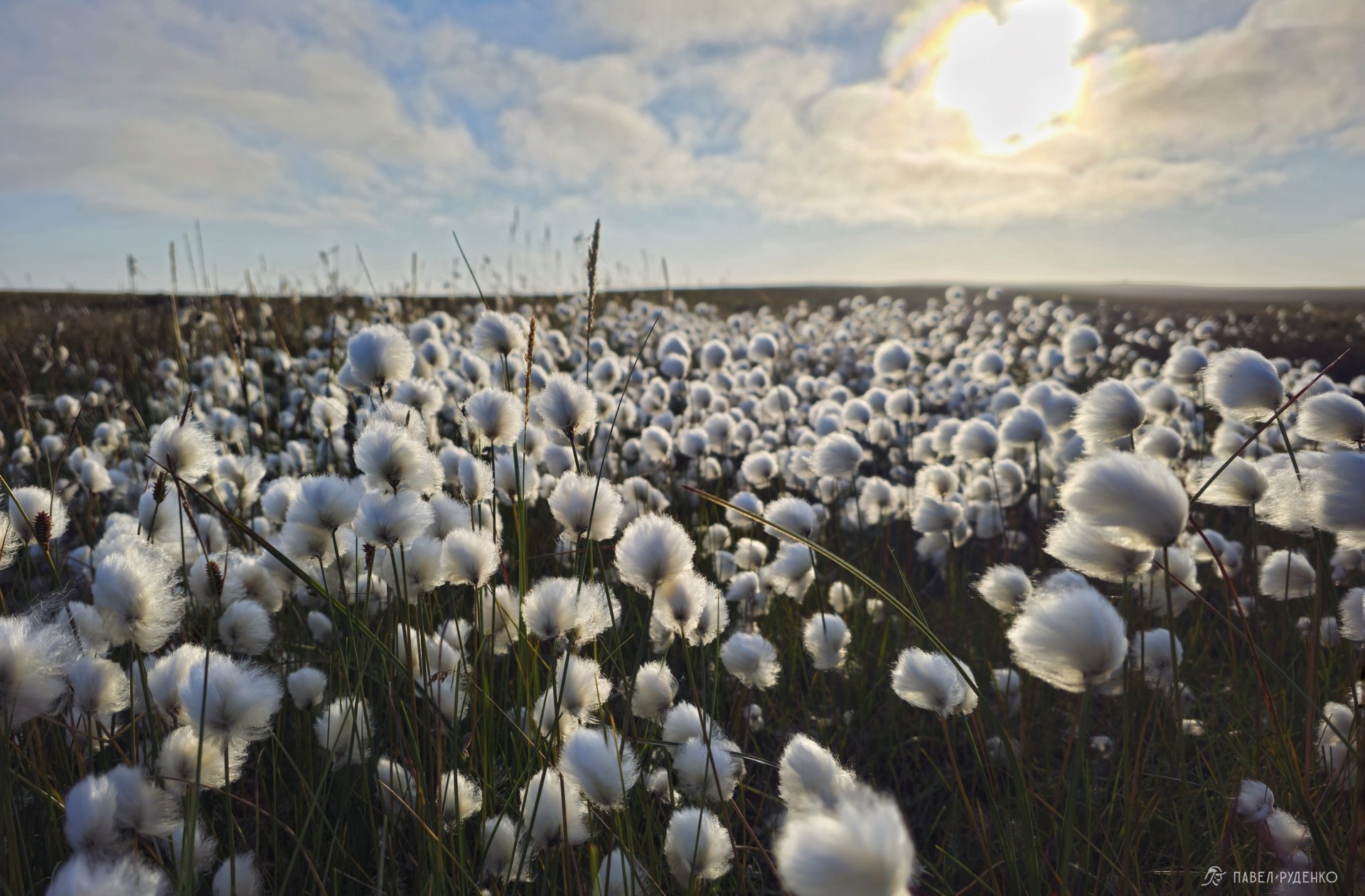
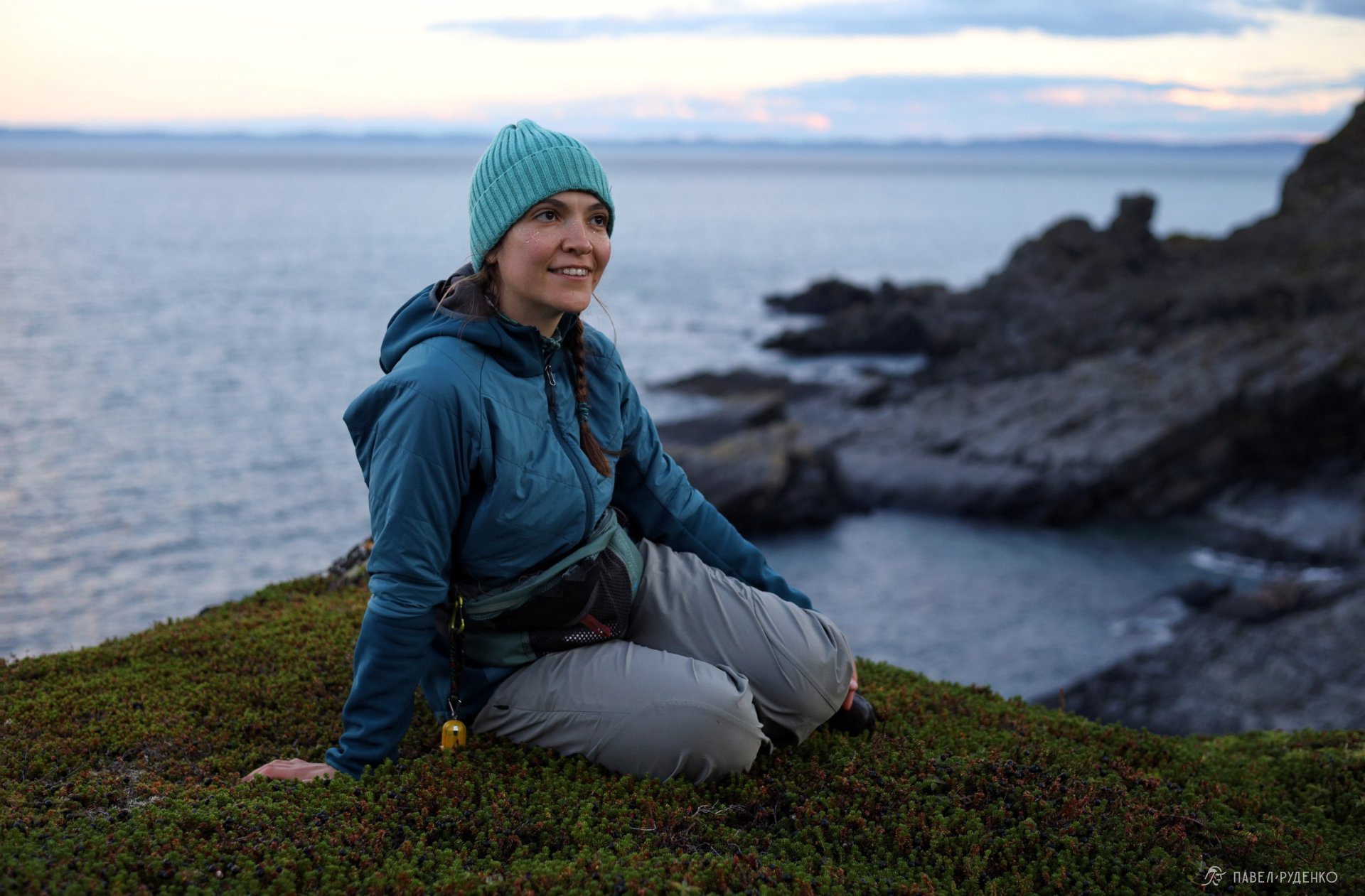
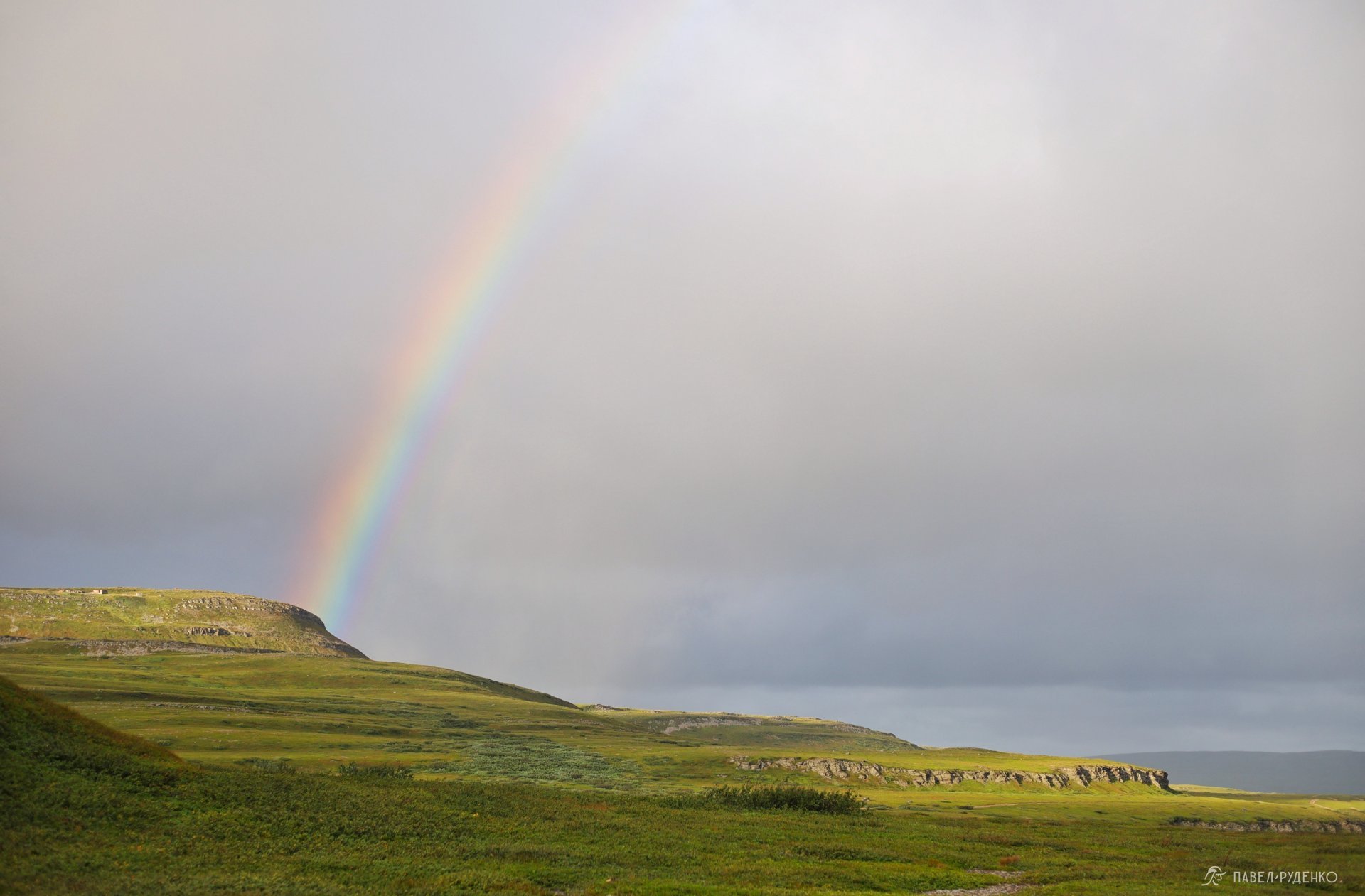
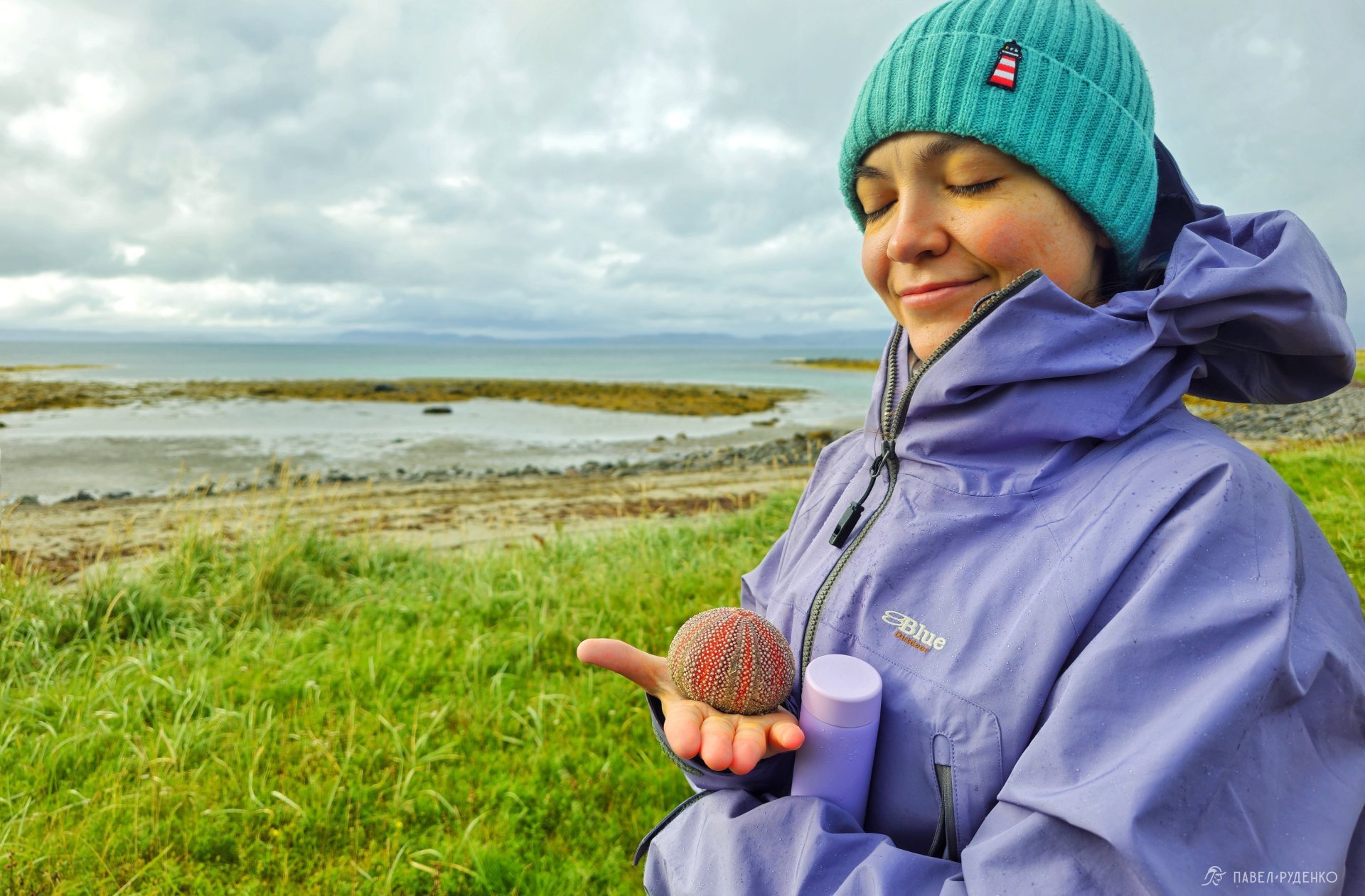
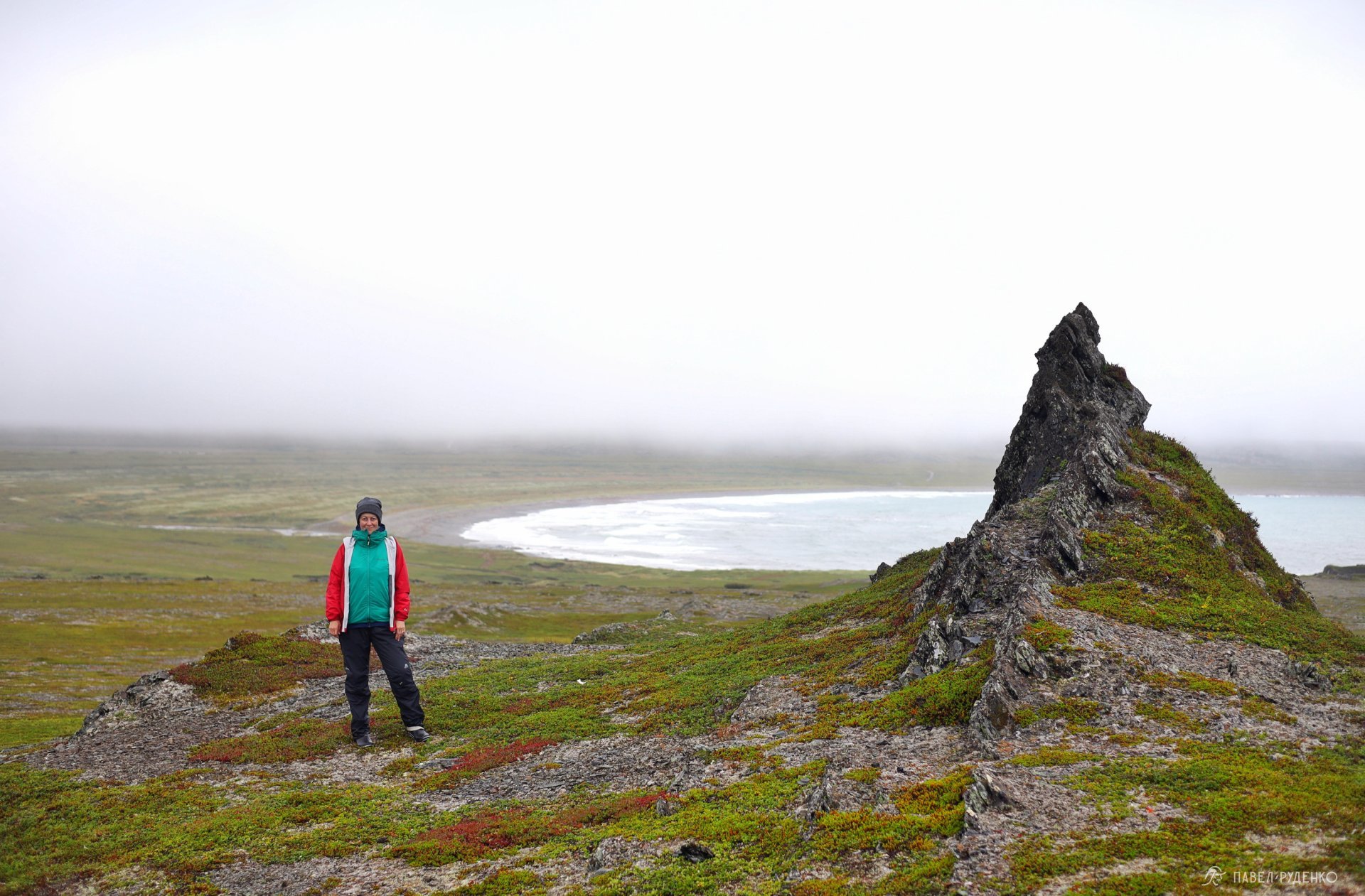
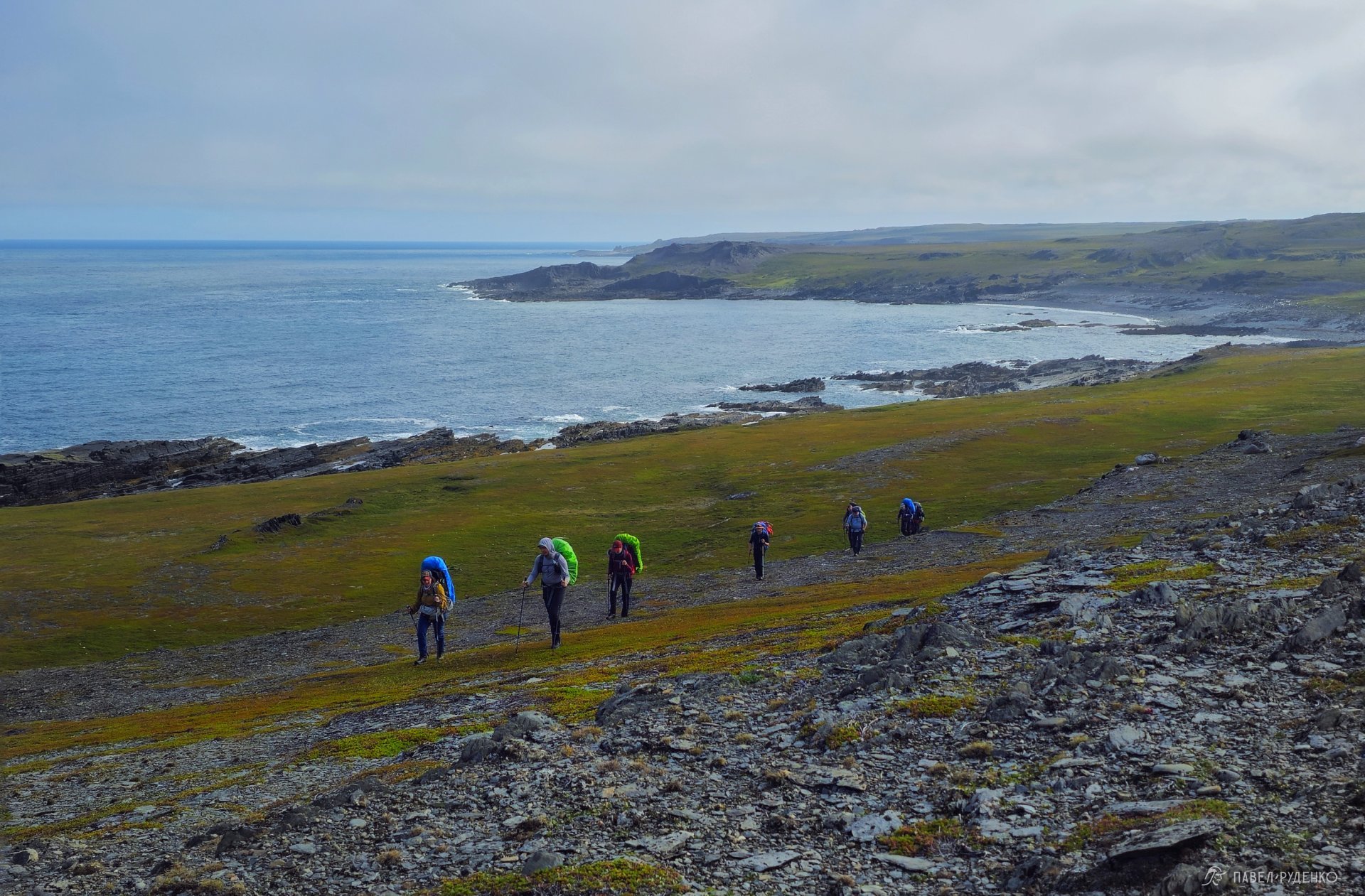
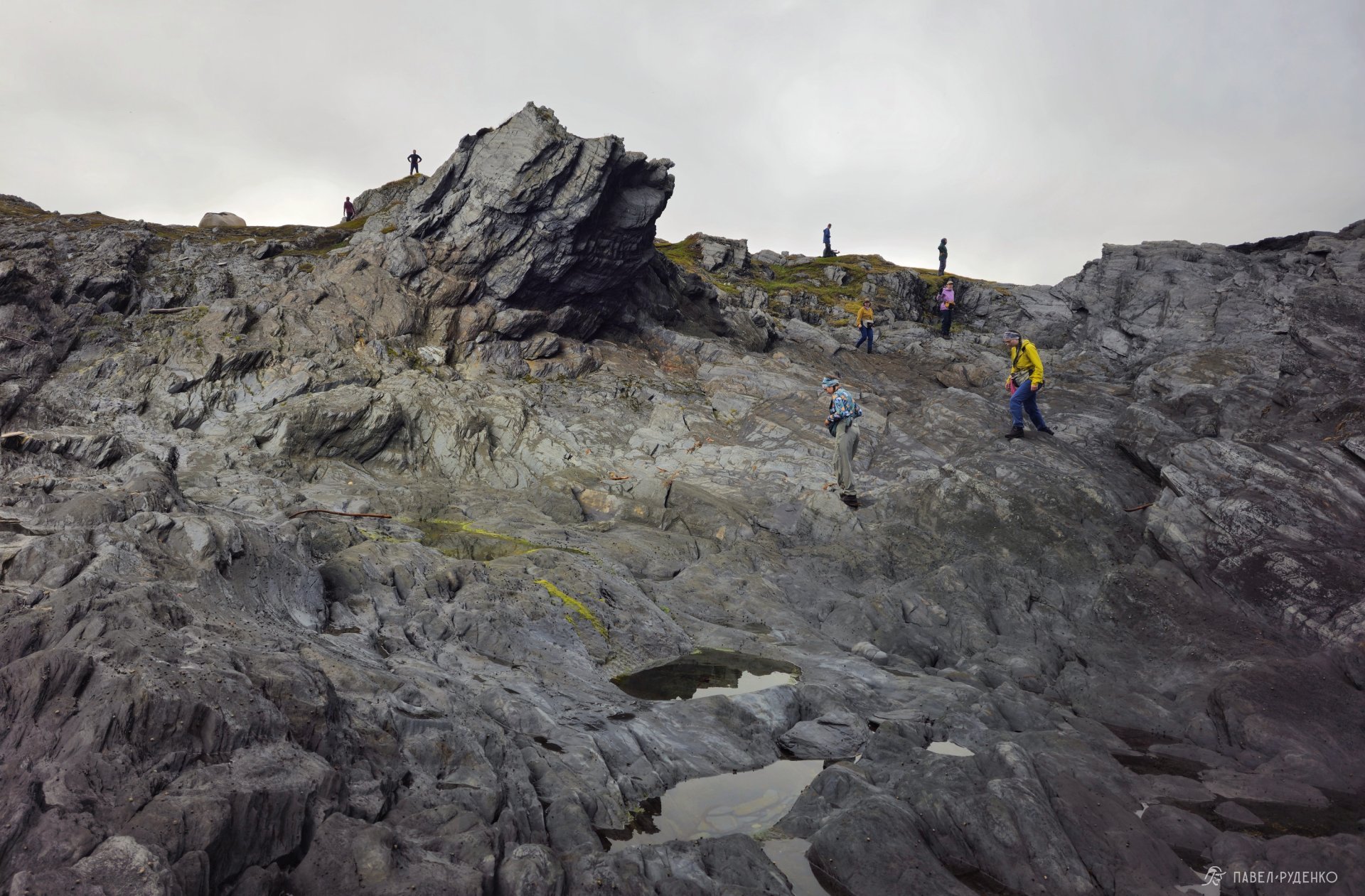
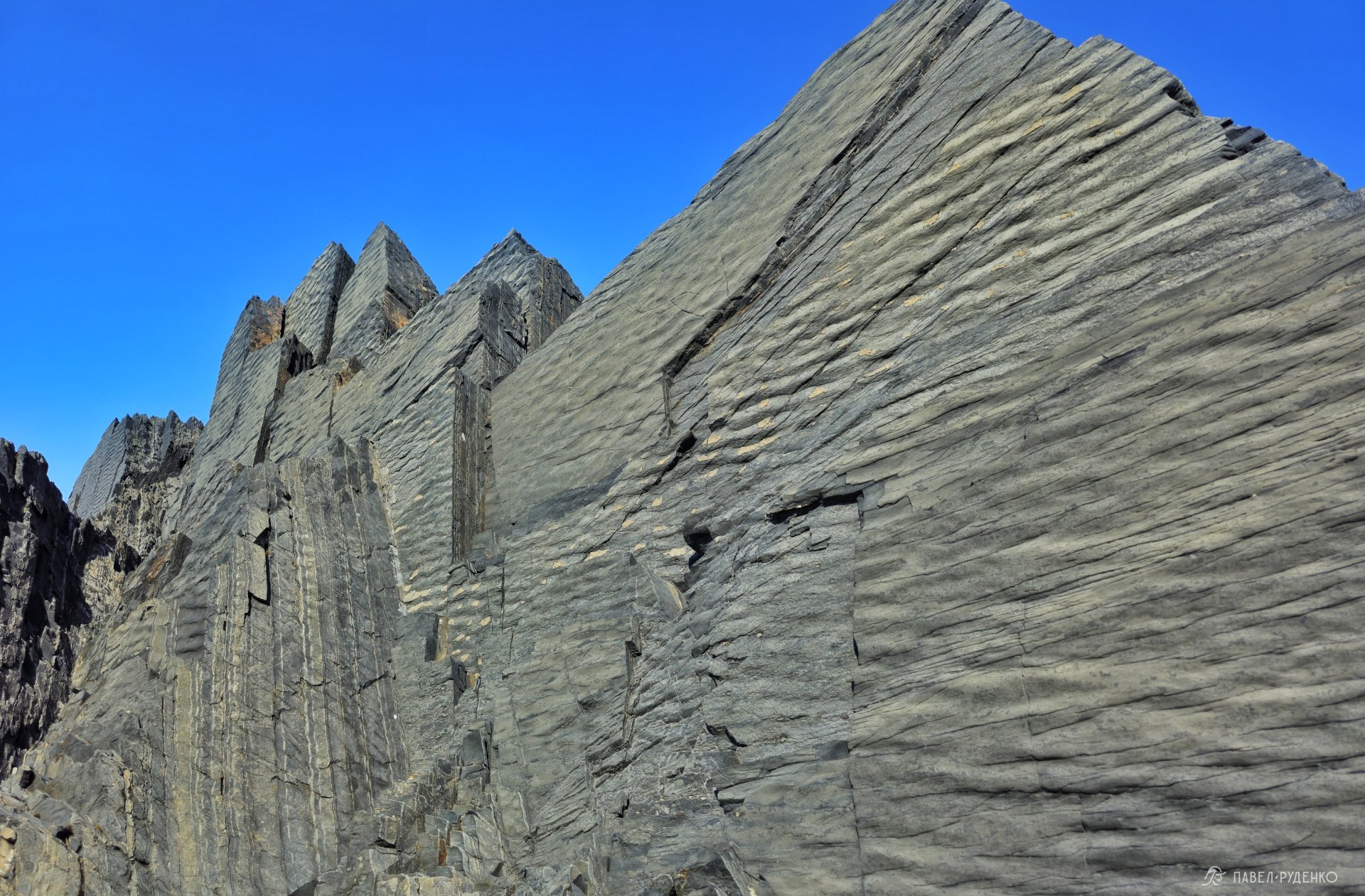
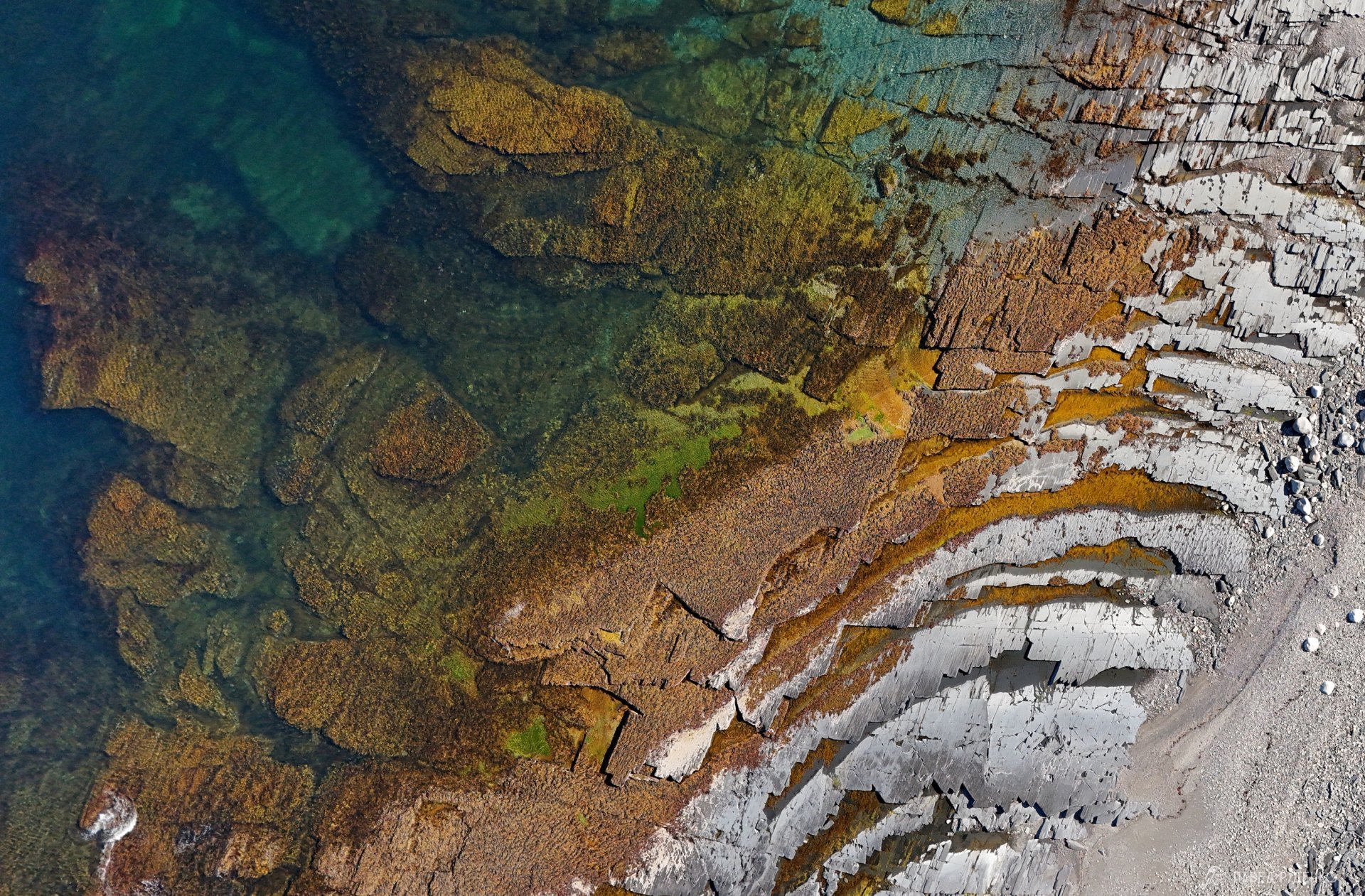
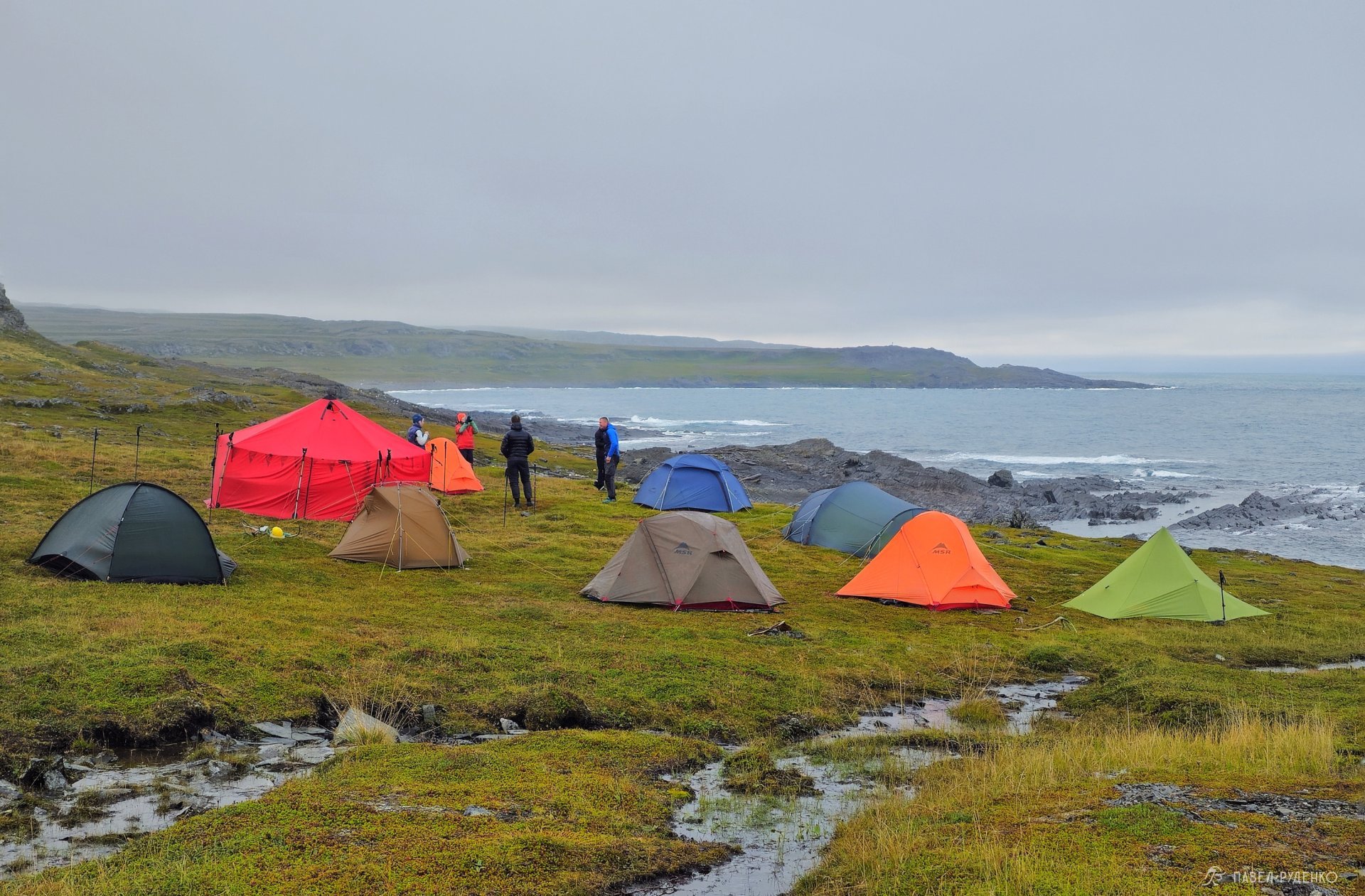
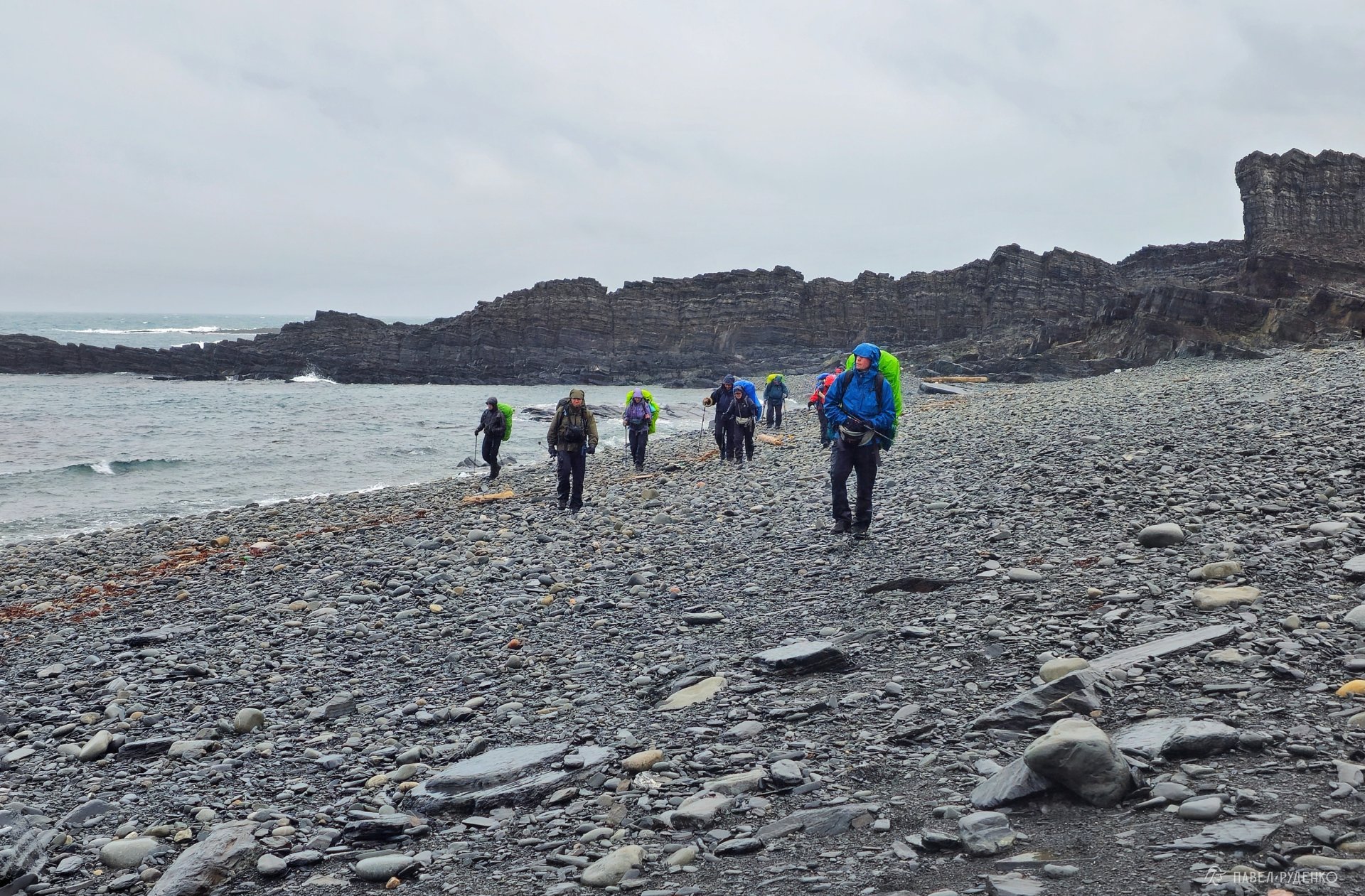
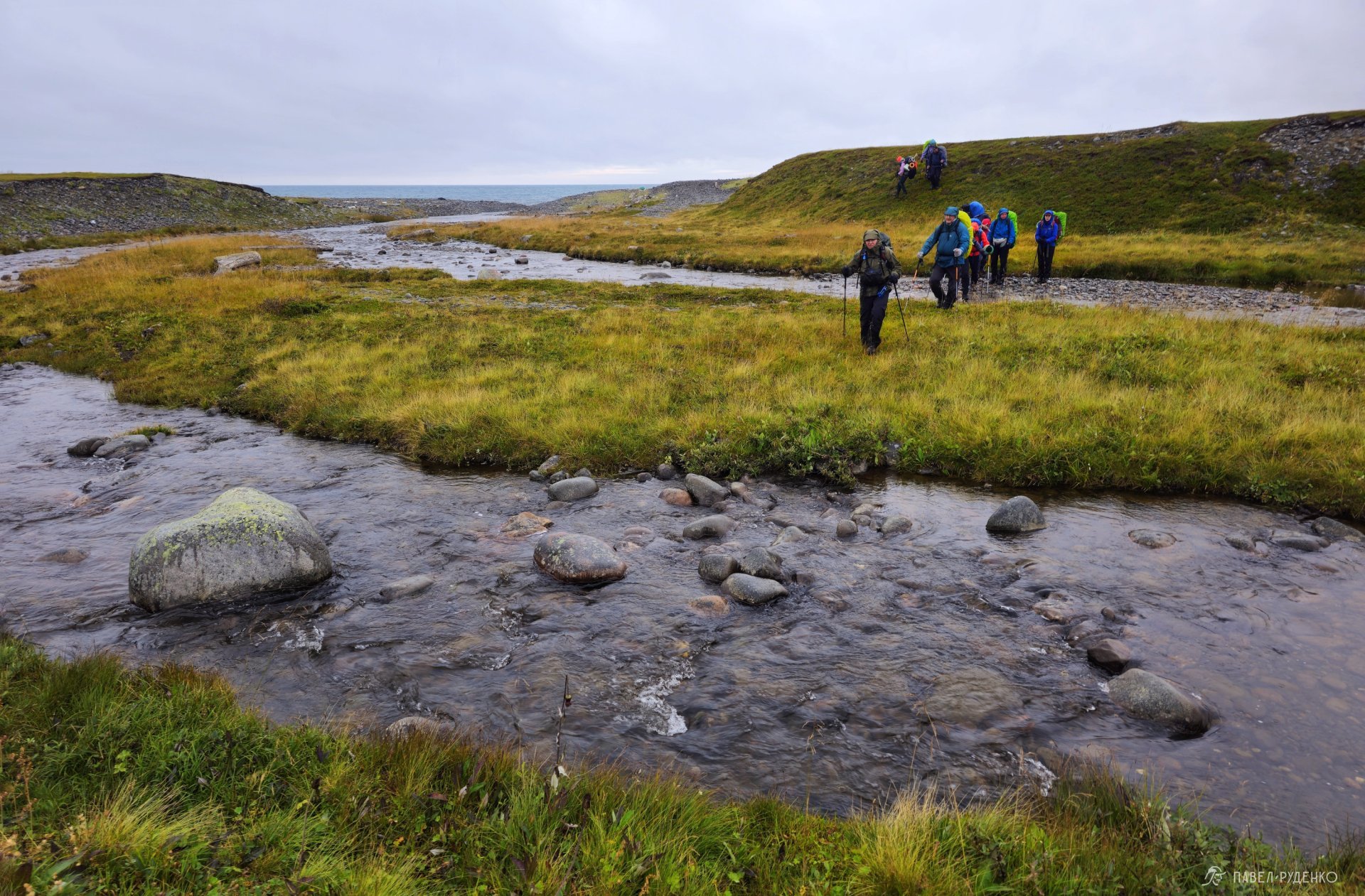
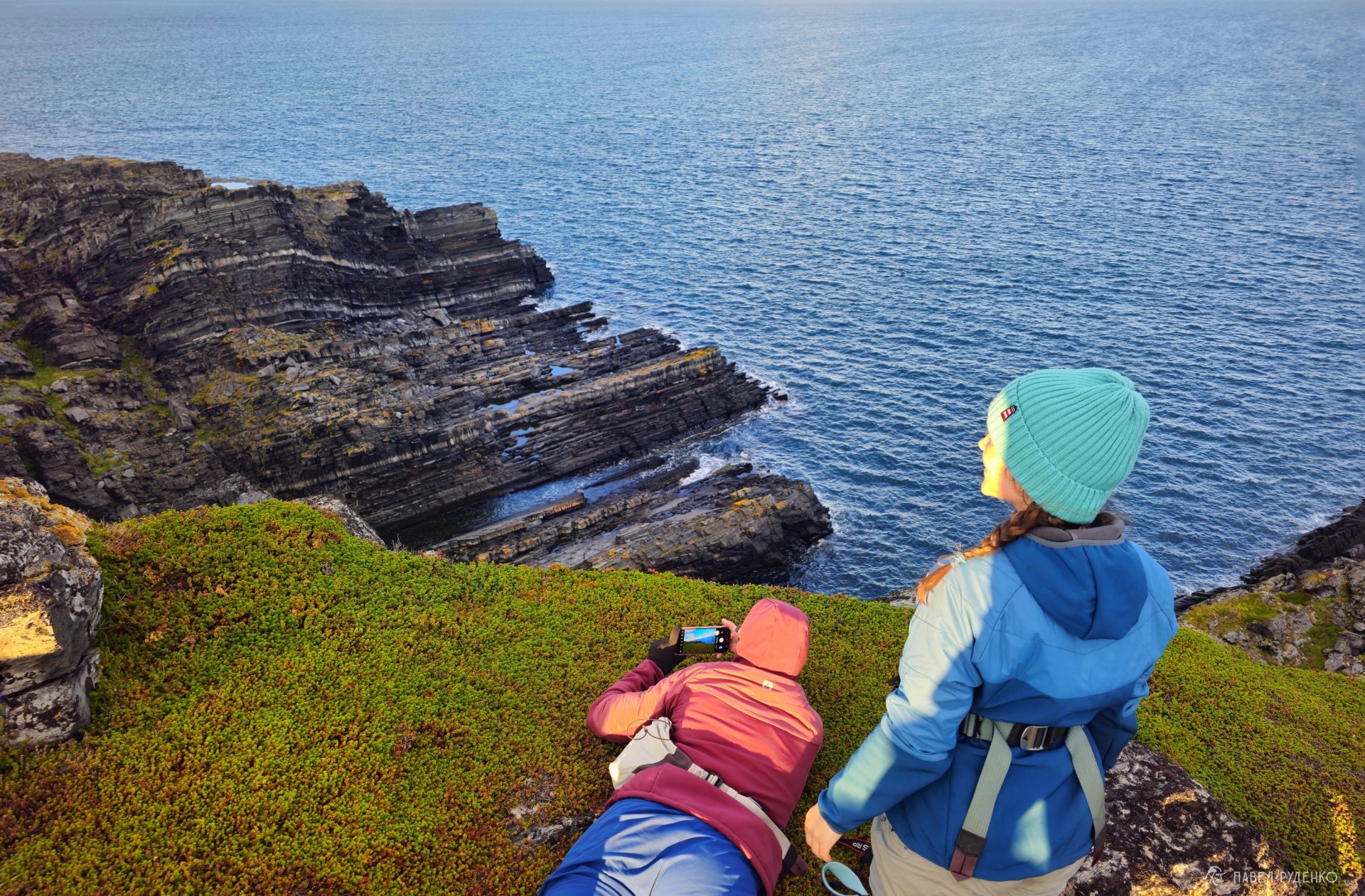
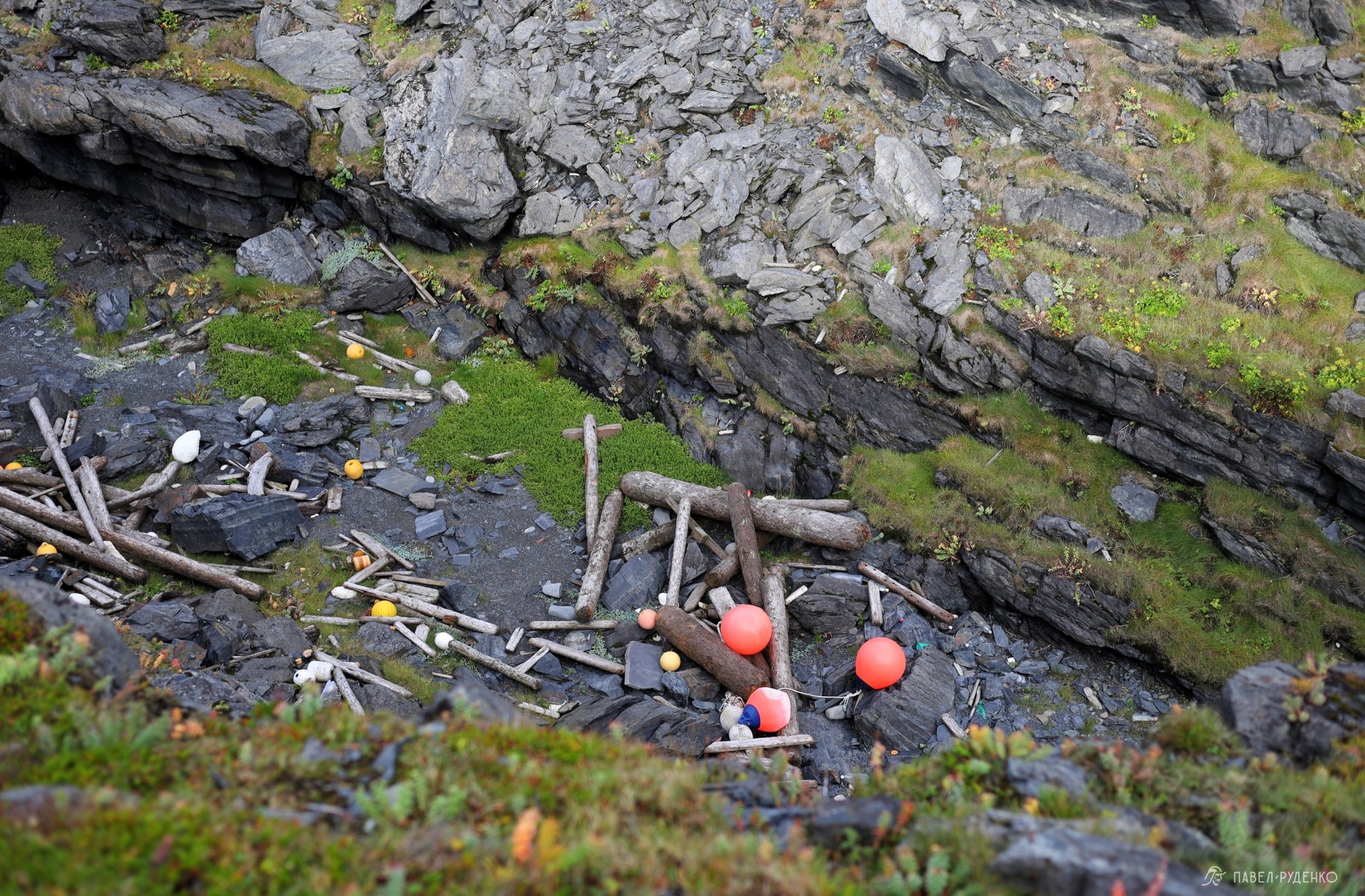
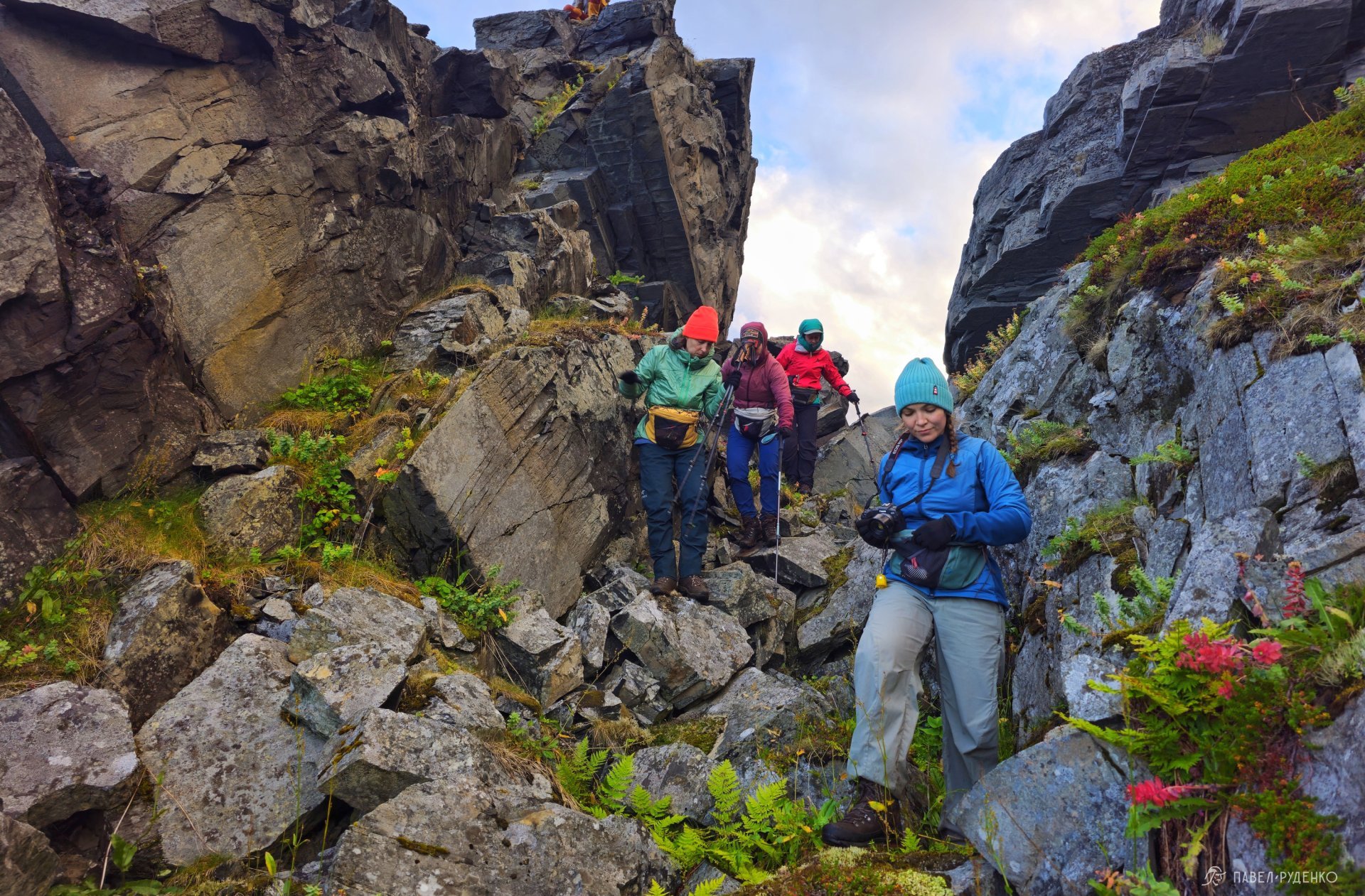
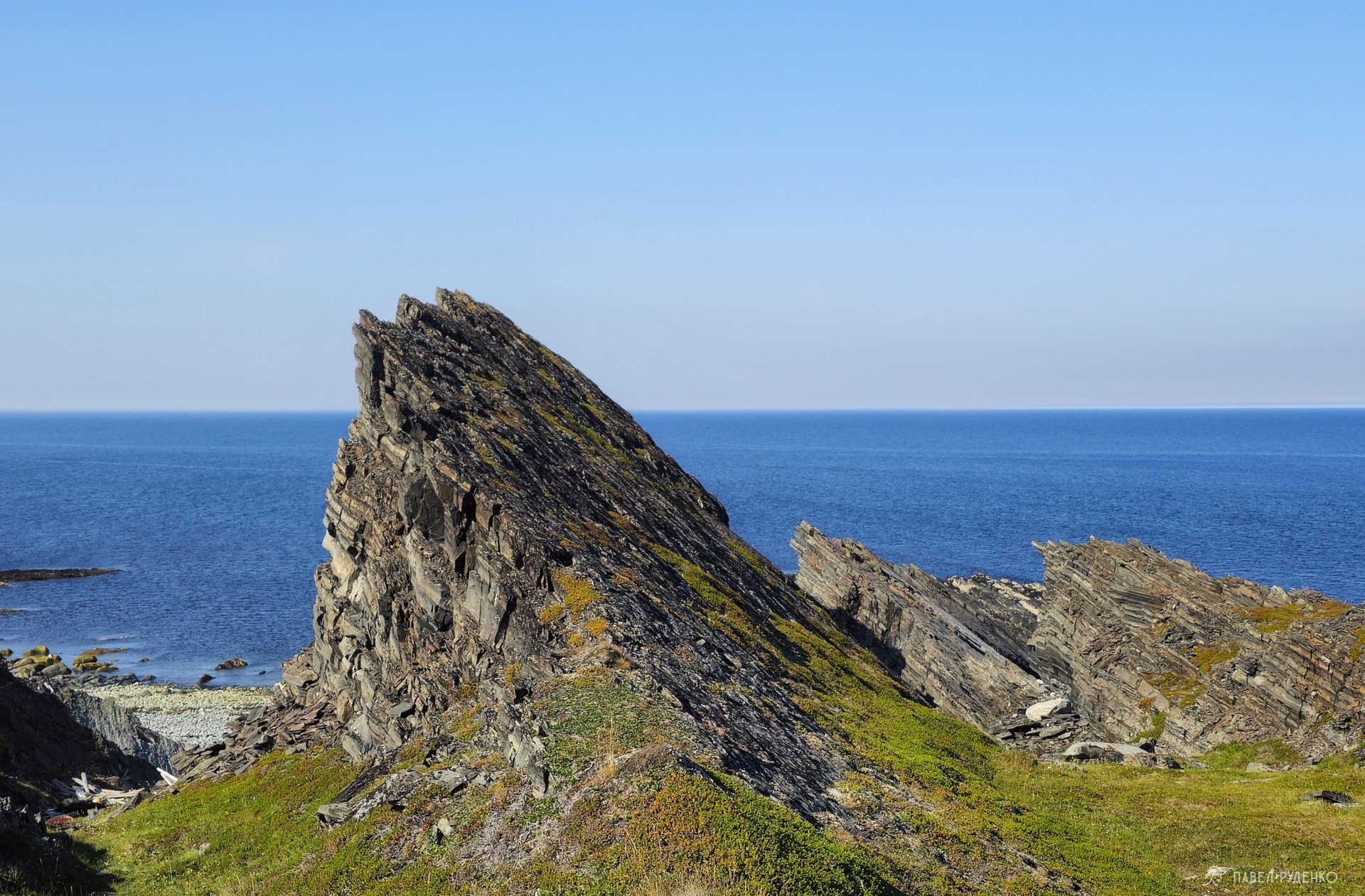
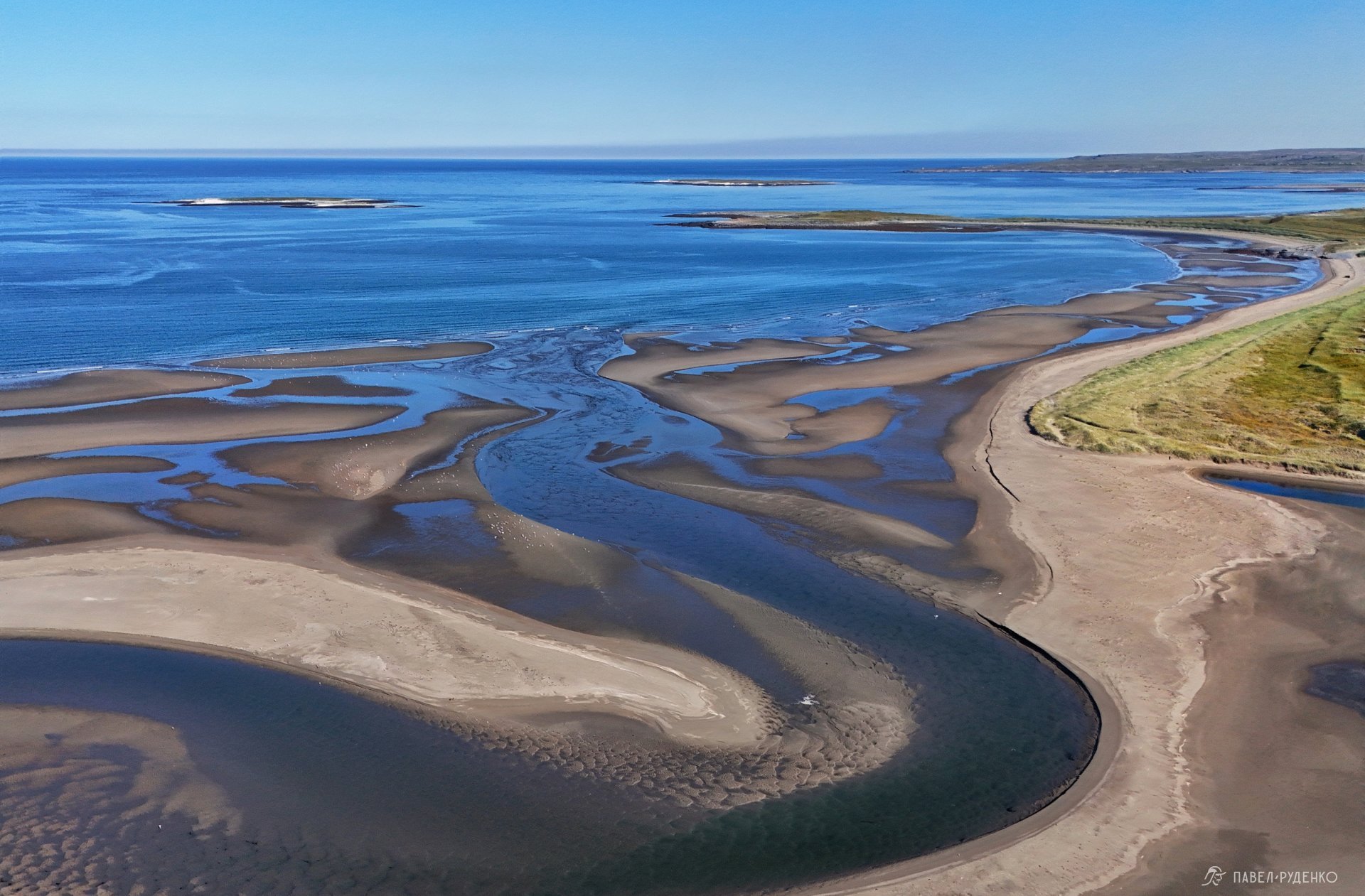
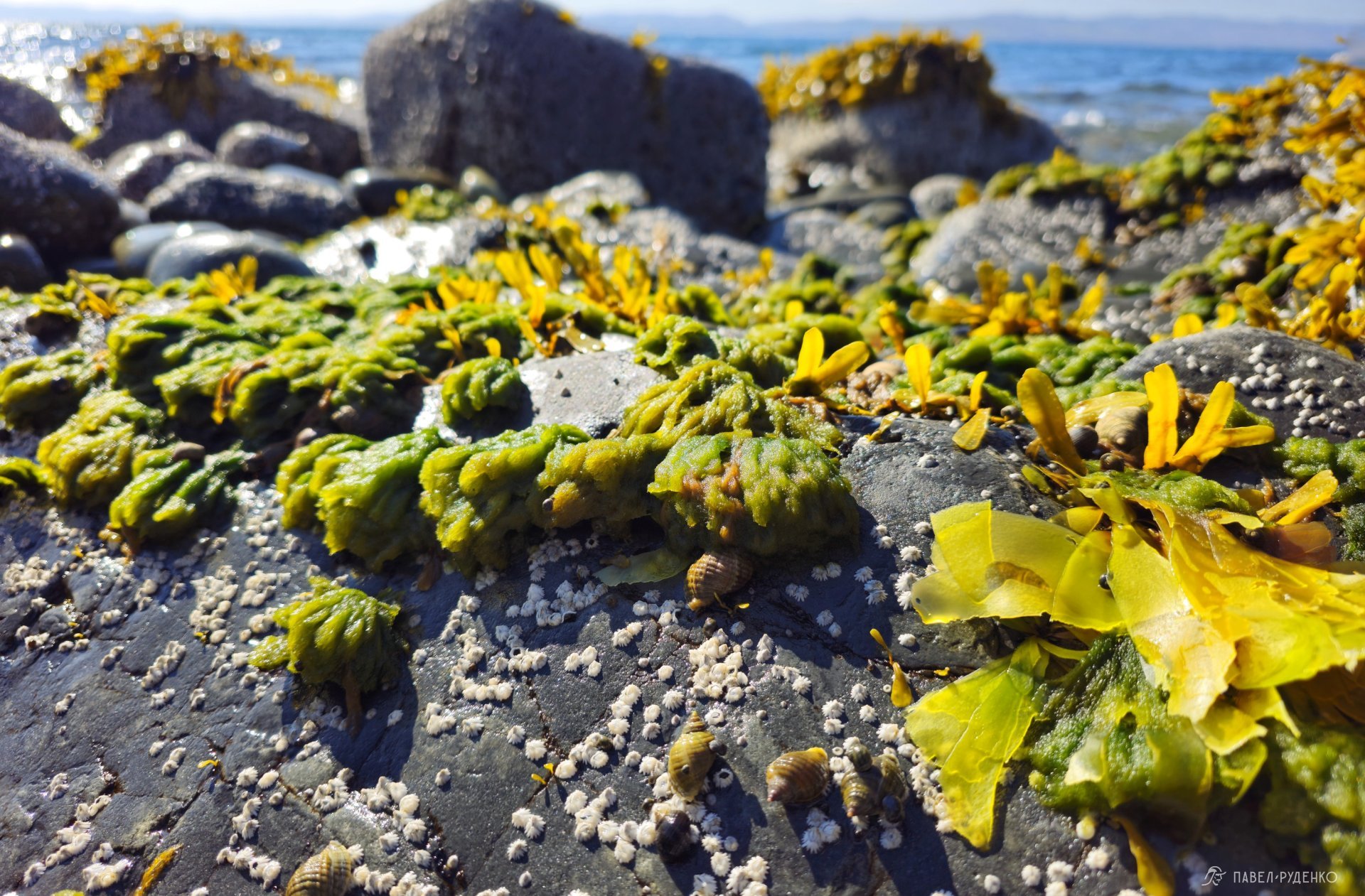
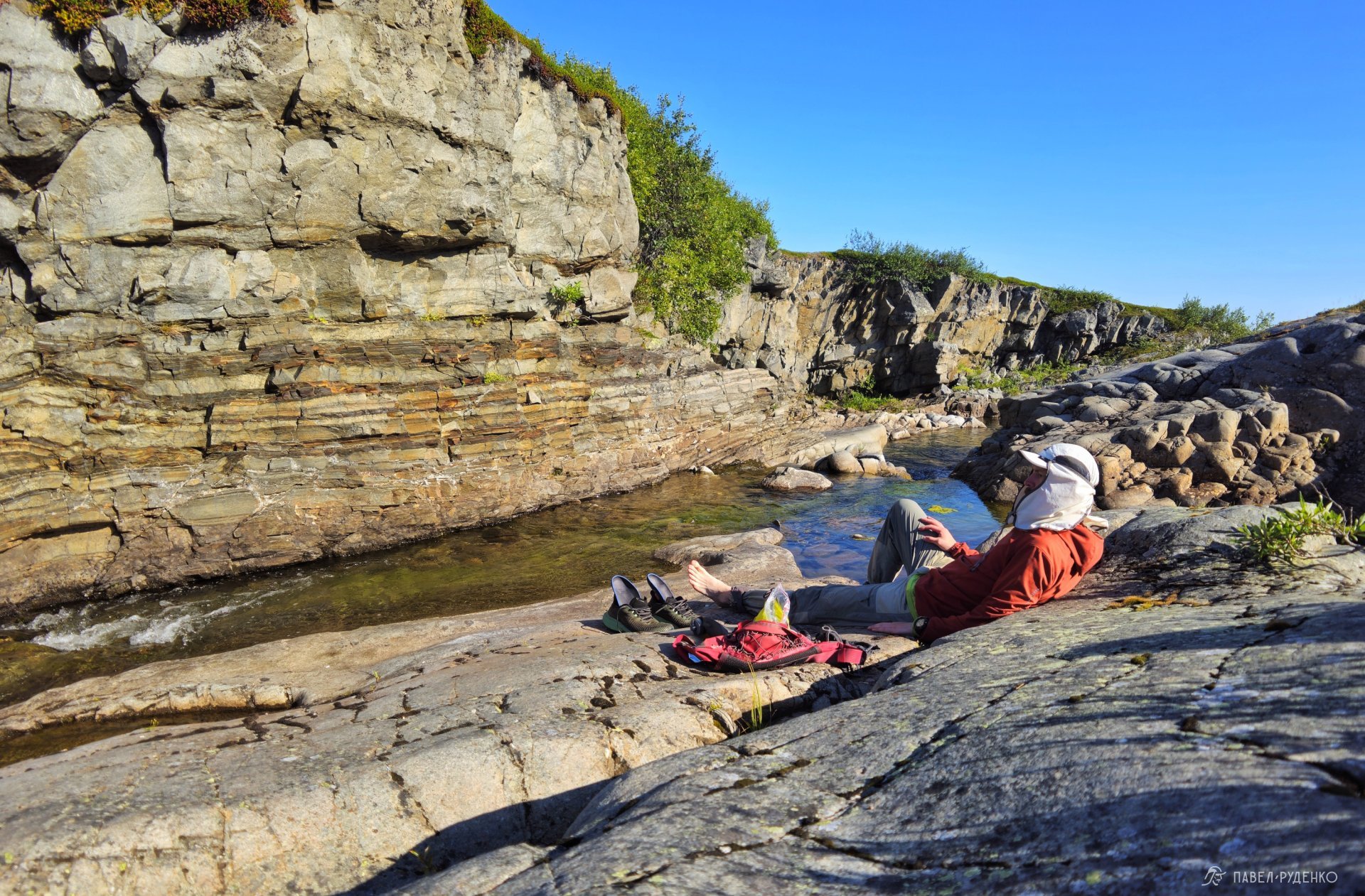
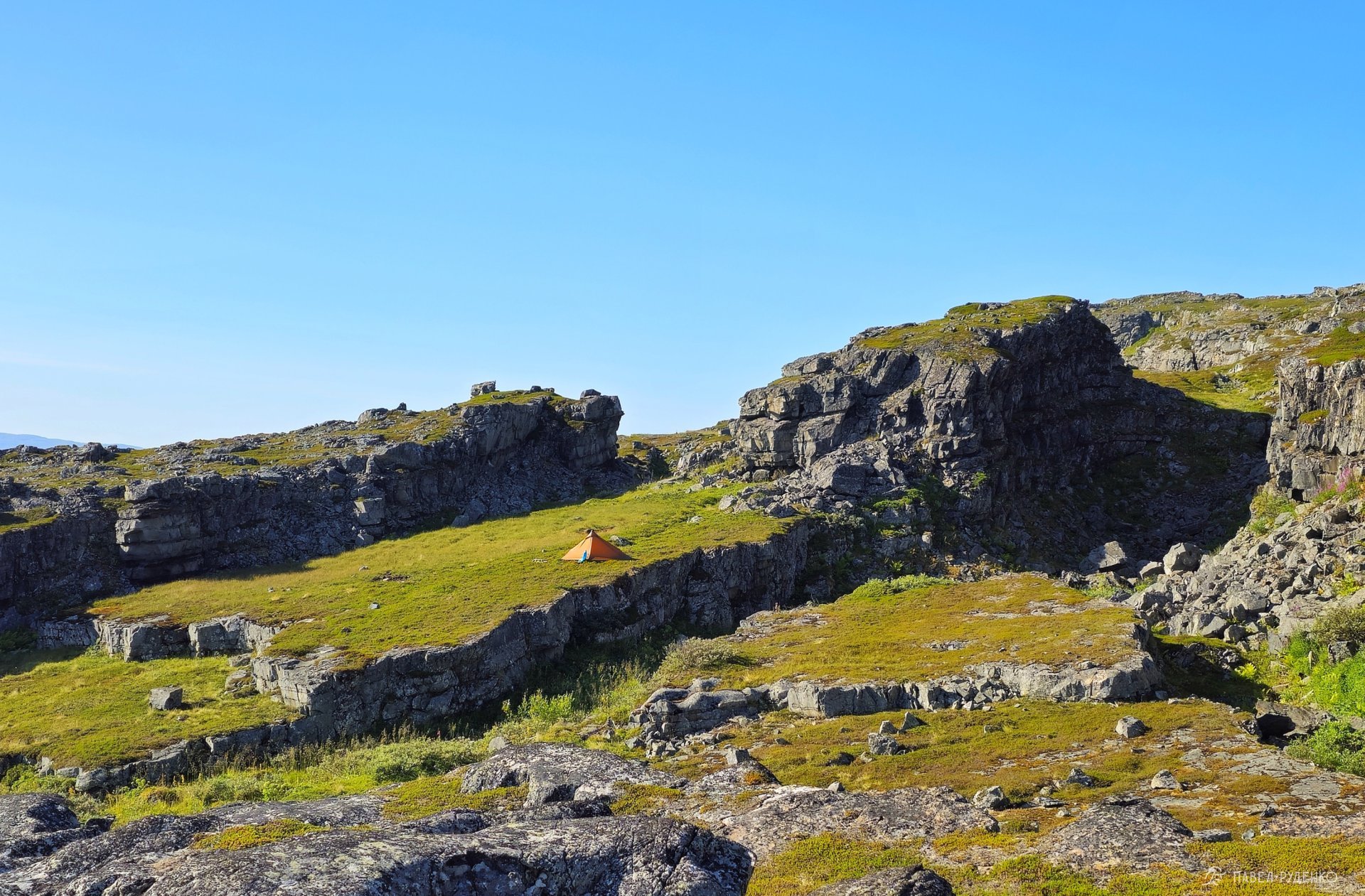
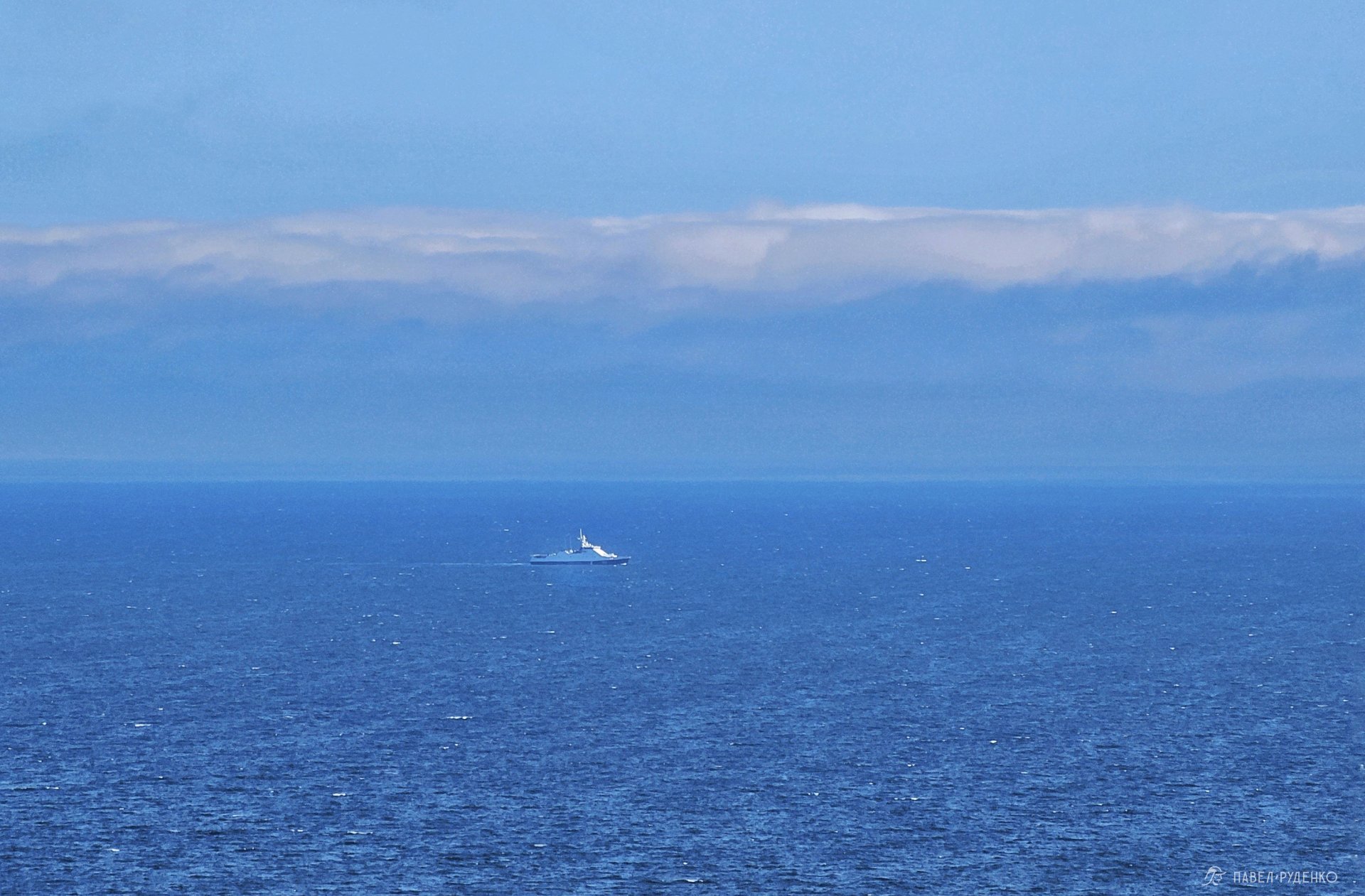
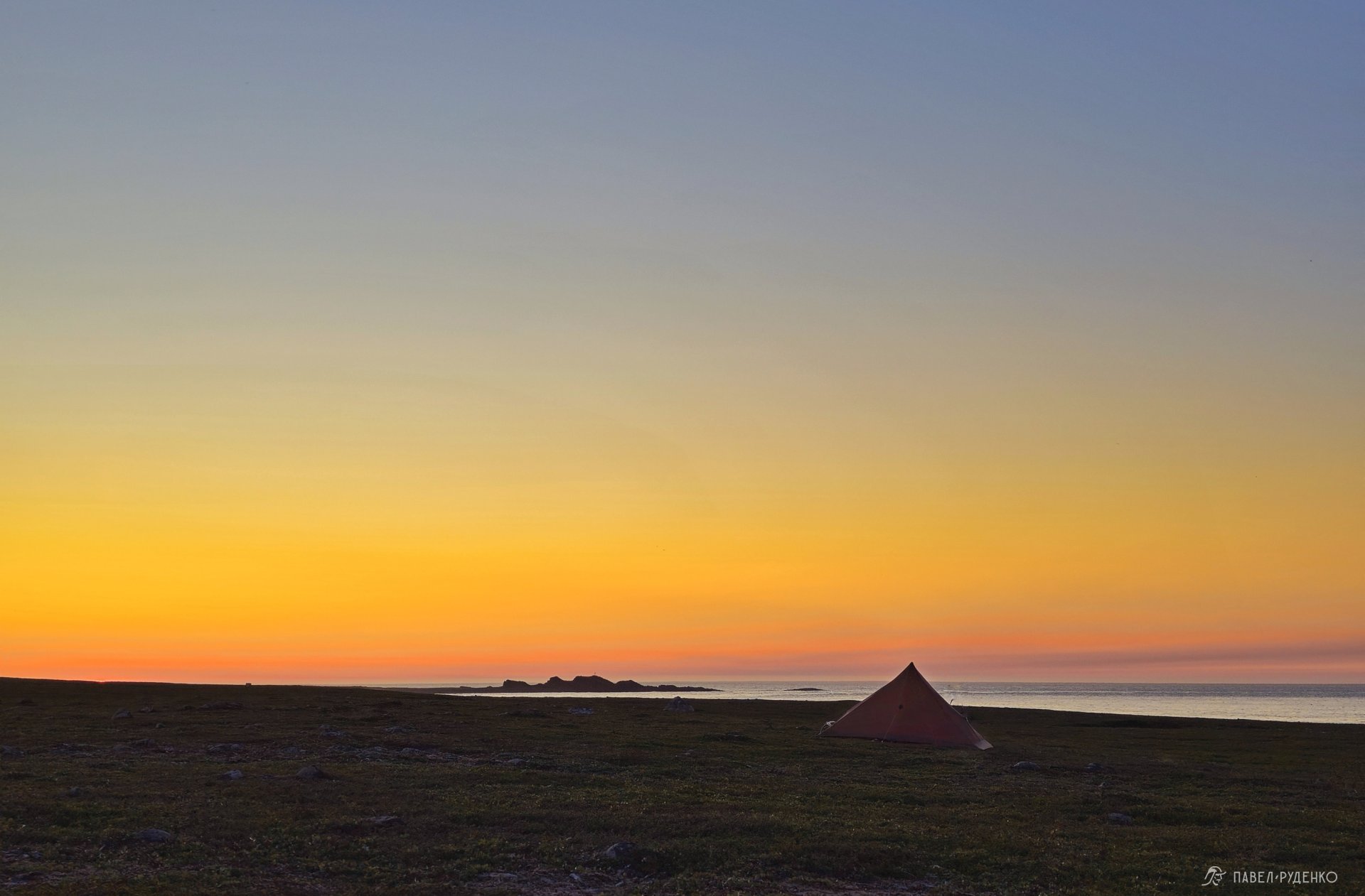
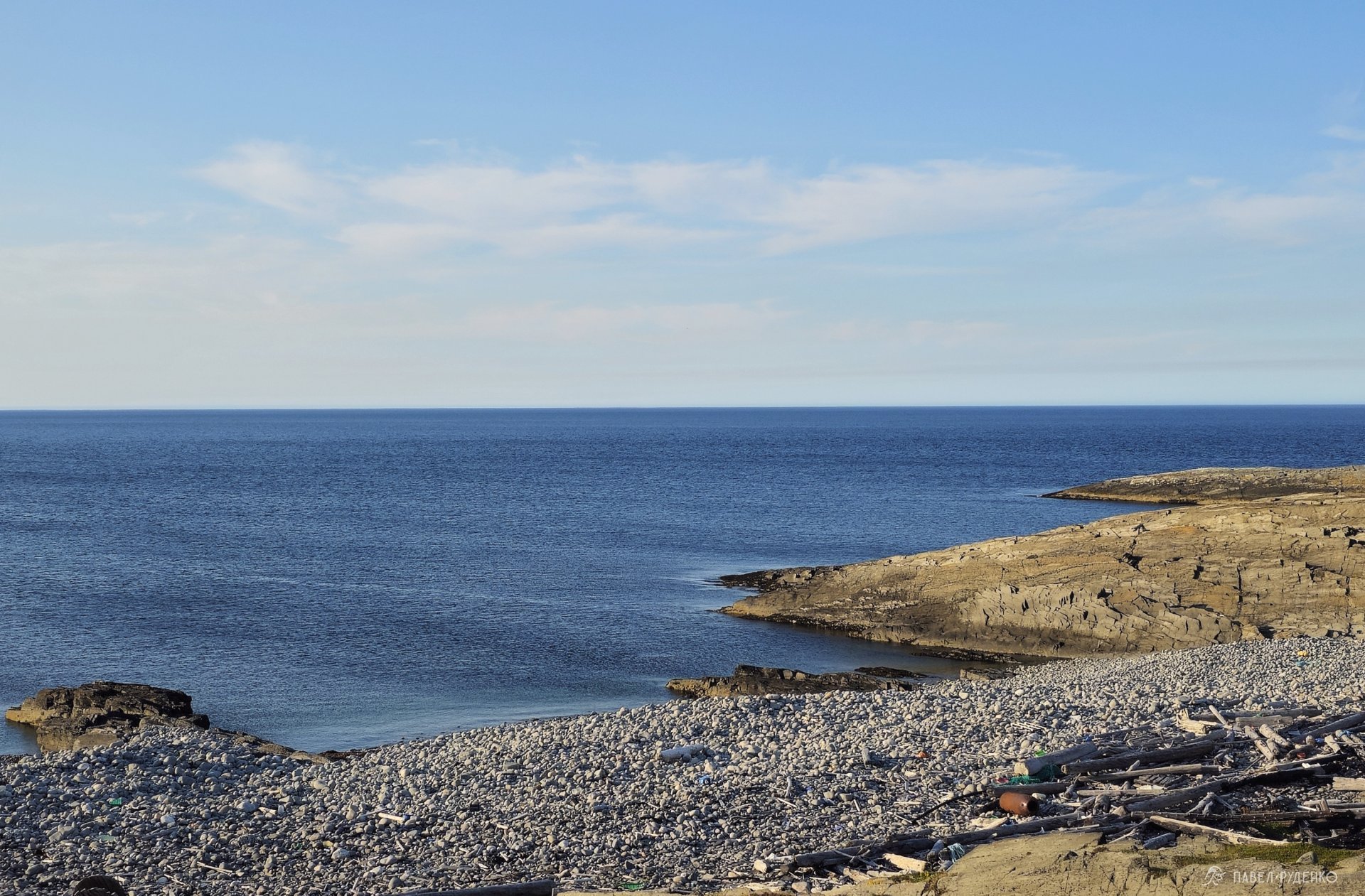
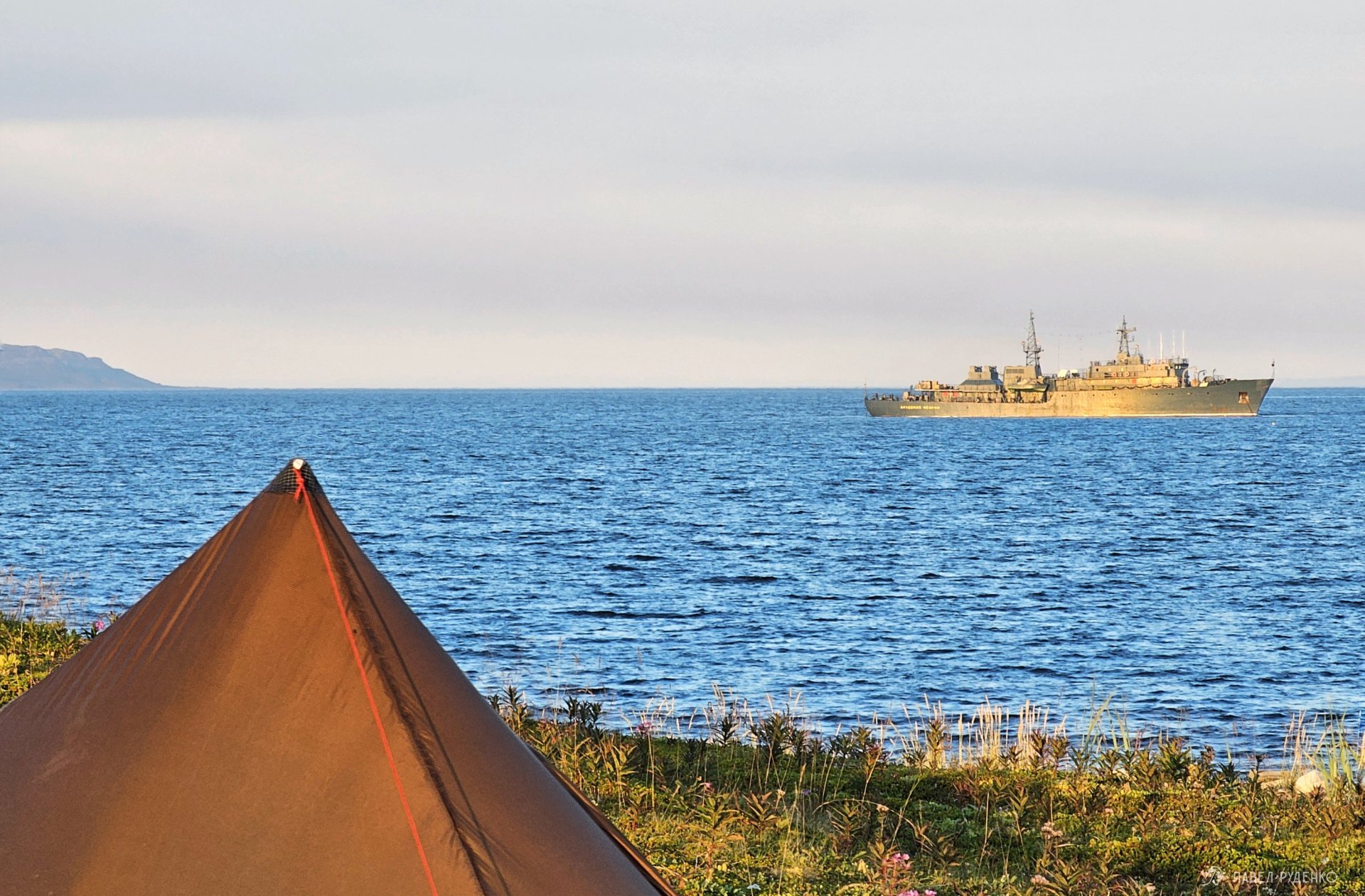
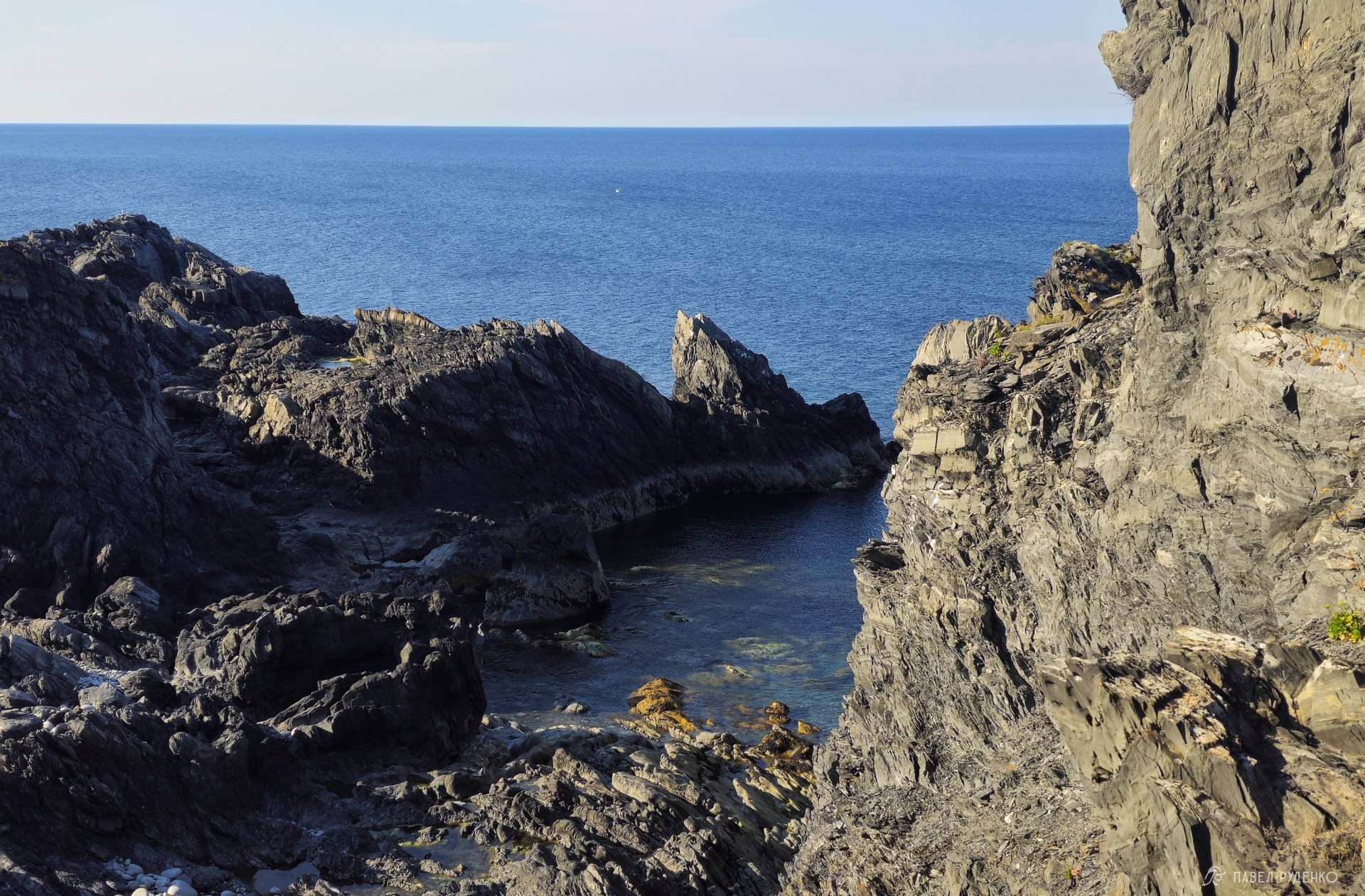
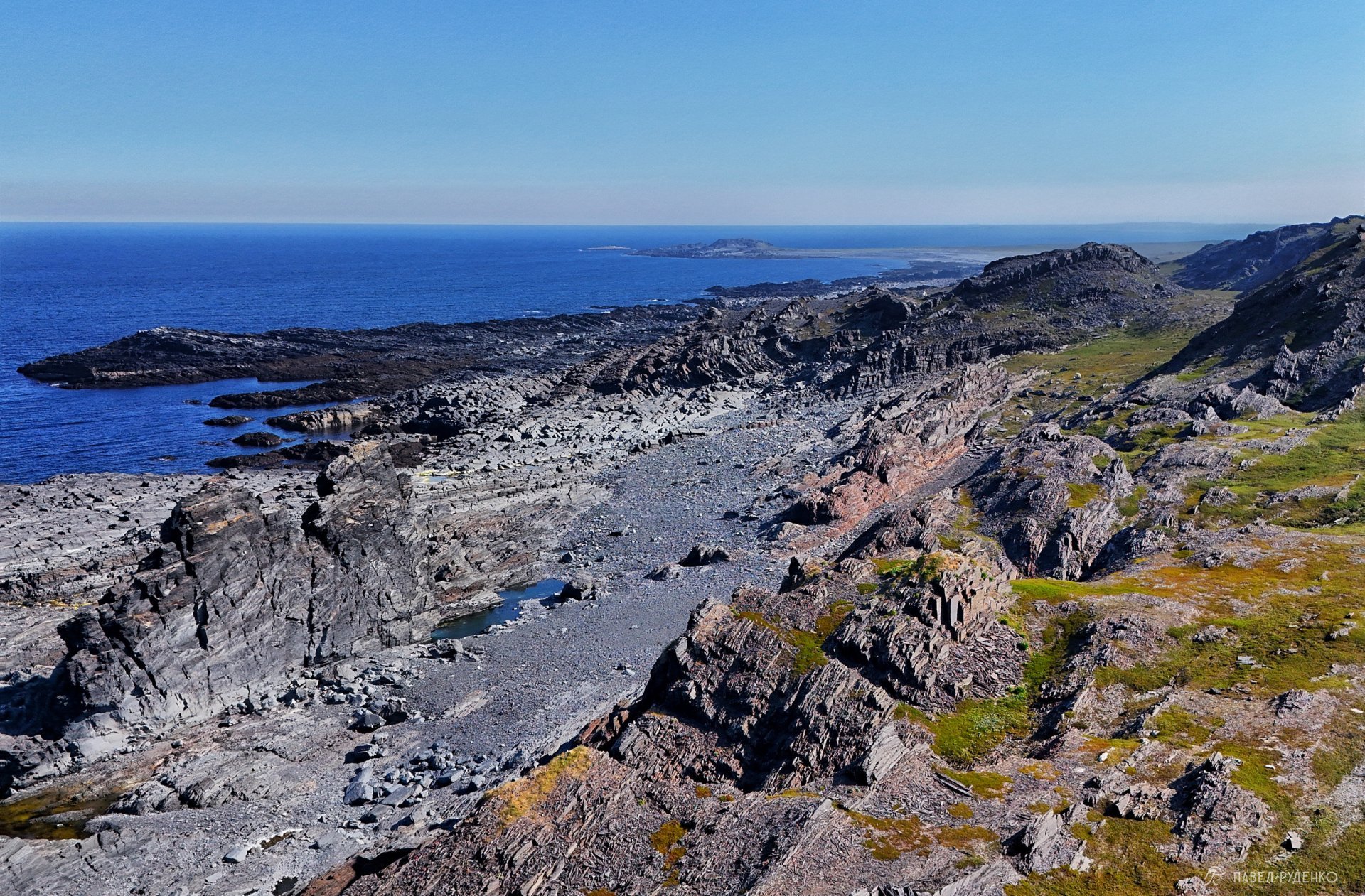
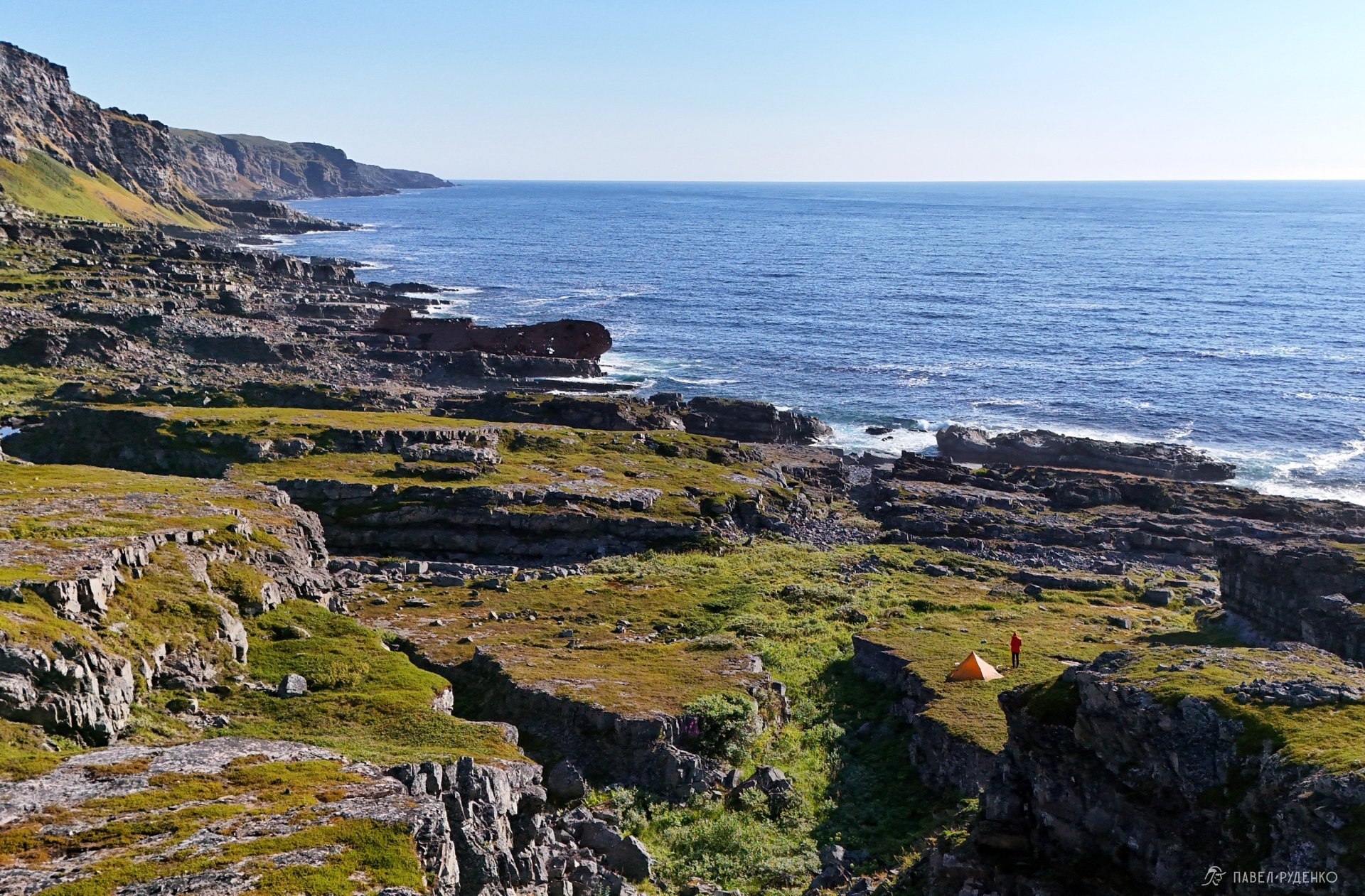
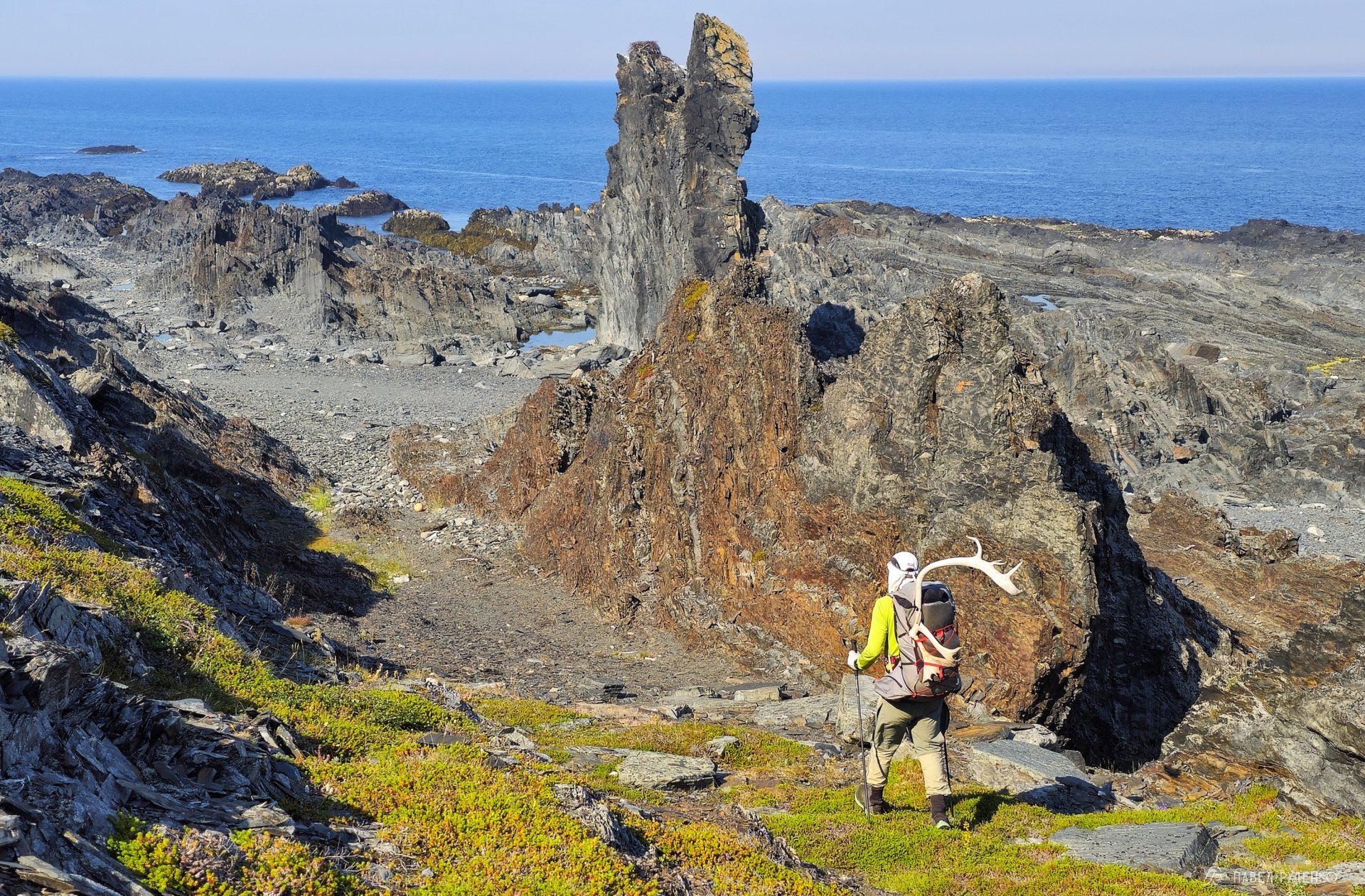
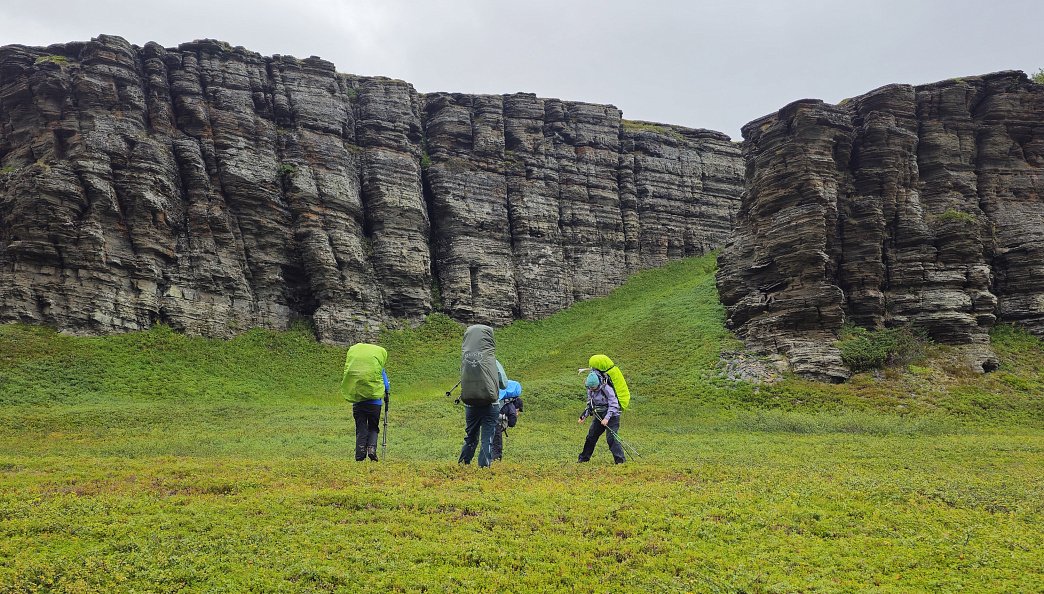
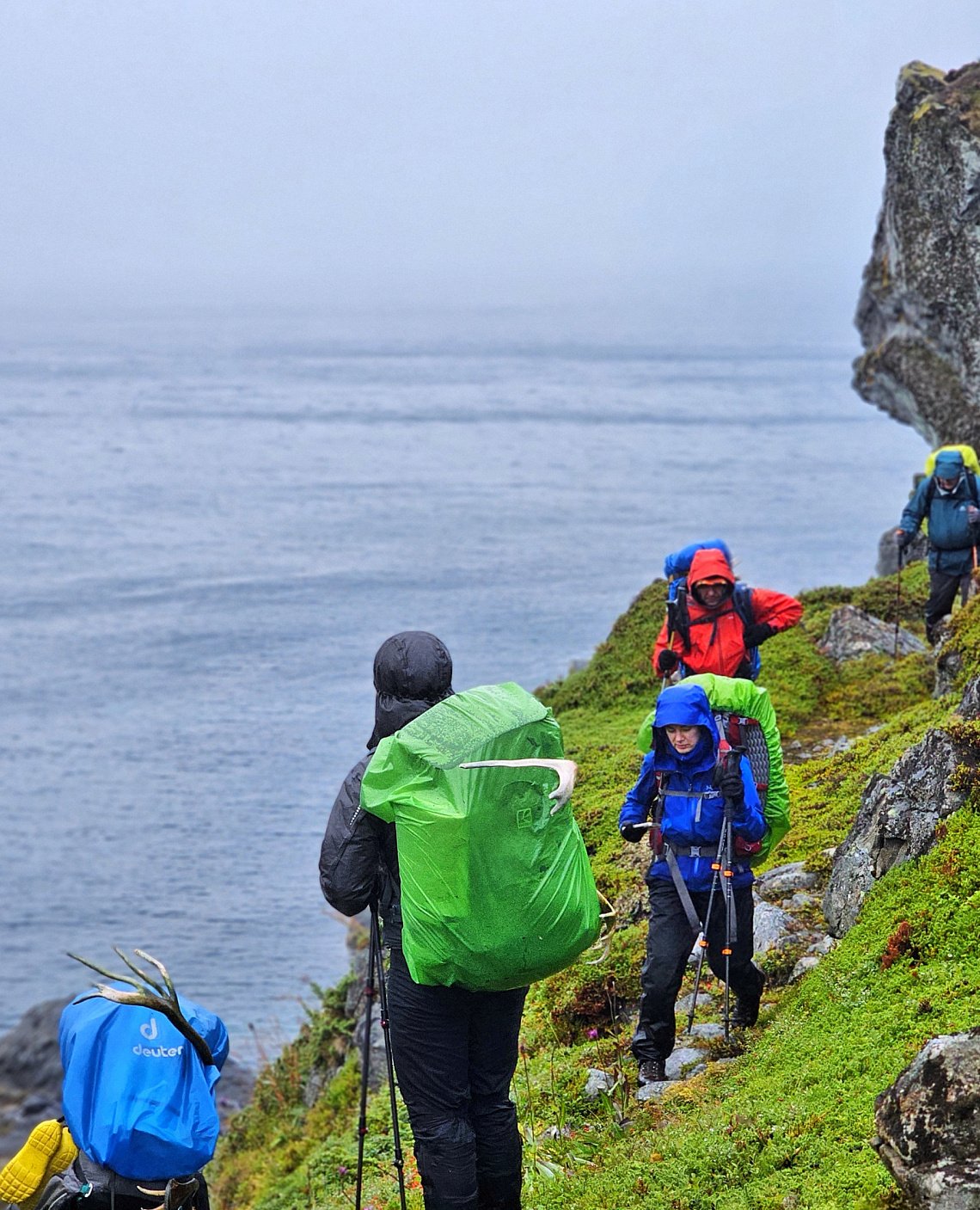
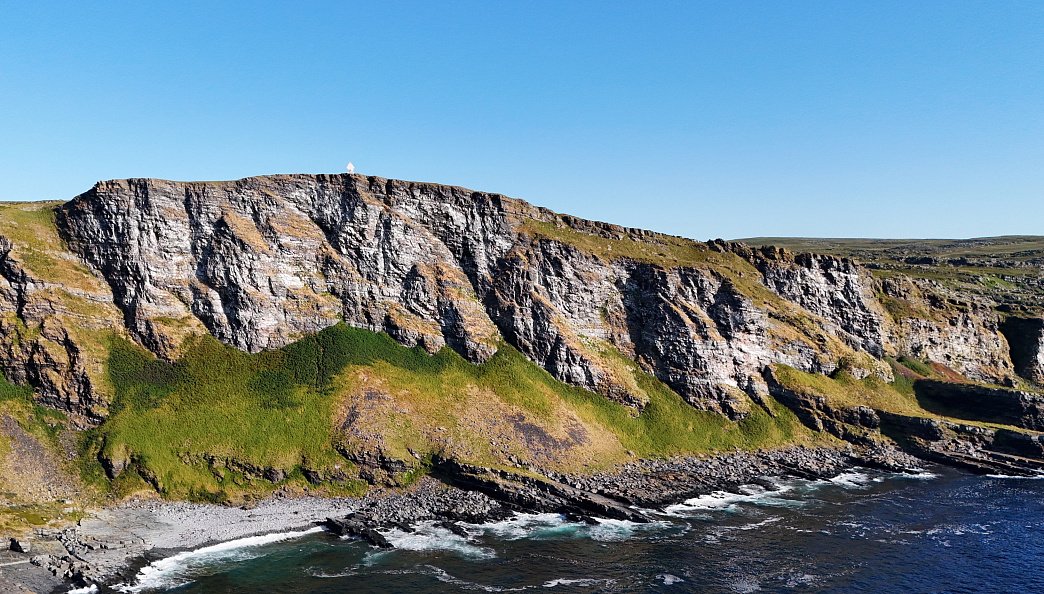
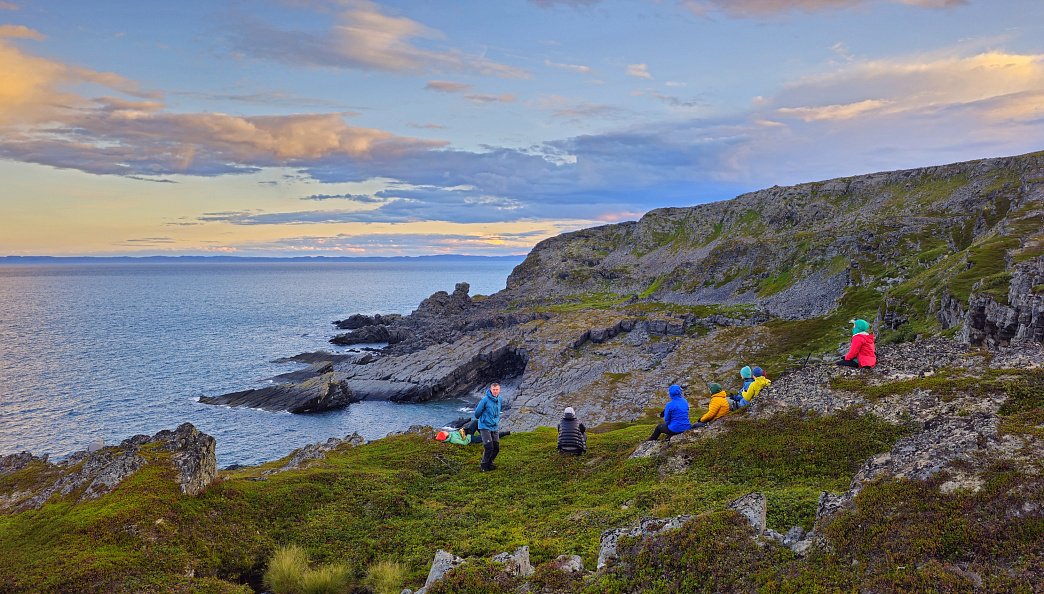
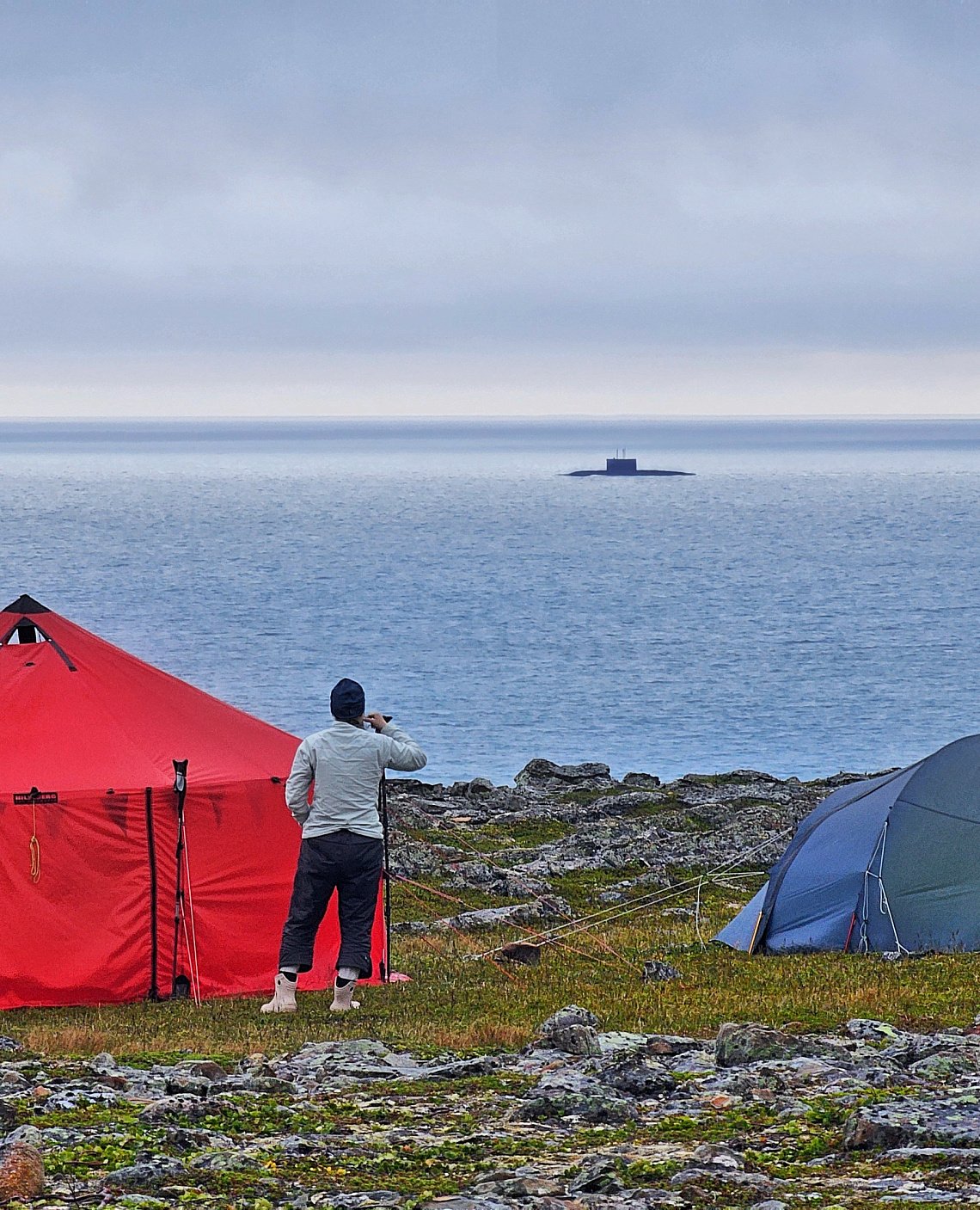
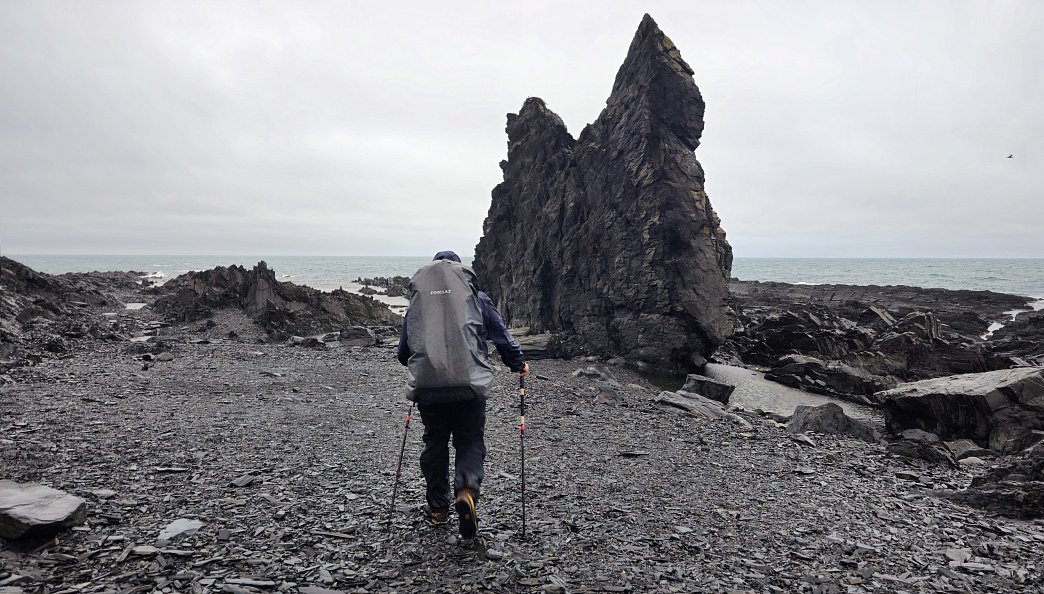
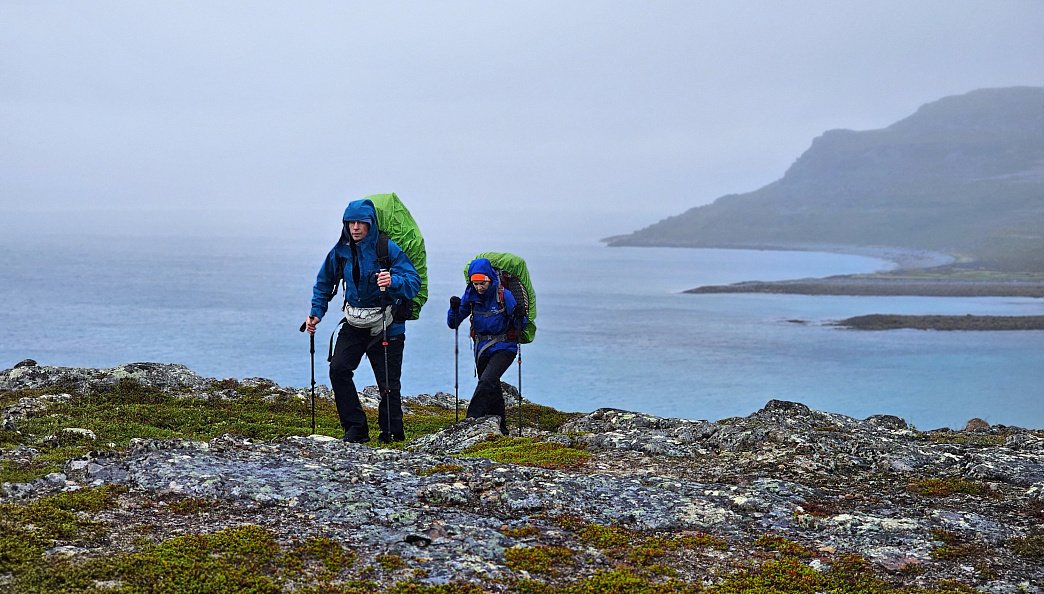
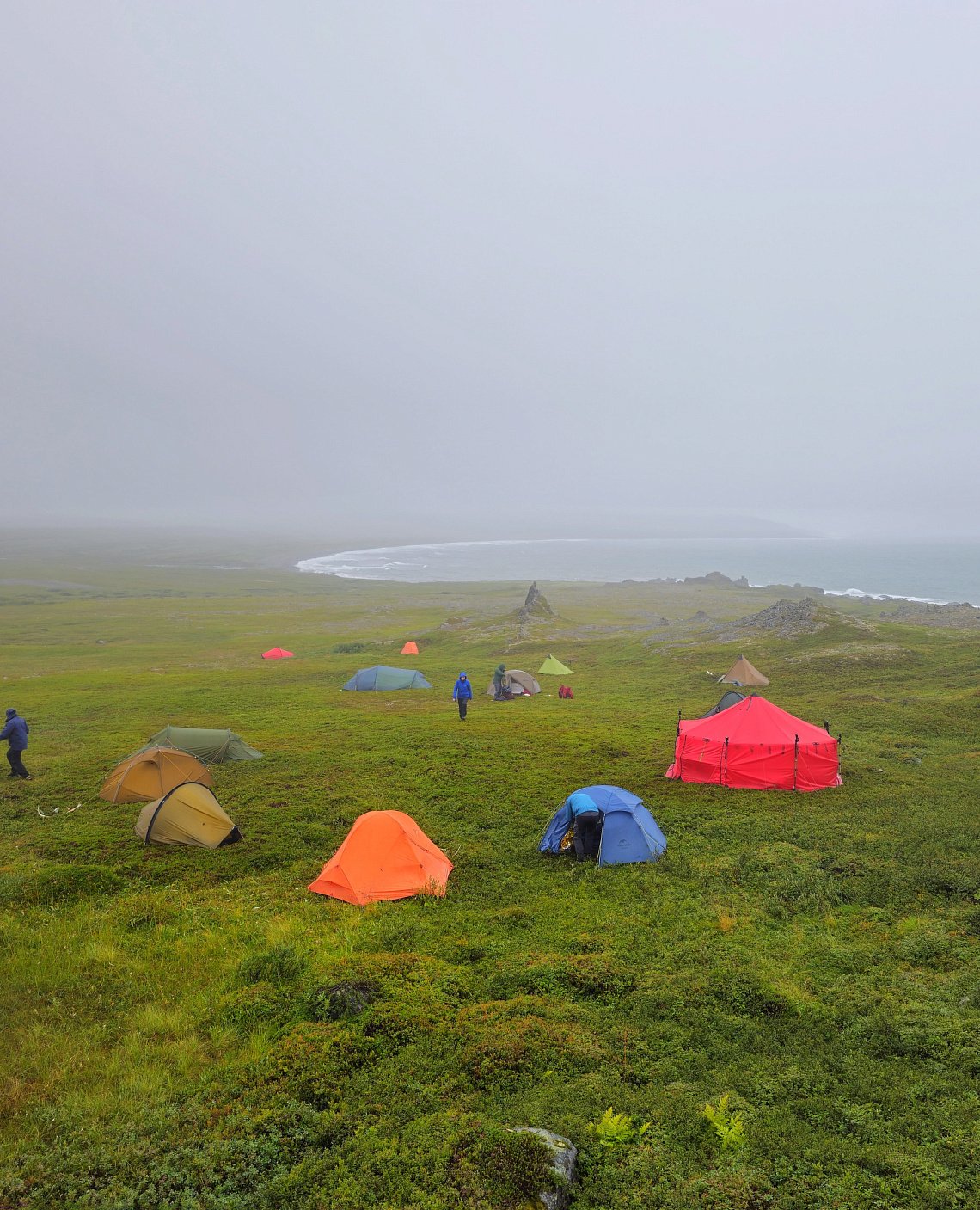
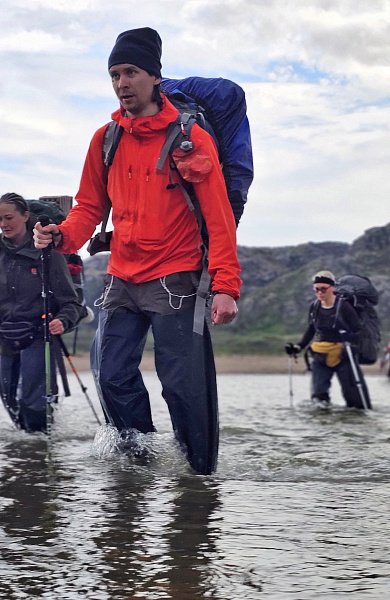
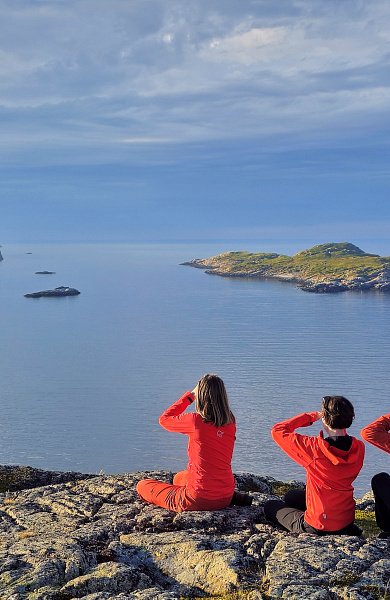
Our goal is to explore the most beautiful and wild part of the peninsula. In some places, the old road will make the journey easier, but most of the time we will be walking through the tundra, moss, bog, climbing rocks, and crossing fords.The North Cape Current is a warm surface current off the northern coast of the Scandinavian and Kola Peninsulas, along with the Spitsbergen Current, it is a branch of the Norwegian Current. Named after Cape Nordkapp. Even in the worst frosts, the sea does not freeze near the shores of Murman. By the way, Norway is only 60 km away from our overnight stay. Huge bays await us, some up to 20 km long. Sandy beaches and soft tundra moss underfoot.
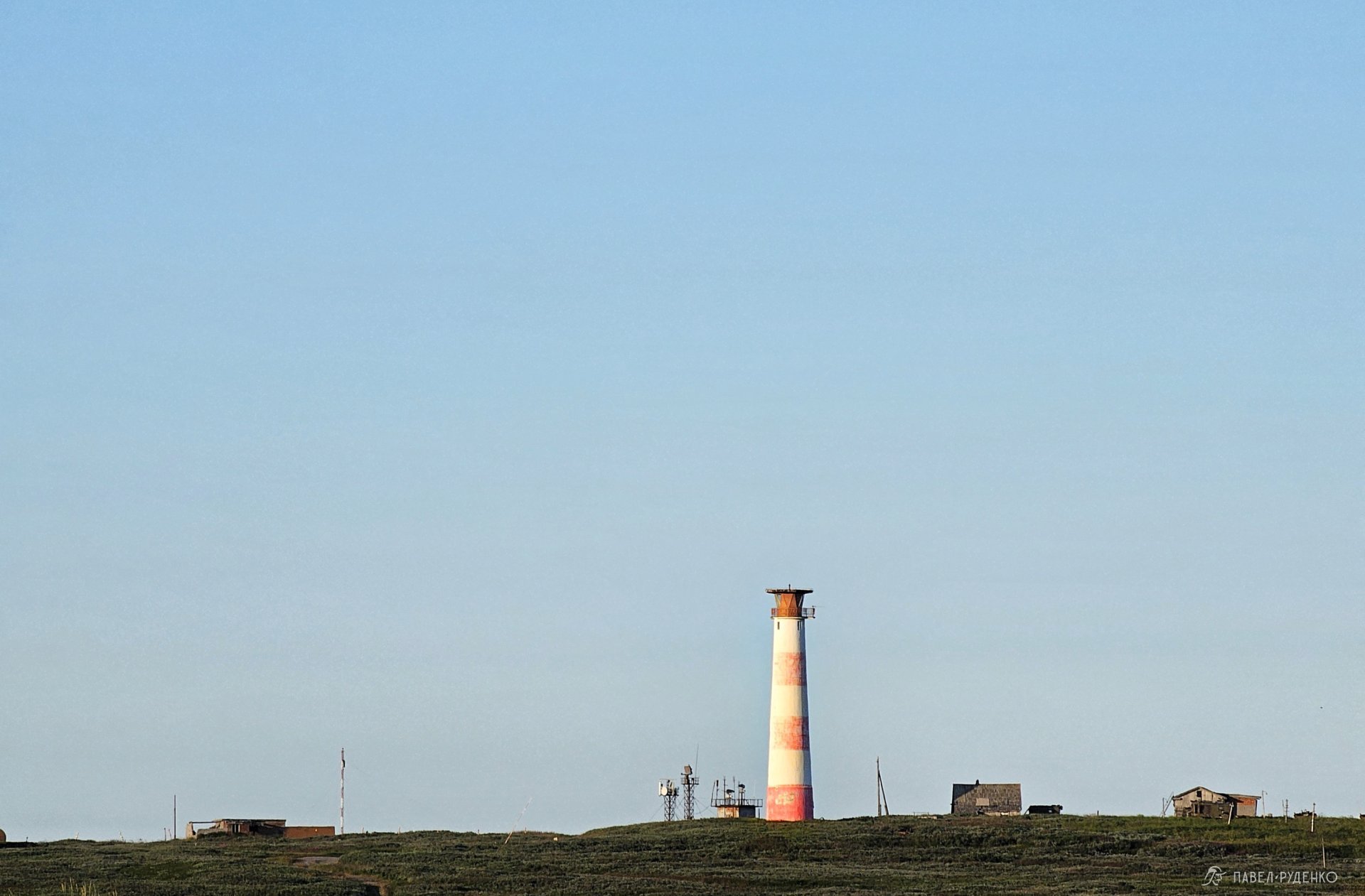
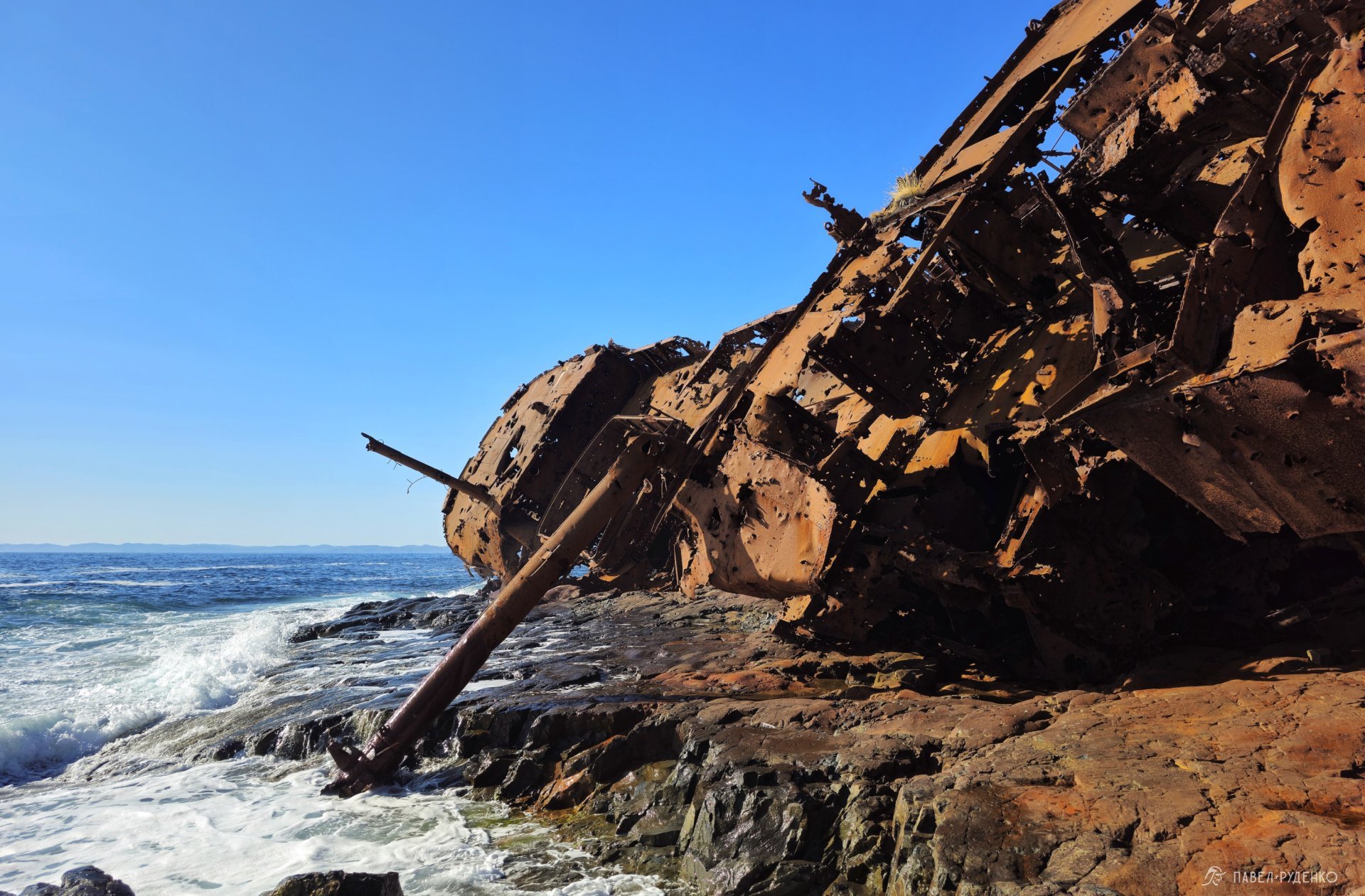
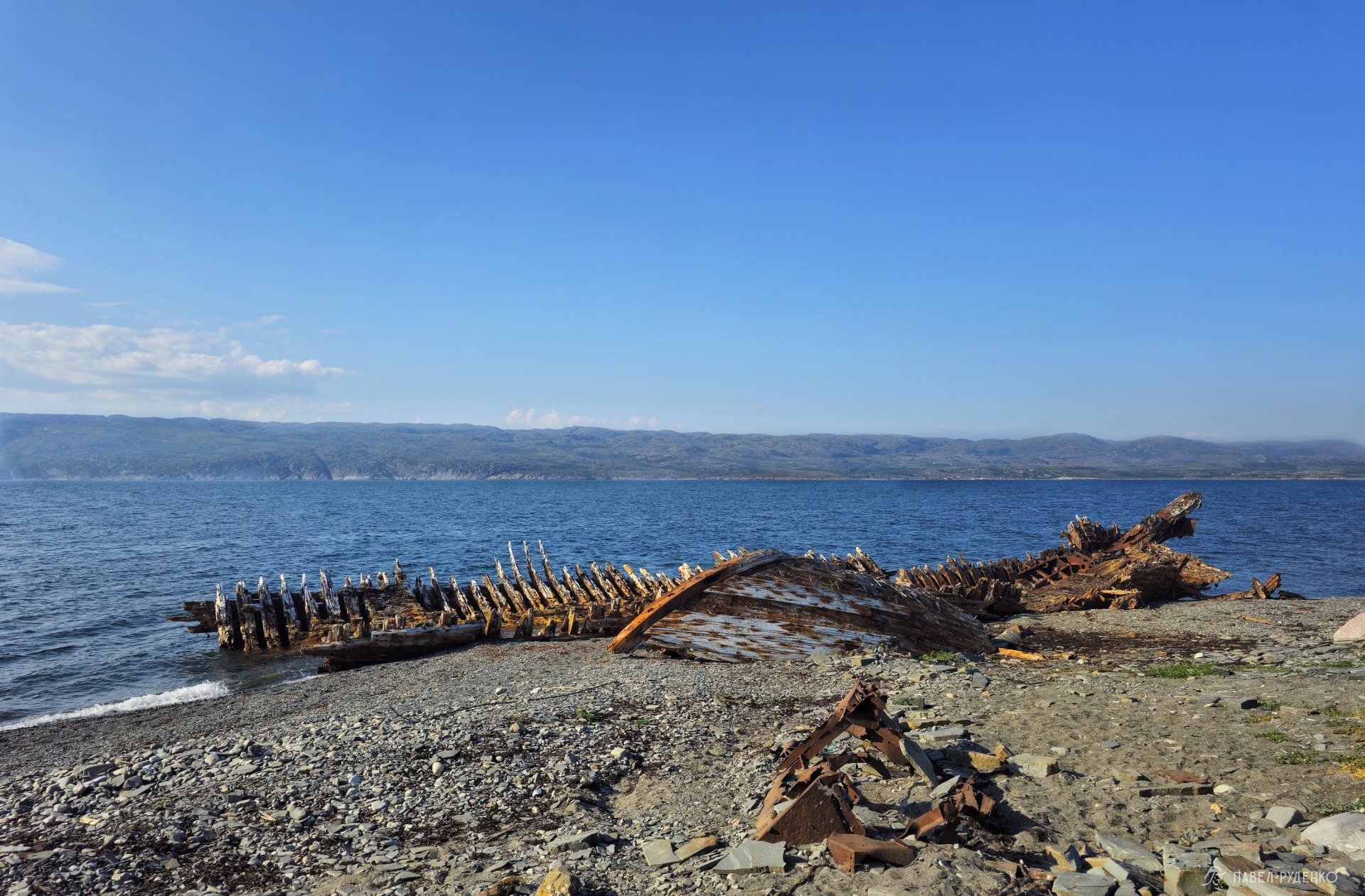
In the harsh conditions of the far north, people have managed to settle here, hunting sea animals, wild reindeer, and fishing. For hundreds of years, Sami people and small populations of Russia and Norway have lived here. Therefore, we will come across fishing bays and one of the three active lighthouses on the northern coast.
Animals
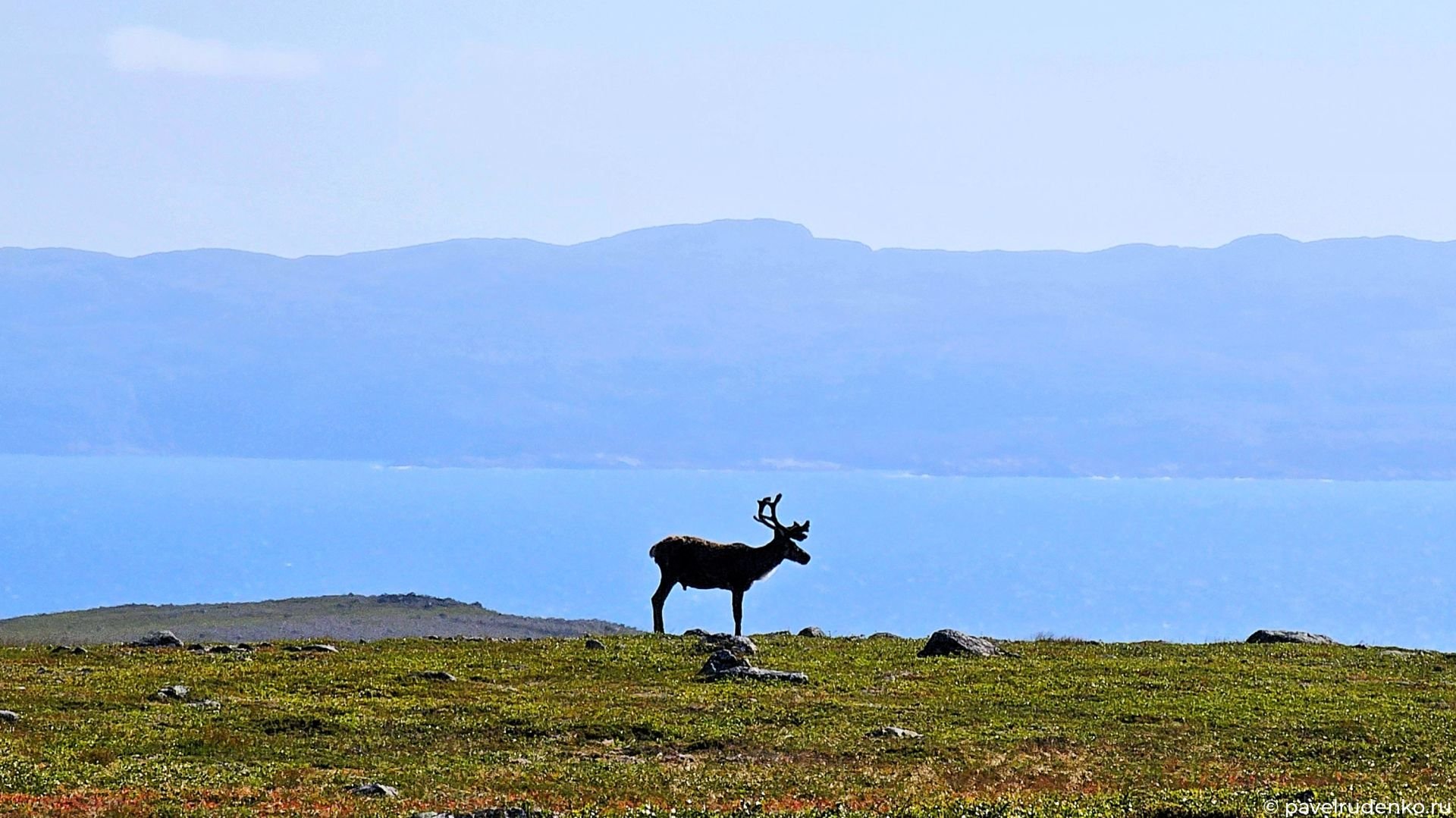
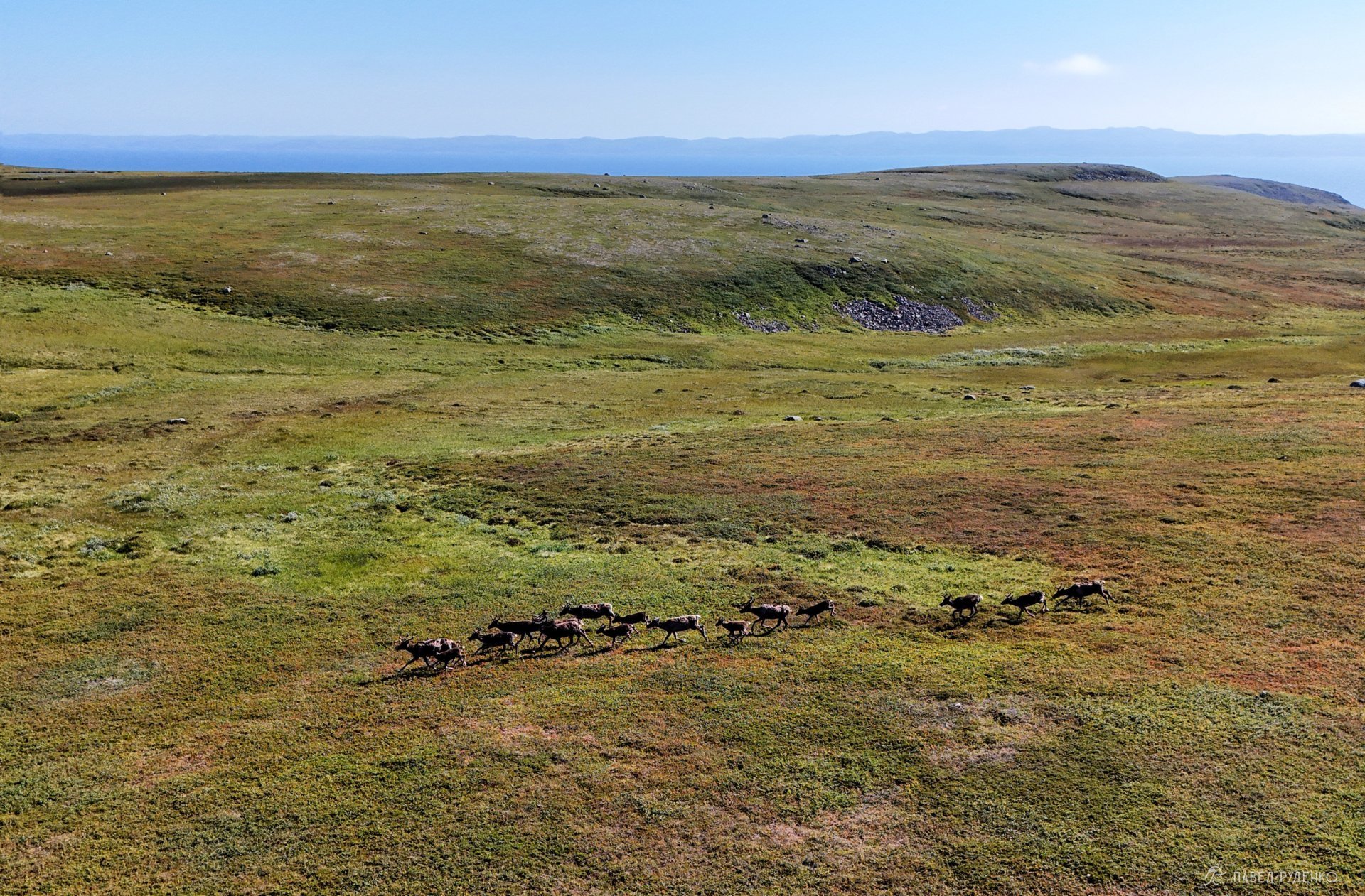
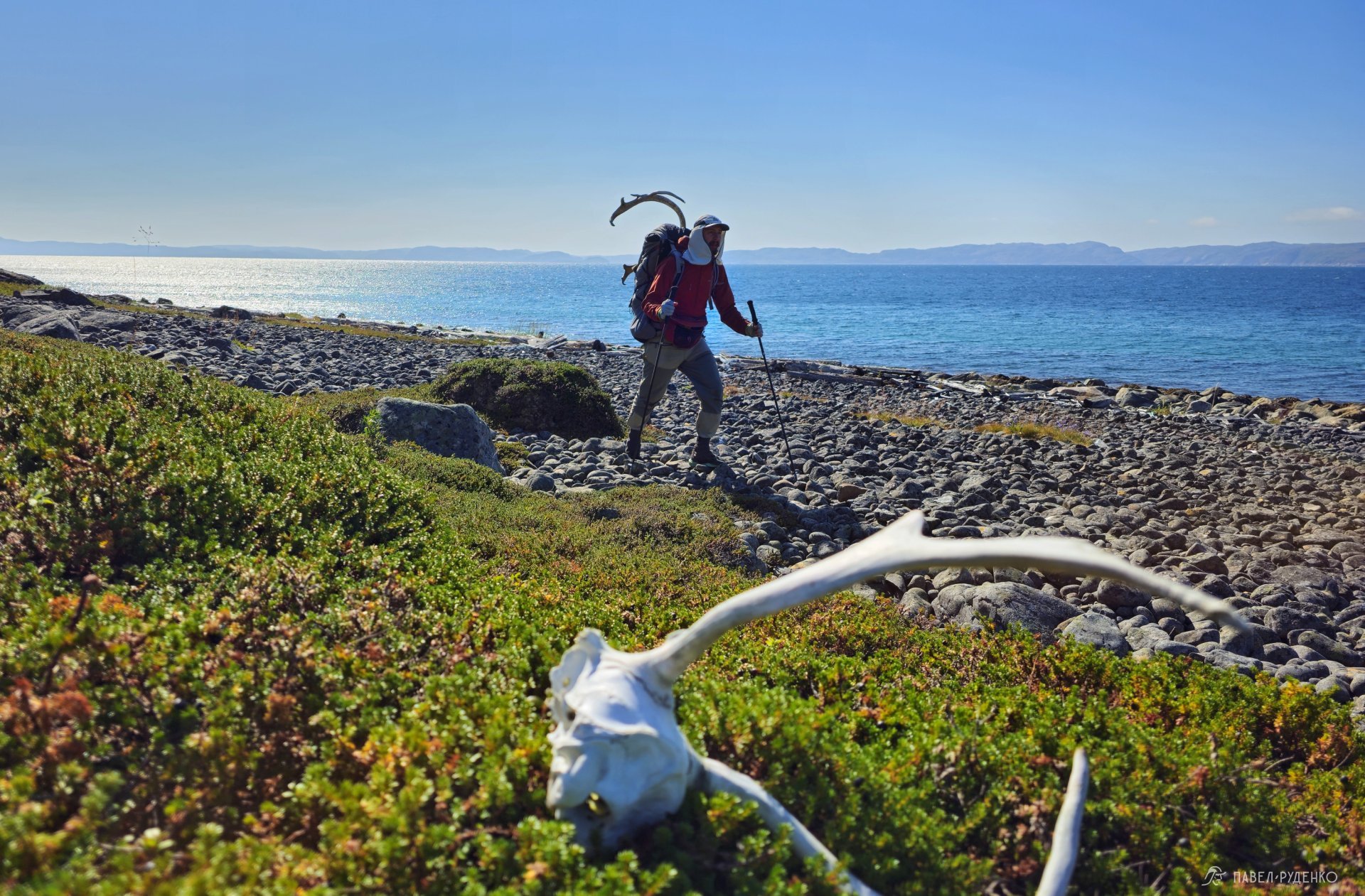
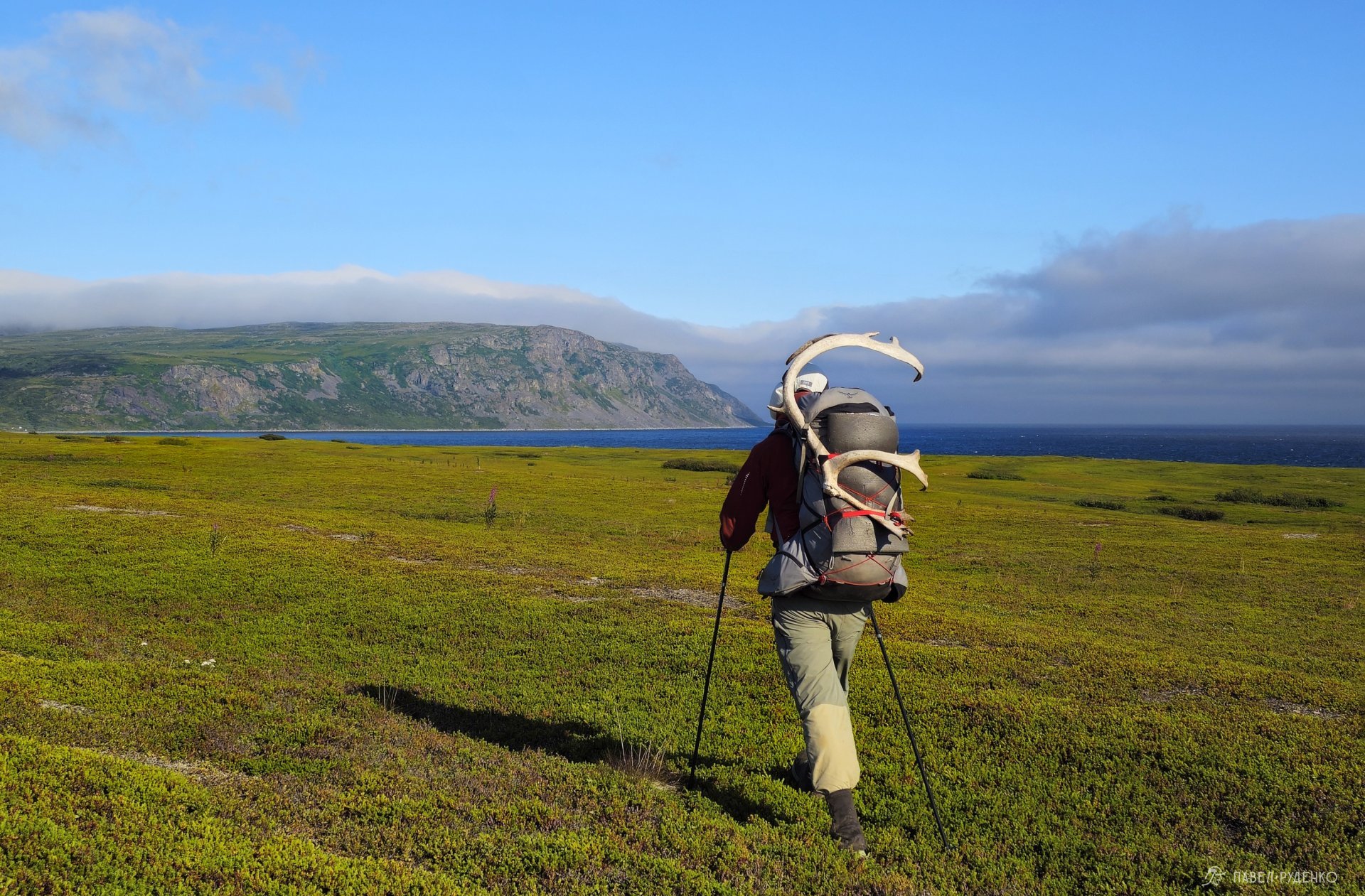
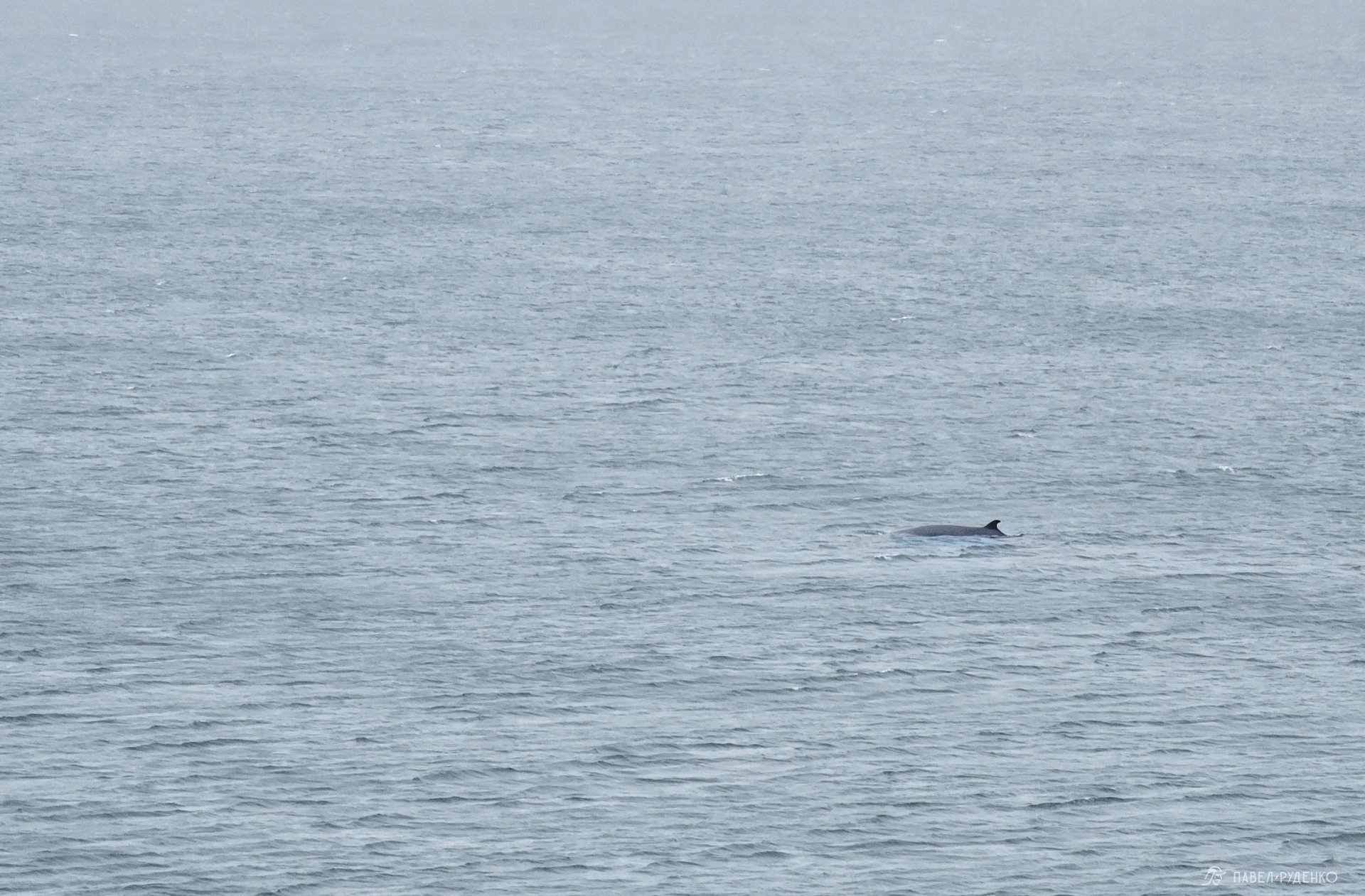
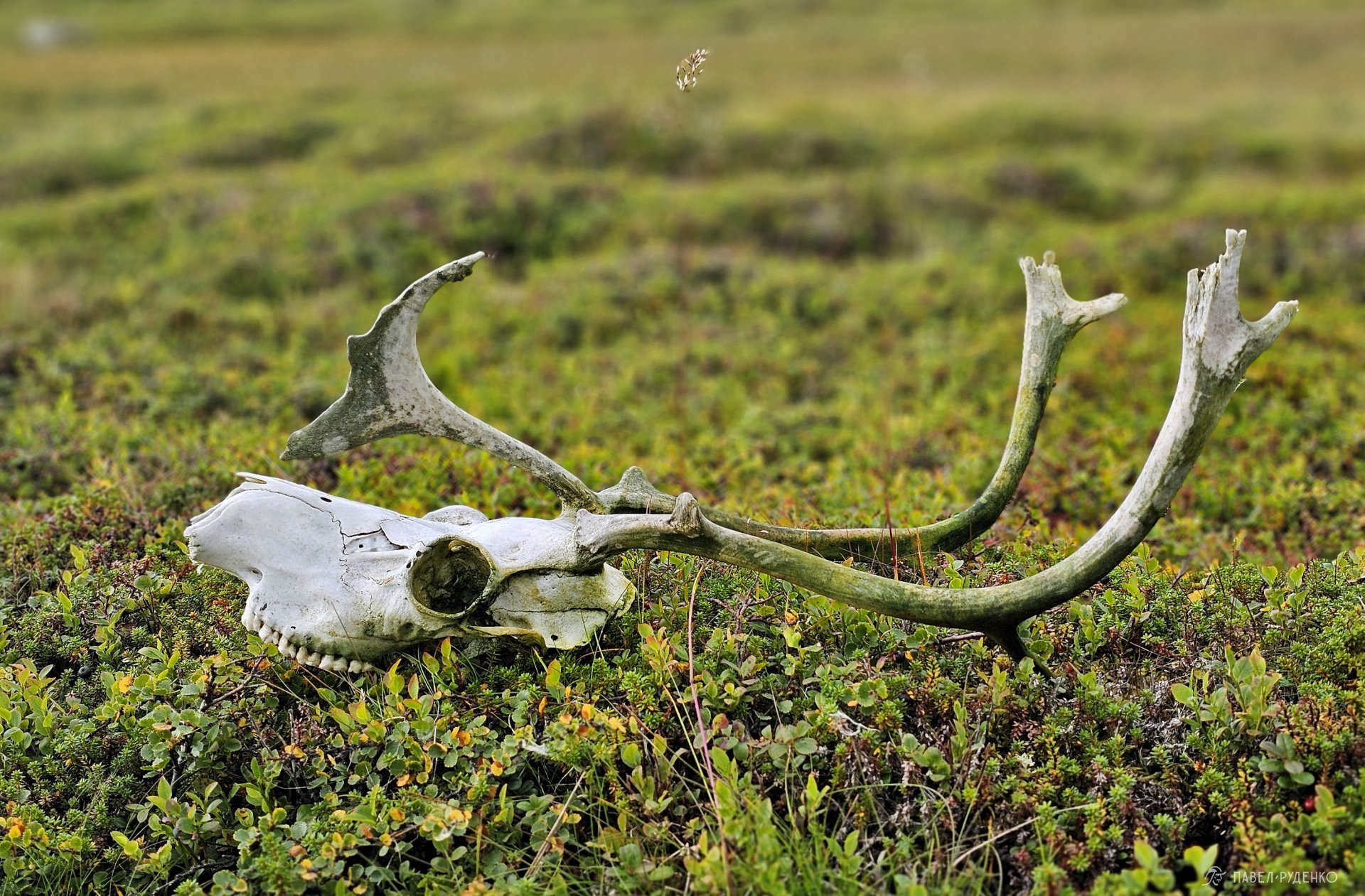
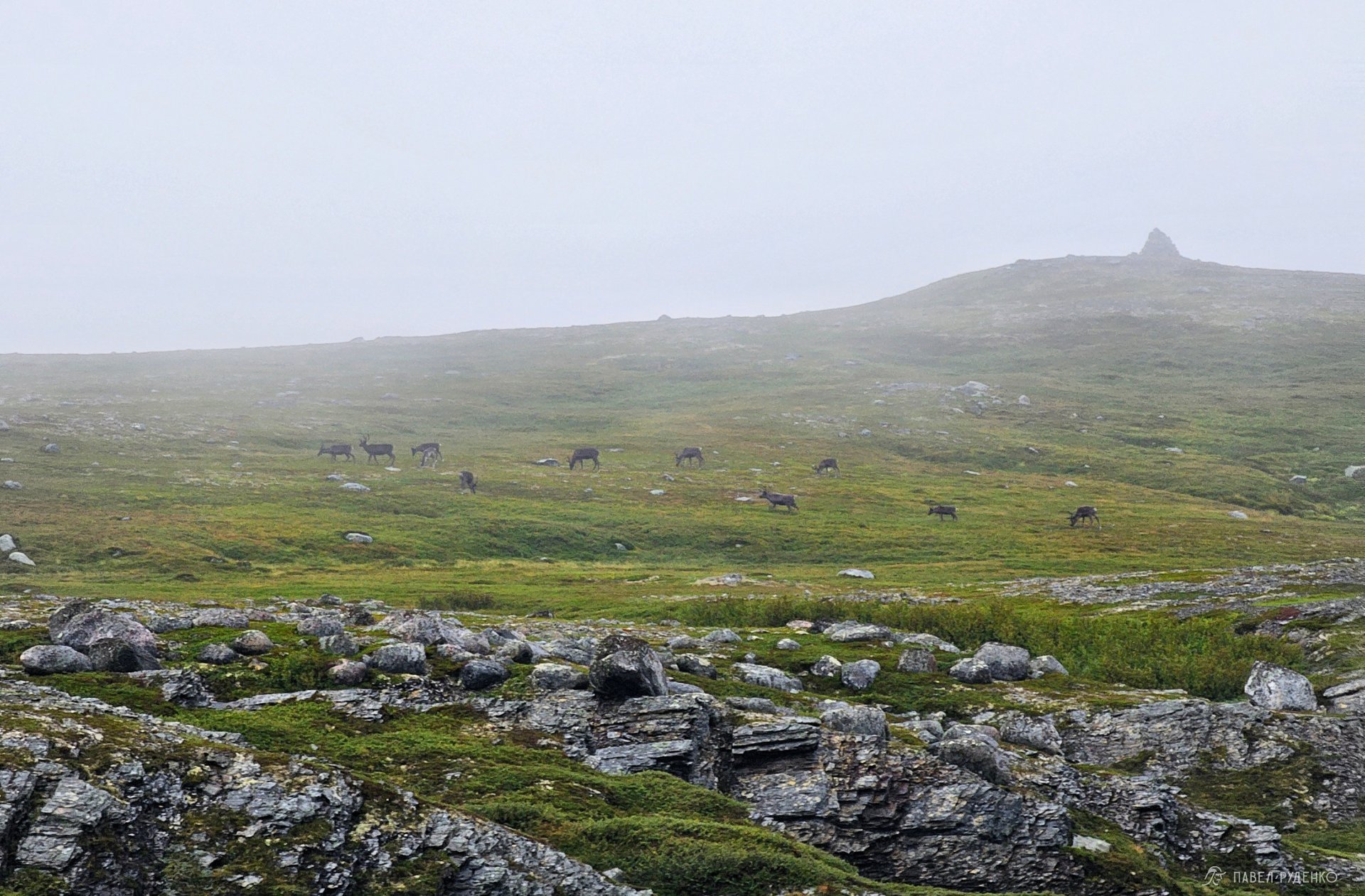
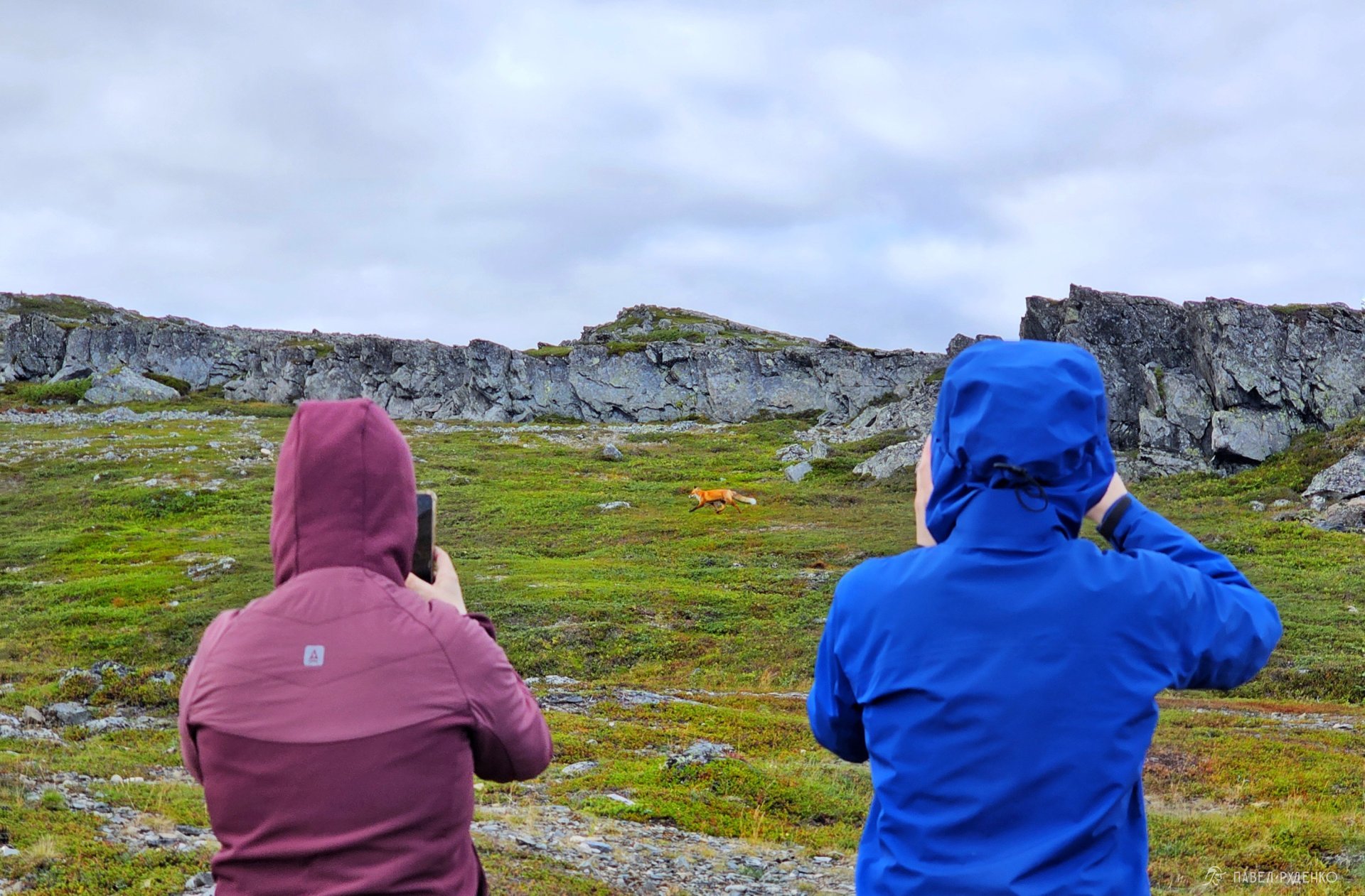
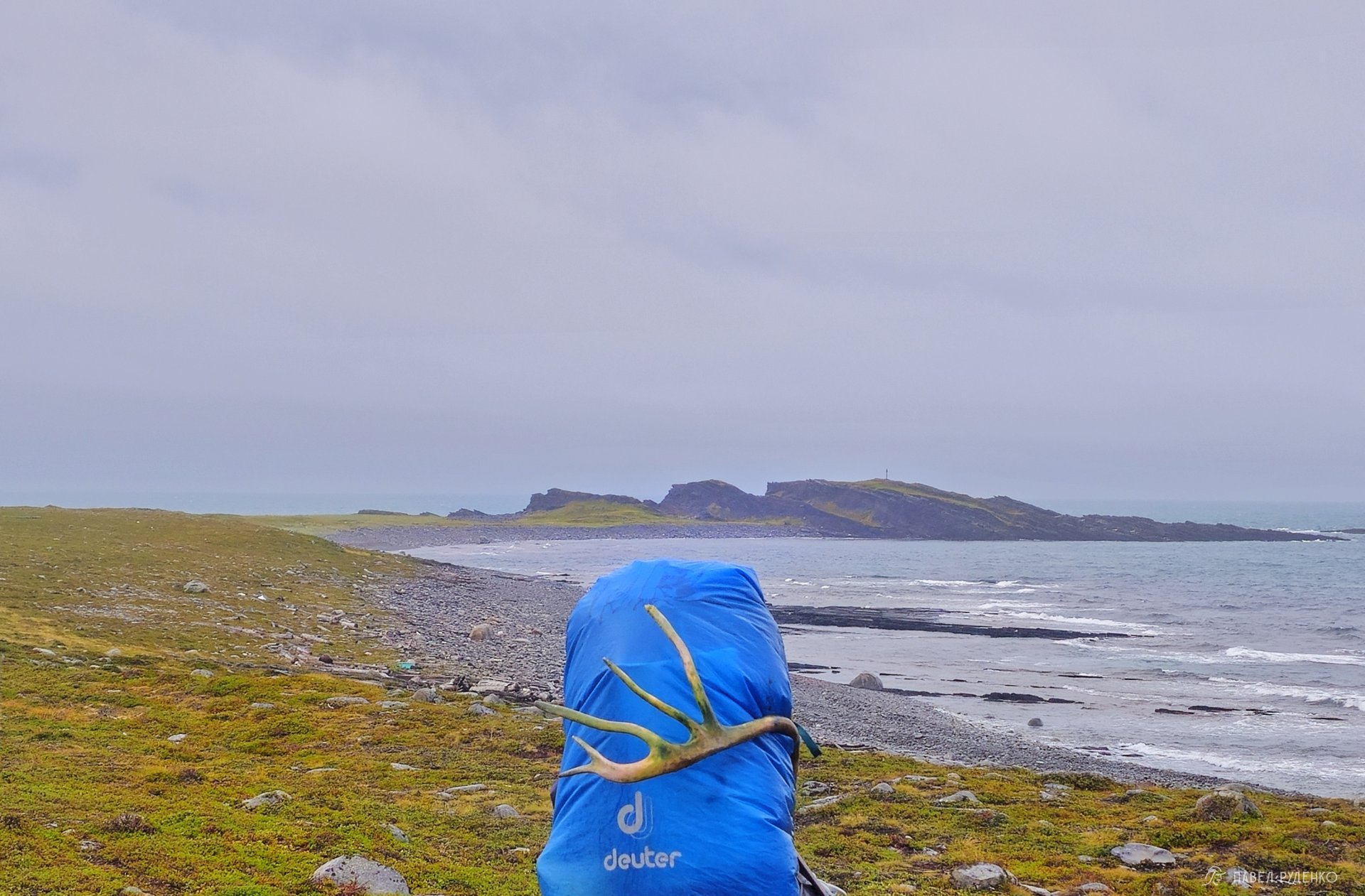
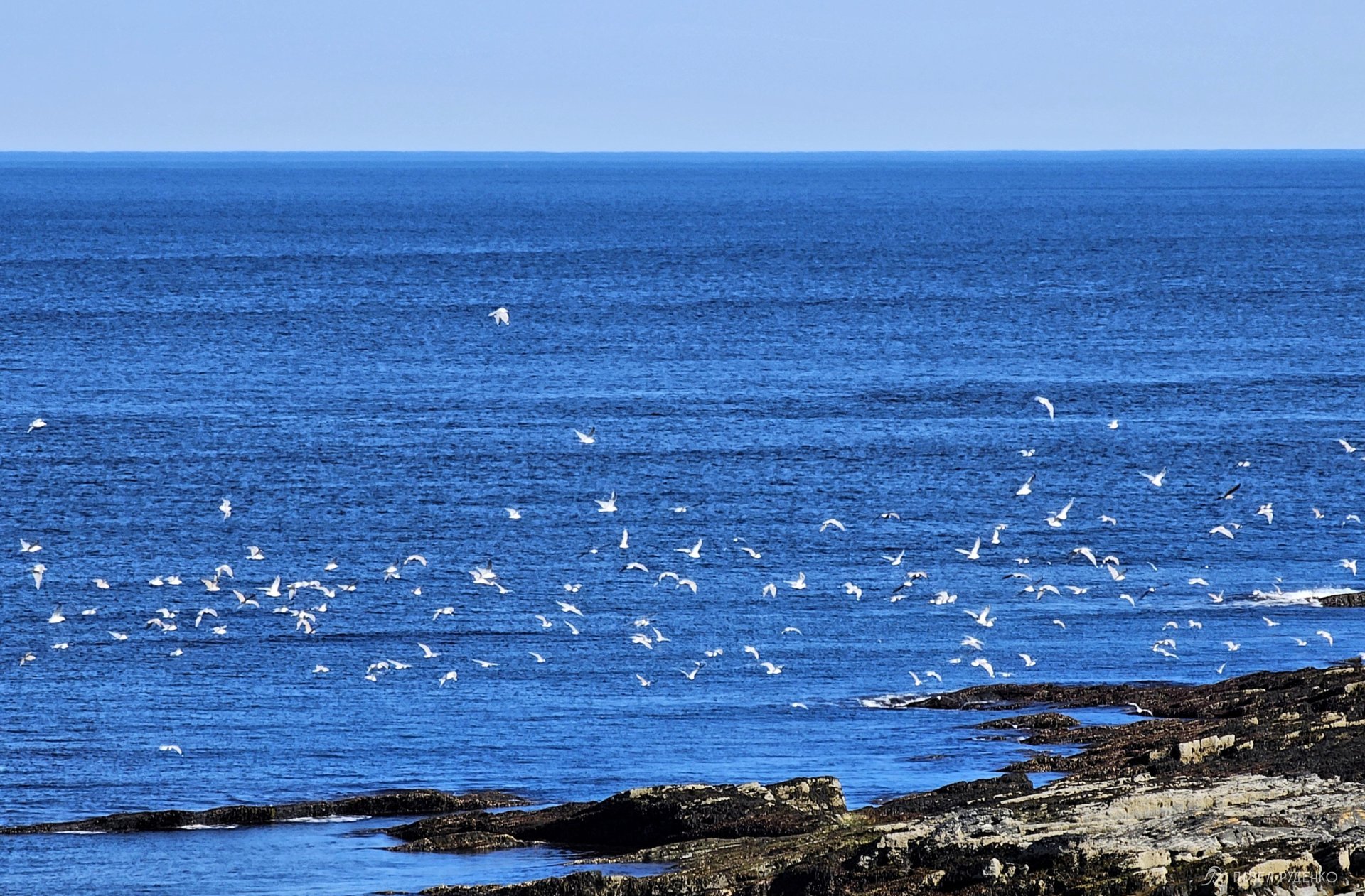
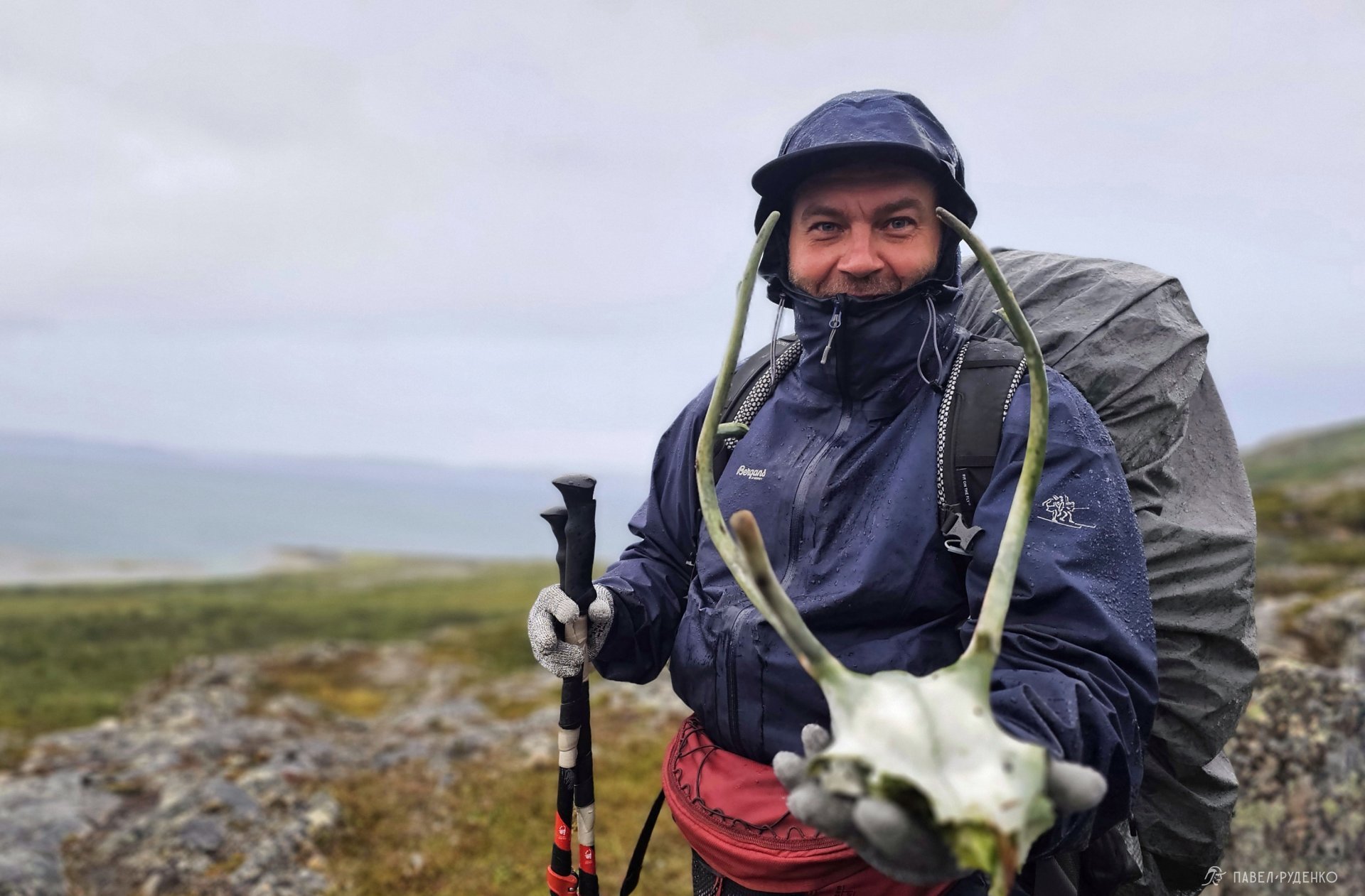
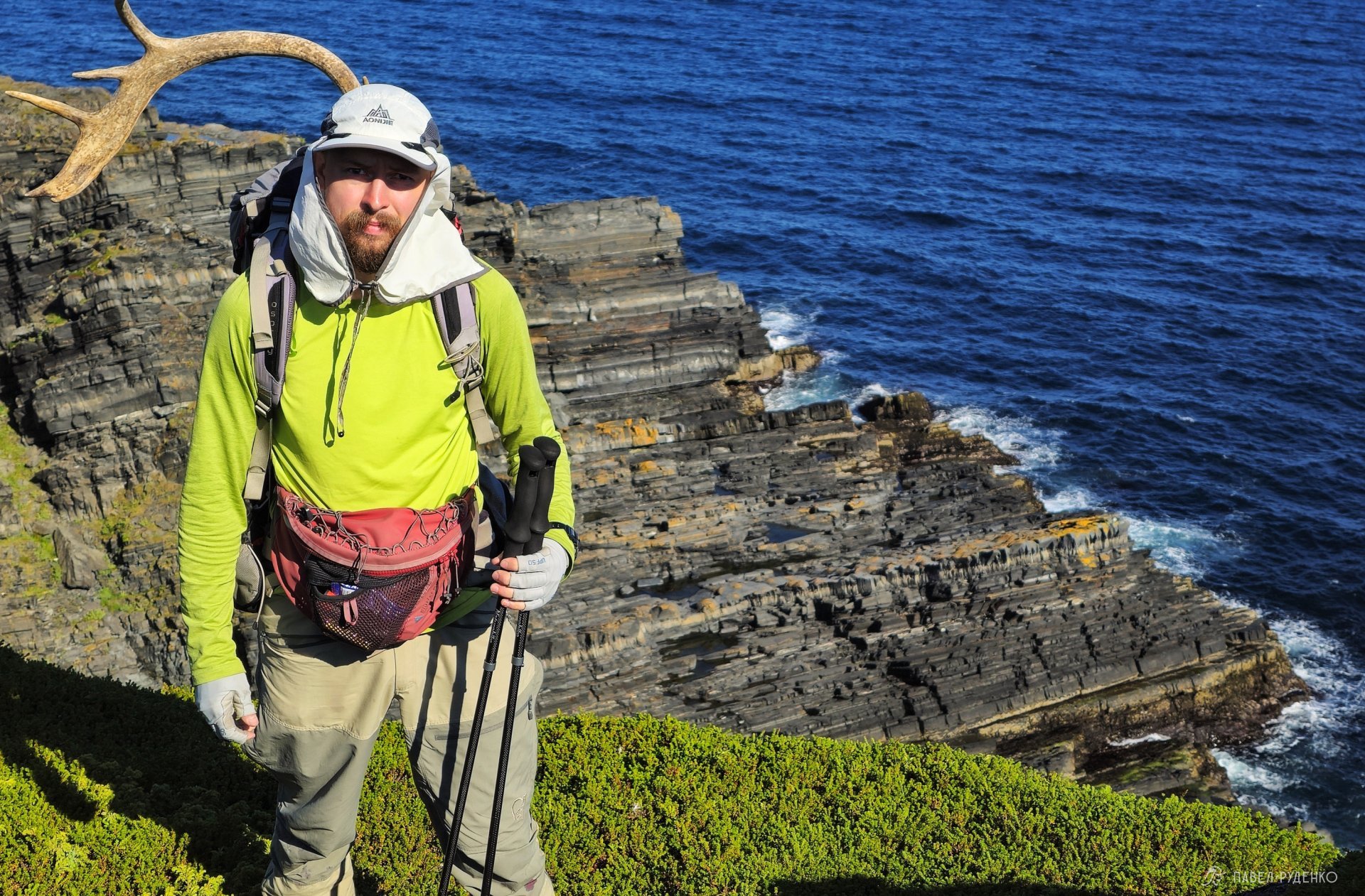
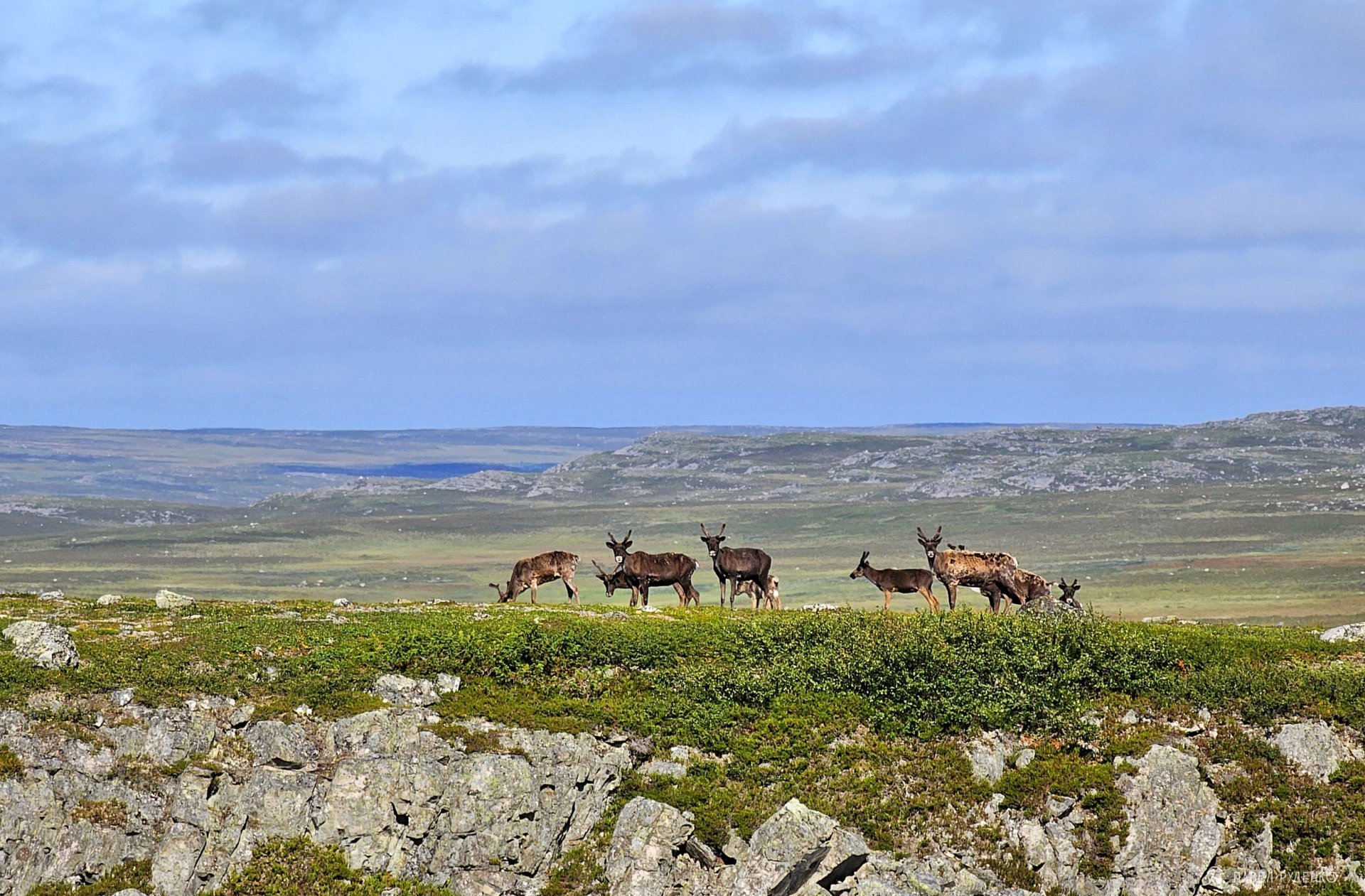
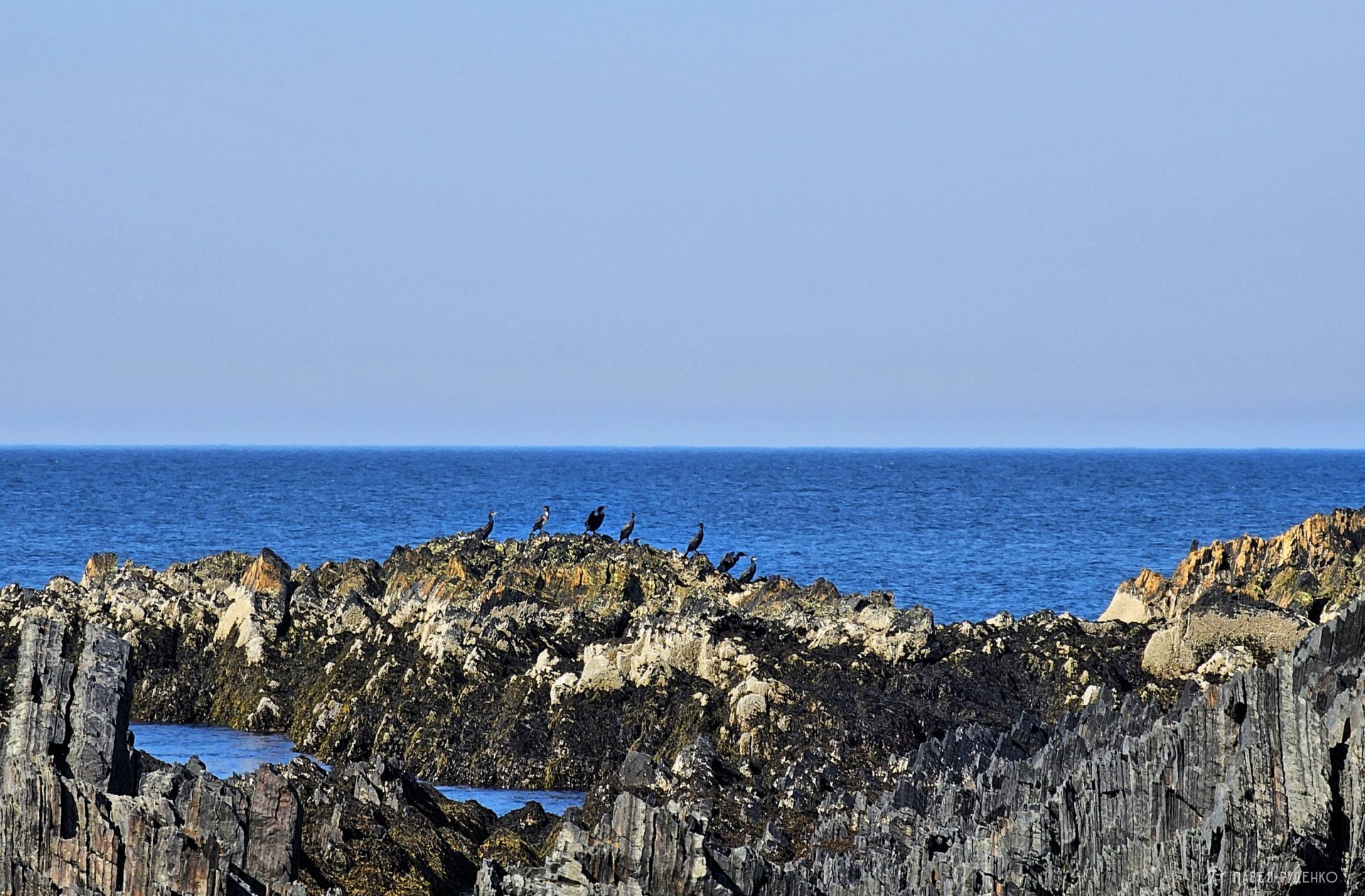
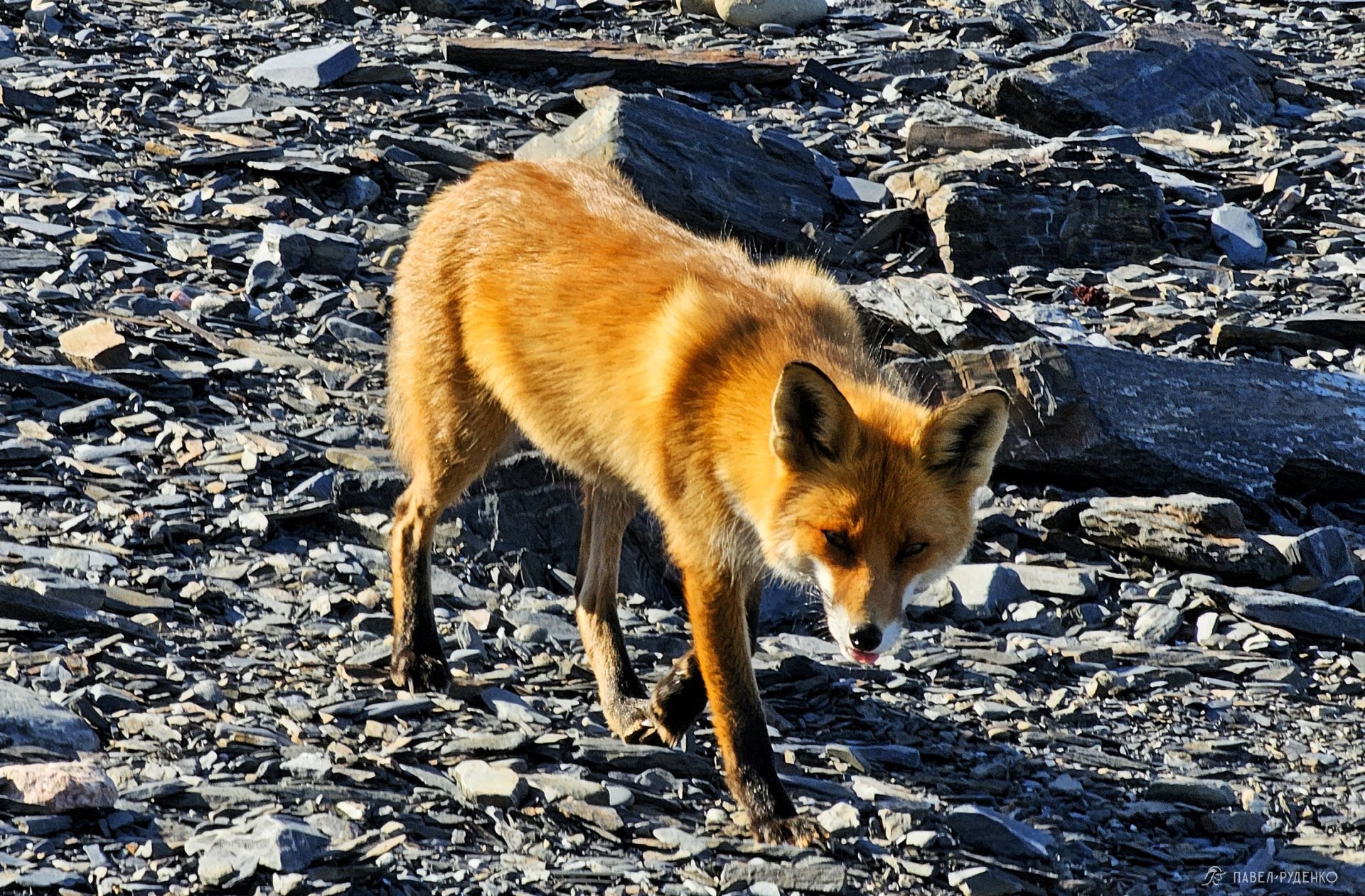
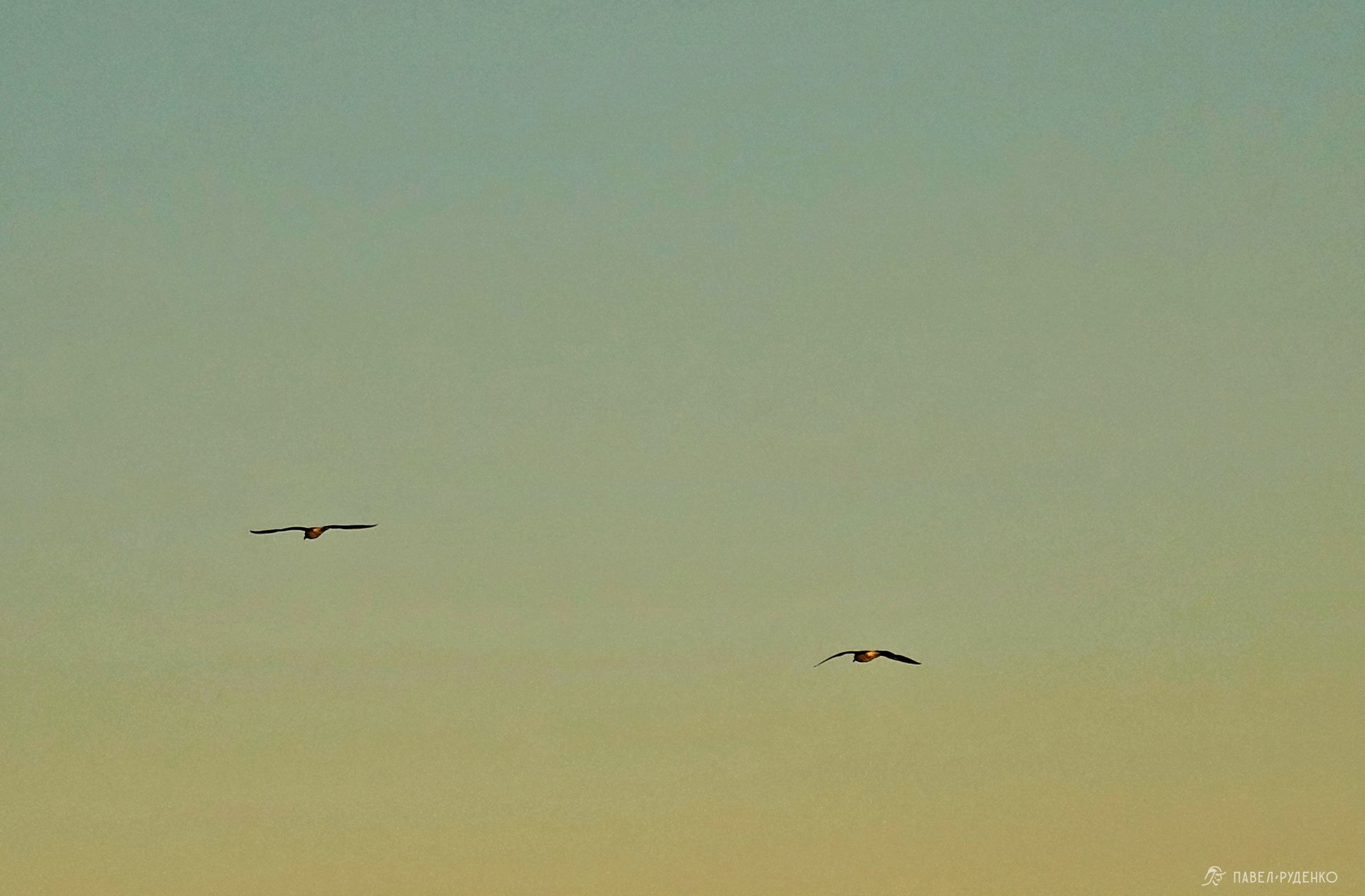
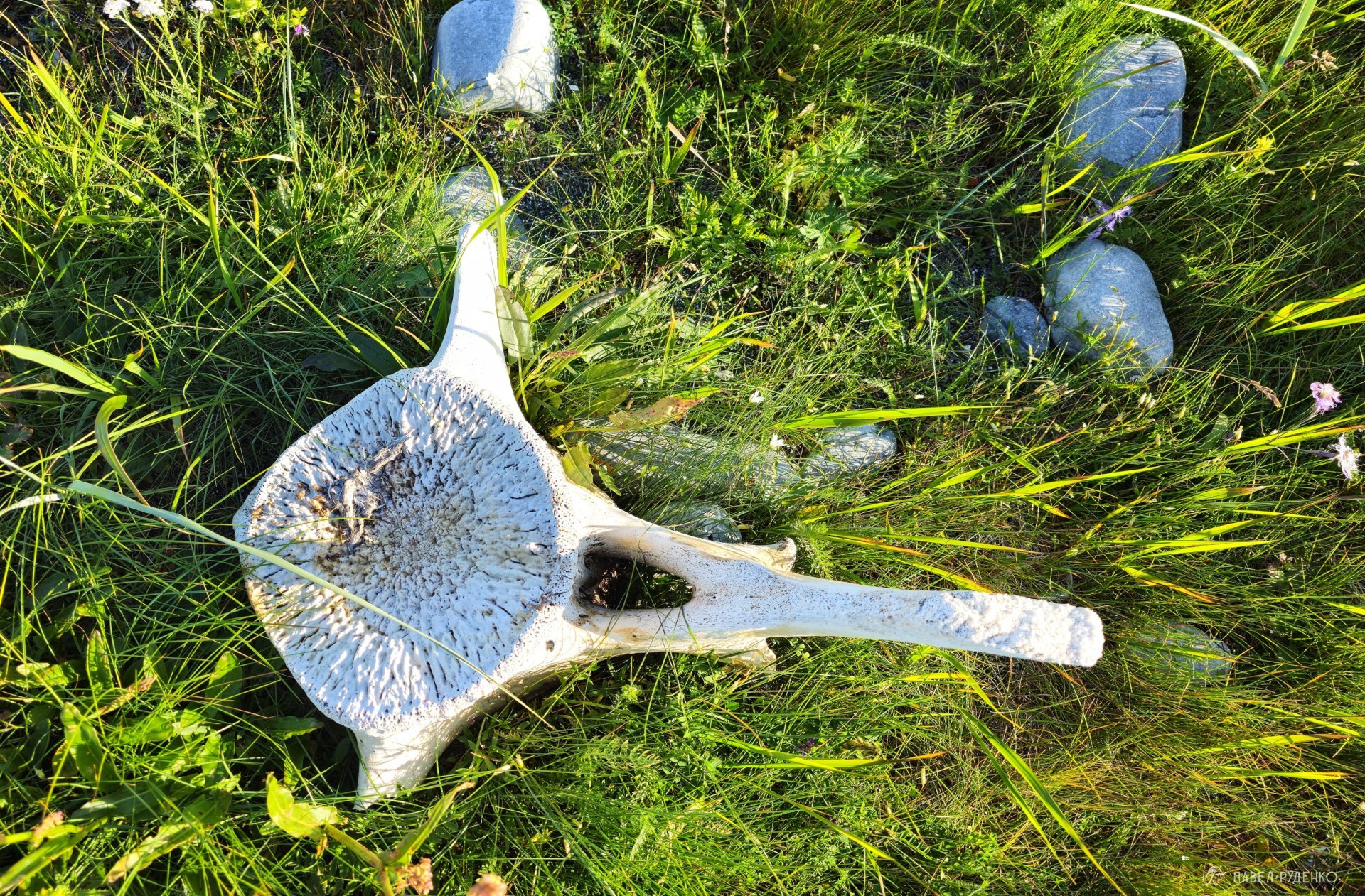
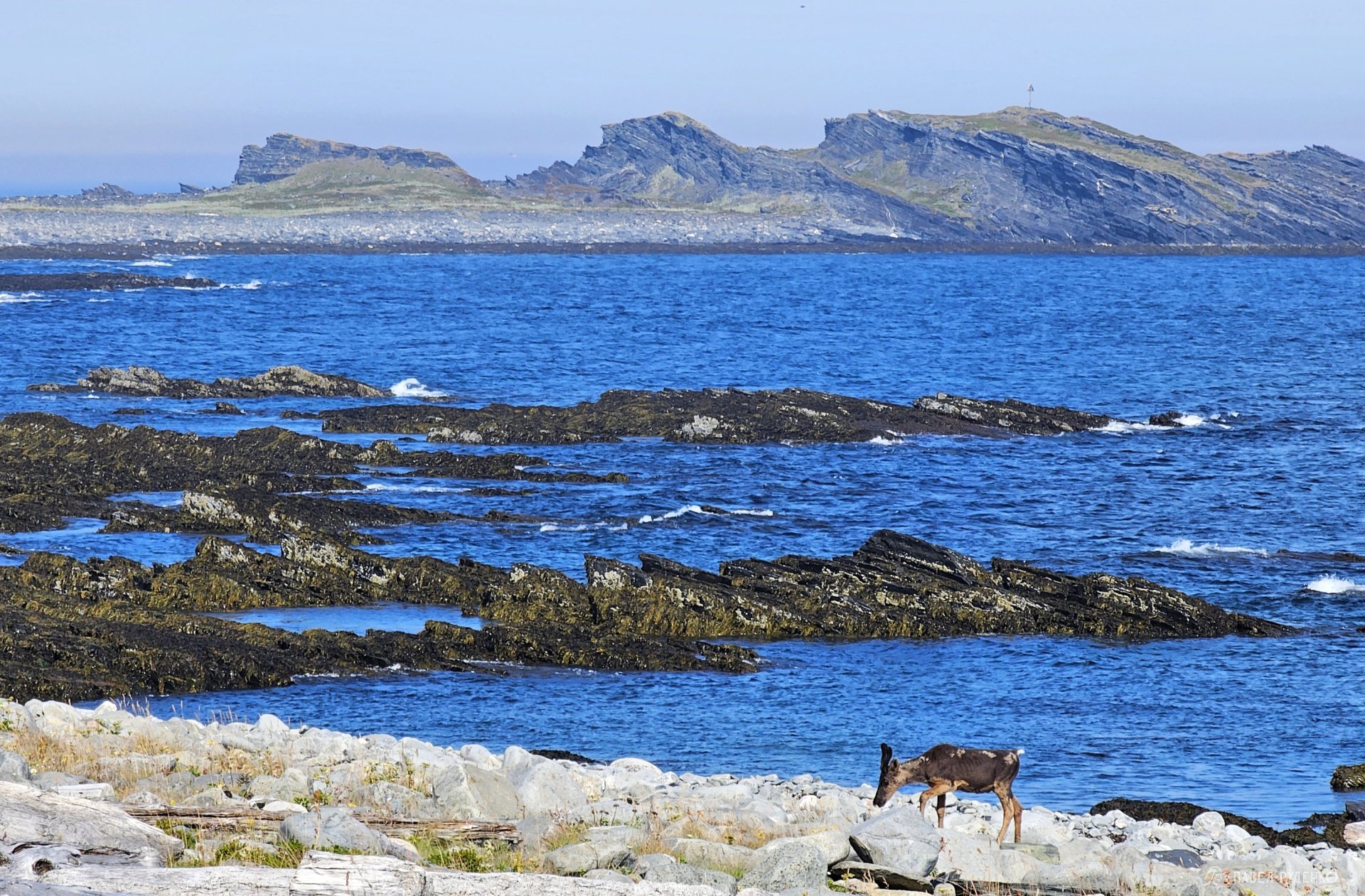
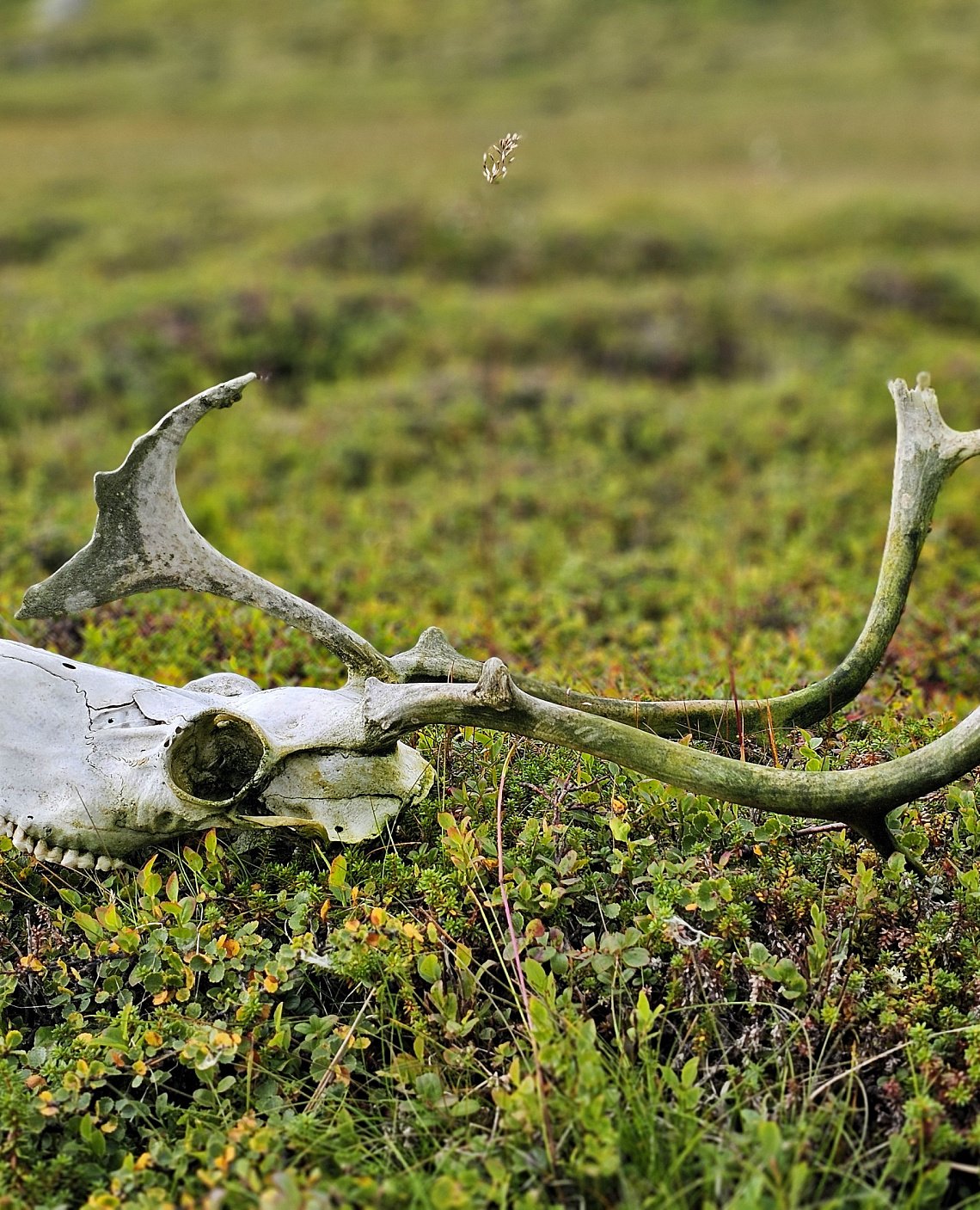
The Northern reindeer we encounter shed their antlers every year, two to three months after mating. A reindeer's new antlers begin to grow immediately to be ready to fight other males in the next breeding season, and the sooner they fall off, the more they will grow by the next year. You can also encounter hares, foxes, martens, and ptarmigans. And from the shore, the spout of a minke whale and a seal is often visible. Rybachy is also unique because it is home to the largest colony of seabirds. We will be happy to meet the animals, but we maintain ethical behavior and safety rules.

 All guides are Red Cross certified in Basic and Advanced Wilderness First Aid.




 Questions? Message me on Telegram