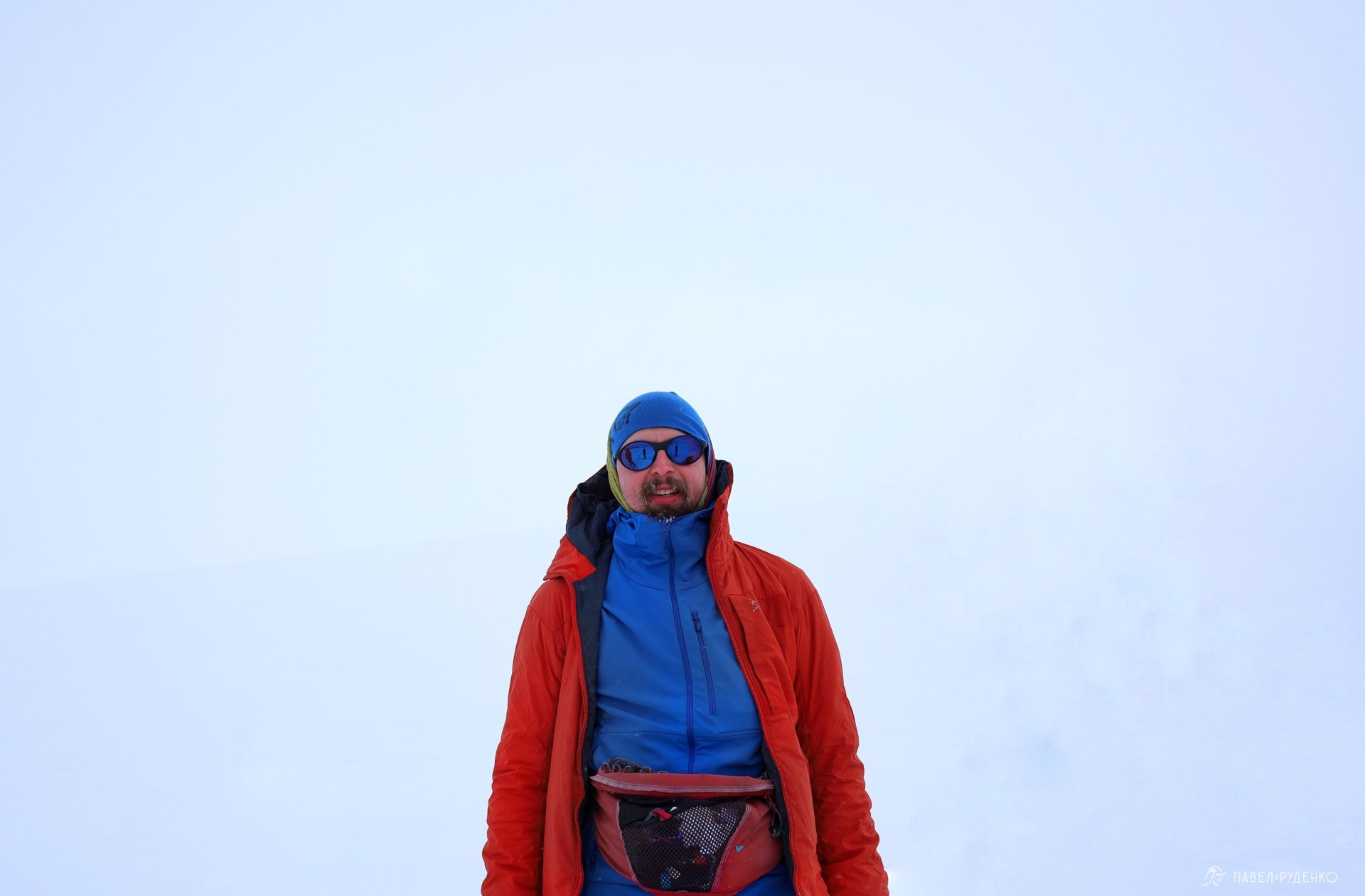
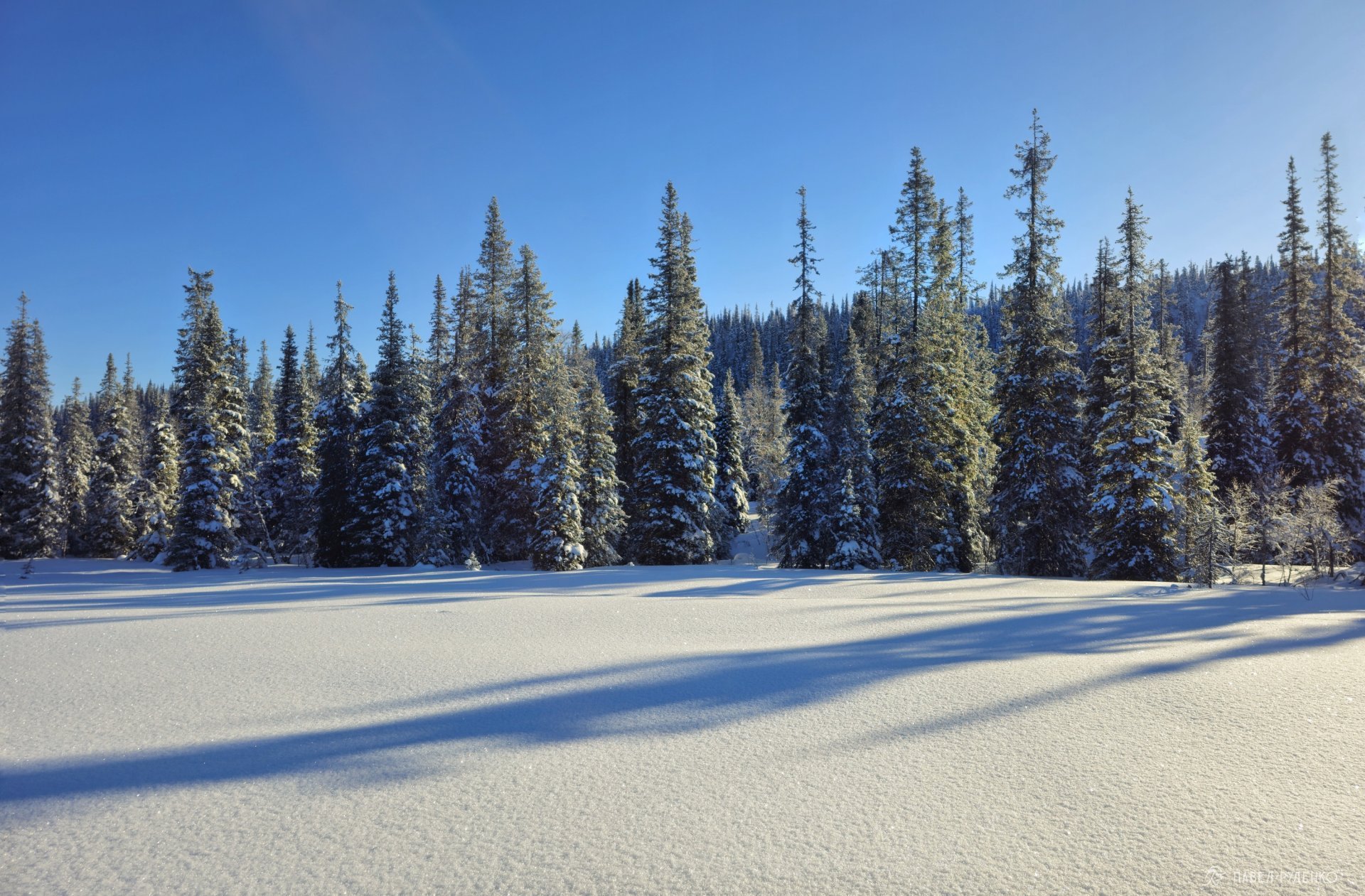
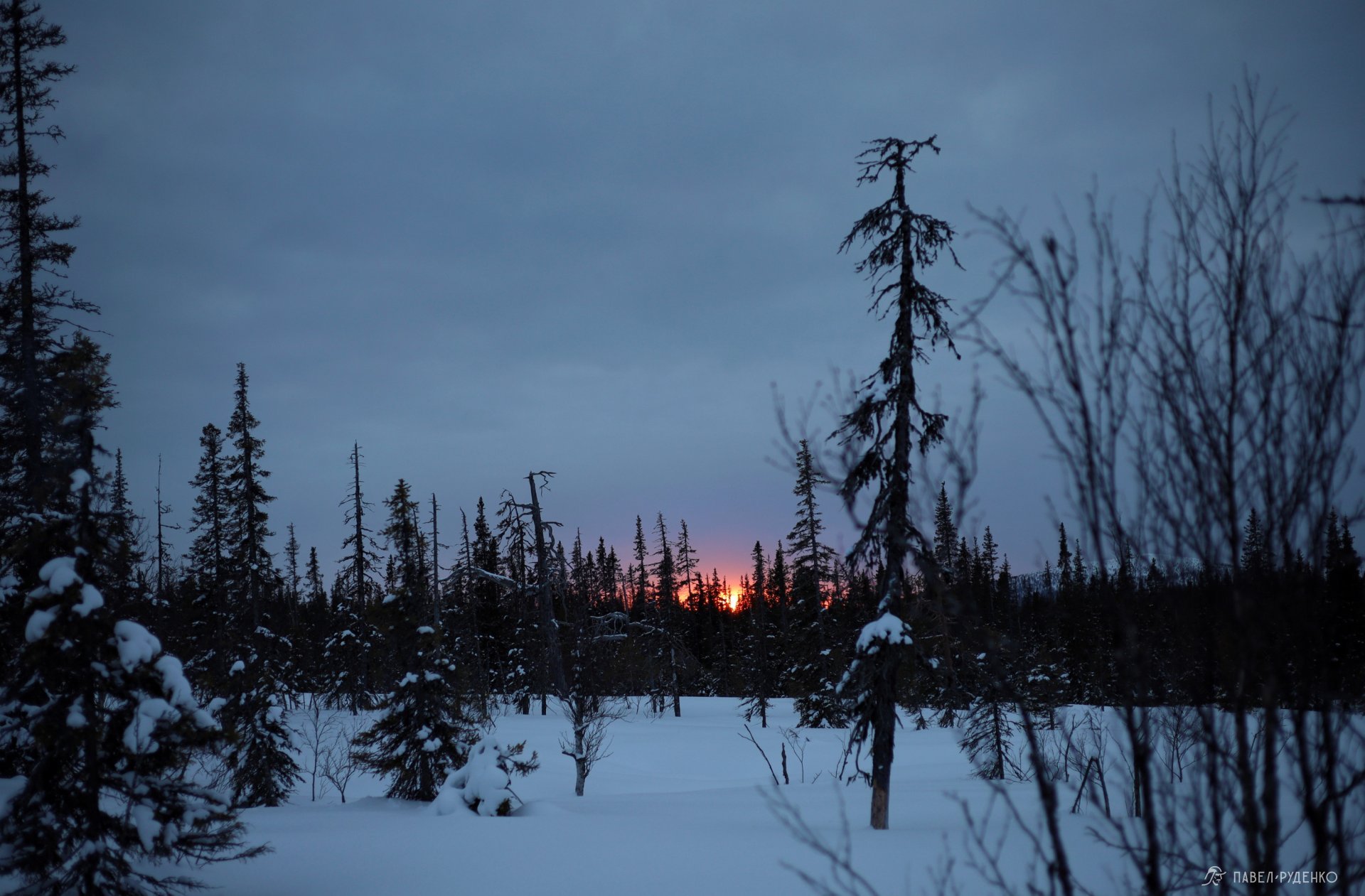
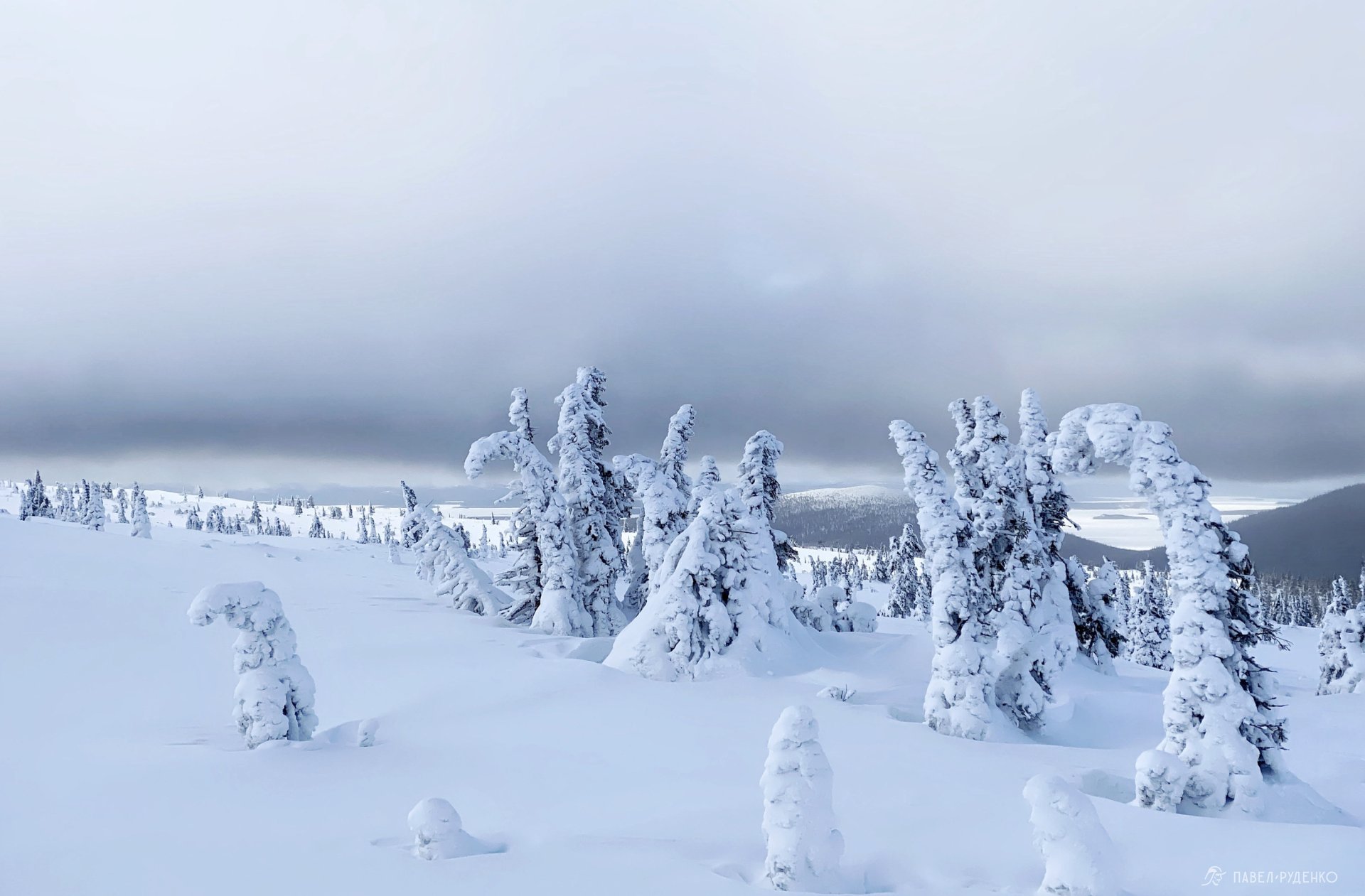
Lapland: ski trek to the White Hills

Dates
22-28 Feb 2026
Duration (days)
7 days
Difficulty
3/5
Moderate Difficulty

A week-long autonomous trek suitable for beginners.

  • Backpack weight: up to 21 kg
  • Daily distance: up to 15 km

Duration: 5-7 days.

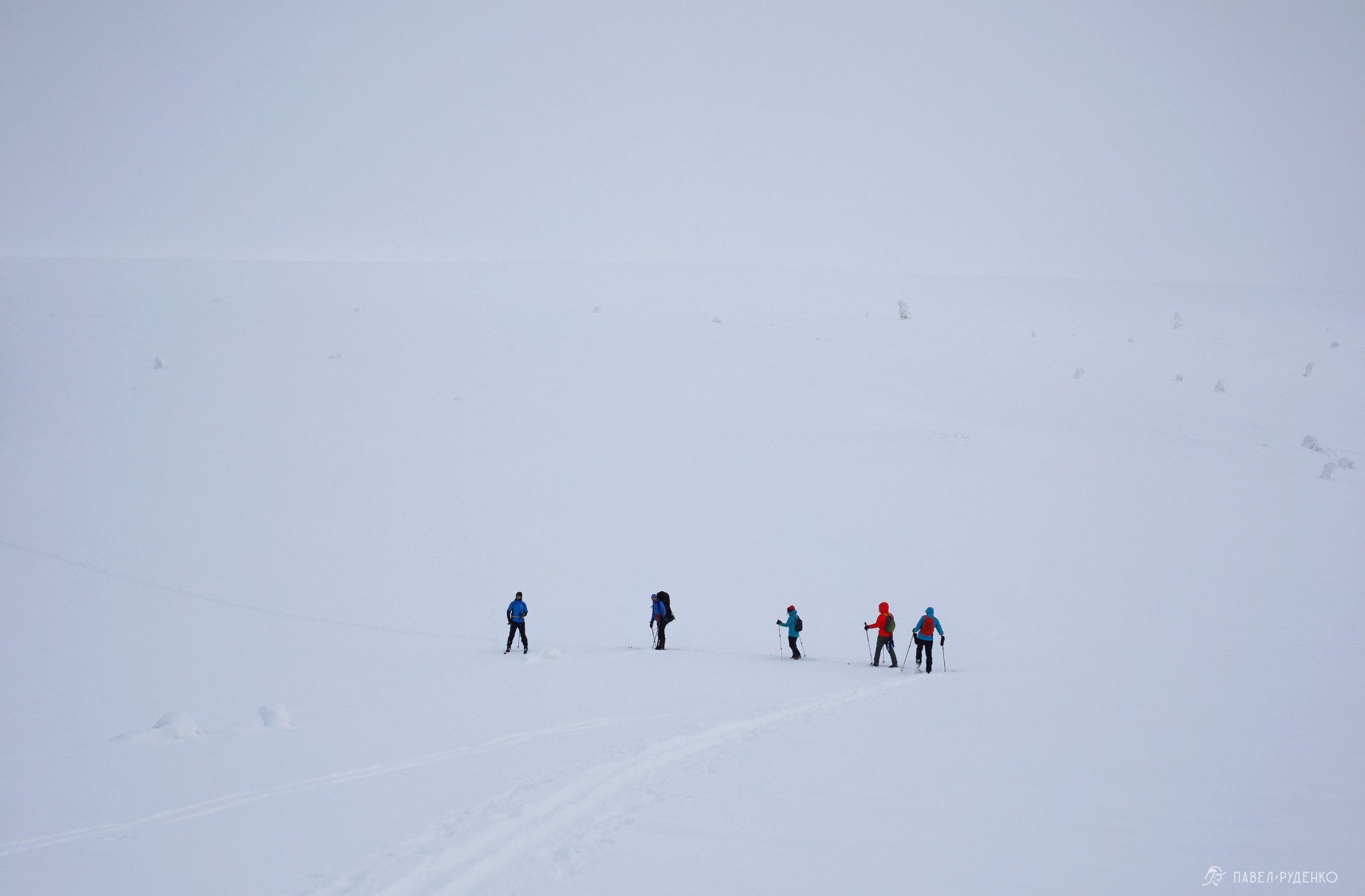
Moving through wild tundra with no trails. You carry all gear and food, living in tents in the wild. However, daily distances and elevation gains are balanced so a healthy person without special training can complete it. General fitness preparation (long walks, running) is recommended.

For whom: Beginners in good physical shape wanting to experience real expedition life.

Distance
61 km
Group
12 people

About the Tour

Author's trek

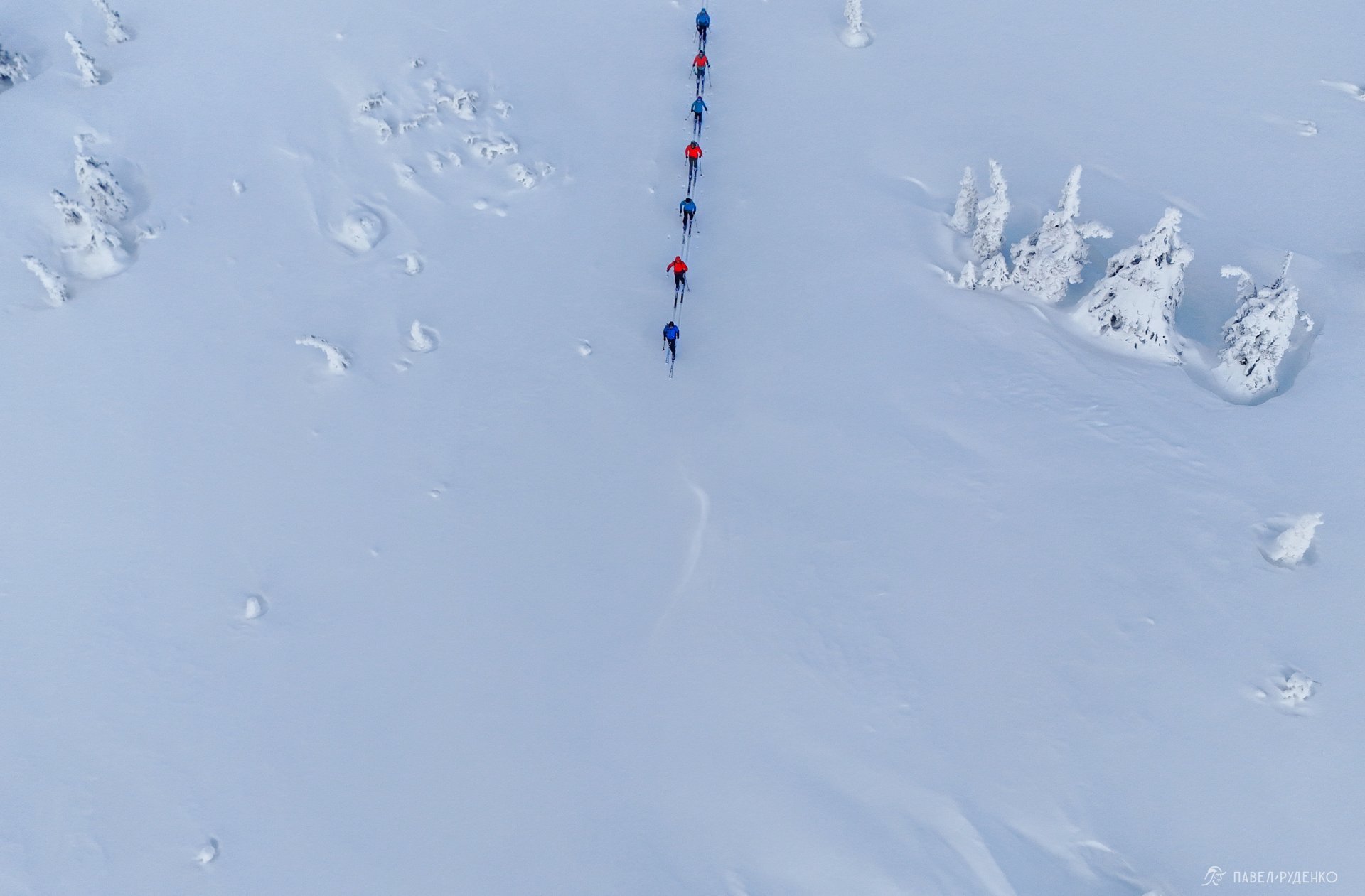
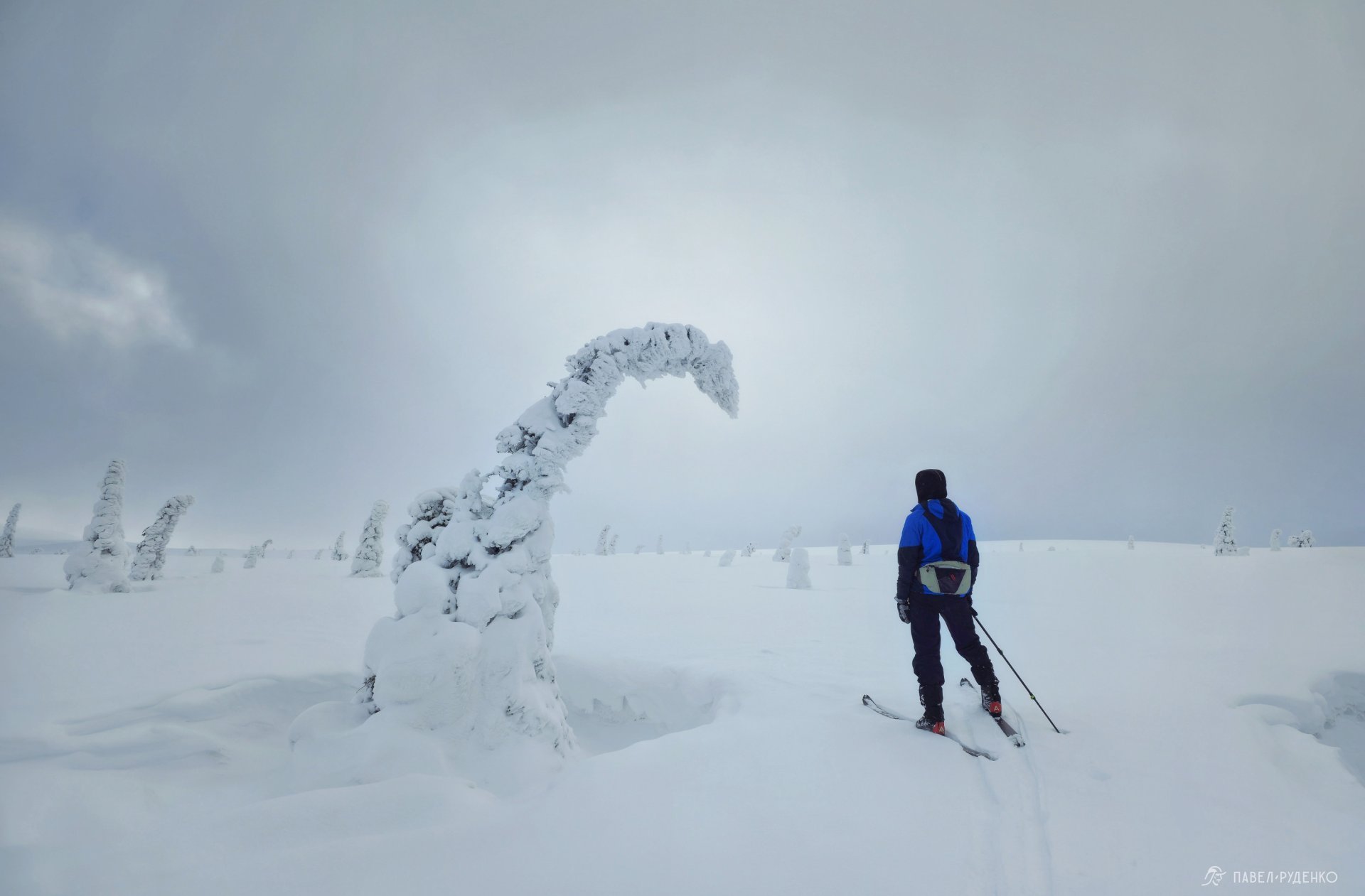
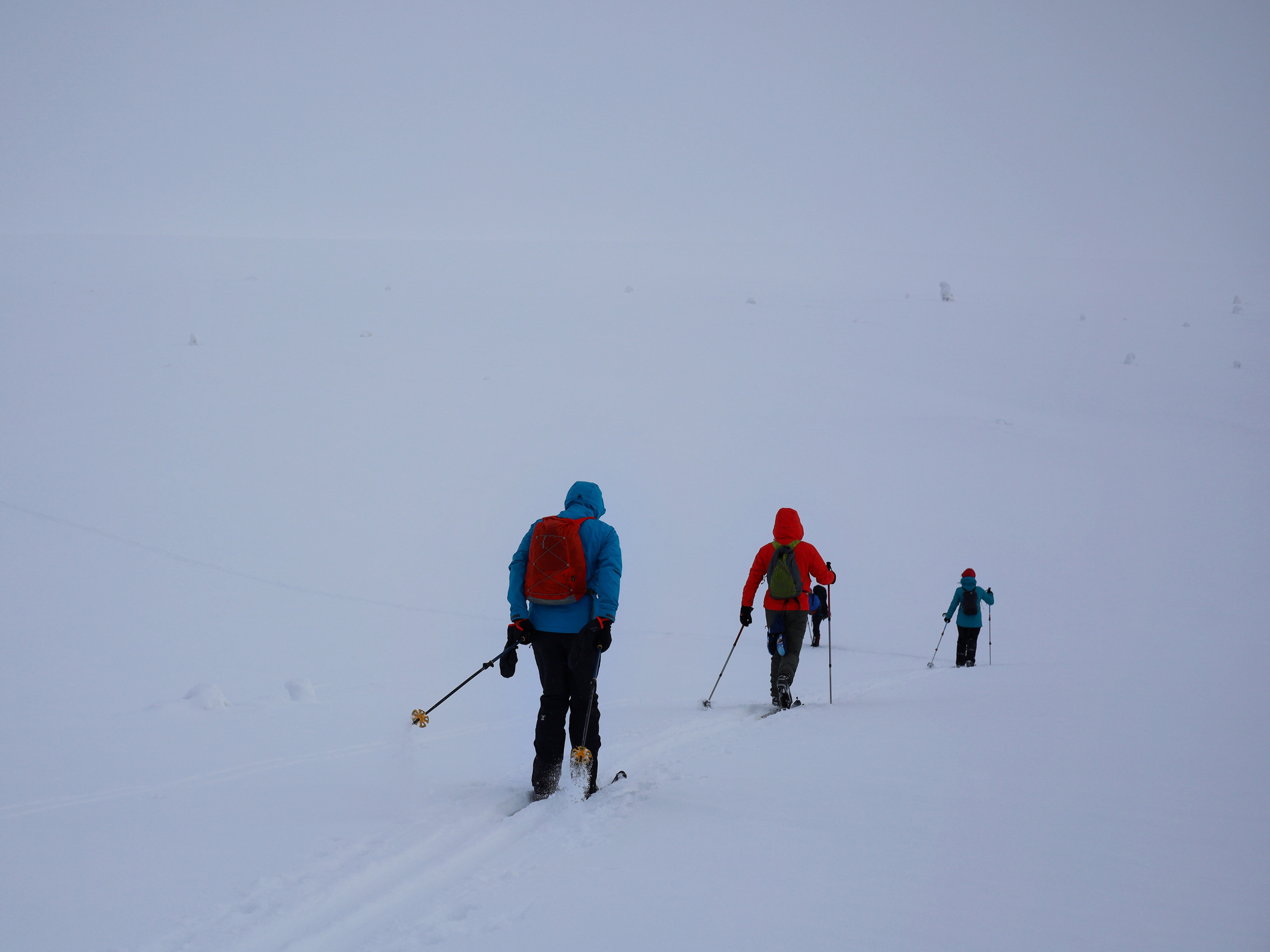
Lapland — White Hills on skis.

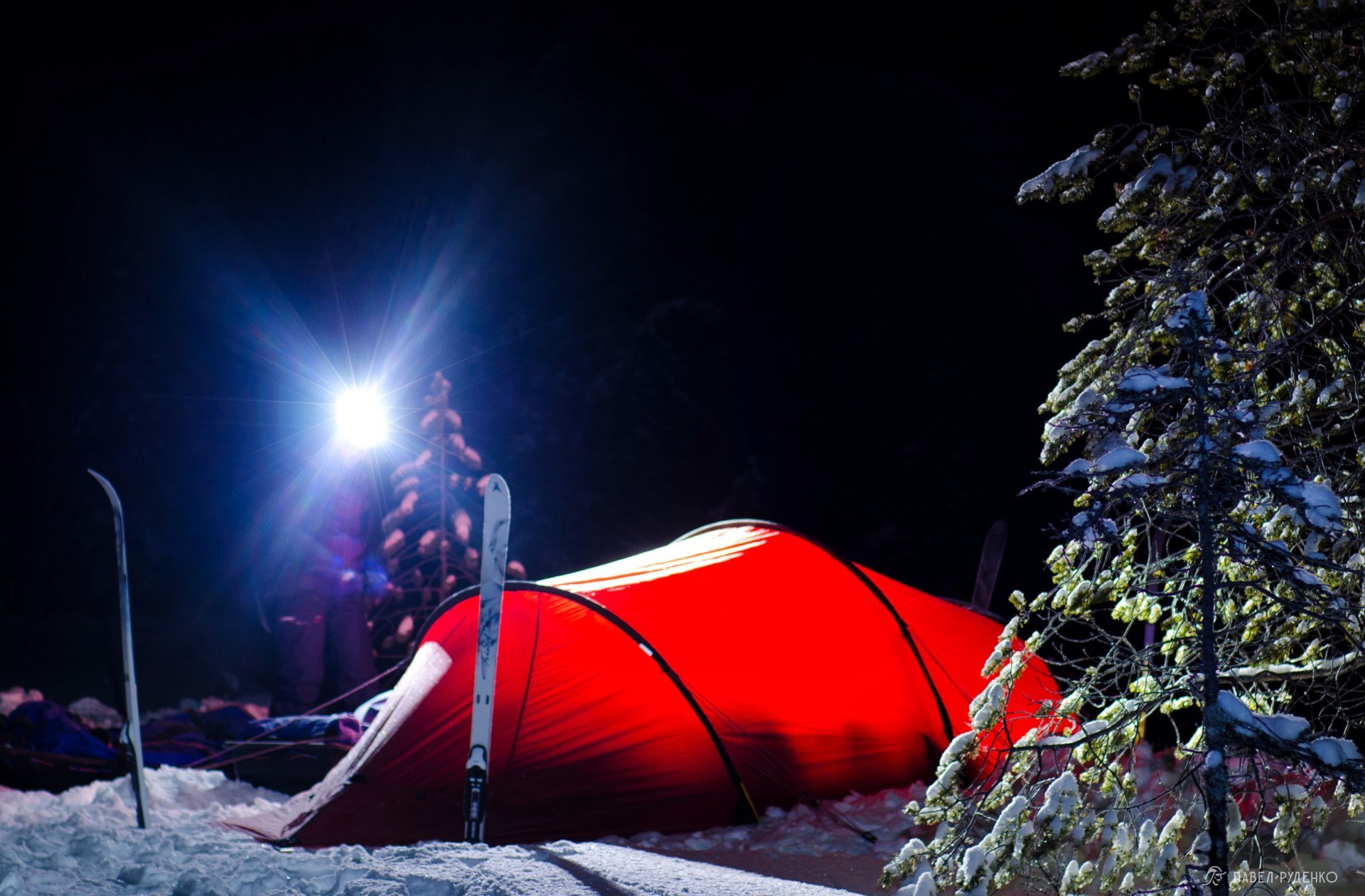
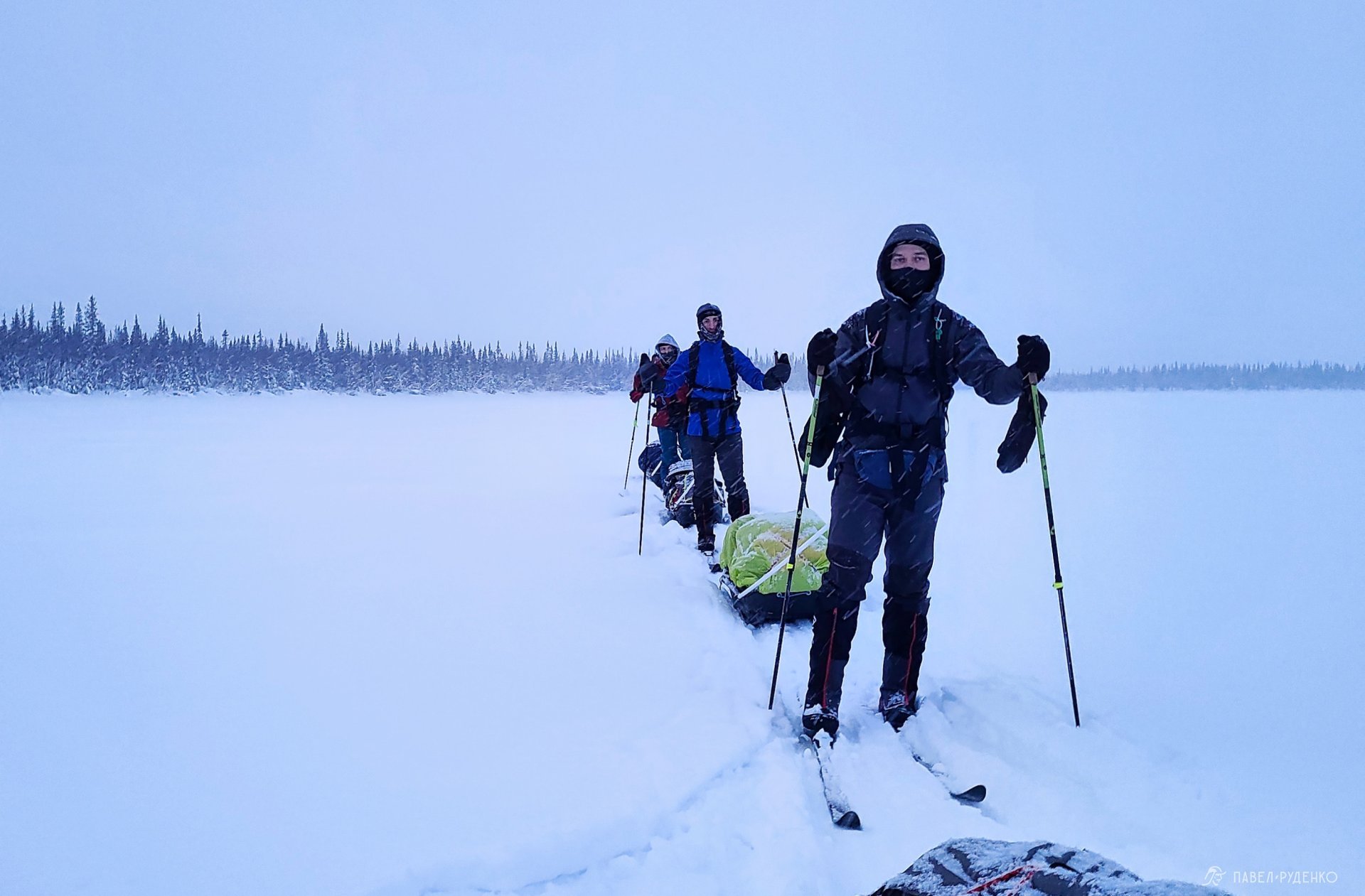
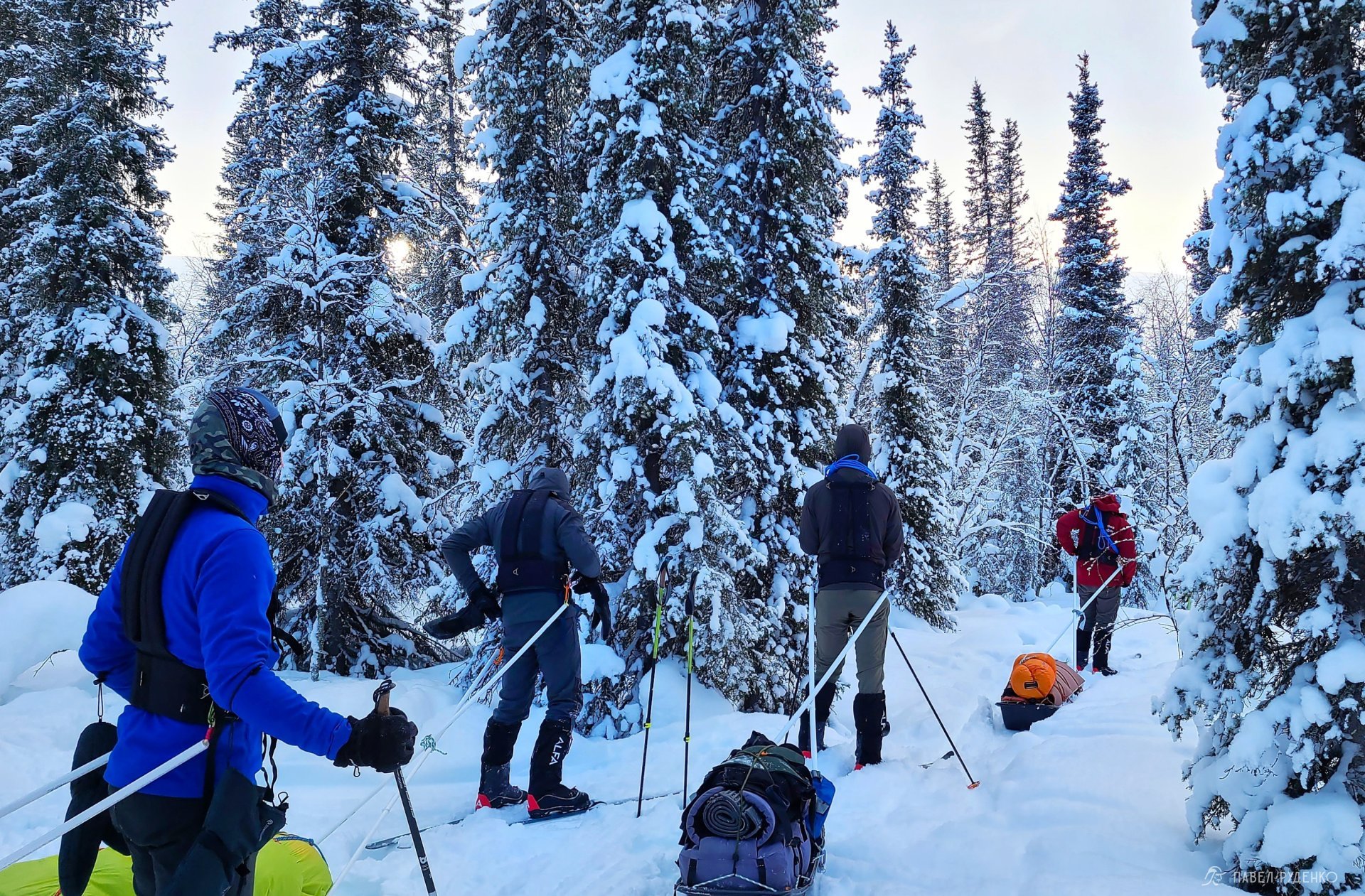
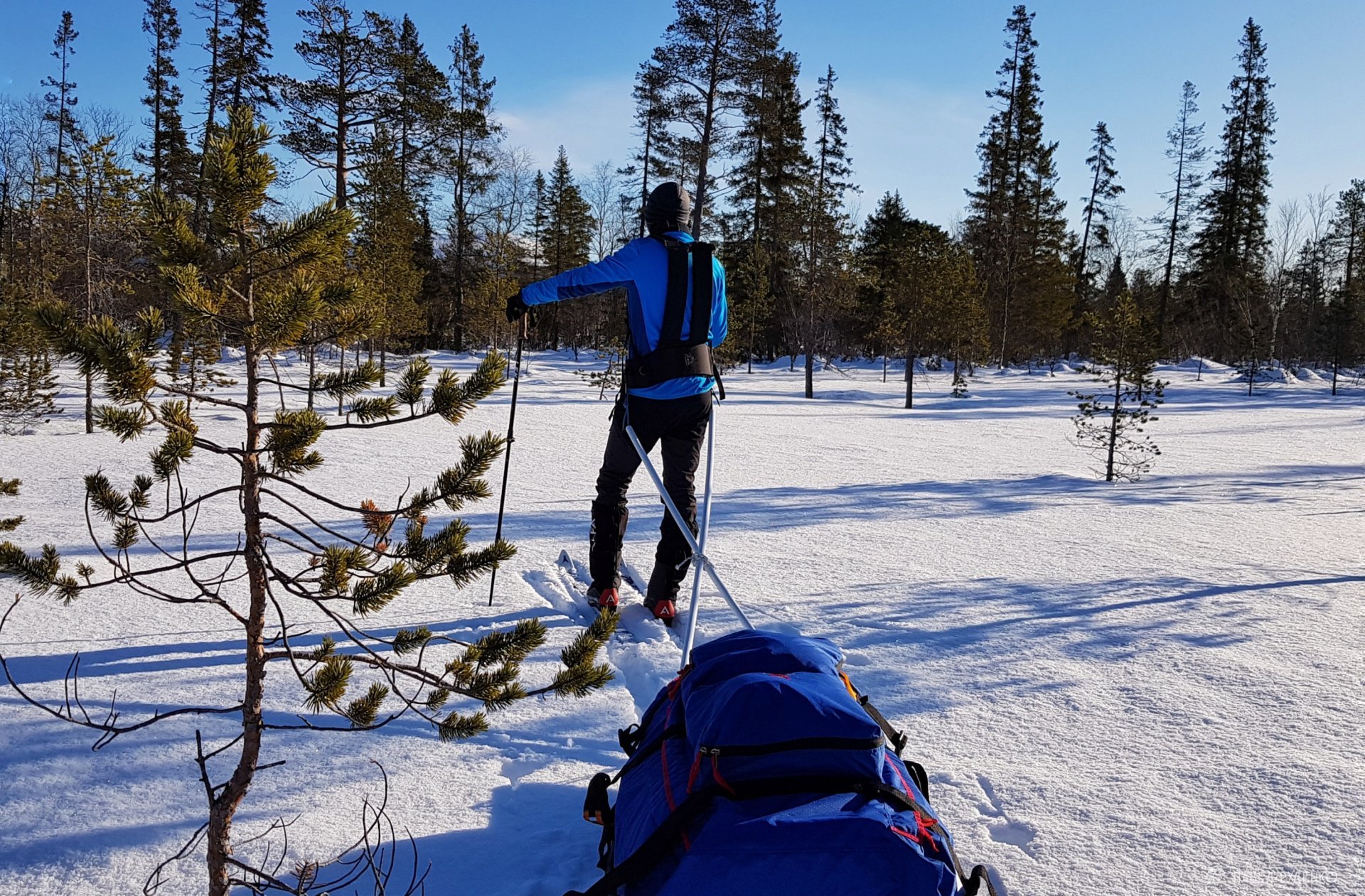
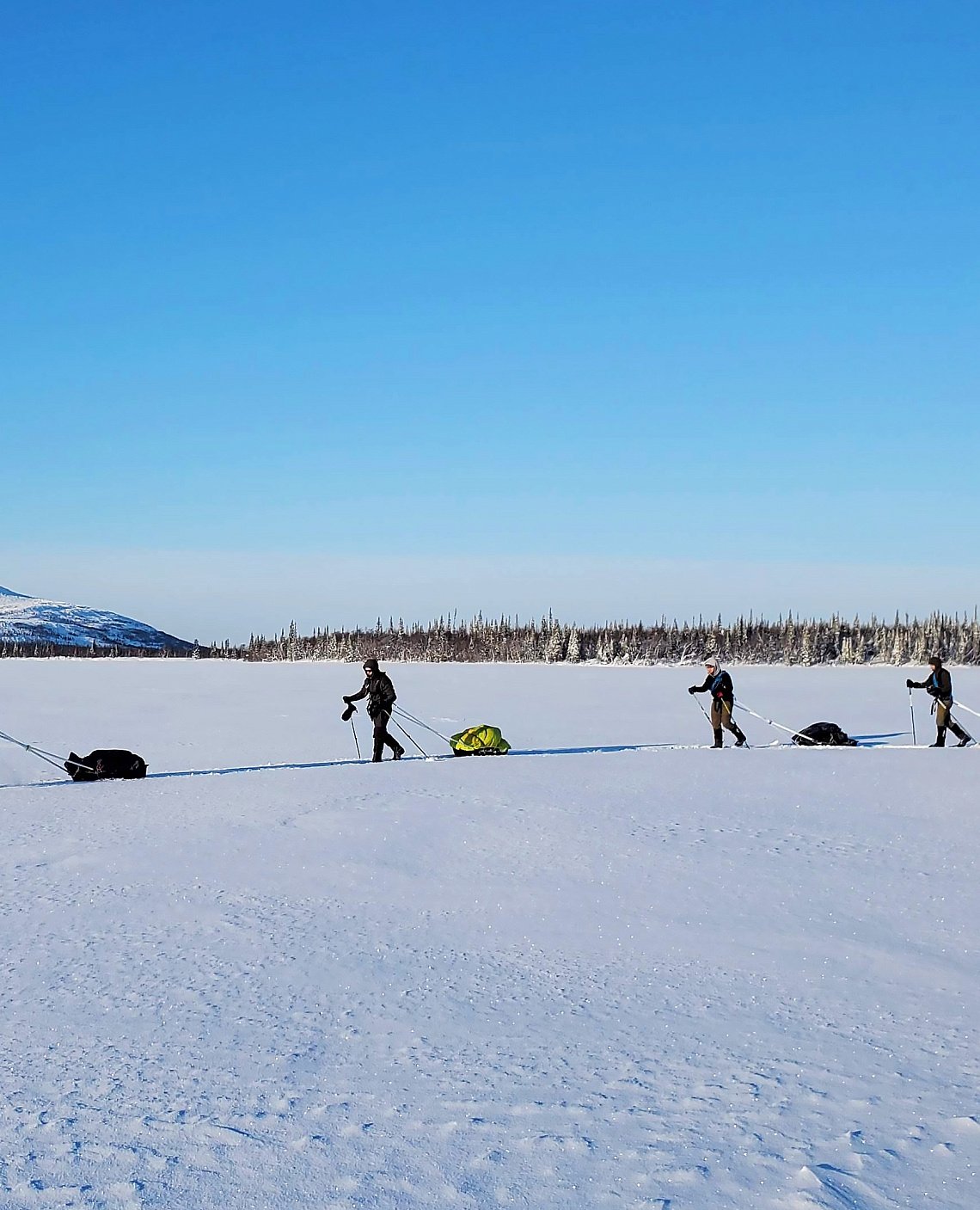
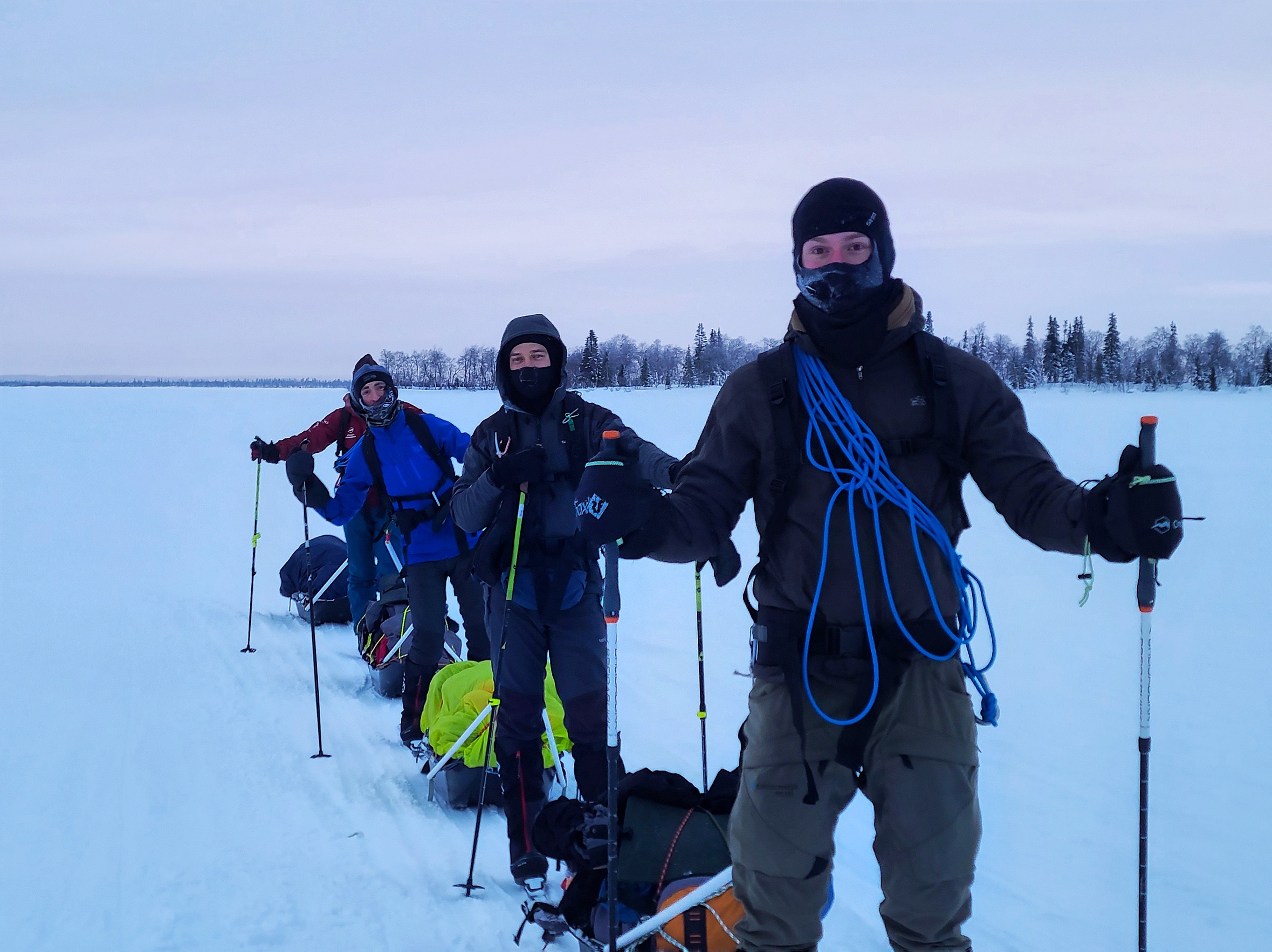
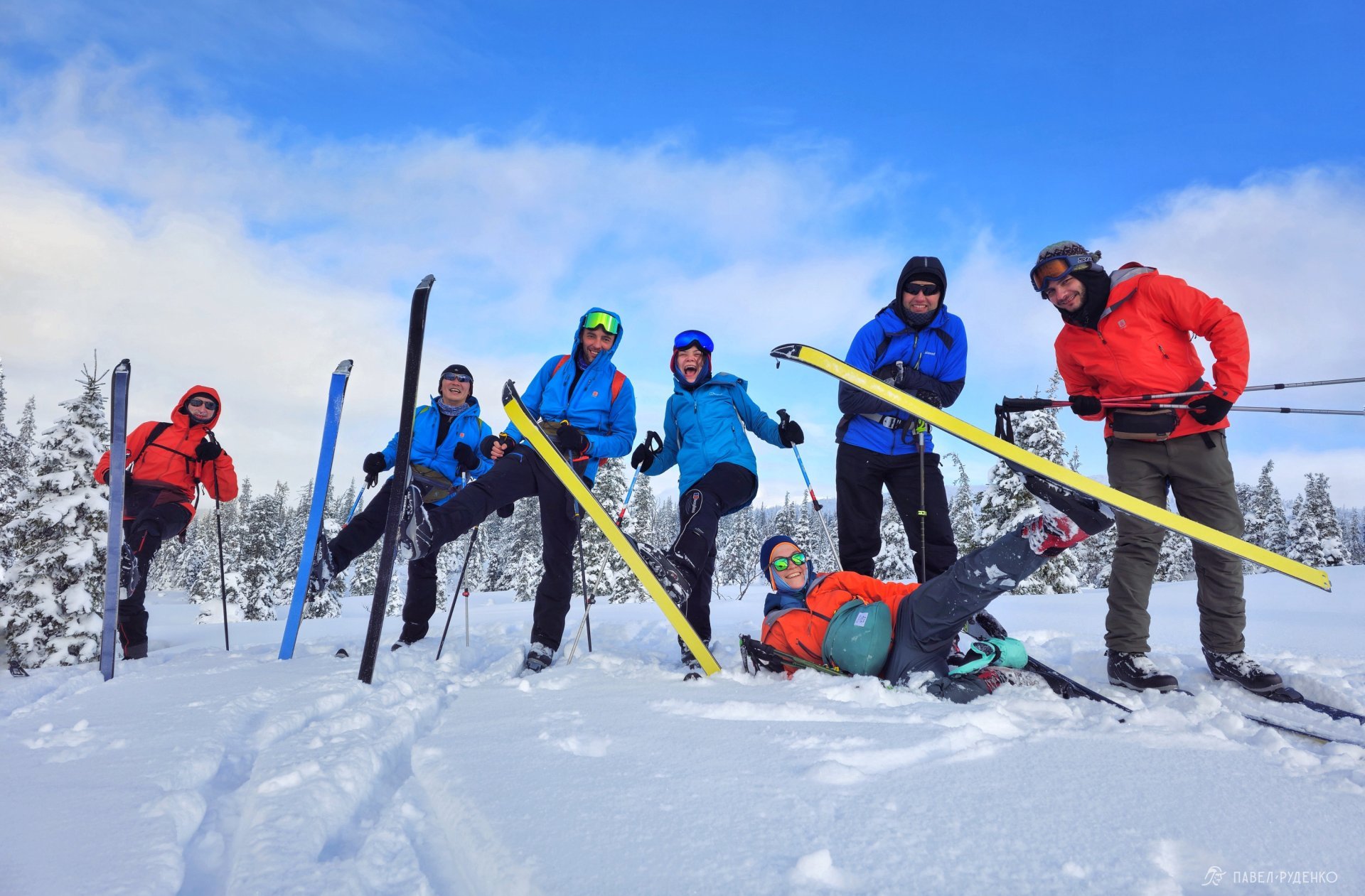
Ski trek with Arctic pulkas and overnight stays in tunnel tents without a stove on the Kola Peninsula.

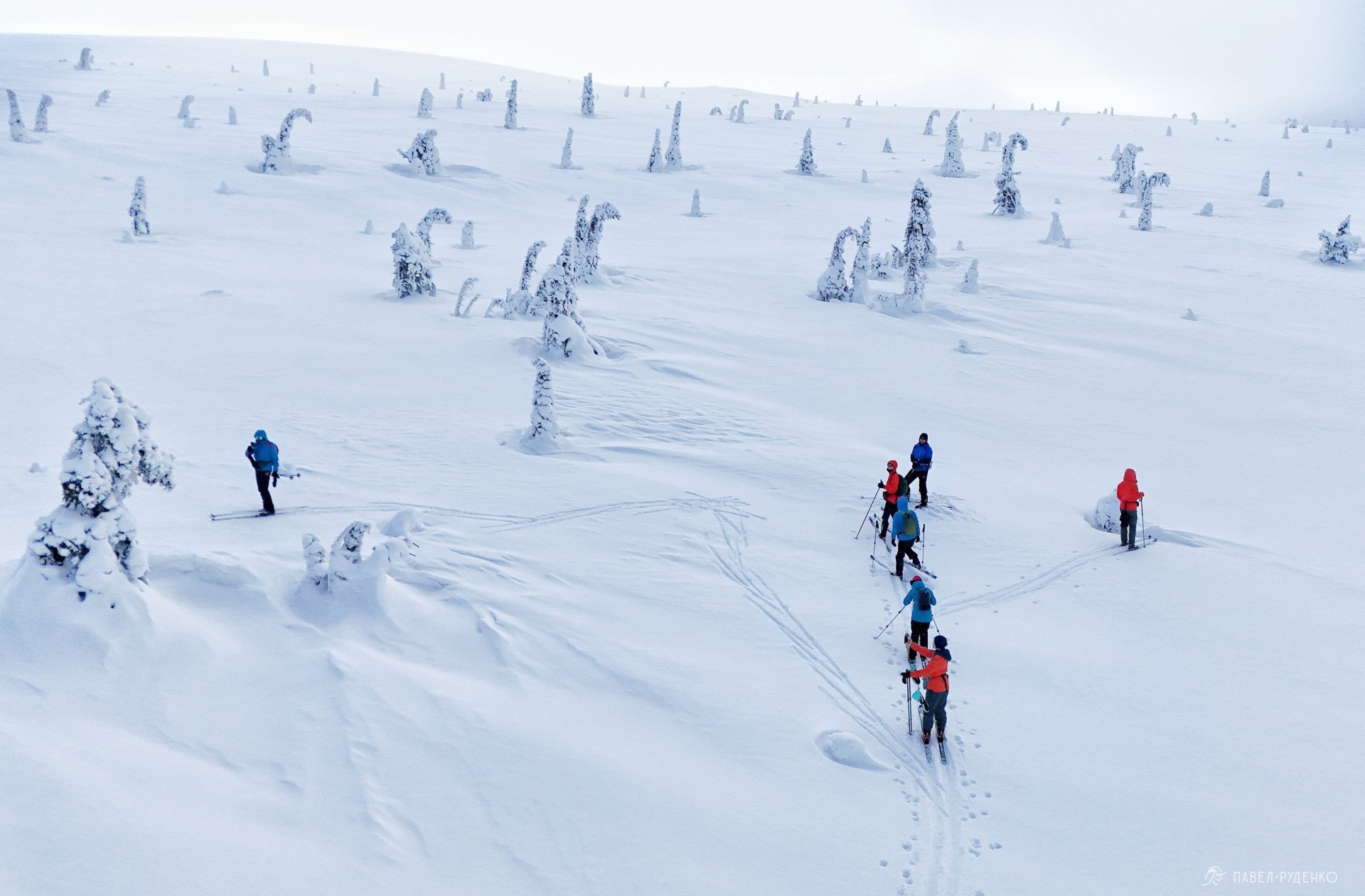
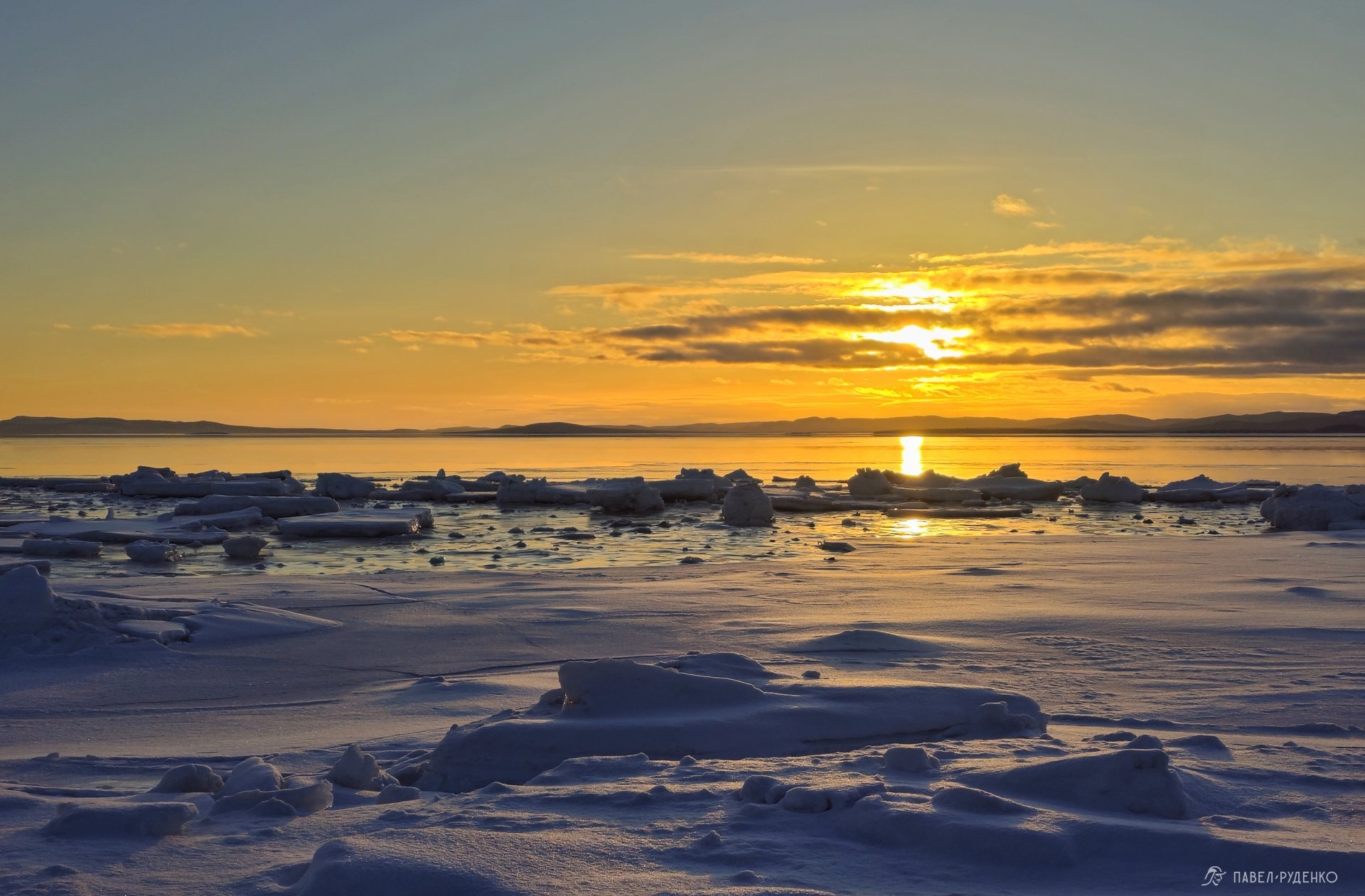
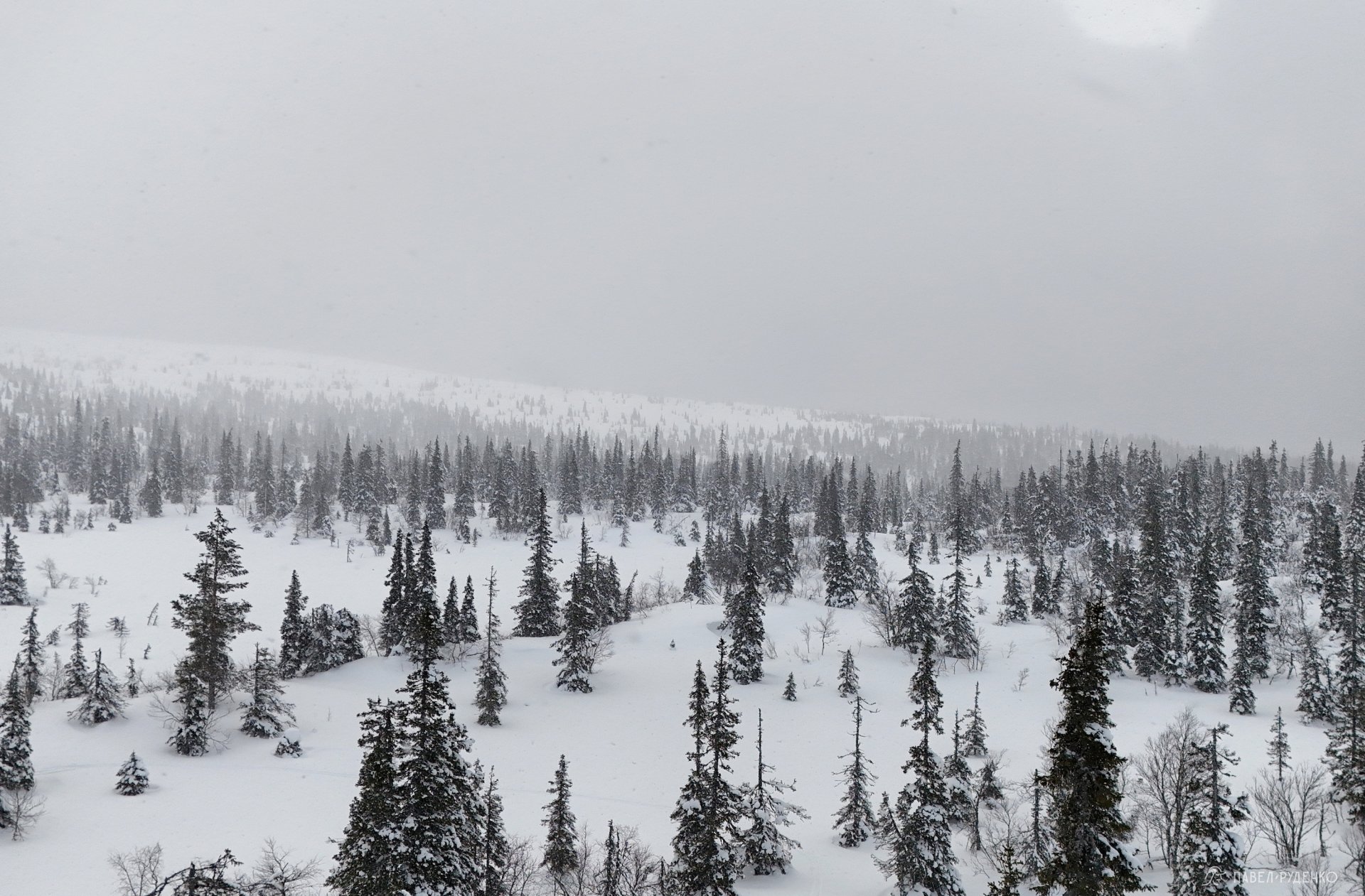
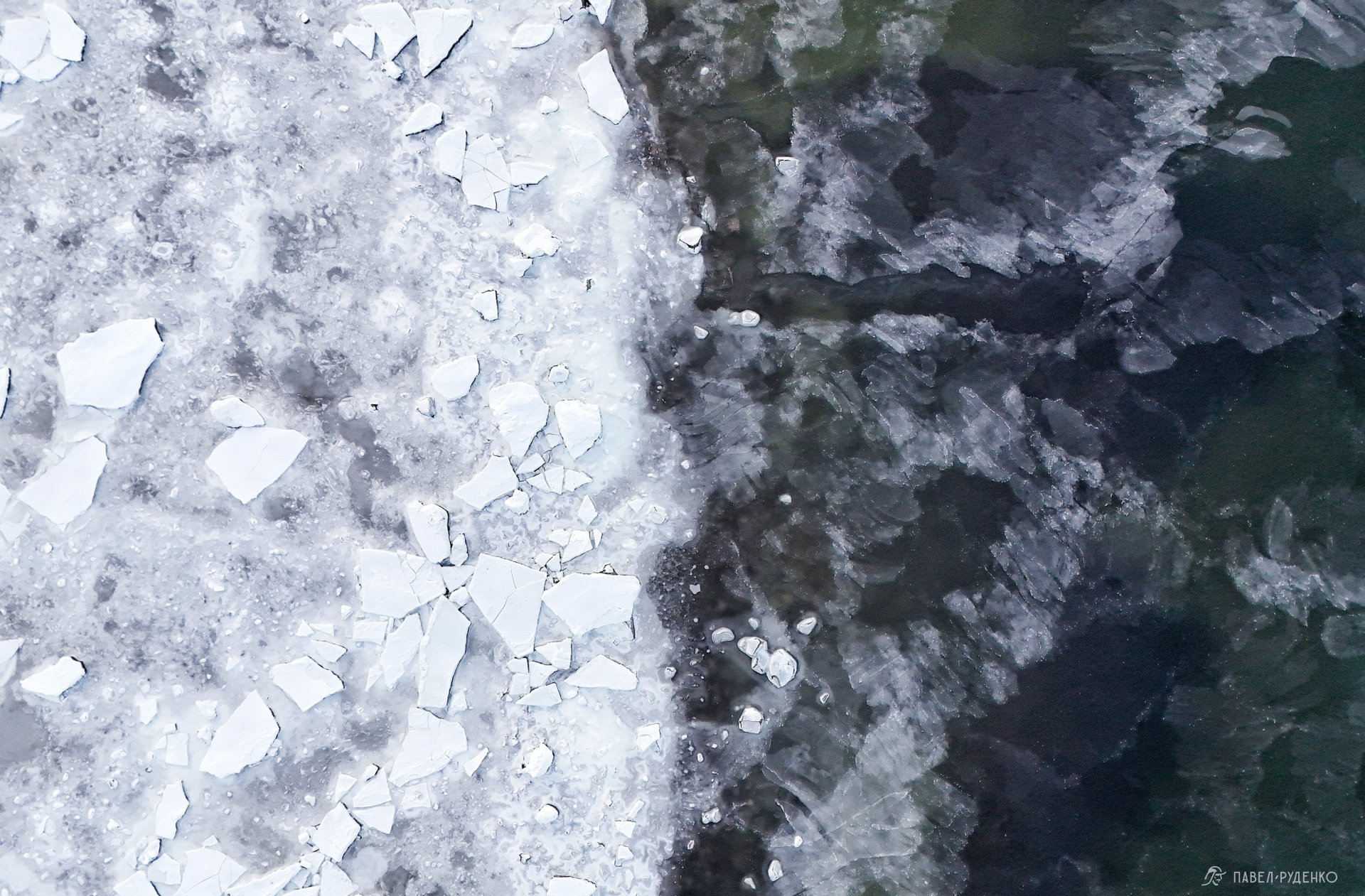
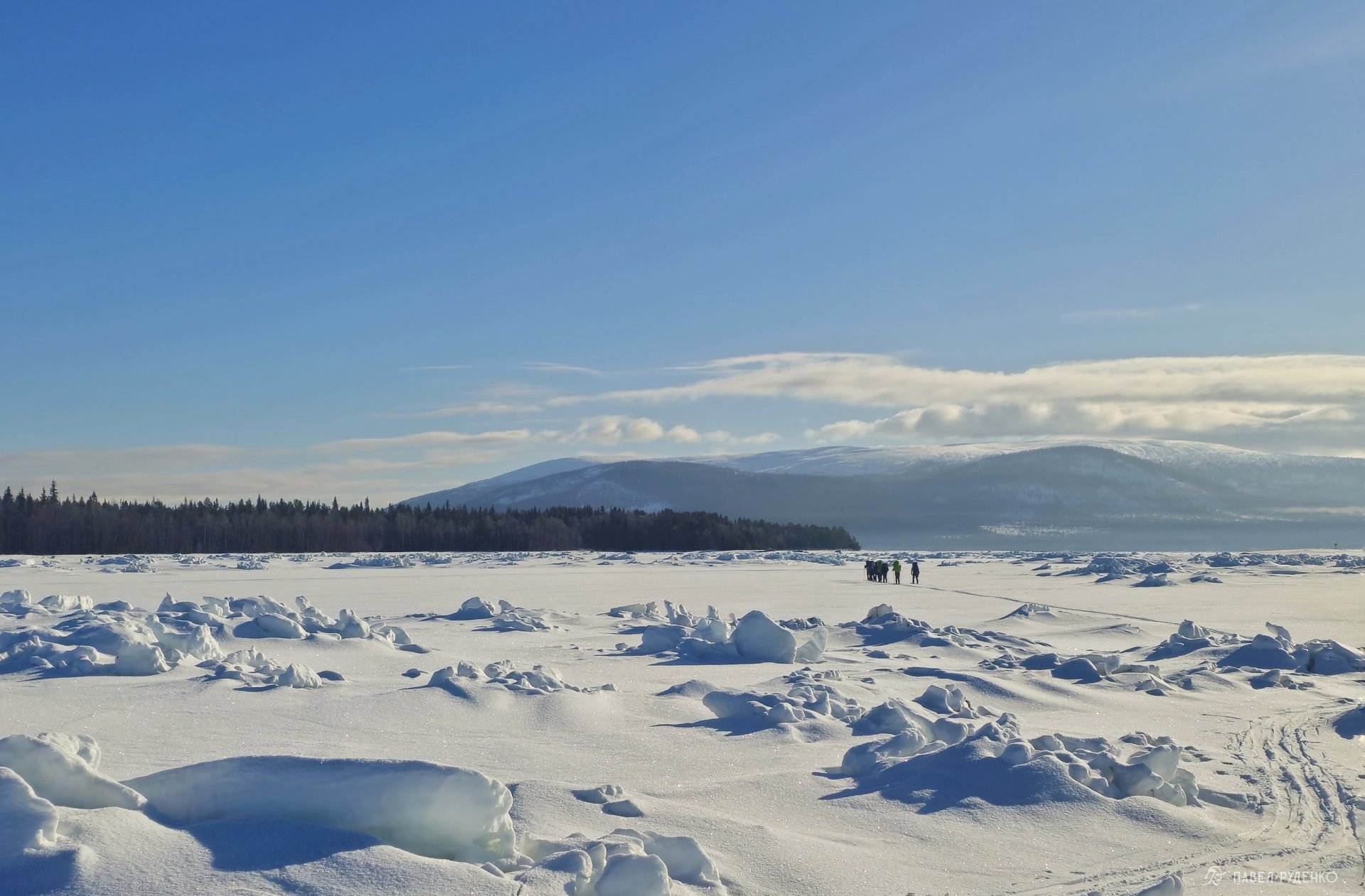
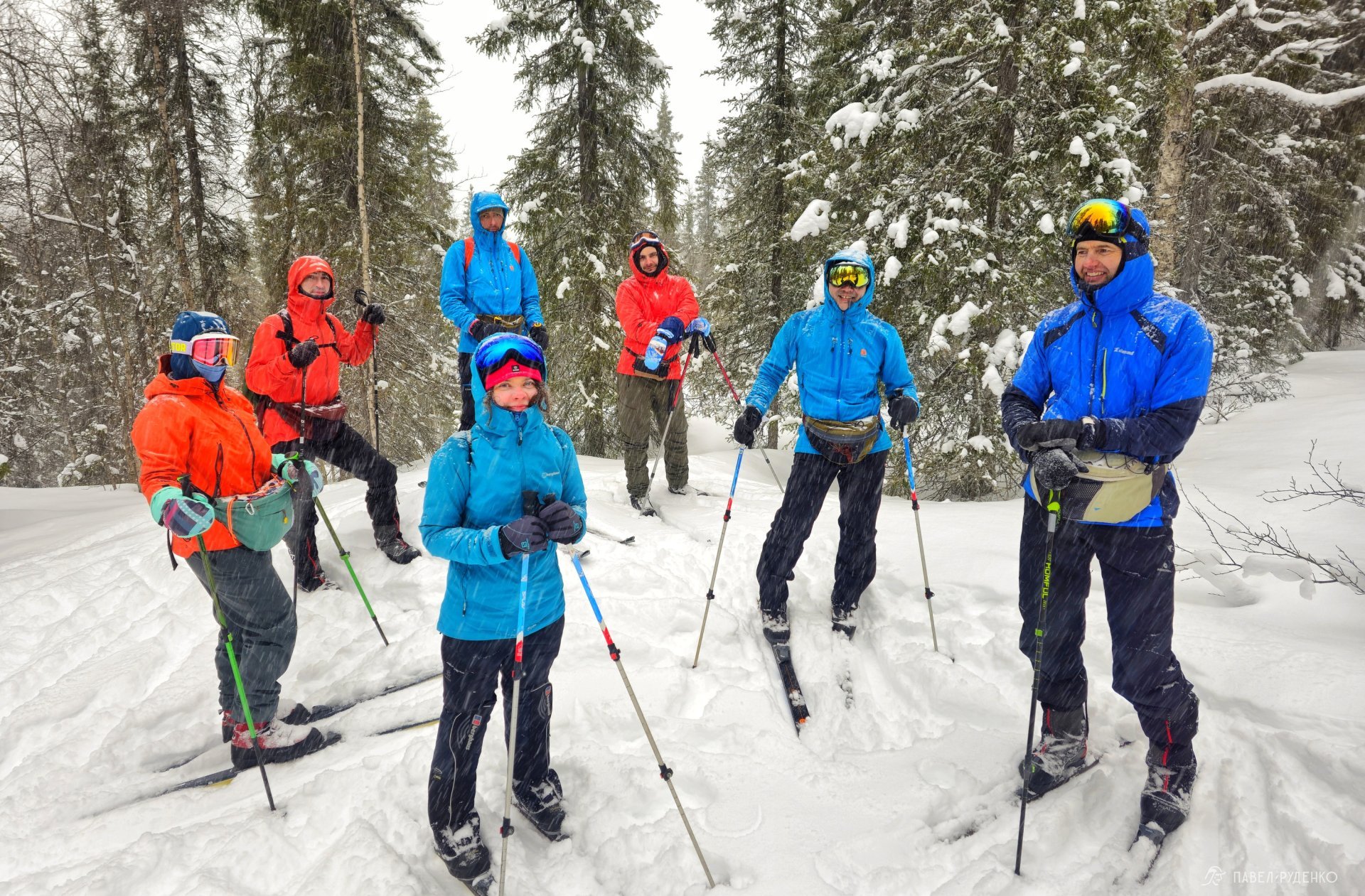
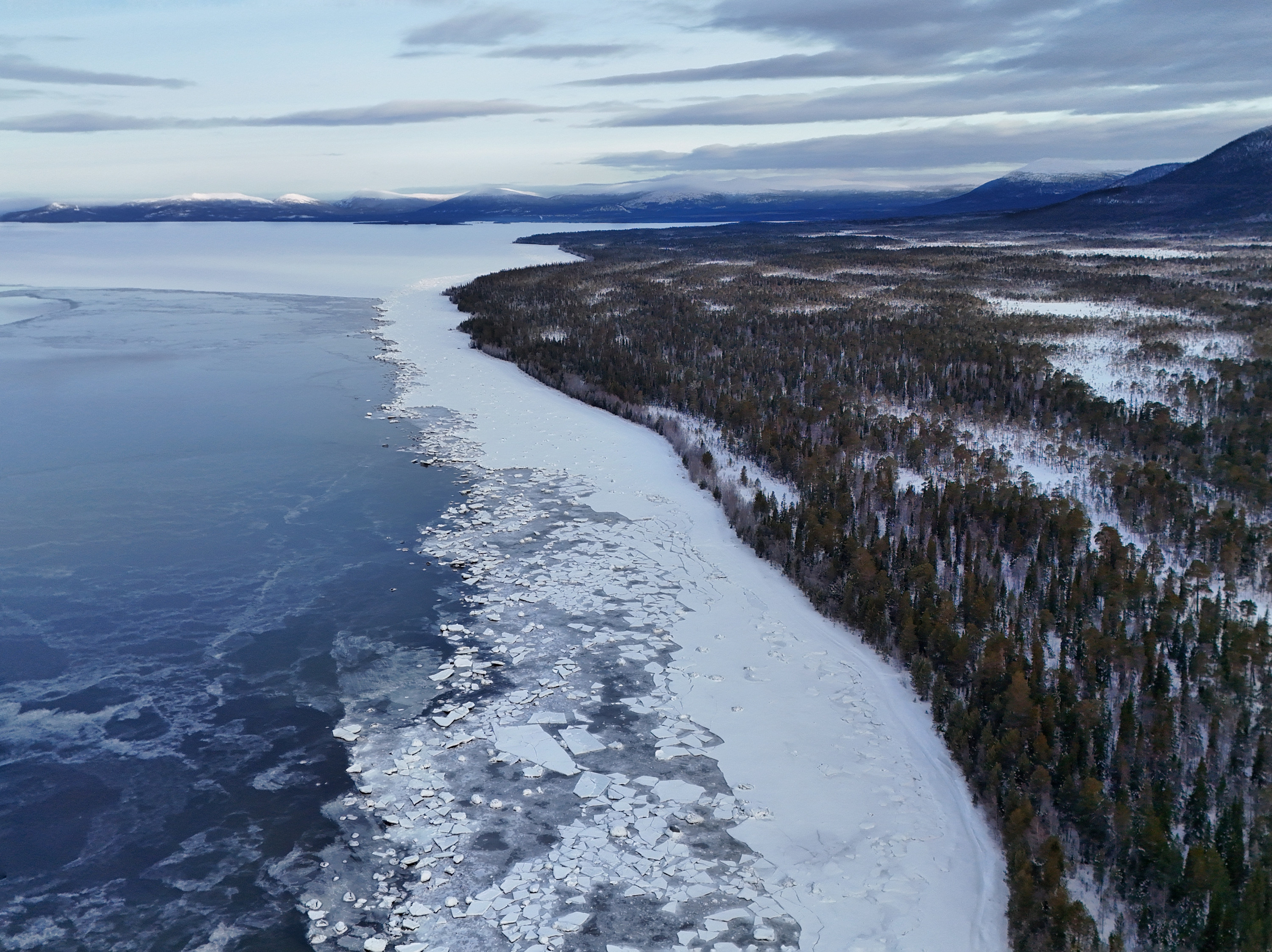
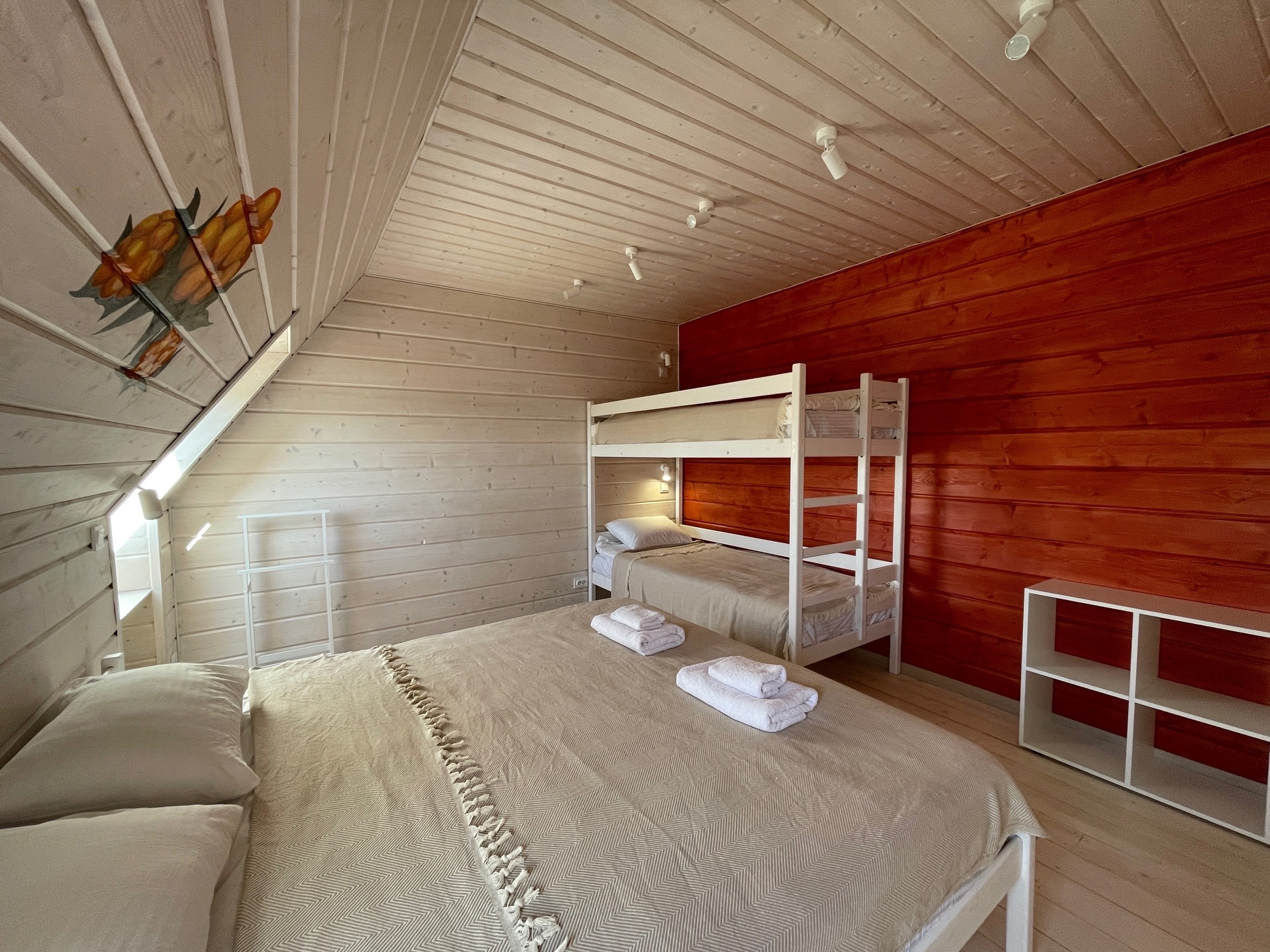
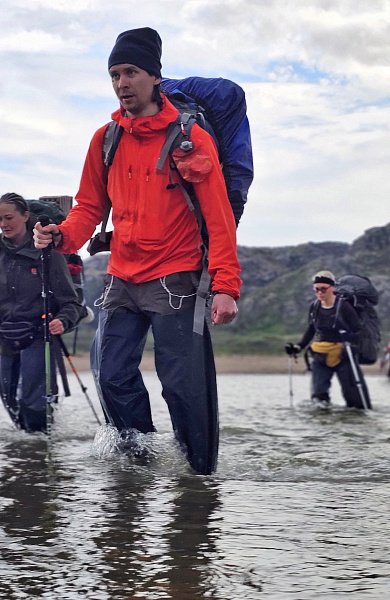
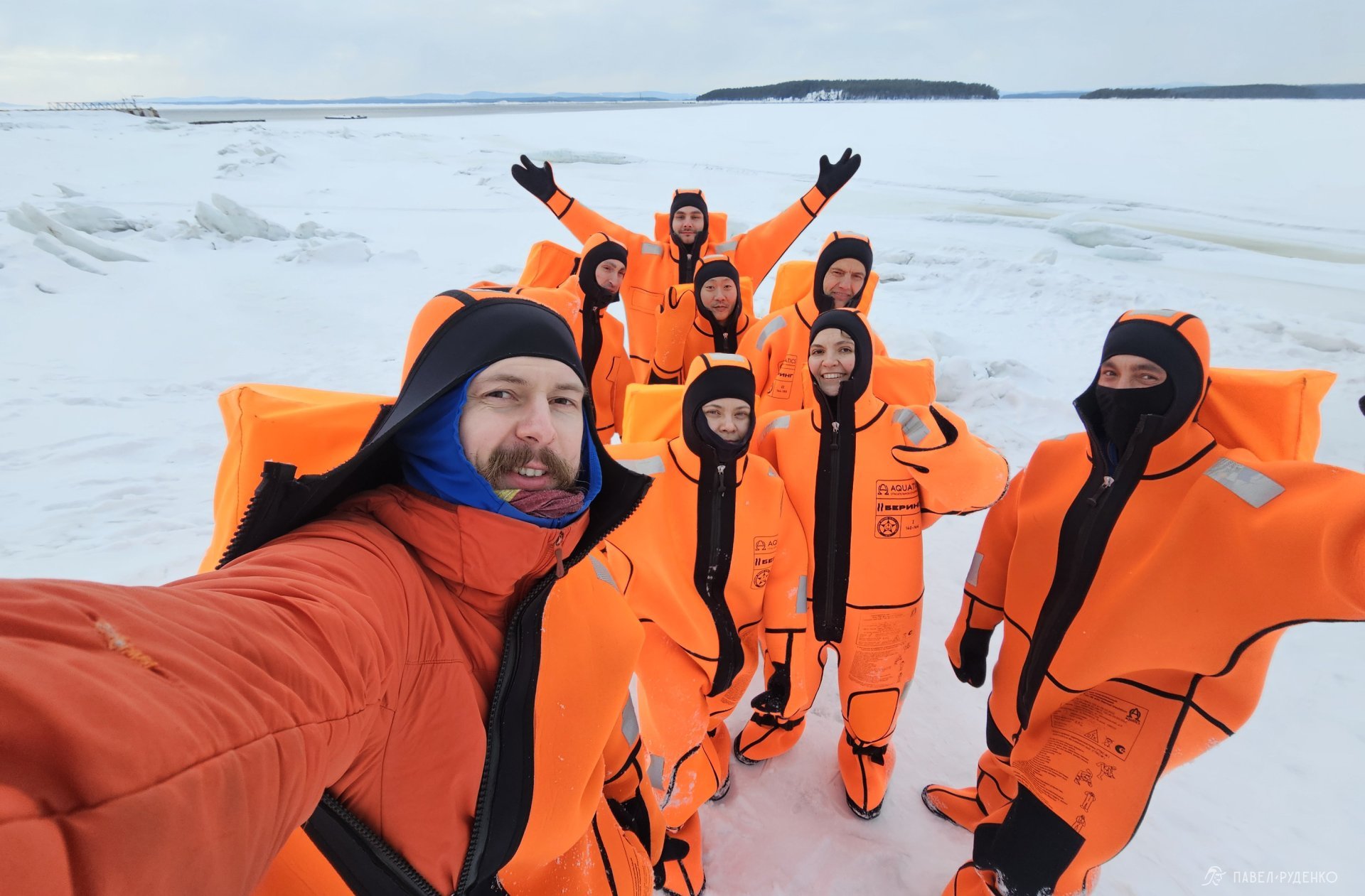
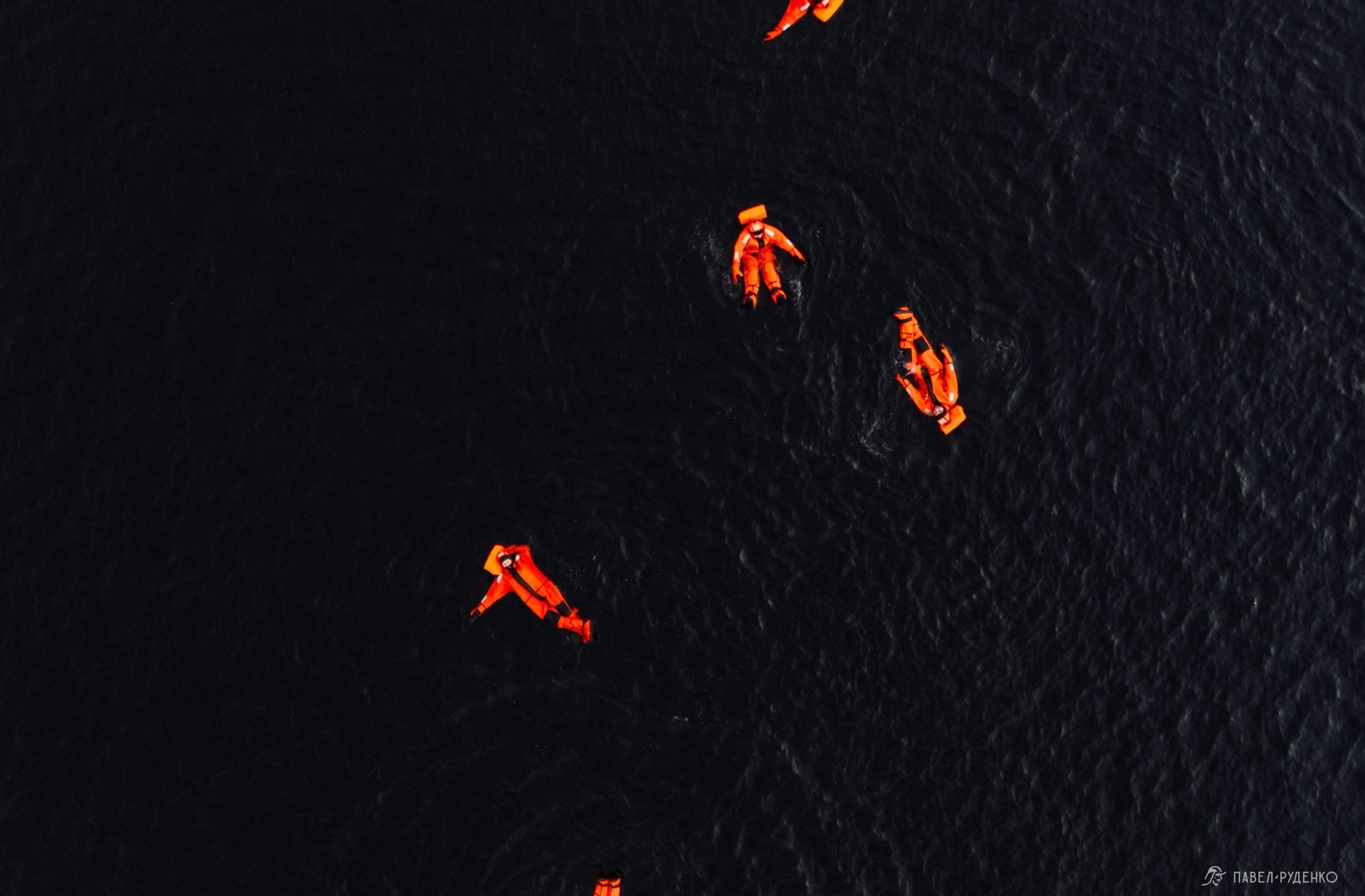
On the first day, preparation. Accommodation in a comfortable cottage on the shore of the White Sea. Learning ski techniques, setting up tents and winter hiking skills. Unique ice floating experience — swimming in a special dry suit among the ice floes of the White Sea. Such suits are used in expeditions to the North Pole to overcome water areas. Exploring the Pomor north. The route passes through one of the most picturesque areas of Russian Lapland. We move along the frozen White Sea, lay the first track through the northern taiga and make radial trips from the camp to the scenic tundra hills.

The trek falls on the holidays, which means it's easier to arrange a vacation.
Learn more

Who is the trek for

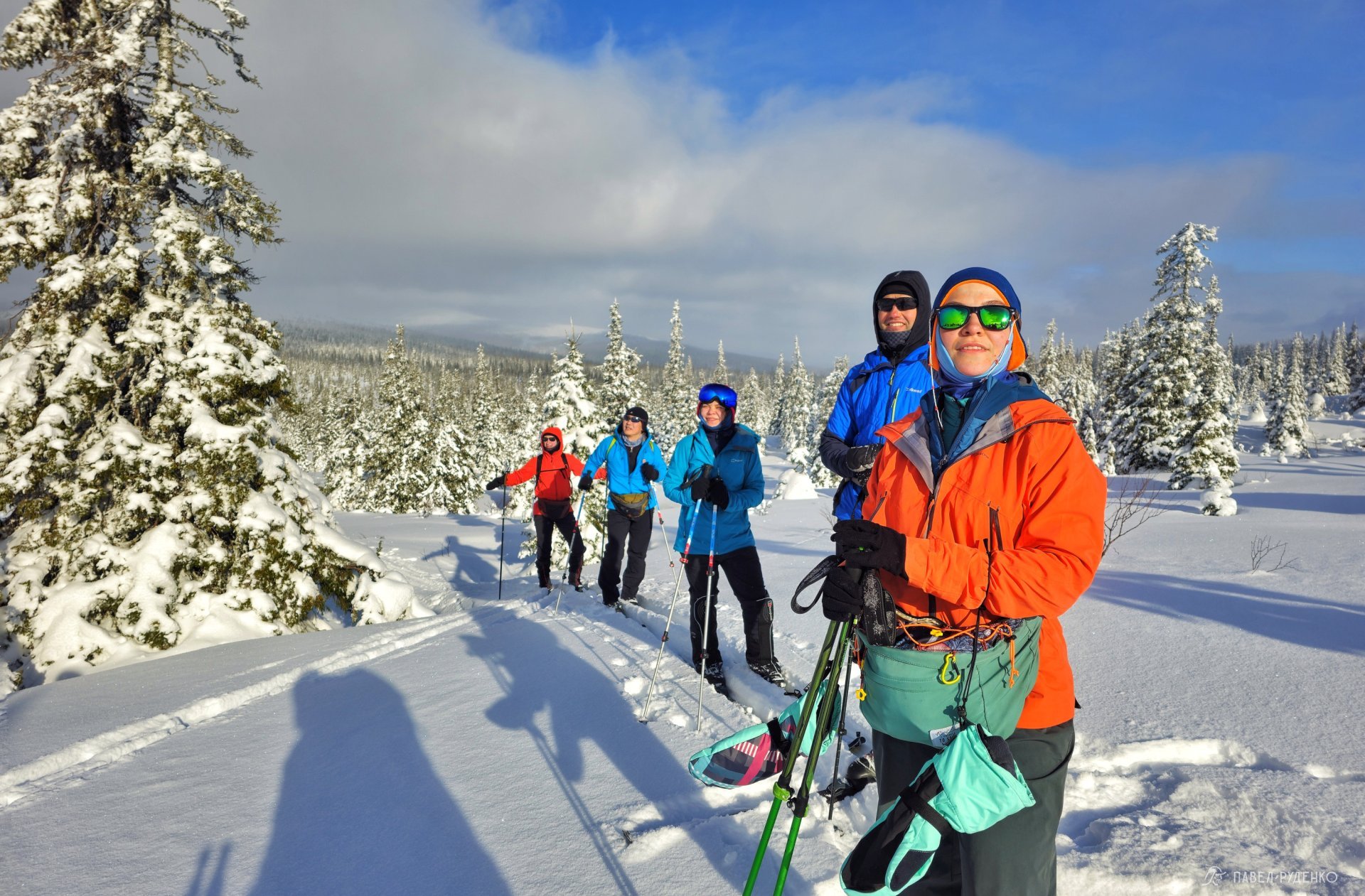
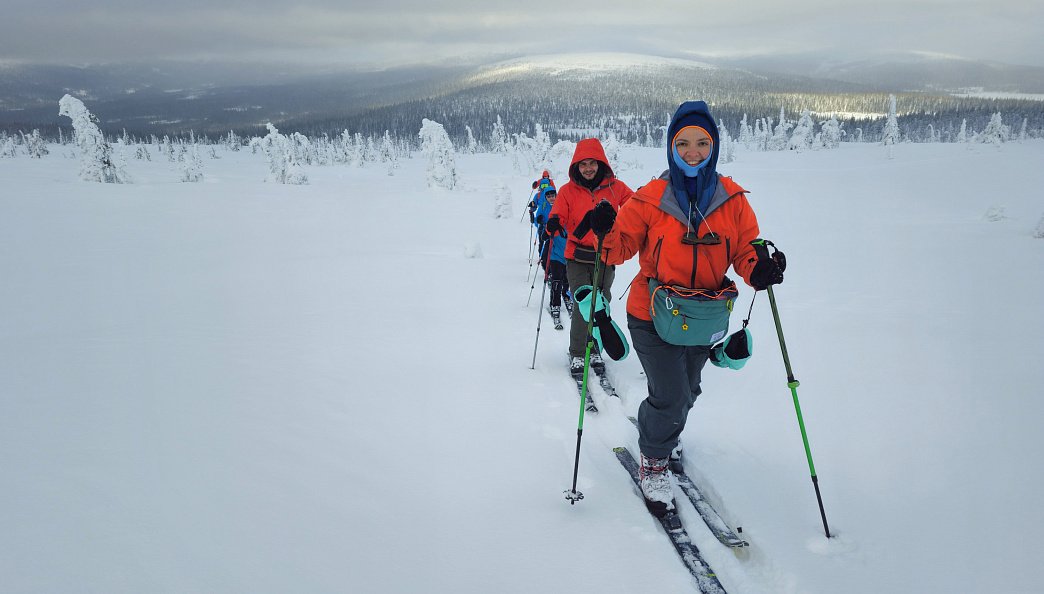
Ideal for beginners and intermediate ski hikers who want to see the dazzling beauty of the northern nature and master new ski techniques. Readiness for frost, wind and trail-breaking is required, but all efforts will be amply rewarded with unforgettable landscapes, the sliding of skis and the taste of real life. Since Soviet times, the trek area has been considered ideal for winter ski hikes — there are no avalanche-prone slopes or technically difficult passes, which makes the route safe and comfortable. 

Pomor heritage

The coast of the White Sea is the ancestral home of the Pomors, a distinctive ethnographic group of the Russian people. In the spring, starting from the end of February, the Pomors went fishing to the Barents Sea, covering 300–600 km on skis at the height of winter. We preserve and develop the ski skills of our ancestors, go through the north with a burning heart and a forward-looking gaze.

Itinerary

1 day, 22 February
Meeting in Kandalaksha

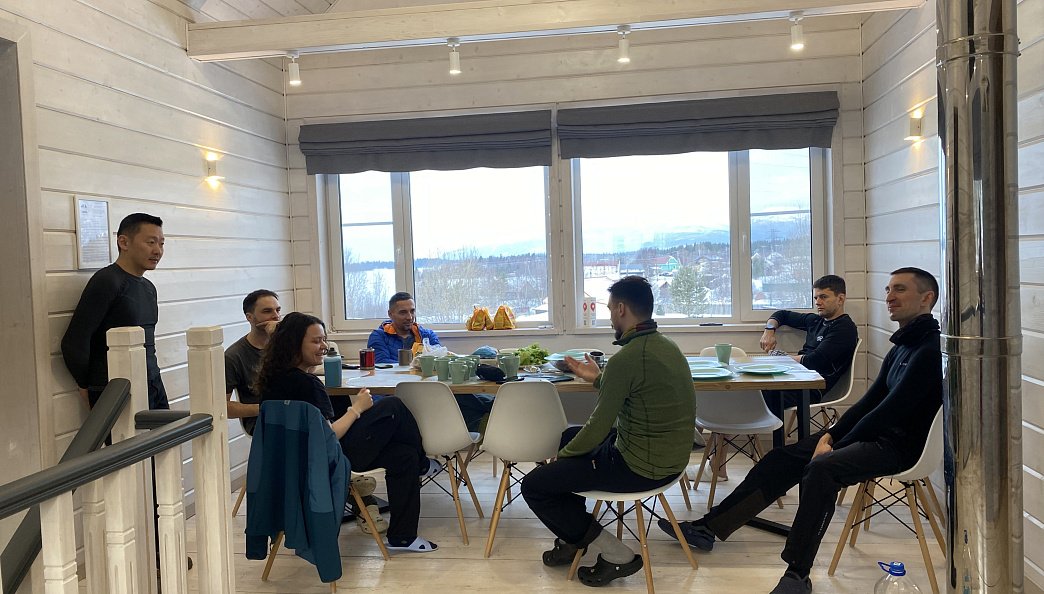
At 7:00 am we meet at the railway station in Kandalaksha, Murmansk region. We take a transfer to a cottage on the shore of the White Sea. A busy day awaits us: ski slope skills training, theoretical training by the fireplace, ice floating, an evening movie session with dinner. Accommodation in triple rooms.

1 h
2 day, 23 February
From the cottage straight to the ice of the White Sea

We have breakfast, get ready, and our route begins right outside the cottage gate.

13 km
60 m
0 m
3 day, 24 February
Radial hike to the hill

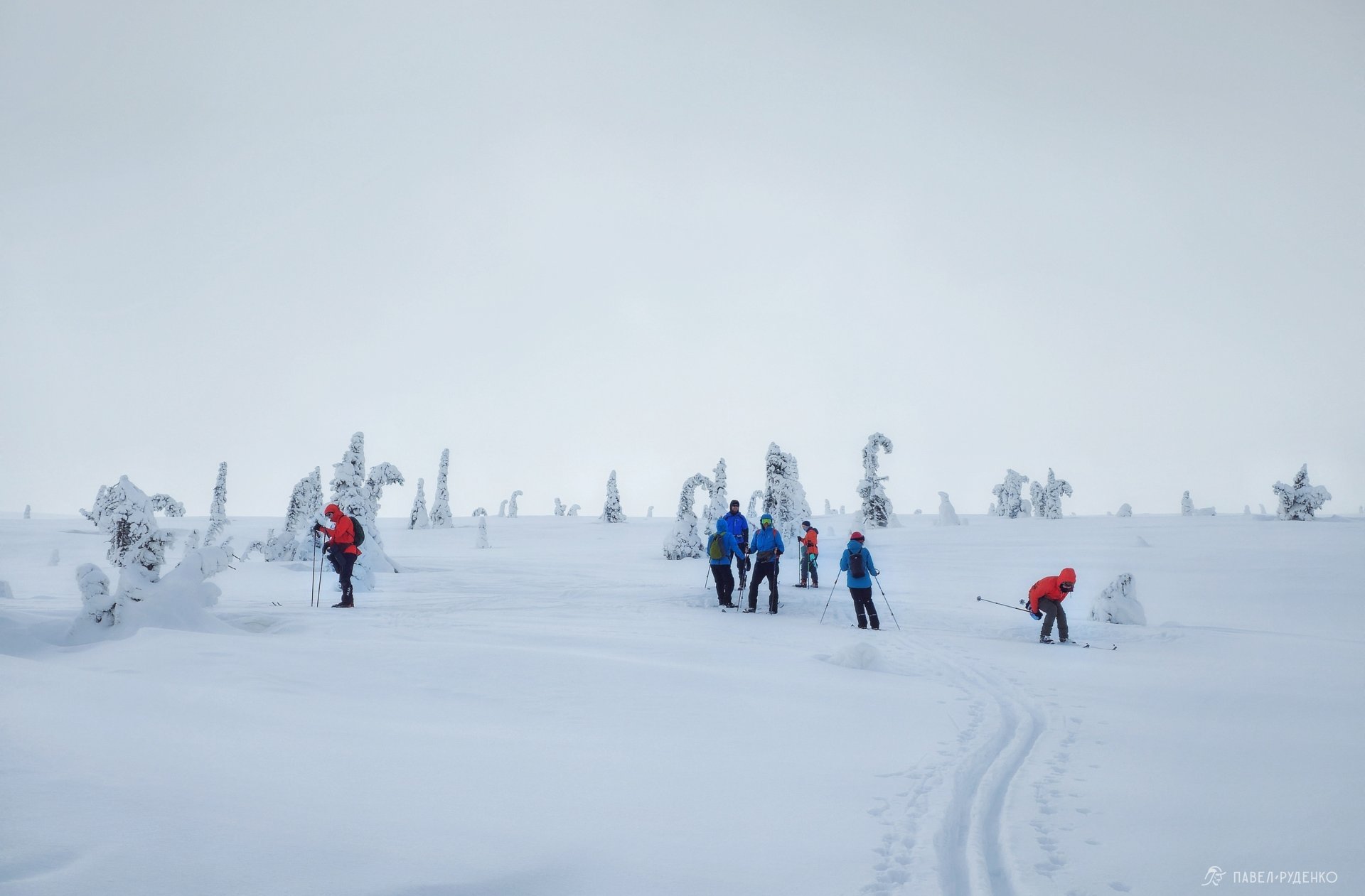
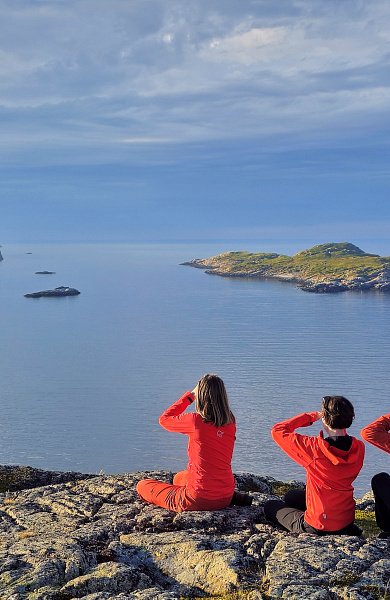
Rest day. We put on our climbing skins and go light to the hill. In the tundra zone, a beautiful view of the White Sea opens up, and a lot of snow and skiing fun await us.

15 km
600 m
600 m
4 day, 25 February
Across frozen bogs

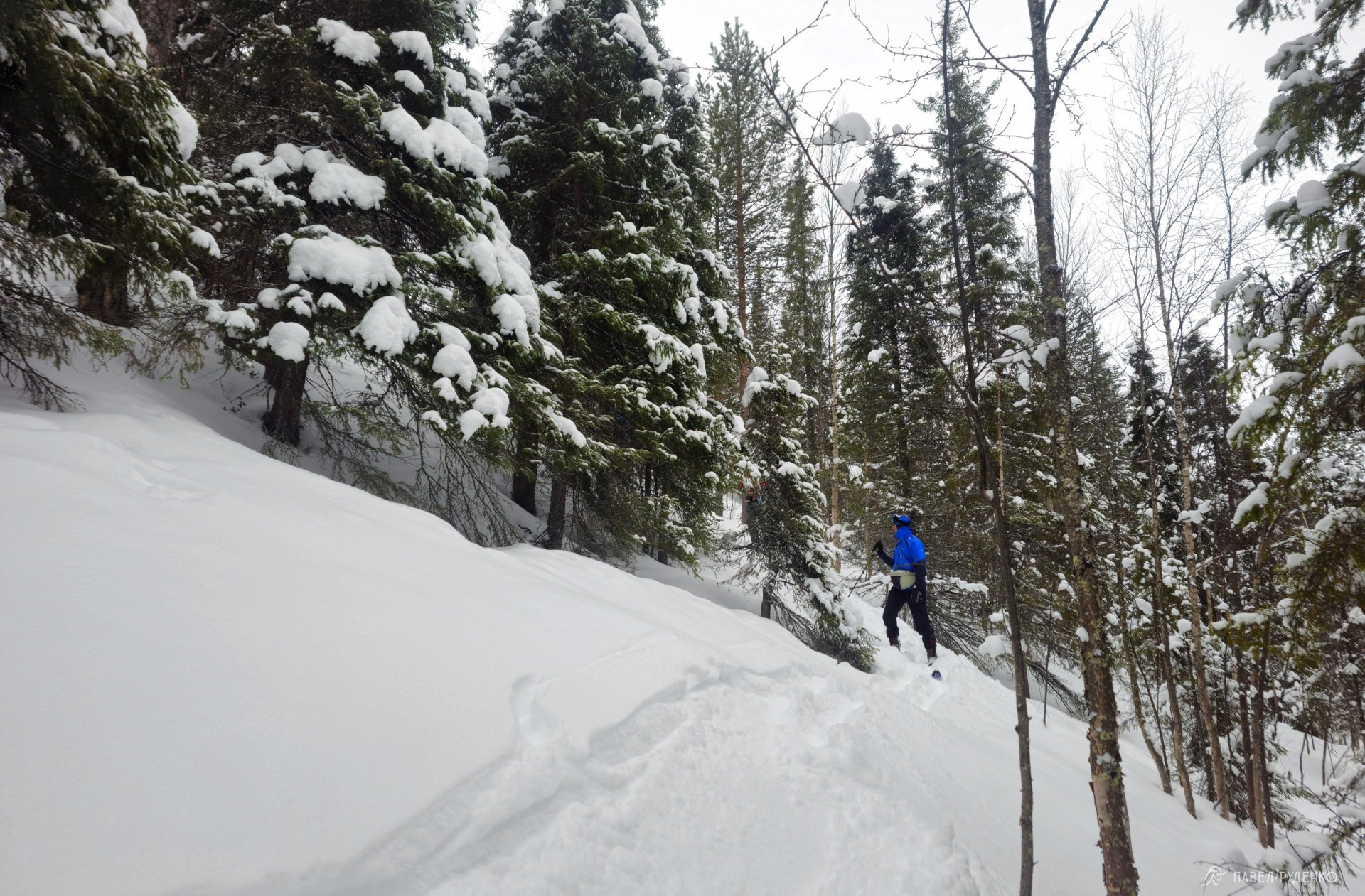
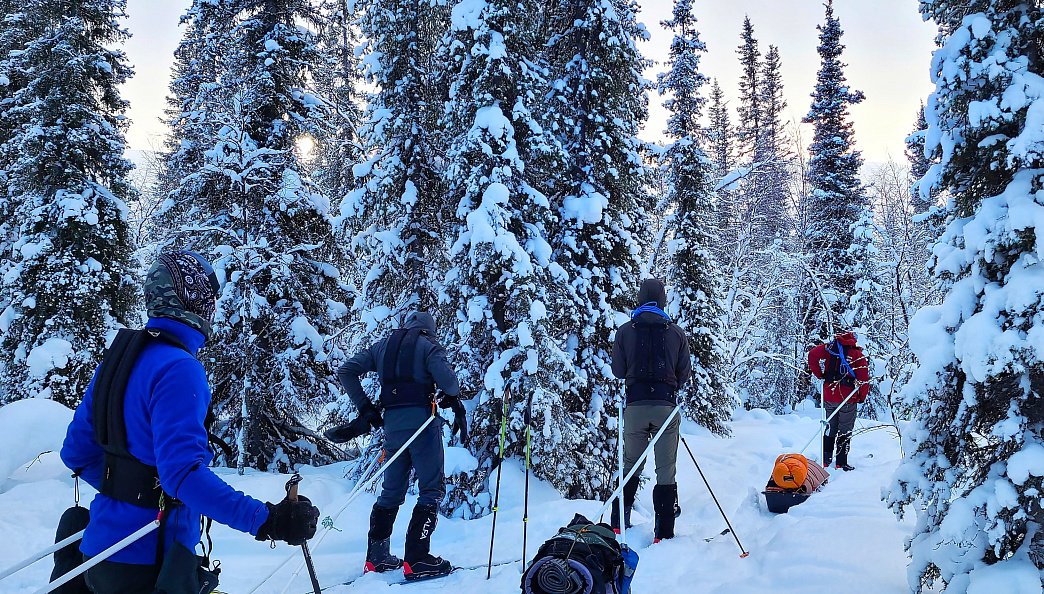
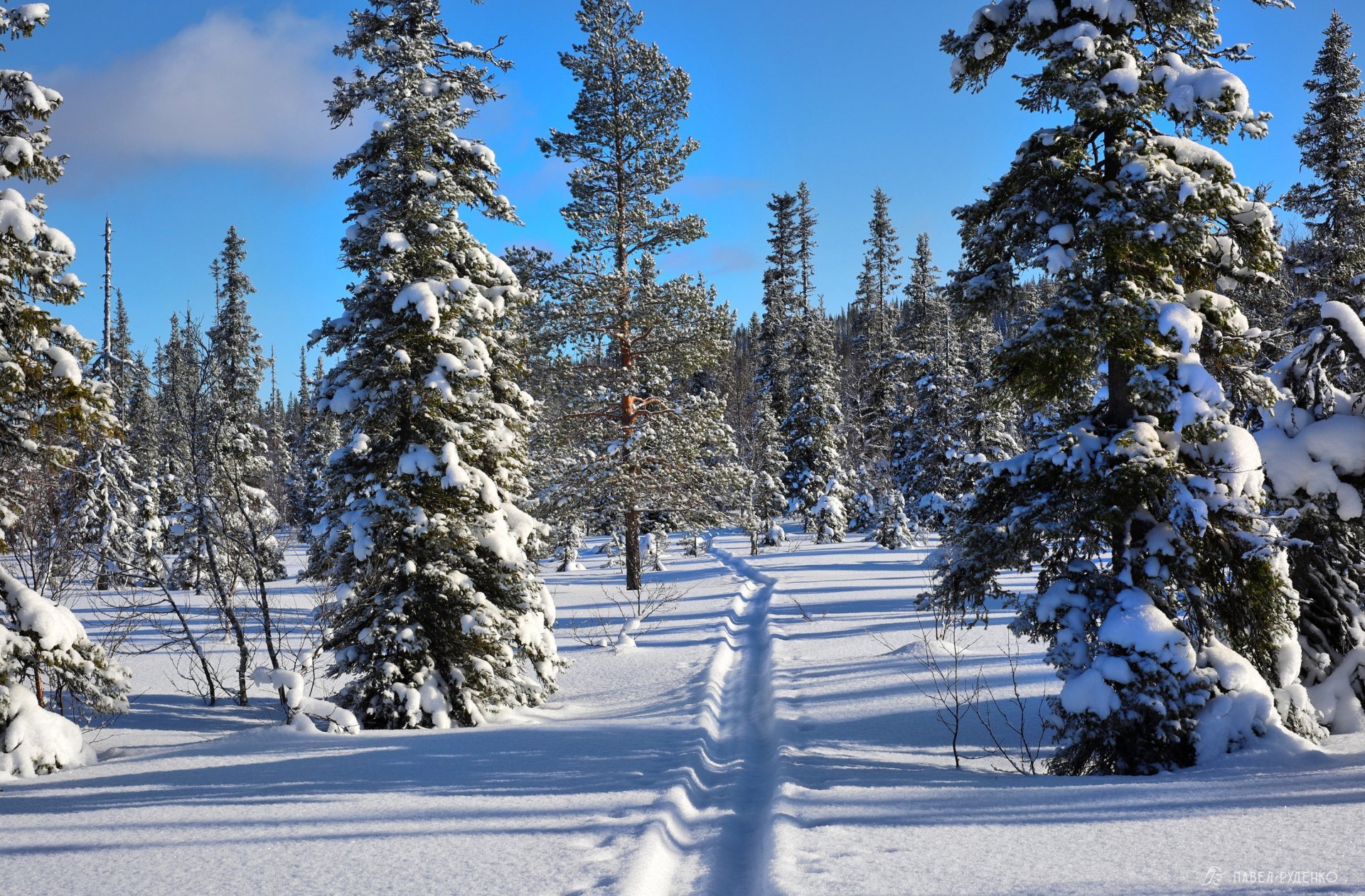
We pack up the camp and go with pulkas through the coniferous, snow-covered forest.

12 km
150 m
150 m
5 day, 26 February
Radial hike to the hill

Rest day. We put on our climbing skins and go light to the hill. In the tundra zone, a beautiful view of the White Sea opens up, and a lot of snow and skiing fun await us.

6 km
500 m
500 m
6 day, 27 February
Return

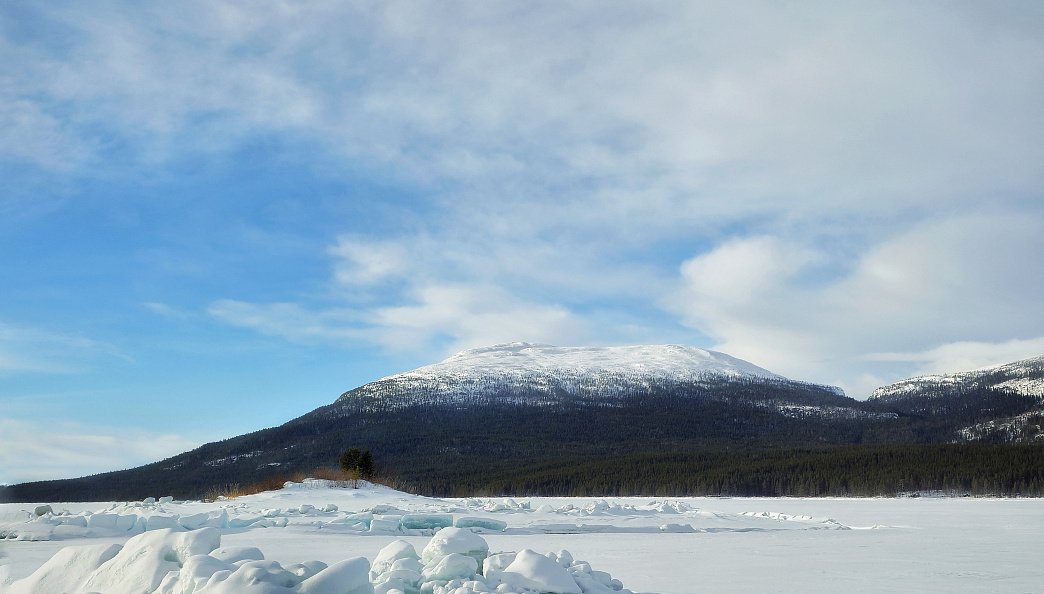
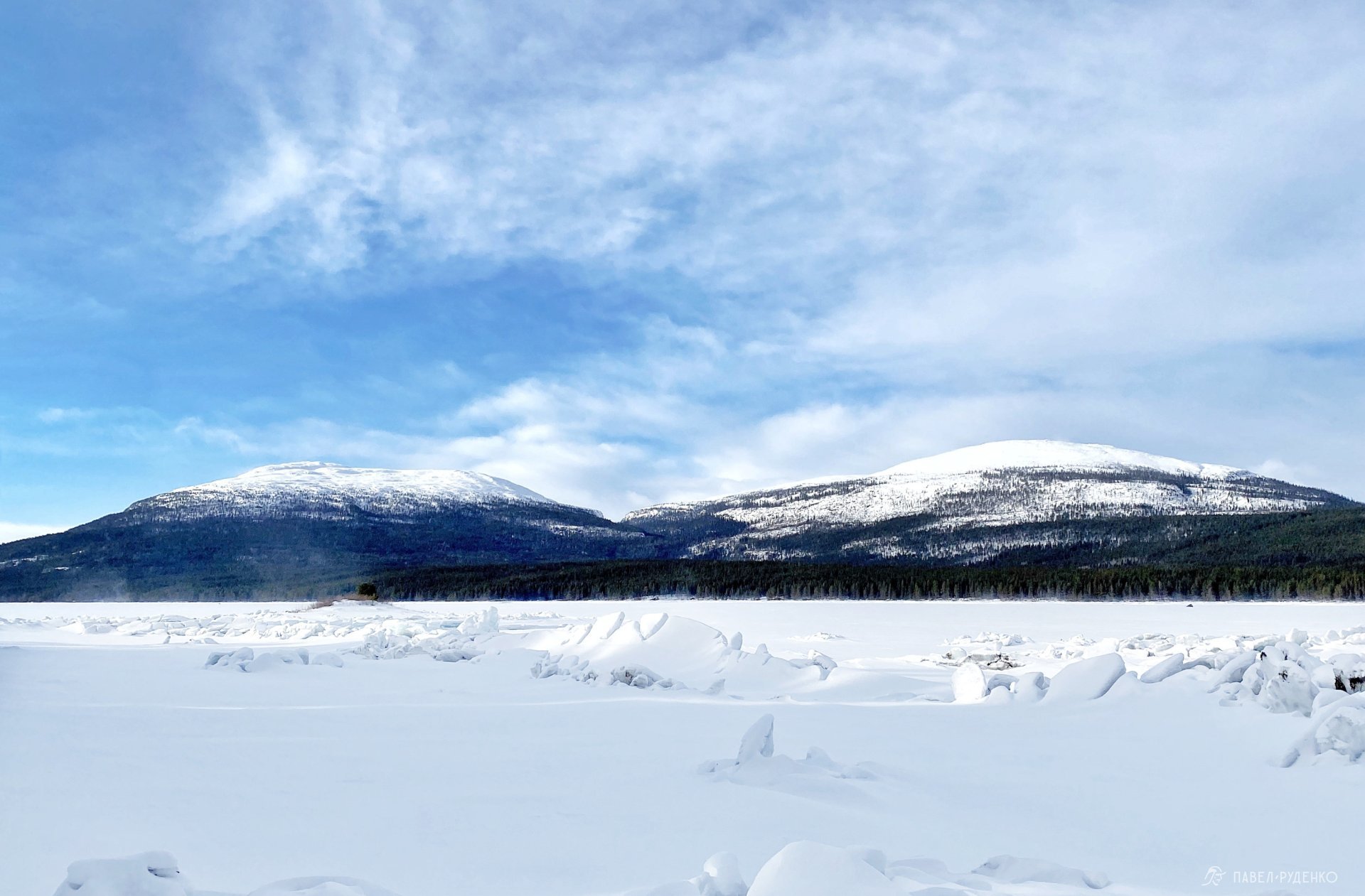
We go out onto the ice of the White Sea with a breathtaking view of the white hills of Lapland. Transfer: we return to the cottage, have lunch at home, enjoy a sauna, festive dinner.

7 km
50 m
100 m
1 h
7 day, 28 February
Program completed

We have breakfast, pack up, and leave the cottage before 12:00. Transfer to the Kandalaksha railway station.
1 h

Safety is My Priority

Two Guides
One guide for every six people; two guides for a group of 12.
Scouted Route
I specialize in Polar regions. Rest assured, the route is thoroughly explored and planned in detail.
Always Connected
The group is registered with the Ministry of Emergency Situations (EMERCOM). I carry spare GPS, radios, and an Iridium satellite communicator. A city coordinator tracks our movement daily and provides weather updates twice a day.
First Aid
All guides are Red Cross certified in Basic and Advanced Wilderness First Aid.
Pro Gear
I use only Arctic-grade gear capable of withstanding storms and heavy rain, ensuring your warmth and safety.
Insurance
Insurance is provided for every participant.
Preparation
I personally discuss gear with each participant to ensure the highest level of group safety and comfort.

Why Go

1/7
Unique Arctic style

Skiing with large pulkas.

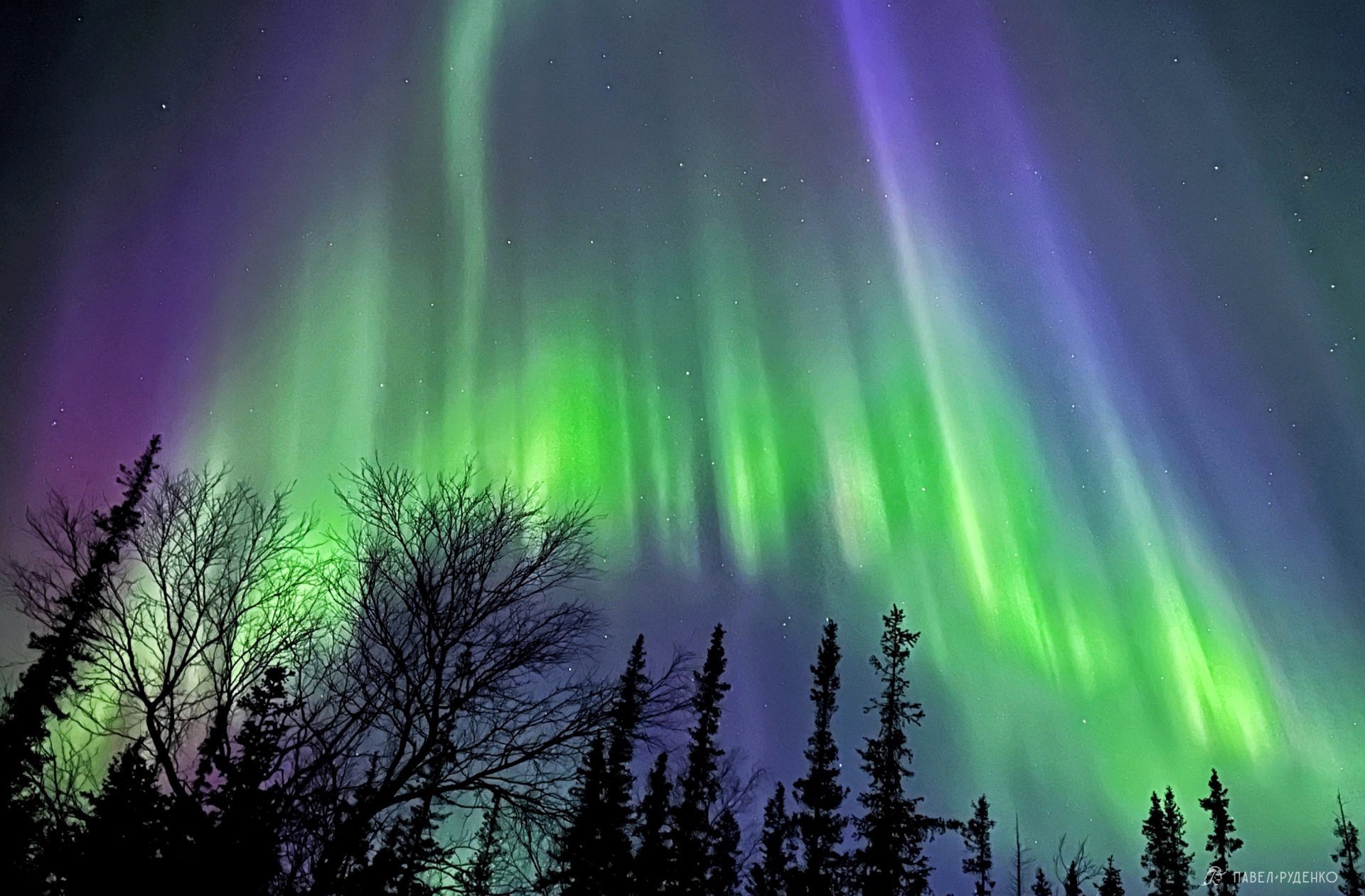
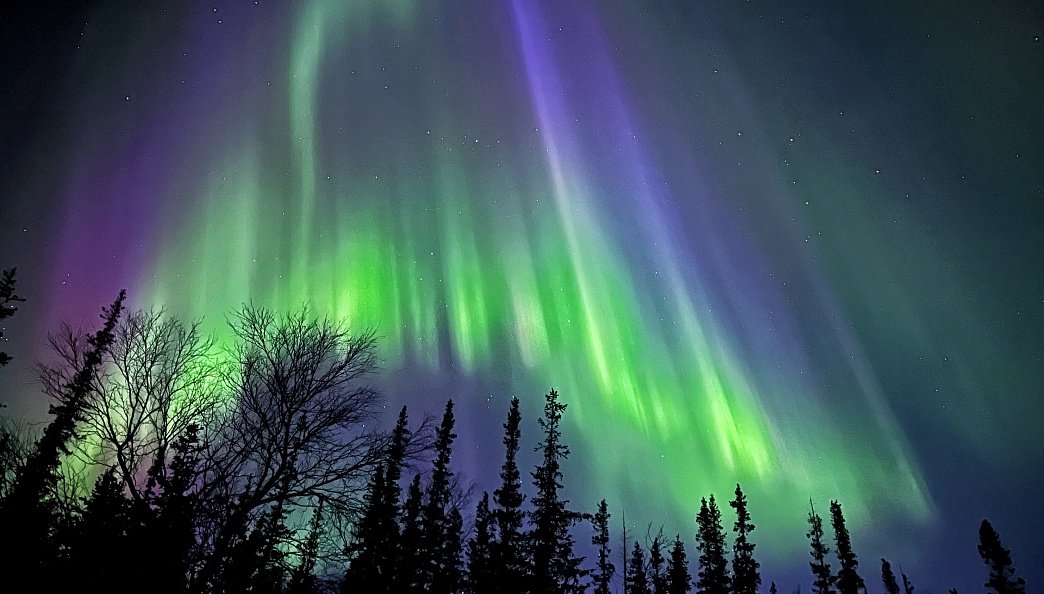
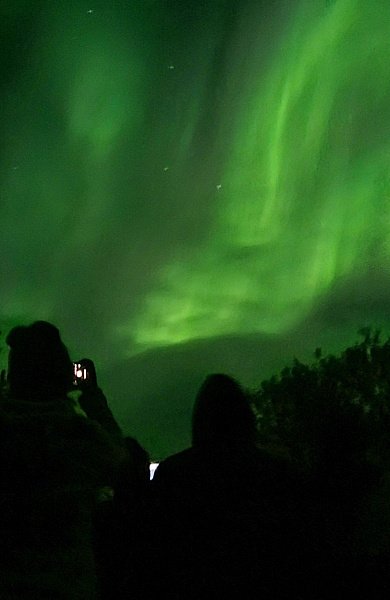
Northern Lights

Visible right from the tent.

The best gear in the world

Thought out to the smallest detail, ensures safety and comfort.

Unusual trekking area

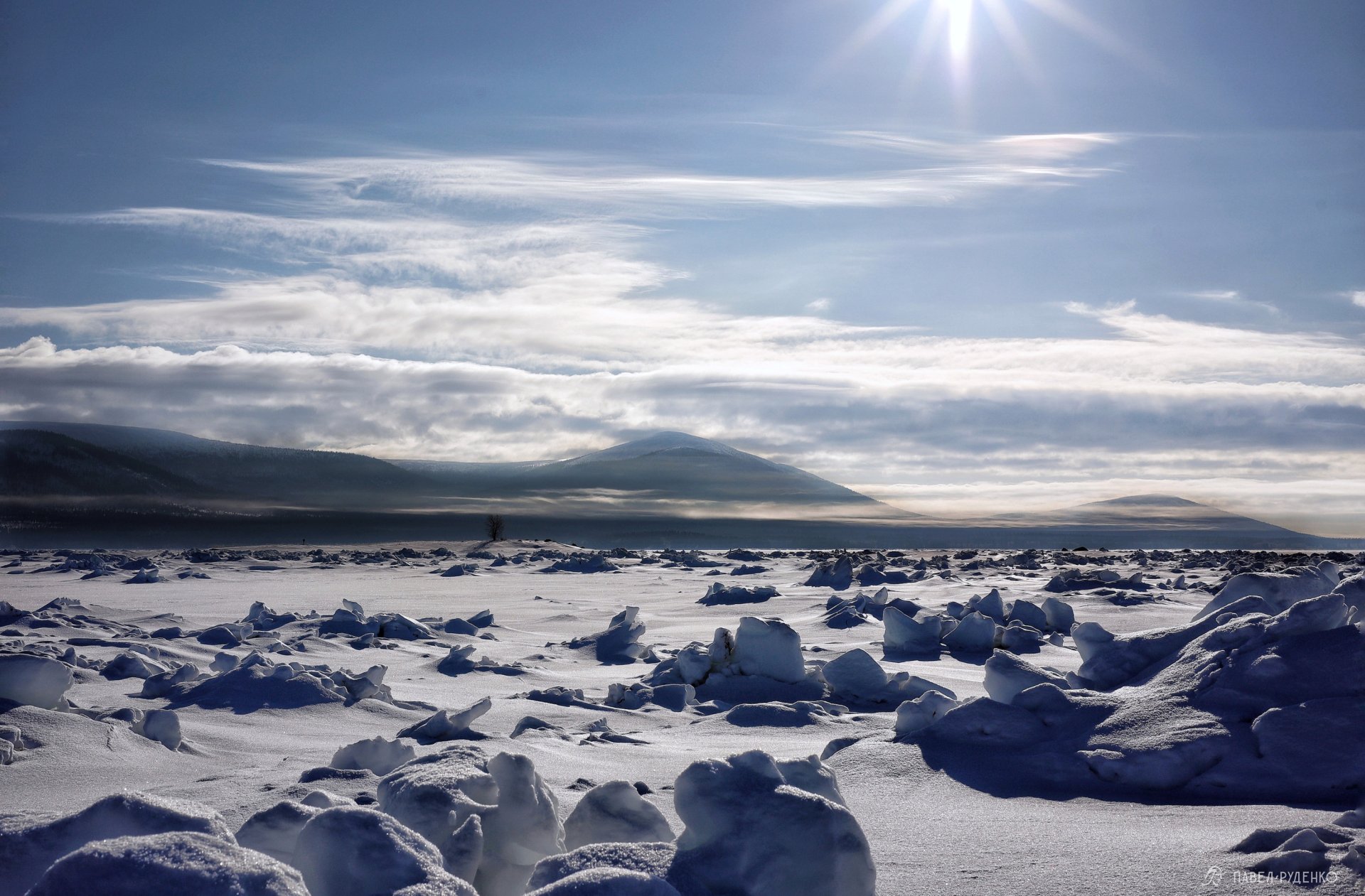
We are walking on the ice of the White Sea

Wild places

We won't see other tourists

No duties

Guides prepare gourmet trekking cuisine

Two nights in a cottage

Rest the night before the trek and the night after.

Trip Details

Thermos
In a winter trek, there's no usual access to water, as everything freezes at sub-zero temperatures. Therefore, we melt snow daily using powerful burners.

During breakfast and dinner, there's always boiling water for tea and freshly ground coffee.

For the day of hiking and during sleep, we additionally boil water for individual thermoses. Recommended thermos volume: 0.7–1 liter. 
Food on the trek
Breakfast:
Rice, millet, oat porridges with dried berries, coconut flakes, nuts, sesame seeds, candied fruits, and jams with different flavors every day.

Lunch:
Signature toasted burrito and Kola sandwich on bread, crispbreads, and pita bread, with carbonate,Докторская (a type of sausage), and smoked sausage. Various quality cheeses.
Hot brewed tea with berries and herbs or freshly ground coffee with cream.
Sweet cookies.

Dinner:
Delicious full meals of soba, pasta, potatoes, rice, and buckwheat with dried vegetables, shrimp, mushrooms, and venison, ostrich, and turkey meat.
Hot tea and sweets.

Individual snack:
Dried meat, nuts, mango, pineapple, cereal, and sweet bars, calculated for each day.

*If you have allergies or product intolerances, please mention it in your participant application, and we will replace the product.
Guides cook
There are no дежурства (duty shifts) on my treks. The food is prepared by the guides.
This allows us to maintain a high standard of meals, giving you more time to rest, socialize, and enjoy nature. At the same time, we have a very team-oriented atmosphere on the trek, so personal initiative to chop and serve is always appreciated.
Group tent
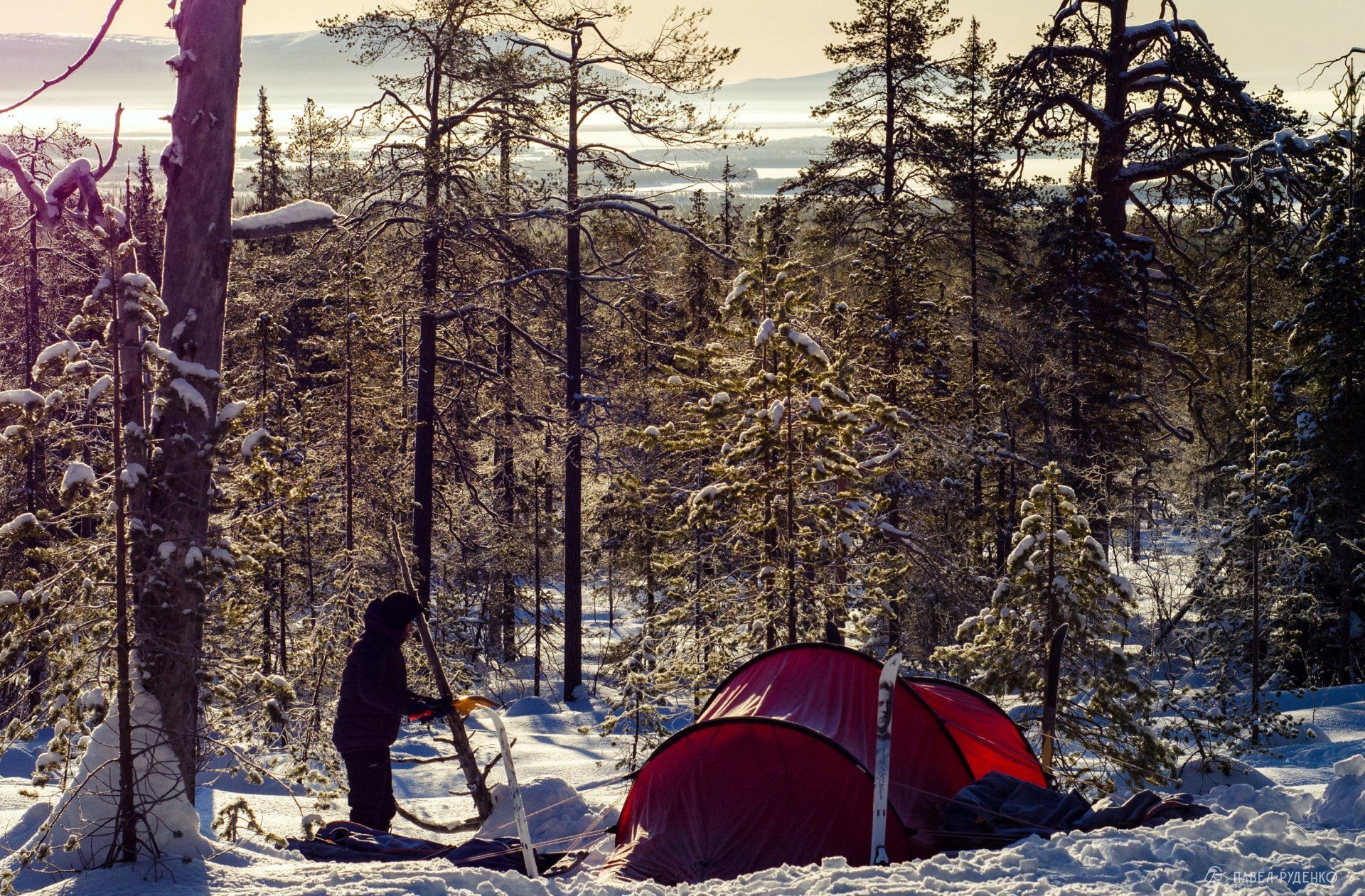
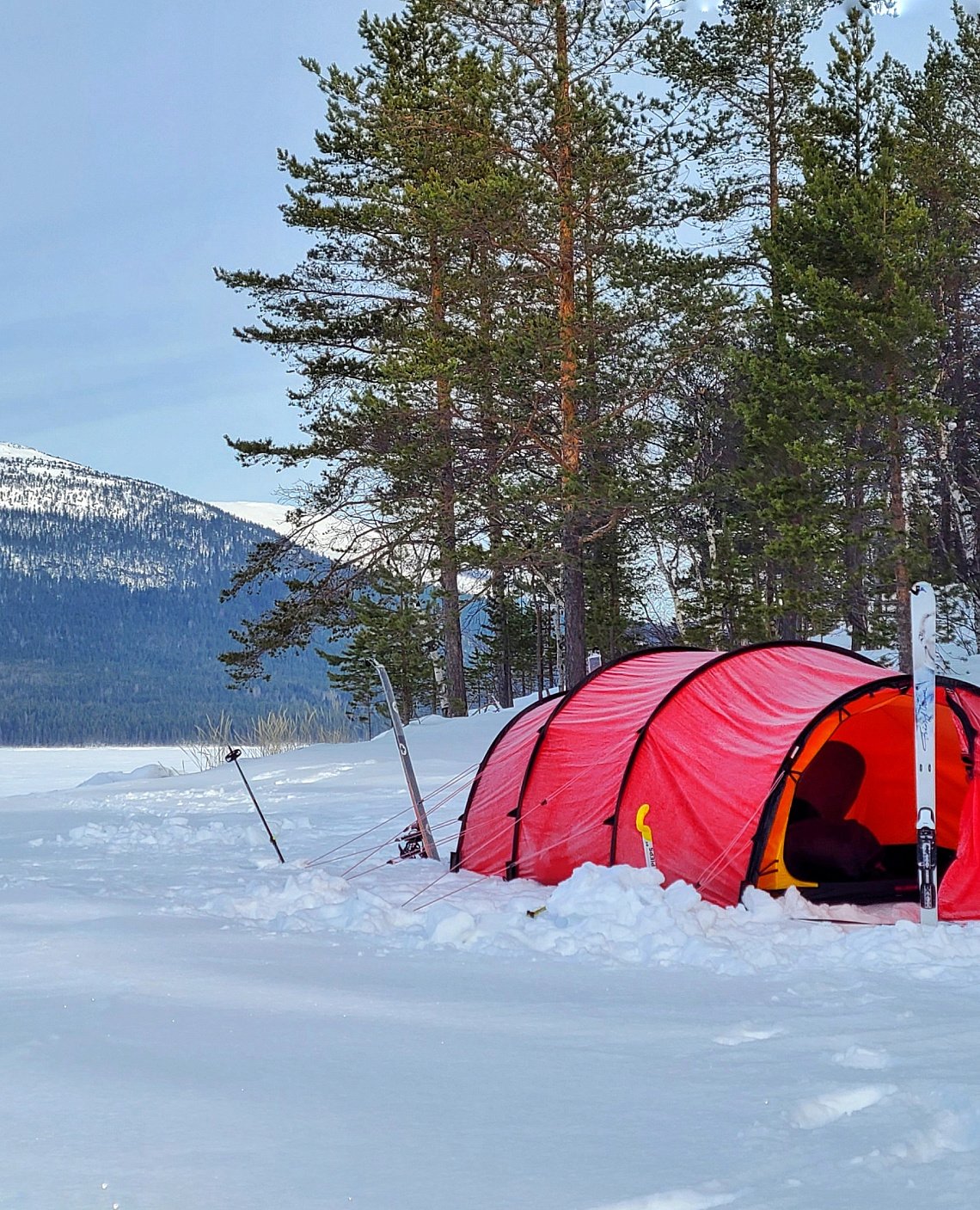
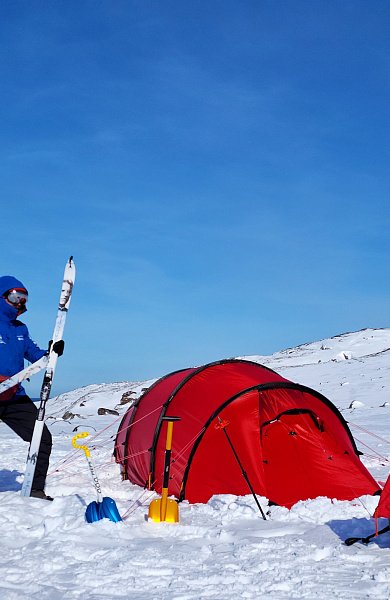
In the open and windy conditions of the north, we use the Hilleberg group tent for breakfast and dinner, affectionately calling it a chum or a vezhha.
The whole team sets it up on stands and guy lines using shovels. We dig a hole for our feet inside and sit on foam mats.

The tent shields us from the wind and creates incredible coziness, while the heat from the gasoline burners slightly raises the temperature inside, creating excellent conditions for communication and relaxation. 
Train tickets
We meet on February 22, 2026, at 7:00 a.m. at the railway station in the city of Kandalaksha, Murmansk region. You can only get here by train or by car.
We take the branded train 016 "Arctica", which arrives at 6:50 at Kandalaksha railway station. Tickets go on sale 90 days before the trip. Skis and a duffel bag/backpack with gear fit on the third shelf of the seating car. There's a bit less space in the compartment, but enough for ours. Remember that skis must be transported in a case.
If necessary, luggage can be checked into a specialized carriage by booking and paying for it in advance. 

Before the trek, you'll transfer your personal gear to pulkas, and leave your city clothes and the backpack/duffel bag in which you brought them in the hotel storage room.

Return:

February 28, 2026, the program ends, departure from the cottage before 12:00.
Transfer to the Kandalaksha railway station, choose a train back that's convenient for you. You can take a walk in Kandalaksha and visit the iconic places.

I'd like to draw your attention to the fact that there's no airport nearby. The nearest one is 2 hours away by car, "KVK Apatity, Kirovsk" or 4 hours by car to the "MMK Murmansk" airport.
For those who have signed up for two ski treks in a row, Lapland + Far North, we'll travel together by transfer to Murmansk on February 28.

Weather
The end of February is good for ski treks in the Kola Peninsula. 
Daylight after the polar night becomes usual, from 8:15 to 18:00. 

The average temperature during the day is from 0 to -20, at night from -5 to -30, but it can be colder. Also, the temperature may feel different due to wind and humidity of the sea.

Temperature fluctuations range from +3 to −30 °C. Most often, during the day it's −15 °C, at night −20 °C. 
The temperature may feel different due to the wind and humidity of the White Sea. We may feel the wind during the day while crossing the White Sea and on the tops of hills during radial trips. We set up camp in the forest area, which protects us to a greater extent.

Optimal trekking clothing would be a dense softshell jacket and pants. As well as windproof mittens and a hat. 
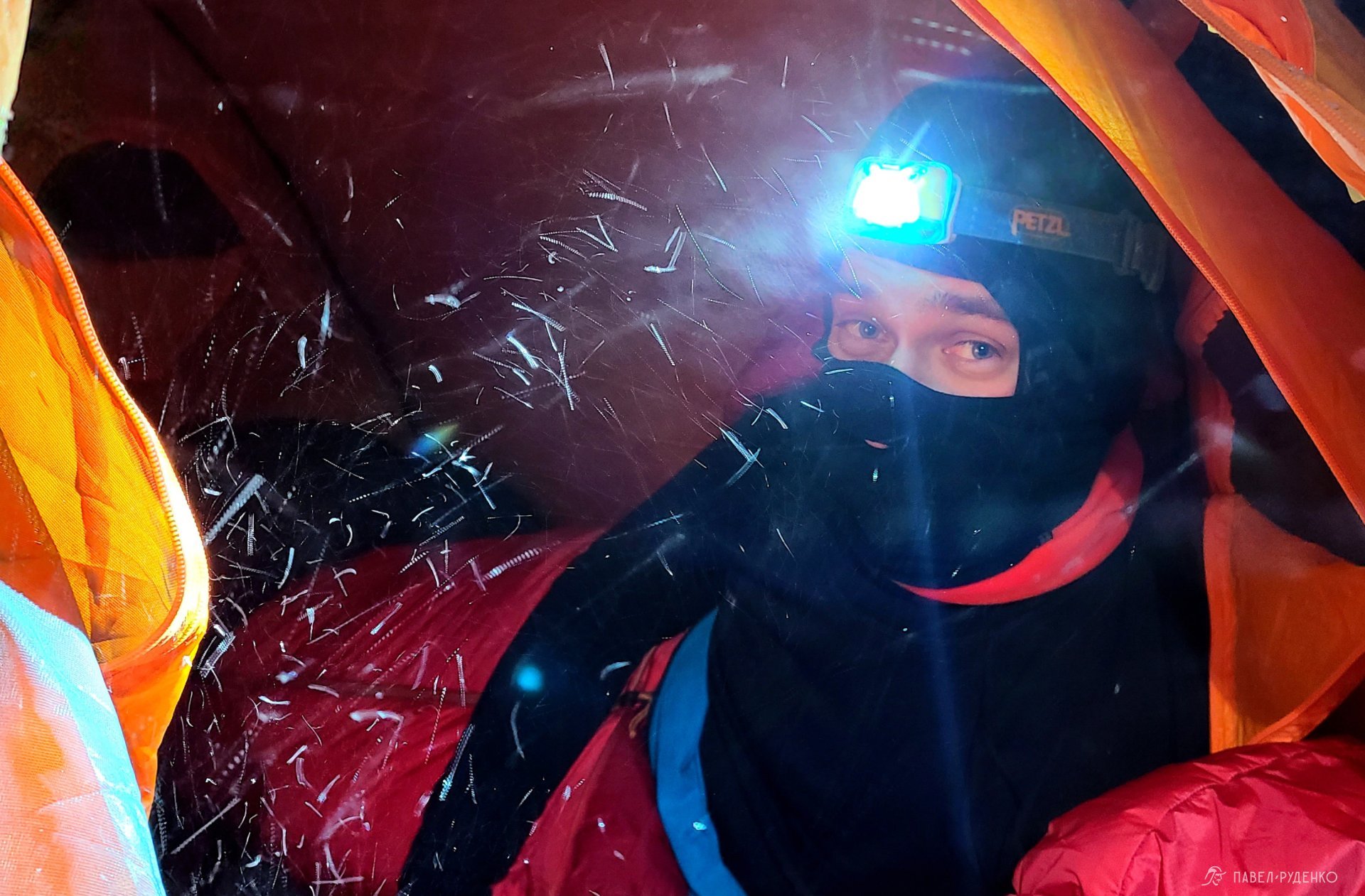
A ski mask and balaclava will protect your face and eyes during wind and blizzard. 
In the camp in the morning and in the evening, when activity decreases, an insulated jacket, pants and overshoes are needed. 
For sleeping, a combination of foam and inflatable mats, with a total R-value of 4+ is optimal, as well as a sleeping bag for temperatures down to −30 °C T.lim. 

More detailed information is available in the gear section.
How not to get cold
On the trek, we don't have an external heat source, such as a fire or stove. But this is not a problem for us, but rather an advantage. We don't depend on firewood, don't waste energy and time on the fire, and don't damage our clothes with sparks. Instead, we use warm clothes and gear, choosing them so that even in the strongest frost, we are warm and comfortable.
Therefore, the selected gear is crucial, follow the recommendations and don't be afraid to ask questions. With properly selected equipment, you'll feel warm and secure. 

For additional warmth, you can use chemical heat packs. For example, attach them to your feet, hands, or chest at night or during the day. I'll give each of you two pairs, but if you want to increase their number, buy them in advance. Important: they activate and heat up only with warmth, i.e., before activation, they should be in the chest pocket of the base layer, and the heat they produce is slight, so their effect is only supplementary. 

The best way to quickly warm up is to get the blood pumping in your body, for this you need to wave your arms and legs, do some squats, and in a matter of minutes, you'll feel yourself starting to warm up. 
Sleeping in a tent
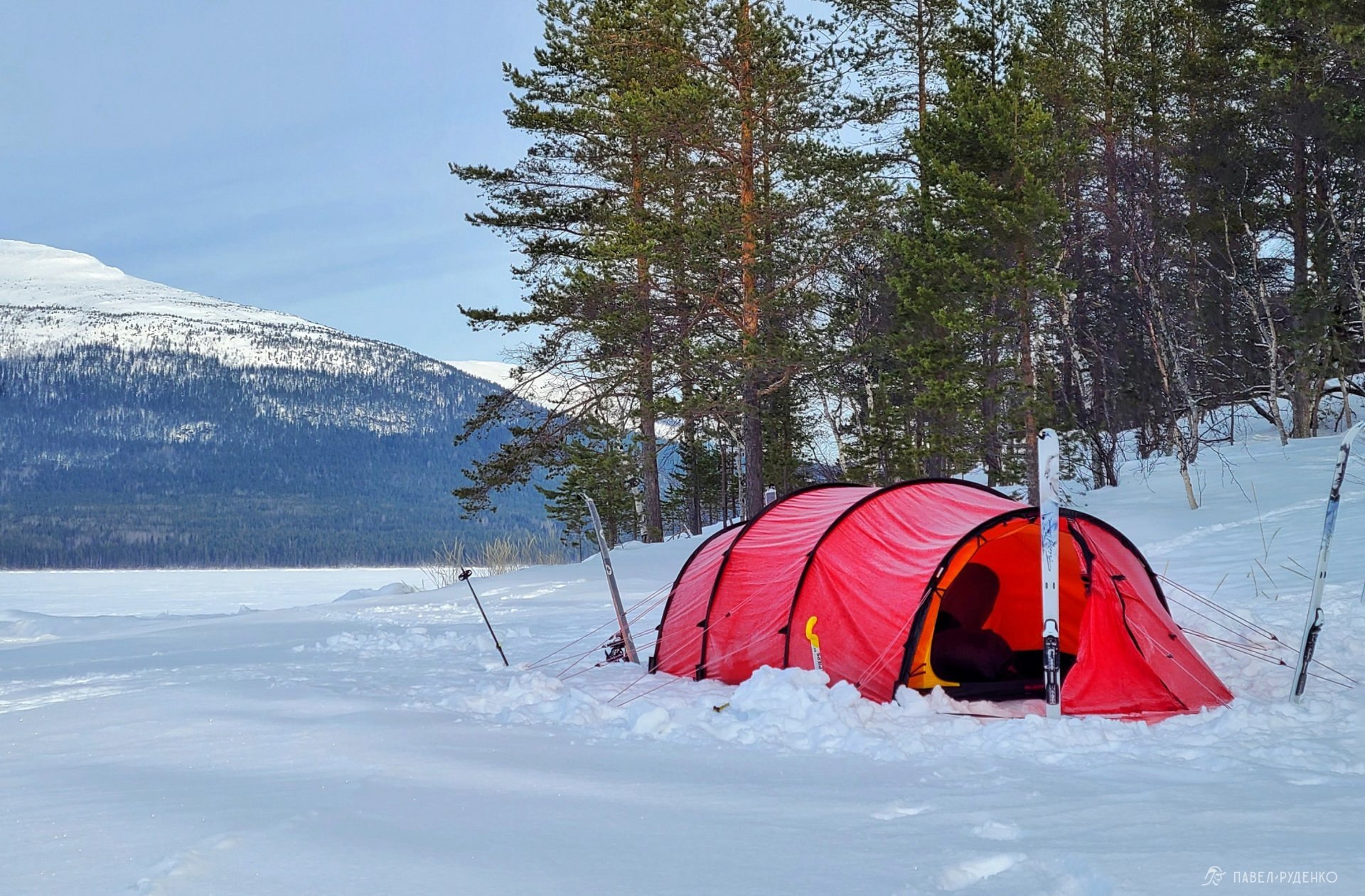
To ensure maximum comfort and safety, I provide tunnel tents from Hilleberg, Helsport, and Fjallraven. 
Their groundsheet and inner part made of fabric protect you from the wind. A durable groundsheet, poles, and multiple guylines provide wind resistance.

The tents are designed for three or four users, but for comfortable sleep, we will accommodate two or three people respectively, so each person has 70–80 comfortable centimeters in width. Necessary items for the night, in dry bags, are stored in the tent or vestibule, the rest are left in the pulkas.
Tent allocation happens before the hike in the Telegram group chat.

I will show how to set up and pack tents at the briefing in Murmansk.
If you have your own tent and want to use it, please indicate this in your participant application and coordinate with me.

Repair kit and first aid kit
I have a group repair kit and first aid kit.
The first aid kit contains basic medications, ointments, plasters, and bandages. Be sure to bring your personal first aid kit with medications that are familiar to you, taking into account any individual characteristics you may have. Remember that in winter hikes, all liquids and some ointments freeze. As a rule, a personal first aid kit weighs no more than 100 grams.

The repair kit has everything you need, from a multitool, patches, needles and thread, to a spare Fischer ski with a universal Hagan Xtrace Pivot binding. If you want to bring your personal repair kit, that would be a good solution, as it will increase the group's resilience and allow you to quickly address any minor needs. If you don't have a repair kit, don't worry, you can fully rely on me.

Night in a cottage before the hike
Check-in on February 22 immediately after the train in triple rooms of the cottage. Each room has a shower and toilet. There is a kitchen, billiards, table tennis, and a fireplace.
Overnight stay at the cottage after the trek
After the trek, on February 27, we return to our cottage by lunch. We go to the sauna, have a festive dinner, get a good night's sleep and relax. On February 28, we leave before 12:00 to the railway station of Kandalaksha.

Gear

You will receive a checklist, detailed gear recommendations, and discounts at outdoor stores.
Зимнее снаряжение
Trekking skis
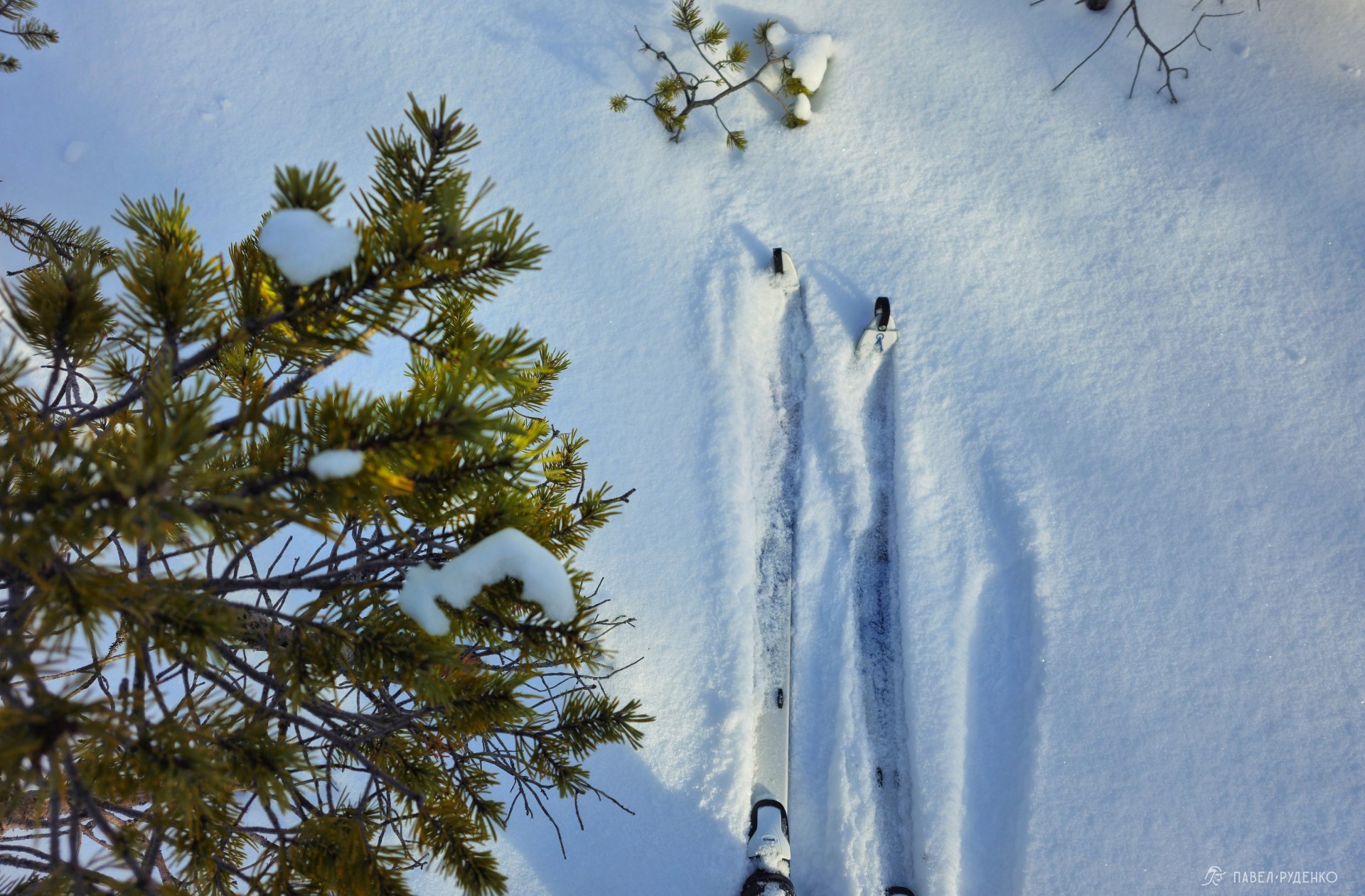
For example, Fischer transnordic, Traverse, Excersuon, Sbound or Asnes Nansen, Amundsen, etc., Sporten Expedition, Ranger, Madshus, Rossignol, Skitrab, etc.
Bindings
I recommend NNN BC as optimal for the tundra, but NN75, Xplore, or universal Hagan X-Trace pivot will also work
Camouflage ski strip
The full length of the ski. The best is mix of synthetic 65/35 mohair, but 100% mohair will also work. The width of the camouflage ski strip is 45mm or 60mm, not more. If you have Fischer or Asnes skis, take an additional short camouflage ski strip, this way you will be able to better adapt to the conditions
Ski poles
Ski poles or aluminum trekking poles of suitable length with large snow rings
Sleeping bag
Sleeping bag temperature rating from -30°C. T.lim. 1 warm sleeping bag or 2 nested ones, approximately not less than -5 T.lim and -15 T.lim. Both down and synthetic are suitable.
Two mats
Foam and inflatable/self-inflating combined Rvalue 4+
Mug, spoon and bowl
I don't recommend plastic, it breaks in the cold.
Dry bags
Dry bags for sleeping bag, clothes and electronics.
Thermos
Volume per person 0.7 - 1l.
Soft crampons
Universal crampons made of elastic material with a chain and grips on the bottom. They should be worn over ski boots and insulated overshoes in the camp. I.e. large size, be sure to check at home.
Зимняя одежда
Base thermal underwear
Moderate insulation. A jacket and long underwear or a jumpsuit. + Underwear, 2 pcs. The cut should not compress at the bends of the elbows and knees, just like the cuffs' elastic bands, to avoid impairing blood circulation, otherwise the extremities may get cold.
Membrane jacket and membrane pants
Membrane jacket and membrane pants. Optimal trekking clothing.
Insulated bivouac jacket
Insulated bivouac jacket with at least 300g of down and 260g/m2 of synthetic insulation. For the camp, I recommend using it with an outer membrane fabric.
Socks
Trekking insulated winter socks, 3 pcs. Warm sleeping socks, without compression, 1 pc.
Gaiters
A comfortable option: Sivera Nokhra or Sплав Torrent v2
Insulated mittens
For the camp, stops or cold while moving.
Spare mittens
In case you lose one pair or they get wet.
Buff or balaclava
2 pcs. neck protection against the wind.
Ski mask
Ideally with interchangeable lenses for 1 cat and 3 cat. The single lens is for blizzards and poor visibility, twilight. The three is for sunny, windy days. You can also use photochromic ones. Or with one 2 cat lens, universal.
Sun protection glasses
2-3 cat, when it's hot in the mask but the sun is shining. A mandatory item.
Общее
First aid kit
Medicines tailored to individual needs, a roll of adhesive plaster, an elastic bandage/knee pad, etc.
Documents
Passport, compulsory health insurance policy in waterproof packaging.
Toiletries
Toothbrush, toothpaste, toilet paper.
Зимняя обувь
Ski boots
Specialized footwear for the corresponding binding NNN BC, NN75, Xplore, or for a universal binding, trekking boots with insulated overshoes.
Insulated boot covers
Worn over ski boots in the camp to keep your feet warm when you're not skiing.
Crocs
Slippers for the hotel or train.

Guides

Pavel Rudenko
Pavel Rudenko
Ambassador of the Kola Peninsula and a big fan of the North, exploring it for you and with you.

I have been hiking for 10 years, I am a certified guide-instructor, have a mountaineer badge, completed First Aid and Avalanche courses. I taught at the Sport-Marathon Tourism School and participate in the development of equipment for the Sплав brand.
Anna Migalina
Anna Migalina
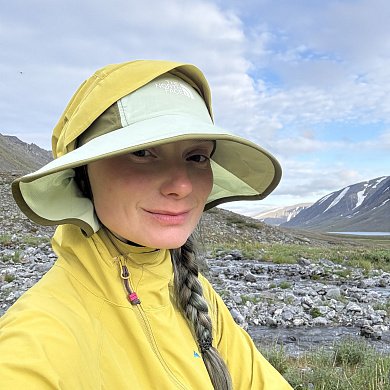
Brand manager of the Sплав tourism company, author of the WildWoman telegram channel about hikes, guide. In love with the North.

Participant Reviews

Mikhail Tsoi
The desire to expand the hiking season has led to winter tourism. And that's how it turned out, and the promised beauty exceeded all expectations.

Firstly, you will not be able to enjoy stunning views from such angles as standing in the middle of a bay of the White Sea, a forest lake or a swamp in any other case.

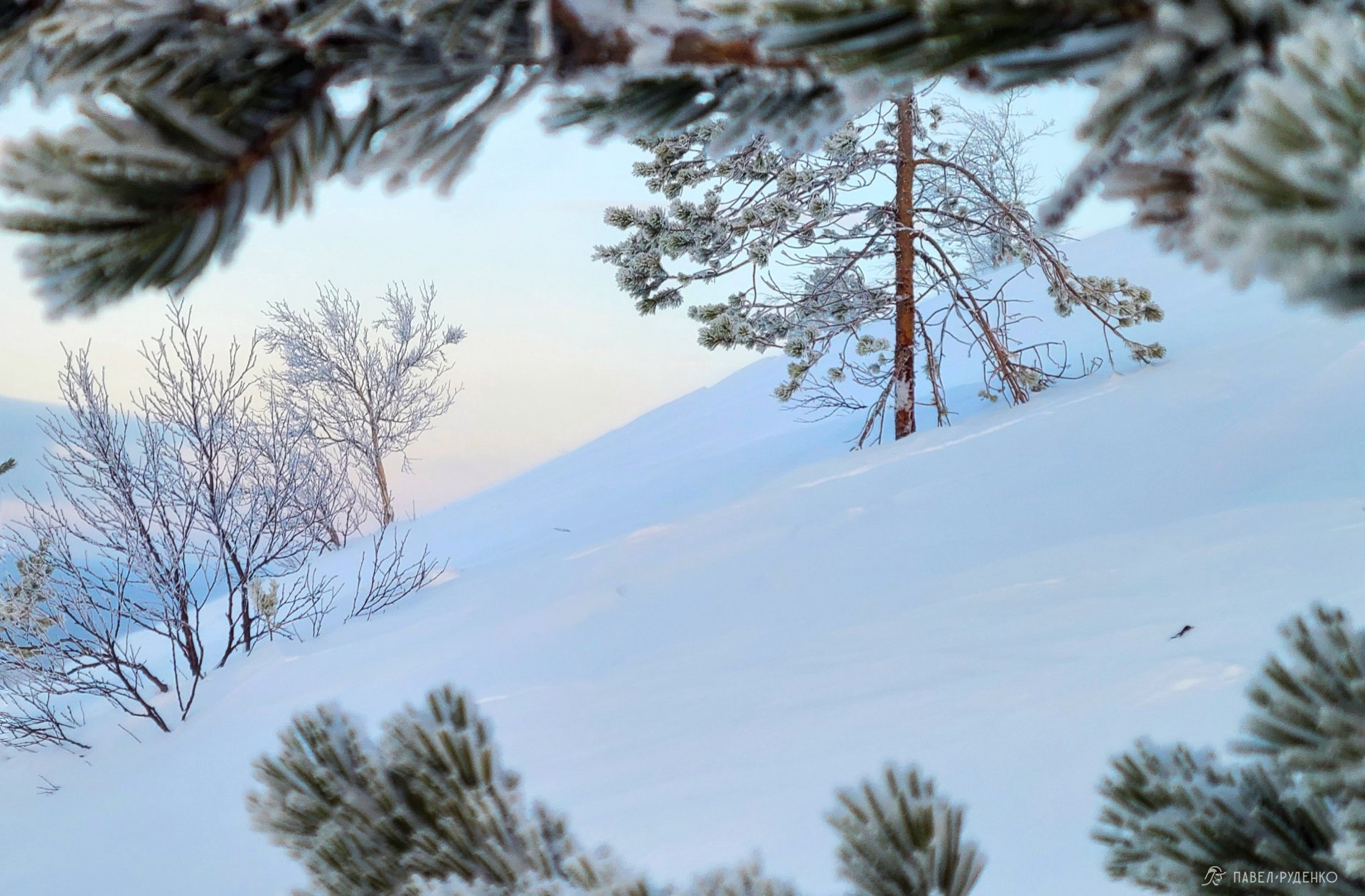
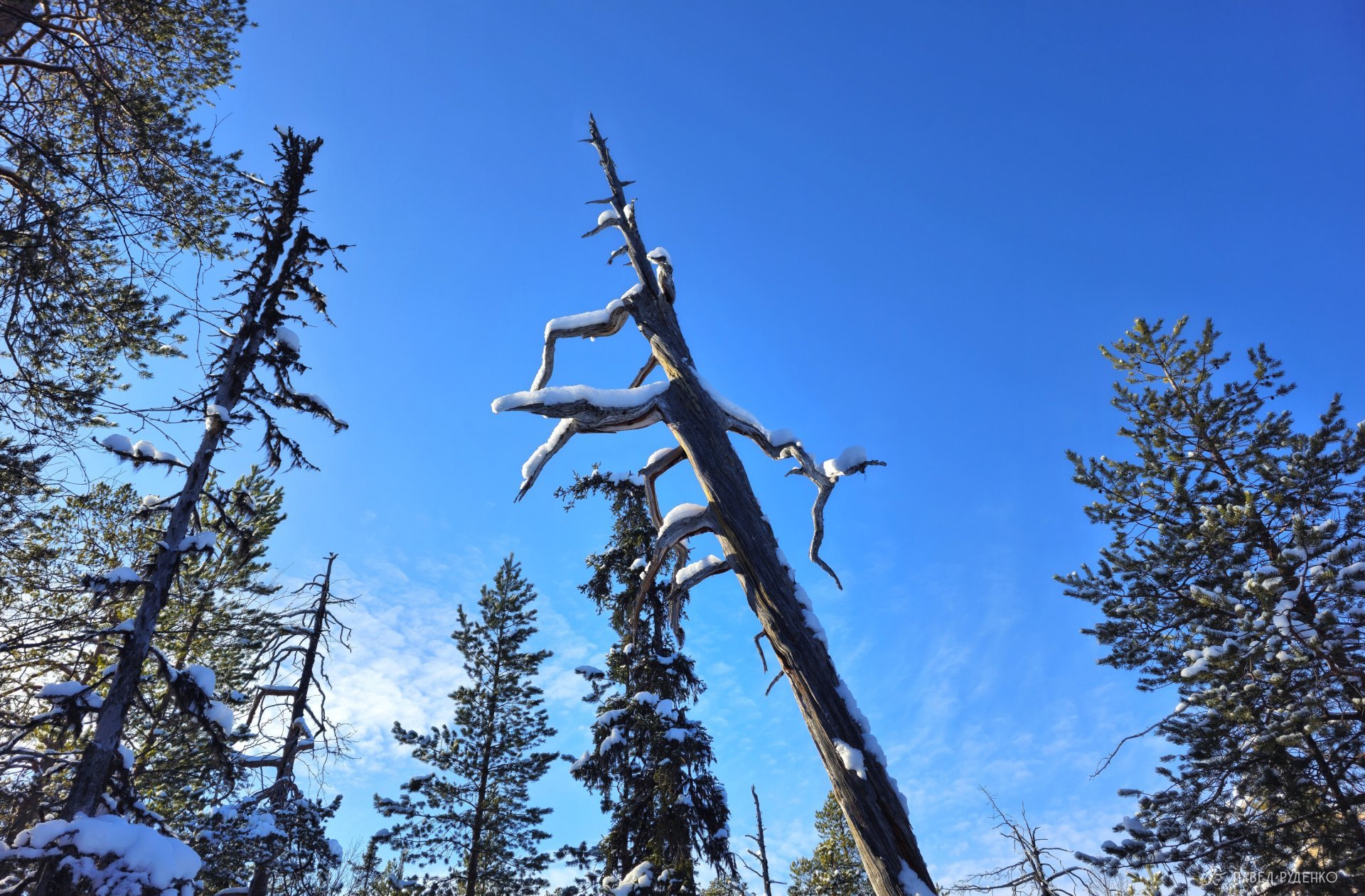
Secondly, it was a trip to childhood with its fabulous winter forest - snow-covered fir trees, frosted pines, the crunch of young snow under skis and all that lamp-like.

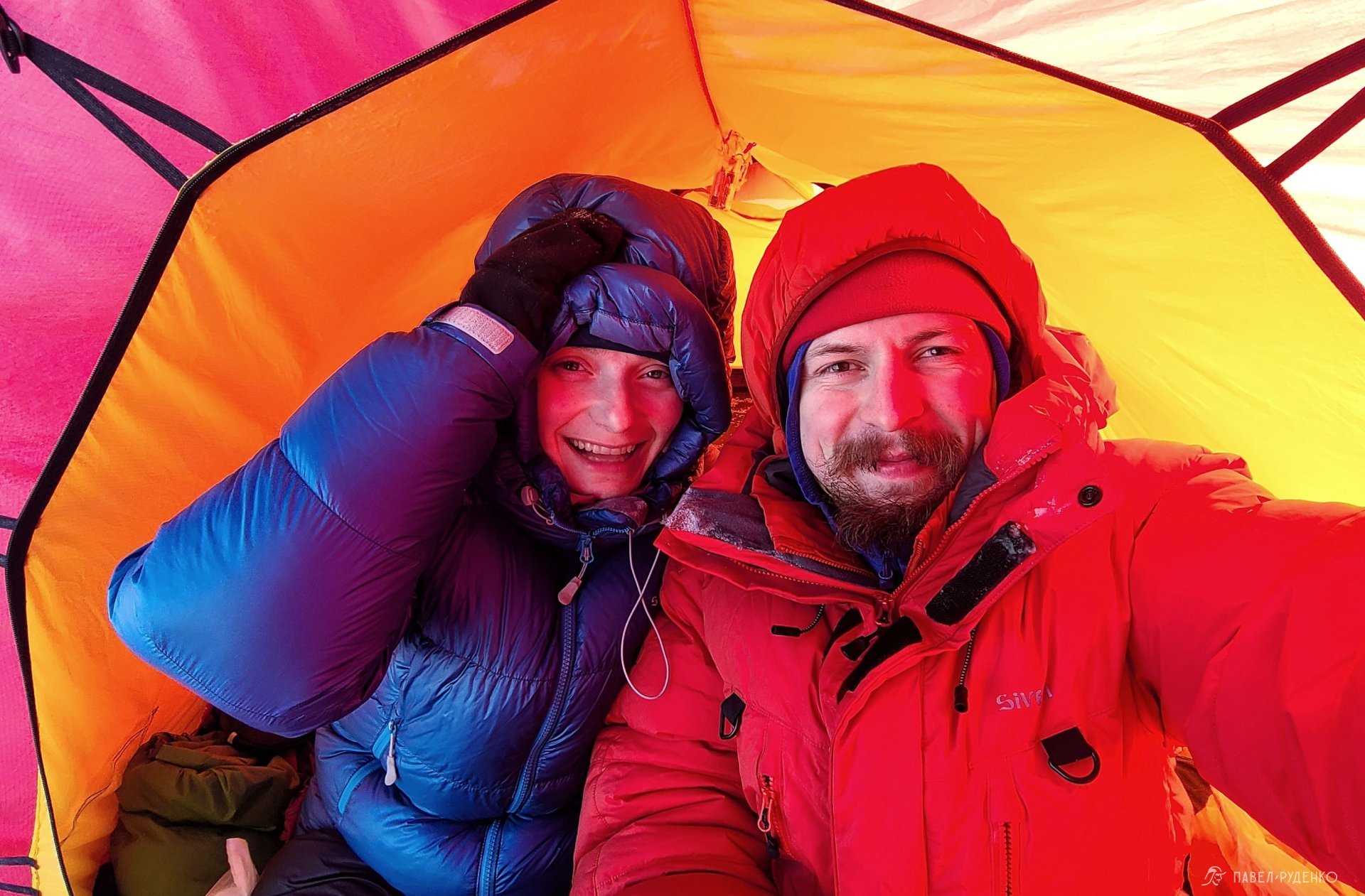
Winter camping turned out to be not at all as scary as it is painted) The team was well-matched - the concentration of laughter in the common tent, and for the rest of the time, has not been seen for a long time))

The annoying thing is that skiing is not like other physical activities that may be personally present in my life. And there opened such an interesting portal into the Universe of unfamiliar muscles in the legs)) But after a couple of weeks, this last one was forgotten, and what started at the beginning took over completely. And I already have solid plans for the coming winter season in my head.

About the guides. Sanya, we would have starved to death without you, we wouldn't have been inspired to stretch, and we would have been lost there! And of course, many thanks to my dear friend Pasha Rudenko, who promoted, patiently helped in the preparation and conducted this campaign at his standard ideal level!

Go skiing, you will enjoy it!
Andrey Gromov
This was my first commercial trip, and I am very glad that I chose this particular tour.
The hike and organization were top notch. The bar is raised so high that now I'm wrinkling my nose when I fit into other teams.

A few things that made the trip really comfortable and intense:

The organization and service are five-plus. Spending the night in a cozy cottage with a sauna before and after a hike is a great solution. An opportunity to calmly prepare, and then relax and recuperate in the warmth.
Special respect for the equipment. The sleighs, tents — everything was tested, of high quality and in excellent condition. This immediately removes a huge layer of worries and worries, especially for beginners.

The hike is not only about physical activity, but also about interesting stories of the Kola Region, conversations about equipment. After a day on the route, it was great to listen to stories and ask questions. Very cozy atmosphere.
The food was varied, hearty and delicious. It was felt that the menu was thought out with care, there was always something new.

The hike is ideal for those who want to try a time-optimal, self-contained ski trip with a tent for the first time. The guides are professionals and enthusiasts of their craft. "Lapland - White Hills", left the feeling of a real northern adventure with a high level of comfort and sincere company. I recommend.

P.S. Take with you a good mood and a little patience on the ascents — the beauty of the Arctic is worth it!

Price

75,000 ₽
Included
  • Ночь в уютном коттедже перед походом, трехместные номера с душем
  • Ночь в уютном коттедже после похода, трехместные номера с душем
  • Комфортный трансфер от вокзала в коттедж и обратно
  • Баня на дровах
  • Айсфлоатинг купание в Белом море
  • Оформление спортивной страховки на каждого участника во время похода
  • Технологичное общественное снаряжение
  • Работа двух гидов
  • Подробный гайд по снаряжению, скидки в магазинах, подробная консультация перед походом
  • Качественное 3х разовое питание, готовит гид
Not Included
  • Билеты в Кандалакшу и обратно
  • Питание в городе

I want to join the Lapland: ski trek to the White Hills tour

Dates:
22-28 Feb 2026
Difficulty:
3/5
Distance:
61 km
Spots Left:
9 of 12

After applying, you will receive a participant questionnaire. Once reviewed, we will call you to discuss details.

A deposit of 20 000 RUB is required to book. It is refundable if you cancel 30+ days in advance. If less than 30 days, it is only refundable if a replacement is found.

Ура!

FAQ

Can I handle the workload on the trek?
It largely depends on your experience, physical fitness, and mental attitude. Carefully study the program — each itinerary has not only its own difficulty category, but also specifies daily distances and elevation gain. It's important to choose an itinerary that is optimal for you in terms of workload. You need to consider the weight of the backpack, the need for acclimatization, climate, and the duration of the active part of the trip. That's why we pay so much attention to each application — we consult with the guide and select the appropriate route for you. 
How much does the backpack weigh?
It depends on the route, but on average, it's between 15 and 21 kilograms. Women's backpacks are usually lighter than men's. The weight of the backpack includes your personal belongings and the gear we provide: tent, sleeping bag, mat, and part of the food rations. The weight of our gear usually does not exceed 10–15 kilograms. Don't be alarmed by the heavy weight — a properly fitted backpack distributes the load so that it's much easier to carry than it seems. If porters or pack animals assist on the trek, your backpack's weight will be significantly lower! With maximum packing light, you can walk with just a light daypack of 5 kilograms — with the necessary things for the day and some snacks.
How do we handle hygiene on the trek?
On most routes, we wash in streams and lakes almost every day. The temperature of mountain rivers and lakes can be low — around 3–5 degrees, but if the weather is good, you can even swim! If you want to feel more confident, especially on long treks, start hardening yourself in the city. For washing, we recommend taking eco-friendly products to avoid harming nature. Guides have portable toilet shovels for the toilet — we'll show and tell you everything on site! We don't bury paper and hygiene products, but take them with us, for example, in individual garbage zip-lock bags. We recommend taking wet toilet paper with you — it uses less and provides additional hygiene. If possible, we always organize a bath at the end of the trek or make our own portable bath right on the route during one of the rest days.
How is the situation with drinking water?
On each route, we think in advance where we will collect water. Most often these are springs and clean streams, sometimes we use filters or boil water. Guides will always tell you which sources are safe to drink from and which ones it is better to avoid (for example, if there may be animals upstream). It is important to drink regularly — do not wait until you are very thirsty. If you need to replenish water or take a break, just say so — we will always find a convenient moment to stop.
Are there any wild animals on the route? Do I need to take self-defense equipment?
In some hikes, the likelihood of encountering a bear or other wild animal is high, but there is no need to be afraid of it. Each guide has protective equipment — a flare or a rocket launcher, there is no need to buy them yourself. The main thing is to follow the guides' instructions carefully. The bear, despite its sullen appearance and impressive size, is a very secretive animal that does not seek out encounters with humans.
How is the food organized during the hike?
The guides buy the necessary products in advance and make up a layout, taking into account the number of people and dietary restrictions of the participants. In the morning and in the evening there are full hot meals, and during the day, during the transition, there are hearty snacks with hot tea. The basis of the hiking cuisine is cereals, pasta and legumes. We complement the dishes with meat, cheese and vegetables, most often dried. This way, the products weigh less and last longer. In addition, there are prepared snacks: nuts, dried fruits, energy bars. And something sweet for the evening tea before bed! If you have allergies, intolerance to certain foods, or follow a certain type of diet, we can easily adapt the hiking menu for you, but please let us know in advance. We will ask you about this in the questionnaire after you make the prepayment.
How is everyday life organized? Do I need to do anything at the camp?
Our guides take care of everything — they prepare meals, make a fire and set up the camp. You will need to put up your own tent — on the first stop, we will definitely show you how to do it so that you can manage on your own later. The time for getting up, breakfast, and setting off is usually agreed upon by the guide the night before. On the way, we take short breaks and stop for lunch. Upon arriving at the next stop, you set up your tent, while the guides prepare dinner. In the evening, we share our impressions over a cup of hot tea and go to rest. If the itinerary includes a rest day, getting up may be later than usual — you can relax in the camp or go on a day trip with the group. If you want to help — for example, collect firewood or bring water — the guides are always happy to receive support. Just say if you want to learn something new or participate in everyday activities!

Other Tours

Questions? Message me on Telegram
Логотип Pavel Rudenko