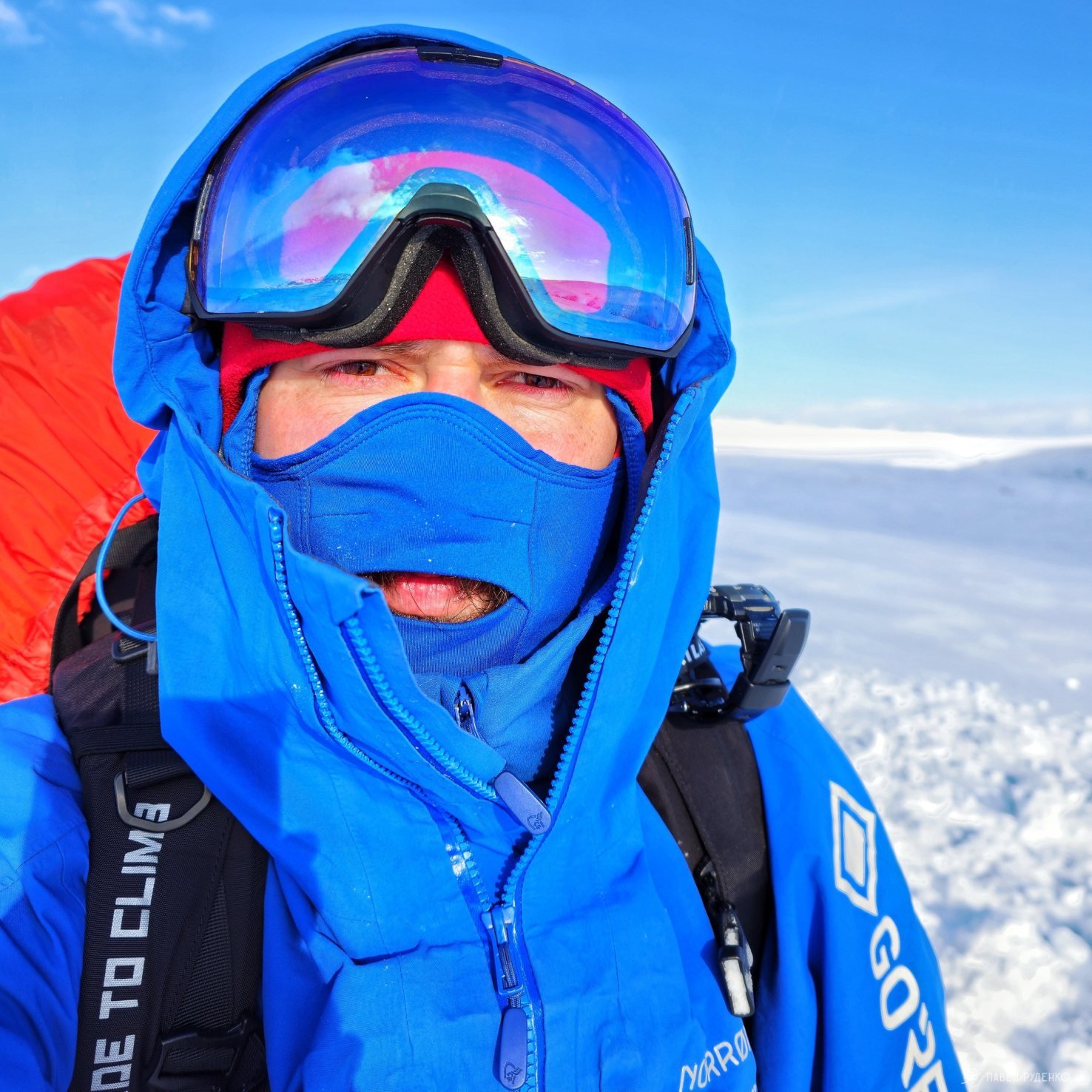
Alone at the Edge of the World
115 km and 7 days in the Far North.
The minibus stops at the checkpoint, from here it's just an hour's drive to the Norwegian border. Border guards traditionally detained and questioned me, this time I'm prepared and have everything necessary to confirm my route plans.
One of them recognized me:
- "Going to Rybachy again?"
- "Yes, the tundra is calling"
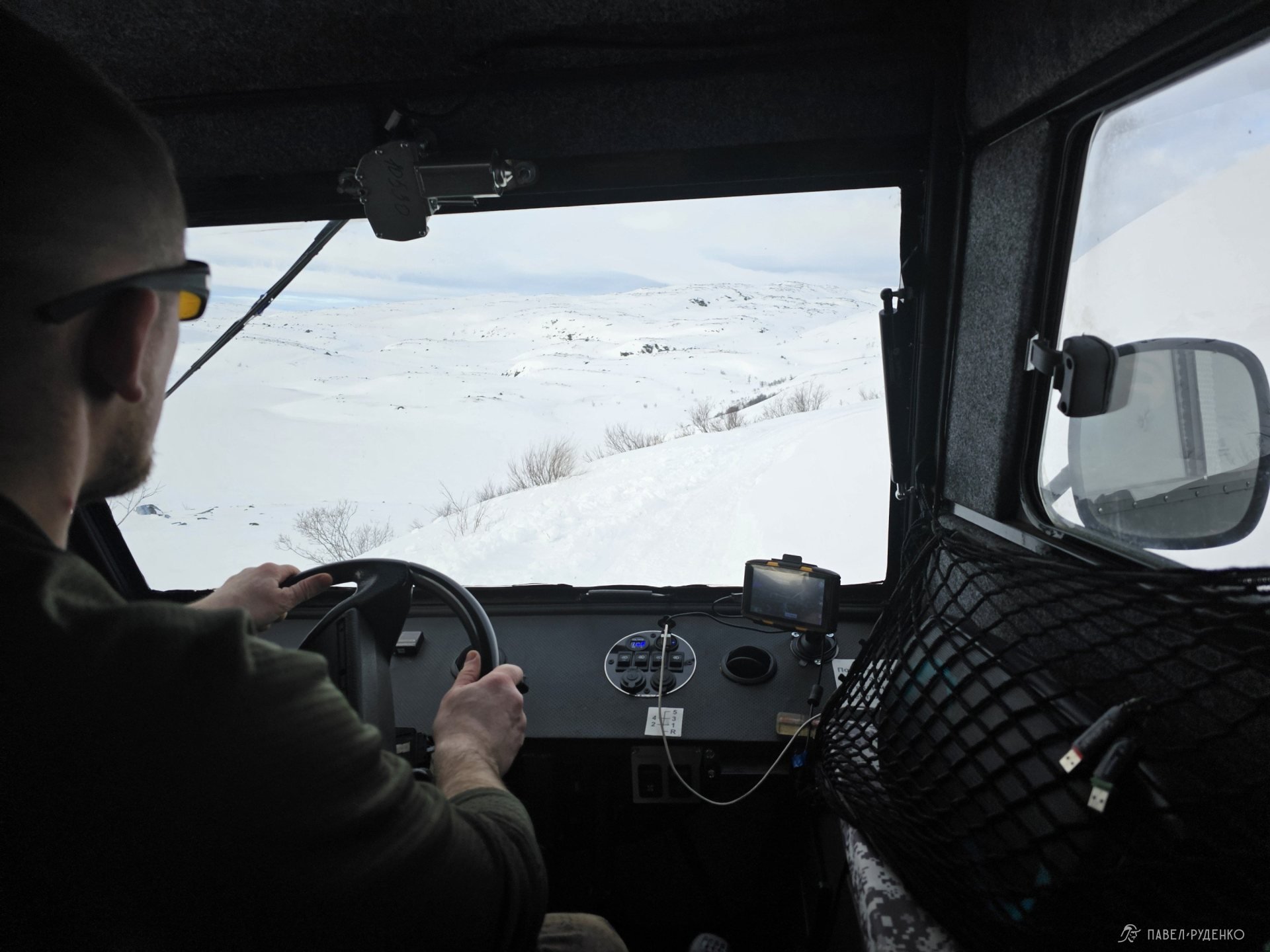
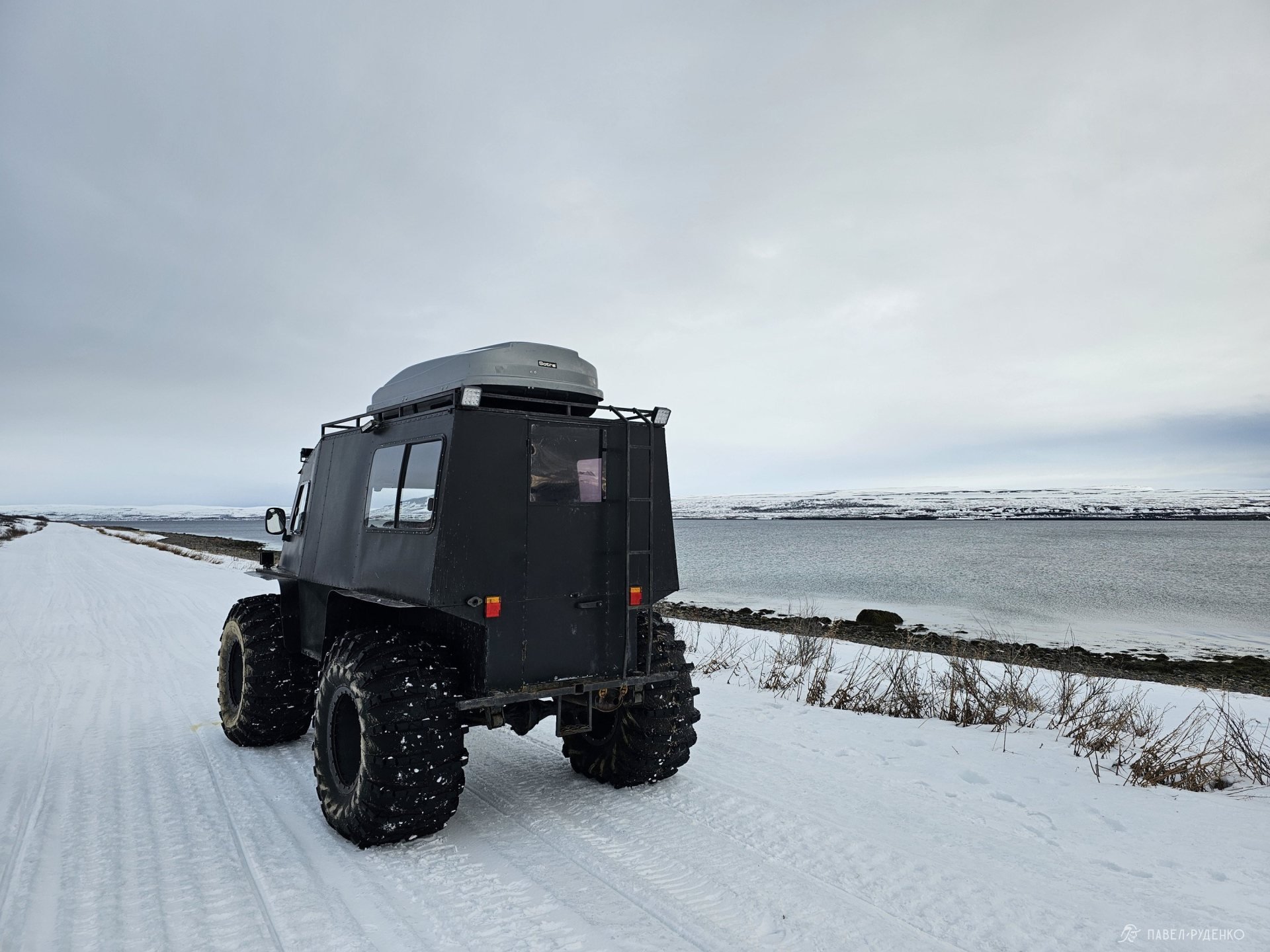
An hour later, I'm in an all-terrain vehicle, swaying on the snow-covered road, heading into the white silence of the peninsula.
qwerty qwerty qwerty
The Ice Kingdom
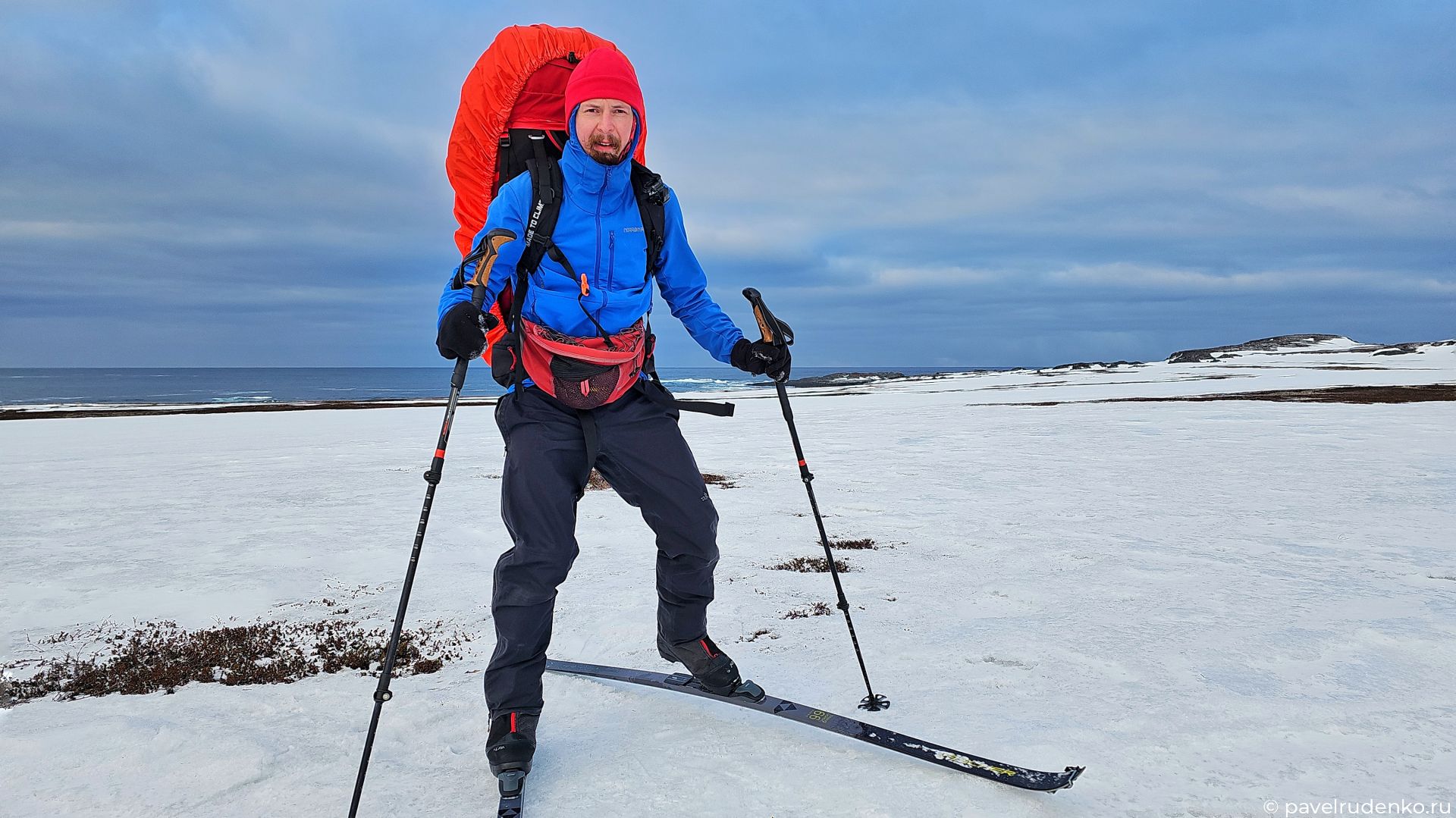
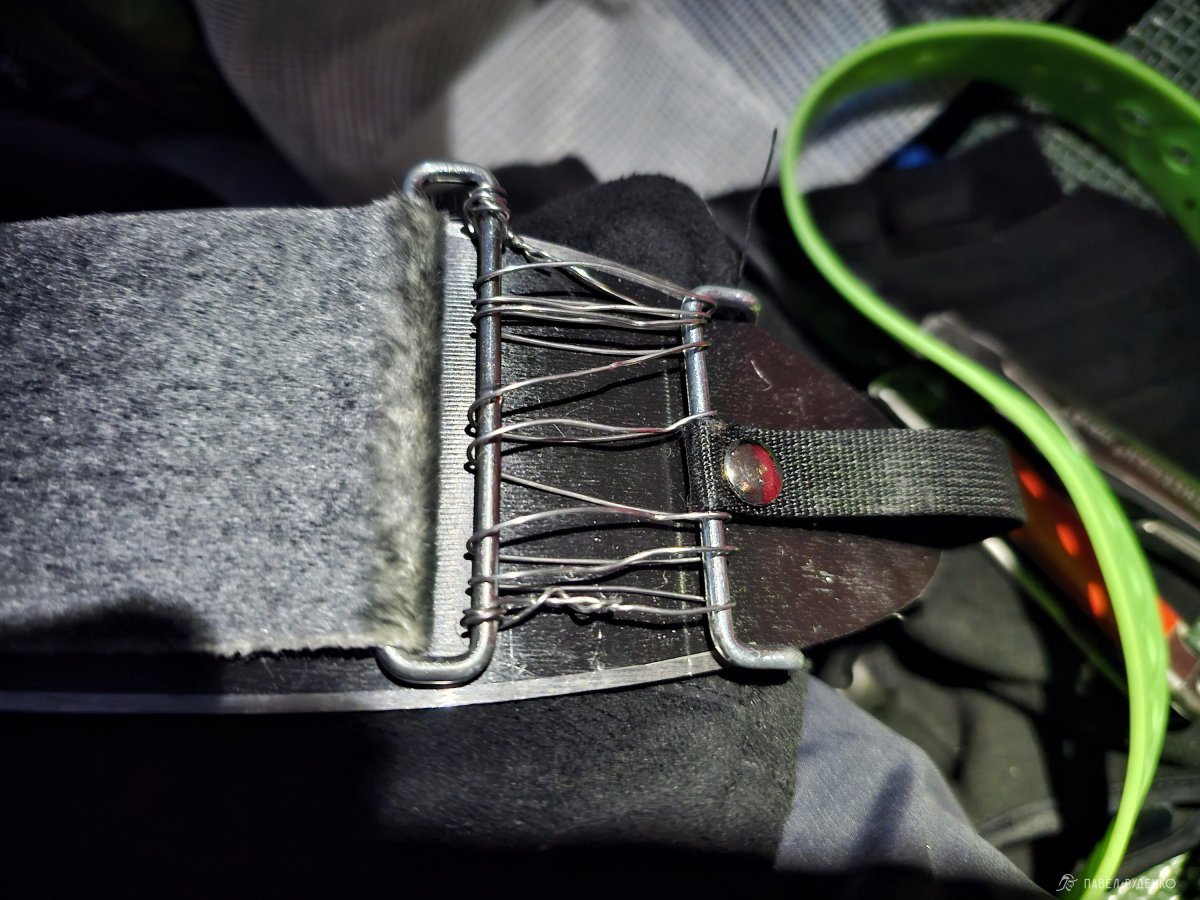
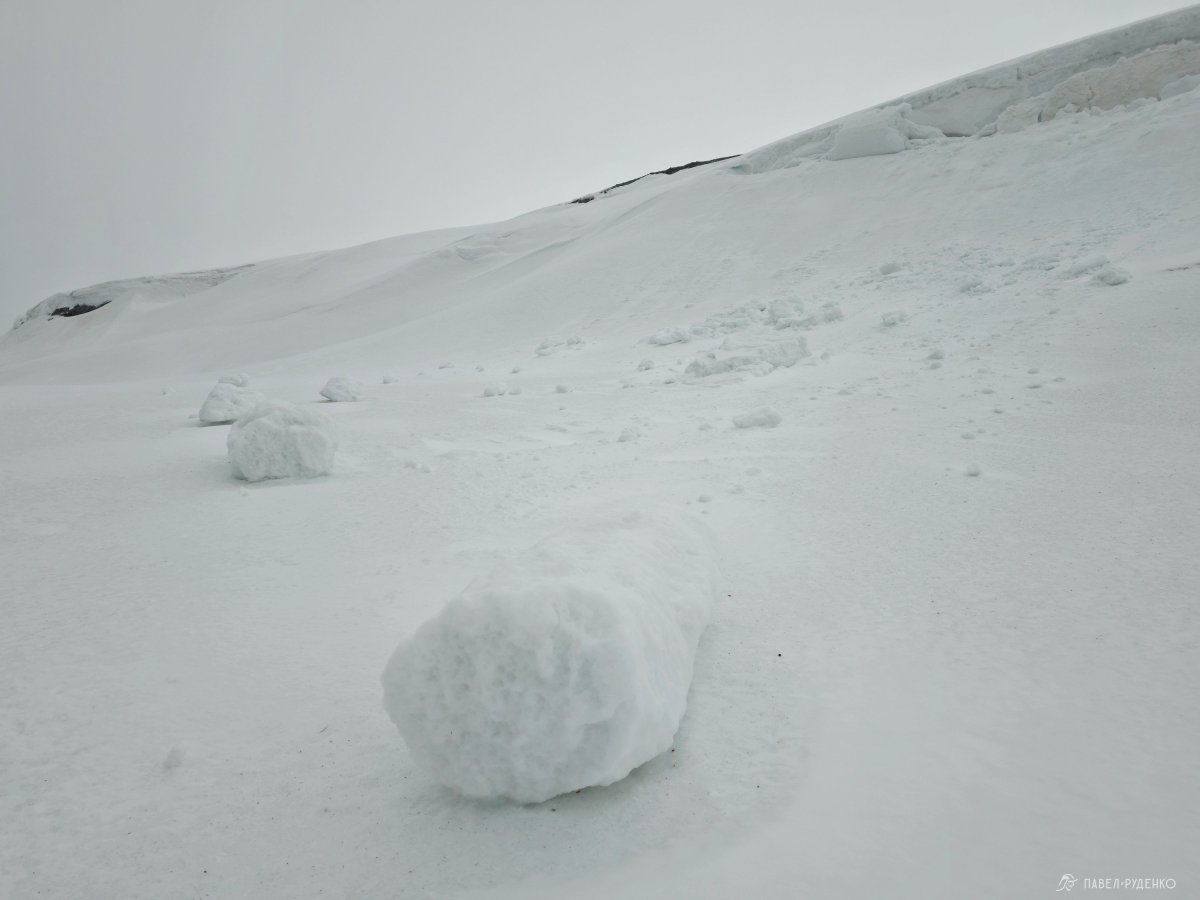
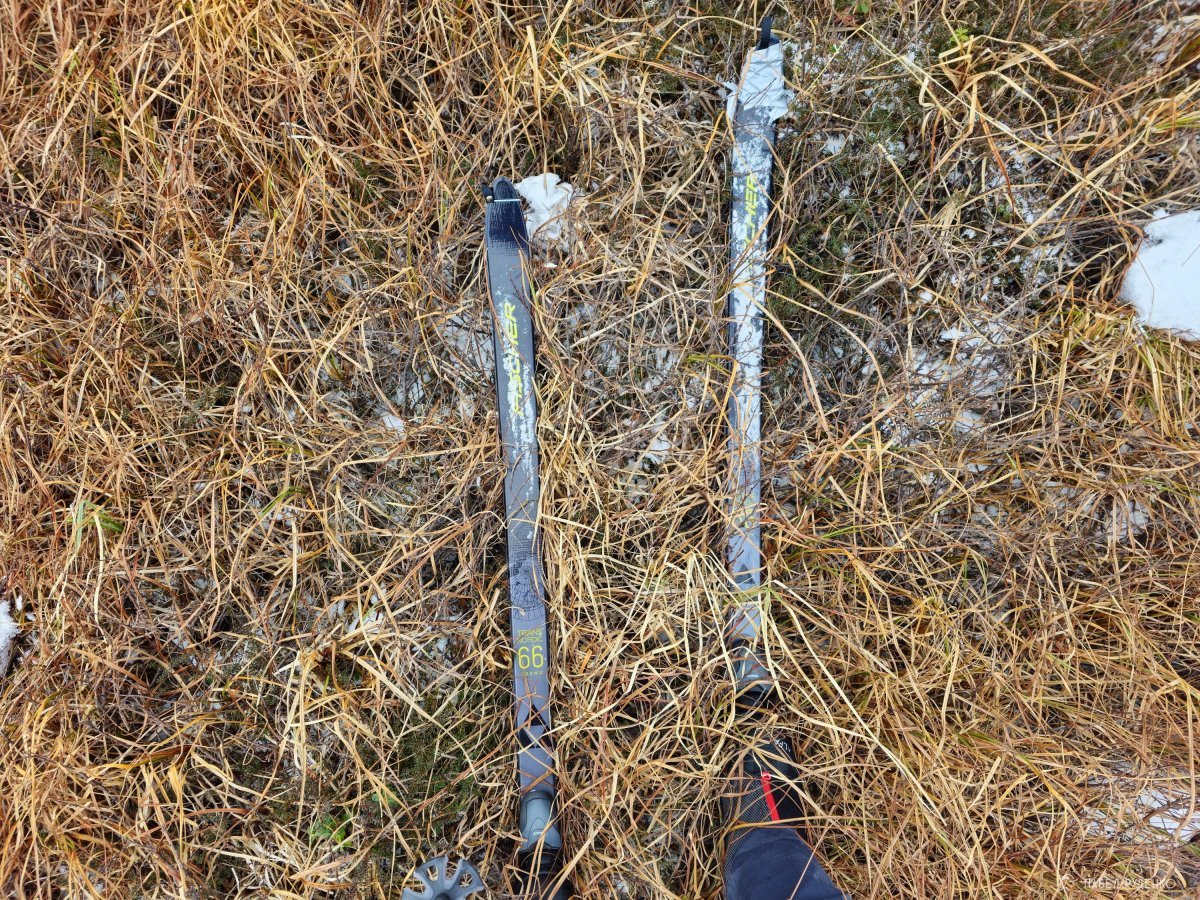
I'm at the start, putting on my brand new, two-meter Fischer Transnordic 66, and a few seconds later I'm hurtling down the slope like a bullet. The snow cover turned out to be covered with a crust of ice, the skis skidded like a cow on ice. I immediately put on a cam on the whole ski, but my muscles burn with tension, each step is a struggle for balance. The coast, as always, surprises with its unpredictability. Later, the ice scallop will tear the cam binding elastic — I'll revive it in a hurry with wire, and then wrap it with reinforced tape for sliding.
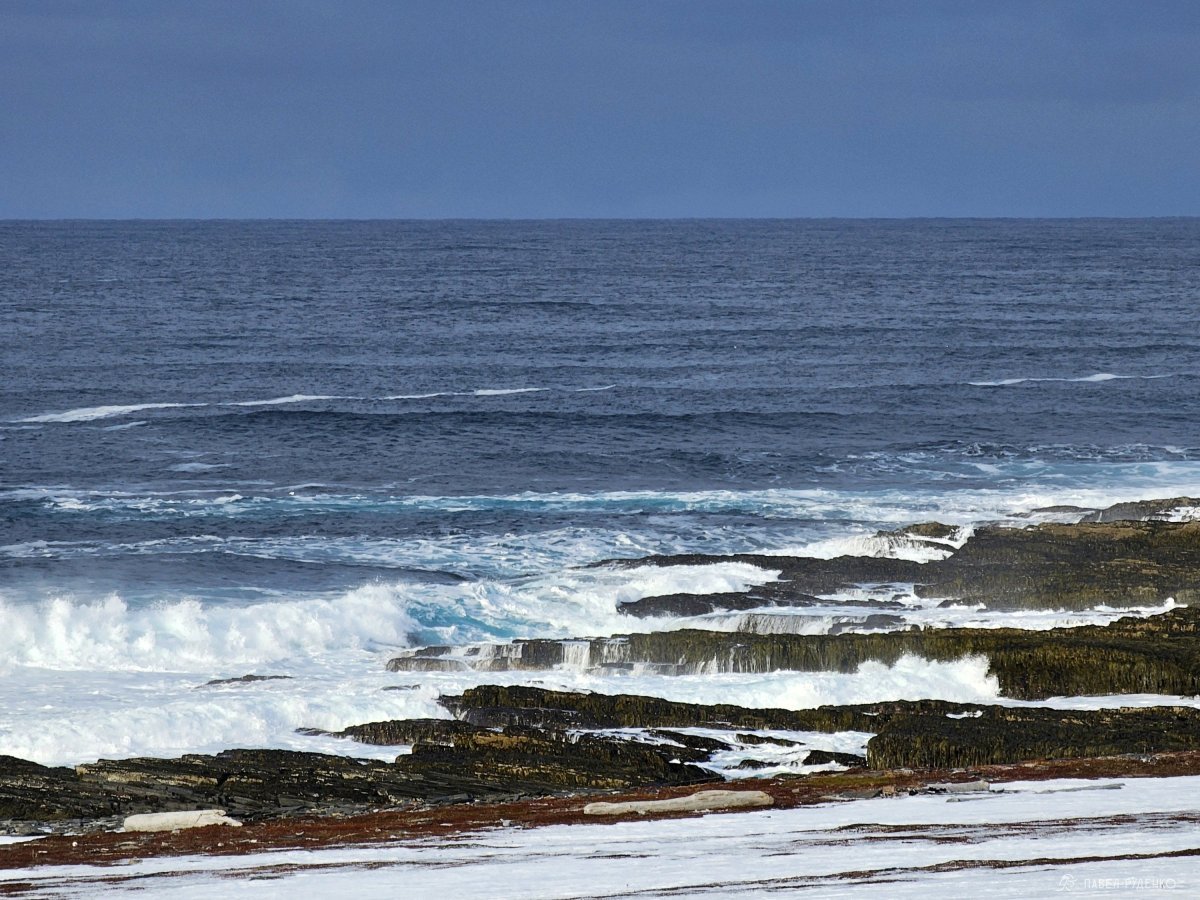
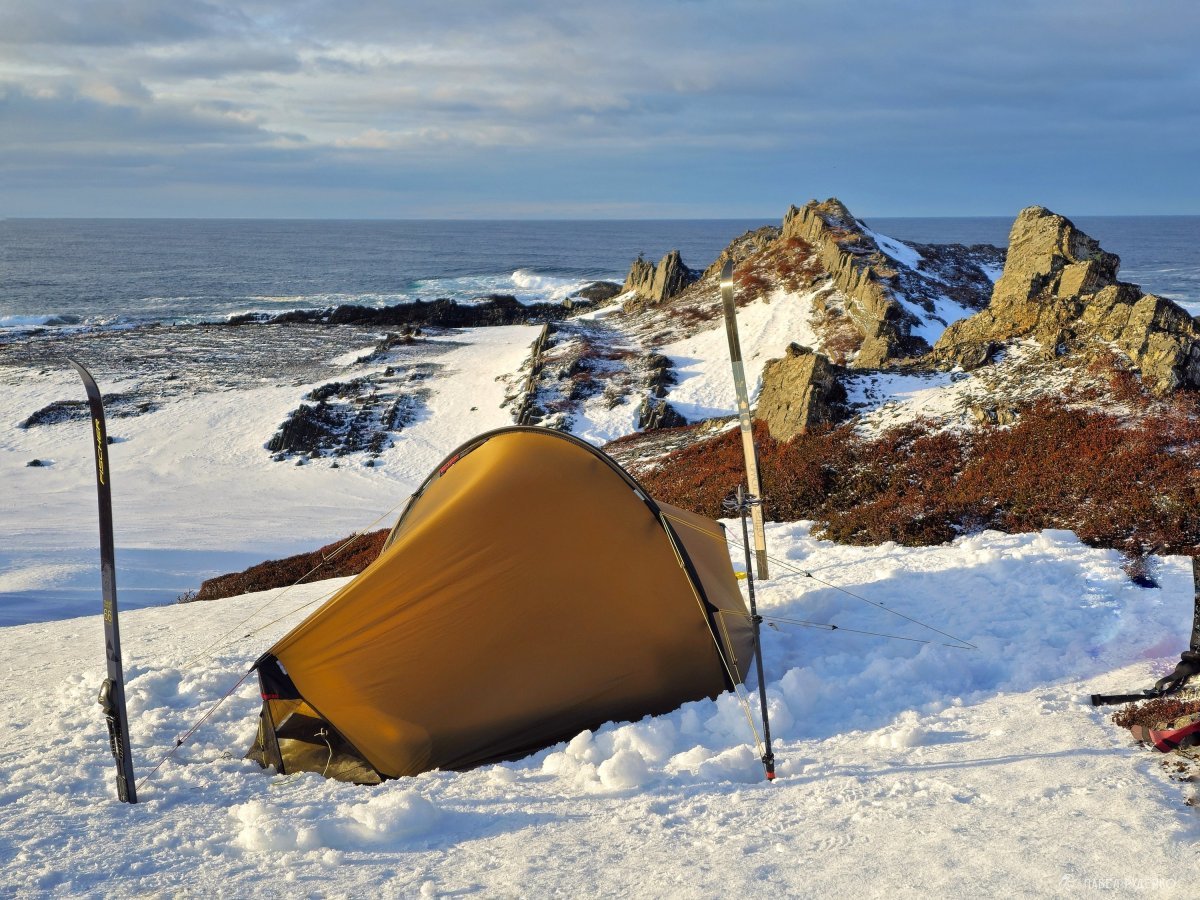
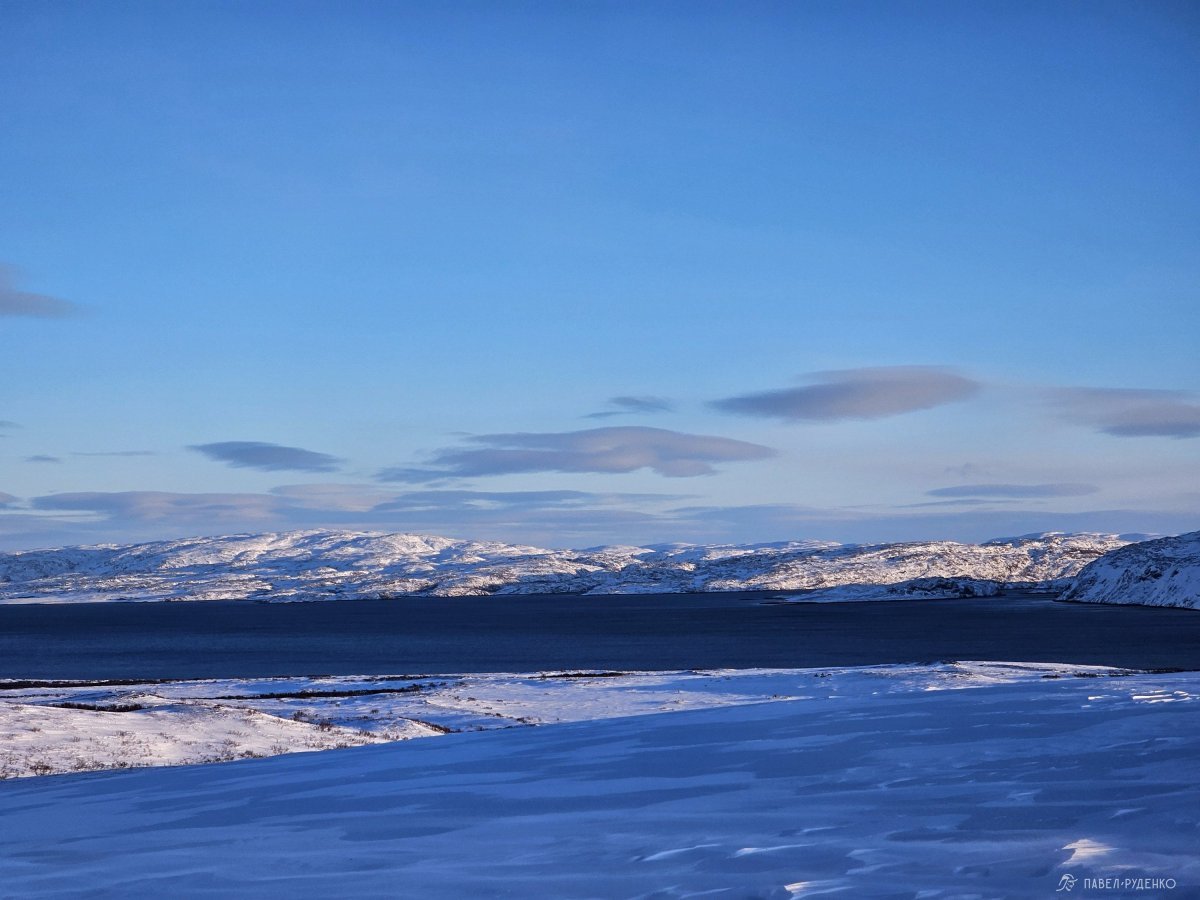
That night, I reach Cape Kekursky — the most beautiful northern continental point in the European part of Russia. The northernmost — Cape Nemetsky, is located nearby, the path to it lies past a military base, and the view from that point is less picturesque. As a person indifferent to "just for the sake of it", I ignore it and head for beauty. The Arctic Ocean crashes against the rocks, and the sun suddenly illuminates the clearing of my camp. It's time to go to the shore, explore the surroundings, and then fix the binding.


Ghost Reindeer
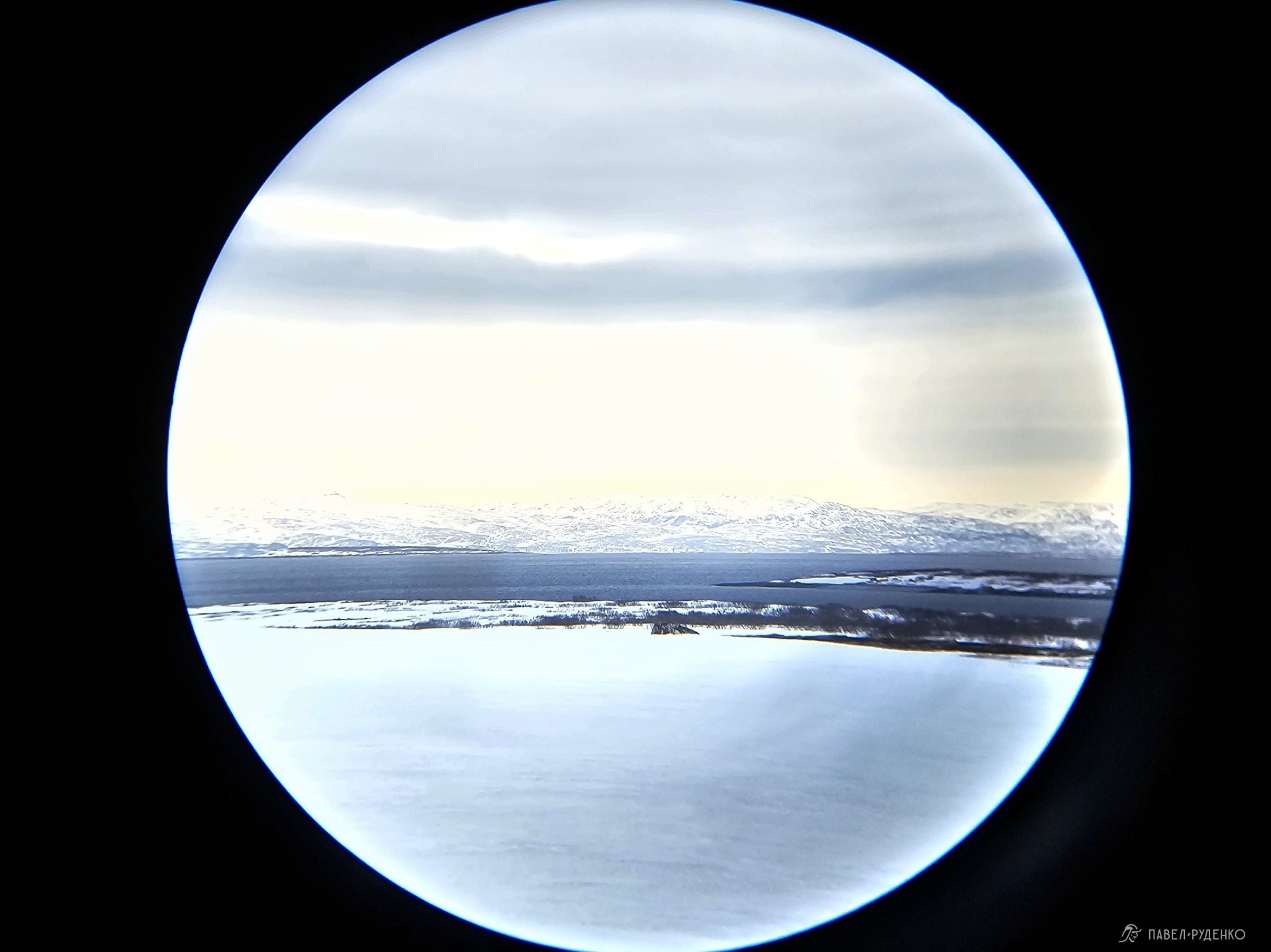
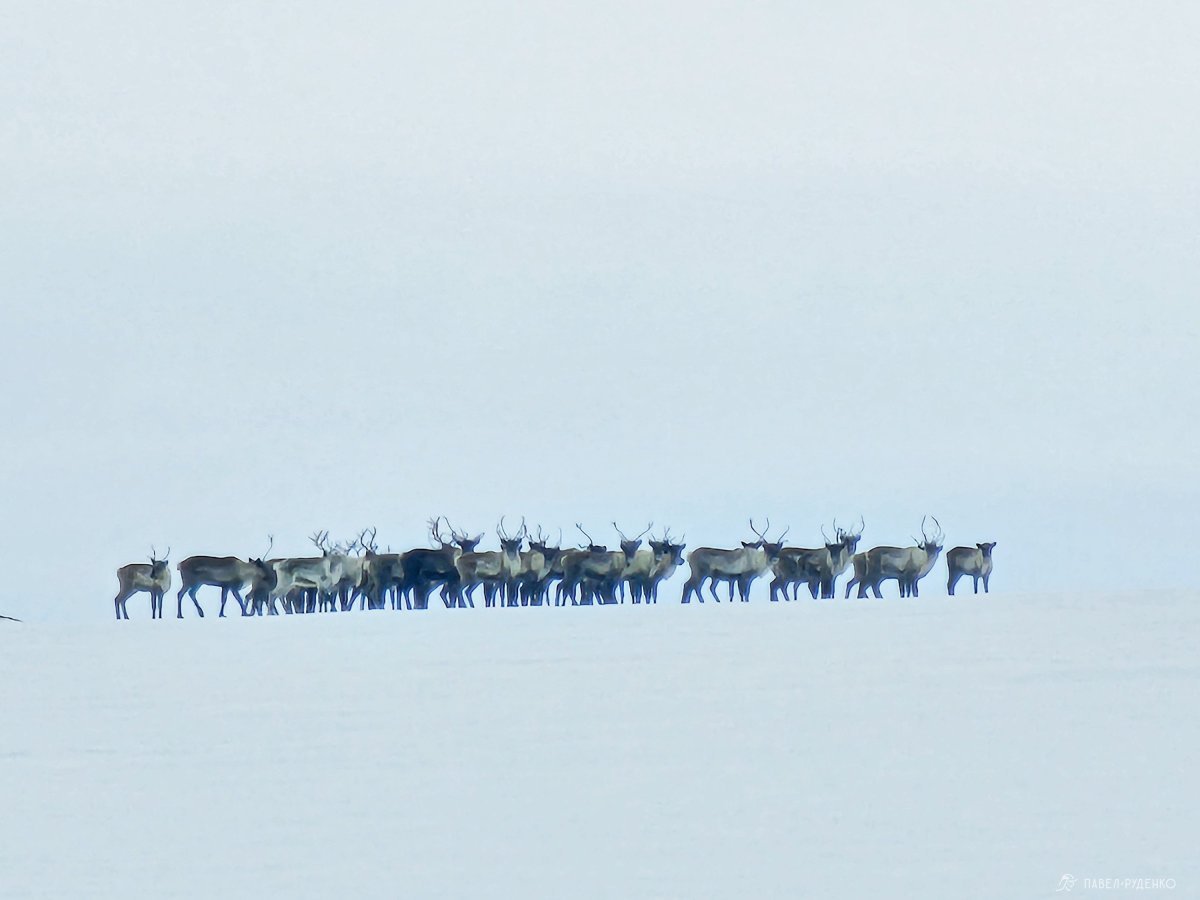
Morning greets with silhouettes in the white haze. Three young reindeer are resting on the shore, I take out my monocular and examine them for a long time. We are случайными fellow travelers on this icy planet. They run along the shore, I follow them all day like a shadow. By evening, they disappear behind the hill, leaving only tracks in the snow.

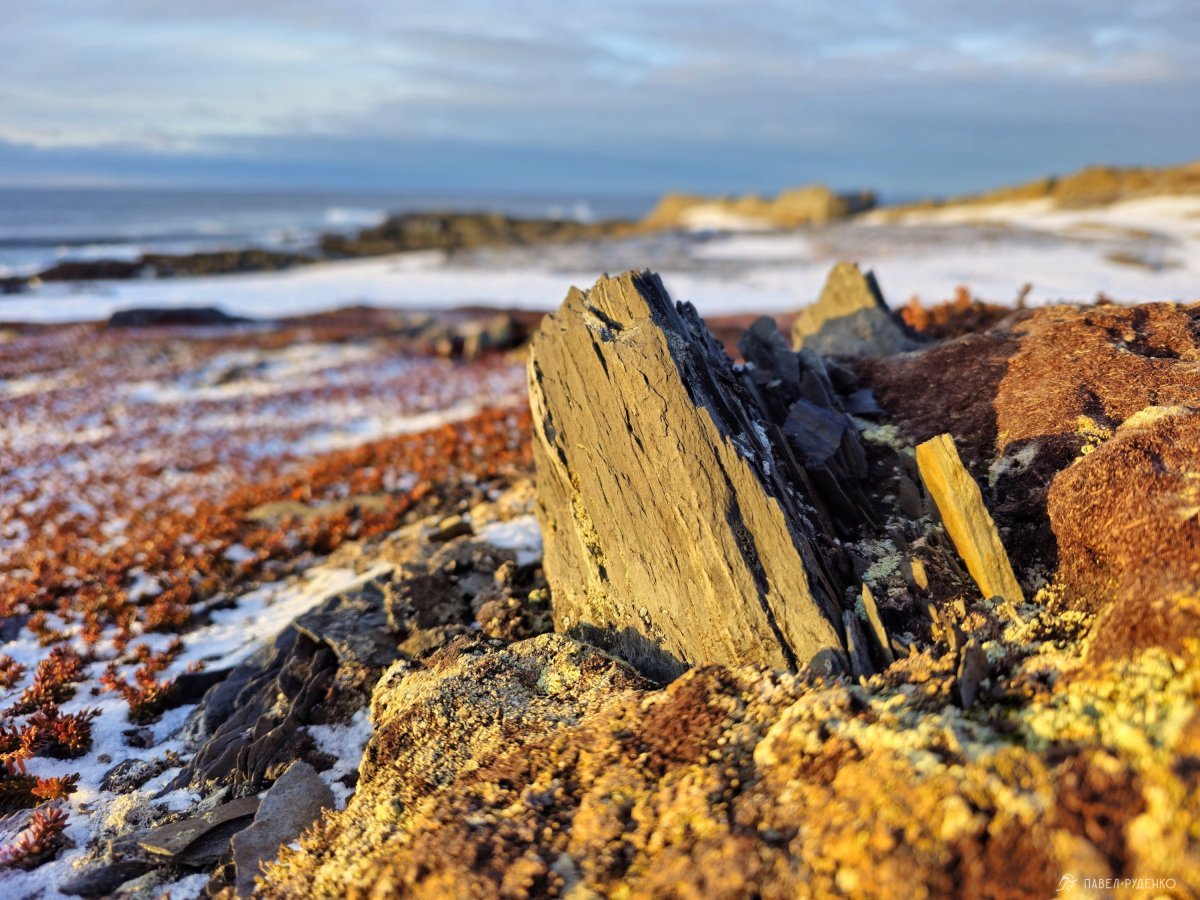
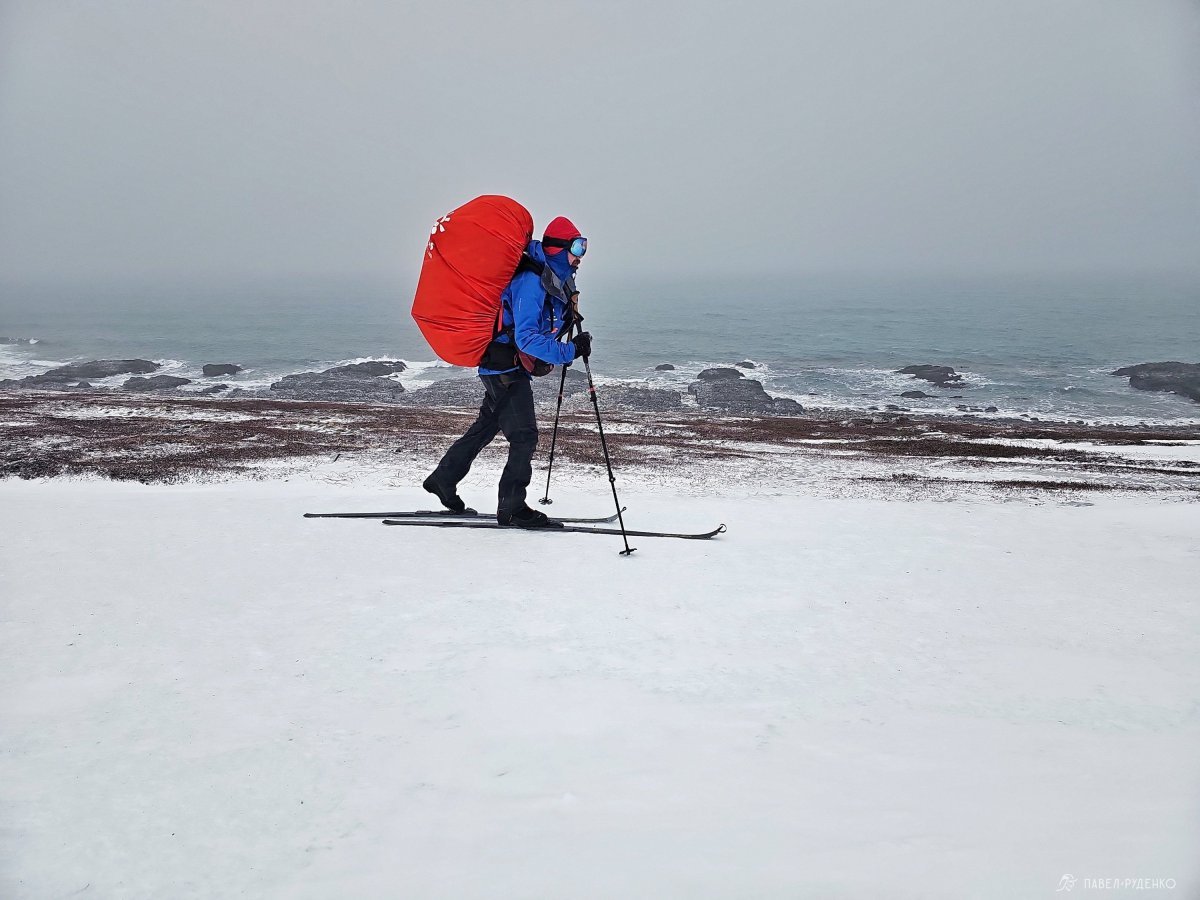
The variety is brought by the exposed tundra, it's fun to ski on moss and stones. And having lunch in winter sitting on lichen is doubly cool and warm.
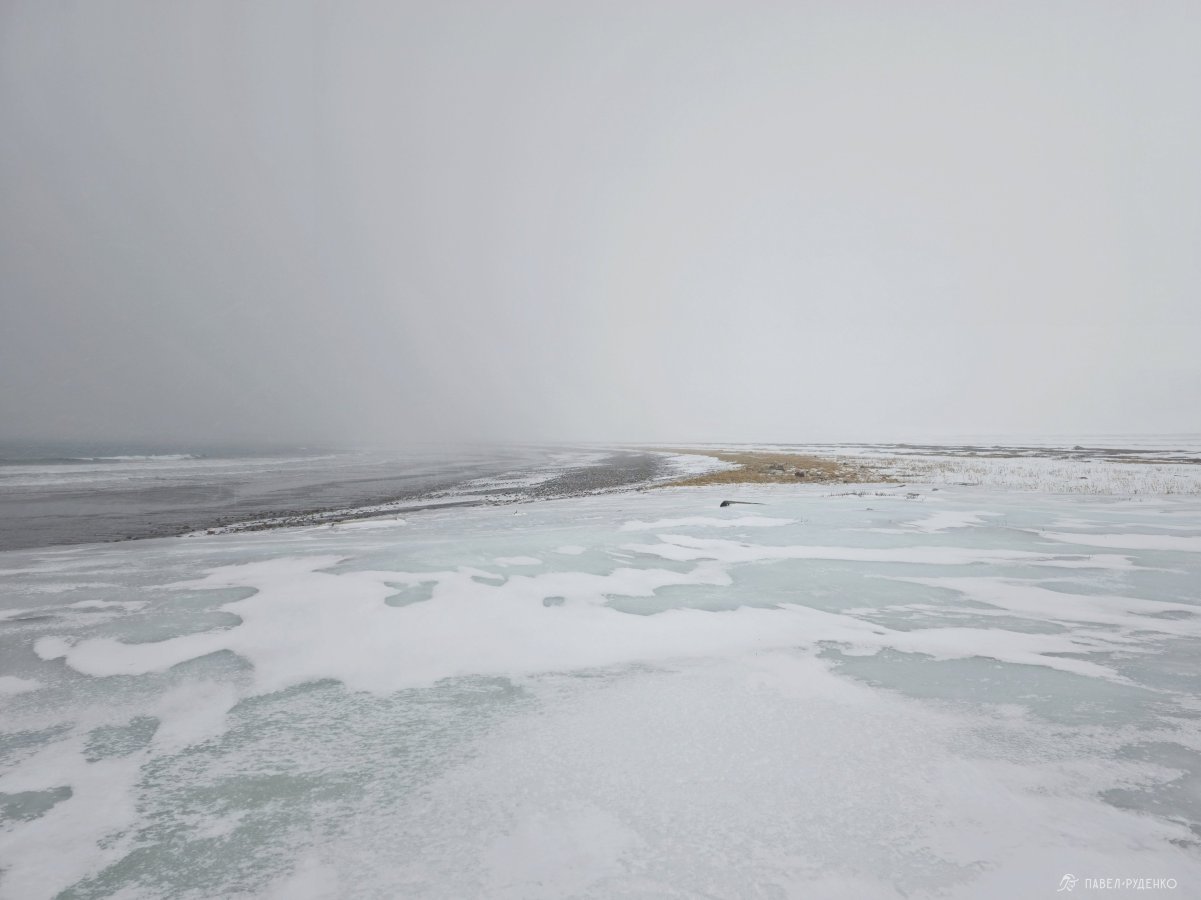
Through the raging blizzard in the bay, I find shelter behind the rocks and set up camp.


Storm
I receive a forecast for the night on the satellite communicator: 17 m/s, North wind, but the Arctic will laugh at the forecast.
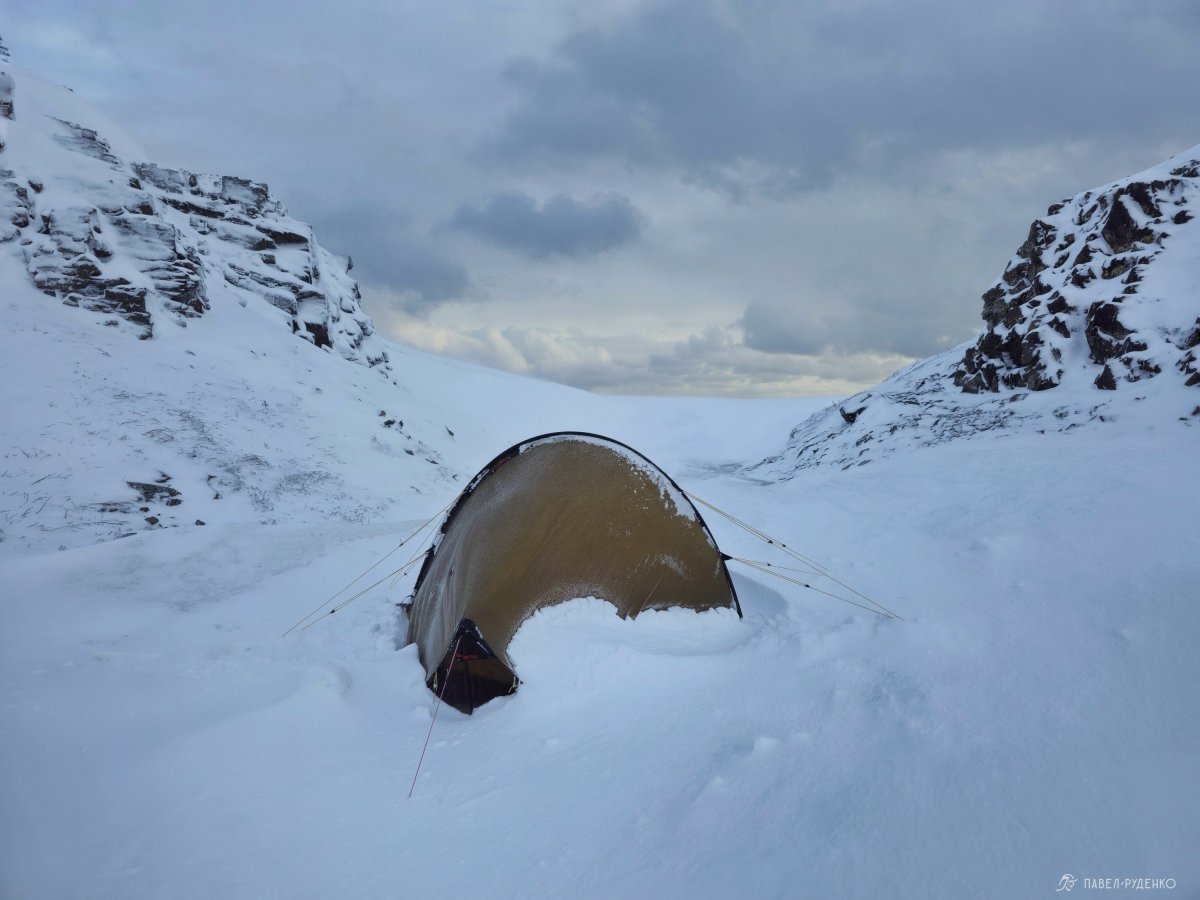
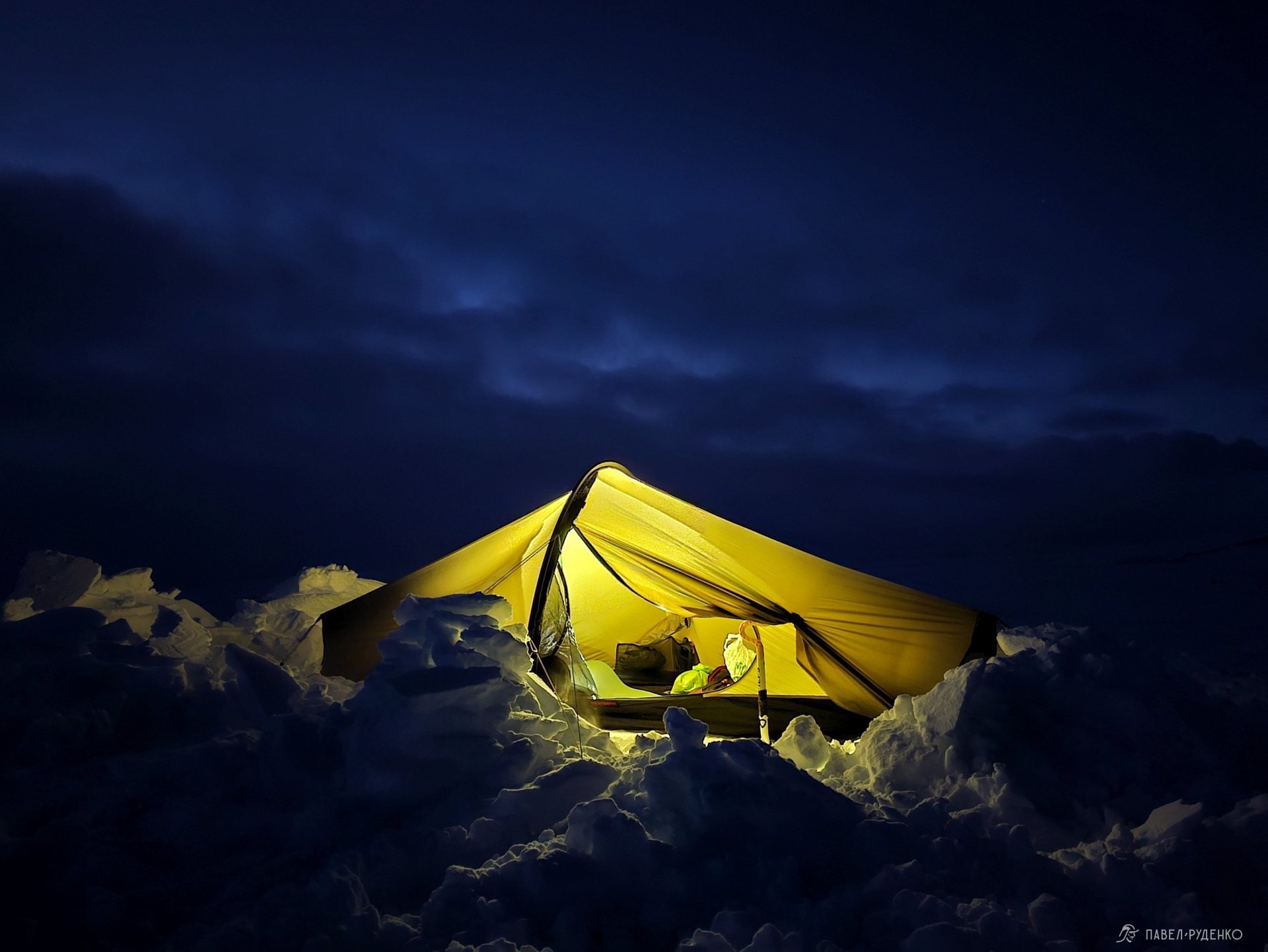
I set up the tent on a hill in the open tundra, dug it in slightly and leveled the area, securely fastened it to snow pegs, and buried ski poles in the snow, constructing a small wall.
I took off my shoes, climbed into my sleeping bag and had dinner with pasta with carbonate and cheese, watching the Soviet cartoon of 1956 "Fire in the Yaranta" in the background, where an evil blizzard took away the children's mother. At that moment, the storm knocked on the tent from the western side, abruptly, as if a meteorite had fallen nearby. The snow swirled and I had to postpone the pasta.
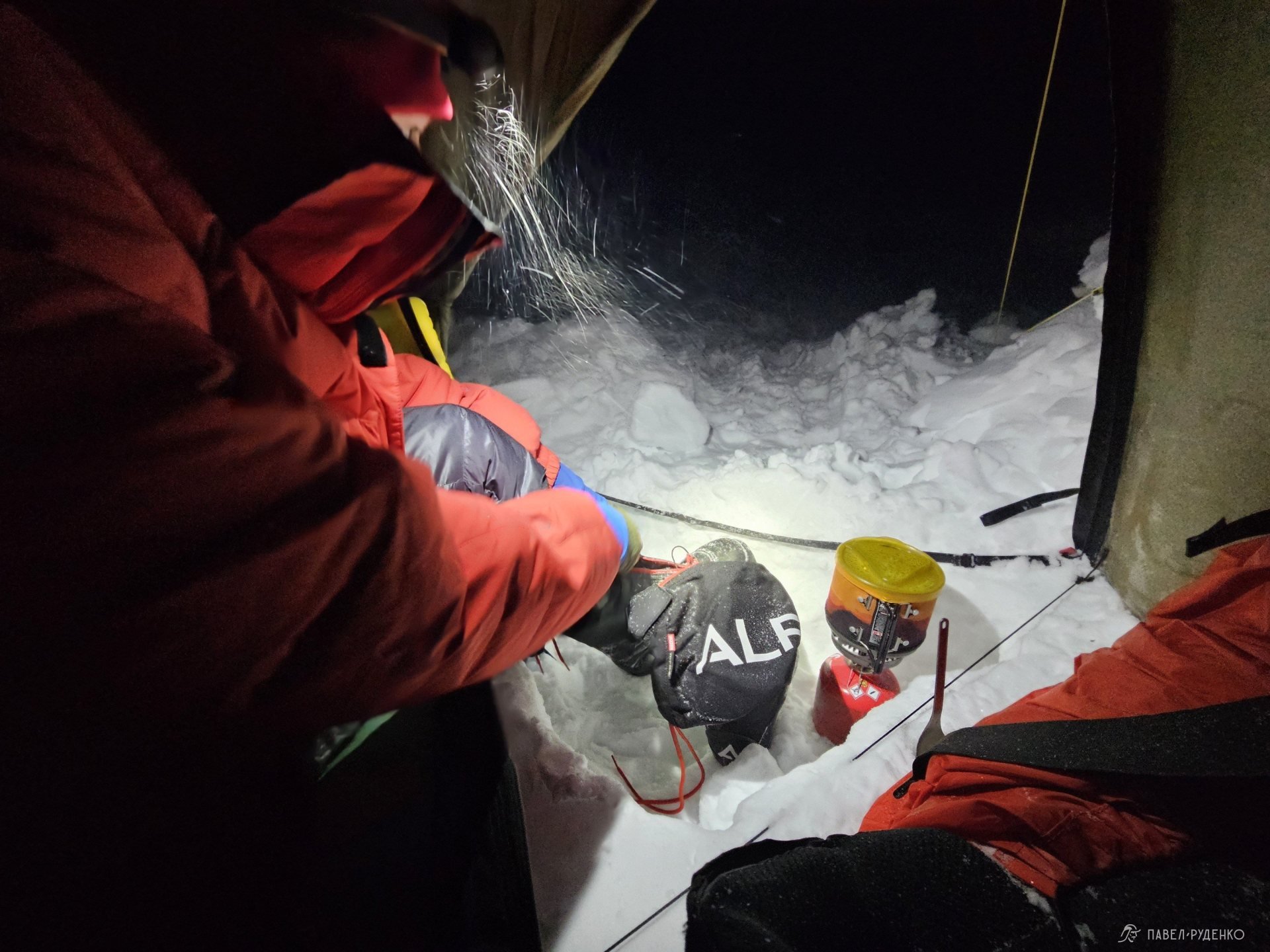
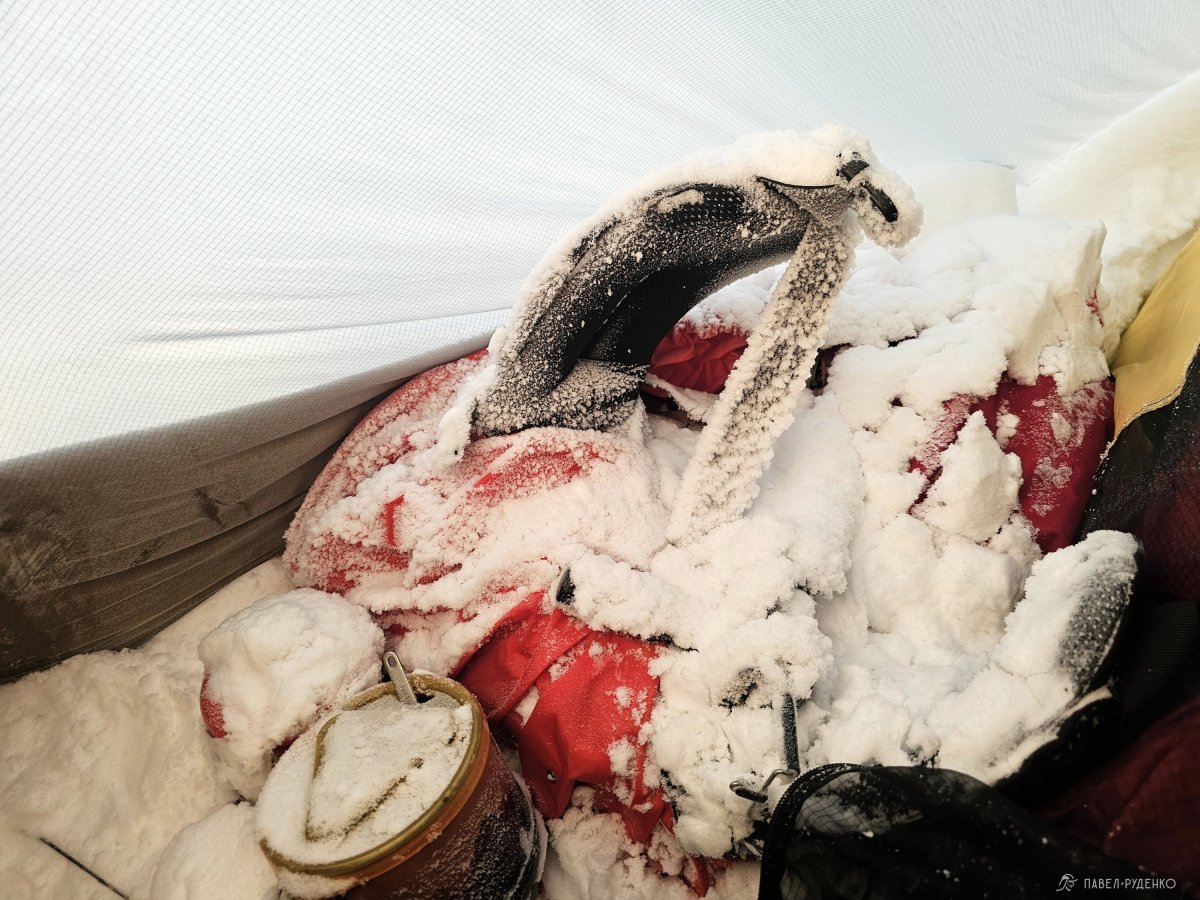
Snow started to blow into the microslit under the awning and cover everything in the vestibule. I hurriedly get dressed and go out with a shovel to check what's outside. Visibility is 1-2 meters, in the bright beam of the 1,000 lumen flashlight, the tent is almost invisible in the blizzard. While I'm building up the snow wall, I make sure not to lose sight of the tent, otherwise I won't be able to find it in such conditions.
At some point, the snow block, instead of lying by the tent, flew somewhere into the black haze. It came to mind that nothing could be done and it was time to leave this hostile space and go to my capsule of salvation.
But at the entrance to the vestibule, almost had a heart attack, there's someone here. I stepped on a partridge, it hid near the vestibule because the tent is the only shelter nearby.
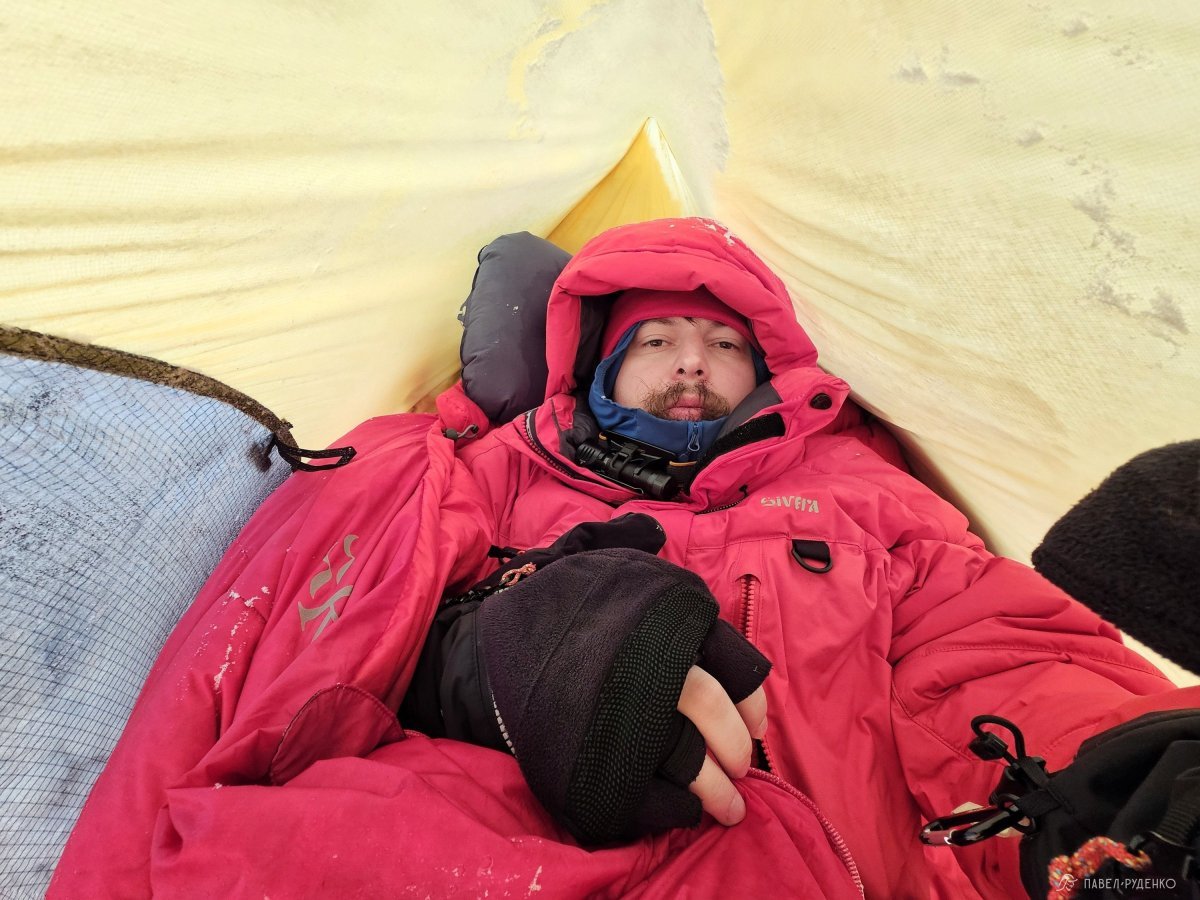
I'm inside the tent. In minutes, the mask became icy, losing visibility, the Sivera Arkuda down jacket was blowing despite the sewn-in skirt. Things... after the hike, I'll sew a retaining strap in the groin area.

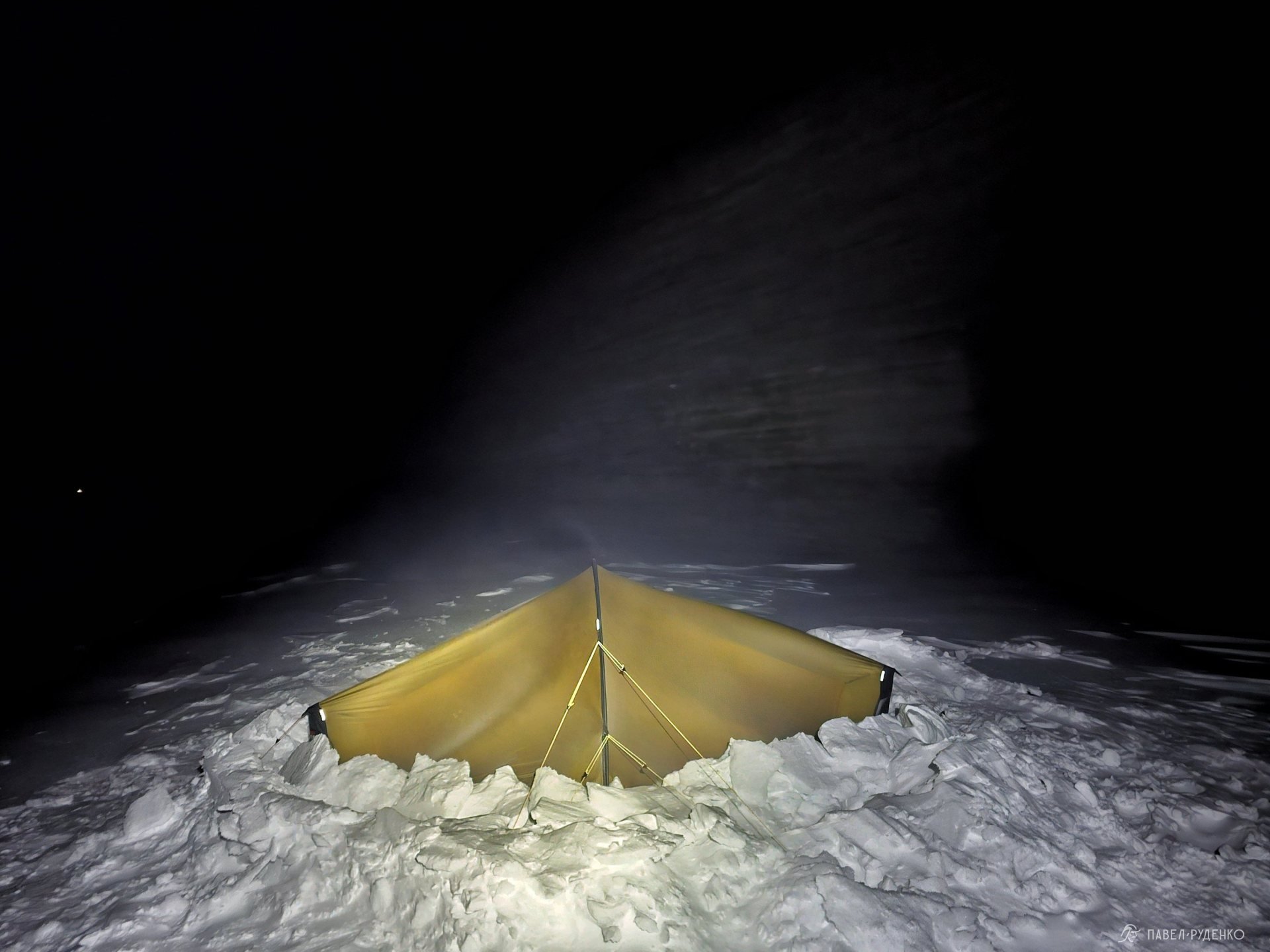
It's comfortable inside, although it was тревожно at first. Hilleberg Enan is a three-season tent and has a 9mm arch, which I strengthened with a second 10mm arch in the same pocket and added guy lines. As the storm showed, it turned out to be such an ultimative design that the tent was not bent in the side wind of 32 m/s, but only pressed the fabric. This is one of the lightest tents that can withstand such conditions without consequences. It remained to hope that all the seams, guy line knots were well secured, and the pegs were buried deep enough.
In the vestibule, I dug out the covered pot with cold dinner, ate it and got into my sleeping bag right in my jacket and snowy boots, putting them in a herm. I put the satellite on my chest, the shovel next to me and dozed off in a sacred prayer.
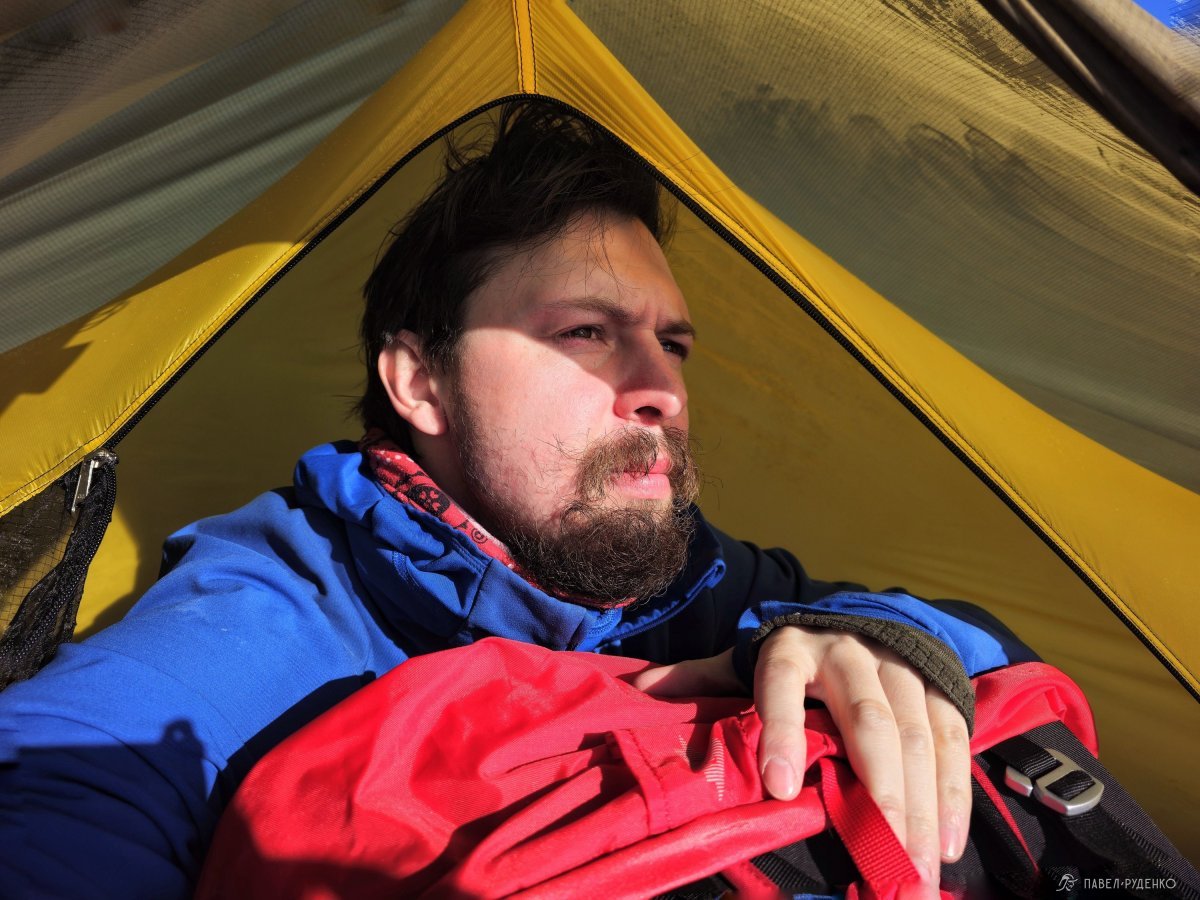
Winter Arctic is beautiful and ruthless, in the morning I was woken up by the sun and a brief calm.


Conclusions from the storm
1. What is done beforehand is paramount, then it's too late.
2. Every knot is important and must be uncompromisingly reliable. A 2mm guy line is possible, but in the forest zone, in the tundra only 3mm.
3. It's better to dig a small tent 1/3 into the ground, the snow from the hole will serve as an additional wall, but in a storm it will be smoothed out.
4. In open areas, do not use skis as a tent anchor point.
5. Stop reducing weight in solo trips by not taking all the snow pegs. It takes more time and effort to set up than it saves weight.
6. In the tundra, it's comfortable to use 40cm pegs without carabiners, just with a rep.
7. The storm often comes suddenly, so only labor-intensive camp setup at the end of each day, with all guy lines installed, can provide an acceptable level of protection when the weather changes.

Sleds
I meet more reindeer, I wish I could harness them and go. This winter season there were 3 hikes, almost in a row, due to logistics I had to abandon the use of sleds and go with a backpack, although of course the local conditions are perfect for using sleds and I would like to go with them.
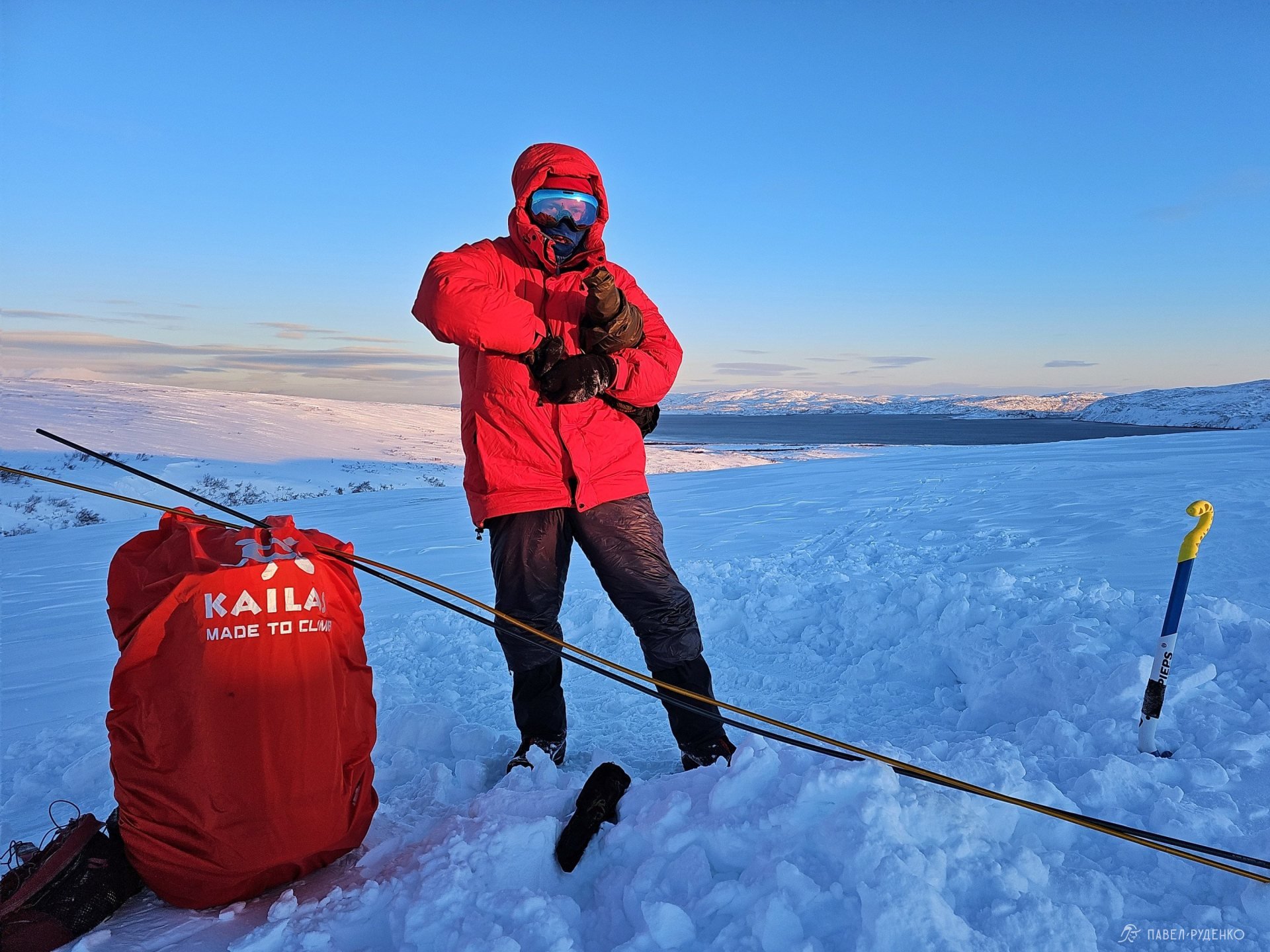
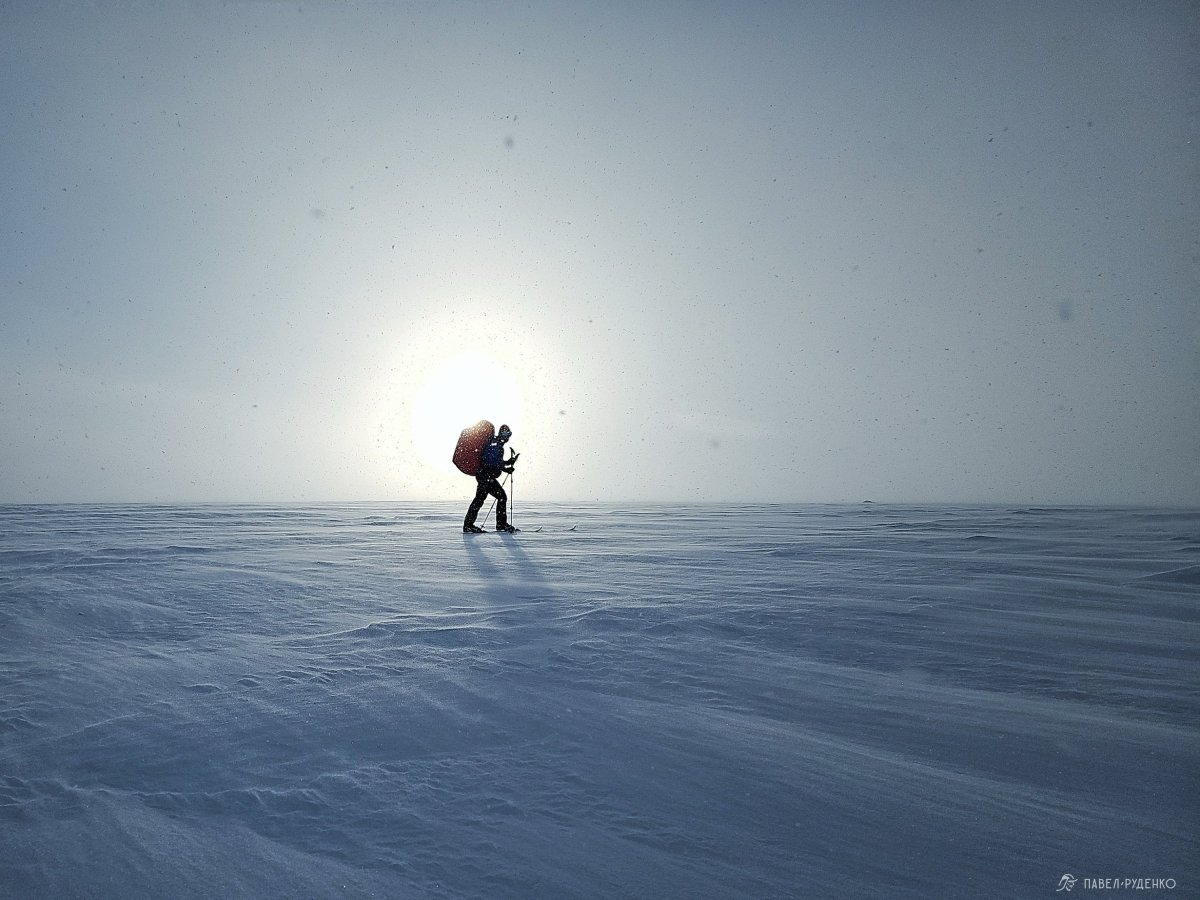
I tested a new backpack, Kailas Alpine 80+20. The materials are very good, the backrest has rigid plates. The straps and fittings on the anti-kick pads and belt are poorly chosen, because of this they slide down during the day and have to be adjusted. It sits in the lower back specifically, I lack anatomical fit. It feels like it unloads comfortably up to 21 kg, even the load on the shoulders.
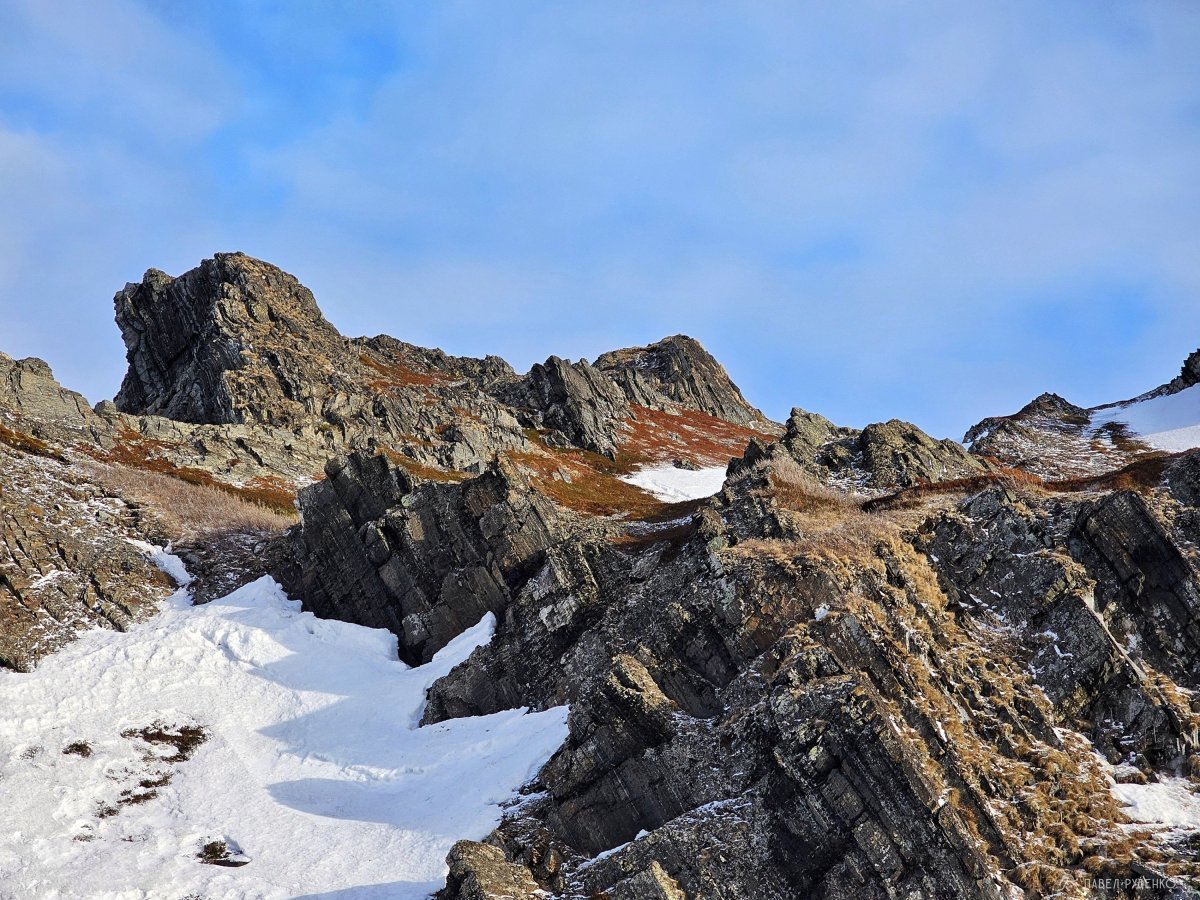
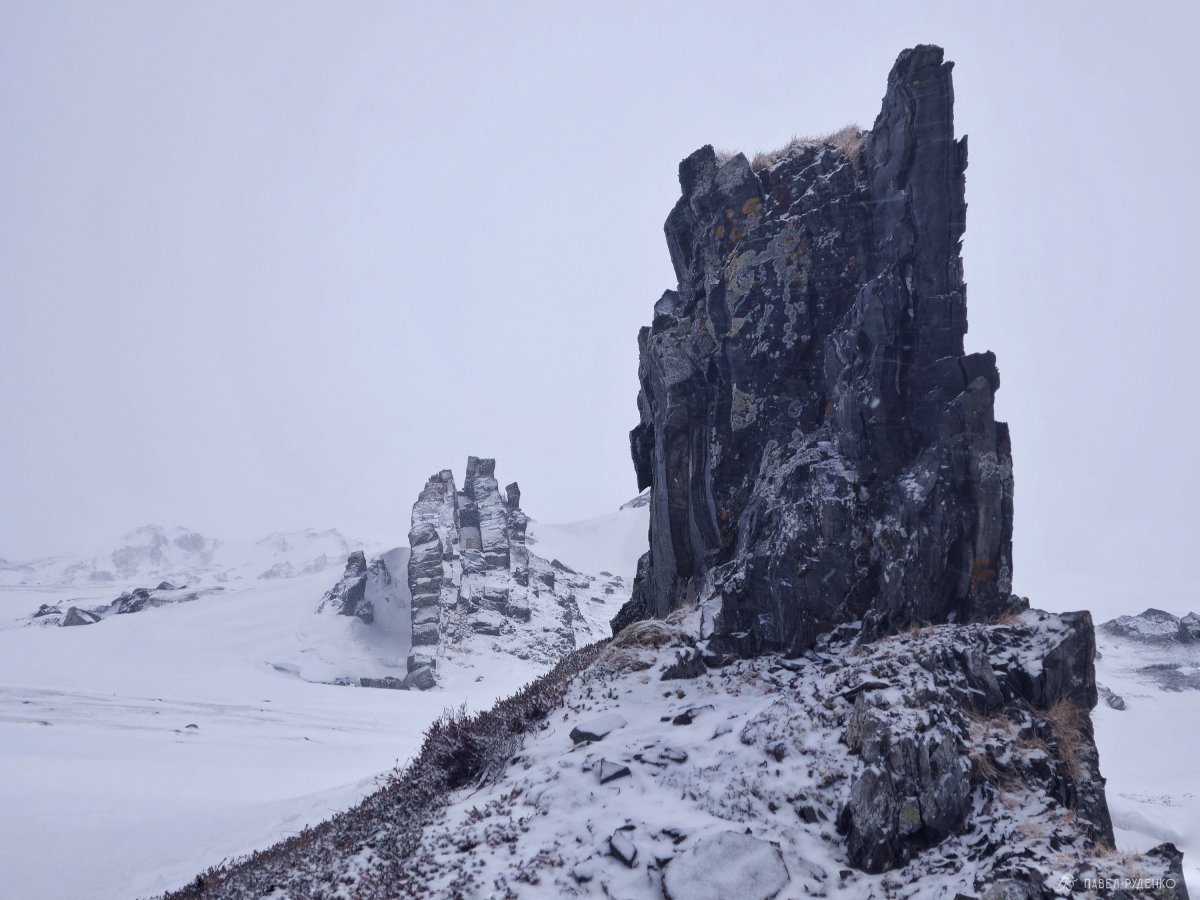
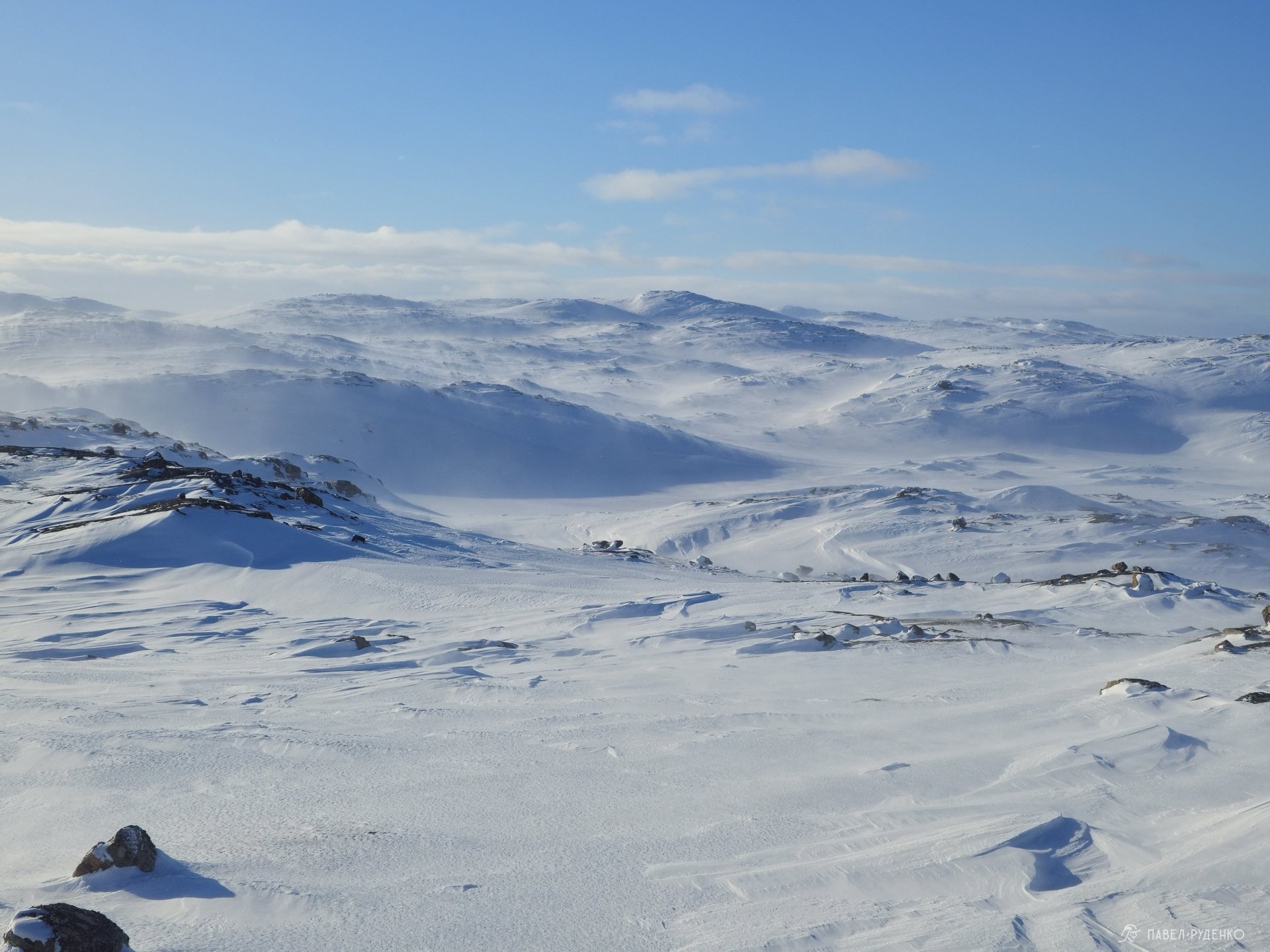
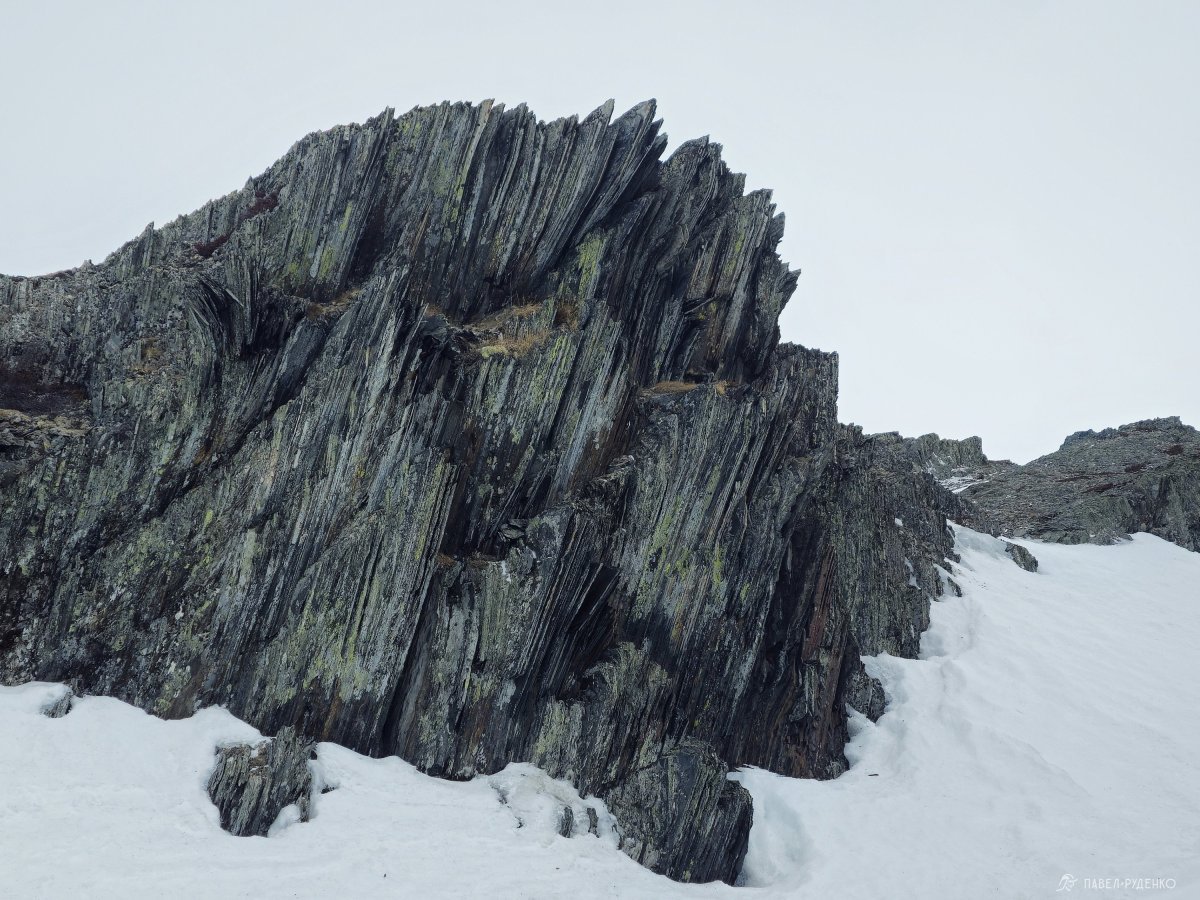
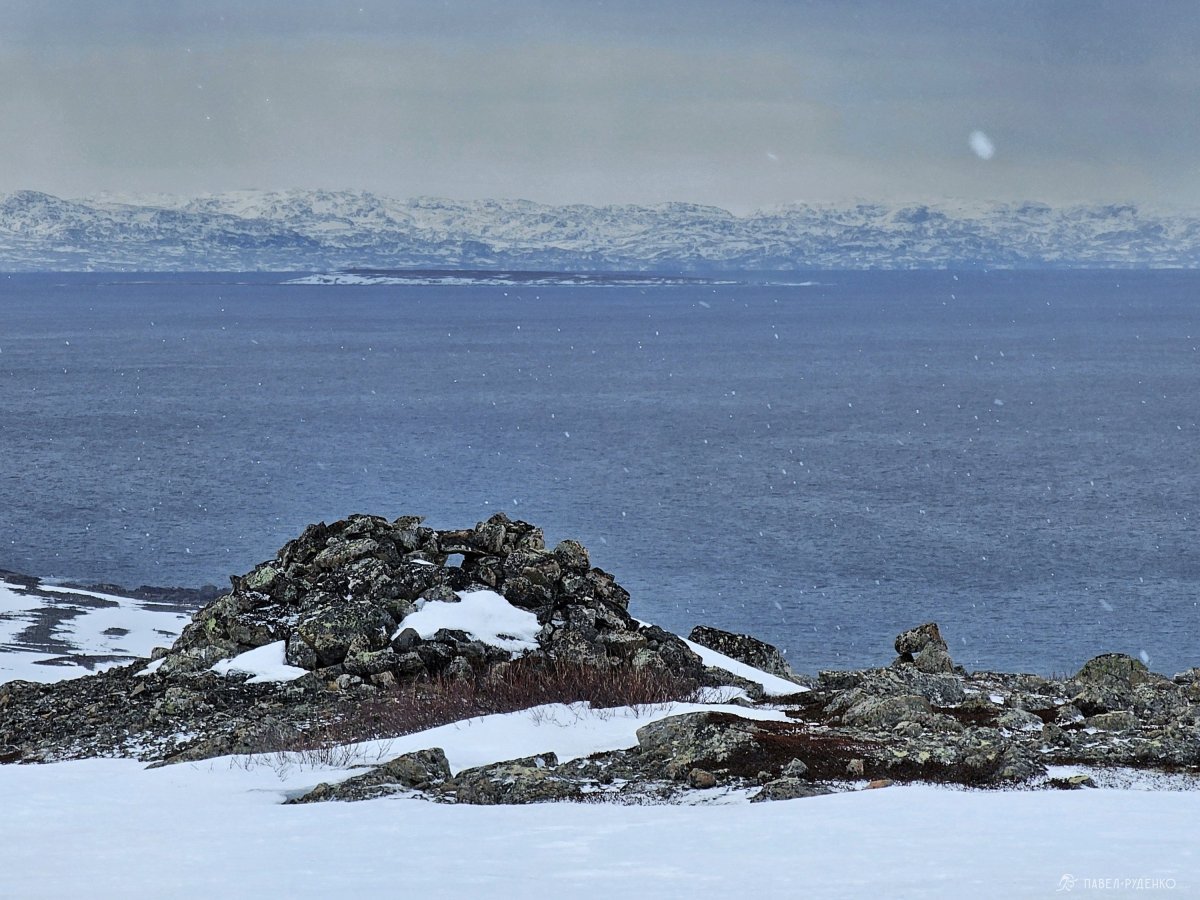
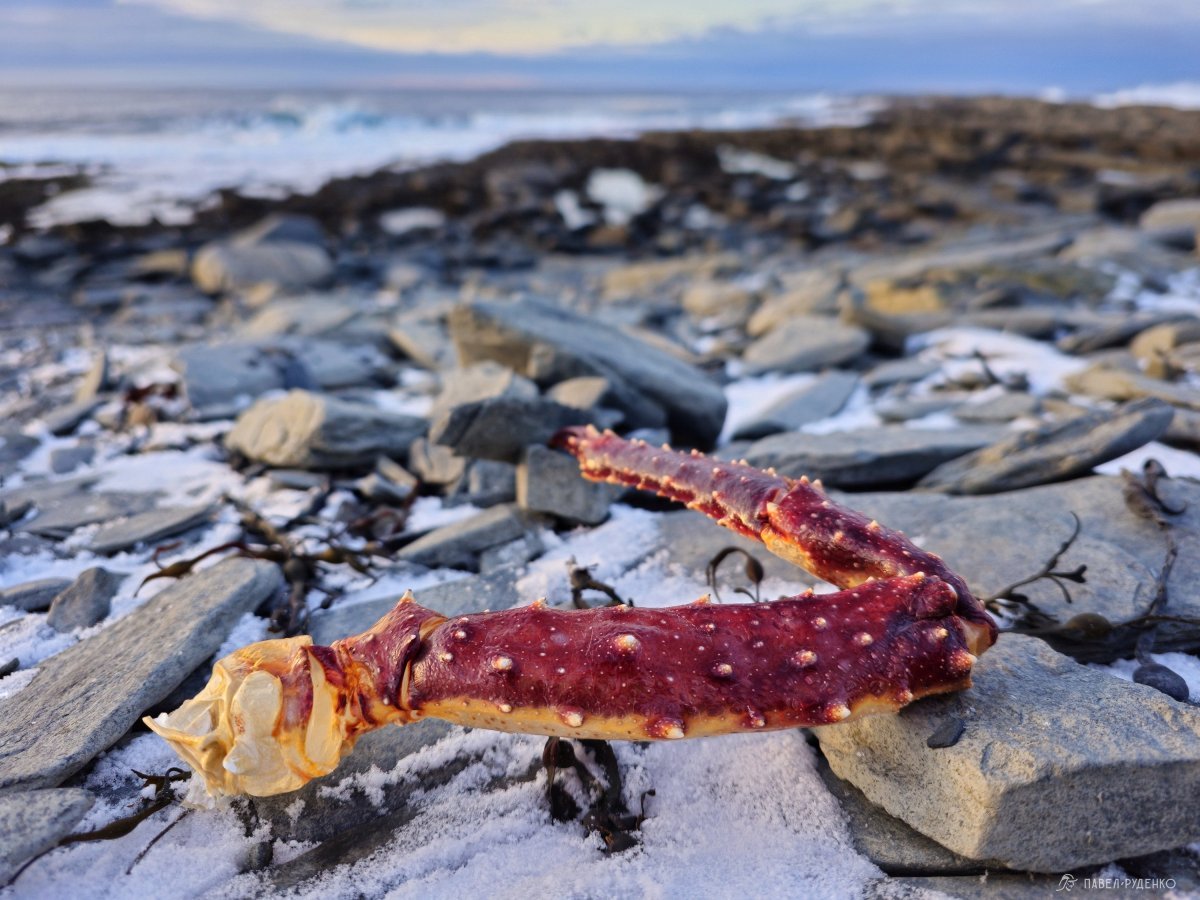
Rybachy was very nice, with its plateaus, fancy stalactites and linear rocks going straight into the sea. The relief differs from the usual on the rest of the Murmansk coast. So, I've been walking for many years on the Kola and every time I discover new, amazing places.
I will definitely organize a team hike here, watch for announcements in the schedule and sign up!


Return
I'm back, but in my memory, the silhouettes of deer keep appearing. They would freeze for a moment to look at each other and then continue on their way, disappearing into the snow.
The ice-free waters of the Arctic Ocean, giving the pace of movement and smells.
Icy tundra snow of all kinds and descriptions, blown away to moss and lichens in patches. The mad rocks of the Rybachy Peninsula.
A storm playing on the strings of the soul, giving bright colors to life.
If you are ready to hear the call of the tundra — write. Next year I will be back here again, having gathered a team.
In 2 months, I returned to the Rybachy Peninsula again to go around it on foot for 180 km.