
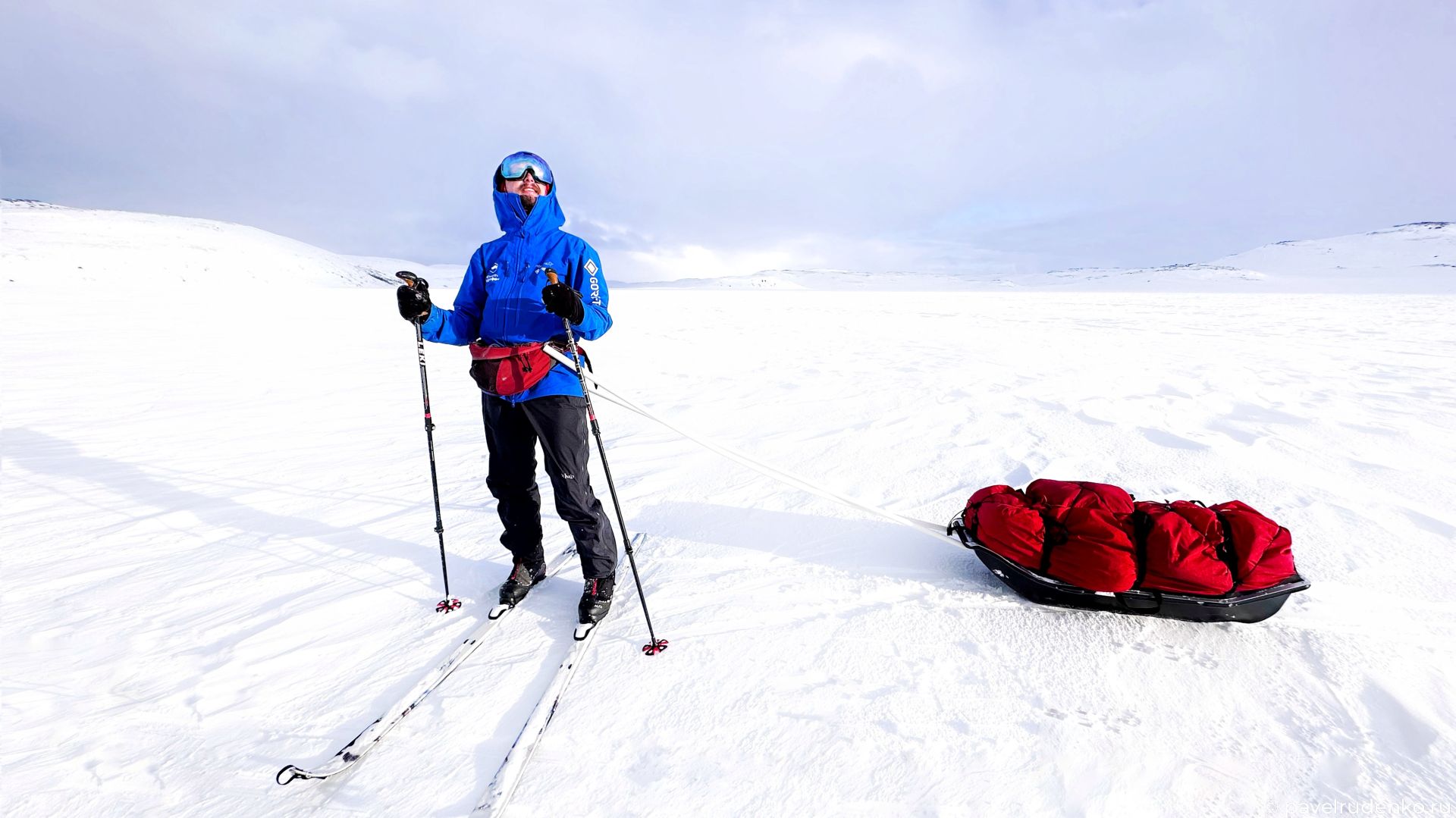
Pulkas in Winter Ski Expeditions
Winter treks unlock entirely new horizons for exploring untamed regions and landscapes. When frost takes hold of the wild, you can map out truly remarkable routes across frozen lakes and rivers, or snow-covered bogs that are completely impassable in summer.
New advantages unfold — pitch your tent wherever you like; almost every surface becomes flat and camp-ready. Yet new challenges emerge as well.
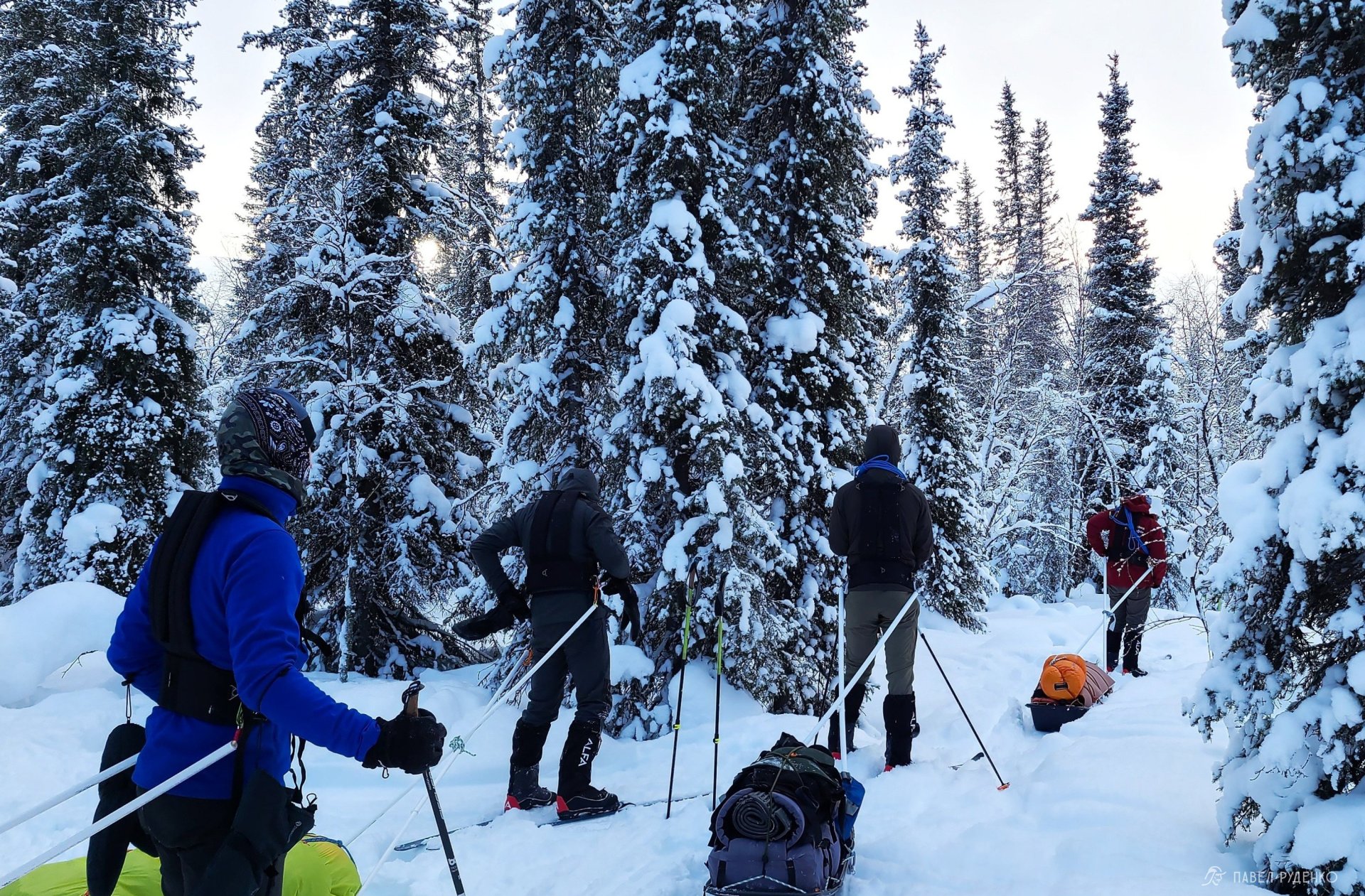
Even if you are an accomplished summer hiker, snowy wilderness will inspire you to master new modes of travel: touring skis or snowshoes. Snow also offers an elegant solution — leave your heavy backpack behind and completely unload your spine by pulling an expedition pulk.
Let’s explore the pros, cons, and nuances of using pulkas.
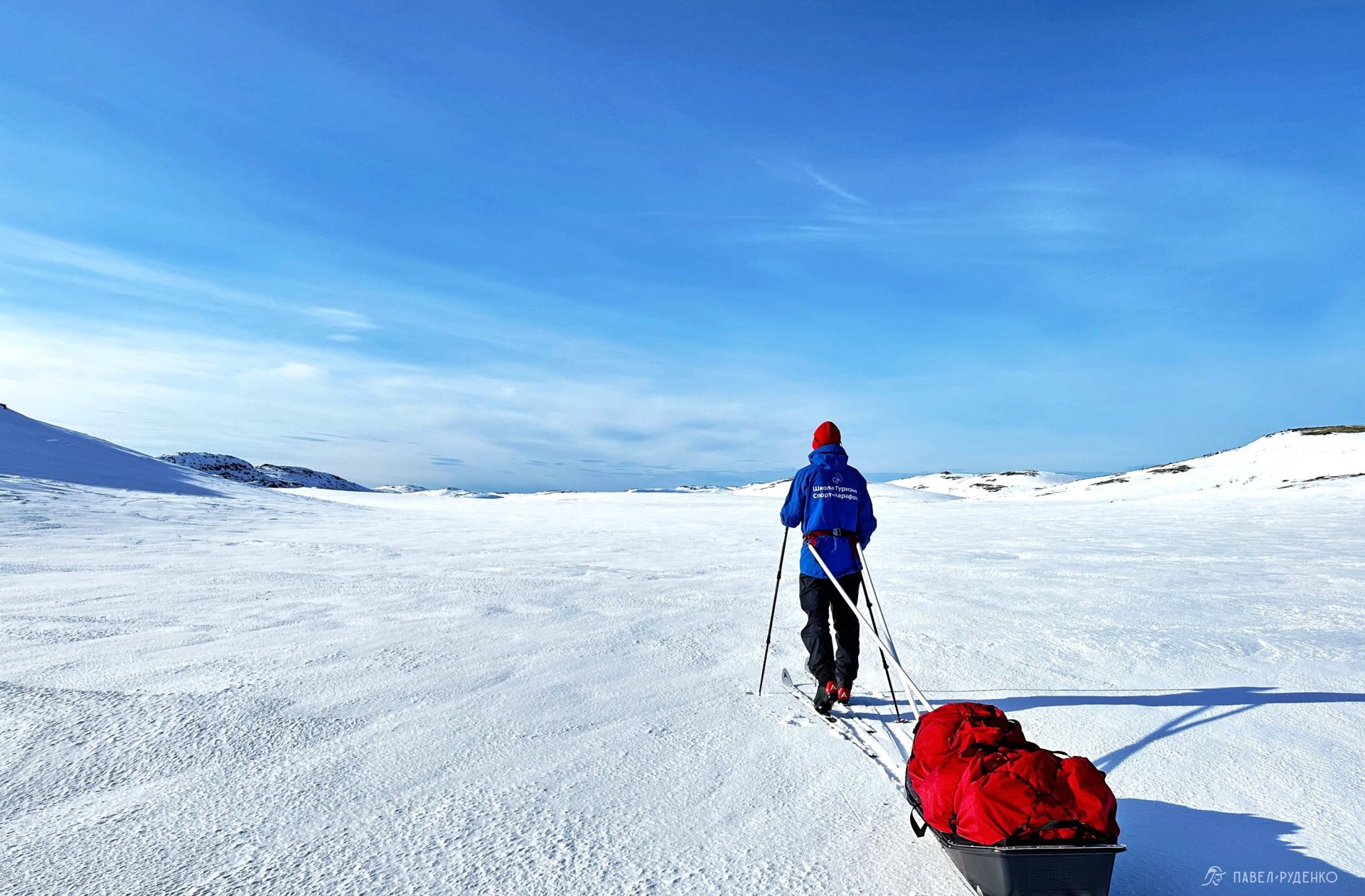
What Is an Expedition Pulk?
In polar and winter expeditions, hauling sleds are known as pulkas (historically in Russia: voloka, volokusha, volochuga). Dating back centuries in northern provinces, these drag-sleds were the ancestors of modern sleds. In the 19th-century Dahl dictionary, it was noted: “There are hamlets in impenetrable forests and marshes; the locals know no wheel, traveling across wet moss on drag-sleds...”
In the international polar community, the term Pulk refers to the complete hauling system: the sled, harness, and trace lines connecting the traveler to the payload. A skipulk features the same system equipped with rigid poles for precise downhill control on steeper terrain. You’ll also encounter terms like expedition snow pulk.
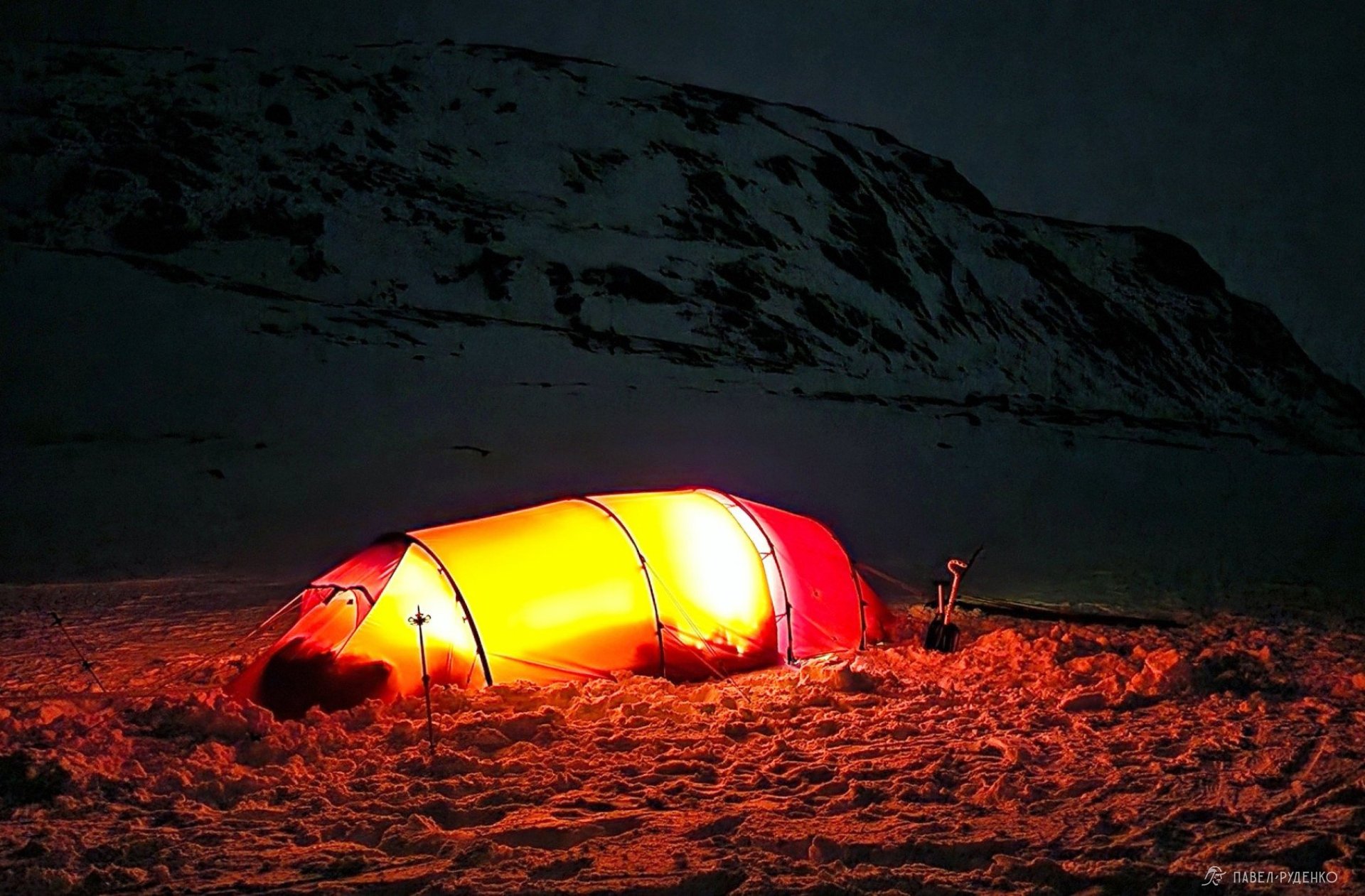
I am deeply passionate about ski touring with pulkas. I organize unique self-supported ski expeditions with cold camps in premium tunnel tents from Hilleberg, Fjällräven, and Helsport, as well as classic ski treks with backpacks and heated group tipis. Check out our expedition schedule!
Where to Use Them?
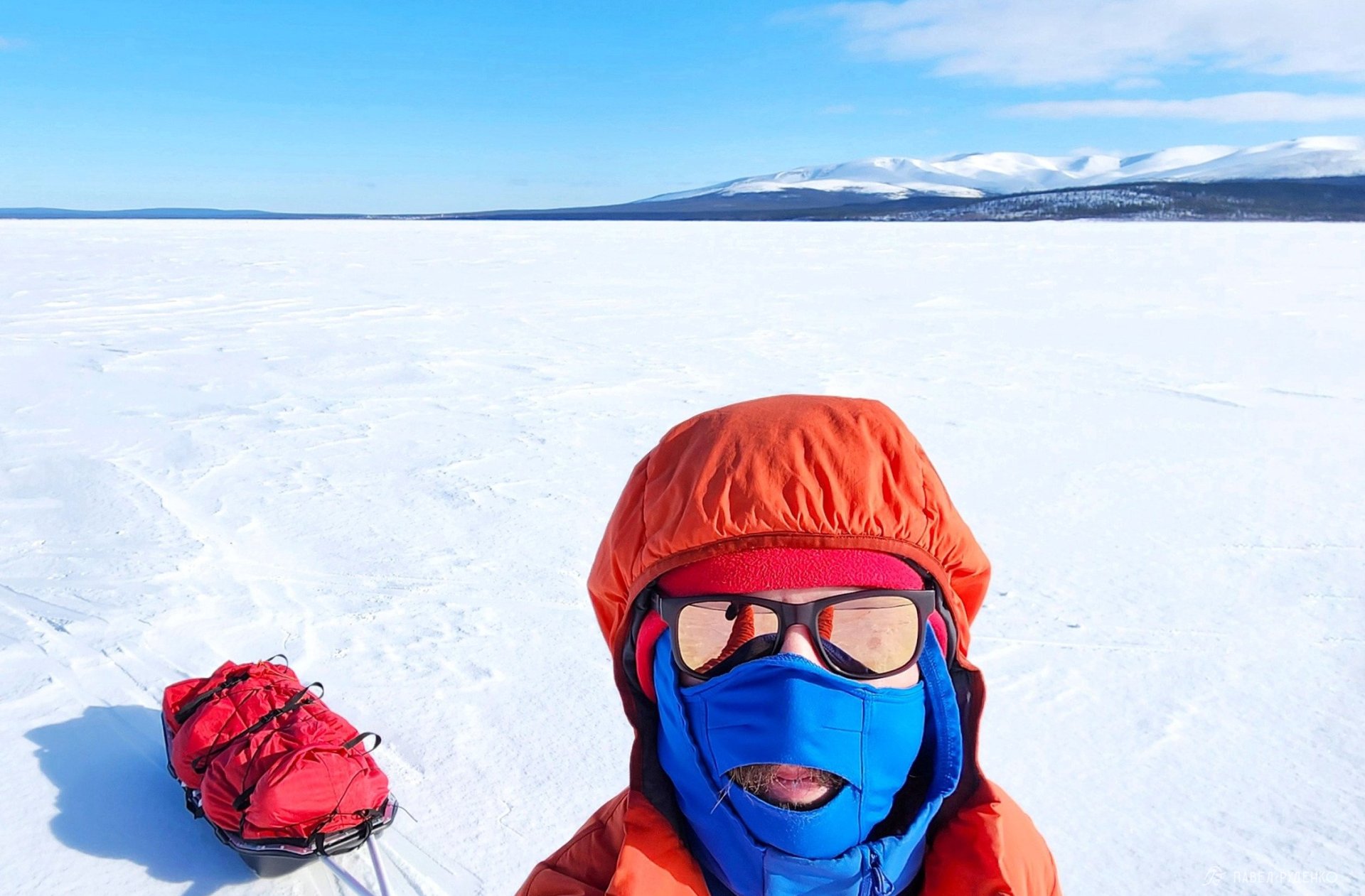
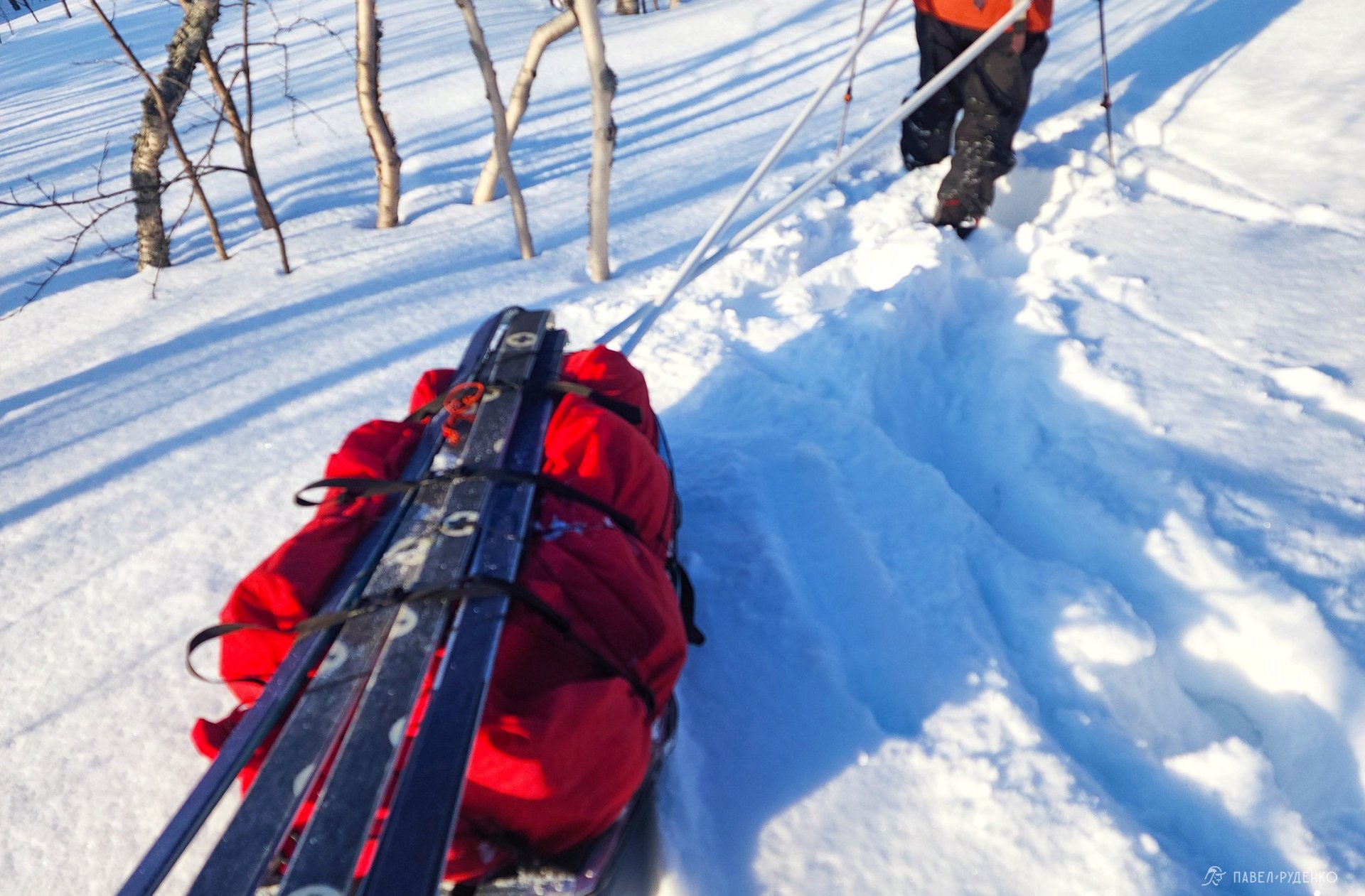
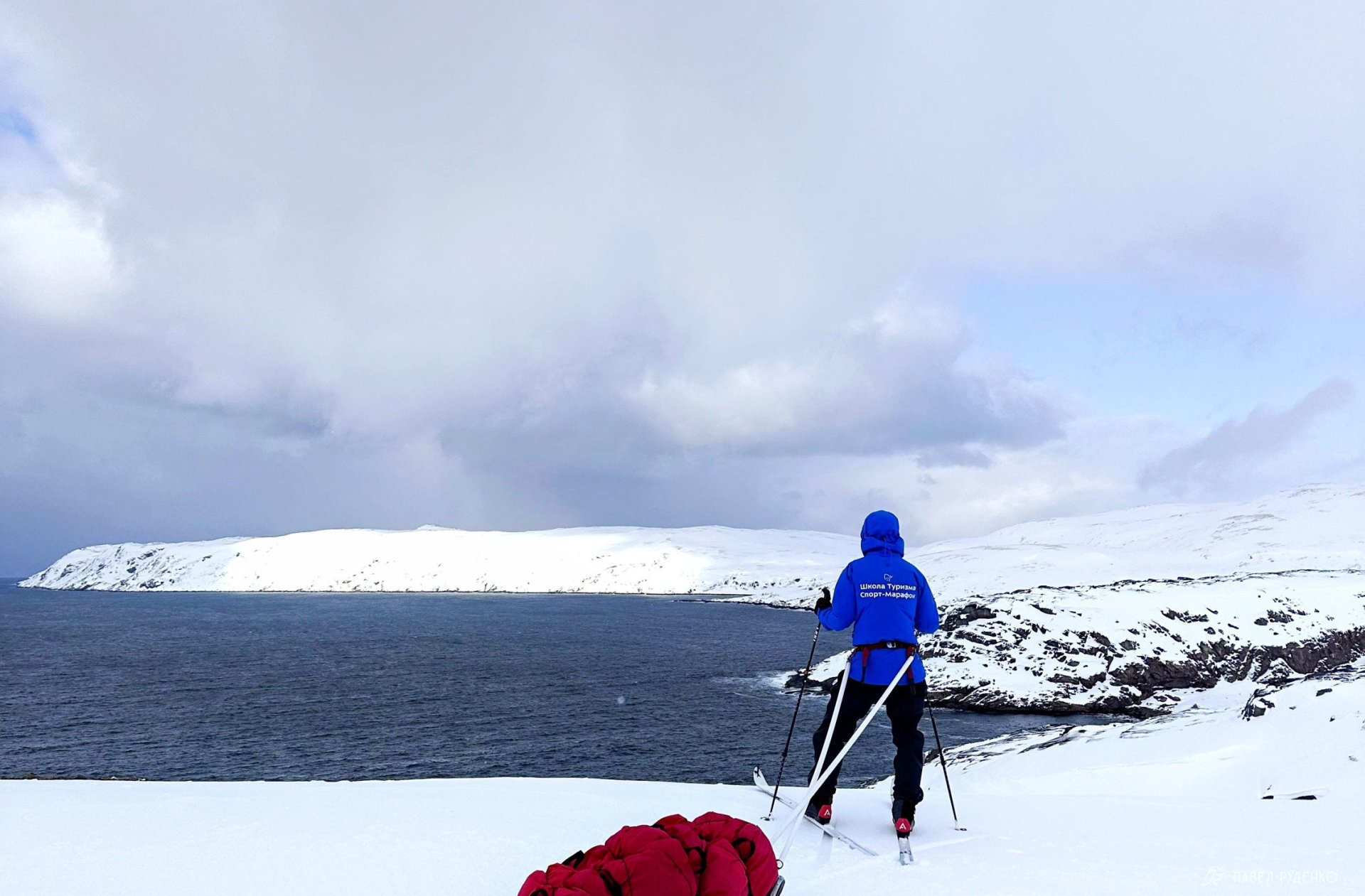
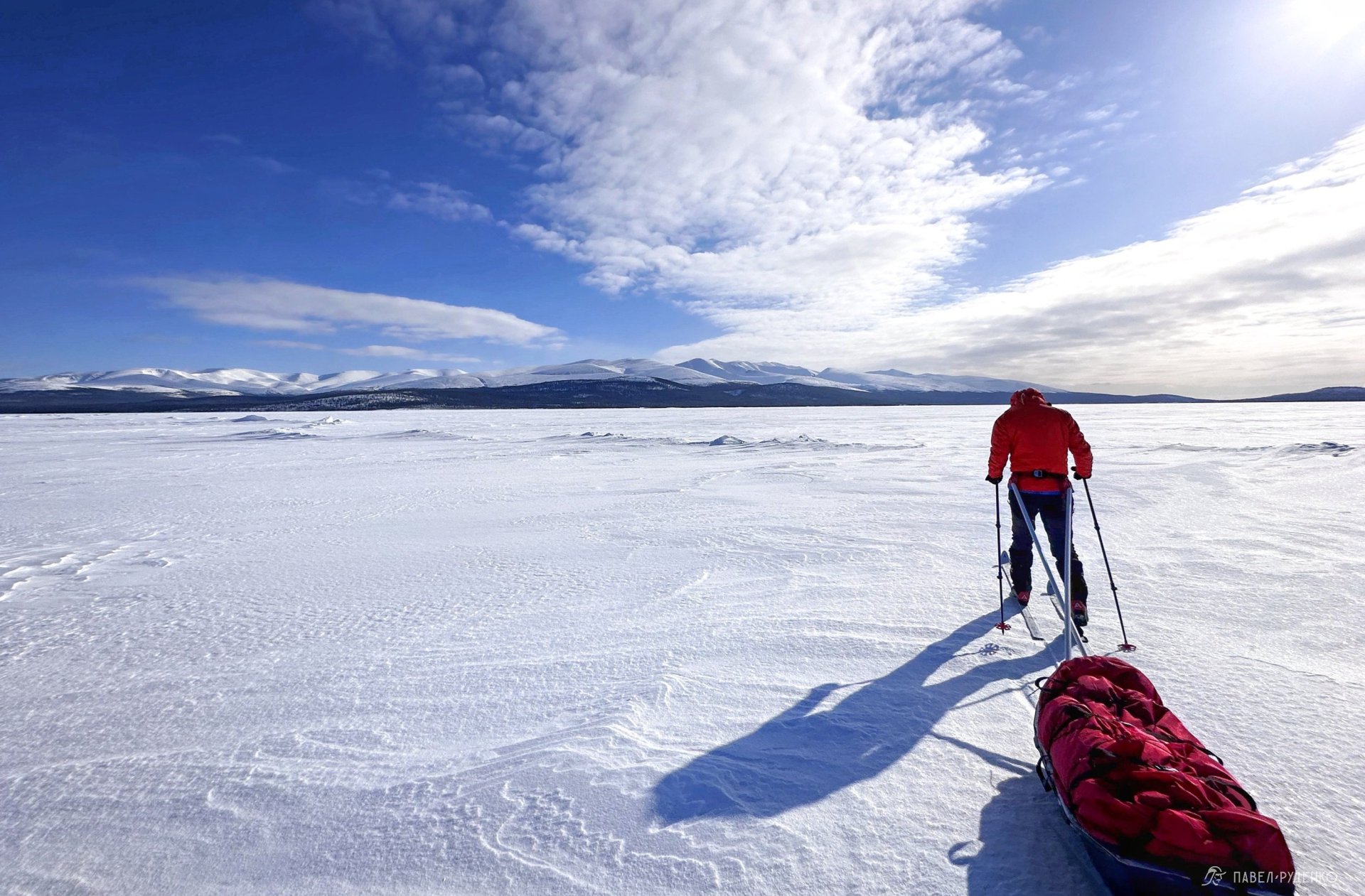
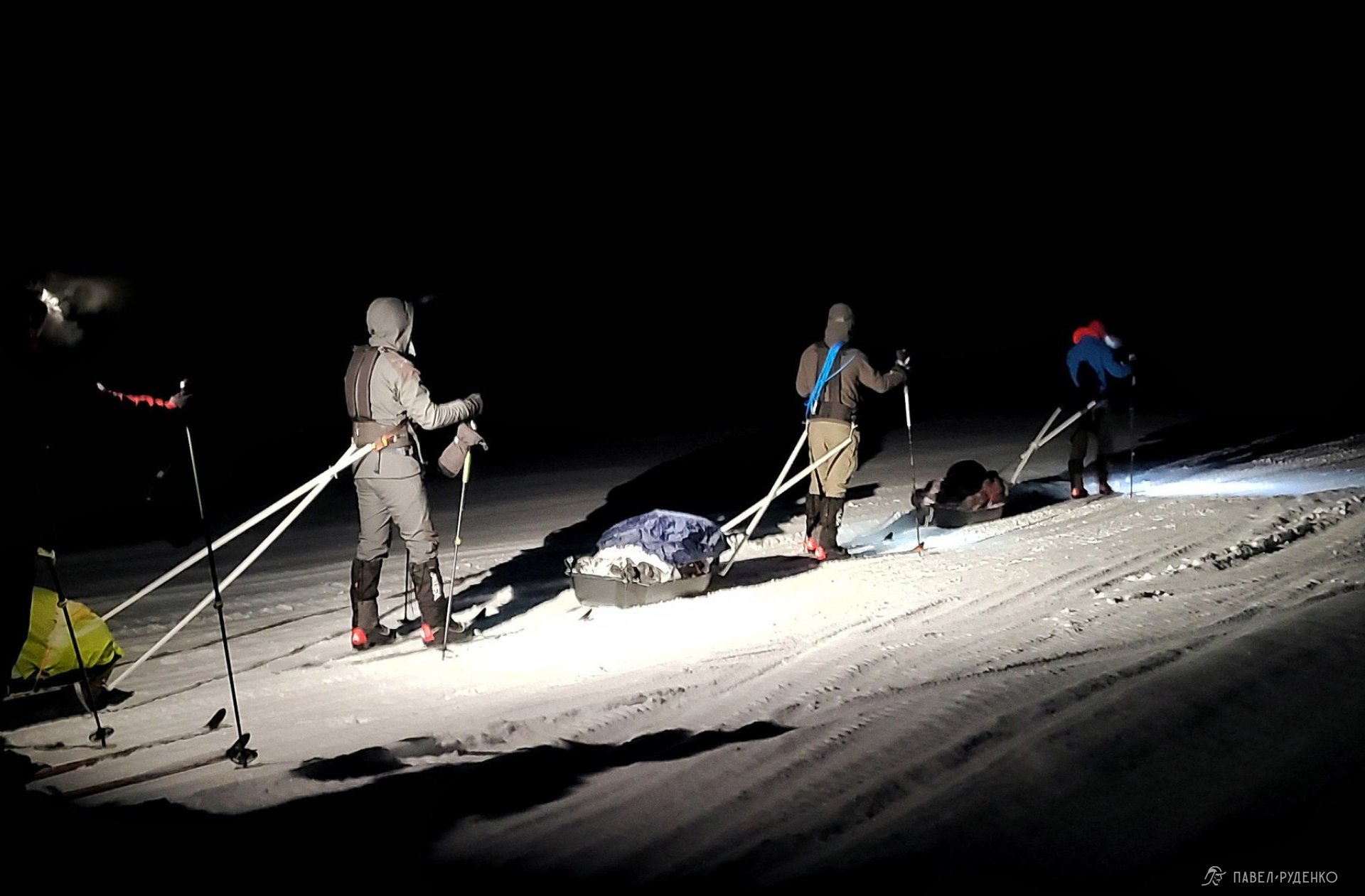
The prime terrain for hauling pulkas lies in the Arctic, Antarctica, and Greenland. Vast, boundless snowscapes offer ultimate freedom! Naturally, expedition pulkas are not limited to just these three regions—they excel anywhere you can ski across relatively open, rolling terrain without dense bushwhacking. Ideal conditions are found across the Kola Peninsula, Subpolar Urals, Yamal, Chukotka, or Kamchatka, as well as on shorter winter tours in temperate latitudes.
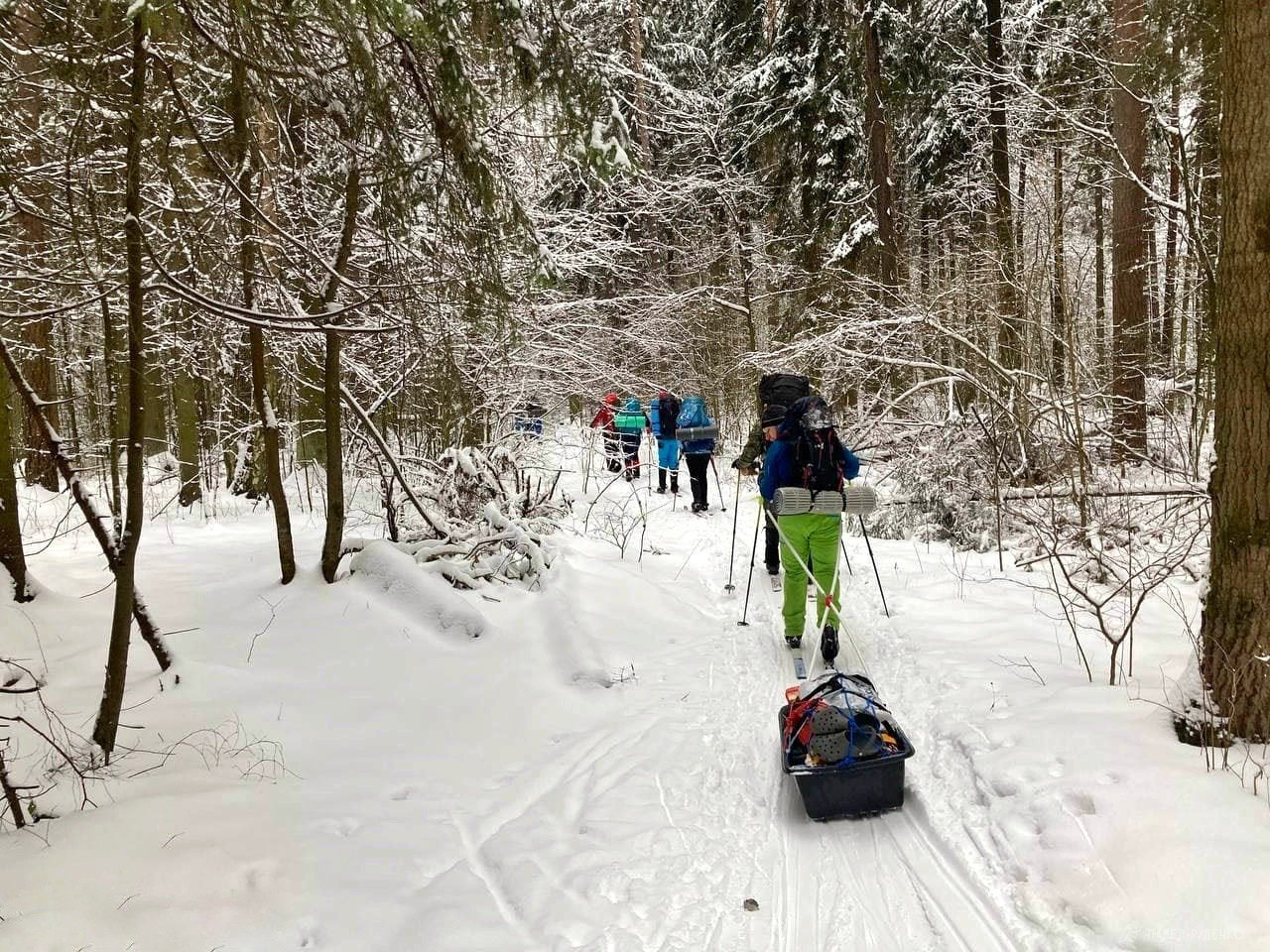
For instance, I have repeatedly used pulkas on winter treks around Moscow, effortlessly pulling a massive 17-person Tentipi along with a wood stove, hauling over 40 kg in total.
During ski tours across the Russian Arctic around Lake Imandra, the Khibiny Mountains, Kolvitsa, Teriberka, and the Lovozero Tundras, I inspire friends to travel the same way. Years of experimenting with different harnesses, sled volumes, and cargo lashing setups have led to proven insights and rigging tips, which I’ll share in the next article.
Advantages
- An incredible feeling of freedom for your back! Winter expeditions demand bulkier, heavier gear, and moving through deep snow in sub-zero cold takes significant energy. Keeping your back unburdened and dry is a game-changer.
- The moment you stop to check the map or wait for a teammate, your break begins instantly. There’s no need to drop a heavy pack into the snow while balancing on skis, only to haul it back on and wrestle with waist buckles in thick mittens — a chore that can waste precious minutes.
- You can haul substantially more weight than on your back. A prime example: 2-to-3-month polar expeditions where pulk weights often reach 170 kg. On self-supported trips across flat to rolling terrain, a pulk lets you take more supplies and venture much further.
- A pulk setup is often more cost-effective than an expedition-grade winter backpack.
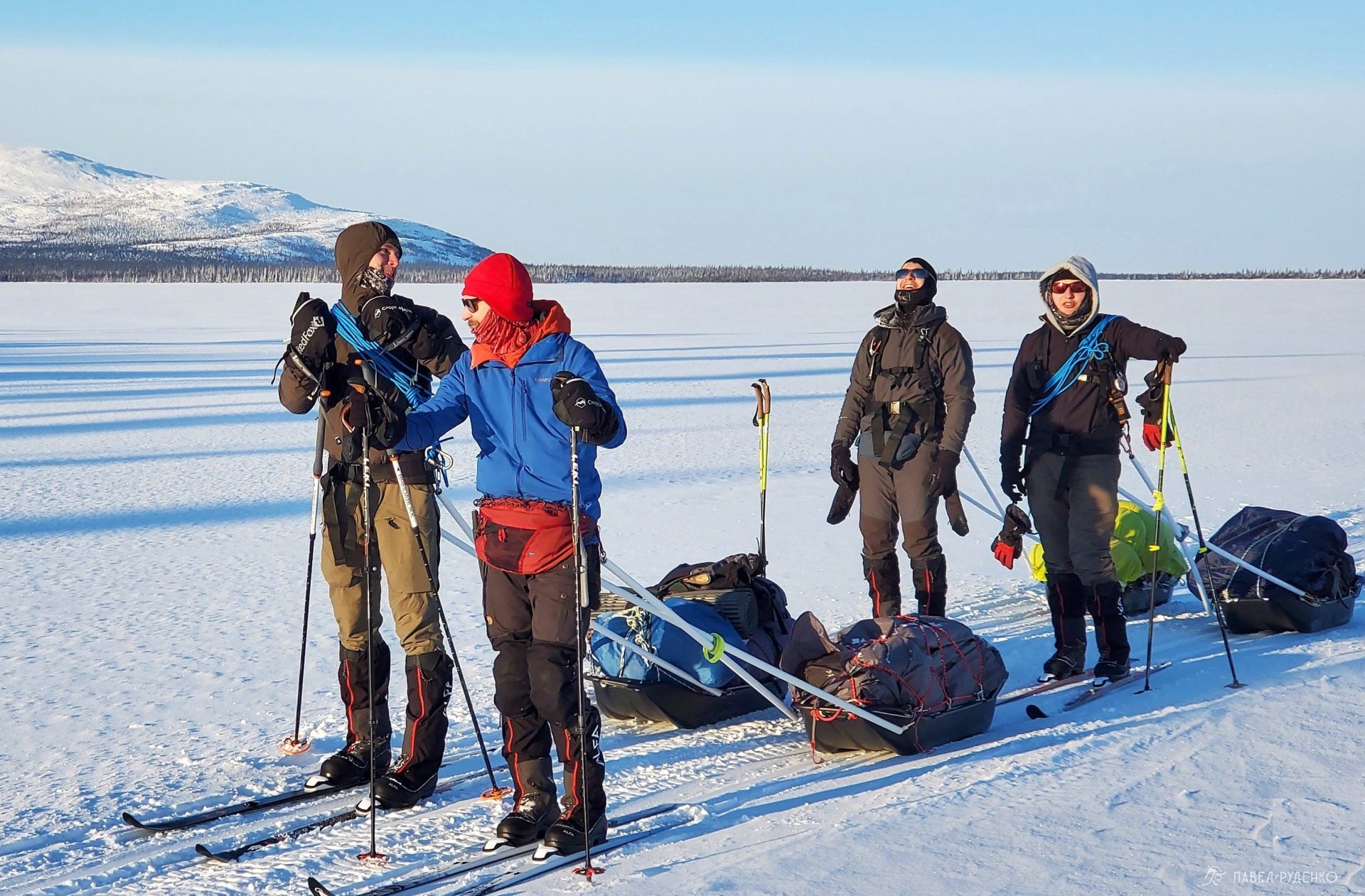
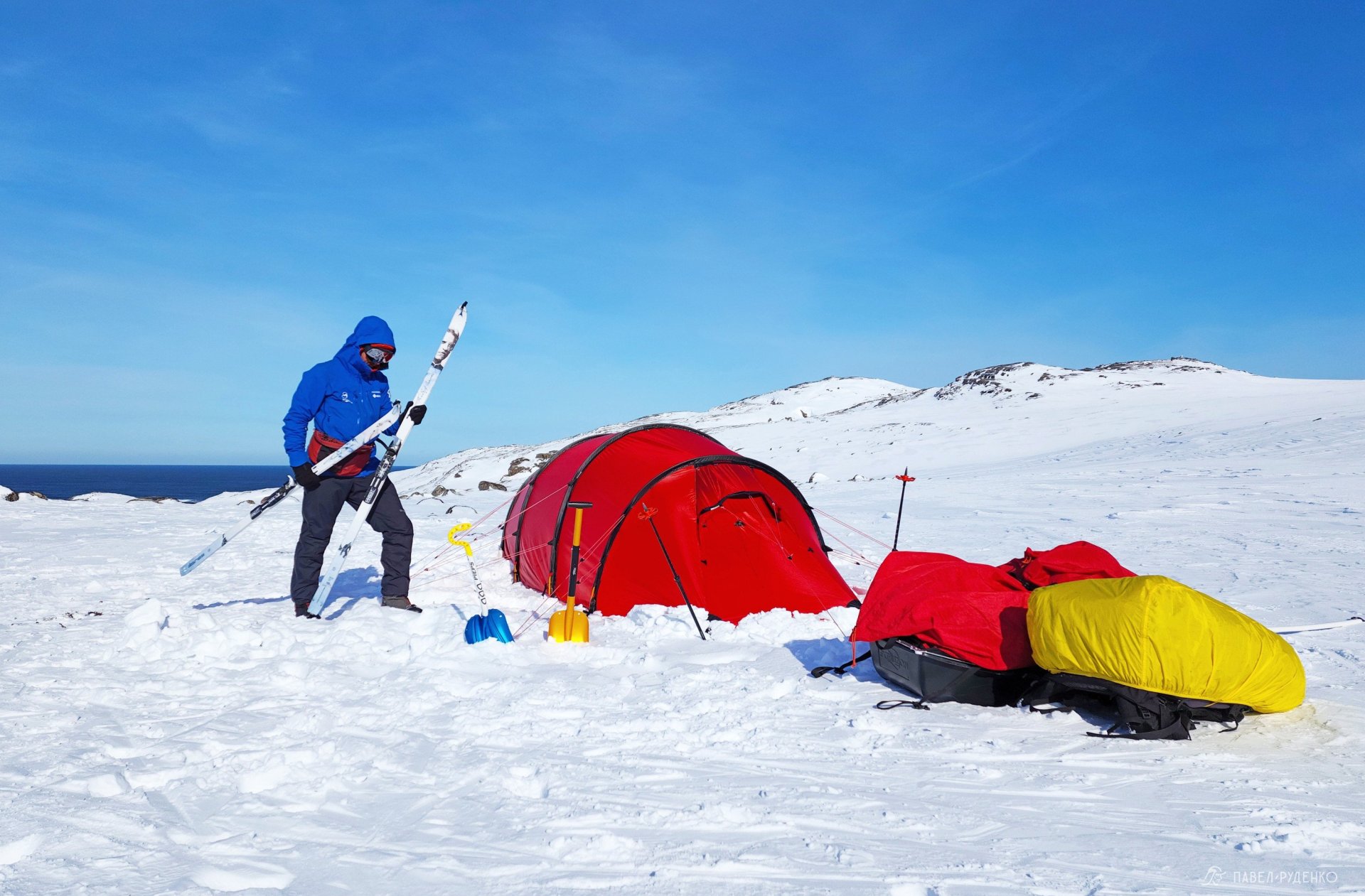
- Packing gear into an expedition pulk is effortless. You can even protect fragile equipment inside hard cases or plastic organizers. The most popular sleds in Russia are the “Arktika” (around 150L volume) and the larger “No. 13” model (around 250L). This drastically speeds up striking camp at dawn and pitching at dusk. Scandinavian polar explorers even use dedicated “pulk sleep bags” — oversized duffels that hold an uncompressed sleeping pad and bag together, slashing camp setup times and letting insulation dry on the move.
- Your pulk doubles as an expedition bench. During breaks, you don't even have to unclip your skis—just sit back on the sled, enjoy a hot lunch from your thermos, and recharge.
- The sheer romance. Hauling a pulk across frozen wastes delivers the authentic spirit and atmosphere of historic polar exploration.
Disadvantages
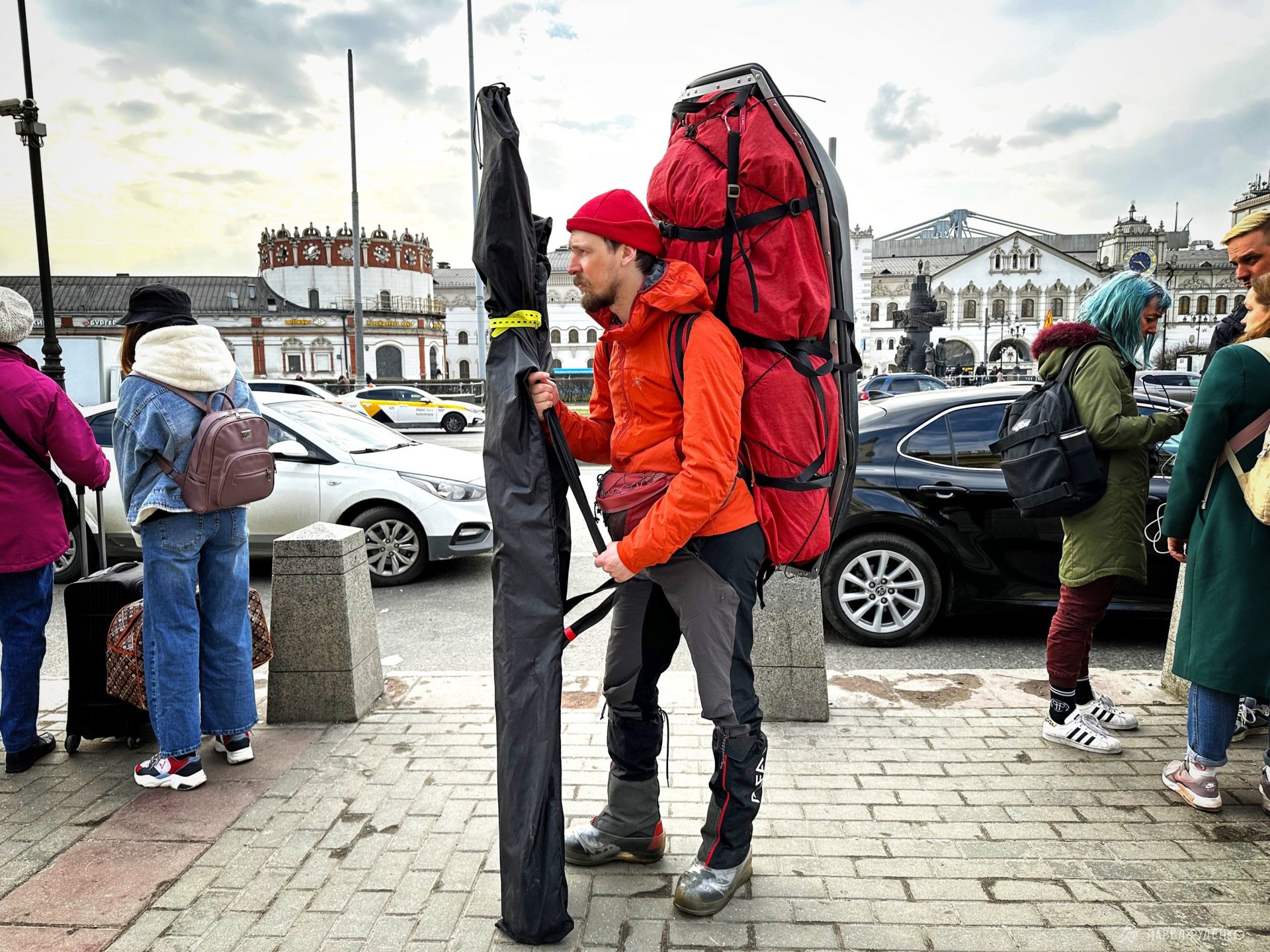
- The main drawback is transit logistics when traveling to the trailheads. The smoothest scenario is loading your pulk into an SUV and driving straight to the starting point in comfort. However, when navigating railways or flights, traveling with a rigid sled is somewhat less practical than carrying a soft backpack. Large pulkas are simply more awkward to haul through terminals. A proven workaround: I rig carabiners to the harness points or stitch shoulder straps directly onto the pulk cover bag, making transfers from taxis to trains or airport check-ins a breeze.
Nuances & Handling
- When traveling over flat terrain, fishscale ski bases are usually all you need. In wind-scoured or hard-packed icy conditions, short kicker skins or full-length skins become essential. If your route features elevation gains—even modest 5-to-20-meter ascents—full-length climbing skins are a must; otherwise, hauling a sled uphill will drain your stamina fast.
- Pace can occasionally be slower than with a backpack, due to surface drag and the subtle surge-and-brake rhythm on uneven tracks.
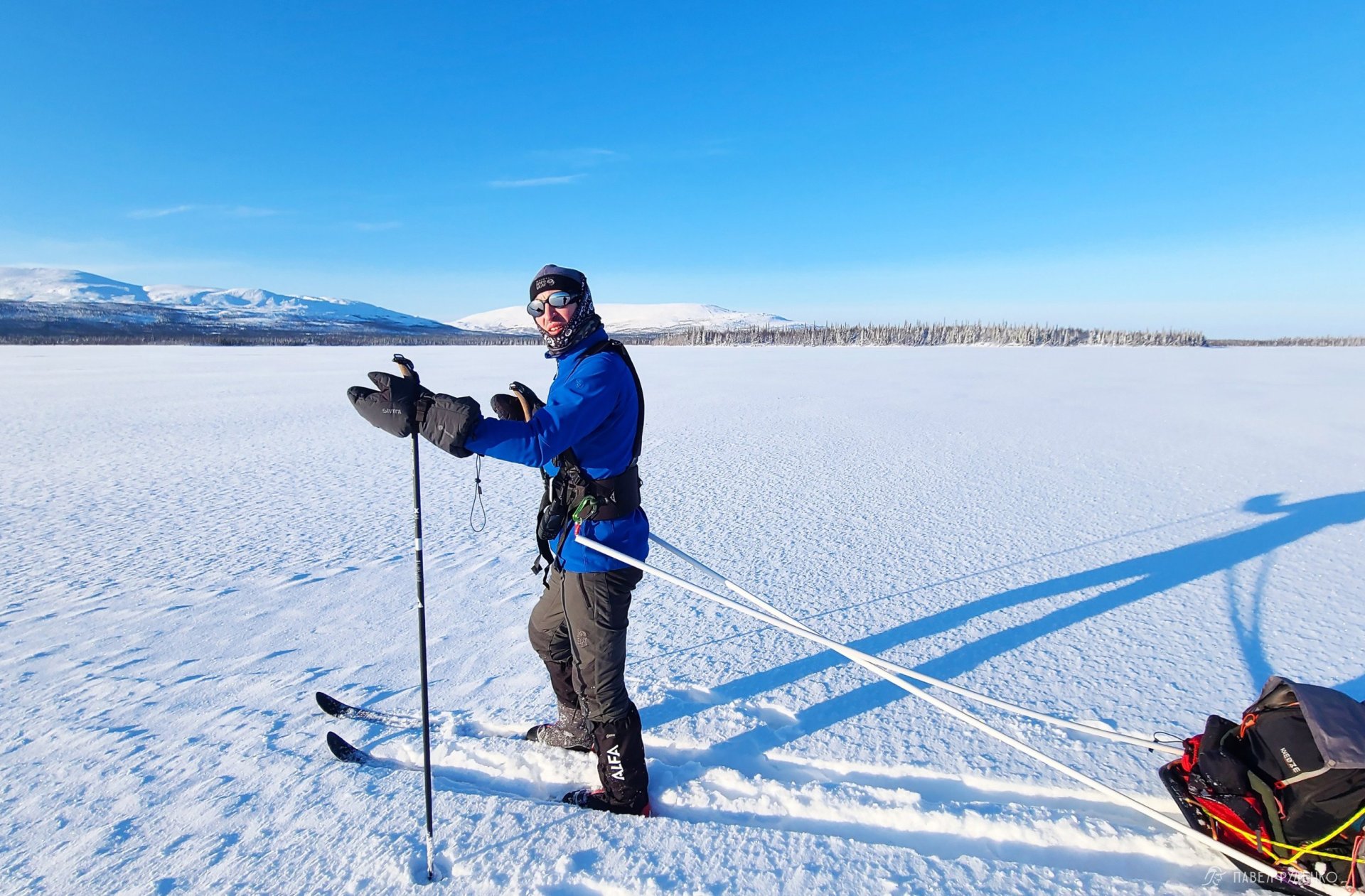
Customizing the perfect pulk system often requires a hands-on approach and some DIY spirit. Off-the-shelf turnkey systems from premium international brands like Acapulka or Fjellpulken can cost upwards of €700, and oversized cargo freight to Russia adds another €600, making direct imports less practical.
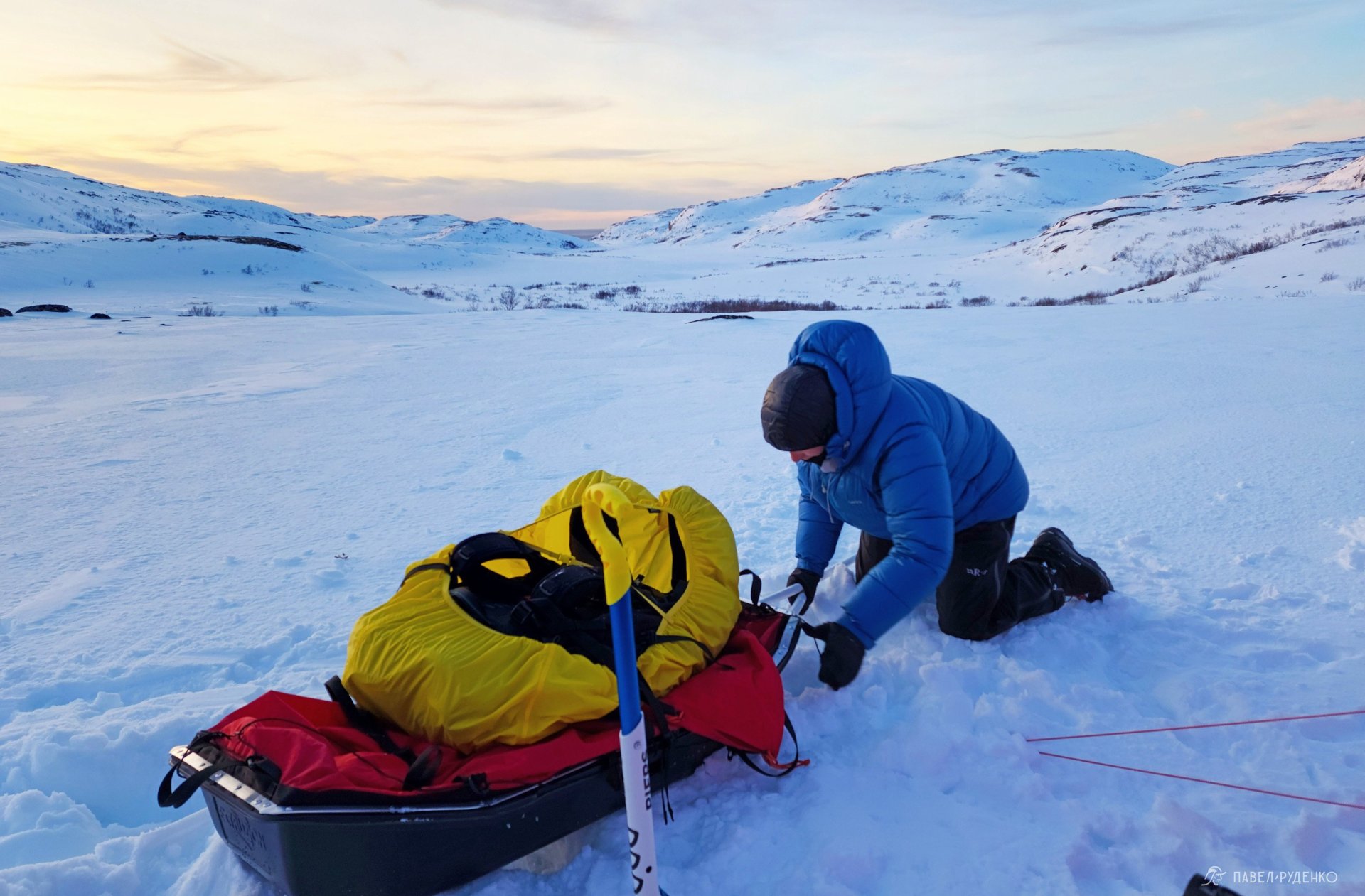
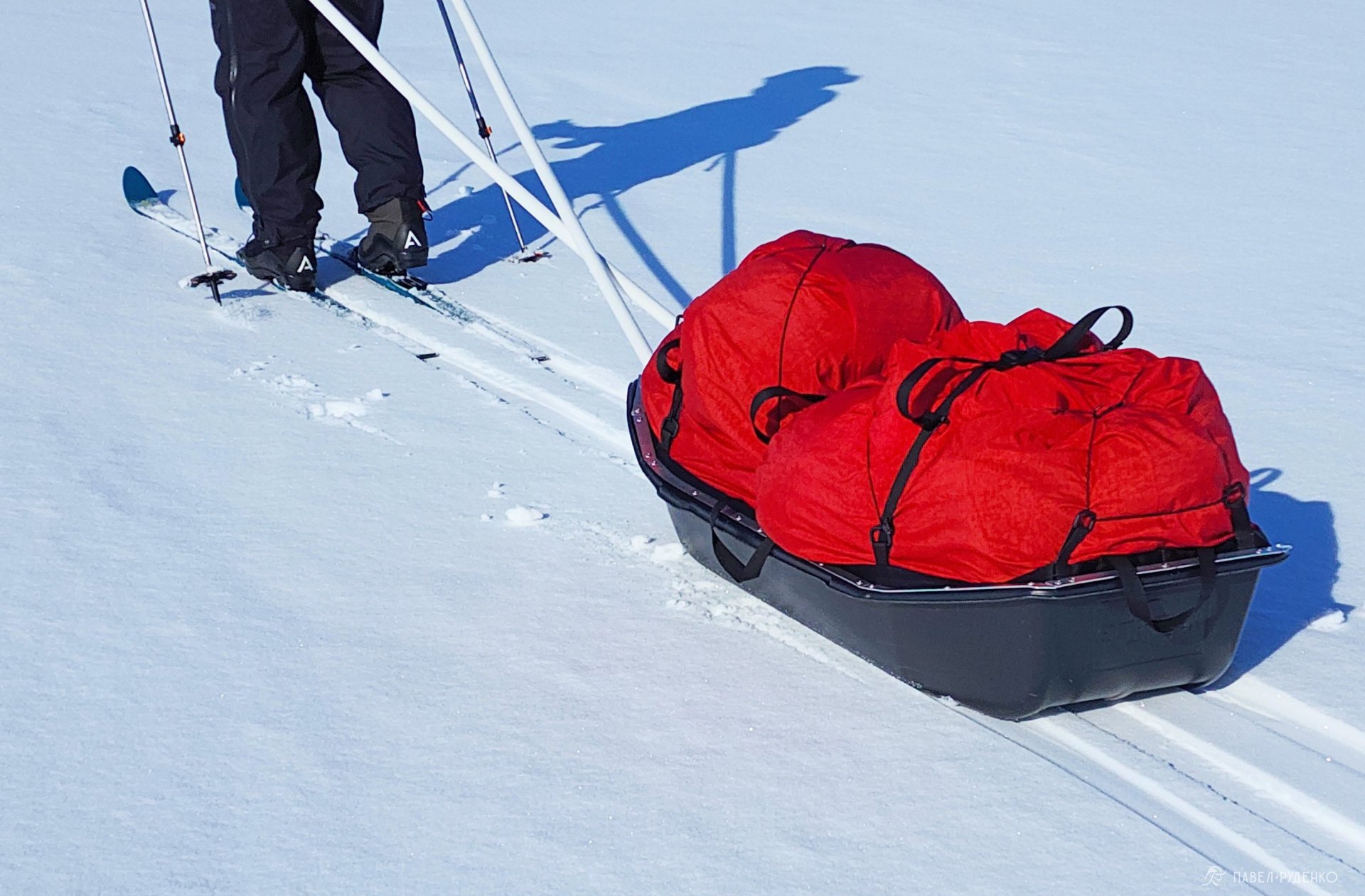
That is why I refined my setup year after year. Most recently, I teamed up with my friend Denis, an expert gear craftsman at “Territoriya Stranstviy”, to design a pulk featuring an integrated stormproof bag and harness. The prototype proved remarkably durable and ergonomic. We decided to launch a unique offering for the domestic market: an “Arktika” sled built with a rugged, integrated 420D nylon bag (150 g/m², 2000 mm PU coating) that keeps expedition gear safe from blowing wet snow. The rim is cleanly trimmed, reinforced with aluminum extrusions, and fitted with robust grab handles.
The system has passed harsh field trials with flying colors and is now available to order:
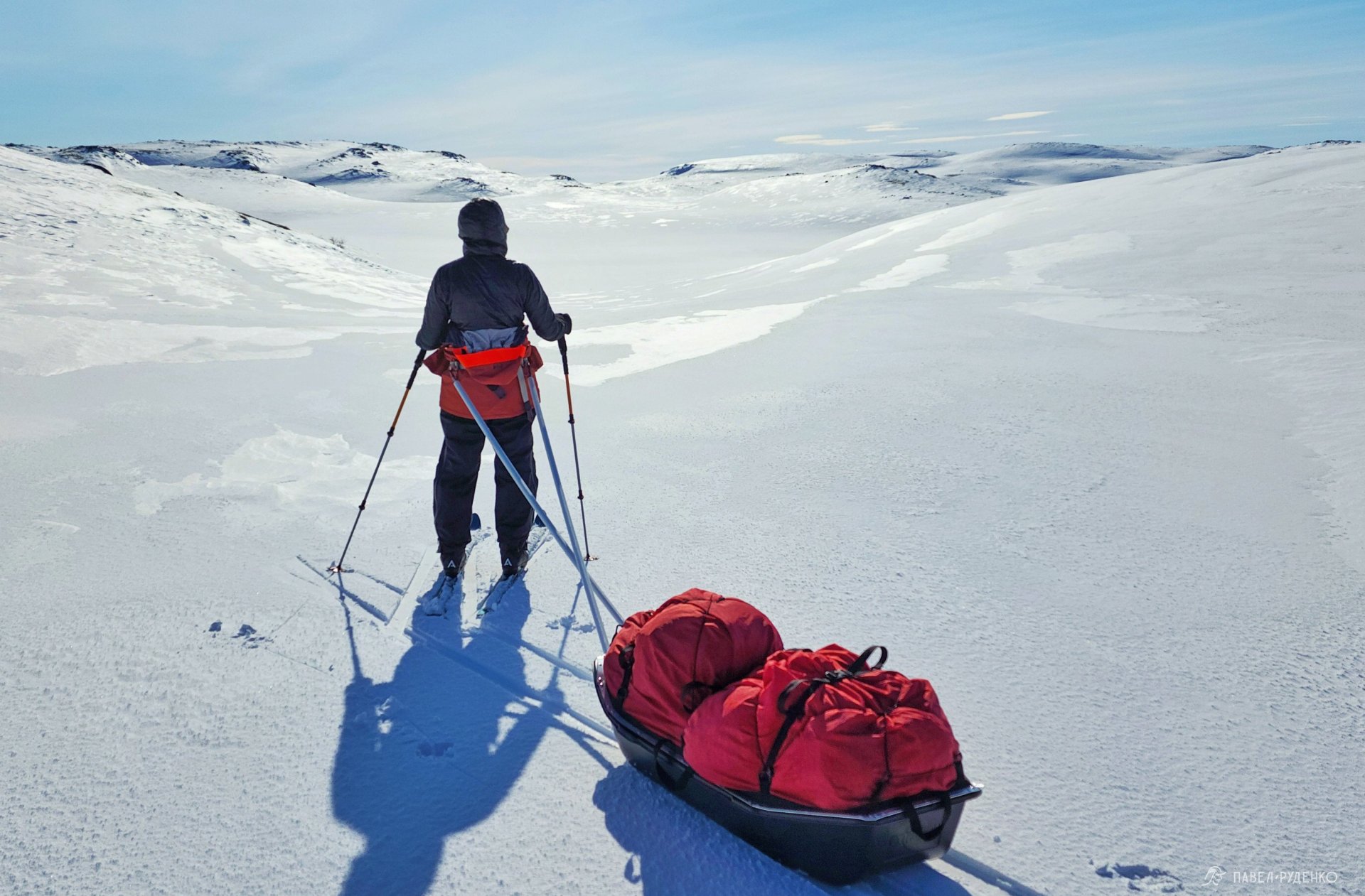
You can also check out my video guide on selecting expedition pulkas for winter ski treks, comparing sleds versus heavy winter backpacks.




Comments (0)