
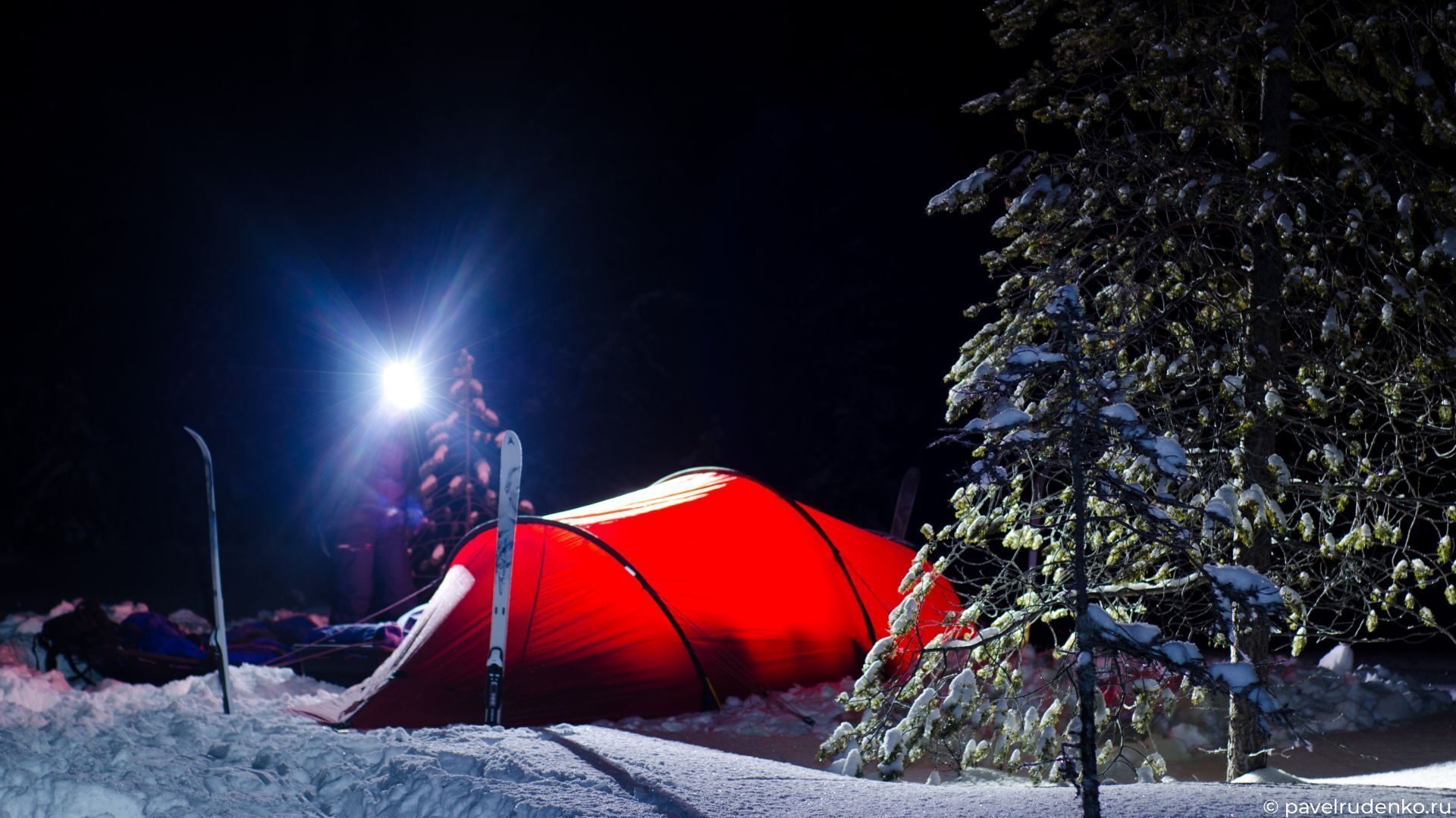
Hilleberg Nallo 2 GT Tent Review
I have had the opportunity to test tents from various brands across different price points, from Tramp and Decathlon to Fjallraven, Helsport, and Hilleberg. In actual field use, I found that Hilleberg delivers unmatched simplicity and thoughtful engineering in every detail. These are the strongest and most durable tents with external pole sleeves and a flysheet that reaches all the way to the ground.
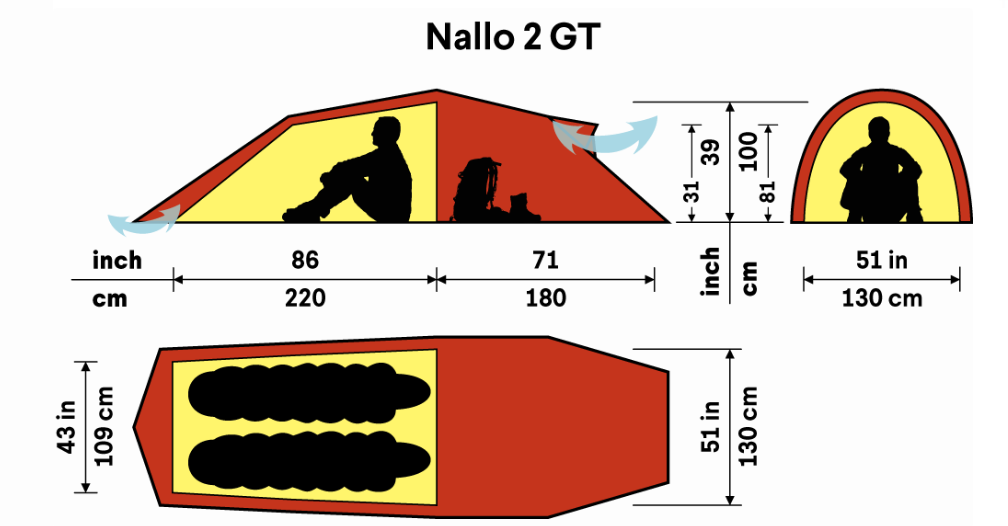
Dimensions
Field Experience
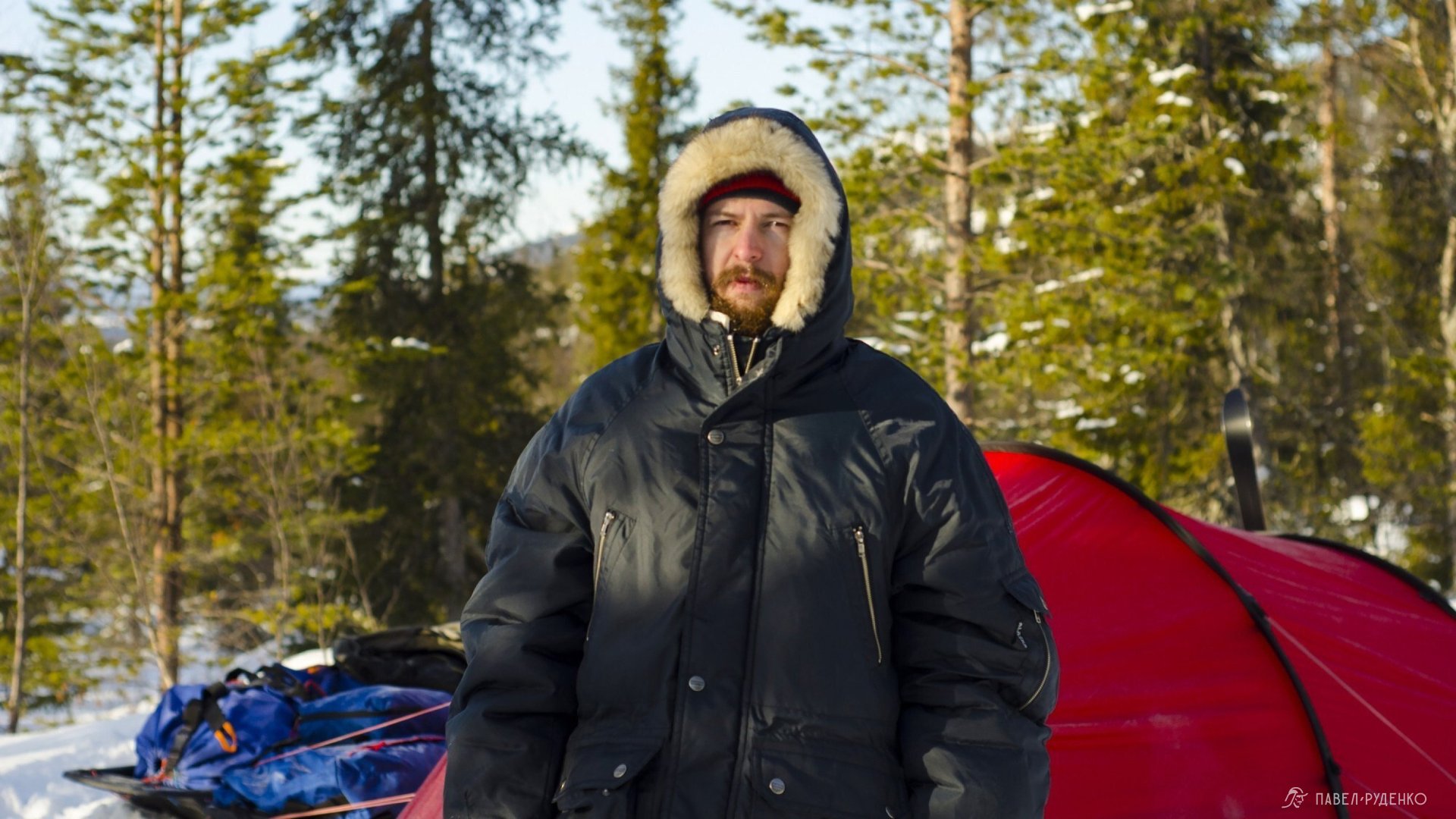
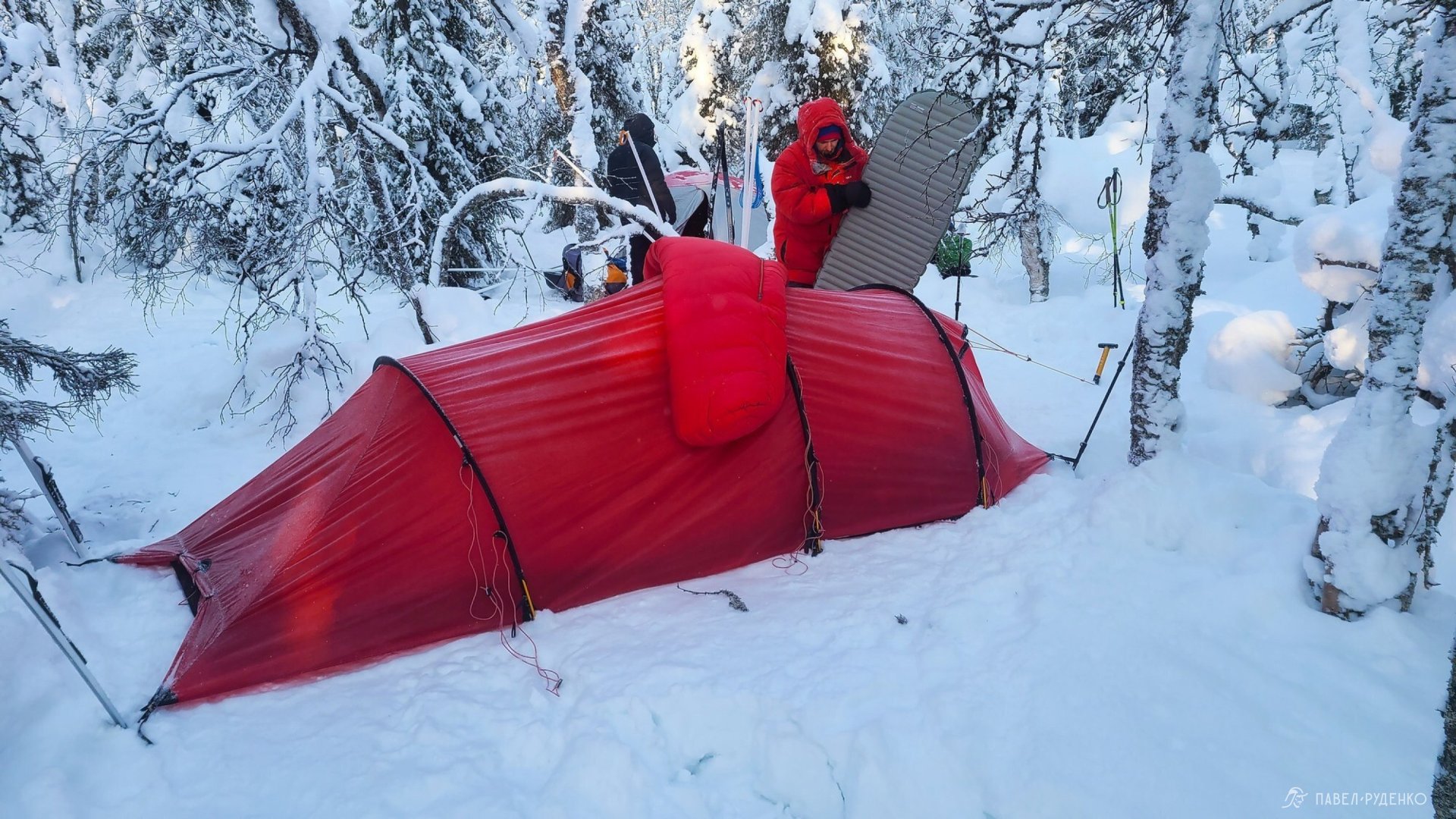
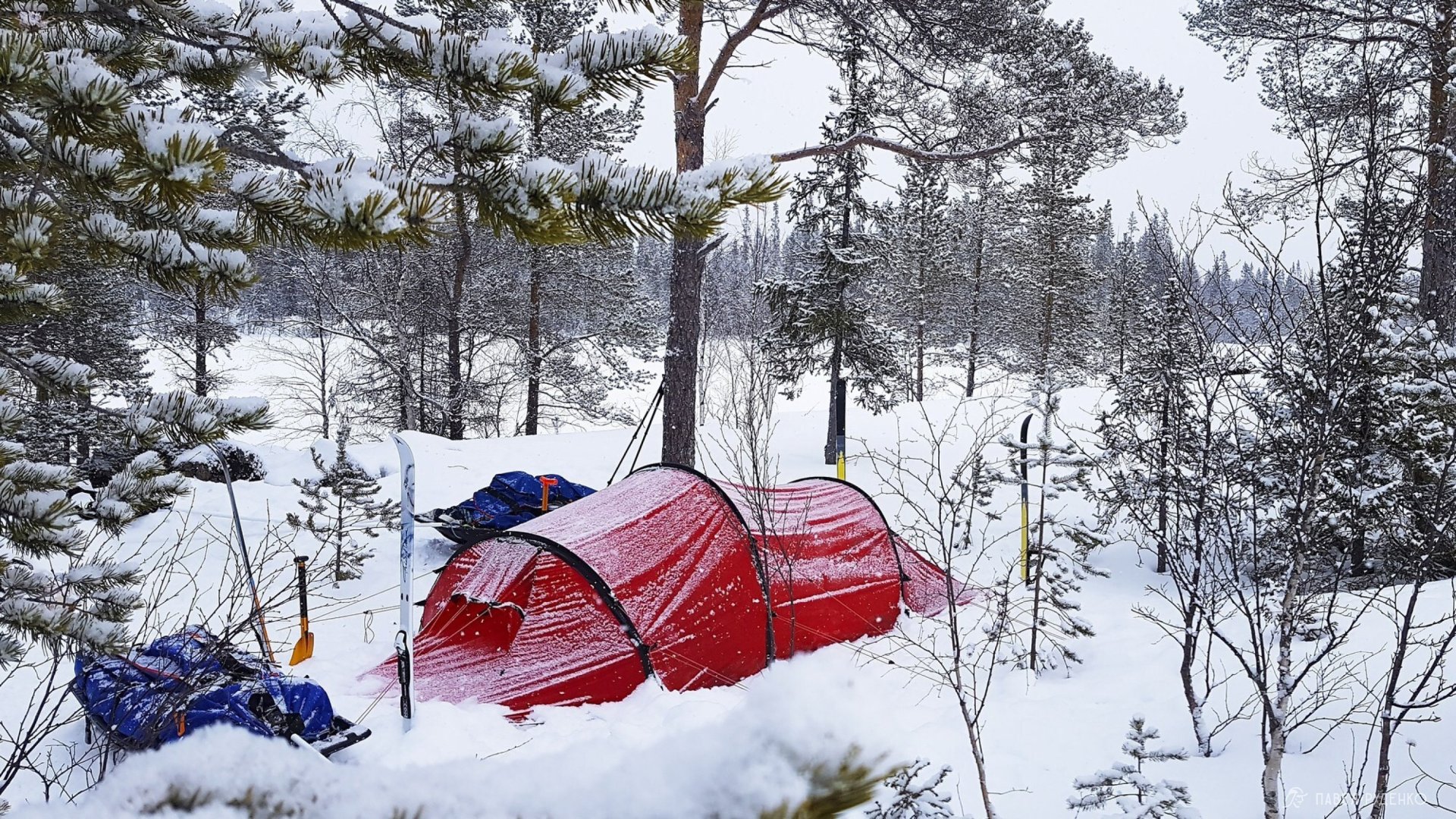
The tent has weathered two winter expeditions across the North: through the Lovozero Tundras in February and the Kolvitsa Tundras in March, plus a dozen weekend trips. I have used the Hilleberg Unna and Soulo, own the Enan and Kaitum 2 GT, and genuinely love using Hilleberg tents. The Nallo 2 GT is exceptionally compelling thanks to its strength-to-weight ratio, especially the version without the extended vestibule. However, both versions share one significant drawback, which I will break down below.
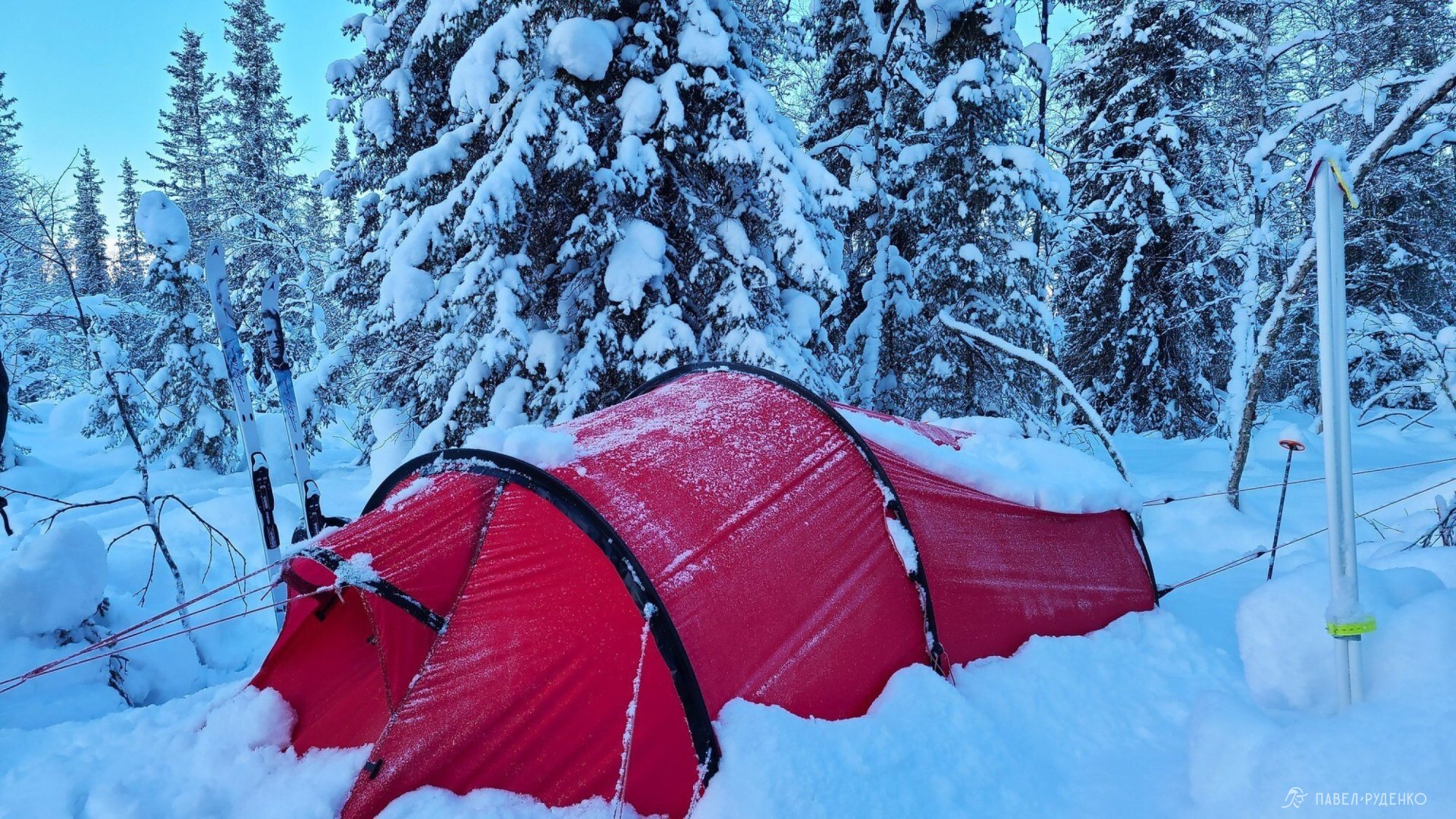
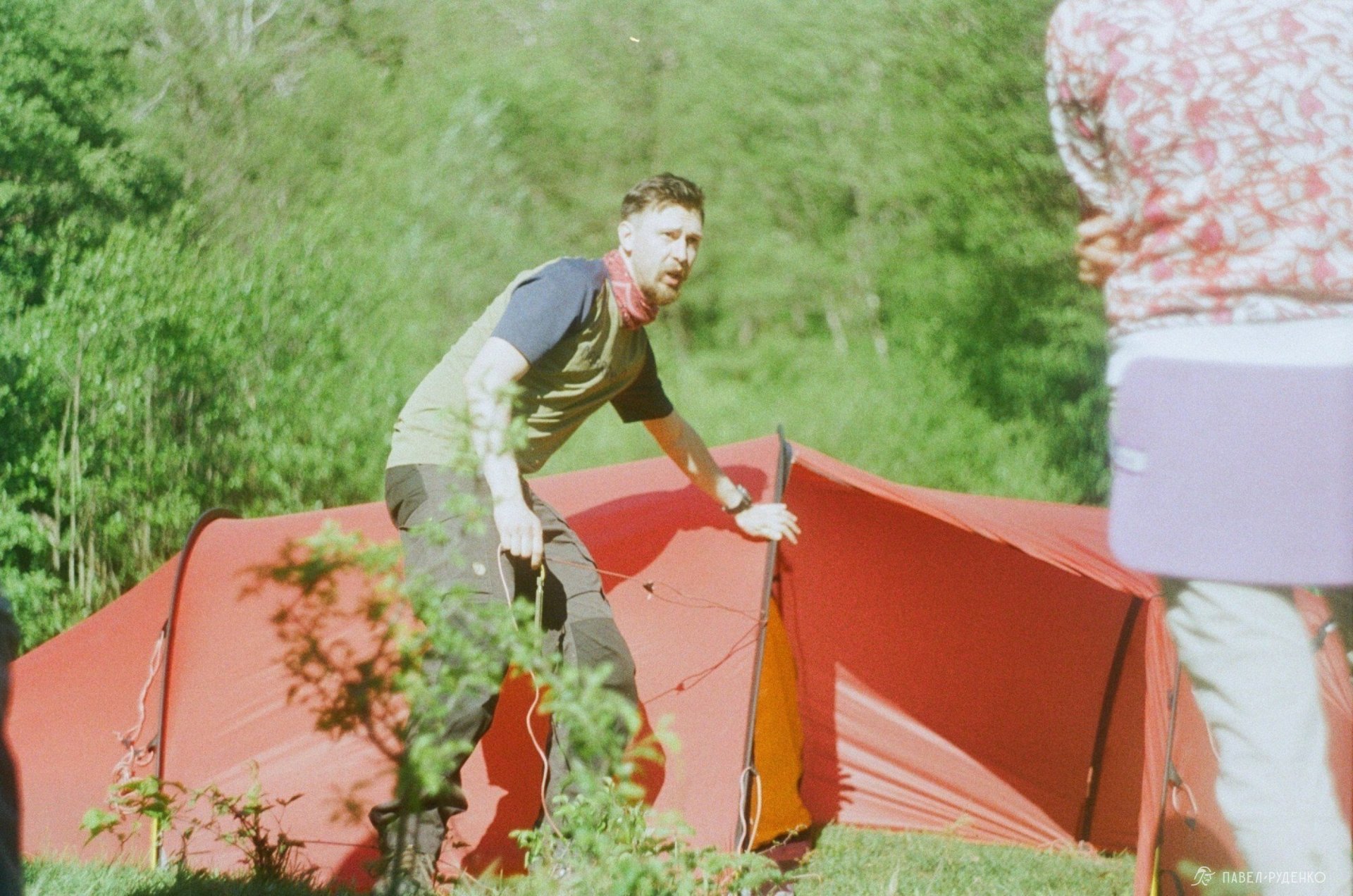
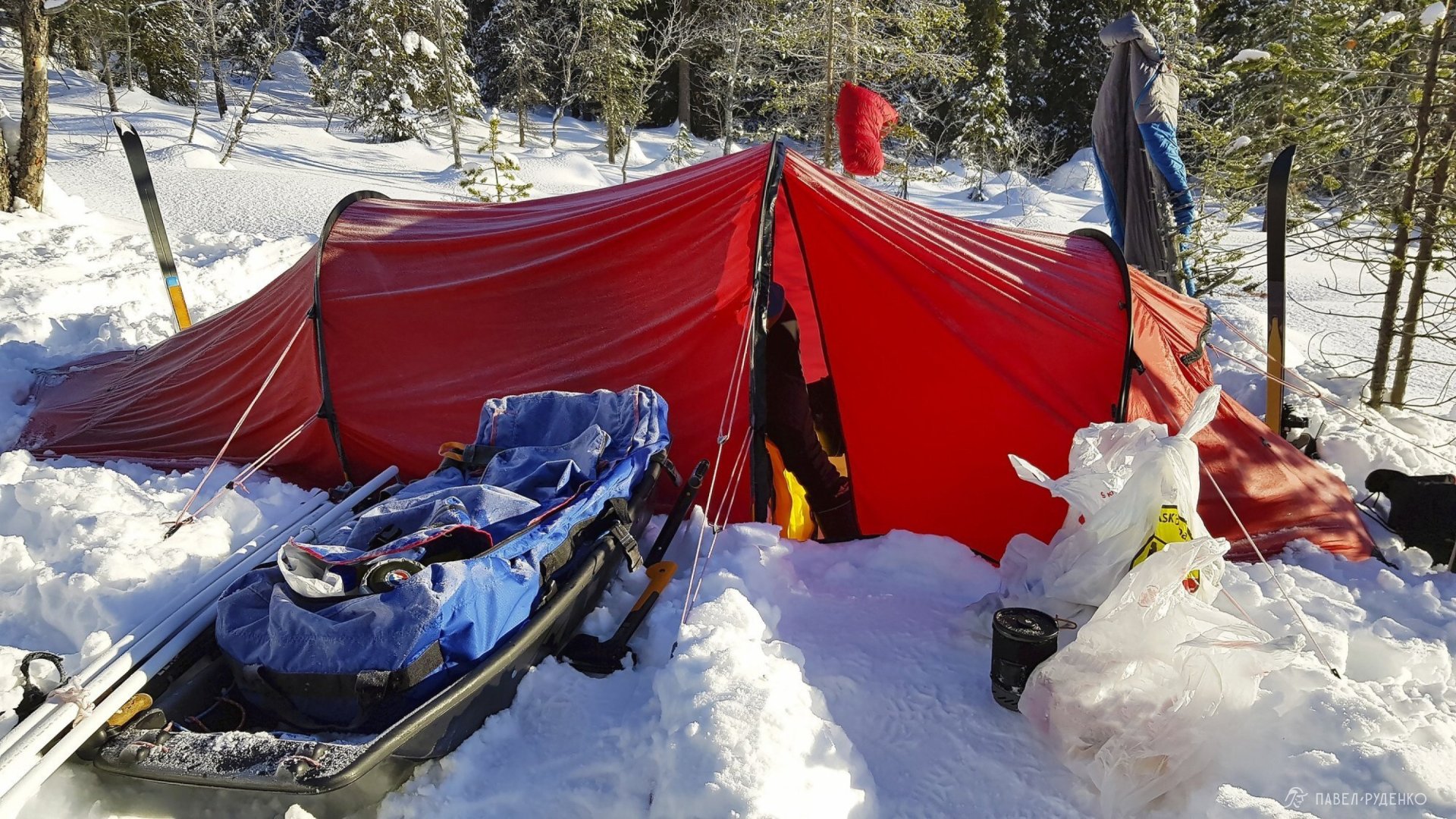
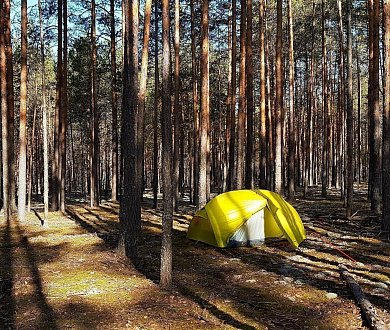
In some photos, the tent is pitched less than perfectly and the guy lines are not set properly—either because it was my first time handling a tunnel tent or because we needed to save time. Hilleberg tunnel tents have a unique trait: pitching them can feel unfamiliar at first, but after a few treks, it becomes much easier and faster than pitching a dome tent.
Intended Use
The Hilleberg Nallo 2 GT is a 4-season tent and the lightest two-person extended vestibule model in Hilleberg's lineup at 2.9 kg, with the standard Nallo 2 vestibule version weighing 2.4 kg. In terms of strength, I consider it suitable for almost any condition, except for the North and South Poles, the windiest corners of Patagonia, and altitudes above 7,000 m. For those extremes, the Black Label series is a better choice due to its heavy-duty build.
Black Label can also be worthwhile if you want maximum gear longevity: the fabrics are thicker, the silicone coating is heavier, and the interior volume is more generous.
The Nallo 2 GT is also great for summer treks, provided they are in northern regions or high alpine areas. Summer trips along the Lycian Way in Turkey or in Crimea are not what it was designed for. The outer fly reaches all the way to the ground, and ventilation is limited, so the interior can overheat and trap stagnant air. If your adventures vary widely, the best approach is to have different tents tailored to different missions.
GT Vestibule
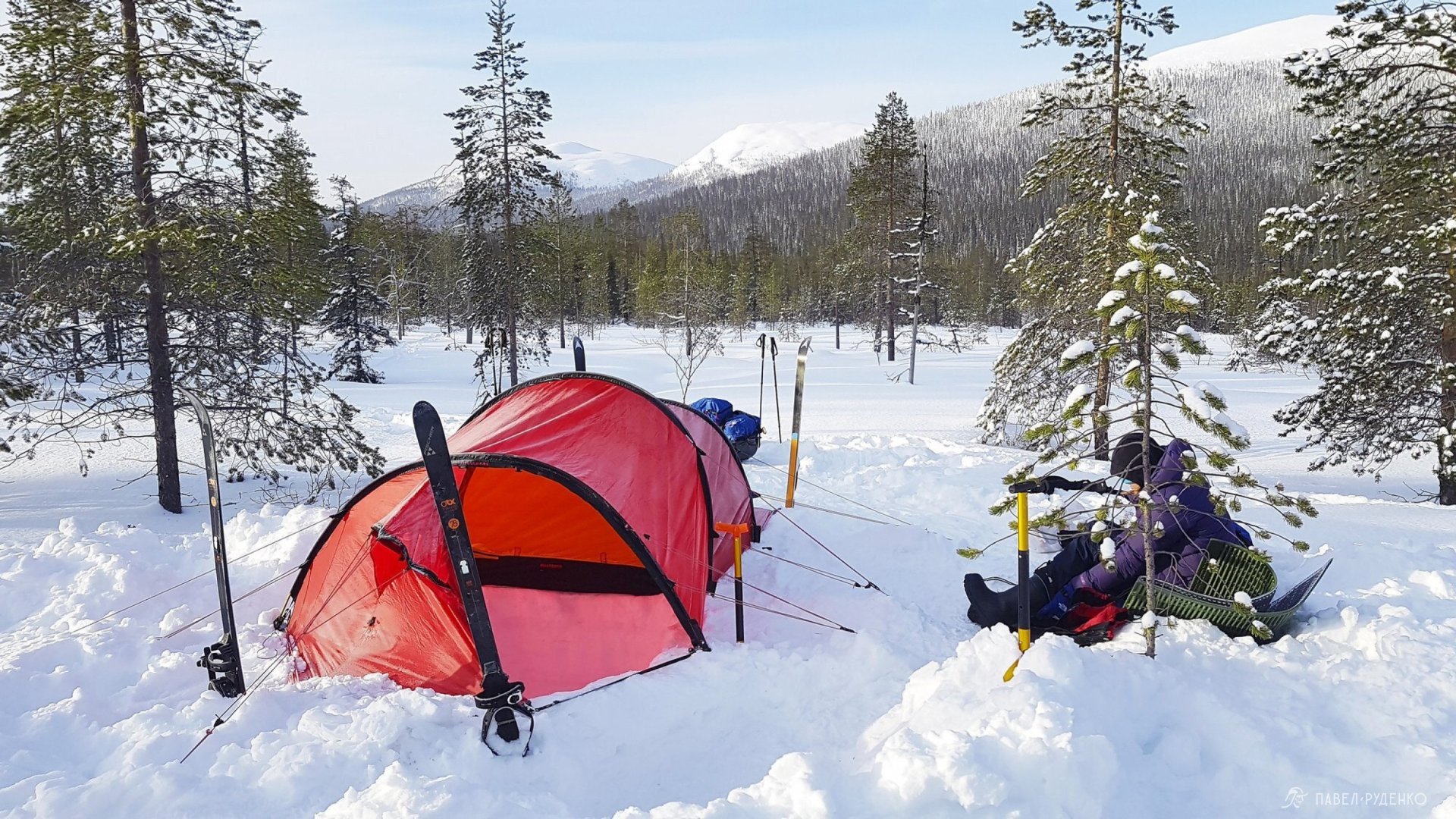
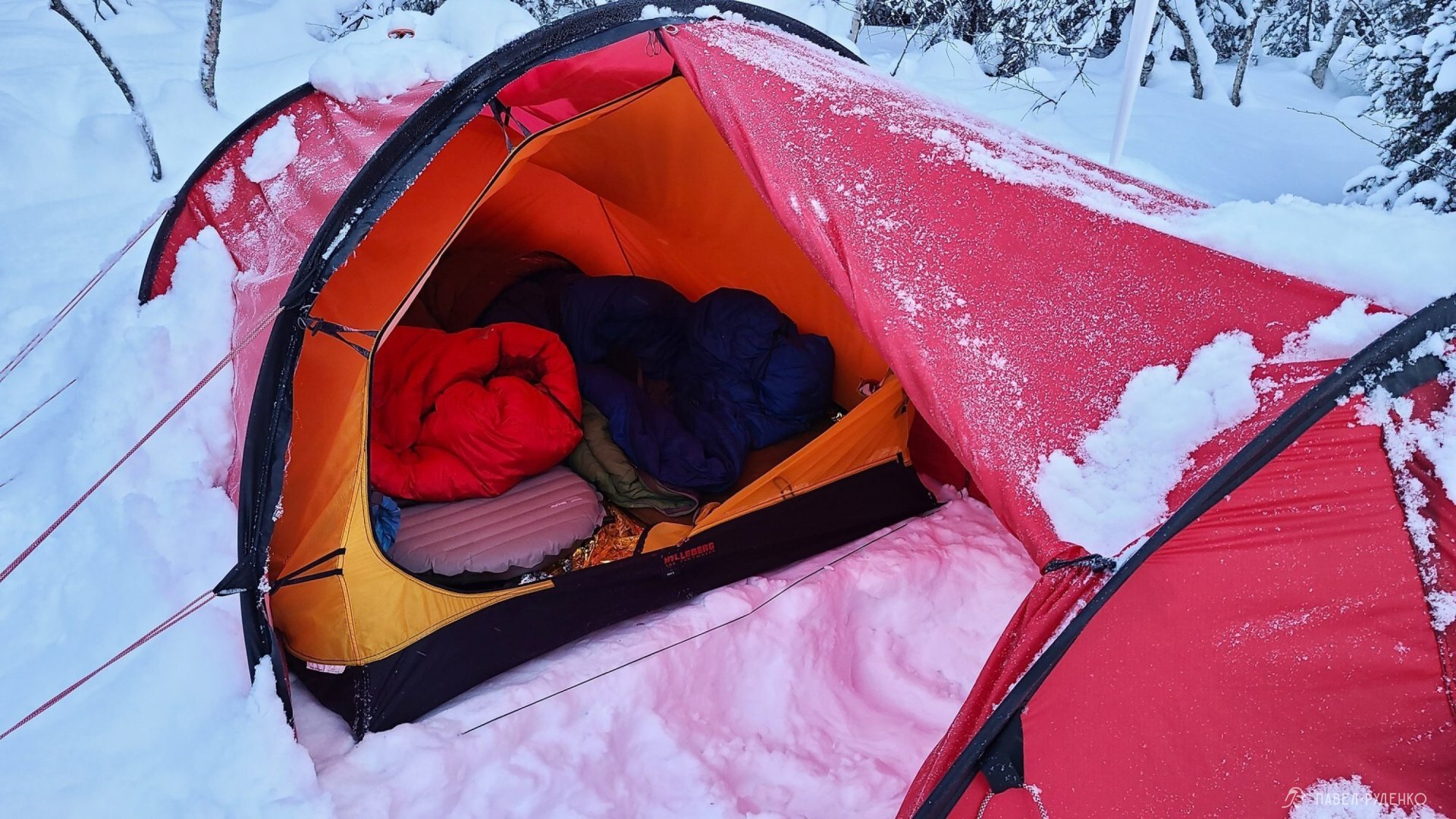
GT denotes the extended vestibule version. This can only be achieved with a tunnel tent architecture. That is why some dome models incorporate this solution to create a hybrid design, such as the Hilleberg Saitaris or Helsport Svalbard. The large vestibule allows you to cook inside and store gear out of the elements, which is invaluable in rain, wind, snow, and freezing cold. In winter, I dig a footwell in the vestibule to sit comfortably and manage camp chores. For small groups of 1–6 people, this is incredibly convenient. In larger groups, cooking typically takes place outside the tent, making the large vestibule somewhat less essential.
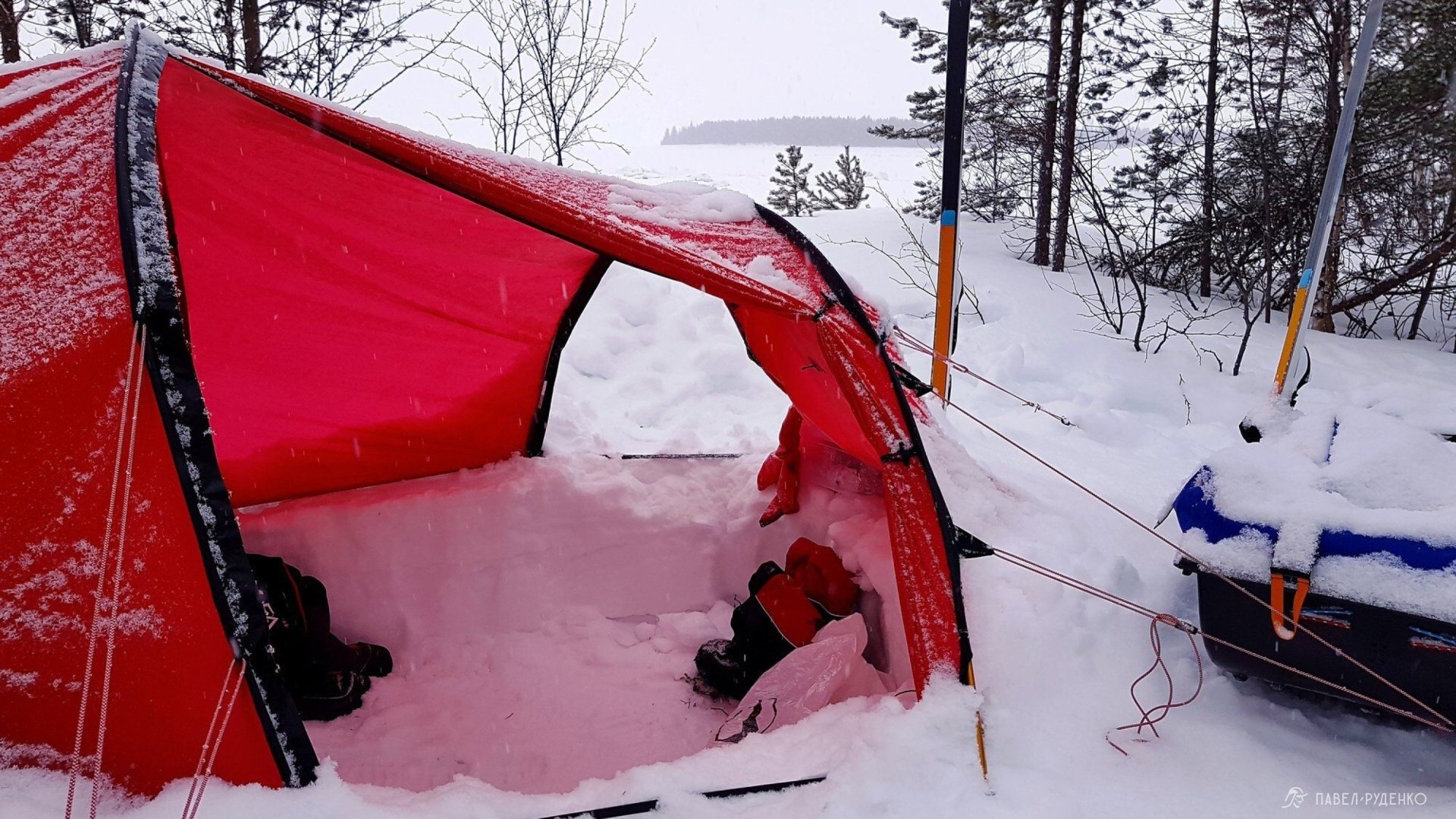
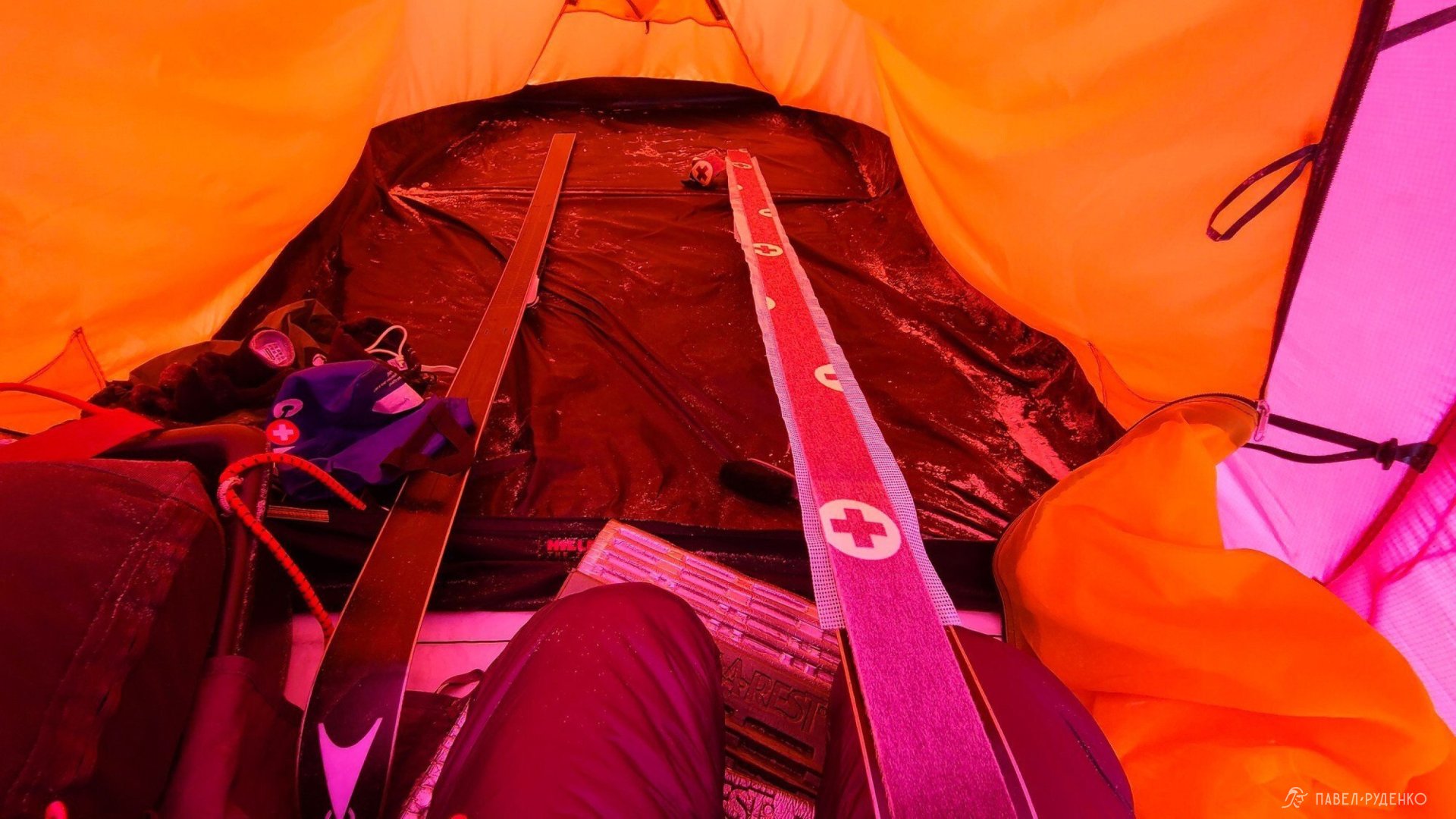
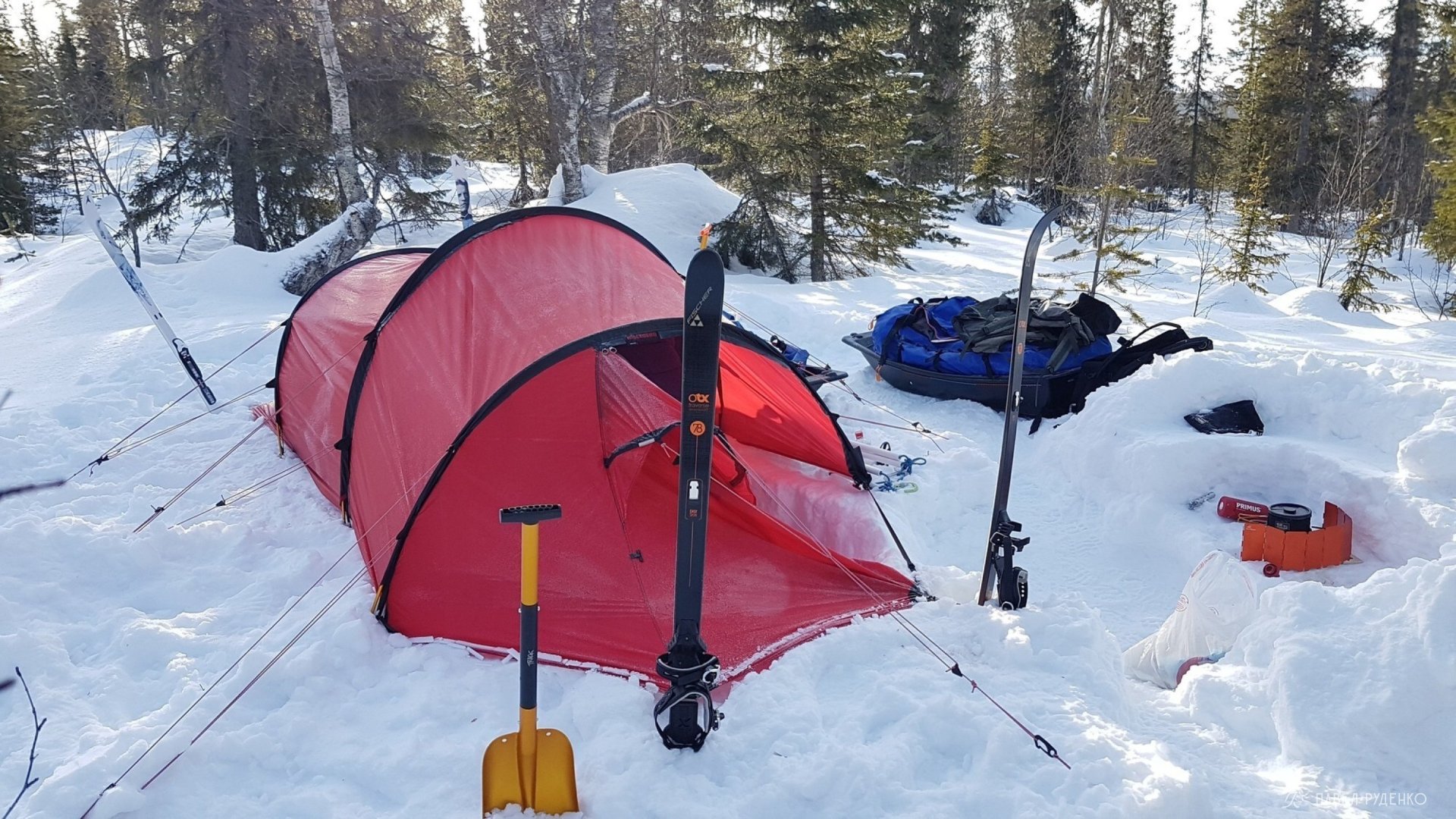
During our trek across the Lovozero Tundras, I kept all food and group gear inside the Nallo 2 GT vestibule, as our BA Copper Spur Expedition 2 and Ferrino Pillier 2 only had room for personal essentials and boots. The generous volume lets you repair skis inside the tent, which is critical during a blizzard in open terrain. It is equally handy on packrafting trips, bikepacking, moto touring, and any journey requiring a lot of gear.
Hilleberg Nallo (Standard Vestibule)
This version offers an incredible strength-to-weight ratio. However, the standard model has one drawback: the entrance is positioned in the center rather than on the side. This is inconvenient because you have to reach all the way down to the ground inside the vestibule to open or close the zipper. It also makes it difficult to guy out the upper vent without the cord obstructing entry and exit.
Always ensure adequate cross-ventilation. People die every year from toxic combustion gases while cooking inside tent vestibules; in poorly ventilated shelters, this can take as little as five minutes—a person simply drifts off to sleep, assuming they are merely tired. An unstable stove that flares up and catches the flysheet on fire is another serious risk to guard against.
Ventilation
There are only two ventilation points:
- A vent hood at the front of the vestibule. It opens wide and features a stiffening wire that prevents it from collapsing under heavy wind and snow loads. The vent design itself is executed flawlessly.
- At the rear, a zipper along the bottom hem of the fly lets you raise the fabric, which works well in open terrain. Air enters from below, pushing warm, moist air out through the upper vestibule vent.
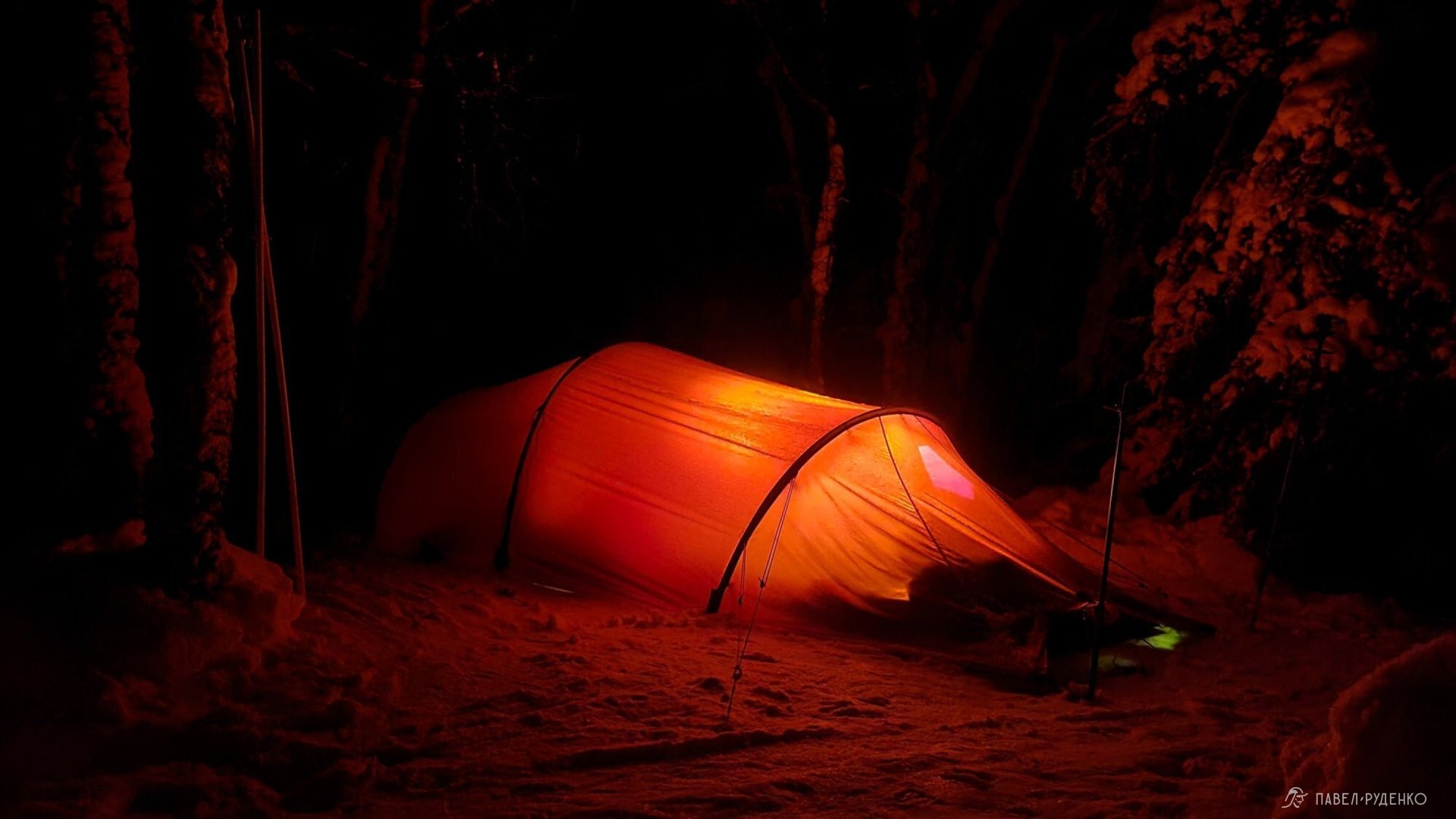
If you are camped in tall grass, banked with snow, or in completely calm weather, this is not enough. An additional vent at the rear end and another on the vestibule are sorely missed. You can sometimes leave the smaller vestibule door partially open to boost airflow, but that is not always possible. For this reason, I find myself looking closely at the Fjallraven Abisko Shape 2, and I currently trek with the Helsport Lofoten SL 2.
Tunnel Tent Architecture
I prefer tunnel tents over dome tents for several key reasons:
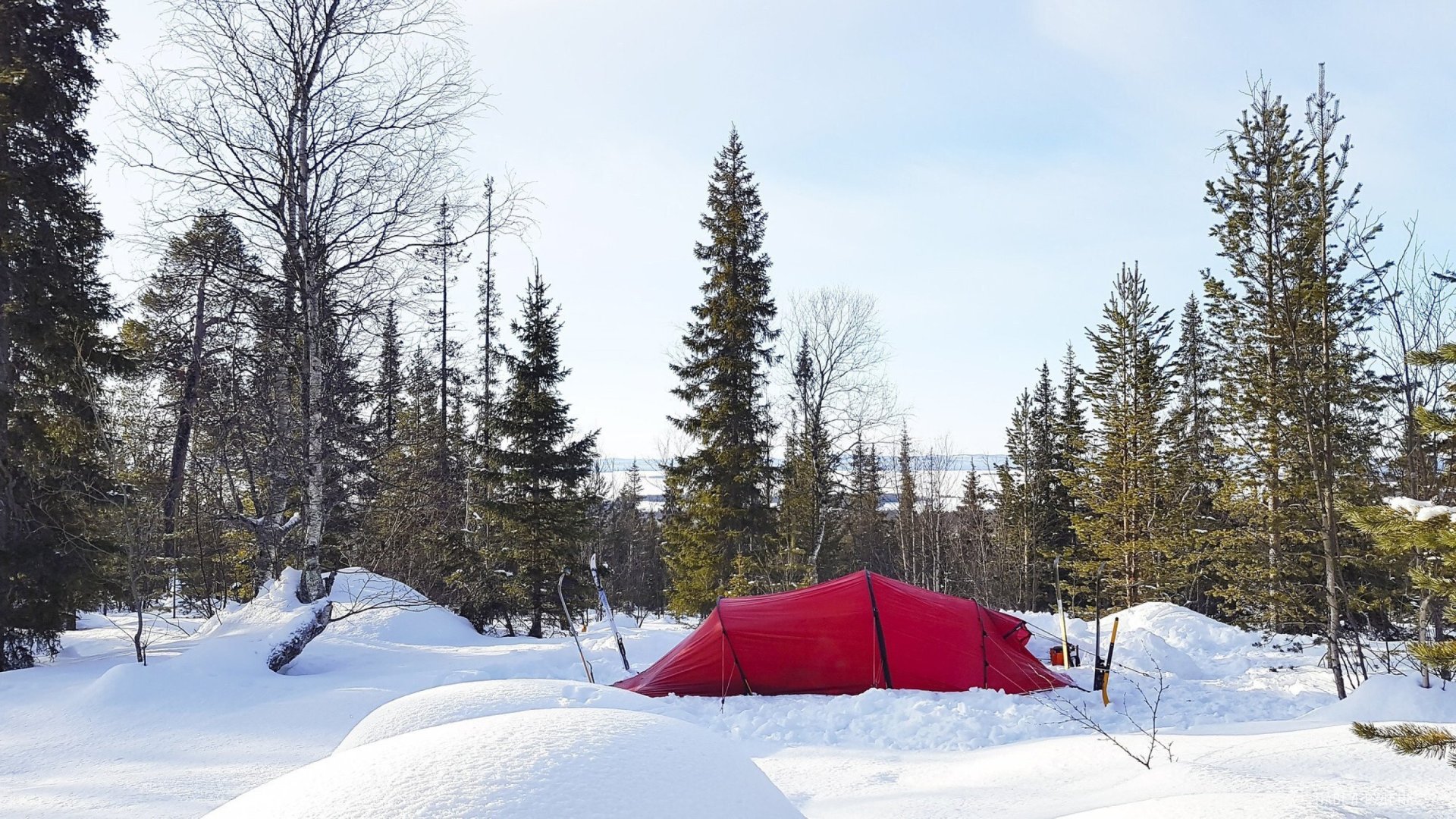
- Ease of pitching. When you first encounter a tunnel tent and have not yet mastered the technique, pitching can seem tricky. Unlike a dome tent, you cannot simply pick it up and move it around, its footprint is not immediately obvious, and you might struggle to fit it into a tight spot. After a few treks, that changes completely, and you realize how brilliant and simple the design really is. Pitching in high winds is remarkably easy: assemble all three poles while the tent lies flat on the ground, stake out one end into the wind, pull the tent open downwind like an accordion, and stake out the opposite end. In calm conditions, you can even pitch it slightly curved to bypass a boulder or enclose a bush inside the vestibule.
- Optimal weight-to-space-to-stability ratio. All else being equal, a tunnel tent is always lighter than a dome tent. On autonomous expeditions, you want that extra margin of strength.
Poles
The Yellow and Red Label series use 9 mm DAC Featherlite NSL poles. These are top-tier poles manufactured by DAC in South Korea, offering supreme reliability. For tents with these poles, I carry only a minimal repair kit—just a single repair sleeve.
The poles are pre-bent at key stress points to reduce tension on the aluminum and significantly extend their lifespan.
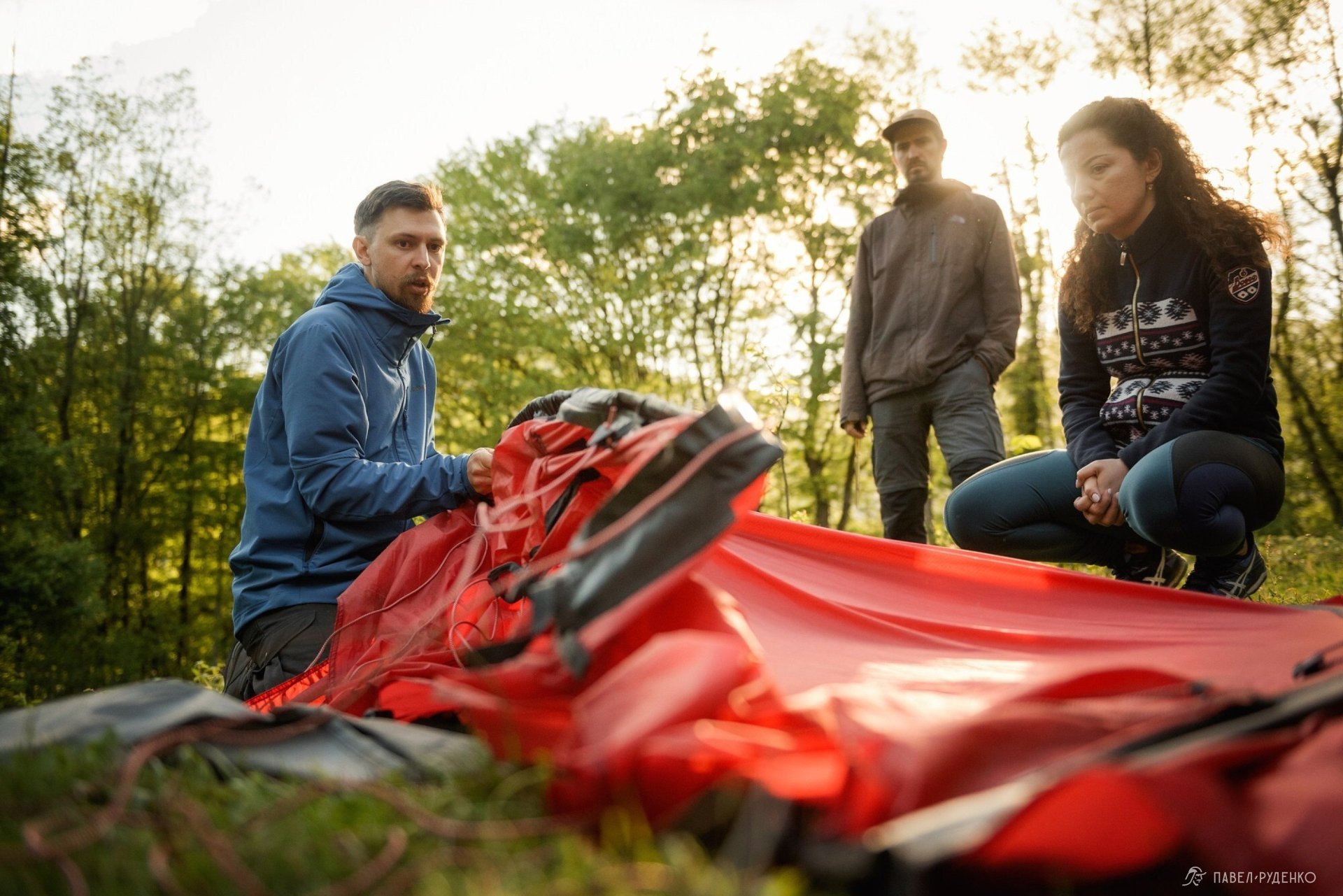
The poles slide into heavy-duty fabric sleeves on the outside of the flysheet, ending in closed-end cups. This means the entire pitching process is done from one side, without having to run back and forth around the tent.
Guy Lines and Wind Stability
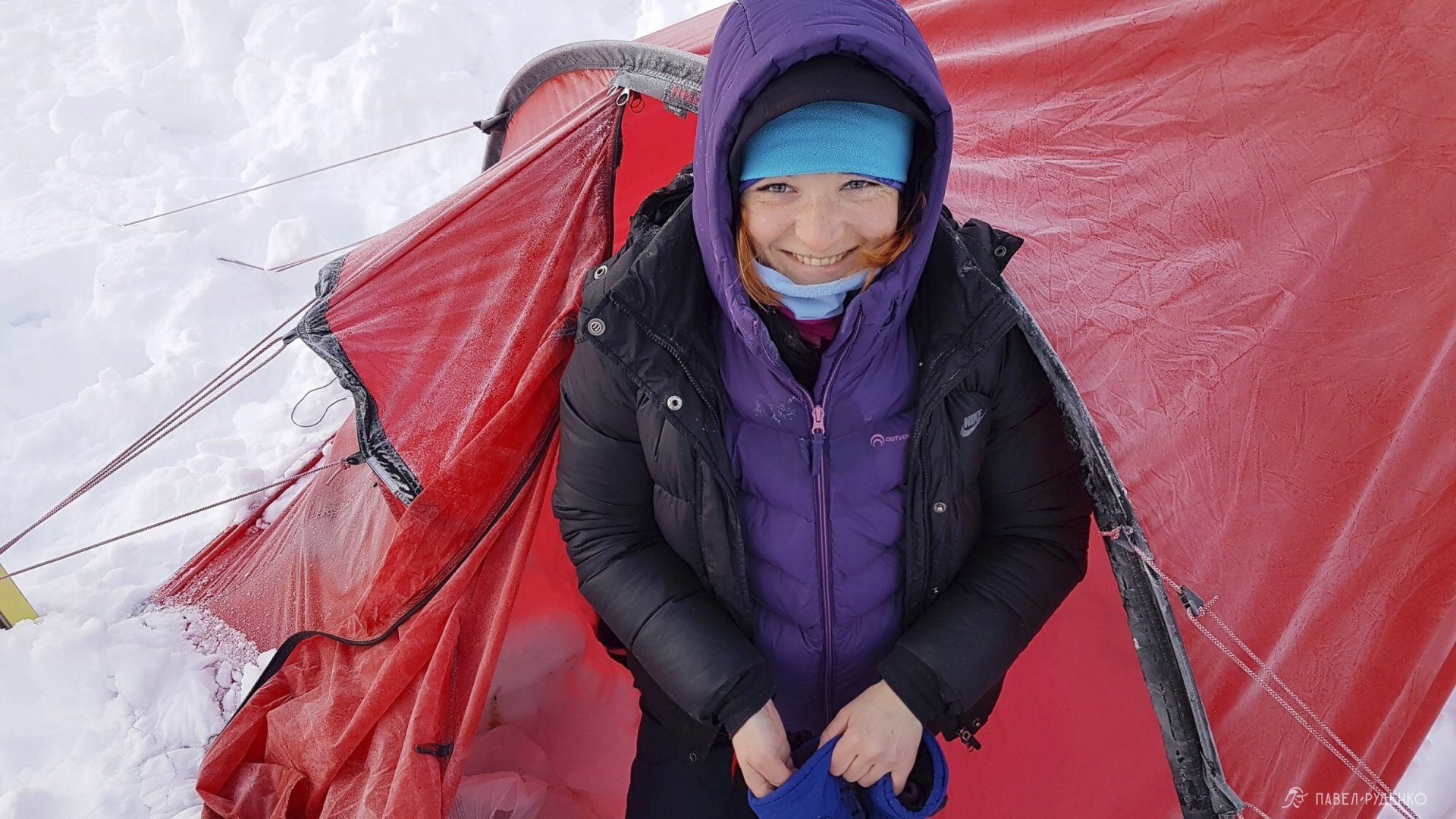
All Hilleberg tents feature double guy line attachments connected directly to the pole sleeves. The attachment points sit low on the flysheet, which substantially boosts wind resistance. The guy lines are made of high-strength Vectran and polyester fibers woven together so the sheath never slips from the core. While not Dyneema, they absorb virtually no water and have minimal stretch. At 3 mm thick, they are easy to adjust while wearing thick gloves or mittens.
Zippers
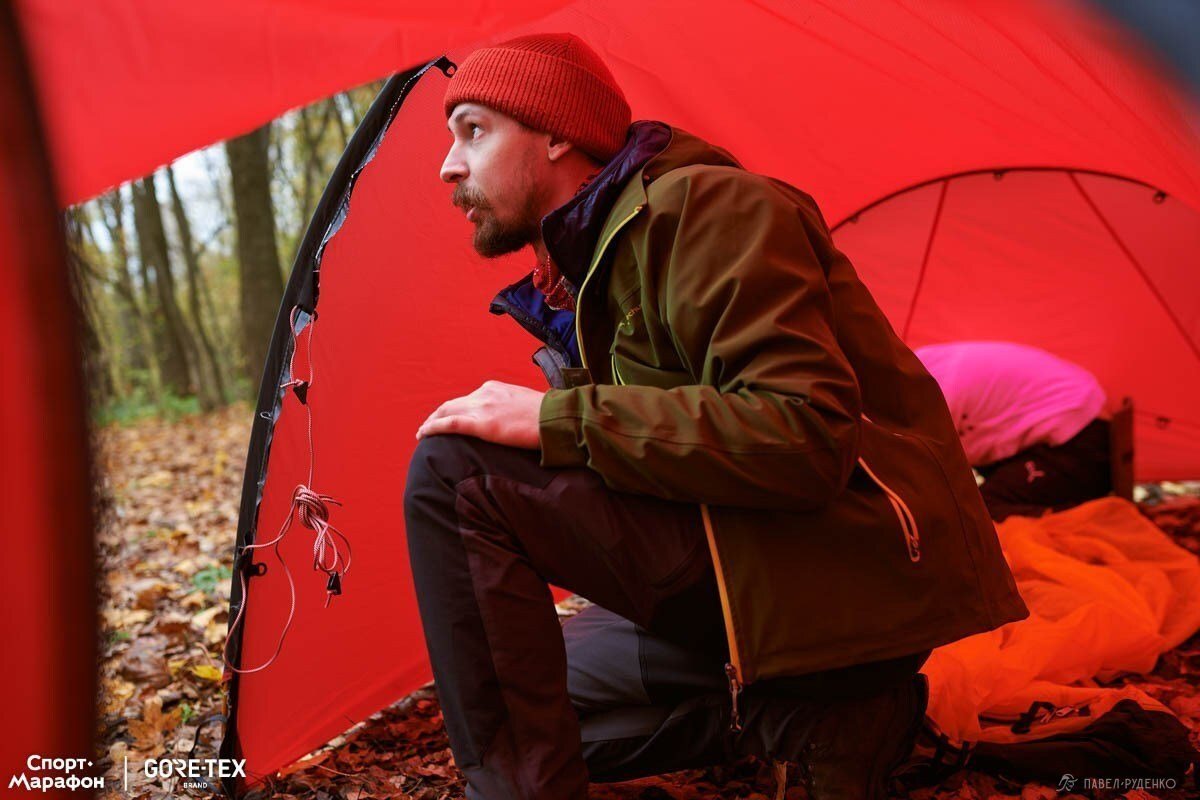
Hilleberg uses premium YKK zippers. The fabric panels are precision-cut, so the sliders glide effortlessly. Keep them clear of sand and dirt, and they will perform flawlessly and last for years.
Rainfly
Kerlon 1200, 30 D high-tenacity Ripstop Nylon 66 fabric, weight 49 g/m².
Minimum tear strength of 12 kg according to ISO 13937-4, water resistance 5,000 mm/49 kPa according to ISO 811. Coated with 3 layers of 100% silicone on both sides and UV-treated during natural dyeing and coating.
The Nylon 66 used is one of the strongest and most premium fabrics available; combined with three layers of silicone, it yields an incredible tear strength of at least 12 kg, providing an exceptional safety margin. As the philosophy goes: it is better to have extra strength and not need it than to need it and not have it. Whether a branch falls or a crampon snags the flysheet, the chance of catastrophic failure is far lower than with conventional tents.
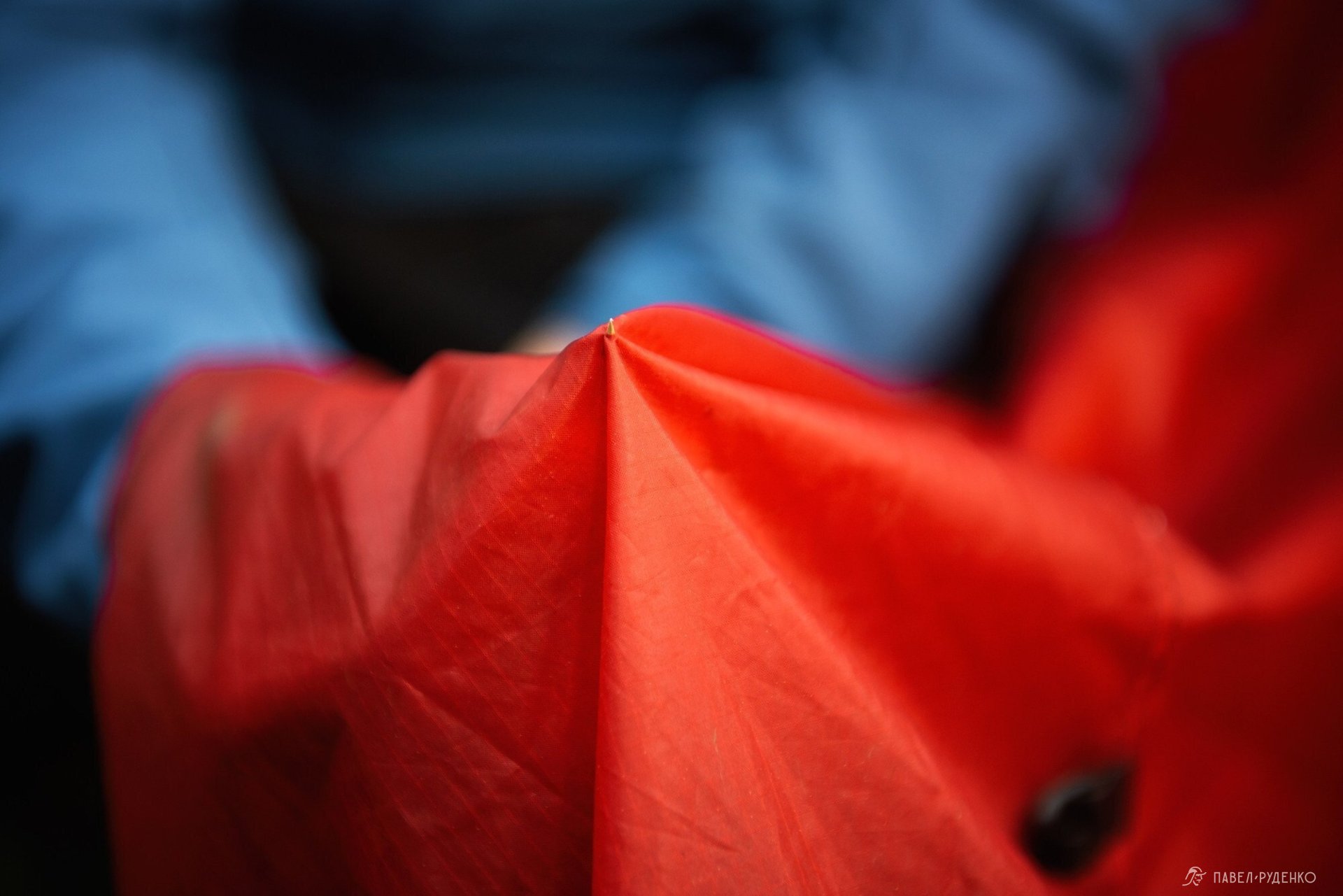
The fabric is resilient: after a puncture, simply rubbing the area with your fingers makes the hole vanish completely. Follow my social media to discover more about tents and gear!
Floor
70 D, Nylon, triple-coated PU, weight 90 g/m², waterproof rating 15,000 mm according to 147 kPa ISO 811, with high puncture and abrasion resistance.
Polyurethane coating offers superior abrasion resistance and durability specifically for tent floors; even though it adds weight, Hilleberg prioritizes ultimate reliability and long service life. An ultra-thick 15,000 mm coating is not merely designed to keep water out today—it ensures the floor remains completely waterproof decades down the line, all while maintaining an ultralight total weight of just 2.9 kg.
Verdict
The guiding principle of company founder Bo Hilleberg—'solving specific problems rather than just creating something new'—might sound like a simple slogan, but in practice, it is pure genius. These tents are true works of art: precise, minimalist engineering that comes closer to perfection than anything else on the market.
Production is based in Estonia. Every component, from the zipper slider to the flysheet fabric, is sourced in advance, rigorously tested, and subject to strict quality control. Before dispatch, every single tent is fully pitched and inspected: the inner tent is attached to the outer, poles are checked, guyline angles are verified, and zipper tension and seams are scrutinized. It is then packed and undergoes a final quality audit. The name of the inspector responsible is sewn directly into the tent. This is world-class, hand-crafted craftsmanship—the finest gear an adventurer can ever own.




Comments (0)