Granitny: Trek Along the Lost Ocean Shore

Trek Completed
No new dates are scheduled at the moment, but it may return in upcoming seasons. Choose from the current treks below
Dates
13-24 Jun 2026
Duration
12 days
Difficulty
4/5
Advanced Difficulty

A demanding, extended wilderness expedition.

  • Backpack weight up to 25 kg.
  • Daily hiking distance up to 20 km.

8–14 day trek.

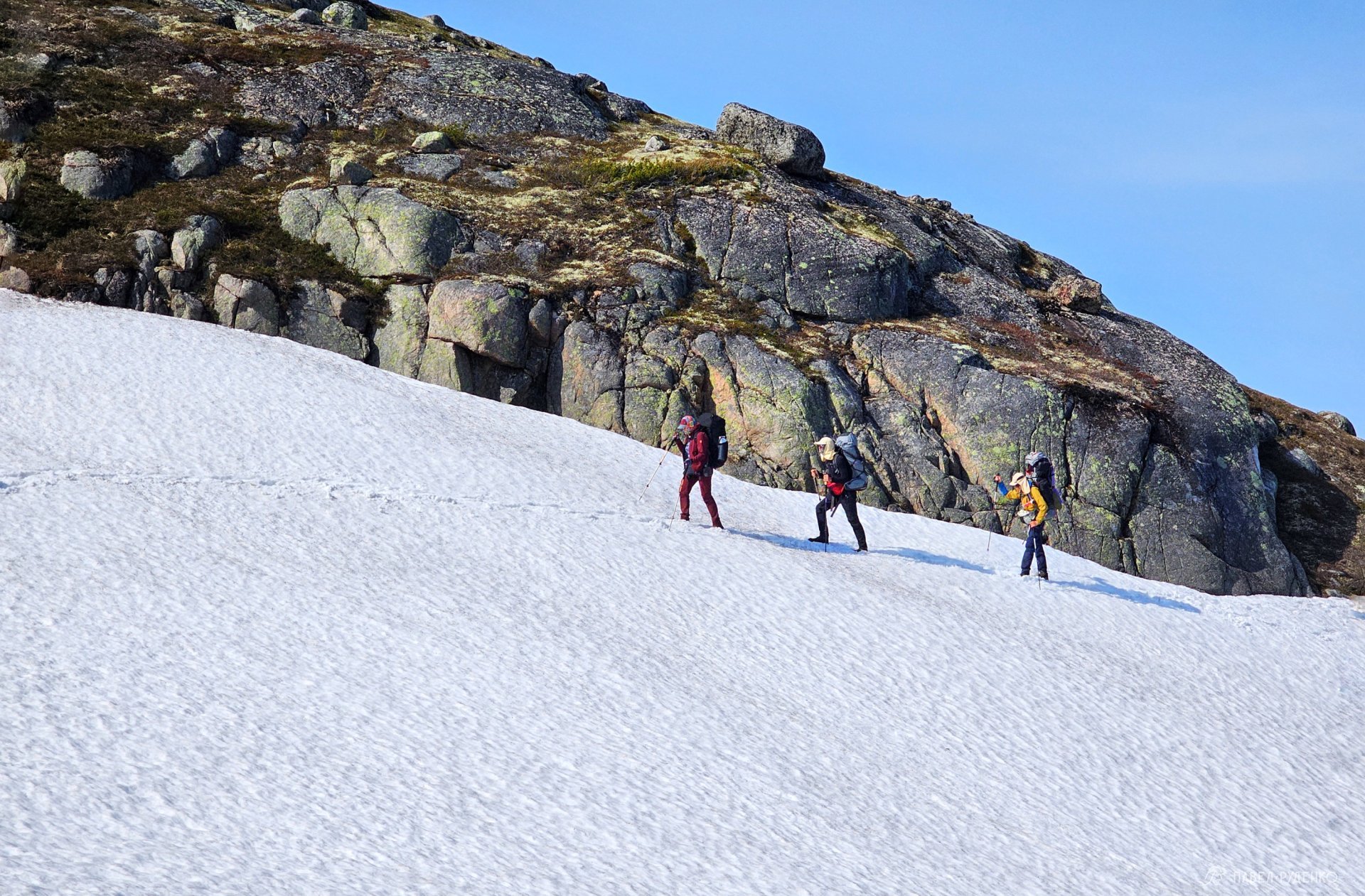
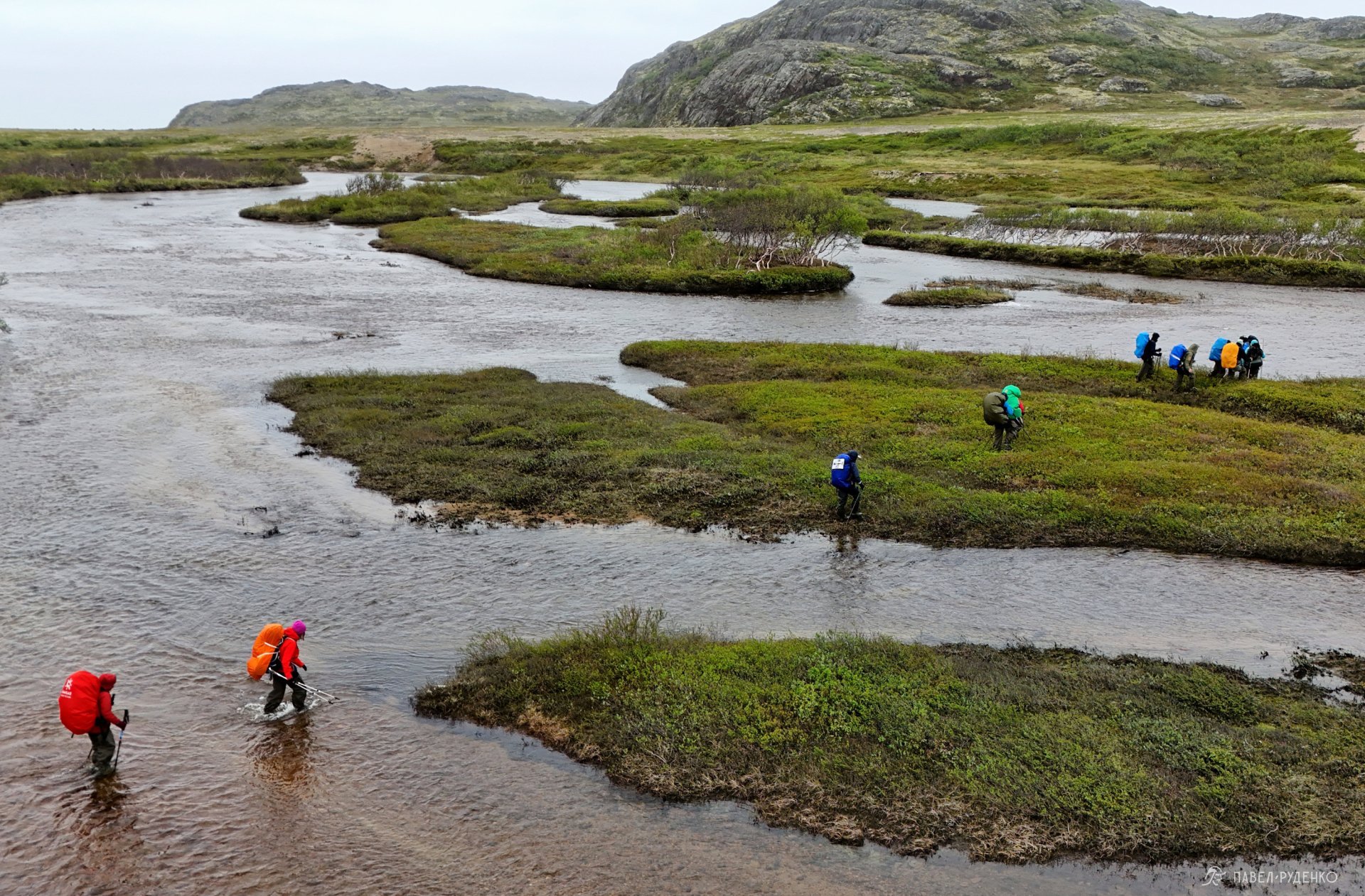
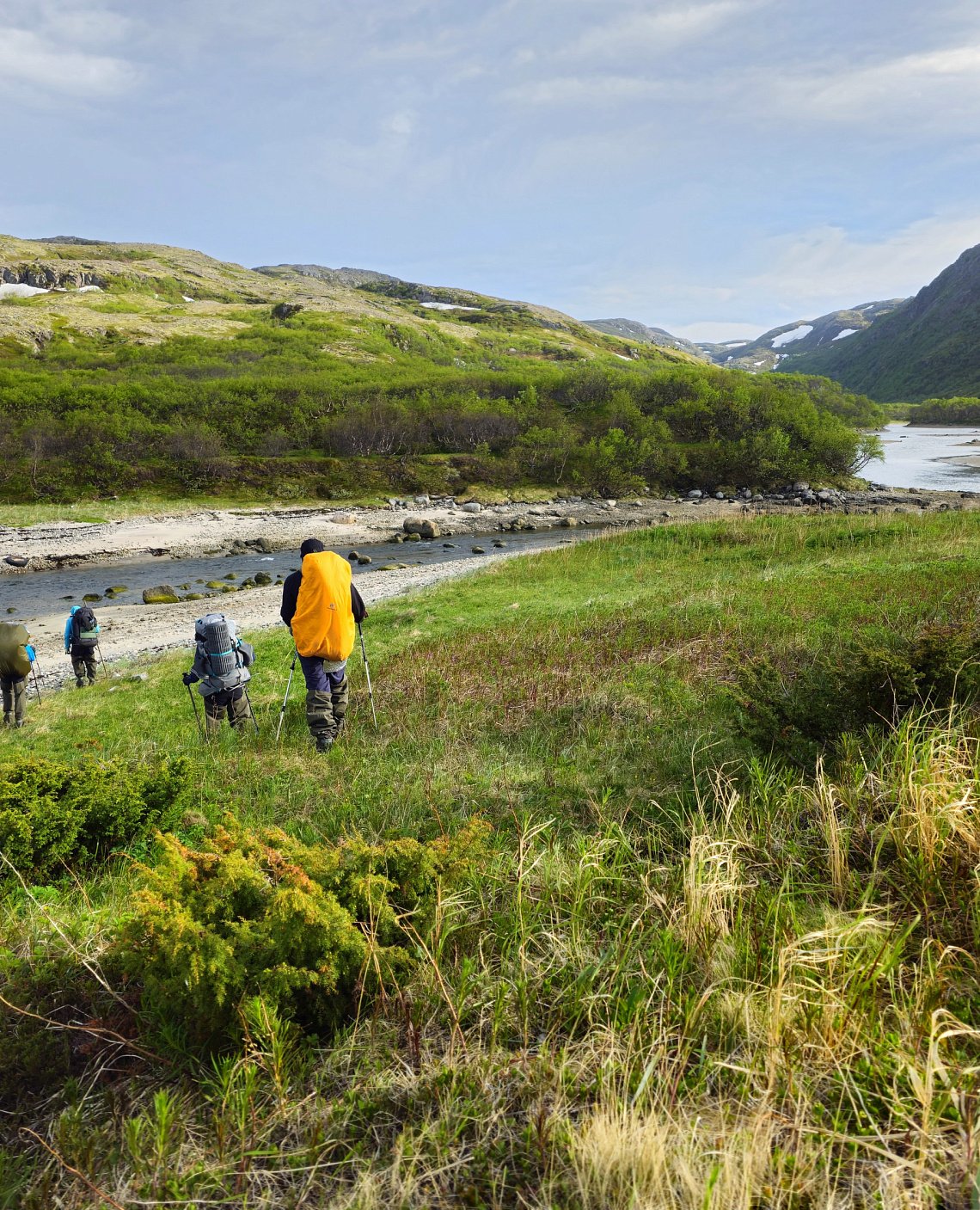
Traversing off-trail Arctic wilderness. Daily distances and pace are more demanding than on moderate routes. The terrain may include challenging mountain passes, river crossings, scree slopes, and dense scrub. Requires endurance, mental grit, and targeted physical training 4–6 months prior to the trek.

Who it's for: Experienced trekkers with prior week-long self-supported expeditions looking to venture further into the wild.

Distance
135 km
Group size
14 person

About the trek

Signature Trek

Granitny — along the lost coast of the Ocean.

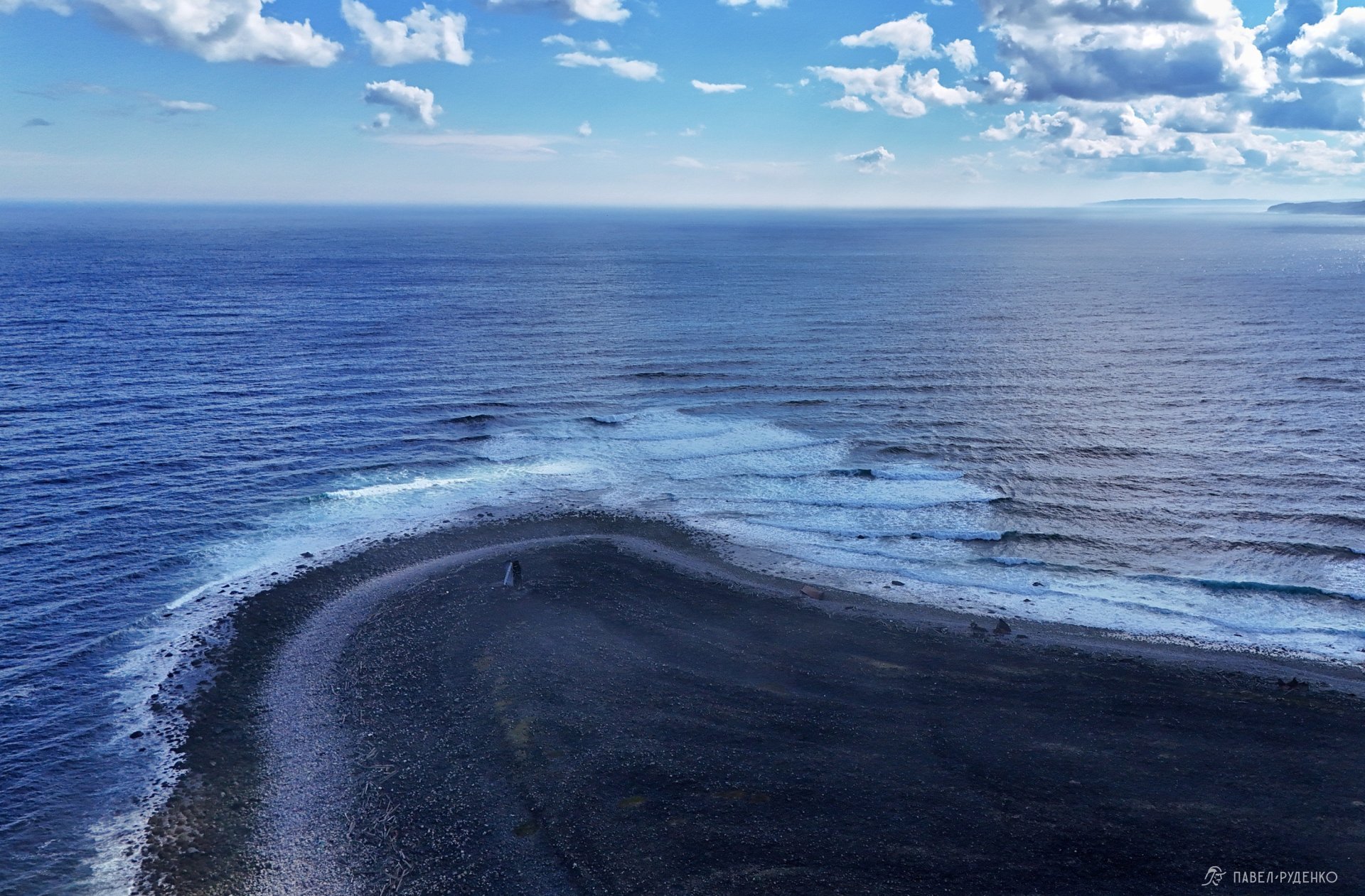
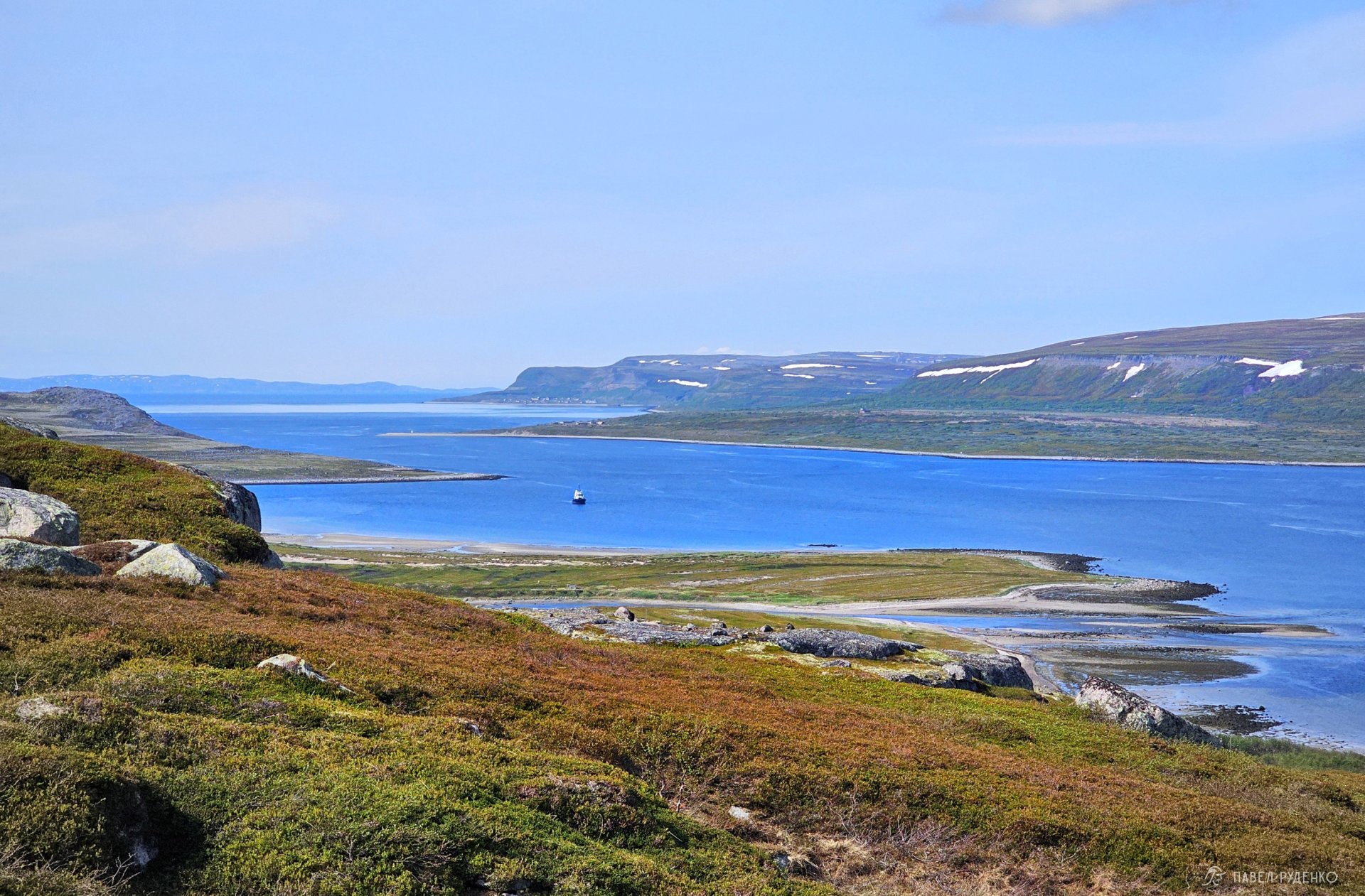
A self-supported trek along the Arctic coast of the Barents Sea. Complete immersion into the wild tundra of the Kola North.

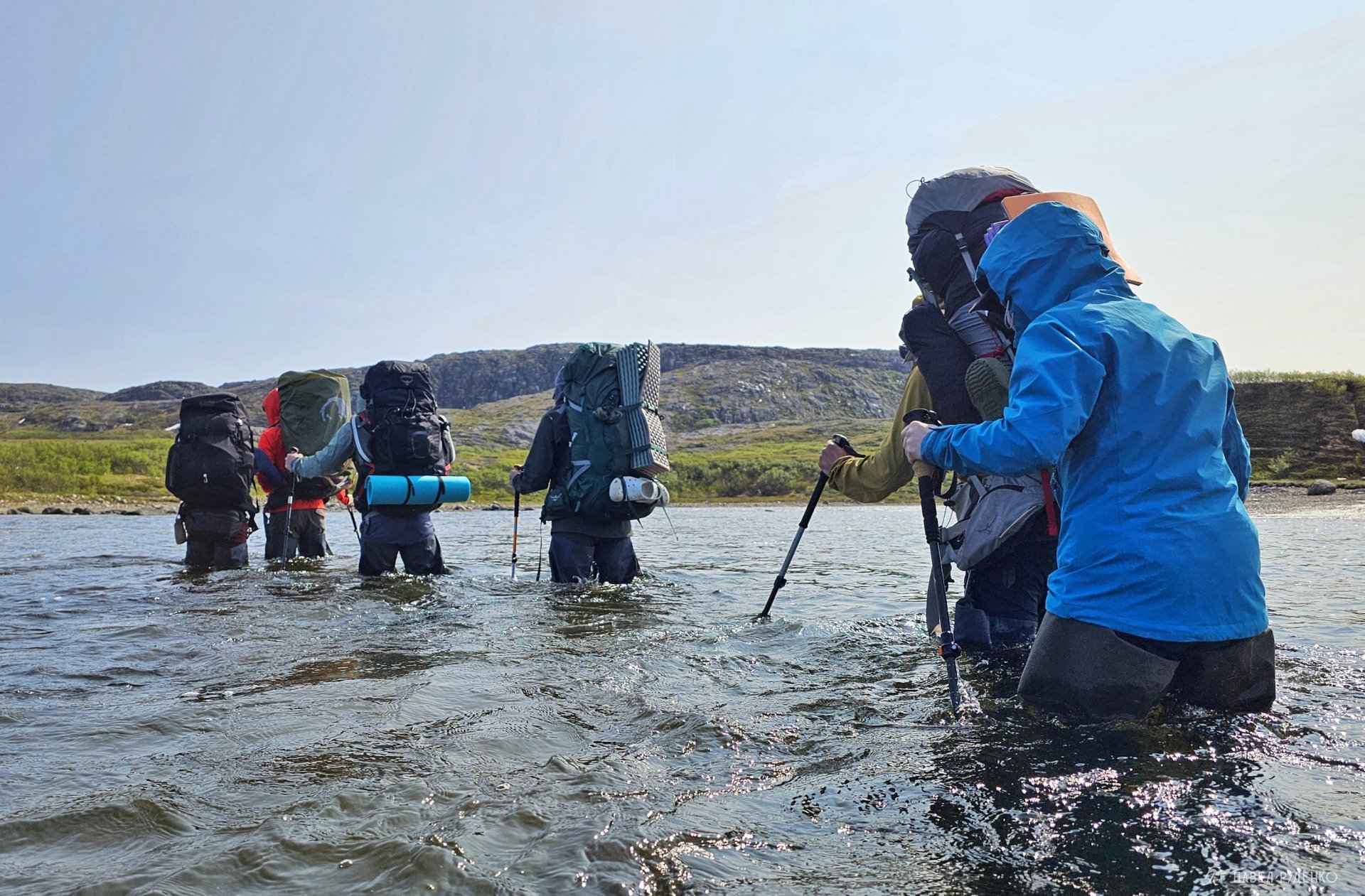
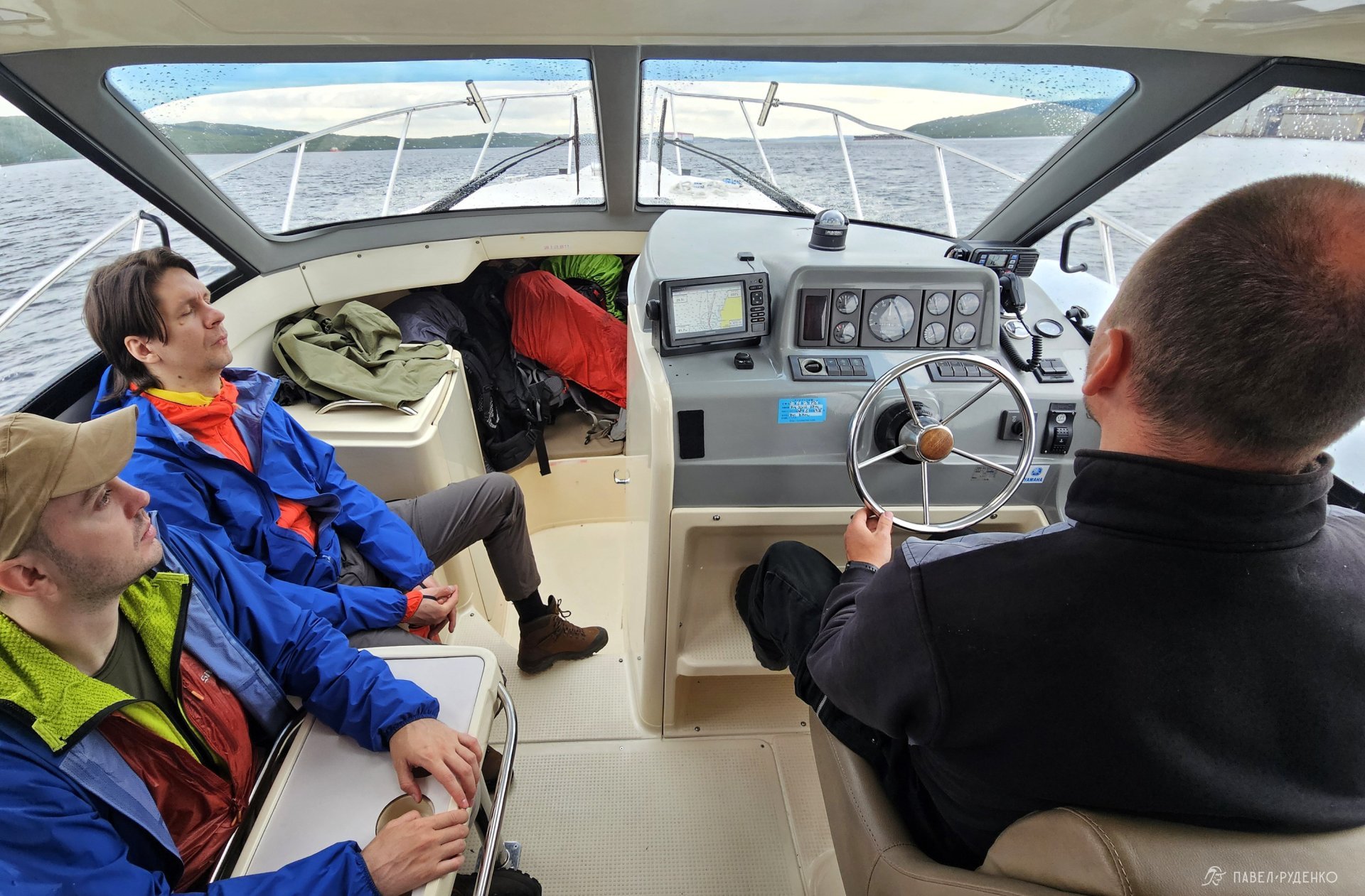
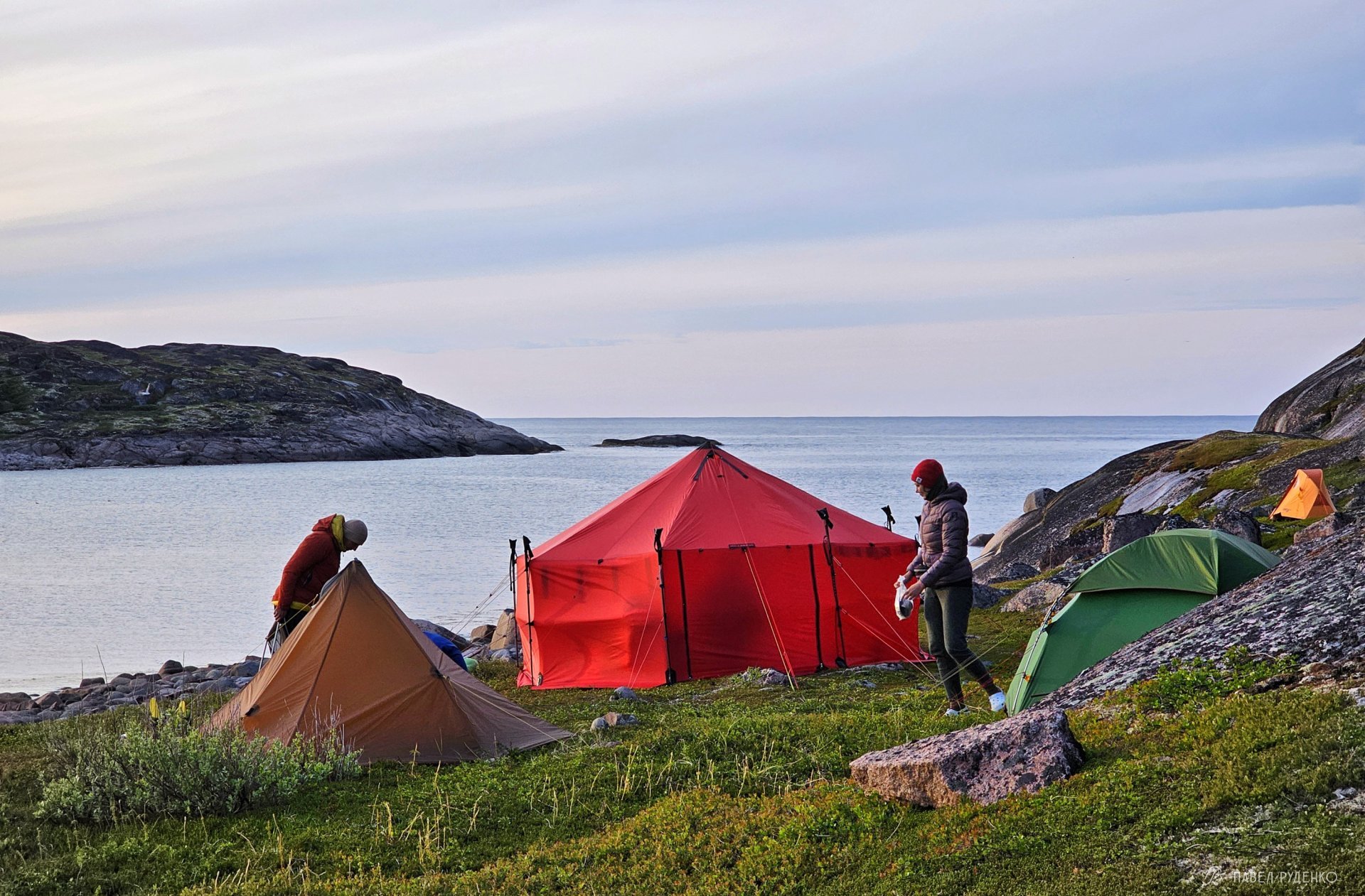
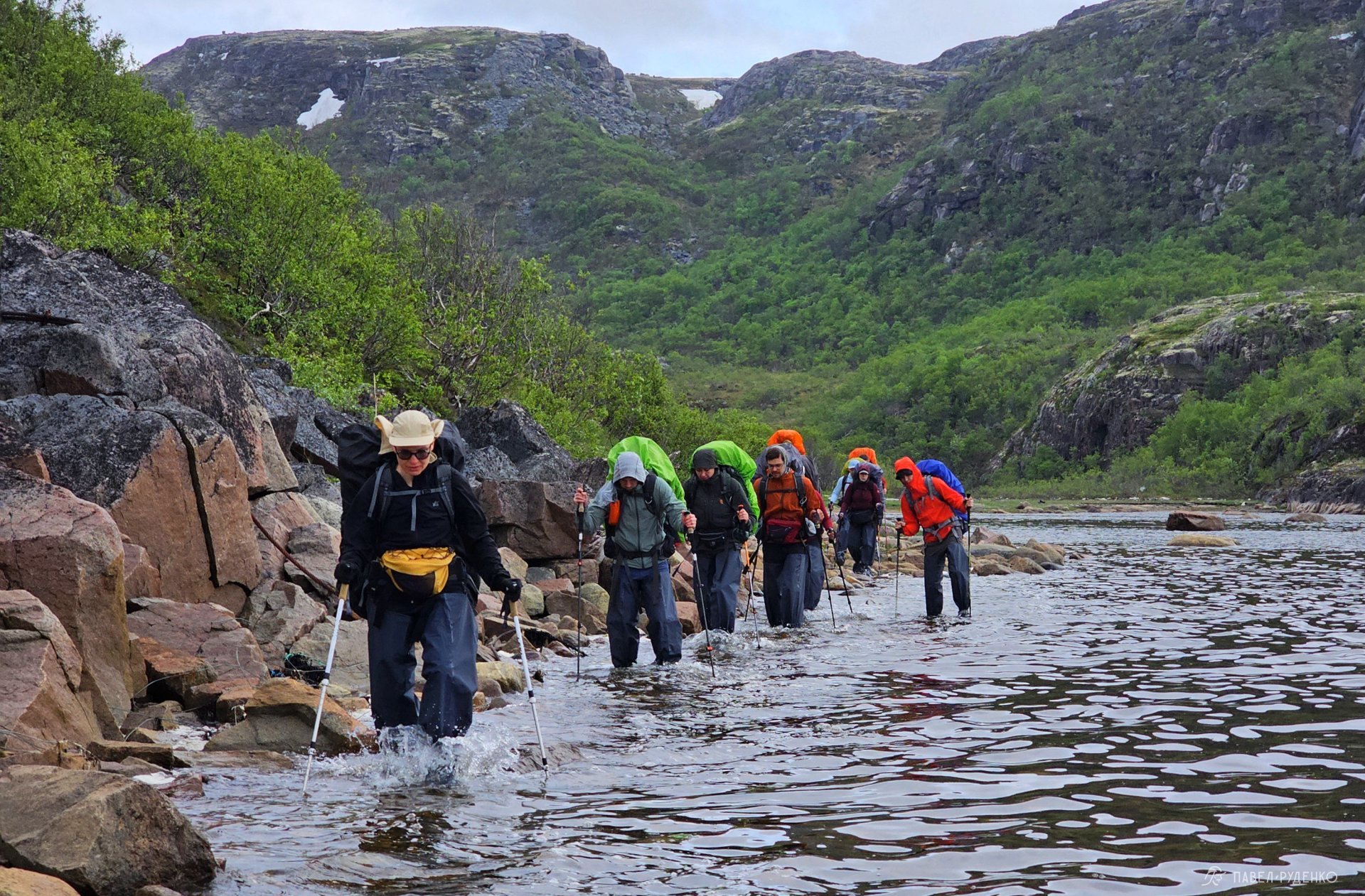
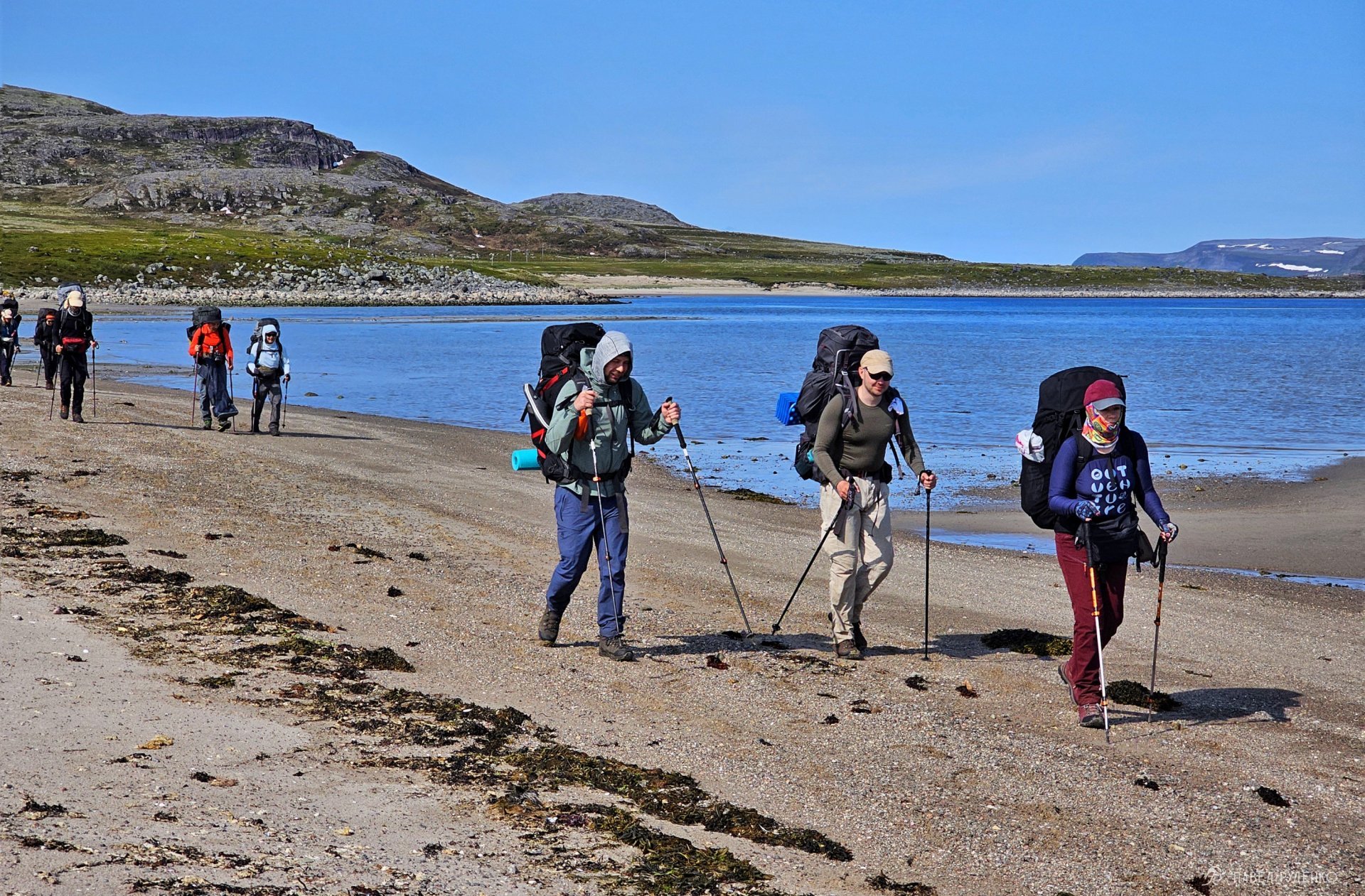
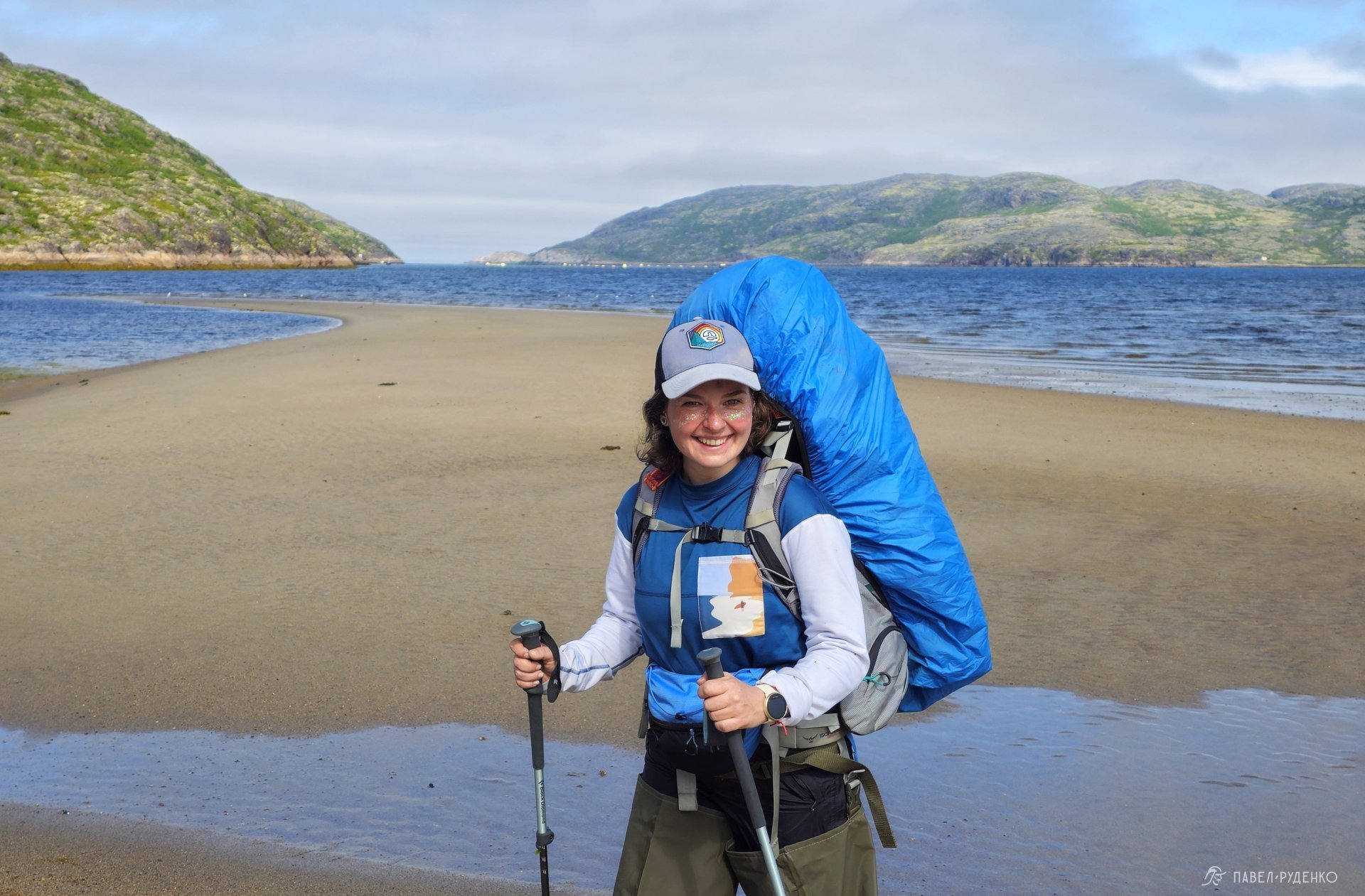
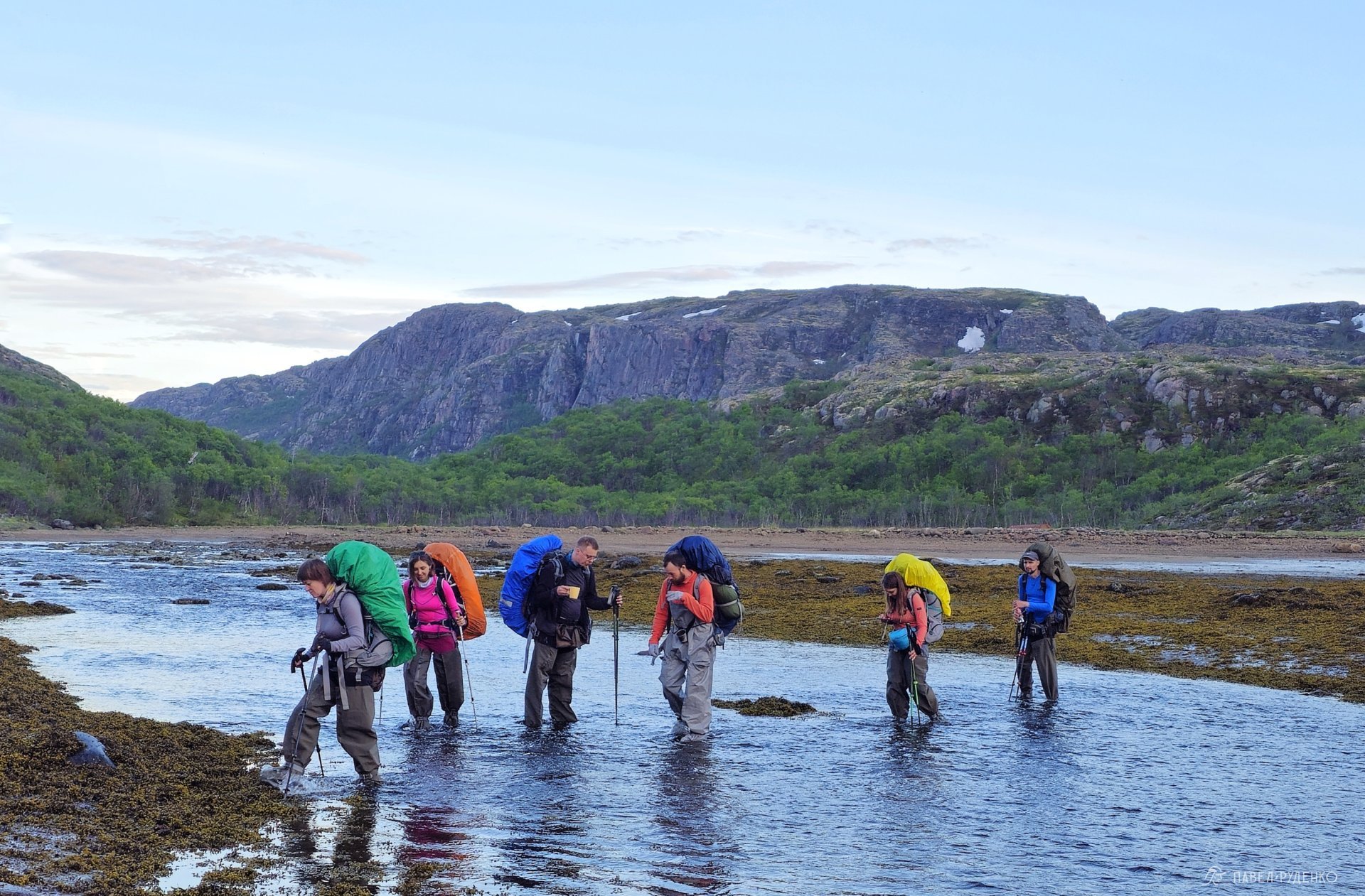
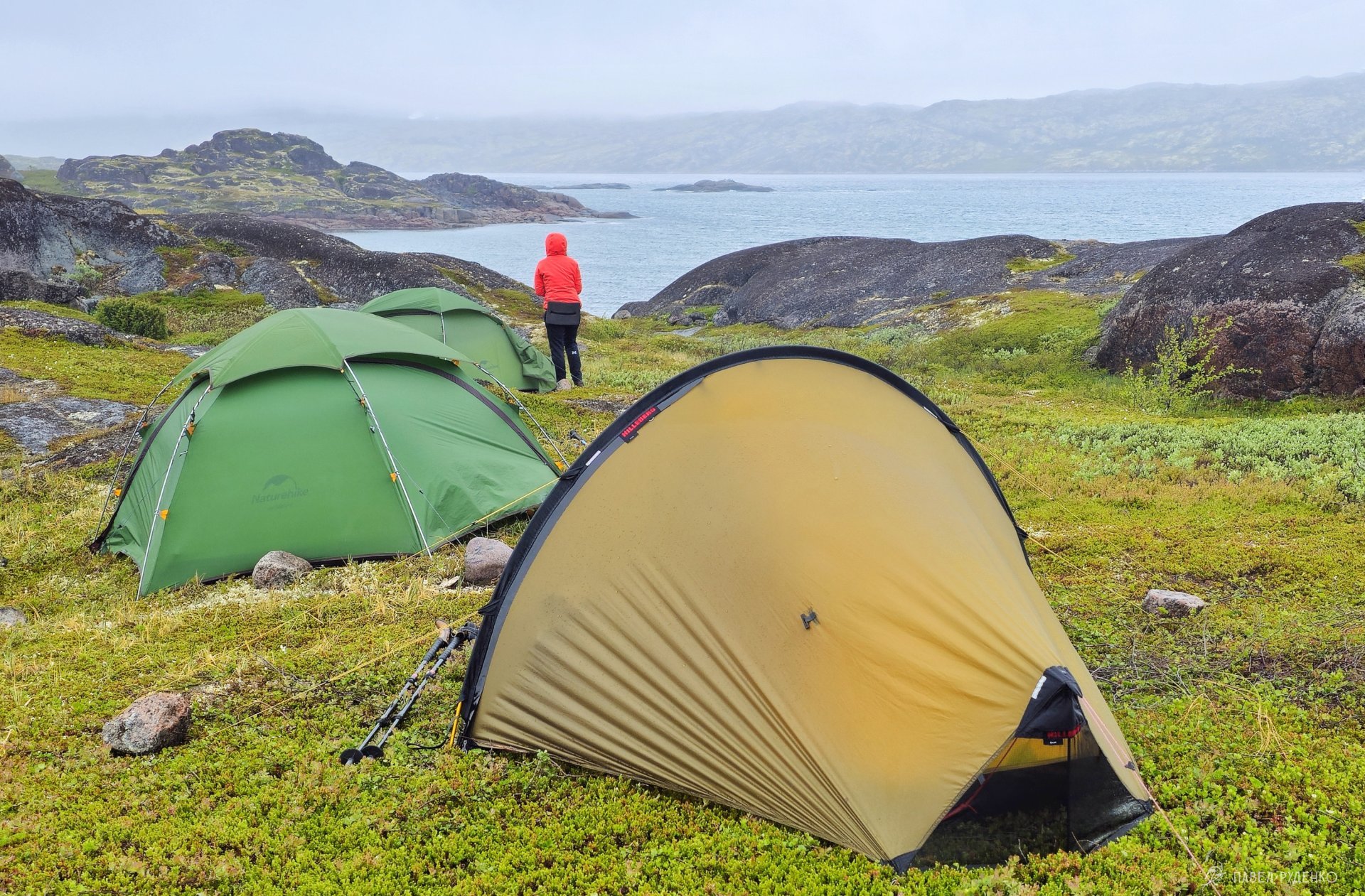
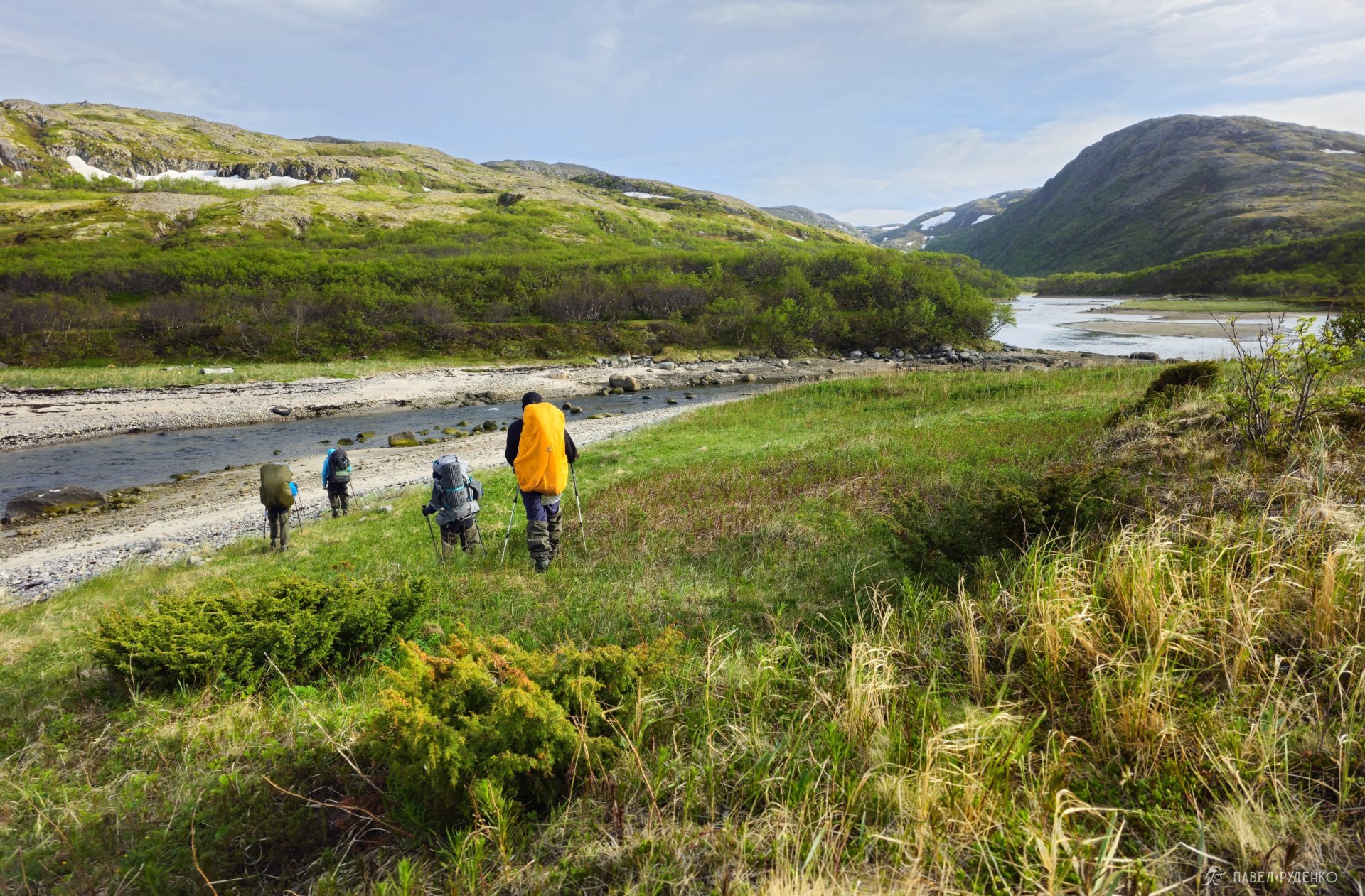
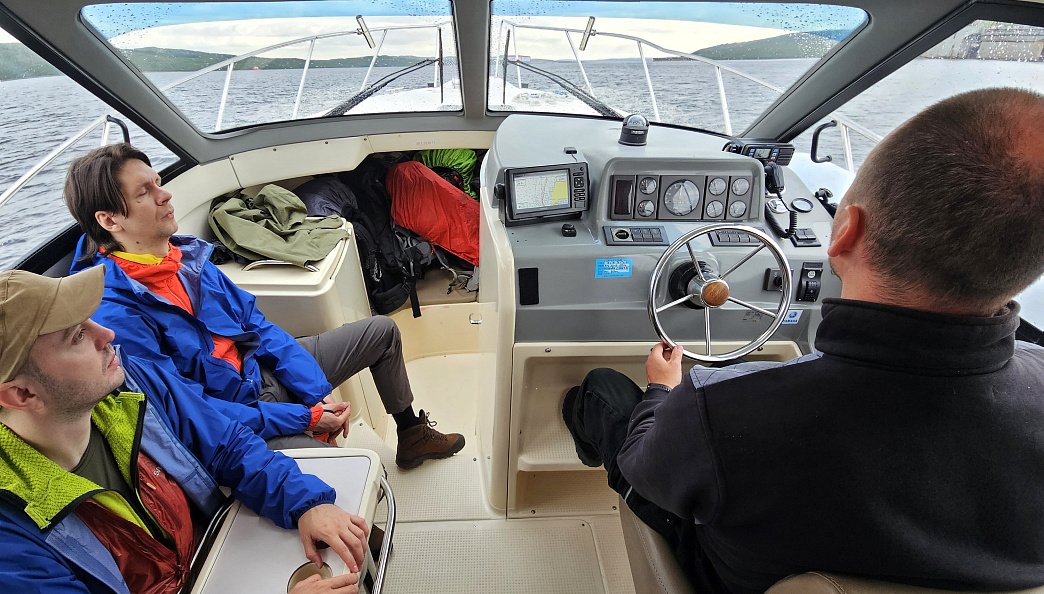
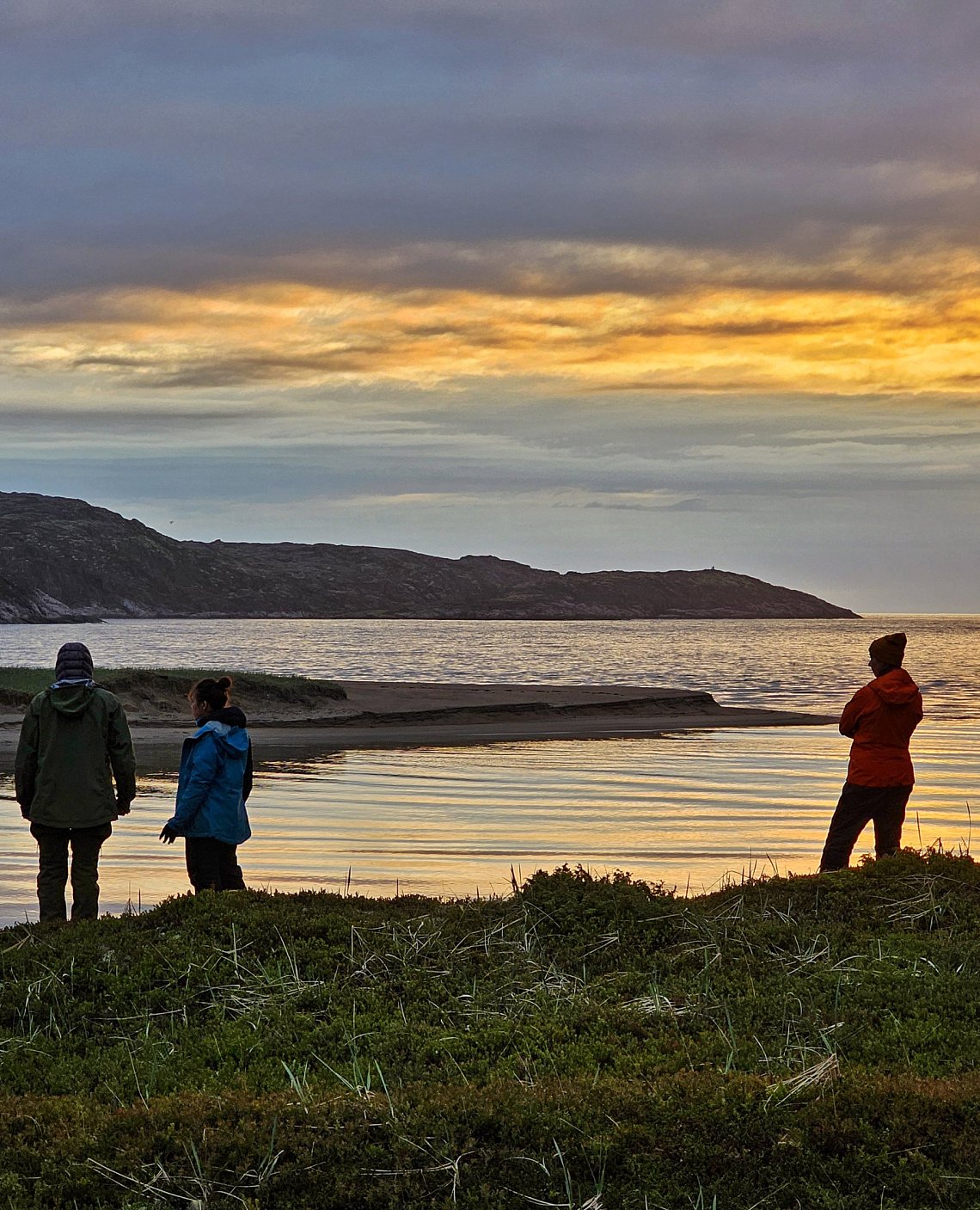
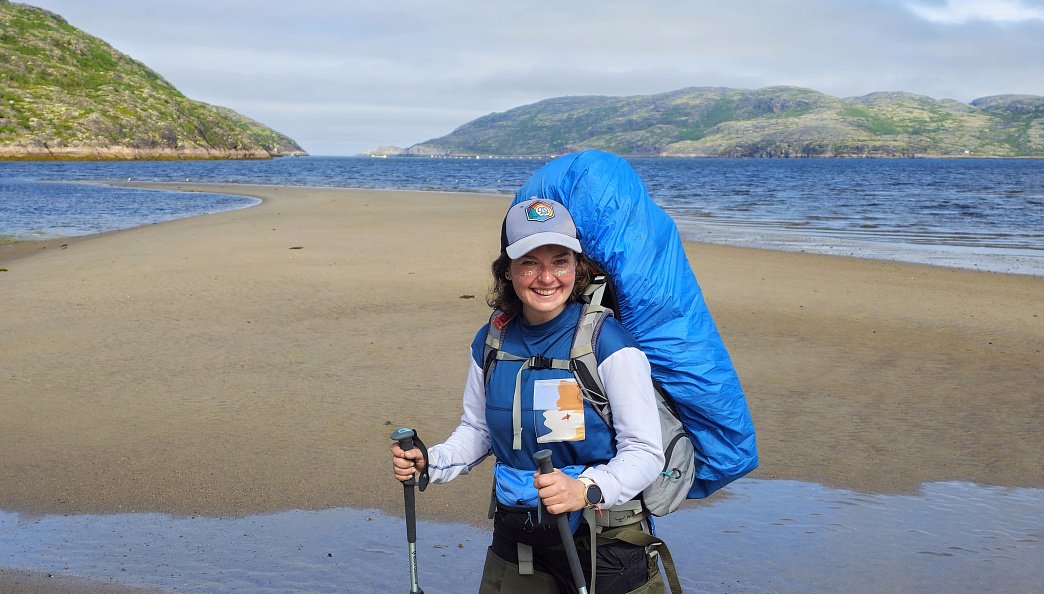
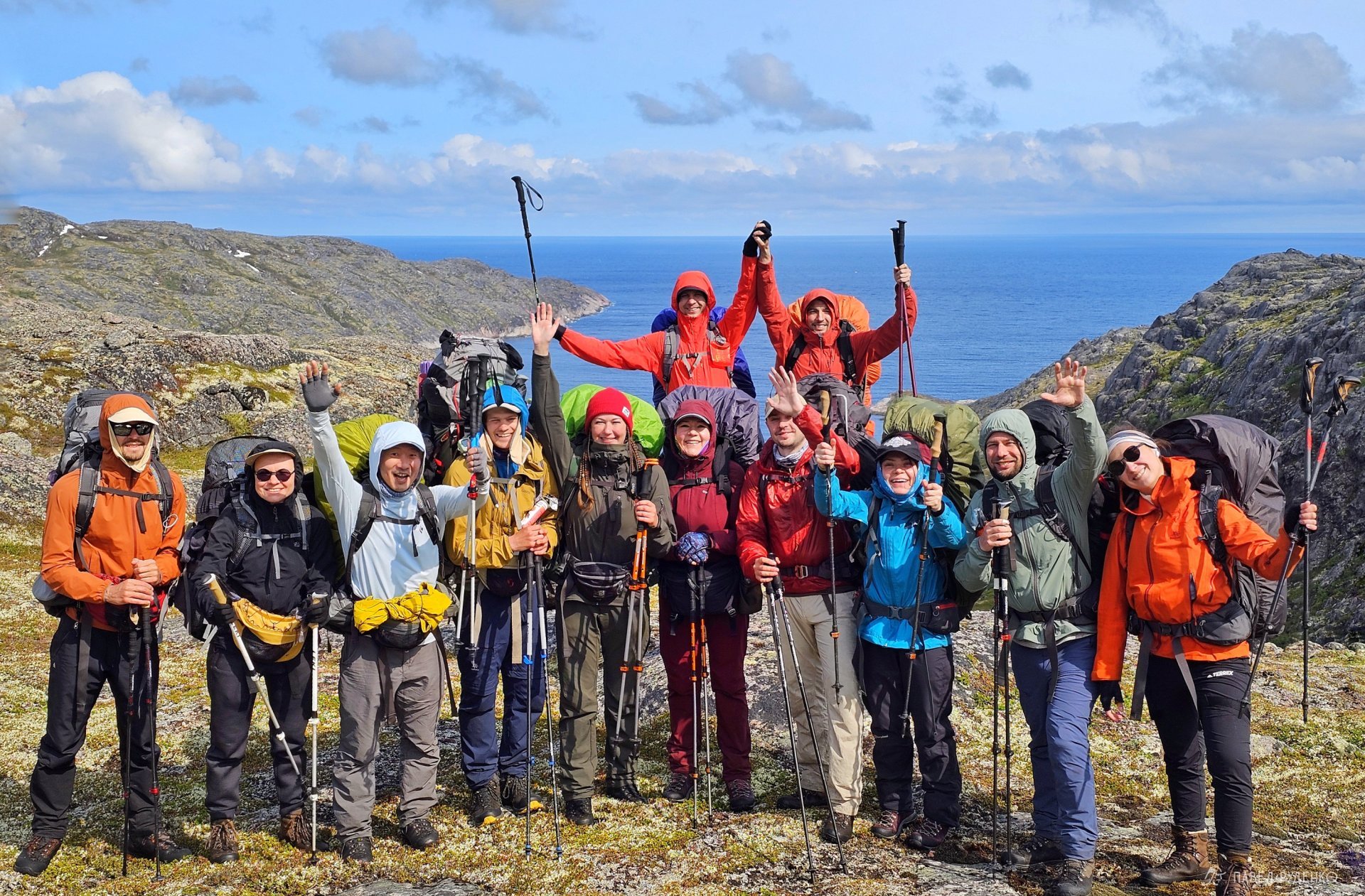
A true challenge. The most demanding and epic of my tours on the Kola Peninsula. We drop in by boat and immediately adjust our routine to nature’s rhythm rather than the clock. We align our hiking schedule with the ocean tides, crossing fords at low tide. The midnight sun allows us to trek at any time of day without headlamps. Everything is planned thoughtfully, using waterproof overboots to move quickly and stay dry.

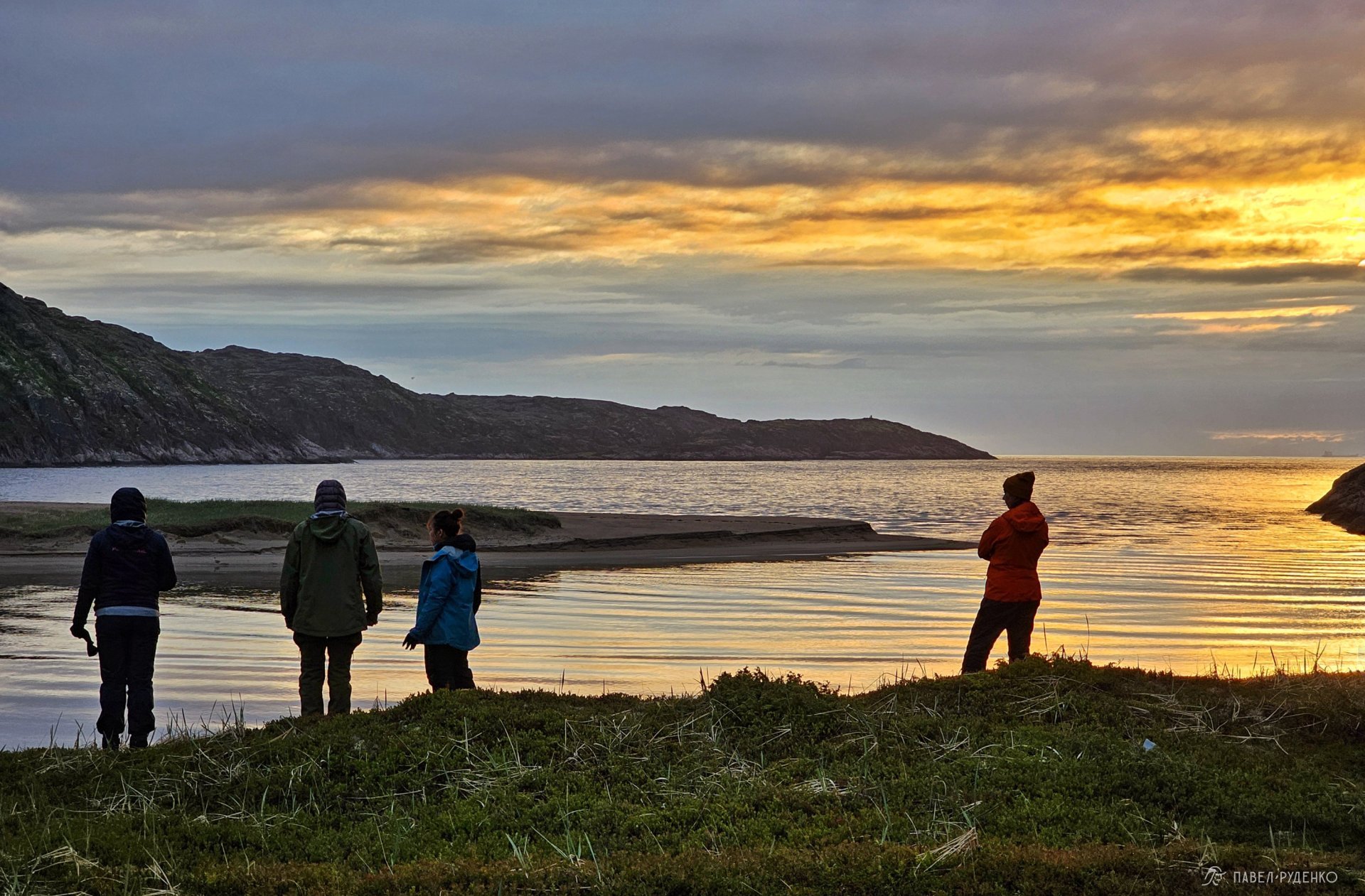
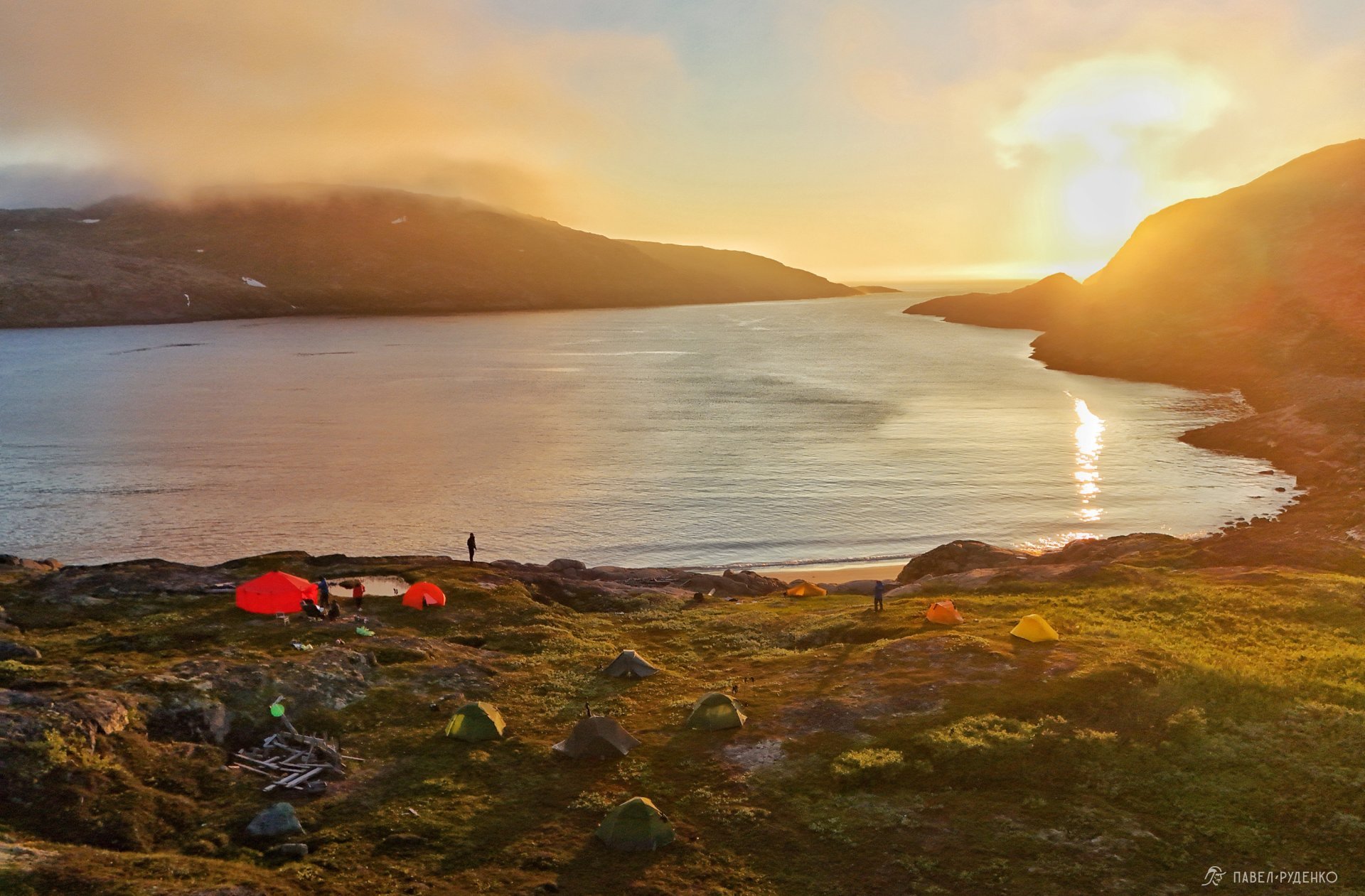
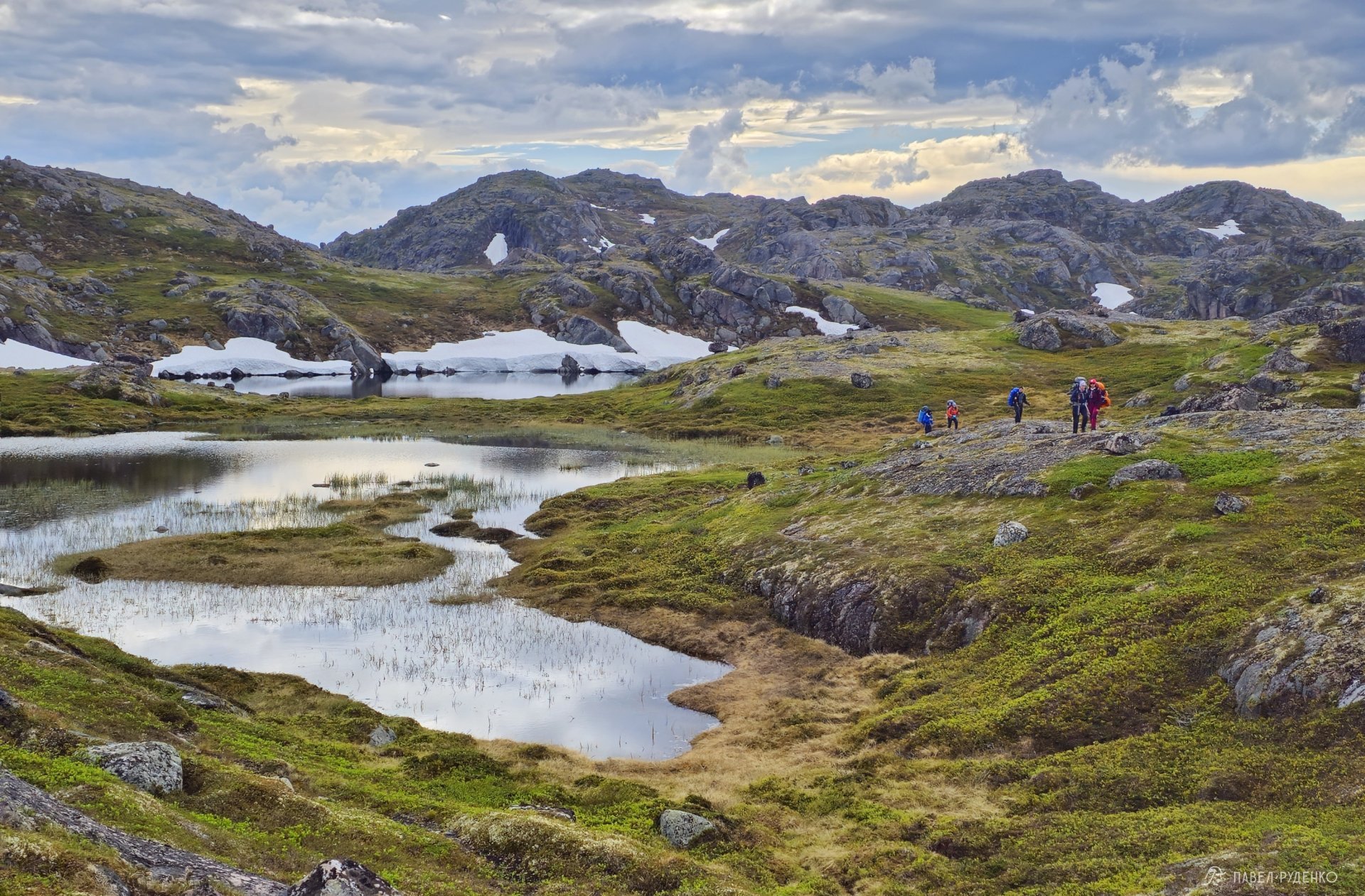
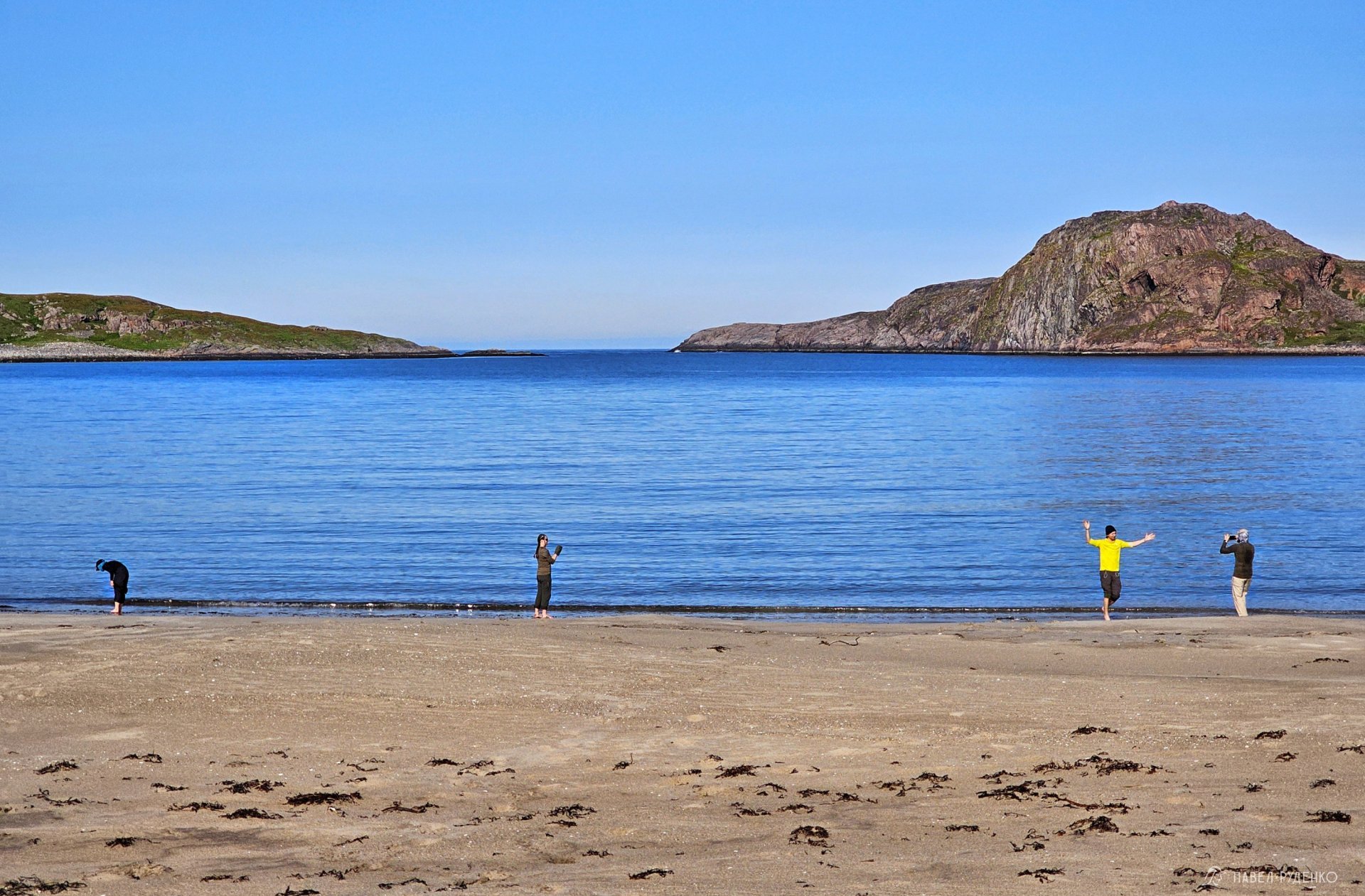
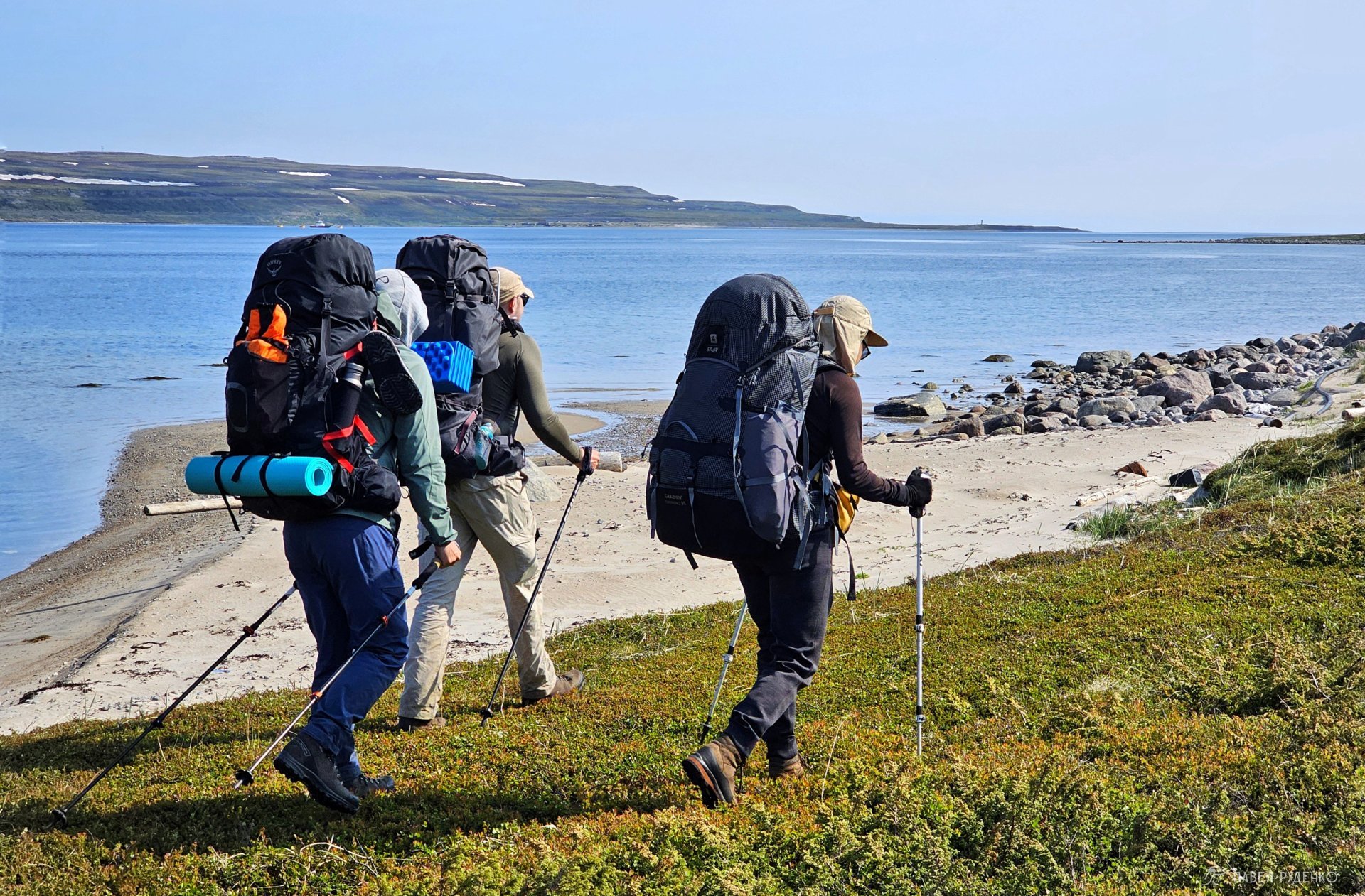
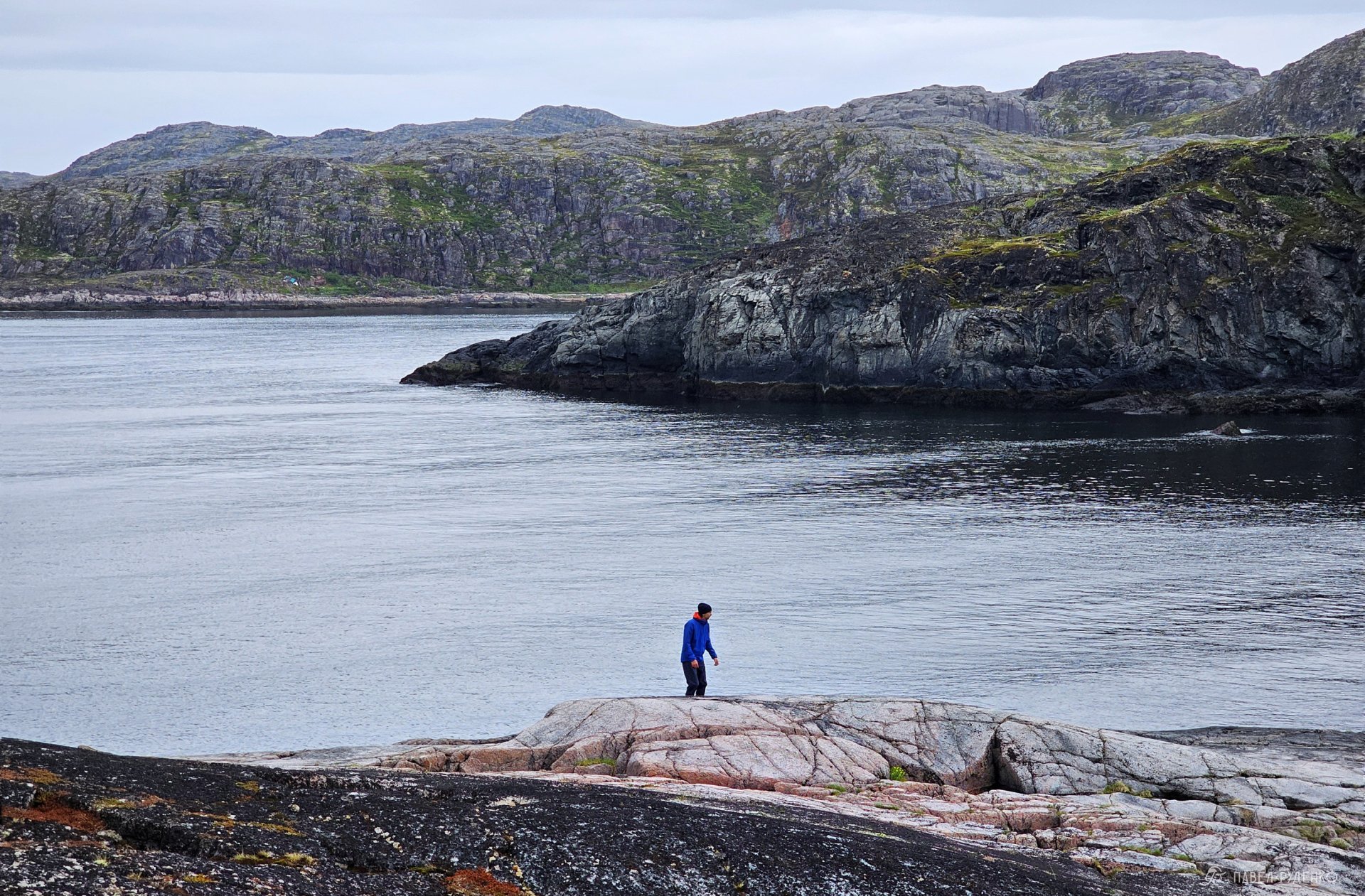
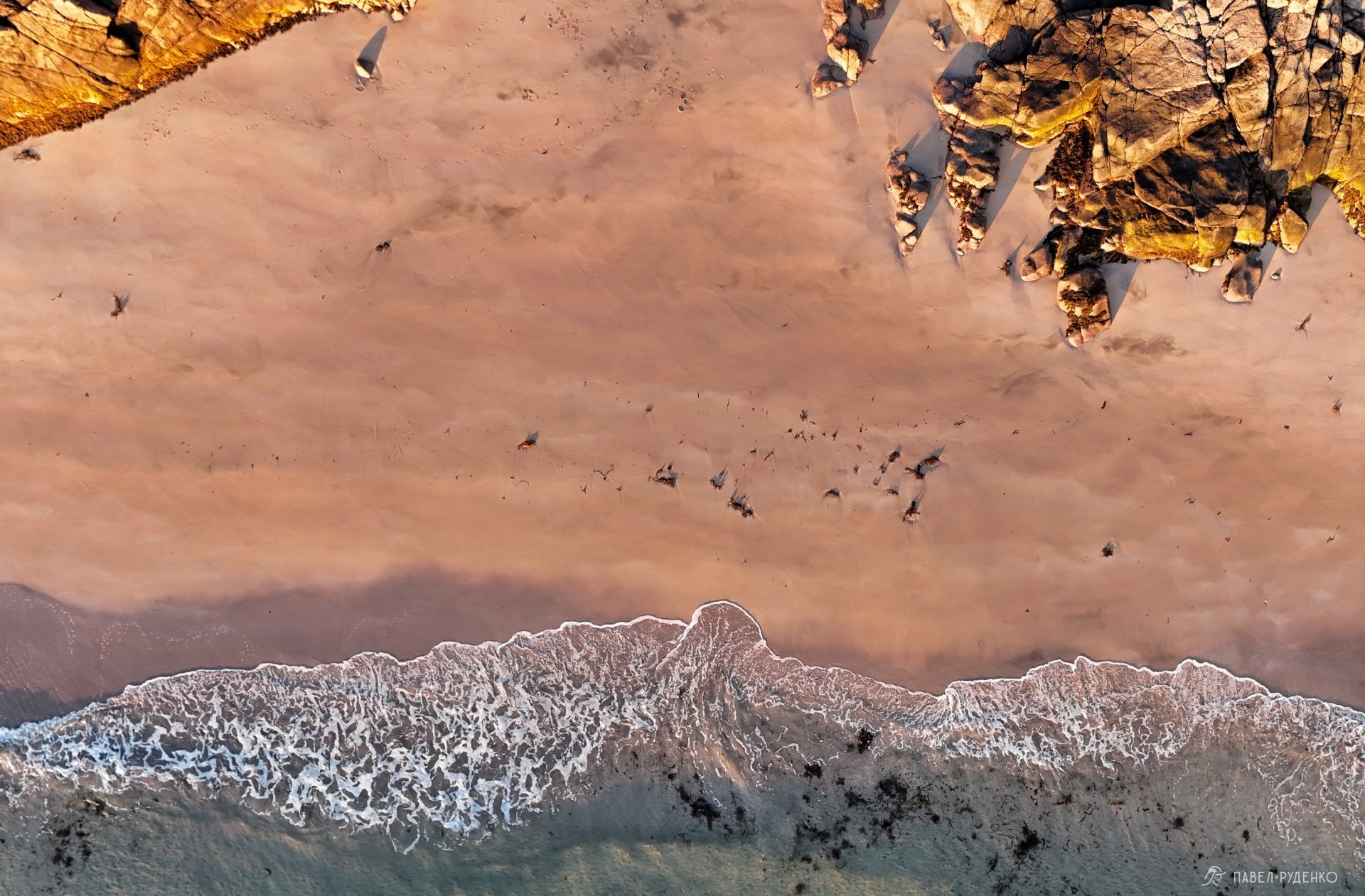
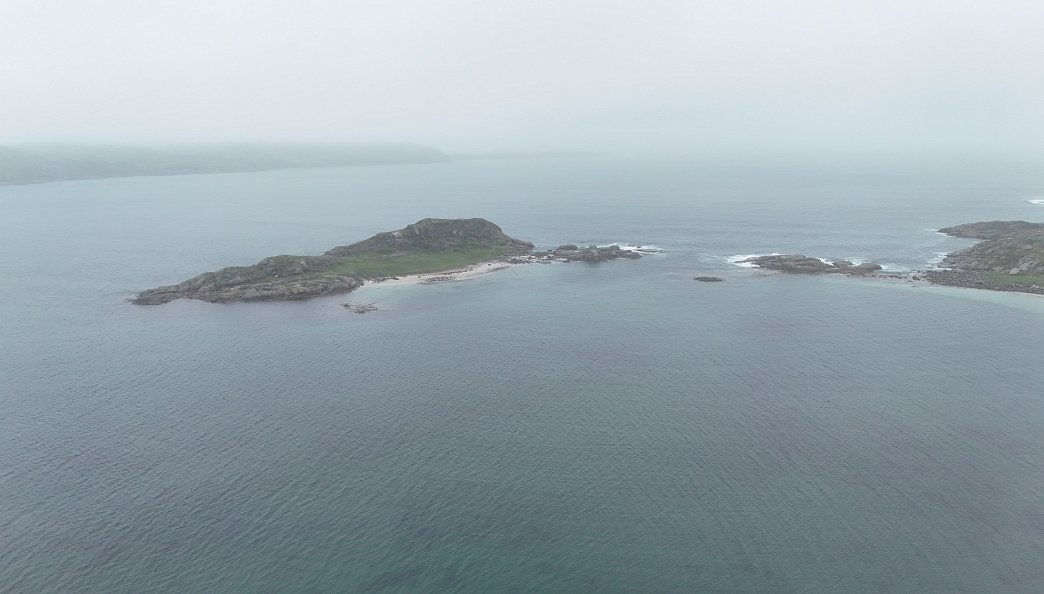
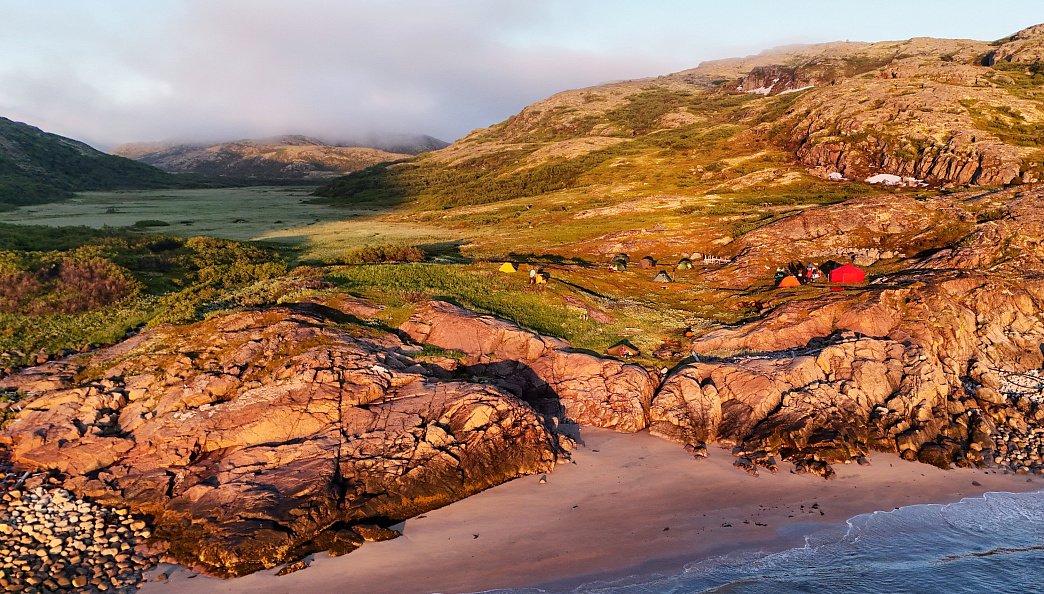
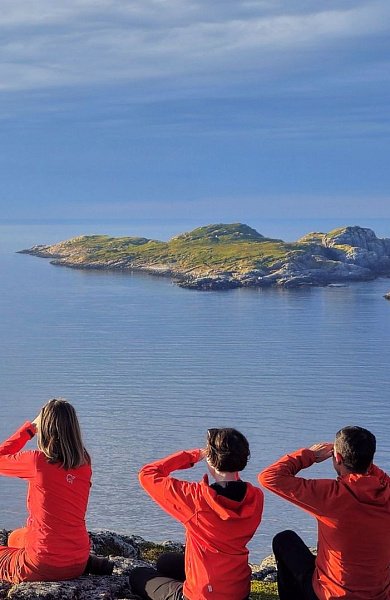
A genuine lost world. Remote terrain where the tundra turns rugged, moss-covered, and breathtakingly scenic. The number of coves and sandy beaches we will encounter along the route is stunning.
Learn more

Who this trek is for

The mileage, duration, and self-supported nature of this trek are well-suited for hikers with experience in week-long autonomous expeditions and good physical fitness. Well-chosen gear is essential for comfort in Arctic conditions while keeping backpack base weight low.

Trek area

The route area is clearly depicted on a preserved 1796 map from a French atlas. Setting off from Kola Bay, we land on the northern shores of the Kola Peninsula. A dotted line marks the maritime route of a two-masted sailing ship that sailed from the very same point into open water with a favorable Bora wind. The Bora is a powerful wind that forms when cold air spills over elevated terrain and plunges down onto the coast.

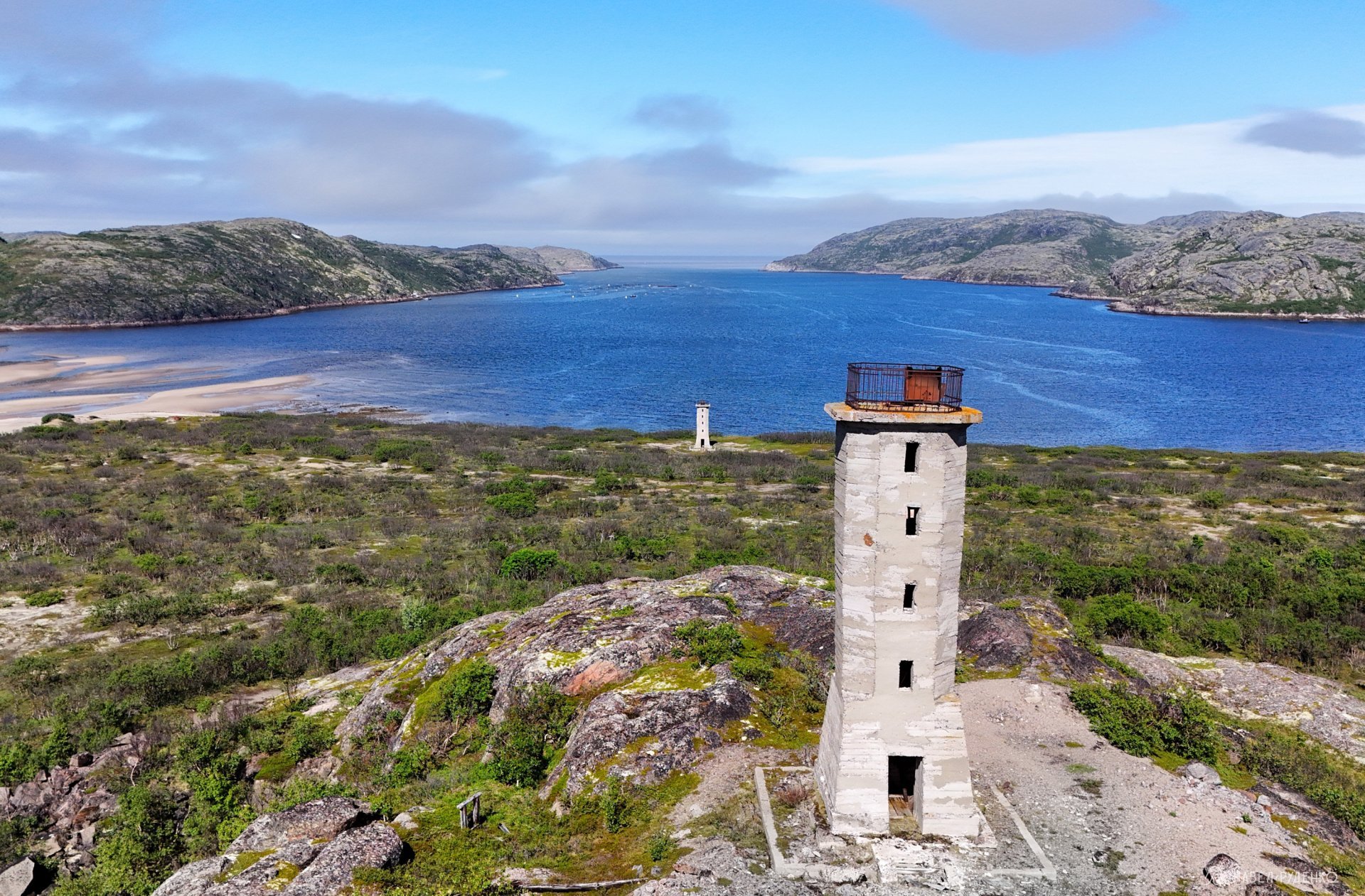
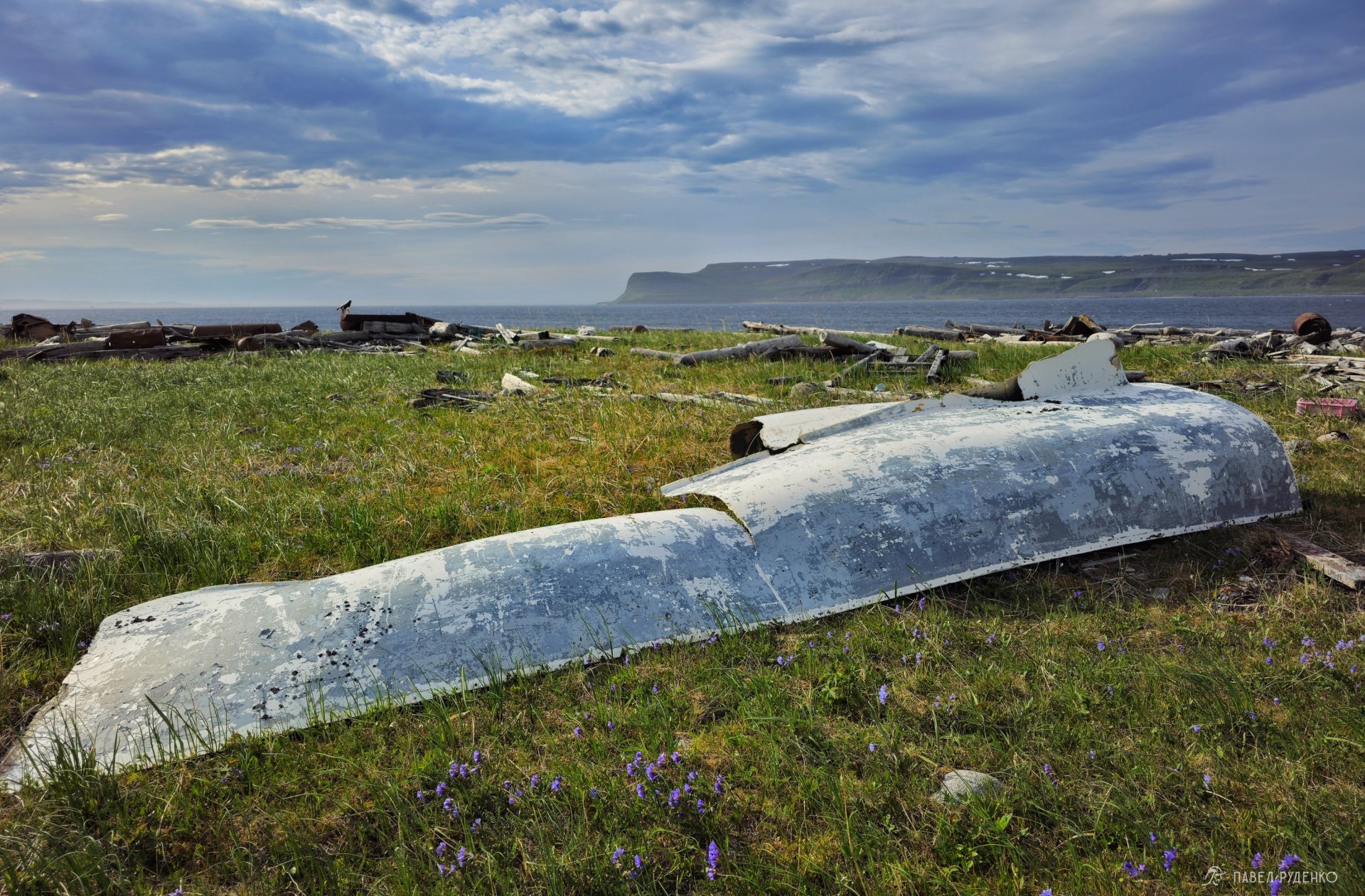
Along the way, we will encounter the abandoned settlement of Granitny, reclaimed by the tundra — a former Soviet naval base nestled in a sheltered bay and surrounded by cliffs. Empty apartment buildings and bunkers look completely surreal on the ocean shore. Today, the area is entirely deserted.

Wildlife

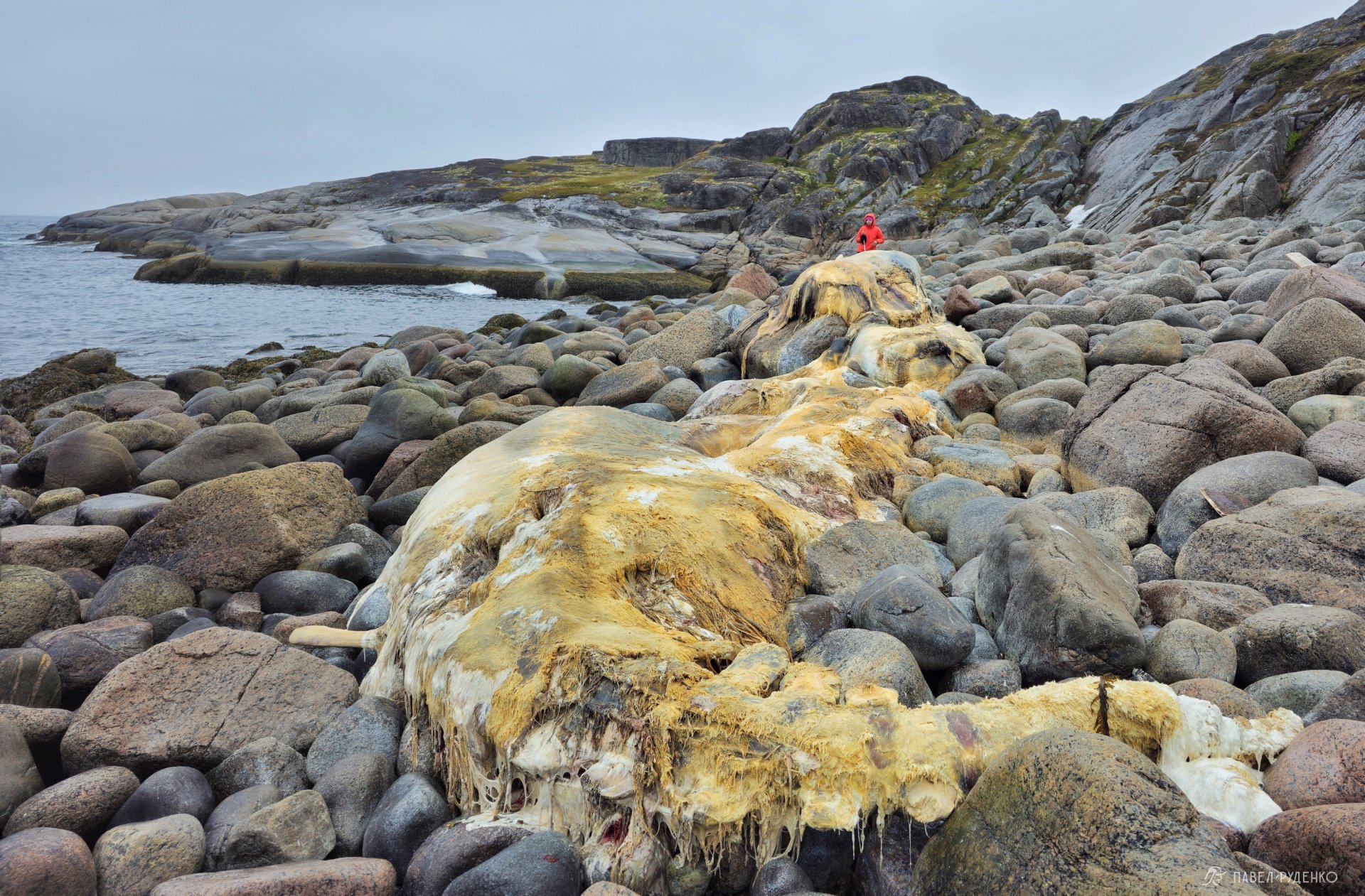
The coastline is remarkably diverse. Out at sea, whale fins and seals’ heads are a frequent sight. Arctic weather is unpredictable, and storms often wash ashore surprising discoveries. On one of our treks, we even found a 14-meter-long whale carcass.

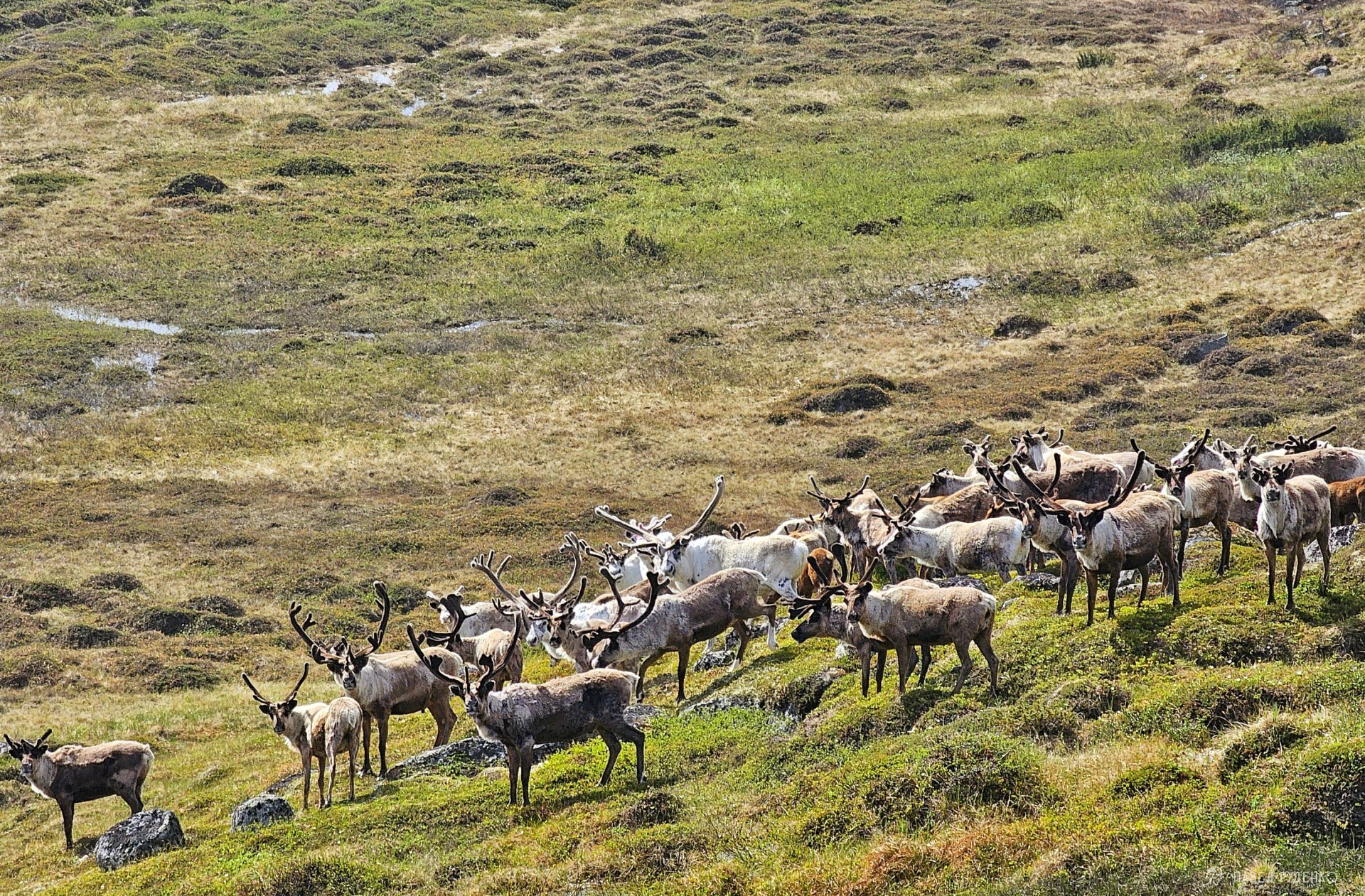
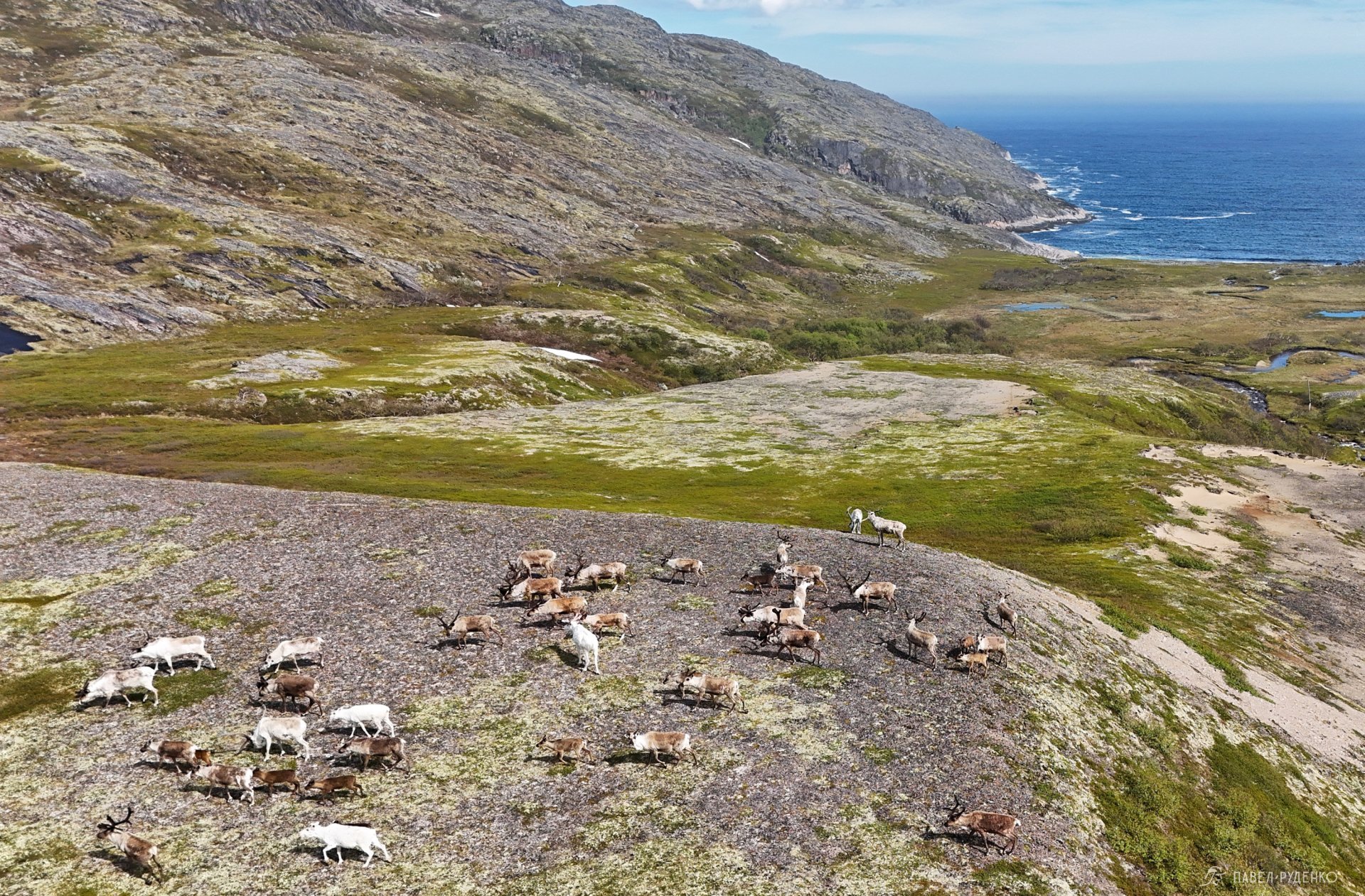
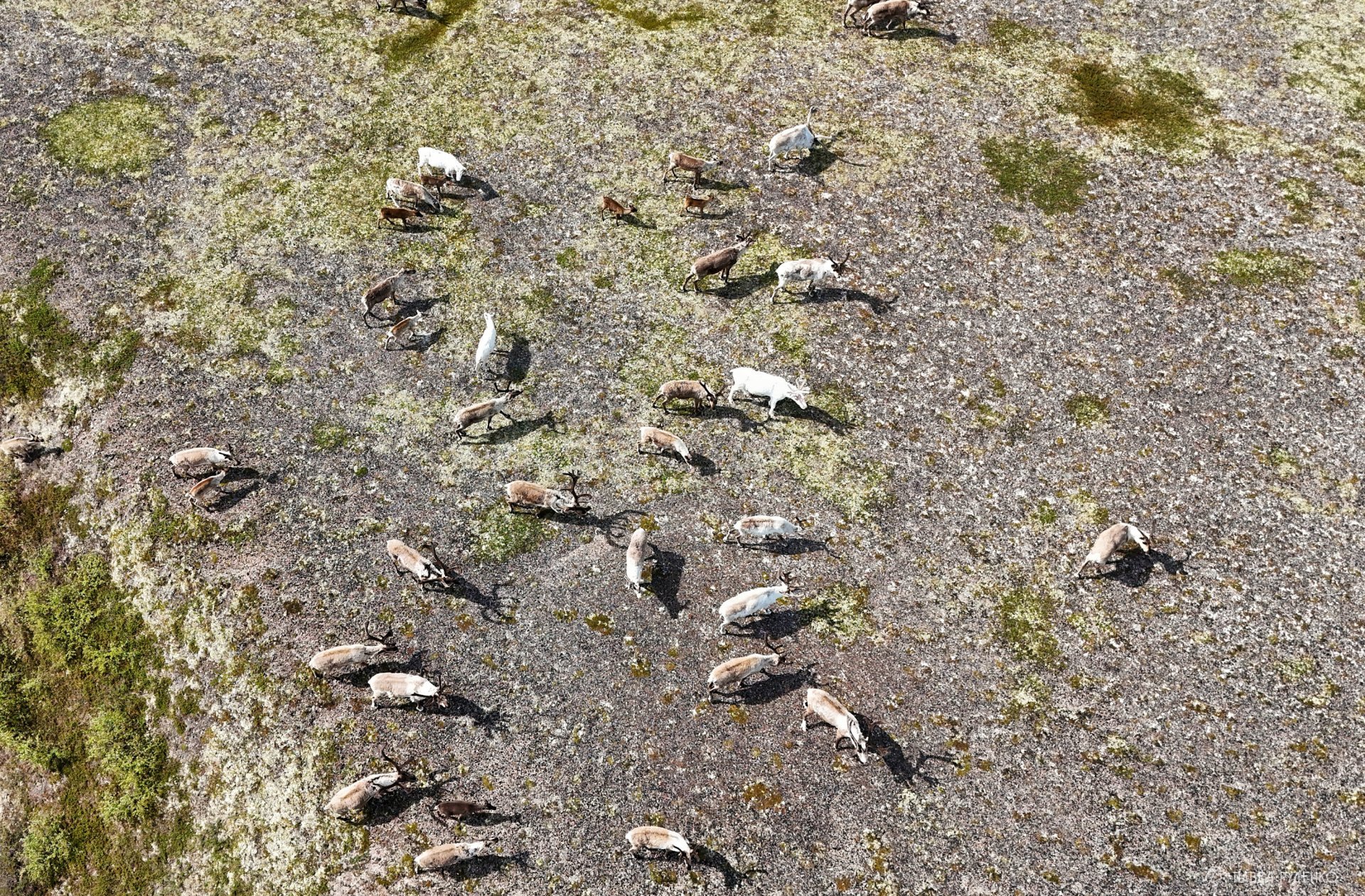
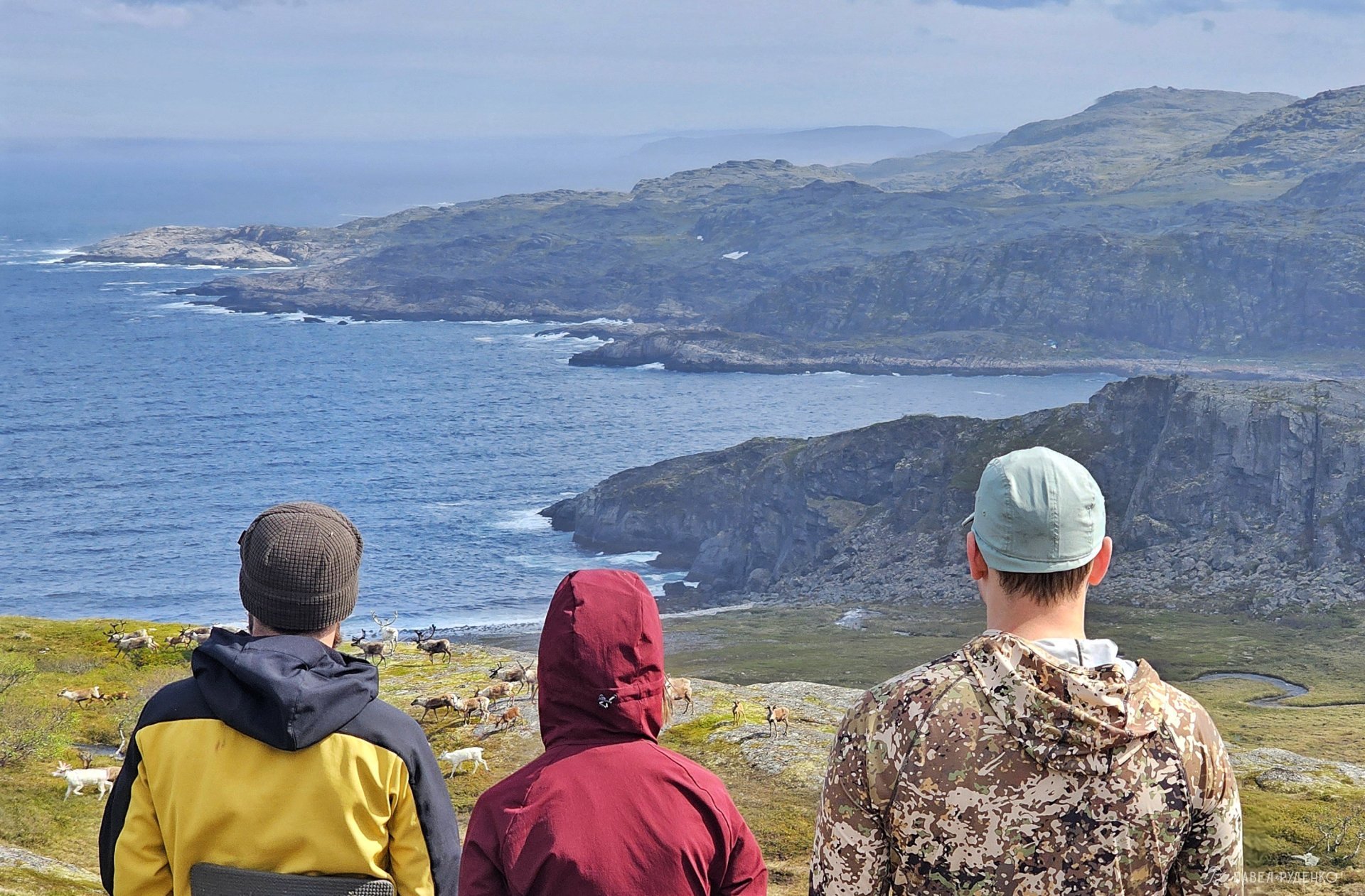
Birds circle overhead constantly — June is nesting season. Along the shore, one can spot hares, foxes, reindeer, and brown bears. A total immersion in the wild and captivating nature of the Russian Arctic.

Day-by-day itinerary

Elevation gain by day
3700 m 3700 m
Day 1, Meet in Murmansk: ascent 0 m, descent 0 m 1 Day 2, Starting the trek: ascent 200 m, descent 100 m, 7 km 2 Day 3, Epic bays: ascent 400 m, descent 500 m, 13 km 3 Day 4, Through the gorge to the sea bay: ascent 300 m, descent 300 m, 14 km 4 Day 5, Deer Plateau: ascent 500 m, descent 400 m, 17 km 5 Day 6, Rest Day: ascent 300 m, descent 300 m, 7 km 6 Day 7, Gorges: ascent 500 m, descent 600 m, 14 km 7 Day 8, River mouth: ascent 400 m, descent 400 m, 11 km 8 Day 9, Islands: ascent 250 m, descent 250 m, 15 km 9 Day 10, Beach: ascent 500 m, descent 500 m, 15 km 10 Day 11, Return to civilization: ascent 350 m, descent 350 m, 14 km 11 Day 12, End of the Program: ascent 0 m, descent 0 m 12
Elevation is shown relative to the starting point and calculated based on ascents and descents from the itinerary.
1 day, 13 June
Meet in Murmansk

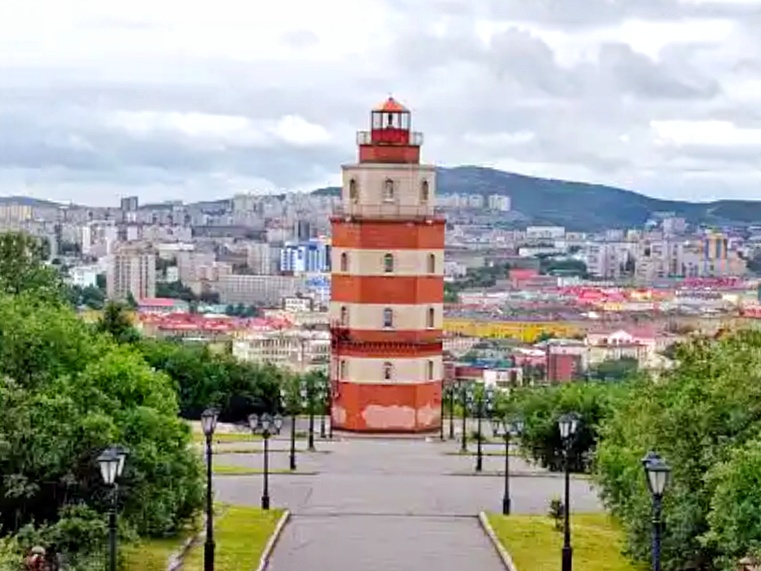
We are in the world's largest city above the Arctic Circle, meeting for a briefing at 18:00. We'll get to know each other, check our gear, and distribute the food rations. 

2 day, 14 June
Starting the trek

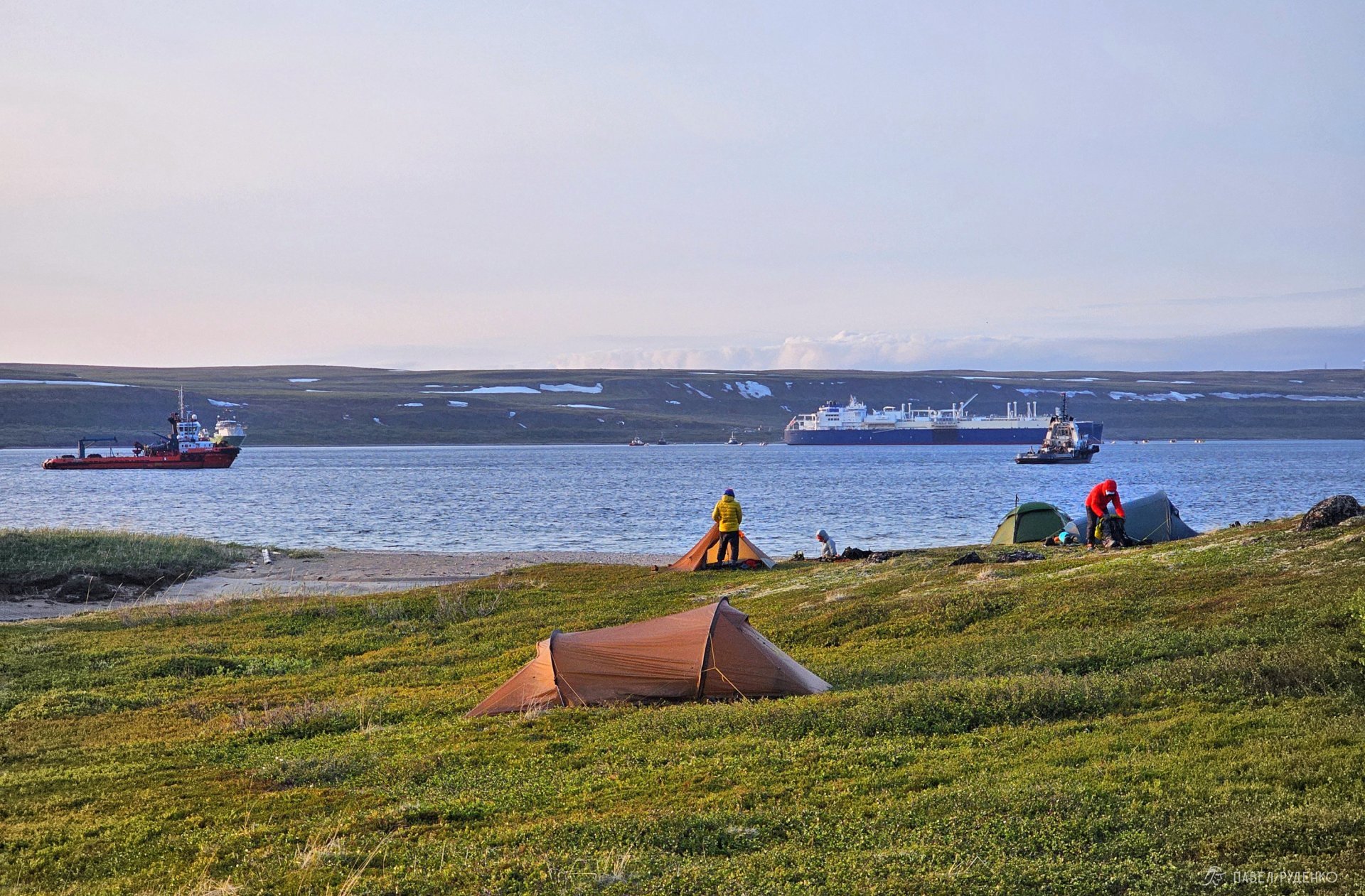
At the beginning of the day, we can catch sight of nuclear icebreakers before heading straight into the tundra.

7 km
200 m
100 m
4 h
3 day, 15 June
Epic bays

A 2 km day hike from camp to explore the bay.

11+2 km
400 m
500 m
4 day, 16 June
Through the gorge to the sea bay
14 km
300 m
300 m
5 day, 17 June
Deer Plateau
17 km
500 m
400 m
6 day, 18 June
Rest Day

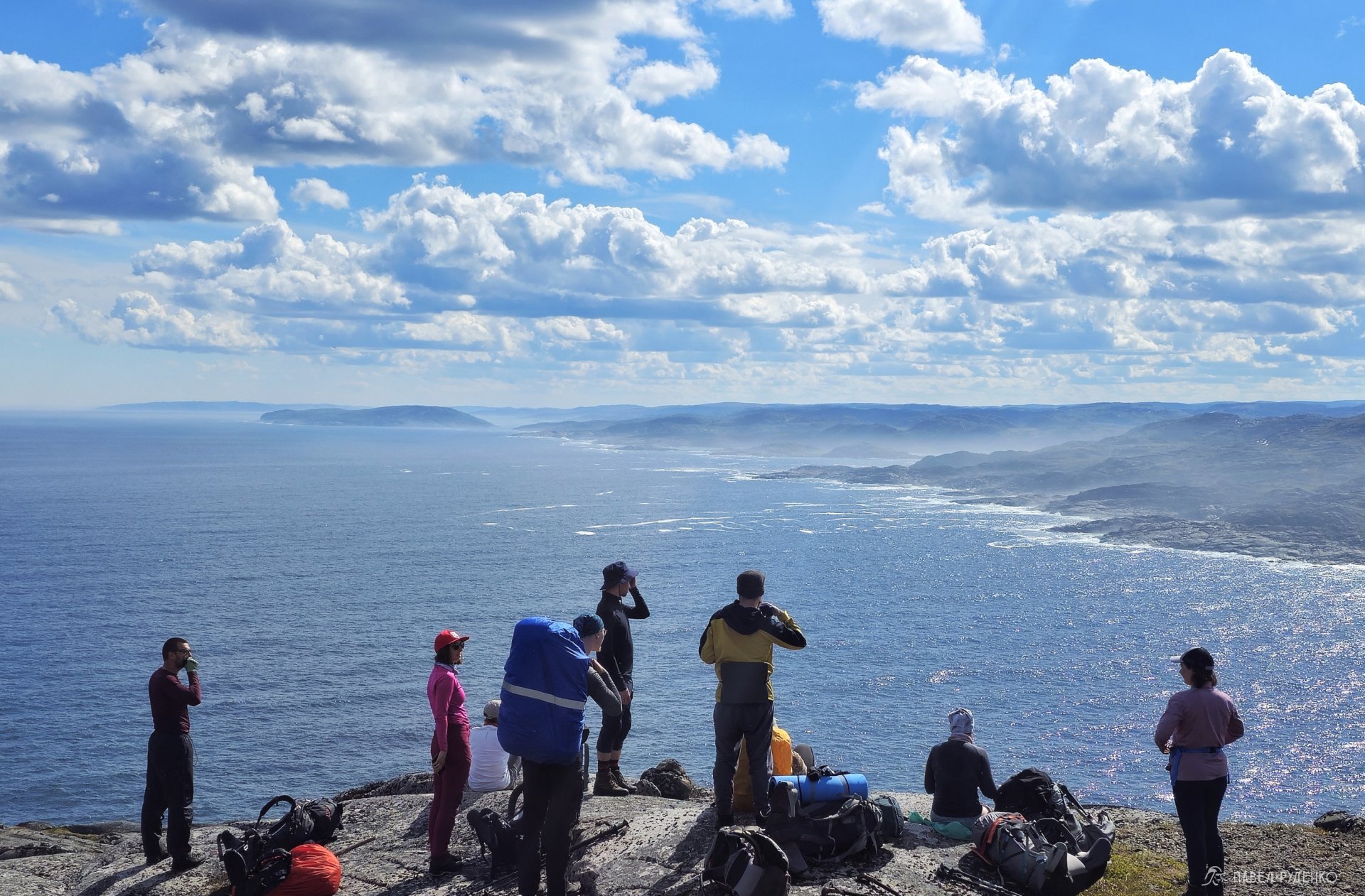
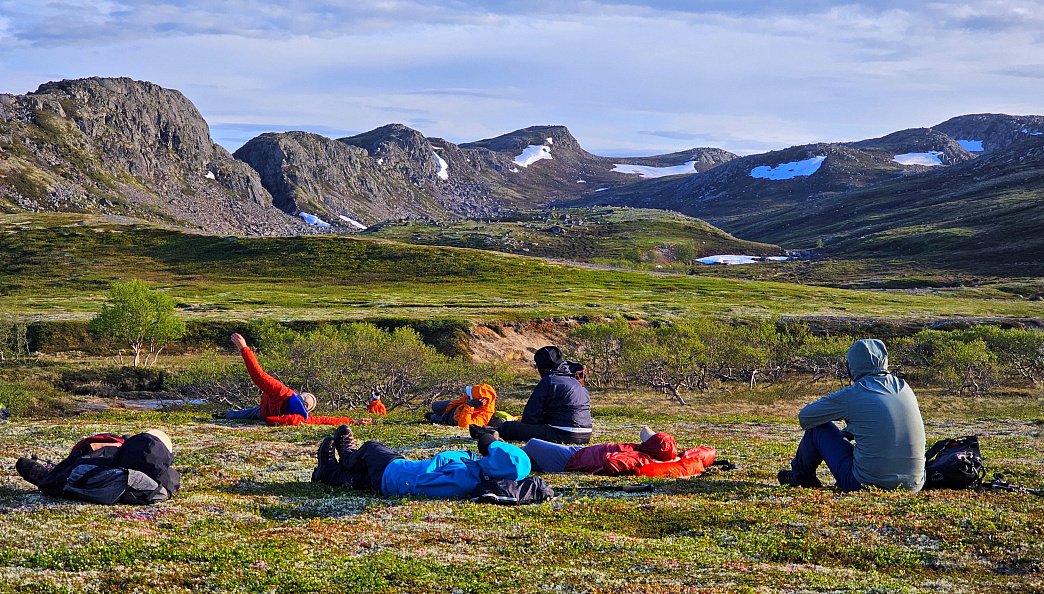
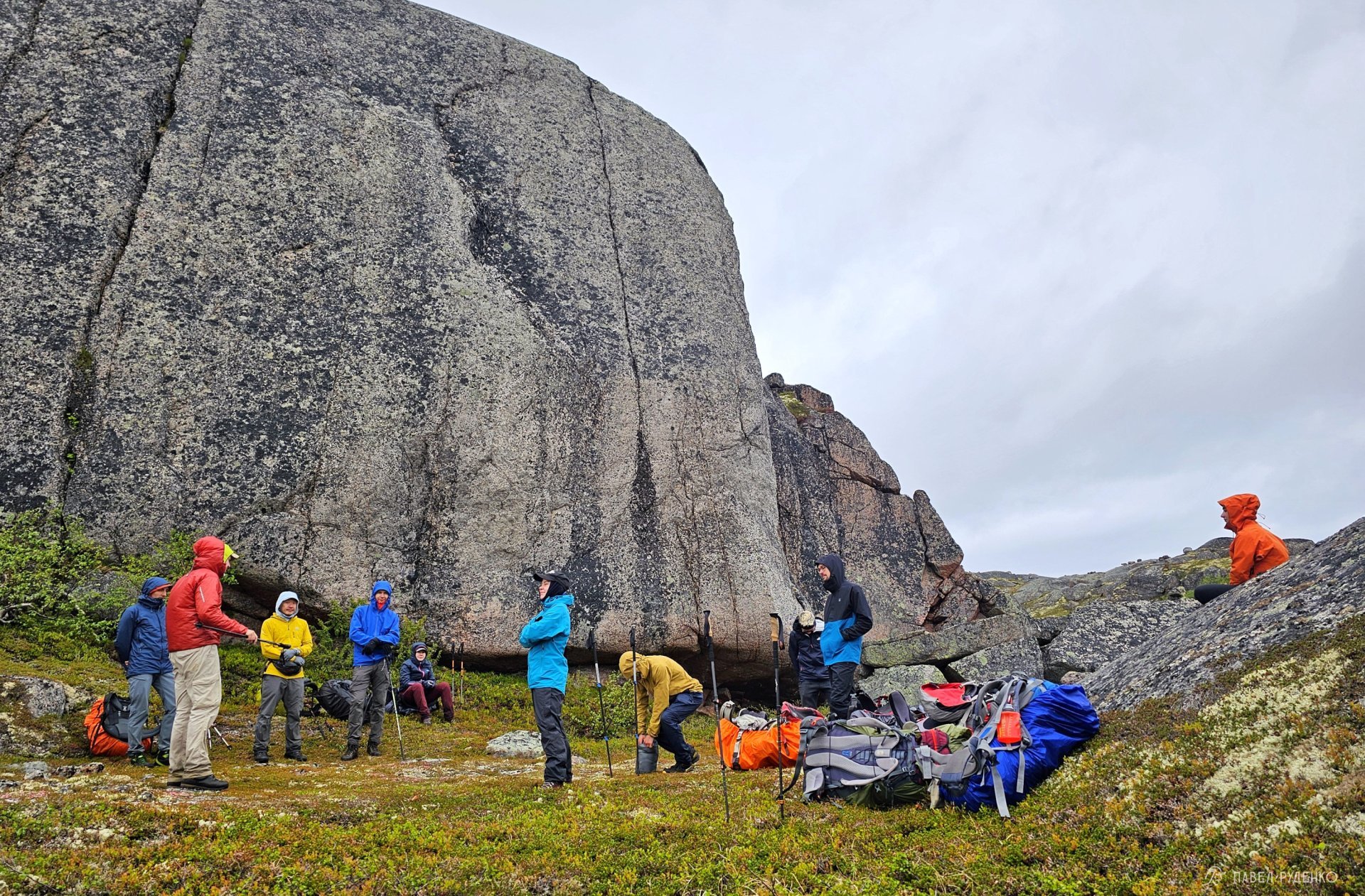
Sleep in and rest. A day hike to scenic viewpoints to explore the tundra.

7 km
300 m
300 m
7 day, 19 June
Gorges

Traversing the rolling folds of the tundra

14 km
500 m
600 m
8 day, 20 June
River mouth
11 km
400 m
400 m
9 day, 21 June
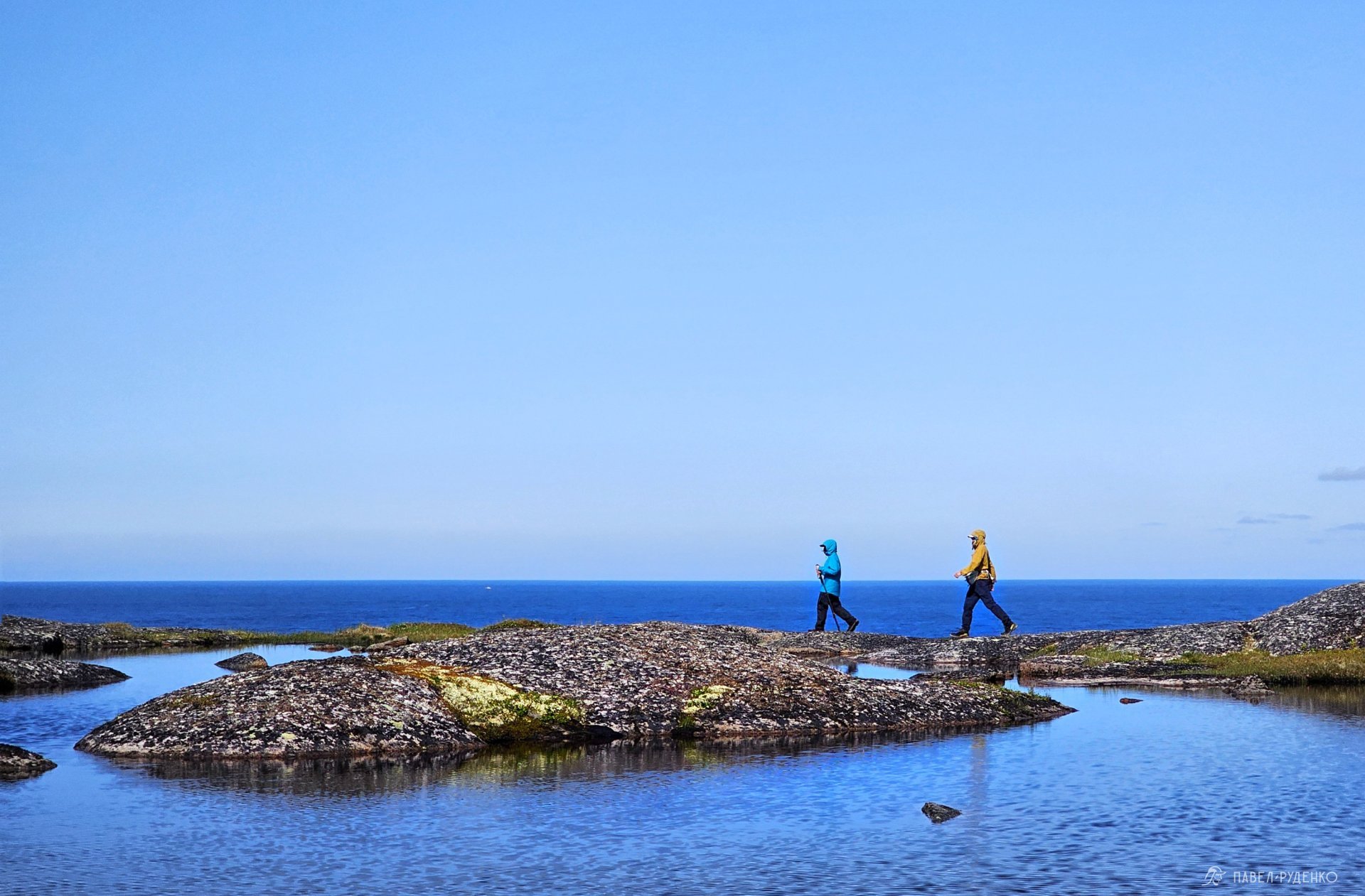
Islands
11+4 km
250 m
250 m
10 day, 22 June
Beach
15 km
500 m
500 m
11 day, 23 June
Return to civilization

The departure time will depend on the tides. We adapt to nature's schedule, so we may return either during the day or late in the evening.
14 km
350 m
350 m
12 day, 24 June
End of the Program

We'll have breakfast, with check-out by 12:00. If your vacation plans allow, I recommend staying in Murmansk for an extra day to enjoy the great restaurants and the northern atmosphere of the largest city above the Arctic Circle.

Safety is my top priority

Two guides
On every trek: one guide per six participants, two guides per 12 participants
Scouted route
I specialize in Arctic regions. Rest assured that every route is thoroughly scouted and planned down to the smallest detail.
Always connected
The group is registered with EMERCOM (Search and Rescue). I always carry backup GPS navigation, a radio, and an Iridium satellite communicator. A base coordinator tracks the group's progress daily and sends weather updates twice a day
First aid
All guides are certified in Basic and Wilderness & Remote First Aid by the Red Cross
Professional gear
I use only gear tailored for Arctic conditions—designed to withstand gale-force winds and torrential rain while keeping you warm, comfortable, and safe
Insurance
Travel insurance is arranged for every participant
Preparation
I speak personally with each participant to review every piece of gear, ensuring a consistently high level of safety and comfort for the entire group

Gear

You will receive a checklist, detailed gear recommendations, and exclusive discounts at outdoor stores
Снаряжение
Trekking backpack, 75 L
a:2:{s:4:"TYPE";s:4:"HTML";s:4:"TEXT";s:313:"Backpack volume depends on your experience and how compact your gear is. On average, 75 L works best for both men and women. The backpack must fit your torso size properly. Recommended models: Osprey Aether Pro 70, Tatonka Yukon LT 60+10, Sierra Designs Flex Capacitor 60–80, Karrimor Jaguar SA2 Flex Pro 75+15.";}
Backpack rain cover
a:2:{s:4:"TYPE";s:4:"HTML";s:4:"TEXT";s:118:"The rain cover must fully cover a loaded backpack and feature wind-securing straps. A silicone coating is recommended.";}
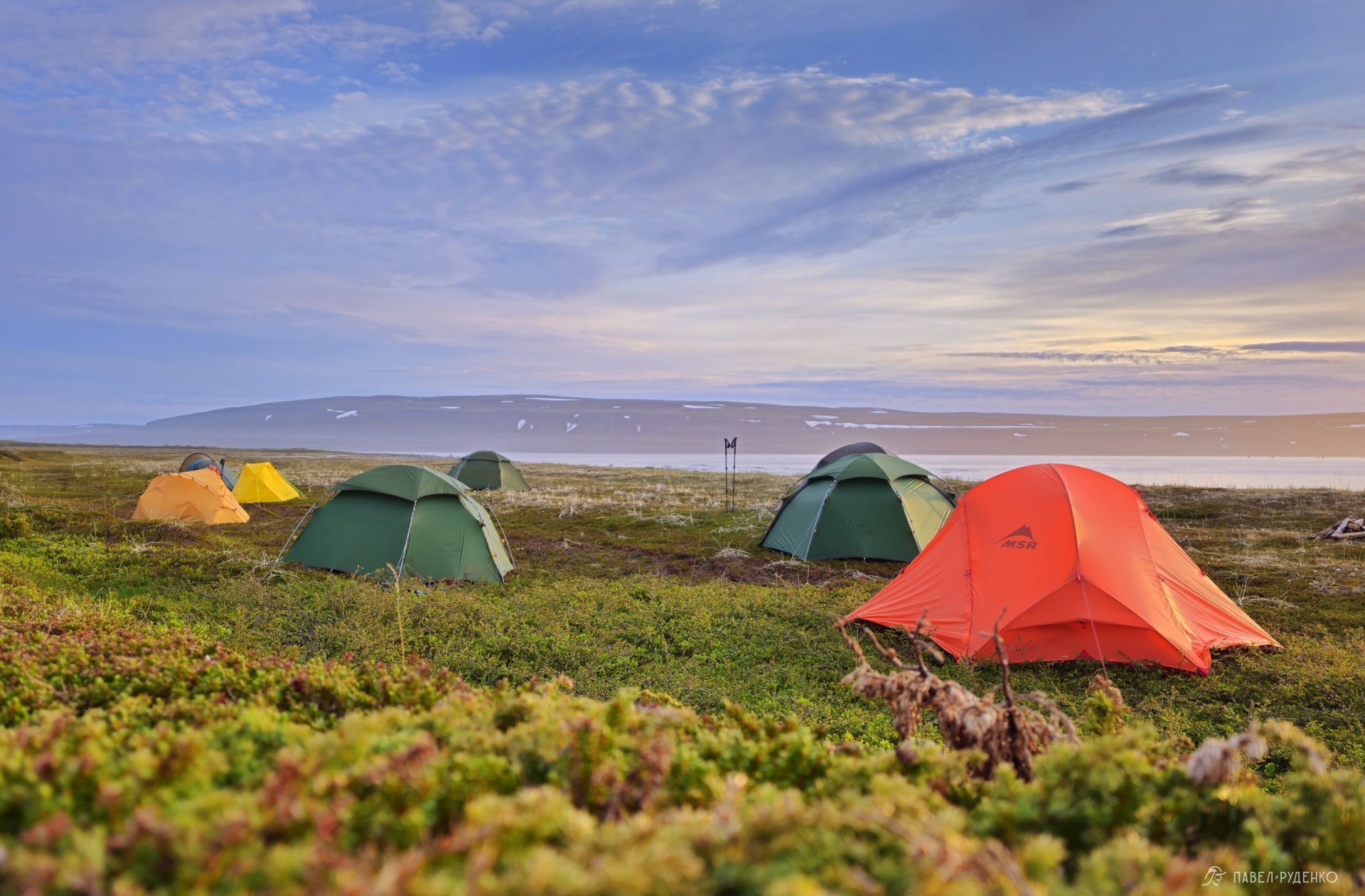
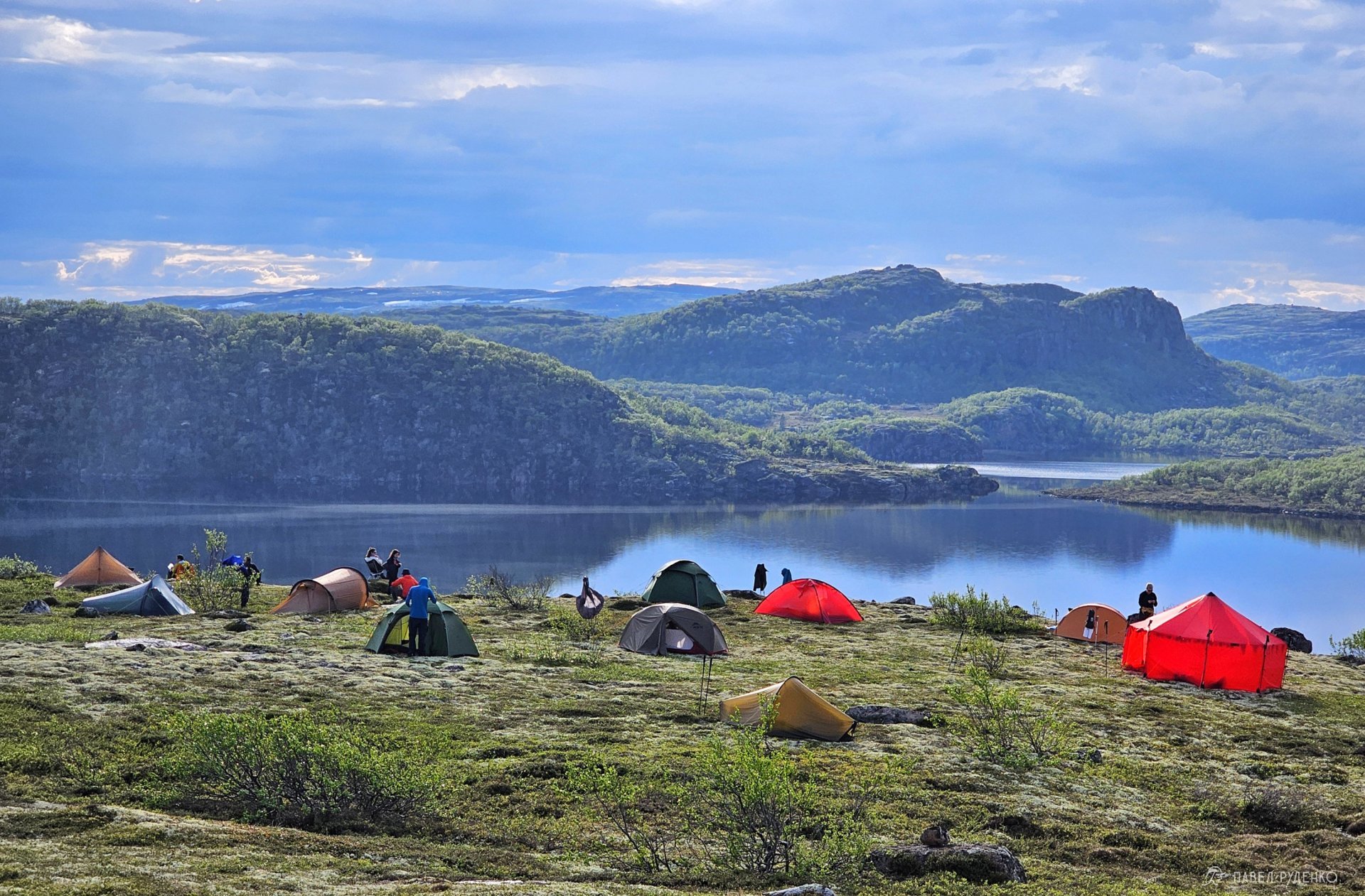
Wind-resistant tundra tent
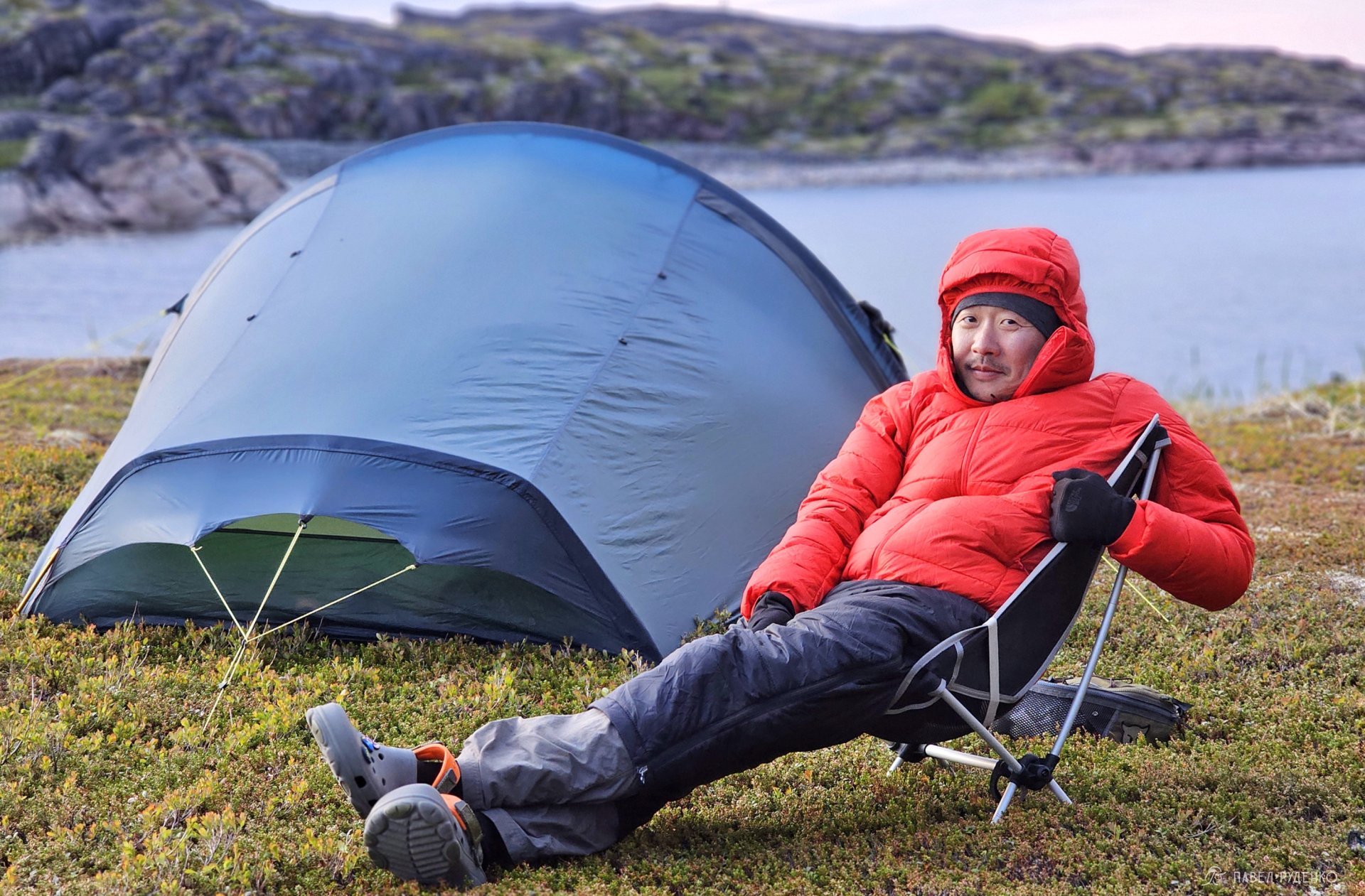
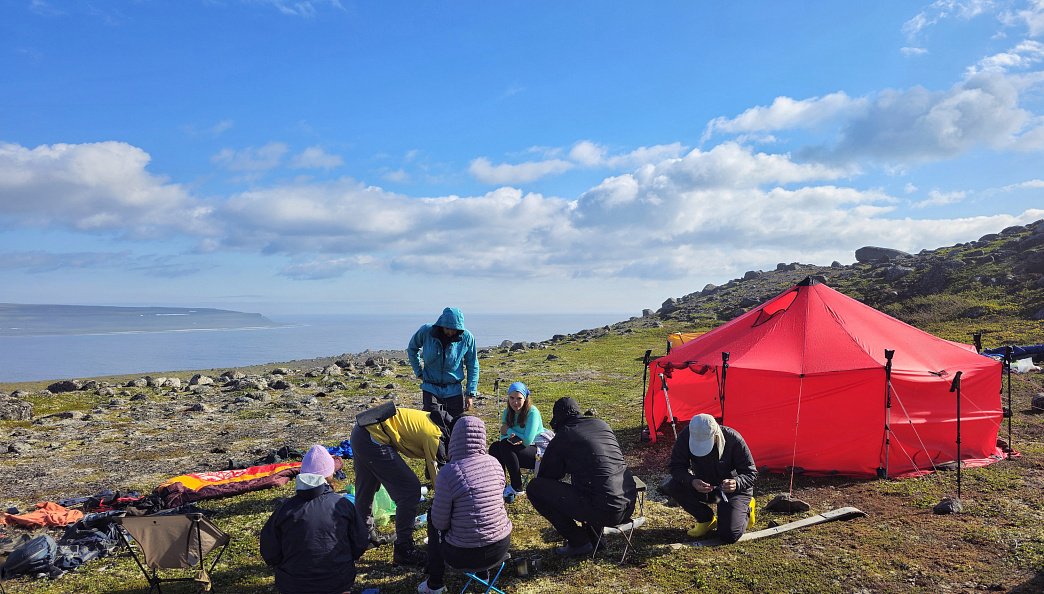
a:2:{s:4:"TYPE";s:4:"HTML";s:4:"TEXT";s:278:"I can provide my own tent free of charge or review and approve yours. Tundra winds can reach 25 m/s, so only wind-resistant models are suitable. For example: Naturehike Cloud Peak 2, 3FulGear Taiji 1, Hilleberg Enan, Hilleberg Anjan 2, Fjällräven Abisko 2, Helsport Lofoten 2.";}
Sleeping bag (T.lim 0 to -5 °C for men and -3 to -9 °C for women)
a:2:{s:4:"TYPE";s:4:"HTML";s:4:"TEXT";s:261:"A sleeping bag sized to your height; down insulation is preferred, such as Sivera Iriy or Splav Graviton Comfort. It must be packed in a dry bag, typically 12 L. Temperature ratings: 0 to -5 °C (T.lim) for men and -3 to -9 °C (T.lim) for women.";}
Sleeping pad (R-value 2 or higher)
a:2:{s:4:"TYPE";s:4:"HTML";s:4:"TEXT";s:134:"An insulated inflatable pad at least 7 cm thick with an R-value of 2 or higher is preferred. The tundra terrain is always uneven.";}
Protective foam pad
a:2:{s:4:"TYPE";s:4:"HTML";s:4:"TEXT";s:168:"A closed-cell foam pad is used underneath an inflatable or self-inflating pad for puncture protection, for example, Isolon Fitness Flex (5 mm thick, weight 120 g).";}
Trekking poles.
a:2:{s:4:"TYPE";s:4:"HTML";s:4:"TEXT";s:108:"Trekking poles with lever-lock (cam-lock) mechanisms are preferred. Summer trekking baskets are recommended.";}
Lightweight mess tent chair.
a:2:{s:4:"TYPE";s:4:"HTML";s:4:"TEXT";s:159:"A camp chair is essential for relaxing in the mess tent. For example: a folding stool weighing 350 g, Splav Shell Light (675 g), or Helinox Chair Zero (510 g).";}
Mug, spoon, bowl
a:2:{s:4:"TYPE";s:4:"HTML";s:4:"TEXT";s:202:"The optimal volume is 450–600 ml for a mug and 750 ml for a bowl. In titanium, their combined weight is under 200 g. Lightweight and aesthetic coconut shell tableware is also a great choice.";}
Water bottle, 0.5–1 L
a:2:{s:4:"TYPE";s:4:"HTML";s:4:"TEXT";s:182:"Depending on your backpack pockets and personal preference, choose a collapsible soft flask (HydraPak Stow, Flux, or Seeker is the best option) or a hard plastic bottle like Nalgene.";}
Dry bags for sleeping bag, clothing, and electronics
a:2:{s:4:"TYPE";s:4:"HTML";s:4:"TEXT";s:82:"Dry bags: 12 L for the sleeping bag, 7 L for electronics, 12 L for spare clothing.";}
Headlamp
a:2:{s:4:"TYPE";s:4:"HTML";s:4:"TEXT";s:133:"A USB-rechargeable headlamp is most practical; 400 lumens is sufficient for typical camp use. Recommended brands: Fenix and Nitecore.";}
Mosquito head net
a:2:{s:4:"TYPE";s:4:"HTML";s:4:"TEXT";s:125:"A black mesh net offers the best visibility. An excellent option is the Sea to Summit Ultra-Fine Mesh Headnet (weight: 23 g).";}
Одежда
Long-sleeve trekking shirt
a:2:{s:4:"TYPE";s:4:"HTML";s:4:"TEXT";s:318:"1–2 pcs. Lightweight synthetic fabric is ideal, though merino wool is also acceptable. This is your primary trekking layer in warm weather. Long sleeves protect against biting flies and mosquitoes, shield against sun exposure, assist thermoregulation in windy conditions, and protect your skin from scrub brush.";}
Lightweight base layer bottoms
a:2:{s:4:"TYPE";s:4:"HTML";s:4:"TEXT";s:360:"1 pc. Ultra-light synthetic thermal bottoms. They provide excellent moisture wicking with minimal warmth. Designed for wear under hardshell waterproof pants to prevent overheating on the move. They can also be paired with softshell pants for warmth or worn inside a sleeping bag on warmer nights. Recommended: Sivera Geta or Godobl, Splav Fresh or Motion.";}
Midweight insulating base layer
a:2:{s:4:"TYPE";s:4:"HTML";s:4:"TEXT";s:193:"An insulating thermal top serves as an essential mid-layer for active trekking, camp life, and sleeping. Fabric weight: 130–180 g/m². Recommended: Splav Gulf Stream (pullover), Sivera Vuyma.";}
Softshell jacket and pants
a:2:{s:4:"TYPE";s:4:"HTML";s:4:"TEXT";s:383:"Primary active trekking layers. A lightweight softshell with a fabric weight of 100–160 g/m² is best. Softshell pants and jacket offer high breathability, prevent overheating, block 5–15 m/s winds, and serve as an active thermal layer in cold weather. Recommended: Sivera Gran, Murash; Splav Action Flex, Vector. Average weight for size M: jacket 250–350 g; pants 170–250 g.";}
Hardshell (membrane) jacket and pants
a:2:{s:4:"TYPE";s:4:"HTML";s:4:"TEXT";s:563:"Essential storm protection against heavy rain and Arctic gale-force winds. A 2.5-layer or durable 3-layer (3L) membrane with at least a 15,000 / 15,000 rating is required. Gore-Tex performs best in Arctic conditions, though other high-performance membranes are also suitable. Optimal fabric density: 30–70D. Weight for size M: jacket 300–500 g; pants 250–400 g. Pants must have full-length side zippers for quick on/off over boots. Recommended: Mountain Equipment Zeno, SMGear, Splav Balance, and brands like Norrøna, Haglöfs, Bergans, Klättermusen.";}
Insulated Synthetic Jacket and Pants
a:2:{s:4:"TYPE";s:4:"HTML";s:4:"TEXT";s:666:"Primary insulation for camp and rest breaks during the day. Down insulation is acceptable, but in the conditions of the North and Russia's cold regions, synthetic “active insulation” with a density of 60–80 g/m² performs best. As a guideline: jacket weight in size M is 350–400 g, pants 200–300 g. Recommended models: Arc'teryx Proton or Atom, Sivera Faris or Leden, Norrona Femund Thermo60, Black Diamond First Light Stretch Hoody 2.0, Mountain Equipment Kinesis, Patagonia Nano-Air Hoody, etc. Insulated full-zip pants (with side zips for quick on/off) should fall just below the knee, with 60 g/m² insulation. Recommended: Splav Quark or Sivera Leden.";}
Trekking Socks
a:2:{s:4:"TYPE";s:4:"HTML";s:4:"TEXT";s:166:"3 pairs. Two- or three-season. Synthetic socks wick away sweat, provide a snug compression fit, and prevent blisters. Recommended brands: Lorpen, Decathlon, or Splav.";}
Waterproof Membrane Socks and Liners
a:2:{s:4:"TYPE";s:4:"HTML";s:4:"TEXT";s:473:"2 pairs. Waterproof membrane socks are the ideal solution to protect your feet from cold and wet conditions in the North. Paired with full-leather or nubuck trekking boots, they will keep your feet safe. Recommended: DexShell Running Lite and Ultra Thin Crew (they usually run slightly small). They work great with thin synthetic liner socks worn underneath the membrane socks when needed, adding warmth and extra blister protection. Recommended: Lorpen Liner, Splav Liner.";}
Beanie and Gloves
a:2:{s:4:"TYPE";s:4:"HTML";s:4:"TEXT";s:92:"Insulation for camp and on the move. Choose thin, lightweight fleece or Polartec Power Grid.";}
Headwear
a:2:{s:4:"TYPE";s:4:"HTML";s:4:"TEXT";s:363:"Protection against sunburn, mosquitoes, and wind. The choice depends on your personal preference, but my top recommendation is a wide-brim hat or a cap with a neck flap. It offers the best protection and comfort. Recommended: Outdoor Research Sun Runner Cap, AONIJIE E4089, and similar models such as Aonijie E4610, Kailas Neck Flap, or Buff Pack Sahara Cap Acai.";}
Buff / Neck Gaiter
a:2:{s:4:"TYPE";s:4:"HTML";s:4:"TEXT";s:226:"Every hiker's favorite accessory. Protects the neck and, if needed, the back of the head and ears from the wind. Used while moving, around camp, and while sleeping. Material: thin, summer-weight fabric like Coolmax or CoolNet.";}
Обувь
Trekking boots
a:2:{s:4:"TYPE";s:4:"HTML";s:4:"TEXT";s:319:"Medium-stiff full-grain leather boots are ideal for the tundra, such as Meindl Kansas, Paradiso, or Hanwag Tatra II. Choose boots roughly 1.5 sizes larger than your standard shoe size. We recommend fitting and purchasing them directly with premium Sidas Outdoor insoles to reduce foot fatigue and prevent blisters.";}
Camp and river-crossing footwear.
a:2:{s:4:"TYPE";s:4:"HTML";s:4:"TEXT";s:108:"Due to deep, wet moss, closed-toe Crocs or short lightweight EVA boots are recommended. Weight: under 350 g.";}
Chivers — ultralight waterproof gaiters/overboots
a:2:{s:4:"TYPE";s:4:"HTML";s:4:"TEXT";s:93:"Height 90 cm. Sized according to boot dimensions: 36–45 and 45–50. Weight 1 kg.";}
Общее
Personal First Aid Kit
a:2:{s:4:"TYPE";s:4:"HTML";s:4:"TEXT";s:197:"Personal prescription medications, a roll of adhesive plaster/tape, and an elastic bandage or knee brace. Detailed checklist of a hiking first aid kit.";}
Documents
a:2:{s:4:"TYPE";s:4:"HTML";s:4:"TEXT";s:63:"Passport and health insurance policy in a waterproof dry pouch.";}
Toiletries
a:2:{s:4:"TYPE";s:4:"HTML";s:4:"TEXT";s:41:"Toothbrush, toothpaste, and toilet paper.";}

Guides

Pavel Rudenko
Pavel Rudenko
Founder of the project and polar guide, ambassador of the Kola North, solo traveler, and outdoor gear specialist.
Certified wilderness guide, Mountaineer of Russia badge holder. Completed Wilderness First Aid, avalanche safety, and survival courses.
Former instructor at the Sport-Marafon Outdoor School.
Margarita Platonova
Margarita Platonova
Has been trekking for over 5 years across Russia and abroad, including athletic treks. Certified in First Aid and constantly mastering new skills to be a reliable guide for the team.
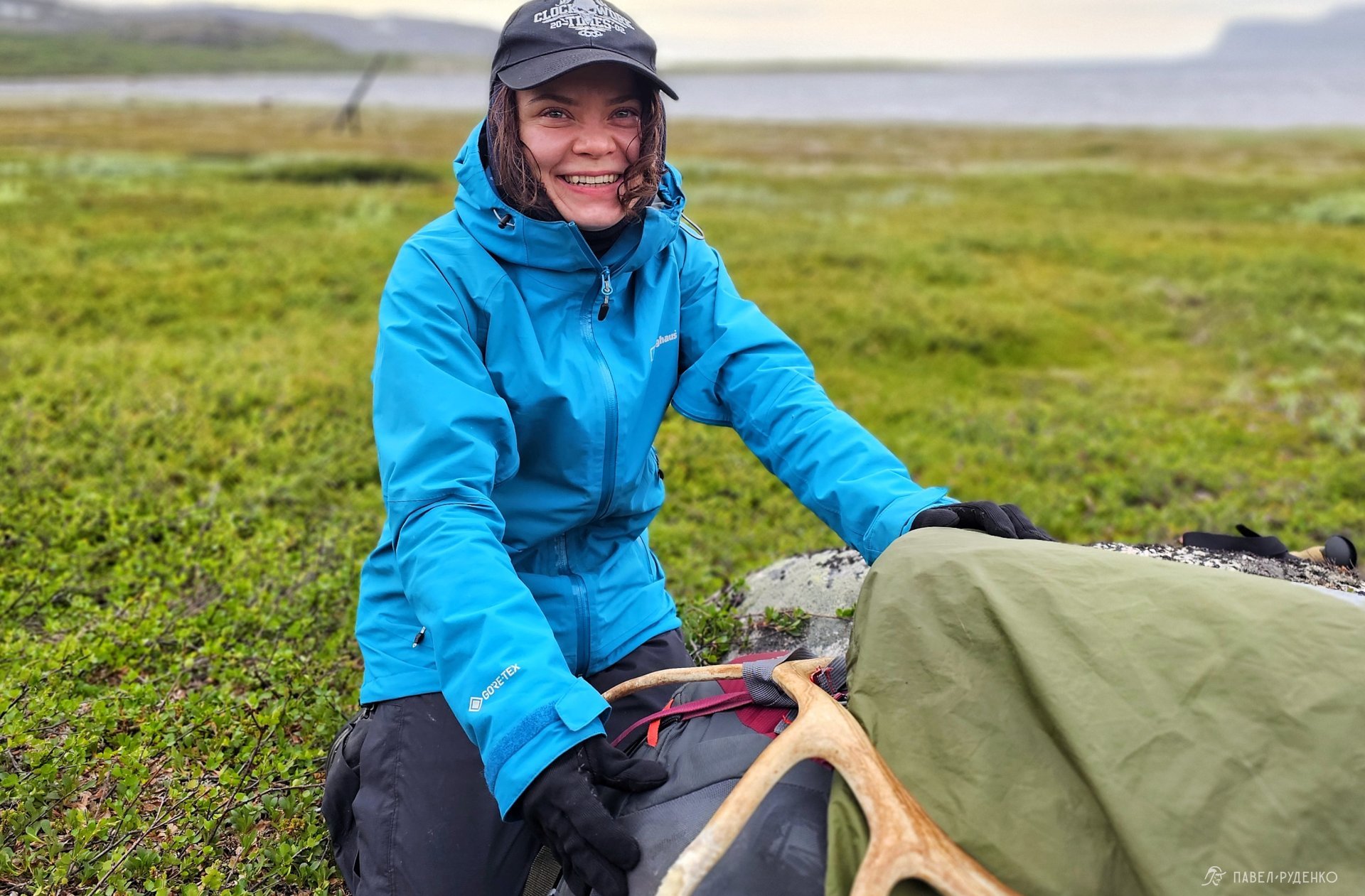
A creative soul who takes photos, paints, and draws inspiration from the harsh yet magnetic beauty of the North.
Fell in love with the North four years ago and joined the Rudenko team. Passionate about revealing the magic of the Arctic to travelers. Creates a warm, positive atmosphere on expeditions and prepares delicious camp meals.

Trek participant reviews

Михаил Цой
An adventure trek (as opposed to a meditative retreat), a nostalgic trek, a challenging trek. That’s Granitny in a nutshell. But let’s take it step by step.

The program is exceptionally rich: boat drop-off across Kola Bay passing Severomorsk and the Rosatom base, featuring views of warships and nuclear icebreakers. From there, the intensity only builds—steep fells, an abandoned naval town, kilometers wading in hip boots, epic river fords, 10-hour hiking days, terrestrial and marine wildlife—far too much to list.

The nostalgia, in my case, came from the polar day—last experienced 23 years ago—and all the fond memories tied to it; on a broader scale, from the aforementioned abandoned settlement of Granitny, an unfinished brick factory near Teriberka, and other relics of a bygone era.

And as for the challenge: 10 days with just one rest day (by no means lazy!), genuinely rugged terrain, 135 km, and 5,000 meters of elevation gain. The full package, just how we like it!

The team was a dream! Pavel Gennadievich never lets you down! Ilya is brilliant (cooking that well is priceless). Chum is a beast!

I wish everyone could experience this!
Антон Буткевич
This trek was both a true challenge and an unforgettable adventure for me. It was the longest expedition I had ever undertaken, and because of that, I gained an immense amount of valuable experience and impressions. The tundra proved rugged and unforgiving, demanding endurance and patience, but it’s precisely in such conditions that you feel truly alive.

The expedition logistics were top-tier: every detail was thoroughly thought out, from routes to meals and safety. I particularly want to highlight the great food—meals were hearty and delicious, which is crucial on long treks.

The tundra wilderness is breathtaking, and these panoramas will stay with me for a long time. I recommend this trek to all adventure enthusiasts with good physical fitness—the tundra is totally worth it!
Рамиль Юсупзанов
Who guides this trek? A person deeply in love with the North, who prepares with obsessive attention to detail for everything we might encounter on the trail!

From the very moment you sign up, Pasha guides and supports you, helps with packing, and offers in-depth advice on all gear and more. During the trek, Pasha kept a close eye on everything—shifting weather, how everyone was feeling—and made all necessary adjustments to the route and schedule accordingly. He was assisted by the equally fantastic Ilya! Our co-guide and camp chef, who managed to amaze us even in these harsh conditions!))))

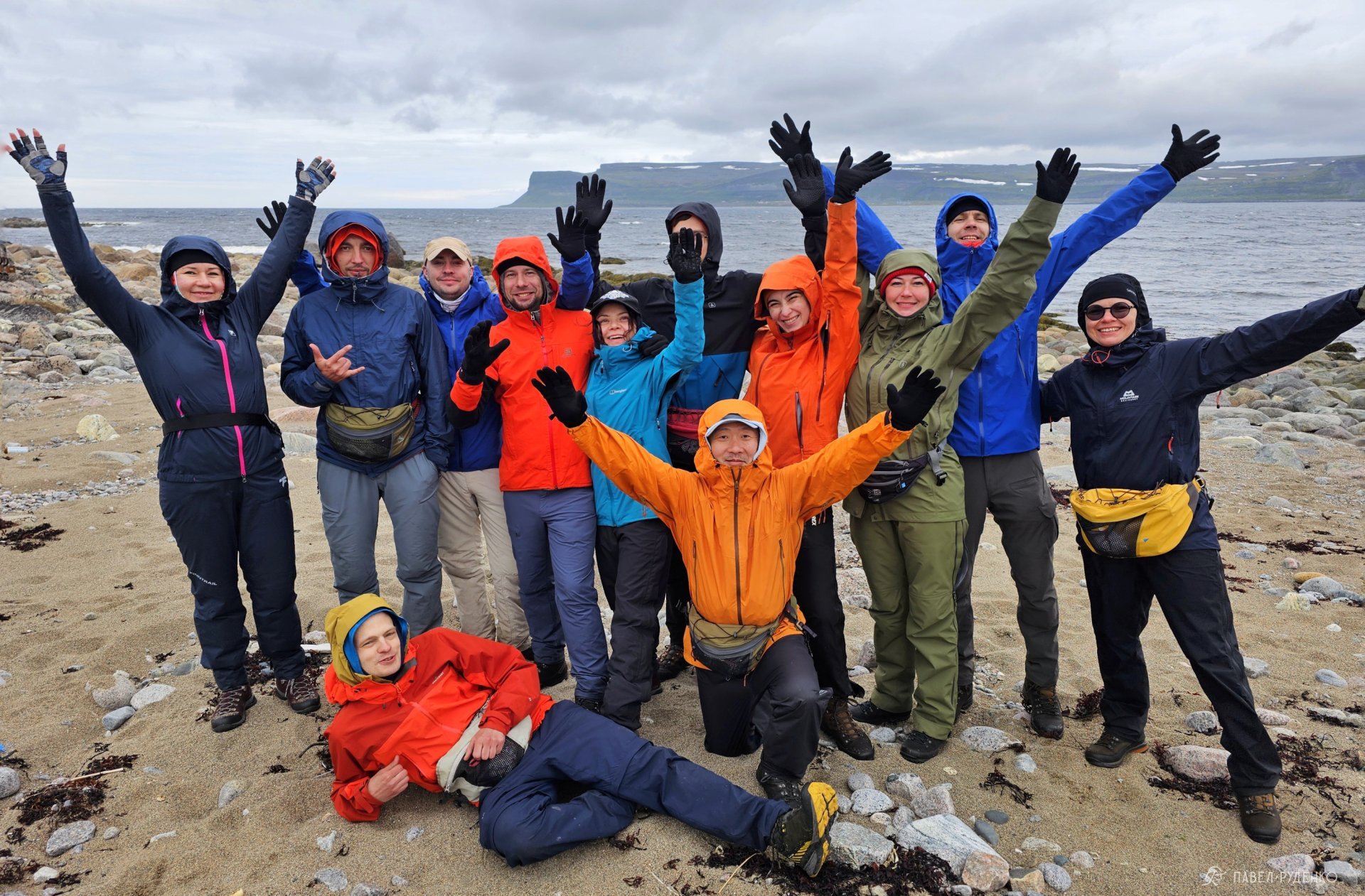
And most importantly, I was fortunate to be surrounded by people who were just as excited about this journey as I was, and genuinely wonderful folks—Pasha clearly acts as a great magnet and filter for like-minded adventurers:)

Who is this trek for? For those willing to 'suffer' just a little to behold pristine beauty and untouched wilderness!)) Plus exploring an abandoned town, tunnels, and vintage machinery:) And doing lots of trekking with a full backpack, as most of the trip is done fully loaded))

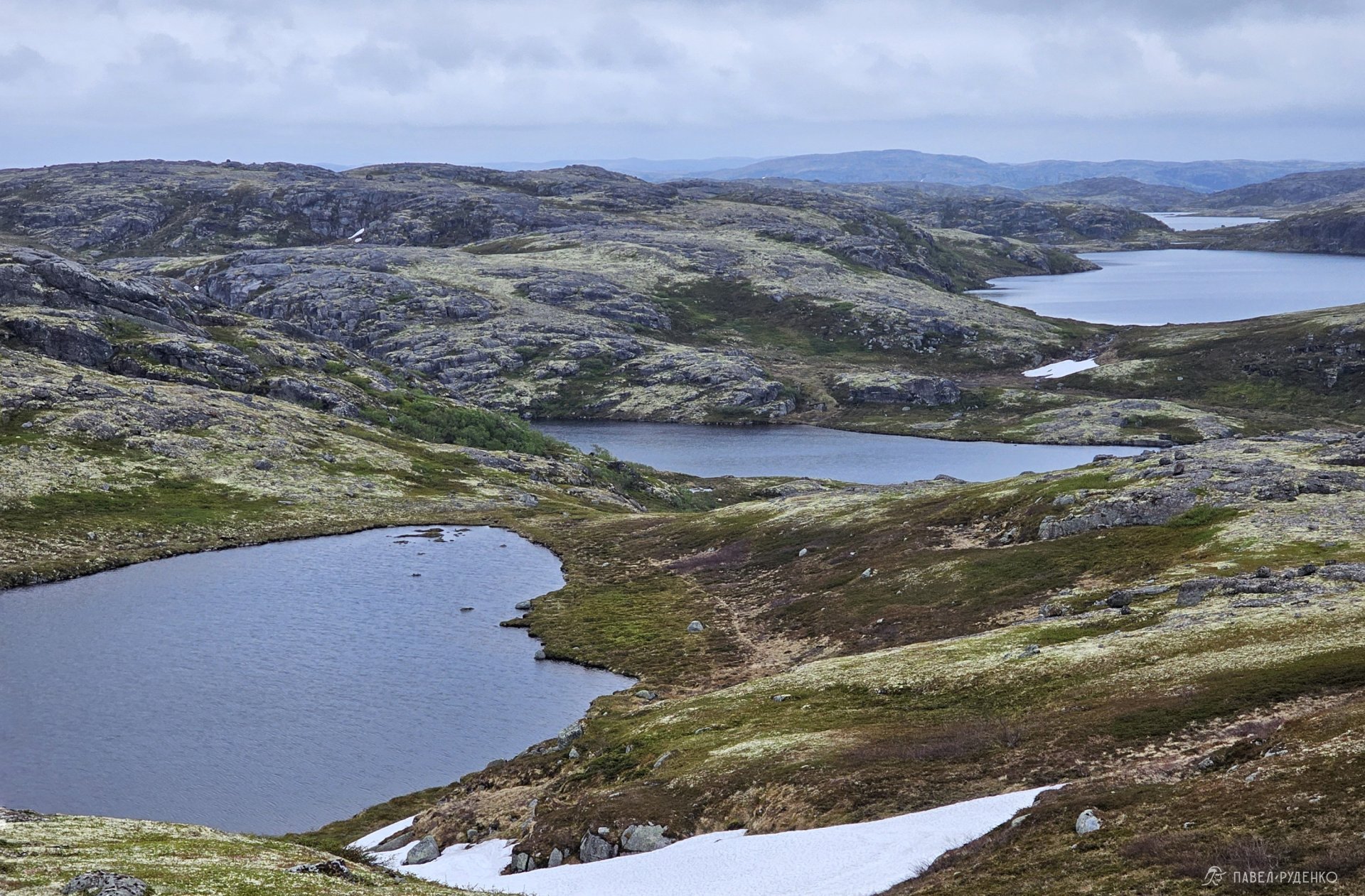
But it's worth every bit: for 10 days, you completely disconnect from the rush, walking across moss and reindeer lichen, fording streams, climbing and descending fells, past endless cascading lakes and the vast sea.

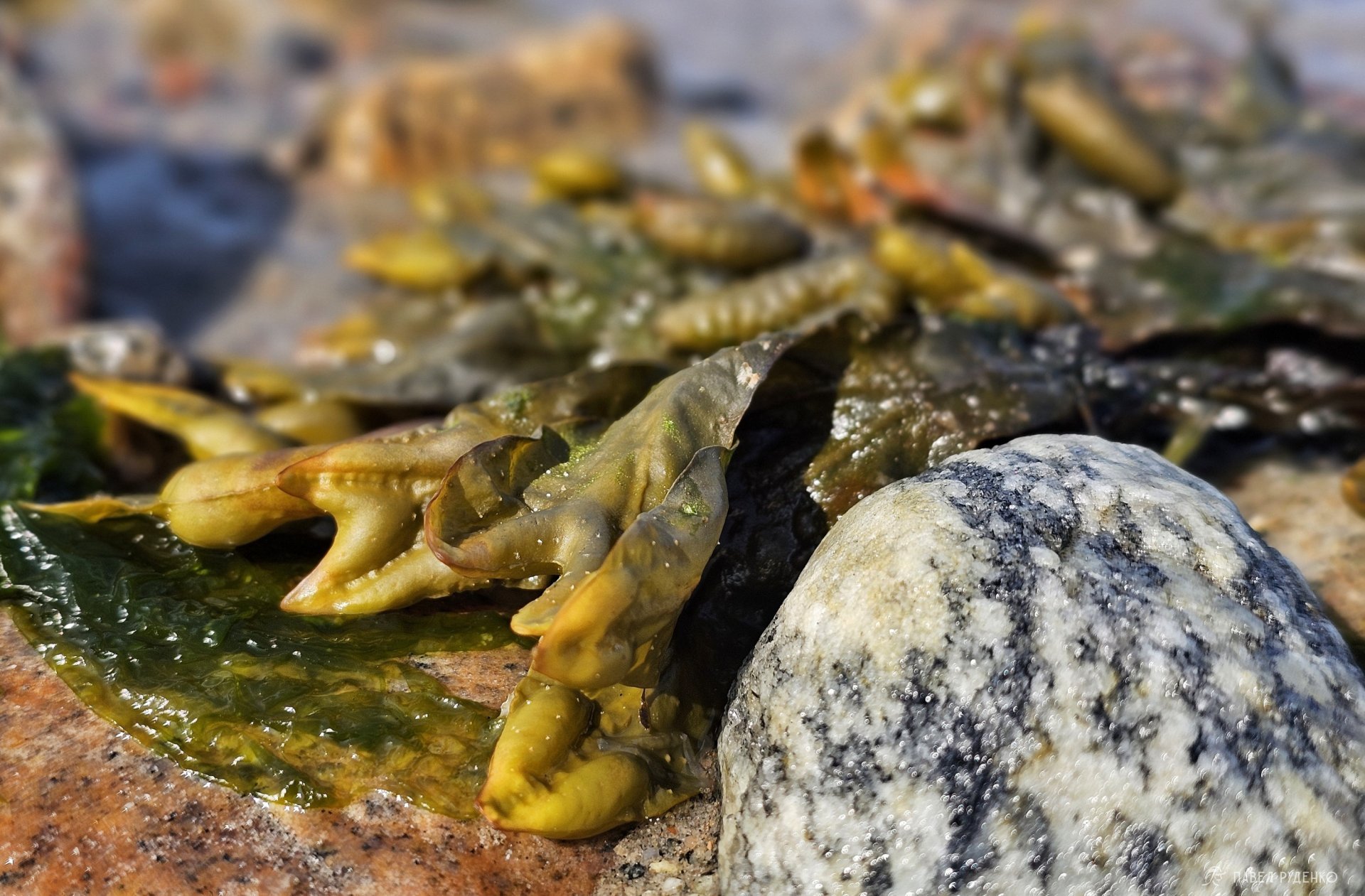
Plus an abundance of wildlife: all sorts of birds (some singing non-stop through the night))), seals and whales (if you're lucky), bears (if you're a bit luckier), and blooming arctic plants and seaweed)) After 10 days, flat asphalt feels strange and walking on it is downright impossible!
Оля Виноградова
My spontaneous trek across Kola. I had been following Pavel’s blog for nearly a year, reading his expedition logs and browsing photos, feeling increasingly drawn to heading north (even though I live in the north myself).

And then, what a miracle—a spot opened up for Granitny: Along the Lost Ocean Shore! It was my first serious trek, requiring thorough prep and gear. When I finally connected with Pasha over the phone, I was blown away by his professional, attentive, and detailed approach to each participant. He clearly explained every single item needed for the hike, offered recommendations, answered all questions, and provided an exhaustive guide with links and discount codes…

Any doubts that this was the trek for me vanished completely. I prepped intensely for a month, even traveled to Moscow for gear) and… off I flew to Murmansk!

The hotel Pasha picked was top-notch. Adventure and mind-blowing views started right from the boat transfer. Beyond every fell, grand new panoramas opened up! Rest stops and campsites were downright magical! Hearty, diverse, and delicious three-course daily meals (huge kudos to our second guide, Ilya).

Every detail was thought through by Pasha! And every one of us felt his deep passion for Kola) You could write endlessly about our expedition, but you're better off experiencing it yourself—you won’t regret it! My immense gratitude to Pasha and Ilya: you are true pros, thoughtful, caring, and attentive!
Нико Черченко
A reliable companion at the edge of the world—for a second I wondered who or what to describe that way: the sun that never set overhead for all ten days, or Pasha, who devised, planned, scouted, and leads this epic expedition through the heart of wind, sea, and tundra—'Granitny'.

It wasn't easy, but endlessly rewarding: every day brought shifting weather, terrain, vistas, wind, sea, and wildlife on the horizon. How many people get to hike from Murmansk to Teriberka across tundra and coastline in their lifetime? If you're pondering this trek right now, go for it—after all, the tundra loves us)

Despite the rugged terrain, there are no impassable technical sections along the route. Plenty of pure water, secluded coves, rivers, streams, and lakes. I've never seen so many lakes in a single day—I think we passed 15–20 lakes daily.

The route is quite demanding on gear, stamina, and sensitive to pack weight. Yet the care and attentiveness of Pasha and Ilya (the second guide) keep you going, and your feet carry you forward—just a couple more fells.

For the history, wilderness, and Arctic life of Kola, plus stunning photos by Rudenko—head for Granitny!

Subscribe to Announcements

Get notified when the new trek schedule for next year is released.

FAQ

Will I be able to handle the physical demands of the trek?
This largely depends on your experience, physical fitness, and mindset. Please review the itinerary carefully—each trek lists not only its difficulty rating, but also daily distances and elevation gain. It is essential to choose a hike with an optimal workload for you. Factors to consider include backpack weight, acclimatization needs, climate, and the overall duration of the active itinerary. That is why we review every inquiry thoroughly, consulting with our guides to find the perfect route for you.
How much does the backpack weigh?
It depends on the route, but on average it ranges from 15 to 21 kilograms. Backpacks for women are usually lighter than those for men. The total weight consists of your personal belongings plus the gear we provide: tent, sleeping bag, sleeping pad, and your share of group food supplies. Our gear typically adds no more than 10–15 kilograms. Don't be intimidated by the weight—a properly fitted backpack distributes the load so well that it feels much lighter than it sounds. If porters or pack animals are available on the trek, your pack will be considerably lighter. In fully supported options, you may only need to carry a light daypack of about 5 kilograms with daily essentials and trail snacks.
What about personal hygiene on the trek?
On most routes, we wash in streams and lakes almost every day. The water in mountain rivers and lakes can be quite cold—around 3–5°C—but in good weather, you can even take a dip! To feel more comfortable, especially on longer treks, consider cold-shower conditioning before the trip. For washing, we strongly recommend biodegradable, eco-friendly toiletries to protect the pristine environment. For sanitation, our guides carry camp trowels—we will explain and demonstrate the Leave No Trace routine on-site. Toilet paper and hygiene items are packed out rather than buried, using personal ziplock waste bags. We recommend bringing moist flushable wipes for better hygiene and efficiency. Whenever feasible, we arrange a traditional banya at the end of the trip or set up a portable wilderness sauna on a layover day.
What is the drinking water situation?
On every route, we plan our water refill spots in advance. Most often, we draw water from natural springs and clear streams; occasionally, we filter or boil it. Your guides will always advise which water sources are safe to drink from and which to avoid (for instance, if wildlife might be upstream). Staying hydrated is crucial—drink regularly without waiting until you are parched. If you ever need to refill your bottle or take a short breather, just let us know—we will always find a convenient moment to pause.
Are there wild animals along the route? Do I need to bring self-defense items?
On some treks, the chances of encountering a bear or other wildlife are notable, but there is no need to worry. Every guide carries protective gear — signal flares or flare guns, so there is no need to buy your own. The most important thing is to carefully follow your guides' instructions. Despite their formidable appearance and imposing size, bears are very elusive animals that do not seek encounters with humans.
How are meals organized during the trek?
Our guides purchase all necessary provisions in advance and plan the meal rations, taking into account group size and dietary restrictions. Mornings and evenings feature hearty hot meals, while daytime trail stops include satisfying snacks with hot tea. The expedition menu is based on grains, pasta, and legumes, complemented by meat, cheese, and vegetables—most often dried to reduce weight and ensure long shelf life. We also provide pre-packed snacks: nuts, dried fruits, and energy bars, plus sweet treats for evening tea before bed! If you have allergies, food intolerances, or follow a specific diet, we can easily tailor the menu to your needs—just be sure to let us know in advance. We will ask you about this in the questionnaire after your deposit is made.
What is camp life like? Do I need to help around camp?
Our guides take care of everything — cooking meals, making campfires, and setting up camp. Your only task is pitching your personal tent — at the first campsite, we will show you exactly how to do it so you can easily handle it on your own moving forward. Wake-up, breakfast, and departure times are usually arranged by the guide the evening before. On the trail, we make short rest stops and pause for lunch. Upon reaching the next camp, you pitch your tent while the guides prepare dinner. In the evening, we share impressions over a cup of hot tea and turn in to rest. If a rest day is scheduled on the route, wake-up may be later than usual — you can relax in camp or join a day hike with the group. If you would like to help — for example, gathering firewood or fetching water — our guides always appreciate the support. Just let us know if you want to learn something new or take part in camp life!

Other treks

Pavel's Runner Run across the Kola Peninsula, pick berries, dodge branches. Seasons change — and so do the clothing and the rules. Will download 1174 KB Failed to load the game. Please check your connection and try again.
Pavel Rudenko logo