

Cloudberries on the Kola Peninsula — Bog Amber and Tundra Berries
On the Kola Peninsula, the polar day lasts three to four months, and during the brief summer, wild plants store 1.5 to 2 times more sugars, organic acids, and antioxidants than their southern cultivated relatives. Since 2015, I have been studying the flora of the Murmansk Region during expeditions and treks, heading out to sphagnum bogs for cloudberries every season — while knowing precisely where to find lingonberries and where to steer clear of toxic herb Paris.
Why Kola berries are sweeter than southern ones
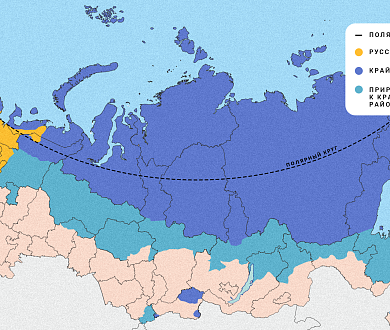
The Kola Peninsula lies at the crossroads of the subarctic and arctic zones. A compressed, cool growing season and round-the-clock sunlight drive plants to synthesize non-stop, packing the fruit with antioxidants, anthocyanins, organic acids, and trace minerals. The vegetation here is a rich mosaic of tundra, forest-tundra, and northern taiga, with each habitat hosting its own berry varieties.
In my experience, you can taste the difference immediately — a handful of fresh cloudberries after a demanding day of trekking is far sweeter than anything you can buy in Murmansk grocery stores. The midnight sun turns Kola wild berries into a powerhouse of natural sugars and vitamins, rather than just a trailside snack.
Cloudberries: where they grow and plant anatomy
The cloudberry (Rubus chamaemorus) is a low-growing perennial dioecious herb of the rose family (Rosaceae). The name comes from the Greek chamae (on the ground) and Latin morus (mulberry). Throughout my expedition journals, I have recorded dozens of local names — northern orange, bog amber, Arctic raspberry, and moss currant.
Cloudberries thrive in raised peat bogs and waterlogged tundra, representing one of the Arctic's most prized wild resources. Above ground, shoots rarely exceed 30 cm, but below the surface runs a network of creeping rhizomes extending over 9 meters. A patch develops in three phases: solitary plant (1–6 years), clonal cluster (6–10 years), and independent clone (after 10 years). As older rhizome links die back, daughter plants survive independently, allowing the berry to thrive in harsh subpolar soils.
I always remind novice foragers of the plant's dioecious nature: male and female flowers grow on separate plants. White blossoms appear in June; male flowers are larger and bear stamens, while female flowers feature pistils that develop into berries. In the wild, male plants always outnumber female ones, meaning a bog covered in blossoms does not automatically guarantee a heavy crop. The fruit is an aggregate drupelet, initially hard and red, softening to an amber-gold, translucent berry by mid-July.
Cloudberry plants easily endure winter frosts below −40 °C, but are vulnerable to drought and persistent winds, which is why they grow low to form a dense carpet. The soil must be acidic, with a pH of 3.5–5.0. When I tried cultivating cloudberries at home, I irrigated them with acidified water — using 30–50 g of ground sulfur per cubic meter or a mild citric acid solution.
Cultivated Varieties
Rising commercial interest has led plant breeders to create cultivars for farming. Norwegian breeders developed the female varieties Fjellgull and Fjordgull, alongside the male pollinators Apolto and Apollen. The Finnish variety Nyby features hermaphroditic flowers, eliminating the need for separate male plants on plantations and propagating easily from root cuttings.
History and Foraging Heritage
Indigenous northern peoples have long valued cloudberries for their flavor and restorative properties. In the 18th and 19th centuries, merchants from Kola purchased berry-picking rights from the Sámi on the islands of the White and Barents seas, shipping the harvest to Saint Petersburg. It is documented that the poet Alexander Pushkin requested steeped cloudberries on his deathbed. In Alaska, native peoples whipped fresh cloudberries with reindeer or seal fat into akutaq, a calorie-dense staple that shielded Arctic hunters from scurvy.
Detailed records of historical foraging on the Kola Peninsula are maintained by the Kola History Museum. For scientific species profiles and wild habitat photographs, visit Plantarium.
Wildlife in the Tundra
Ripe berries are eaten by capercaillies and willow ptarmigans; these birds disperse the seeds, as their gizzards scarify the tough seed coats rather than digesting them. Brown bears fattening up for winter draw over 70% of their seasonal diet from bilberries, lingonberries, cranberries, and cloudberries. Moose and reindeer browse the foliage. Research also shows that cloudberry leaves are the sole food source for larvae of the northern casebearer moth (Coleophora thulea).
When to harvest cloudberries and neighboring berries
Foraging seasons on the Kola Peninsula are closely tied to regional weather patterns. Most berry plants flower in June, while the fruits ripen during the second half of the brief Arctic summer.
Summer: Peak Cloudberry Season
Cloudberries bloom in June. Due to volatile northern weather and late frosts, crops can vary greatly from year to year. Ripening begins around mid-July in the southern Murmansk Region and extends through mid-August across the northern tundra. By late August or early September, the season concludes. Fresh, fully ripe berries will keep for no more than three days under refrigeration at 1–4 °C.
I check local harvest schedules every season via the Murmanskiy Vestnik and regional field reports.
Seasonal Calendar for Other Arctic Berries
- In spring, as snow melts, overwintered lingonberries, crowberries, and cranberries are collected; subnivean cranberries are sweeter, as winter freezes break down pectins into simple sugars.
- Bog bilberries bloom in June, producing powdery-blue fruit from late July through late August, dropping quickly once the first frosts arrive.
- Wild bilberries ripen in August and can be harvested until early September; after the first hard frosts, the berries soften and crush too easily inside a backpack.
- Lingonberries ripen in late August and persist beneath the snow pack through the winter thanks to their exceptional cold tolerance.
- Cranberries mature in September and can be gathered well into October, keeping exceptionally well under the snow until spring.
- Arctic bramble and stone bramble are rare August finds in damp subarctic woodlands and along rocky screes.
How to preserve your harvest after the tundra
Returning from the tundra, I process the harvest immediately, as fresh cloudberries spoil rapidly during transport.
| Method | Process | Shelf Life | What Is Preserved |
|---|---|---|---|
| Flash freezing | Berries frozen in a single layer at −18 °C for three hours, then packed in airtight zip bags. | 12–24 months | Up to 90% of vitamins and antioxidants. |
| Steeping in syrup | Berries packed into jars and covered with chilled 10% sugar syrup. | Until the next season | Vitamin C is safeguarded against oxidation. |
| Traditional water steeping | Berries submerged in pure cold water; natural benzoic acid inhibits bacterial growth. | Up to 2 years in a cold cellar | Full bactericidal and antimicrobial qualities. |
| Sugar capping | Berries release juice under their own weight in jars, topped with a 1 cm layer of sugar. | 6–12 months cold | Fresh aroma and natural berry flavor. |
| Dehydration | Food dehydrator at 50–60 °C with air circulation. | Up to 2 years in paper bags | Minerals are retained, though volatile vitamins decline. |
Field First-Aid Kit from Cloudberry Leaves
On remote expeditions, cloudberry leaves and sepals serve as practical, natural field remedies.
- Cough relief for bronchitis: steep three tablespoons of dried sepals in a one-liter thermos of boiling water for two hours. Drink 150–200 ml three times daily after meals.
- Digestive herbal infusion: equal parts dried leaves and sepals; steep one tablespoon in 500 ml of boiling water for two hours in a thermos. Take half a glass before meals.
- Expedition mors: steep 200 g of dried cloudberry and wild strawberry leaves in 5 liters of boiling water for two hours, strain, and stir in 500 g of natural honey.
Lingonberries, bilberries, cranberries, and rare finds
Alongside cloudberries, the Kola wilderness yields lingonberries, bilberries, bog bilberries, cranberries, crowberries, Arctic brambles, and stone brambles. A complete botanical register is cataloged in the Flora of the Kola Peninsula.
- Lingonberries: evergreen dwarf shrubs tolerating −40 °C, keeping bright crimson fruit under the snow. High benzoic acid prevents decay, allowing long-term storage submerged in cold water without added sugar.
- Bilberries: found in moist coniferous stands; anthocyanins support night vision during polar darkness. Foliage drops in autumn, leaving berries as a crucial winter food source for ptarmigan.
- Bog bilberries: common in peat moss, frequently growing alongside marsh Labrador tea. The heavy scent of Labrador tea causes headaches, which historically gave bog bilberries an undeserved reputation for inducing dizziness.
- Cranberries: slender creeping vines in sphagnum bogs, often growing alongside cloudberries. Berries harvested in early spring beneath the snow are noticeably sweeter than autumn crops.
- Crowberries (black bearberries): mat-forming shrubs on rocky tundra fell slopes; their dark berries are watery and mild, but offer welcome hydration during long treks.
- Arctic brambles: rare and prized, tasting of wild strawberry with a refined hint of pineapple. Finding a wild fruiting patch in the tundra is true northern luck.
- Stone brambles: found on rocky scree slopes and birch woodlands, producing red aggregate drupelets containing up to 4.6 g of dietary fiber per 100 g.
Bearberry vs. Oatmeal Tolokno
In Russian, linguistic similarity causes confusion between “tolokno” (toasted oat flour) and “toloknyanka” (bearberry, Arctostaphylos uva-ursi) — a relative of the lingonberry. Bearberry fruits are dry, mealy, and unpalatable. However, its leaves are valued in expedition medical kits, containing up to 16% arbutin, a potent urinary antiseptic.
Poisonous lookalikes in the bog
The Arctic wilderness demands respect: several toxic plants resemble edible species. Foragers should know how to identify herb Paris, mezereon, alpine bearberry, and dwarf cornel.
- Herb Paris (Paris quadrifolia): four whorled leaves topped by a single solitary blue-black berry. Contains poisonous saponins that can cause severe poisoning, cramps, and cardiac arrest.
- Mezereon (Daphne mezereum): produces pink spring blossoms followed by bright red berries; five to ten berries can be fatal, and its sap causes contact burns. Review safety guidelines provided by EMERCOM Karelia.
- Alpine bearberry (Arctous alpina): found on dry fell slopes; autumn black berries resemble crowberries, but contain toxic phenols that provoke stomach distress.
- Dwarf cornel (Cornus suecica): produces bright red berries that are inedible, with dry mealy pulp known to induce nausea.
Also exercise caution around marsh Labrador tea (Rhododendron tomentosum). While not a berry, it grows interspersed with bog bilberries. Its volatile essential oils emit an intoxicating aroma that triggers headaches in foragers.
Recommended intake and contraindications
Wild Kola berries represent a concentrated blend of micronutrients and vitamins. From my experience, an adult requires up to 200 g of fresh berries daily, while children over three years old should consume no more than 100 g. Below is the nutritional profile of primary species per 100 g.
| Berry | Calories (kcal) | Protein (g) | Fat (g) | Carbs (g) | Fiber (g) | Vitamin C |
|---|---|---|---|---|---|---|
| Cloudberry | 51 | 2.4 | 0.8 | 8.6 | 2.1 | 158 mg (176% DV) |
| Bilberry | 57 | 0.7 | 0.3 | 14.0 | 2.4 | 9.7 mg |
| Lingonberry | 46 | 0.7 | 0.0 | 8.2 | 2.5 | 15 mg |
| Bog Bilberry | 39–57 | 0.7–1.0 | 0.3–0.5 | 6.6–14.5 | 2.5 | 9.7–20 mg |
| Cranberry | 46 | 0.4 | 0.1 | 12.0 | 3.6 | 14–21 mg |
| Arctic Bramble | 26–37 | 0.6 | 0.1 | 7.6 | 4.2 | up to 200 mg |
Among fresh wild berries, cloudberries rank highest in protein (2.4 g per 100 g, providing up to 6% of daily intake). In vitamin C concentration, cloudberries outperform most forest fruits, placing them in the top 1% of dietary sources.
Health Benefits and Precautions
Bilberries rich in myrtillin support blood sugar regulation, cranberry and lingonberry decoctions soothe the urinary tract, and crowberry preparations help calm the nervous system during periods of fatigue.
- Acidic berries (cloudberries, lingonberries, cranberries, Arctic brambles) should be avoided during acute gastritis, peptic ulcers, or colitis.
- Cloudberries promote blood clotting, making them unsuitable for individuals with active thrombophlebitis or severe varicose veins.
- Bearberry infusions increase uterine tone and must not be consumed during pregnancy.
- Whole wild berries are not recommended for children under three years old, and are strictly contraindicated for infants under one year.
If you would like to encounter cloudberries not in a chart, but right outside your tent in the tundra, explore our Kola Peninsula expedition schedule.




Comments (0)