
Backcountry ski bindings overview: NNN BC, Xplore, NN 75.
When choosing bindings, you need to consider backcountry skis and boots at the same time, as the whole system works together. Let's take a look at specialized backcountry touring bindings that have carved out a niche and, over 60 years under the Rottefella brand, proven themselves in ski touring worldwide—from the North Pole to the South Pole, and of course across the vast and beautiful winter expanses of Russia. The company has released three binding systems that we will examine:
- NN 75 in 1971
- NNN BC in 1985
- Xplore in 2022
Rottefella NN 75 Ski Binding
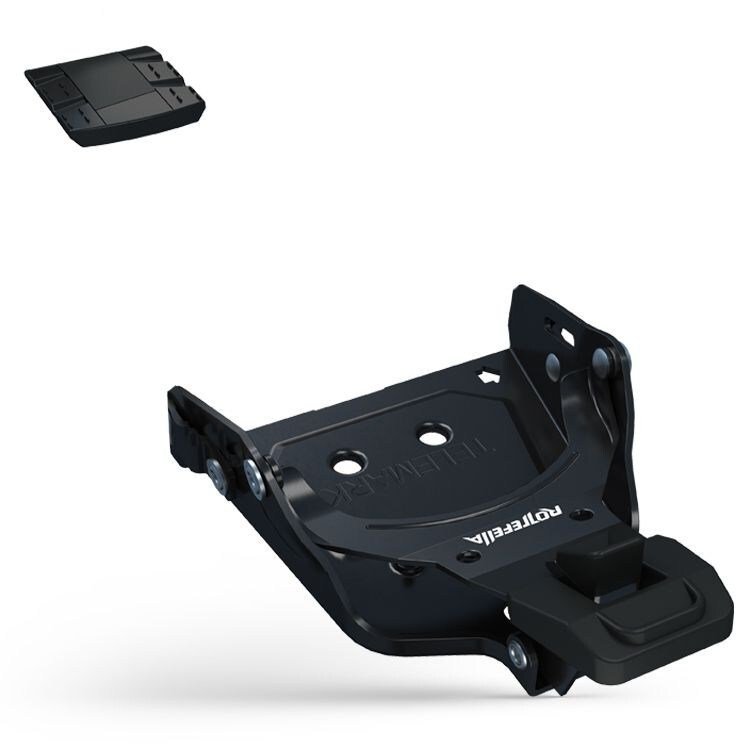
NN75 is a classic, introduced in 1971. It was the first ski binding to gain worldwide fame as Nordic Norm 75 mm. Since then, Norwegian company Rottefella has remained a global leader in this field and created 2 more updates, which we will discuss below.
- Weight: 370 g per pair
- Boot size: 36–44
Pros:
- This is the lightest backcountry ski binding setup if you don't use a heel cable. It is 3 times lighter than universal bindings.
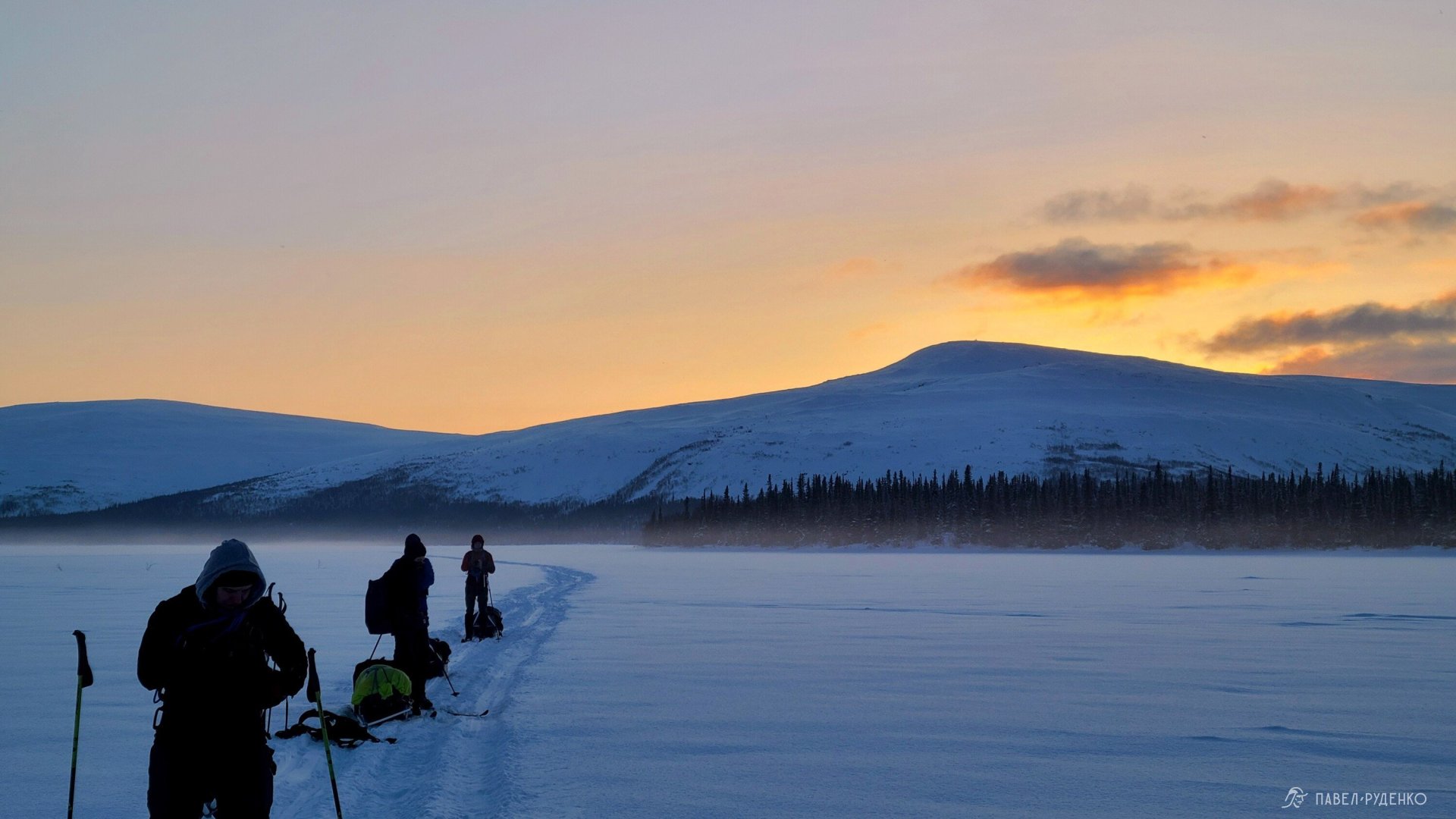
Dusk falls over the ice of northern lakes, −30 °C.
- The NN 75 binding offers less torsional rigidity and a looser boot hold than NNN BC and Xplore. Because the standard NN 75 boot duckbill must fit between the side cheeks of the toe piece, there is slight clearance; plus, the extended sole toe has some flex, which ultimately results in about 1 cm of heel play, unlike the stiffer NNN BC design.
- NN 75 offers the widest range of boot stiffness: you can use anything from lightweight synthetic boots for single-day trips, to insulated leather boots for demanding, long-distance treks and polar expeditions, up to double plastic boots like the Scarpa T2 75mm or Scarpa T4 75mm—a unique feature not found in other touring bindings.
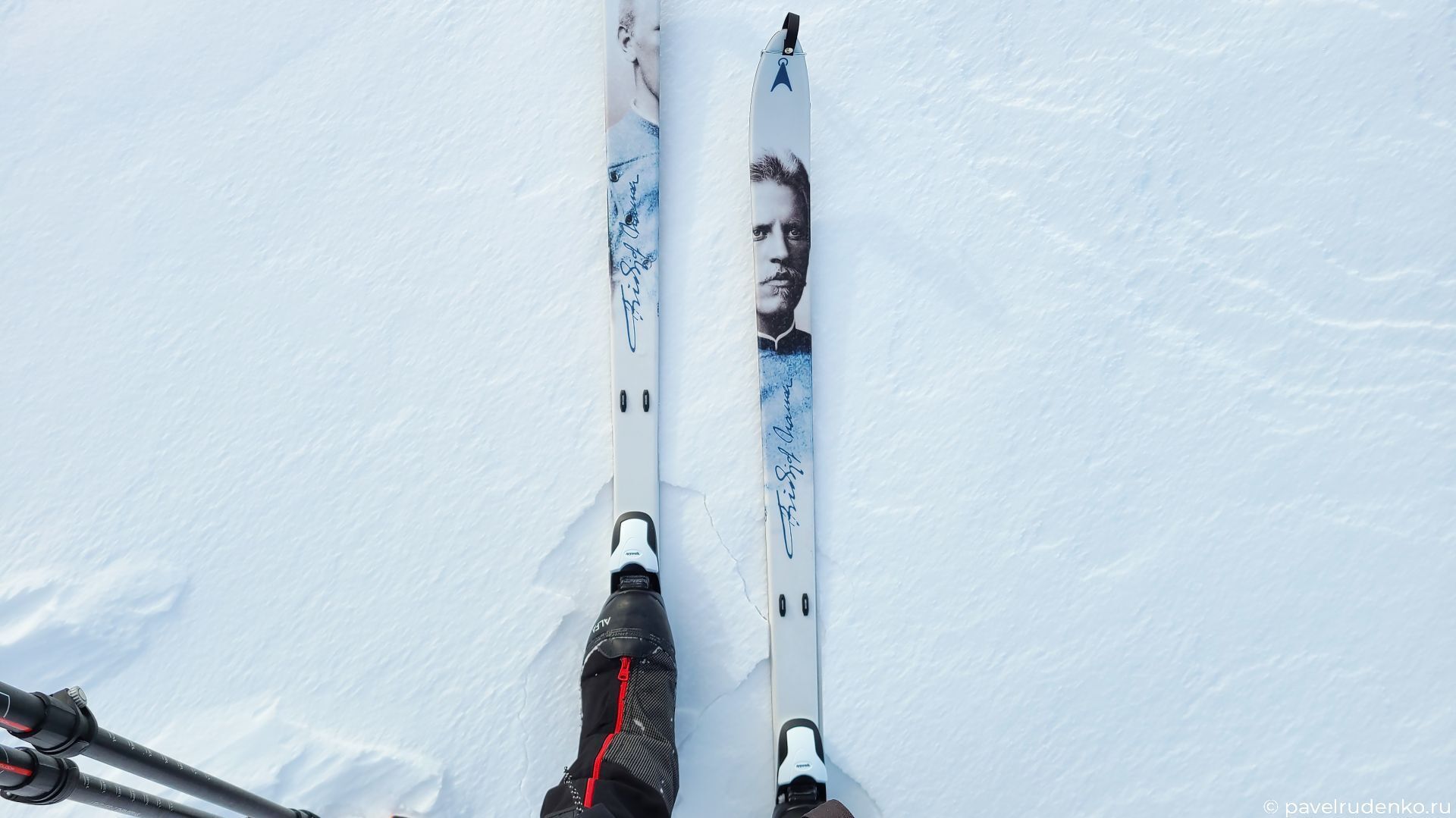
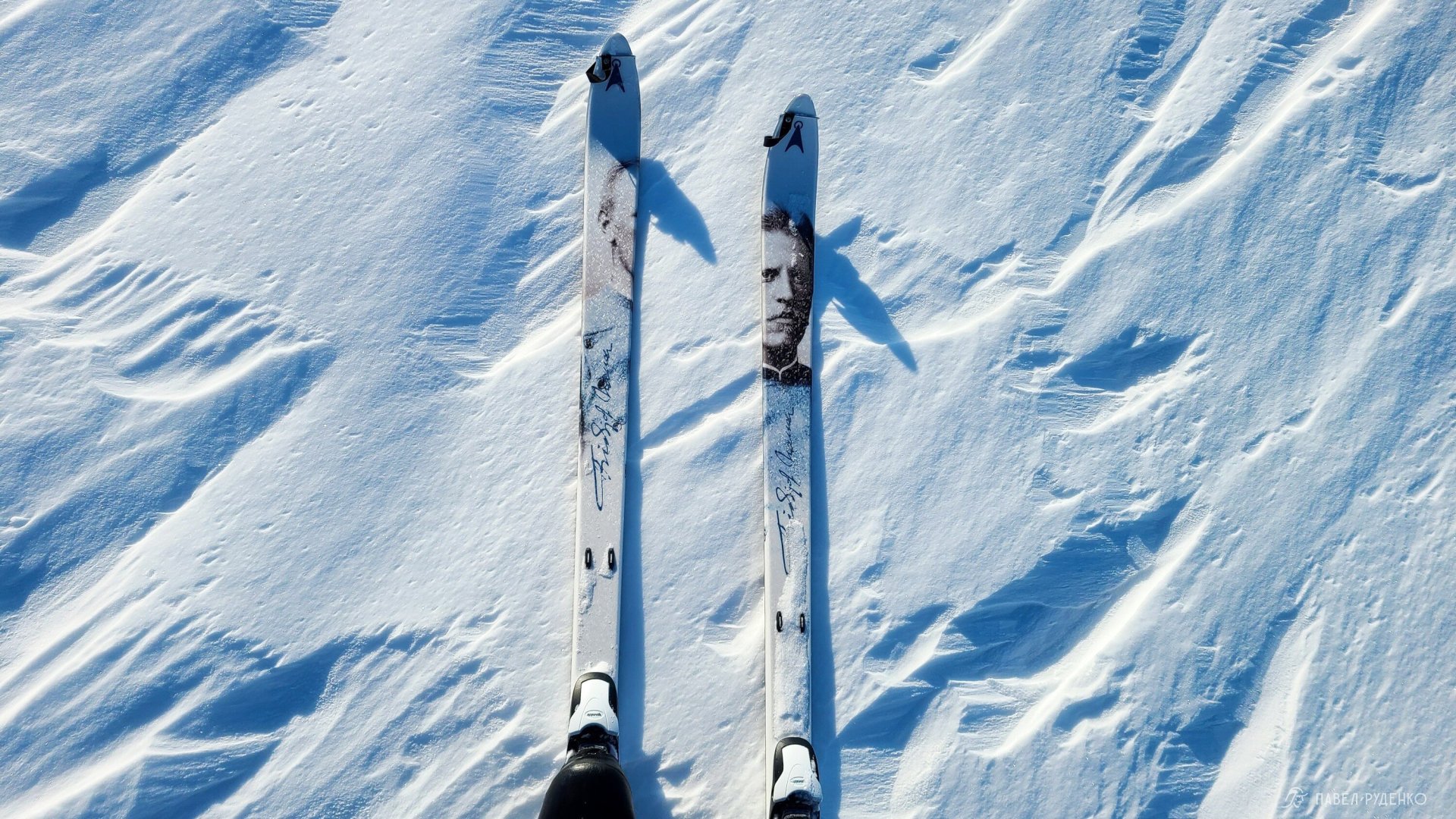
- The bindings are left- and right-foot specific. However, this is not a big issue; for example, I use Åsnes skis featuring Nansen's portrait and always mount them correctly to preserve the aesthetics without any hassle )
- You can also install an optional heel cable for greater rigidity on descents.
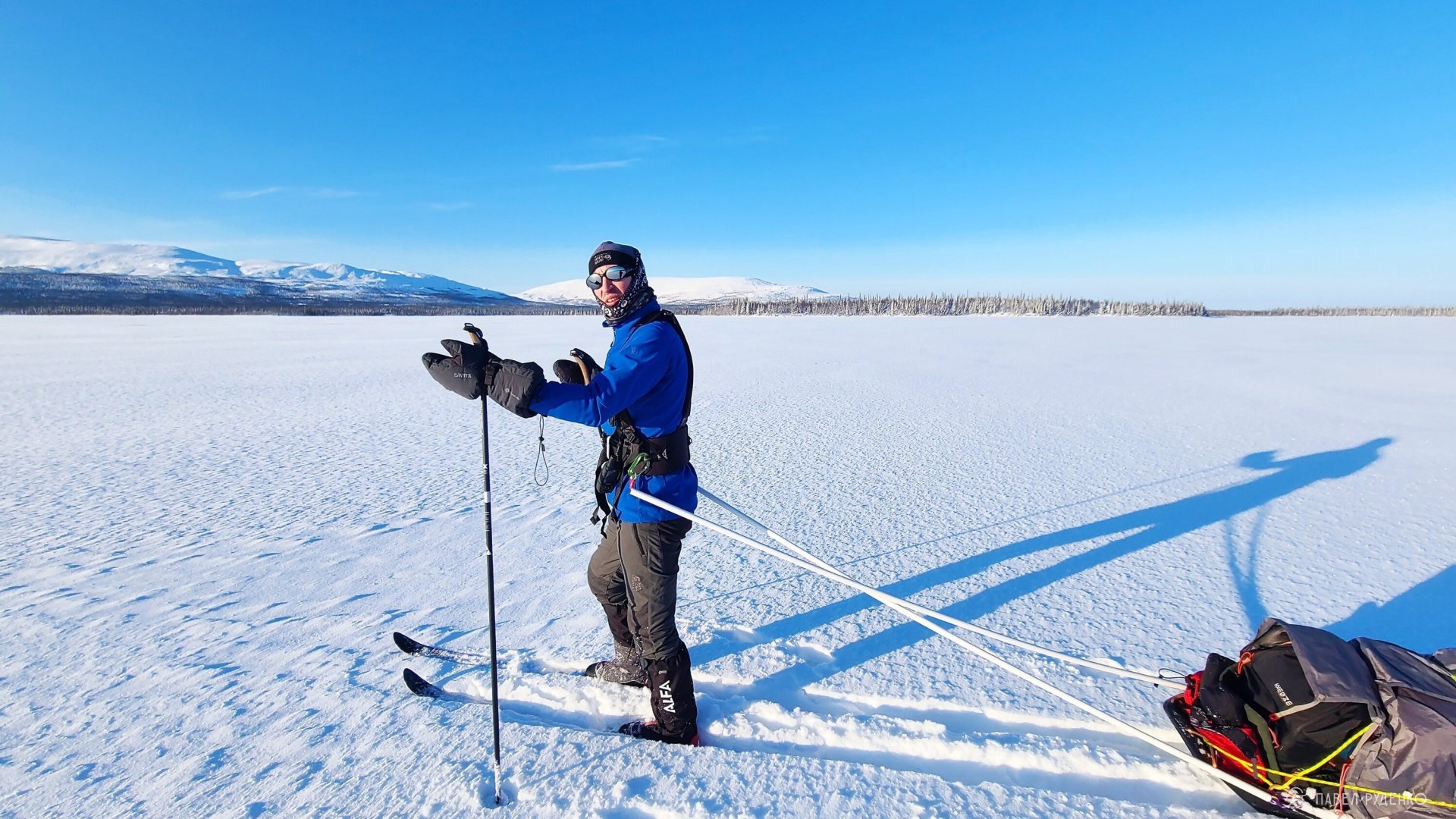
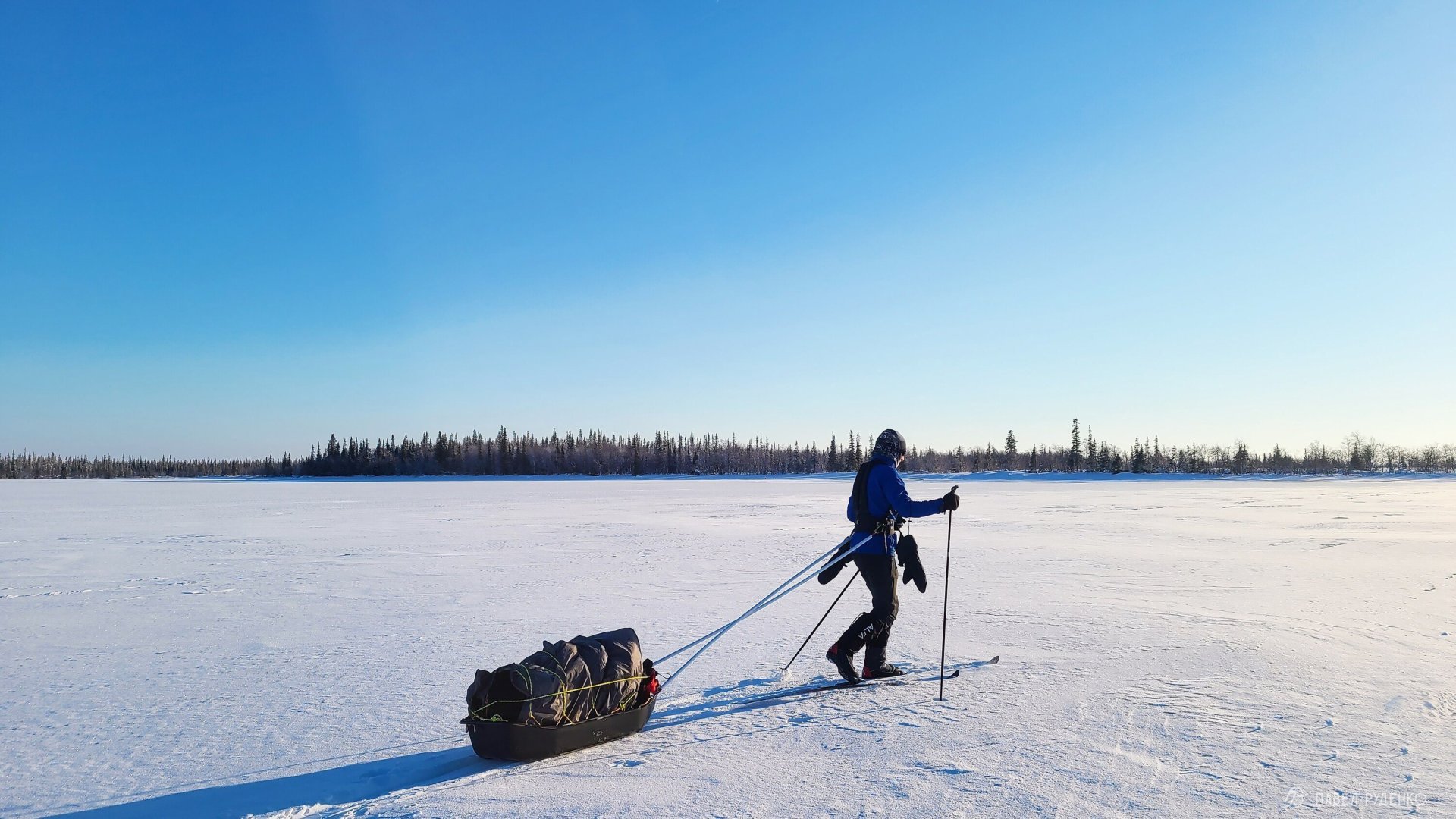
Sasha on Fischer Traverse 78 with pulkas on a rigid harness.
Cons:
- The NN 75 binding has a more limited selection of soft and warm touring boots from leading manufacturers like Alfa, Lundhags, Fischer, and Alpina, which is a definite disadvantage.
- With NN 75, it is harder to line up the boot holes with the binding pins, especially when snow packs into the mechanism. If the pins are not fully engaged, there is a risk of damaging the boot sole.
- They tend to squeak, unlike NNN BC and Xplore.
Rottefella NNN BC ski binding
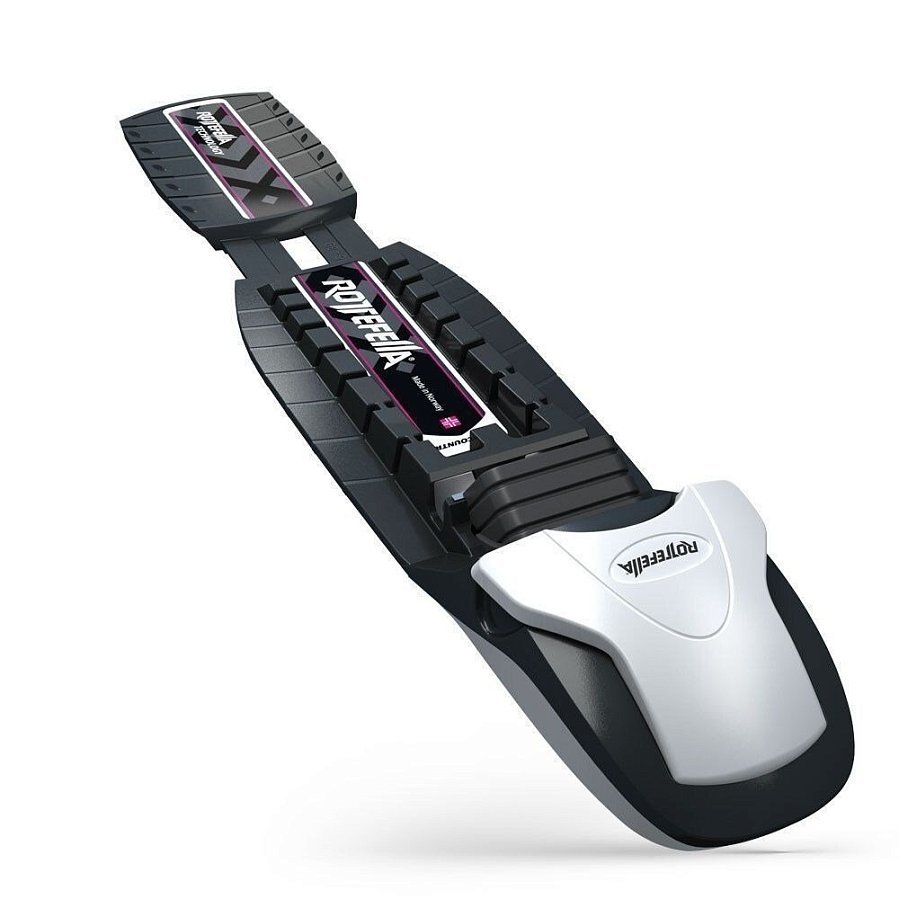
The NNN BC (New Nordic Norm BackCountry) binding was introduced in 1985, allowing skiers to use both classic and skate techniques. It is a reinforced version of the standard cross-country NNN binding designed for off-trail and mountain terrain, so standard NNN boots will not fit the NNN BC binding. NNN BC is the most popular ski touring binding in the world.
- Weight: 472 g
- Boot size: 36–52
Pros:
- Can be mounted on skis with a minimum waist width of 52 mm. These are the narrowest bindings available, making them compatible with the narrowest skis, such as the Asnes Amundsen or Fischer Transnordic.
- There are two versions of the NNN BC binding: Auto and Magnum. The Auto features an automatic step-in mechanism, meaning you don't need to bend down to step in; this option is well-suited for short 1-day tours, although at around-freezing temperatures or if clogged with snow, it can freeze up and fail to open. The Magnum features a manual lever mechanism, which allows the bindings to perform reliably even in the harshest conditions — which is exactly what I did, using them as my main setup in daytime temperatures of —30 °C and night drops below —40 °C.
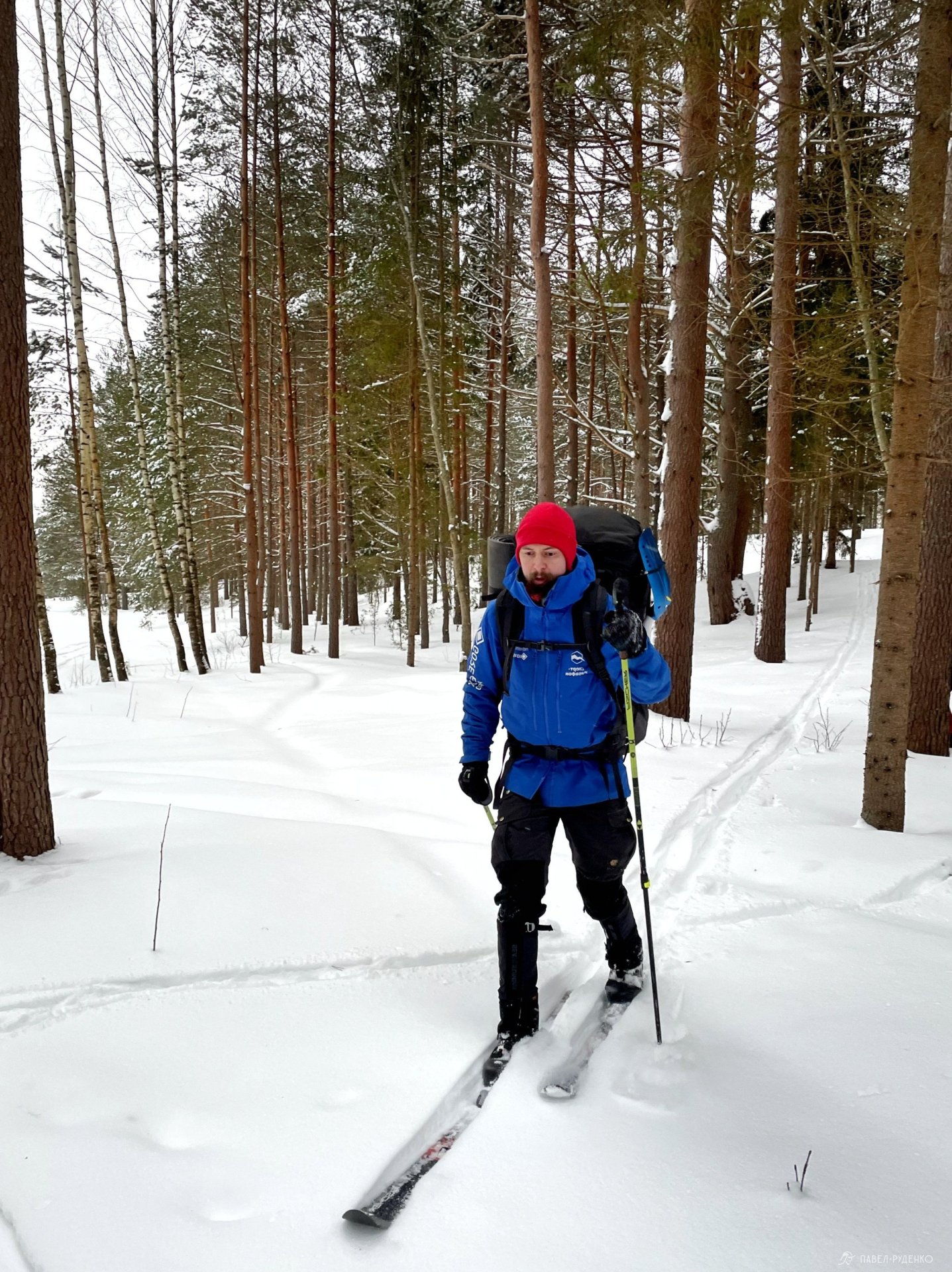
Testing the Asnes Amundsen in a 205 length; for my 70 kg and height of 177 cm they are a bit too long, I would personally choose the 195 length.
- There are more boots made for the NNN BC standard than for any other backcountry bindings. This makes it easier to find a comfortable pair at the right price to match your goals.
- NNN BC boots can also be used with Nordic touring skates. This allows you to use a single pair of boots for both skis and skates. Nordic touring skates are typically used on frozen lakes and rivers in November or December when it is freezing and iced over but without deep snow yet, or on Lake Baikal.
- Very responsive control, with high torsional and lateral rigidity. Naturally, this is not an alpine binding and the heel is not locked down, but gliding and descents are noticeably easier to control than with NN 75, though slightly less rigid than Xplore.
- Comparable in price to NN 75.
Asnes Nansen with NNN BC Rottefella and Alfa Outback, in the Southern Urals, Zyuratkul.
Cons:
- The flexor, a rubber bumper at the toe of the binding, wears out after 100–150 km and needs replacement. It can be swapped for a stiffer flexor for better downhill control.
- At the factory, the flexor is sometimes not seated firmly and can pop out. Push it securely into the binding right after purchase, and you're all set.
These bindings are fantastic, I'm completely thrilled with them.
I organize team ski treks on the Kola Peninsula, where we test our gear and explore remote corners of the North. Check out the schedule and join us!
Rottefella Xplore Ski Binding
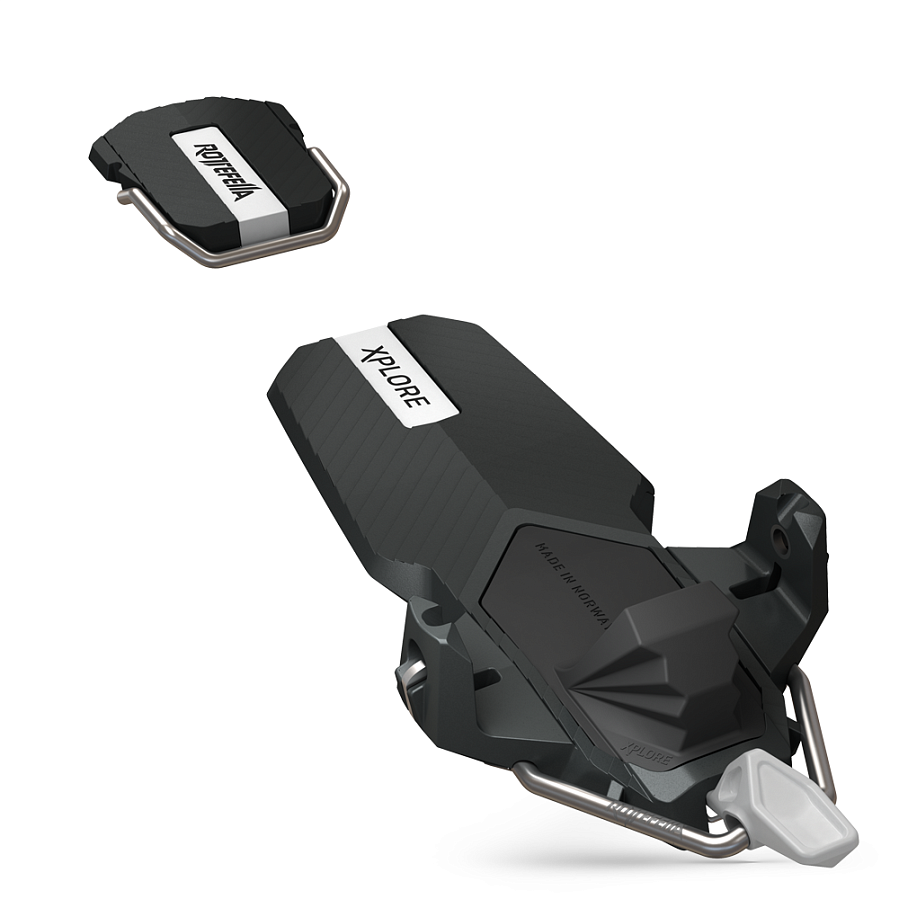
We were fortunate to witness a rare milestone: in 2022, right before our eyes, a new backcountry ski binding standard emerged — Rottefella Xplore Off-track. Back in 1990, Rottefella and Alfa (ski boot manufacturer) launched a binding, while the crew from Asnes (ski maker) tested pre-production prototypes.
Seeing spring-loaded pins for the first time naturally raises reliability questions, as with anything new. However, I found a video of Alfa Xplore test boots that endured 5 years of use with zero issues. While it's still early to cover every detail, this binding system is undoubtedly impressive.
- Weight: 529 g.
- Boot sizes: 36–52.
Pros:
- Easy step-in by pressing the boot down into the binding, much like a ski-touring system, and simple release by pressing the lock with a ski pole. This is a game-changer: no more bending over with a heavy backpack to lock in.
- Integrated pins on the boot reduce snow packing. No need to chip ice and snow out of the sole and binding every single time, unlike with NNN BC and NN 75.
- The pins are set wide apart on the sides — twice as wide as other Rottefella bindings. This delivers much higher torsional rigidity and downhill control, while tracking straight with far less ski wandering on flats. Many users single out this exact benefit.
- The bindings are exceptionally well thought out and can be tailored to the terrain and objectives using interchangeable flexors — a rubber bumper at the toe of the binding that the boot engages when striding forward. By default, they come with medium stiffness. Naturally, capitalism offers a separate add-on: a bumper insert called the Free Pivot Plate for uphill skinning and pulling pulkas, providing full freedom of movement. Or the Hard flexor for downhill descents. Swapping them is easy enough, but without testing, I can't quite tell whether it's truly convenient or if you’d even bother changing them mid-trek. The bindings are expensive enough as it is — why not include them right in the box? Annoying))
- Finally, there's a 36 mm heel riser. Just like on snowshoes or ski-touring bindings, you flip up the climbing wire to relieve calf strain on ascents. For some baffling reason, NNN BC lacks a heel riser, and you only rarely find one on NN 75.
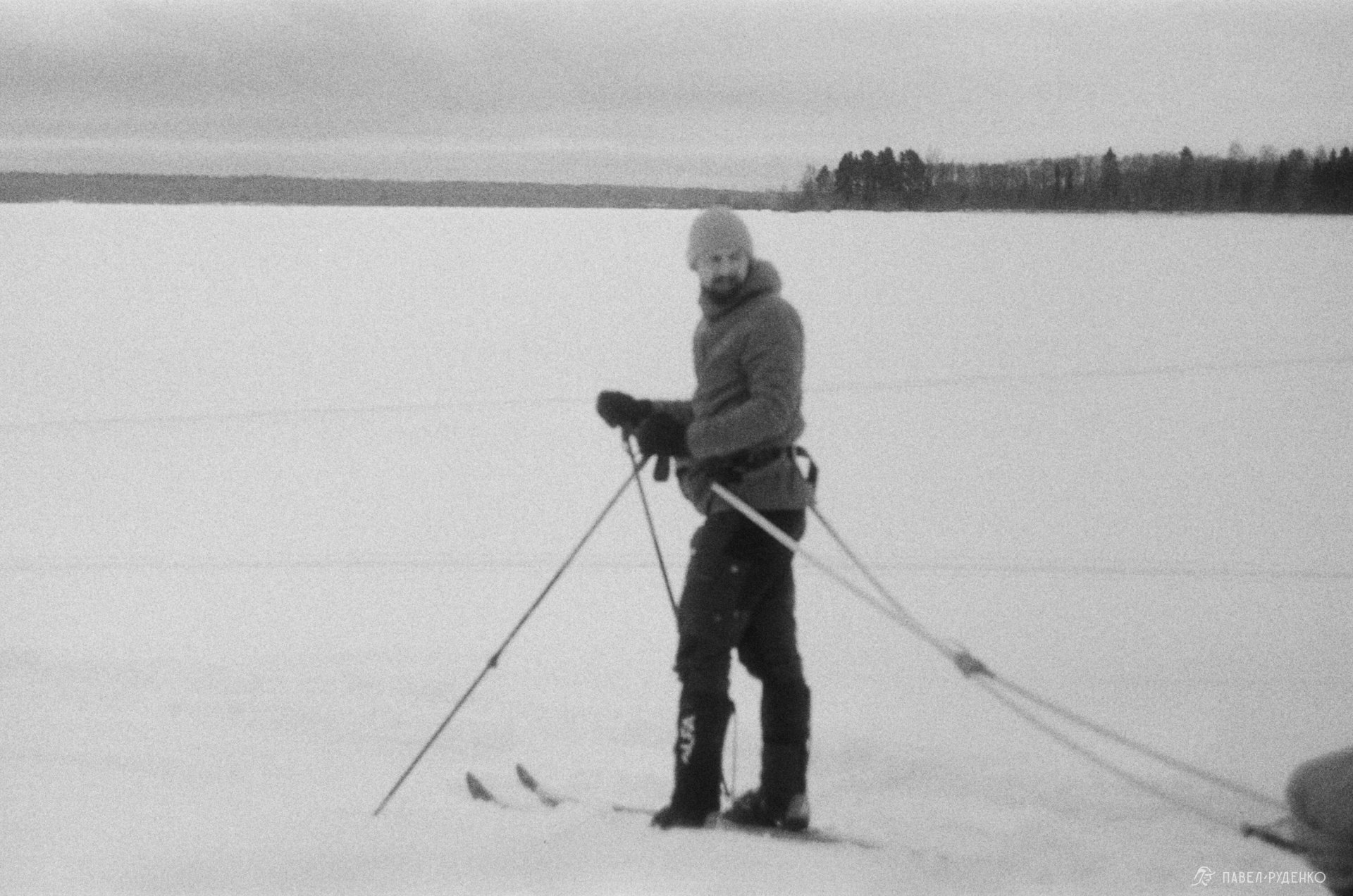
Tver lakes with pulkas on a rigid tow system. Shot on Zenit.
- Probably one of the most intriguing updates is the stiff boot sole designed for the Xplore standard. This delivers significantly more control on technical terrain and descents, though opinions are divided beyond that: some argue that the stiff sole makes the boot flex less naturally compared to NNN BC, performing worse; others claim that the wide pin placement and adaptable bumper make the ski far more stable on flat stretches. Intuitively, and based on feedback from Seryozha Savelyev, I lean toward the view that they underperform NNN BC on flat ground. As such, Xplore is best defined as a binding system for rolling terrain and elevation changes, rather than for the tundra, polar expeditions, or Lake Baikal.
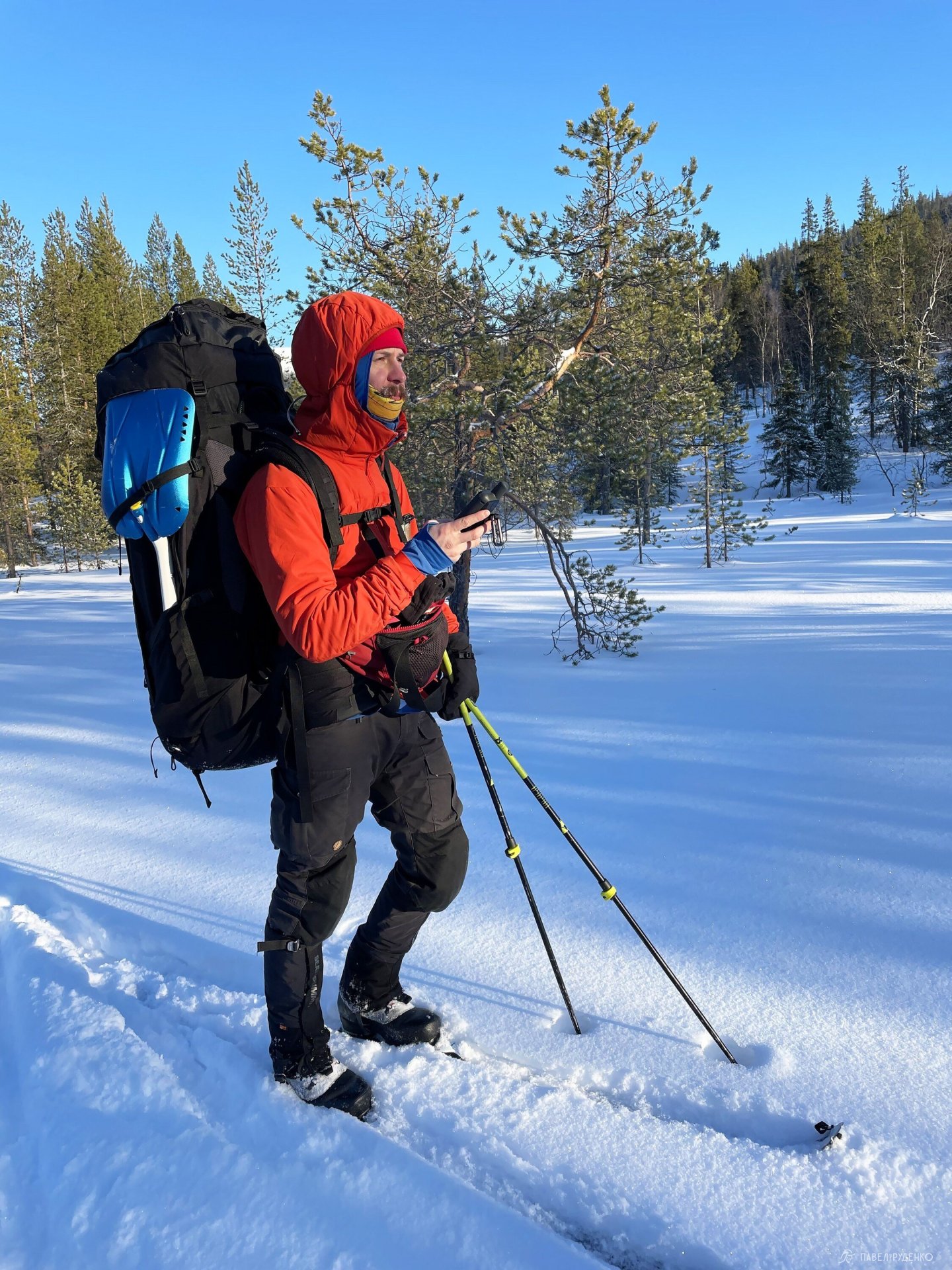
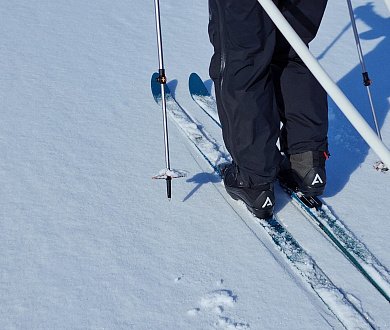
Lundhags Guide BC Expedition boots paired with NNN BC bindings.
Cons:
- The stiff sole presumably performs worse on flat sections because the new Xplore standard sacrifices sole flexibility.
- High price point. It will likely drop over time once R&D costs are recovered, but I am certain these bindings will find their loyal audience.
Verdict on the models
The bindings are presented in chronological order of their release: NN 75 in 1971, NNN BC in 1985, and Xplore in 2022. None of them are bad; each has its own distinct characteristics and intended purpose.
NN 75 is worth considering if your focus is more on alpine descents and you want the versatility of boots with varying stiffness — from softer boots for flat treks to stiff plastic shells for controlled descents and telemarking.
NNN BC is ideal for winter ski touring and extended expeditions. The system boasts a solid lineup of warm, comfortable boots built for covering long distances; in fact, a massive number of polar expeditions were completed on NNN BC.
Xplore is a breath of fresh air, bridging the gap between legacy standards — highly adaptable and exciting. I’ll definitely pick up a pair or test them when the chance comes. We finally have an opportunity to try an innovation of this scale, something that hasn't happened in 27 years.
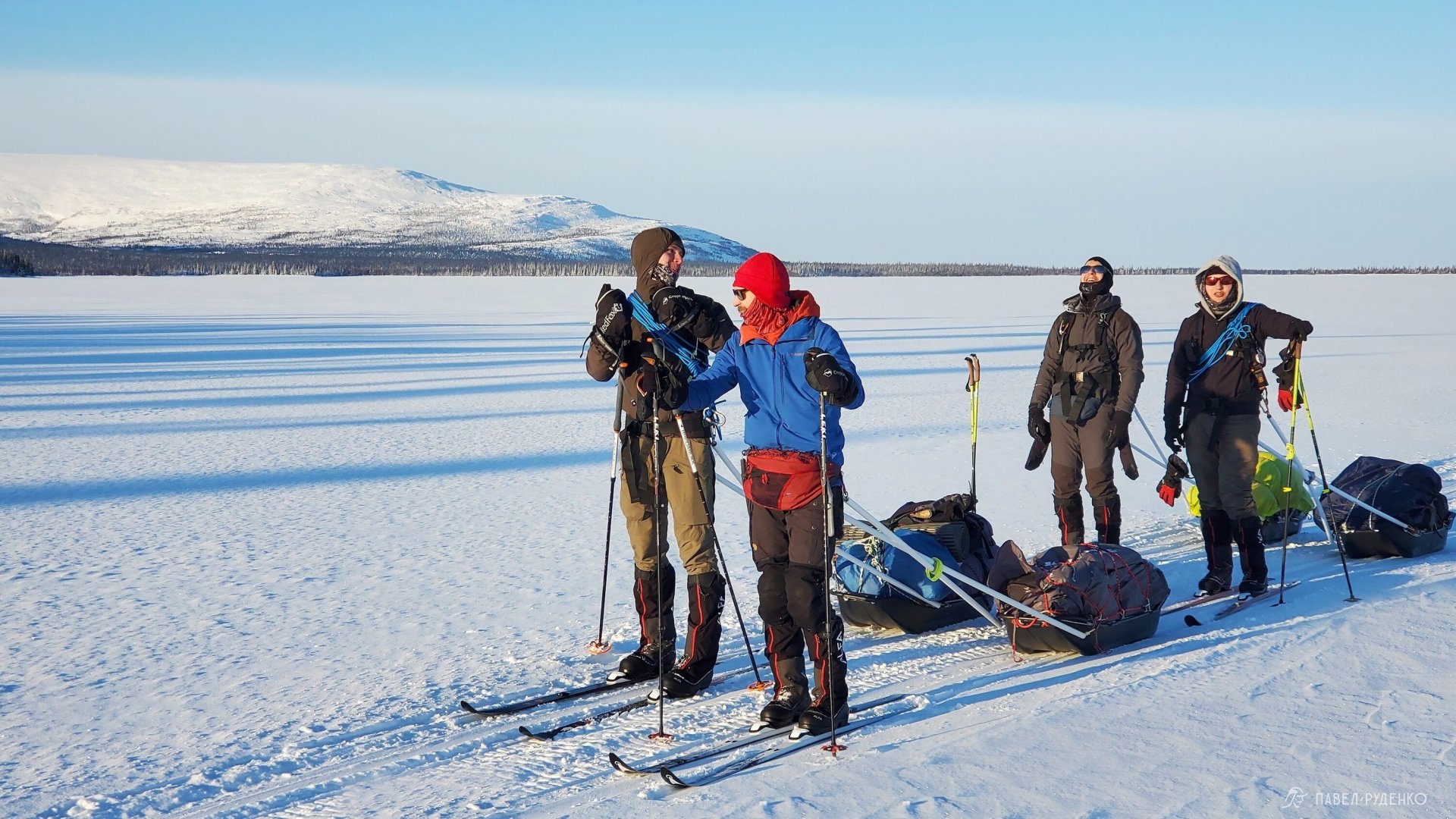
The entire team on NNN BC and Alfa Outback boots — my go-to setup as the best, accessible choice. Skis: Sporten Ranger, Fischer Travers, Åsnes Nansen, Fischer 66.
Overall Conclusion
Currently, I ski on NNN BC — it remains the most popular and straightforward binding system for ski treks of any difficulty level. Having tested several boots, including the Alfa Outback and Lundhags Guide BC Expedition, I dialed in an excellent setup paired with insulated overboots for camp.
I appreciate the rock-solid reliability of NNN BC and its sheer ease of use, so I'm completely satisfied with it. Naturally, after testing gear across various expeditions, you arrive at your ultimate setup. I'll continue updating this article as I gain new winter trekking experience.
Check out my social media for more photos and videos from our ski expeditions))



Comments (0)