

Ski boots
Choosing ski boots naturally depends on your preferences, the region, and the difficulty of the trek. First and foremost, you should treat the entire setup—boots, bindings, and skis—as an integrated system. Not all bindings fit every ski, and boots do not fit every binding. And what does fit can sometimes be impractical.
There are several types of bindings:
- Rottefella standard series: NNN BC, Xplore, NN 75;
- Modern universal bindings: Hagan X-trace Pivot or OAC EA 2.0 Universal;
- Russian-made universal bindings: Azimut or Boytsovskiye;
- Ski touring bindings: Silvretta 400/404, etc.
I do not consider Russian universal bindings like Azimut and Boytsovskiye, as they are obsolete, lack control, and cause multiple issues. Setting logical winter requirements—high reliability,
In this article, we will look only at the most reliable and convenient options for ski expeditions on the Kola Peninsula and beyond. This excludes various
When choosing ski boots, you have two options:
The budget option: use your summer trekking boots paired with overboots and universal bindings.
The best and most comfortable option: use dedicated boots for specialized bindings: NNN BC, Xplore, NN 75. The most popular and convenient choice is NNN BC.
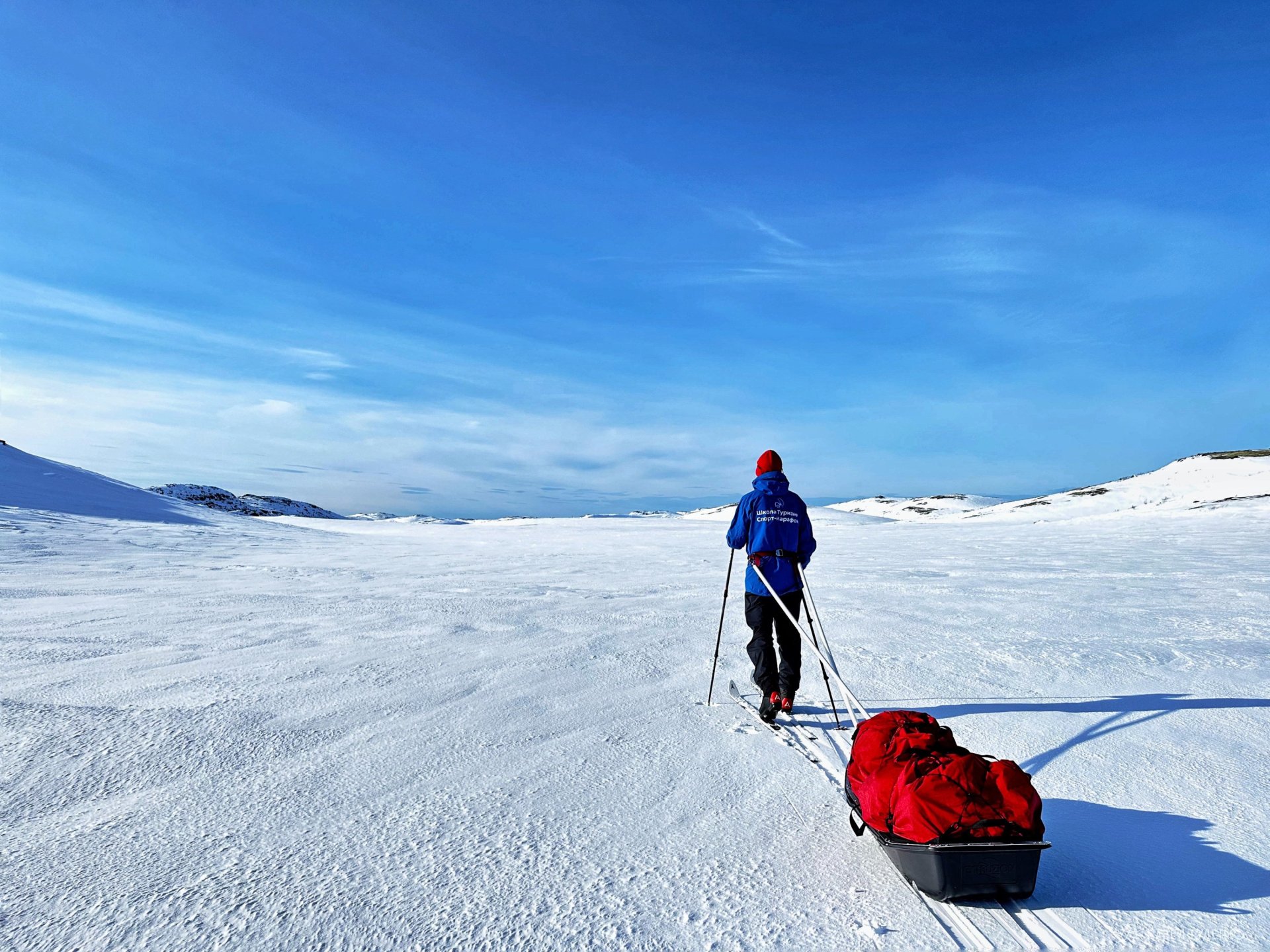
Summer trekking boot
Universal bindings allow you to use your existing summer trekking boots. Because of the flexible plastic platform on Hagan bindings or the hinged pivot platform on Hagan X-trace, only flexible leather boots are suitable—meaning their soles must flex at the ball of the foot. A rigid mountaineering sole can simply break the binding, so stiff boots will not work.
Summer trekking boots have no insulation, so insulated overboots are essential.Key requirements for overboots:
1. Breathable outer fabric, NOT a membrane.
2. Insulation weight in the main section: 100–150 g/m².
3. The boot must fit snugly inside the overboot without empty space; otherwise, it will shift around and compromise ski control.
4. Calf height. This insulates the lower legs and keeps snow out of the boots.
With this setup, skiing is generally comfortable in temperatures ranging from -5 °C down to -30 °C.
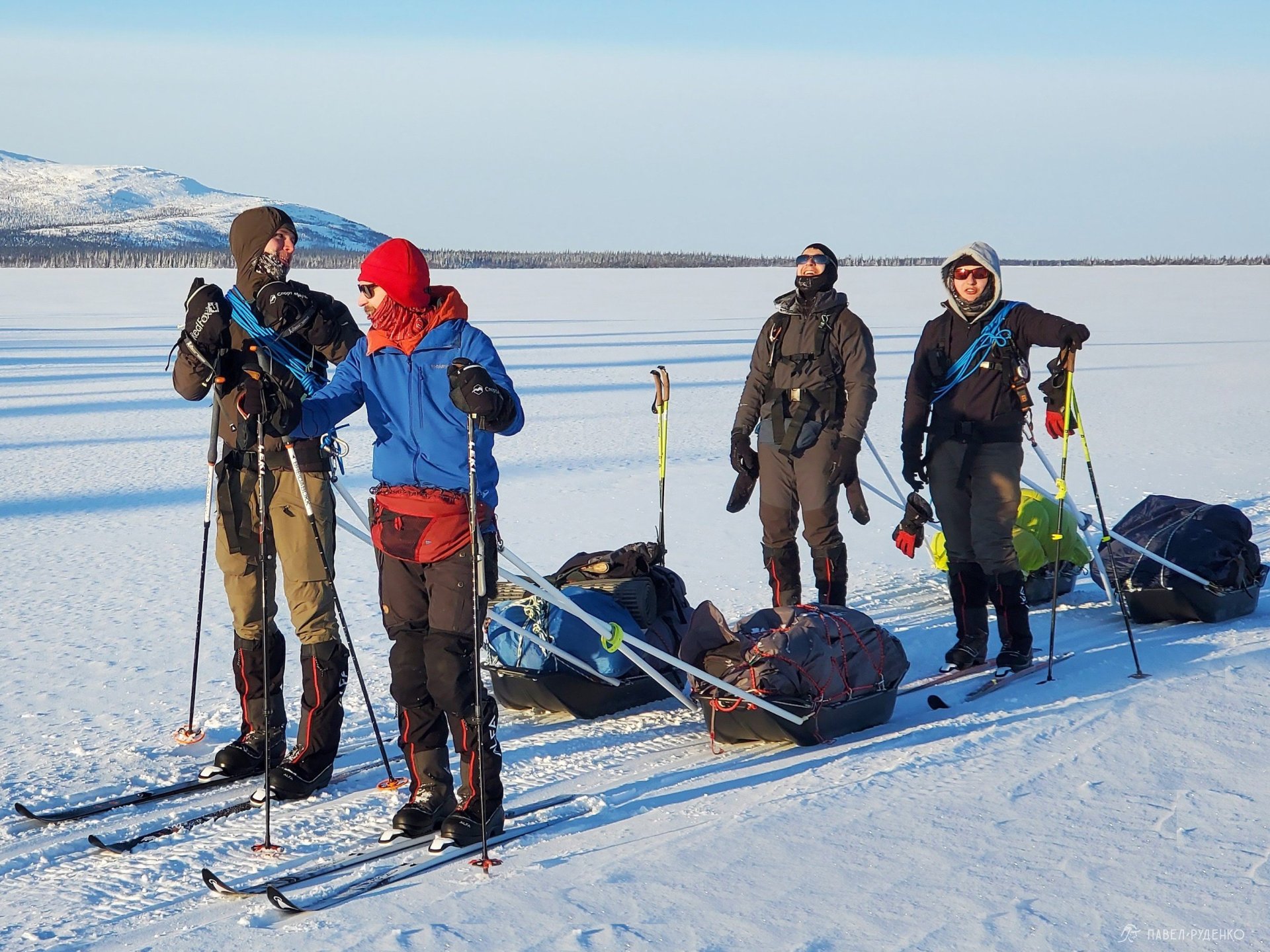
NNN BC, Xplore, NN 75 Standard Boots
Sizing and fit are chosen similarly across all integrated binding sole standards. Skiing mechanics differ significantly from walking, which is why ski boots often feature a different, roomier last.
It is recommended to buy ski boots about 1.5 sizes larger on average, and in some cases even 2 sizes up.Always try boots on with the exact socks you will wear on the trek, as their volume is substantially greater.If you use aftermarket trekking insoles, make sure to test the boots with them inside.
Remember that boots with integrated binding soles cannot be easily insulated from the outside, so always choose the warmest models available.
If the boots do not feature integrated gaiters, external gaiters are a must. Any pair will do, but membrane waterproof-breathable gaiters are by far the most comfortable. Snow inevitably collects on boots and pant cuffs and melts from body heat or sunshine; standard gaiters can soak through, transferring moisture to your pants and socks, which can be critical on a winter expedition. Membrane gaiters provide dependable protection against both dry powder and wet slush. They can even shield against brief submersion if you step into water, as we have proven many times on our treks. The membrane is 100% windproof and slightly restricts breathability, making these gaiters warmer than softshell ones.
NNN BC: the optimal ski boot standard. It features the widest selection of models from the most popular and proven brands in Russia: Alfa, Alpina, Lundhags, Fischer. The connection consists of a metal bar embedded in the sole toe, purpose-built for backcountry expeditions. Unlike classic Nordic NNN, 'BC' stands for Backcountry, which makes it ideal for ski touring by delivering optimal forward stride mechanics and flexing in the right spot.The sole features matching guide grooves that align with the ski binding plate, meaning the boot sole cannot be covered with an overboot.
Xplore: the boot sole is torsionally stiffer in all directions than NNN BC and NN 75, delivering superior steering response. The side pins are positioned closer to the edges and feel closer to NN 75 in motion, offering outstanding downhill control.
NN 75: the oldest 3-pin standard described here, and the least attractive today.
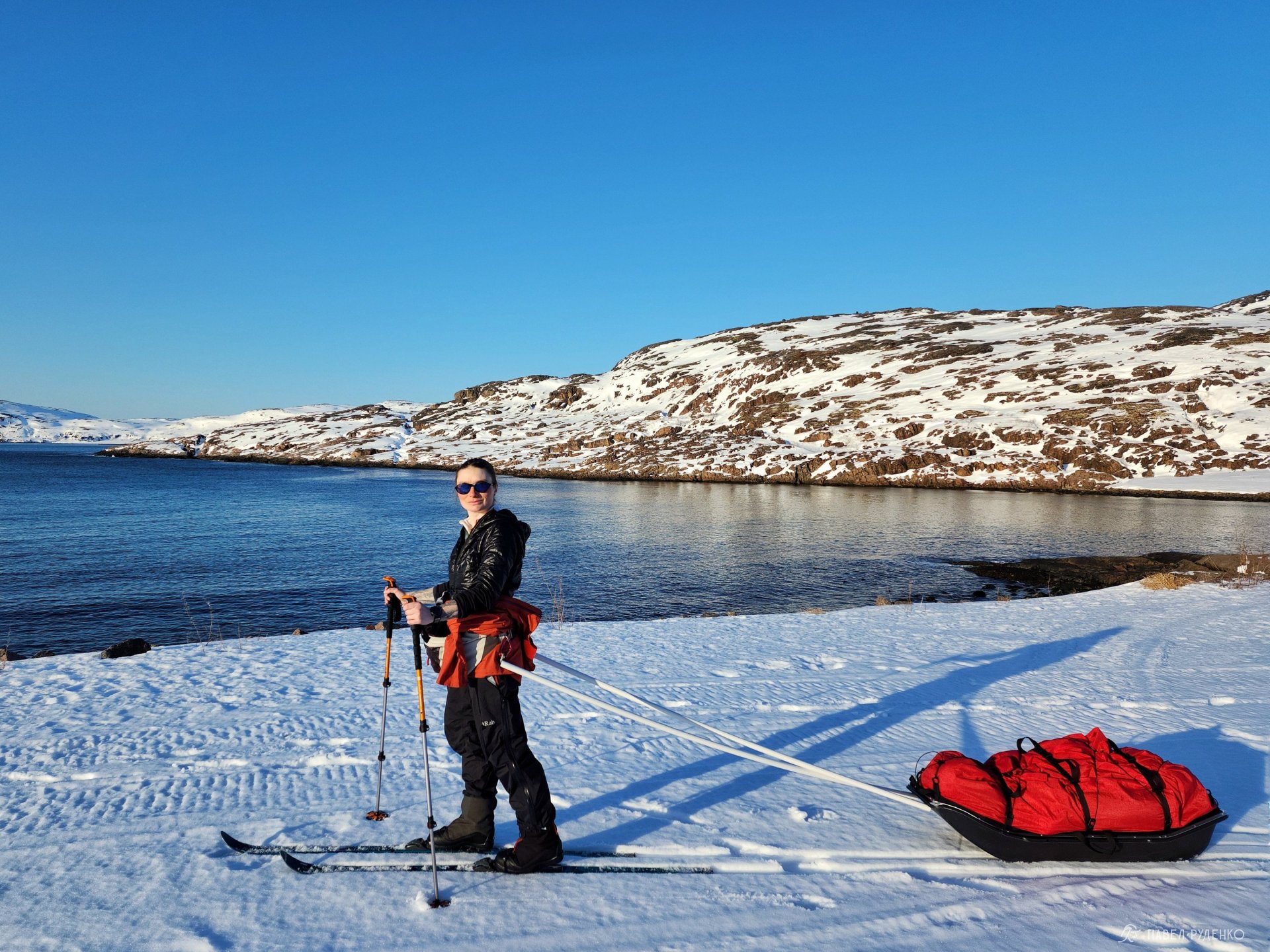
Gaiters
If your boots do not feature integrated gaiters, external gaiters are a must. Any gaiters will work, but membrane waterproof-breathable models are by far the most comfortable. Snow constantly lands on the boots and lower pant legs, melting from the sun or body heat. Standard gaiters can soak through, letting moisture seep into your pants and socks, which can be critical during a winter expedition. Membrane gaiters reliably protect against dry and wet snow alike. They can even keep water out if you briefly step into overflow, as we have tested repeatedly on our treks. The membrane is 100% windproof and slightly restricts airflow, making these gaiters noticeably warmer than standard softshell options.
The gaiter hook should anchor firmly to boot laces; it stays in place much better when hooked from the bottom up, preventing accidental detachment.
Socks
To prevent blisters and keep your feet warm, you should always wear two pairs of socks simultaneously.
First: a thin synthetic liner sock. It protects feet against blisters, as friction occurs sock-to-sock rather than against your skin. It wicks moisture away into the thicker outer sock and keeps the warm sock cleaner and free of sweat buildup, extending its lifespan. Plan for 1 pair per 3–4 days.
Second: a warm synthetic or wool-blend sock. It keeps feet insulated. Plan for 1 pair per 2–3 days.
The composition can vary, including technical synthetics blended with wool. The key is to choose technical trekking socks with an anatomical fit so they stay firmly in place without bunching.
Insoles
Standard footbeds in ski and trekking boots provide little more than basic hygiene. Proper foot positioning and arch support are essential under demanding daily expedition loads and high mileage with extra weight.
Supportive insoles relieve strain on the foot arch, ankle muscles, and ligaments, preventing muscle aches and reducing overall fatigue.
Since 2020, I have been using pre-molded Sidas Nordic insoles. They are specially engineered for cross-country skiing (classic and skate styles), which closely mirrors backcountry ski touring biomechanics. They provide better propulsion, glide, and maneuverability.They are equally suitable for summer hiking treks, and vice versa—summer footbeds work well in ski boots. Hiking with them is far superior to going without.
For maximum performance, you can get custom orthotic sports insoles like Igli or Formthotics.Keep in mind that aftermarket insoles take up boot volume and might affect sizing, so test them right away. The ideal approach is to acquire your insoles first, and then fit new boots with them inside. This ensures the most precise fit possible.



Comments (0)