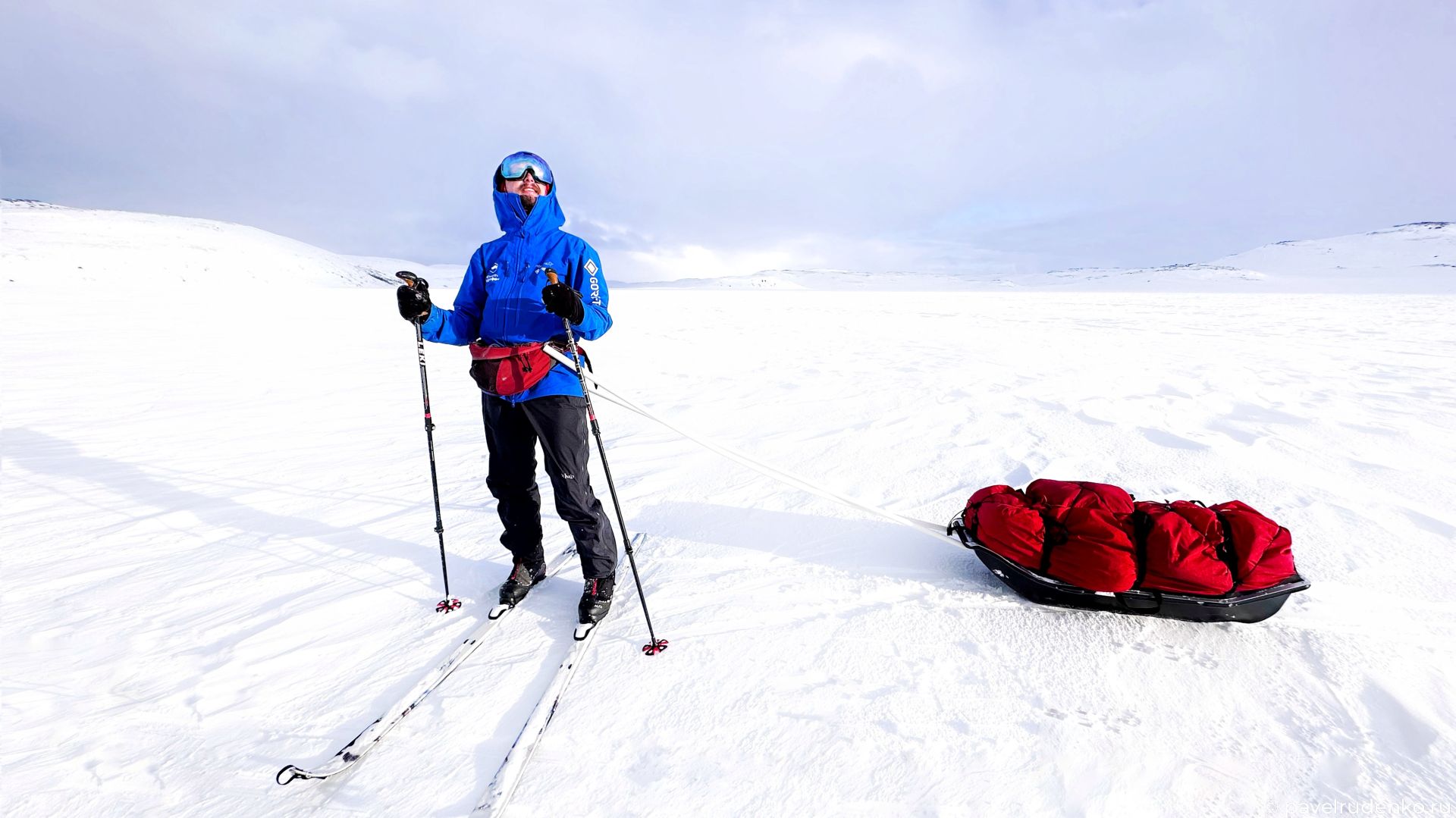
Pulkas in winter ski hikes
Winter hikes open up completely new horizons in exploring new areas and territories. When the frost binds the surrounding nature, it is possible to build completely non-trivial routes along frozen lakes and rivers, snow-covered bogs that were previously completely impassable.
New advantages are opening up — you can pitch a tent wherever you want, almost any surface is flat and adaptive for a camp. But new challenges also arise,
even if you are a very experienced hiker in summer hikes, snow conditions will push you to explore a new way of moving: on skis or snowshoes, and the snow will also allow you to make a completely graceful solution — to abandon the backpack and completely unload your back, using large pulkas.
Let's talk about the pros, cons and features of their use.
What are pulkas
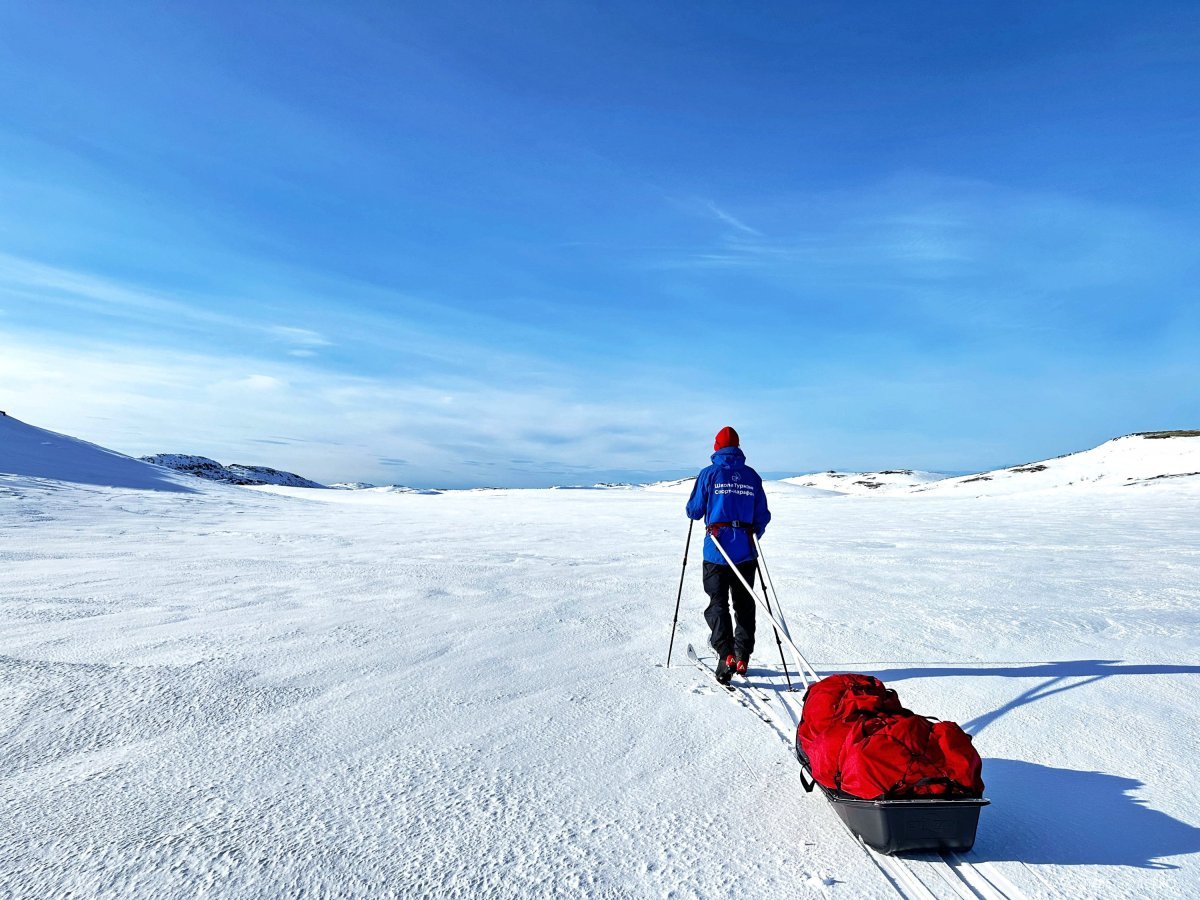
Large sleds on a hike are called pulkas (in the old days: voloka, volokusha, volochuga, volochnya, volochen, volokovitsa, kolodka). A special device for carrying cargo, which was common in the northern and north-eastern provinces of the Russian Empire, the ancestor of sleds. In the 19th century, the explanatory dictionary of Dahl stated: «there are villages in impassable forests and bogs; the inhabitants do not know the wheel, but they ride on volochugas on wet moss...»
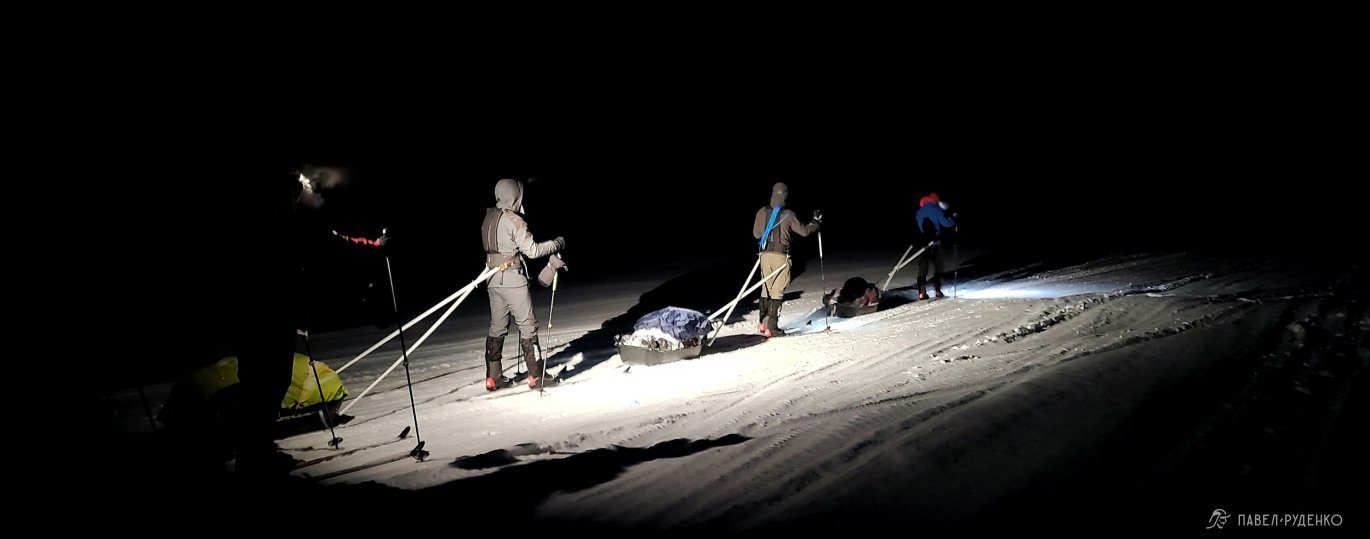
In the English-speaking world, there is a definition of Pulks — this is a system of sleds, harness and coupling between the user and the sleds. Skipulk is the same system, but with a rigid coupling to control the sleds on steep descents. And other similar terms like expedition snow pulk.
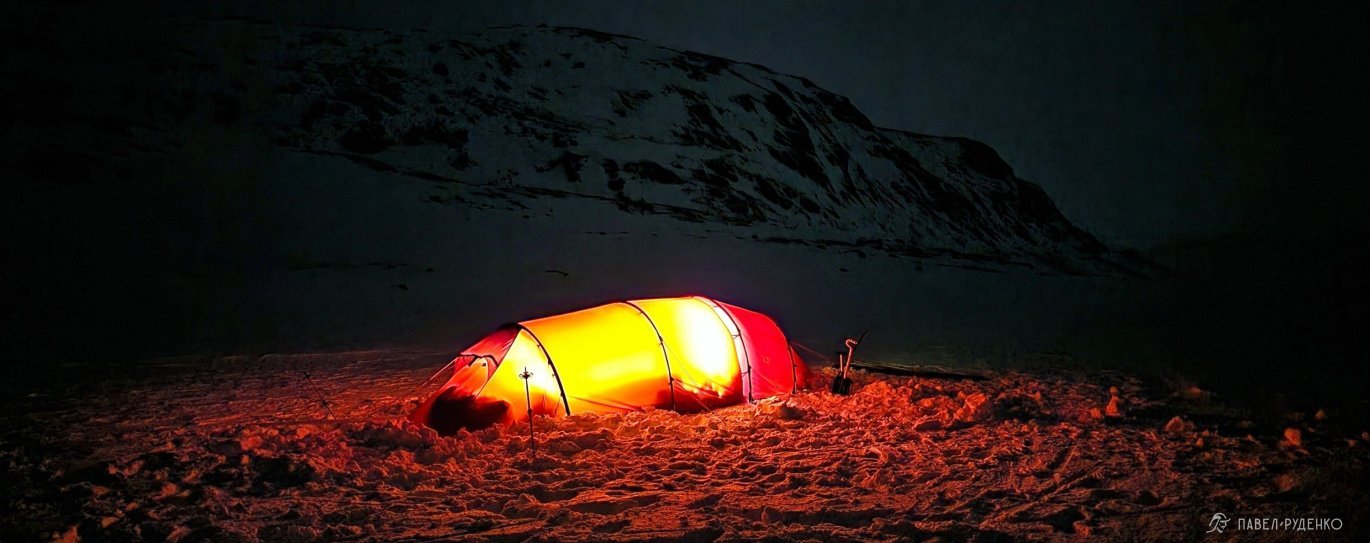
I really like to go with sleds and I organize a unique ski hike with sleds and overnight stays in cold Hilleberg, Fjallraven and Helsport tunnel tents. As well as classic ski hikes with backpacks and a tent with a stove. Check the schedule!
Where to use?
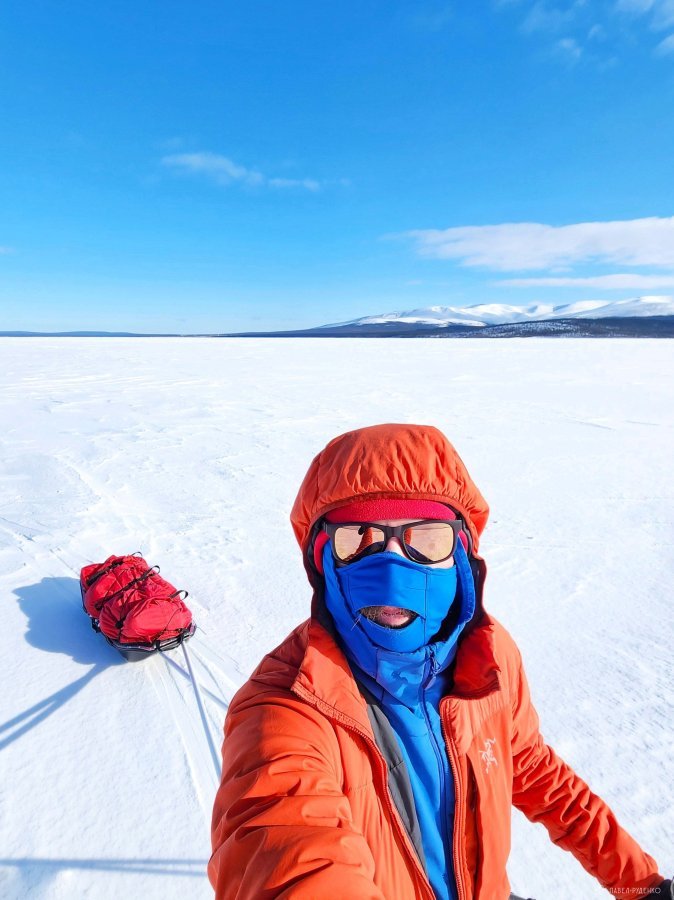
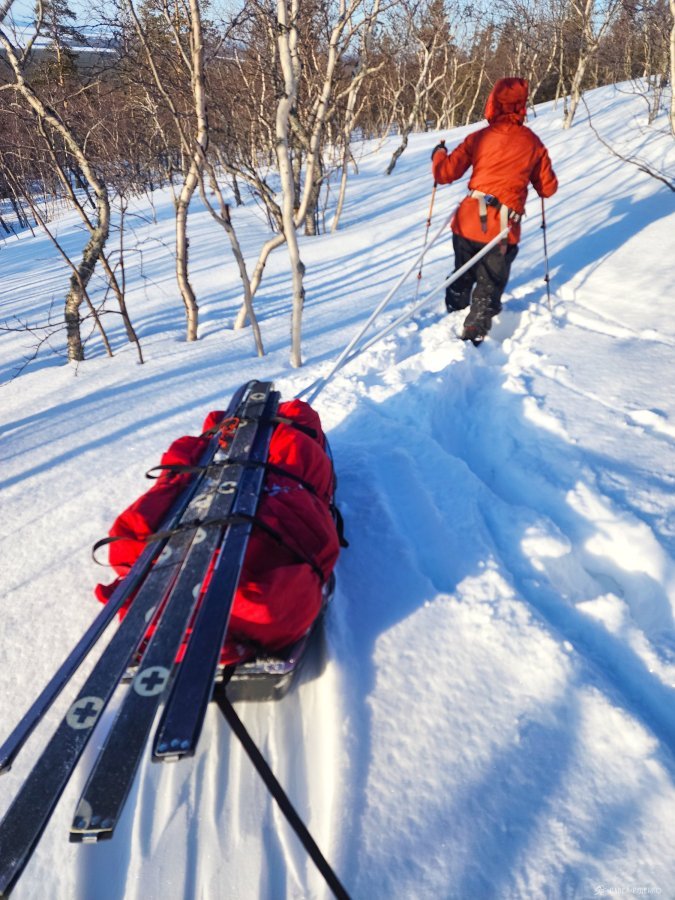
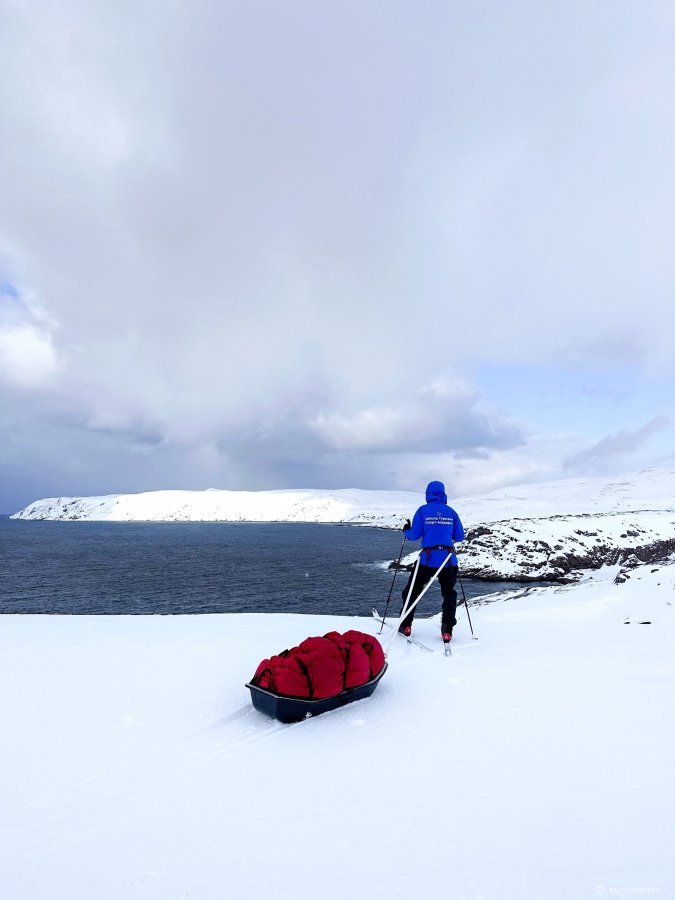
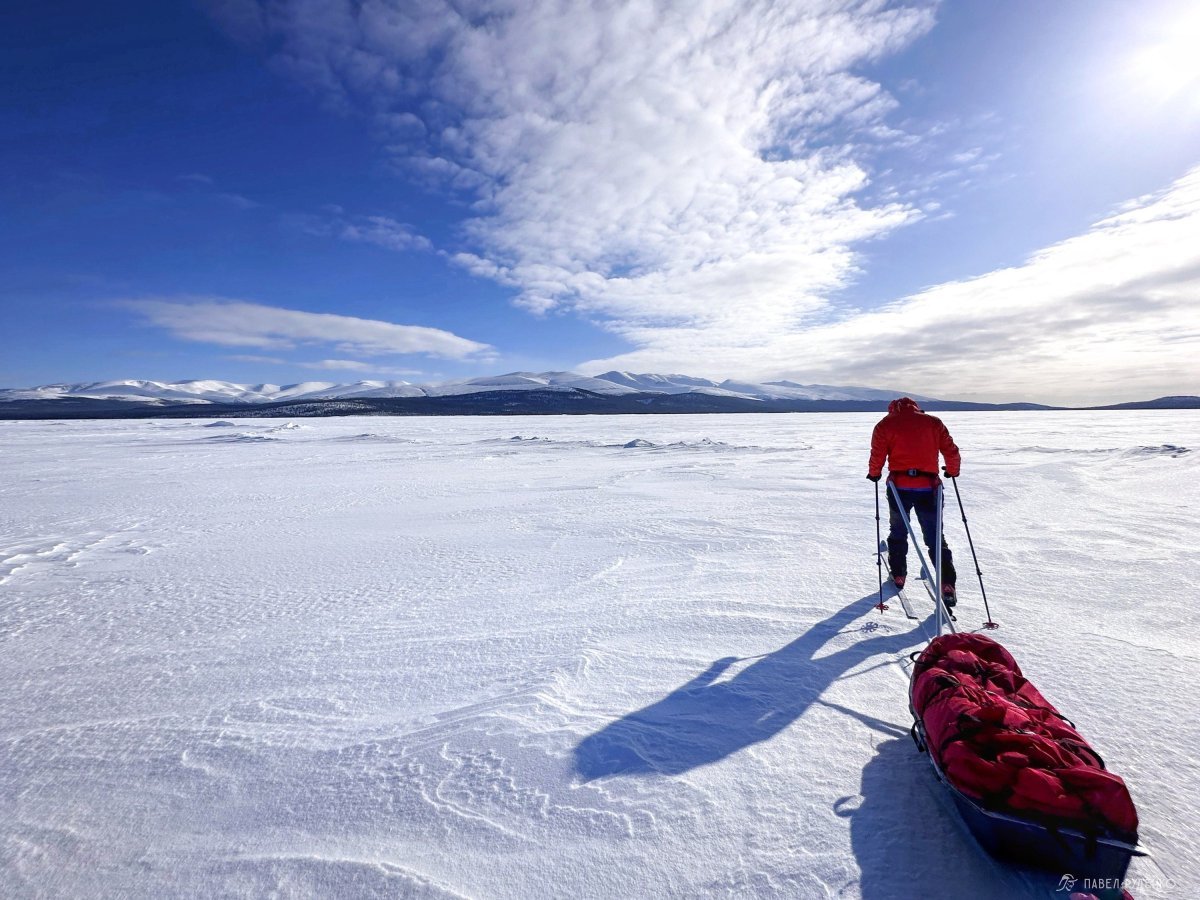
The ideal areas for using pulkas are the Arctic, Antarctica and Greenland. Limitless snow spaces, real open spaces! Naturally, the use of large sleds is not limited to 3 areas, but is applicable wherever you can move on skis on relatively flat terrain, avoiding large areas of dense forest. Such conditions are common on the Kola Peninsula, the Subpolar Urals, Yamal, Chukotka or Kamchatka, as well as in short hikes in the middle band.
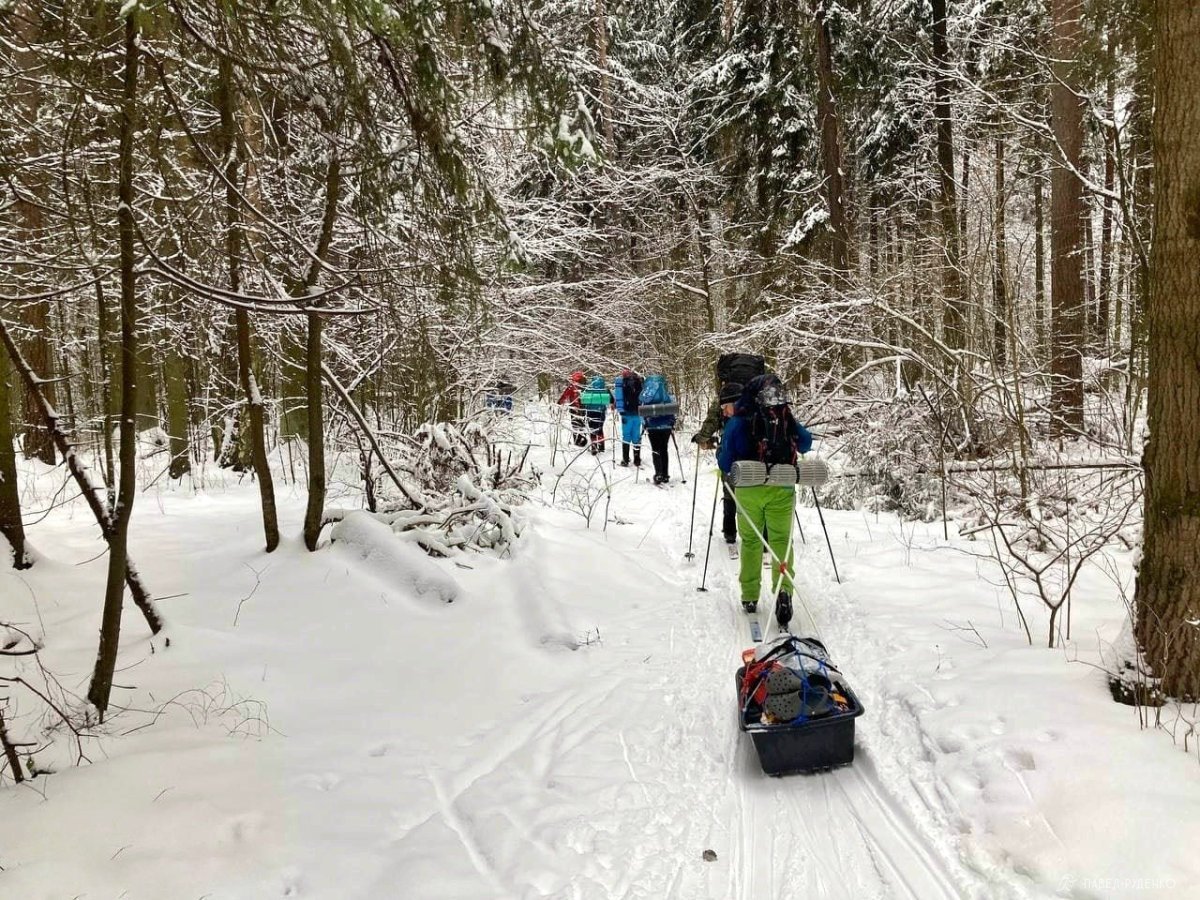
For example, I have repeatedly used pulkas on hikes in the Moscow region, successfully dragging a huge Tentipi tent for 17 people and a stove, carrying a total of 40 kg.
On ski hikes in the Kola North in the Imandra, Khibiny, Kolvitsa, Teriberka, Lovozero tundra areas and I attract friends to walk in the same style. Experiments with different options for harnesses, sled sizes, cargo fixation have led to certain conclusions and recommendations for preparing sleds, which will be in the next article.
Pros
- An amazing feeling of lightness in the back!) In winter, cold conditions, things are more, they are bulkier and heavier, and you have to move with greater energy expenditure through the snow, at subzero temperatures, so unloading your back and keeping it dry becomes a very logical and justified task.
- As soon as you stop to look at the map or wait for a friend, you immediately begin to rest. There is no need to take off your backpack into the snow, keeping your balance on skis and then put it on again, fastening the belt buckle with mittens, and this can take several minutes, I've seen that too))
- You can drag more weight than in a backpack. A striking example is polar expeditions for 2-3 months, where the weight of the sleds often reaches 170 kg. In an autonomous hike and flat terrain, you can take more and go further.
- The sled system is cheaper than a winter backpack.
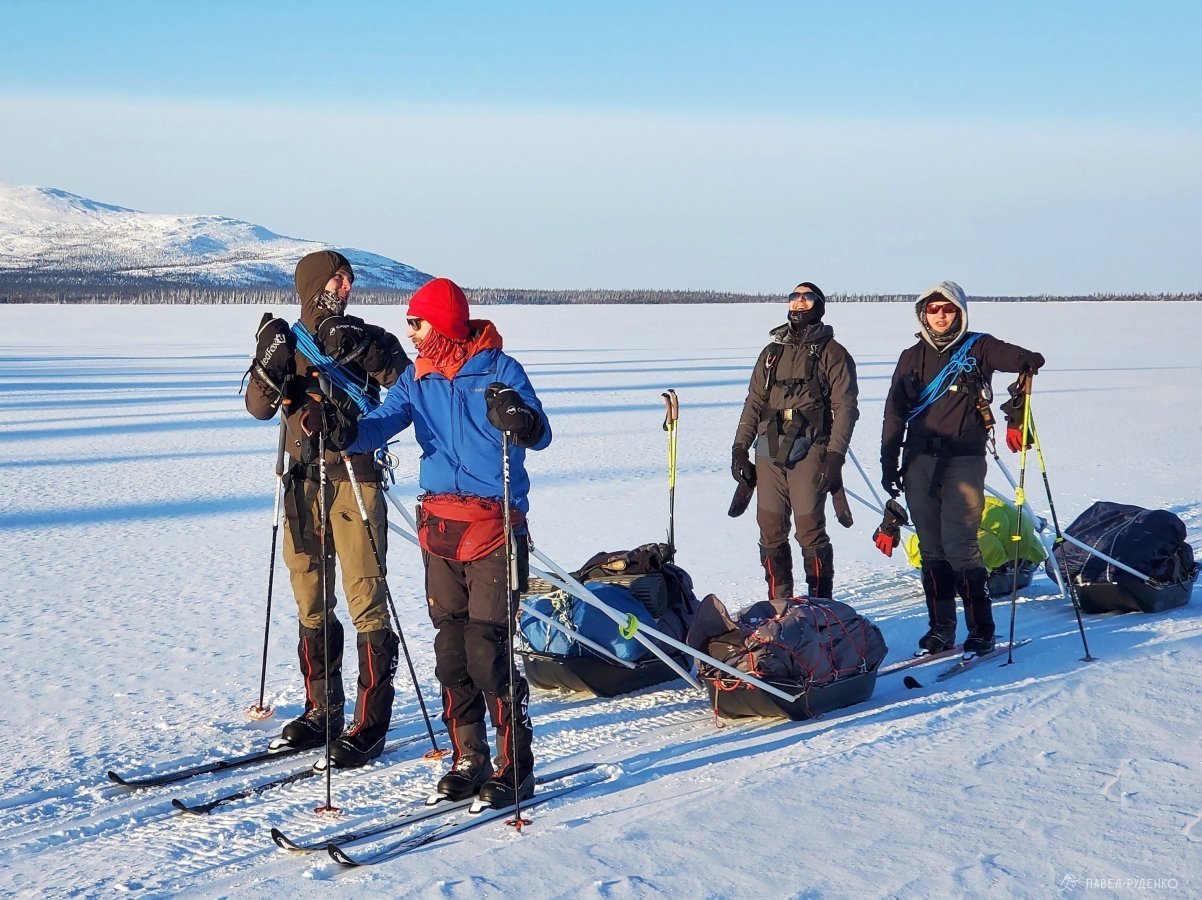
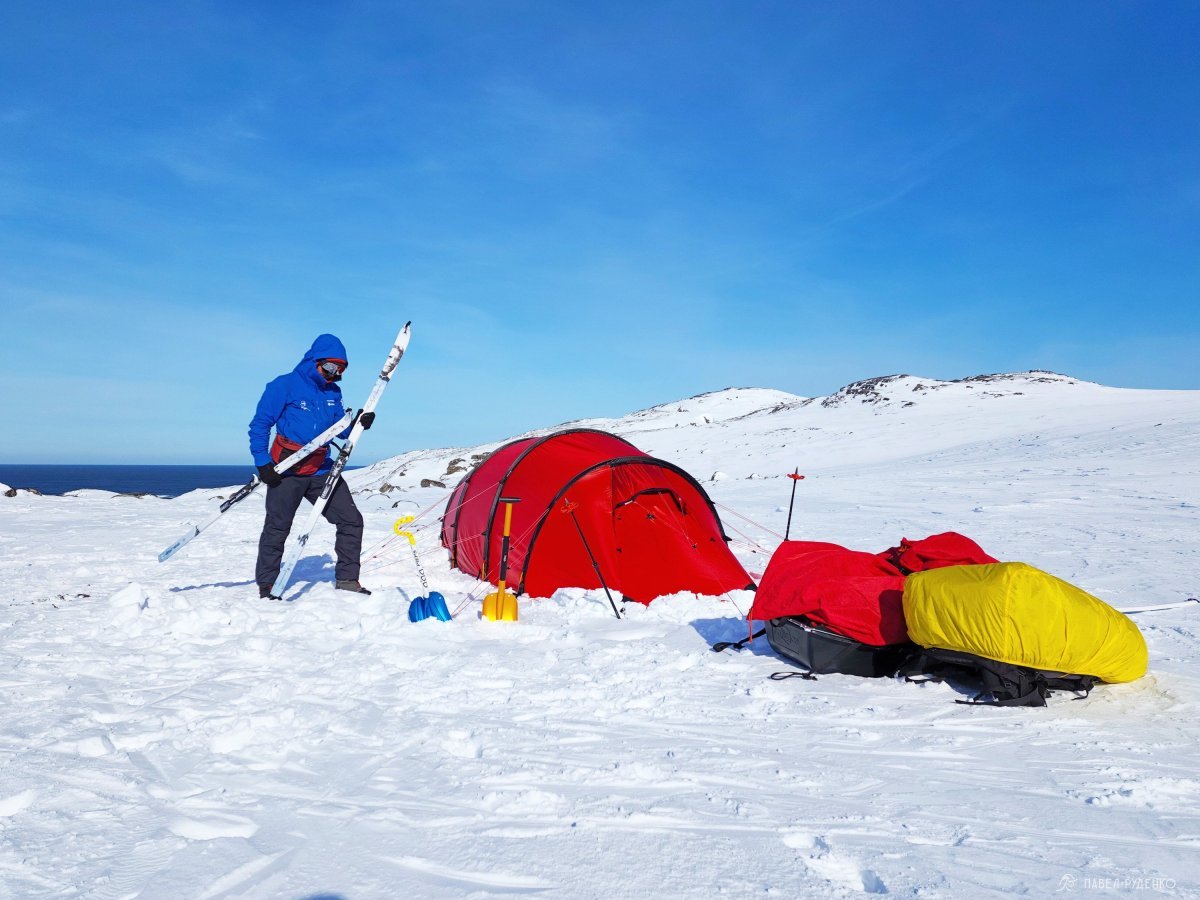
- It is convenient to pack gear into large pulkas. Up to the point that you can put fragile things in cases or plastic boxes. The most popular sleds in Russia are “Arctica sleds”, you can load them with about 150 liters of volume, the second model is bigger - “sled No. 13”, about 250 liters. This allows you to significantly speed up the process of assembly in the morning and setting up the camp in the evening. And the Scandinavians even use “Pulk sleep bags”, a huge bag in which a mat and sleeping bag are stored without compression, which reduces the time it takes to set up camp and dries the sleeping bag on the way.
- Sleds are your bench. To rest, you can even not take off your skis and lounge on the sleds, have lunch with a prepared thermos with food or a snack.
- Romance. There is a certain atmosphere of freedom and involvement in polar expeditions.
Cons
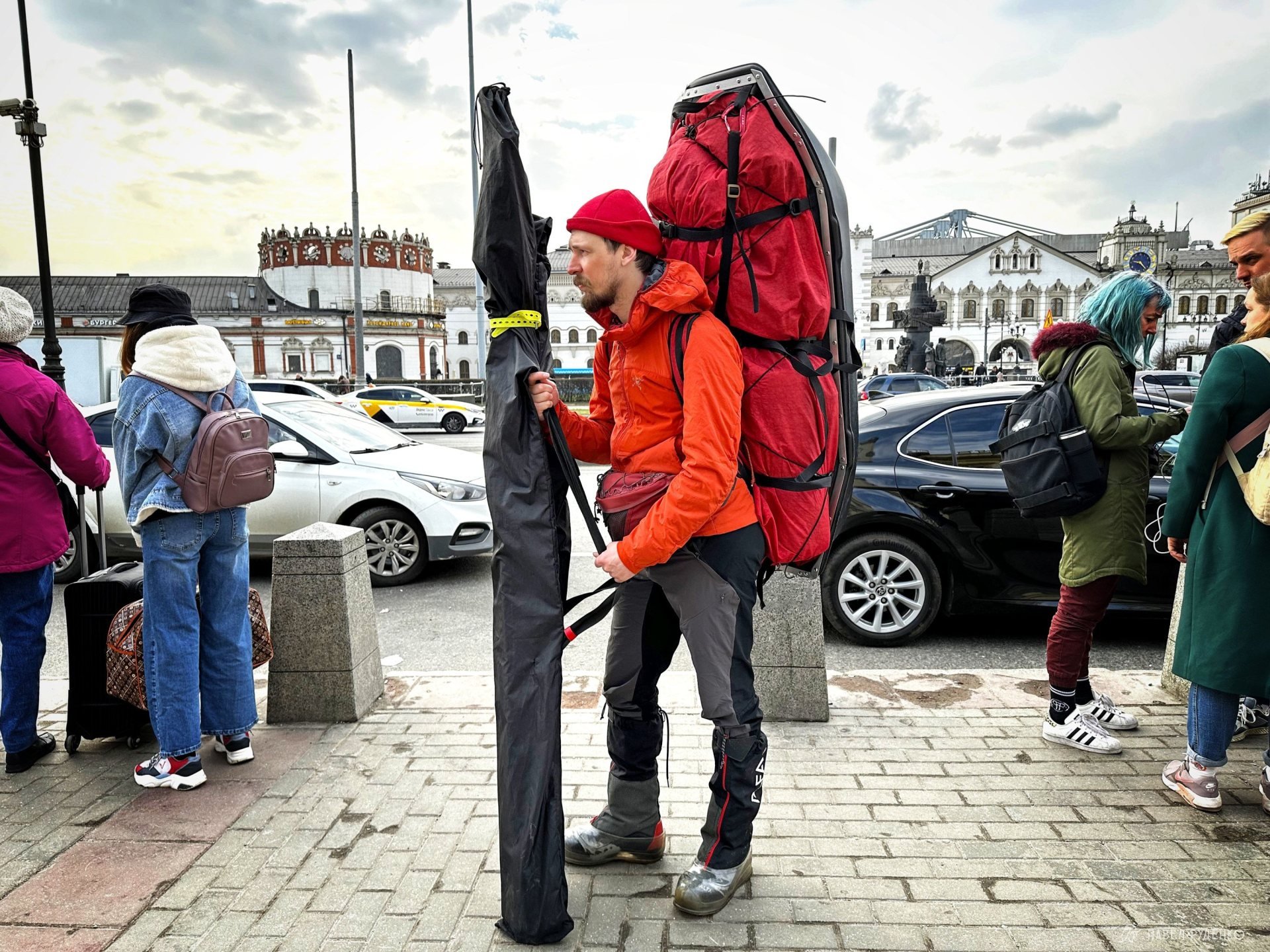
- The only disadvantage I see is not the most convenient transportation of pulkas to the start of the route. The ideal option would be to put the sleds in the trunk of a car and get from home to the starting point in comfort. But if you need to take the train or fly by plane, there will be a little more inconvenience than with a backpack. This is mainly due to the fact that large sleds are less convenient to carry. There is a solution, usually I attach the harness to the sleds with carabiners or sew straps into the bag and carry them from the taxi to the train or luggage at the airport.
Features
- When moving on flat terrain, in the vast majority, ski scree is enough. In rare cases, on frozen, blown snow, a short or long chamois will be required. If there are height differences on the route, even minor ones of 5-20 meters, a chamois on the entire ski is required, otherwise you will have to spend a lot of time and effort on the ascent.
- The speed of movement is sometimes lower than with a backpack, due to additional friction and jerk when moving forward.
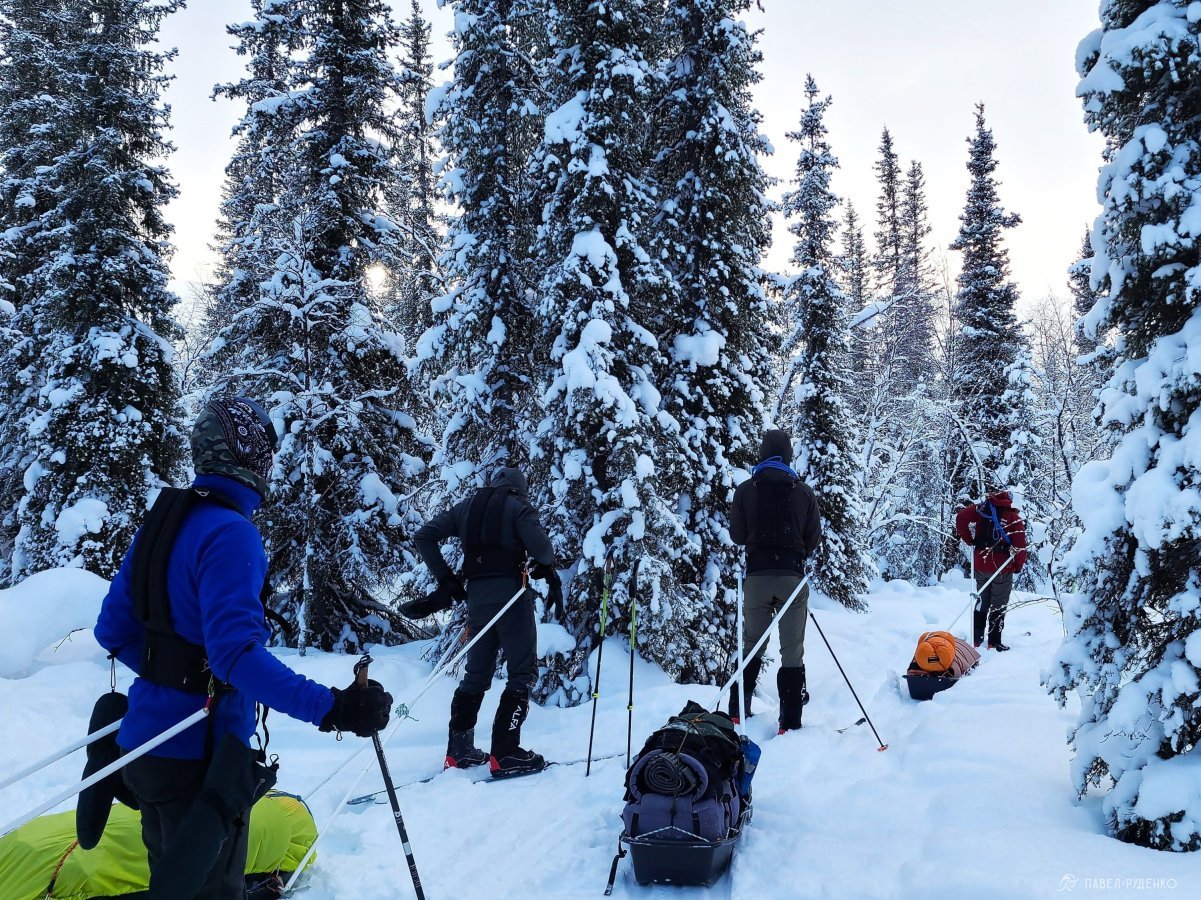

To form a complete set, you will have to put your hands and creative vision. Since a ready-made set of sleds from foreign brands like Acapulka and Fjallpulken costs about 700 euros, and delivering large cargo to Russia will cost another 600 euros, such a purchase becomes not very reasonable.
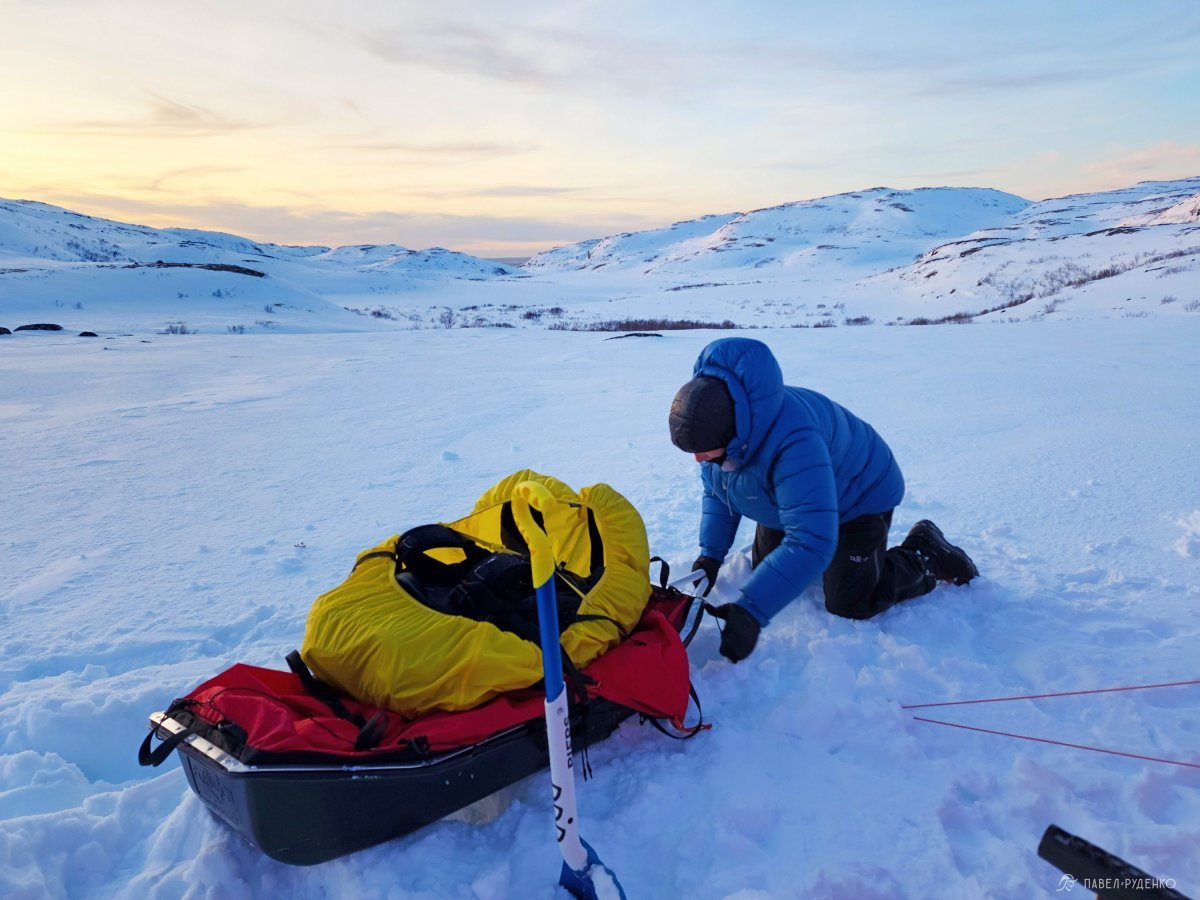
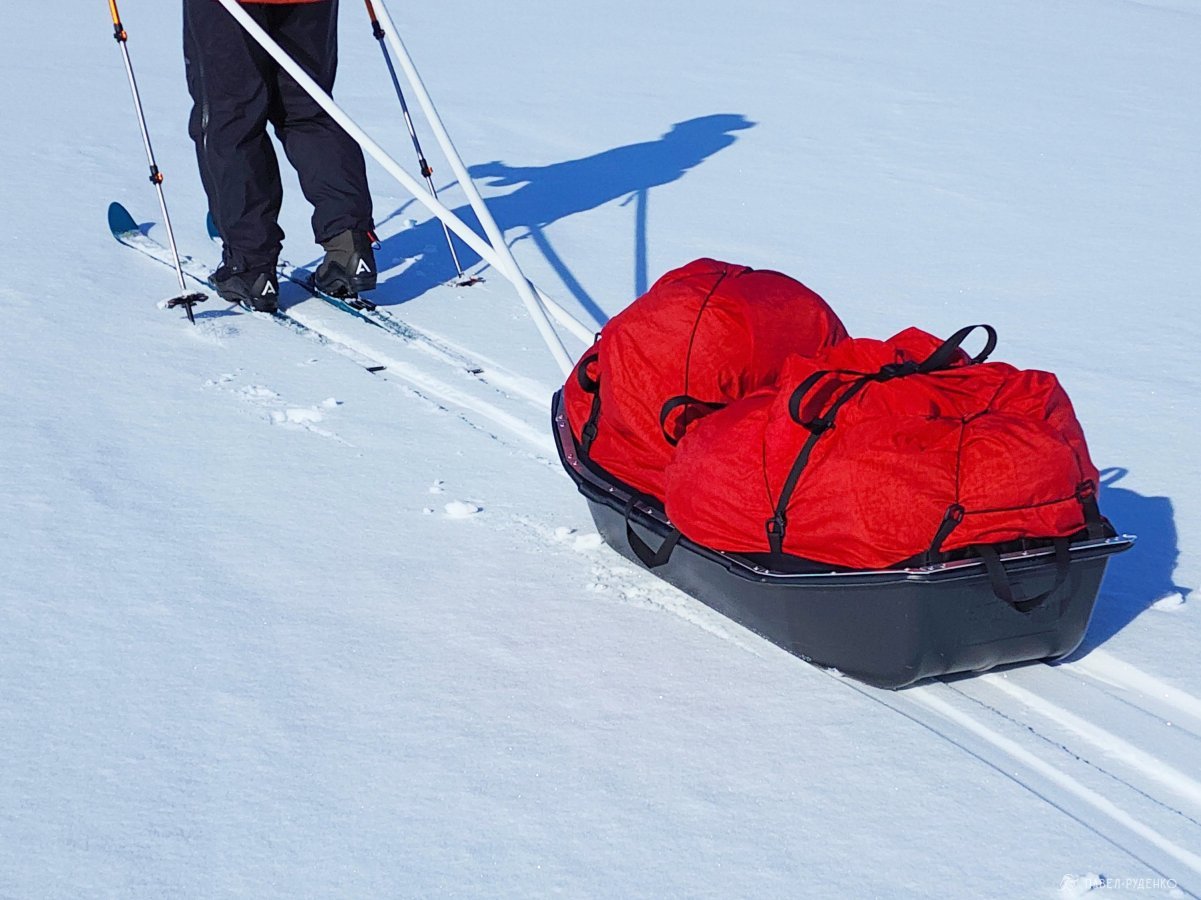
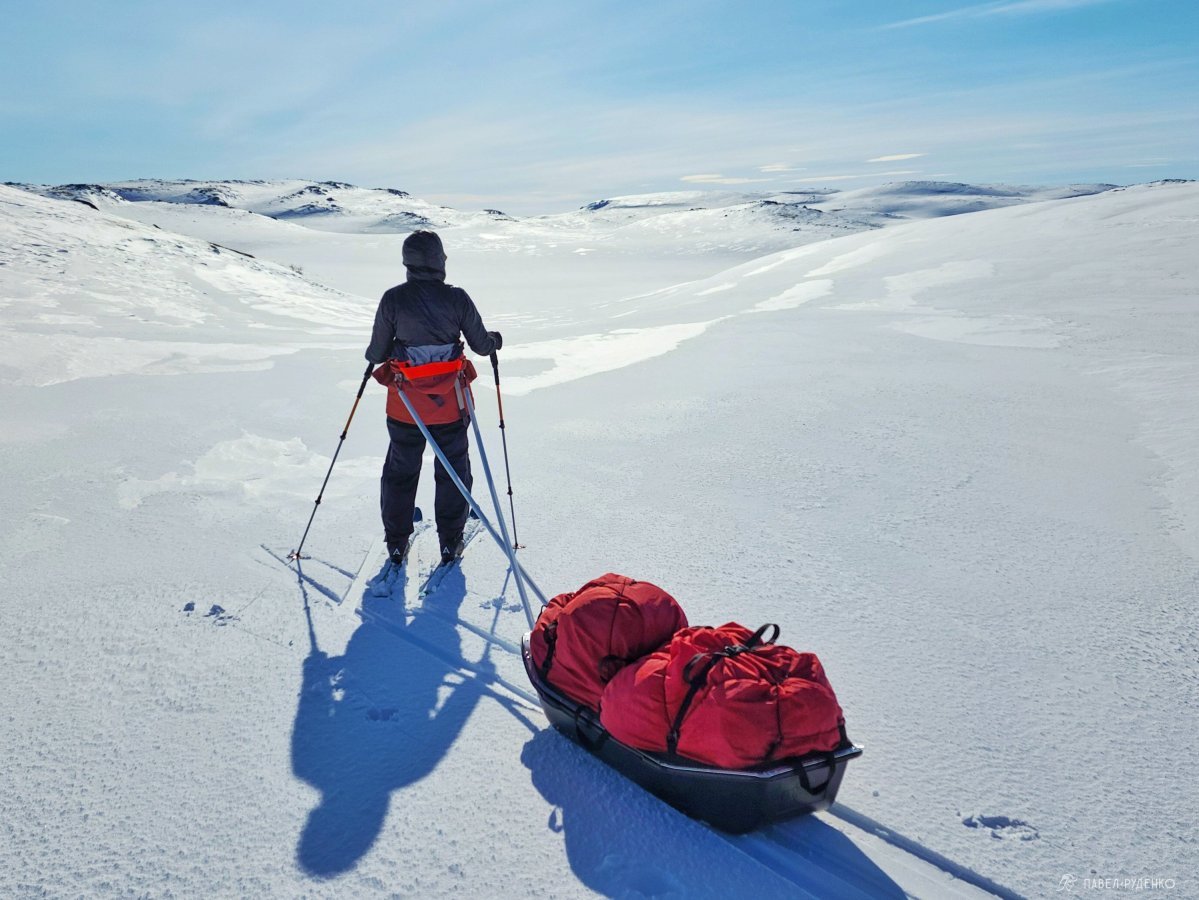
Therefore, I updated and improved the set every year and the last time I turned to a good friend - Denis, he is a master at Territory of Wandering and suggested implementing the idea with a sewn bag in the sled and harness. The result turned out to be very successful and convenient, so it was decided to make a unique product on the domestic market - “Arctica sleds” with a sewn bag made of durable nylon 420D 150 g/sq.m, with PU impregnation of 2000 mm, which allows you to protect things from wet snow. The sleds have a specially cut top, the sides are reinforced with aluminum inserts and sewn handles.
The result passed the test successfully and now it can be ordered:
You can also watch my video on selecting large sleds for ski hikes and comparing the use of backpacks.

