
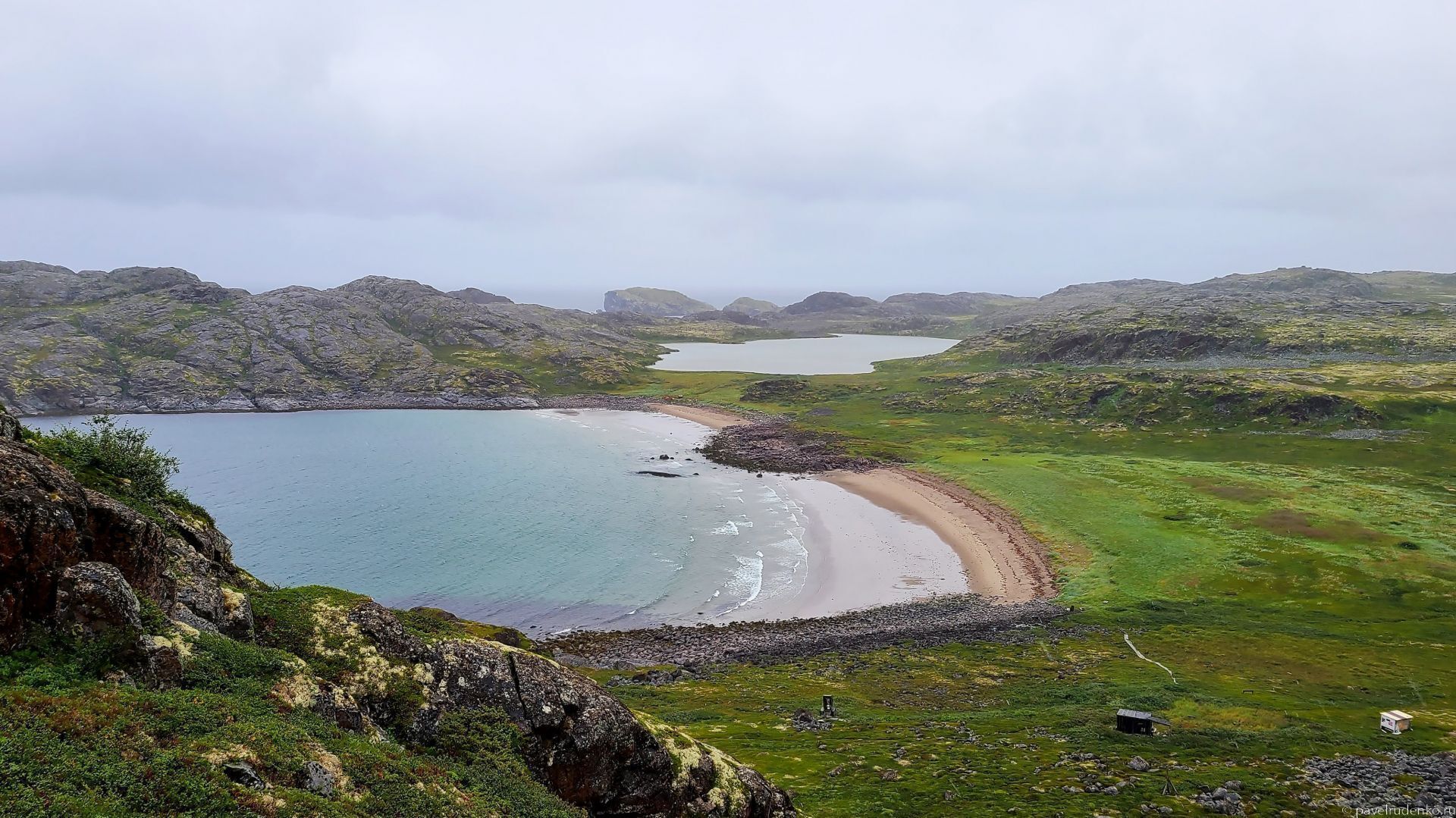
DAY 1
On the road from Murmansk to Tumanny settlement, we made one restroom stop; the bus was half full, my backpack riding on the seat next to me. A man struck up a conversation with me on the bus, suggesting we trek together—he wanted to learn from solo hiking experience)) I politely declined.
We arrived in Tumanny at 21:30, and it was darker outside than I was used to and expected. After all, the polar day feels noticeably different in early August compared to mid-August. On previous treks between July 10 and August 10, it was significantly lighter, allowing you to hike through the night comfortably, but not this time. The weather is overcast, the sky clouded over, making it hard to move off-trail without a headlamp—bogs and micro-terrain are invisible. So I stick to the road as much as possible and turn off into the tundra to camp. Pitching the tent, I spot a tear on the rainfly and patch it. An unforeseen issue meant I had to pick up the tent just half an hour before leaving for the airport—oh, how I hate that... Ideally, everything should be packed a couple of weeks ahead, waiting for its time.
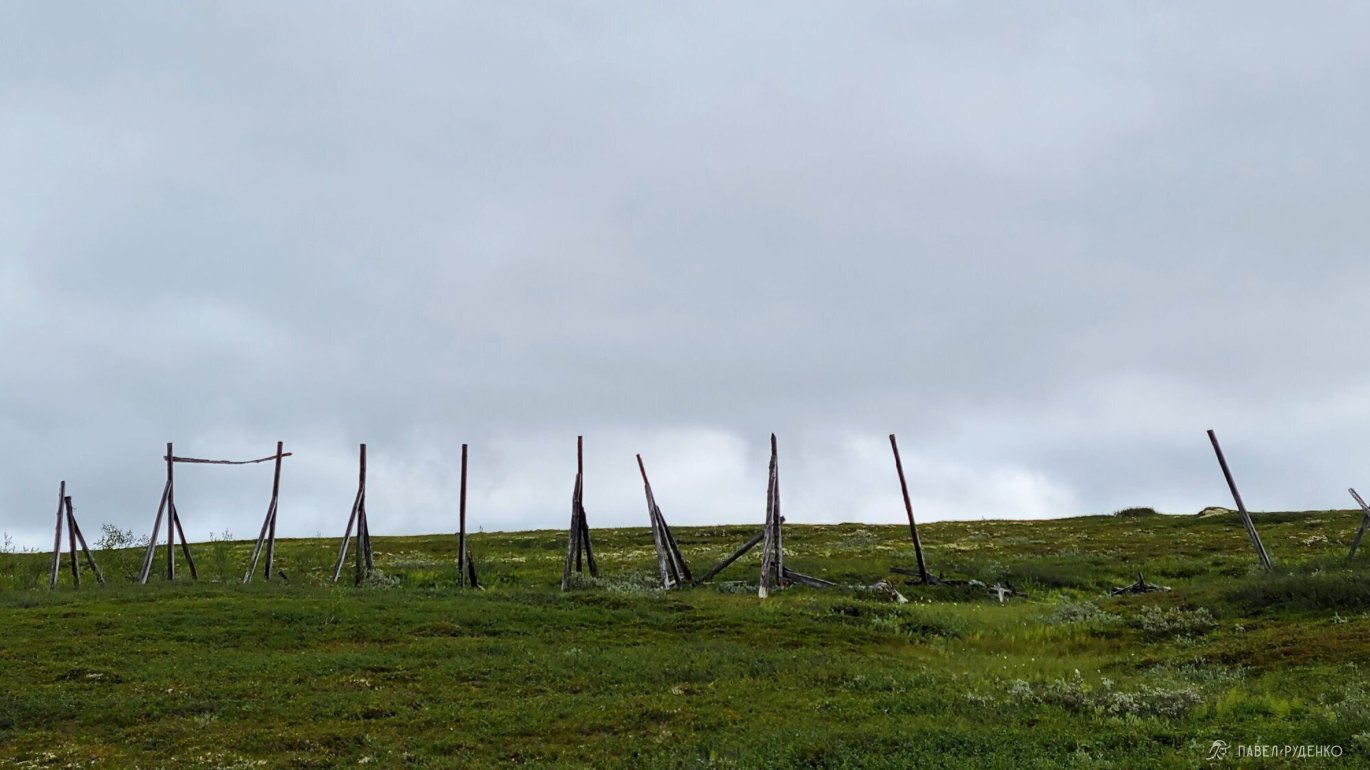
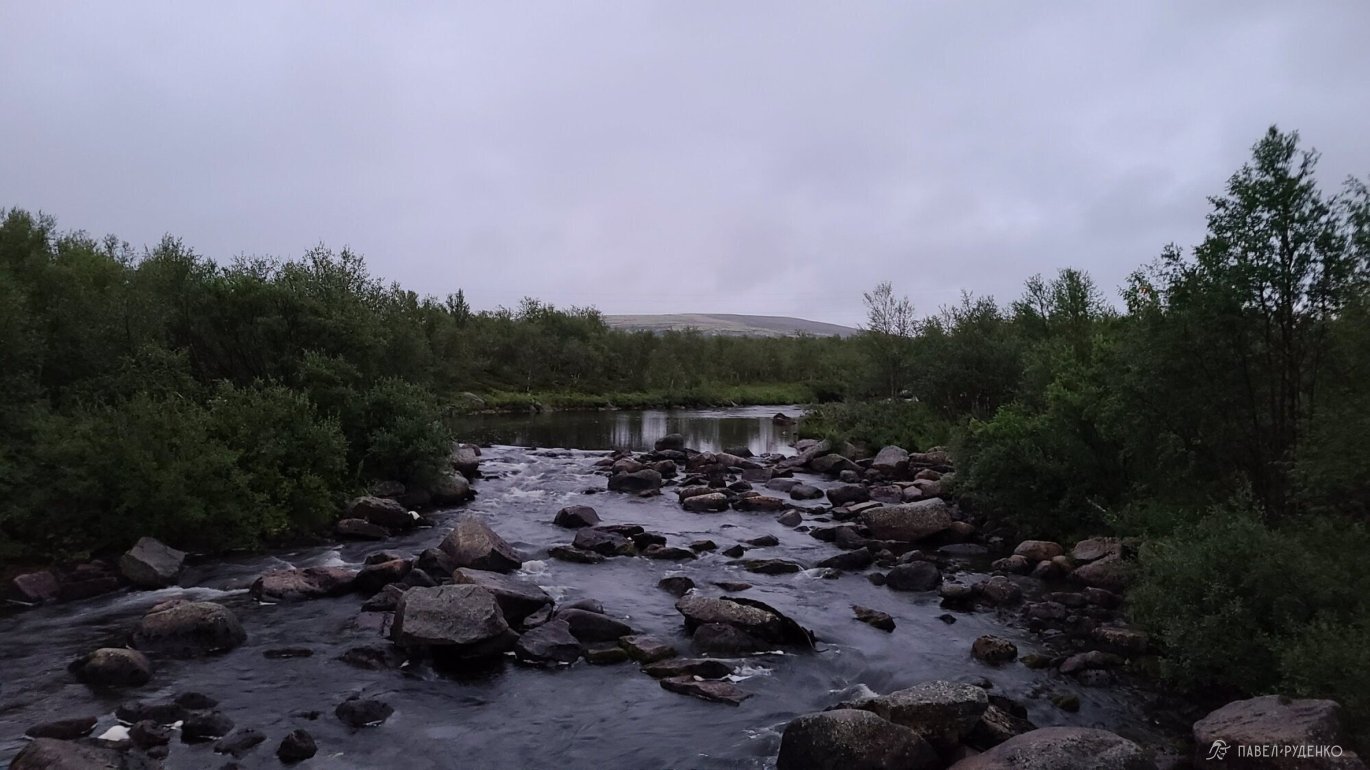
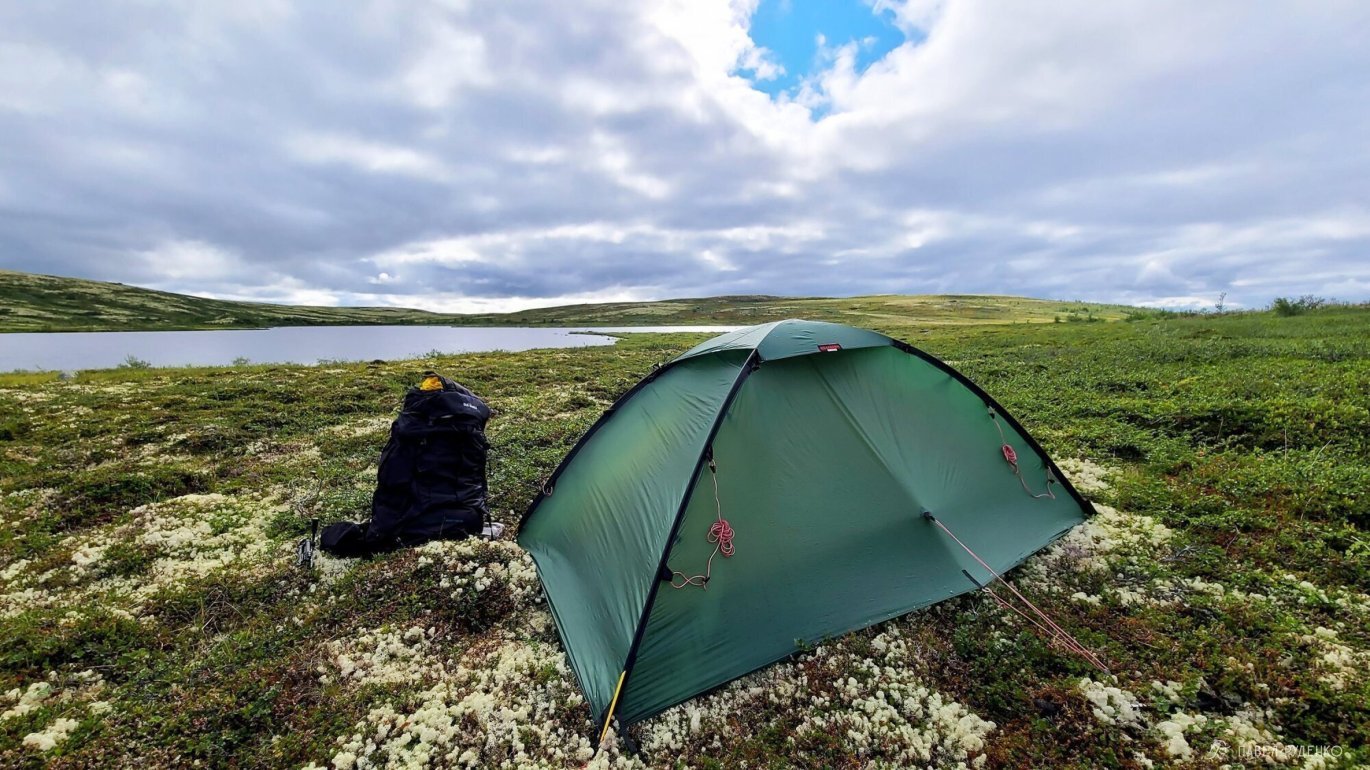
DAY 2
The morning is just as overcast. I can see the road; about 5 cars passed in 3 hours, all heading to the hydroelectric plant. Past the plant towards Dalnie Zelentsy, there are far fewer cars.
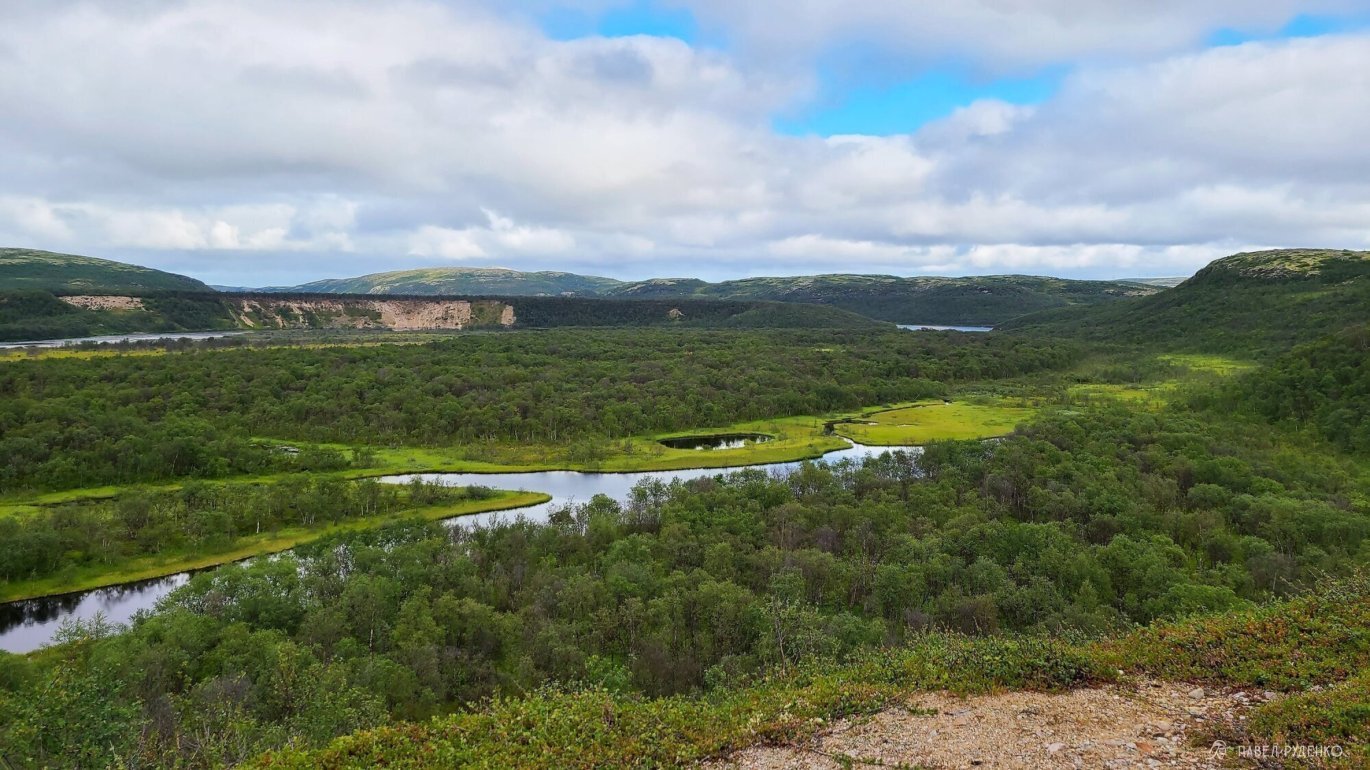
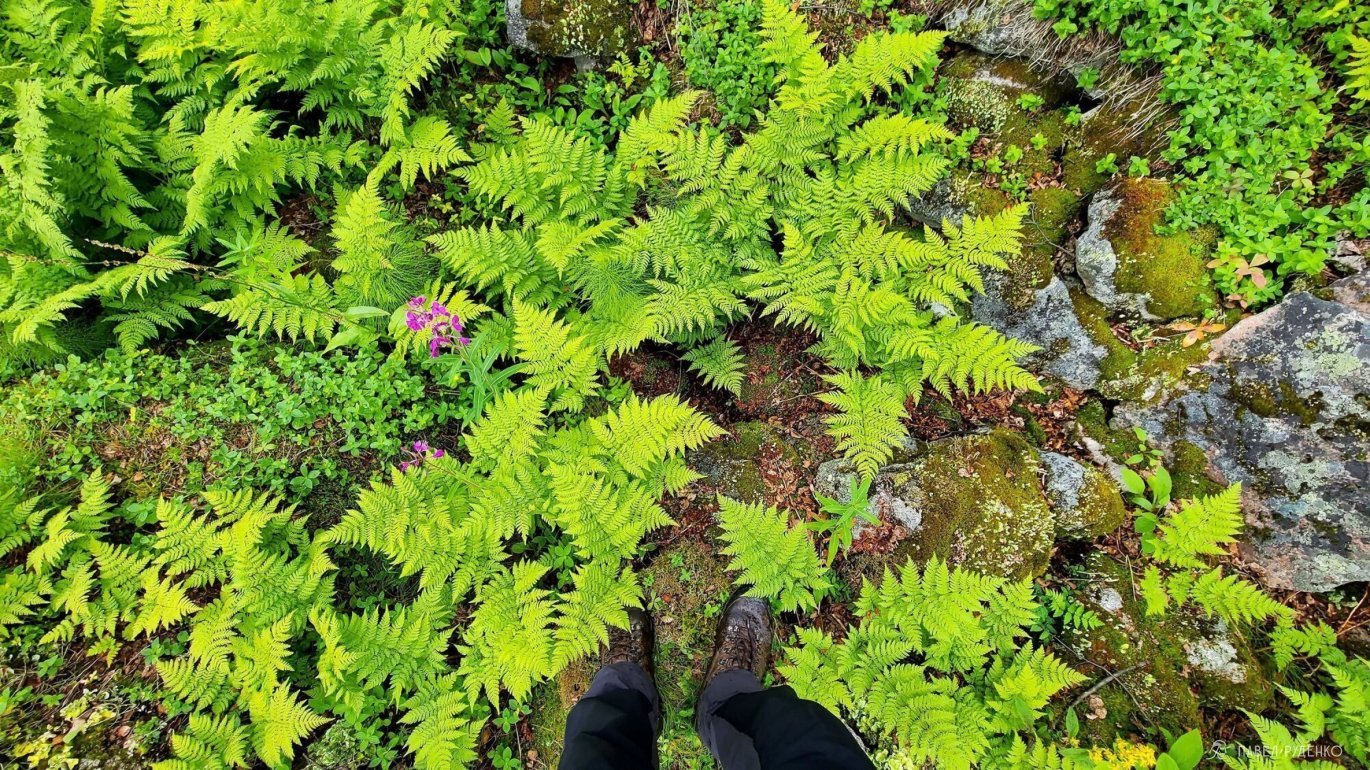
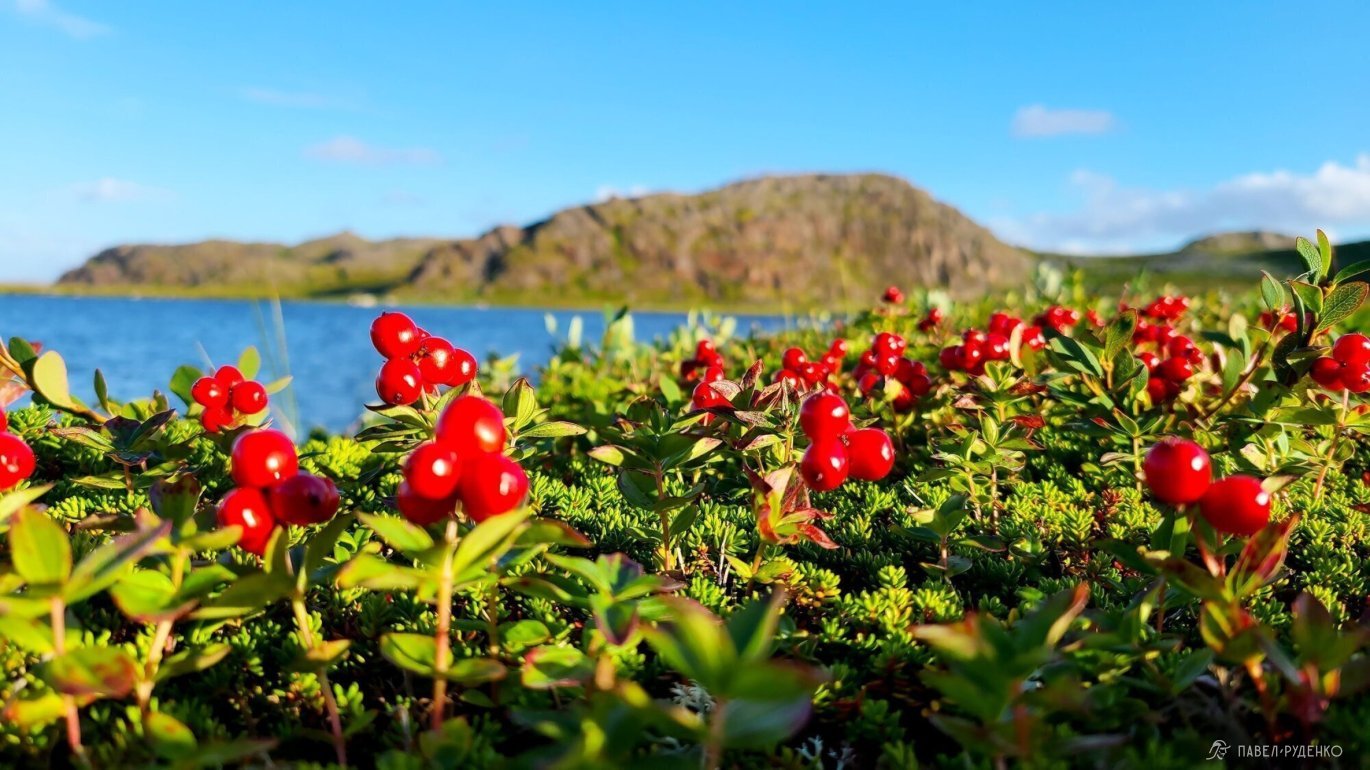
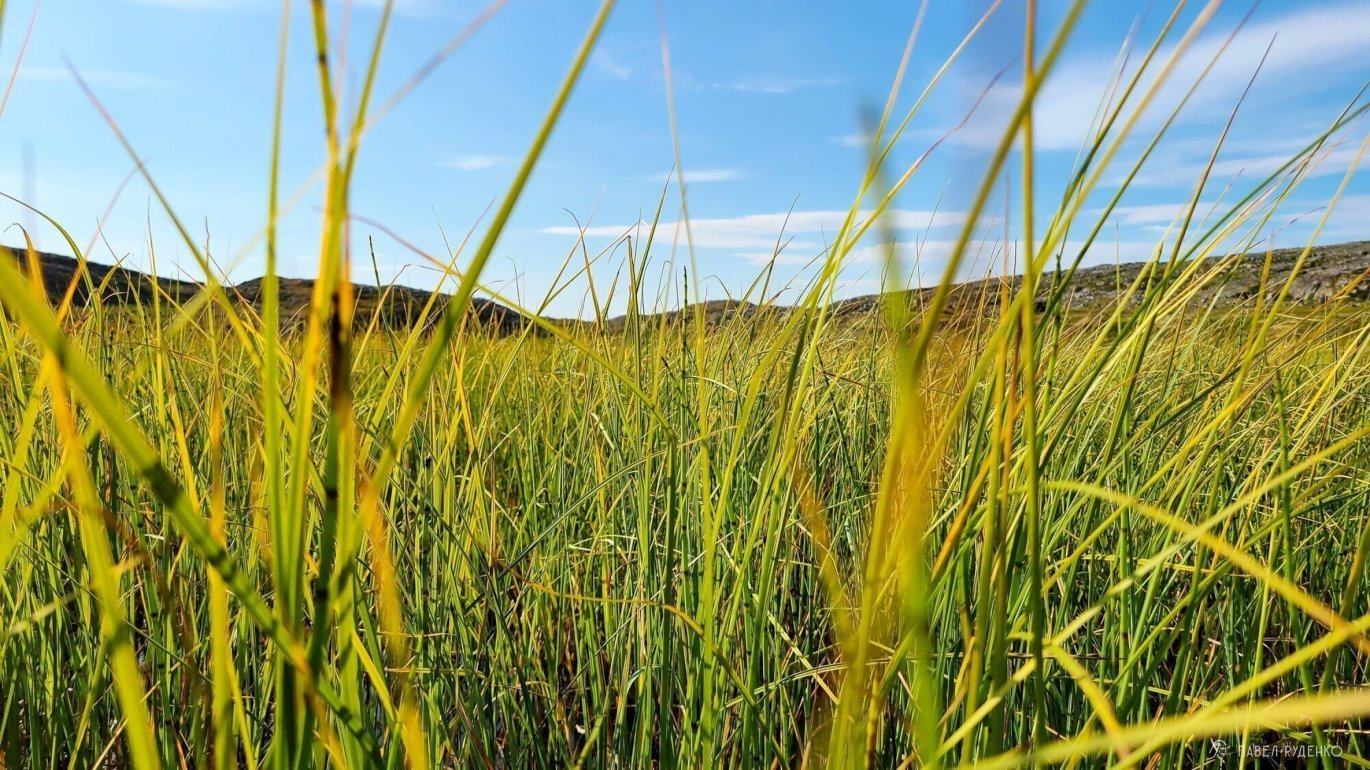
At the bend, there’s an overlook where the tundra reveals its beauty. Military radars are visible in the distance. From this point on, I felt that the trek had truly begun and all the diversity of nature lay ahead. From here, I leave the road and start heading along the Voronya River. The vegetation here is still unusually dense; I have to push through bushes, tall fern thickets, and plenty of cloudberries. I reach the planned camp spot; the river stretches far ahead. From here, I jogged down to the creek to fetch water.



Sign up for one of our treks along the Arctic Ocean coast on the Kola Peninsula:
DAY 3
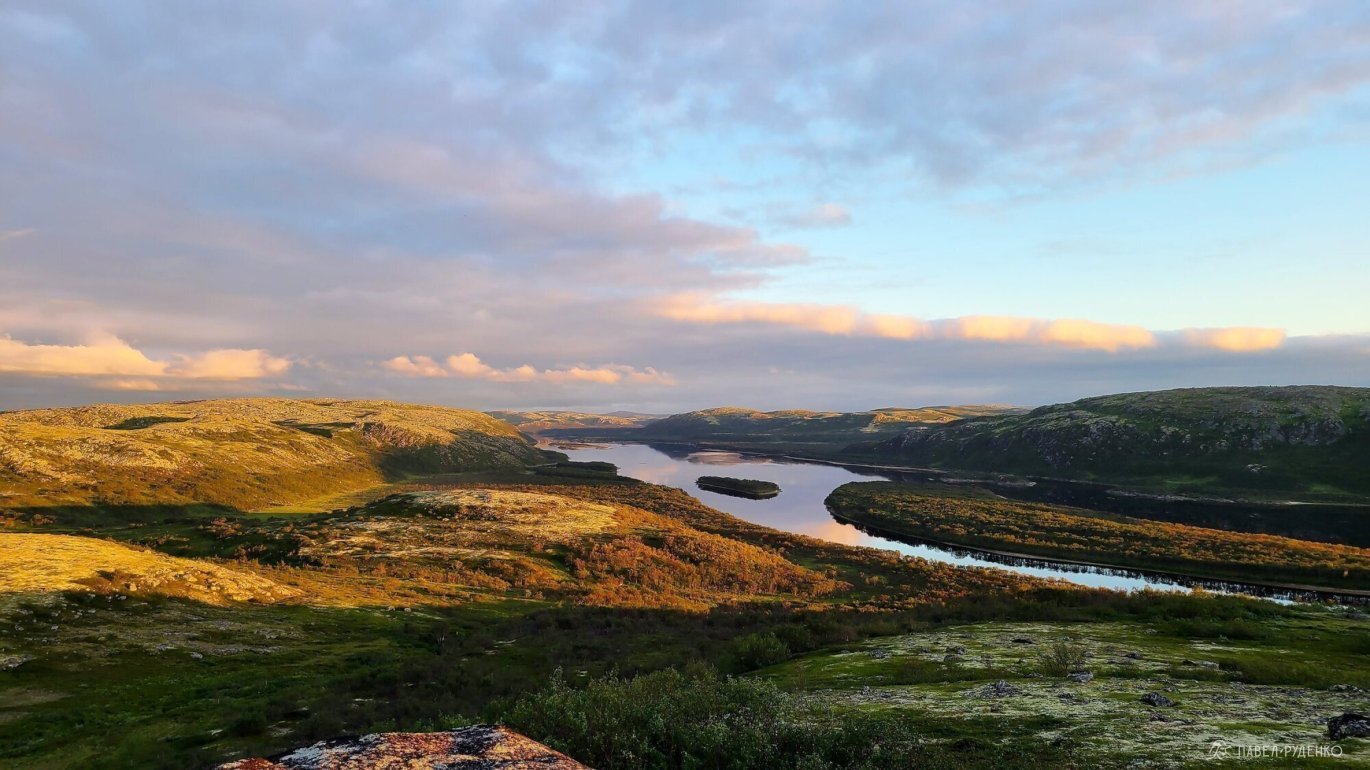
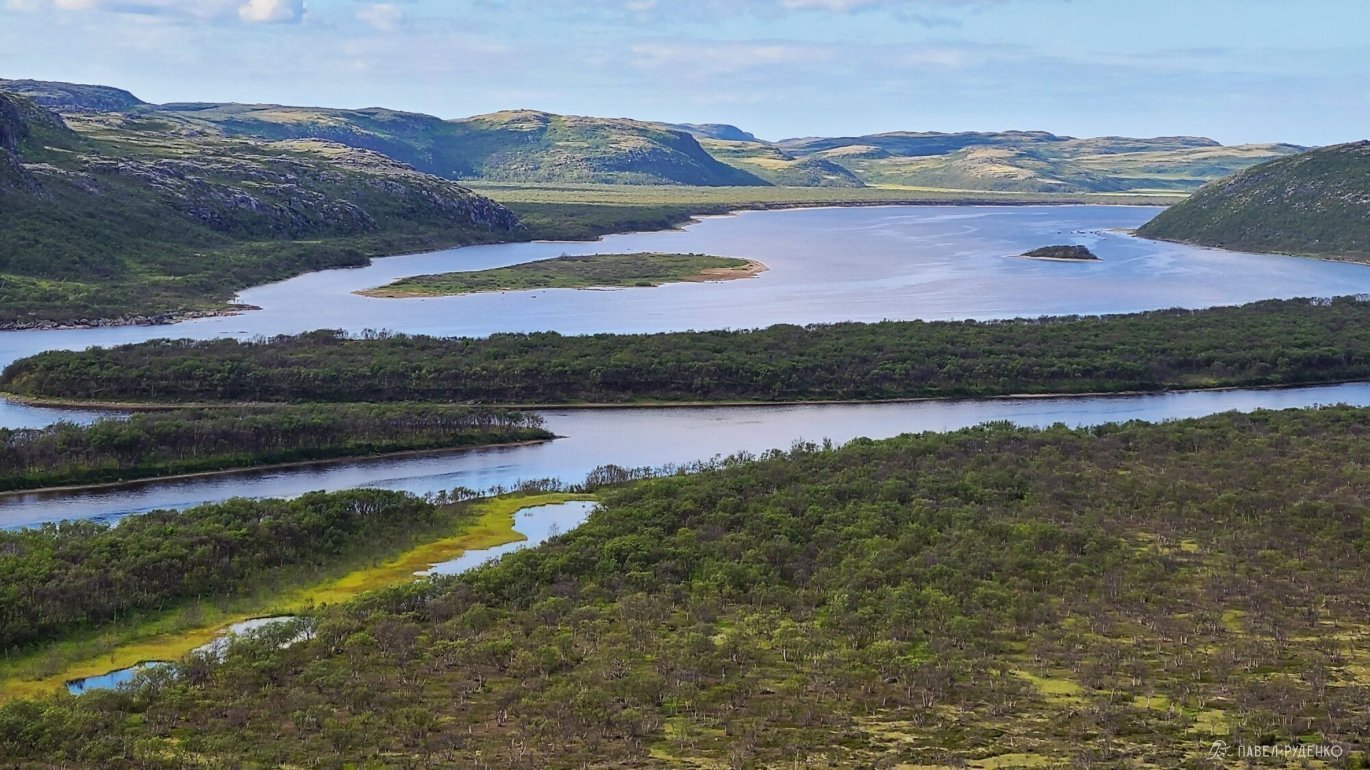
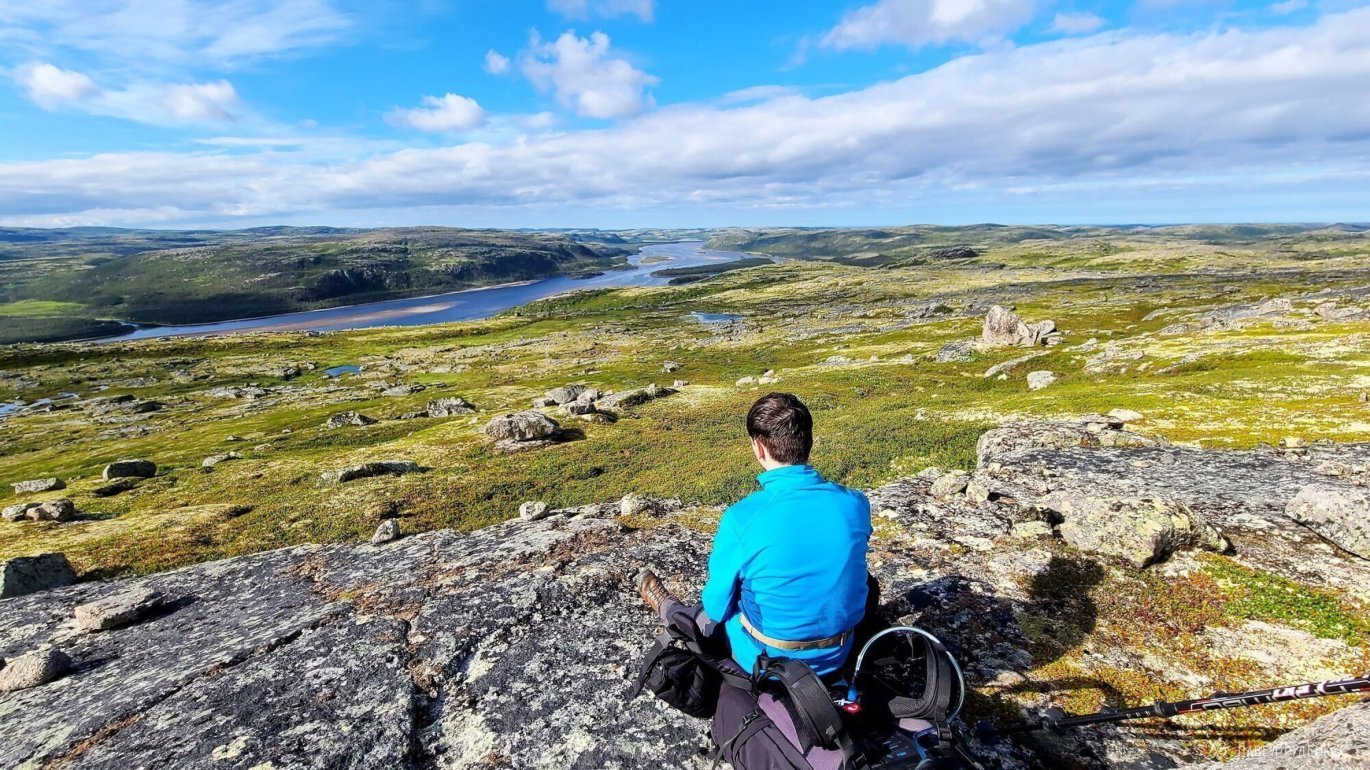
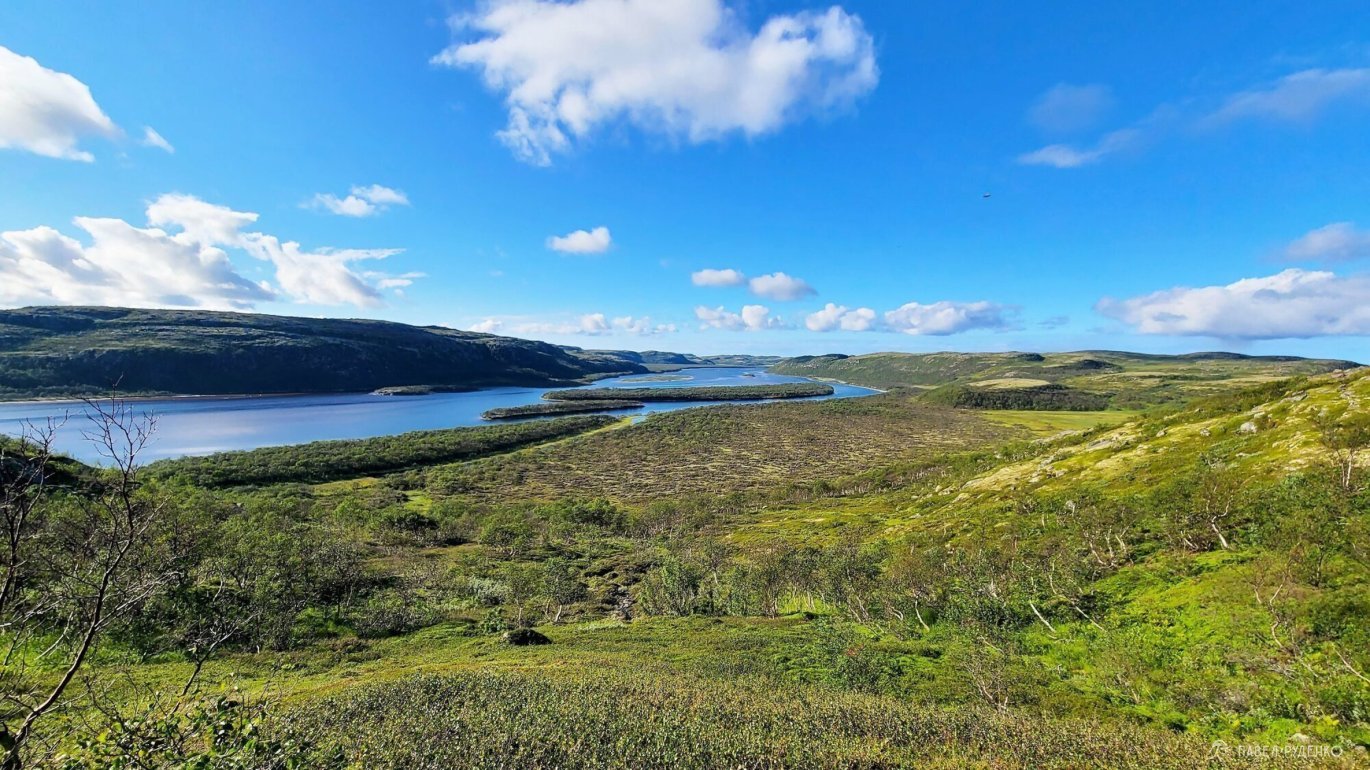
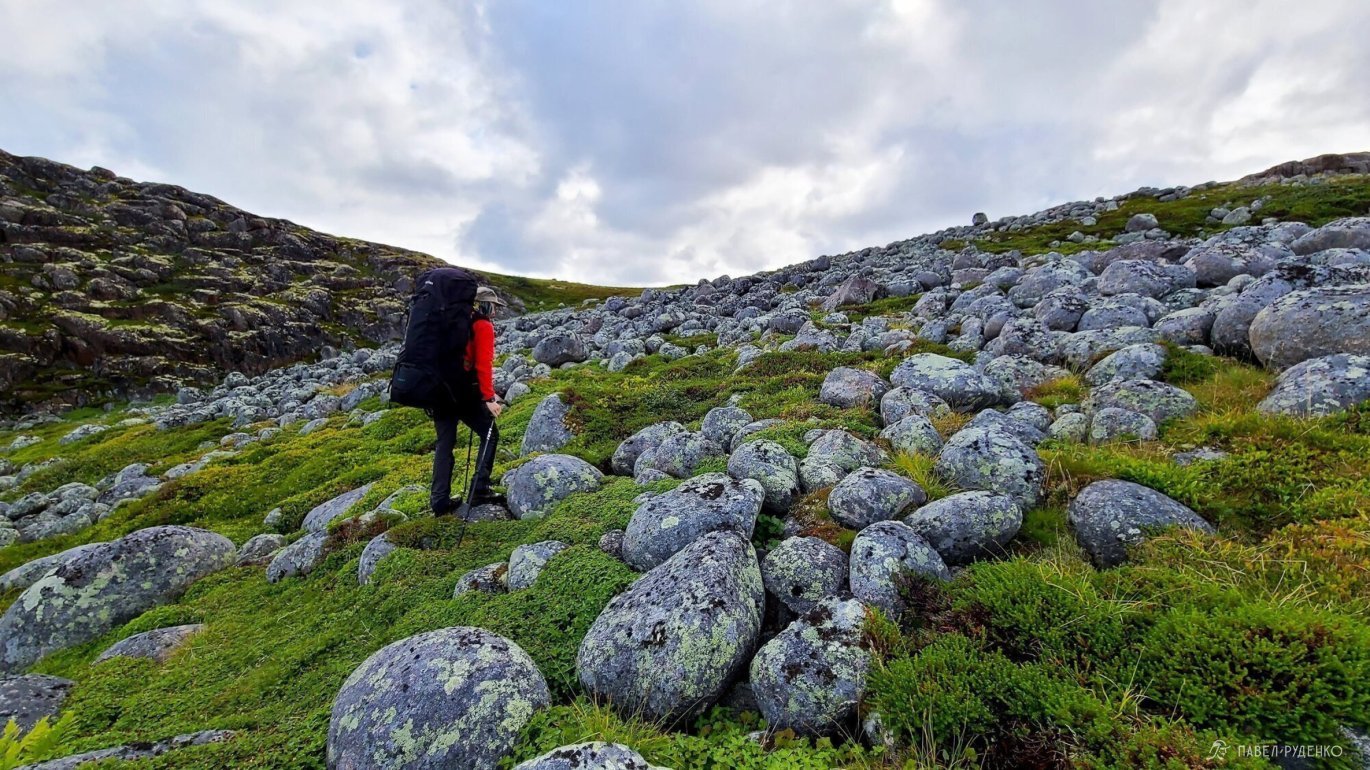
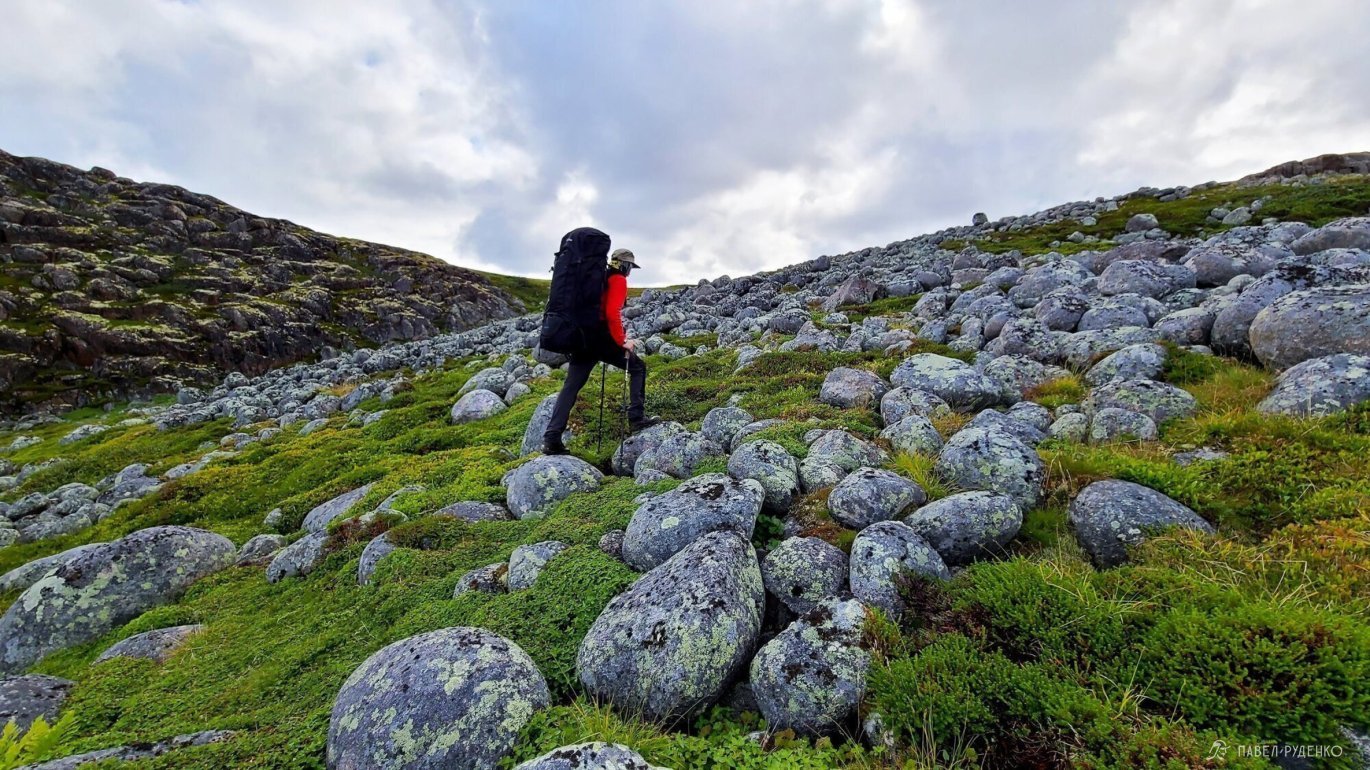
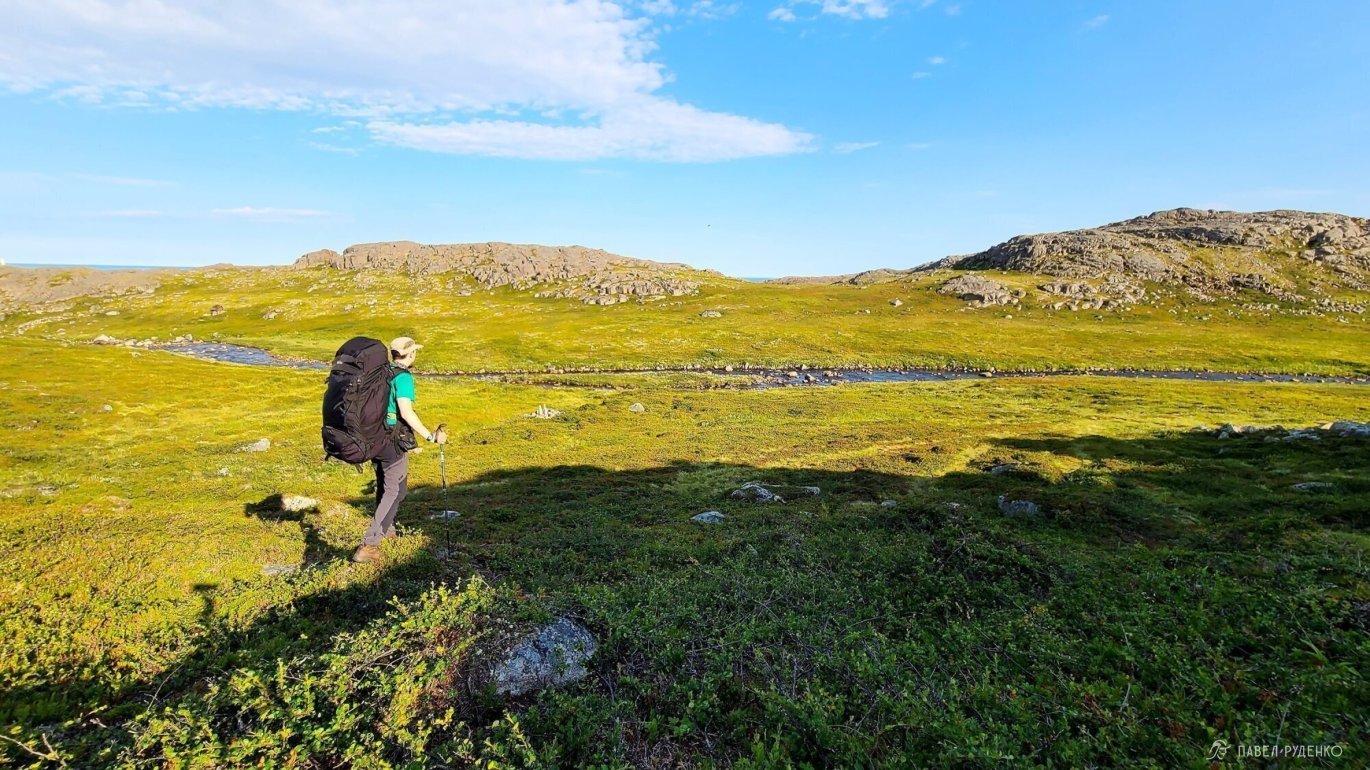
In the morning, I cross the Ilyinskaya River. This is the last dense vegetation before the sea, and some sections are flooded. Next comes an ascent up the fells along the Voronya River. The first is Mount Zarechnaya. It offers a stunning view of the river that will follow me all the way to the sea.
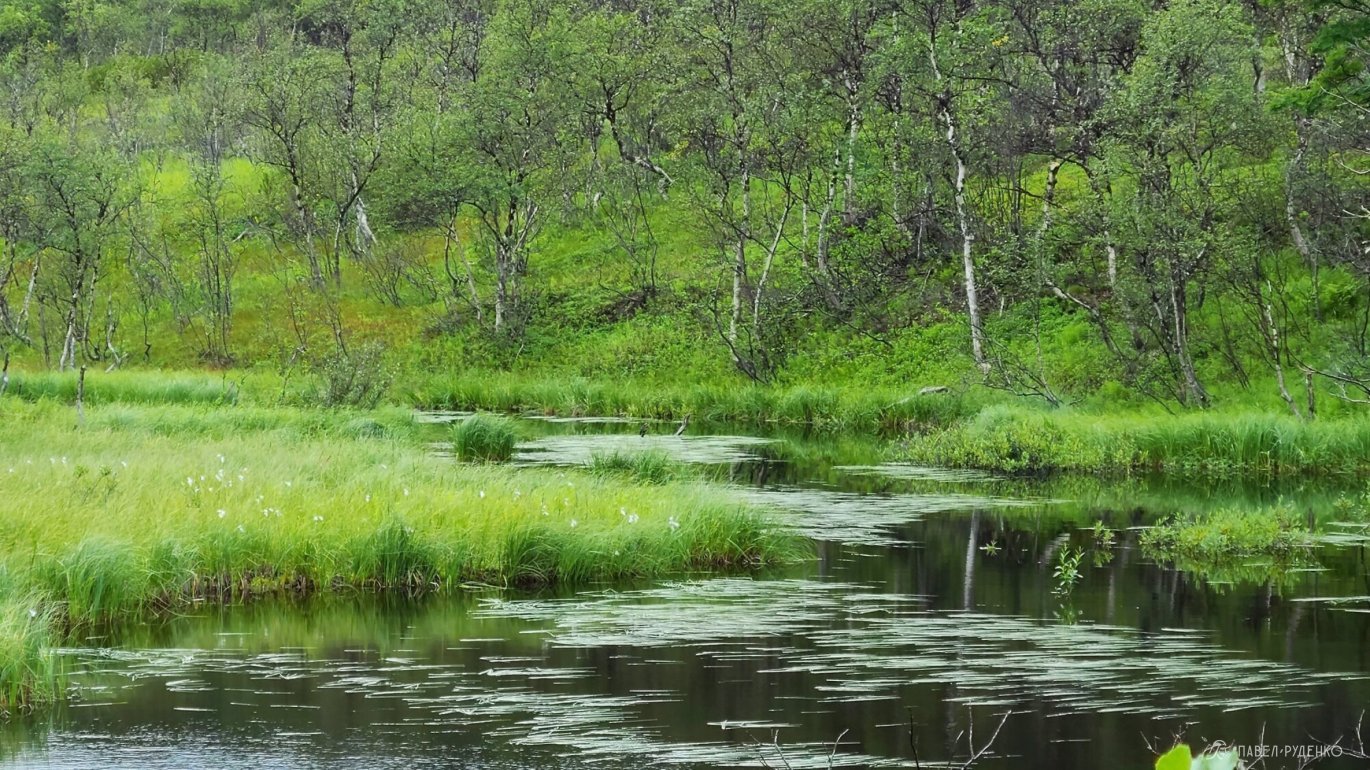
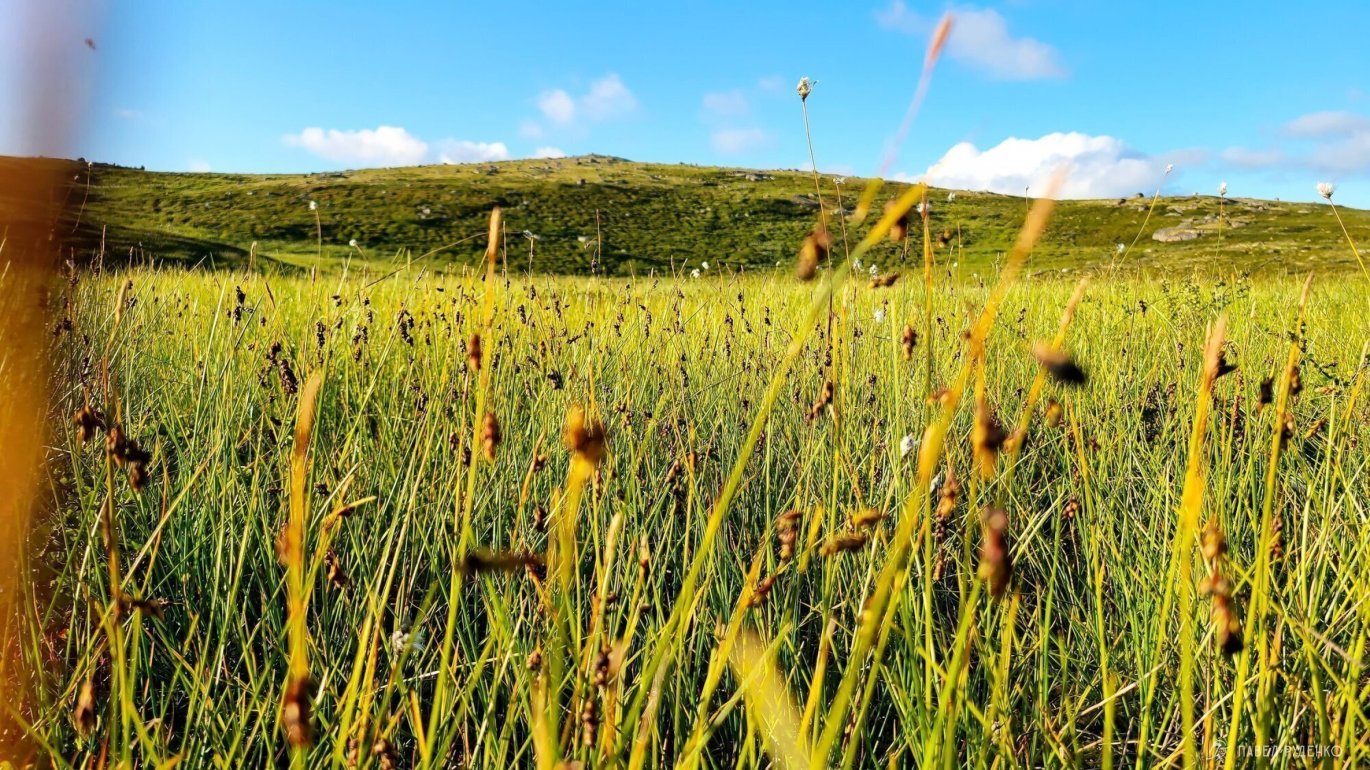
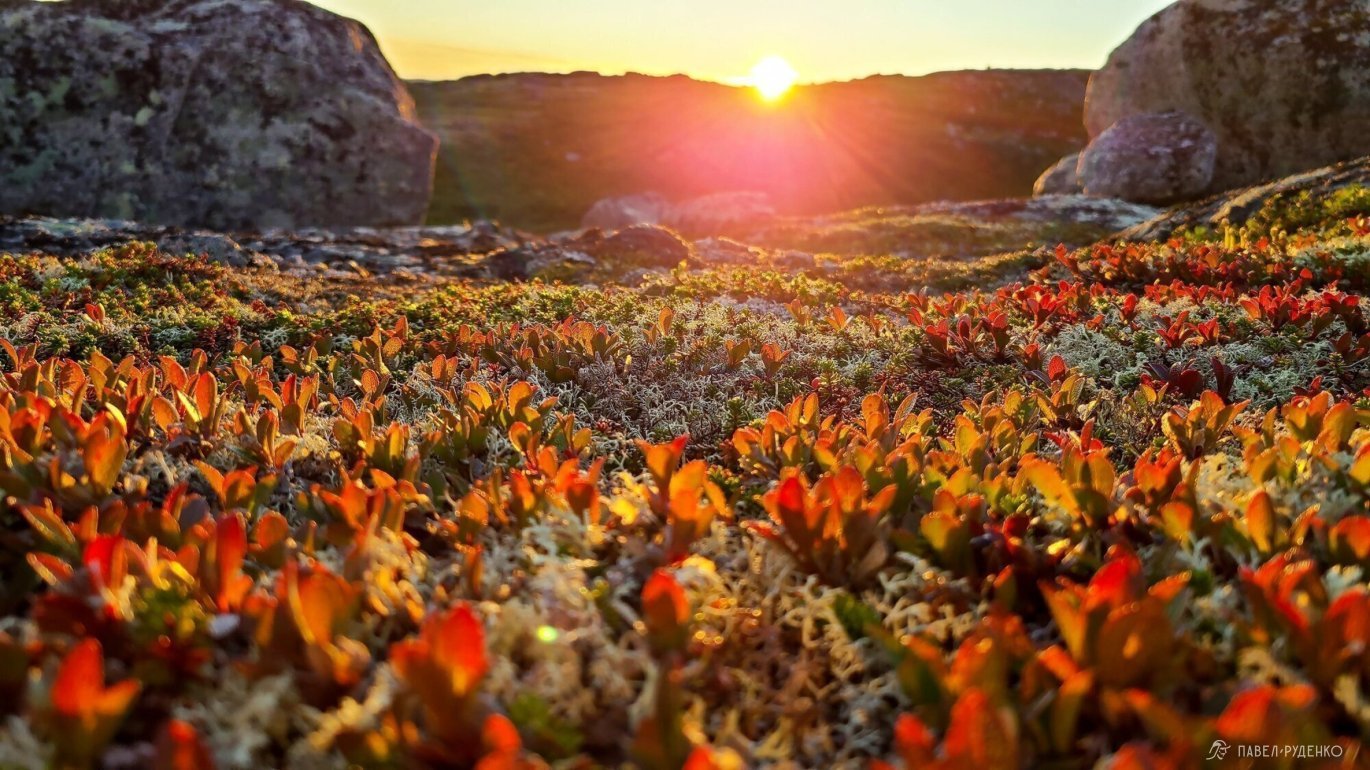
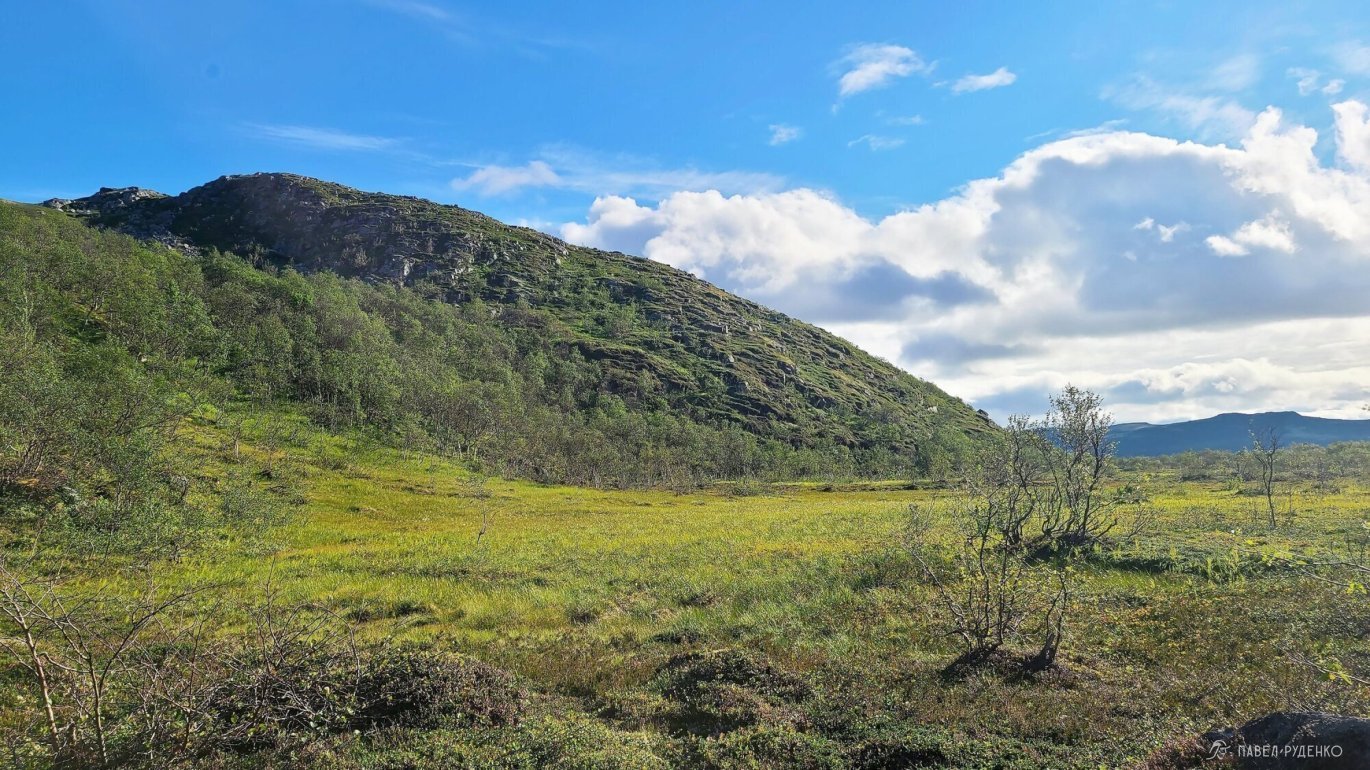
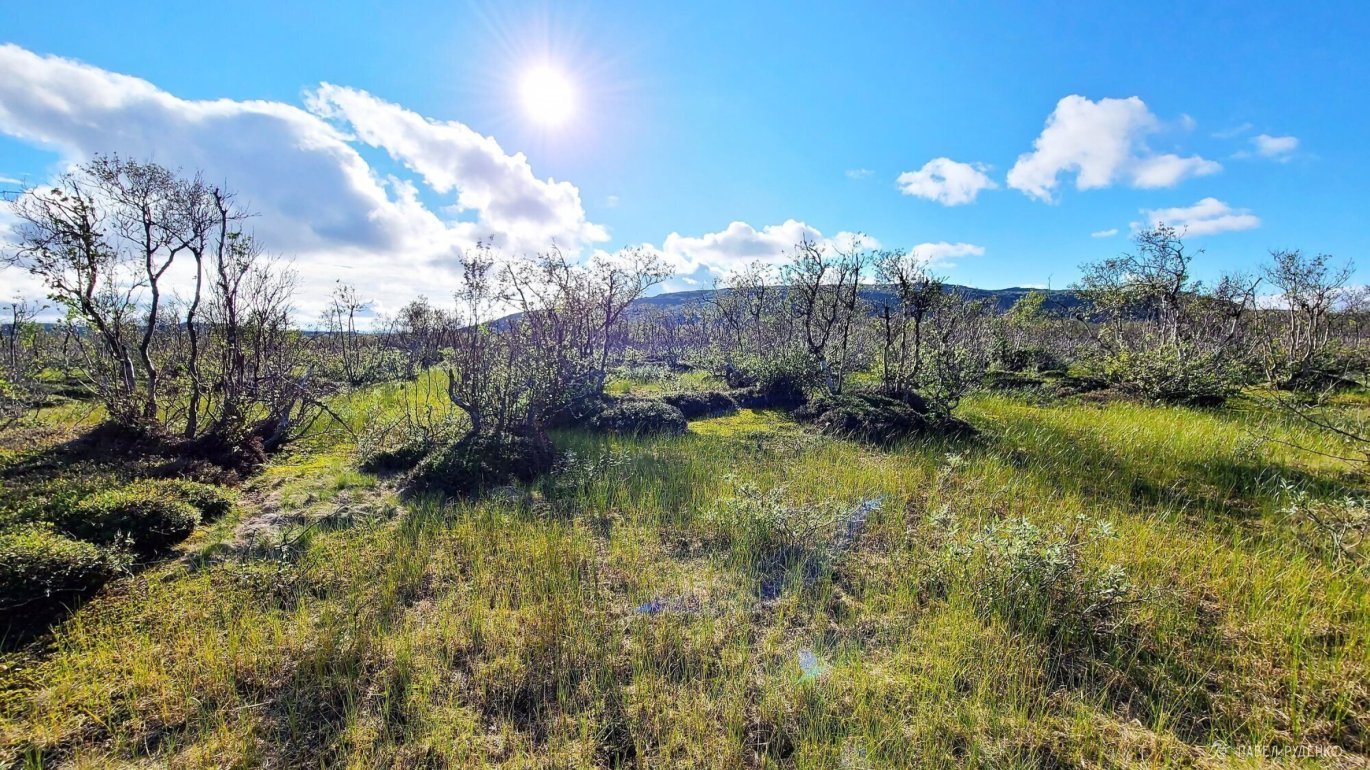
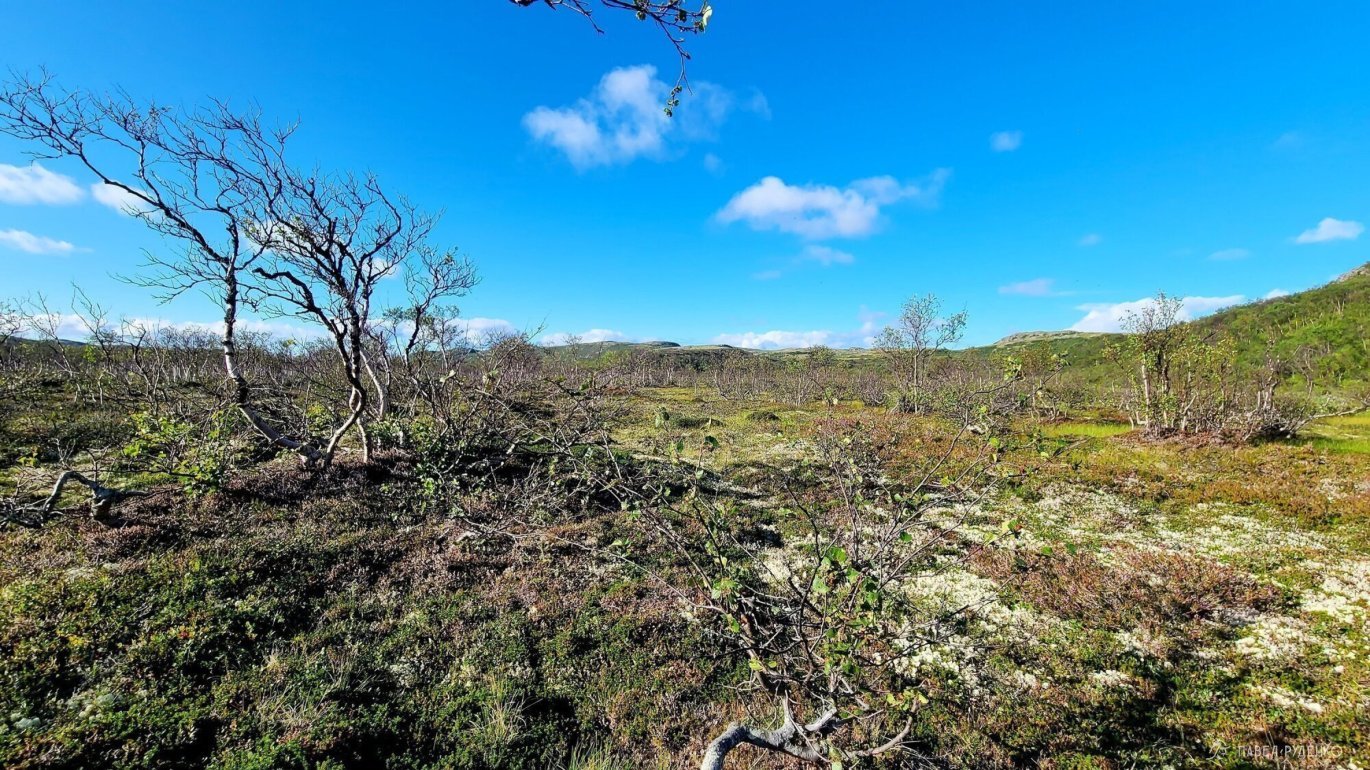
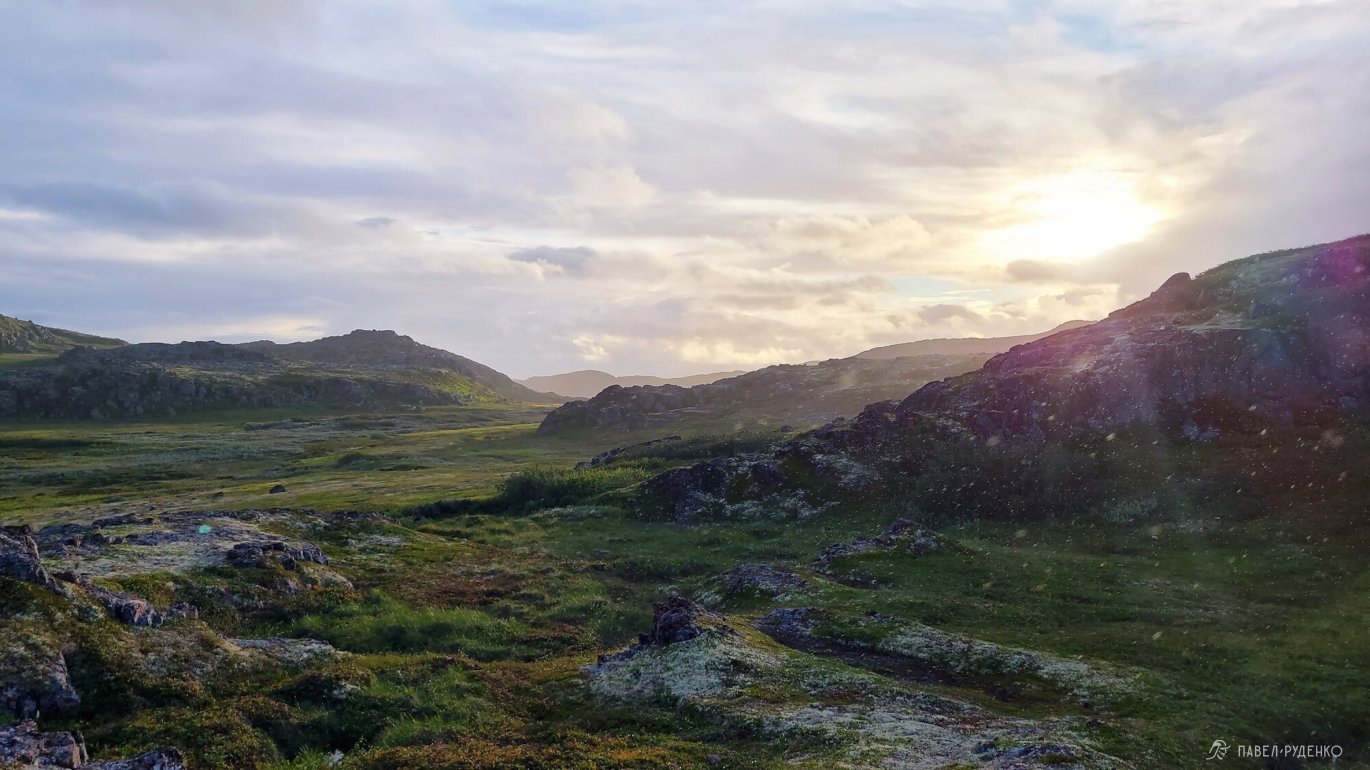
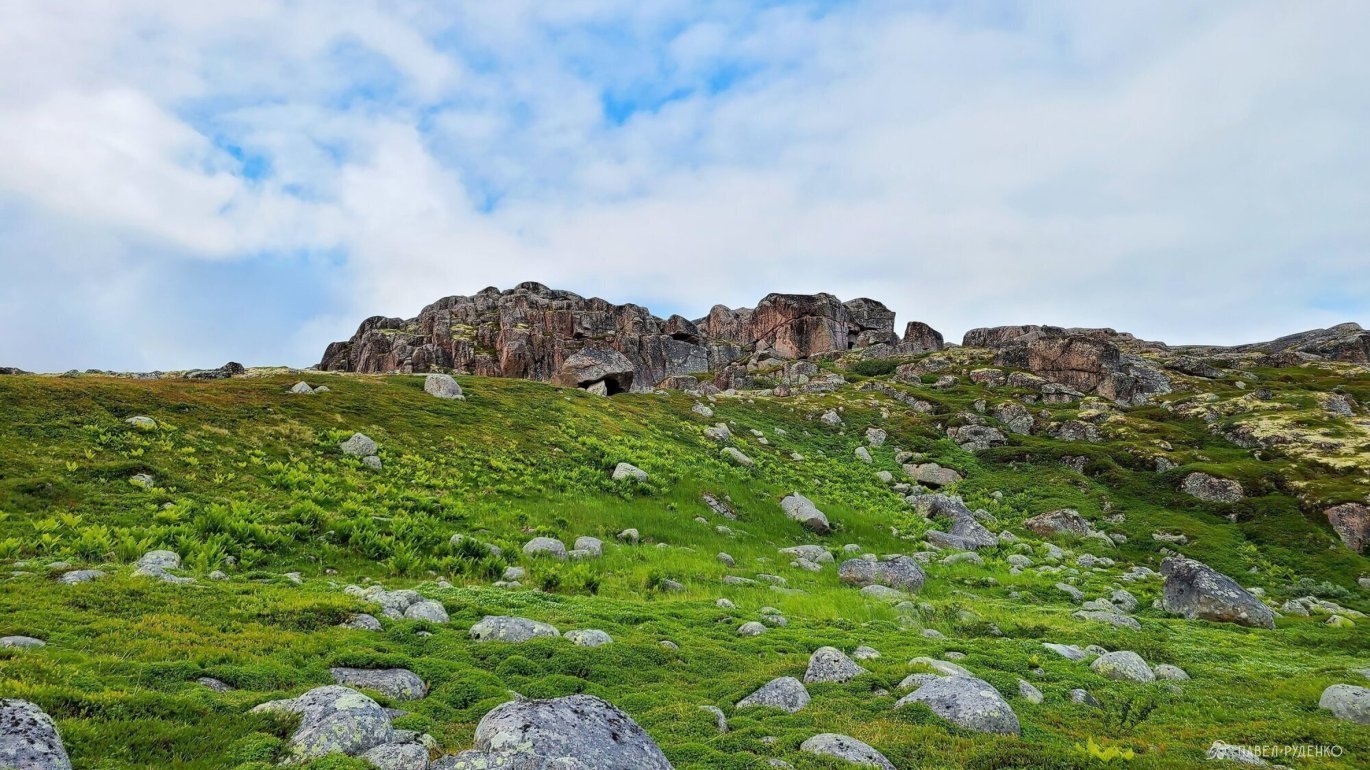
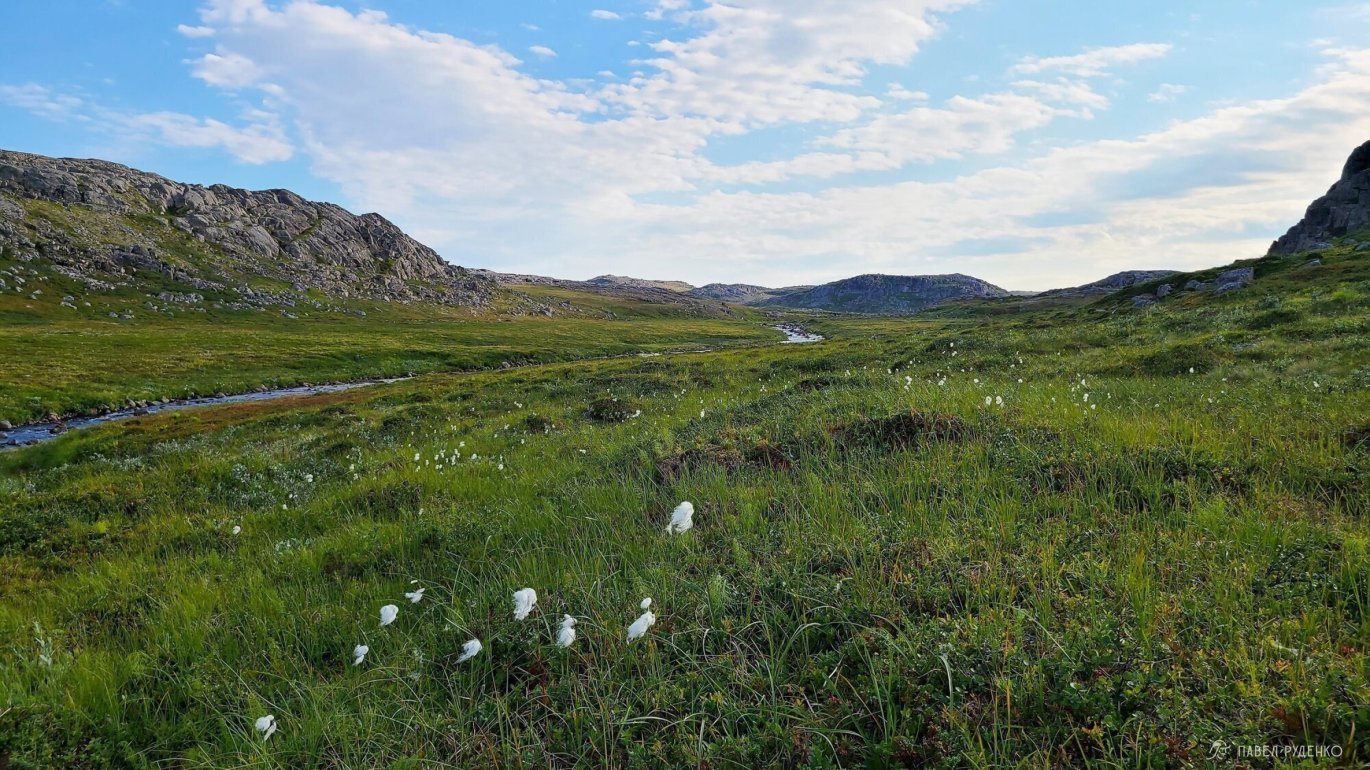
After Mount Morskaya, the descent begins, first to a creek, then steeply down along it into a marshy valley overgrown with dwarf trees. I got lucky with sunny weather today. In cloudless weather, it must feel quite eerie here)) A very intriguing and beautiful place.
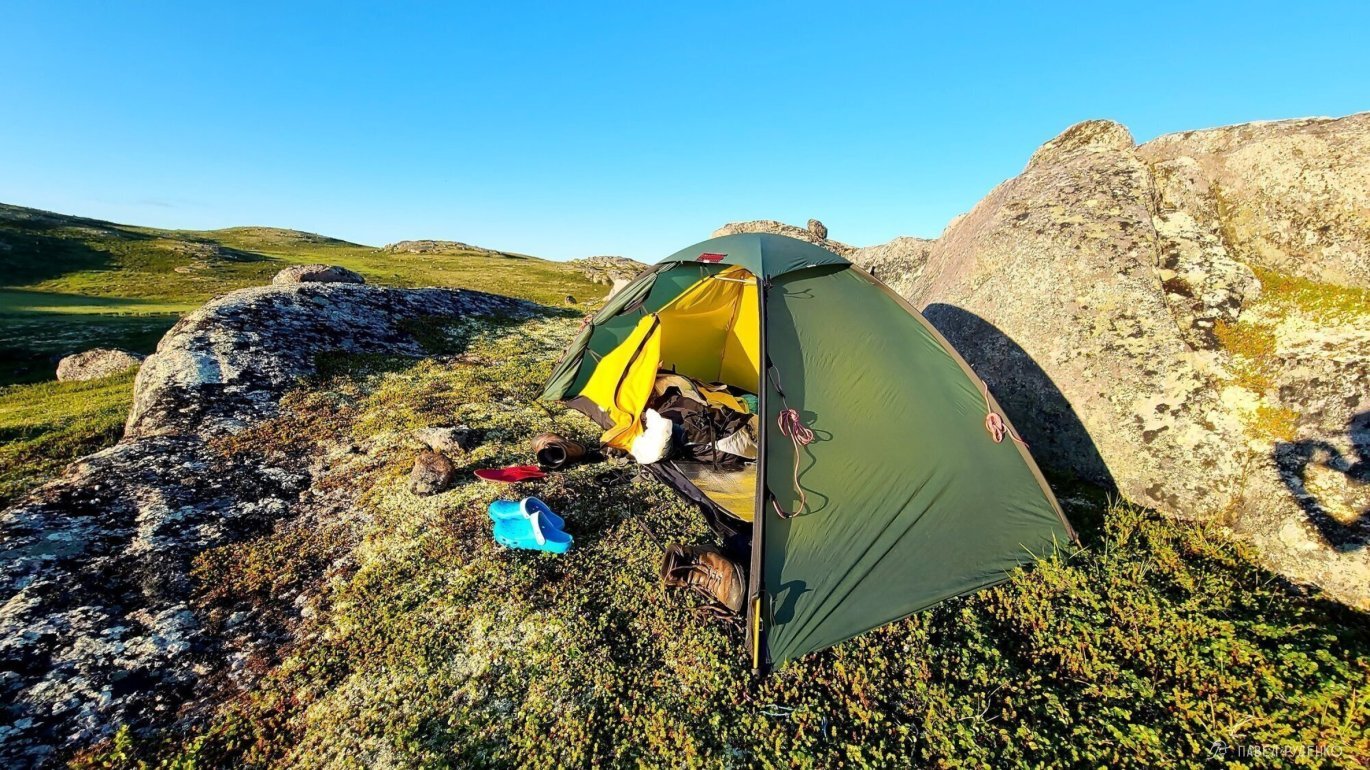
At the mouth of the creek, there’s a deep ravine and a few houses that looked inhabited from afar, but I didn't approach; instead, I crossed the narrow creek on stepping stones, collected water, and hiked up to a scenic campsite near Lake Grigorieva.







DAY 4
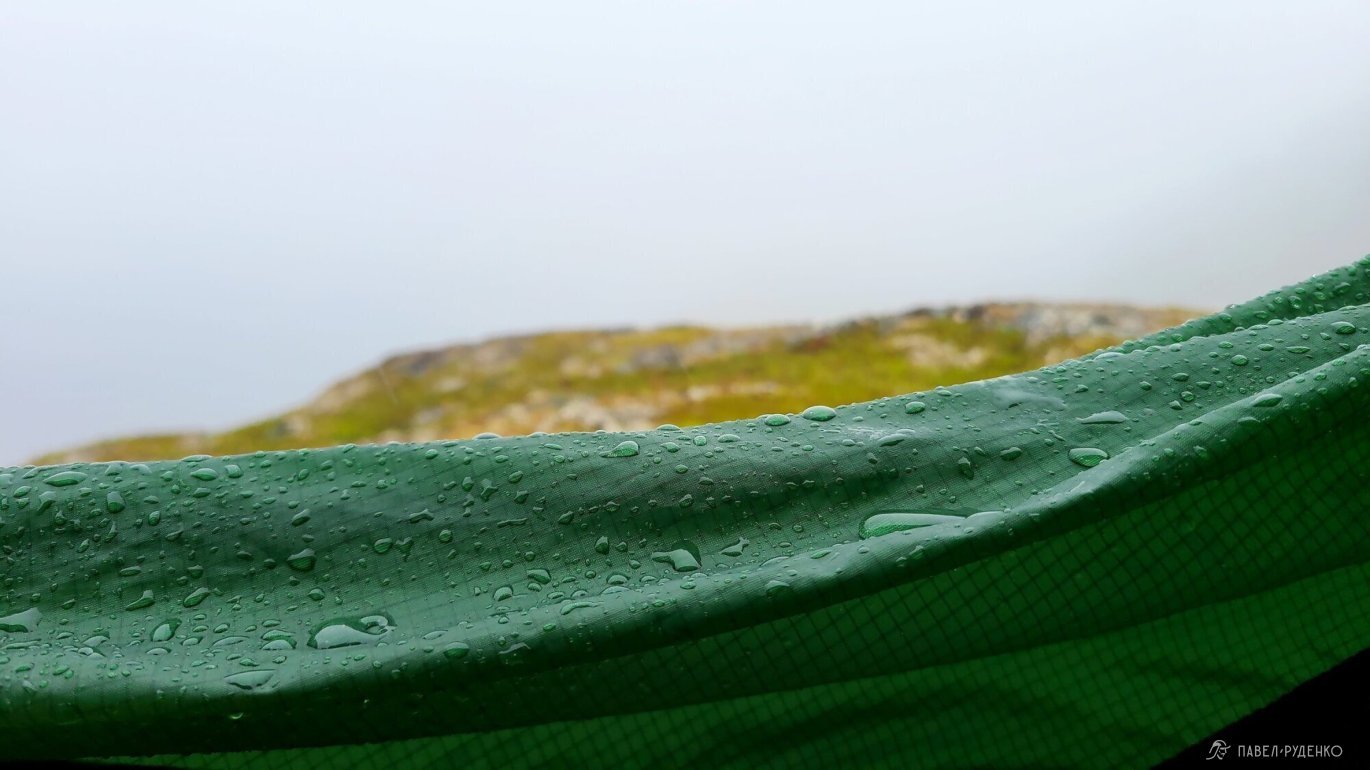
It rained all night; I slept soundly, had breakfast without leaving the tent, and packed my backpack waiting for the rain to subside. Waited about an hour and a half, read a bit. As soon as the patter on the tent quieted down, I packed the sleeping pad, struck the tent, and set off. Constant ascents and descents, zigzagging in search of drier, passable tundra terrain. The first challenging section was the descent to a large lake. I stood at the cliff edge, surveying through a monocular. The descent was steep, and the entire lowland below looked flooded and tough to navigate; checked my GPS. After 10 minutes of deliberation in the rain, I decided to head down through the nearest ravine. Got soaked through wandering through tall grass and pushing through shrubs, but made it to the lake. Emptied water from my boots and pressed on.
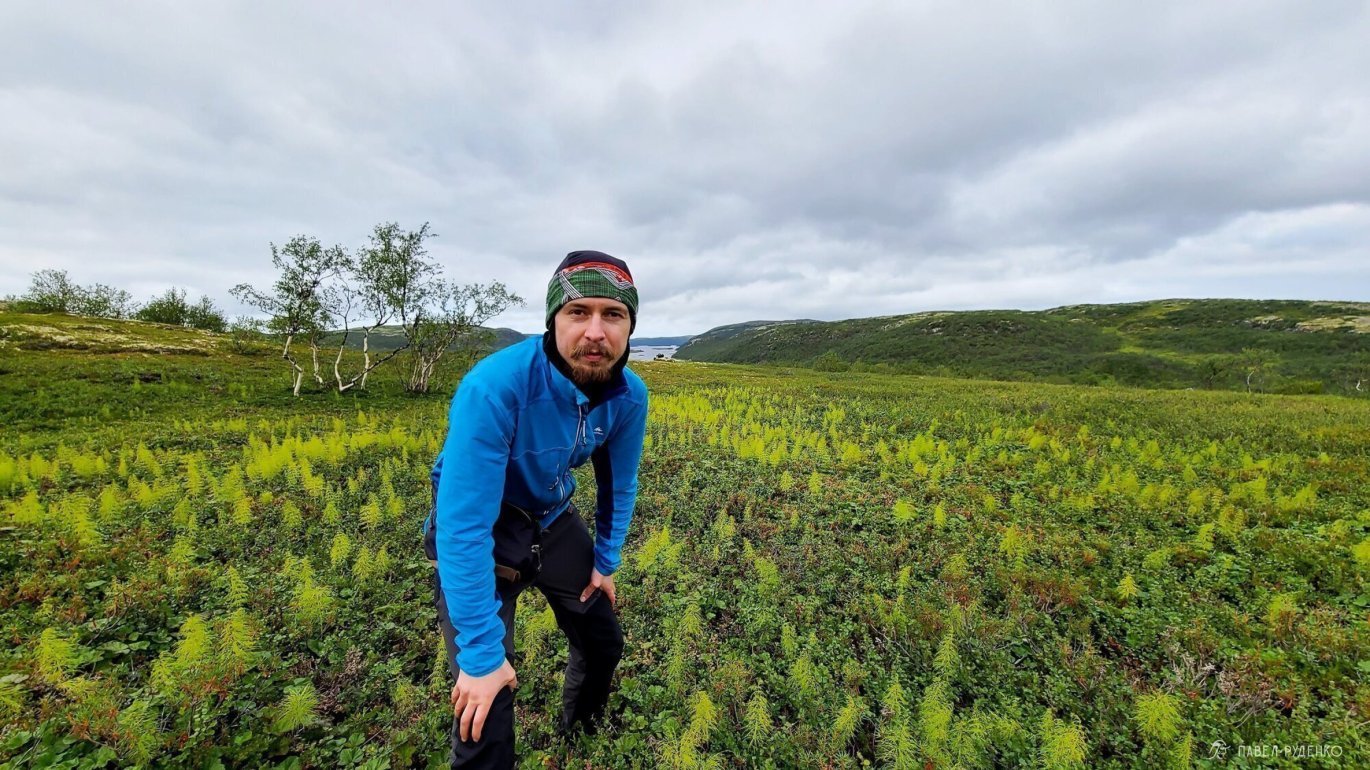
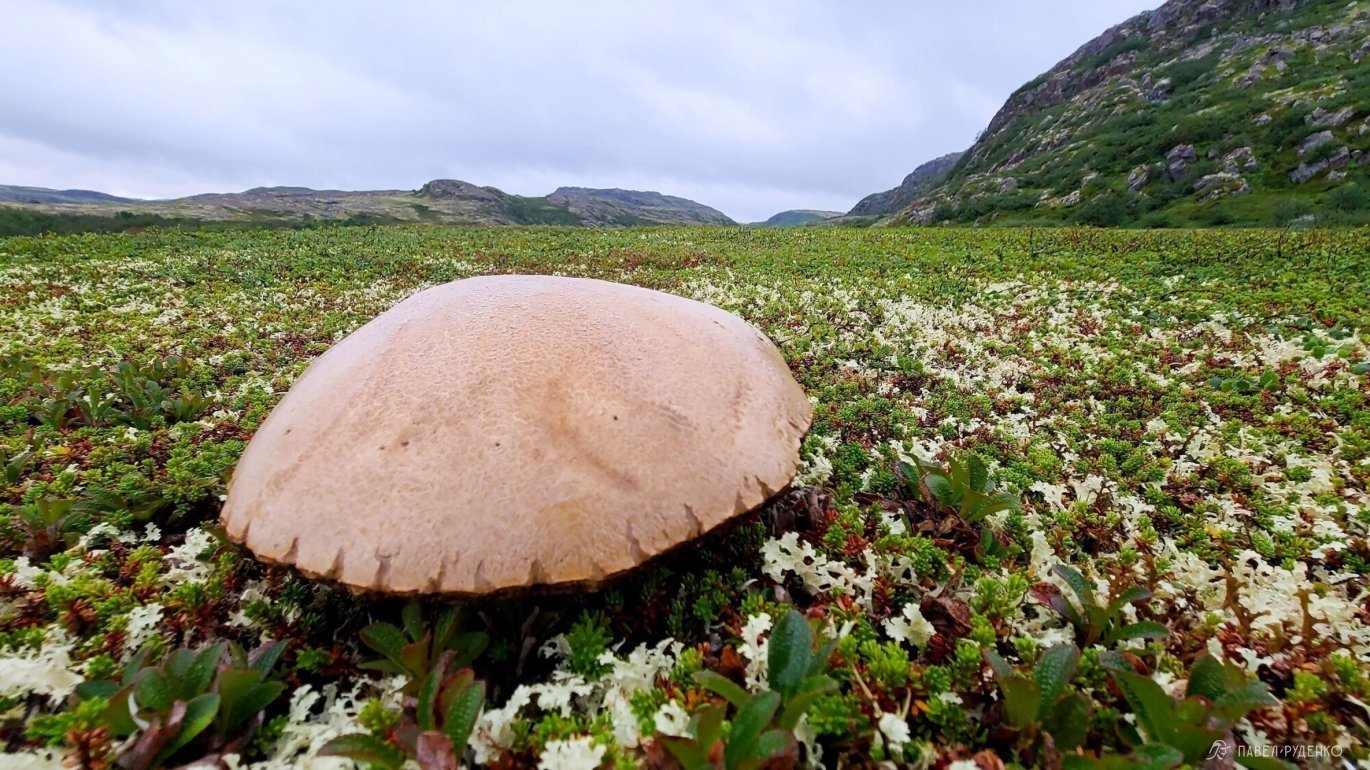
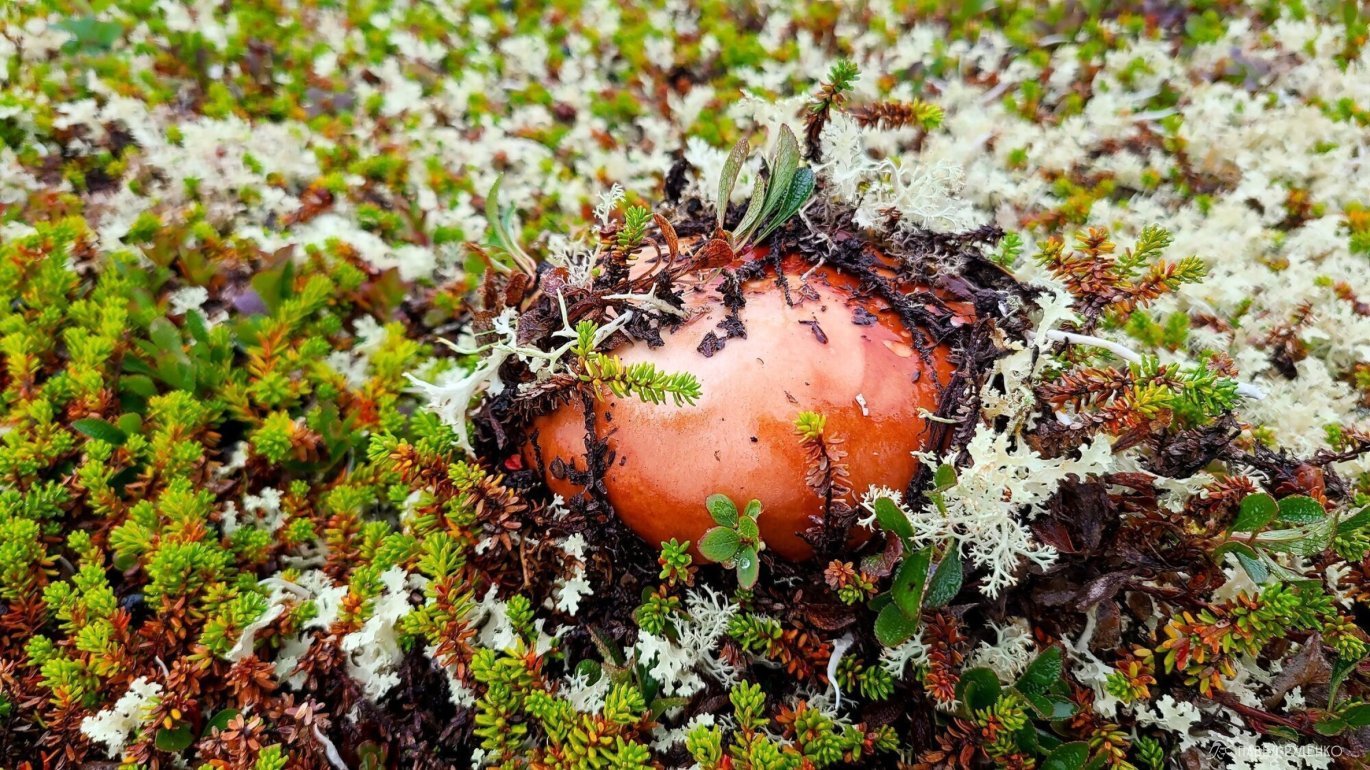
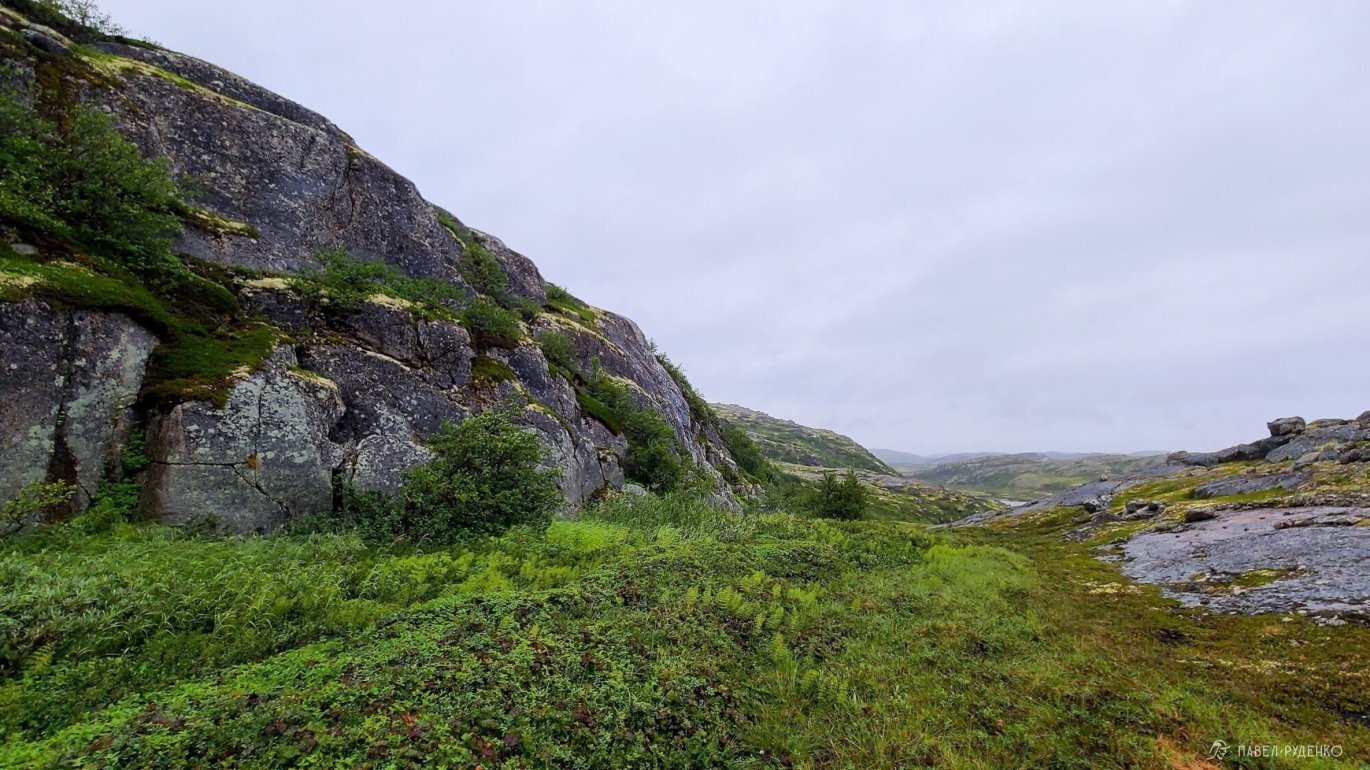
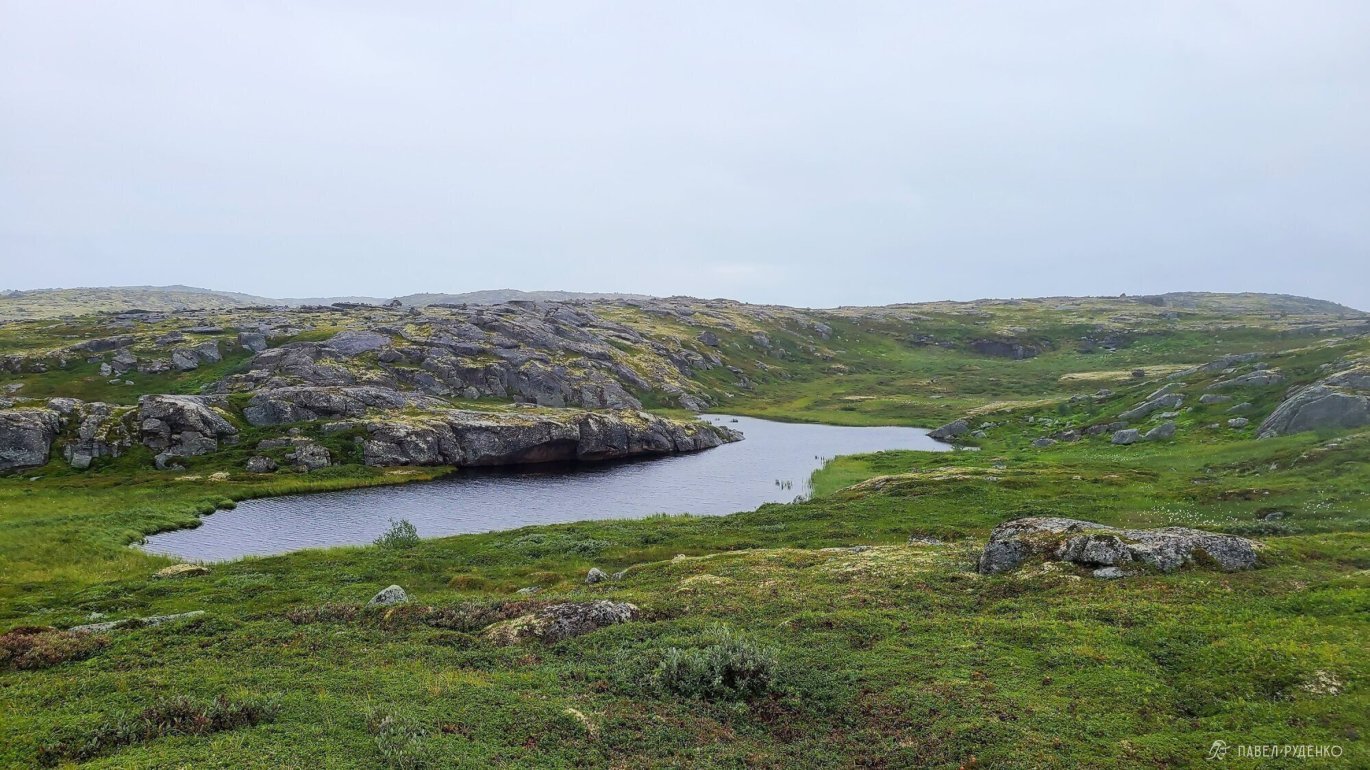
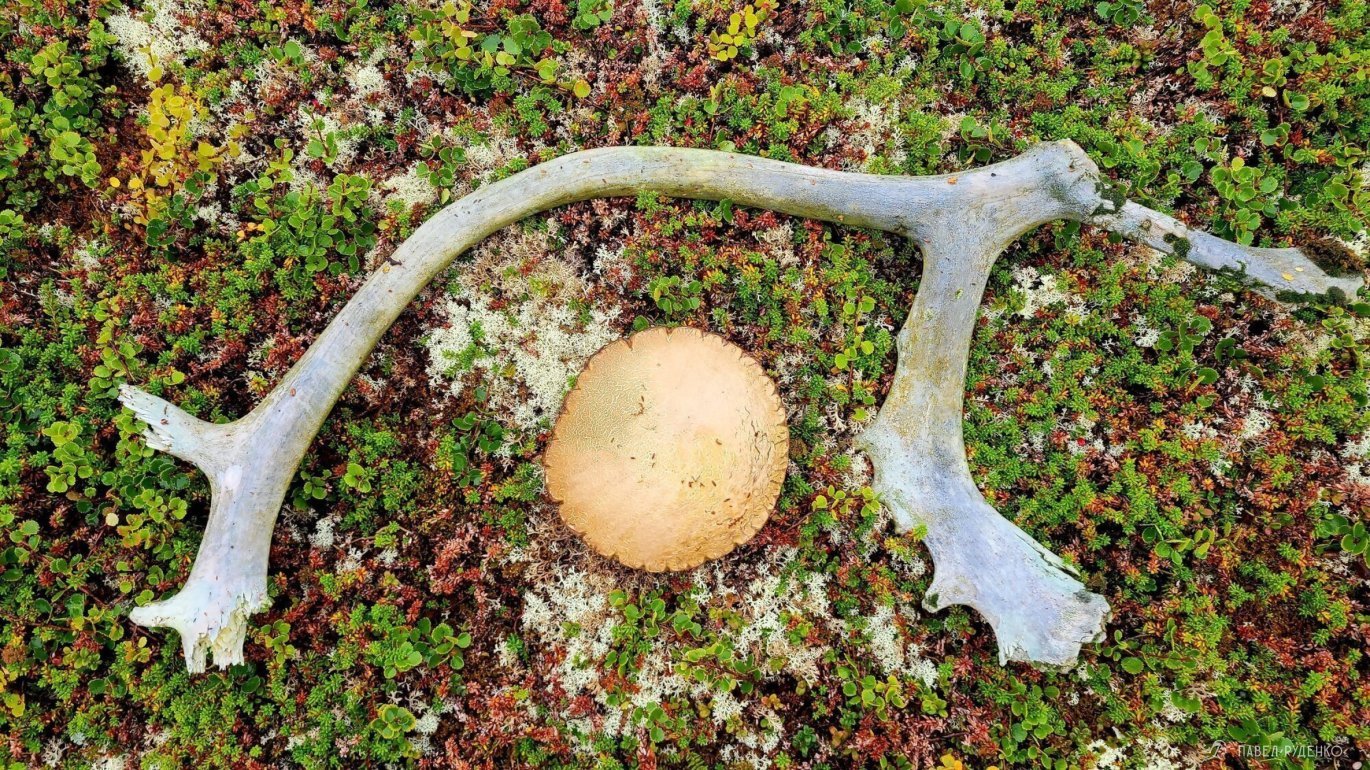
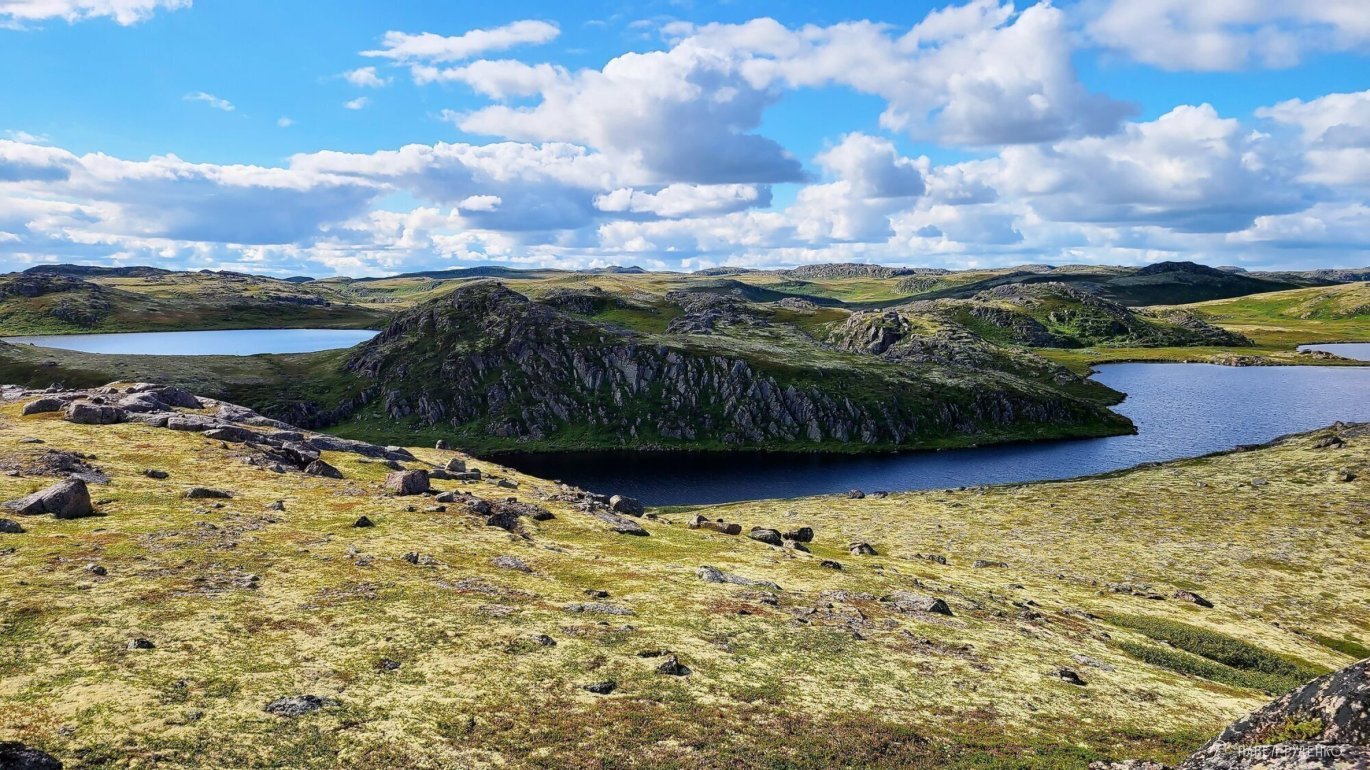
An incredible view opens up from here. An entirely flat expanse surrounded by fells, reminiscent of Chukotka landscapes. The distant mountains are veiled in misty drizzle. Moving along feels remarkably effortless, and I stop constantly to take photos. Lots of mushrooms.
Approaching the ford. Back on the map, I had identified the widest, shallowest stretch of the river with a sandy bottom. Changed into Crocs and started wading across—knee-deep at the deepest point, about 10 meters wide. Stepping onto a sandbar, I sank knee-deep into wet sand. It took about 5 minutes to haul myself out… Be careful: in some spots the sand is undermined, identifiable by its darker color. Caught my breath, warmed my feet, put on my hiking boots, and pushed on.
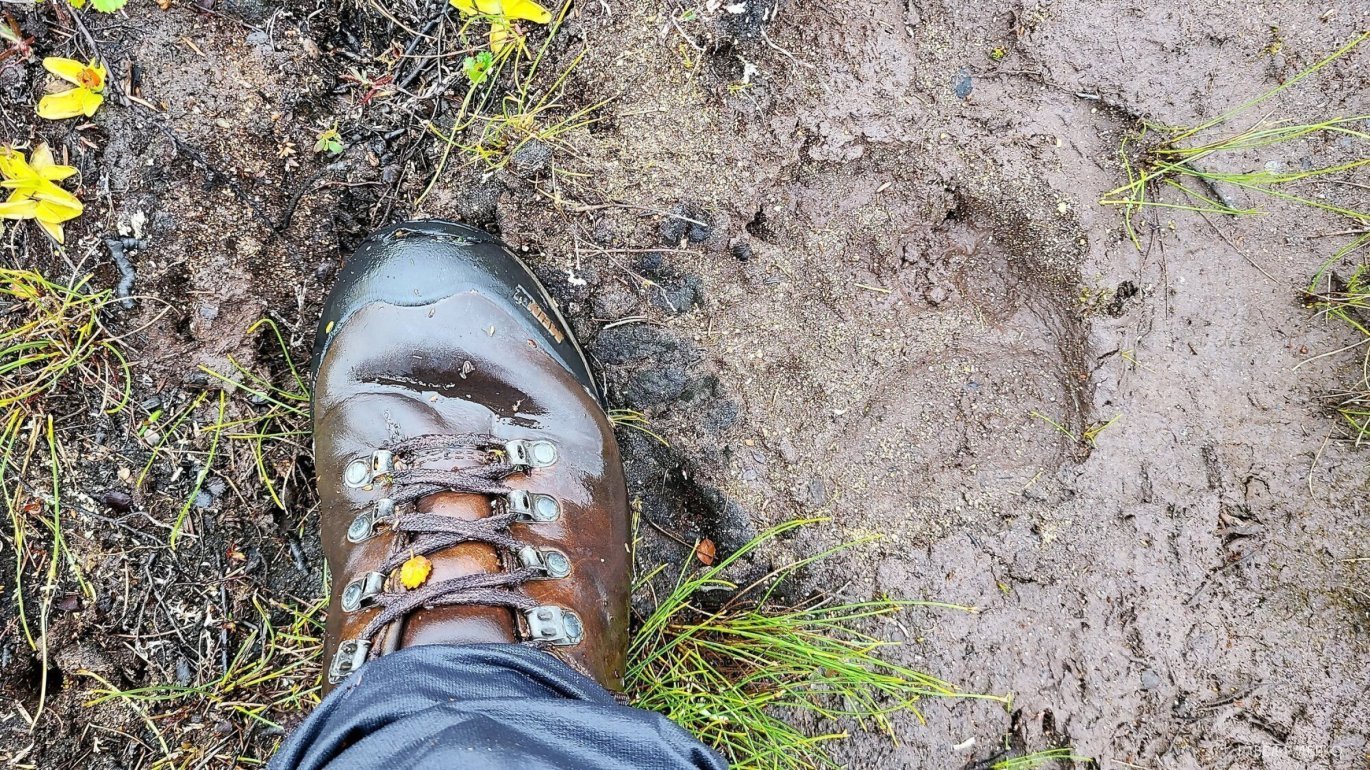
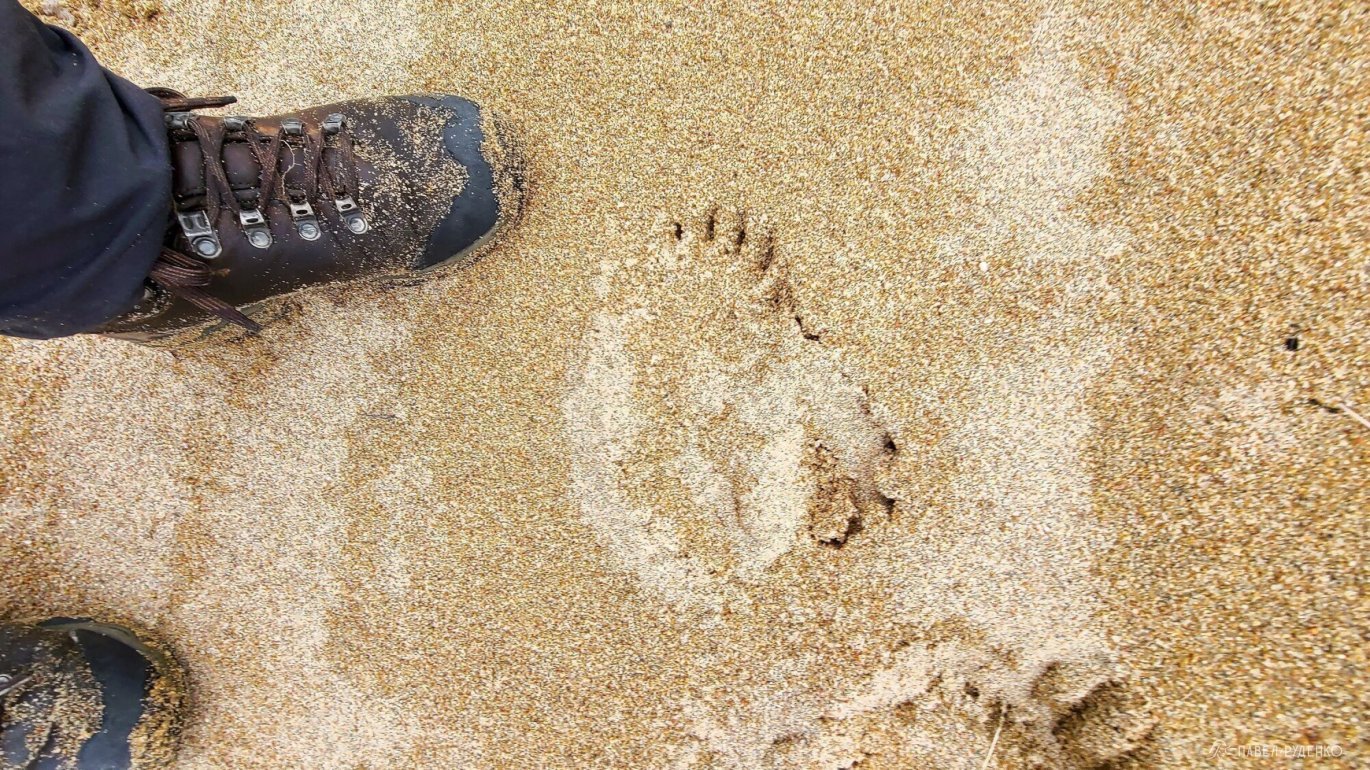
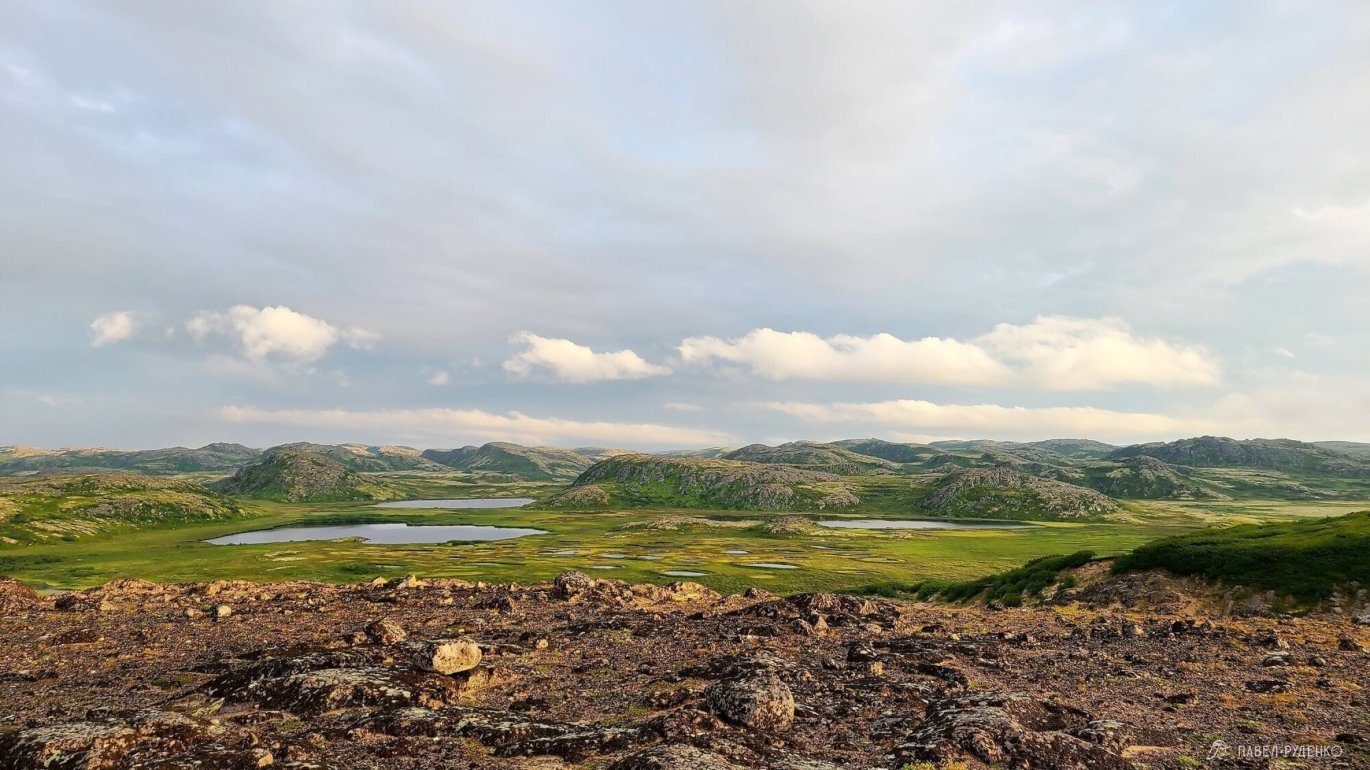
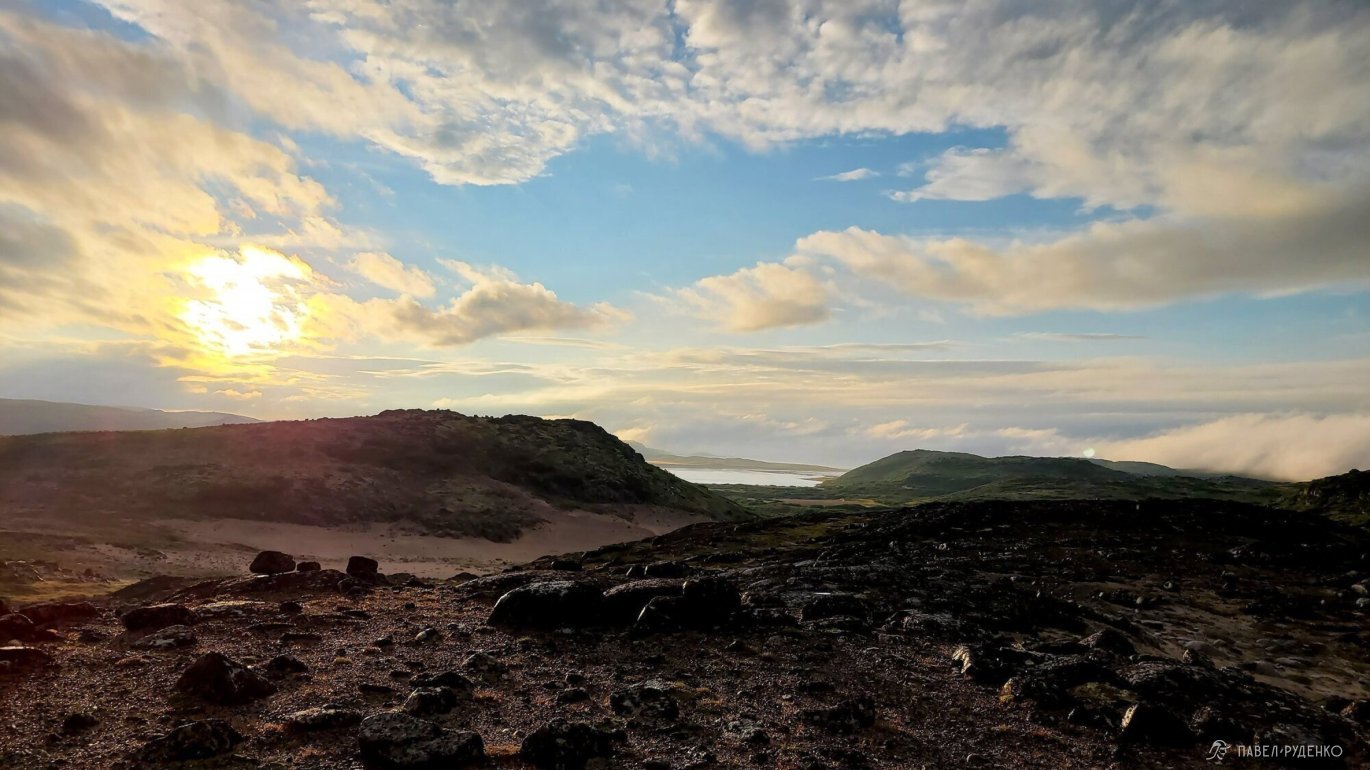
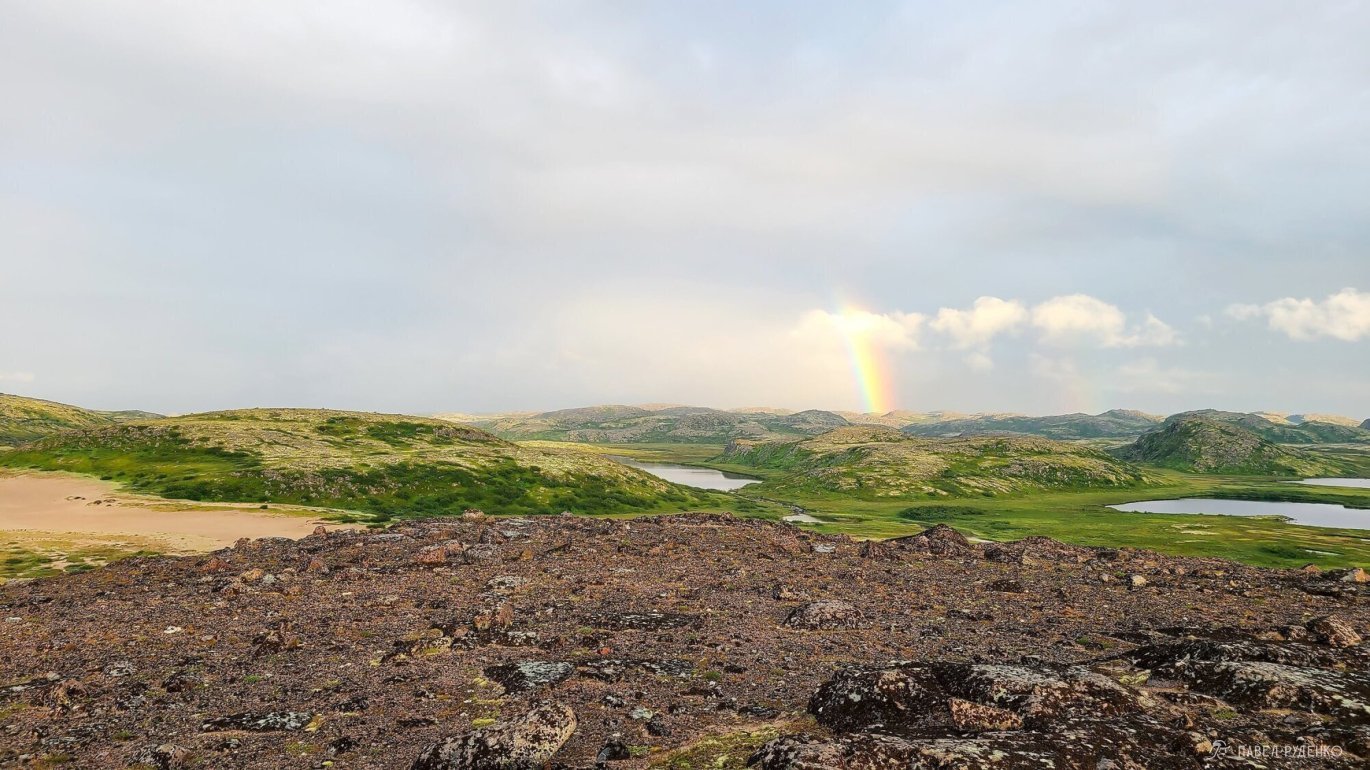
Headed inland toward the sand dunes. There are tons of berries and bear scat here. Found a faint trail with numerous bear tracks; kept calling out louder and more often than usual. Finally, I reached that wonderful spot that had seemed unreal on satellite imagery. Stepping onto the sand, I climbed a fell to pick a camp spot. It is breathtakingly beautiful here!






Then an unpleasant incident happened. For the past 30 minutes, I had felt my lip go numb, biting it to bring back sensation. After taking off my backpack and hiking up the hill to snap some photos, I looked at myself in the camera and saw that my lip was swollen and my tongue was starting to lose sensation… The thought flashed through my mind that I had been poisoned by berries; my condition was worsening fast, and I hurried back down to my backpack. I pitched the tent on autopilot, my head spinning. Once managed, I threw my gear inside, inflated the pad, drank water, and tried to purge my stomach. I reported my status via satellite tracker, took activated charcoal and an antihistamine. I needed to monitor my condition for a couple of hours to see if it would deteriorate. My body felt like it was shutting down.
Two hours later, my condition stabilized with slight relief. I fell asleep and slept through until early morning. With a relatively clear head, I decided to head toward civilization — Dalnie Zelentsy.


DAY 5
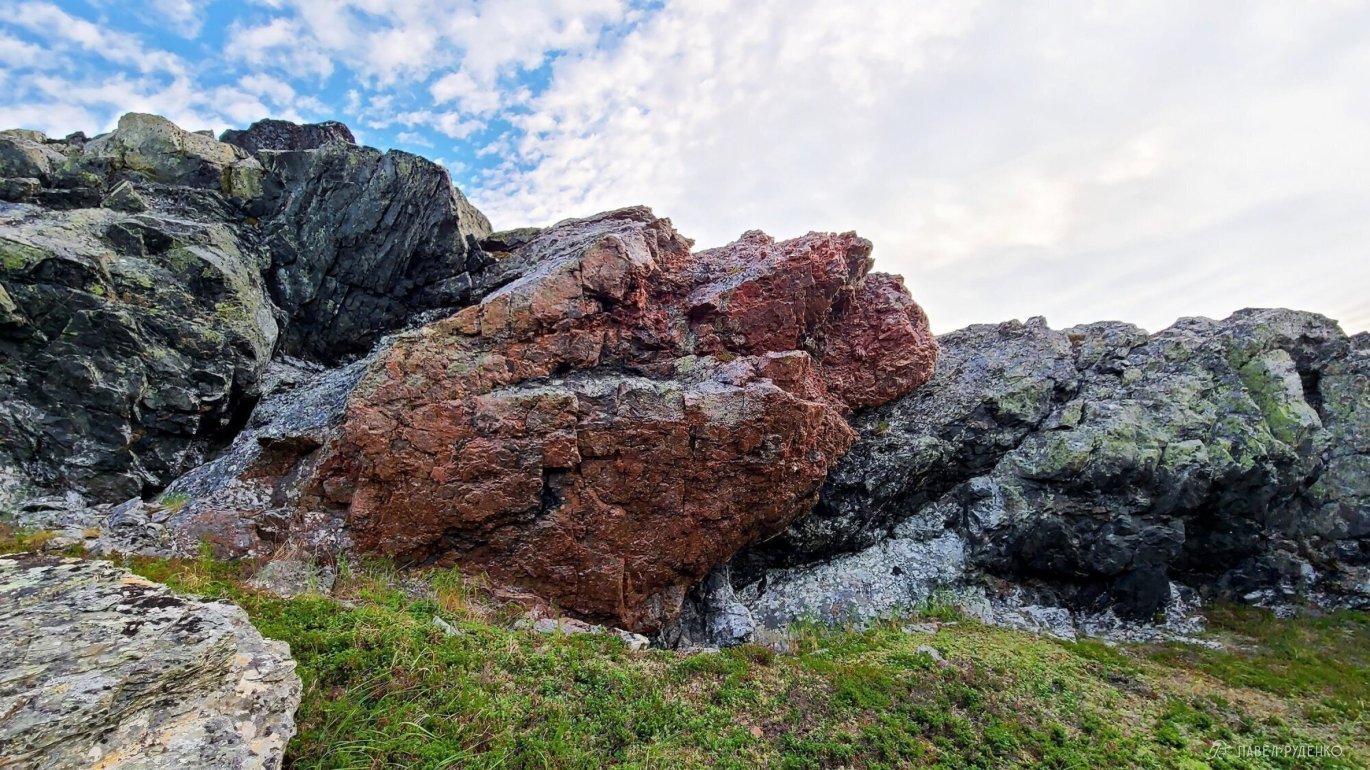
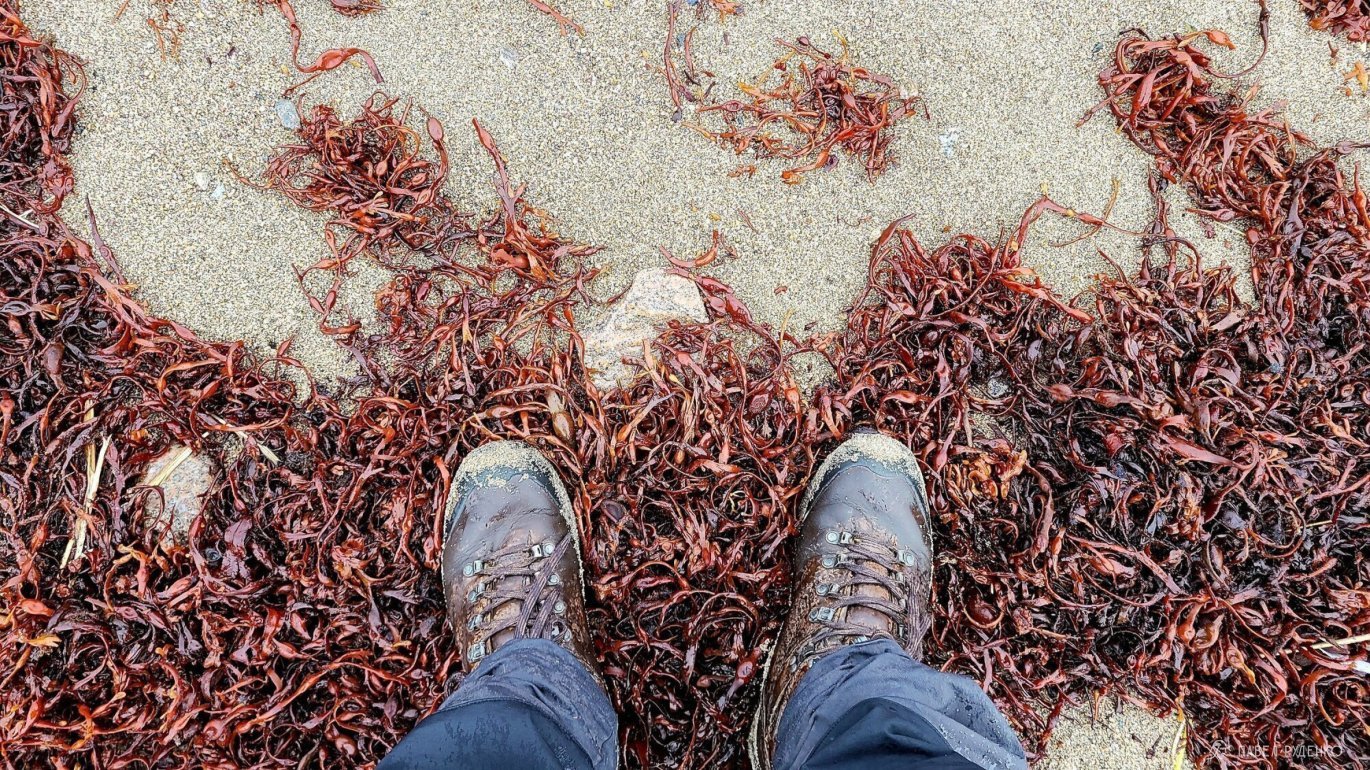
Driving rain with gusty winds all the way; my Meindl Kansas boots are soaked through, and I can’t feel my toes. After 5 hours of hiking, I decide to pitch the tent. I tuck up against a rock cliff—an ideal shelter—and 15 minutes later, I’m blissfully warm in my sleeping bag, realizing I urgently need to get waterproof membrane pants and waterproof socks.
Quote: Upon returning, I talked to the team and looked into several options. Everything from full-grain leather Alfa boots to neoprene socks, rubber boots, and waterproof membrane socks—and settled on the latter. Neoprene would wear right through the boot’s membrane, and feet swell from continuous moisture contact. Rubber boots lack ankle support, which is critical for me in terms of safety and hiking comfort. Membrane socks proved to be an excellent choice; I chose ones with merino wool for warmth, since despite their thickness, they can feel chilly. I also picked 2.5-layer membrane pants. Affordable, lightweight at around 250 g, and durable enough for tundra treks. I’ve already put them to the test on winter expeditions.
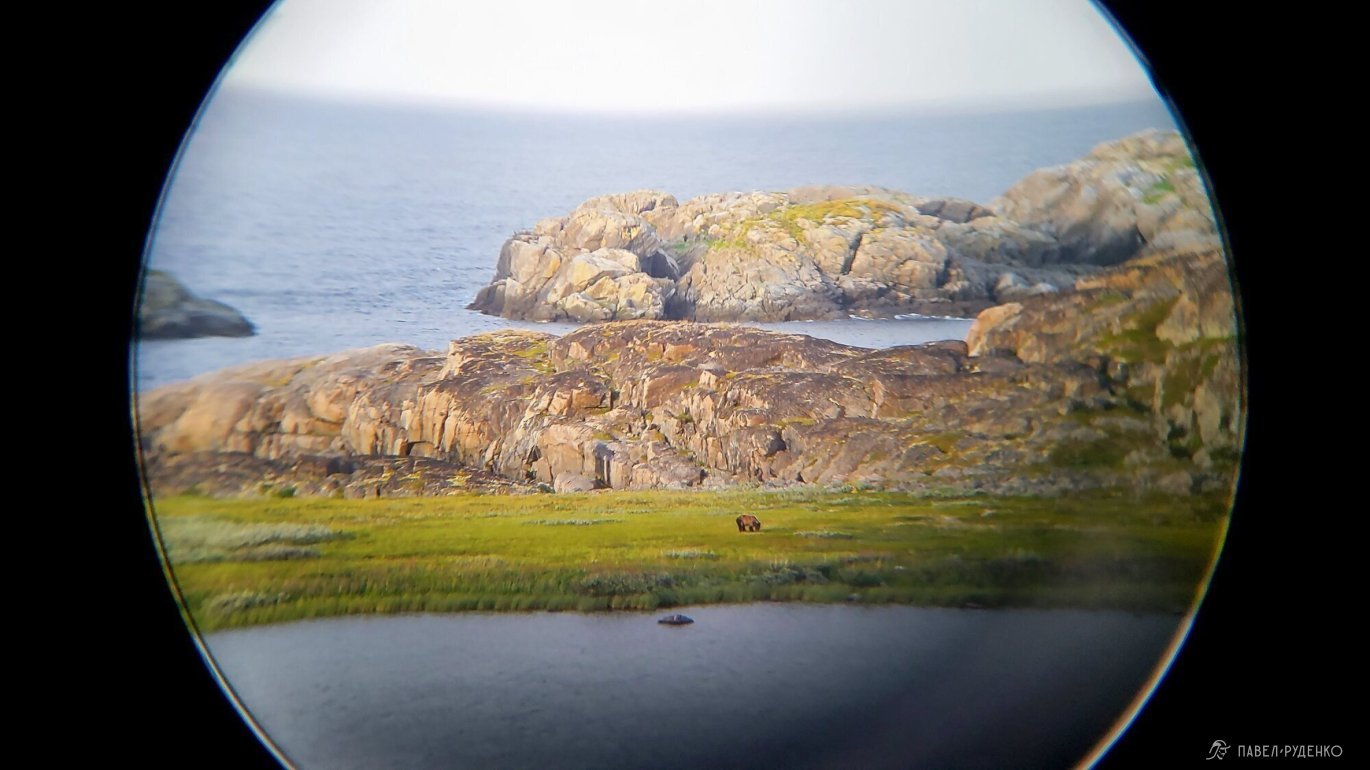
After the rain, I crawled out to scout around and immediately spotted movement 500 m away. A bear was calmly strolling along the shore, foraging on berries. I watched him for a long time; it took him about an hour to cover a kilometer, pausing constantly, before vanishing behind the rocks. I don’t think he noticed me.
Resting, recharging my strength. Drifting off into deep sleep to the rhythm of the rain.





DAY 6
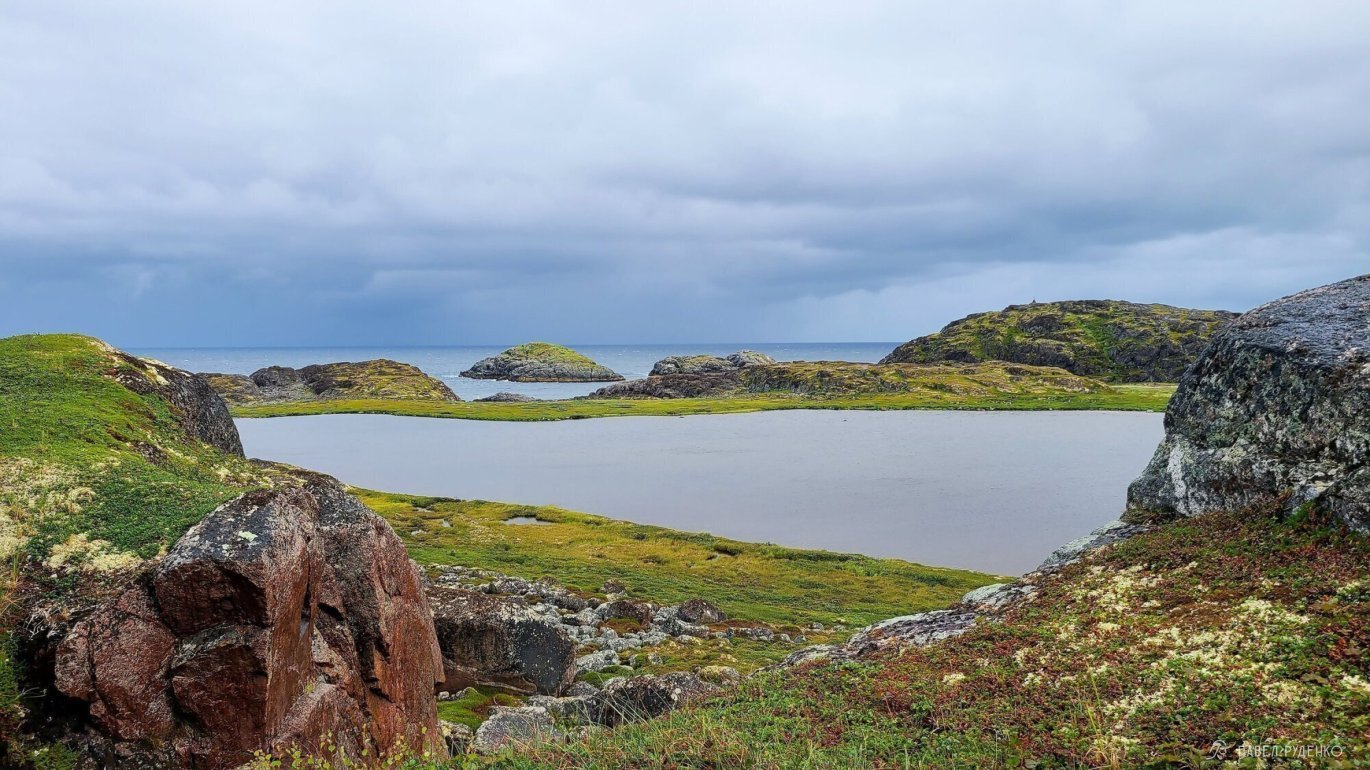
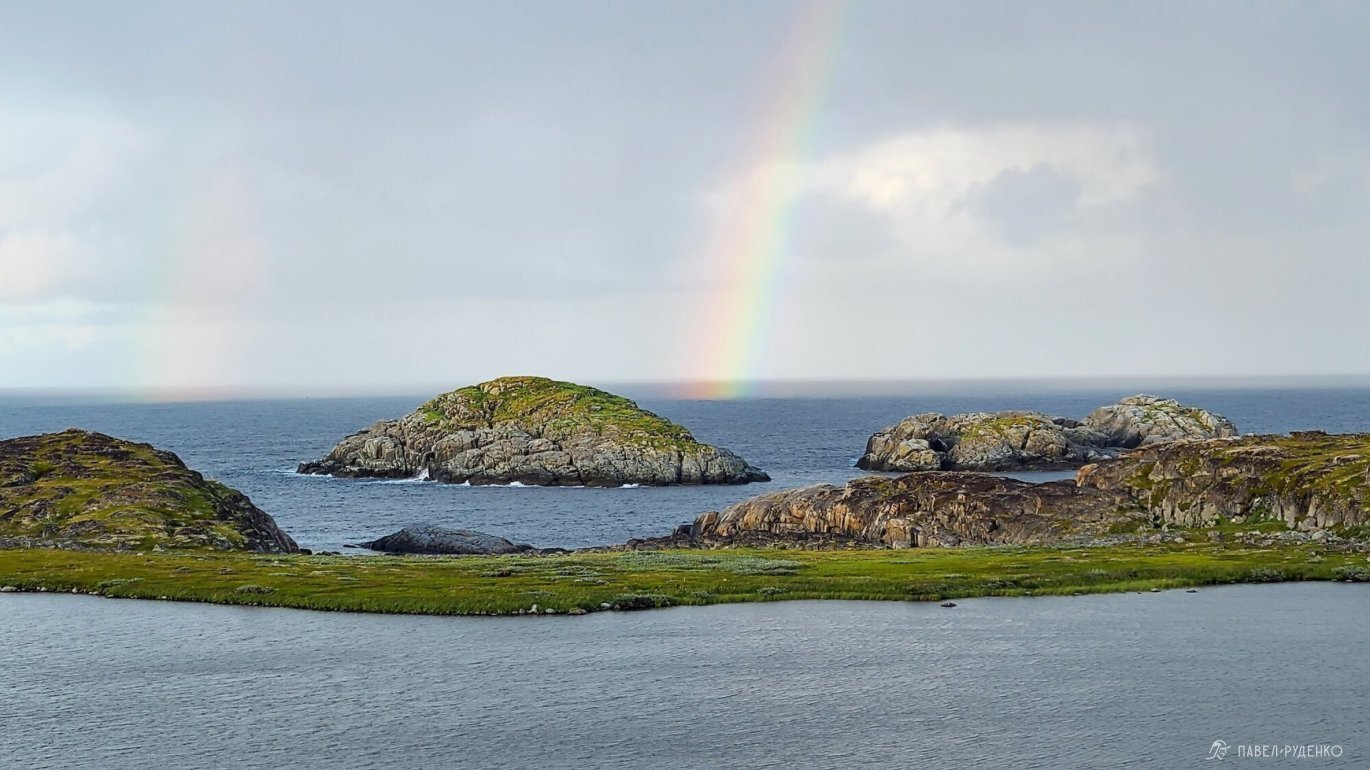
I feel energized, with a growing confidence that I can keep moving forward. The sun breaks through periodically, offering stunning views of Yarnyshnaya Bay. Military radar stations are visible on the far shore. Elevation changes become more frequent, the coastline is rugged, and panoramic views open onto a chain of lakes. I discover a waterfall and a resting spot for seagulls below, enjoying a quick lunch of a Snickers bar and nuts, washed down with filtered water. Rain starts to fall, and reaching the road becomes the least pleasant stretch; high grass in the lowlands leaves me soaked to the waist, but eventually I make it to a dirt track. I pack my trekking poles into my backpack, only to realize a kilometer later that walking without them is noticeably harder, even on a flat, even surface. I pull them back out and stride ahead with renewed energy.
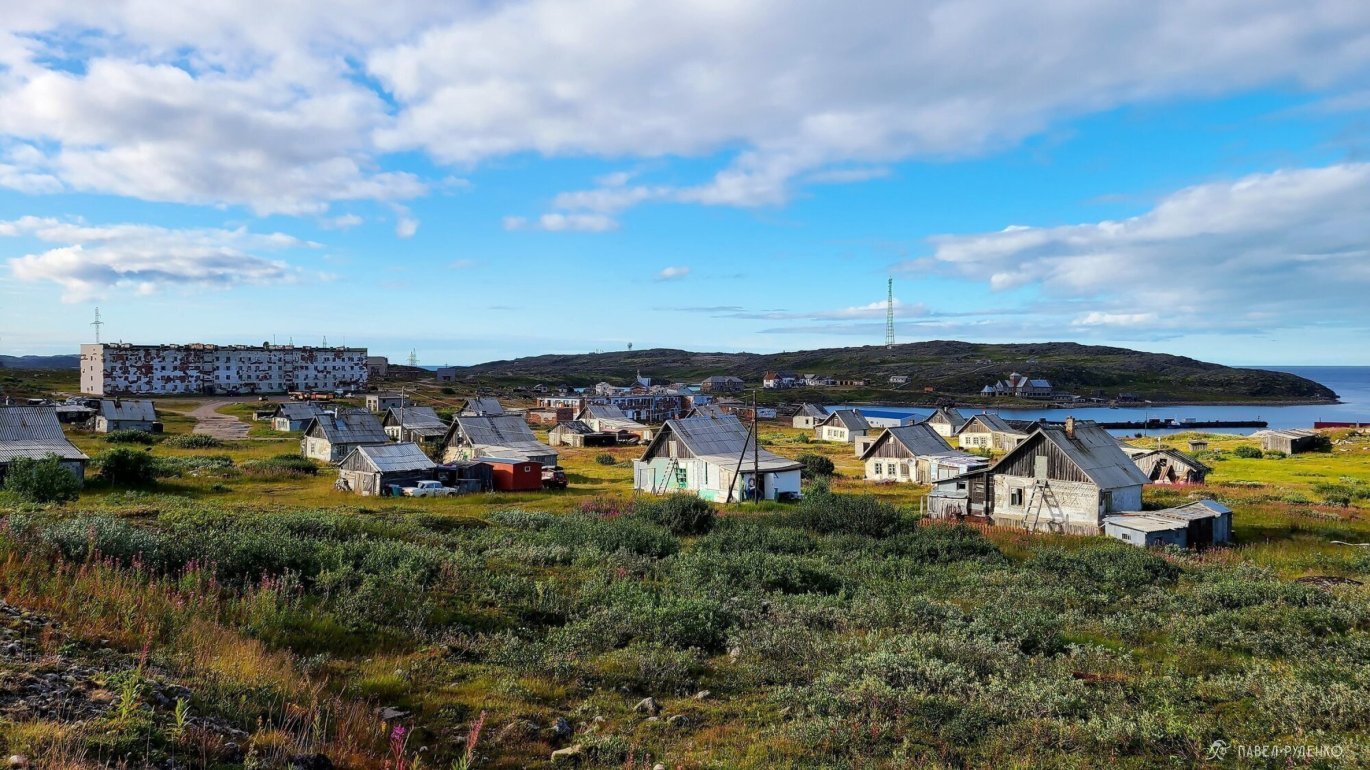
As I approach the settlement, I pass a couple of cars; the drivers greet me and treat me to some caviar. Dalniye Zelentsy looms on the horizon: private houses and a single three-story building. In the yards, locals are fixing quad bikes and attending to daily chores. I walk past a tourist lodge—it looks quite cozy there—fill up on fresh water, and head toward my campsite. Near the road, there is a camper area where about eight vehicles have set up camp.
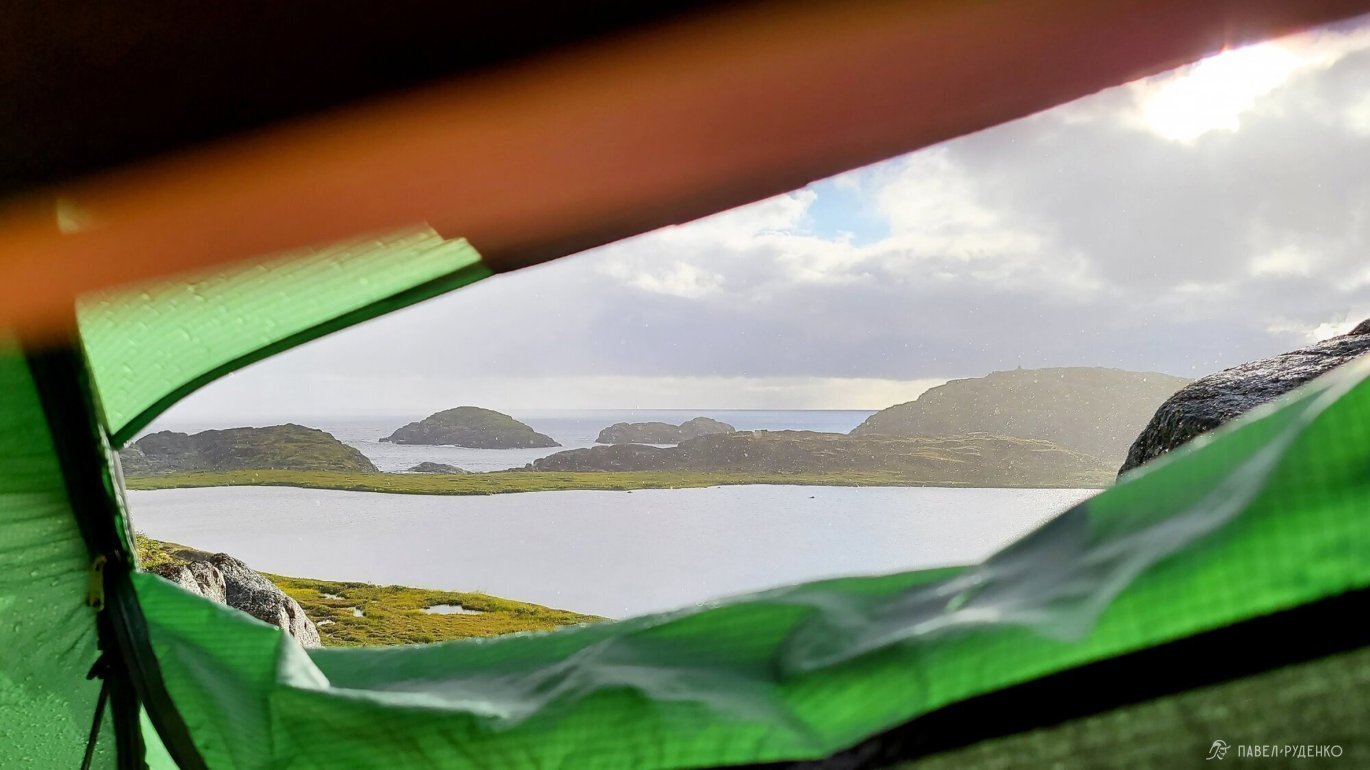
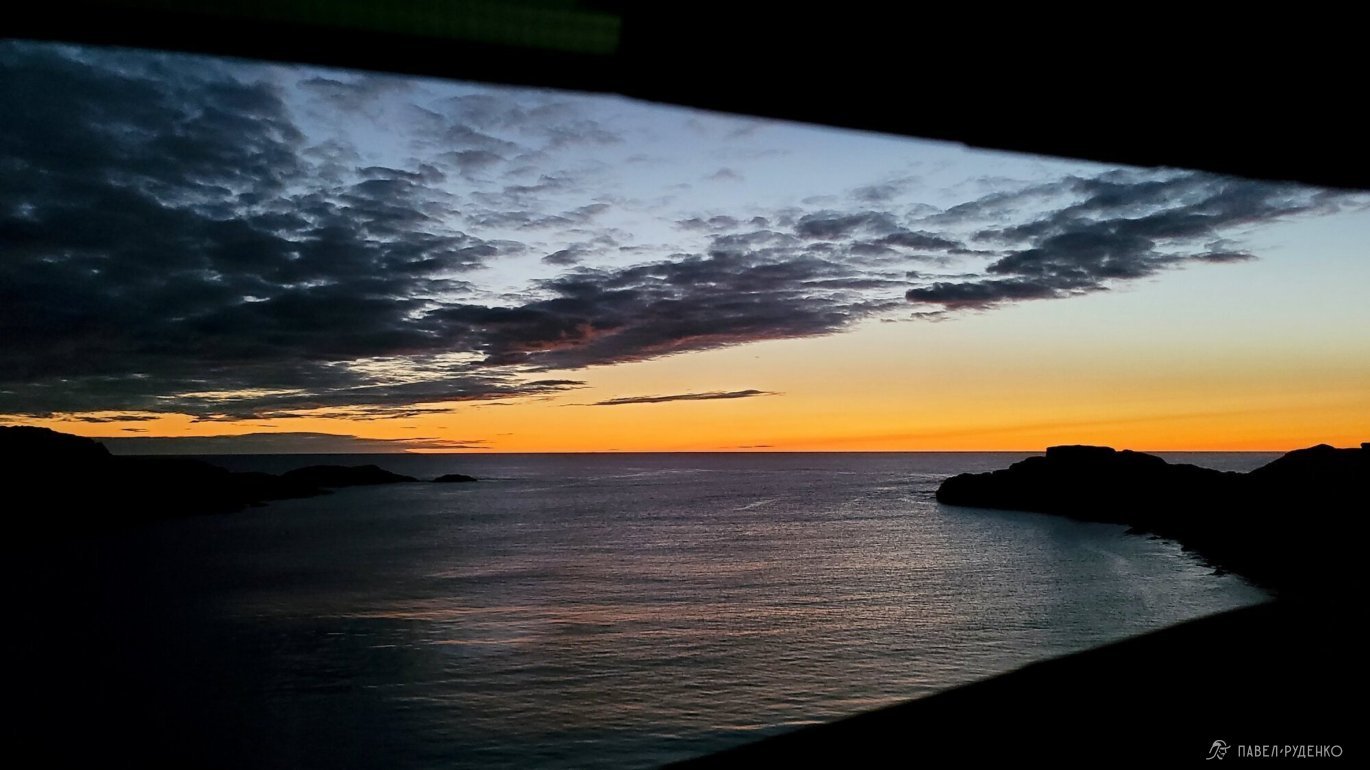
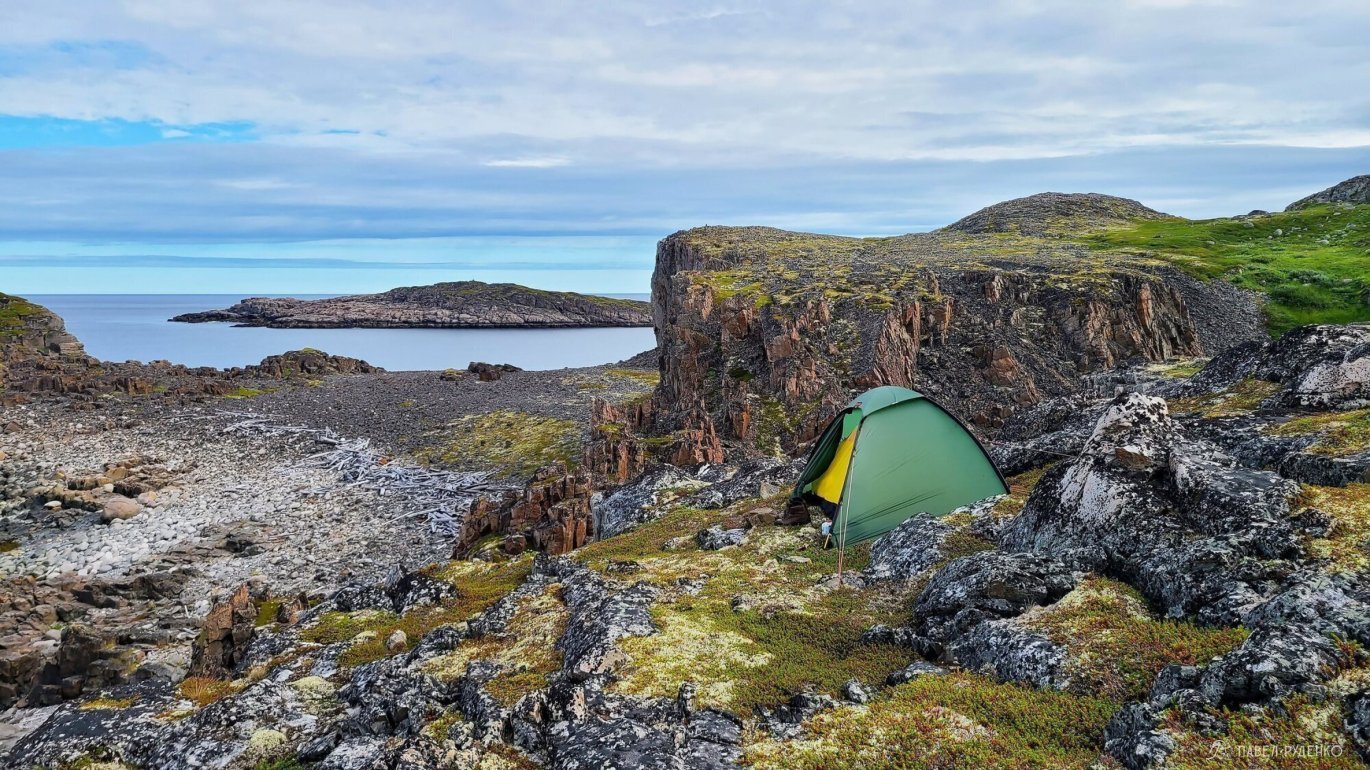
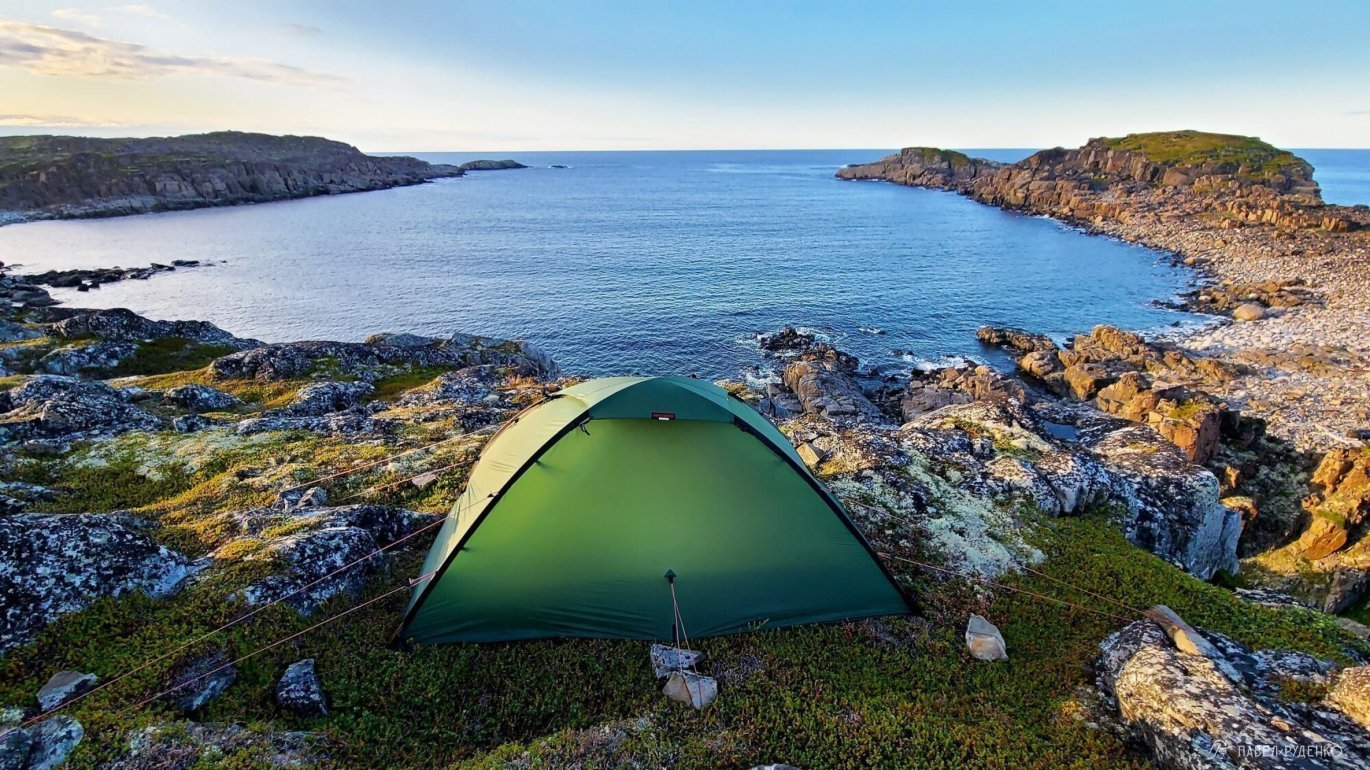
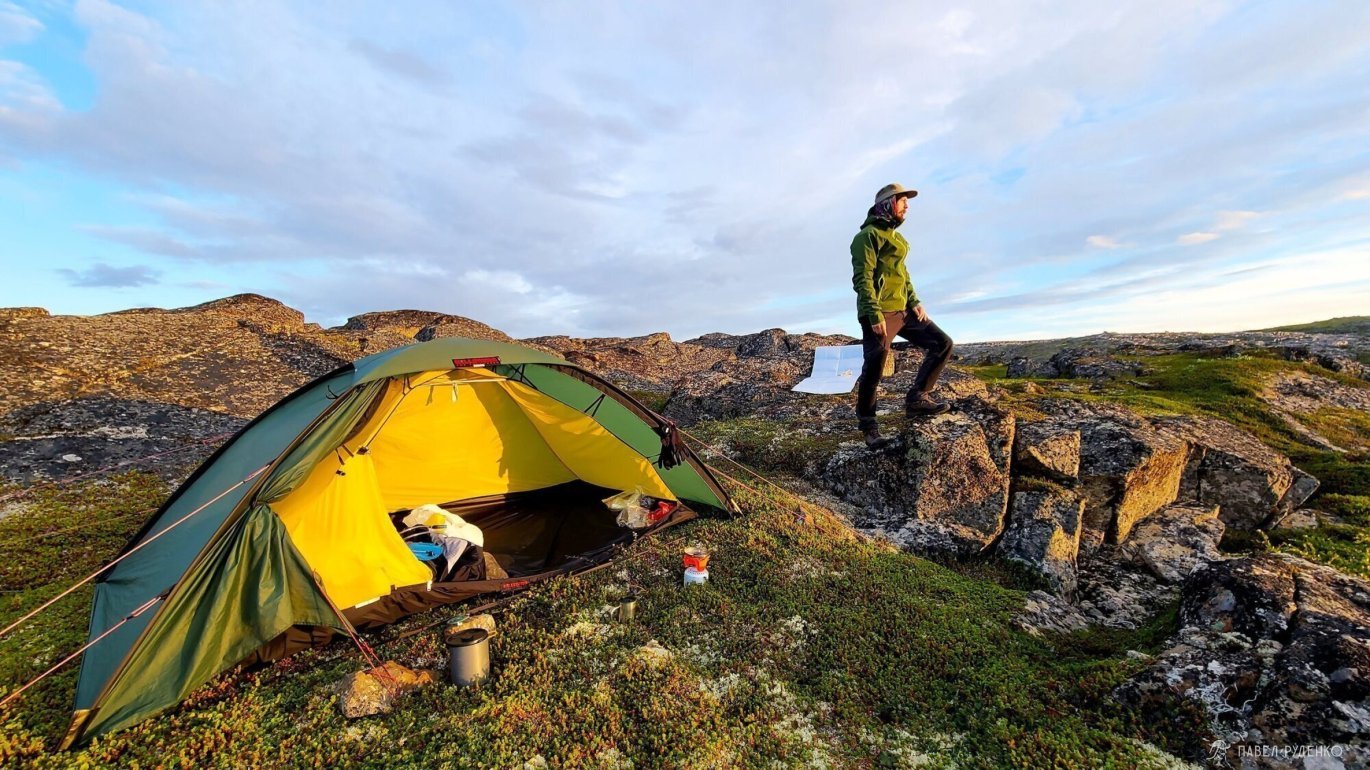
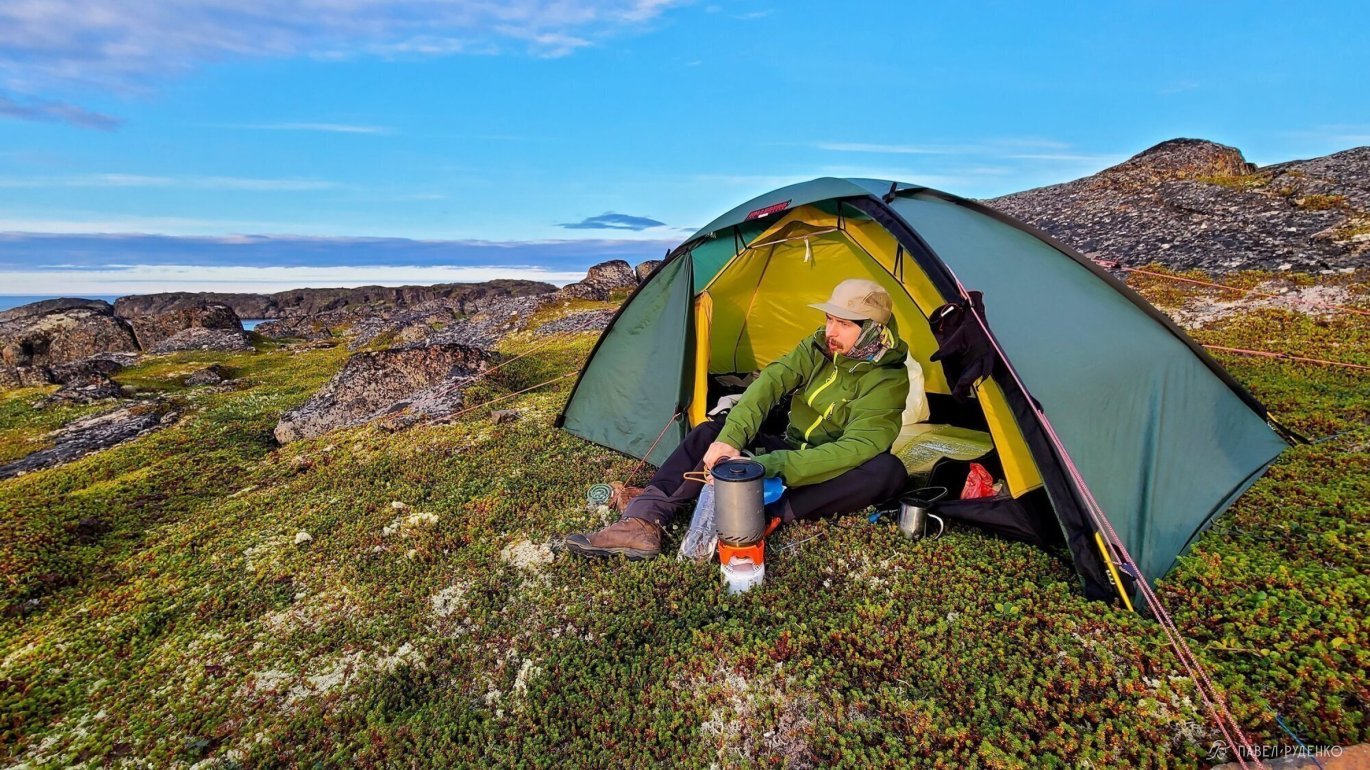
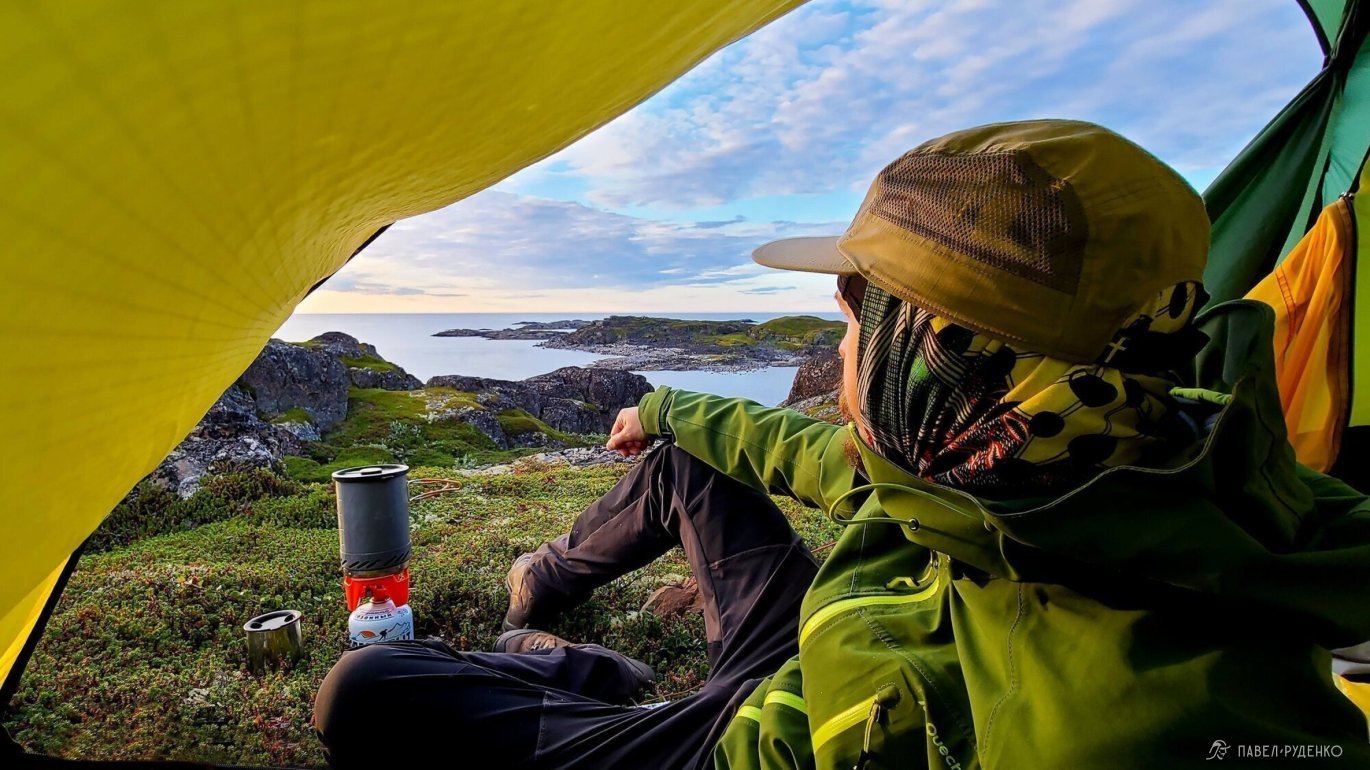
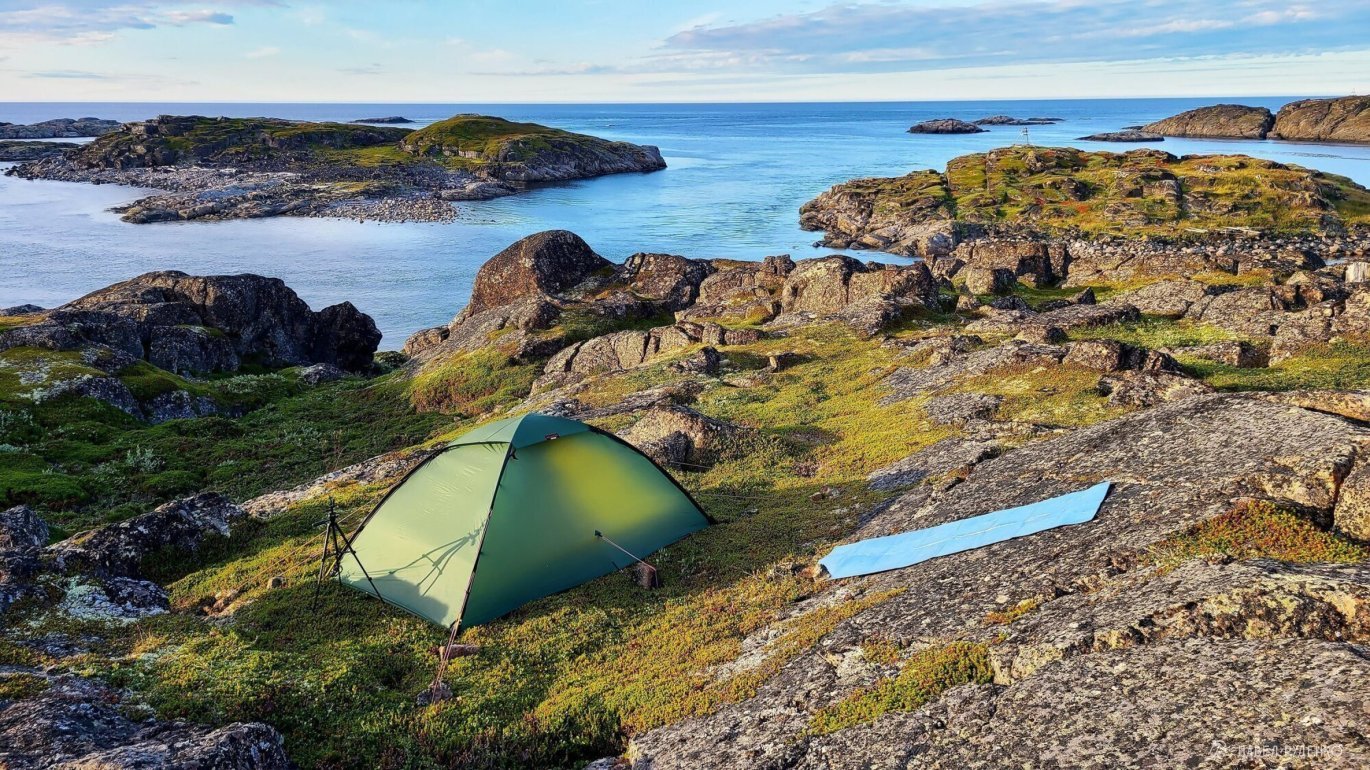
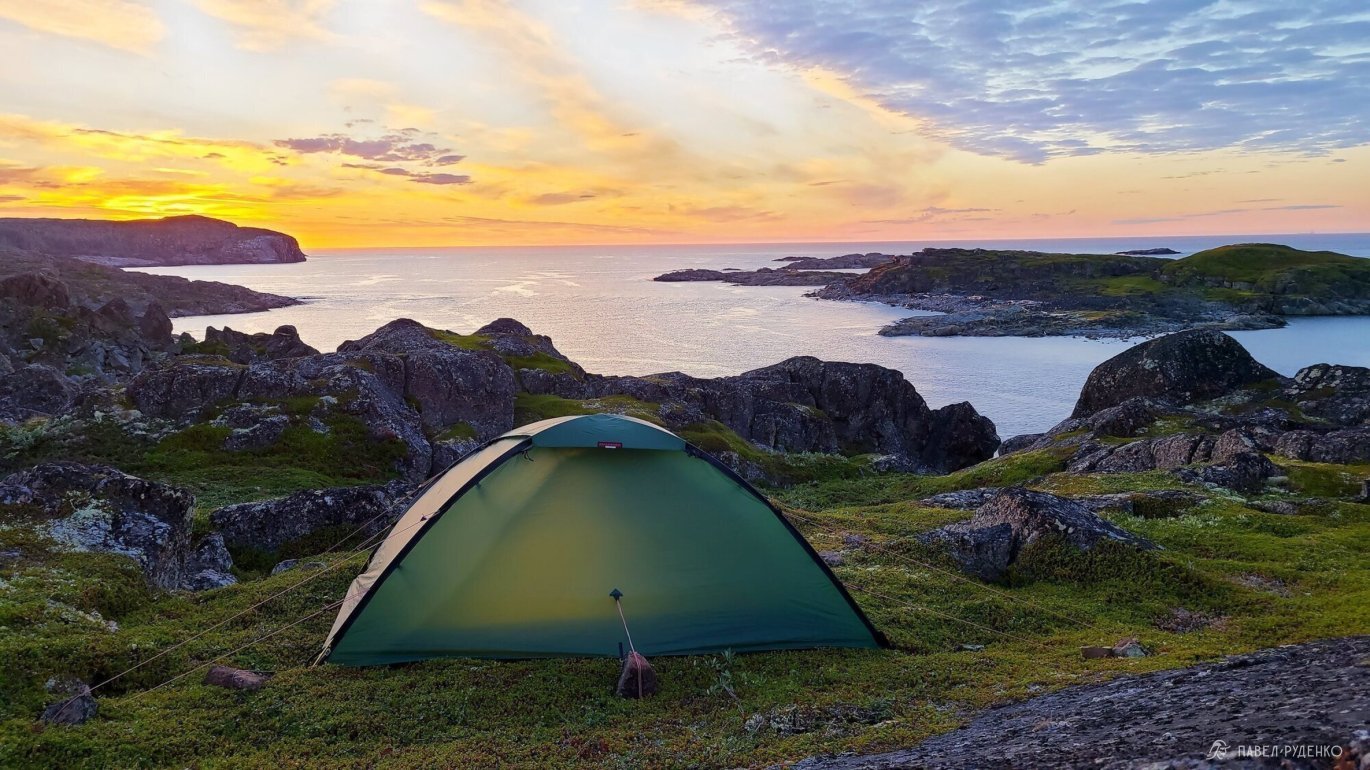
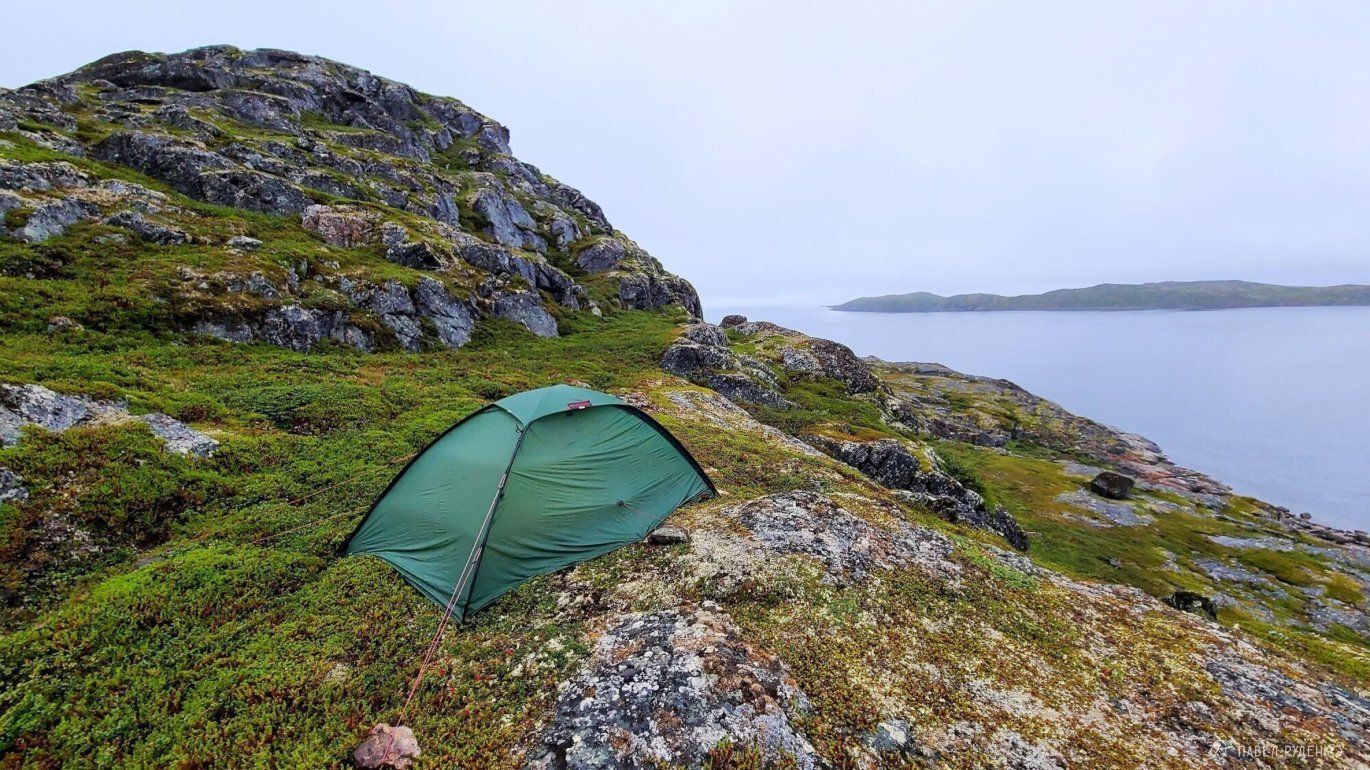
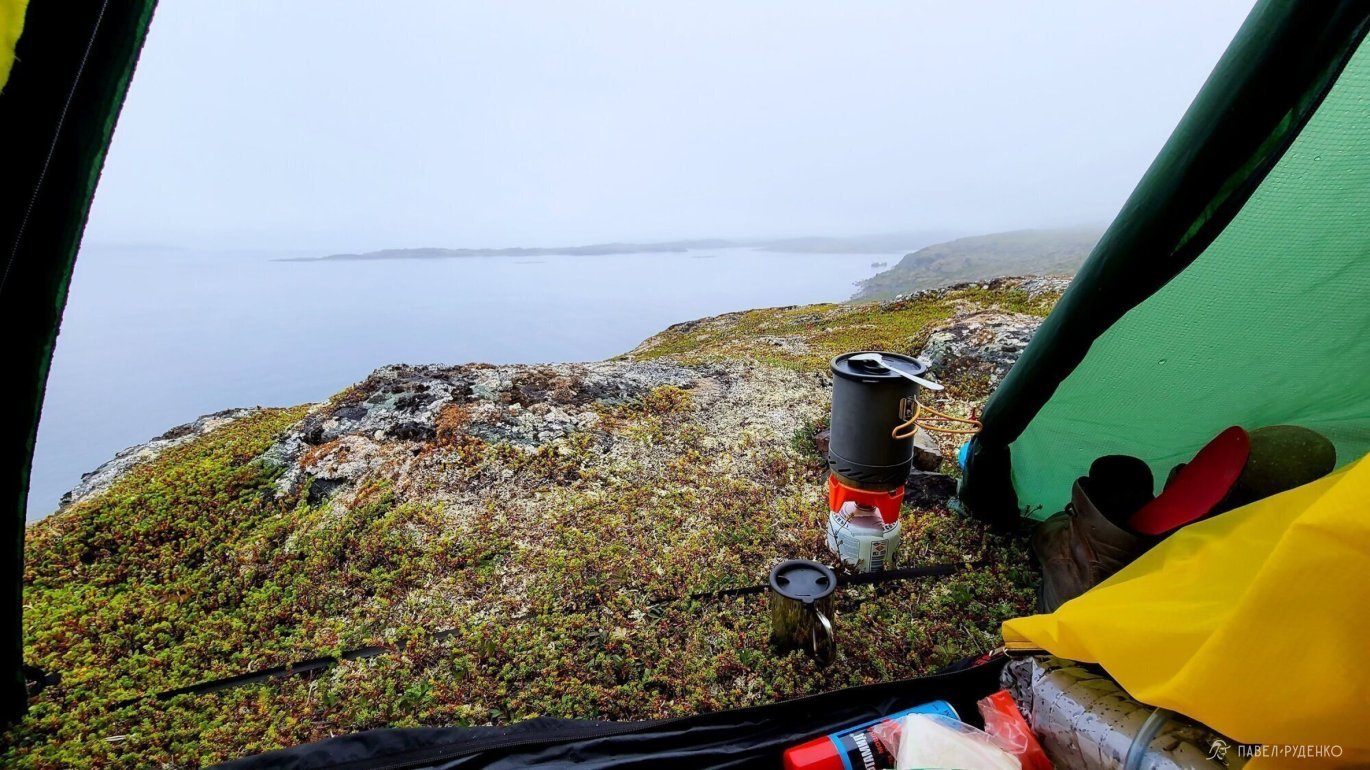
The area here is exposed, so I secure the guy lines, crawl into my tent, and take in the view.

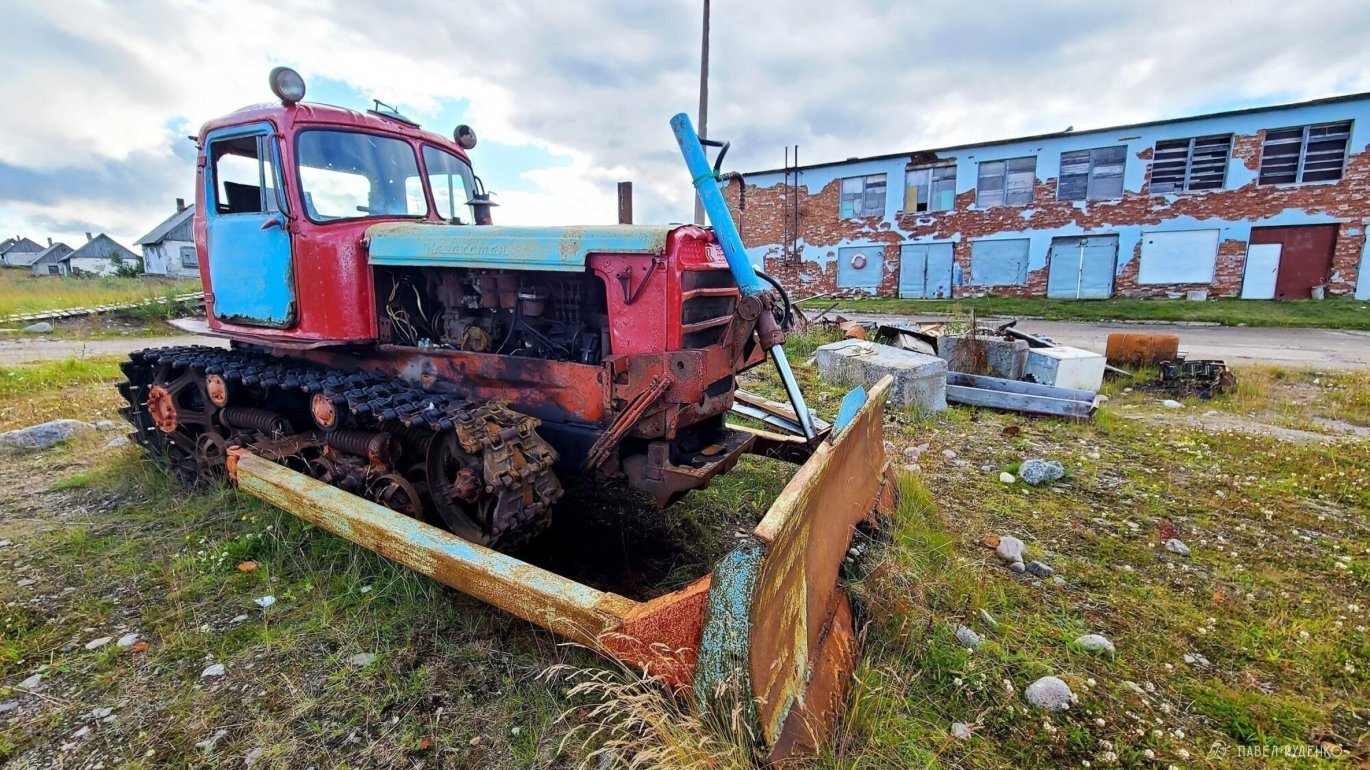
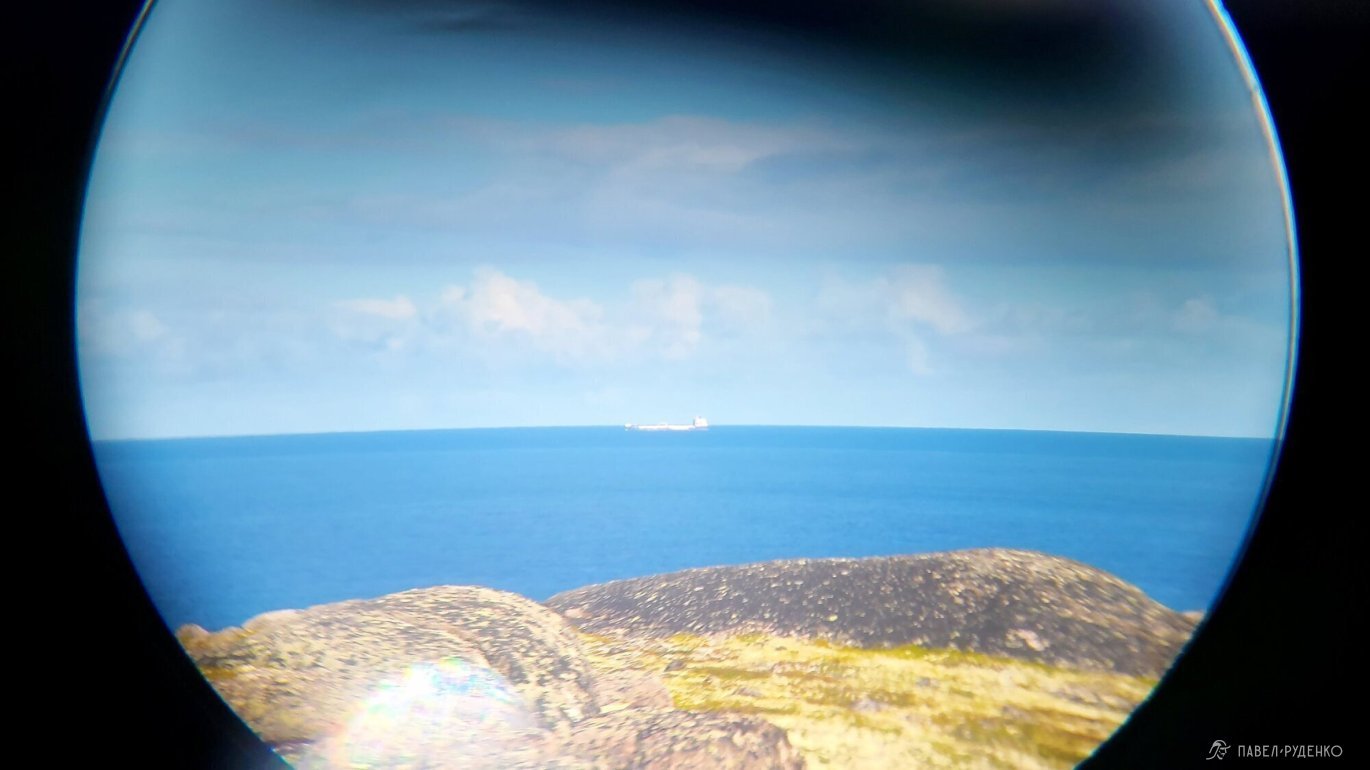
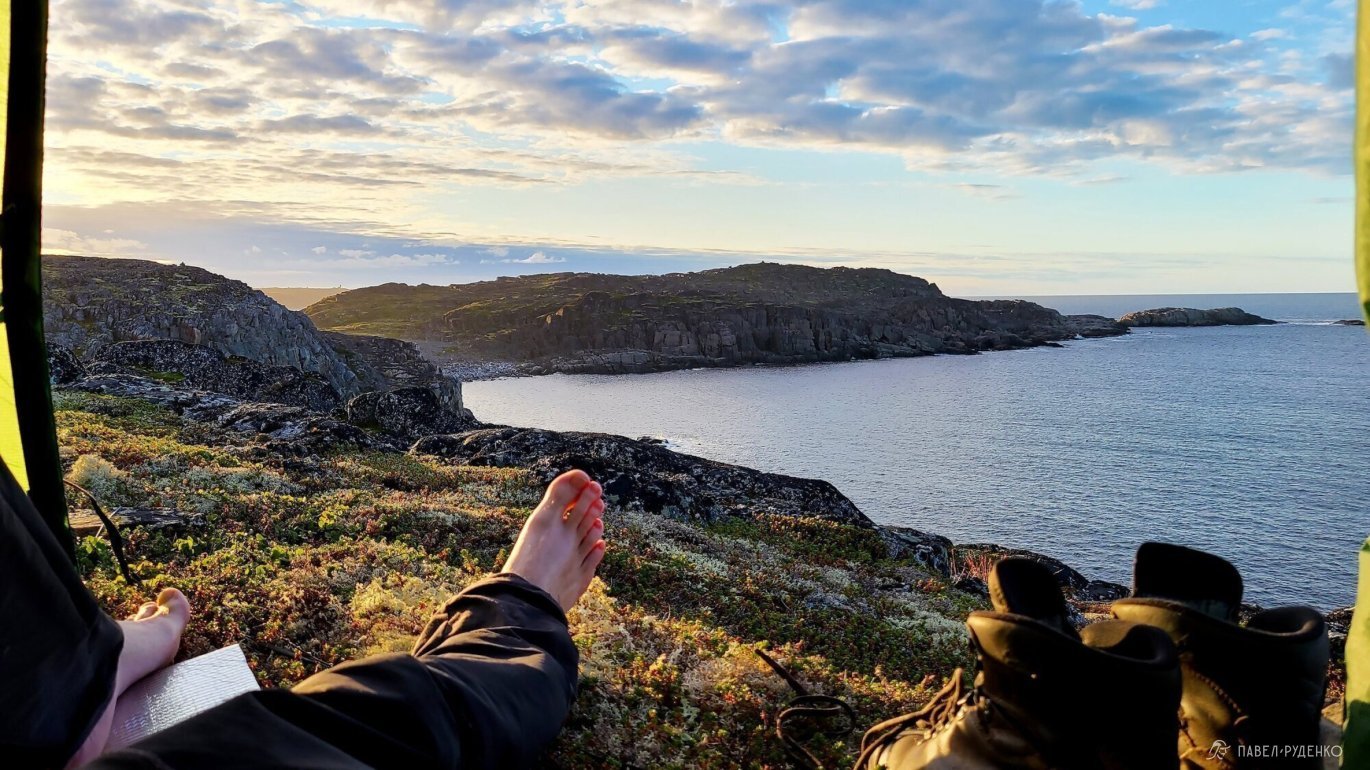
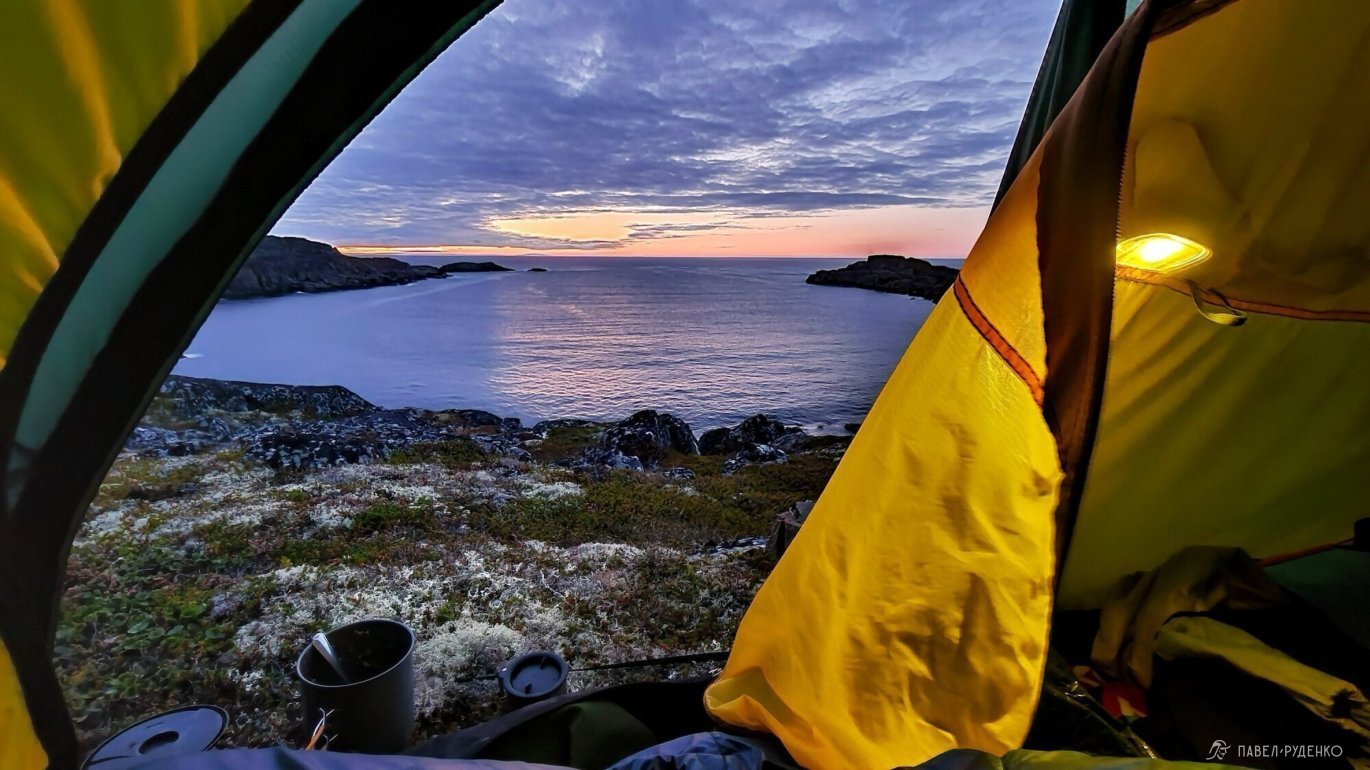






DAY 7
Sunny since morning. The sound of the sea worked its magic on my dreams. The warmest day yet, around +15°C and clear. I strip down to a T-shirt in the lowlands, but whenever I climb back up a fell, I put my softshell back on—the wind is biting cold. I refill my water from streams, drink up, and snack on cloudberries. After covering just a short distance, I find a scenic spot for camp and fly my drone for a bit.



DAY 8
I head down toward the road. Passing the barracks in Porchnikha Bay, I run into a hiking group of 10 people. We chat for a while. It turns out they are following "my" route in reverse, coming along the Olyonka River. They mention that Chechens are guarding the river and approach anyone they spot.
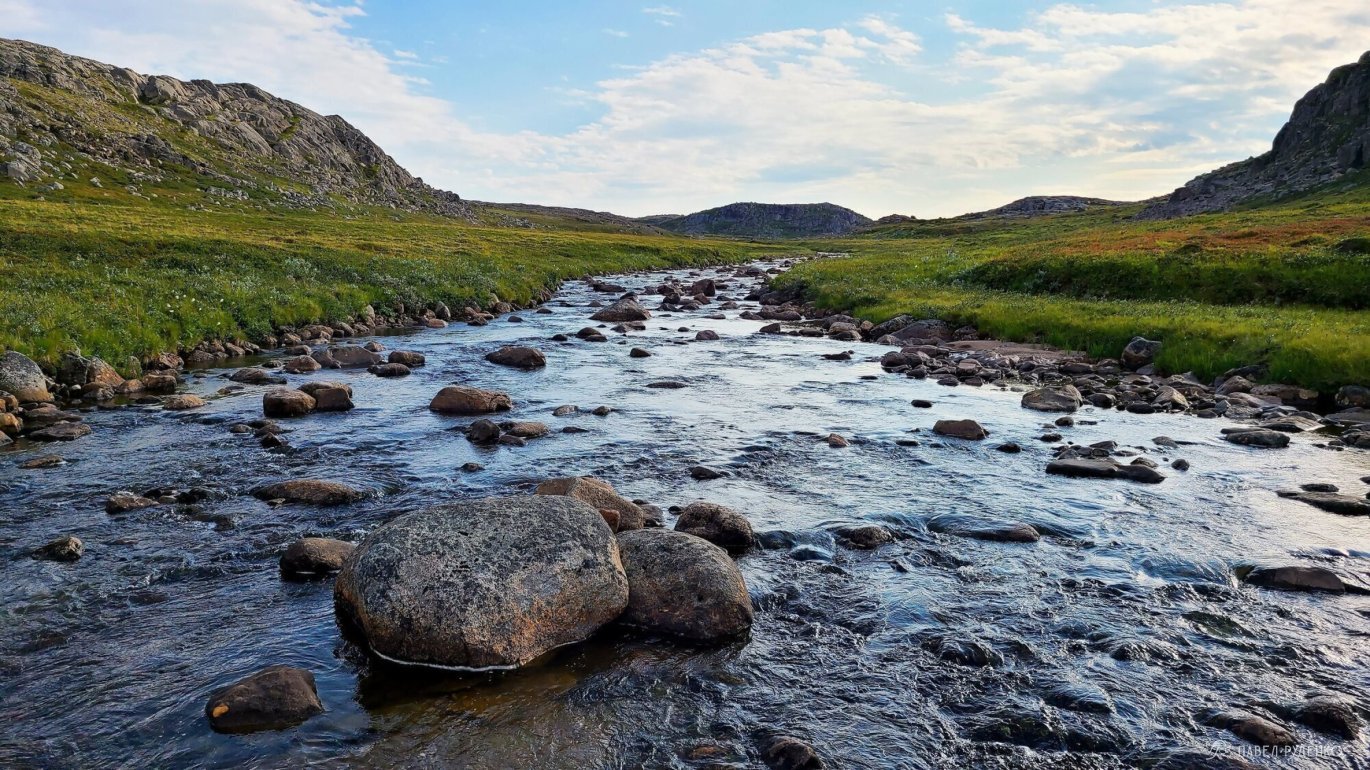
I climb up a fell—the landscape is breathtaking, with massive vessels gliding in the distance. I cross the Zarubikha River over stepping stones without getting my boots wet.
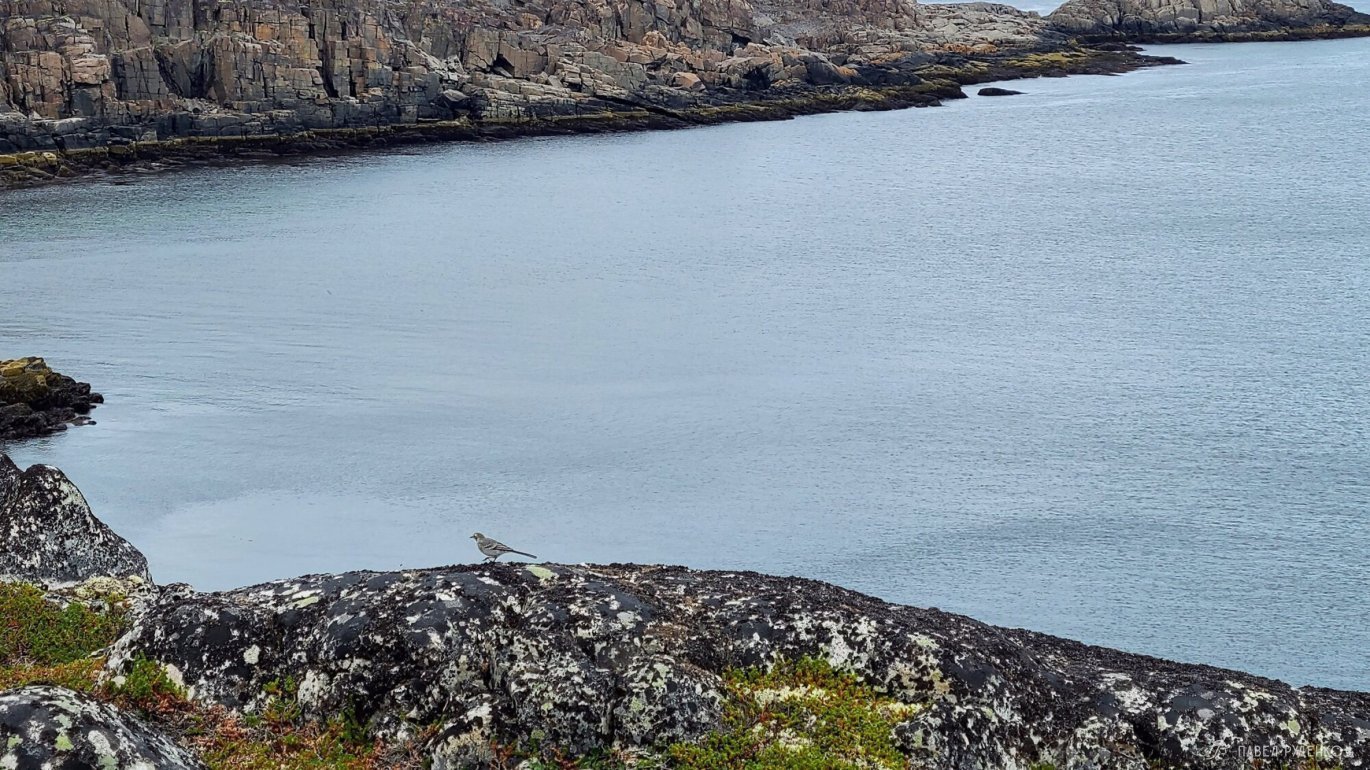
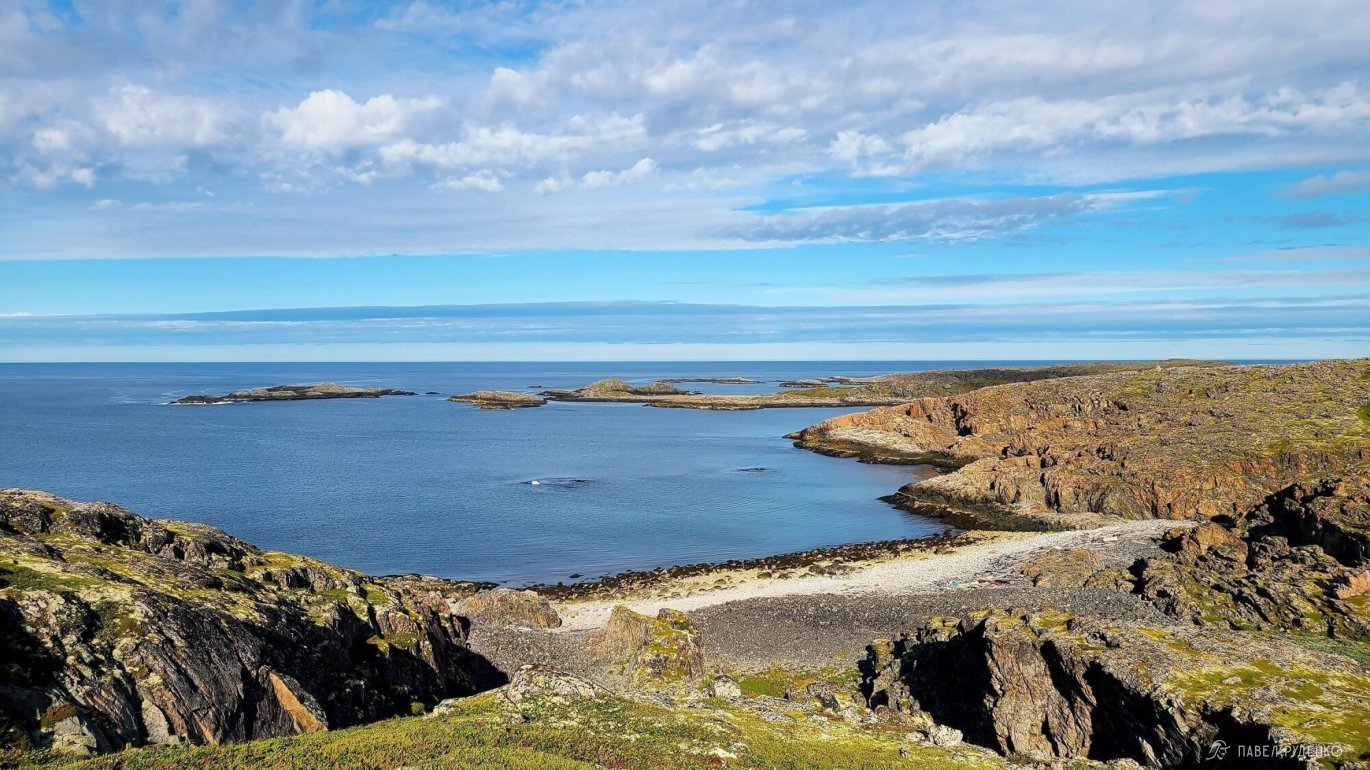
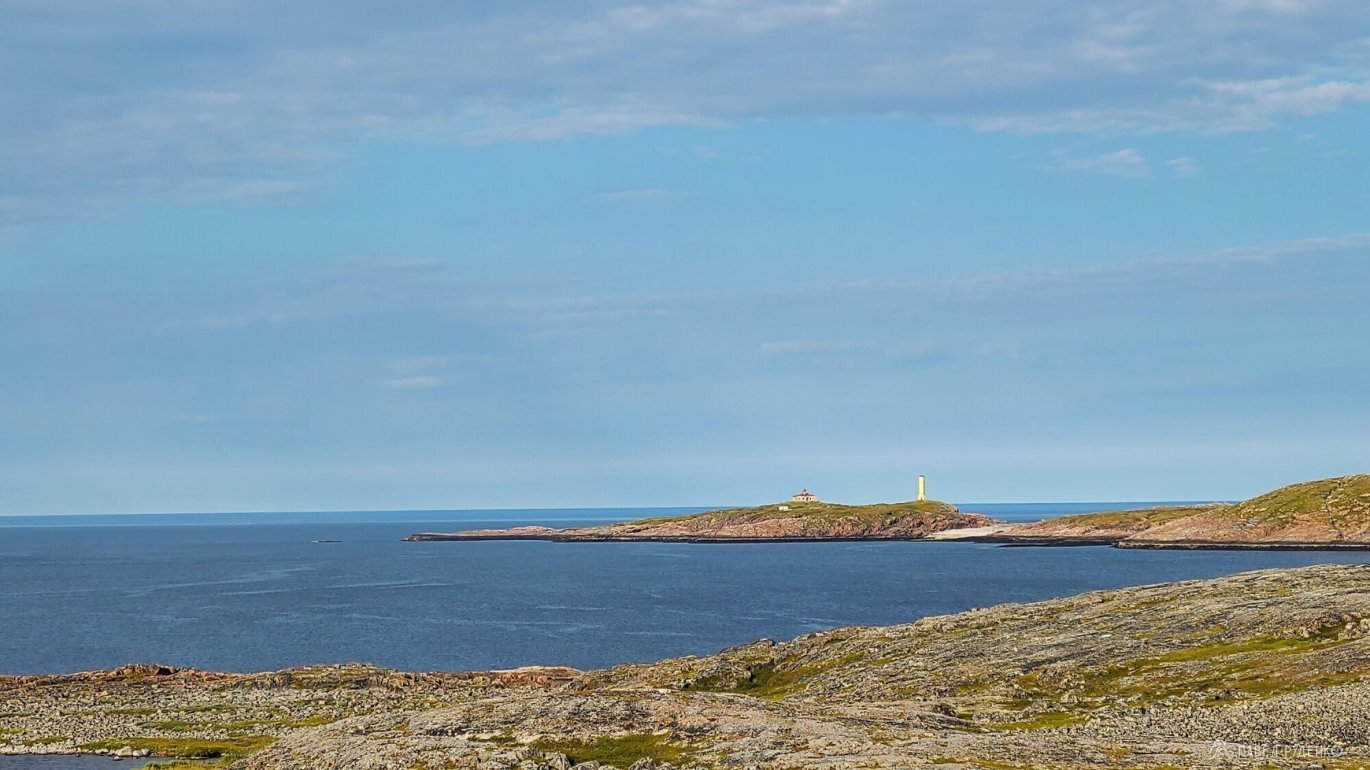
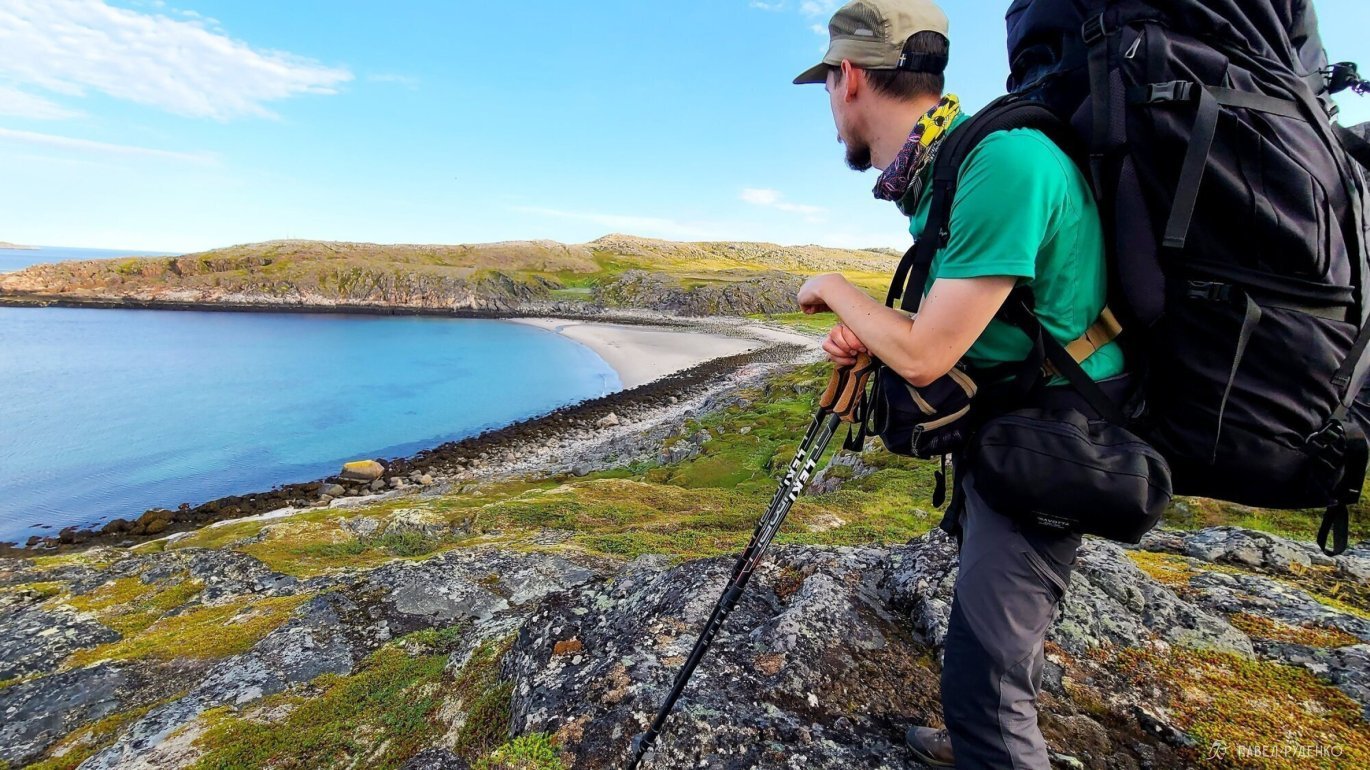
Next is Pustaya Bay, which looks like a Maldivian beach, or perhaps even better. Coming down closer, though, reveals litter—it is clear that fishermen frequent the area. I photograph birds against the backdrop of Bolshoy Oleniy Island. Delighted, I boulder-hop across the 3-meter-wide Sobachiy Creek, which winds like a serpent through a deep valley. I fall in love with this spot. Realizing I will not go any further today, I pitch camp at Cape Zapadny. It offers a spectacular view in fair weather, with a beached ship visible on the shoals.







DAY 9
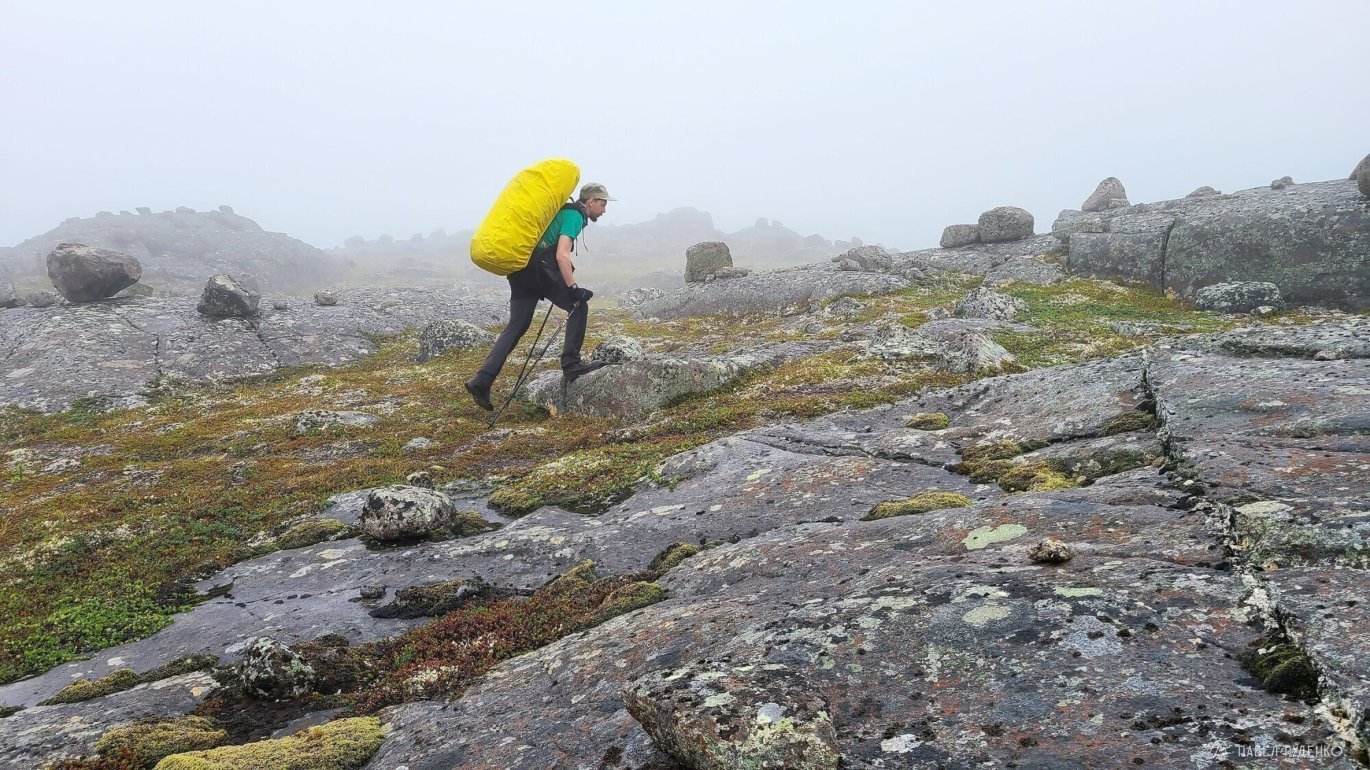
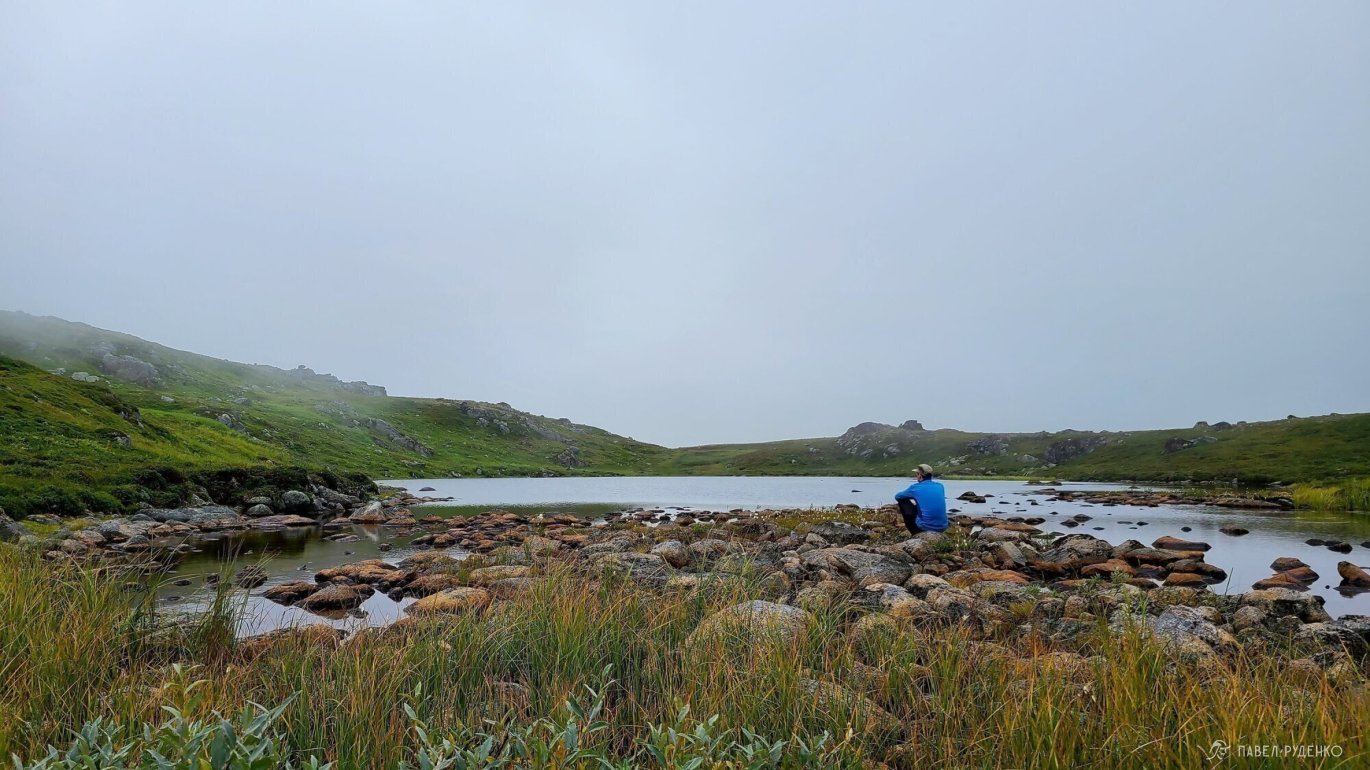
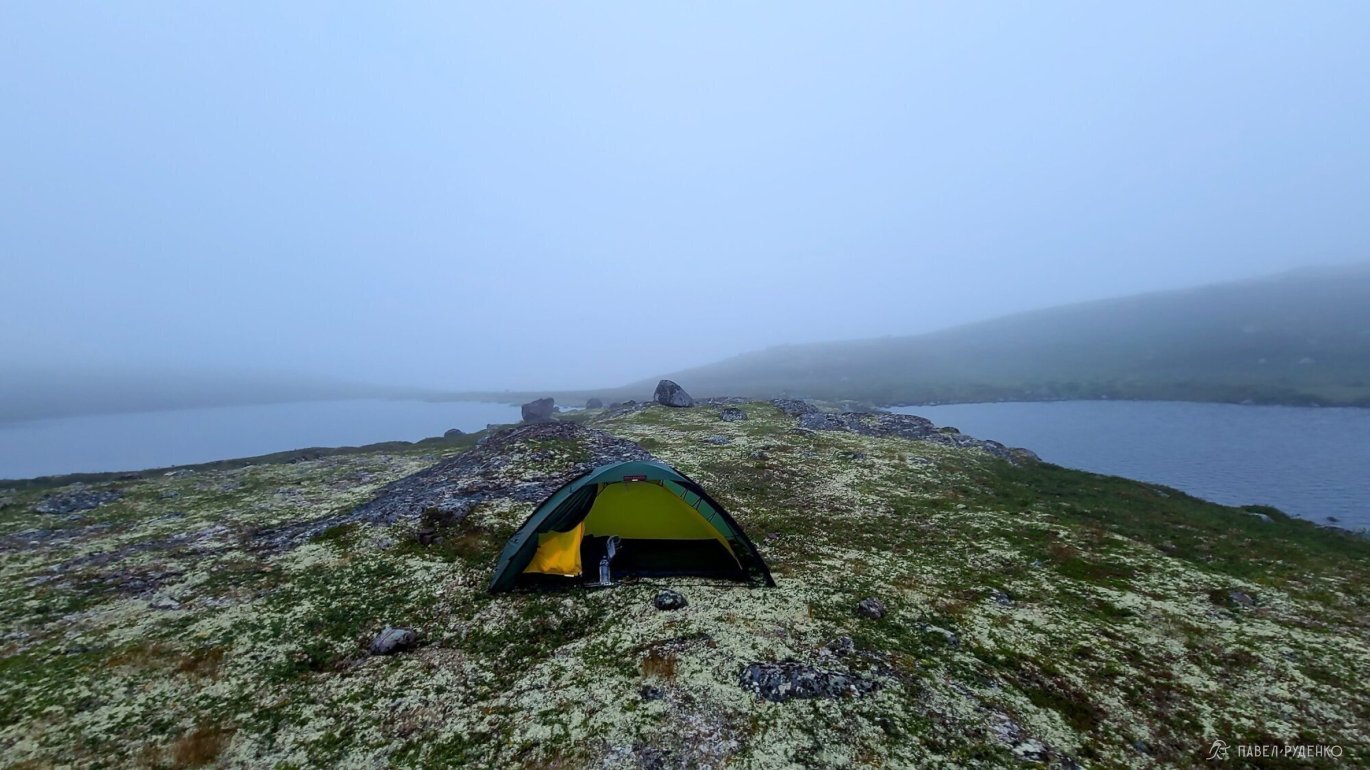
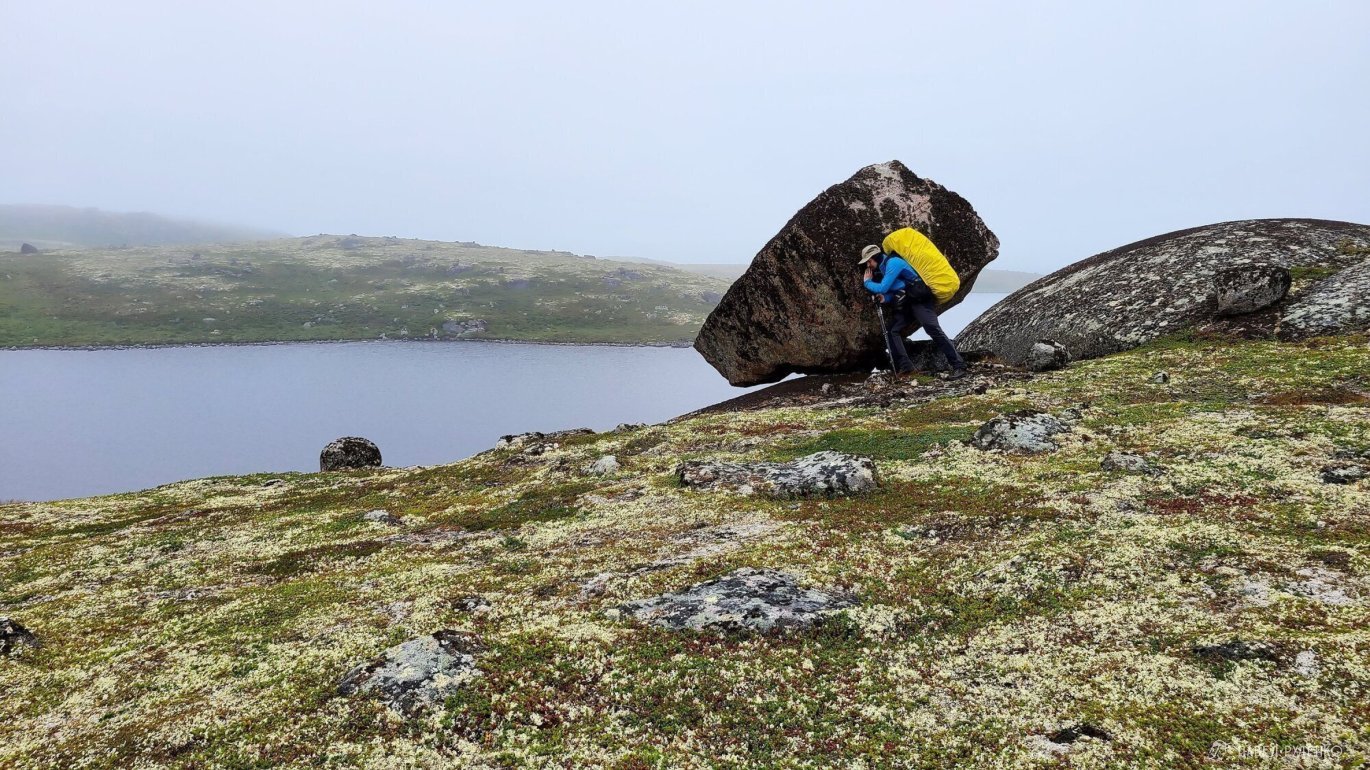
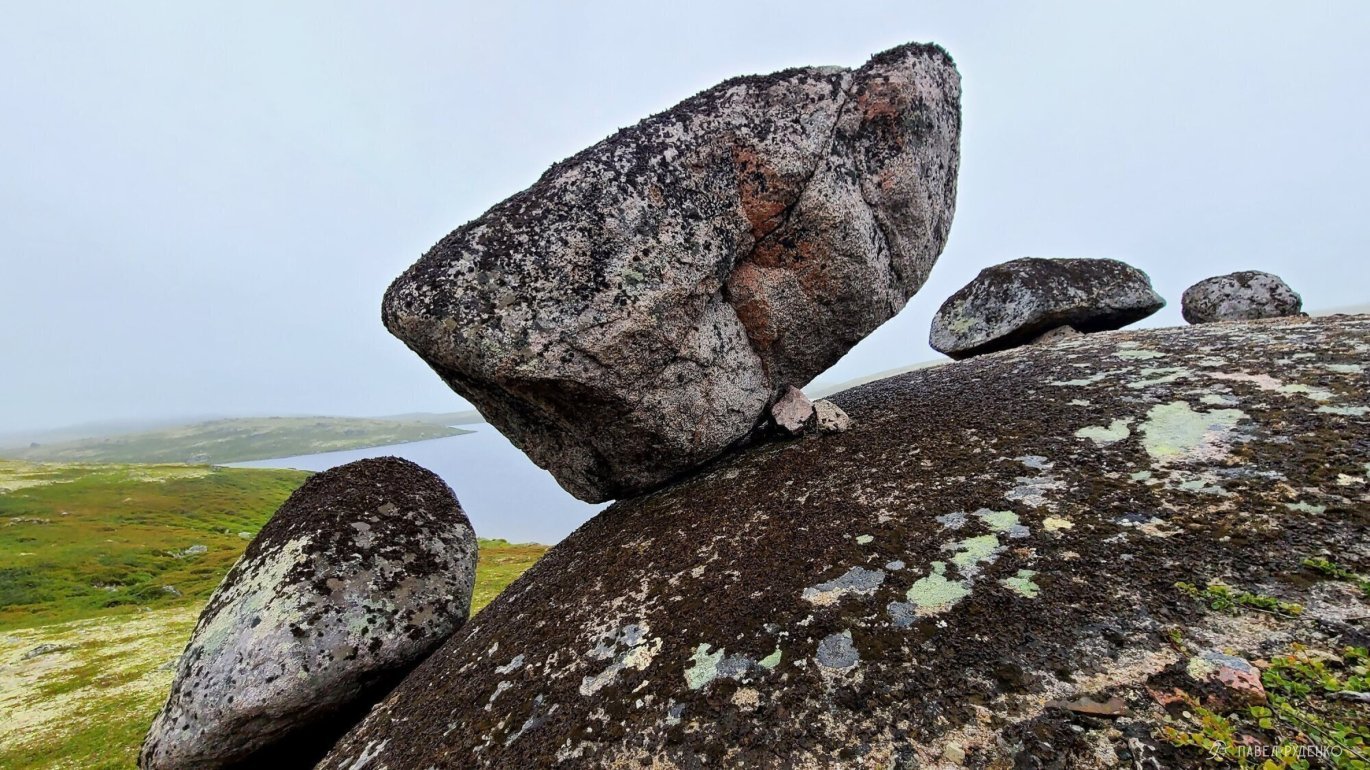
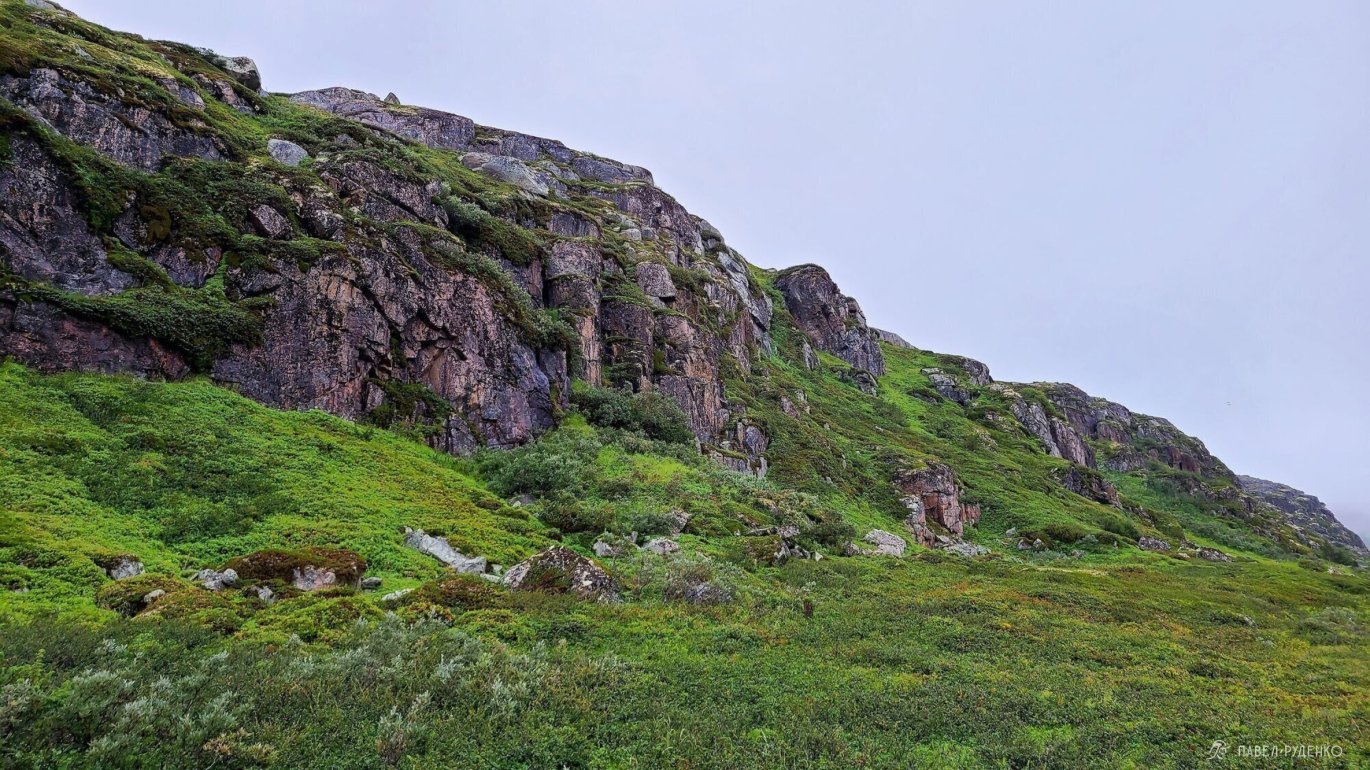
I start heading back, turning inland after crossing the Zarubikha River. Heavy cloud cover rolls in, and I find myself wandering among rocky fells and lakes; navigation is tricky as the terrain looks entirely uniform. Magnificent valleys open up before me as I watch an eagle screeching at the top of its lungs. The landscape feels mysterious, with visibility dropping at times to just 15–20 meters. I reach the southern shore of Lake Evtyukovskoye. It is unimaginably beautiful. While looking for a tent site, I stumble upon poachers' nets and decide to search for a quieter location. I plan to take a rest day tomorrow.






DAY 10
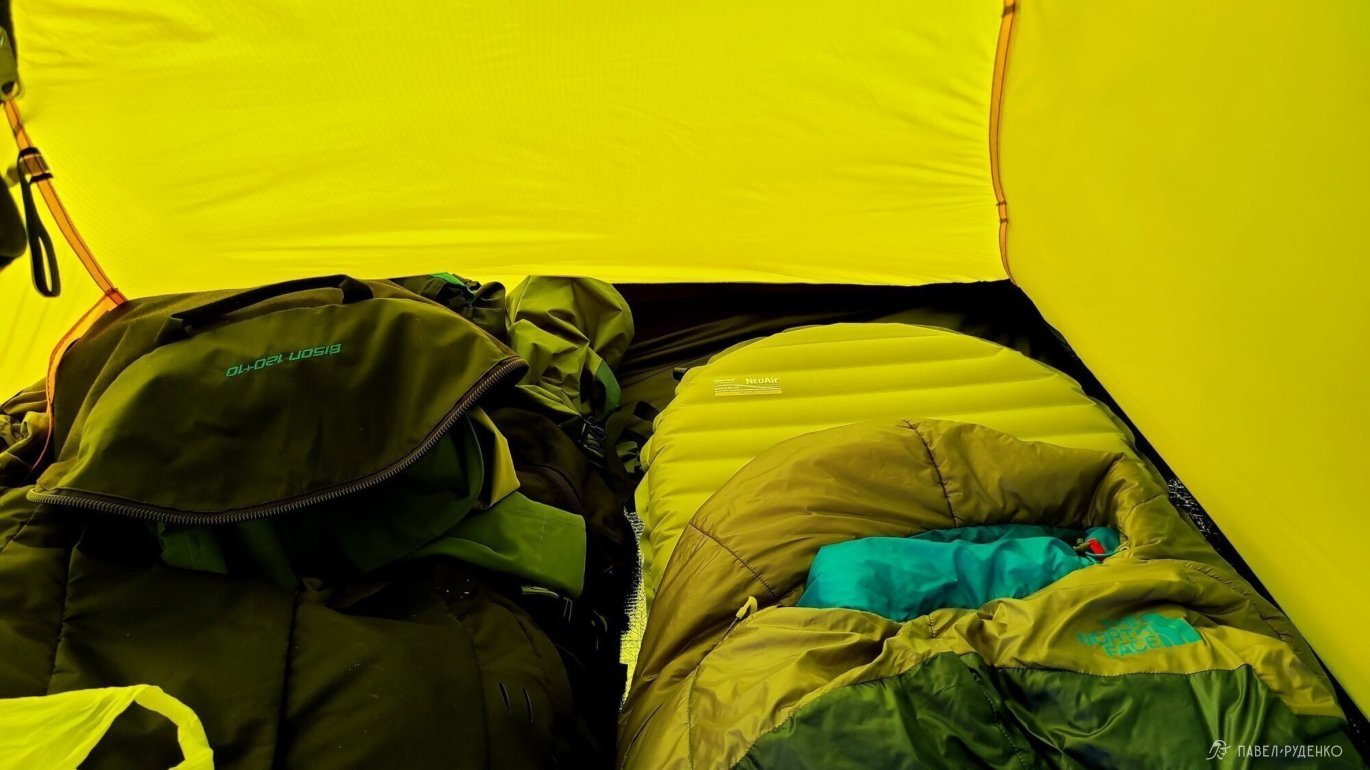
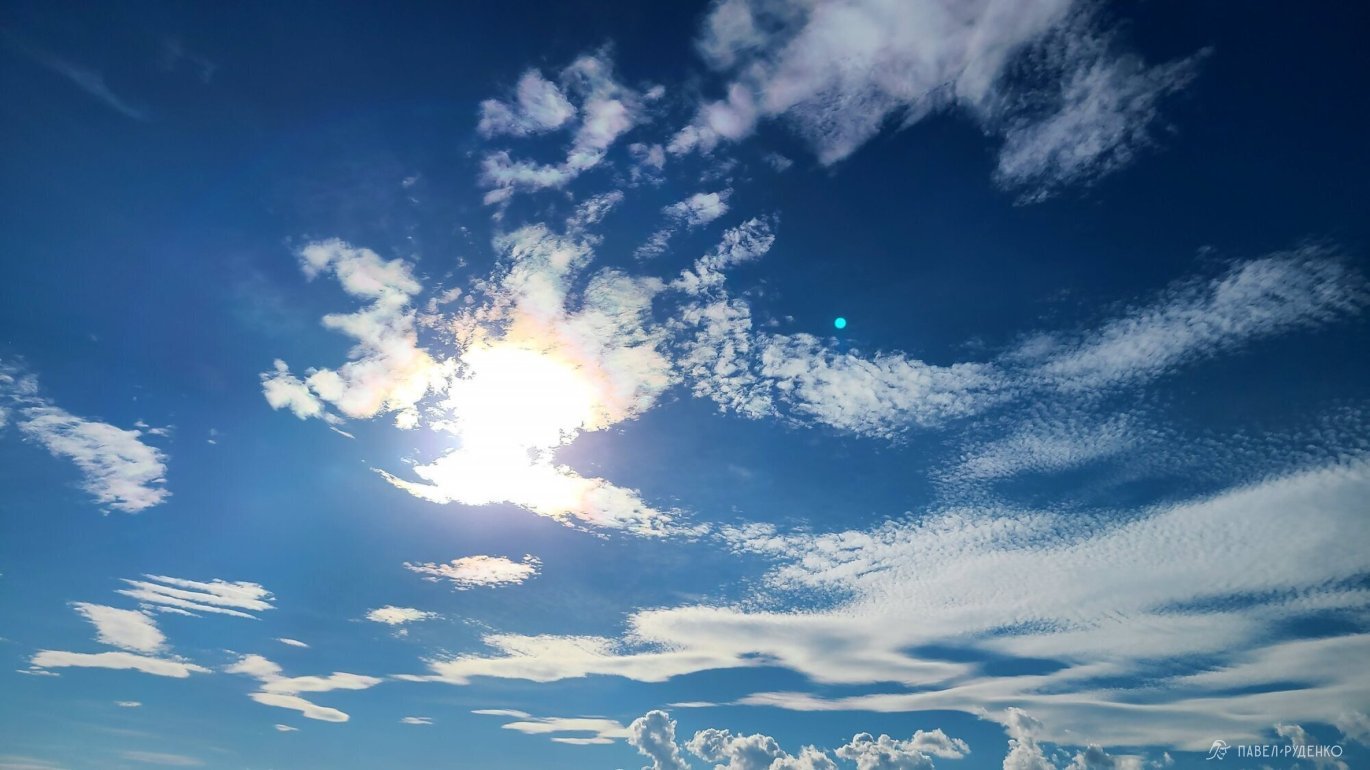
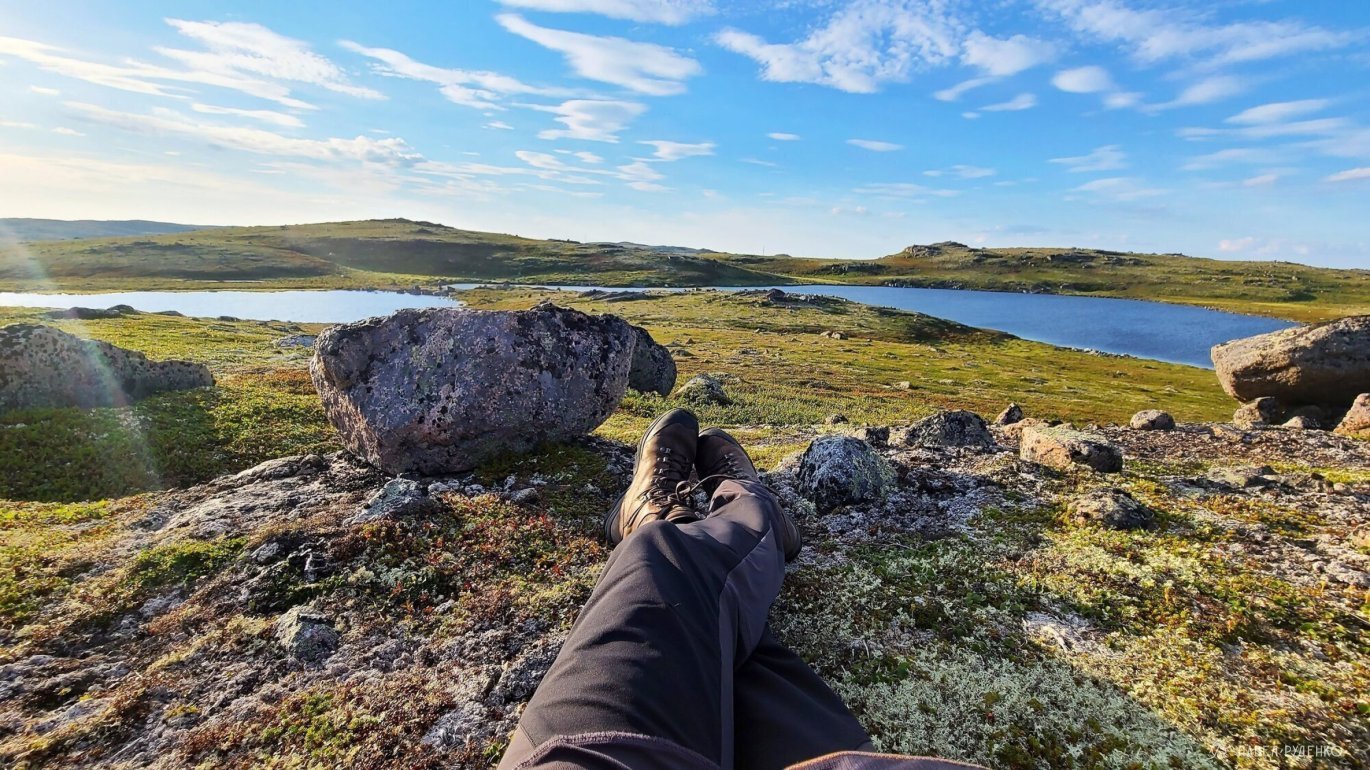
The day promises to be sunny. A rest day: I wander light across the fells, gaze into the distance, and take photos.






DAY 11
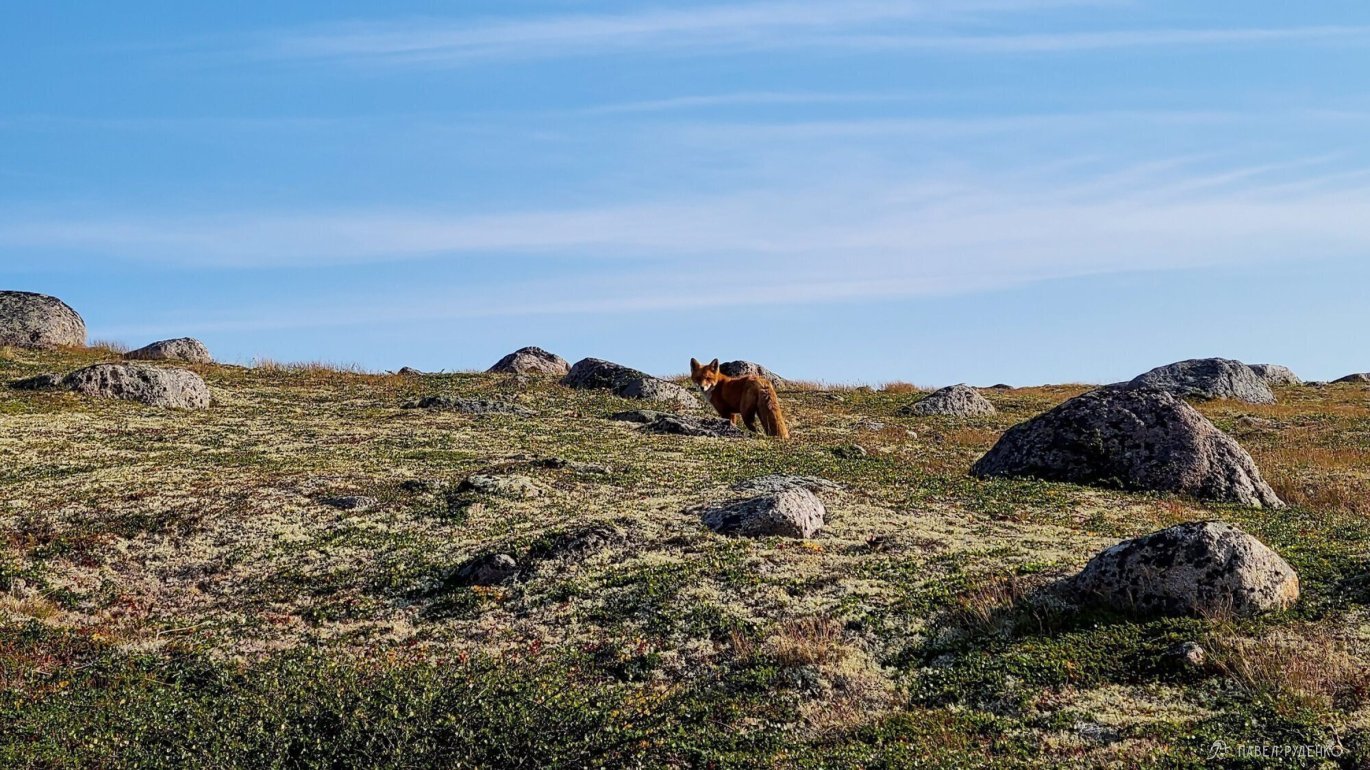
Lost in thought as I walk, I suddenly feel eyes on me. Looking around, I spot a fox just 10 meters away. I stop. We stare at each other for a long time, then start walking forward, keeping the exact same distance between us. I talk to her, offer to take a photo; she obliges, and I snap the shot. We keep pace together for about 20 minutes before the red fox vanishes behind a fell.
I head down to the road, hoping to hitch a ride. A car passes going the other way, and the driver says they will be heading back soon. I keep walking for about three hours until the same car catches up and picks me up.
The drive is long and the road is rough, but the driver is in a hurry, and we make the trip in four hours.



A video lecture about the trek from the Sport-Marafon Travelers Club.
Trek in the Kola North:




Comments (0)