
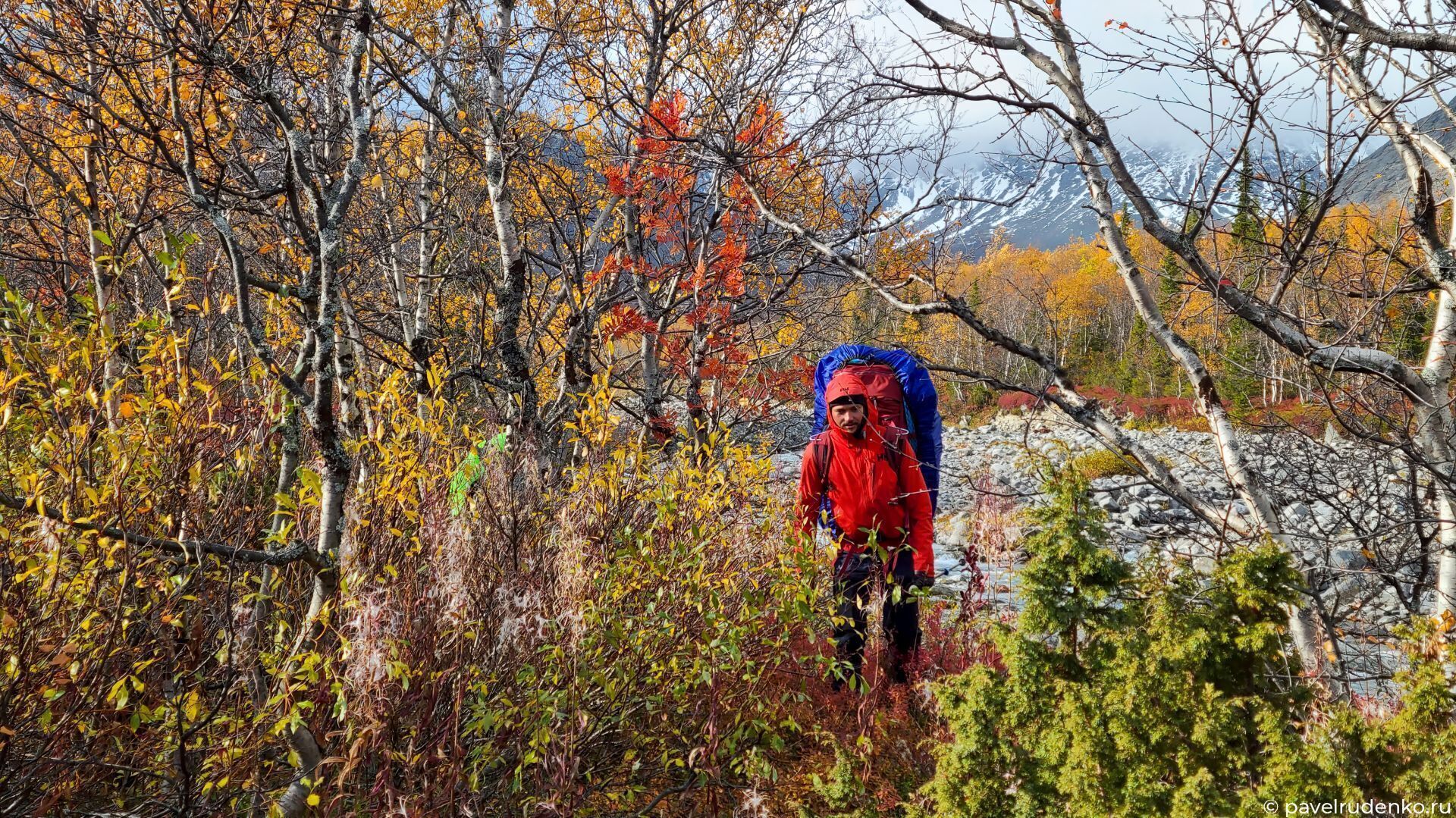
Khibiny Mountains. Autumn Trek
I have long wanted to visit the Kola Peninsula in autumn; judging by the photos, it is unimaginably beautiful at this time of year. If you get lucky, you will catch 2–3 weeks of vibrant red and gold foliage; if not, snow blankets everything and stays until winter.
We flew into Murmansk and took a transfer to the Khibiny Mountains, which cost about 10,000 RUB. The route started from Kukisvumchorr, right next to the Kukis ski lift. Right at the beginning of the trail, construction on the new Kirovsky mine had begun. We scrambled over 50-meter embankments and emerged onto a construction road, where workers warned us that security patrols the area and could issue fines since it is private property. Not wanting to turn back and waste time, we decided to take the risk and slip through. Everything went smoothly, and we reached the non-categorized Vortkeuayv Pass.
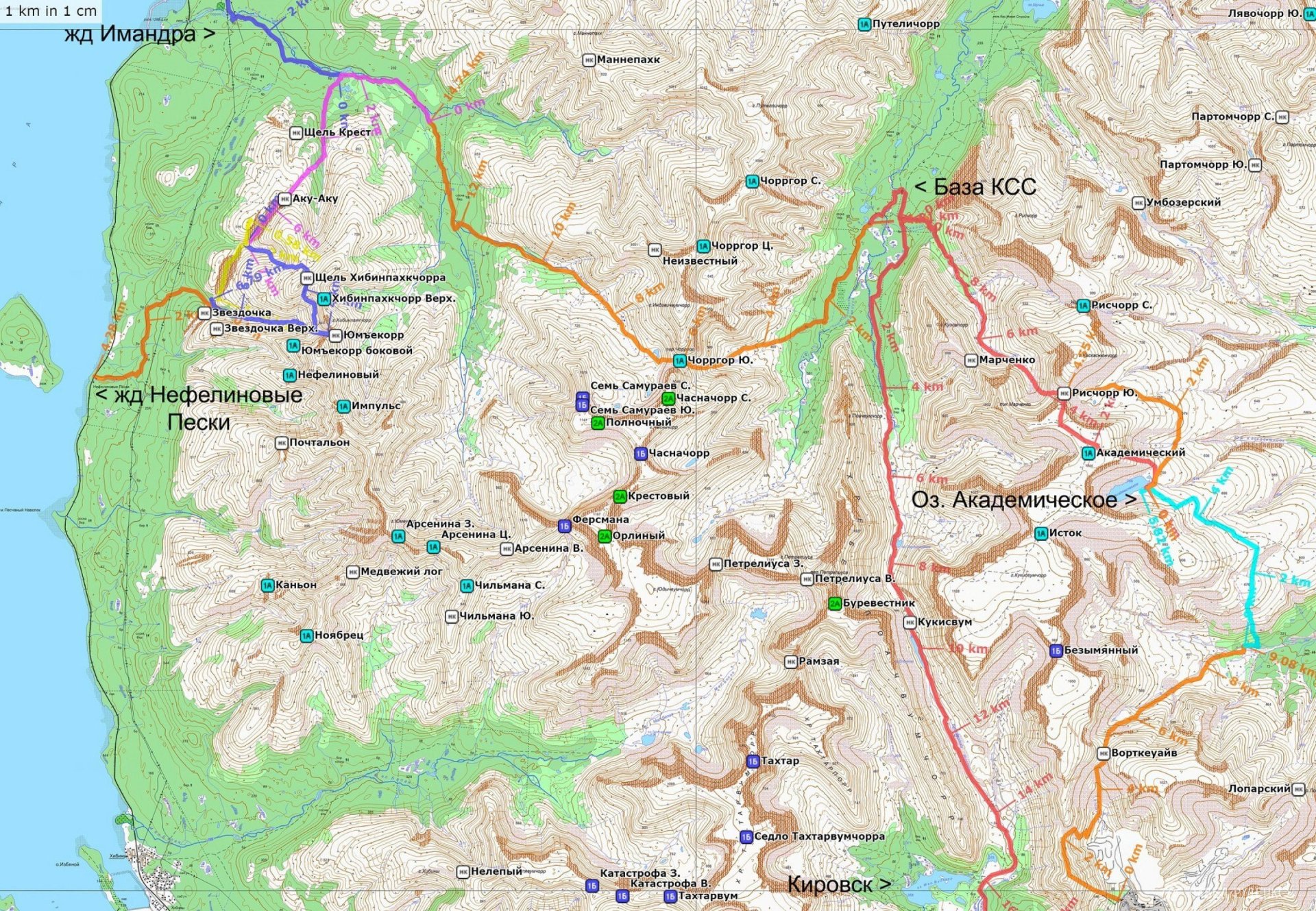
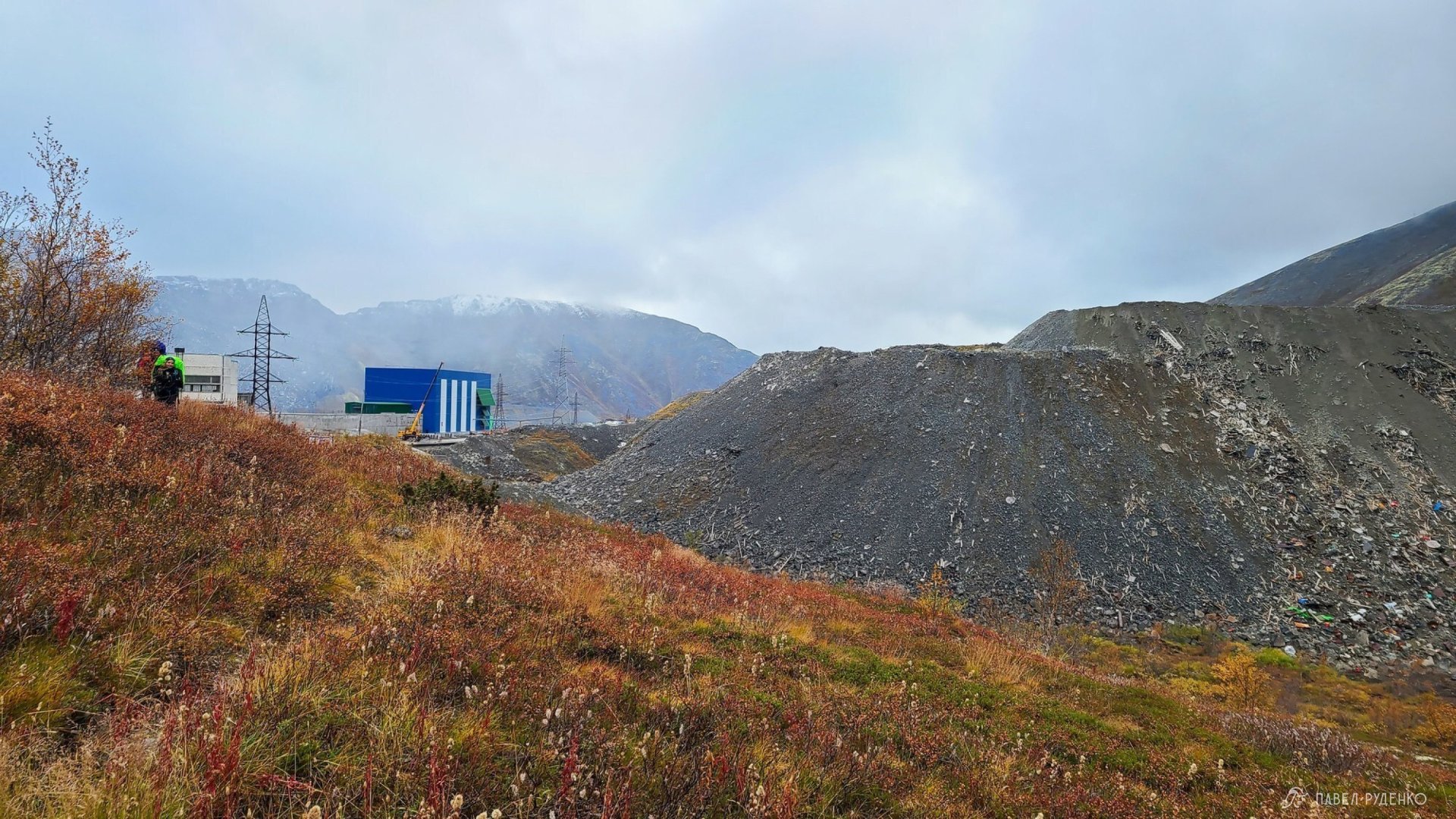
Next time, there is no point in cutting through the mine; it is much better to bypass it by hiking up along the Kukis ski lifts and following the ridge past the mine area.
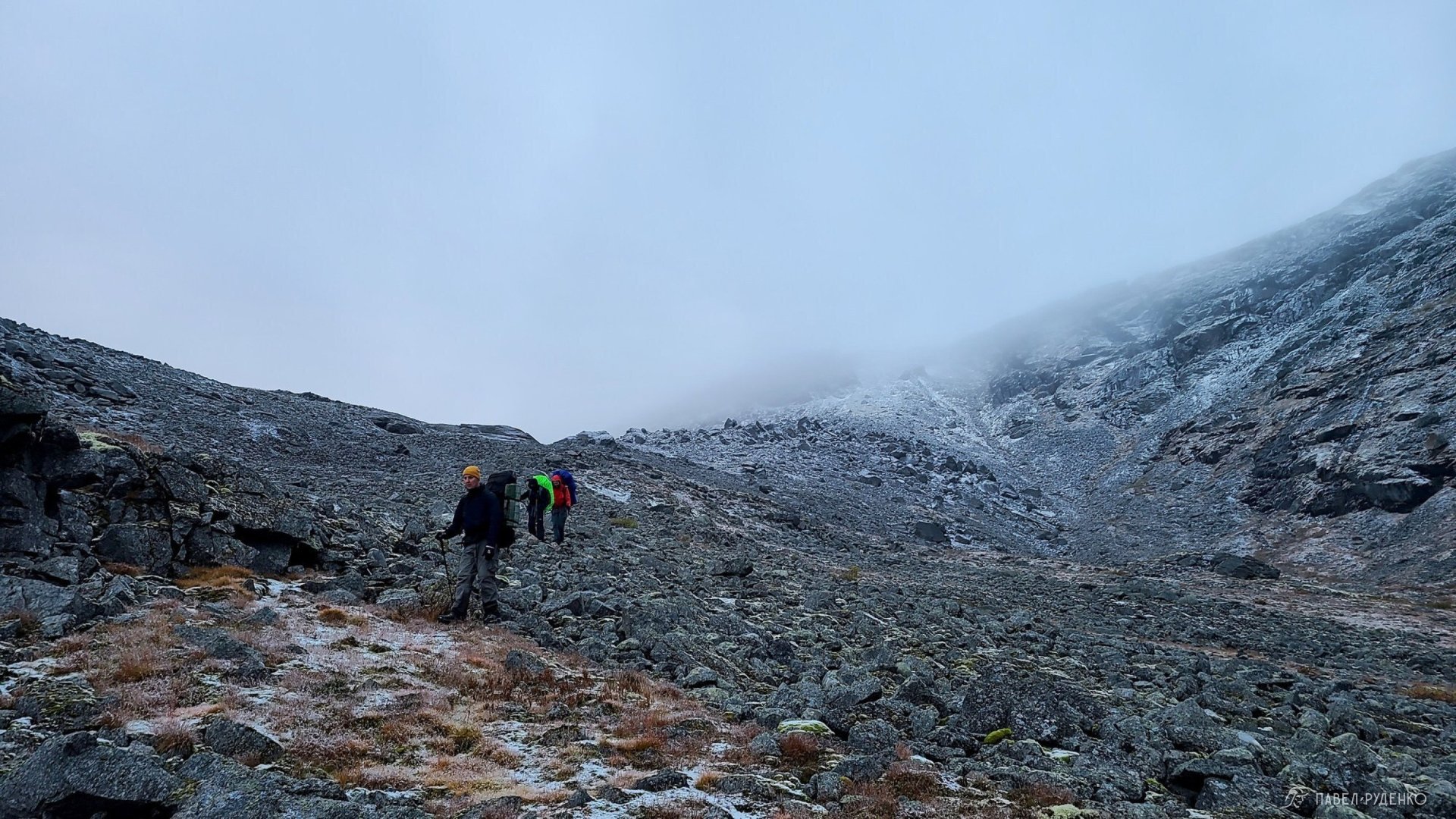
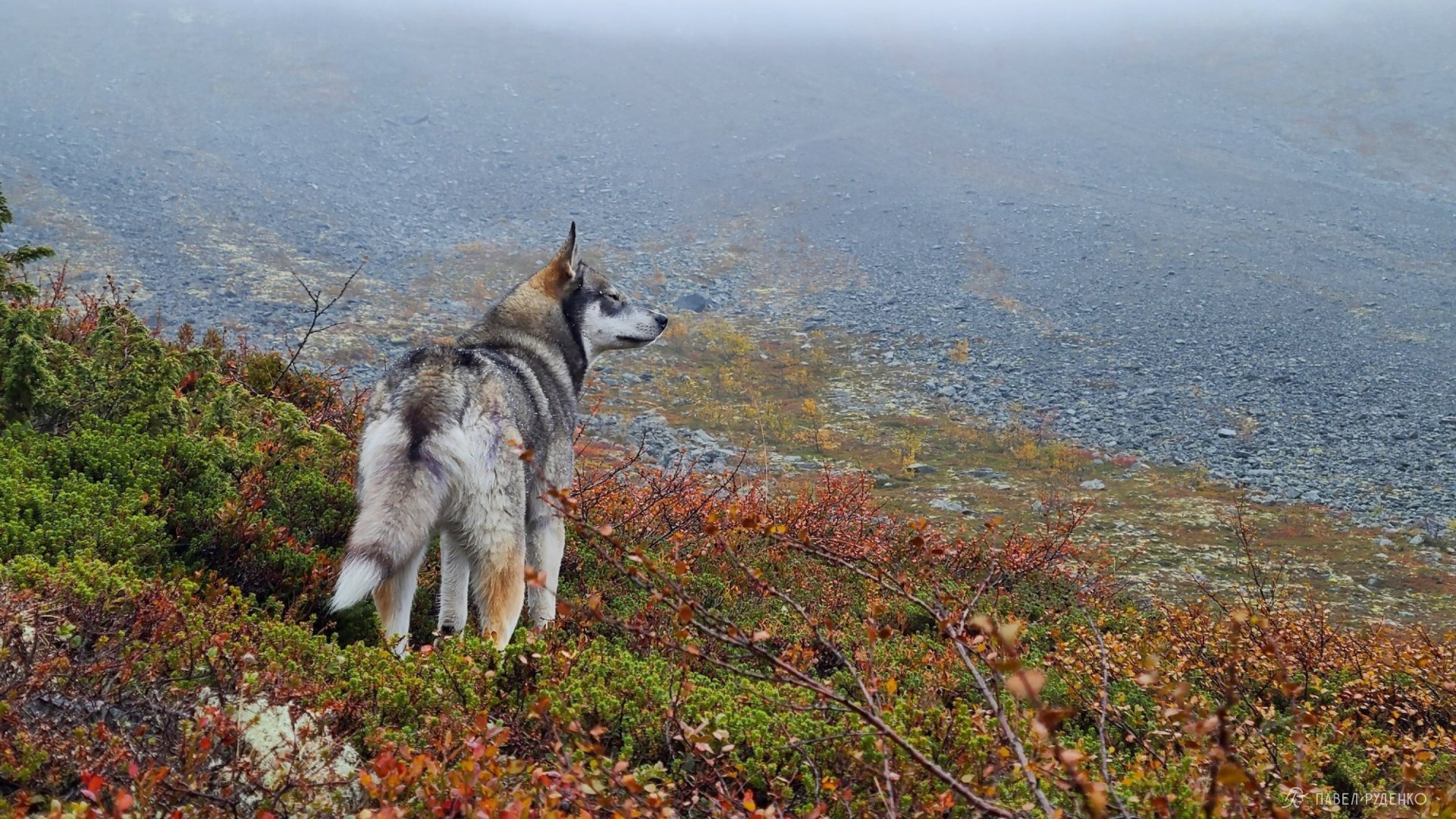
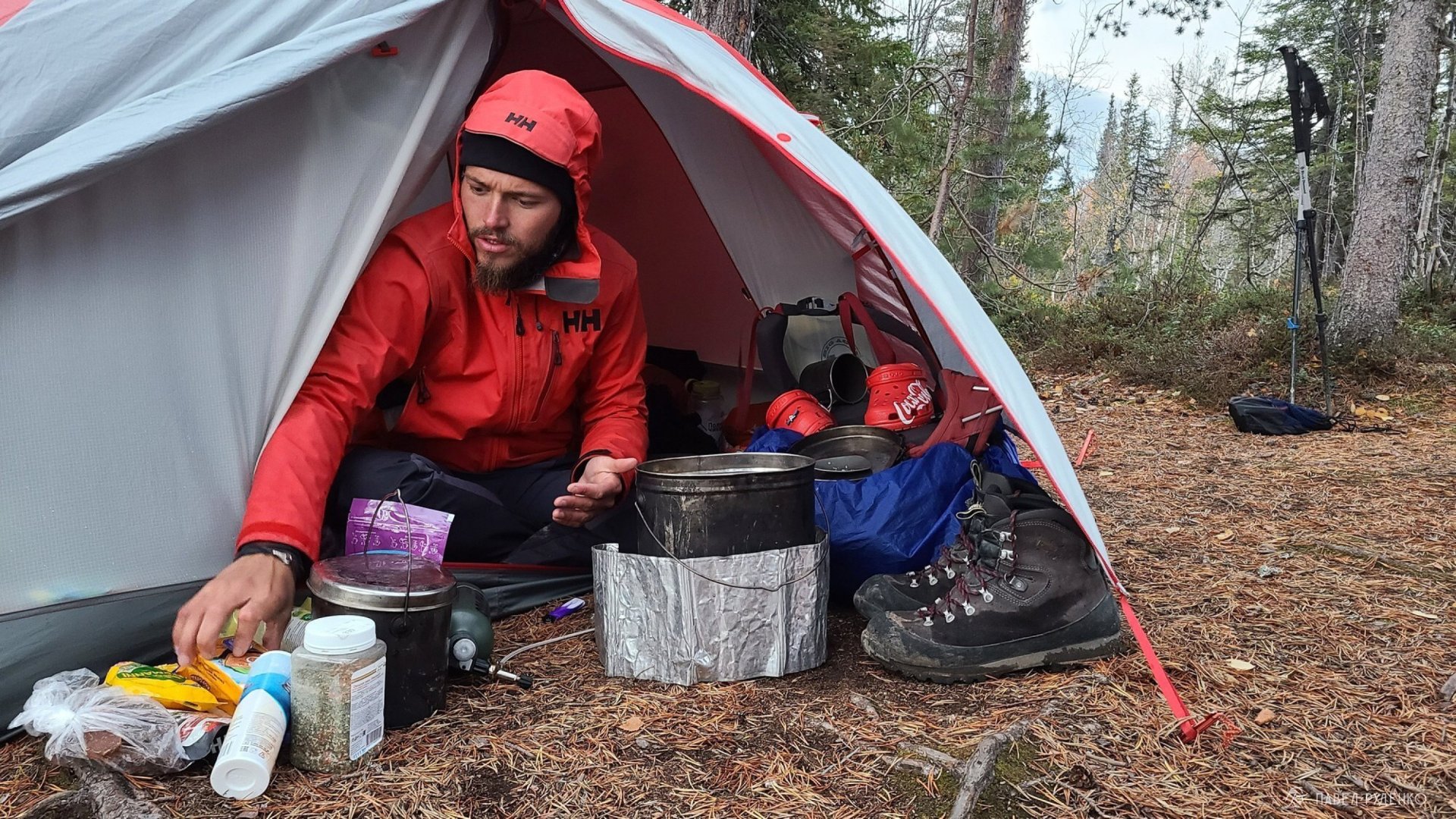
A pair of smitten dogs tagged along with us and stayed by our side for 3 days. They regularly got treats from Diana and kept our spirits high. Snow began to fall on the pass, with winds around 12–14 m/s. It was slick in spots, but manageable. From there, a gentle and pleasant descent begins, with a stream on the left. At 19:00, we started setting up camp in a clearing and making dinner. The wind picked up, so cooking was only possible inside the vestibule; we fired up two Primus Omnifuel multi-fuel stoves with white gas, chatted for a bit, and turned in for the night. In the dark, a pair of eyes glowed about two hundred meters away, even though the dogs were right next to us. I couldn't tell what it was, but the shape was completely motionless, so I figured it was just reflecting off glass or wet rock.
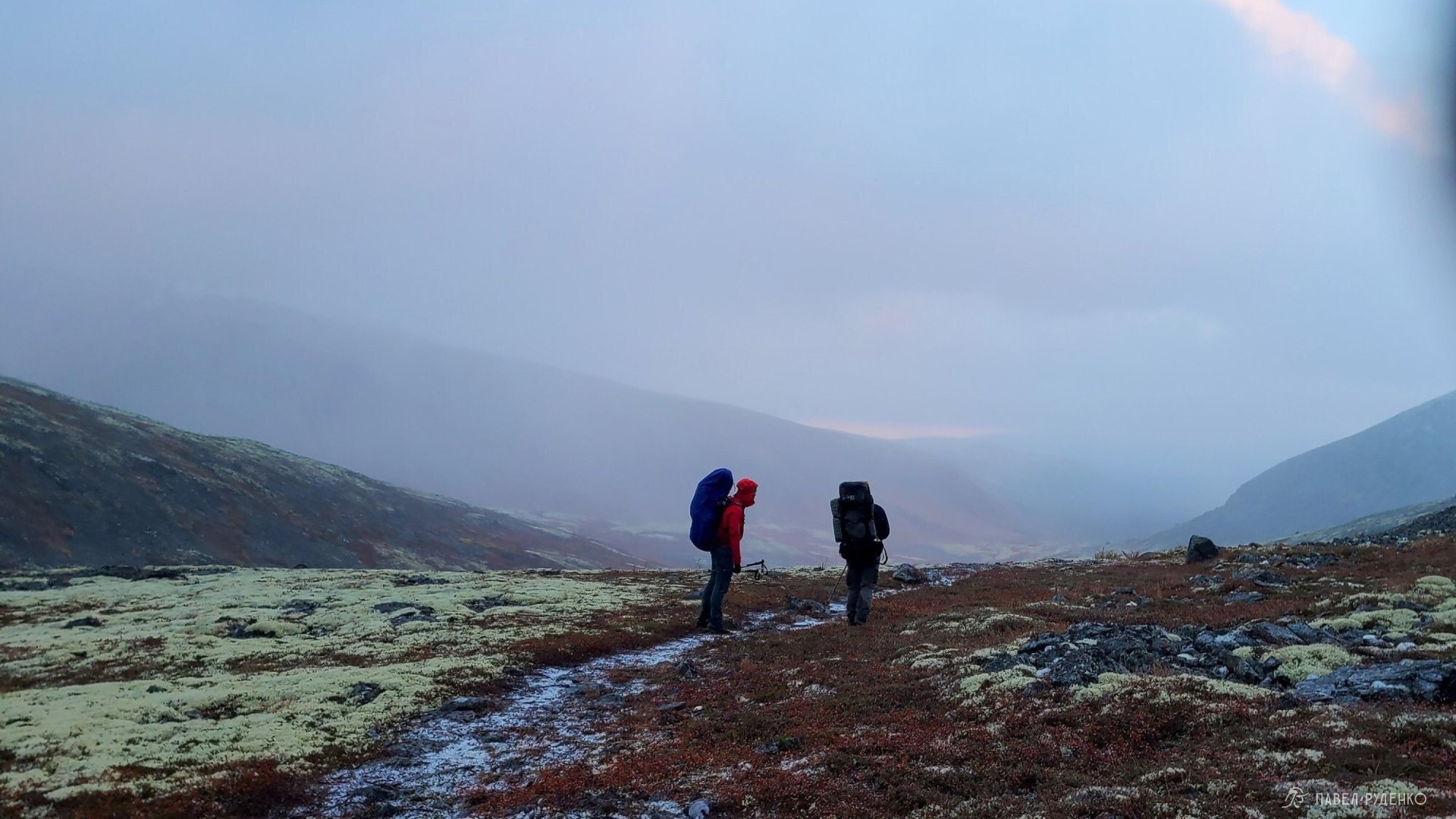
Non-categorized Vortkeuayv Pass, September 21. Khibiny Mountains
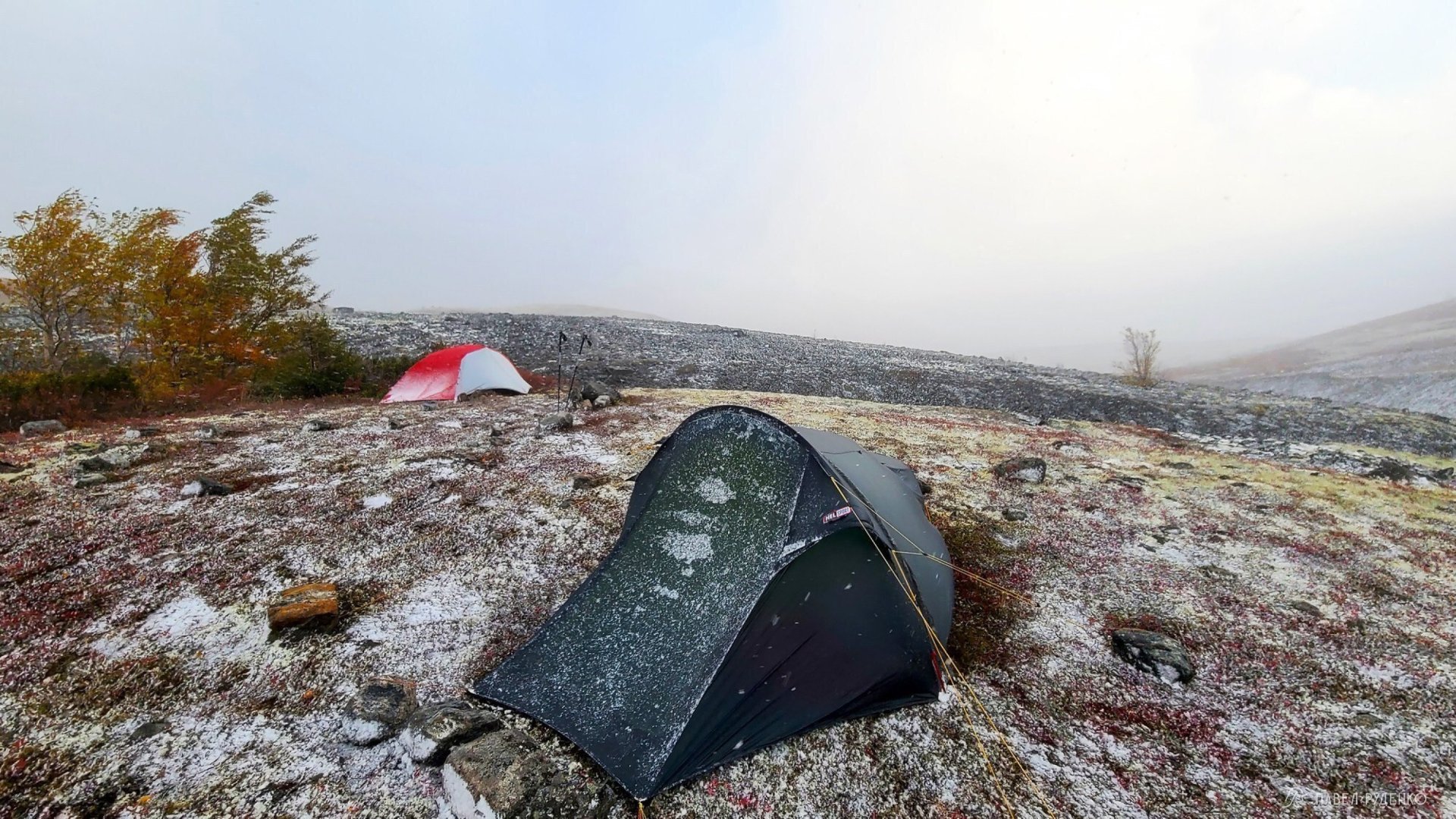
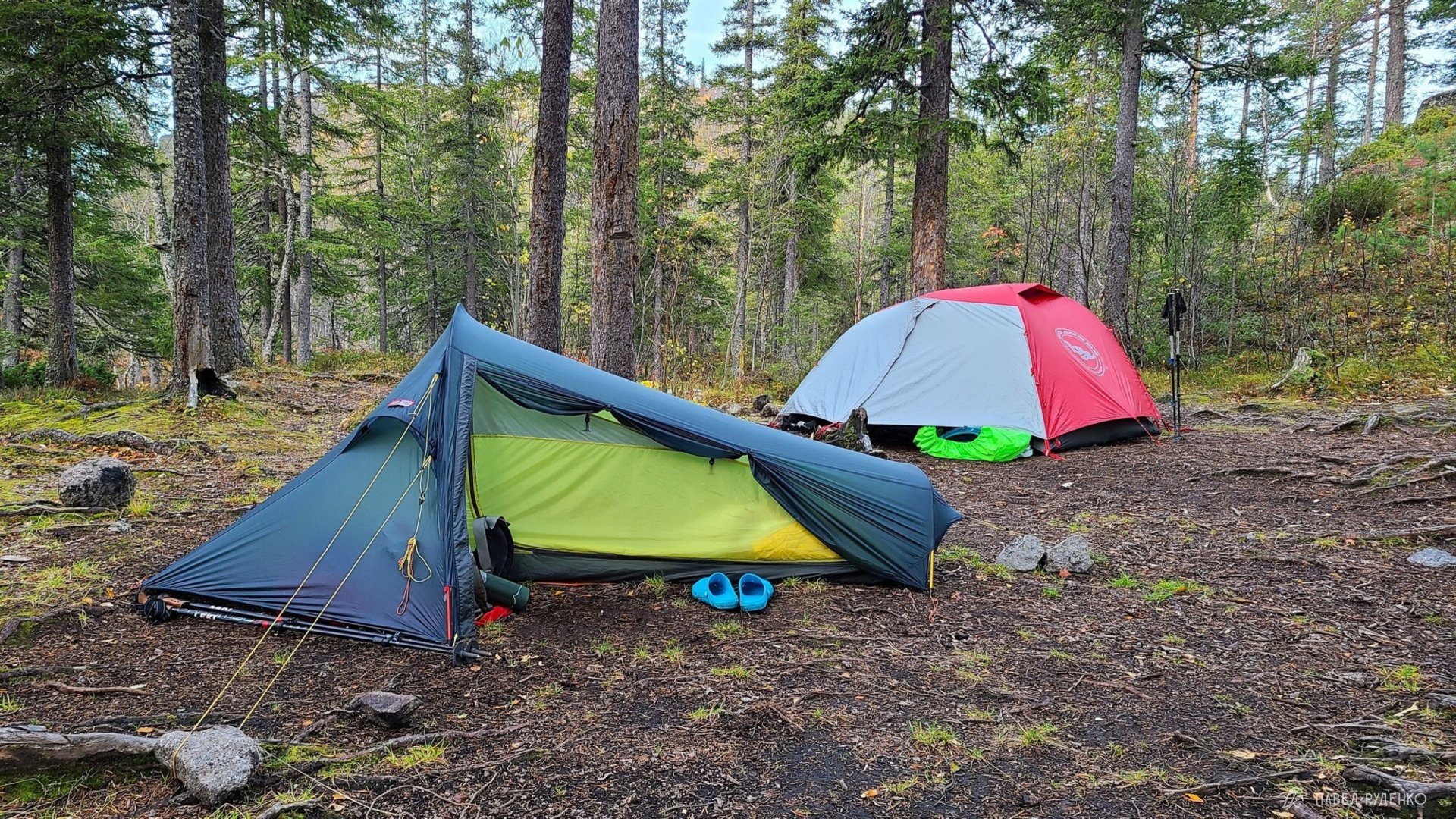
We hiked with two tents: I was in a solo Helsport Ringstind, and the other three stayed in a Big Agnes Copper Spur Expedition 3. It was the coldest night of the trek, around -6°C, with strong winds reaching 17 m/s. Even with the flysheet extending to the ground, wind drafted slightly through a tiny gap, so I threw a jacket over my fleece and fell fast asleep in my Sivera Iriy -2 sleeping bag.
You can also check out my photos of the North on Instagram—be sure to follow!
Sign up for the best treks across the Kola North:
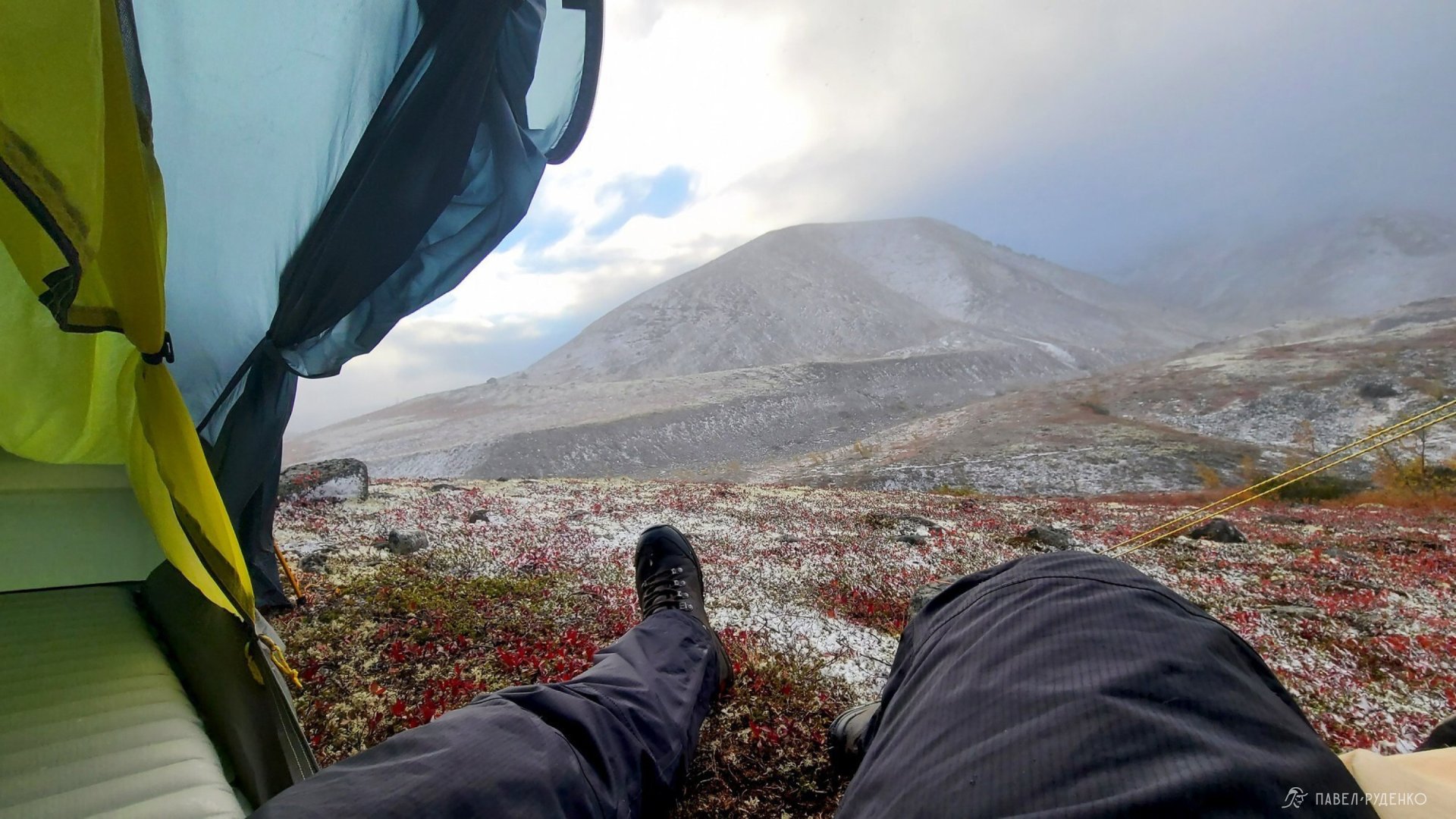
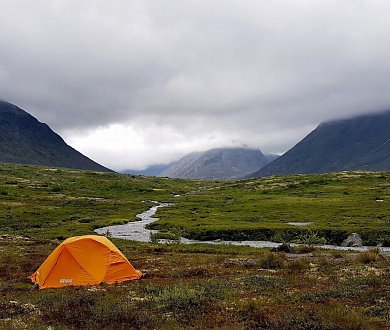
View from the solo Helsport Ringstind 1 tent. Khibiny Mountains.
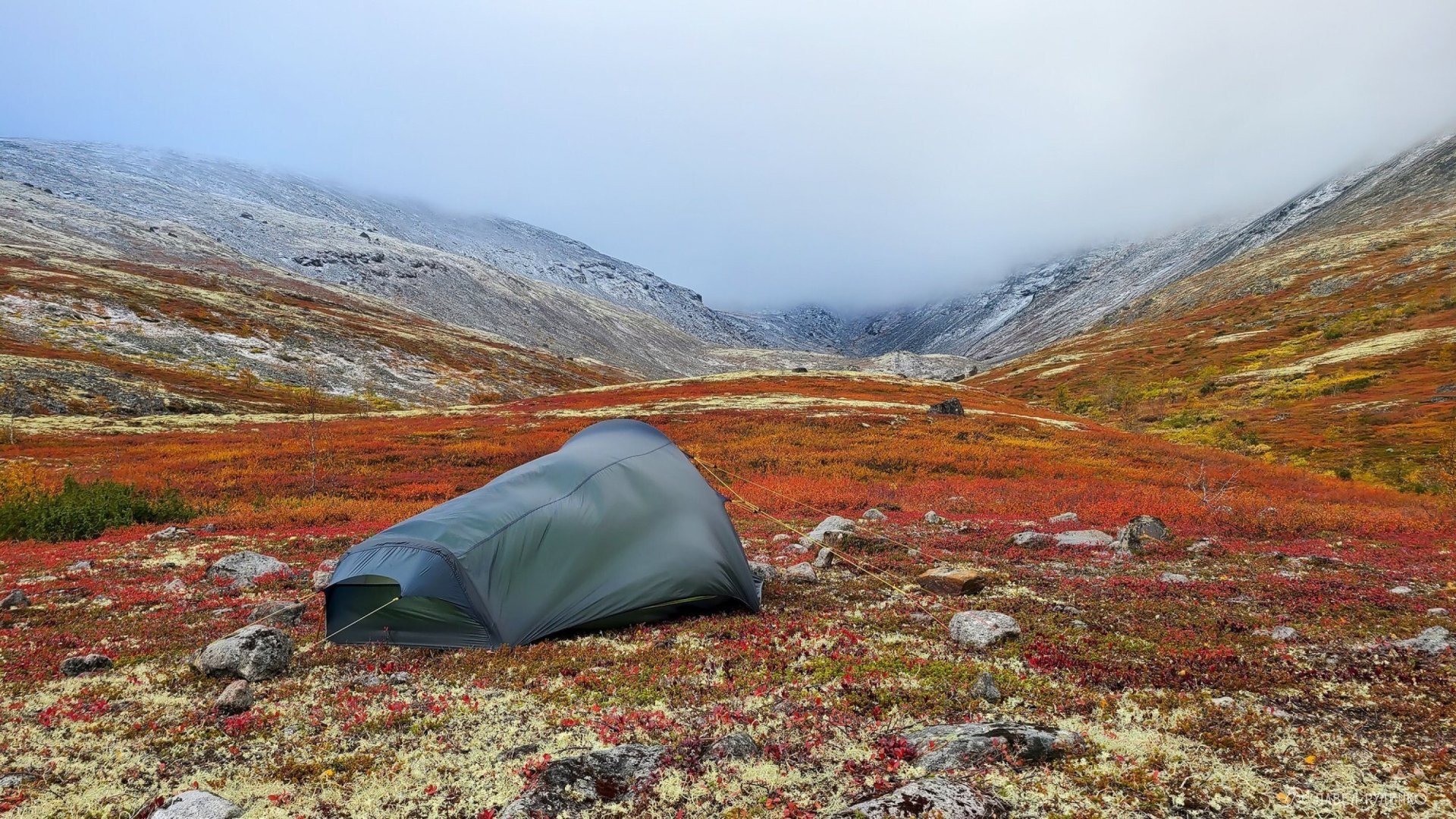
Helsport Ringstind 1: extremely wind-resistant, the pole didn't even bend under wind gusts of 15–17 m/s. Tent weight: 1 kg. Khibiny Mountains
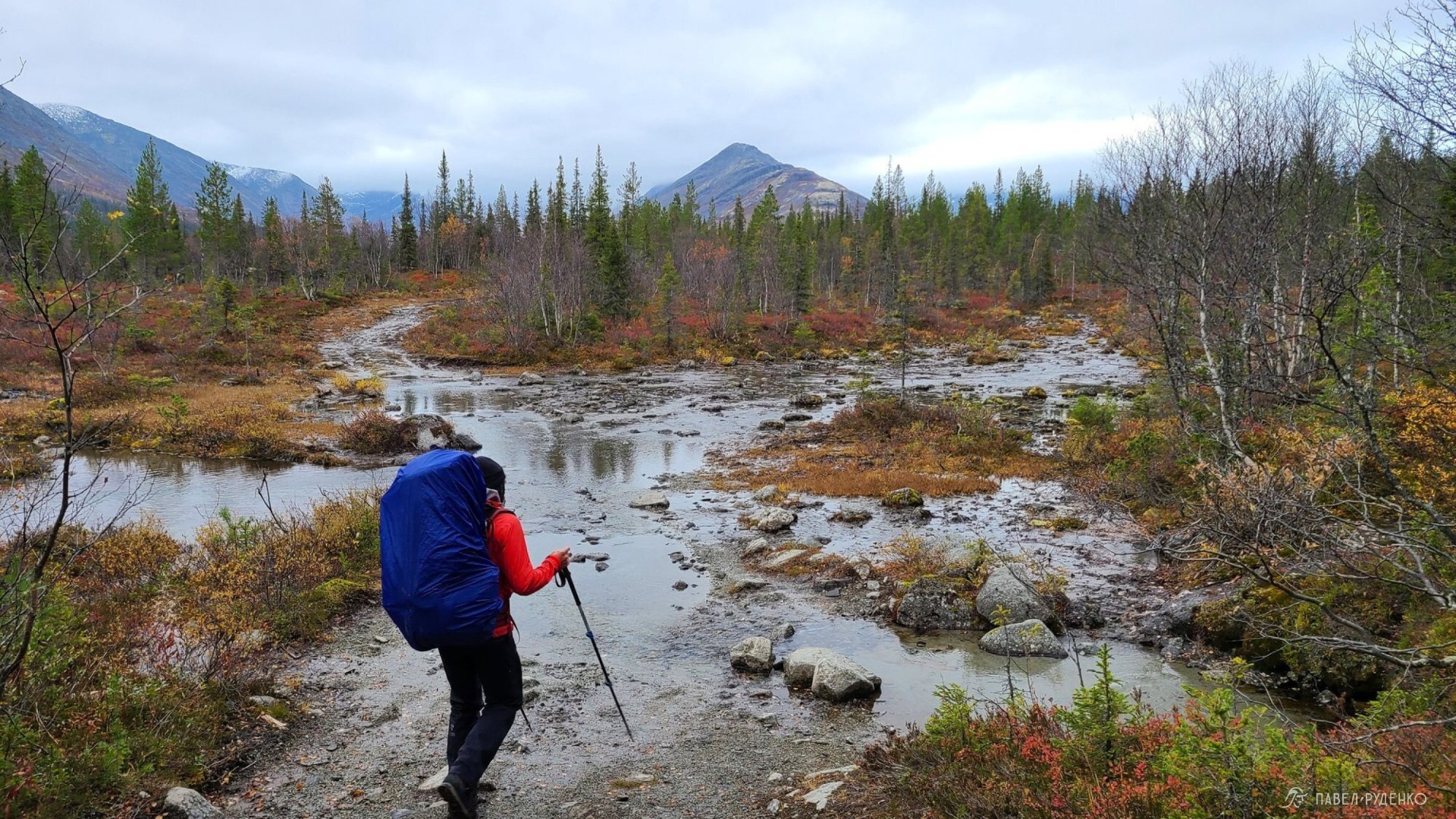
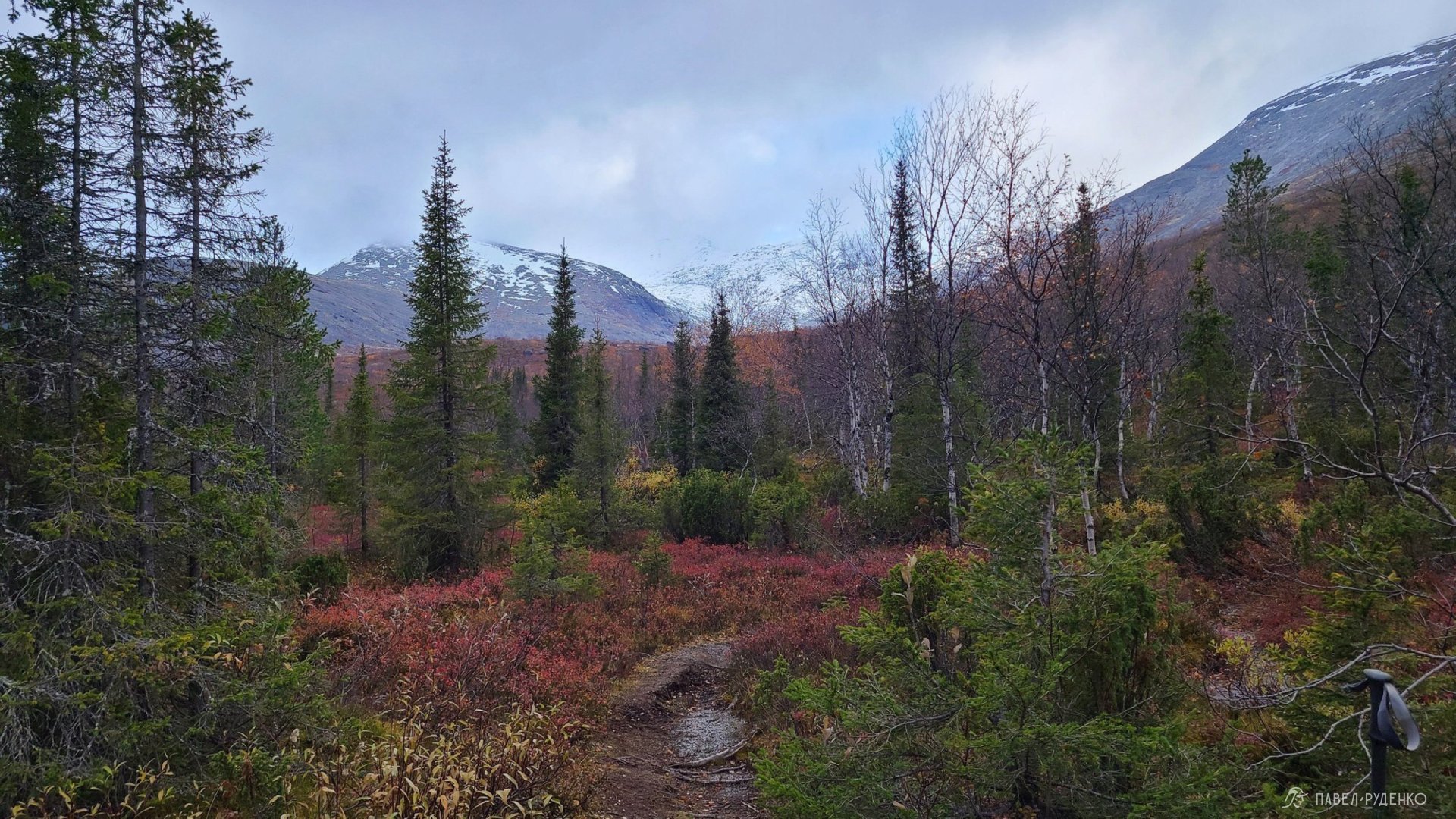
Crawled out of the tent at 8 a.m. to snow all around; the tent was dusted in white, and the wind was still howling, but stunning views lay ahead. We packed up and hit the trail. The lower we descended from the pass, the richer the vegetation became, and an autumn wonderland unfolded. Wow, autumn in the Khibiny Mountains is simply unreal! Smiling, taking it all in, and photographing the sharp contrast between snow-covered peaks and vibrant autumn colors. We forded the Tulyok River, switching into Crocs, but in September the water level was below the knee.
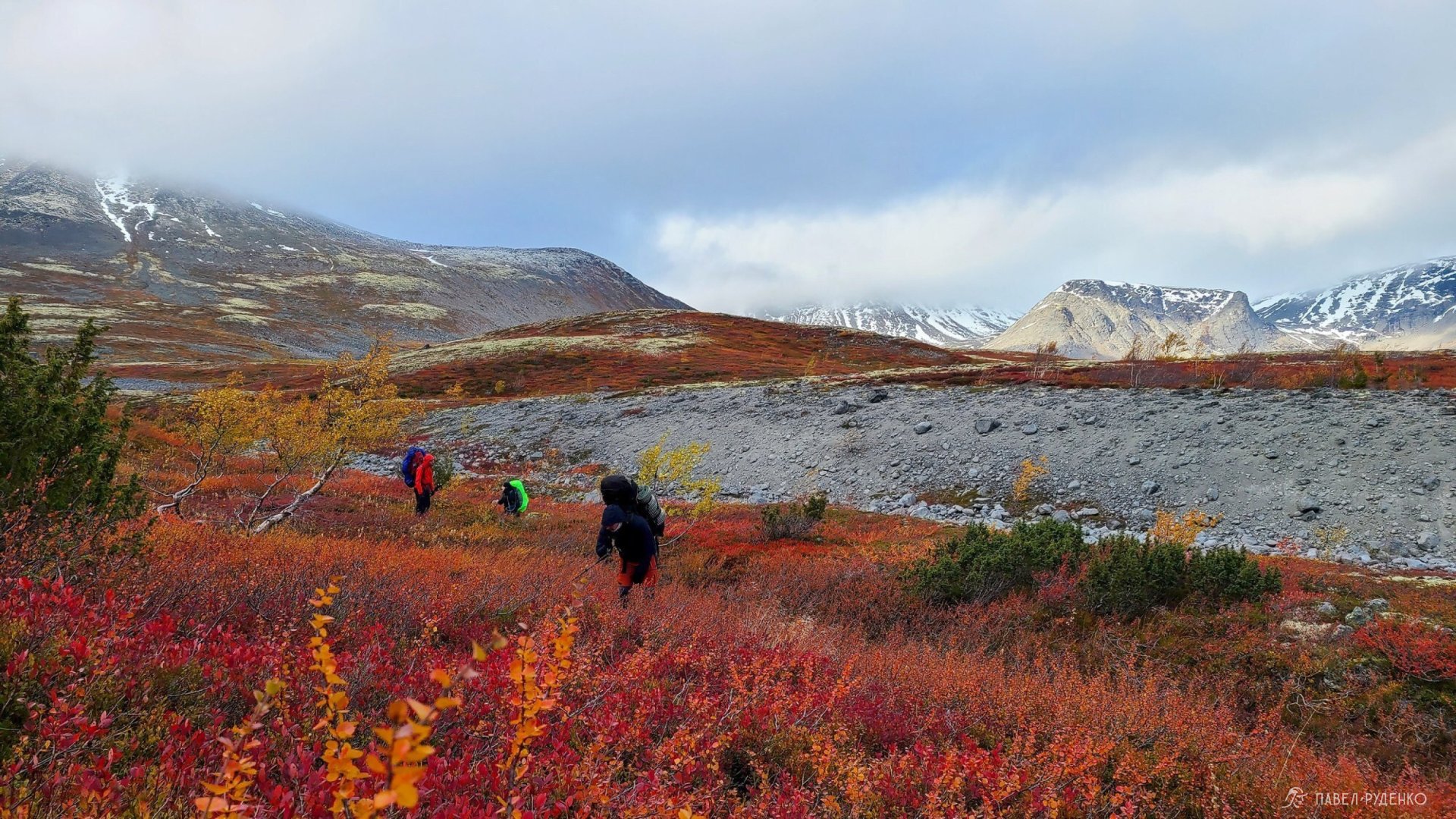
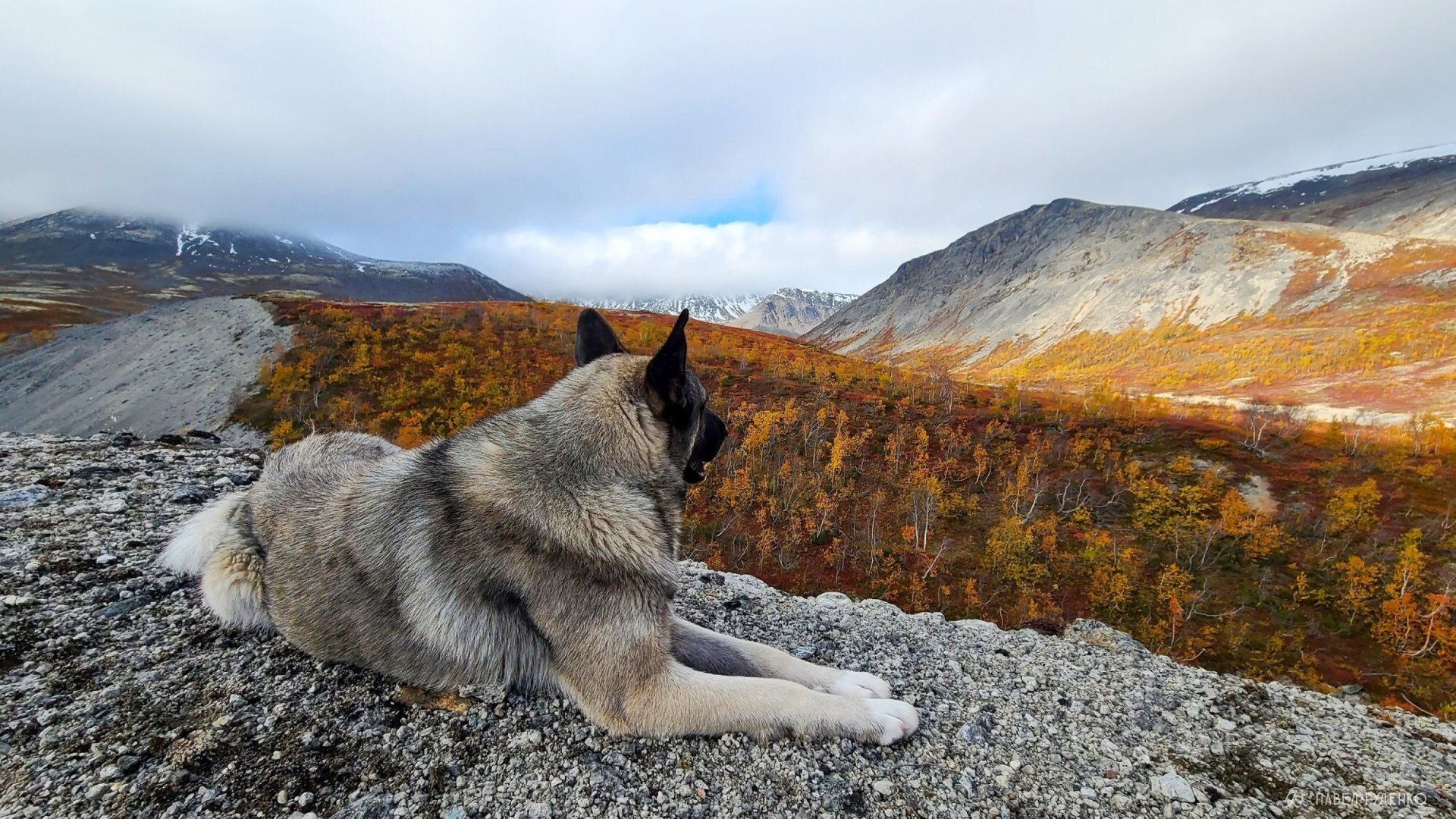
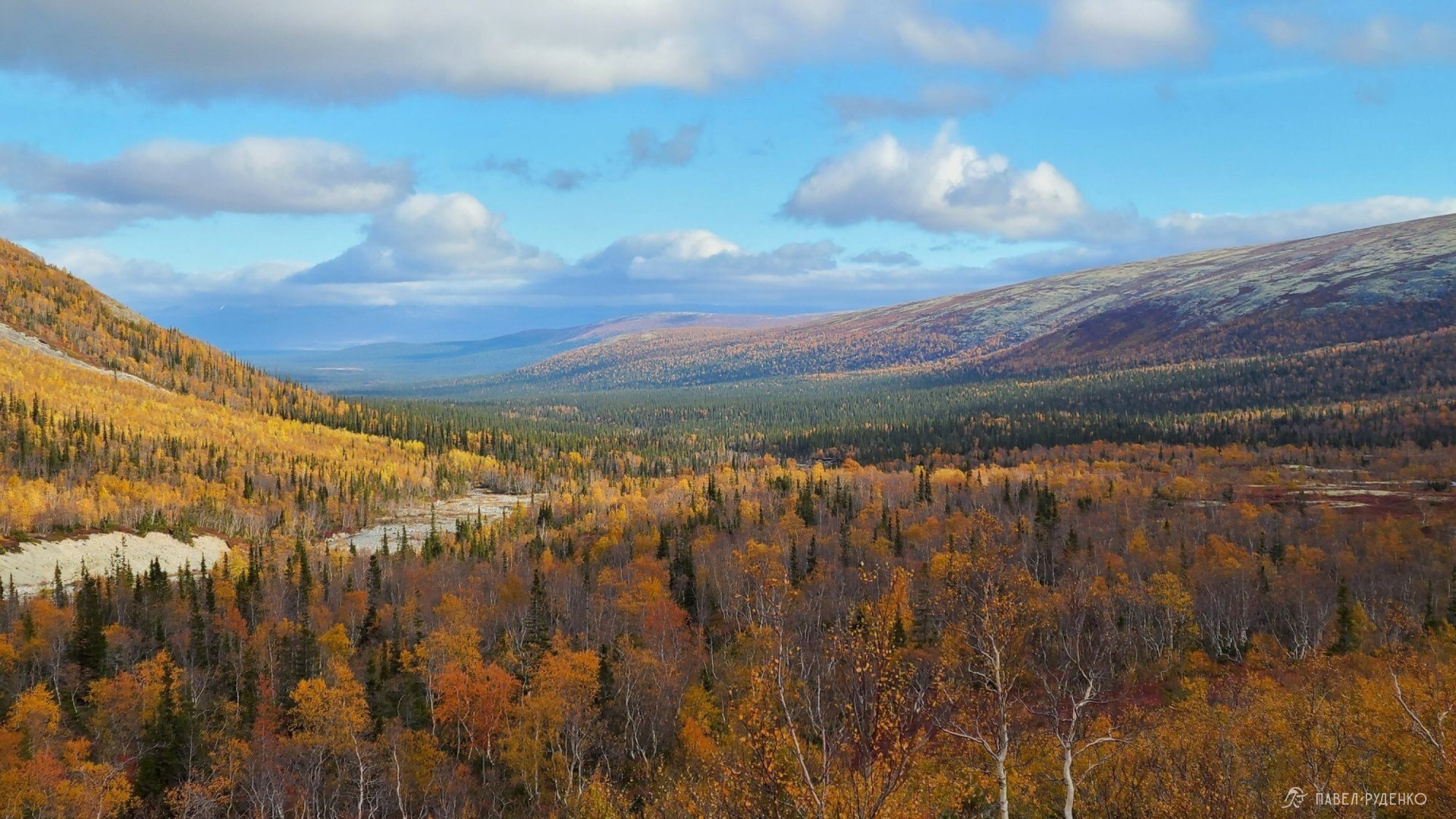
Autumn in the Khibiny Mountains, September 22.
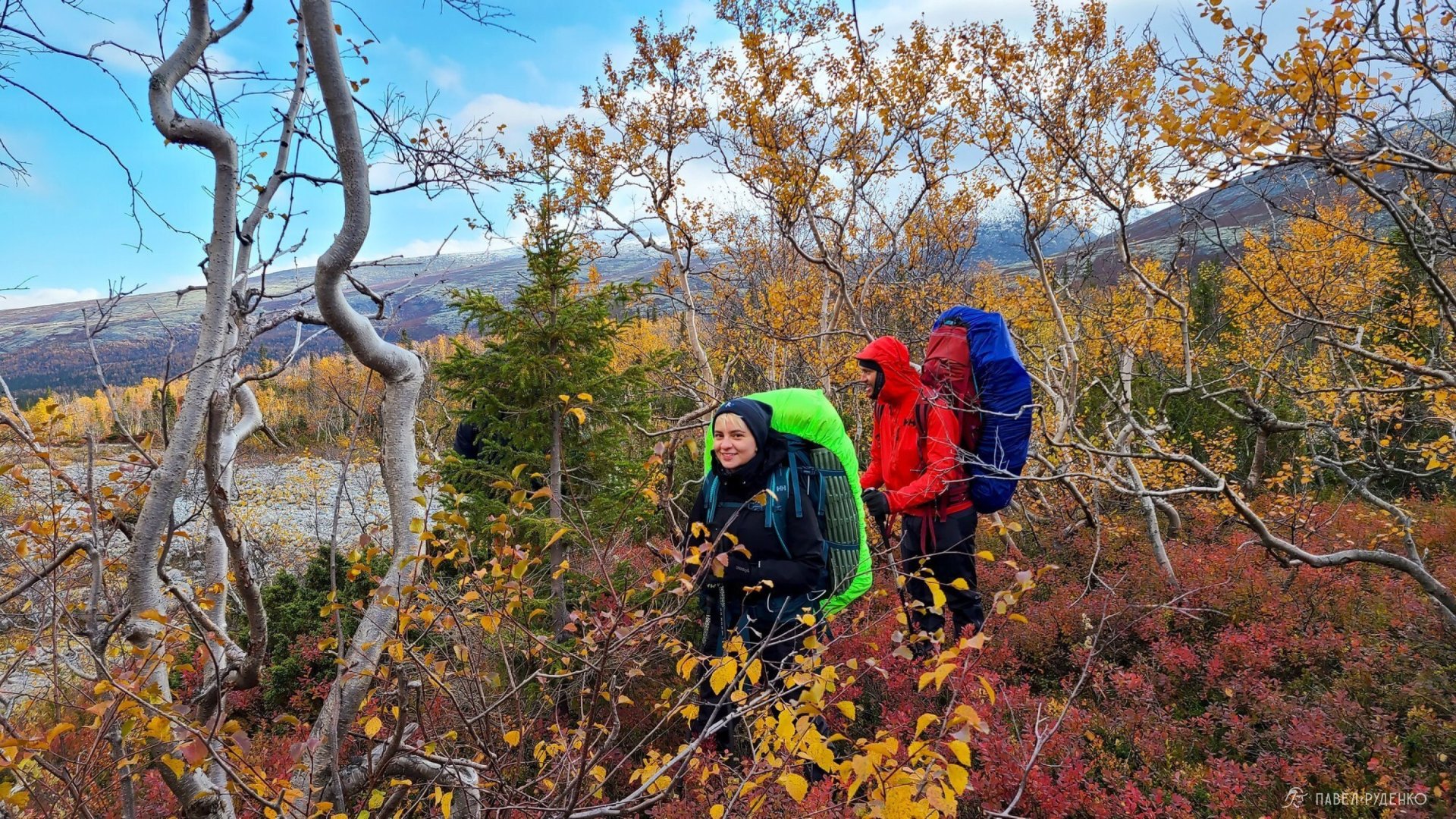
Autumn in the Khibiny Mountains, September 22.
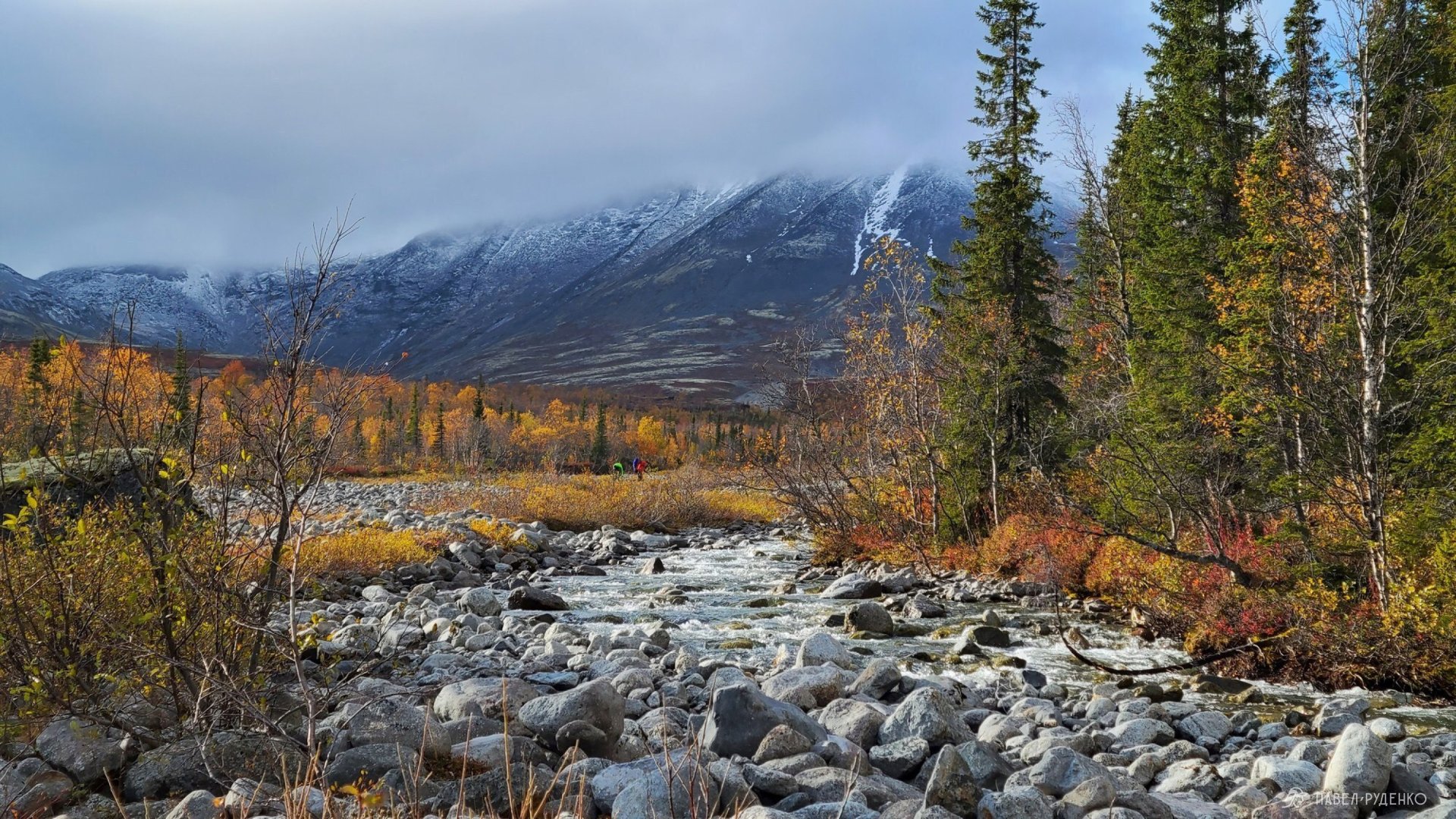
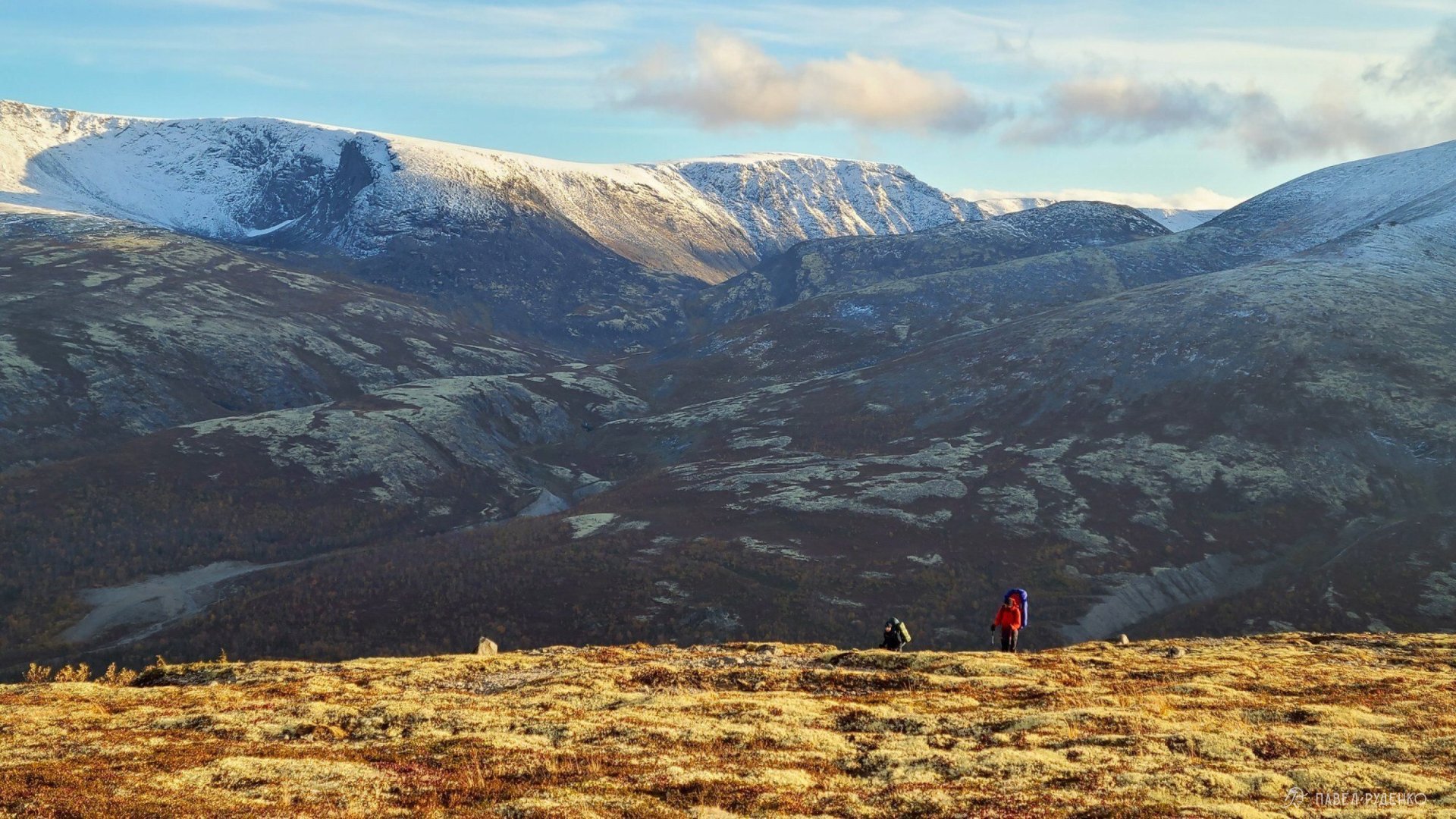
Camping by the most beautiful lake in the Khibiny Mountains—Lake Akademicheskoye. Surrounded on three sides by sheer rock faces like a cirque. An incredibly atmospheric spot in both overcast and sunny weather; an absolute must-visit, and even better for an overnight stay.
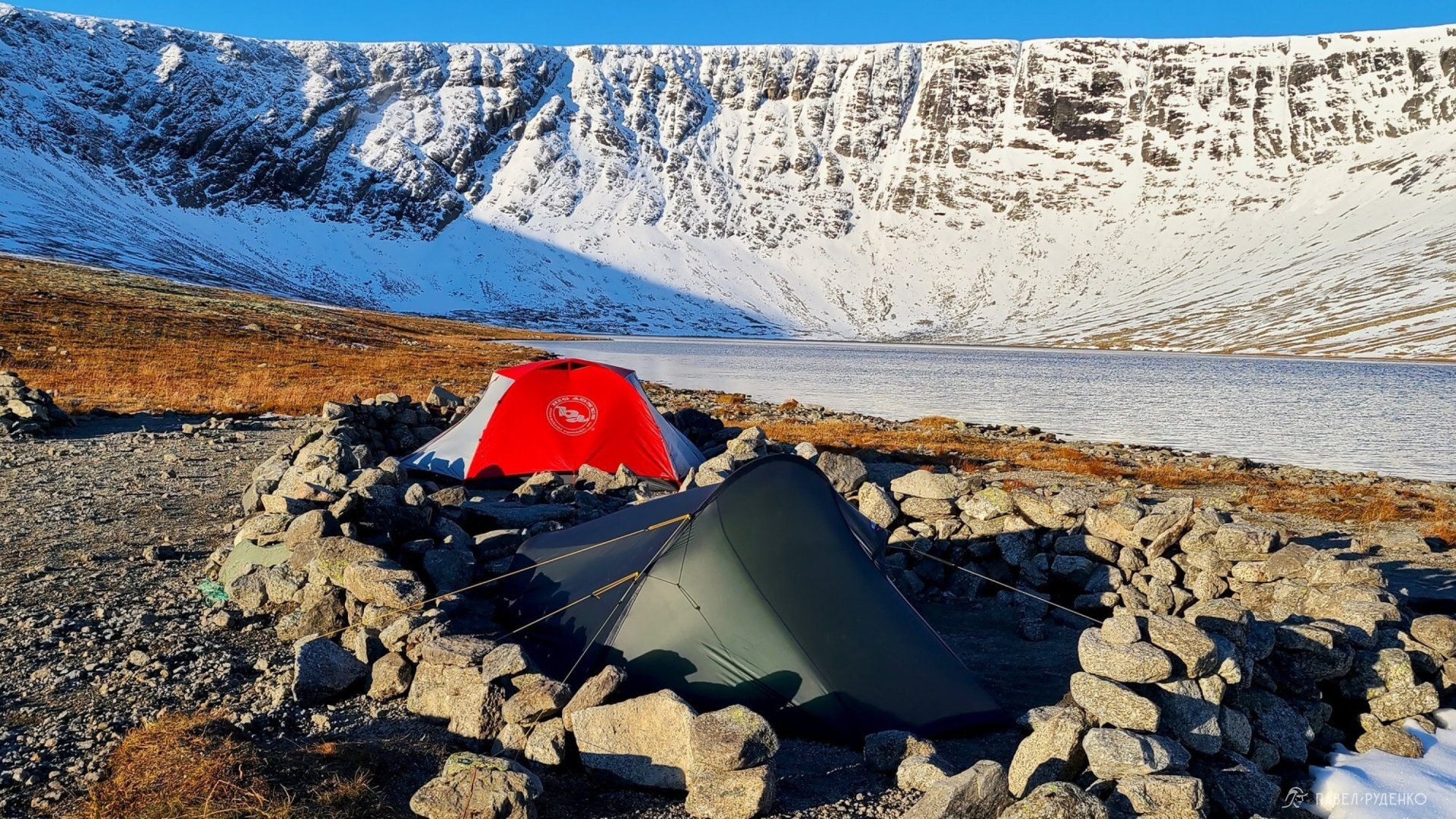
Lake Akademicheskoye. An extraordinary place. Helsport Ringstind 1 and Big Agnes Expedition 3 tents. Khibiny Mountains.
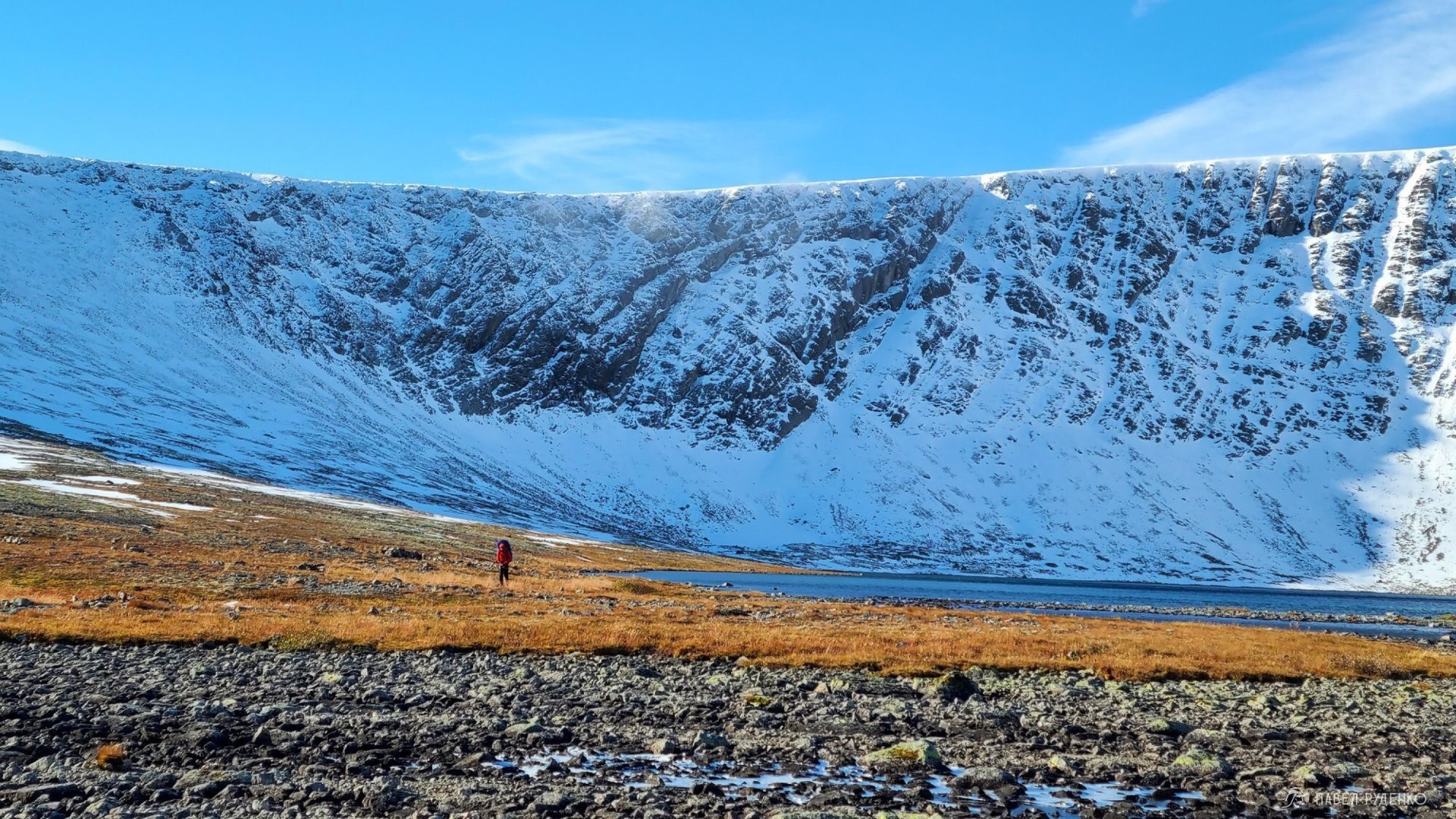
Lake Akademicheskoye, Khibiny Mountains. September 23.
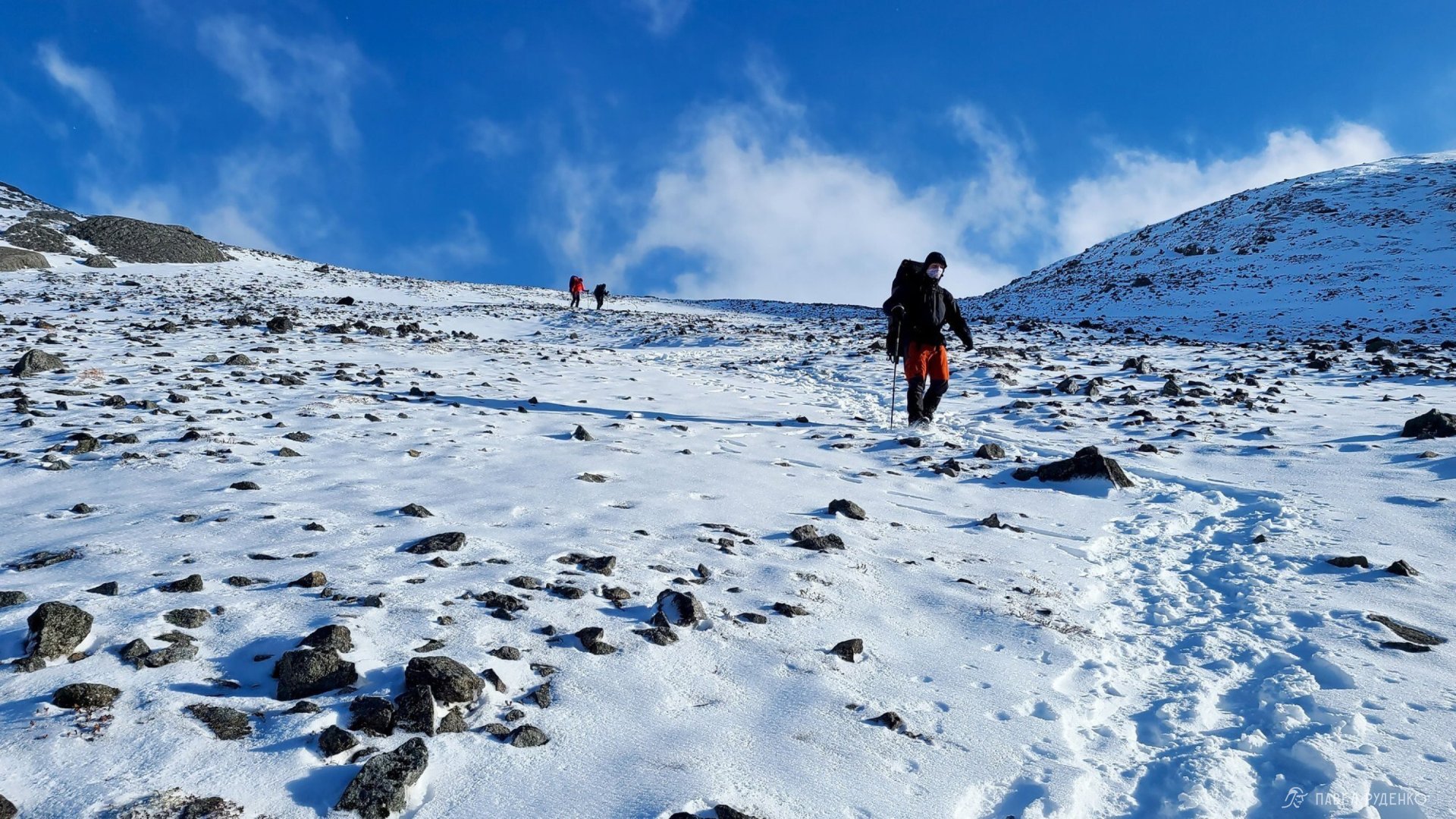
We head up the northern slope with drop-offs on either side; in poor visibility, it is much safer to stay low via the non-categorized South Rischorr Pass. We reach the plateau into fierce 17 m/s winds and wind-packed snow, walking as if on concrete. The plateau is about 200–300 meters wide, curved, with no landmarks on the snow; I check the GPS every three minutes to keep well clear of the edges. Wind gusts occasionally knock you off your feet—that is the main danger near the rim, as a sudden gust could knock you down and send you sliding across the snow toward the drop-off. But staying in the center of the plateau avoids any issues. It is sunny, crisp, and stunning, with surreal lenticular clouds resembling UFO saucers in perfect elongated ovals. Harsh conditions make taking photos impossible. Approaching from above, we head toward the descent to South Rischorr Pass. At first, it looks sketchy because the slope is hard-packed firn angling downward, posing a real slip hazard. I scouted ahead, spotted rocks protruding on the left, and used them to descend safely.
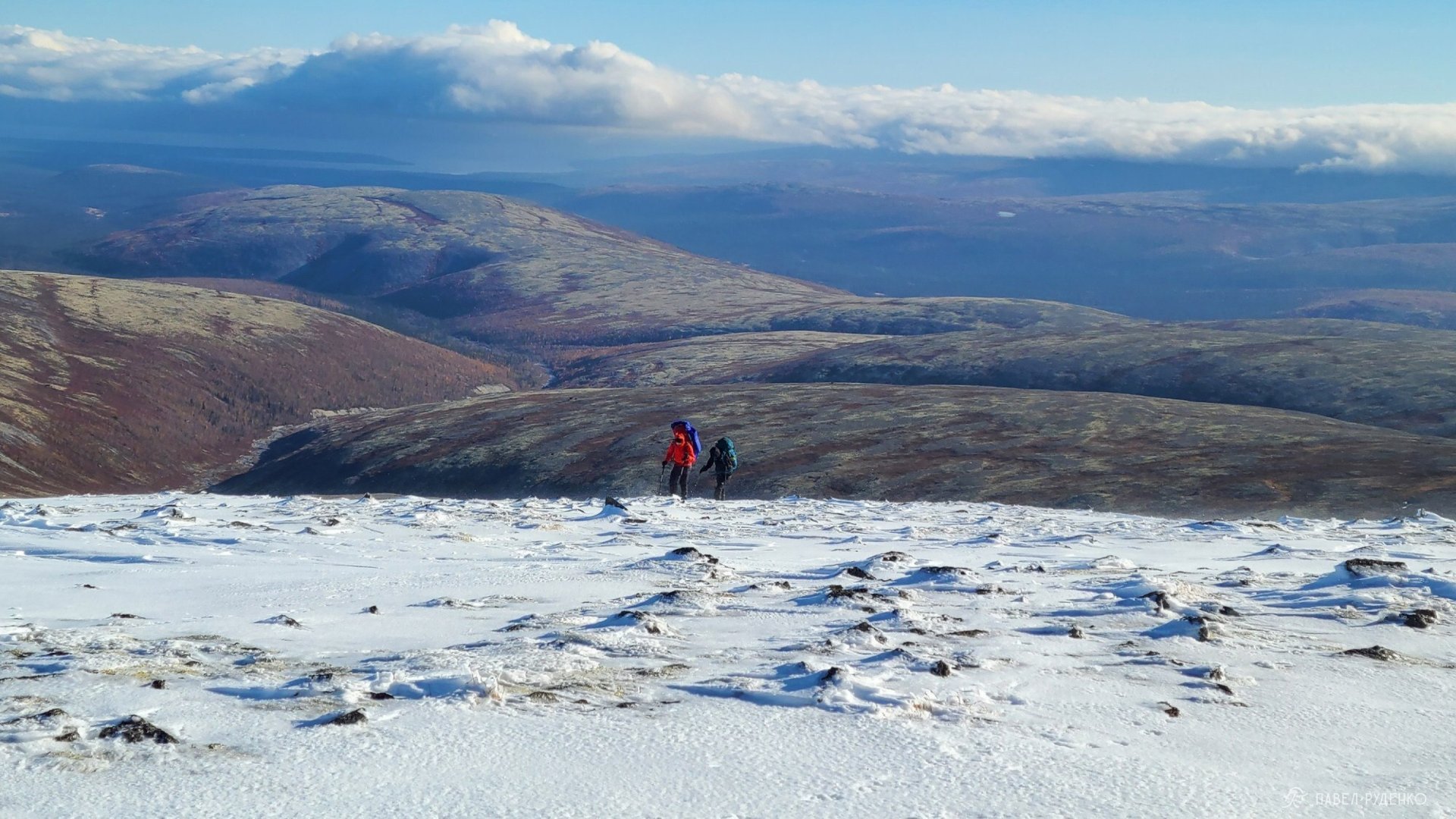
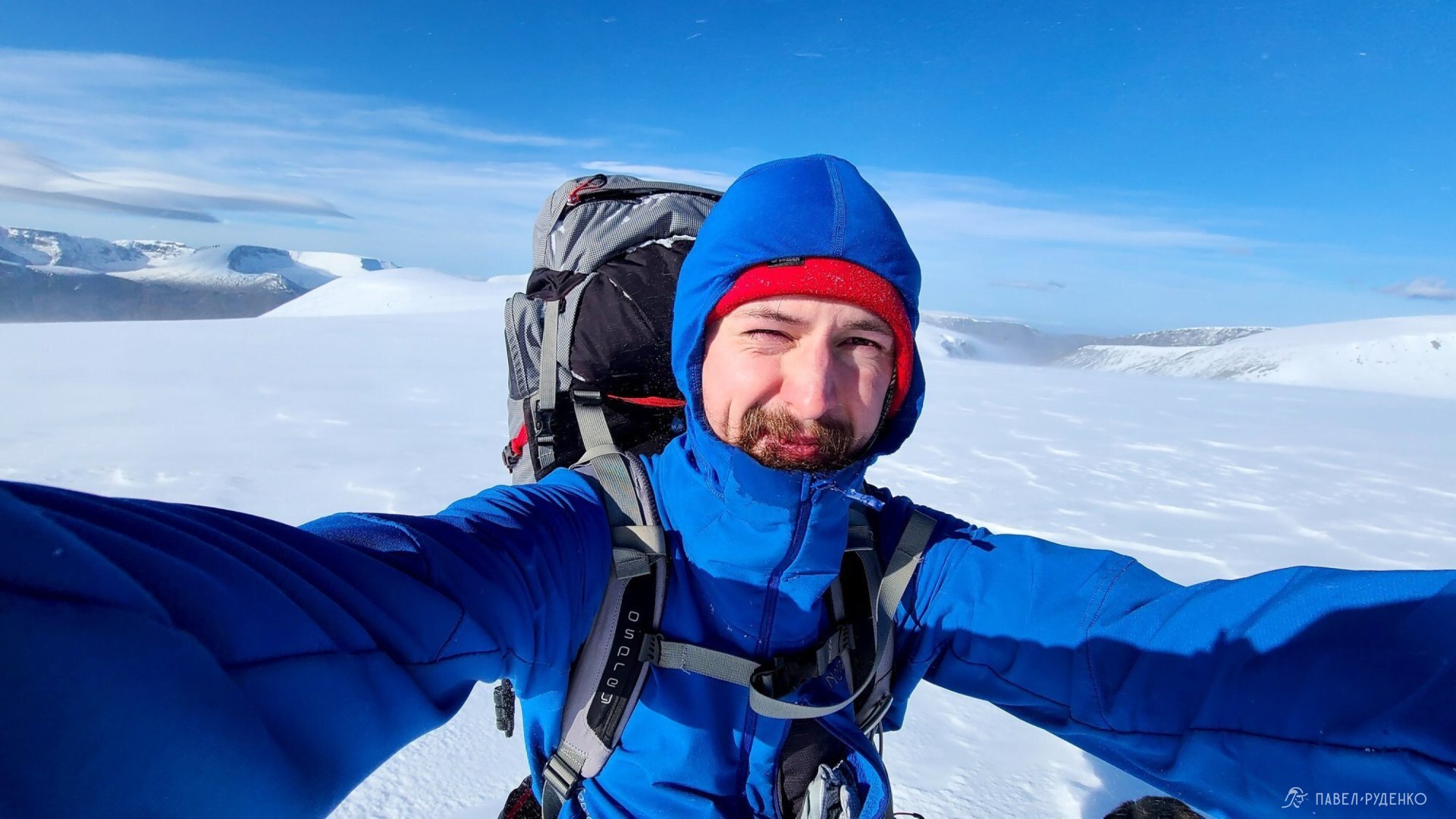
Grade 1A Akademichesky Pass, September 23. 17 m/s wind. The Norrona Lofoten softshell jacket, waterproof-breathable beanie, and hardshell mitts provide incredible comfort in gale-force winds. Without any extra insulation layers, I traversed the plateau-like pass in high winds without getting chilled during stops.
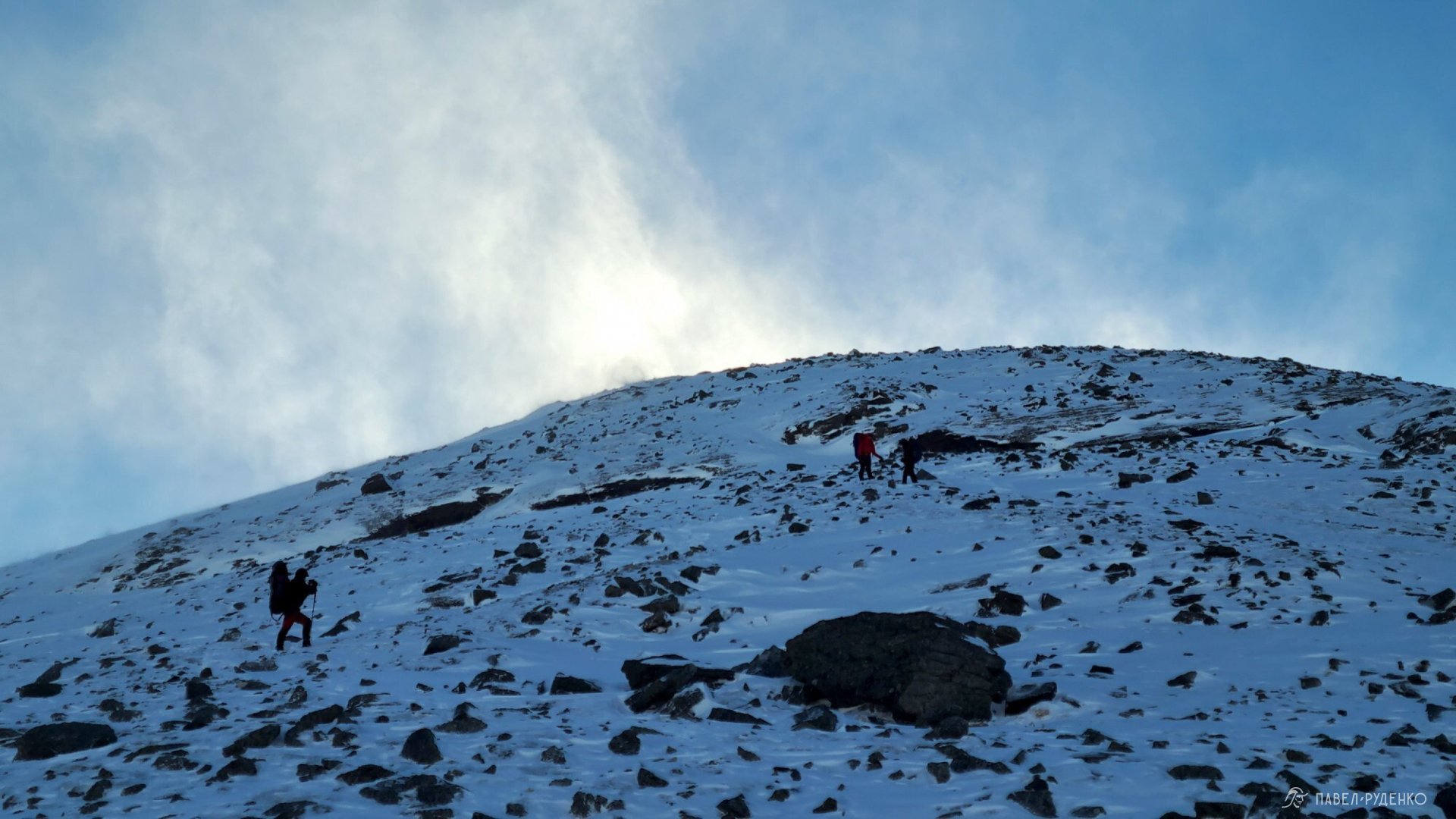
Descent to Rischorr Pass from Akademichesky, September 23. 17 m/s wind. Khibiny Mountains.
Near the Krasivy (Beautiful) Waterfall, we crossed paths with hikers; the place is postcard-gorgeous. We spent probably an hour soaking in the view before heading toward the rescue station (KSS base). There, our canine companion was ambushed by local dogs and got hit with a stick by mountain rescue rangers; the poor fellow whimpered and vanished into the bushes.
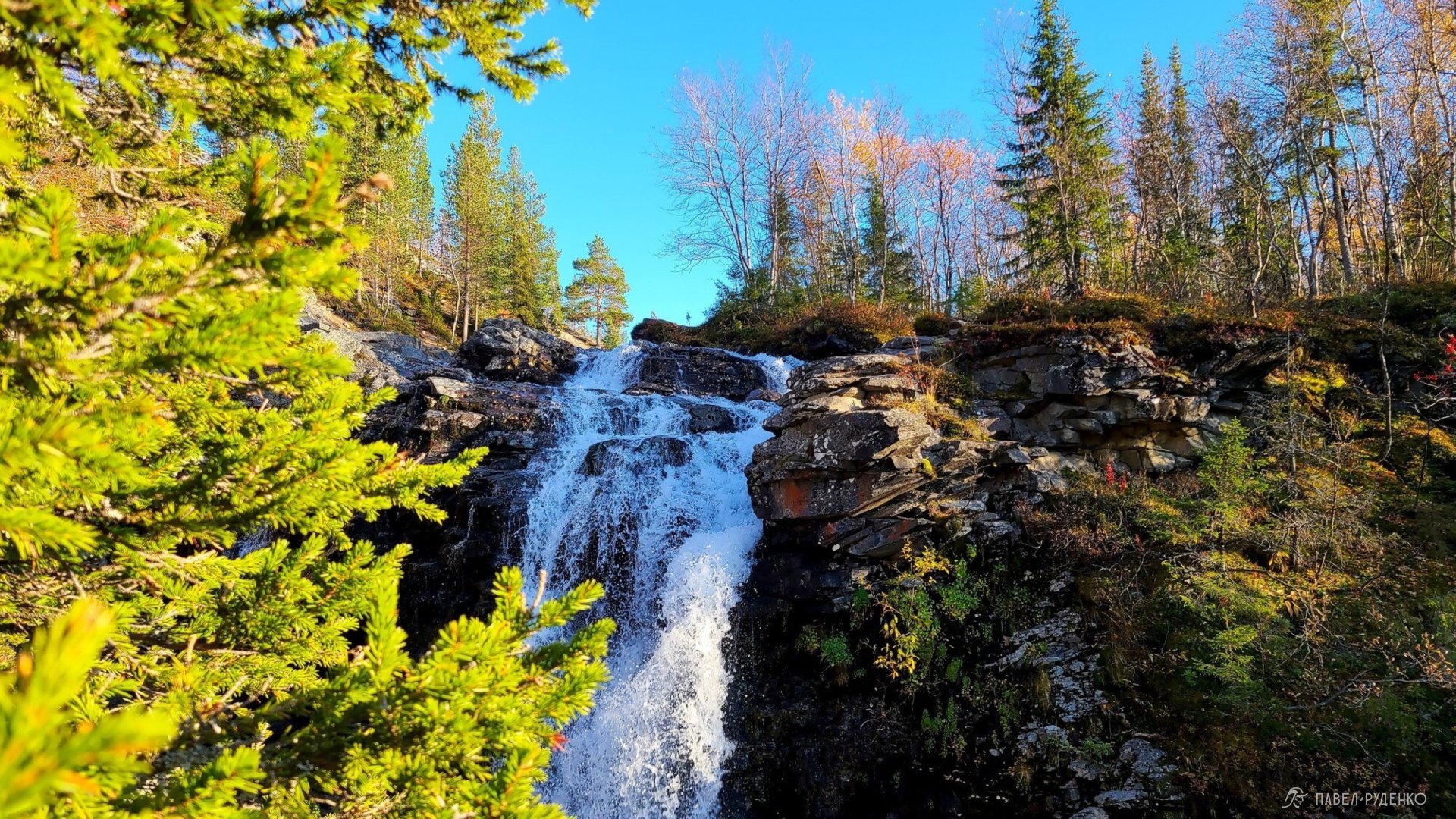
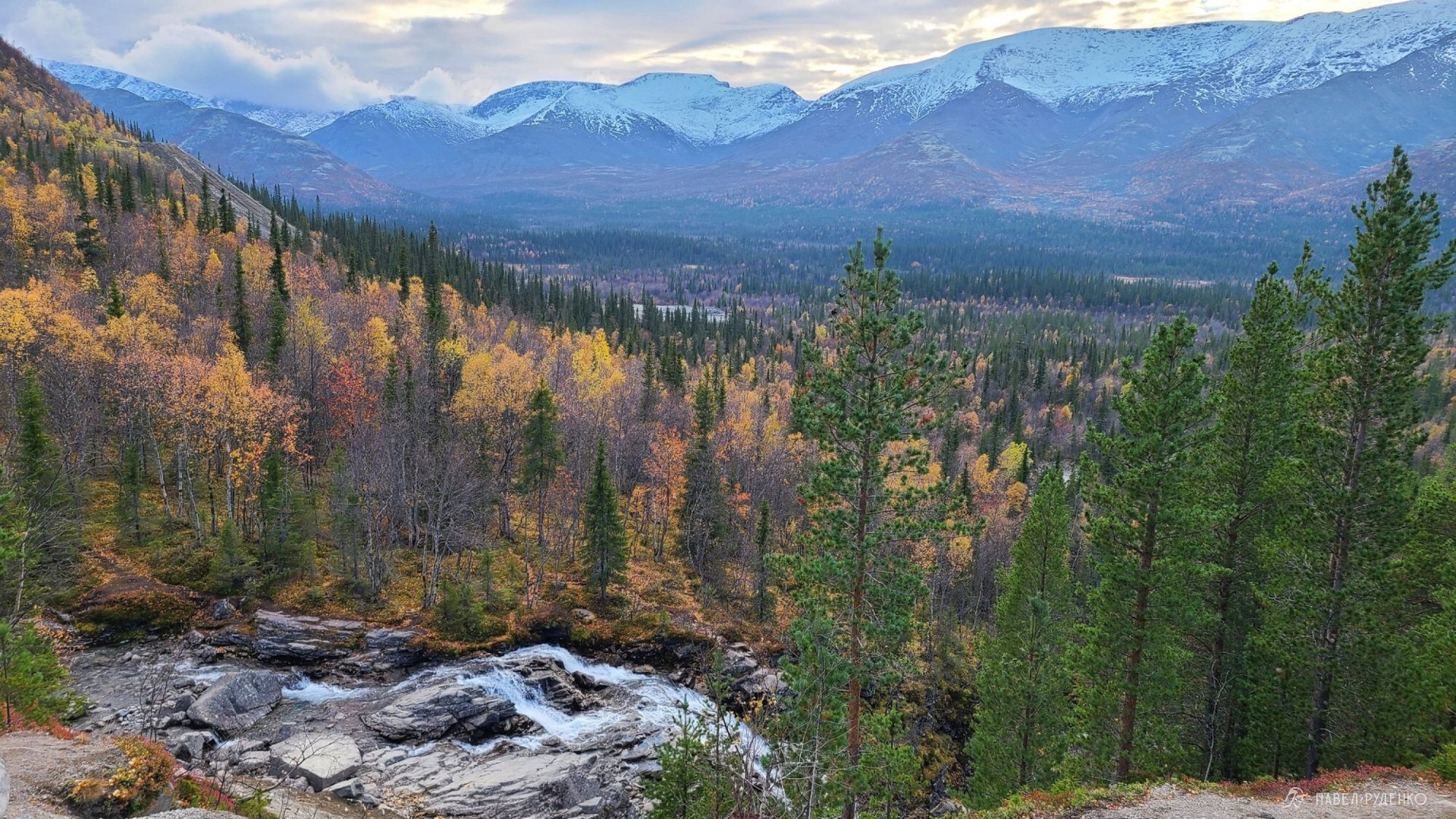
Krasivy Waterfall, Khibiny Mountains.
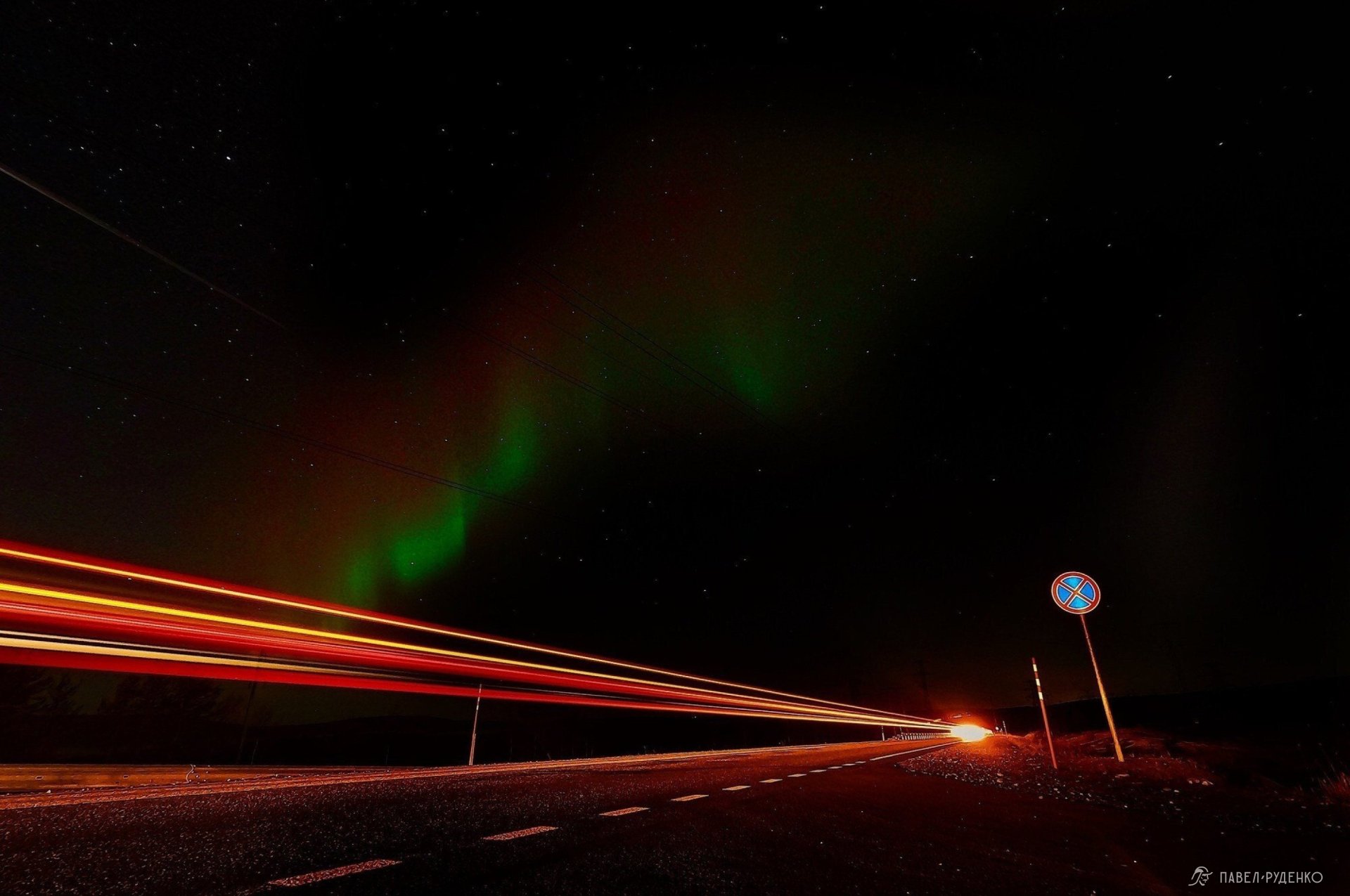
The emergency rescue team gave us an accurate forecast for the coming days and filled us in on conditions around the base. The banya is open and can be booked for 1,400 RUB for 2 hours. The lodge is already shut down for the season due to low demand—it usually operates until September 10–15. We crossed the bridge and pitched camp beside one of the lakes. Campsites here get a lot of traffic, so finding firewood is impossible; we gathered just a small armful to burn our trash. Starting that day, night temperatures warmed up to 0...+5°C; I peeked out of the tent twice a night hoping to catch the Northern Lights, but overcast skies hid the show every time.
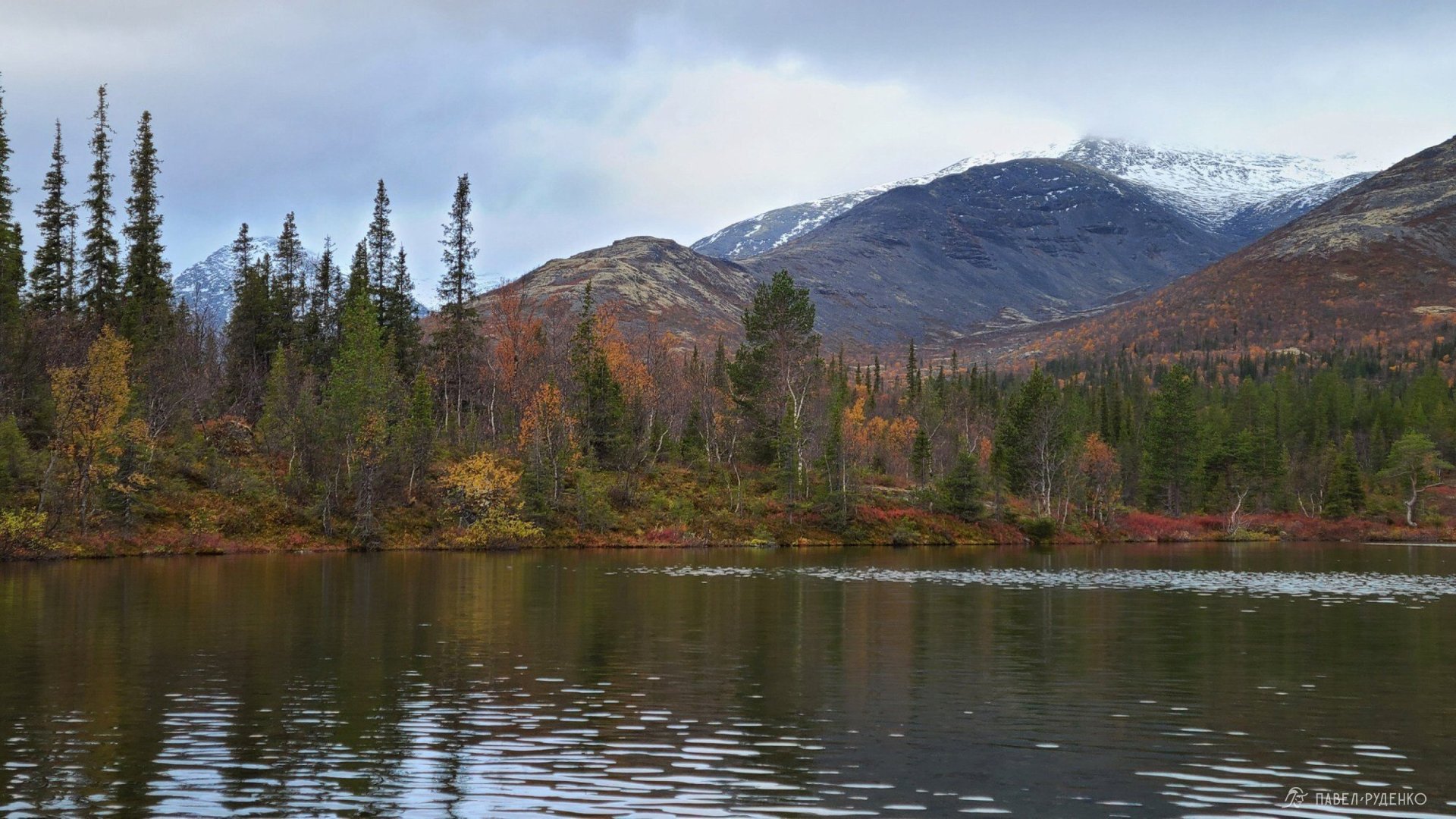
Central part of the Khibiny Mountains, near the KSS rescue station.
The next day brought the crossing of the non-graded South Chorgorr Pass. On the ascent, all the streams had dried up, leaving only a small tarn, so it is best to stock up on water in advance at the streams in the forest zone. The climb up to the pass is straightforward, with snow beginning near the top. The only real hazard is slipping a foot between boulders and getting injured, so every step must be placed carefully. At the pass, it is windy and cloudy, with an eagle soaring overhead—a scene both stunning and atmospheric. The descent is more demanding, over large scree and boulders where you have to hop from rock to rock, moving with care and properly balancing your weight with trekking poles.
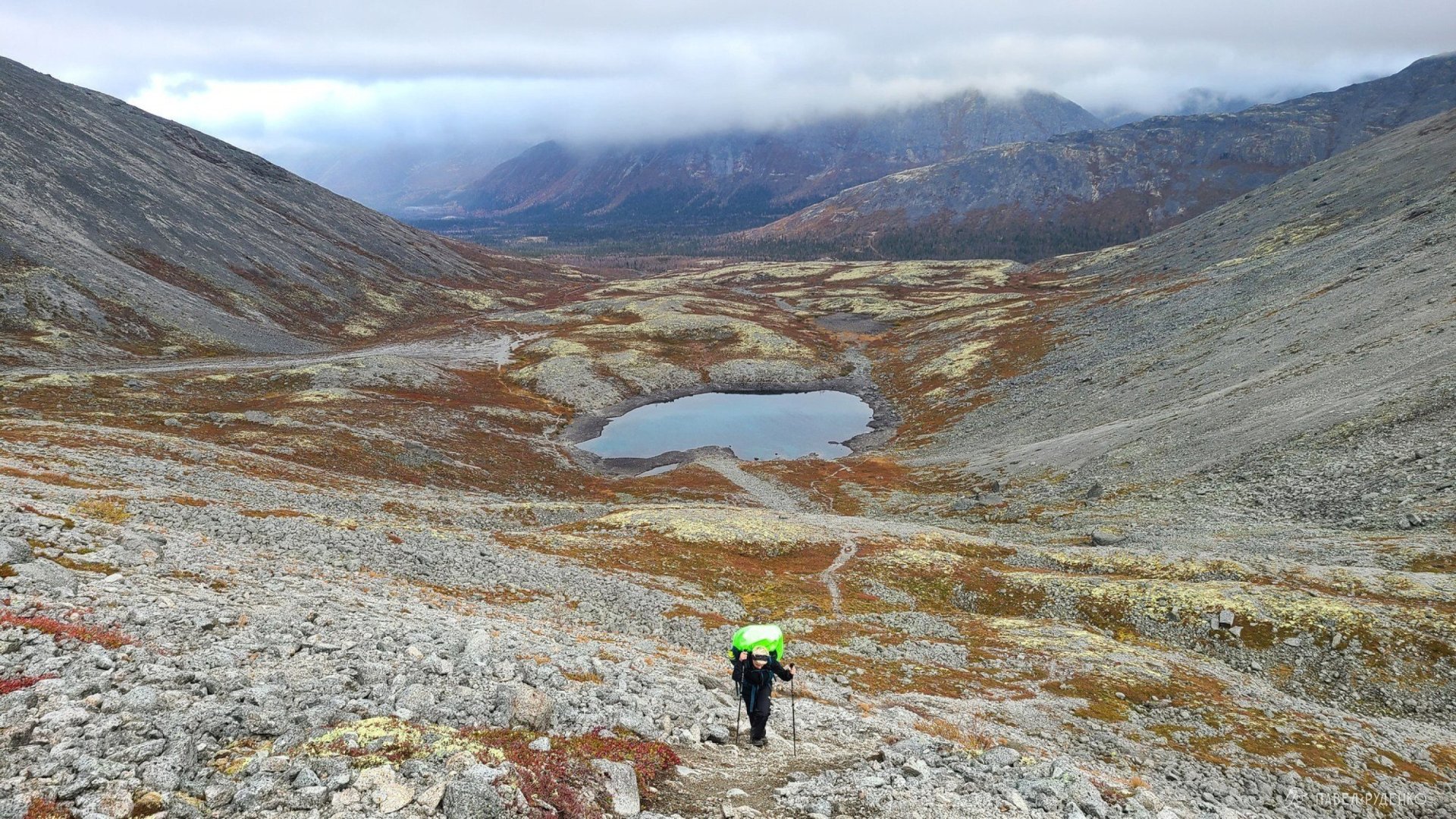
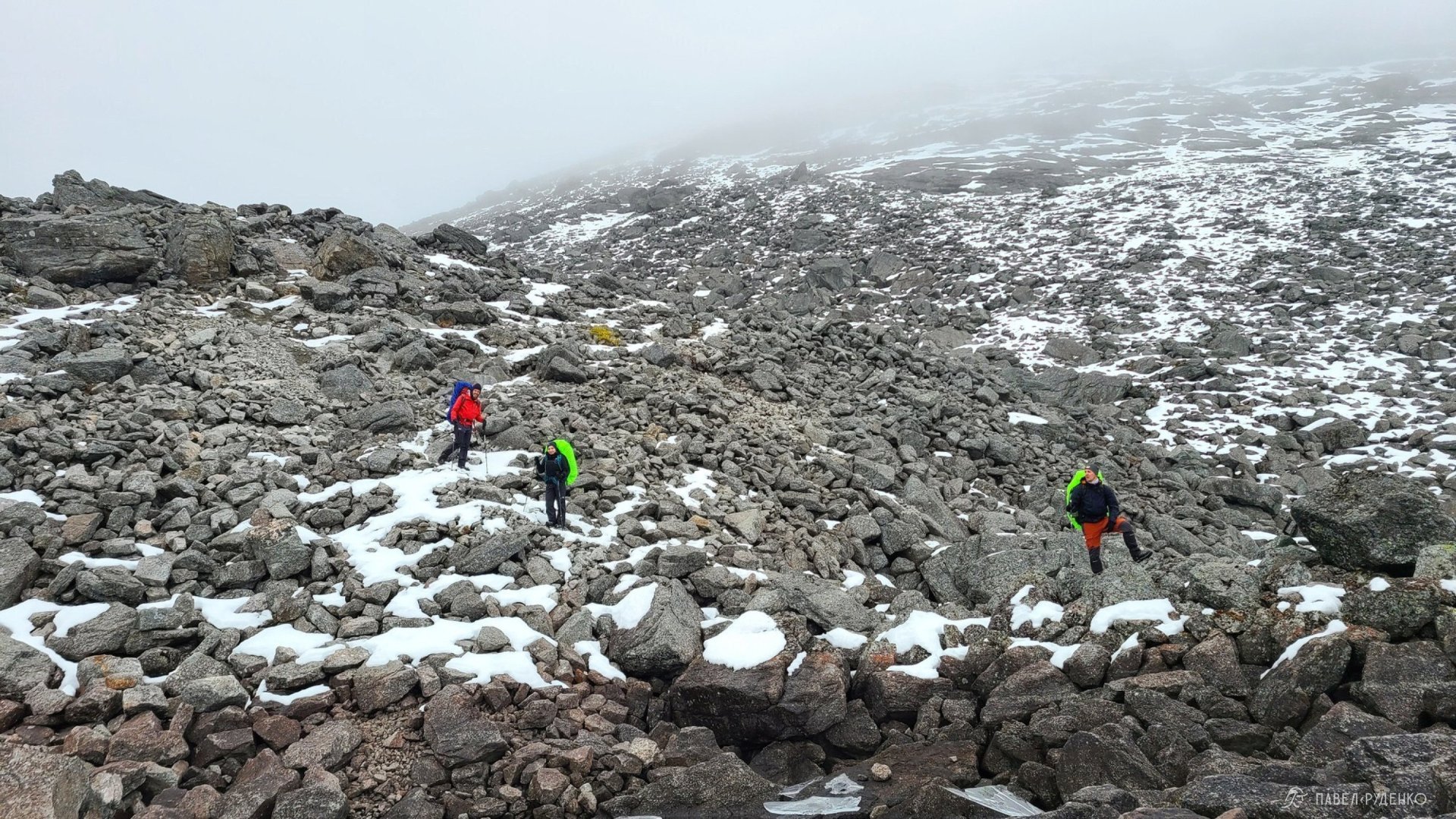
The lake below the pass was partially covered in ice; we broke up all we could, getting that satisfying feeling like popping bubble wrap, and continued across the flat tundra. The trail is easy, the descent long and very gentle—a pure pleasure to walk, making good pace. Further down, crooked birch woodlands begin, followed by dense forest.
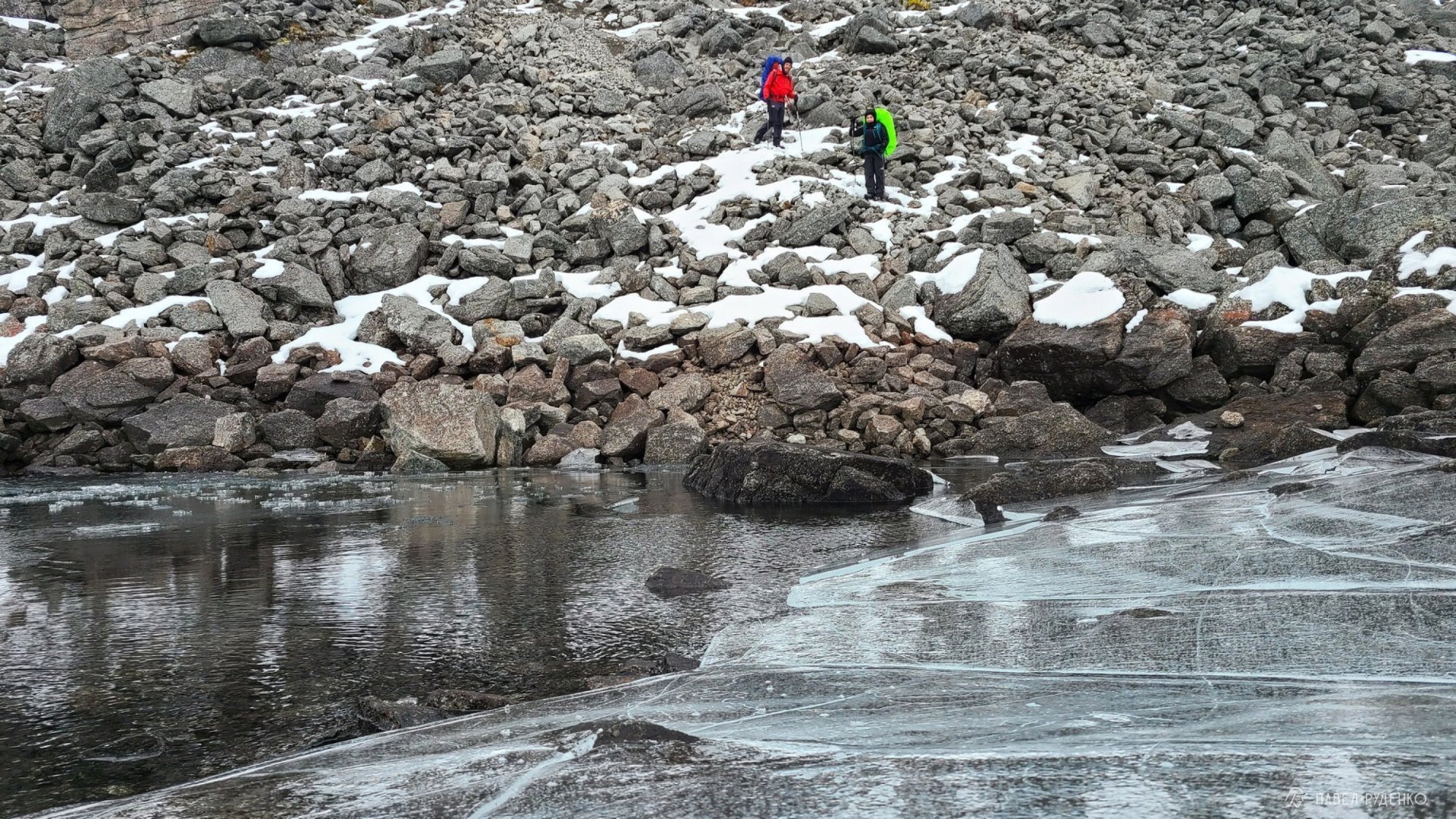
Chorgorr 1A Pass. The Khibiny Mountains. The lake is partially iced over.
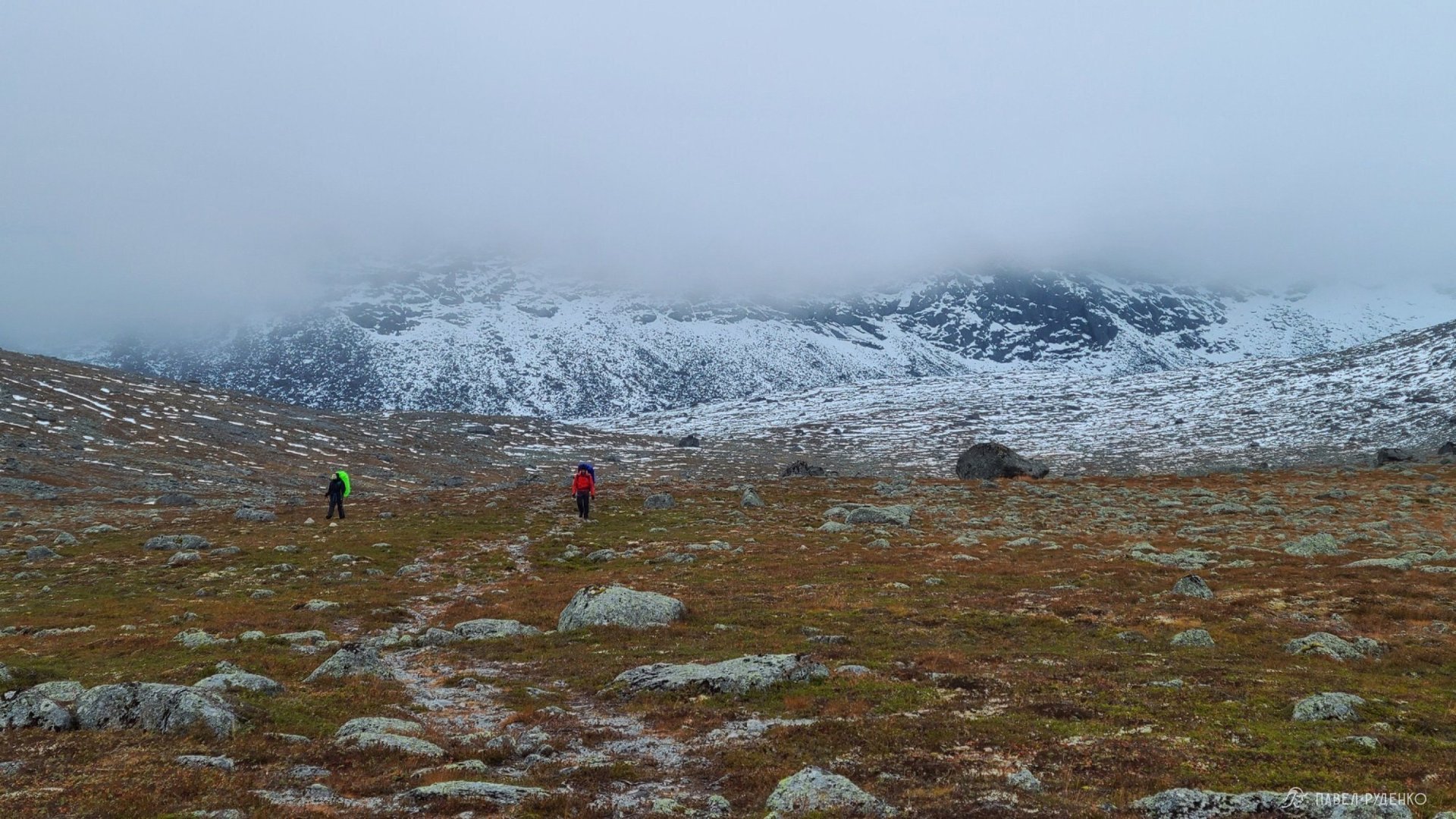
Descent into the valley from Chorgorr 1A Pass. The Khibiny Mountains.
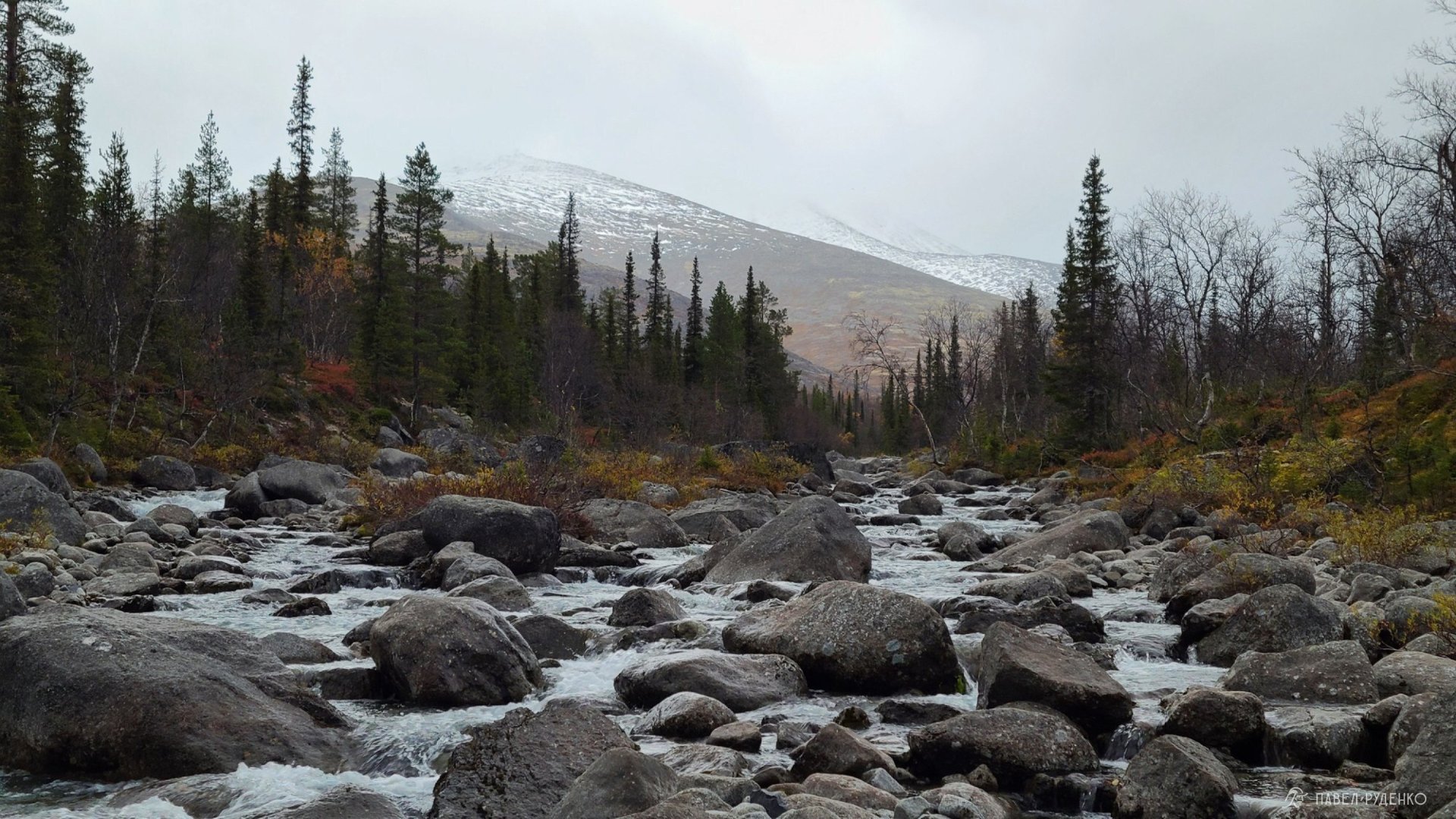
We crossed the Goltsovka over logs; they bounced underfoot, about a meter above the water, with a strong current rushing below. We unbuckled our backpack straps so the pack wouldn't drag us down in case of a fall, and crossed slowly and carefully.
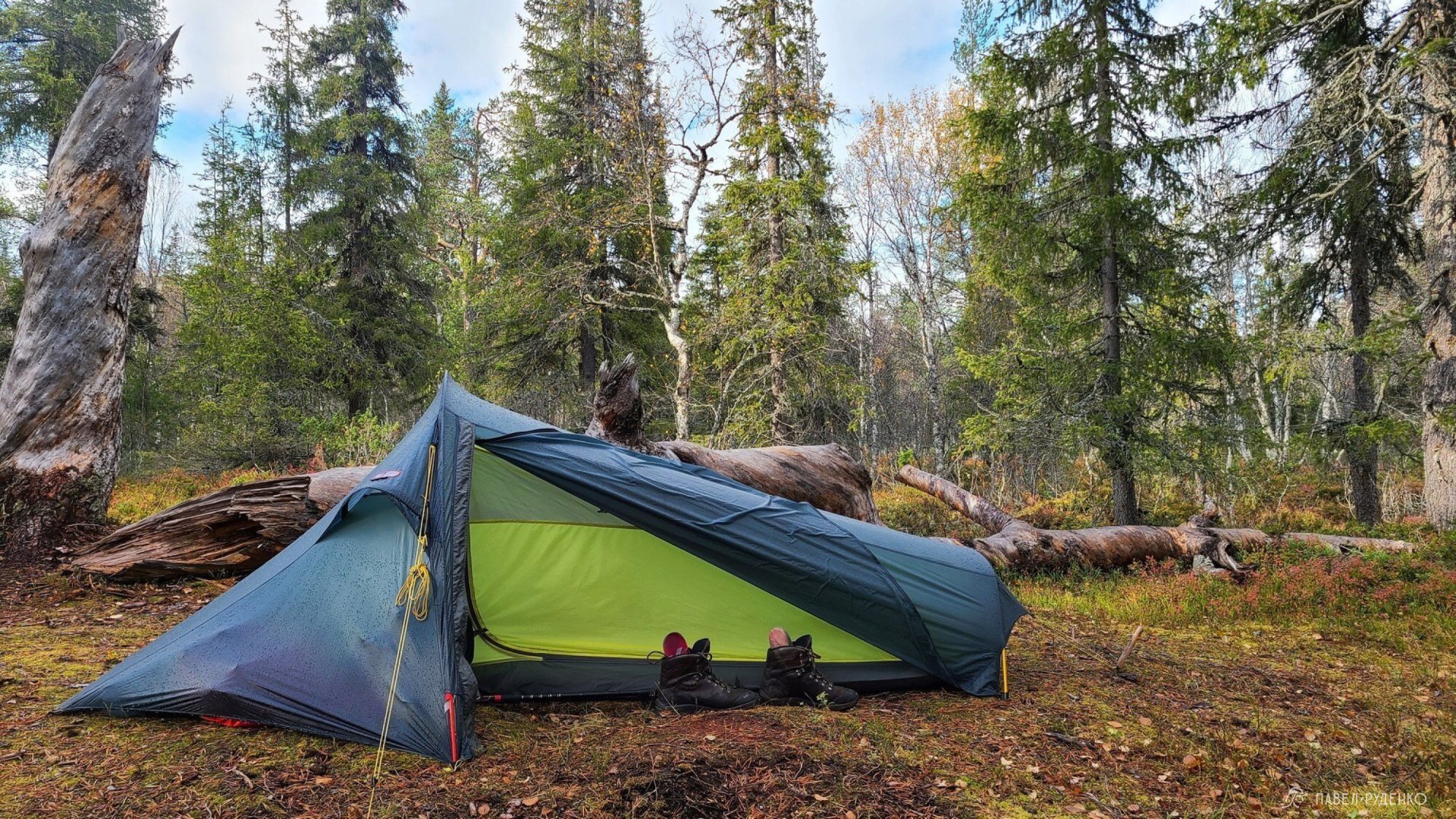
When choosing a campsite in bad weather, try to descend as low as possible into the forest zone—it is 5–7 degrees warmer and significantly less windy there.
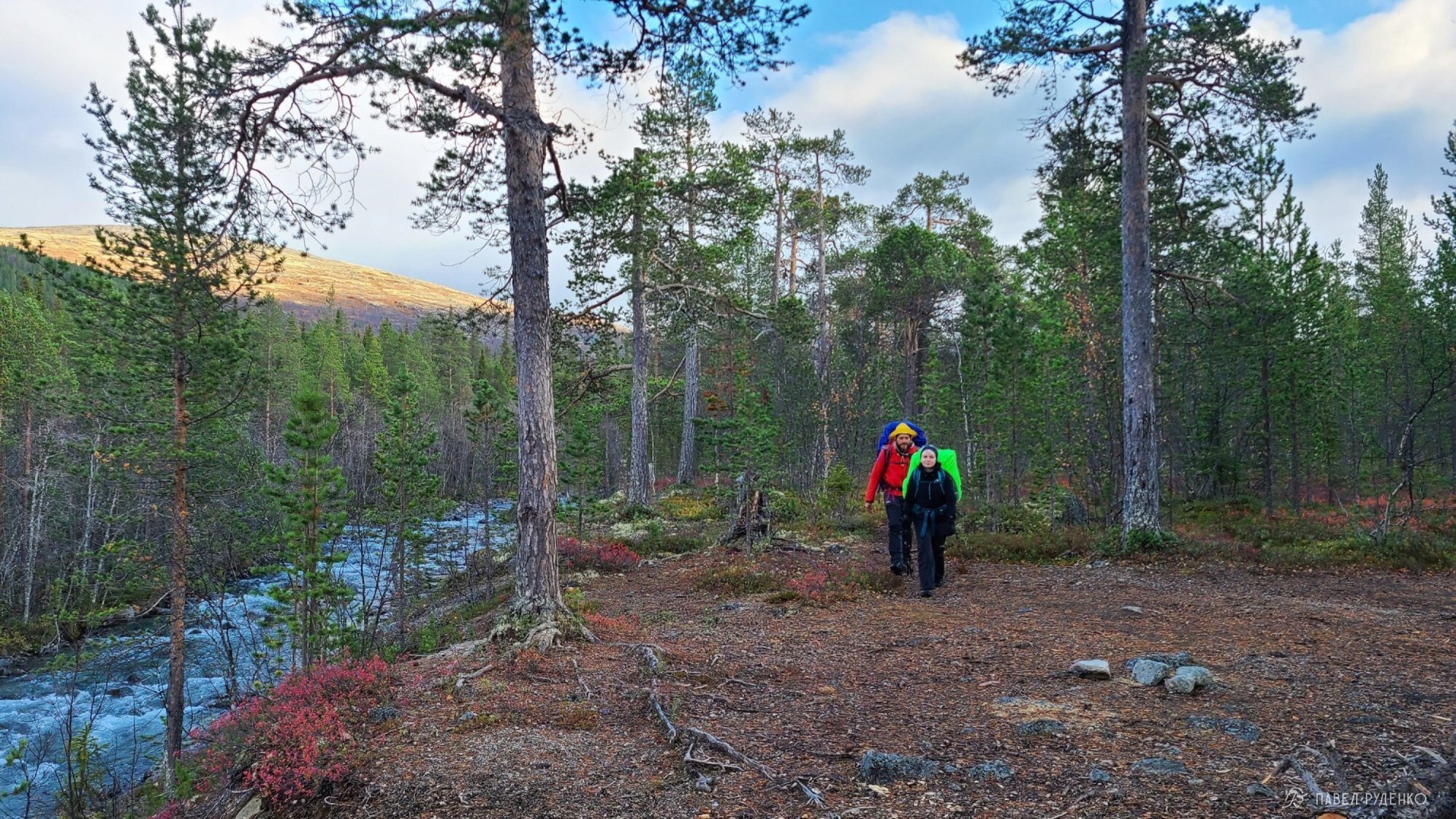
We head north, where the terrain is wilder and firewood is easier to find. The forest is beautiful and pleasant. Firewood is plentiful, and further along there are campsites with pre-built banya frames. We pitched camp and set up the tarp. For the first time, I brought along a Helinox Zero chair on a trek and was blown away by the level of comfort))) It's an unmatched feeling—sitting in a comfortable chair with back support after years of sitting on logs or whatever was around. Even though I am not demanding when it comes to creature comforts—having no inherent need for them and only bringing it because the others were—it's truly worth it. Naturally, for moderate treks and with ultralight gear: mine weighs 610 grams and packs down super small.
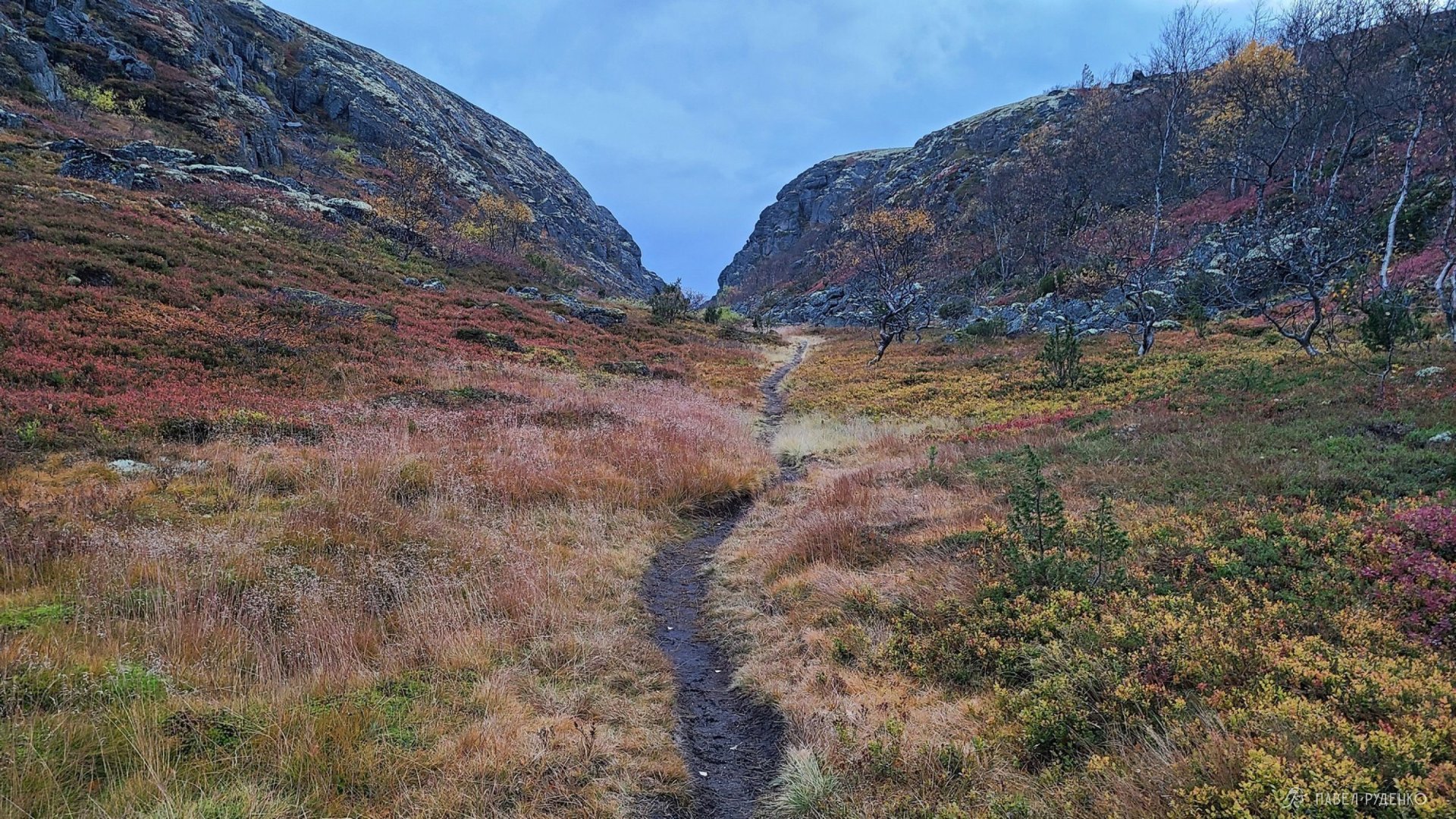
It rains all morning, nobody feels like heading out, so we chill and start closer to lunchtime. The trail through the forest is well-worn, scenic, and pleasant. An hour in, we veer left away from the Goltsovka toward Aku-Aku Gorge; the trail climbs up and brings us onto a tundra fell, where this stunningly beautiful gorge begins. By 19:00 we reach Lake Izumrudnoye (Emerald Lake) and make camp. From here, we did side hikes to the ridge above and to the waterfall. Someone even went for a swim) The water was +3 °C; personally, I never swim on a trek—to me, it's an unnecessary risk of catching a cold in the backcountry. There is no firewood here—everything down to the last twig has already been cleared—so I carried wood in to cook.
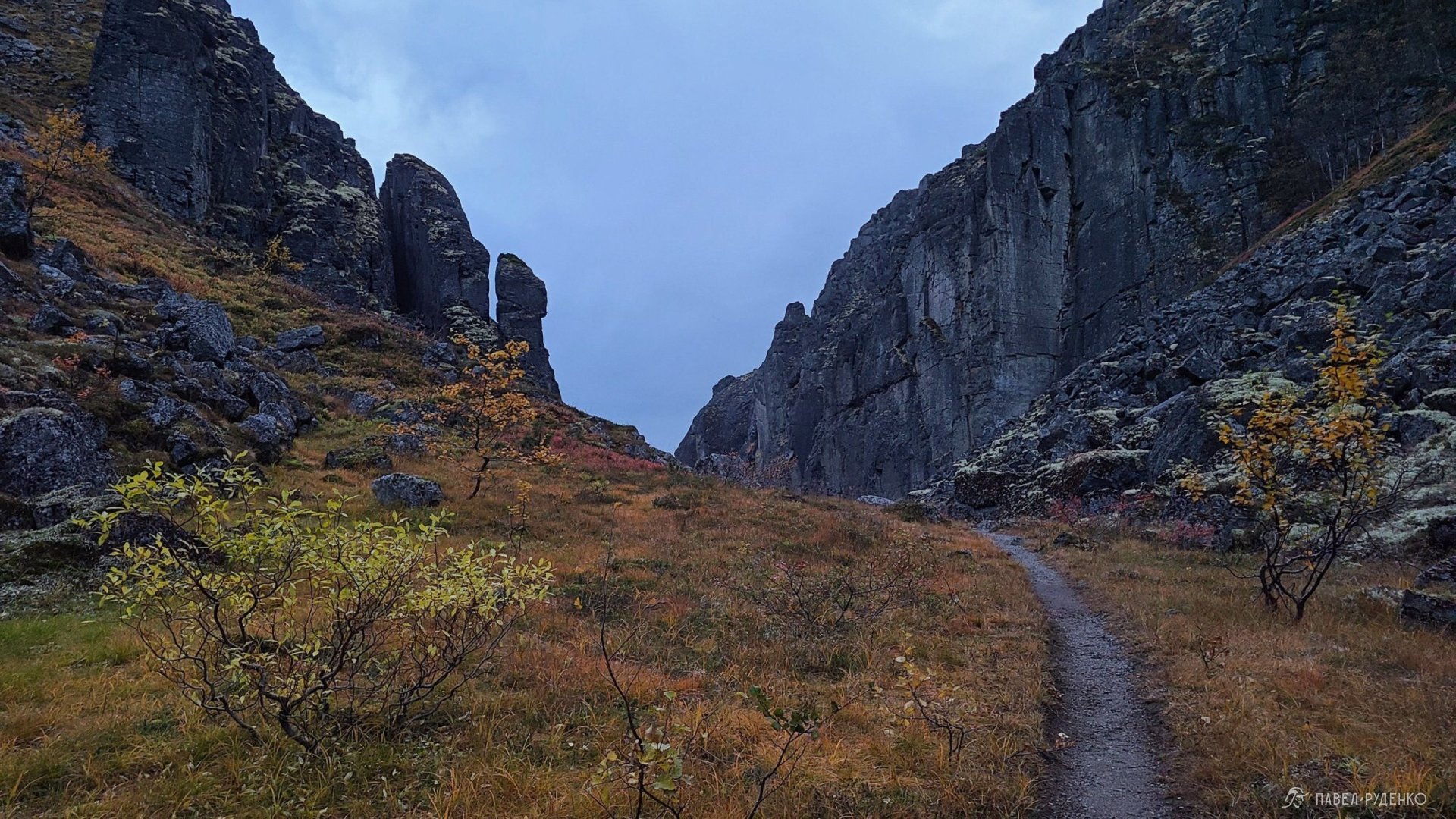
Aku-Aku Gorge, northern section, The Khibiny Mountains, September 25. A breathtaking spot, an absolute must-visit.
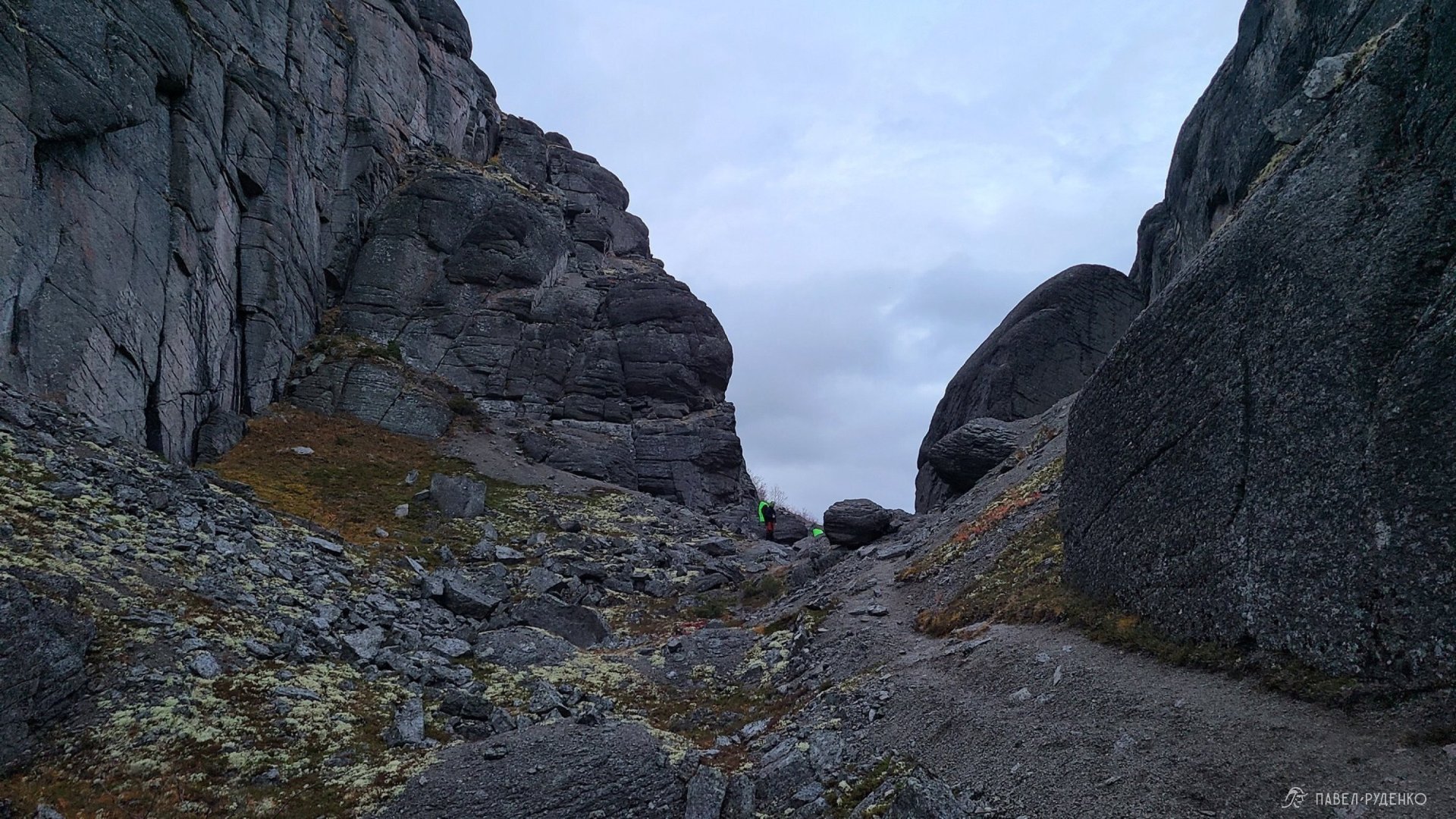
Aku-Aku Gorge, northern section, The Khibiny Mountains, September 25.
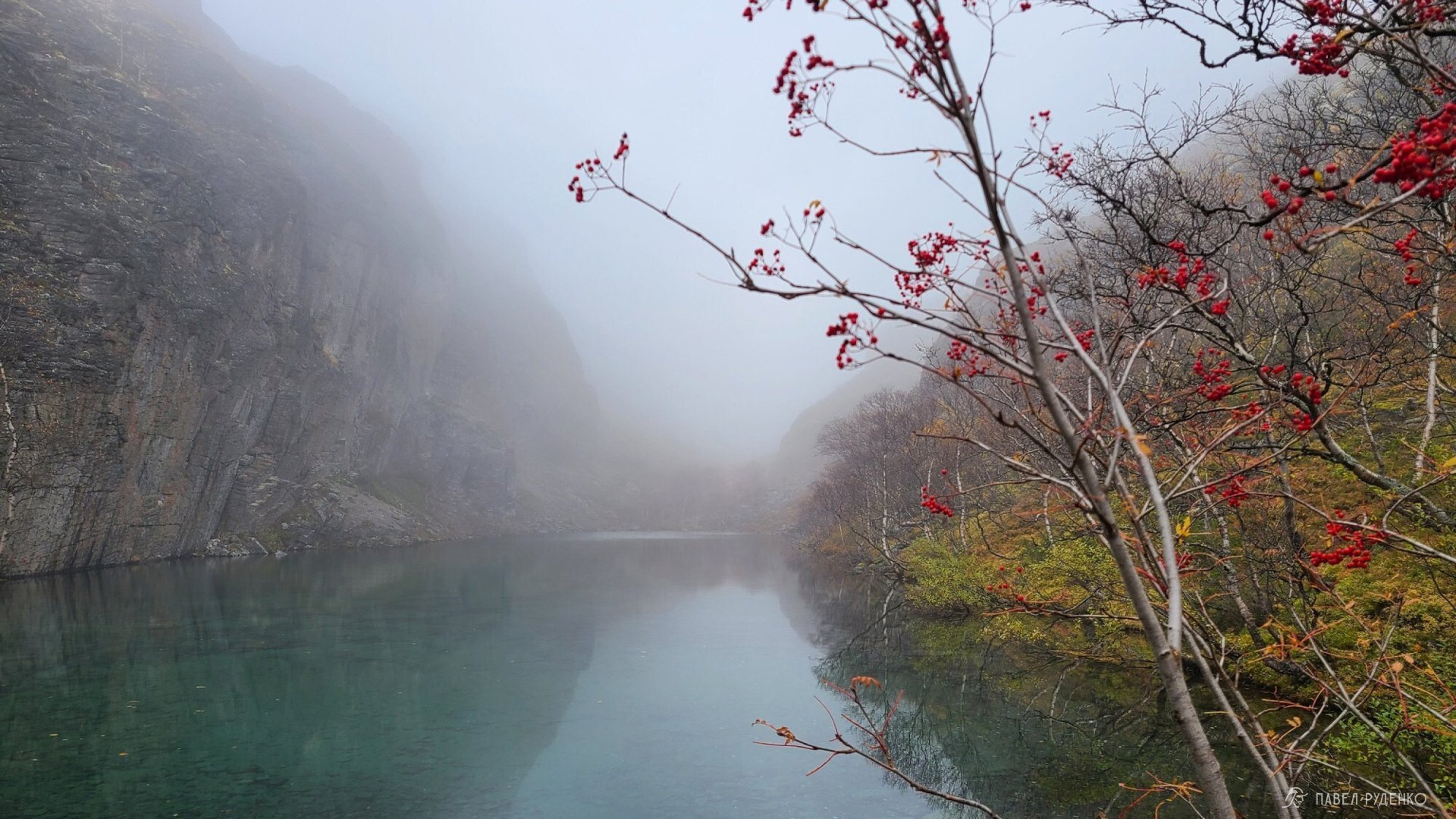
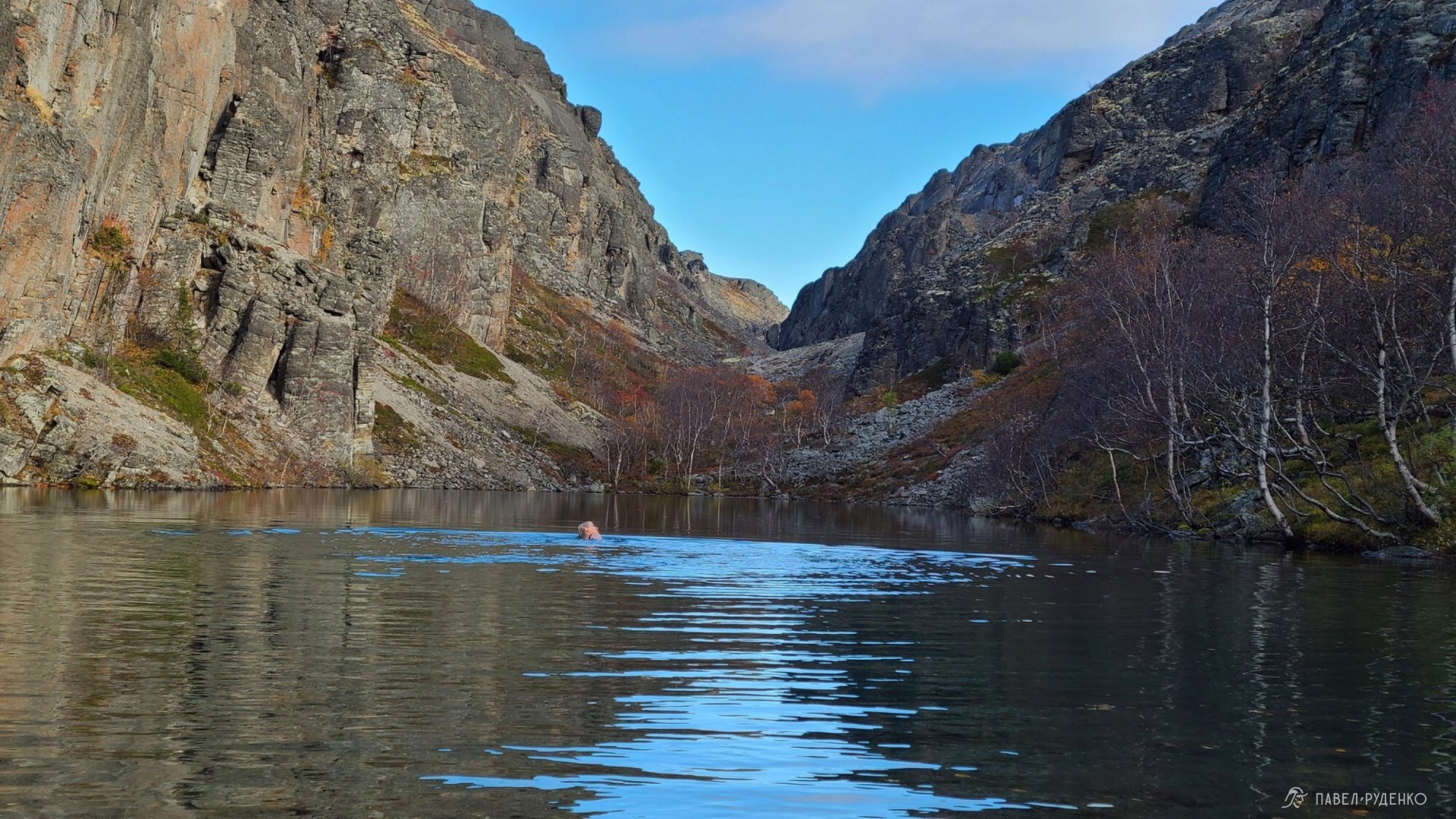
Lake Izumrudnoye in Aku-Aku Gorge. The Khibiny Mountains. September 26.
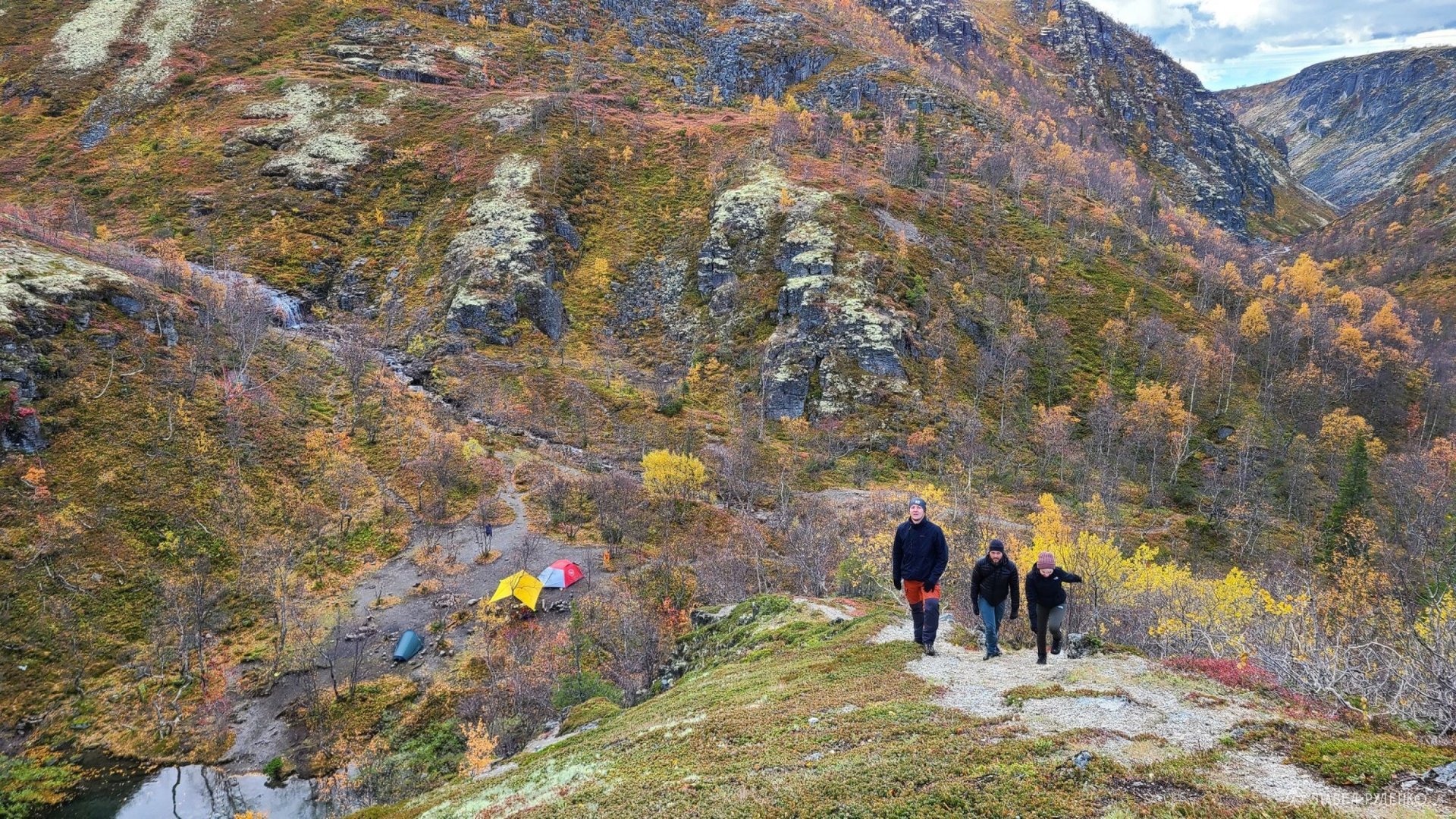
Camping by Lake Izumrudnoye in Aku-Aku Gorge. The Khibiny Mountains.
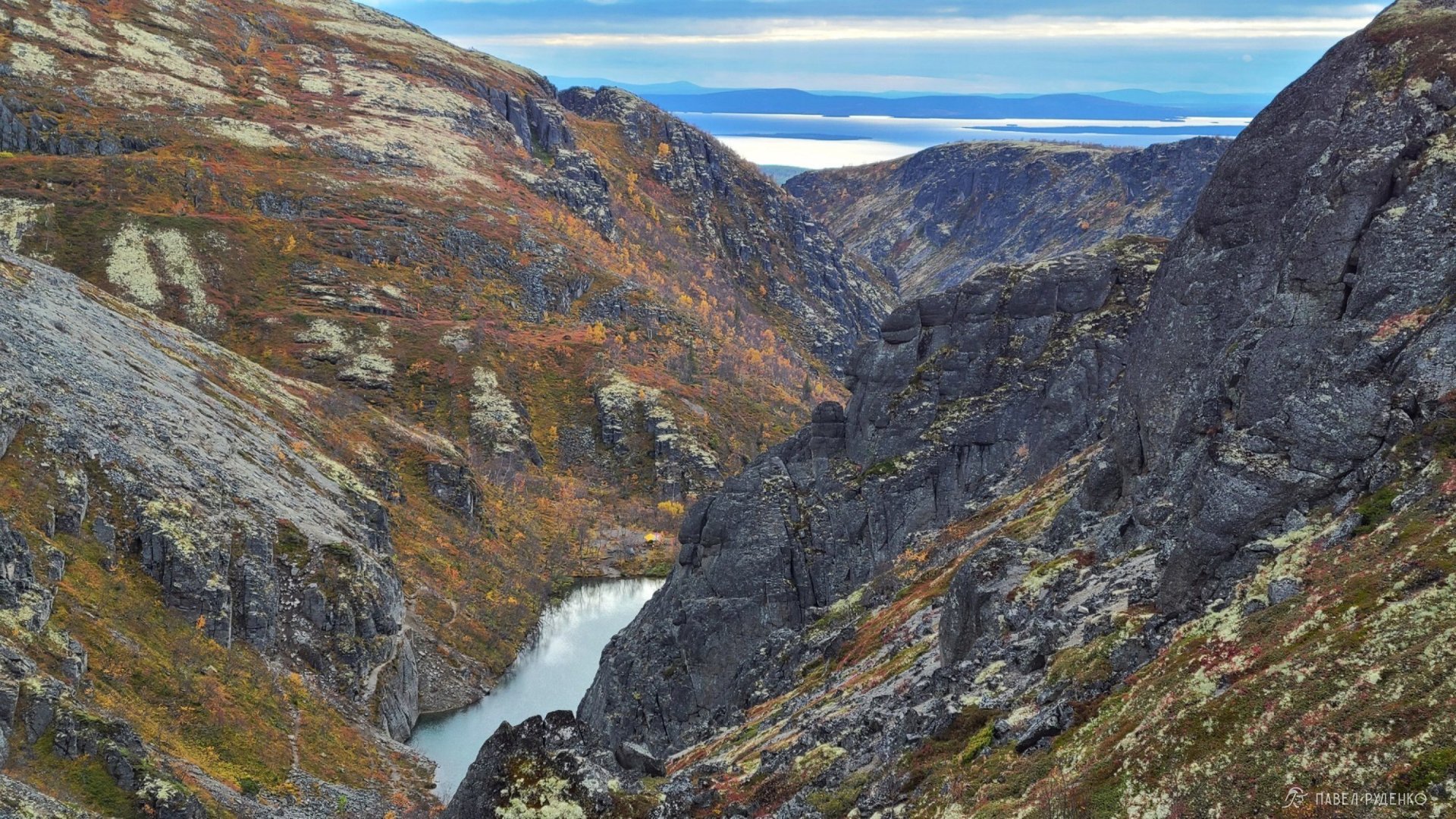
Lake Izumrudnoye in Aku-Aku Gorge. The Khibiny Mountains
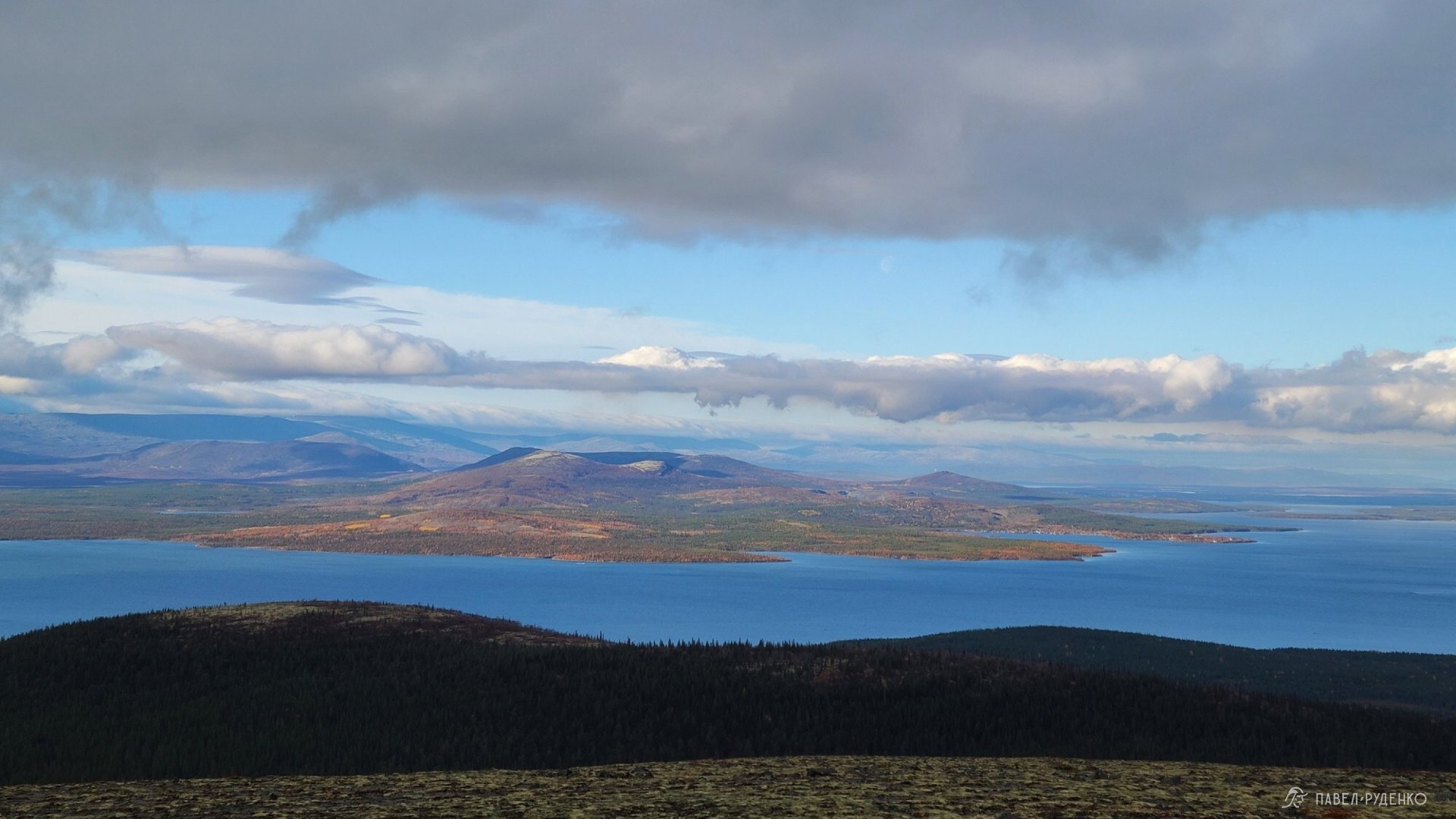
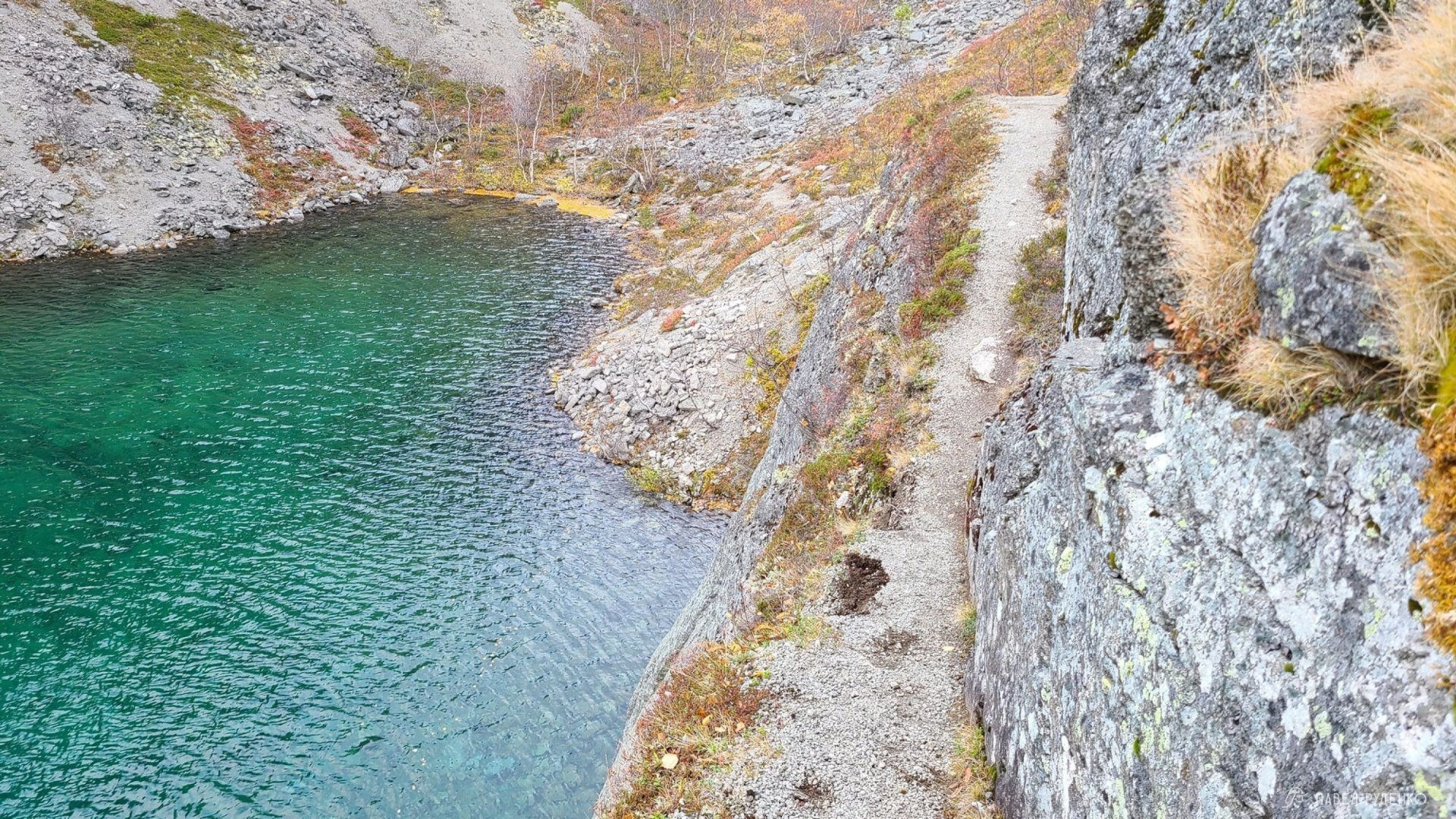
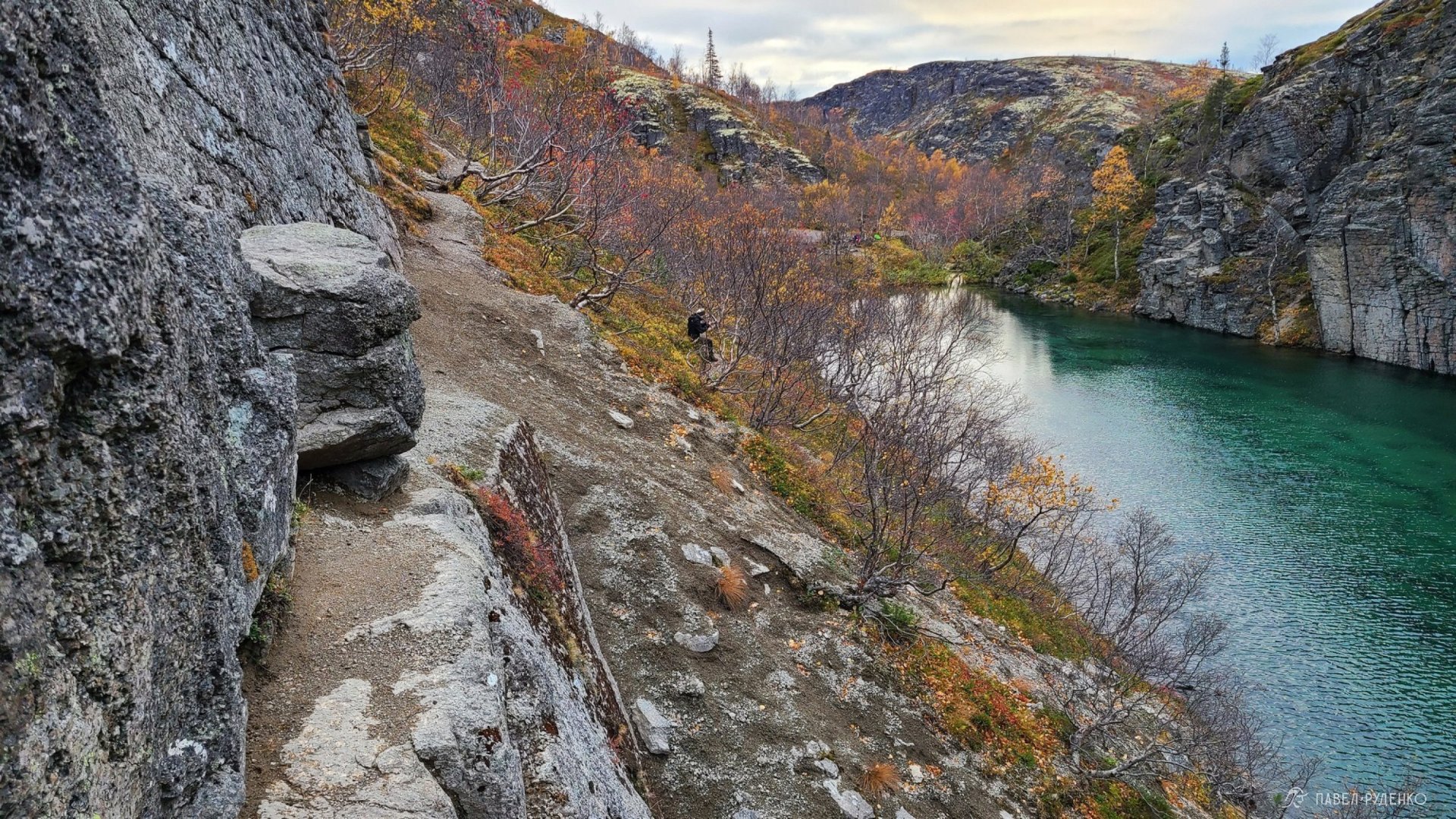
Trail section along Lake Izumrudnoye; with heavy packs, it is better to bypass from above—a 50-meter hazardous stretch. There is already a beaten path for climbing up and descending.
In the afternoon, we head toward the next camp, 'Zvezdochka', and pitch our tents at a trail junction where finding firewood is easier. We build a campfire, relax, and watch a movie before turning in. At night, I keep an eye on the sky, but it remains fully overcast. In the morning, we pack our rucksacks, stash them in the bushes, and hike toward the non-graded Yumyekorr Pass / Gorge. Along the way, we come across the restored mountain library; the shelves are placed on the northern side of the gorge against a boulder to protect them from winter avalanches. The ascent is easy, especially without packs, and the views from the top are spectacular. We called about our evening transfer. The satellite phone had great reception at the pass, whereas it had no signal down in the forest zone.
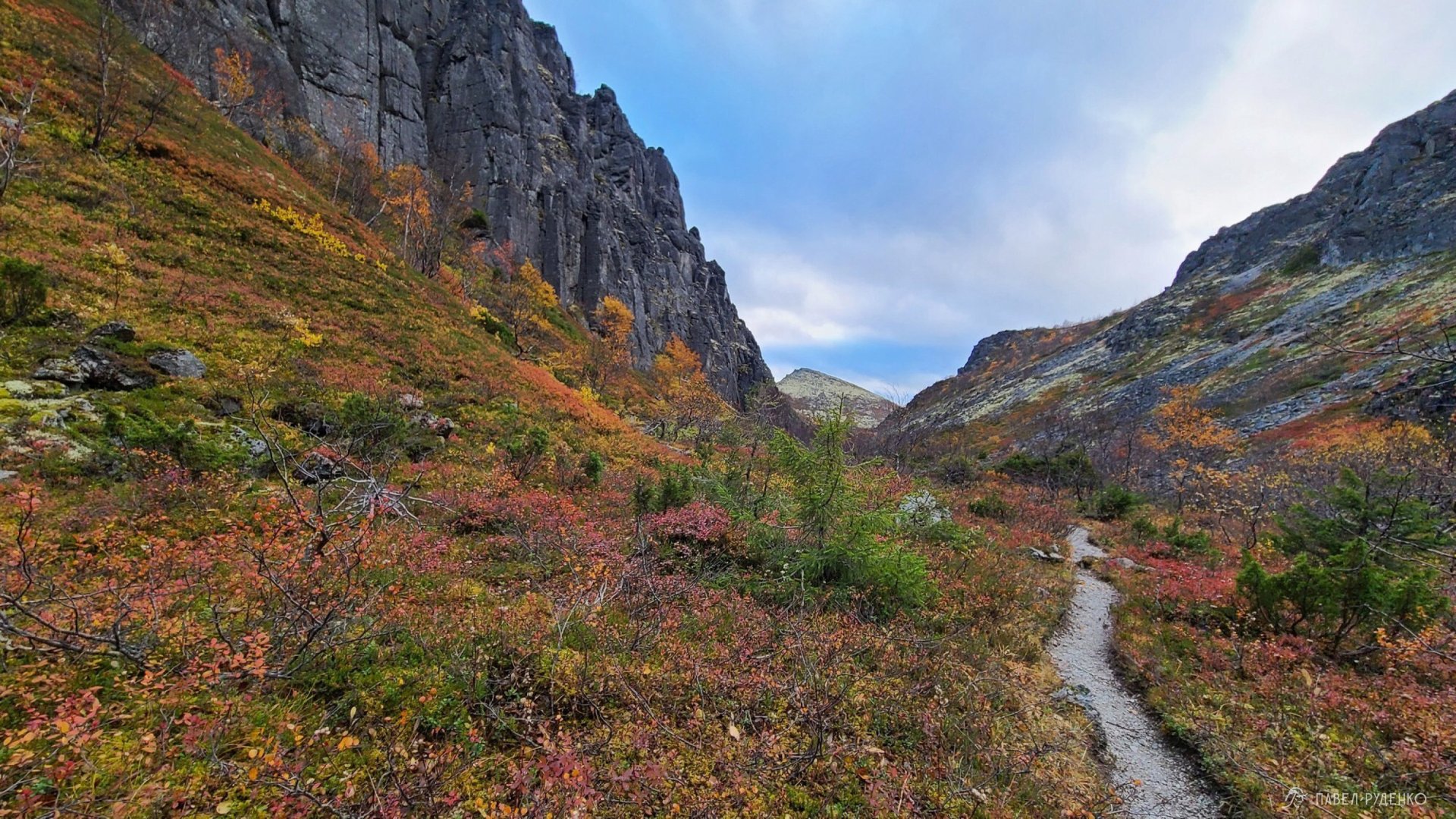
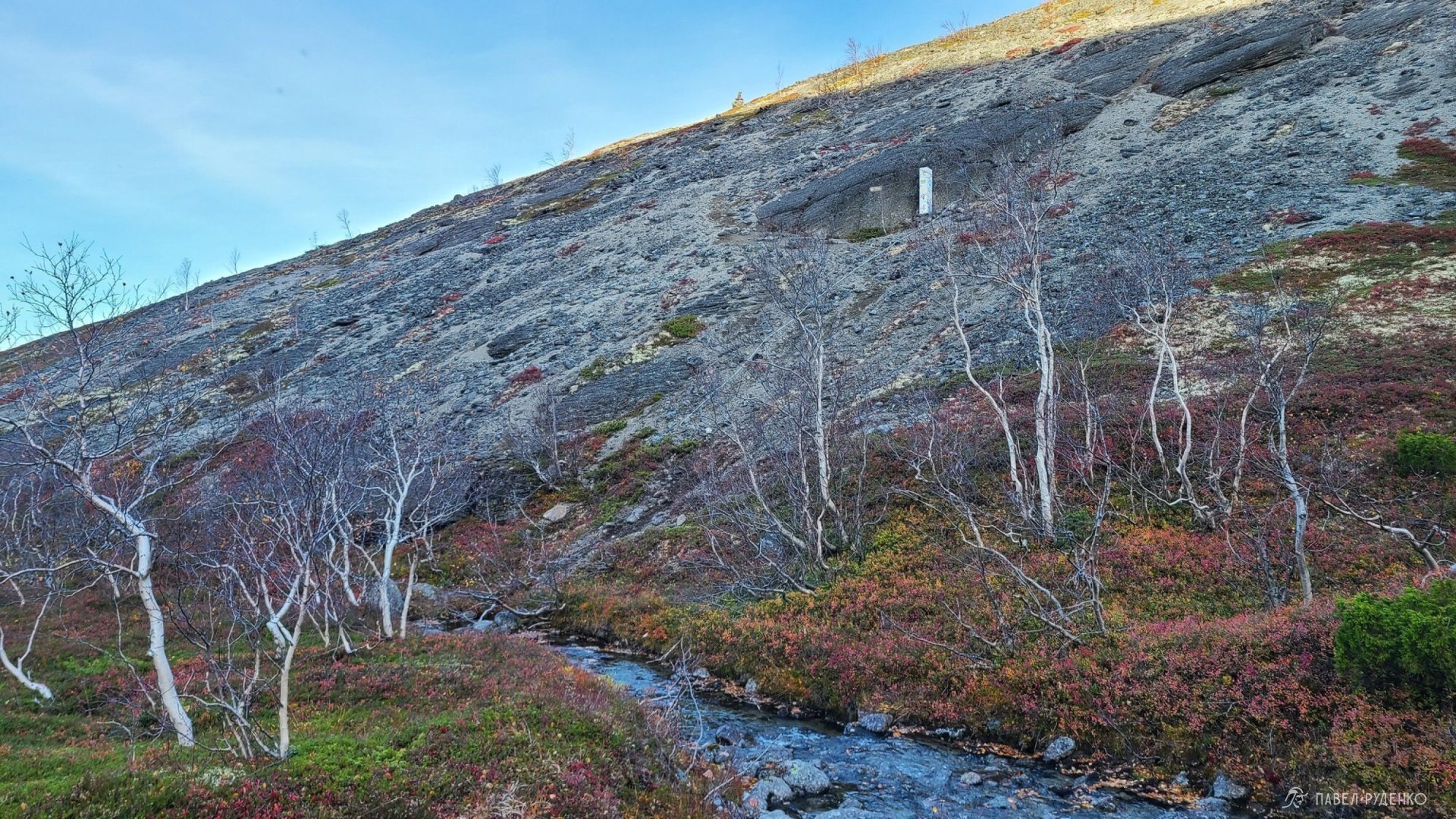
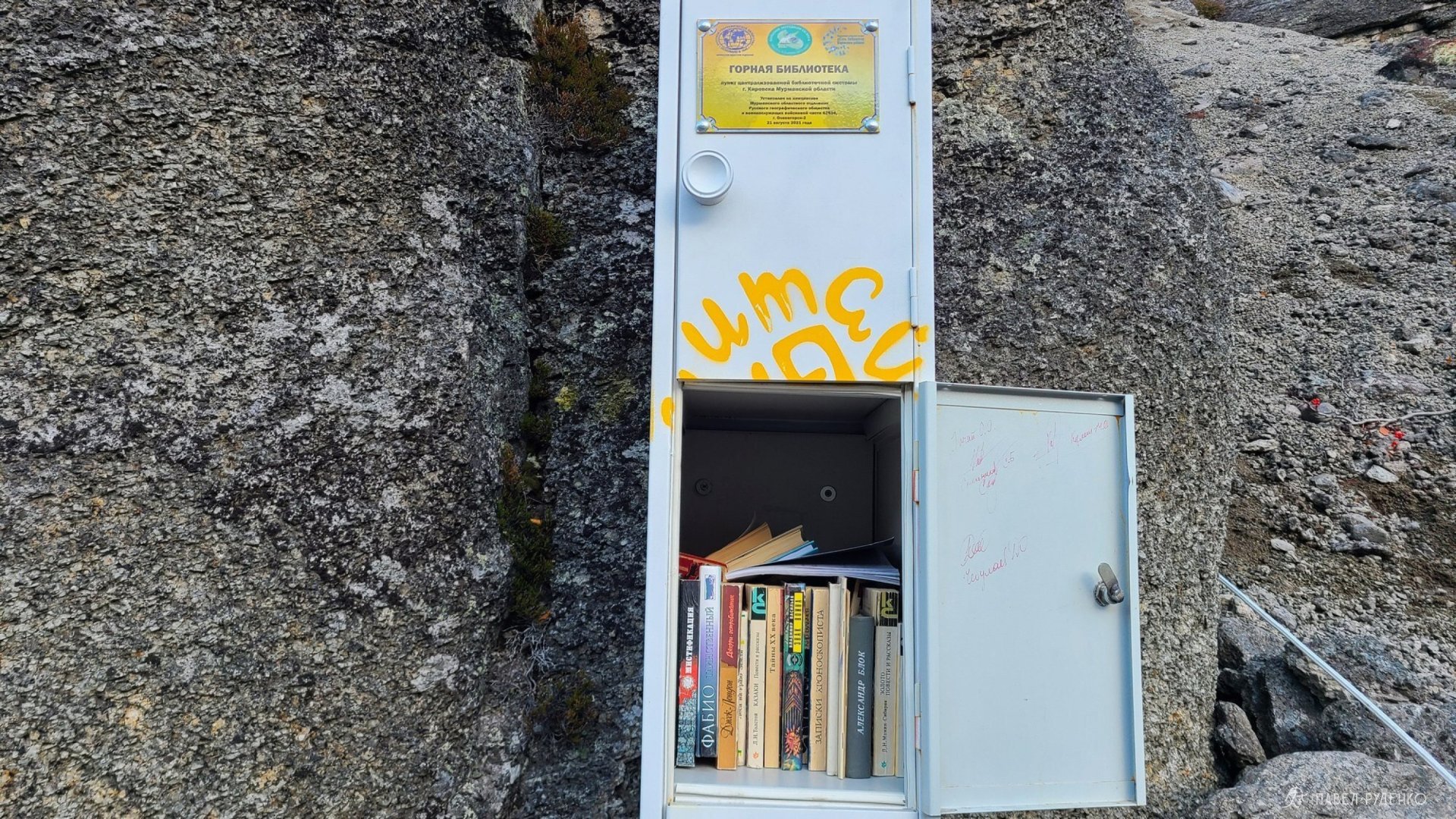
Mountain Library in the Khibiny Mountains, restored by the Russian Geographical Society this summer.
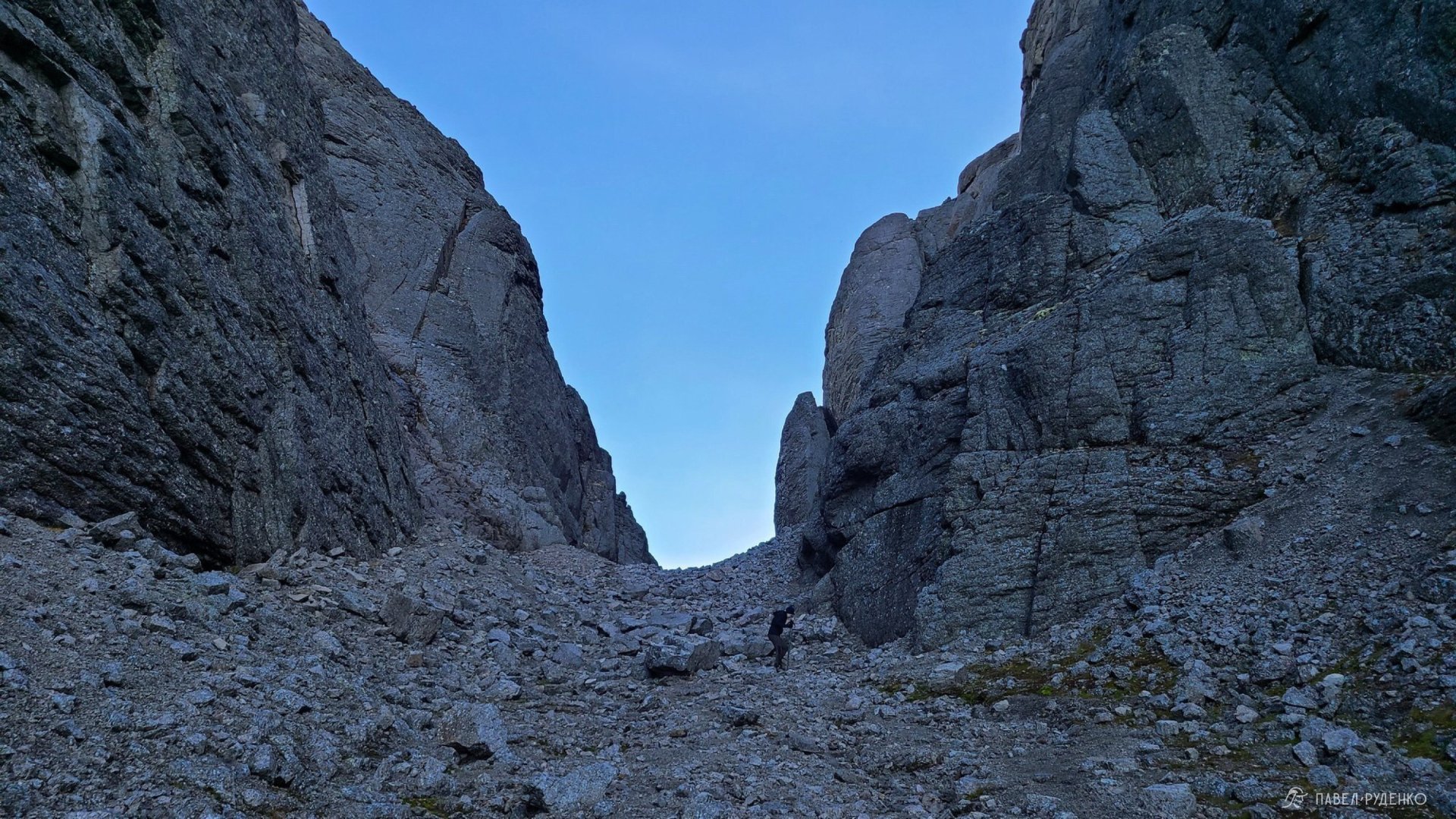
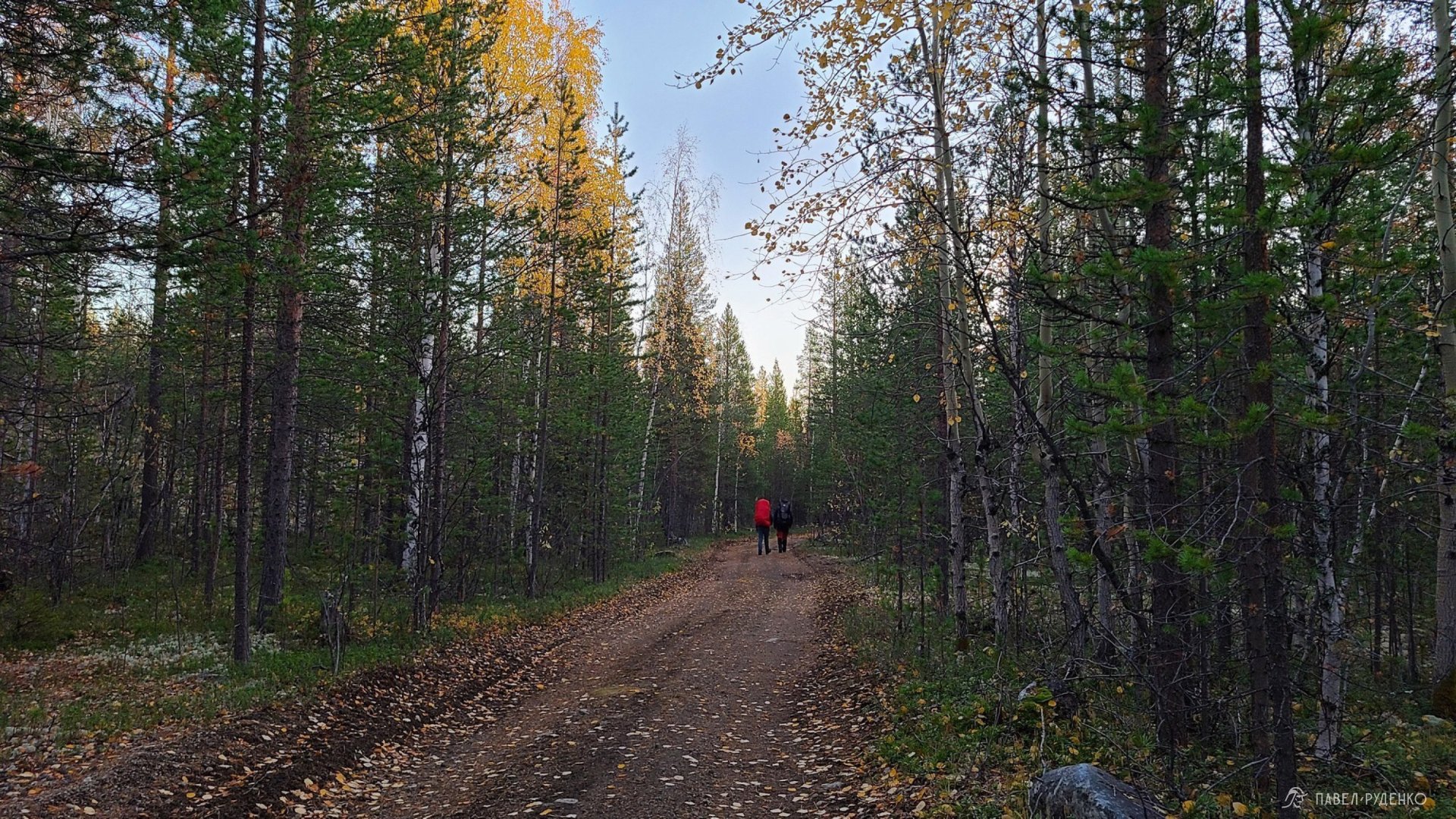
On the return leg, we made quick time along the trail and exited the Khibiny mountain range; from there, a backcountry track led us to the Nepheline Sands railway station. We waited for the suburban train, rode to Kirovsk, and caught our transfer back to Murmansk.
Other articles about the Khibiny Mountains:



Comments (0)