
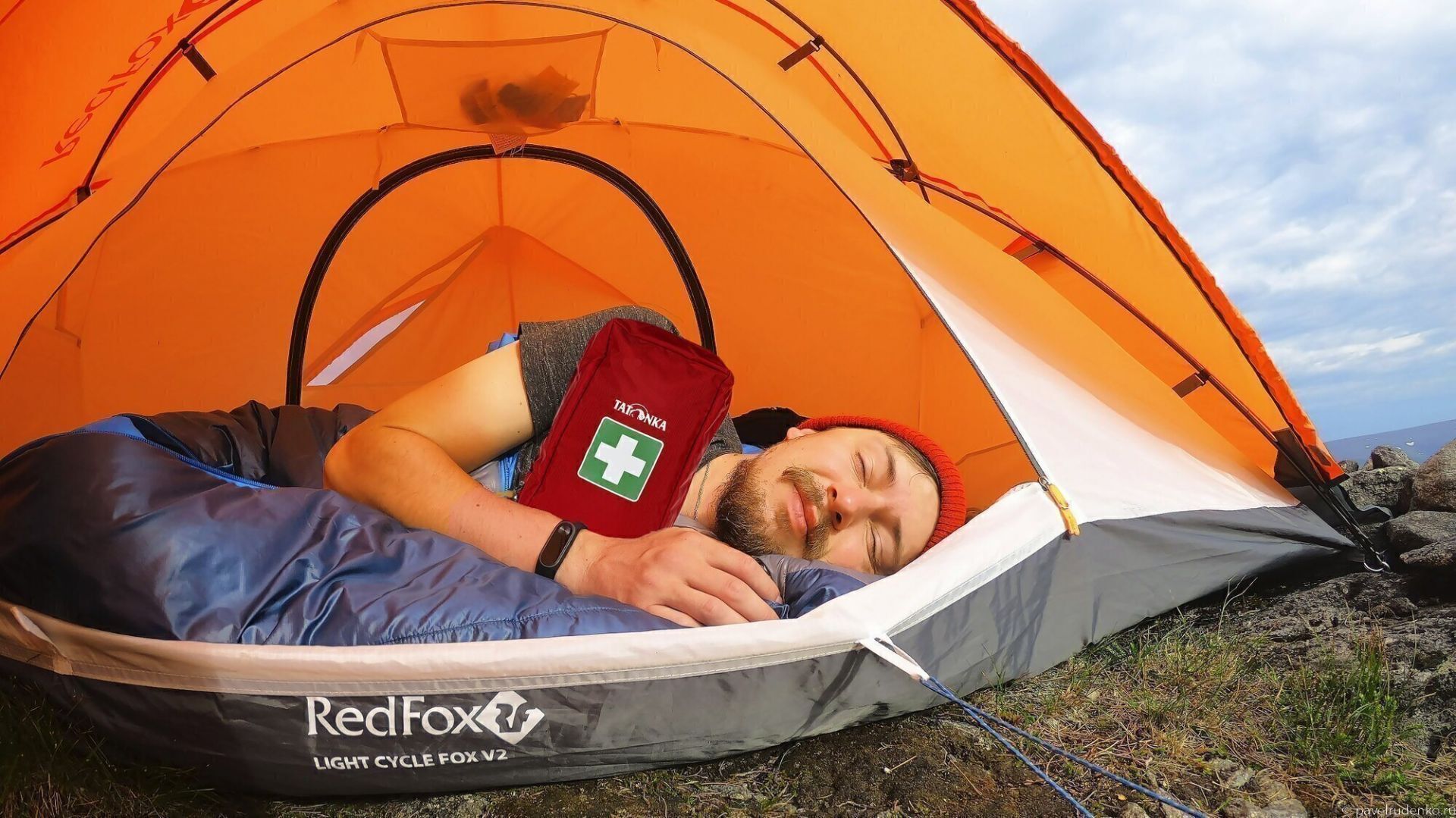
To feel confident on the trail, everyone needs a reliable first aid kit. Just like the saying goes: pack your med kit and sleep soundly. To figure out what to take in your hiking first aid kit, you need foresight regarding potential emergencies, experience, or the internet. My outdoor first aid kit has evolved and been refined many times, and this optimization process continues to this day. I have prepared a detailed checklist of medications and gear, and I'm ready to share what's inside.
Weight and volume of a hiking first aid kit
I don't stress over weight and volume. If my partner or I fall ill or get injured, we will be able to provide aid. Peace of mind is far more valuable than a few grams saved in your backpack. On solo treks, I carry a fully stocked hiking first aid kit.
To cut down on weight, I pack only the exact amount of medication needed for the trek. For example, for a one-week trip, I take seven digestive enzyme tablets (like Mezym). The logic is simple: if digestive issues strike on day one, I take one tablet daily. If the problem persists for all seven days, I have just enough until the end of the route. For ointments, I pack half-used tubes from home, and I decant hydrogen peroxide into a small dropper bottle. What to put in your hiking first aid kit is up to you, but shaving pack weight must never compromise safety.
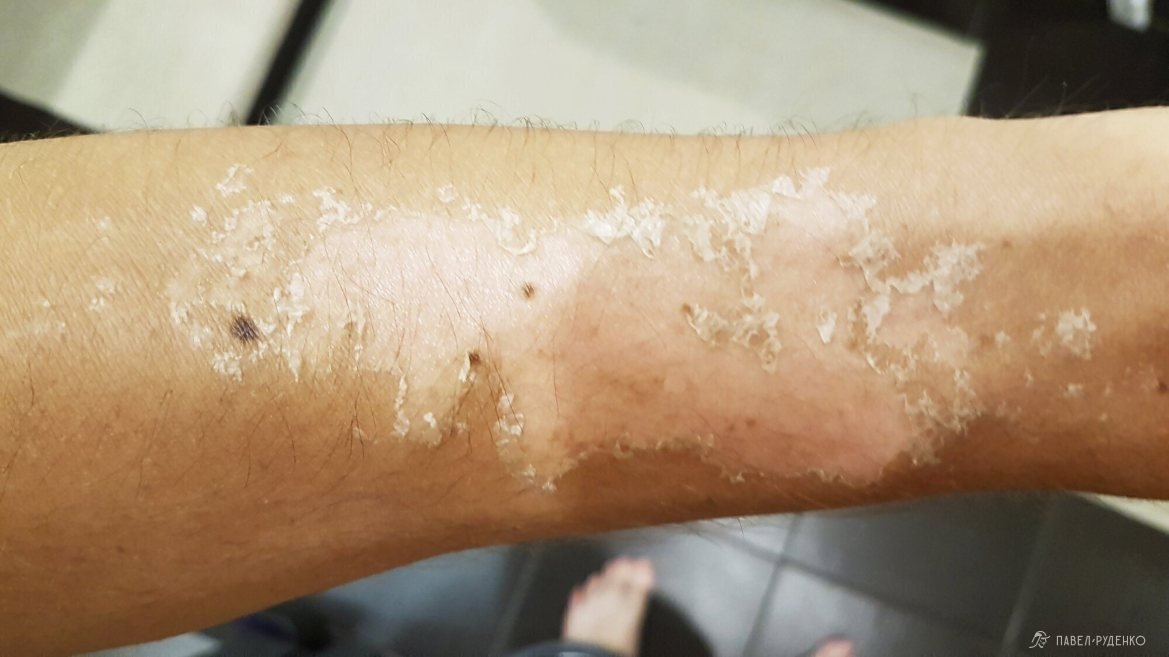
A telling case occurred during a trek around Lake Seydozero. I tried cutting gear weight and skipped sunscreen. The forecast predicted between 0 and +7 °C, daily rain, and heavy overcast. But the weather changed completely: the sun beat down without pause, and temperatures hovered around +20 °C. This is a classic example of why certain items belong in your kit regardless of the weather forecast.
What matters most on the trail
We rarely pay attention to minor scratches in daily life, but out in the wilderness, even tiny cuts must be treated thoroughly. A small abrasion on a finger can quickly become inflamed and infected. In the end, it becomes painful to grip a trekking pole, chop firewood, cook meals, or light a camping stove.
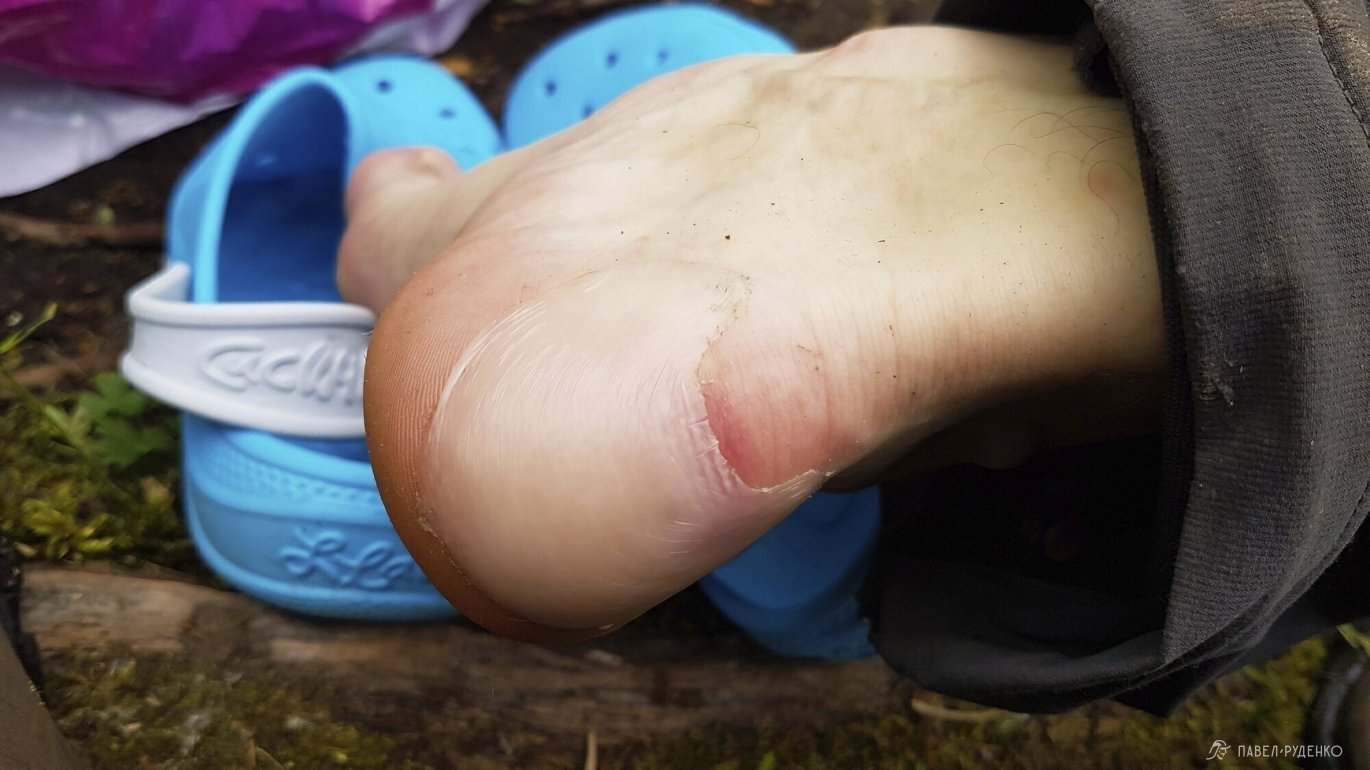
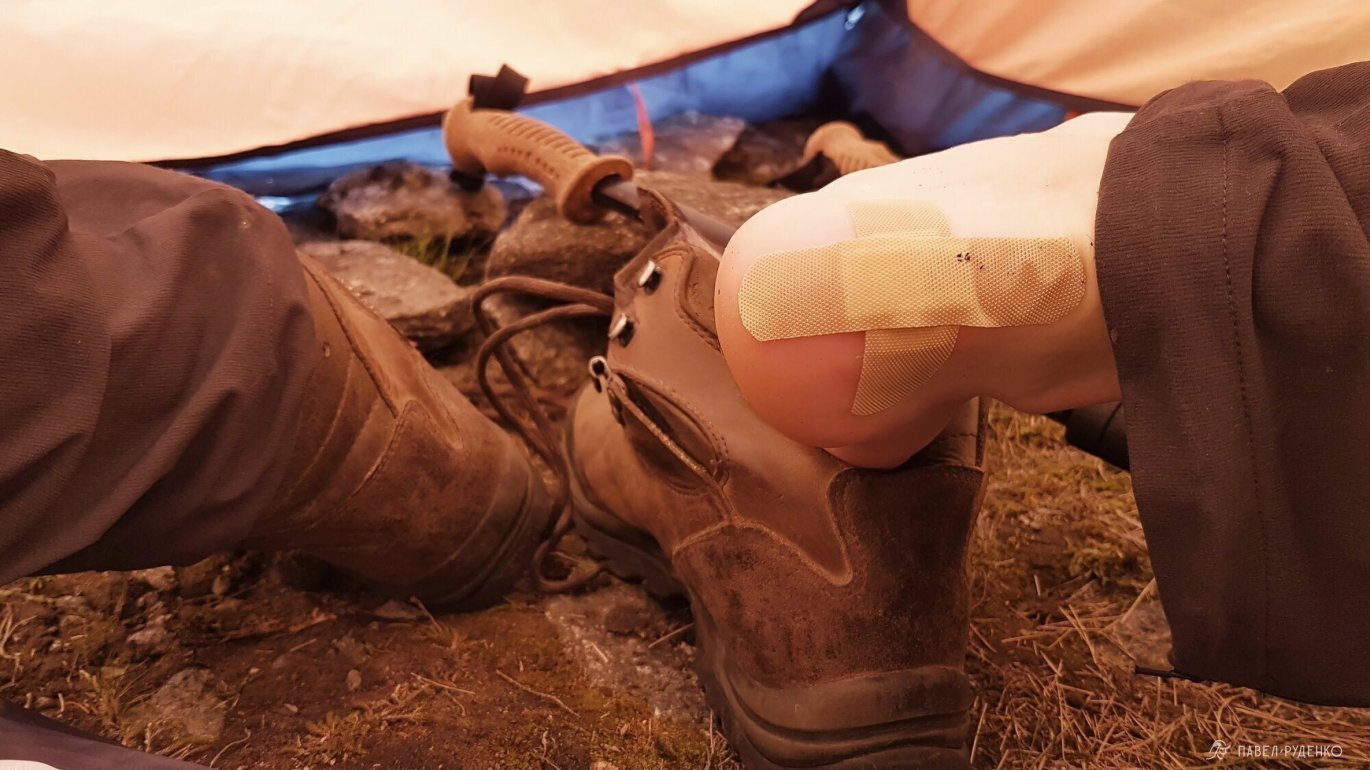
If a boot starts rubbing your foot, stop immediately, apply a blister plaster, adjust your sock, and relace your footwear. This is a frequent issue on group tours. When you barely know the people, you might feel shy asking everyone to wait, but it is an absolute necessity. Otherwise, you'll soon be limping along in pain and slowing down the entire team.
Trim your toenails short before heading out; otherwise, steep descents will cause intense pain and bruised toes. If you are planning a trip lasting more than a week and packing for a tent trek, bring along scissors or nail clippers.
First and foremost, think about what you will reach for daily. For me, that includes bug spray against midges and ticks, healing balm (such as Rescuer), sunscreen, antidiarrheal tablets, plasters, and a moisturizing cream. In constant wind, skin dries out quickly and cracks badly, which is why these essentials form the core of any hiking kit.
I reinforce the back of medication blister packs with adhesive tape. Gear inside the backpack presses against the kit pouch, often tearing the foil and popping pills loose.
Be cautious with liquids in winter: in freezing temperatures, almost everything solidifies. Eye or nasal drops will turn to solid ice, forcing you to waste precious time thawing them out inside your jacket's inner pocket.
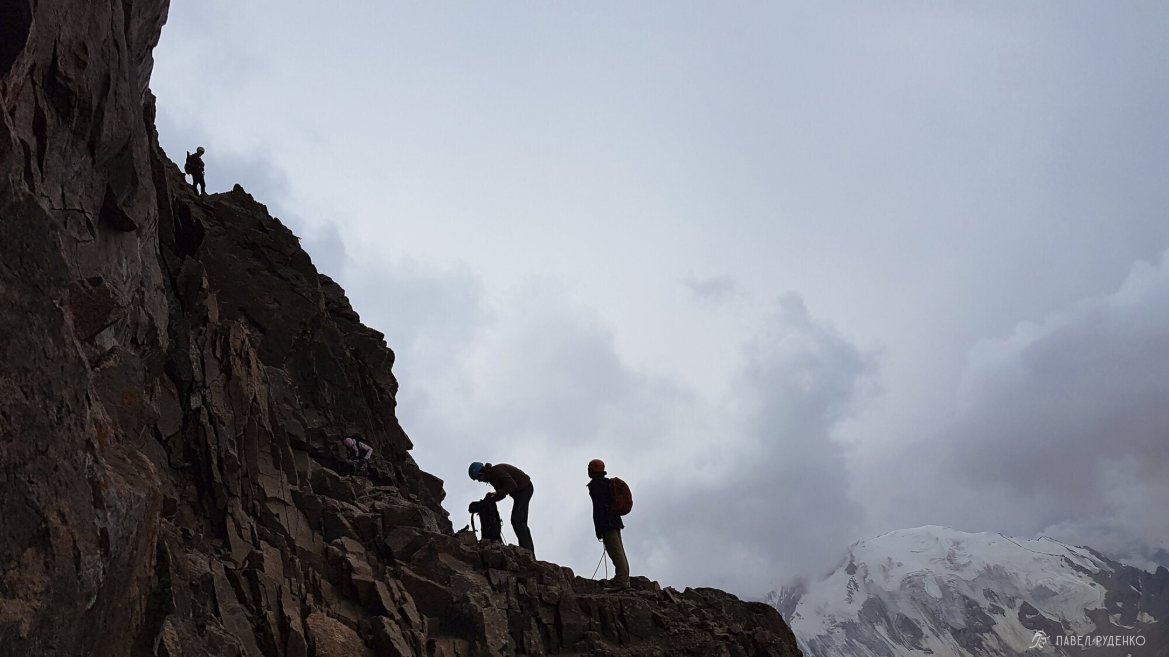
Another subtle danger lurks in the mountains. Once, I did a single-day push up Mount Molodezhnaya in Kazakhstan without prior acclimatization. I assumed that if I moved fast enough, the ascent from 2,500 to 4,100 meters and the descent back down would be breezy, with perhaps a slight headache at most. But right at the start of the descent, acute mountain sickness hit hard. Nausea set in, my head pounded intensely, and reality blurred. Aspirin offered no relief. I descended on sheer willpower alone and spent a day and a half recovering. Now I know altitude sickness strikes without warning, which is why my personal trekking kit now includes Diamox (acetazolamide) and a compact pulse oximeter.
Pre-trip preparation
Sometimes before departure, I take a supportive course of adaptogens and vitamins: Eleutherococcus, Echinacea, Vitamin C, or immune-boosting supplements. A hiking first aid kit treats problems as they arise, but prevention is far more reliable.
Basic physical conditioning is a must: running, strength training, and stretching.
First aid kits for specific conditions
My outdoor first aid kit is tailored to specific missions. Typically, these are altitudes up to 3,000 meters, rarely up to 5,000 meters. Geographically, it ranges from the equator to high northern latitudes, with durations from 7 to 30 days. The amount of supplies depends on the group size. In my case, that means solo routes or trips with a partner.
Large group trips to mountaineering camps have their own specifics. There, the comprehensive expedition medical kit remains at base camp, while only a lightweight, bare-minimum emergency kit is carried during the summit push.
I do not have formal medical training, so the text below reflects purely personal experience and what I personally pack in my hiking kit. You will likely need to adjust this list to match your own body and personal needs.
Download Excel spreadsheet
You can download a ready-made Excel spreadsheet from my cloud storage. It compiles detailed information on indications, dosages, and side effects. Medical descriptions are referenced from the official Pharmaceutical Register of Russia.
This sheet is handy when packing your gear: simply tick off or highlight items in the first column as you buy them. Download the first aid kit spreadsheet from Yandex Disk.
First aid kit checklist: detailed list
Below is my standard hiking first aid kit, field-tested over years of expeditions. This complete setup is ready for treks in forests, mountains, or arctic tundra.
Antiallergic and antihistamine medications
- Suprastin 25 mg — for food poisoning and allergic reactions to insect bites or plants.
- Sulfacetamide sodium 20% (eye drops 5 ml) — antimicrobial ophthalmic drops for eye injuries and irritation.
- Heavy-duty repellent spray against mosquitoes, midges, and ticks.
Gastrointestinal infections and indigestion
- Chloramphenicol (Levomycetin) 500 mg — potent broad-spectrum antibacterial for severe food poisoning.
- Activated charcoal 250 mg — basic toxin adsorption.
- Bifiform capsules — restores intestinal flora.
- No-Spa 40 mg — relieves abdominal cramps and sharp pains.
- Mezym 20,000 units — digestive enzymes to help break down heavy camp meals.
- Loperamide 2 mg — emergency relief for acute diarrhea.
- Exportal powder 10 g — gentle osmotic relief for constipation.
Urogenital infections and bronchitis
- Sumamed 500 mg — broad-spectrum antibiotic.
- Biseptol 480 mg — proven aid for respiratory tract infections (bronchitis, pneumonia).
- Cycloferon 250 mg — antiviral immunomodulator.
Upper respiratory tract infections
- Bromhexine 8 mg — secretolytic expectorant for inflammatory chest conditions.
- Mucaltin 50 mg — effective natural expectorant for productive coughs.
- Strepsils — lozenges for sore and scratchy throats.
- Nazivin nasal drops — clears stubborn nasal congestion.
- Lizobakt — antiseptic lozenges for comprehensive throat treatment.
Antipyretics and painkillers
- Nurofen 400 mg — powerful ibuprofen-based analgesic and anti-inflammatory.
- Paracetamol 500 mg — classic fever reducer and pain reliever.
- Analgin 500 mg — fast-acting general analgesic.
Antiseptics
- Chlorhexidine 50 ml — versatile for wound disinfection and gargling.
- Hydrogen peroxide 50 ml — stops bleeding and mechanically flushes out debris from cuts.
- Streptocide powder 2 g — dries and disinfects open abrasions and wounds.
- Hand sanitizer — for rapid hand hygiene before meals or administering first aid.
Cardiovascular and high-altitude medications
- Caffeine sodium benzoate 100 mg — enhances alertness and physical stamina, battles drowsiness.
- Validol 60 mg — mild vasodilator that calms the nervous system.
- Nitroglycerin 0.5 mg — emergency relief for sudden chest pain and angina.
- Aspirin 500 mg — thins the blood, which is critically important when acclimatizing at altitude.
- Diacarb 250 mg — targeted medication for acute mountain sickness (AMS).
Ointments and creams
- Rescuer Balm 30 g — speeds up the healing of abrasions and skin damage.
- BF-6 medical glue 15 g — bonds and waterproofs small cuts.
- Dolobene gel 45 g — first aid for bruises, sprains, and muscle trauma.
- Repharm Alpinist Balm SPF50 — shields facial skin in winter from frostbite, windburn, and harsh snow-reflected glare.
- Sports sunscreen SPF50 — reliable broad-spectrum skin protection for spring, summer, and autumn.
- Lip balm — protects lips from cracking in dry high-altitude and sub-zero winds.
- Acyclovir 5% — antiviral ointment to treat cold sore outbreaks.
- Dry skin cream 30 ml — hydrates windburned skin and soothes friction chafing.
Sports nutrition and vitamins
Sports supplements are optional, but if strenuous terrain lies ahead, they make a valuable addition to your hiking first aid kit.
- Creatine — improves muscle endurance and performance during long, grueling treks.
- Vitamin C and ascorbic acid chewables — support the body under physical exhaustion and help combat altitude sickness.
Electronics
- Digital thermometer — safe and rapid temperature checks in field conditions.
- Pulse oximeter — indispensable gear on routes above 3,000 meters to monitor blood oxygen levels (SpO2).
Dressings and plasters
The right dressing materials are the backbone of safety, as minor injuries happen constantly on the trail.
- Sterile gauze bandages in assorted sizes — the cornerstone for dressing wounds, sprains, and fractures.
- Tubular elastic net bandage — quickly and securely anchors dressings on limbs.
- Sterile medical gloves — protect against contamination and infection when treating open wounds.
- Hydrocolloid blister plasters (such as Compeed) — the gold standard for hot spots, dry, and wet blisters.
- Assorted pack of sterile adhesive bandage strips in varied shapes.
- Fabric medical tape on a roll — sticks reliably even in cold, damp winter conditions.
- Capsicum warming plaster 10×18 cm — provides deep thermal relief for strained muscles.
- Cotton rounds and cotton swabs.
- Ammonia wipes — for reviving faintness or lightheadedness.
- Wet wipes — solve hygiene needs in freezing weather or when clean water is scarce.
Hydrocolloid blister plasters act just like a second skin. On one trek, a plaster held firm for a full week, only peeling off during a deep river crossing. Standard adhesive strips peel off feet constantly when hiking, which is why I now reserve them strictly for minor hand cuts.
Tools and instruments
- Scissors — to cut dressings and trim nails cleanly.
- Classic precision tweezers — essential for pulling out splinters and thorns.
- Tick twister / tick-removal tool.
- Disposable razor — cleanly shaves hair around a wound before taping or applying adhesive dressings.
- Small plastic mirror — an invaluable item on solo treks to inspect your back, extract ticks from hard-to-reach spots, or dress facial cuts.
Assemble a dependable first aid kit, inspect expiry dates regularly, and never head out on the trail without it. Safe treks to everyone!

Comments (0)