
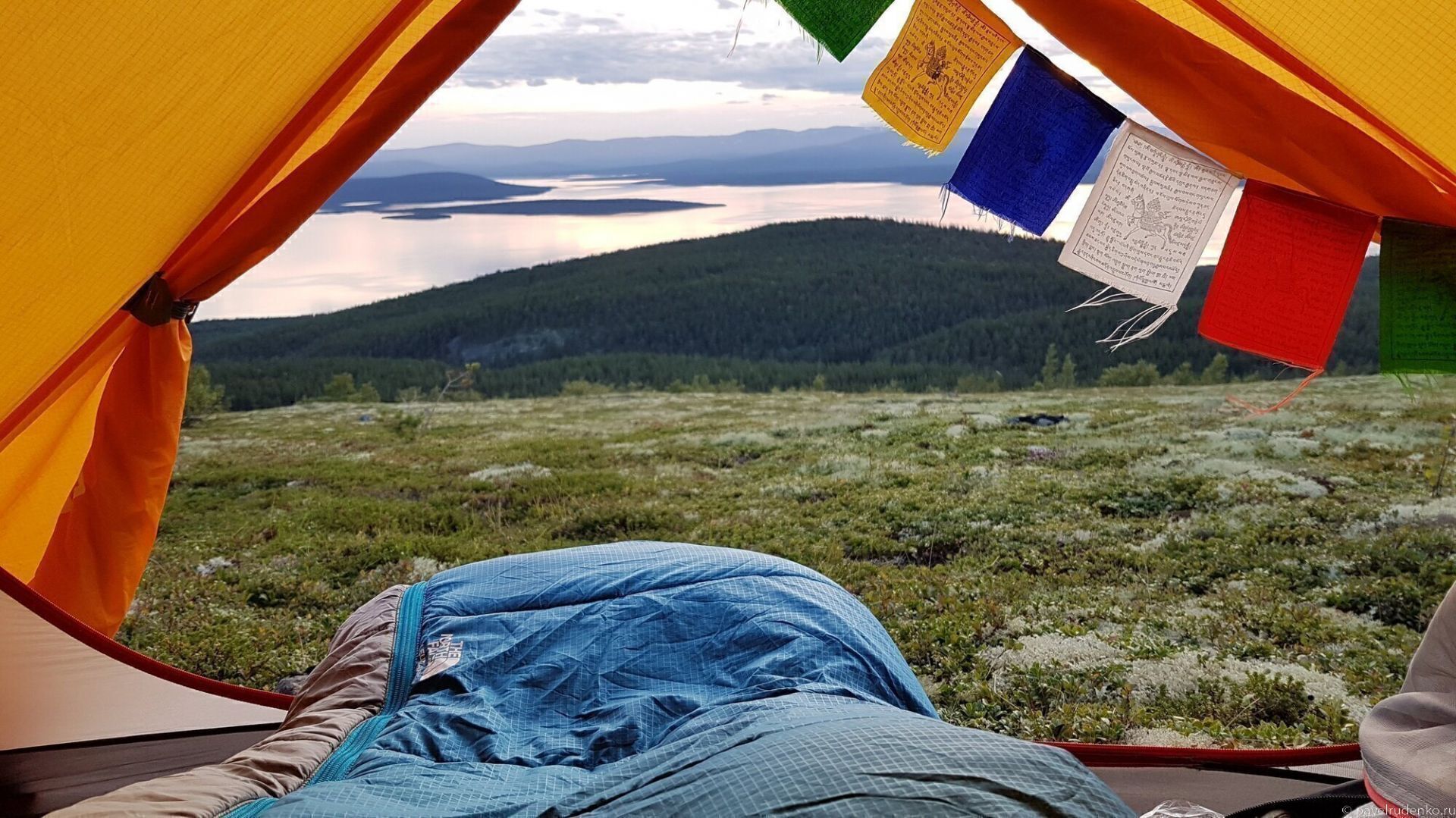
Specifications
- Temperature rating: –1 | –7 °C
- Insulation: Heatseeker™ Eco
- Packed size: 25 x 46 cm
- Fits up to (Reg/Long): 183/198 cm
- Weight (Reg/Long): 1,786/1,956 g
TNF Aleutian –7
I needed a true three-season sleeping bag. In spring and autumn, temperatures can easily drop below 0°C, and in summer, that is inevitable in the mountains and up north. That is why a temperature buffer is essential for a three-season sleeping bag. I see 0…–5°C as the sweet spot for men, while –5…–10°C is better suited for women.
Most warmer nights were around +10…+17°C, and this bag delivered a comfortable sleep thanks to the dual zipper. For hot destinations like low-altitude Crimea or Georgia, you would be better off picking a lighter bag.

On a tight budget, the Aleutian –7 offered the best warmth-to-price ratio. Its 1,786 g weight is the trade-off for the more affordable, heavier, and bulkier Heatseeker Eco insulation. In higher-end models, TNF uses Heatseeker PRO and the even more advanced Heatseeker Guide. The difference lies in the warmth and volume delivered per 100 grams of fill. Even so, Heatseeker Eco performs reliably, works great, and is an excellent option for your first sleeping bag.
The Heatseeker Eco insulation is laid in a dense, thick layer across horizontal baffles weighing 1,443 g. TNF does not disclose the exact shell specs, but it is most likely 50D. I once spilled tea on it; the DWR coating held the liquid off, giving me plenty of time to wipe it dry before it could soak in.
The insulation thickness varies between the top and bottom. This design works best if you are a quiet sleeper who does not toss and turn, or if you roll over inside the bag rather than twisting the entire bag with you. Differential fill cuts weight without sacrificing warmth, since your sleeping pad insulates you from below. Combined with a thick top insulation layer and durable shell fabric, it retains most of your body heat. If you are an active sleeper who tosses and turns, look for a bag with uniform fill distribution to protect your lower back from cold spots.
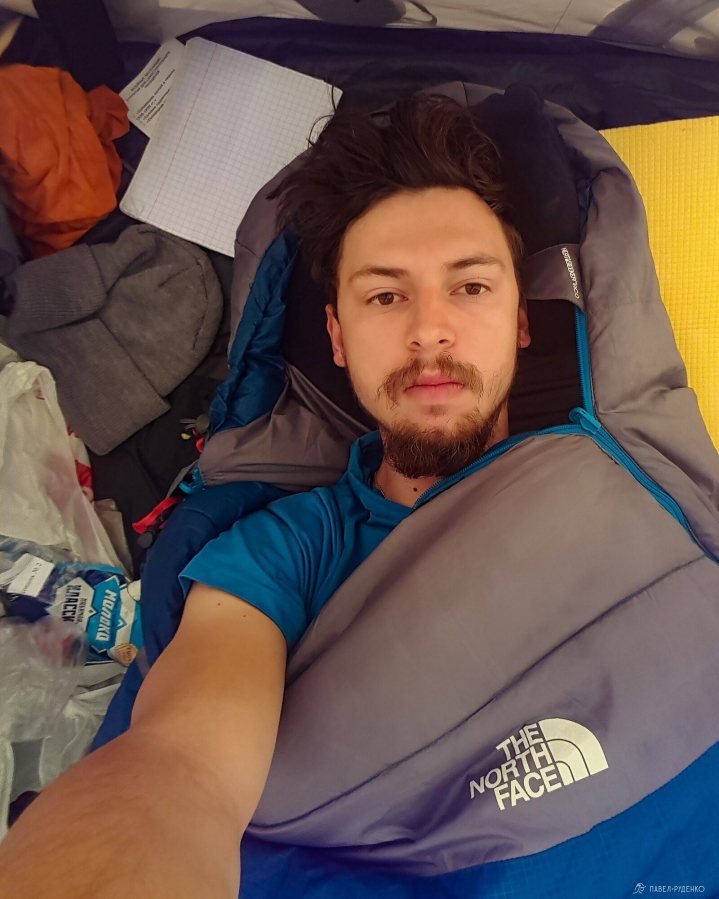
The dual zippers add exceptional versatility. The primary zipper runs from the hood all the way down to the footbox, allowing you to open the bag flat like a quilt. This proved invaluable on a ski trek when using the Aleutian as an overbag in –35°C, as well as on warm days when you just need light coverage with full airflow.
The secondary zipper is on the opposite side. You can open it while cooking, vent extra heat on warm nights, or even use it to hug a friend)
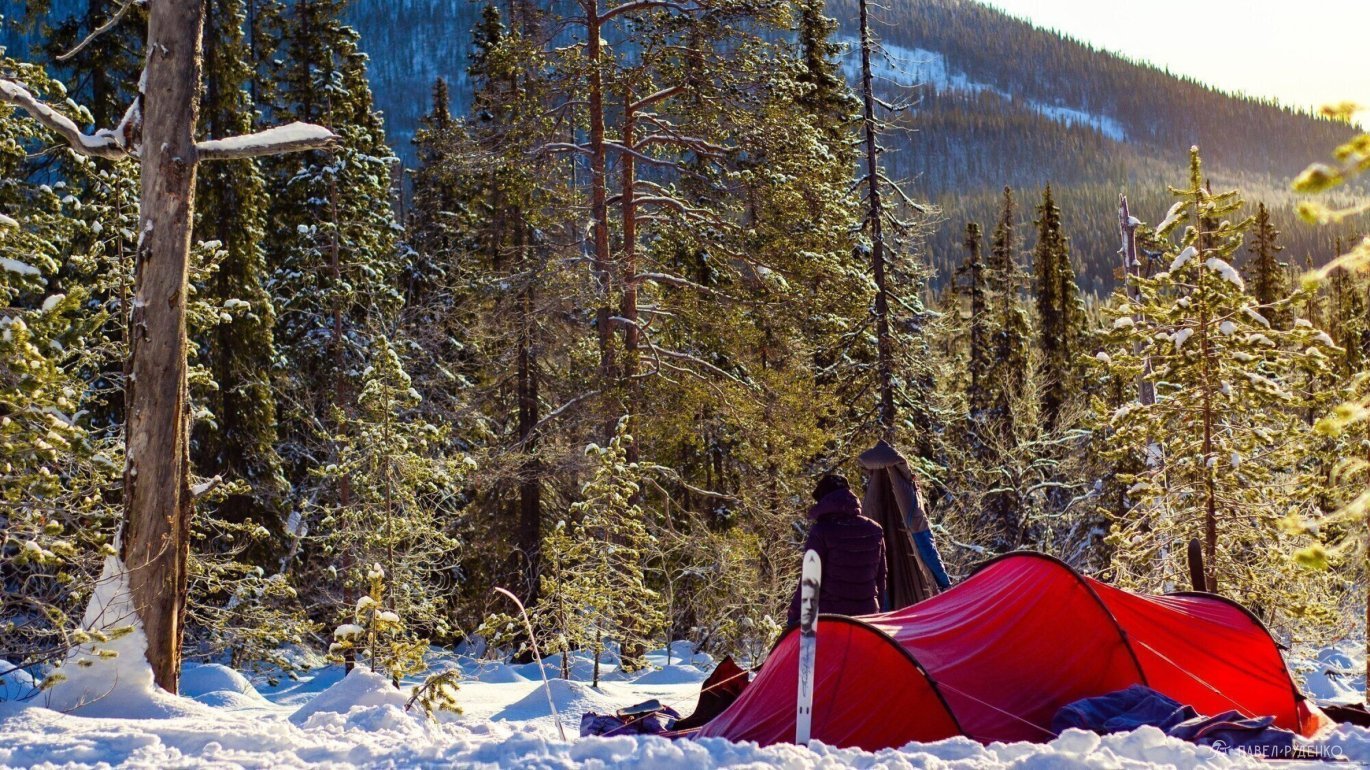
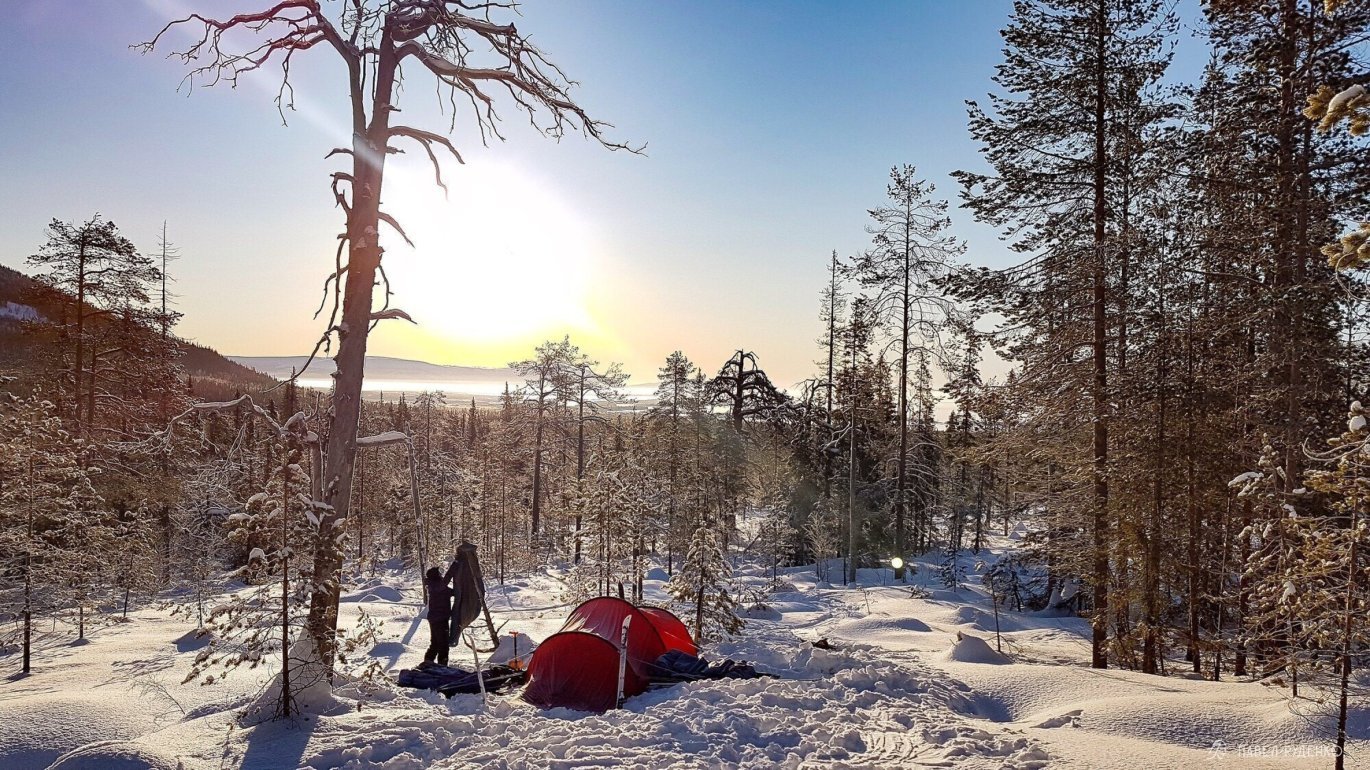

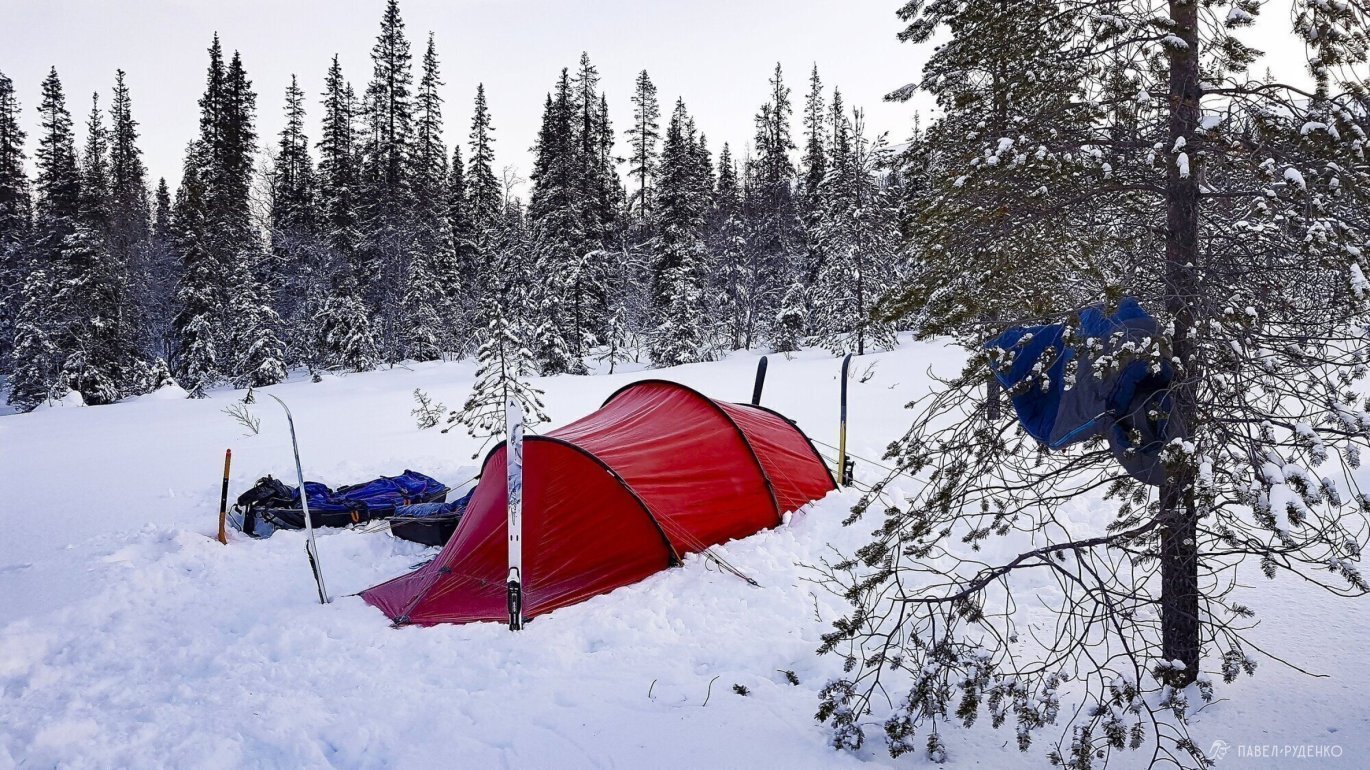
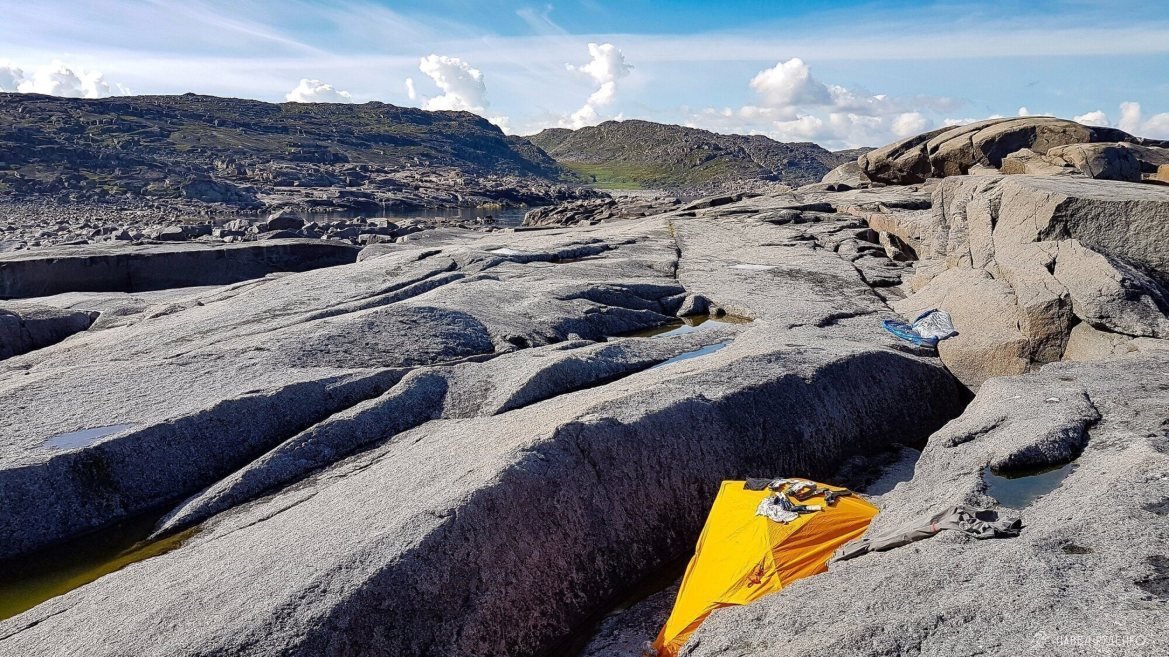
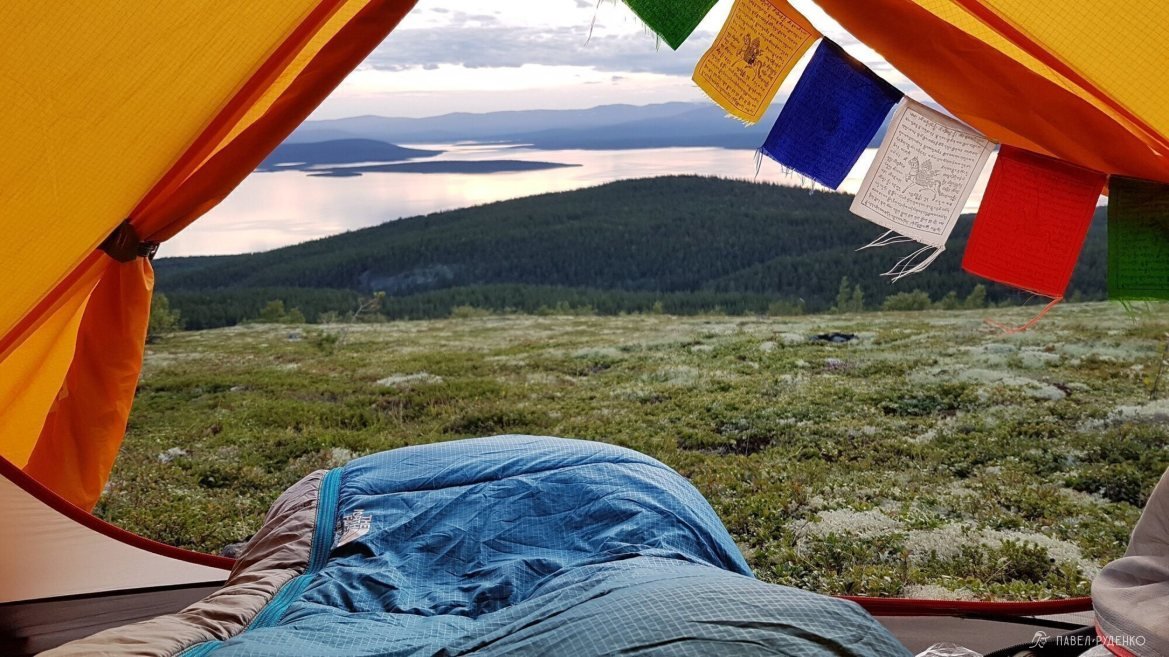
I used it on a trek along the Barents Sea and through the Khibiny Mountains in August, on the Annapurna Circuit trek in March, at the Tuyuk-Su mountaineering camp in July, and on countless weekend trips. The stitch quality has held up completely—no tears, no broken hardware. The stash pocket is roomy, the hood drawcords work smoothly, and the zipper rarely snags.
The bag is very dependable and served me well right up until I decided to invest in something lighter and higher-end—upgrading to the TNF Cat's Meow –5.
The main drawback is that it does not include a compression sack. Why? Most likely a marketing decision. I had to buy an aftermarket 20L compression sack for the Regular size (you will need a 25L sack for the Long). Alternatively, you can sew on compression webbing straps yourself. Fully compressed, it packs down to about 12L and looks like a plump little honey pot))
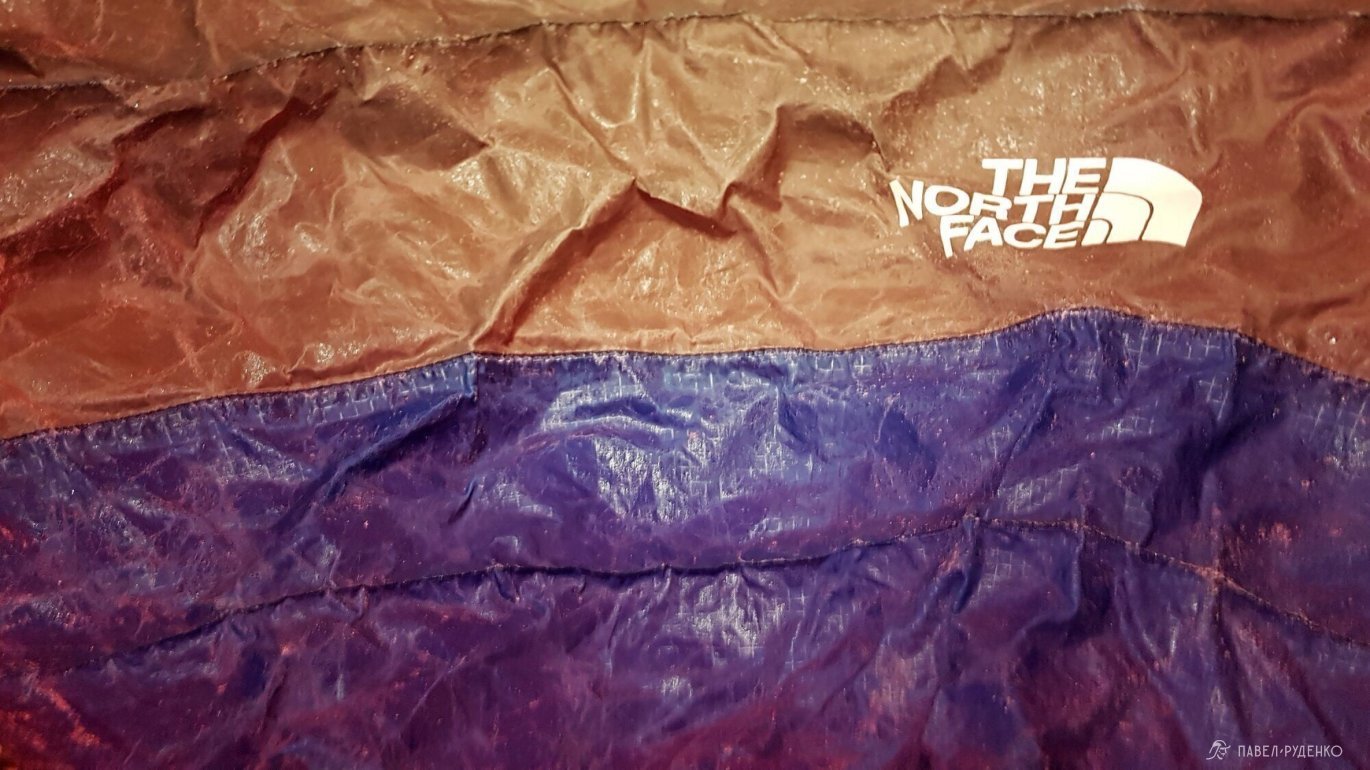
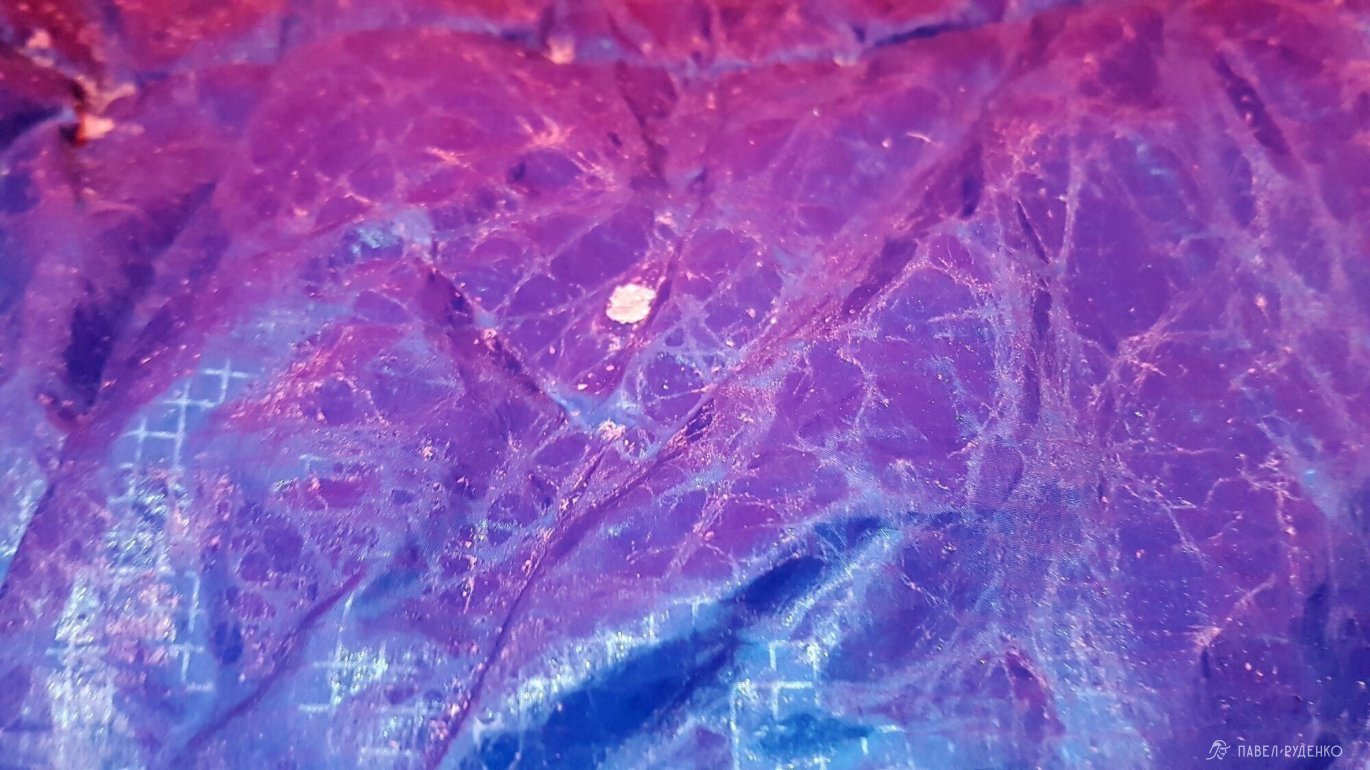
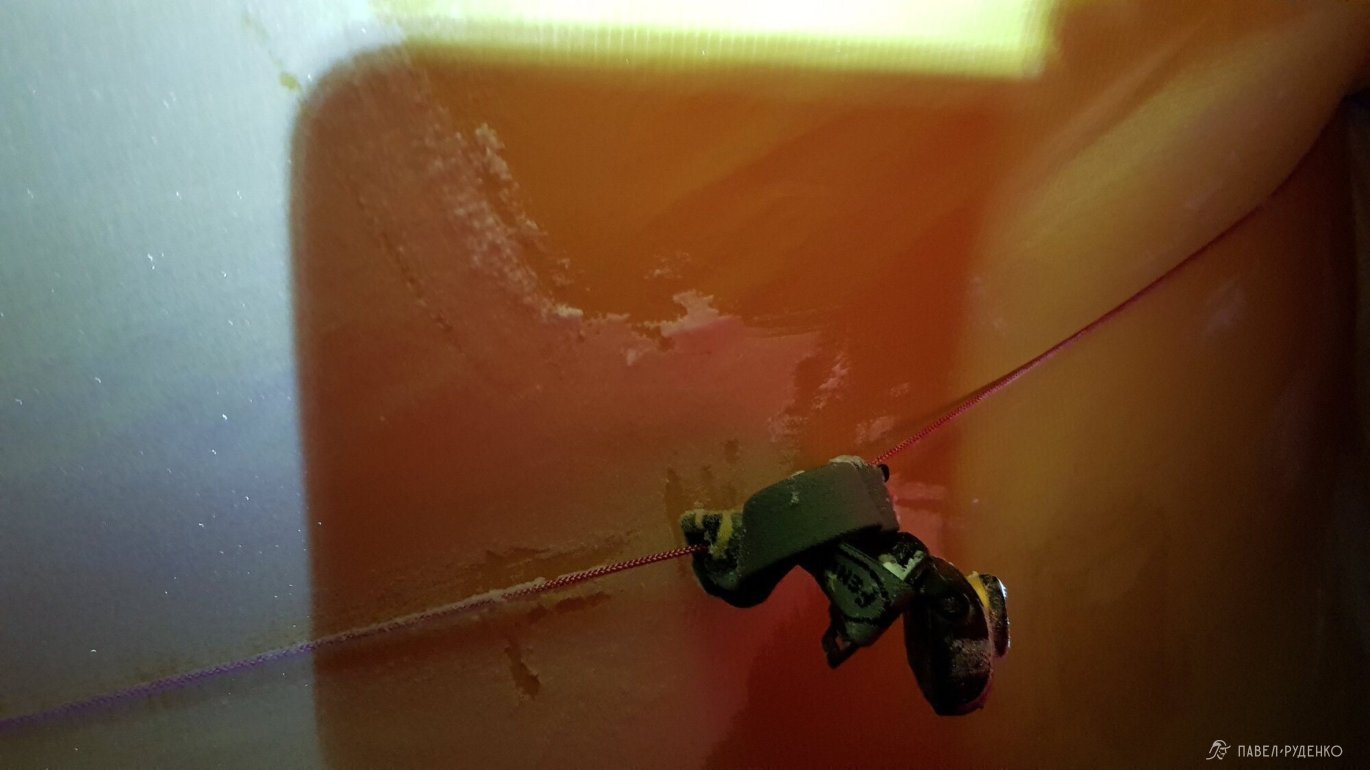
Heatseeker Eco is made with 30% recycled content. Post-consumer recycled materials help divert waste from landfills and reduce the demand for virgin raw materials.
Alternatives:
- Deuter Orbit –5
- Mountain Equipment Lunar III
- Ferrino Lightech SM 1100
Also, check out our in-depth video guide on how to choose a sleeping bag:
As well as tips on getting a comfortable night's sleep while trekking:
More articles on sleeping bags:



Comments (0)