
General Information
Why Choose This Destination?
There are at least 4 hiking regions on the Kola Peninsula where you can trek with a tent. I have explored the Barents Sea coast, the Khibiny Mountains, Kandalaksha, and the Lovozero Tundras.
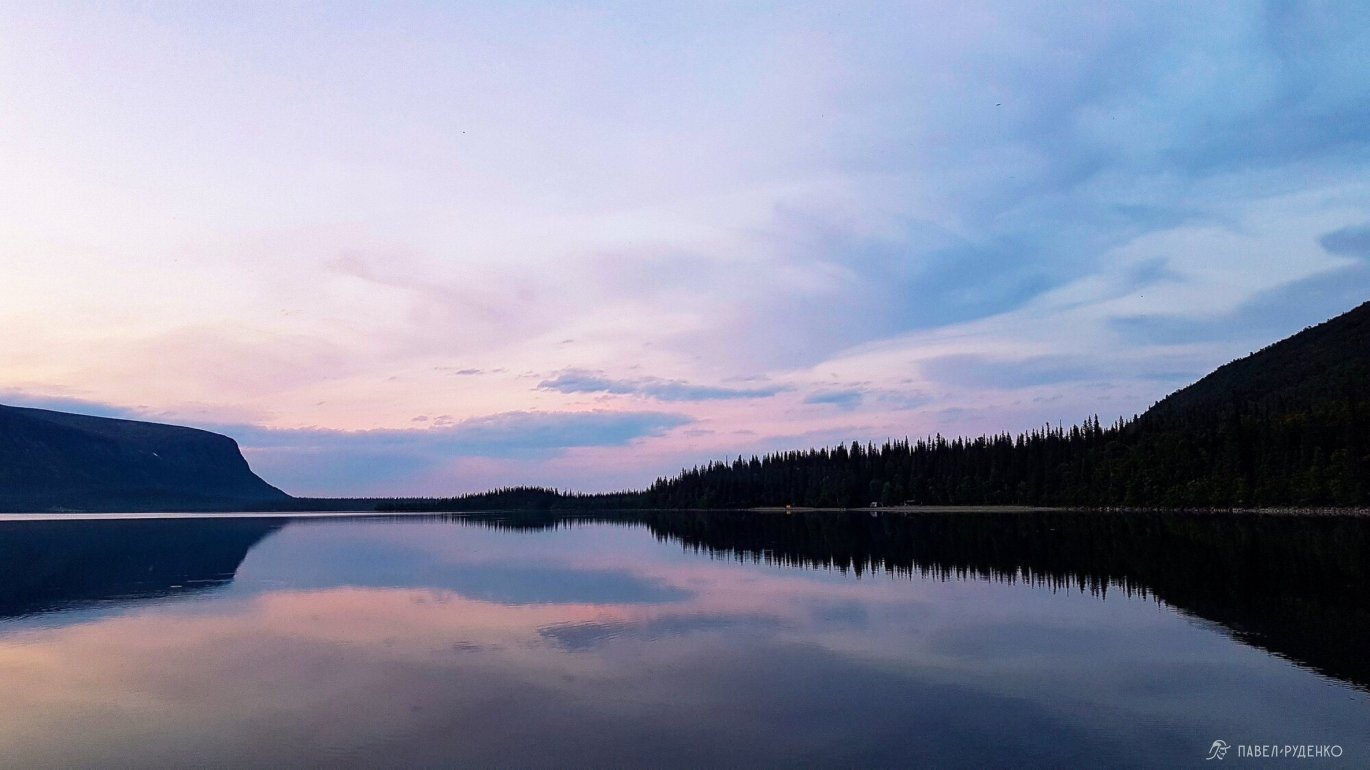
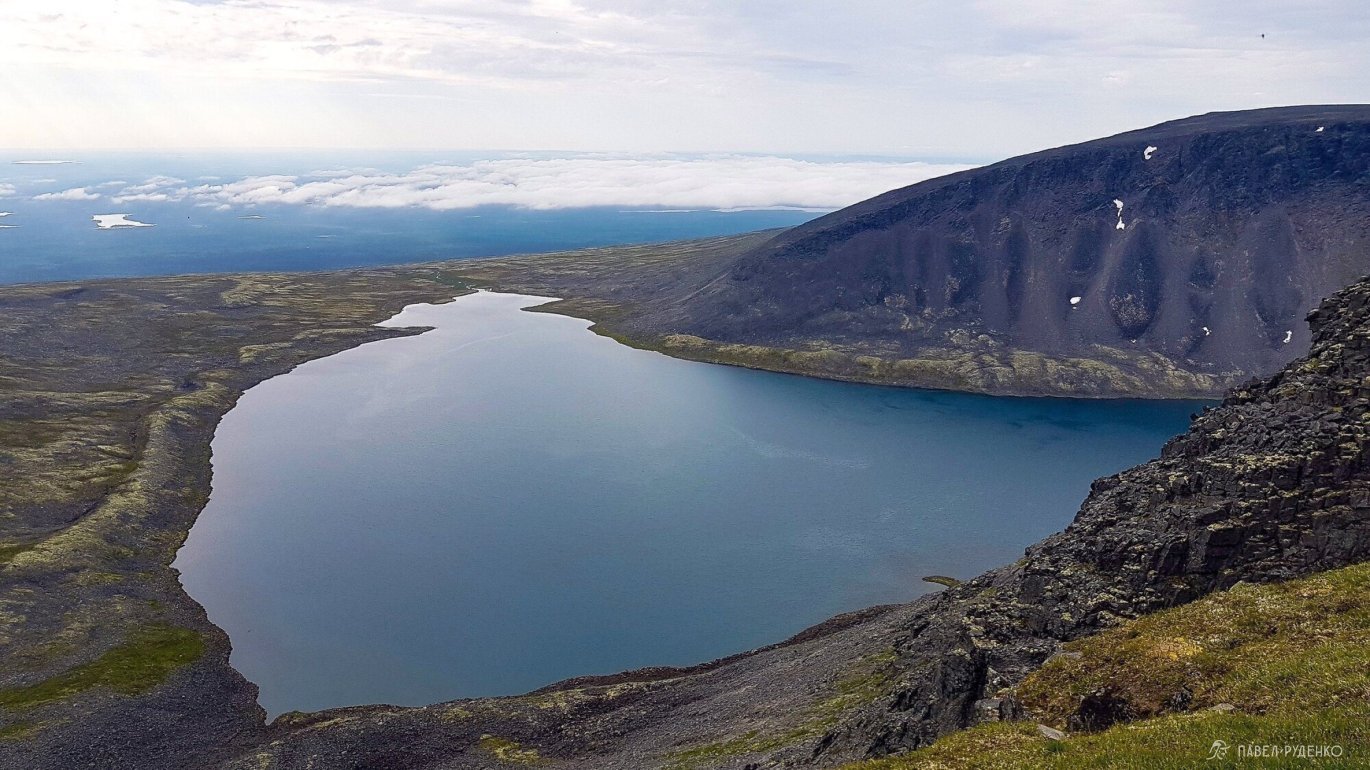
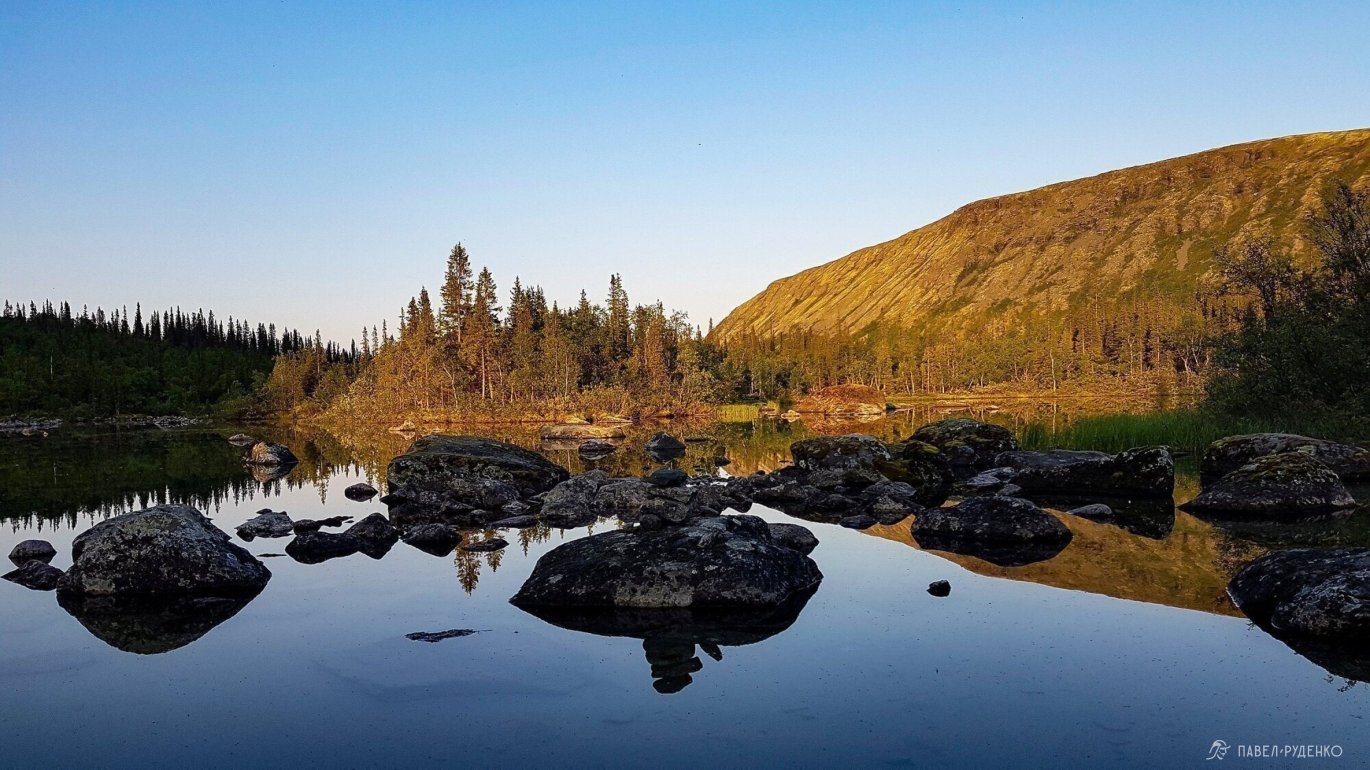
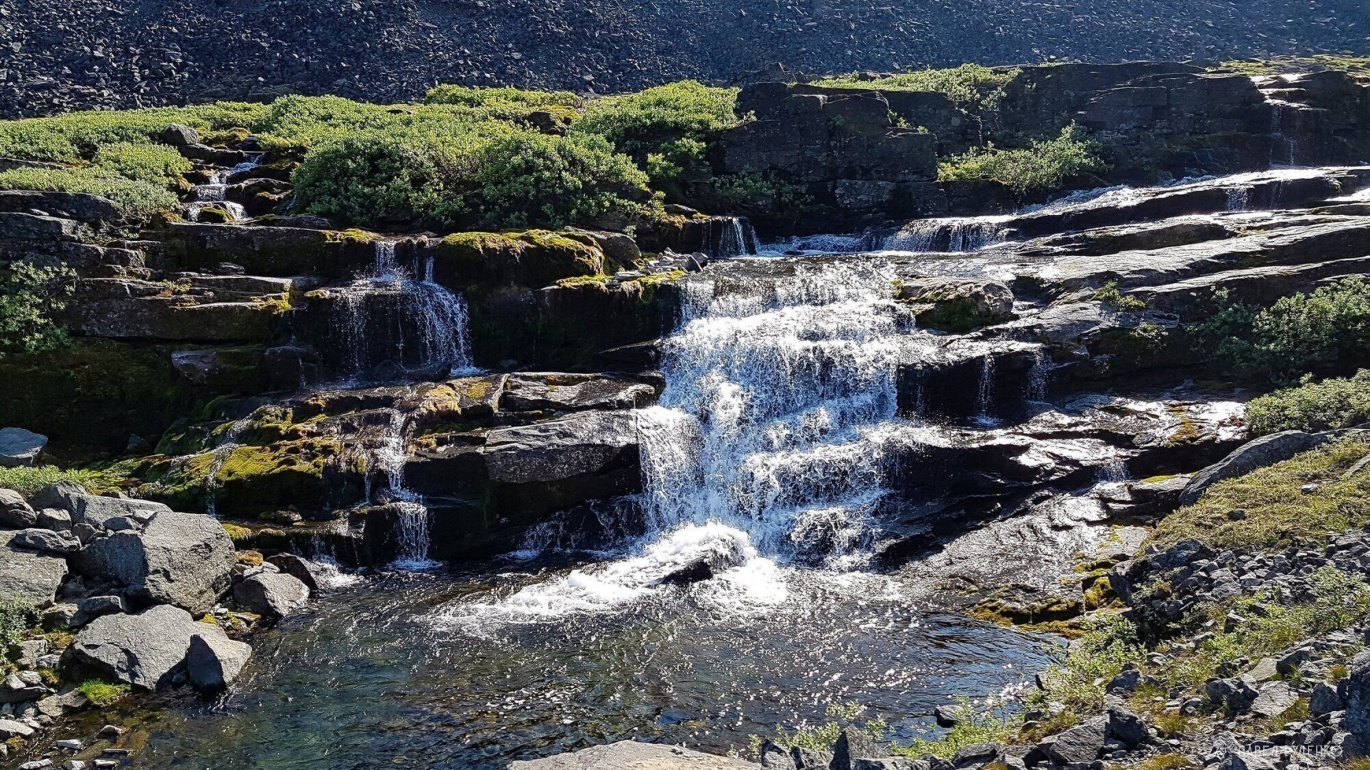
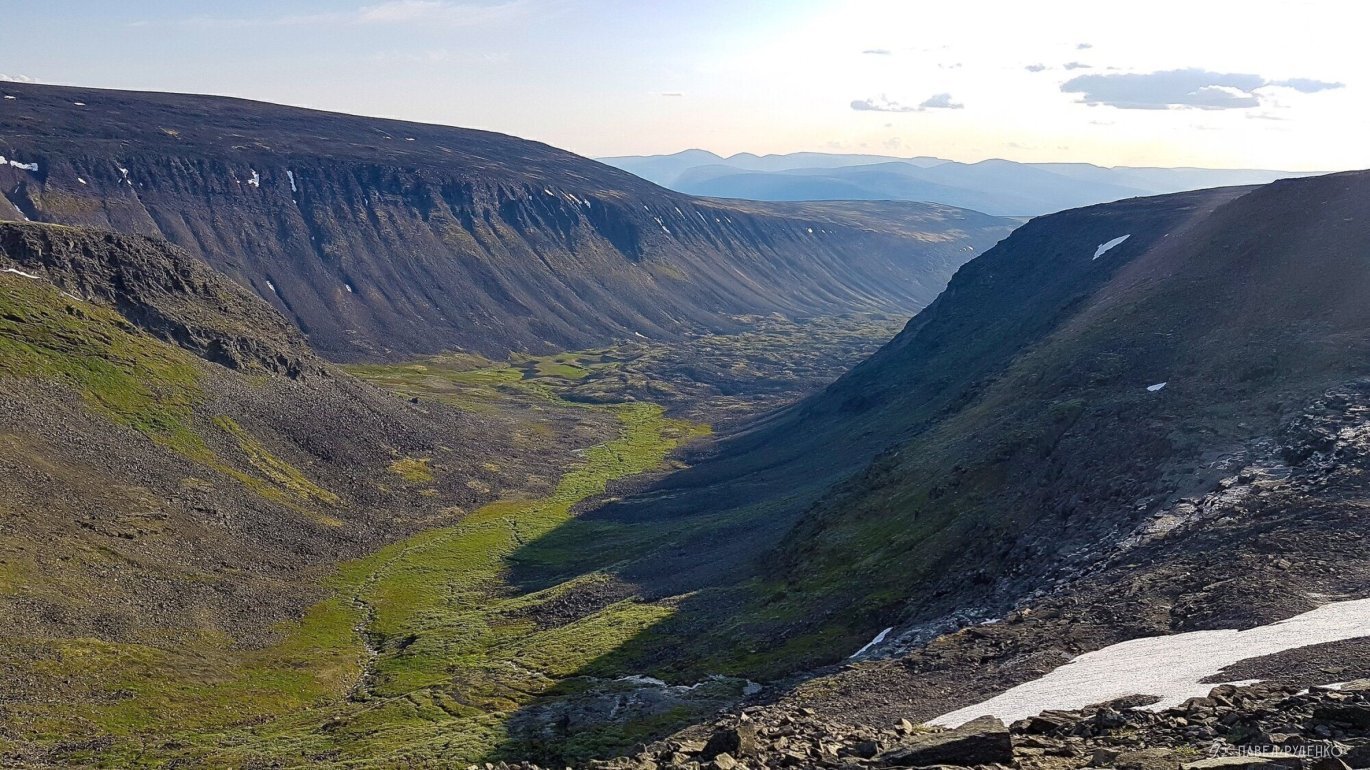
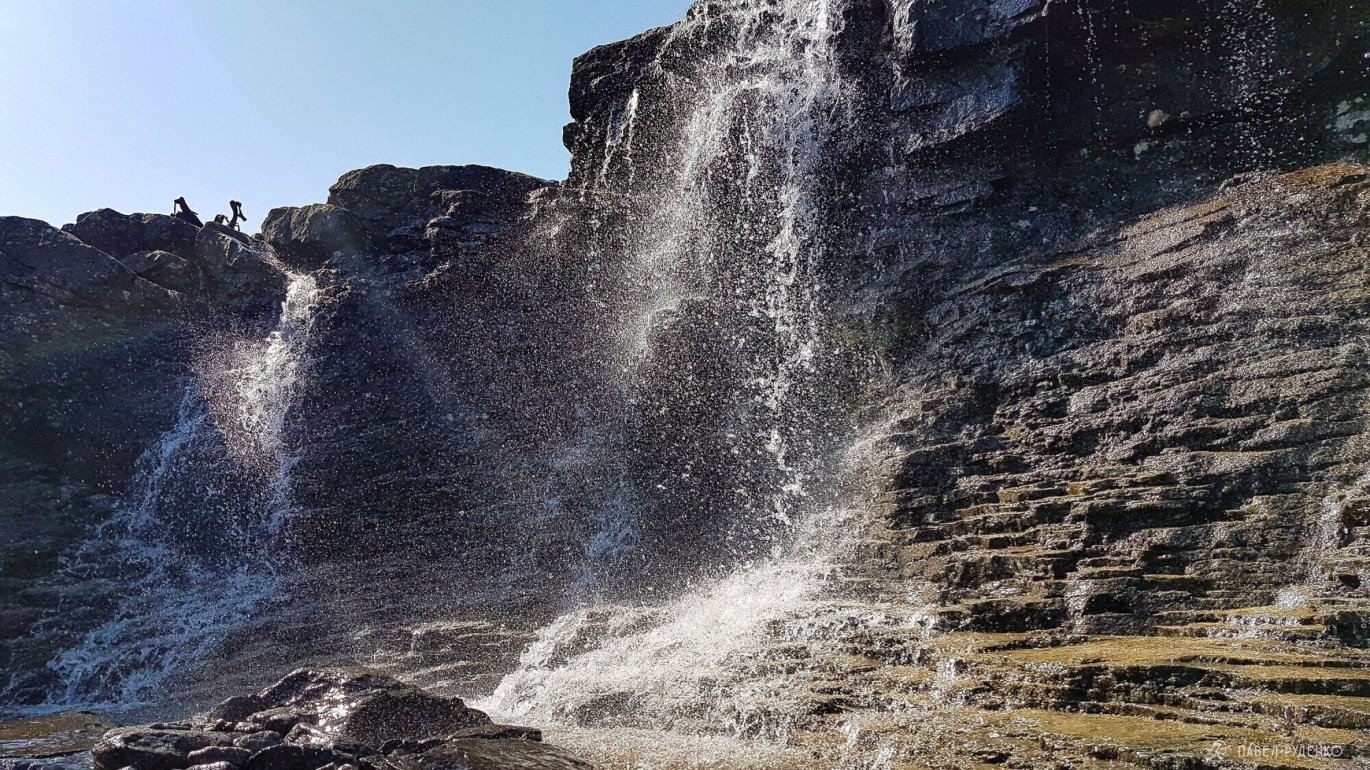
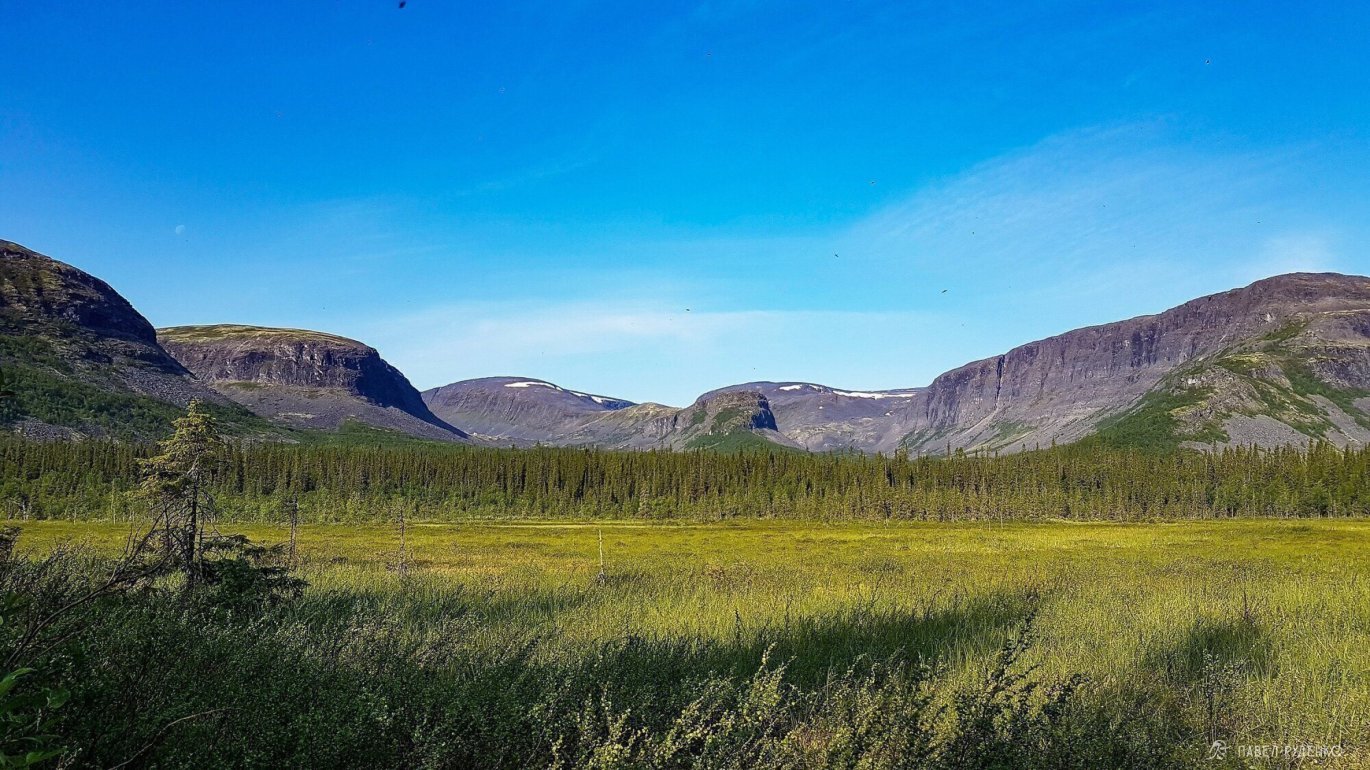
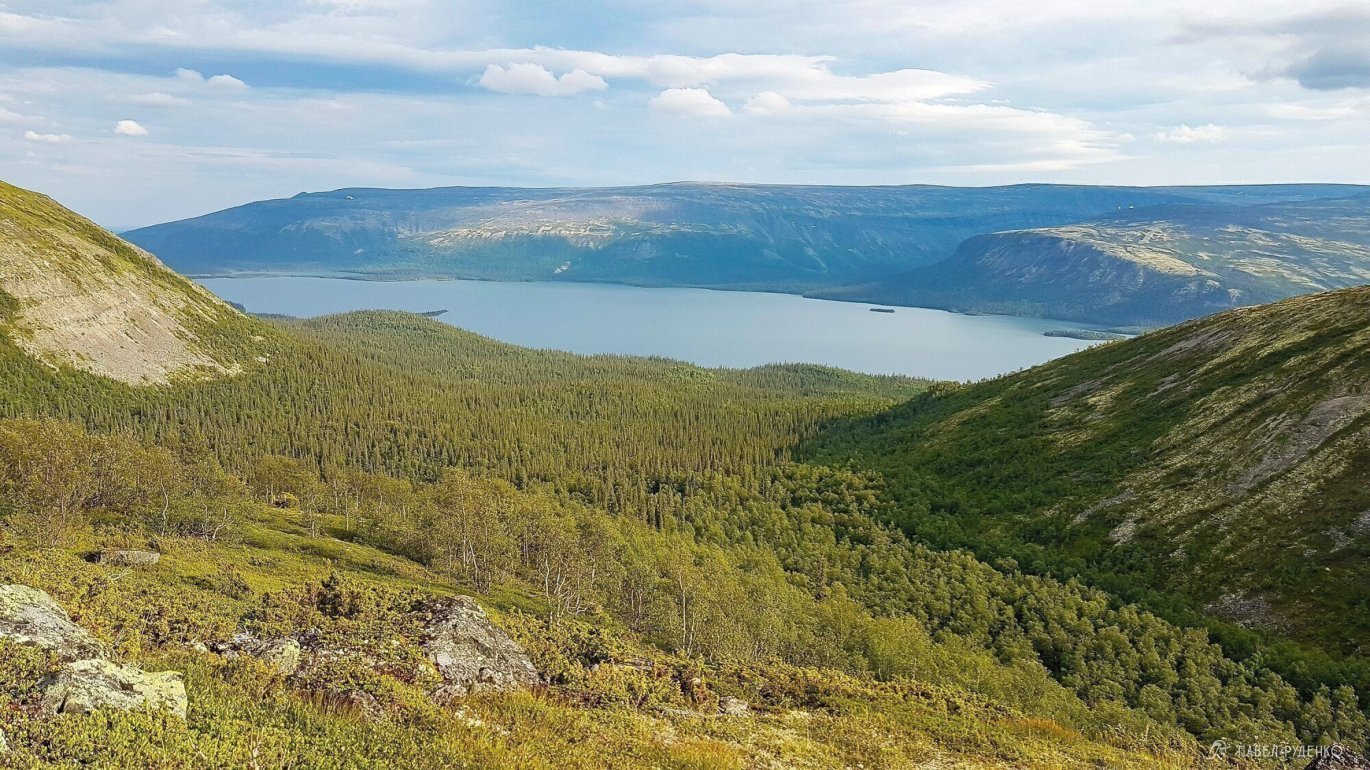
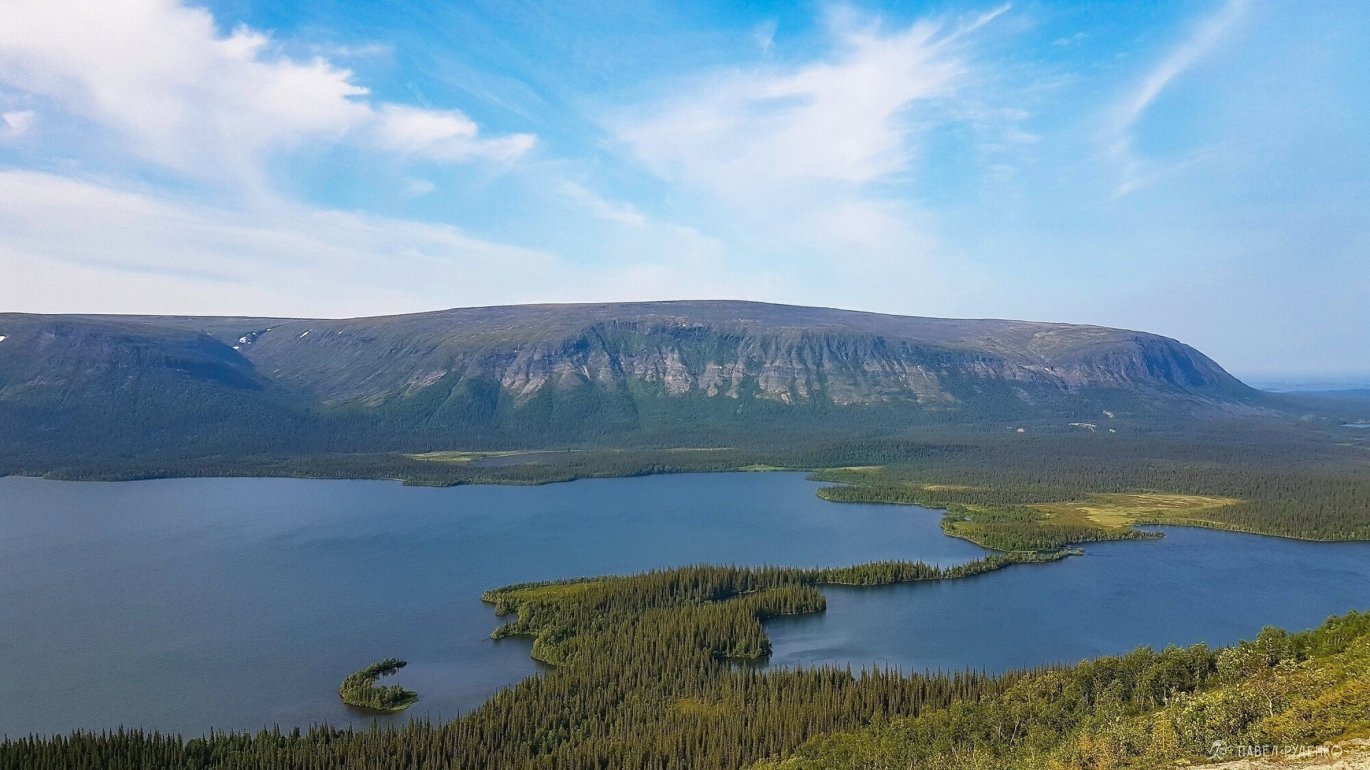
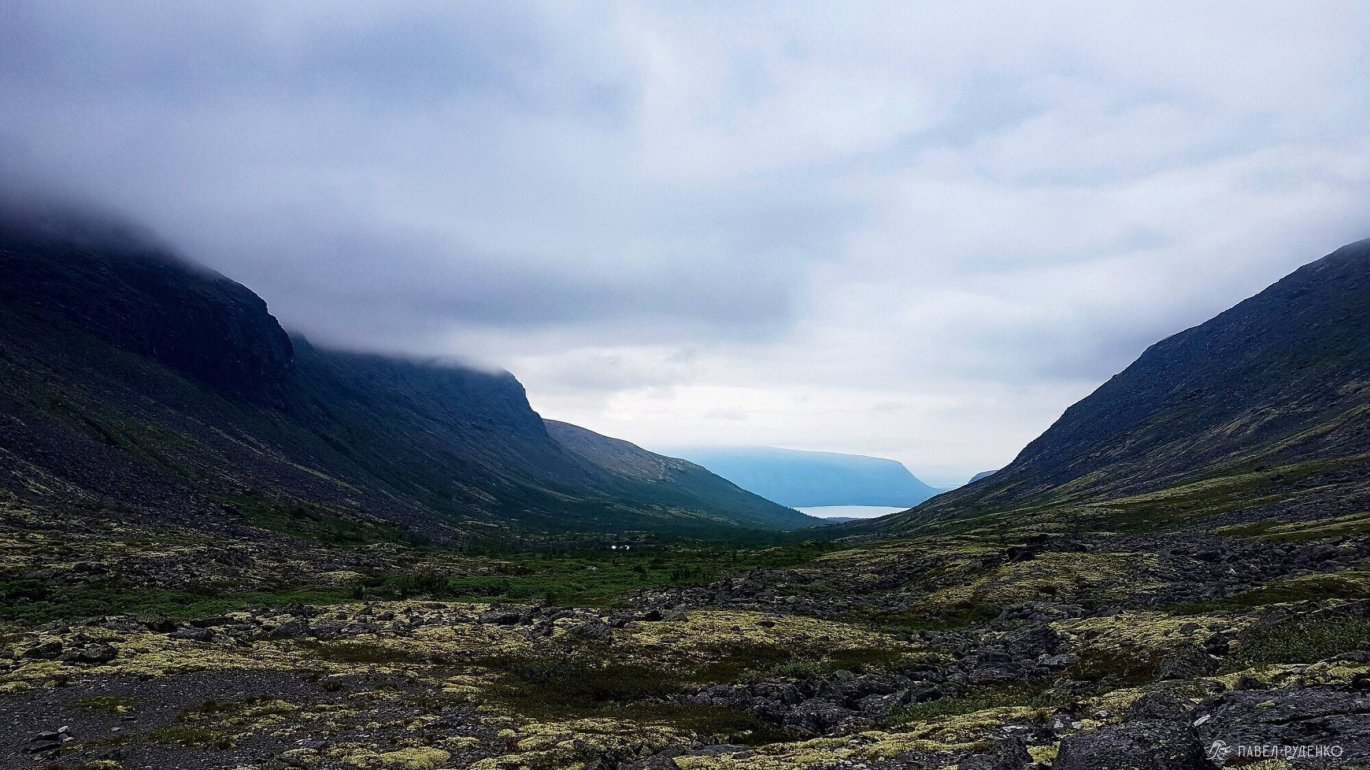
Each location is unique. The Lovozero Tundras blend the finest qualities of the Kola Peninsula in the most harmonious way: mountain ridges reminiscent of the Khibiny, open tundra stretching toward the sea, and dense northern forests like those around Kandalaksha. On top of that, it has its own crown jewel—a breathtaking lake and numerous cascading waterfalls.
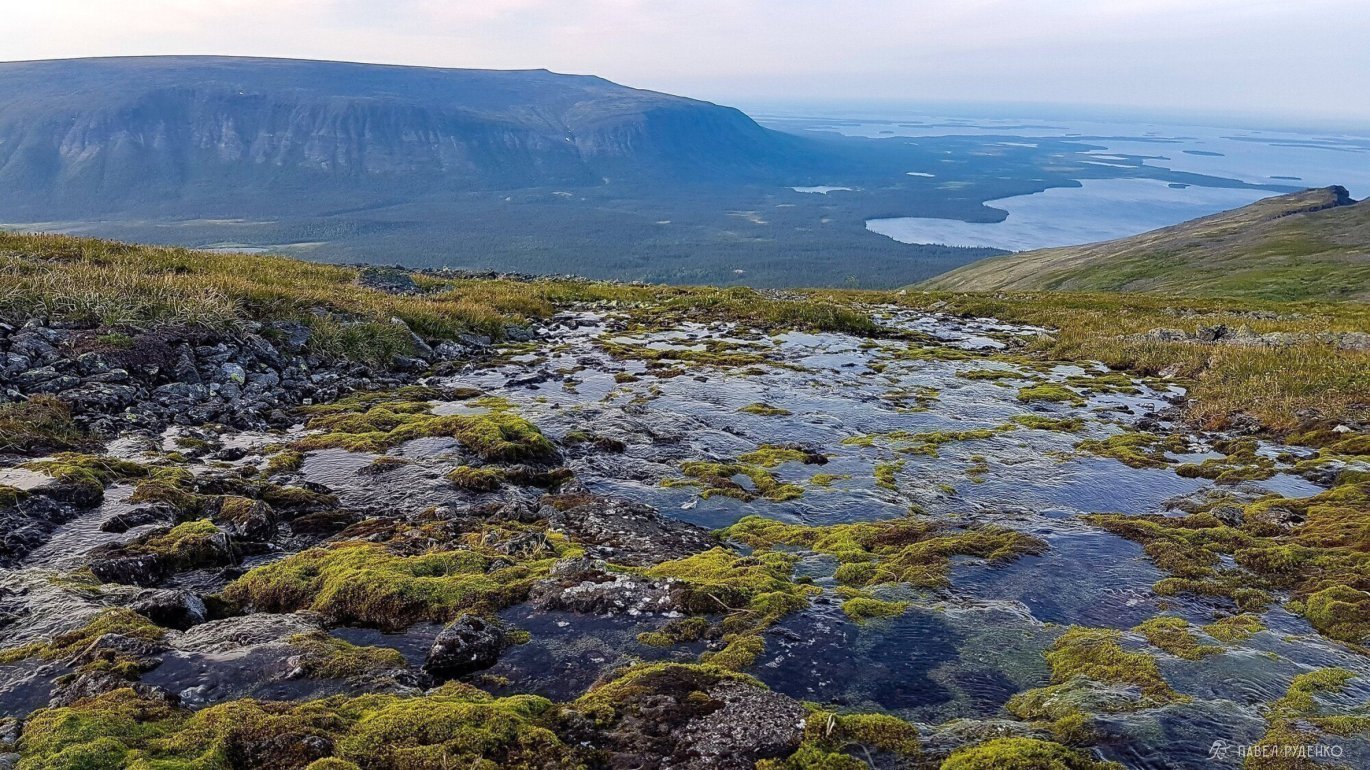
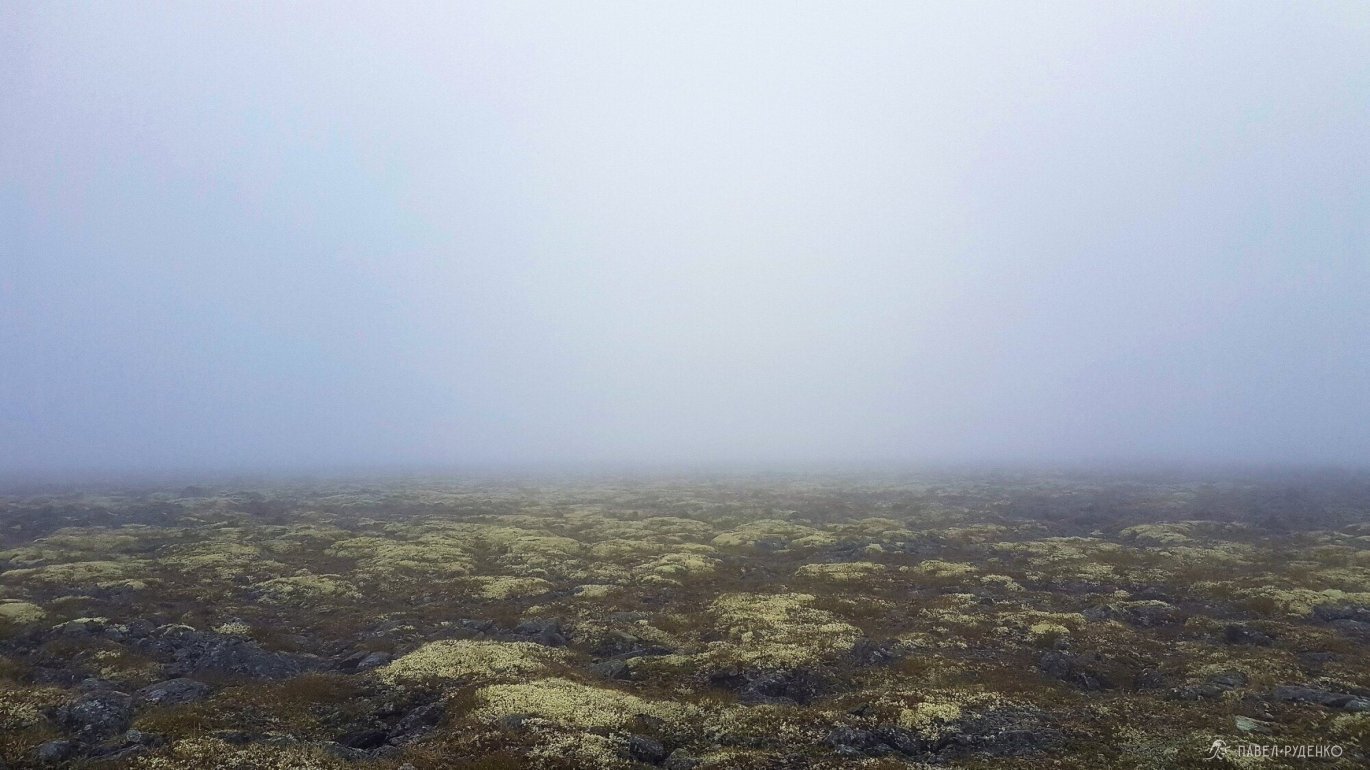
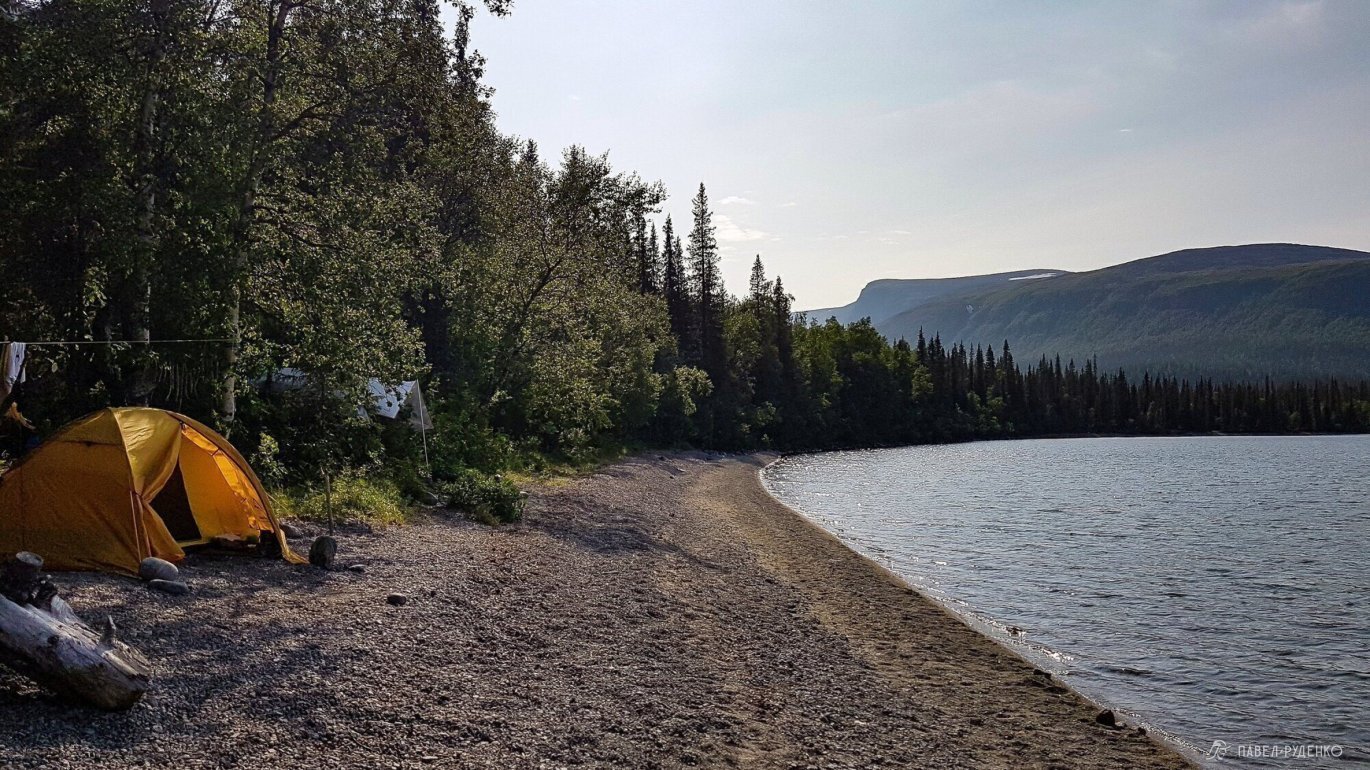
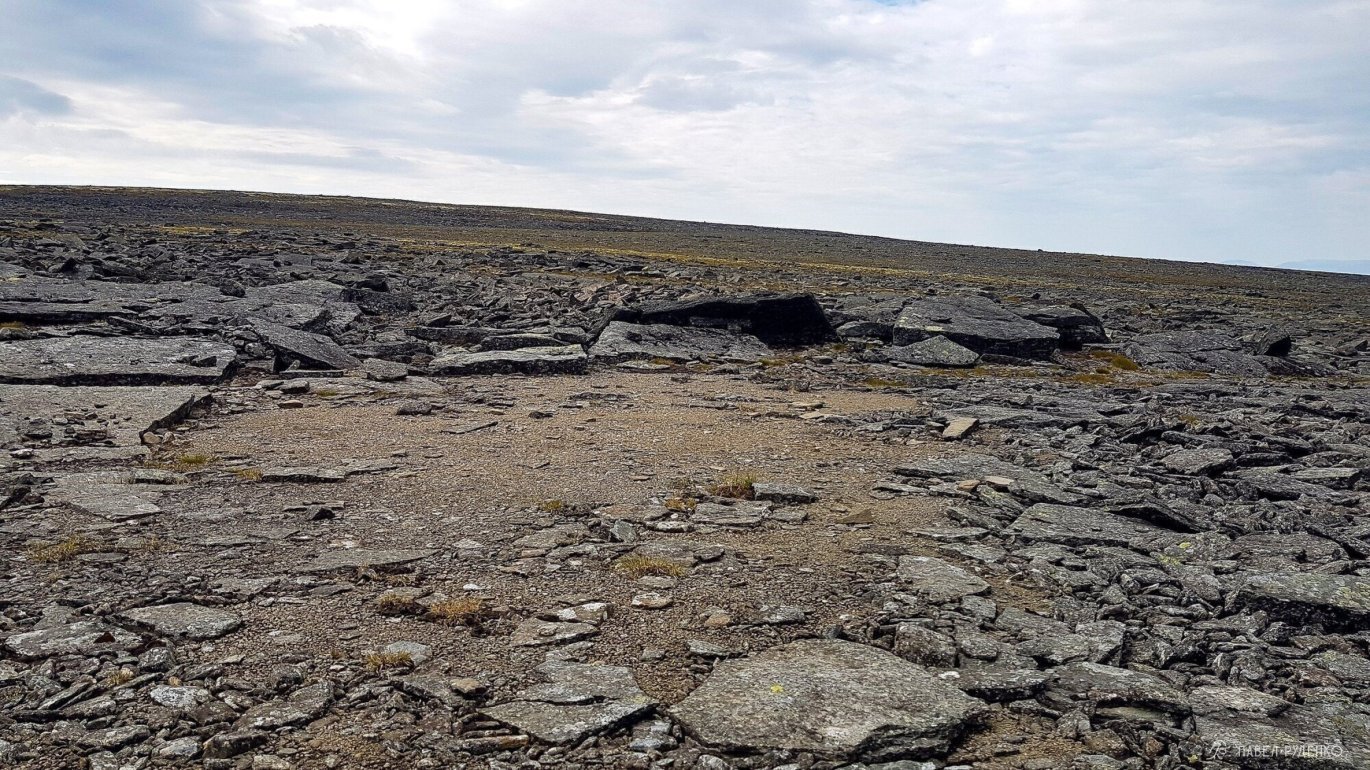
Along the lakeshore, you will find pristine sandy beaches. During the season, fish are abundant and fishing is permitted. The stony plateau resembles Mars, especially in the early morning light with its long, dramatic shadows. It is truly an extraordinary place that is well worth visiting.


Weather
Northern weather is harsh and unpredictable. In any summer month, temperatures can drop below freezing and bring snow. Forecasts are generally reliable for only 2–3 days; if your trek is longer, you must be ready for any scenario. More often, temperatures fluctuate between +7 °C and +30 °C, with swings of up to 20 °C happening within just 2–4 days.
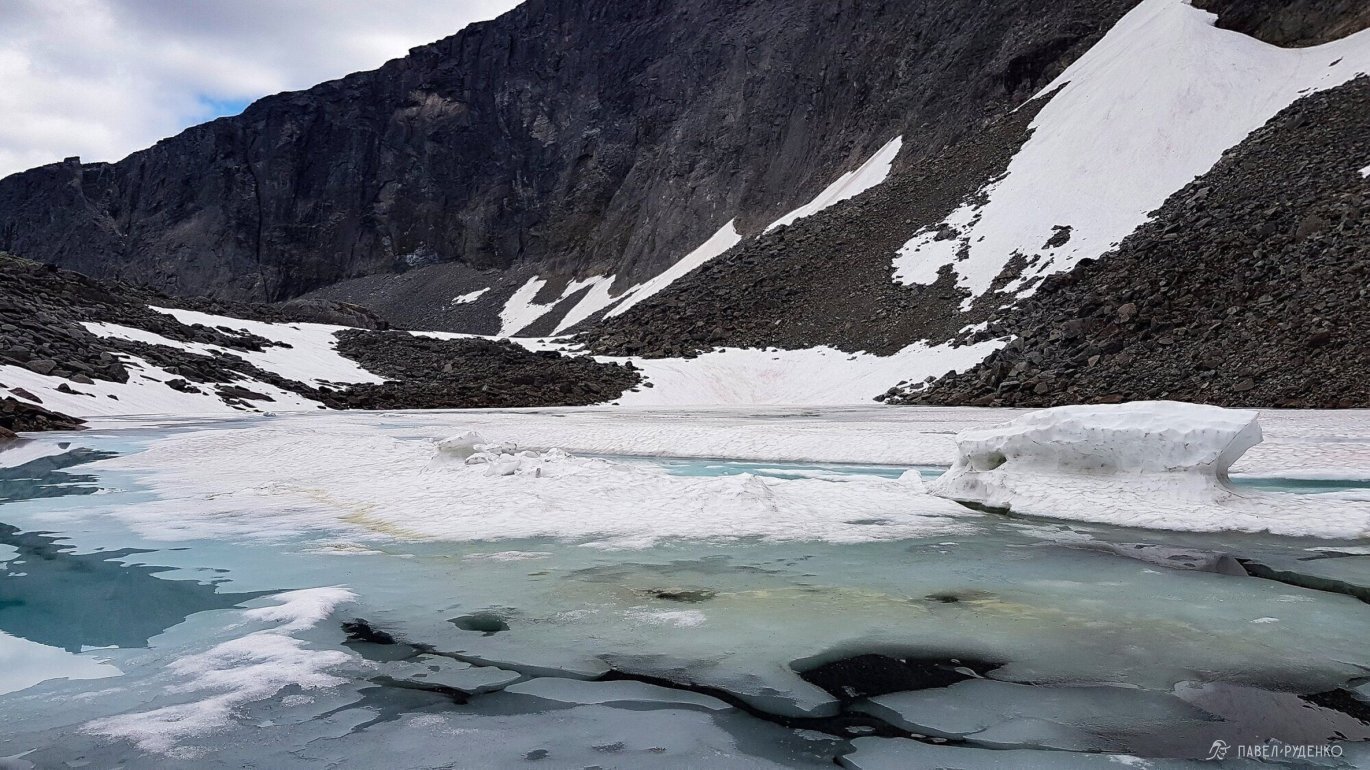
Spring arrives in June, though rescue services report that winter cold can linger, occasionally leaving enough snow in June to require snowmobiles. The best time weather-wise is July and August. September brings a stunningly vibrant golden autumn.

Join the best treks across the Kola North this year:
Gas Stoves & Campfires
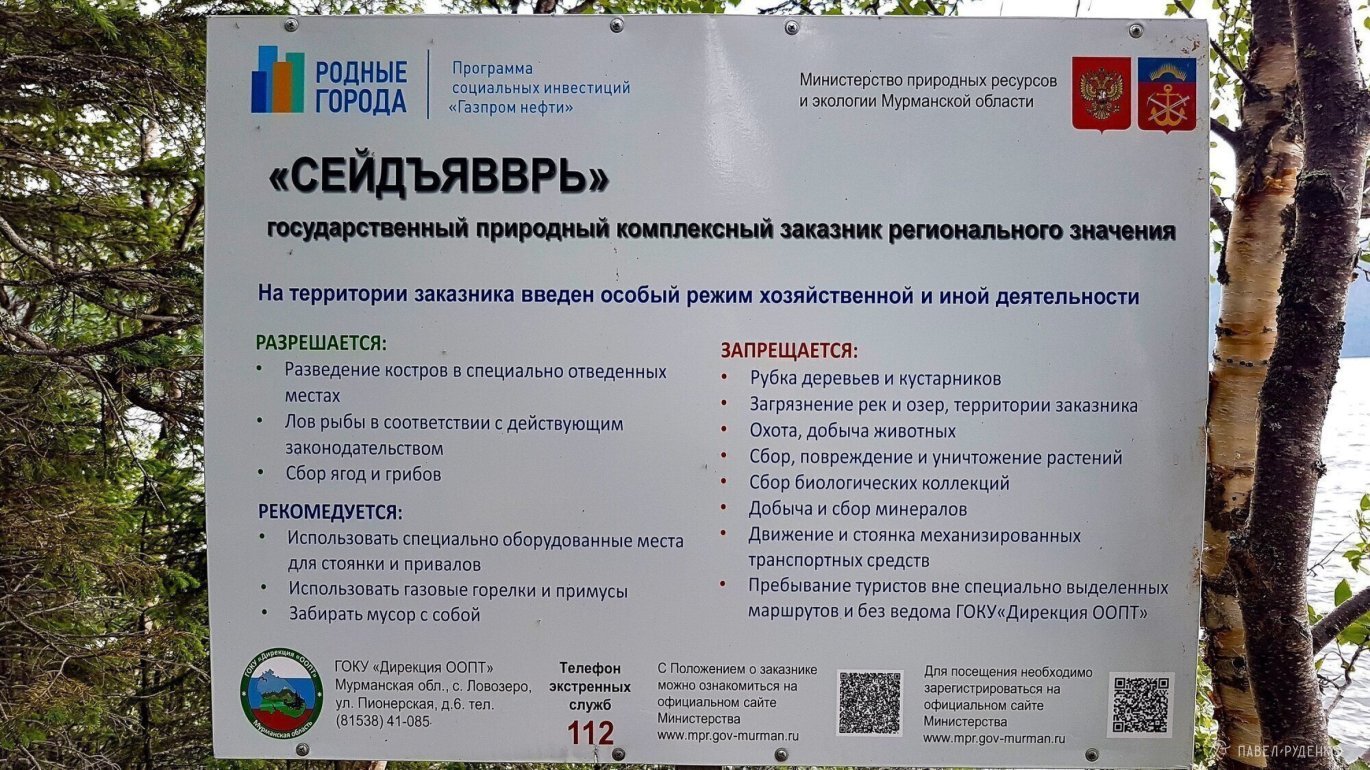
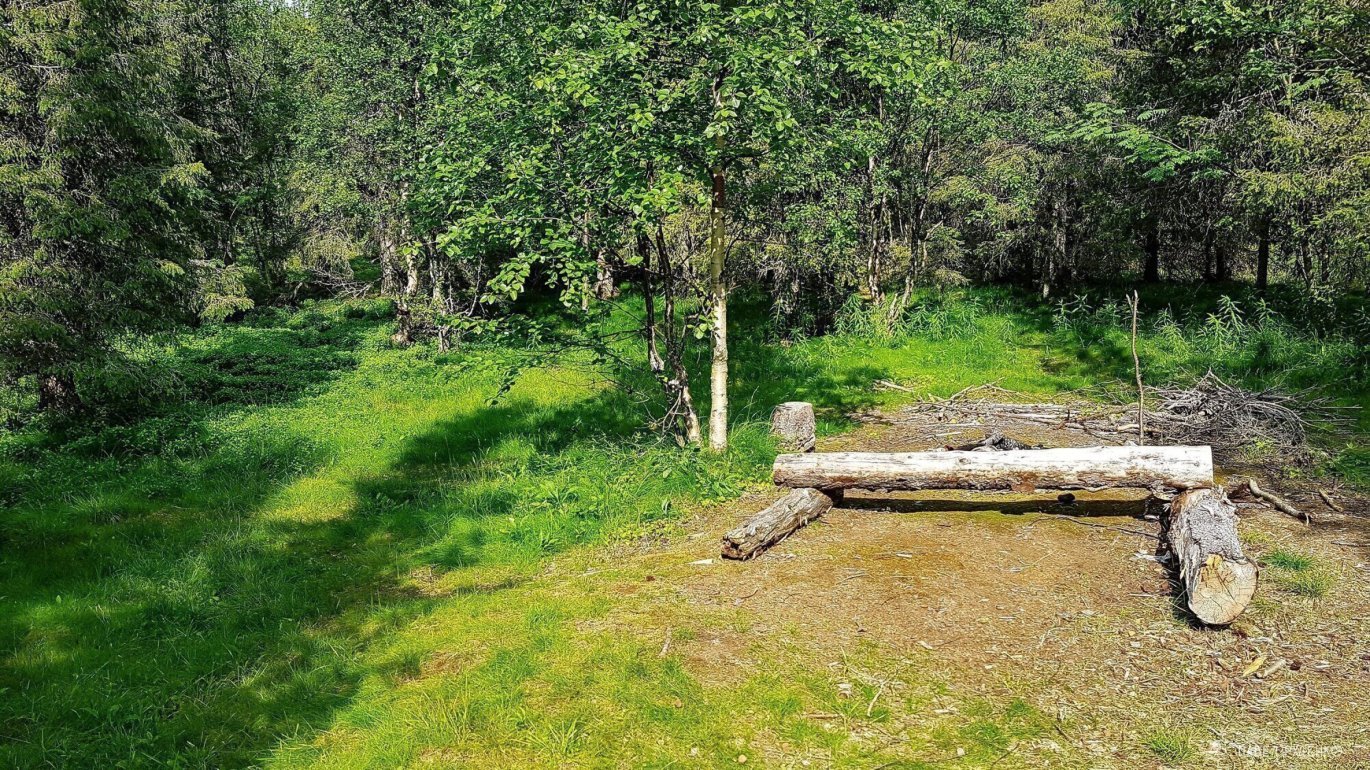
Carrying a gas stove is strongly advised: above 400 meters, the landscape turns into barren tundra with no firewood. Below 400 meters around Lake Seydozero, there is dense forest with deadwood, but the area is a protected nature reserve. Campfires are permitted strictly in pre-existing fire rings at designated campsites. Make sure flames do not reach tree canopies. Building new fire pits is prohibited and punishable by fines.
I always hike with gas: it is faster, more convenient, and leaves no trace. I lit a campfire only once, purely for the evening ambiance.

Connectivity
Traditionally on the Kola Peninsula, Megafon offers the most reliable mobile coverage. MTS comes second, while I used Beeline and haven't switched yet. The signal is strongest in the northern and western parts of the plateau summit. I managed to catch cell service and 3G over the first two days from Geologists' Pass to Mount Sengischorr. After that, there was virtually no connection until reaching the processing plant.
To view network coverage maps, follow the carrier links below:
Wildlife
Lemming — 100 grams of non-stop activity. They spend two hours foraging and feeding, followed by two hours of sleep, repeating this cycle around the clock. If you head out on a day hike leaving your camp pitched, hang all food in a tree; otherwise, they will chew right through the tent floor. If left in the vestibule, they will rip open bags and haul away everything they can.
Ptarmigan — handsome northern birds roaming both the forest floor and the high plateaus. I spotted several, though they were too quick to catch on camera.
Reindeer — migrate toward the coast in spring to escape biting insects, returning in autumn to forested tundra where foraging is easier. Unlike temperate deer, their hearts are significantly larger to support constant long-distance movement. Both males and females grow antlers.
Moose — migrate seasonally like reindeer, but keep to river valleys and dense brush rather than open tundra plains.
Wolf — pack predators. Heavily hunted and nearly wiped out in the late 20th century, their numbers have partially rebounded. Spotting one is exceptionally rare.
Wolverine — a solitary creature belonging to the weasel family. Weighing under 25 kg, it feeds mainly on carrion, vegetation, and small rodents. Currently low in numbers and listed in the Red Data Book. There are no recorded attacks on humans, and it poses no threat. Wolverine tracks are sometimes mistaken for those of a bear cub. One once chewed right through a cabin door.
Brown Bear — solitary and fairly common. According to locals, no more than three individuals usually inhabit the Lovozero Tundras at any given time. Bears have no interest in humans; in most cases, they will steer clear or hide in the underbrush without being seen. The danger lies in surprise encounters, particularly for solo hikers, because moving through dense woods is often silent. A bear has poor eyesight but a keen sense of smell downwind.
They may charge out of fear during a sudden close encounter. Sows with cubs are considerably more aggressive, as are bears defending a fresh carcass—always steer clear of any animal remains you come across.
A flare is considered the most effective deterrent in an attack. Prevention is best achieved through loud, unnatural noises: whistles, metal clanking, or firm vocal calls.
If you encounter a bear, never show aggression—a bear is always stronger. Never run—a bear is always faster. Stay calm, make yourself appear larger by slowly raising your jacket or pack overhead, and back away slowly without sudden movements. For a comprehensive guide, check out the expert safety materials by Mikhail Krechmar. Watching all three videos is best, but if pressed for time, start with the first link.
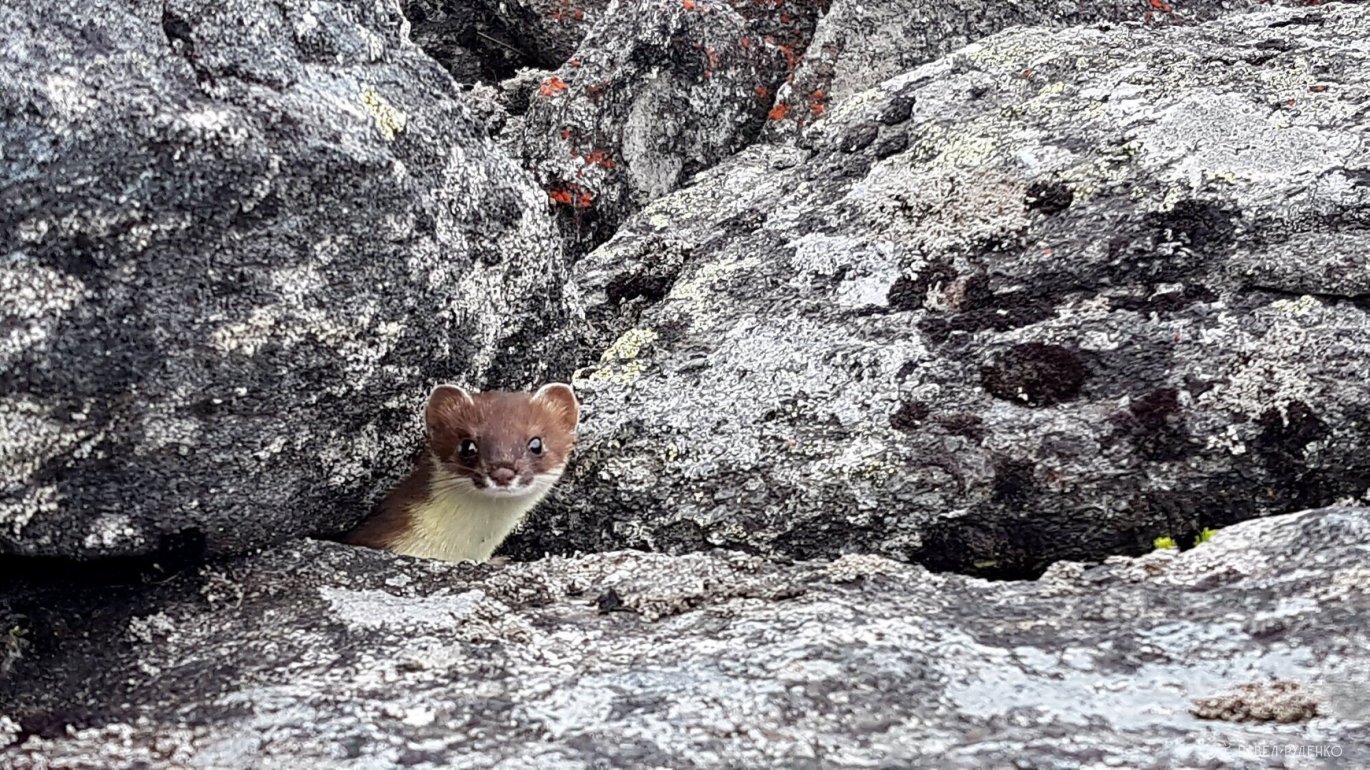
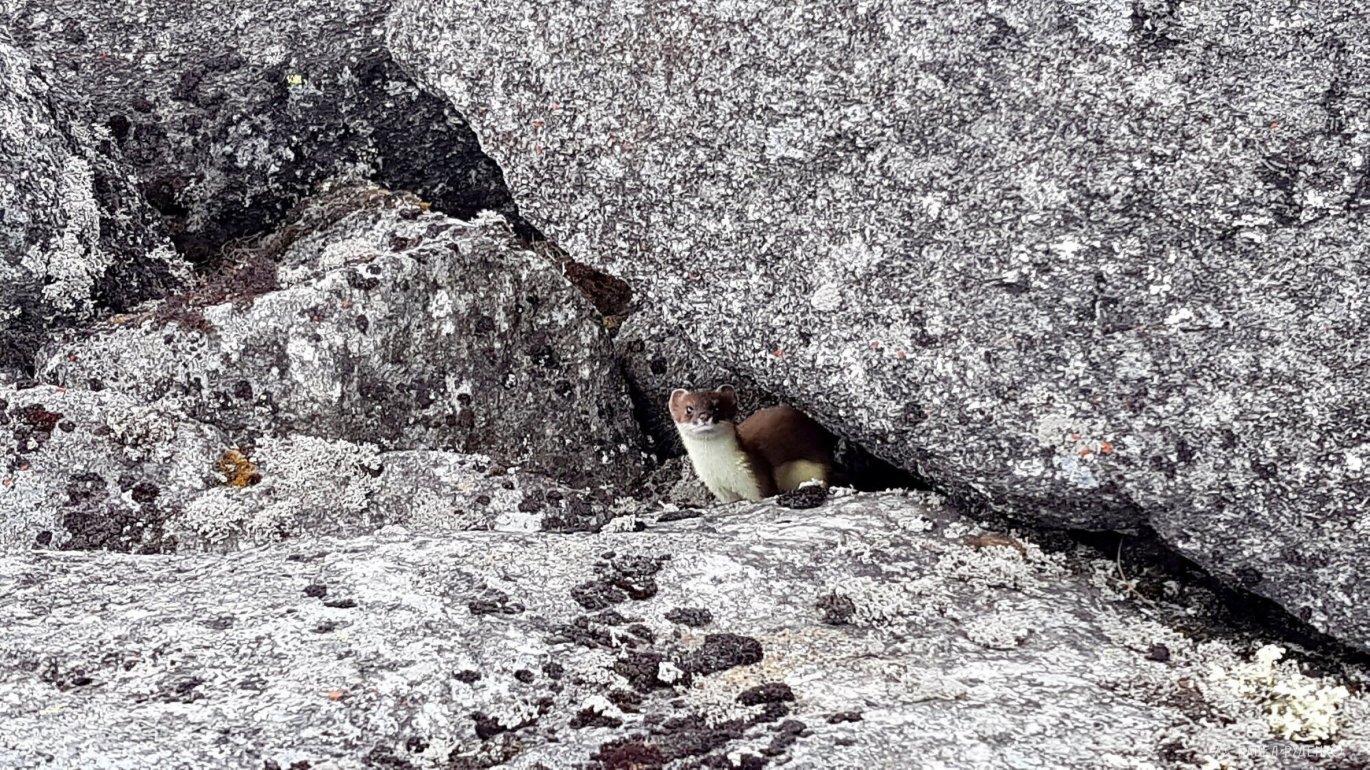
Stoat (Ermine) — a small predator with a slender body, short legs, a long neck, and a triangular head, weighing up to 260 g. It preys on small rodents and leads a solitary, strictly territorial life. The stoat is extraordinarily agile: on a hunt, it can cover up to 15 km a day, averaging 3 km in winter. An excellent swimmer and climber, it may boldly confront humans if cornered. Average lifespan is 1–2 years, reaching up to 7 years.
Risks and Hazards
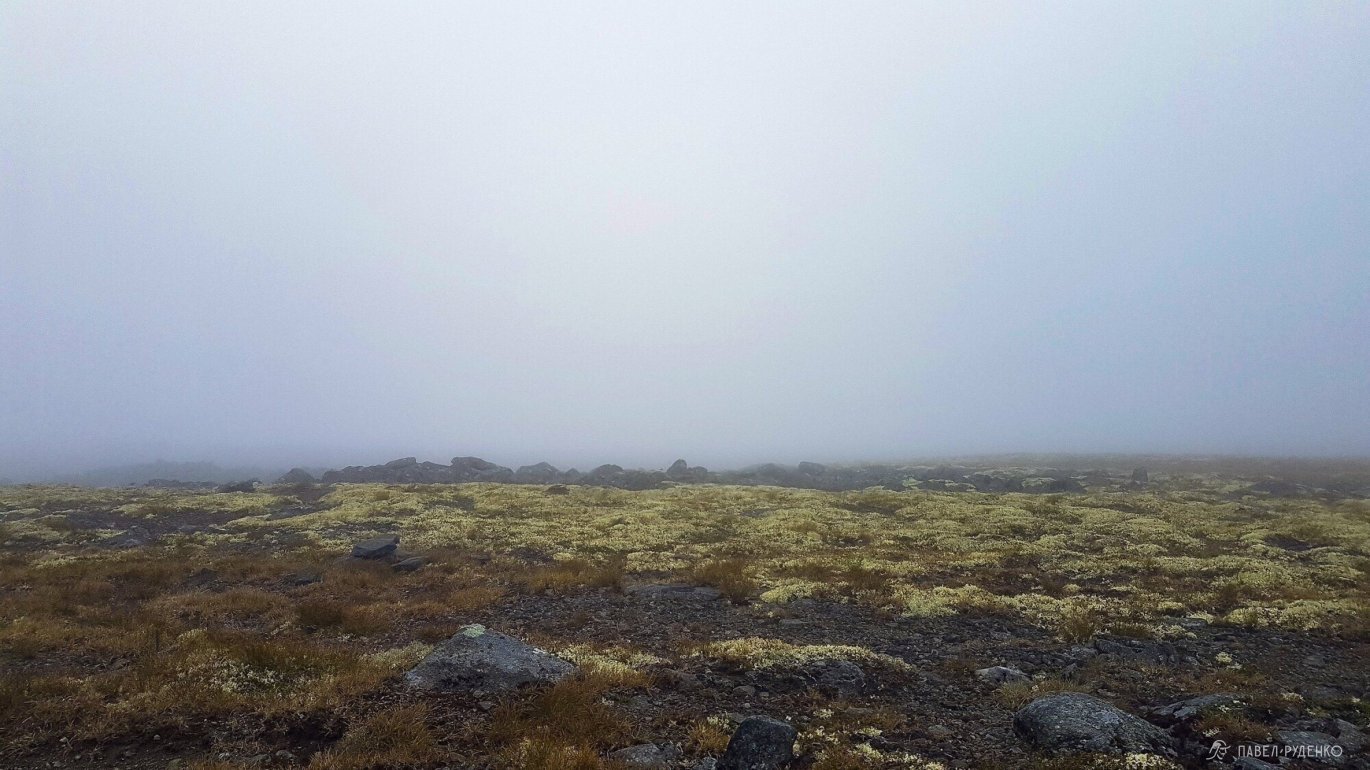
I consider rapidly changing weather to be the greatest hazard in the North. Conditions shift abruptly, and temperature drops can be extreme. In summer, readings can plunge below freezing, accompanied by gale-force winds and driving snow. High on the plateau, dense low clouds cause total disorientation with zero landmarks, leaving you entirely dependent on GPS navigation. Handhelds like my Garmin eTrex 20x can occasionally drop satellite lock and fail to display coordinates. While the 60 series handles reception better, equipment alone isn't what counts most—sound decision-making is.
You can review detailed incident reports via the link below. Most focus on the Khibiny, but given their proximity, the underlying risks are virtually identical.
I experienced the severity of northern weather firsthand in the Khibiny while descending from West Arseniev Pass. Low clouds rolled in with a light drizzle; ten minutes later, I saw driving rain barreling horizontally out of an adjacent gorge two kilometers away, heading straight toward me. A sudden blast of wind nearly swept me off my feet, and the downpour soaked me to the skin in ten seconds. The talus was slick, causing me to fall five times on the descent, though thankfully without injury.
According to rescue statistics in the Khibiny and Lovozero, most emergencies involve hypothermia and avalanches. Leaving aside winter expeditions, hypothermia cases typically strike on high plateaus or pass summits due to sudden weather deterioration and inadequate preparation.
Registration with EMERCOM
A convenient registration form: enter your details, route, and emergency contacts.
You must call EMERCOM before setting out on the route and upon its completion. EMERCOM will call you daily for a check-in. Mobile reception was not always available, so I would get two missed call notifications in the morning and afternoon; whenever possible, I called back to confirm that everything was fine.
EMERCOM in Murmansk: (8152) 39-99-99
Getting There
The route begins at the Mining and Processing Plant (GOK), near the settlement of Revda. The nearest transport hub is Olenegorsk.
There are three ways to get to Olenegorsk:
- Fly to Murmansk and take a train to Olenegorsk
- Take a train to Olenegorsk
- Drive by car — I have never driven it myself, but the road is quite decent and there should be no problems
From Olenegorsk to Revda:
- By taxi. I was offered a ride for 1,000 RUB; for more than one passenger, the fare is 1,500 RUB or more.
- Hitchhiking. Since the train arrived at 6 AM and there were no buses anytime soon, I decided to hitchhike. It took 2 hours 15 minutes across 4 rides.
- By minibus (marshrutka). There is no posted timetable, but you can call local carriers to book a ticket, or check the schedules for routes 231 Olenegorsk — Revda and 234 Olenegorsk — Lovozero
From Revda to the GOK:
In the center of the settlement, the bus stops at 31 Pobedy St. It runs frequently, takes 20 minutes, and is free of charge. If you travel by car, there is a parking lot by the plant.
Bus timetable:

Tent Camping
Finding campsites can be divided into 3 areas.
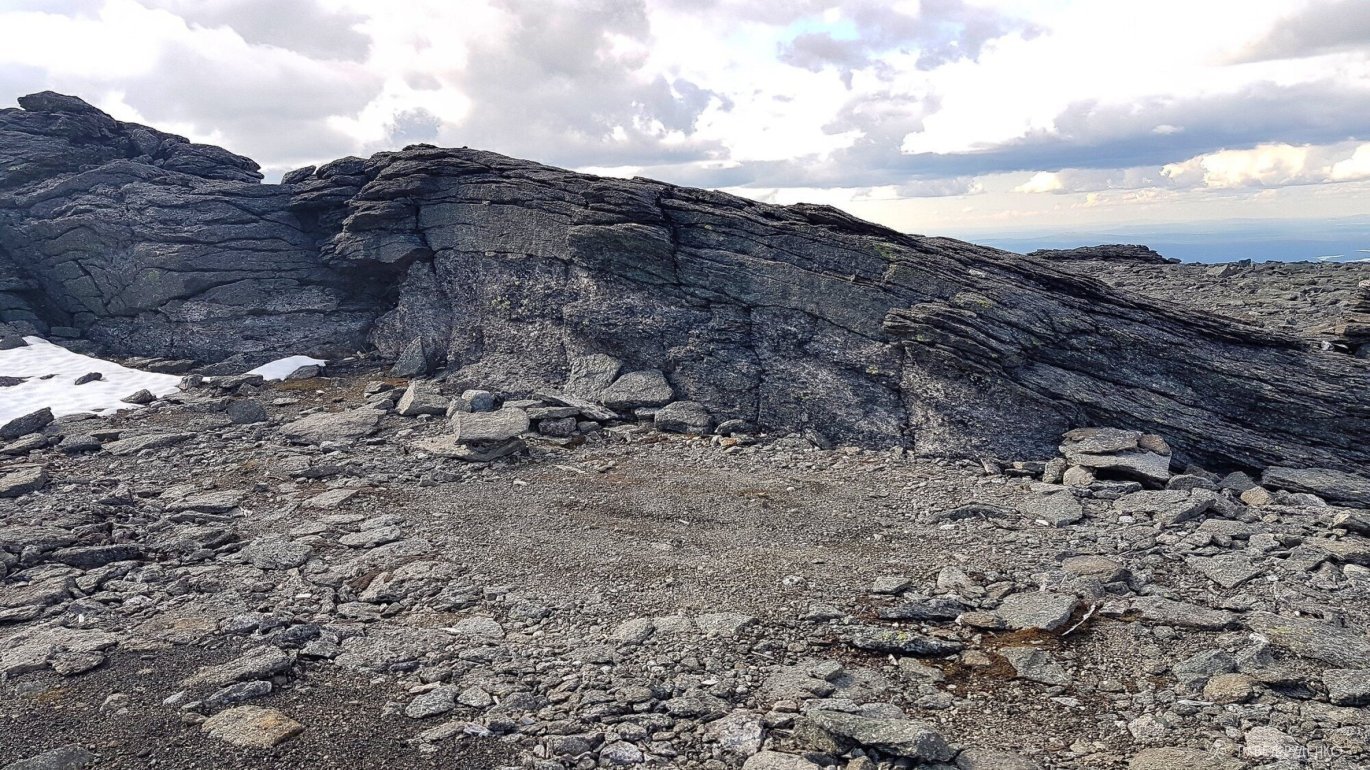
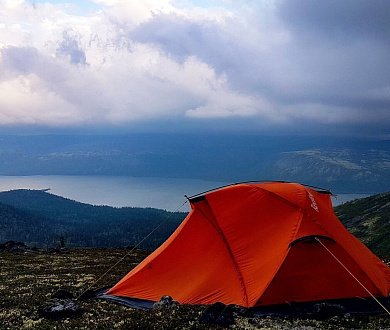
- On the plateau. The plateau top consists of boulders, ranging from small to large. Finding spots here is the hardest, but possible. Pitches cleared for tents are usually found near peaks — stone shelters rising 3–4 meters. Along the trail, cleared sites for 1–2 tents appear roughly every hour. The plateau offers panoramic views of valleys and lakes, but water is scarce; you will need to descend to snowfields and streams. Harsh weather is a real risk and it is particularly severe on the plateau, so look for sheltered spots behind rocks and stake out your guy lines thoroughly.
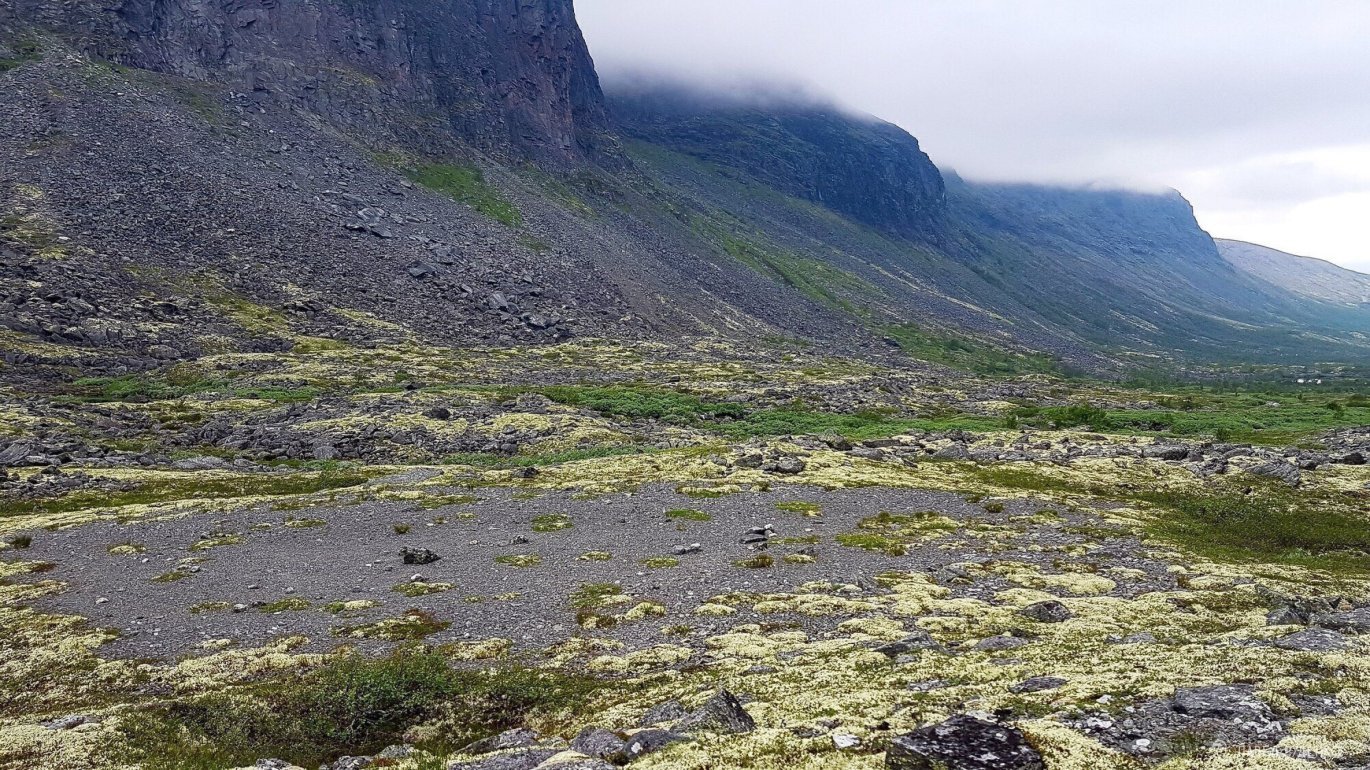
- In the gorges. A preferable option, especially near waterfalls. Plentiful water and many safe camping spots.
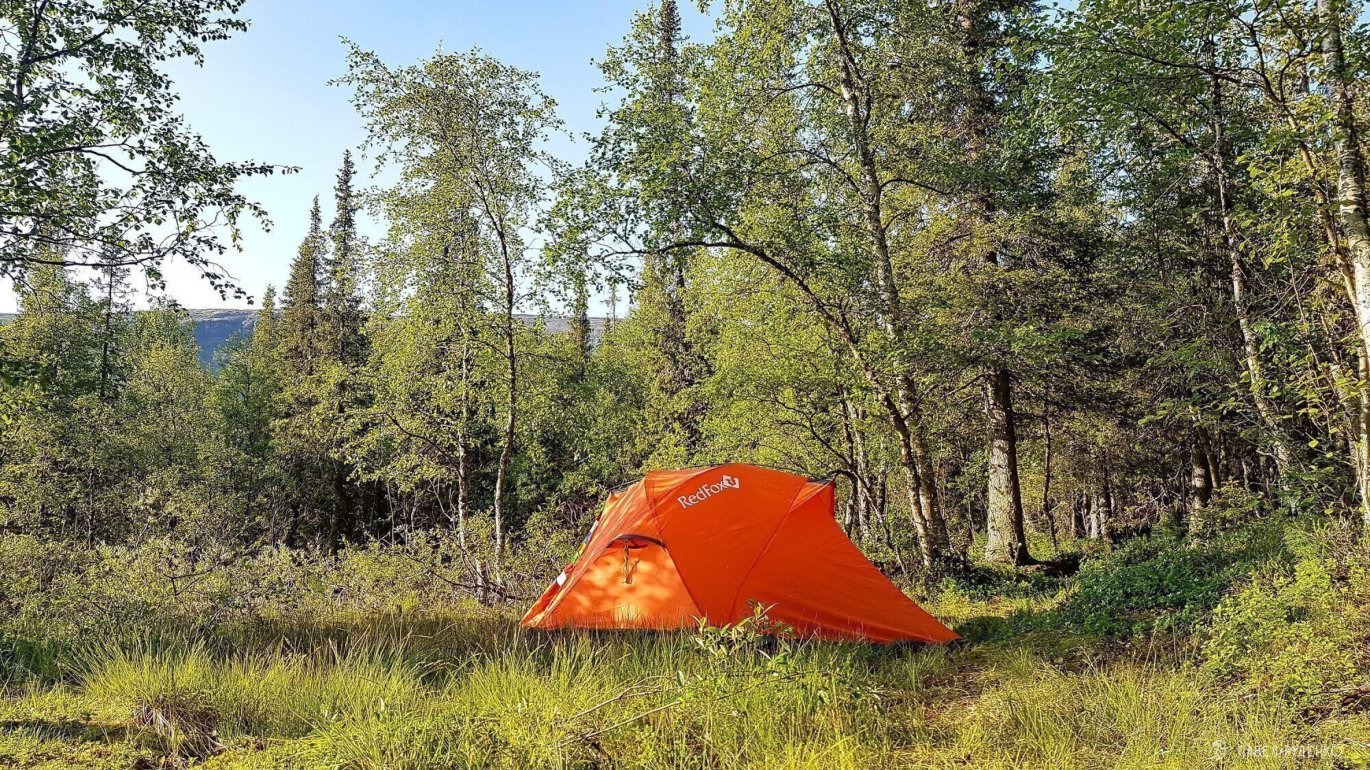
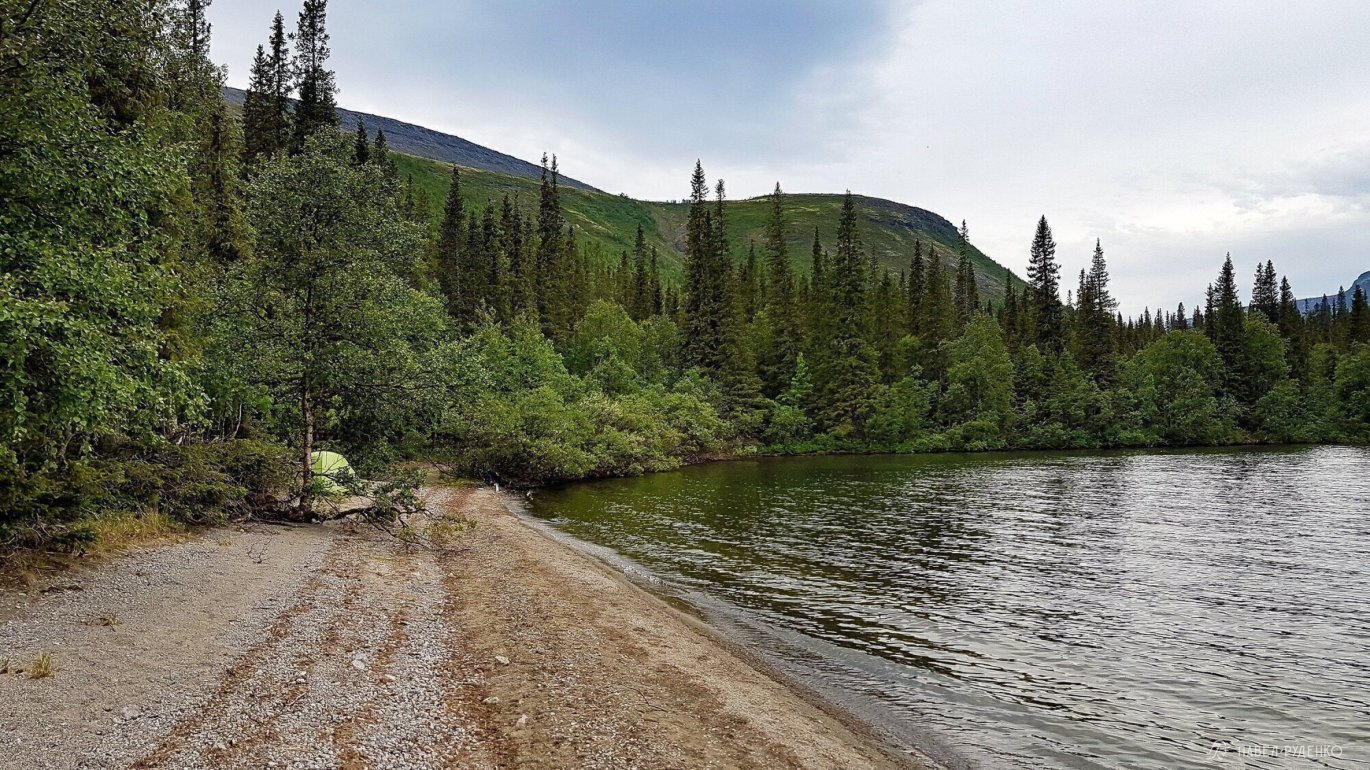
- By Seydozero. A great option to relax: the lake is breathtakingly beautiful, calm as a mirror in windless weather. Very scenic, cozy, safe, with available firewood. On the downside, there are more people. You may encounter both fishermen and hikers trekking around the lake for 2–3 days.

Gear
- The most important thing is mosquito protection. A head mosquito net is a true lifesaver against the pests.
- Mosquito and midge repellent spray.
- Sunscreen
- Sleep mask or a thick neck gaiter (buff).
- Fording footwear — I used Crocs
- Neck buff and sun cream.
My video lecture at the Sport-Marafon Travelers Club about the Lovozero Tundras.
Read Part 2 about Seydozero:




Comments (0)