
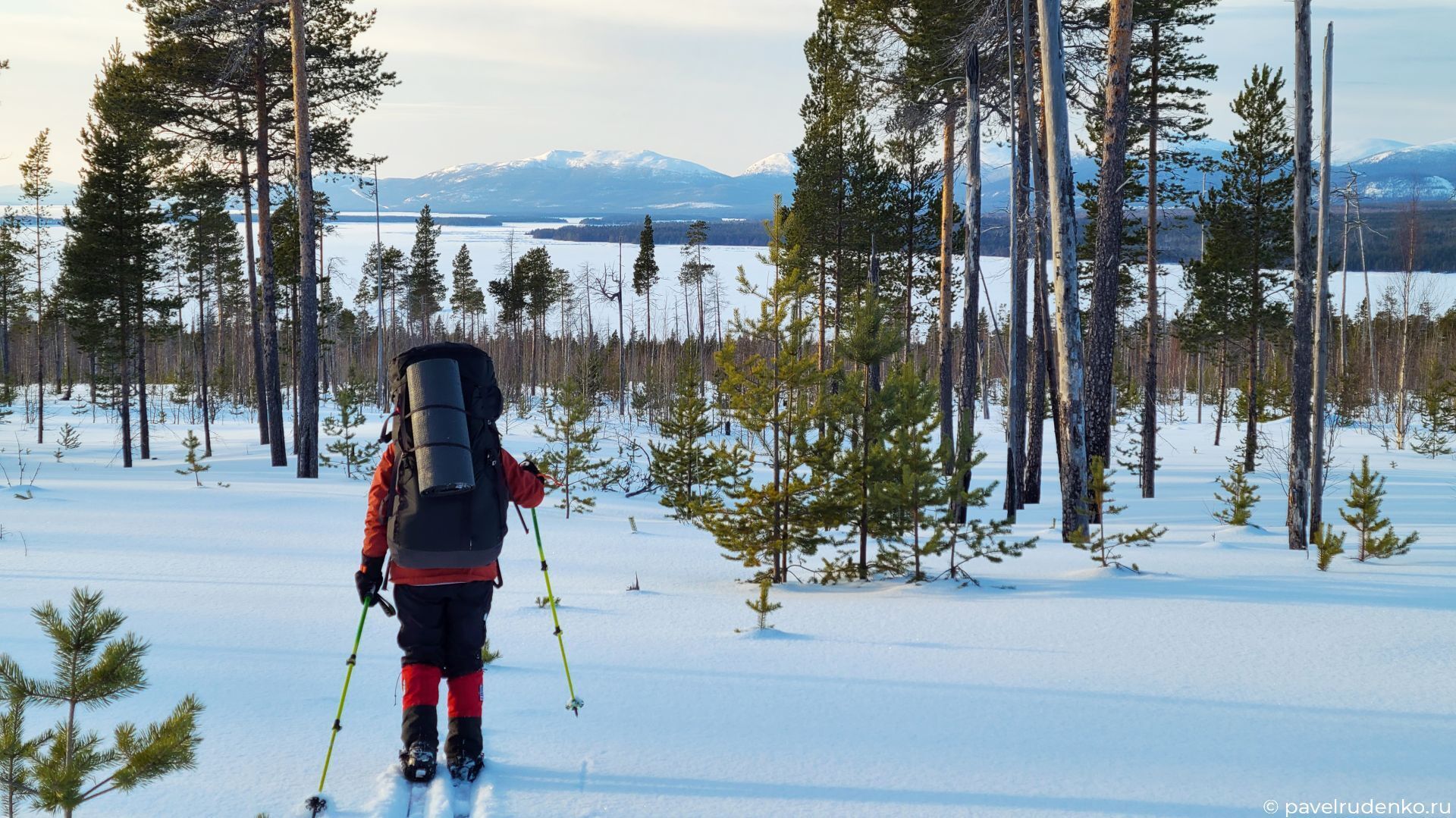
Skiing with a view of the White Sea is the perfect plan.
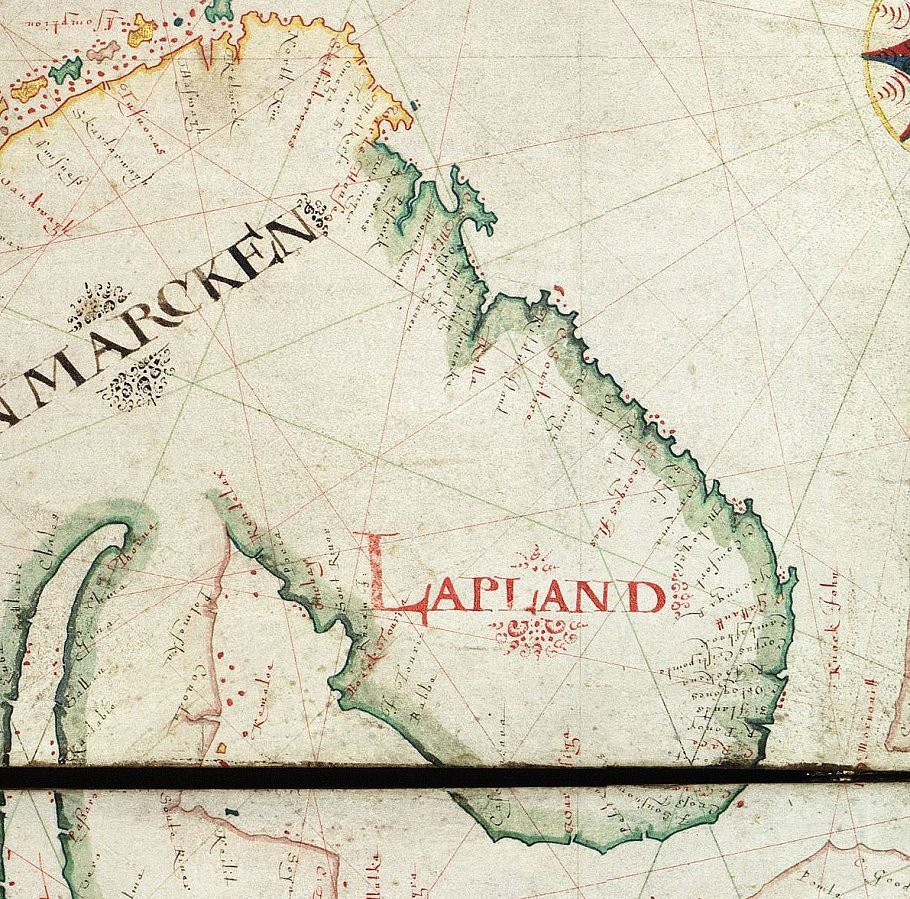
The southern part of the Kola Peninsula is ideal for easy yet exceptionally scenic ski tours. It offers varied terrain with low avalanche hazard, an excellent balance of forests, lakes, and bogs, and the frozen White Sea. This allows for a rich variety of ski routes. There are plenty of advantages, which is why I headed here once again.
The plan was to shoot two videos for Sport-Marafon on pitching a tent in winter and staying warm on a winter trek, followed by a ski expedition.
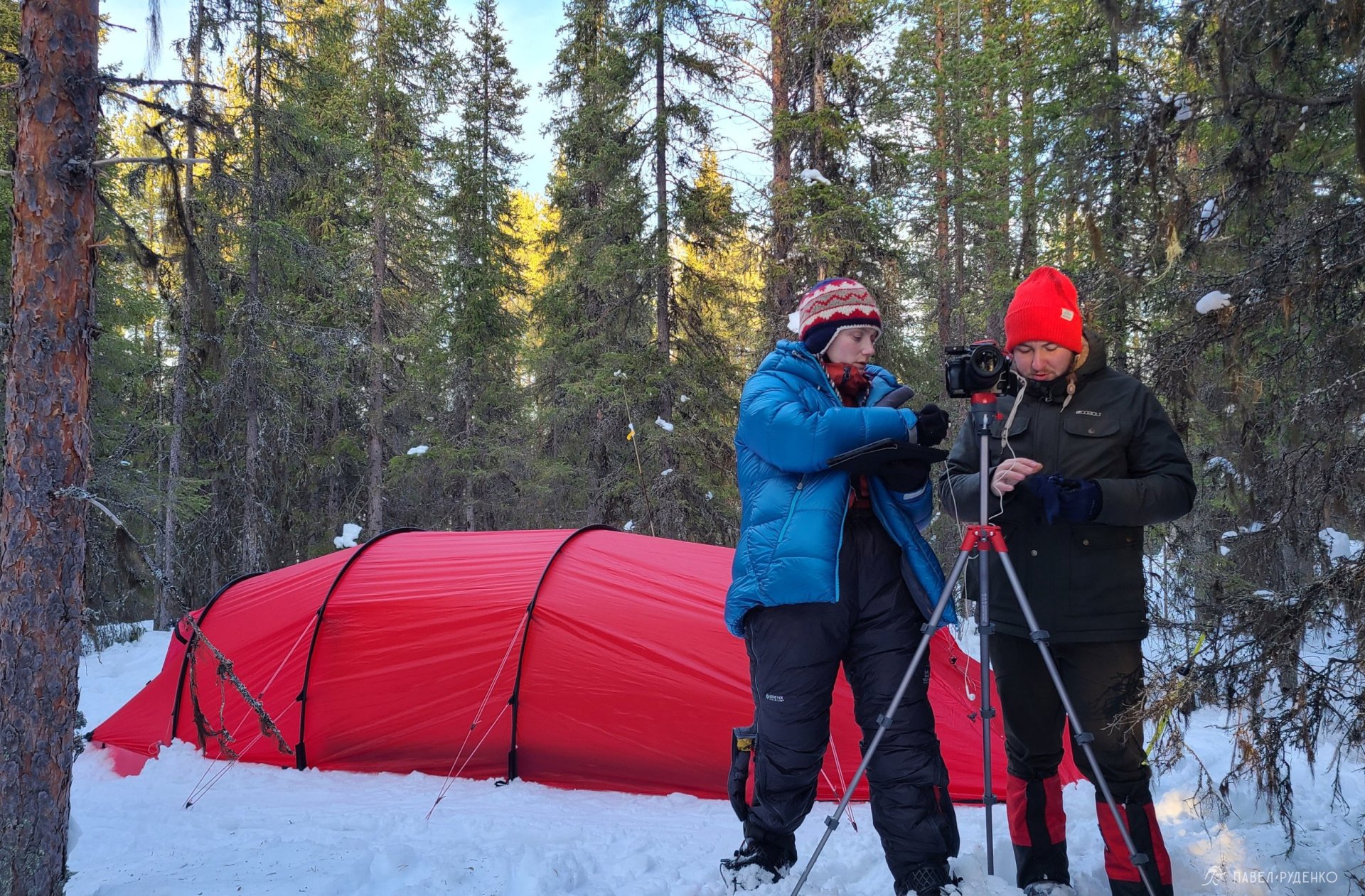
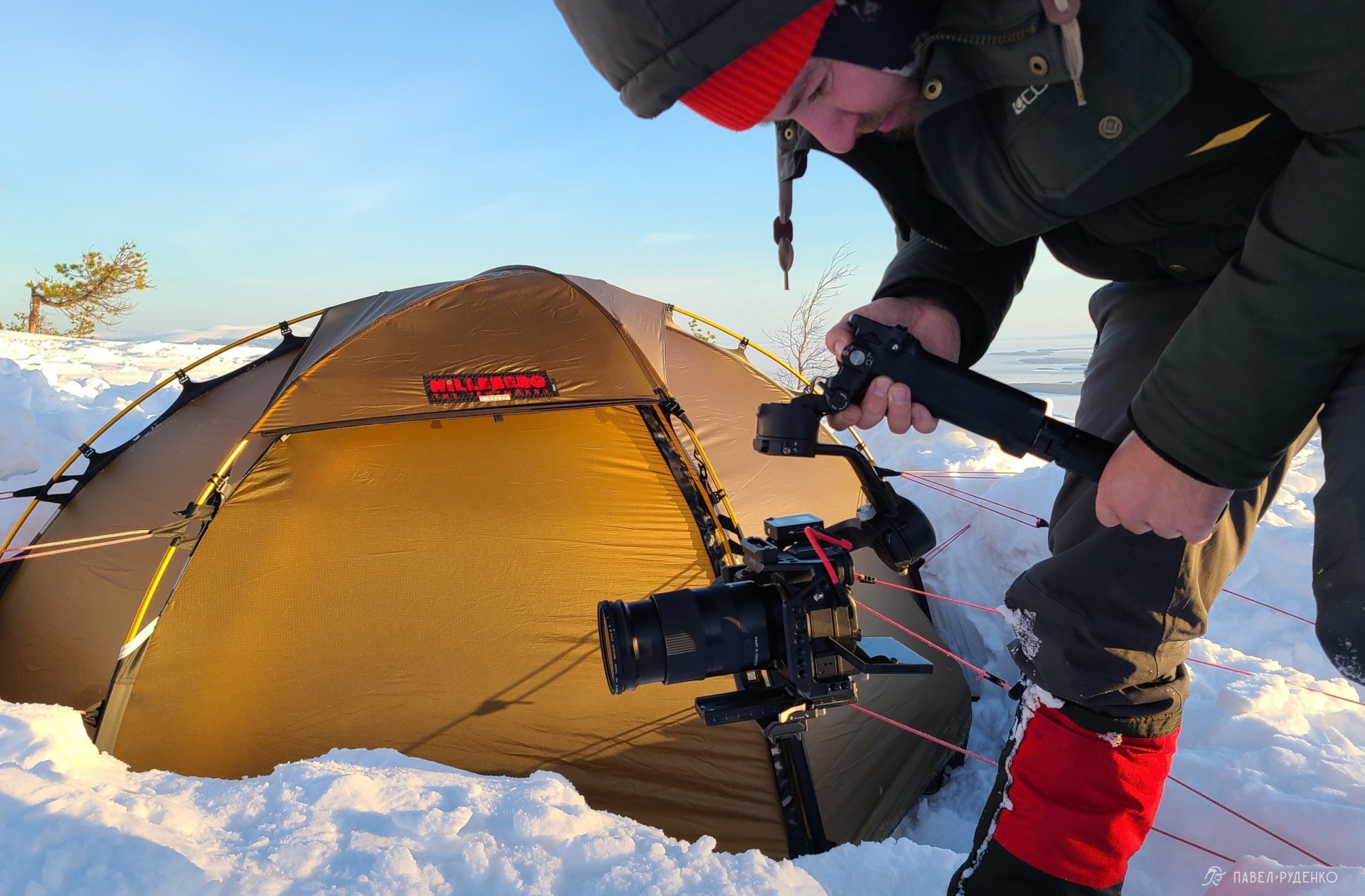
Filming in winter on the Kola Peninsula is no easy feat, believe me. The bitter cold numbs your tongue and cheeks, slurs your speech, and makes moving around exhausting for the camera operator. That’s why there are so few winter instructional videos—most are actually filmed in early spring :)) Producing two 10-minute clips took extensive pre-production and three grueling days of shooting on a punishing schedule. On one of the days, we filmed for 20 hours straight :)))
Getting here is simple. From Moscow to Kandalaksha, hop on the train with the romantic name “Arktika.” From there, take a taxi right to the nearest fells.
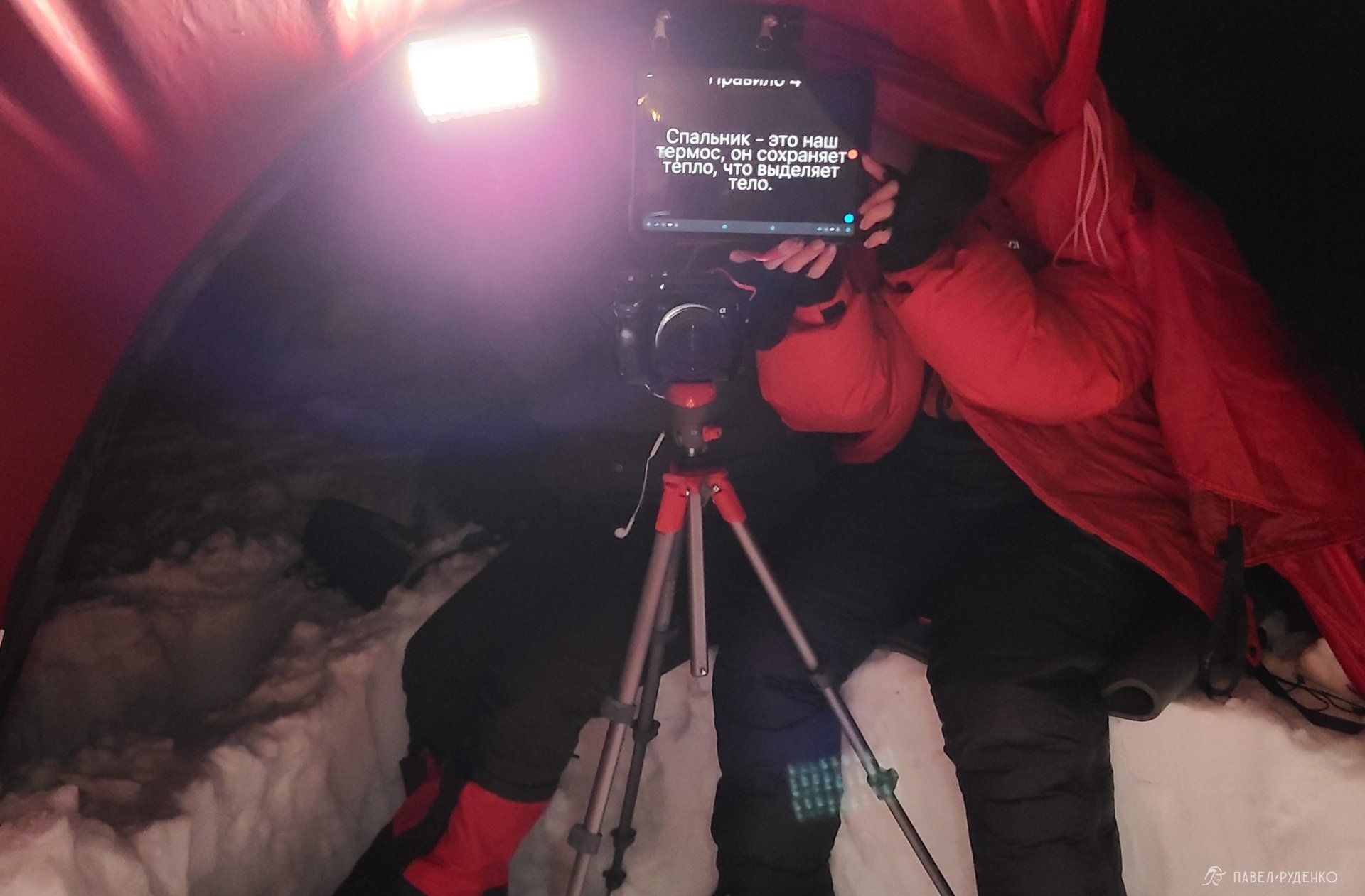
After wrapping up the shoot, we saw off the camera operator, rested for a day, and immediately set out on a trek with Anya. Nearby settlements have very few year-round residents; on the outskirts, we accidentally spotted a lone sea captain strolling around his house in the buff through a window. Now that’s retirement living at its finest: a house on the shores of the White Sea, flanked by fells, dense taiga, and winter’s white embrace.
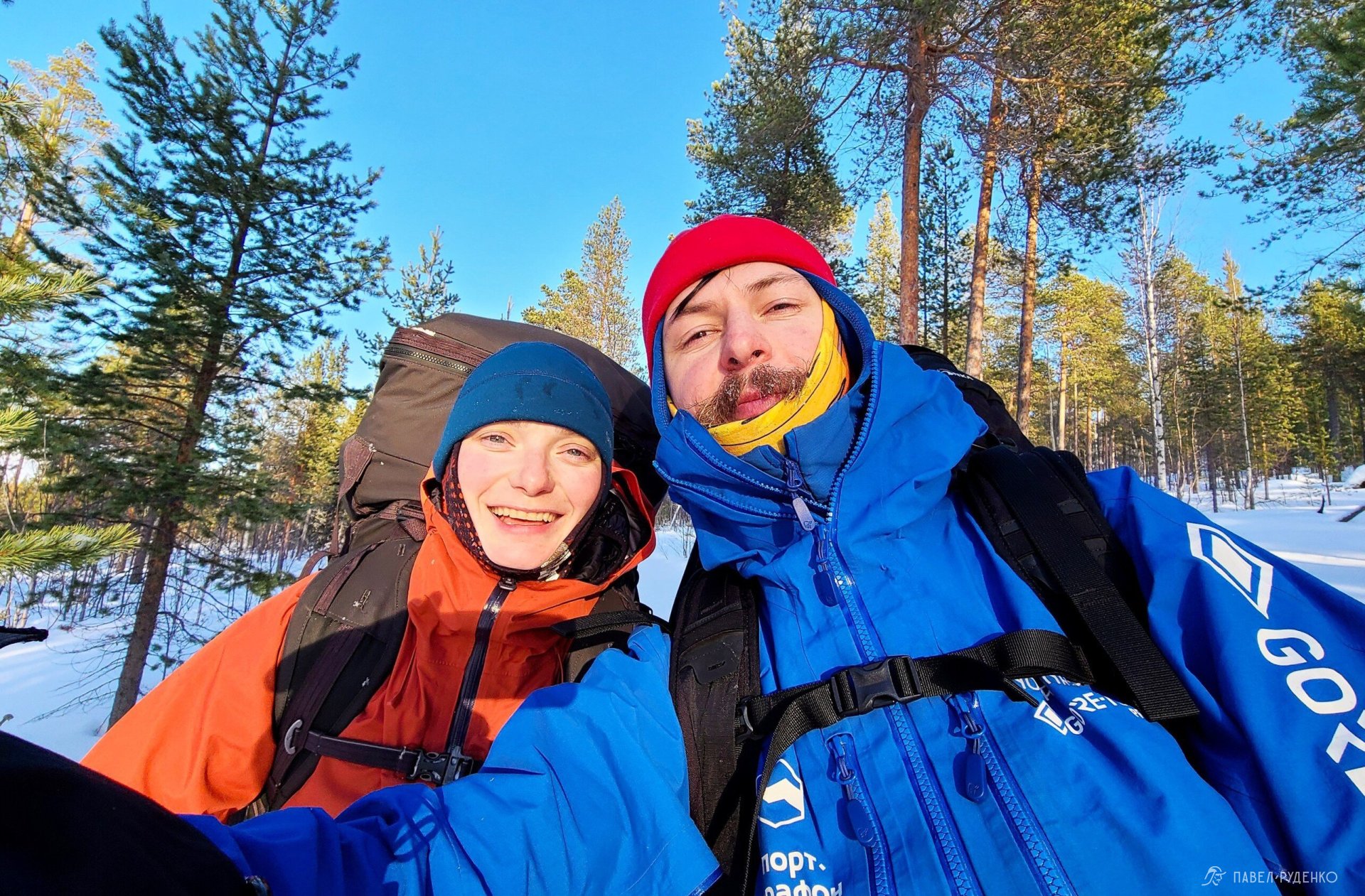
For the first 3 km we followed a snowmobile track, eagerly anticipating the adventure and looking forward to ascending the fell. The slope is quite steep, up to 25 degrees in places. Zigzagging upward to choose the optimal line with full-length climbing skins makes it a breeze. I use mixed skins (65% mohair, 35% synthetic by Colltex, 60 mm wide), trimmed to my skis’ waist, leaving at least a 2 mm gap for the steel edges to work properly.
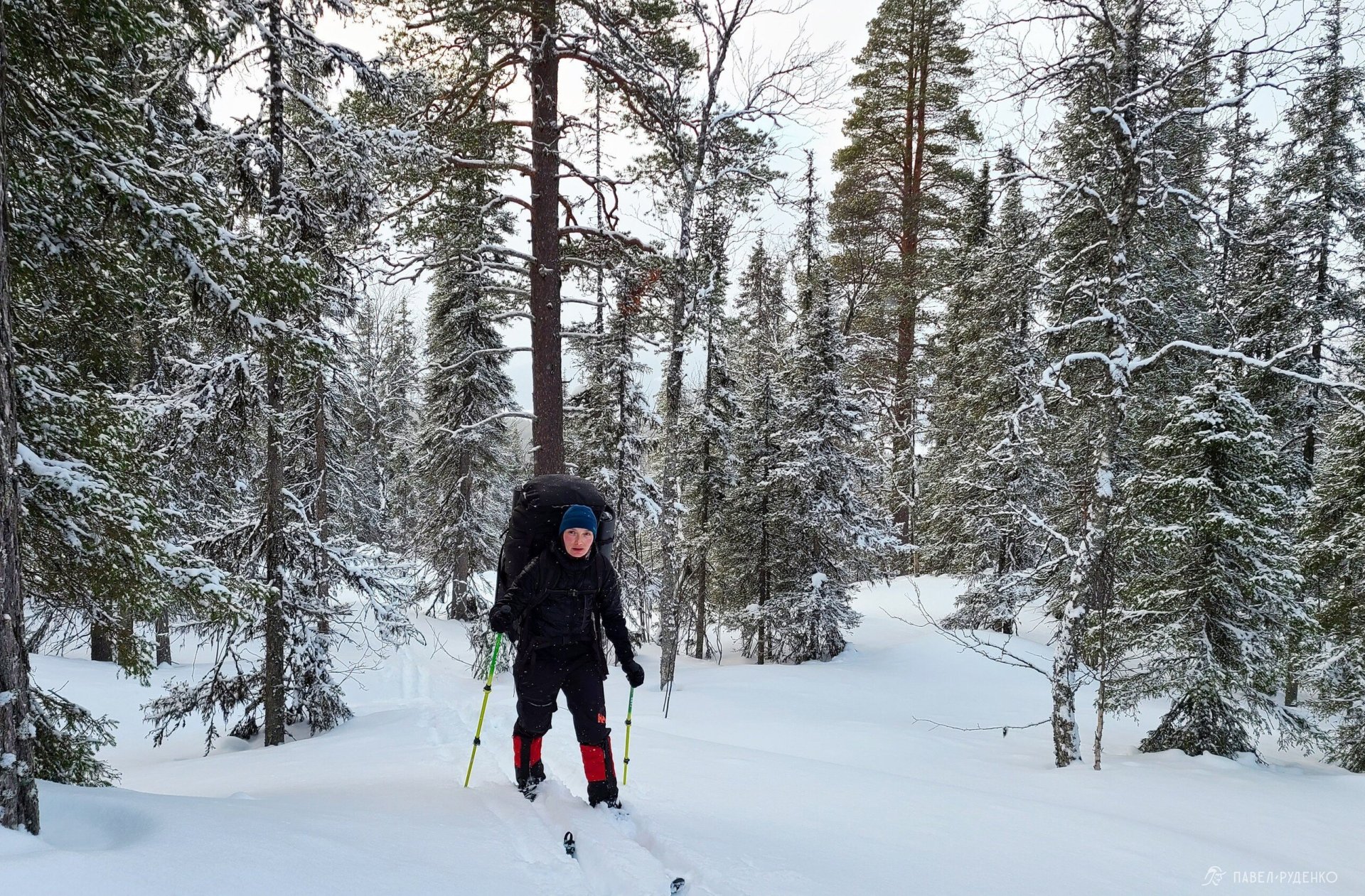
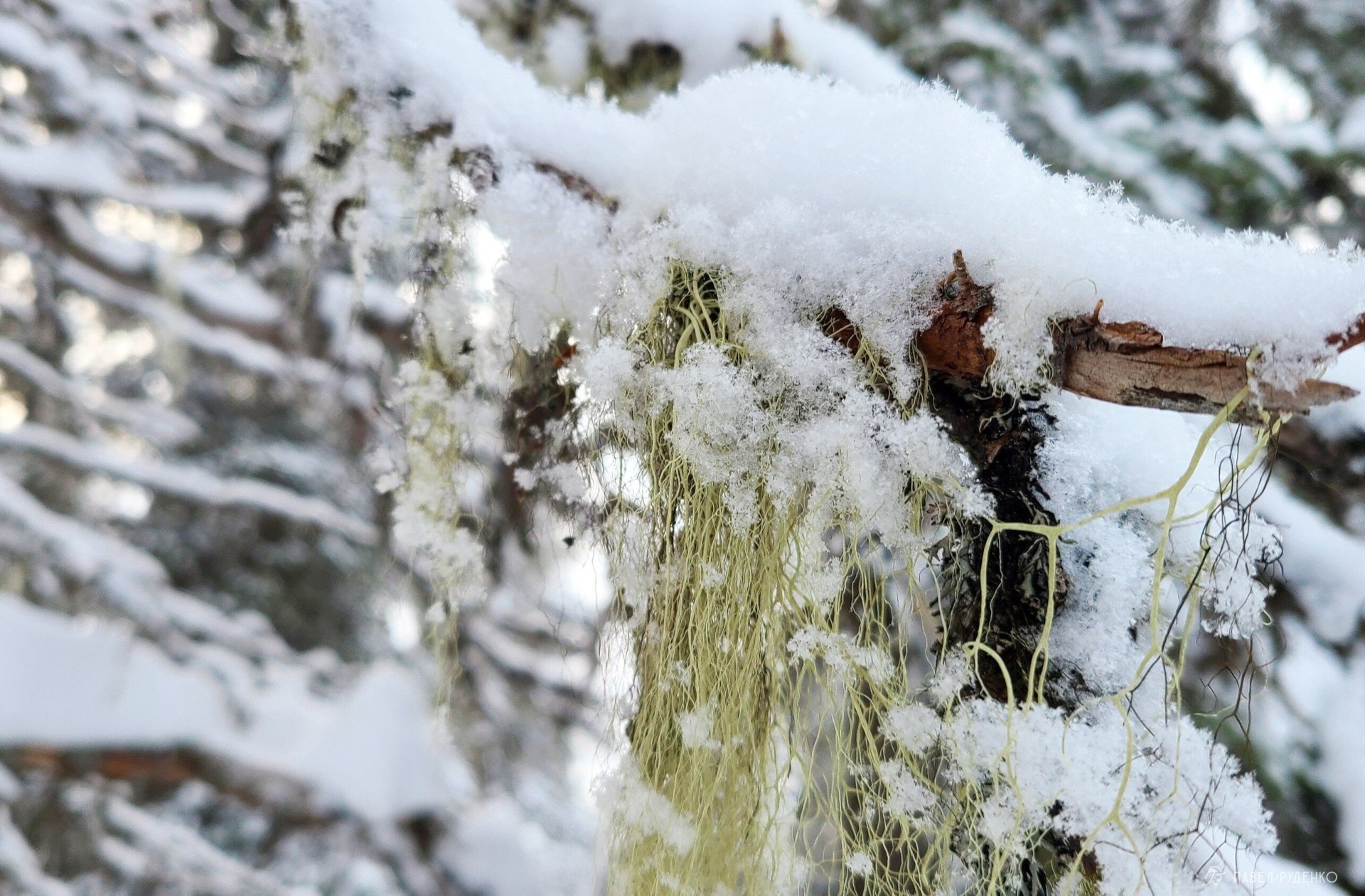
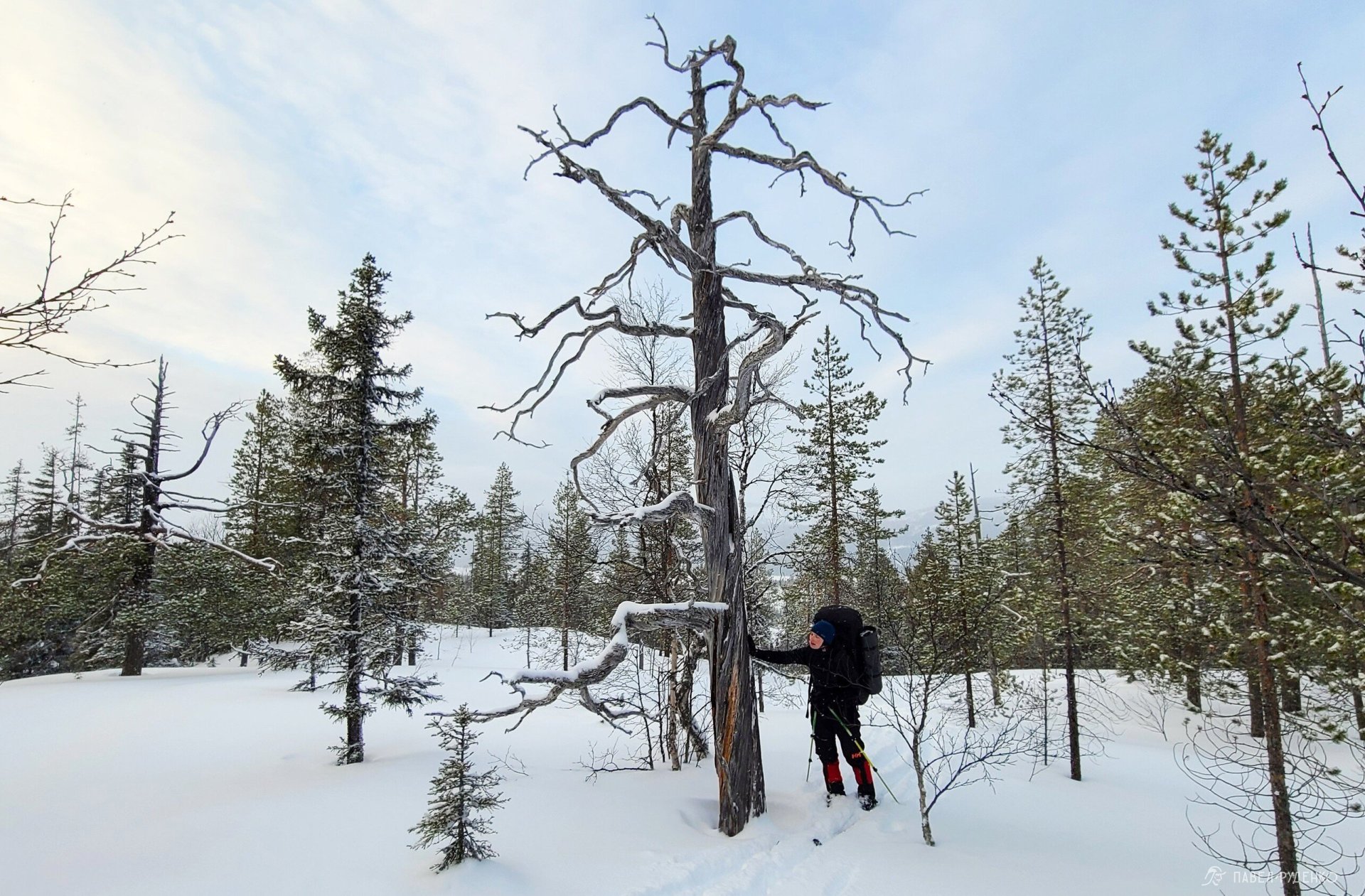
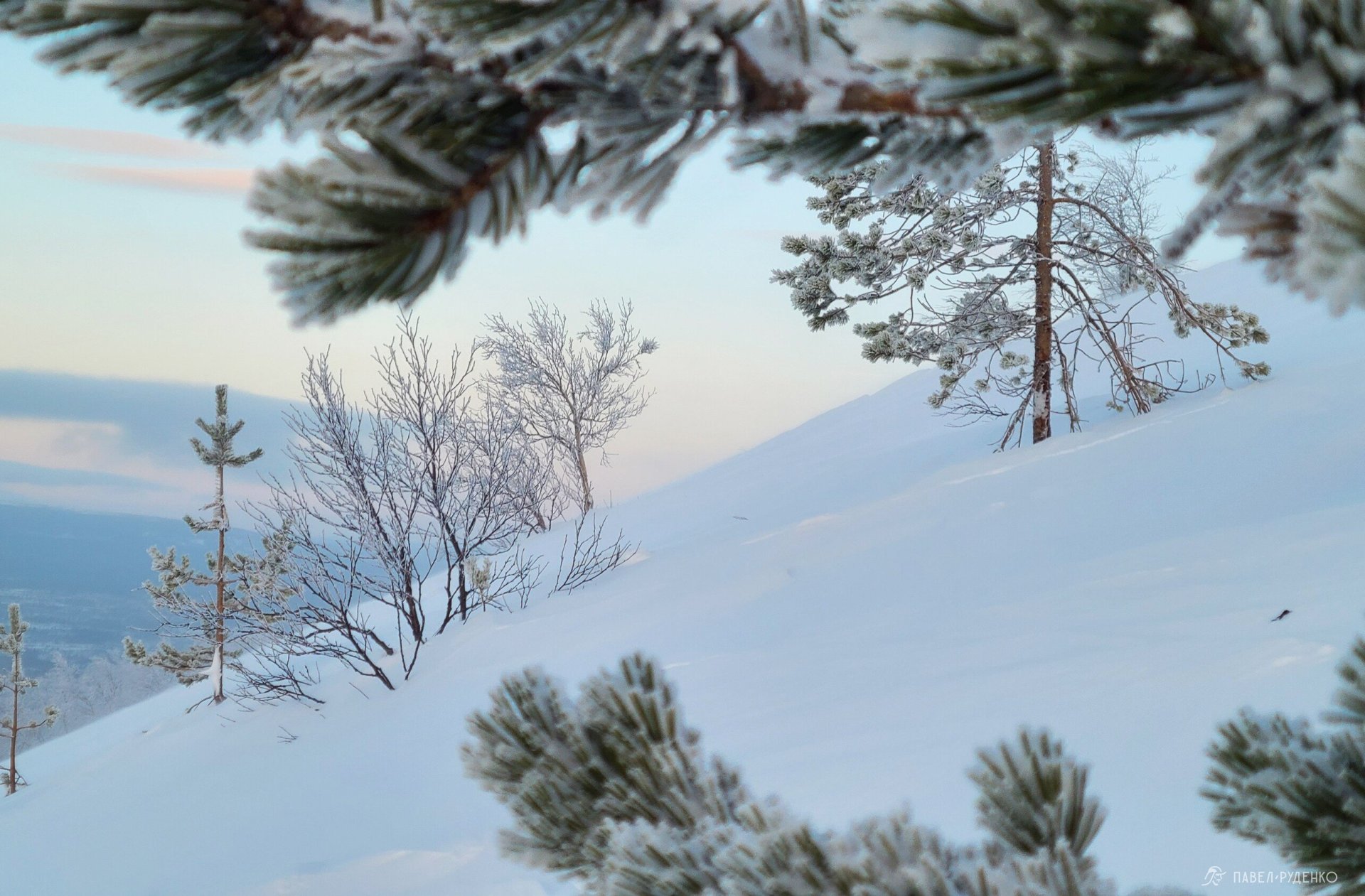
A week before the trek, the temperature rose to 0 °C, forming a firm crust that spared us from breaking trail through deep snow. There is a lot of snow, around 2–3 meters deep. Above 300 meters, you reach the treeless Arctic tundra. Here the snow is wind-packed and dense, making ski edges occasionally slip.
A mesmerizing view to the tune of howling winds.
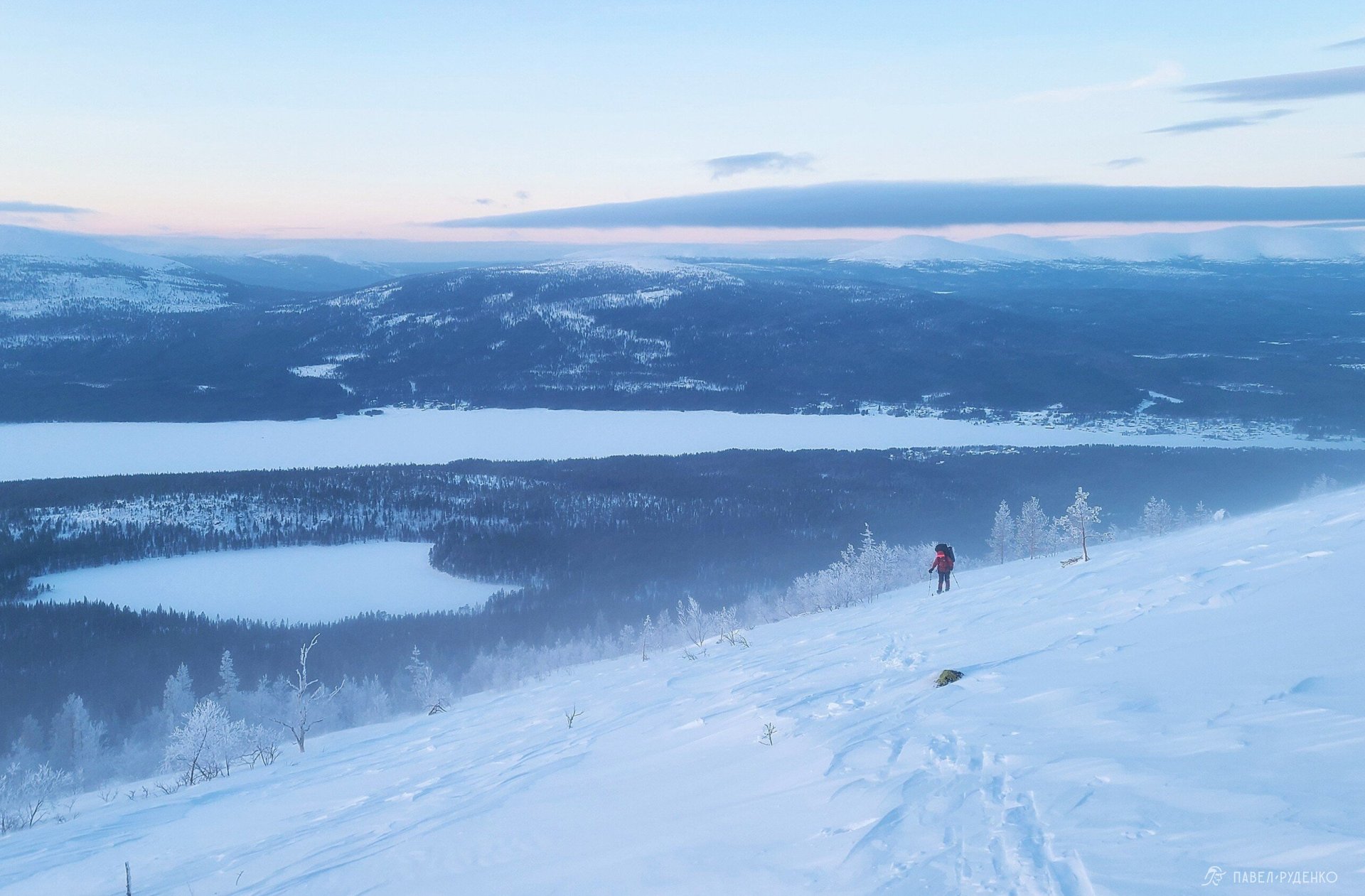
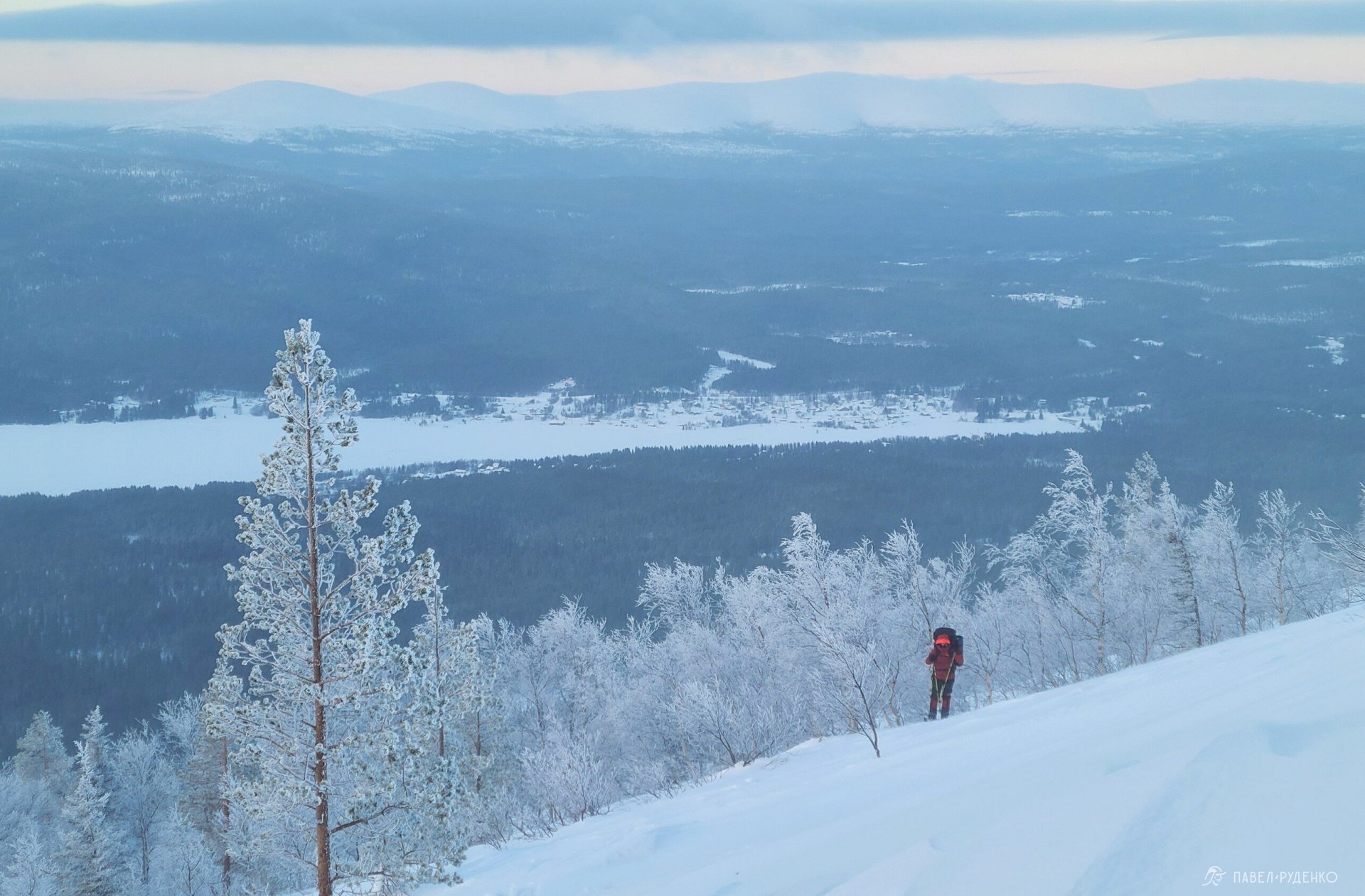
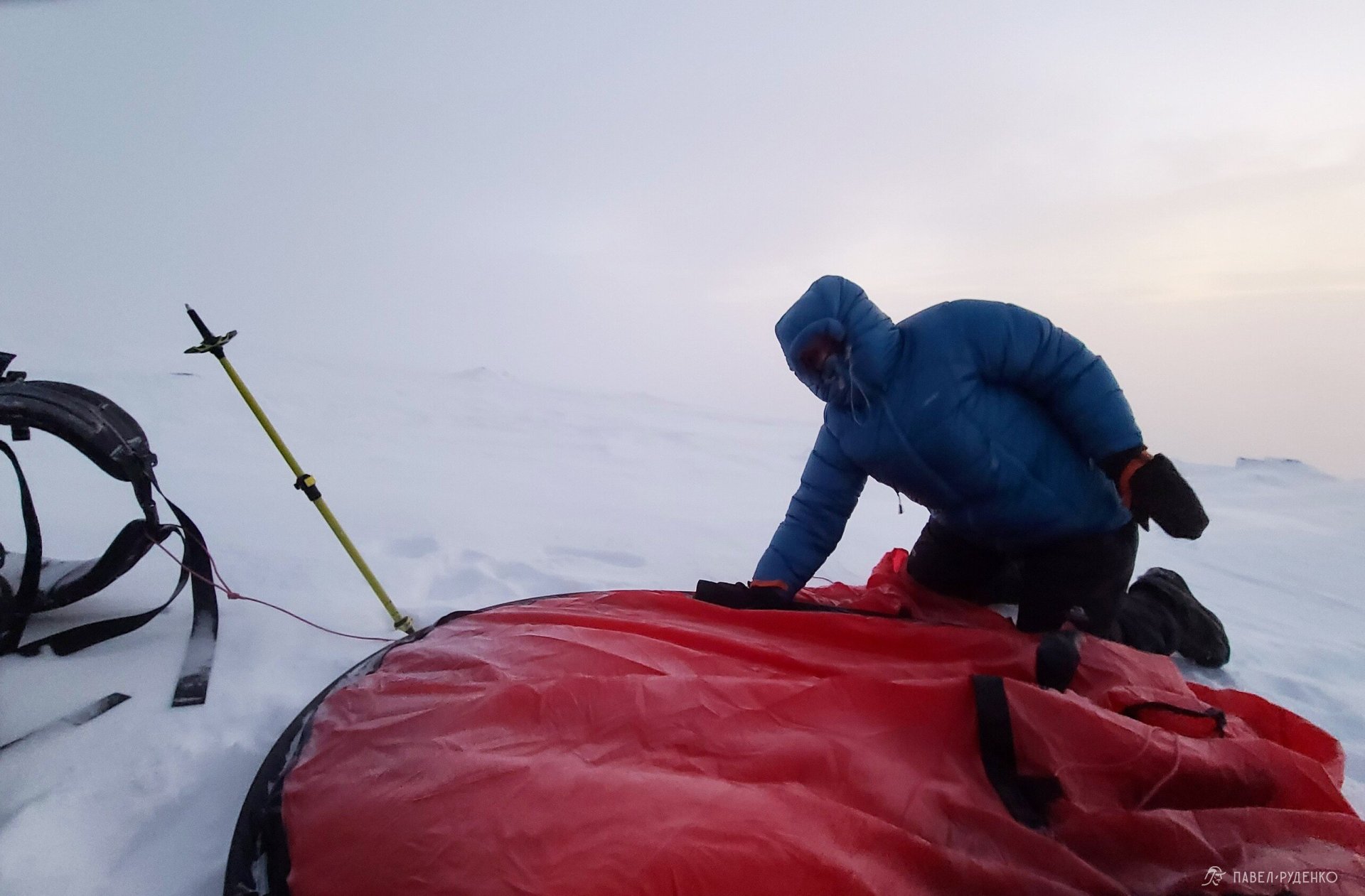
With strong winds blowing, I chose a camp spot 50 meters below the summit on a relatively flat ledge. We anchored the tent’s guyline to a backpack and inserted the poles without pitching the canopy—that’s why I love tunnel tents. The snow here is stripped by the wind down to about 20 cm. Sticking a ski vertically into the ground is out of the question)) My experiment with saving weight on snow stakes proved to be a failure. Skis and trekking poles, which I planned to anchor the tent with, wouldn’t work here. You could bury them horizontally as deadman anchors, but it takes ages and is really impractical in this spot.
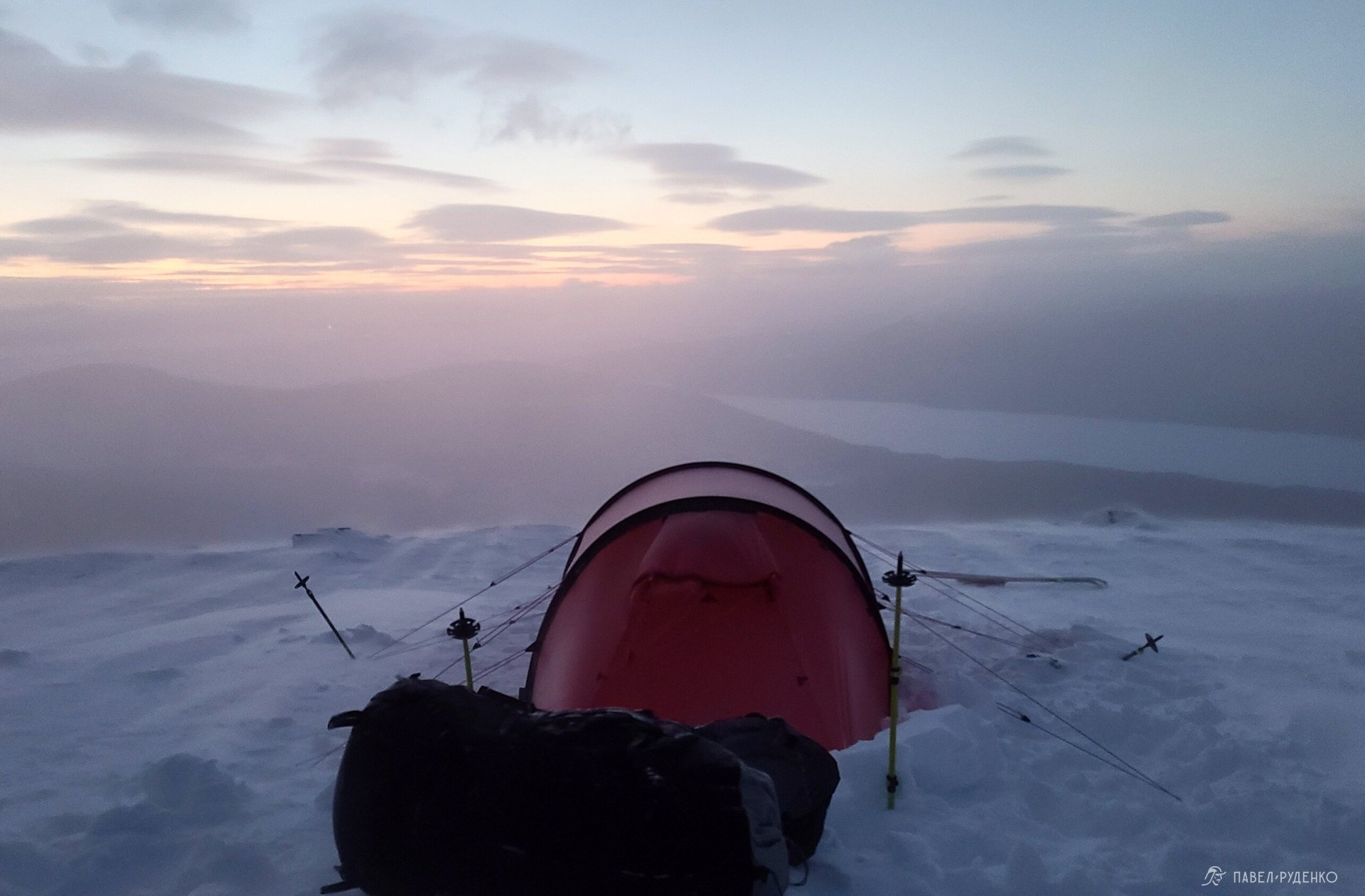
The slope is heavily wind-scoured down to about 20 cm of snow, making it tricky to secure stakes—especially compared to the 2–3 m depth in the forest zone. I realized cutting weight by leaving stakes behind was a mistake, as the skis I counted on for anchoring weren't viable here. Sure, you can bury them horizontally, but it's tedious and awkward.
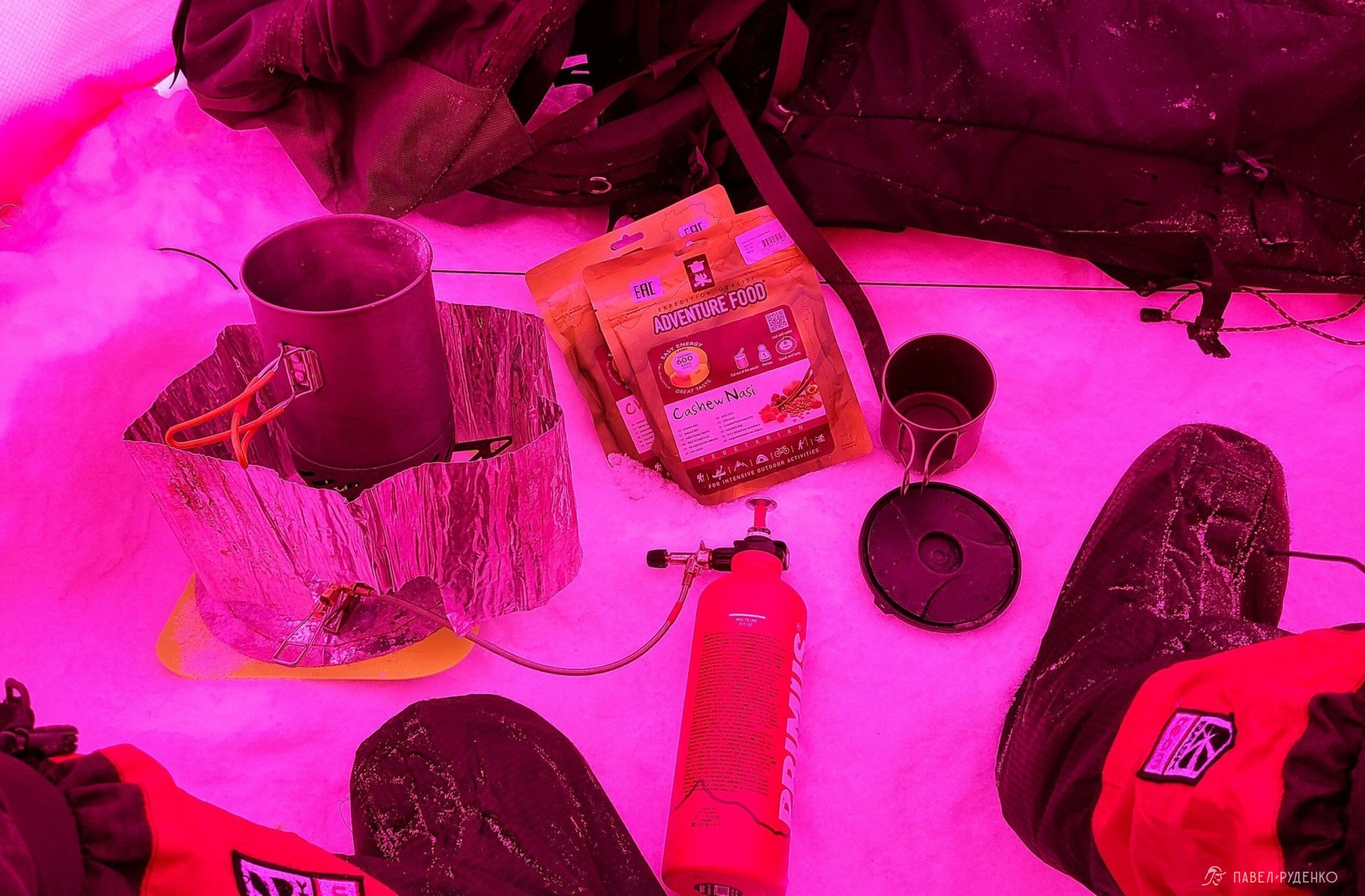
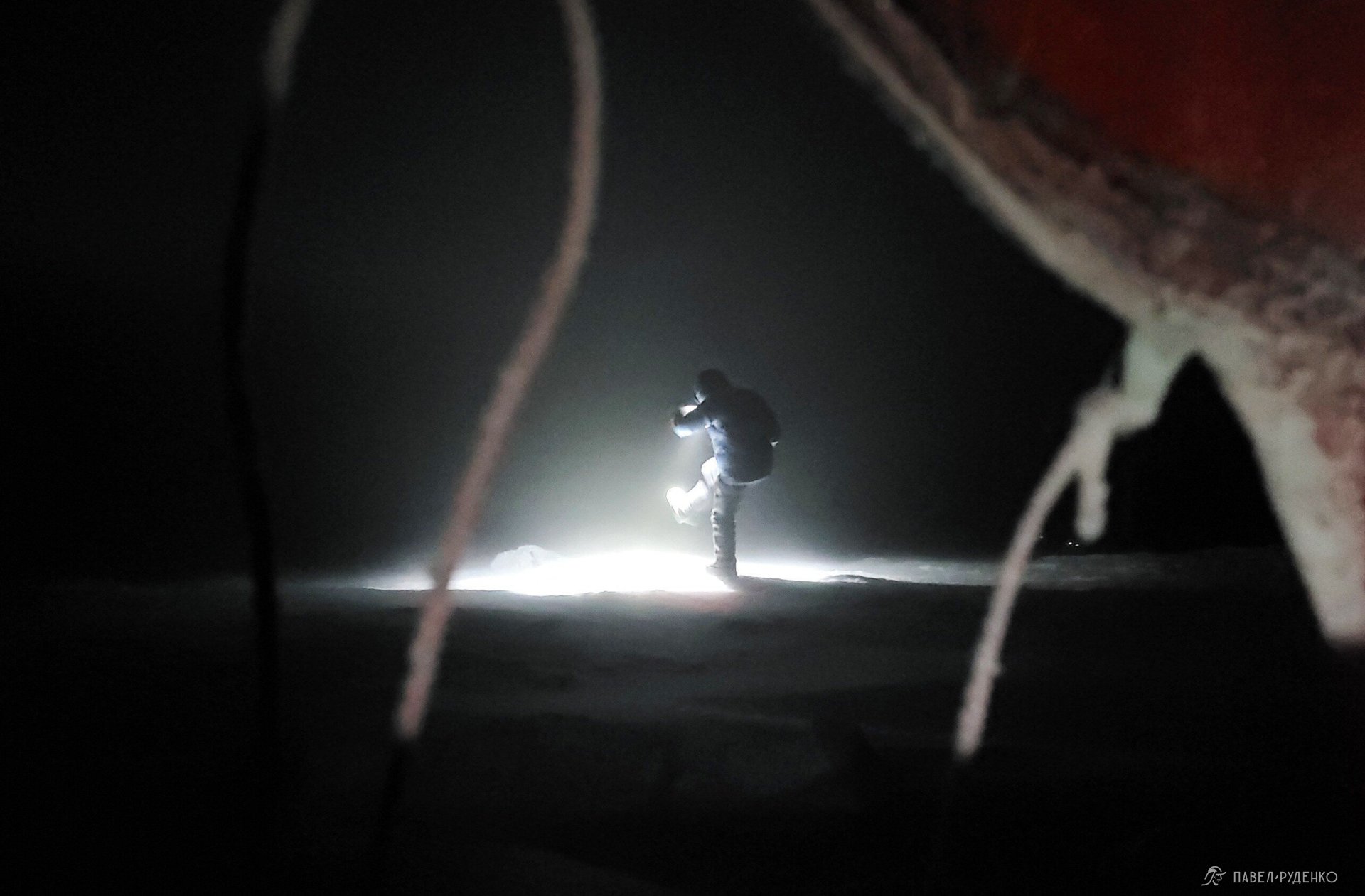
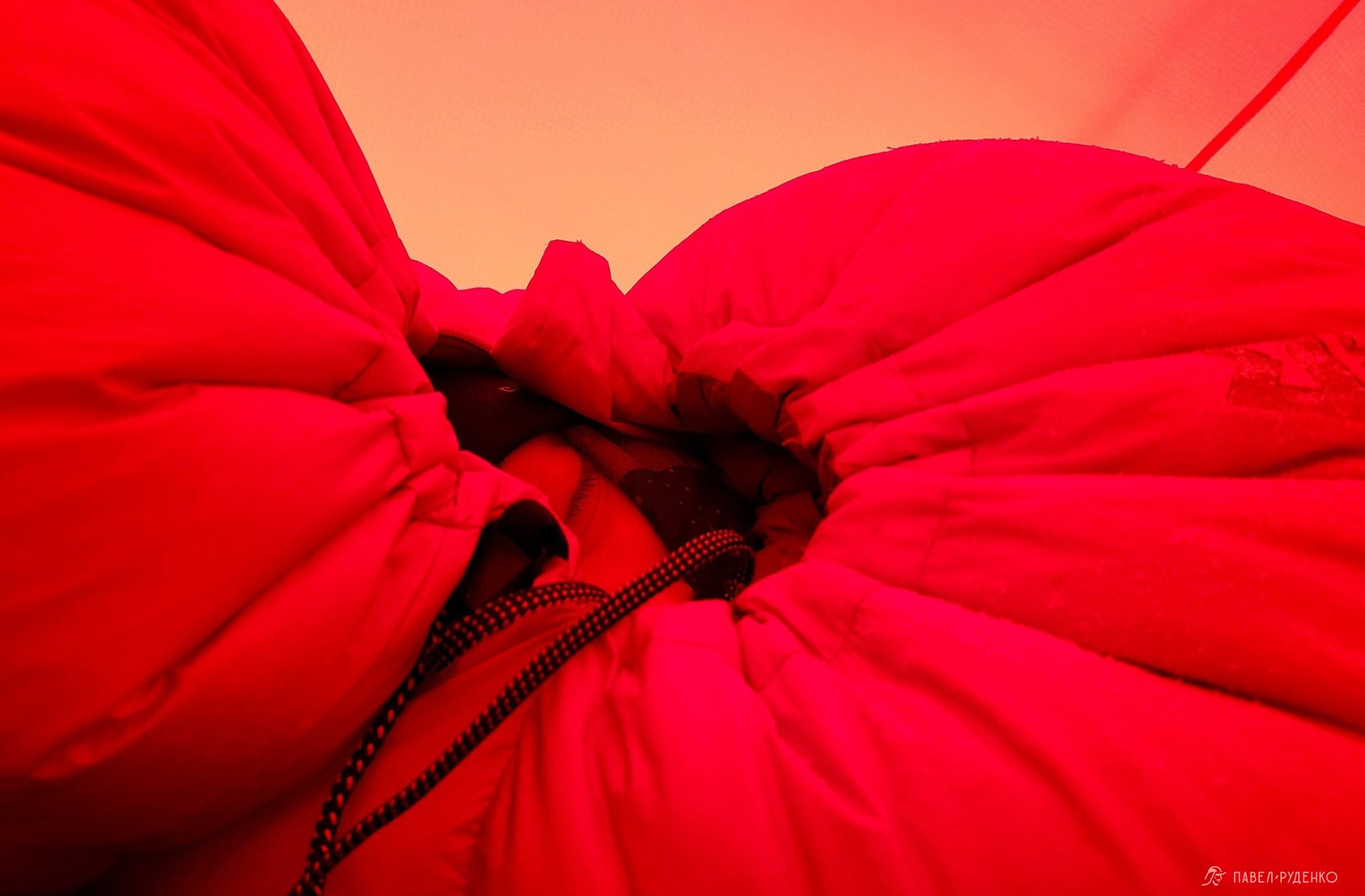
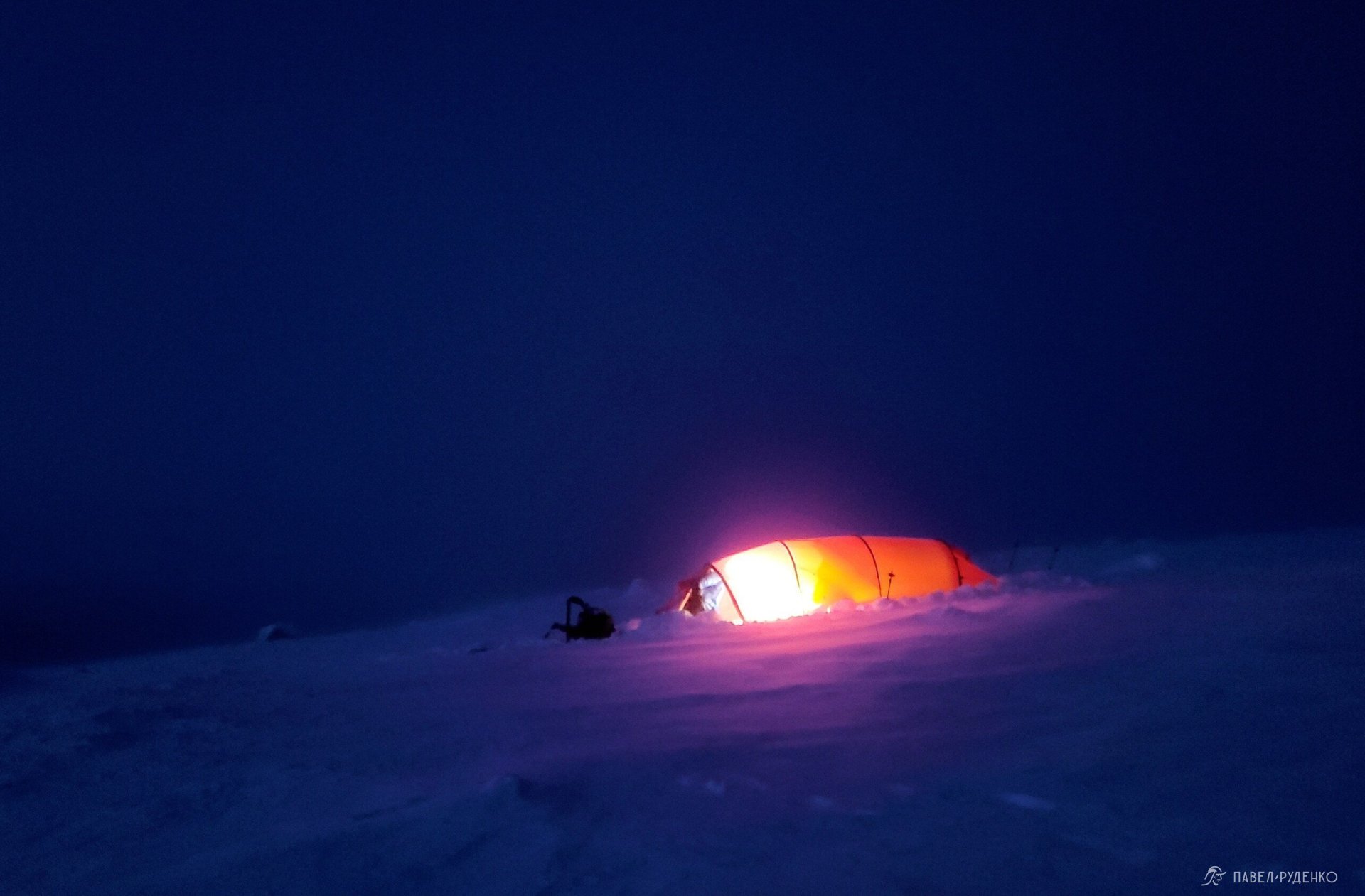
You can never overestimate the comfort of a spacious vestibule. A blizzard is howling outside, while inside it’s calm and cozy. I fire up the Primus OmniFuel on white gas and melt snow for dinner.
Meanwhile, Anya is jogging around in the dark near the drop-off, vigorously shaking out her cold feet like an eccentric astronaut on an alien planet.
Throughout the entire trek, we ate Adventure Food freeze-dried meals. You pour boiling water straight into the pouch—super practical with no dishes to wash :) The portions are hearty, kept me fully fueled the entire trip, and taste restaurant-grade. Highly recommended: while not cheap, they are perfect for diversifying your expedition menu.
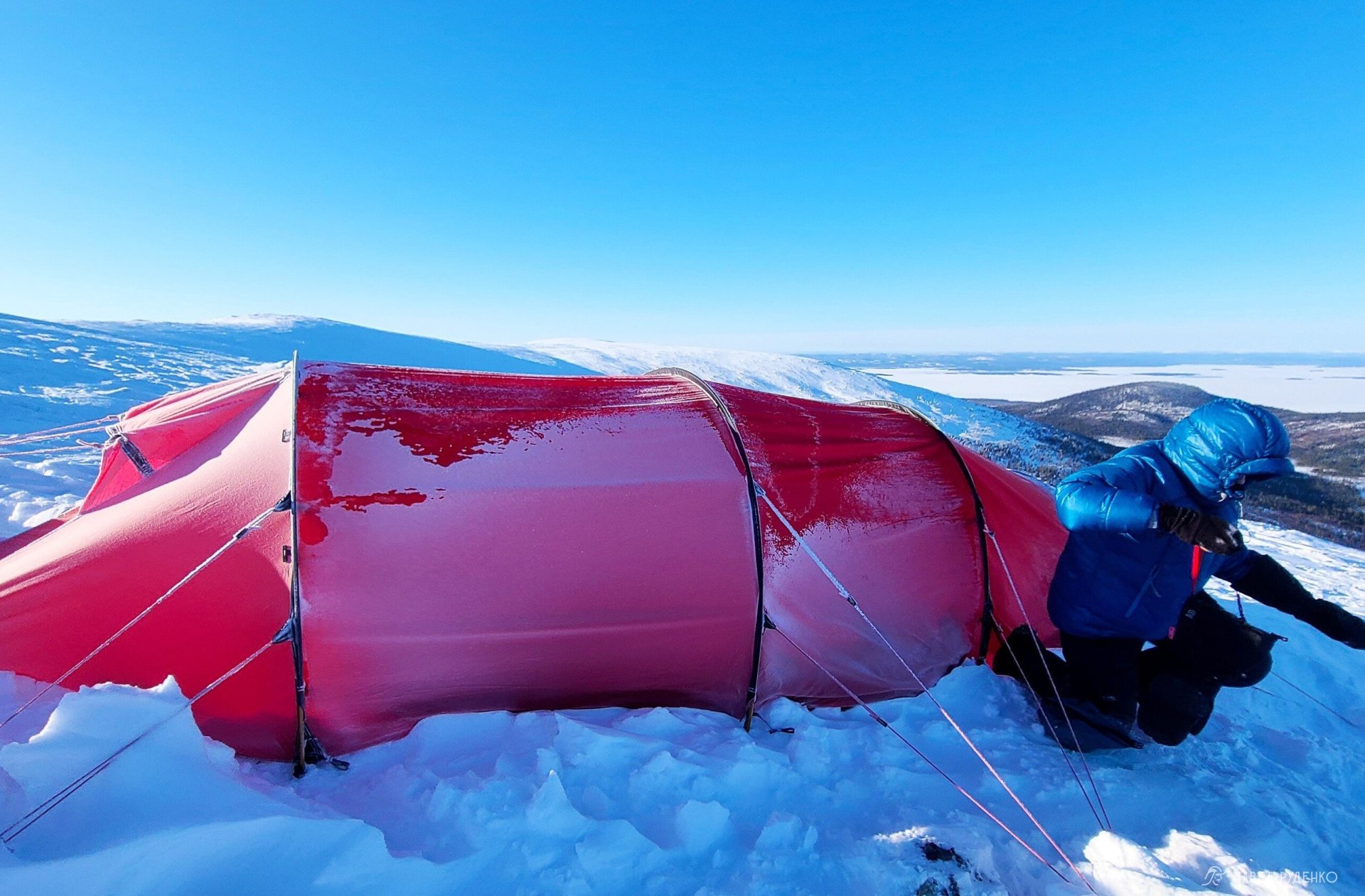
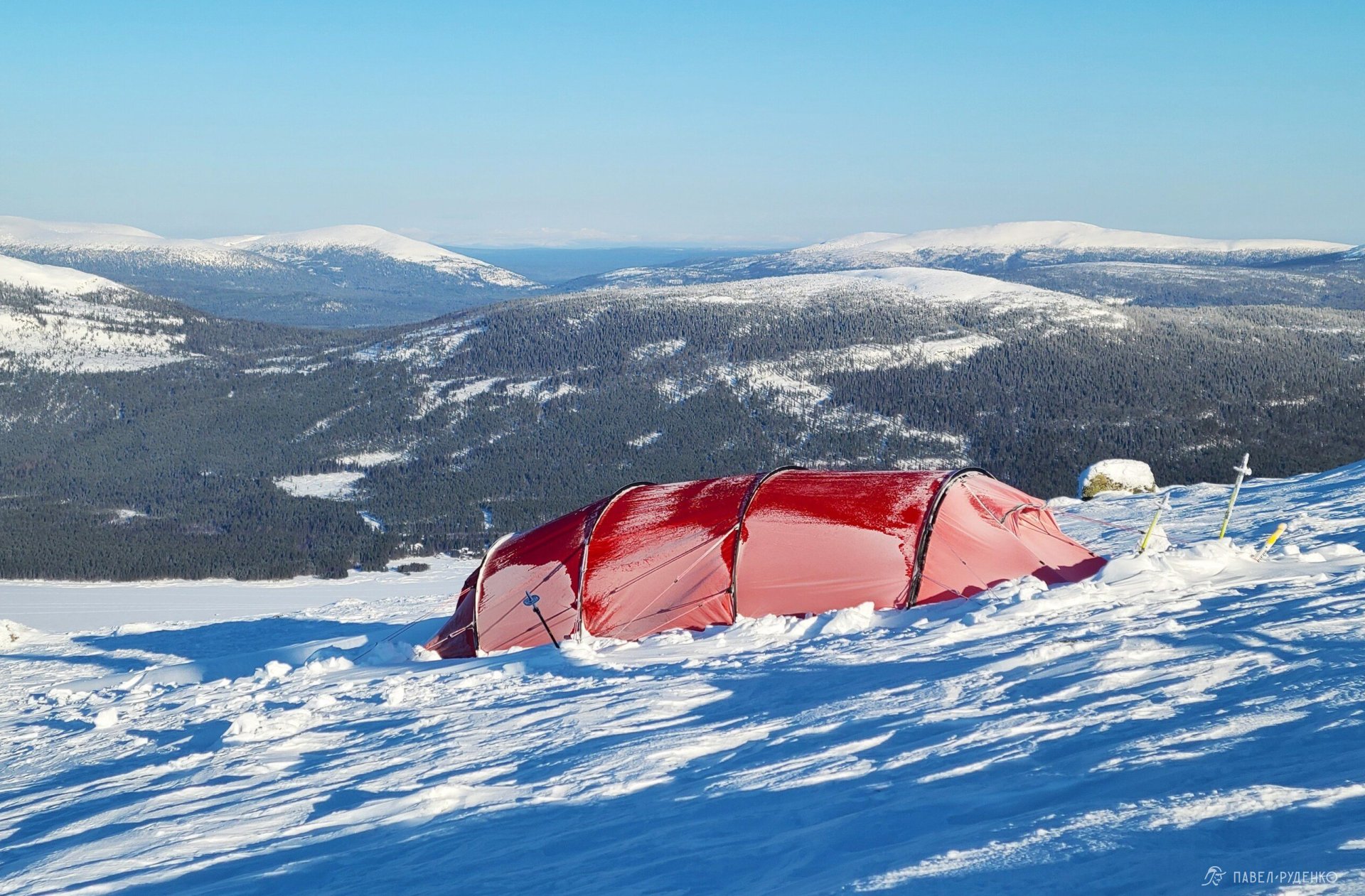
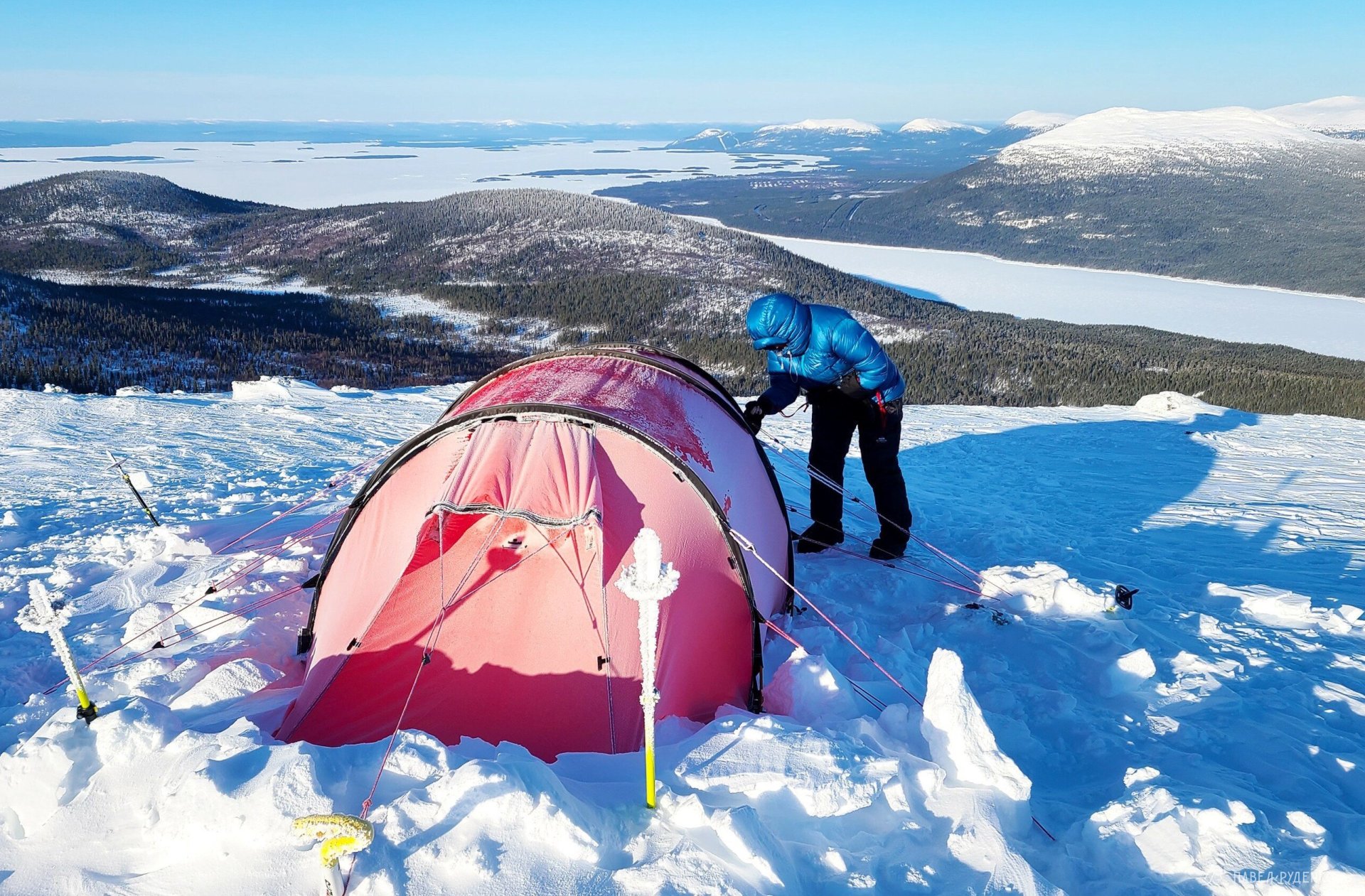
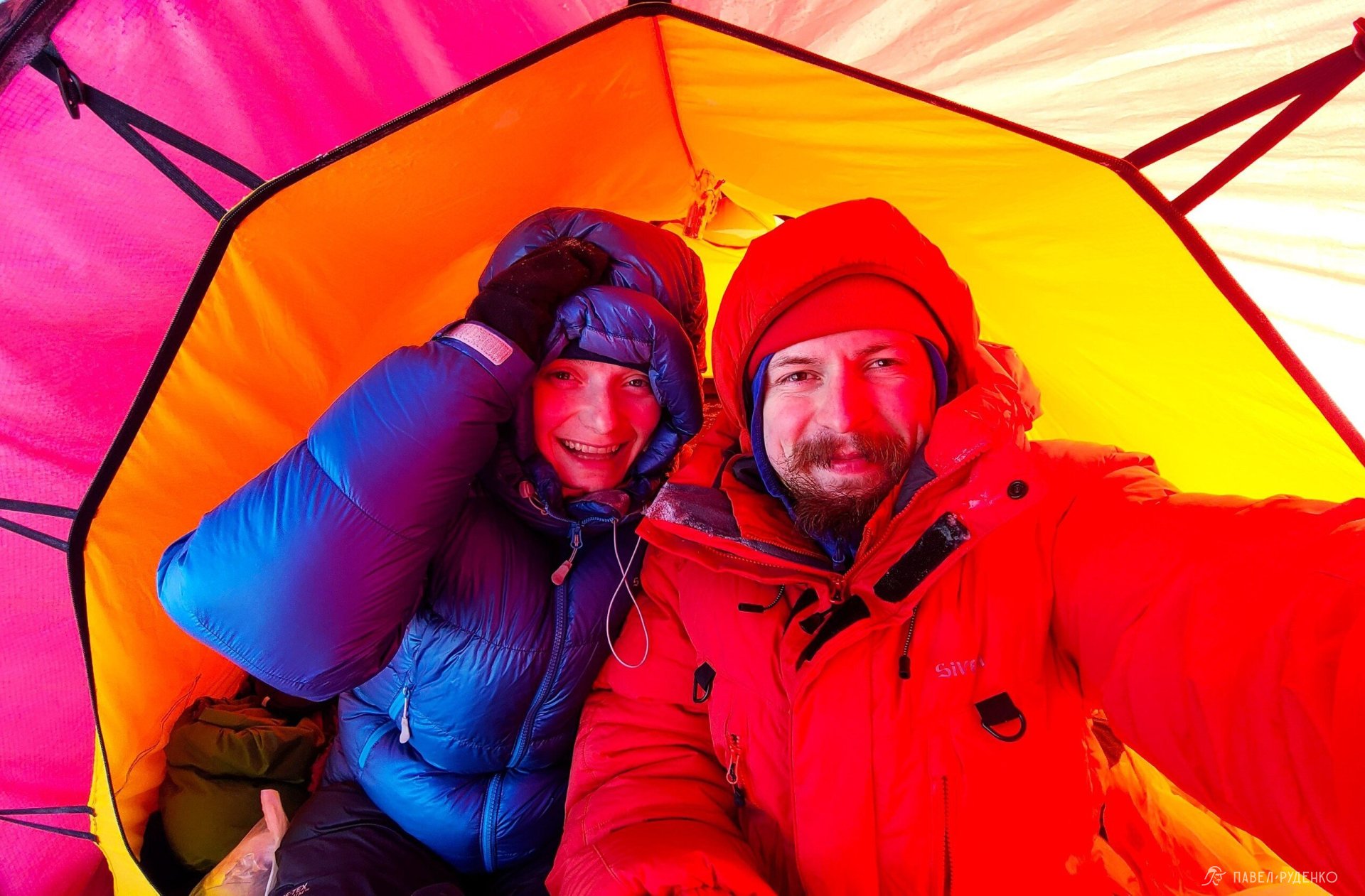
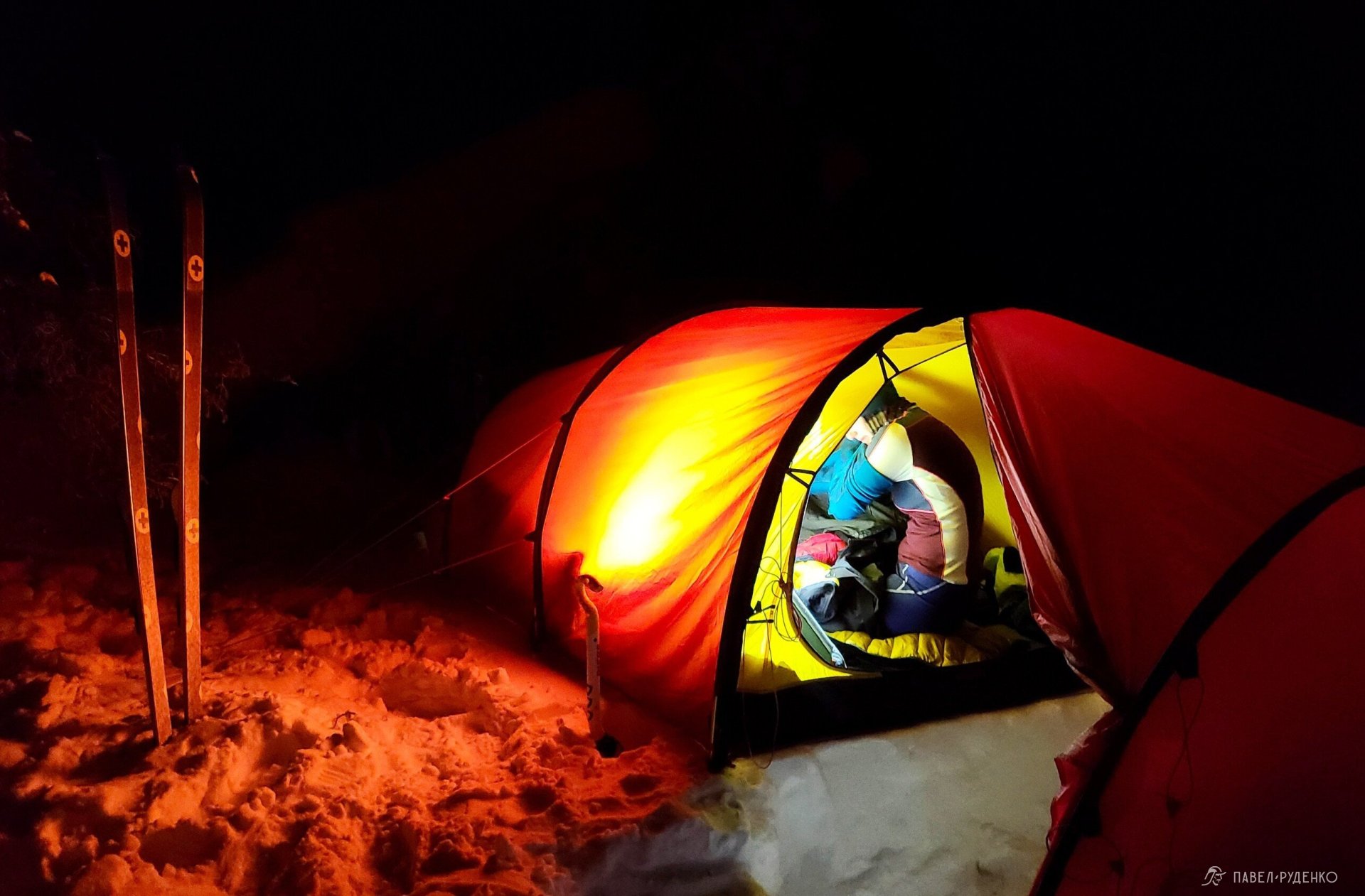
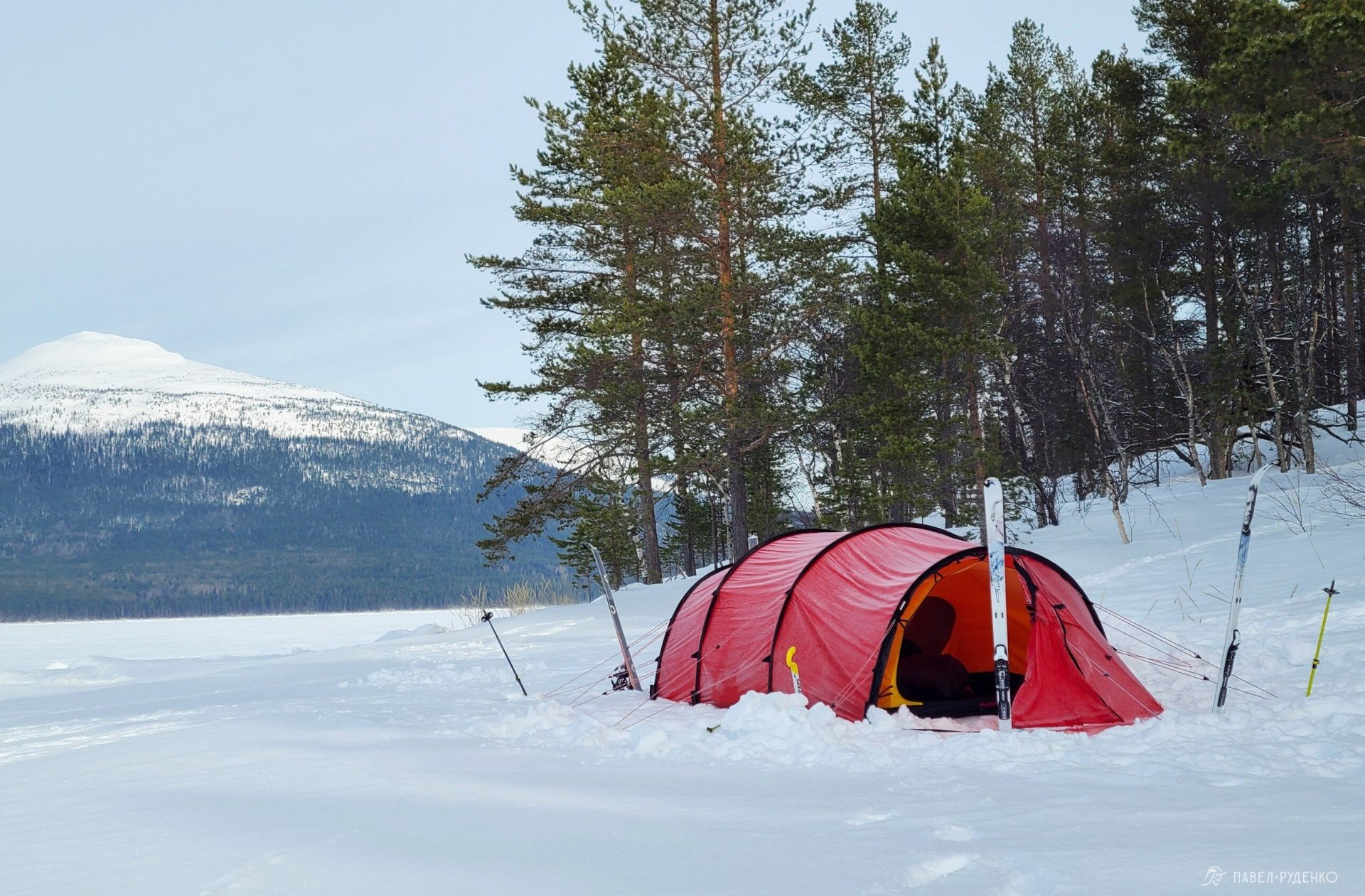
At night, wind gusts reached 15 m/s, with temperatures plunging to –27 °C. The Hilleberg Kaitum 2 GT tent excels in these conditions, offering unmatched comfort. Dual entrances and end vents provide versatile airflow control, drastically reducing condensation inside—unlike the Nallo 2 GT, for instance. An inner width of 140 cm at shoulder level allows you to spread out all your gear without brushing against frosted walls.
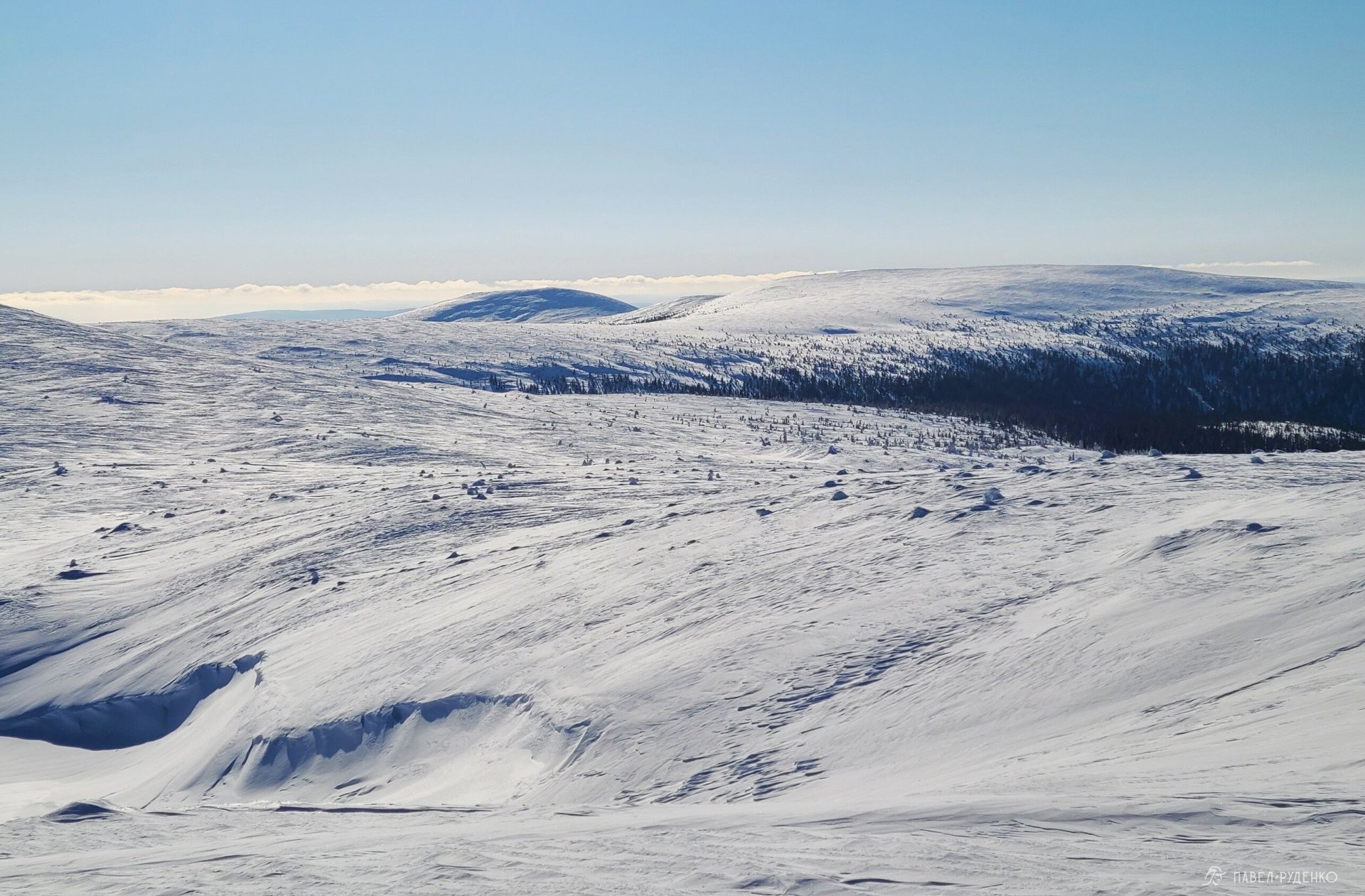
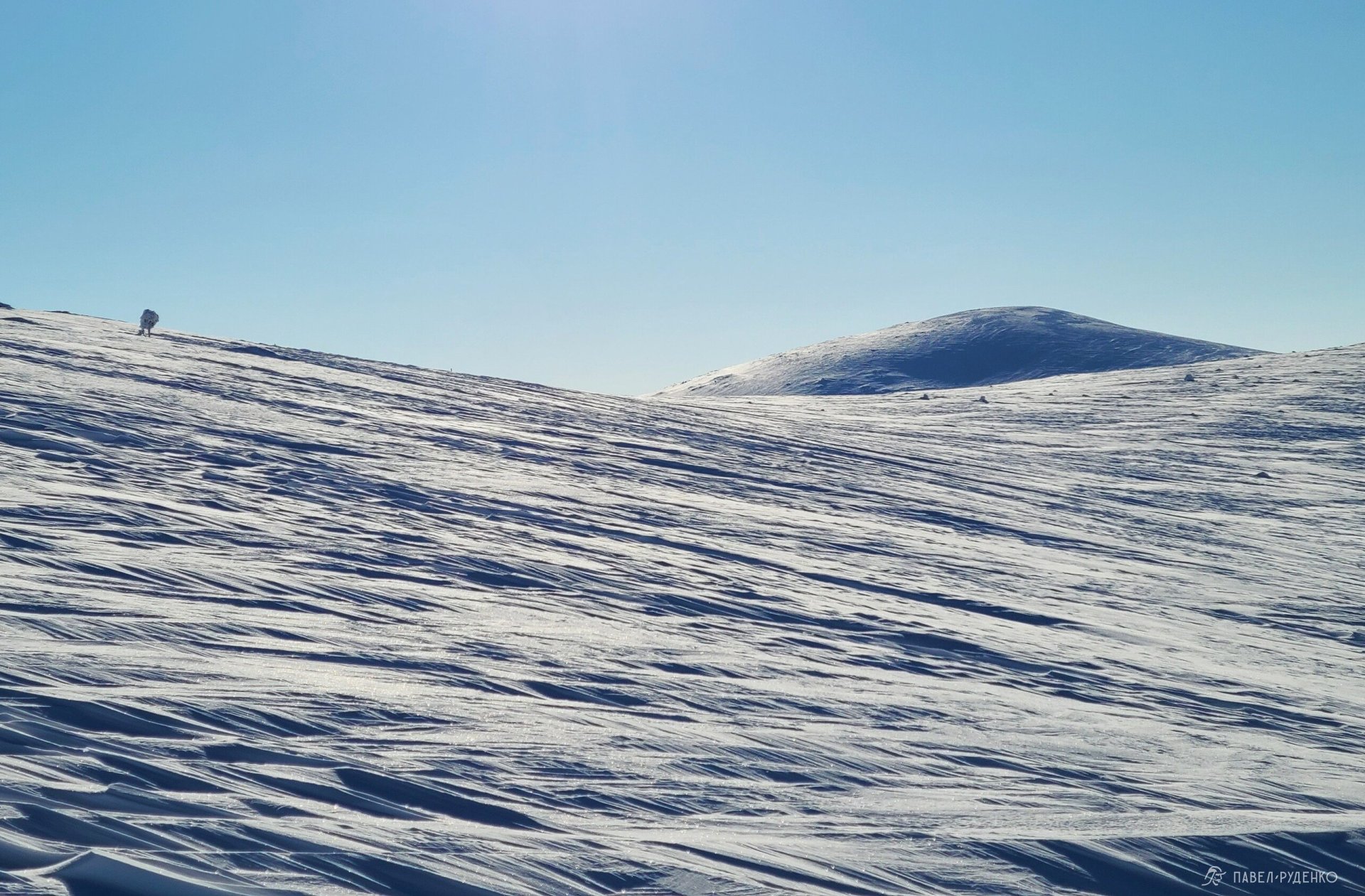
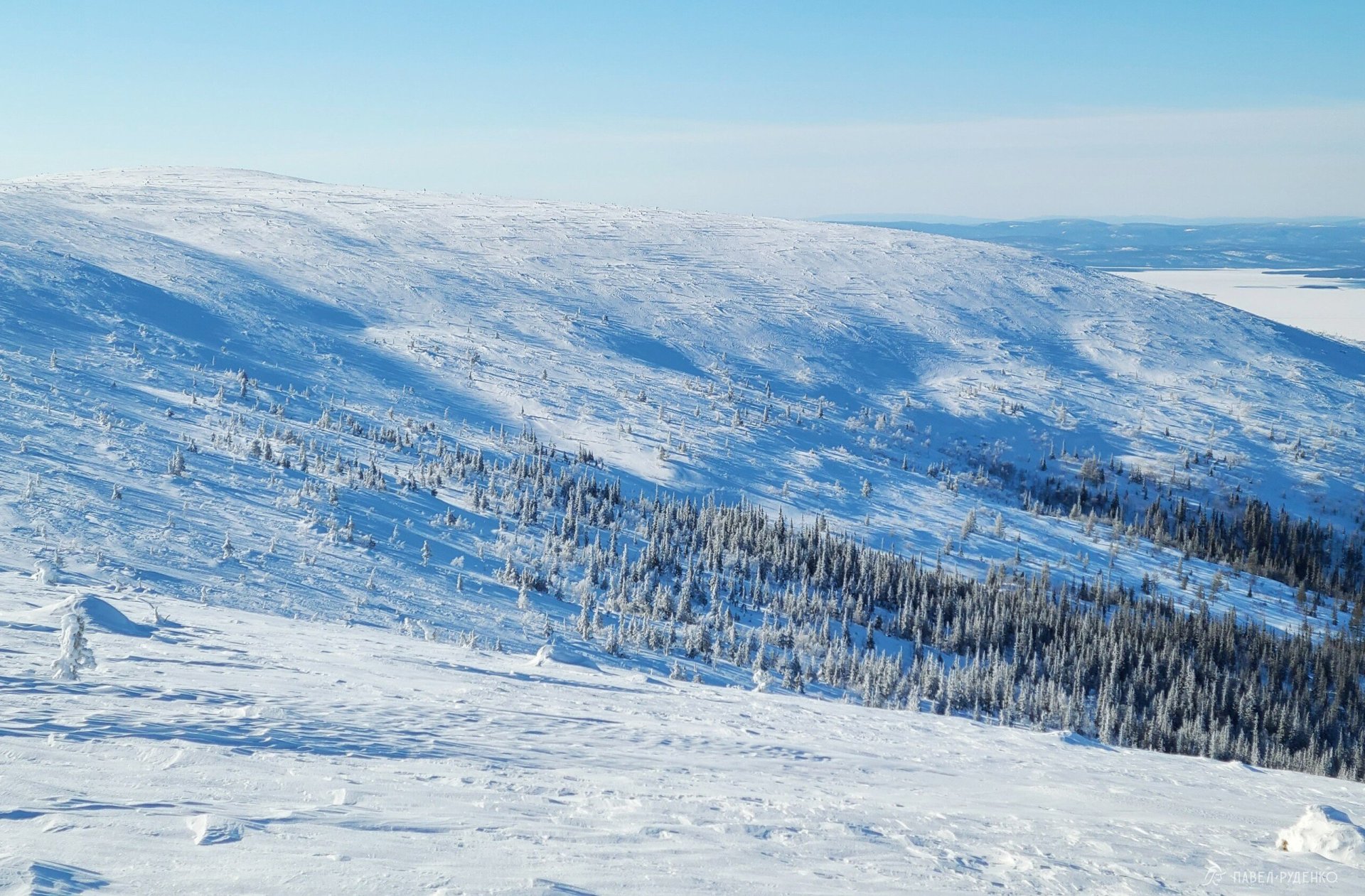
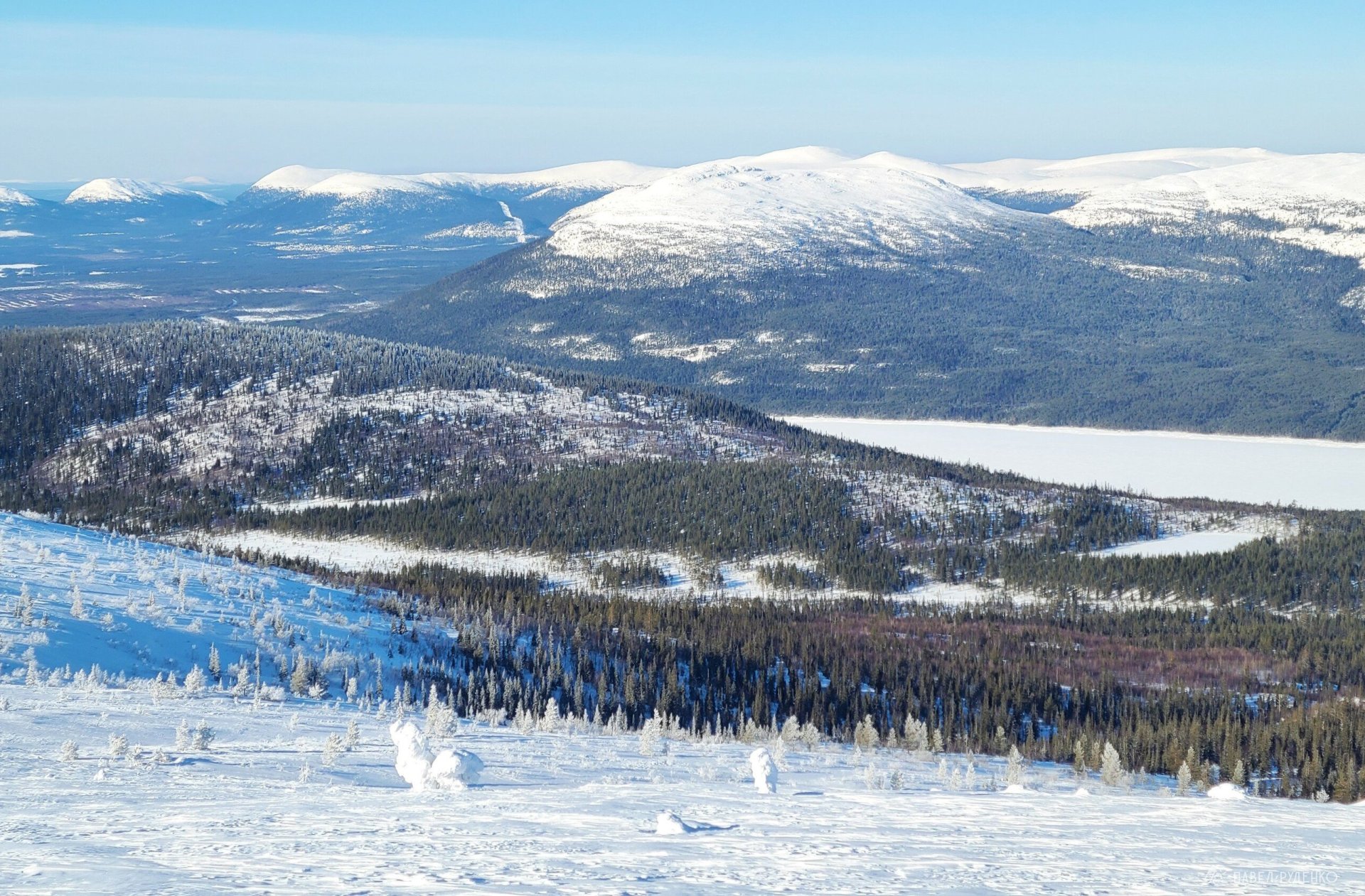
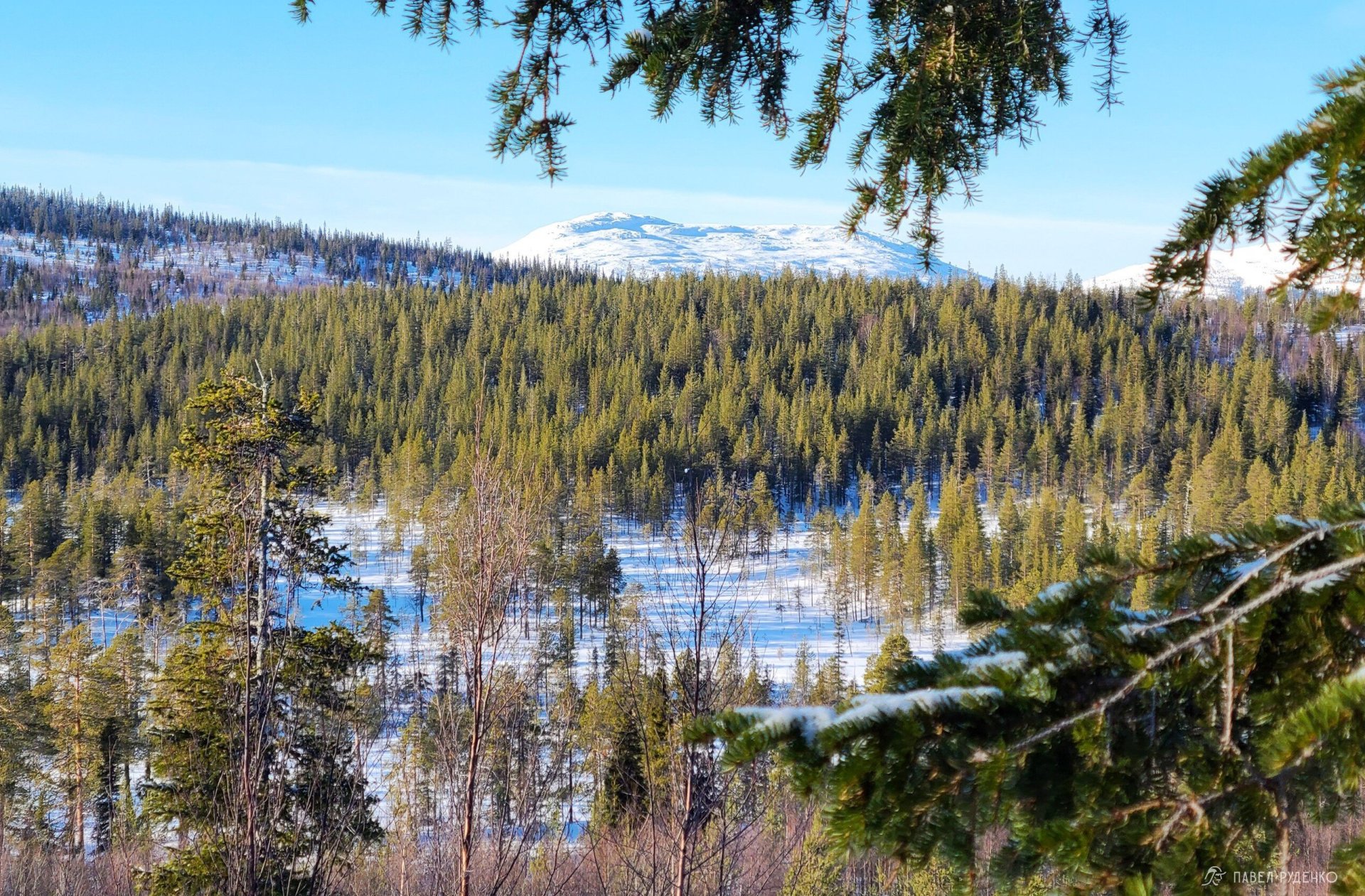
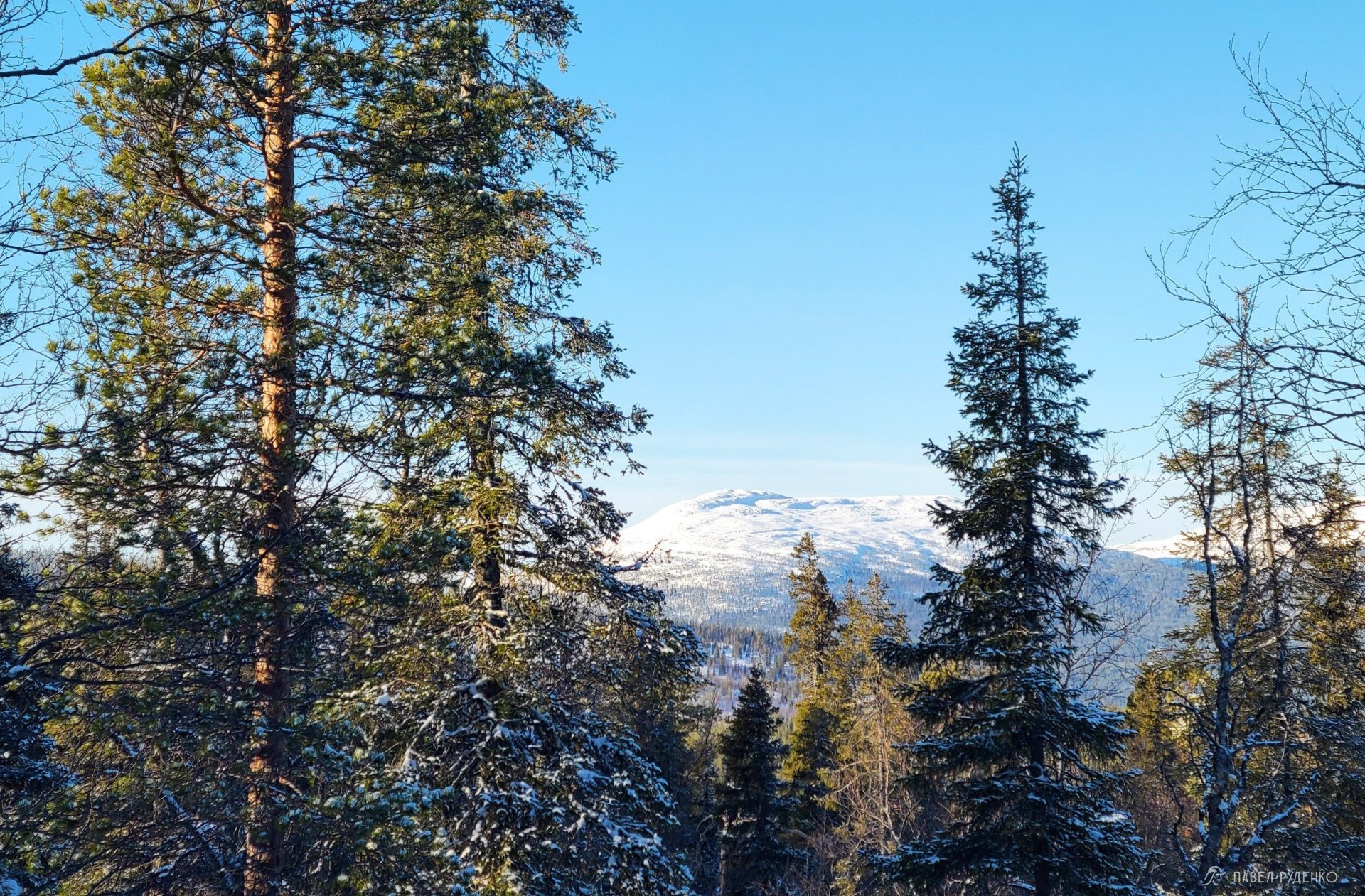
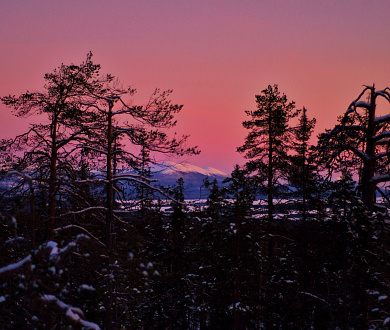
The scenery around is impossibly stunning. The gentle warmth of the sun gives the snow the appearance of rich ice cream that is just about to melt.
Snow cornices overhang in places, so we stick to the ridgetops.
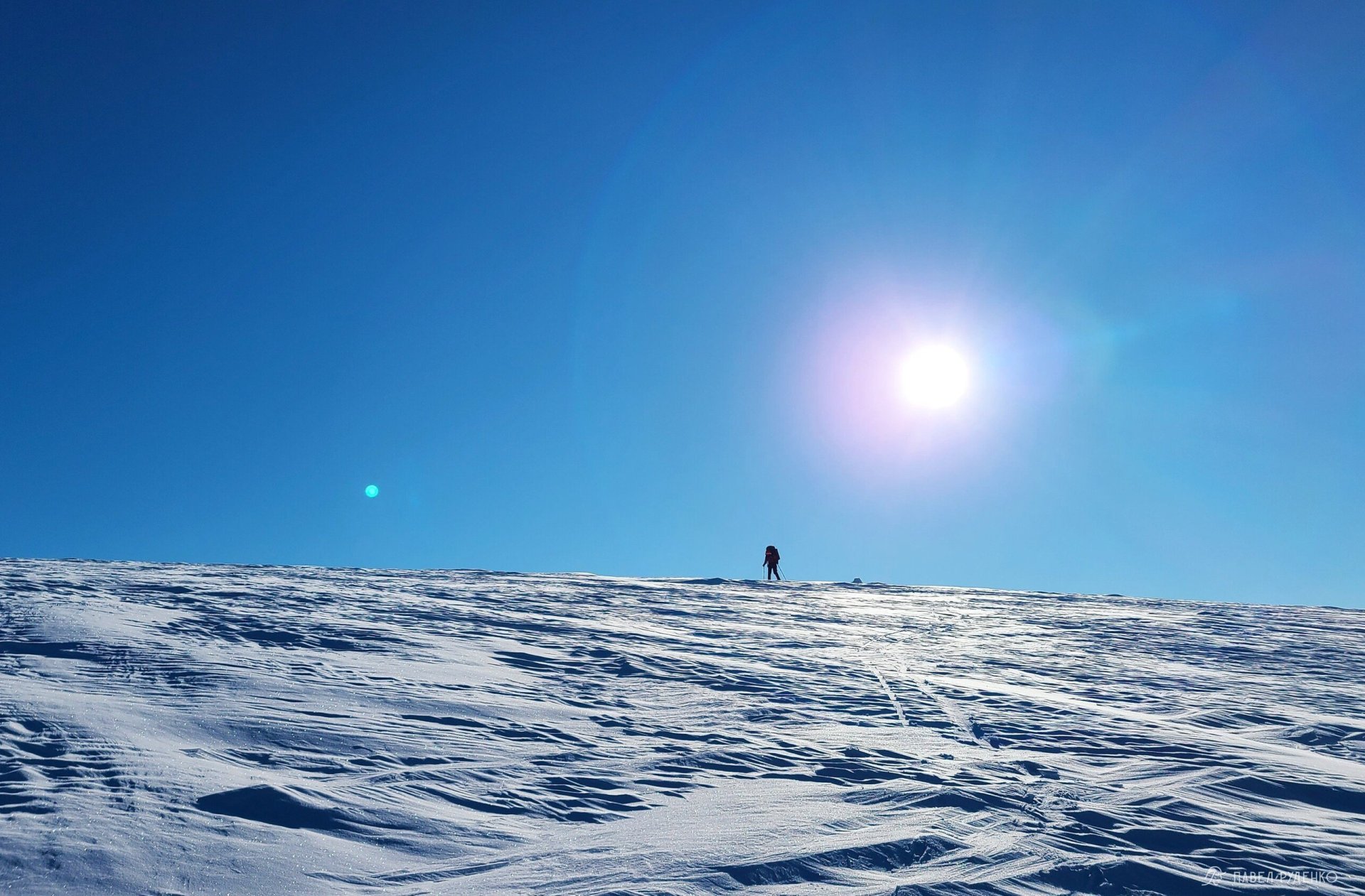
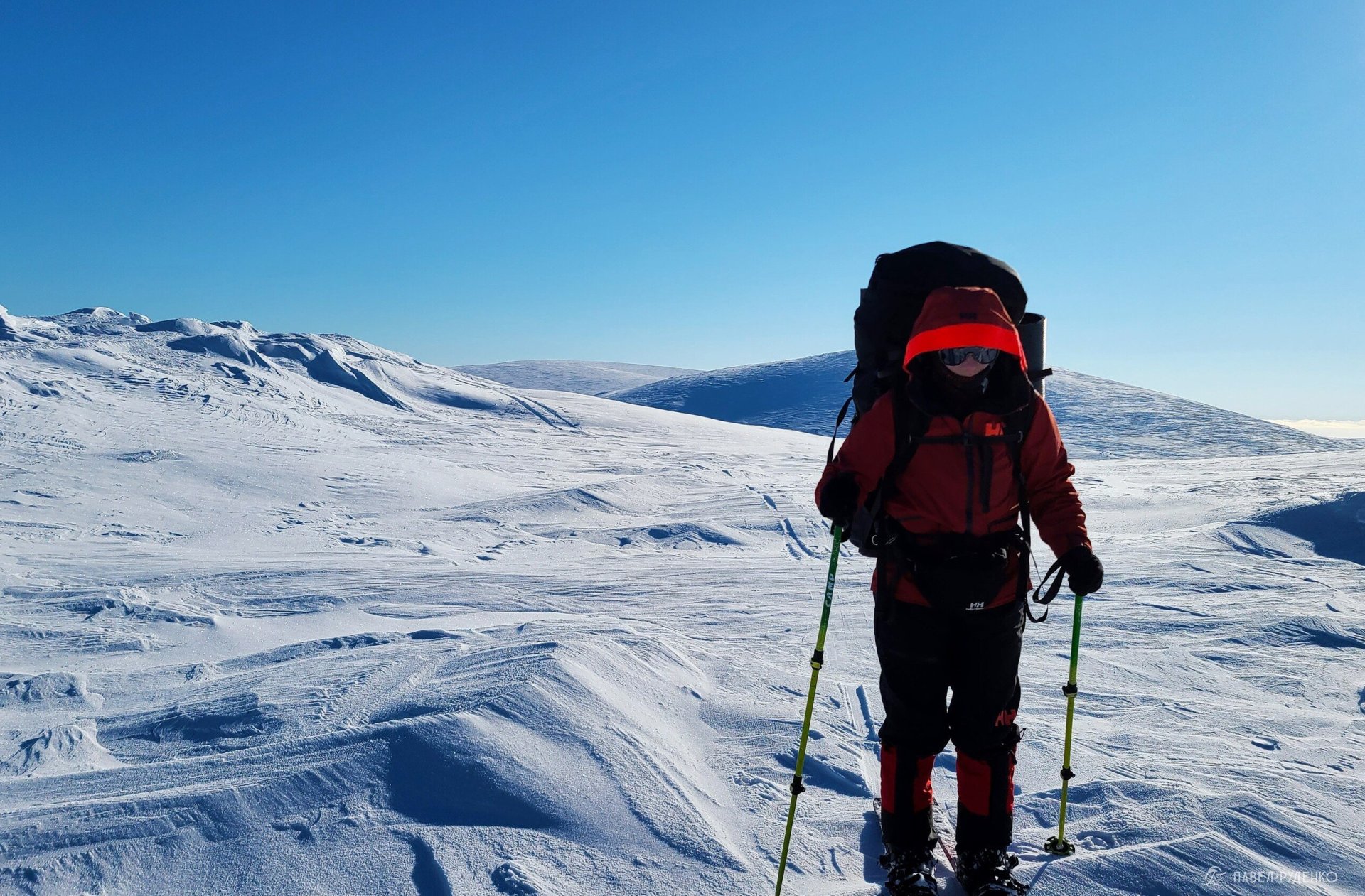
When riding freeride on a snowboard in Sheregesh, I used to despise wind-scoured fields. You’d fly through powder between trees, throwing up huge roosts of snow, only to fight for control on crusty wind slabs at the first open clearing. But after switching to touring skis, gliding over wind-packed snow became my absolute favorite thing. There’s something magical about traveling over compacted water crystals without breaking through. Quite a paradox.
In fact, I developed a deep appreciation for snow after taking an avalanche safety course with Snow Sense right before the trek—a full week of immersive theory and field practice.
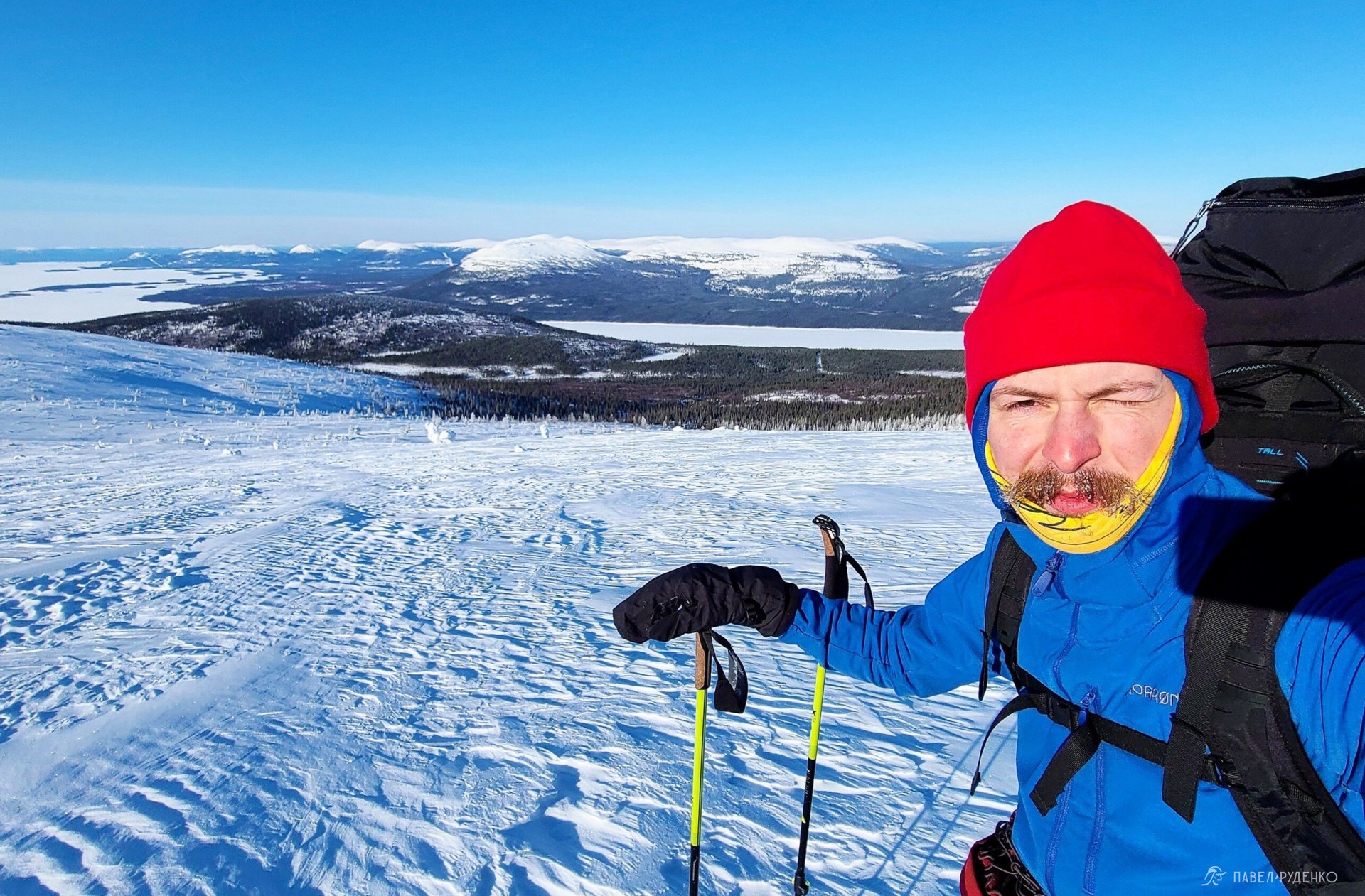
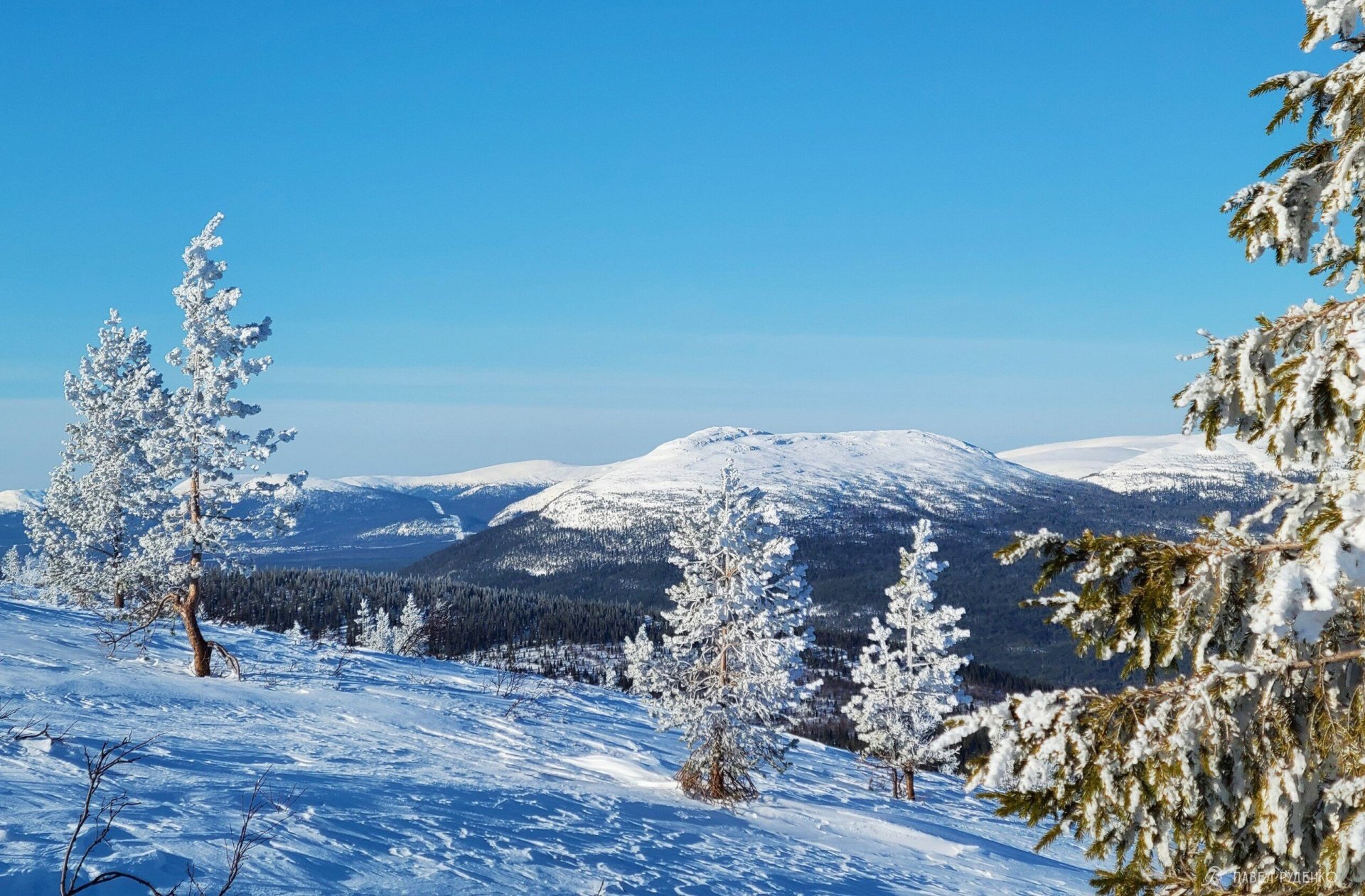
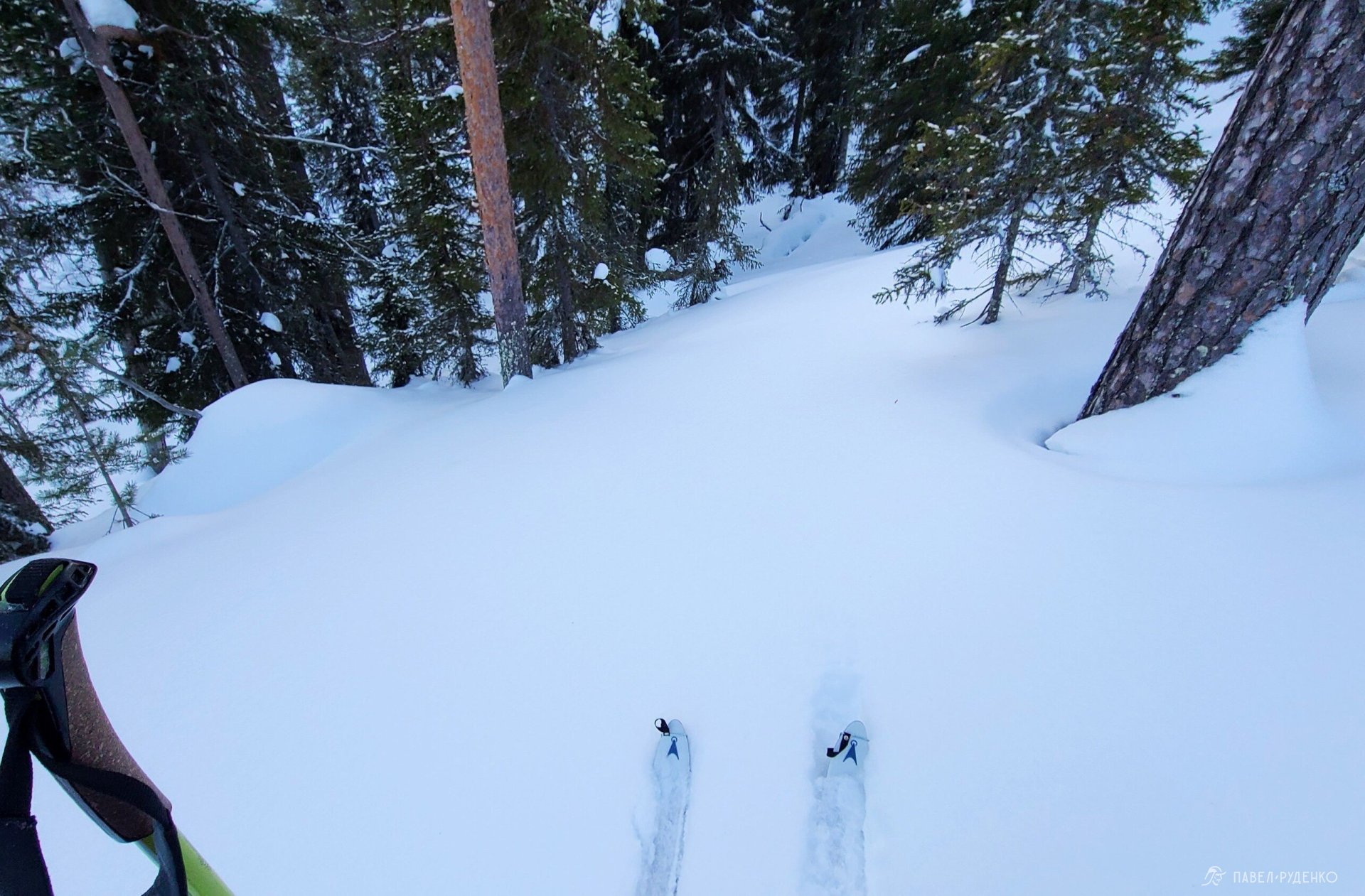
Skiing down a wind-crusted slope is pure joy—speed checking in a wedge, careful not to catch an edge on sastrugi. Your muscles take a beating, so I always make sure to do a thorough, conscientious morning warm-up.
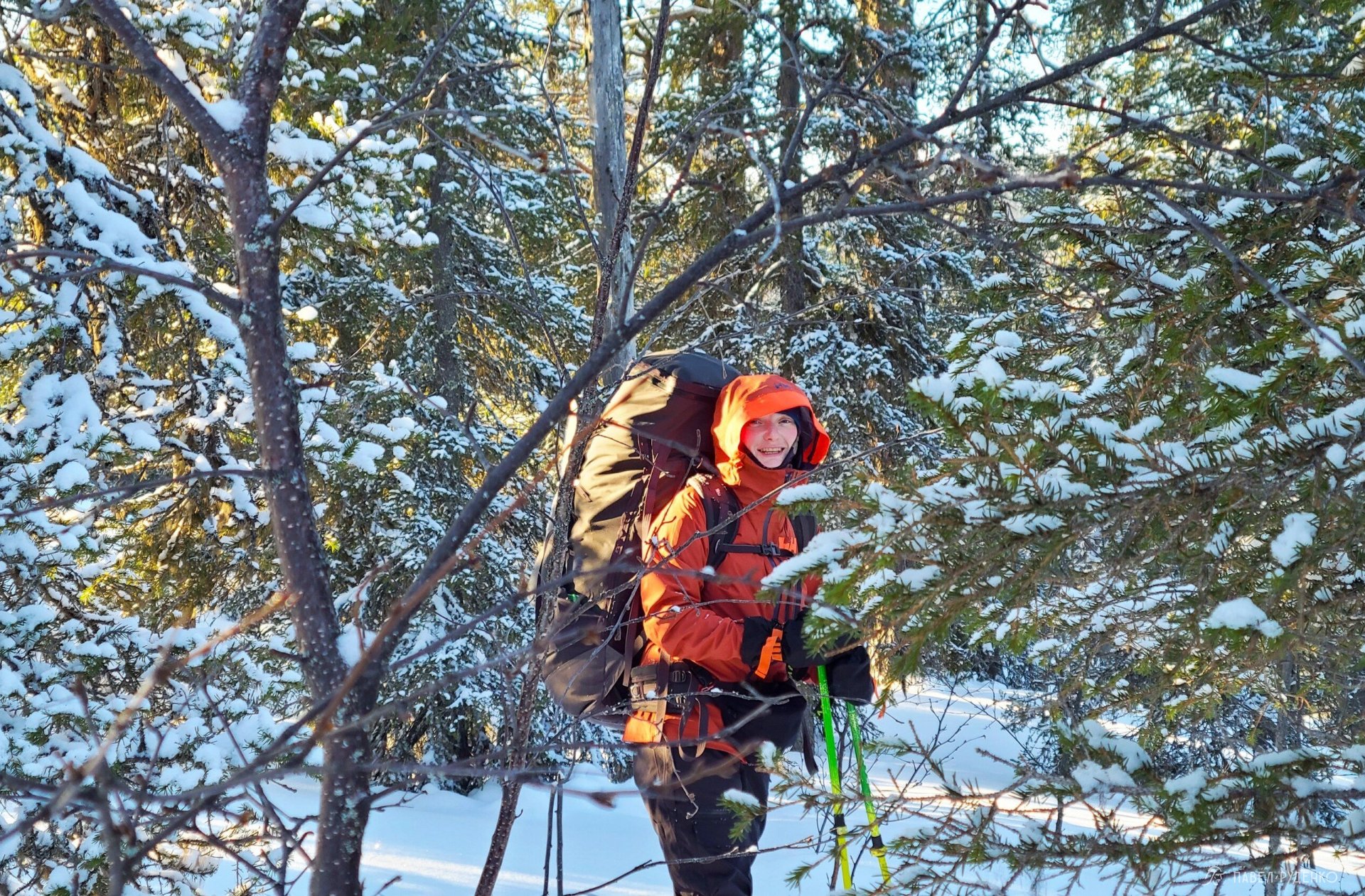
Once the sun dips below the horizon, the air turns freezing cold; we bundle up and keep carving wide turns through the coniferous woods.
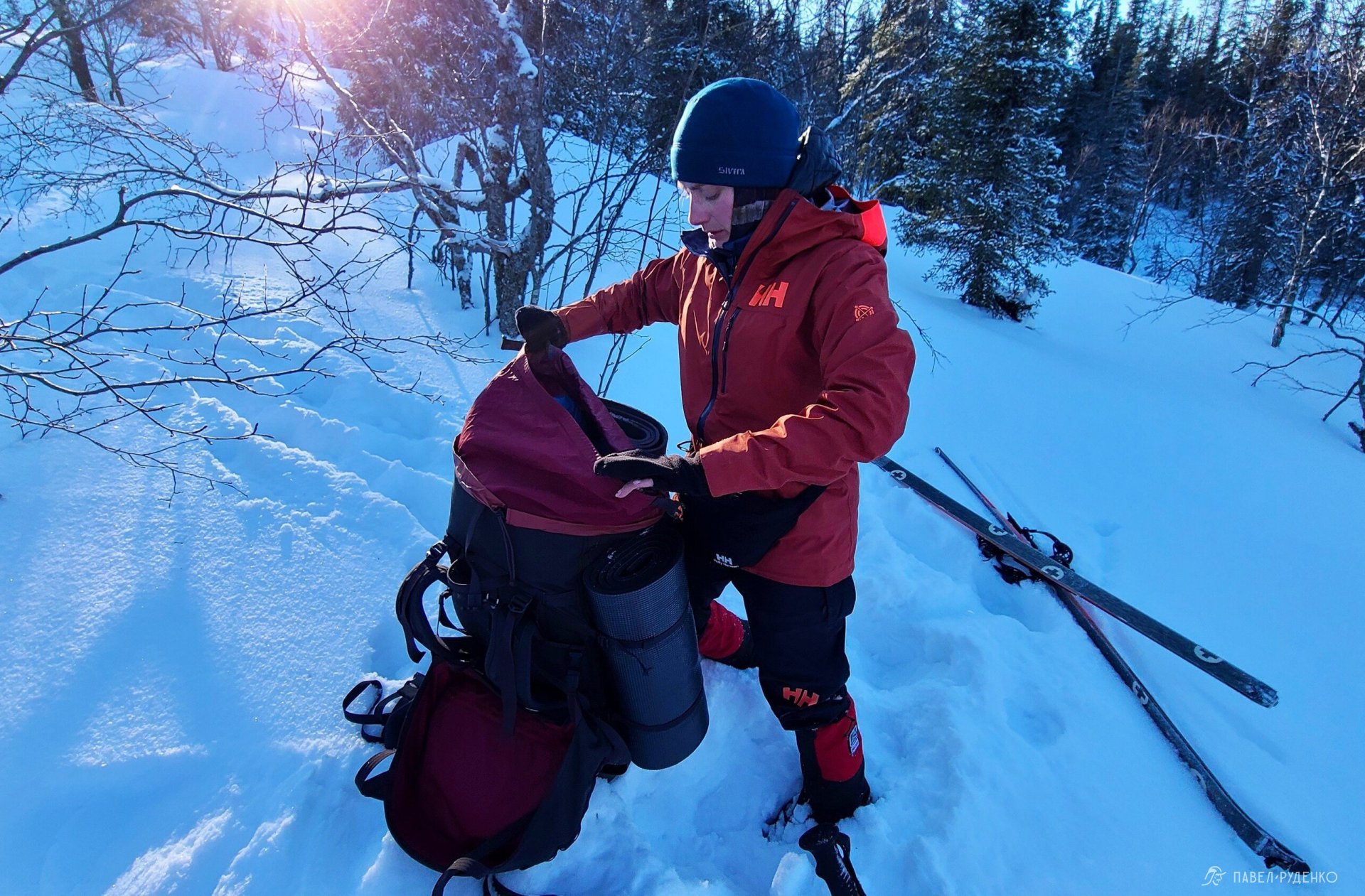
I never quite fell in love with Fjällräven softshell, though I used their Vidda Pro trousers. They feature great tailoring, a comfortable fit, and plenty of pockets to organize winter essentials. I insert tactical foam pads into the knee pockets to protect against the cold when kneeling in the snow. However, the lack of stretch and high moisture absorbency—even with Greenland Wax applied—take away from overall comfort.
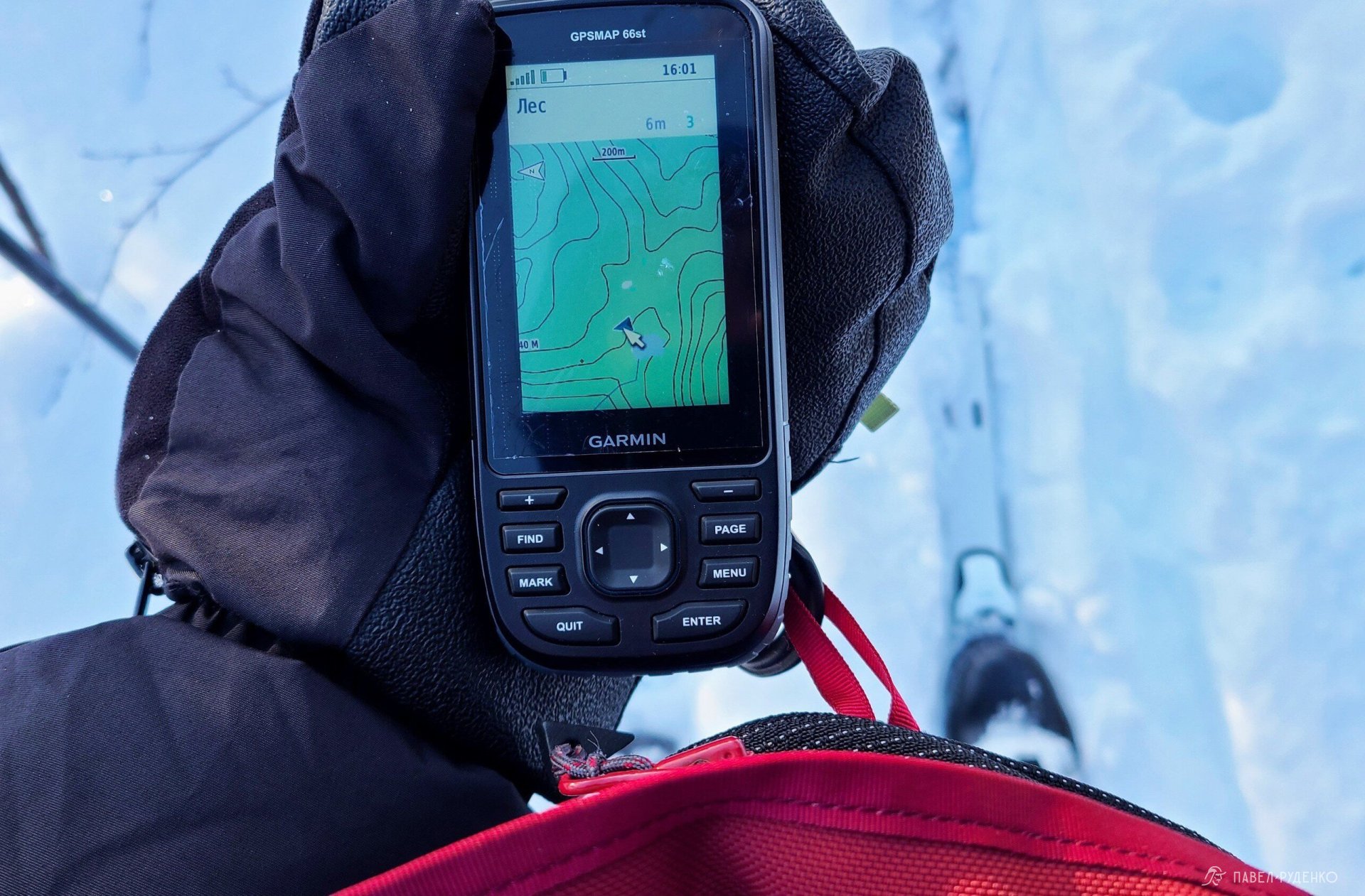
I partnered with Garmin and started testing their new Garmin 66st and 65s units. They are definitely slicker and much faster than my trusty old eTrex 20x.
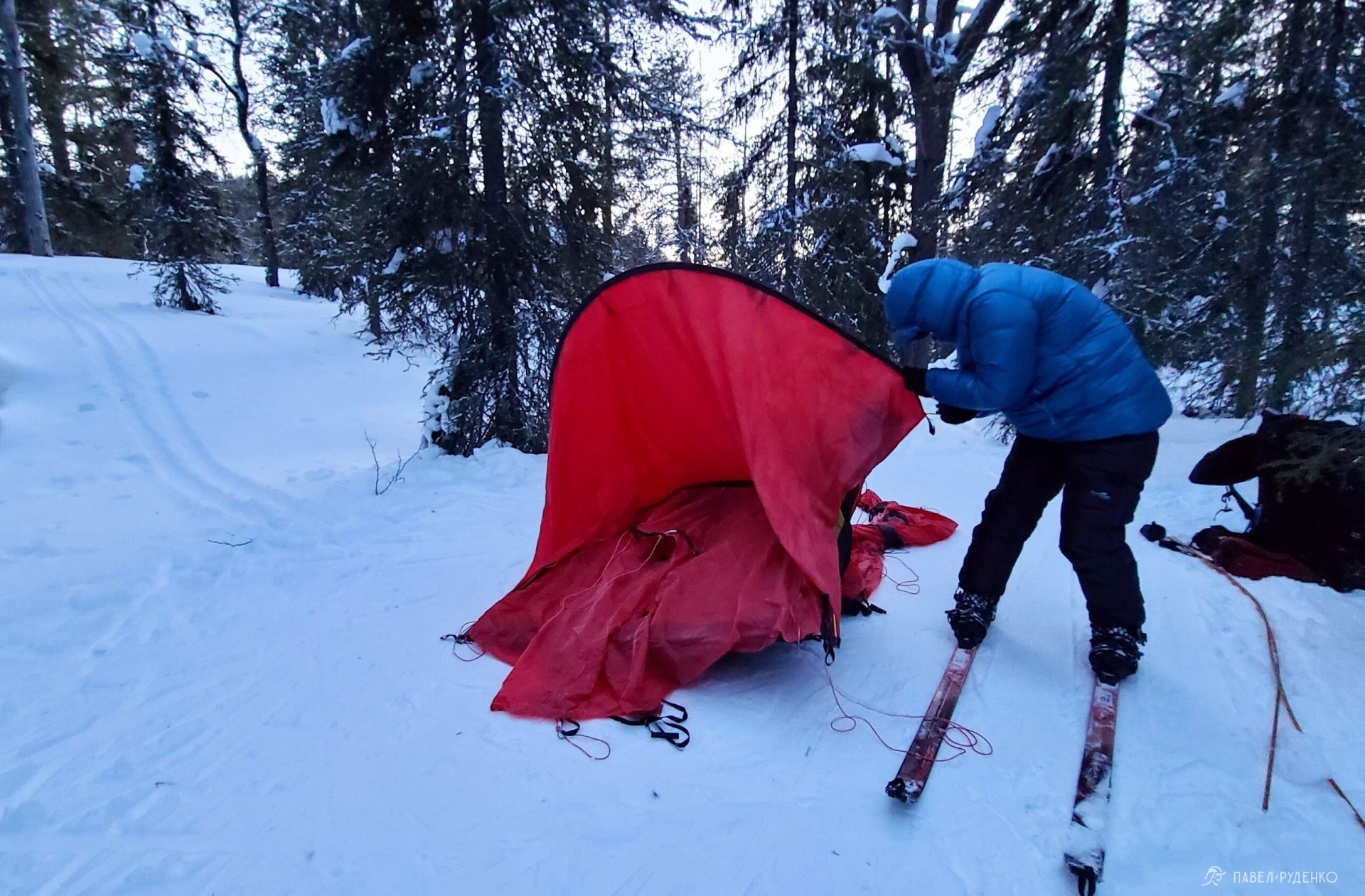
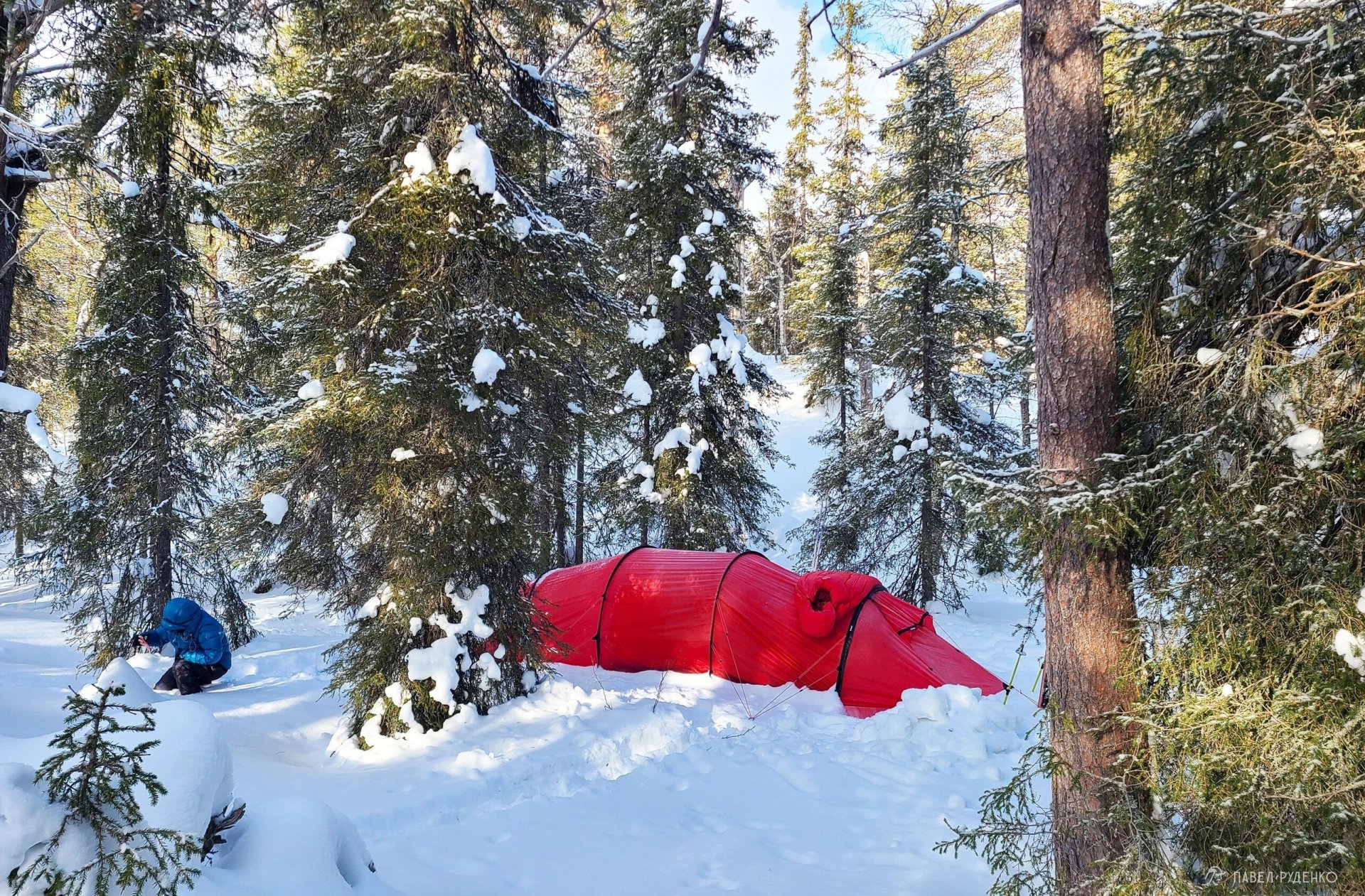
For camp, we picked a cozy spot beside a fallen tree. We never take off our skis while pitching camp; otherwise, you sink waist-deep and can hardly move. Setting up on skis requires some skill, as you need to shovel snow without slicing the tent fabric with your steel edges.
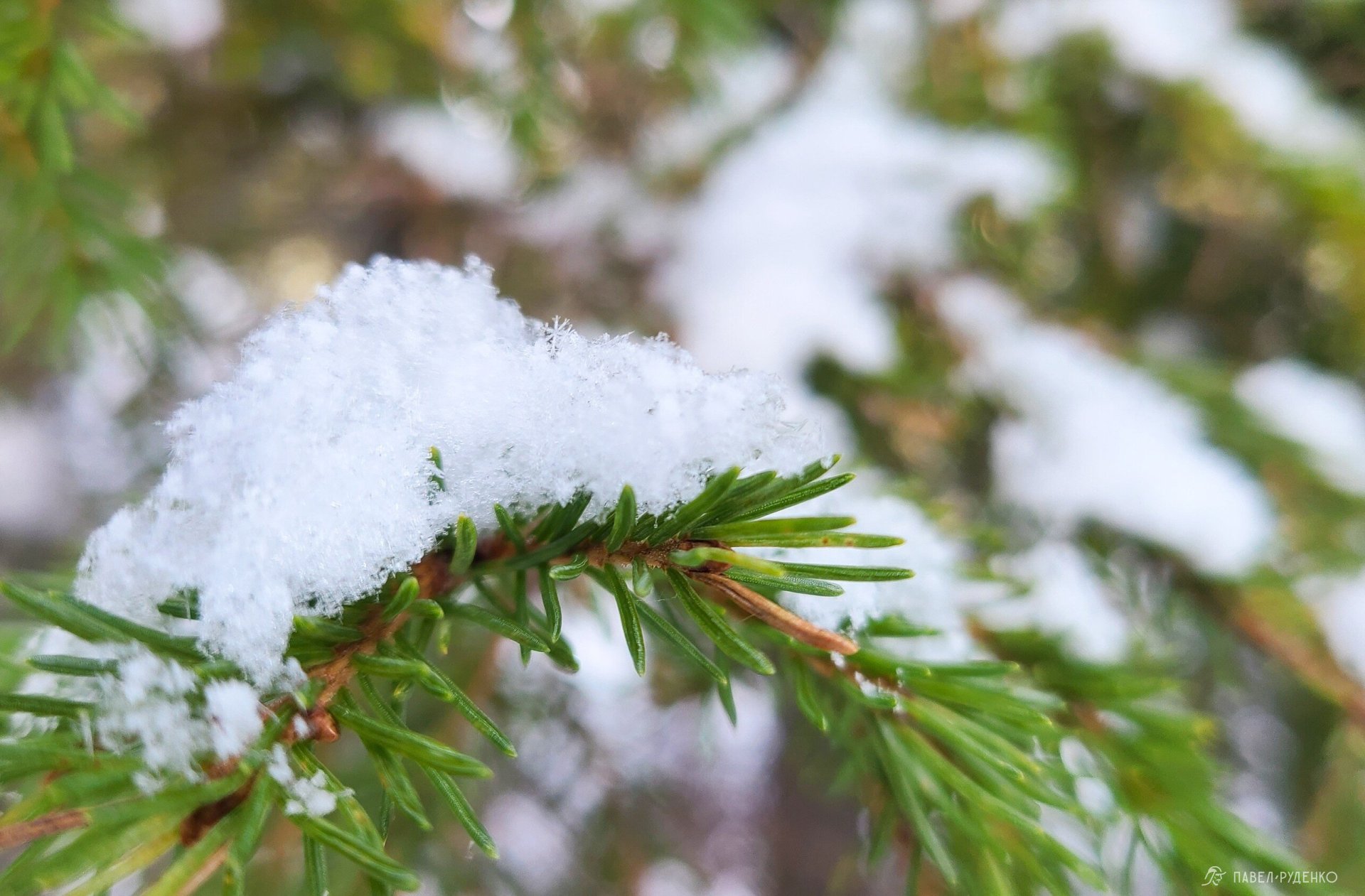
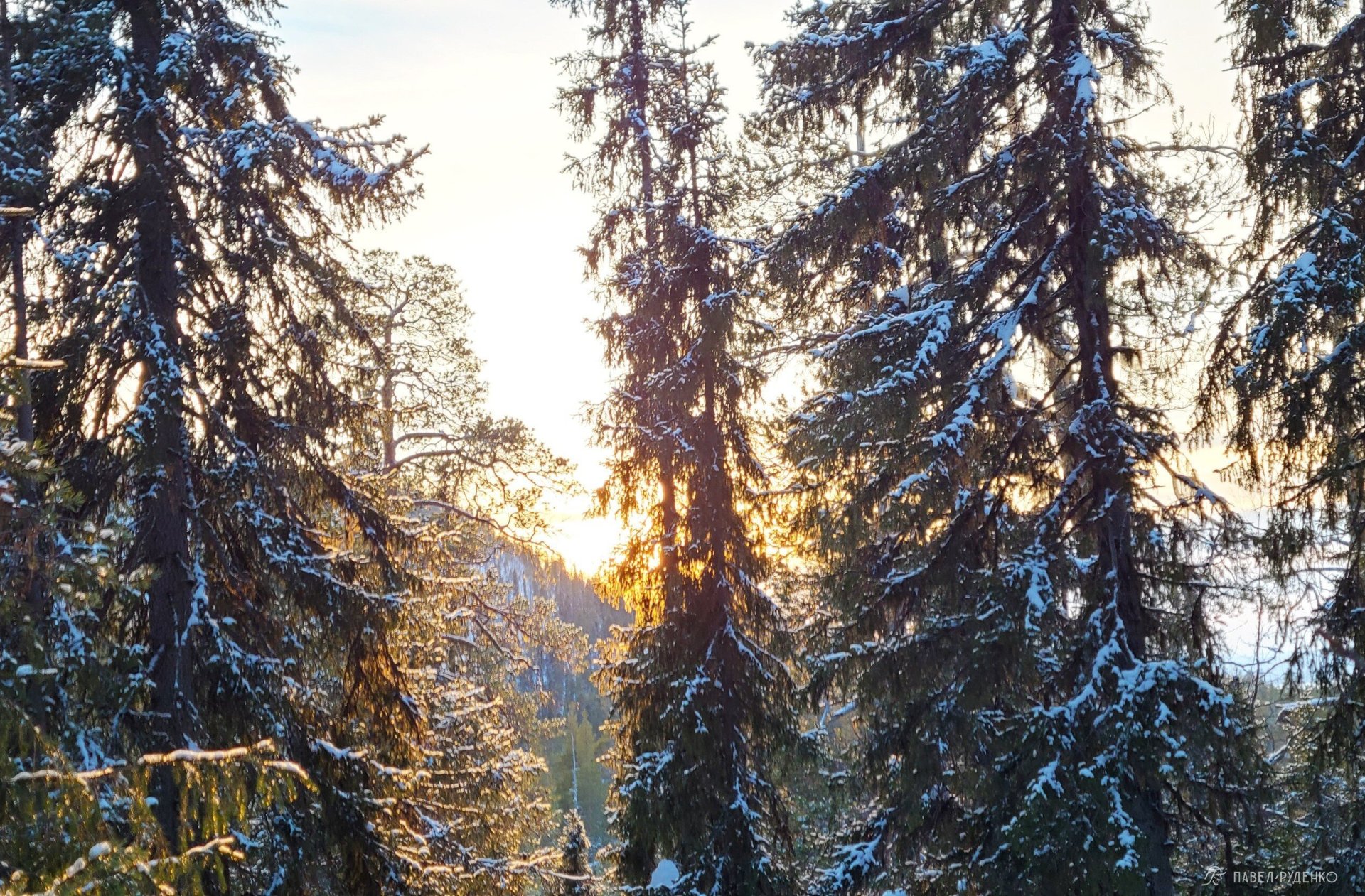
You can tell the temperature by how your mustache and beard freeze up. Right now it’s not that cold, around –25 °C.
Honestly, a frozen beard is the toughest challenge of winter trekking :)

Look, someone’s coming down the hillside—
Must be my sweetheart on his way.
He’s wearing a khaki tunic,
Driving my sanity away.
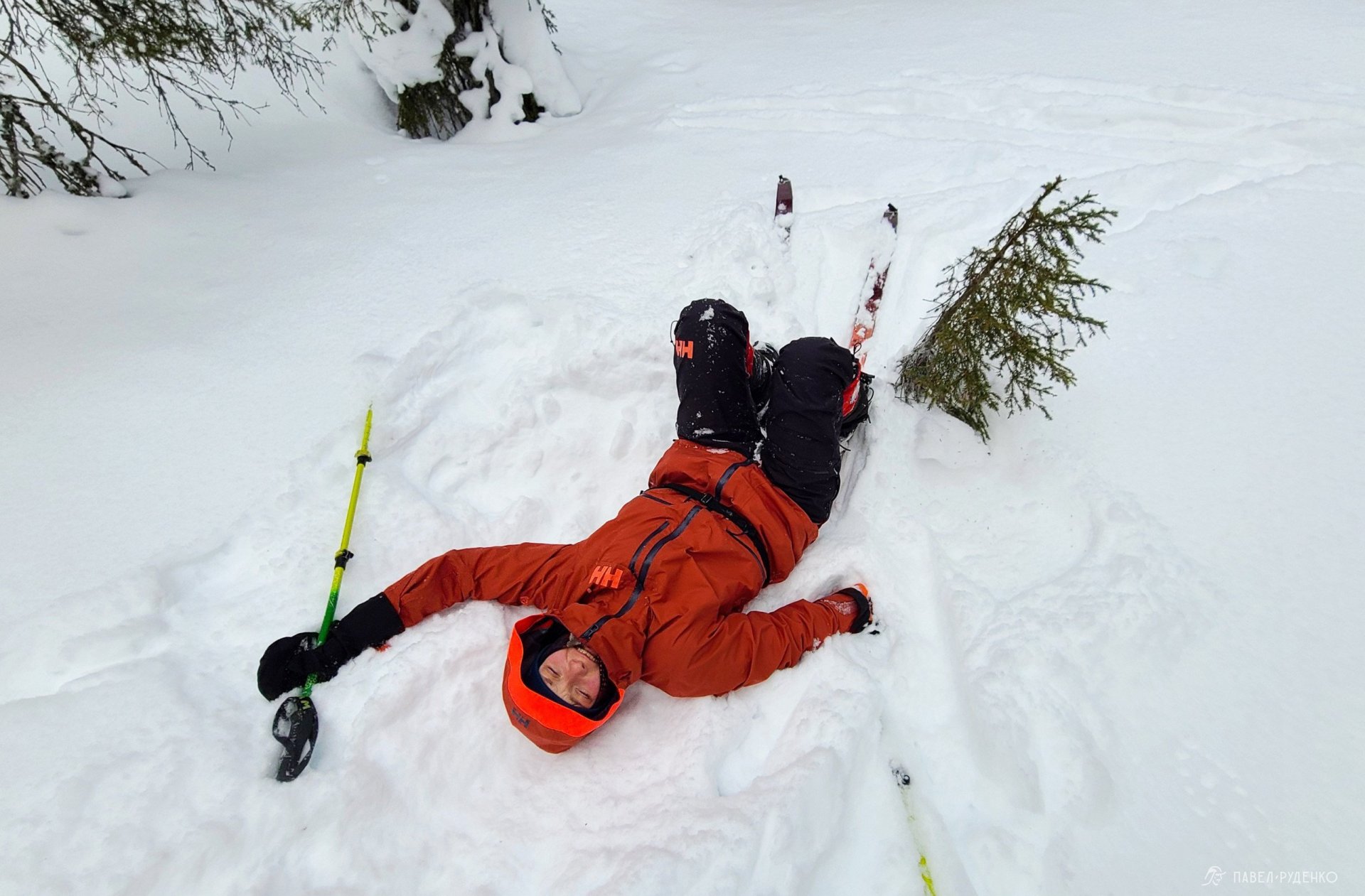
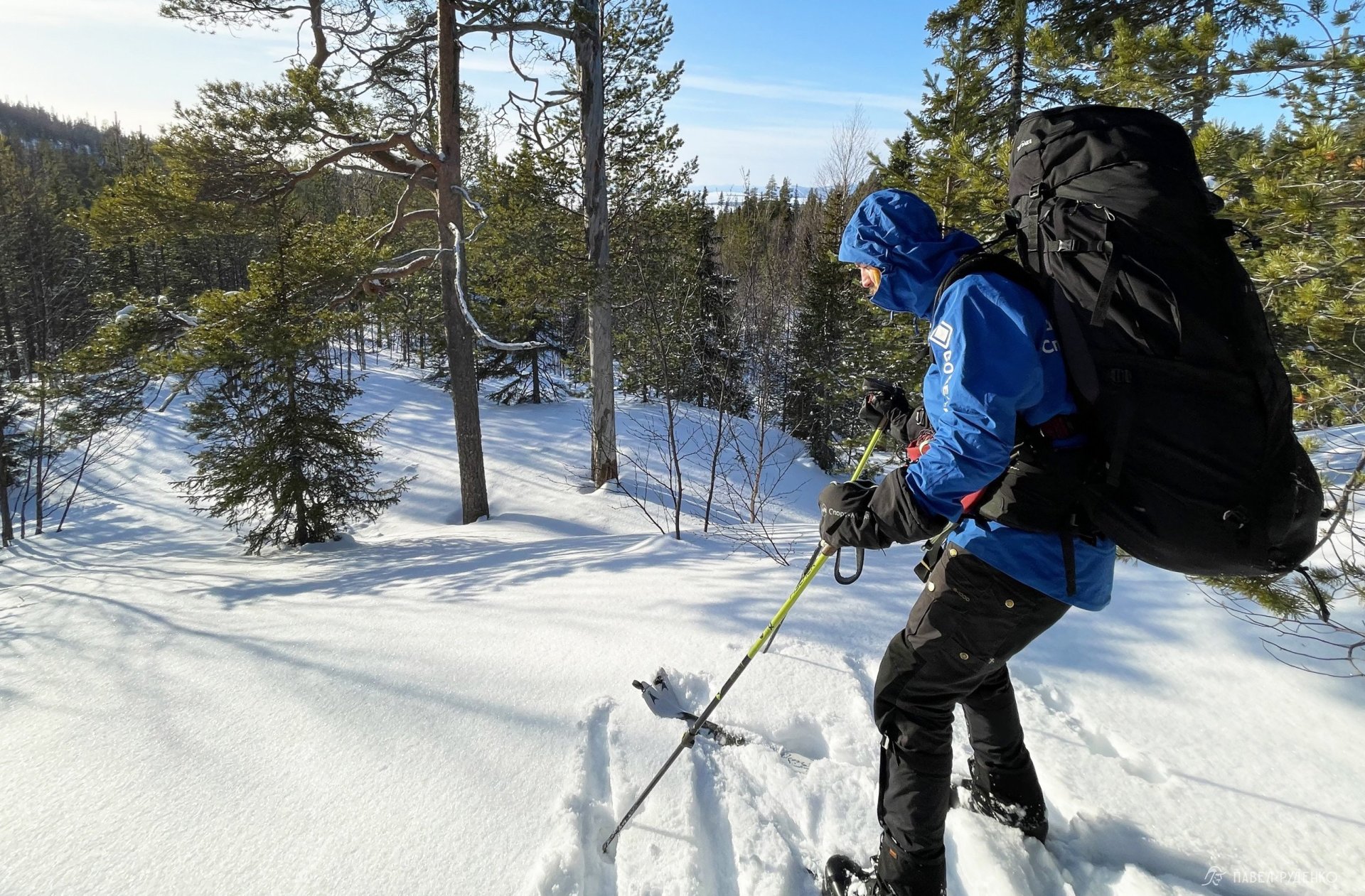
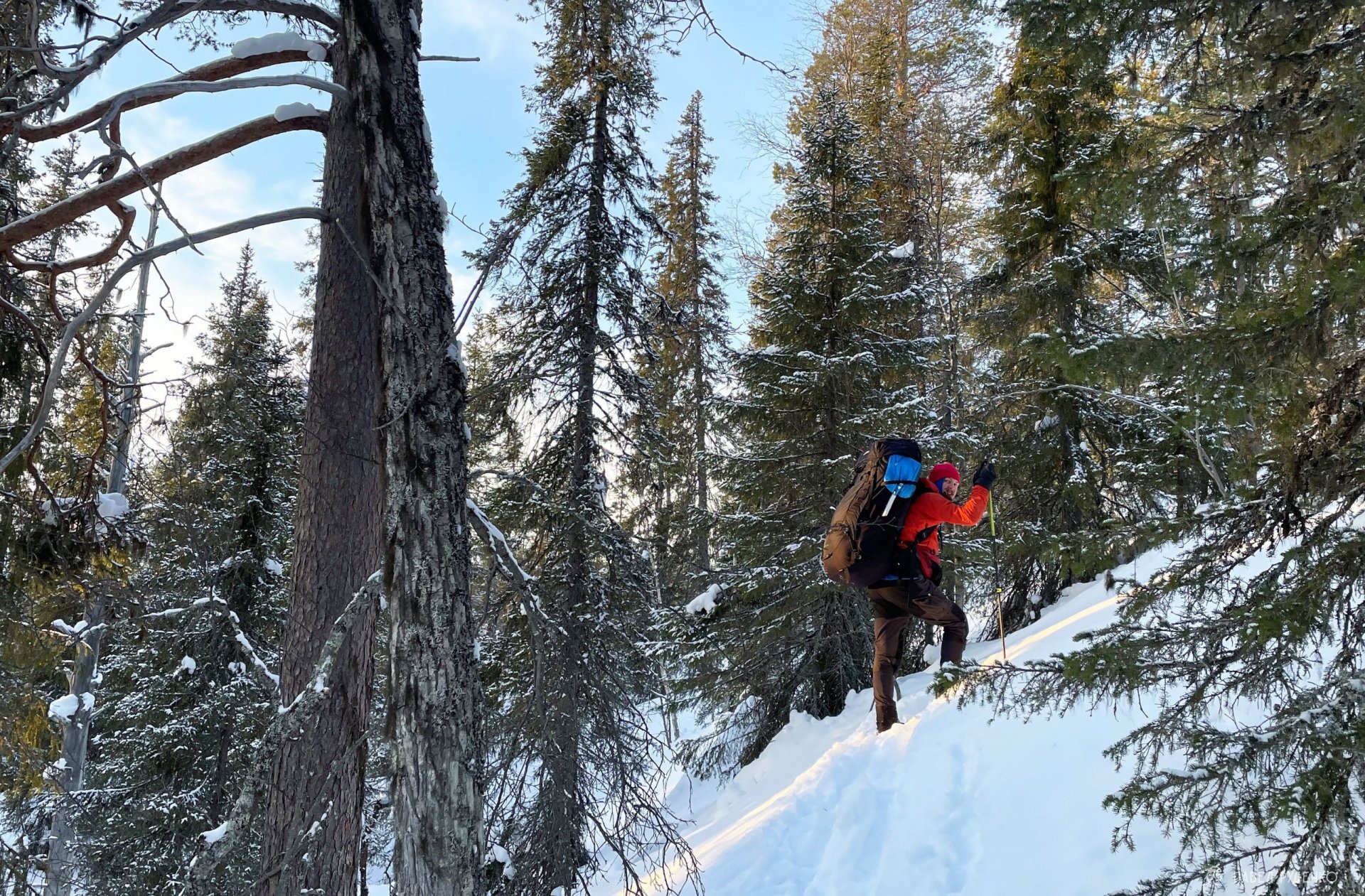
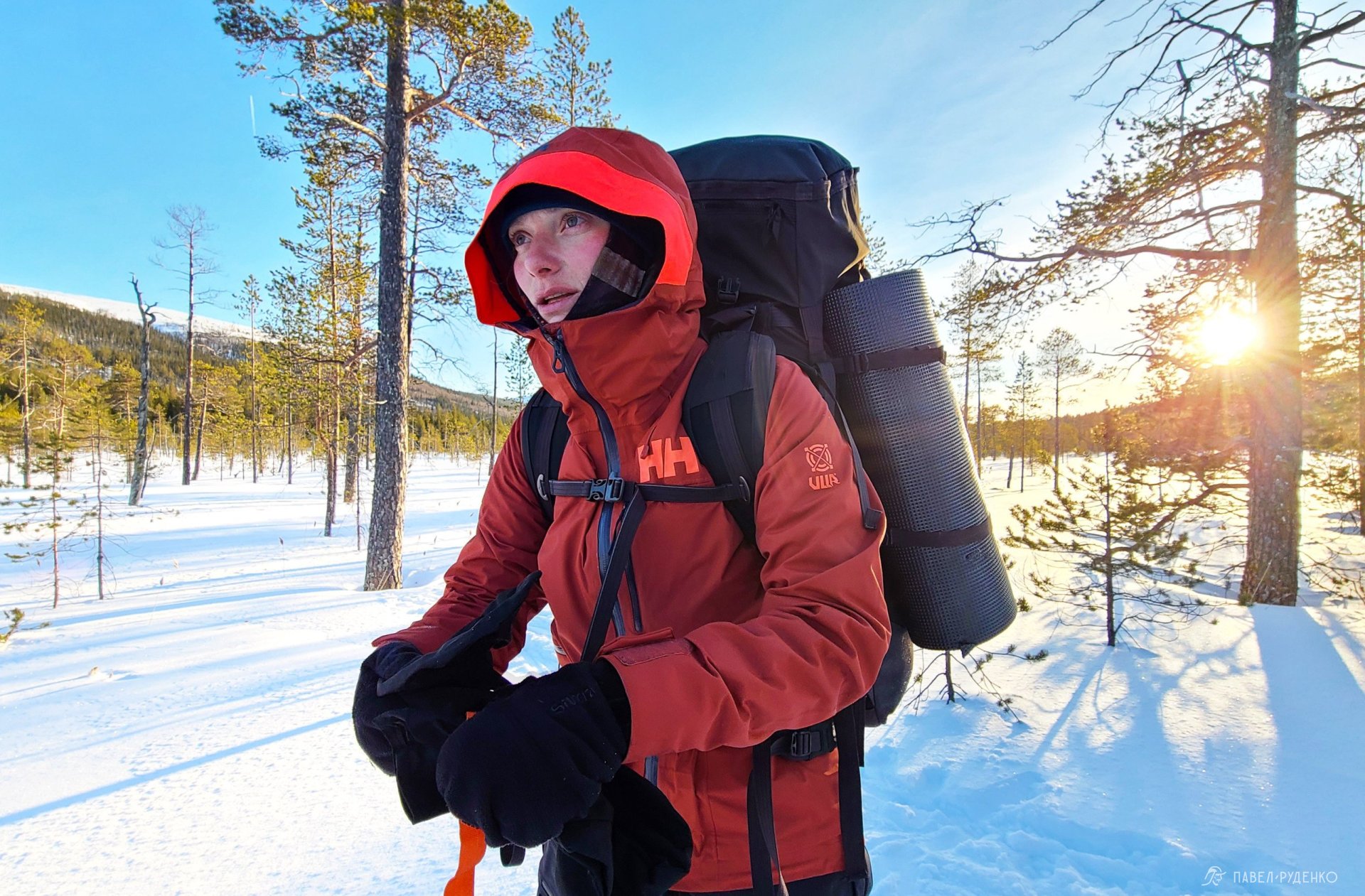
About 100 meters ahead I spotted a hare. It froze, hoping I wouldn’t see it, but as soon as I pulled out my phone, it bolted and scampered far away. Oh well, down the fell we go at full throttle. The forest is open, with no undergrowth.
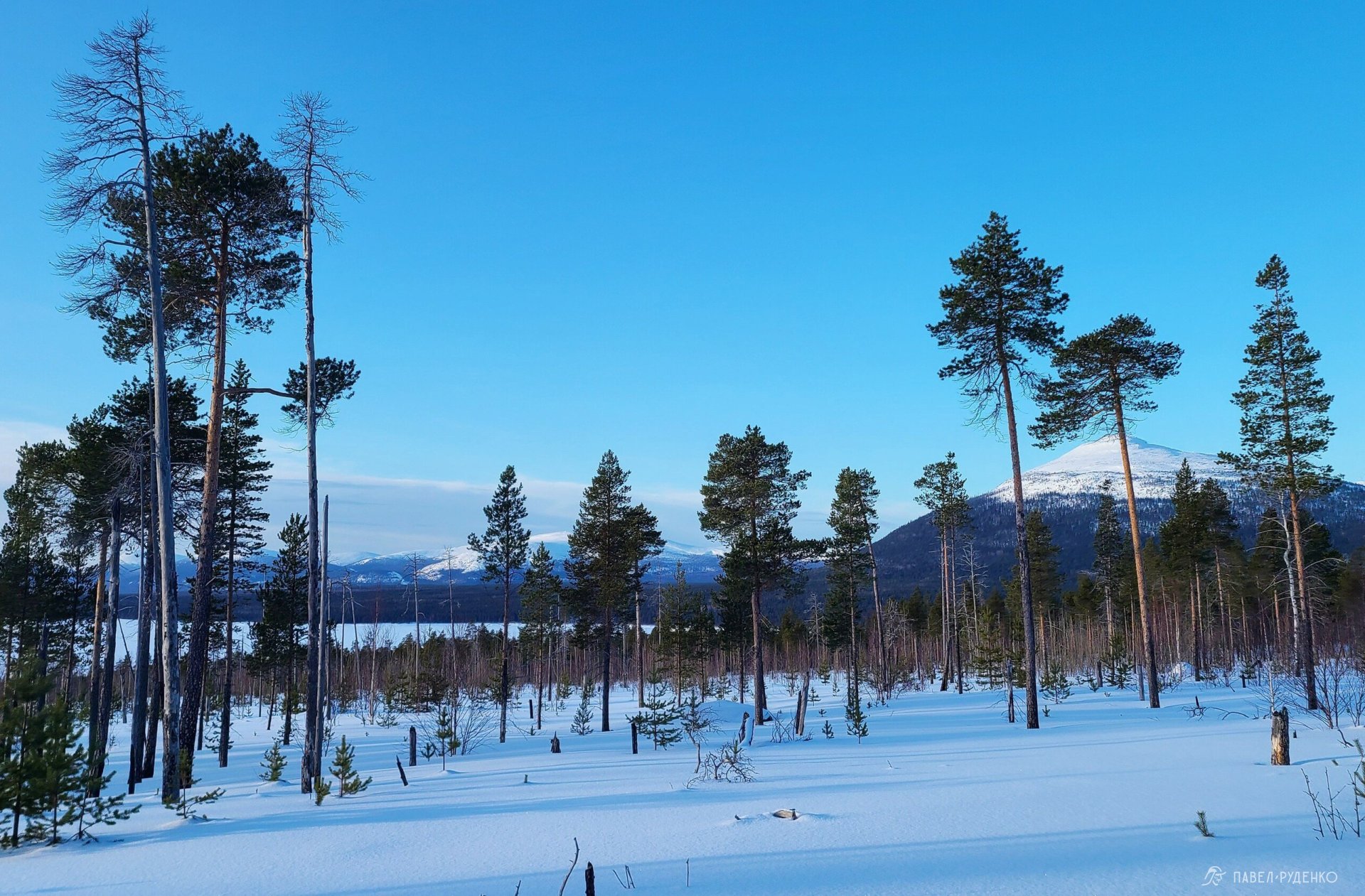
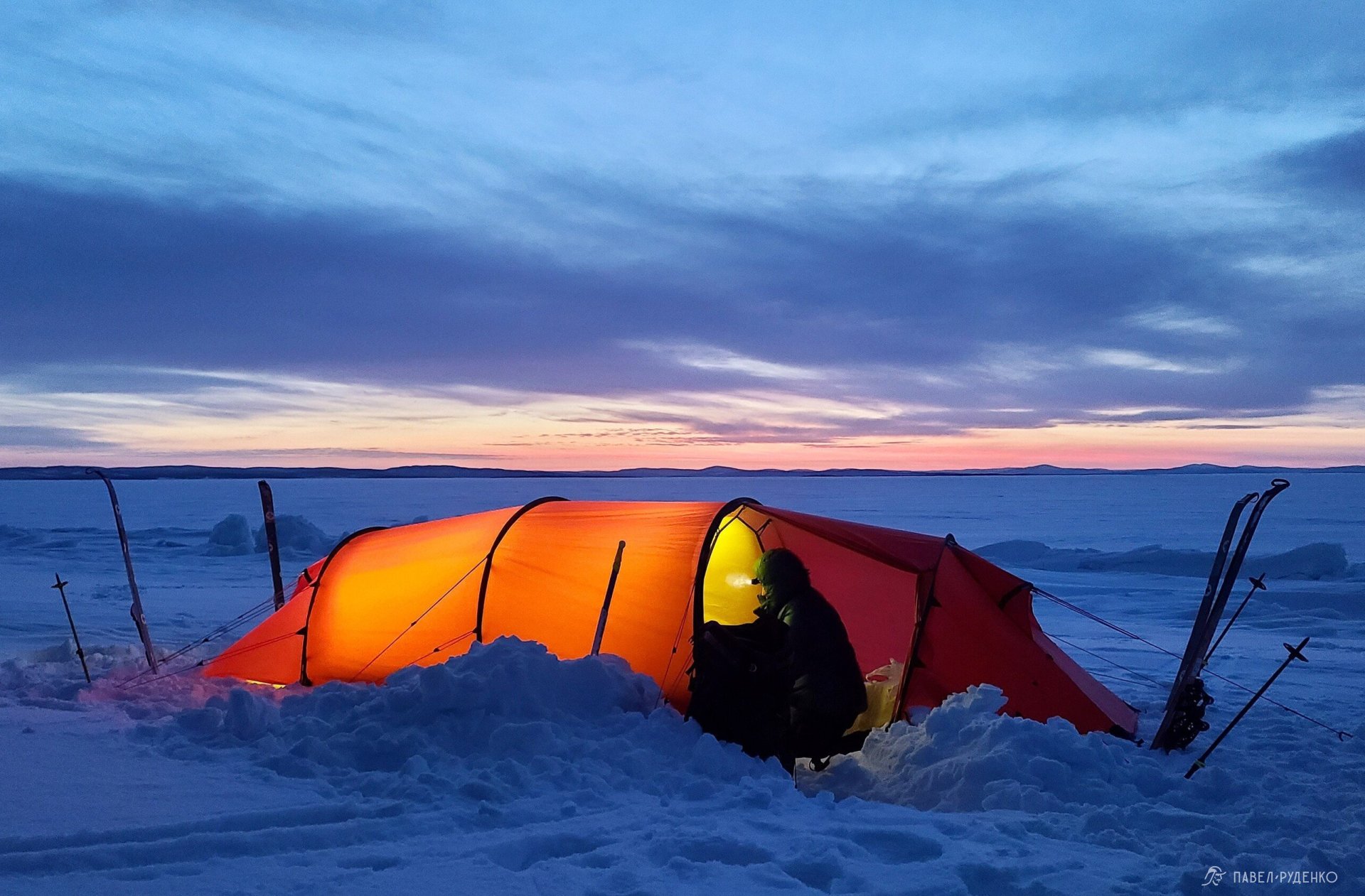
We set up camp on the shore of the White Sea. There is about a meter of snow here, but just 10 meters further out it thins to around 20 cm, so pitching any further makes no sense. After dinner, I dumped food scraps into the snow and buried them a meter down.
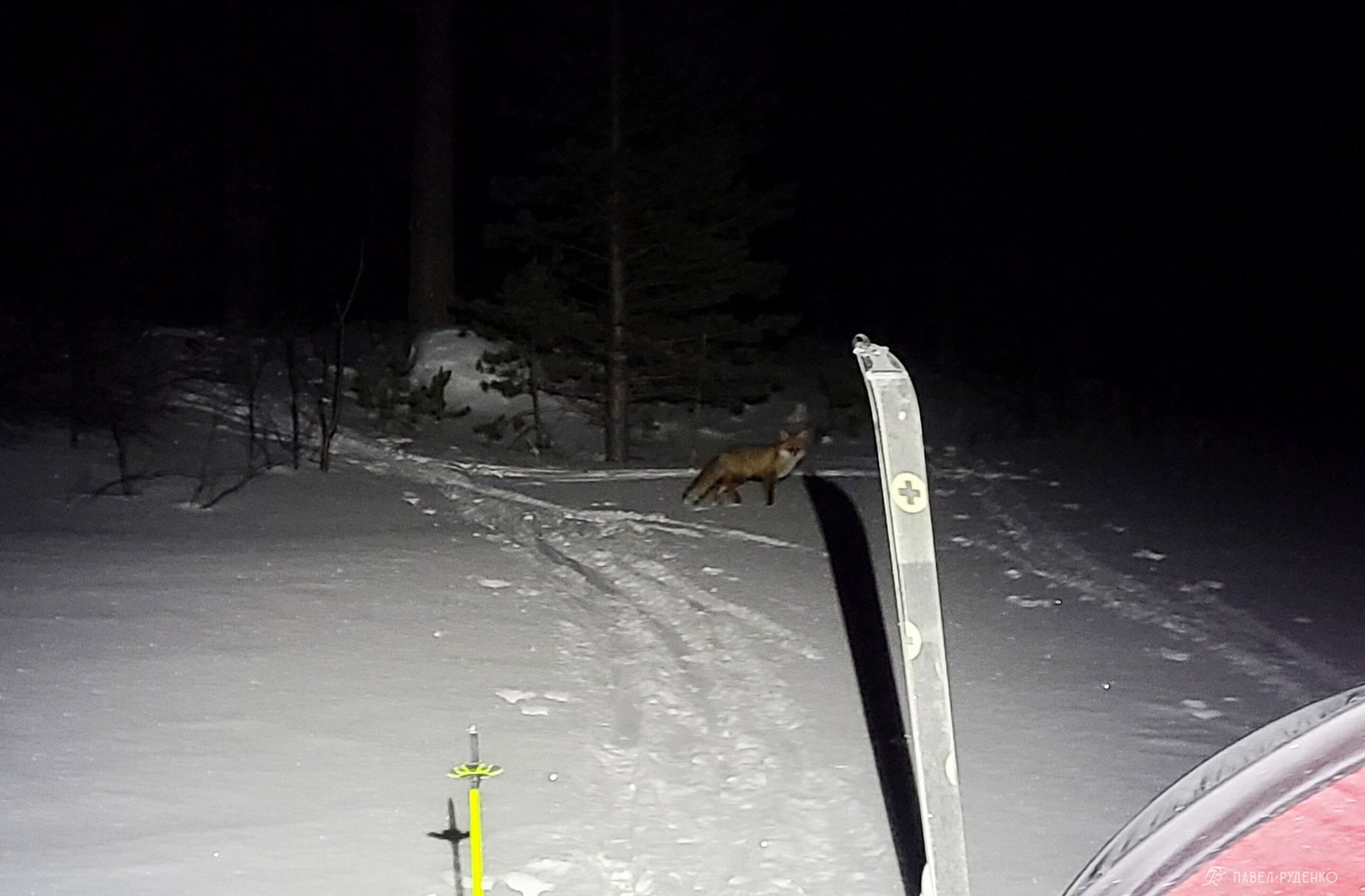
Before falling asleep, we settled in to watch The Hateful Eight :). Remember that long, lingering opening shot? The scenery here feels uncannily similar, capturing that exact same atmosphere. Suddenly hearing a noise, I poked my head out of the tent, switched on my 1,400-lumen Fenix headlamp, and found a fox digging right where I’d buried the scraps. It circled the camp for half an hour until I scared it off so it wouldn't prowl around our vestibule at night.
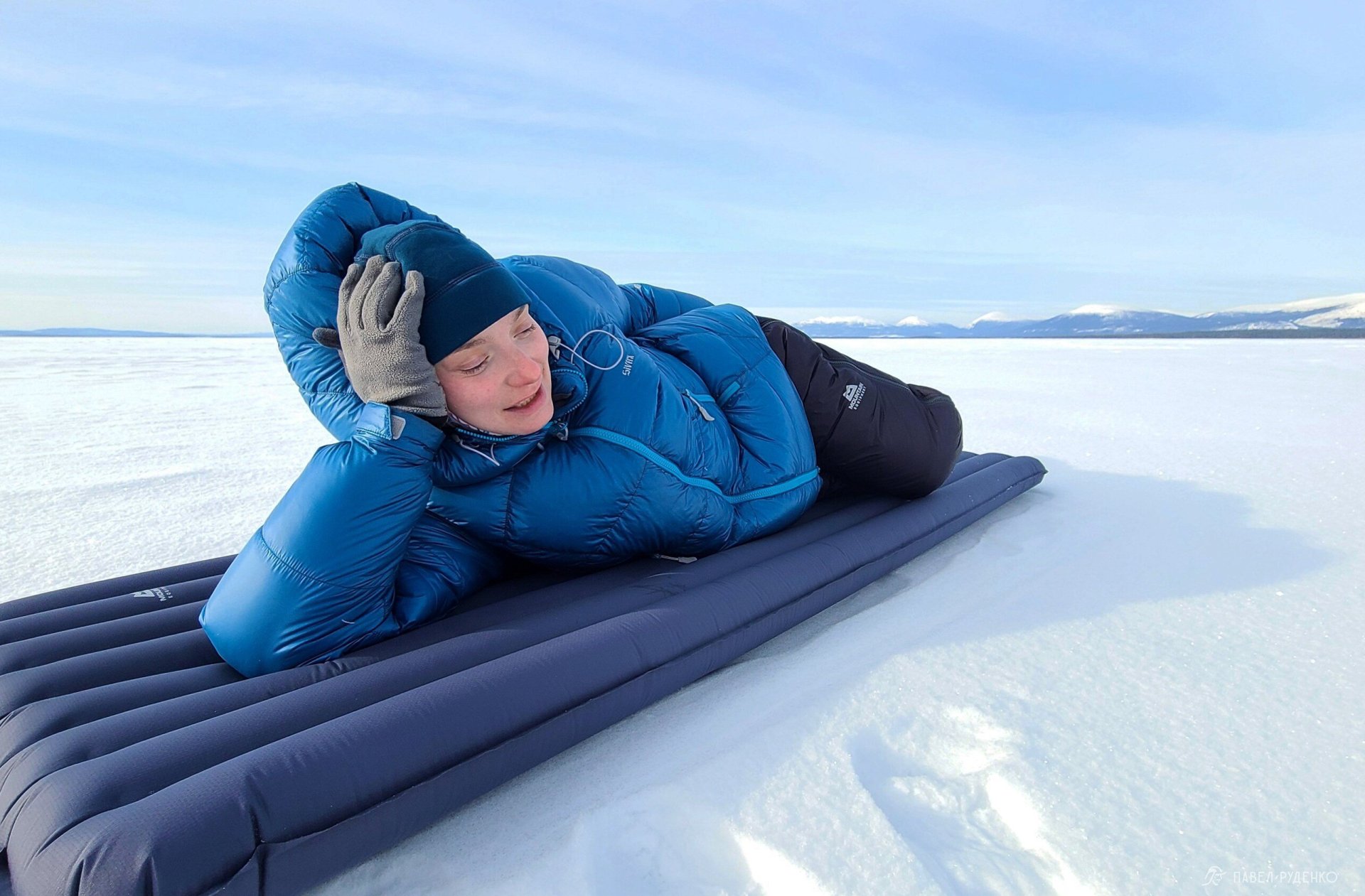
When traveling on sea ice, always exercise caution: check the temperatures preceding the trip, watch out for inflowing rivers or strong tidal currents at narrows, and stay vigilant. It can be hazardous.





Comments (0)