
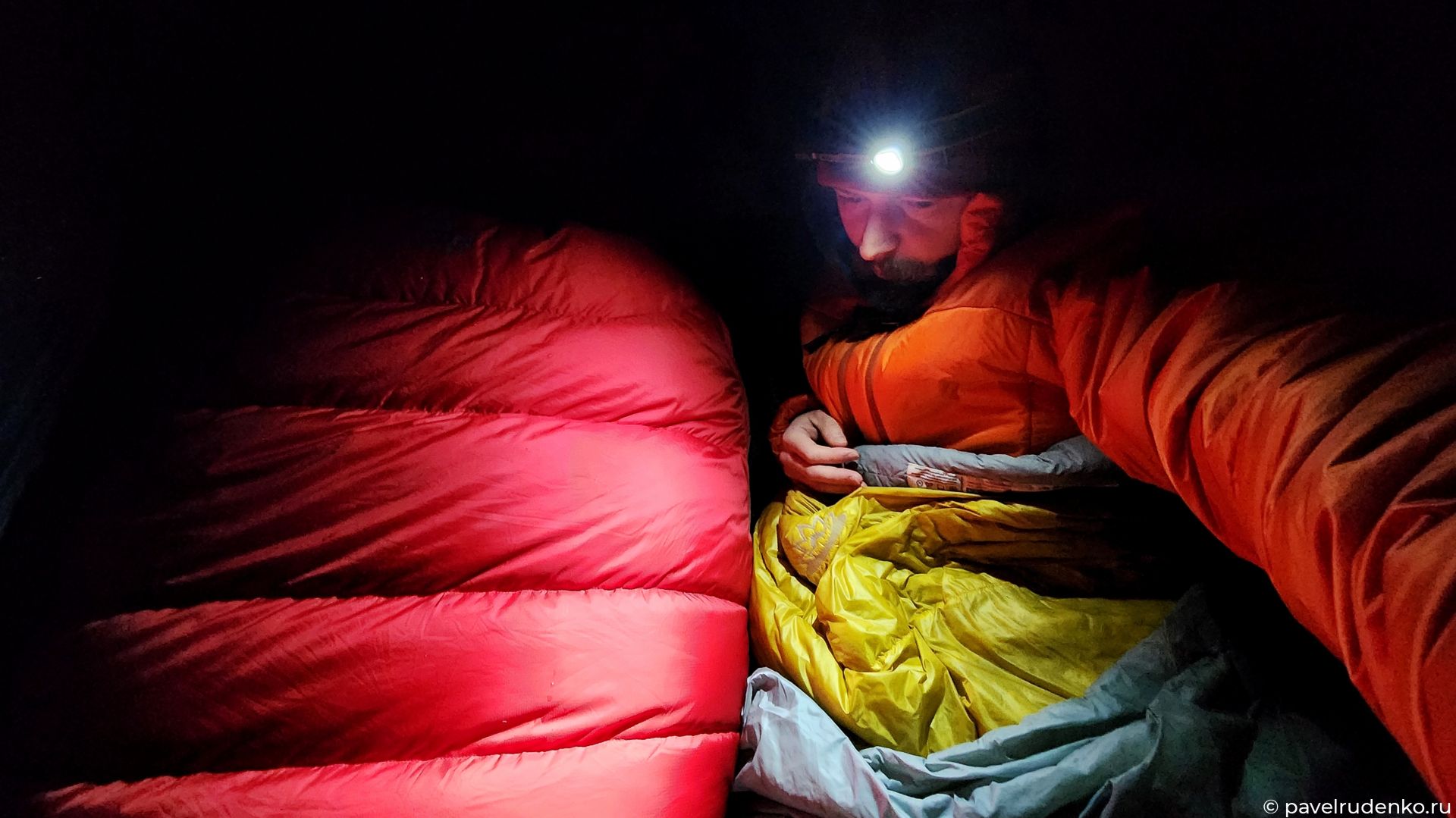
21 reasons for poor sleep and 21 solutions to sleep warm and comfortably.
1. Storing your sleeping bag properly
Mistake: A synthetic sleeping bag stored compressed loses its insulation properties in 3–4 years. A properly stored synthetic bag lasts 7–8 years. For a down sleeping bag, this lifespan is 2–3 times longer. The result of improper storage is a much colder bag.
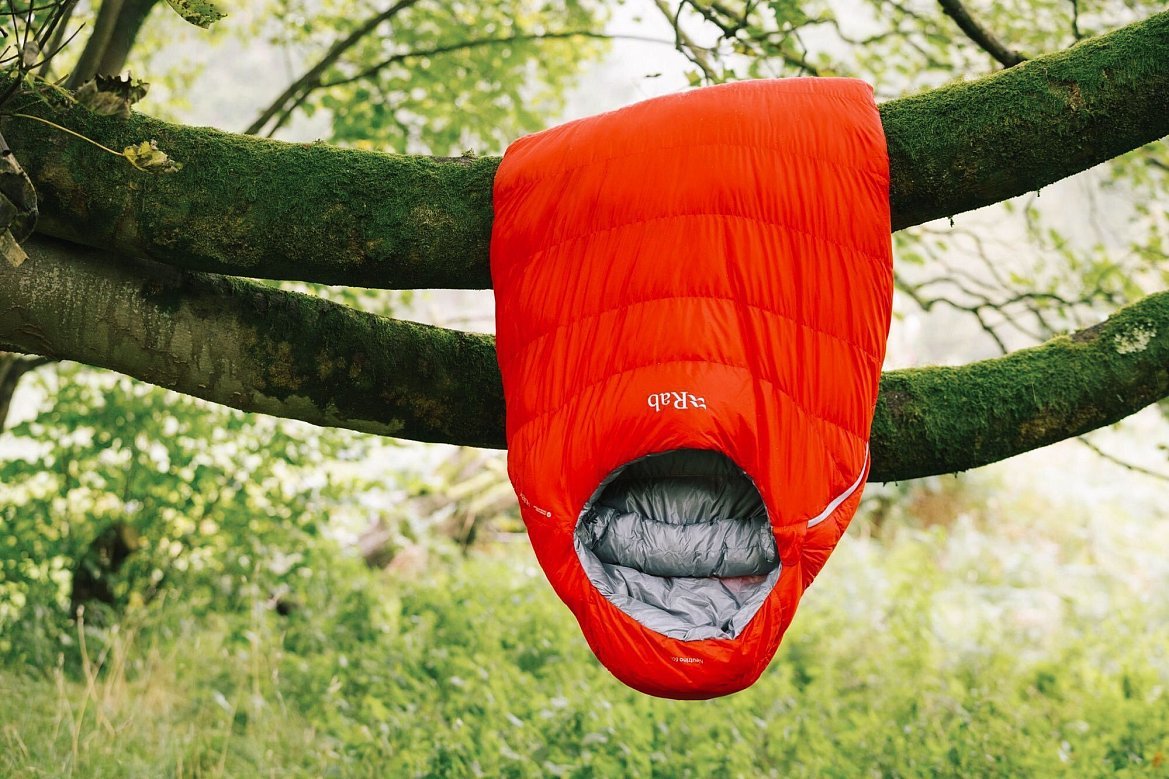
Tip: Store your sleeping bag unrolled, on a hanger, or in a large mesh storage sack. If you don't have one, a large cotton pillowcase works well. It is crucial for the insulation to remain fully lofted so that the fibers retain their resilience and loft over time. After all, the bag works by trapping warm air in the thickness of its insulation.
2. Washing your sleeping bag
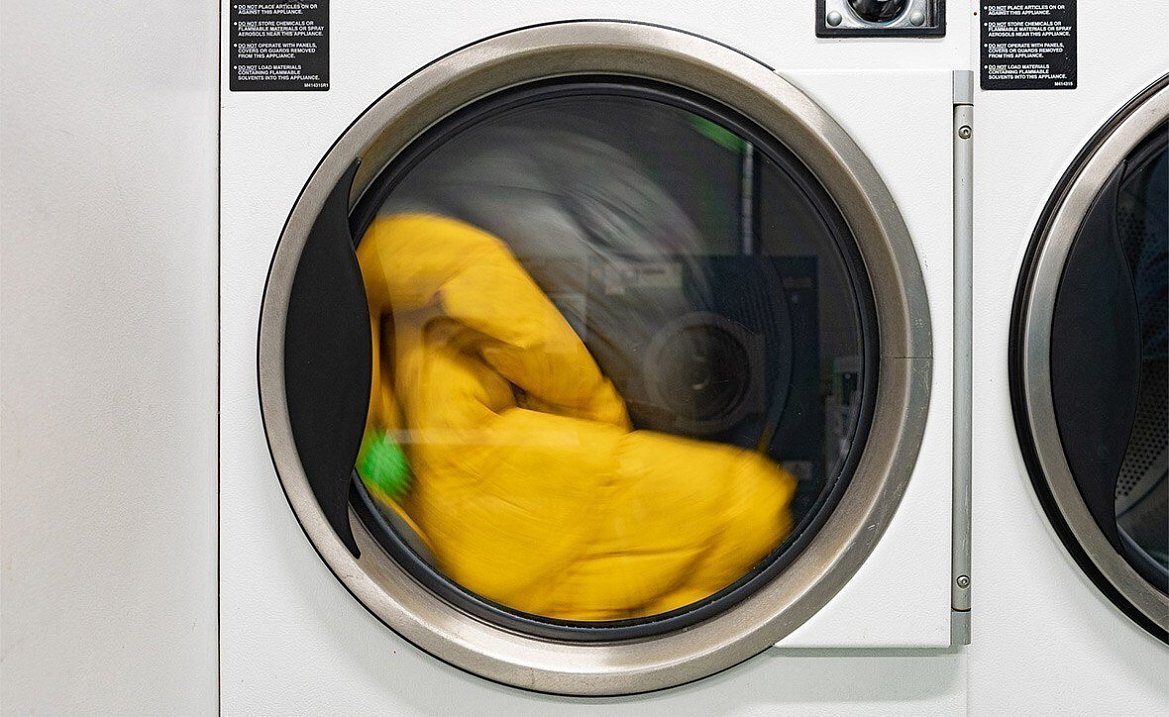
Mistake: A sleeping bag left unwashed for years loses its thermal insulation. While you sleep, moisture and body oils evaporate and settle on the insulation, clumping it, degrading its performance, and making your sleep far less comfortable.
Tip: Dirt and grime are easy to detect visually and by smell. A properly washed and dried sleeping bag is noticeably warmer than a dirty one. If you go on two treks a year, washing it once every two years is usually enough. You can also use a sleeping bag liner to keep it cleaner, especially in warmer weather if you sleep without base layers. You can watch how to wash synthetic and down sleeping bags in this video:
synthetic sleeping bag at 19:01, down sleeping bag at 26:24.
3. Compressing it gently in a compression sack
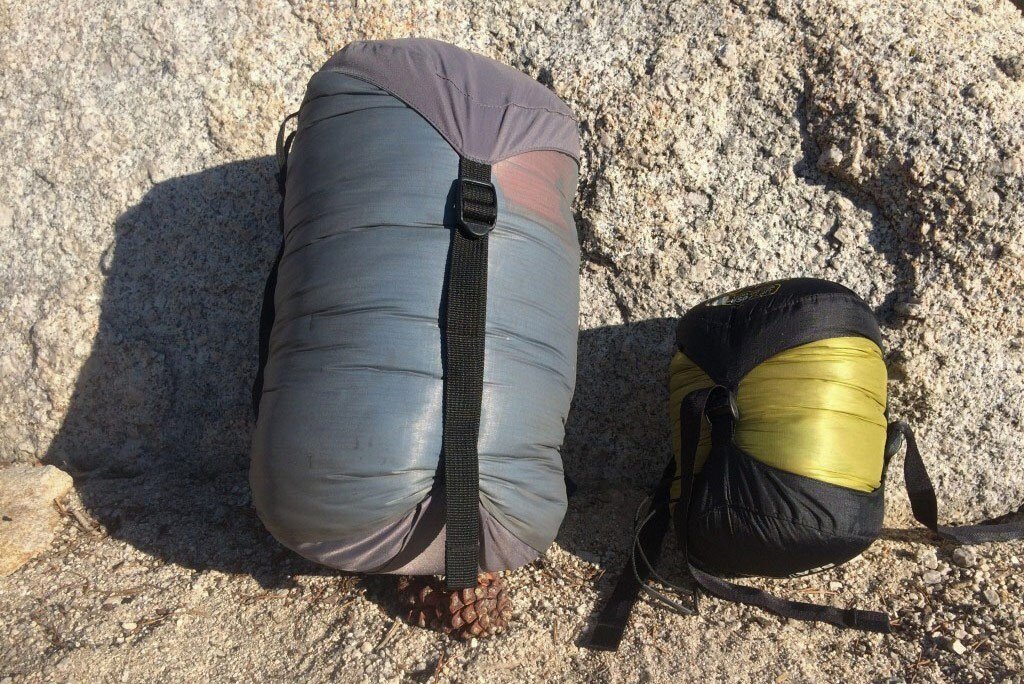
Mistake: Over-tightening a compression sack can permanently degrade a synthetic bag's insulation by 10–20% in just one night. A down bag can lose 3–7%, with the potential to partially recover after a proper wash. In both cases, the exact loss depends on the specific insulation.
Tip: Never over-compress your sleeping bag. If you run out of space in your backpack, switch to a larger pack or optimize your gear. Personally, I only use dry bags and compress gently and with care. After all, the sleeping bag still needs to keep you warm.
4. Setting up your sleep system in advance
Mistake: Getting into your sleeping bag is usually the coldest moment of the night. You crawl in straight from outside, still chilly, into a cold bag with collapsed insulation.
Tip: Unpack and fluff up your sleeping bag about half an hour before going to sleep so the insulation can regain its loft and volume. This significantly cuts down that initial cold period. However, don't take it out too far in advance if the air is humid, as the bag will absorb moisture from the environment.
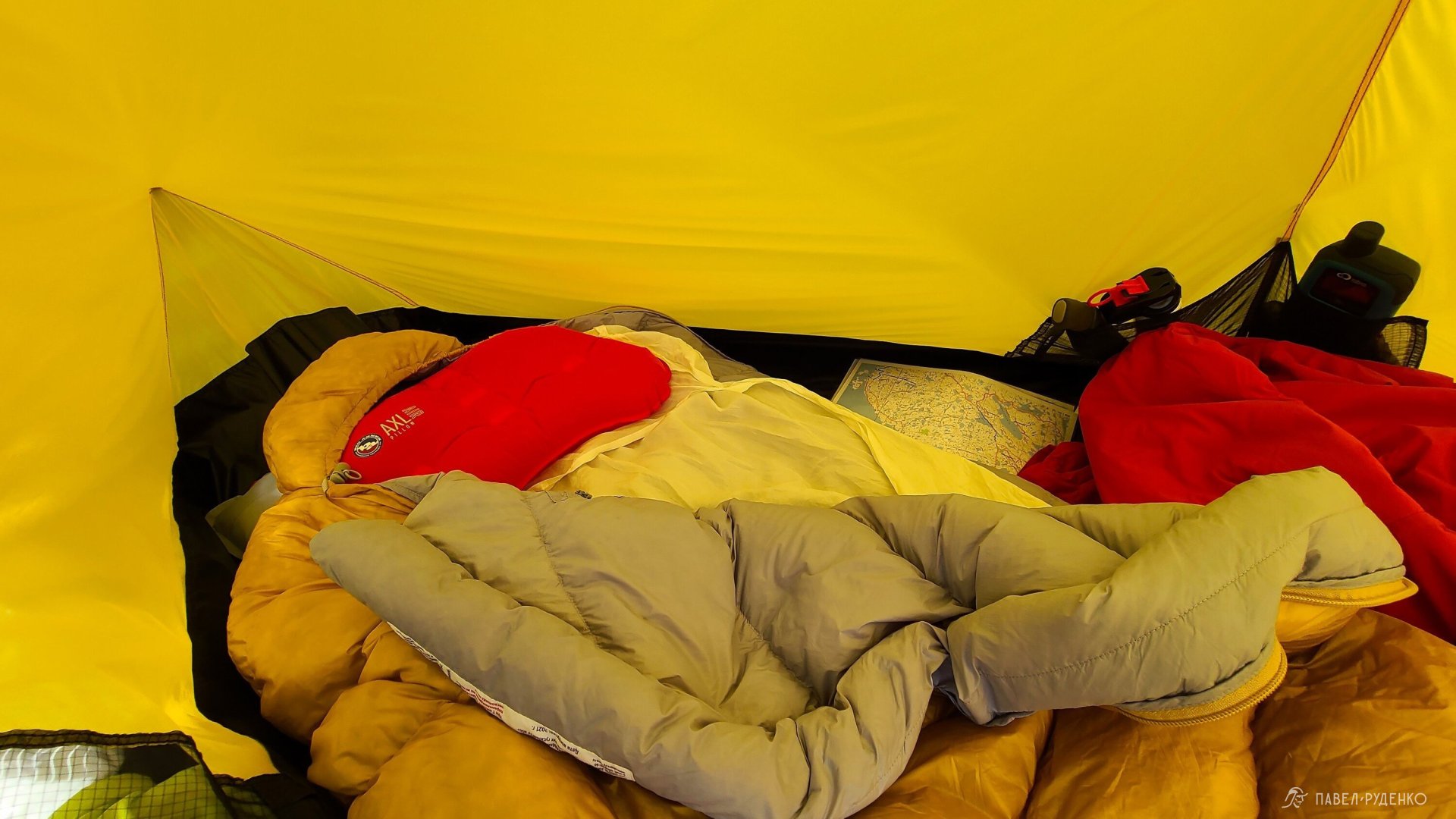
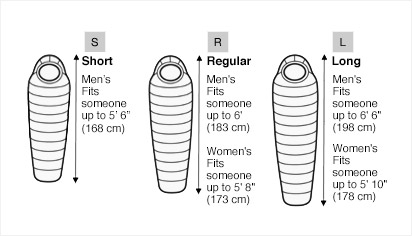
5. Sizing your sleeping bag by height
Mistake: Borrowing a sleeping bag from a friend or a rental shop without checking the size. Even if the bag is rated for the right temperature, you stay cold all night.
Tip: Your body simply doesn't produce enough surface heat to warm up an excess volume of air. That's why sleeping bags come in different sizes. Always check the fit before buying. For summer bags, the ideal guideline is a bag length roughly 20–35 cm longer than your height. For instance, a Regular bag is typically 200 cm long, making it ideal for someone 165–180 cm tall. A bag that is too small is just as bad: your toes will push against the footbox, compressing the insulation and causing heat loss. If your current bag is too long, you can temporarily fix the problem by stuffing extra clothes into the footbox to eliminate the dead airspace you have to heat.
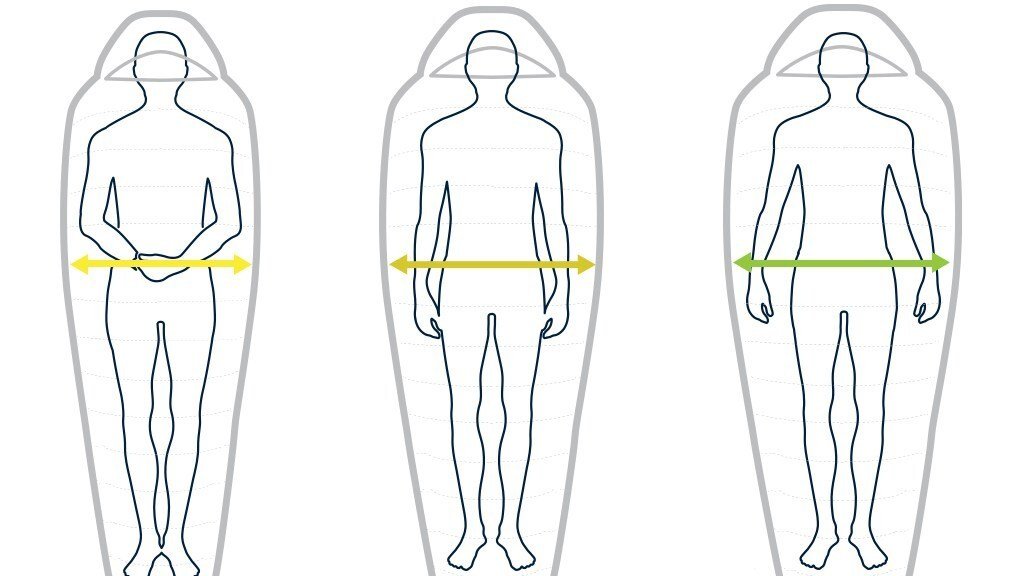
6. Choosing the right sleeping bag width
Mistake: Shoulder width in sleeping bags typically ranges from 72 to 90 cm. If a slim person wearing size S/M gets into an 85 cm wide bag, they will definitely sleep colder than in a 75 cm bag.
Tip: In a bag that is too wide, you won't be able to warm up the dead air volume and will freeze. Conversely, in an overly tight bag, sleep becomes uncomfortable and colder because your body stretches and compresses the insulation at key pressure points.

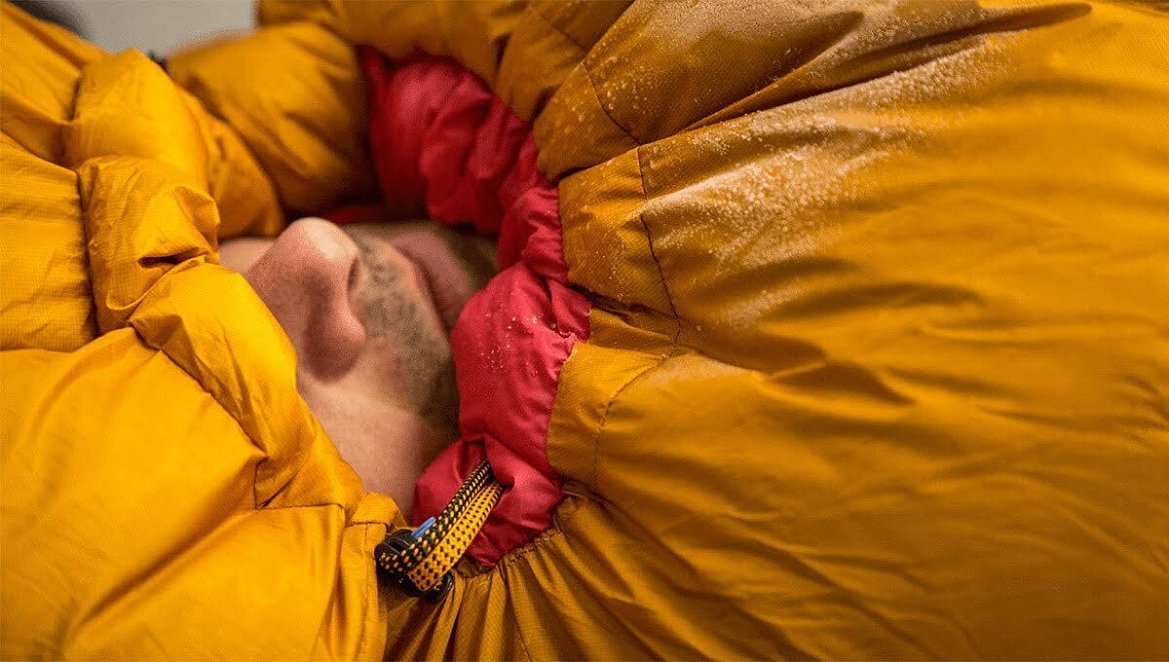
7. Cinching the hood
Mistake: Many beginners don't cinch the hood drawstrings because they aren't used to it or find it uncomfortable, which drastically increases heat loss from the bag.
Tip: A significant amount of heat is lost through the head because blood vessels are close to the surface. Furthermore, an open hood and collar allow most of your warmth to escape like steam from an uncapped thermos. On cold nights, always cinch the hood and the draft collar. If your bag lacks a draft collar, roll up spare clothing into a neck baffle across your chest. Remember that your core—chest, underarms, and groin—generates the bulk of your body heat.
8. Tossing and turning in a differential fill sleeping bag
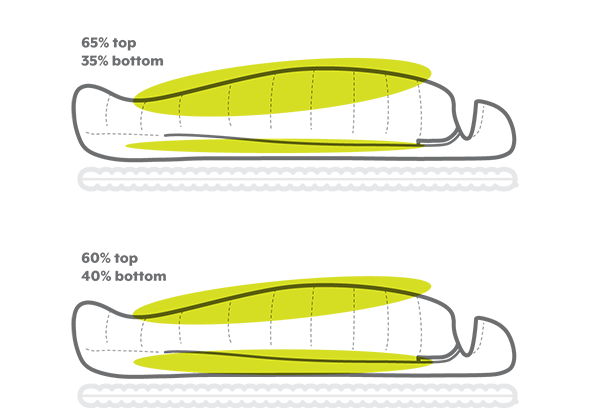
Mistake: Feeling a draft from underneath because there is less insulation in the back of the sleeping bag than on top.
Tip: Manufacturers often use this design to save weight and pack size. When you lie down, the insulation beneath you compresses and loses effectiveness anyway. This design is called differential fill. The ratio can be as skewed as 30% on the back and 70% on top. Check your bag's specs online or feel it by hand. When you sleep on your side, your back can end up exposed to the thinned-out section. With such bags, you need to learn to turn inside the bag rather than rolling with it. It takes practice and awareness. I mastered this Zen skill with my TNF Cats Meow, holding the bag in place with my hand when turning in my sleep. Another fix: if your bag has pad attachment loops, tie elastic cords through them and run them under your sleeping pad to keep the bag locked in place and your back warm.
9. Using an insulated sleeping pad
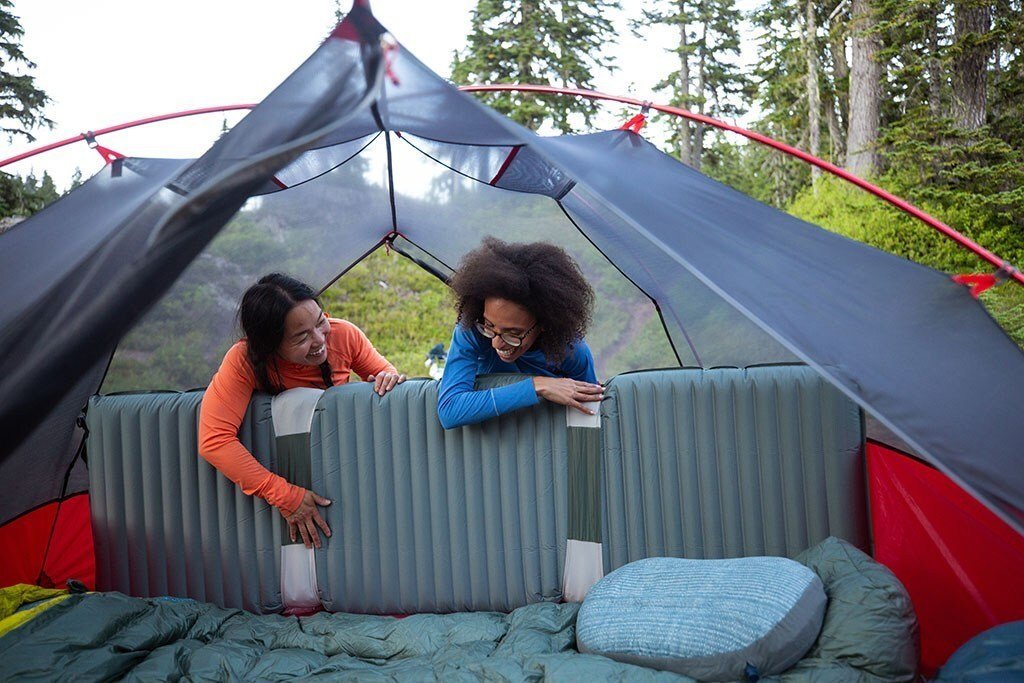
Mistake: The second most common reason for feeling cold from underneath is using a sleeping pad inadequate for the conditions.
Tip: People often grab any random pad without considering its specs. Like sleeping bags, sleeping pads have an insulation rating—specifically, an R-value. For example, a basic closed-cell foam pad typically has an R-value around 1.1, which is only good down to about +7°C. There are no absolute temperature guarantees here because the air temperature matters less than the ground surface temperature you are sleeping on, which can't be easily predicted. Simply put: a shaded hollow with no direct sun is always colder than a sun-warmed meadow on the exact same day. Cold rock will pull away heat even faster, snow is colder still, and solid ice is the ultimate heat sink—ice conducts heat 90 times faster than air. That is why choosing the right sleeping pad is just as critical as choosing the right sleeping bag. If you trek in summer between July and September in places like the Caucasus, Altai, or the Khibiny Mountains up to 3,000 m, aim for a pad with an R-value of at least 2, which is rated around 0°C.
10. Sleeping in the right sleepwear
Mistake: You climbed into your sleeping bag unclothed because you read or assumed that sleeping in clothes makes you colder.
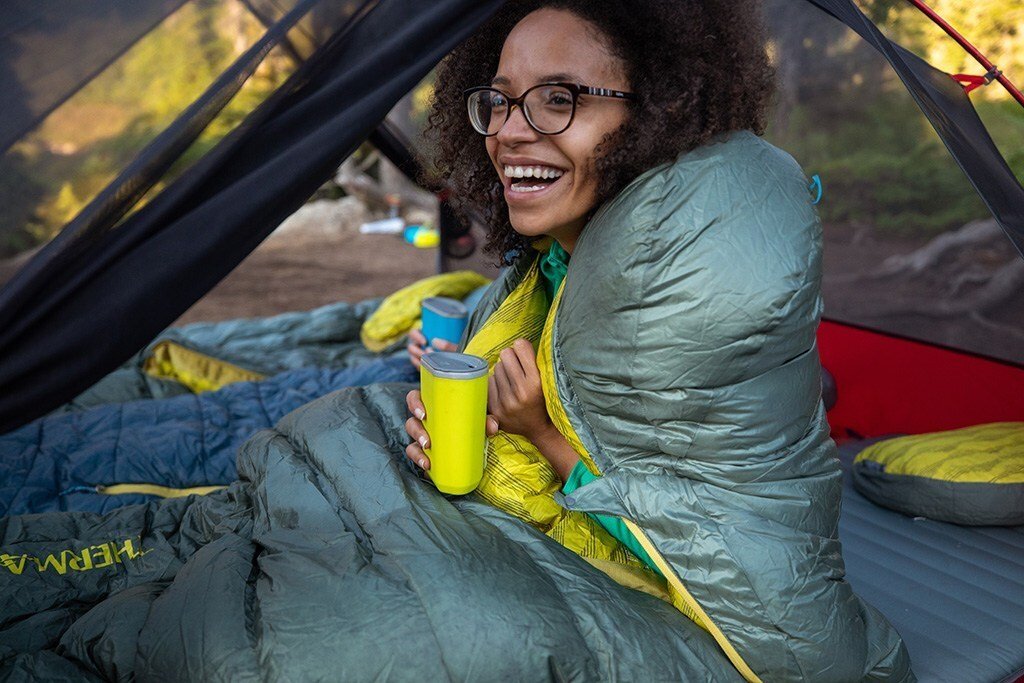
Pro Tip: I once fell for this myth myself, but once I looked into the science, everything fell into place. First, a sleeping bag's temperature rating is calculated assuming you sleep in a midweight thermal base layer, socks, and a balaclava, resting on a well-insulated sleeping pad with an R-value of around 6. An extra layer of clothing worn inside your sleeping bag will always add warmth. The key is choosing highly breathable fabrics that aren't too tight—a second pair of tight socks, for instance, often backfires by restricting circulation to your extremities. Nor should clothing be overly bulky: climbing into a snug bag wearing an oversized down jacket compresses the jacket's loft while stretching the sleeping bag baffles, significantly reducing overall insulation.
11. Sleep in dry or dedicated sleepwear
Mistake: You were active all day, and your shirt and socks got soaked with sweat. Or rain soaked through your fleece and base layer—it felt too chilly to change, so you crawled straight into your sleeping bag and started freezing.
Pro Tip: Damp clothing drastically accelerates heat loss from your skin; you end up squandering valuable body heat trying to dry out wet garments instead of keeping yourself warm. On top of that, moisture evaporating through the sleeping bag's insulation dampens the fill, causing it to lose its insulating power and leaving you even colder. I never carry a spare daytime base layer, but I always plan my clothing system so that I have dry insulating evening layers that serve as my dedicated dry reserve.
12. Breathe outside the sleeping bag, never inside
Mistake: It's cold inside the tent and your nose is freezing, so you snuggle entirely inside the sleeping bag with your head tucked in, thinking your breath will keep you warm.
Pro Tip: This is almost always a serious mistake. Our breath is saturated with moisture. Pushed into the bag, this moisture penetrates the lining, condenses on the insulation fibers, and cools or freezes, severely degrading its thermal properties. This can happen on night one, or the moisture build-up can gradually compromise warmth by night three or four. The only time this isn't an issue is when you have sunny weather, a rest day, are pushing from a base camp, or know with certainty you can air-dry your bag over breakfast. In all other conditions, always breathe outside. Put on a beanie, a slotted balaclava, or a neck gaiter, and cinch the hood tightly so that only your mouth and nose remain exposed. I sleep this way even in –40°C conditions. In winter, there is another helpful technique: breathing sideways toward the tent wall rather than straight up minimizes condensation forming over your chest area.
13. Maintain healthy blood circulation
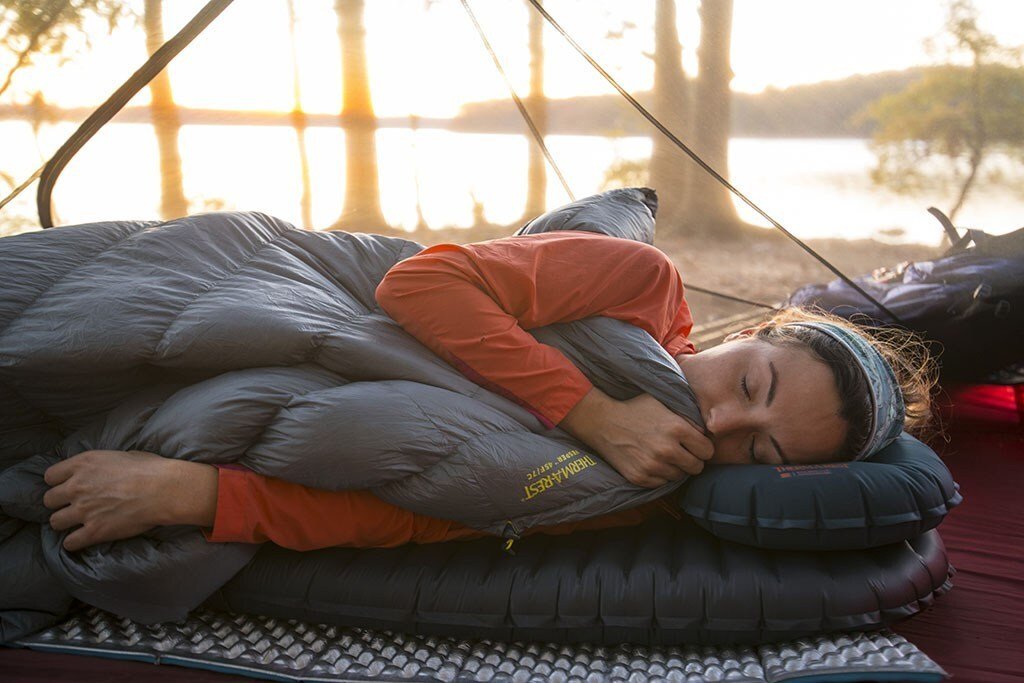
Mistake: Sleeping in high-compression athletic thermal wear like X-Bionic.
Pro Tip: Compression layers are engineered specifically for active exertion, not for recovery sleep. They compress and stimulate muscles for motion. I once made this mistake on a winter expedition and learned my lesson the hard way. Another issue is wearing poorly fitted thermals that pinch circulation at the inner elbow or behind the knee, or having tight elastic cuffs constrict blood flow at the wrists or ankles. Always try on your trekking gear carefully and pay attention to how cuffs and seams sit on your skin.
14. Food is fuel for warmth
Mistake: Caloric expenditure on a trek is three to four times higher than in the city, compounded by harsh, unfamiliar environments. I experienced this after a grueling day on a solo trek: I fell asleep without finding the strength to cook a meal, and my body failed to recharge overnight. Or perhaps you simply don't fancy the trail food that was prepared.
Pro Tip: On an expedition, you must discipline yourself to eat your rations. Food is fuel first, comfort second. If you under-eat—especially before turning in—your body will lack the caloric energy required to generate body heat. Winter treks also trigger cold-induced fatigue, where the body's ability to maintain thermoregulation declines; in these conditions, it is crucial from day one to avoid mistakes and conserve your warmth around the clock.
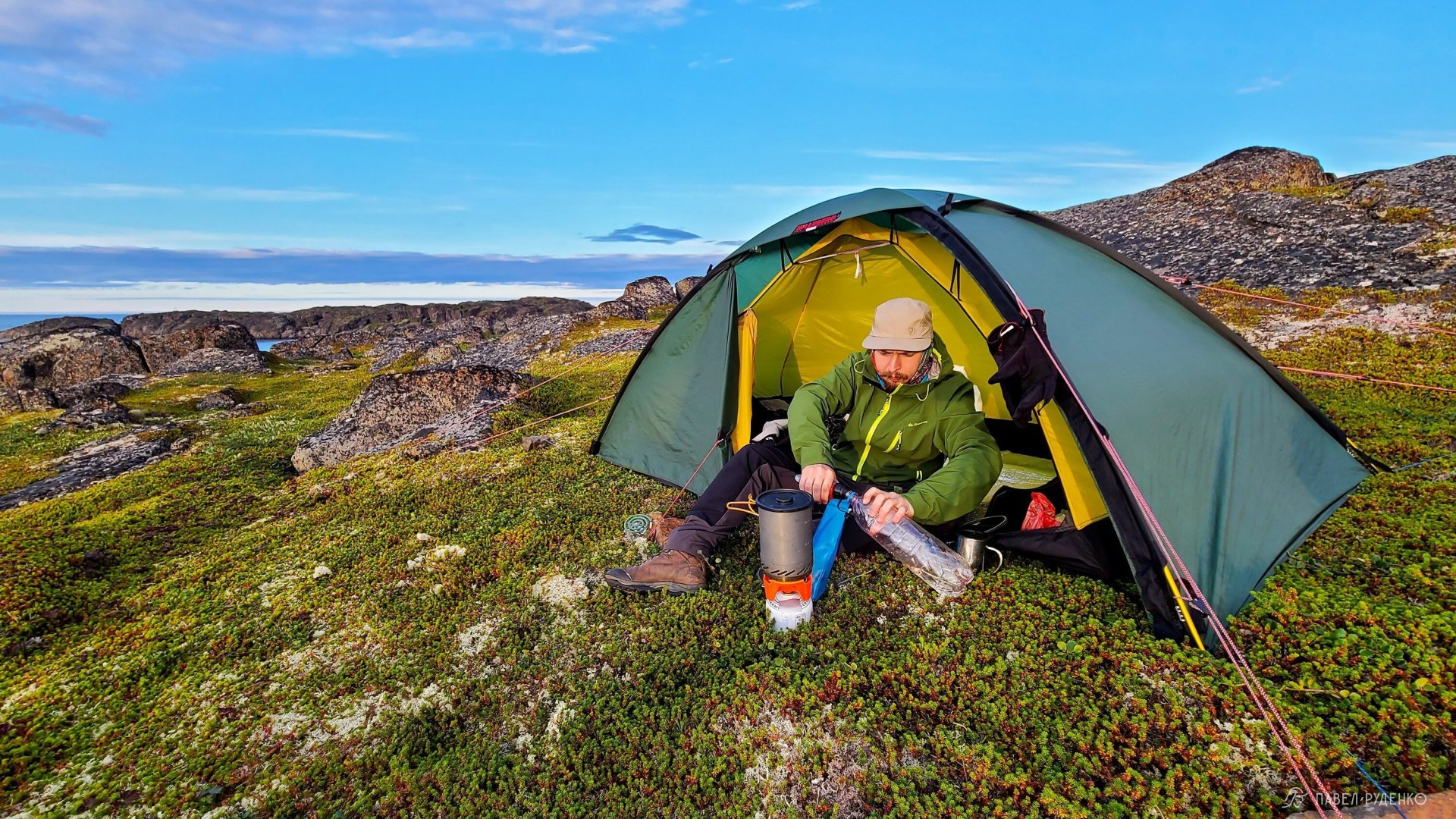
15. Choose a sleeping bag with a safety temperature margin
Mistake: After an arduous day on the trail, or by day four, five, or ten of an expedition, your physiological reserves drop, making you feel the cold much more intensely.
Pro Tip: There is no getting around this physiological fact; even superior fitness cannot completely prevent cumulative fatigue. The solution is simple: carry a sleeping bag with a built-in temperature buffer—for example, rated 5 degrees warmer than the expected low. This cushions against body fatigue and allows you to recover properly rather than fight for warmth through the night.
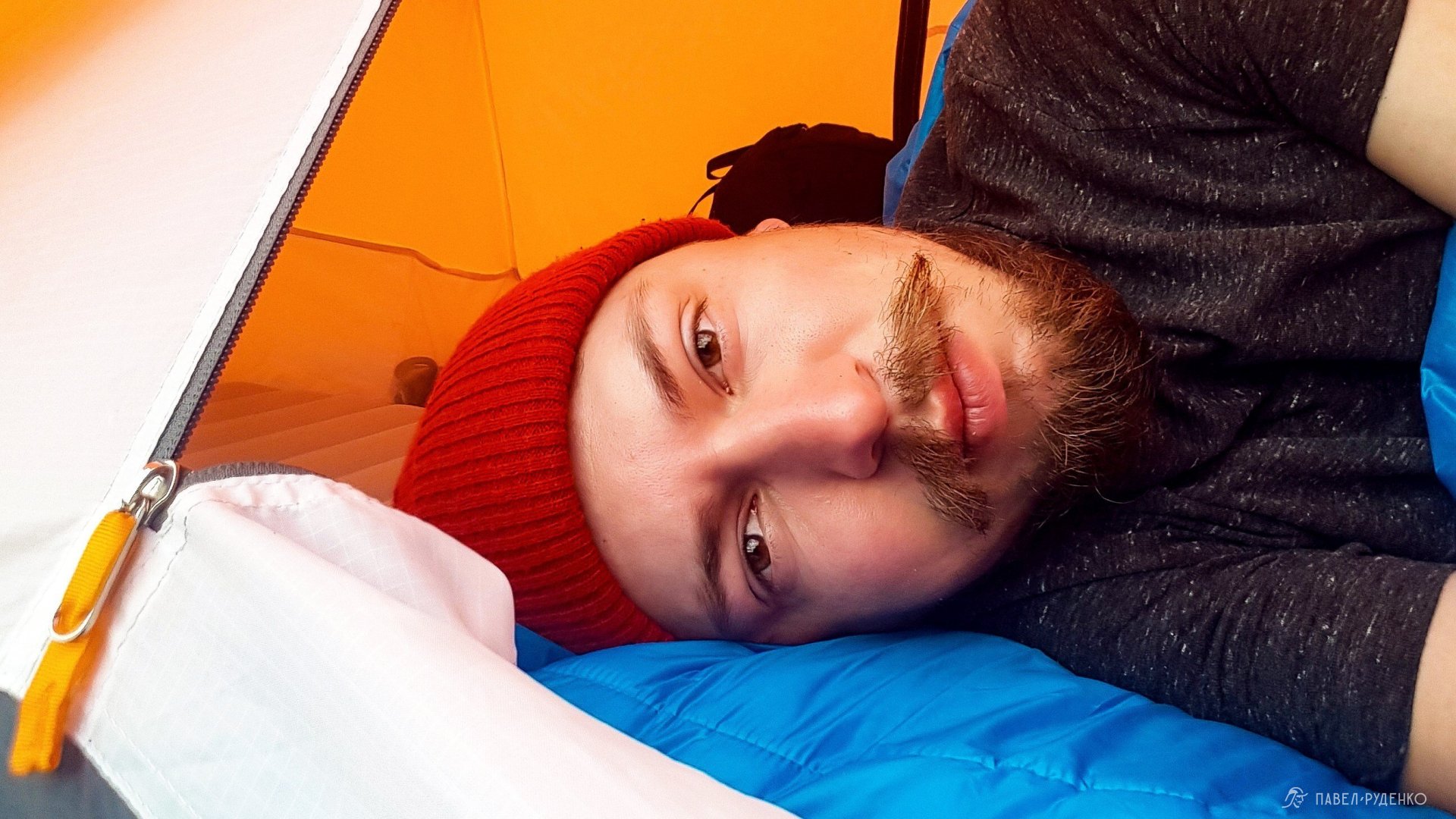
16. Huddle close to your tentmate
Mistake: Sleeping solo or positioned on the outer edge of a tent makes you significantly colder.
Pro Tip: If you realize your sleeping bag is not warm enough for the night or you find yourself shivering, coordinate with your team and take the middle spot. Age and gender do not matter here—staying safe and warm is the priority! Campers can sleep back-to-back, and those feeling coldest are sheltered in the middle—solid expedition teamwork.
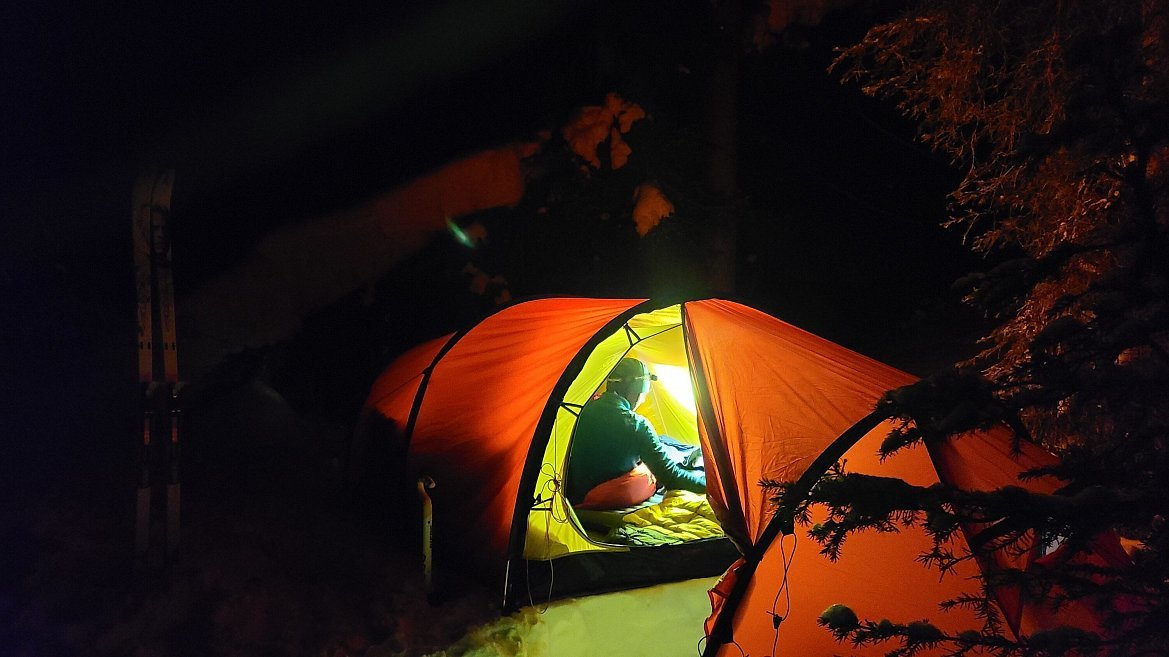
17. Route planning
Mistake: Overlooking how tactical navigation decisions and routing errors directly affect comfort and warmth.
Pro Tip: Carefully think through your route for the upcoming days, factoring in forecasts and your gear. If you are using a tent with a mesh inner and misjudge your pace or weather variables, a night on an exposed mountain pass can turn into a freezing ordeal. Strong winds will cut right through the shelter, making quality sleep impossible. Often, the right move is pitching camp before the pass or pushing across early to descend into the sheltered valley below.
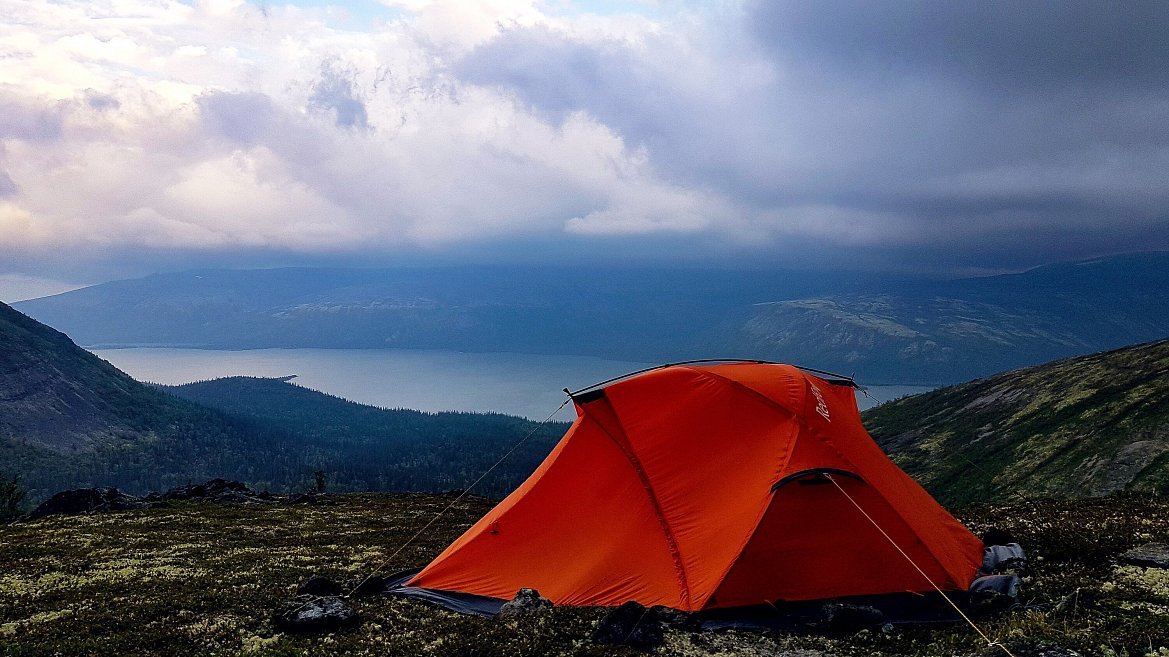
18. The higher the elevation, the colder it gets.
Mistake: Relying on a pleasant night and warm day at lower elevations, only to climb a modest 500–600 m, face sharp temperature drops, and endure a sleepless, shivering night.
Pro Tip: When mapping out your route or tracking your ascent, keep in mind the lapse rate: for every 1,000 m of elevation gained, the temperature drops by roughly 6.5–7 degrees, wind speeds pick up, and the sun's warmth fades faster. Choose your sleeping bag based on the coldest anticipated night, referencing forecasts for your highest campsite elevation. This mistake frequently catches people off guard in moderate mountain ranges, such as Crimea or along the Lycian Way. The valleys feel warm and everyone is in T-shirts, yet higher on the ridges temperatures plummet dramatically after sunset.
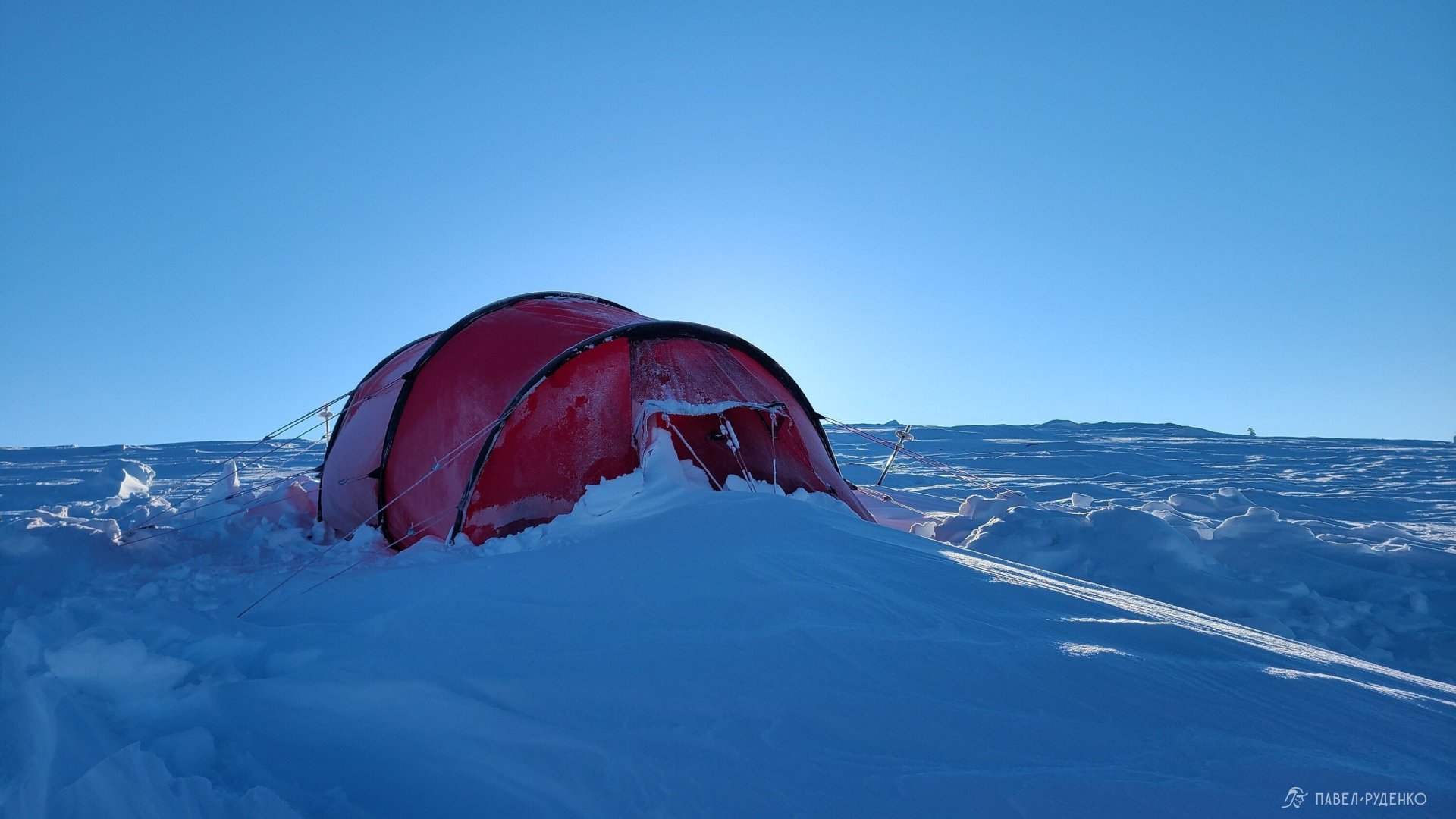
19. Weather conditions and wind chill index
Mistake: Looking solely at ambient temperature forecasts without considering other meteorological factors, leading to unexpected chills and hypothermia.
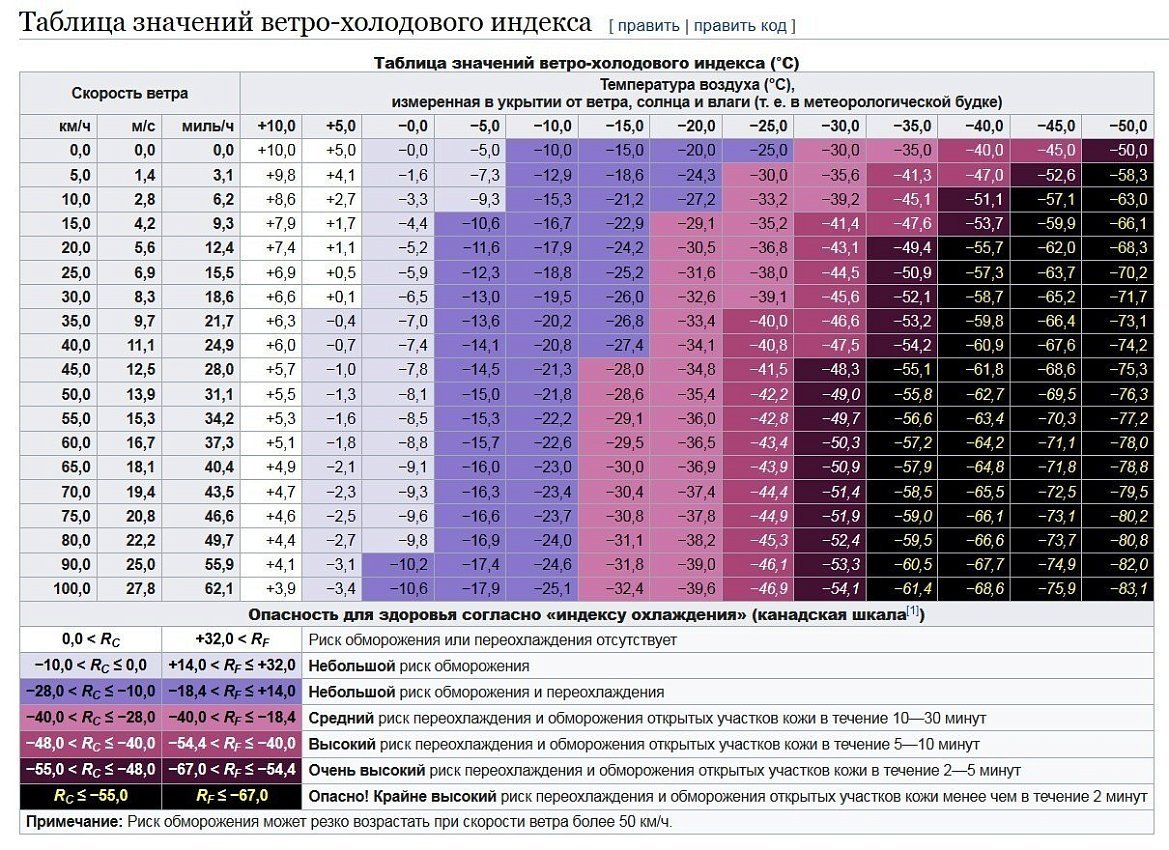
Pro Tip: A reading of 0°C can feel completely different depending on the geographic region and seasonal humidity. Always check wind speeds, the "feels like" rating, precipitation forecasts, and humidity levels. Familiarize yourself with the wind chill index: an ambient 0°C with a 20 m/s wind in a weather station enclosure feels like –5°C. Inside an unshielded, wind-whipped tent, that cold sensation will feel significantly harsher.
20. Strategic campsite selection
Mistake: Rain pooling under your tent floor, runoff flooding the shelter, a dead branch tearing through the flysheet, or pitching on a slope and sliding against the wet tent walls overnight, soaking your sleeping bag.
Pro Tip: Always anticipate potential micro-terrain hazards and weather shifts before staking out your shelter. Base your campsite selection on solid drainage, protection from prevailing winds, overhead safety, and level ground.
21. Experience
Mistake: For example, you anchor your tent using a ski with the binding facing inward, and overnight the guyline is severed by the ski edge. As a result, the wind snaps a pole, and the jagged aluminum edge tears through the tent fly—your shelter is compromised, leaving you freezing and sleep-deprived. Or, you position the ski correctly with the binding facing out, but the skin glue is worn or the climbing skin was poorly tensioned; the wind tears the skin off, and the sharp edge of the clip shreds the tent fabric.
Tip: Experience builds trek by trek over many years. Premium gear certainly compensates for some mistakes, but you cannot foresee every nuance. Remember that true experience is forged in demanding conditions, not when the sun is shining and everything goes smoothly. Realistically assess your capabilities, always maintain a safety margin, read forums, books, and articles, follow seasoned hikers, take courses, watch tutorials, and gather knowledge piece by piece into your expedition skillset.



Comments (0)