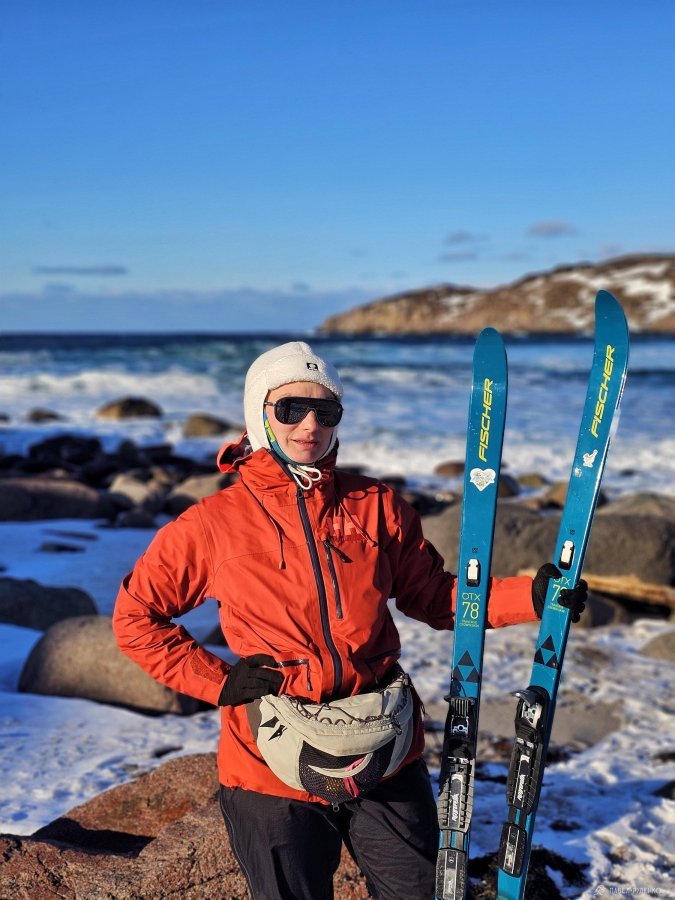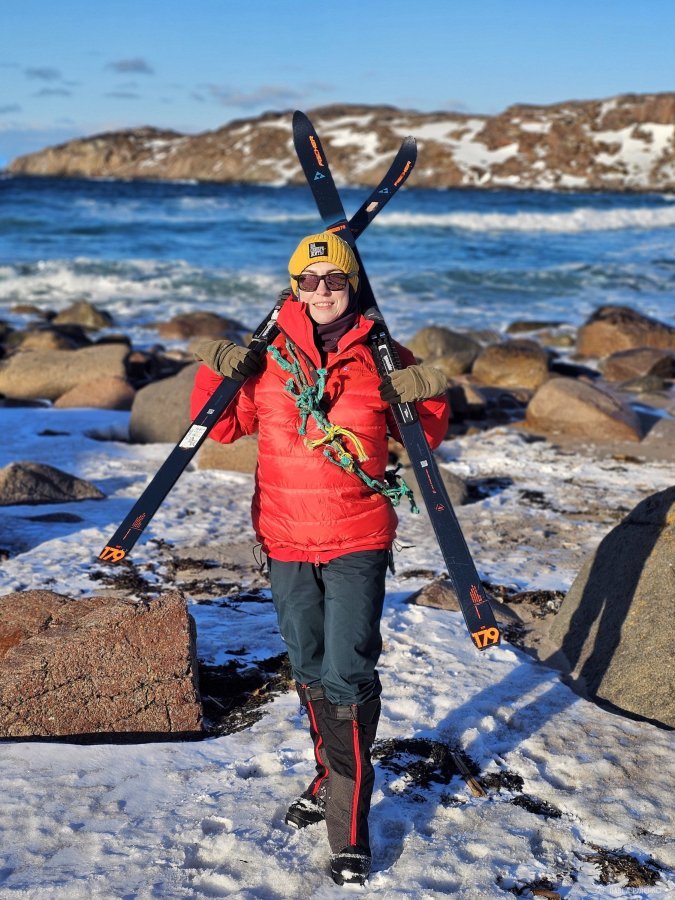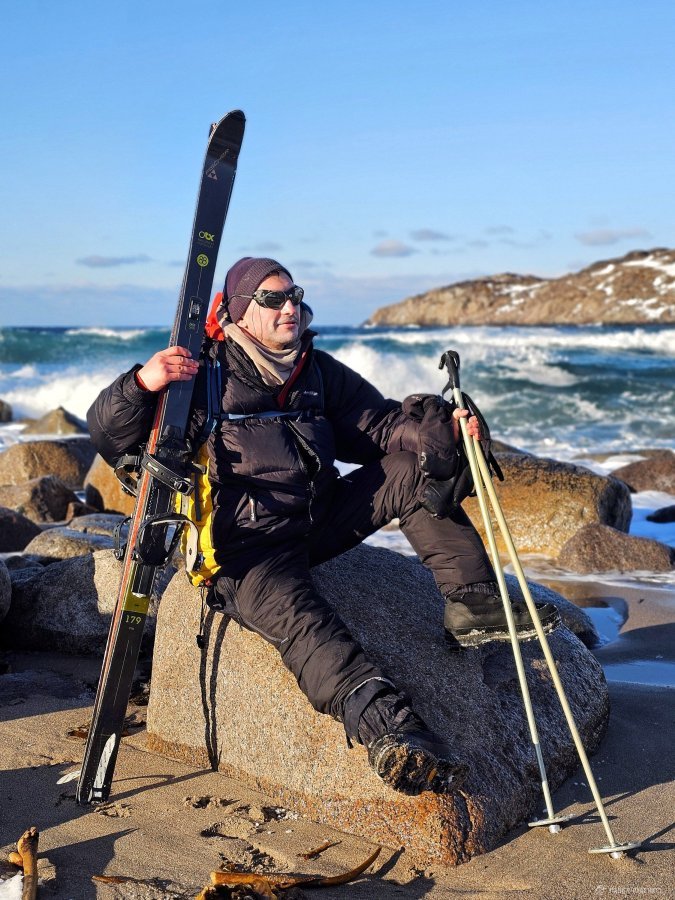
Ski trek with pulkas to the Barents Sea
We are heading north again — to the winter tundra. Murmansk is the gateway to this world, the largest city beyond the Arctic Circle, not only in Russia, but in the world.
Before we go into the tundra for a week, we check into a cozy hotel in Murmansk and meet in the kitchen. I like to meet everyone before the hike to chat, get ready for the hike and pack the pulkas. This is the perfect moment to check what could be forgotten and have time to buy more. I conduct a briefing on safety and rules of conduct on the hike, talk about the subtleties of ski tourism, how the camus works, the pulka system, etc.

Waiting
We are heading to a unique place where the mountain tundra and the Barents Sea meet — to the Murman coast!
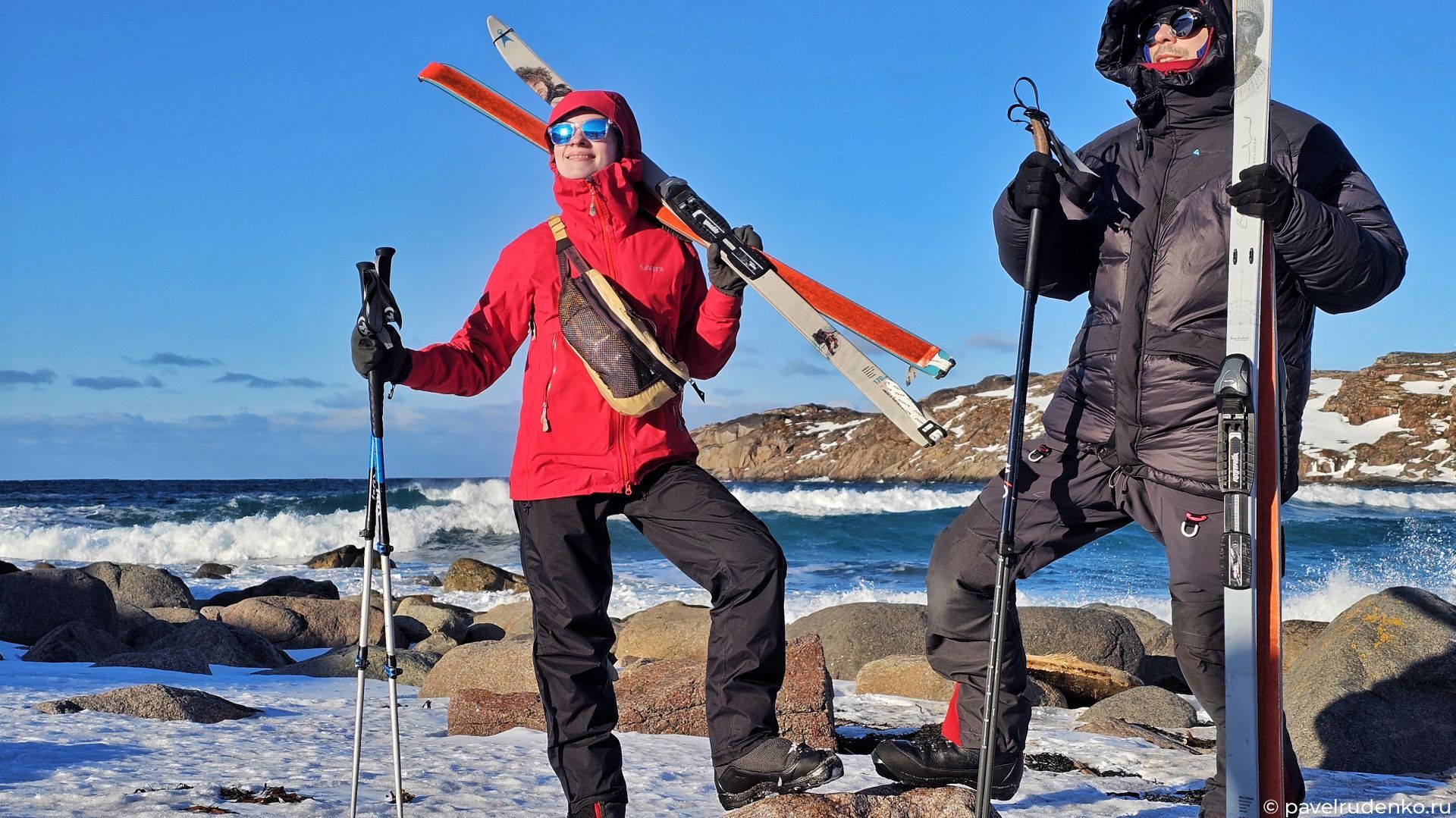
The North Cape current warms the local waters of the Kola coast, creating the mildest conditions of all the subpolar regions of Russia, and this makes it possible to reach the open Arctic Ocean on skis, spend the night in tents with the sound of the surf and admire the harsh and beautiful dark blue horizon against the background of snow-white hills — super cool.
Who is the master of the tundra? Right — the wind, it blows often and strongly, covers the roads with snow for a day or two, or even more. On the day of our start, the road was already closed, and we were waiting for information about a possible convoy. This factor adds zest and value to our trip.
We have to carefully consider all the details, spare days and keep our finger on the pulse; I like this challenge.
I monitor the information of the road workers, and the Ministry of Emergency Situations calls every 3 hours and coordinates from their side. Communication with the Ministry of Emergency Situations is getting better every year, this time they wrapped us in care, nice).
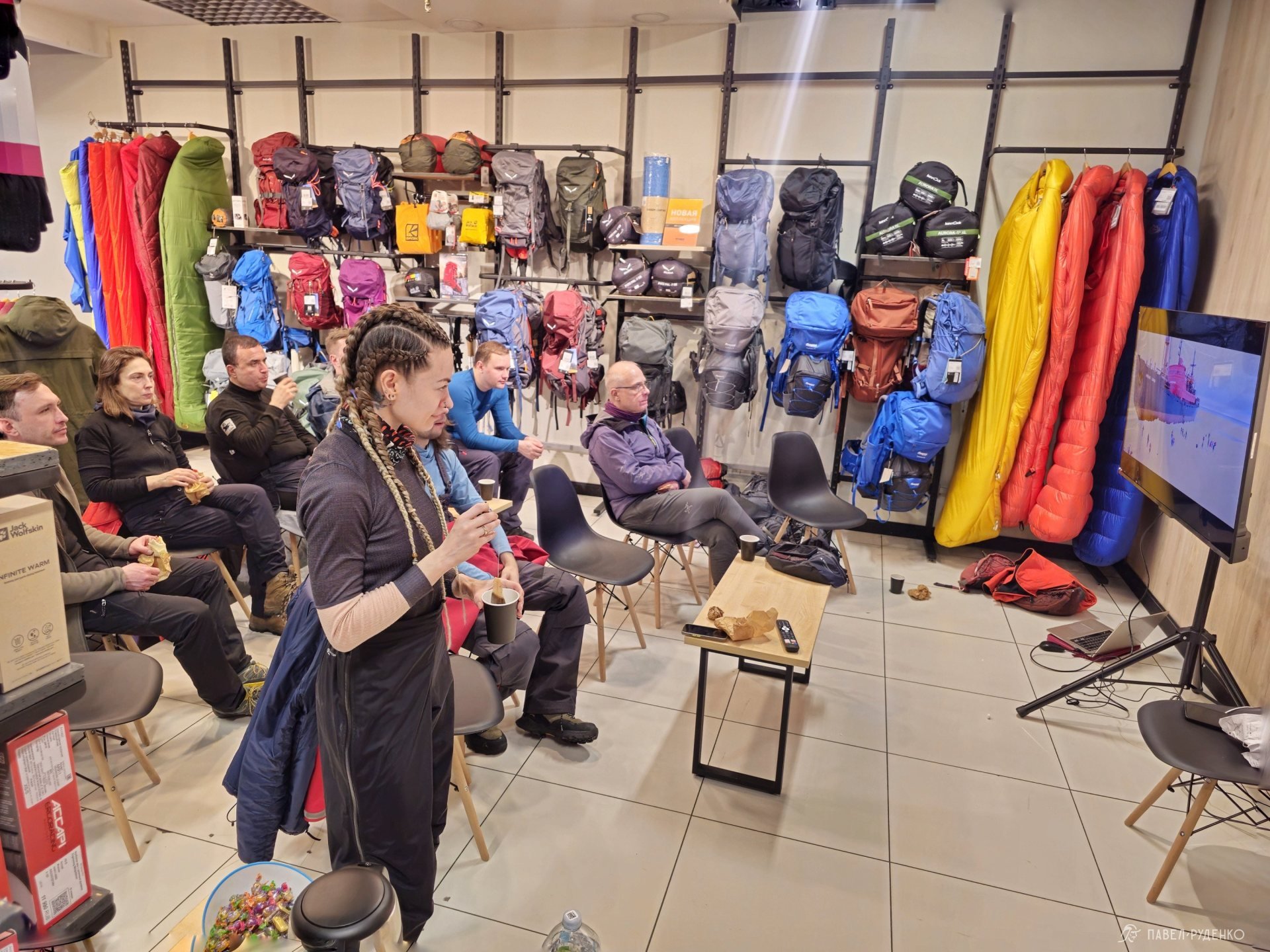
The anxious hours of waiting pass while watching the documentary film «To the Arctic», I highly recommend the film. We watch it at my friends' Prohiker outdoor store. If you are in Murmansk, be sure to drop by: it's the best outdoor store in the region.
Call — the road has been cleaned and the convoy will start at 18:30. YAY! We jump into the transfer and head to Teriberka.
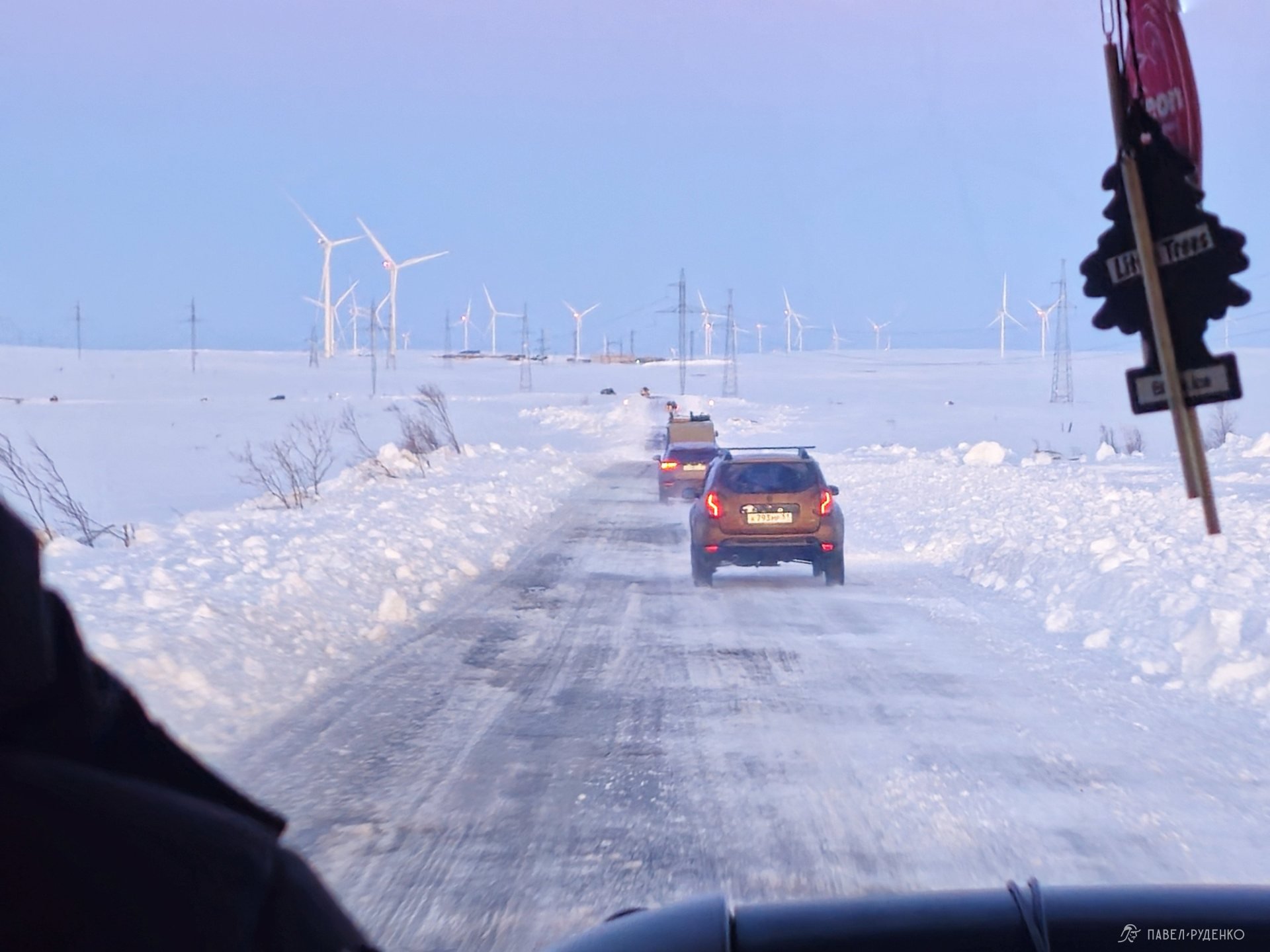
We arrive in the evening. I jump out of a warm car, and a strong gust of wind hits my chest, I close the car door with effort, fighting the wind. Sigh — and my nose fills with the smell of a cold sea, finally, I'm home. I planned to camp nearby, but it turned out to be impossible. The snow was blown away from the shore more than usual, and the ground was like concrete — no way to anchor, but no problem: I know which valley will have enough snow.
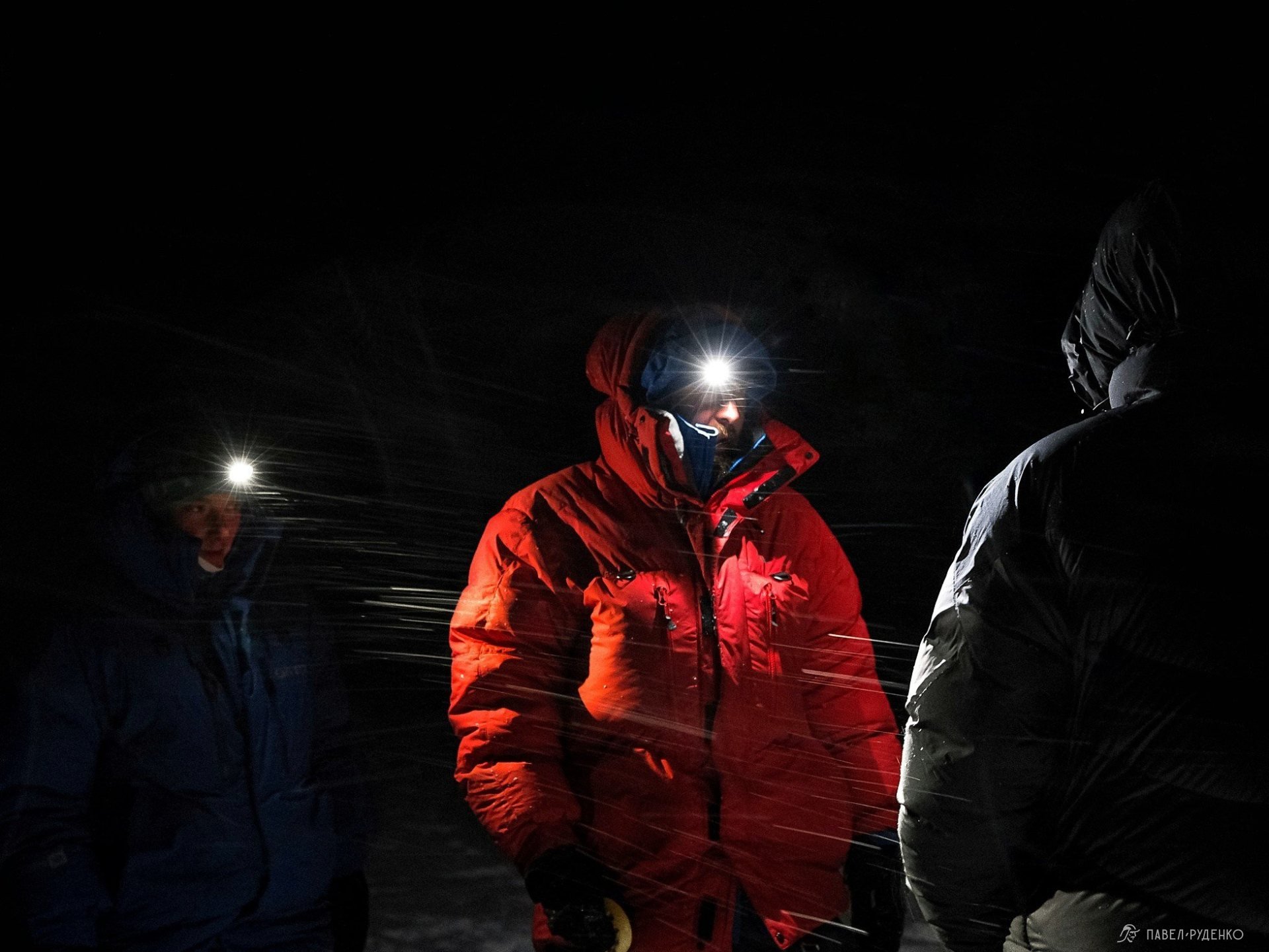
The sky suddenly flashes with a green fire, and we walk with the lights off under the living light, like characters in a northern fairy tale. Have you ever seen how the flashes reflect in the eyes of a person who sees the aurora for the first time? Damn magical moment. The aurora with a power of Kp 6 pleased for 4 hours without stopping.


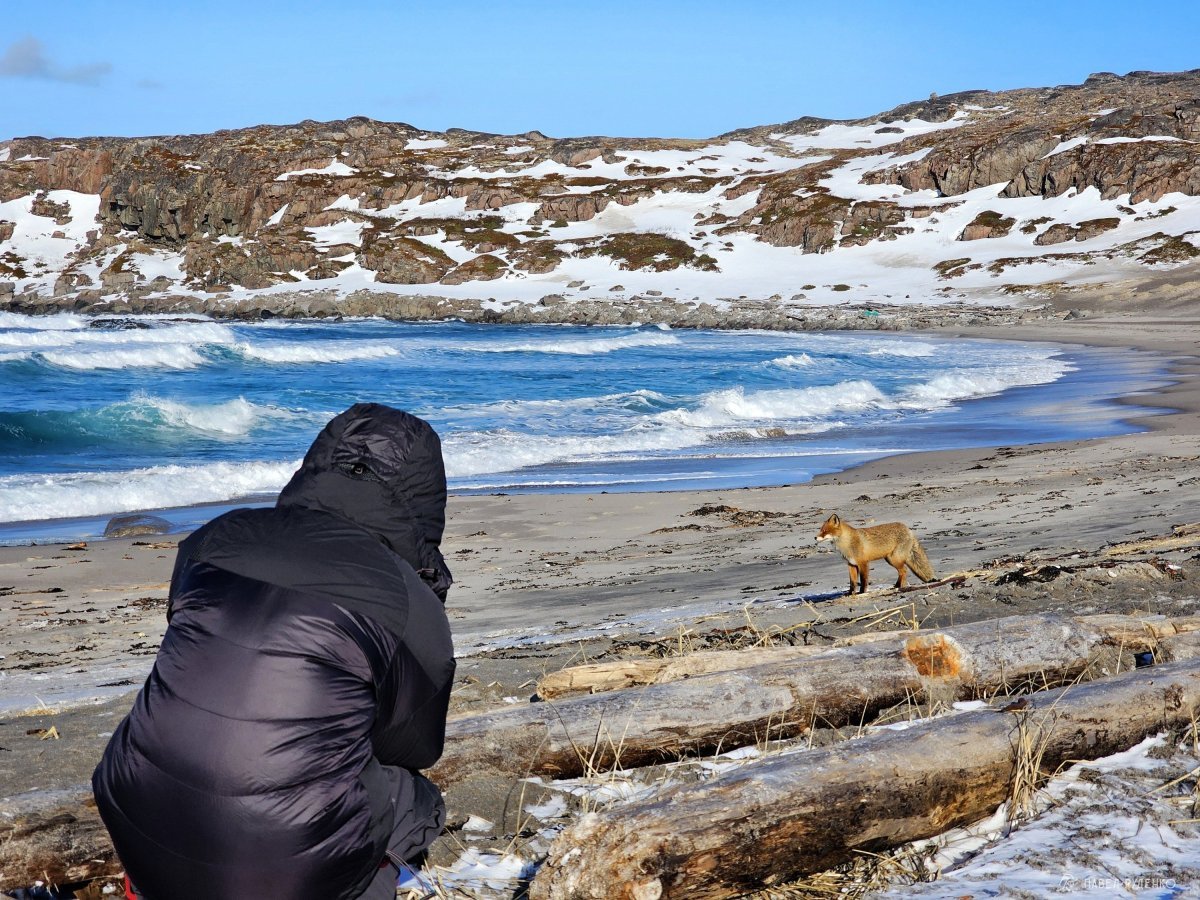
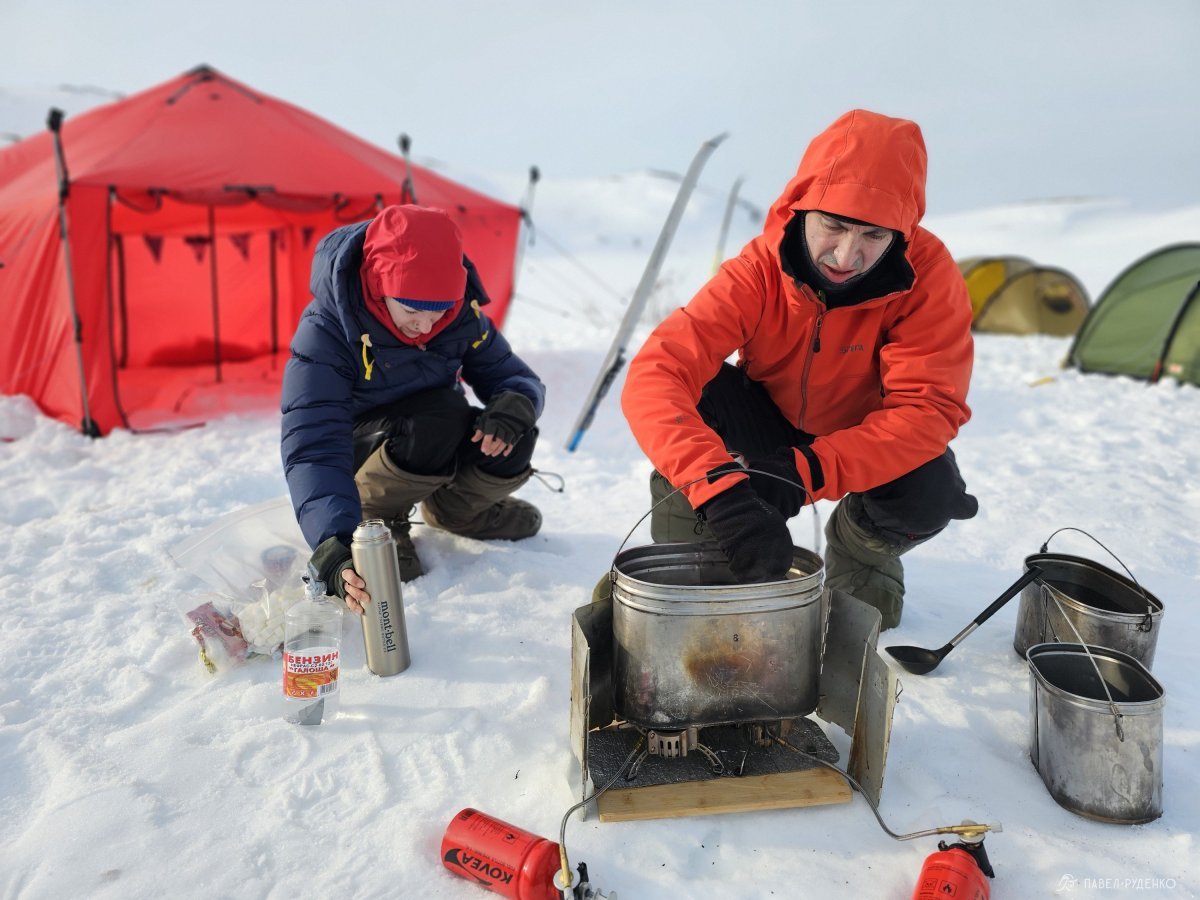
We set up tents, boil snow on gasoline burners and eat Kronidov's instant meals, teriyaki chicken with rice. In winter, I make some meals with instant meals, it's classic: quick, convenient and tasty. We liked the portions, the taste is natural, you can add salt to taste. Even a fox came to the smell.


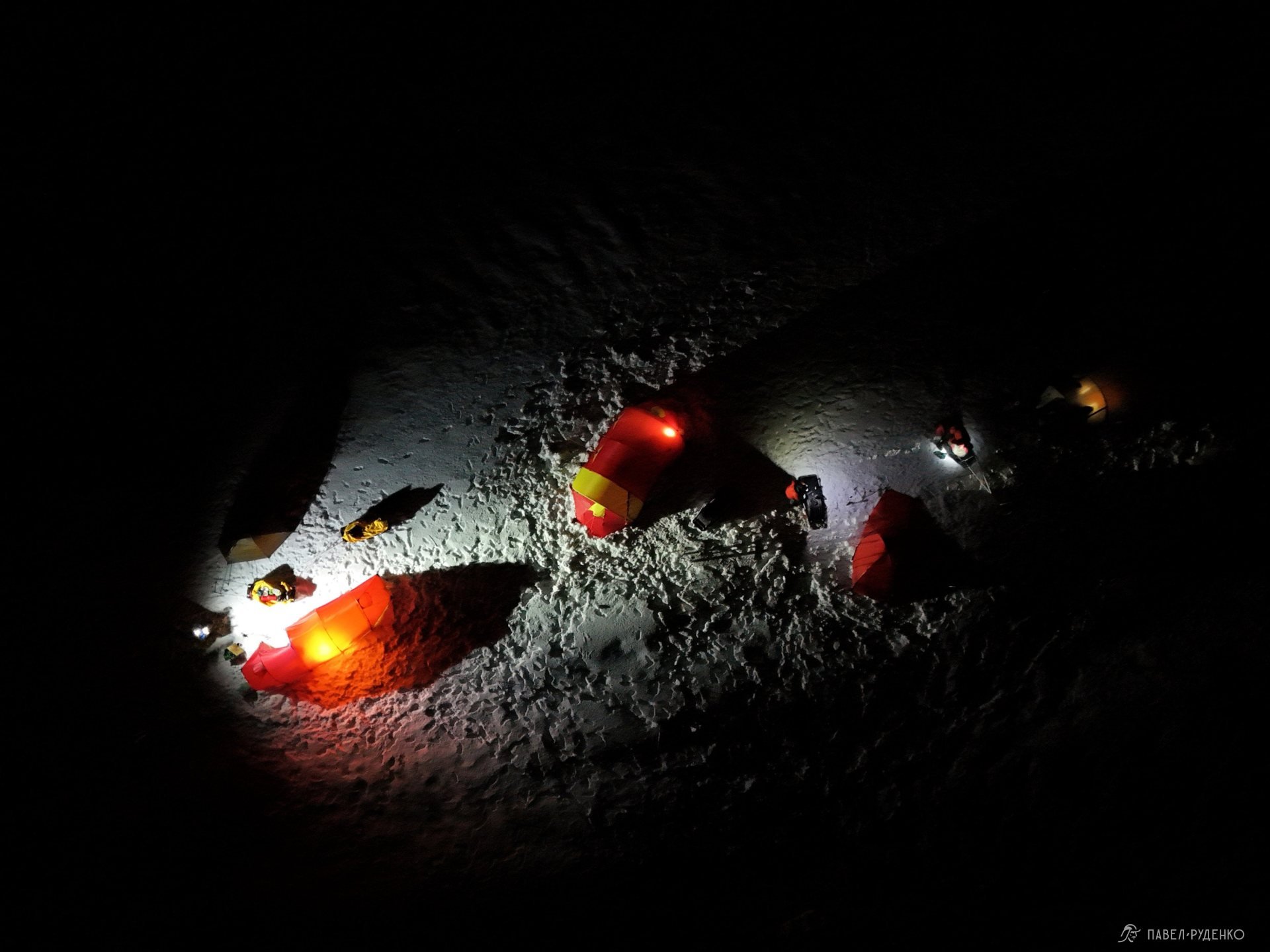
First morning in the tundra
We have to cover 90 km in 7 days, the winter tundra is a challenge for everyone. But the right preparation for the trek allows you to enjoy the nature in these conditions, which we did. I talk to the guys during the preparation by phone, discussing each piece of gear. This is the key to a successful trek.
Today the skis slide incredibly well on the crust of snow, which formed due to around-zero temperature fluctuations this year. The lack of precipitation preserved these ideal conditions for us. In my imagination, I dreamed that I would be lucky with such snow on a future solo trek along the coast. Walking on such a crust without breaking the trail is a complete pleasure, I don't get tired at all.
Last time the weather conditions were completely different. Colder, fresh snow was carried by the ground blizzard, like sand in the dunes, creating a complete feeling of waves underfoot. Then Anya and I explored the area together.
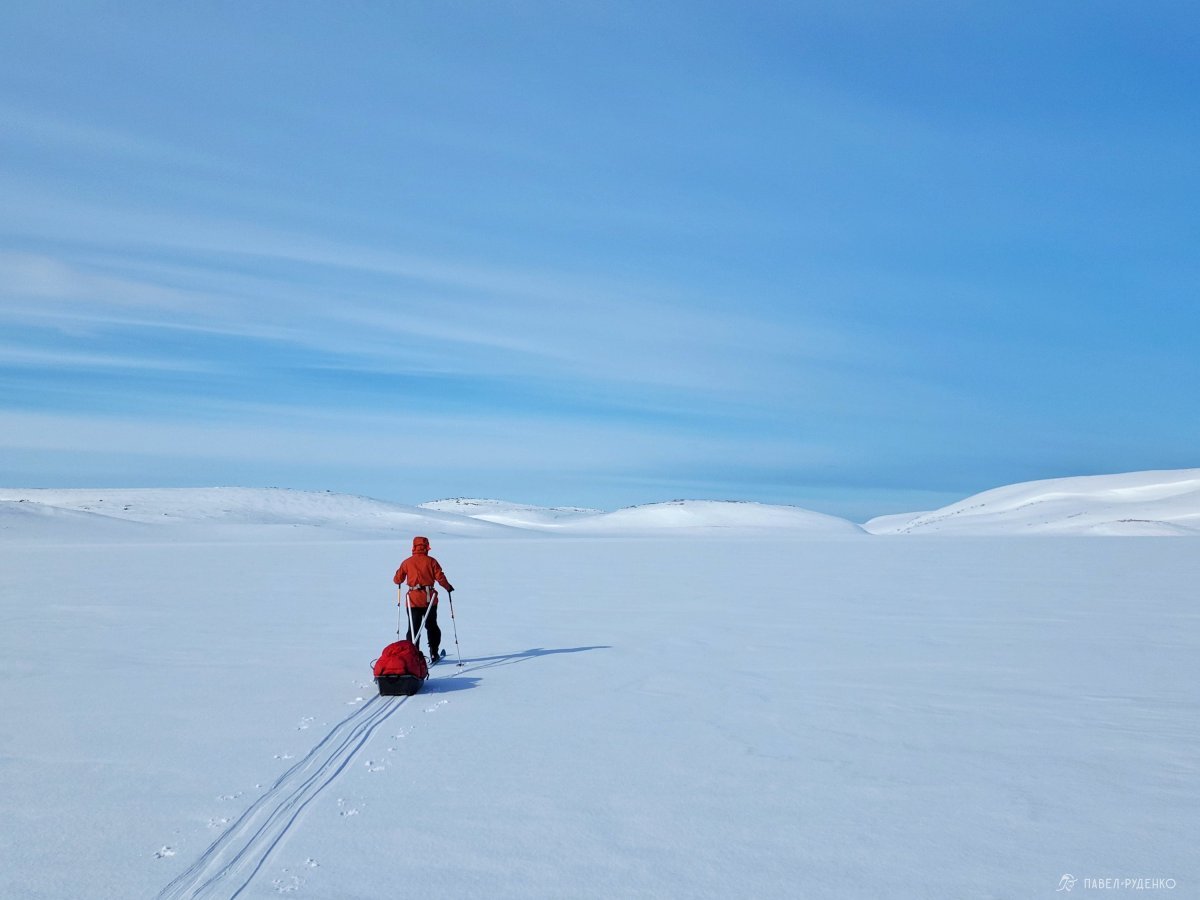
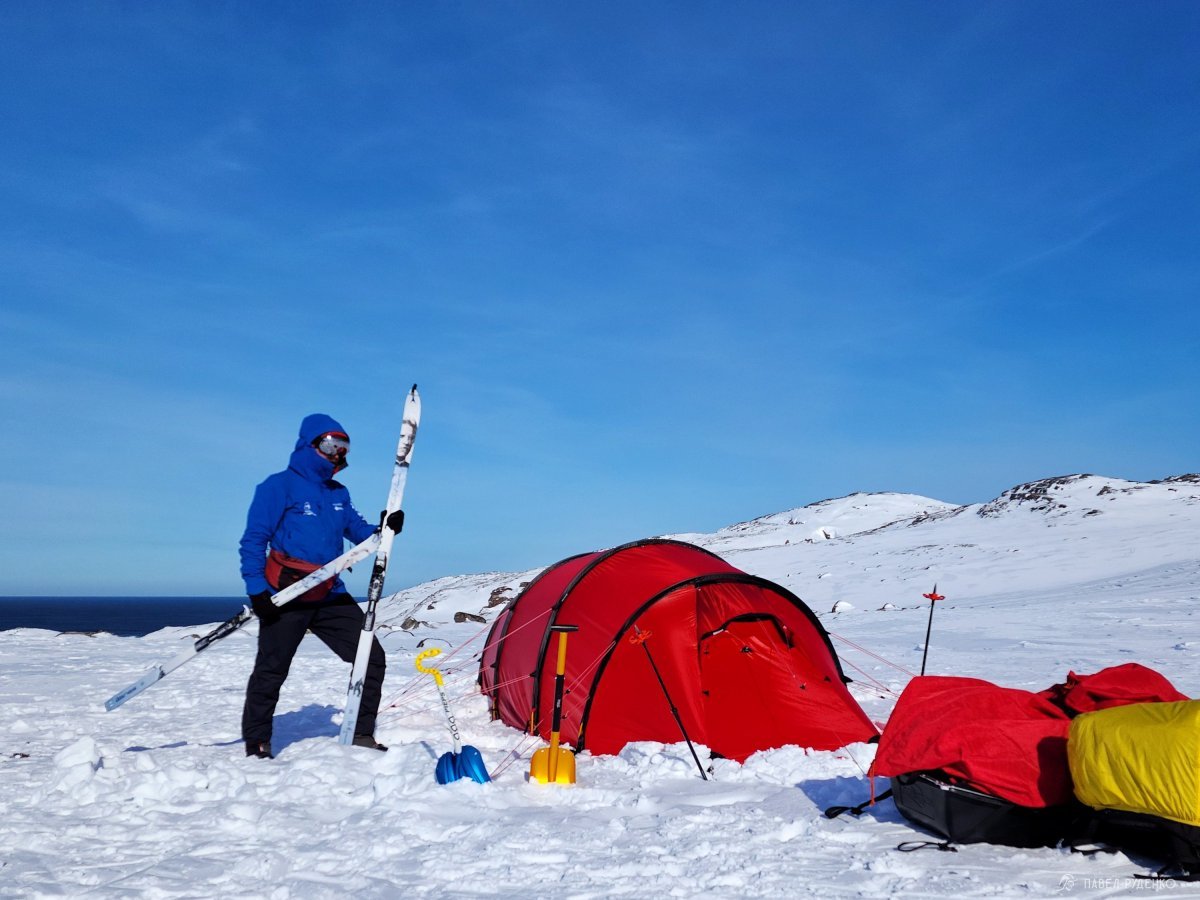
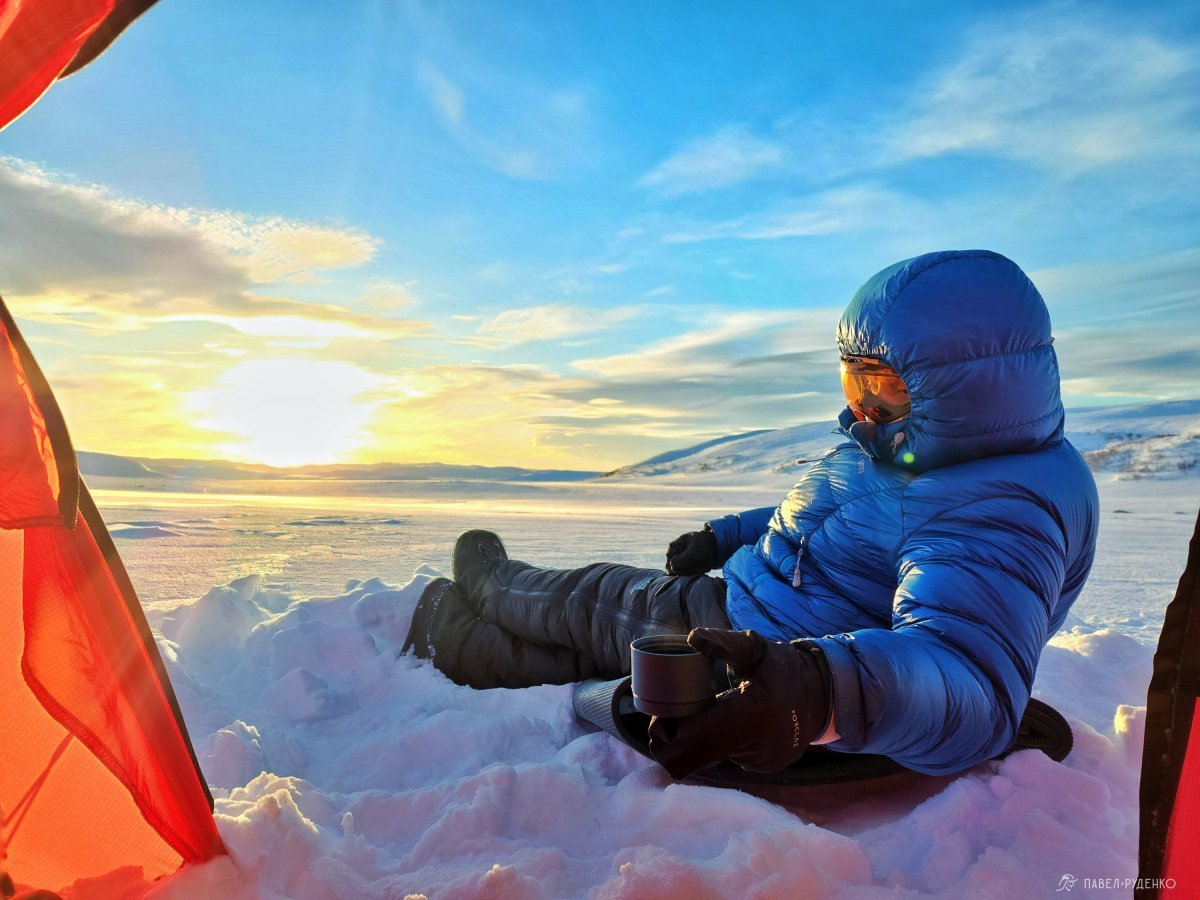
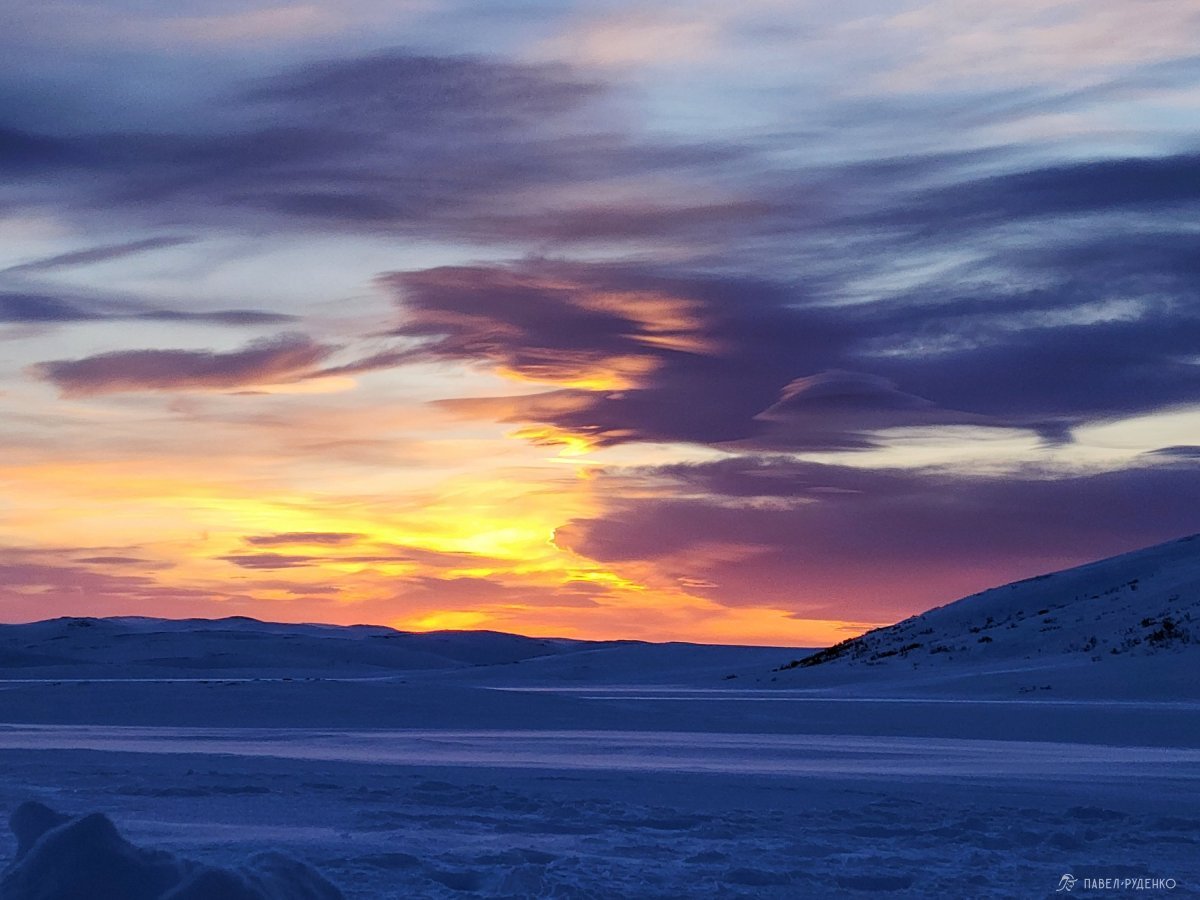

Photo from the last trek with Anya Migalina.
Descents and ascents
First descent, oh these descents! Some people are just honing their skills, others manage to go down confidently right away. The pulkas either gently push or go sideways. As soon as you gain the skill of descending, you begin to enjoy the ultimate pleasure of flying.
I constantly improve the pulka system, this time I realized that I need to sew leg straps to the harness to increase the stability of its fixation, still to secure the cross of the pulka tubes and add compensator rubber bands for smooth movement, and a few more details. I will also add a soft coupling with a rope and swivel to each pulka for the next trek, so that at different times you can try different options and choose a convenient one. I tested the Fjallpulken Expedition coupling this year — it's a thing!
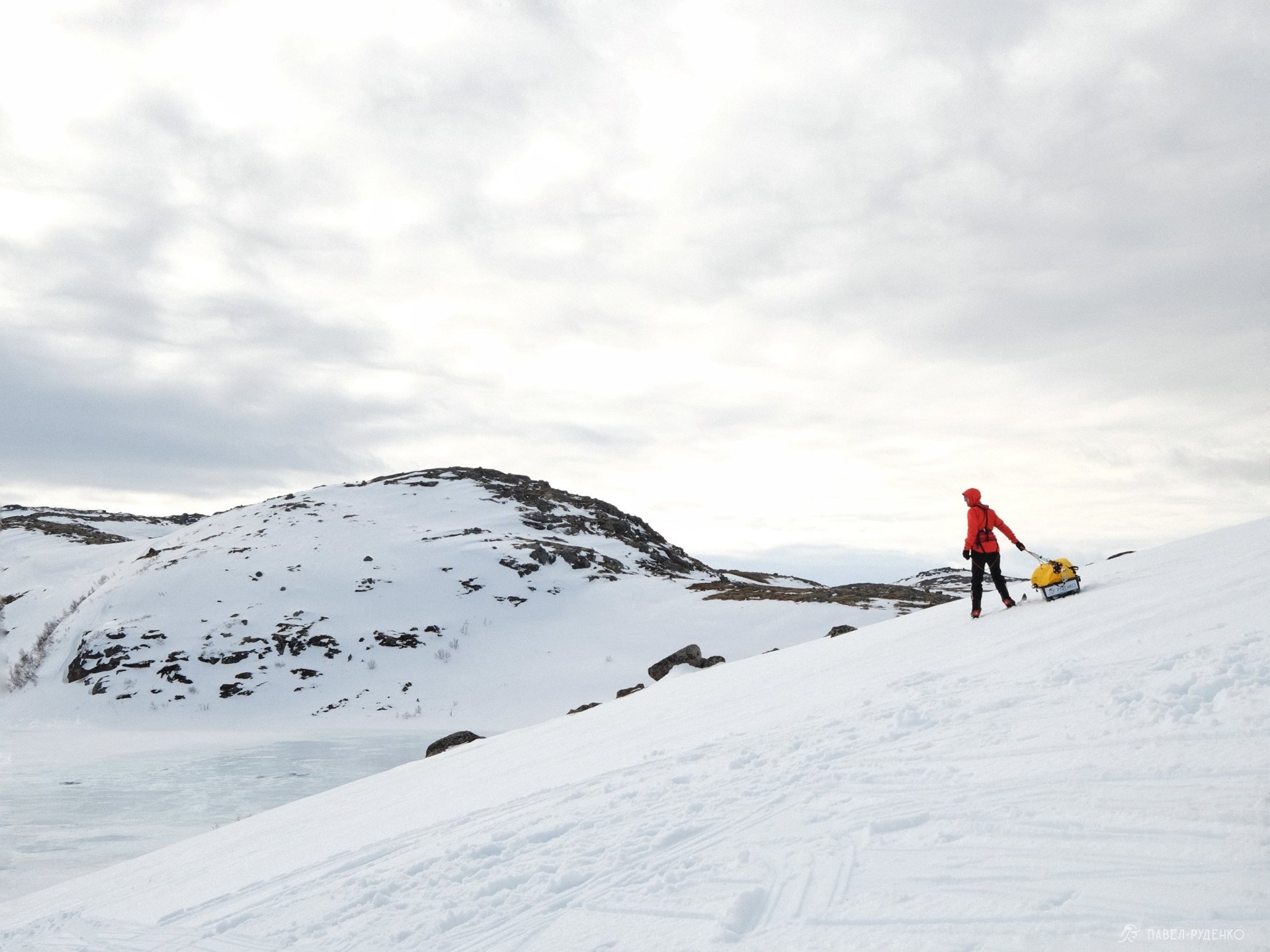
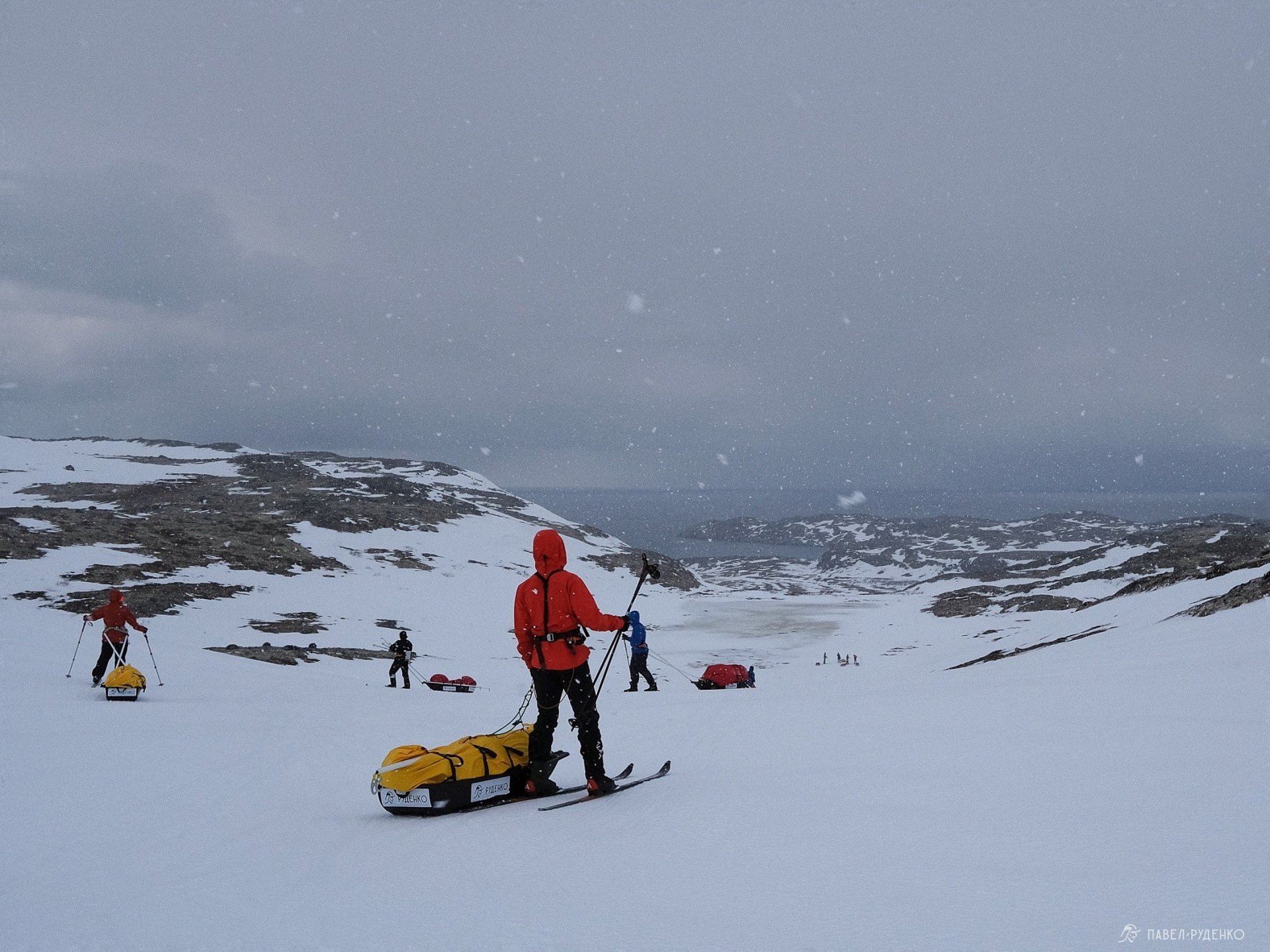
I came up with the bags for the pulkas myself, and Anya sewed them, she is great with the machine and sews silicone bags, bags, etc. I knew who to choose as a wife — a cunning plan of a tourist, like grandfather Hilleberg Bo, the owner of the tent brand, whose first versions of tents were sewn by his wife in the 1970s)).
I plan to do most of the future treks with Arctic pulkas.
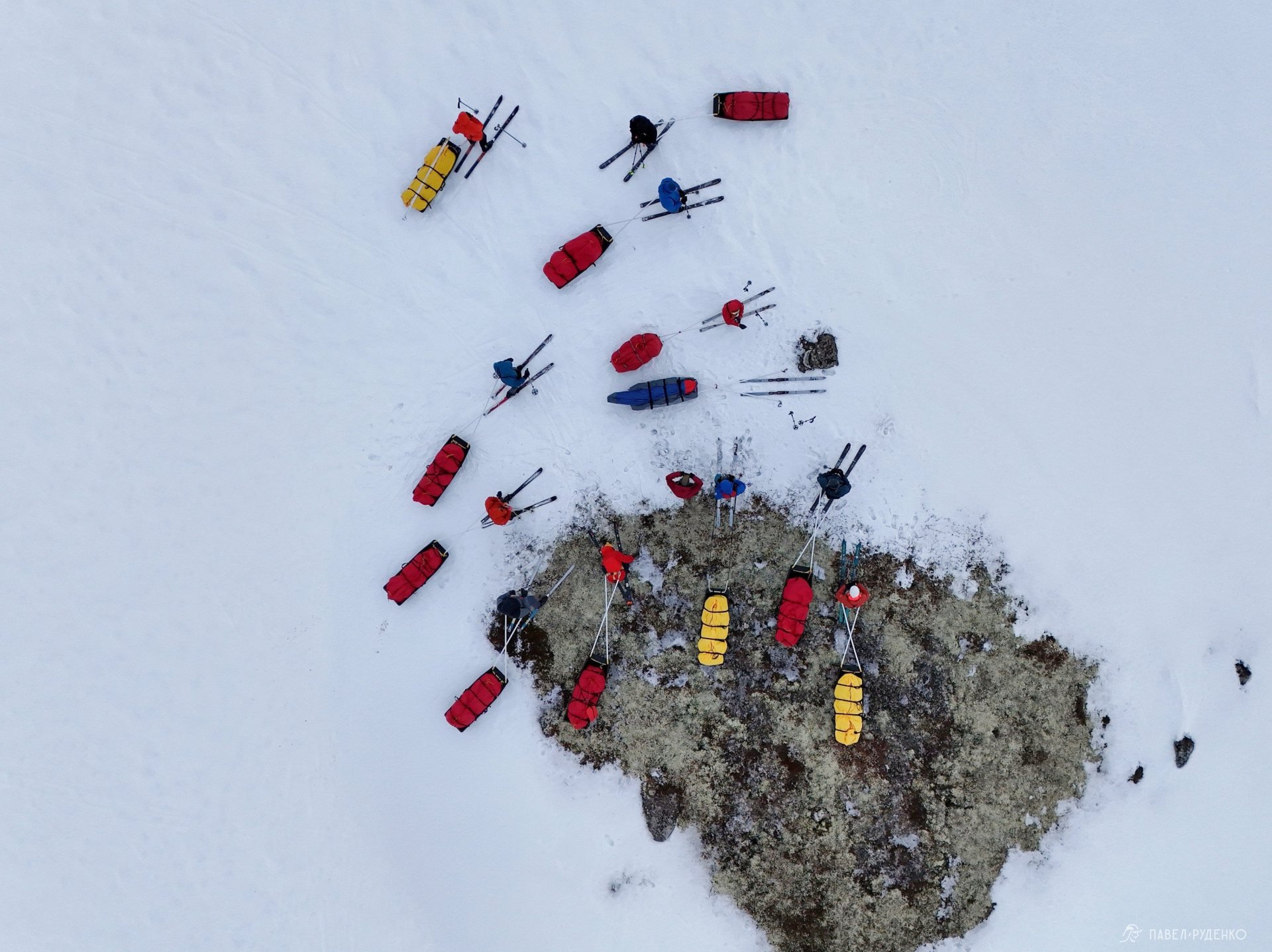
I like that my back and legs don't get tired like with a backpack, the volume of the bag is about 300 liters, which means you can pack things very quickly and conveniently. The weight feels lighter, so you can take more warm clothes, something for convenience. Next time I will bring a reindeer skin with me, which hangs on the wall in the summer. It should be warm and soft to sit on.


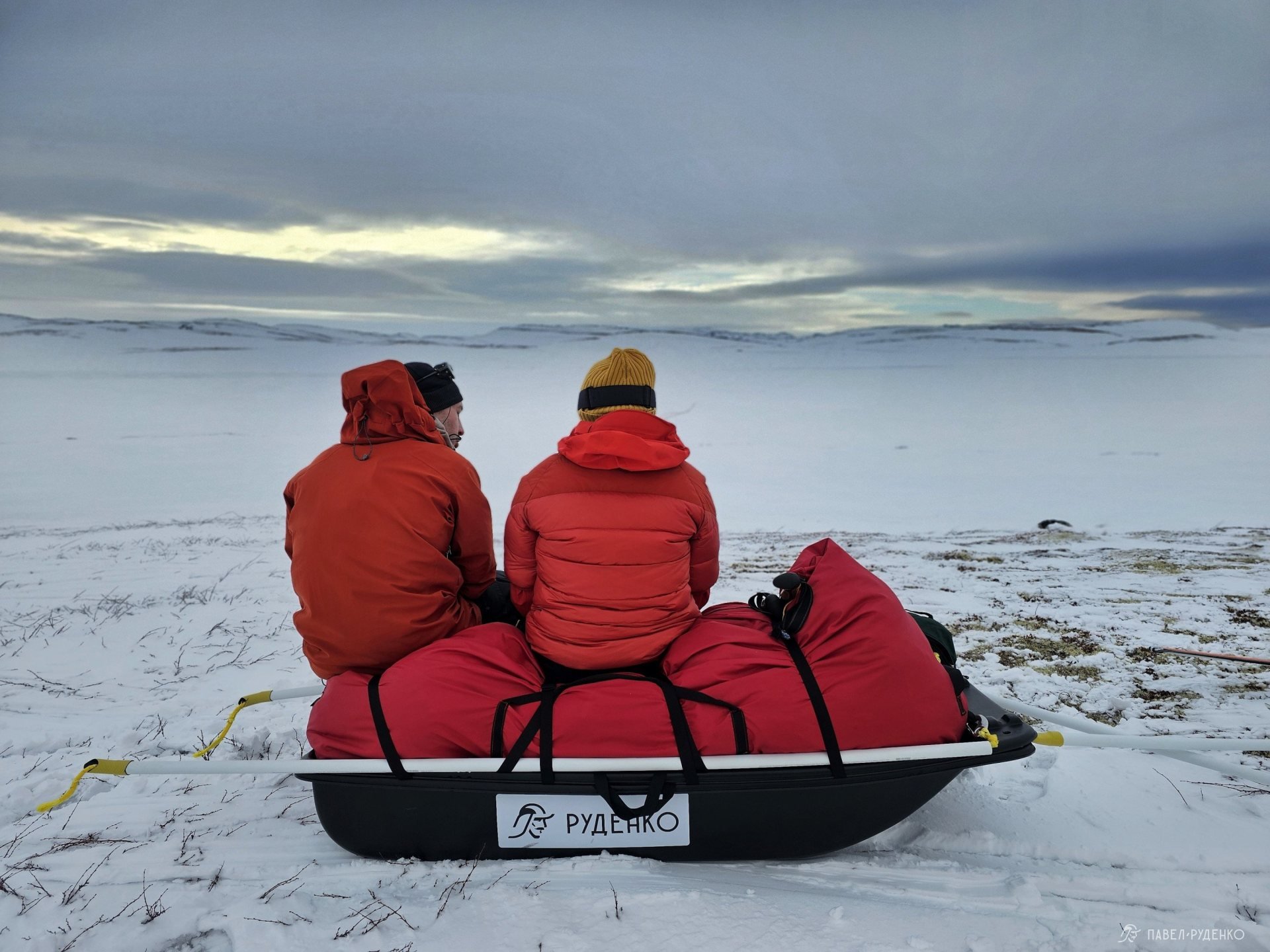
Climbing the hill on camus. This is a special pile that sticks to the ski glide to increase friction and climb the hill without the skis slipping. I make sure that the whole team takes the camus so that the pace of movement is the same.
Depending on the conditions, we change the camus from long to short, where possible, and sometimes you can go on a notch. I like to strive for maximum adaptation to the conditions, spending minimal physical effort to achieve maximum results. That's why I don't hesitate to put on and take off the camus throughout the trek. The optimal option: the width of the camus is 45–60 mm, not more. The composition is a mix, synthetic/mohair 65/35. This is the best sliding.
The feeling of sliding is the most important part of the emotions on a ski trek. From some hills, you could feel like a skier, and although touring skis do not have such a rigid binding as alpine skis, touring boots and NNN BC binding allow you to control the descent.


Denne vinter tok jeg del i utforming for ski-guide til Nordpolen og hørte fra en kamerat noen klassehistorier om trekkeparasutt i ski-turisme, og ble umiddelbart begeistret av ideen. Bestilte meg et hybrid-trekkeparasutt fra VEK og tok det med på denne turen, veier bare 1 kg. Med en favorabel vind på over 5 m/s kan denne løse avstanden med mindre krefter, men fikk ikke tid til å teste kombinasjonen. Schemaet er veldig interessant, og jeg vil prøve den ut med den i fremtidige turer i tundra med sani.

På kysten av Barentsahavet
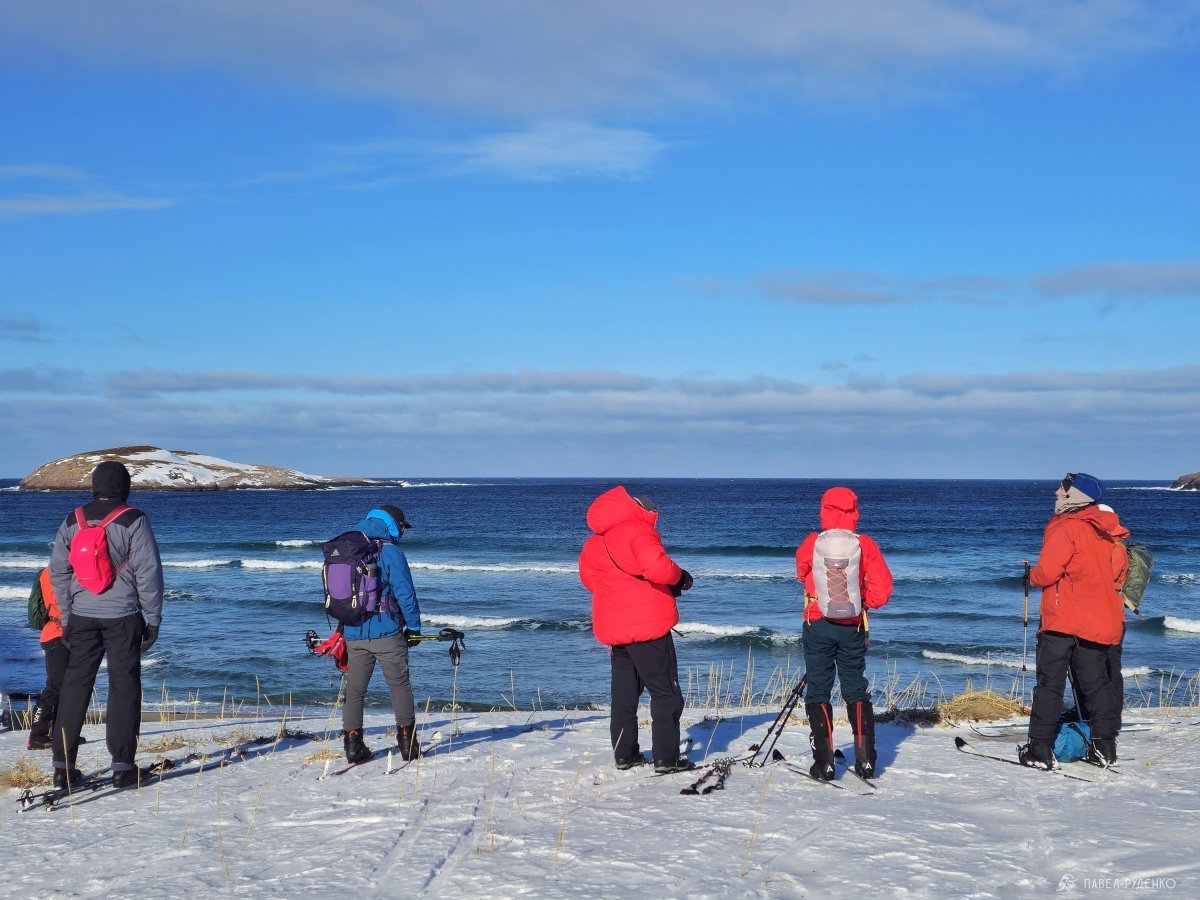
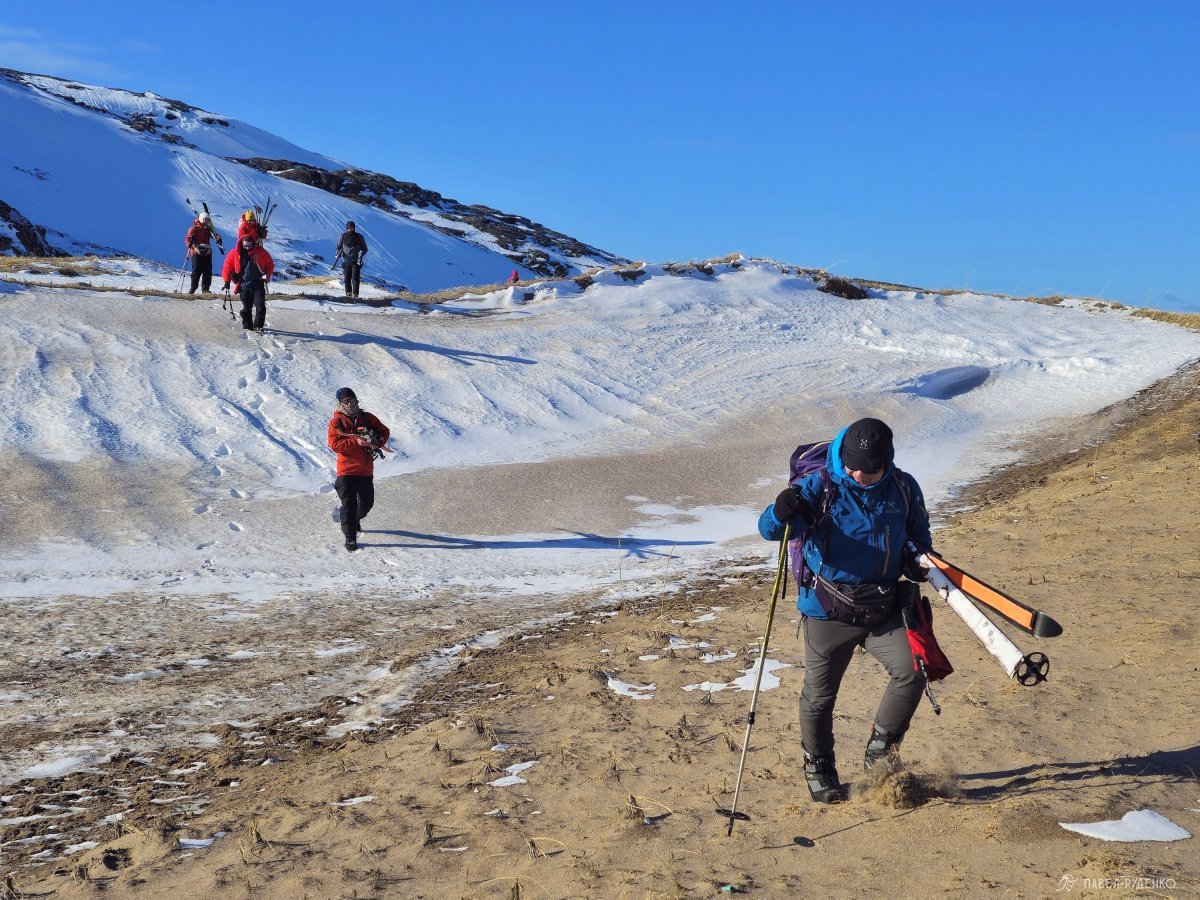
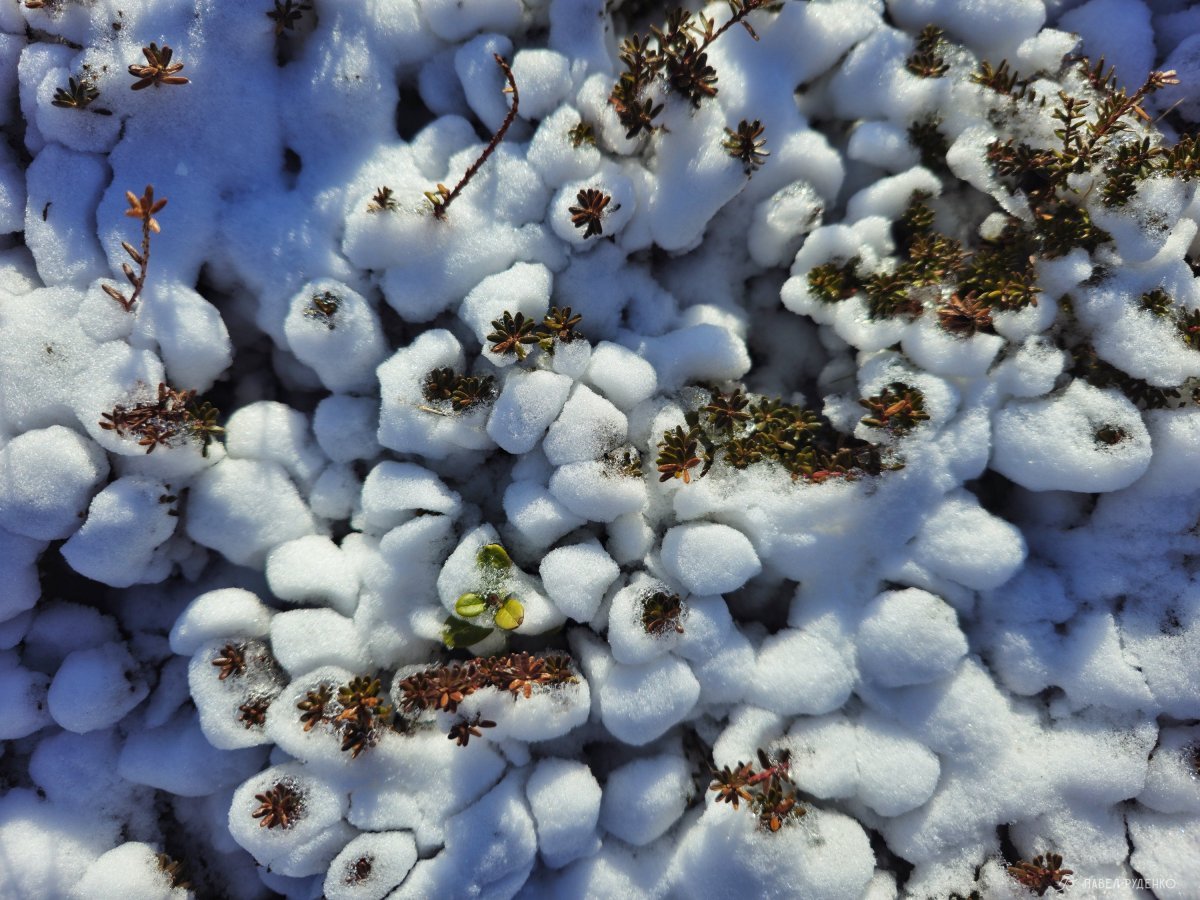
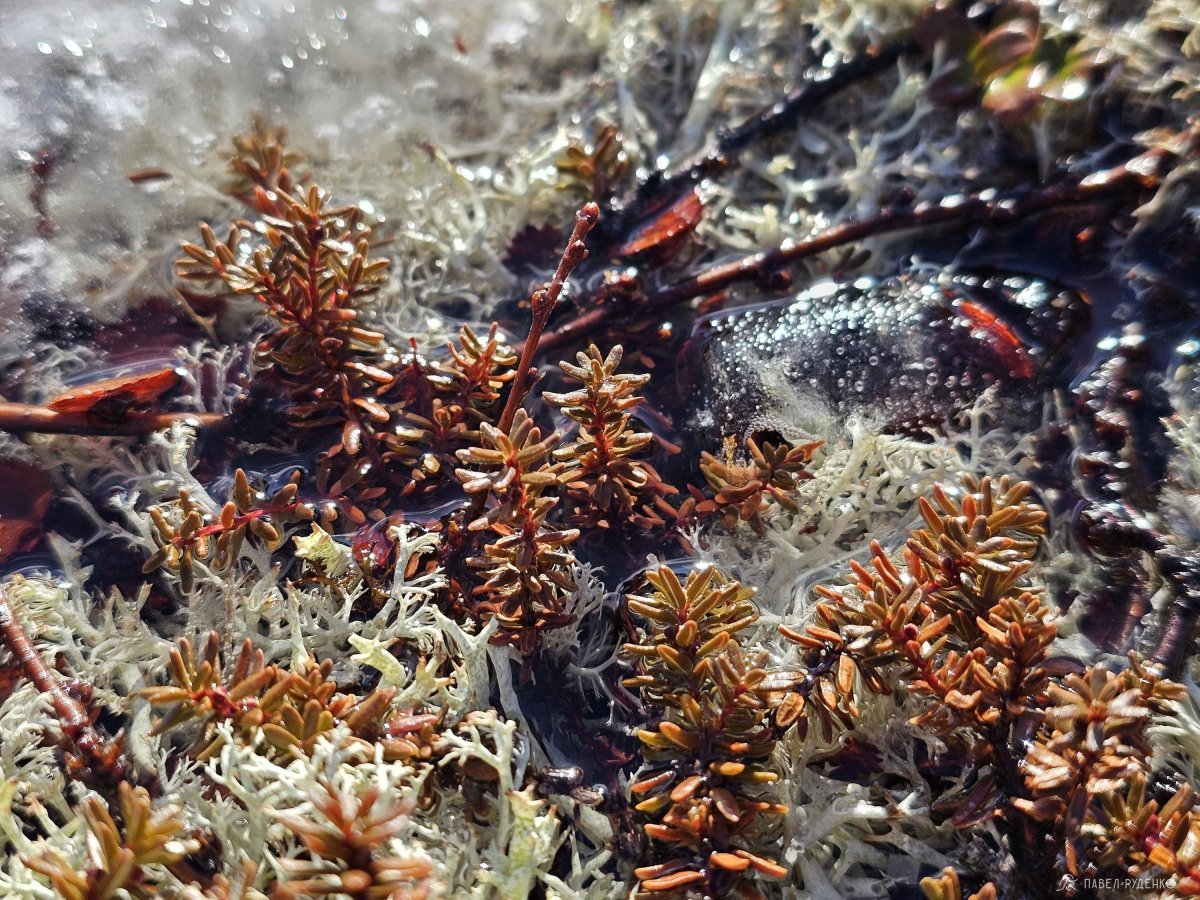
Etter en av stigningene viste seg Barentsahavet — blått, levende og tilprydende. Det er like litt igjen, og vi vil ta av skiene i radialen for å gå på sandstranden under nedtiden. En helt magisk øyeblikk, å være klædd som en polfarer, med ski støvler og gå på grønn moss, å trampe ned på årets gamle bær, sand og selv alg. En snabb overgang fra vinter til sommer. Mørkeblå vann kontrasterer med de hvite fjellet som en blækplette på et rent ark.
Vi står på kanten av kontinentet. Øver hodet vårt flyr en bjørneørn, som er oppført på den røde listen. Nær ved sitter en reinsdyr, hans tette pels beveger seg vakkert i vinden, han gapet, understreker den nordlige roen i tidsforløpet. Havet hypnotiserer, jeg elsker alt dette. Jenta er begeistret.

Telt er et trygt skjold i tundra
Arktis er forandringsfarlig, og vinden blir sterk på 25 m/s. Dette er en virkelig kraft som kan kaste folk ned og tvinge dem å skrike for å bli hørt. Hver kveld løser jeg et gåte om å velge et sted for leiren. Basert på daglige satellittmeteosammenstilling, visualiserer jeg vindvirvler, og leter etter et begge veier vakkert og skjult av fjell fra vinden, og et flat sted. Etter årene i tundra har jeg blitt god til å føle veien for været, og kan noen ganger bestemme nøyaktig når nedbøren skal begynne.
Jeg gir kommandoen: «Telt mot nordvestvinden! Installer alle spennere!»

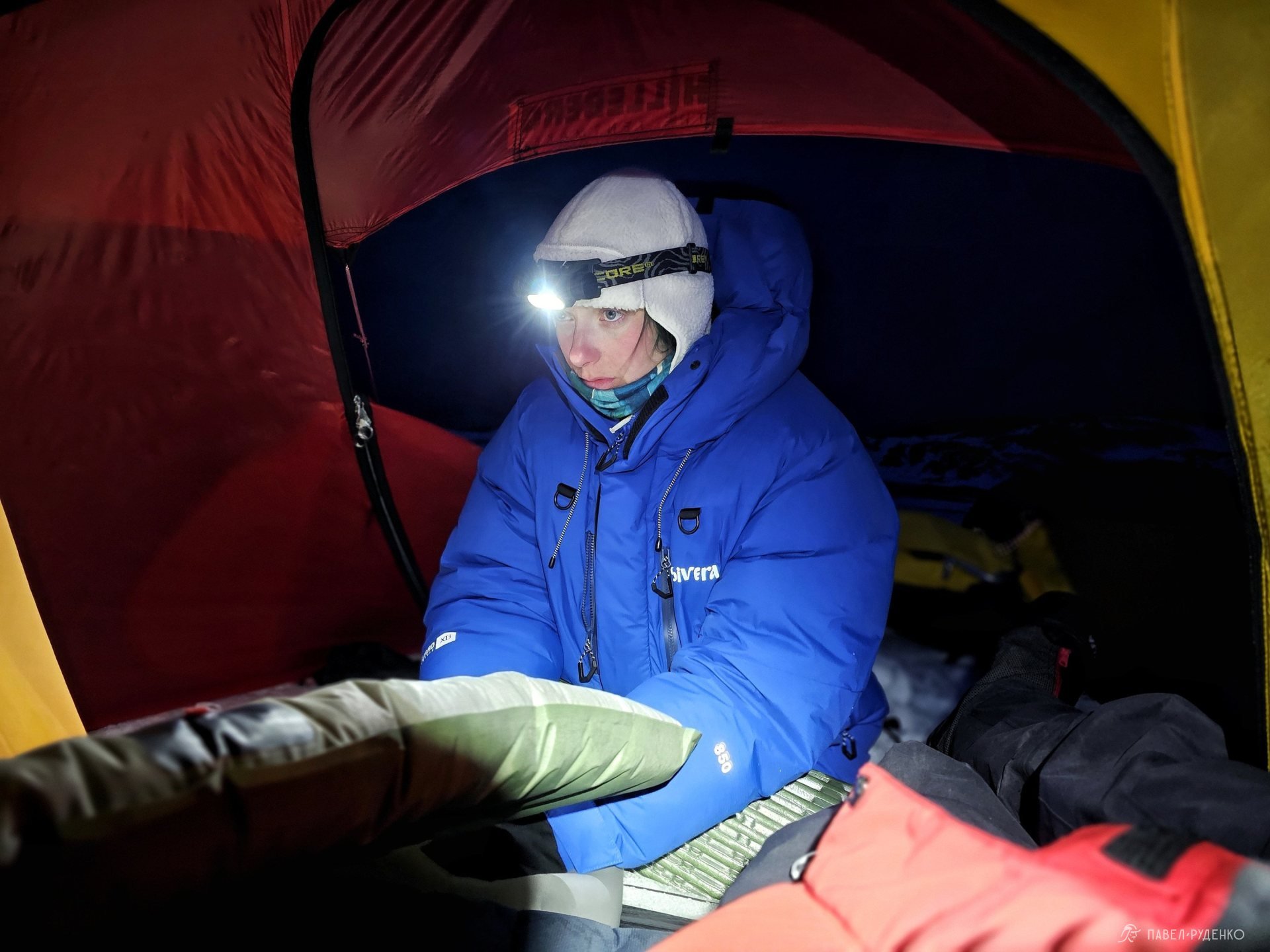

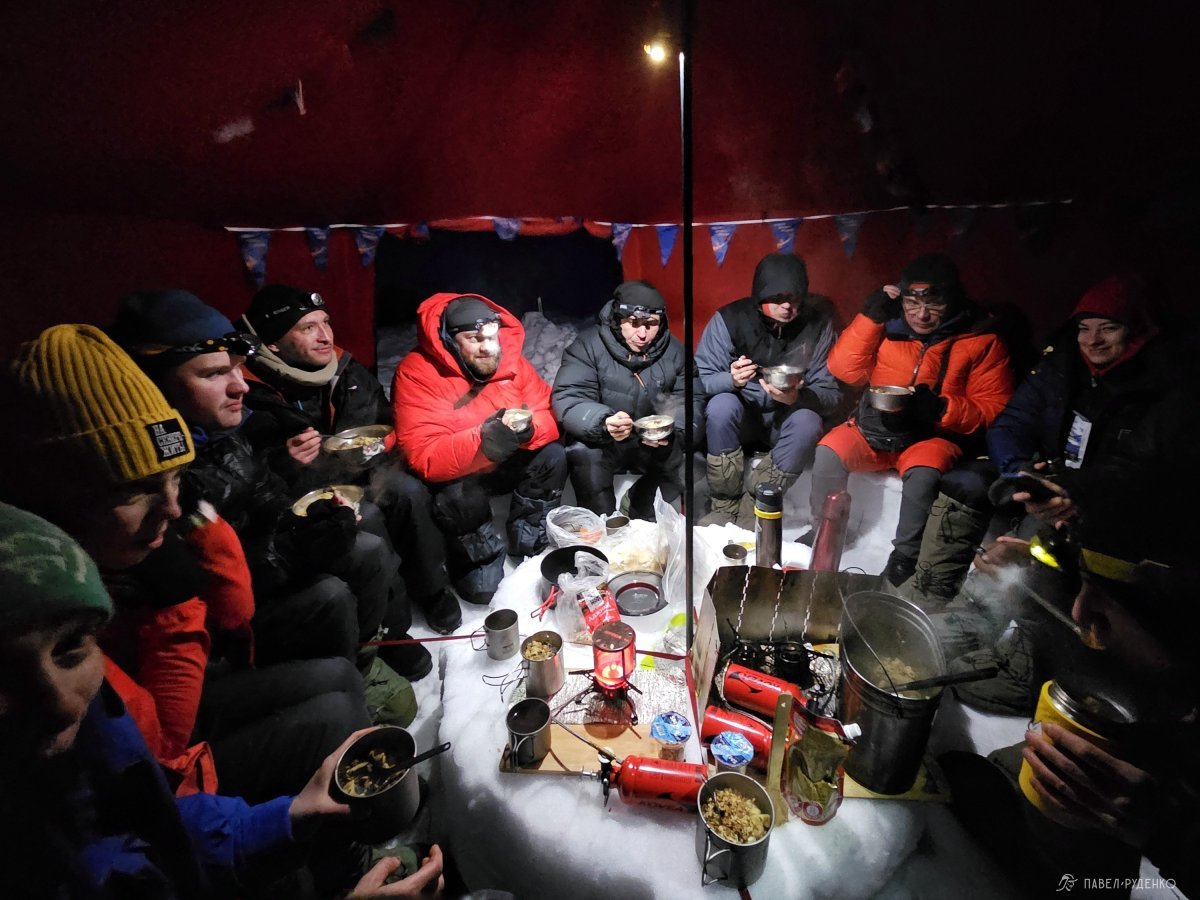
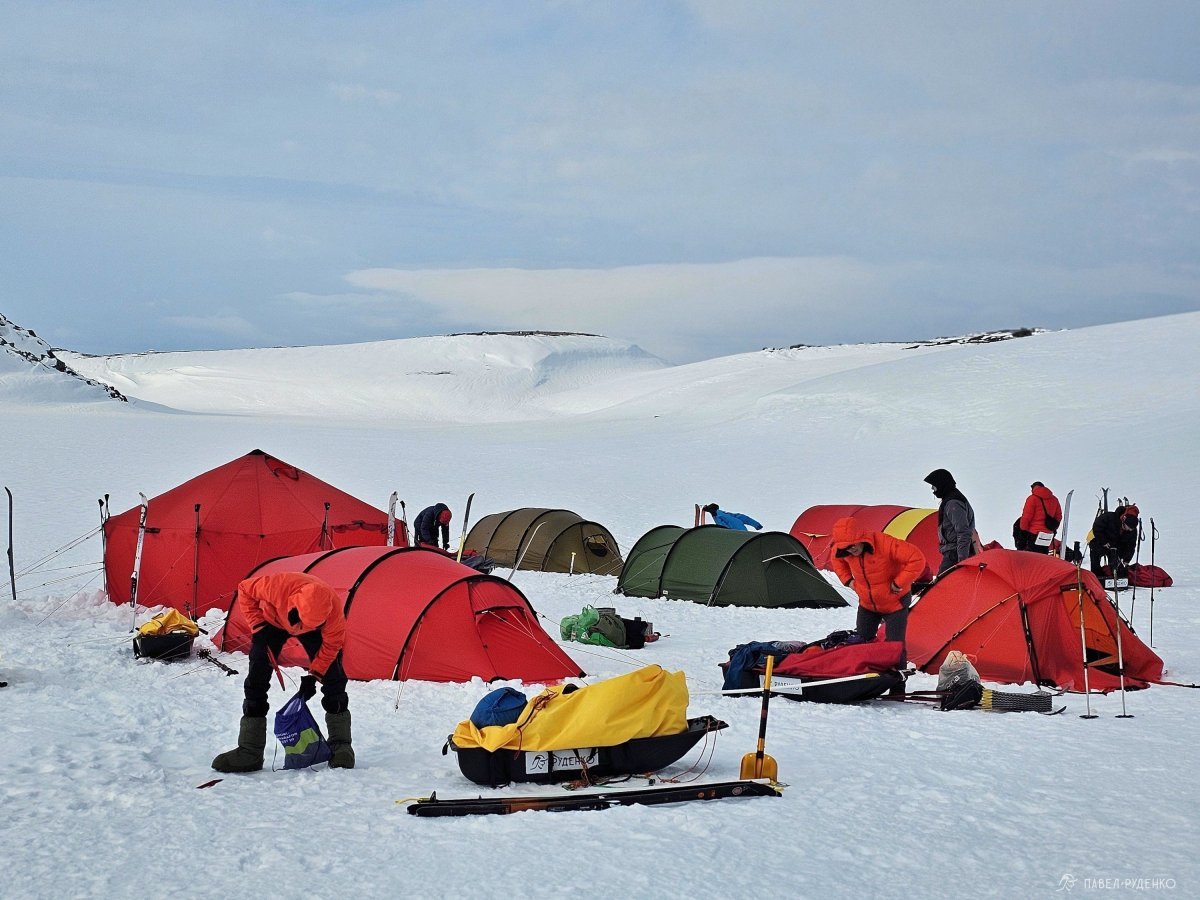
Dinner i telt Hilleberg Altai, vi kaller den kjært «veja» som et saamisk hus. I telt er det ingen vind, det er hyggelig i pelsjakker, og det blir varmt fra brannstøkker. Jeg har lært om eksistensen av en refleksjonsskille for en benzinbrannstøkke: den veier 100 g og gir merkelig varme. Livet lærer, har bestilt to stykker for meg selv. Nå blir veja enda hyggeligere, selv om det er så mye. Vi spiser linsesuppe med reinsdyrkjøtt, drikker te med søtt og fyller det i termoser på natt.
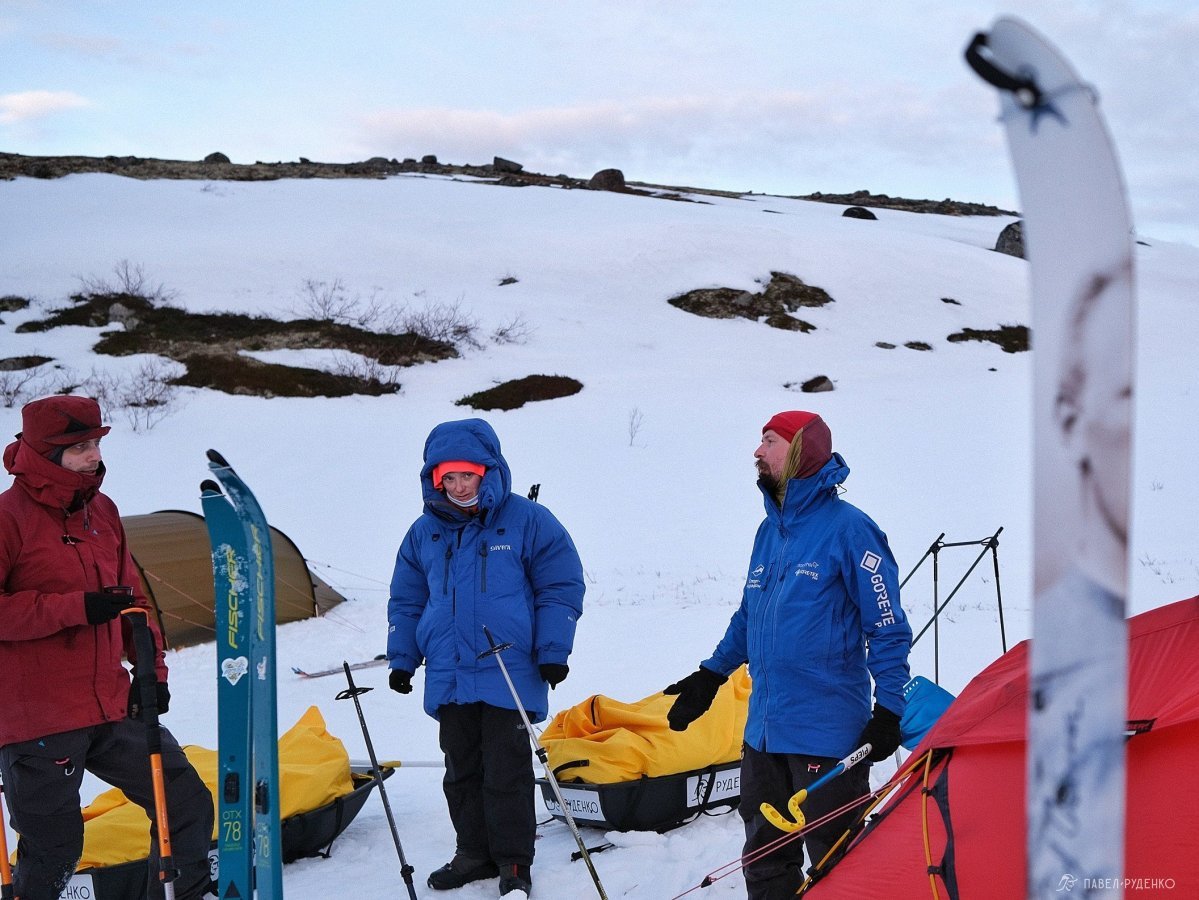
Jeg gir ut telt, bruker de mest pålitelige, beregnet på ekspedisjoner til polene, i min sortiment er det allerede Hilleberg Kaitum 2GT, Hilleberg Nallo 2, Helsport Spitsbergen 4 xTherm, Fjällräven Keb 3 GT, styrket med to bue, og kjøper flere. Delen av teamet bruker egne telt, på denne turen hadde guttene Hilleberg Soulo, Hilleberg Kaitum 3GT og Hilleberg Jannu. Det var interessant å se ulike modeller i bruk.
Midnatten blåser vinden med ny kraft og svever teltet, det er søt å sove i slikt vær. Gikk ut kl. 02:00 for å sjekke teamet, telt: alt står, nå kan også jeg legge meg fredelig. Lytter til stormens raseri og tenker:
«Det er for dette vi reiser nord for å føle denne kraften, å stille oss ansikt til ansikt med den».


Putter oss av
Det er hyggelig å se hvordan de opptatte videoene og artiklene hjelper alle med å samle seg riktig. Hver enkelt er beskyttet mot vind og kald. Eget ski-utstyr må bli prøvd i flere turer for å nærme seg det ideale. Så har en av guttene fått et blister på foten av sko «Fischer Transnordic» — i knogleområdet er det tjuke innslag som trykker mange. Plaster hjalp ikke, og vi tar med oss sani og fullfører hele rutene.
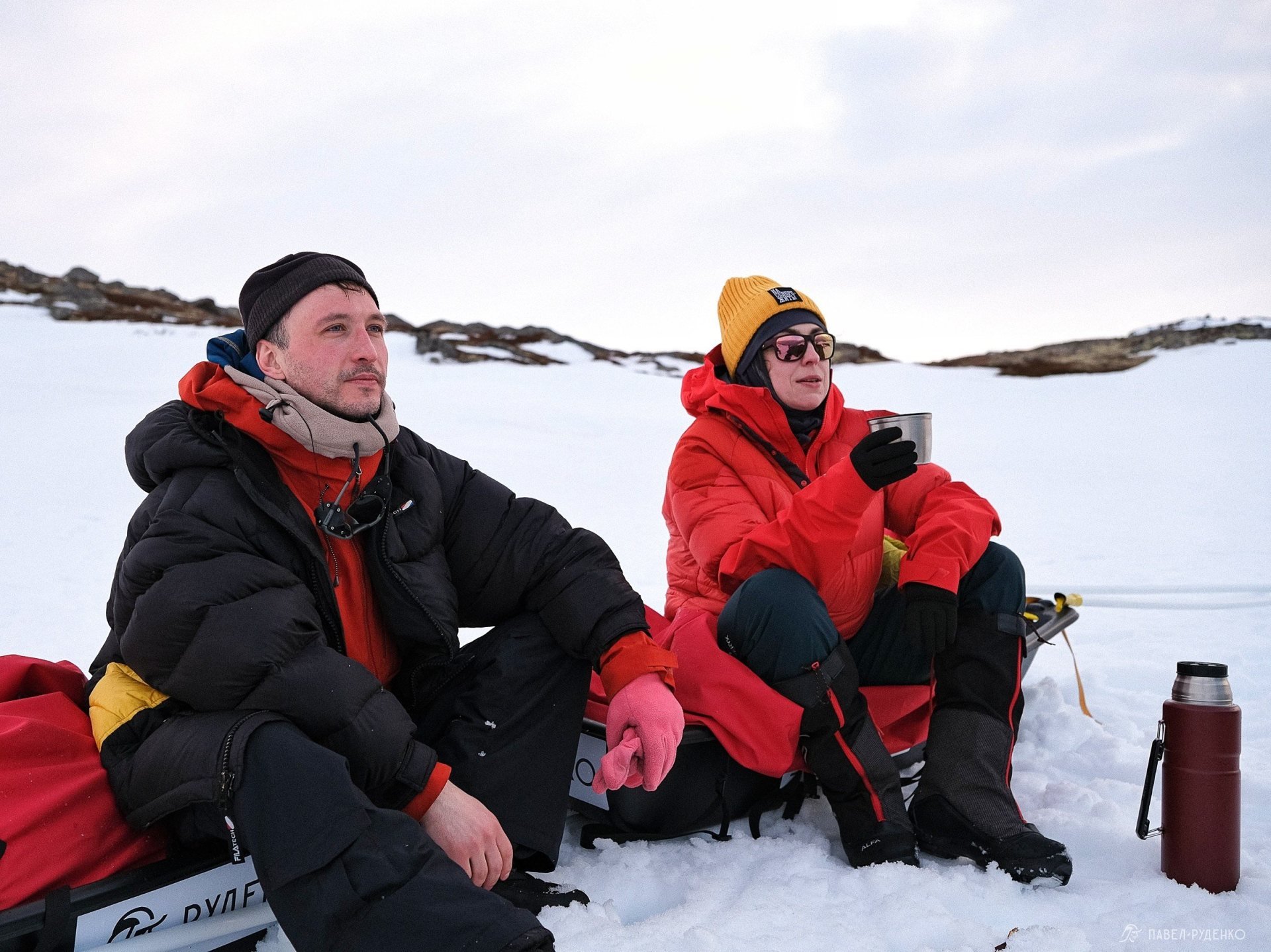
På veien gjør vi en pause for å spise lunsj, i dag burrito i lavash. Hver enkelt har et termos på 0,7–1 l, som fylles opp på morgenen. På denne turen har guttene prøvd modellen Thermos FFX: en perfekt tenkt ut lås, som ikke frier, åpnes så lett; og veier 390 g for 0,9 l. Jeg vil bytte ut min Montbell mot den.
Isfloating i Barentsahavet
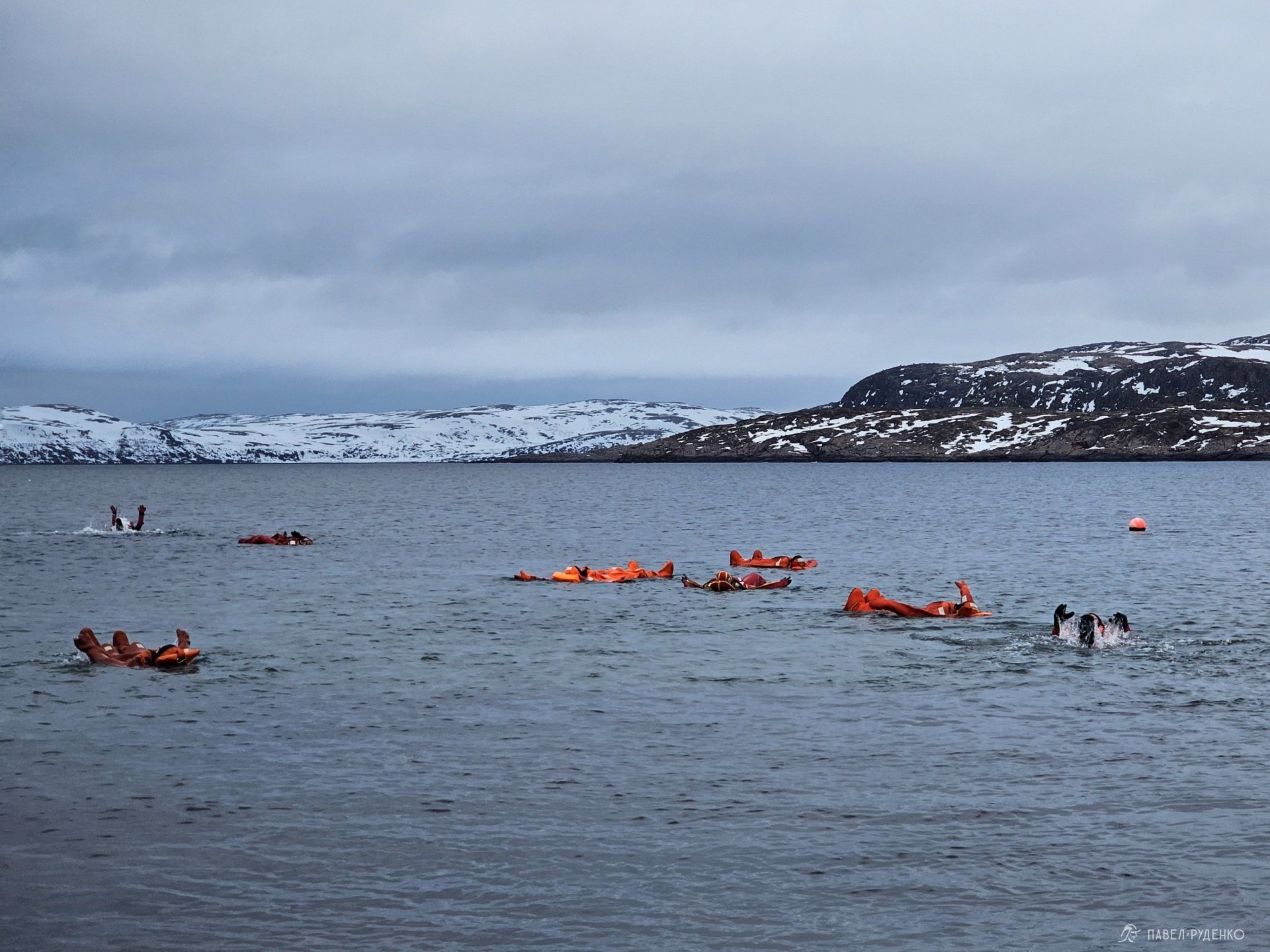
Å bade i Barentsahavet i vinteren — utfordringen er akseptert! I slutten av ruten går vi på isfloating, trekker på spesialkostymer og går i vannet. Det er et følelse som i rommet, bare med hvite fjell rundt. I motsetning til Kandalaksha er tjenesten her dårligere, og noen av kostymer var ikke vanntett, og klærne ble litt bløt. Dette passer oss ikke; jeg vil ikke gjøre isfloating i Teiberka i fremtiden.
Vi reiser tilbake til Murmansk. Jenta vil ikke gå tilbake, og jeg har allerede tenkt ut hvor vi skal gå neste år for å utforske nye fascinerende steder. Vår sjel er i tundra, der vinden tegner sine linjer og horisonten går i uendelighet.

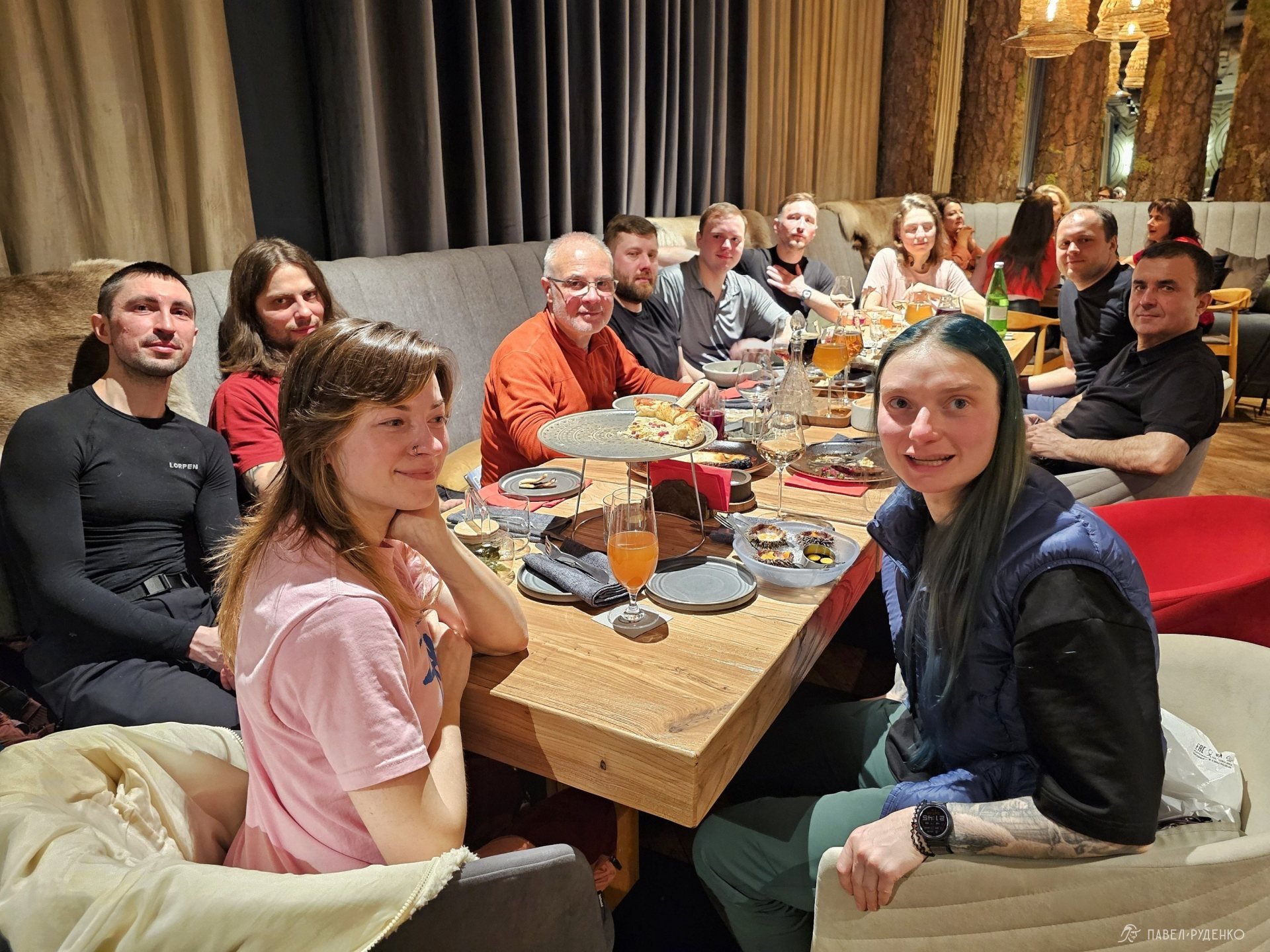
Og så går vi til den nye åpne restauranten i Murmansk — «Sampo». Veldig flott innredning, mange pels, horn og tre, hva enn det er. Maten er utmerket; bestilte reinsdyrkjøtt i bær-démiglase med kjøttekasjer — anbefaler både restauranten og retten.
Uke etter skriver meg den første deltakeren: «Legg meg inn i forhåndsregistreringen for neste ski-tur». Så kommer den andre, tredje… Fordi Arktis er som en god bok: man vil lese den igjen og igjen.
Hvis dine øyne også gløder og nysgjerrighet, slå med oss, vi skal gå sammen!