
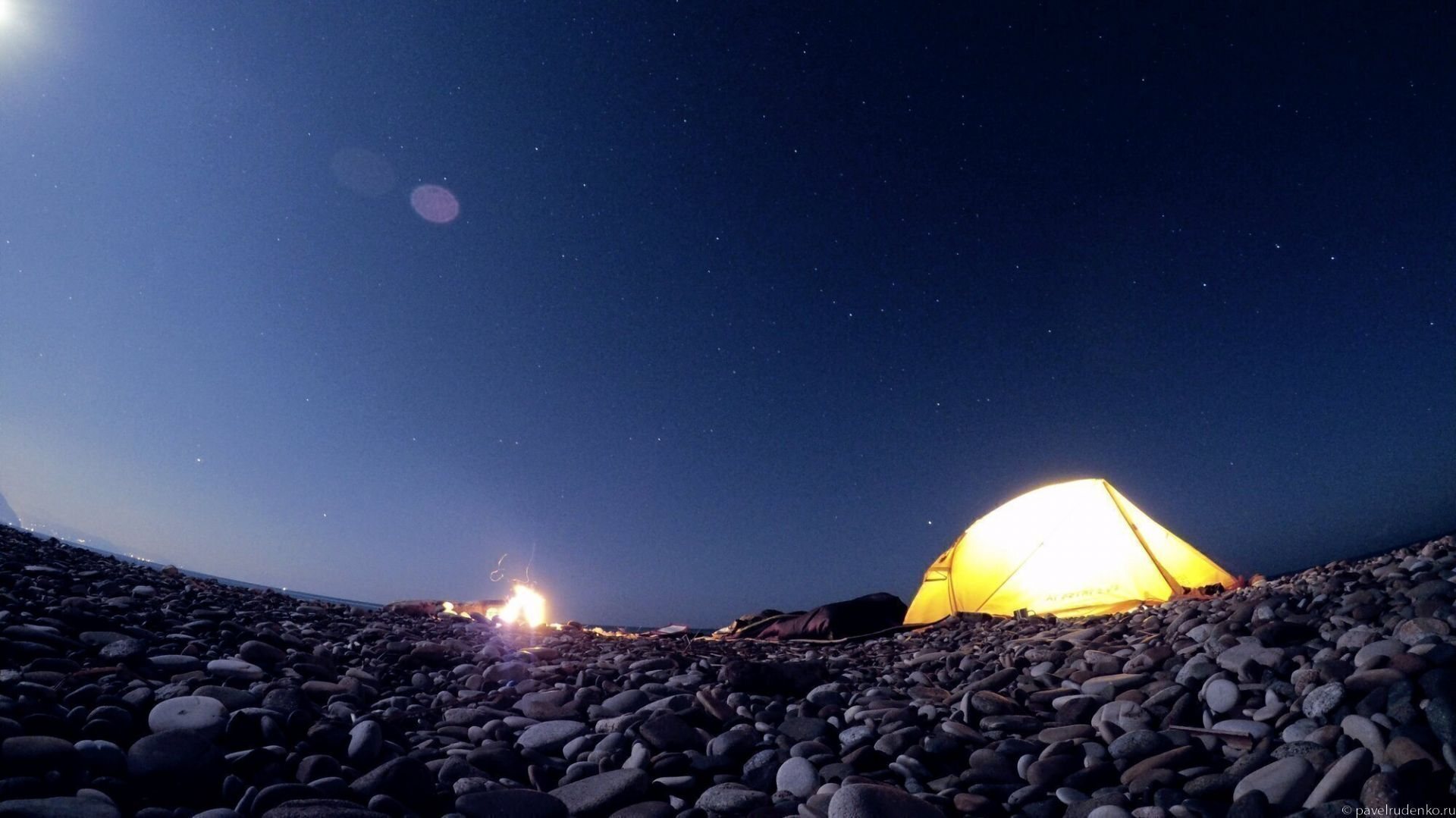
Nova Tour Ai-Petri 2 v2 Tent Review
This tent has been discontinued.
However, this review remains relevant for comparing similar models that are still on the market: Normal Zero 2, Snaryazhenie Vega 2, Bask SharFinFlap 2.
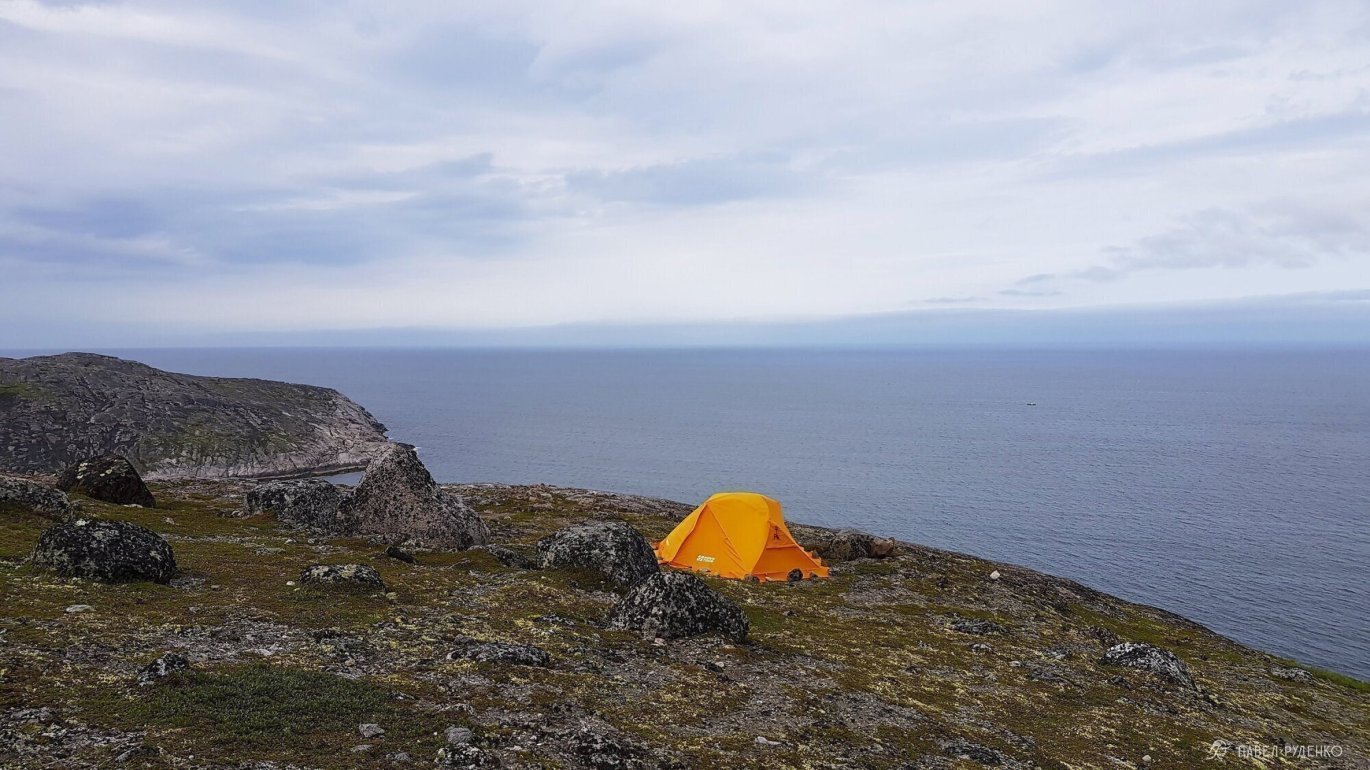
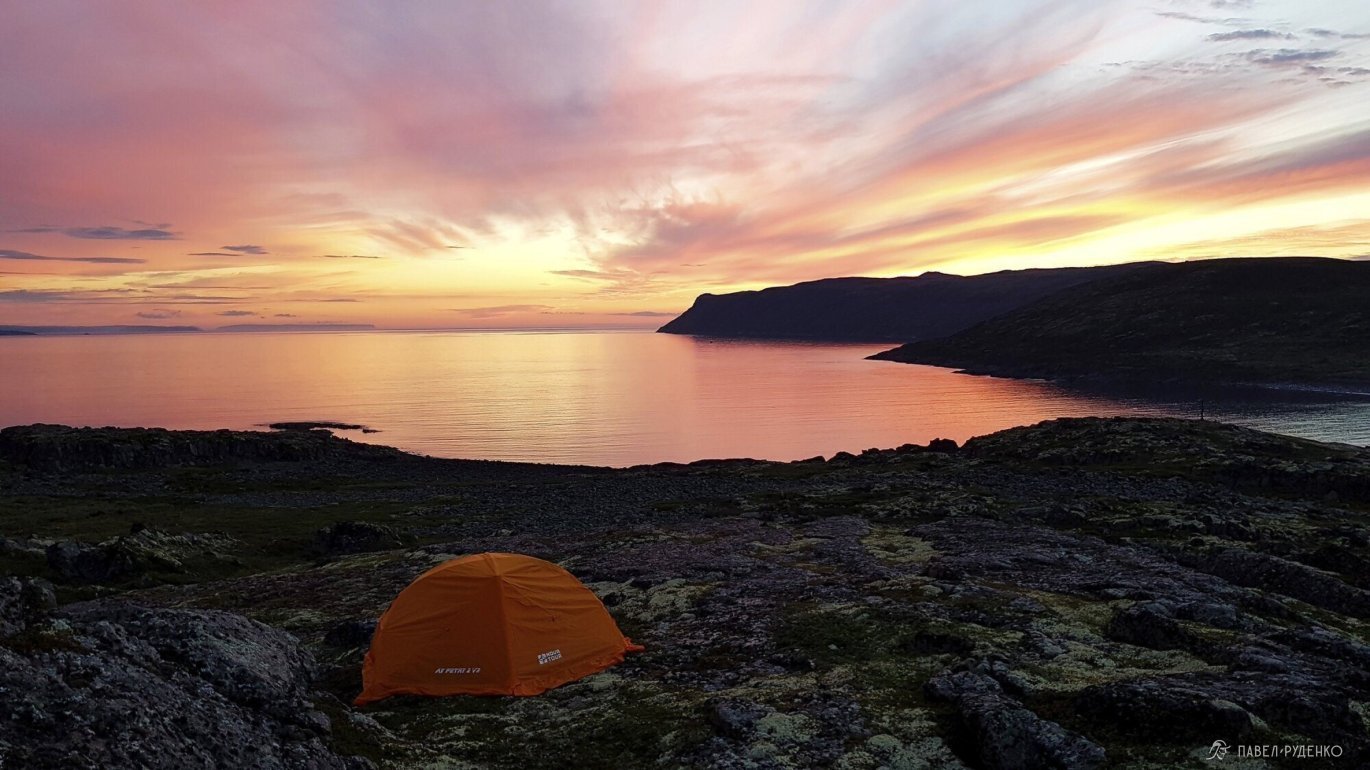
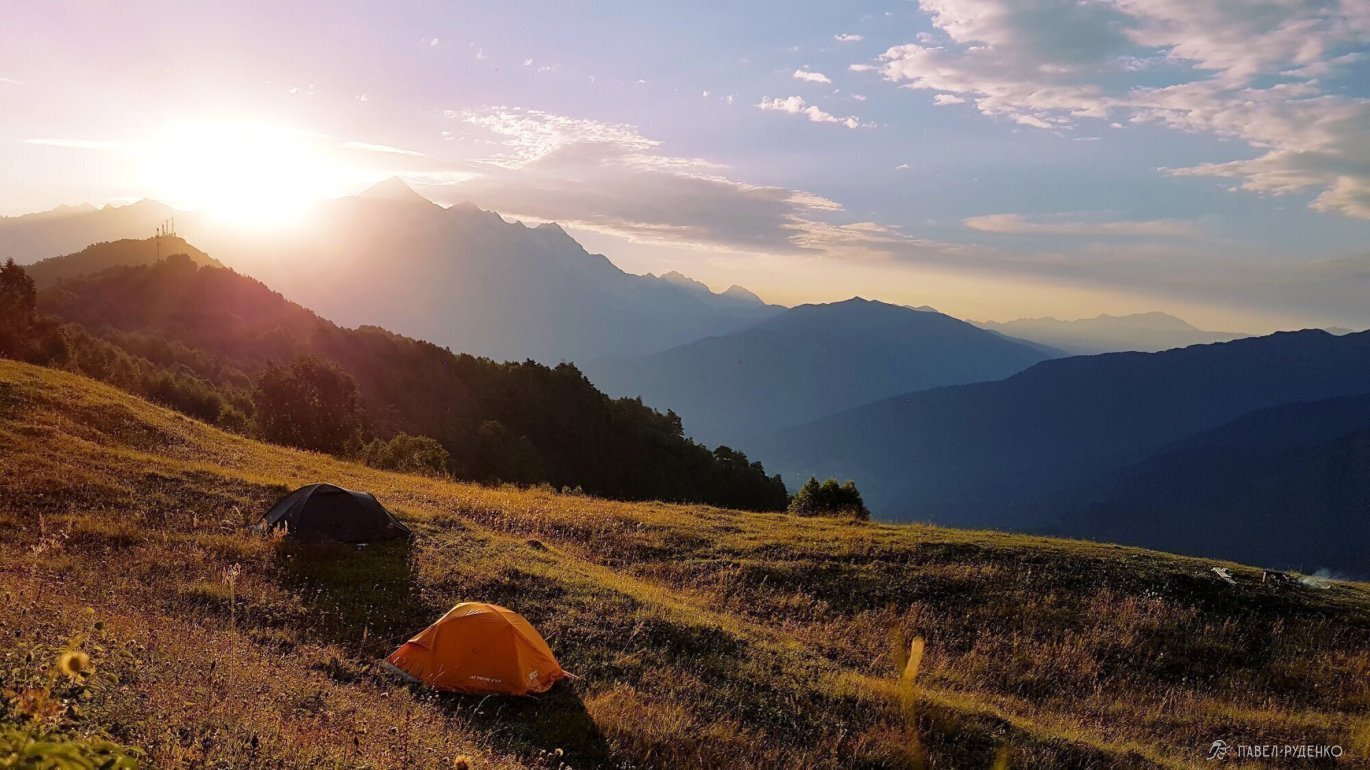
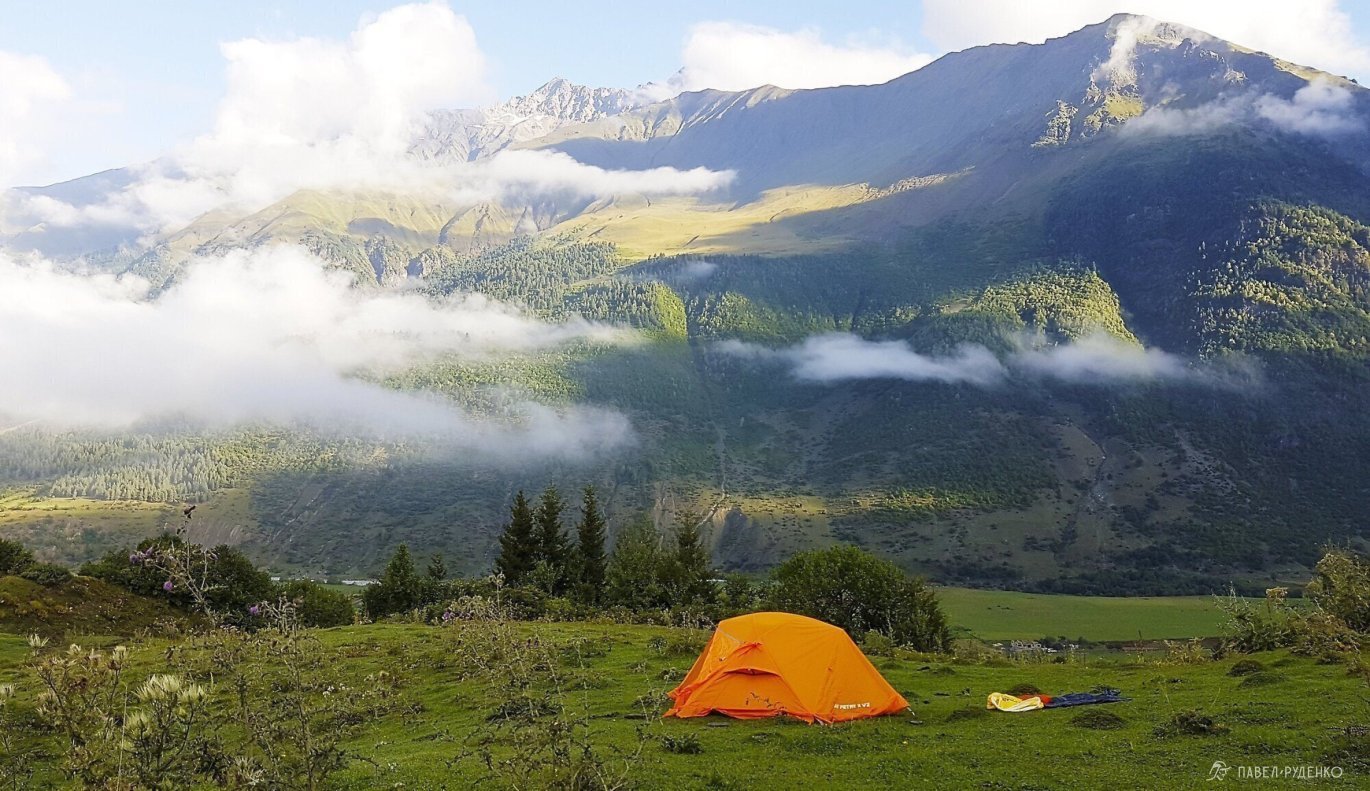
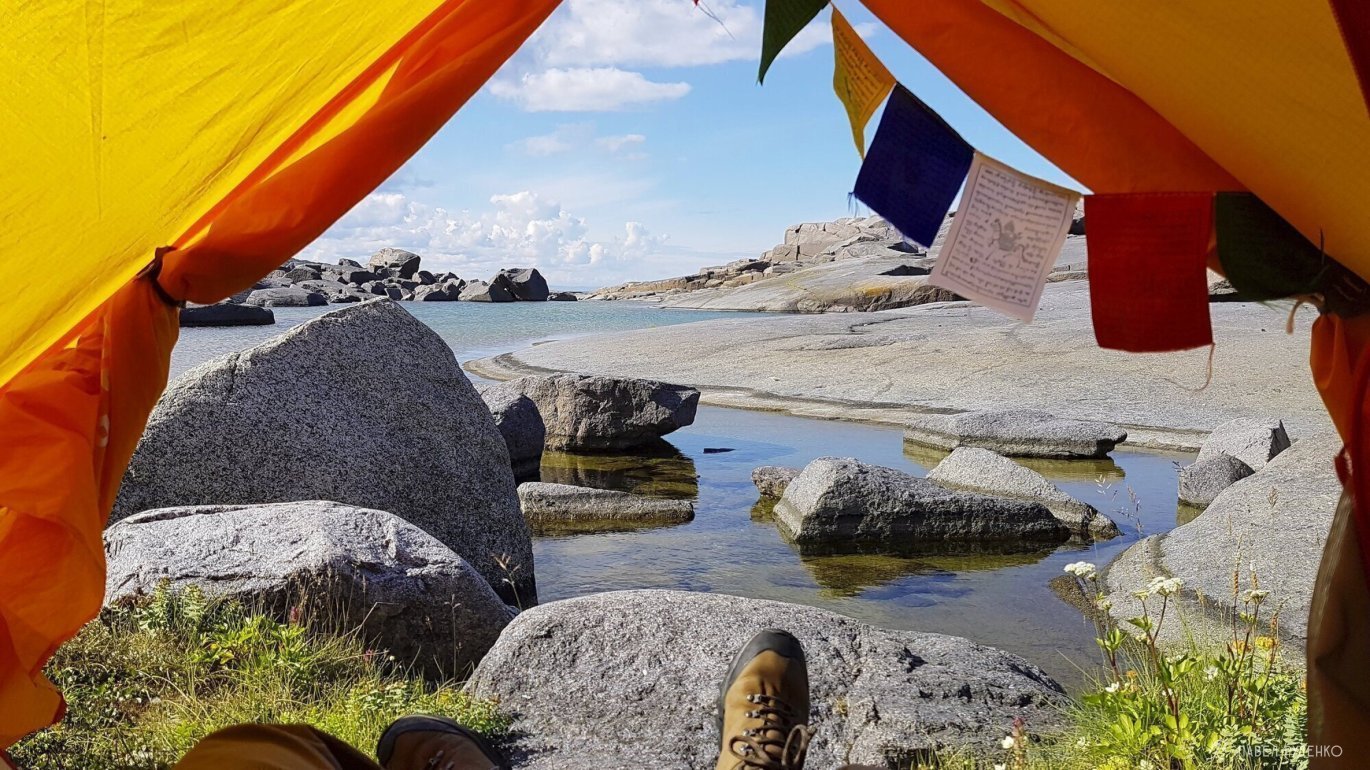
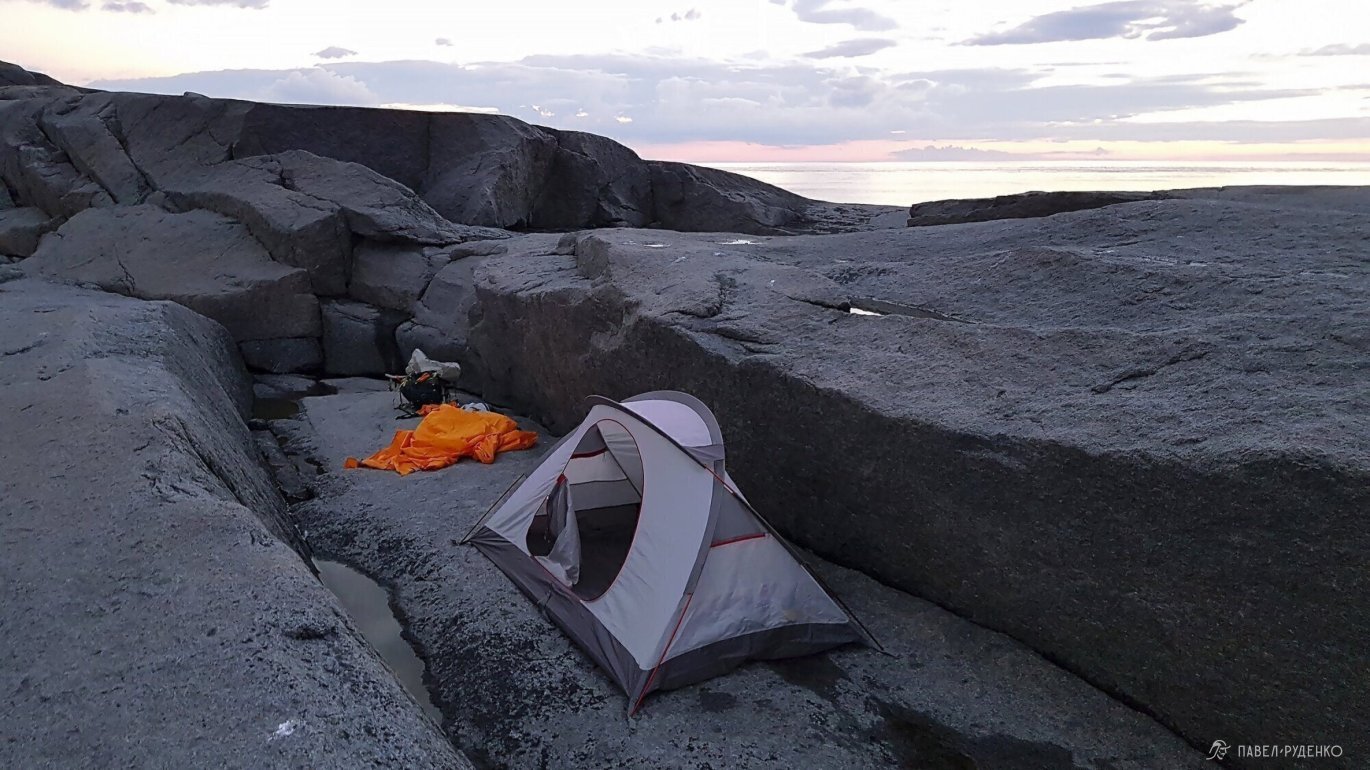
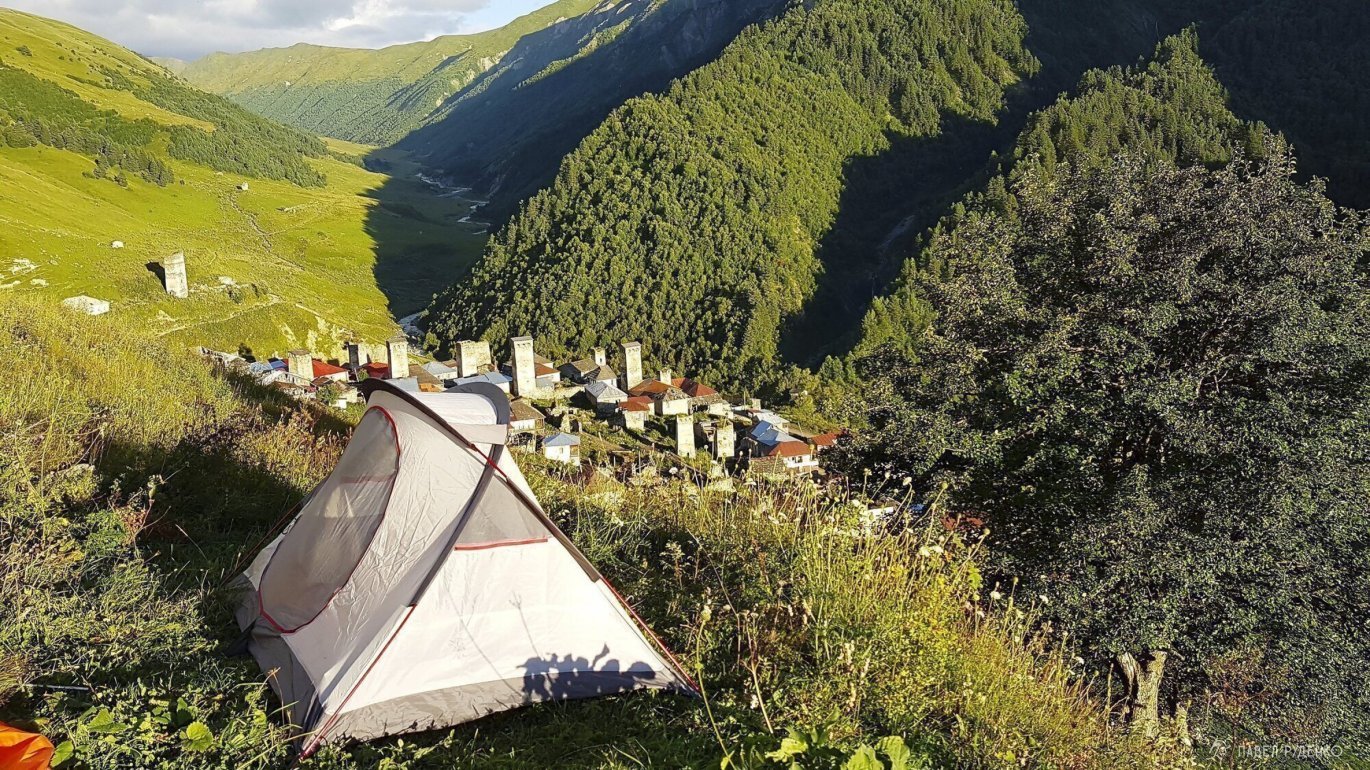
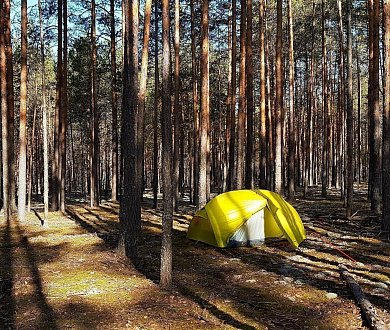
I used the Nova Tour Ai-Petri 2 v2 tent for 4 years, logging over 200 nights across diverse conditions — from the tundra and the Caucasus at 3,500 m to the beaches of Turkey.
The tent is primarily attractive due to its double pole-crossover architecture, commonly known as a 'fish' design. While it appears to be a wind-resistant setup, there is actually a major catch, which I will cover below.
Specifications
| Rainfly | Poly Taffeta 210T R/S PU, 7,000 mm |
|---|---|
| Floor | Poly Taffeta 210T PU, 10,000 mm |
| Inner Tent | Poly Taffeta 210T W/R BR |
| Poles | Al 7001 — T6, 8.5 mm |
| Min. weight | 2.6 kg |
| Weight | 3.1 kg |
Wind Resistance
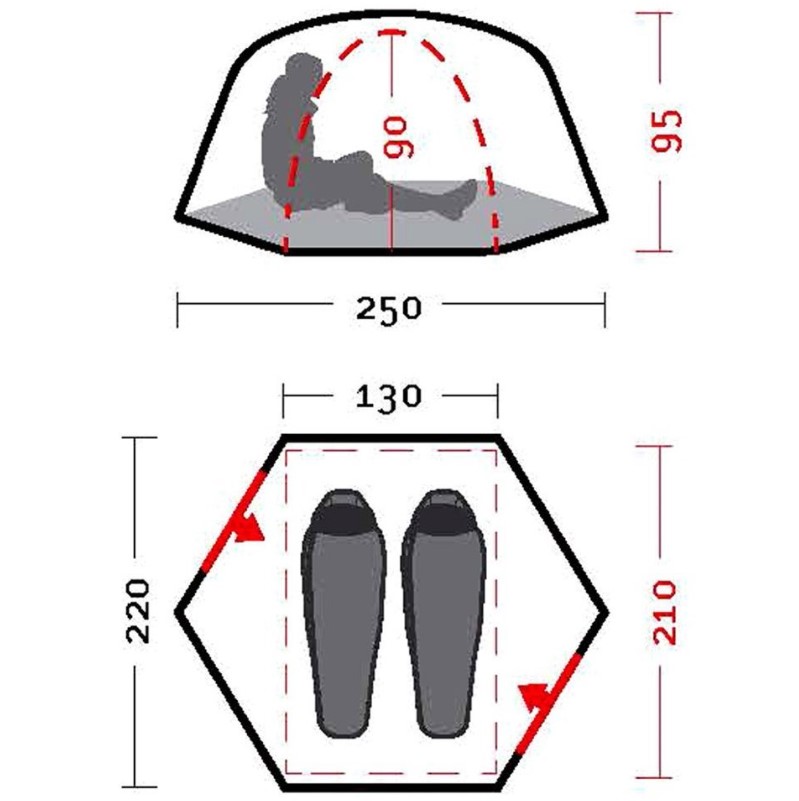
The frame with a double crossover combined with a ridge pole creates 4 intersection points, providing high structural rigidity. The tent height is only 95 cm, which is lower than many counterparts. The snow/wind skirt, combined with proper pitch into the wind, delivers decent stability. In practice, however, excessive tension from the double crossover puts severe stress on the poles, causing them to bend and snap frequently. This issue could be solved with premium poles from Yanan or DAC, but Russian manufacturers rarely indulge in such luxury. So while the tent feels wind-resistant — and I have weathered winds up to 20 m/s in it — pole failures are virtually guaranteed.
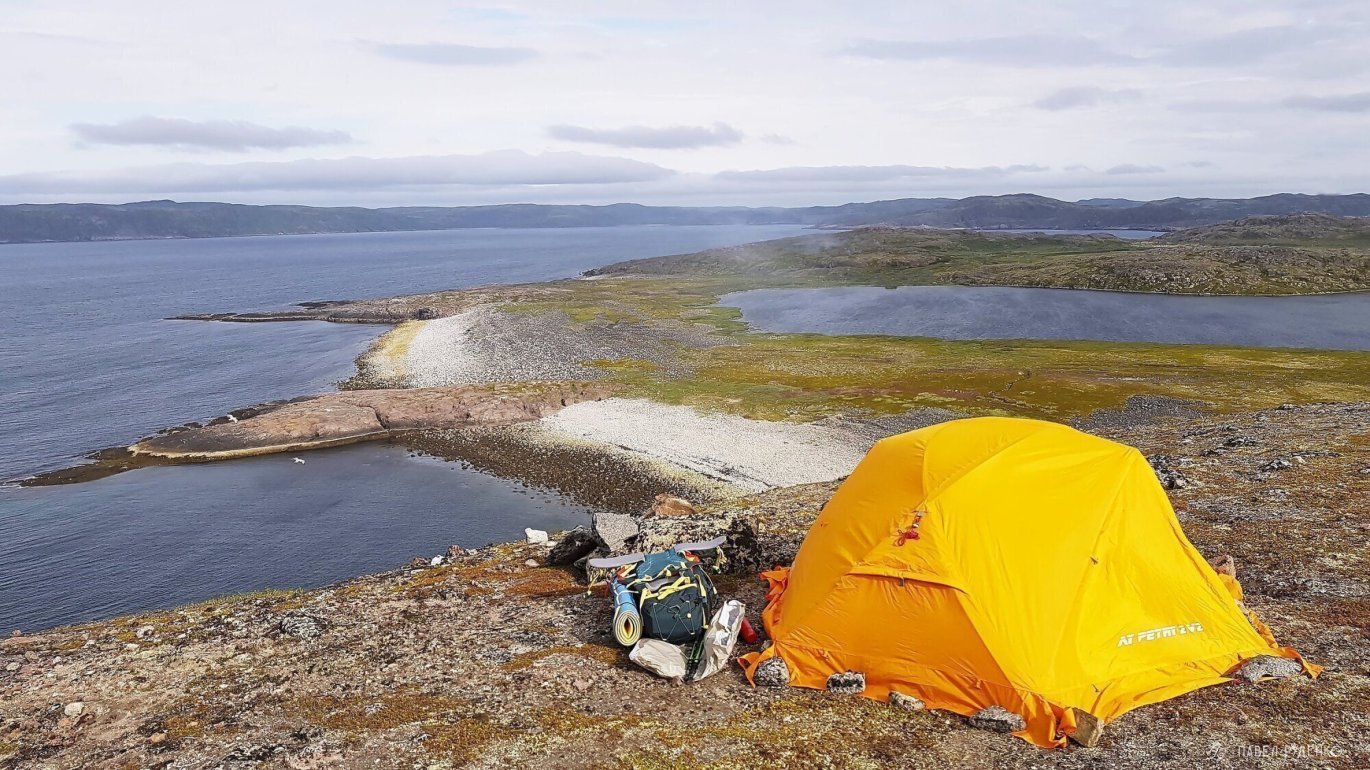
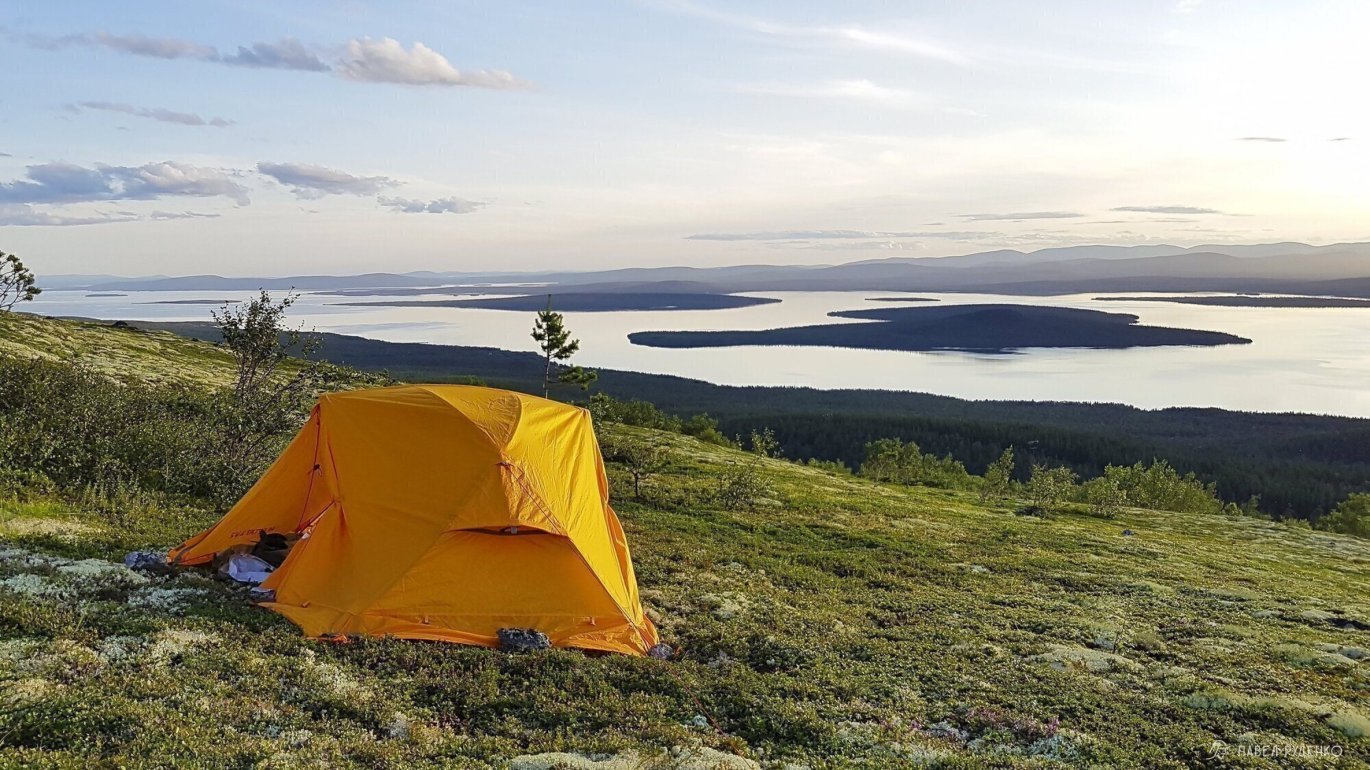
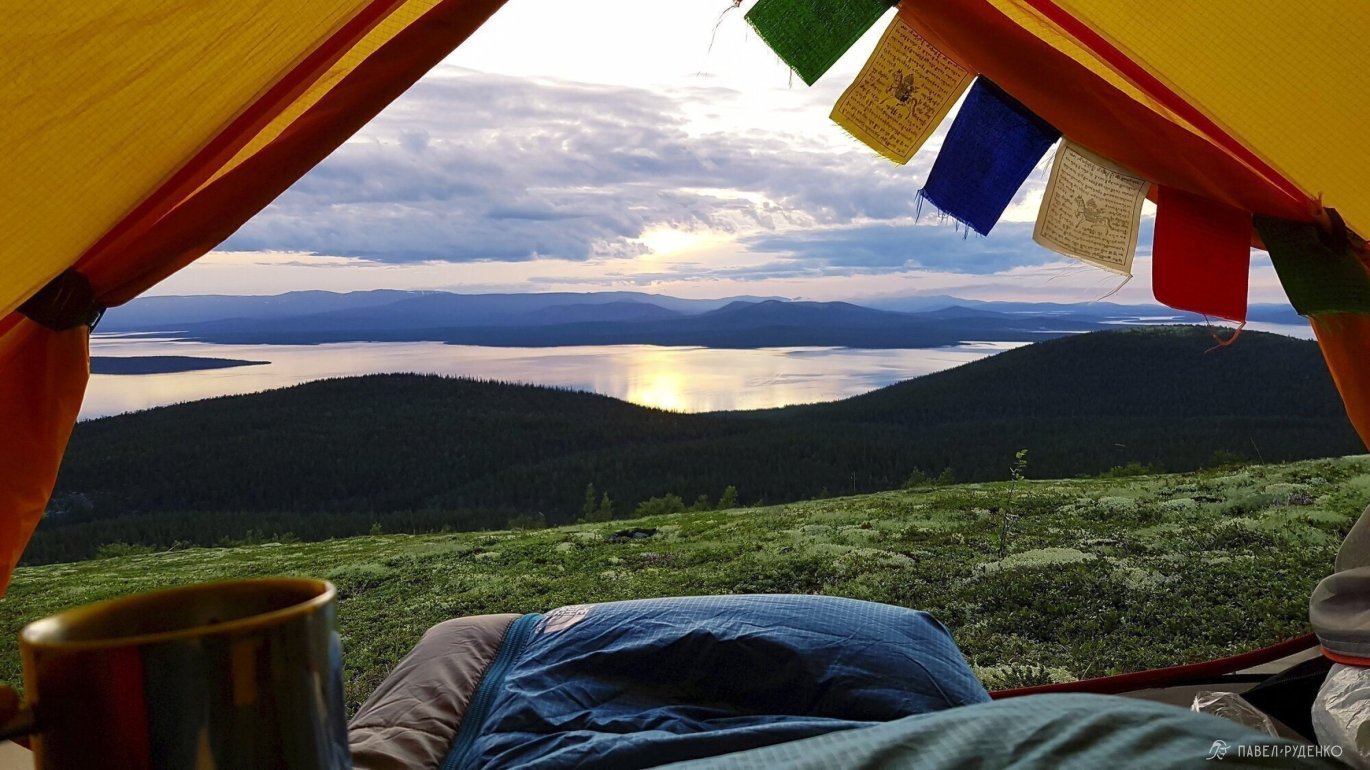
Nova Tour Tent Purpose
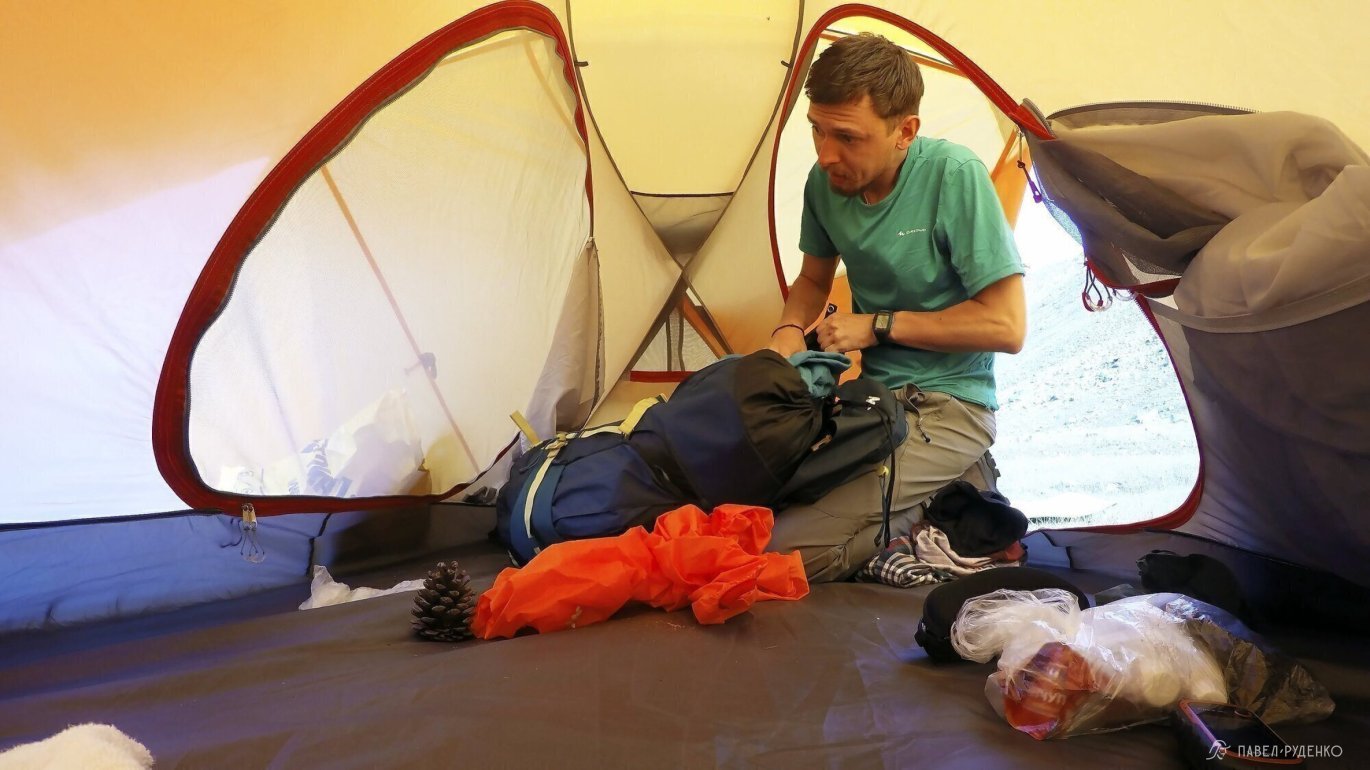
The solid fabric inner tent with two mesh-backed doors makes it an ideal 4-season setup: never too hot in summer, never too cold in winter. The ridge pole only adds volume to the vestibules, not the living area, which reduces interior comfort and makes winter camping realistic for only one person.
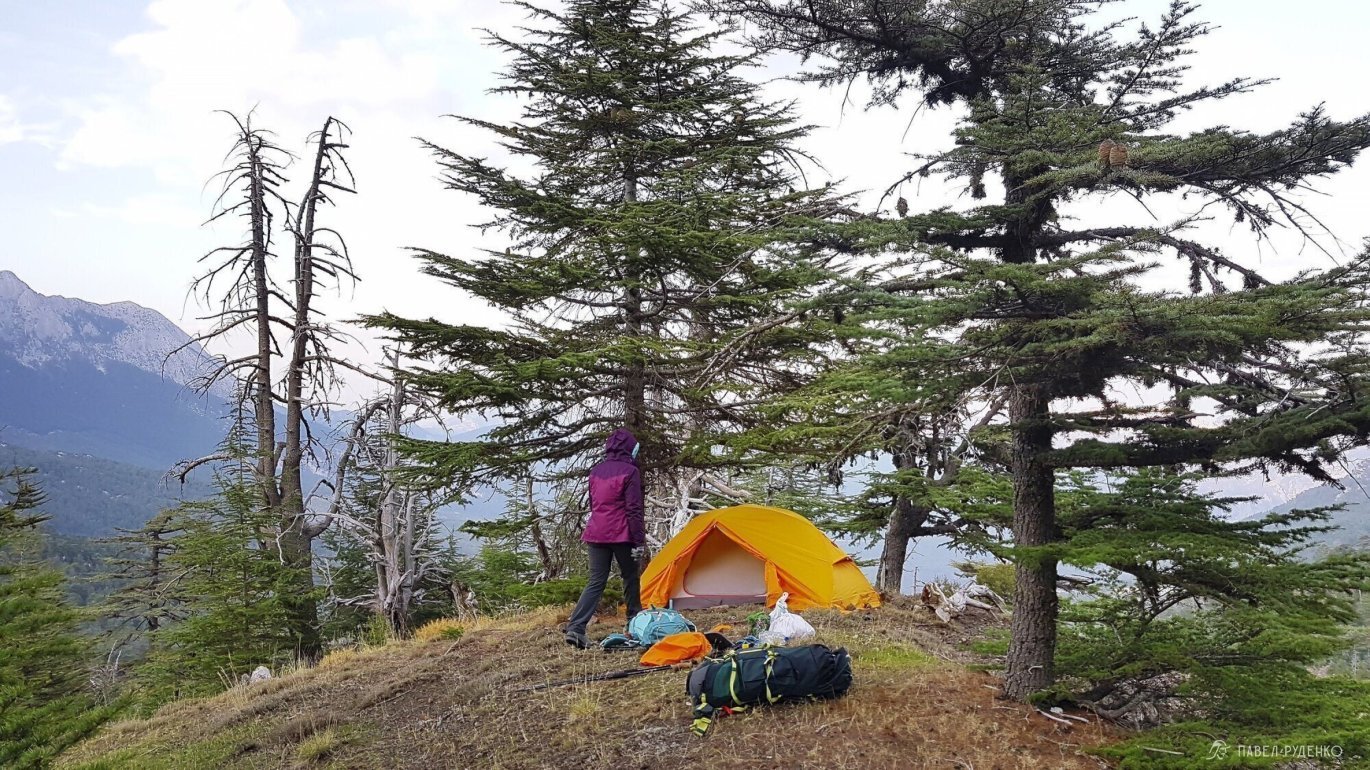
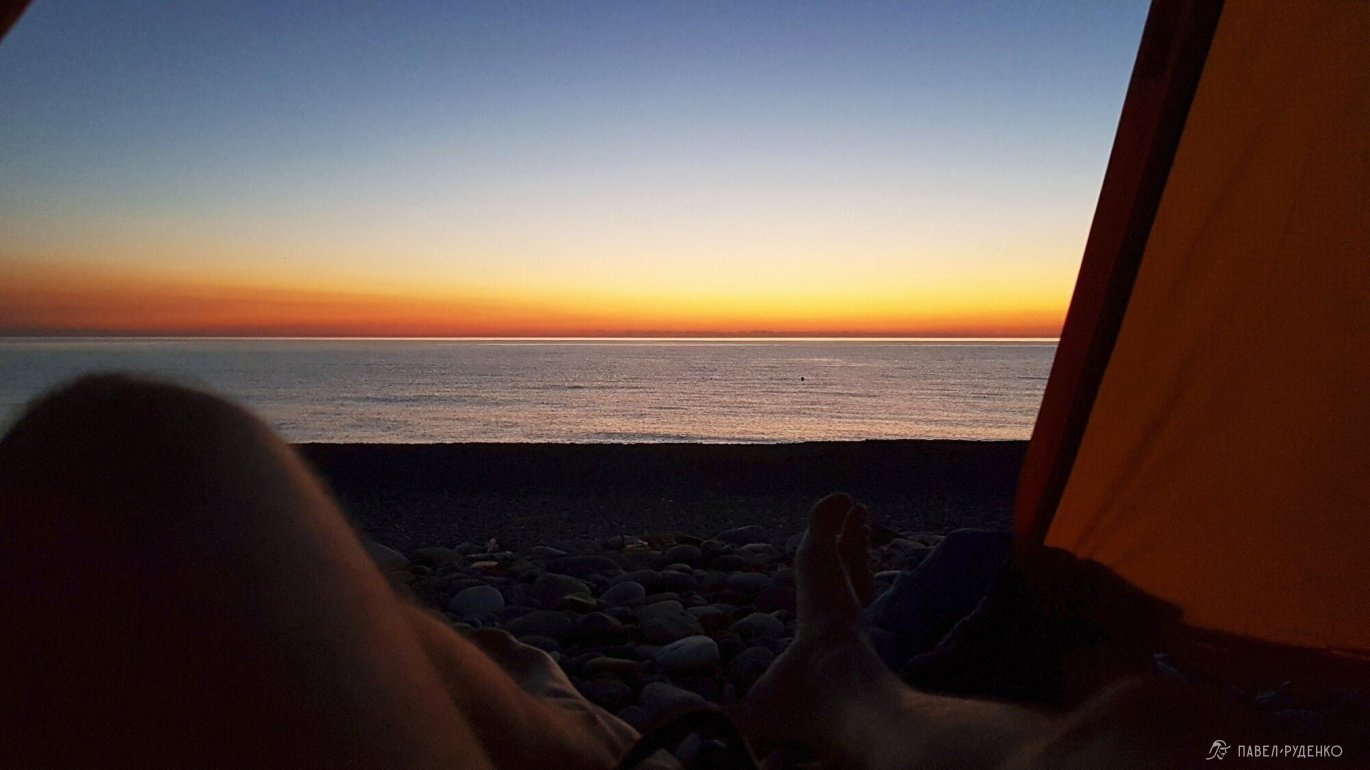
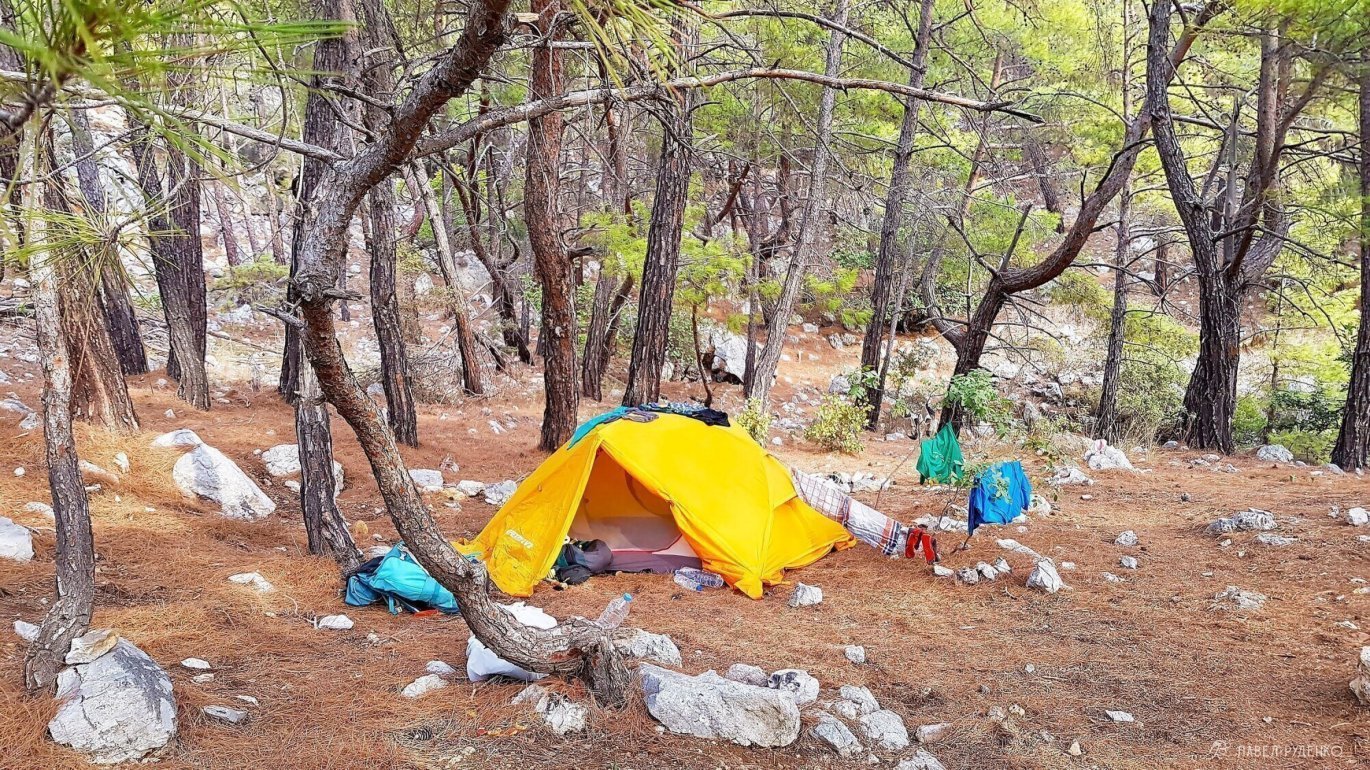
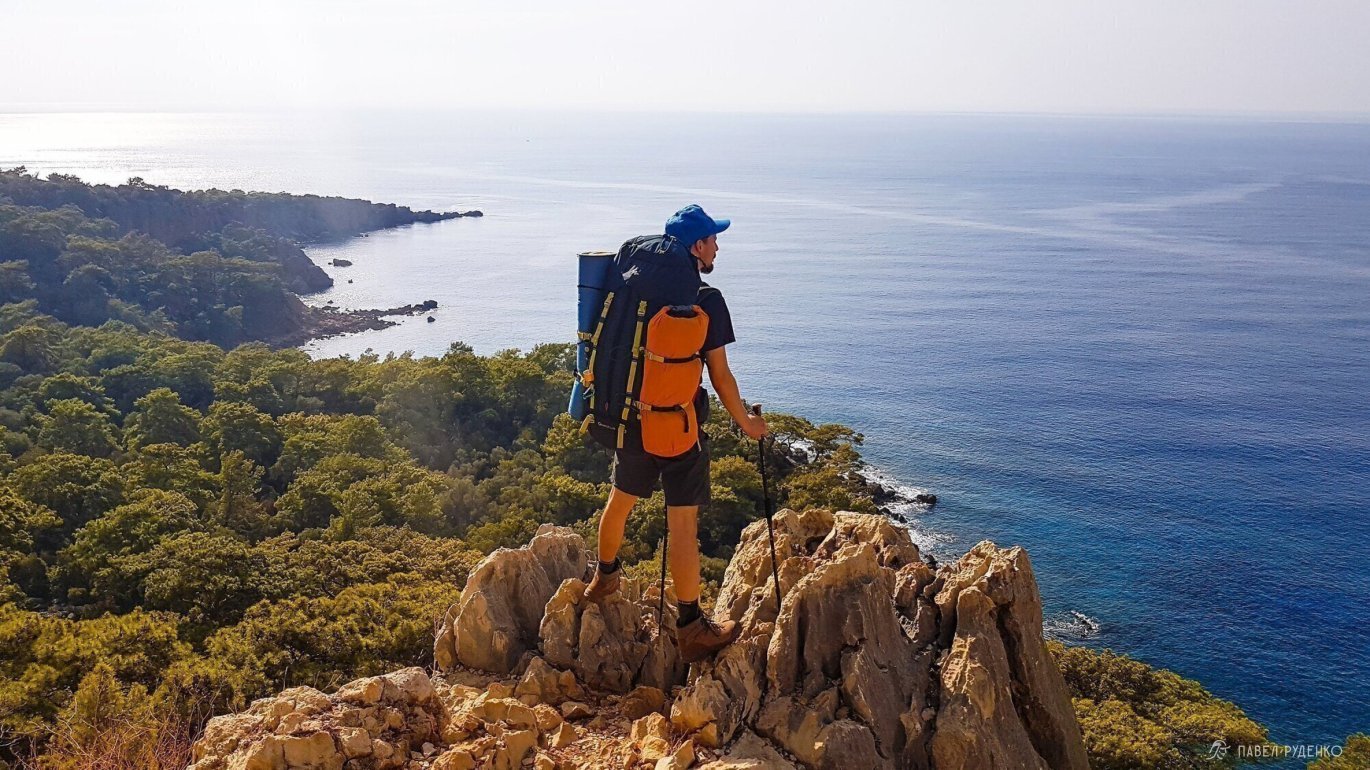
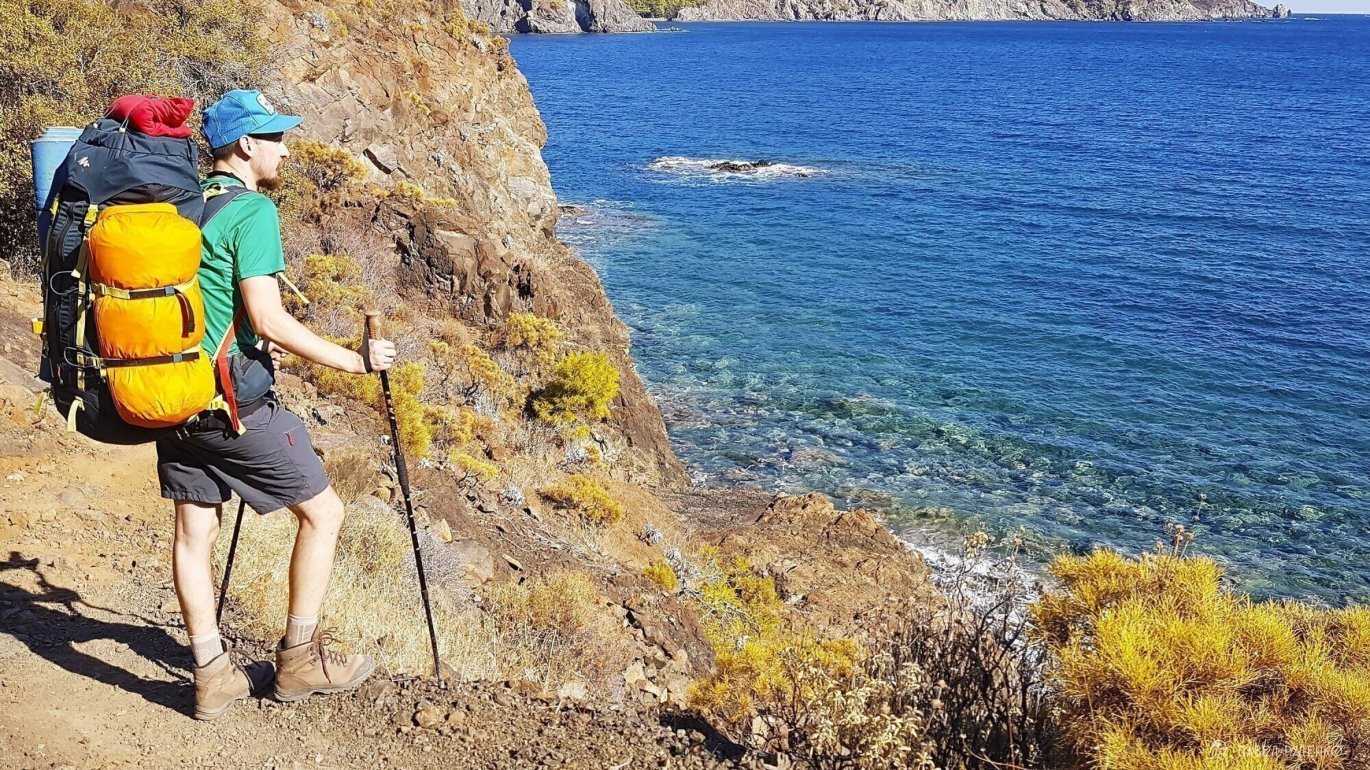
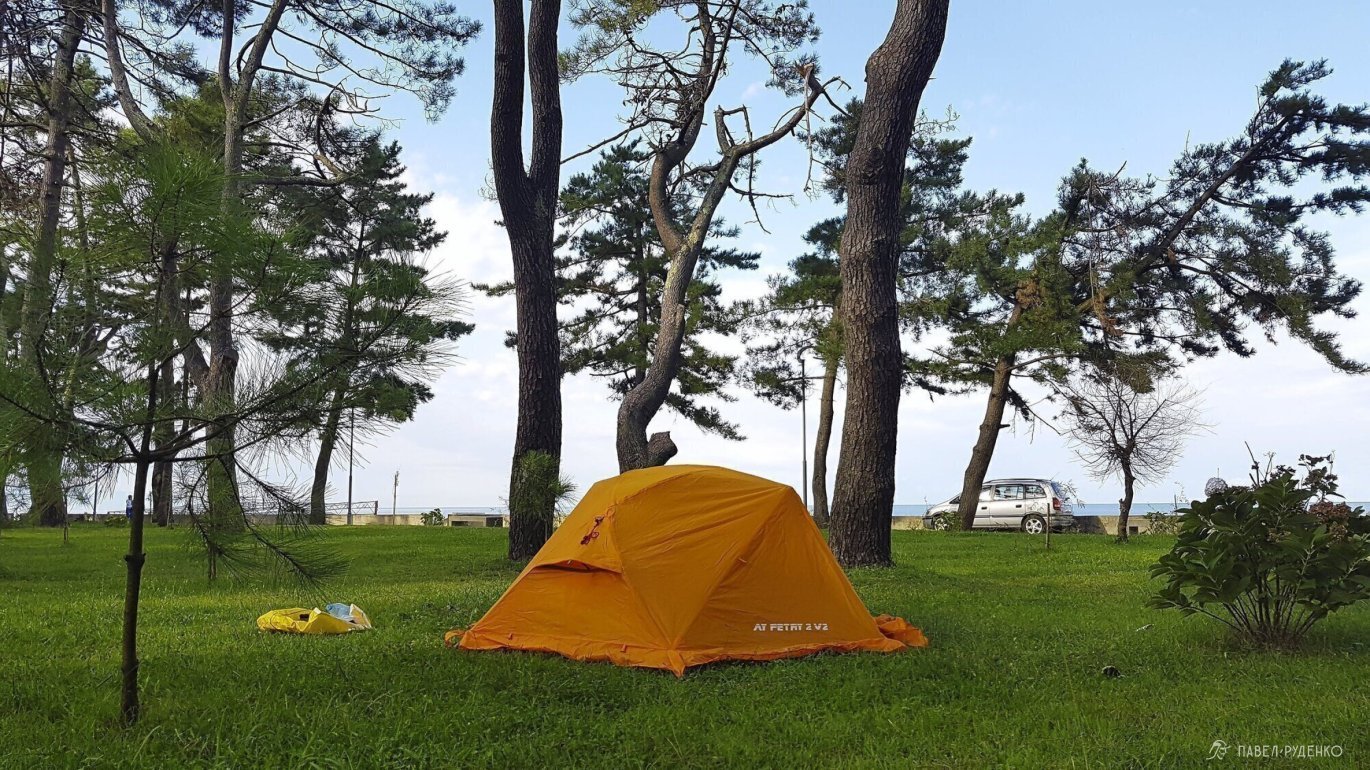
I slept in +25 °C heat on the Georgian coast and along the Lycian Way in Turkey; because the skirt can be rolled up and the doors have mesh backing, it provides sufficient ventilation for comfort.
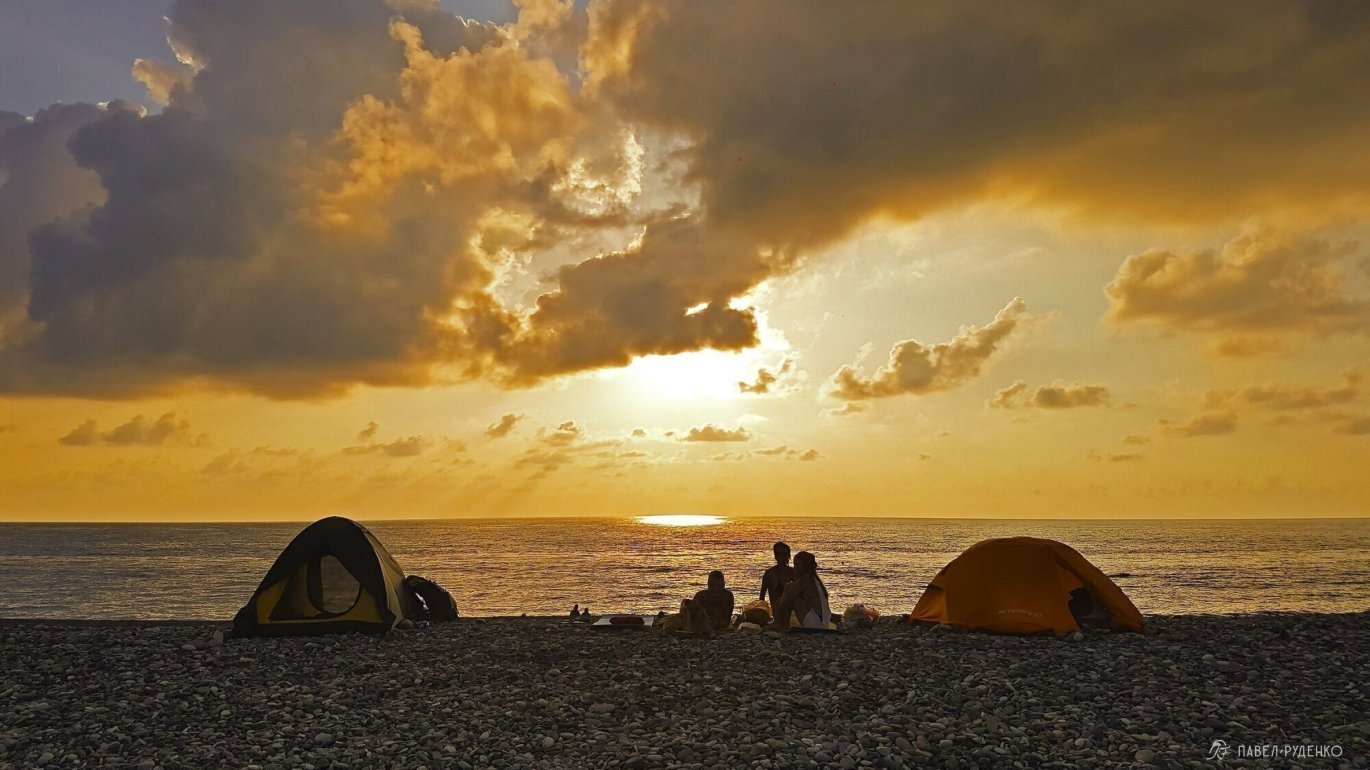
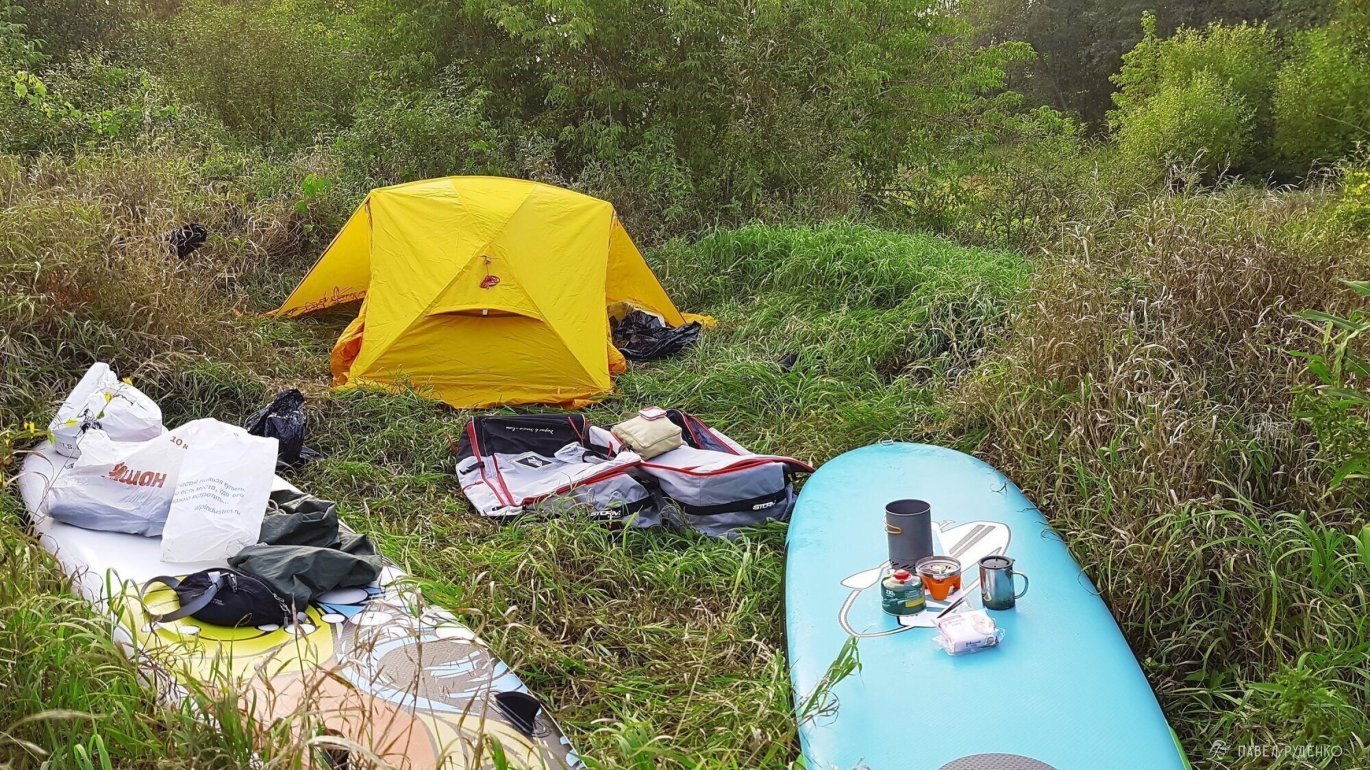
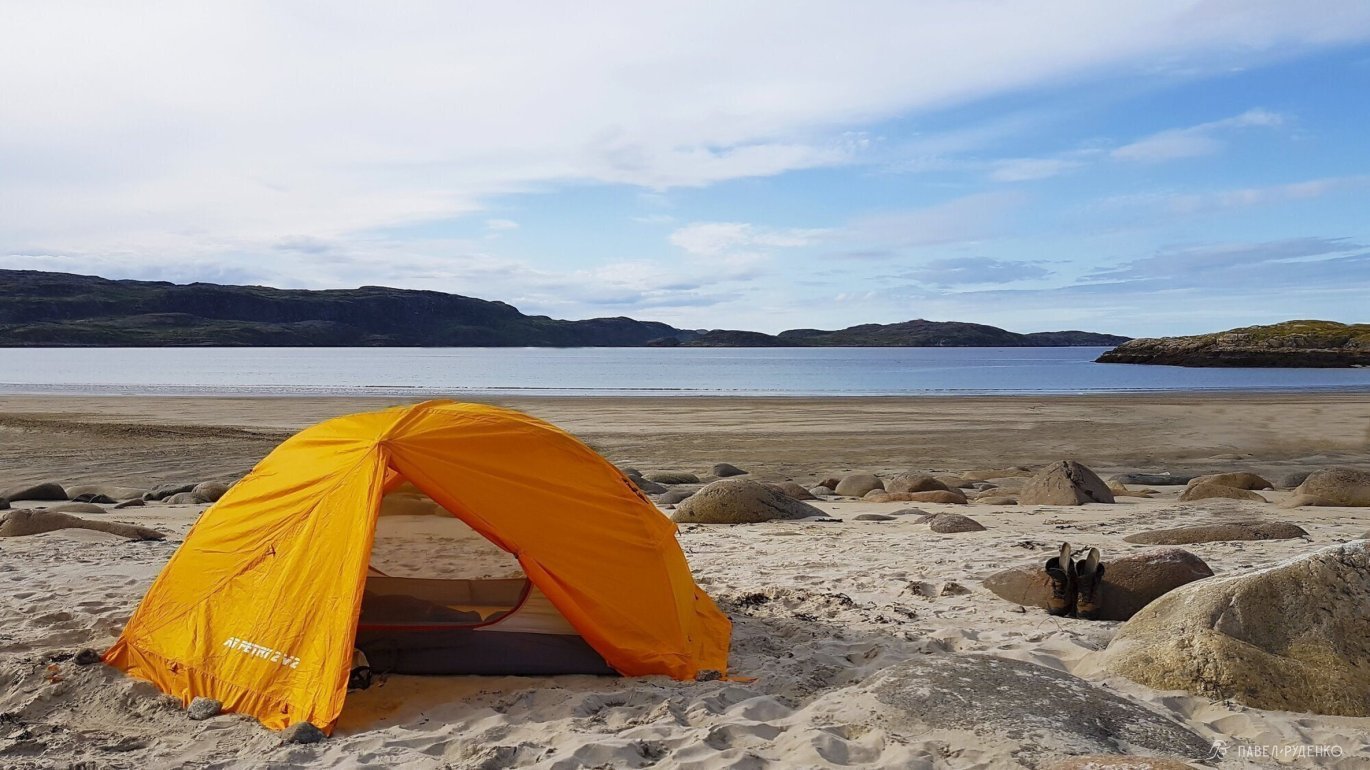
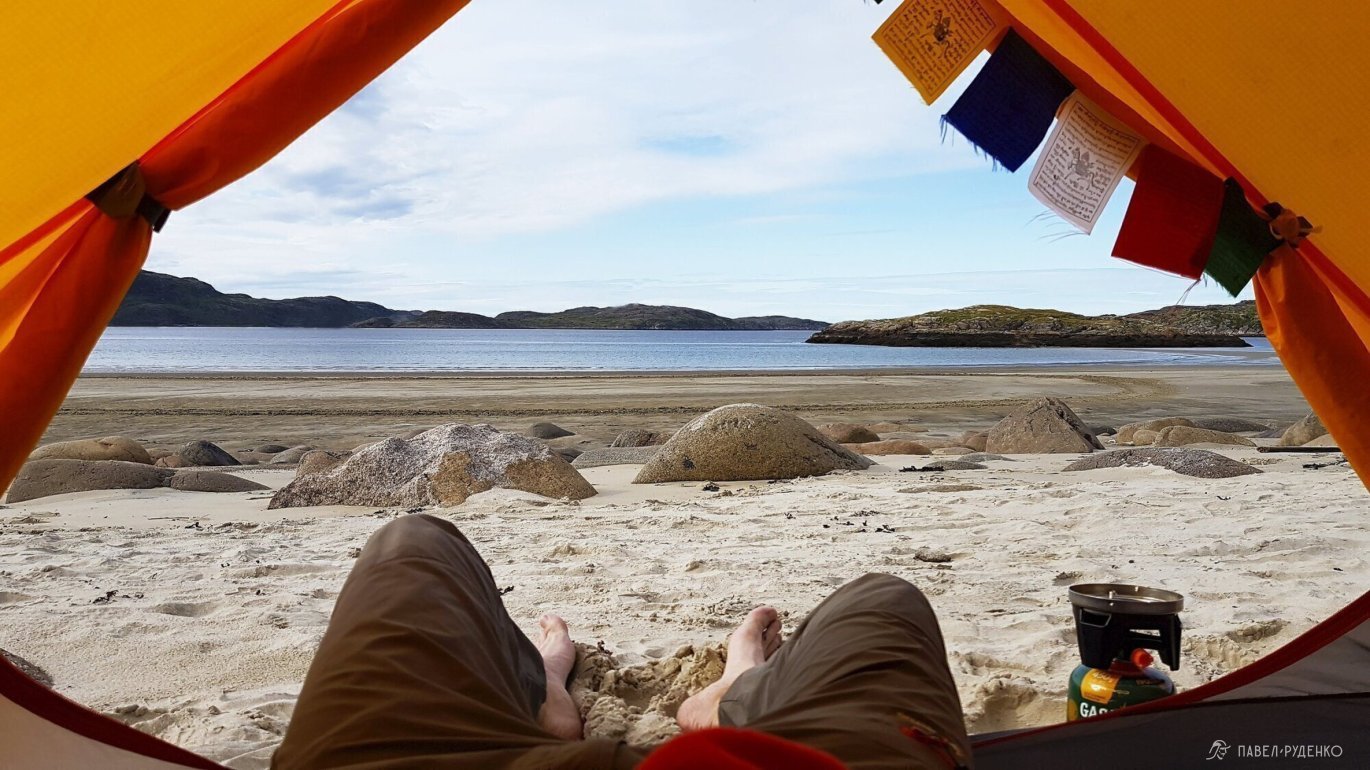
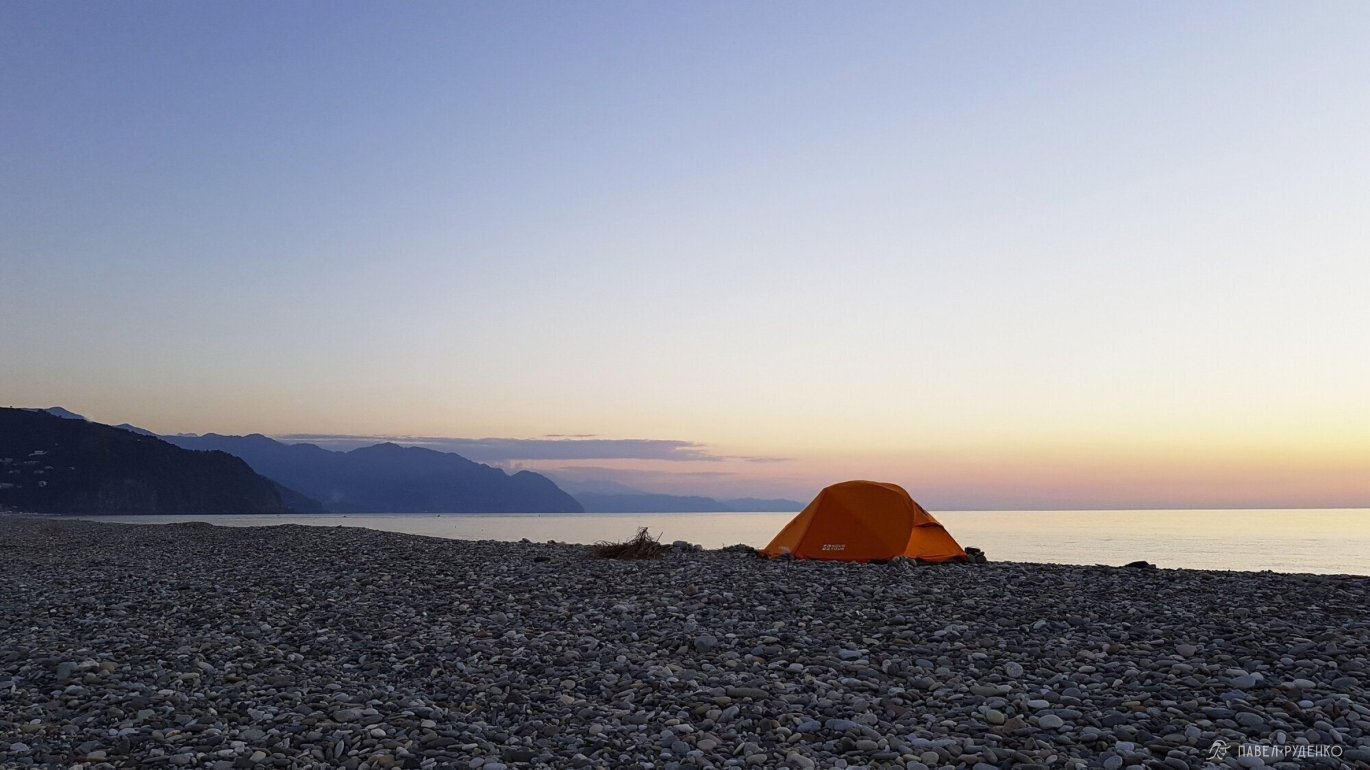
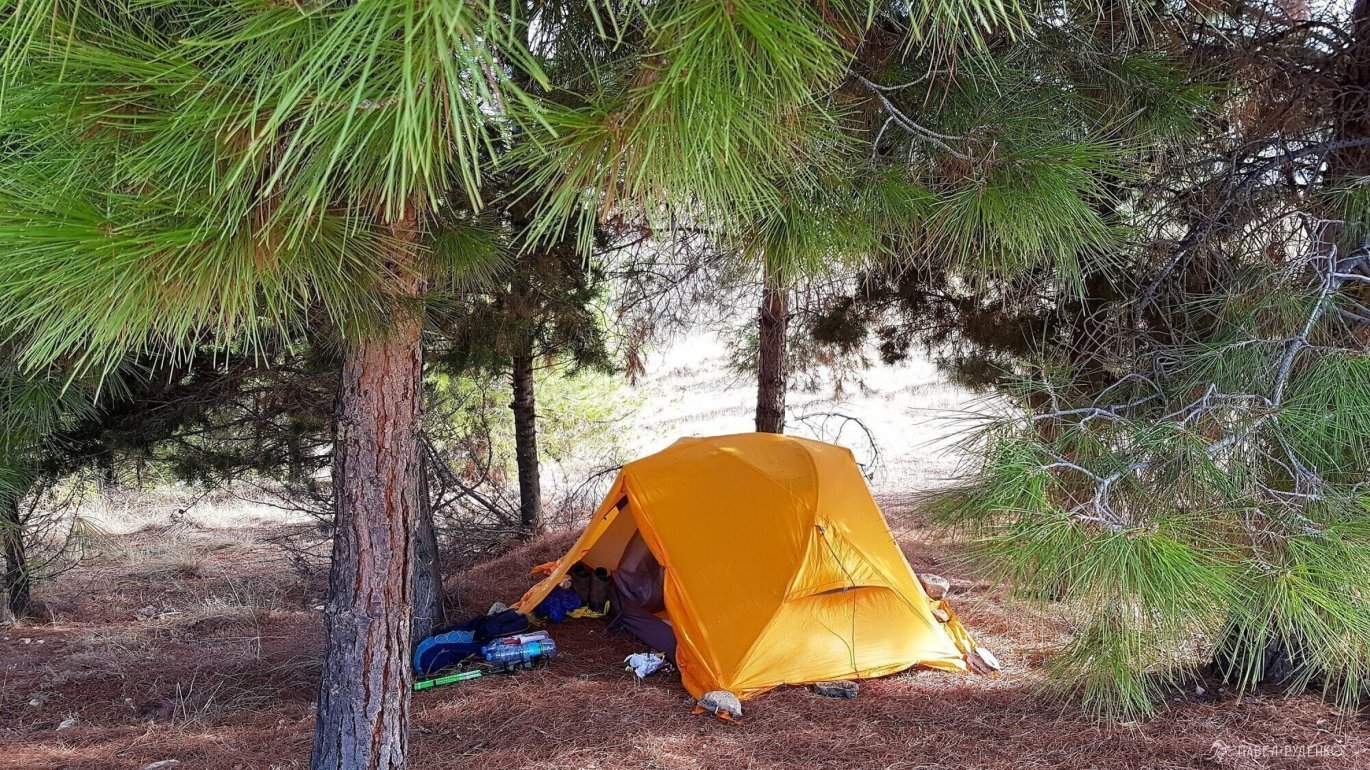
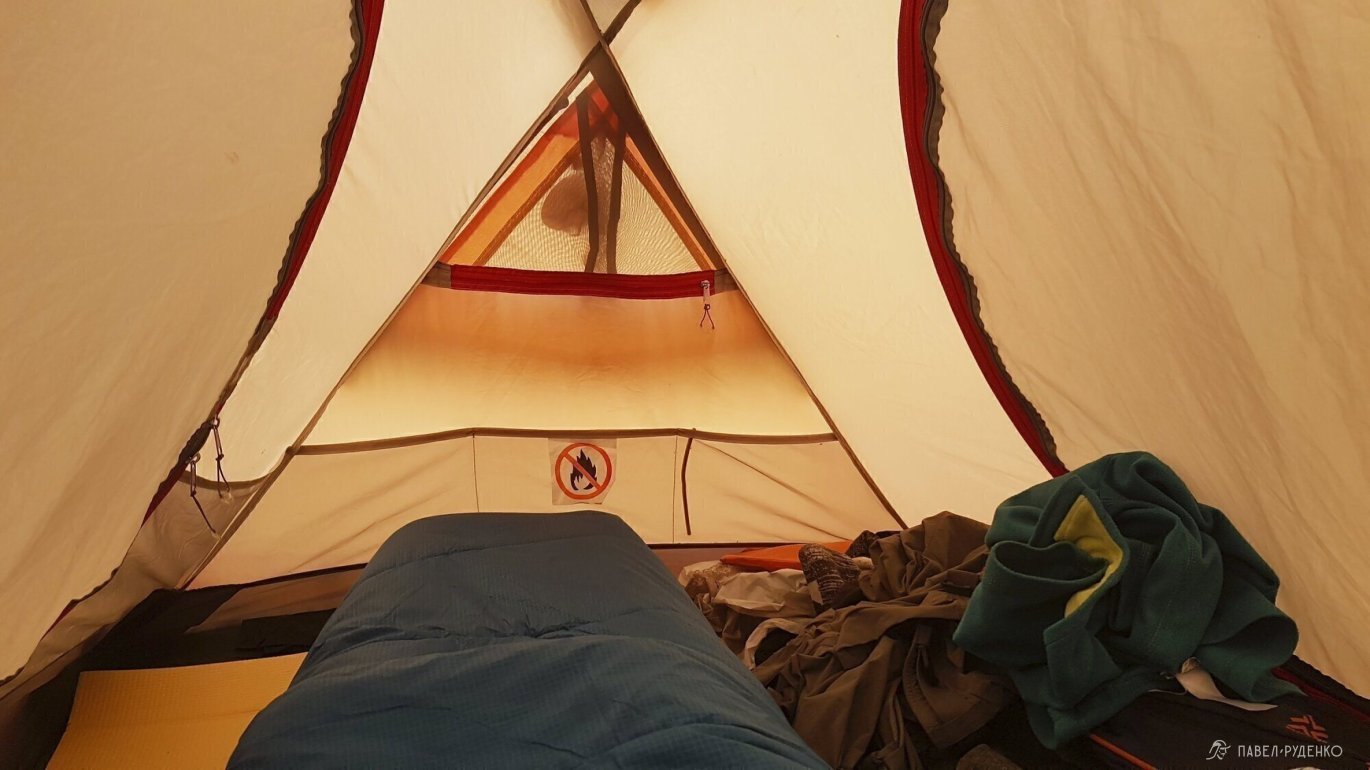
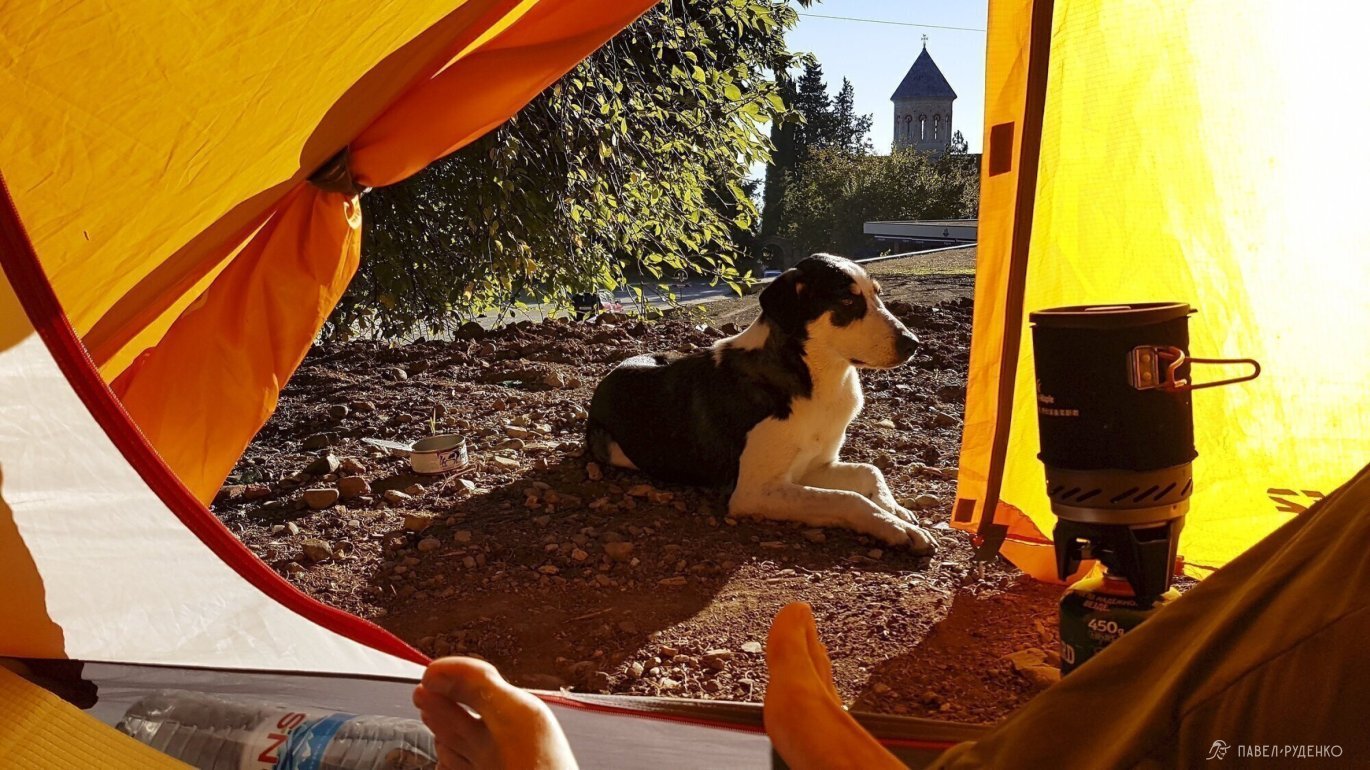
Unlike the structurally similar MSR Elixir, the vestibule pole on the Ai-Petri does not pull the inner tent outwards. As a result, the interior is only truly comfortable for a slim couple. I often used it solo, which offered maximum comfort: all my gear inside, one vestibule for cooking and entry, while the second remained unused. That is why for solo trips I prefer single-entry models like the Normal Zero 2 and Snaryazhenie Vega.
Weight
The weight is typical for a 2-person tent made with budget polyester and standard PU coating: 7,000 mm flysheet, 10,000 mm floor.
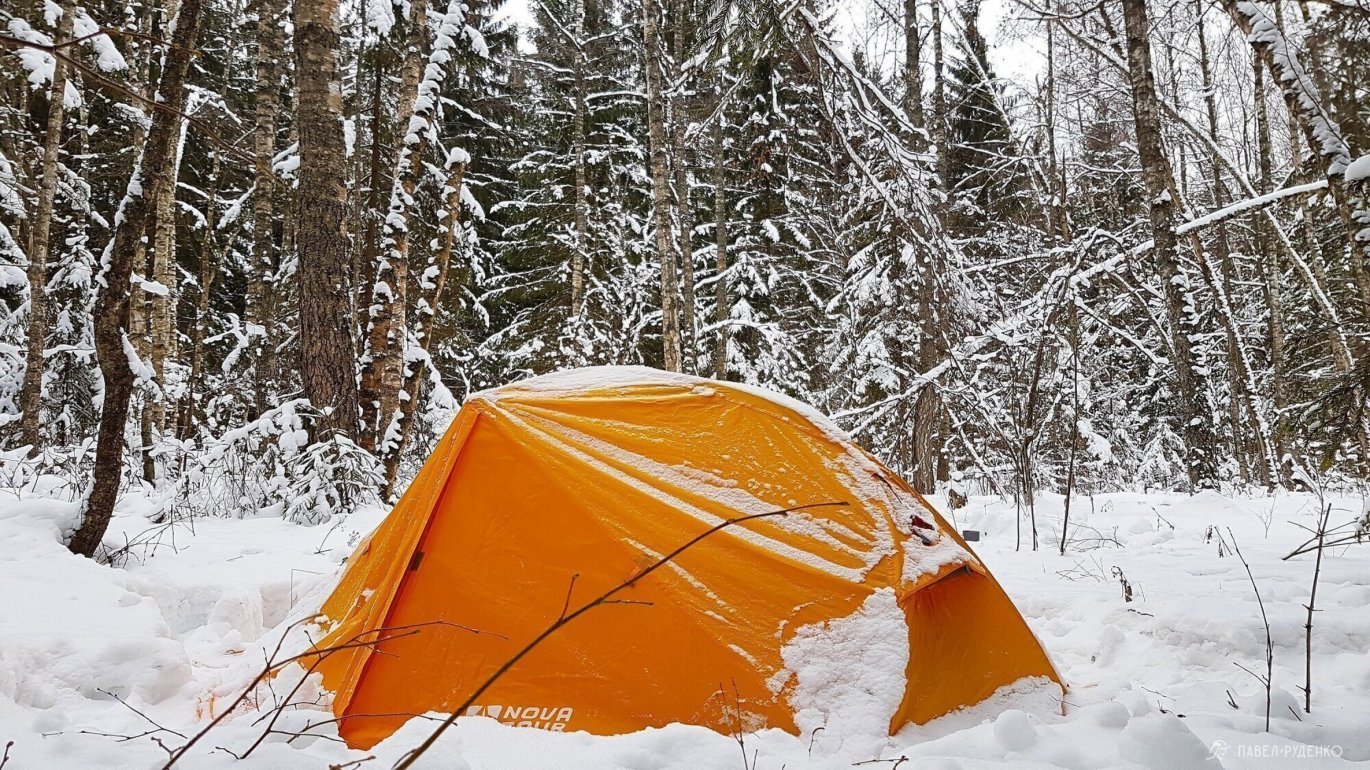
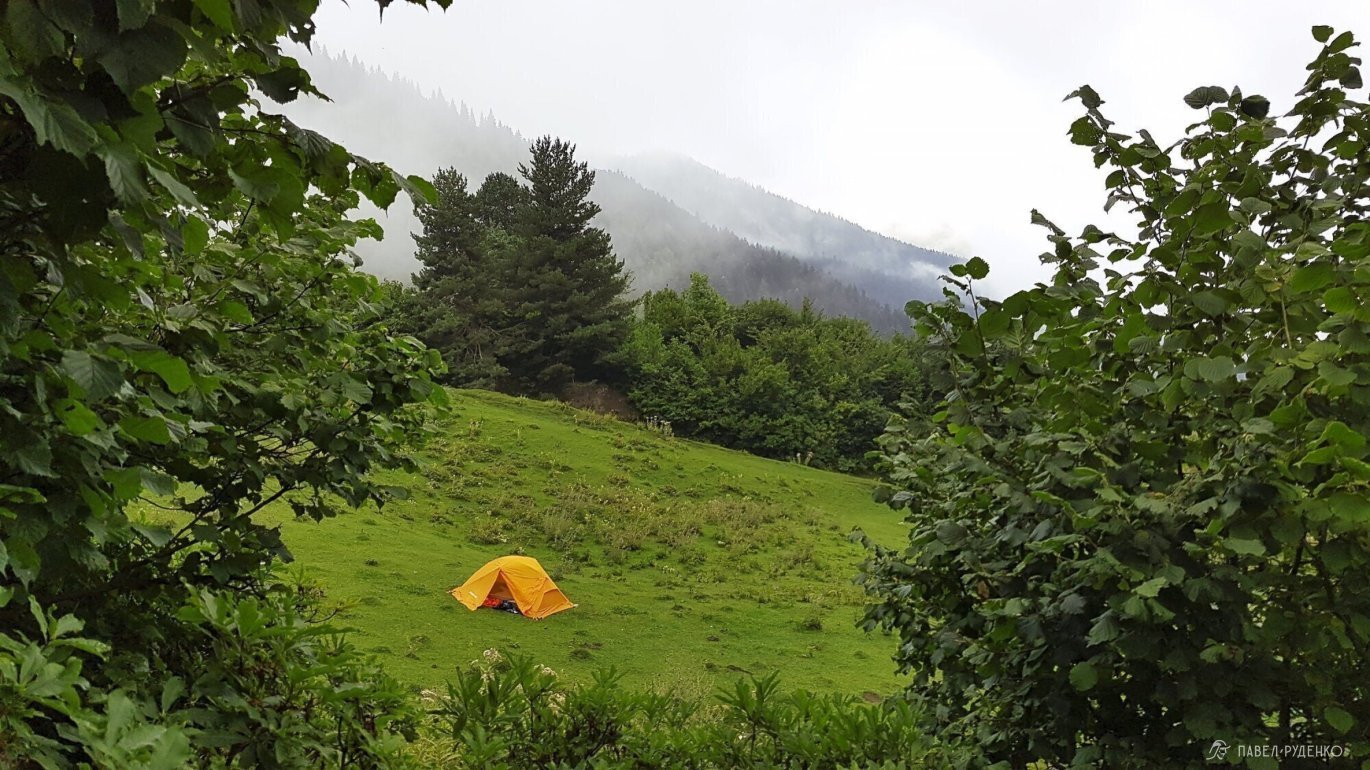
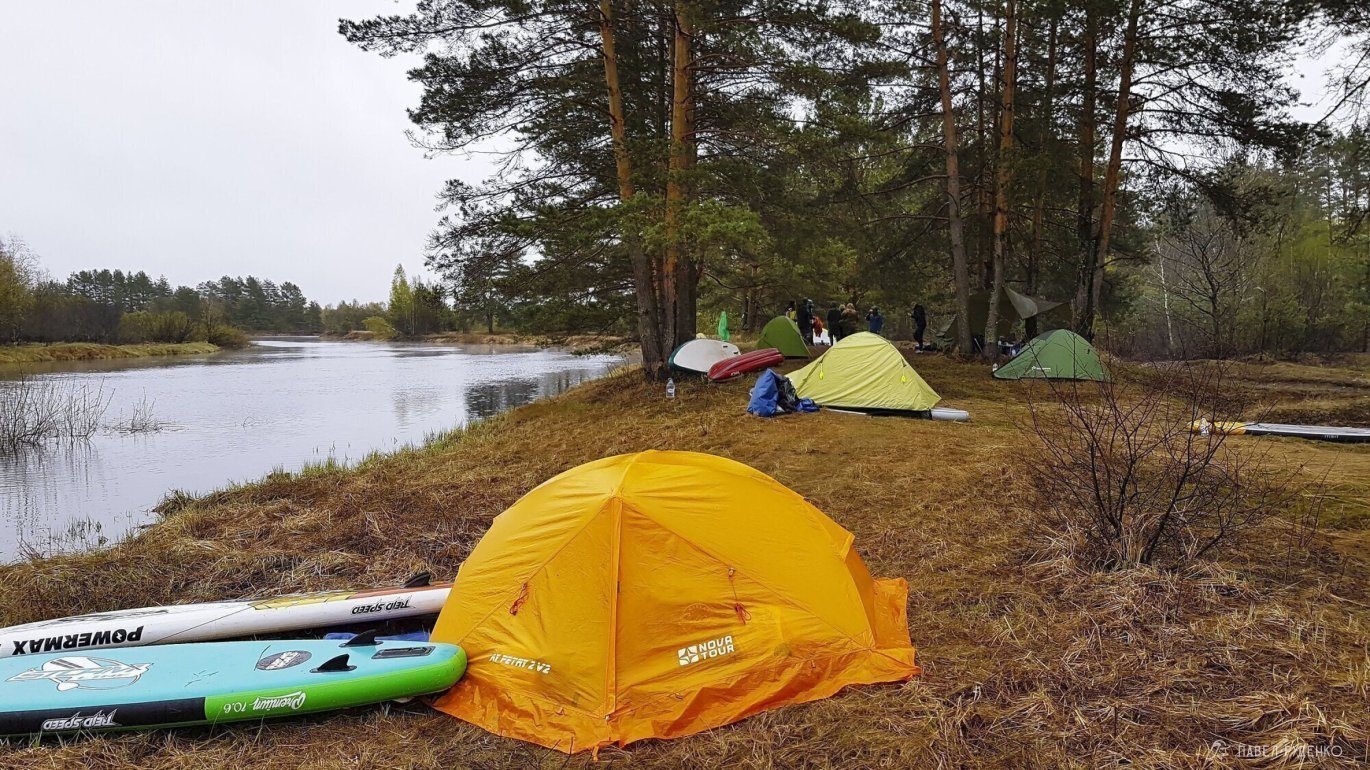
The benefits of a snow/wind skirt include solid wind resistance, preventing heat loss on windy mountain passes, keeping gear dry in the vestibule, blocking drafts, and rolling up when not needed.
Pole Sleeves
The poles slide into full-length fabric sleeves, enhancing overall tent stability and distributing load evenly. If a pole snaps — which happened more than once — it won't puncture the flysheet, staying safely contained inside the sleeve.
Stakes
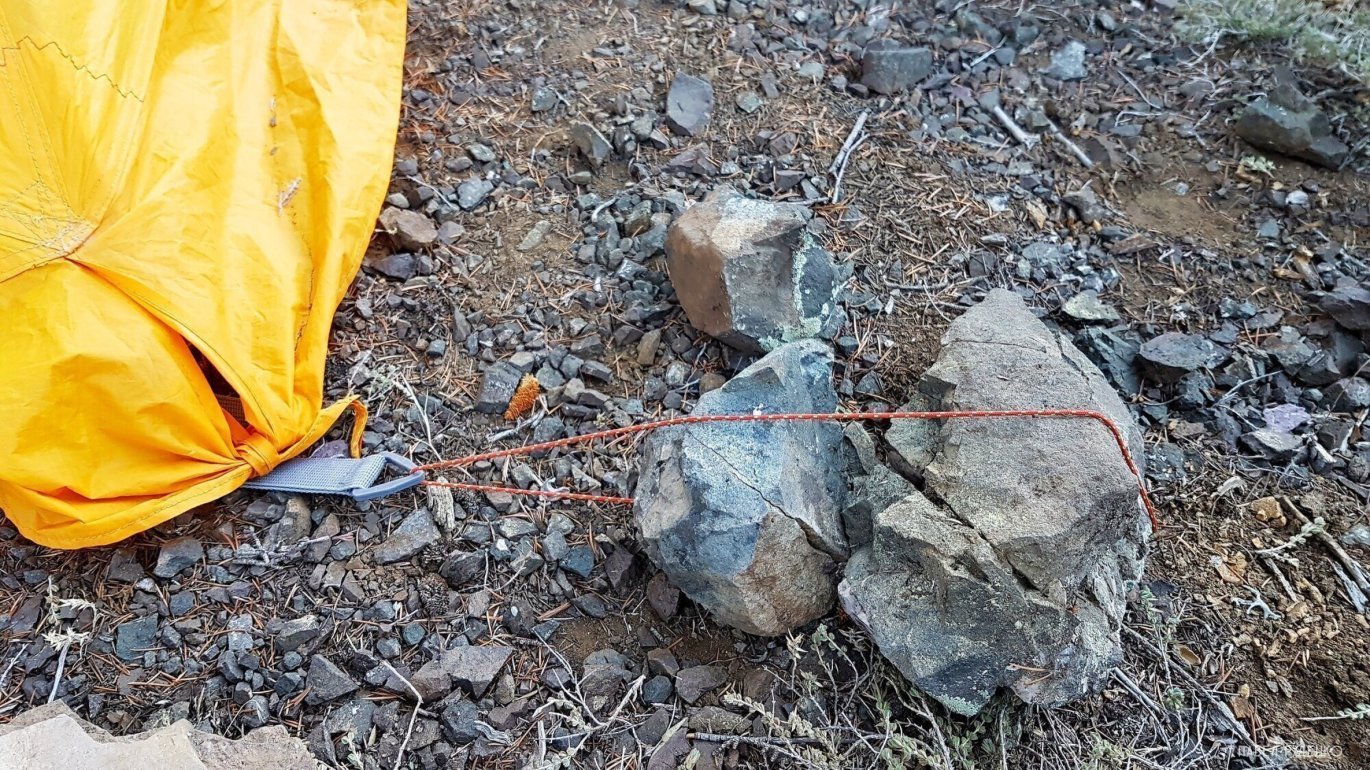
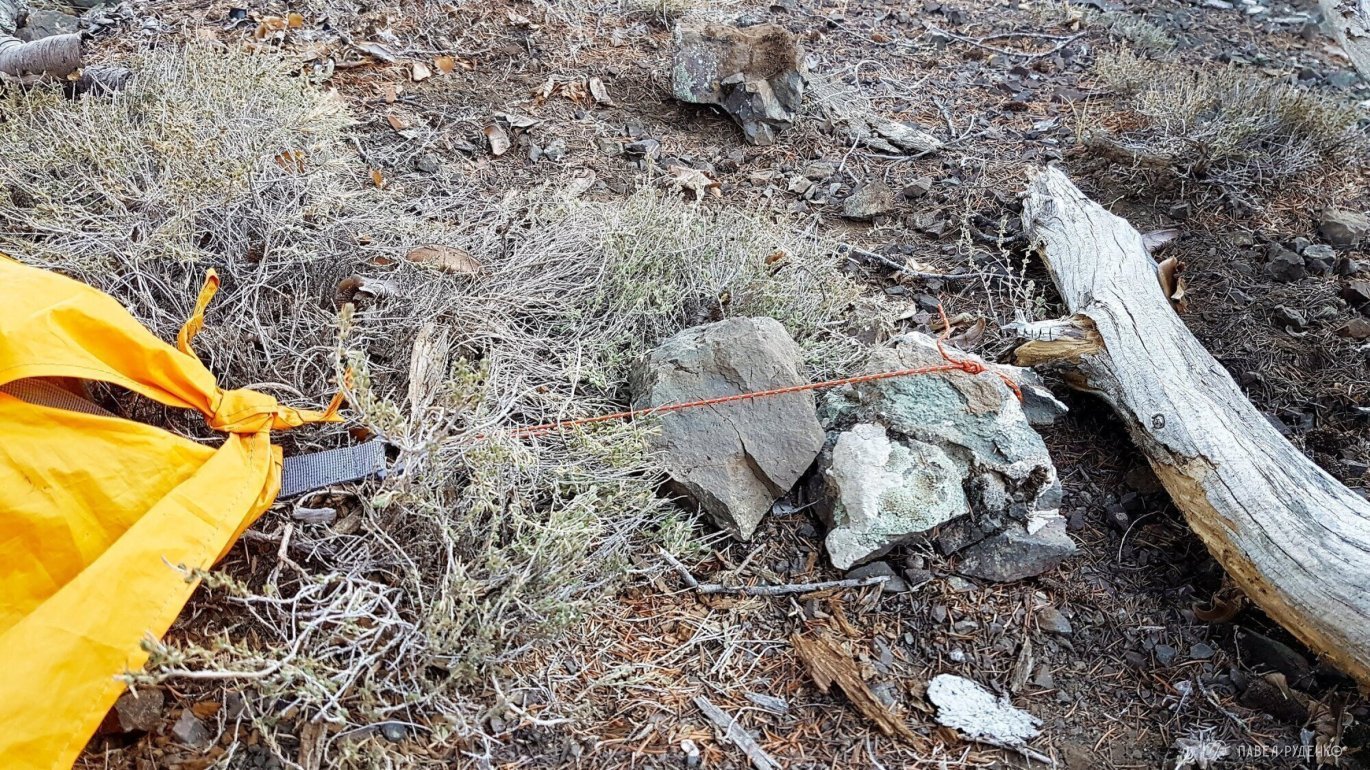
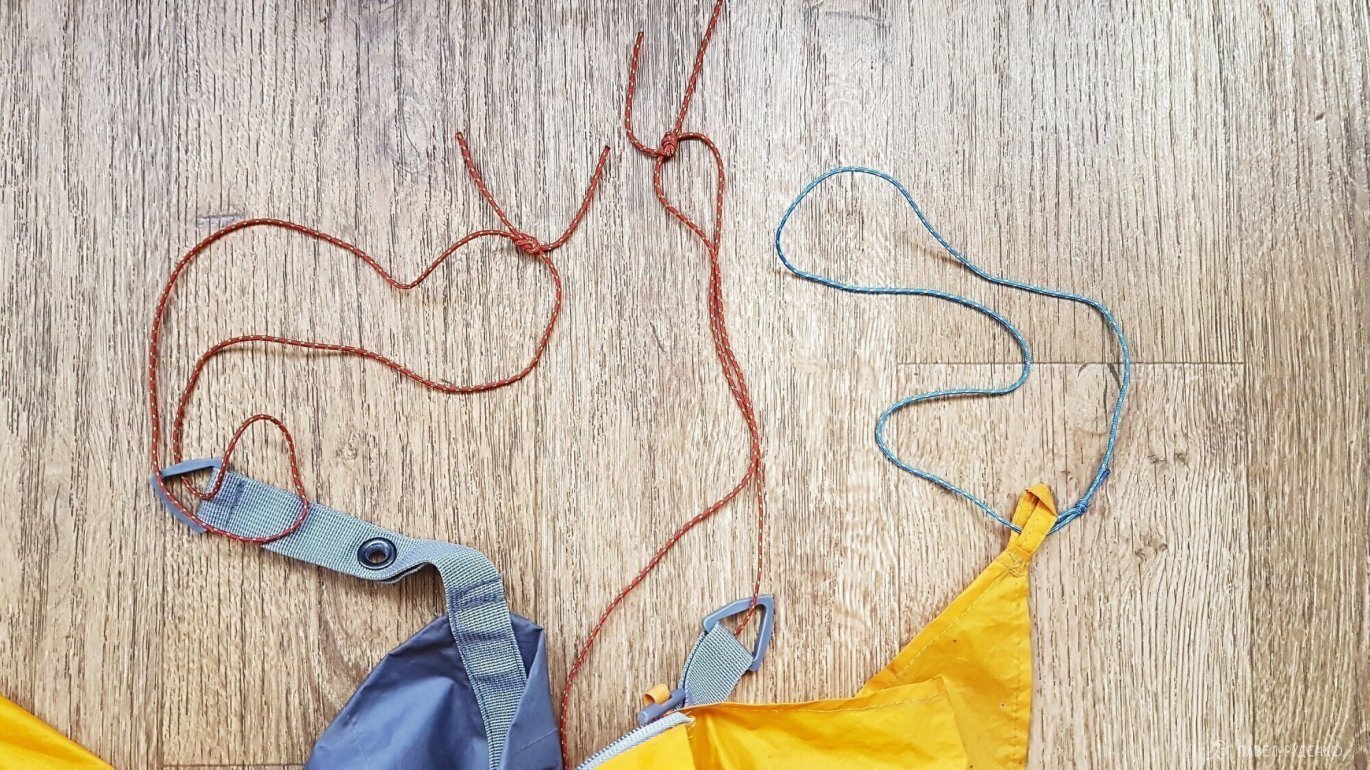
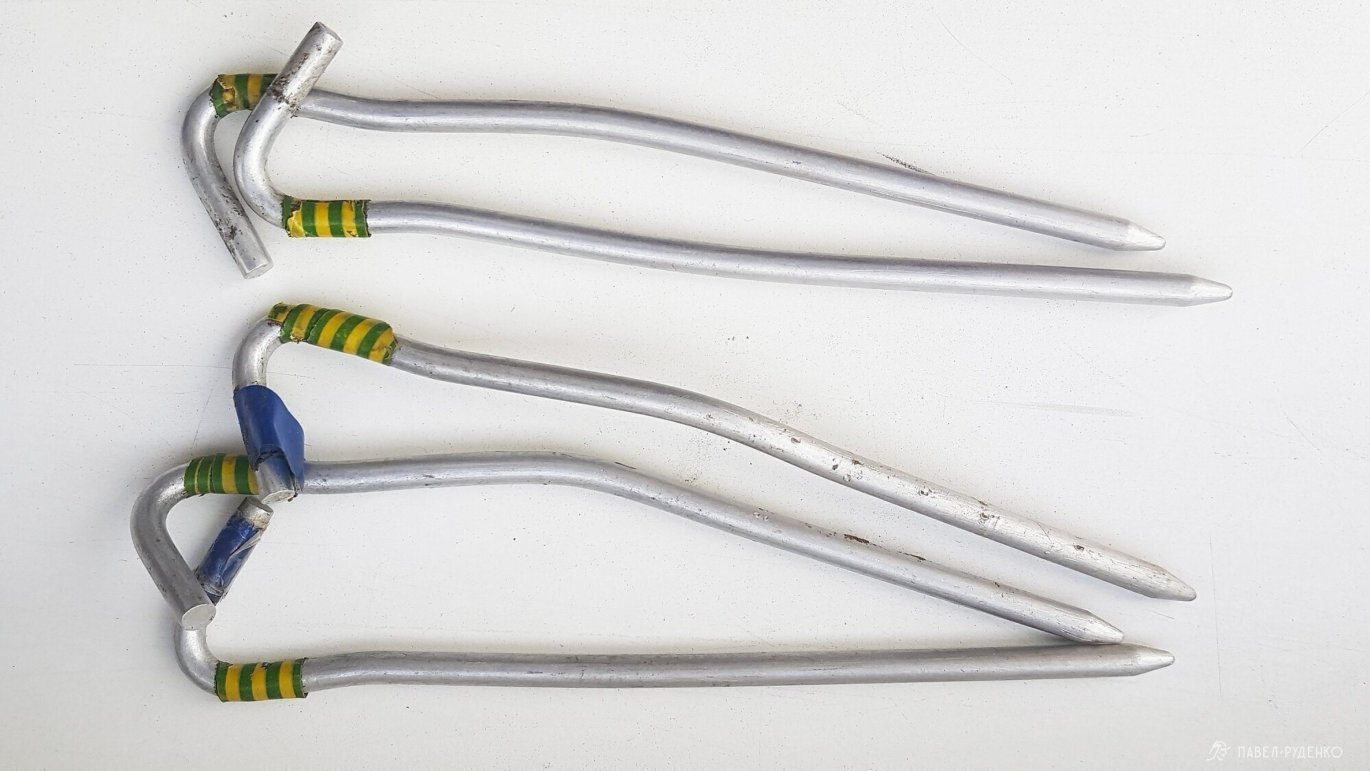
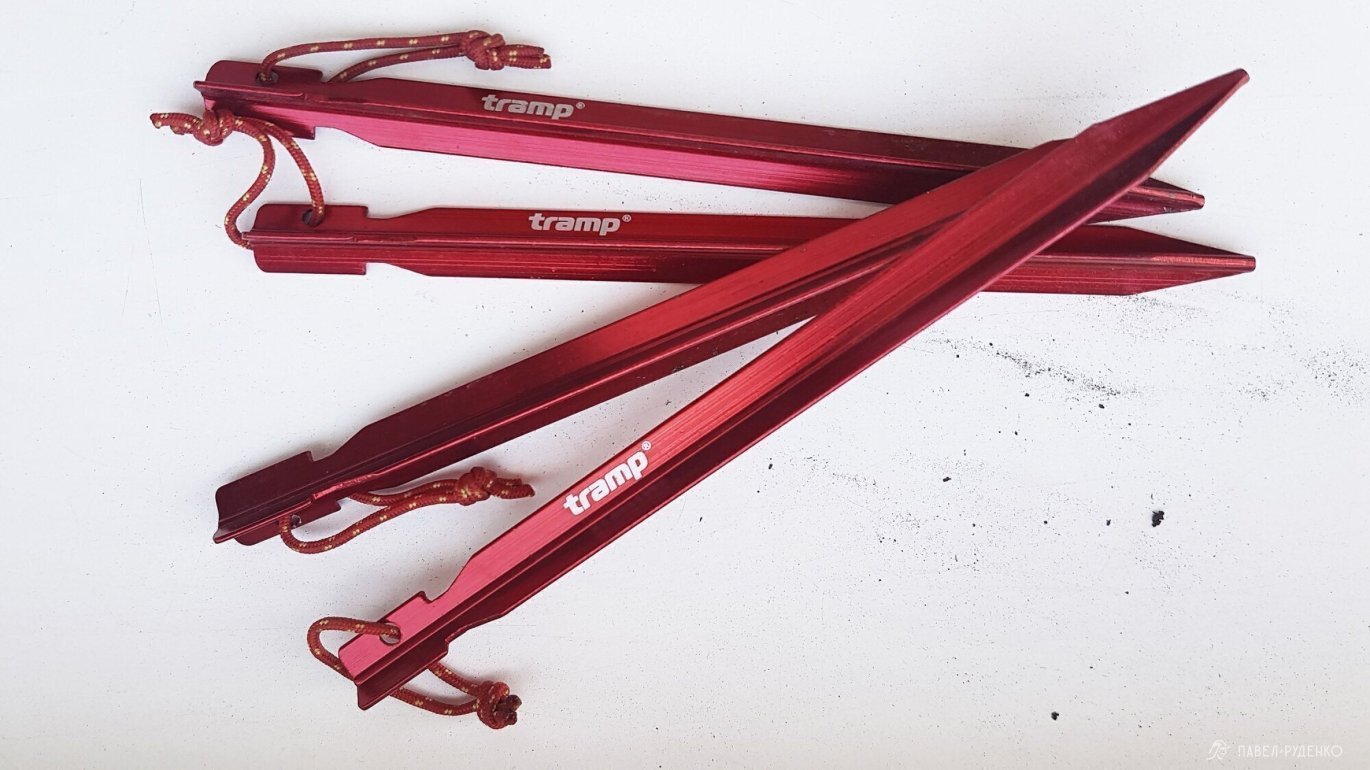
The tent includes round aluminum stakes. They do the job, and I used them on many treks, but compared to V- or Y-shaped stakes, they are terrible: they bend, spin in the soil, and are heavy. I swapped them for lighter, more practical ones. I also tied 2 mm cords to all guyout points, since in most regions I trekked through — such as the Kola Peninsula, the Caucasus, the Lycian Way, and the Trans-Ili Alatau — there are enough rocks to pitch without carrying stakes at all.
Build Quality
Great value for money: neat seams, no defects. Like most tents in this tier, it had a few loose threads when new; I trimmed them, and it looked clean. After 4 years, I have zero complaints about build quality.
Thoughtful Details
True user satisfaction comes down to the little details. You quickly take stability and waterproofness for granted.
- Glow-in-the-dark zipper pulls charge up even during sunset camp setups. At night, it is effortless to find the door slider to vent or slip out without a headlamp.
- The flysheet ventilation vents feature mesh screens. Paired with the lowered skirt, this significantly cuts down mosquitoes and blackflies inside the vestibule. Naturally, drifting snow and sand won't blow in during high winds. In foul weather, the vents can be closed from the inside thanks to an elegant overlapping mesh design.
- Plenty of pockets: ample room to organize all electronics and small essentials.
- Inner tent guyouts near the entrance. A simple touch, yet surprisingly rare. I attached cord to all guyouts and staked them or tied them off to small rocks, opening up much more interior room. The width is generous at 130 cm, but the sloping walls create angular nooks where I stash gear.
- The included dry bag is very practical. You can pack away a wet tent into your backpack without worrying about soaking your gear. It packs down neatly and takes up minimal space.
Hitchhiking
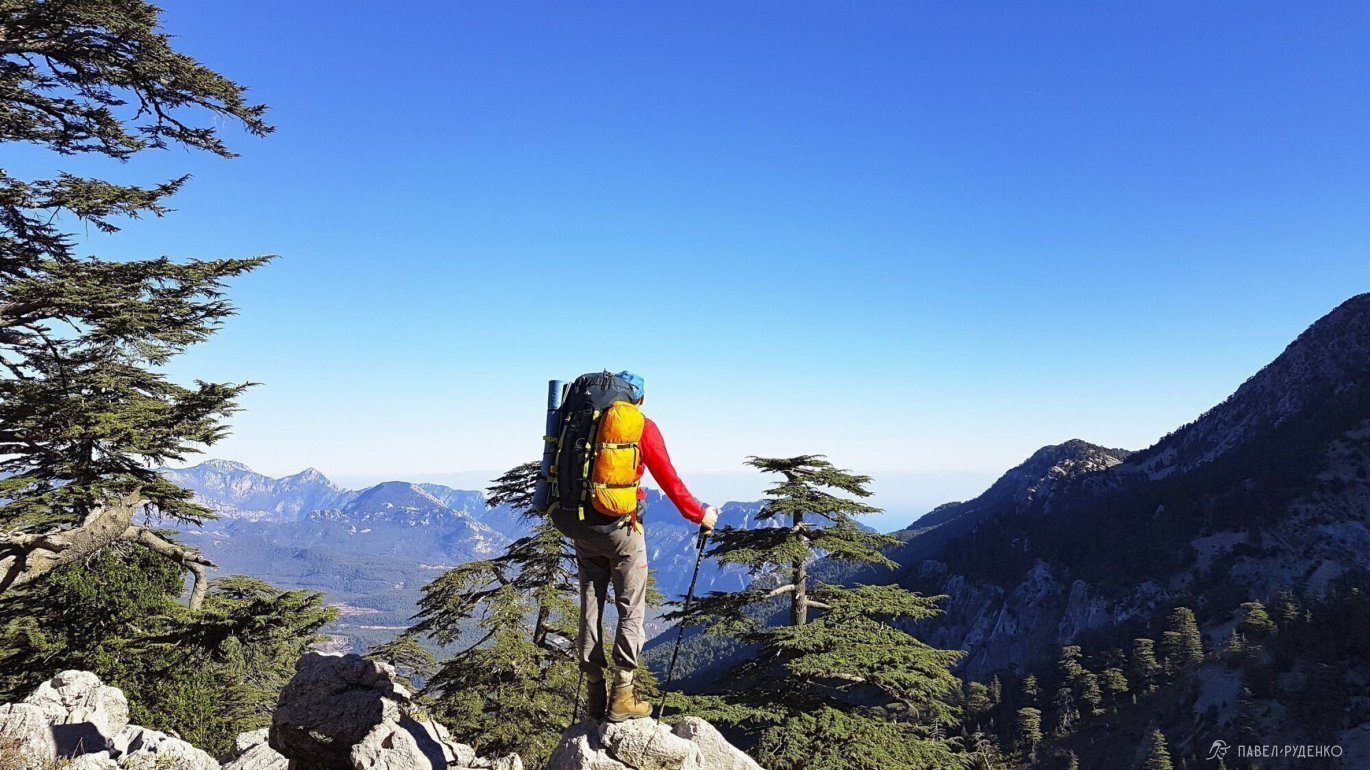
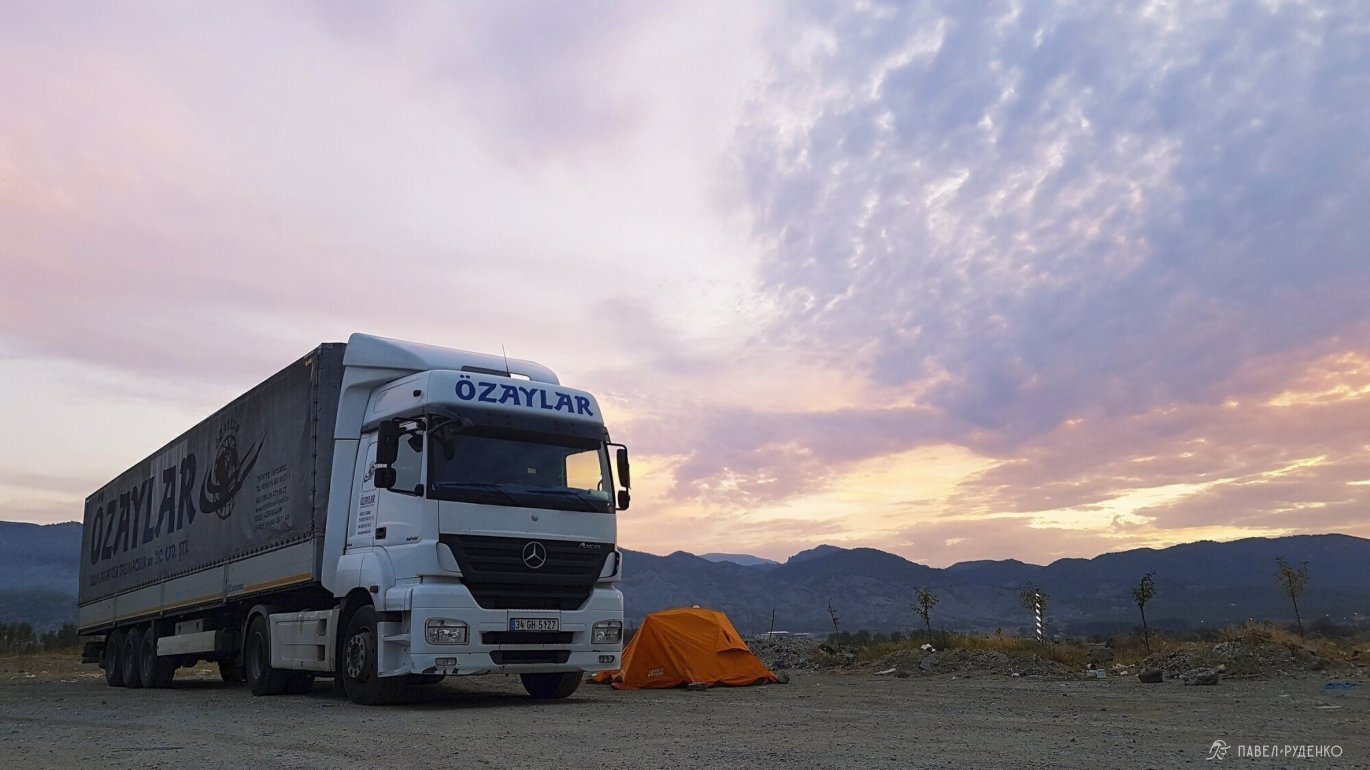
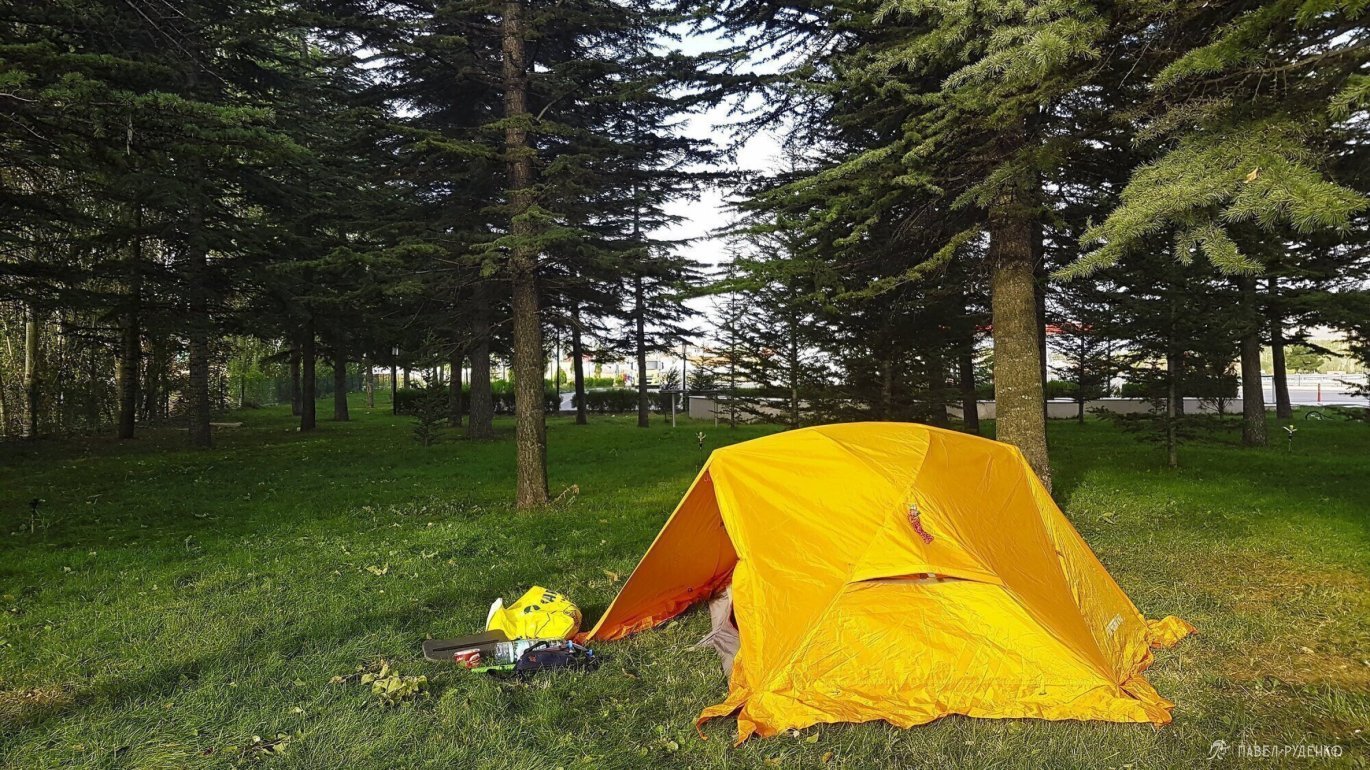
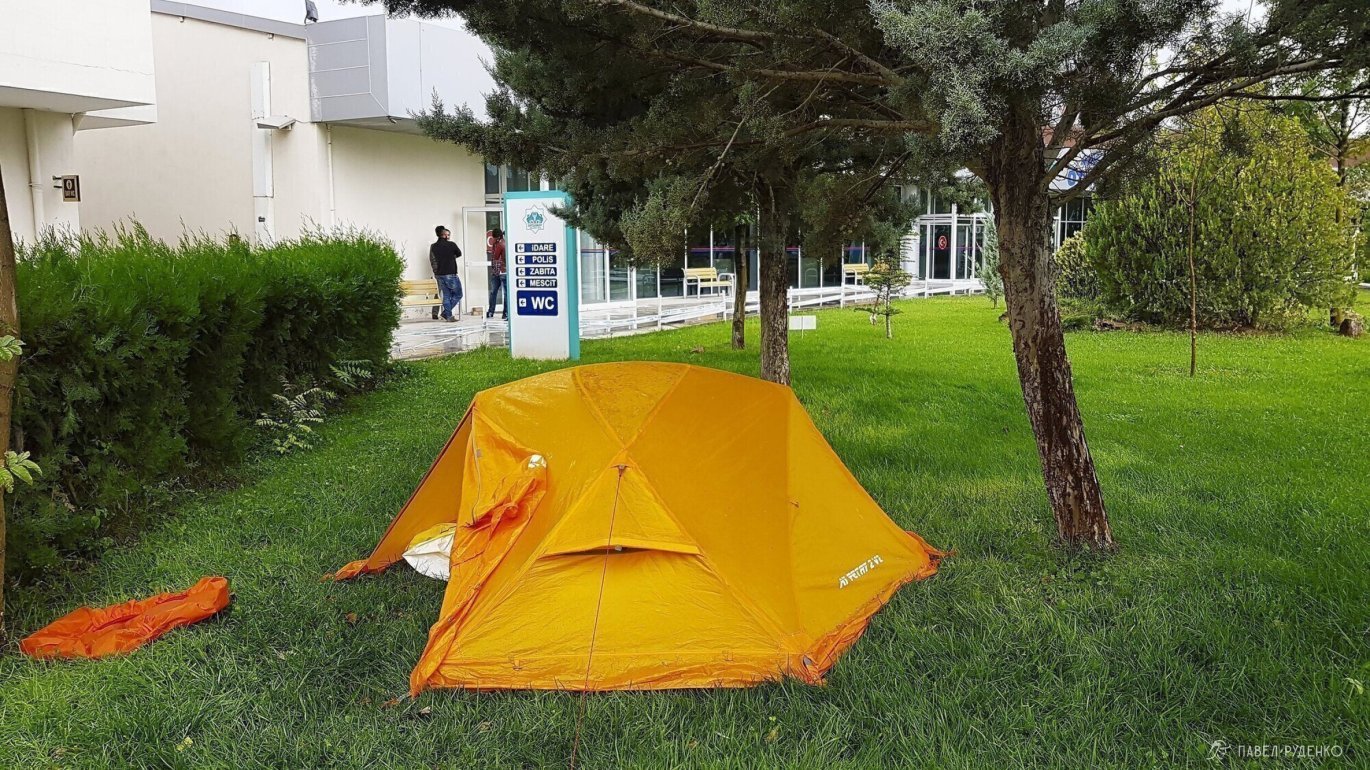
After hitchhiking over 3,000 km across Russia, Georgia, and Turkey, I can safely conclude that this tent isn't built for stealth hitchhiking trips)))
Its only drawback is the vibrant color, which draws too much attention. But since hitchhiking was merely an authentic way for me to reach the trailhead, the tent primarily had to excel on the trail — and high visibility is a key safety feature out there.
Drawbacks
I snapped a pole section 4 times. The first time, I leaned back against my backpack from inside and pressed against the door. It was pouring rain at night, so I waited until morning to replace it with a spare section. The second time happened during setup — dirt must have gotten into the joint, and the pressure bent the section. The third time — who knows, it just snapped))
Unfortunately, like many domestic Russian tents, it uses generic 8.5 mm aluminum, so I always carry a repair sleeve and a spare section. Tightening the shock cord inside the poles helps ensure sections seat fully, preventing cracks at partial joints.
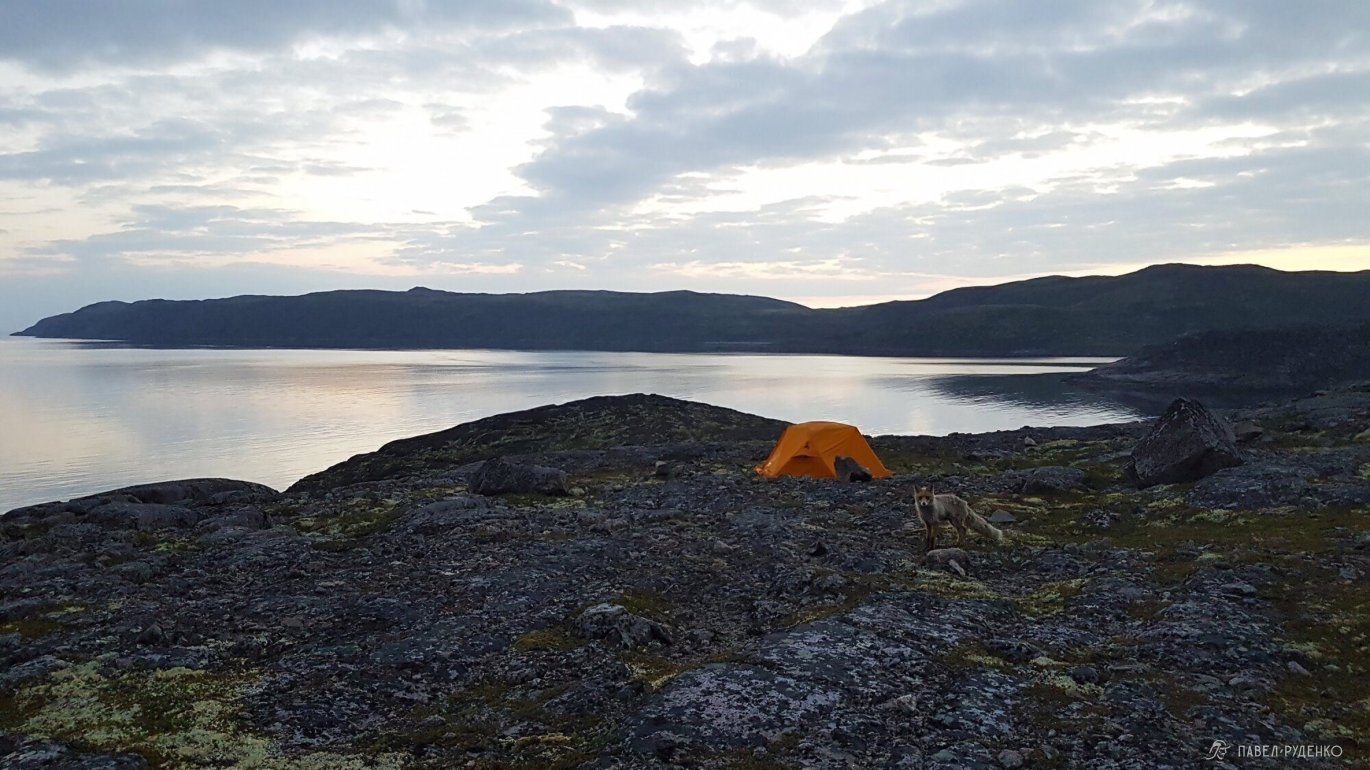
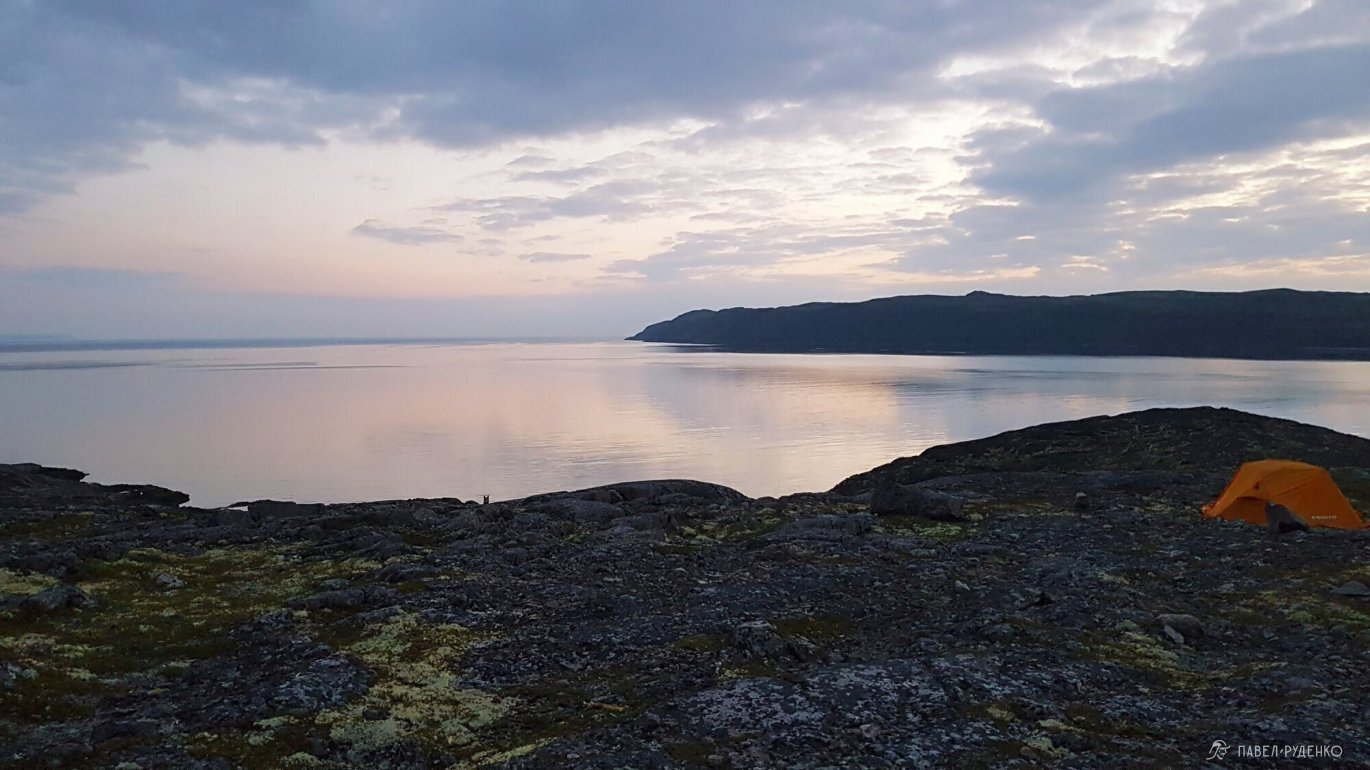
Spot the fox in the second photo!))
Recently, a few drops started seeping near the ridge pole contact point in the vestibule (after 4 years and roughly 200 nights). The moisture was likely pressing through the seams; treated it with seam sealer/DWR, problem solved.
During routine maintenance on the Nova Tour Ai-Petri, I spotted about 40 micro-holes in the floor. Most were 1–2 mm, some only visible against the light. They never caused leaks in practical use — the floor stayed dry in heavy rain. Rocky ground, branches, and grit naturally cause wear, which is why tent floors use thick fabrics with heavy waterproof coatings. No complaints about the material itself; I patched them with waterproof gear tape. To extend floor life, I now use a reusable emergency blanket as a DIY footprint. I trimmed the edges to match the floor dimensions and lay it foil-side up under the tent. After 30 nights, it hasn't torn once, protects brilliantly, cost just 400 RUB at Decathlon, weighs only 150 g, and is 38 µm thick. In an emergency, it doubles as survival gear — for warmth or flashing SOS signals in the sun))
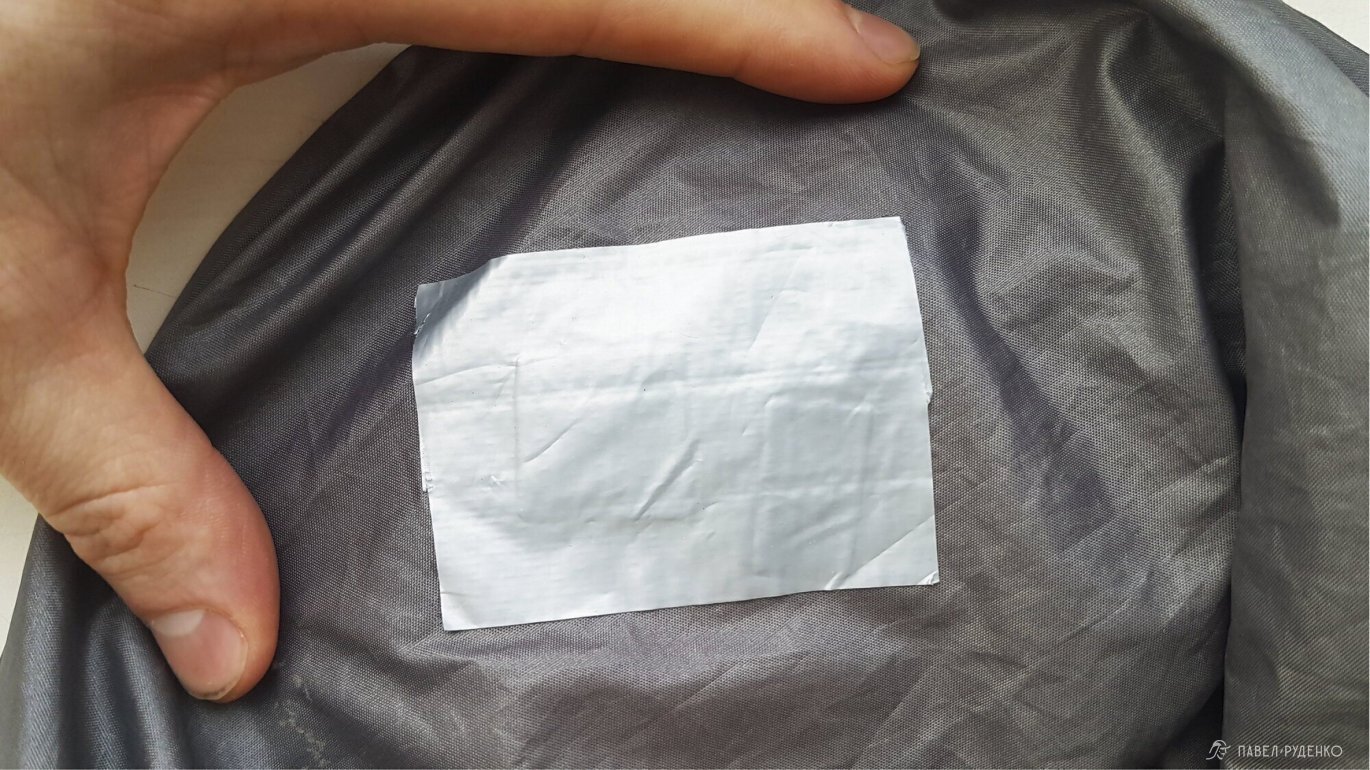
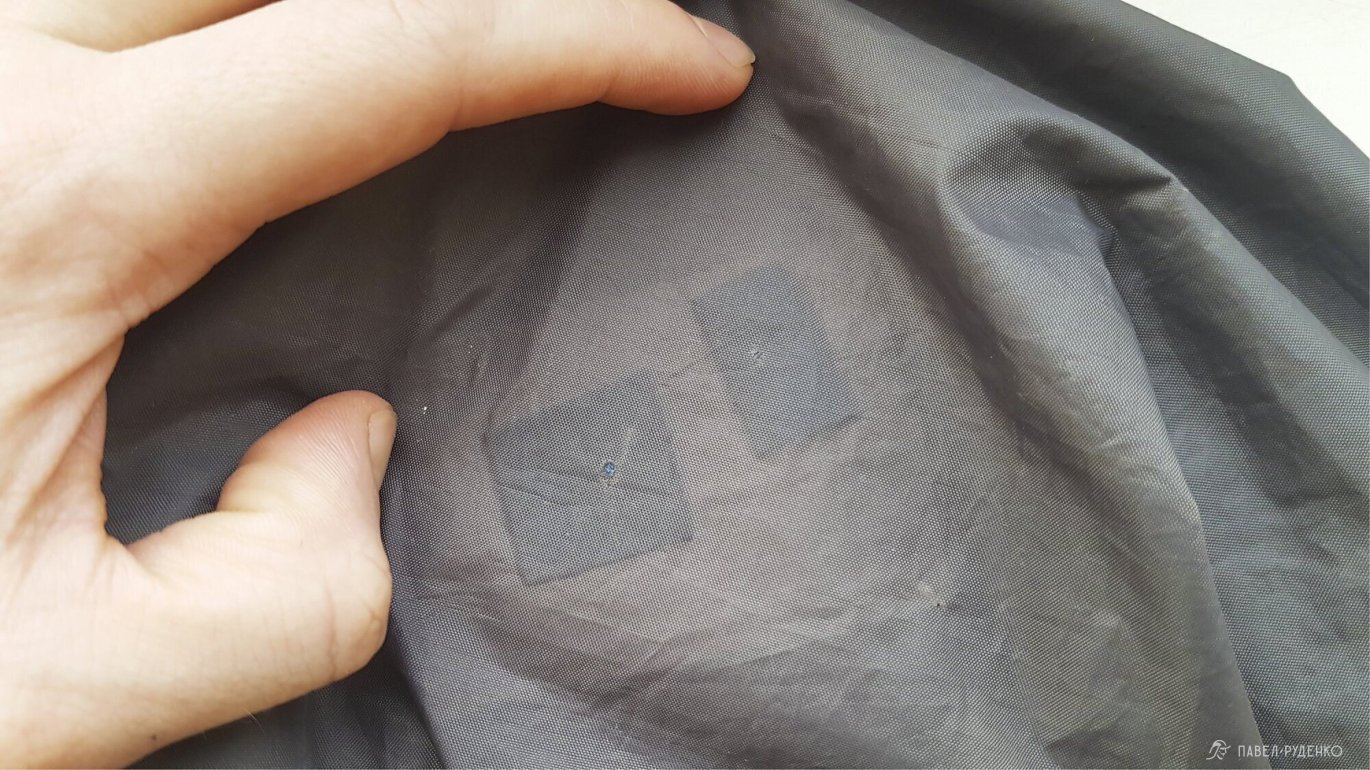
I cleaned the inside tent floor with alcohol, applied waterproof repair patches, and sealed over them with duct tape to protect the edges.
Areas for Improvement
- Add two-way sliders on the vestibule zippers to allow cracking open the top for extra ventilation or a quick look outside.
- Add guyout points to the vestibule and ridge pole. The Ai-Petri stands firm, but large vestibule panels flap in strong winds; I tried DIY mods, but the result wasn't great.
- Upgrade poles to Yanan.
Verdict
A solid tent for its era: versatile, well-thought-out, and wind-resistant. For its price point, it was one of the best options available, outperforming less wind-resistant Naturehike alternatives.



Comments (0)