
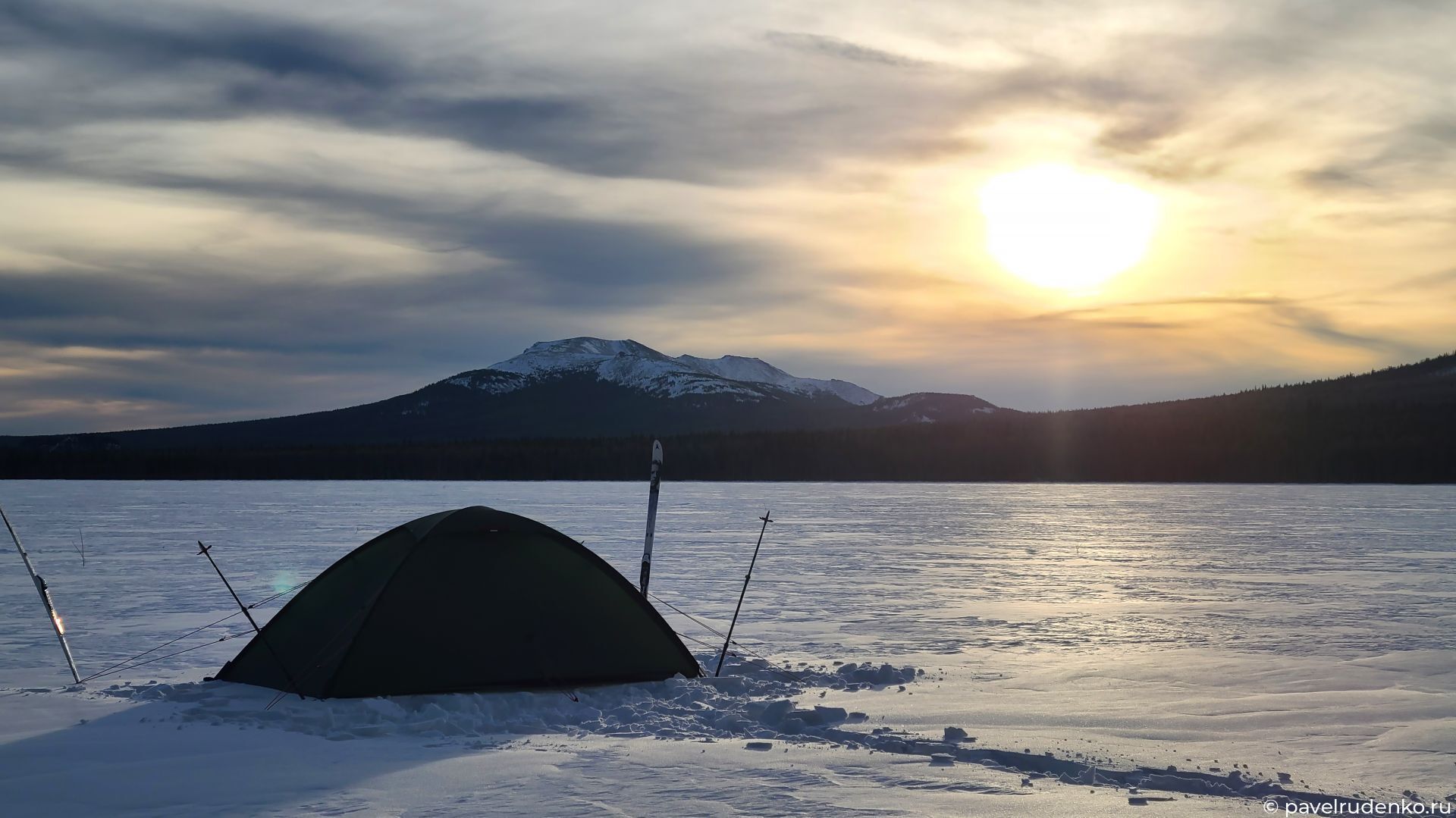
The Unna belongs to the Red Label line, meaning it was designed for 4-season use in the harshest conditions — from winter tundra terrain to ascents up to 7,000 m, with limits perhaps only at the North and South Poles, the windswept glaciers of Patagonia, and the highest 8,000-meter peaks.
The Unna occupies a virtually vacant niche of exceptionally comfortable solo tents: four-season, ultra-durable, and adaptable to any mission — from extreme heat to freezing cold, from backpacking treks to ski touring and mountaineering. Helsport makes a tent with a similar design, but significantly less rugged — the Trolltind Superlight 2.
Specifications
Outer tent fabric: Kerlon 1200, 30D, high-tenacity Ripstop Nylon 66, weight 49 g/m².
Tear strength: 12 kg, (ISO 13937-4) standard.
Coating: Si/Si, silicone-impregnated yarns, coated with silicone on both sides. UV-resistant treatment applied during the dyeing process. The seams are not taped because of the silicone; instead, they are flat-felled in four layers and sewn with a cotton-wrapped synthetic thread that swells when wet to fully seal needle holes, offering a much longer lifespan than seam taping.
Outer tent hydrostatic head: 5,000 mm / 49 kPa, (ISO 811) standard.
Floor fabric: 70D Nylon, triple-coated PU, weight 90 g/m², puncture- and abrasion-resistant.
Floor hydrostatic head: 15,000 mm / 147 kPa (ISO 811).
Inner tent fabric: 30D Ripstop Nylon, DWR treated, 35 g/m².
Poles: DAC Featherlite NSL 9 mm, 2 poles x 387 cm.
Weight: Packed weight — 2.3 kg; Minimum weight — 2 kg; Outer tent — 1,015 g; Inner tent — 700 g; Poles — 470 g; Pegs — 160 g.
Comfort
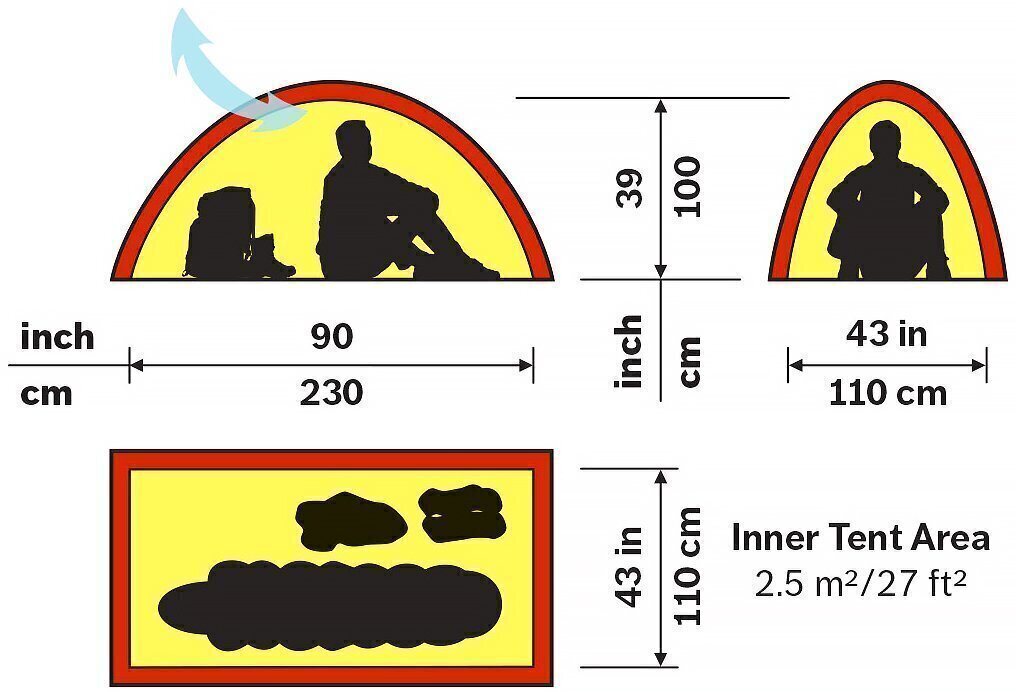
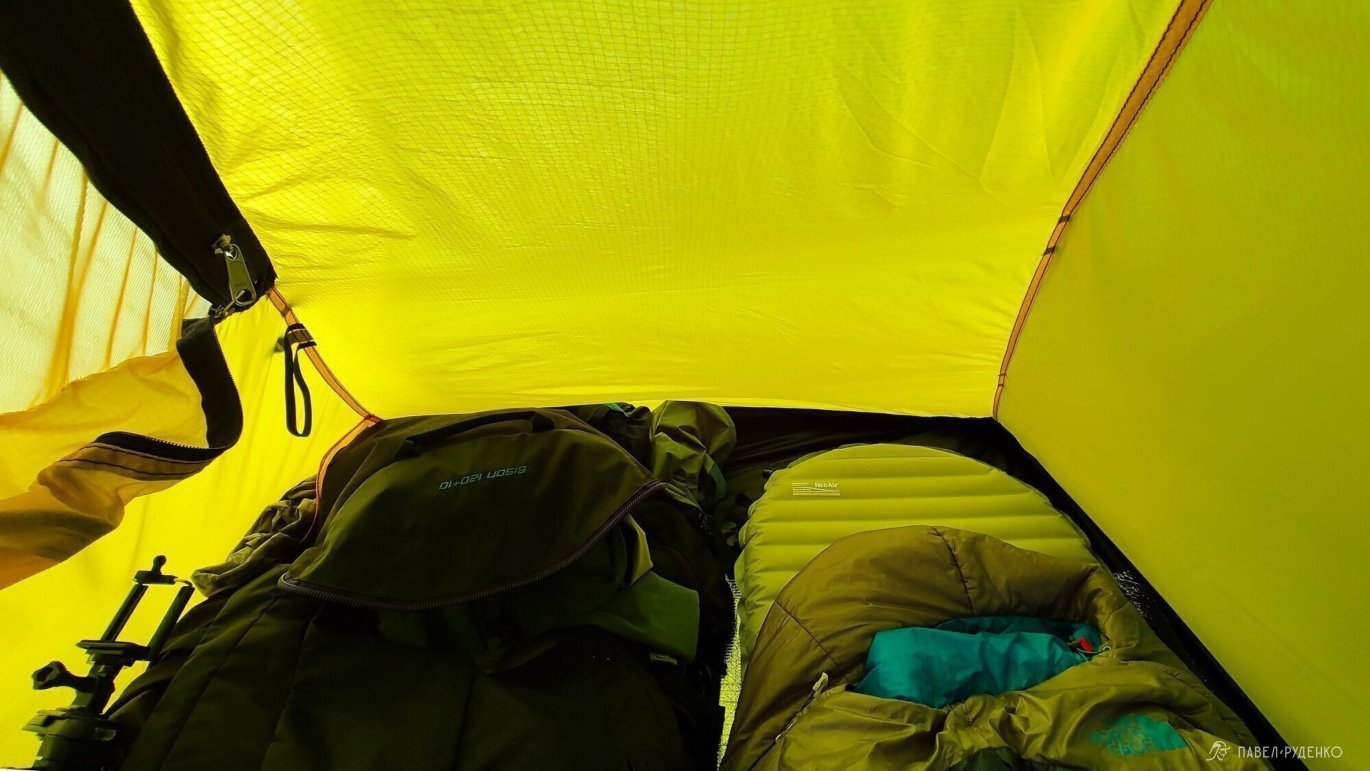
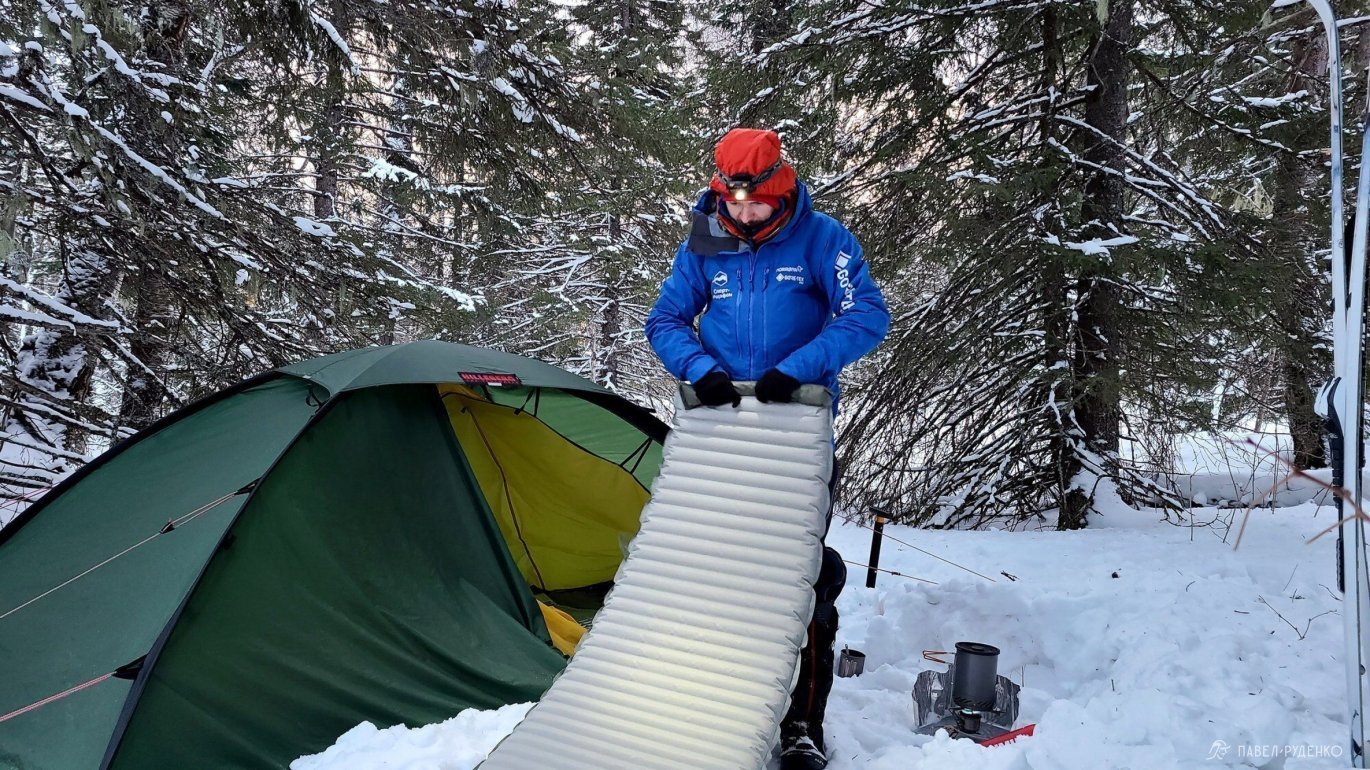
A super-spacious 1-person tent: 100 cm in height, 110 cm in width, and 230 cm in length — a rare find that is ideal for tall hikers. Your backpack and gear stay inside the tent; I really love this concept after years of using 2-person tents on solo expeditions. In winter conditions, the generous internal volume minimizes condensation and reduces the chance of brushing against frost-covered walls, while providing maximum comfort during extended summer treks.
Vestibule
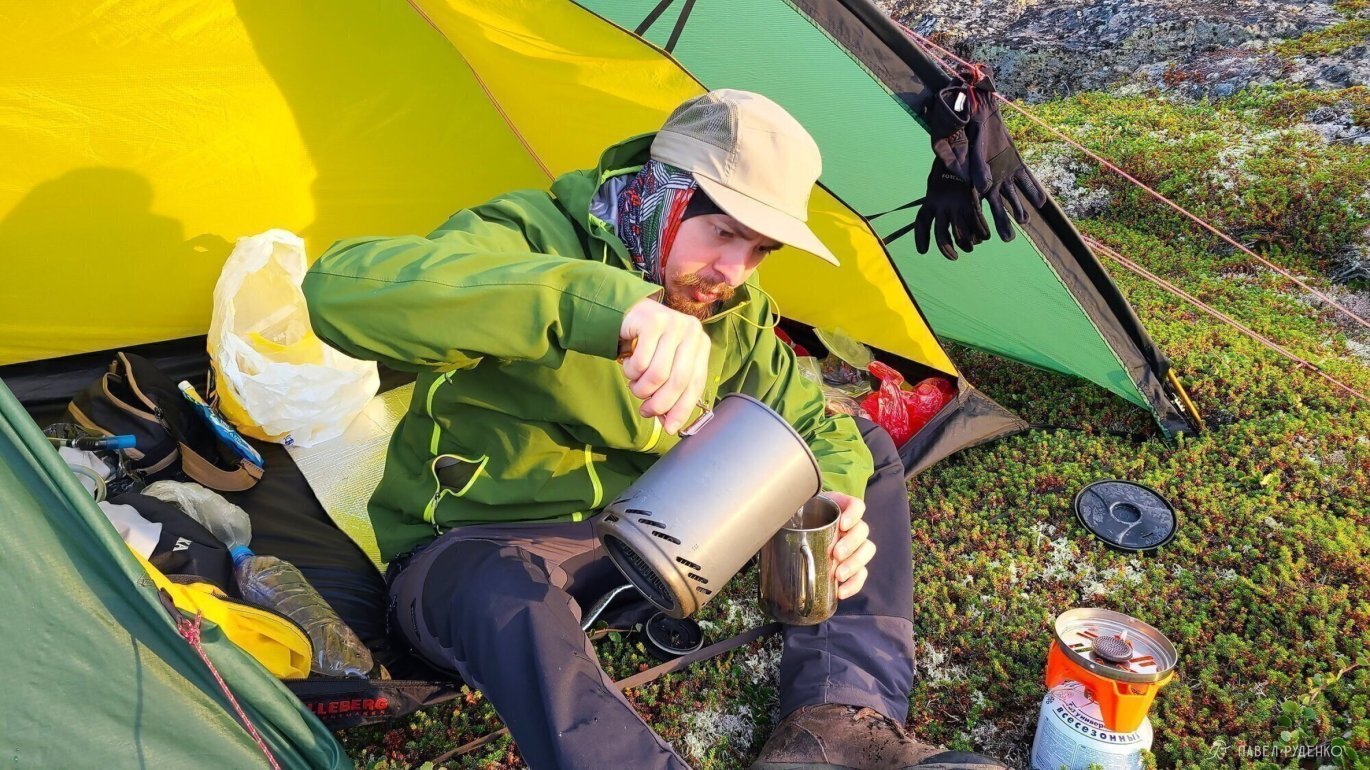
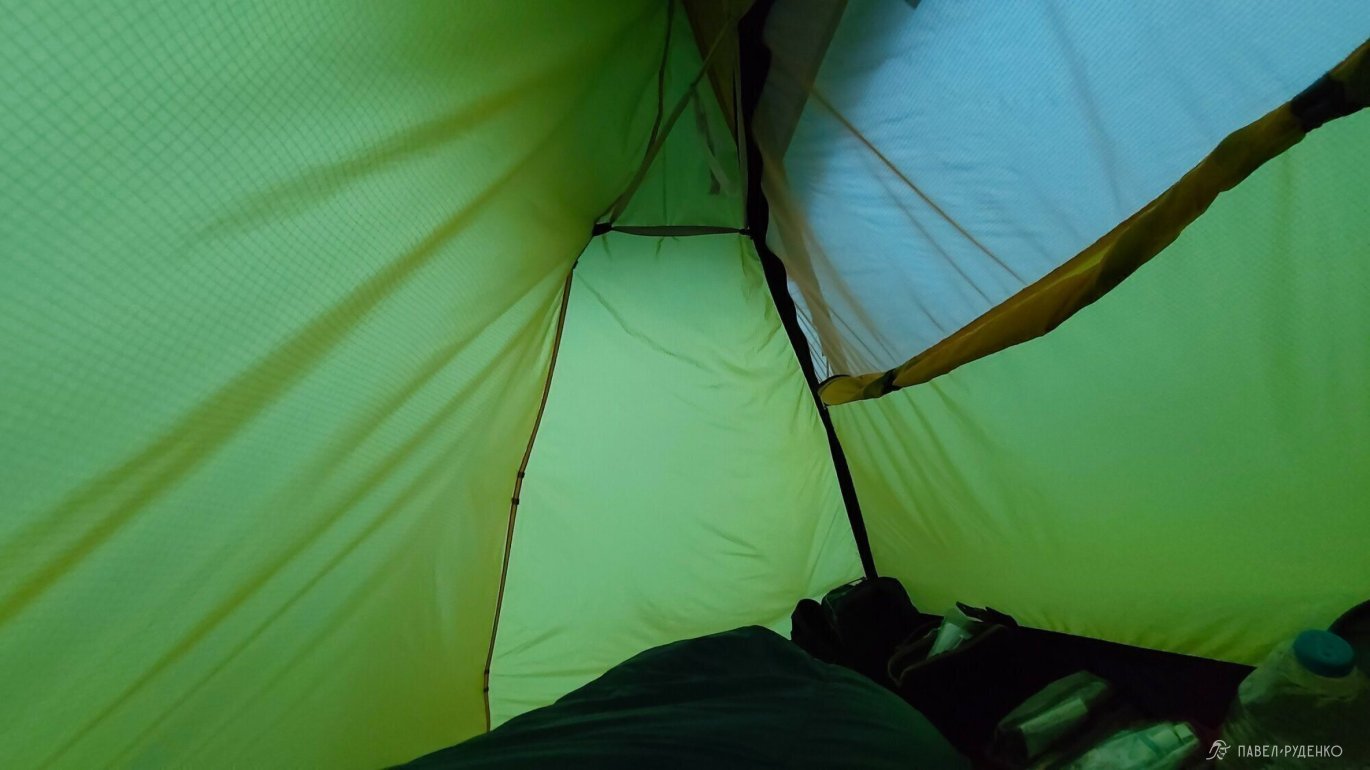
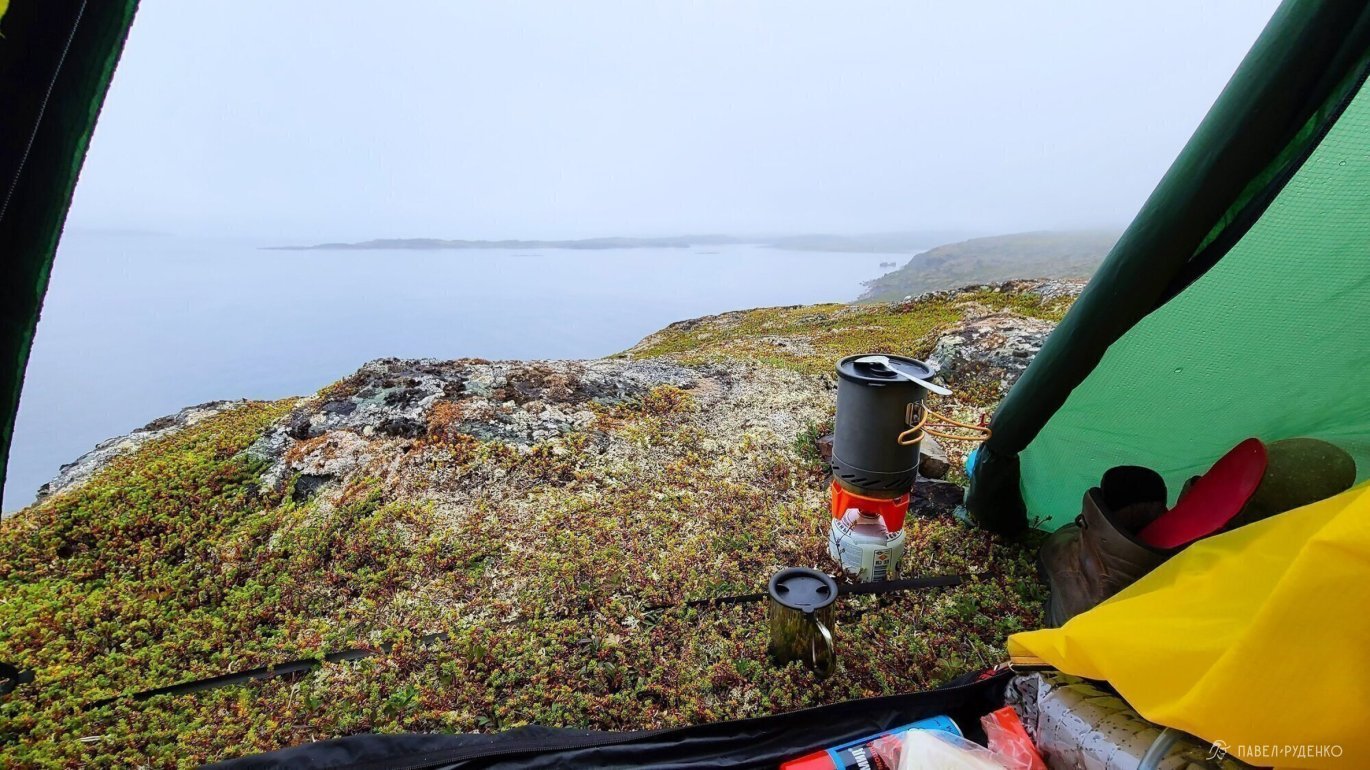
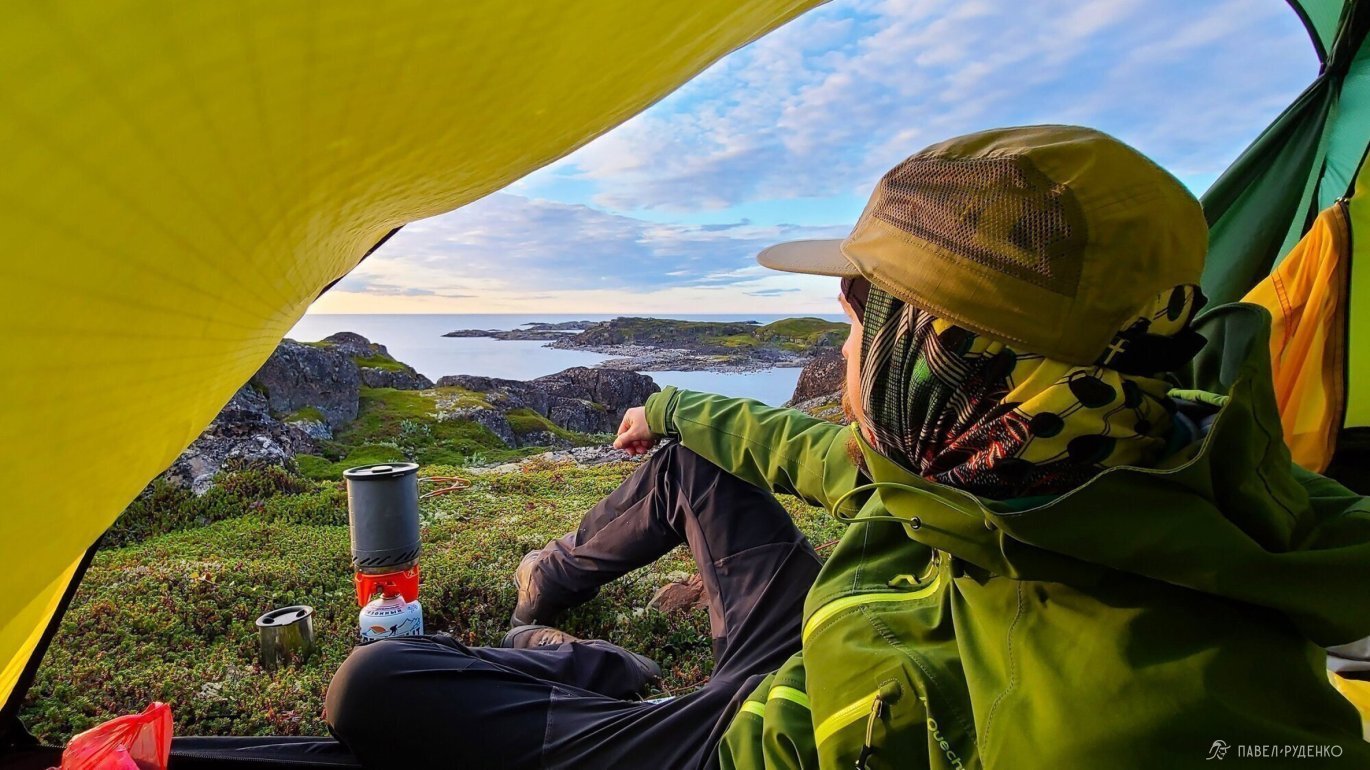
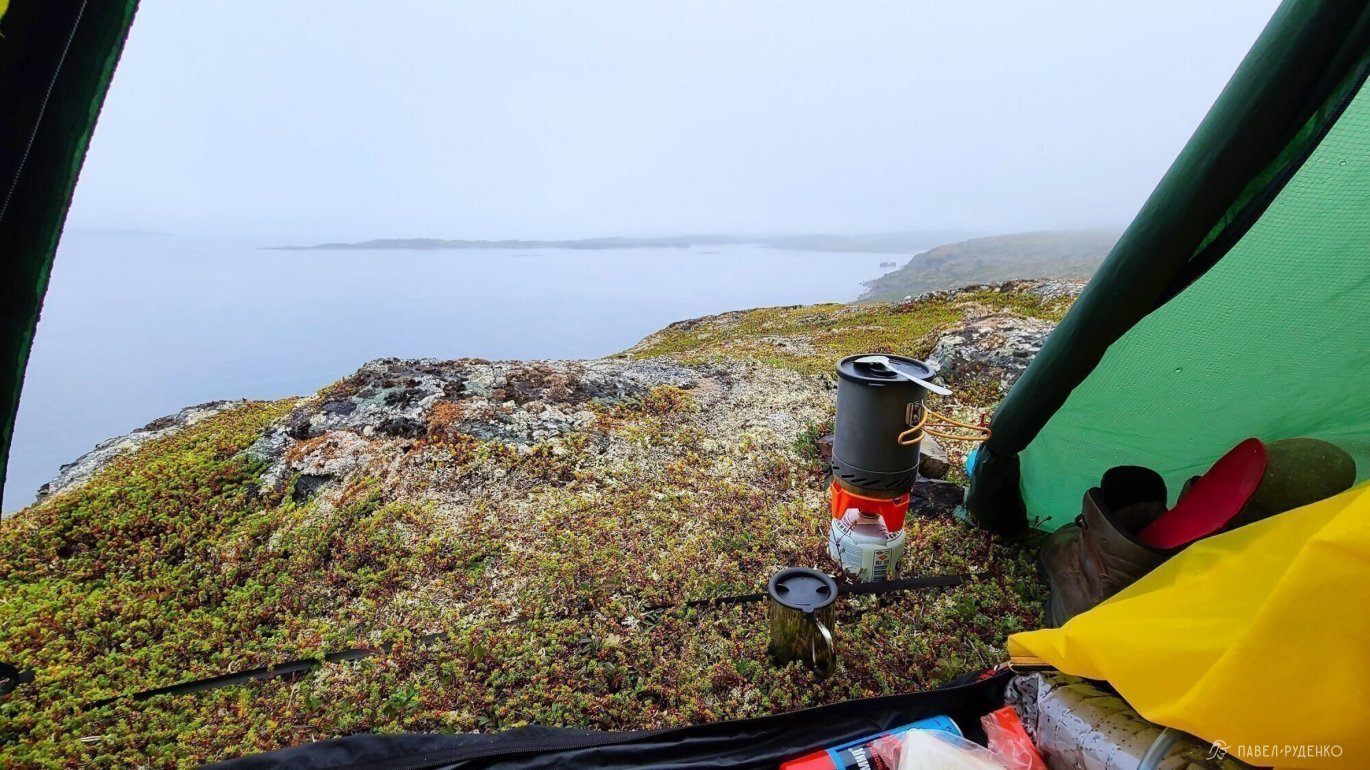
There isn't one here. That might seem strange, and I had my doubts at first, but in practice the design turned out to be completely intuitive and logical. I only use a vestibule for about 40 minutes in the evening and 40 minutes in the morning while cooking; the rest of the time — roughly 8–11 hours — is spent inside the tent. Vestibule use accounts for only ~10% of total tent time. Yet a vestibule requires pitching space, guy lines, adds fabric weight, and so forth. In the Unna, your gear is stored inside, keeping everything dry and easily accessible. Boots and cookware fit into the ~15 cm gap between the outer tent hem and the inner tent. Furthermore, you can stake out the sides to expand this vestibule space up to ~40 cm, which also enhances ventilation (the gap between fly and ground). To cook in the rain, I simply unclipped a corner of the inner tent near the entrance to make room for the stove, leaving the top corner unzipped for venting.

Ventilation
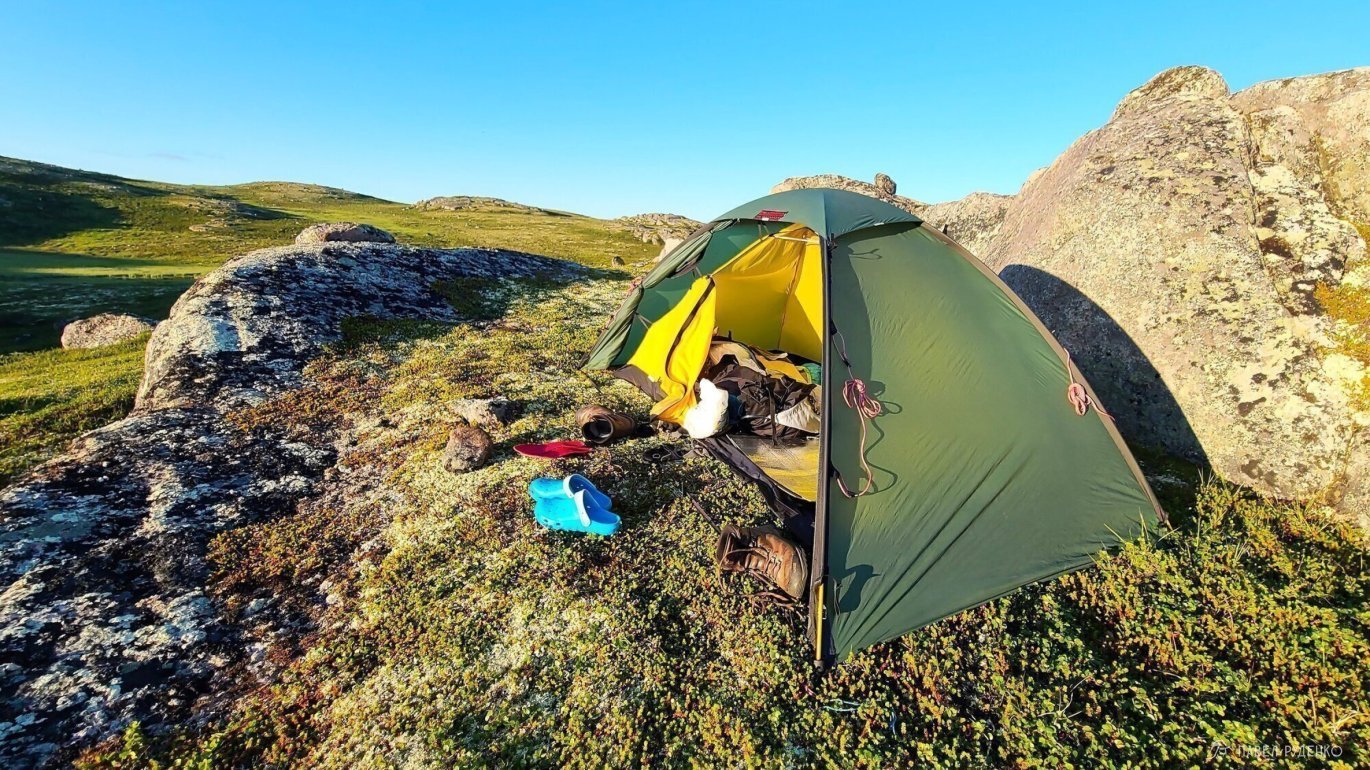
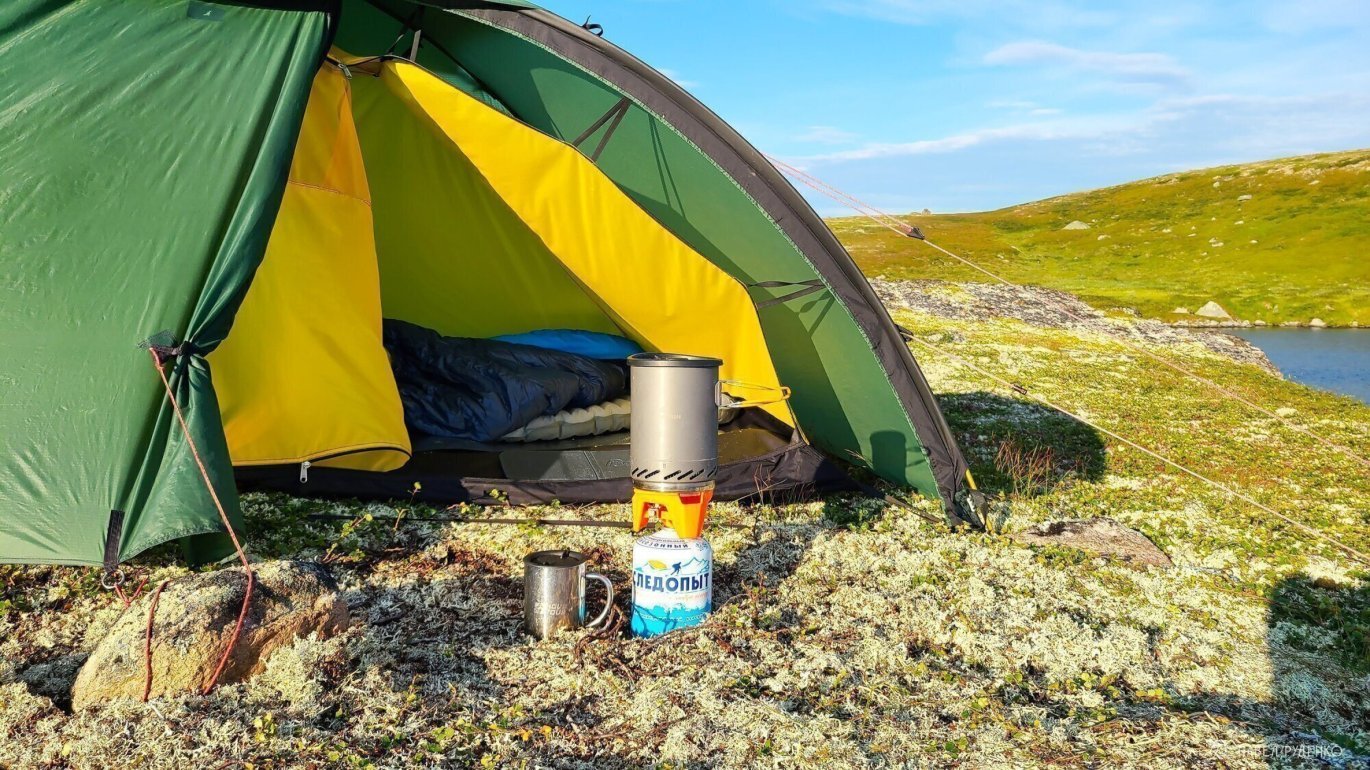
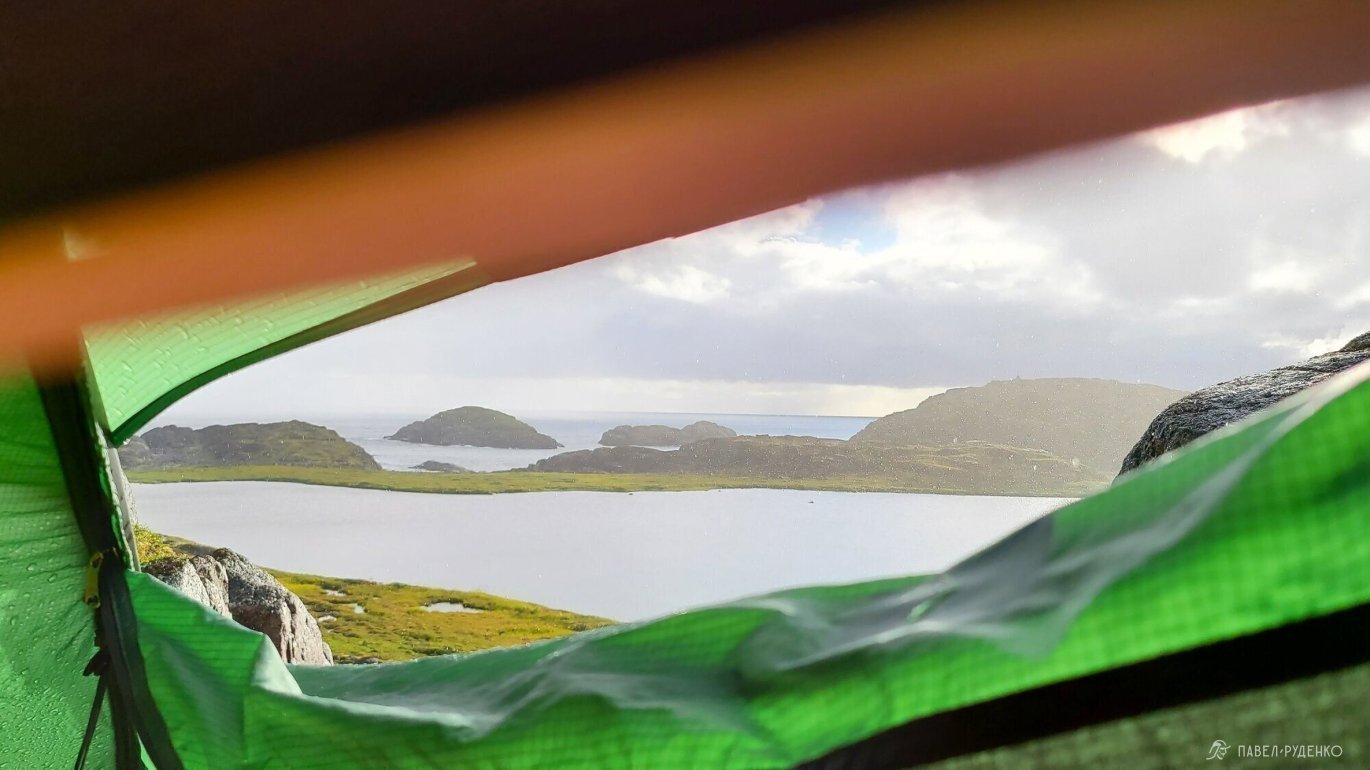
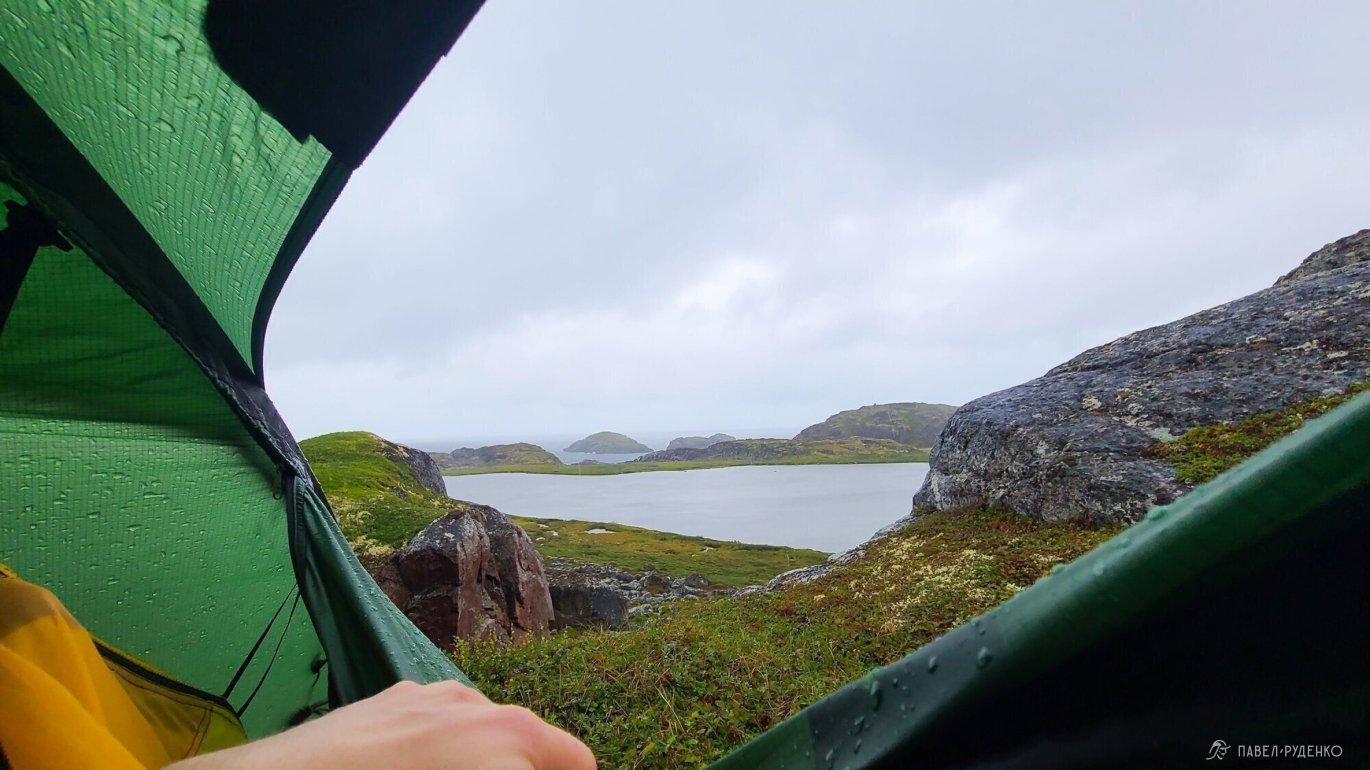
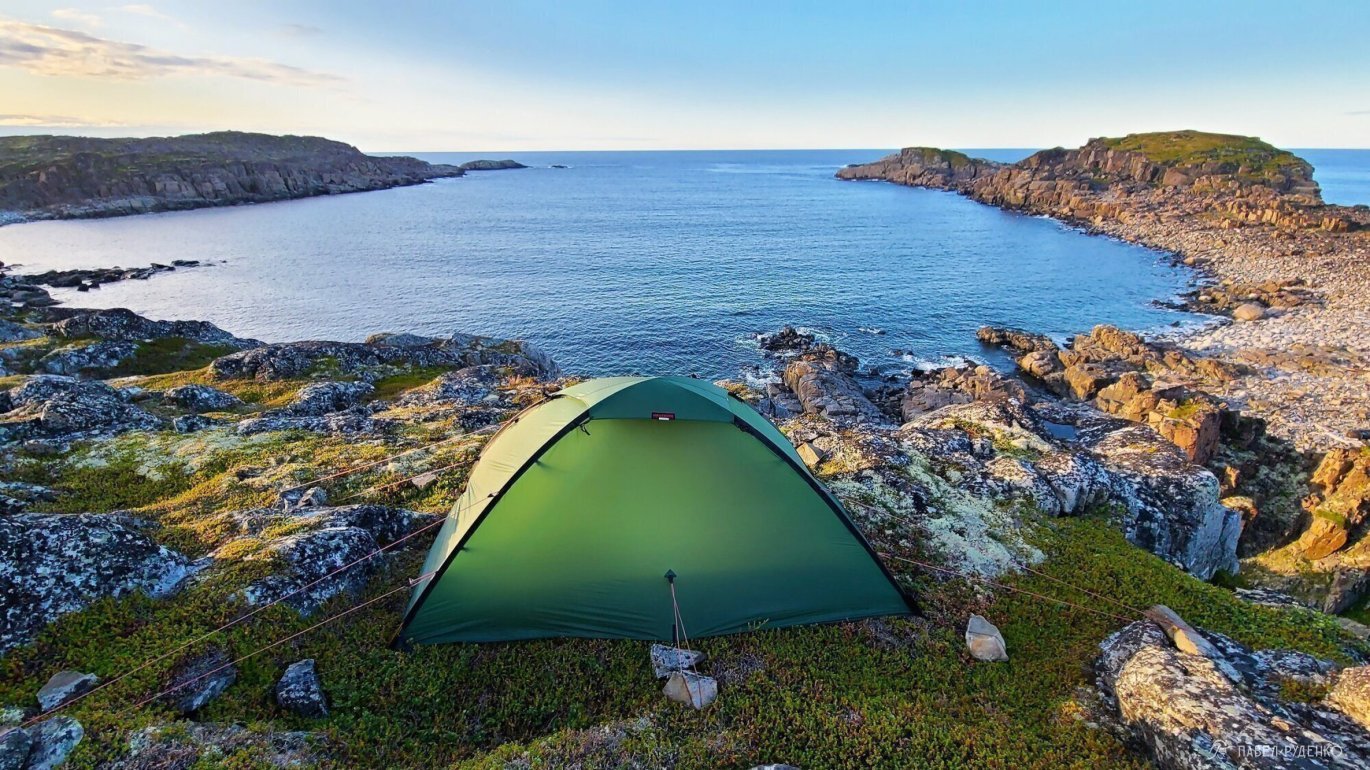
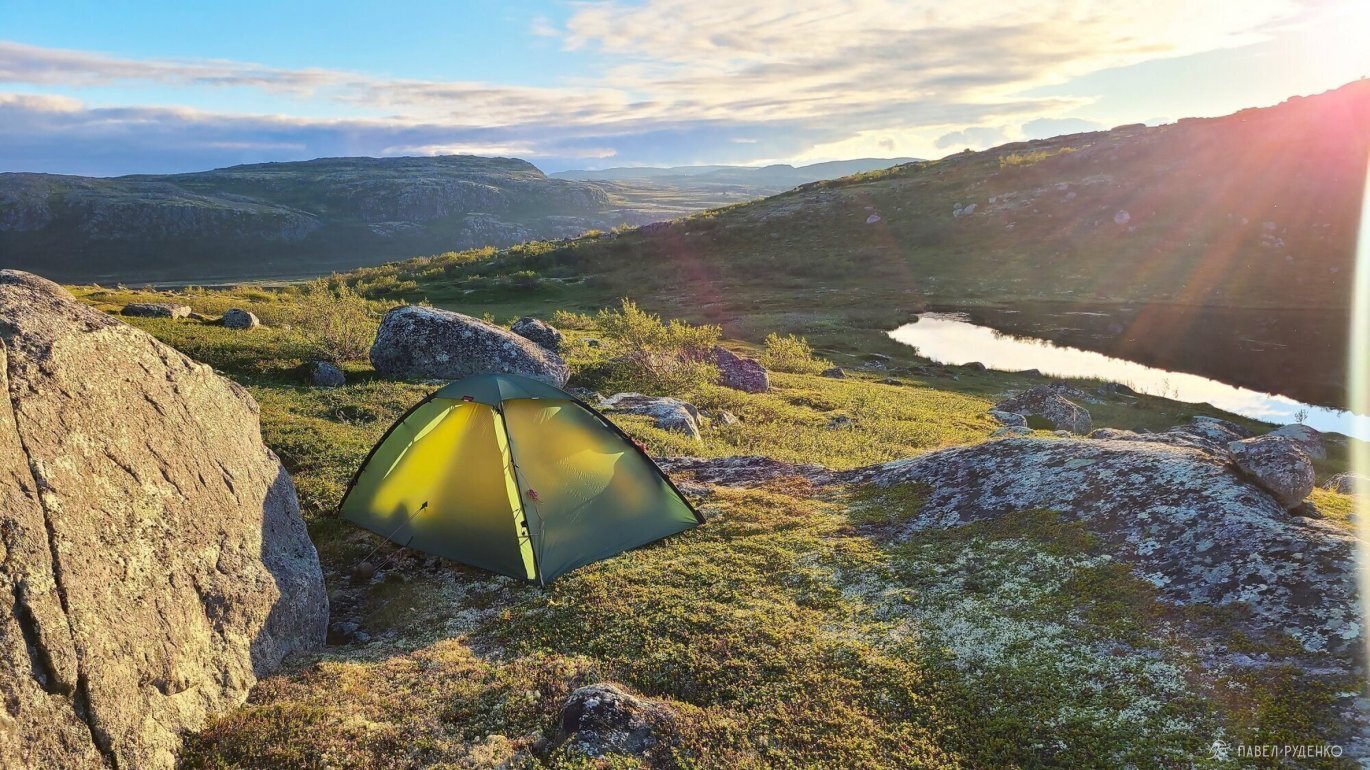
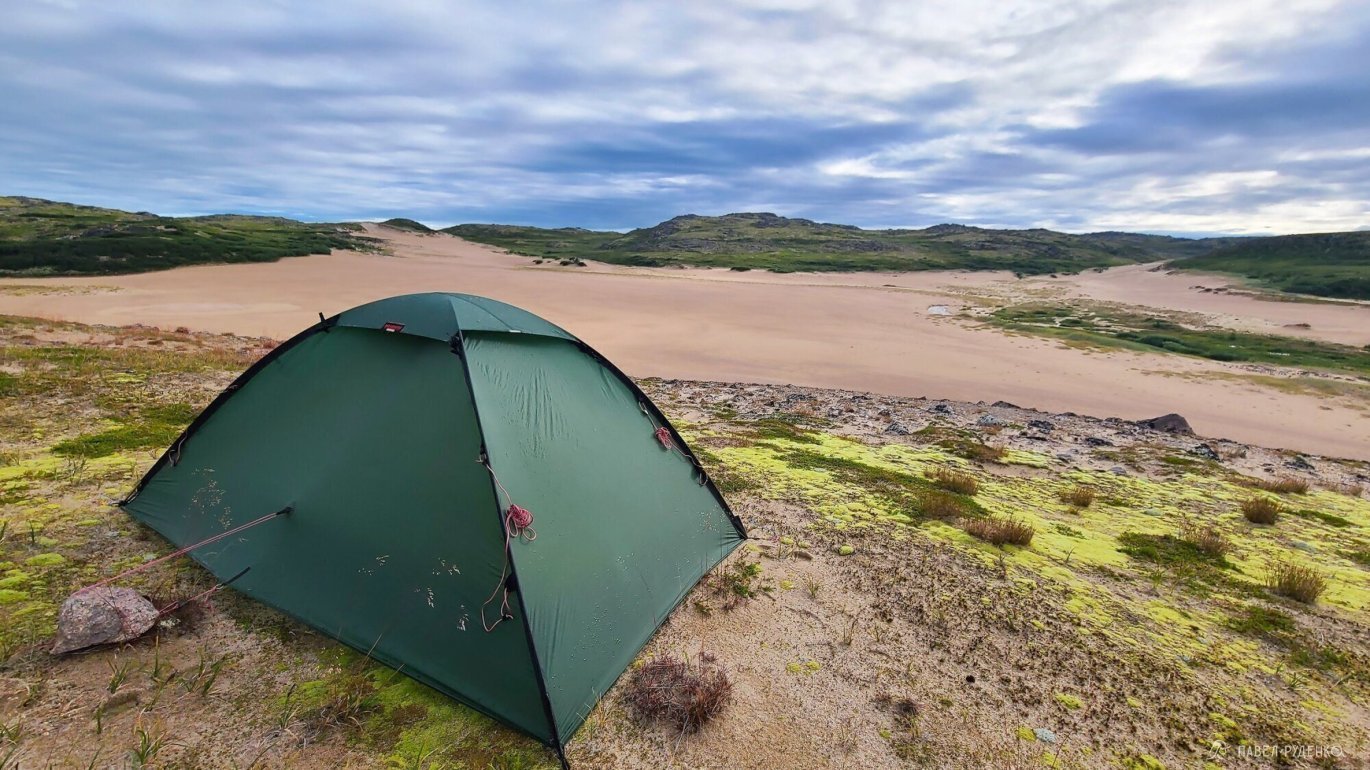
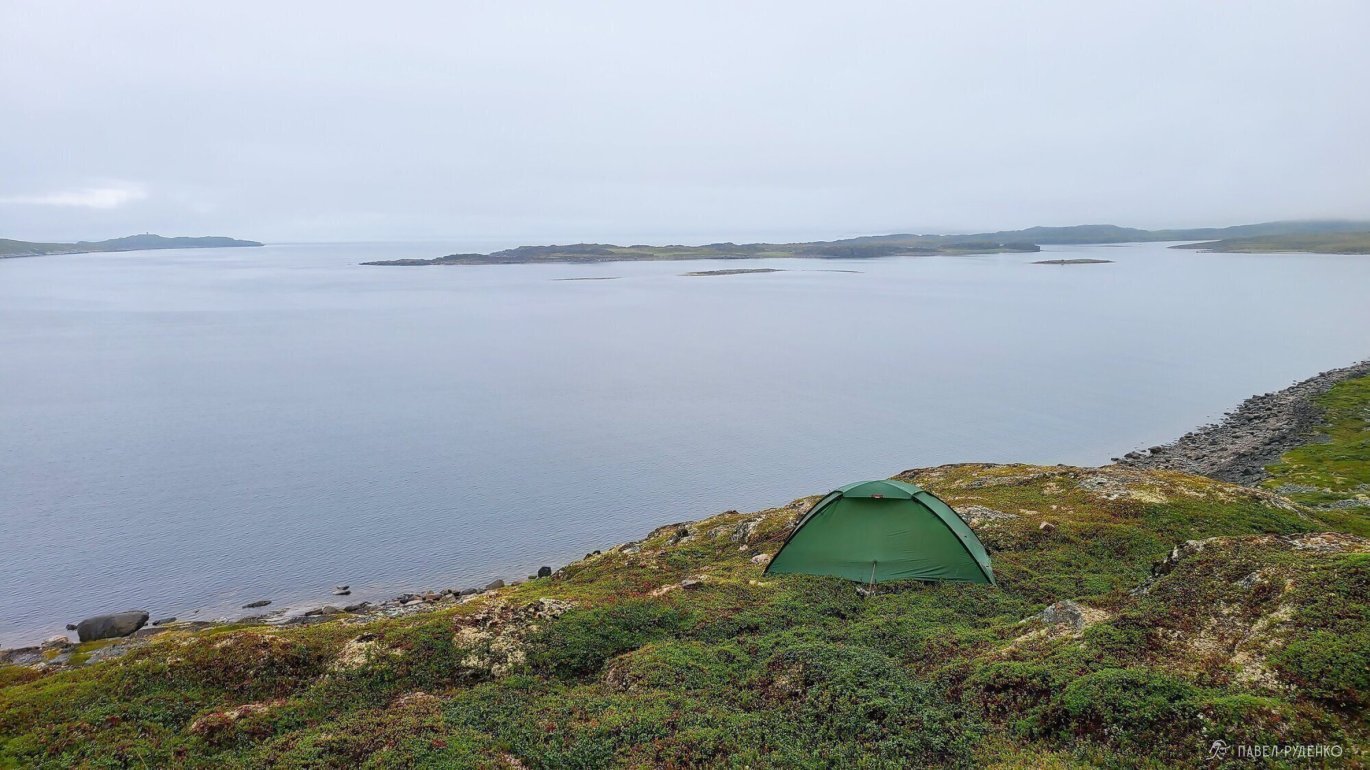
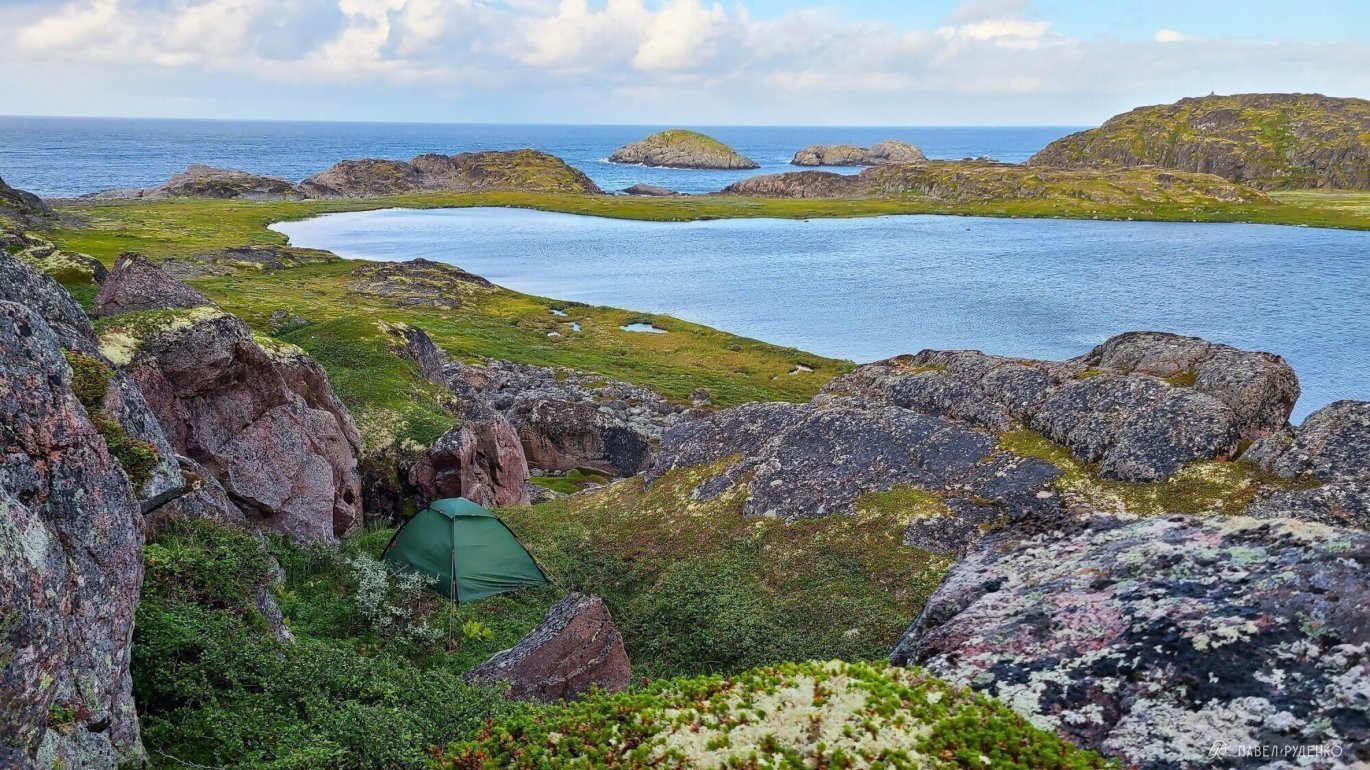
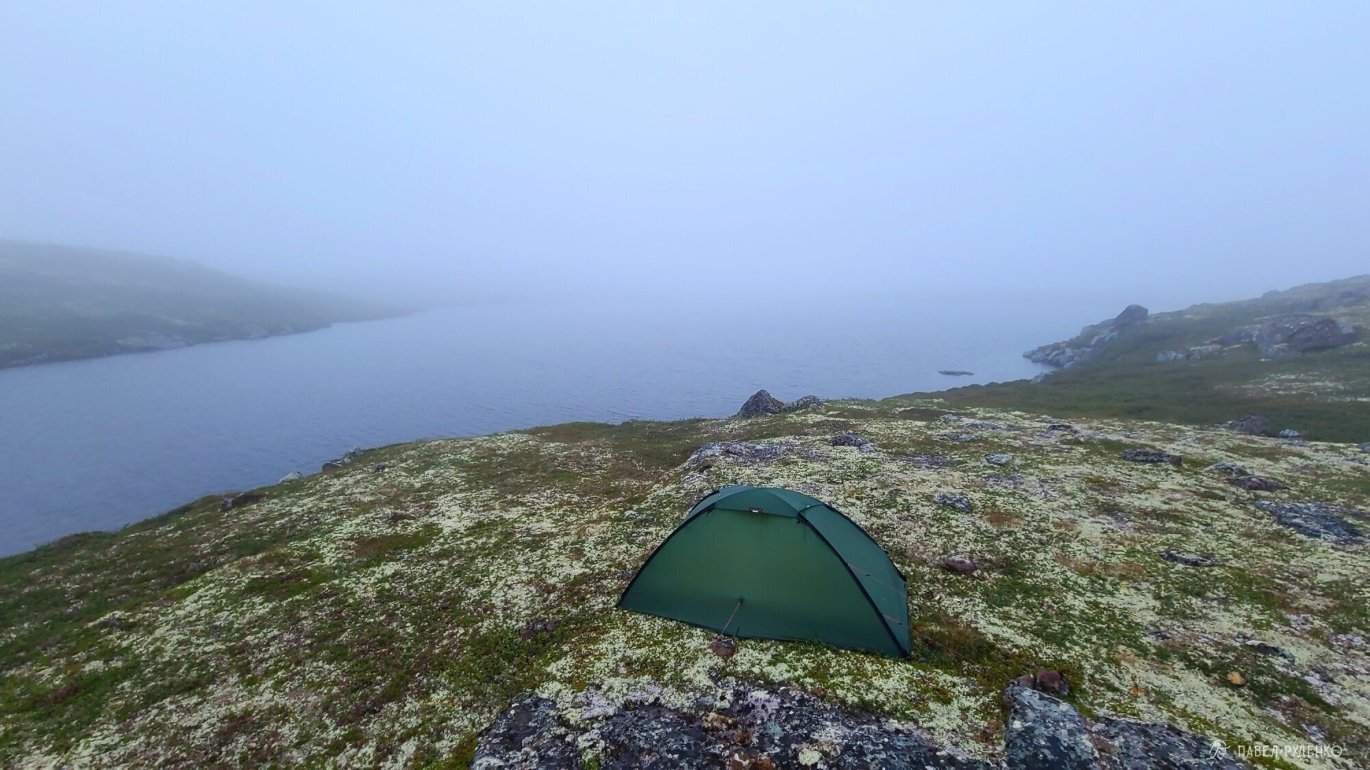
Highly breathable fabric is used at the top of the door and under the roof hood. The inner tent features a mesh window backed with a fabric panel. In my experience, this is more than enough for most conditions. During my August trek across the Kola Peninsula tundra, nighttime temperatures ranged from +15 °C to 0 °C, frequently accompanied by heavy rain and wind. Despite early sunrises, I was always able to regulate airflow and temperature to stay comfortable. You can also unzip the top of the door for extra ventilation while keeping it protected from rain by the roof vent cover.



Simple Design & Easy Pitching
Beauty lies in simplicity. Two equal-length poles cross each other, sliding into continuous external sleeves from one side and nesting into closed pole pockets on the other. That makes it effortless to pitch solo. The only thing simpler to pitch would be a tunnel tent like the Akto or Enan, but those are not freestanding, with all the associated trade-offs. The poles feed into the outer tent, which greatly simplifies pitching in rain and bad weather, while also speeding up setup because the inner tent remains attached.
Durability
Hilleberg gives you an incredible sense of security and strength. A tent is your only shelter in the wilderness, which is why I value them so much. Top-tier poles inserted into external sleeves, a rugged flysheet with premium silicone coating, double guy lines, and individual assembly and quality inspection by a single craftsperson in Estonia (whose name tag is attached) deliver uncompromising safety and world-class quality. Having tested tents from various brands, with Hilleberg you truly experience a completely different level of reliability.
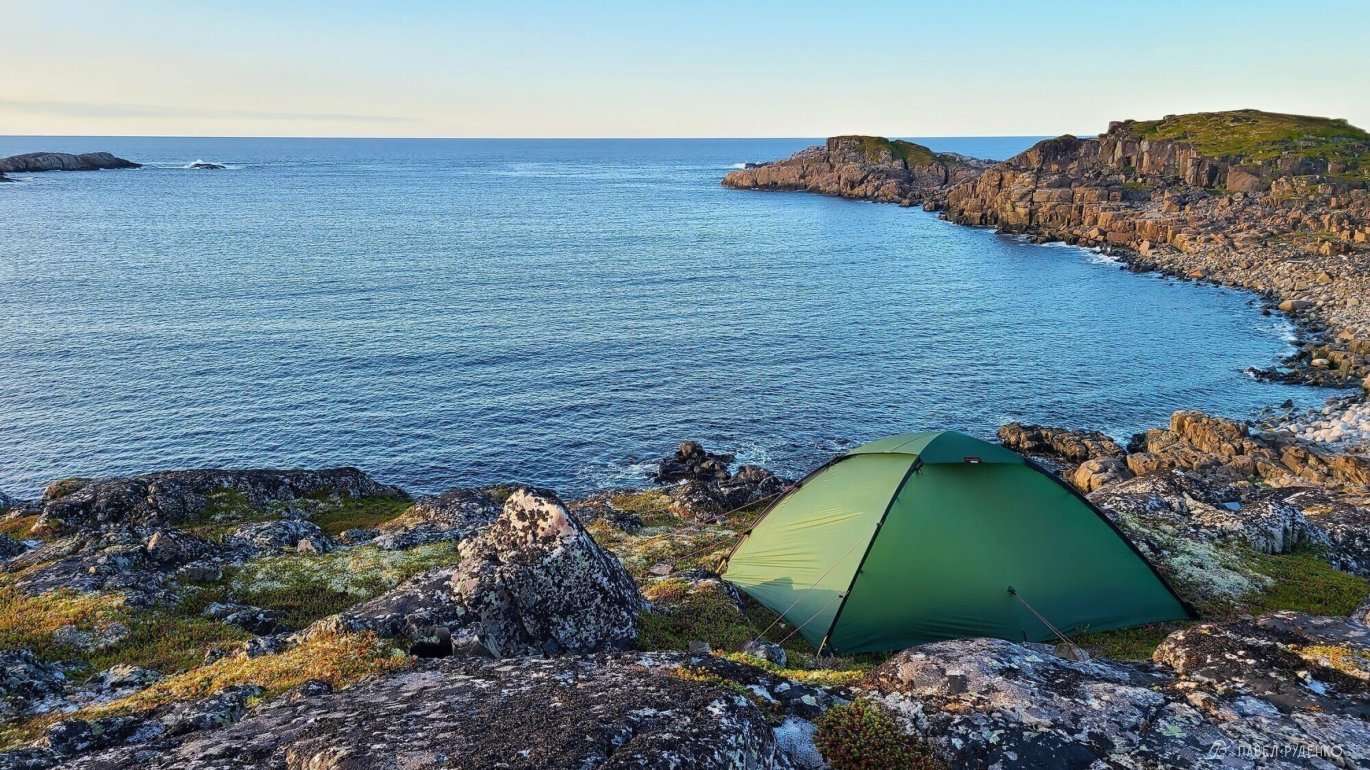
Full-Coverage Flysheet
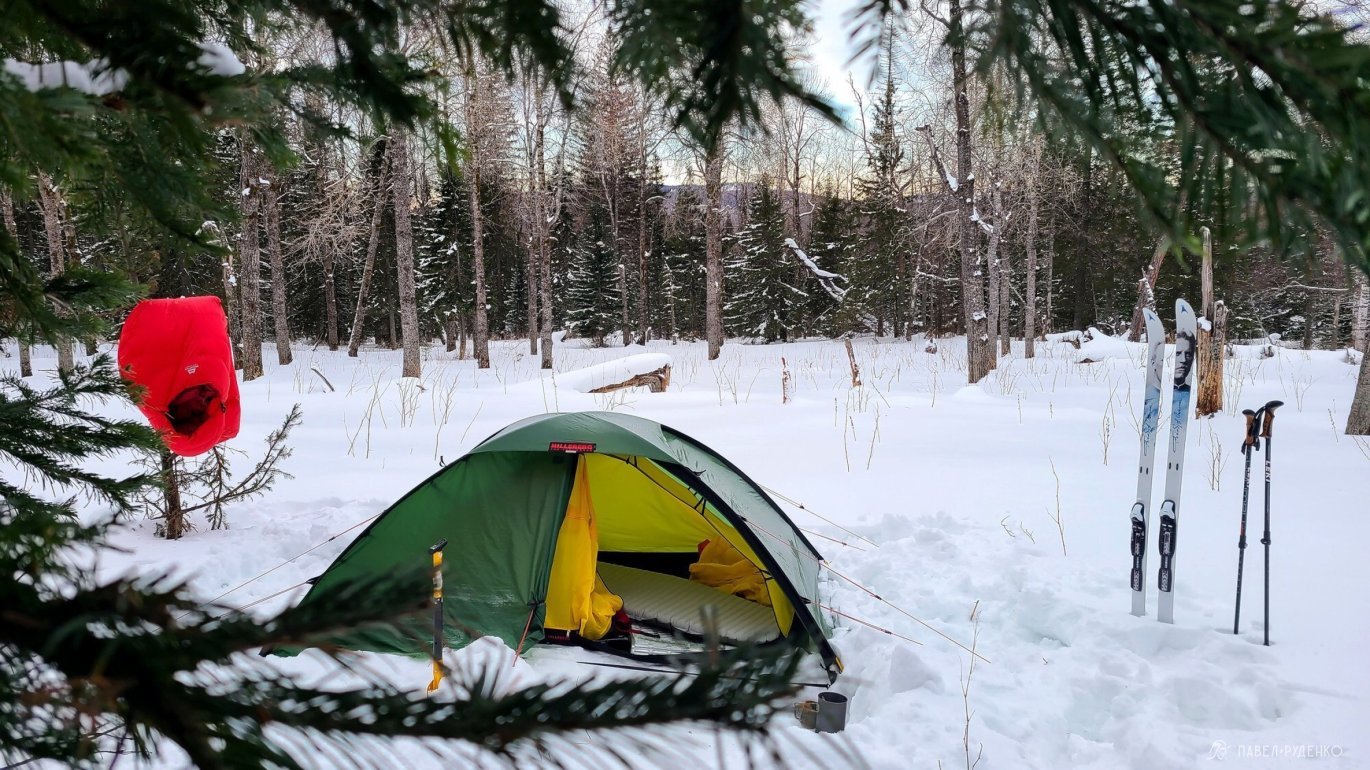
Scandinavian brands often extend the outer tent all the way to the ground. This design choice is thoroughly justified: they build gear for their own harsh climate and know severe weather firsthand. In my view, it is an ideal solution for Arctic and subarctic conditions. With the flysheet extending down to the ground, drafts cannot penetrate underneath, eliminating the need to build a windbreak wall or dig deep into the snow.
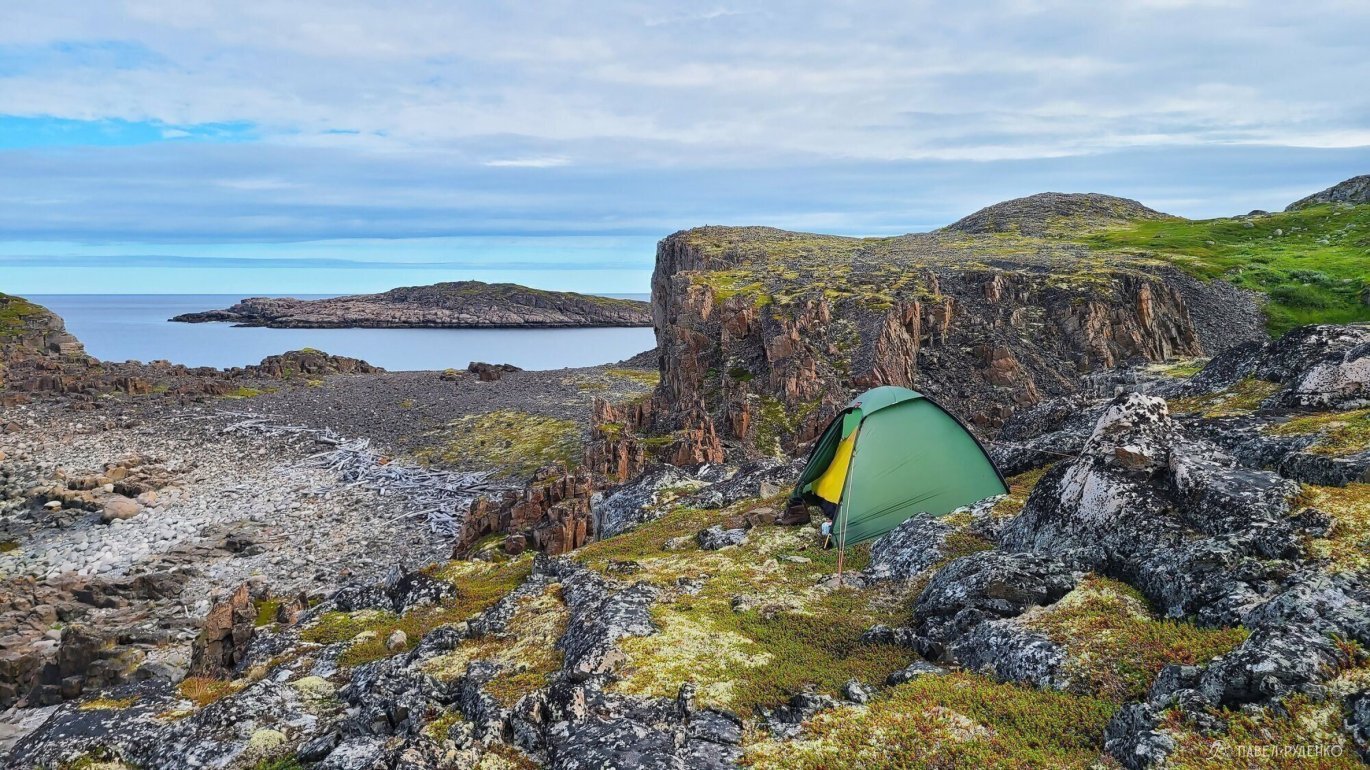
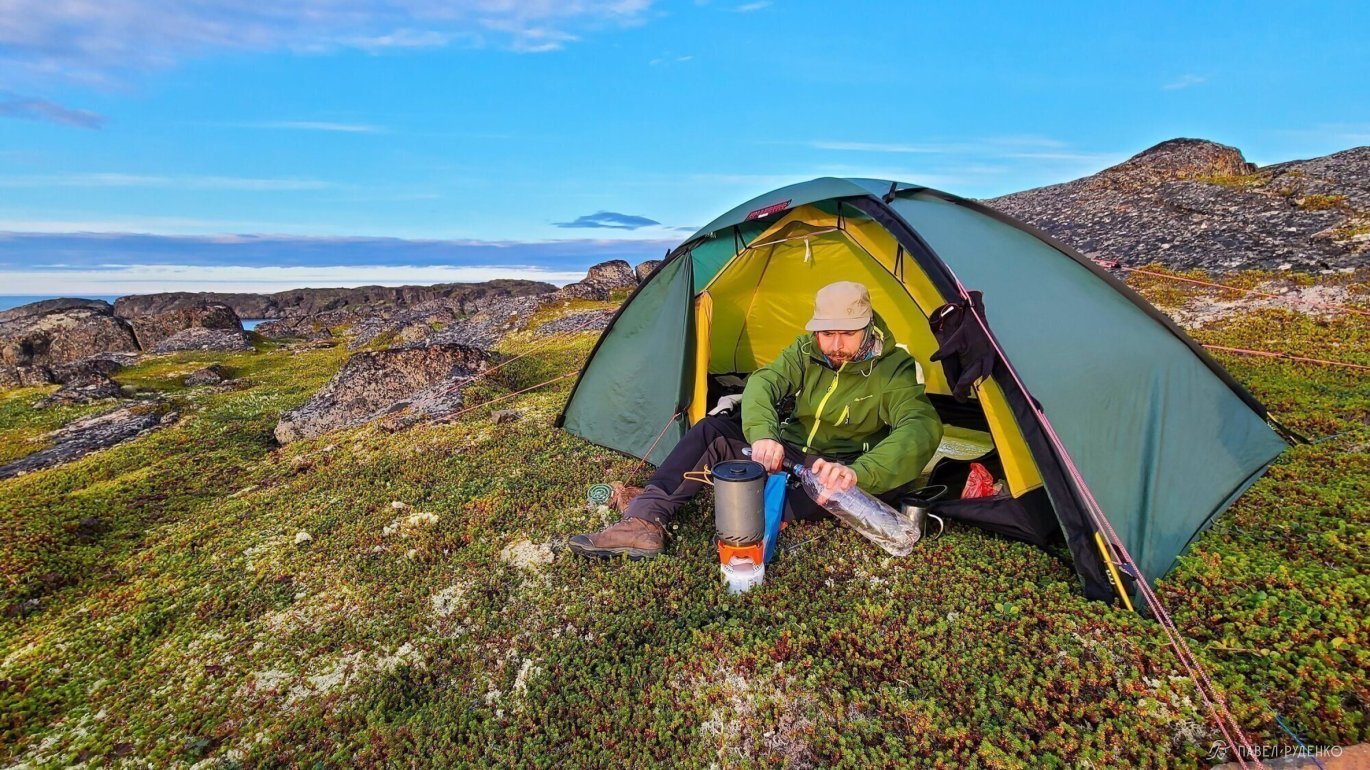
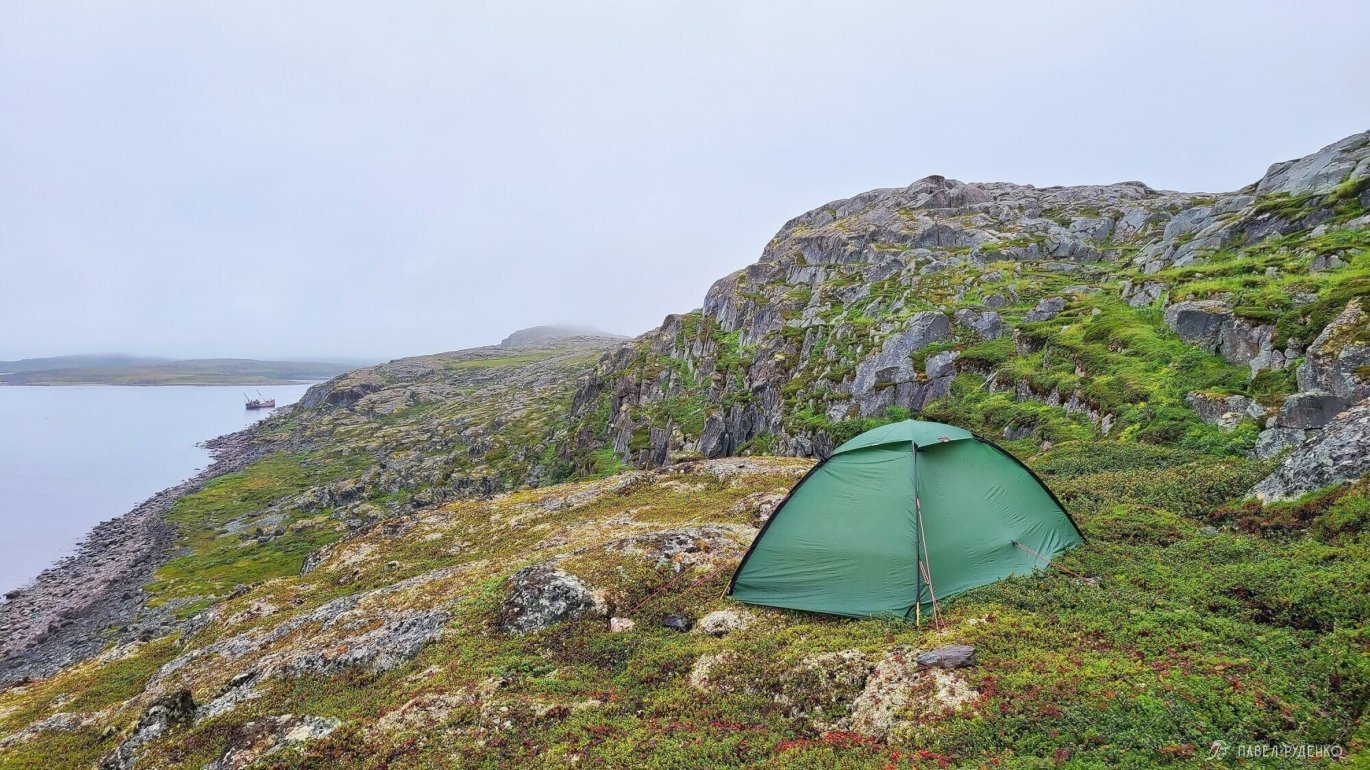
Rainfly
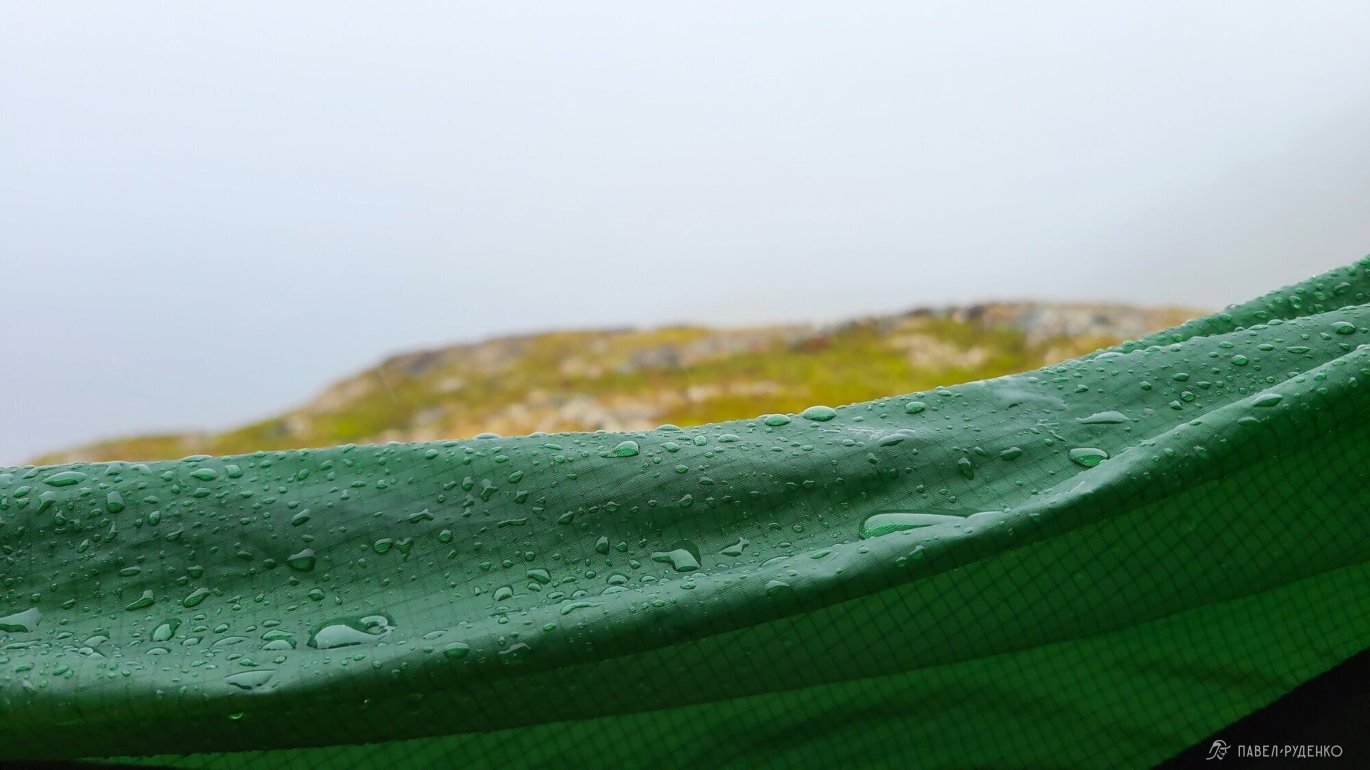
Hilleberg outer tent fabrics differ significantly from those used by most American, domestic, and Southern European manufacturers. Triple silicone coating yields an outstanding tear strength of 12 kg in the Red Label series. This means that even if the fabric is punctured by a crampon, boot, or falling branch, it can withstand extreme stress without tearing further in howling winds. This resilience is primarily due to the elastic Si/Si coating, combined with the proprietary Kerlon fabric and yarn thickness. Such a flysheet boasts an extraordinary lifespan, lasting 20–30 years with proper care and storage. Much of the cost of these tents stems from this advanced fabric treatment. Replacing it with standard PU would roughly halve the price, but fabric tear strength would plummet ~6-fold and durability would decrease ~3-fold.
Learn more about fabrics and coatings in the article "How to Choose a Tent":
Guy Lines
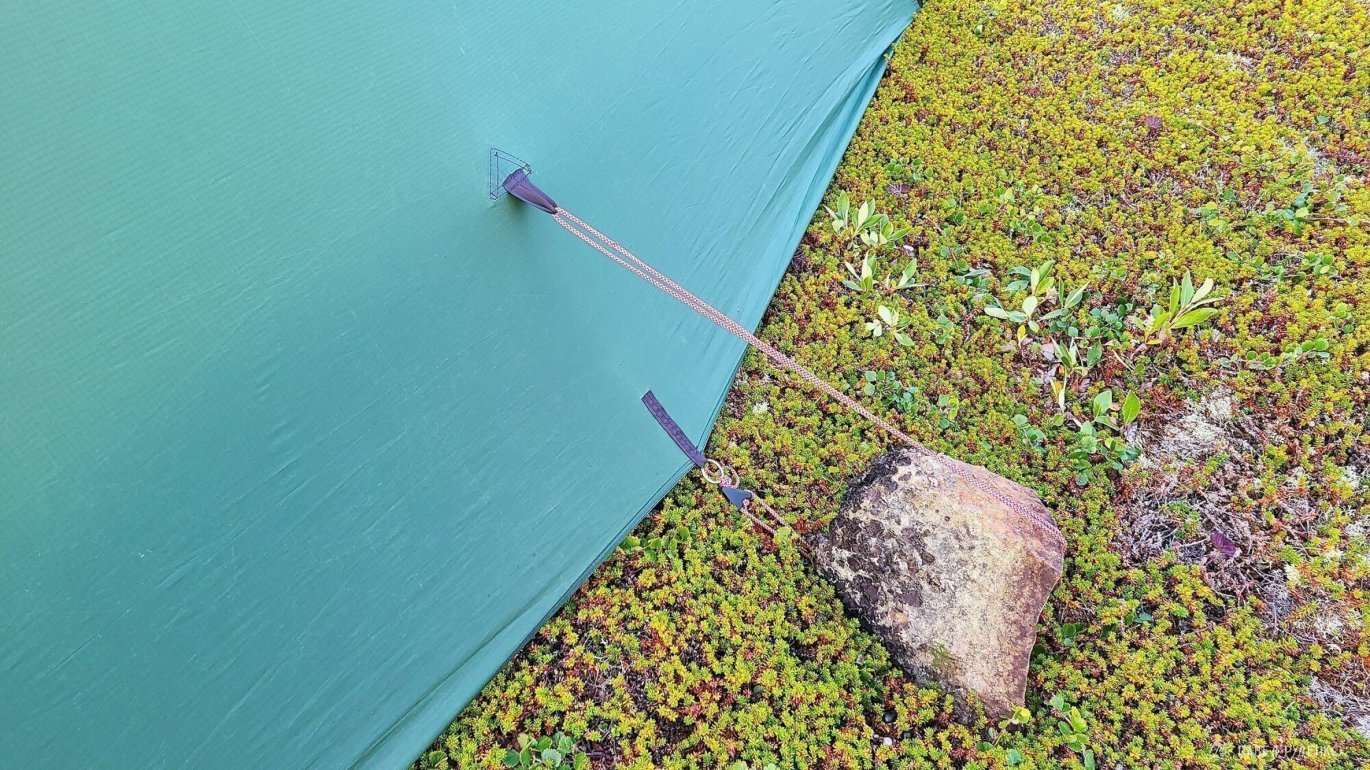
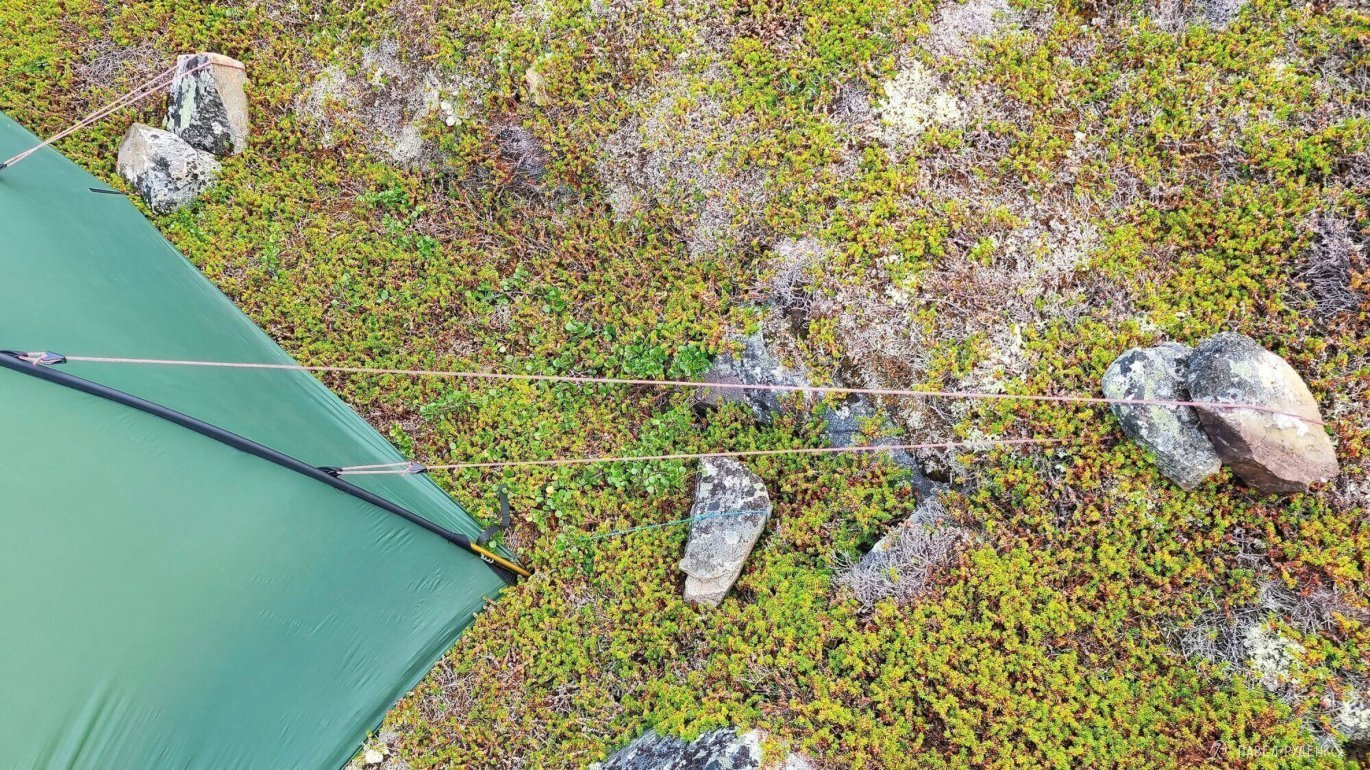
High wind stability comes from meticulous engineering: the geometry of each tent, the diameter and length of the poles, and the strength of the fabric. But the most tangible factor for users is the guy lines. Here, double attachment points wrap directly around the pole sleeves, providing unmatched stability. Anchored low to the ground, they secure the poles like a solid foundation.
Aesthetics
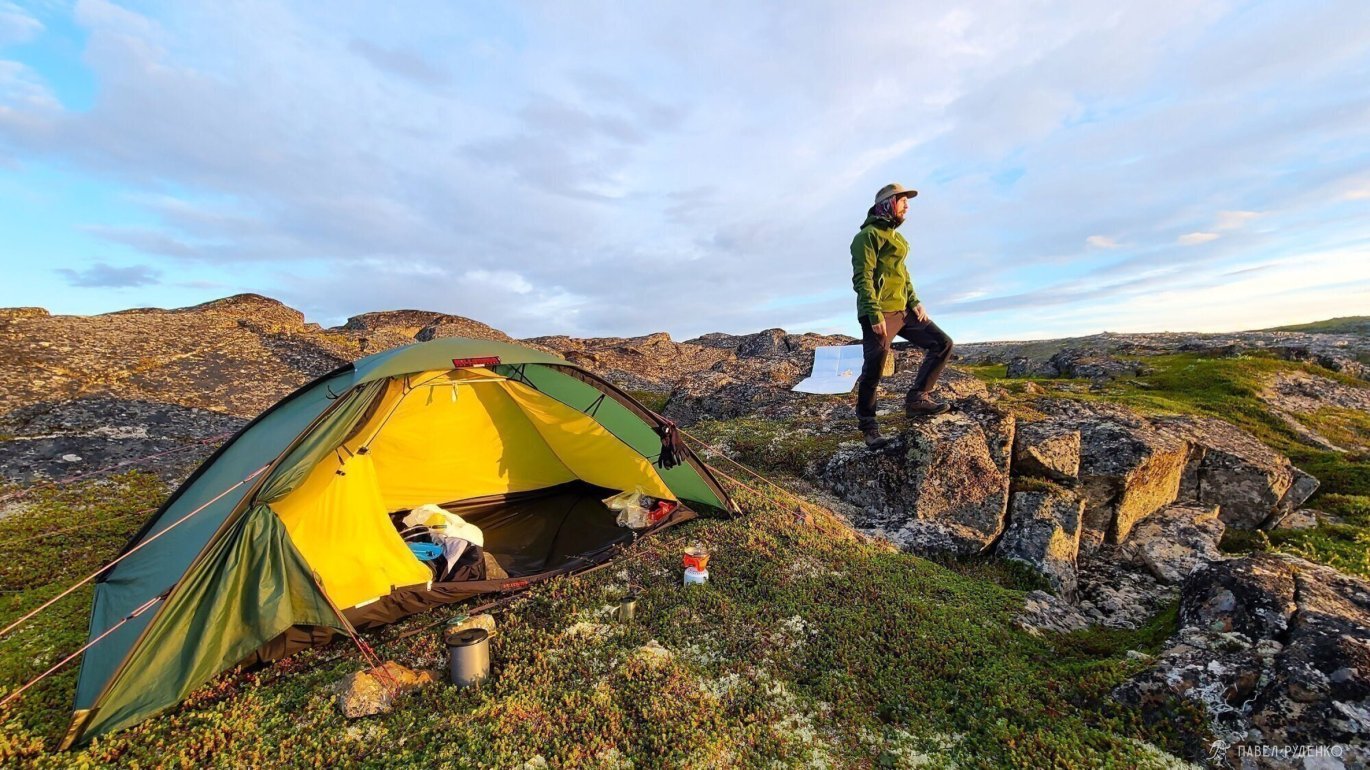
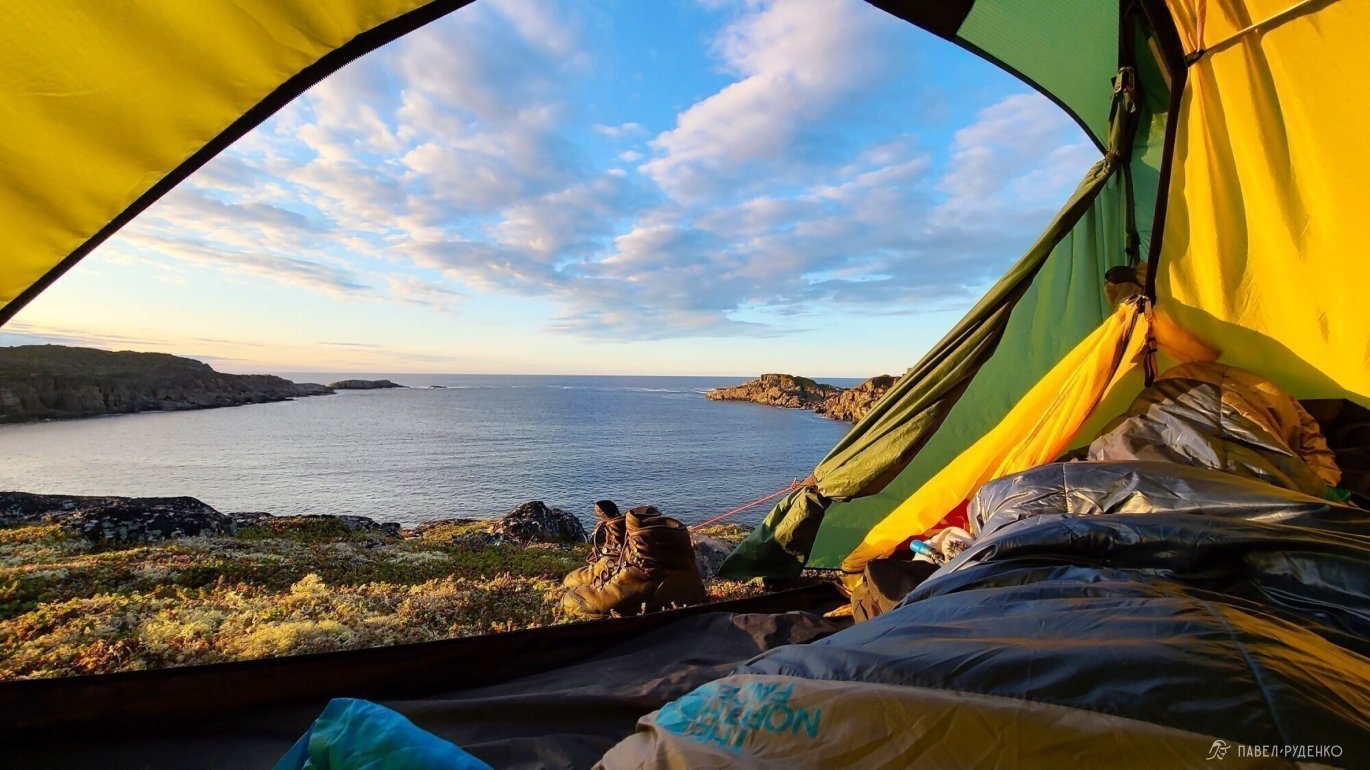
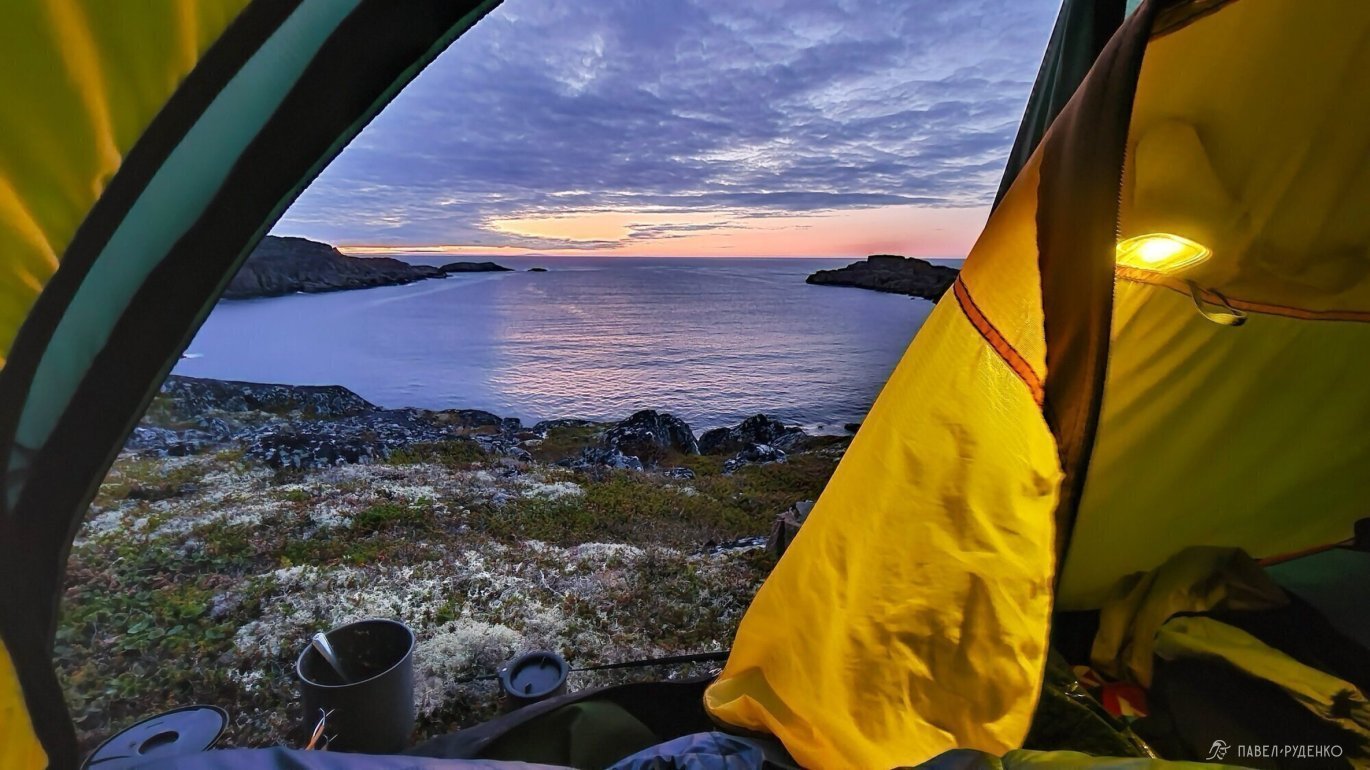
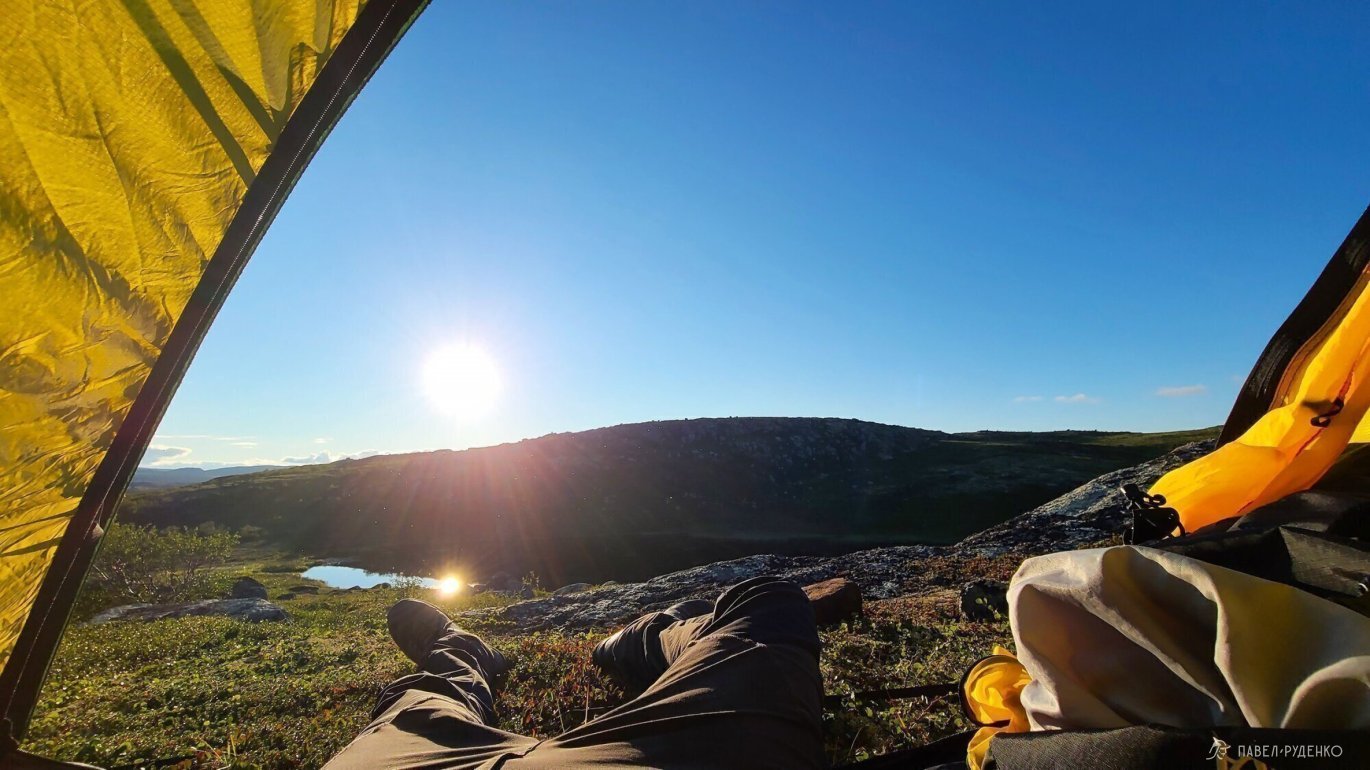
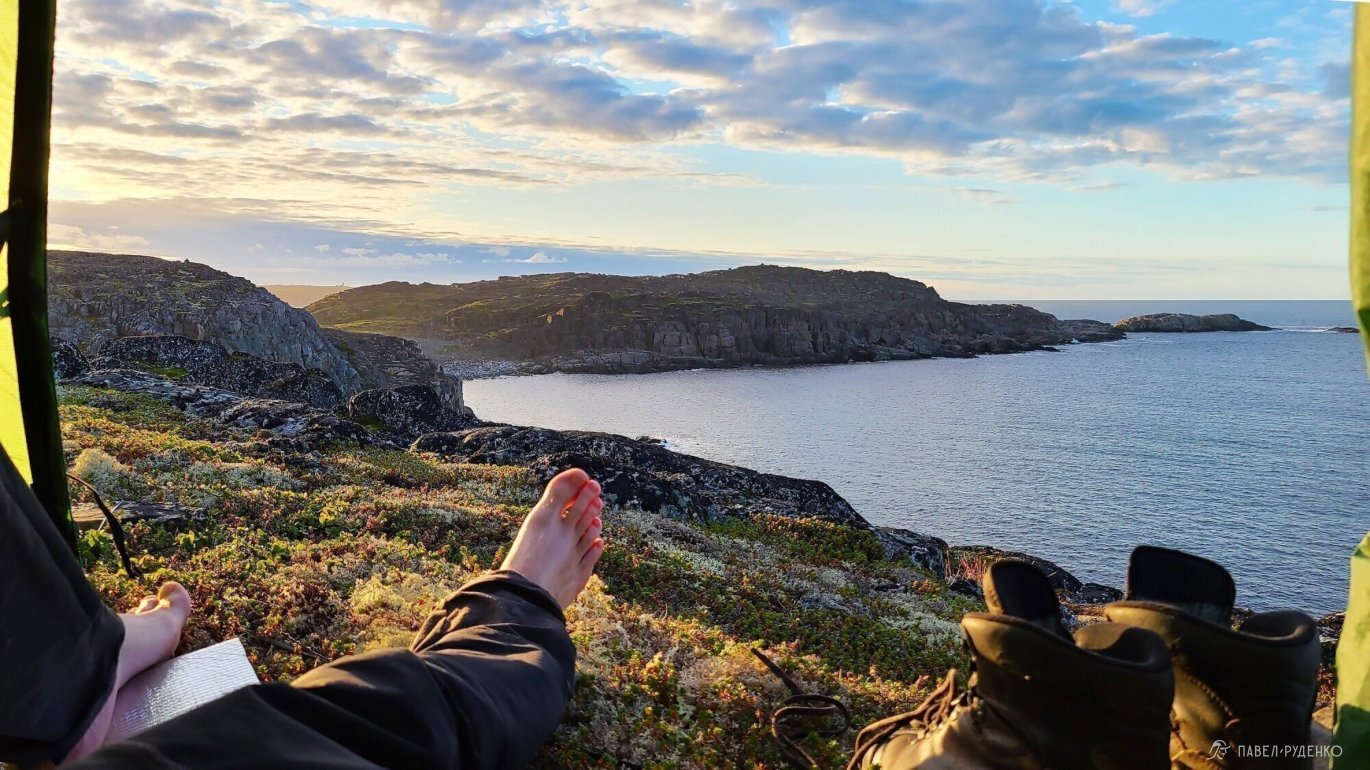
The tent is simply beautiful. It lets you open the door wide across the entire wall to soak in panoramic views of the wilderness.
Weight
The weight of the tent might seem substantial, but if you need a truly comfortable, rock-solid solo tent that performs equally well on summer coastal treks, winter ski tours, or alpine ascents — built with an immense margin of safety, zero compromises, and decades of longevity — the weight is completely justified. I see the Unna as the definitive all-condition tent that will serve for decades, delivering uncompromising safety for solo expeditions. If low weight outweighs spacious comfort, consider the Akto, which weighs 1.7 kg using similar materials. Personally, I am not ready to use the Akto on winter treks due to its smaller interior volume, which leads to more frequent contact with frosted walls.
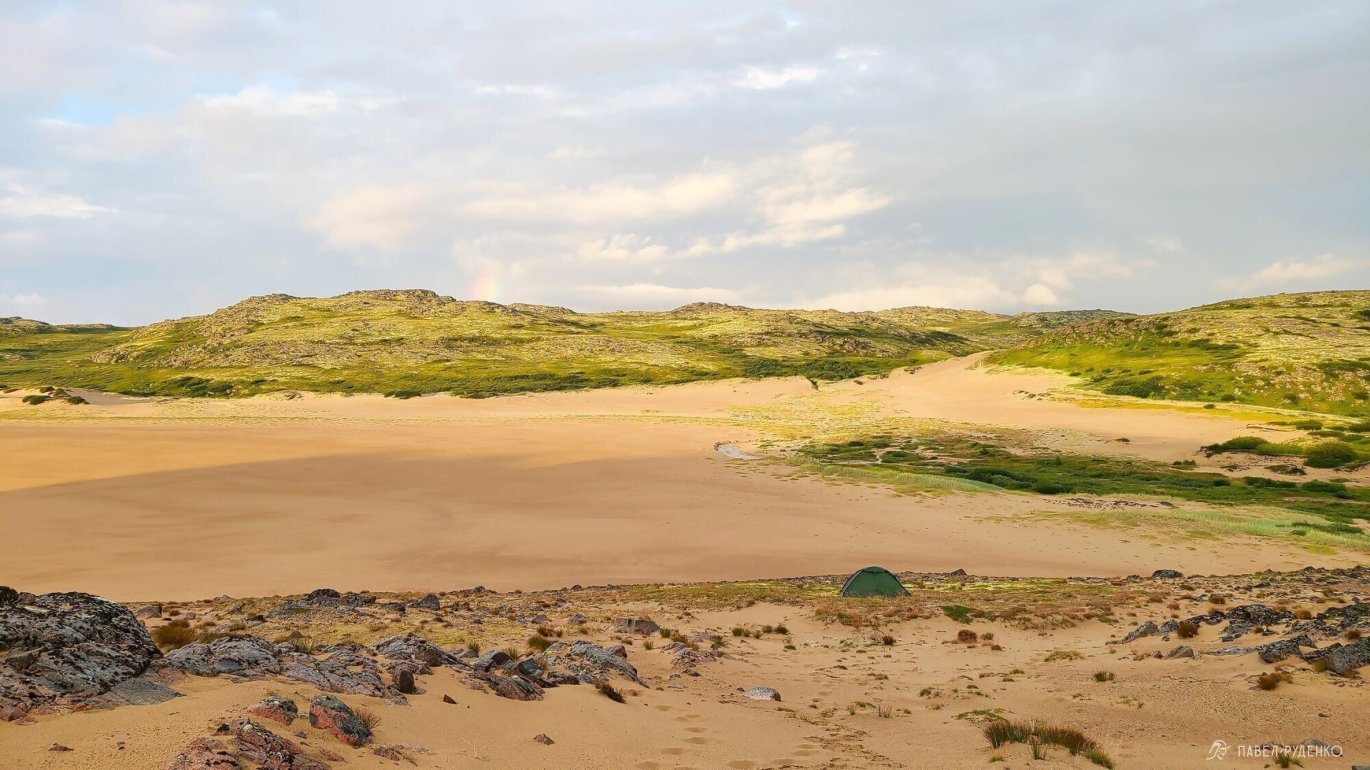
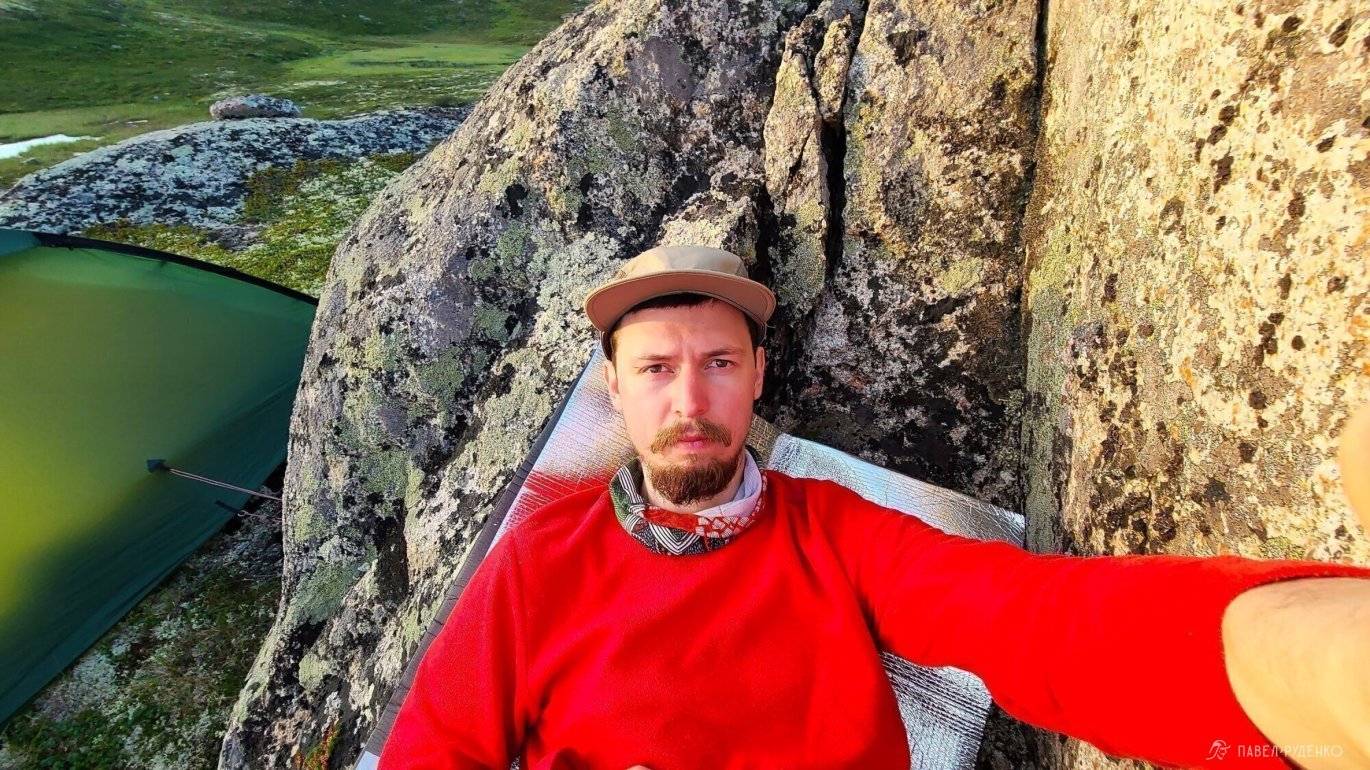
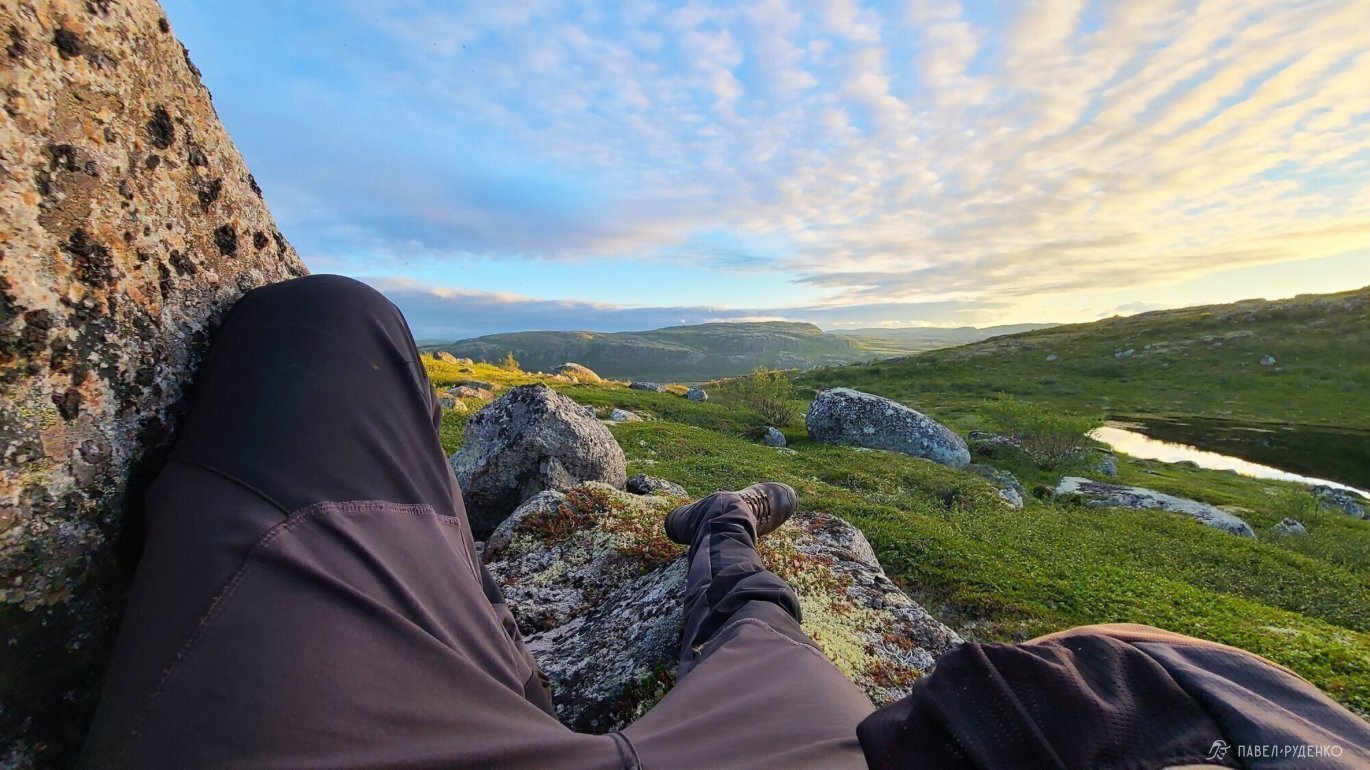
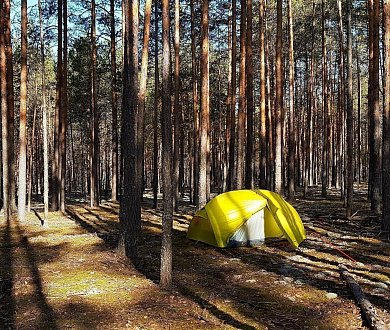
This tent is about 7 years old and has seen numerous expeditions. I spent 12 days trekking with it across the tundra of the Kola Peninsula near the Barents Sea, testing how it performs in different conditions. You can take a closer look at the details in Sergey's video below:



Comments (0)