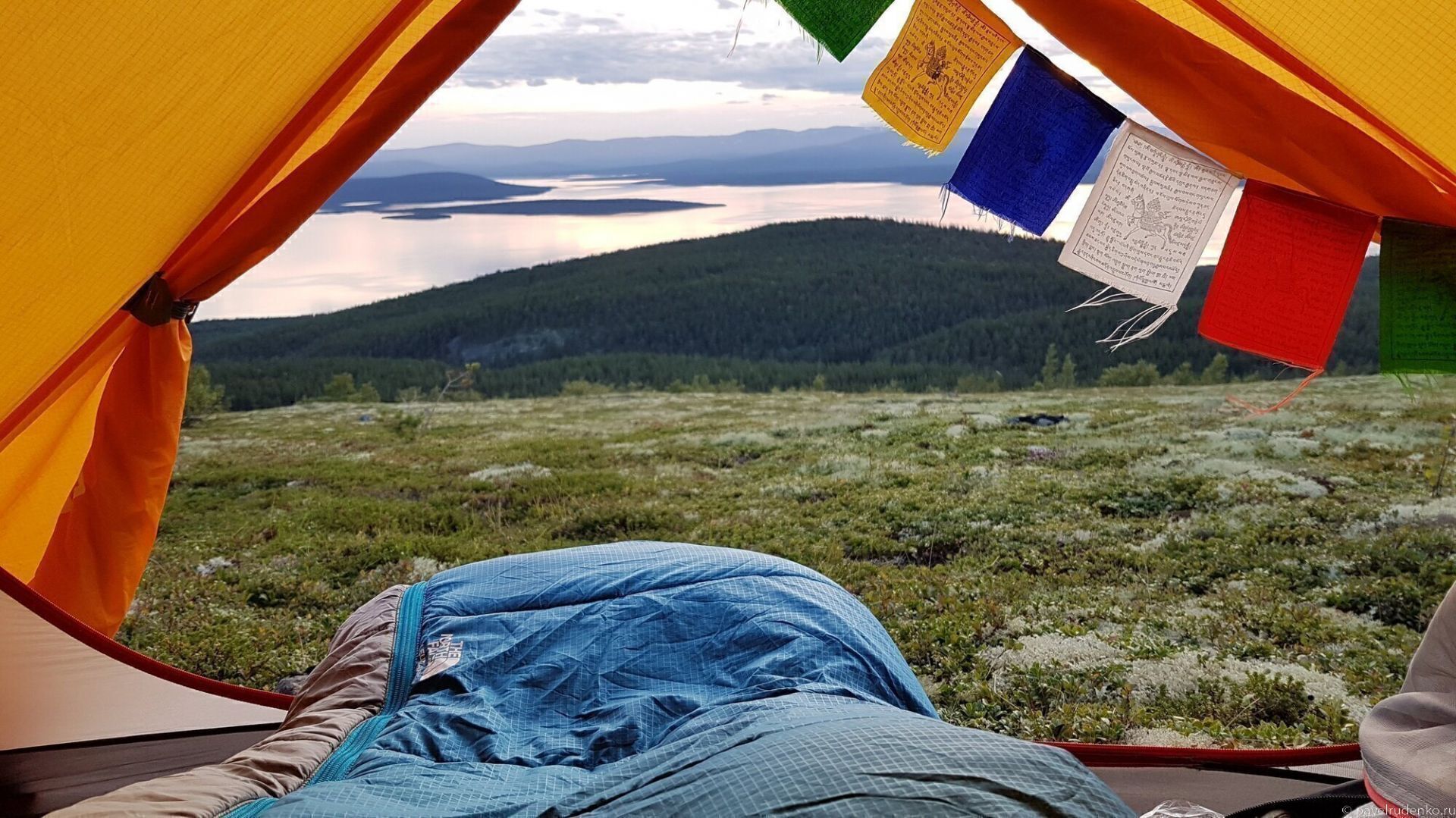
Technical specifications
- Temperature rating: -1 | -7°C
- Insulation: Heatseeker™ Eco
- Packed size: 25 x 46 cm.
- Person's height Reg/Long up to: 183/198 cm.
- Weight Reg/Long: 1786/1956 g.
TNF Aleutian -7
I needed a sleeping bag for three full seasons. In spring and autumn, the temperature can easily drop below 0 °C, and in summer it is inevitable in the mountains and in the north. Therefore, for a three-season sleeping bag, a temperature reserve is important. I see the ideal option as 0…-5°C for men. Women are better off with -5…-10°C.
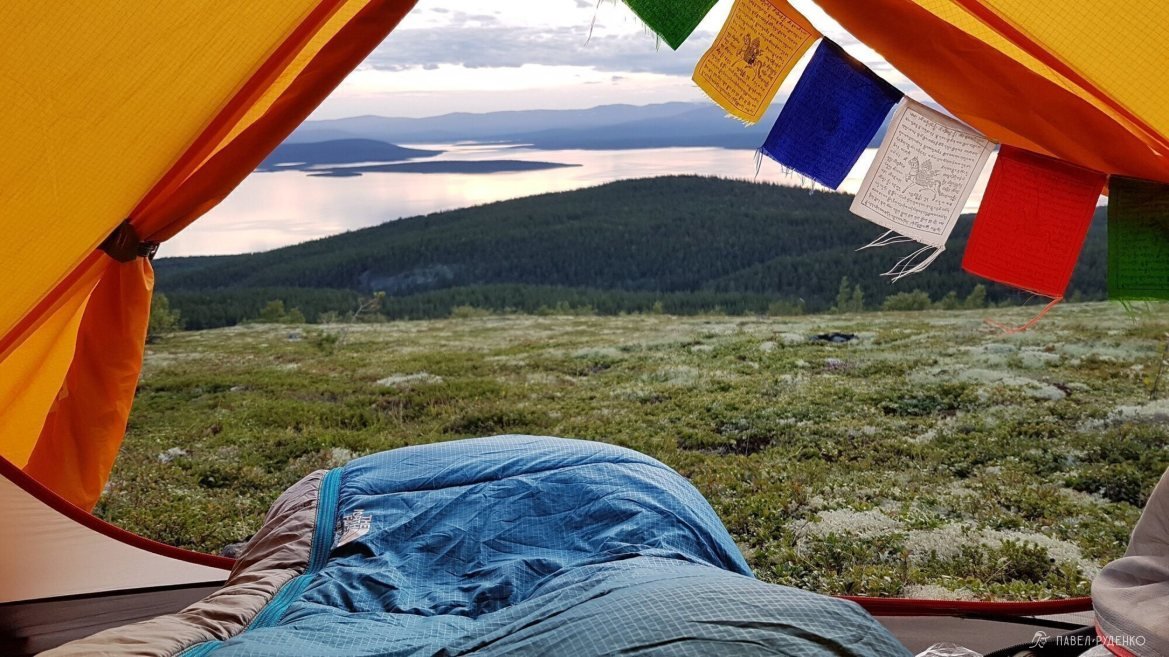
Most of the warm nights were around +10…+17°C, and such a sleeping bag provided a comfortable sleep, thanks to the open zipper. In hot regions like Crimea, Georgia at low altitudes, it's better to take a lighter sleeping bag.

The budget was limited and Aleutian -7 became the choice with the best price-to-temperature ratio. The weight of 1,786g is a consequence of the more budget-friendly, heavy and bulky insulation Heatseeker Eco. In more expensive models, TNF uses Heatseeker PRO and even more technologically advanced Heatseeker Guide. The difference between them is in the warmth and volume that 100 grams of insulation provides. But Heatseeker Eco works, works great and is well suited as one of the first sleeping bags.
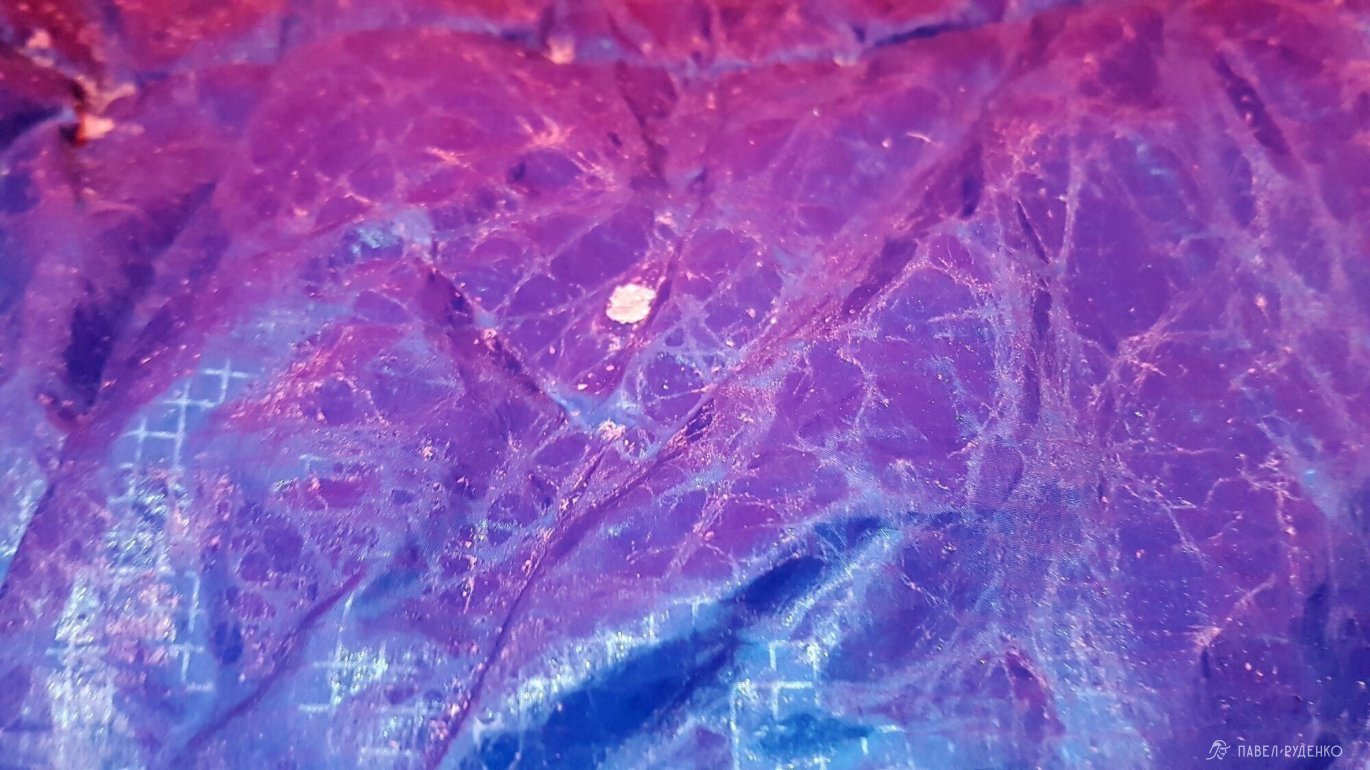
The Heatseeker Eco insulation is stuffed with a dense, thick layer in horizontal packets weighing 1443g. TNF does not provide exact information about the fabric, but most likely it is 50 D. I spilled tea once, the impregnation held the water, I managed to wipe it off before it soaked in.
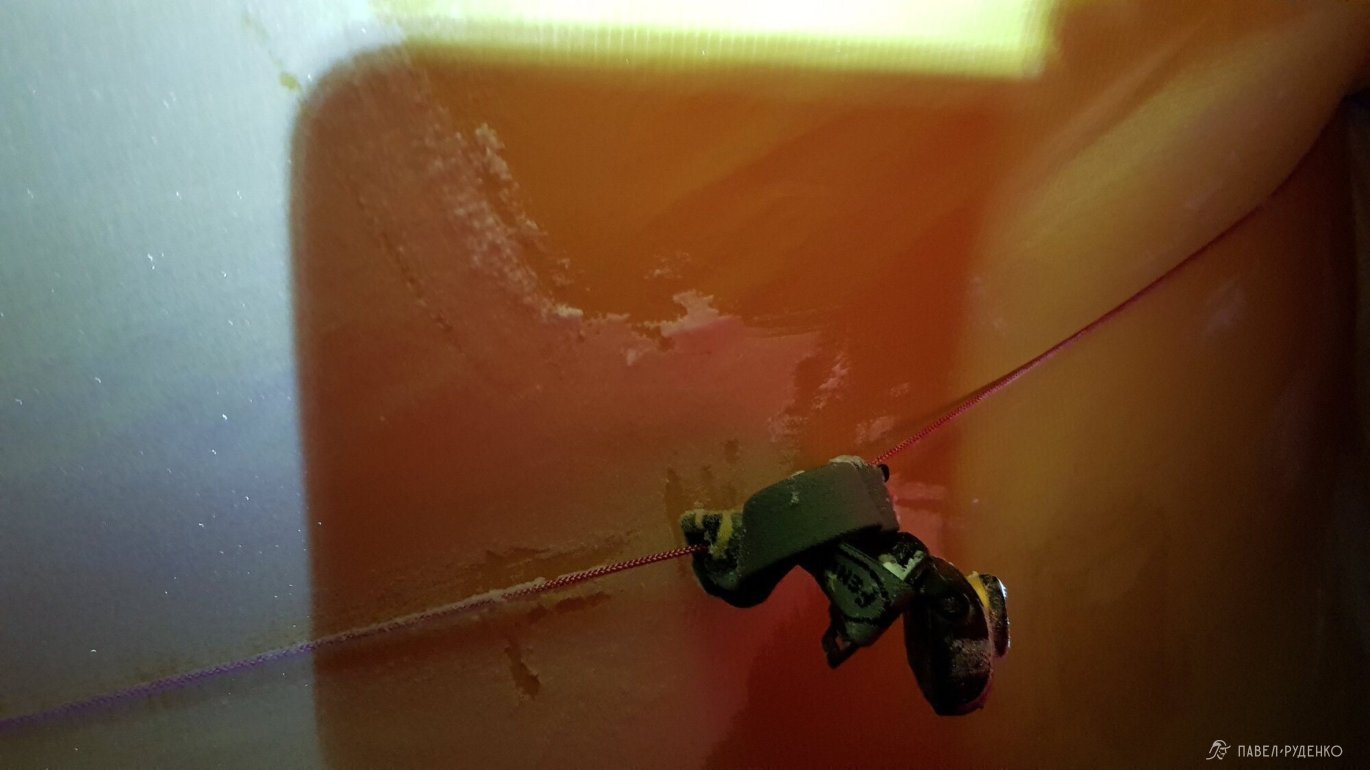
The thickness of the insulation is different on top and bottom. This works correctly if you sleep quietly: don't toss and turn and if you turn over, it's inside the sleeping bag, not with it. Differentiated filling allows you to reduce weight without compromising warmth, because the mat isolates you from below. Together with a thick layer of insulation on top and a dense fabric, this allows you to retain most of the heat inside. If your sleep is restless and you toss and turn a lot, then look for a sleeping bag with uniform filling and take care of your lower back.
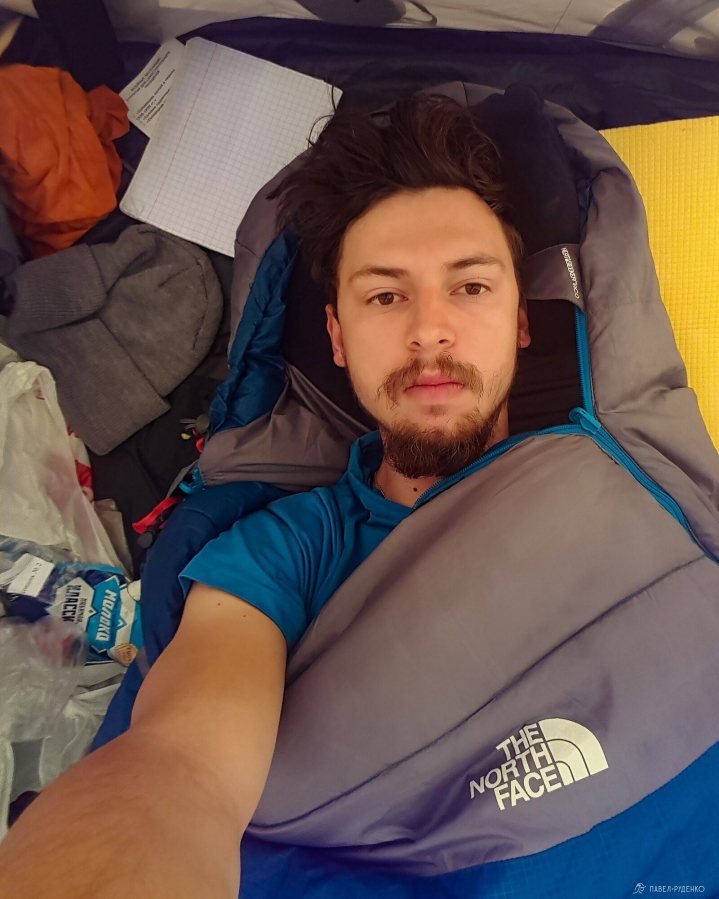
Two zippers add convenience. The main one runs from the hood to the feet and allows you to open the sleeping bag like a blanket. This came in handy on a ski trek when I used Aleutian as a condensation layer in -35 °C, and on hot days when you need to be slightly covered while maintaining full ventilation.
The second zipper is on the opposite side. You can open it while cooking or for better ventilation on warm nights, or maybe to hug a friend)
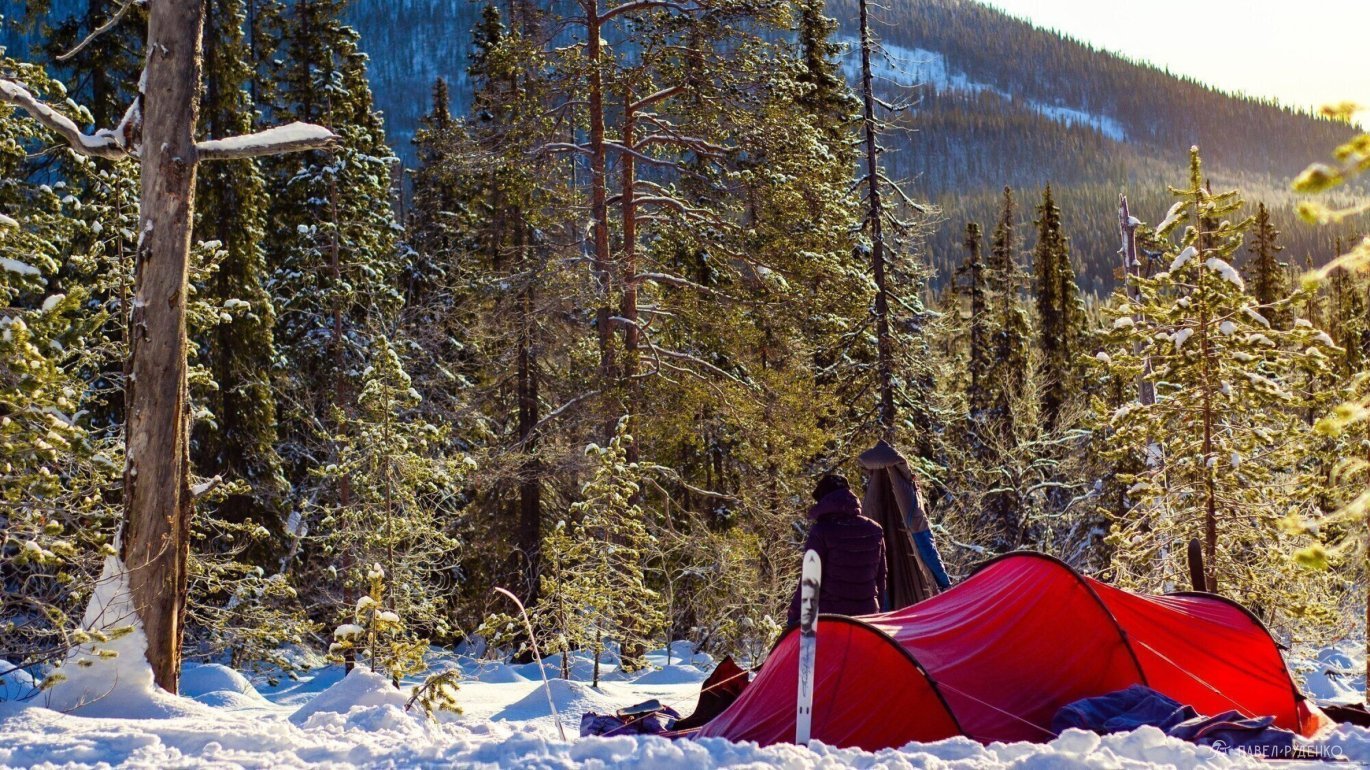
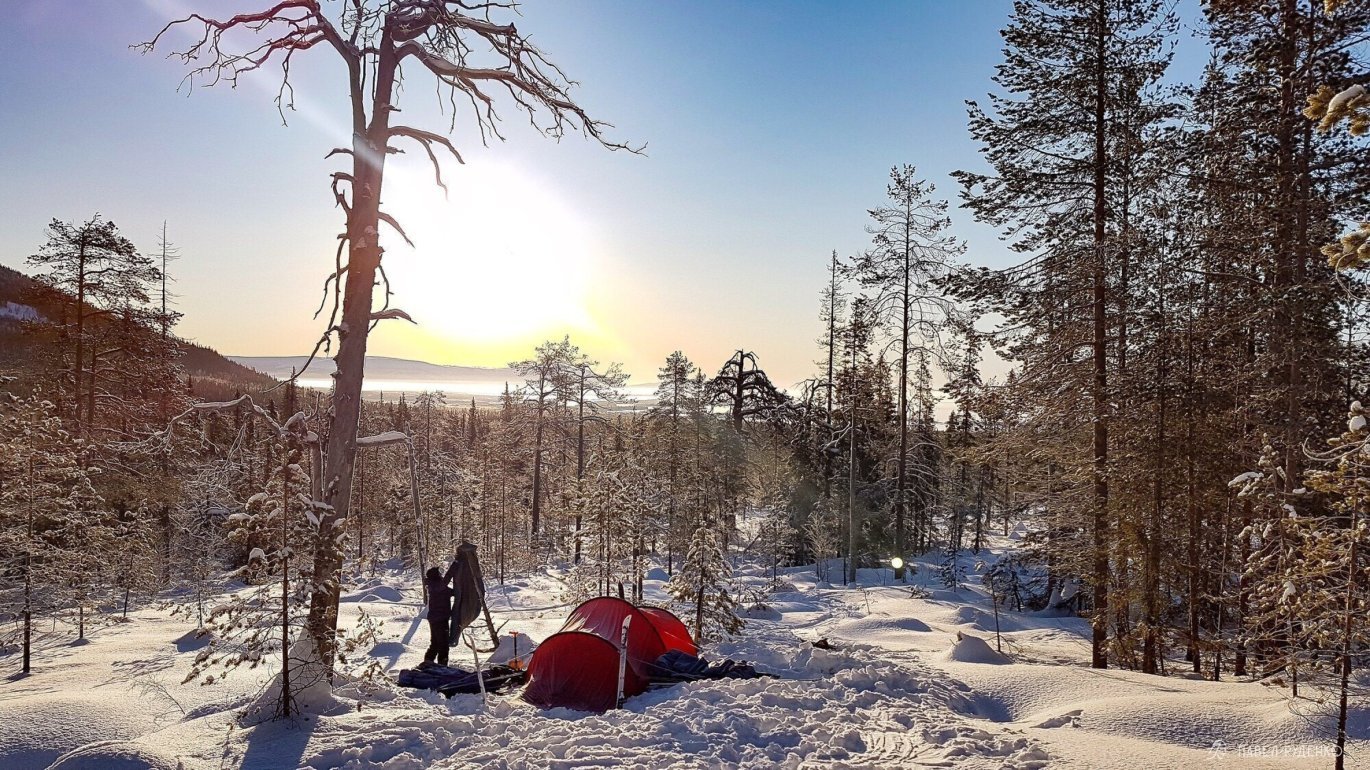

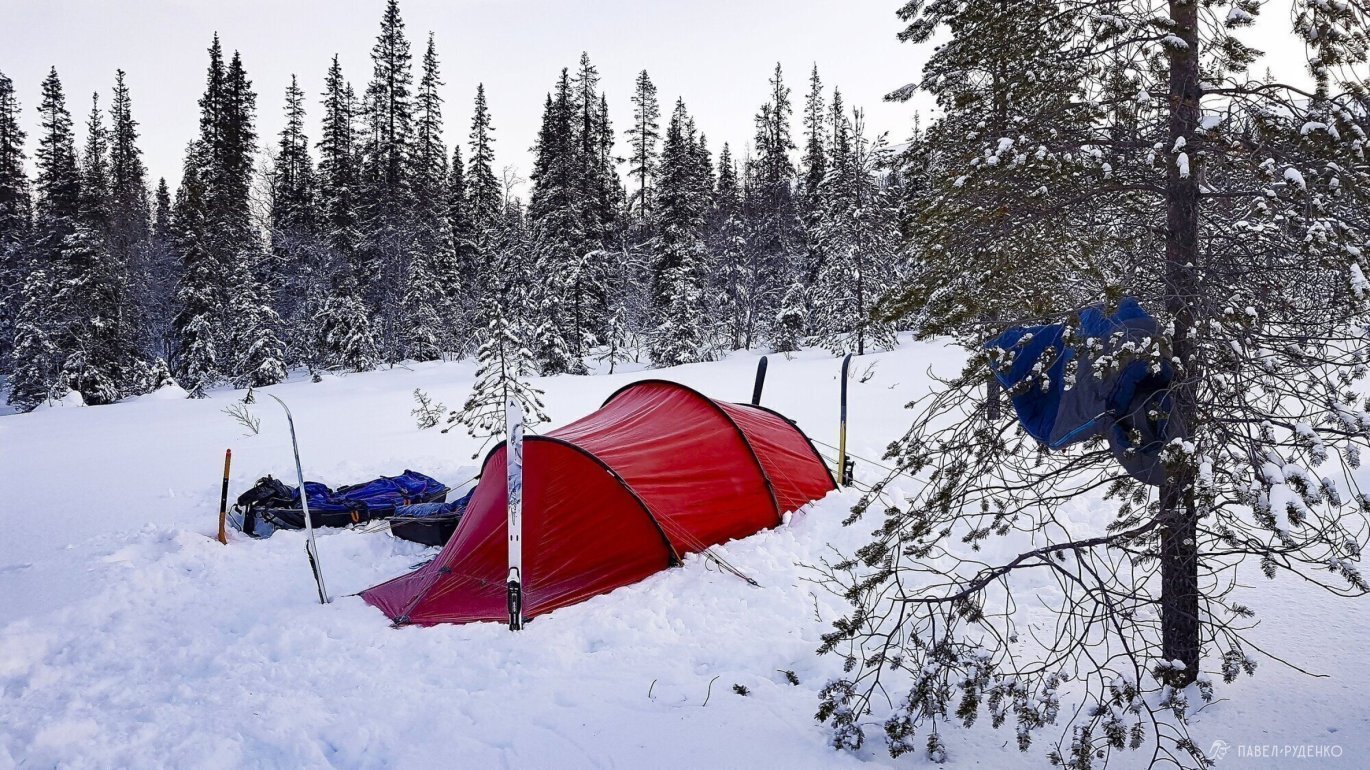
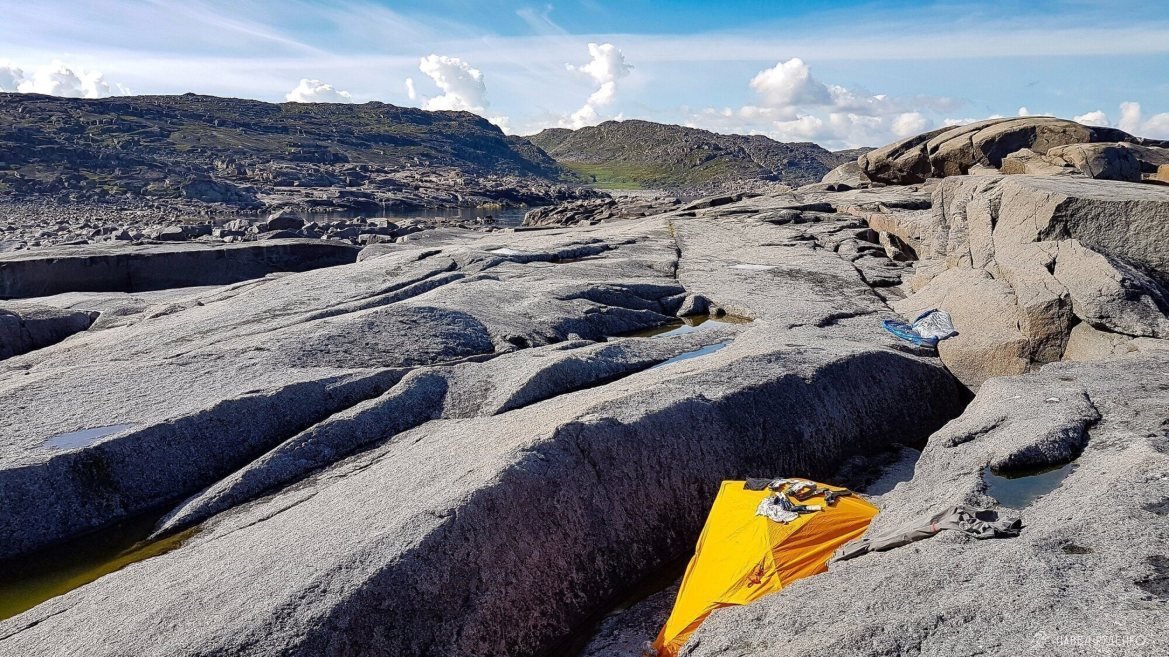
Used on a trek along the Barents Sea and the Khibiny in August, on a trek around Annapurna in March, in the Tuyuk-Su alpine camp in July and various other short hikes. I'm completely satisfied with the quality of the seams, nothing has torn, nothing has broken. The pocket is big enough, the hood cords are comfortable, the zipper doesn't jam often.
The sleeping bag is very good and served me until I decided to get something lighter and more expensive - switched to TNF Cats Meow -5.
The main disadvantage is that the package does not include a compression bag. Why? I think the answer lies in marketing. I had to buy a 20L compression sack for regular, for long you will need 25L. But if you wish, you can sew your own стягивающие стропы. In compressed form, it takes up about 12L and looks like a potbellied barrel of honey))
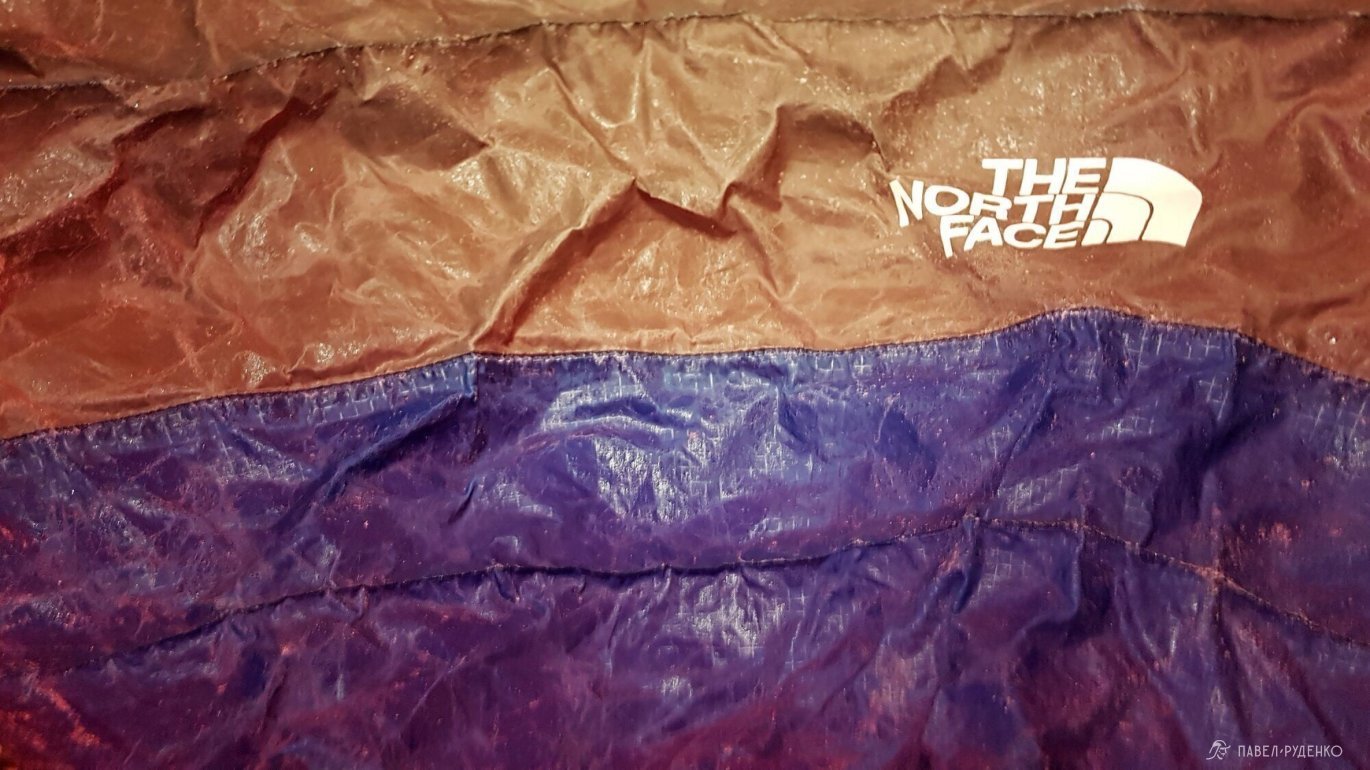
Heatseeker Eco consists of 30% recycled material. Secondary content helps reduce the amount of waste in landfills and reduce the use of primary materials.
Analogues:
- Deuter Orbit -5
- Mountain Equipment Lunar III
- Ferrino Lightech SM 1100
Also watch a detailed video on how to choose a sleeping bag:
And also how to sleep comfortably on a trek:
Other articles about sleeping bags:


