
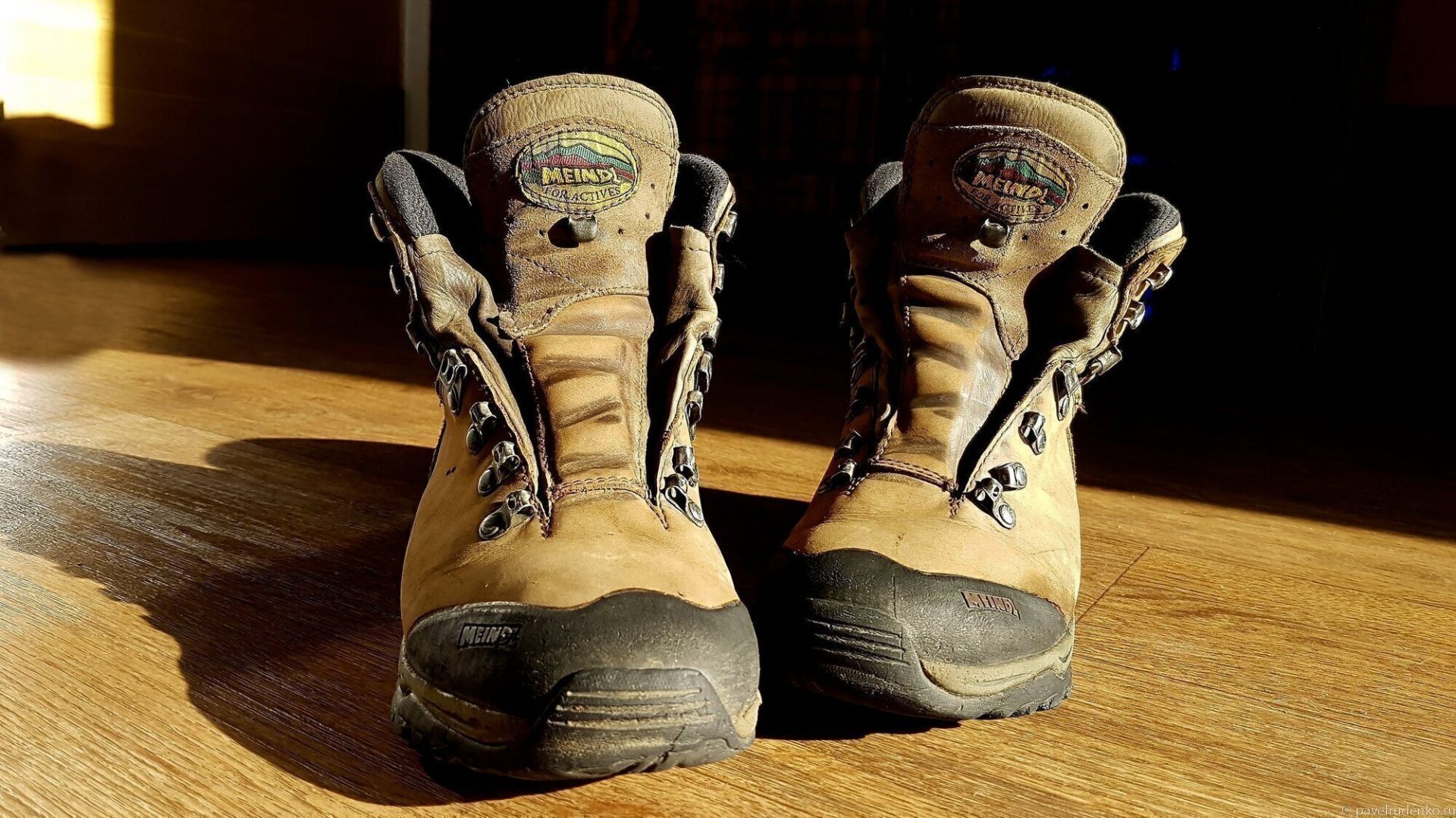
Trekking boots wear out much faster than everyday urban shoes: they grind against rocks, soak in mud, and dry out under the scorching sun. Proper care for membrane-lined footwear begins with regular cleaning. To ensure your boots don't fall apart next season, clean them as soon as you return home from the trail.
Wash after every hike
Why: dirt clogs the pores of both nubuck and waterproof membranes. If you leave boots dirty, the material dries out, cracks, and loses its color. Water-repellent treatments won't bond to a dirty surface.
How: take out the insoles and laces. Wash off dirt from the nubuck and outsoles by hand using room temperature water.
Never scrub wet nubuck with a stiff brush—you will tear and ruin the nap. Use a soft sponge instead.
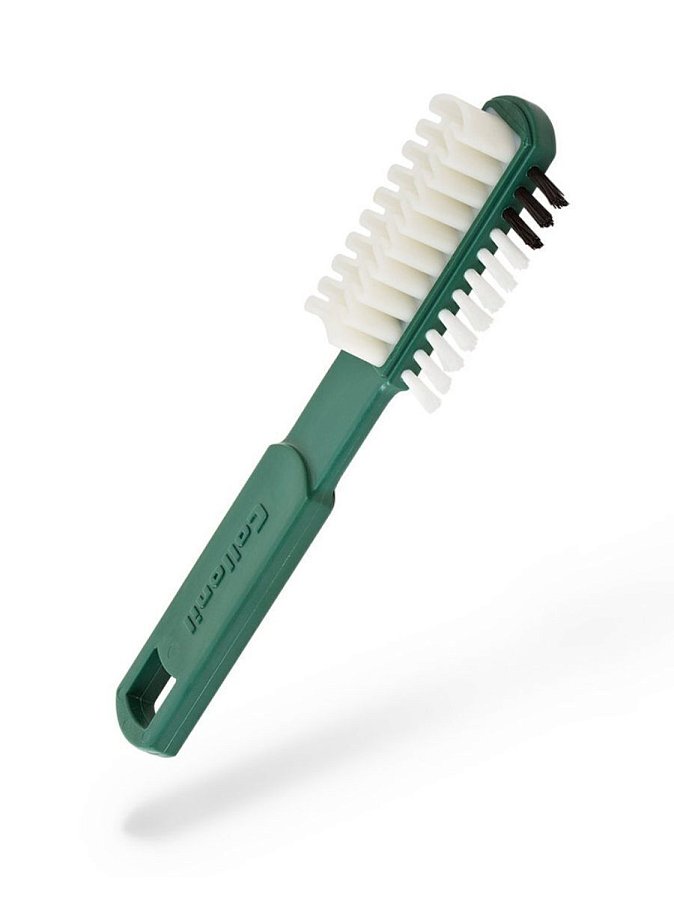
Pry out any gravel or small stones trapped in the tread lugs.
Once the exterior is clean, pour water inside the boots. Rinse out sand and dust particles—they act like sandpaper and abrade the membrane lining. Water will not damage Gore-Tex; instead, it restores breathability to the pores. This is the exact maintenance procedure recommended by membrane manufacturers.
Dry your boots at room temperature. Never place them near radiators or heaters, and keep them away from direct sunlight. Excessive heat cracks and deforms nubuck leather. To speed up the process, stuff the boots with crumpled paper or point a fan directly at them.
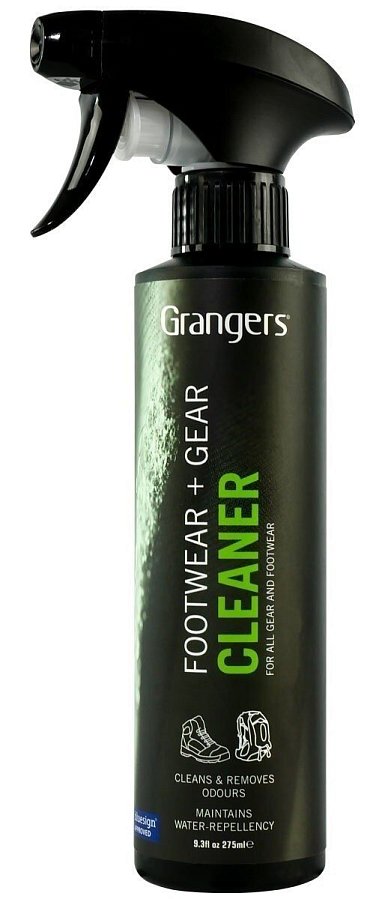
Remove stubborn, caked-on dirt using a specialized foam cleaner. Apply it directly to dry boots or onto a soft brush, work the surface gently, and rinse with water. I use Grangers Footwear+Gear Cleaner—the foam works wonders on nubuck, sleeping pads, and backpacks alike.
If you don't have specialized foam, use a damp brush. This removes the grime layer and prepares the leather for proofing. Finally, wash the insoles and laces, and rinse off any cleaning residue from the boots.
Soft brushes and specialized foam lift stains without damaging the leather nap. A $5 brush and a can of cleaner can save a $300 pair of boots from the trash bin.
Apply water repellent (DWR)
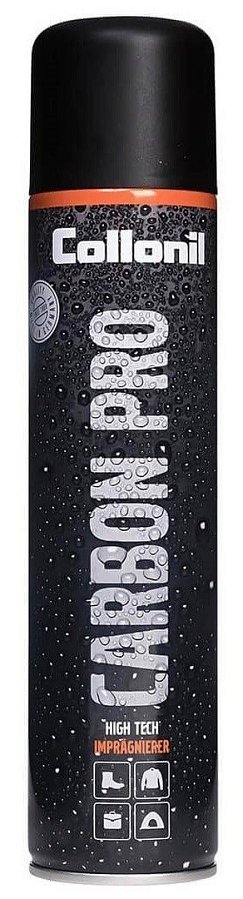
Check the instructions on your water-repellent spray: some formulas are applied to dry boots, while others require damp leather. Spray evenly from a distance of 15–20 cm. Generously cover the seams, rand joints, toe caps, and tongue gussets. Allow 24 hours to cure and dry completely.
DWR treatments repel road grime in town and keep water out on rugged trails. In everyday urban use, a single coat can last up to three months. On a demanding trek through wet brush or snow, boots lose their protective coating in about two weeks.
Always apply waterproofing spray outdoors or on a balcony—the aerosol fumes are quite pungent.

Minor repairs and regluing
Use specialized shoe repair glue for peeling rubber rands or separated stitching.

Sharp scree rocks tend to cut through the double stitching around heel counters. A professional cobbler reinforced these high-wear points for me, and now I simply apply a few drops of footwear adhesive wherever the rubber starts peeling after every major expedition.
Wax and waxing
Retail staff at outdoor stores rarely know how to wax nubuck correctly, so I reached out directly to boot manufacturers for advice.
Why: what does boot wax actually do? It conditions and nourishes the nubuck, repels moisture, and prevents the leather from drying out and cracking.
How: beginners often wonder if nubuck can be waxed at all. Yes, absolutely: the waterproof membrane sits behind the outer leather on the inside, so wax on the outside won't harm it. The key is choosing the right compound and applying it properly so you don't choke the leather's breathability.
Outdoor forums often debate whether standard shoe polish works on nubuck. The short answer is no. Never apply regular shoe polish, animal fats, or soap. Never machine-wash hiking boots, and never store them in airtight plastic bags.
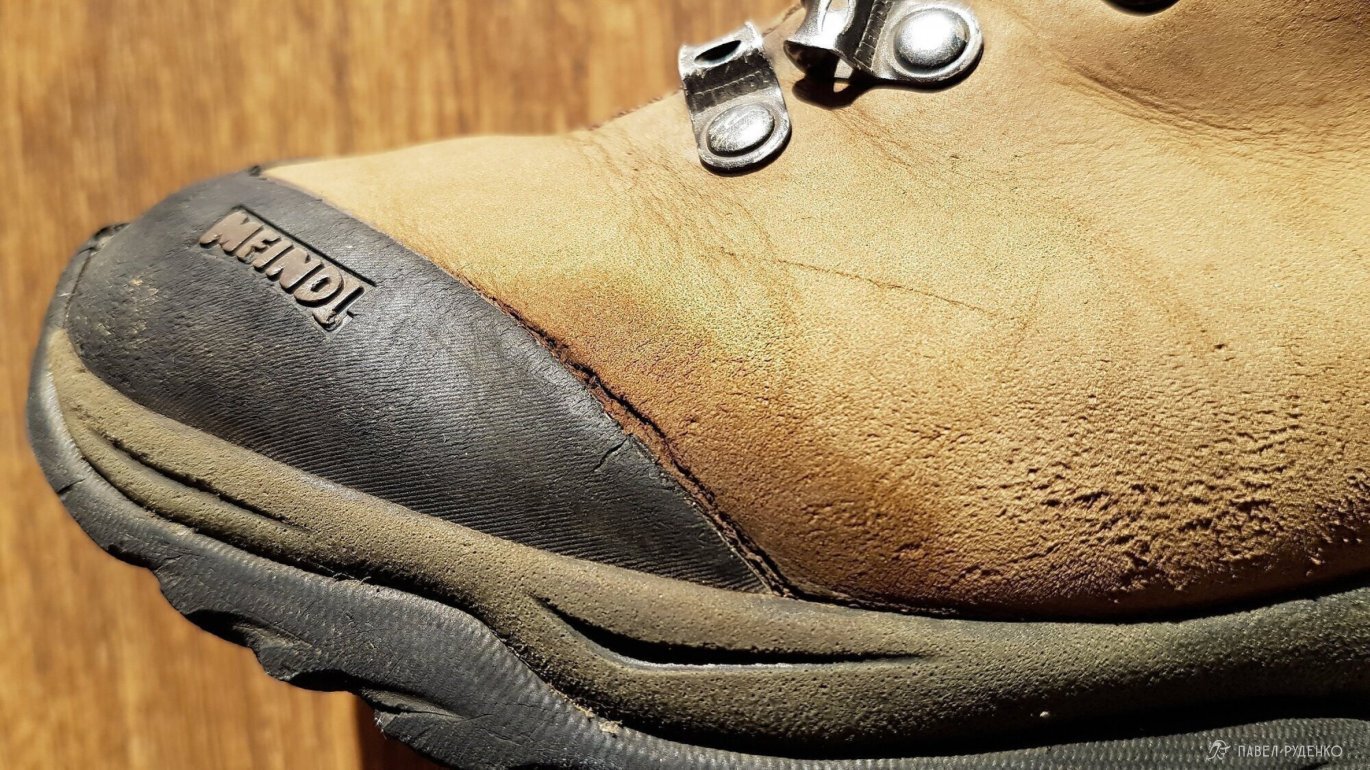

Dry nubuck before and after waxing. The formula nourishes the leather but darkens its shade. The darker patch on the toe box is where the wax was spot-tested first.
Bootmaker Meindl produces their own Sport Wax. The label states it is intended for “smooth leather.” To avoid ruining my Meindl Kansas GTX boots, I contacted their German customer support team.
The takeaway from their response:
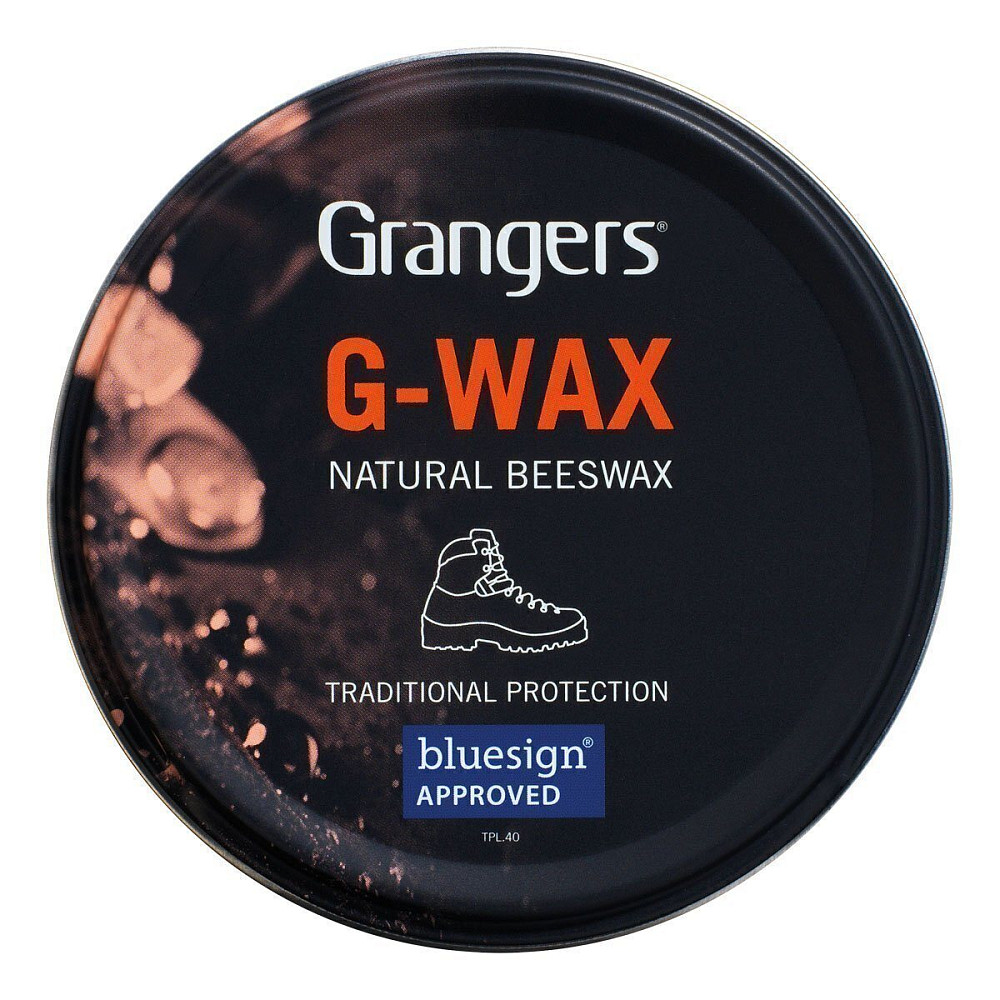
Meindl representatives explained that the best conditioners for nubuck are beeswax-based, recommending Grangers products. Sport Wax also works, though it will darken the finish and make the texture smoother. You should first apply a water-repellent spray, followed by the wax.
Waxing naturally darkens nubuck and smooths down the velvety nap. This does not damage the boots in any way.
Remember the golden rule when applying wax to genuine leather: only apply it to thoroughly dry footwear. How do you apply wax without damaging the material? Never heat your boots with a hairdryer or leave them baking in the sun—the wax will melt too deep, seal up the pores, and permanently ruin breathability. Moisture management would then rely solely on your membrane lining and technical trekking socks.
What should you use to apply the wax? Work it in gently using circular motions with your fingers or a clean rag. Spread a thin, even coat over the entire boot, including the tongue gusset. Apply 2–3 light coats, allowing each layer to dry completely.
Deodorizer
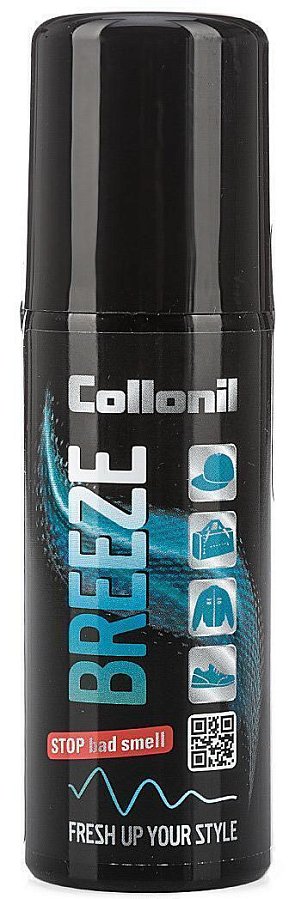
Spraying hydrogen peroxide won't neutralize sweat odors inside the boot. Instead, switch to an antimicrobial gear deodorizer. Mist the entire interior thoroughly and let it air out for a full day.
Storage
Stuff the toe boxes with crumpled newspaper to help the boots retain their original shape and last. Store them in a cardboard box or breathable fabric storage bag until your next adventure.
In this video, you'll find a complete care tutorial for boots, membranes, down gear, tents, and sleeping pads.
Other gear articles



Comments (0)