
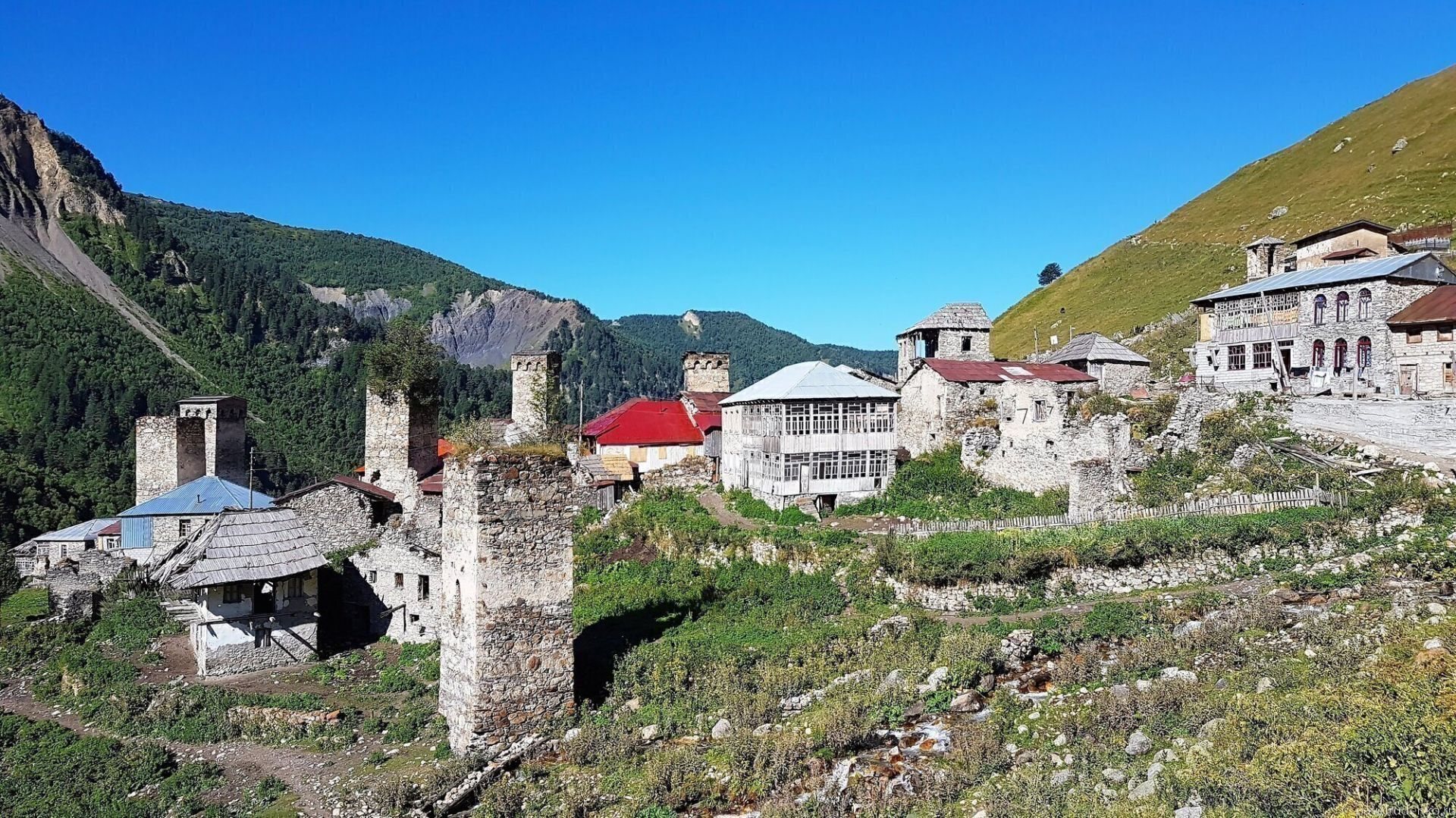
Mestia – Ushguli
A three-day trek with guesthouses available along the route during the warm season.Distance: 55 km from Mestia village to Ushguli.
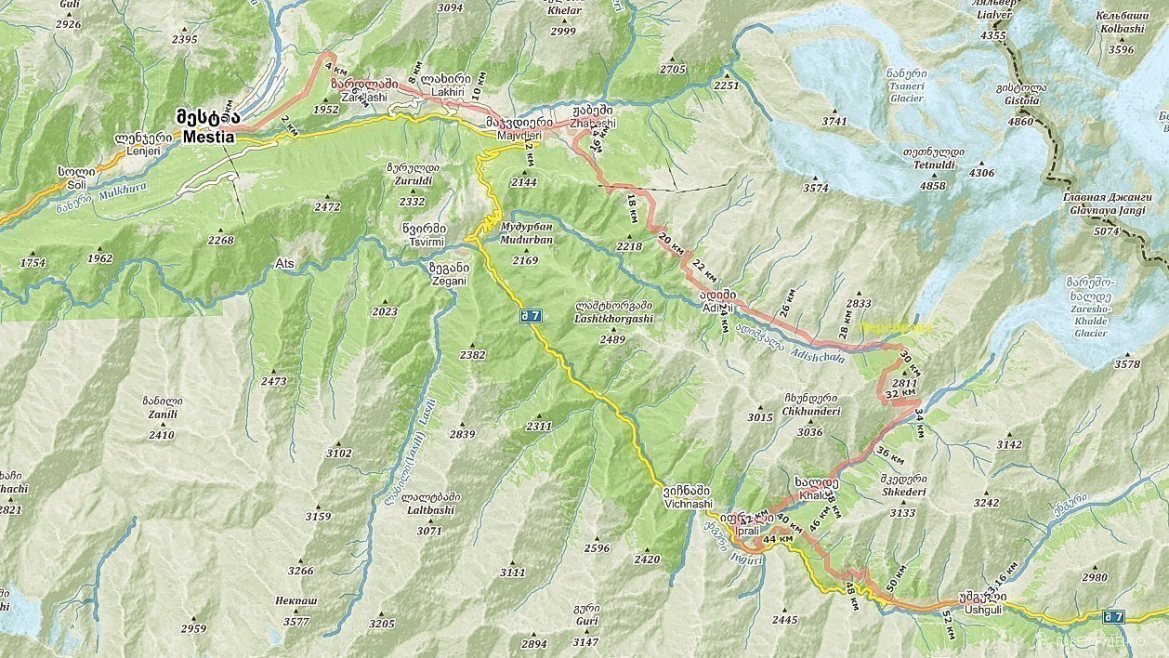
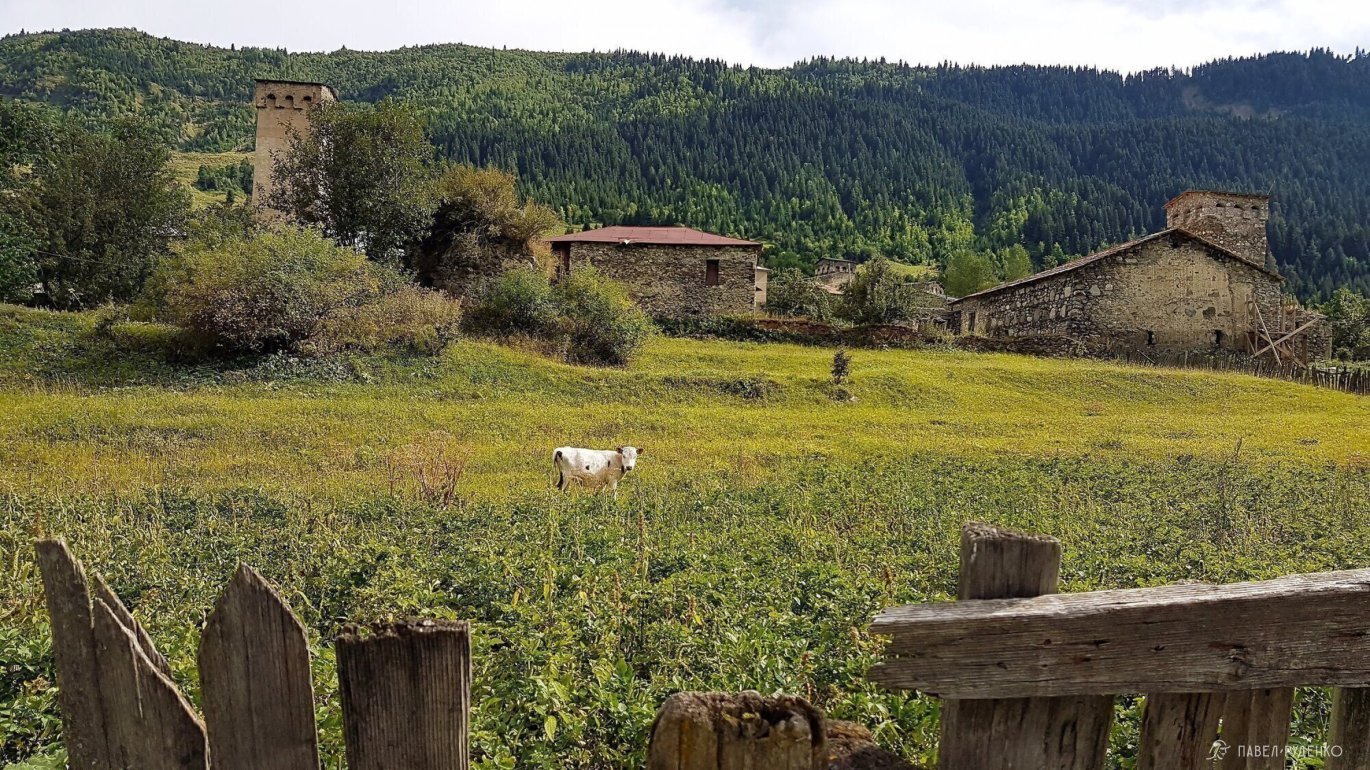
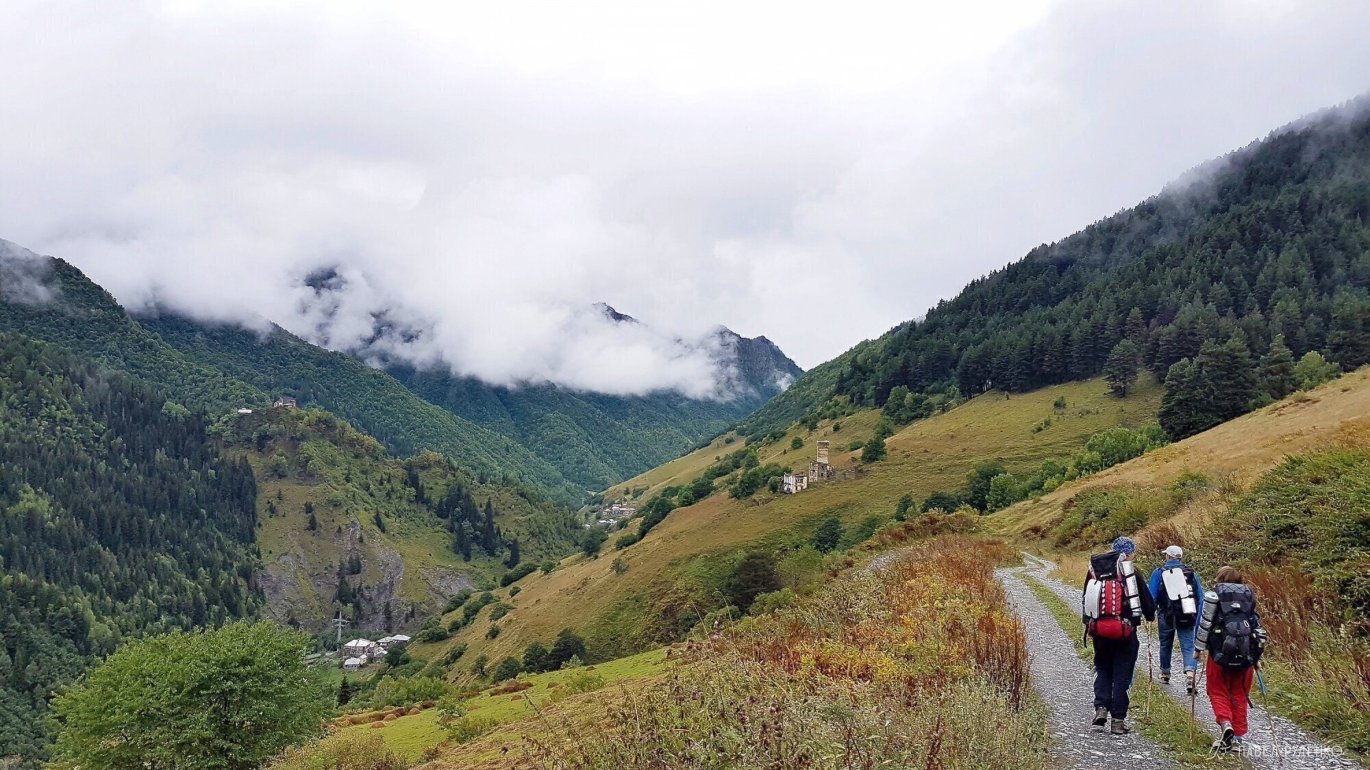
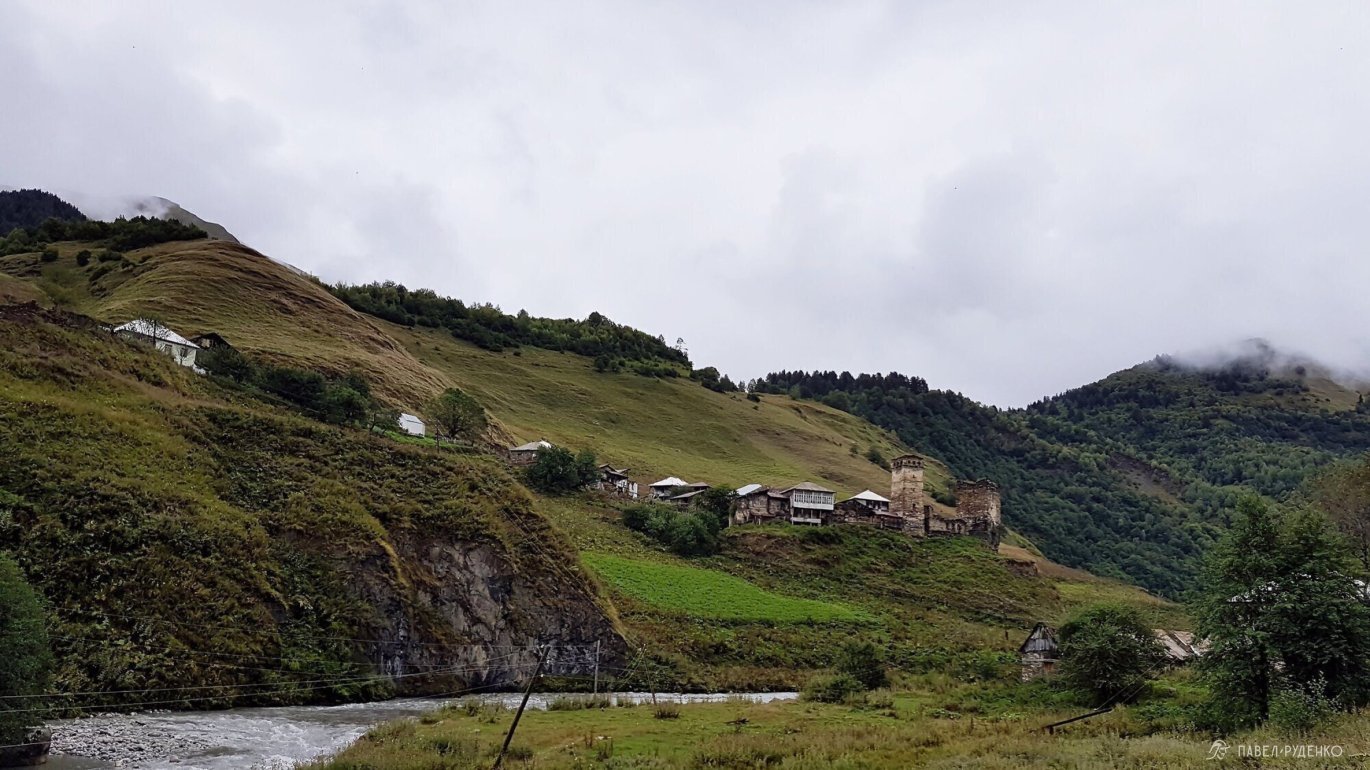
Before starting the trek, make sure to stop by the tourist information center on Mestia’s main square to pick up a map and consult on the route. After a short stretch along a paved road, the trail climbs steeply, bringing you to the first villages on the way: Zardlashi and Murshkeli. There is not a soul in sight, an eerie, dead silence hangs in the air. About 10 minutes later, walking along a narrow village path past Svan towers, I see the entire village gathered in an open courtyard. A funeral. Tables stacked with bread, two whole tables of bread. The elders watch me walk past; I nod and guiltily pick up the pace, not wanting to intrude on their grief.
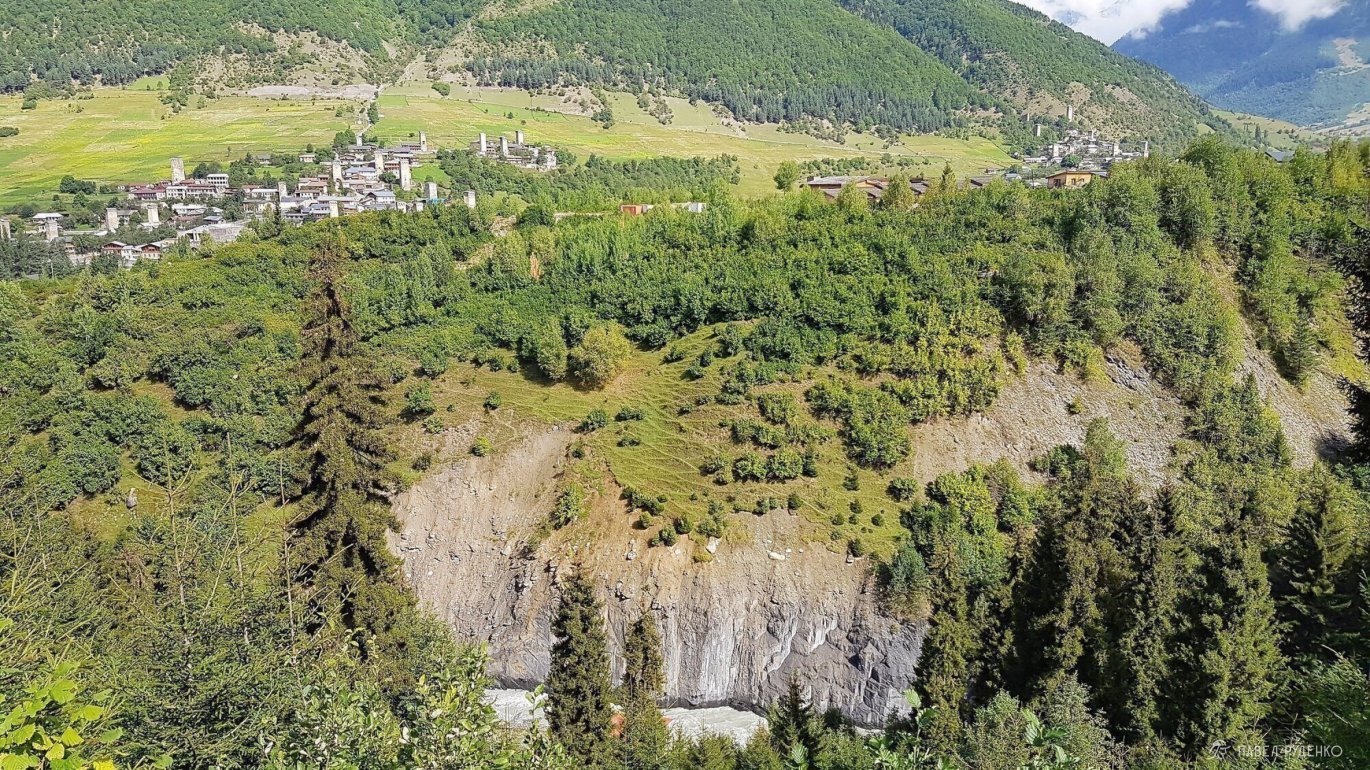
It is quite unusual to find cemeteries right inside the villages. I once had an eerie experience in Stepantsminda near Mount Kazbek: having pitched my tent in pitch darkness, I spent one of the most restless nights of my life, only to discover in the morning that a cemetery was just 20 meters away.
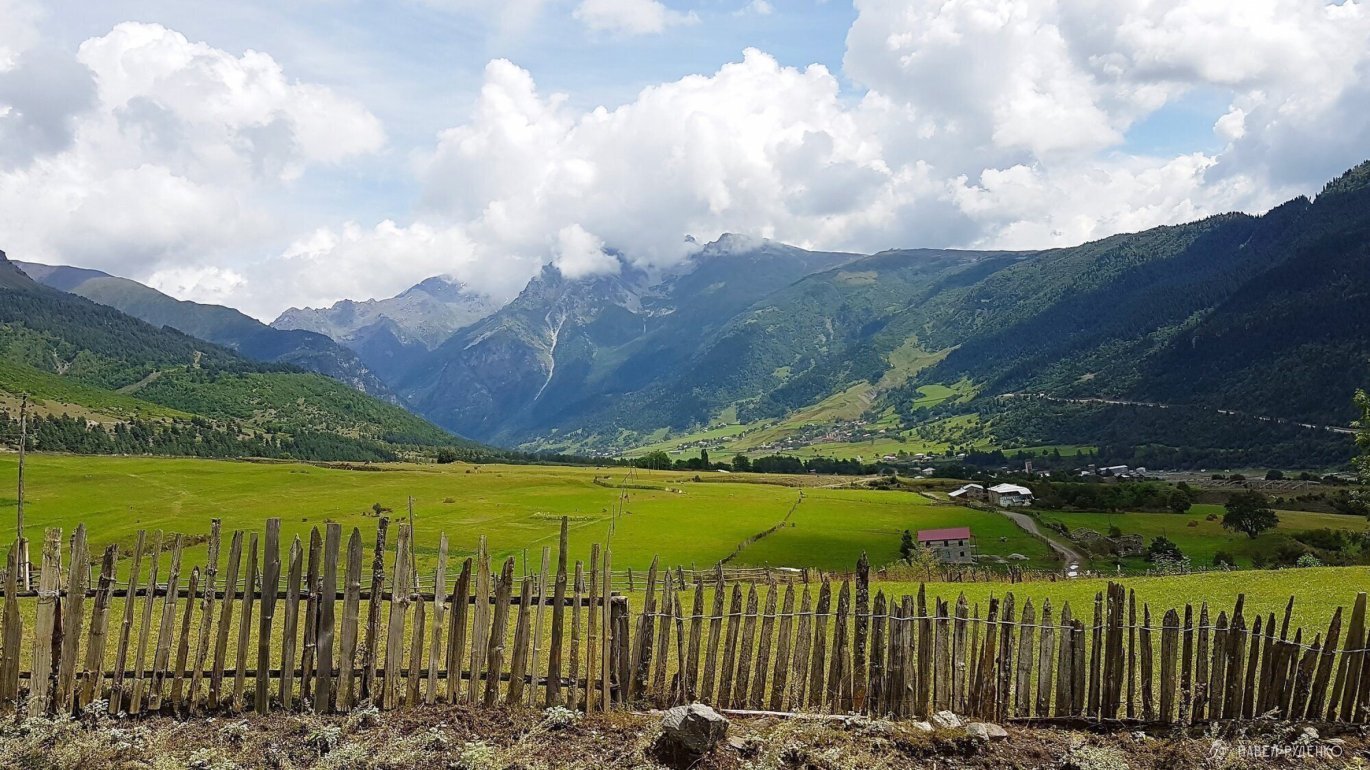
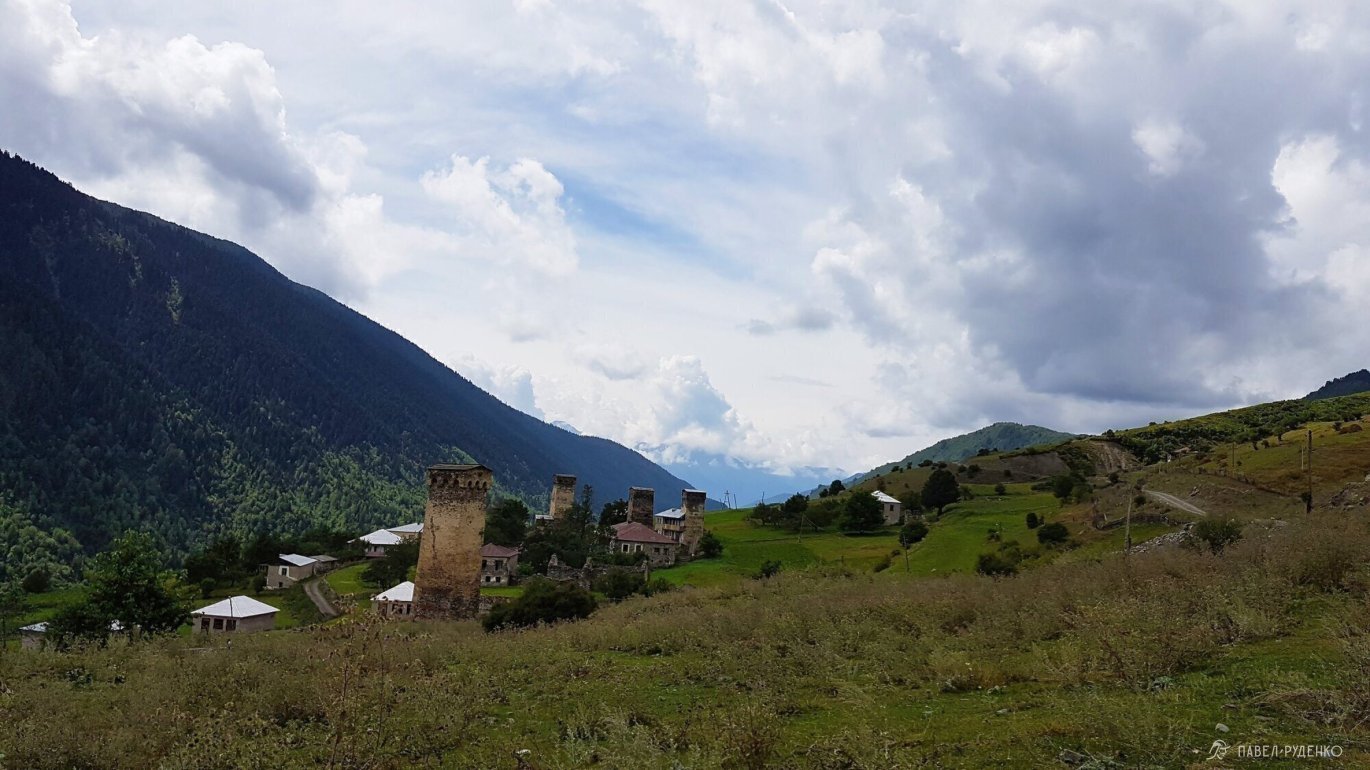
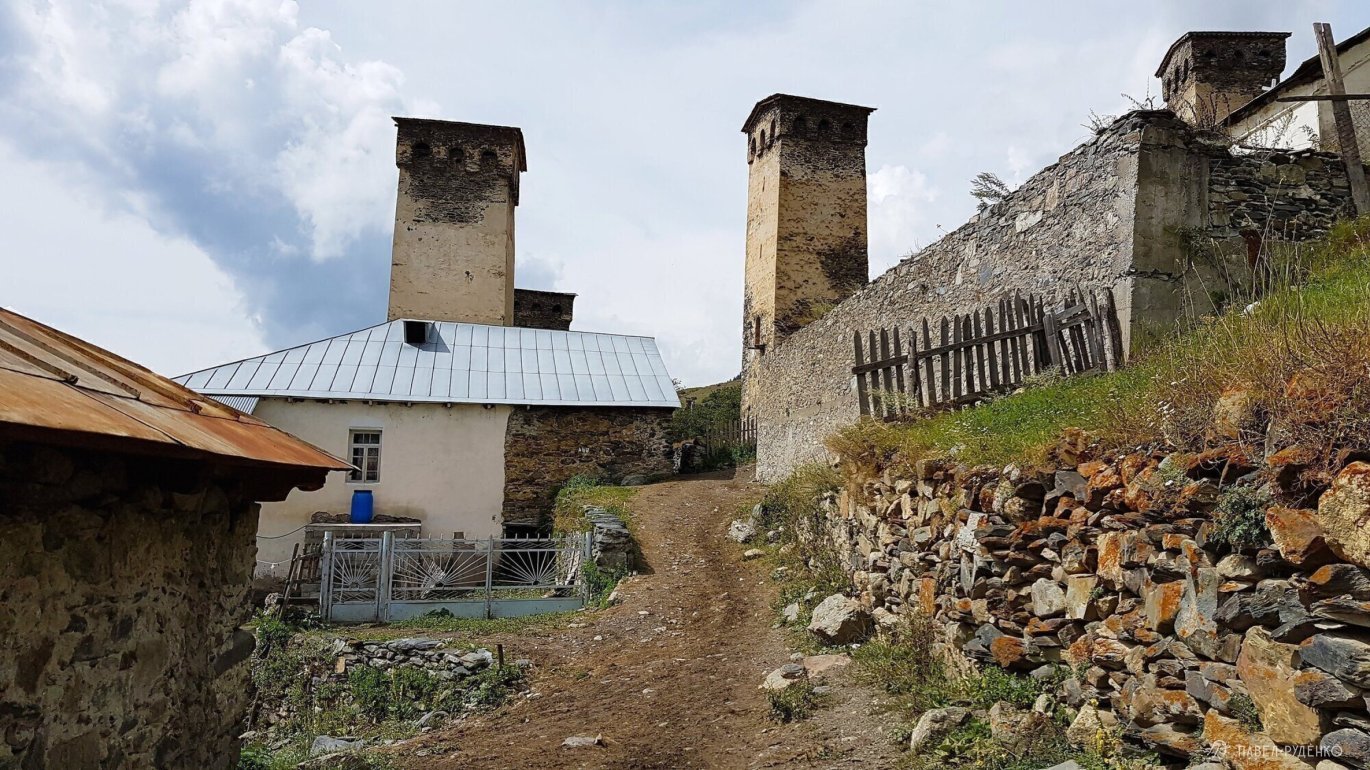
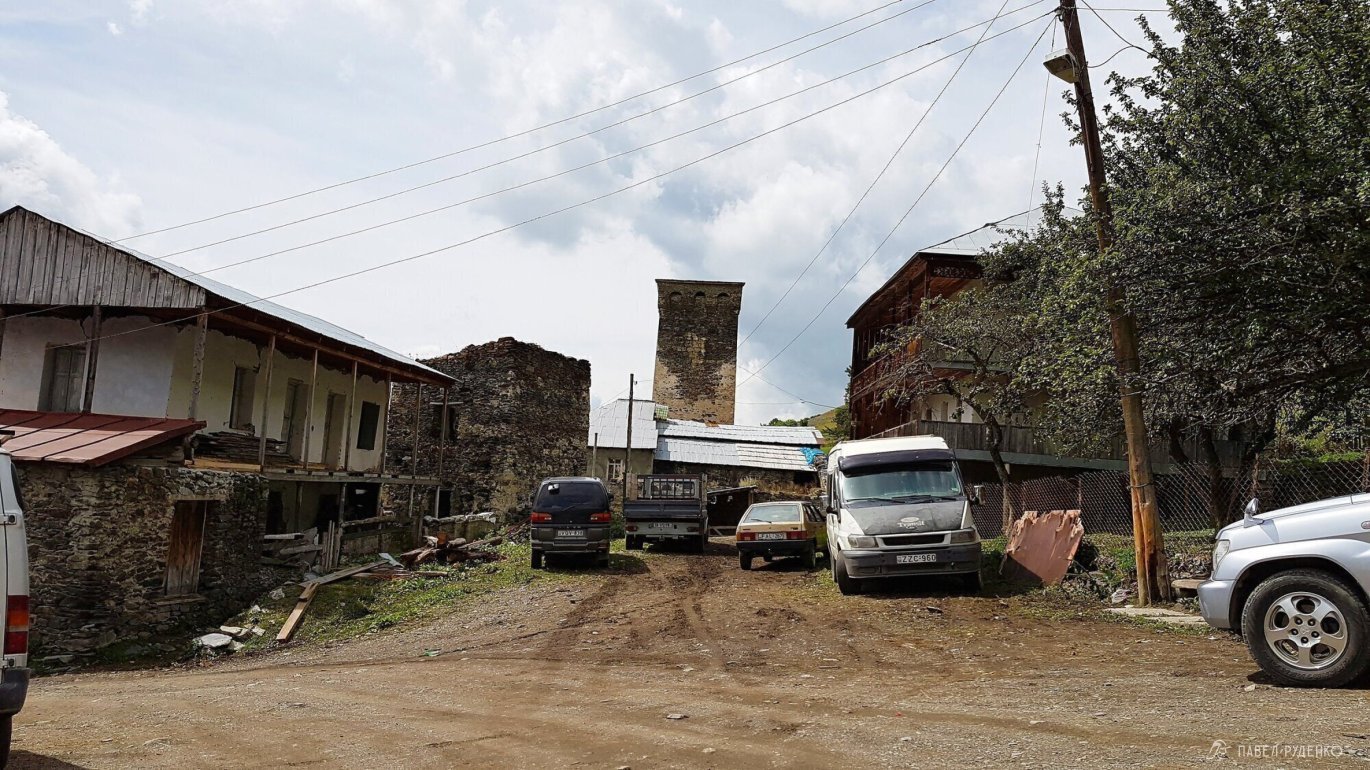
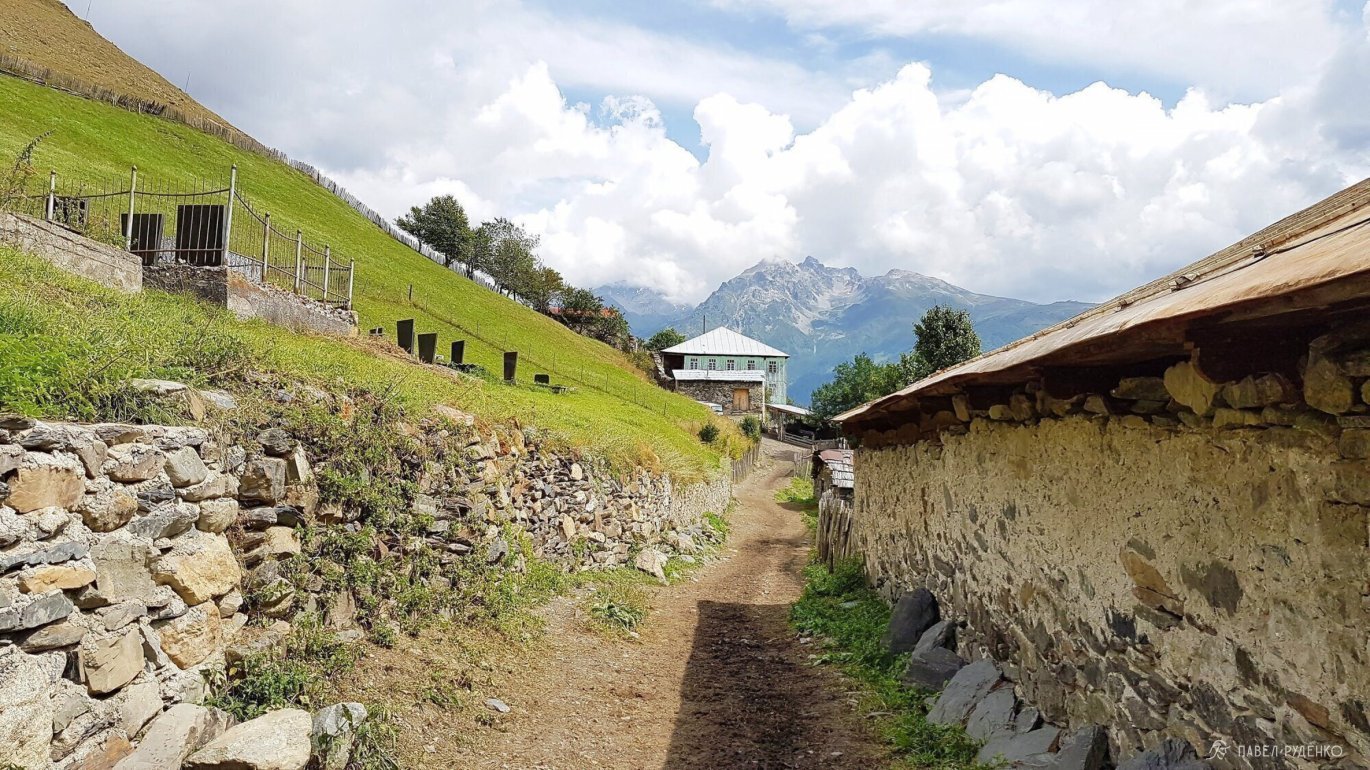
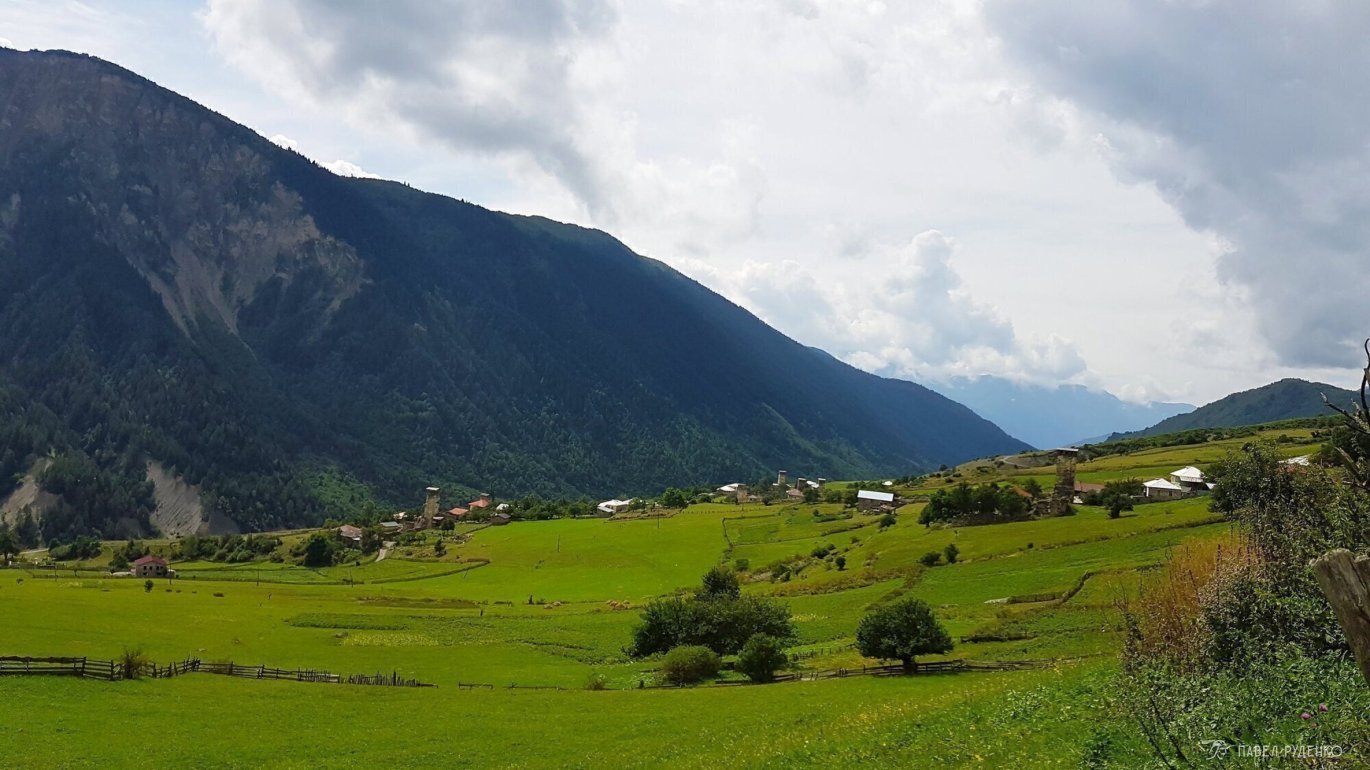
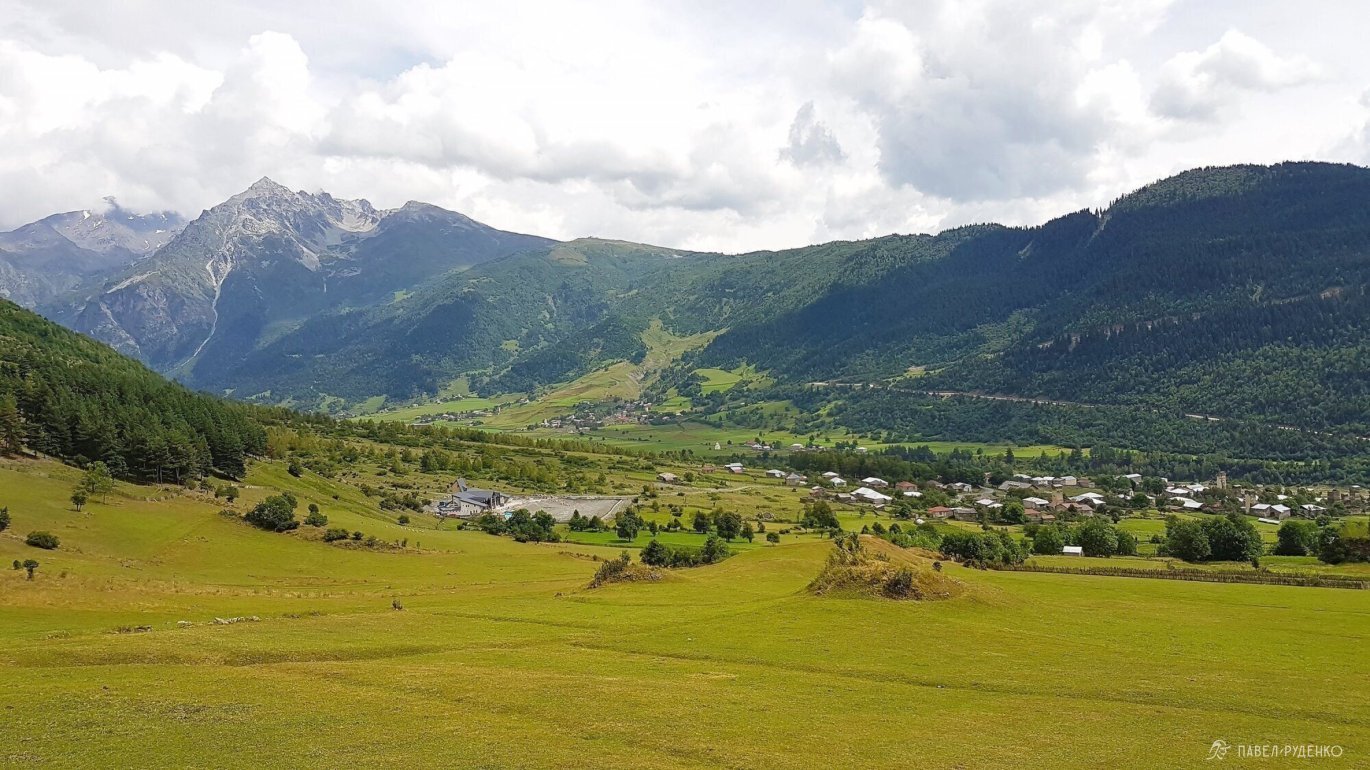
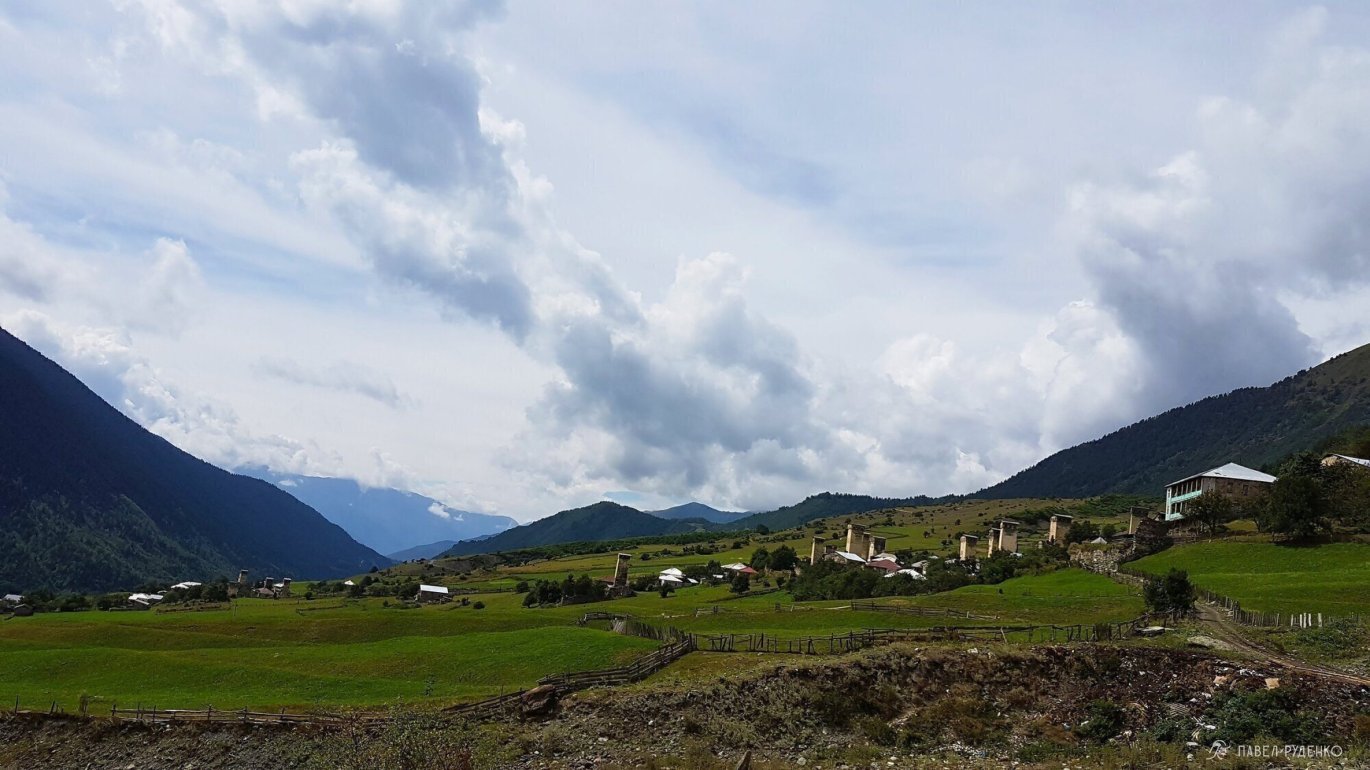
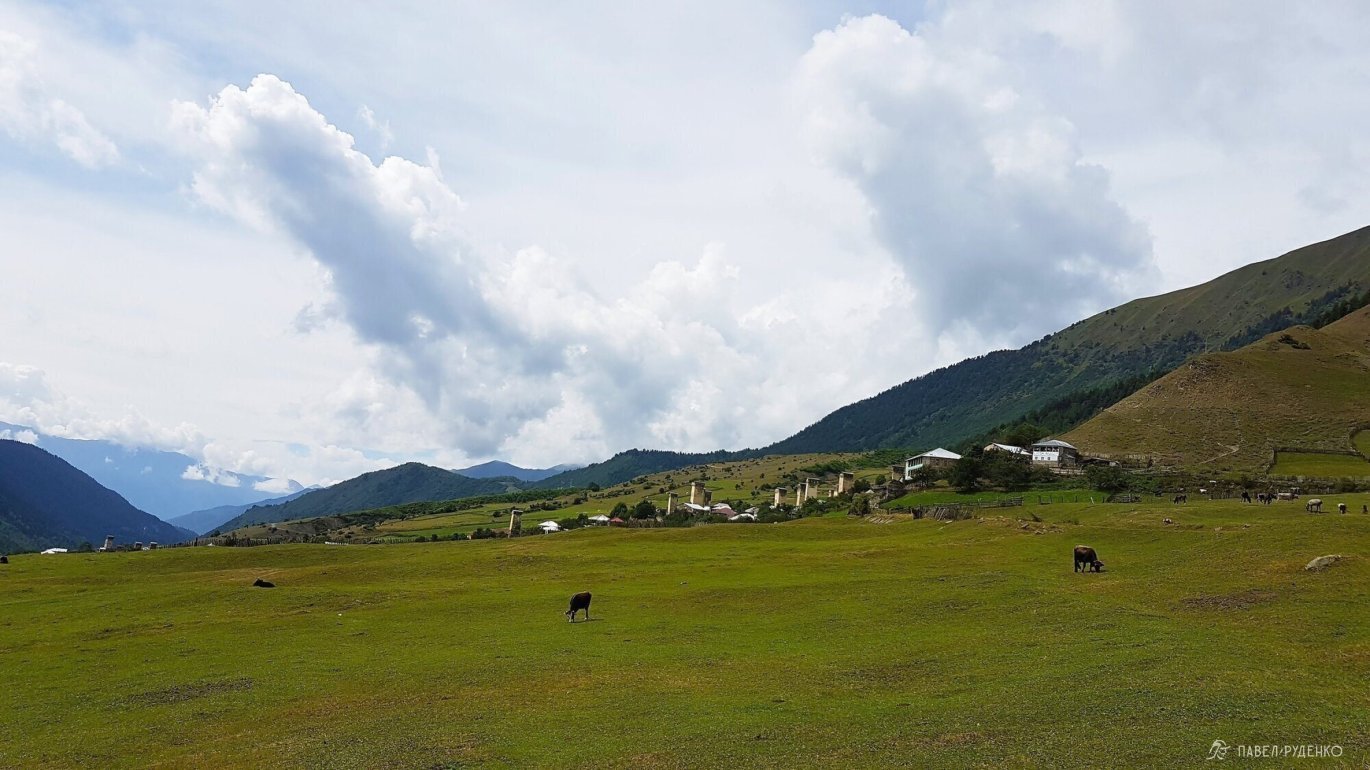
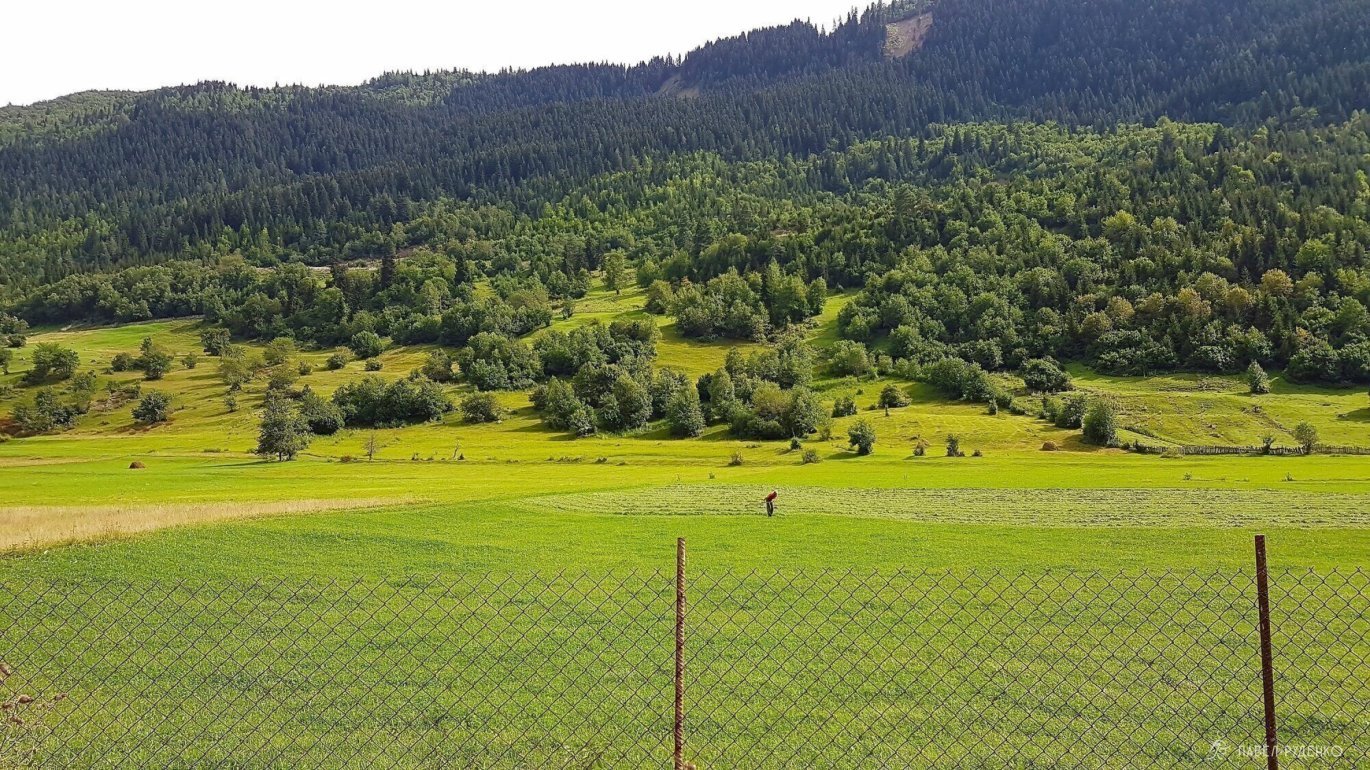
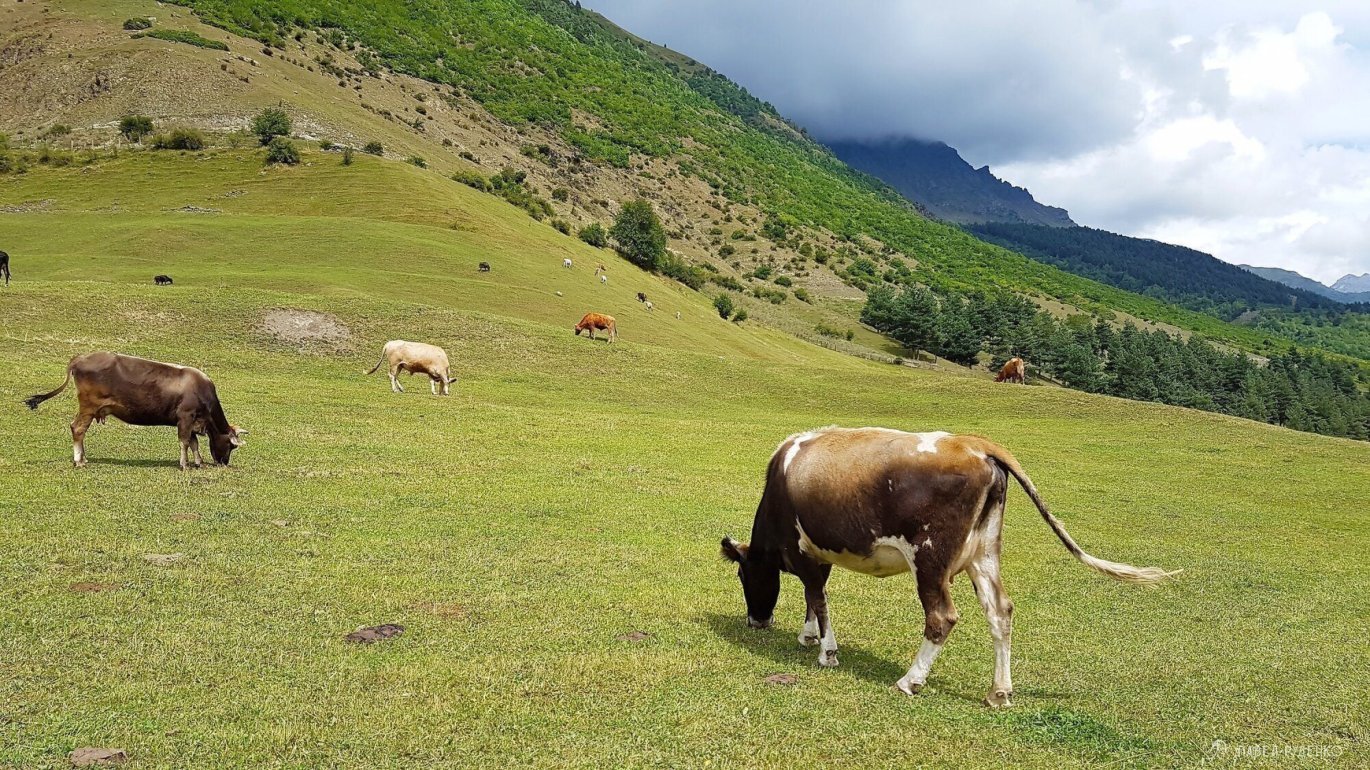
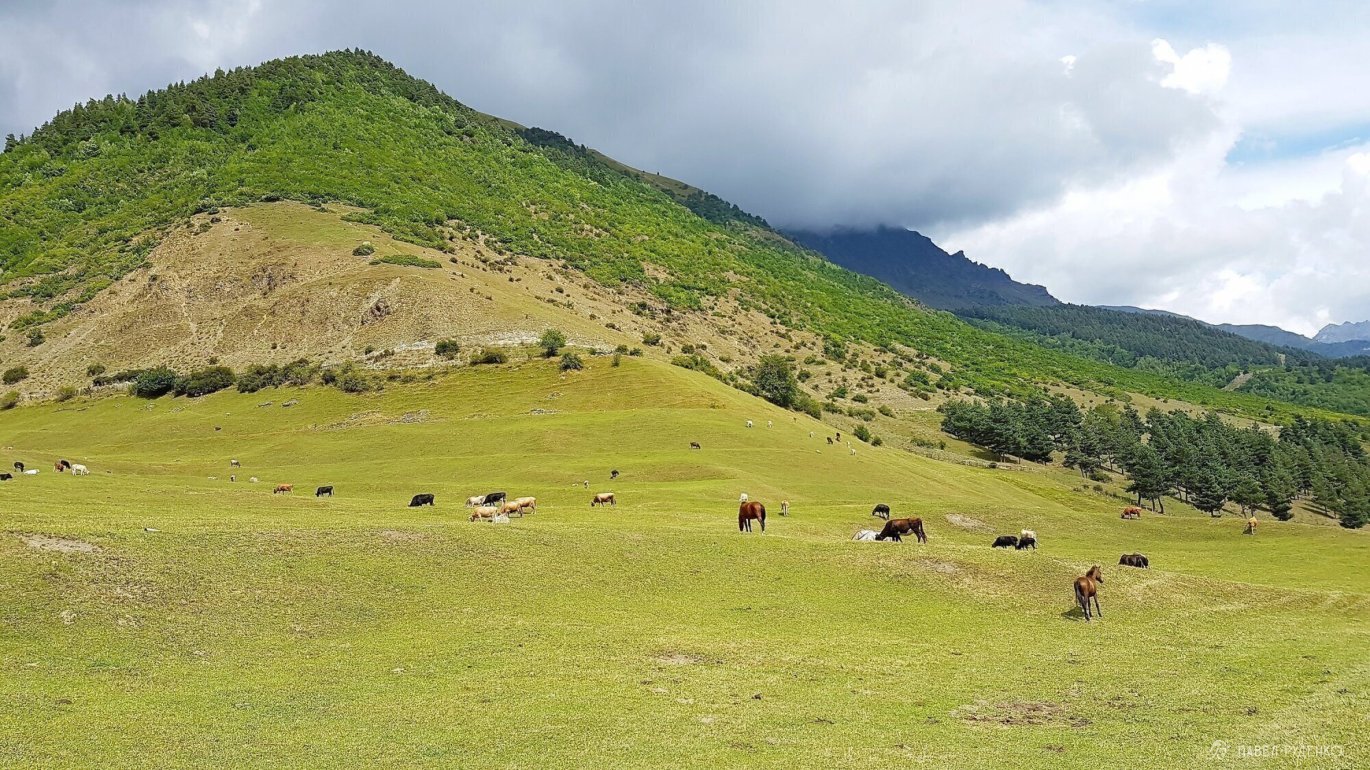
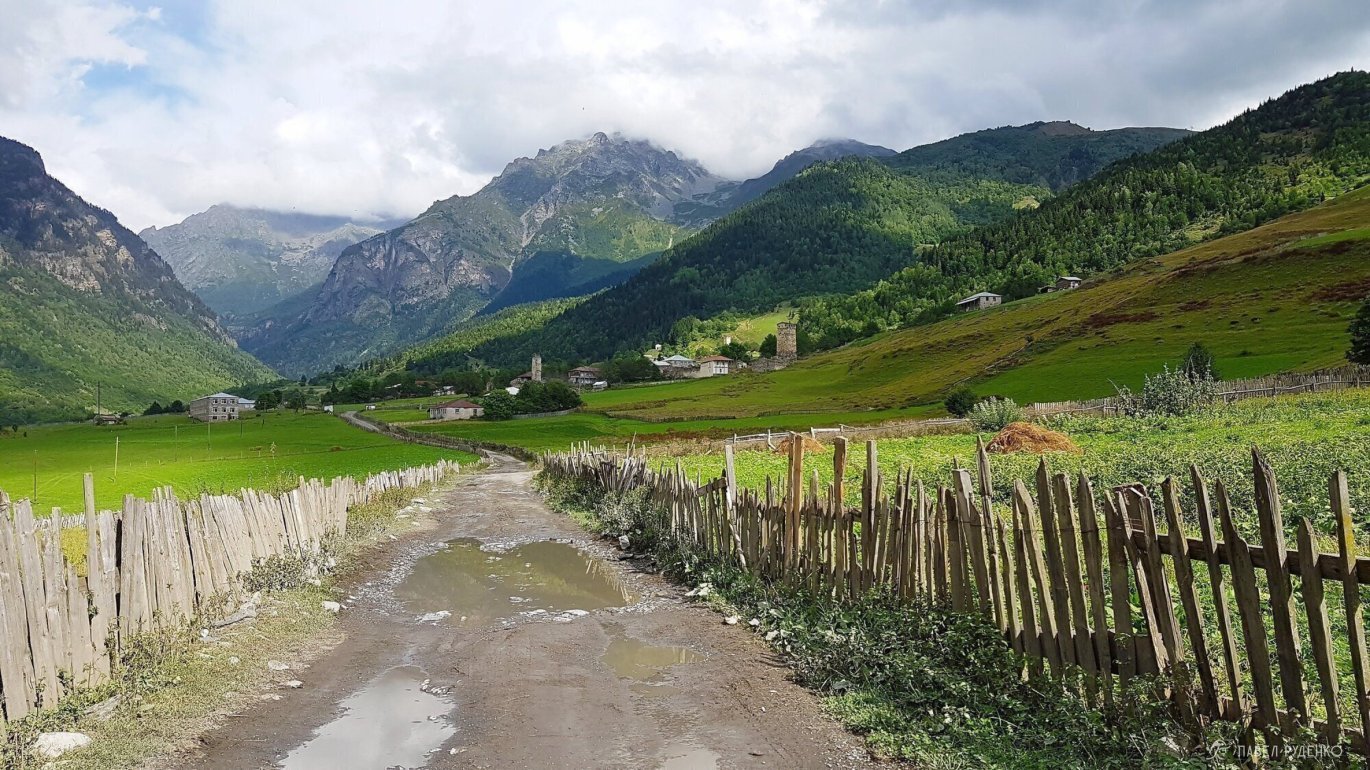
Leaving the village reveals lush green pastures, a picture-postcard view. Grazing cows, soaring mountains... just like Switzerland! :)
Passing through another village, I noticed a dark silhouette by a leaning fence. A burly man rested his arms on the crossbar and froze... I said hello, and a conversation struck up. He asked who I was, where I was going, what I was doing. At some point it started to feel like an interrogation, so I asked: “Is there something you need?”
“I'm a border guard. If you're heading that way, you need a permit.”
“No, I'm turning towards Adishi. My father was a border guard too, by the way.”
“Well, come on in! Why are you just standing there?”
“No, thanks, I still have miles to cover.”
“Come in, come in!”
I squeezed through the narrow gate with my backpack, and we walked to a table in the shade of the trees.
Two other Svans were sitting at the table. They didn’t speak a word of Russian, but immediately poured beer and served a plate of meat.
Georgians have an extraordinary talent for getting guests drunk. You say just one glass, but the moment you drink half, they quietly top it up to the brim and act as if nothing happened.
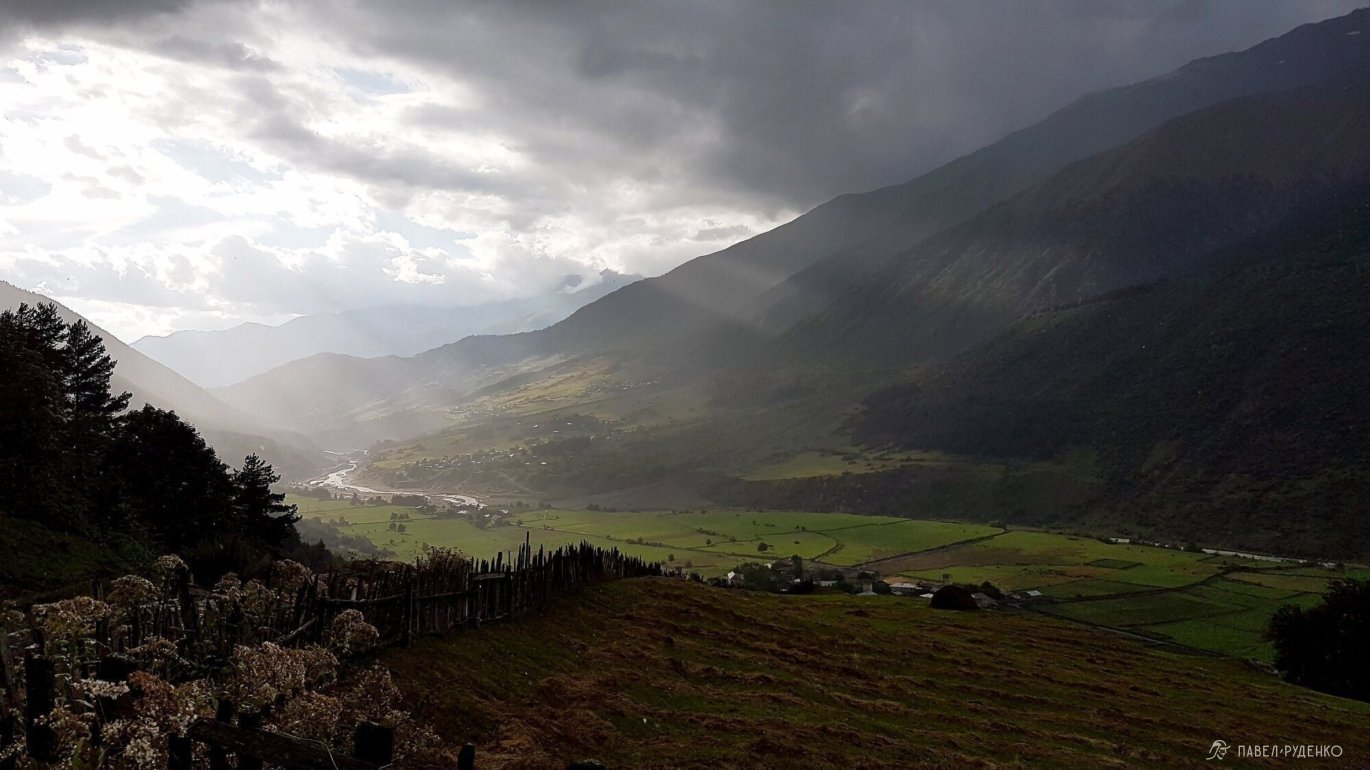
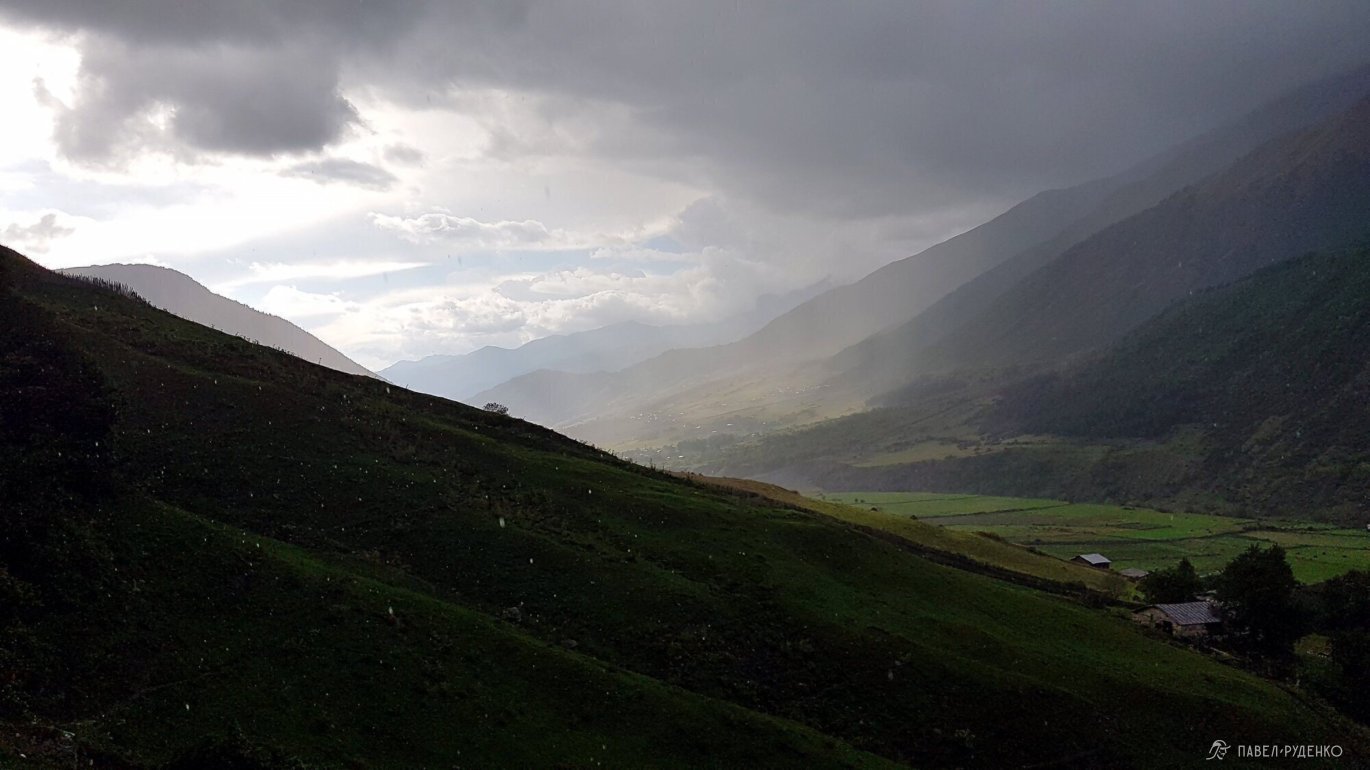
Eventually, I managed to stand up. I got tipsy so fast that I could barely lift my backpack. They sent me off with a bag of very sour apples, and I tramped onwards to find a campsite outside the village, with storm clouds rolling in behind me and evening falling fast.
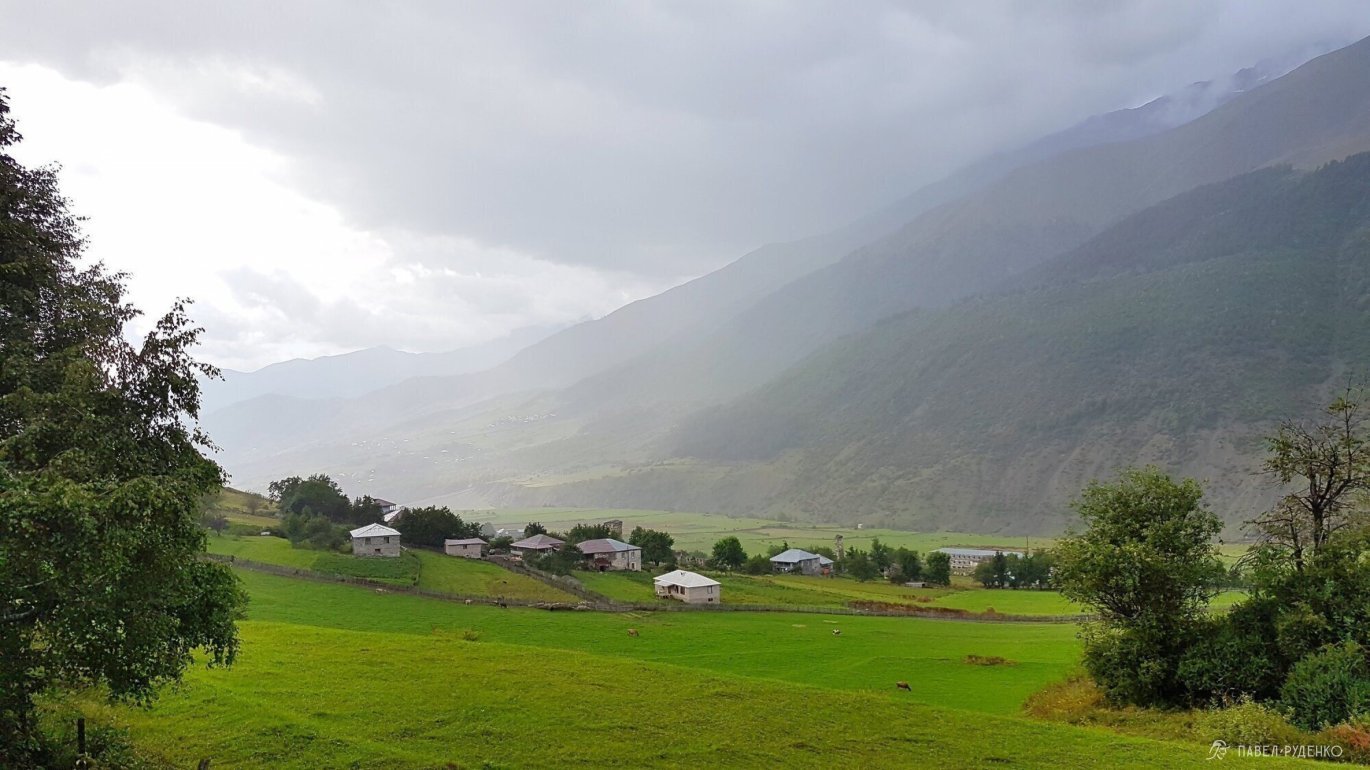
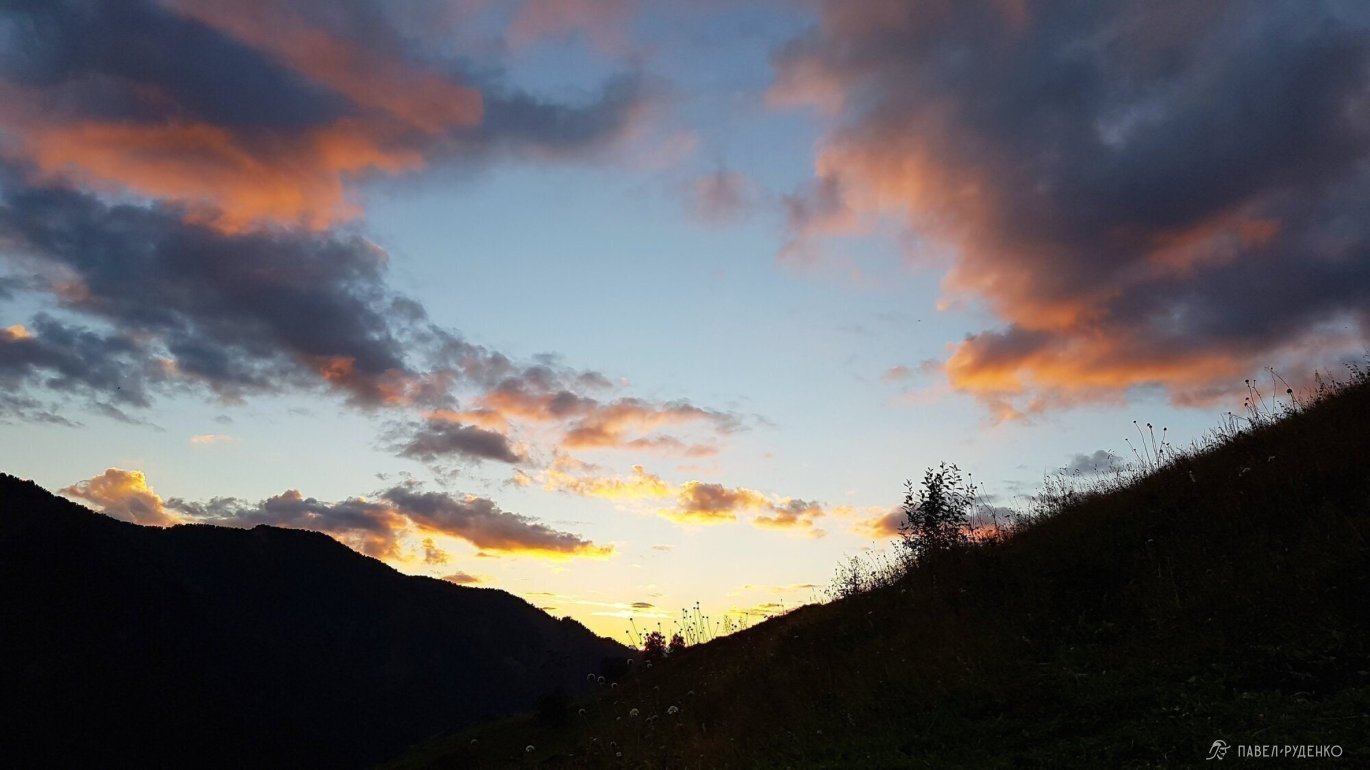
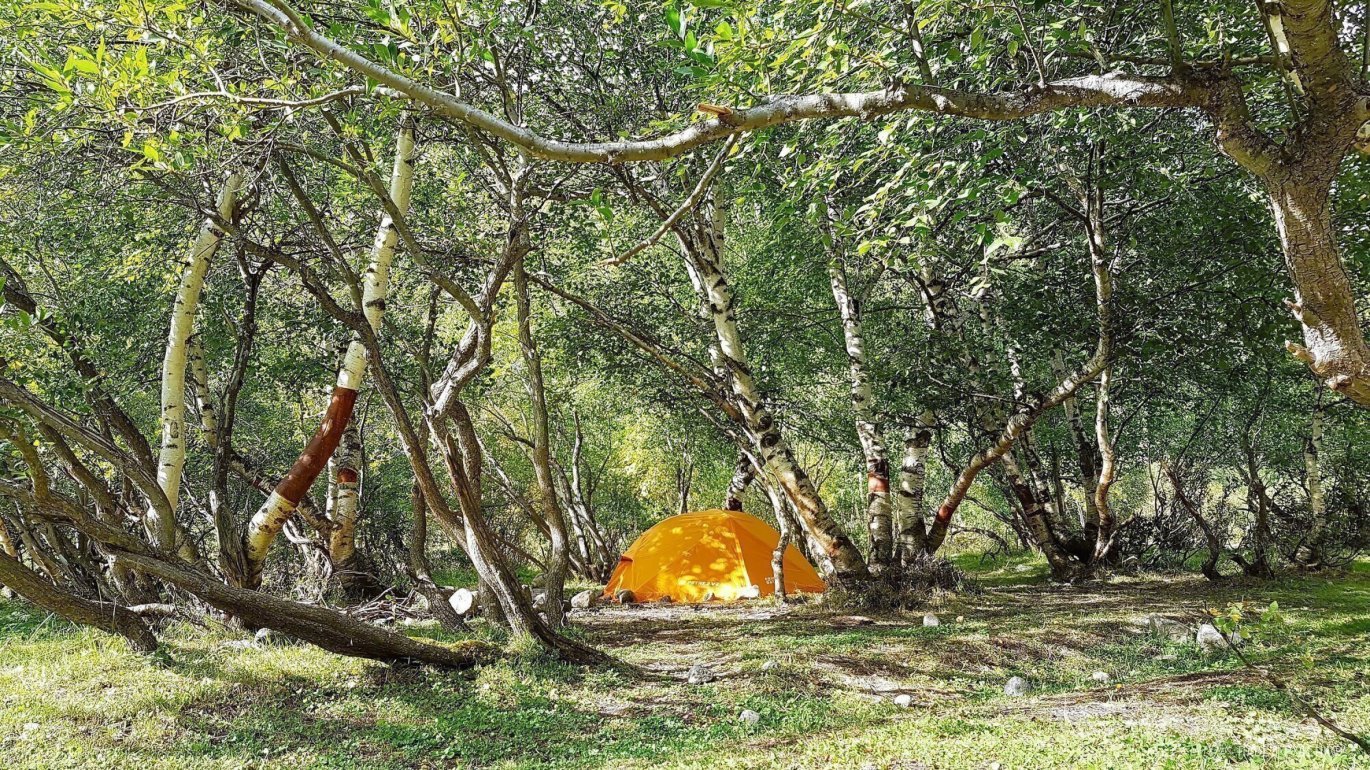
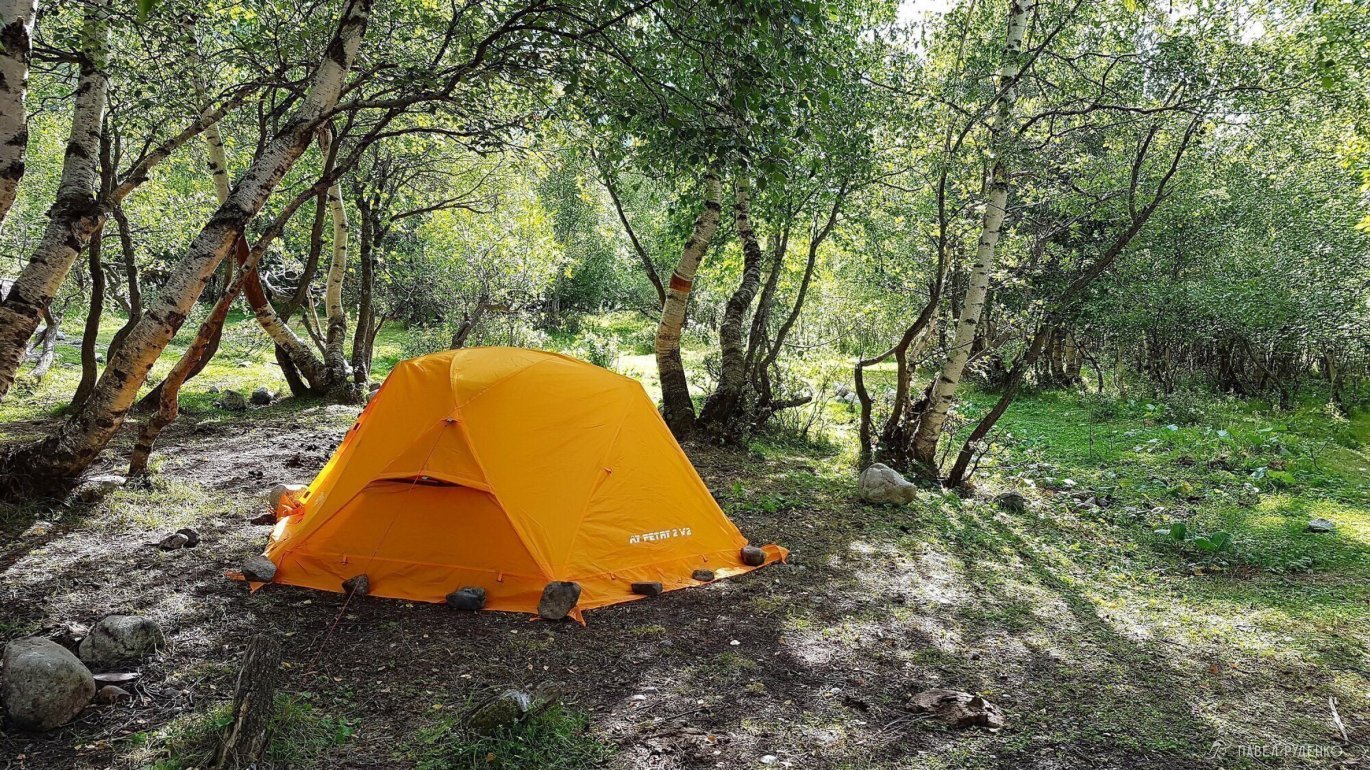
There was no flat ground, everything was on a slope, but to hell with it. I waited under a tree for the rain to ease up, then hurried out to pitch the tent.
There was a natural spring nearby, tasting remarkably like Borjomi mineral water. I filled my bottle; it was naturally effervescent, just like store-bought sparkling water.
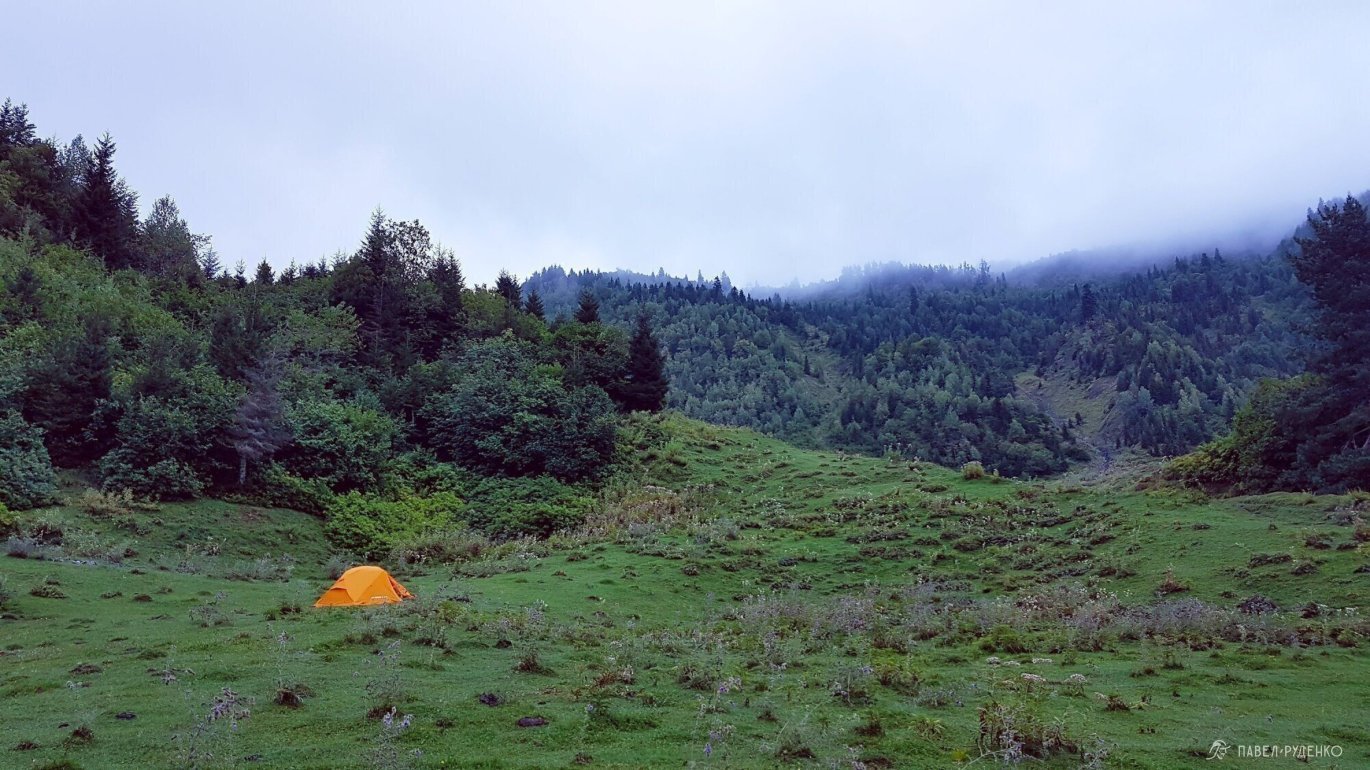
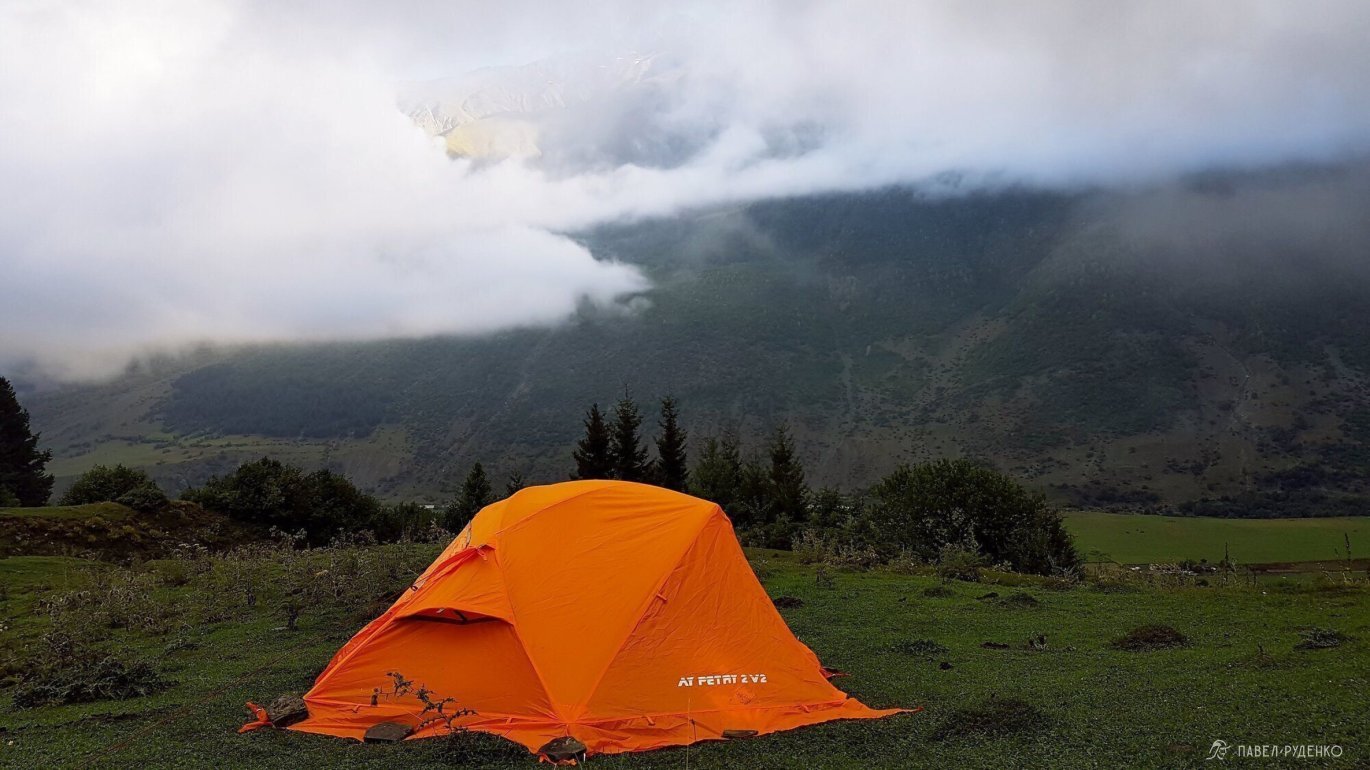
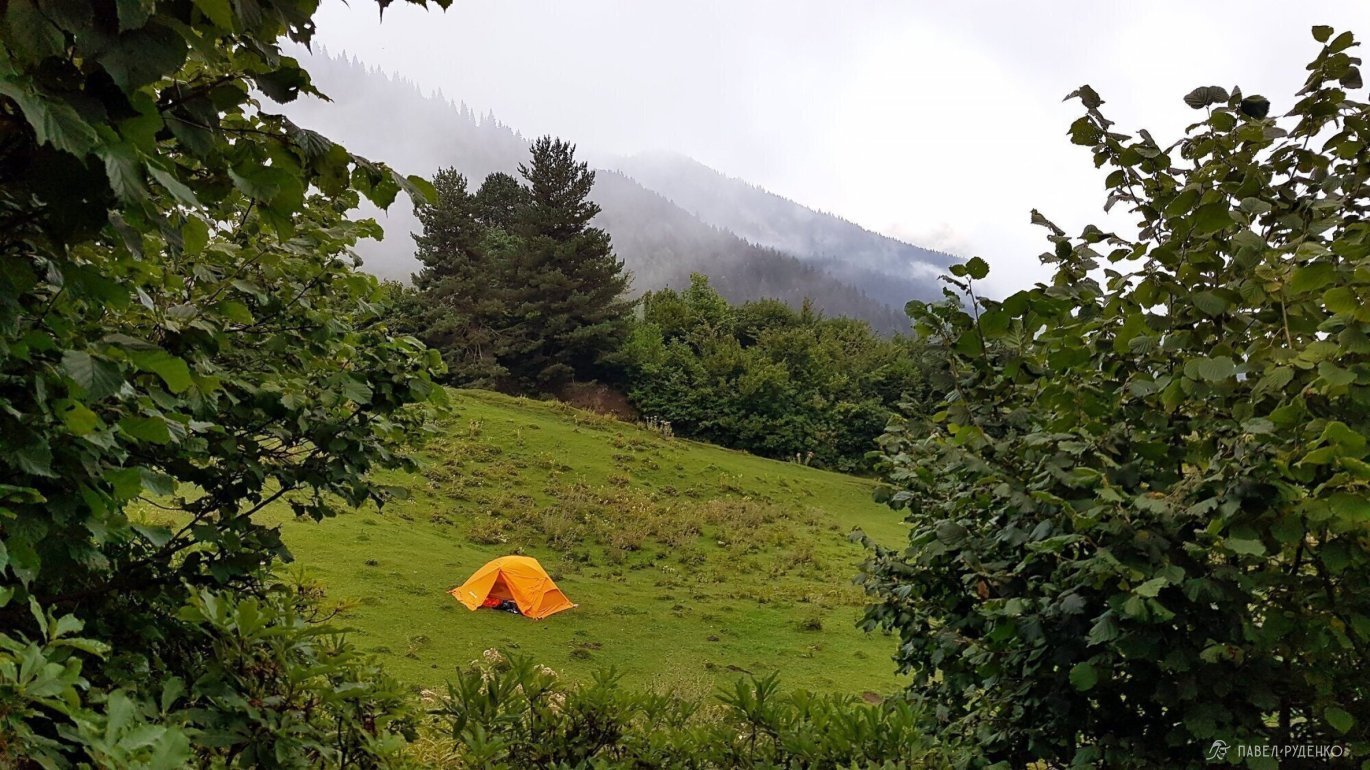
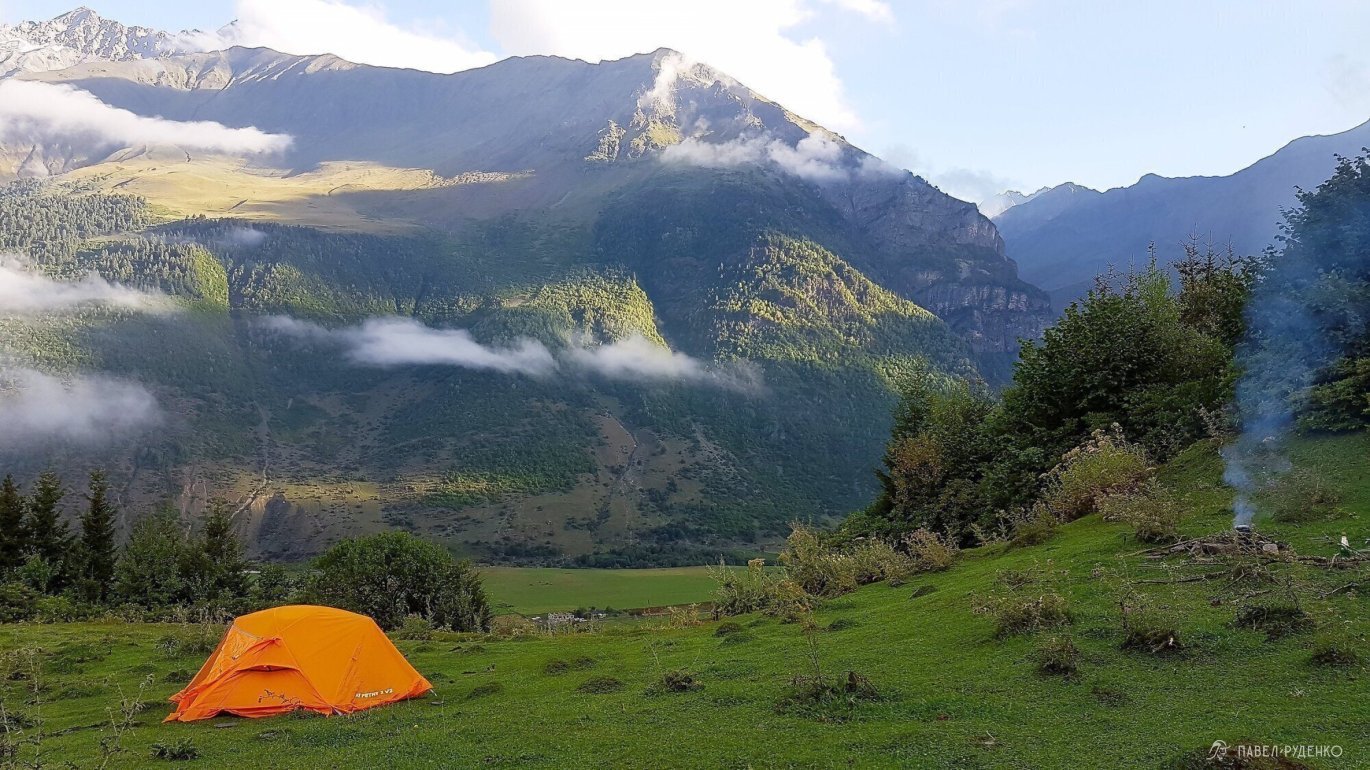
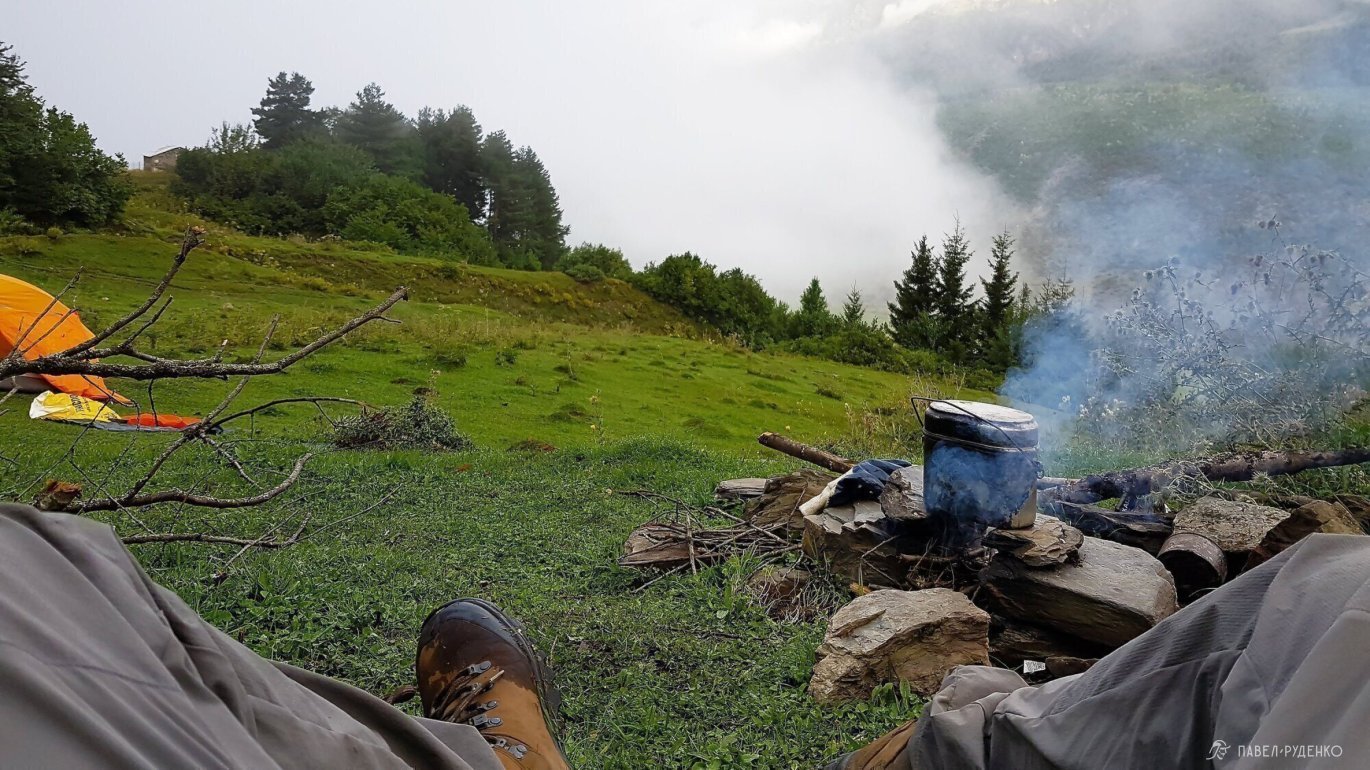
Then this happened... The nights are pitch-black at this time of year. I was sleeping soundly when a strange feeling woke me up. I cracked my eyes open and saw the tent shaking—someone was trying to break in. I grabbed my knife and headlamp, freezing in place and listening closely to the silence. Heavy breathing right outside; probably someone from the village... For a moment, everything went quiet, and then the rainfly shook violently again. I knew I was in trouble. Seconds ticked by, heightening the suspense. I decided to pop out like a jack-in-the-box, headlamp blazing and knife drawn, to catch the intruder off guard! In reality, it went like this: I put down the lamp; the ripping sound of my sleeping bag zipper tore through the forest silence, followed 5 seconds later by the inner vestibule zipper (Good Lord, why so many zippers?! My cover is blown ten times over), then the outer vestibule zipper. Finally, I lunged outside barefoot, switched on the headlamp, and brandished my mighty 5-cm Swiss Army blade! :)
Two eyes glowed in the dark... Staring back at me was a cow, its hoof tangled in a guyline. A true masterpiece: “Terrified Boy and Forest Cow in the Dead of Night.” It’s funny how quickly we adapt. During that trip, I spent two months living in a tent, embracing a rather wild lifestyle. Towards the end, similar and even wilder things happened, but my reaction had completely changed. I’d casually peek out of the tent just to see who was bothering me this time. Most of the fears that seize us in a tent are just rustling leaves, falling branches, harmless animals, or occasionally people who need help or simply mistook your tent for someone else's.
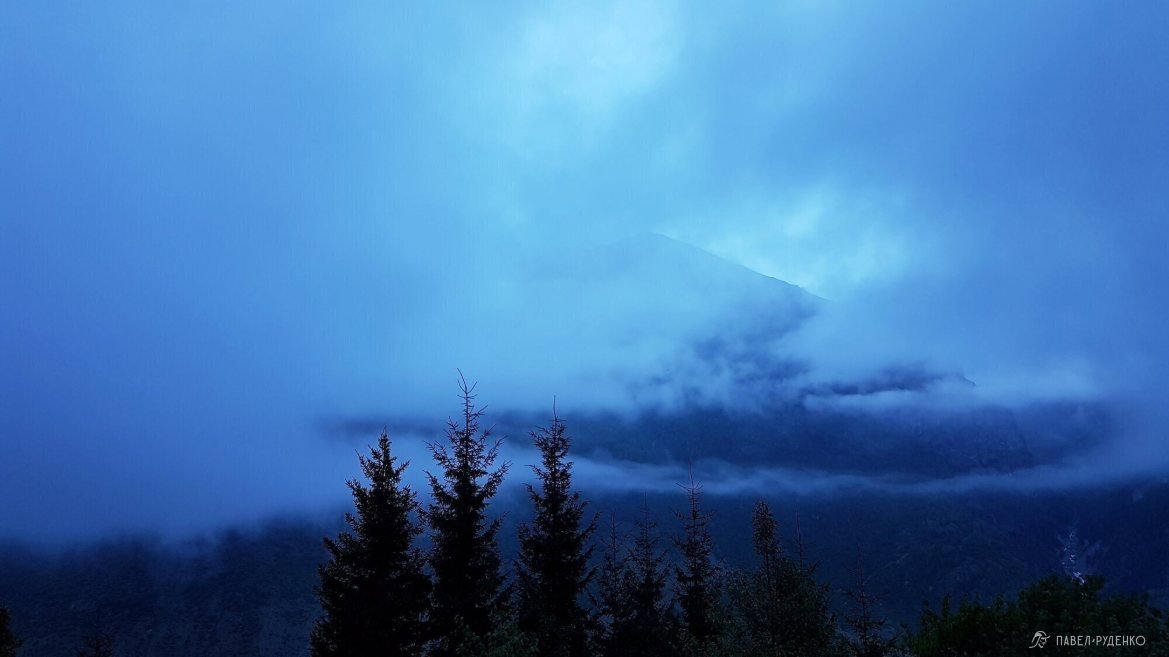
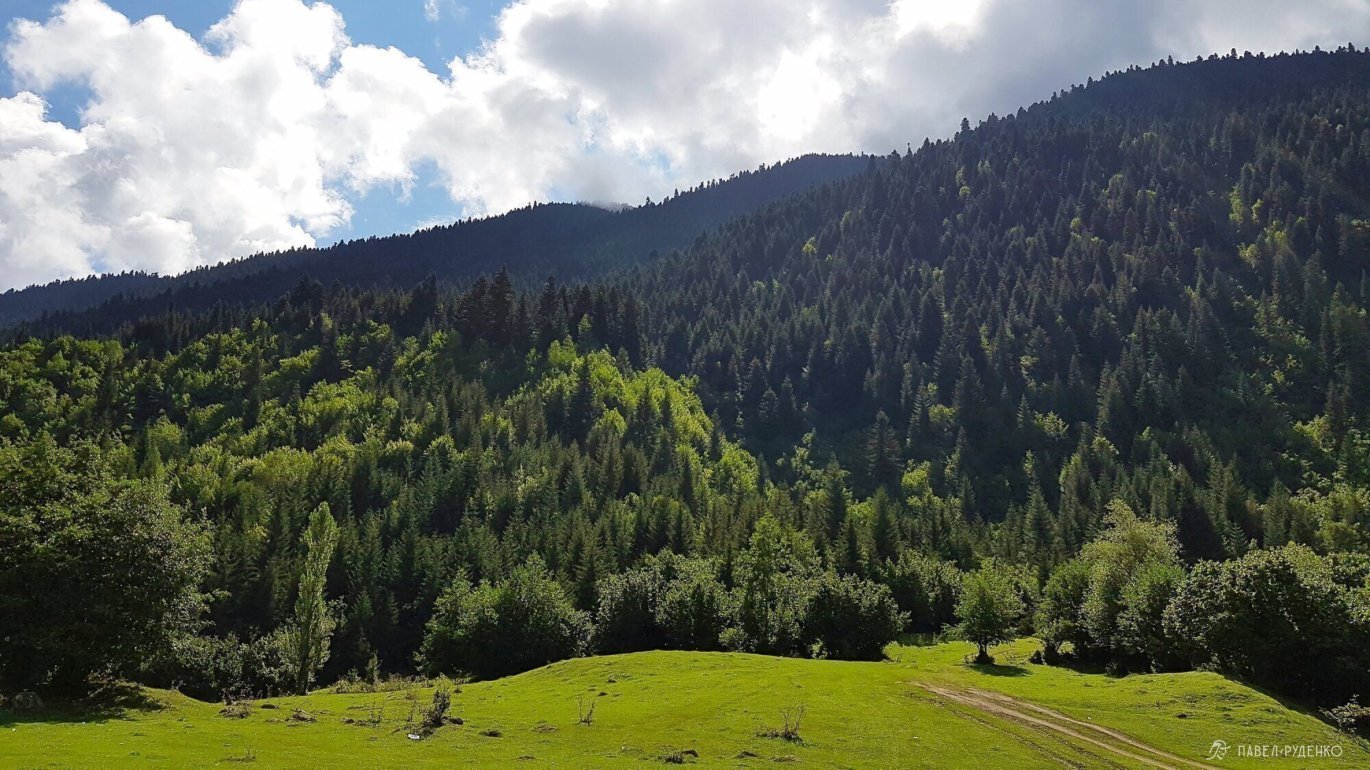
The next day began with a long, grueling ascent. Near the top, I had to bushwhack through suspicious thickets. You know the kind: tropical-sized moisture-drenched leaves, dampness everywhere, centipedes, and spiders. It hit me that I had mistaken a dry creek bed for the trail. Scurrying through the bushes hoping the critters of this local Amazon wouldn't latch onto my hair or backpack, I navigated back to a clearing using GPS.
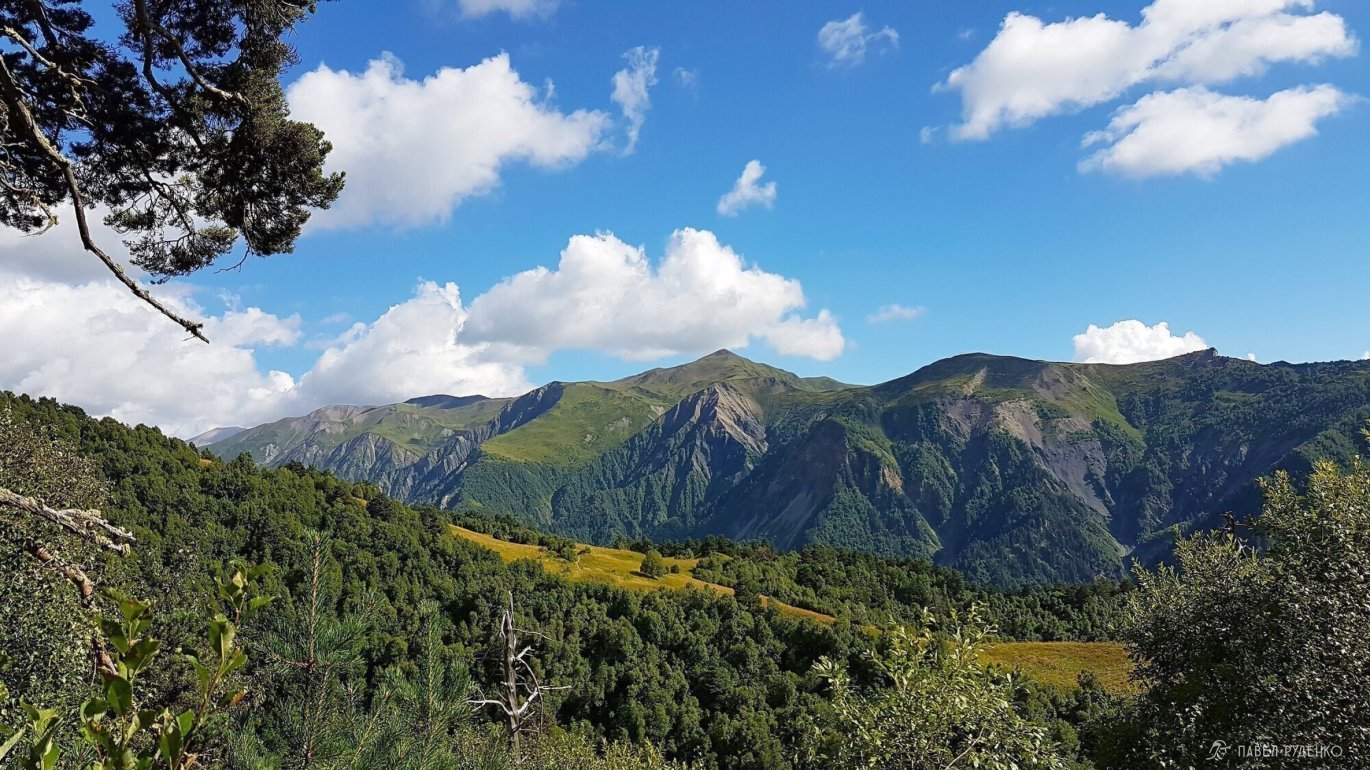
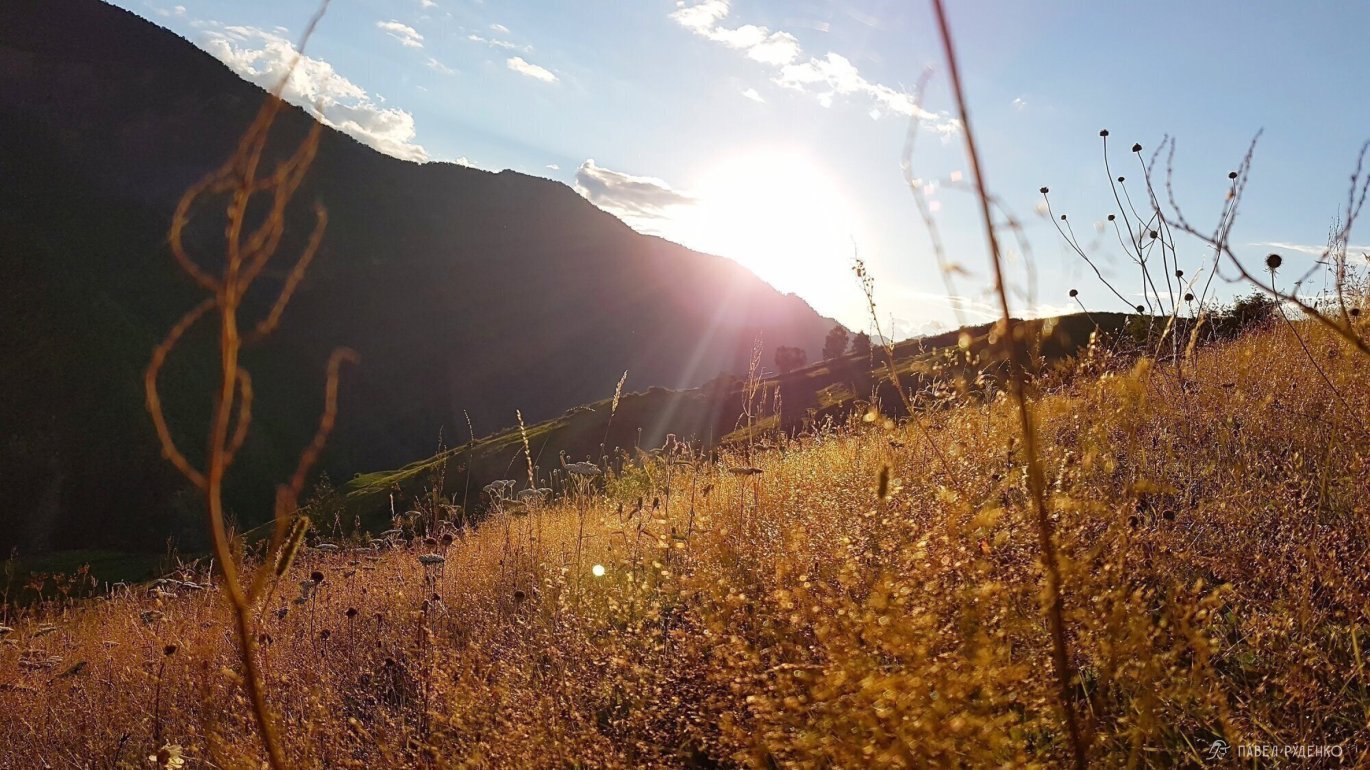
On the hill, a ski resort was under construction. You have to walk a short section along the road, but beyond that lies the best panoramic viewpoint of the mountain ridges. Past a stream, I descended further into the gorge: horses grazed to the right, a large but discreet eagle perched on a rock to the left, and I dropped my pack and collapsed onto a haystack.
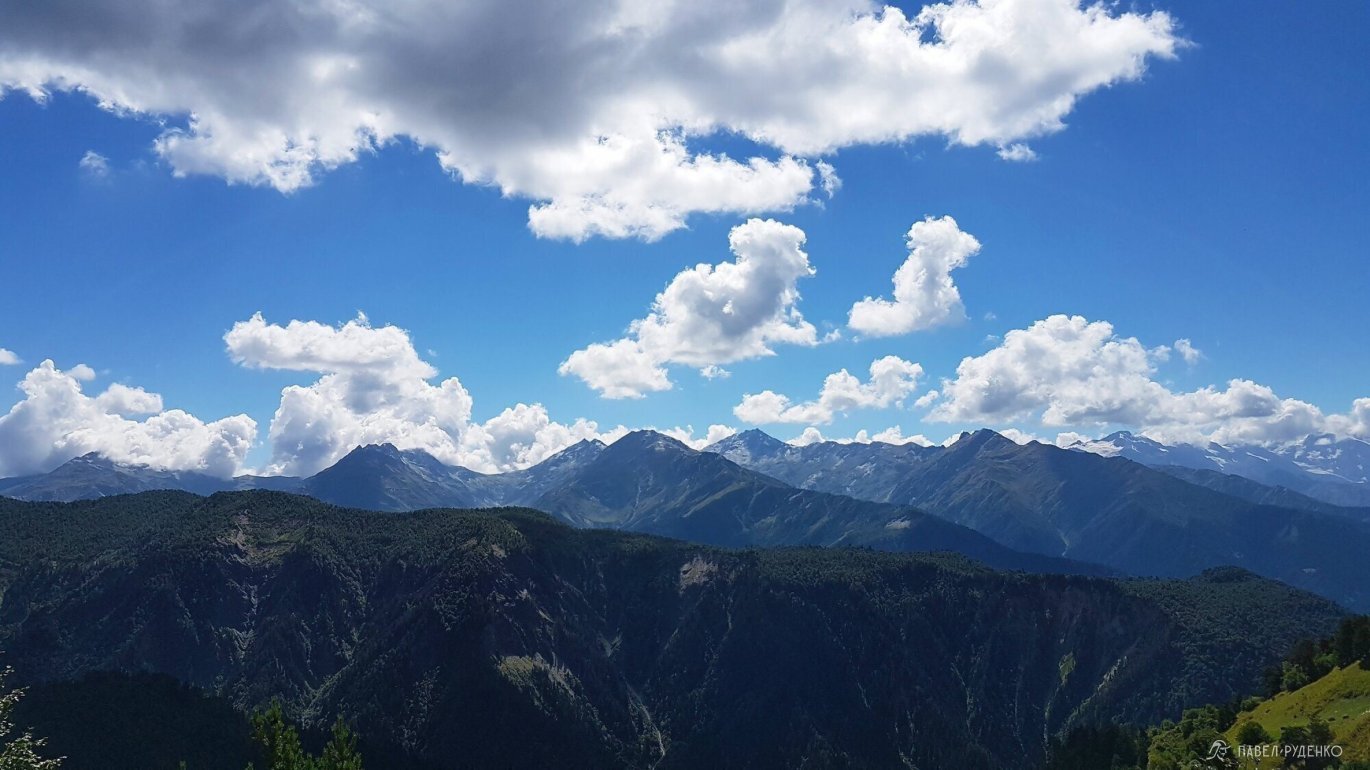
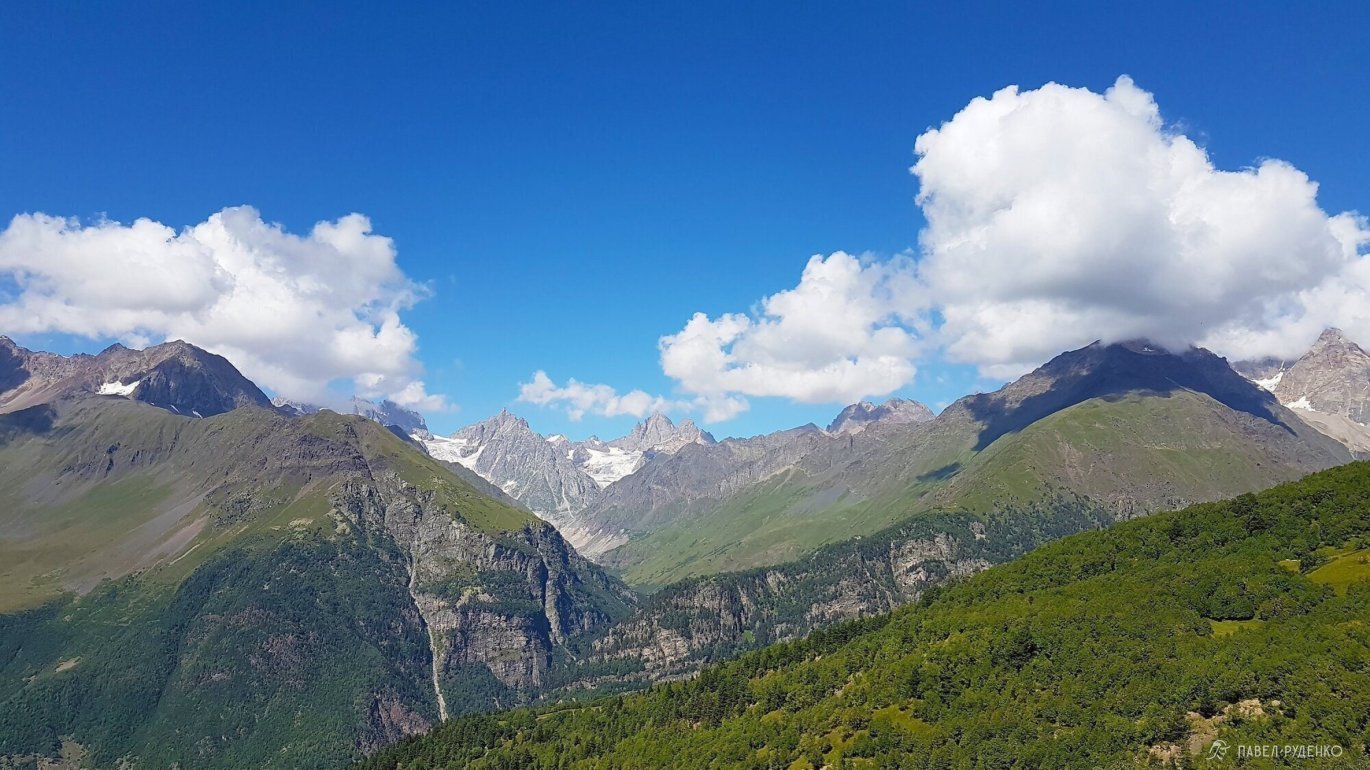
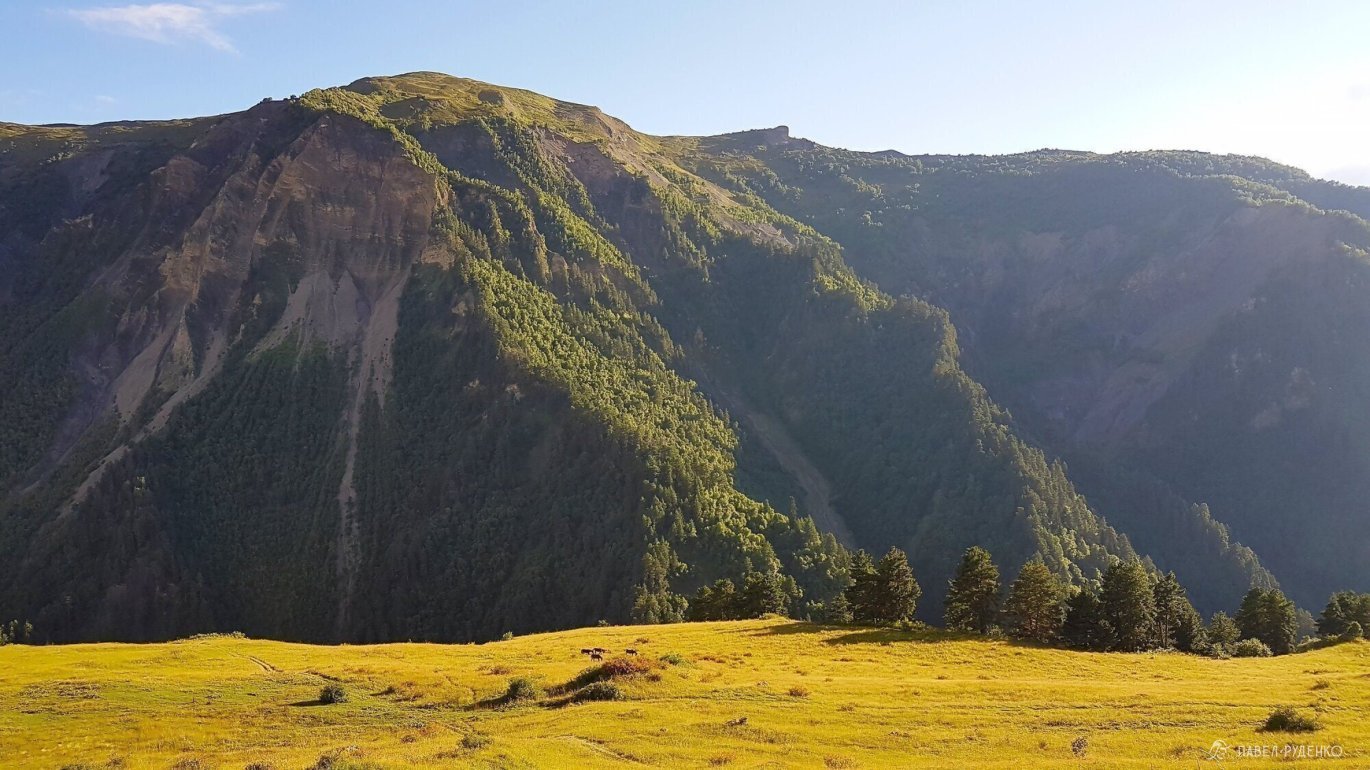
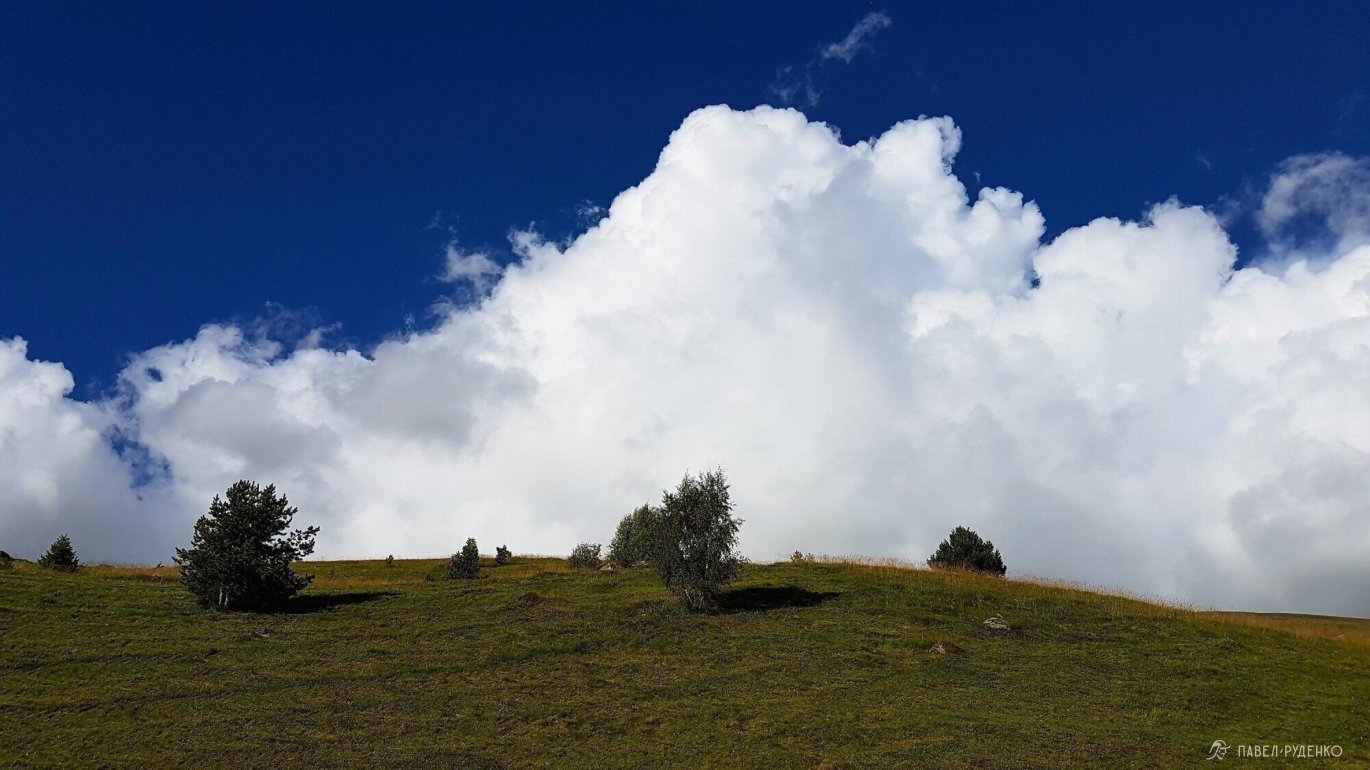
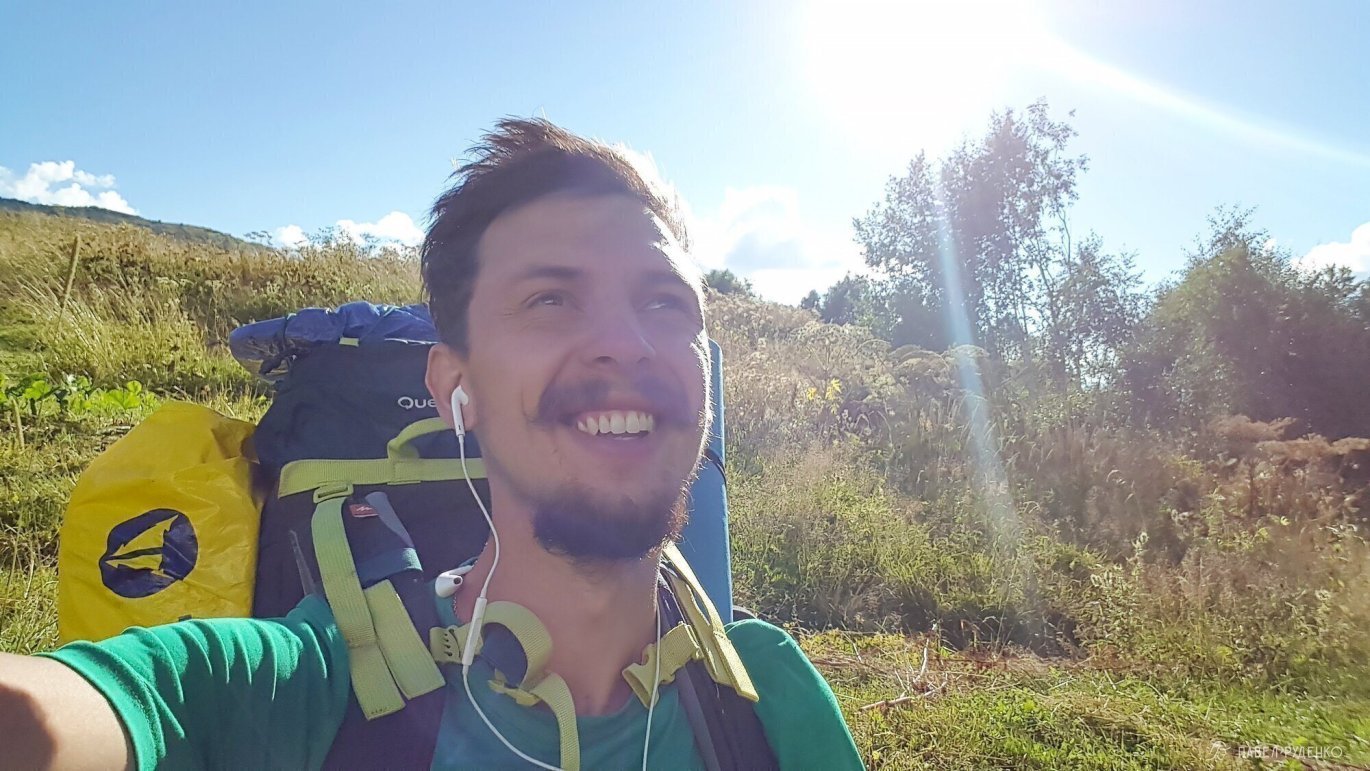
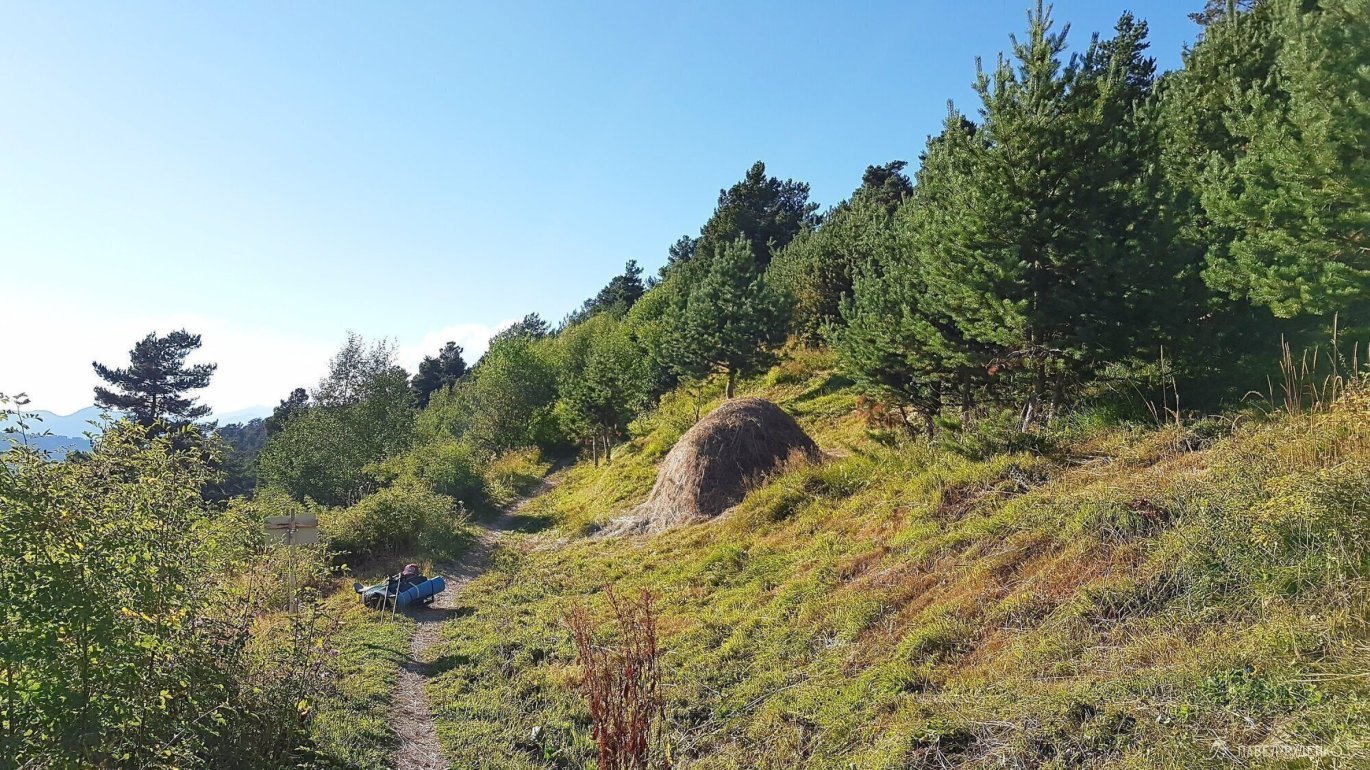
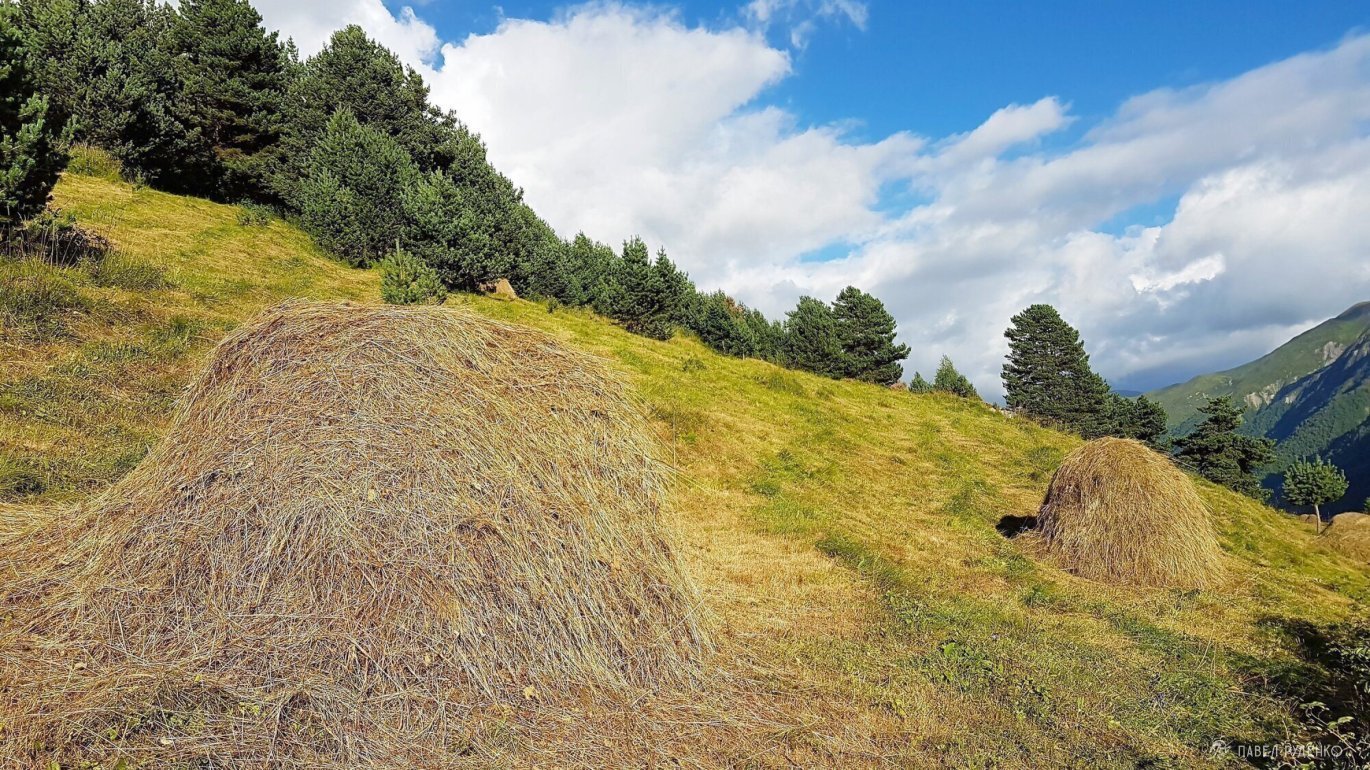
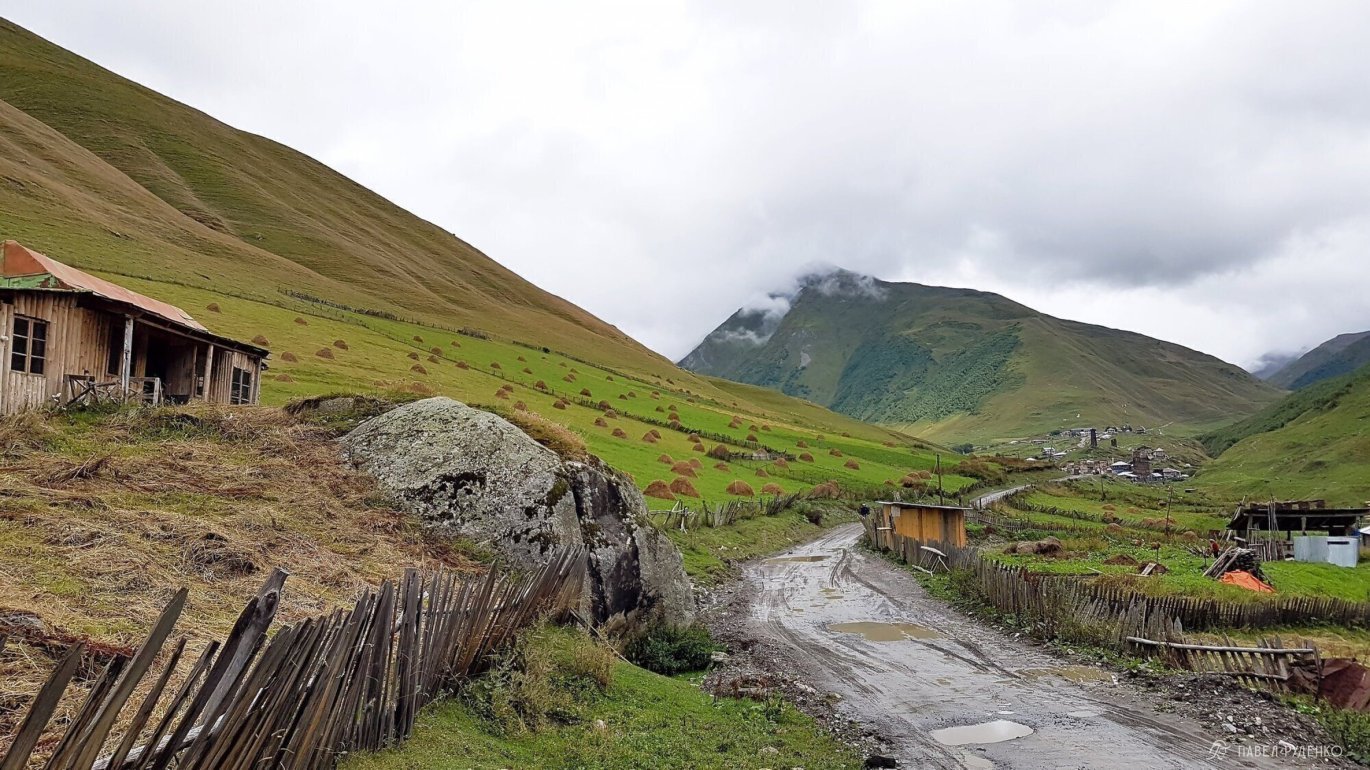
The entrance to the village of Adishi was guarded by a ferocious calf. As soon as it saw me, it attacked with sheer love and spent the next half hour licking my legs clean.
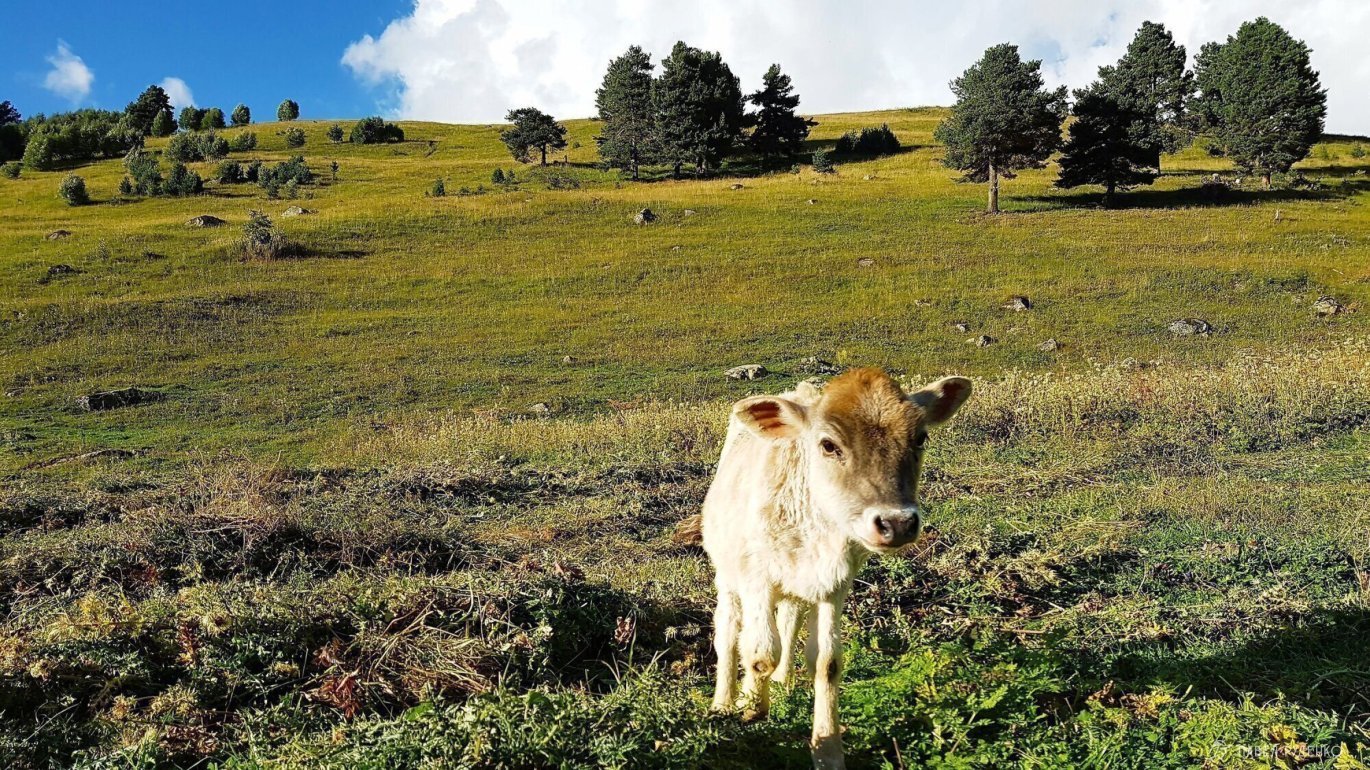
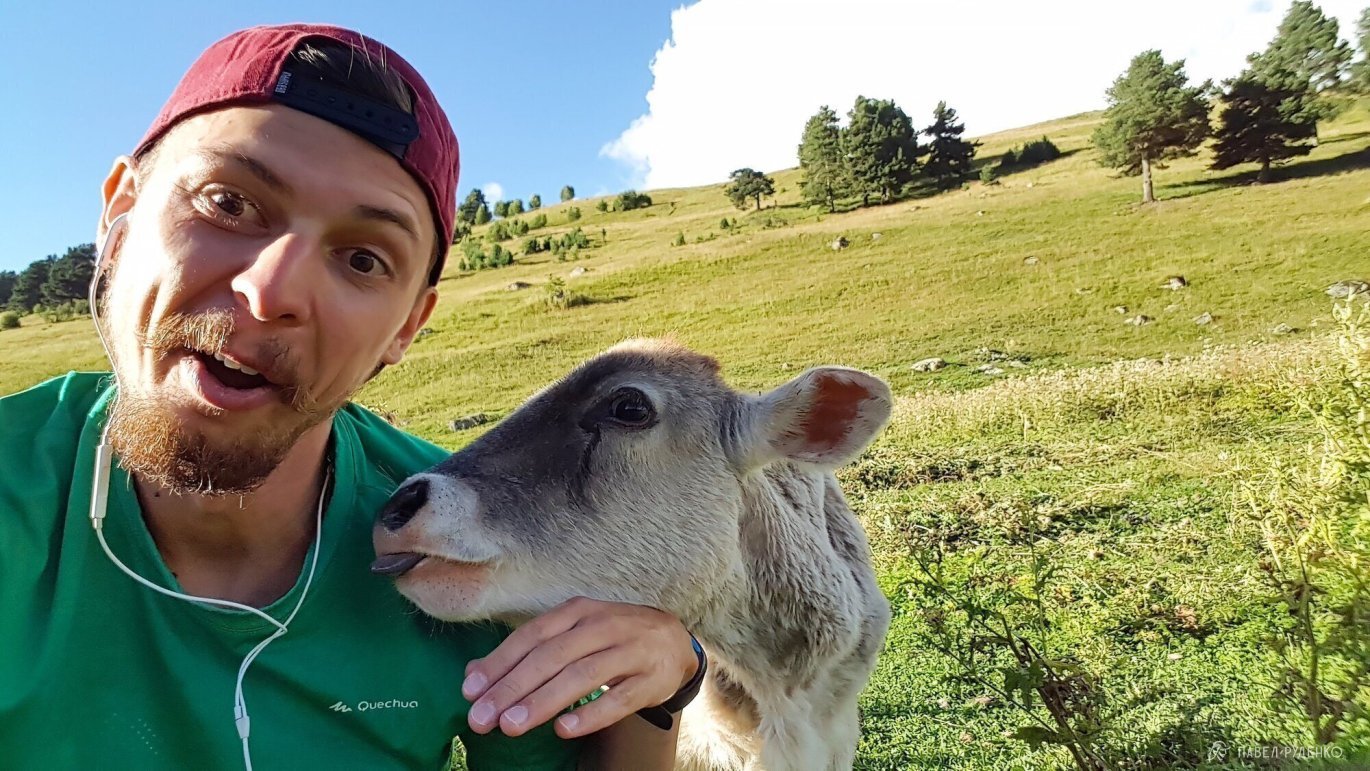
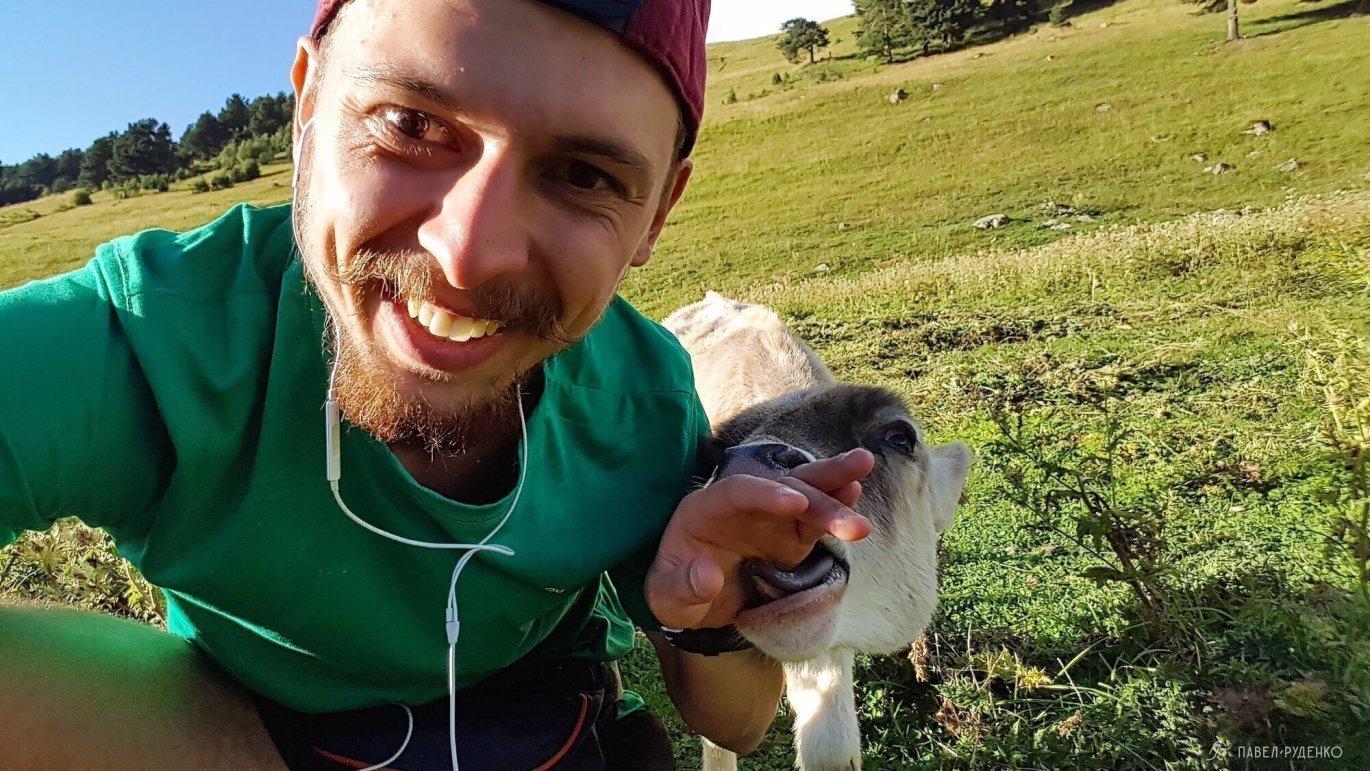
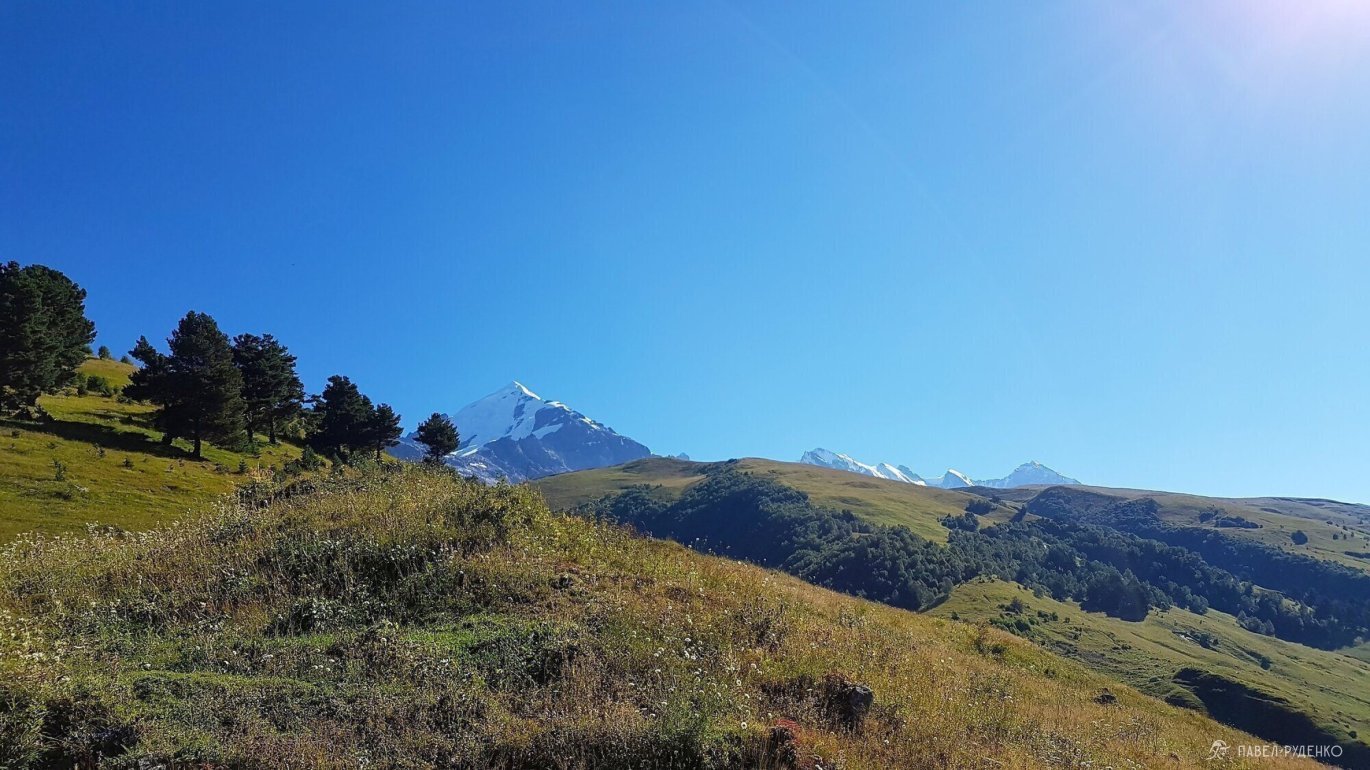
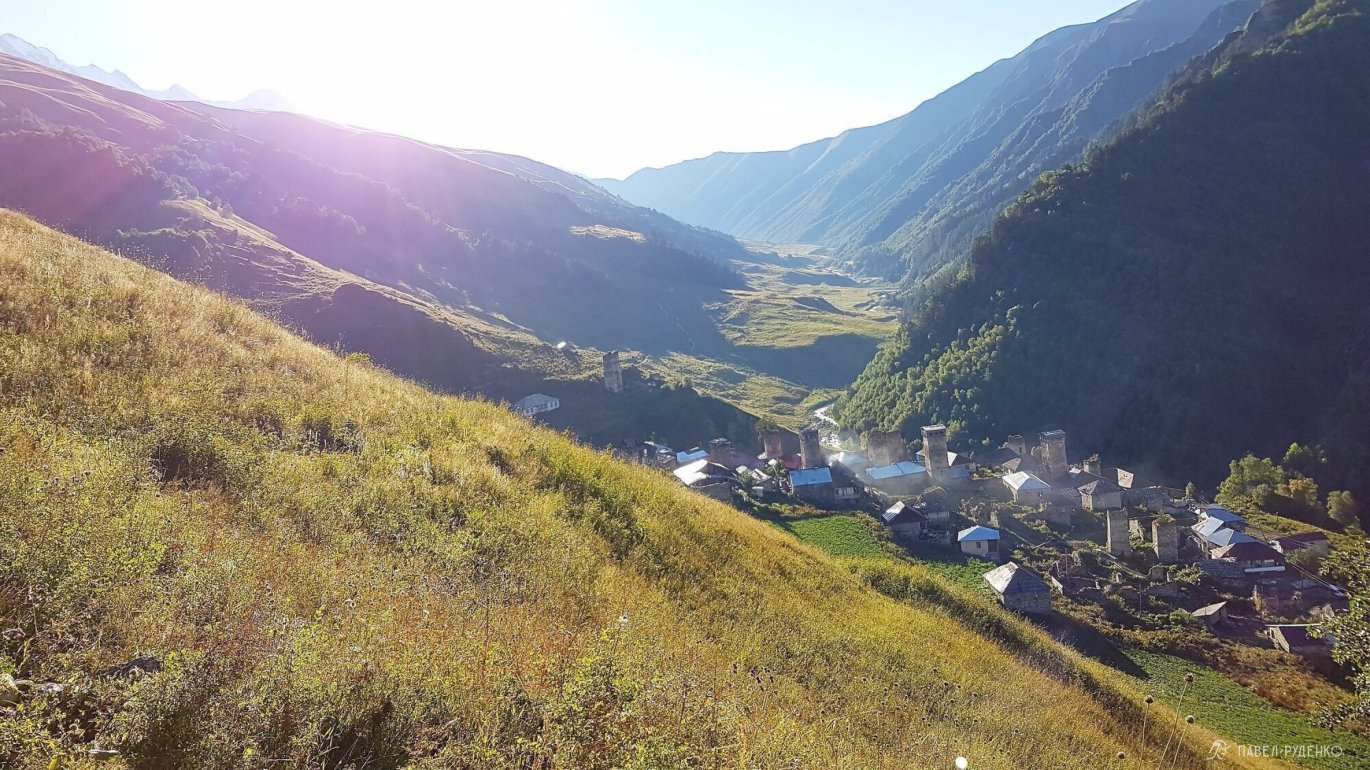
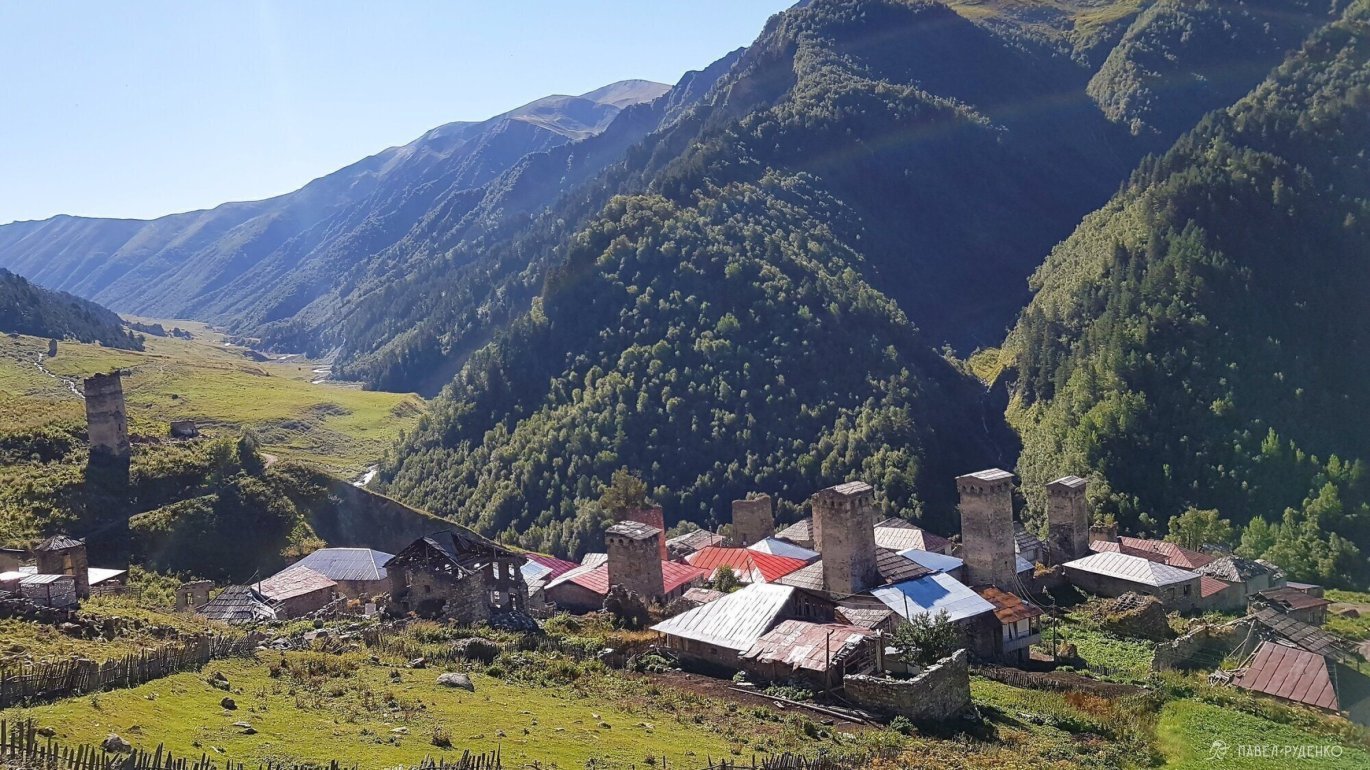
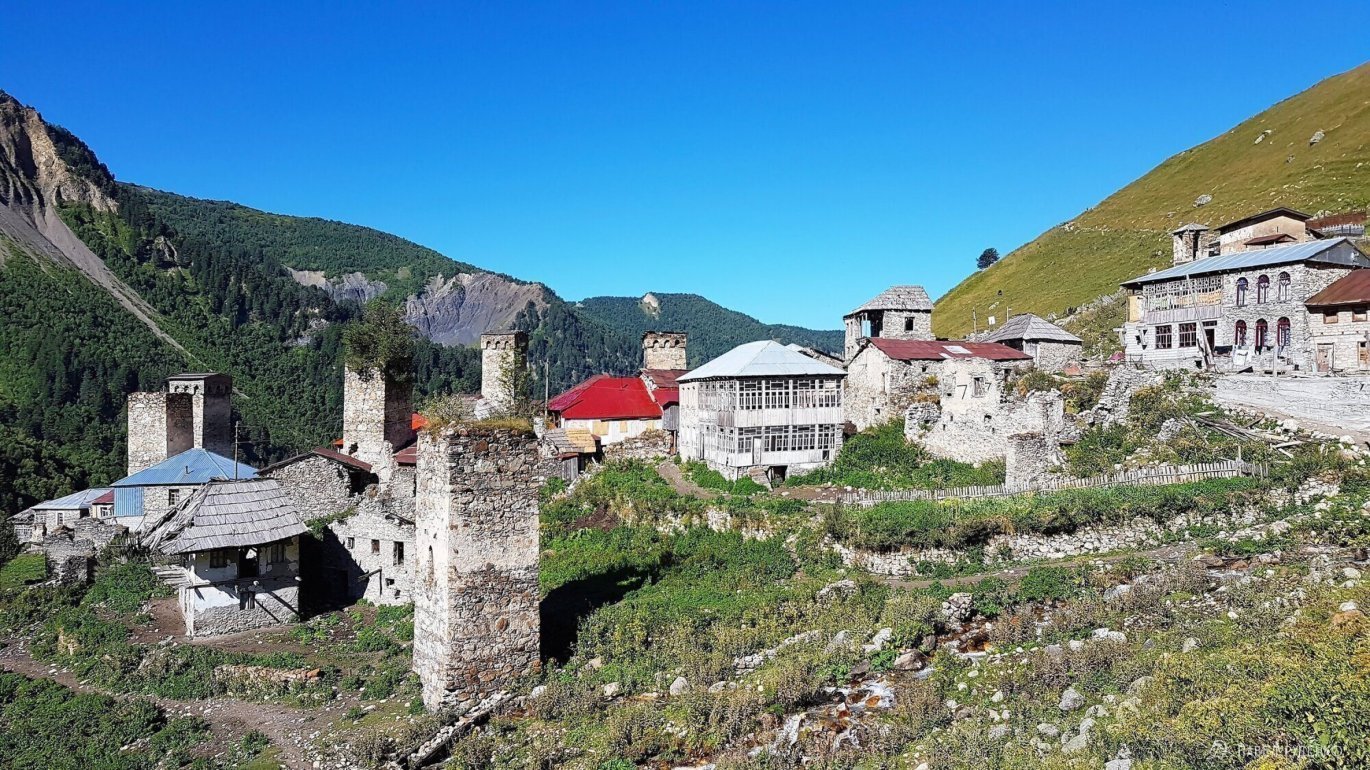
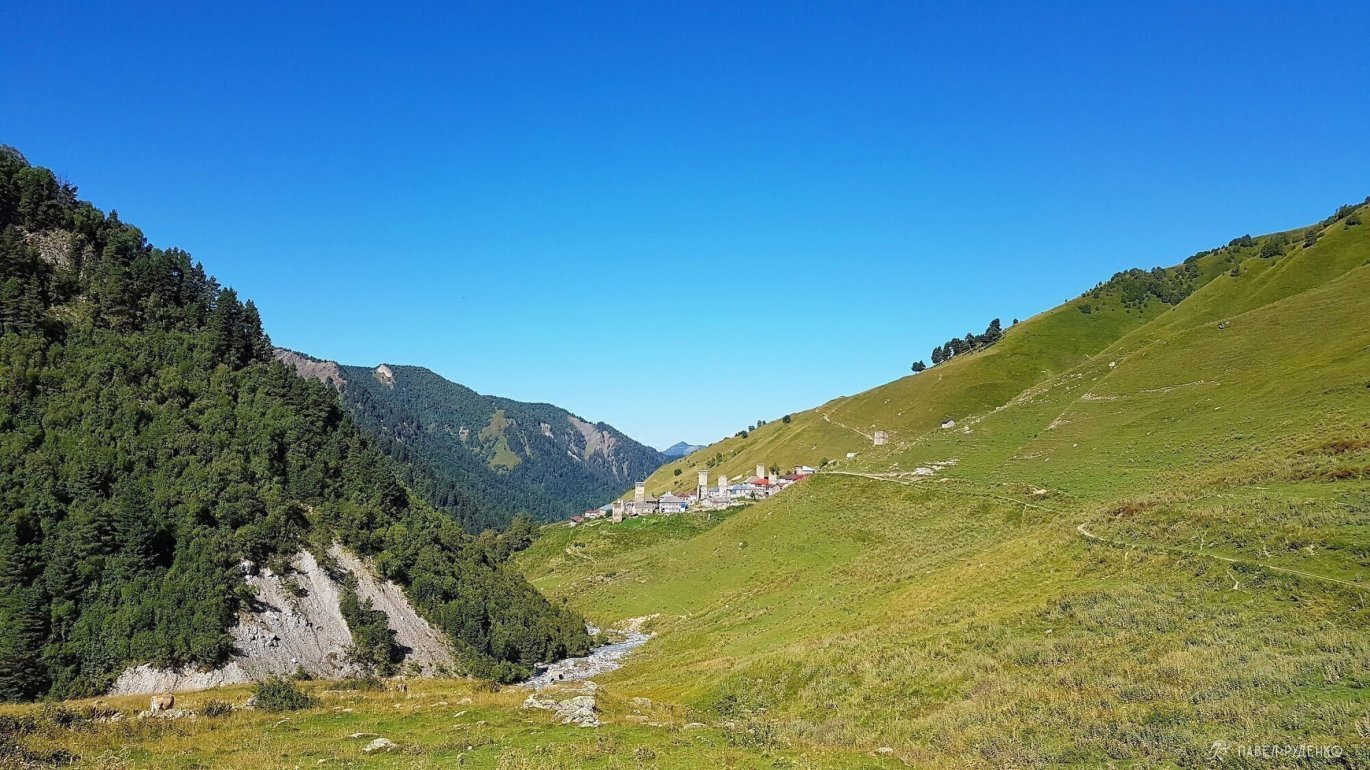
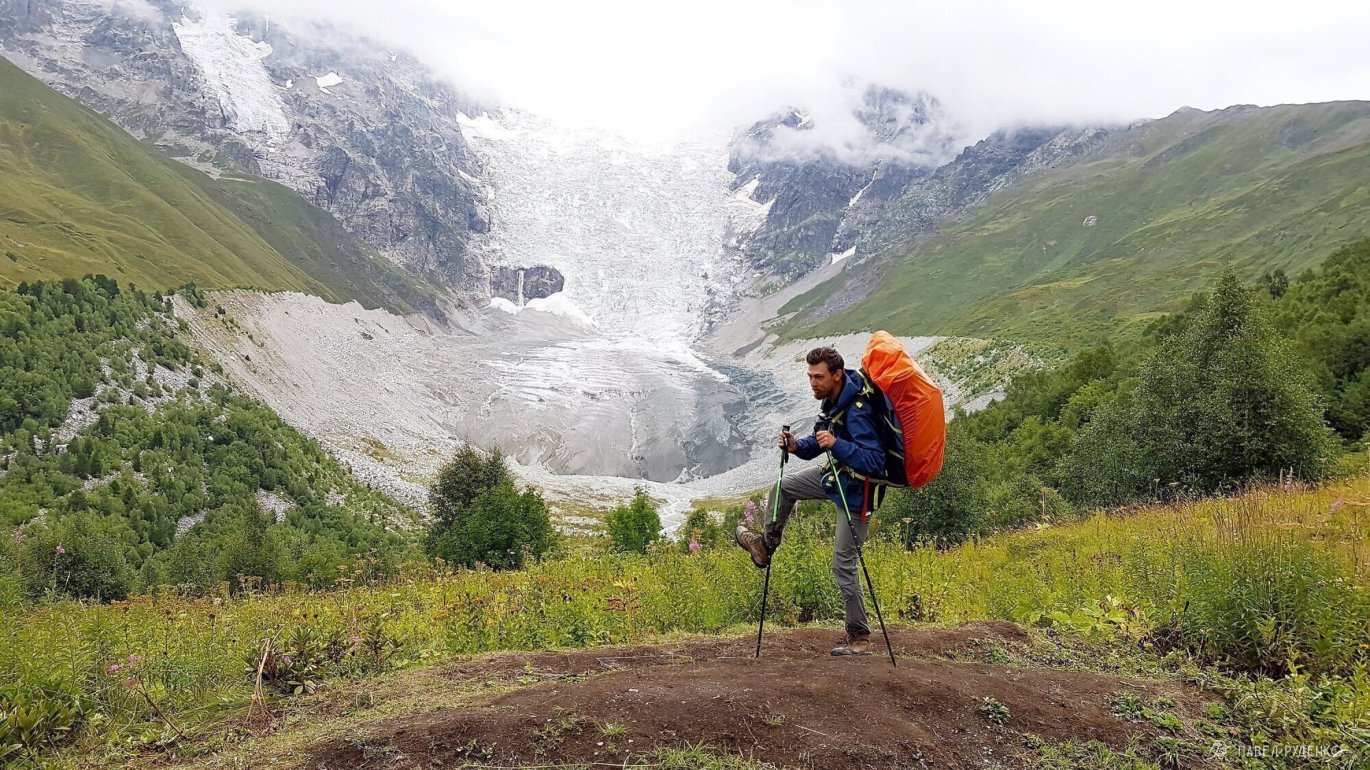
The view over Adishi is absolutely mind-blowing. Even though there was still daylight to hike further, I immediately started scouting for a scenic campsite. I pitched camp, soaked in the views, and played with the calf. One of the most unforgettable landscapes.
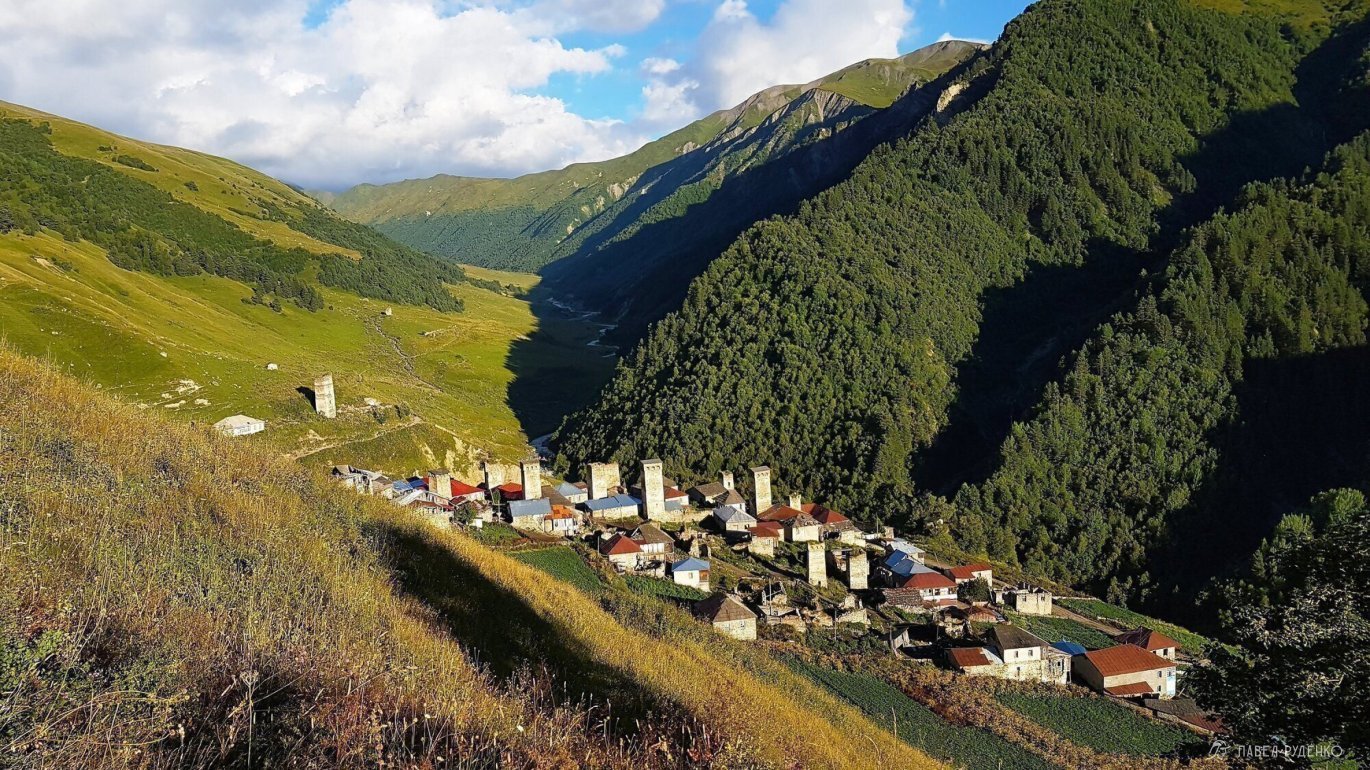
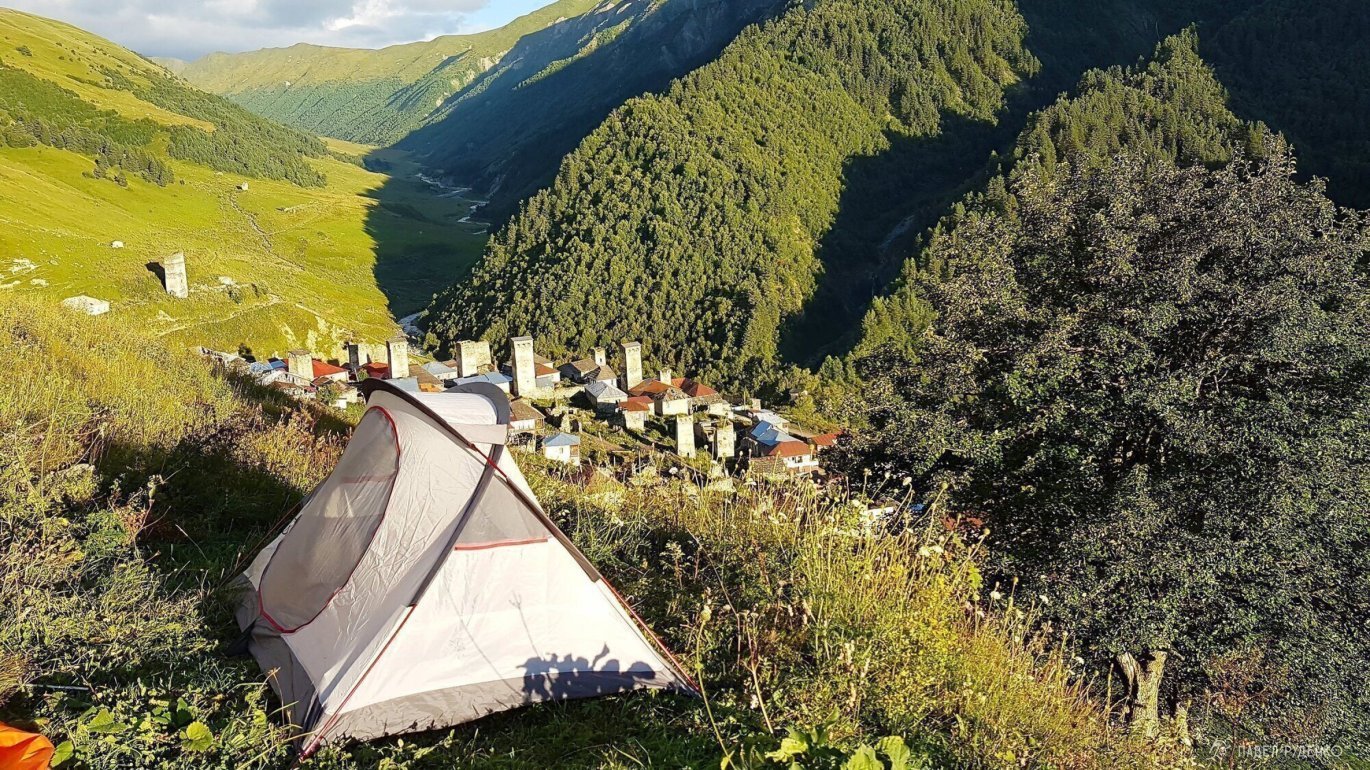
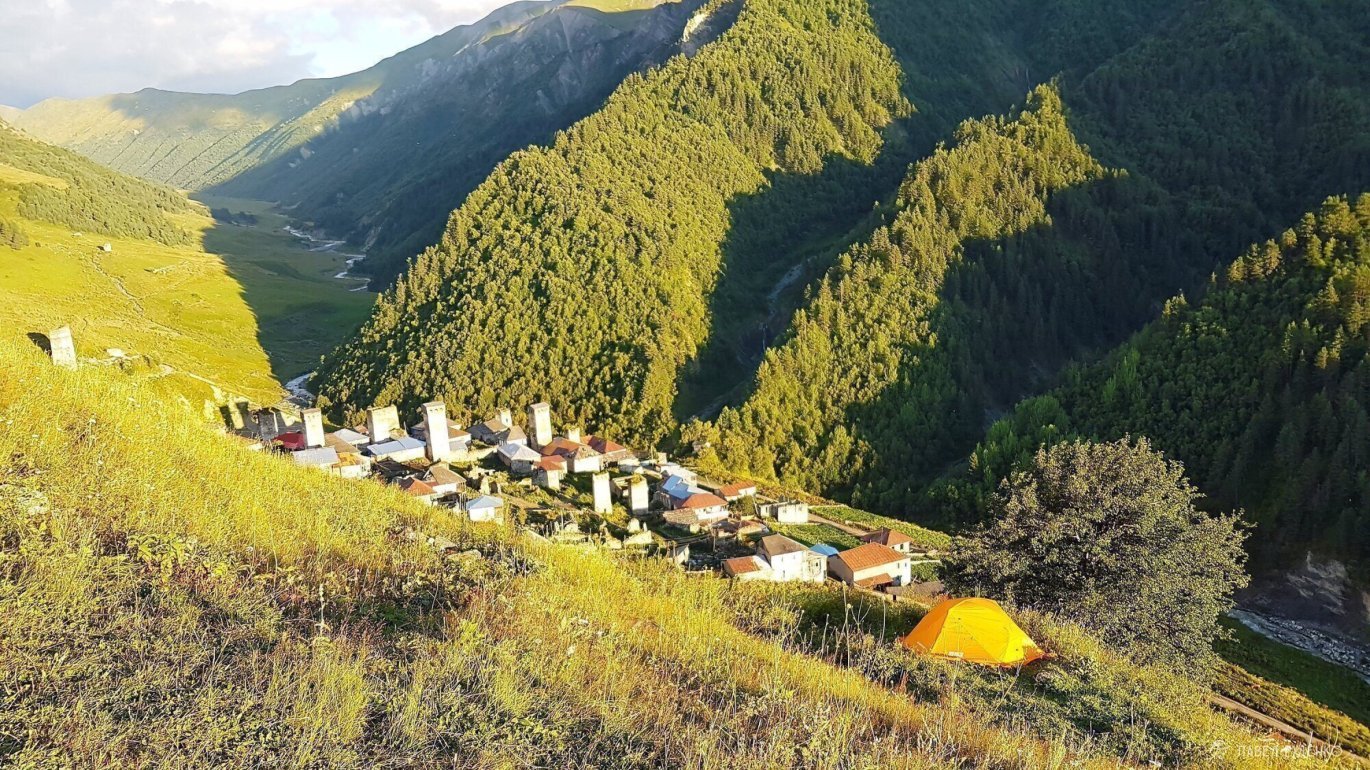
September 3. It turned noticeably colder overnight, dropping to around +2 °C. I tossed and turned all night, eventually crawling out to bank the tent skirt with dirt.
Only about five families live in the village. A local approached me and offered a horse for the river crossing. But why need a horse when you have long legs—albeit blistered from a brand-new pair of socks. Some guys back home bought a Swiss loom and turned out a quality product at a fair price: lightweight summer socks with maximum moisture-wicking. Even when soaking wet, you just wring them out and they dry completely in a minute. The only flaw—and a major one—was the vertical padded ribs on the inside of the sock that chafed the skin. Turns out, it's not just ill-fitting boots that give you blisters, but the wrong socks too.
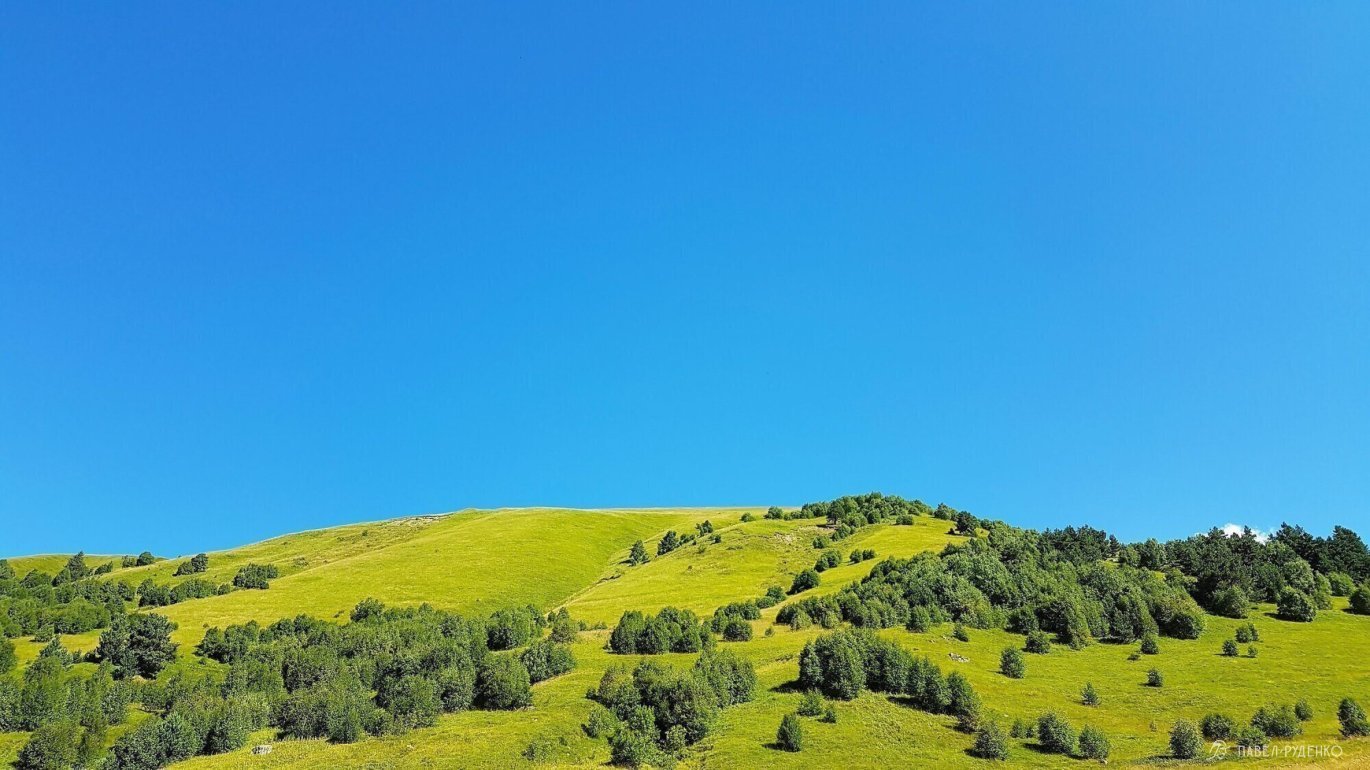
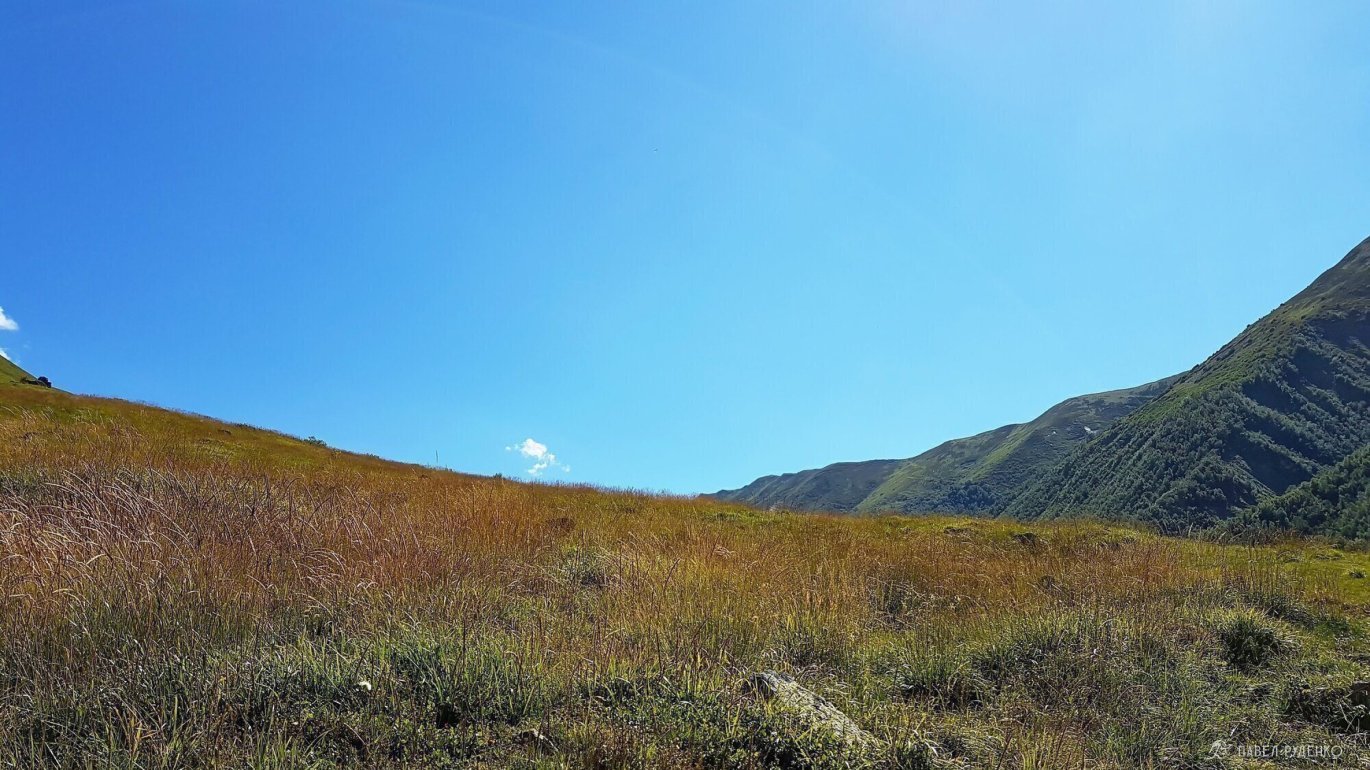
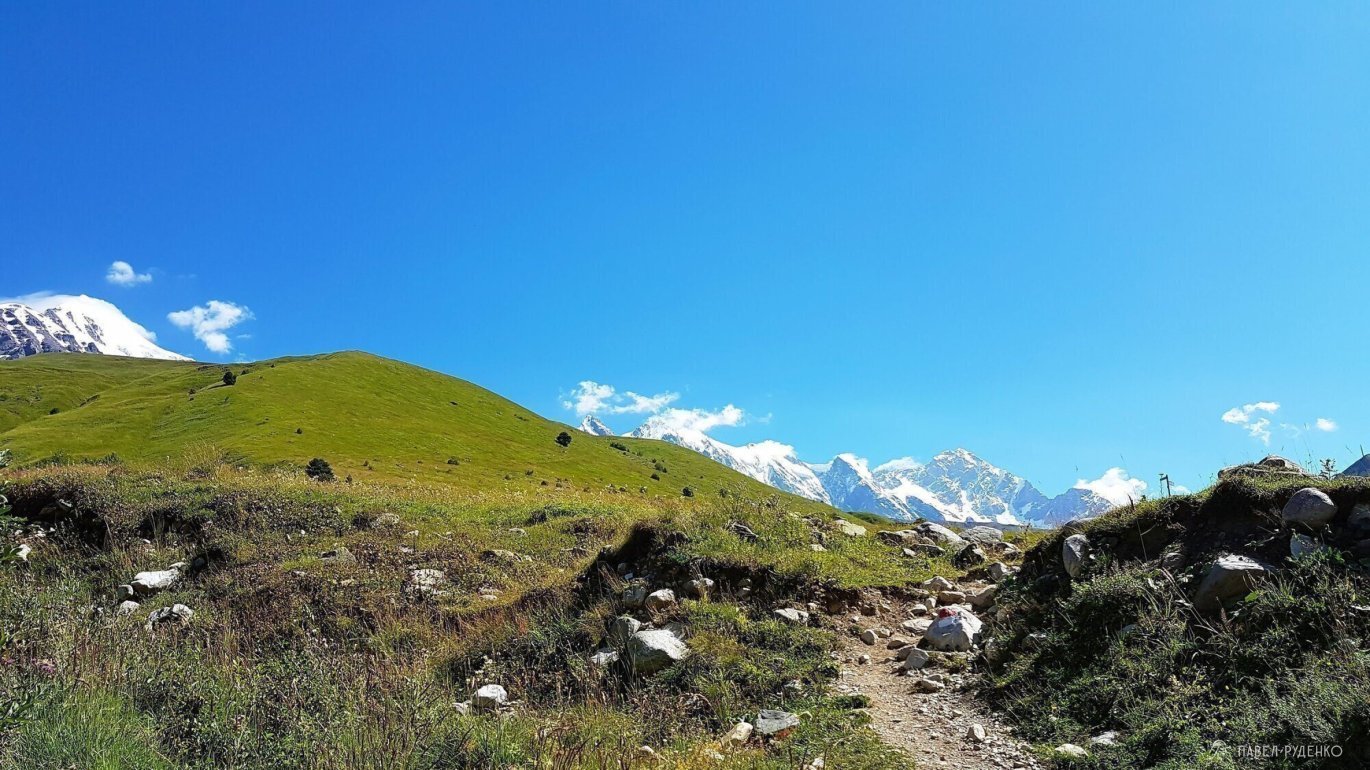
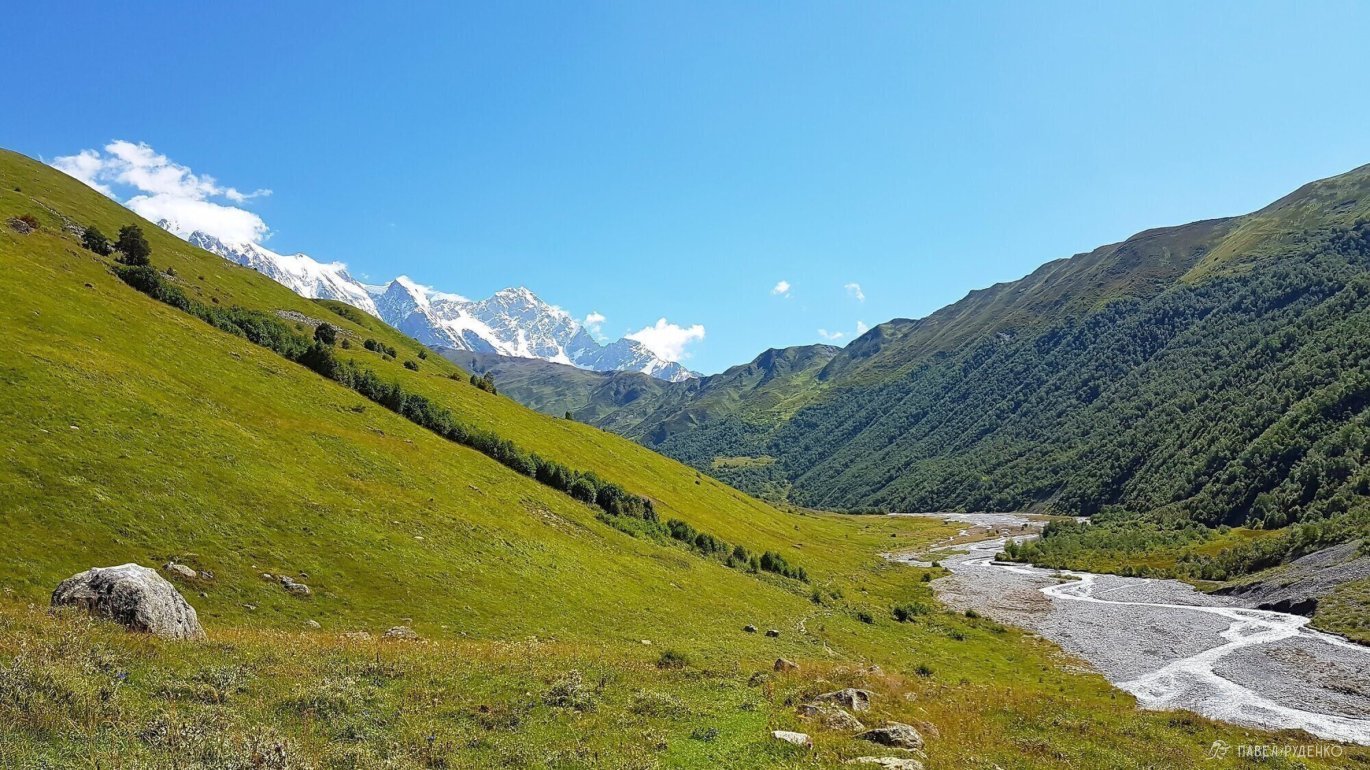
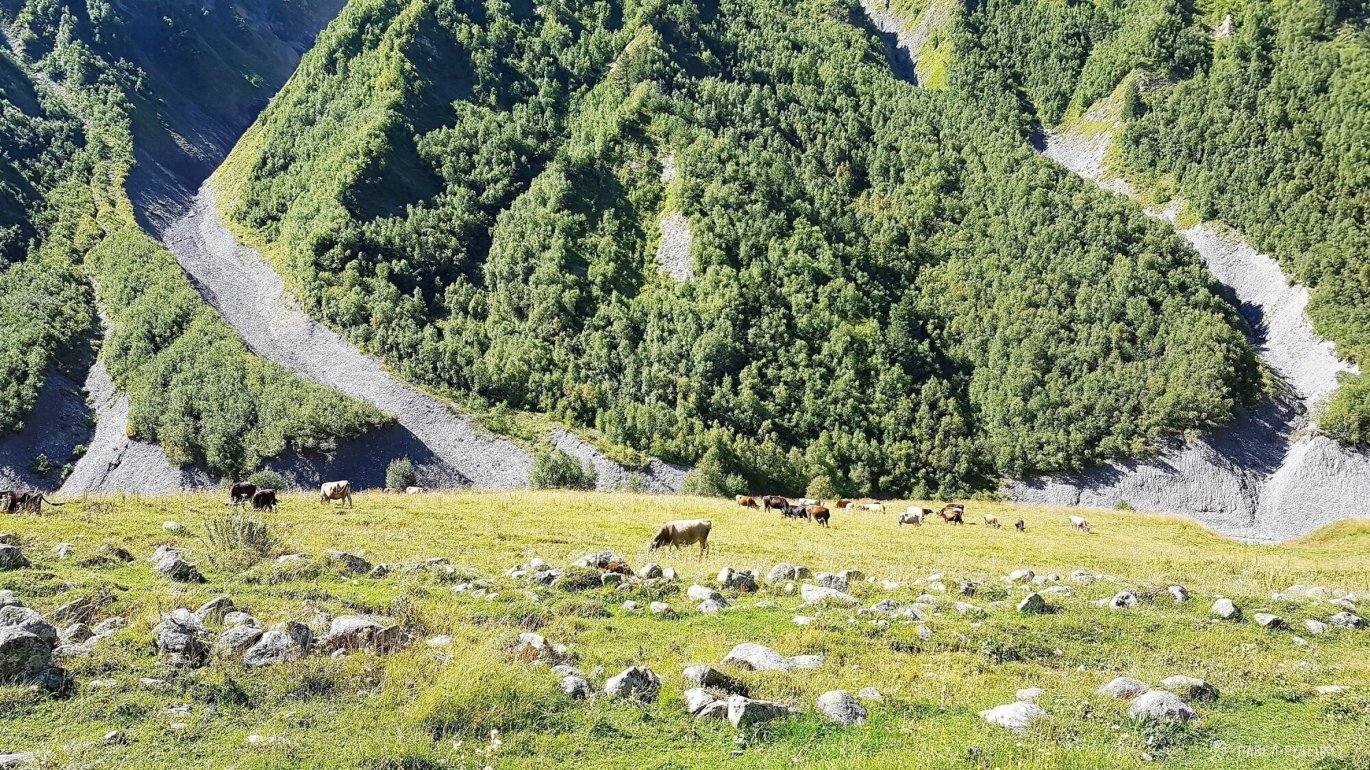
I patched my ankle bones with blister tape and only limped to the glacial river by 13:00. I spent about two hours searching for a ford, but everywhere was knee-deep or deeper, rocky, and carrying a ferocious current. Heavy snow and ice melting under the midday sun doubles the water level, so I decided to wait until the next morning. Unfortunately, the forecast predicted worsening weather, and it rained all night and into the next day. At 8:00 AM, I easily hopped across the boulders without even having to switch into sandals.
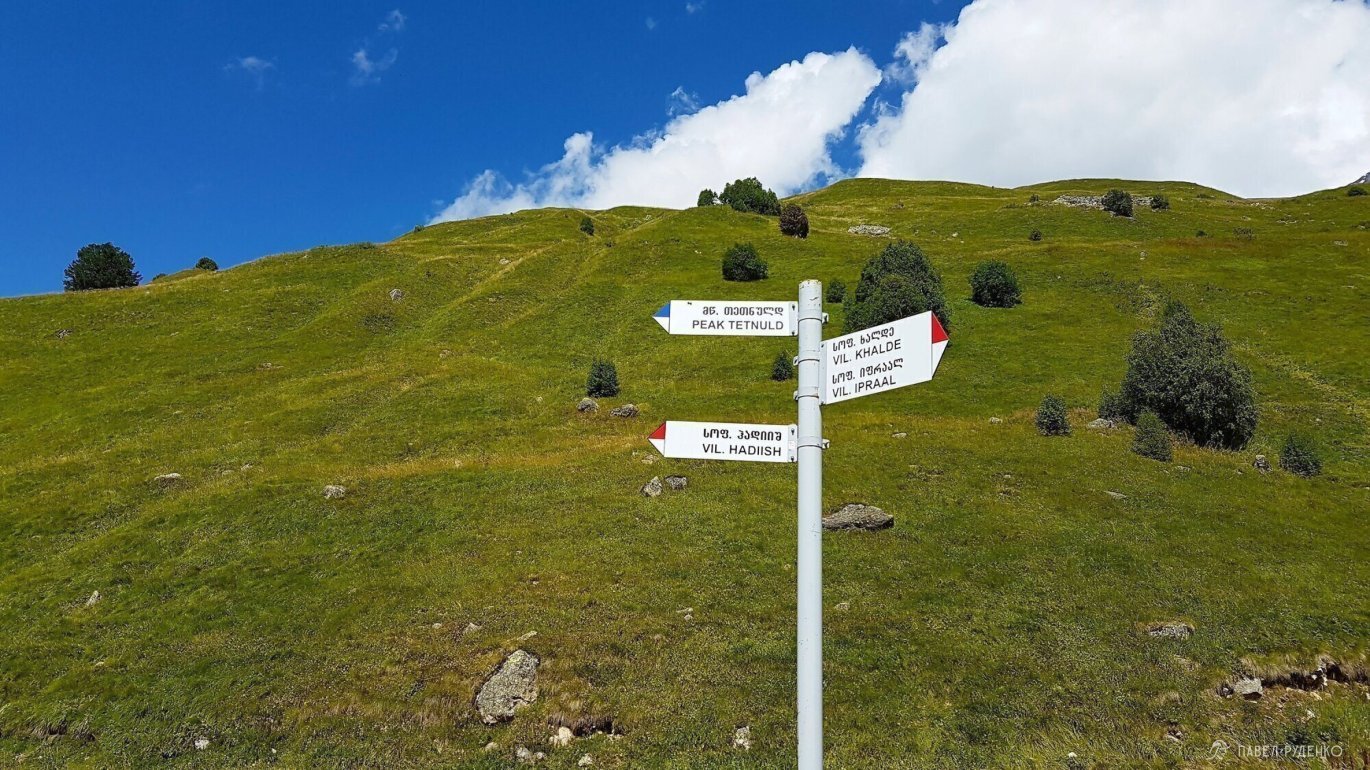
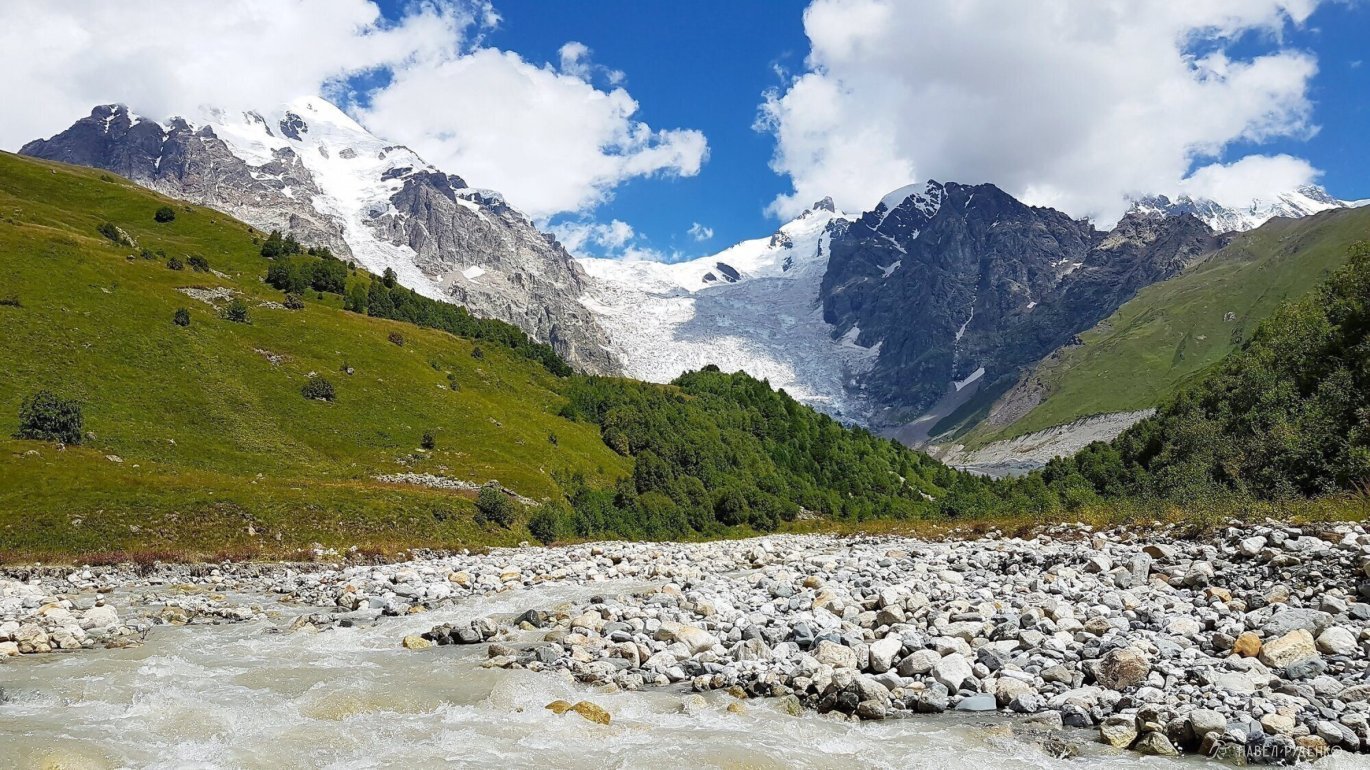
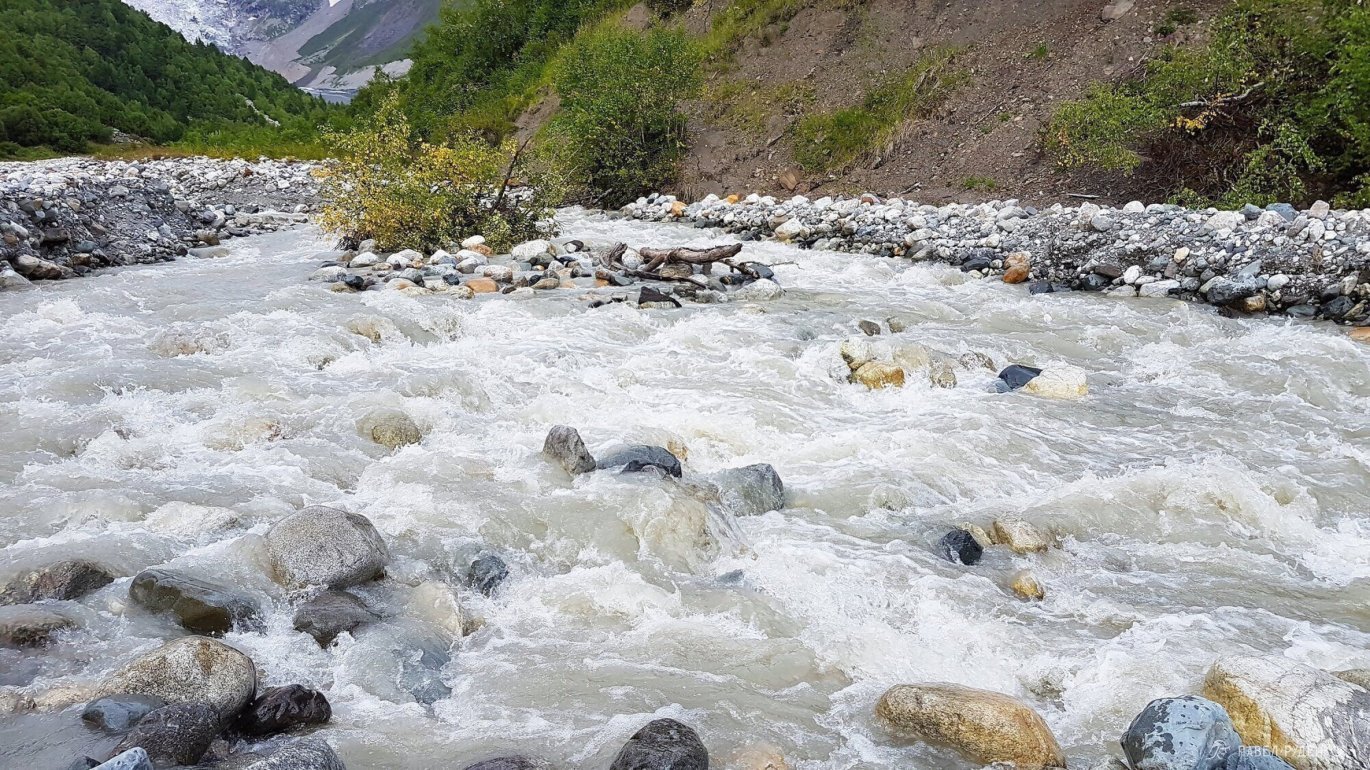
Ahead lies the mountain pass. As I climb, I feel chest-thumping vibrations from the roar of calving glacier ice echoing throughout the gorge. At the pass, howling winds and unrelenting rain welcome me.
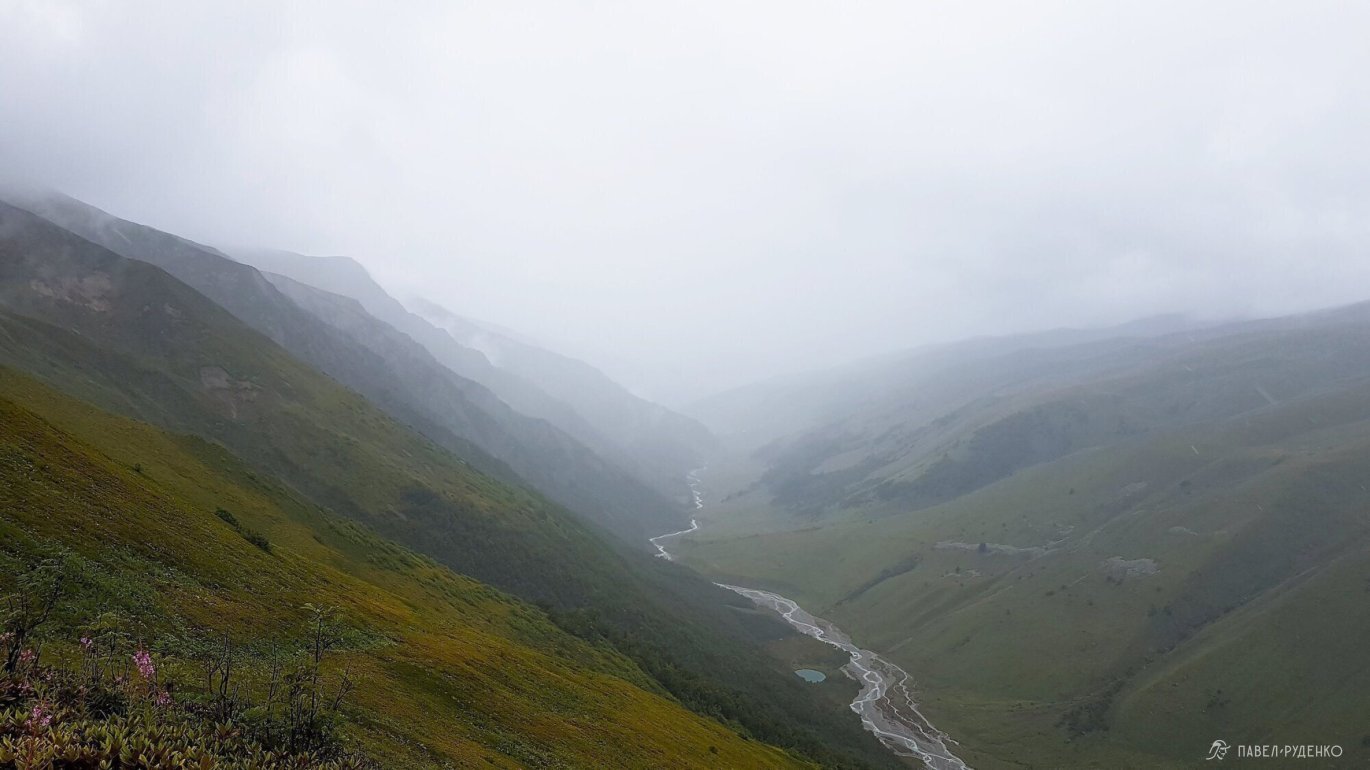
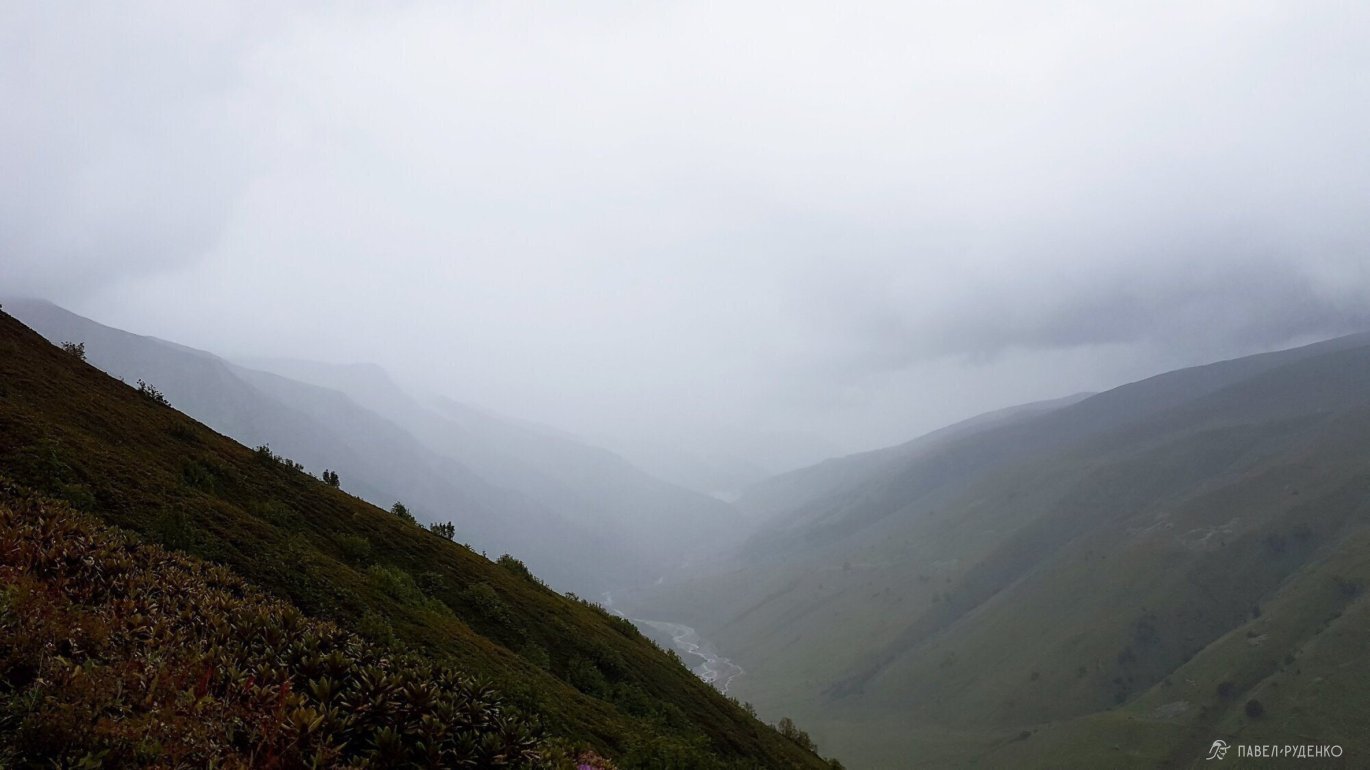
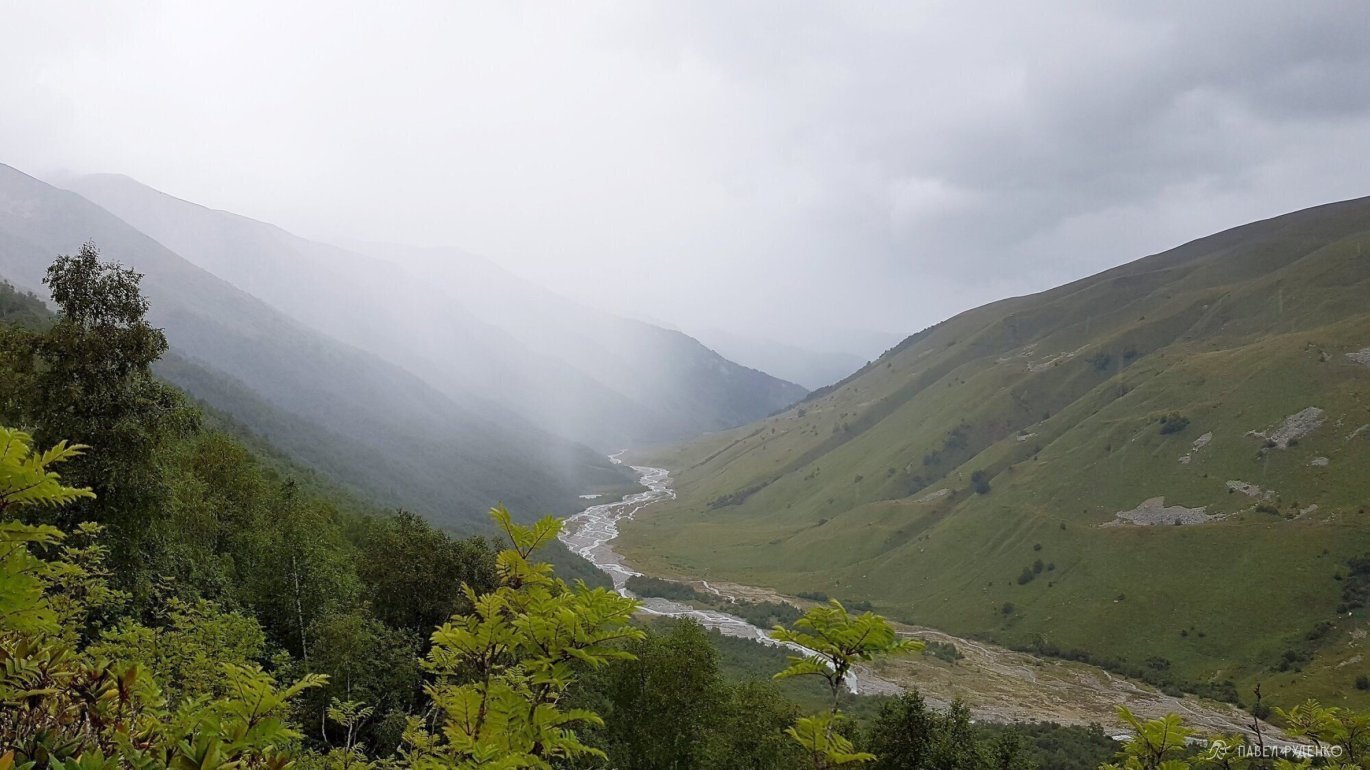
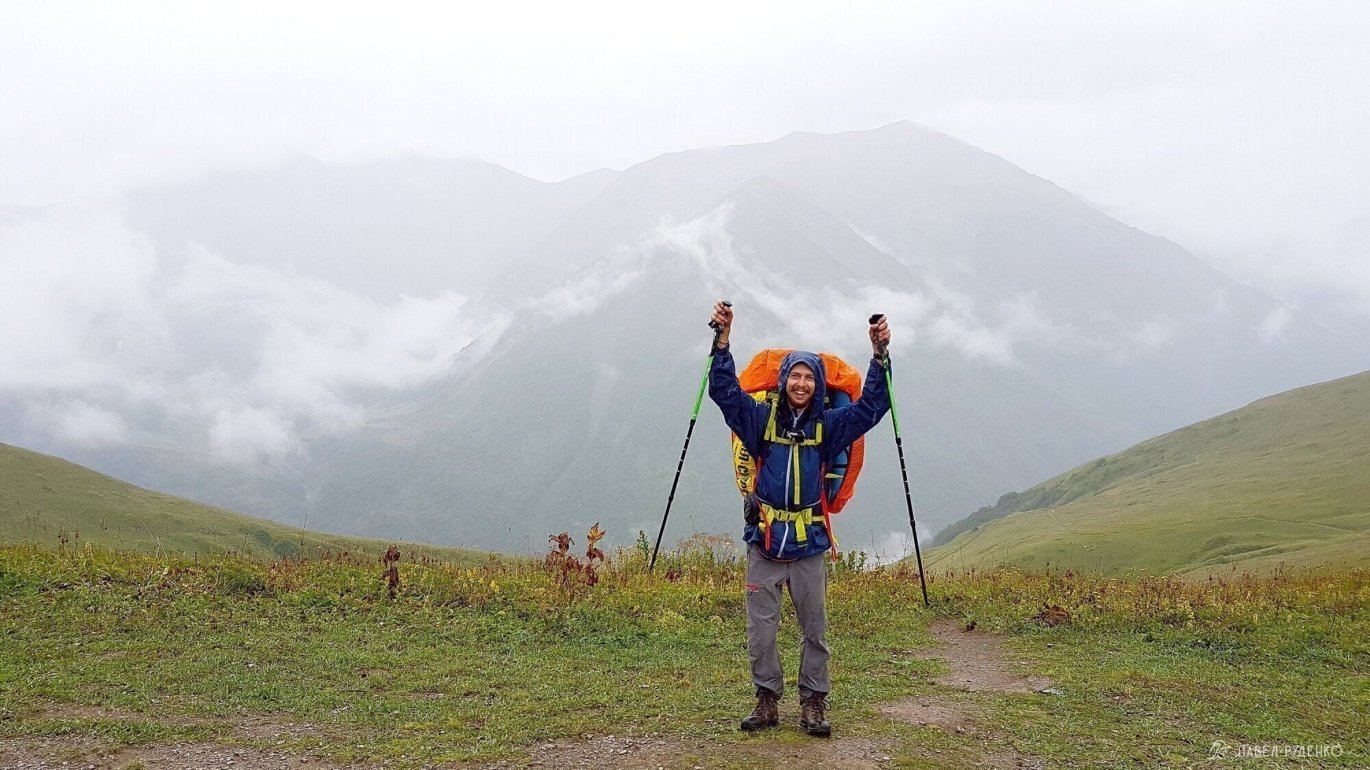
Together with fellow hikers from the river crossing, we push through tall, soaking-wet grass. Ahead opens a Scandinavian-like landscape: cottages shrouded in clouds perched near a cliff edge. The rain offers a rare spectacle of swollen streams carving deep veins into the mountainsides.
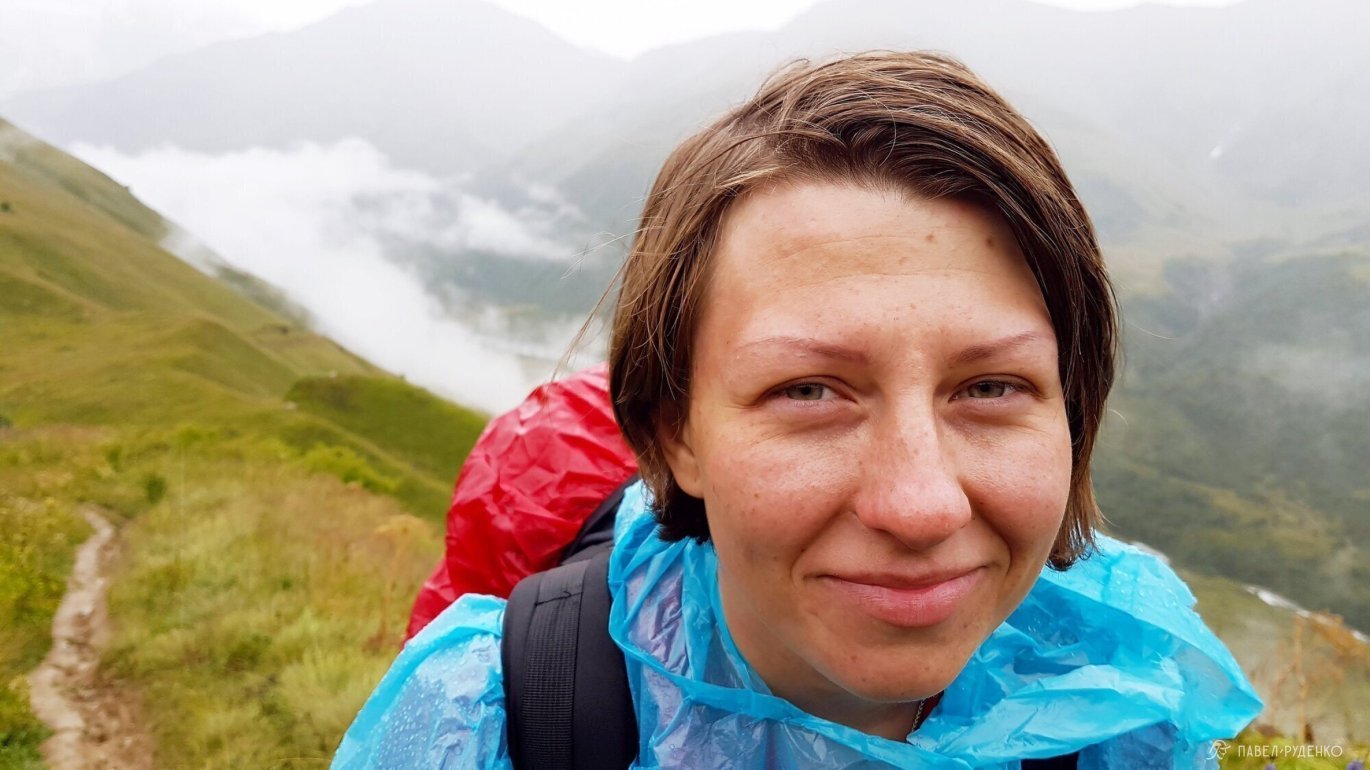
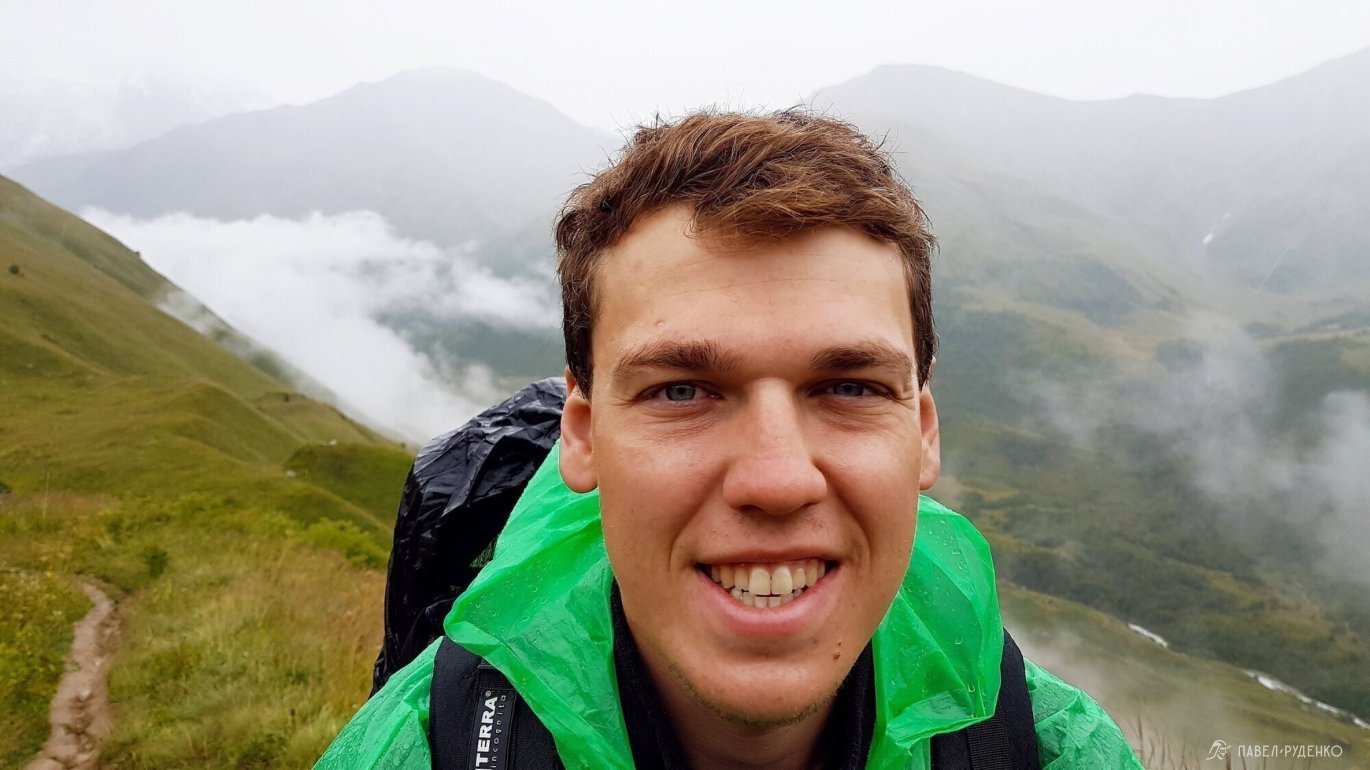
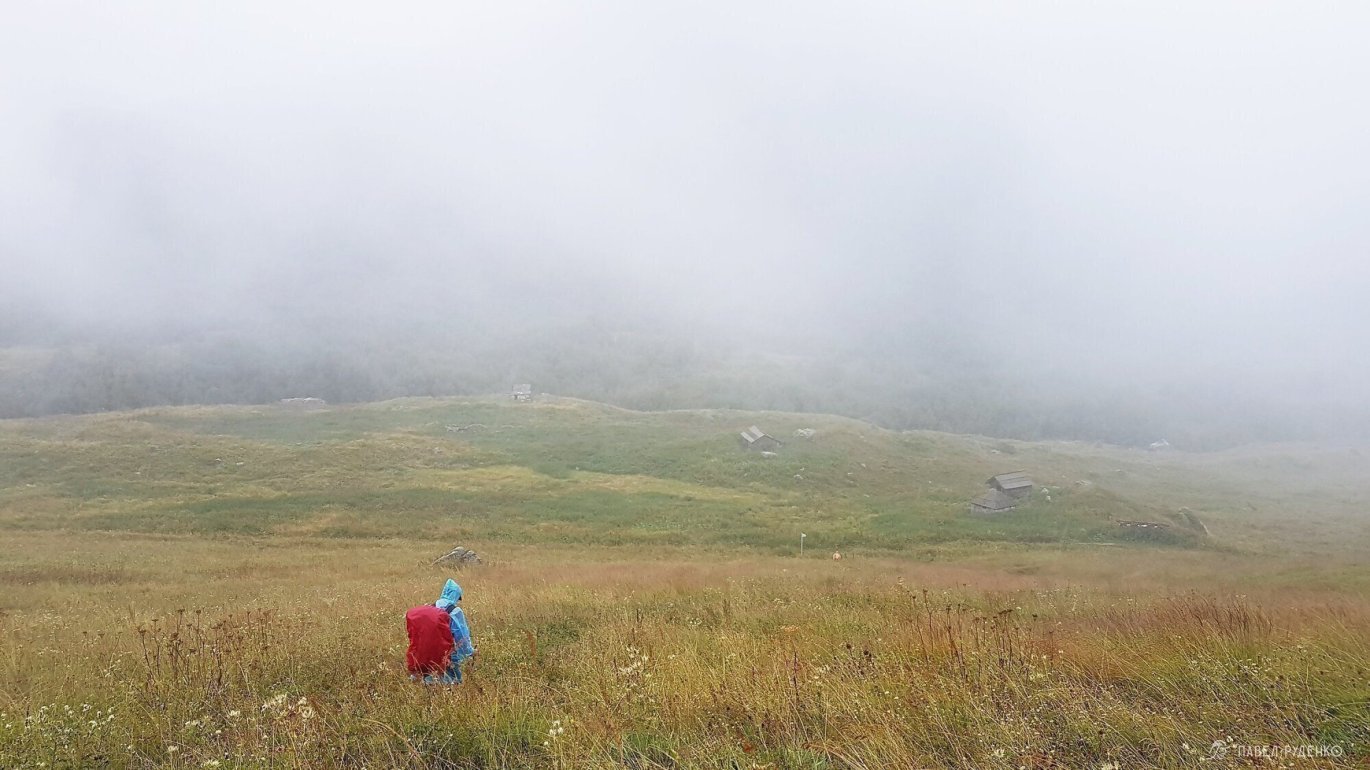
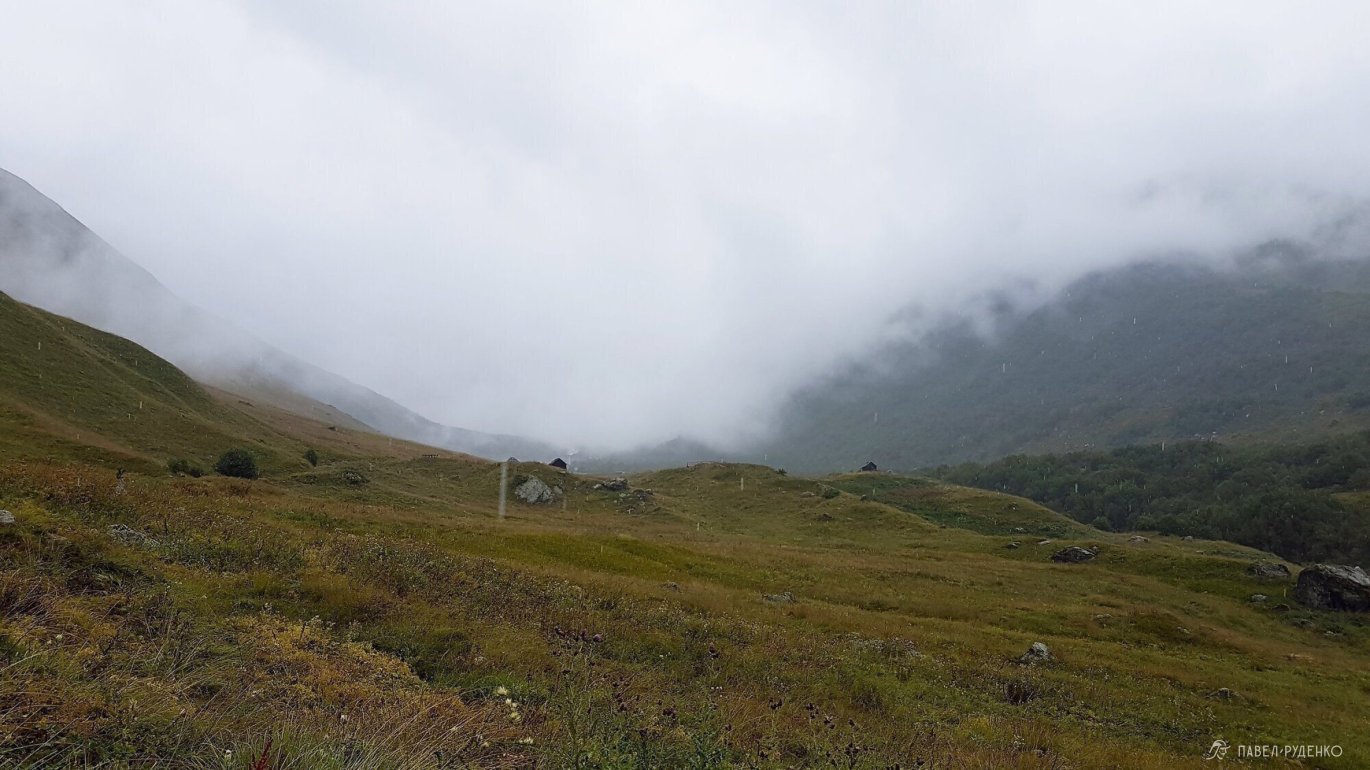
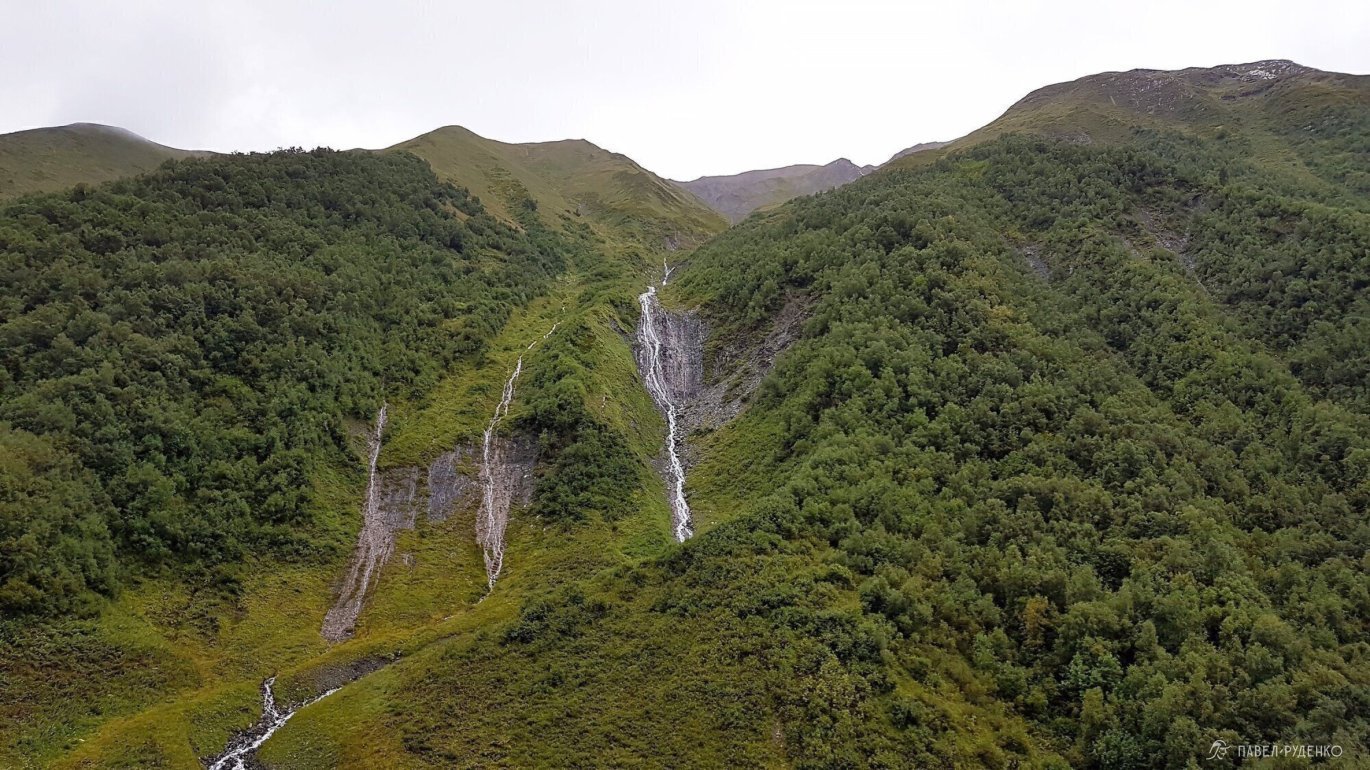
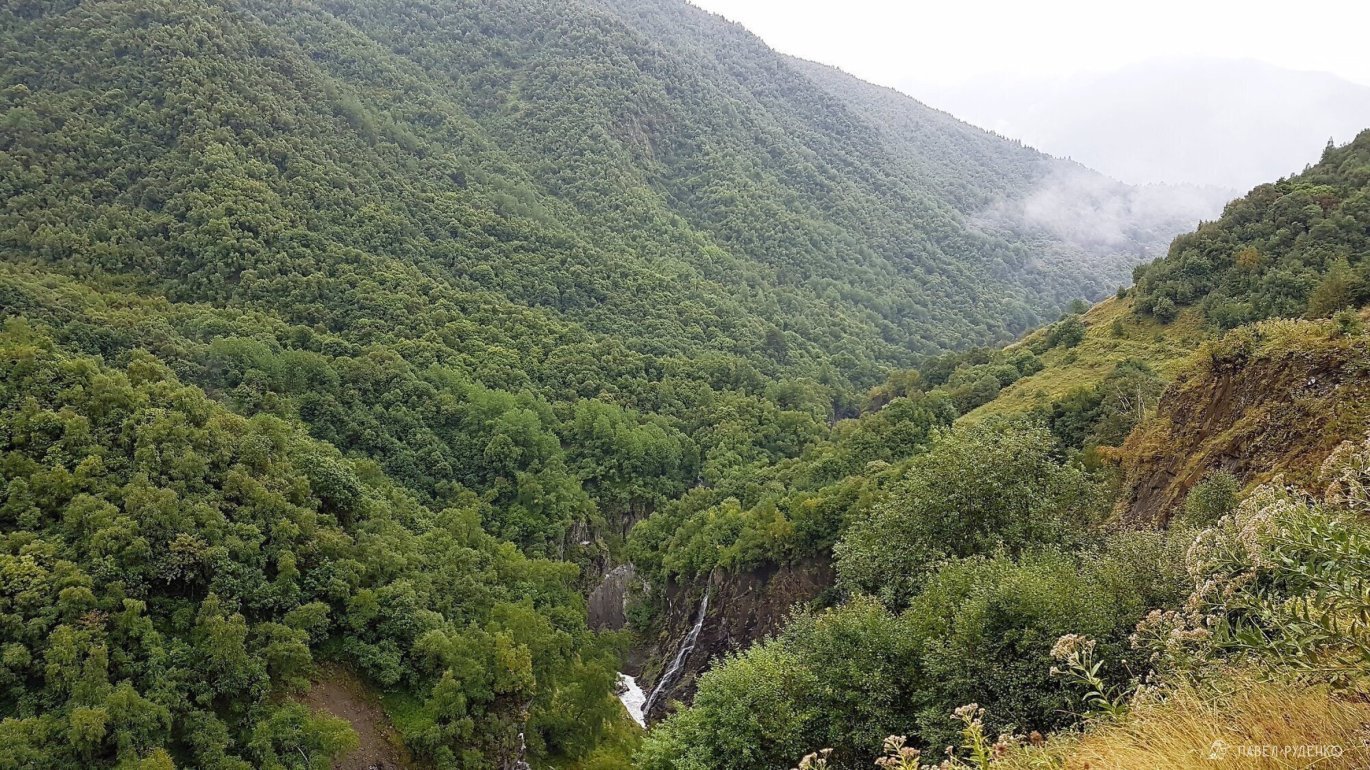
After a while, clouds swallowed the path. I was watching my step when bulls suddenly burst out of the fog at full gallop; I pressed against the slope at the very last second. Behind the bulls came cows and a massive wolfhound accompanied by a silent rider. Pure authentic wildness.
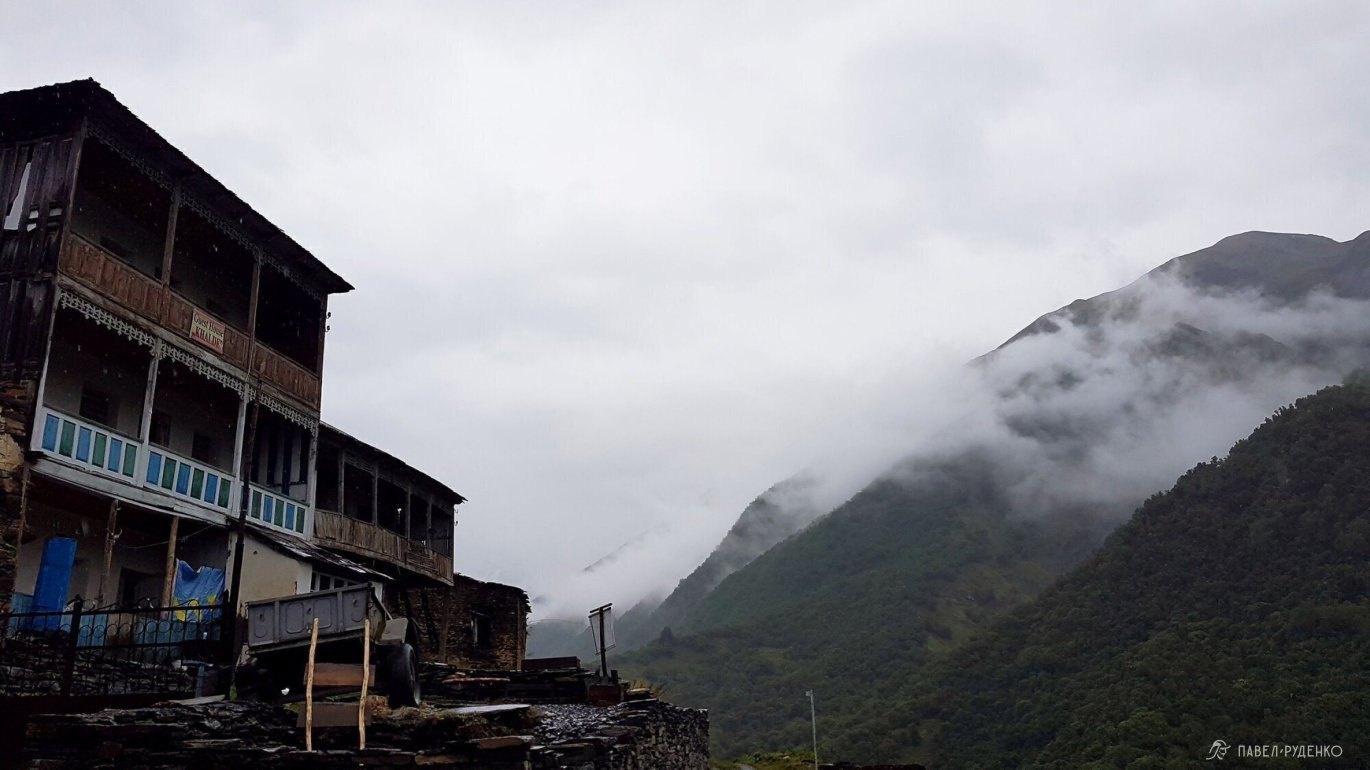
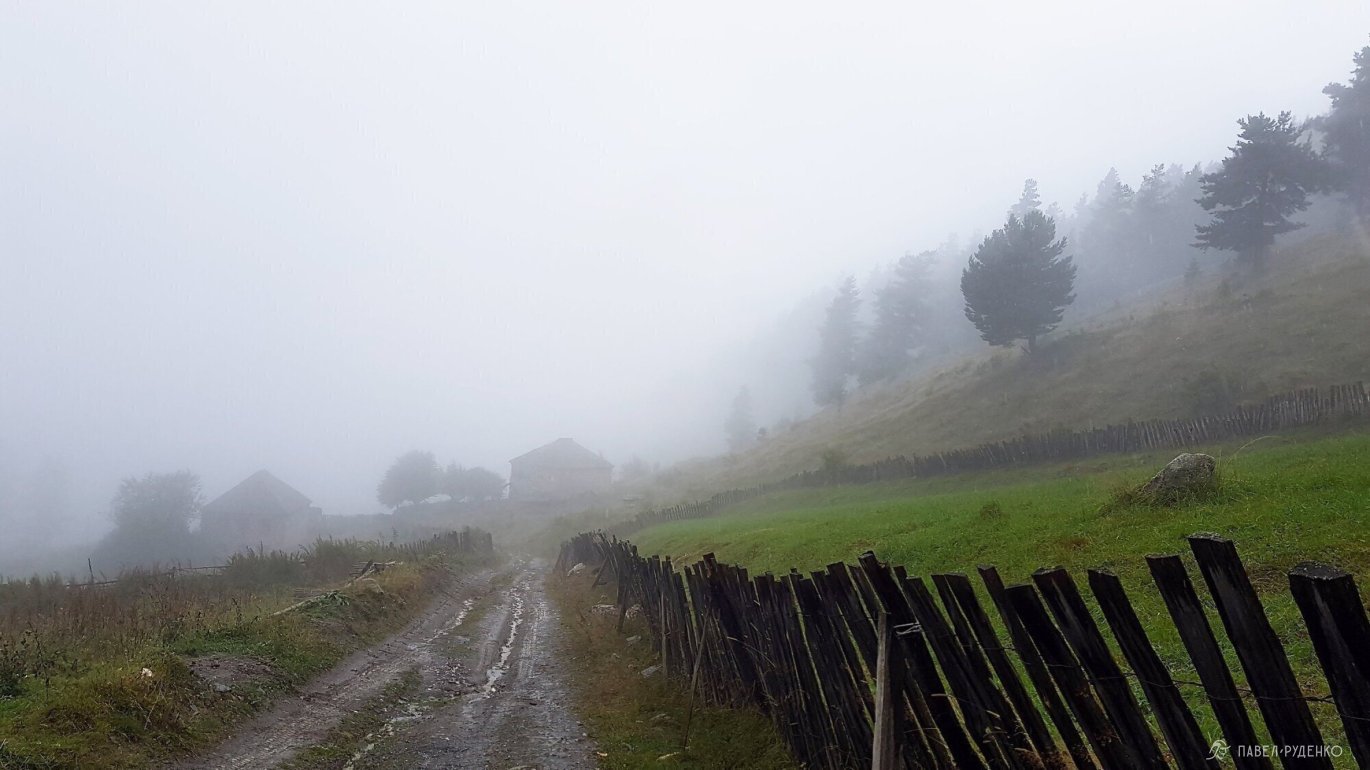
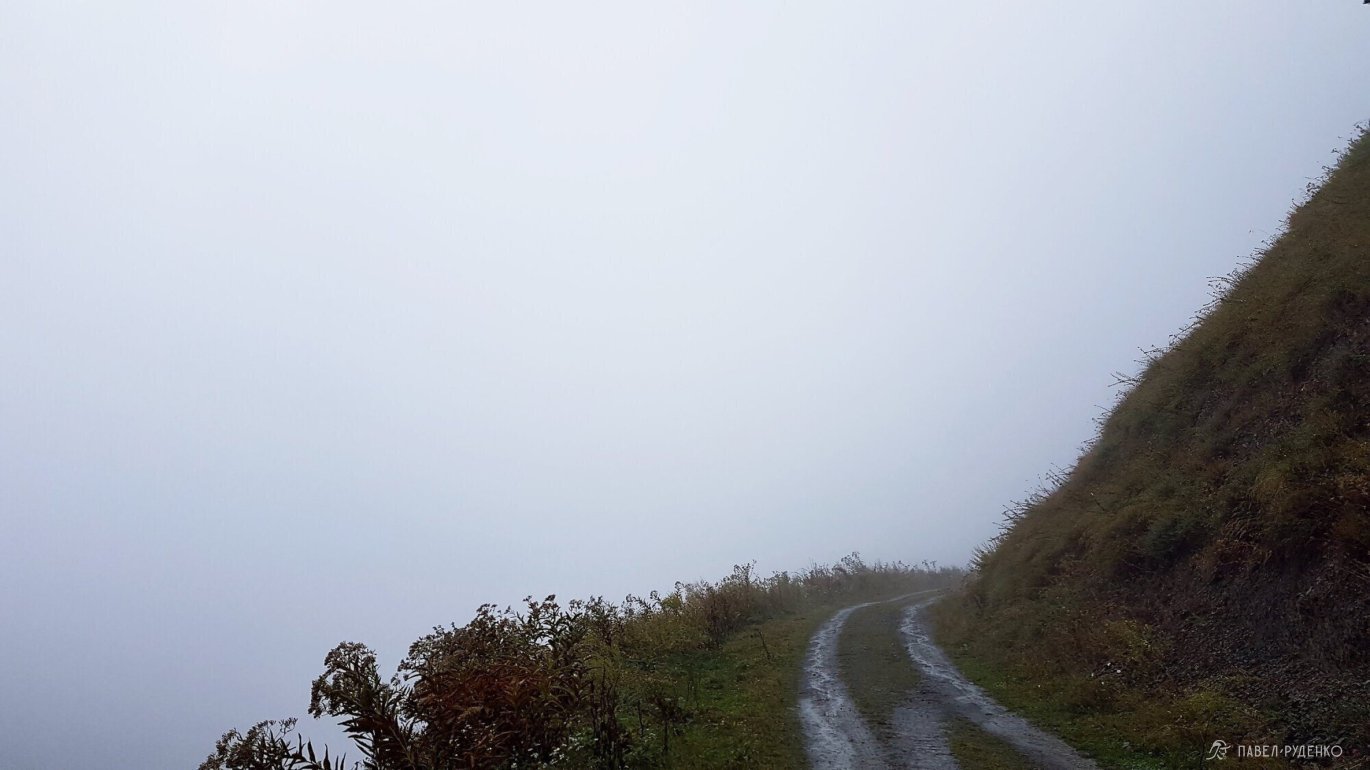
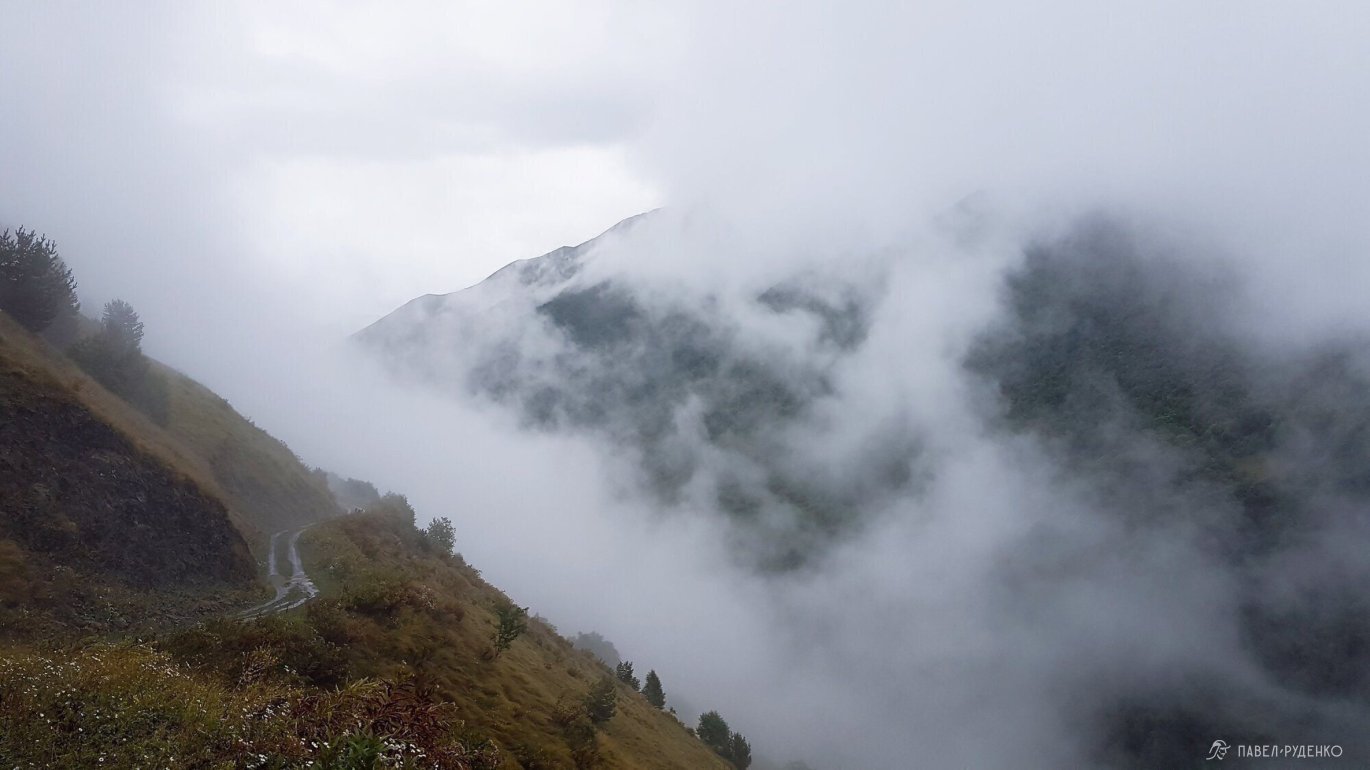
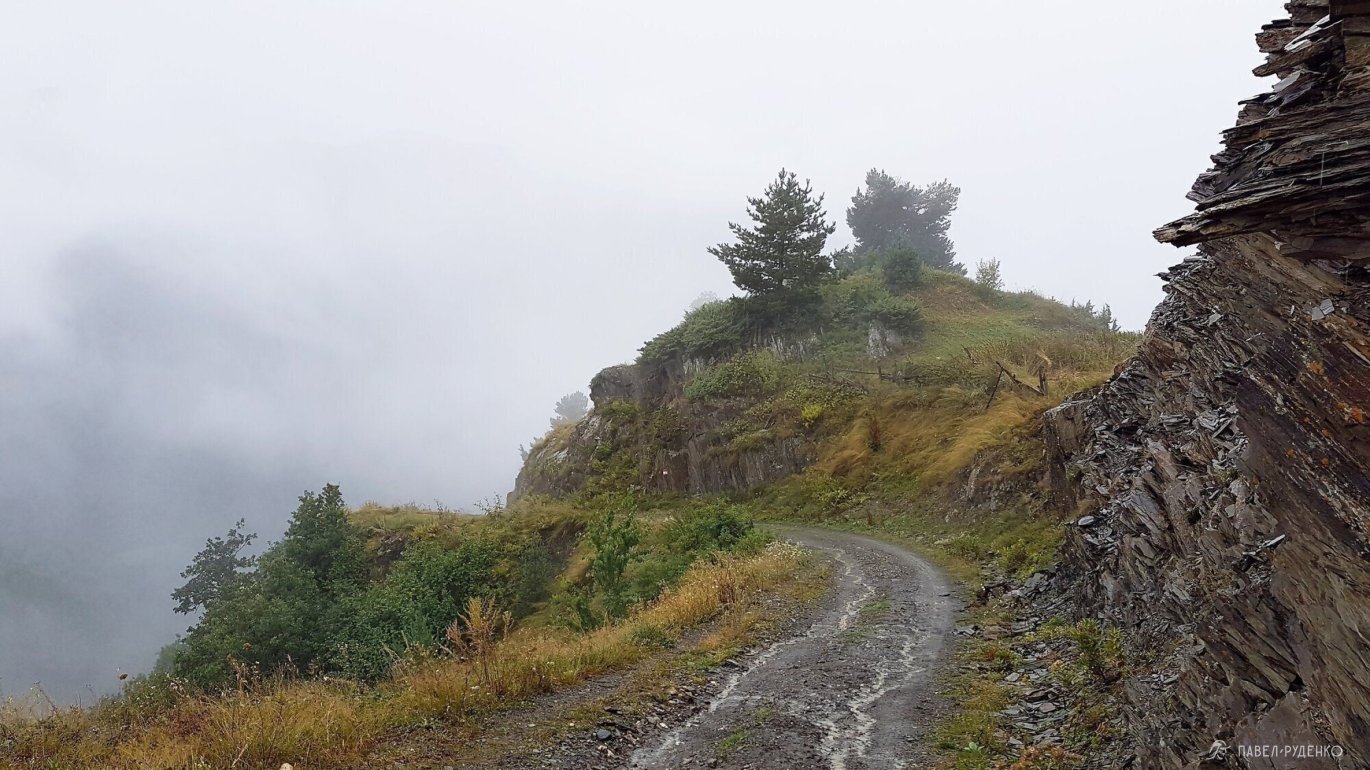
It rained all day long. Reaching the village, we decided to stay the night in a guesthouse to dry out our gear. We stayed in a traditional Svan home, lit the stove, and enjoyed the cozy warmth.
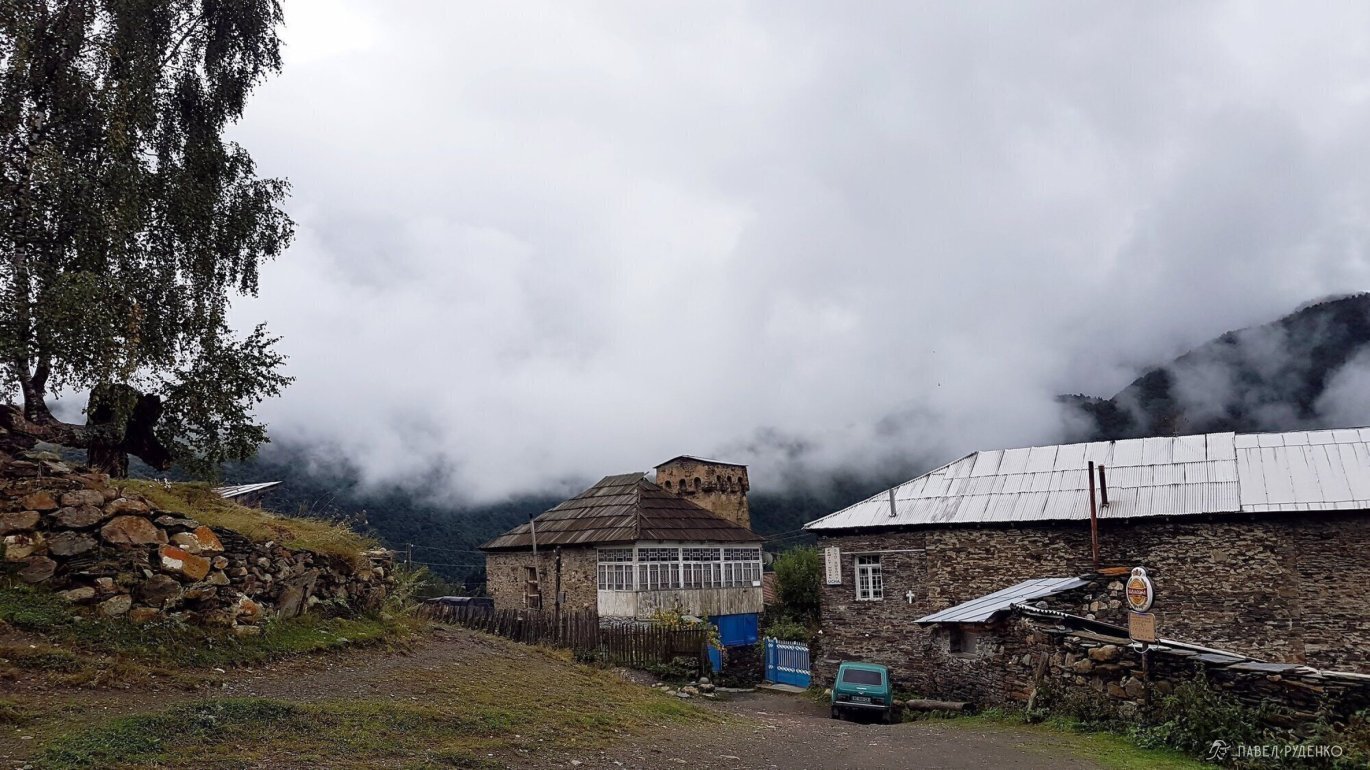
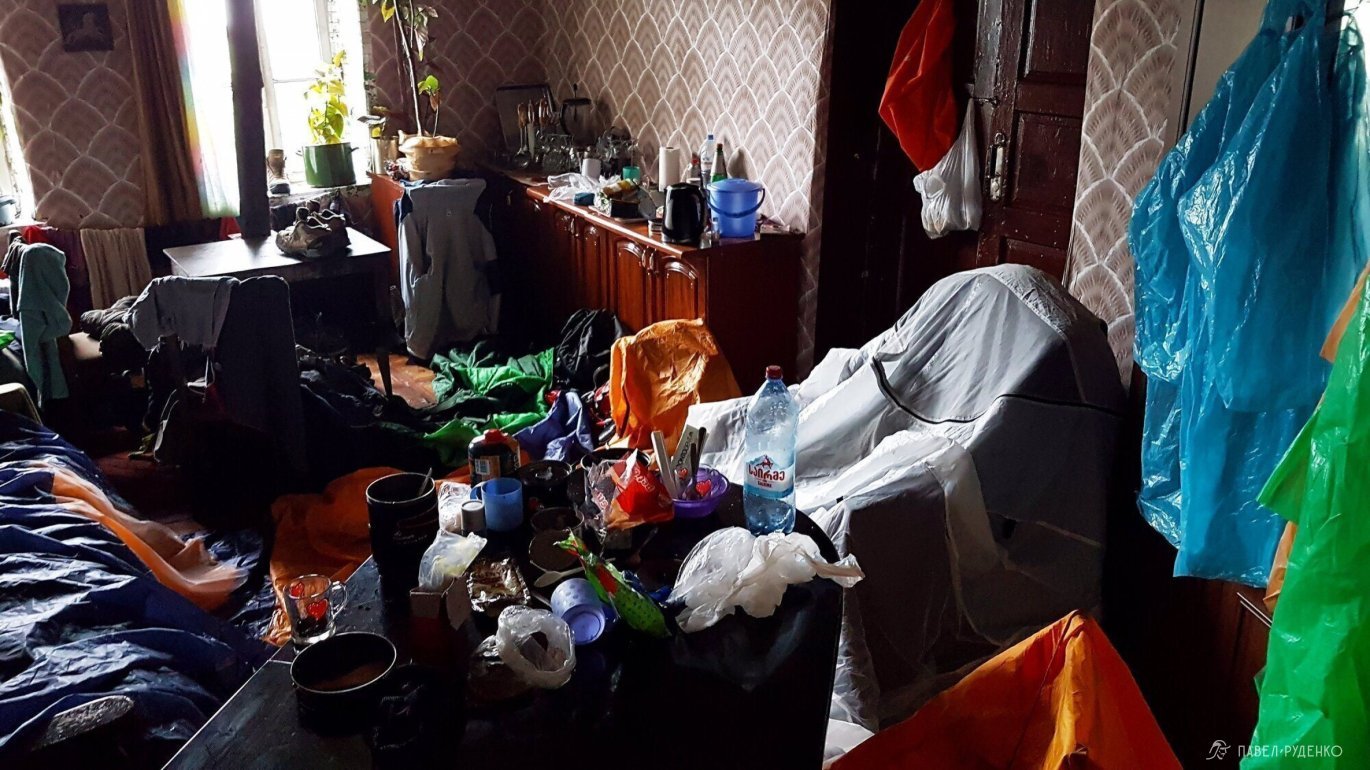
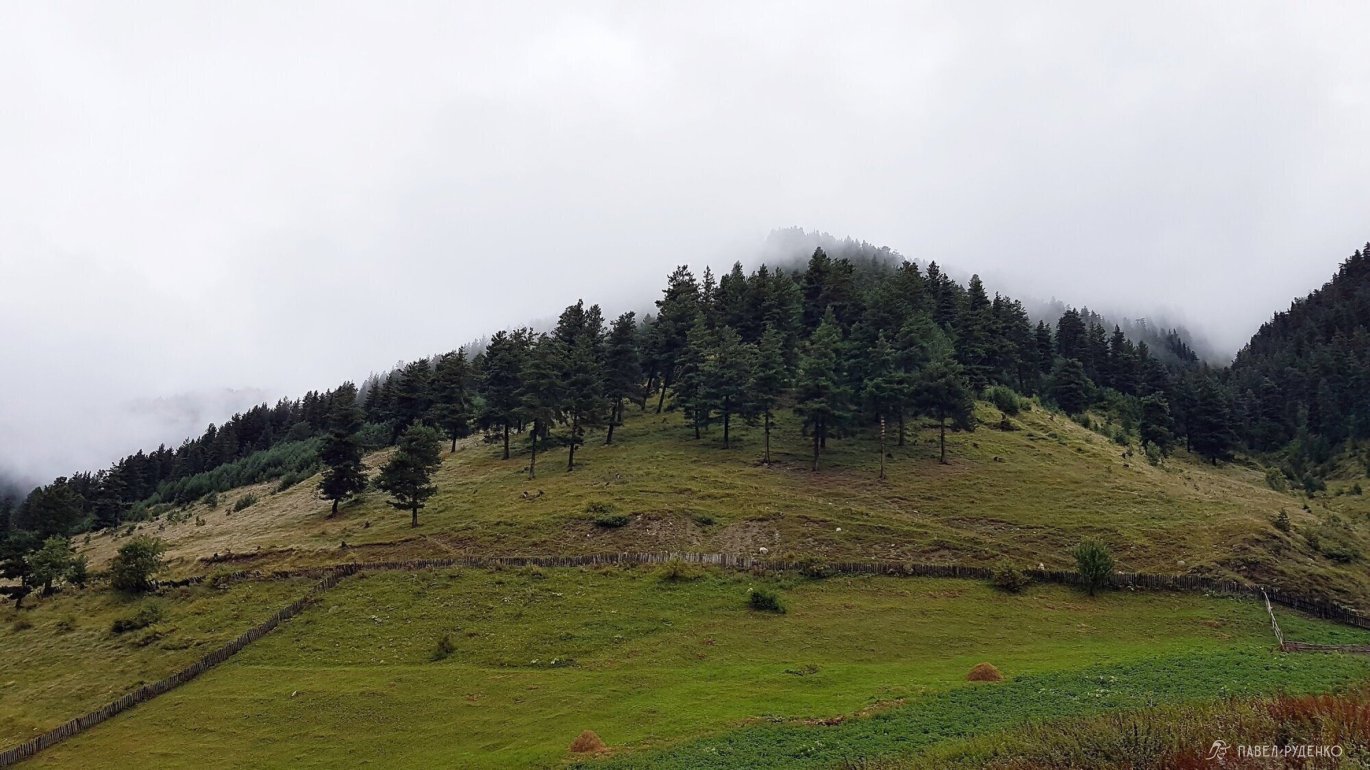
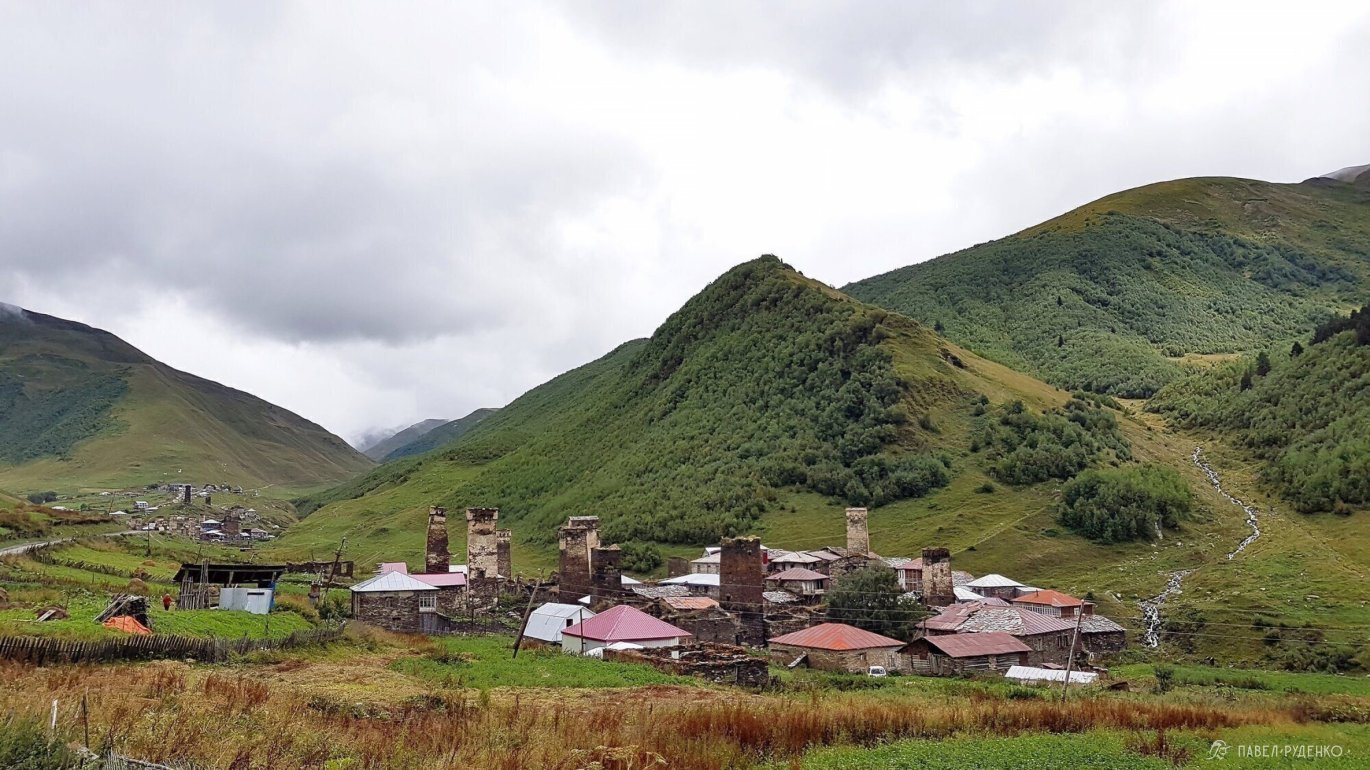
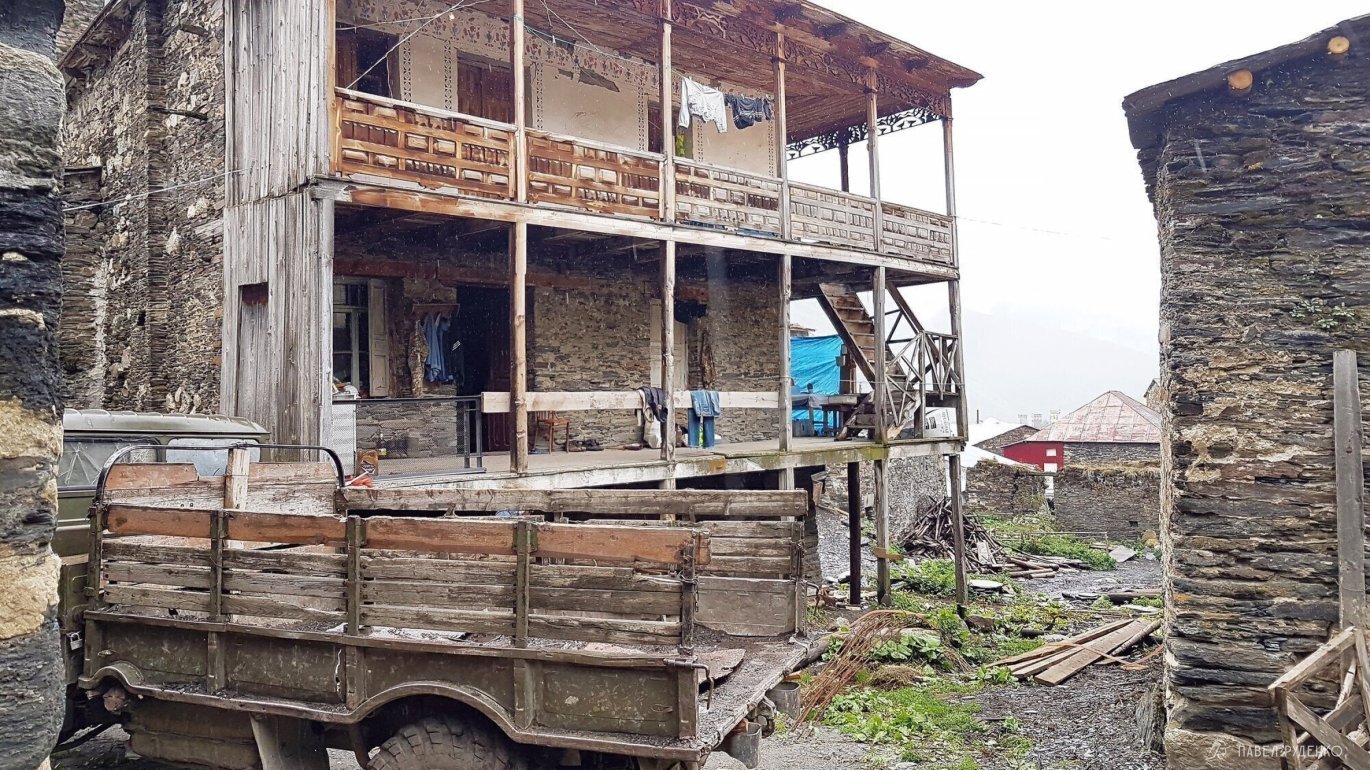
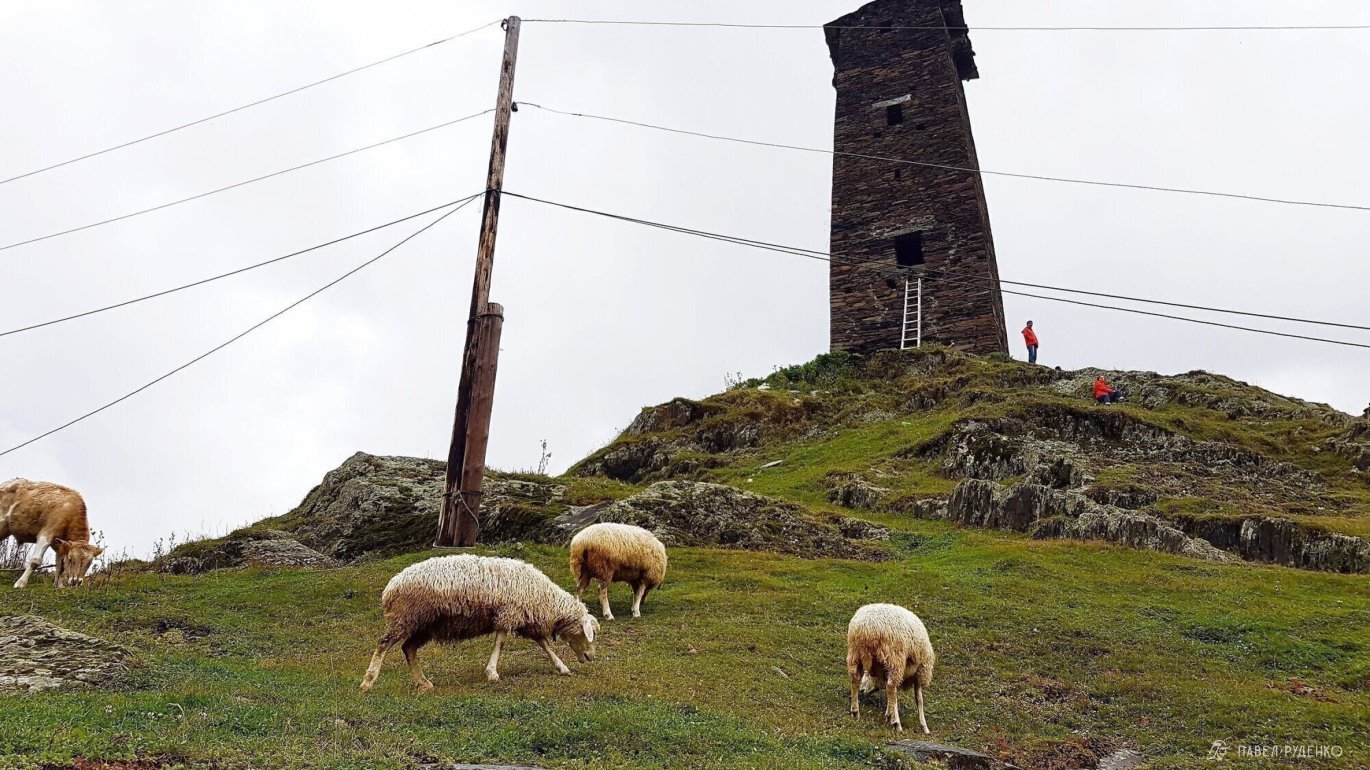
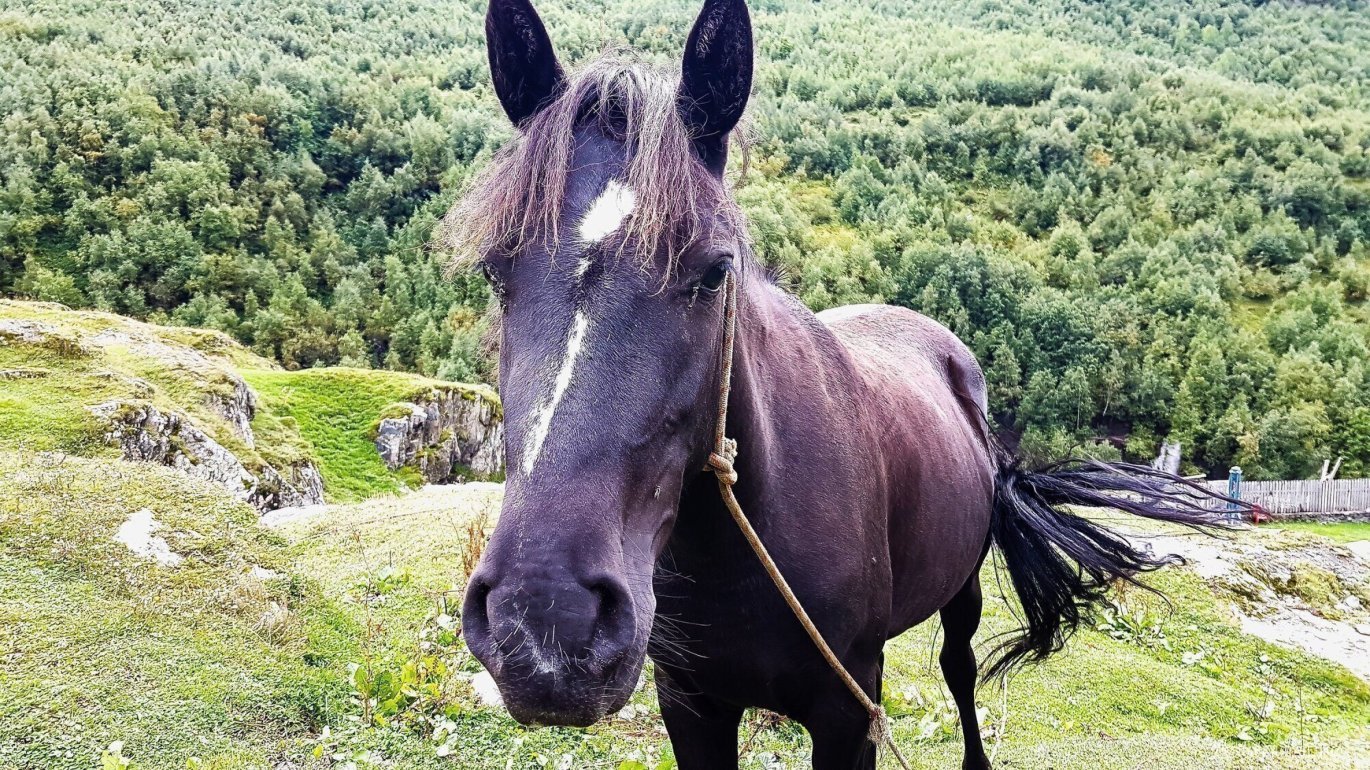
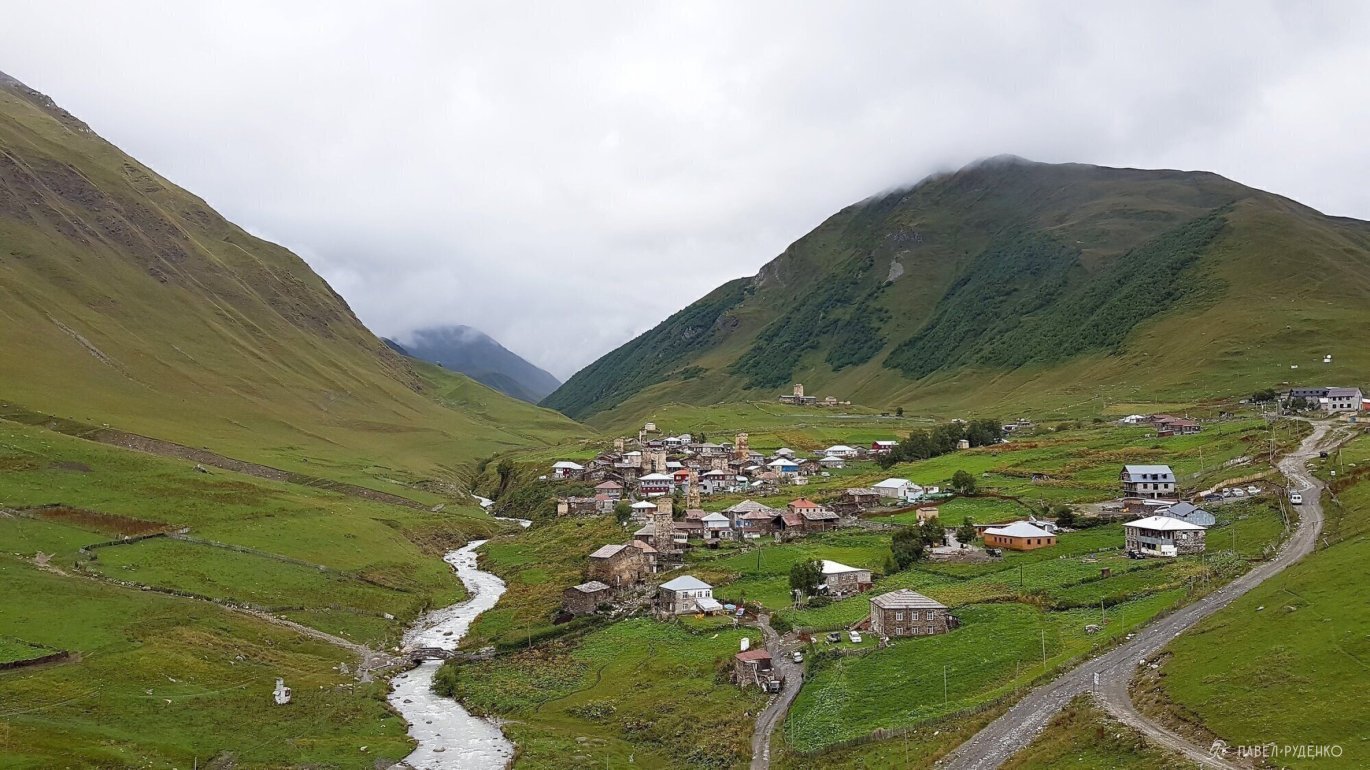
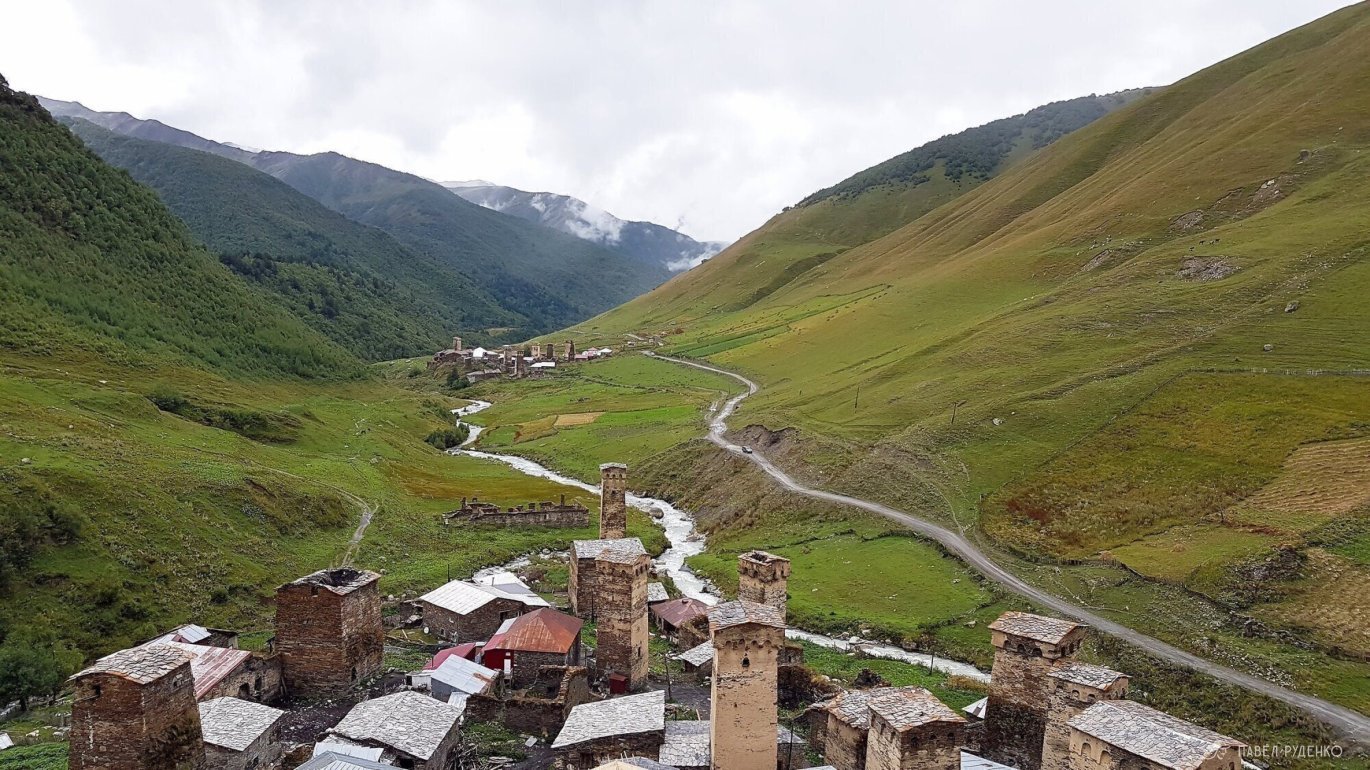
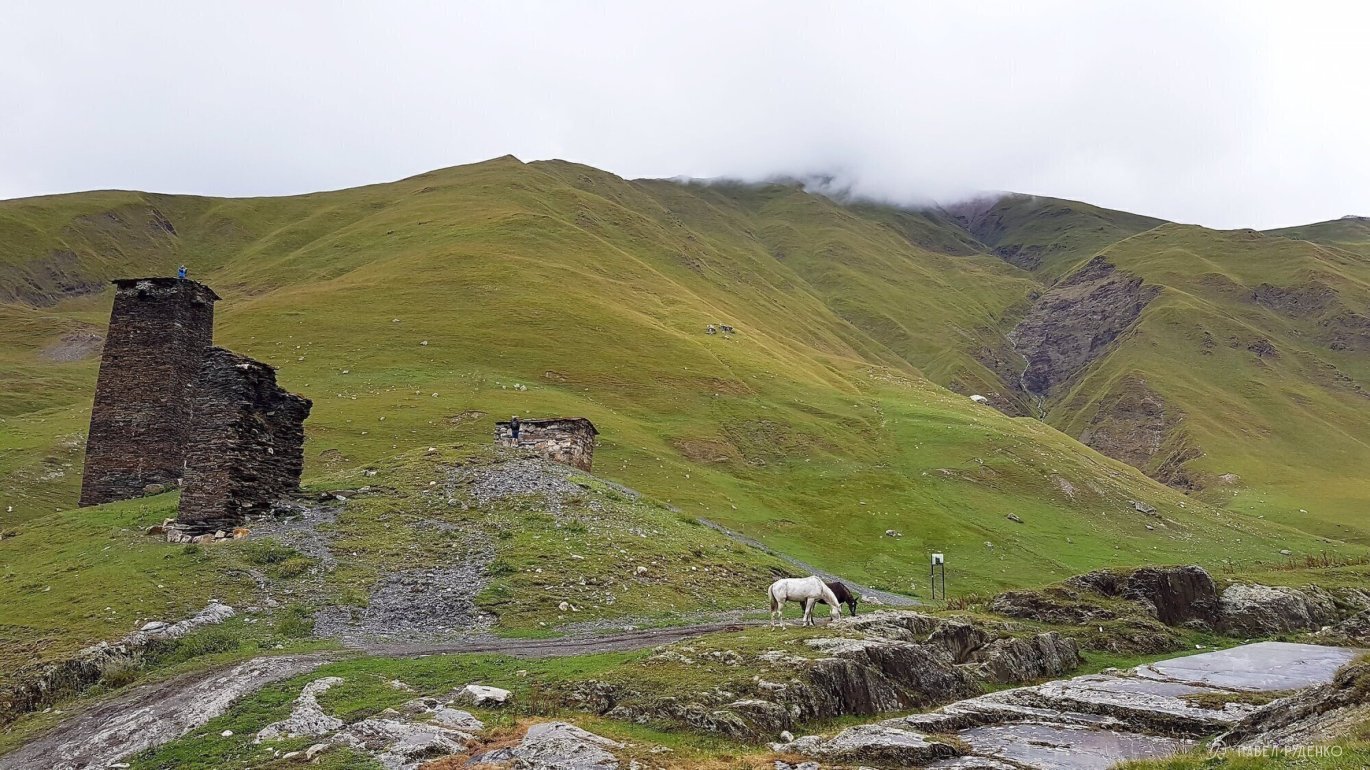
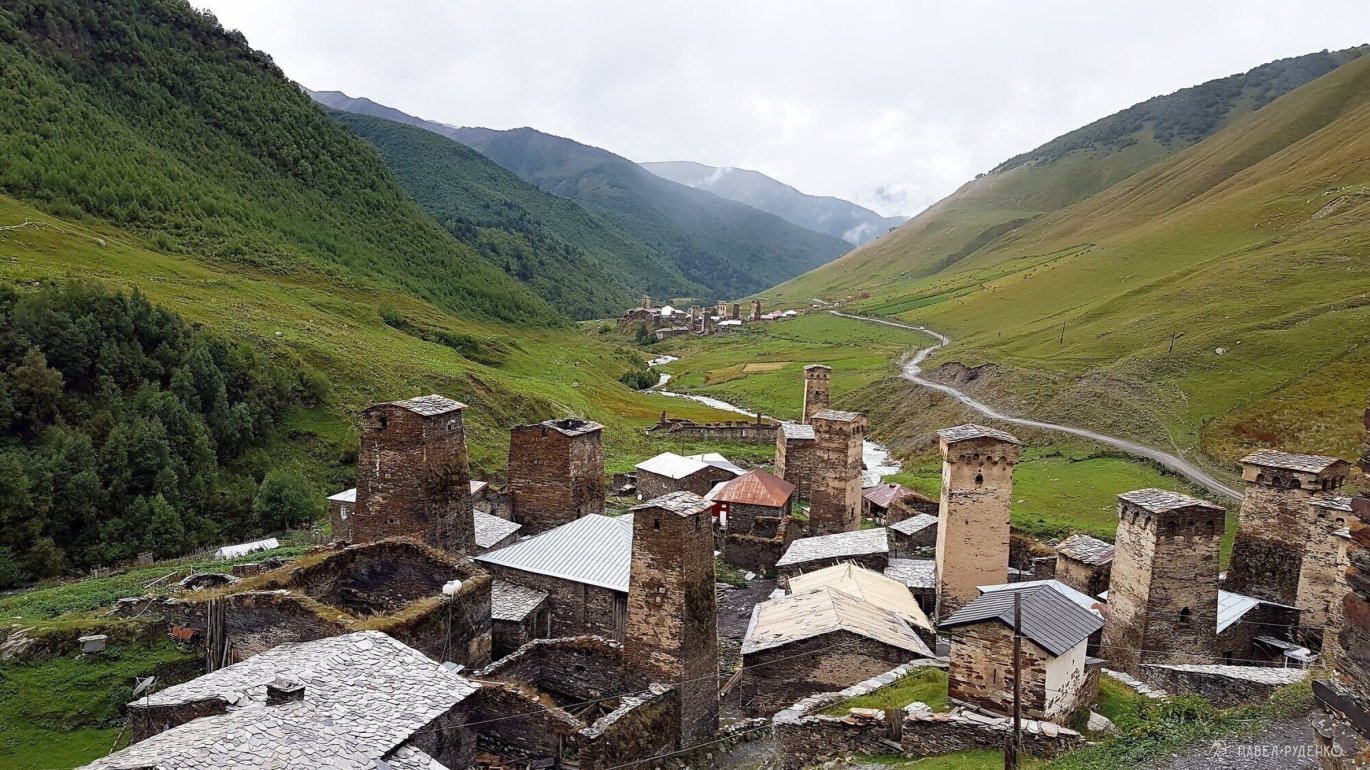
Approaching Ushguli, it's clear that the village is thriving. The fields are cultivated, and horses are everywhere. You can climb a Svan tower that isn't on private property. It is definitely worth seeing with your own eyes.
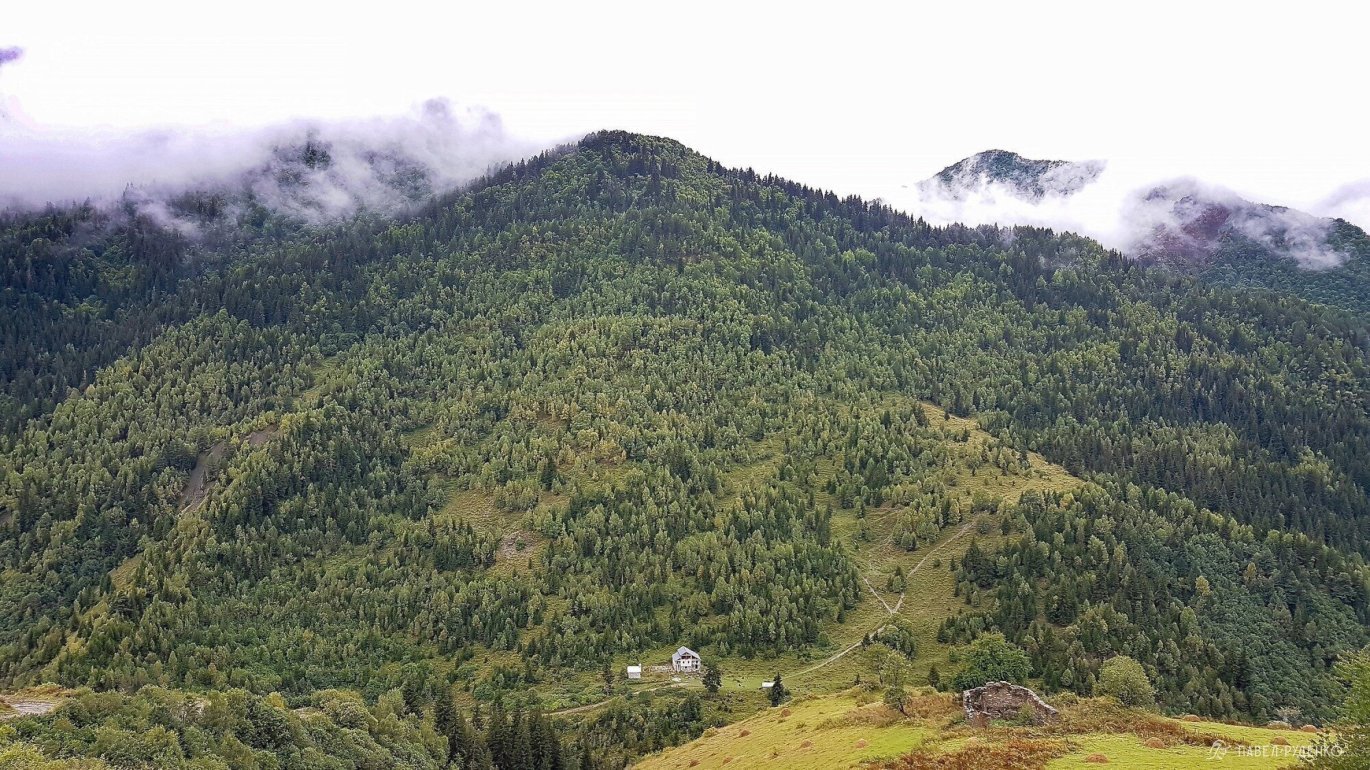
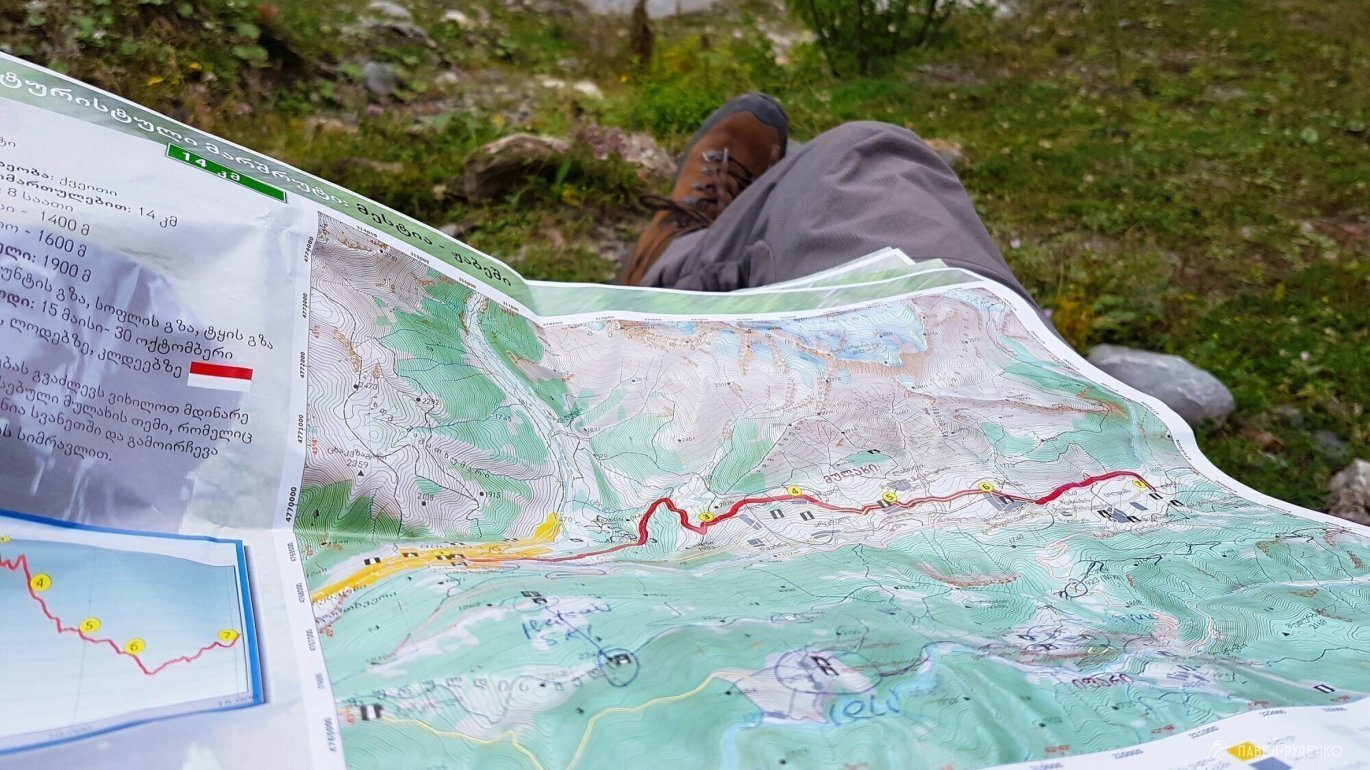
As mentioned earlier, you can get a printed map of the entire route at the Mestia visitor center. It marks elevation profiles and mileage.
For the past two years, I've been following the Trans Caucasian Trail (TCT) project. The team set out to create a world-class hiking trail across the Caucasus. Now you can hike all the way from Chuberi across all of Upper Svaneti to Ushguli, so if you want to add extra distance to your trek, check out their website. When finished, the trail will stretch across Georgia into Armenia. Currently, they have upgraded the Mestia – Ushguli section that I hiked. Organizers and volunteers use pickaxes and saws to build bridges, clear the trail, mark routes, and add detailed descriptions to the site. You can even join them as a volunteer.
I'm including links where you can find the elevation profile and printable map, linking directly to both the website and the maps.
From Ushguli, you can go on several day hikes; check out their descriptions in my article below:




Comments (0)