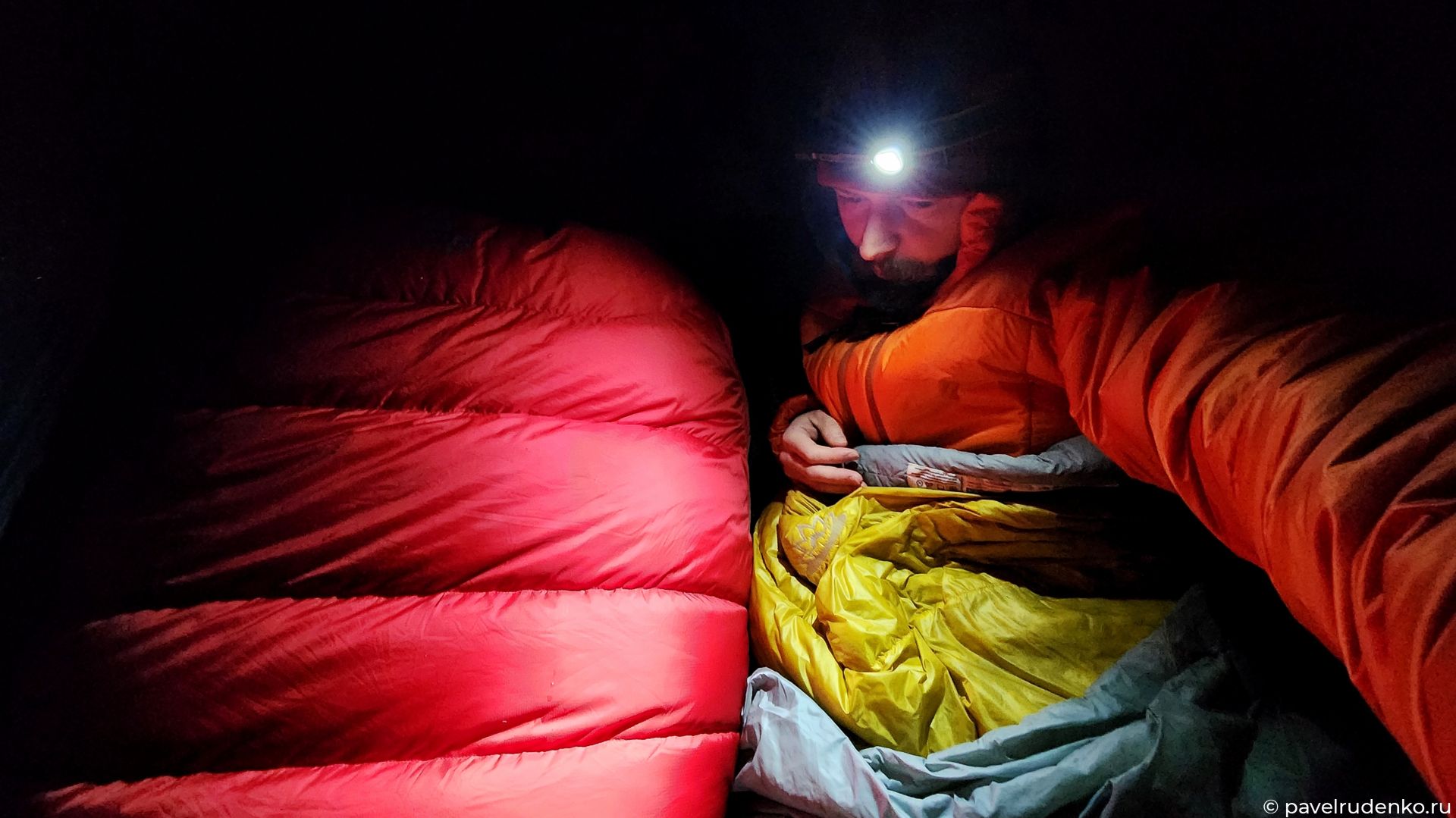
21 reason for poor sleep and 21 solutions for comfortable and warm sleep.
1. Properly store your sleeping bag
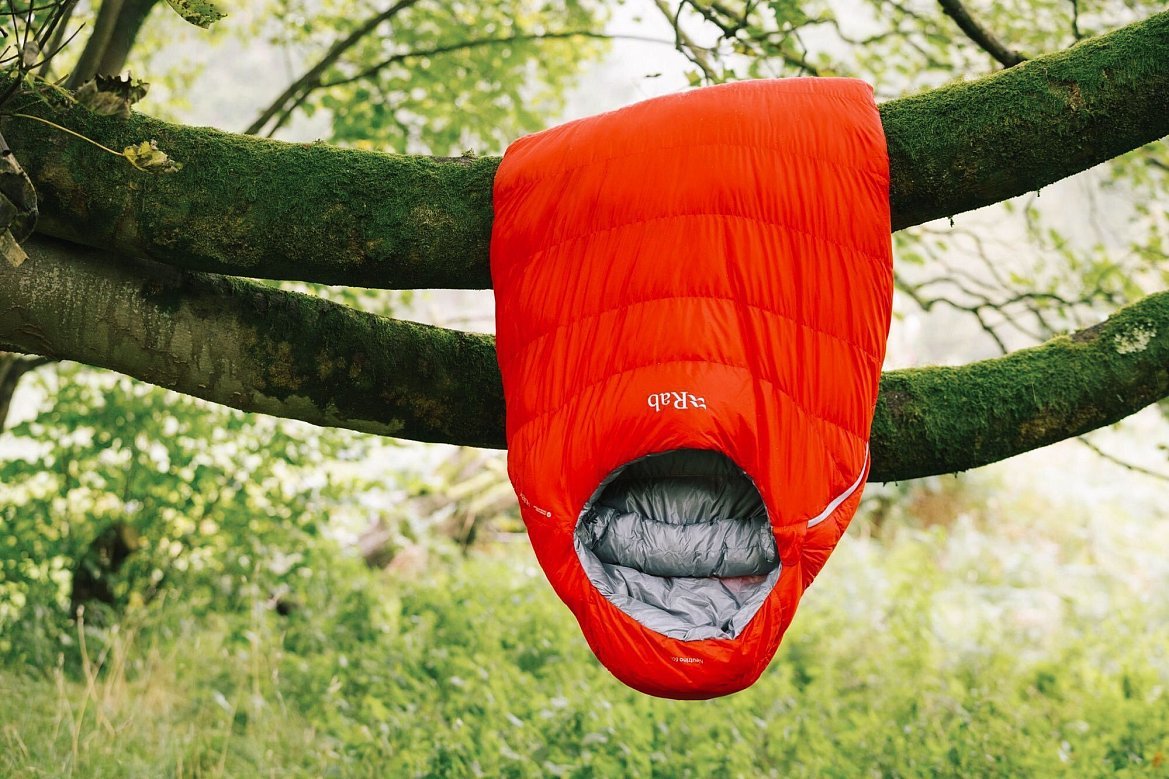
Mistake: A synthetic sleeping bag stored in a rolled-up state loses its properties after 3-4 years. A properly stored synthetic sleeping bag lasts 7-8 years. For a down sleeping bag, this indicator is 2-3 times longer. As a result, the sleeping bag becomes less warm.
Tip: Store your sleeping bag unfolded, on a hanger or in a special mesh bag. If you don't have one, you can use a large cotton pillowcase. It is important that the insulation is as straightened as possible, so it will retain its fluffiness and elasticity longer. After all, the essence of its work is the thickness of the insulation, which retains warm air.
2. Wash your sleeping bag
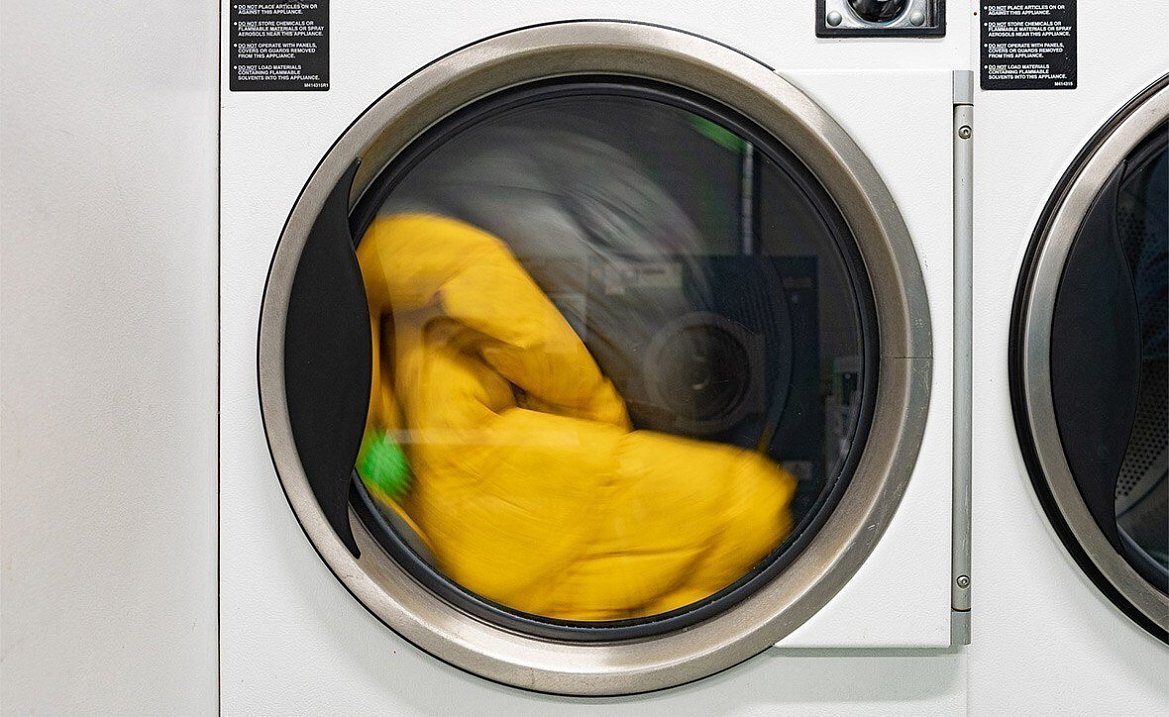
Mistake. A sleeping bag that has not been washed for years loses its thermal insulation. During sleep, moisture and fat evaporating from the human body settle on the insulation, saturate it and degrade its properties, and your sleep becomes less comfortable.
Tip: Contamination can be easily determined by visual inspection and smell. A properly washed and dried sleeping bag is warmer than a dirty one. With two trips a year, it usually has to be washed every 2 years. You can buy a liner for your sleeping bag and reduce contamination, especially if you sleep without thermal underwear in hot weather. You can watch how to wash a synthetic and down sleeping bag in this video:
synthetic sleeping bag at 19.01 min, down sleeping bag at 26.24 min.
3. Gently tighten in a compression bag
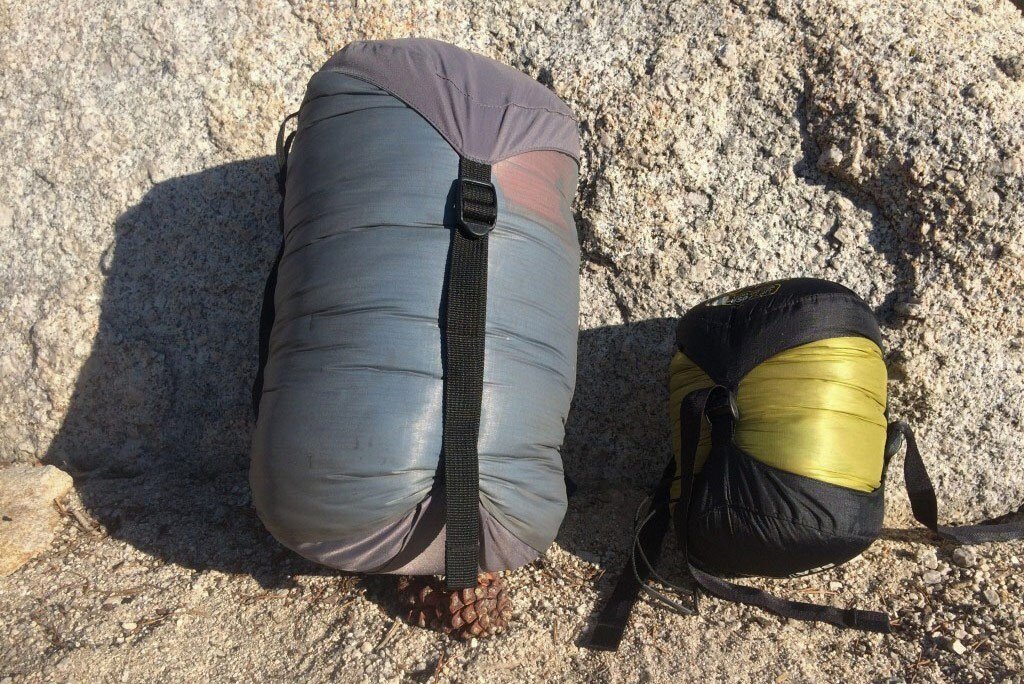
Mistake: Tightening the compression bag to the stop leads to the fact that in 1 night the indicators can worsen the thermal insulation properties of a synthetic sleeping bag by 10-20% irrevocably, and a down sleeping bag by 3-7%, with the possibility of partial restoration after proper washing. In both cases, it depends on the specific insulation.
Tip: Never overtighten your sleeping bag. If there is not enough space in the backpack, then replace your backpack with a larger one or optimize your gear. Personally, I only use hermetic bags and compress them gently and tenderly. After all, the sleeping bag still has to keep me warm.
4. Prepare your sleeping area in advance
Mistake: This is usually the coldest moment when you just get into your sleeping bag. From the street, not yet warmed up, the sleeping bag is cold, and the insulation is not straightened.
Tip: Half an hour before bedtime, straighten the sleeping bag so that the insulation straightens and gains volume, this way you will minimize the cold time at the beginning of sleep. It's also not worth taking it out too early, if it's humid outside, the sleeping bag will absorb moisture.
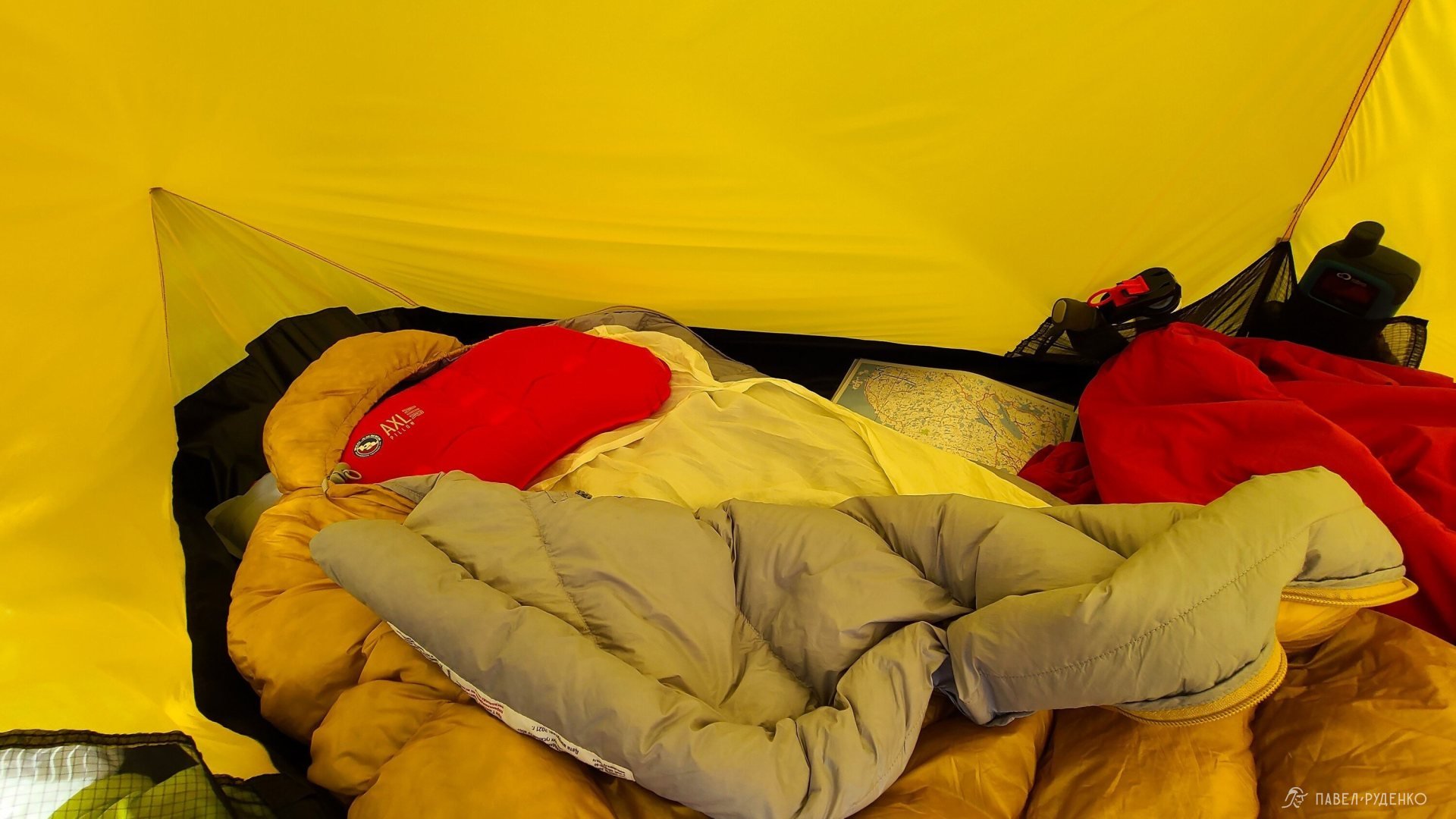
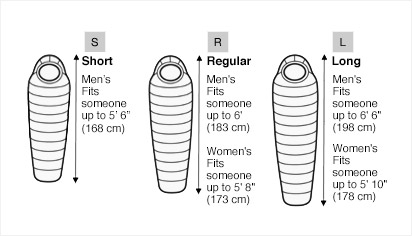
5. Choose a sleeping bag according to your height
Mistake: Took it from a friend or rental without even looking at its size. Despite the fact that the sleeping bag is of the right temperature, you cannot get warm all night.
Tip: You simply do not have enough body area to heat the large volume of air inside. That's why sleeping bags are produced in different sizes. Before buying, measure the sleeping bag correctly. As a rule, in summer sleeping bags, the ideal height range is -20 cm. -35 cm. from the length of the sleeping bag. i.e. in size regular the length of the sleeping bag is 200 cm, so it will suit a user with a height in the range of 165-180 cm. A sleeping bag that is too small is also bad. Your toes will hit the insulation, pull the fabric, and efficiency will decrease. With a sleeping bag that is too long, you can temporarily solve the problem by removing unnecessary clothes at the feet, this will reduce the extra space that needs to be heated.
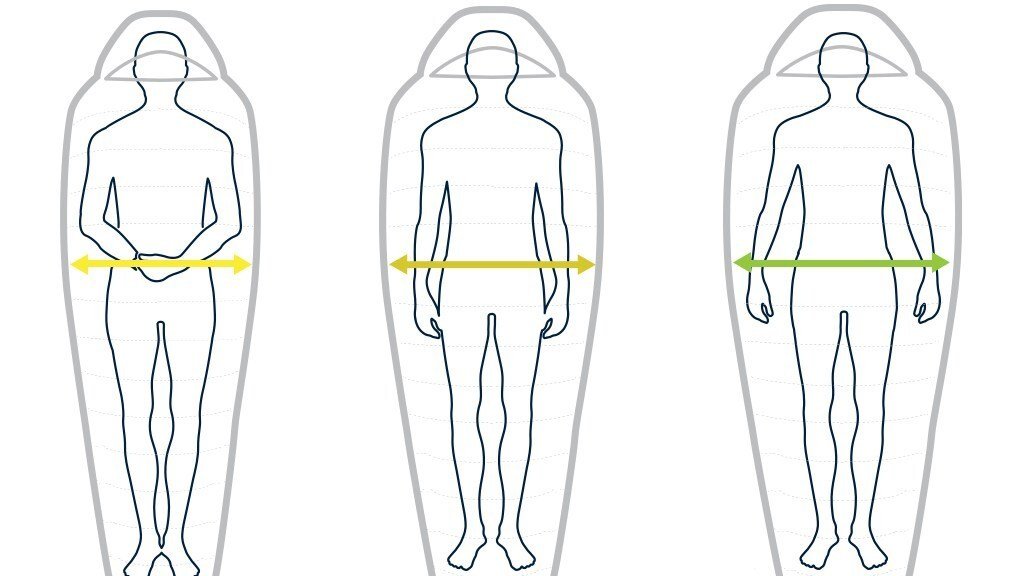
6. Choose a sleeping bag according to width
Mistake: The range of the sleeping bag size in the shoulders is most often from 72 to 90 cm. If a slender person with a size 46-48 lies in a sleeping bag 85 cm wide, he will definitely be colder than in a sleeping bag 75 cm wide.
Tip: In a sleeping bag that is too wide, you will not be able to heat the air and will freeze. Conversely, in a sleeping bag that is too narrow, sleep will be uncomfortable and cold due to excessive tension and compression of the insulation in narrow areas.

7. Tighten the hood
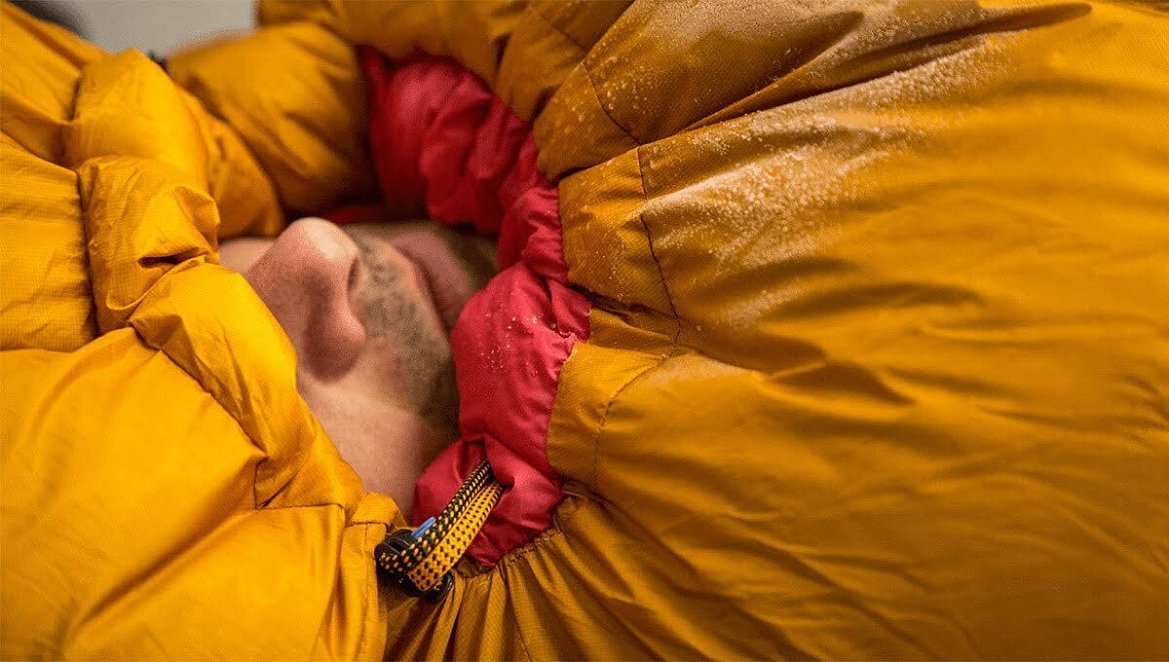
Mistake: Many beginners in tourism, due to the fact that they are not used to it or it is inconvenient, do not use tightening, thereby significantly increasing heat loss from the sleeping bag.
Tip: Heat loss occurs through the head, as blood vessels are close to the skin. Plus, through an untied hood and neck, most of the heat escapes without lingering in the sleeping bag. It's like not closing the lid of a thermos. In cold nights, you definitely need to tighten the hood and chest panel. If it is not there, use unnecessary clothes, twist them into a roll and create an improvised barrier to heat leakage on the chest. Remember, the main part of the heat is produced in the chest, armpits and groin area.
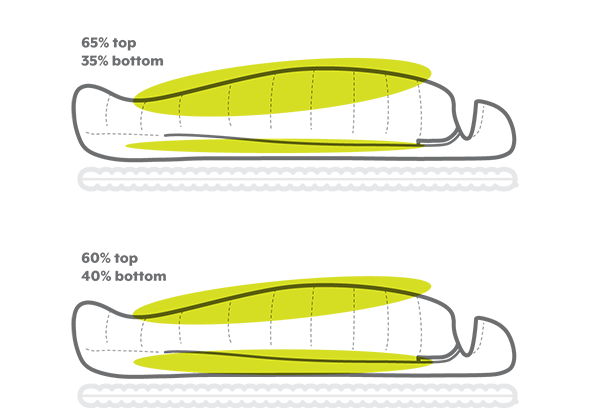
8. Tossing and turning in a sleeping bag with a thin back
Mistake: It was cold from below because there was less insulation in the back of the sleeping bag than on top.
Tip: Manufacturers often resort to this solution to lighten the sleeping bag and reduce its volume. After all, while we are lying, the insulation underneath us crumples and works noticeably worse. This is called differential padding of the insulation. The difference can be up to a ratio of 30% in the back, 70% on top. Check with your hands or on the website how your sleeping bag is padded. During sleep, if you turn on your side, the back is exposed, where there is noticeably less insulation. In such models, it is important to roll around inside the sleeping bag, and not with it. This habit needs to be developed and monitored. I mastered this Zen in my TNF Cats Meow. I turned over in my sleep, holding the sleeping bag with my hand)) There is another solution, if your sleeping bag has loops along the entire length, then tie elastic bands to them and thread them under the mat, so the sleeping bag will be fixed in place and your back will be warm.
9. Use a warm mat
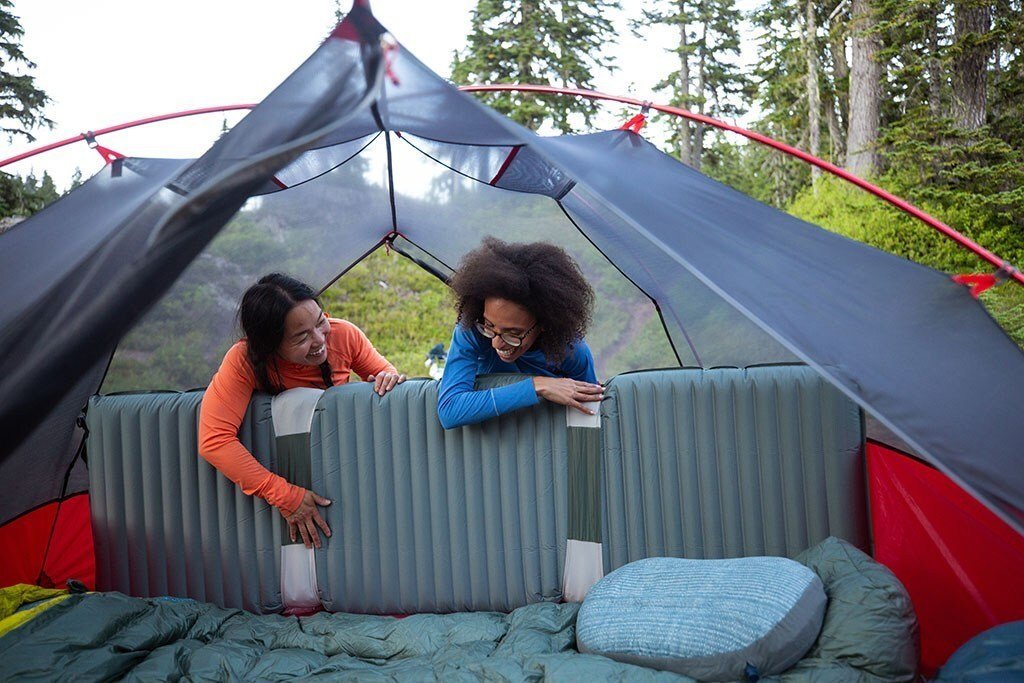
Mistake: The second most common reason for coldness from the back is a mat that does not match the conditions.
Tip: A person took some kind of mat and doesn't even think about its characteristics. Carpets, like sleeping bags, have their own indicator of “heat”, or rather thermal insulation. For example, an Izhevsk foam mat for 600 rubles has an R-value of 1.1, which means it can be used up to +7 degrees. There are no exact temperature figures here, since it is not the temperature of the air that is important, but the temperature of the surface of the ground on which you are sleeping, which cannot be measured accordingly. But the bottom line is simple, a shady lowland where there is no sun is always colder than a heated clearing on the same day. It's even colder at the same daytime temperature on cold rock, even colder on snow and even colder on ice. The thermal conductivity of ice is 90 times higher than that of air. Therefore, the mat should be chosen as carefully as the sleeping bag. If you go from July to September in условном Caucasus, Altai or Khibiny up to 3,000 meters, then the mat should have an R-value of 2, which is about 0 degrees.
10. Sleep in properly selected clothing
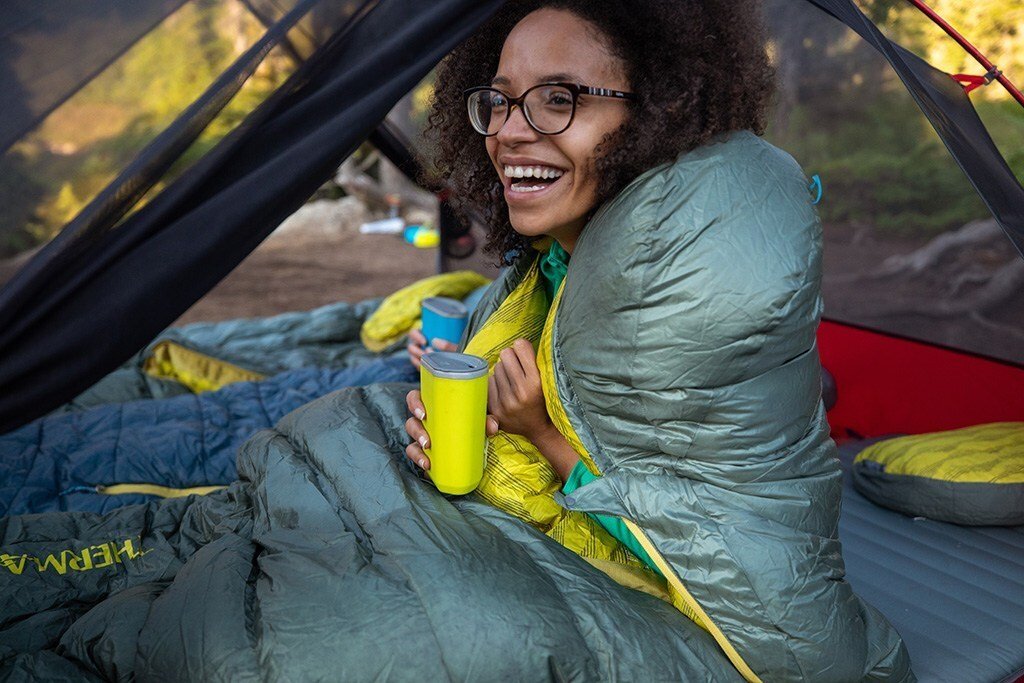
Mistake: You climbed into the sleeping bag undressed because you read or just decided that it's colder to sleep in clothes.
Tip: Once upon a time, I also fell for this myth, but having sorted out the issue, everything fell into place. Firstly, the temperature regime indicated on the sleeping bag assumes sleeping in thermal underwear of medium thickness, socks and a balaclava, on a very warm mat with 6 R-value. An additional layer of clothing worn in a sleeping bag will always add warmth. The main thing is that the clothes are made of breathable materials, are not too small, like second socks, often do more harm than good, as you compress blood flow and impair blood supply to the extremities. And it was not too big, for example, to climb into a large down jacket into a small sleeping bag, compressing the insulation of the jacket, while stretching the insulation of the sleeping bag.
11. Sleep in dry or changeable clothes
Mistake: During the day, you were active and the T-shirt and socks got wet with sweat. Or it rained and your fleece and thermal underwear got wet, changing clothes is cold, so you climbed into the sleeping bag and are freezing.
Tip: Wet clothes significantly increases heat removal from the body surface, so you spend your heat on drying the wet item, and not on heating yourself. Plus, the moisture that evaporates and passes through the insulation of the sleeping bag makes it damp and lose some of its thermal insulation, it gets even colder. I never carry spare thermal underwear, but I always plan my set of clothes so that in the evening I have some утепляющие things, they serve as my dry clothing reserve.
12. Breathe outwards, not into the sleeping bag
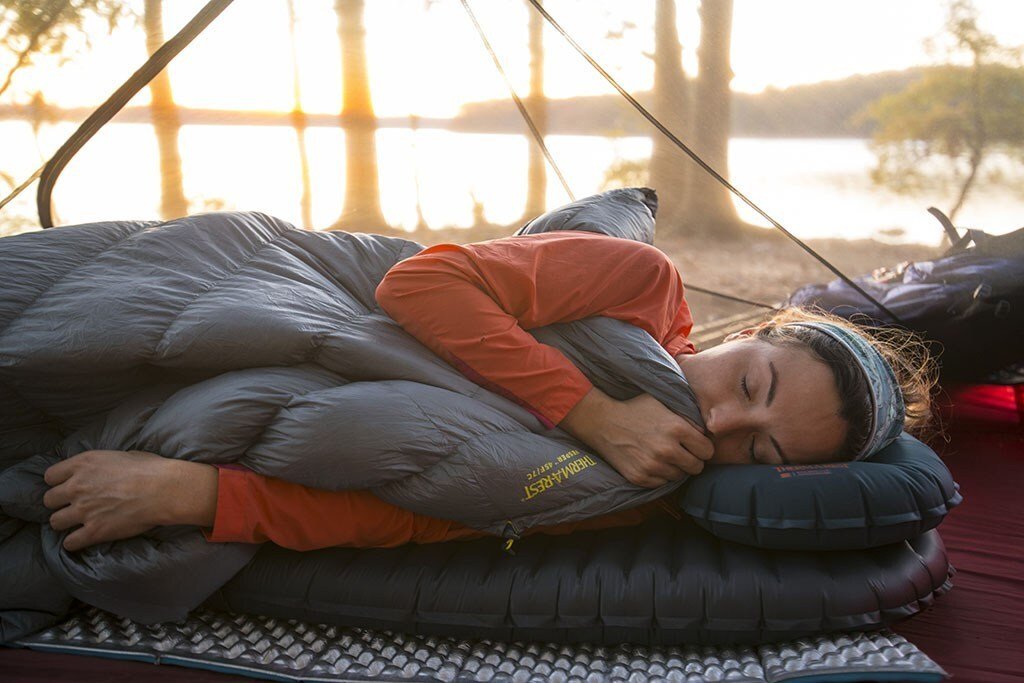
Error: It's cold in the tent, your nose is freezing, you're snugly wrapped up head to toe in your sleeping bag, and on a cold night, breathing creates a feeling of warmth.
Advice: Most often this is a mistake. Our breath is moist, under pressure the moisture passes through the sleeping bag and settles on the insulation, then cools, the fibers of the insulation get wet or freeze together, losing their thermal insulation properties. This can happen on the first night, or the effect may only accumulate by the 3rd or 4th night, depending on many factors. This is not a problem only if you have nice weather, it's sunny, you're taking a rest day, climbing from a base camp, or just know that you'll have time to dry your sleeping bag by breakfast. In other conditions, you should always breathe outward. Wear a hat, a balaclava with slits, a buff, pull the hood of your sleeping bag so that only your mouth and nose are left exposed. I sleep like this even when camping in -40C. In winter, there's another nuance: if you can breathe not upward but to the side against the wall of the tent, then less condensation will form on your chest.
13. Excellent blood circulation
Error: Not taking off compression thermal underwear like Xbionic at night.
Advice: This type of underwear is designed only for short-term activity, not for sleeping. After all, it compresses and stimulates the muscles for activity. Once I made such a mistake on a winter trek and learned my lesson. The problem can also be that the underwear is incorrectly sized, with the thermal underwear constricting blood flow at the elbow or knee bend, and the elastic on the cuffs squeezing the wrist or ankle. Measure your trekking clothes carefully, pay attention to the details.
14. Food is fuel for keeping warm
Error: On a trek, energy expenditure is 3-4 times higher than in the city. The conditions are difficult and unusual for us. I've faced this after a very difficult day on a solo trek, fell asleep without the strength to cook food, and didn't recover during the night. Or you might not like the food that's been prepared.
Advice: On a trek, you need to overcome yourself and eat everything. Food is primarily fuel, not enjoyment. If you don't eat enough, especially before going to bed, your body doesn't have the energy to keep warm. Also in winter, there's a cold fatigue effect when the body can't produce as much heat as before. In such conditions, it's important from the very beginning not to make mistakes and conserve your heat throughout the day.
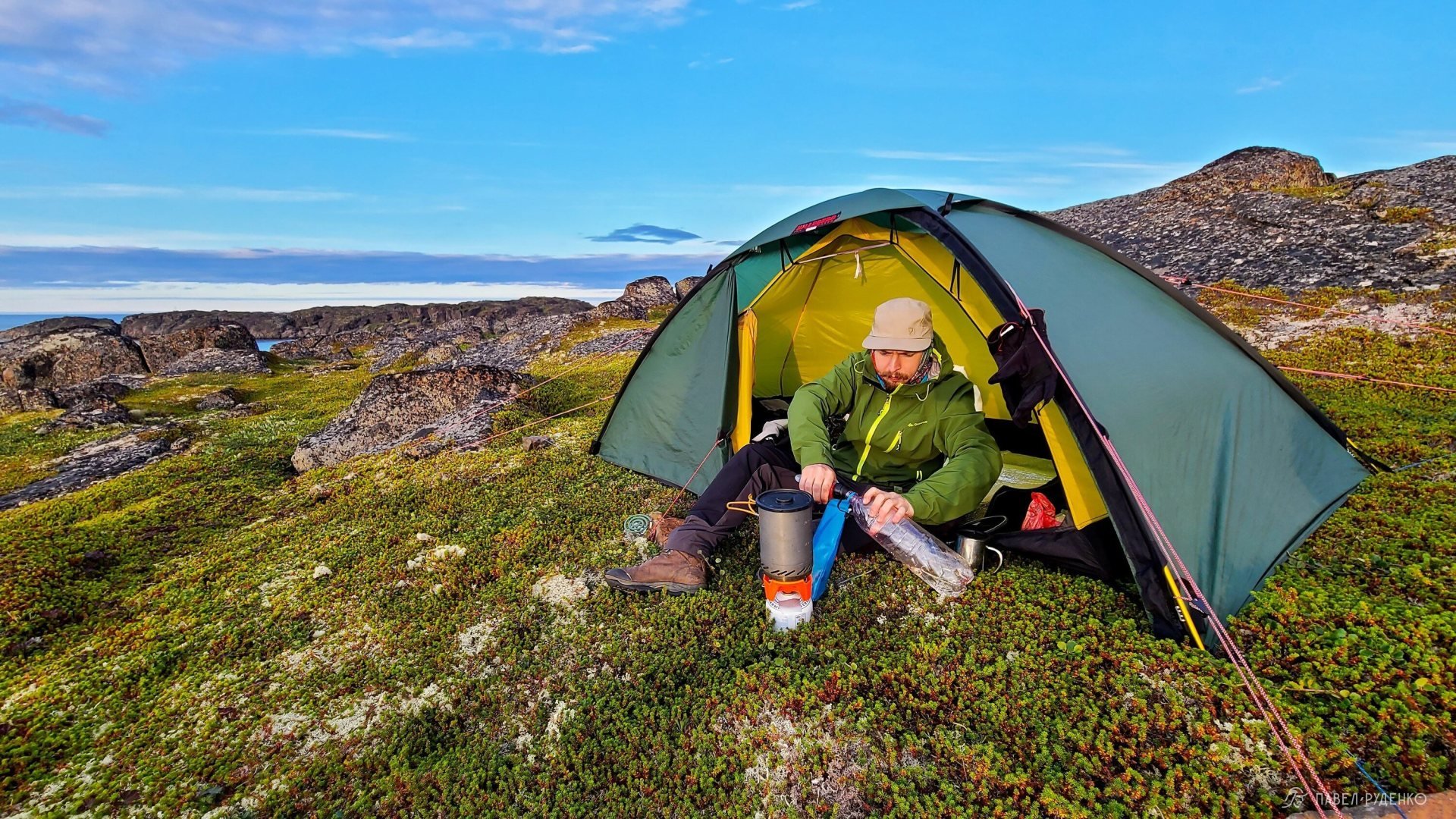
15. A sleeping bag with a temperature reserve
Error: If the transition was difficult, or it's the fourth, fifth, tenth day of the trek, the body's resources decrease and a person gets colder more easily.
Advice: There's nothing to be done about it; even if you improve your physical shape, you can still reach this state. The solution is simple: have a sleeping bag with a temperature reserve, for example, 5 degrees more. This compensates for the fatigue of the body and gives it rest, rather than a struggle for survival.
16. Snuggling up to a neighbor
Error: It's colder to sleep alone, as well as sleeping on the edge.
Advice: If you understand that your sleeping bag doesn't meet the conditions, or you're just cold, then agree with your companions and lie down in the middle. Gender and age don't matter, survival is the main thing!) Men snuggle up to each other's backs, and girls are warmed by everyone with their chests, and that's good.
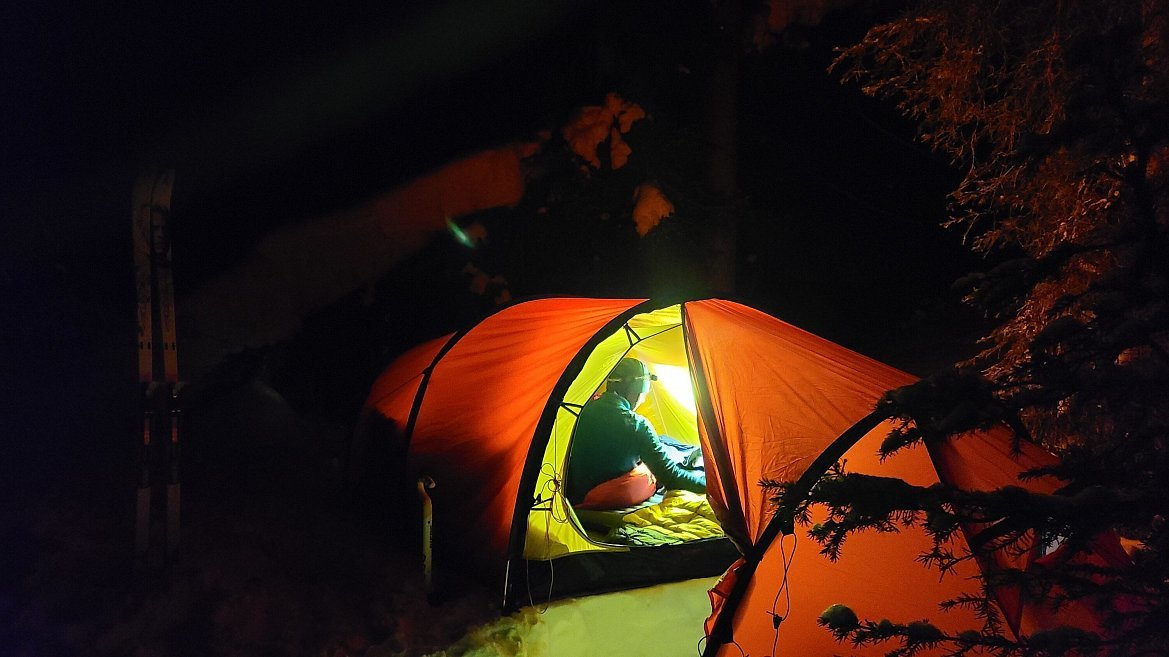
17. Route planning
Error: Your actions and mistakes directly affect your comfort and warmth.
Advice: Think over your route for the coming days, take into account the weather conditions and your gear. If the tent is mesh and you haven't calculated your strength or simply haven't taken into account all the factors, then the night on the pass can be very cold. The wind will strongly penetrate the tent, and you won't be able to get enough sleep. Often the right decision is to set up camp before the pass or to definitely cross it and descend into the valley beyond.
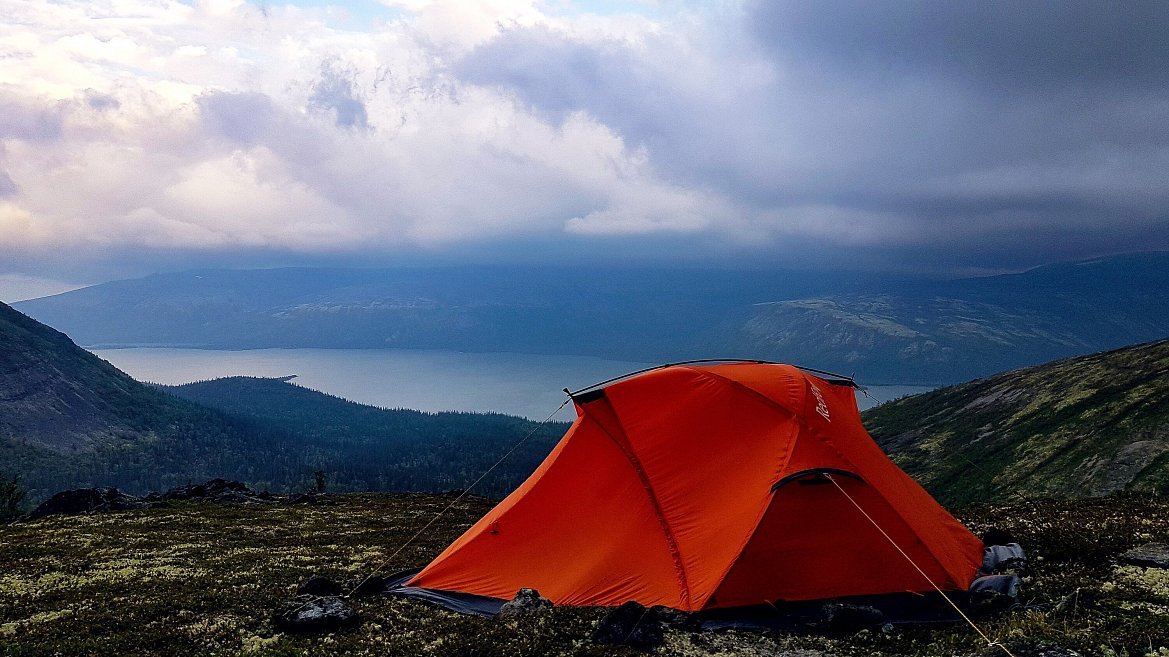
18. The higher you go, the colder it gets.
Error: Today was a good night and a warm day, rising just 500-600m., it got much colder and the night was sleepless.
Advice: When planning your route or moving directly, keep in mind that for every 1,000m you climb, the air temperature drops by about 7 degrees, the wind gets stronger, and the sun doesn't warm as much. Therefore, the sleeping bag is chosen for the coldest night, which means you should look at the forecast for the highest point of the camp on the route. Such mistakes often happen in small mountains, for example, in Crimea or on the Lycian Way. It seems that the climate is very hot, everyone is in T-shirts, meanwhile, a little higher the temperature can drop significantly.

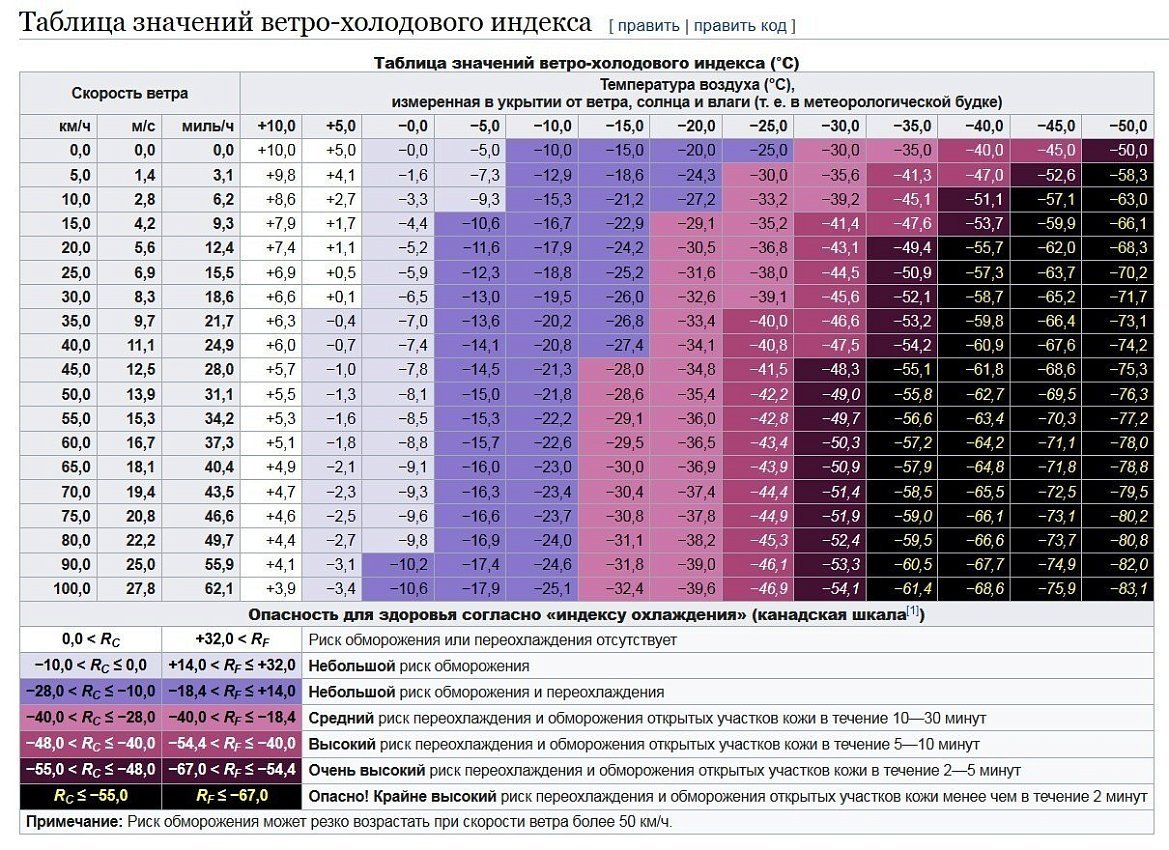
19. Weather conditions, wind-cold index
Error: In the weather forecast, they only looked at the temperature, but didn't take into account other aspects and froze.
Advice: 0 degrees at night can feel completely different, depending on the region and humidity in a particular season. It's important to look at the wind speed, the perceived temperature, precipitation, humidity. It's worth getting acquainted with the wind-cold index, so 0 degrees with a wind of 20 m/s in a windbreak, sun, and moisture, in a meteorological shelter feel like -5. In a drafty tent, the feeling of cold will be even stronger.
20. Thoughtful choice of a place for the tent
Error: The tent was flooded by rain, flooded, a dry branch fell from a tree and tore the flysheet, we set up camp on a slope and slid down to the wall during sleep and the sleeping bag got wet.
Advice: Always try to predict possible problems and, based on them, choose a place for the camp.
21. Experience
Error: For example, they set up the tent on a ski, with the attachment to the tent and the guy line caught on the edge at night, as a result, the wind broke the arch, and the aluminum arch cut through the flysheet with a rough edge, the shelter is damaged, you didn't get enough sleep and froze. Or the ski was installed correctly, with the attachment facing outwards, but the glue on the cam was bad, or maybe the cam was loosely натянут on the ski, and in the wind the cam was torn off and the sharp edge of the clips slashed the tent fly.
Advice: Experience accumulates with each trek over many years. Good equipment, of course, compensates for some mistakes, but not all nuances can be predicted. It's important to remember that real experience is gained in difficult conditions, not when the sun is shining and everything is fine. Sensibly assess your strengths, always have a margin of safety, read forums, books, articles, subscribe to hikers, take courses, watch YouTube, and collect information bit by bit into your багаж of knowledge.


