
- 1. Two guides
- 2. Hotel nights on the first and last days
- 3. Unique routes
- 4. Local history, nature, and wildlife
- 5. No camp chores
- 6. Trail etiquette and rules
- 7. Sports travel insurance
- 8. Satellite communications
- 9. Professional gear consultation
- 10. Safety is our top priority
- 11. Every route is thoroughly scouted
- 12. Delicious, high-quality food
1. Two guides
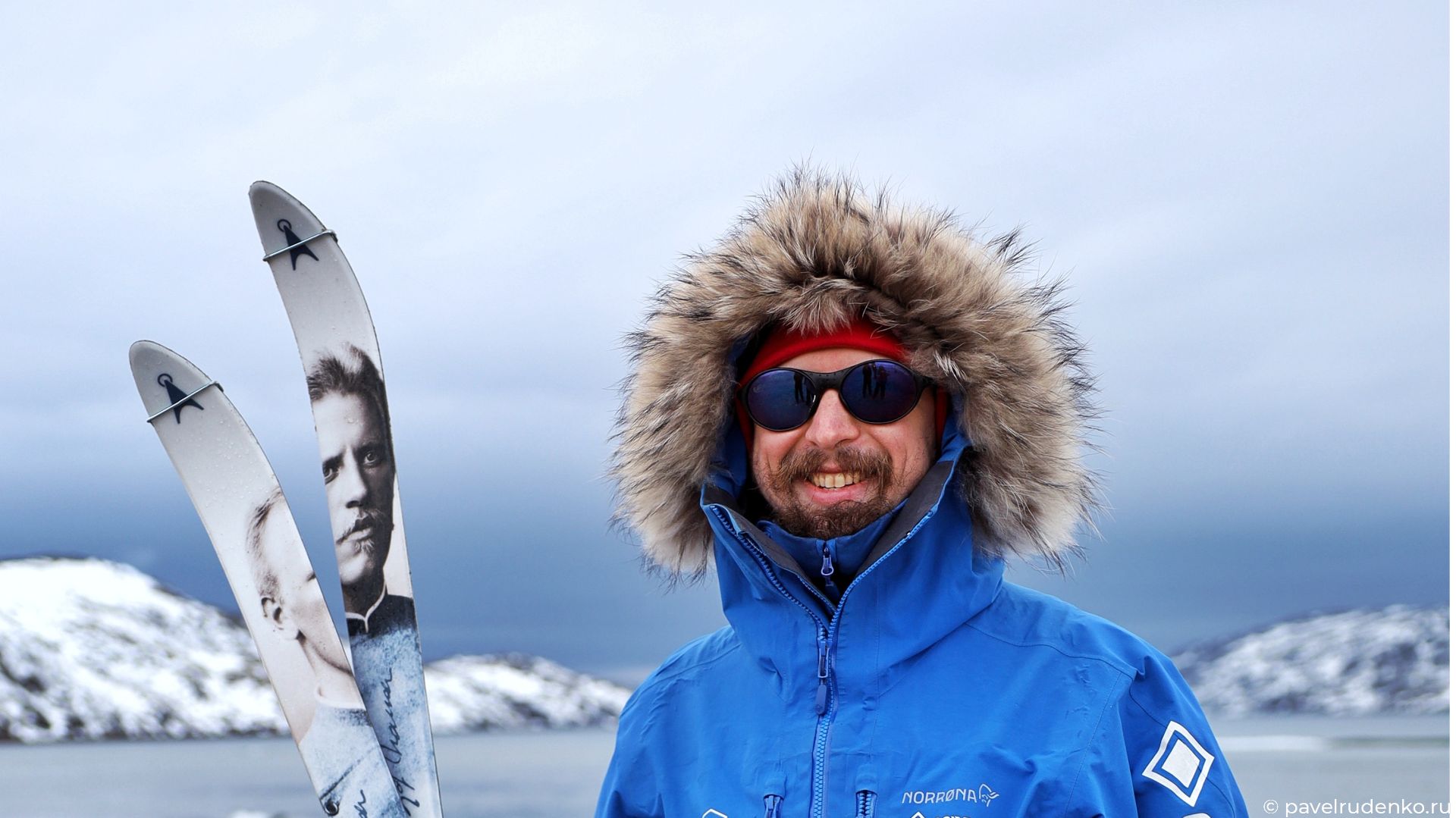
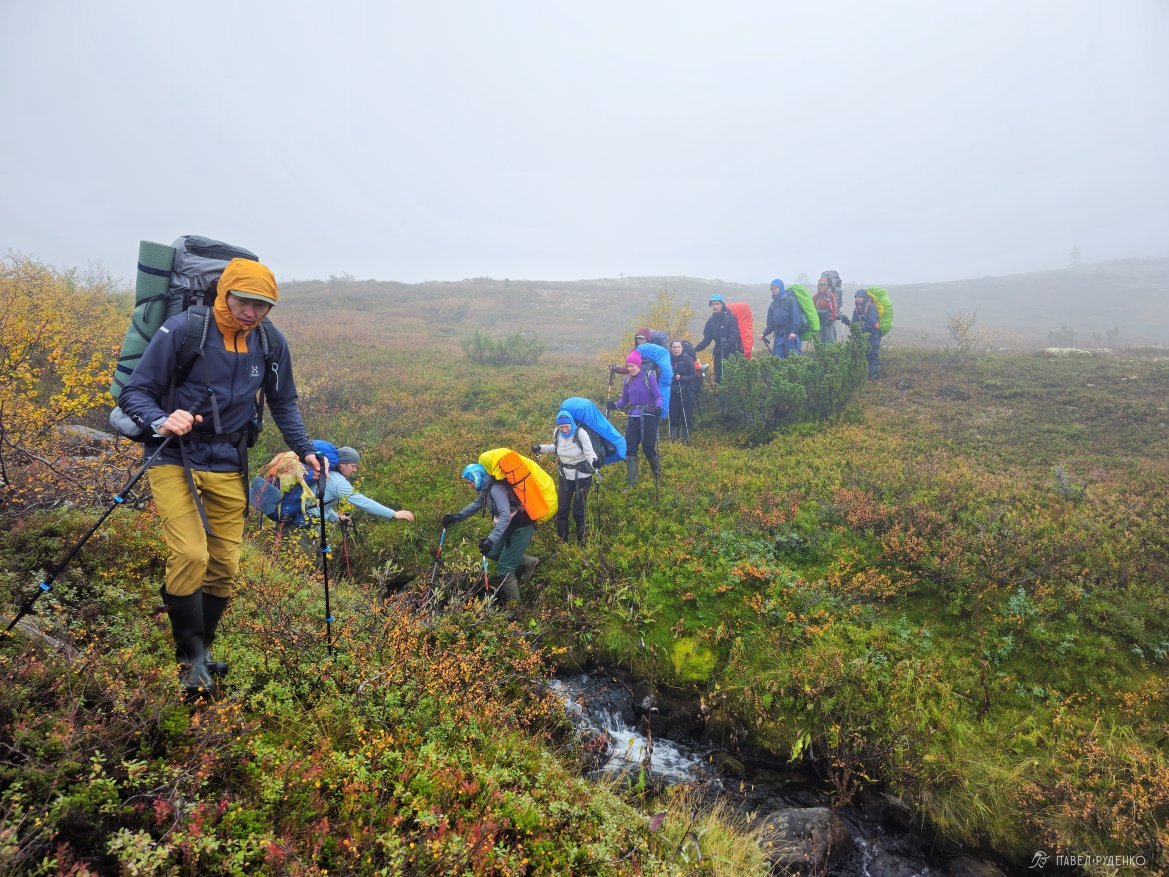
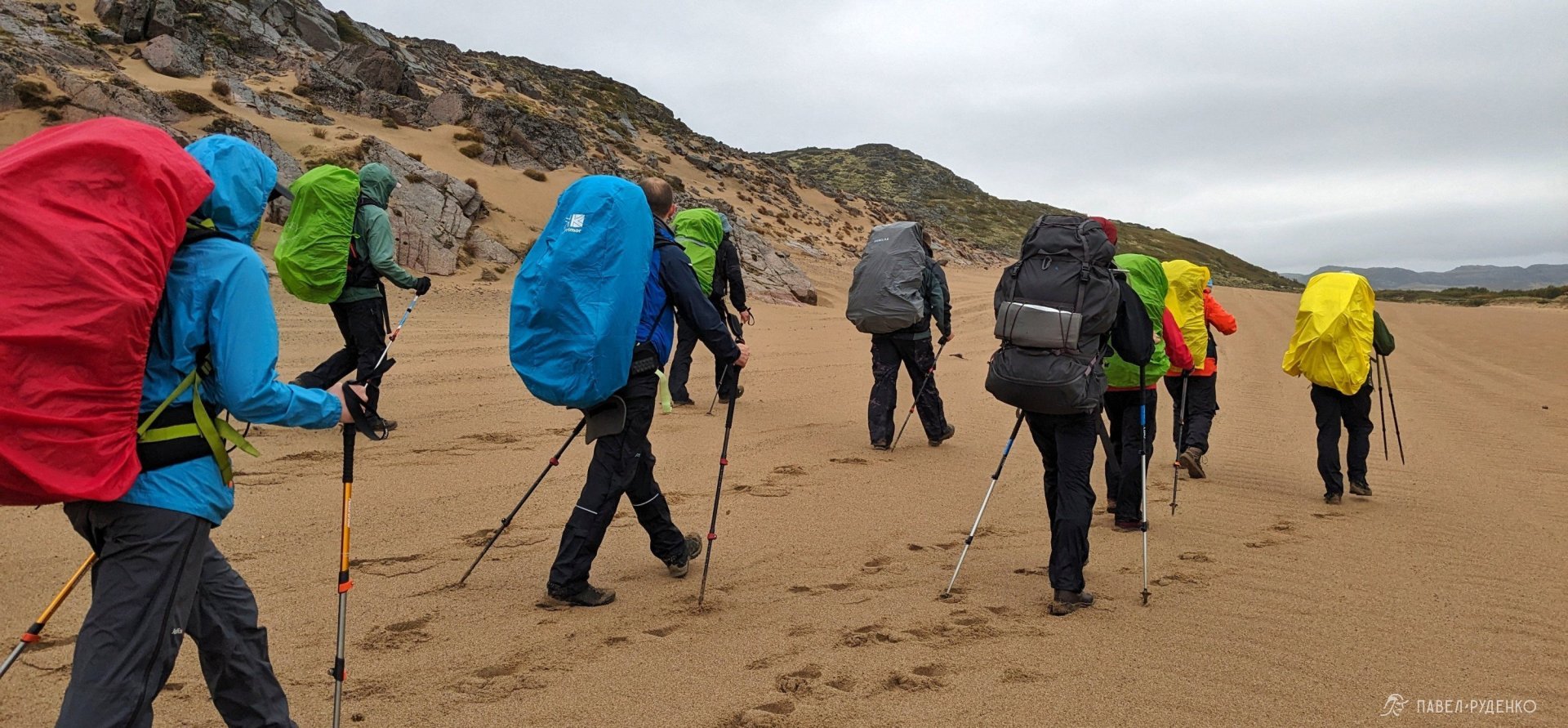
A full group has 7–12 participants and includes a sweep guide, so in dense plateau fog, in the northern taiga, or over a mountain pass ridge, you are always looked after by a professional. If you're struggling and trailing at the back of the group, I can rest assured that you will be taken care of and supported at all times. The team is capped at 12 participants, preserving a warm, friendly atmosphere and great mobility on the trail. When necessary, the lead and sweep guides stay in touch via two-way radio. My core principle is to never string out the group or get separated.
2. Hotel nights on the first and last days
This allows you to choose the most convenient and cost-effective travel tickets on your arrival day. On arrival day, we meet up, conduct a safety briefing and gear check, review the trek itinerary, and pack our food. After the trek, we stay in the same hotel, meaning you can safely leave your city clothes in the luggage storage. It’s convenient: you won't have to look for accommodation on your own, and you can unwind before and after the trek, take a shower, and explore local sights.
3. Unique routes
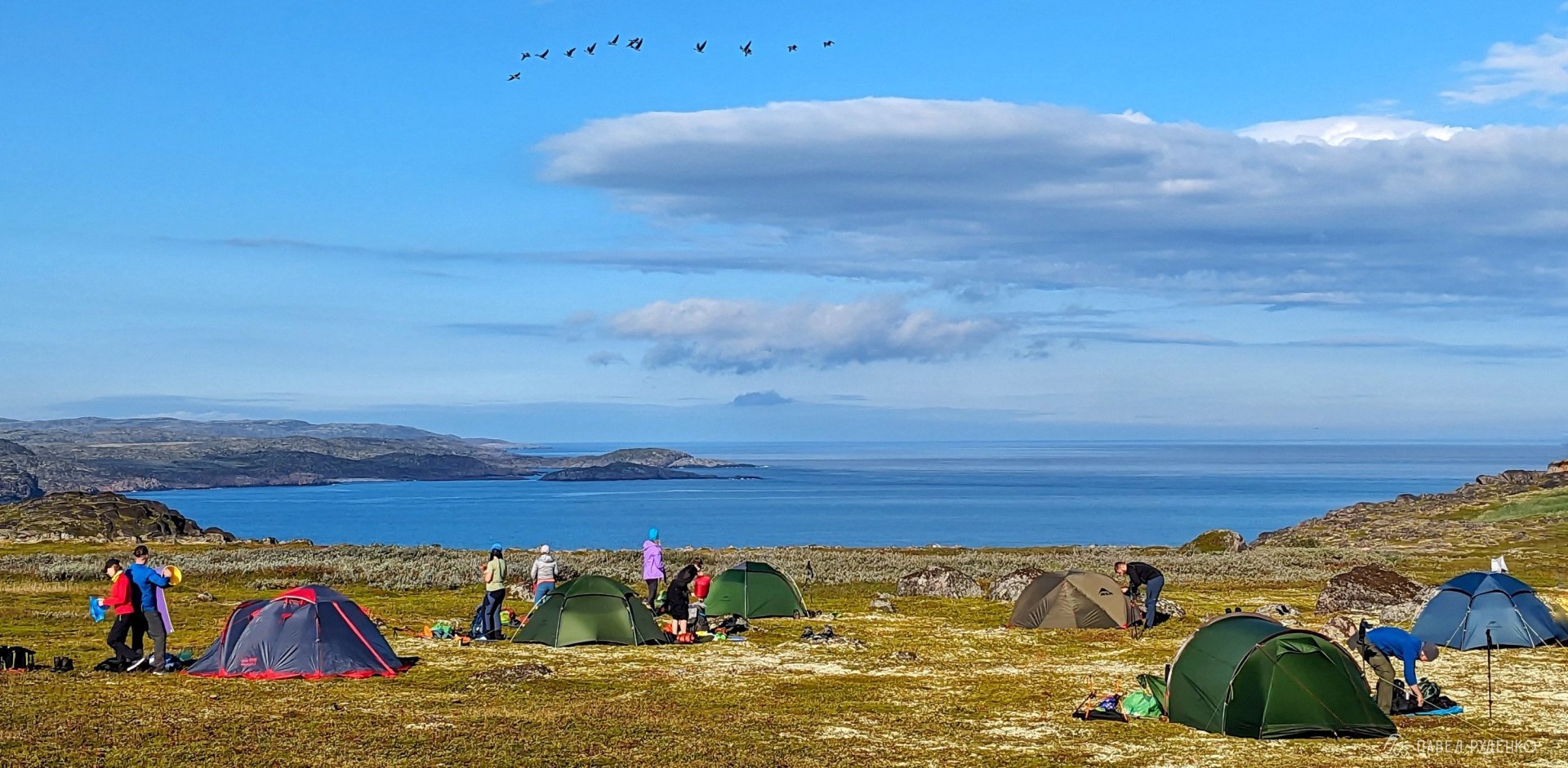
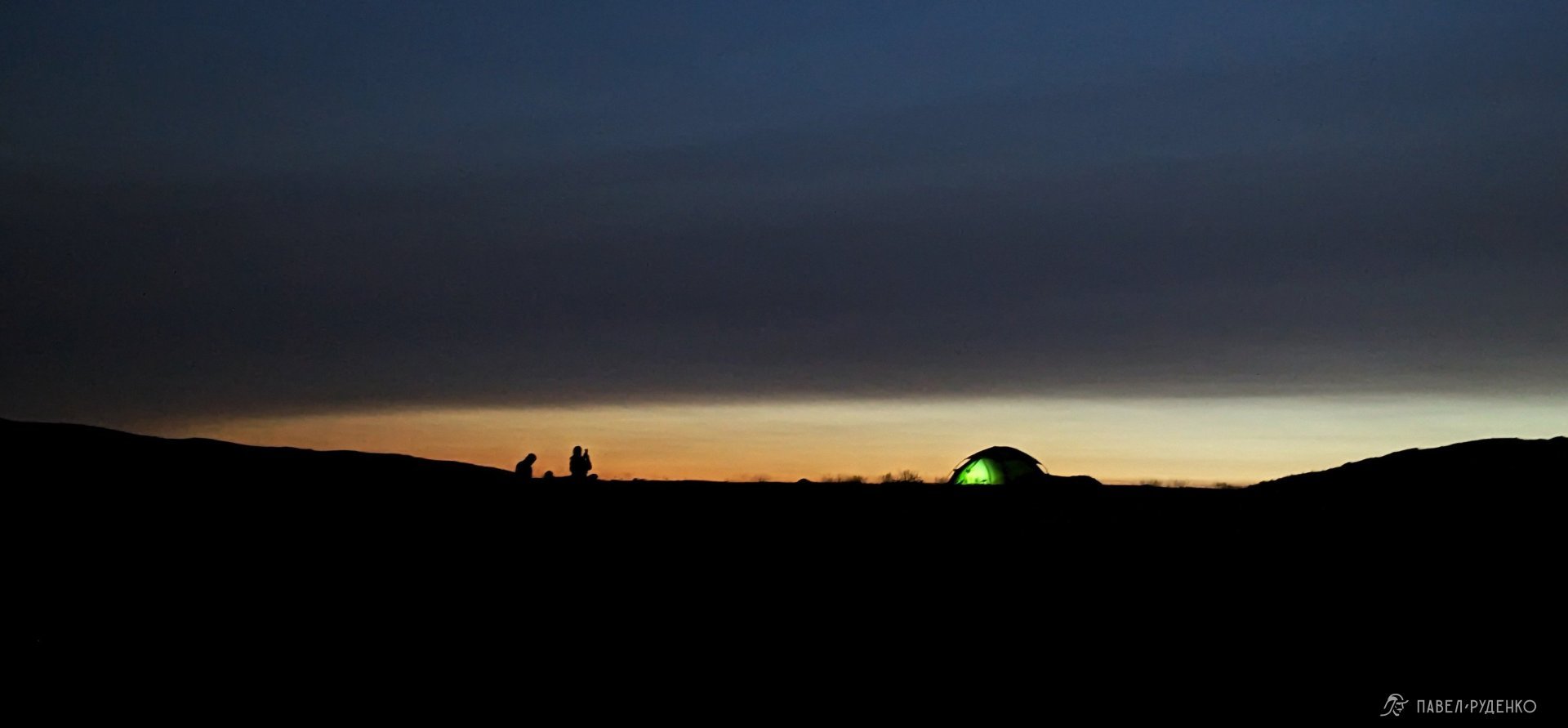
Our routes are truly unique because they are not widely known and have been scouted personally by me. Most of them run along the coast of the Arctic Barents and White Seas, through trail-less alpine tundra. This untouched wilderness can only be found here, breathtaking in its atmosphere and vast open expanses. From the shore, we might spot minke whales, a seal popping up to inspect our camp, or a bear passing by. All nights are spent in tents, and we won’t encounter other people until we return.
One of our treks stands out for its location right in the heart of the Kola North—the Arctic Khibiny Mountains. Striking flat-topped massifs and narrow gorges were carved here by the immense force of the Ice Age 12,000 years ago. As the glacier—up to 2 km thick—melted away to the northwest, it left behind an awe-inspiring northern landscape sculpted entirely by ice.
4. Local history, nature, and wildlife
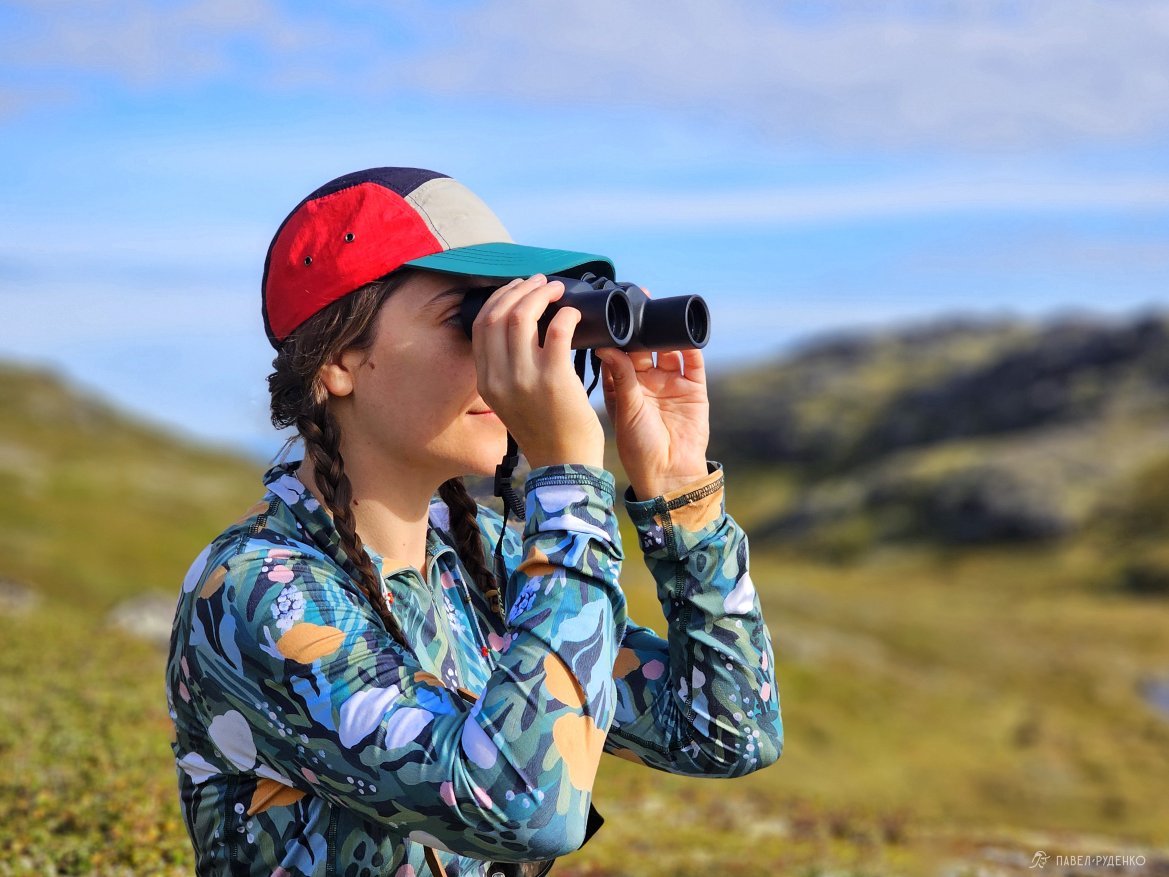
I love the Kola North and explore it every year through new routes, books, and historical archives. I’ll share stories about the region's history, polar expeditions, Russian settlement, and the indigenous Sámi people. On the trek, we will study vintage photographs and archival maps, as well as local flora and fauna. To get a closer look at Arctic wildlife, I provide a lightweight, compact monocular—perfect for spotting white-tailed eagles, foxes, or seals. Love also shows in good deeds: on one of our routes, we will even build a mountain library together.
5. No camp chores
I cook breakfast, lunch, and dinner myself, knowing it can be uncomfortable to cook an unfamiliar meal for a whole group on a camp stove in unusual conditions. However, if you would like to help out, I’d be glad! Setting up camp, preparing for meals, and gathering firewood remain our shared team effort.
6. Trail etiquette and rules
We do not play music on speakers, preserving the peaceful wilderness atmosphere. Mobile phones are switched to airplane or silent mode so everyone can disconnect and take a break from notifications. No alcohol is consumed during the trek. We also avoid contentious topics such as religion and politics. Our common goal is to have a wonderful experience, bond as a team, and make great friends.
7. Sports travel insurance
Every trek is a journey into genuine wilderness, far from roads and civilization. Everything—from gear to route planning—is thoroughly considered and focused on the highest standard of safety. That is why I arrange specialized sports travel insurance for each participant for the entire duration of the trek.
8. Satellite communications
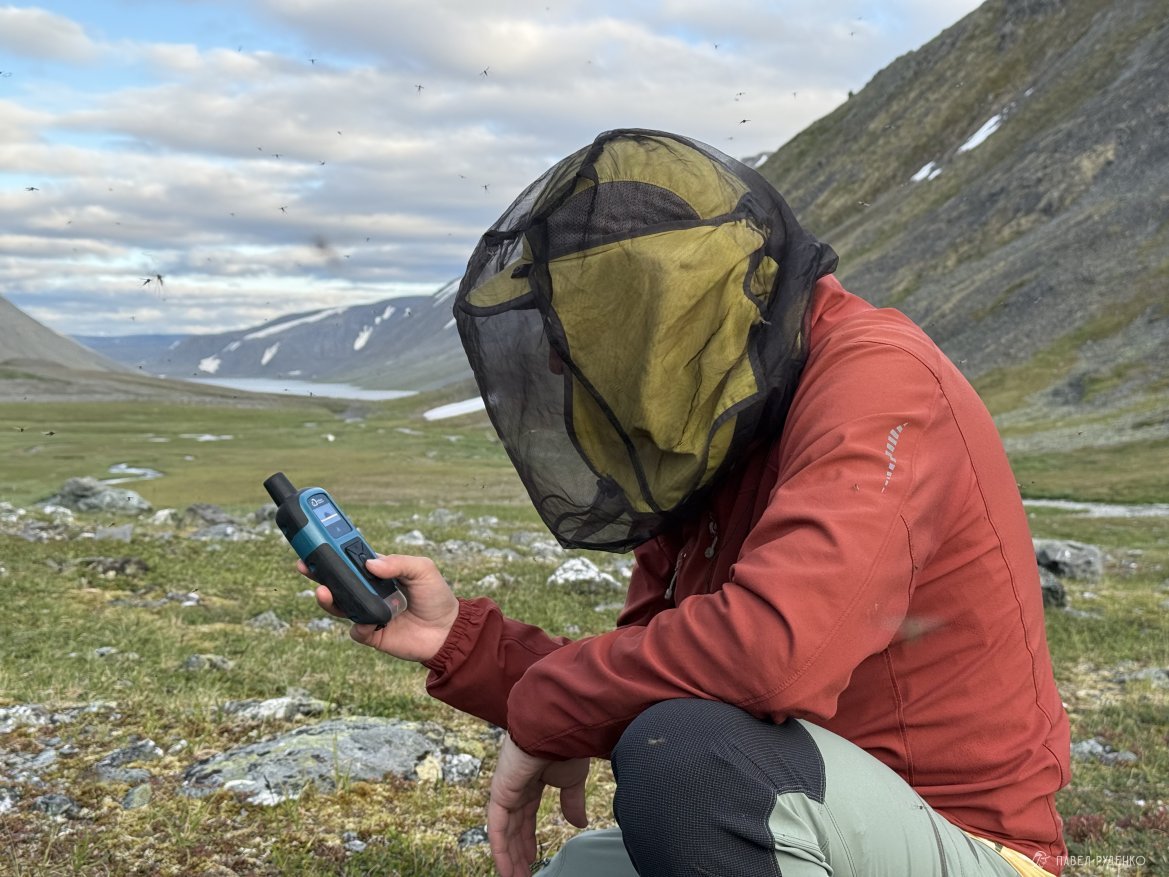
Throughout the trek, I maintain daily satellite communication with our base coordinator via Iridium for weather tracking. The trek is officially registered with the emergency rescue services (EMERCOM). We carry a GPS navigator, two-way radio, and signal flares. Each participant is provided with an emergency space blanket and a personal signal flare. I assist with preparations before the trip, and a comprehensive safety briefing is held right before we set off.
9. Professional gear consultation
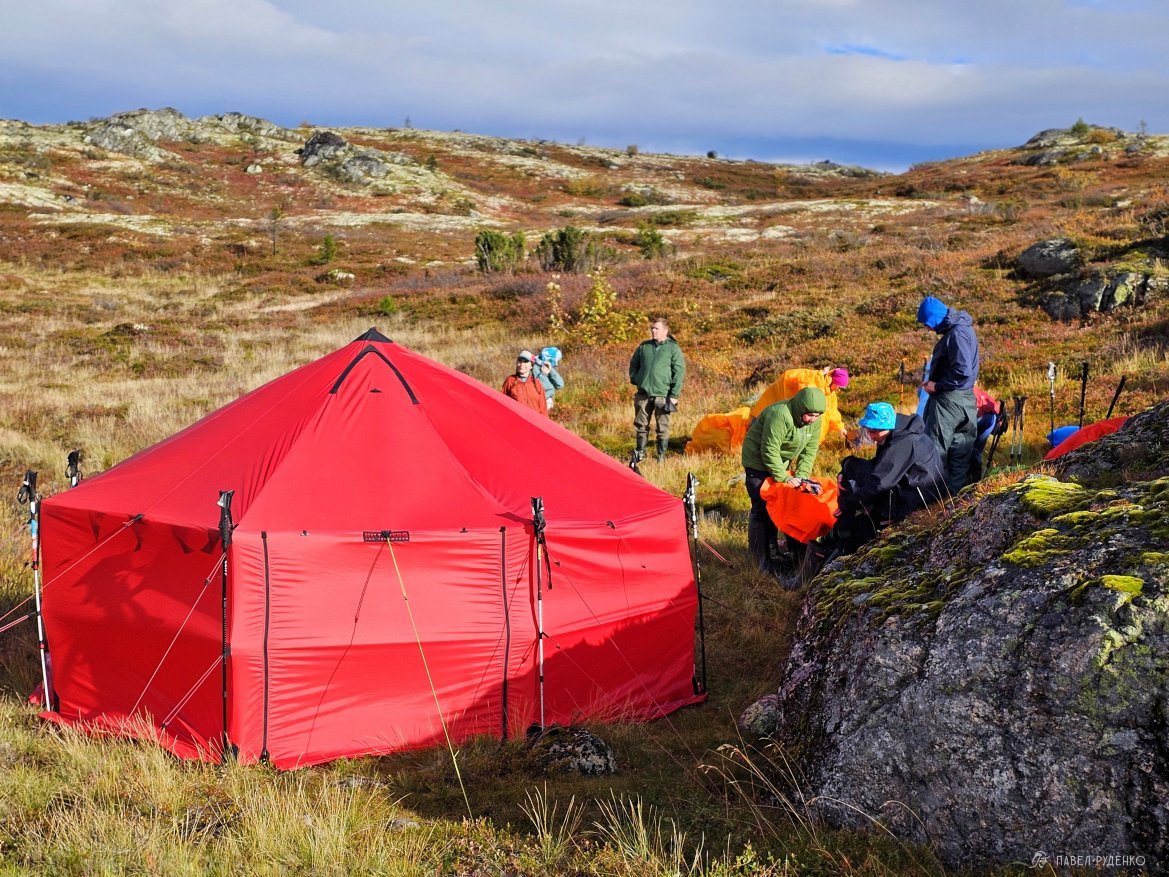
Outdoor gear is my expertise, so I will advise you on what and where to buy, give fitting advice, and provide discounts at outdoor shops. I advocate for sensible lightweight packing without sacrificing comfort or safety. The lighter your pack, the more enjoyable the hike, leaving you with more energy to take in nature. We will review every piece of gear together; if you don't have a tent or yours isn't suited for strong tundra winds, I will provide a stormproof 2-person tent weighing just 2.3 kg. We cook on liquid-fuel stoves: they are more efficient than gas canisters and fuel is lighter, helping reduce backpack weight for every participant.
10. Safety is our top priority
Throughout the trek, I maintain daily satellite communication with our base coordinator via Iridium for weather tracking. The trek is officially registered with the emergency rescue services (EMERCOM). We carry a GPS navigator, two-way radio, and signal flares. Each participant is provided with an emergency space blanket and a personal signal flare. I assist with preparations before the trip, and a comprehensive safety briefing is held right before we set off.
11. Every route is thoroughly scouted
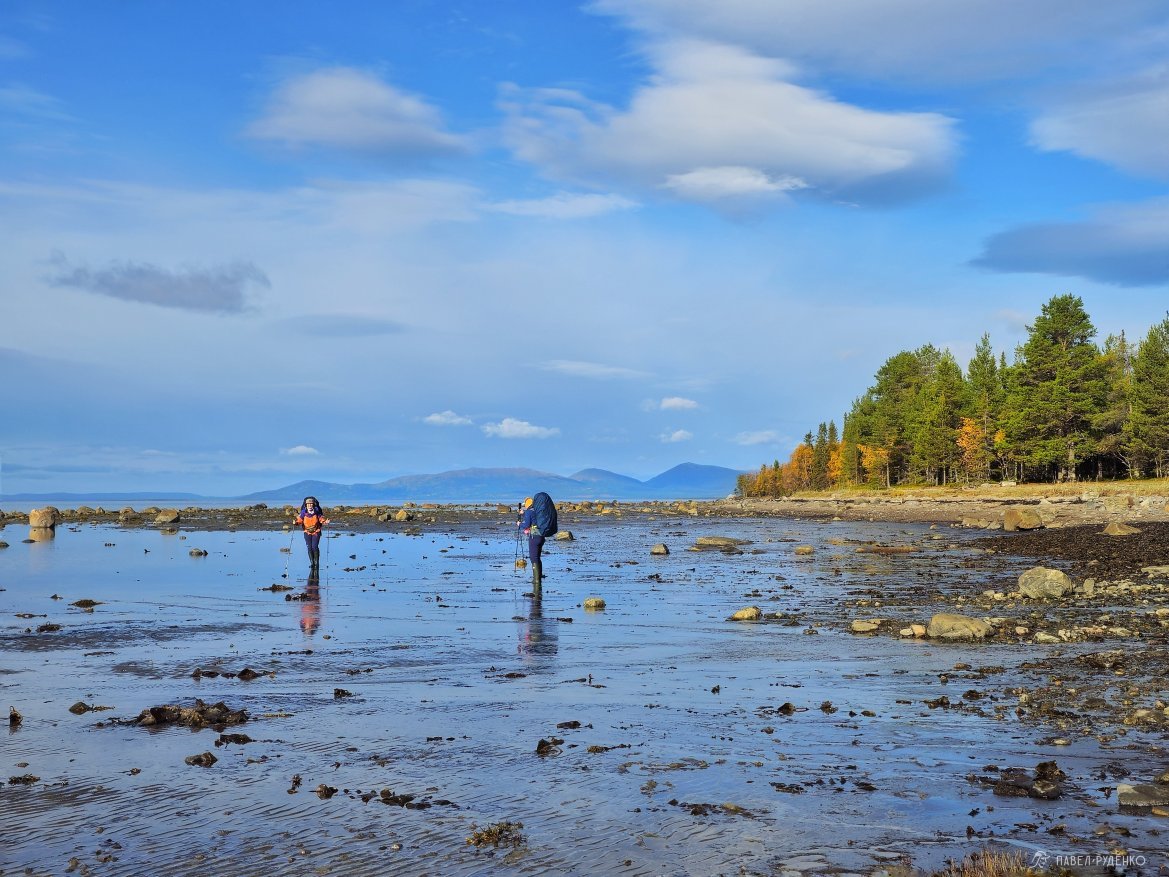
You will never embark on a trek that I haven't personally scouted beforehand. Preliminary scouting and meticulous planning take a lot of time, but that is my golden rule. It guarantees safety, prevents unwanted surprises, and ensures we experience the most spectacular spots in the North. Finding the optimal path across alpine tundra is a true art: navigating around low and high bogs, timing river crossings at low tide, and finding scenic campsites in breathtaking bays, by pristine lakes, and on panoramic fells—so that the beauty of the Arctic surrounds you 100% of the time and stays with you forever.
12. Delicious, high-quality food
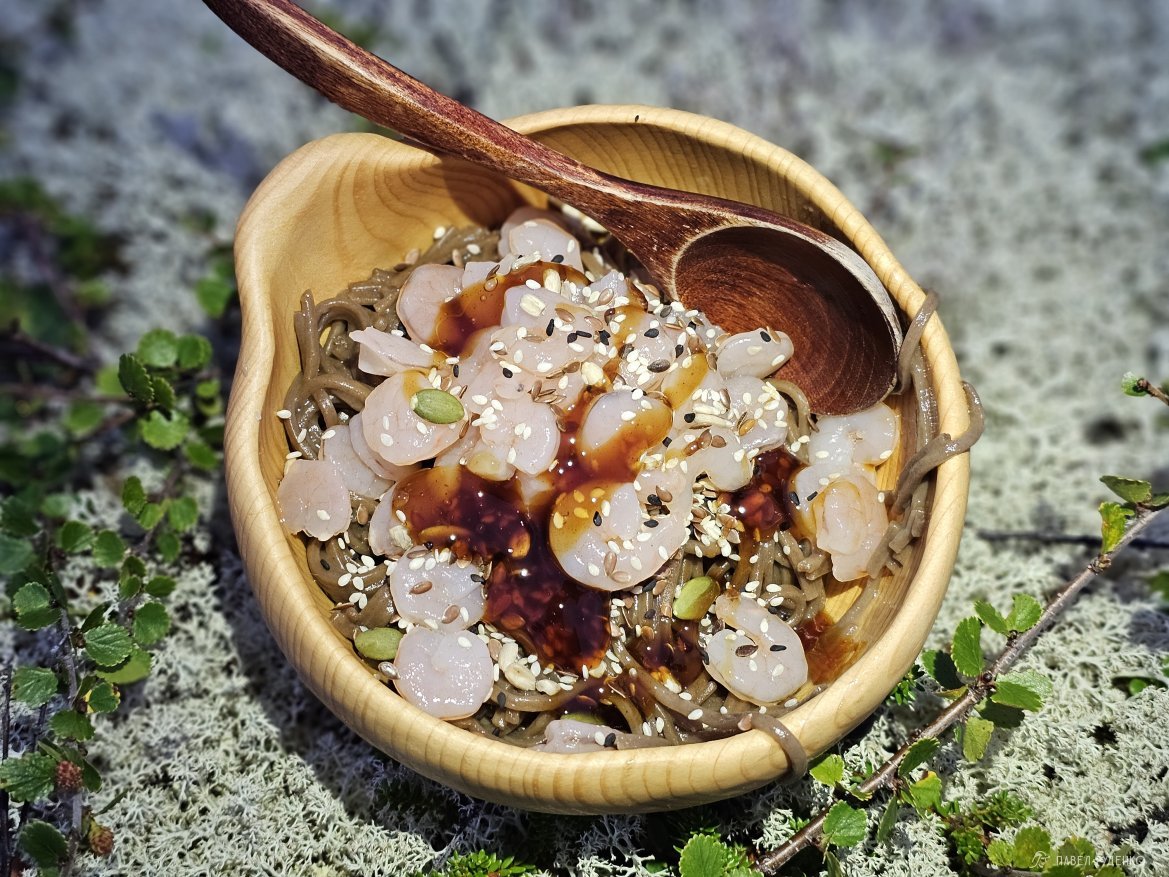
We are in one of the most stunning places on Earth, and camp food should complement our surroundings. That is why I prepare simple yet diverse and delicious meals: lentil soup with tomatoes and venison, glass noodles with shrimp, or soba noodles with rabbit. All cooked with natural spices and served with herbal tea. I know the secret to proper ration planning to keep you well-fed while keeping pack weight and bulk to a minimum. High-energy trail snacks are provided during the day. All food is pre-weighed, portioned, and vacuum-sealed. After finishing the trek, we usually visit a restaurant to enjoy authentic Arctic cuisine and celebrate our return.


Comments (0)