Review of NNN BC, Xplore, NN 75 bindings.
The best choice of bindings for ski tourism, in this article. Many well-known ski tourists are switching to them - Sergey Savelyev, Oleg Chegodaev, Timur Akhmetov. Which ones to choose, I will reveal in the article.
Rottefella NN 75 binding
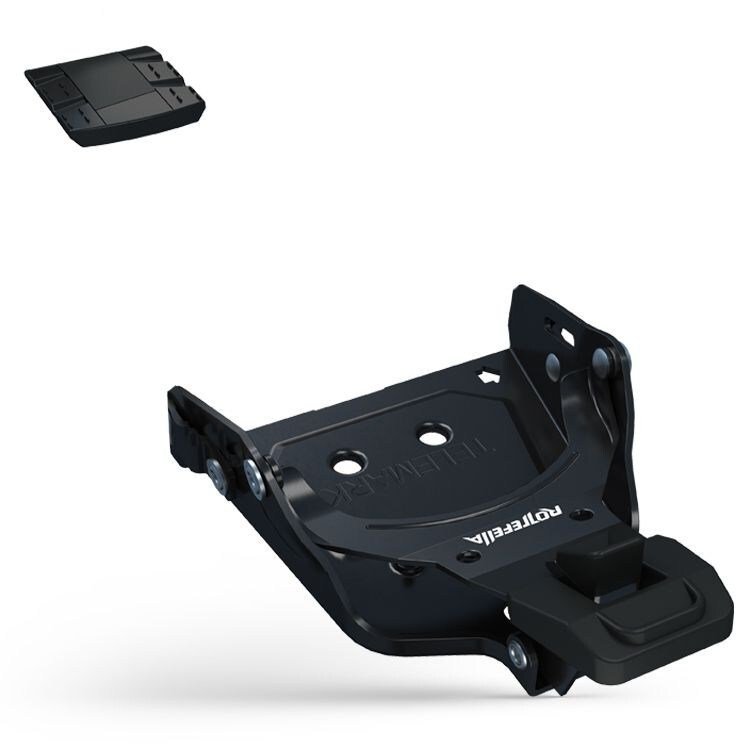
NN75 - classic, appeared in 1971. The first ski bindings to gain fame in the world as Nordic Norm 75 mm. Since then, the Norwegian company Rotteffela has continued to be a world leader in this field and has created 2 more updates, which will be discussed further.
- Weight: 370 g per pair
- Shoe size 36-44
Pros:
- This is the lightest set of bindings for ski tourism if you do not use a heel lock. 3 times lighter than universal bindings.
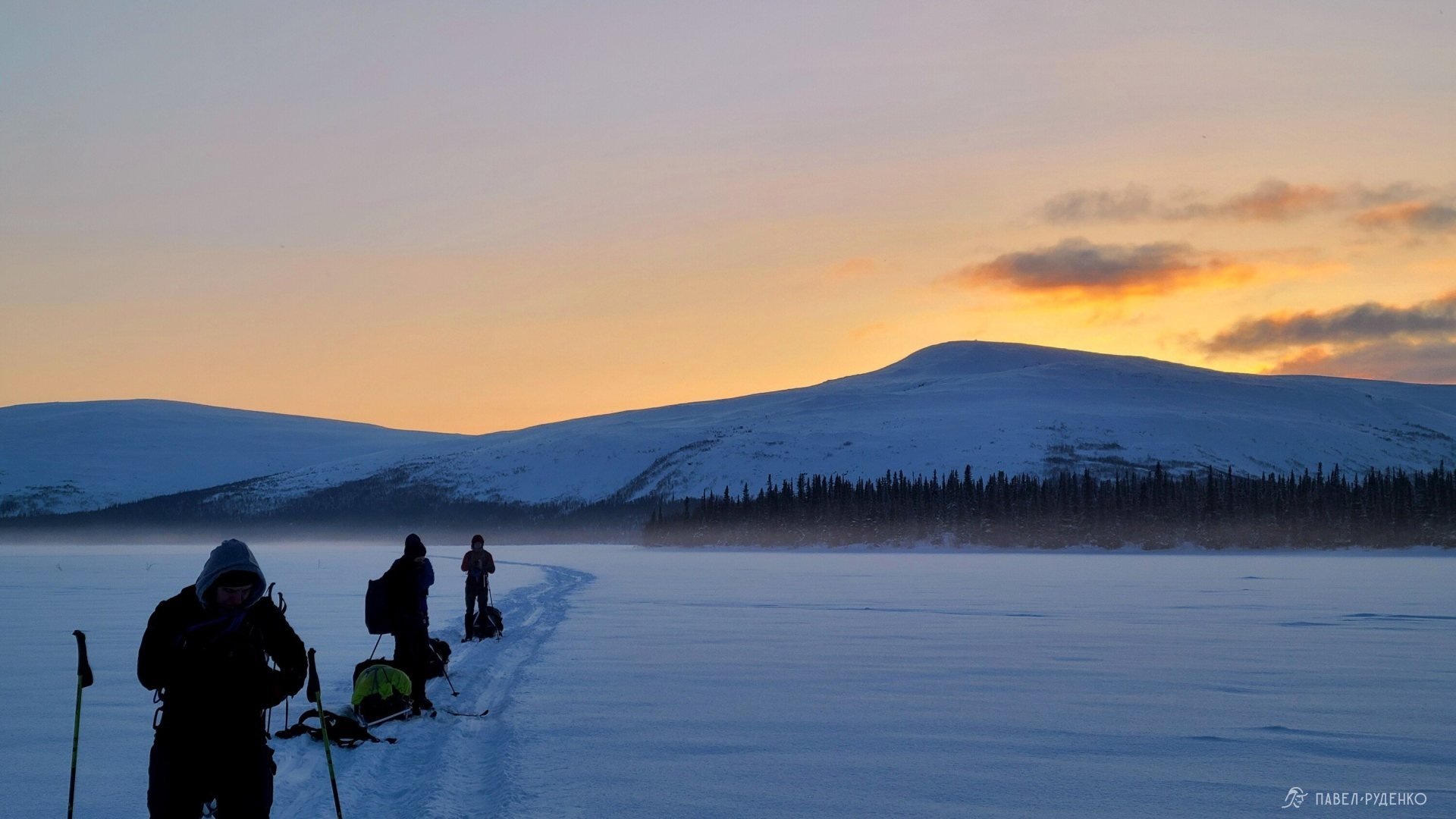
It's getting dark on the ice of the northern lakes -30C.
- The NN 75 binding has less rigidity and boot fixation density than the NNN BC and Xplore bindings. Due to the fact that the NN 75 standard boot must fit between the cheeks of the binding at the toe, there is a gap, plus the elongated nose of the sole has some elasticity, which ultimately gives a play in the heel, about 1 cm different from the more rigid NNN BC design.
- NN 75 has the widest choice of boot stiffness, you can use from a light synthetic boot for one-day walks. Leather boots with insulation for difficult and prolonged hikes, up to polar expeditions. Plastic, two-layer boot like Scarpa T2 75mm or Scarpa T4 75mm, which is not available in other touring bindings, this is a special feature.
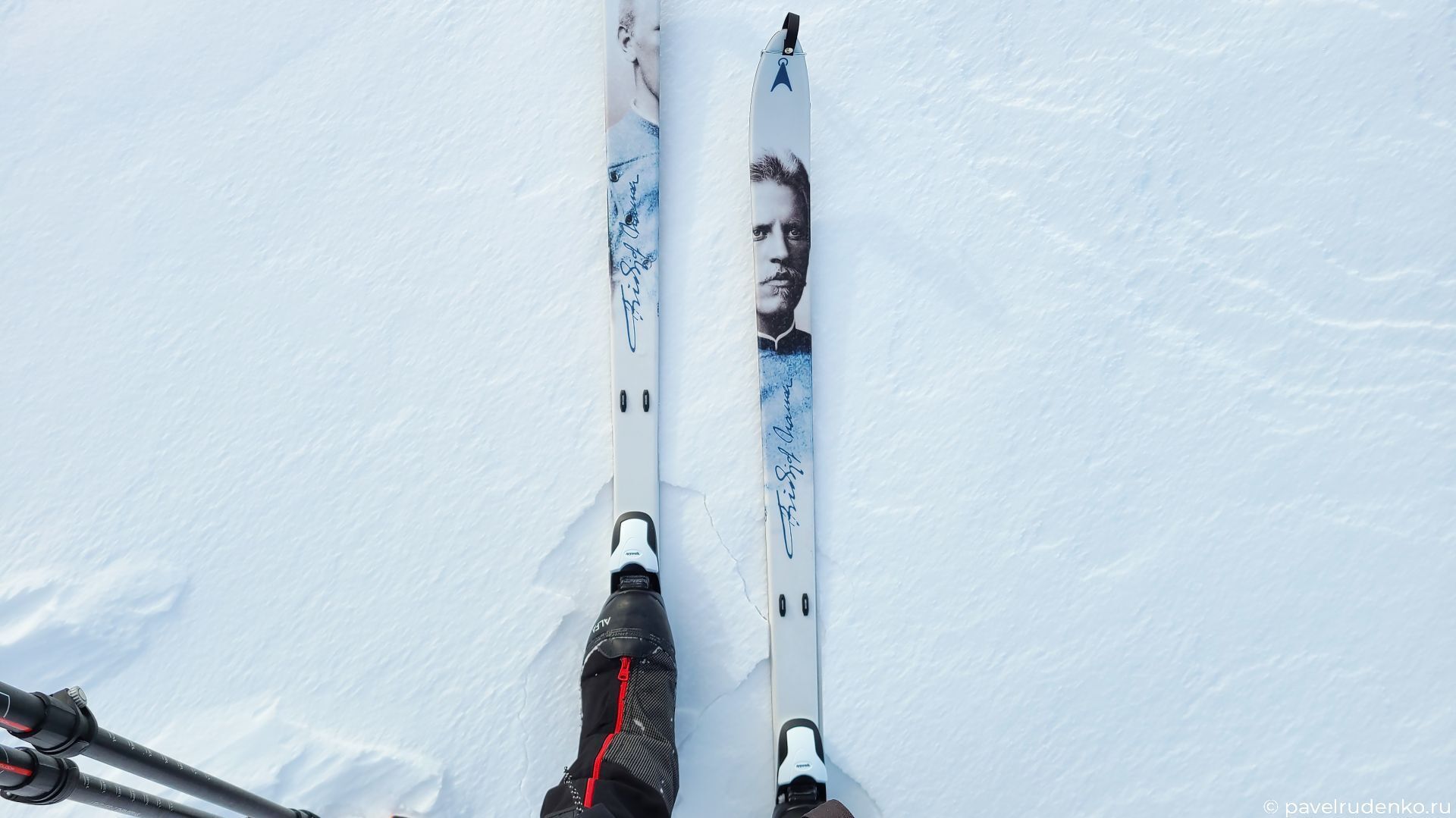
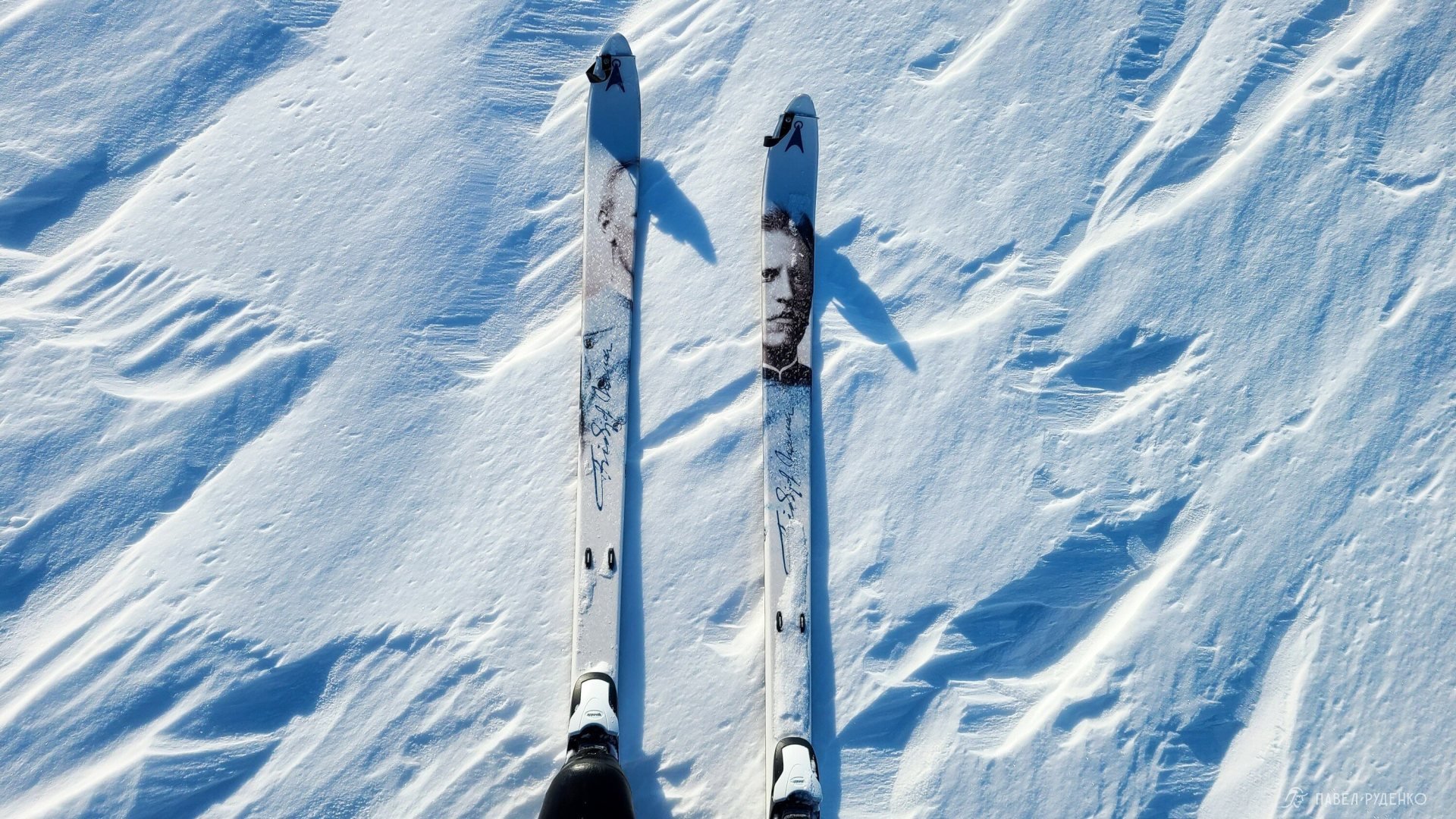
- The bindings have a right and left side. But this does not create big problems, for example, I use Asnes skis, which have a portrait of Nansen and always put them correctly to preserve the aesthetics and don't worry at all).
- Additionally, you can install a heel lock for more rigidity on descents.
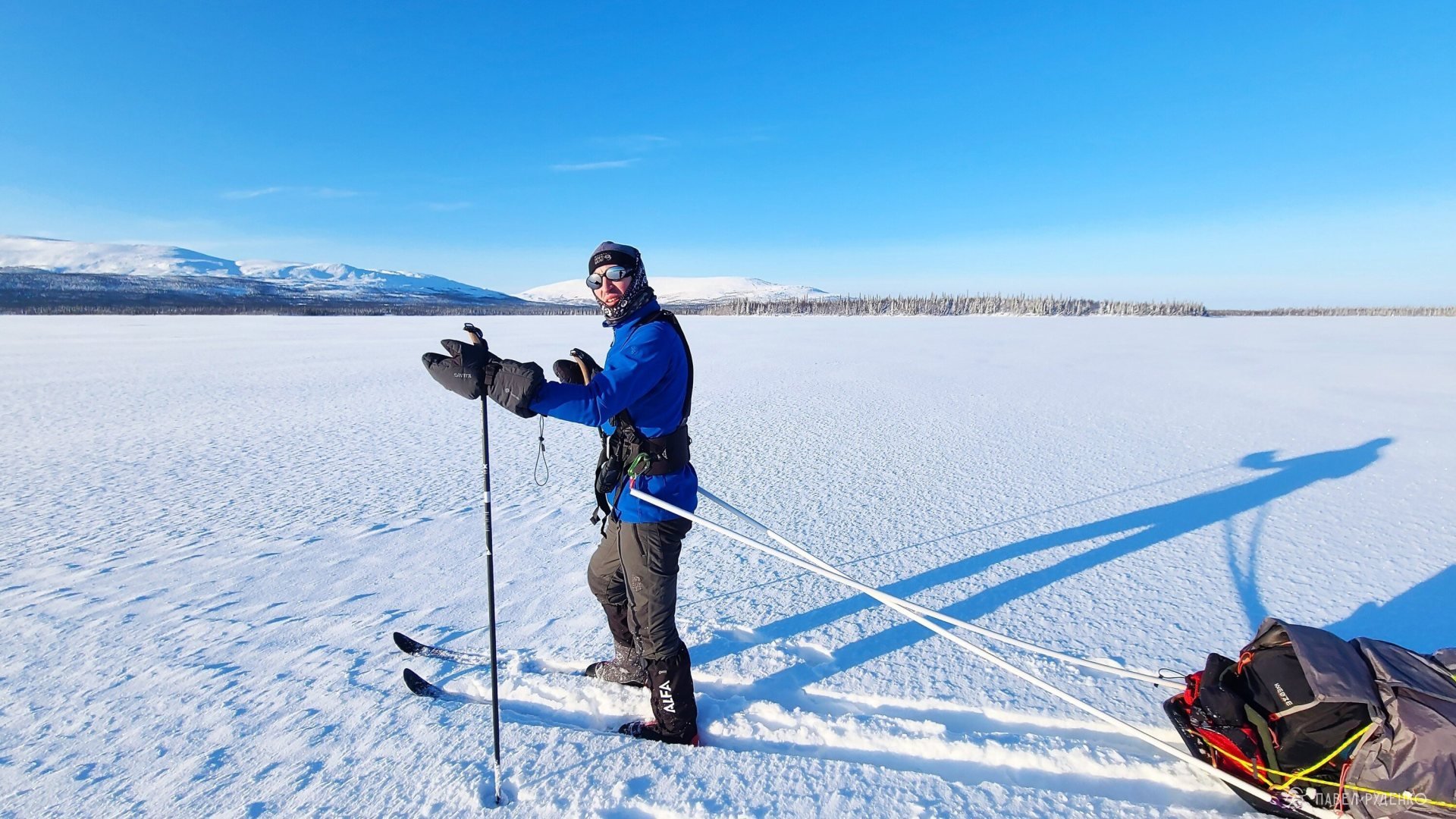
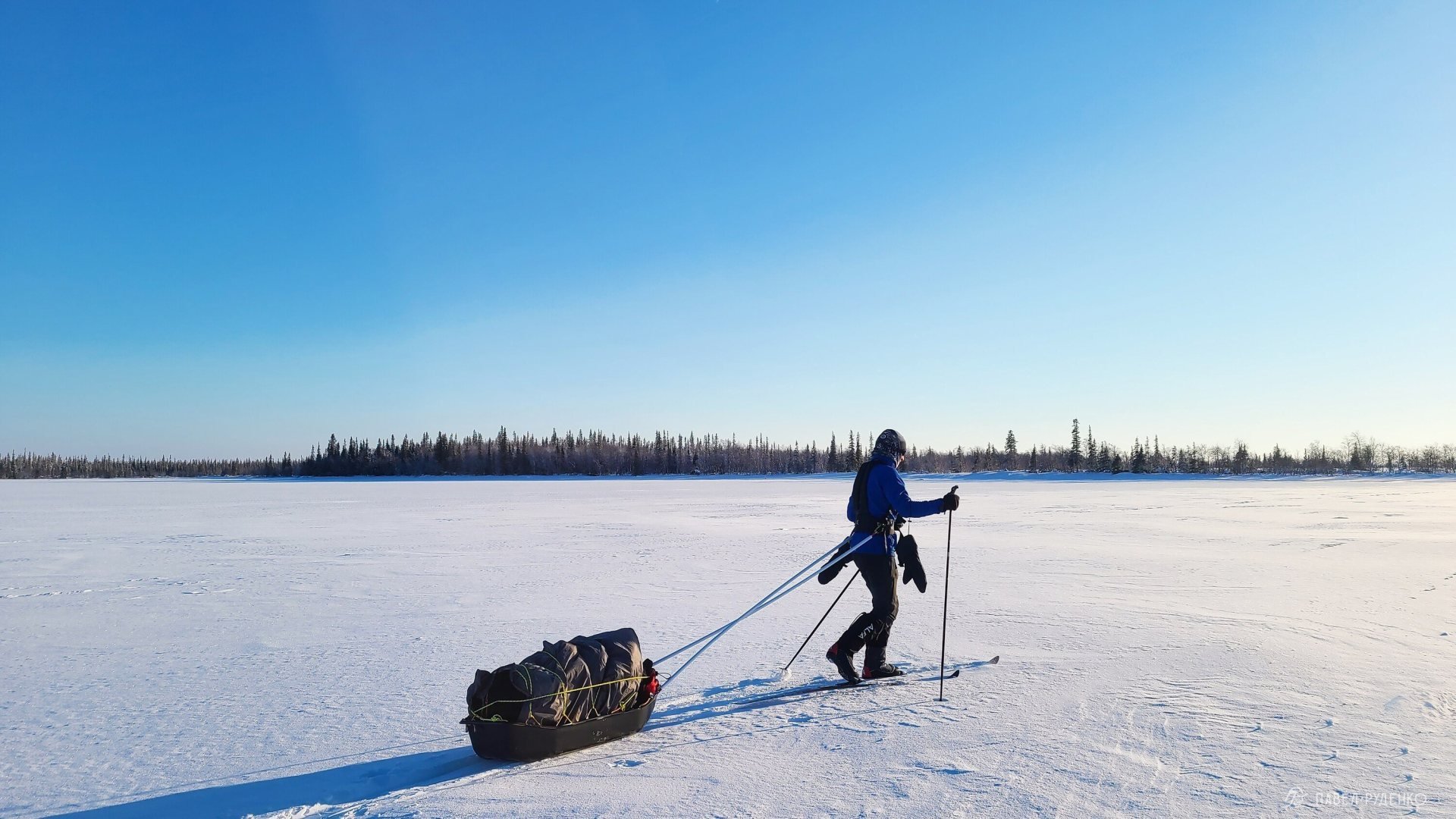
Sasha on Fisher Travers 78 with pulkas on a rigid coupling.
Cons:
- The NN 75 binding also has a smaller choice of soft and warm touring shoes from major manufacturers Alfa, Lundhags, Fisher, Alpina, which is a definite minus.
- It's harder to get the NN 75 boot into the binding pins, especially when snow gets in. If you don't go all the way in, there's a chance you'll damage the sole of the boot.
- They creak unlike NNN BC and Xplore.
Rottefella NNN BC binding
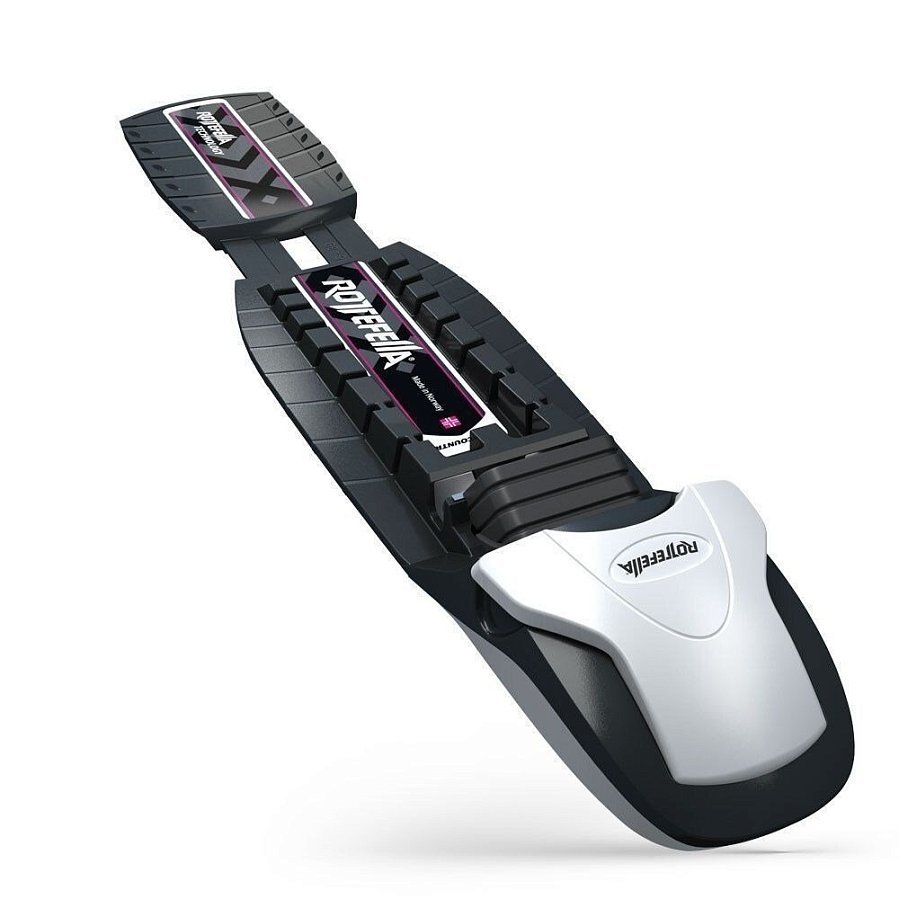
The NNN BC binding - New Nordic Norm BackCountry appeared in 1985, allowing you to move not only in the classic style but also in the skating style. This is a reinforced version of the regular NNN running binding, allowing you to walk off-piste and in mountain conditions, so boots from regular NNN will not fit the NNN BC binding. NNN BC is the most popular binding for ski tourism in the world.
- Weight: 472 g
- Shoe size: 36-52
Pros:
- Can be used on skis with a minimum waist width of 52 mm. These are the narrowest bindings that allow the use of the narrowest skis, such as Asnes Amundsen or Fisher Transnordic.
- There are two versions of the NNN BC binding: Auto and Magnum. Auto has an automatic latch, i.e. no need to bend over to click into the binding, this option is suitable for short hikes of 1 day, as at zero temperatures or if it gets snowy, the binding can freeze and not open. Magnum has a manual mechanism, which allows you to use the bindings in the most difficult conditions without problems, which I actually did, using them as the main set during the day at -30C, and at night below -40C.
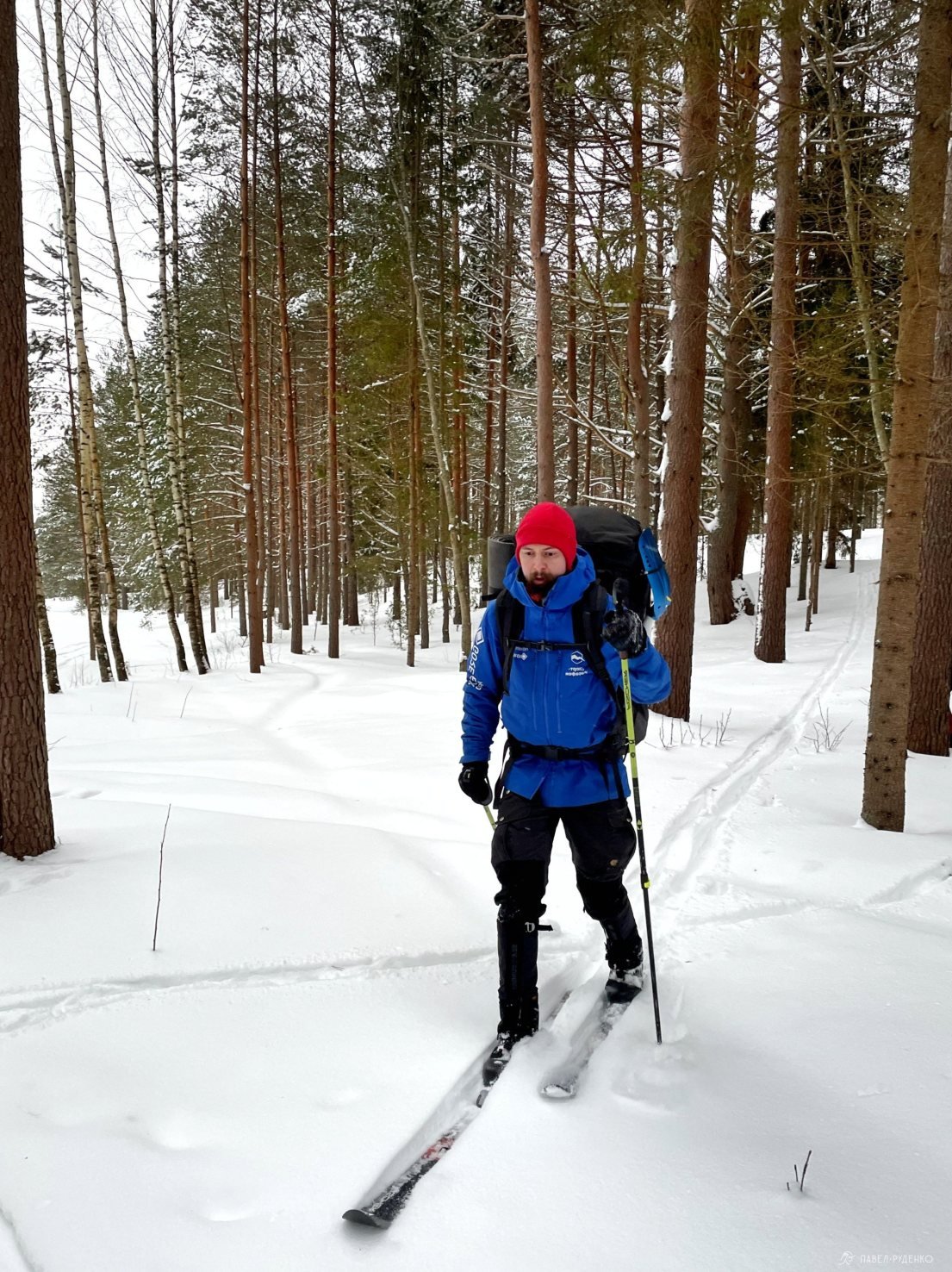
Testing Asnes Amundsen 205 length, with my 70 kg and height 177 they are too long, I would take 195 length for myself.
- More boots are produced to the NNN BC standard than to other bindings. This means it's easier to find a comfortable pair, at the right price and suitable for the task.
- NNN BC binding boots can be used with lake skates. This means you can use one pair of boots with skis and skates. Lake skates are usually worn on rivers or lakes in November or December, when it's minus and everything is iced over, but there's no snow yet, or on Lake Baikal.
- Very high controllability, high torsional and horizontal stiffness. Naturally, this is not a ski binding and the heel is not fixed here, but movement and descents become a little more controllable than NN 75, but worse than Xplore.
- Similar in price to NN 75.
Asnes Nansen with NNN BC Rottofella and Alfa Outback, on the Southern Urals, Zyuratkul.
Cons:
- The flexor, a rubber insert on the toe of the binding, wears out after 100-150 km and needs to be replaced. You can replace it with a hard flexor for more controlled descent.
- Sometimes the flexor is poorly fixed in production and falls out. After purchase, insert it tightly into the binding and everything will be okay.
The bindings are very cool, I'm completely satisfied with them.
I organize team ski hikes on the Kola Peninsula, where we test our gear and explore new corners of the north. See the schedule and join us!
New Rottefella Xplore binding 2022
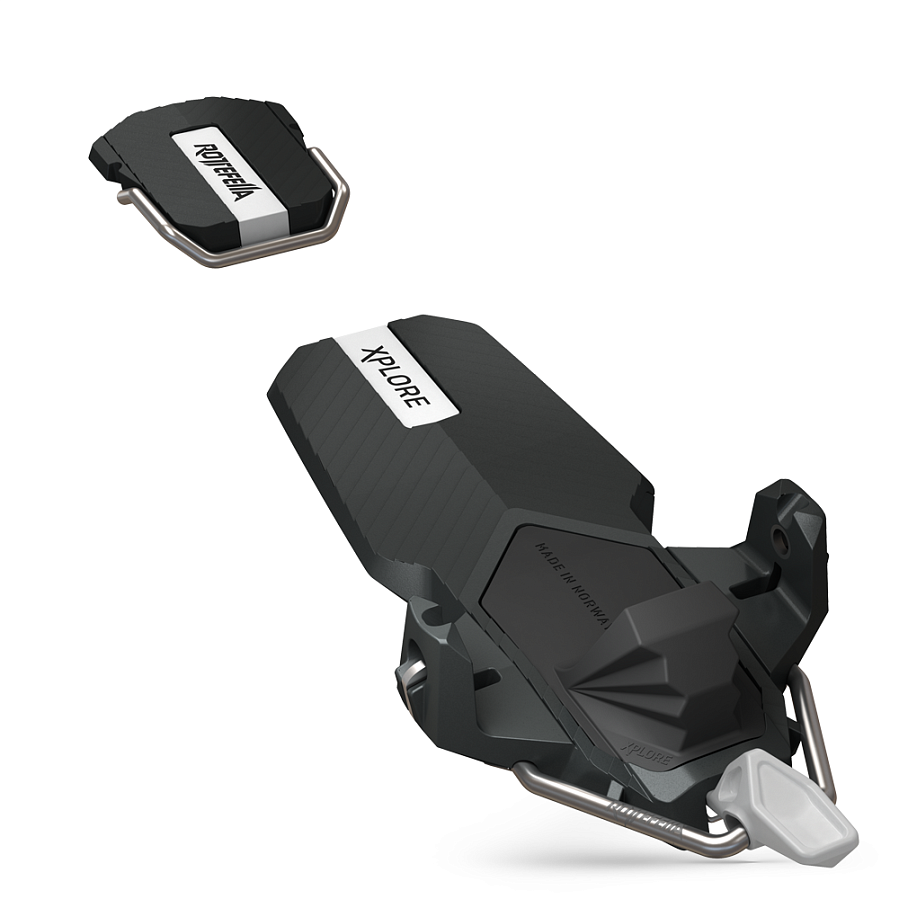
We were lucky to witness a rare event, a new standard for touring ski bindings appeared before our eyes — Rottefella Xplore Off-track. In 2022, Rottefella and Alfa (ski boot manufacturer) released the binding, and the guys from Asnes (ski manufacturer) tested pre-production samples.
Having seen the spring pins for the first time, as with everything new, questions arise about how reliable it is, but I found a video of Xplore Alfa test boots that have been used for 5 years and, apparently, no problems. It's still hard to talk about all the details, but the binding is definitely interesting.
- Weight: 529 g
- Shoe size: 36-52
Pros:
- Easy to fasten by pressing the boot on the binding, similar to a ski touring system, and unfasten by pressing the ski pole on the lock. This is very cool, no longer need to bend over with a backpack on your back to fix the boot.
- The pin on the side of the boot reduces the possibility of snow clogging. No need to clean the boot and binding every time, as with NNN BC and NN 75.
- The pins themselves are located on the sides, which is twice as wide as other Rottefella bindings, this provides more rigidity and control on descents, and also when moving in a straight line, the skis sway less, i.e. they go more stable straight. Many users note this point.
Video on how to use the Xplore binding.
- The bindings are very thought out and can be adapted to the terrain and tasks using a replaceable flexor - a rubber insert in the toe of the binding, which the boot rests against when moving forward. Standard medium stiffness is set on the binding. Damn capitalism offers to buy a pivot plate instead of a flexor - Free Pivot Plate for climbing and using with pulkas, it will give complete freedom of movement. Or a hard flexor Hard, for descending from the mountain. It's easy enough to change, but without trying it, I don't have an idea, is it convenient and will I want to change it during the hike. The bindings are expensive enough already, why not include it, it annoys))
- Finally, a 36mm heel pad appeared. Like on snowshoes or ski touring bindings, we lift the bracket and unload the leg muscles on the climb. For some unknown reason, there is no heel pad for NNN BC and only sometimes for NN 75.
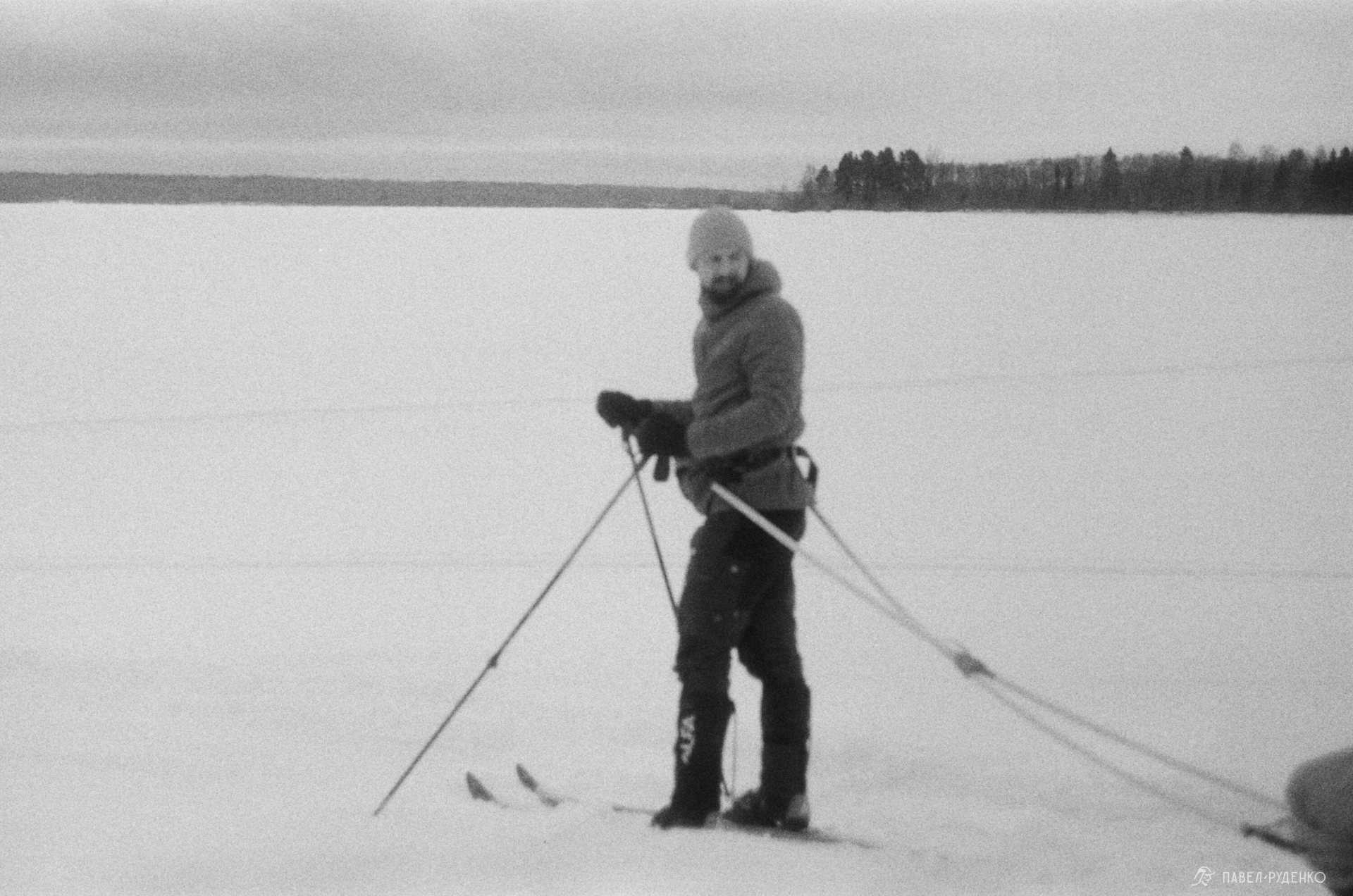
Tver lakes with pulkas on a rigid coupling. Filmed on Zenit.
- Probably one of the most interesting changes is the rigid sole of the boot to the Xplore standard. This gives more control on difficult terrain and descent and then opinions are divided, some say that due to the rigid sole, the natural bend of the boot is less than that of NNN BC, it works worse. Others say that due to the wide pin placement and flexor adaptation, the ski is more stable in a straight line. Intuitively and according to Sergei Savelyev's review, I склоняюсь to the option that on flat ground they are worse than NNN BC. So Xplore can be defined as bindings for regions with constant elevation changes, not for tundra, pole or Baikal.
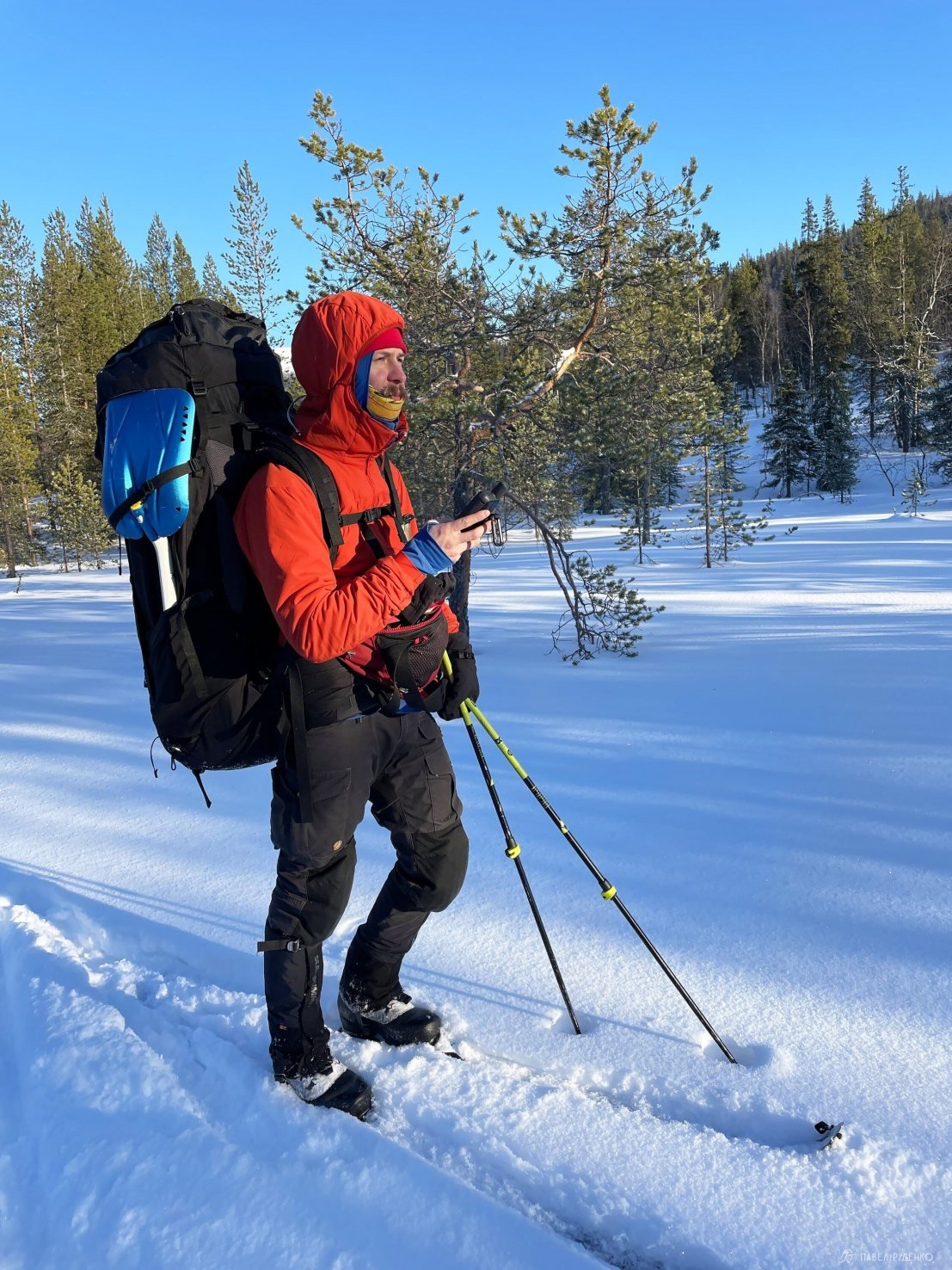
Lundhags Guide BC Expedition boots with NNN BC bindings.
Cons:
- The rigid sole presumably works worse on flat areas as the flexibility of the new Xplore standard sole is lost.
- High price of the binding. Perhaps it will fall over time when the innovations and development pay off, but I'm sure the bindings will definitely find their user.
Conclusion on the models
Bindings are listed in the order of their creation, NN 75 in 1971, NNN BC in 1985, and Xplore in 2022. None of them are bad, each has its own characteristics and purpose.
NN 75 is worth considering when you want to do more downhill runs, use boots of different stiffness, from soft ones for flat trekking to hard plastic ones for controlled descents and telemark.
NNN BC is suitable for winter tourism and long expeditions. The standard has a good selection of warm and soft boots that are comfortable for walking long distances. A large number of expeditions to the poles have been completed using NNN BC.
Xplore is a new breath of fresh air, something in between the previous standards, adaptive and very interesting. If I have the opportunity, I will buy or test them. We have the opportunity to try a novelty of this kind, which has not happened for 27 years.
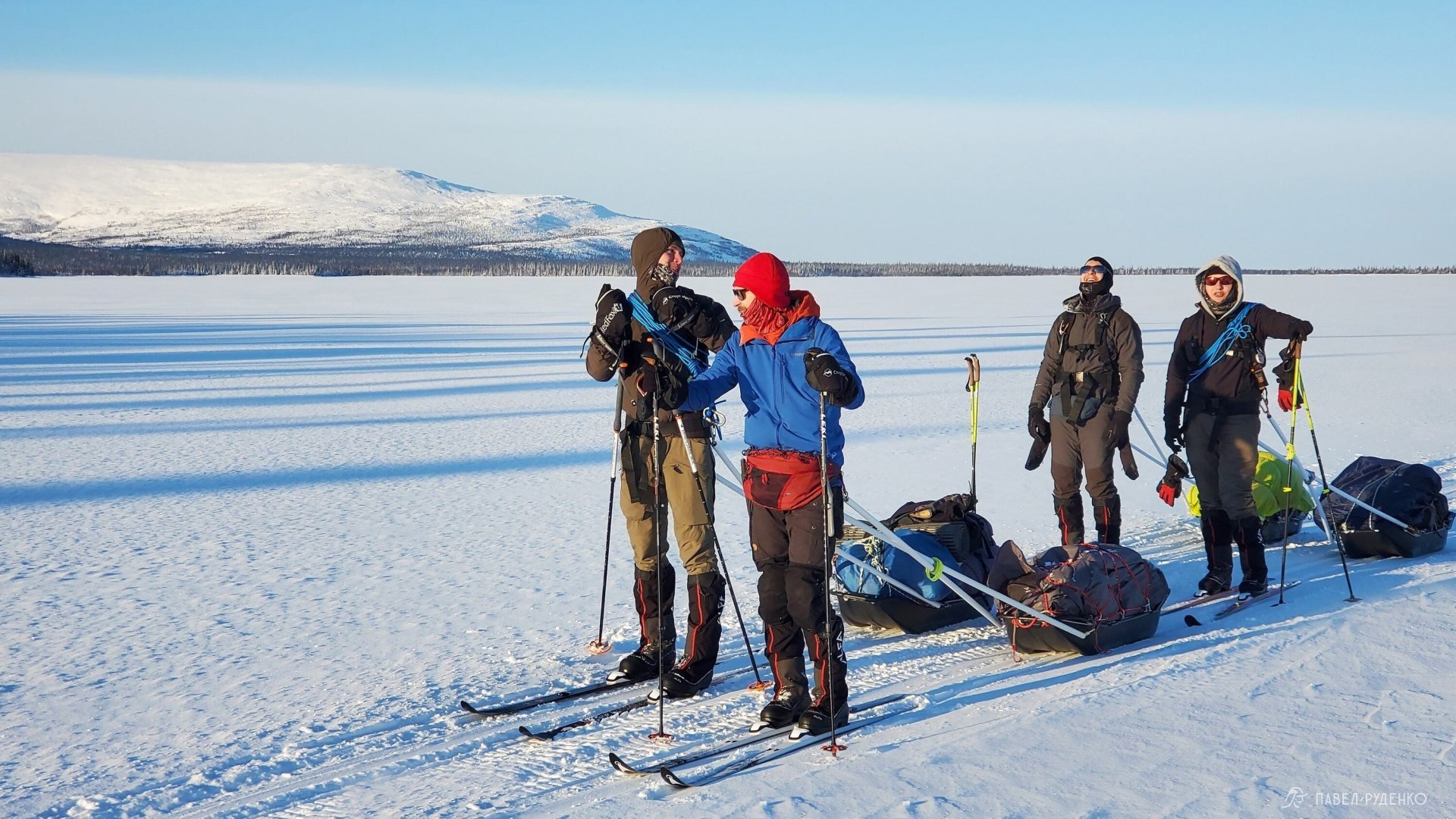
The whole team is on NNN BC and Alfa Outback boots, my promotion as the best, affordable set. Skis Sporten Ranger, Fisher Travers, Asnes Nansen, Fisher 66.
General conclusion
Now I'm using NNN BC, it's the most popular and understandable binding for ski trekking of any difficulty. After testing several pairs of Alfa Outback and Lundhags BC Guide Expedition boots, I found a great set with insulated gaiters for bivouac.
I like the high reliability of NNN BC and the ease of use, so I'm completely satisfied with them. Of course, after trying everything on different treks, you can come to the ideal set. I will add to the article as I gain more experience in winter trekking.
Visit social networks, there are more photos and videos from ski treks))


