
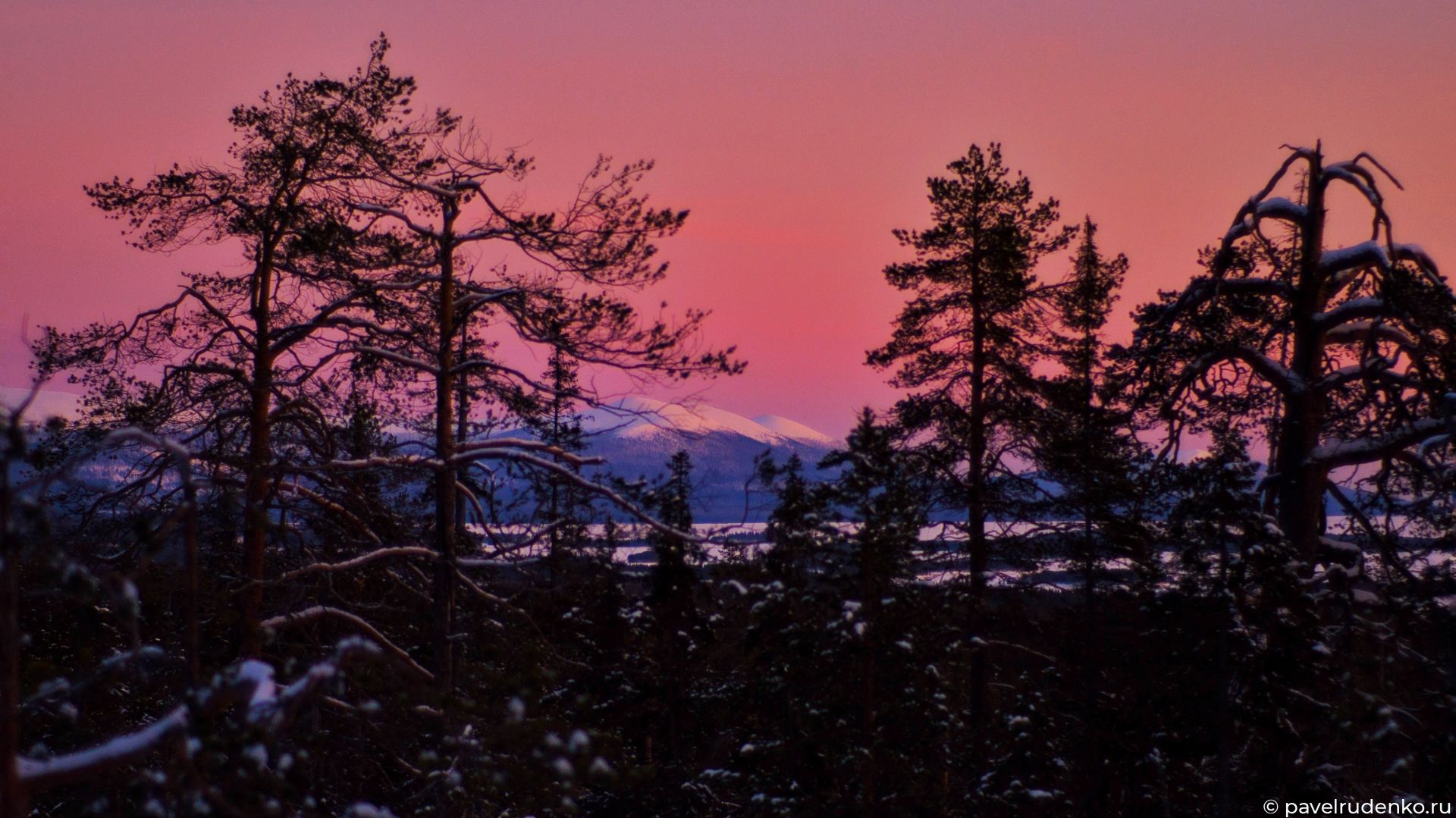
The southern part of the Kola Peninsula, the Kandalaksha Coast, offers an incredible concentration of beauty per unit of time.
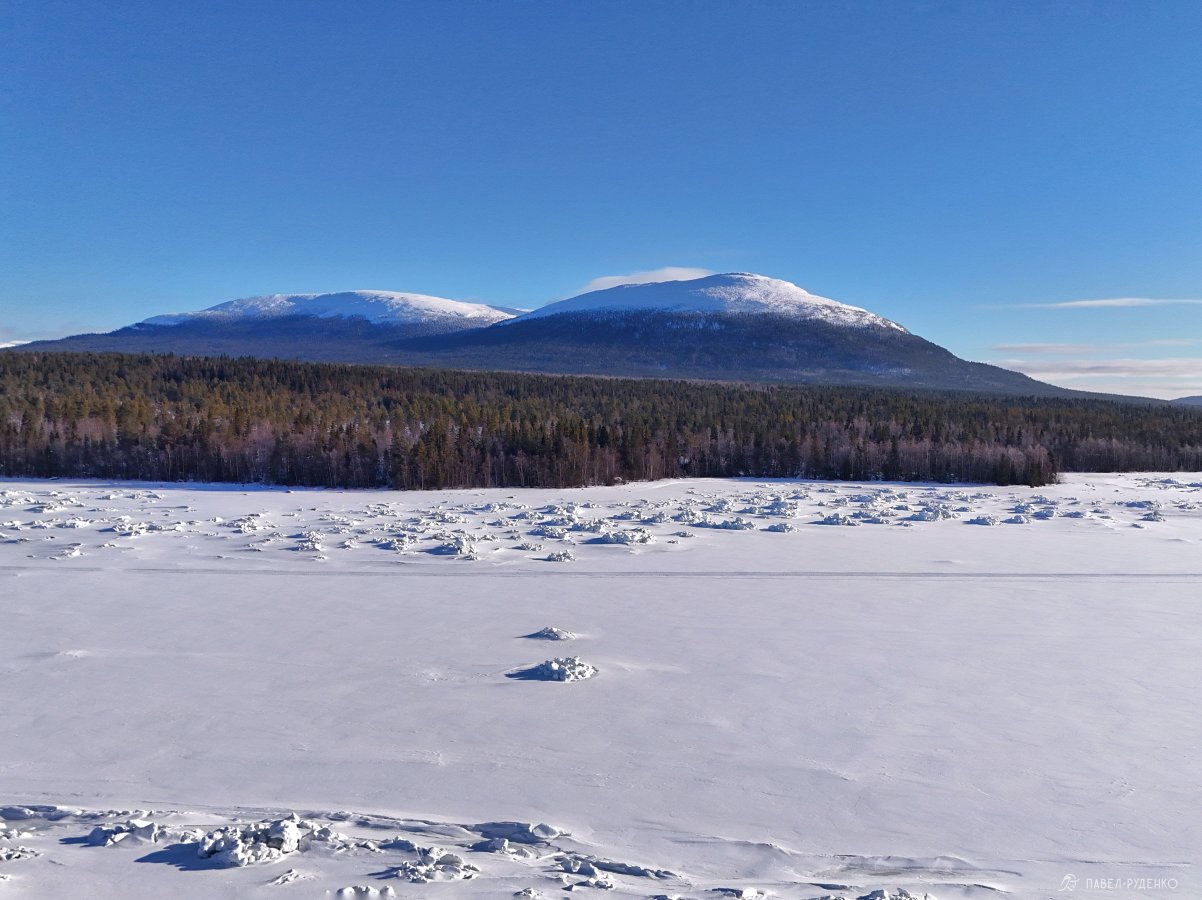
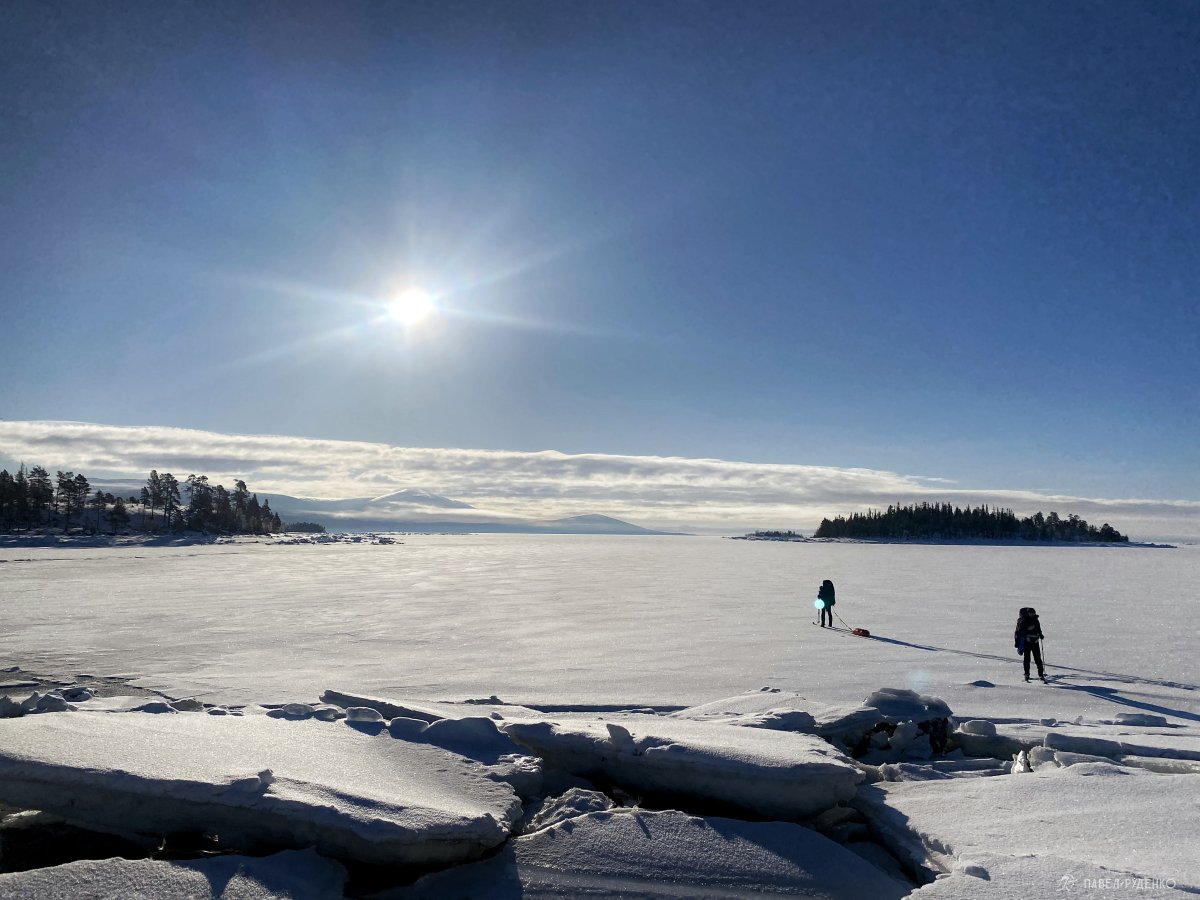
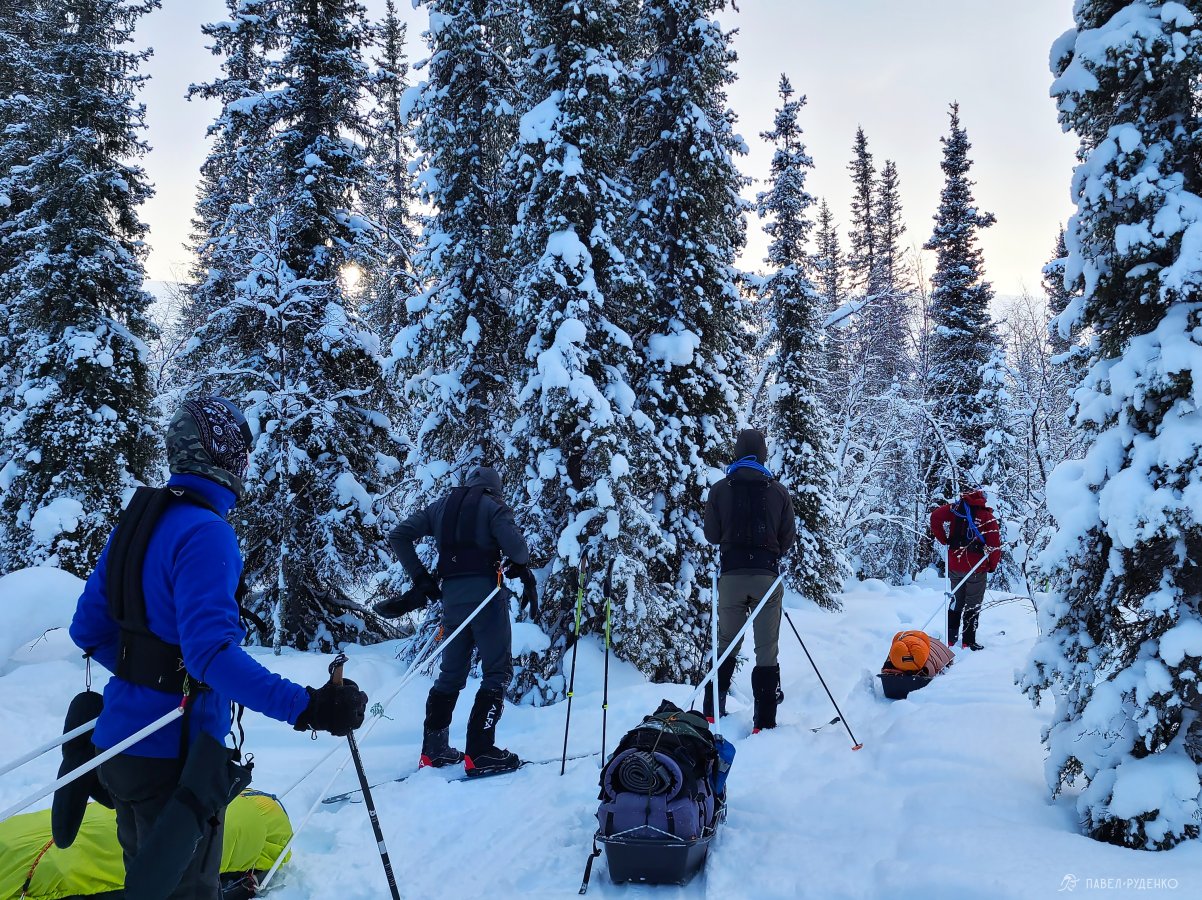
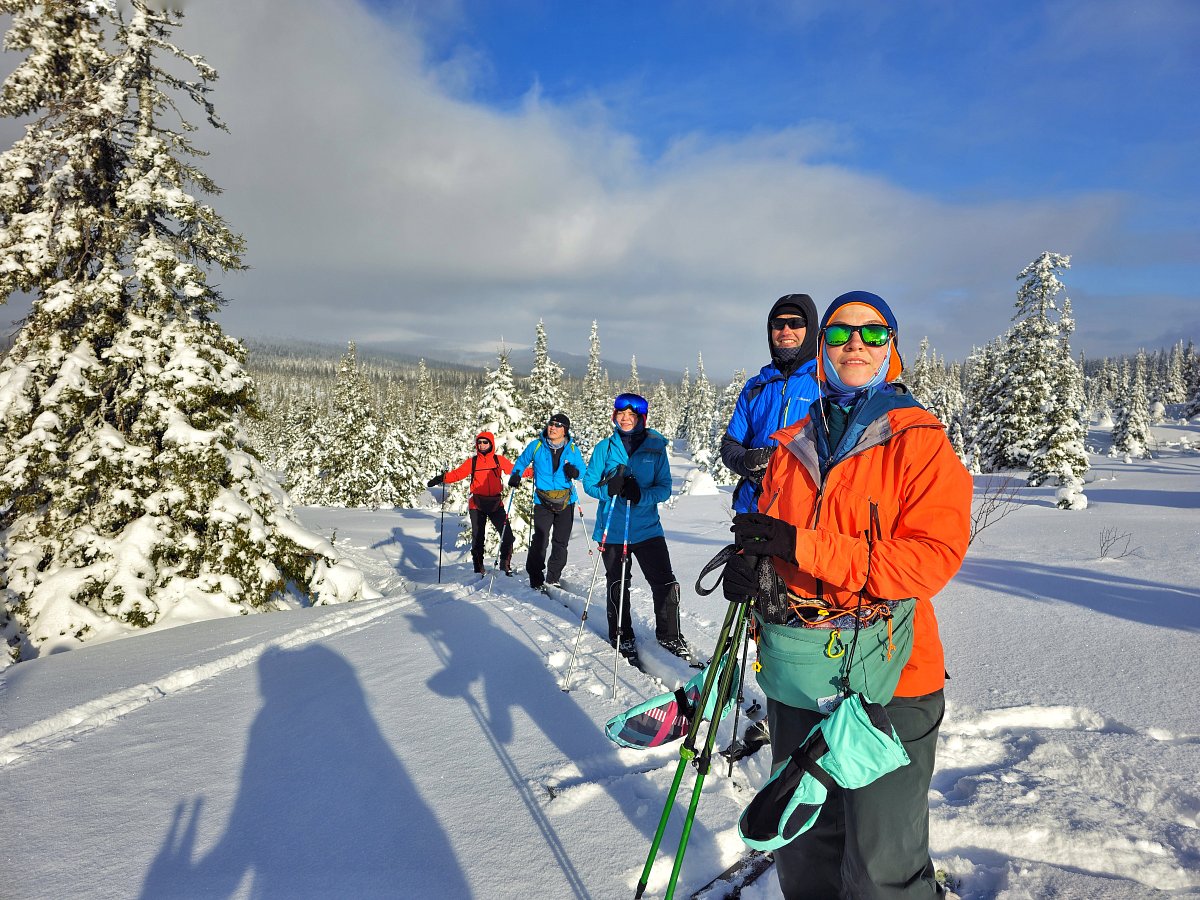
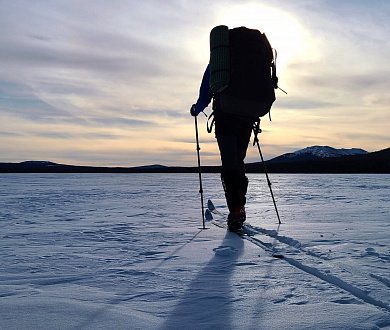
Over the course of a 5-day trek, you will traverse right across the frozen ice of the White Sea, through northern spruce taiga, with two days of day hikes ascending the fells into the tundra zone up to 700 meters, which affords a vast panoramic view of the islands and the entire White Sea.
In my opinion, this is the most scenic and accessible area for both beginner and advanced ski tourers.
Russian Lapland and Kandalaksha Gulf is a place where the sea meets the White Fells so closely that you can start your morning on the ice and have lunch on a summit in the tundra.
This part of the Kola Peninsula has not yet earned its well-deserved fame as a ski touring mecca, but it definitely will. It is safer than the Khibiny Mountains thanks to tall spruces providing shelter from the wind. Avalanche danger is low due to gentle fells. The weather is more stable, offering a unique opportunity to safely traverse sea ice on a ski expedition.
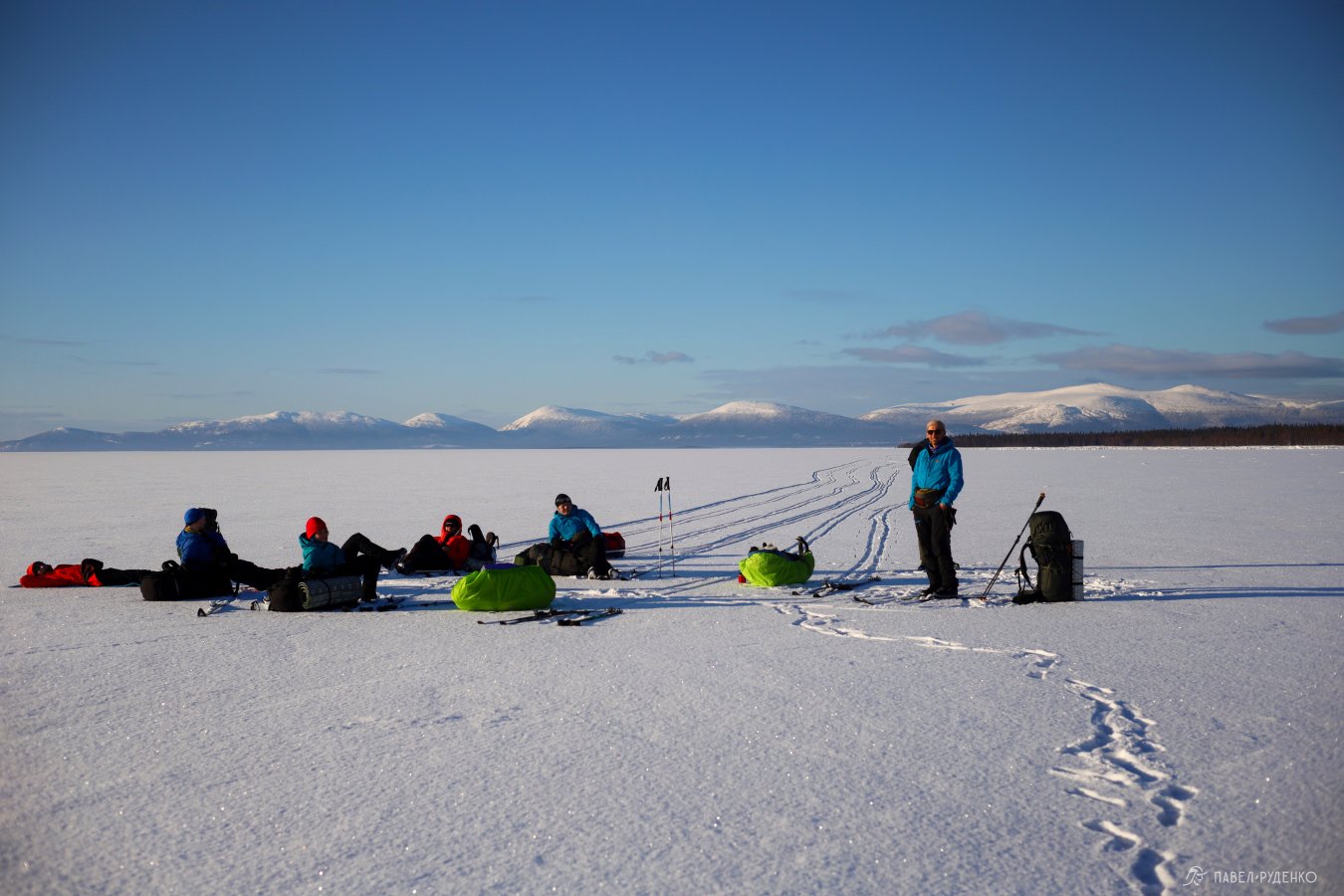
Kurzhak: The "White Fells" Phenomenon
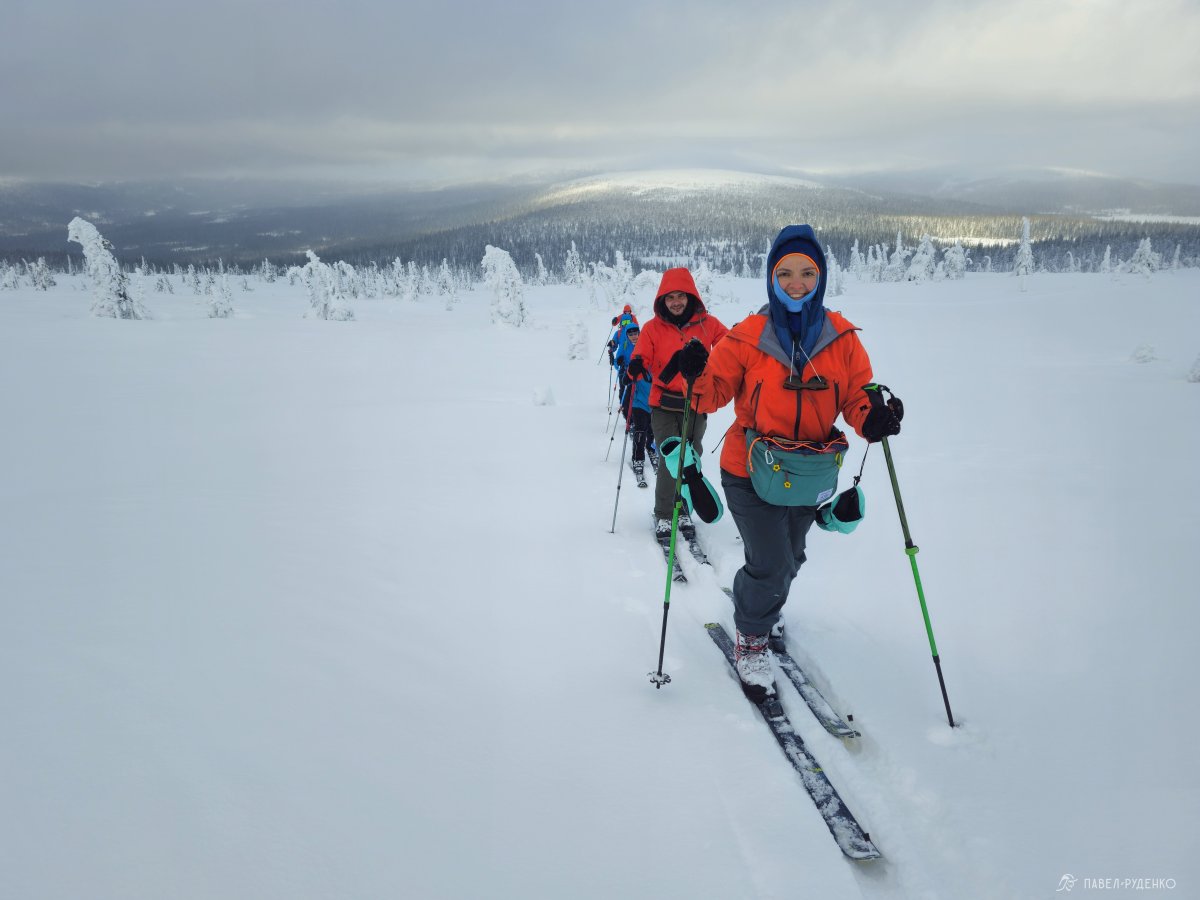
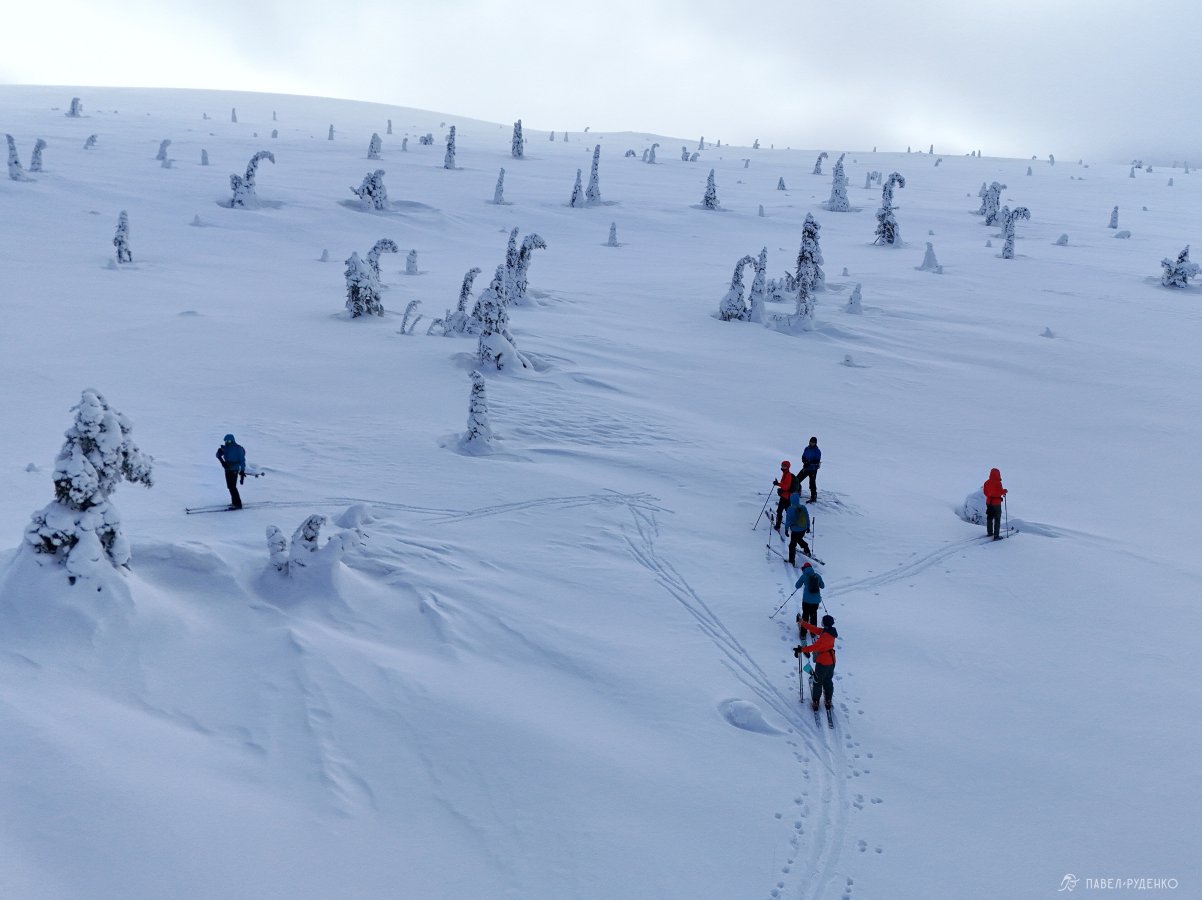
You may have seen photos where trees have turned into giant, surreal snow sculptures. This phenomenon is known as kurzhak, snow crowns, or snow ghosts. A thick layer of dense, icy snow and hard rime completely encases the trees. This layer of snow can weigh hundreds of kilograms per tree, bending its branches.
Why does this happen here? It is not just about having "a lot of snow." Kandalaksha Gulf is a deep tectonic rift, reaching depths of up to 340 meters. This immense mass of water acts like a heat accumulator, warming the air. Moist marine vapor rises, collides with the fells, and instantly freezes onto the branches. The wind then compacts this frost into a solid shell.
Skiing among them is an extraordinary delight and a true celebration of winter wilderness.
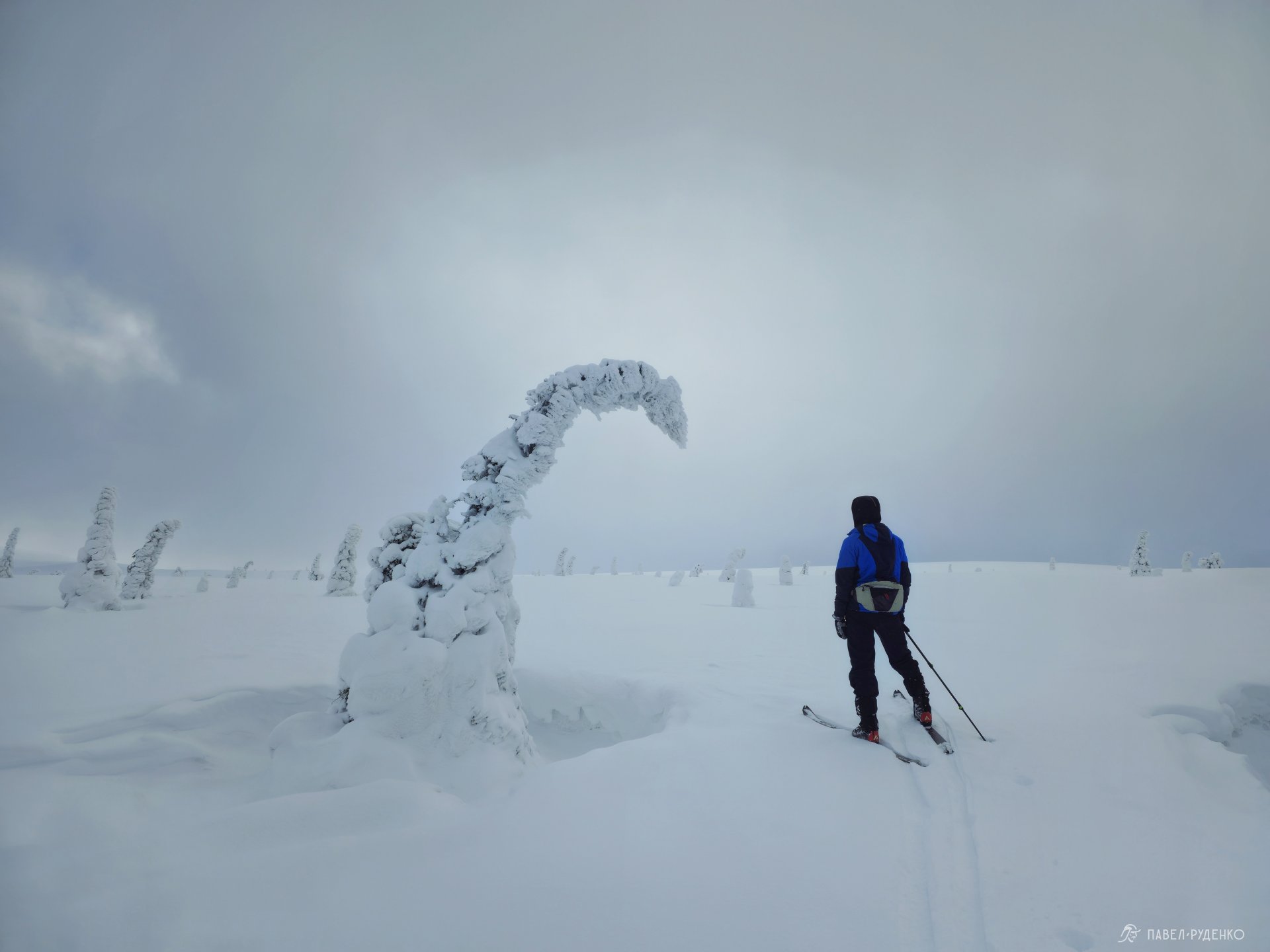
From the Sea to the Fell Summits
Ski touring in Russia has its gems, and this format is truly unique.
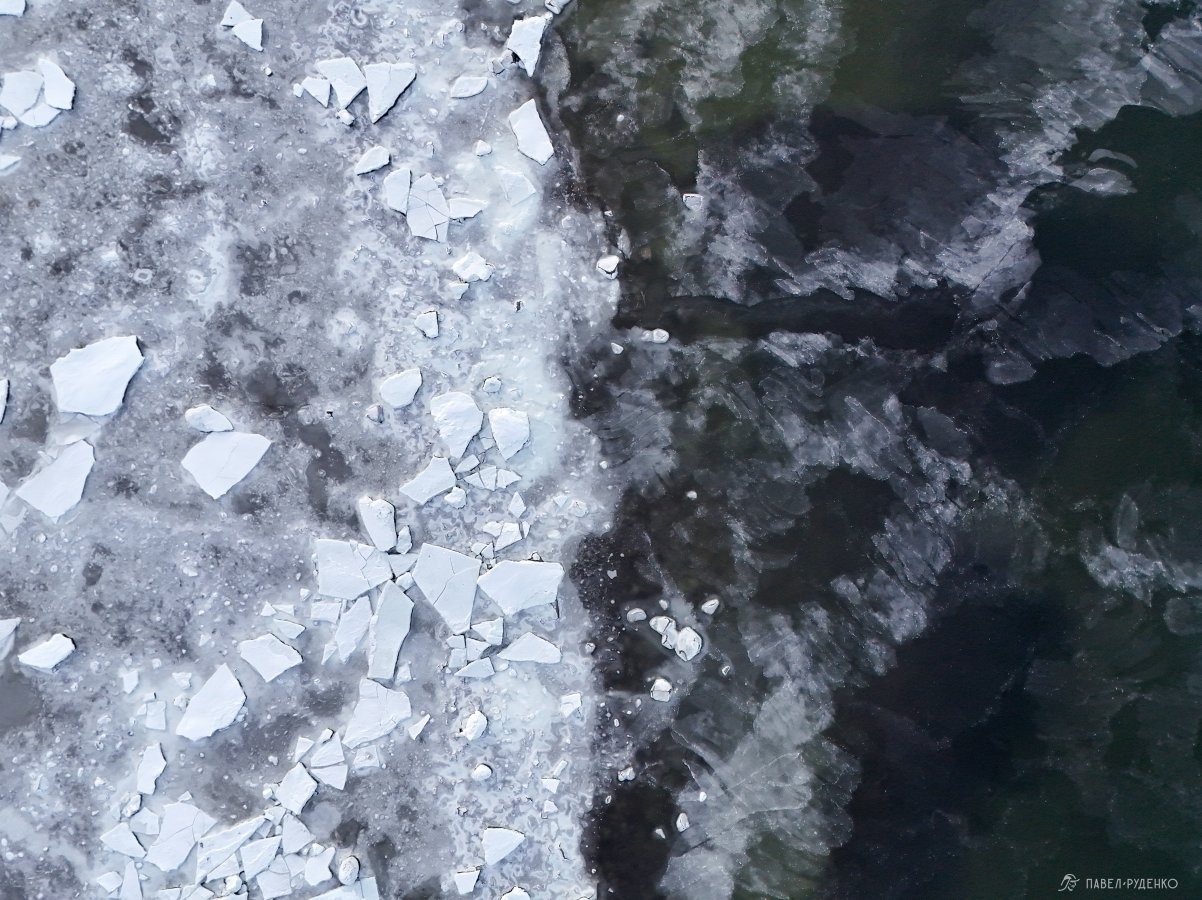
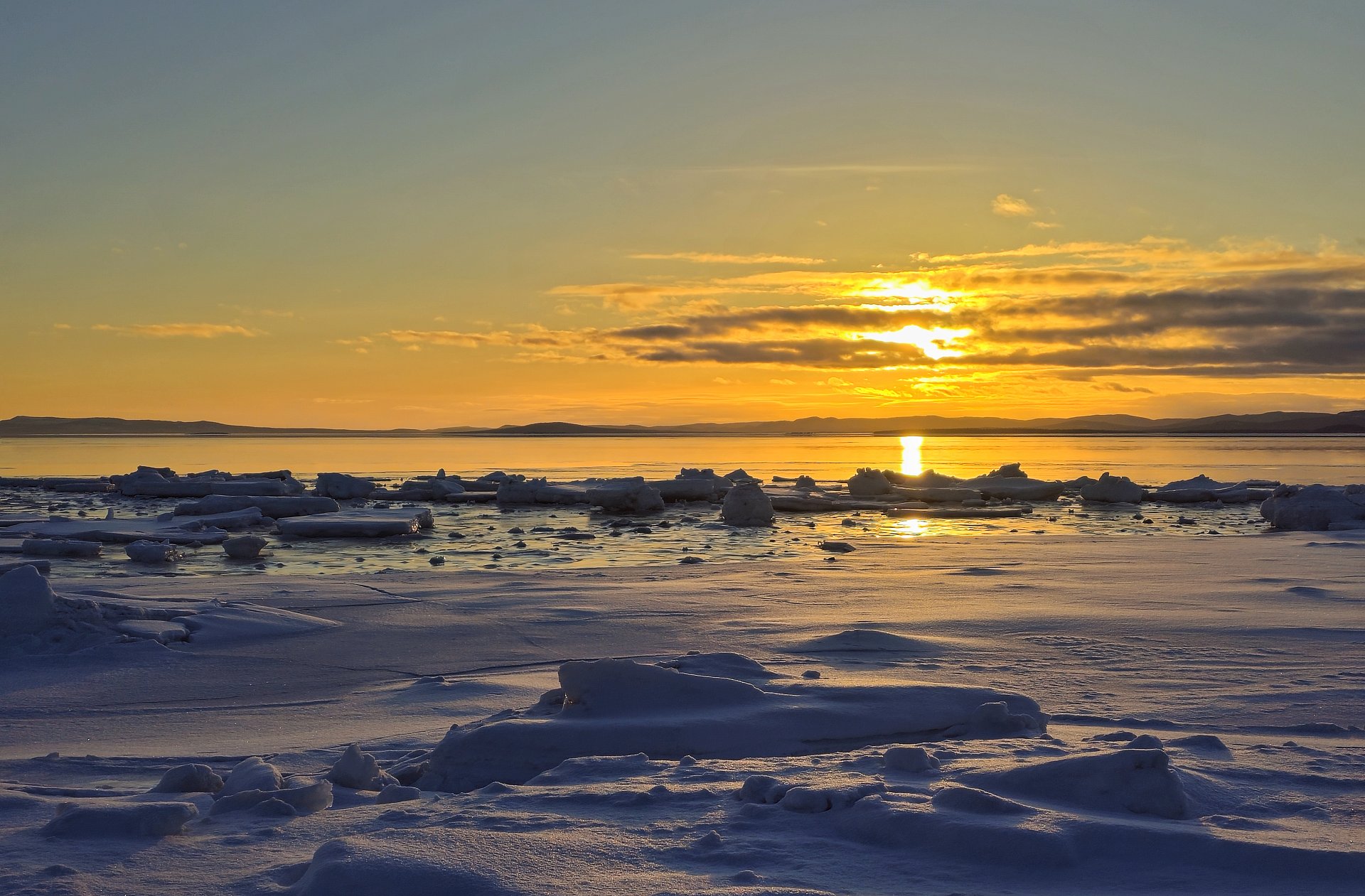
Imagine this: we step into our skis right at the shoreline. Beneath us lie meters of ice and hundreds of meters of dark ocean abyss. We ski across the frozen sea. This sense of vastness is beyond words—the horizon blends into the sky, and you glide through white infinity.
By evening, we can ascend the White Fells. Just a five-kilometer trek takes you into an entirely different climate zone. Below lie open expanses of ice, followed by cozy coniferous forests, while the fells reign with harsh Arctic beauty. Here, you experience a transition between diverse climate zones, while on the northern coast of the Kola Peninsula by the Barents Sea, such tundra stretches for hundreds of kilometers.
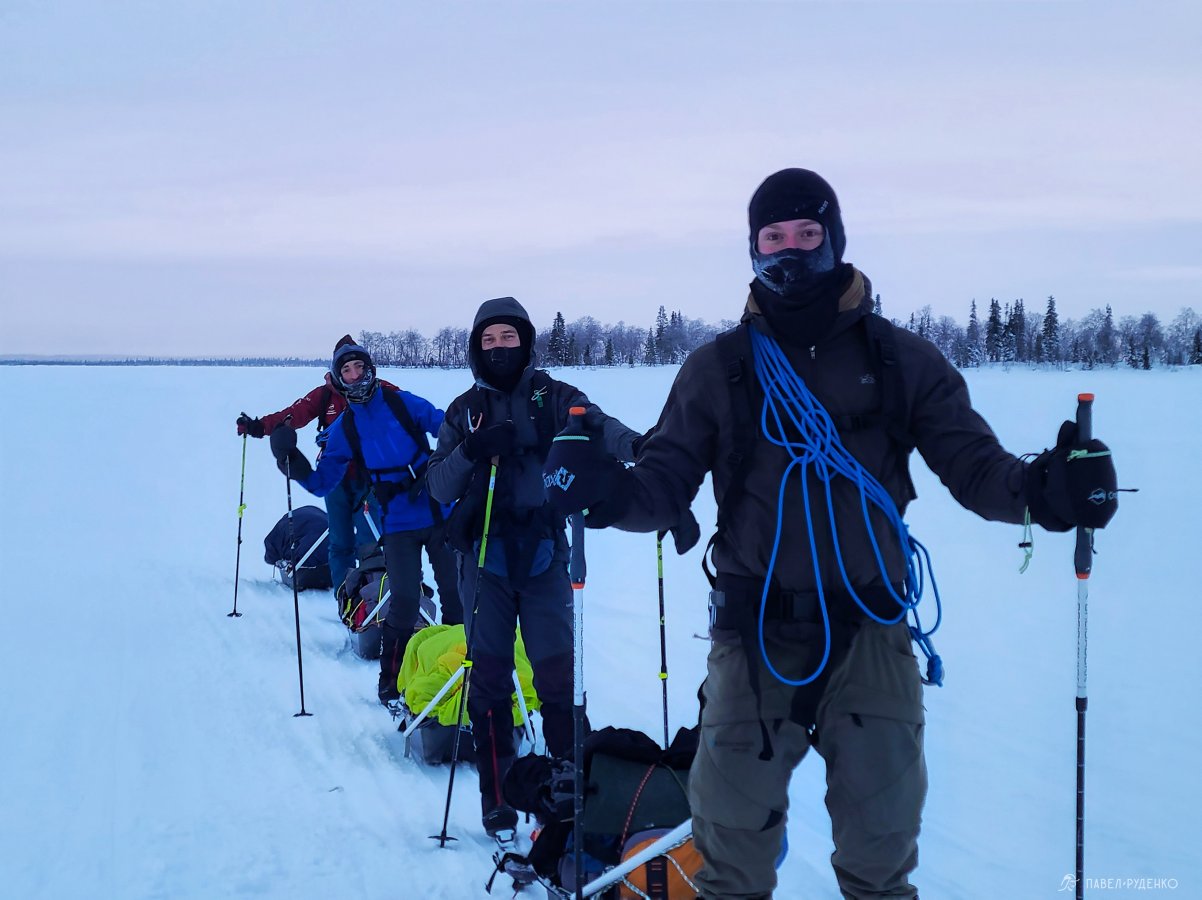
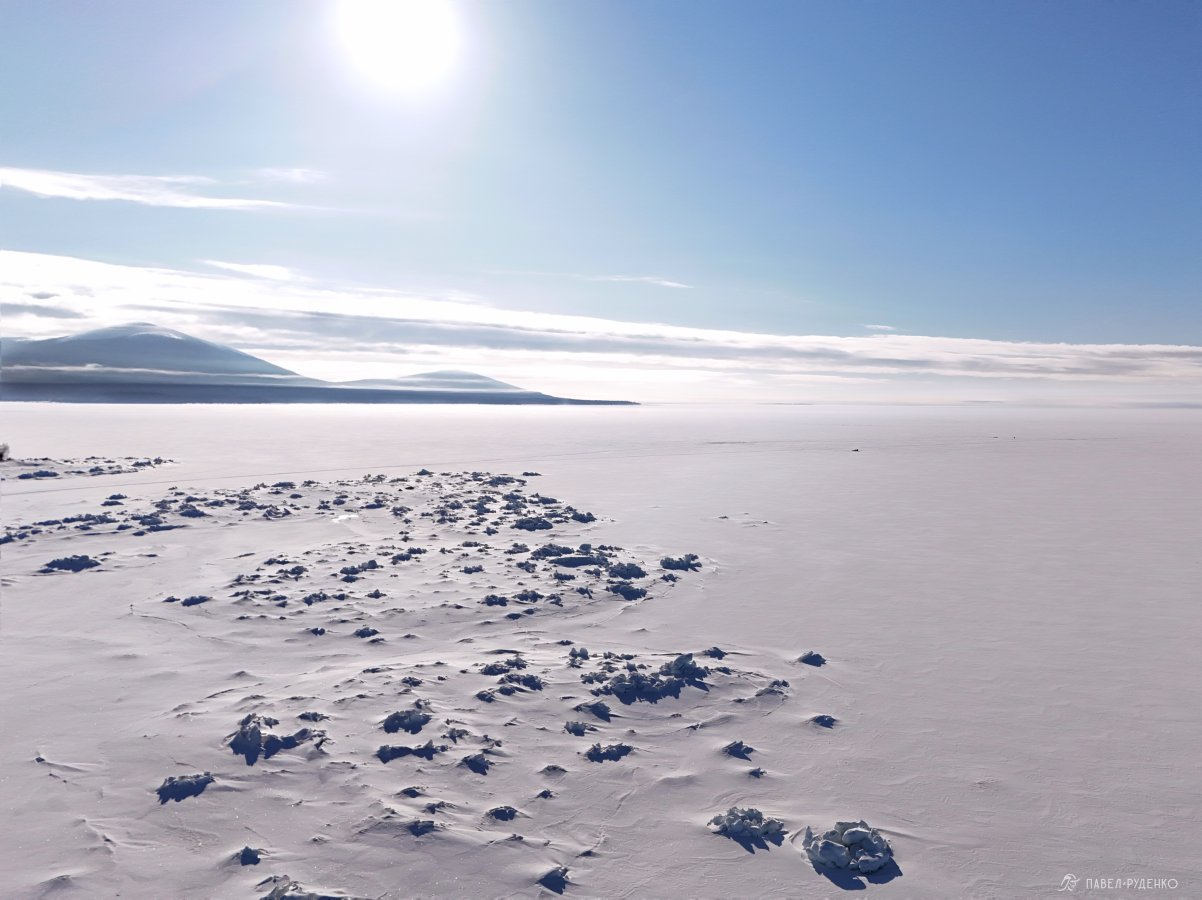
Chasing the Northern Lights on Skis
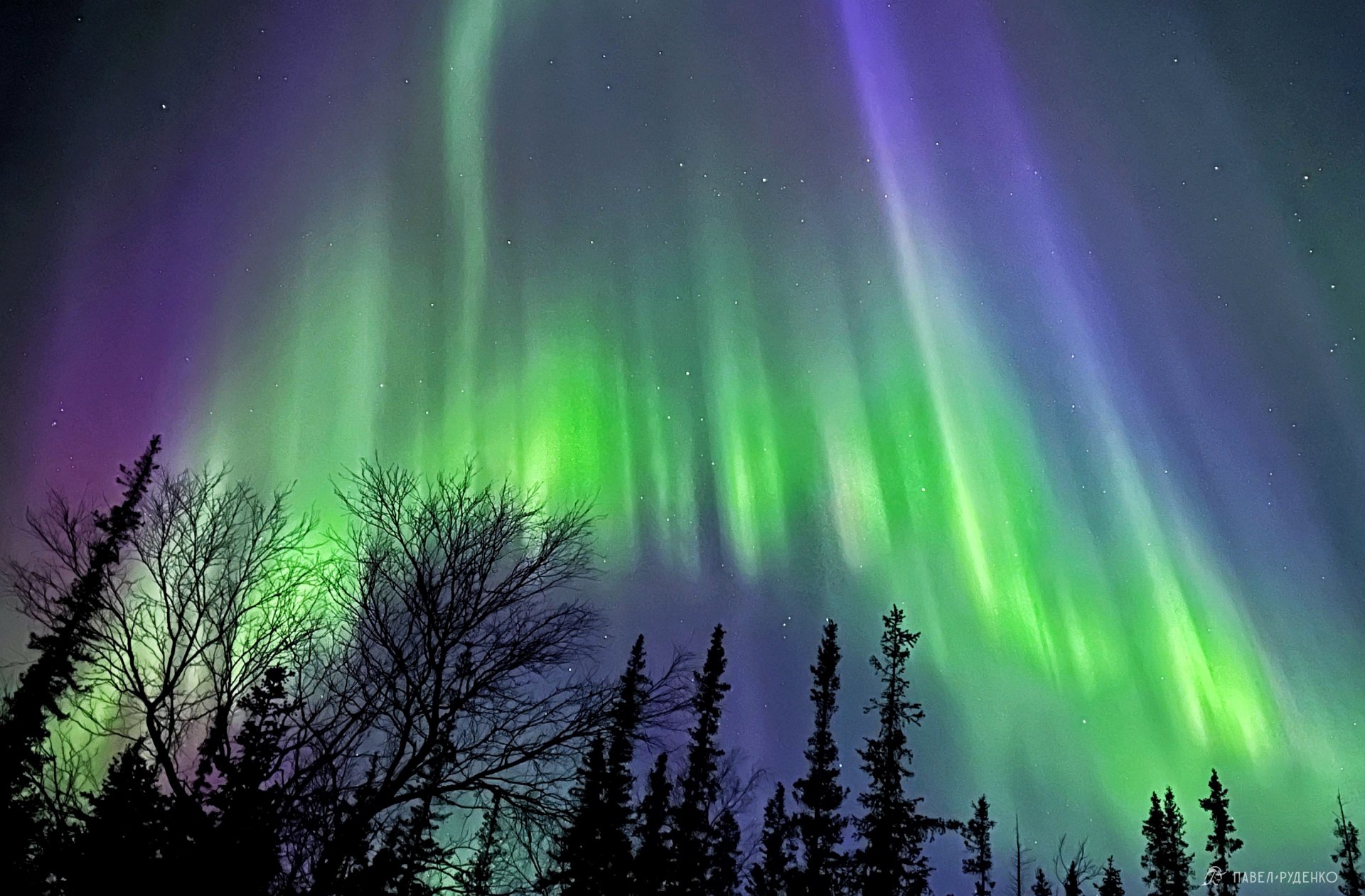
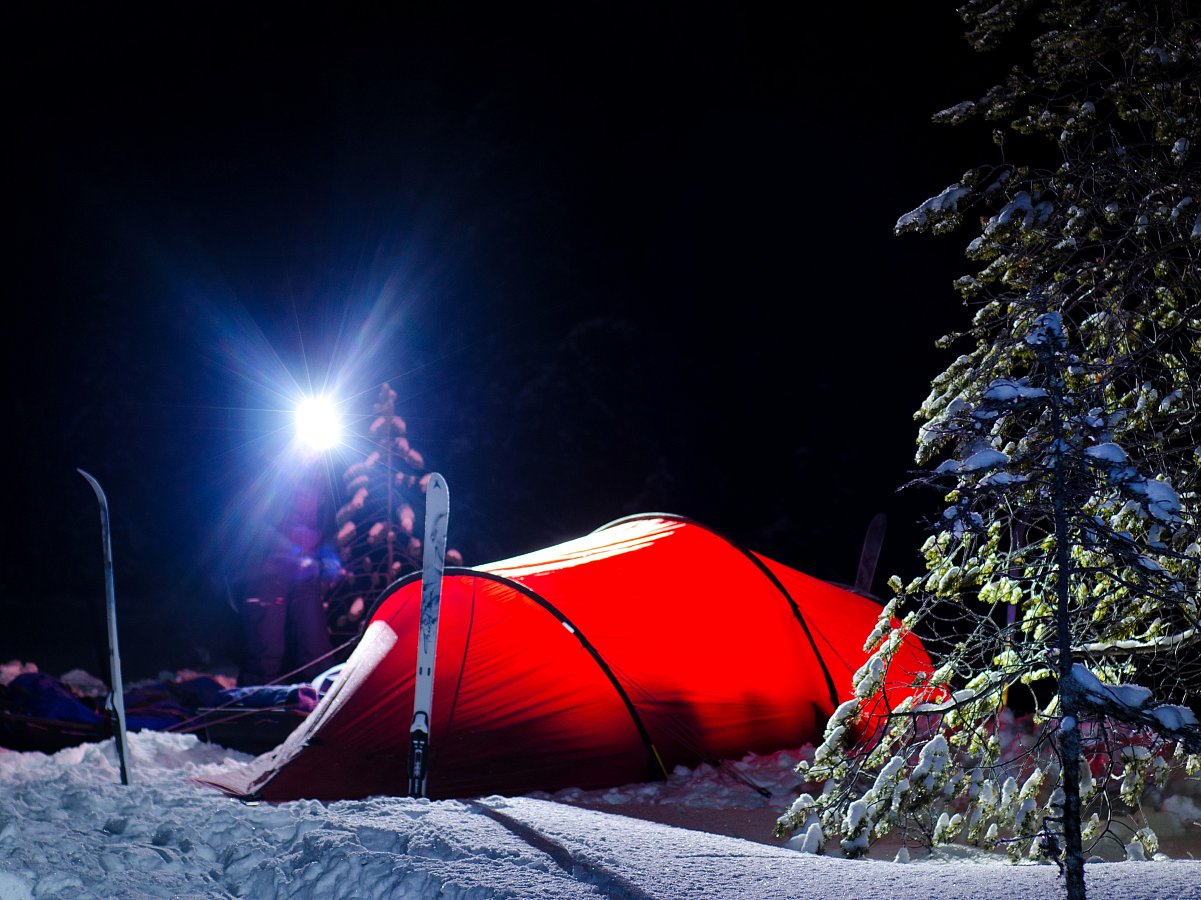
How we usually catch the aurora: dusk falls, tents are pitched, and dinner is cooking. A teammate gazes at a pale cloud, and twenty seconds later the sky explodes into emerald fire. Green, and sometimes intense violet and pink ribbons begin their dance, shimmering and pulsing right overhead. This is the Northern Lights.
It is a cosmic greeting from the Sun. A powerful stream of charged particles—the solar wind—slams into Earth's atmosphere. Colliding with oxygen and nitrogen, it sets the sky ablaze with light. Late February on the Kola Peninsula is a prime time for the aurora. The polar night has receded, and daylight hours allow for an exhilarating ski trek to admire snow-laden forests and pressure ridges. Yet the nights remain dark and long enough to witness the Aurora in all its glory.
We venture far from city light pollution and artificial glow—just pure wilderness and the lights, which we also chase in September on a golden autumn hike.
Ice Floating: Weightlessness in Freezing Waters
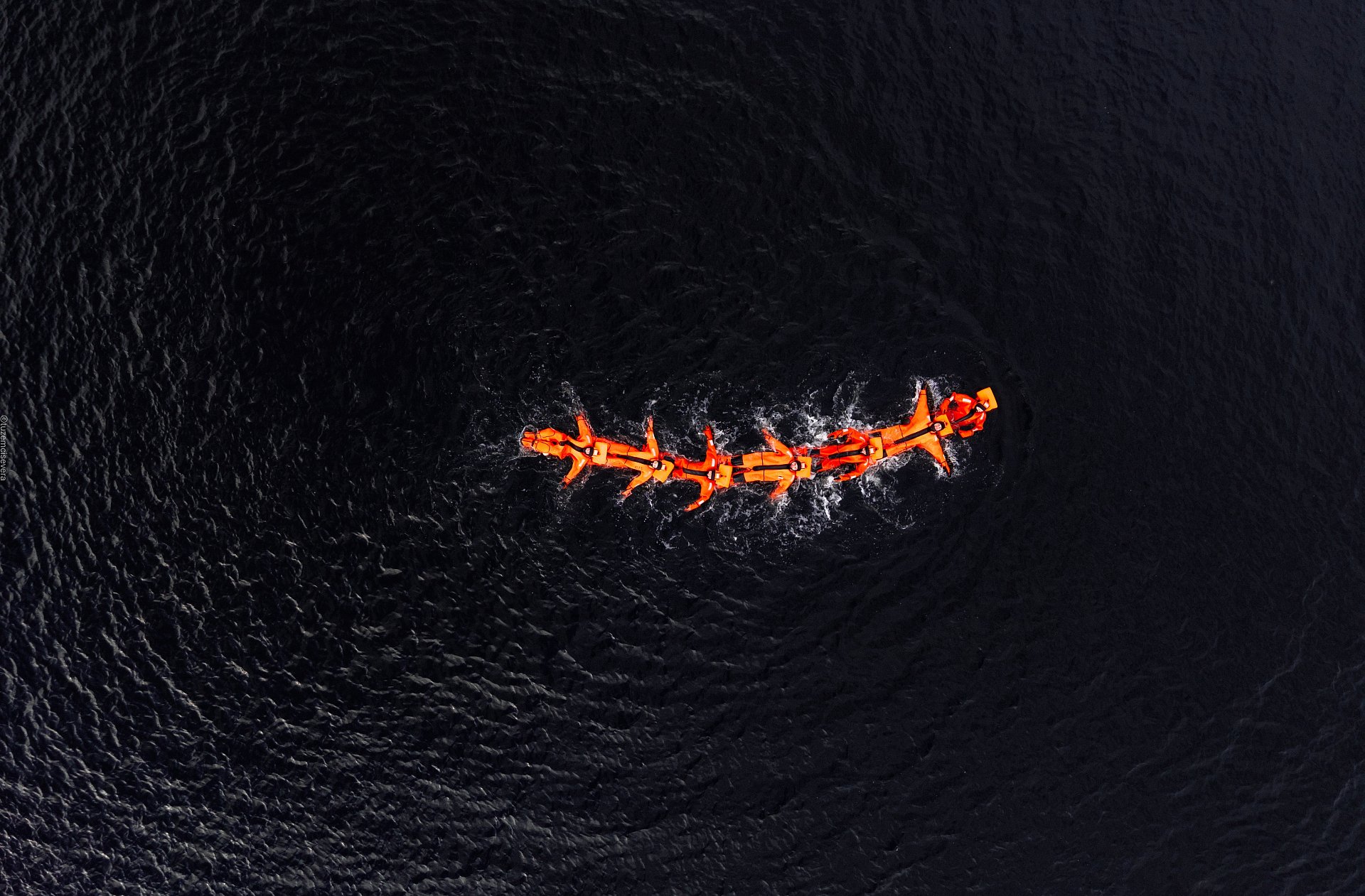
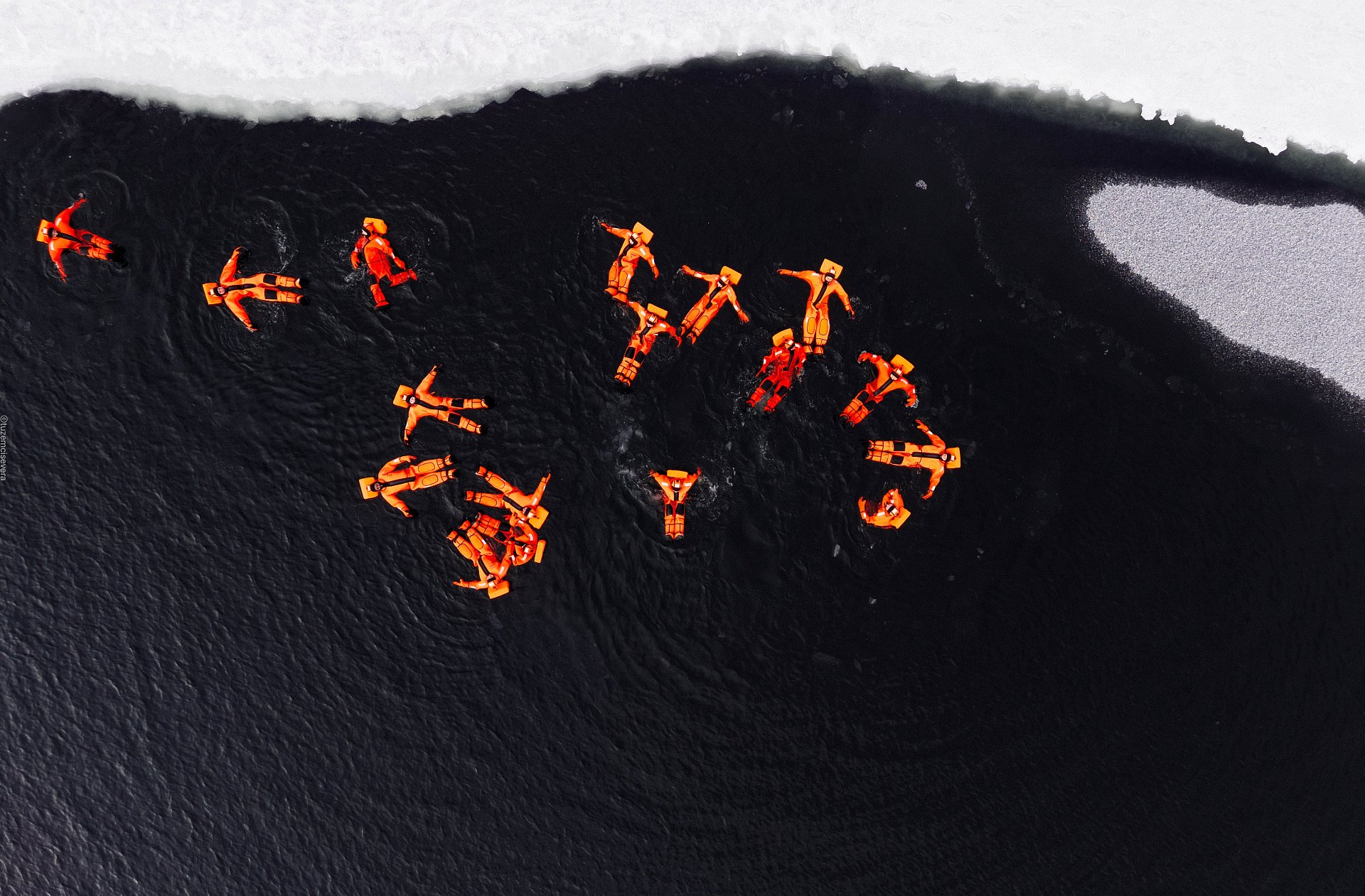
It sounds extraordinary: taking a dip in the White Sea in winter. Yet ice floating is a rapidly growing trend in Russia, originating in Norway, and Kandalaksha has the best team to deliver this experience.
For us, this experience is fascinating because polar explorers on ski expeditions to the North Pole use similar, albeit lighter, suits to navigate ice hummocks and open leads.
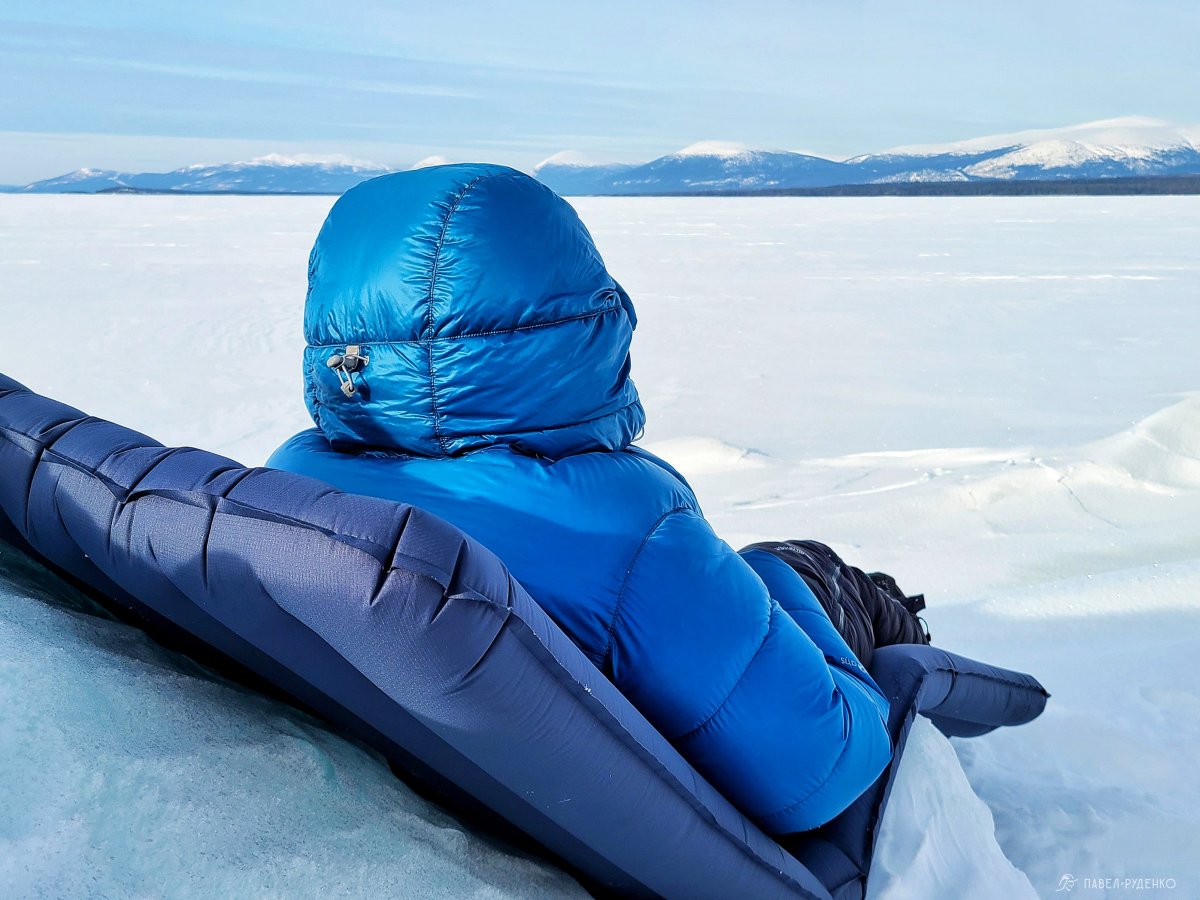
You simply lie back in the water among the ice floes. The suit keeps you buoyant like a float. You feel the icy breath of the sea on your face, while your body stays warm and cozy. Drifting on your back in slush ice, watching passing clouds and snow-covered fells—it is the ultimate reset.
"Won't I Freeze?"
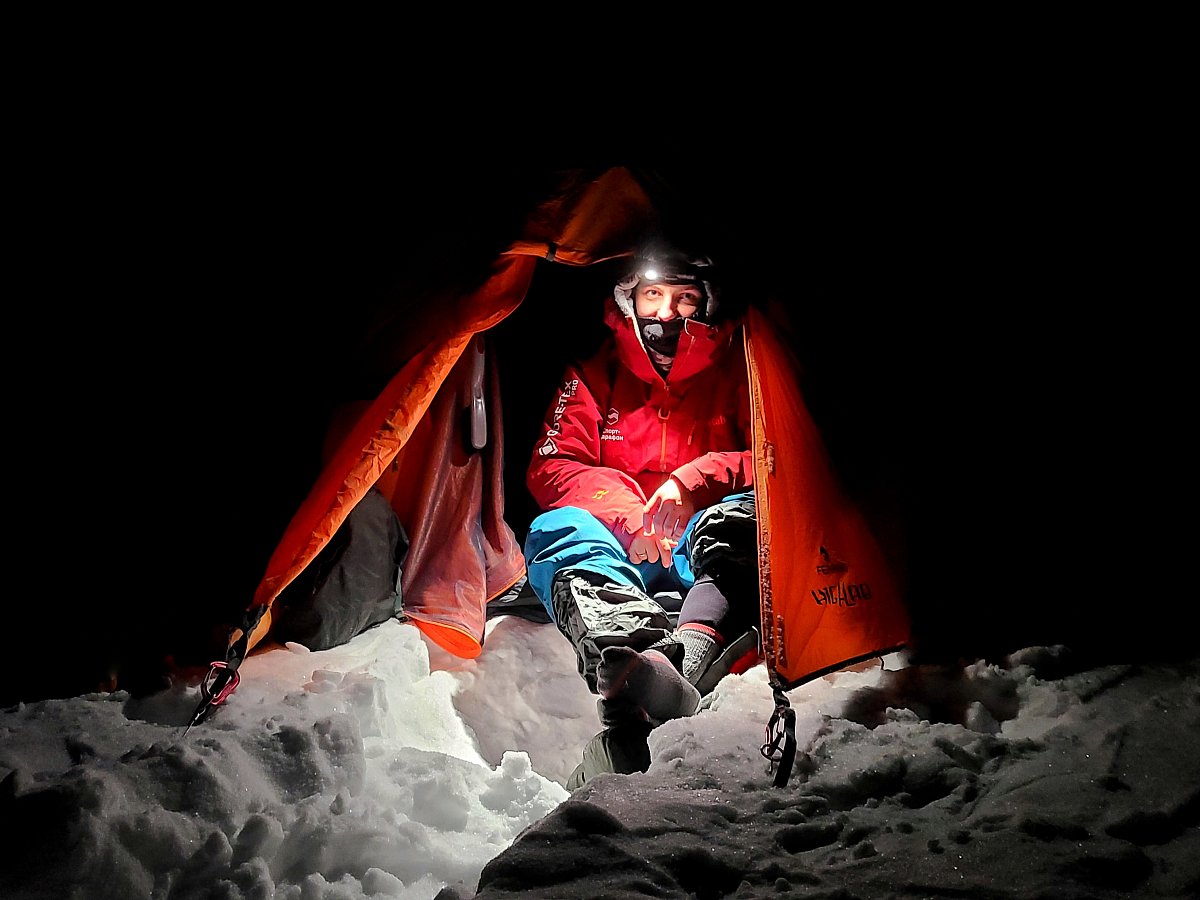
The number one fear for beginners: "In winter? In a tent? I'll freeze to death!".
Forget about mere survival. Modern adventure travel is driven by technology.
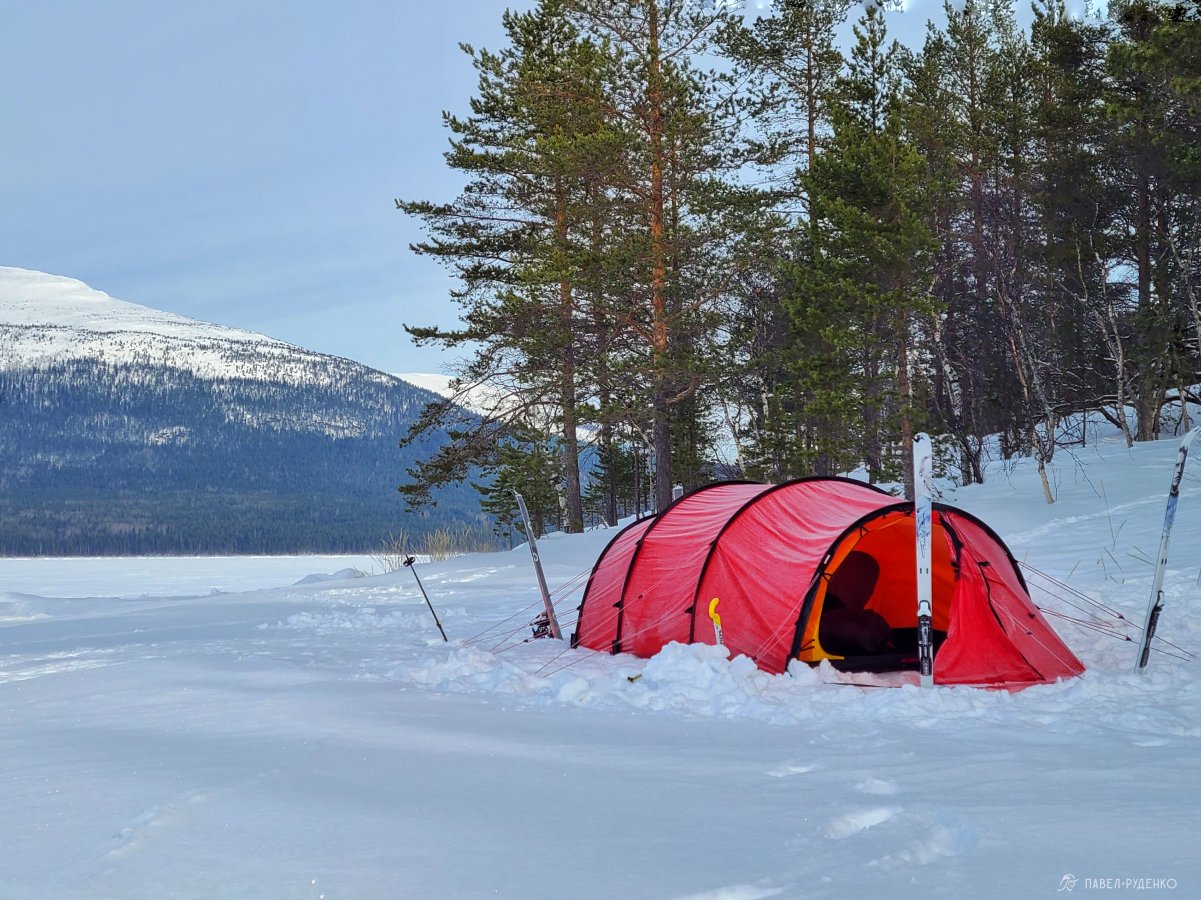
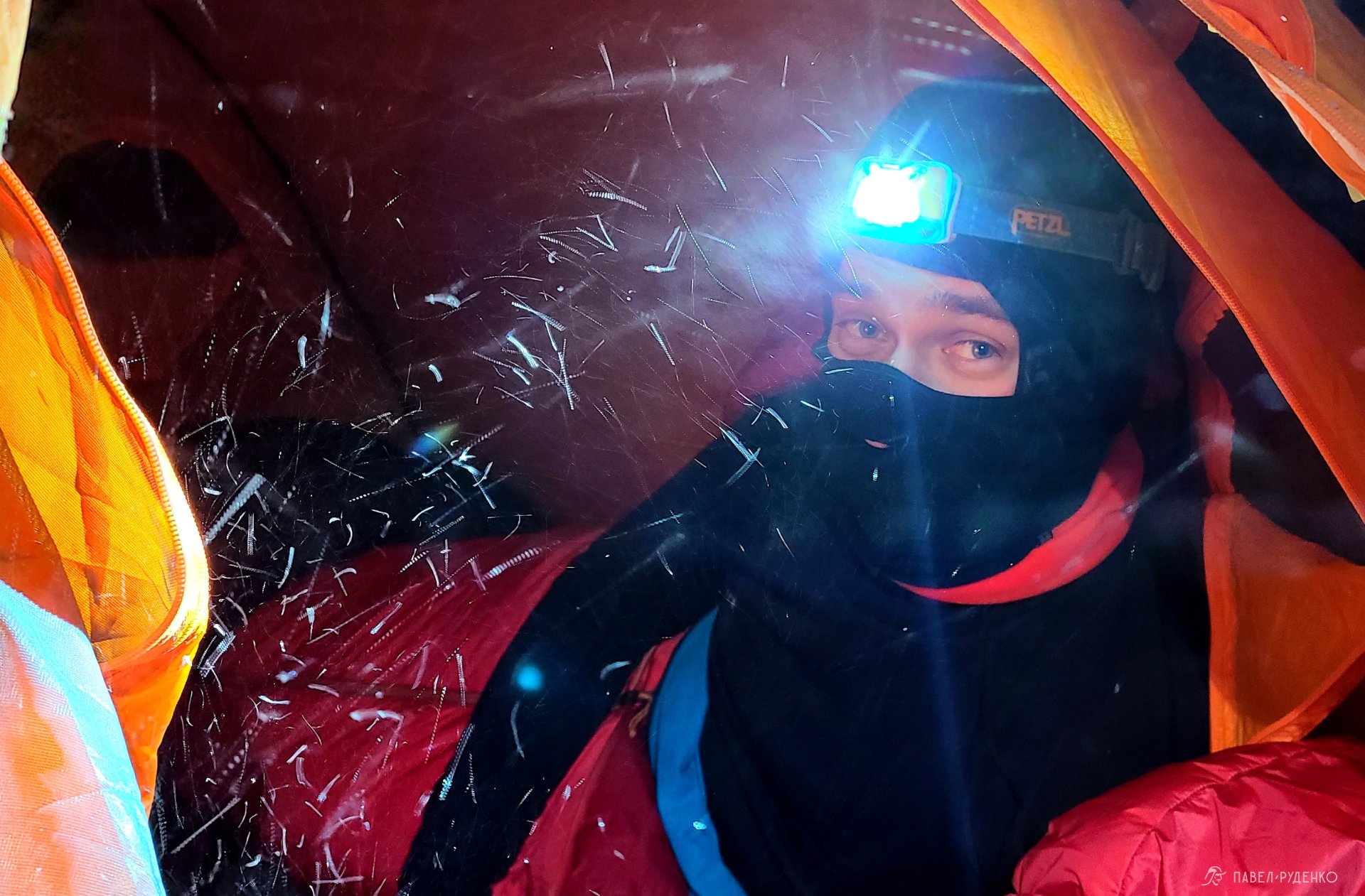
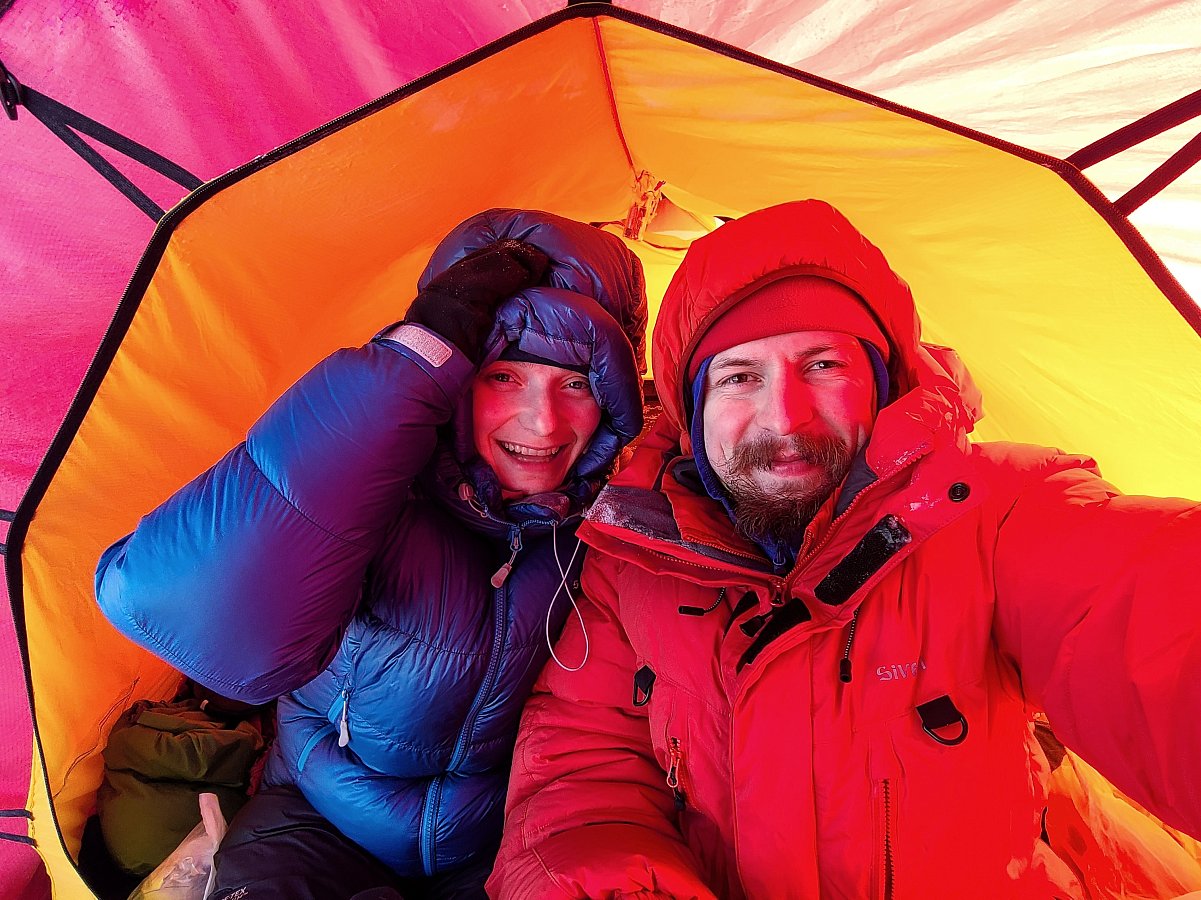
- We stay in Hilleberg storm tents—the world's most reliable polar gear. No wind can break them.
- For sleeping, we help each participant select a sleep system consisting of a warm -30 to -40°C sleeping bag and two sleeping pads (closed-cell foam + inflatable) with an insulation rating of R-value 5+.
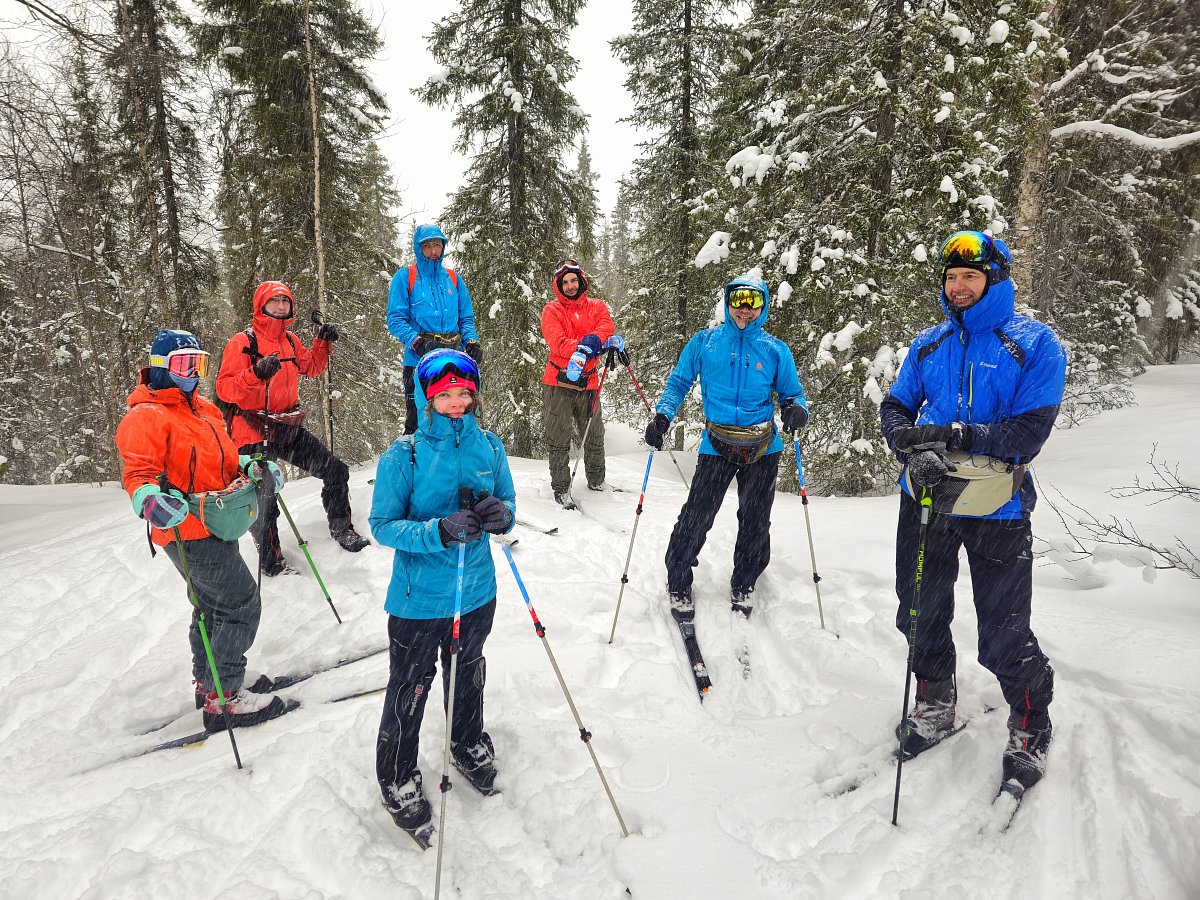
- No camp chores. You don't have to worry about meals—the trek leaders handle all the cooking. Ski expeditions are team-building, bonding experiences, so everyone follows the clear guidance of expedition leader Pavel Rudenko. Expect authentic camp haute cuisine: how about burritos or soba noodles with venison?
- We bring a Hilleberg "Chum"—a large group shelter where we gather in the evenings to dine, chat, and watch movies on a projector.
- Before and after the trek, we stay in a warm cottage with hot showers, a fireplace, and table tennis.
This is the kind of adventure where you get all the thrill of a wild expedition, yet return home warm and comfortable.
Want to See the White Fells with Your Own Eyes?
If you are ready to trade gray routines for the crunch of snow and otherworldly Arctic landscapes, join our team on an authentic ski trek across the tundra.
We have spots available for February 2026. The route is proven, the gear is ready, and the White Sea awaits.



Comments (0)