
The First People of the Kola North and the Ice Age
For a long time, Northern Europe, including the Kola Peninsula, was covered by a colossal glacier. The ice sheet reached up to two kilometers in thickness. Human life in the Kola North became possible only 10,000 years ago, as the glacier retreated and a relatively mild climate was established.
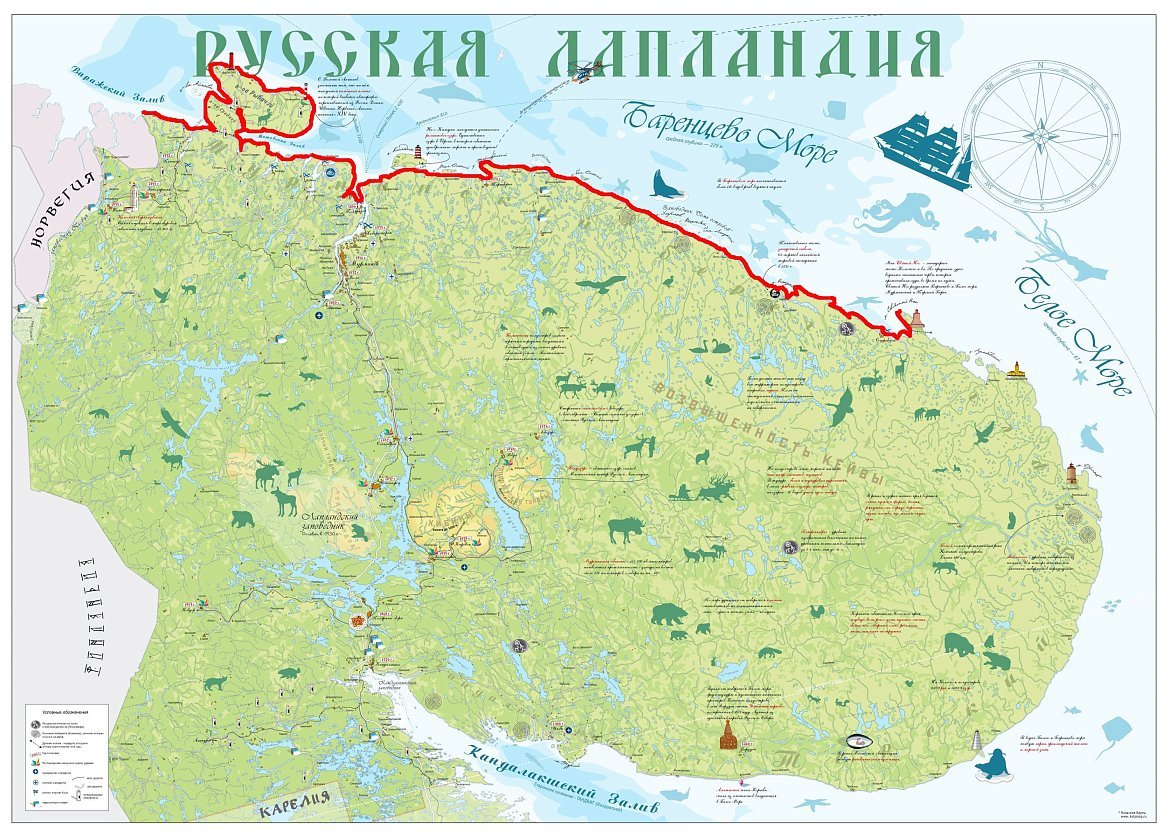
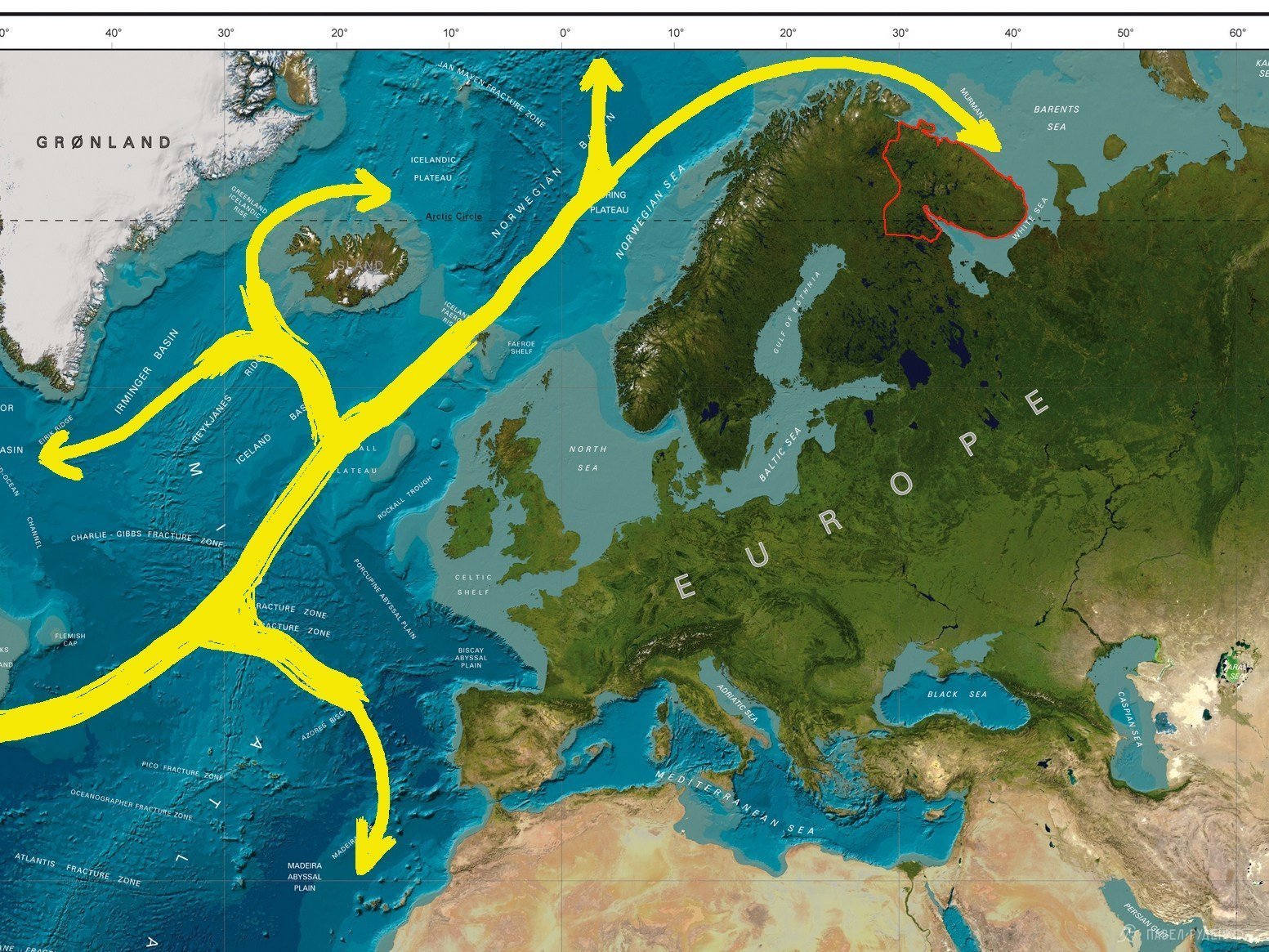
Beyond general climatic factors, glacial melting was accelerated by the warm Gulf Stream, which surged from the west across the Atlantic to the Murman Coast. The Murman Coast is the northern coastline of the Kola North, spanning 400 km from the Norwegian border to Cape Svyatoy Nos. I have marked it with a red line for clarity.
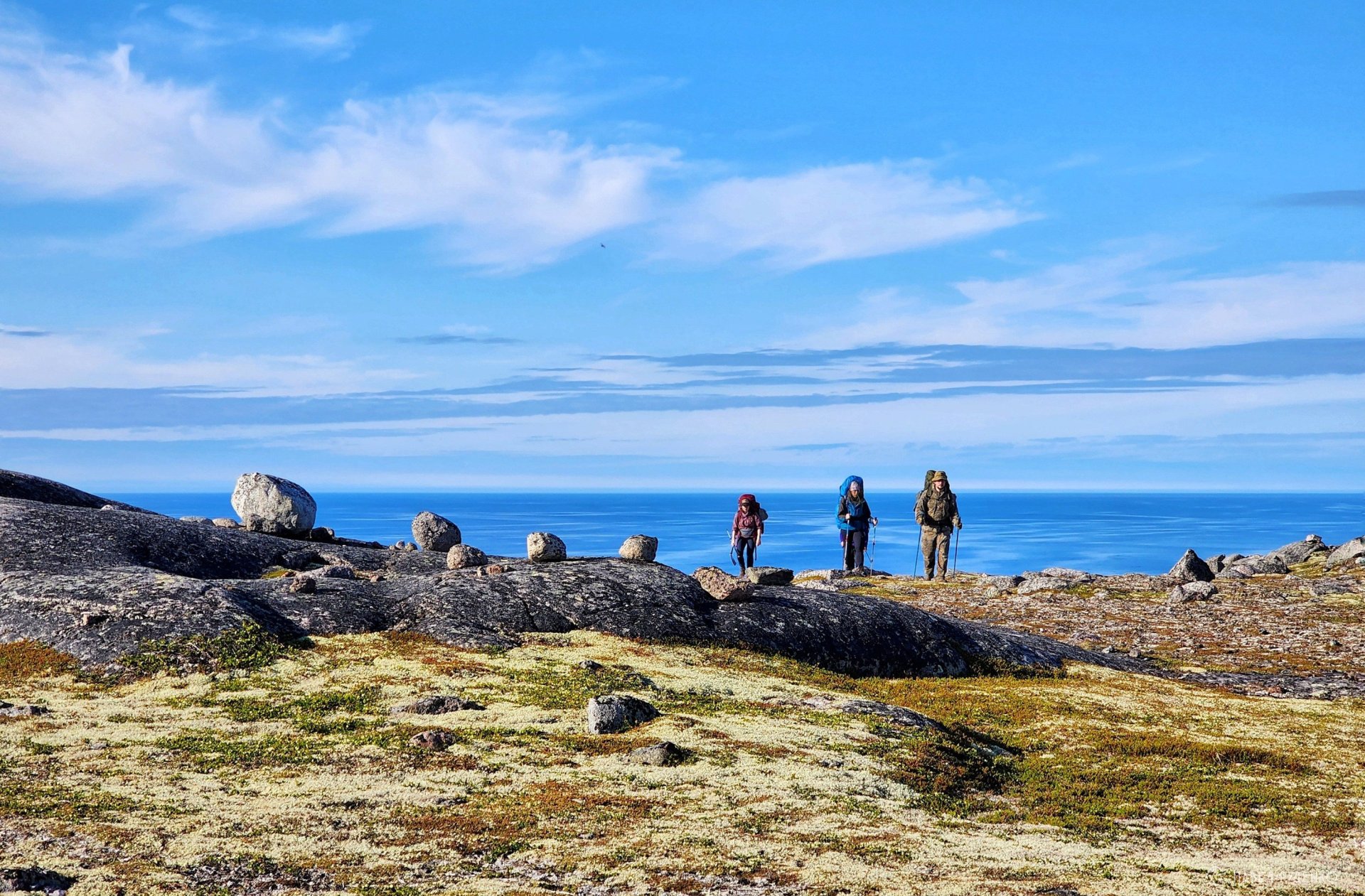
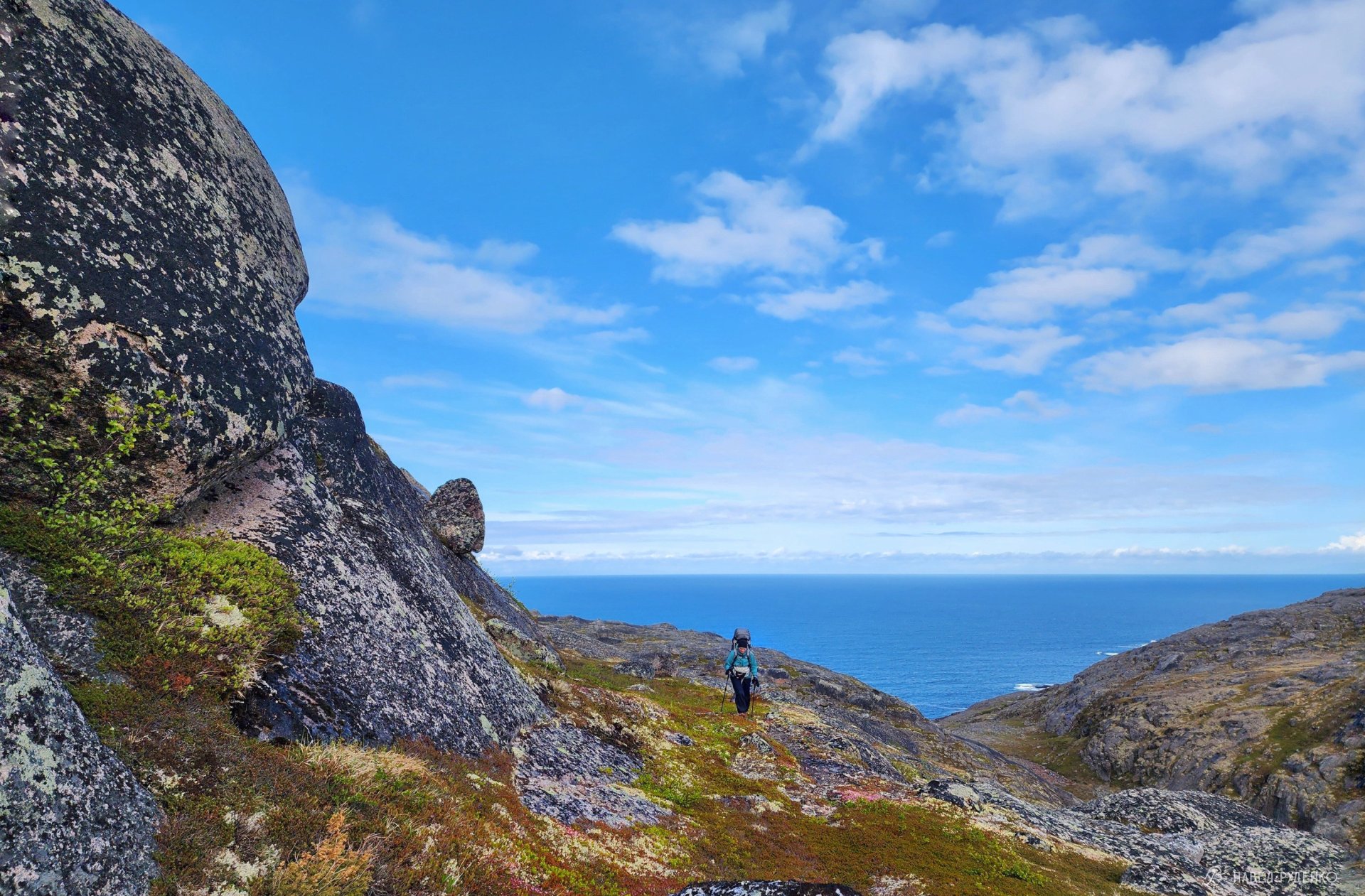
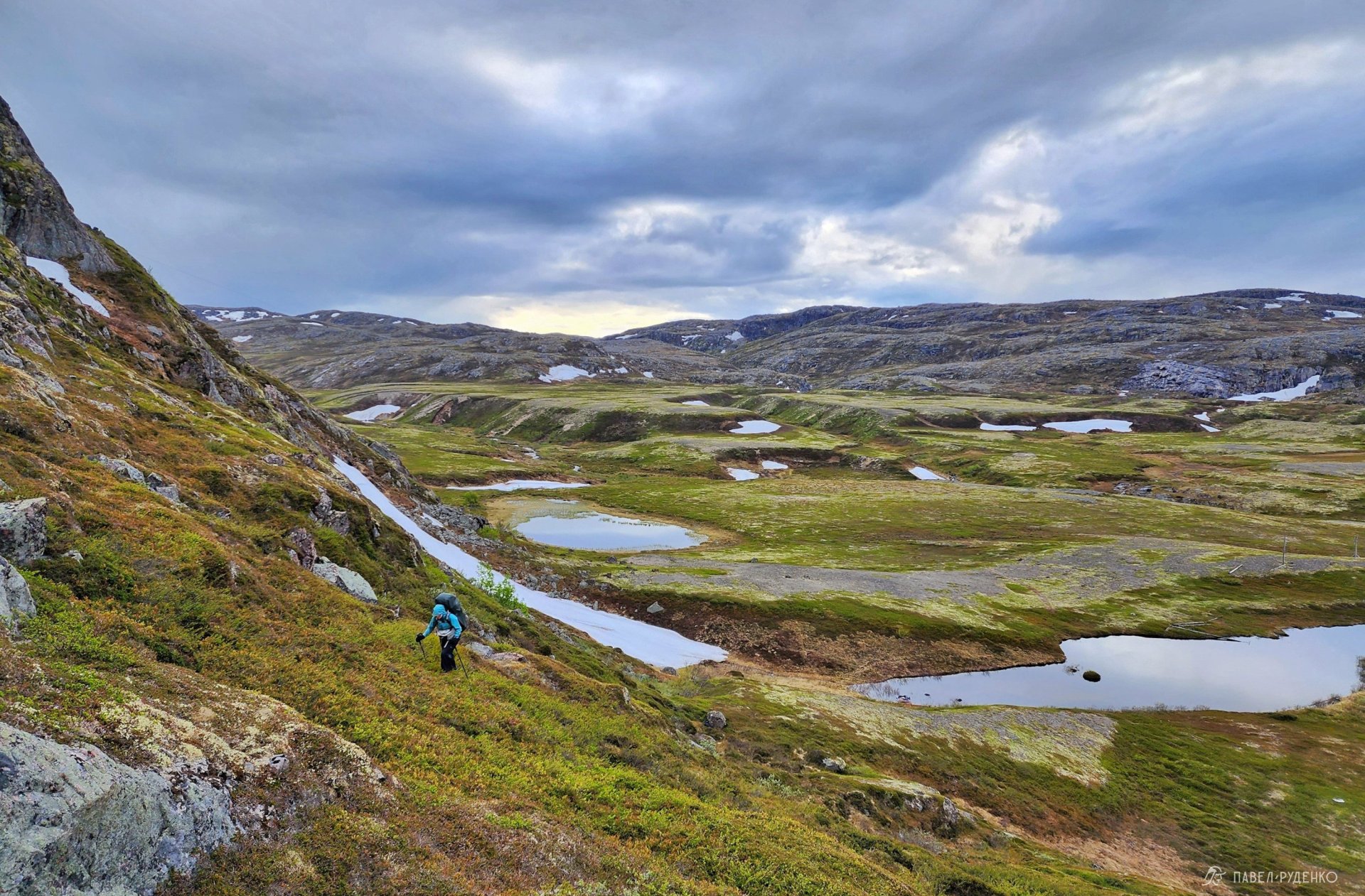
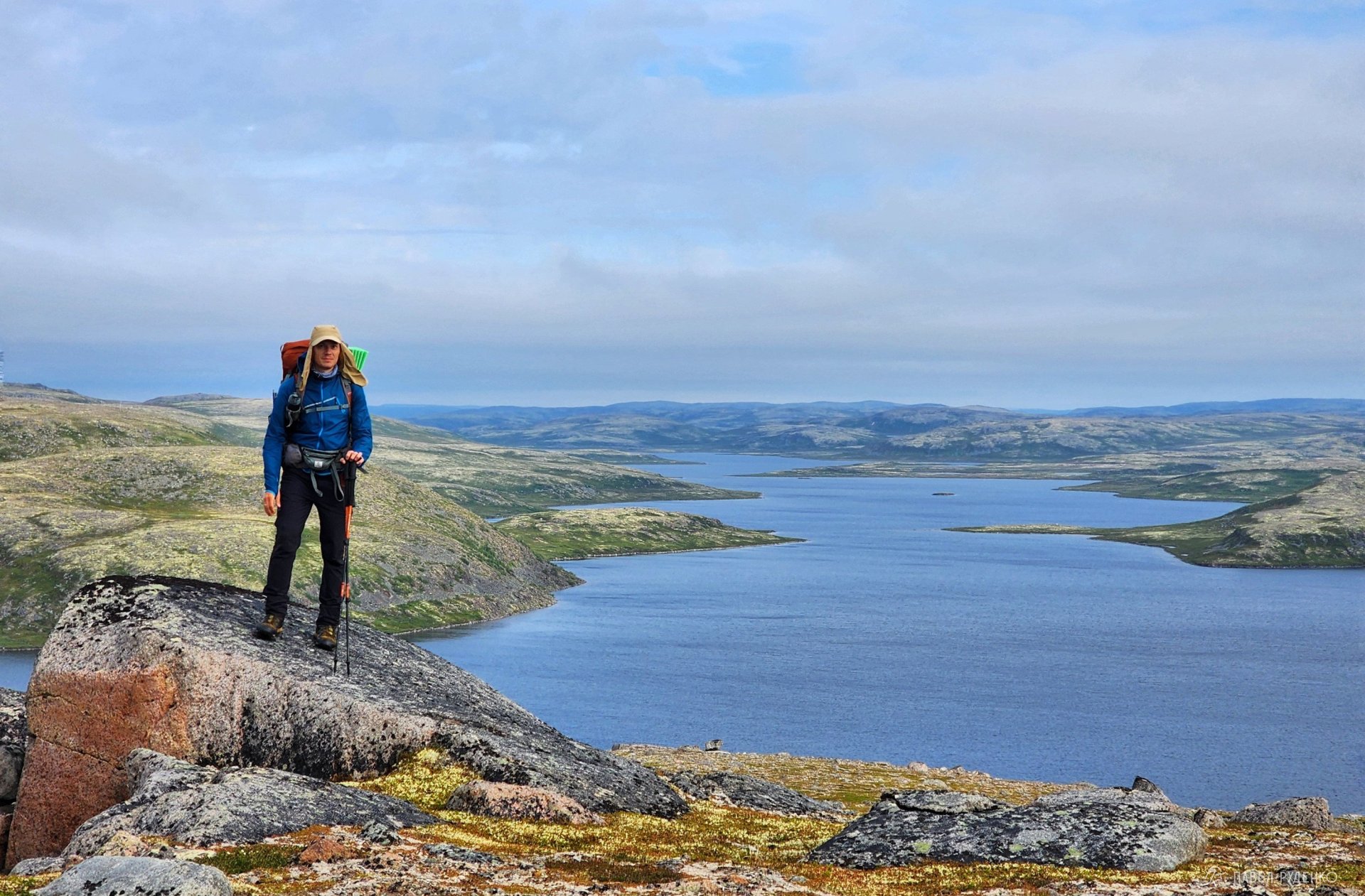
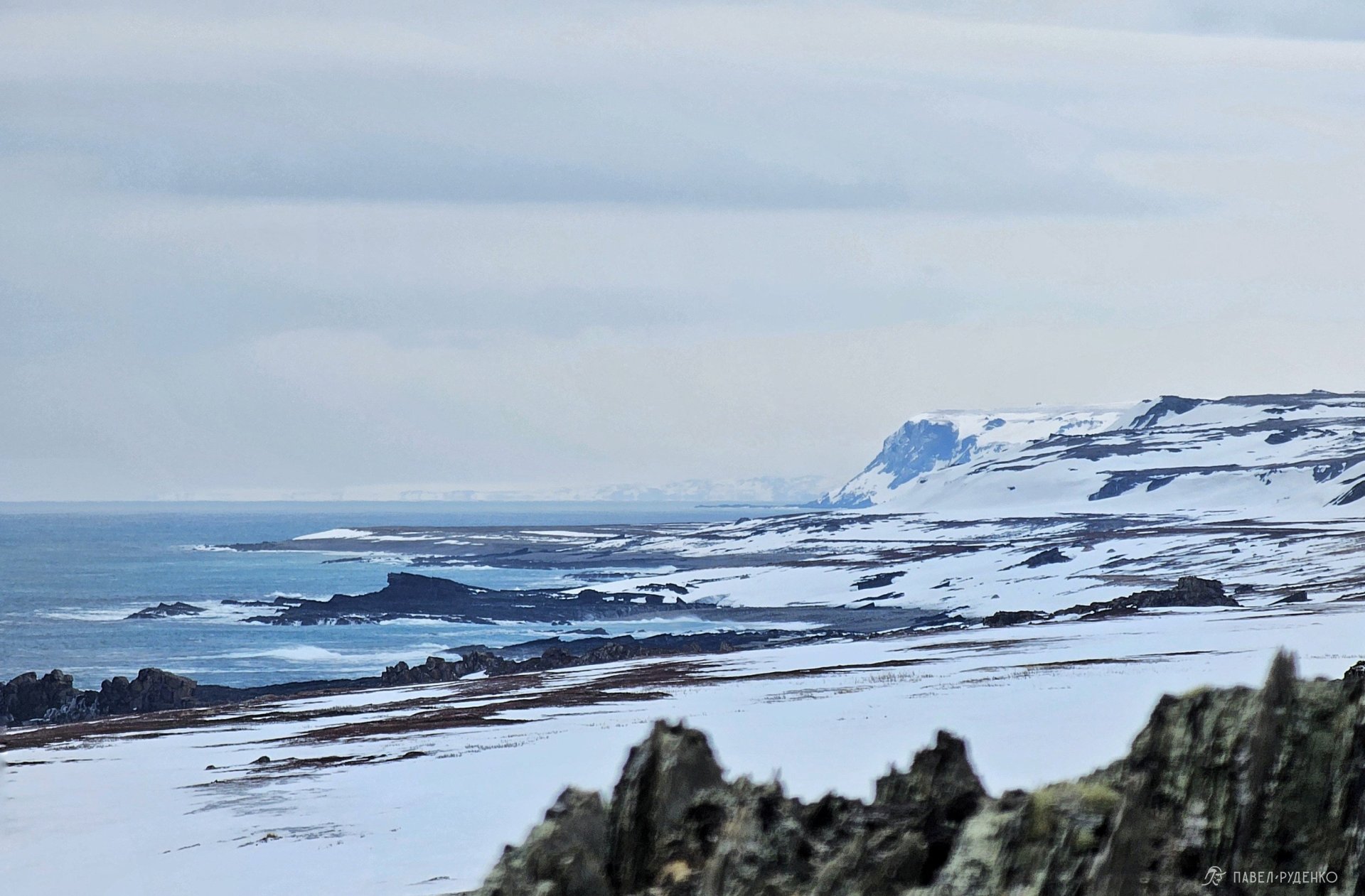
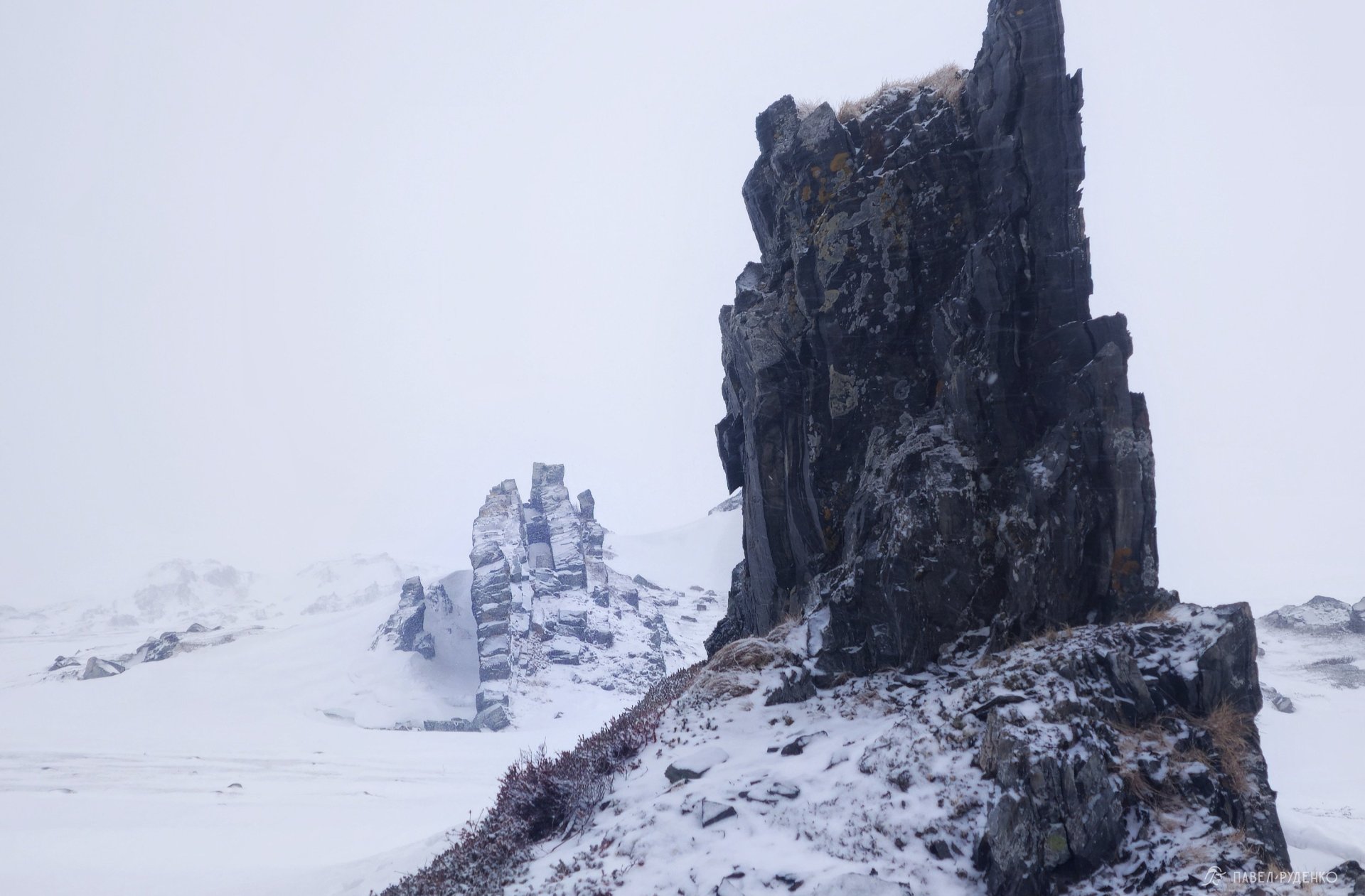
As it retreated, the sheer weight of the glacier carved down the landscape, including the Murman Coast, shaping a mountain tundra of fells averaging 50–300 meters in height. The moving ice carried massive glacial erratic boulders that settled across the tundra. Some of these boulders came to rest balanced on several smaller rocks, creating the impression of man-made dolmens and inspiring local legends, though we now know their true geological origin. The prolonged deglaciation process, during which the ice retreated by an average of 160 meters per year, shaped the entirely unique look of the Kola Arctic coast—unrivaled anywhere across ten thousand kilometers east along the Arctic shoreline to Cape Dezhnev, or westward across Iceland, Canada, or Alaska.
Only a few sections of Norway's coastline share a similar terrain, but roads run right along the shore there, stripping those routes of their untamed wilderness magic.
Be sure to explore how the glaciation evolved on the interactive map via the link:
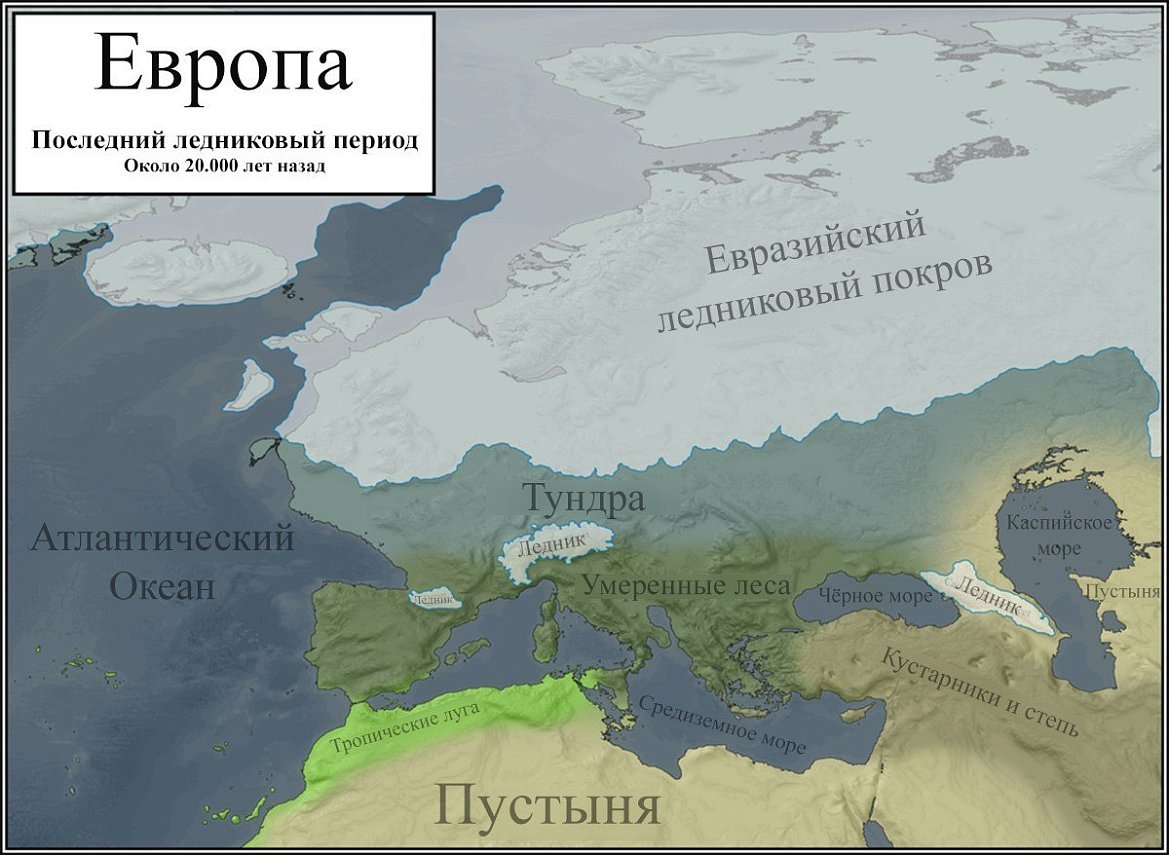
Once upon a time, you could set out on a tundra trek across Austria, while Poland was completely buried beneath a glacier and inaccessible.
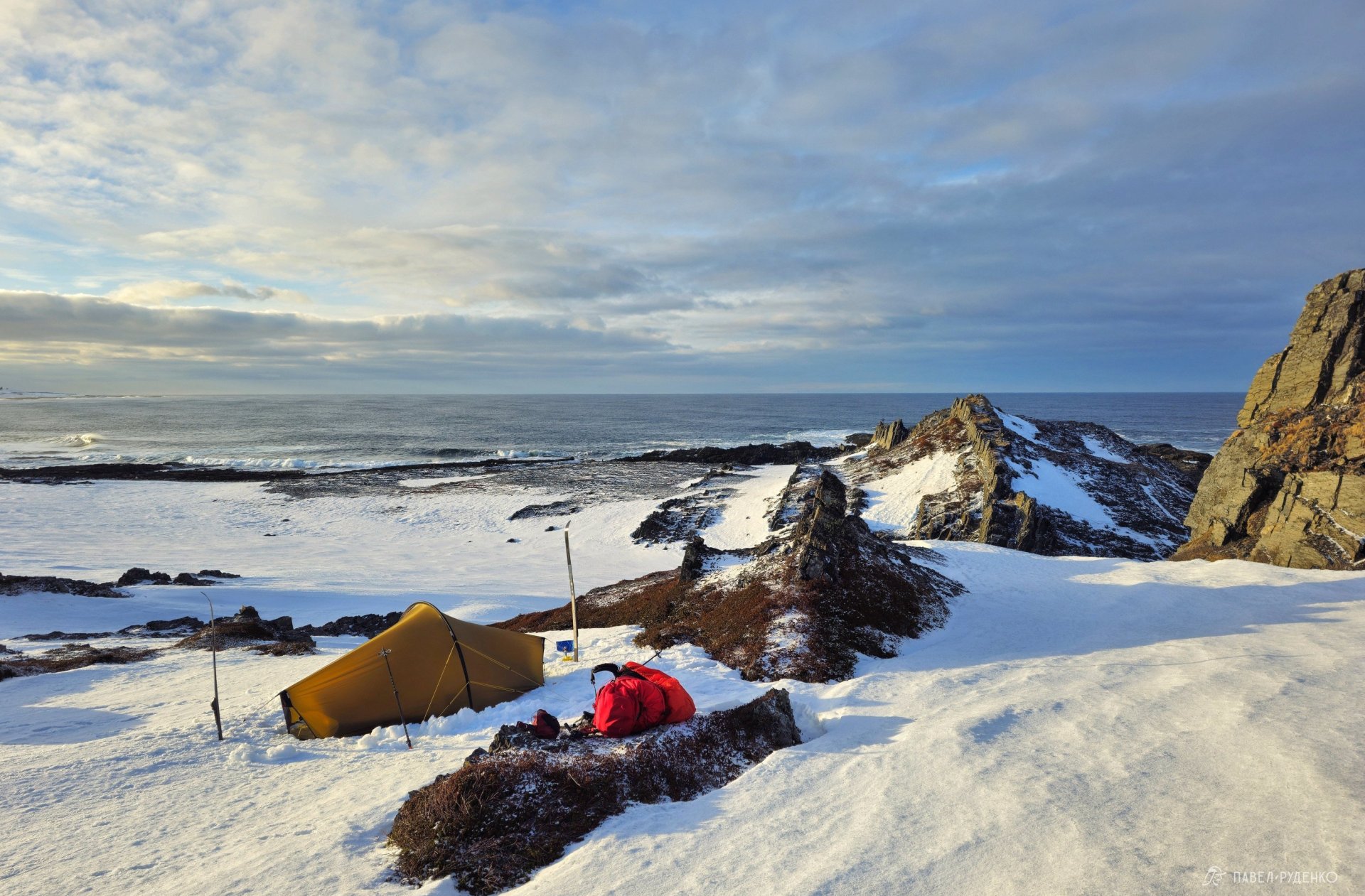
Returning to the Murman Coast, its unique coastline is captivating not only for its dramatic beauty—often reminiscent of a Nordic film set for "Jurassic Park"—but also for the boundless creative freedom it offers in trail crafting. Years of field experience allow us to design truly breathtaking routes across trackless terrain devoid of infrastructure: discovering magnificent secluded coves and climbing panoramic rocky bluffs while the Arctic Ocean churns below. It is a genuine puzzle requiring meticulous preparation and constant focus to find the ideal line—navigating rocky ridges, steep drop-offs, numerous low and high bogs, and bypassing wide lakes and rivers.
I often realize that this land has captivated me far more than classically picturesque destinations like the Himalayas or the Caucasus. Post-glacial topography, the Arctic Ocean, phenomena like the northern lights and the midnight sun, and pure, untouched wilderness—all of this is irresistible. That is why I have passionately explored this region for 7 years, discovering new, incredible trekking routes and unearthing Arctic history.
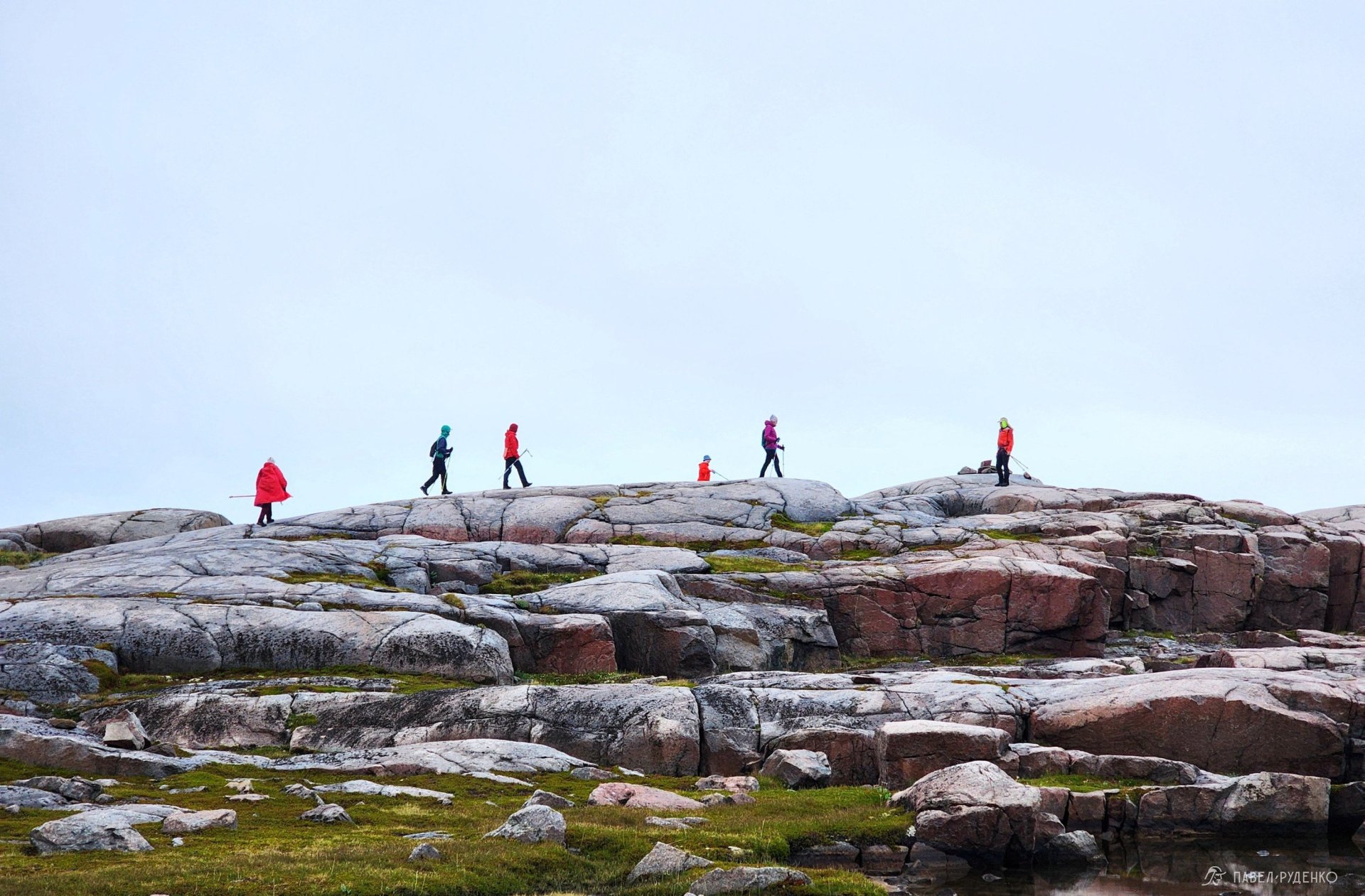
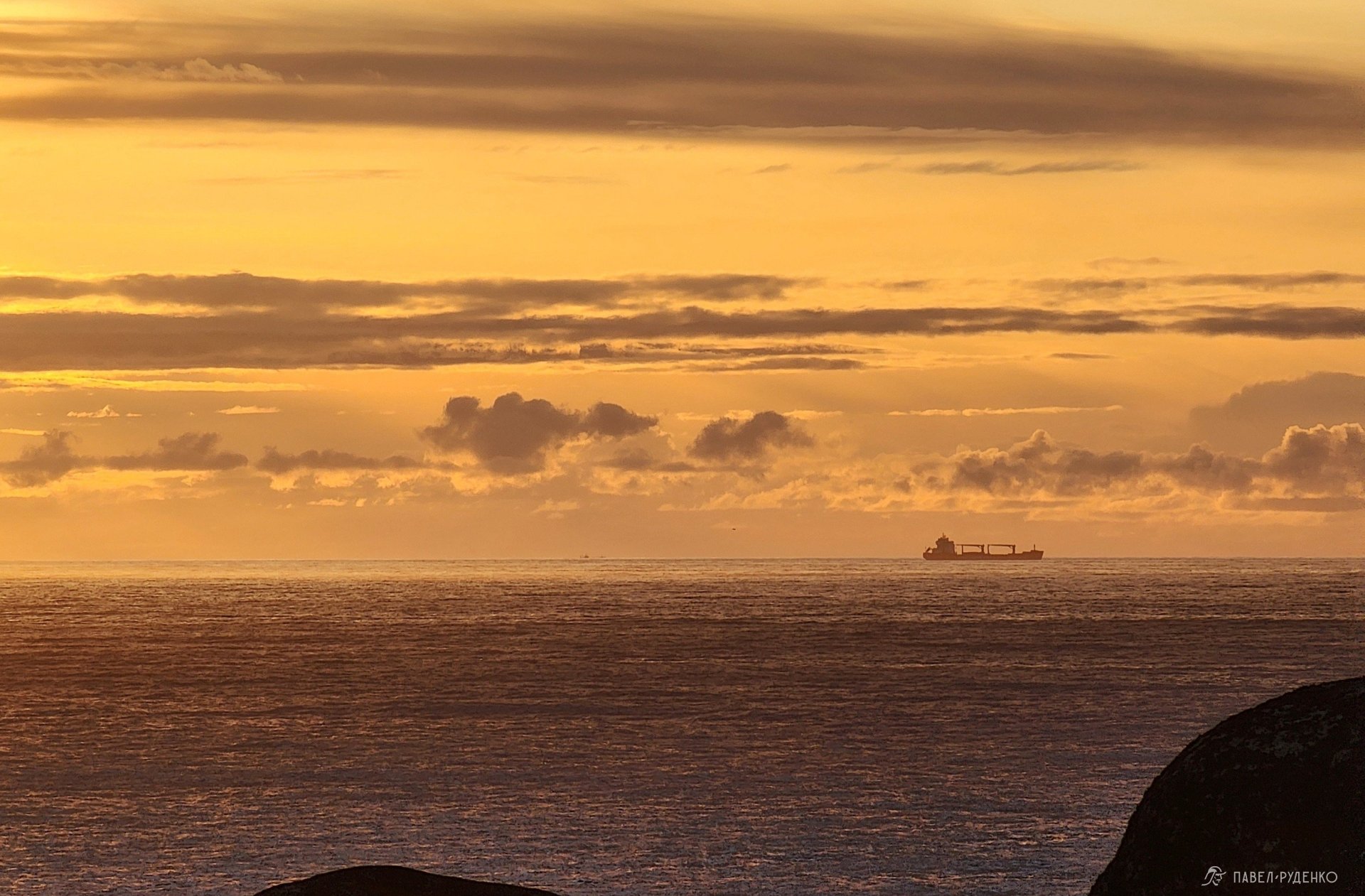
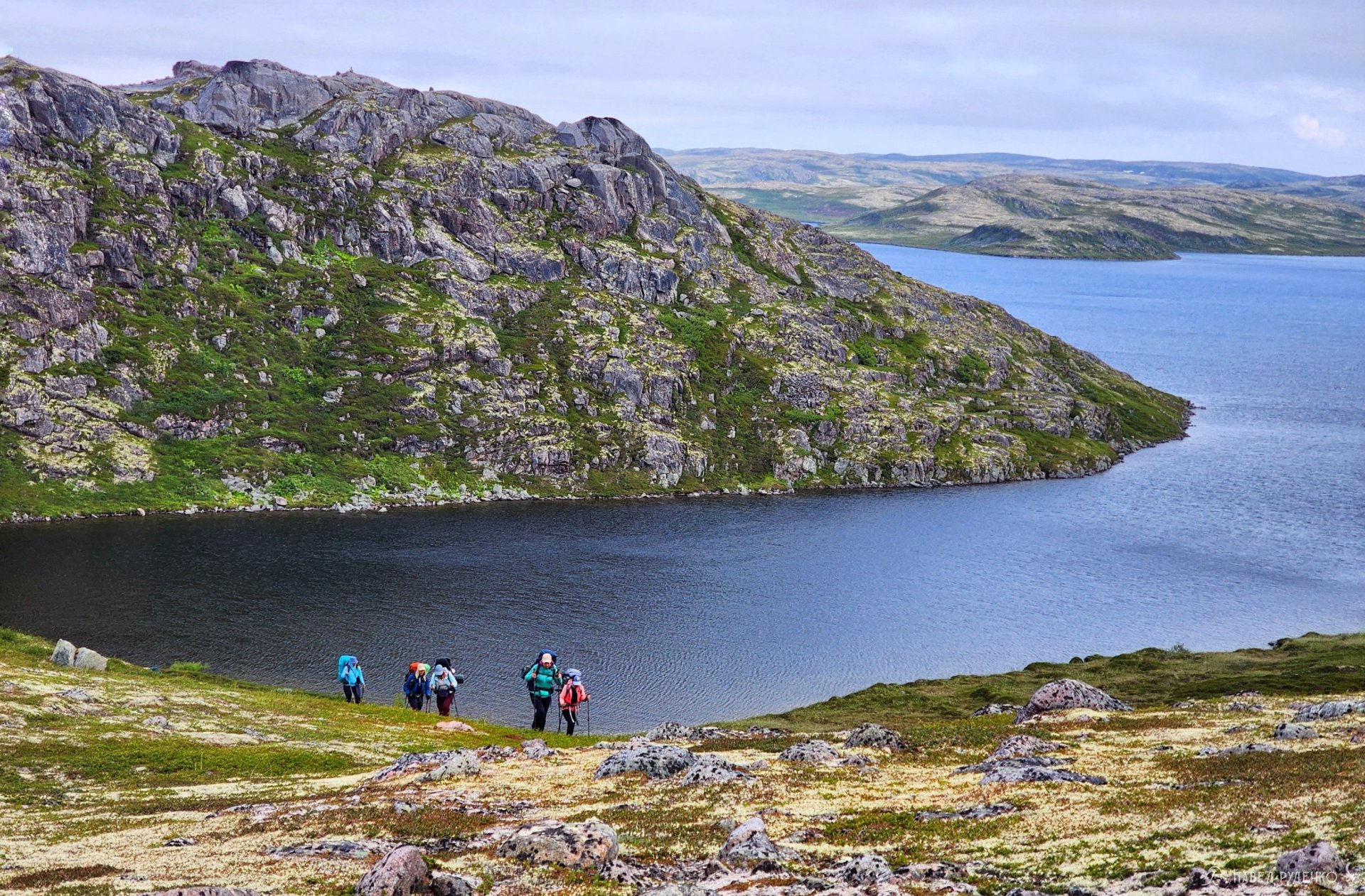
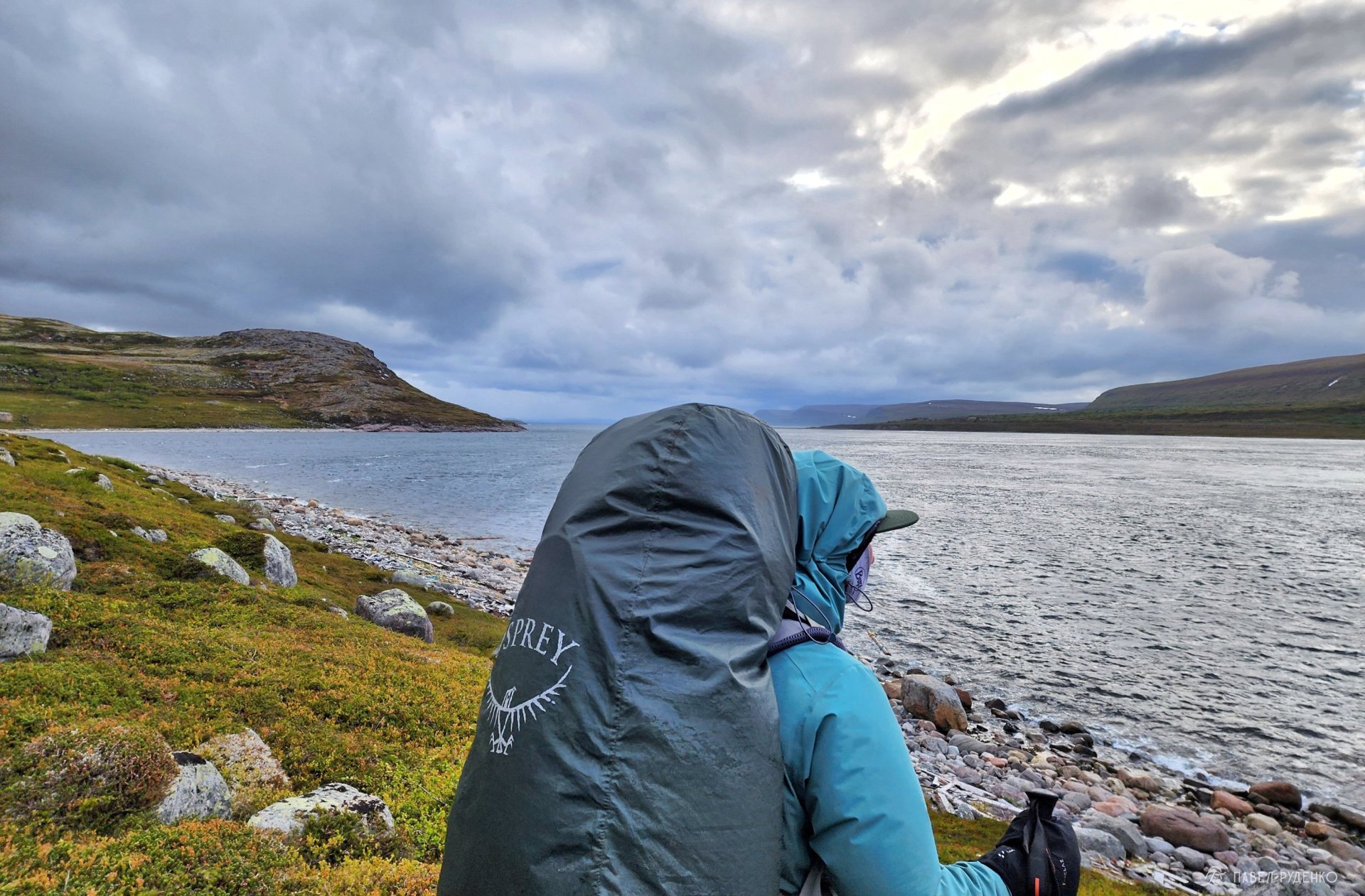
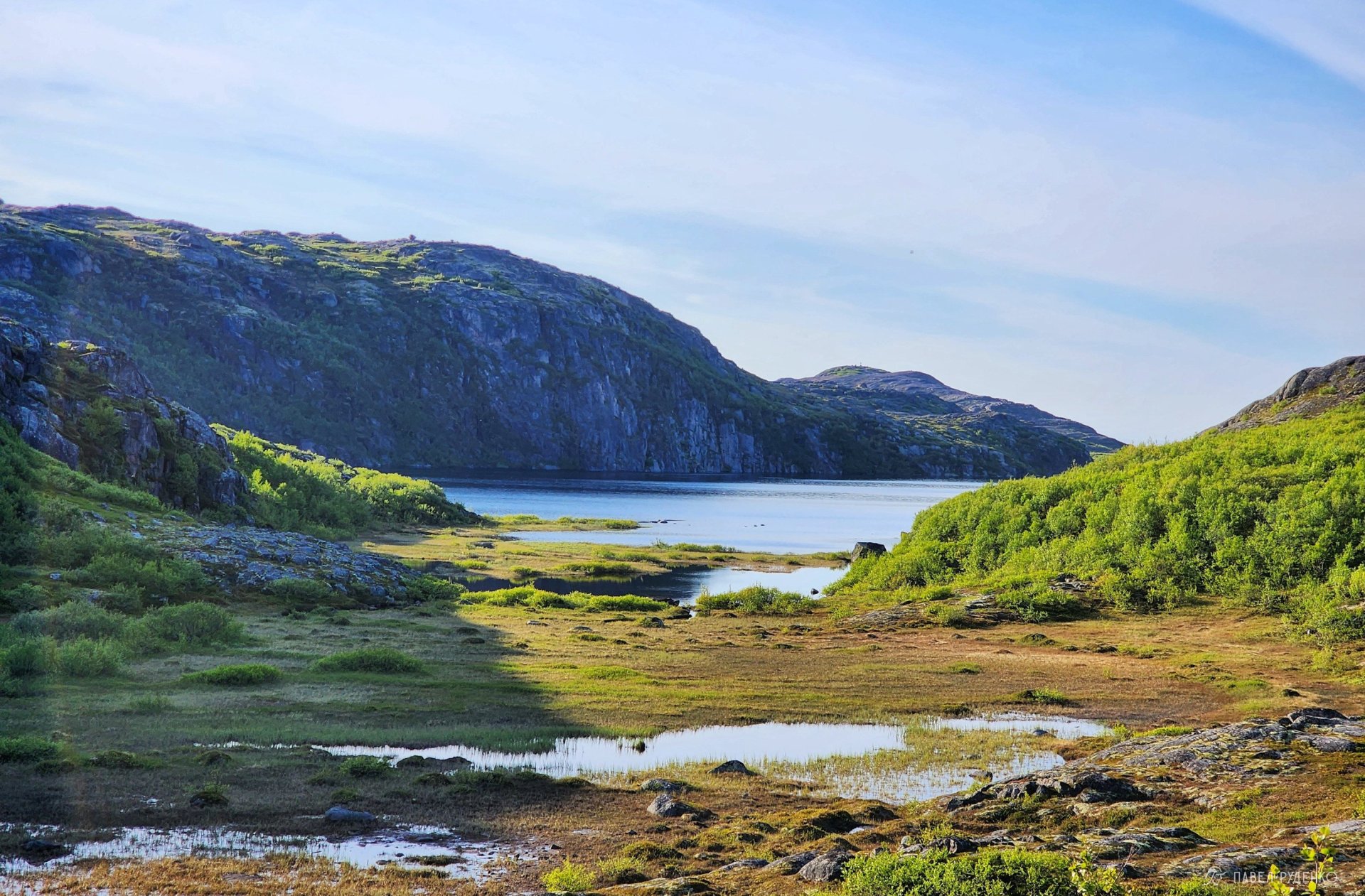
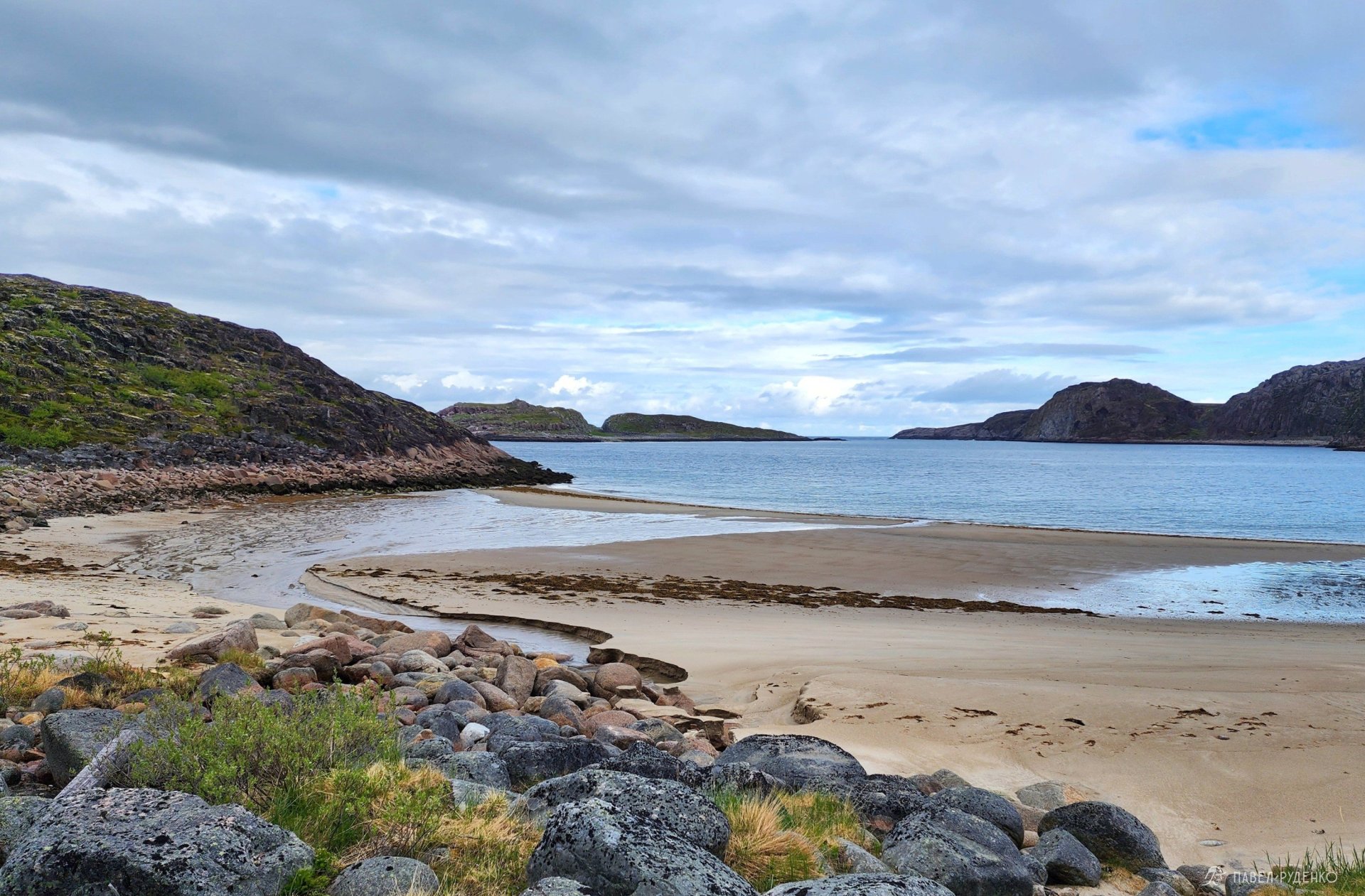
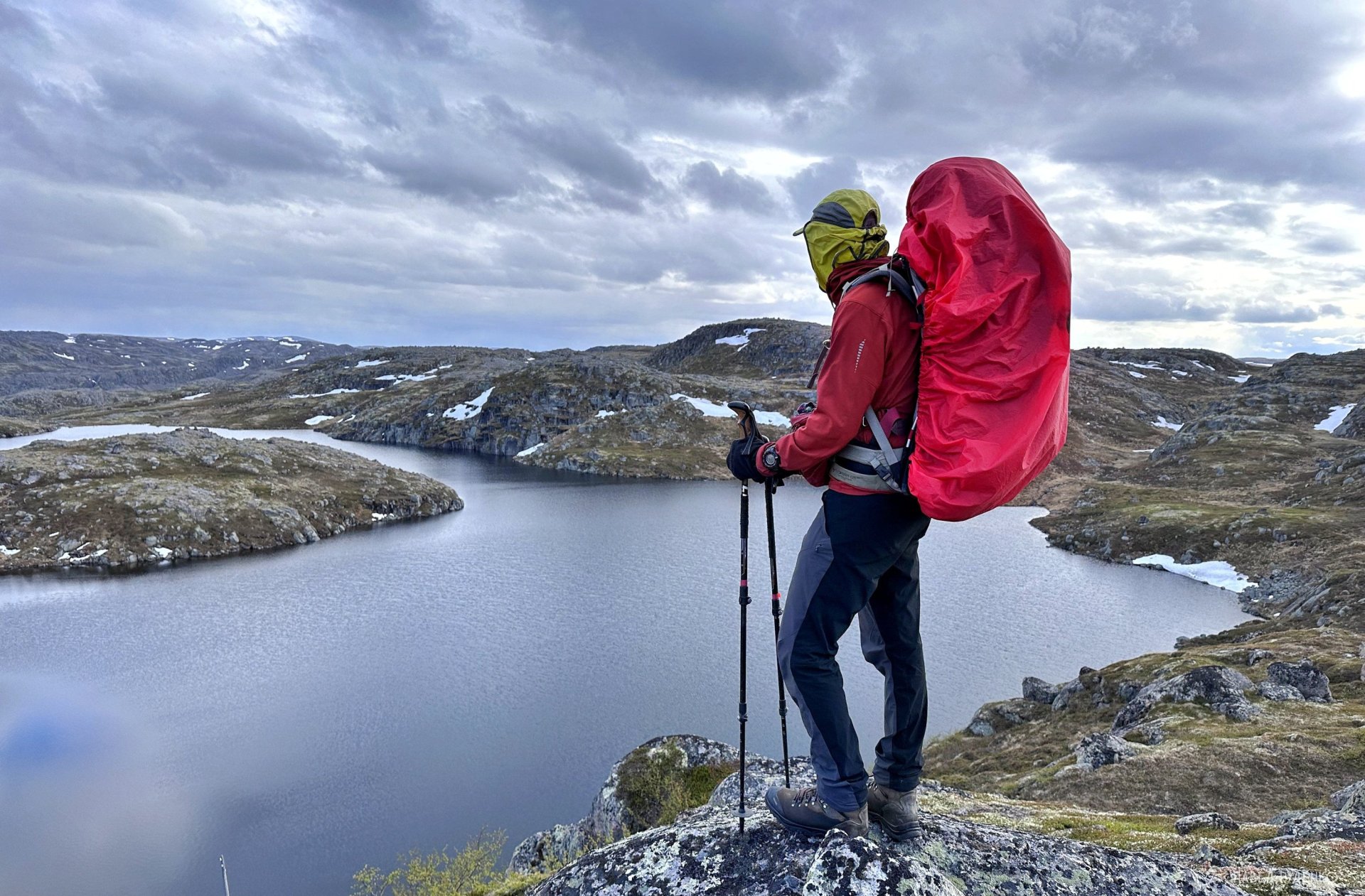
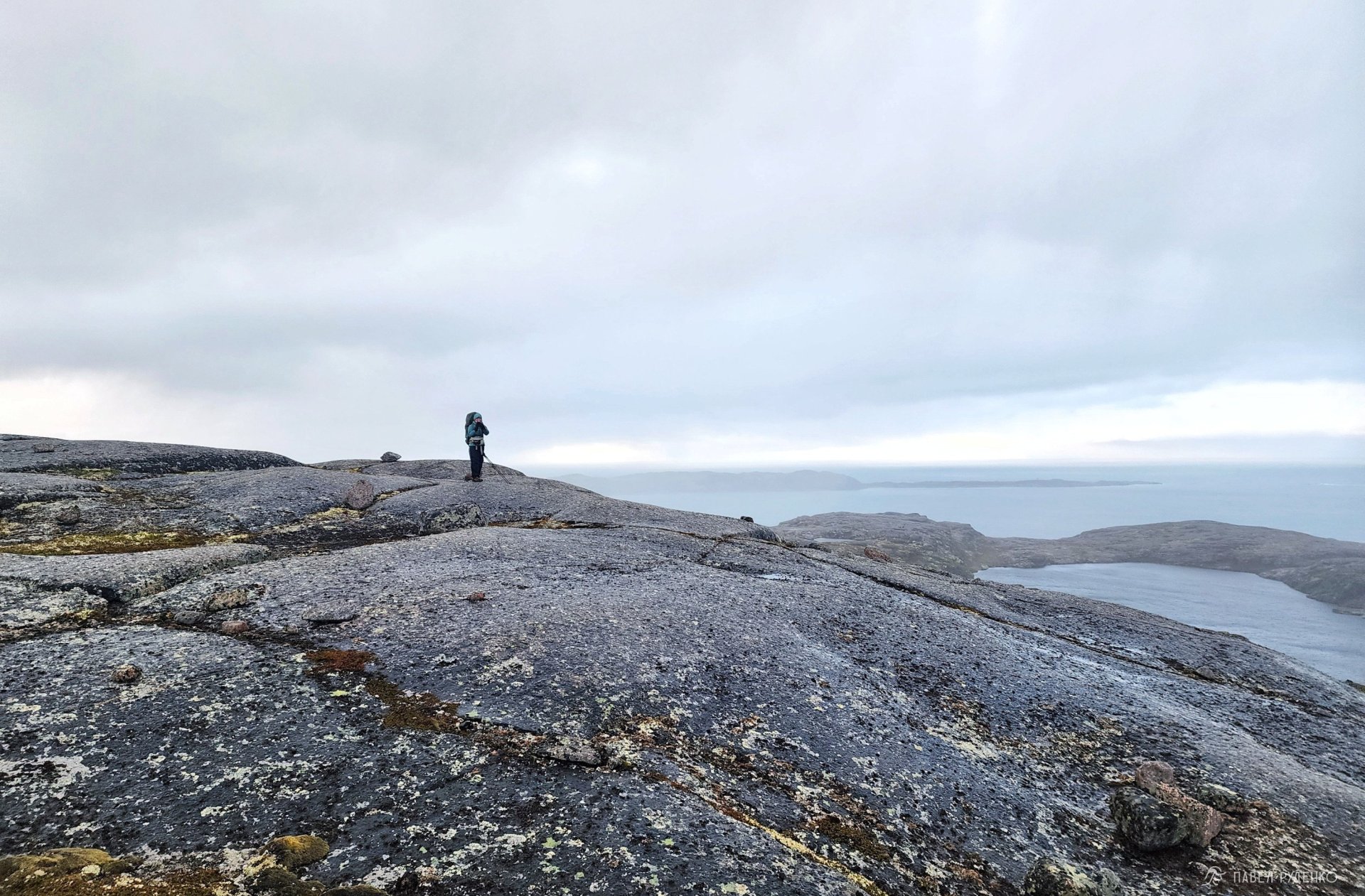
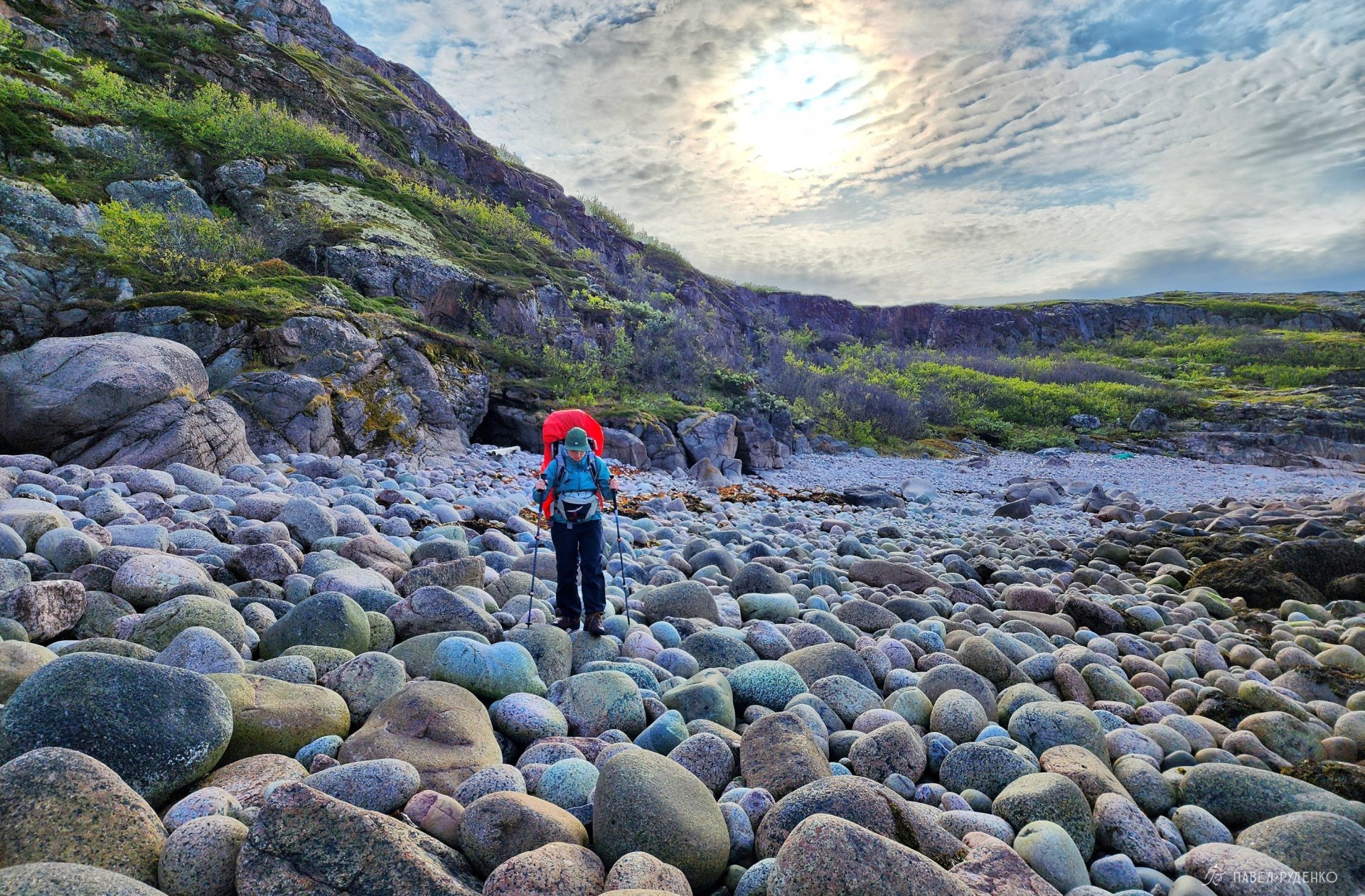
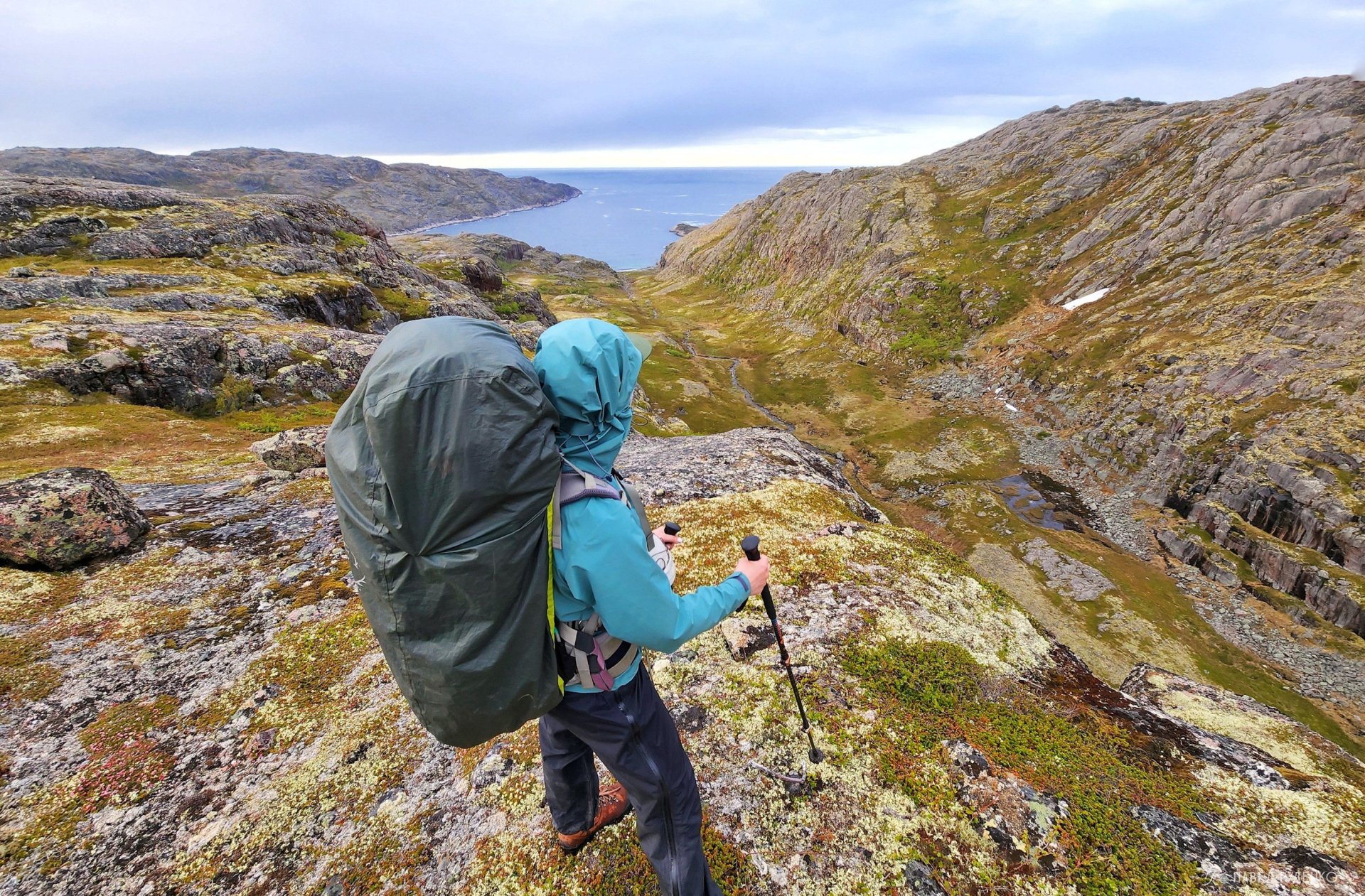
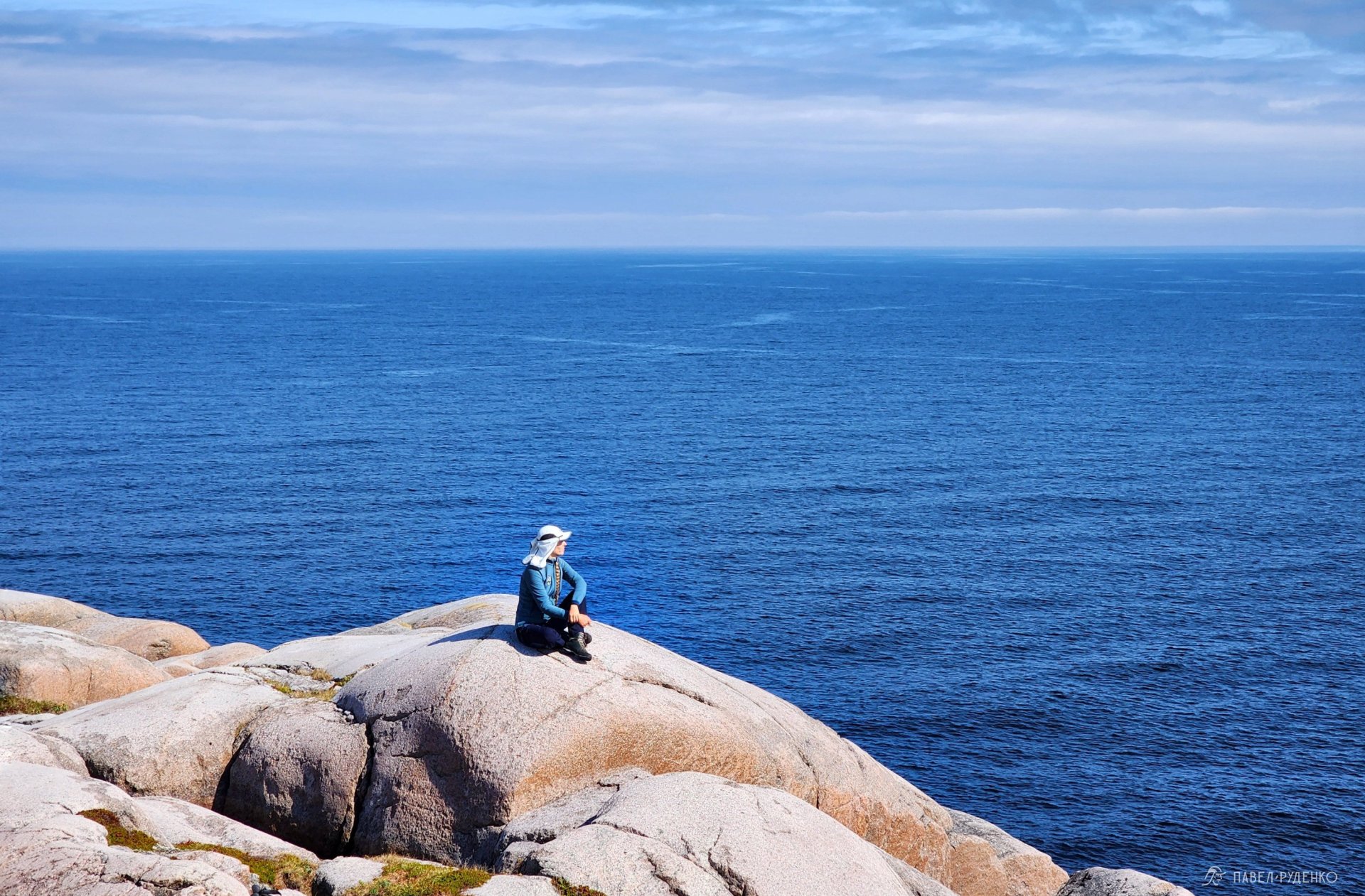
Glacial melting was heavily driven by the warm Gulf Stream. Fascinatingly, these warm waters lose their strength right in the Barents Sea, making it the only Russian Arctic sea that never freezes over. To me, this once again highlights the singular character of the Kola Peninsula's Murman Coast.
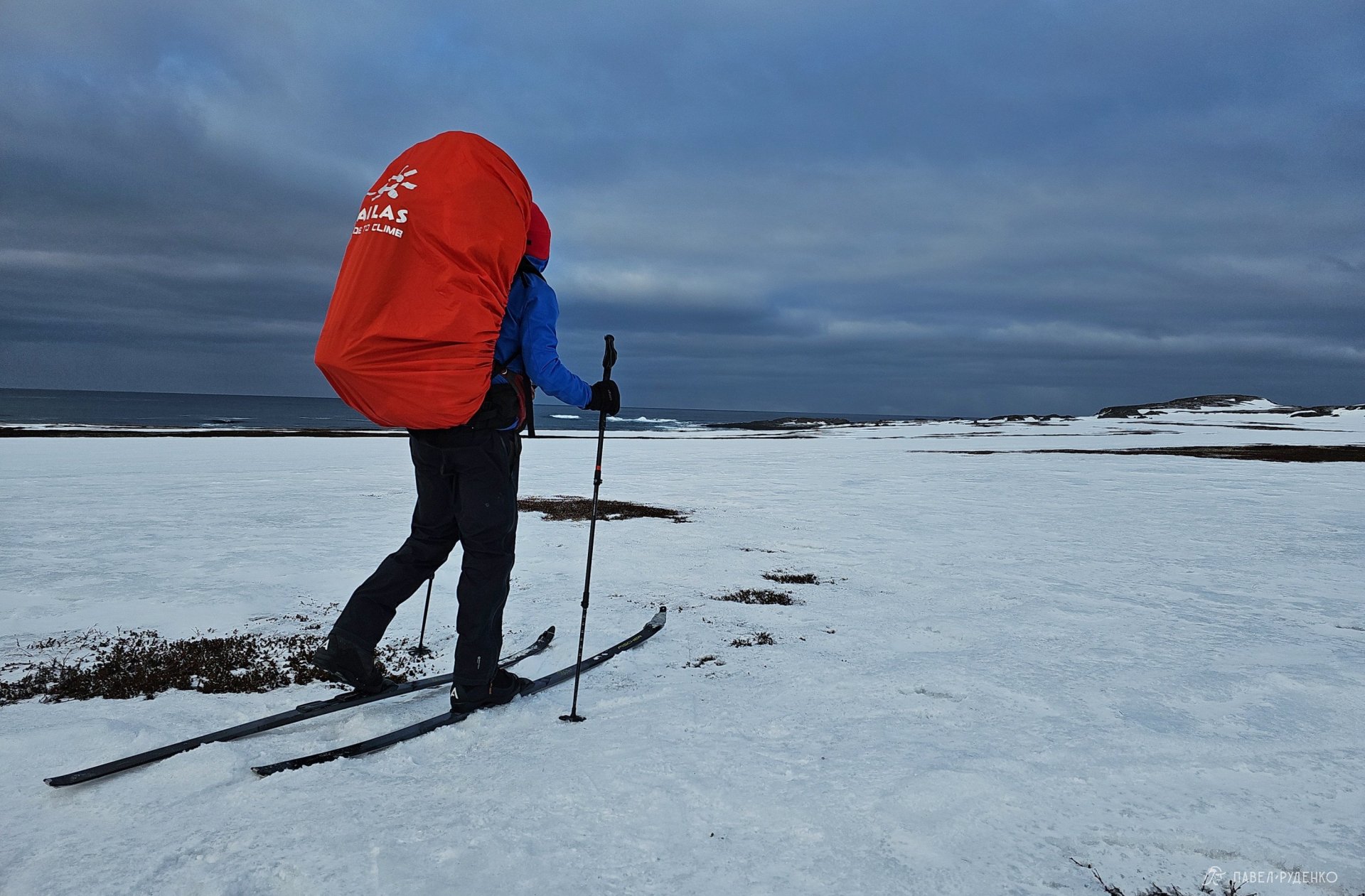
In winter, after all, it is an unforgettable feeling to ski just a few meters from the ocean swell, and then pitch a tent overlooking the coastline, walking down across the rocks against the vast white Arctic to experience its raw power—it is truly beyond imagination.
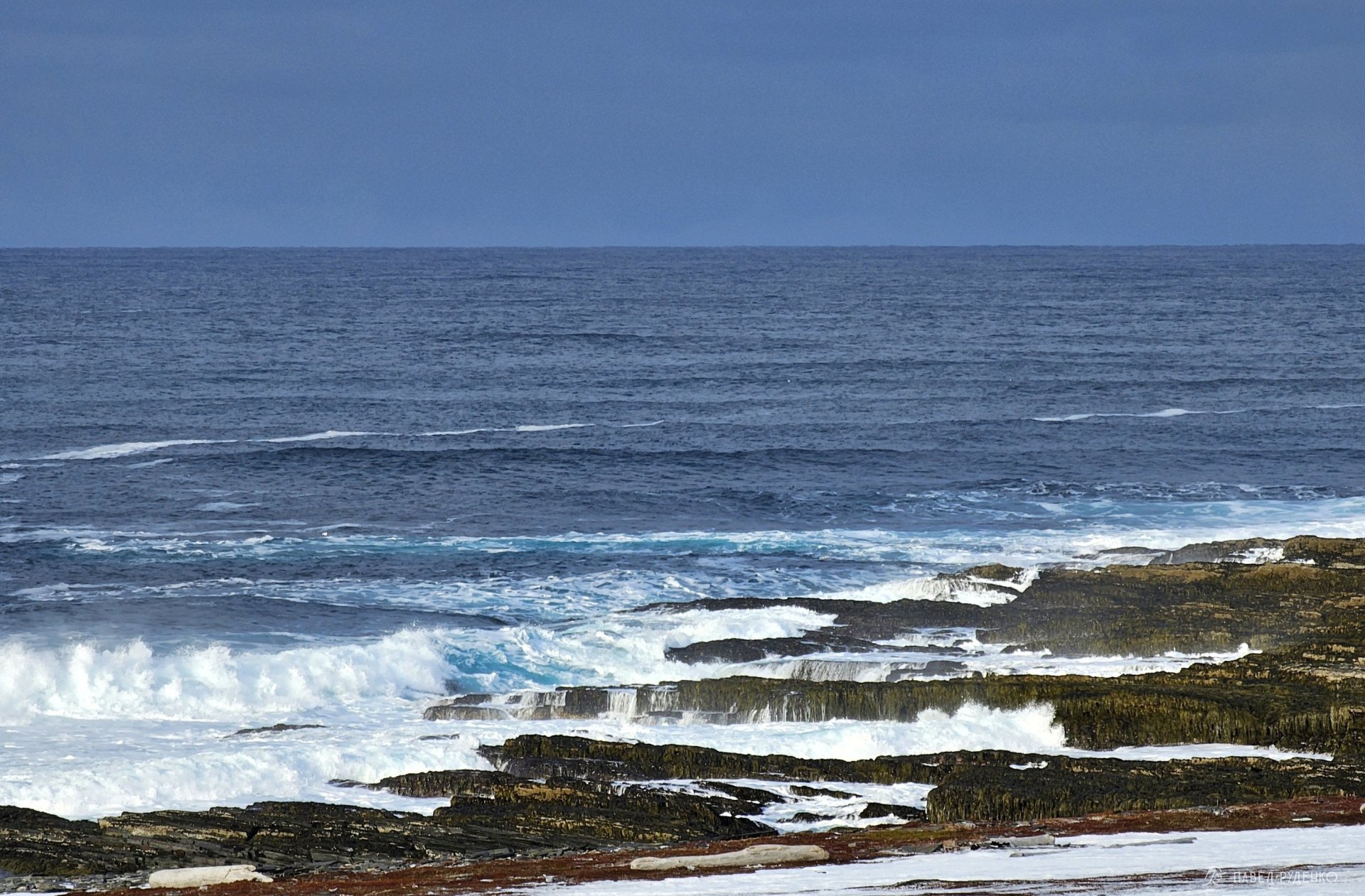
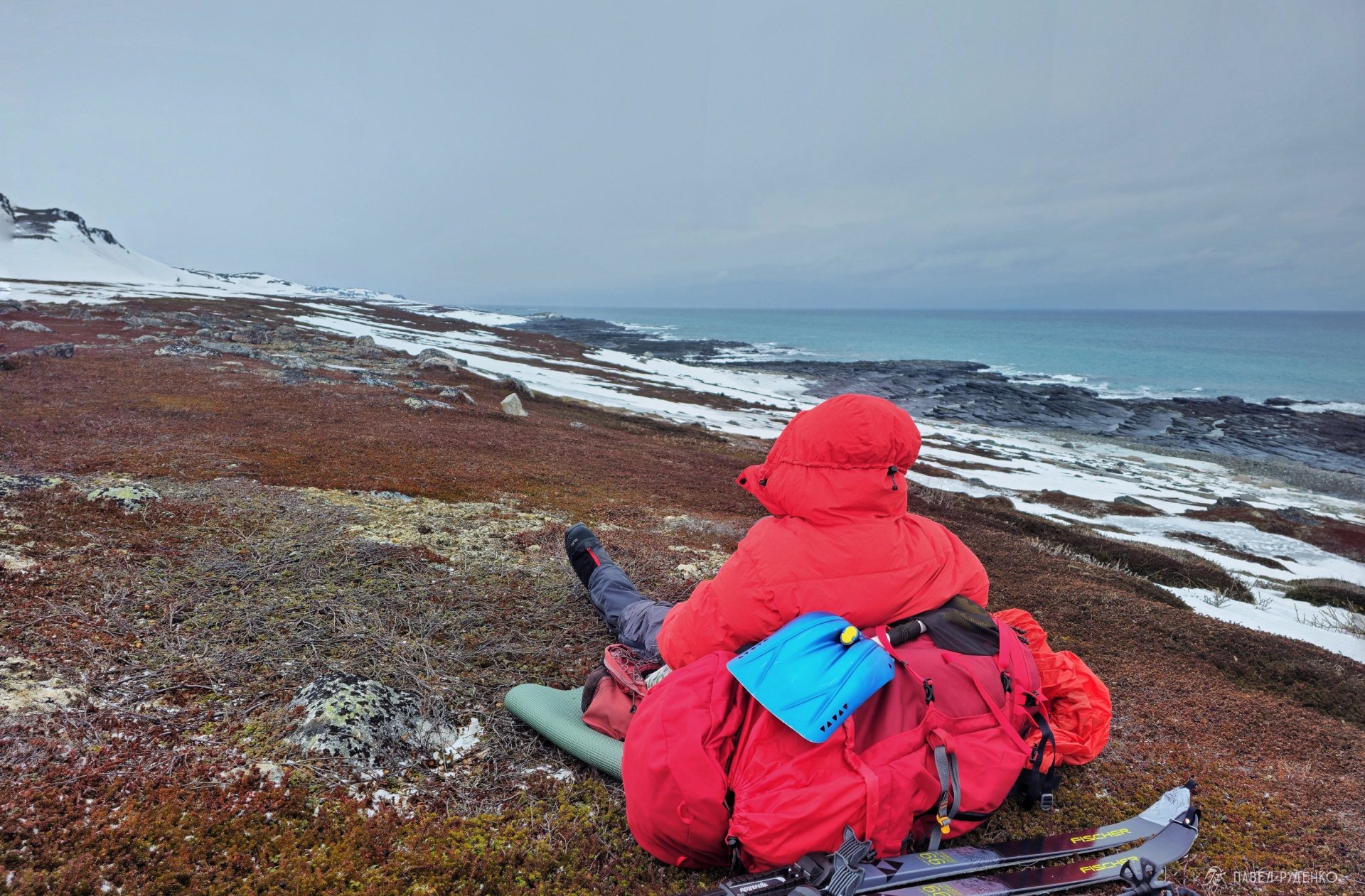
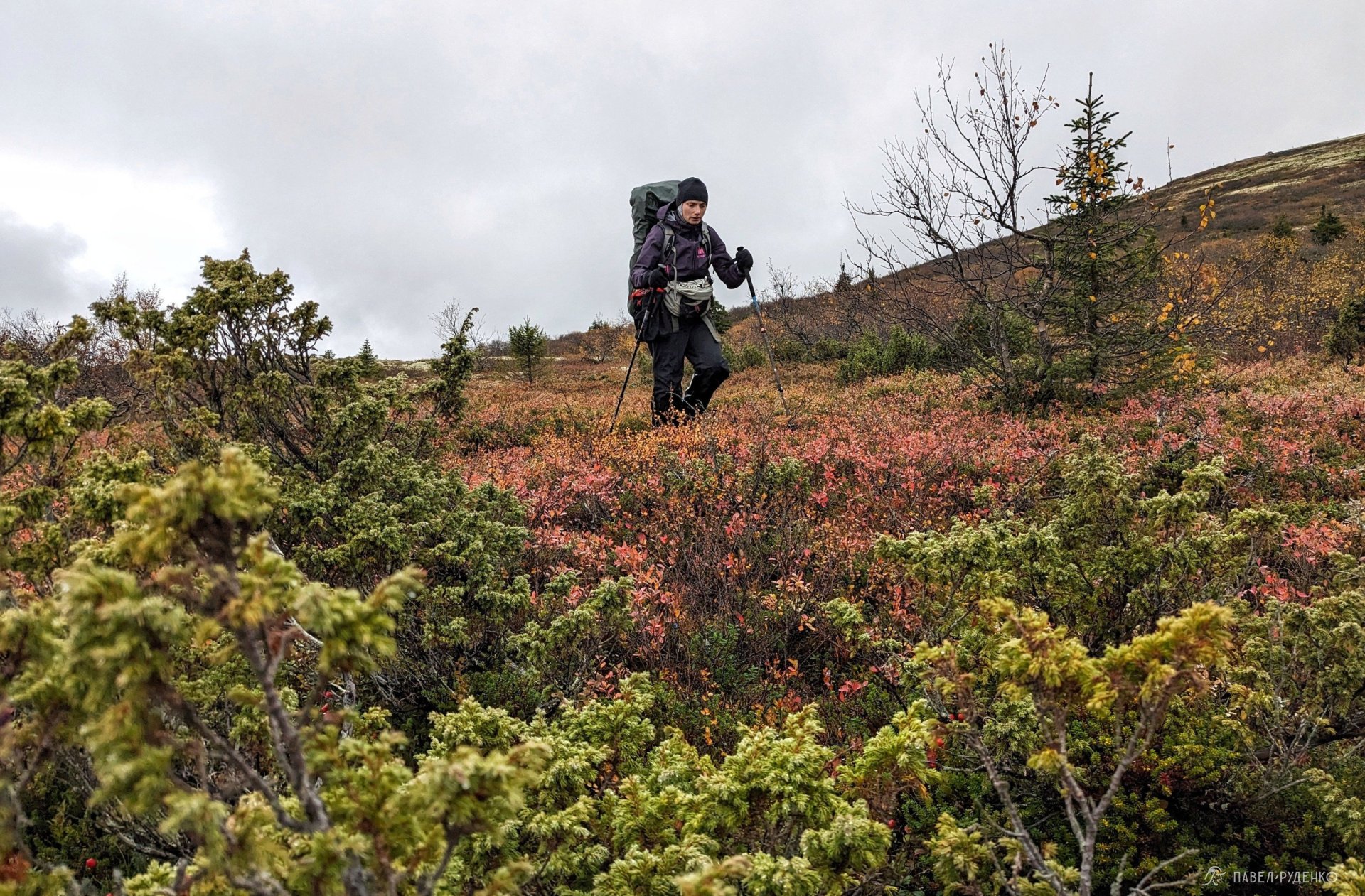
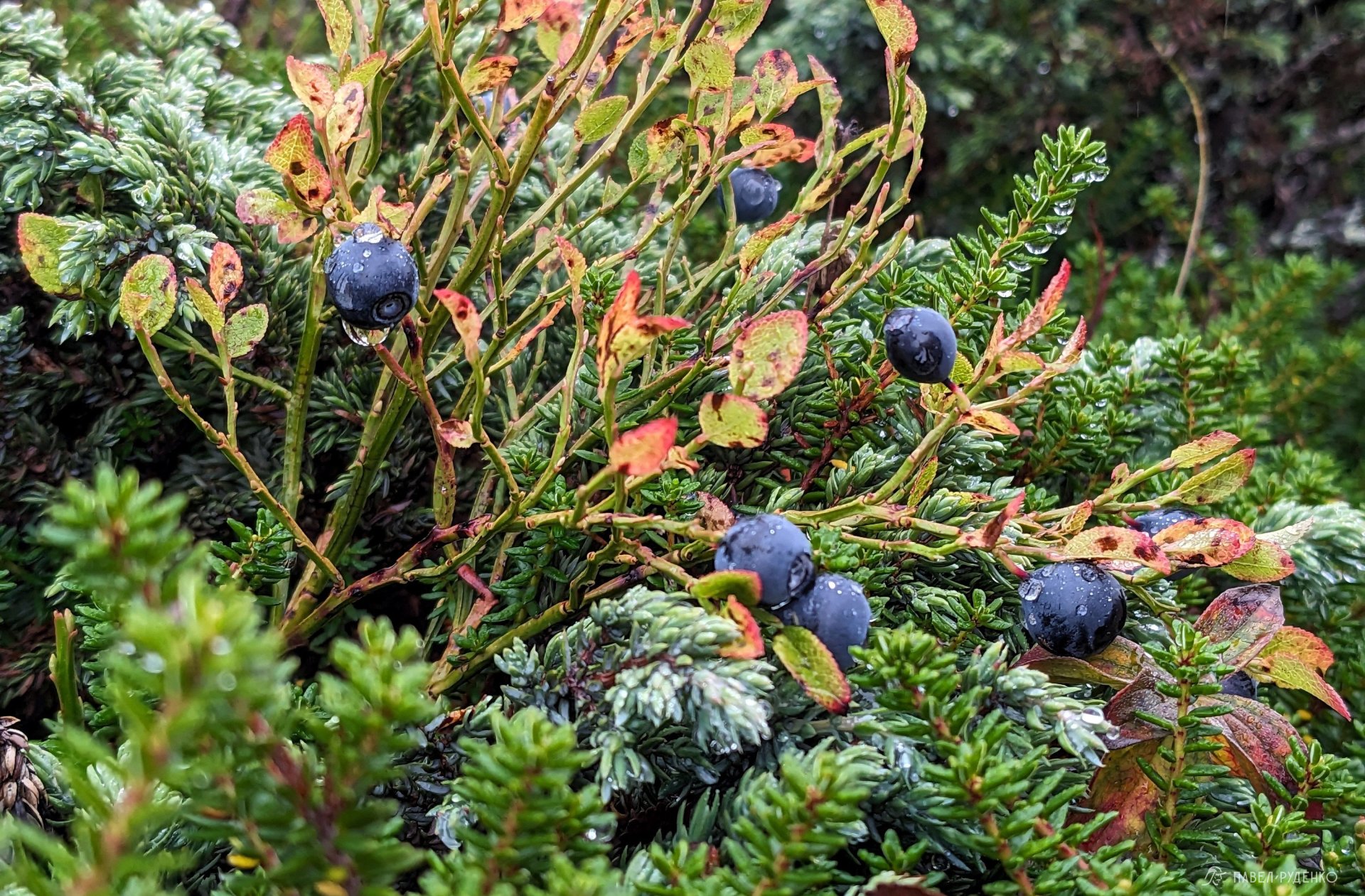
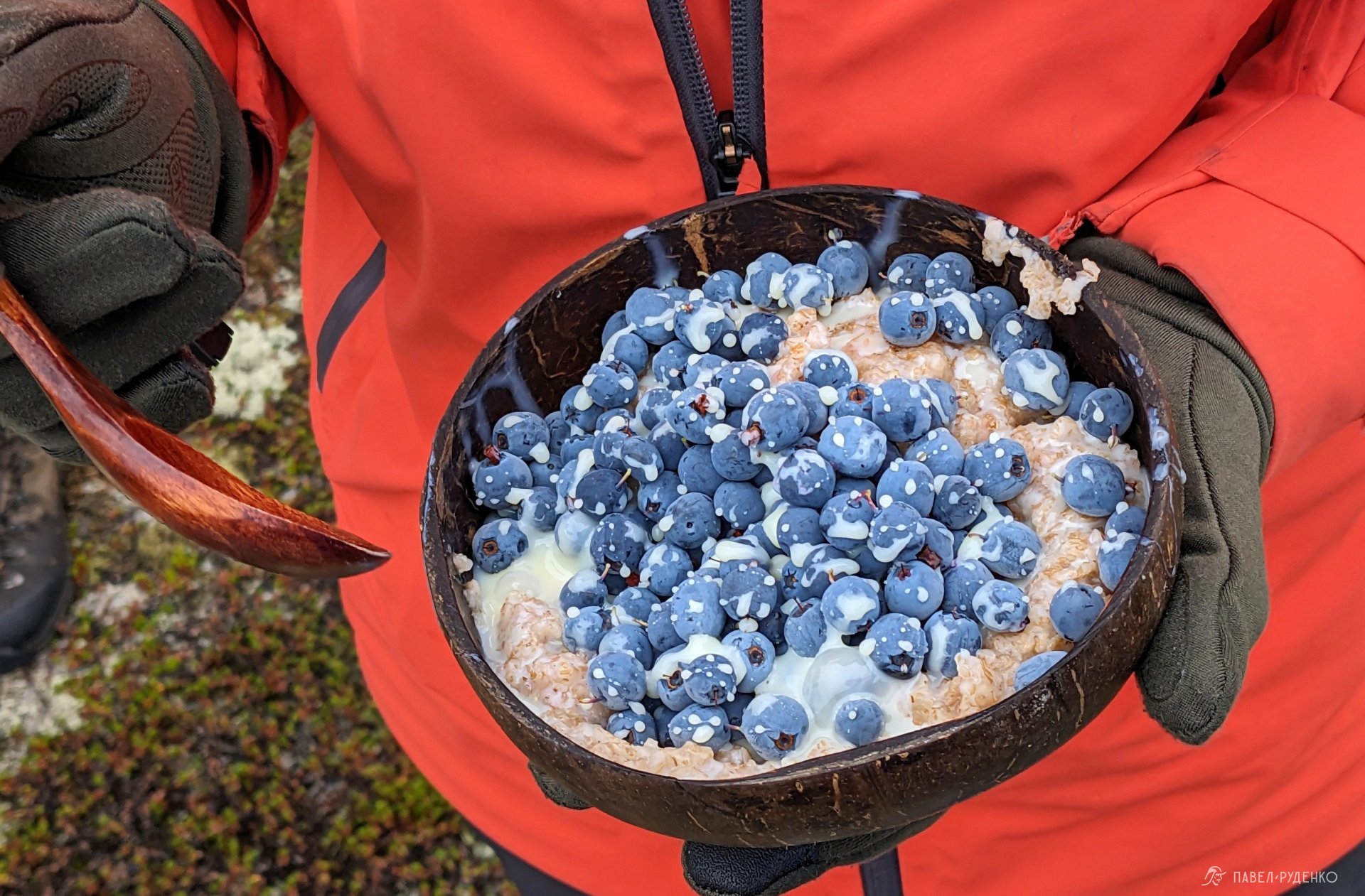
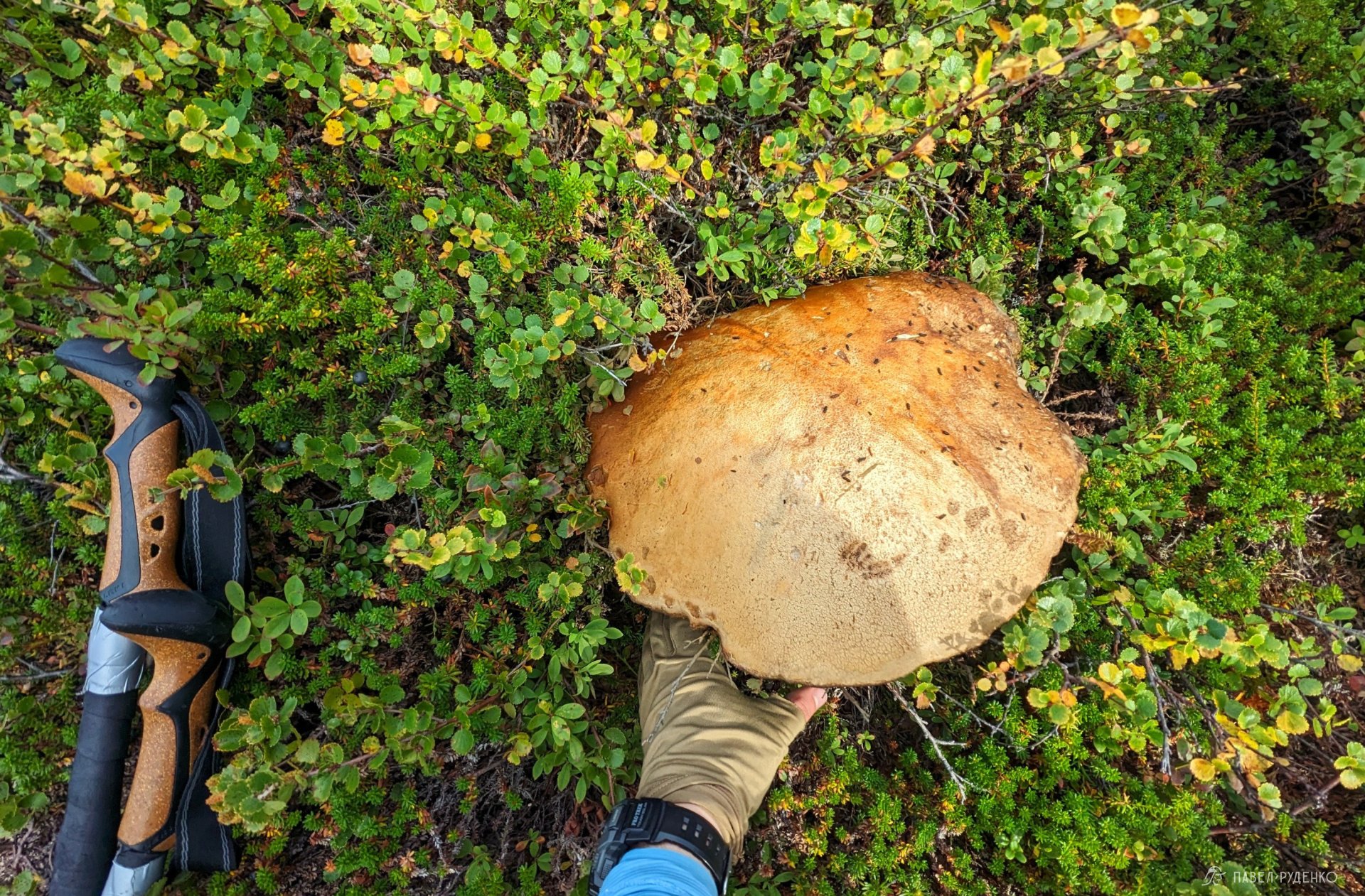
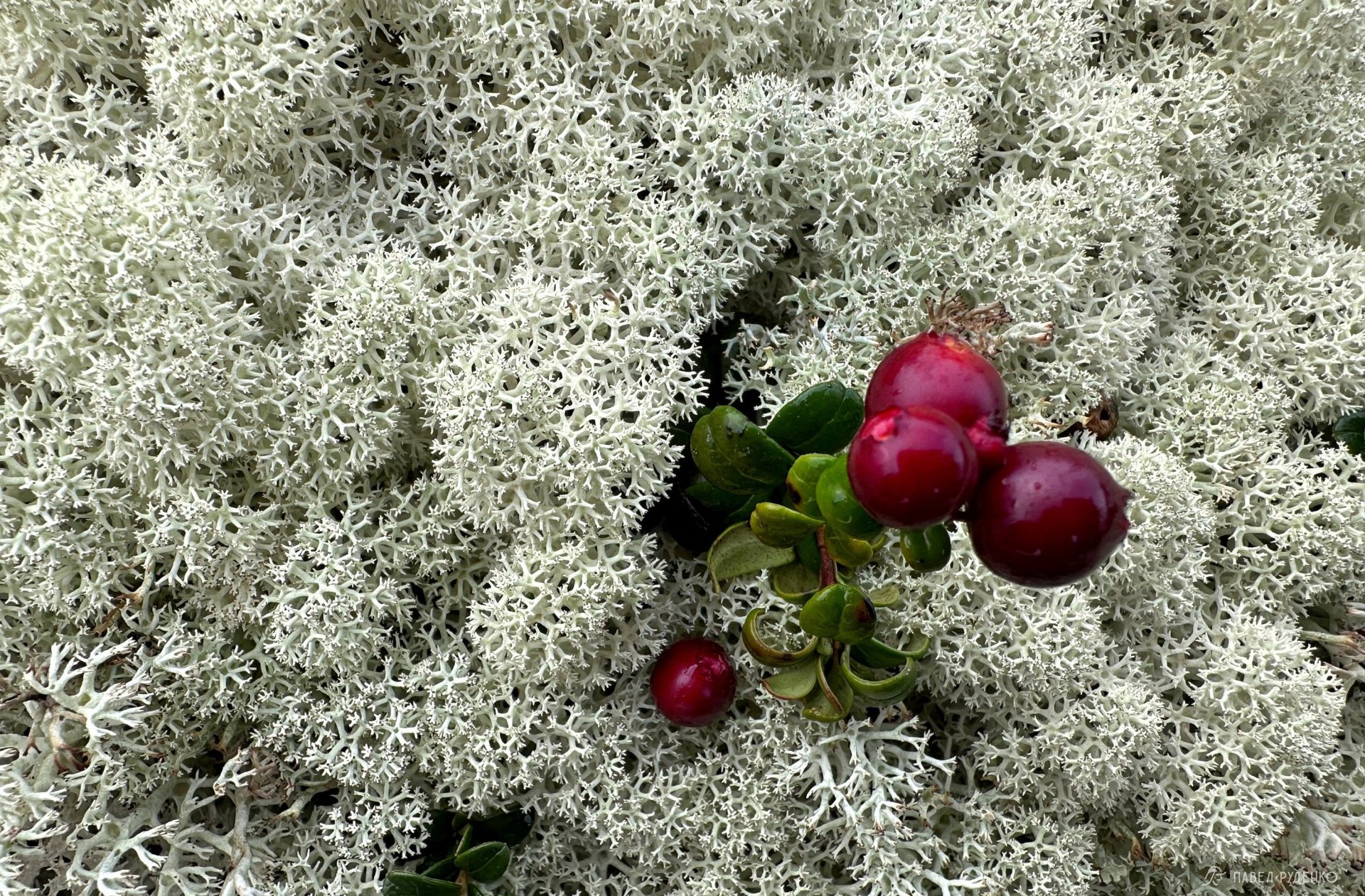
Thanks to the Gulf Stream, the climate on the Kola Peninsula is fairly mild compared to other regions of the Far North. Even the windswept tundra coast of Murman is rich in berries and mushrooms, making treks in August and September a powerful boost of vitamins. Cloudberries, crowberries, bilberries, cranberries, and black crowberries grow here. In fact, it was thanks to berries and young plant shoots that the first humans were able to survive here, so let's journey back 8,000 years in time.
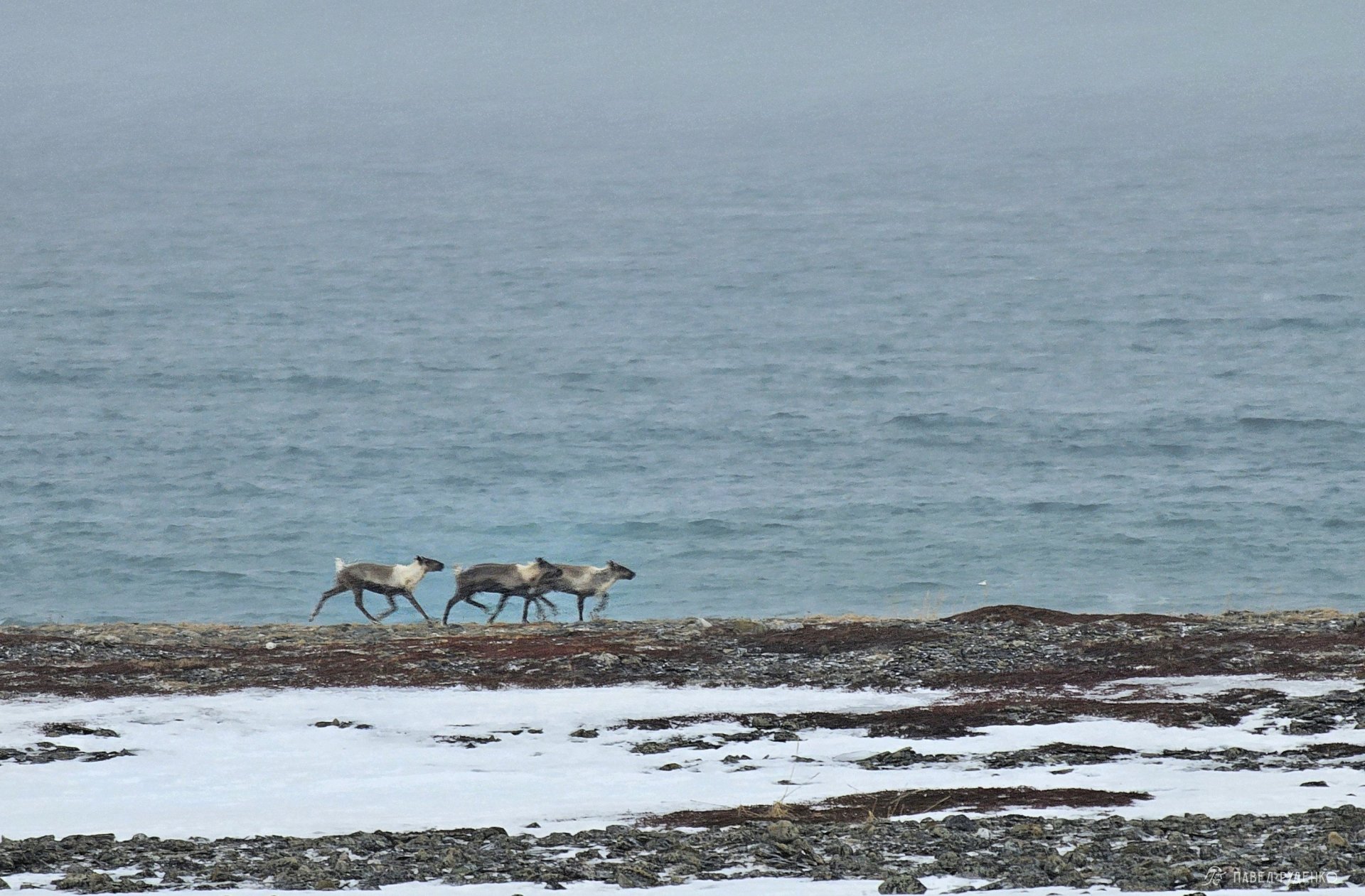
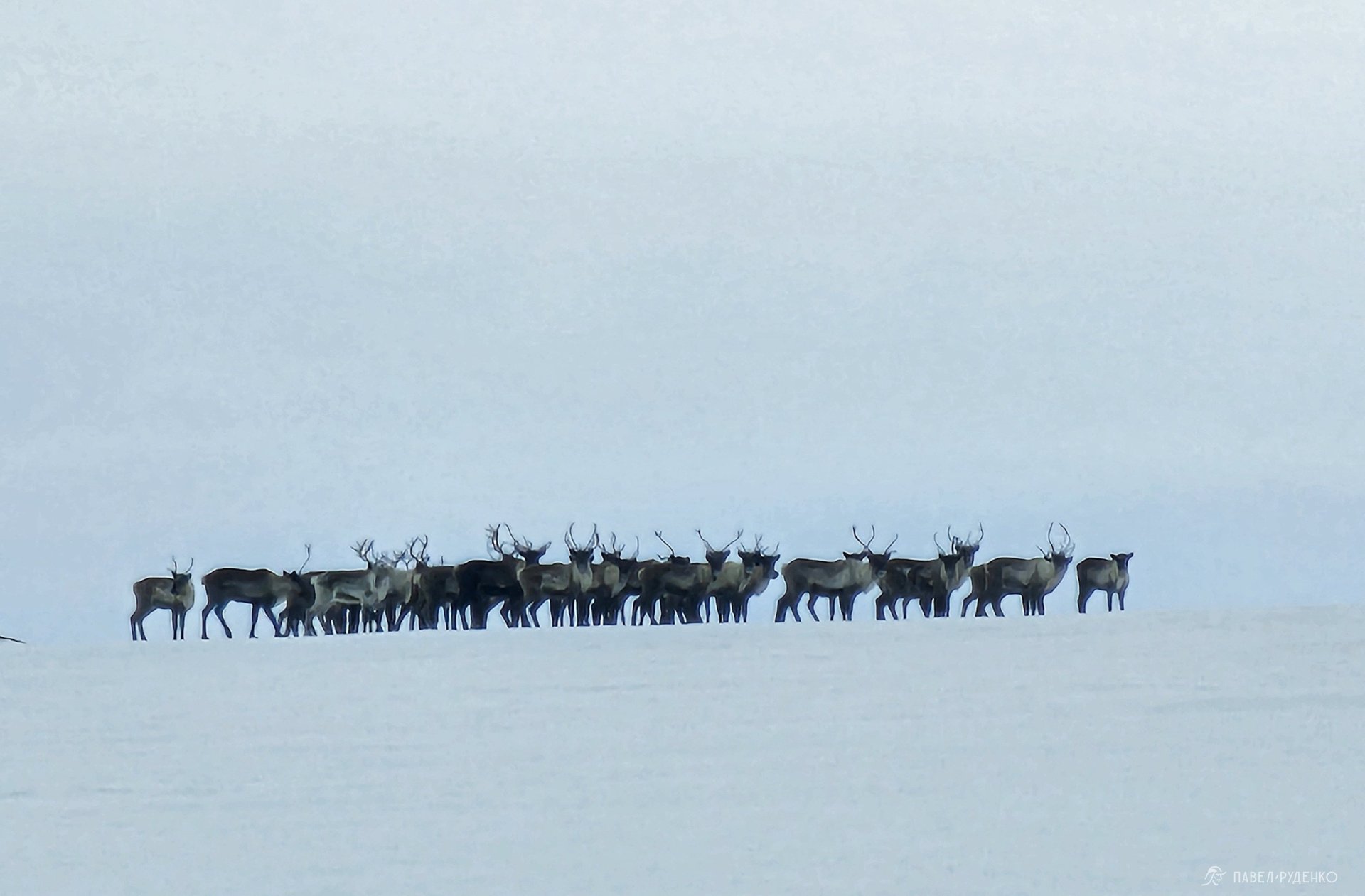
Following the glacier retreating to the north came the animals: reindeer, Arctic foxes, ducks, and geese, accustomed to the damp and cold periglacial climate, with hunters following in their tracks to explore new lands.
Thus, driven by climate change, humans finally reached the Murman coast.
As we know, the bays and river mouths here did not freeze over, so year-round fishing, marine mammal hunting, and wildfowling provided greater chances of survival. People lived in matriarchal clan communities headed by a mother matriarch. Almost like Eywa from Avatar)). Groups of 20–30 people shared a common household, as communal living made hunting far more successful. For instance, reindeer were driven toward coastal cliffs or bogs where they could be easily taken. Working together, people blocked small streams with palisades and placed traps made of twigs and slender tree roots in narrow passages.
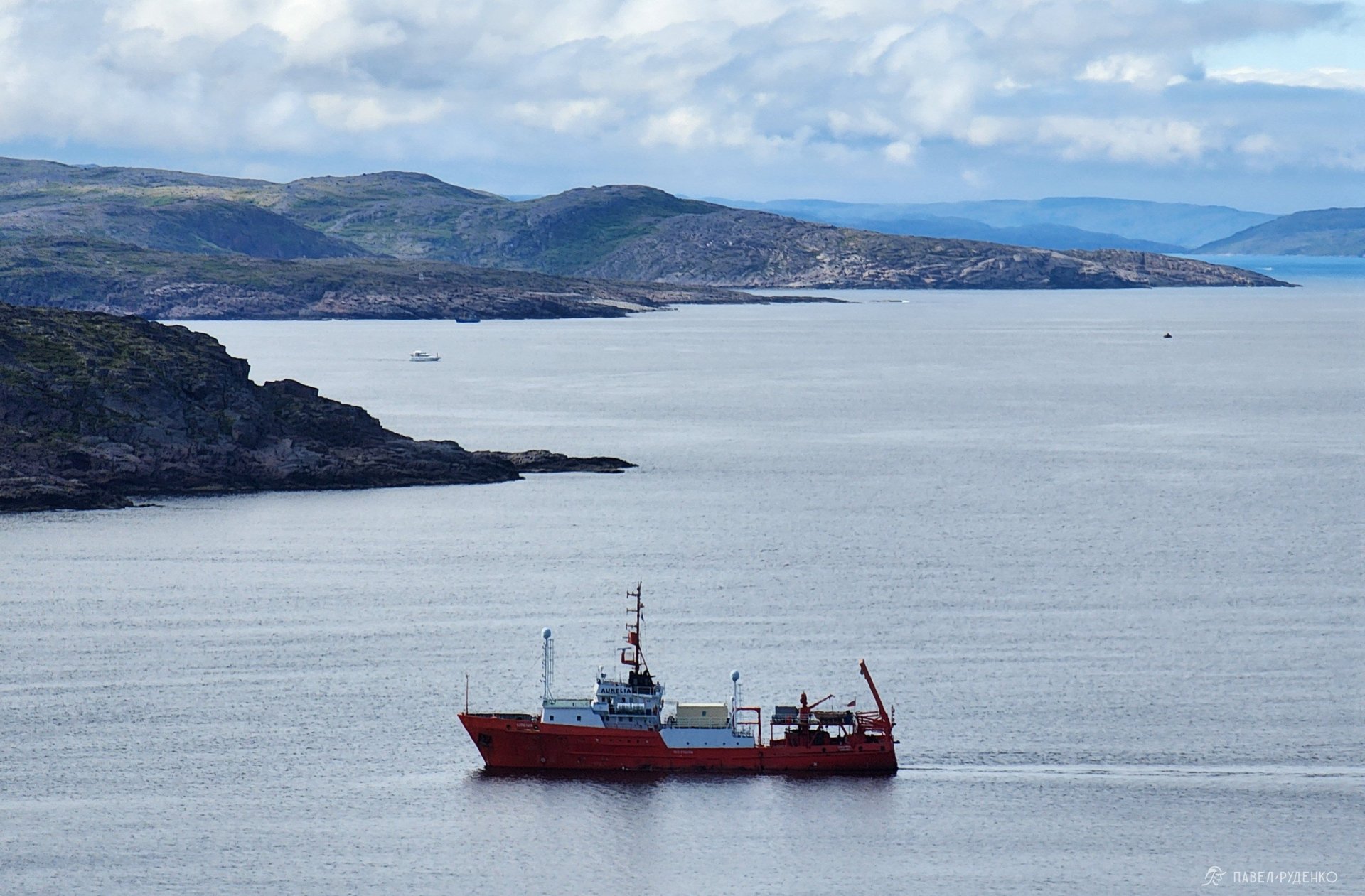
Early humans had to wage a relentless struggle for survival, overcoming tremendous odds. Steadily refining their toolmaking craftsmanship along with hunting and fishing techniques, people learned to preserve food supplies: drying meat and fish, storing fat, and building shelters.
In this arduous battle against the harsh northern elements, humanity emerged victorious in the Far North of Murman.
Notably, the earliest prehistoric settlements in the Kola North were discovered on the Murman Coast, on the Rybachy Peninsula—where I embarked on a solo ski trek this winter. Archaeologists have unearthed roughly worked stone knives, hand axes, scrapers, spearheads, and arrowheads here.This is just one of the many wonders that captivate my interest in the Kola North. More stories coming soon.
To see it all with your own eyes, join our treks across the Kola Peninsula:


Comments (0)