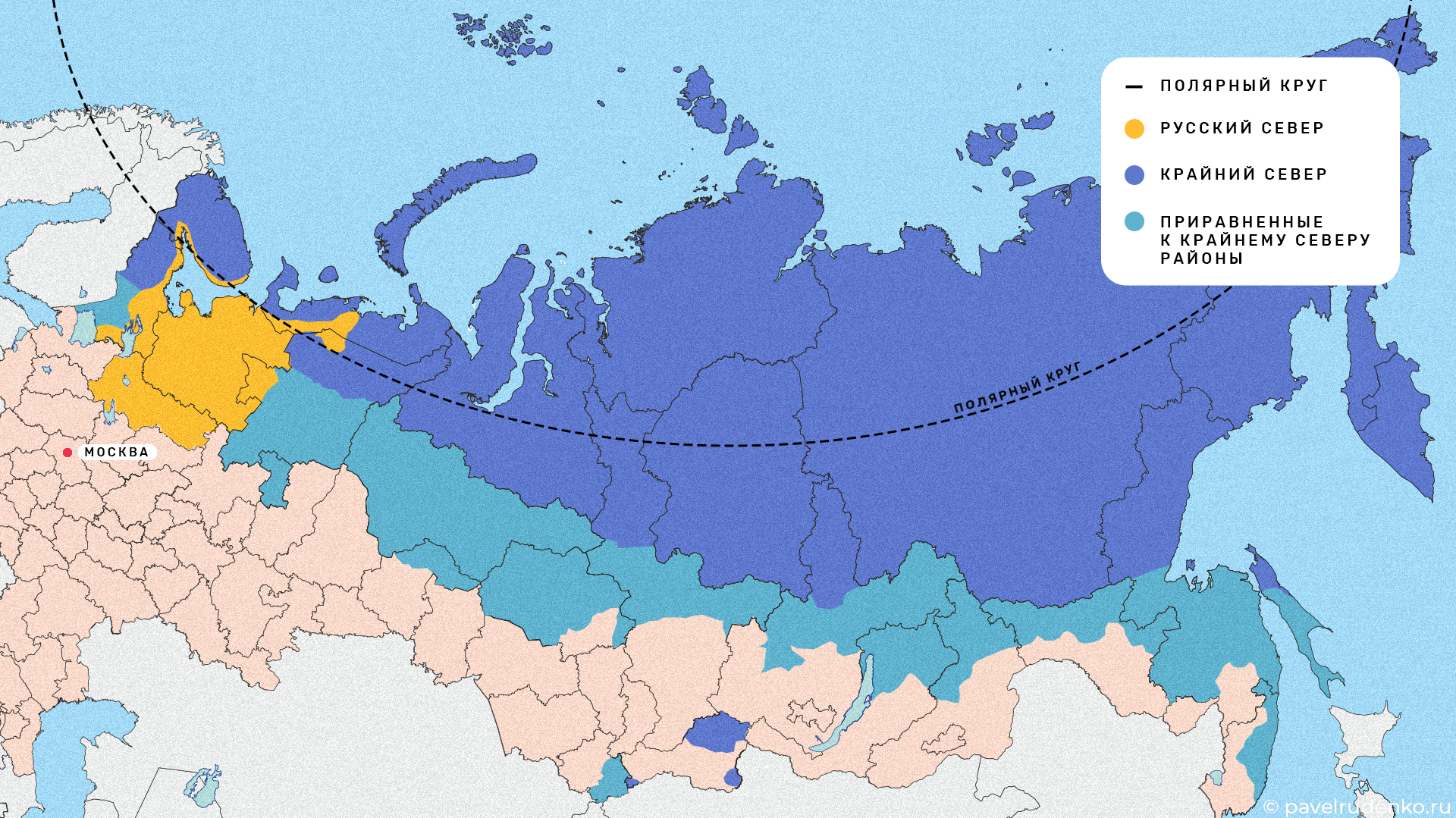
The first people in the Kola North and the Ice Age
For a long time, the North of Europe, including the Kola Peninsula was covered by a giant glacier. The thickness of the glacier reached up to two kilometers. Therefore, human life in the Kola North became possible only 10,000 years ago, with the disappearance of the glacier and the establishment of a relatively warm climate.
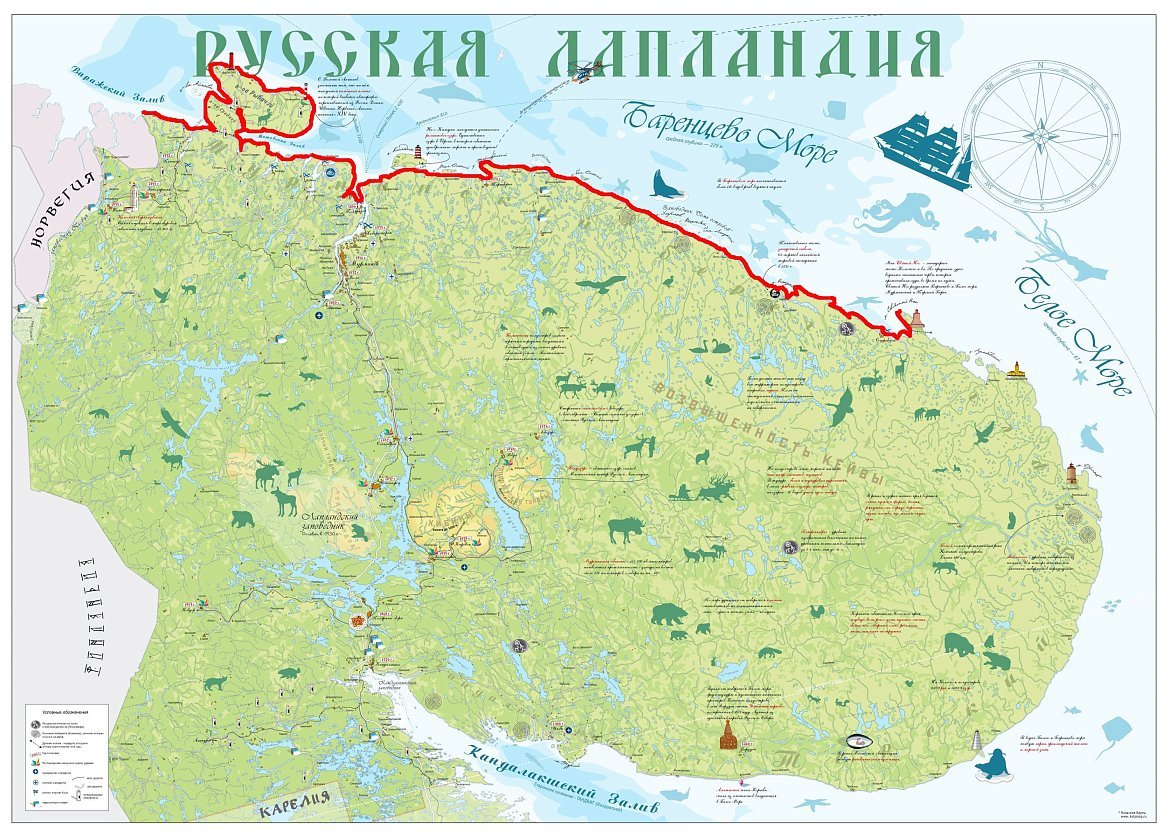
In addition to general factors, the melting of the glacier was also accelerated by the warm Gulf Stream current, which broke through from the west from the Atlantic to the shores of Murman. The coast of Murman is the northern coast of the Kola North, stretching 400 km from the Norwegian border to St. Nose. For clarity, I noted it with a red line.
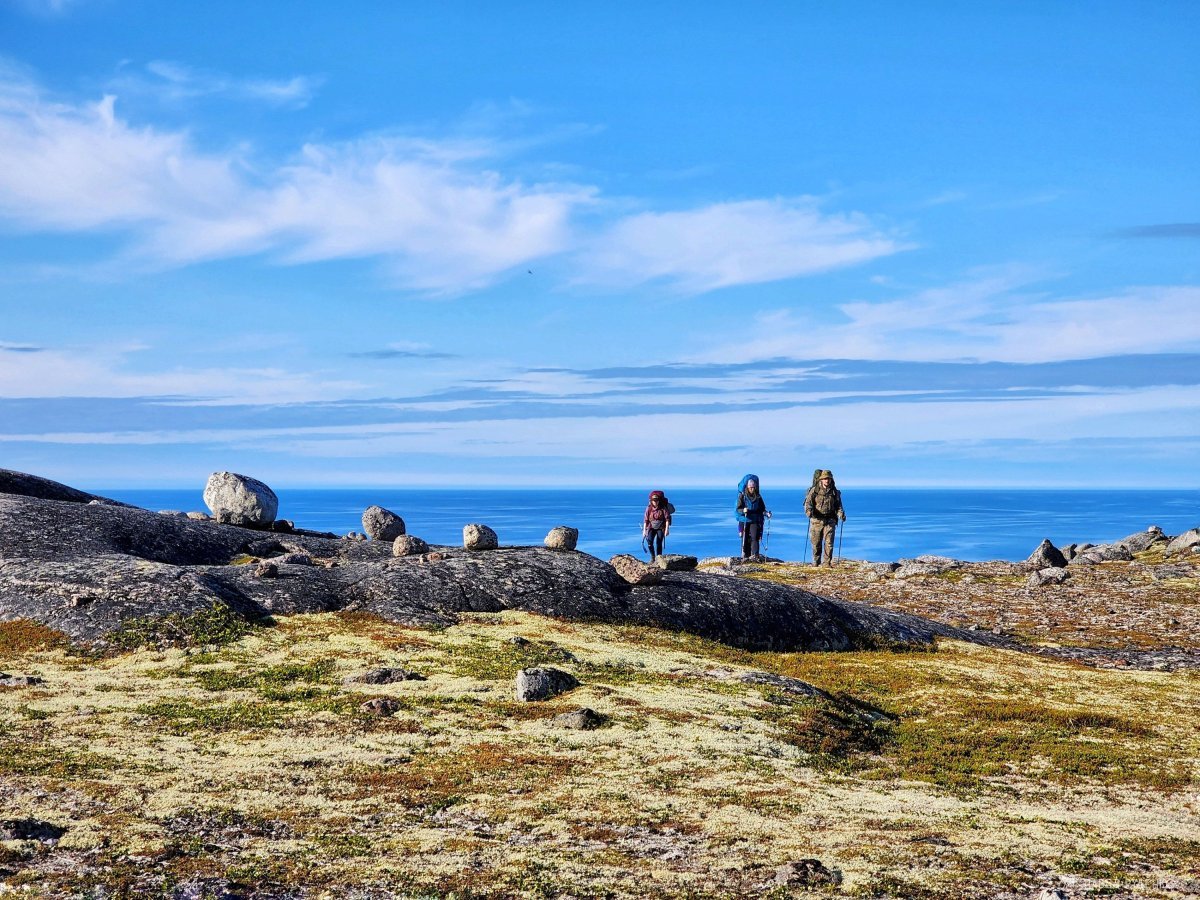
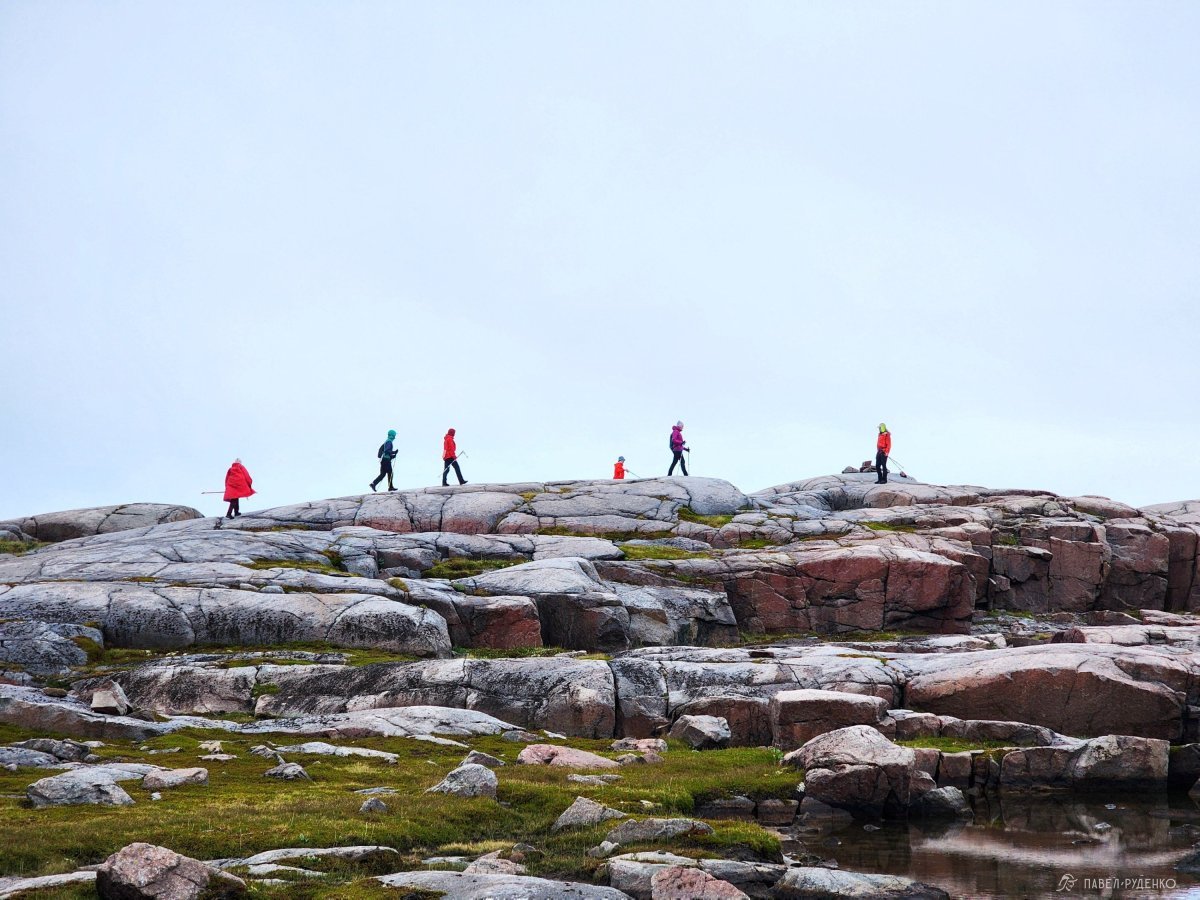
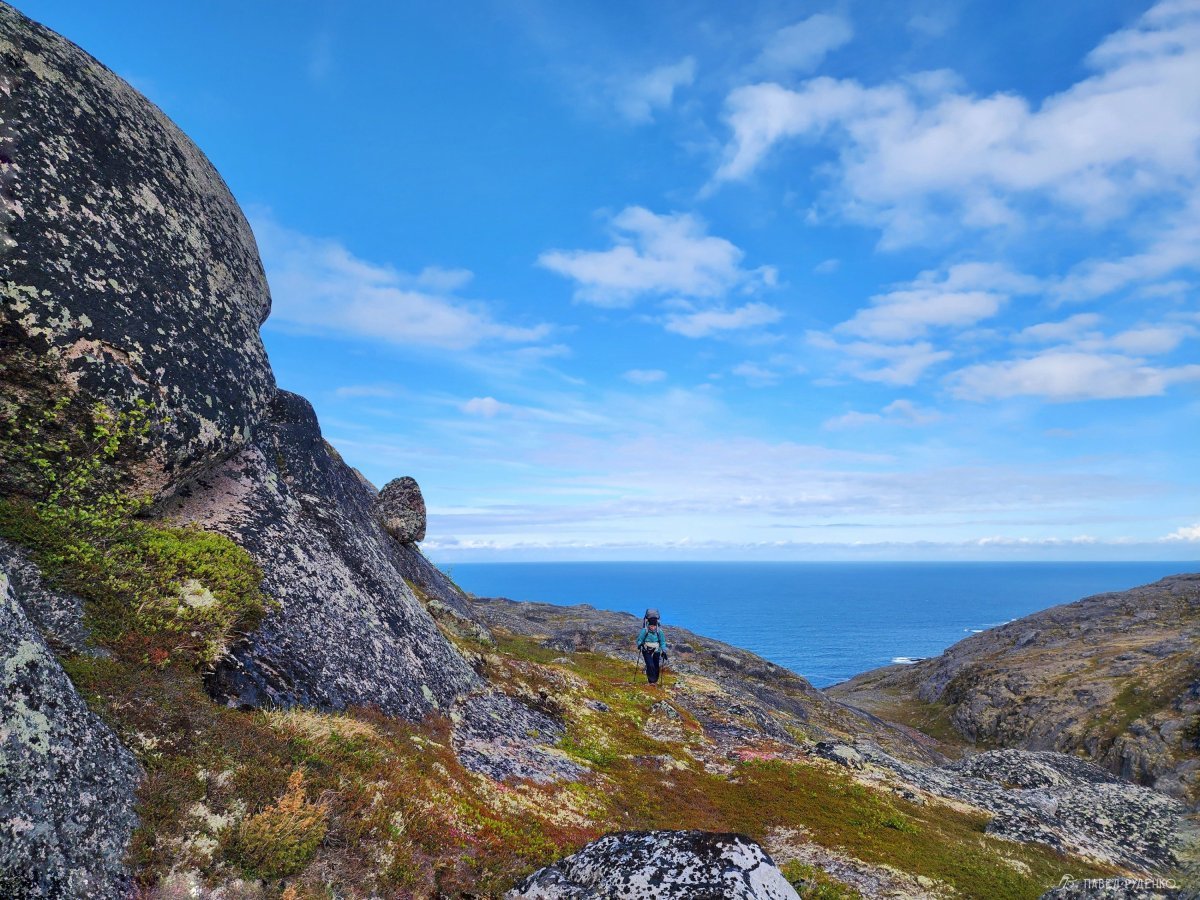
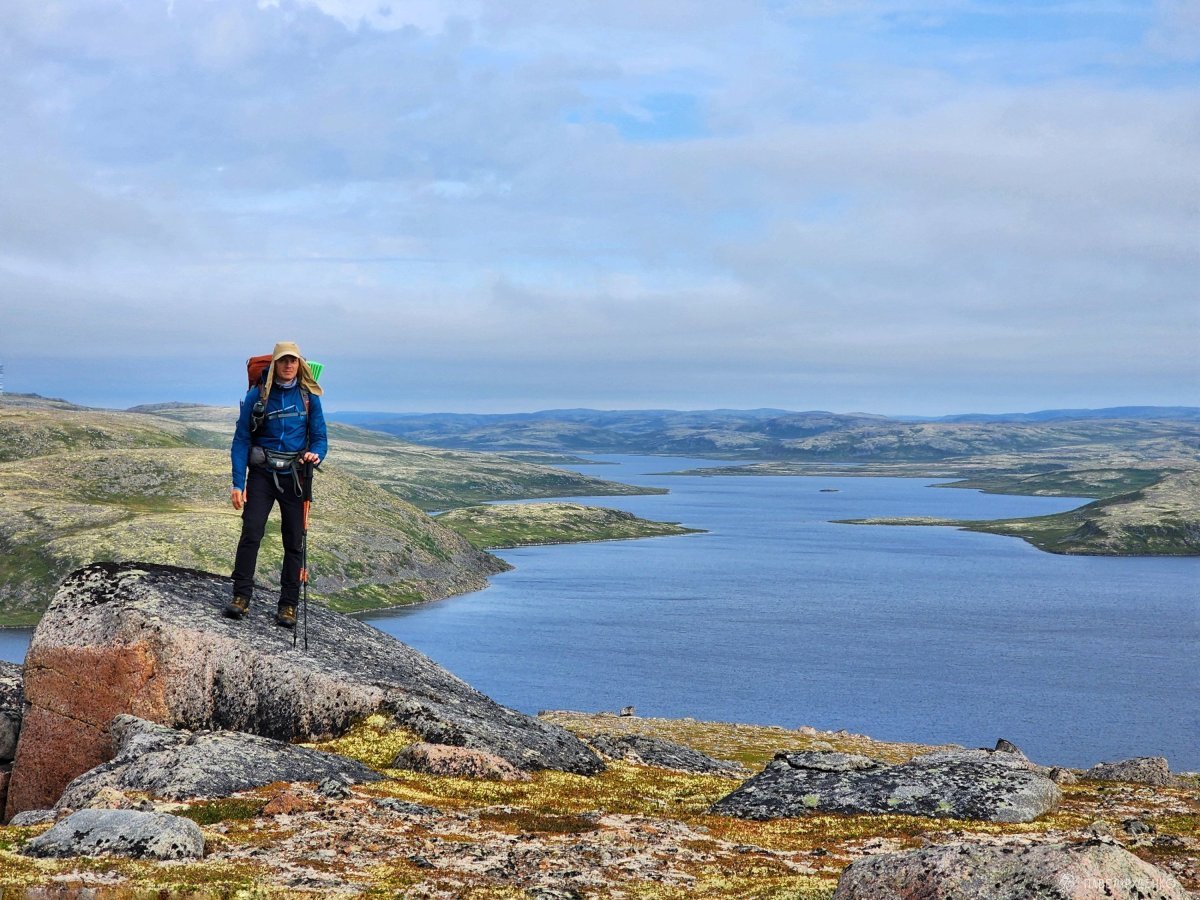
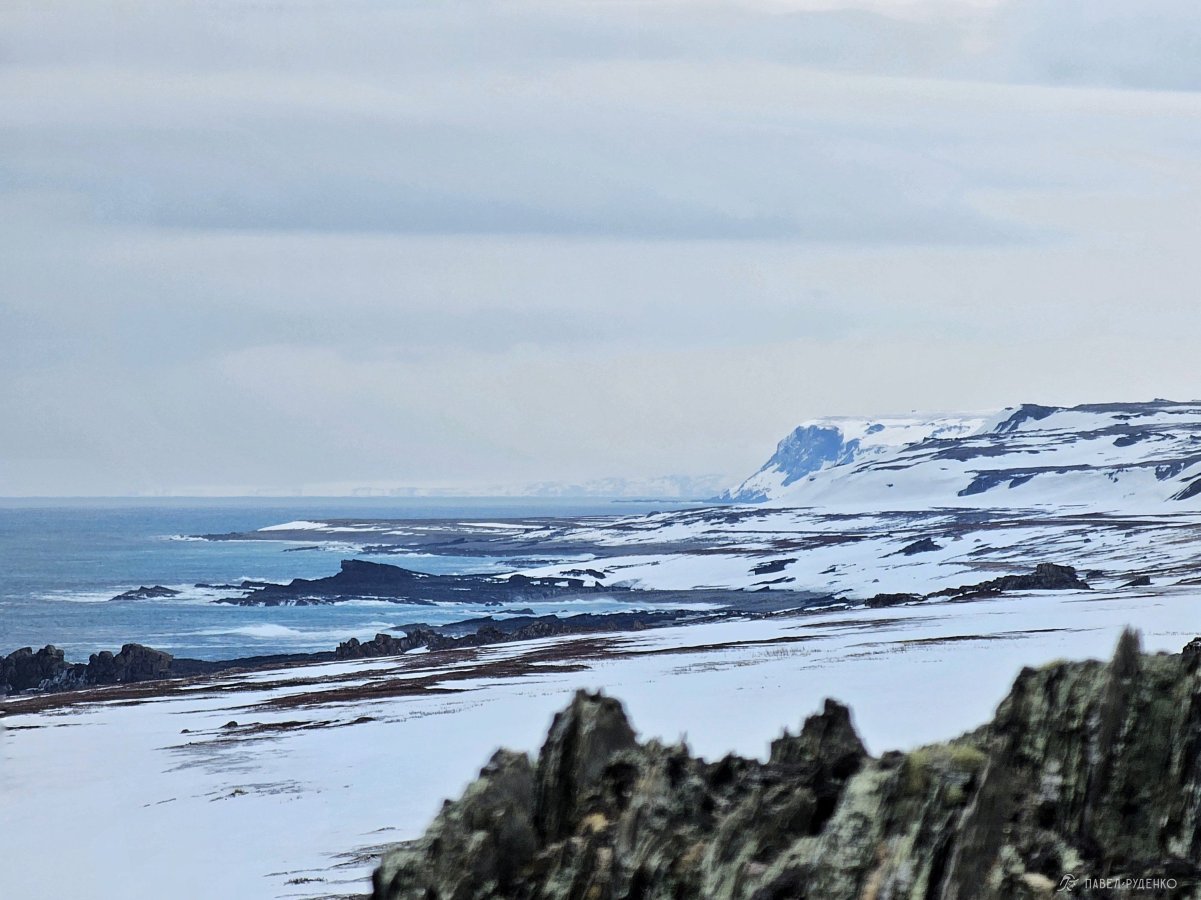
As it retreated, the glacier ground down the terrain of the occupied area with its mass, including the coast of Murman, creating mountain tundra from hills with an average height of 50-300 meters. The ice mass carried boulders, sometimes of completely enormous sizes, which settled in the tundra. Such boulders sometimes fell on a few small stones, creating the impression that this was the work of human hands, which is why many fables circulate, but we already know the real reason. The long process of glaciation, where every year the ice retreated by an average of 160 meters, gave us an absolutely unique appearance of the Arctic coast of the Kola, which cannot be found anymore for tens of thousands of kilometers to the east, along the coastline of the Arctic to Cape Dezhnev. Not to the west, including Iceland, Canada or Alaska.
Only some sections of the Norwegian coast have a similar relief, but unfortunately for us, highways run right along the coast, so the magic of such routes there disappears.
Be sure to check out how glaciation occurred on the interactive map at the link:
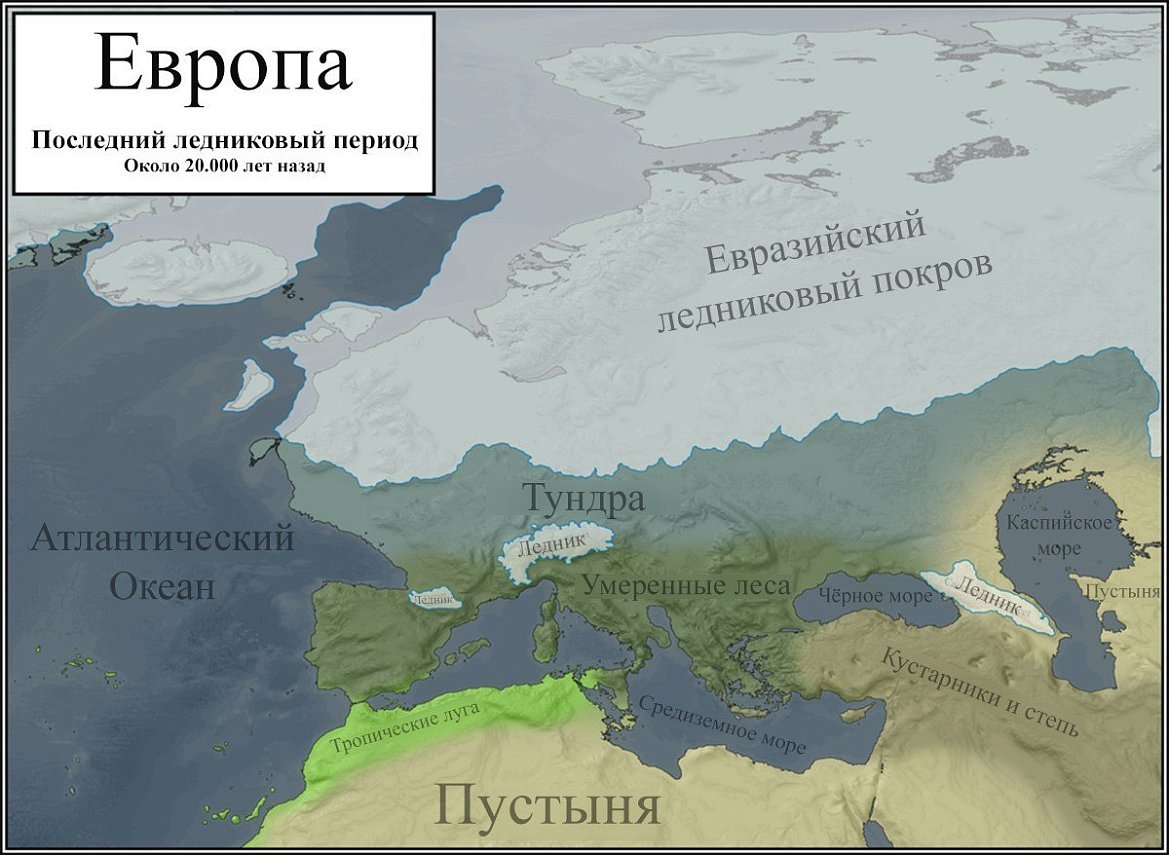
Once upon a time, it was possible to go on a tundra trek in Austria, and Poland was completely covered by a glacier and inaccessible.
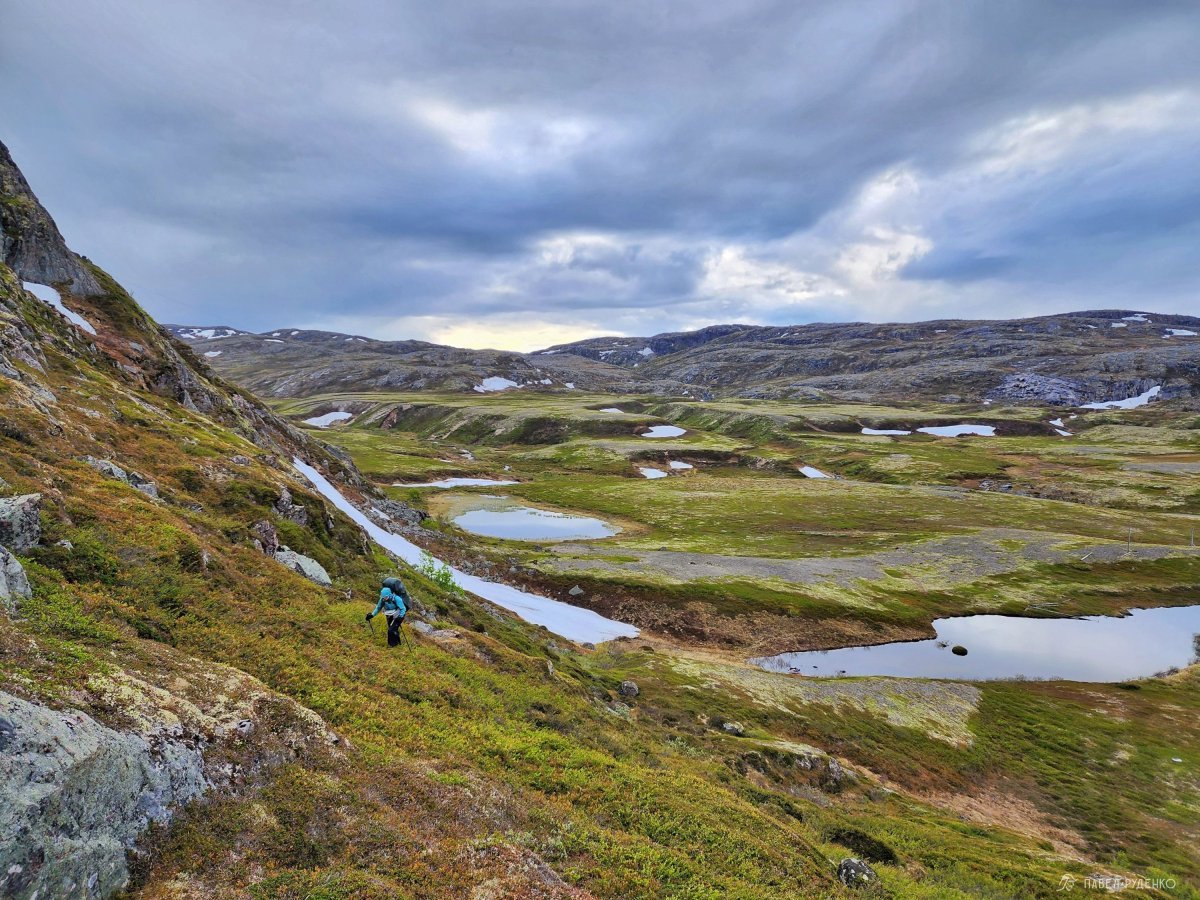
But let's return to the coast of Murman. Such a unique structure of the coast is attractive not only for its beautiful nature, often reminiscent of the scenery for filming 'Jurassic Park' in a northern style, but also for the astonishing freedom of creativity in route building. Many years of experience allow us to build truly beautiful tracks in an area without trails and infrastructure, entering incredibly beautiful bays, climbing panoramic cliffs at the foot of which the waves of the Arctic Ocean beat. This is a real puzzle that requires thorough preparation and minute-by-minute concentration on choosing the optimal path, bypassing rocky folds of terrain, cliff edges, multiple lowland and upland bogs, avoiding large lakes and rivers.
I often realize that the local nature has impressed me more than other, at first glance, postcard and vibrant places like the Himalayas and the Caucasus. Post-glacial relief, the Arctic Ocean, natural phenomena like the Aurora Borealis or the polar day, wild, little-trodden places, all this attracts, which is why I have been researching the region with great love for 7 years, discovering new, incredible routes and facts about the region.
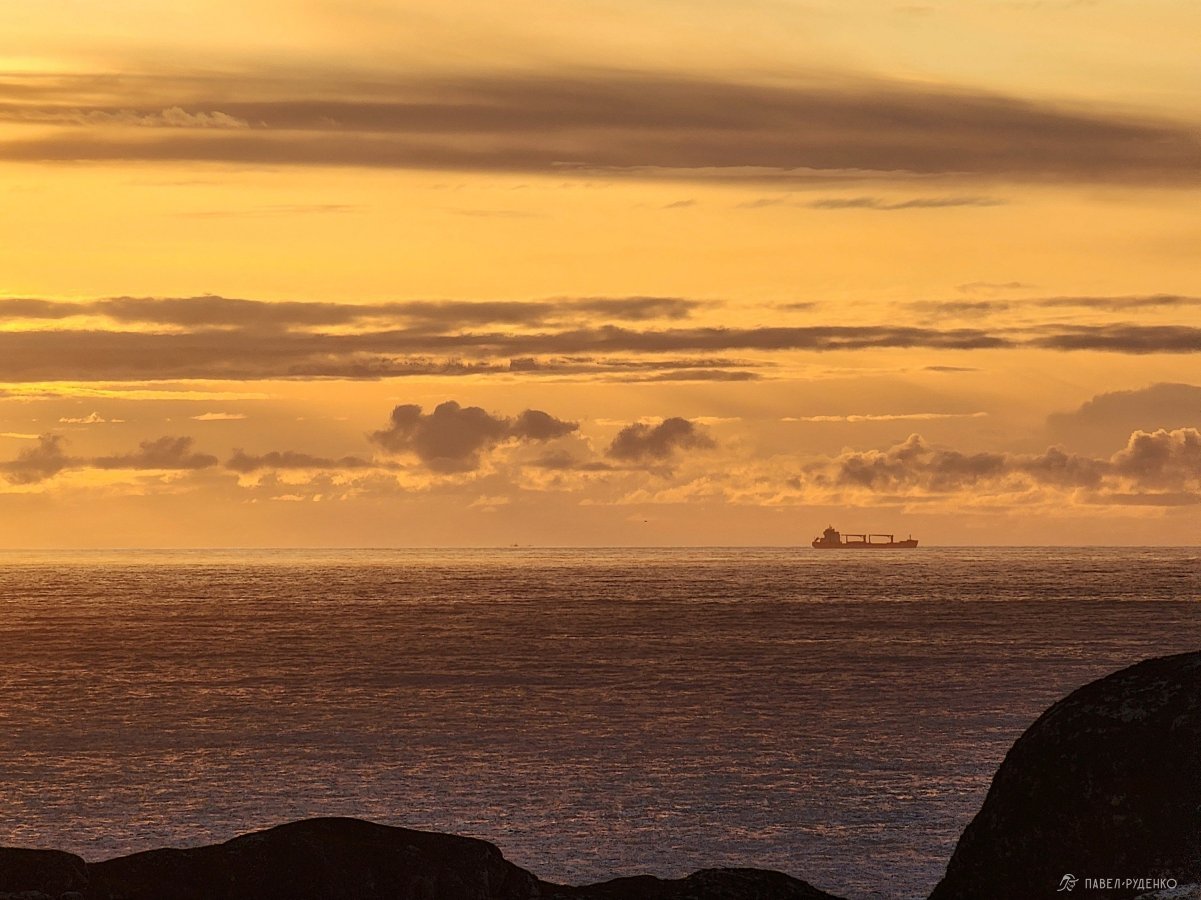
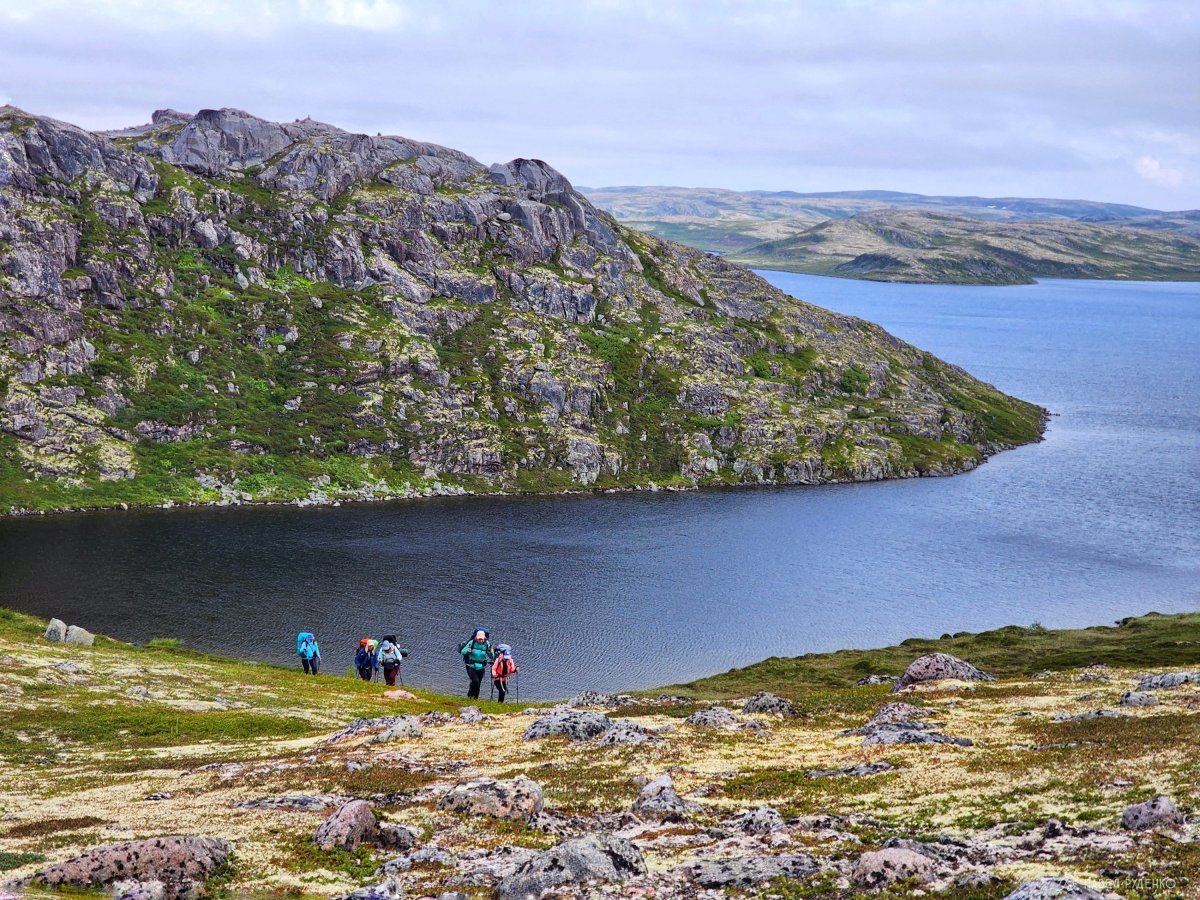
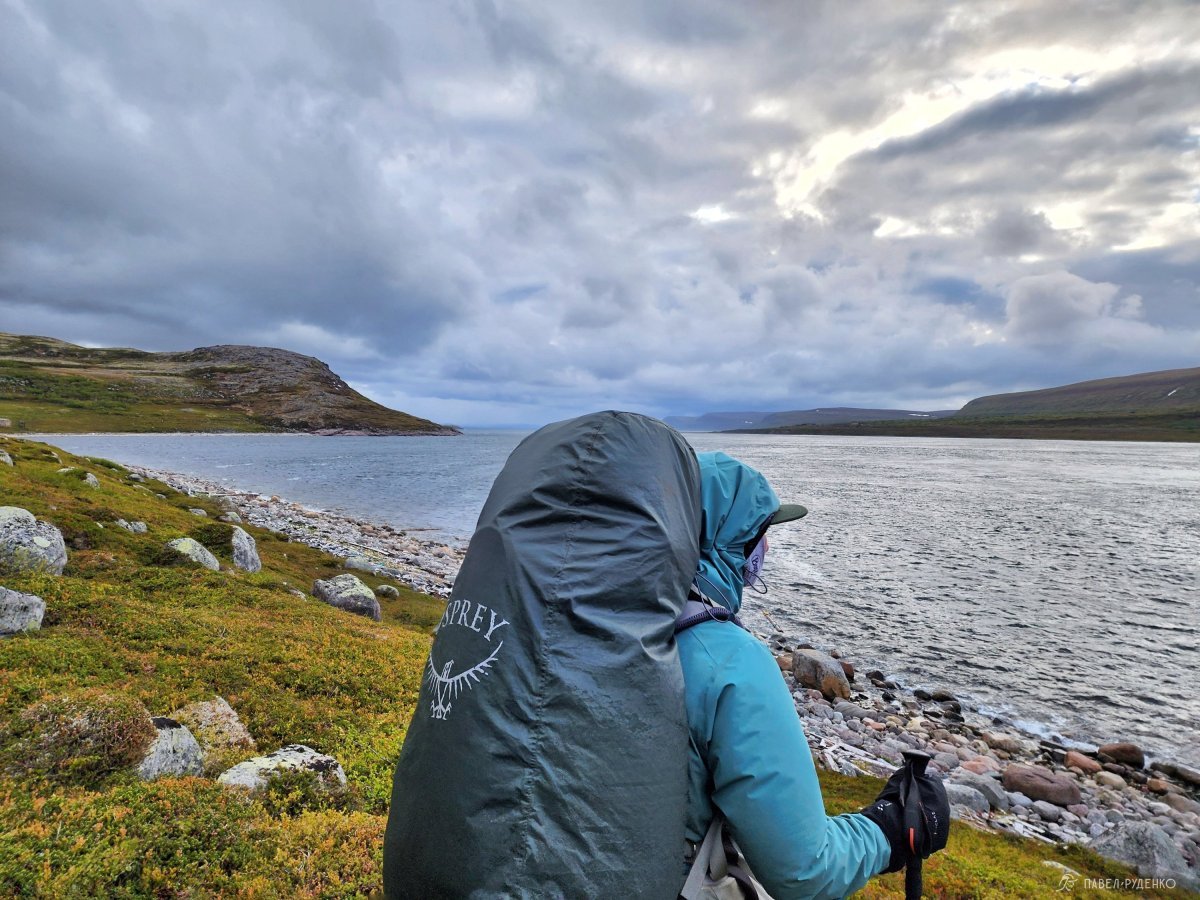
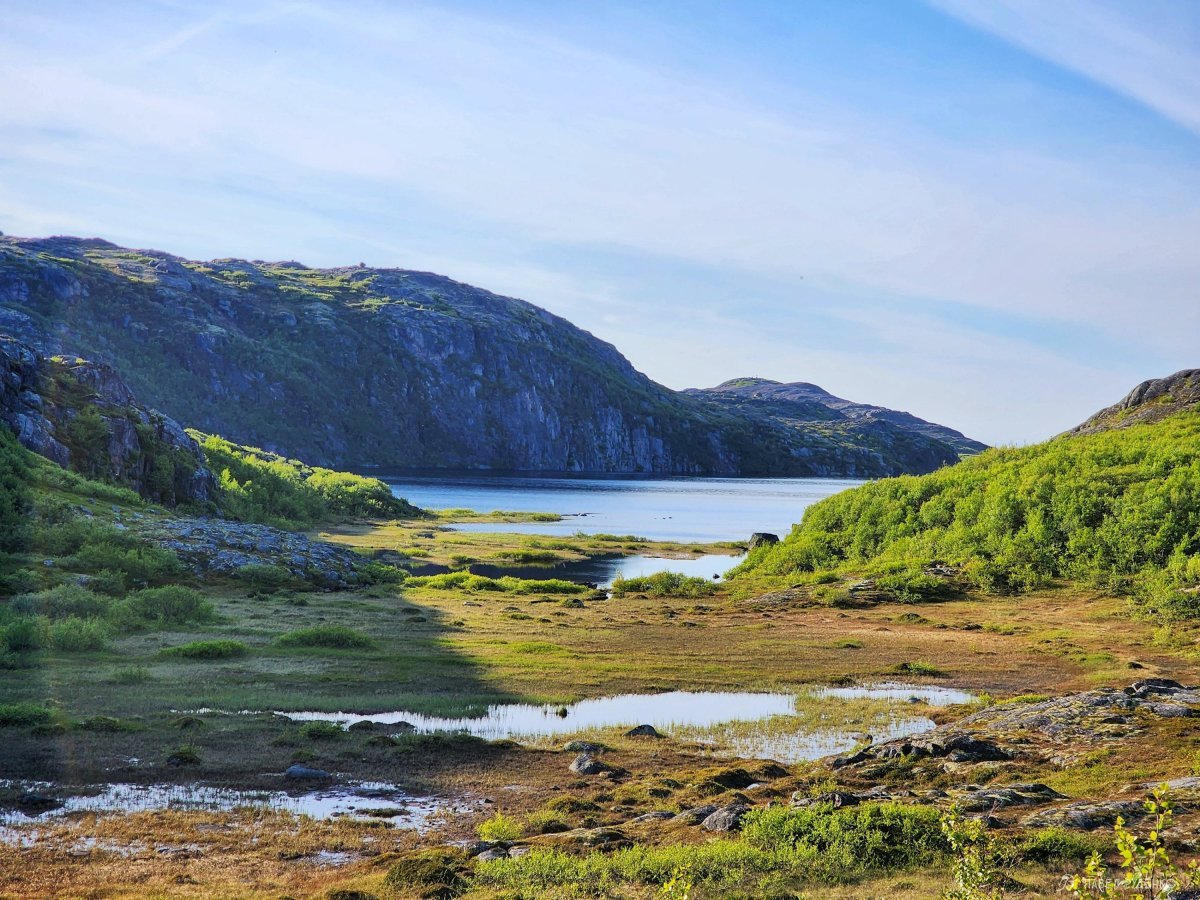
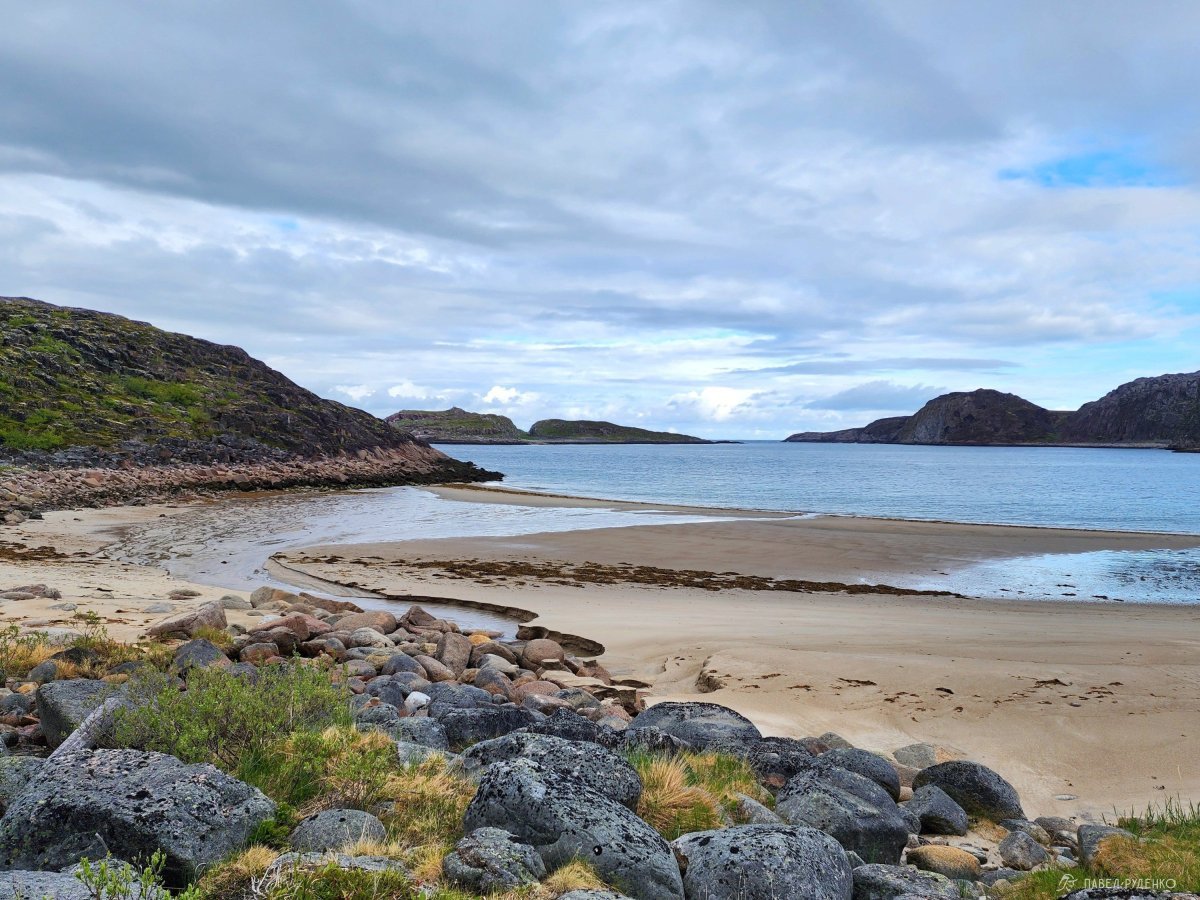
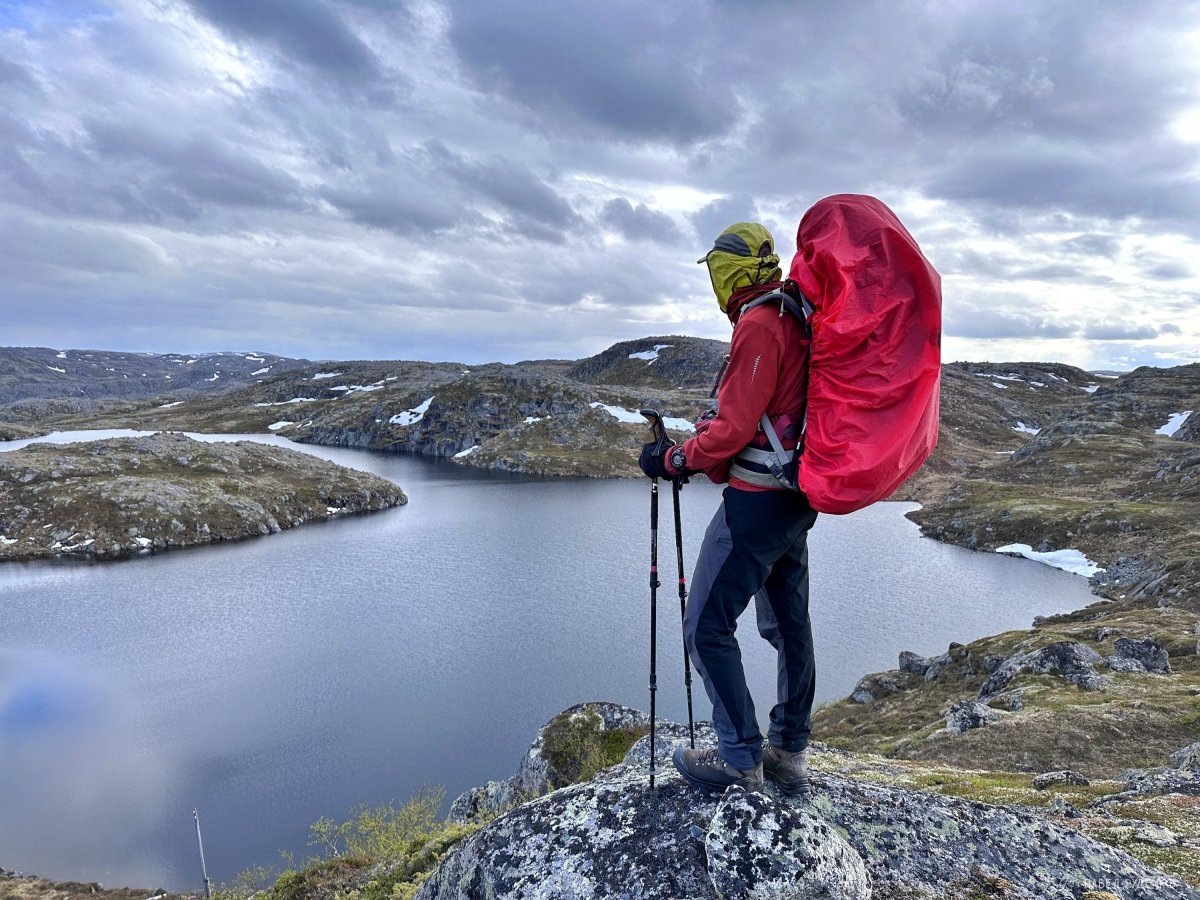
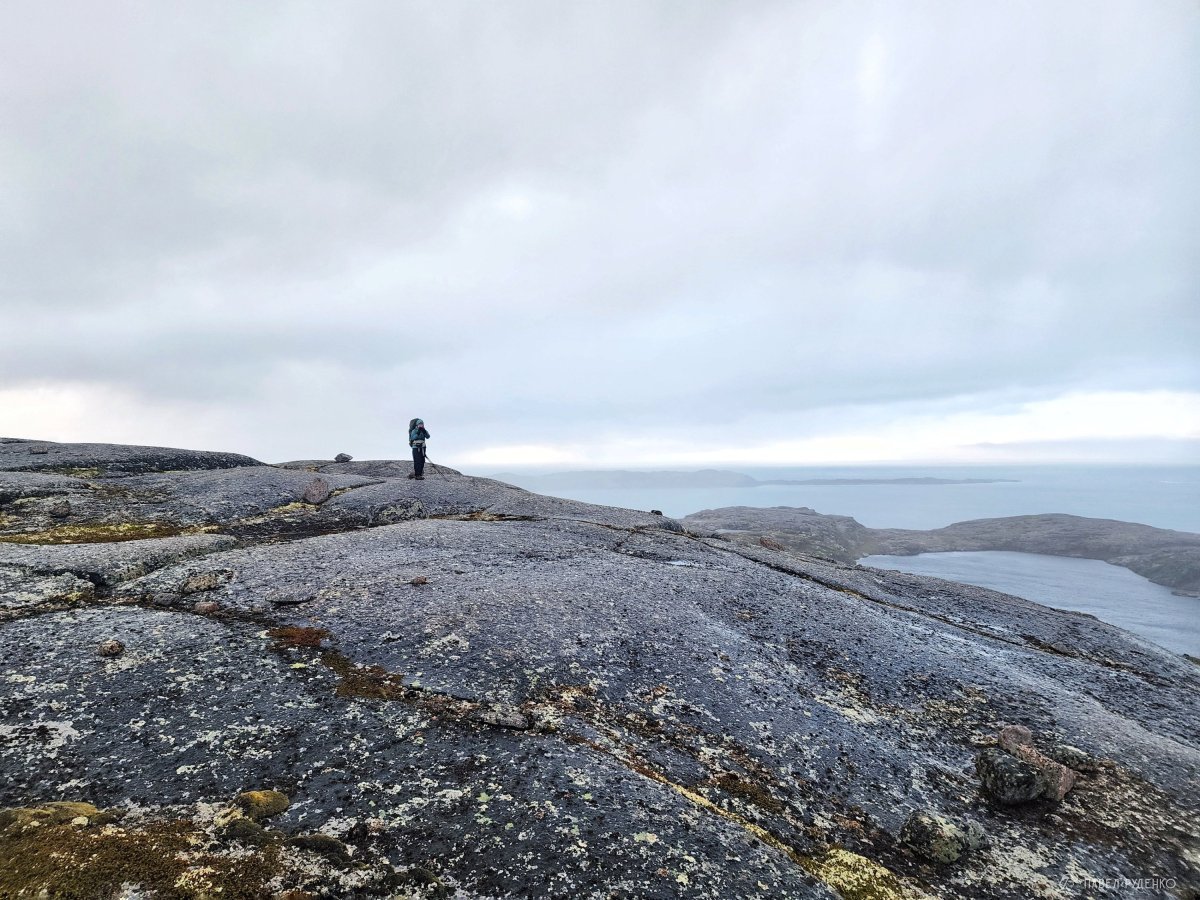
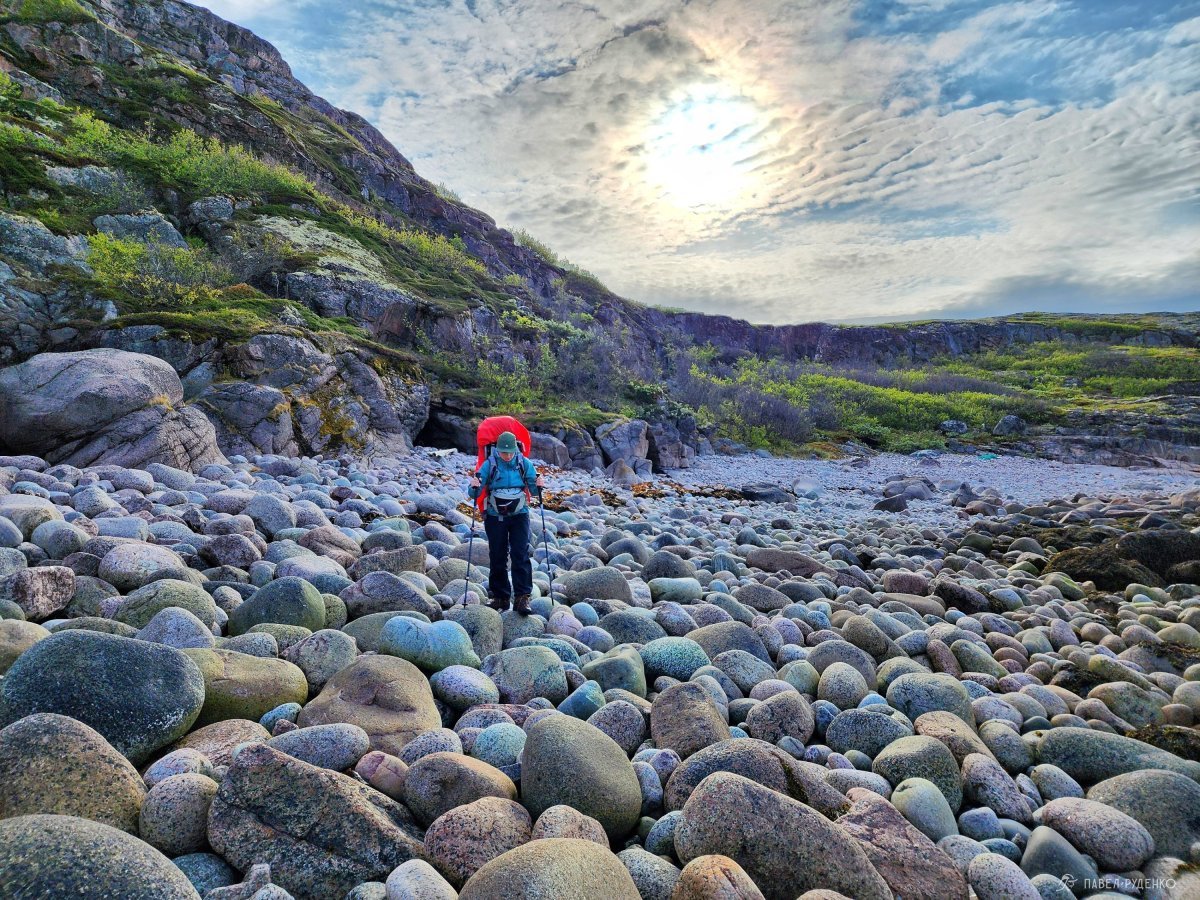
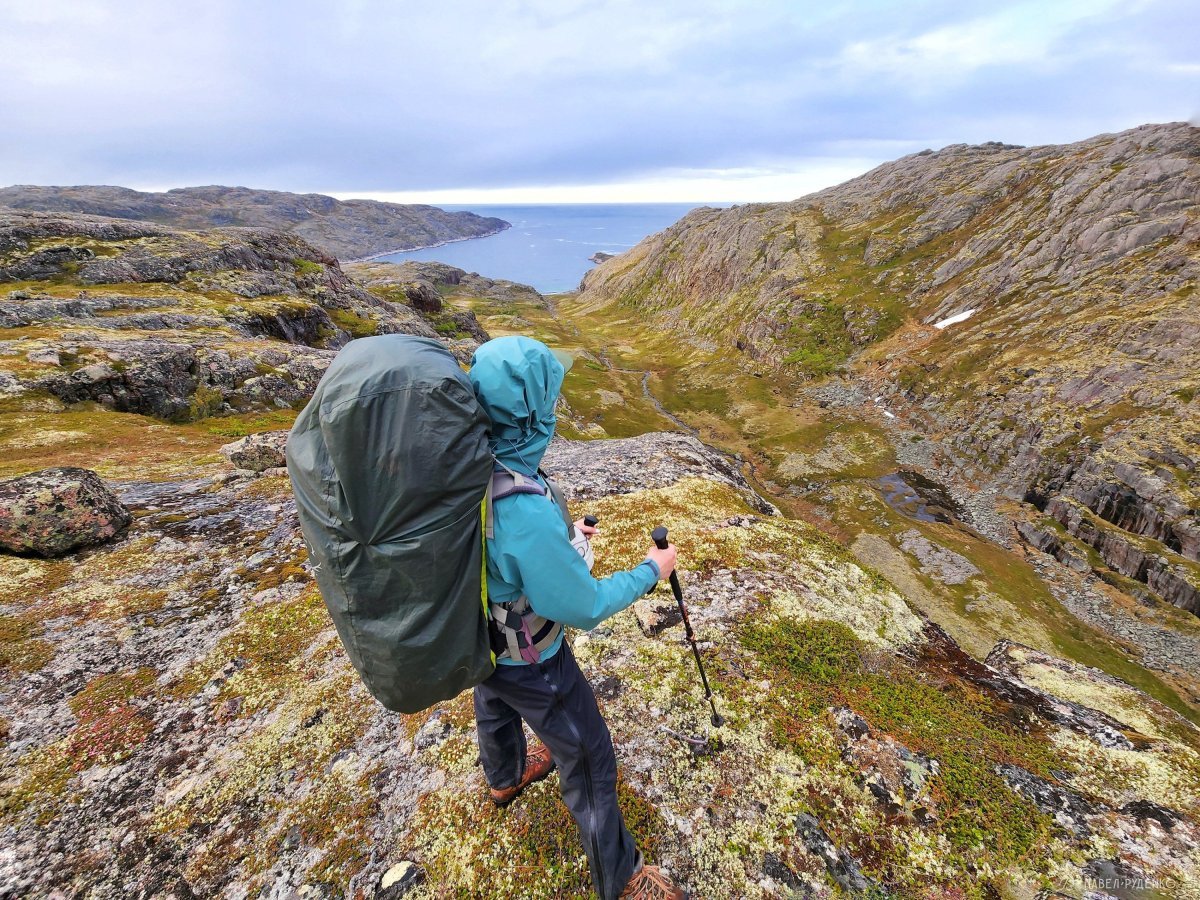
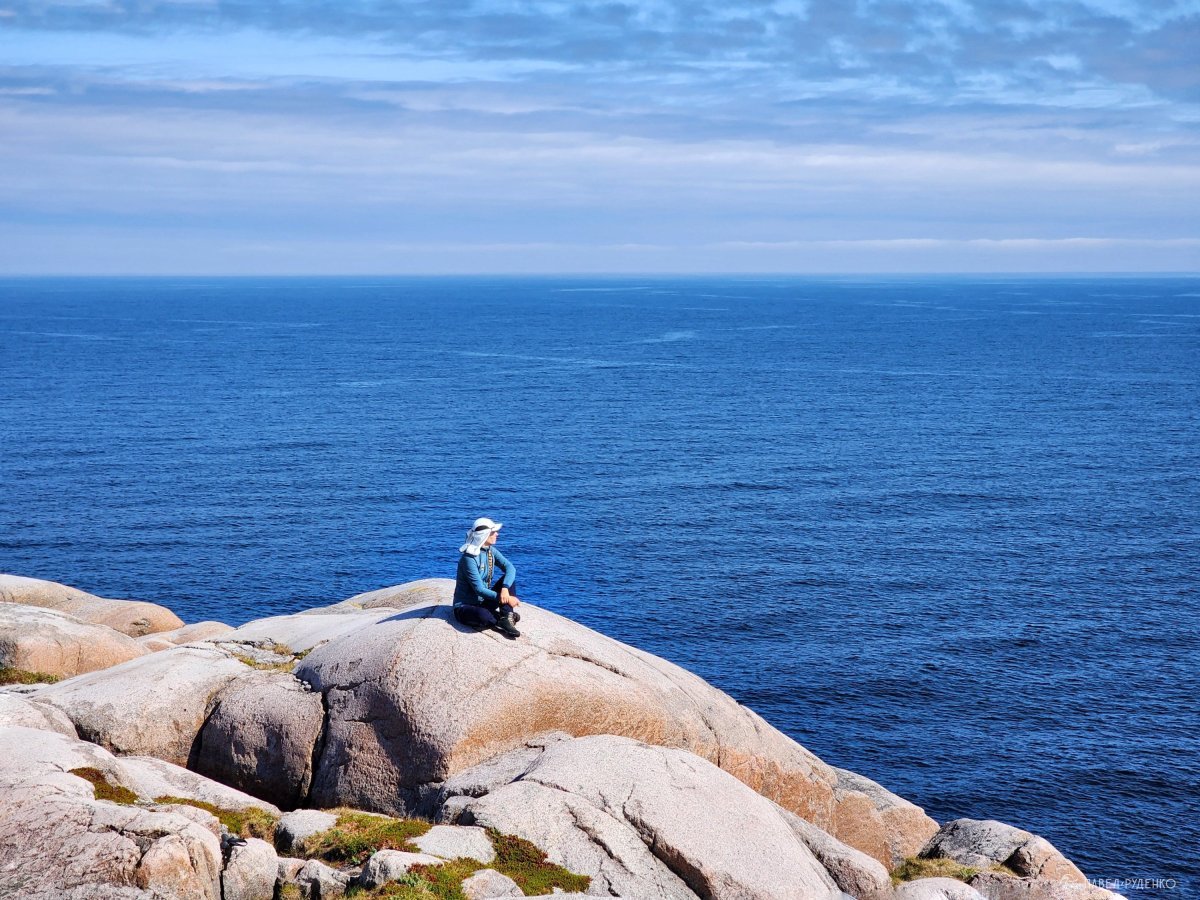
The melting of the glaciers was influenced by the warm Gulf Stream current. Amazingly for me, the warm waters lose their strength just in the Barents Sea, which is why it is the only sea that consistently does not freeze of all the northern seas of Russia. Which again emphasizes the uniqueness of the Murmansk coast of the Kola for me.
In winter, it is completely amazing to ski a dozen meters from the waves, and then set up a tent overlooking the coast, to approach the rocks and against the backdrop of the white Arctic, to feel the full power, it's just beyond dreaming.
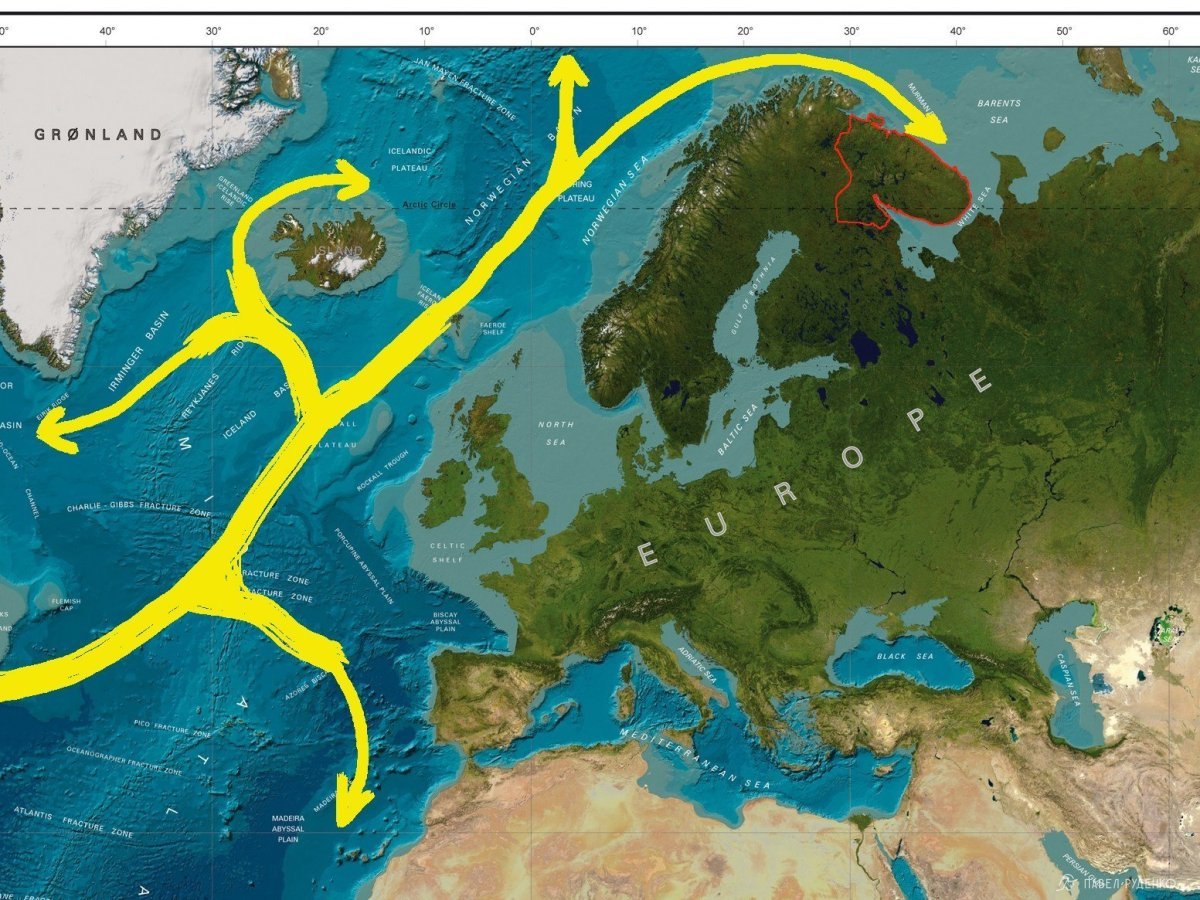
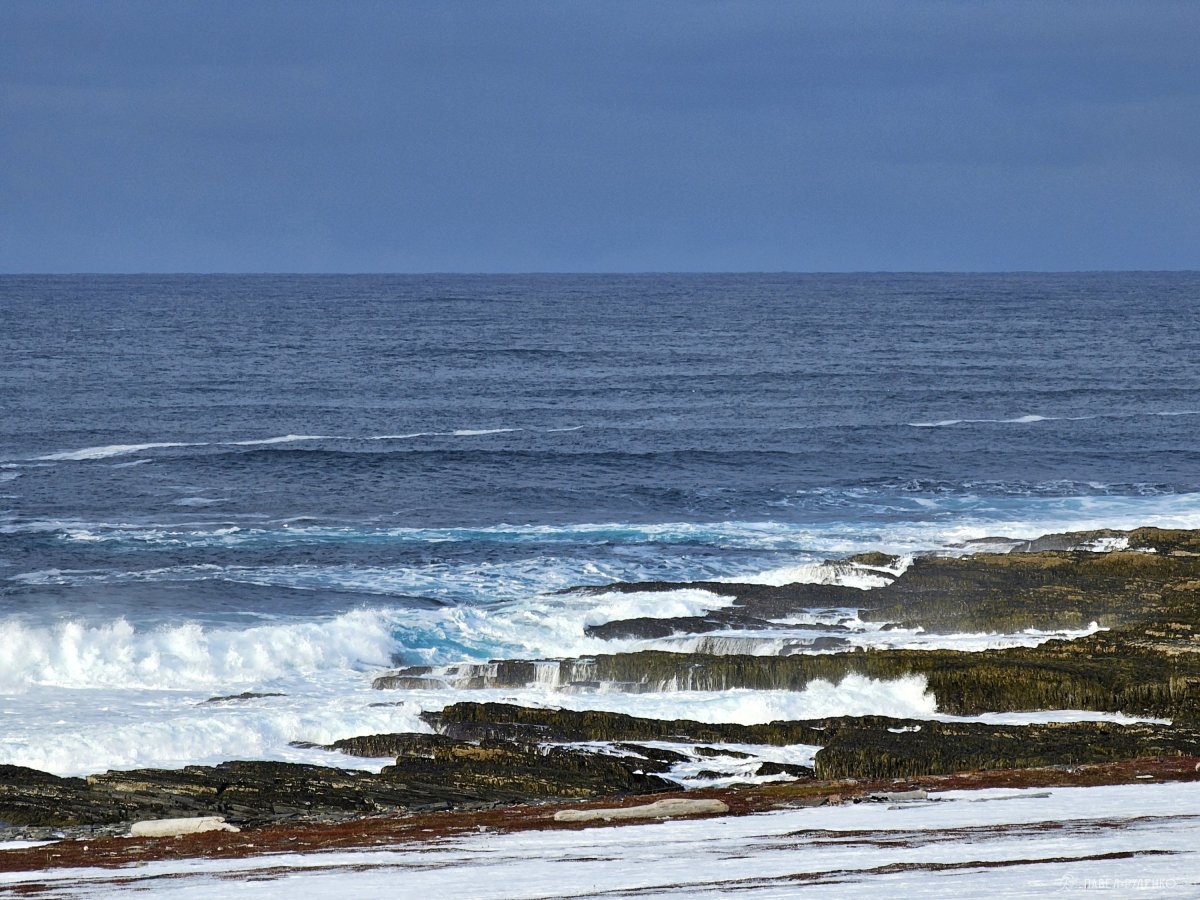
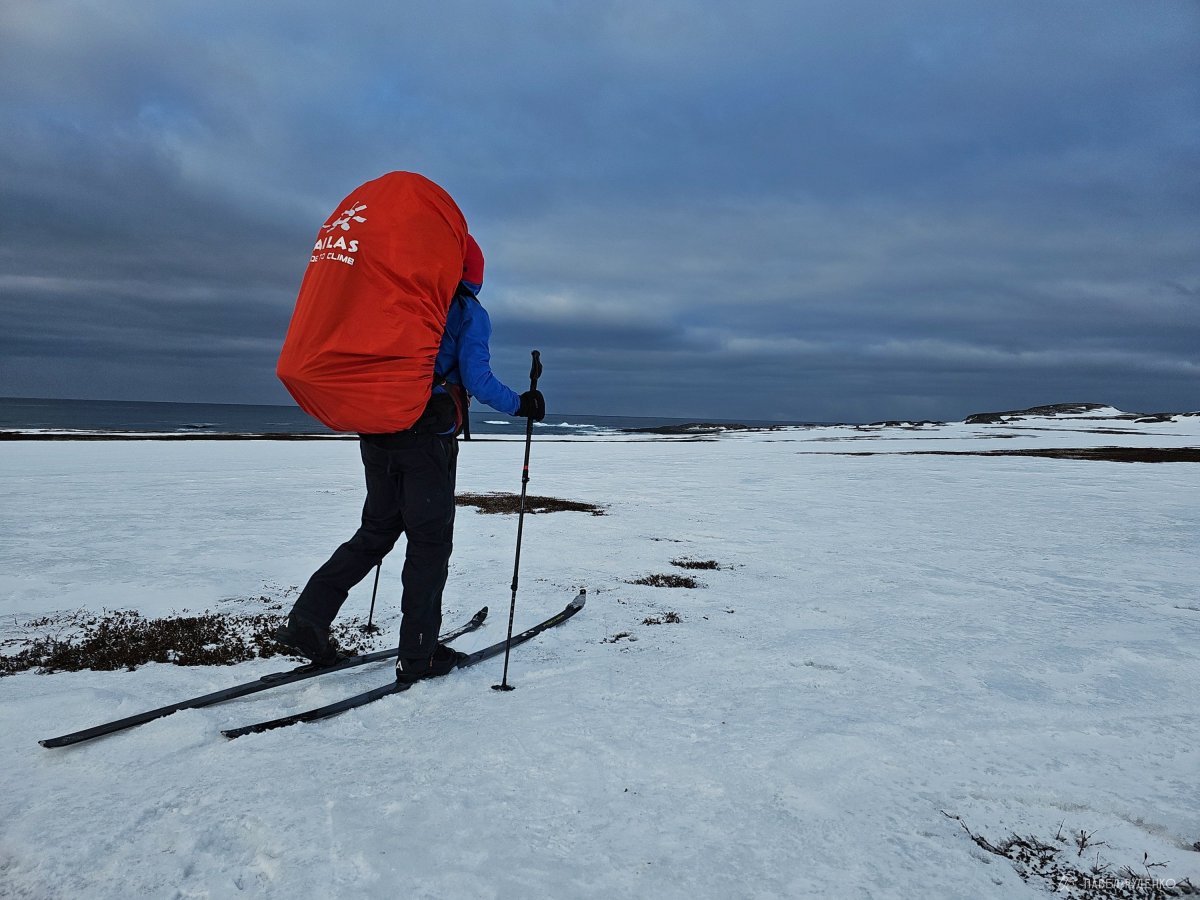
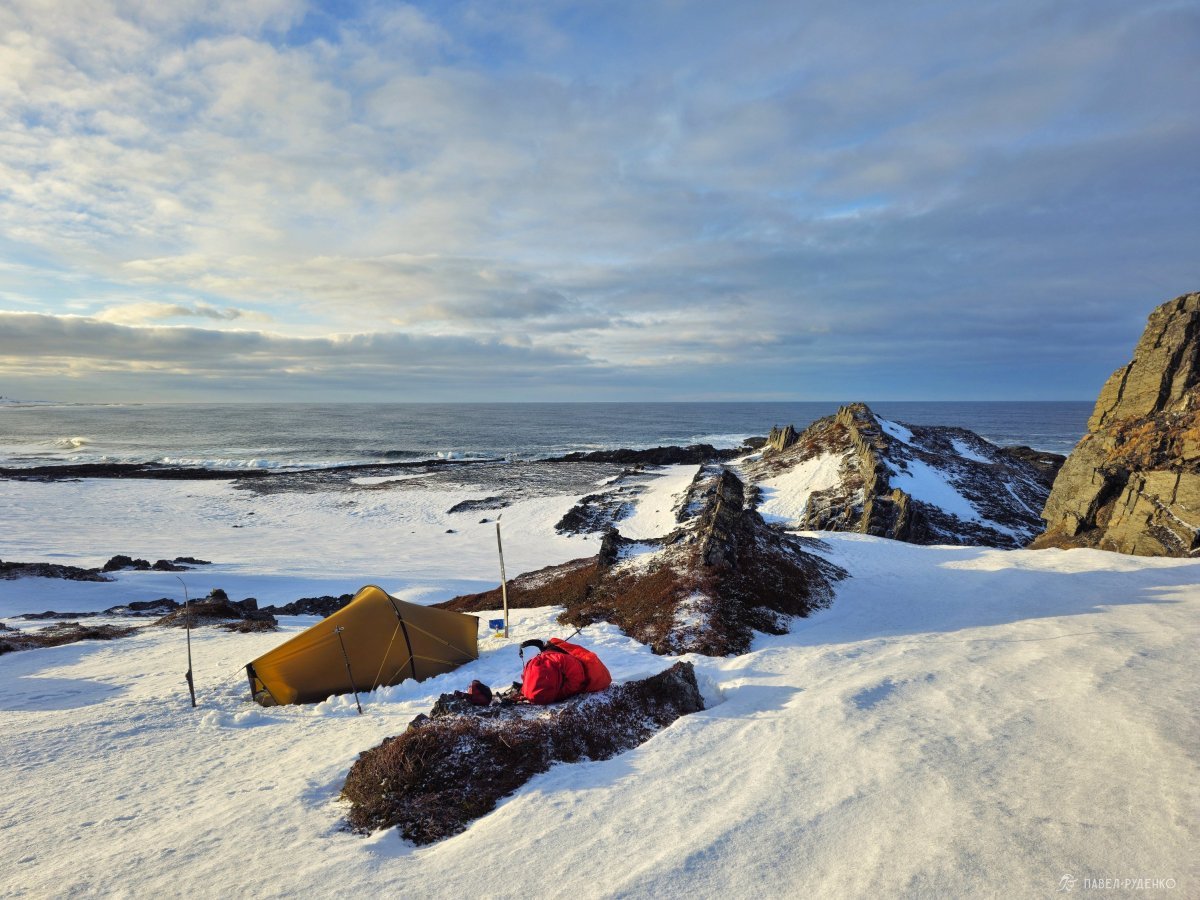
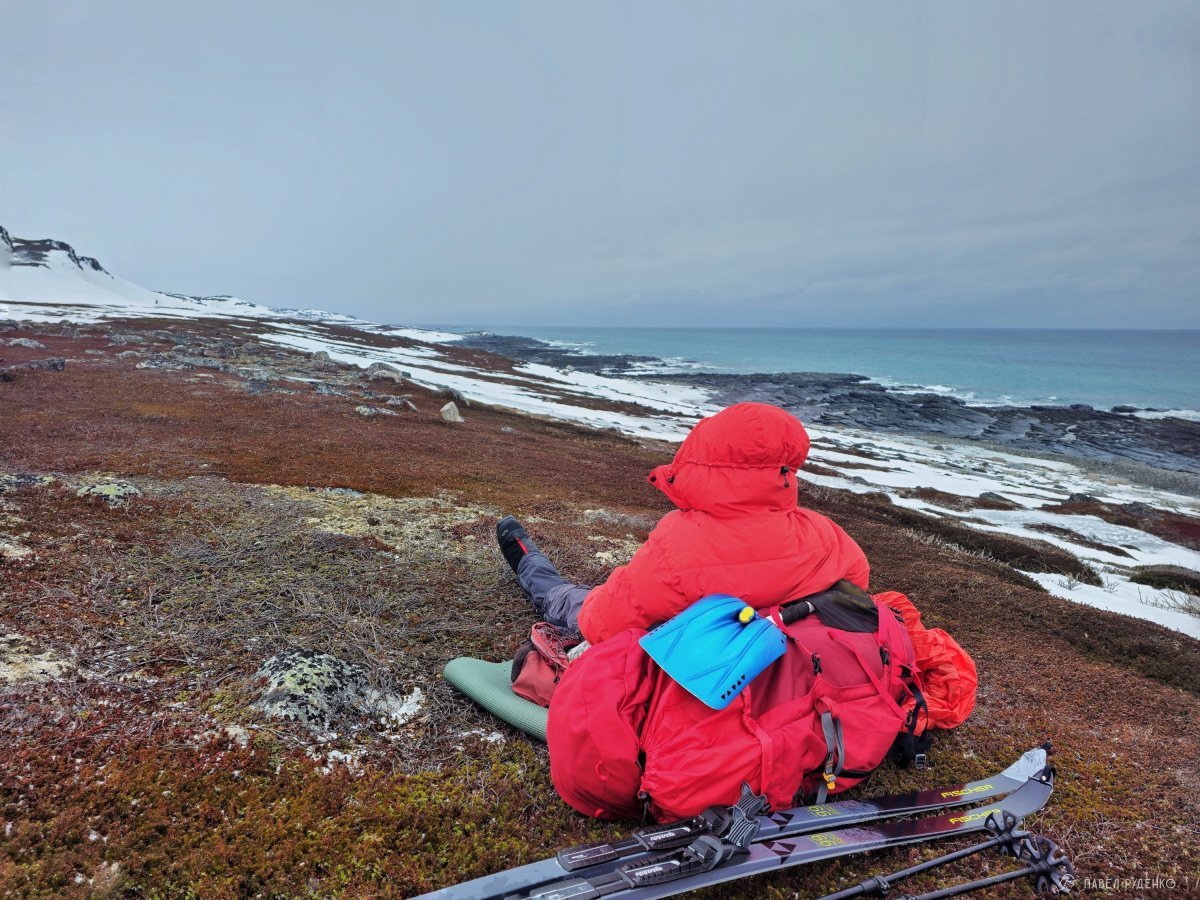
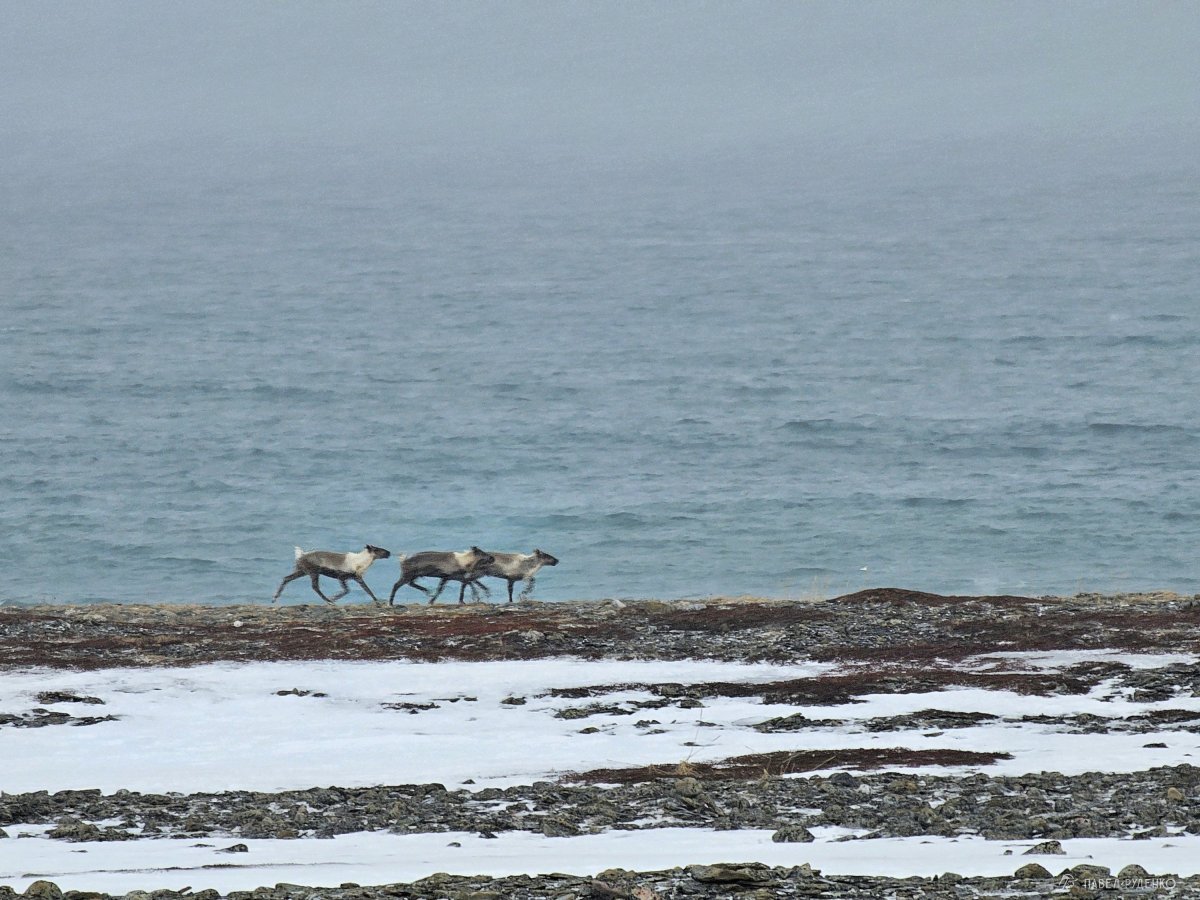
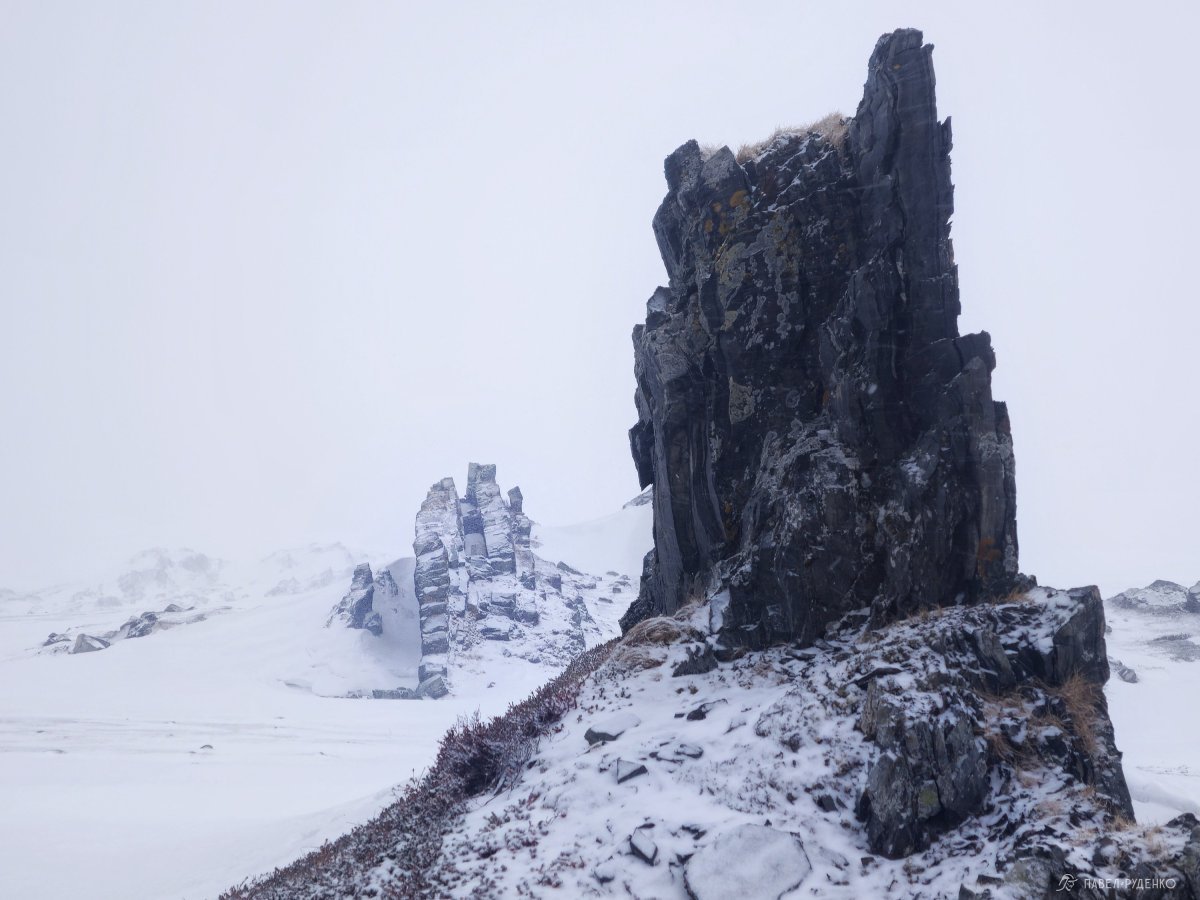
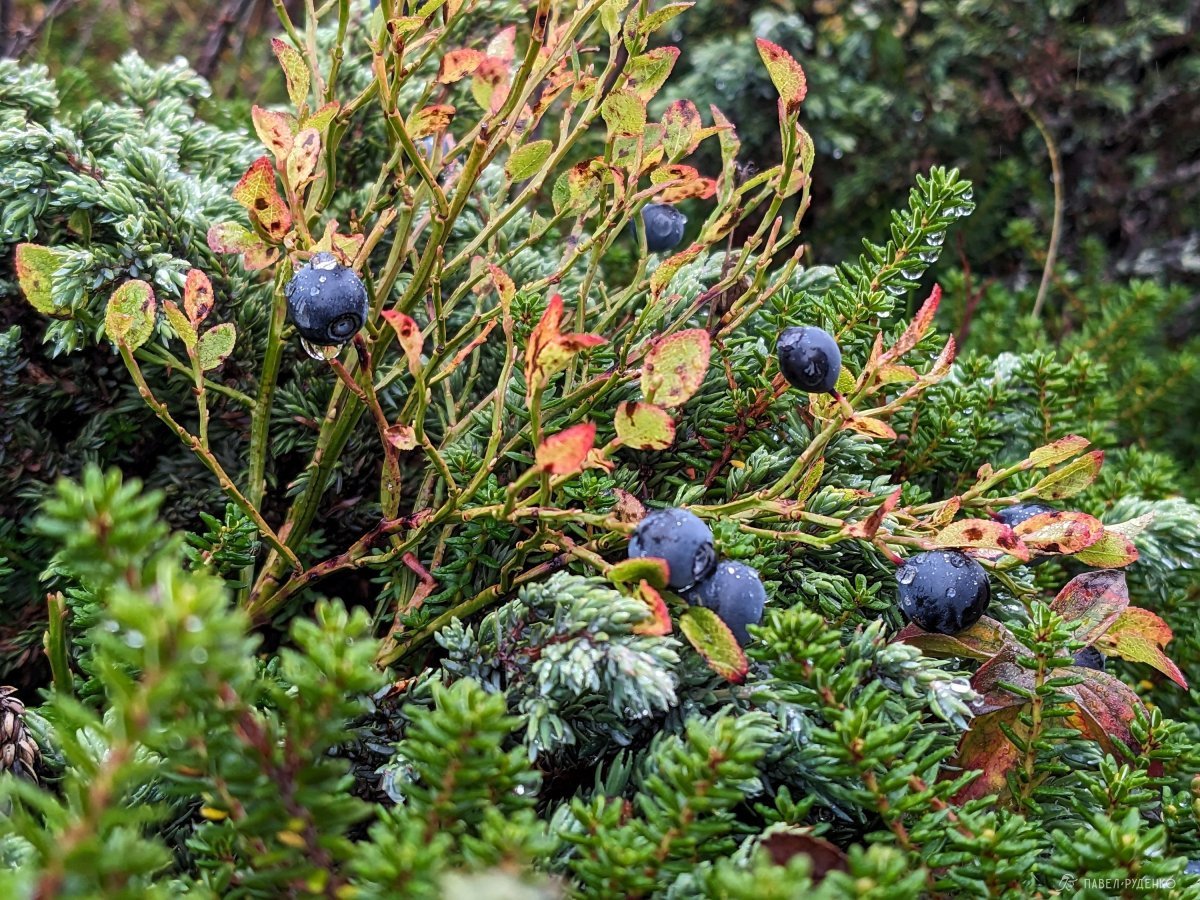
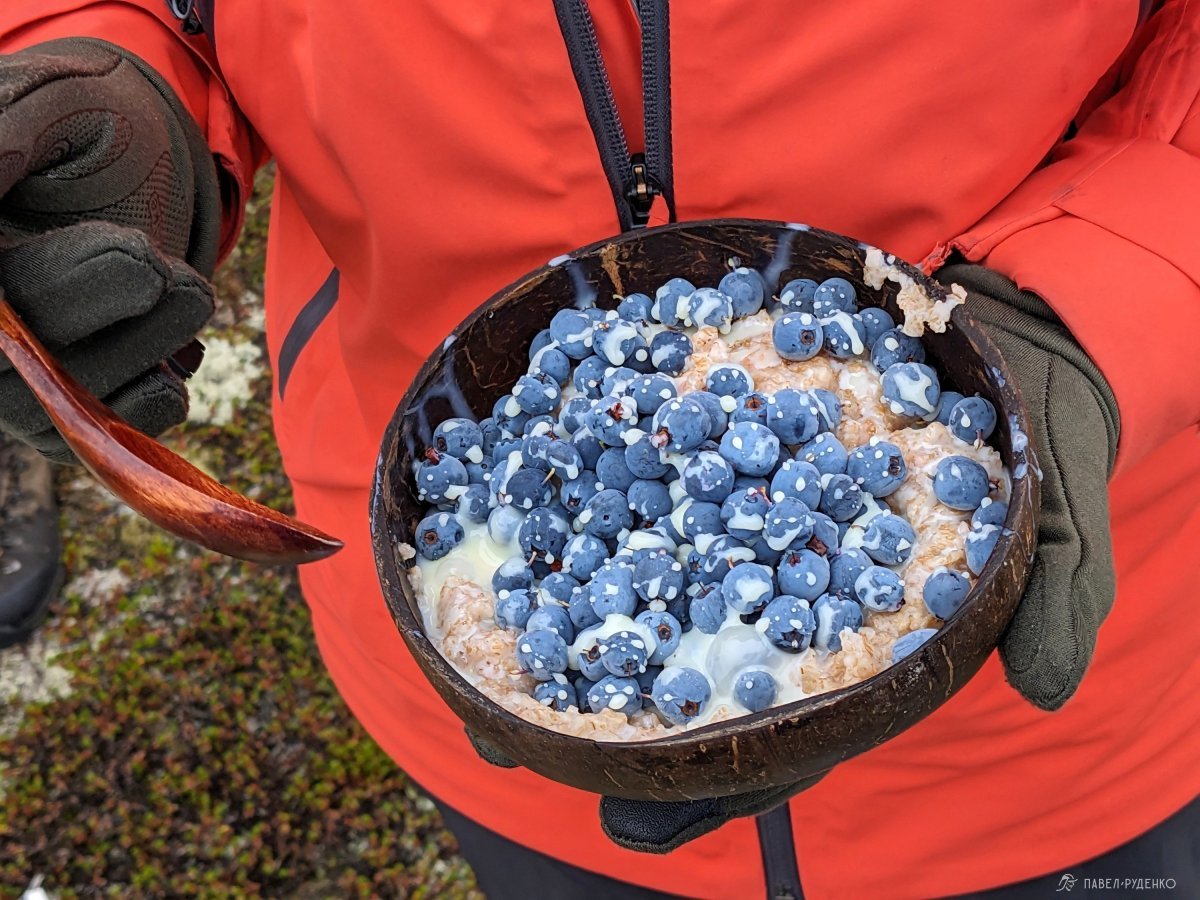
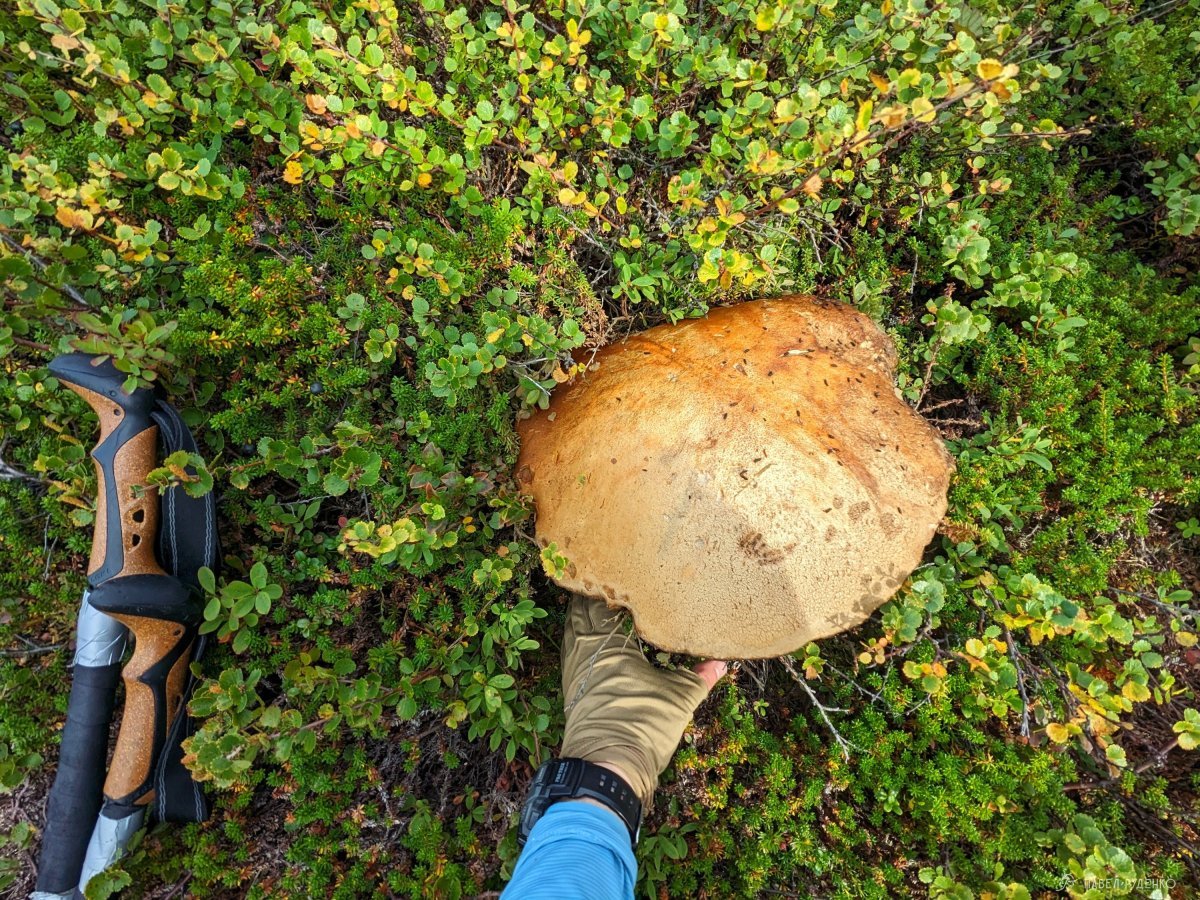
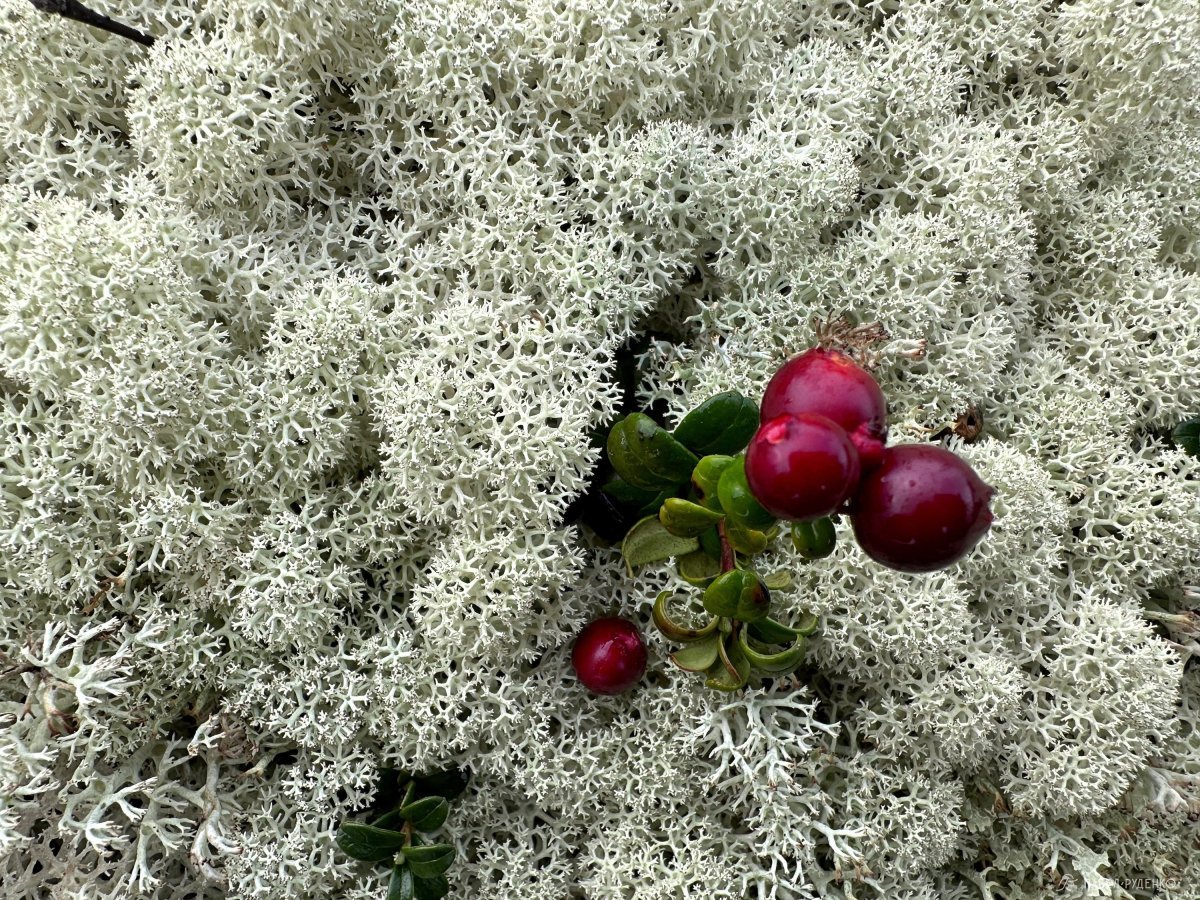
Thanks to the Gulf Stream, the climate in the Kola is quite mild compared to other regions of the Far North. Even the tundra coast of Murman, exposed to all winds, is rich in berries and mushrooms, so hikes in August and September turn into a massive dose of vitamins. Cloudberries, crowberries, blueberries, cranberries and lingonberries grow. By the way, thanks to berries and young shoots of plants, the first people were able to survive here, so let's go back 8,000 years.
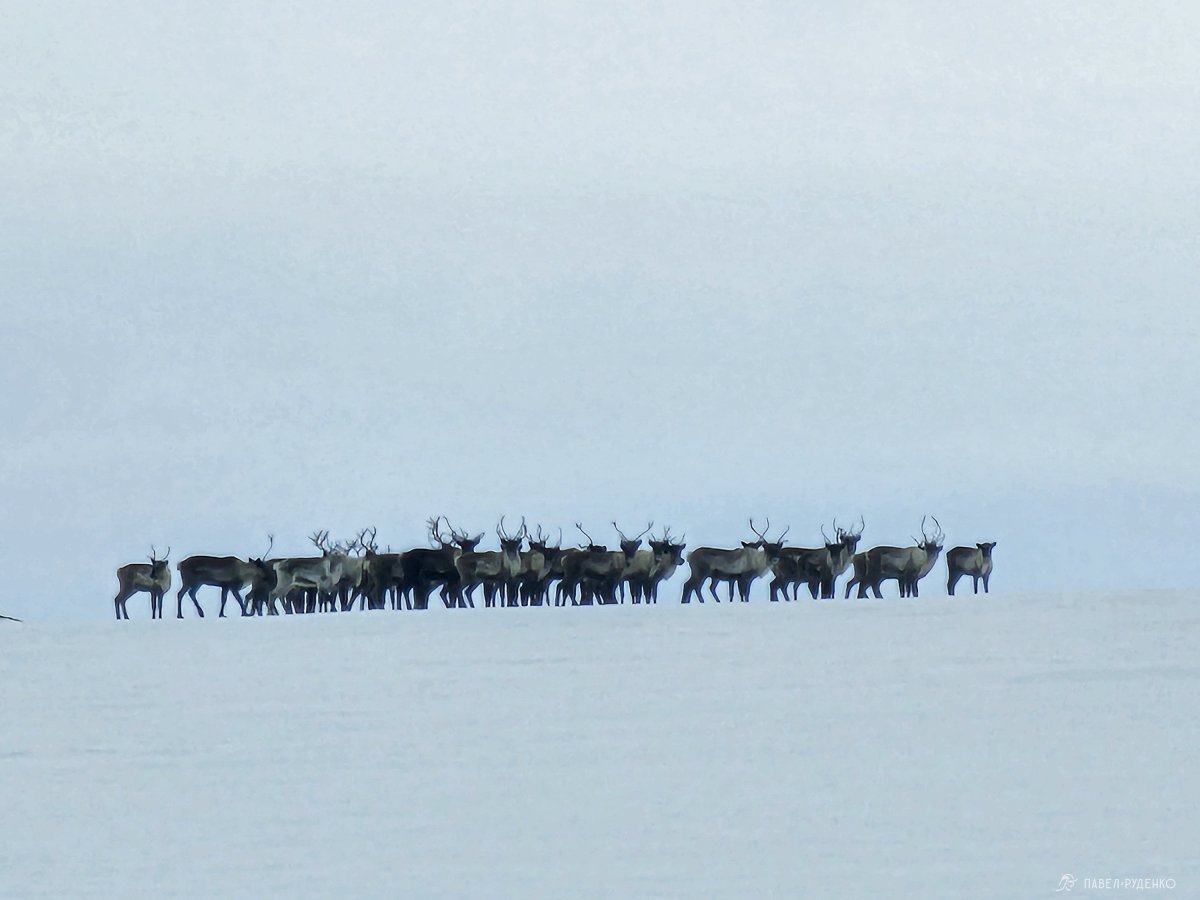
Animals also moved behind the glacier retreating to the north: reindeer, arctic foxes, ducks, geese, accustomed to the raw and cold periglacial climate, and hunters began to explore new territories behind them.
Thus, thanks to climate change, people finally reached the Murmansk coast.
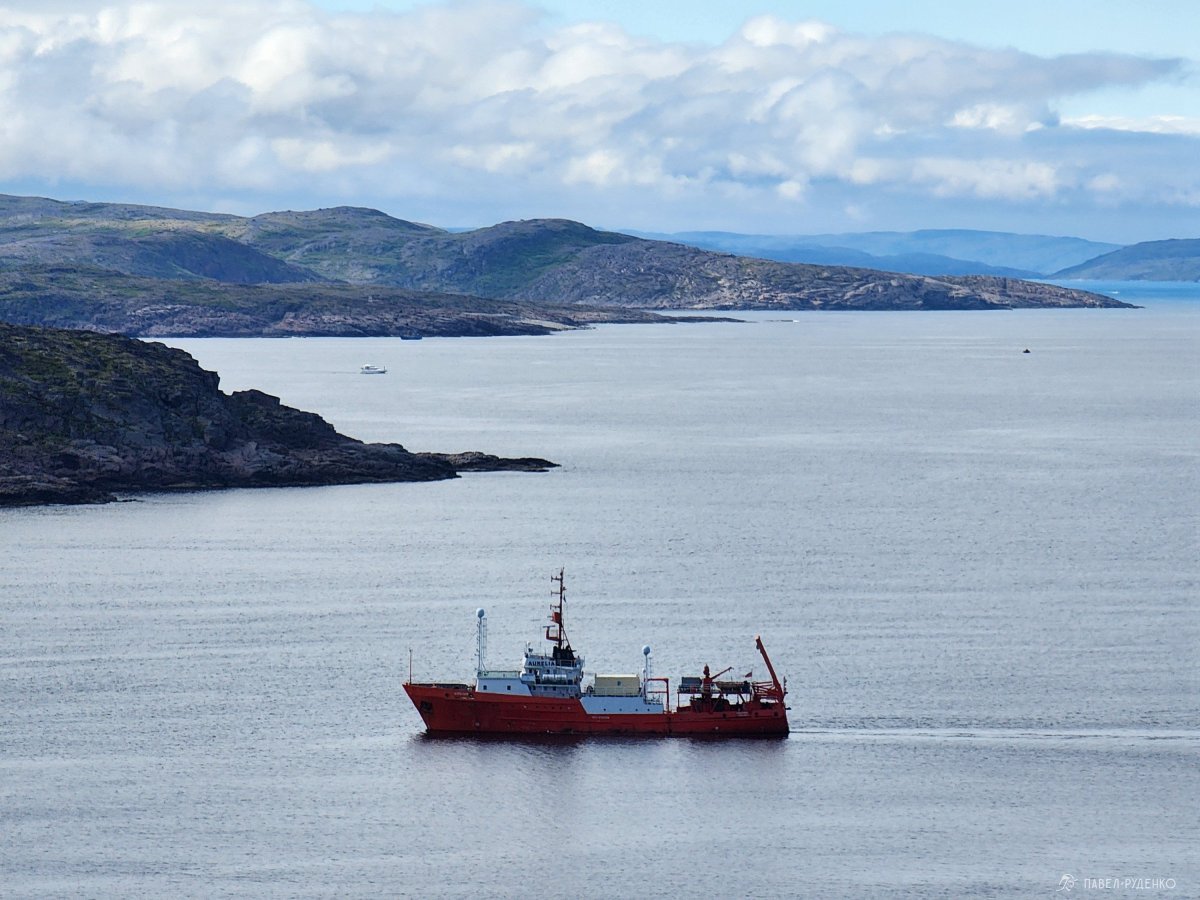
We have already found out that the bays and estuaries here do not freeze, so year-round fishing, hunting for sea animals and waterfowl provided more opportunities for survival. People lived in family communities, headed by a female mother. Almost like Eywa from Avatar)). Groups of 20-30 people conducted a common household, as communal life allowed them to hunt more successfully. For example, reindeer were driven to coastal cliffs or marshy areas, where they could be easily killed. With joint efforts, people blocked small rivers with palisades and set traps made of twigs and thin tree roots in narrow passages.
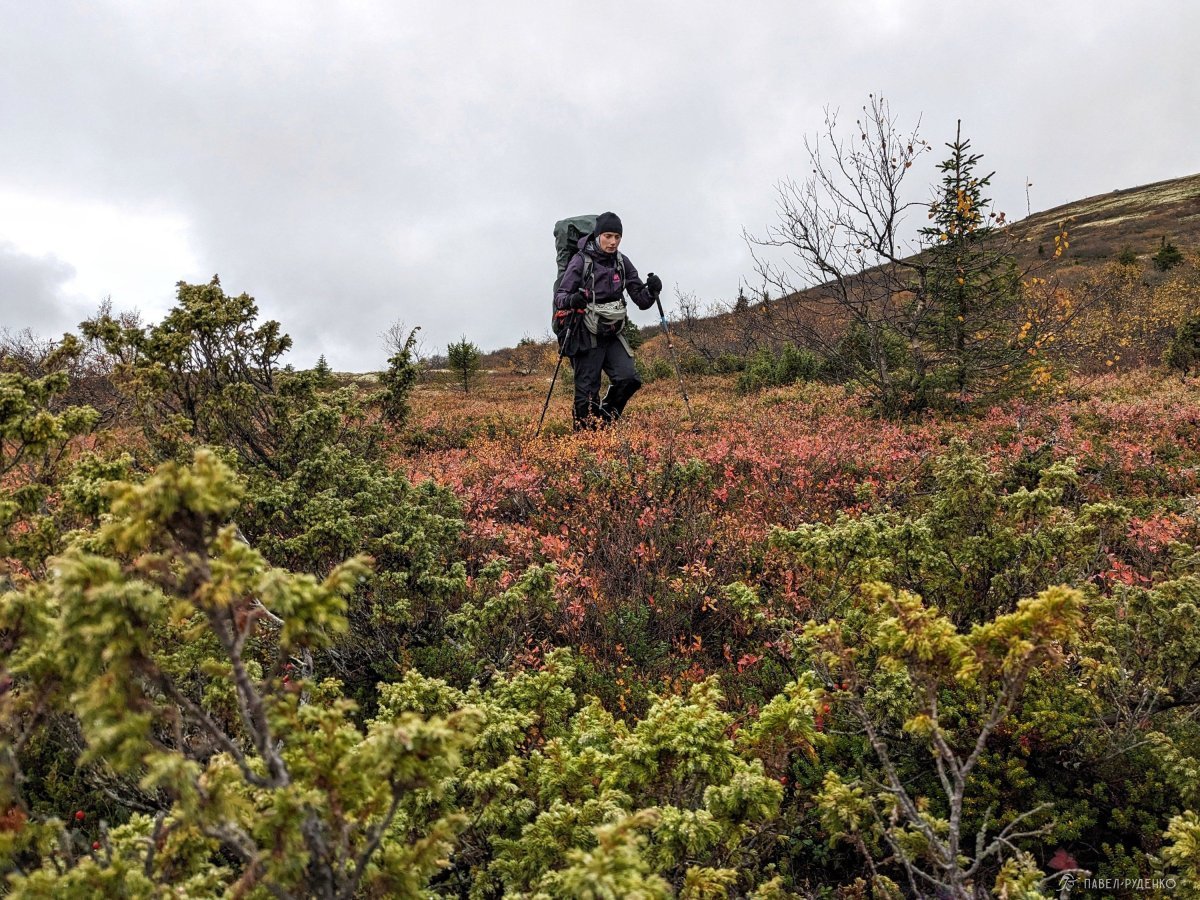
Man had to fight hard for existence, overcome enormous difficulties. Persistently improving the technique of making tools, hunting techniques and fishing. People learned to stock up food for the future: dry meat and fish, store fat, build dwellings.
In the difficult struggle with the harsh northern nature, man emerged victorious in the Far North of Murman.
By the way, the earliest settlements of primitive people in the Kola North were found on the Murmansk coast, on the Rybachy Peninsula, which I skied solo on, it was winter. Archaeologists have discovered here roughly processed stone knives, hand axes, scrapers, spear and arrowheads.
These are just one of the few examples that capture my interest in the Kola North. More stories will follow soon.
To see everything with your own eyes, join the treks in the Kola:

