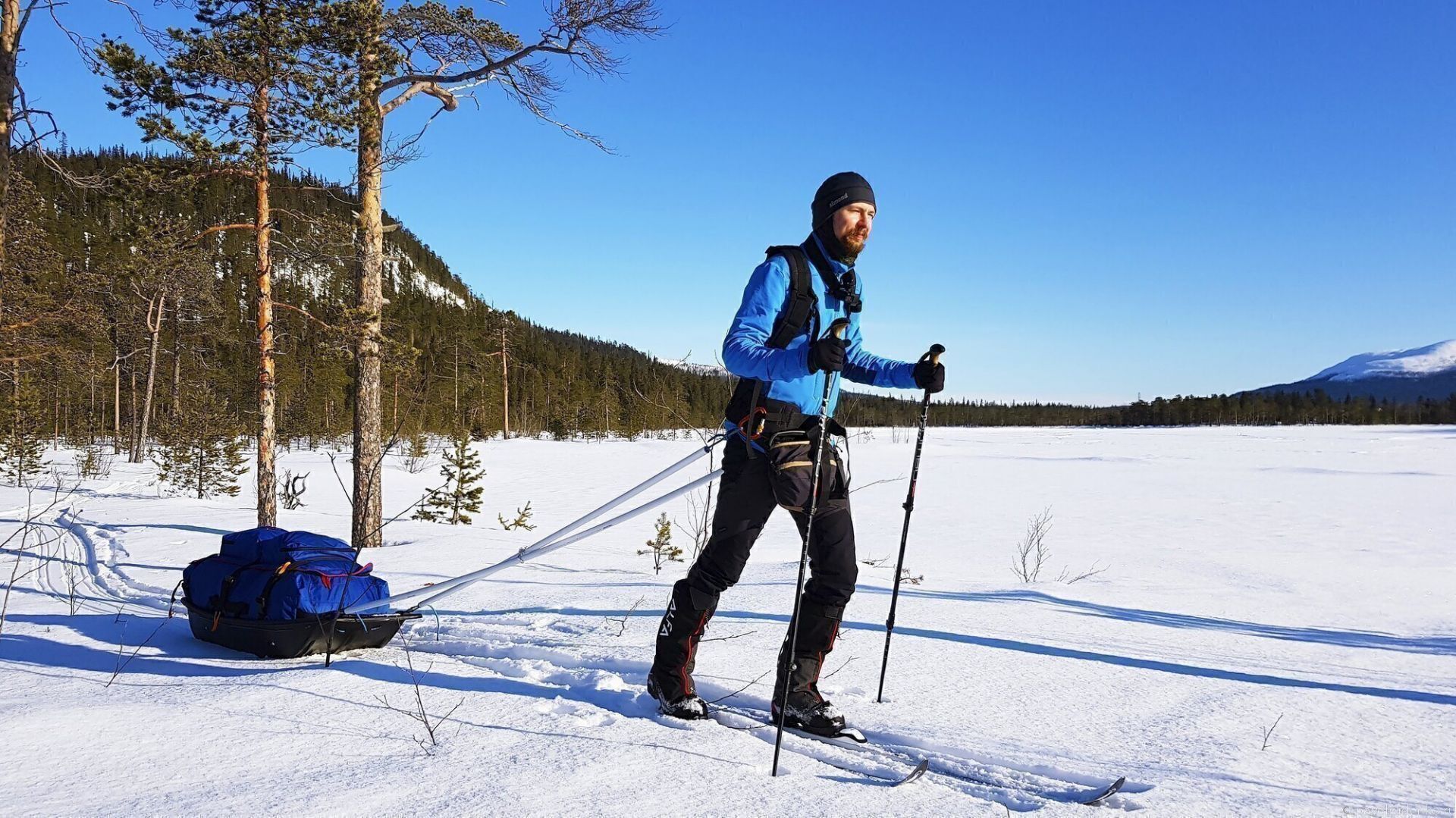
Ski trek near the White Sea
For the first time, I thought about a ski trek while on the trail in the Lovozero tundras, in a cabin by the Chivruay river. Passing through the route in June and enjoying the views, I looked into the cabin to rest and saw a notebook on the table with the entry: “February 17, -25C. In the afternoon we saw a wolverine, at night the aurora, the frost is strong, the beauty is crazy”. And I just felt that it was time for a winter trek!
\n
The realization was still far away, since winter conditions are complicated by additional dangers and gear. But 4 months passed and I started preparing for a trek with touring skis with camus and pulkas on a rigid coupling. Painstaking preparation, choosing skis, bindings, boots, sleeping bag, pulkas and route. I was inspired by the videos of Erik Normark and the guys from Sport-Marathon.
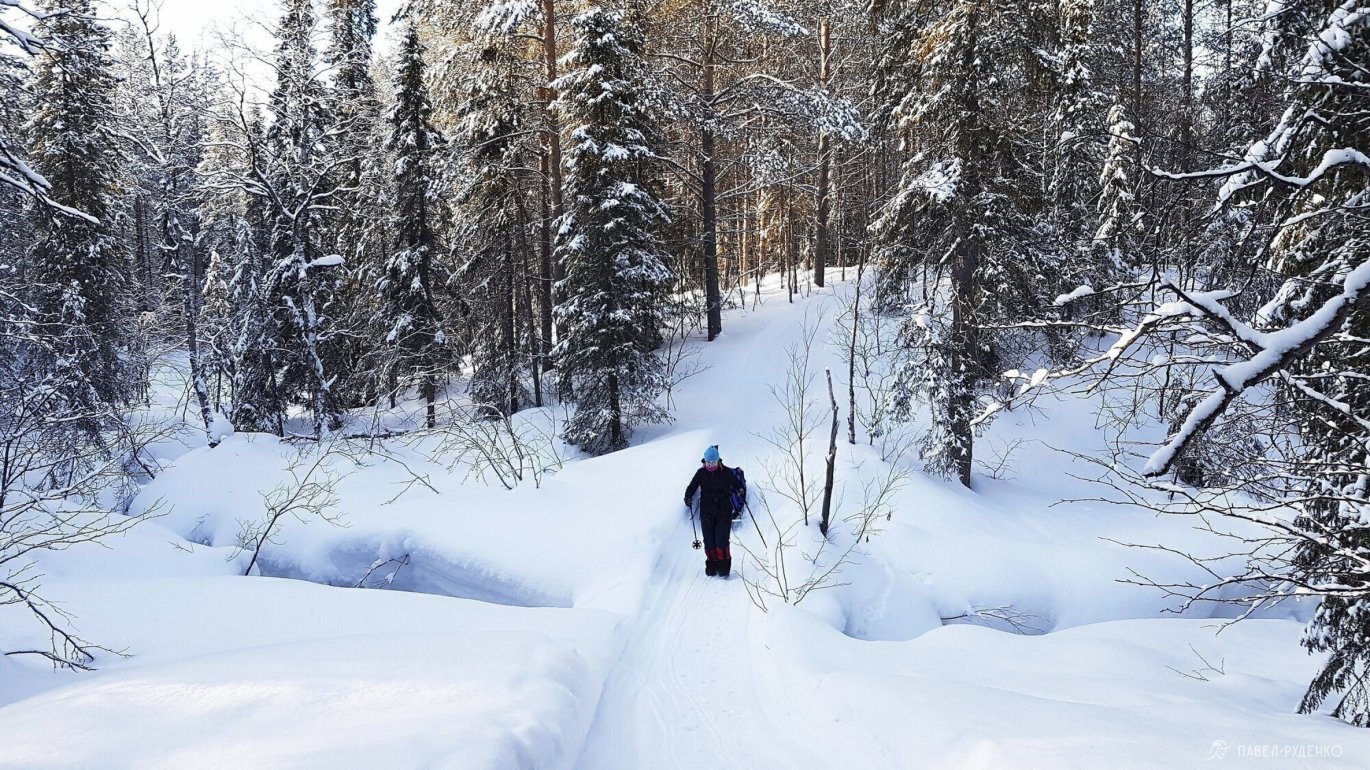
I like to go away from civilization, where there are no people. Last year I saw an article on Risk.ru from BaZiLiO, where according to the aggregator hiker.ru in February-March only 2-5% of the total number of commercial treks go. Winter is a great opportunity to be alone with nature.
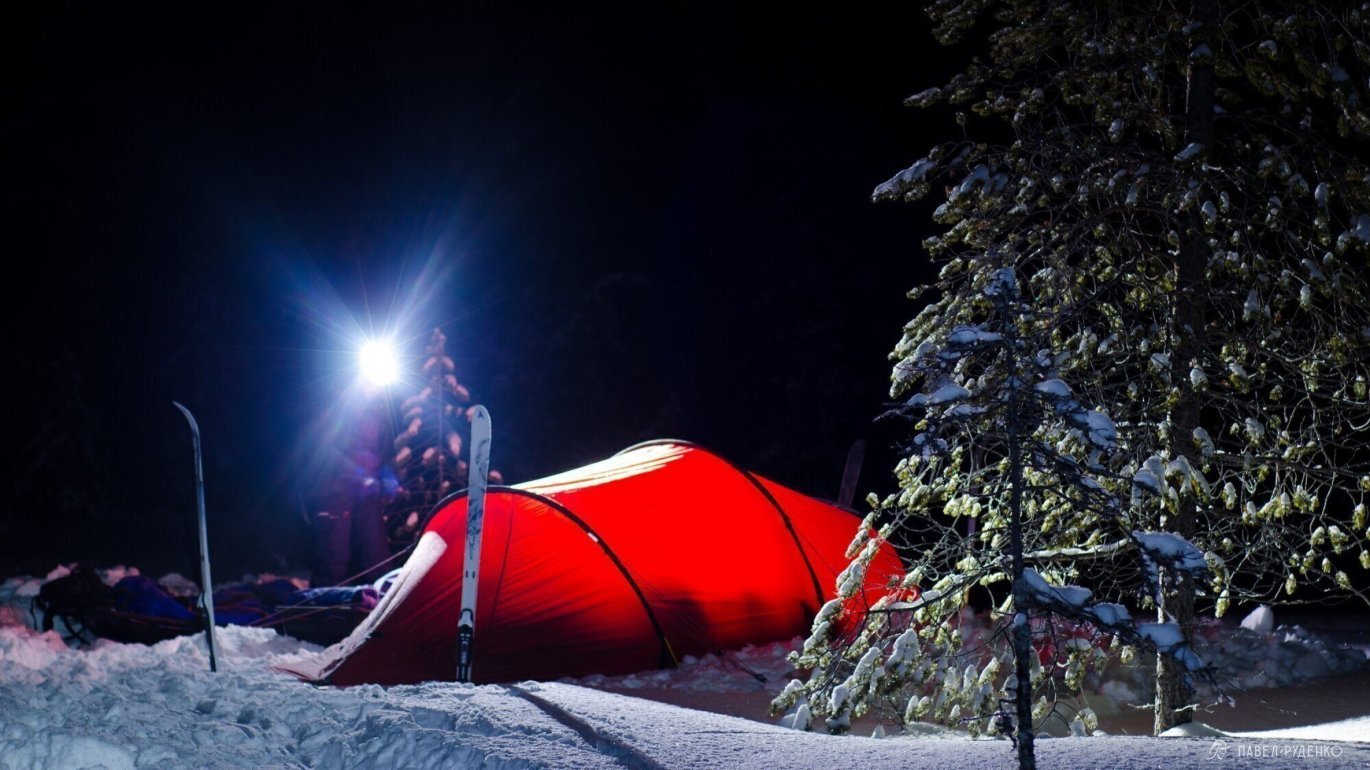
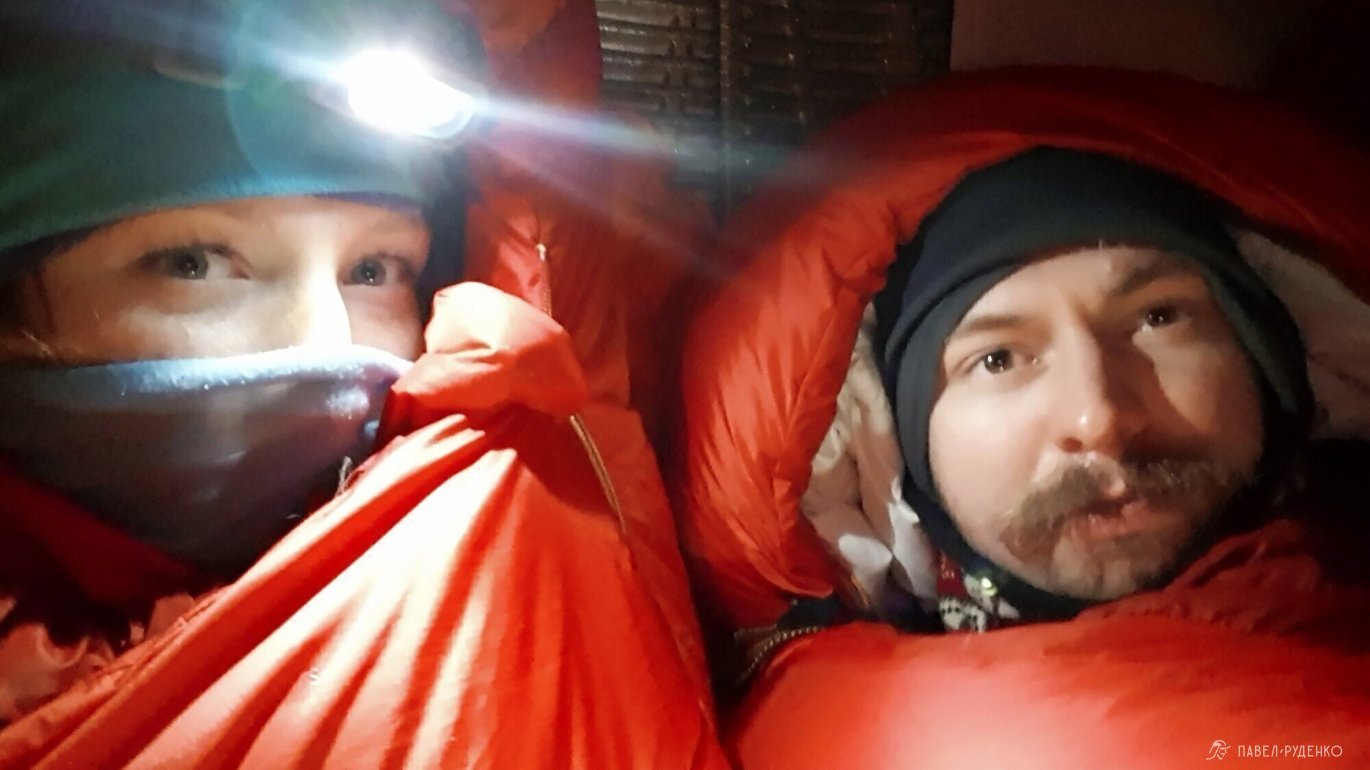
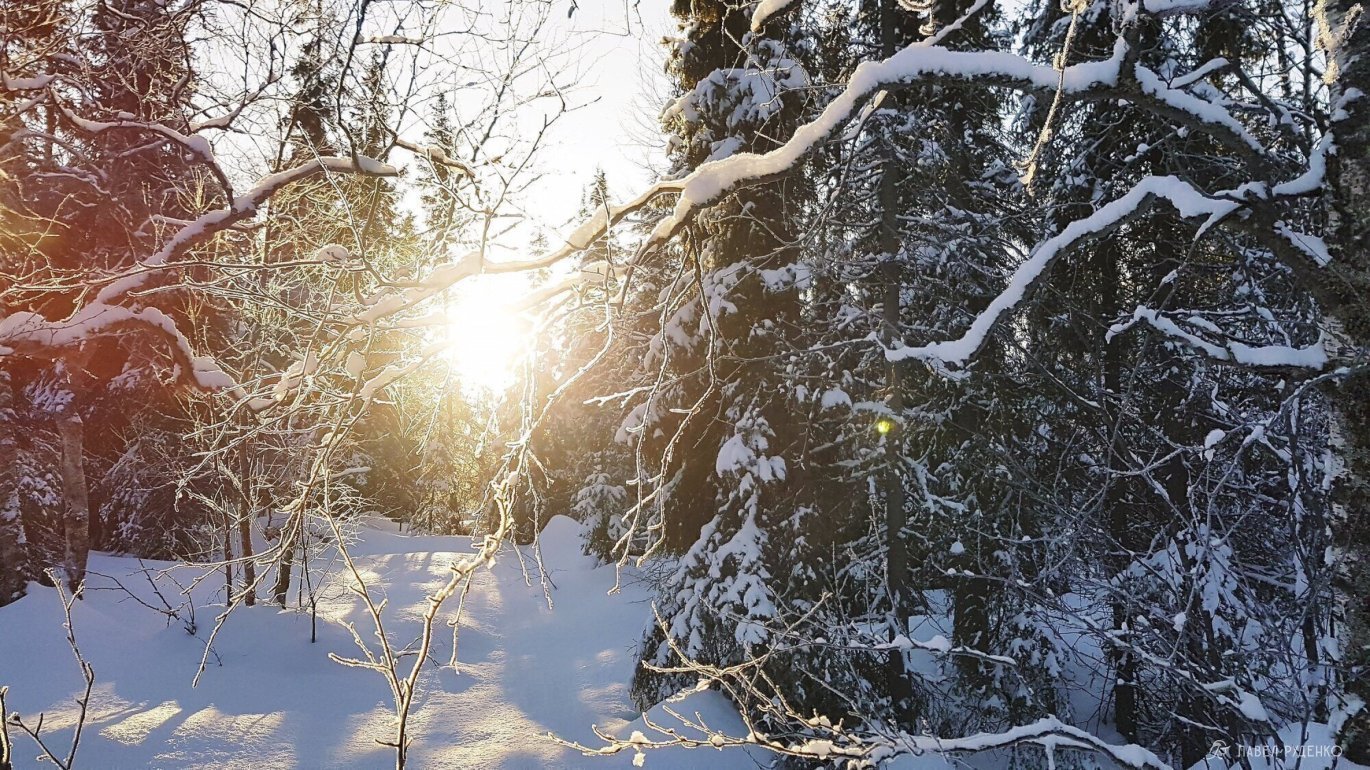
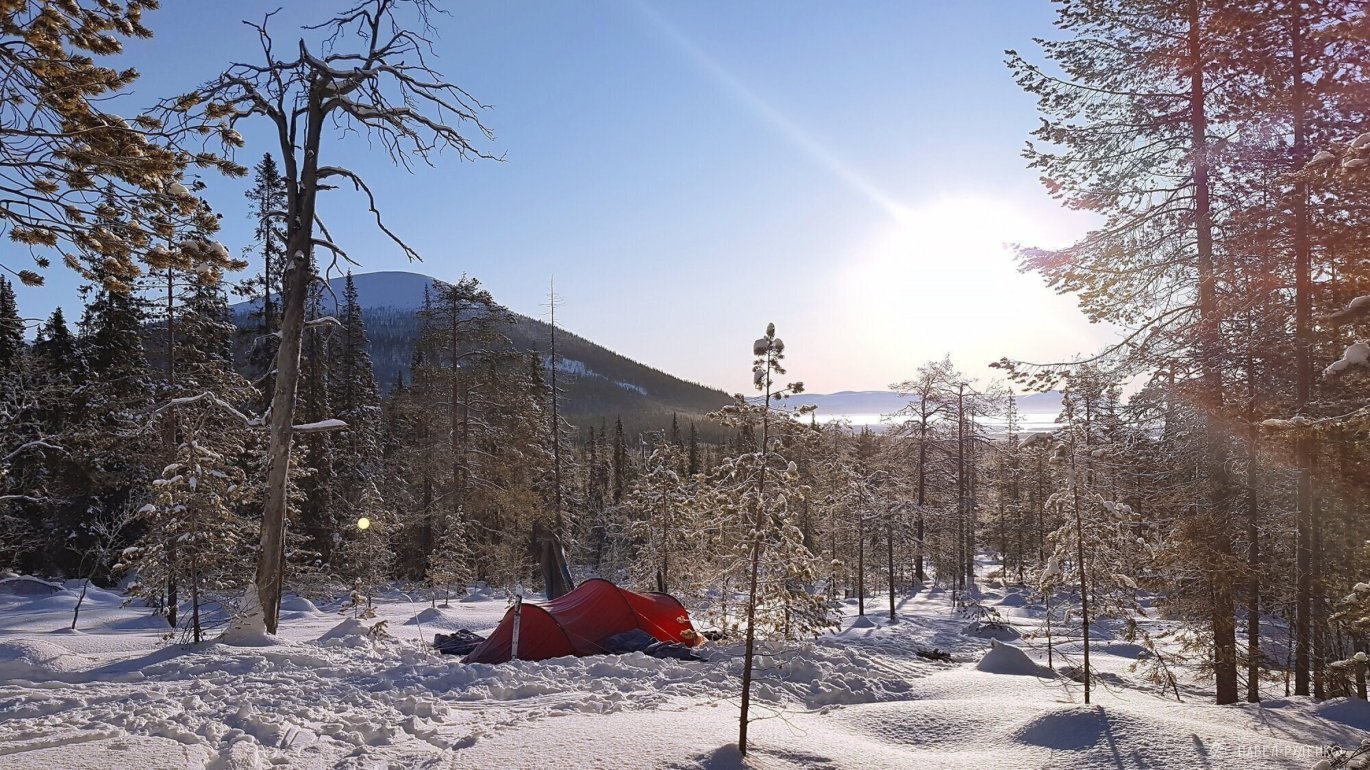
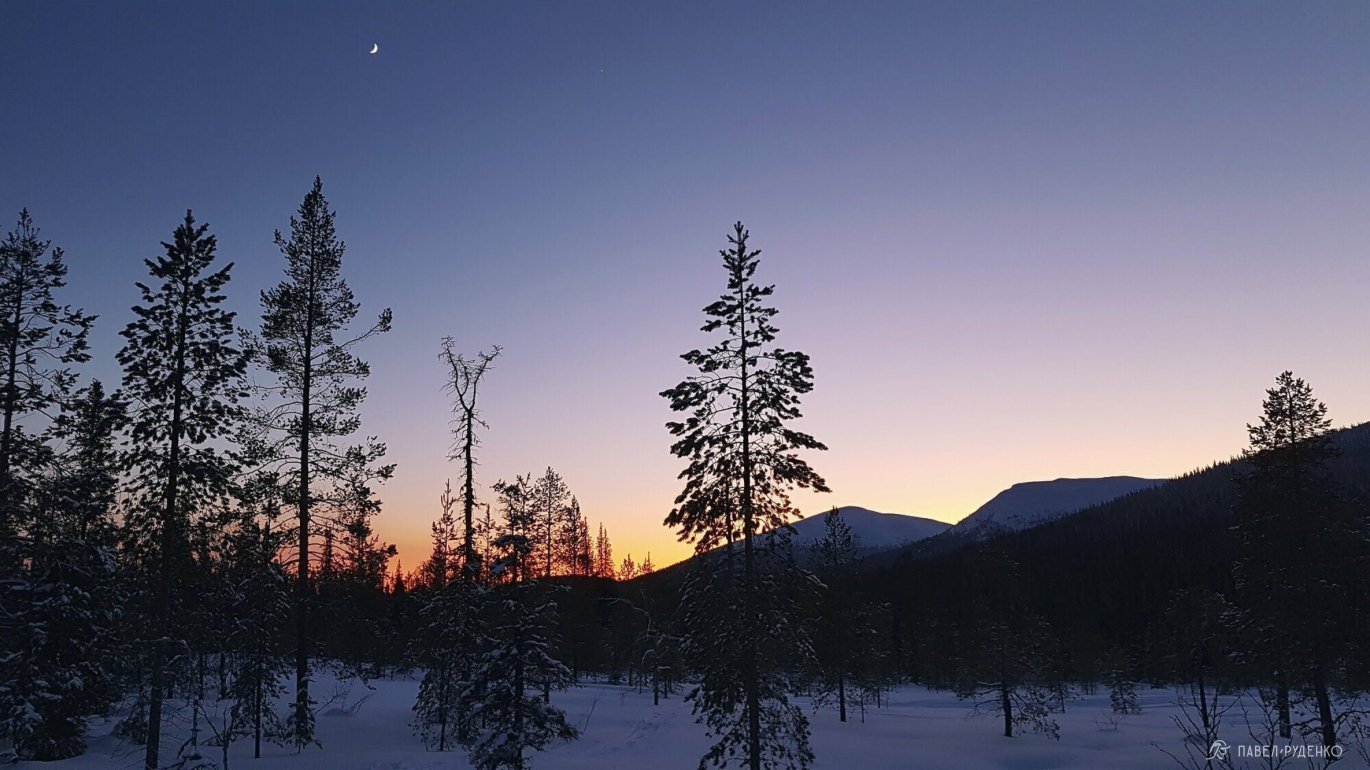
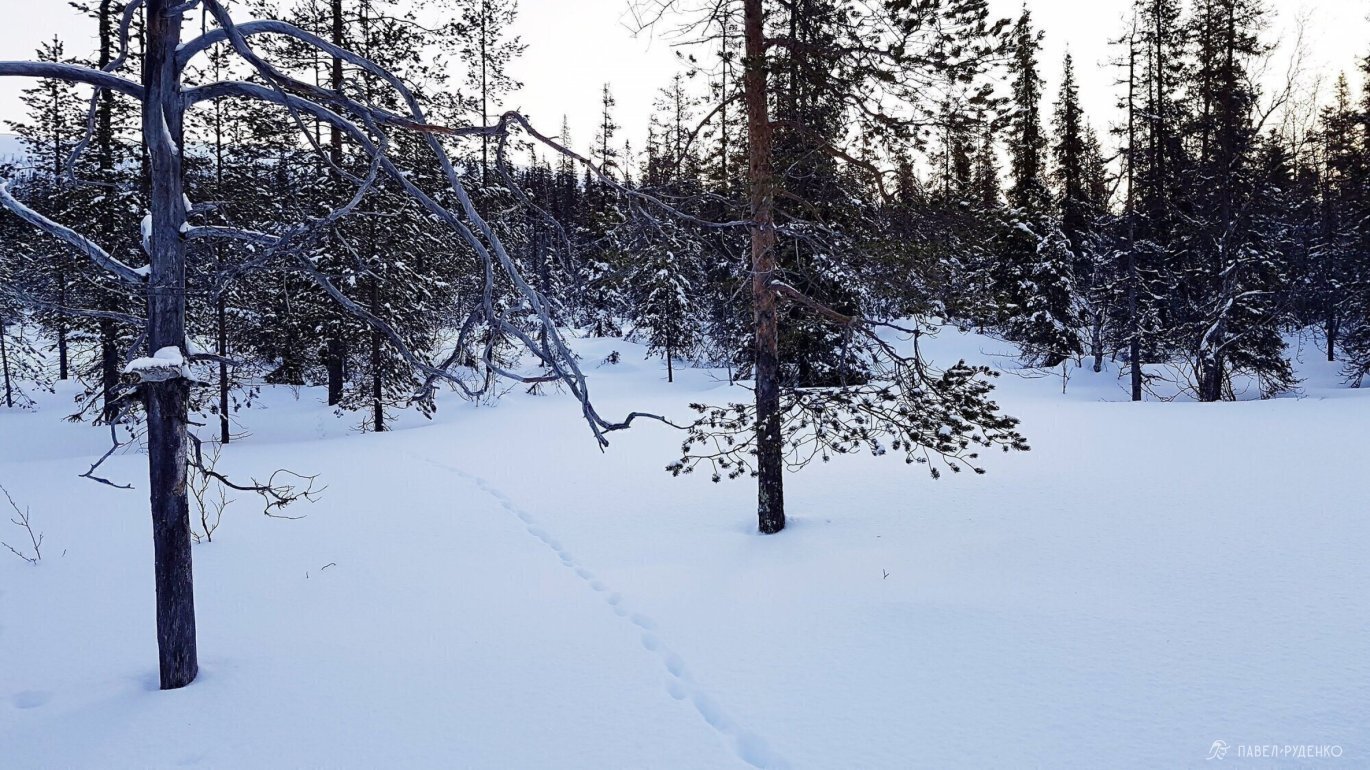
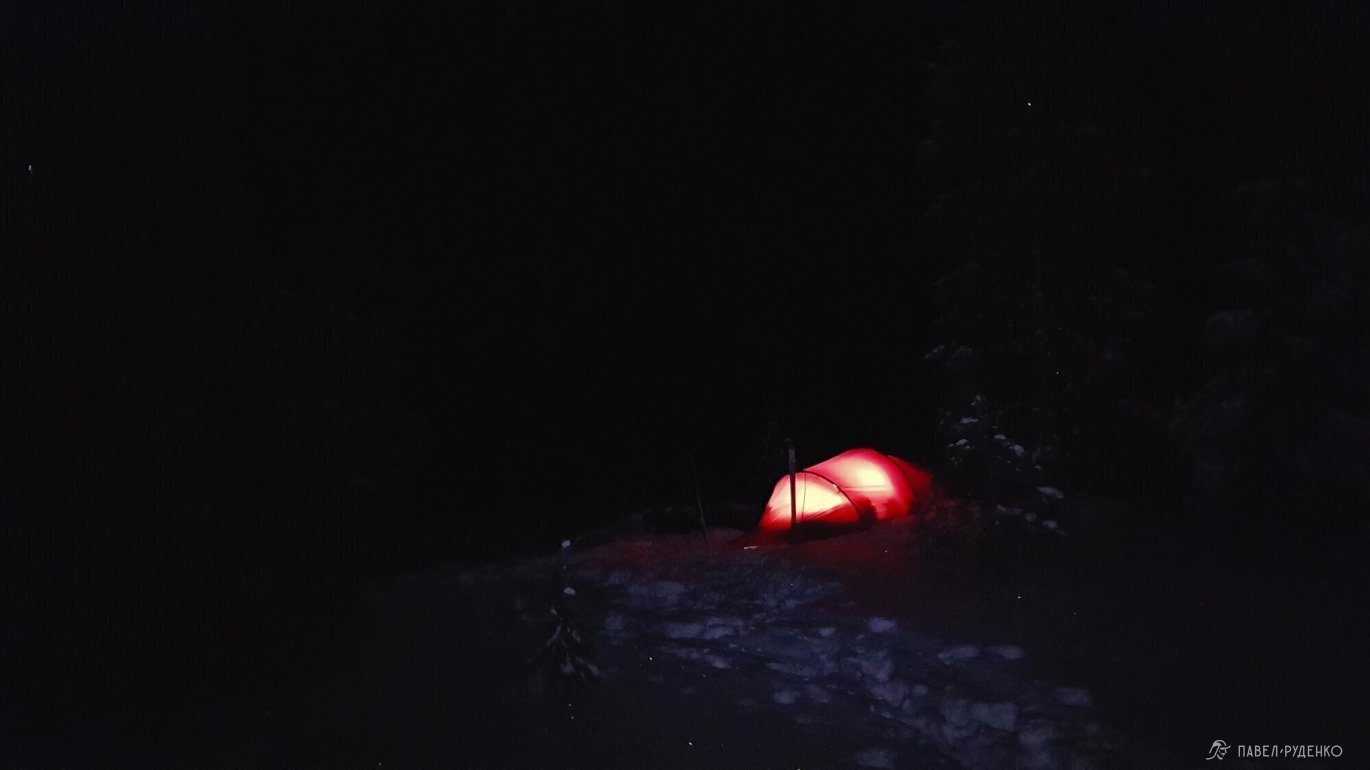
The feelings on a frosty night are completely different than in summer. The moon illuminates the tops of snow-covered pines, and around the tent there are animal tracks. It's hard to tear yourself away from the stars in the sky, but the cold convinces you to climb into your sleeping bag with every minute. And in the morning, when the rays highlight the frost on the tent of the tent, it seems as if you are waking up in a cave.\n
Next year, I will have to abandon freeride and go skiing with a tent again.
Route preparation
The choice of the Kola Peninsula was unambiguous, but I was still thinking about the exact location. Most often, tourists go to the Khibiny and Lovozero tundra areas, but the avalanche hazard in these areas was a deterrent. I've already been caught in avalanches while skiing in the Khibiny.
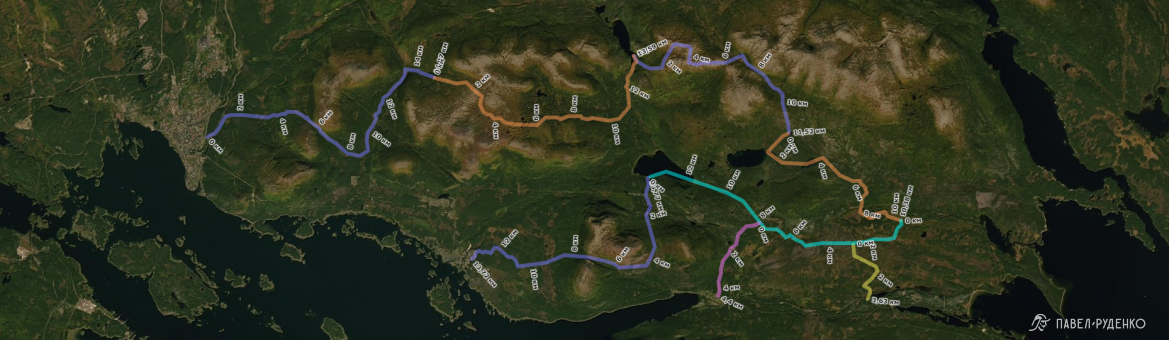
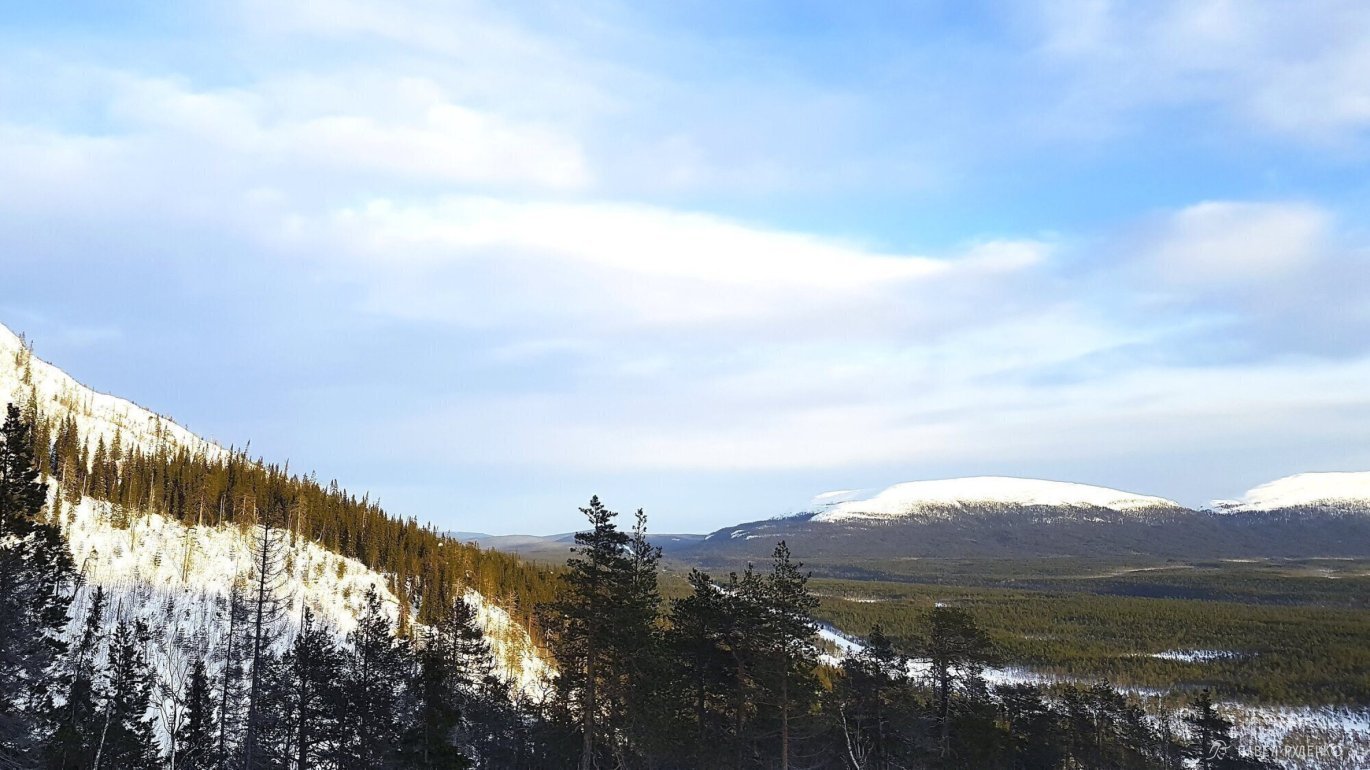
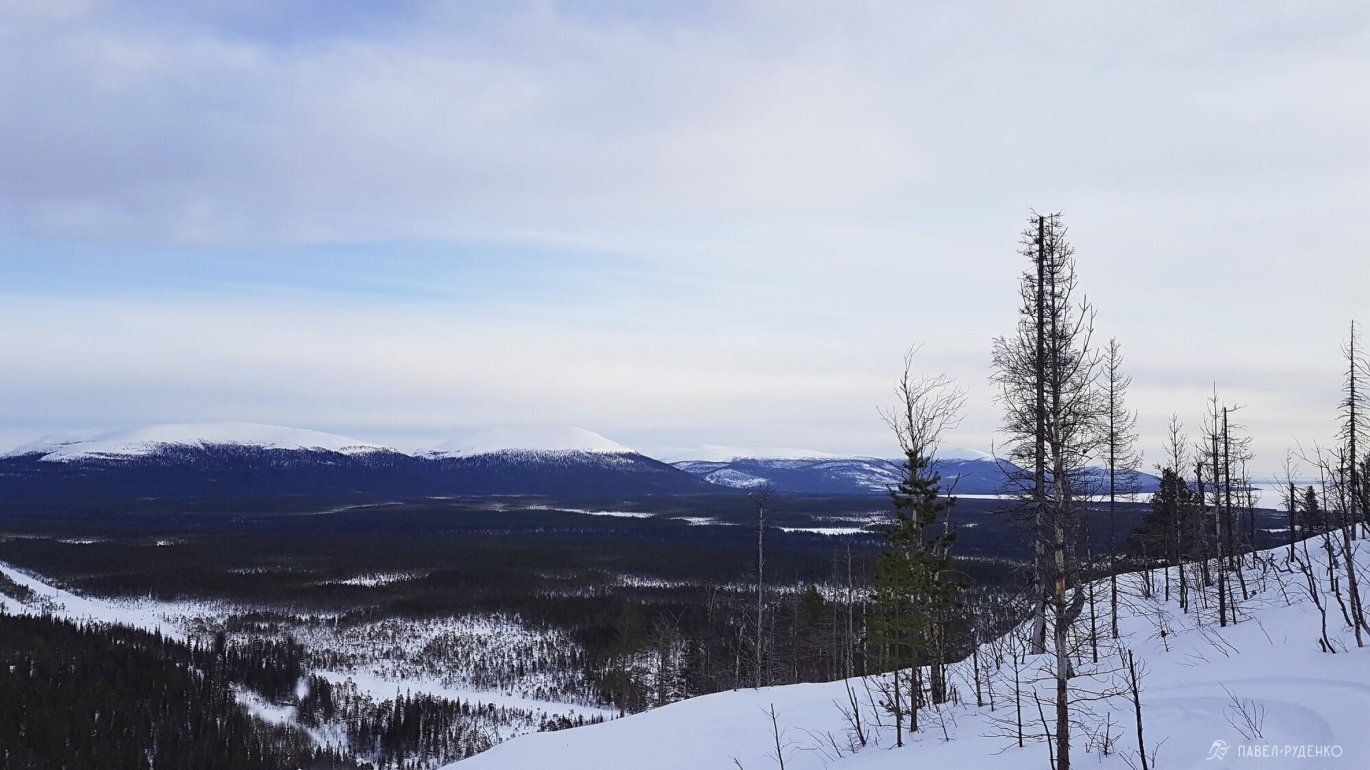
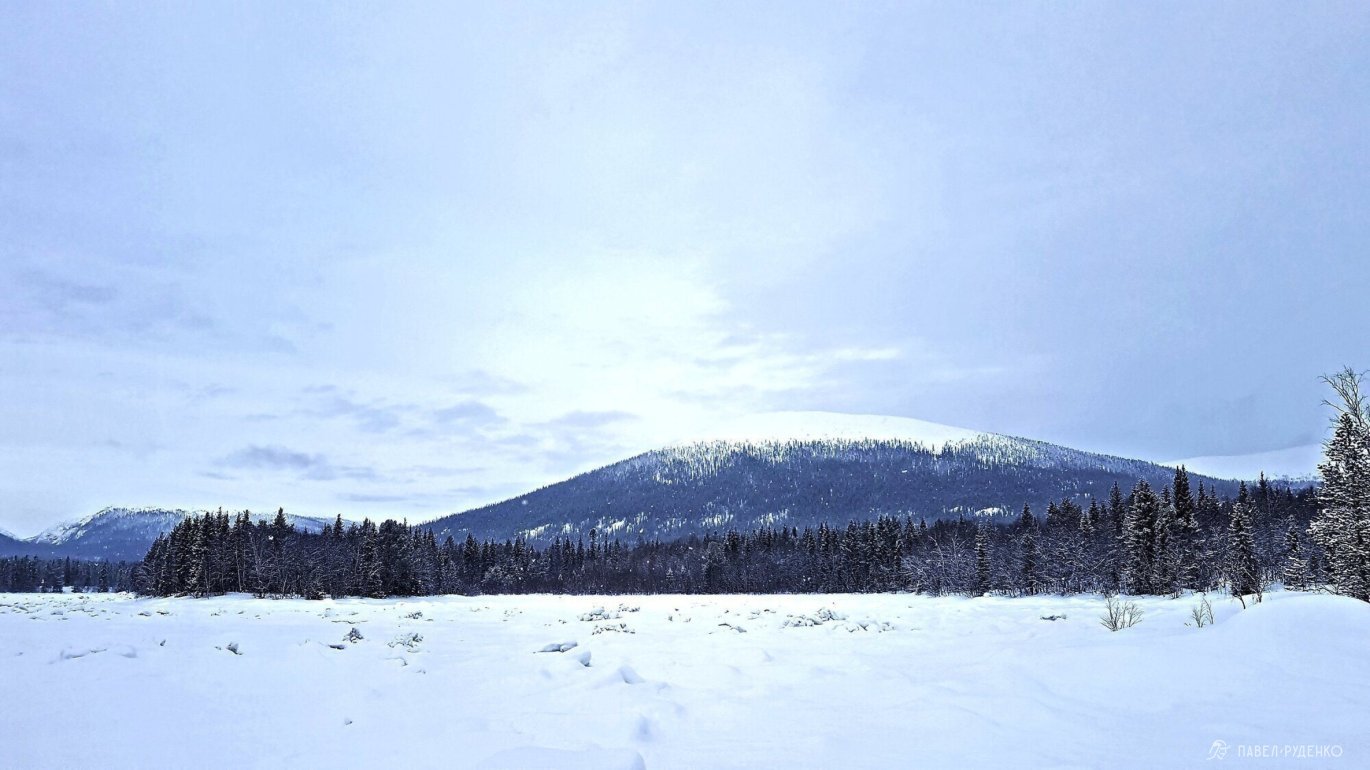
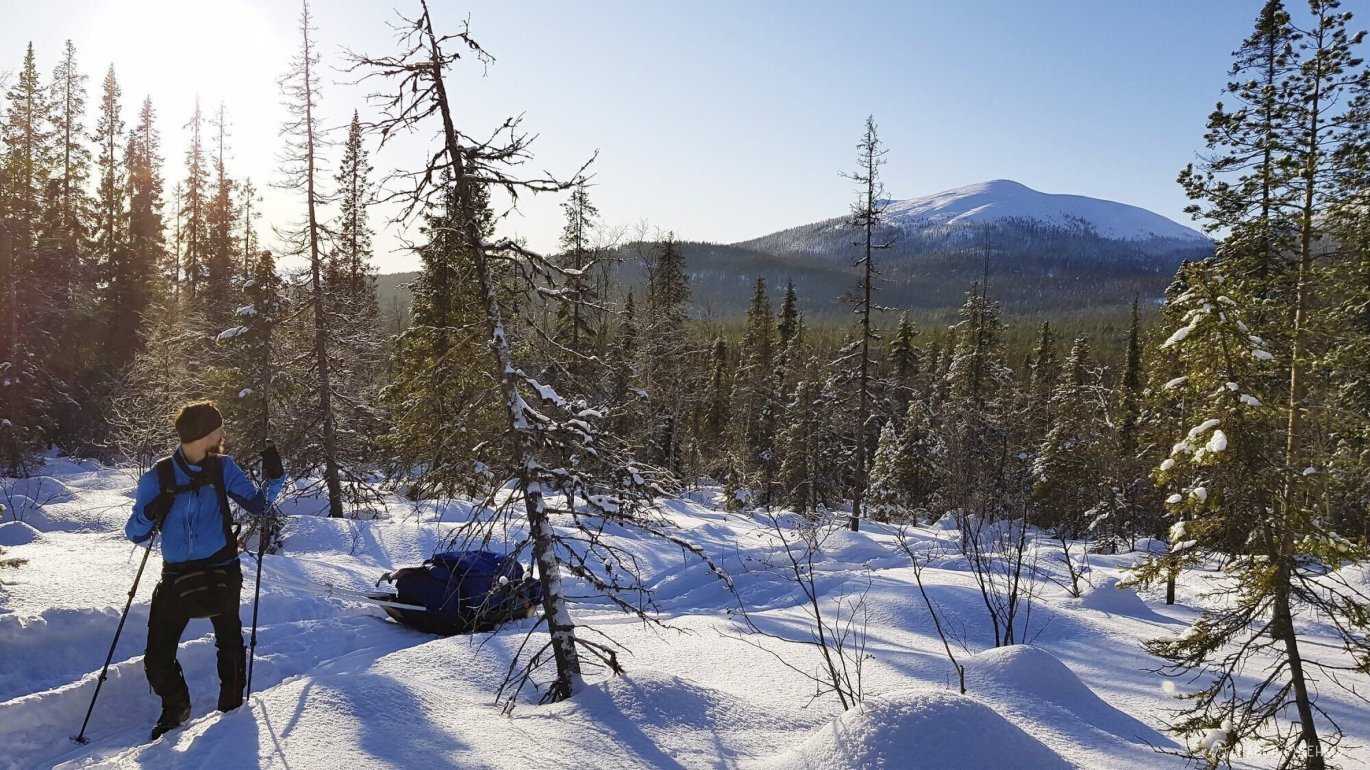
The goal was to cover as much terrain as possible and get maximum experience for future treks. I found a safer area near the city of Kandalaksha. The mountains there are lower, more wooded and scattered, i.e. in case of doubt, you can safely go not through the pass, but along the plain around.
The Ministry of Emergency Situations confirmed that the avalanche hazard in the Kandalaksha area is very low.
Transport
We went by train Moscow - Murmansk, to Kandalaksha. Since the pulkas did not pass the baggage rules:\n
\n“Each passenger has the right to carry free of charge with him on 1 travel ticket, in addition to small things, hand luggage weighing no more than 36 kg (for cars with 2-person купе (SV) – 50 kg), the size of which in terms of the sum of 3 measurements does not exceed 180 cm.”\n
\nThe pulkas looked big and scary, plus they barely fit on the top shelf of the luggage, we decided not to take the risk on the spot and paid for the luggage compartment, the cost for 1 pulka is about 300 rubles. In fact, it's just a купе in one of the cars where there are no lower beds. We took our valuables with us and wrapped them in film, everything as we like it on flights:)
From the station to the start of the route I was looking for a taxi, all the cars are small, but this is the north, and there are incredibly many sympathetic people here and a passing jeep driver gave us a lift.
We left the route at Luvengi. According to the schedule, buses run, we came to the stop two hours early and waited patiently. Unfortunately, there are shuttle buses, like Mercedes, with no room for luggage, and we didn't fit in. We called a taxi Luvengi-Kandalaksha costs 500 rubles, about 20 minutes drive.
Registration with the Ministry of Emergency Situations
A convenient form for filling out the questionnaire, enter your data, route, contacts of relatives. You can leave a link to the route.\n
You need to call the Ministry of Emergency Situations before going on the route and at its end. The Ministry of Emergency Situations will call every day. My connection didn't always work, so I got 2 messages about missed calls in the morning and afternoon, and called back whenever possible and reported that everything was fine.\n
Ministry of Emergency Situations in Murmansk: (8152) 39-99-99
You can find the contacts of snowmobile riders, so that in case of an unforeseen situation, you can quickly get to civilization. There are a lot of snowmobilers, they ride in dense forests and passes, on weekends and weekdays. Most likely you will meet them rather than another tourist group.
Safety
I divided safety during preparation into 4 main points.\n
- Repair kit and duplicate items. The repair kit includes a metal sheet, plates for joining in case of broken skis, screws, spare snow rings on sticks, clamps, mat patches, burner parts, etc. I'll add a separate article with a detailed list. Of the duplicate items, we took a multi-fuel and gas burner, in case of breakdown and to test winter gas, spare mittens, hat, trekking pole, etc.\n
- Frostbite. We took clothes and a sleeping bag with a mat with a margin, for the lowest possible temperature. Plus, catalytic heaters from Decathlon, which did not work in cold conditions.\n
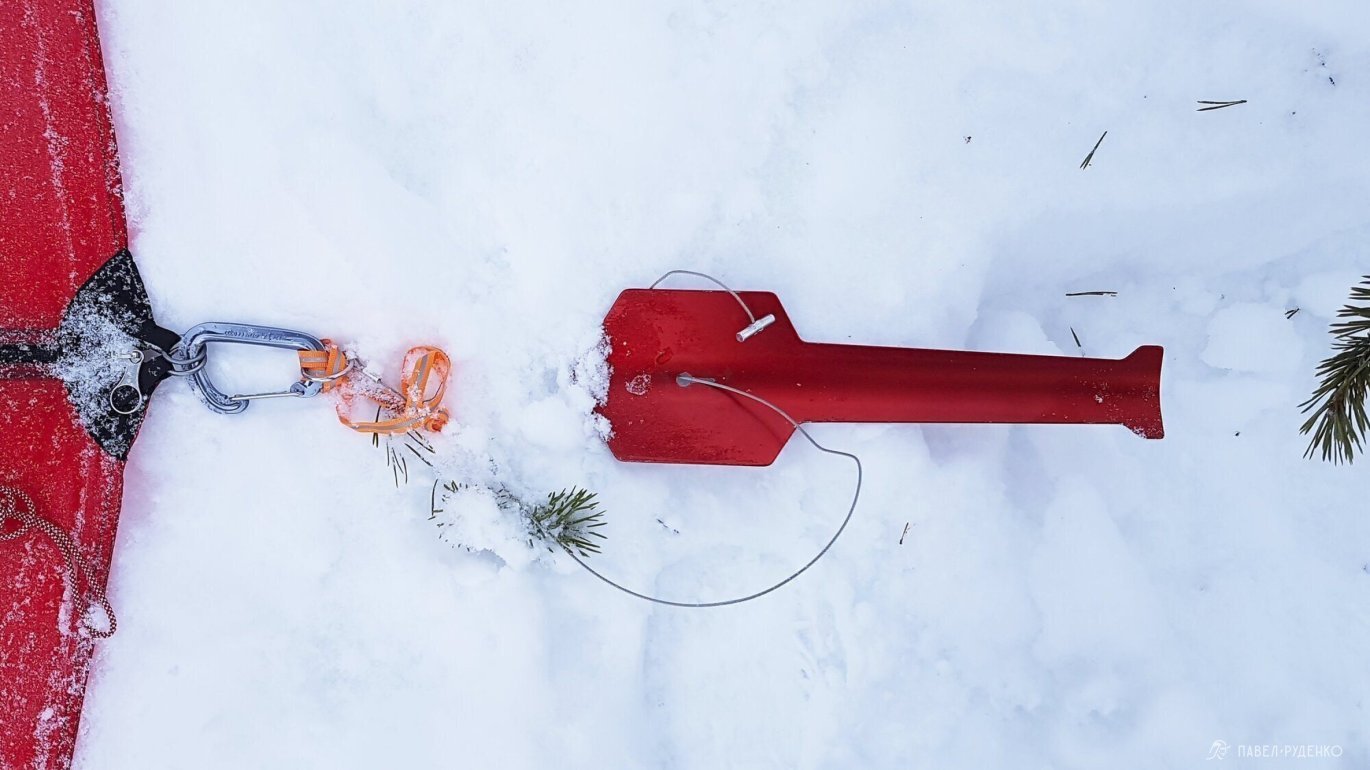
- Avalanches. The area is unfamiliar, avalanches are possible on passes and gorges. Old systems in the form of avalanche tapes are ineffective. Therefore, on the trek we used a set of beeper+probe+shovel. I borrowed beepers from friends, the rest is mine. We practiced searches before the trek and on the last day before departure.\n
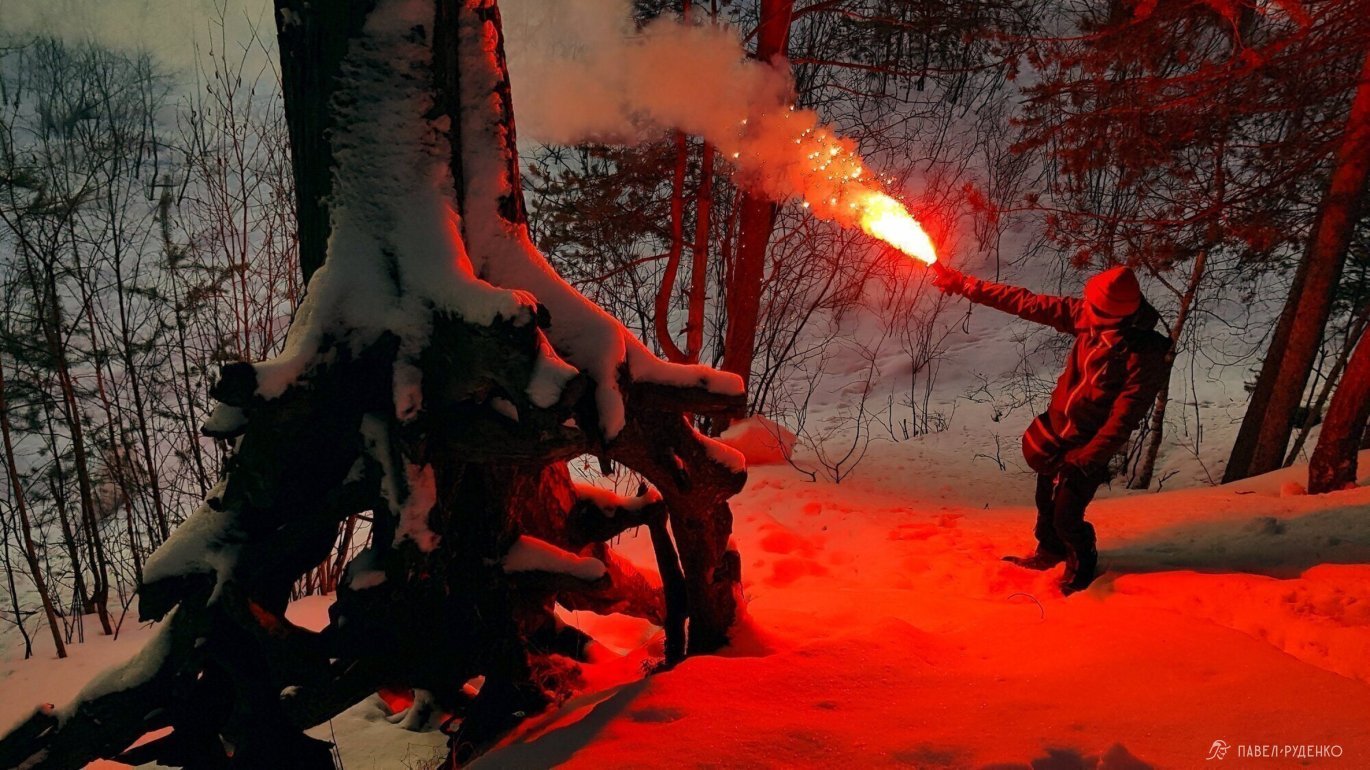
- Animals. For protection when meeting with animals, I took a false fire and a hunter's signal. Foxes, elk, wolves, wolverines live in the region and very rare meetings with a bear are possible. The same items are used when it is necessary to signal rescuers.
Useful little things
Brush. In the morning I brushed off condensation inside the tent, cleaned the camus, bags of snow, etc. The thing is incredibly useful, given its low weight.\n
Frost ointment. Polar ointment, used once before going out and sometimes in the evening, protects the skin of the face and lips from wind and frost. Due to chronic runny nose, I rubbed my nose, which hurt incredibly much, even the rescue didn't help. Next time I need to put on thick cream before going to bed.\n
Large pockets on walking clothes. You can't squeeze out the same ointment until you warm it up, batteries don't work or run out faster, so large chest pockets came in handy, I filled them to capacity.\n
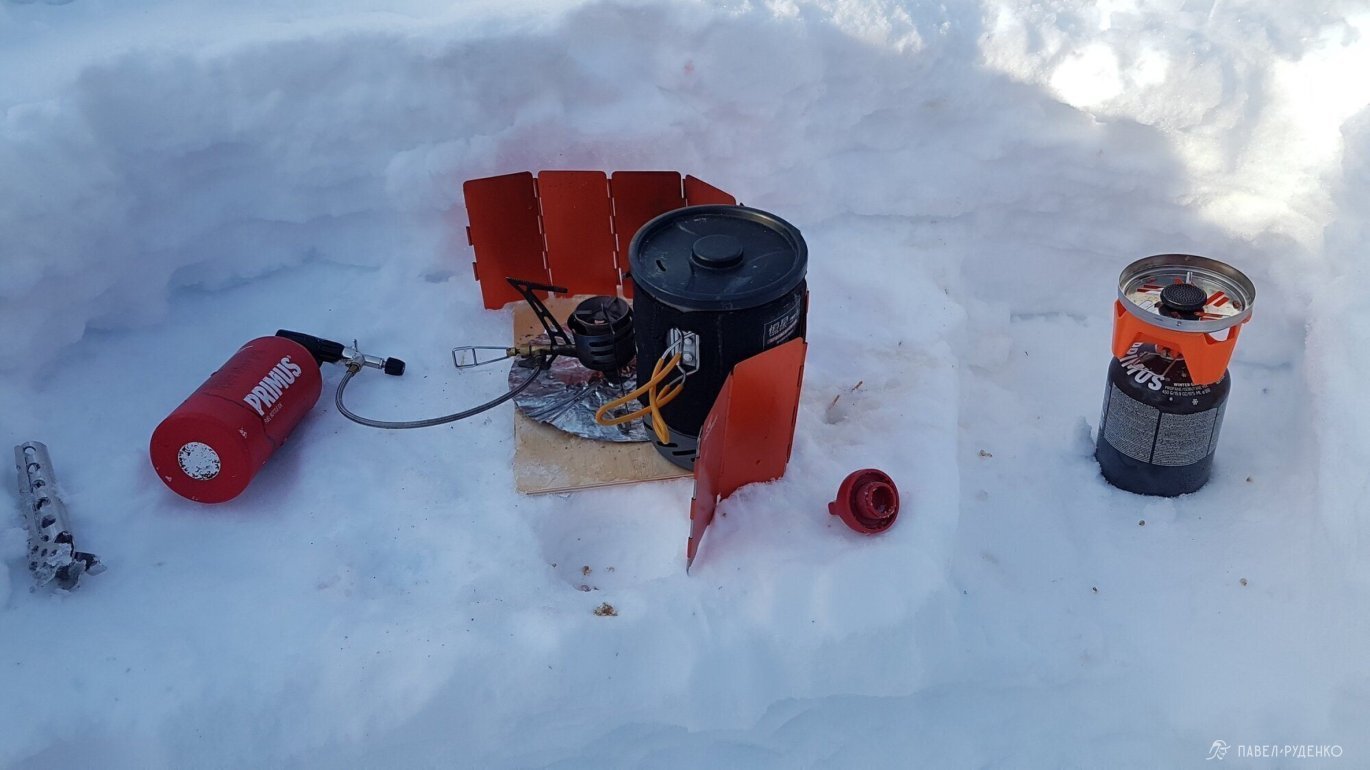
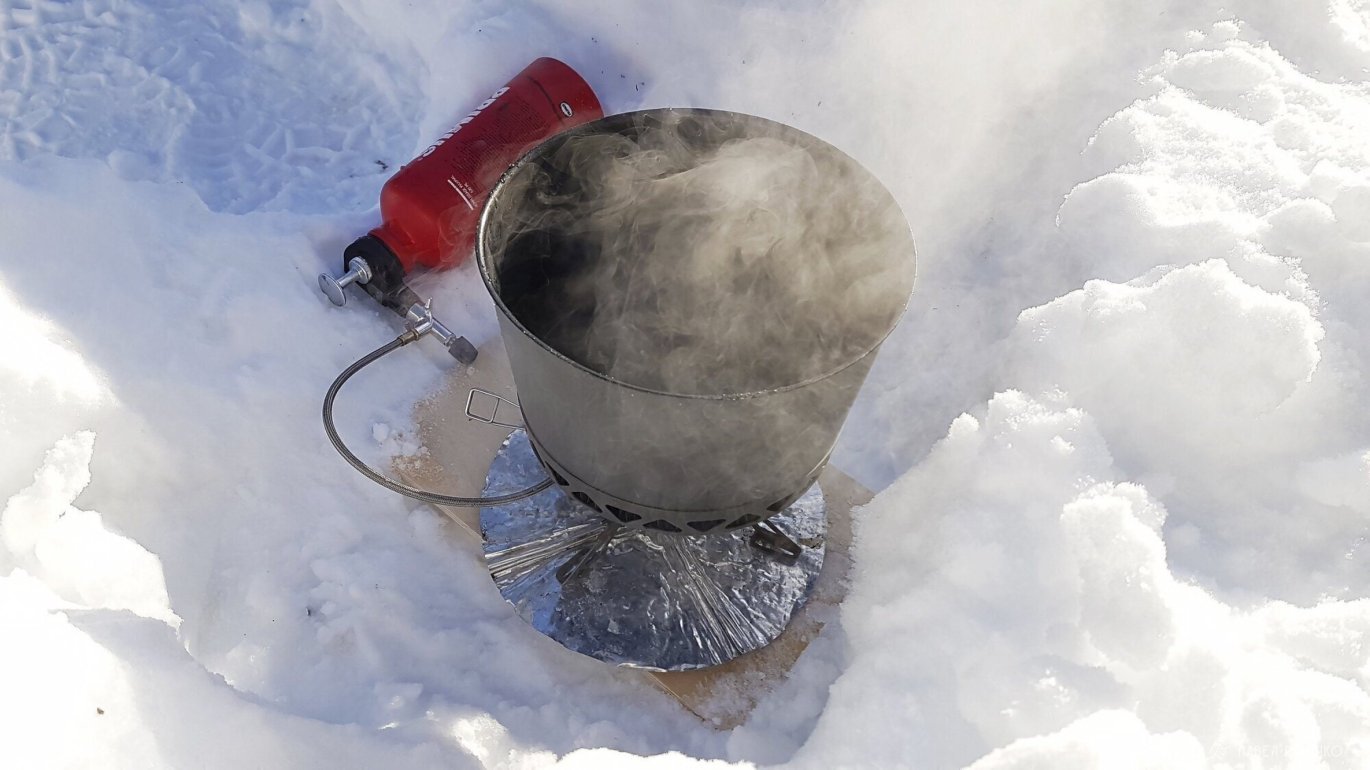
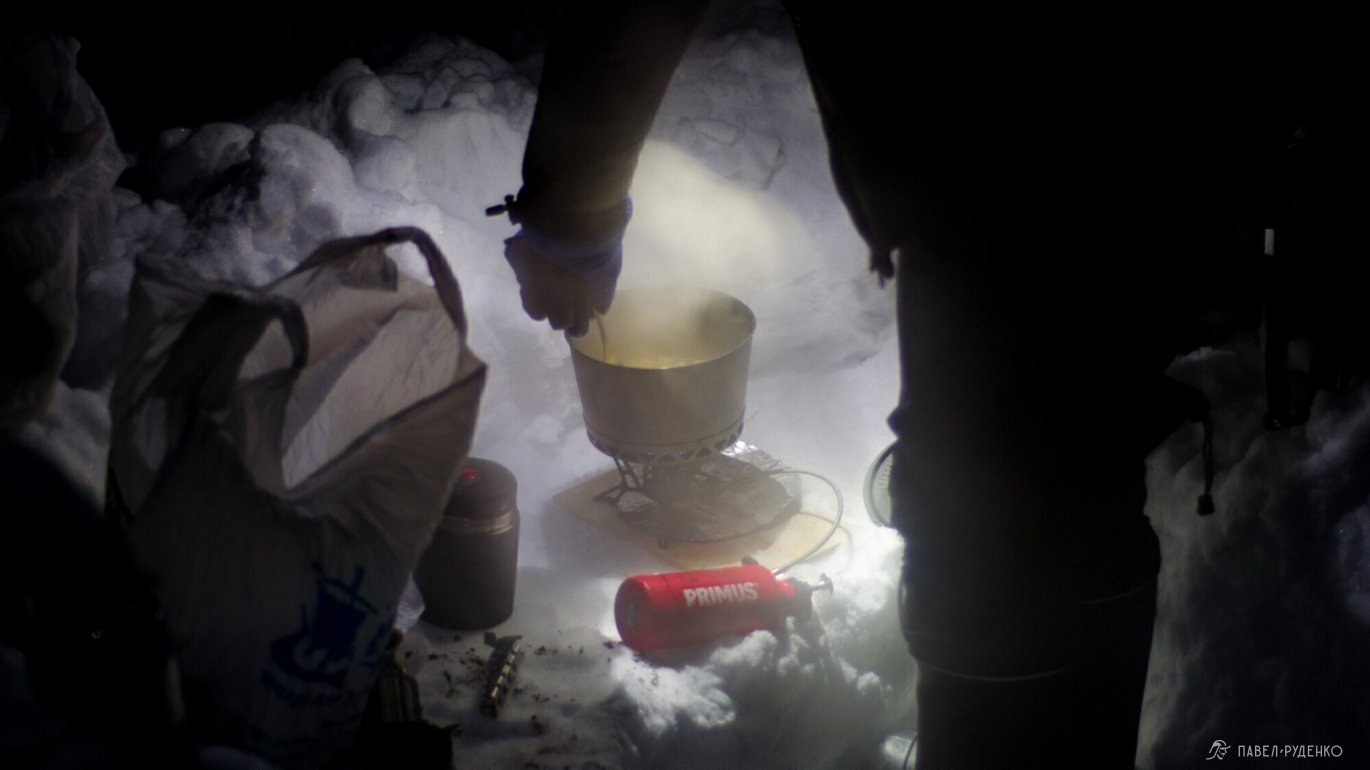
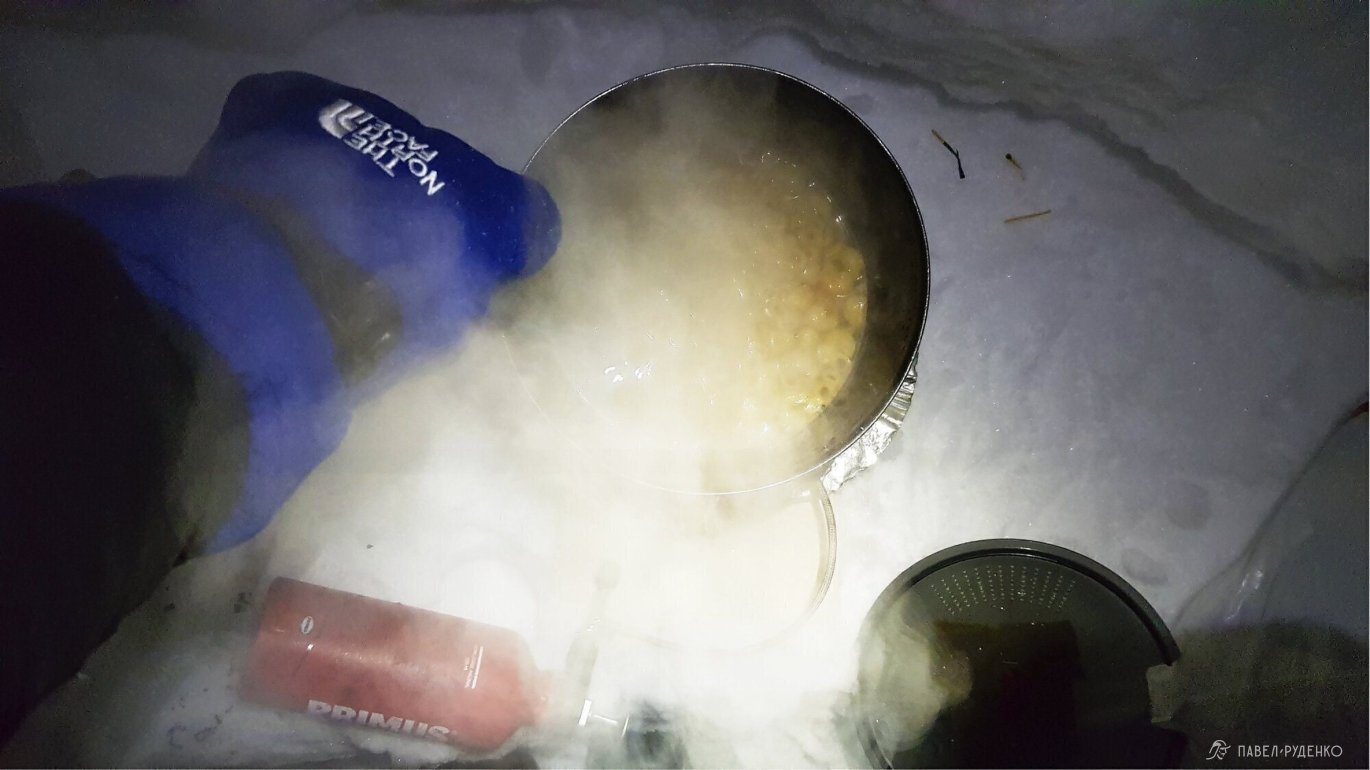
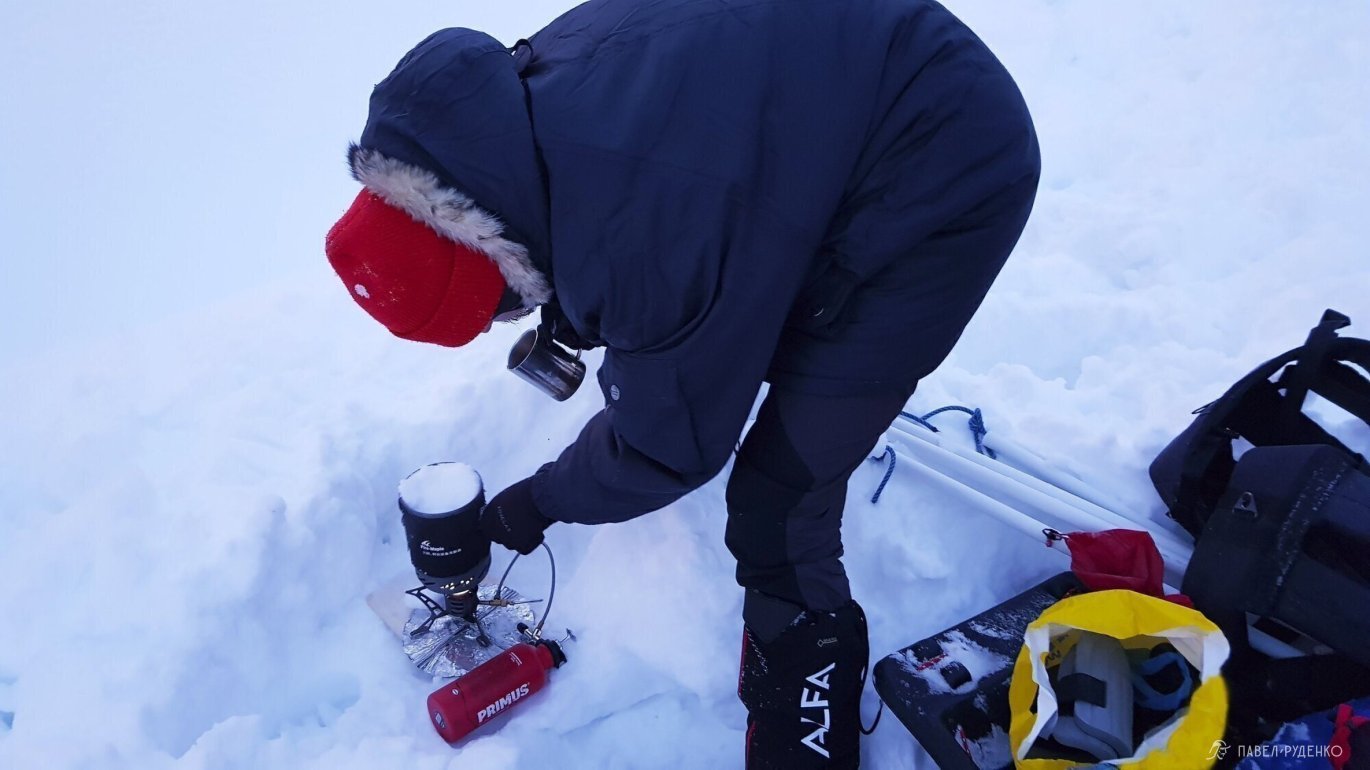
Two burners. I tested a gasoline burner and a gas one with a winter primus. Both worked great, especially pleased with Primus Winter gas at -20C. Two burners increase safety in case of breakdown and speed up cooking.\n
Plastic boxes. Pulkas allow you to arrange the cargo in a completely different way. I used boxes from fix price to keep electronics and food safe. The boxes are light, cheap, I laid pieces of foam on the bottom for shock absorption.\n
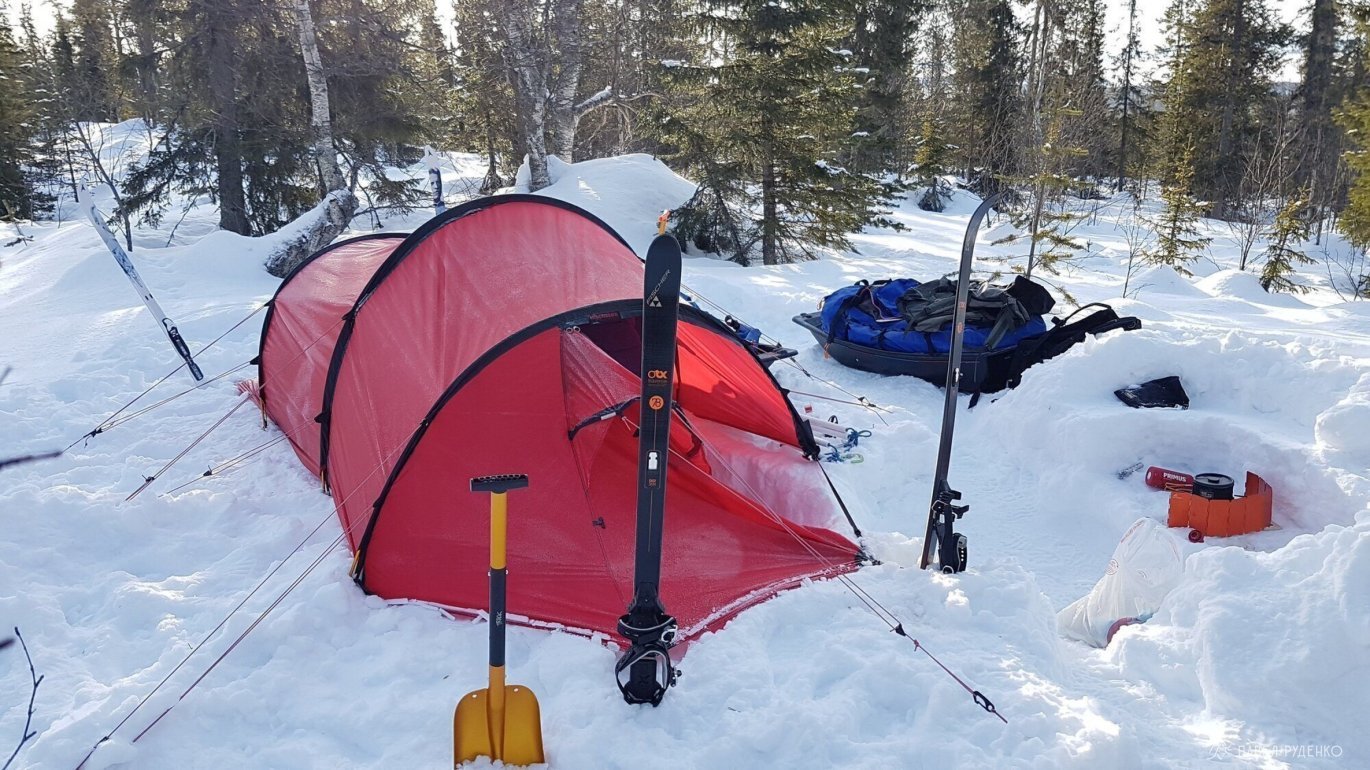
Cutting board or butt pad. We put it under the gasoline burner, it gives stability on the snow, and the gas cylinder does not freeze as much.\n
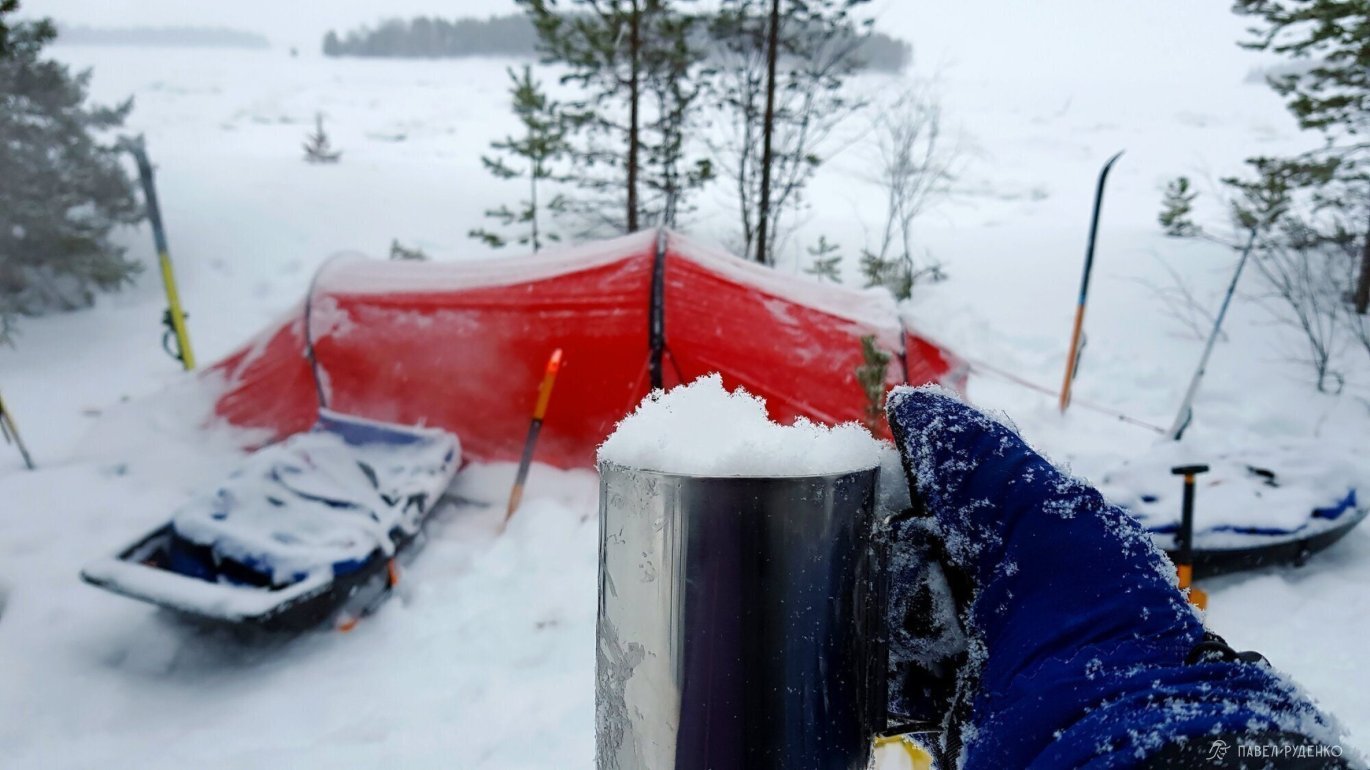
Thermos and foam. Alena wrapped the thermos with foam to insulate it from the cold. Now it can be put on the snow without fear that heat loss will increase, protected from bumps and scratches.\n
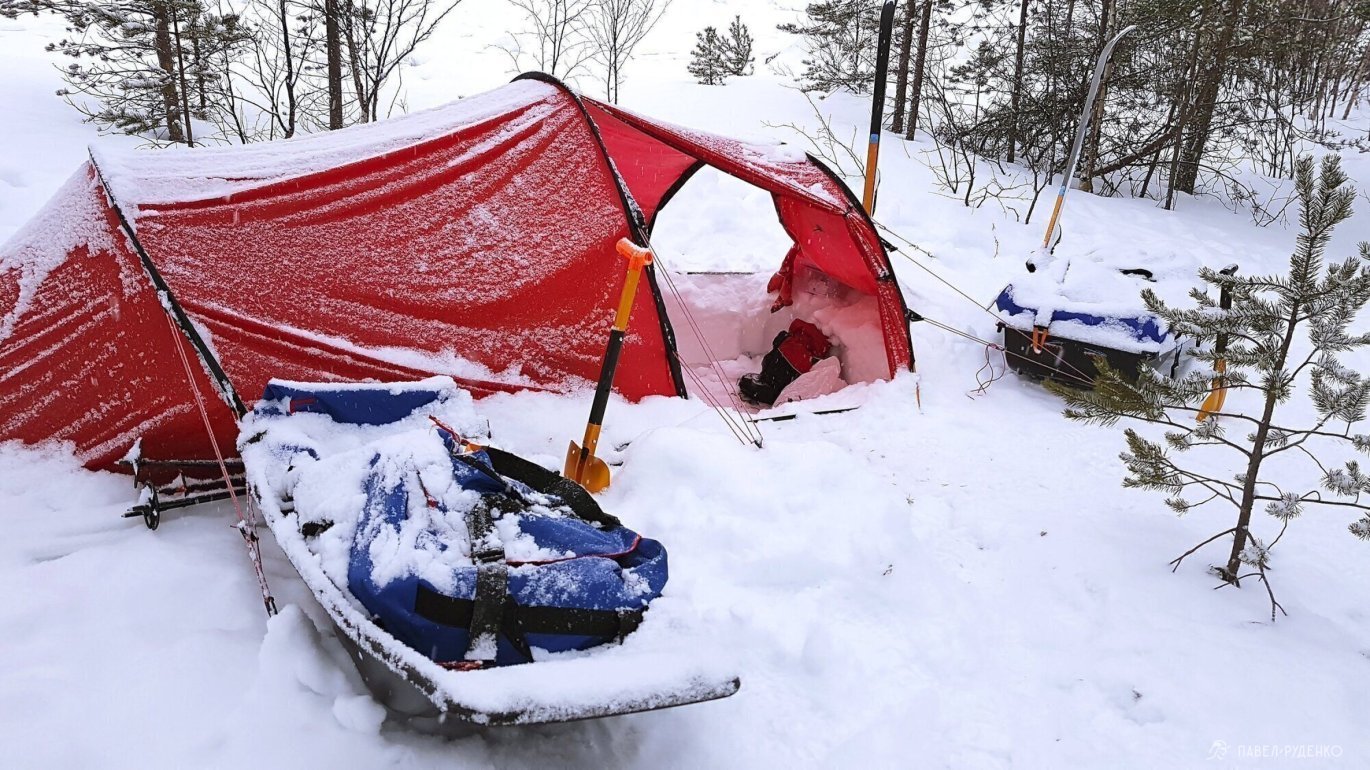
Two shovels. Significantly speeds up the process of preparing the camp.
When using the lid of the thermos, be sure to wipe it dry, otherwise the drops will freeze and next time it will take a lot of effort to open the lid.
What didn't come in handy
Axe. On the first day I cut down a dry tree and made a fire, it's atmospheric and cool, but too much effort. We weren't going to cook on it, a small fire doesn't heat up, and a big one already needs to dig a hole and more firewood. I will take an axe on treks with a lot of days off, short transitions or a lot of rivers, lakes, to chop ice, or with a group of 4 or more people.
Thermos with soup for lunch. Useful, but usefulness is questionable. We used сублимированные soups Gala-Gala. In the morning, together with breakfast, we boiled an additional 0.6 liters for the thermos with food. The soups turned out to be very thin and not nutritious. Tea, sandwiches with sausage\/lard and cheese were enough to have a snack. Next time I'll try to go without soup, this will save on the weight of the thermos and the effort of boiling.
Weather, Temperature
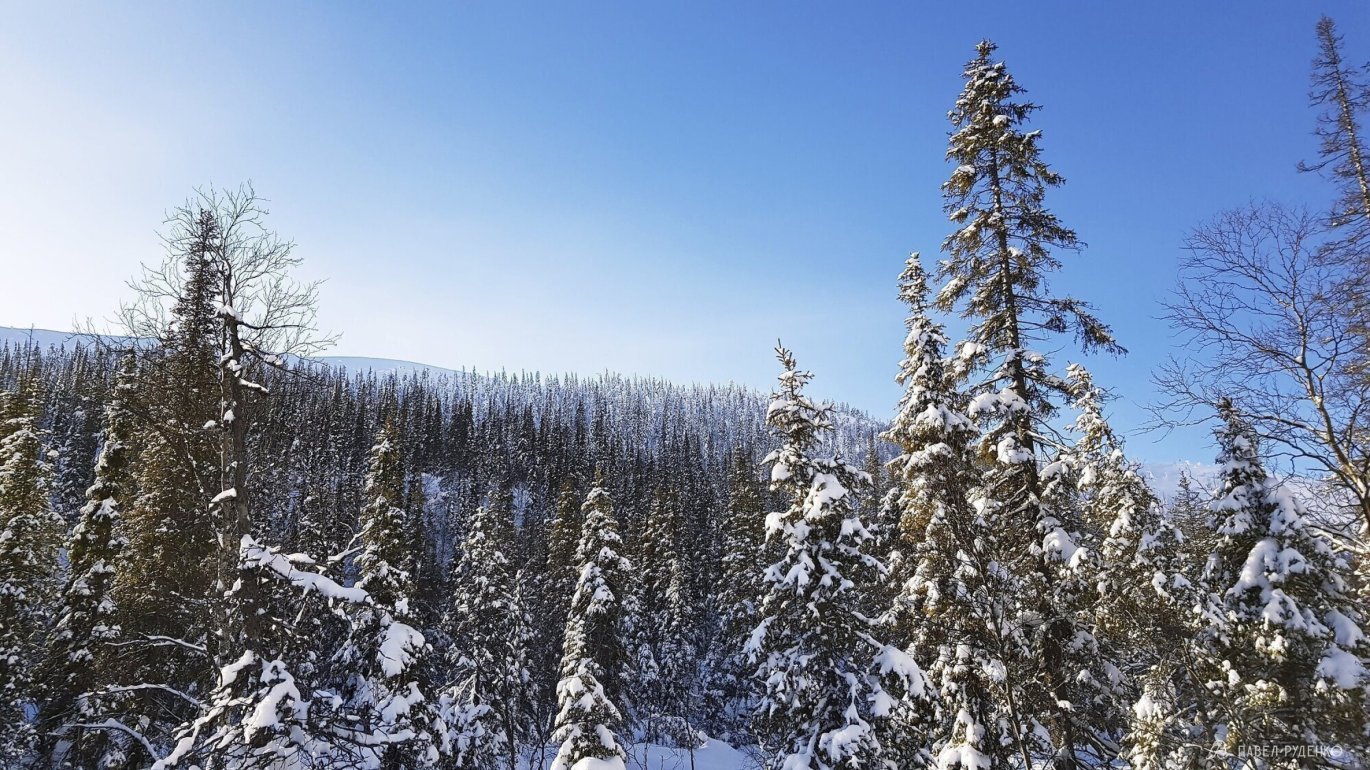
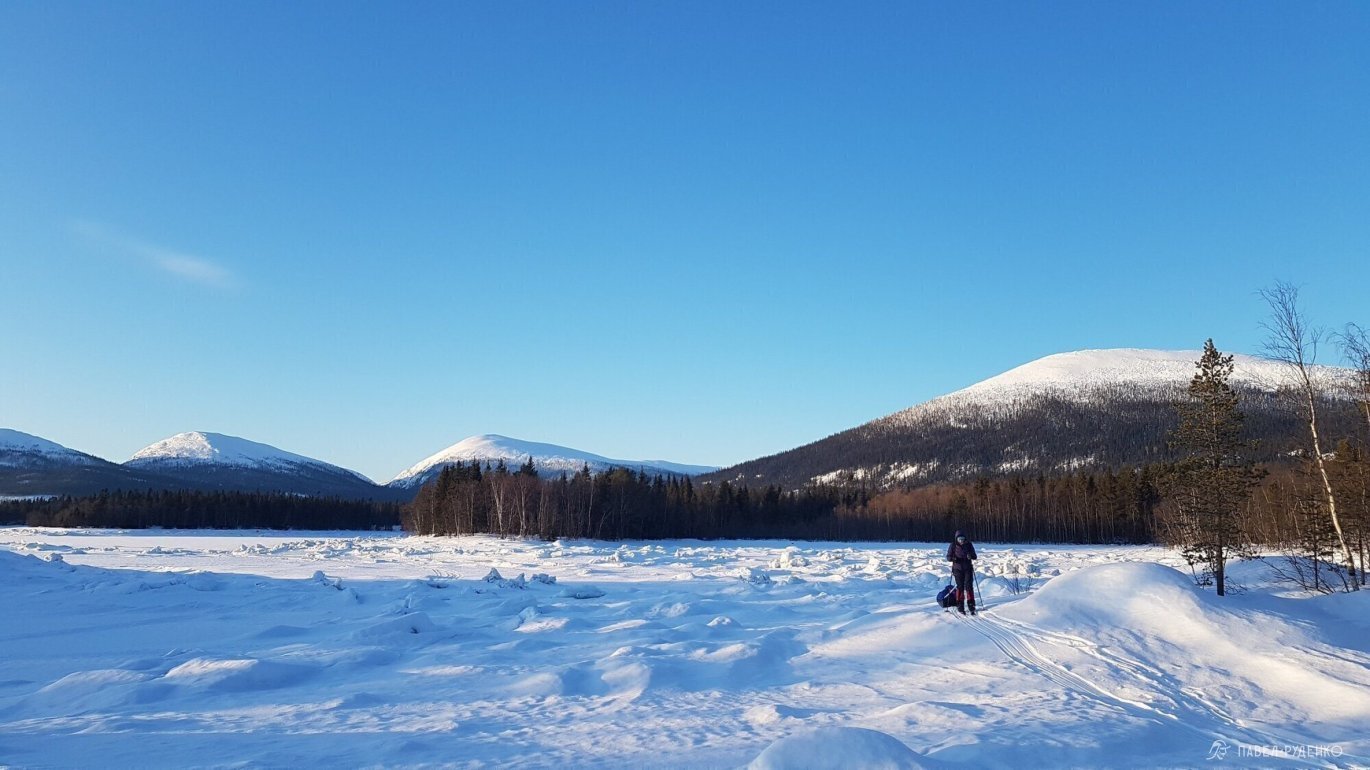
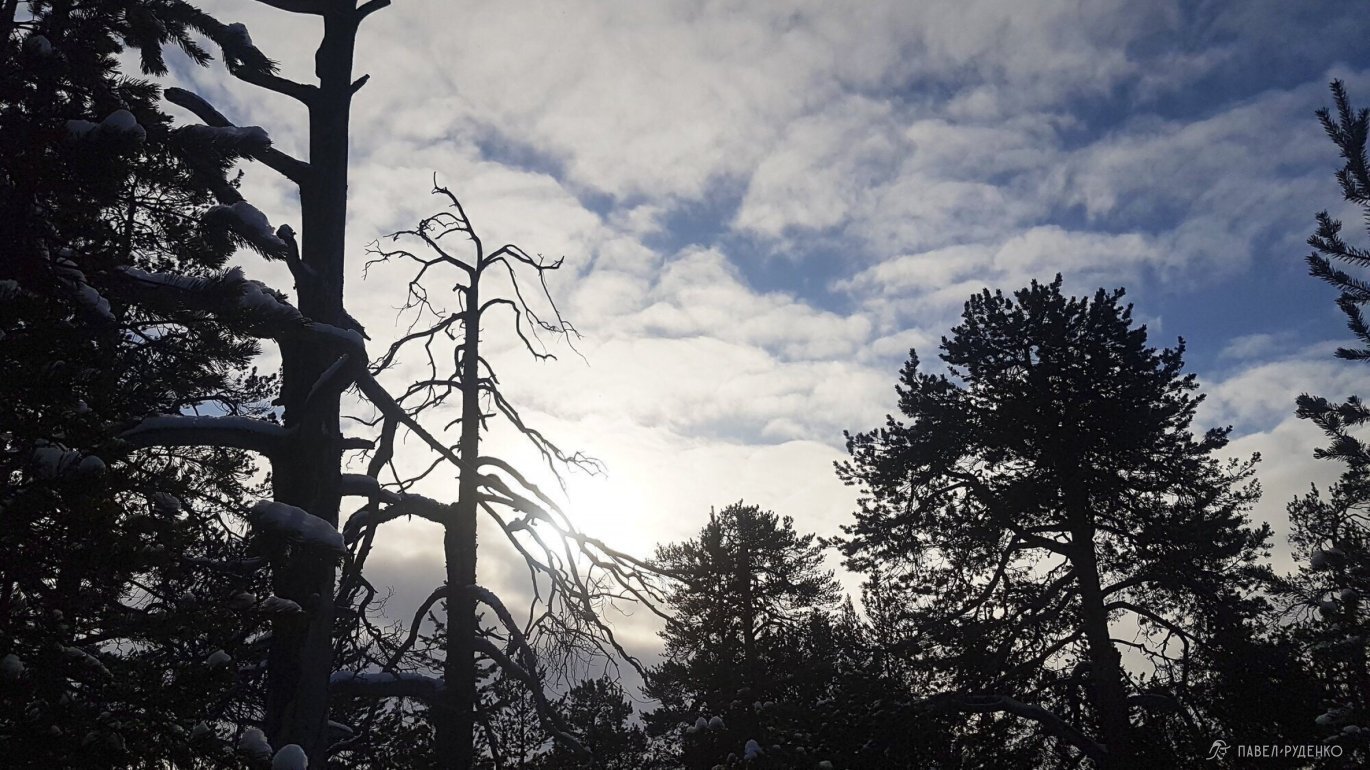
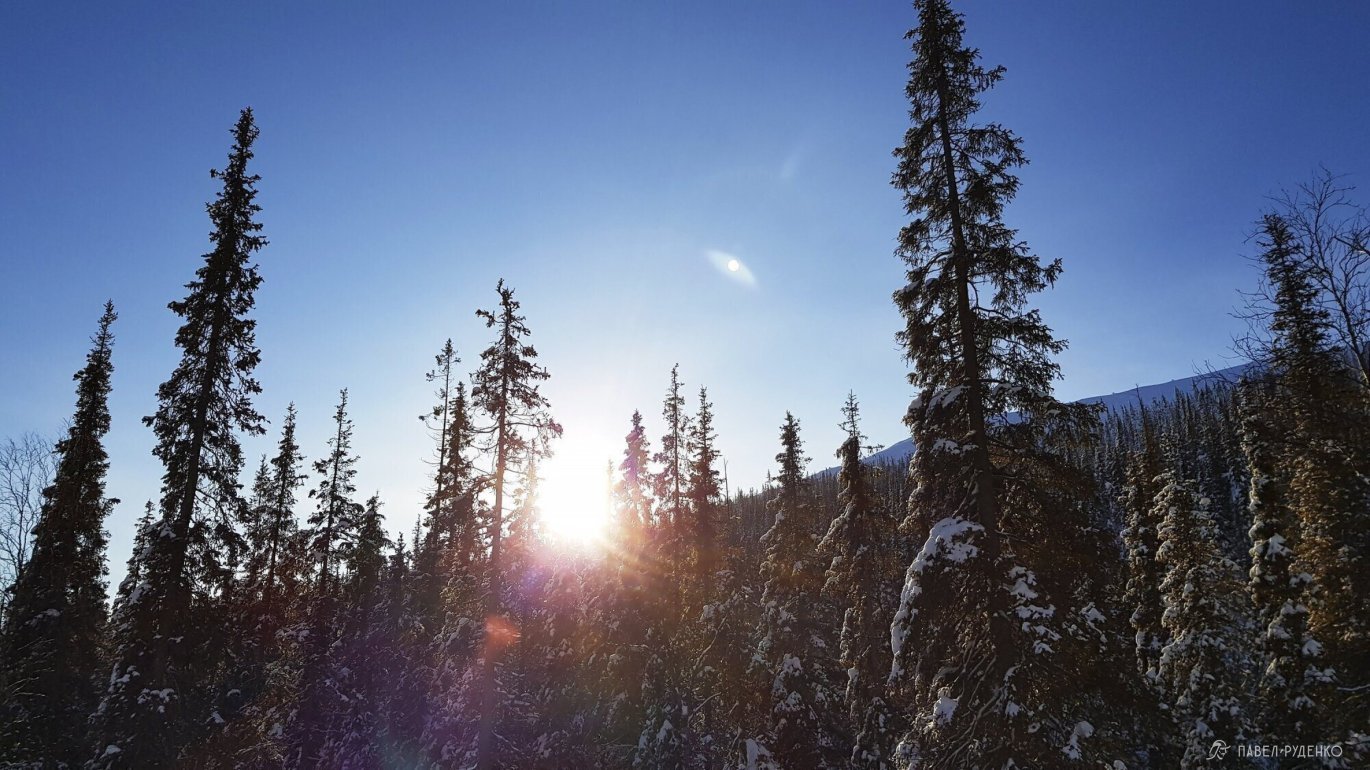
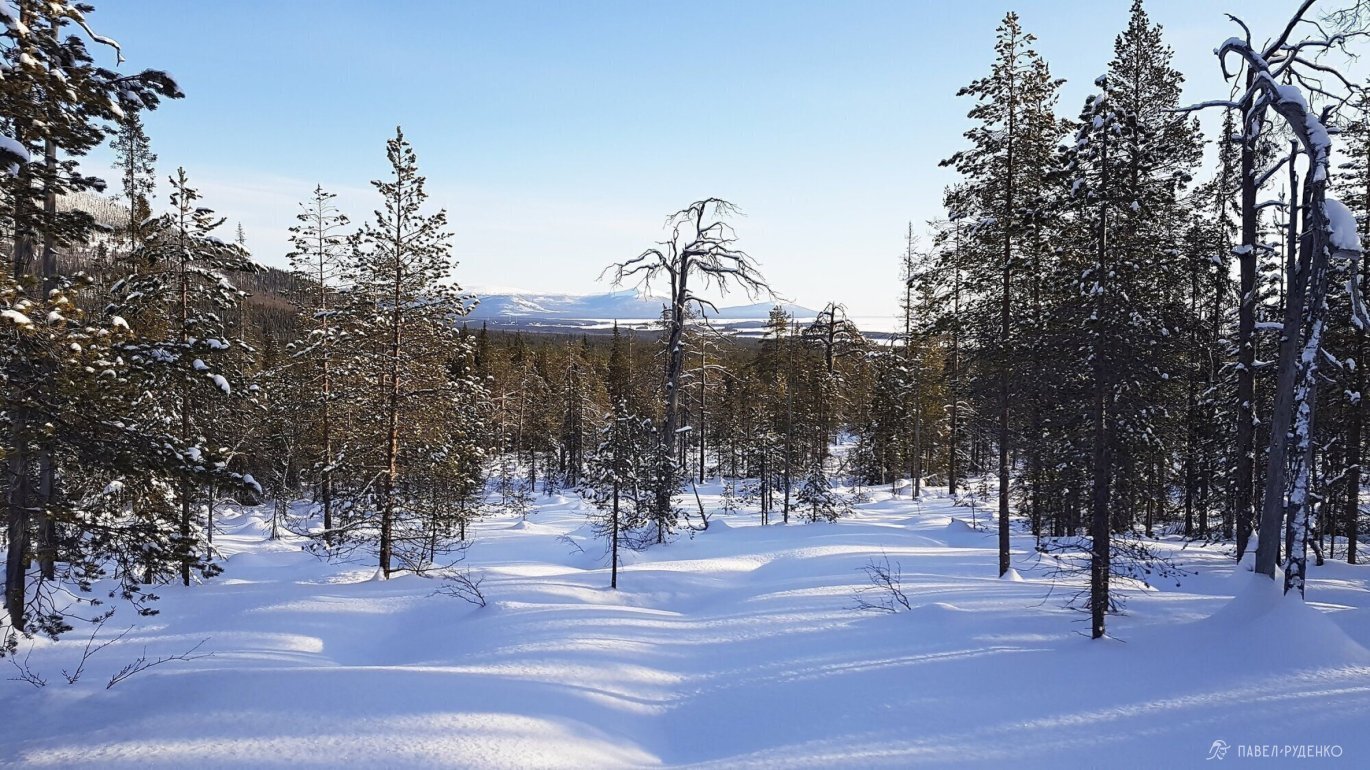
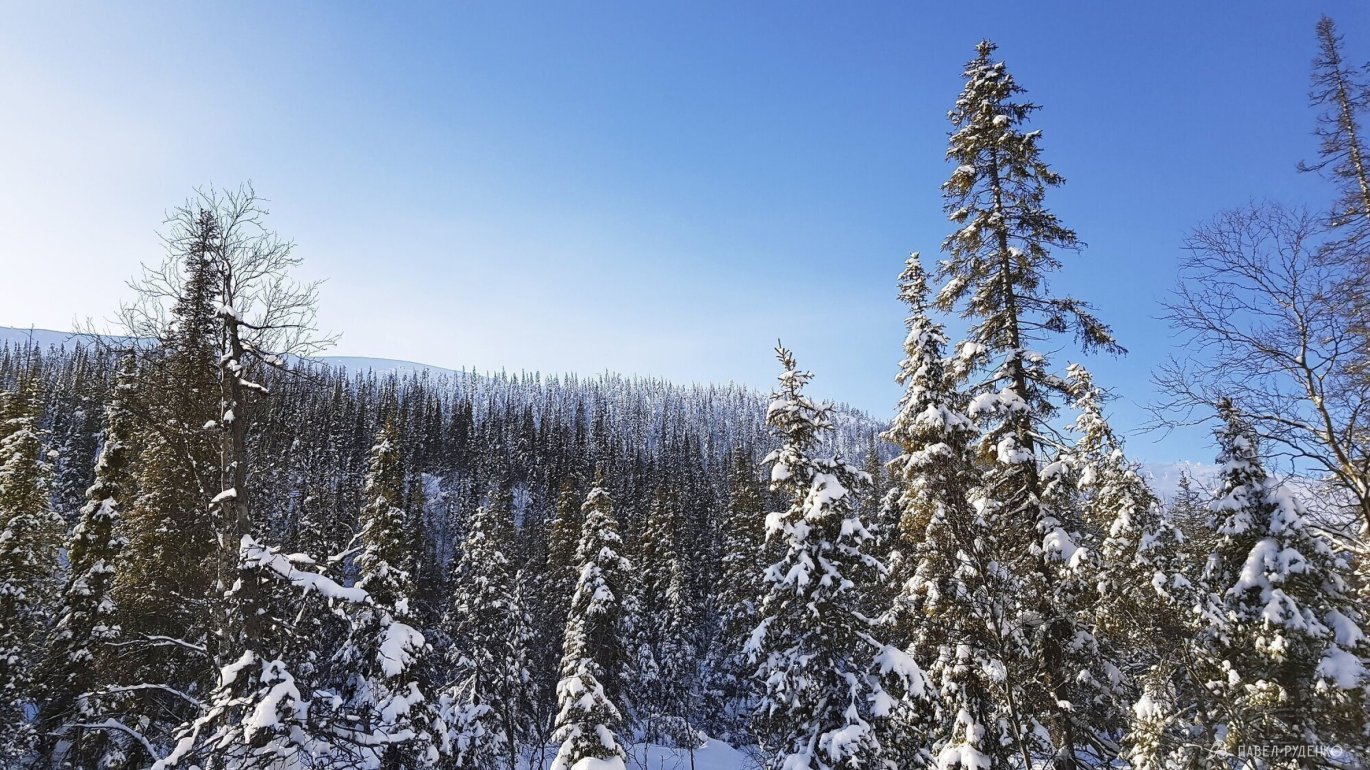
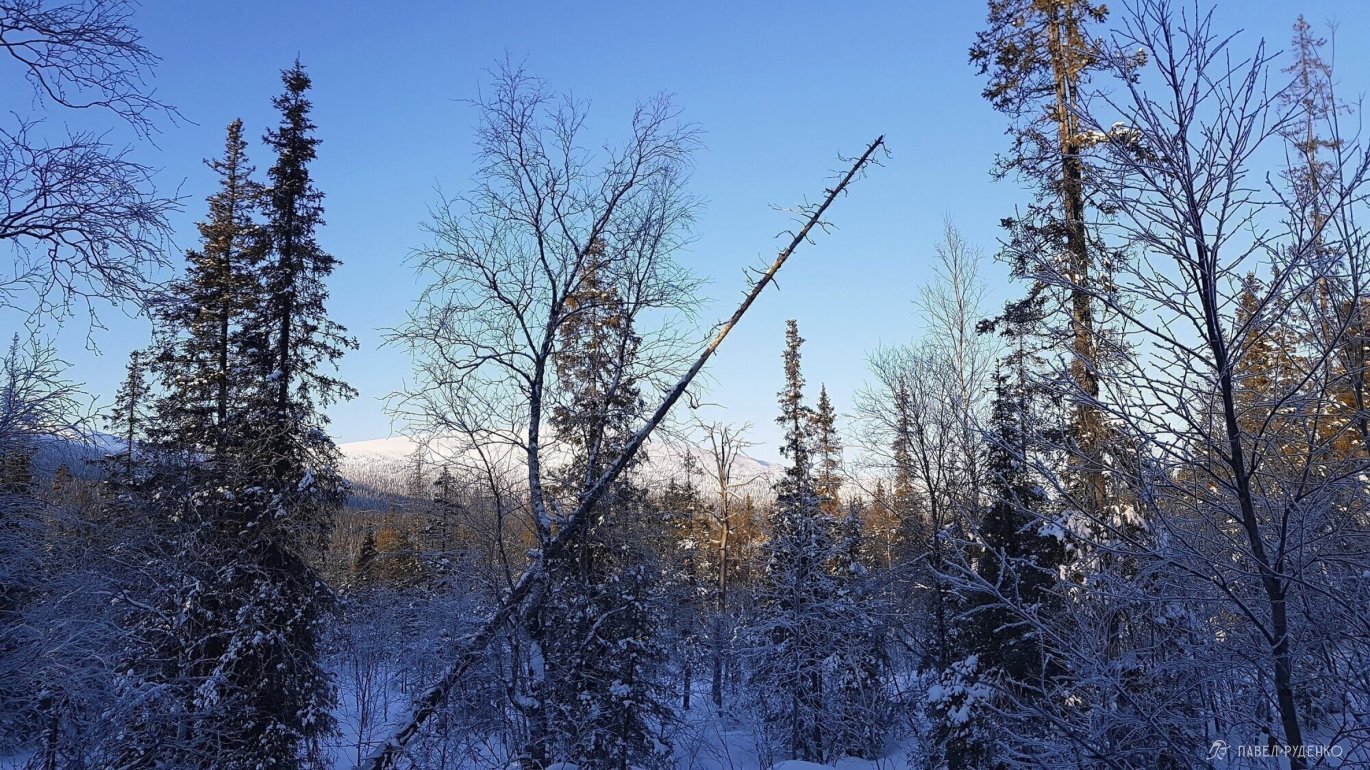
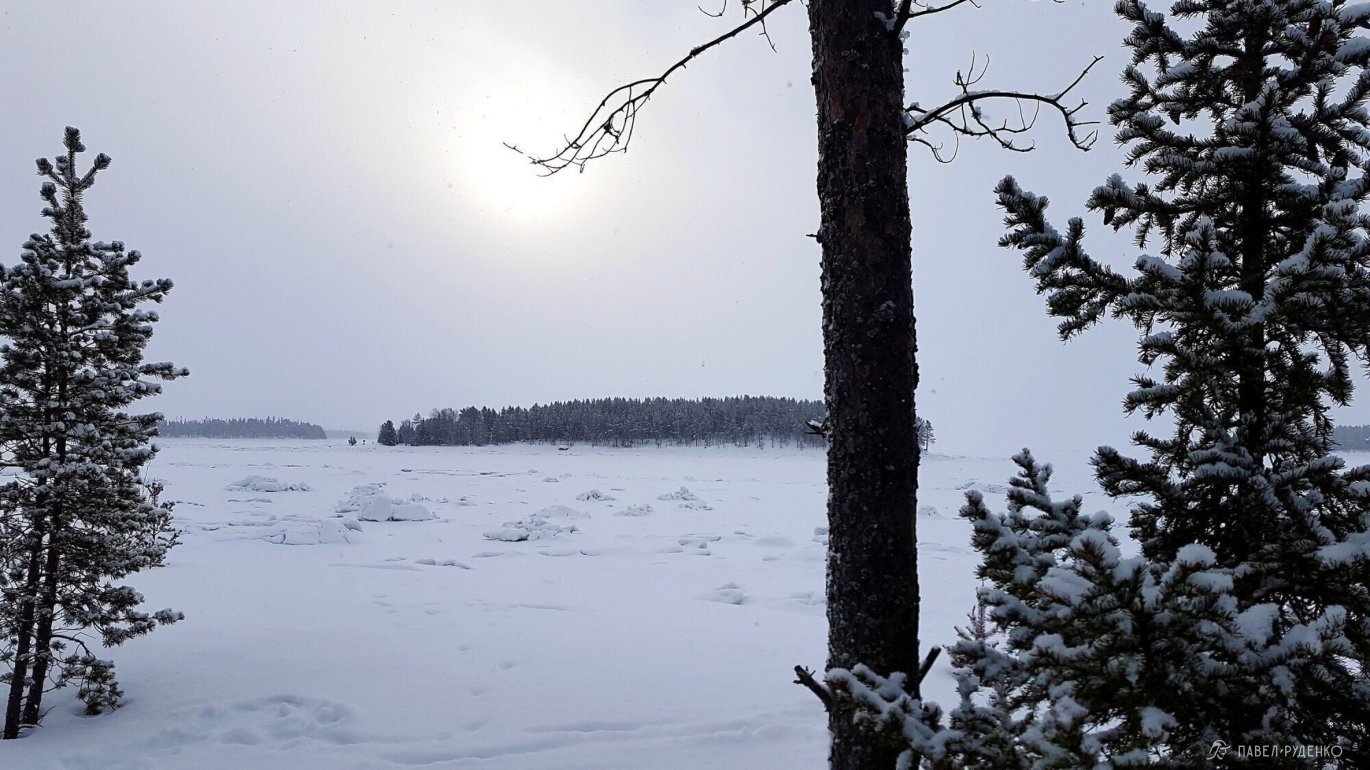
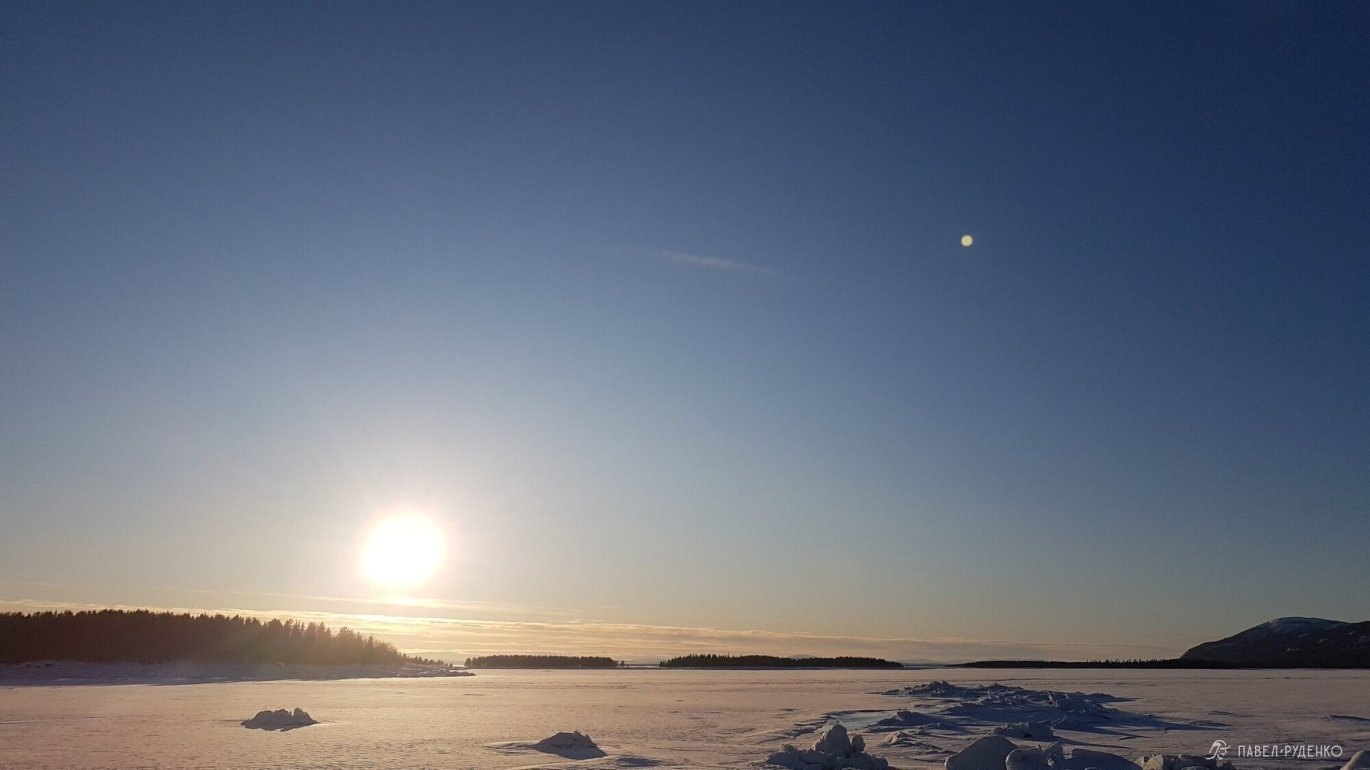
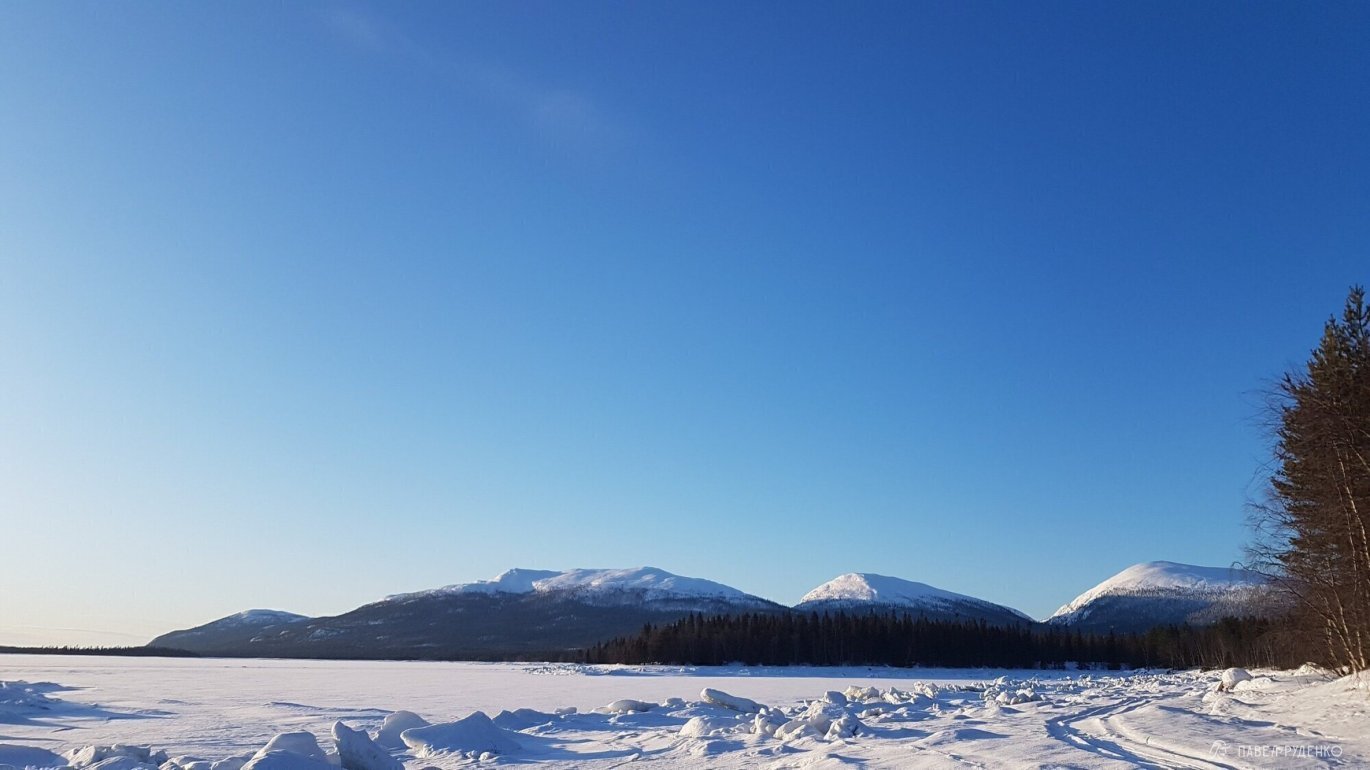
During our trek in 2020 from February 27 to March 4, the daytime temperature was -7 to -15°C, and the nighttime temperature was -23 to -35°C. There was a weak wind of 1-4 m/s. This winter was the warmest in the last 50 years, so there were positive temperatures during the day before and after the trek, which greatly affected the snow and ice. There was a lot of snow, and everyone said it hadn't been like this for a long time, but due to the positive temperatures, the snow compacted and turned into crust. We usually sank 10-20 cm in skis, and without skis, up to the waist. The average snow depth was 1.5-2 meters. It got light around 8:00 am, but the sun moves very slowly, and the rays warmed up by 11:00 am. It set around 7:00 pm, with another 40 minutes of beautiful sunset before it got completely dark. The temperature drops rapidly at sunset, so it's worth bundling up in advance. During the trek, it snowed only for one day, the rest of the time was clear and sunny.
The best time for a ski trek to the Kola Peninsula is from mid-February to the end of March. In January and early February, there are usually severe frosts and a too short daylight period, and in April, the daytime temperature rises above zero, which makes movement difficult and increases the risk of avalanches.
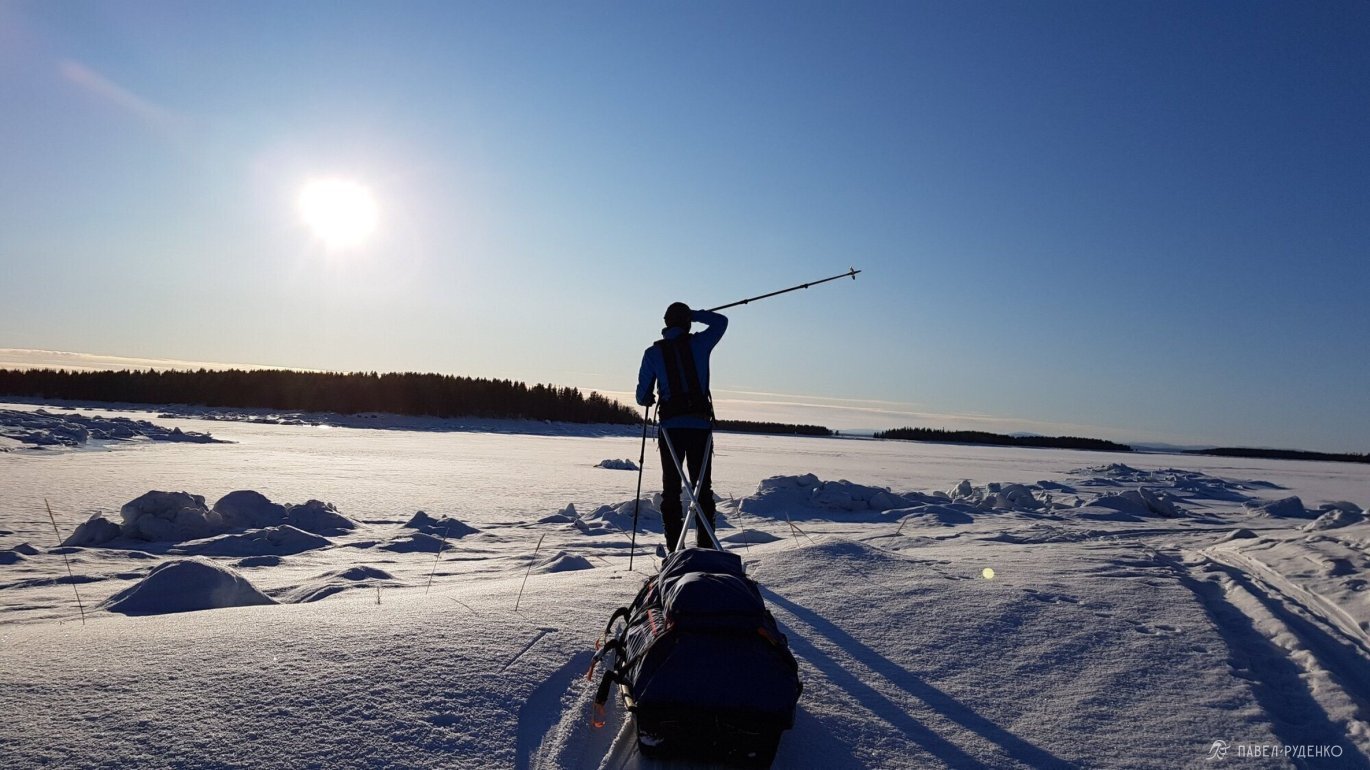
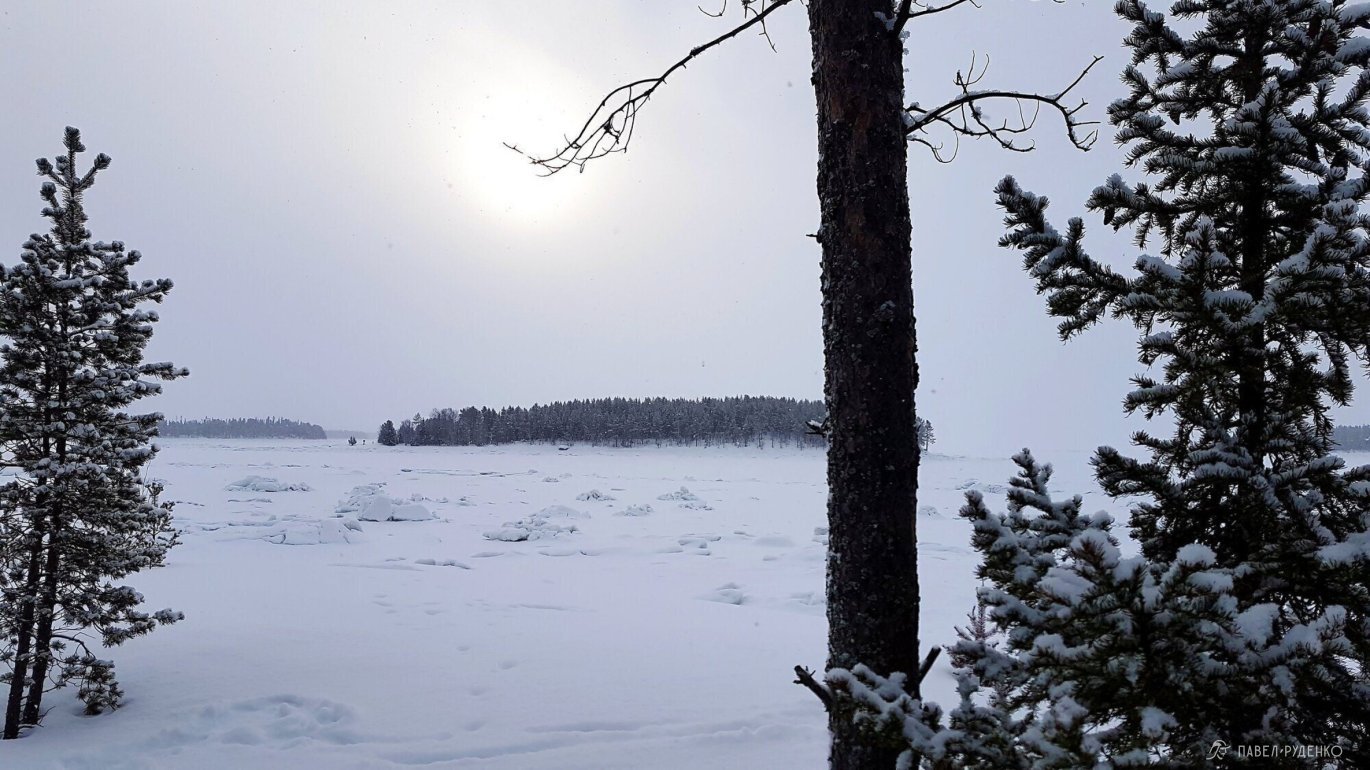
We wanted to reach the islands in the White Sea Bay, but the ice was unstable due to temperature fluctuations. Visually, everything was in order, there were no holes or dark snow, but the current strengthens near the islands and undermines the ice. I called the Emergencies Ministry to find out the ice situation, but they didn't have the information. I dialed 101, and they promptly passed my number to the head of the rescue squad in Kandalaksha, and he described the situation in detail. We decided to set up camp on the shore. The climate near the sea is different, it was the coldest night, although the forecast didn't differ from the previous one.
Communication
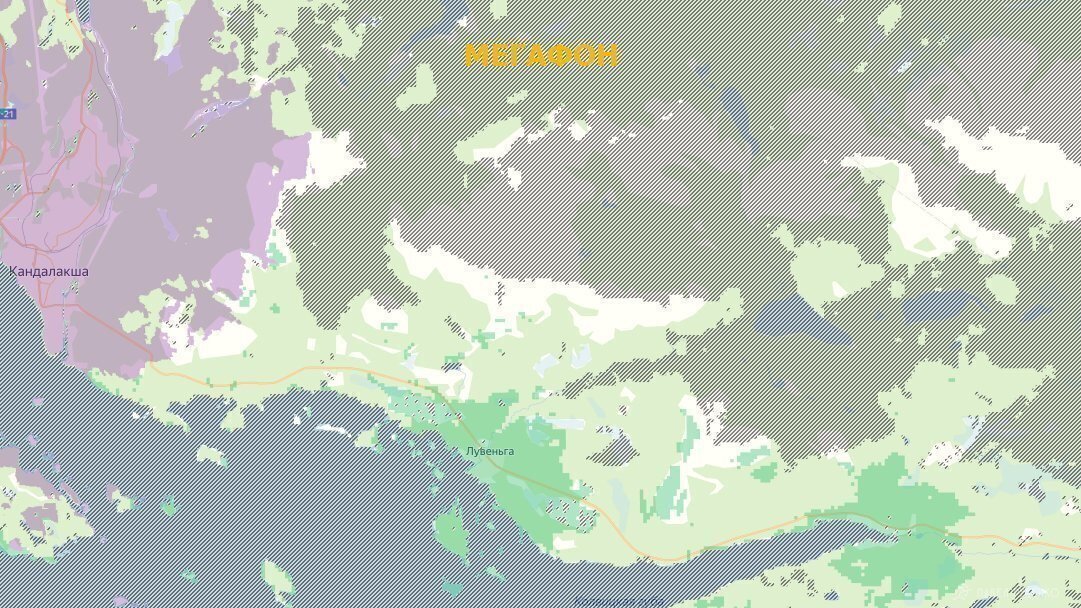
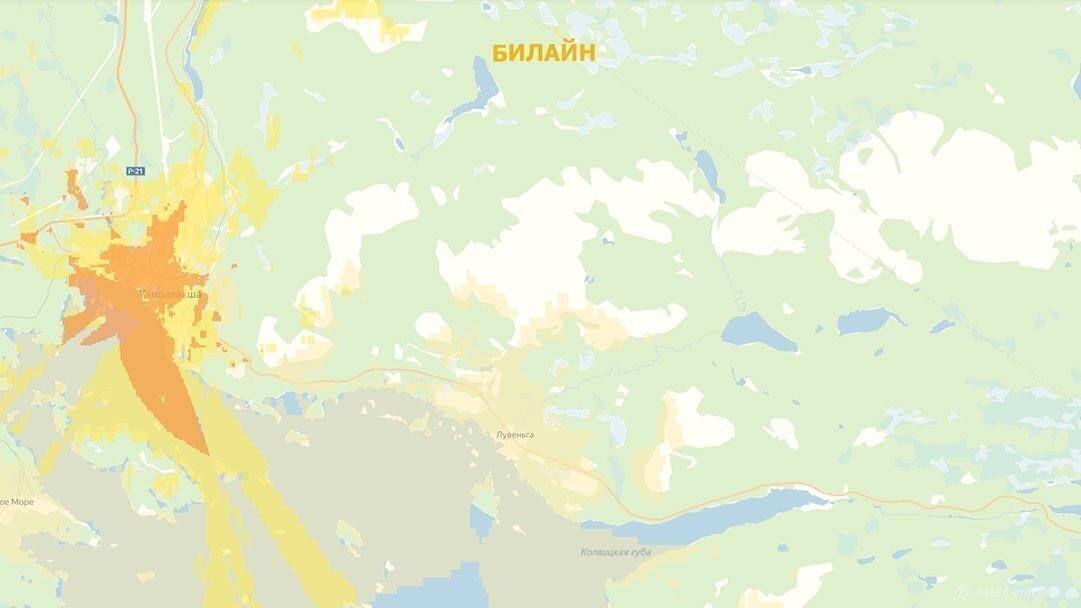
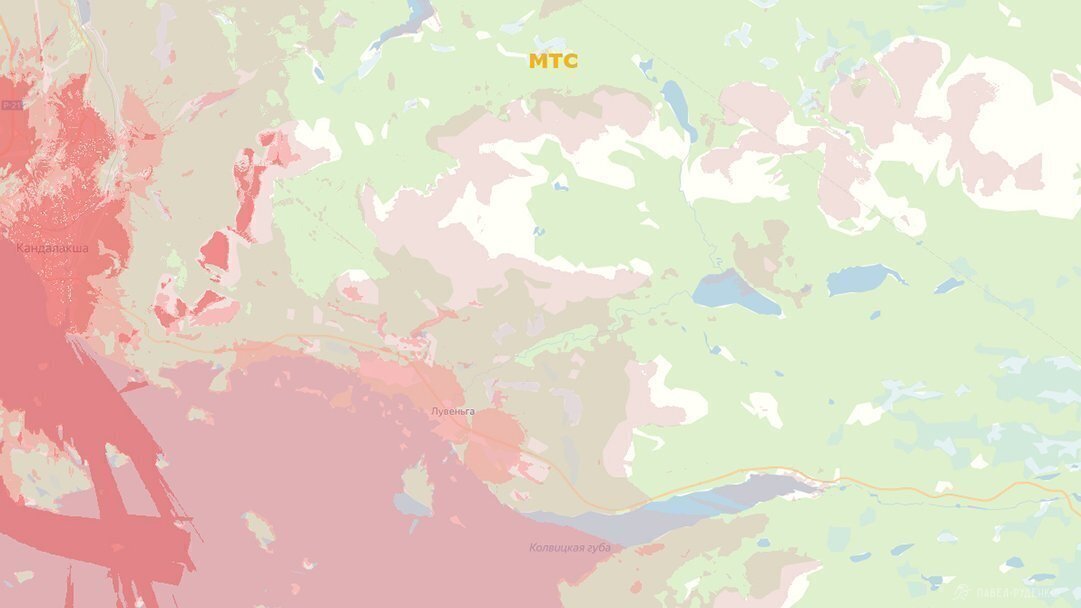
On the Kola Peninsula, MegaFon has the best coverage. I'm a Beeline user, so I always take a second MegaFon SIM card. Below is a map of the coverage of the Big Three.
Clothing
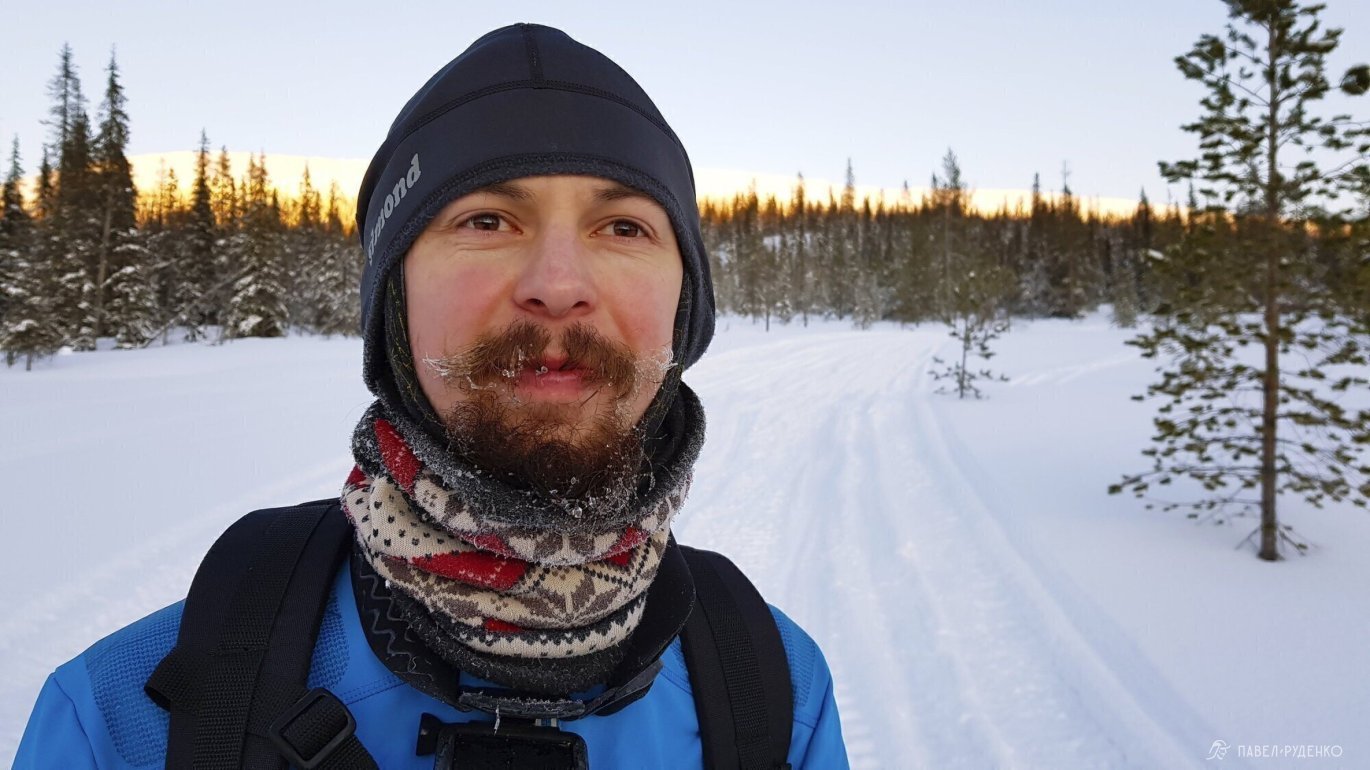
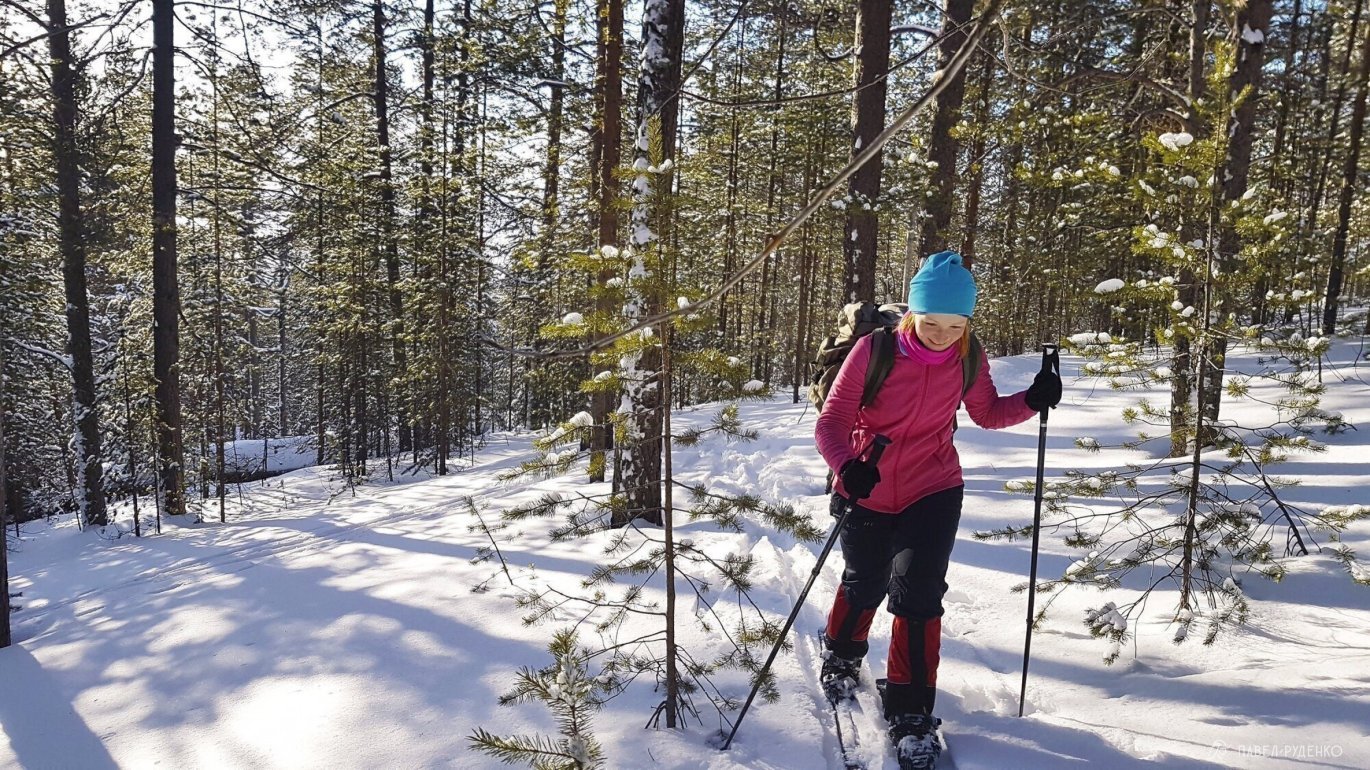
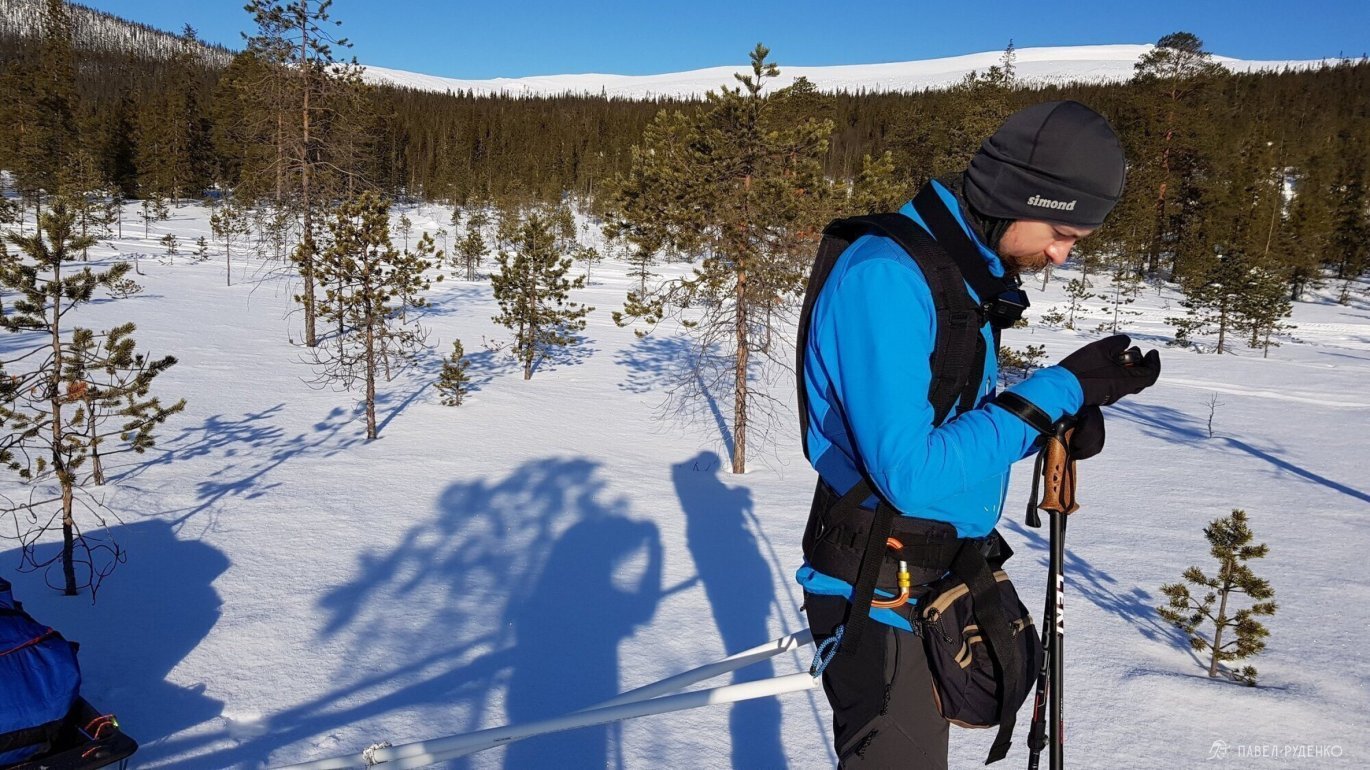
During the day, I always wore thermal underwear to wick away moisture, one pair of socks, softshell pants, a fleece, and a windstopper. I wore a windstopper hat, and depending on the temperature and wind, I added a windstopper balaclava and buff. I wore very thin gloves on my hands, then windstopper gloves, and if necessary, I put on warm gloves over them.
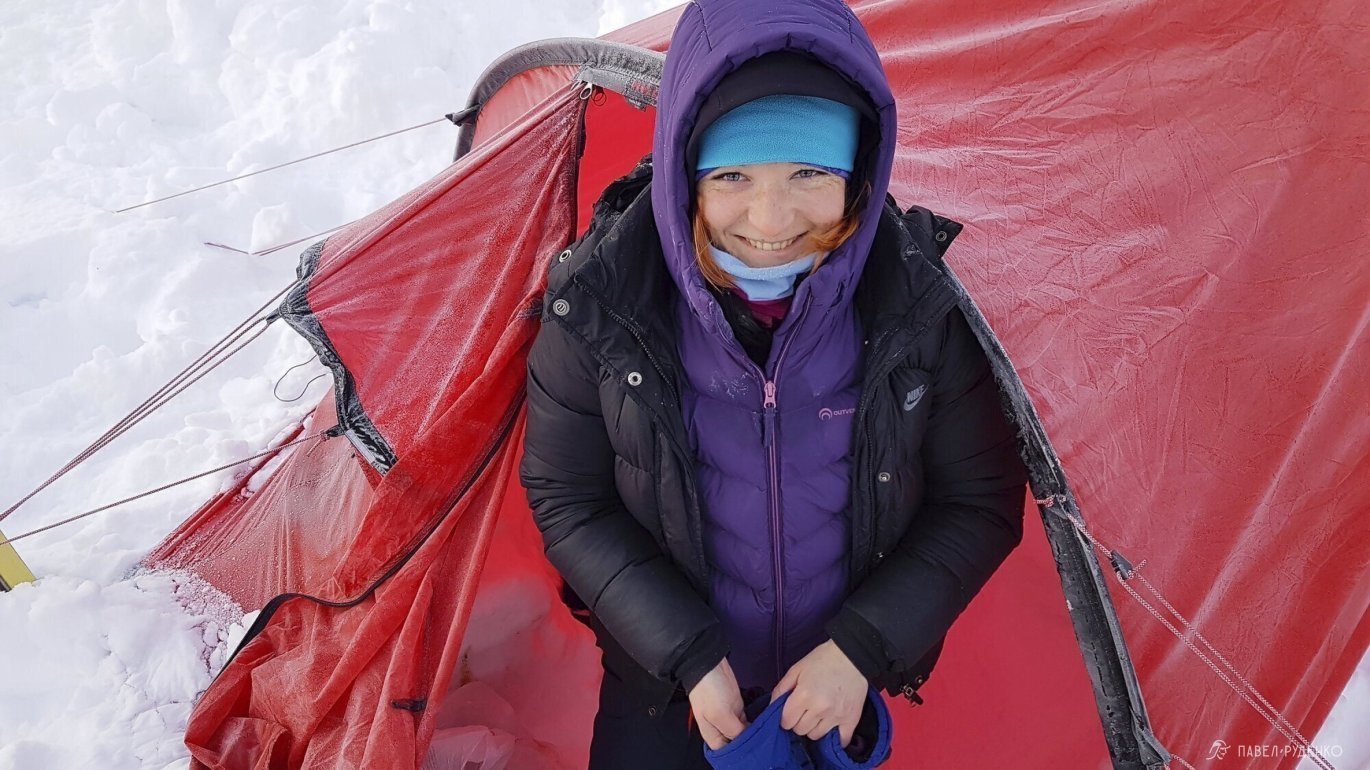
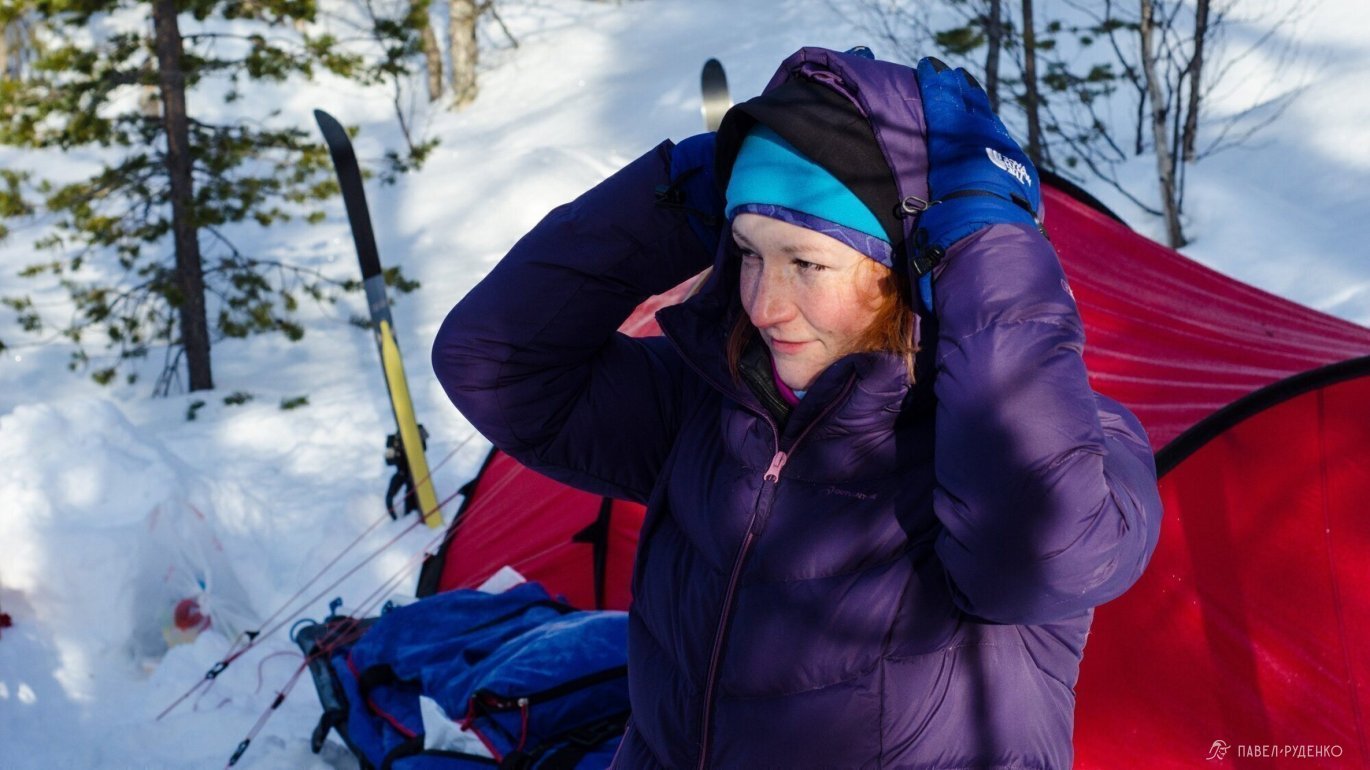
I put on a down jacket during stops and snacks. After 10 minutes, the body starts to cool down at stops, the blood from the limbs goes to the chest, and hands start to freeze in 5 minutes. Therefore, it's important to put on a down jacket at each stop.
When doing something, you have to take off your top gloves and stay in thin ones. It takes just 1 minute for your hands to get cold and lose sensitivity in your fingers. Hand recovery comes with severe pain.
In the evening and morning at the bivouac, I wore two fleeces, a windstopper, a down jacket, and an Alaska parka. I put on another hat on my head. For my hands, I had warm mittens to change, but I didn't use them often because they don't allow for fine motor skills.
In the evening after a day of trekking, I stayed in Alpha ski boots, and in the morning, I put on boots with a warm sleeping bag liner. I realized that this system is inconvenient for me, so I'll take Basque gaiters on the next trip. Boots can be relevant at temperatures around 0°C and with many streams on the route. Gaiters are more compact and are good because you don't have to change shoes to insulate, and my feet were dry and didn't get tired from the boots all the time.
On the coldest evening, I started dreaming of down pants and the warmest down jacket that only exists.
Skis, bindings, boots
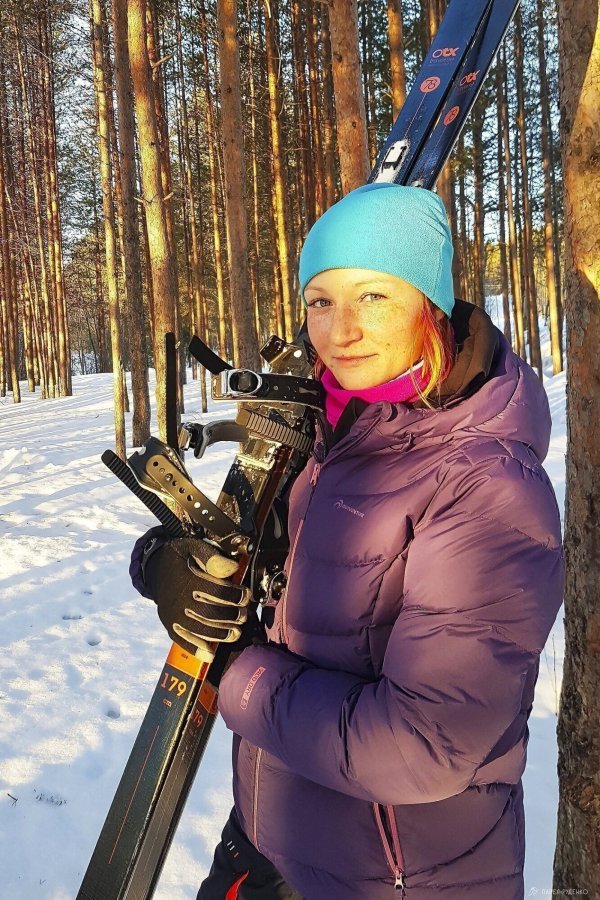
When choosing skis, I understood that I would be walking a lot, in small groups or alone. Mostly on the Kola Peninsula, as well as the plans for the Subpolar Urals, Chukotka, Kamchatka, Svalbard. Therefore, I needed reliable touring skis, so MAYAK, etc., were immediately discarded.
Next, very briefly about the choice of skis, bindings, and boots, from what I learned while choosing.
The geometry of touring skis can be roughly divided into 3 types. For example, let's take the Fisher line popular in Russia. The choice of geometry, width, and length of skis greatly depends on your weight/height, trekking style, whether you use a light backpack, a heavy one, or pulkas on a rigid coupling, as well as the area of use, skiing experience, etc.
Wide: SBOUND 98, 112.
A larger waist cut, there is a notch and a quick-release camus. Good for the middle zone, Siberia, and places with deep, fluffy snow. They work worse on traverses and crust. You can take them in height.
Universal: Travers 78 and Excursion 88.
Average waist cut, there is a notch and a quick-release camus. Like everything universal, they are suitable for most conditions, but won't be very good in specific conditions. The width is enough for breaking trail, the waist cut makes them maneuverable, which is especially important on descents and difficult sections. You can take them in height or +10.
Classic: E 99/109 XTralite easy skin.
The narrowest. Average and small waist cut, usually without a notch, but with a quick-release camus. They are well suited for flat terrain, tundra, and Arctic areas, allowing for faster movement. You can take them +10 to +20.
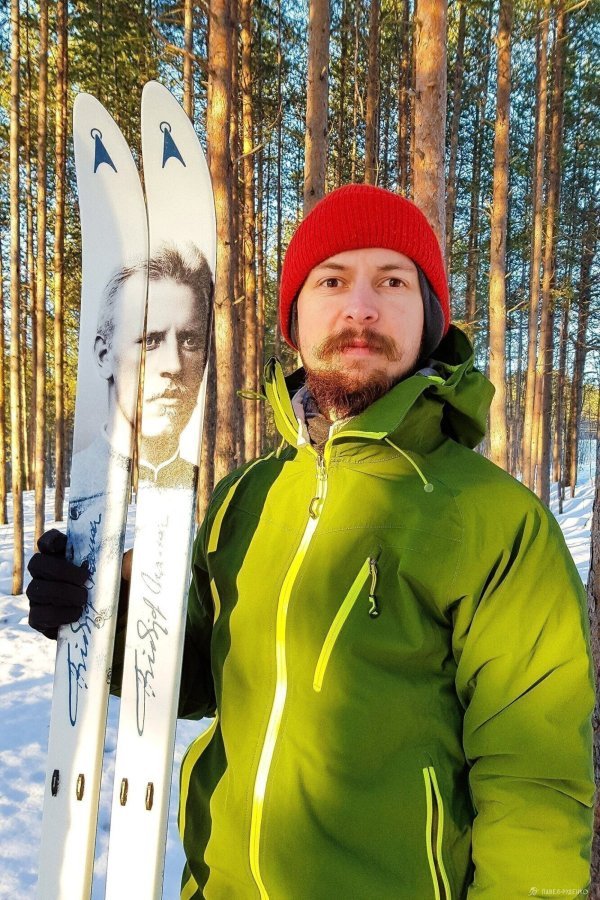
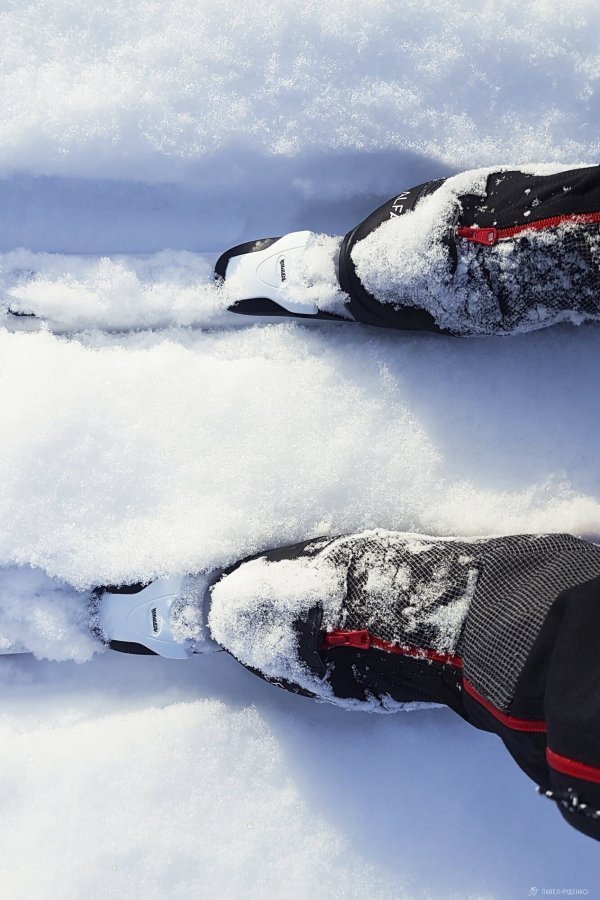
I chose an Analog Travers 78, from the Norwegian company Asnes, model Nansen 76, with NNN BC Rottefella BCX Magnum bindings and Alfa BC Outback APS GTX boots.
Conclusion after use.
The skis performed excellently, they didn't slide on straight sections. There wasn't any fluffy and deep snow, but I think they would also behave отлично. The top material is scratch-resistant. The camus is easy to use; I essentially went through the whole trek with it.
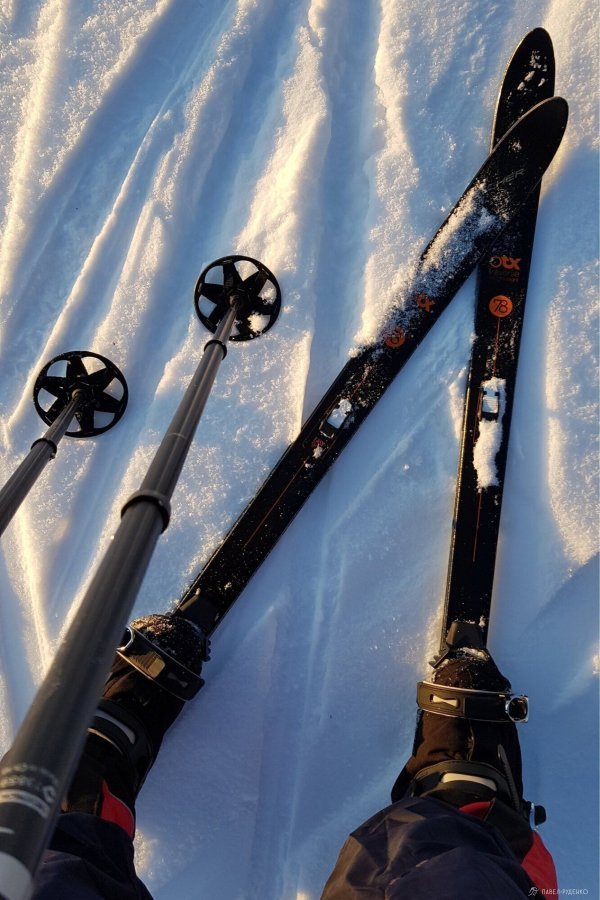
Bindings. NNN BC Rottefella BCX Magnum allow you to control the ski maximally, making it easy to step in and out, which is especially important with a backpack. For some unknown reason, the spring rubbers fell off. Apparently, they were not installed tightly... because of this, the riding experience worsened. Next year, the springs will arrive at Sport-Marathon, so I wasn't too upset. Otherwise, I'm satisfied, 5 out of 5.
Alfa BC Outback APS GTX are boots with gaiters on a membrane, warm, technologically advanced. They have a large volume in the toe and heel, fixing the foot in the arch area. This is done intentionally so that the blood flow is not compressed and the foot doesn't get cold. There is a large indentation in the heel, preventing the foot from getting sore. I was worried about this moment a lot, because usually, on the contrary, a tight fit of the heel is used. Just in case, I put on a plaster, but during a week of trekking, the unbroken-in boots didn't even give a hint of rubbing.
The gaiters are conveniently tightened, preventing snow from falling in and preserving heat. During the day of trekking, at temperatures of -7 to -15°C, it was warm and comfortable. In the evening at the bivouac with minimal movement at -25°C, it was fine, the feet didn't get cold. I used one ski sock, of medium density.
Camus. The quick-release under the binding allows you to go uphill and on difficult terrain, as well as use pulkas. On descents, it reduces speed, allowing you not to get hurt))
Camus on the entire ski will be good with strong slopes or difficult terrain with heavy pulkas of 40+ kg.
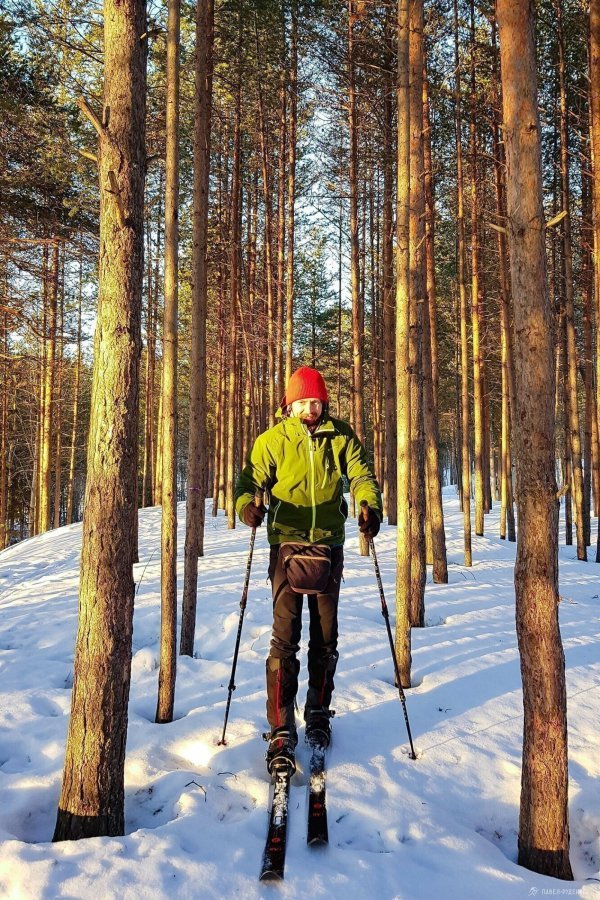
Tent
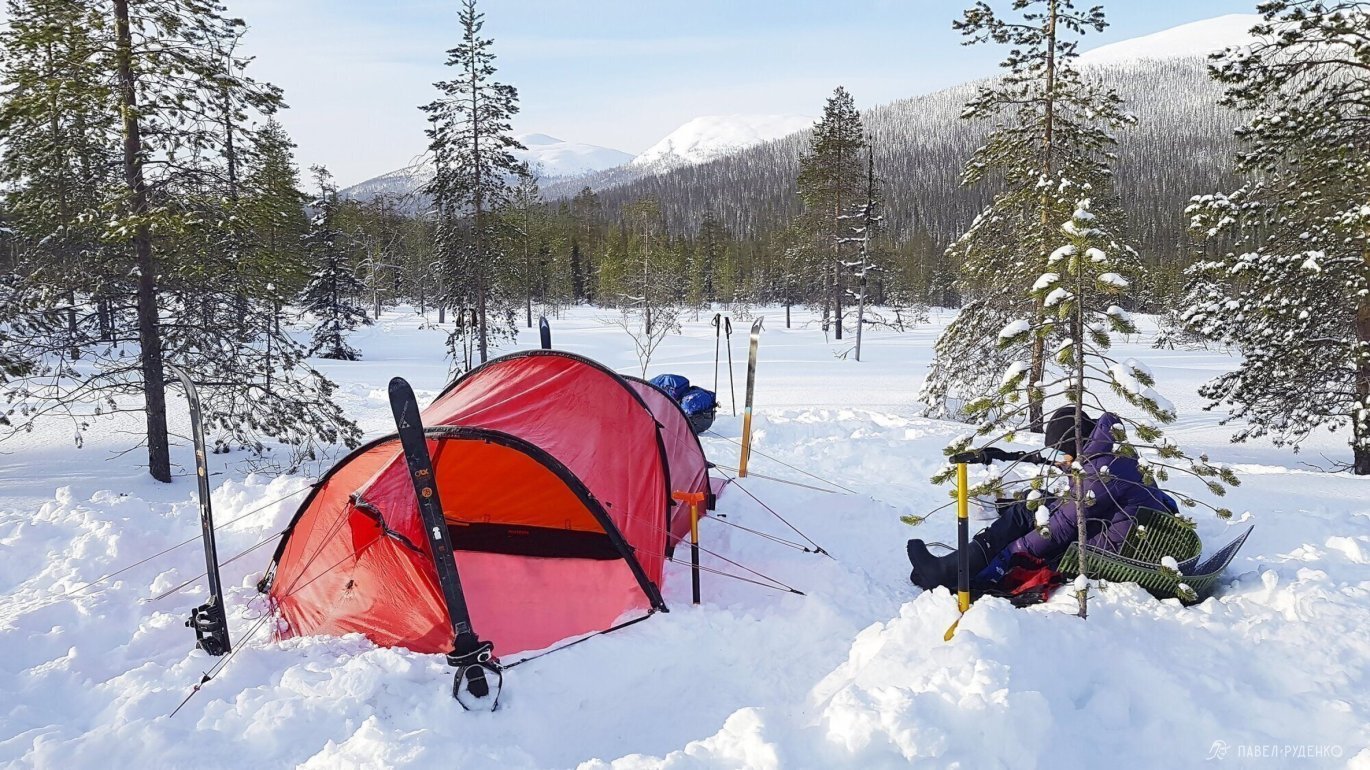
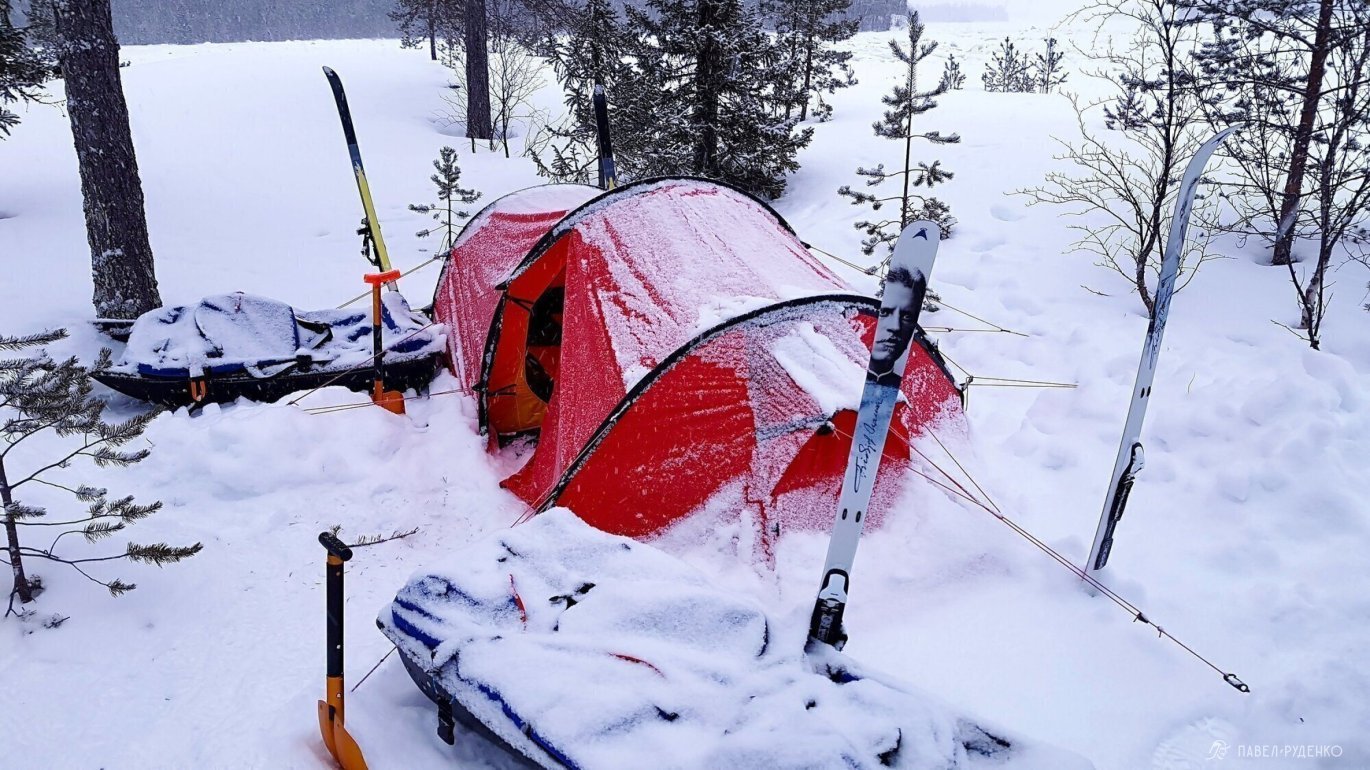
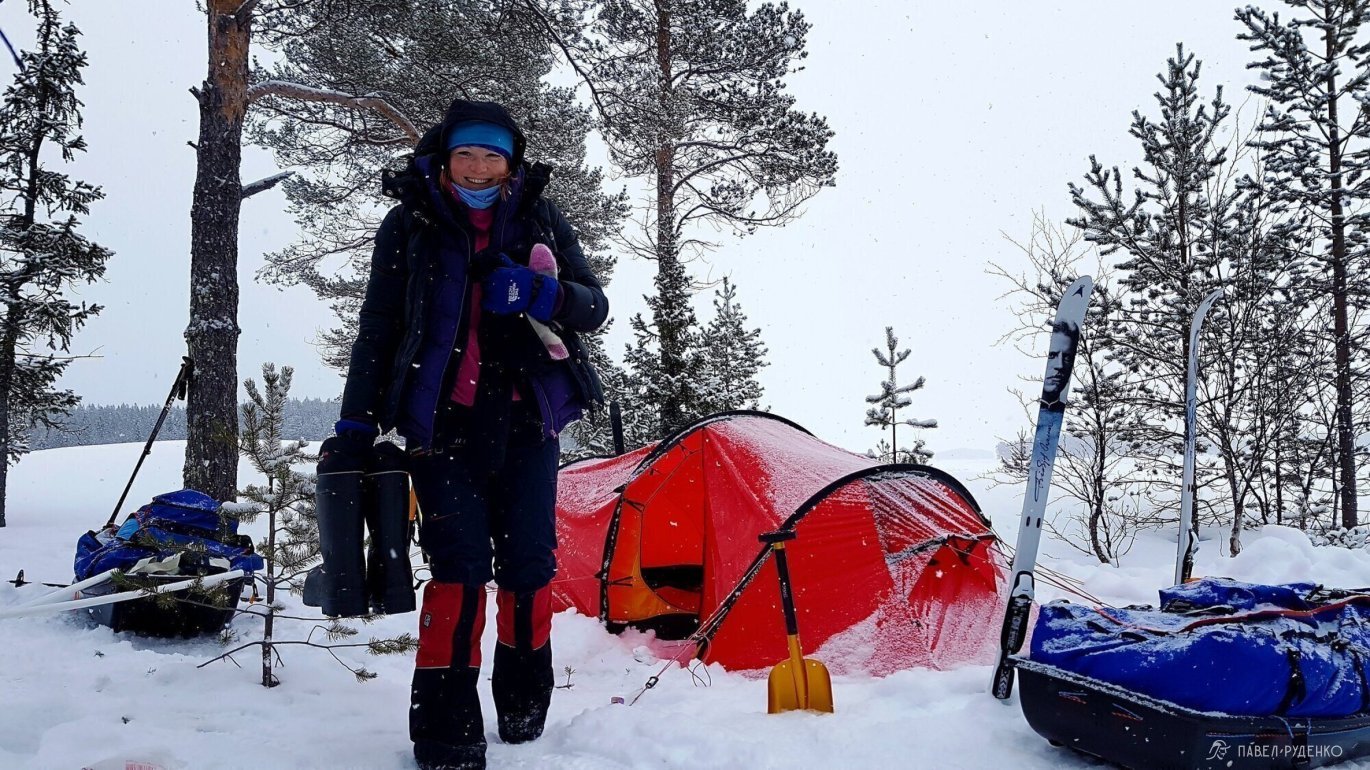
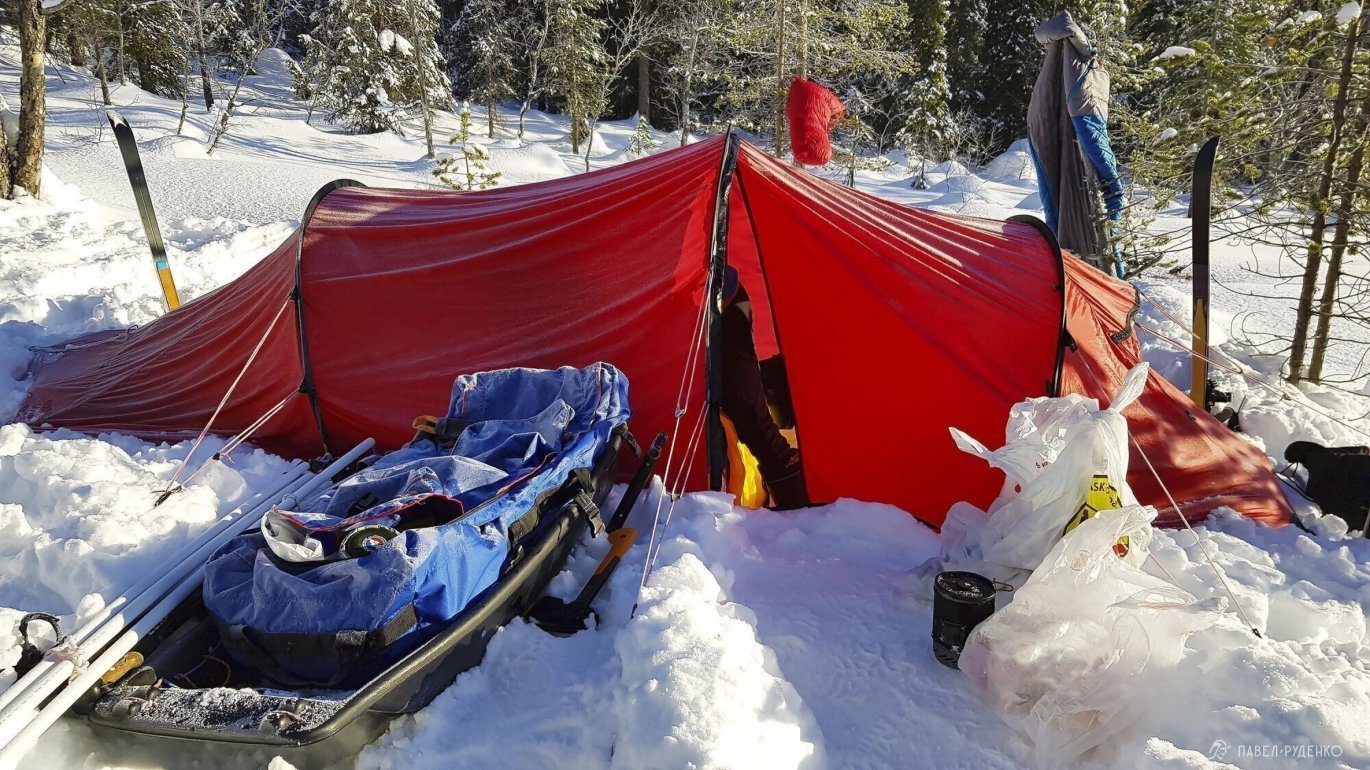
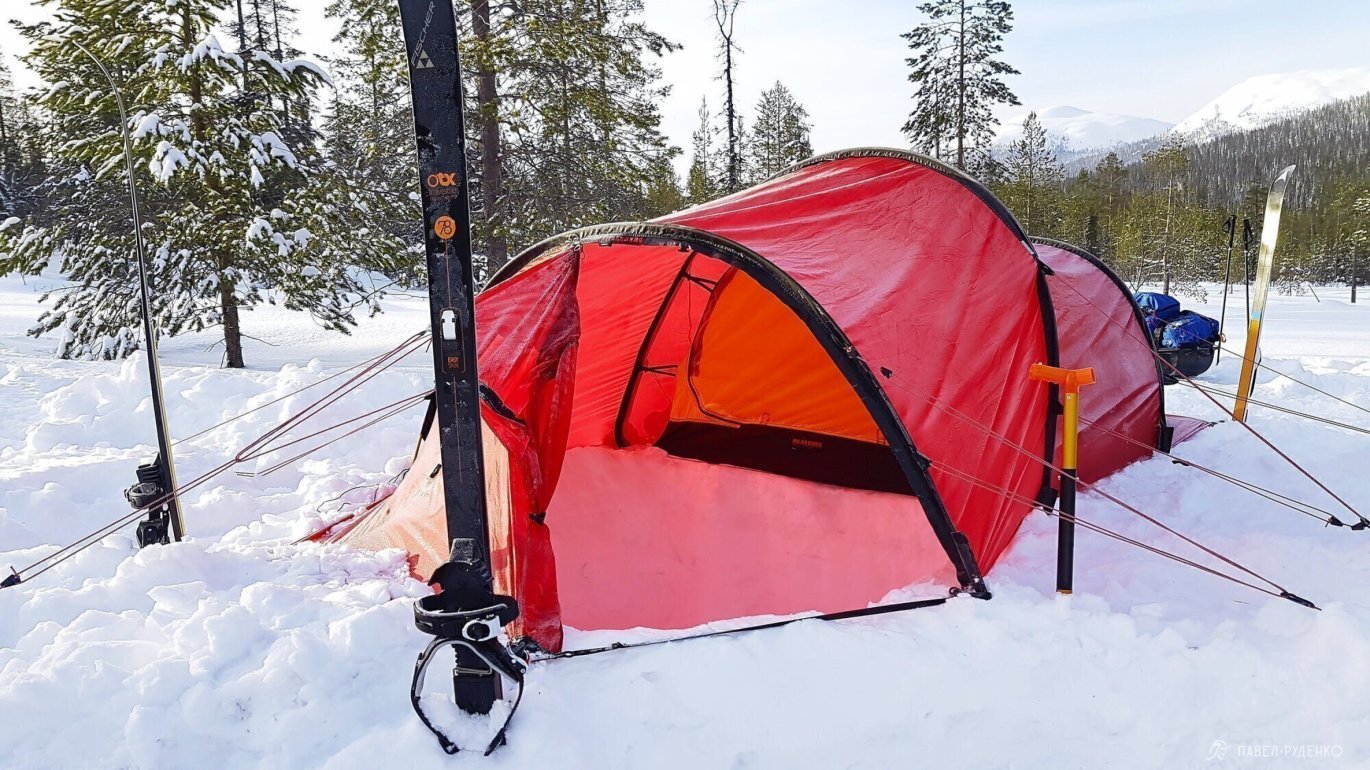
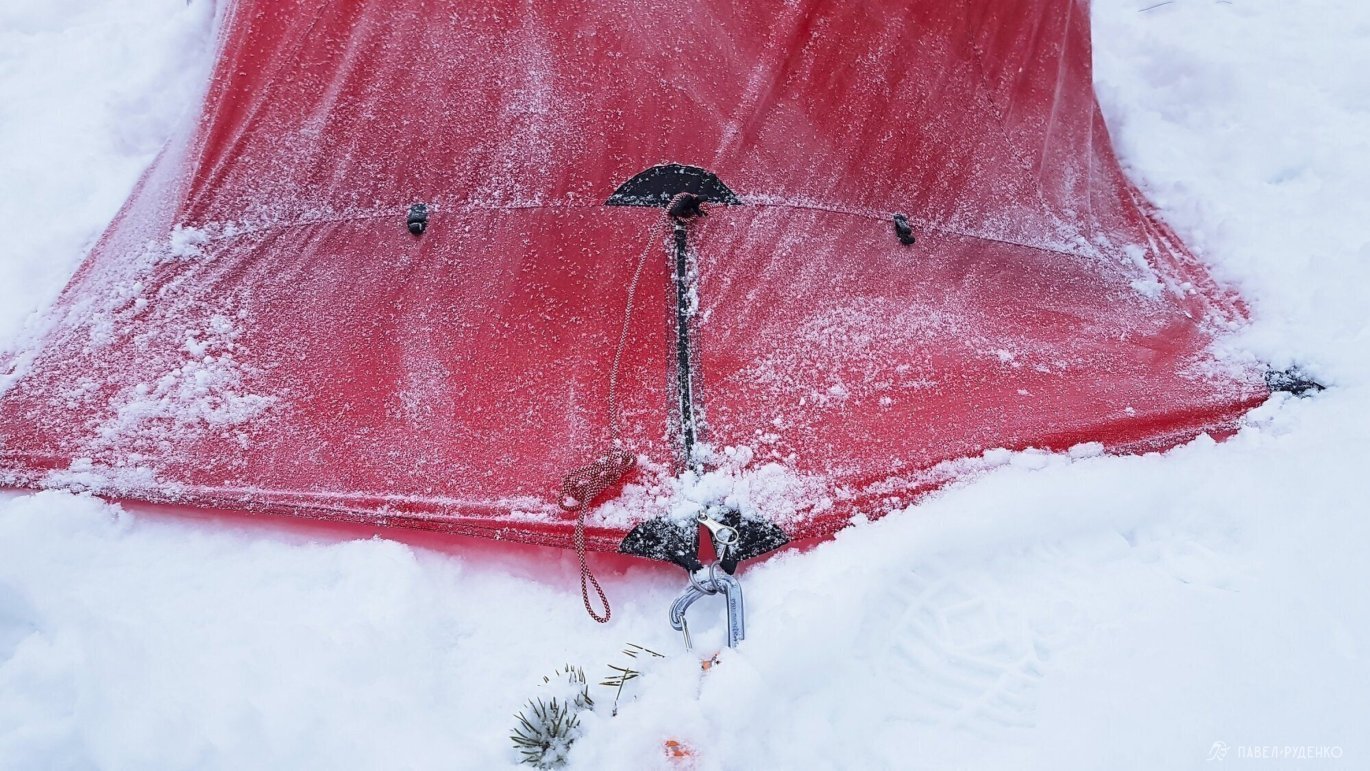
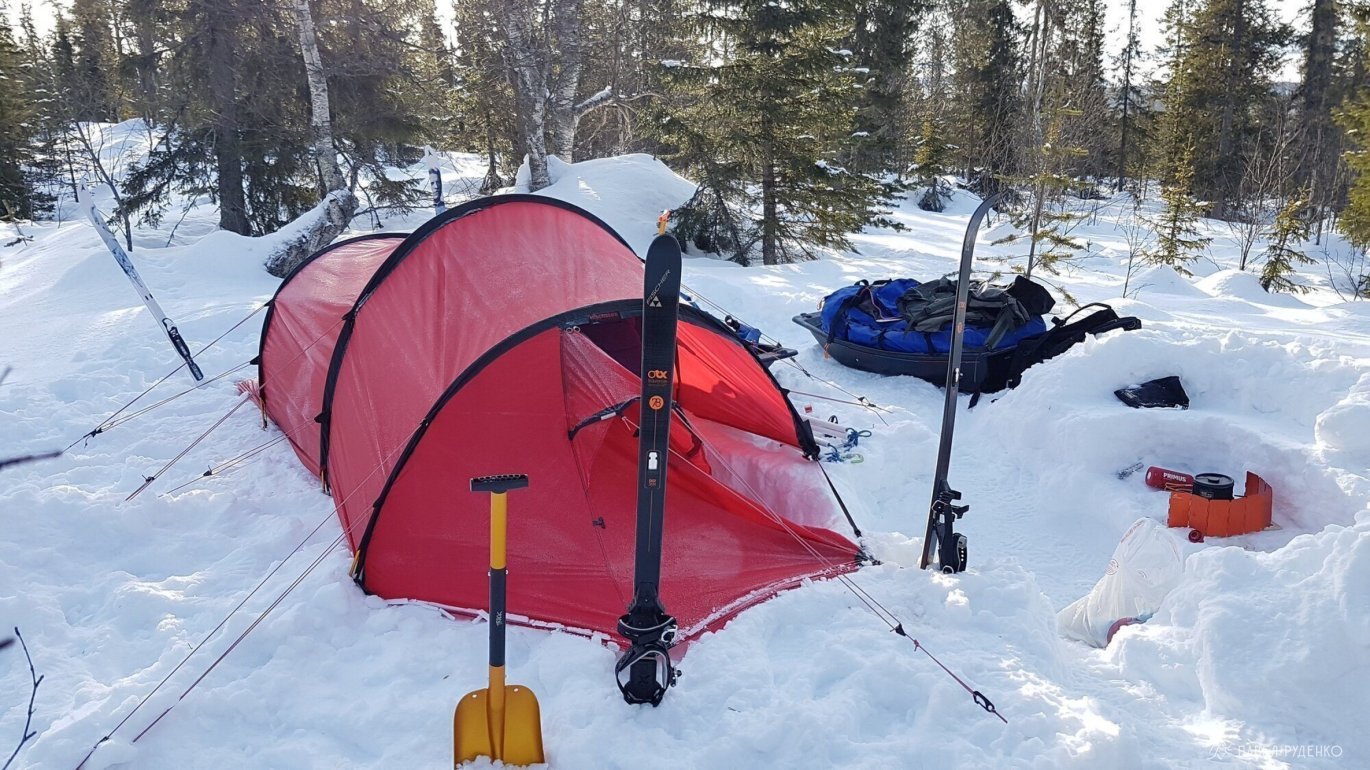
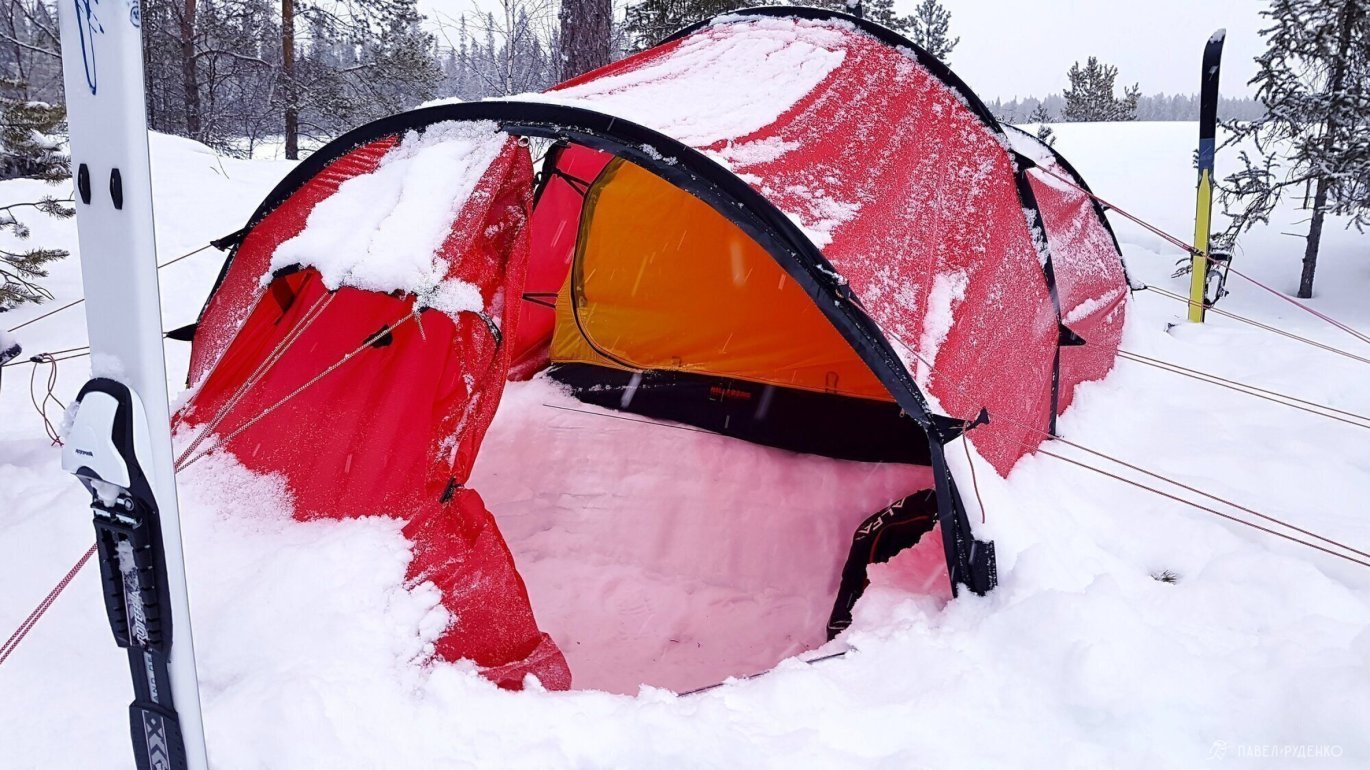
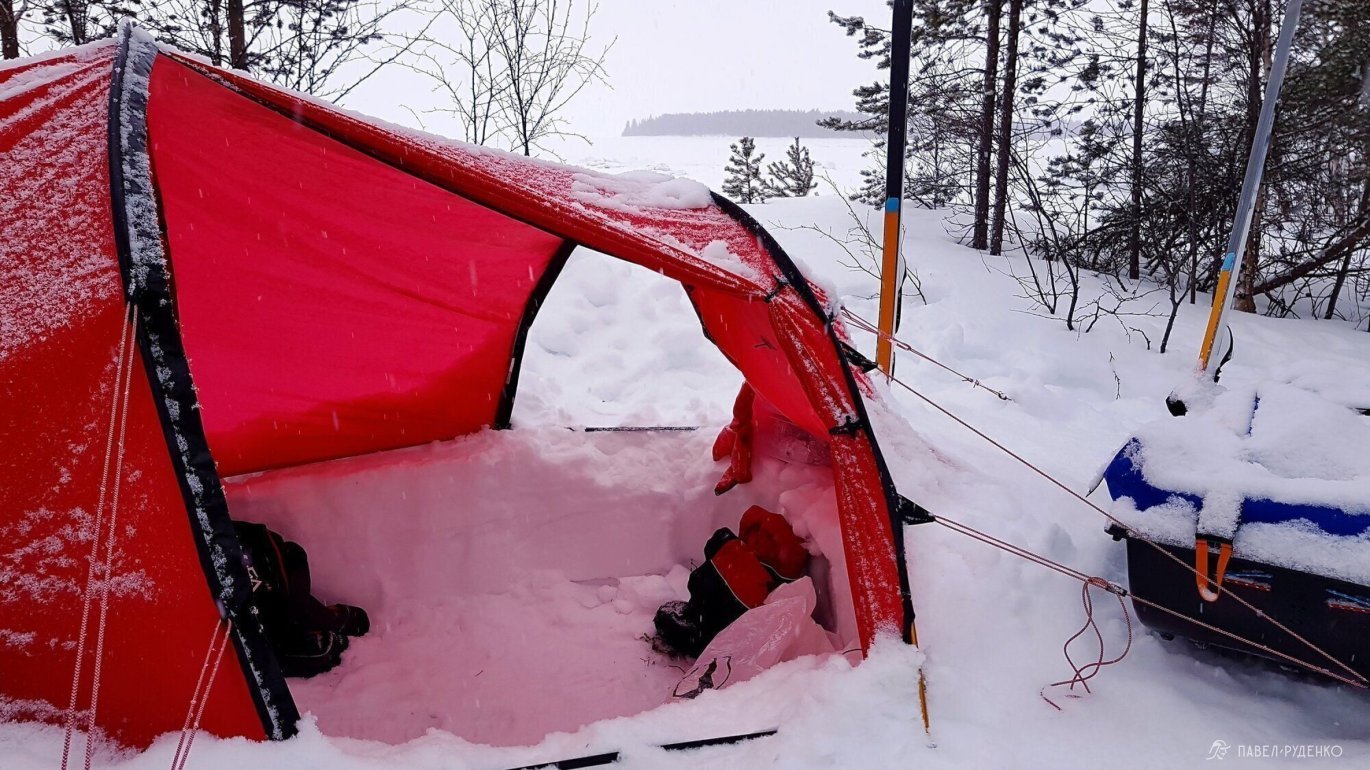
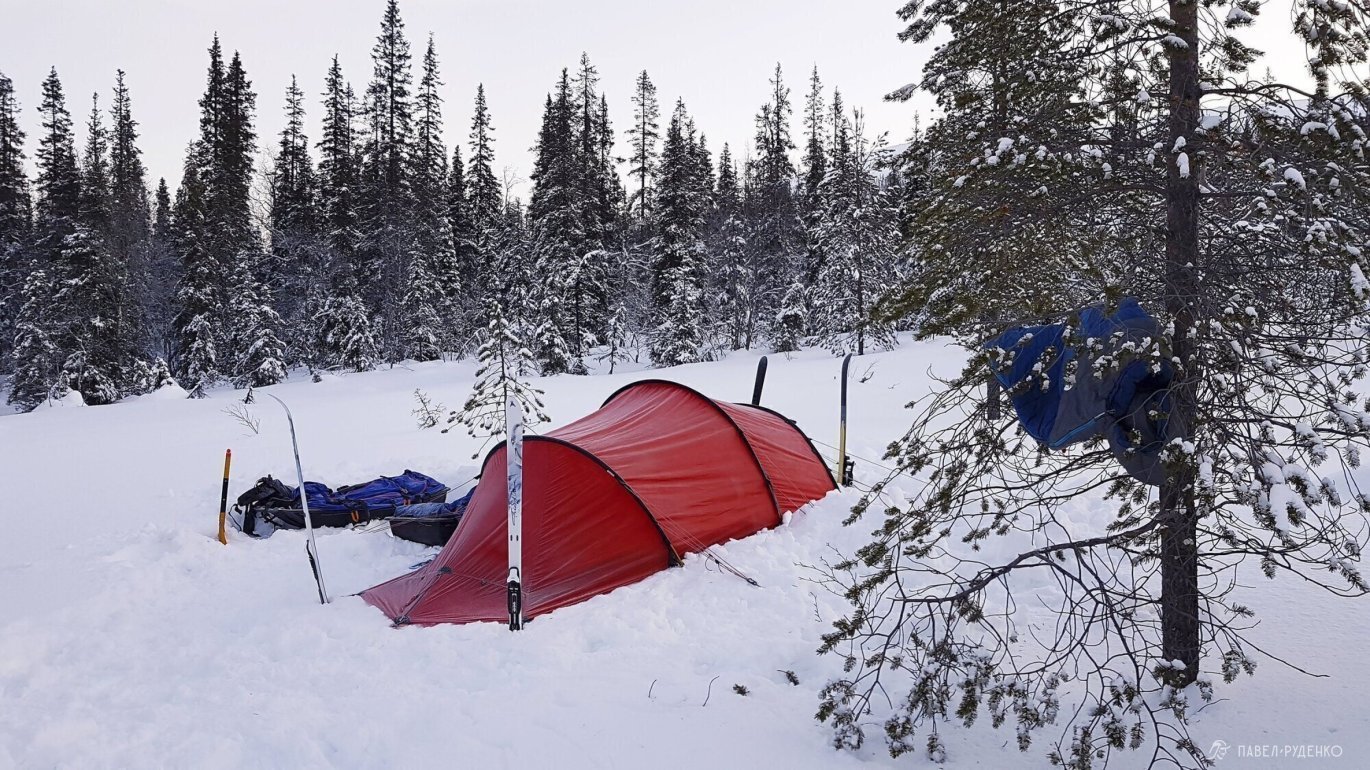
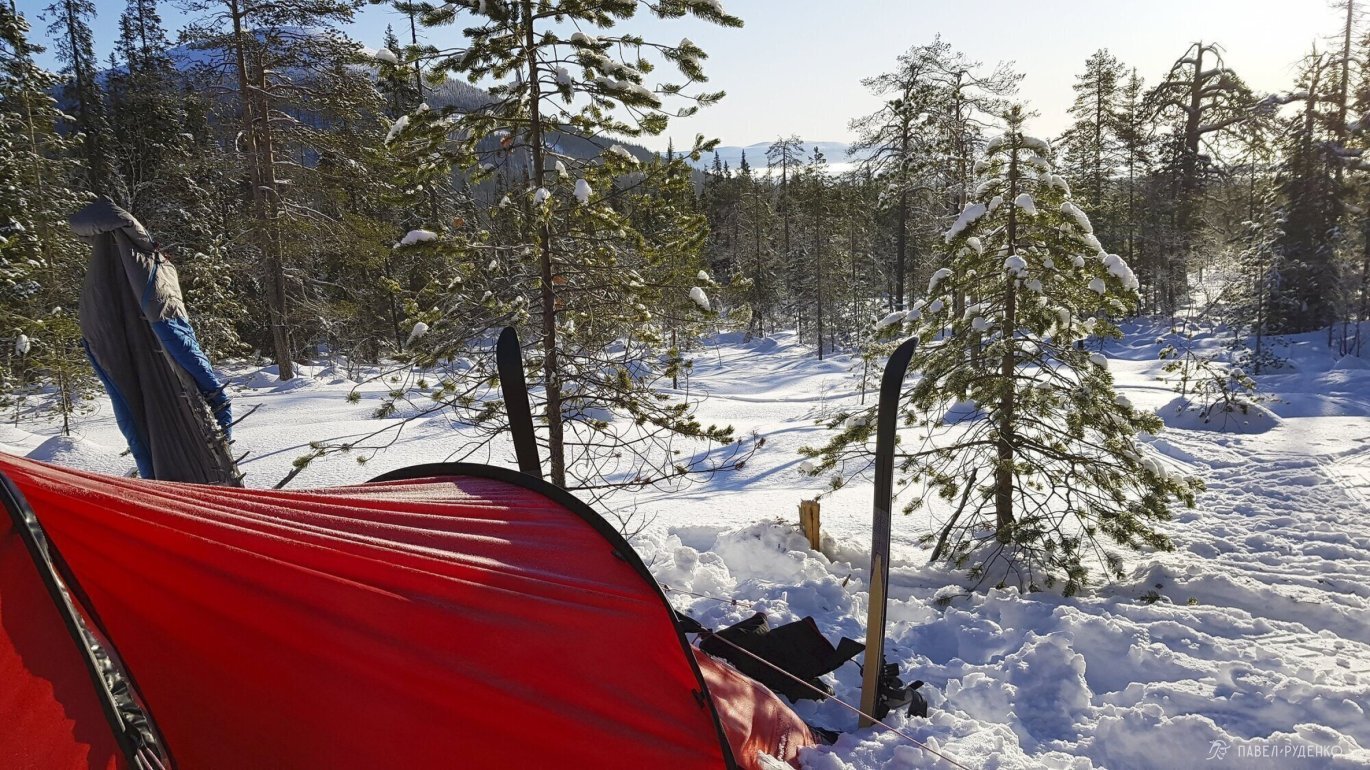
I tested the Hilleberg Nallo 2 GT, and it's simply wonderful. All the details are thought out and inspiring. The huge vestibule allows you to store things and food. If necessary, you can comfortably cook in it, digging a hole and hanging your legs, sitting in the tent and eating. It's easy to set up, we secured it with snow anchors and skis. The internal volume of the tent is small, which allows it to be breathed in. I liked the tunnel design.
Sleeping bag, mat
Temperatures in winter can unpredictably drop to critical values, so it's important to use equipment that will cover all risks to save your health.
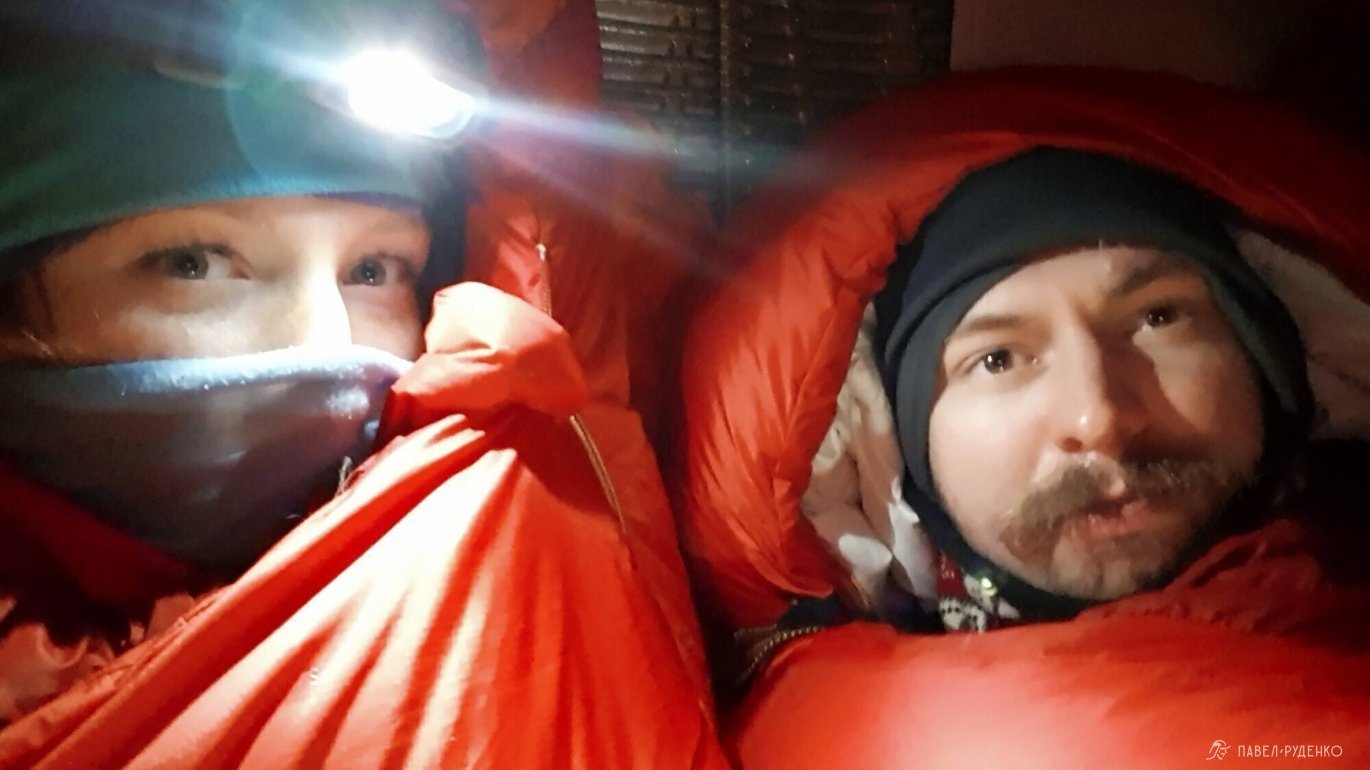
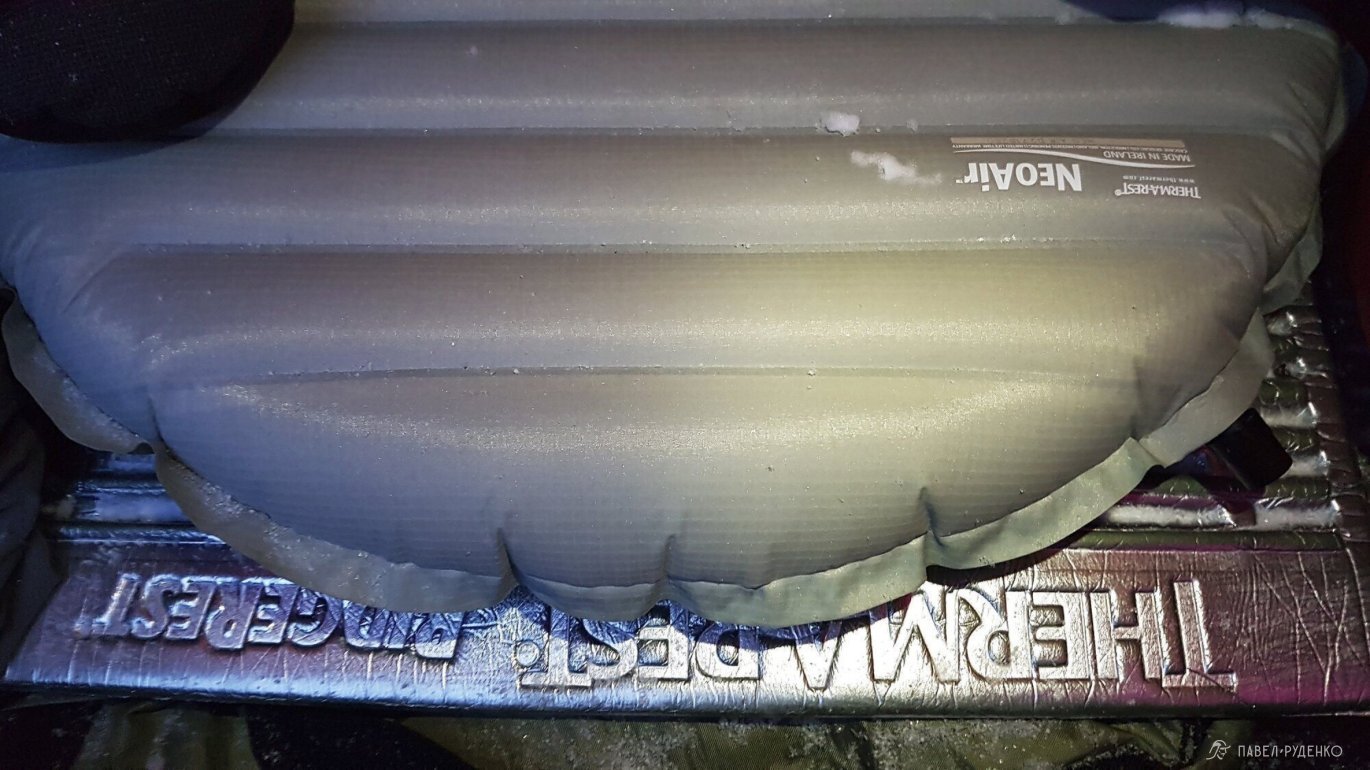
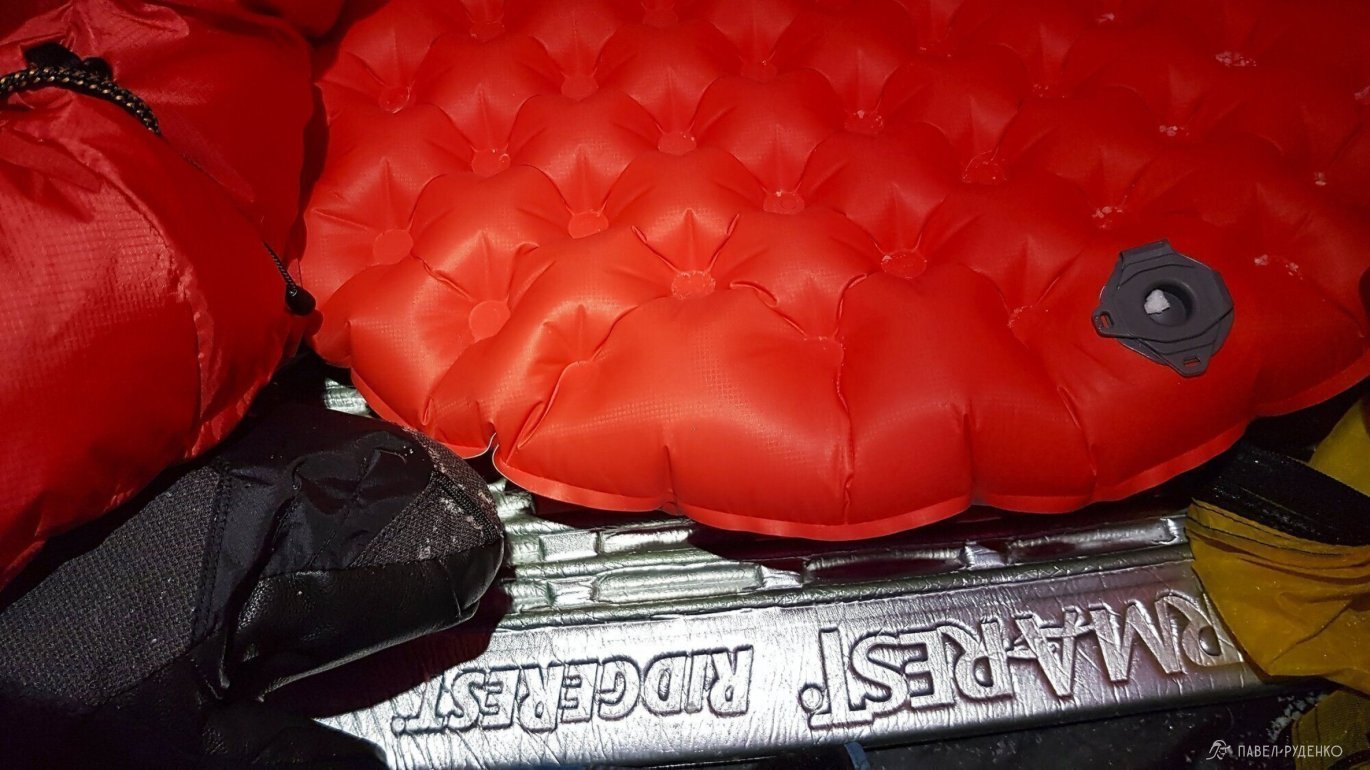
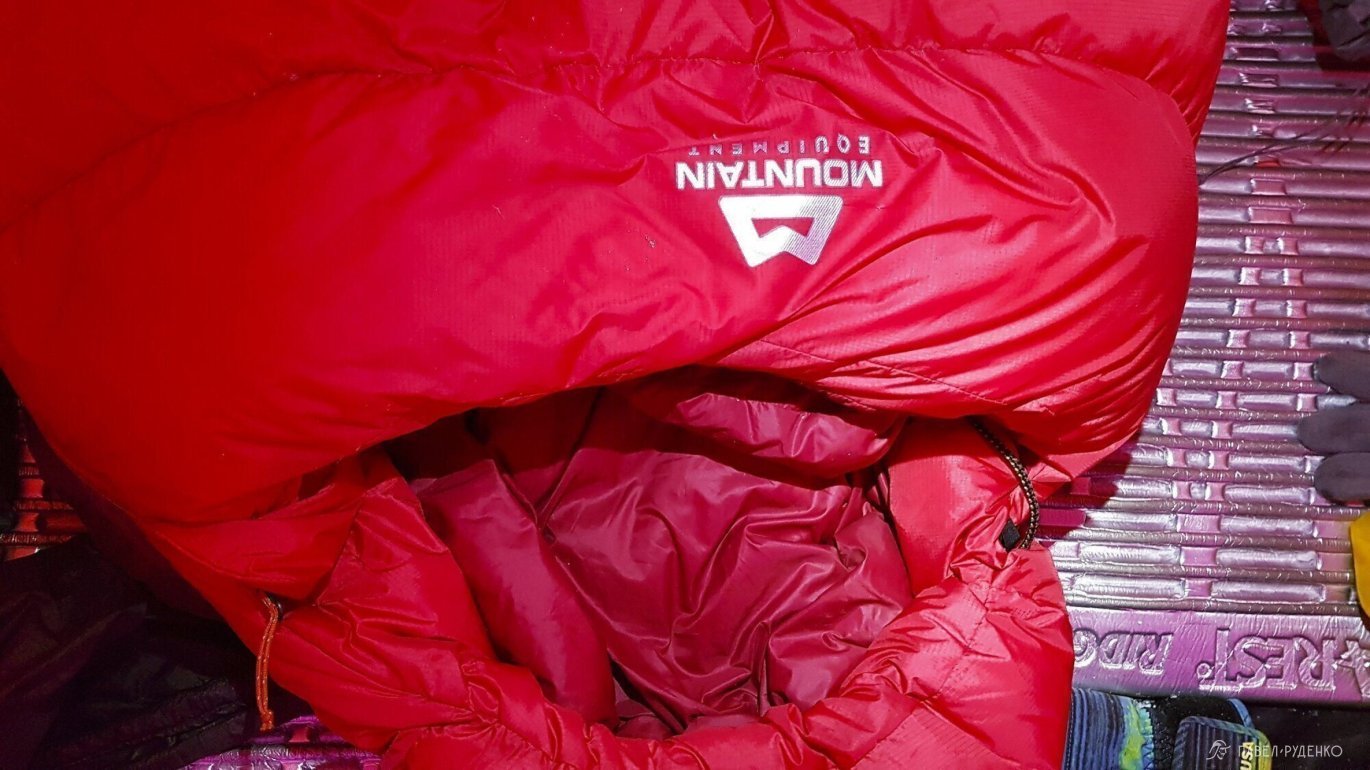
I used a Therm-a-Rest RidgeRest SOLite foam mat with an R-value of 2.1 and a Therm-a-Rest Neo Air XTherm inflatable mat with an R-value of 6.9. The sleeping bag is Mountain Equipment Glacier Expedition -35. We put a страховочный The North Face Aleutian -7 on top of the sleeping bag as a condensation barrier, but there was no need for insulation in it, I won't take it next time.
You can see more photos about tourism and read about the equipment on my Instagram!
Pulkas
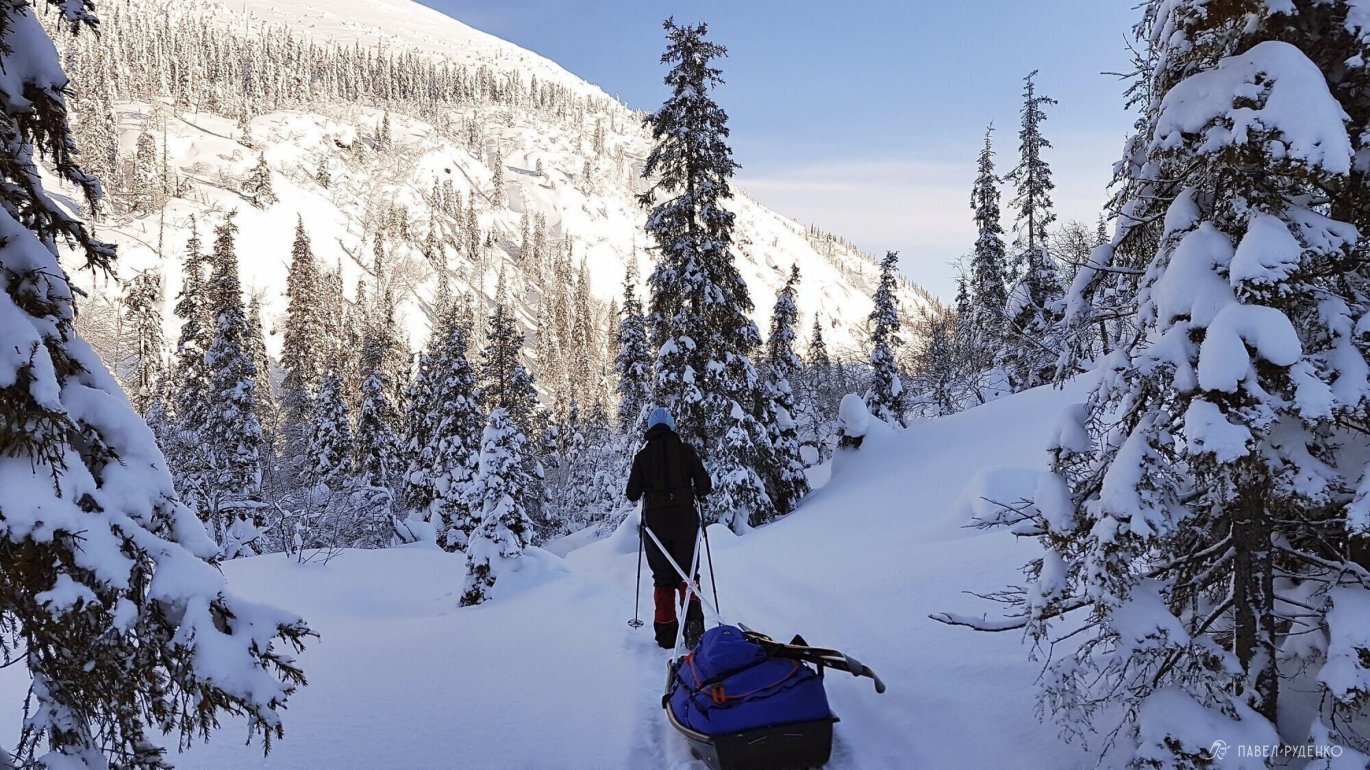
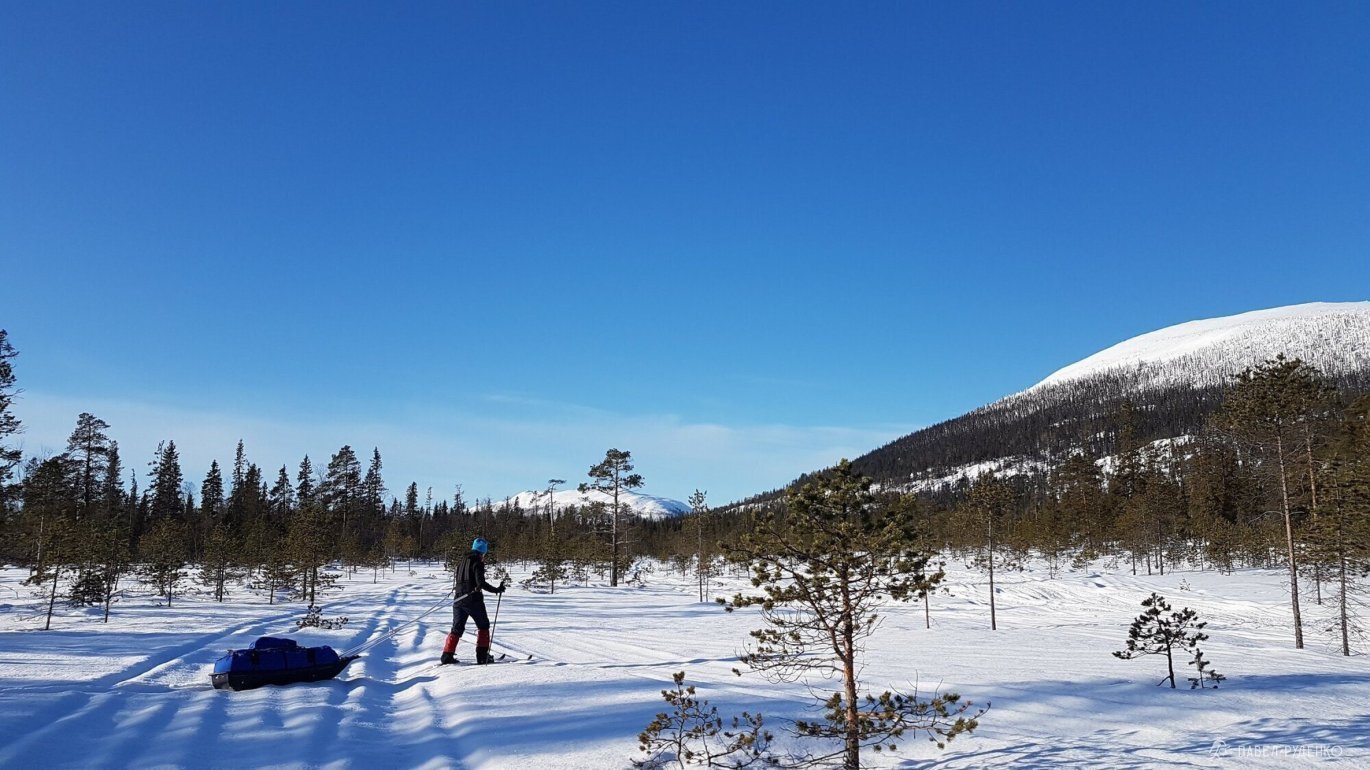
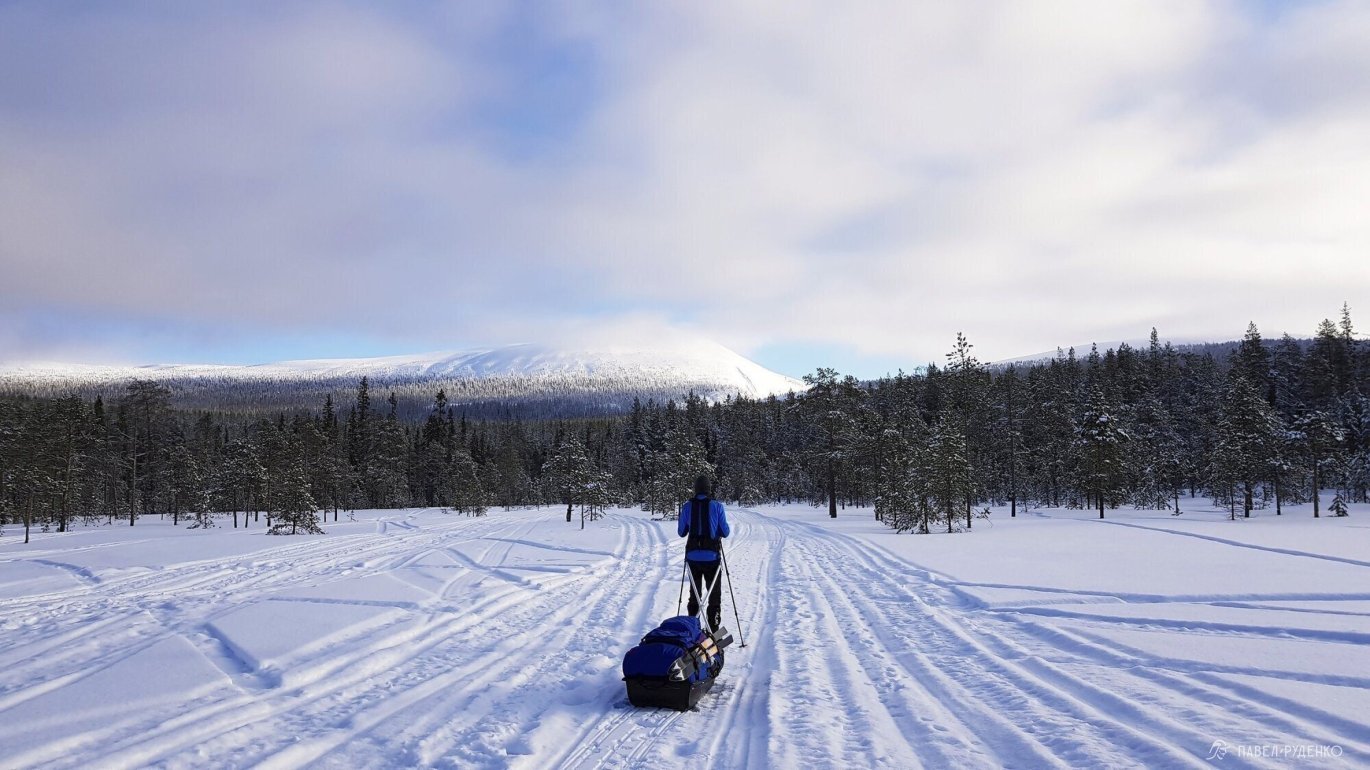
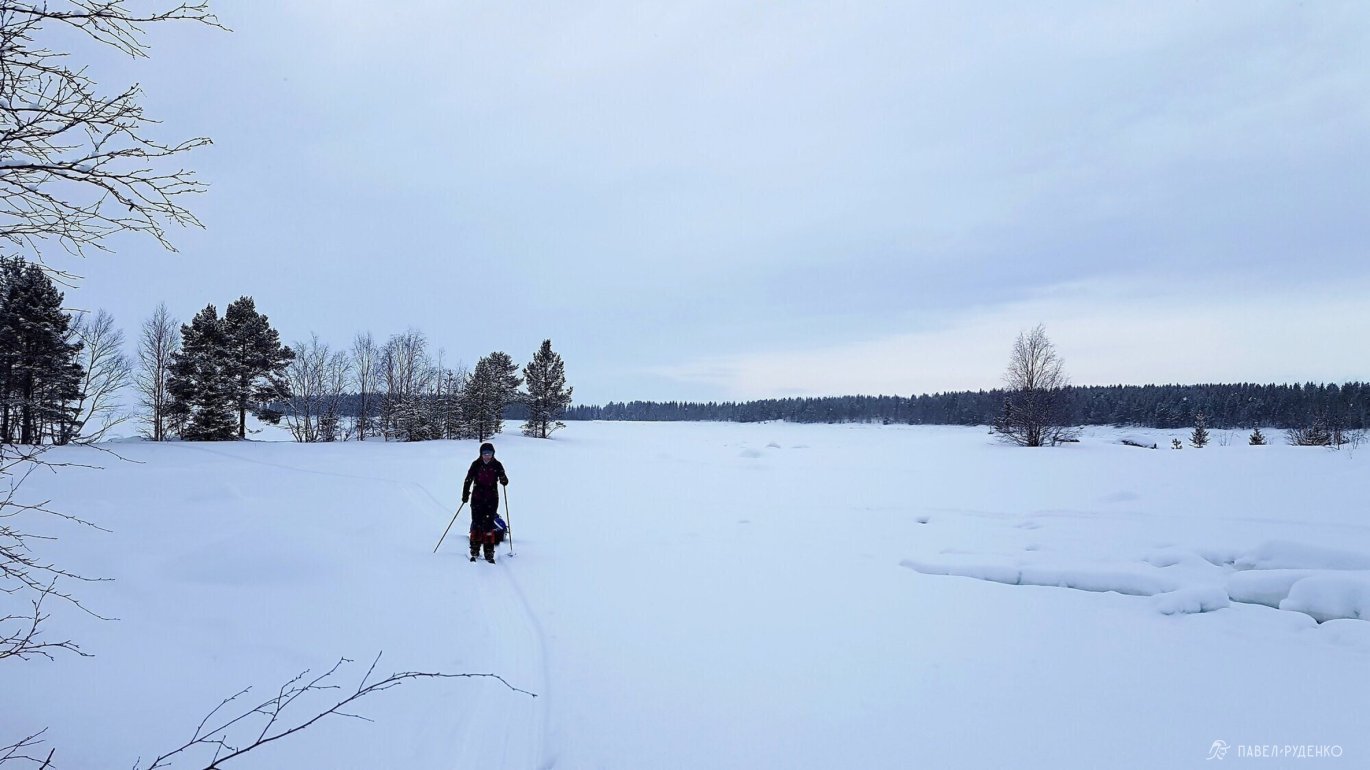
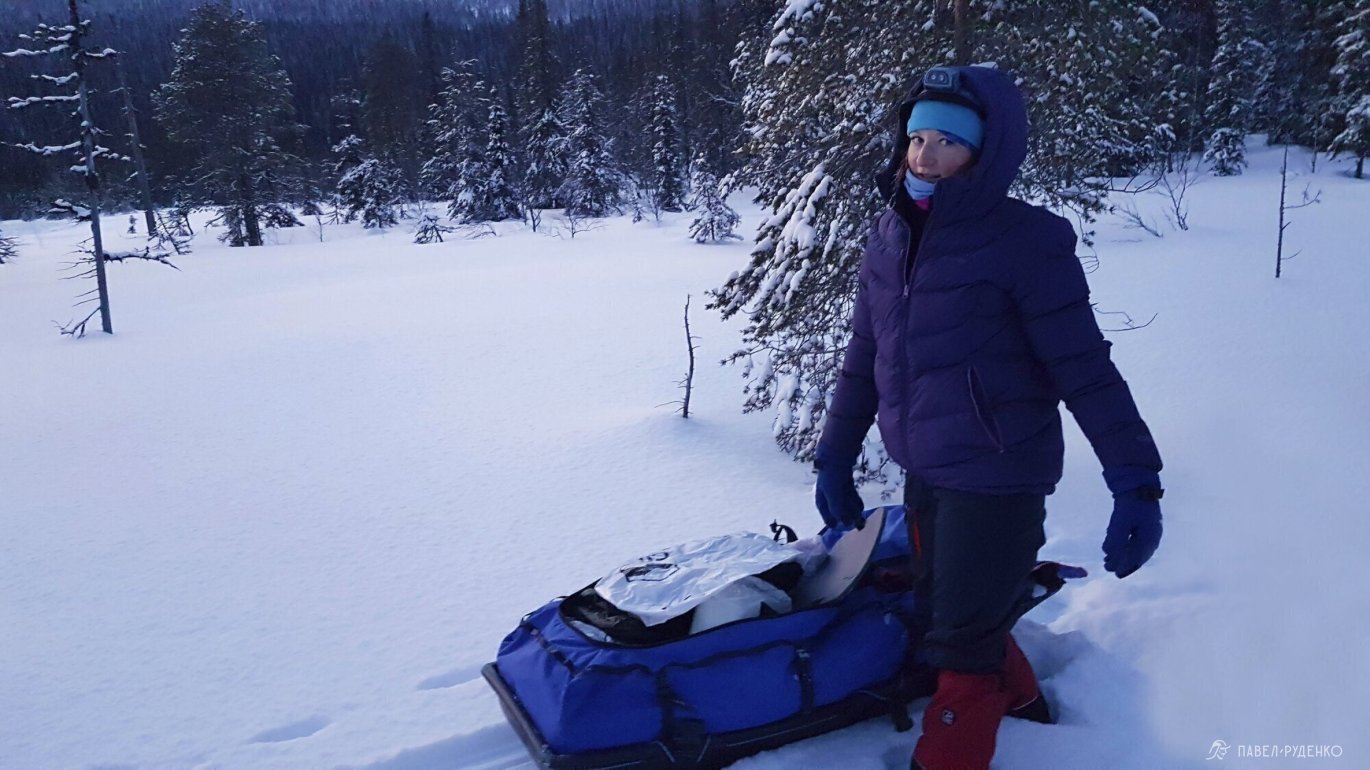
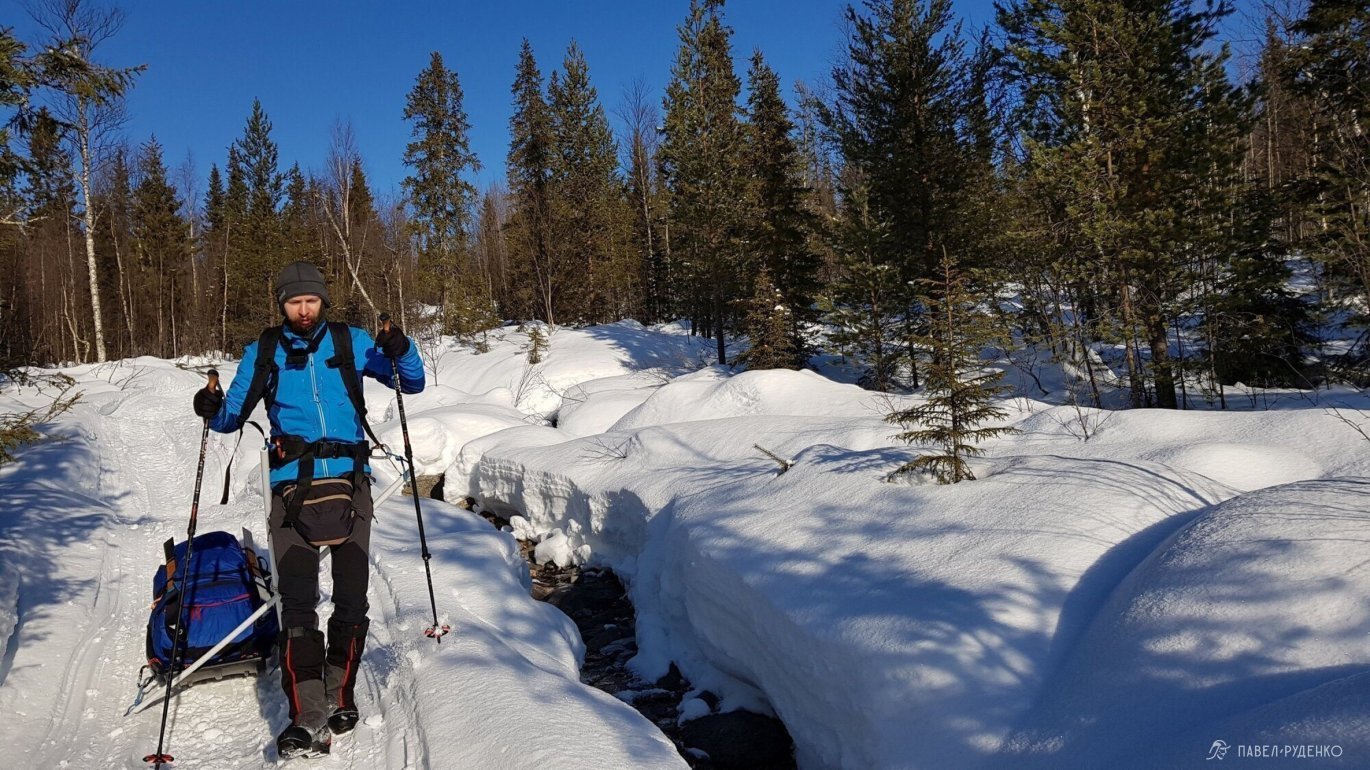
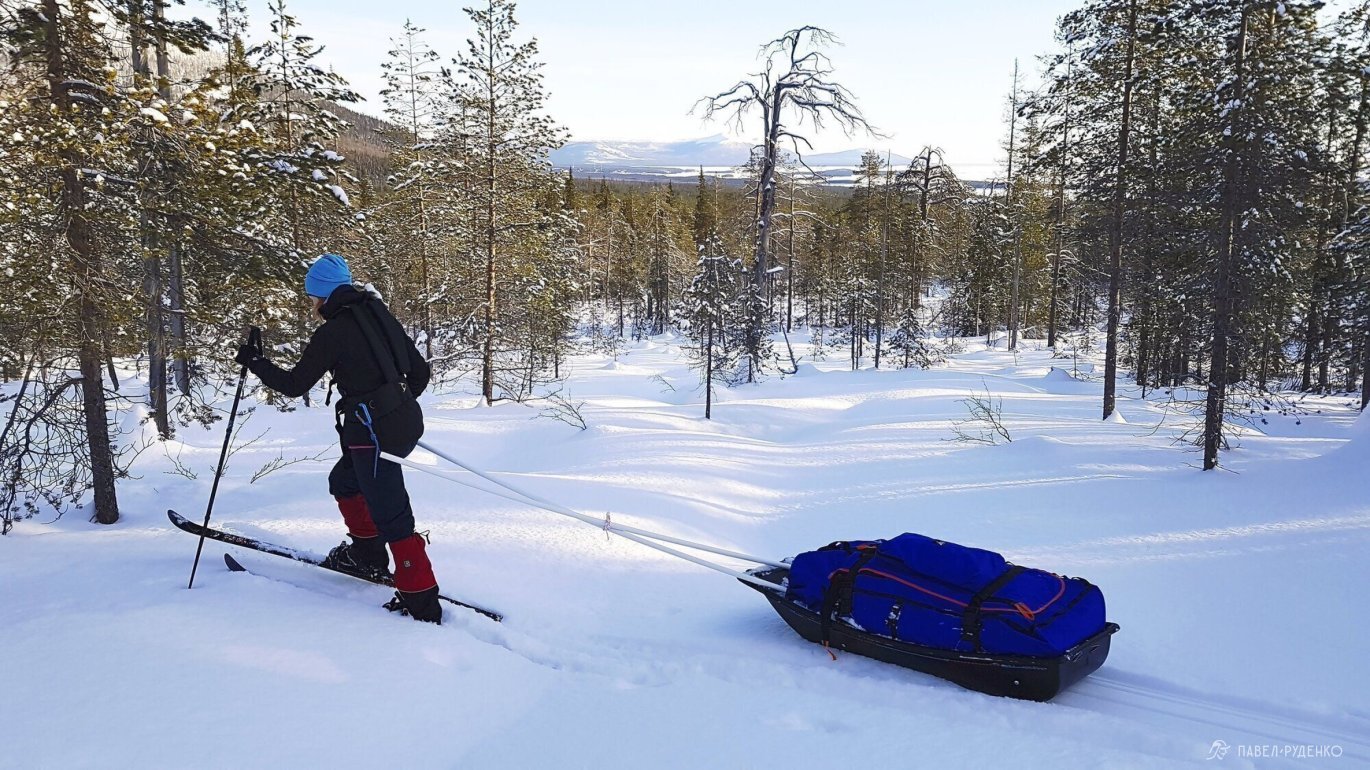
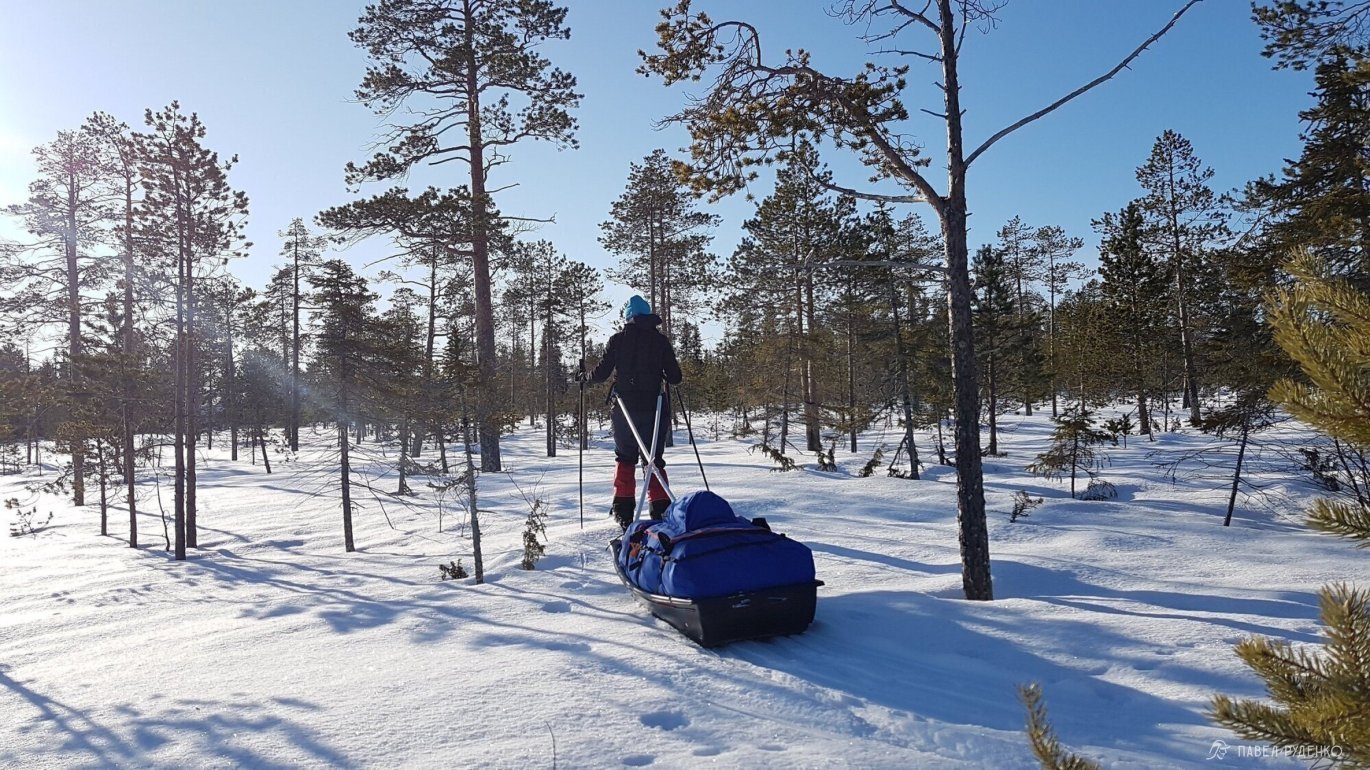
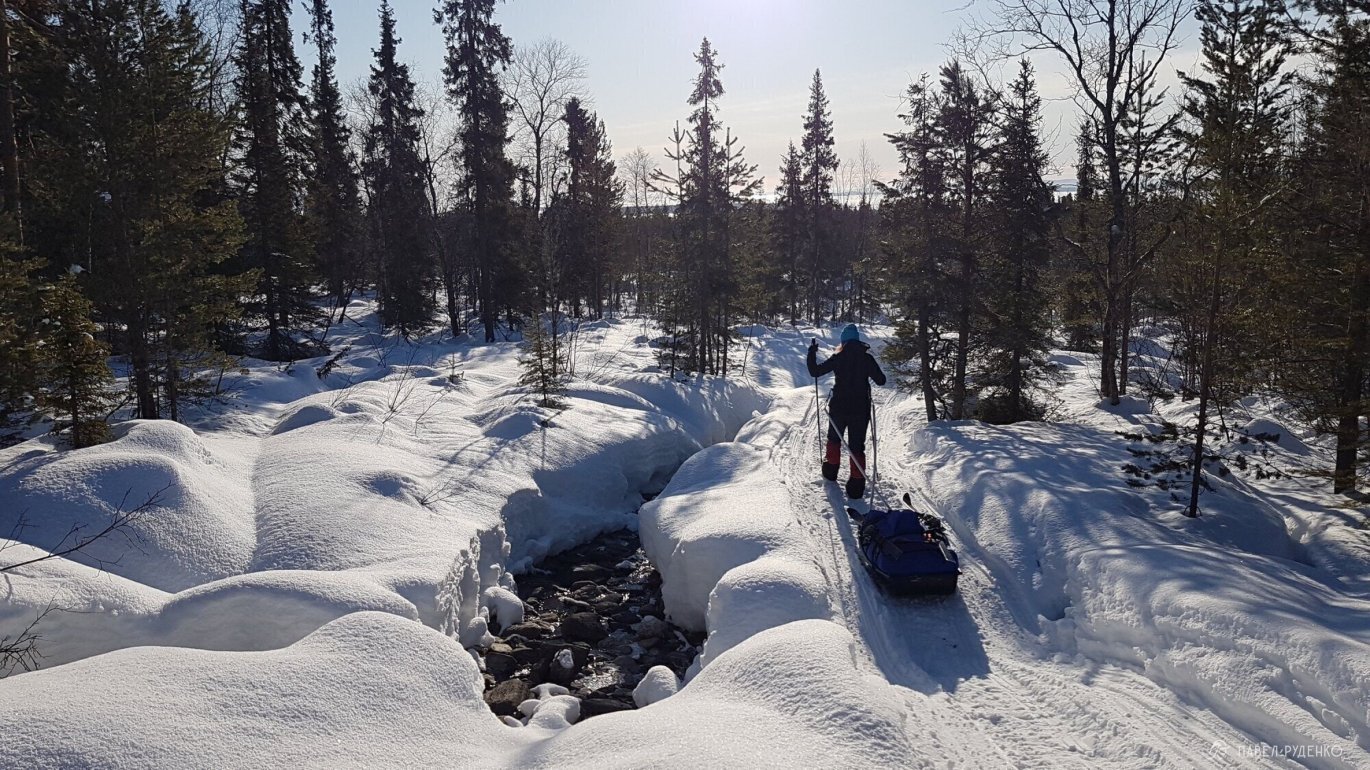
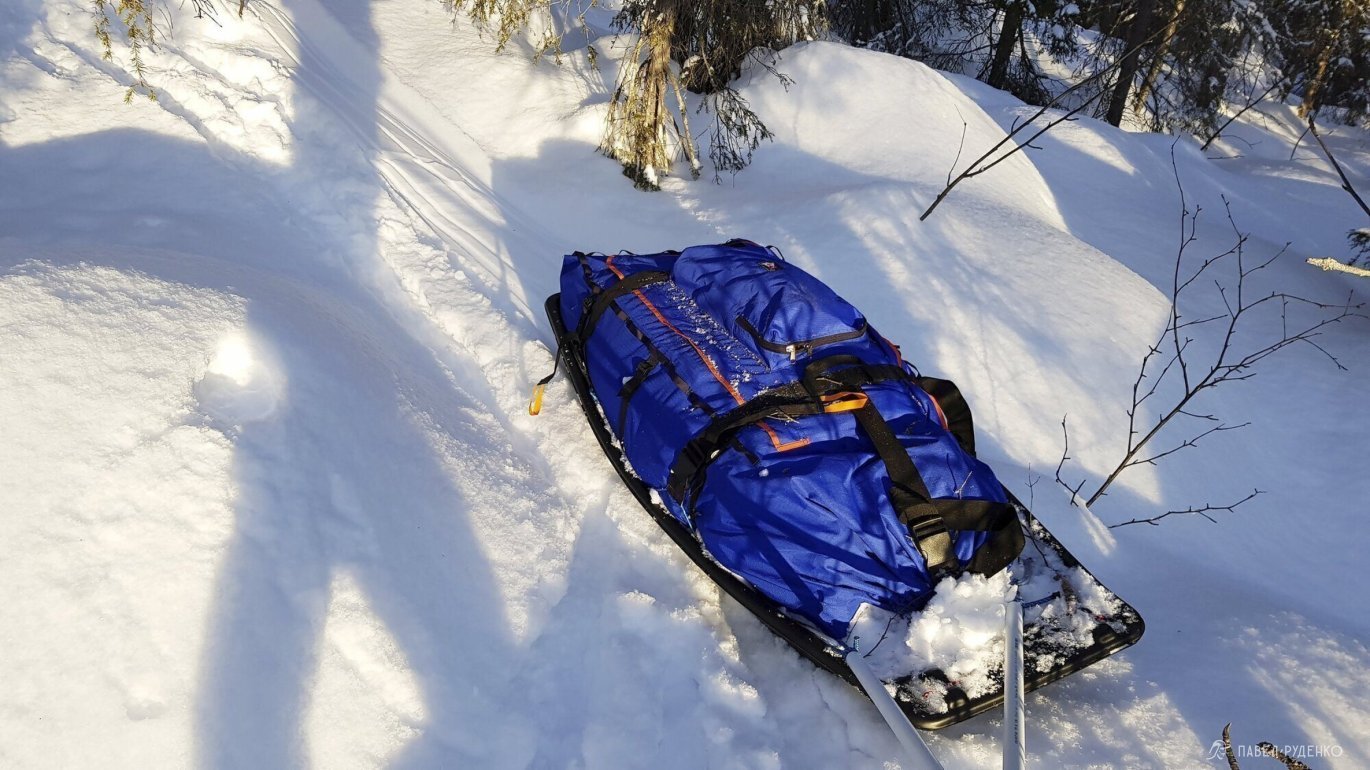
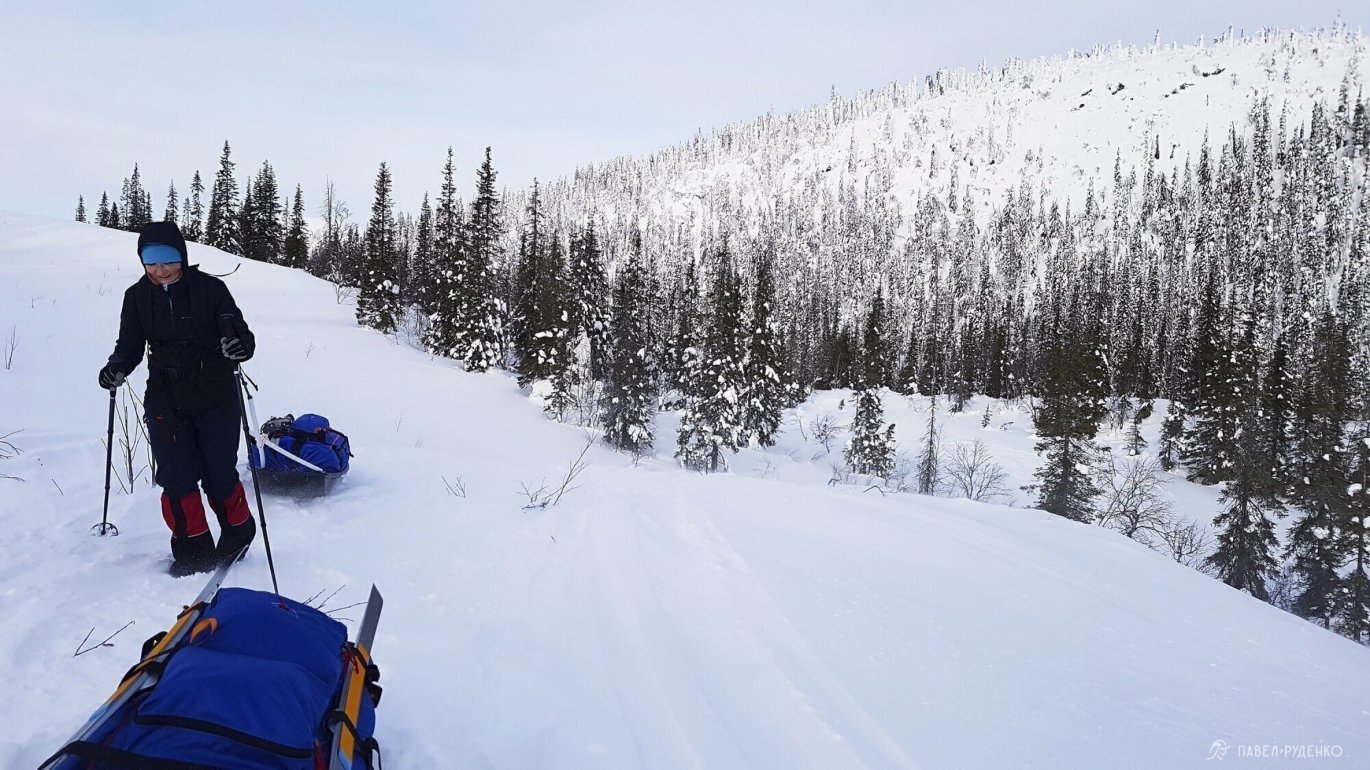
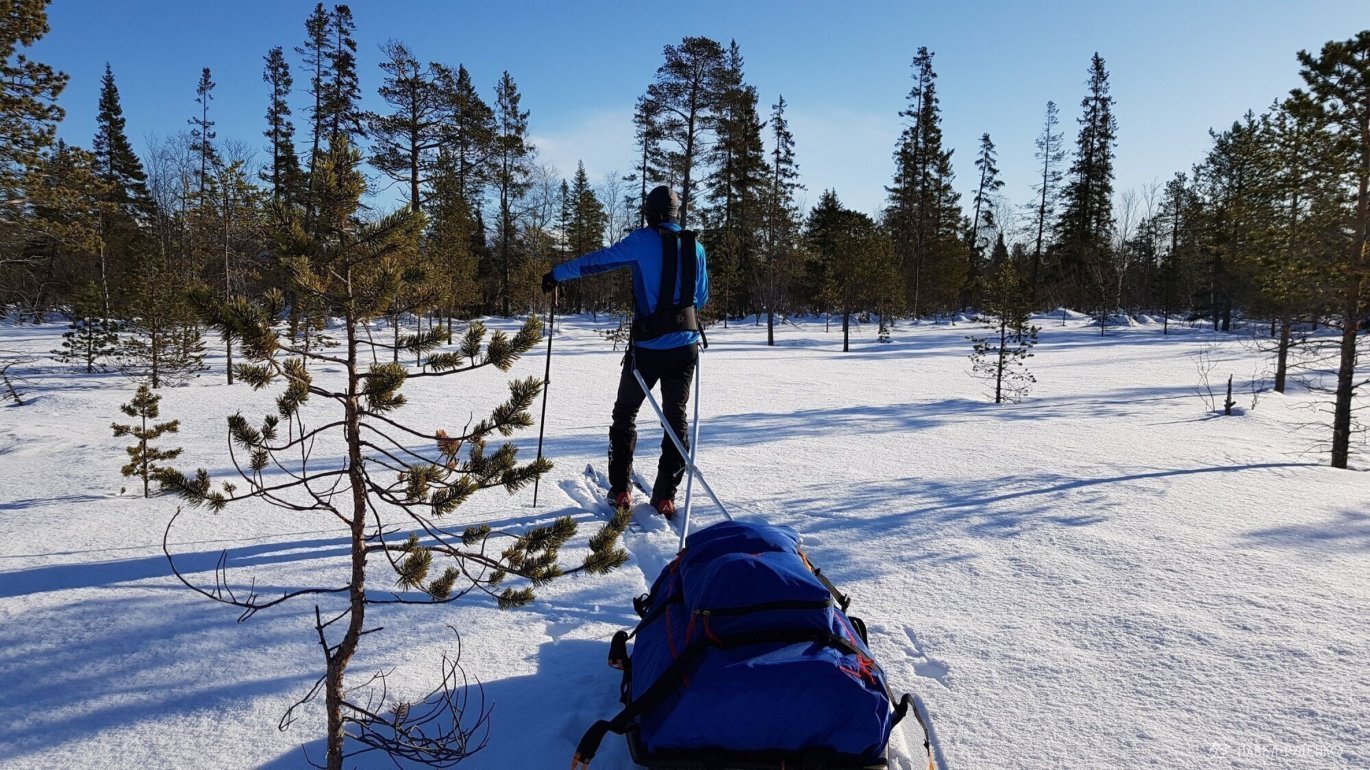
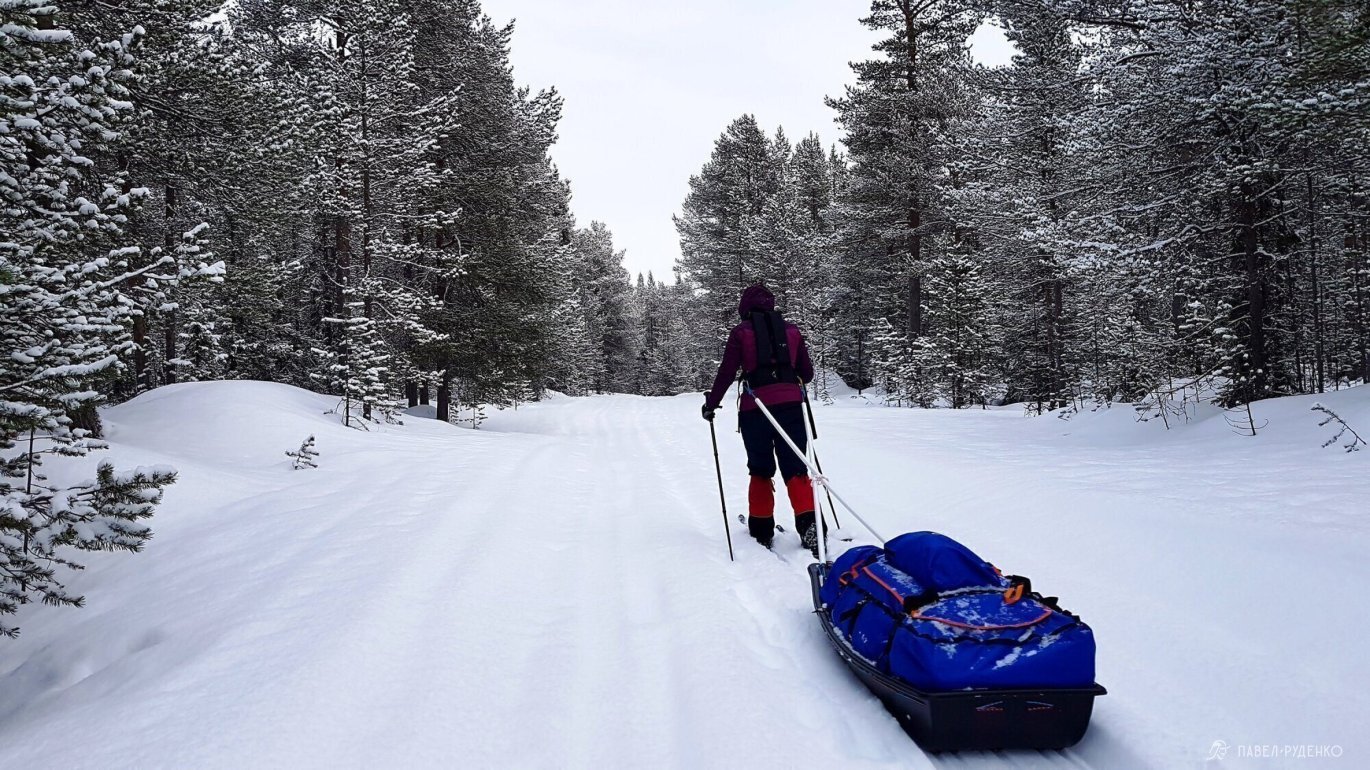
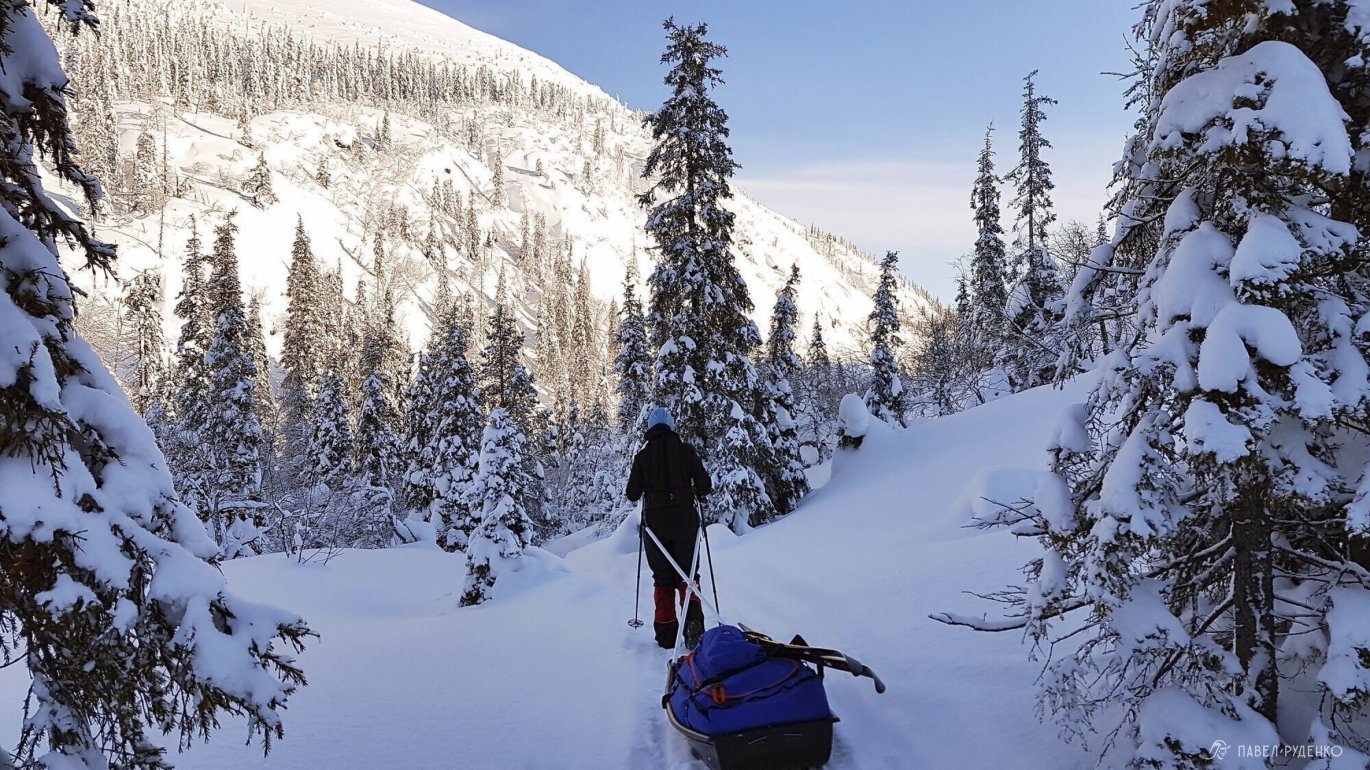
The pulkas proved themselves from their best side. Flat areas of treeless terrain are covered as easily as possible, the back is always unloaded and does not sweat, there is no load on the knees. With a slight rise, the camus allows you to move forward, and with a stronger one, when the skis start to slip, we went zigzag or ladder-style. A dense forest with bushes, stones, and frequent elevation changes of several meters was a serious problem. The speed of movement noticeably decreased, the pulkas bumped into trunks or slid into ravines. We had to change the route. The route had to be built through open areas, in places of marshes and sparse forests.
Winter tourism is something that everyone should experience. Because it gives completely different emotions and reveals a different beauty, even of already familiar places. But the cold does not forgive mistakes, so thorough preparation will increase safety much more than in summer.

