General information
Why should you choose this place?
There are at least 4 tourist areas on the Kola Peninsula where you can hike with a tent. I have wandered along the Barents Sea coast, in the Khibiny Mountains, Kandalaksha and Lovozero Tundras.
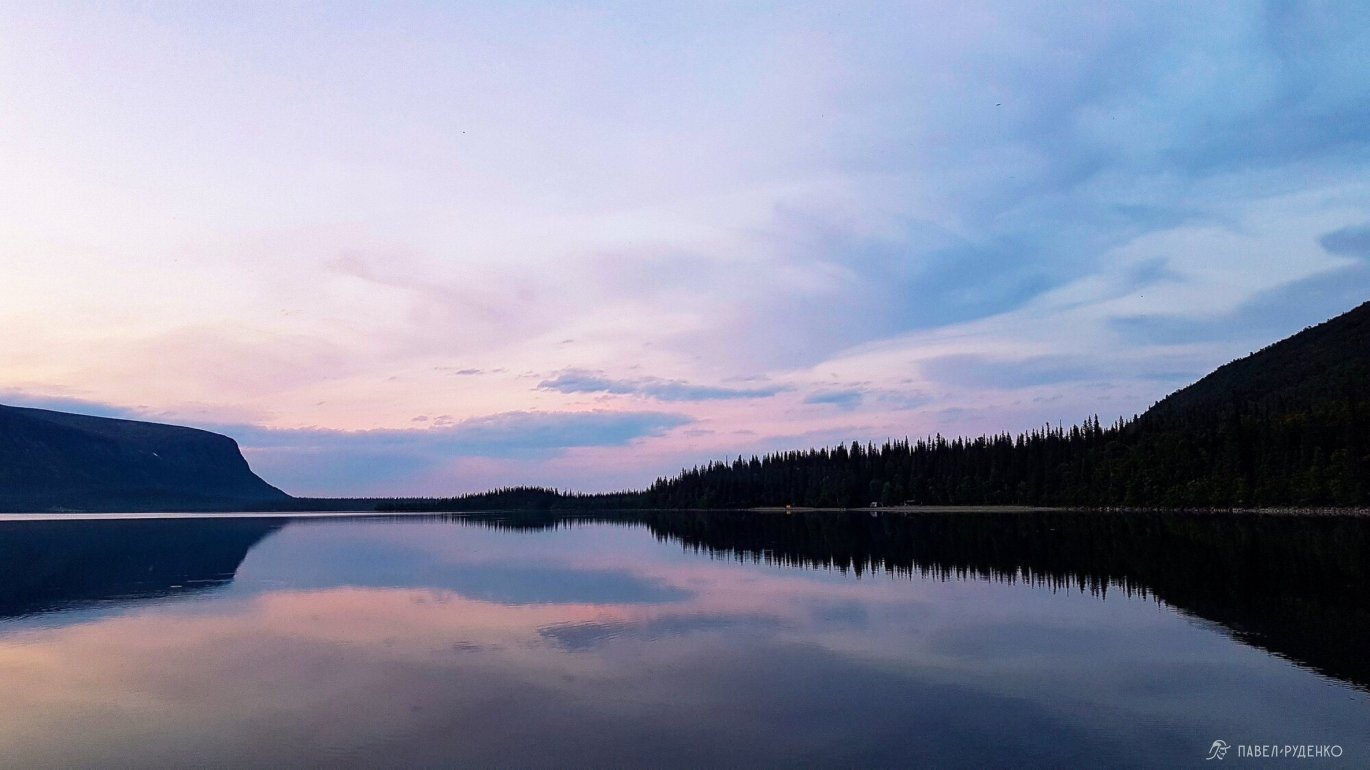
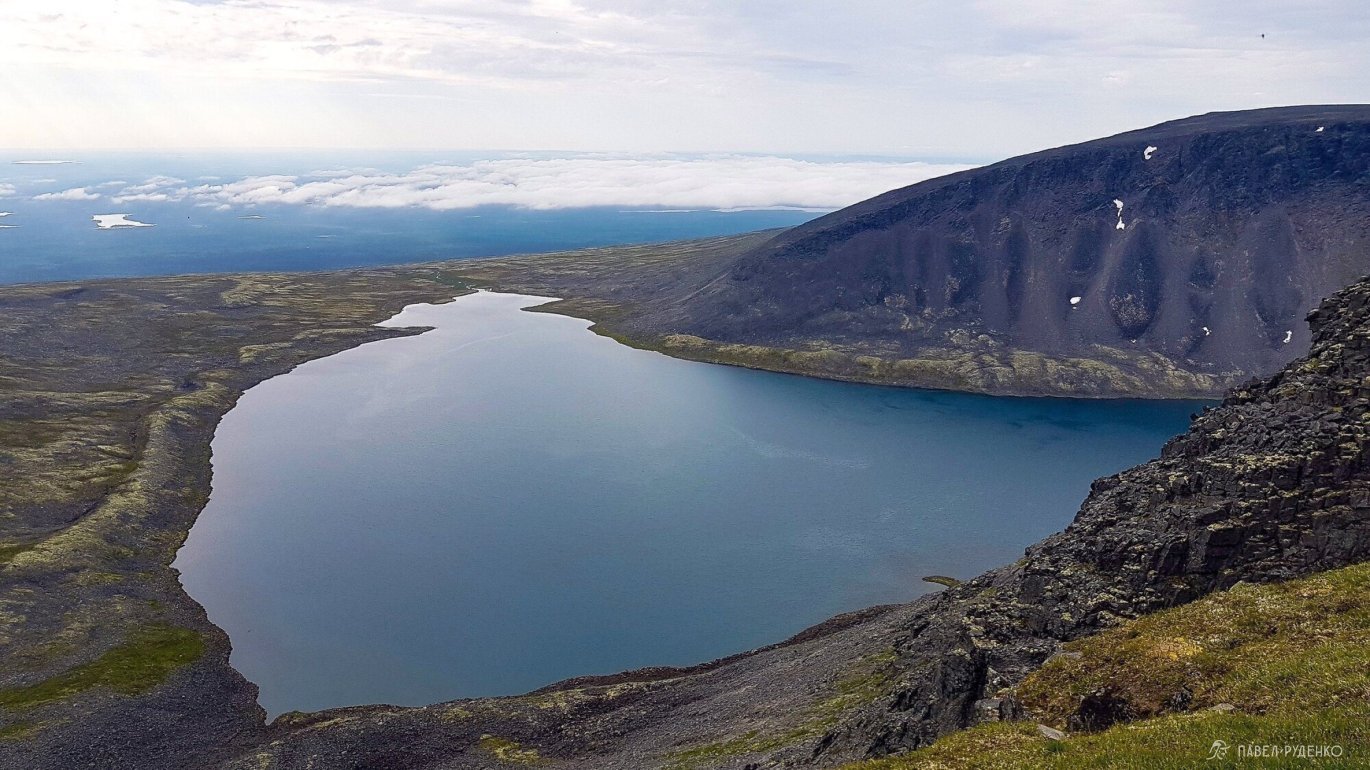
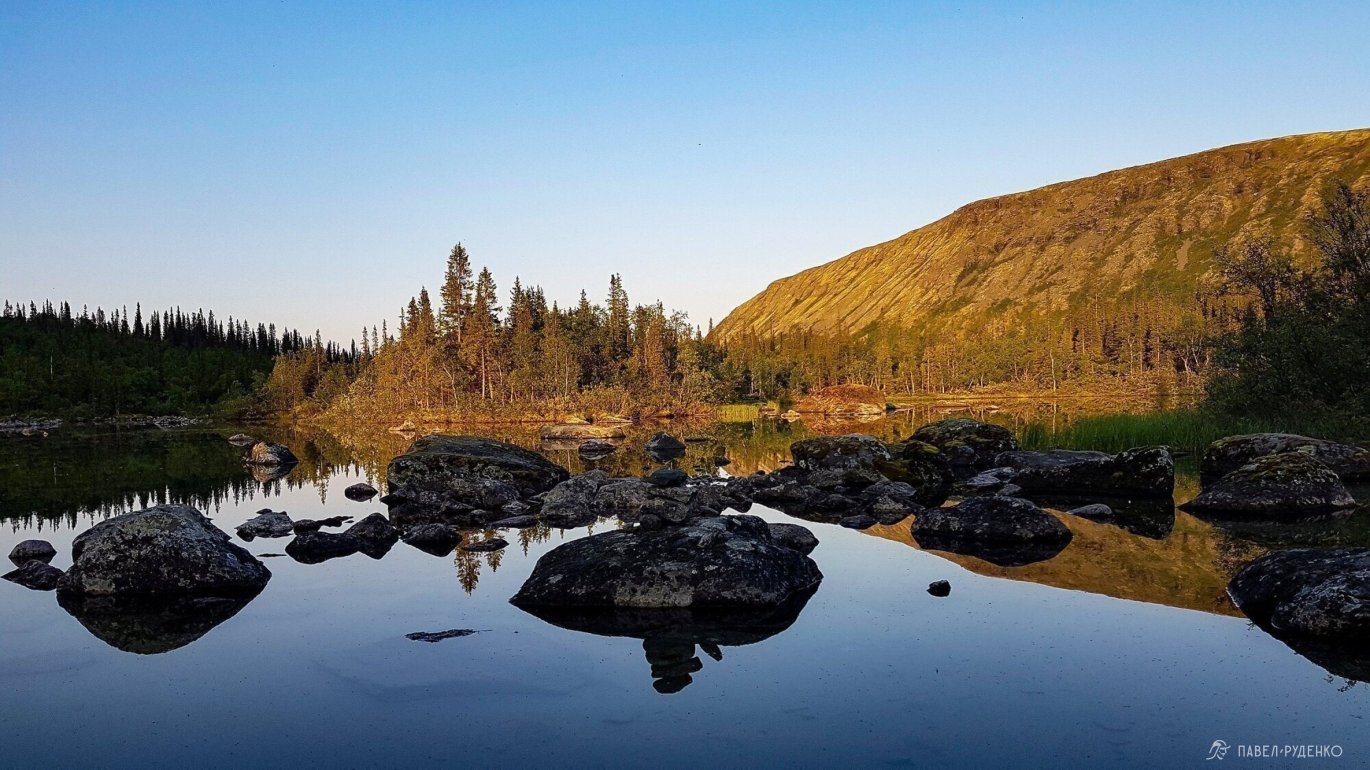
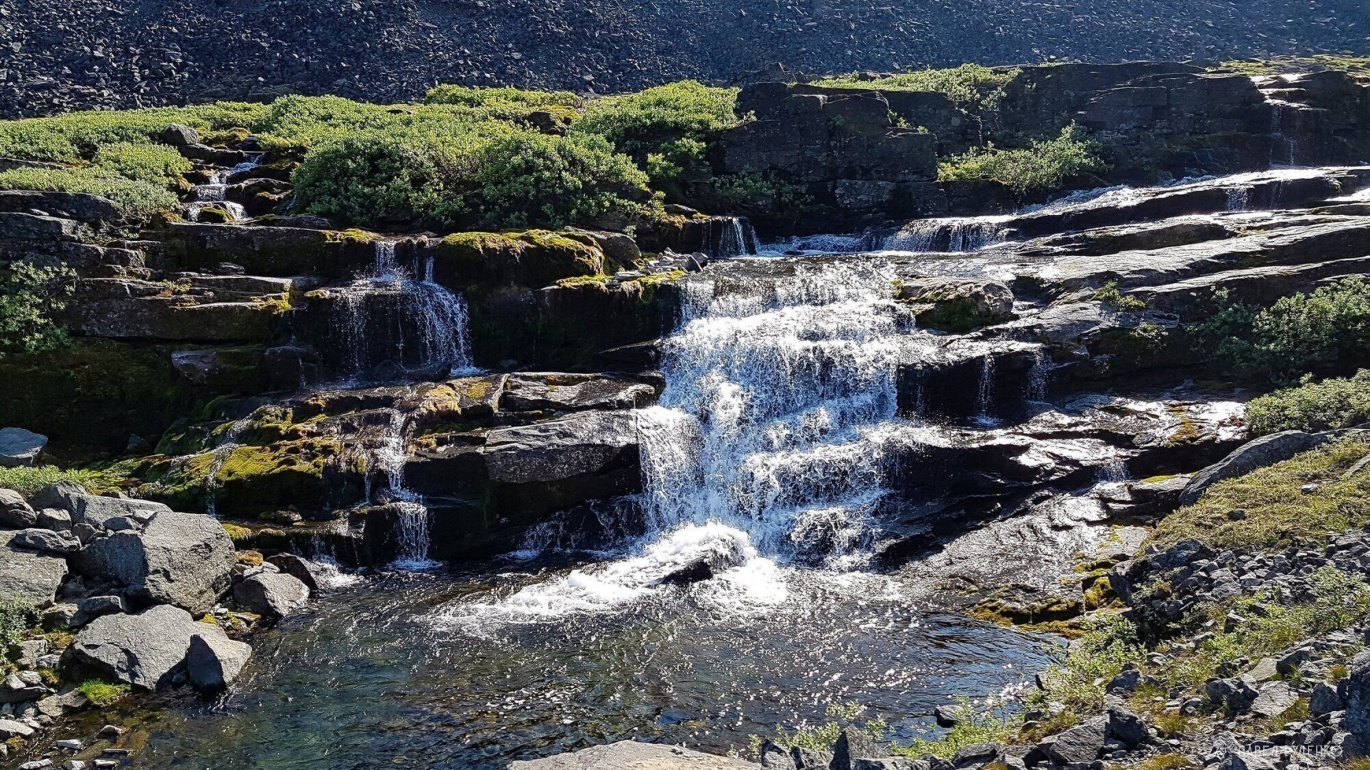
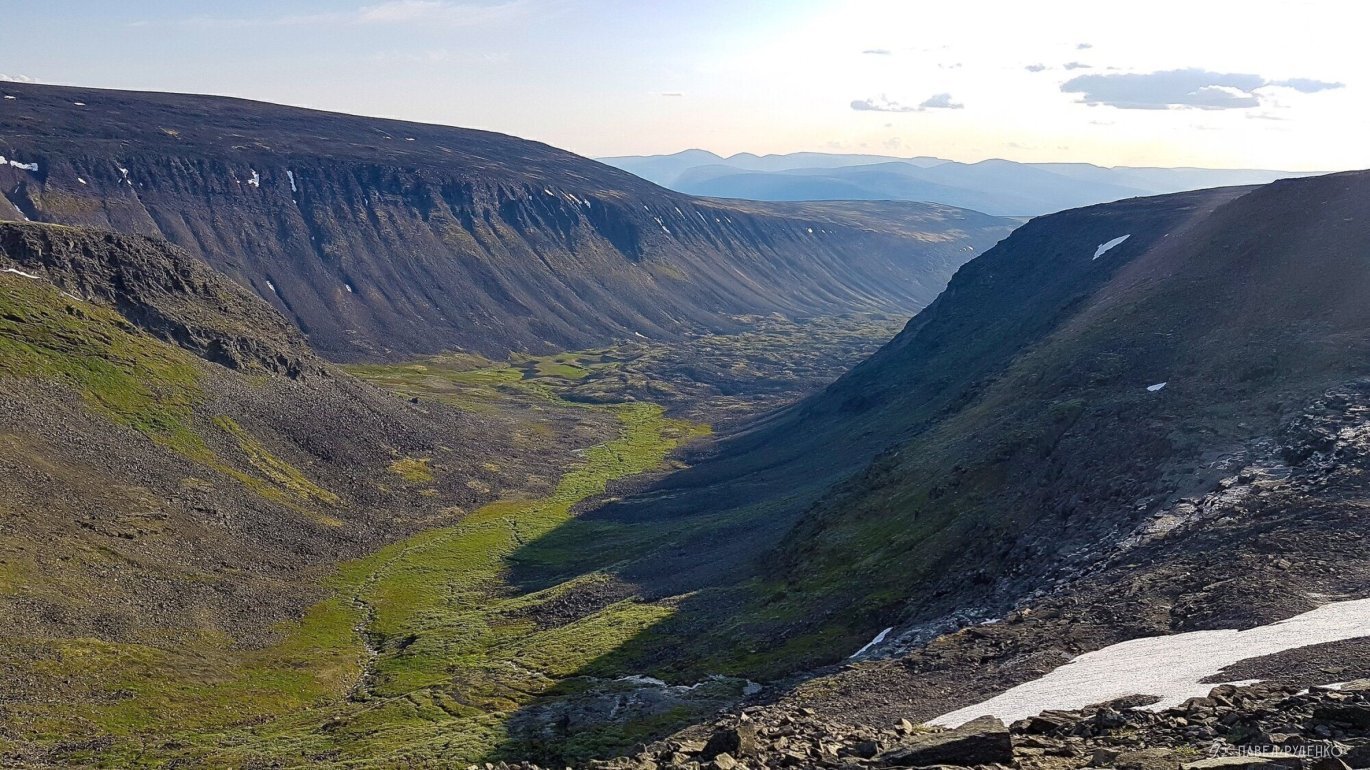
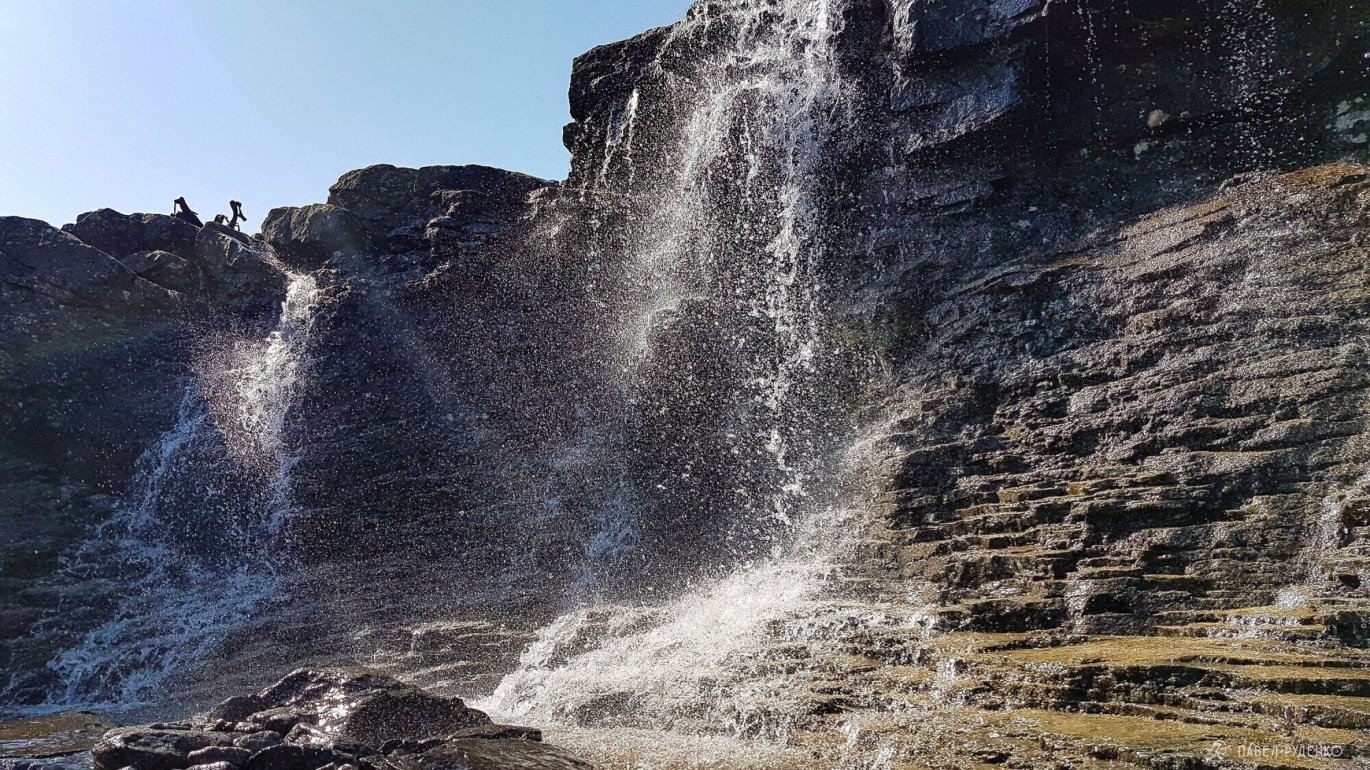
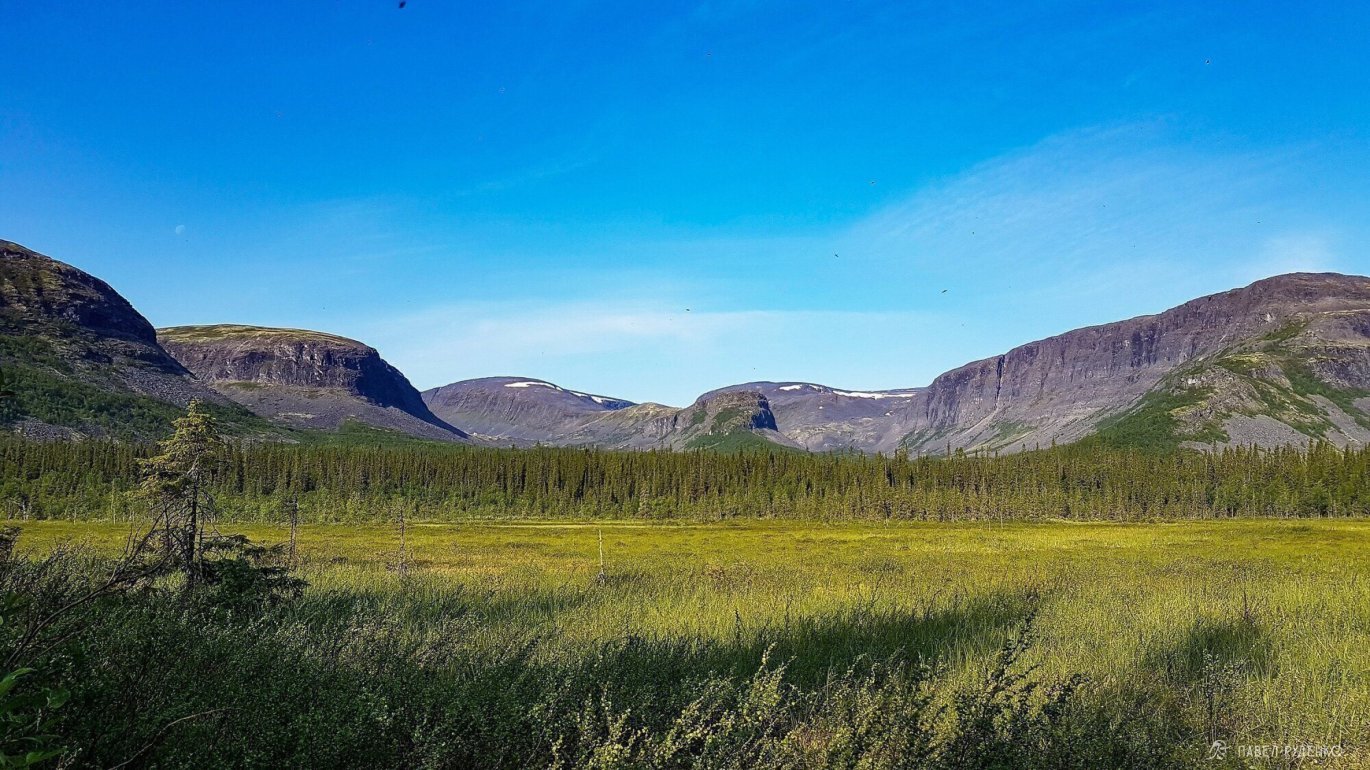
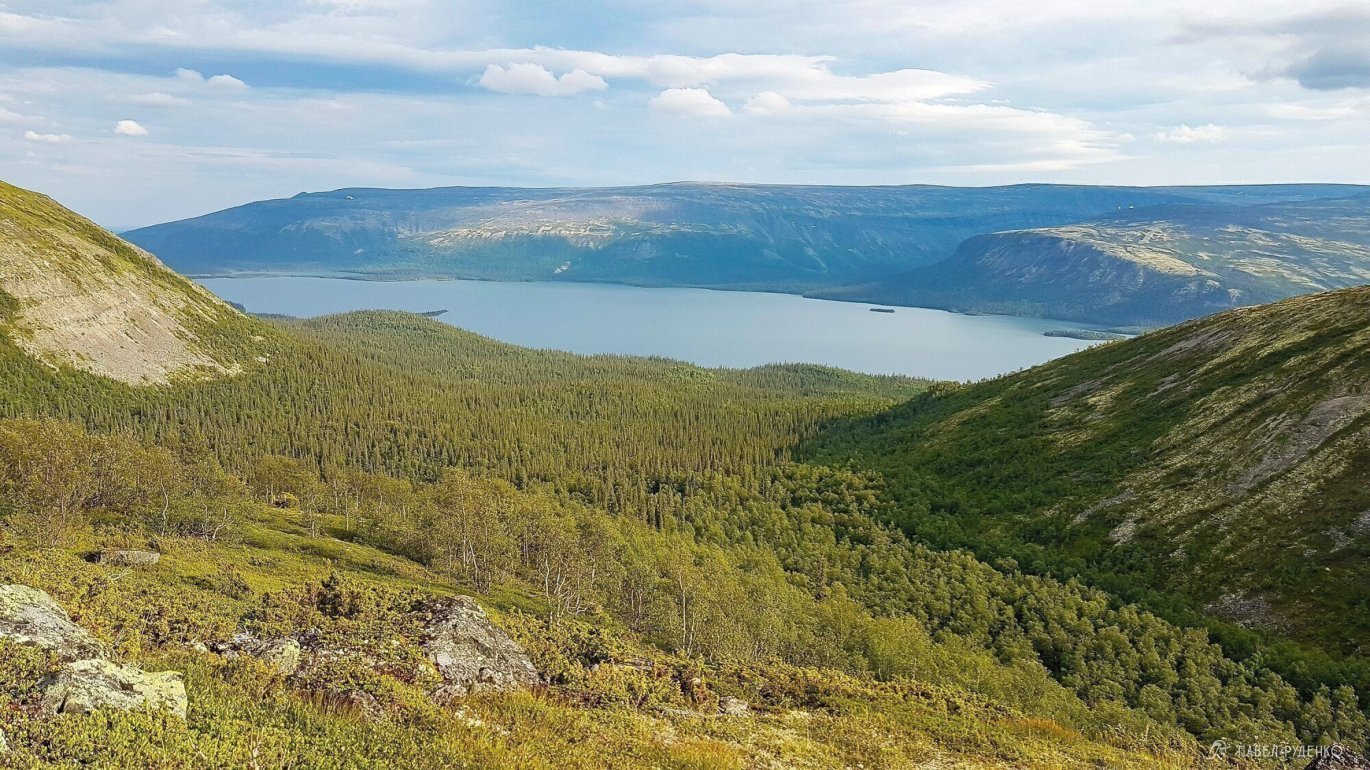
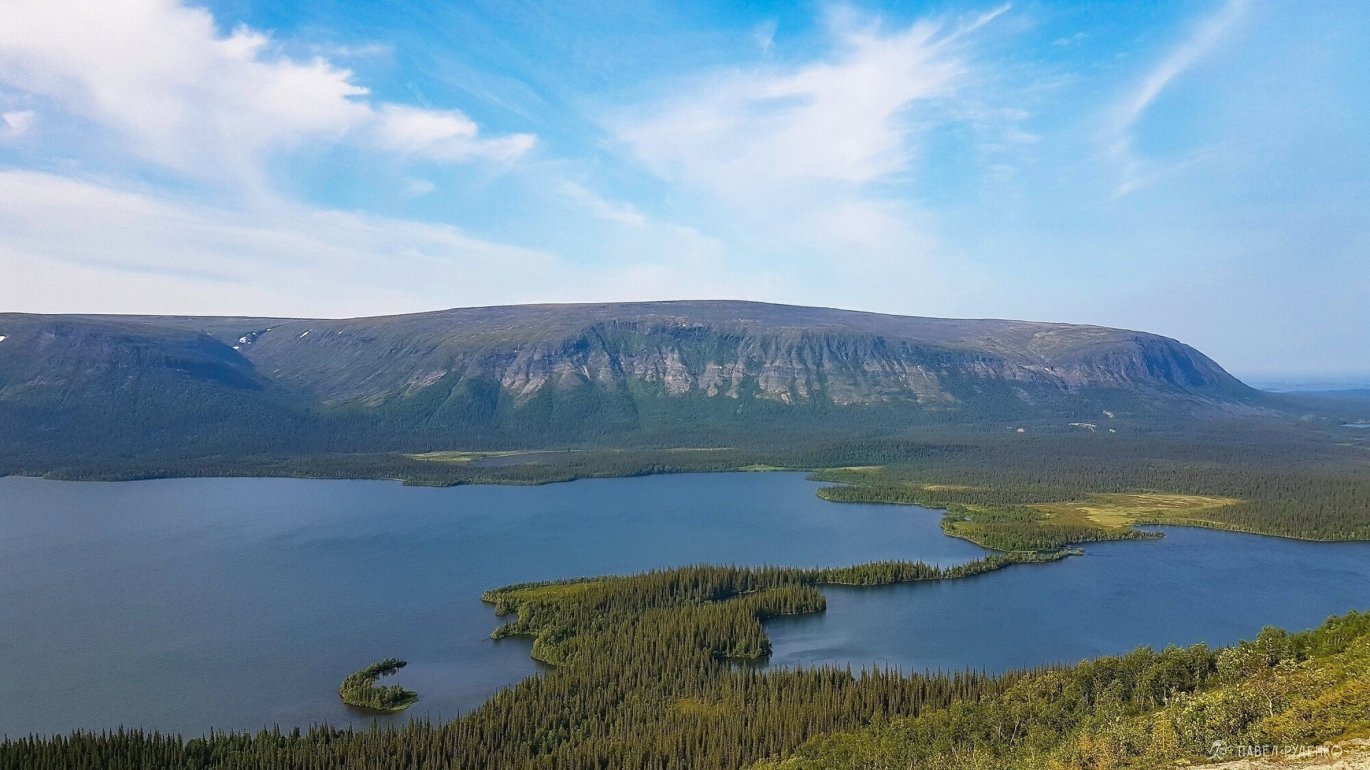
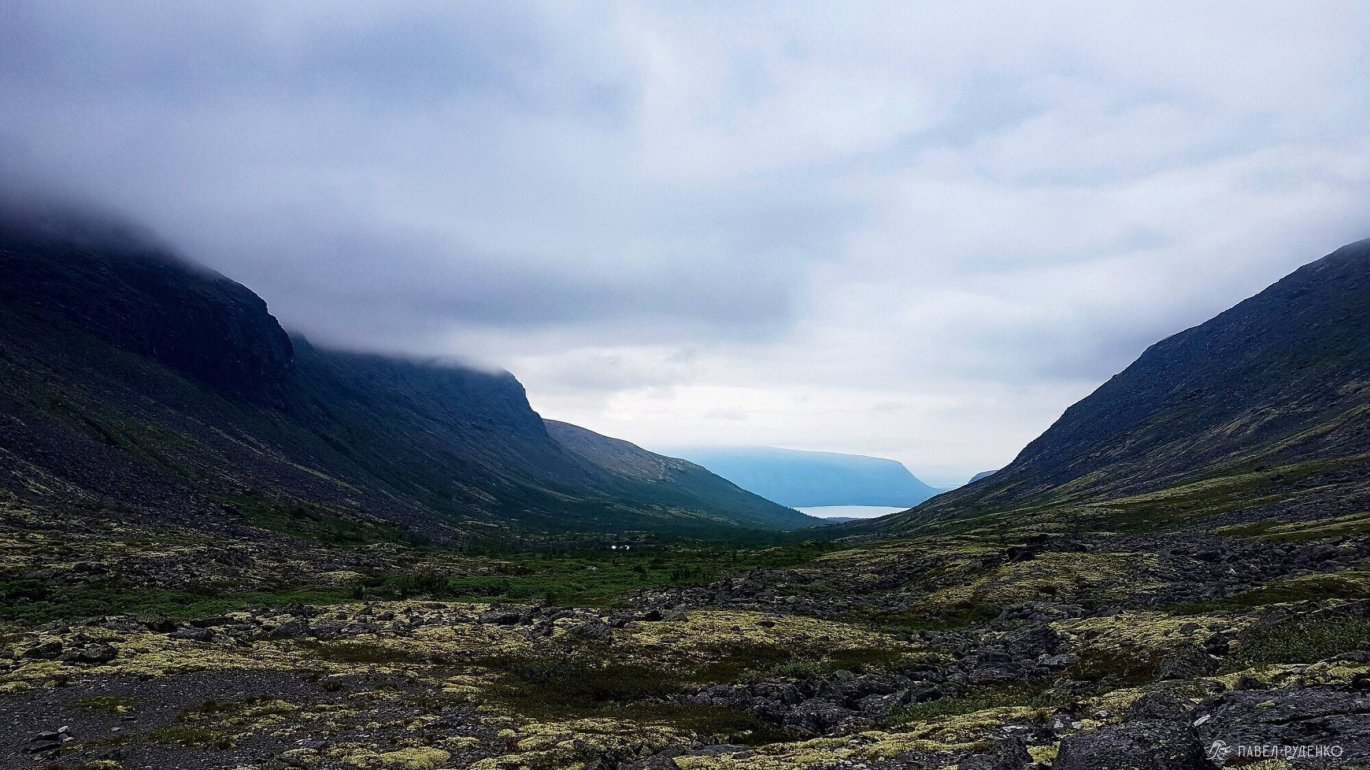
All locations are different. The Lovozero Tundras have most гармонично combined all the charm of the Kola Peninsula. There are mountains similar to the Khibiny, tundra that stretches to the sea, and dense forests like those in Kandalaksha. On top of that, there is a beautiful lake and many waterfalls.
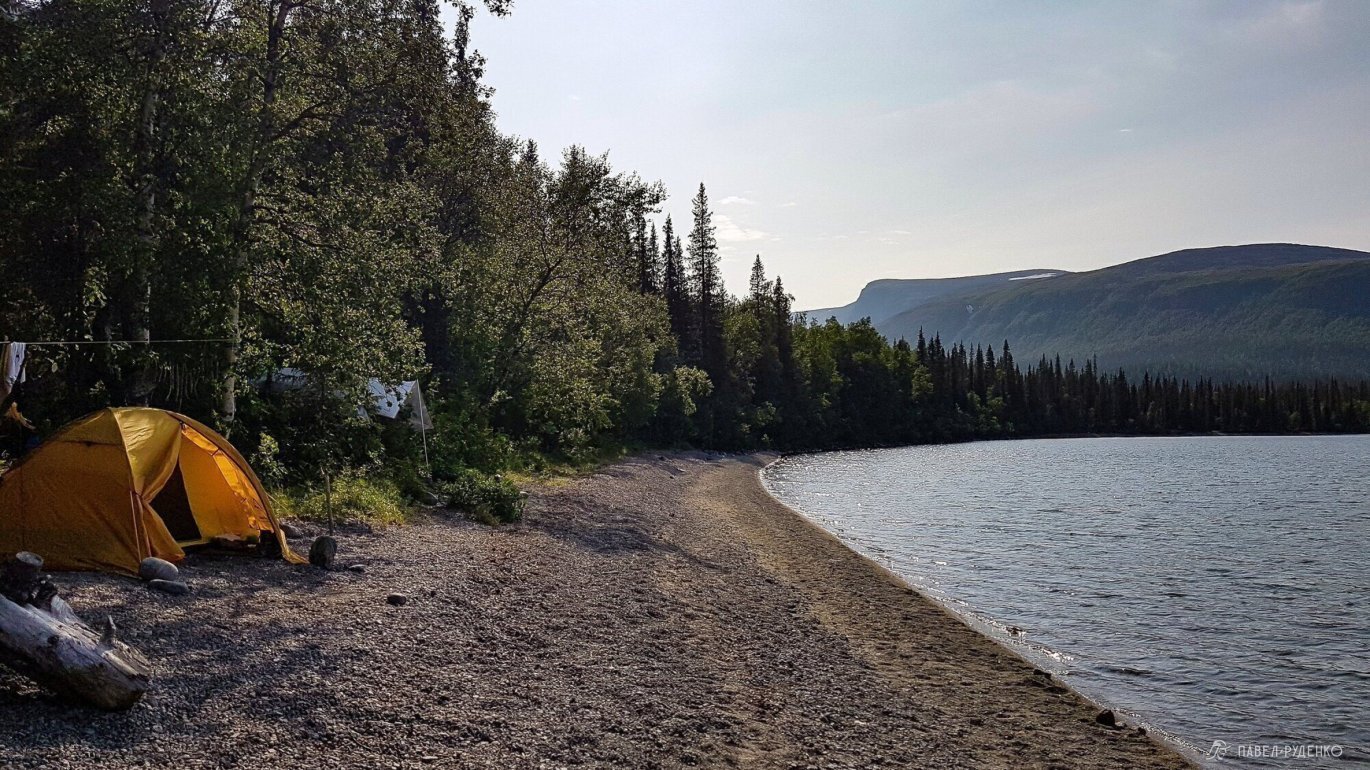
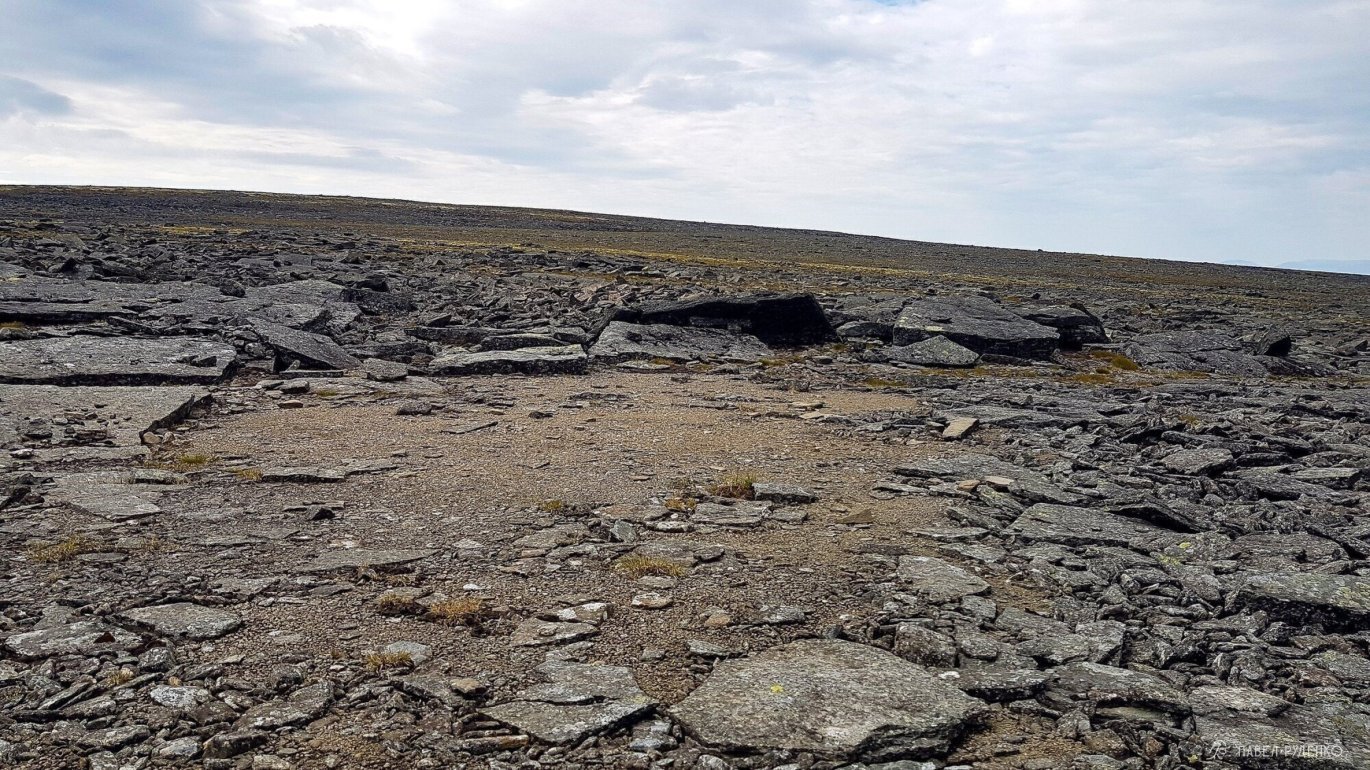
There are many beautiful places along the lake with sandy beaches. In season, there is plenty of fish and fishing is allowed. The rock plateau looks like Mars, especially in the morning with long shadows. It's an amazing place and definitely worth a visit.


Weather
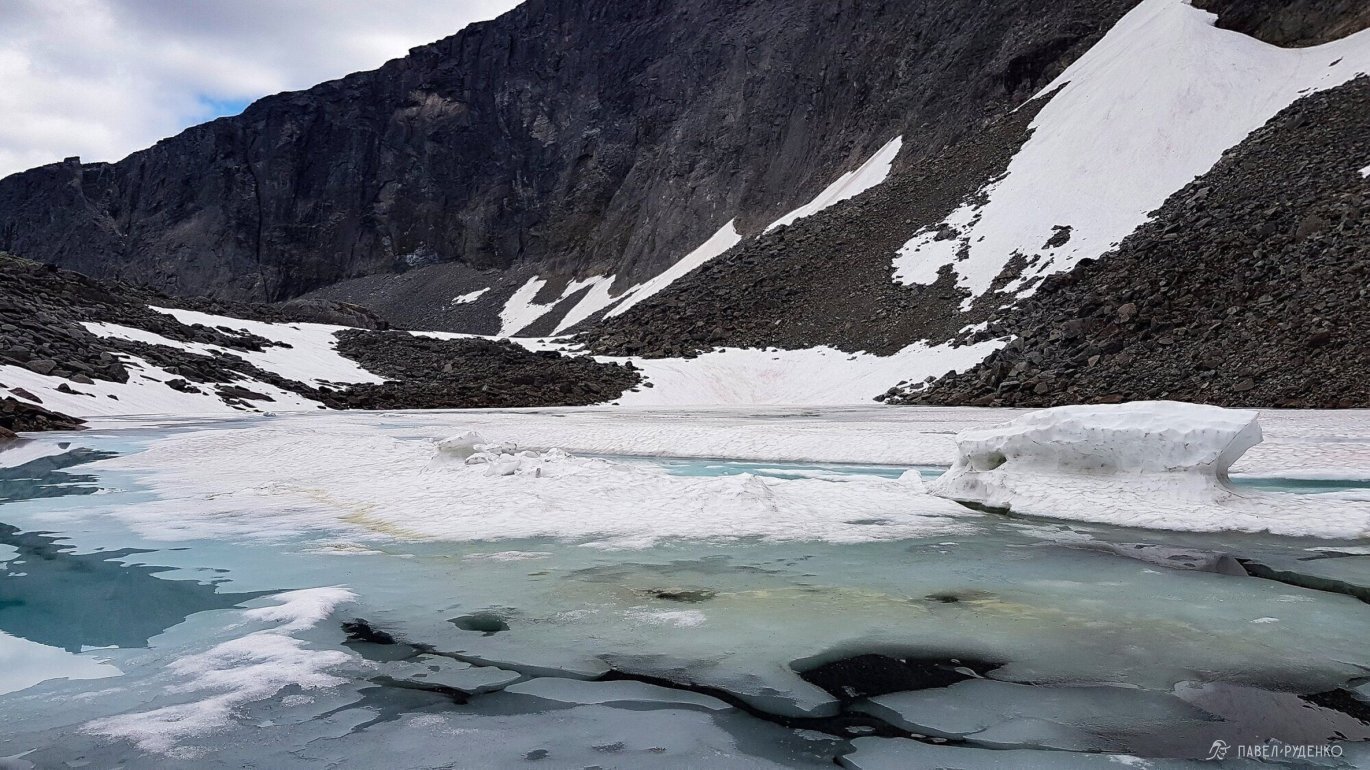
The weather in the north is harsh and unpredictable. In any summer month, the temperature can drop below 0°C and snow can fall. The forecast can be accurate for 2-3 days, but if the trek lasts longer, you have to be prepared for a variety of developments. Much more often, the temperature fluctuates from +7°C to +30°C and a change of 20°C occurs within 2-4 days.
In June, spring begins, but the Emergencies Ministry said that sometimes the cold lingers and there is so much snow in June that you have to drive a snowmobile. The most favorable time from a weather point of view is July and August. In September, the beautiful golden autumn begins.

Join the best treks in the Kola North this year:
Gas, fire
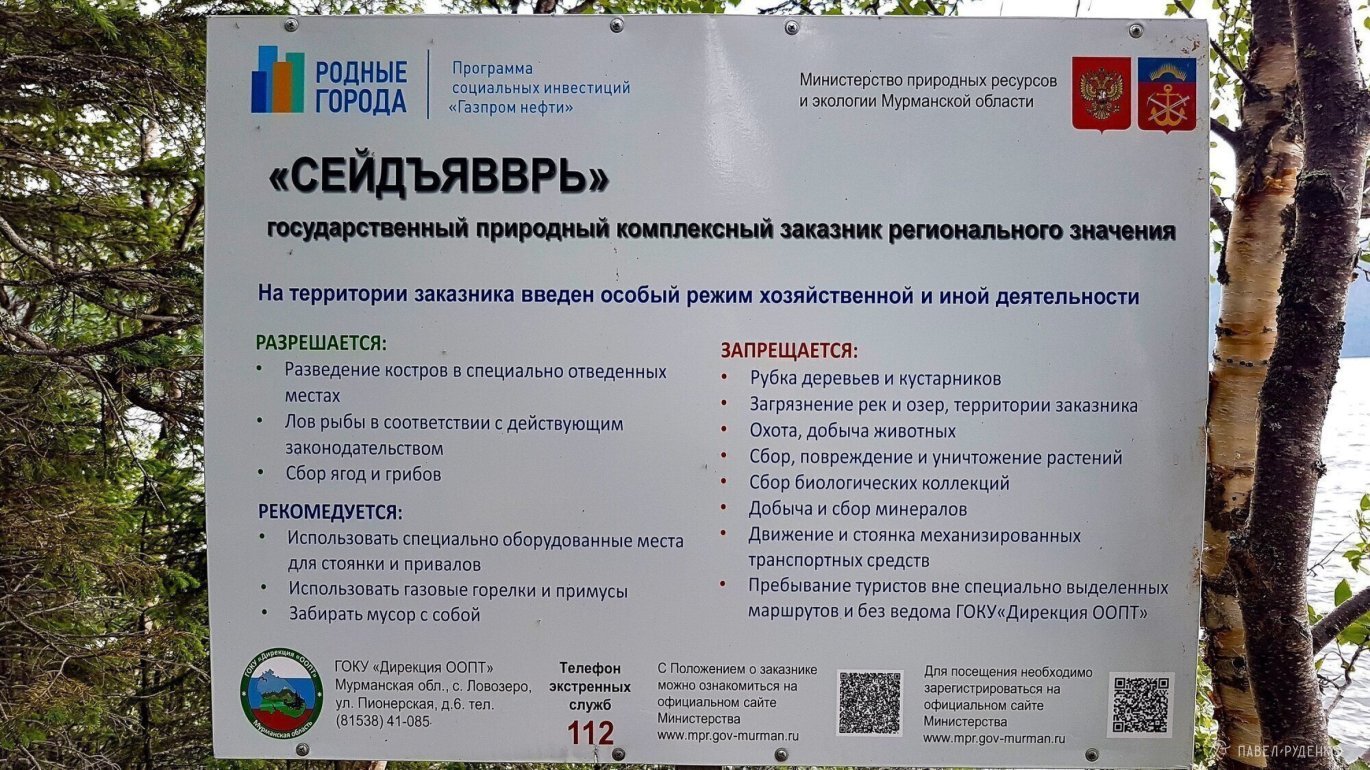
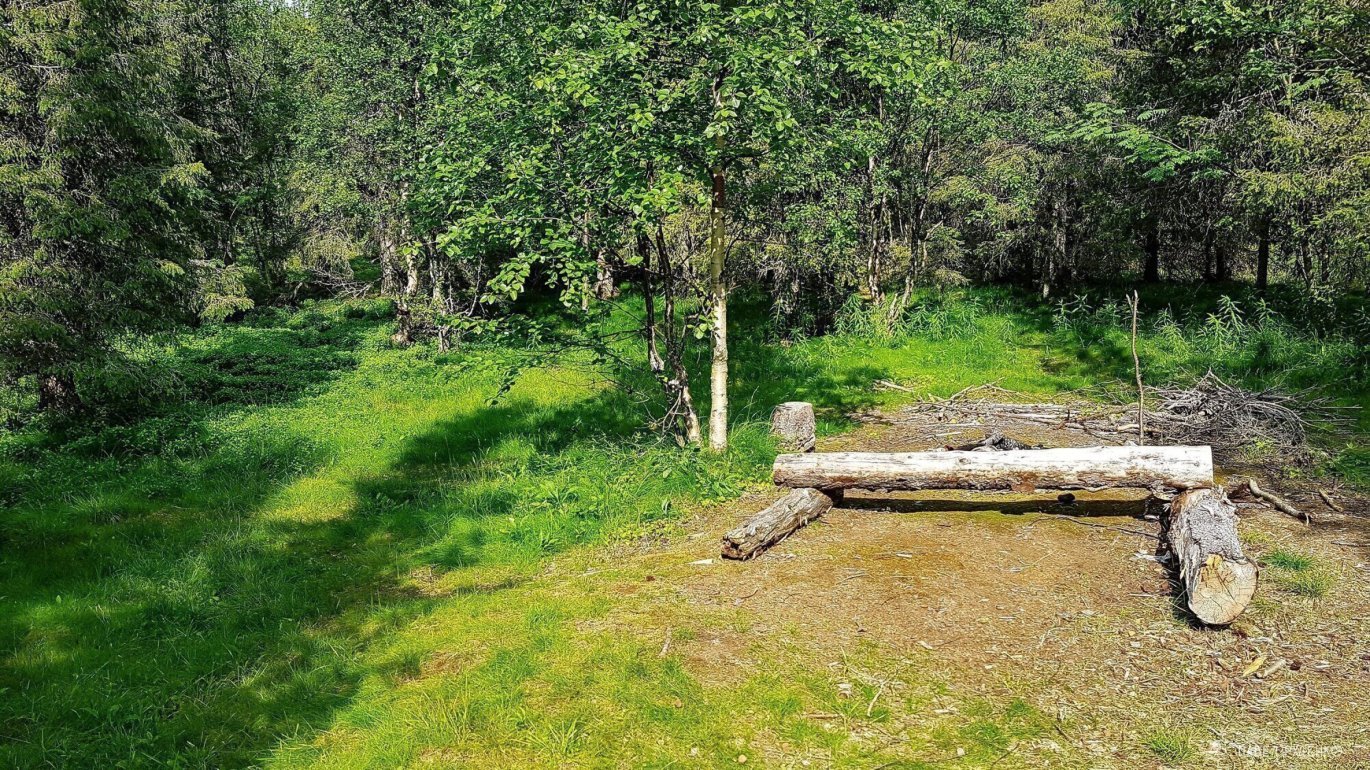
It is advisable to take gas, because above 400 meters, there is bare tundra and no firewood. Below 400 meters, around Seydozero, there are dense forests and dead wood, but the area is a nature reserve. Making fires is allowed only in existing fireplaces at campsites. You need to make sure that the fire does not harm the tree crowns. Creating new fireplaces is prohibited and subject to a fine.
I always go with gas, it's more convenient and faster and we preserve nature. I made a fire once, just for the atmosphere.

Communication
Traditionally, MegaFon has the best coverage on the Kola Peninsula. MTS comes next, and I went with Beeline, I can't switch to another operator. The signal is best caught in the northern and western parts on the top of the plateau. I managed to catch cellular signal and 3G for the first two days, from Geologov Pass to Mount Sengischorr. There was no connection until I reached the plant.
To see the coverage, follow the links of the operators:
Animals
Lemming - 100 grams of unrestrained activity. They spend two hours looking for food and eating, two hours sleeping. Then again two hours of lunch, then sleep. And so on constantly. If you go on a radial hike and leave the tent, it's better to hang the food on a tree. Otherwise, they will chew through the bottom of the tent. If you leave it in the vestibule, they will just tear the bag and take as much as they can.
Ptarmigan - what can I say, beautiful chickens, run both in the forest and on the plateau. I saw them, but didn't catch them to take a photo.
Reindeer - in spring they migrate to the coast, where there are fewer bloodsuckers, and in autumn they return to the forests and tundra, where it's easier to find food. There are interesting differences from the reindeer of the middle band, its heart is much larger, this is due to the fact that the northern one moves a lot. Both males and females have antlers.
Moose - also migrates like a reindeer, but not through the tundra, but along the rivers and more often sticks to dense vegetation, bushes.
Wolf - a pack animal. They are hunted, at the end of the 20th century they were almost completely exterminated, but now their numbers have somewhat recovered. It's extremely difficult to meet them.
Wolverine - a solitary animal. By family relationship, it's suddenly a big marten. Its weight does not exceed 25 kg, it usually feeds on carrion and vegetation, less often on small rodents. Currently, its numbers are small, it is listed in the Red Book. According to the information I found, there have been no recorded attacks on humans and it does not pose a danger. Wolverine tracks are sometimes mistaken for those of a bear cub. It chewed through the door of the cabin.
Bear - a solitary animal. It is quite common. According to locals, there are usually no more than 3 individuals in the Lovozero Tundras at the same time. The bear is not interested in humans and in most cases will either avoid or hide in the bushes and you will not notice it. The danger is sudden encounters, especially for lone hikers. The problem is that in the forest zone, movement occurs in silence, without talking or making noise. The bear's vision is poor, its sense of smell is good, but it works with the wind.
It can attack out of fear, in case of an unexpected, close encounter. If it feels that its cubs are threatened, i.e. mother bears with cubs are more aggressive. If it thinks its prey is being taken away, so from a found animal corpse, it's better to leave.
The best protection against an attack is considered to be a flare. The best protection against an attack: loud sounds, preferably unnatural: whistle, metallic clanging, screams.
When encountering a bear, do not show aggression, the bear is stronger in any case. Do not run, the bear is faster in any case. You need to remain calm, make yourself bigger, without sudden movements, raising your jacket above your head or backpack, slowly leave with your back. This information is from open sources, to understand the topic, I recommend looking at simply the top information from Mikhail Kretchmar. Better to watch all three videos, but if you don't have time, you can get by with one at link 1.
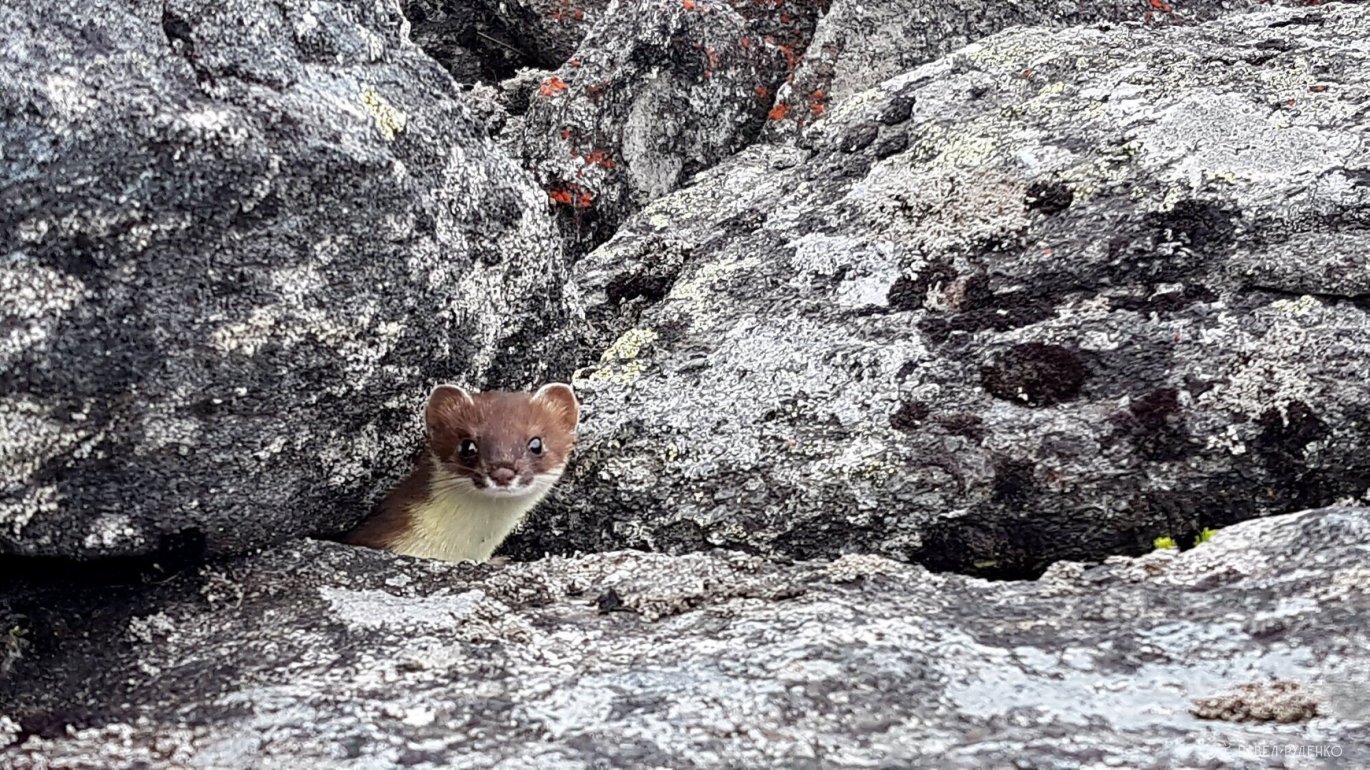
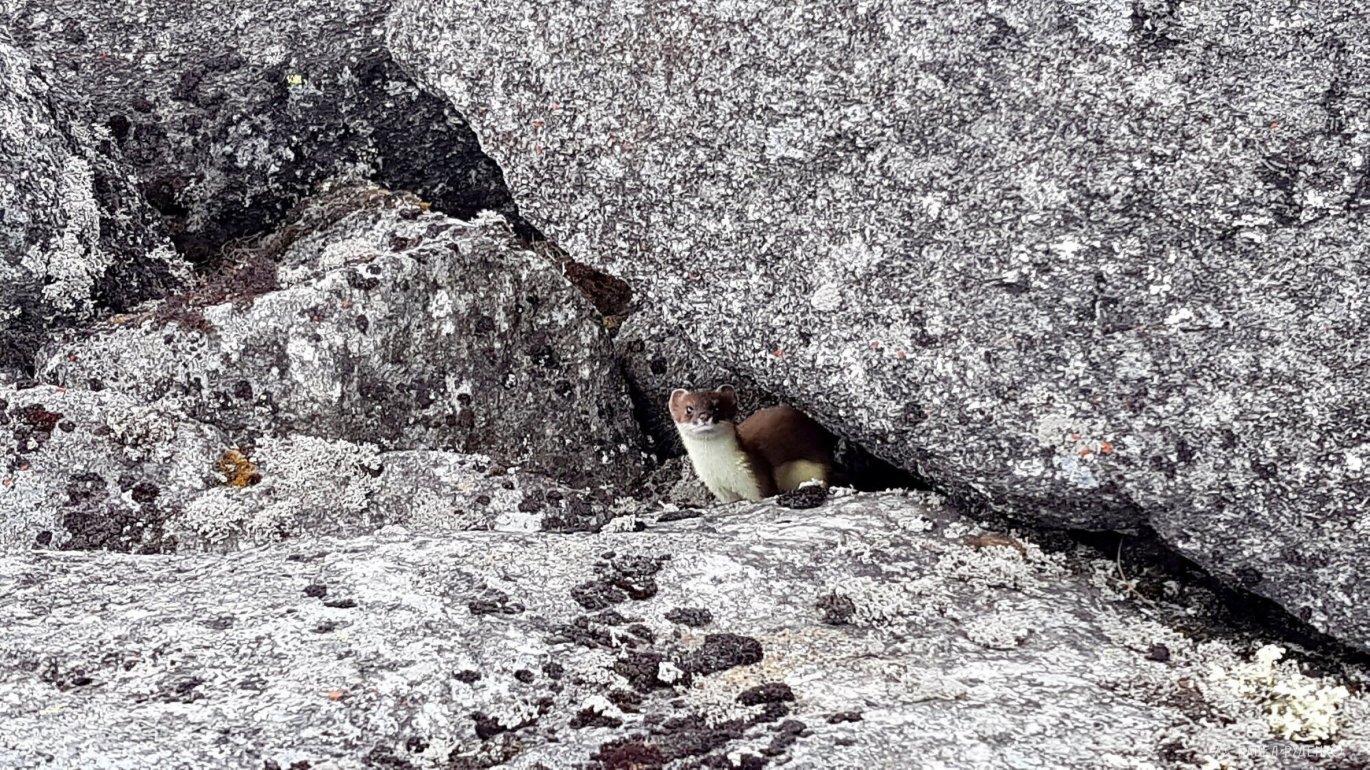
Ermine - a small animal with a long body on short legs, a long neck and a triangular head, weighing up to 260 g. It feeds on small rodents. It leads a predominantly solitary territorial lifestyle. The ermine is a very agile and dexterous animal. On the hunt, it covers up to 15 km in a day, in winter - an average of 3 km. It swims well and easily climbs trees. In a hopeless situation, it risks attacking even humans. The average lifespan of an ermine is 1-2 years, the maximum is 7 years.
Danger
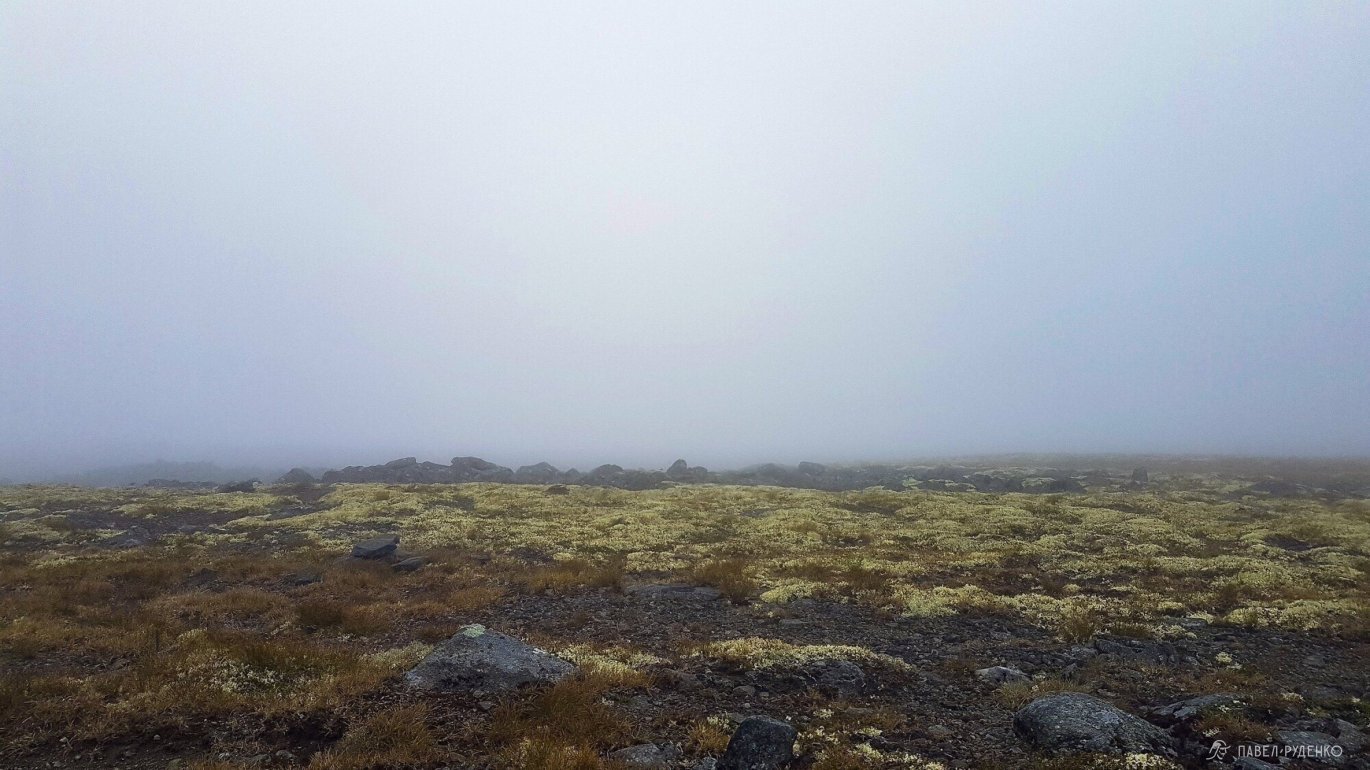
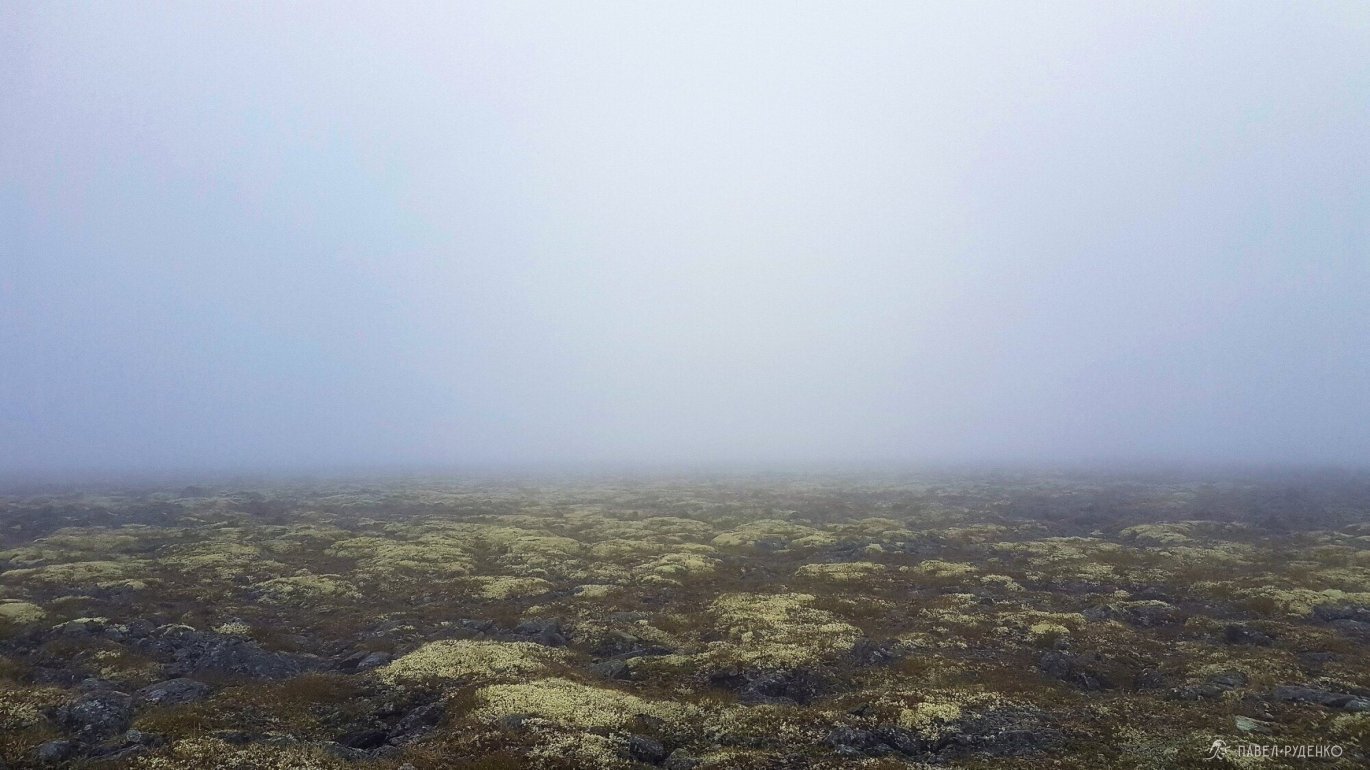
The biggest danger in the north, I think, is the changeable weather. It changes extremely quickly and the temperature difference can be significant. In summer, the temperature easily drops below zero with strong wind and snow. As a rule, the danger can be found on the plateau, clouds completely disorient, there are no landmarks at all and you can only go by navigator. Moreover, options like my Garmin Etrex 20x can lose the signal and not show geolocation. I've heard that the 60th series solves all the problems, but in this situation, it seems to me that it doesn't matter much. It's much more important to make the right decisions.
Some of the incidents can be viewed at the link below. It's more about the Khibiny, but since they are nearby, it doesn't make much difference.
Just in the Khibiny, I felt the severity of the weather on myself, descending from Arsenina Pass, clouds came down, it was slightly drizzling, and after 10 minutes, I saw rain coming out of a neighboring gorge, 2 km horizontally, and flying towards me, 2 km horizontally. The gust of wind almost knocked me down, and the rain soaked me to the skin in 10 seconds. The stones were wet, I fell 5 times on the descent, fortunately without injuries.
According to statistics, in the Khibiny and Lovozero, most cases are hypothermia and avalanches. We're not considering winter tourism now. Hypothermia usually occurred on the plateau or at the top of the passes due to worsening weather conditions and lack of preparation.
Registration with the Emergencies Ministry
A convenient form for filling out the questionnaire, enter your data, route, contacts of relatives.
You need to call the Emergencies Ministry before going on the route and after completing it. The Emergencies Ministry will call every day. My connection didn't always work, so I received 2 messages about missed calls in the morning and afternoon, if possible, I called back and reported that everything was fine.
Emergencies Ministry in Murmansk: (8152) 39-99-99
How to get there
The route starts from the Mining and Processing Plant, next to the village of Revda. The nearest connecting city is Olenegorsk.
You can get to Olenegorsk in three ways:
- By plane to Murmansk and by train to Olenegorsk
- By train to Olenegorsk
- By car, I've never driven, but the road is quite acceptable and there shouldn't be any problems
From Olenegorsk to Revda:
- By taxi. They offered me 1,000 rubles, if there is more than one person, the price is 1,500 rubles or more.
- Hitchhiking. Since the train arrived at 6 am, there was no bus for the near future, I decided to hitchhike. I got there in 2 hours and 15 minutes on 4 cars.
- By minibus. The schedule is not posted anywhere, you can call transportation companies and order a ticket. Or ориентируйтесь на расписание маршрутов 231 Olenegorsk-Revda and 234 Olenegorsk-Lovozero
From Revda to the Mining and Processing Plant:
In the center of the village, the bus stops at the address Pobedy Street, 31. It runs frequently, takes 20 minutes, and the fare is free. If you are in your own car, there is parking at the plant.
Bus schedule:

Overnight stay in a tent
Searching for places to spend the night should be divided into 3 areas.
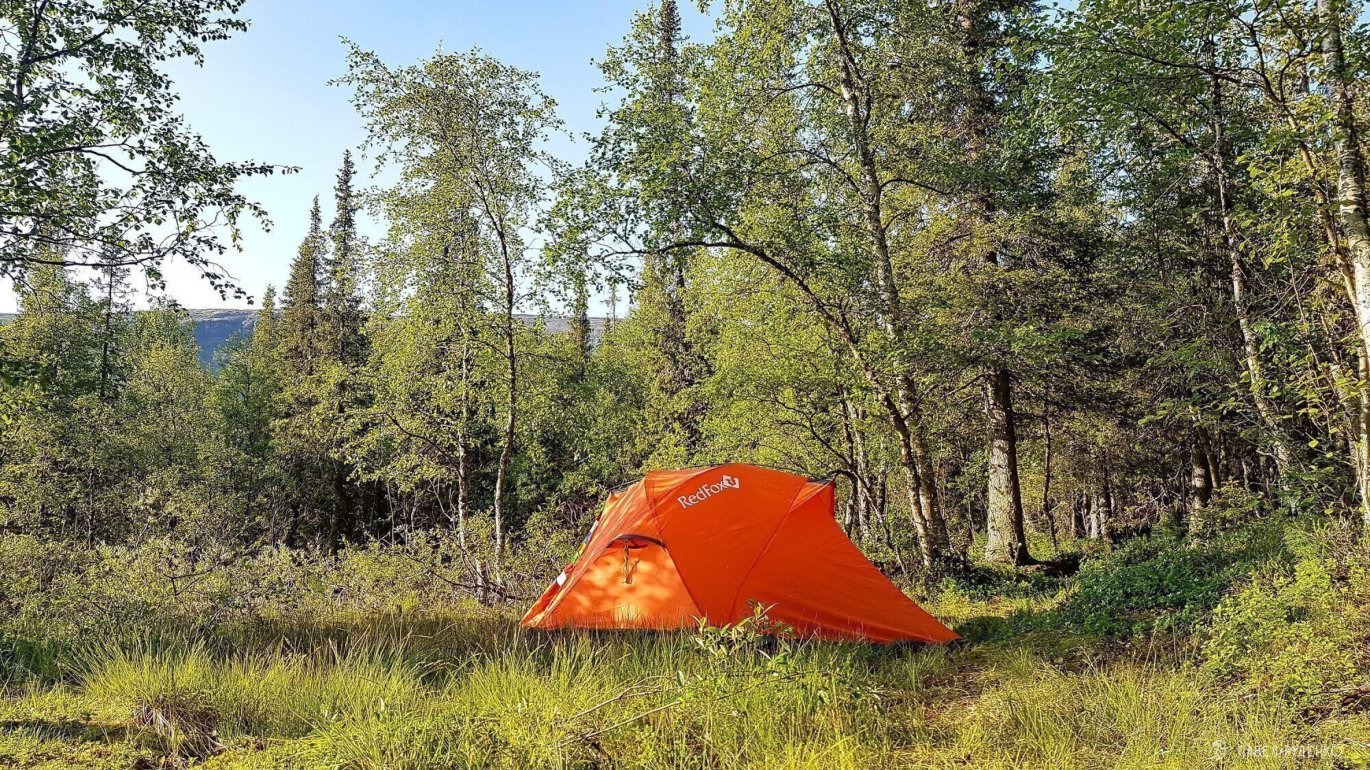
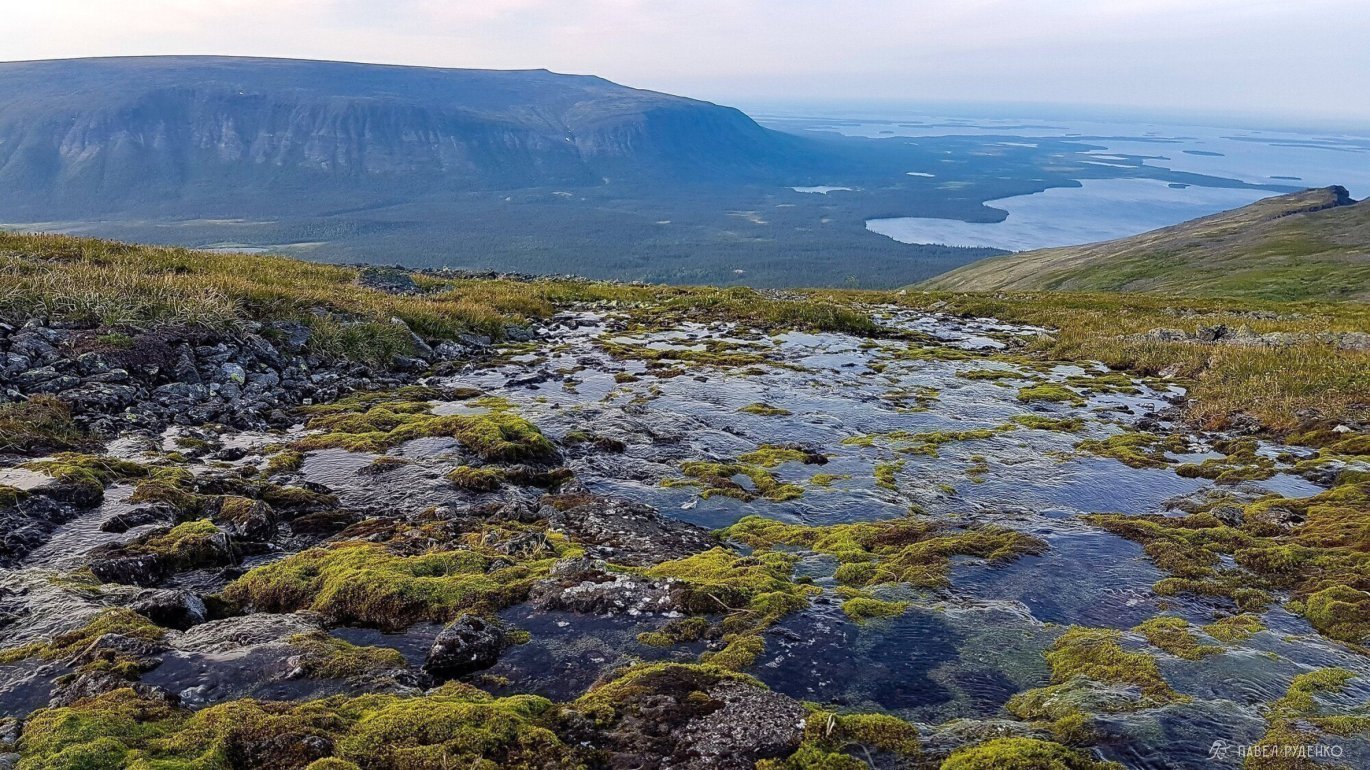
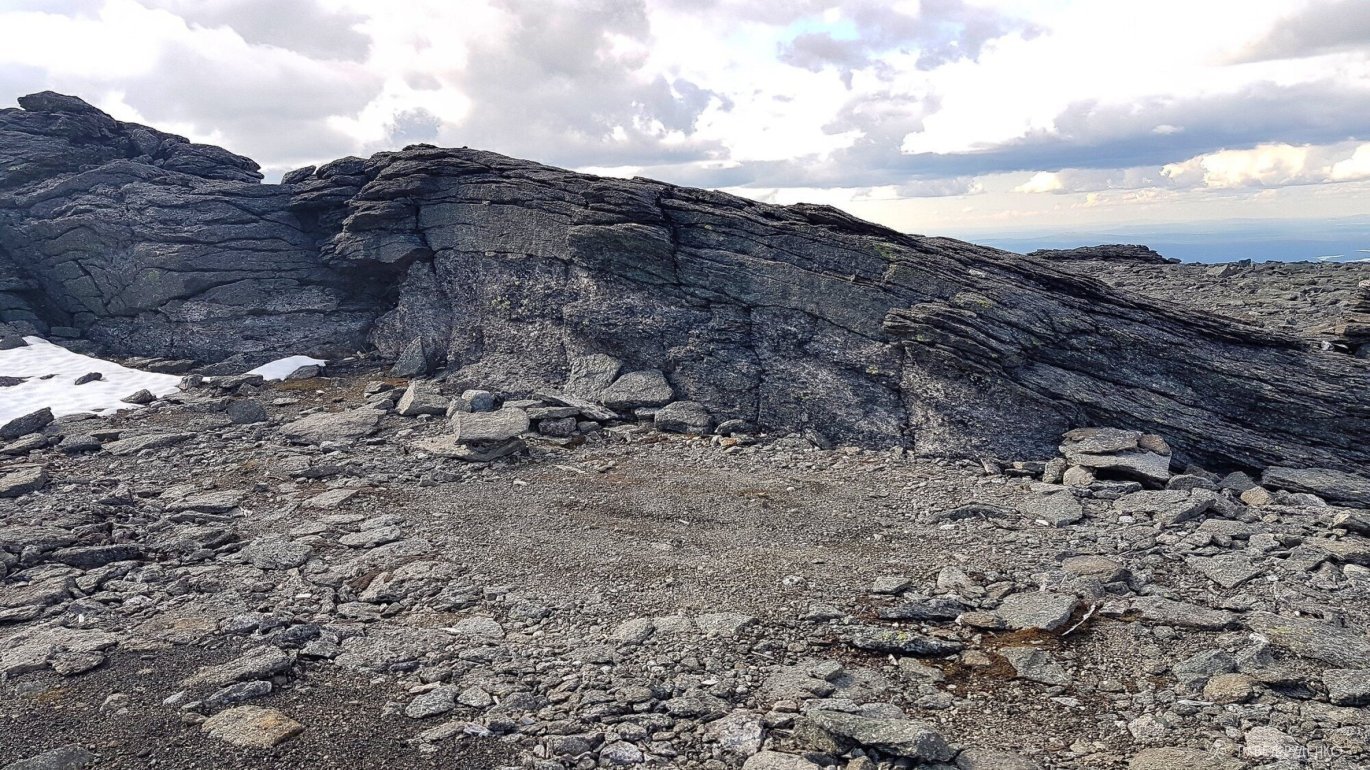
- On the plateau. The top of the plateau consists of stones, sometimes large, sometimes small. Finding places here is the most difficult, but possible. Areas prepared for tents are usually near the peaks, which are piles of stones rising 3-4 meters. We came across cleared areas for 1-2 tents every hour or so. The plateau offers a good view of the valleys and lakes, but there is little water, you will have to go down to the snowfields and streams. There is a risk of bad weather, and it is especially harsh on the plateau, so look for places hidden behind rocks and stretch the guy lines well.
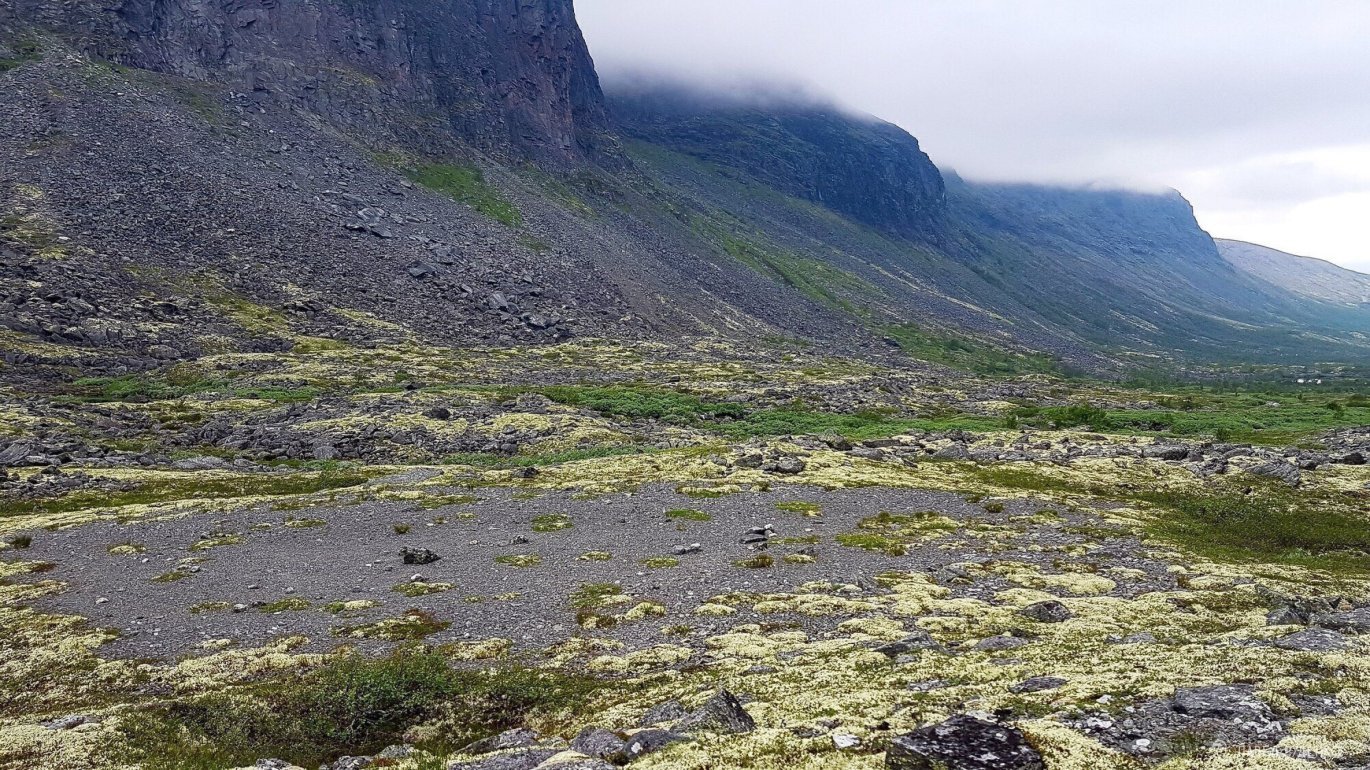
- In the gorges. A more preferable option, especially near waterfalls. There is plenty of water and many safe areas.
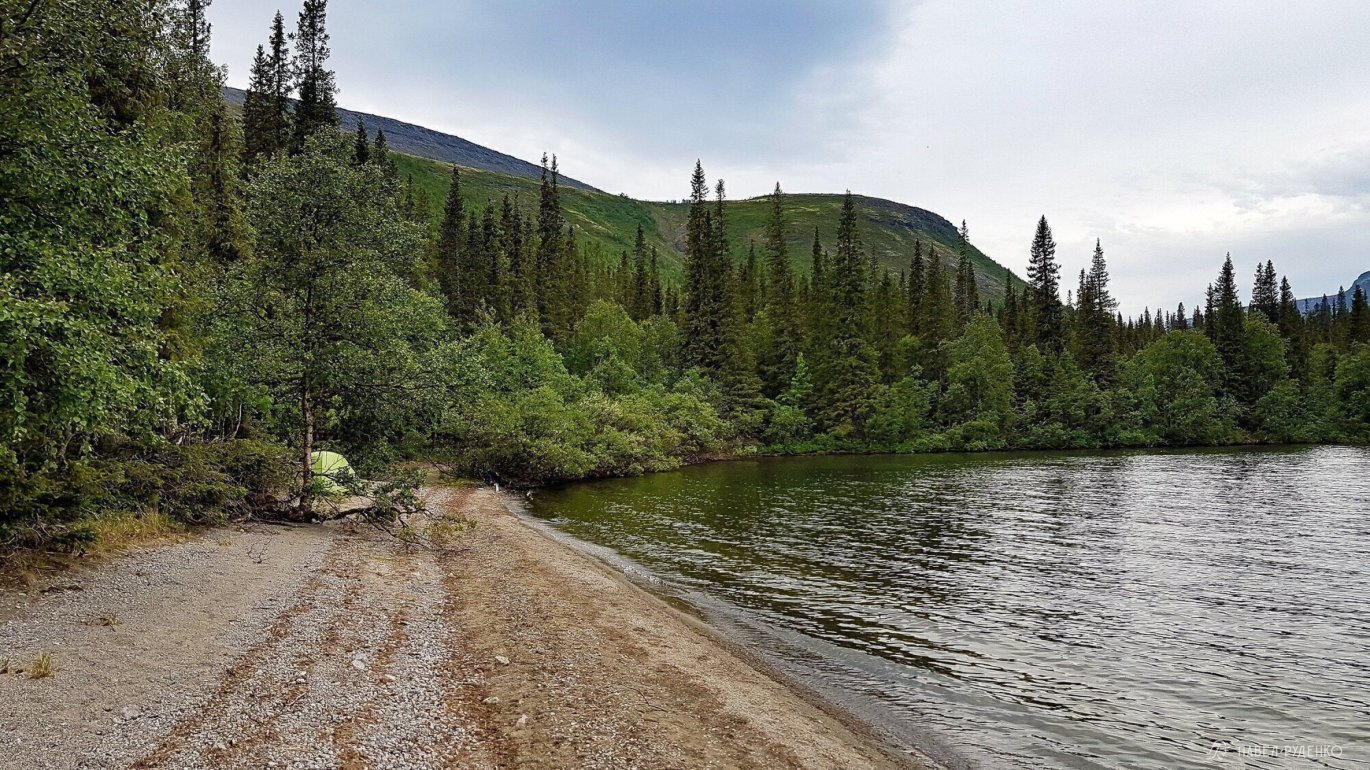
- Near Lake Seydozero. An option for relaxation, the lake is incredibly beautiful, in calm weather it becomes calm and looks like a mirror. Very beautiful, cozy, safe, there is firewood. The downside is more people. Here you can meet both fishermen and hikers walking around the lake for 2-3 days.

Gear
- The most important thing is to protect yourself from mosquitoes. A mosquito net is a real salvation from annoying creatures.
- Spray against mosquitoes and midges.
- Sunscreen
- Sleep mask or dense buff.
- Footwear for wading, I took crocs
- Buff for the neck and sunscreen.
My video lecture at the Sport-Marathon Travelers Club about the Lovozero Tundras.
Read part 2 about Seydozero:


