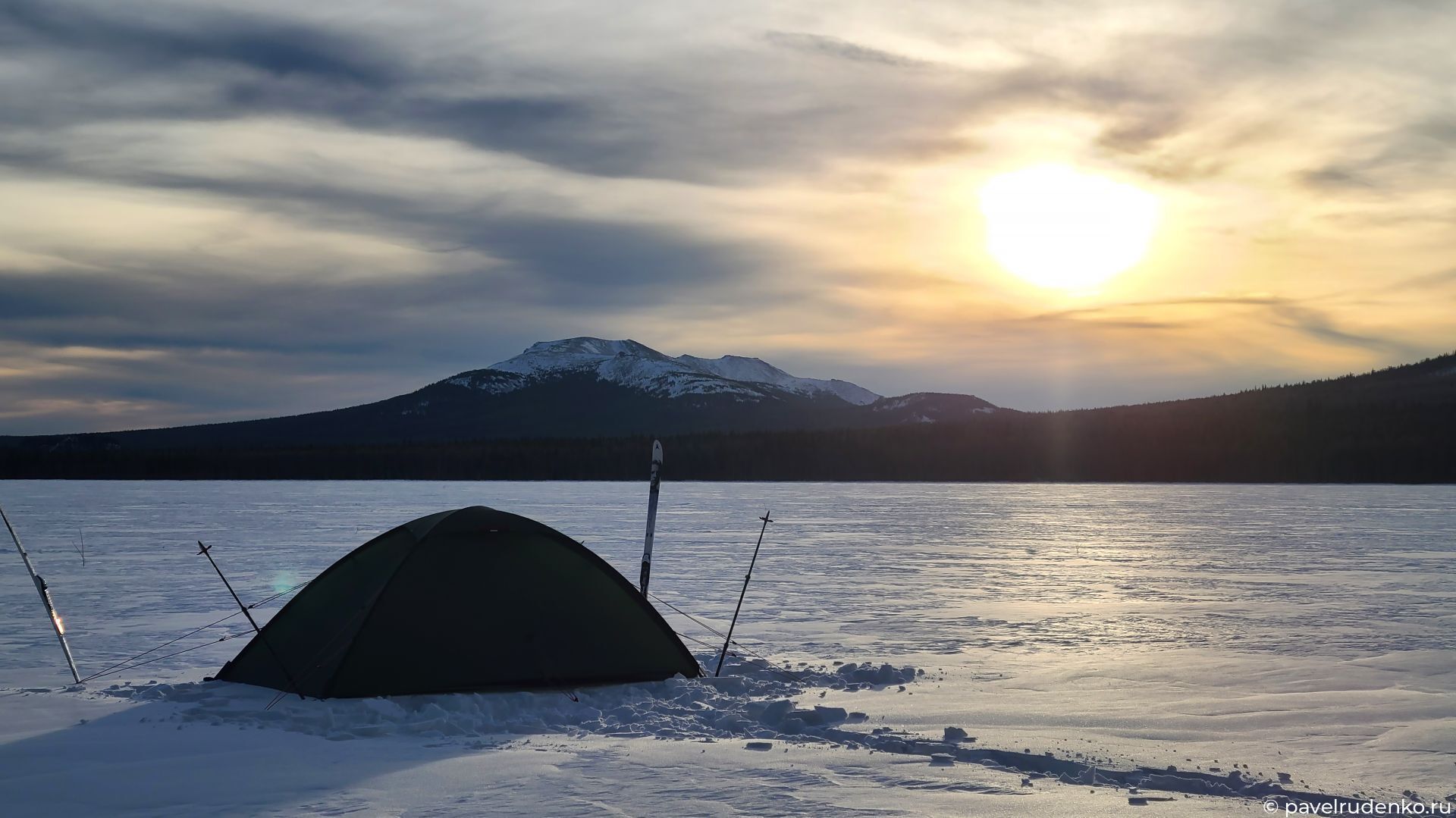
Unna belongs to the red label line, which means that the tent was designed for 4-season use in the harshest conditions, from tundra areas in winter to climbs of 7,000 meters, with limitations only at the North and South Poles, windy glaciers of Patagonia, and the highest peaks of 8,000 meters.
Unna occupies a nearly empty niche of very comfortable solo tents, four-season, very durable, adaptive to any tasks from heat to frost, from hiking to skiing and climbing tasks. There is a similar design but significantly less powerful tent from Helsport - Trolltind Superlight 2.
Specifications
Outer fabric: Kerlon 1200, 30D, high-strength Ripstop Nylon 66, weight 49 g/m2.
Tear strength of the tent: 12 kg, standard (ISO 13937-4).
Impregnation of the tent: Si/Si, the threads are impregnated with silicone, the tent is impregnated on top and bottom. Treated with UV-resistant during tent dyeing. The seams are not taped because it's silicone, but folded four times and sewn with synthetic threads with cotton, which completely protects against moisture and increases service life compared to taping the seams.
Water resistance of the tent: 5,000 mm/49 kPa, standard (ISO 811),
Floor material: 70D Nylon, with triple PU coating, weight 90 g/m2, puncture and abrasion resistant.
Water resistance of the floor: 15,000 mm/147 kPa (ISO 811).
Inner tent material: 30D Ripstop Nylon, treated with DWR, 35 g/m2.
Arches: DAC Featherlite NSL 9mm, 2 arches of 387 cm
Weight: packing weight 2.3 kg; minimum weight 2 kg; outer tent weight 1.015 g; inner tent weight 700 g; arches weight 470 g; stakes weight 160 g.
Comfort
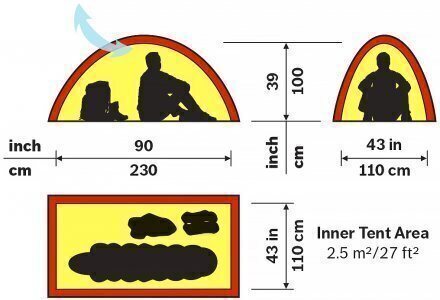
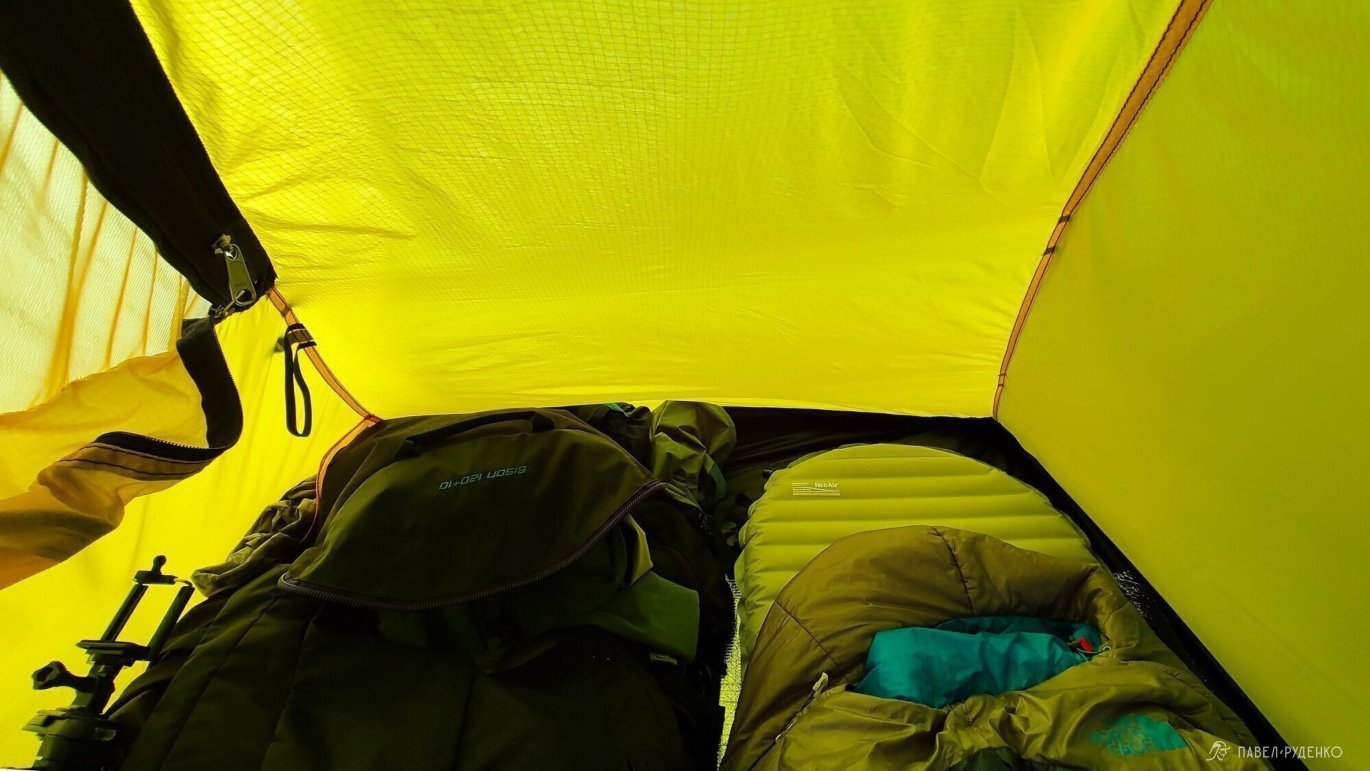
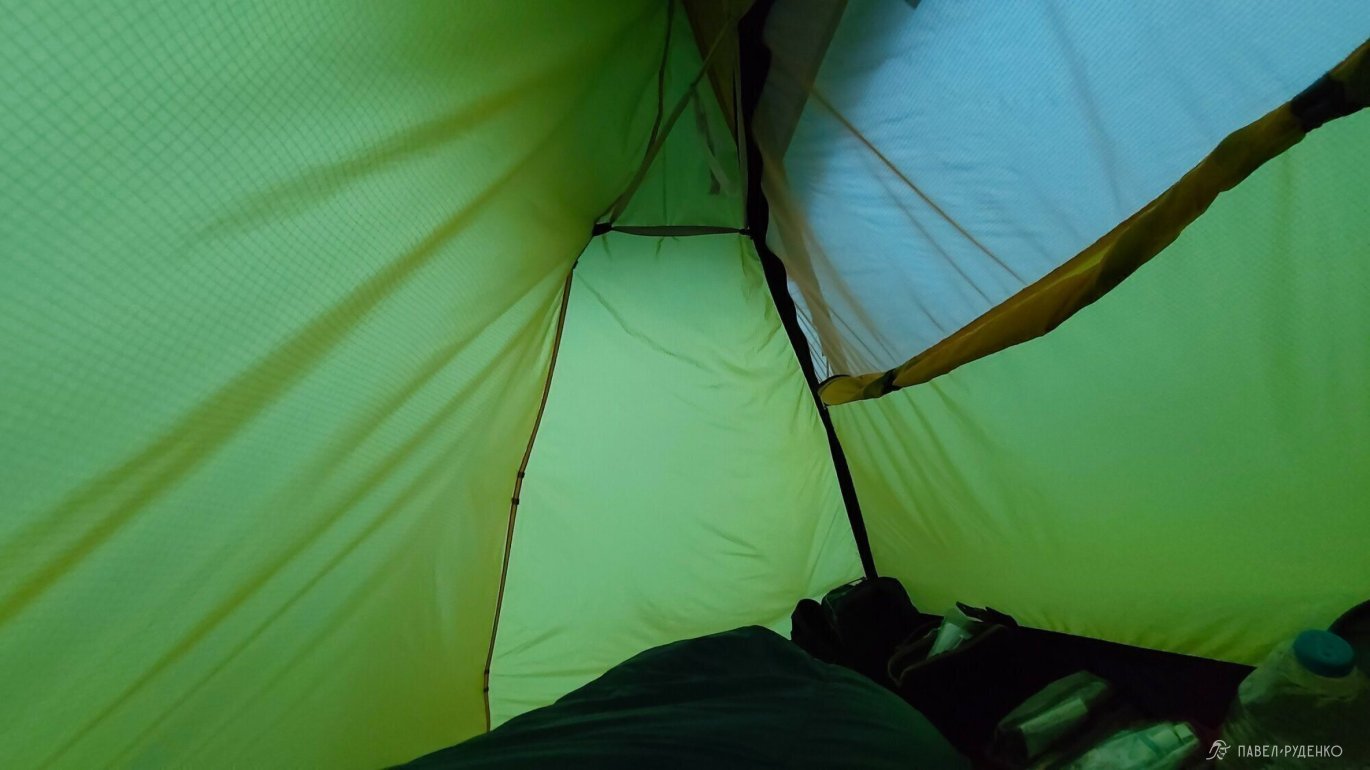
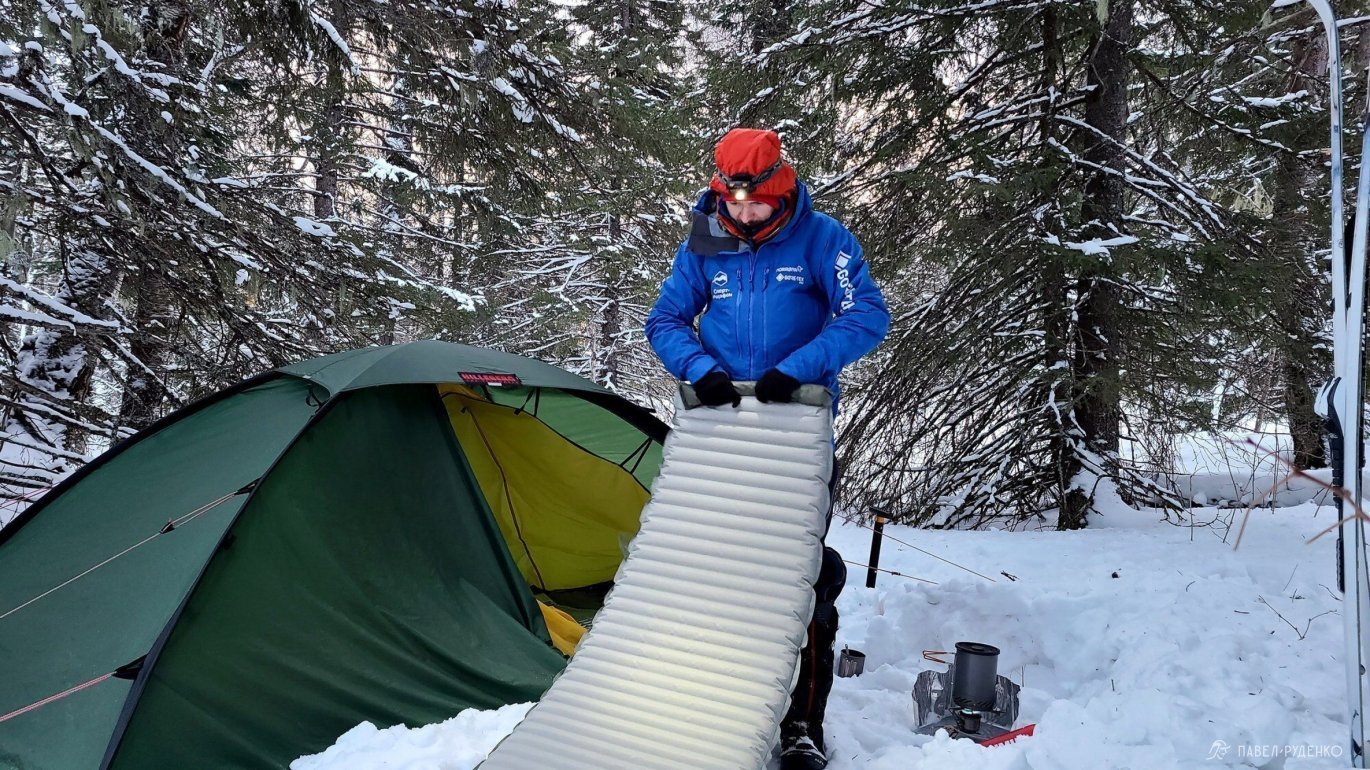
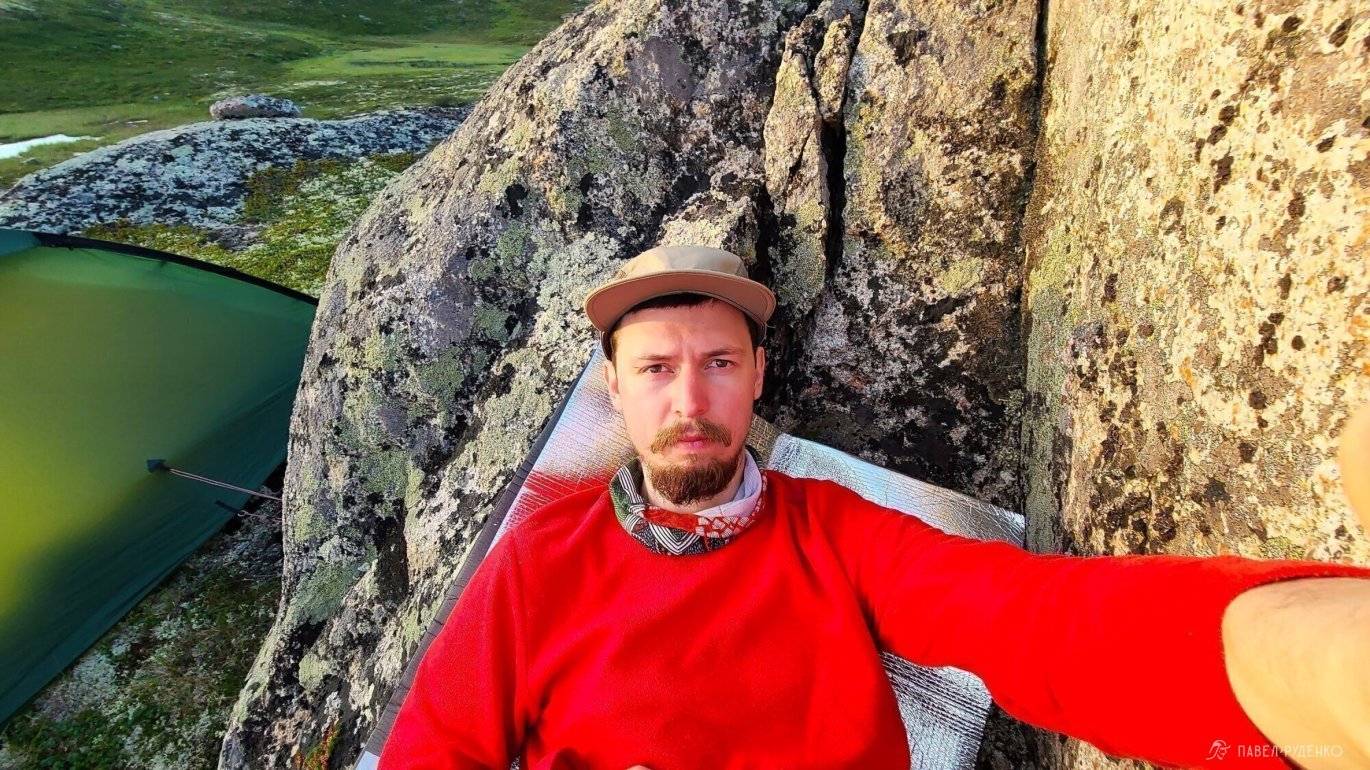
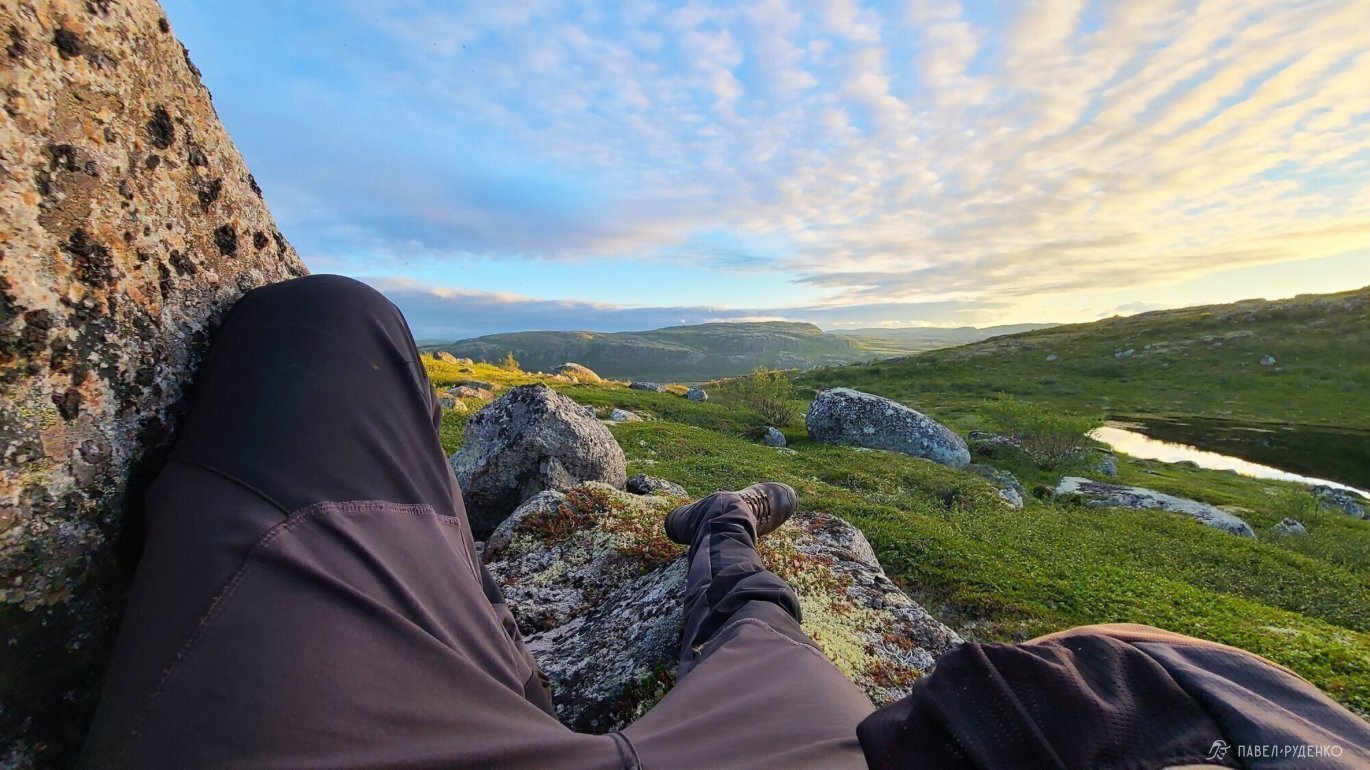
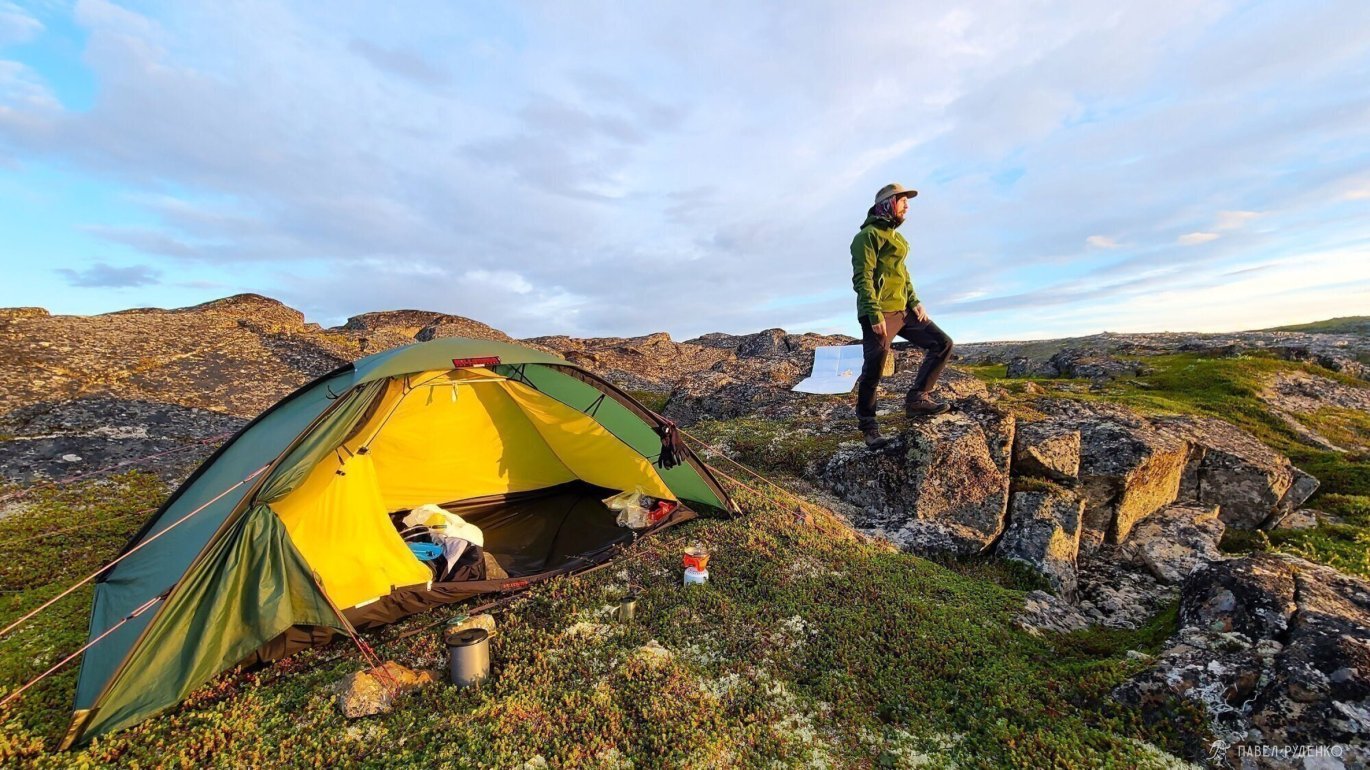
Super spacious one-room tent, 100 cm in height, 110 cm in width, 230 cm in length, which is rare and perfect for tall people. Backpack and things are inside the tent, I really like this concept after using 2-person tents in solo hikes. Large internal volume in winter conditions provides less condensation, less chance of touching the walls of the tent covered with frost, and also provides maximum comfort on long hikes in the summer.
Vestibule
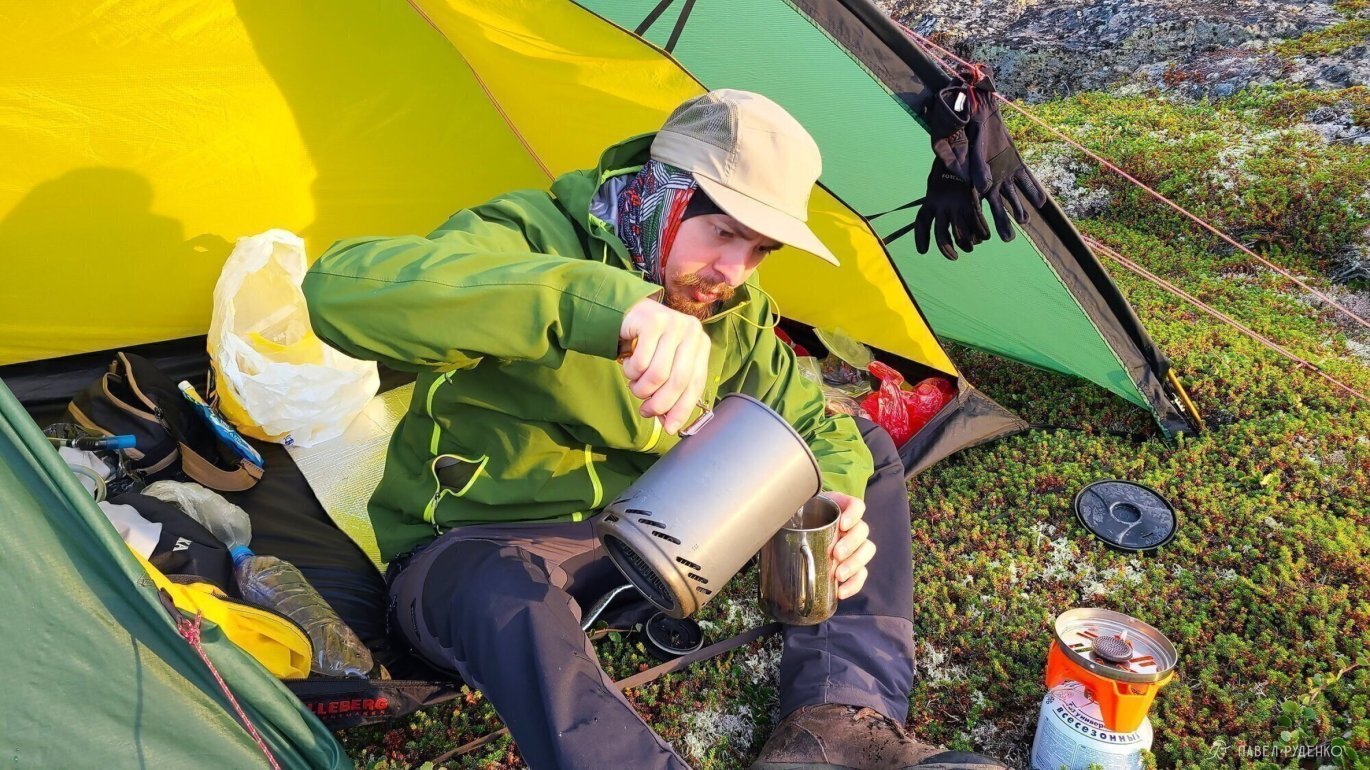
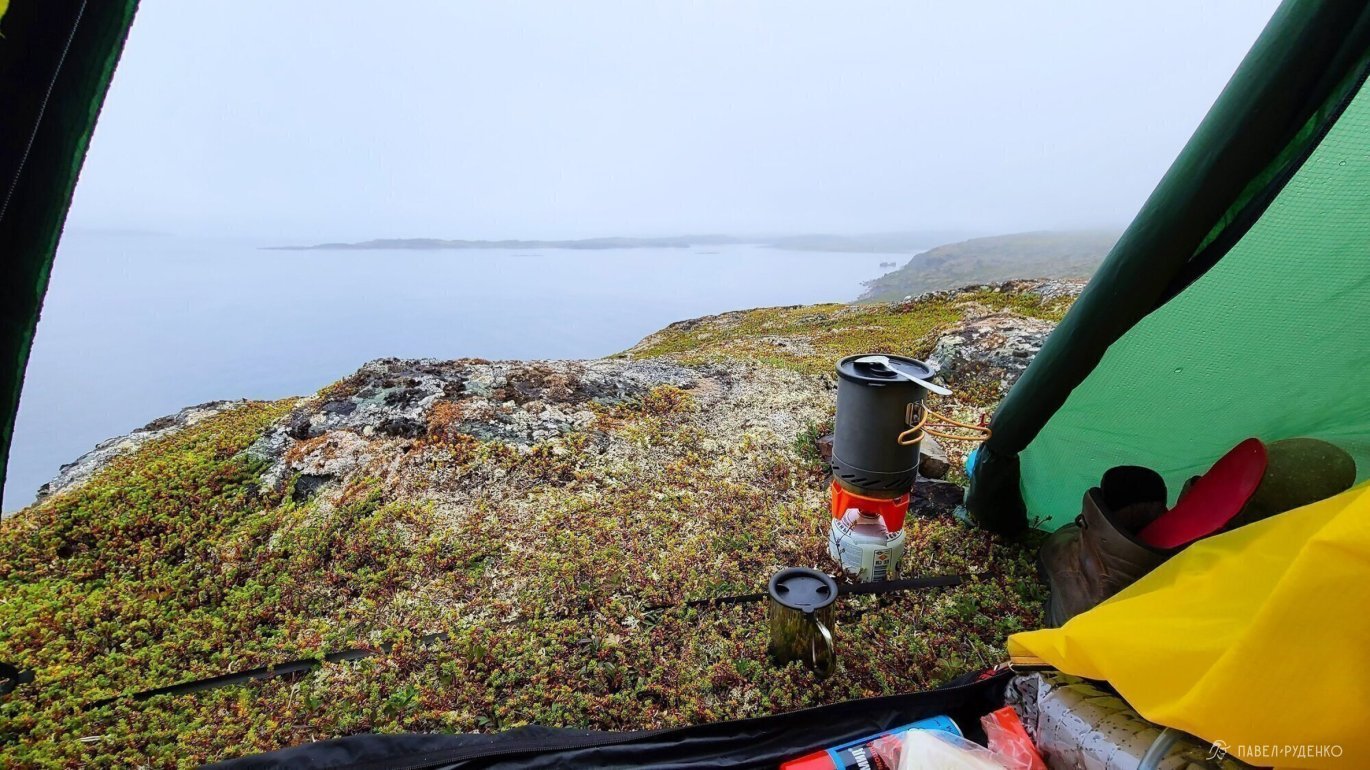
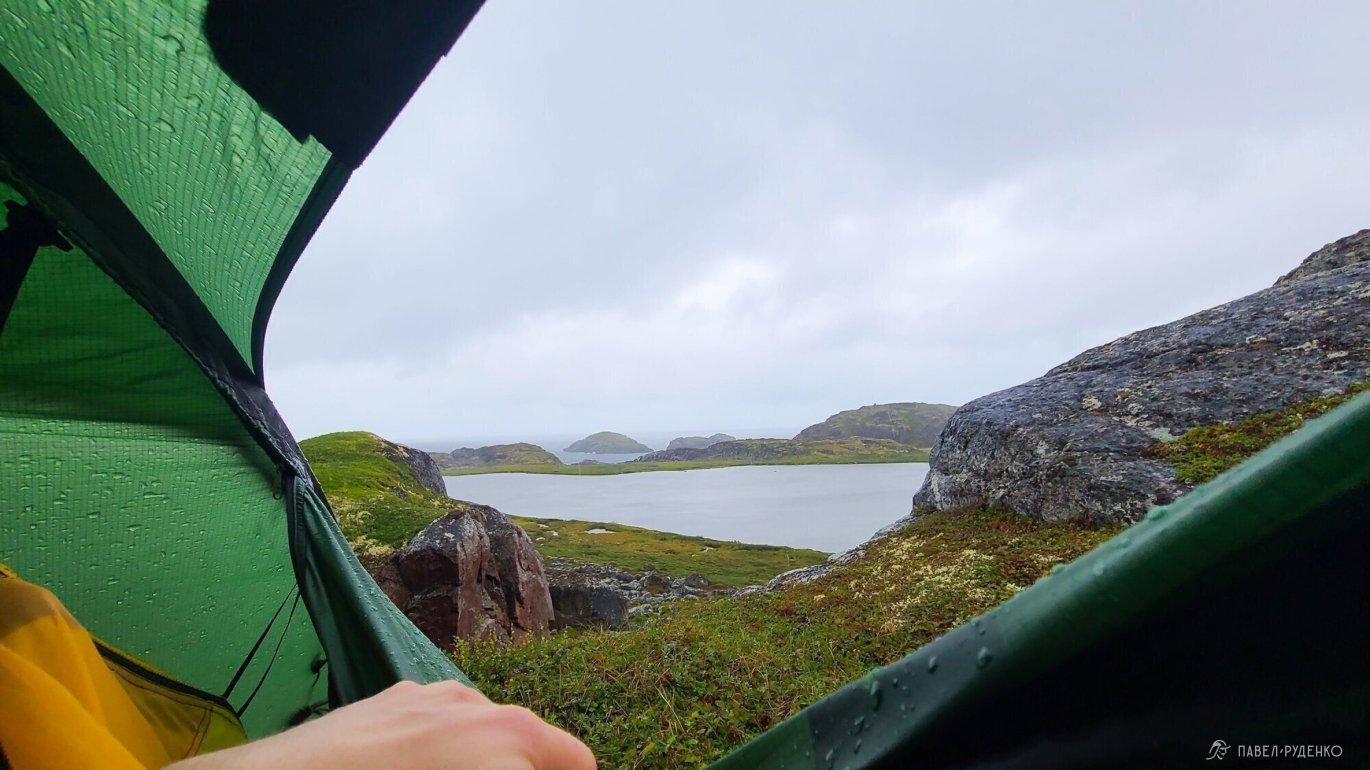
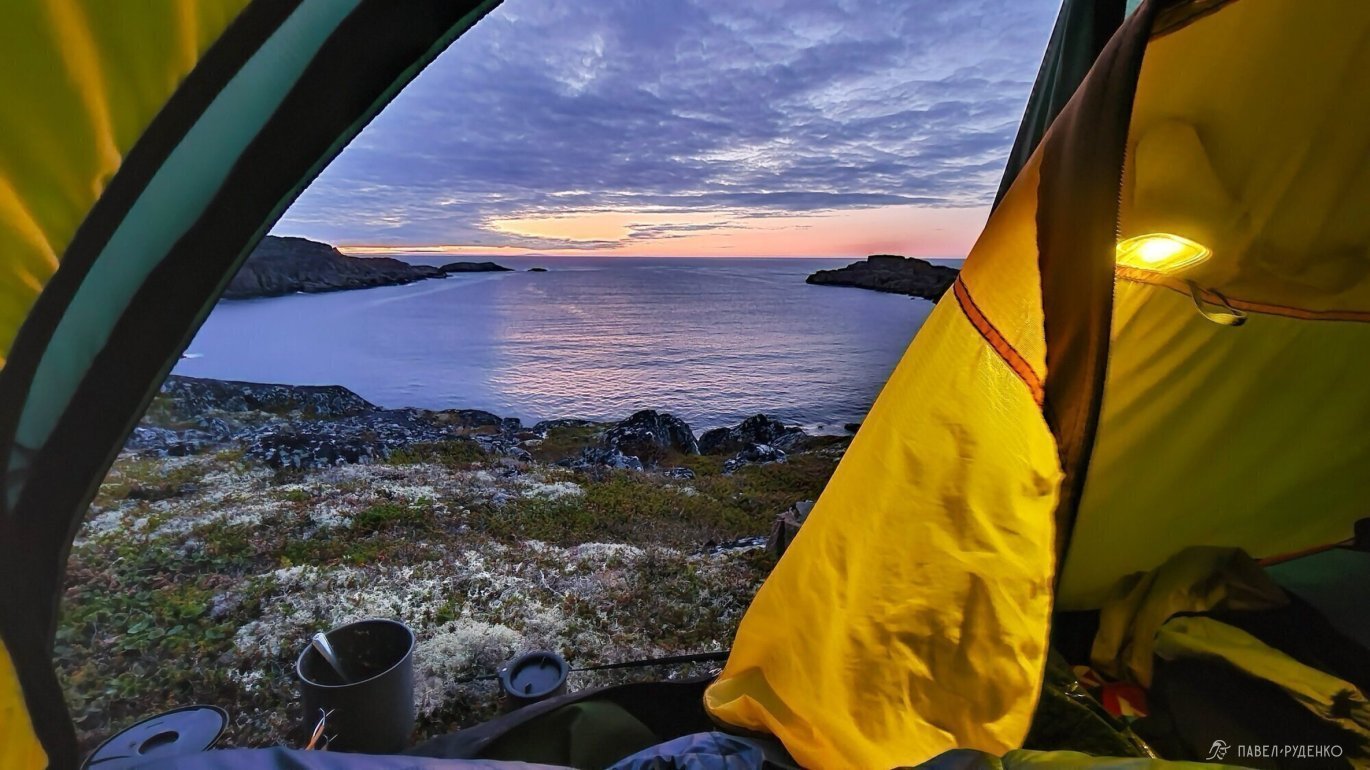
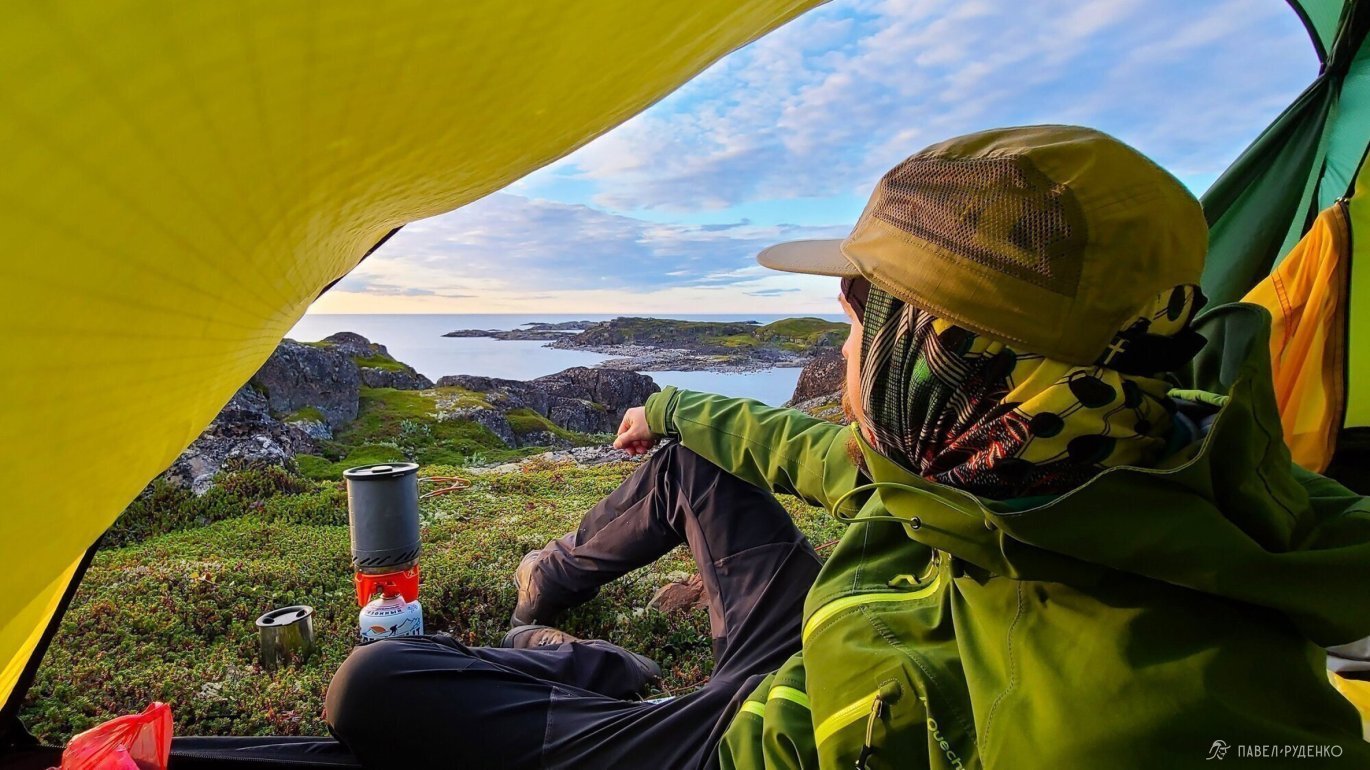
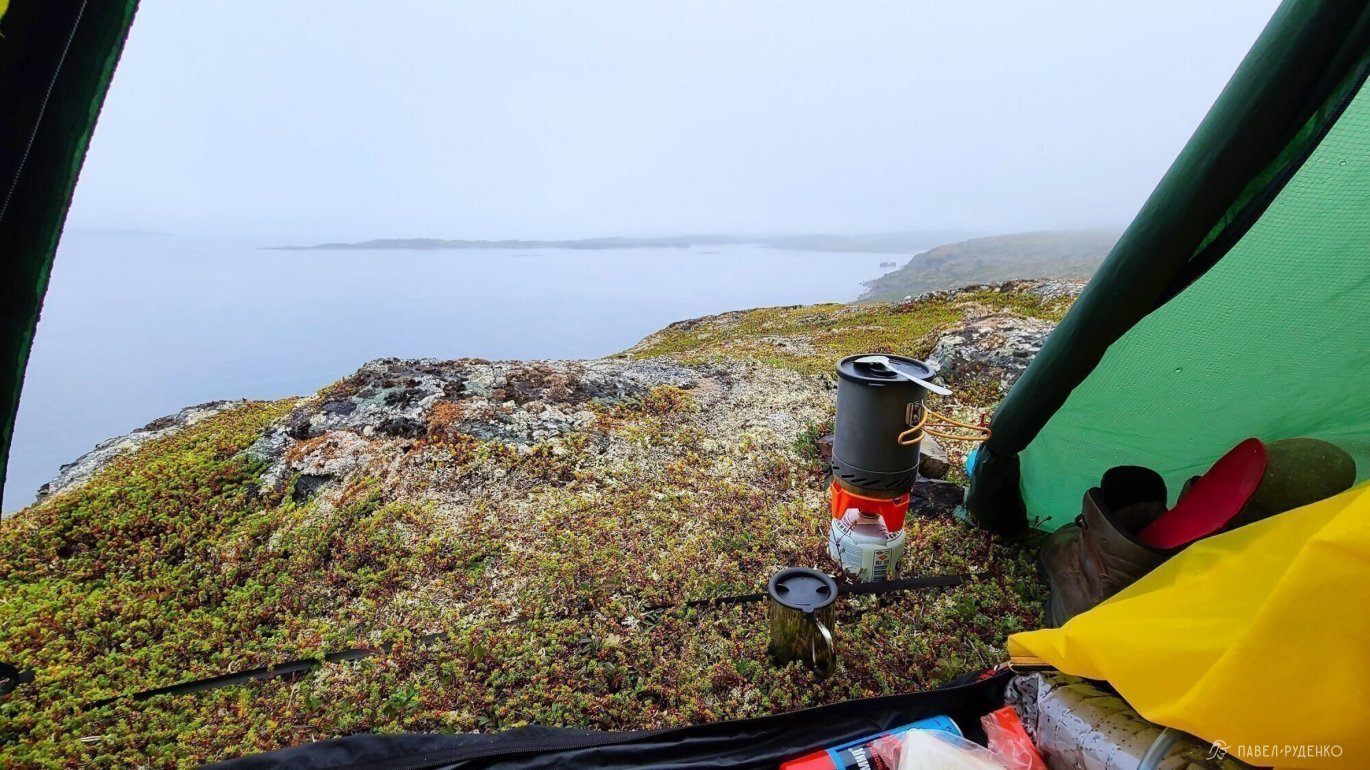
There is no vestibule here. It may seem strange, and at first I had concerns, but eventually the design turned out to be the most understandable and logical. I use the vestibule for about 40 minutes in the evening and 40 minutes in the morning while cooking, the rest of the time is spent inside the tent, on average 8-11 hours. Using the vestibule from the total time spent in the tent takes up only ~10%. At the same time, the vestibule requires a platform for installation, растяжки, has a certain fabric weight, etc. For storing things in Unne, there is an internal space, which means all things are kept dry and easily accessible. Shoes and dishes fit into the ~15 cm gap between the tent and the ground and the inner tent. At the same time, it is possible to stretch the side walls and increase the vestibule to ~40 cm, and consequently increase ventilation (the gap between the tent and the ground). For cooking in the rain, I unfastened the inner tent from the outer tent at the entrance, providing an area for the burner, leaving an open corner of the entrance for ventilation.

Ventilation
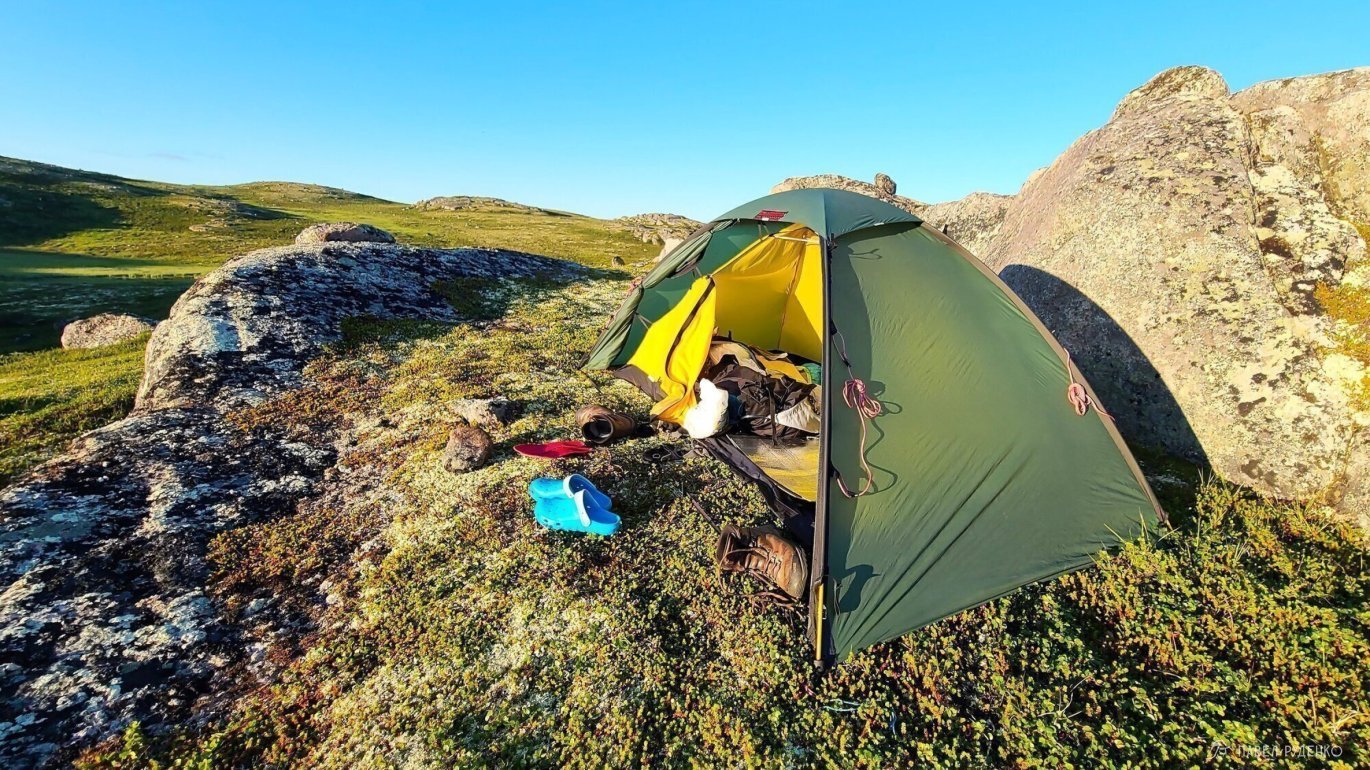
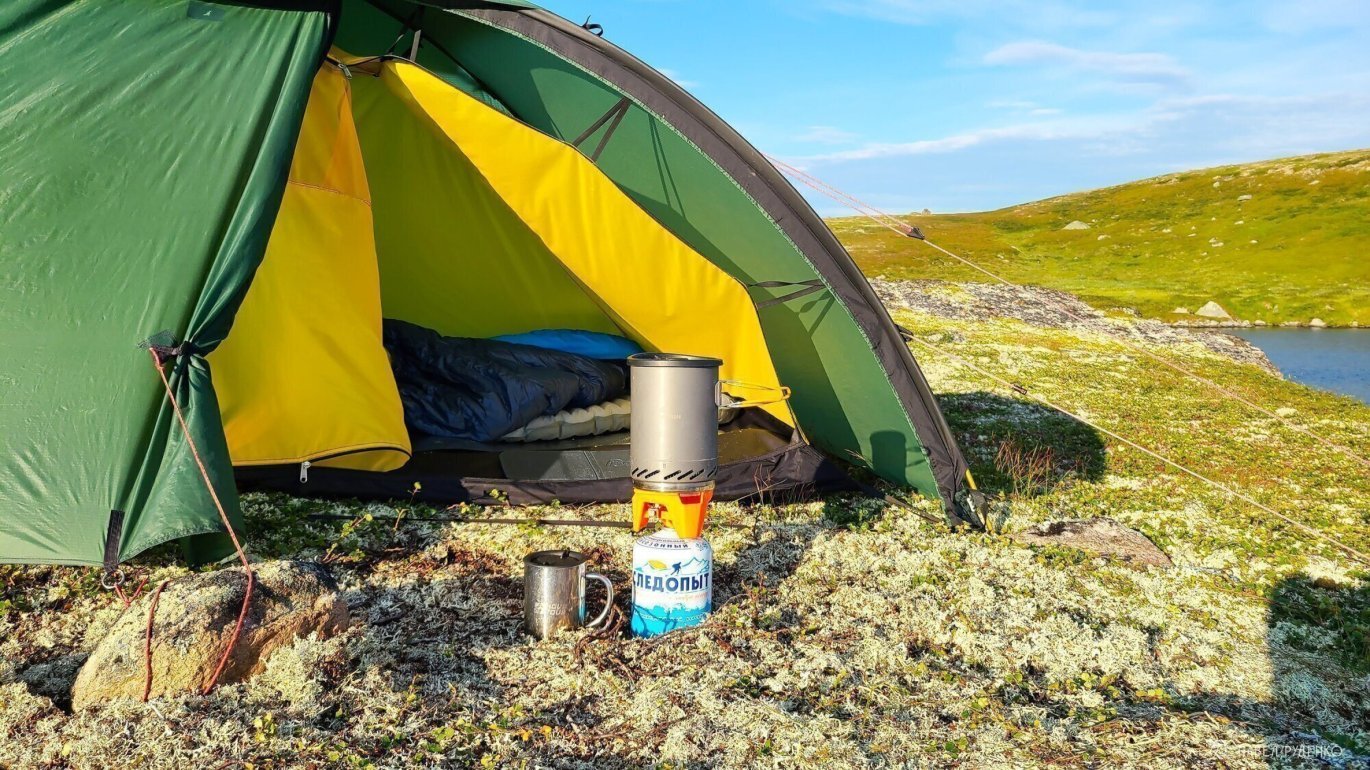
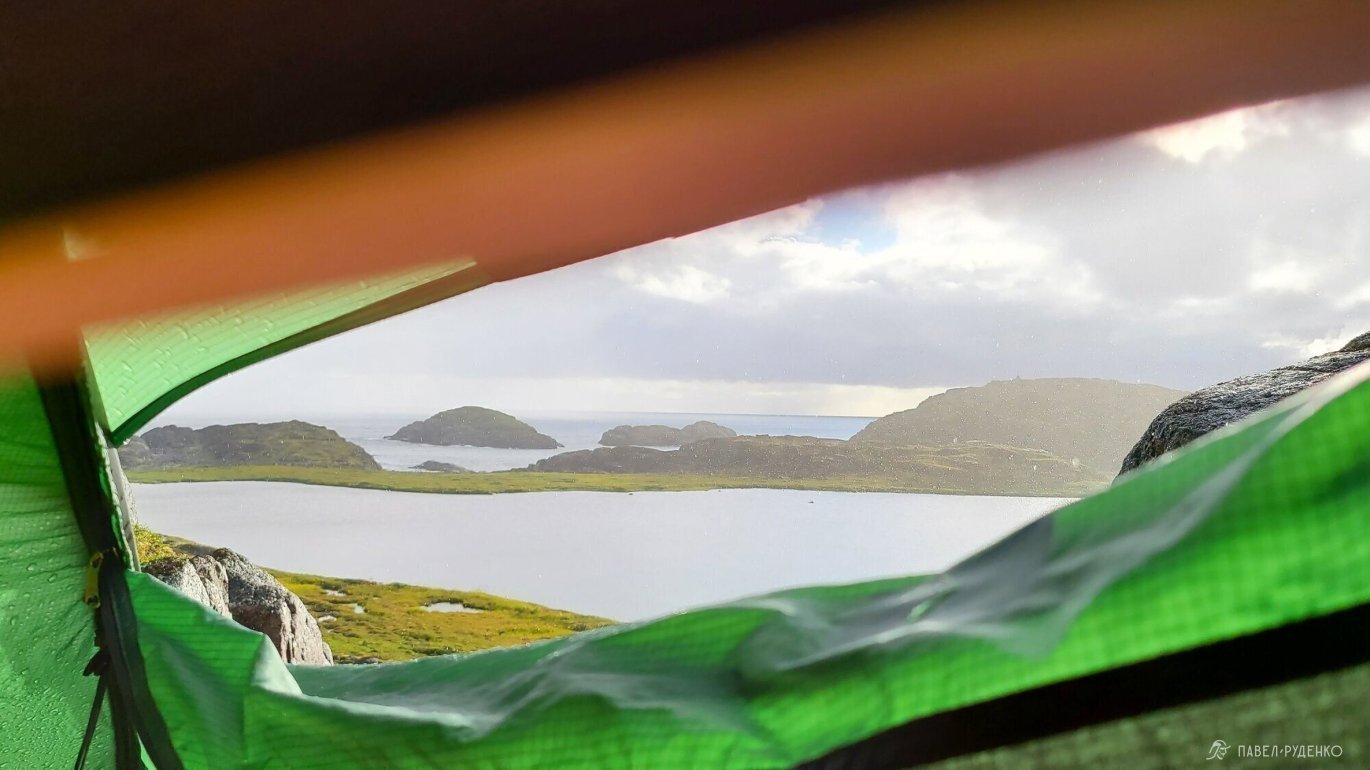
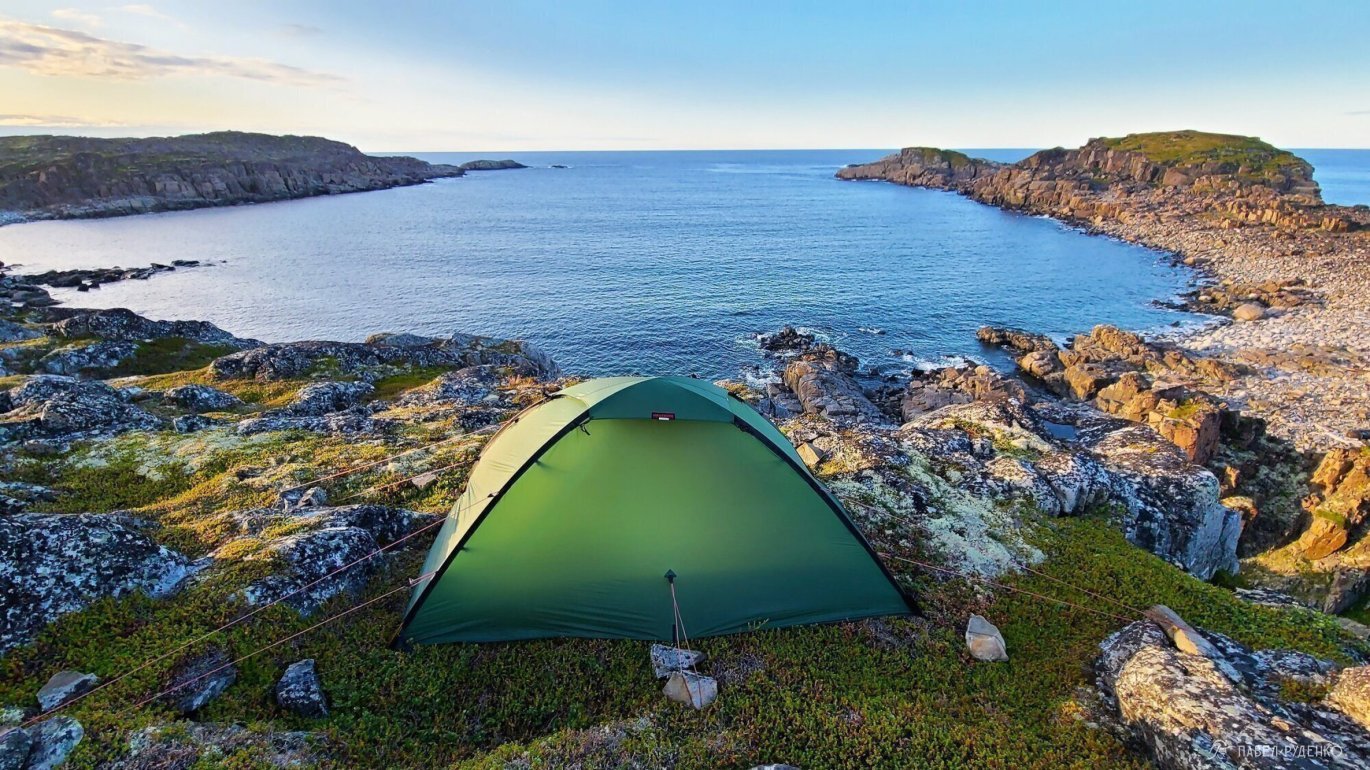
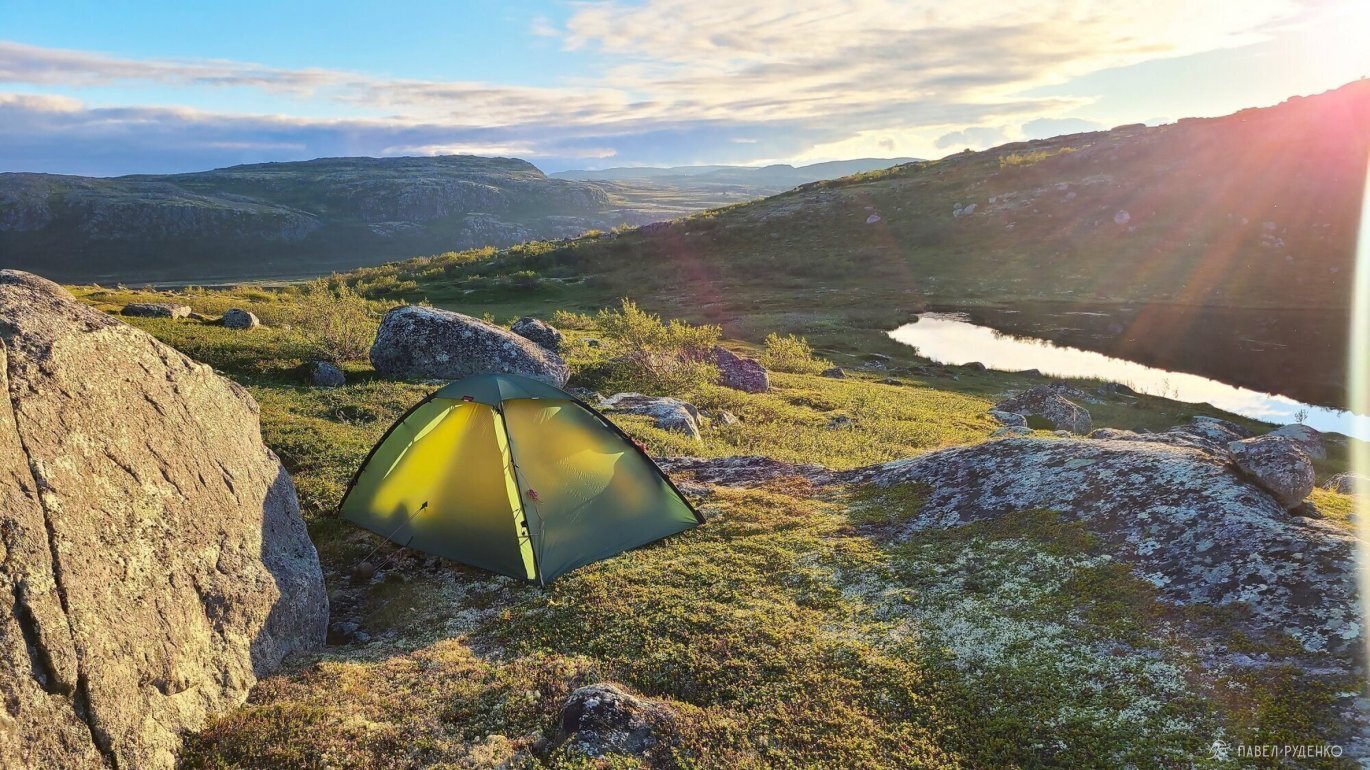
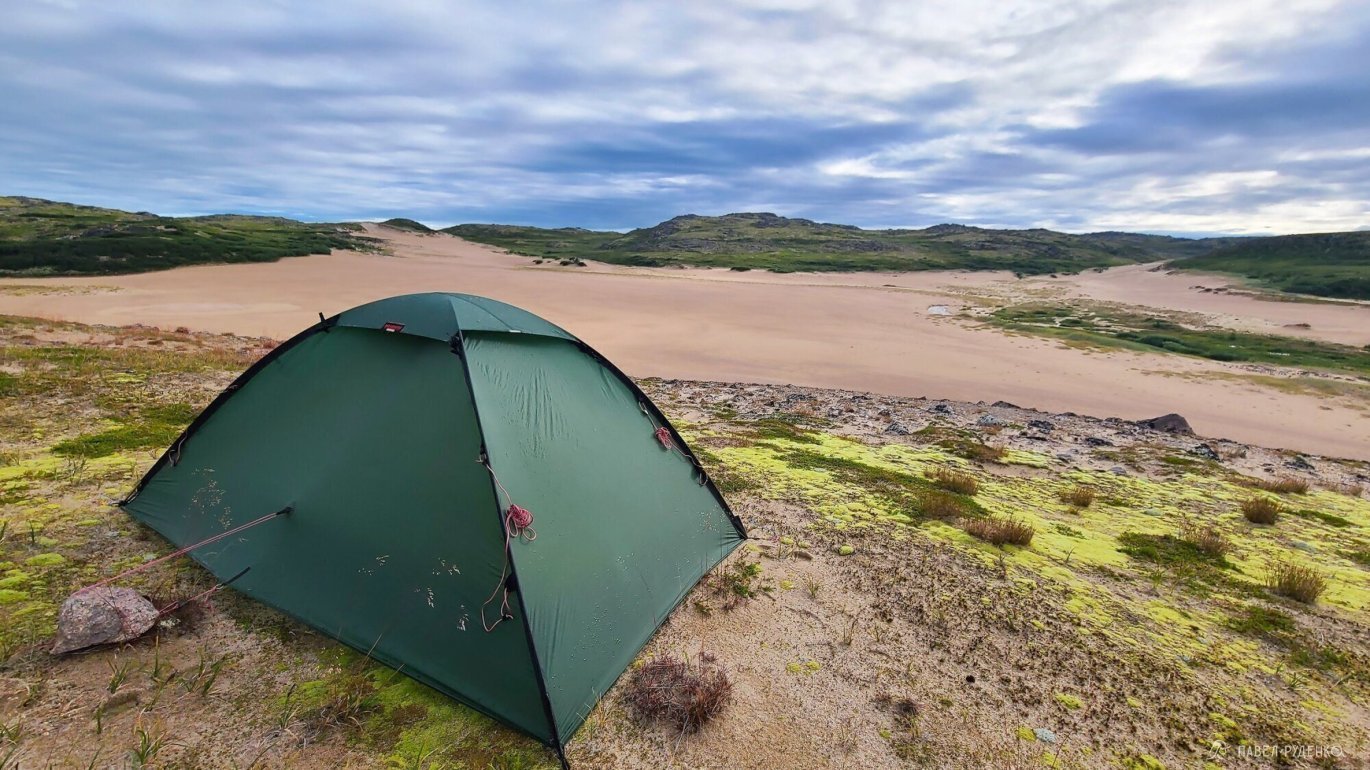
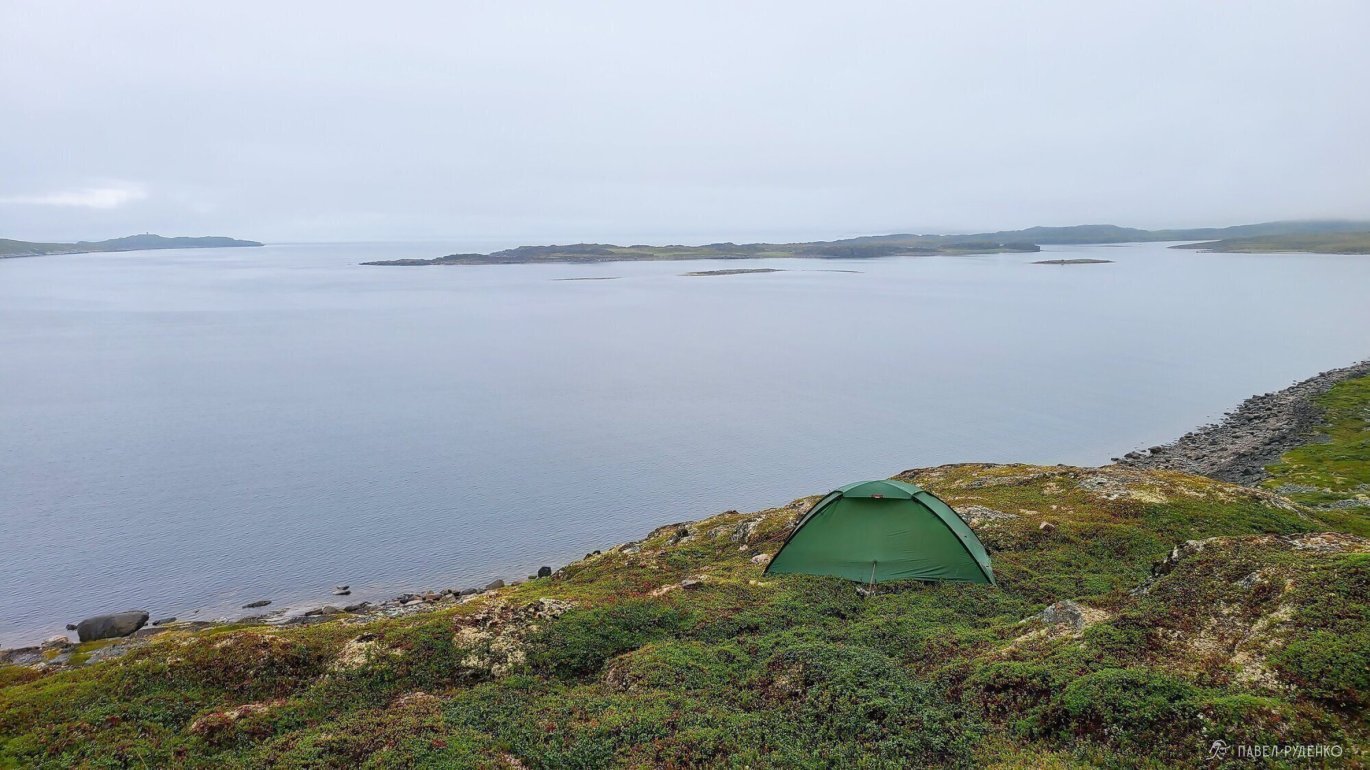
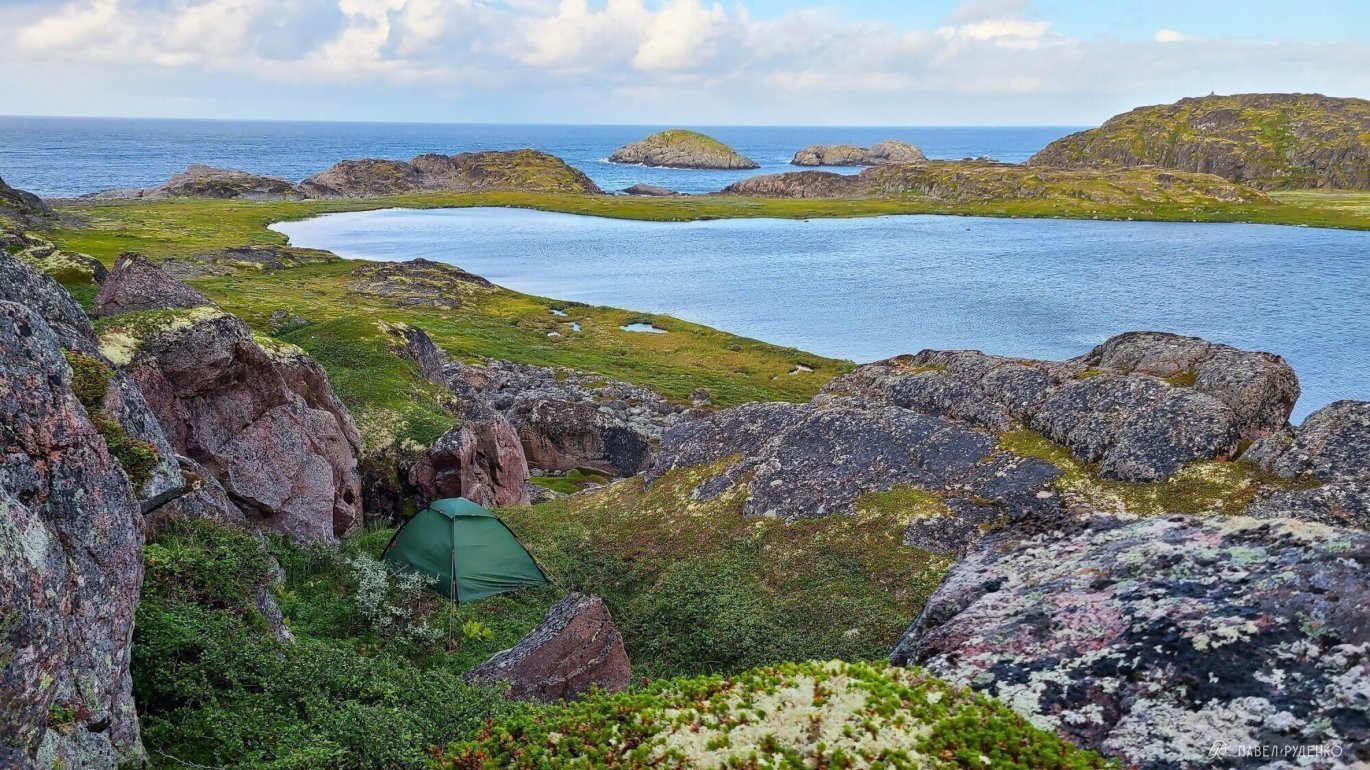
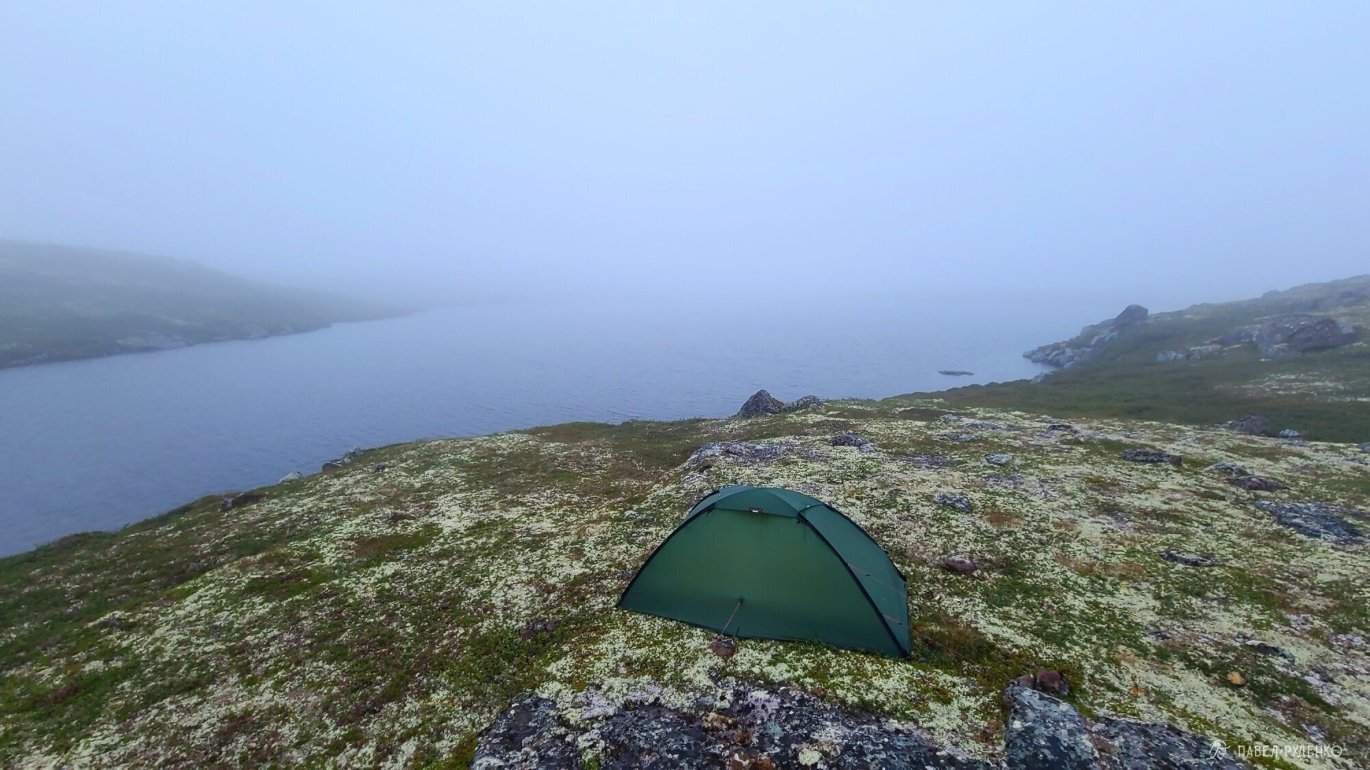
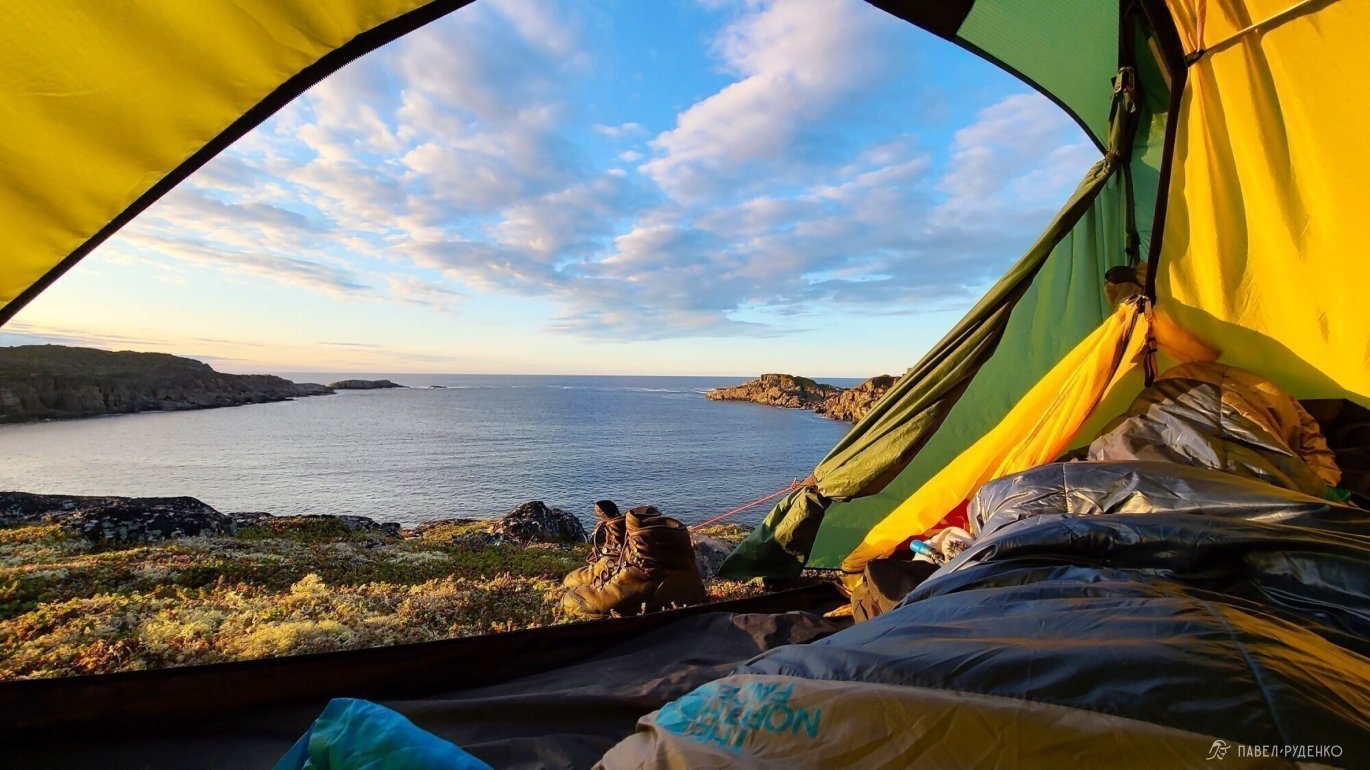
In the upper part of the door and under the canopy, there is very breathable fabric. On the inner tent, there is a duplicated mesh window. In my opinion, this is more than enough in most conditions. On my hike through the tundra of the Kola Peninsula in August, the night temperature was from +15°C to 0°C, often rainy and windy. Despite the early rising sun, it was always possible to regulate ventilation and temperature to suit myself. You can also open the zipper of the entrance from the top for better ventilation, while it will be covered by the canopy from the rain.



Simplicity of design and installation
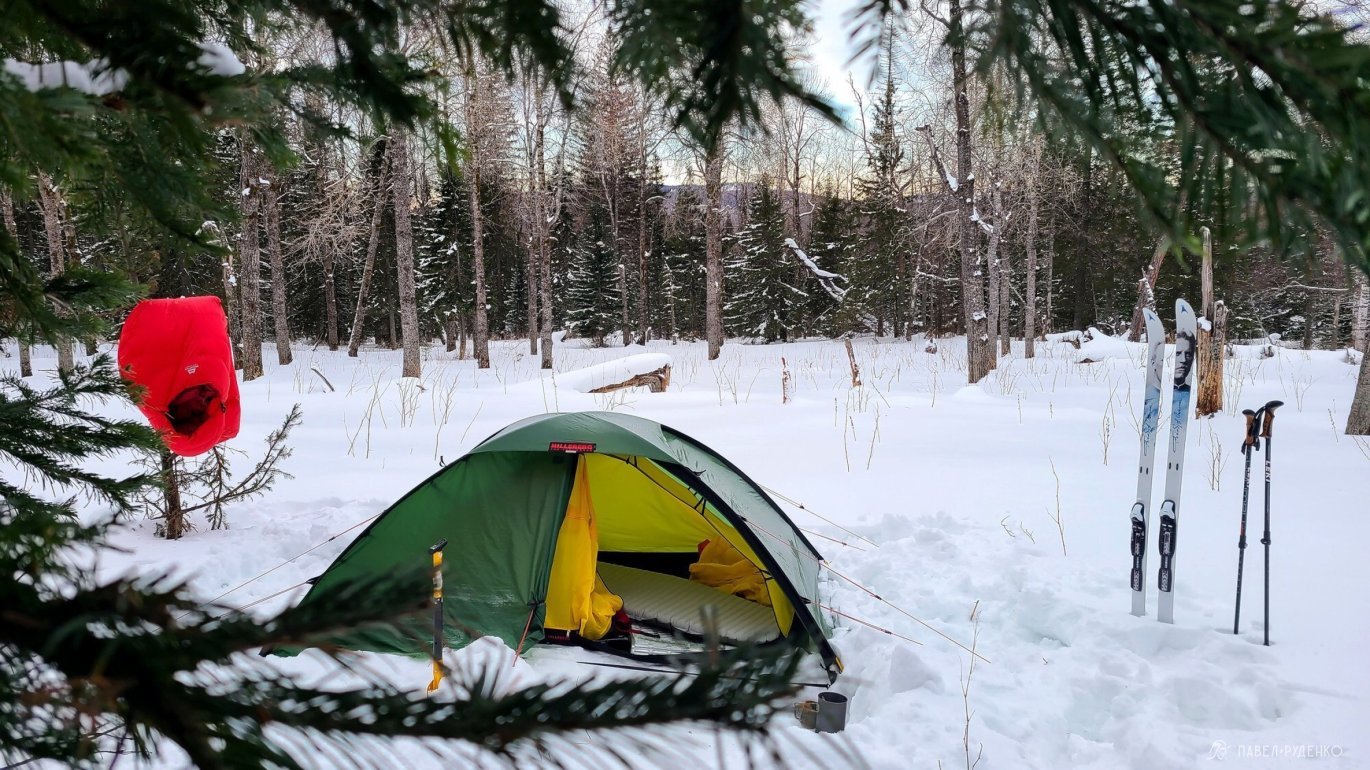
Beauty in simplicity. Two identical arches, crosswise into external sleeves are inserted on one side, on the other they rest against closed pockets. Therefore, it is easy to install alone. It can only be simpler to install a half-barrel like Ahto or Enan, but it is no longer self-supporting with all the consequences. The arches are attached to the outer tent, which greatly simplifies the installation of the tent in the rain and bad weather, and also speeds it up due to the fact that the inner tent is already attached.
Durability
Hilleberg gives an incredible feeling of durability. The tent is the only shelter in wild conditions, so I really love them for that. The best arches on external pockets and durable tent with top-grade silicization, double tie-downs, assembly and quality control by one person in Estonia with the name of the person responsible provides the highest safety and top-quality in the world. Having experience with tents from different brands, with Hilleberg you realize a completely different level of approach to reliability.
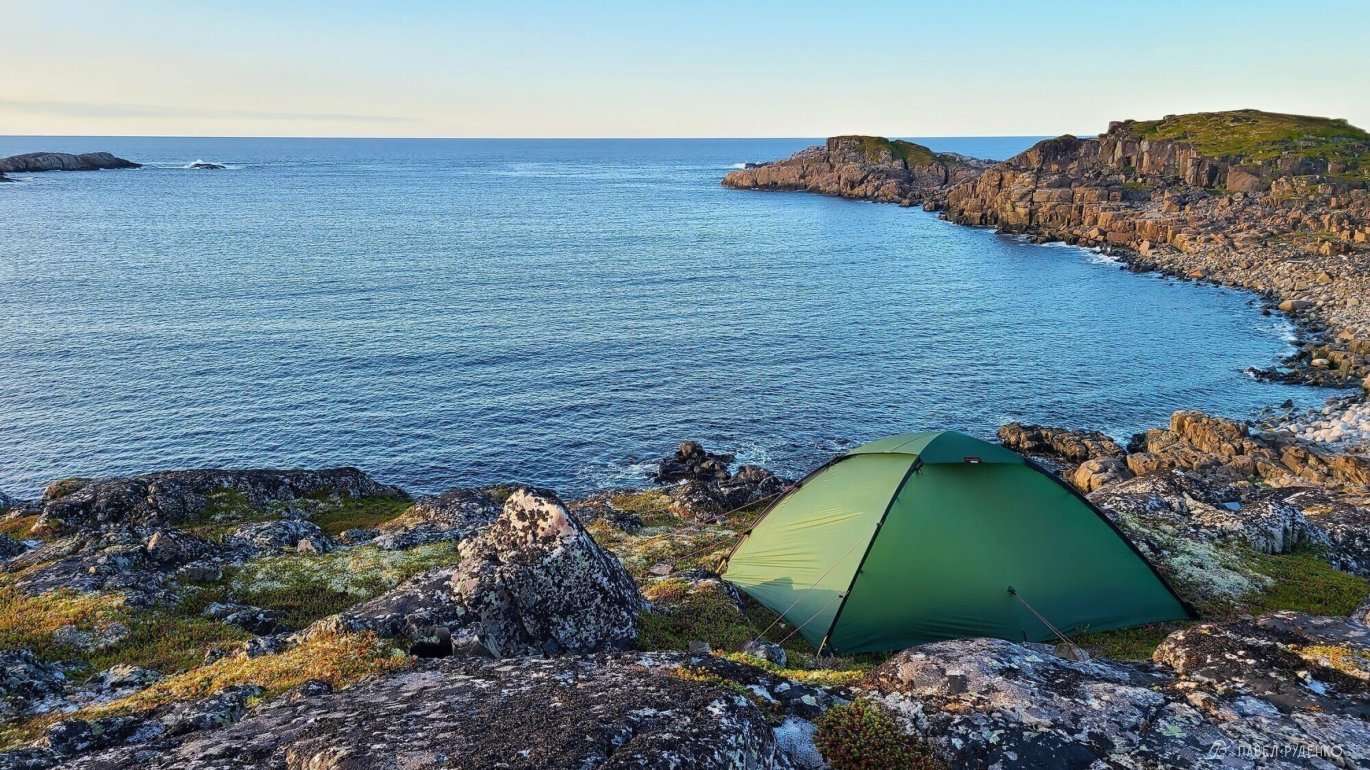
Floor-length flysheet
Scandinavian brands often use a long flysheet to the ground. This is a fully justified solution, as they make gear for themselves, and they certainly know what harsh weather is. In my opinion, this is a cool solution for Russian realities, as our climate is similar. Thanks to the flysheet to the ground, it doesn't blow in, you don't have to make a windbreak or dig in the snow.
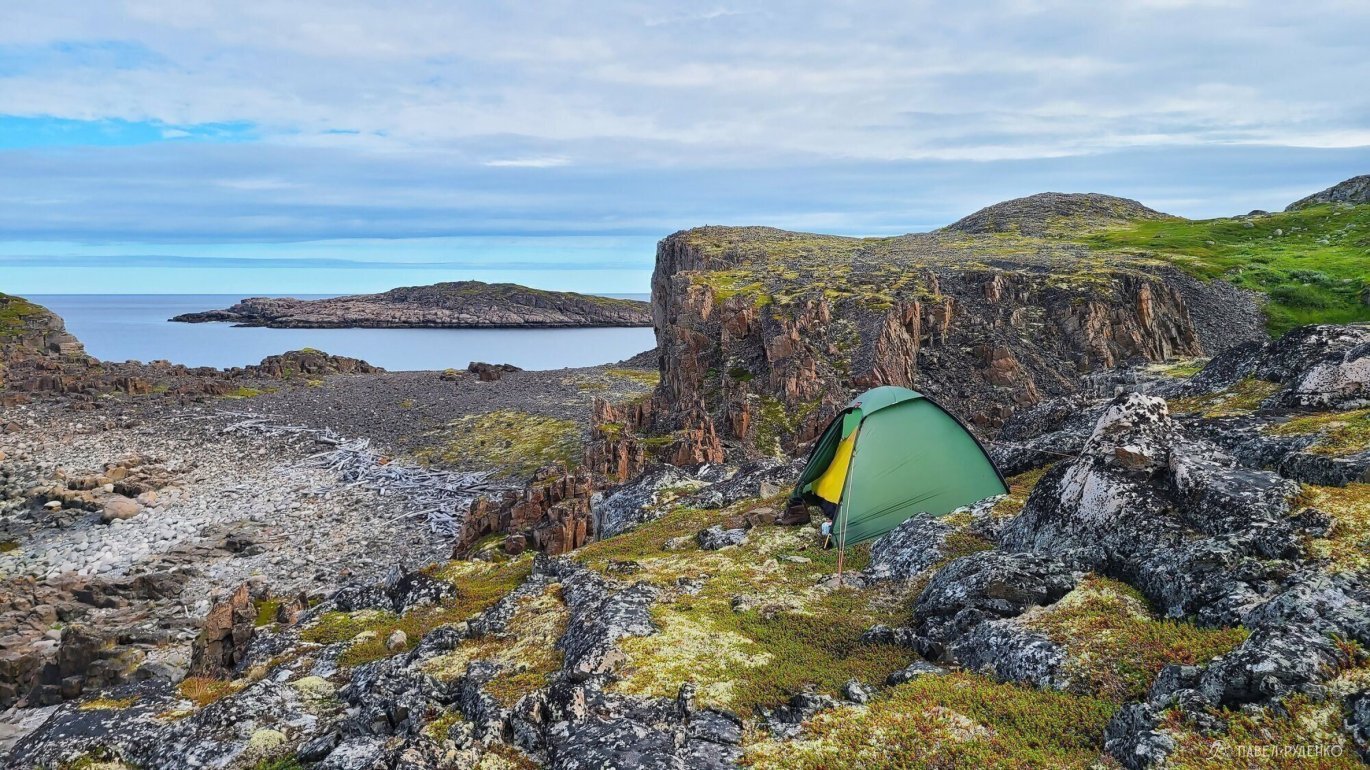
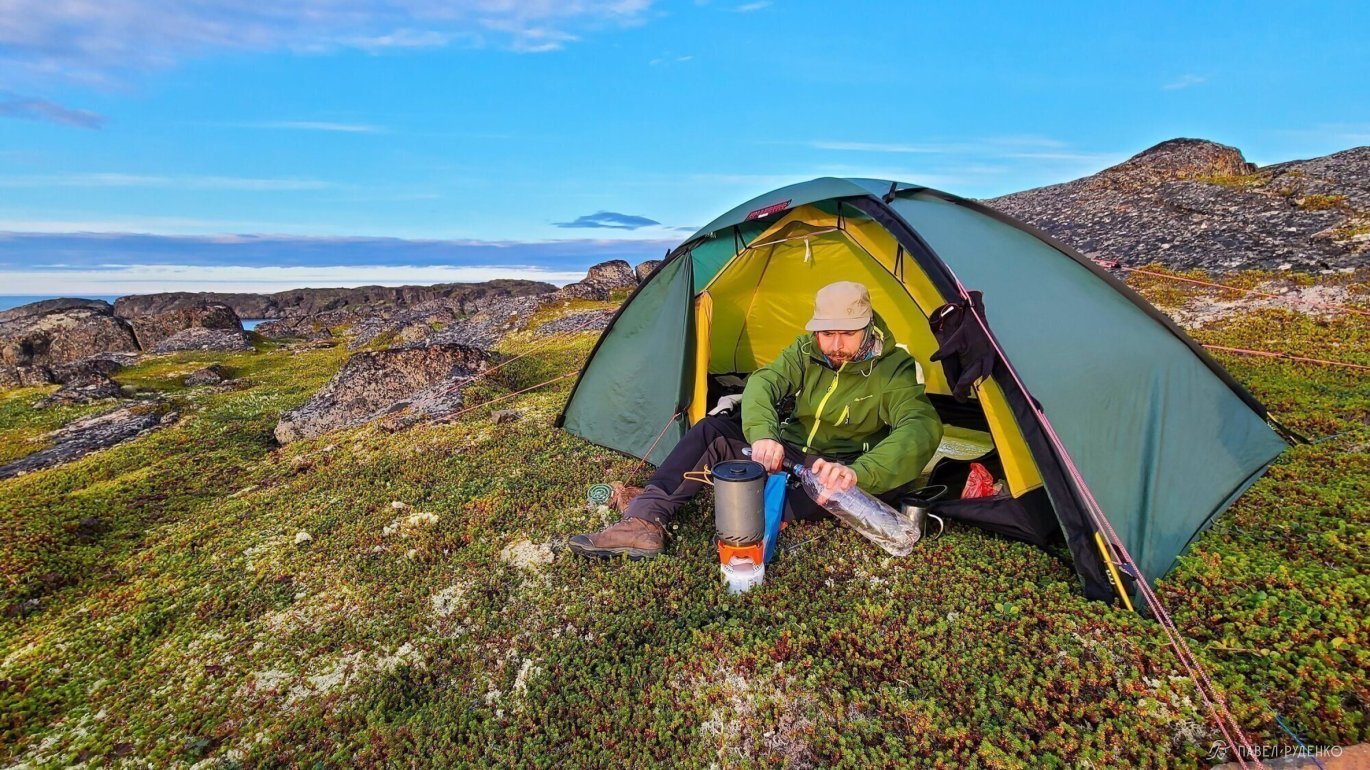
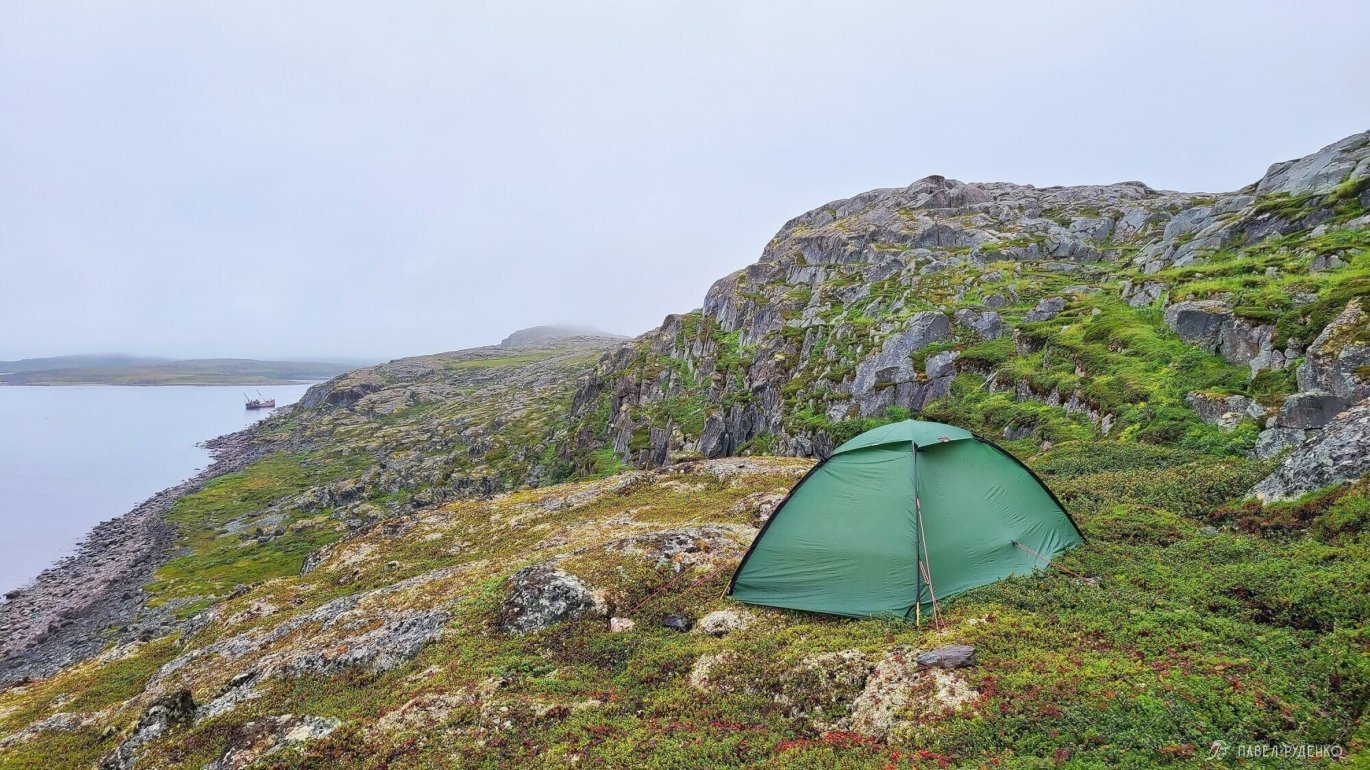
Flysheet
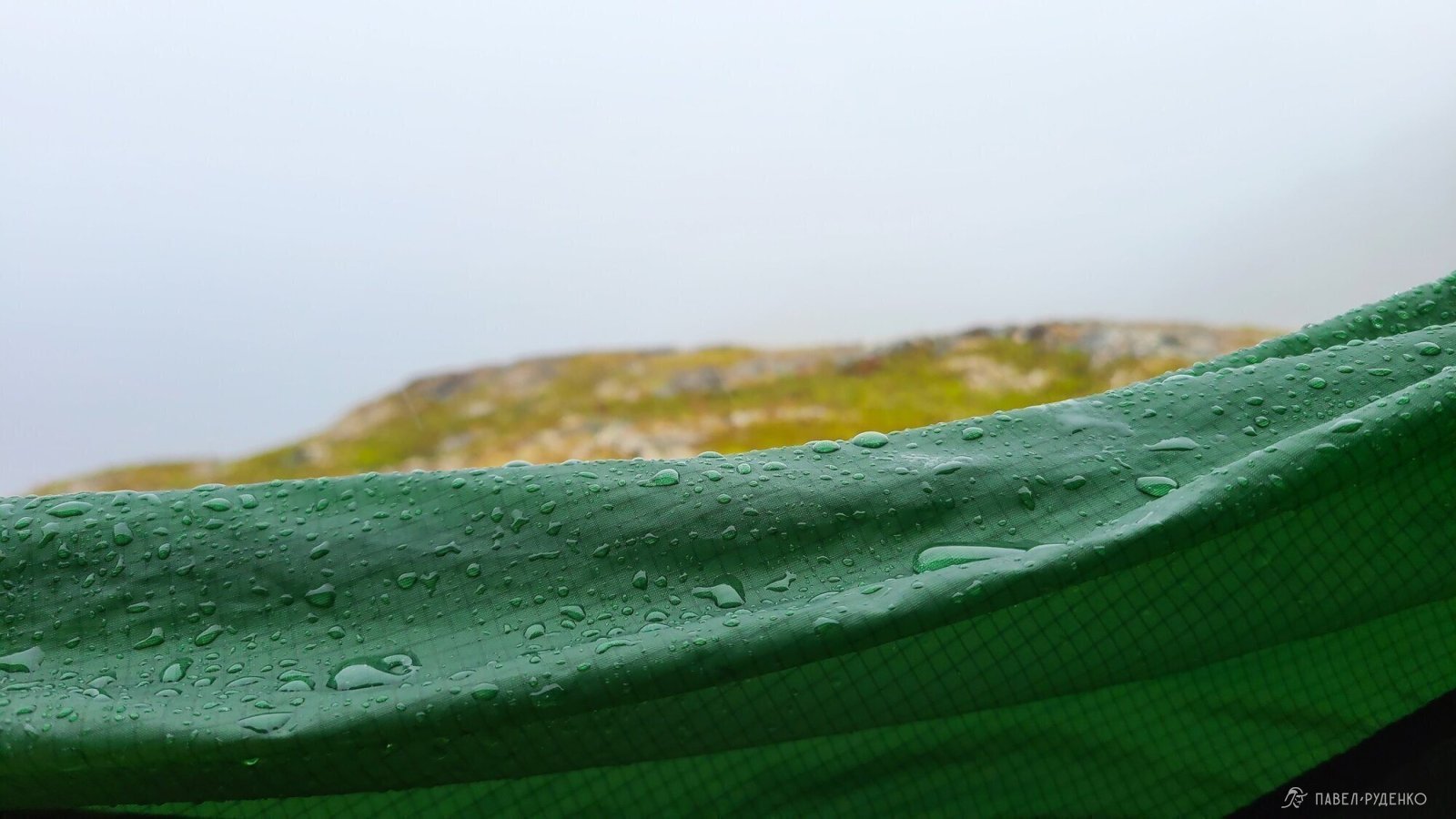
The flysheet of Hilleberg tents has significant differences from most American, domestic, and southern European manufacturers. Using triple silicization gives the highest tear strength indicator of 12 kg in red label. This means that in case of a cut by a cat's boot, a fallen branch, the fabric can withstand very high loads and will not tear along the cut line in the wind. Such characteristics are provided primarily by the elastic Si/Si impregnation, plus the Kerlon material itself, thread thickness. Such a flysheet has a very high resource and can serve for 20-30 years with proper use, storage, and care. The cost of tents in many cases is due to the impregnation of the flysheet. Replacing it with regular PU would reduce the cost by about two times, fabric strength by ~6 times, durability by ~3 times.
You can learn more about fabrics and impregnations in the article "How to choose a tent":
Wind tie-downs
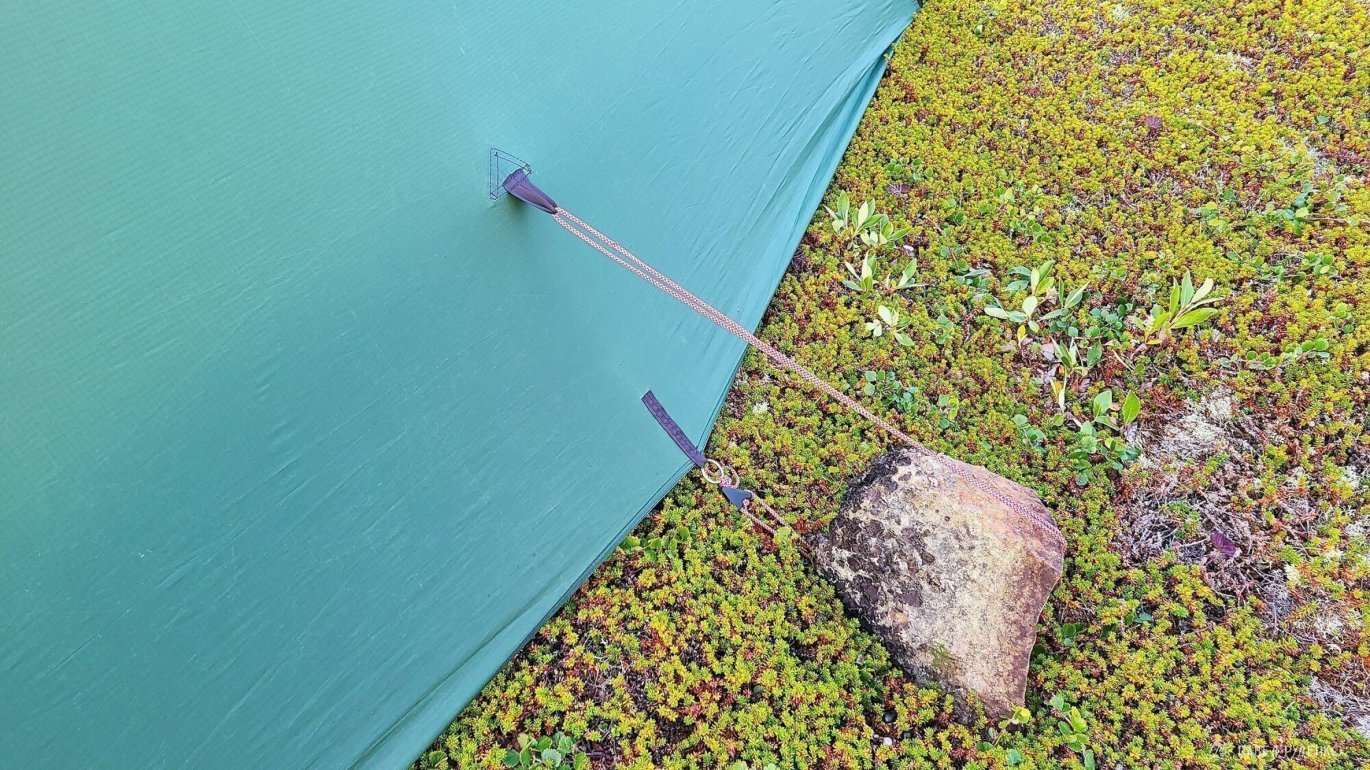
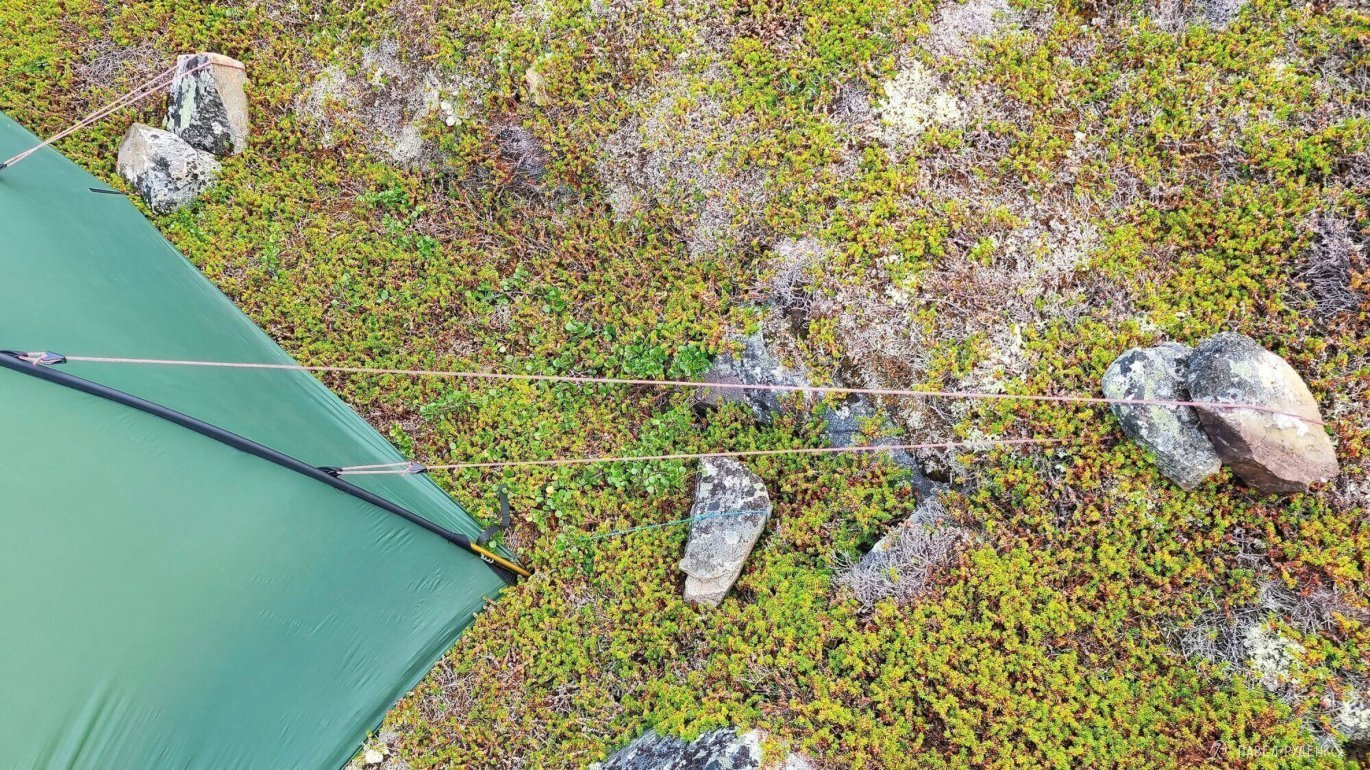
High wind resistance is provided by the thoughtful design of each tent engineered by engineers, the length and thickness of the arches, the durability of the tent, but the most obvious factor for the average consumer is the tie-downs. Here, double fixation is used, installed exactly in the pocket of the arch, which gives the highest indicators. The tie-downs are installed rather low, holding the arches like a solid foundation.
Aesthetics
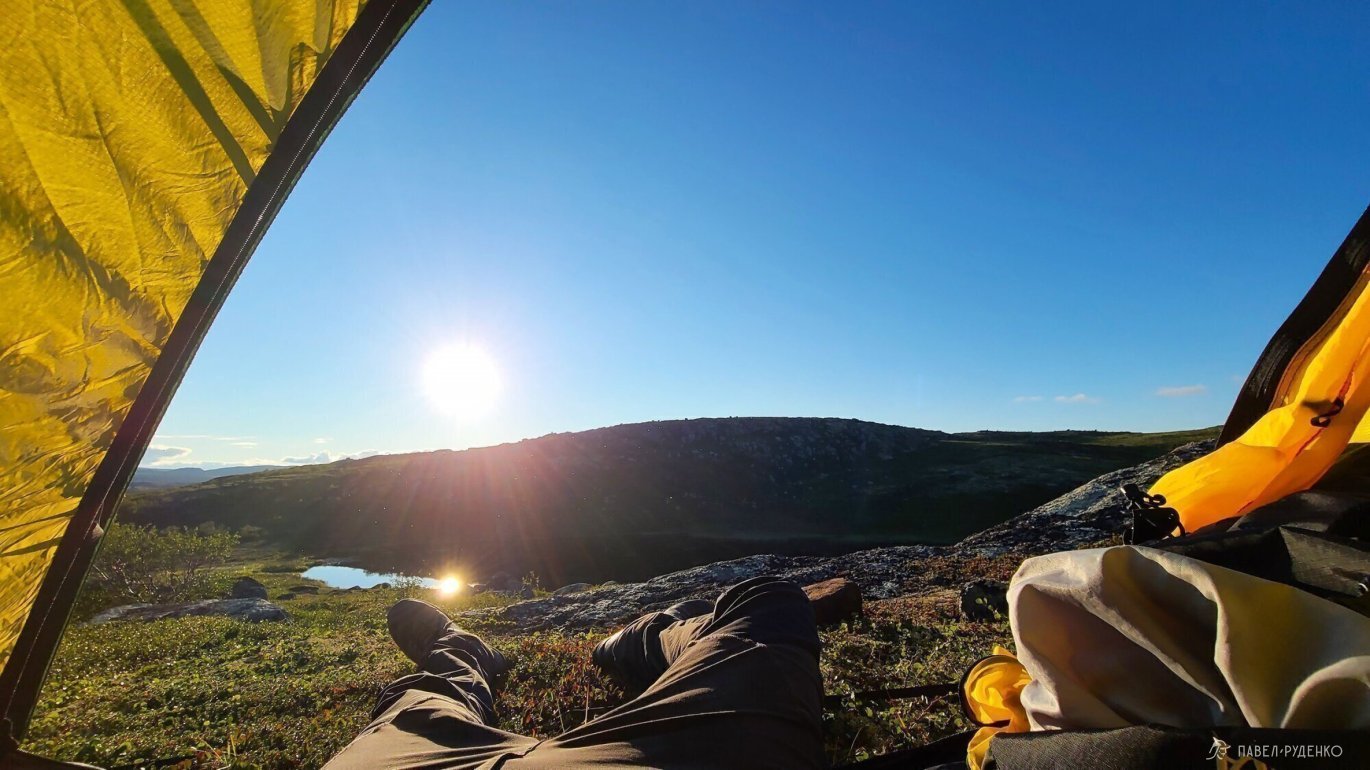
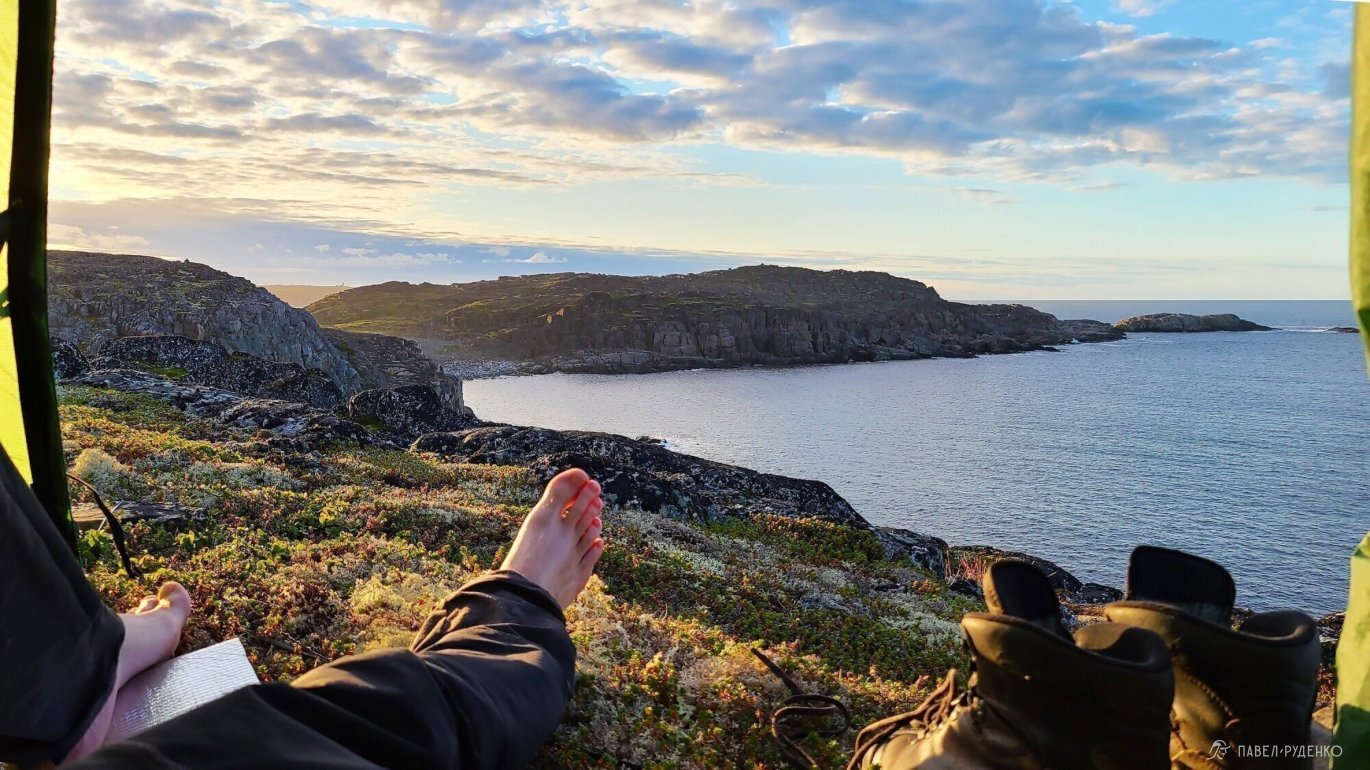
The tent is beautiful. It allows you to open the door to the entire wall and admire the nature.
Weight
The weight of the tent may seem large, but if you need a very comfortable and very reliable solo tent that can be used equally well in summer hikes by the sea, winter ski trips, or climbs with a large margin of safety, without any compromises, with a very long service life, then the weight becomes completely justified. I see Unnu as one tent for any conditions that will serve for decades with the necessary safety for solo hikes. If weight priority overrides comfort, then consider the Ahto, which has a weight of 1.7 kg with the same materials. Personally, I'm not yet ready to use Ahto in winter hikes due to the small internal volume, which leads to more contact with the walls.
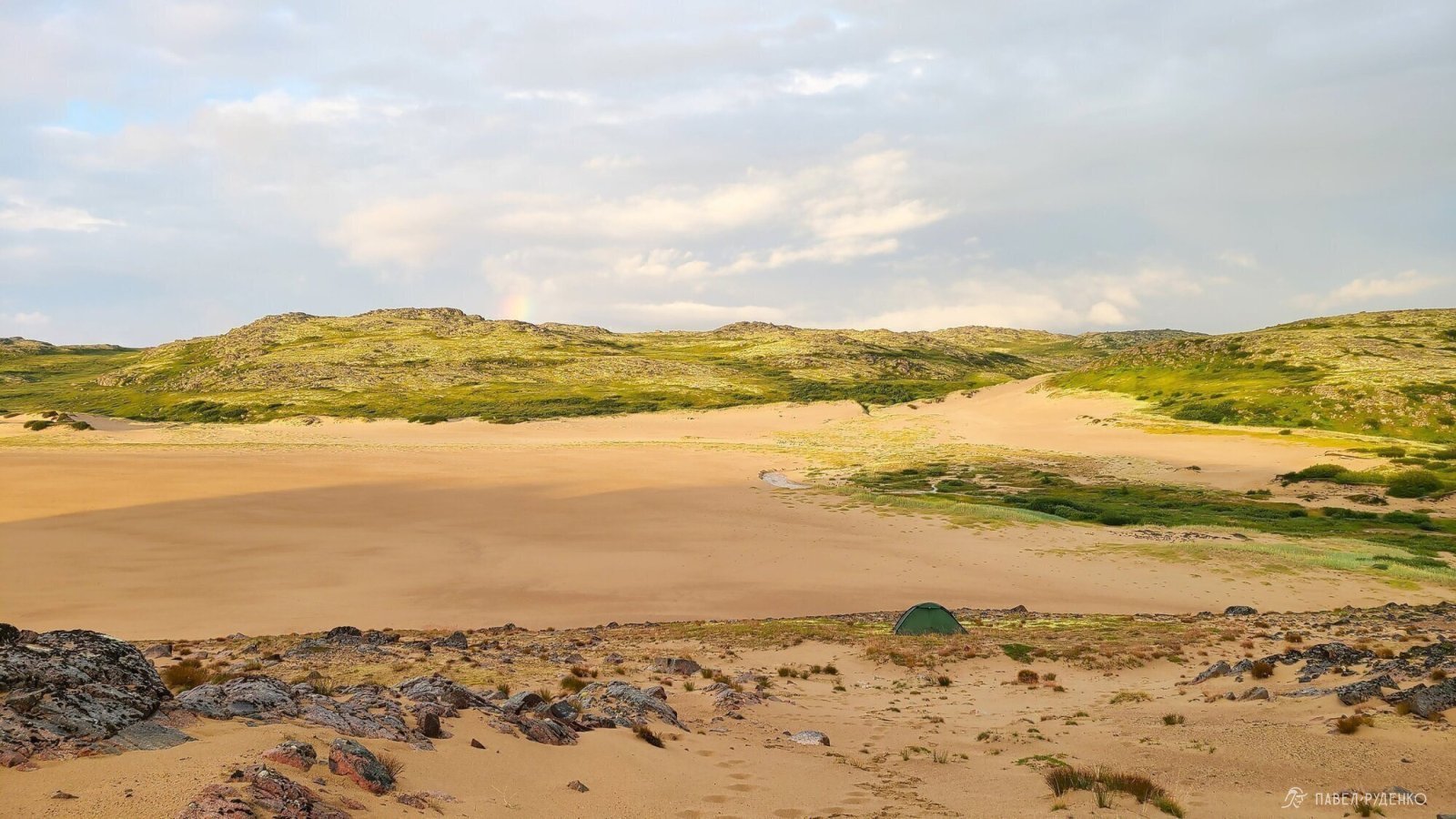
This tent is about 7 years old, it has been through many expeditions. I walked with it for 12 days in the tundra of the Kola Peninsula in the Barents Sea region, studying how it behaves in different conditions. Details can be seen in more detail in Sergey's video below:


