

STORM SKIRT, EXTENDED OR SHORT FLY
Extended Fly
A ground-length rainfly used in 3- and 4-season tents. Common among Scandinavian manufacturers: Hilleberg, Nordisk, Fjällräven, and Helsport. An ideal choice for harsh regions: the Kola Peninsula, the Polar Urals, Chukotka, Kamchatka, and high altitudes. Pros: no draft inside the tent; an extended fly is ideal for winter treks. Cons: in hot climates, some models can be overly warm, but keep in mind they were designed by Scandinavians for tundra, forest-tundra, and alpine terrain.
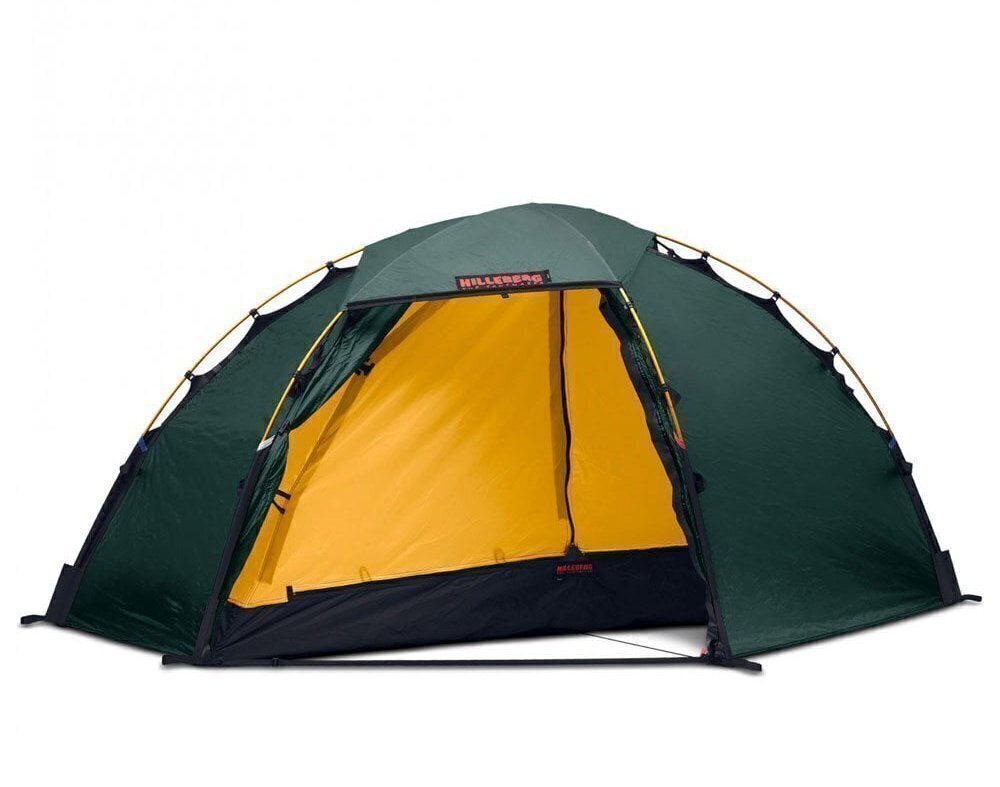
Storm Skirt (Snow Skirt)
A fabric strip along the perimeter of the tent's bottom edge, used in 3- and 4-season tents. An ideal option for 3-season use in both harsh and mild conditions. Pros: in windy and cold weather, it allows you to weigh down the fly with sand, dirt, or rocks for maximum wind resistance and improved thermal insulation. It increases the dry area around the perimeter, keeping gear in the vestibule dry. In warm weather, it can be rolled up, turning the tent into a standard short-fly model. The approximate weight of a skirt on a 2-person dome tent is around 200 g. Often, the same tent model comes in two versions: with and without a skirt. Cons: surprisingly ill-suited for winter, as the skirt freezes into the snow and is extremely difficult to dig out with a shovel without tearing.
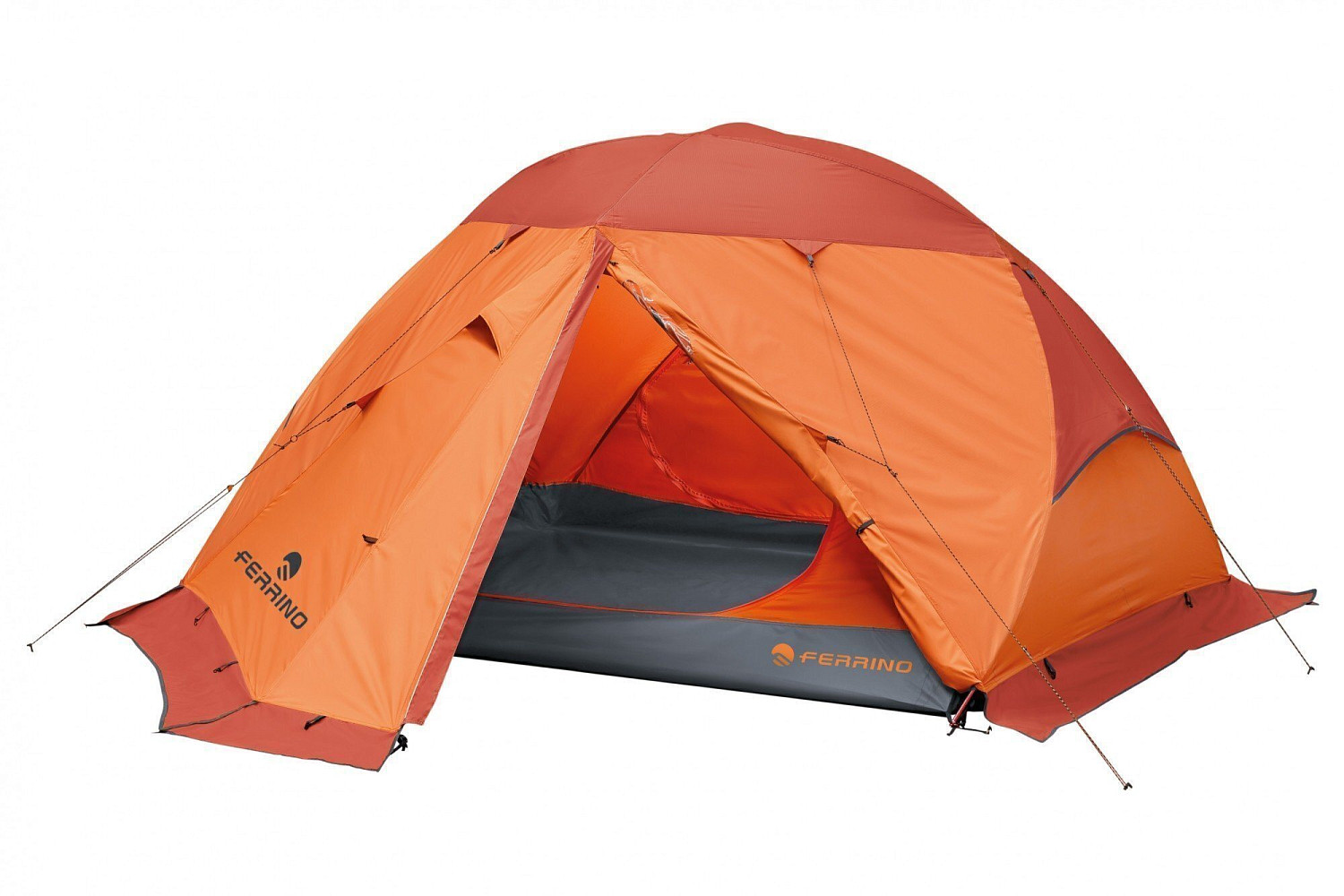
Short (Cutaway) Fly
The most common option. Used in 2-, 3-, and 4-season tents, providing solid ventilation. An ideal choice for warmer climates. If it is a mountaineering tent, the absence of a skirt and extended fly means that in high winds you will need to build a windbreak wall from rocks or snow.
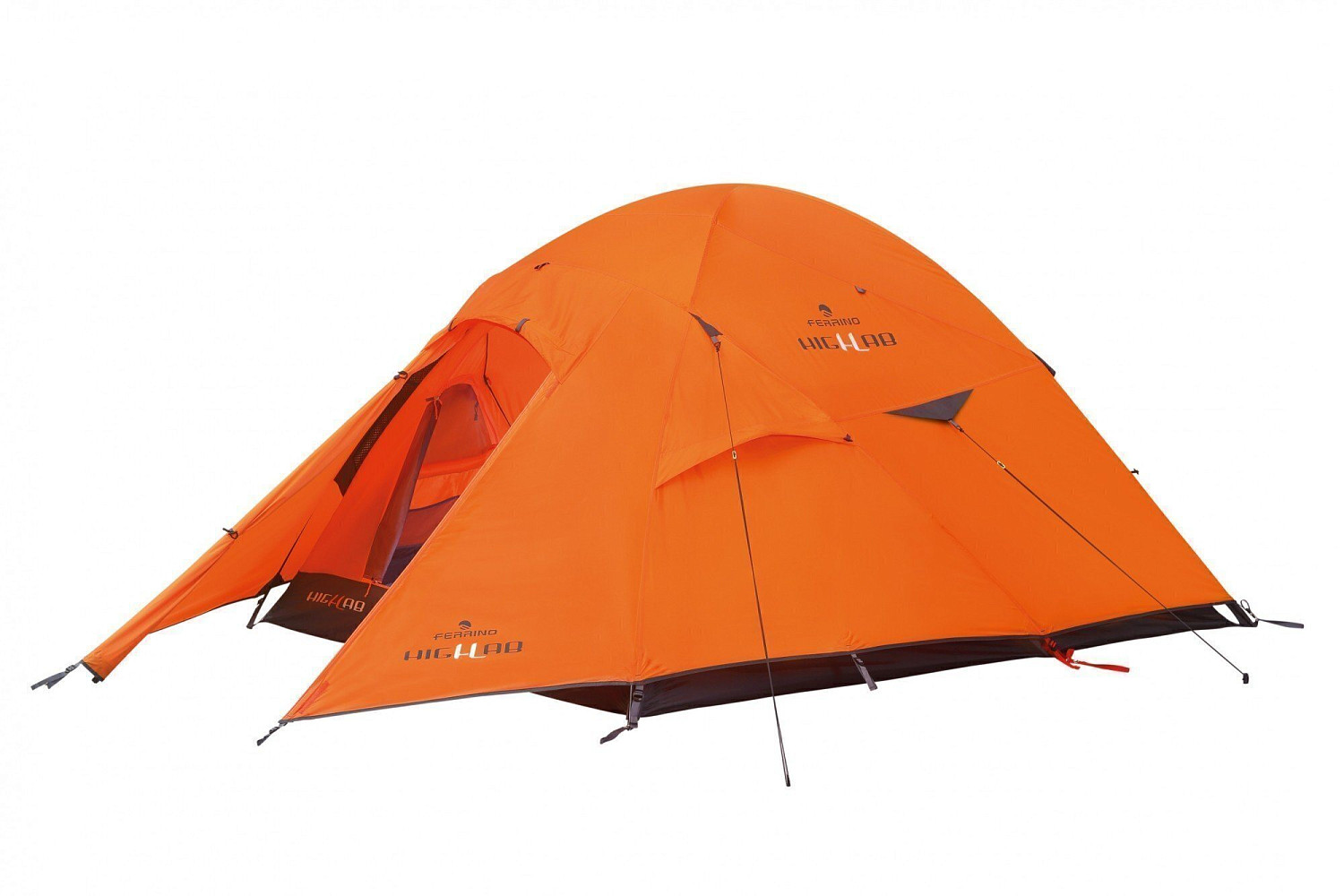
Conclusion: I use a tent with a skirt, and I appreciate its versatility, wind stability, condensation control, and the ability to trap body heat inside. The right fly type directly depends on the tent’s purpose, brand origin, and budget. For instance, Russian brands offer mountain tents with skirts for 15,000–25,000 RUB, while Scandinavian tents with extended flies go for 40,000–100,000 RUB. As for short flies, they span all price points and categories )))
TENT DIMENSIONS
For a comfortable night’s sleep for two people of average build (height: 175 cm, weight: 70 kg), consider the following inner tent length and width specifications.


The situation may differ if you are a couple sleeping closely together. However, remember that you will still need room beside you for essential gear. For a 2-person tent, the most common widths are 120 and 130 cm, but pay close attention to the architecture and wall slope: if the walls taper sharply toward the top, it significantly reduces usable living space.
Extra floor length is essential to keep your sleeping bag hood and footbox from touching the inner tent walls, which could soak up condensation from the rainfly. Keep in mind that you may toss and turn or slide downhill on sloped ground. In addition, gear pockets are often located at the head and foot ends; filling them reduces available space even further.

TENT CAPACITY
Let's look at options from 1-person to 4-person tents. Capacity is almost always indicated in the tent model name. For example: "MSR Elixir 1", "Nova Tour Ai-Petri 2 V2", "Alexika Tower 3", "Marmot Tungsten 4P".
1-person: weight 0.6–2.0 kg. Pros: lightest, most compact packed size, the "soloist's dream." Cons: limited choice of models, price nearly comparable to 2-person tents, finicky pole geometries, vestibules are often absent, too spartan for multi-day treks.
2-person: weight 1.5–3.2 kg. Pros: the most versatile, huge selection of models for any adventure, exceptionally roomy for one person. Cons: none.
3-person: weight 2.3–3.6 kg. Pros: cheaper per person than a 2-person tent, lighter per person, very spacious for two hikers, allowing you to store gear inside. Cons: heavy for two people, impractical for solo treks.
4-person: weight 3.0–4.3 kg. Pros: lowest cost per person, easier to find a pitch for one 4-person tent than for two 2-person tents, warm and sociable for a group of four. Cons: cramped, minimal personal space, limited versatility.
Conclusion: A 2-person tent is the most versatile choice for most situations. A 1-person tent is suited for treks of up to 7 days where low weight takes priority over comfort. A 3-person tent can be a great choice if it has two doors and vestibules, though it is more often used for mountaineering. A 4-person tent is a niche solution for tight-knit groups or alpine expeditions.
SINGLE-WALL OR DOUBLE-WALL
Double-wall only.* Even if you only go camping once a year. A double-wall tent provides far greater comfort thanks to better ventilation and condensation management. Moreover, prices for double-wall tents start at just 2,000 RUB.
*The exception: ultralight and specialized alpine climbing tents.

VENTILATION AND CONDENSATION
Condensation is caused by human respiration and body heat. In double-wall tents, moisture passes through the mesh inner and settles on the inside of the outer rainfly. If condensation begins forming directly on the inner tent, you must improve ventilation immediately, or all your gear inside will get damp. To boost airflow, pitch the tent aligned with the wind so breeze enters through one vent and exits through the other. Wind direction can change, so pay attention to the terrain and, if possible, check wind forecasts online. If your tent has a skirt, you can roll up sections or the entire skirt around the perimeter. If the doors feature double mesh panels, keep them partially or fully unzipped to the mesh. Whenever possible, pitch your tent well away from water bodies and low-lying hollows.
In near-freezing and sub-zero temperatures, a simple kitchen sponge works wonders for soaking up condensation.
WATERPROOF RATING
Waterproof rating is measured in millimeters of hydrostatic head (mm HH, hereinafter mm) and determines the maximum water pressure a fabric can withstand before leaking (including raindrop impact velocity on the fly).
Funnily enough, this is one of the most debated specs, yet in most cases, it is hardly telling at all :)
When brand new, all tents keep water out; what matters far more is how many seasons the coating will hold up. This depends on the type of coating, its quality, and the application technology. But to put the matter to rest: quality tents priced over 10,000 RUB—from domestic brands like RedFox, NovaTour, Bask, Normal, Snaryazhenie to international names like The North Face, Marmot, MSR, Vaude, Big Agnes, Hilleberg, Nordisk, etc.—will have a high enough waterproof rating to keep you dry in the rain.
Unfortunately, manufacturers state mm ratings based on varying global standards and company policies. For example, despite the cutting-edge fabrics and high mm performance of premium Hilleberg tents, their listed specs are somewhat understated because the brand insists on guaranteeing their numbers. American brands have a different situation governed by regulations, and tests show that tents like the Big Agnes Copper Spur or MSR Hubba Hubba actually deliver 5,000 mm rather than the claimed 1,500 mm. Online claims about '200 nights or 5 years of use' are actually a widespread misconception that circulated in the Russian-speaking community.
We will cover coating types in detail below, but here is a rough average lifespan estimate for a standard tent under typical conditions with proper care, setting aside ultralight gear and severe expedition models. PU is the most basic, lasting 5–12 years on average. PU/Si is the optimal choice, lasting 8–15 years. Si/Si is the most durable, lasting 10–30 years.
Water pressure during normal rain does not exceed 1,000–1,500 mm.
The longevity of waterproof performance depends on exposure to sunlight, rain, mechanical wear, proper care, and storage. That is why it is vital not to leave your tent in the sun unnecessarily and to use a footprint to protect the floor.
Conclusion: even the most modest rating of 1,200 mm in ultralight tents delivers all the waterproof protection you need.
| Point of pressure on the tent floor | Approximate force, kg | Area, sq. cm | Pressure on floor fabric, mm H2O |
|---|---|---|---|
| elbow | 30 | 30 | 10,000 |
| knee | 40 | 75 | 5,333 |
| foot | 90 | 200 | 4,500 |
| buttocks | 80 | 500 | 1,600 |
| body lying down | 90 | 1,500 | 600 |
The tent floor receives a heavier coating because our body weight bears down on it directly, while soil and rocks constantly abrade the fabric. A generous coating is necessary to prevent the tent floor from failing before the rainfly does.
MATERIALS AND COATINGS (nylon, polyester, and PU, PU/Si, Si/Si)
Key Concepts:
Nylon — a fabric made of polyamide fibers.
Polyester — a fabric made of polyester fibers.
Thread Count (190T, 210T, 340T, 450T, etc.) — indicates weave density (the total number of warp and weft threads per square inch). The higher the number, the denser the fabric.
Denier (10D, 40D, 70D, 150D, etc.) — indicates the thickness and linear mass of yarn in the fabric weave; the higher the number, the heavier and thicker the yarn.
Ripstop — a reinforcement weave with thicker interlocking threads that significantly increases tear strength.
W/R — Water Repellent, a hydrophobic coating applied to the outer face of the fabric. It is typically paired with PU coatings to prevent the flysheet from absorbing moisture, getting heavy, and degrading under UV rays. Over extended use, it can wash out, but it is easily restored at home using standard DWR treatments.
mm HH (3,000/6,000) — waterproof rating in millimeters of Hydrostatic Head.
Analyzing materials and coatings, I have outlined the following pros and cons:
PU (polyurethane) — a coating applied exclusively to the inside of the flysheet in successive layers. It bonds best with Polyester, though it is also used on Nylon. In its pure form, PU coating is typical for budget tents ranging from 10,000 to 80,000 RUB and is widely used by CIS and Russian brands (Bask, RedFox, Normal, NovaTour, Snaryazhenie, Tramp). In Europe, classic Italian manufacturers like Ferrino still use it. The coating adds noticeable weight and has a stiff, brittle structure; as a result, manufacturers rely on thicker 30D–70D yarns and 170T–230T weaves for strength. This is why you will never see ultralight tents with a pure PU coating.
Pros:
- Inexpensive to manufacture and therefore accessible in price.
- Seams are easy to tape-seal.
- The flysheet can receive a fire-retardant finish, improving safety when running a camp stove inside (impossible with Si/Si).
- Higher breathability, resulting in less internal condensation compared to Si/Si.
- Offers solid abrasion resistance and longevity when used specifically on tent floors.
- The fabric does not stretch or sag when wet. This is both an advantage (no need to tension the flysheet during rain) and a drawback (detailed below).
Cons:
- Lowest tear strength, especially once punctured or nicked by even 1 cm. If you have ever seen a tent ripped to shreds by high winds, it was almost certainly Polyester or Nylon with a PU coating. This stems directly from PU characteristics: it does not penetrate the fiber structure of Polyester or Nylon and lacks elasticity. That is why the lack of fabric stretch turns into a serious liability under wind load. Brands almost never publish tear strength specs—nobody wants to criticize their own gear. Thorough testing reveals an effective tear resistance of just 1–2 kg. In hands-on tests, it tears easily by hand.
- Heavy weight: achieving a uniform coating is difficult, prompting manufacturers to apply heavy multiple layers to hit 5,000–7,000 mm ratings. If your budget allows, PU/Si and Si/Si will always be lighter at comparable specs.
- Poor UV resistance: prolonged sun exposure causes PU to delaminate and flake off in patches, completely losing its waterproof properties.
Conclusion:
PU-coated flysheets are a viable budget-oriented compromise, but they carry far more disadvantages than modern alternatives. At the same time, a PU-coated tent floor is an outstanding, tough, and durable solution—which is why it is used even on top-tier expedition shelters, including Hilleberg.
PU/SI — (polyurethane/silicone). A hybrid treatment pairing PU on the underside of the fly with silicone on the exterior. It performs best on Nylon fabrics and helps offset the shortcomings of plain PU. PU/Si is a more advanced and common standard across premium American and European outdoor brands (Big Agnes, MSR, Nemo, REI). In the US, this is largely driven by legal mandates requiring flame-retardant treatments, which can only be bonded using PU on the underside.
Pros:
- Moderate manufacturing cost with a balanced price-to-performance ratio.
- Seams can be reliably factory tape-sealed.
- Can be treated with flame retardants for safer stove use inside the tent (impossible with Si/Si).
- Higher breathability reduces condensation buildup compared to Si/Si.
- Allows the use of significantly thinner yarns, cutting weight while maintaining high water resistance.
- Setting aside ultra-delicate ultralight models, PU/Si makes the flysheet far more durable than pure PU.
Cons:
- Modest tear strength, especially after a puncture or nick of just 1 cm. Silicone penetrates deep into the nylon fibers and boosts tear resistance up to 2–3 kg. While that is roughly twice as strong as pure PU, it still does not alter the broader reality. In hands-on tests, it can still be torn by hand with moderate effort.
Conclusion:
A versatile, all-around option: moderate price point balanced with low weight, functional strength, and solid longevity.
SI/SI — (silicone/silicone, or silnylon). The most advanced and premium flysheet treatment available. It involves triple-impregnation: the individual nylon filaments are coated first, followed by silicone treatments on both the exterior and interior surfaces. This process is technically demanding because conventional seam tape will not bond to silicone surfaces. To solve this, manufacturers roll the fabric edges into a four-layer flat-felled seam stitched with high-tenacity thread containing a cotton core, using ultra-fine needles. When exposed to rain, the cotton component expands to seal the stitch perforations completely. This construction is standard among premier Scandinavian brands (Hilleberg, Helsport, Nordisk, Fjällräven), select European makers (Vaude), and high-end Russian expedition manufacturers (Sivera).
Pros:
- Exceptional lightness and compact pack size. It minimizes tent weight without compromising durability compared to PU and PU/Si, compressing into a noticeably smaller volume.
- Remarkable strength: typically rated at 8–20 kg tear resistance depending on tent classification. For example, the ultralight Helsport Ringstind Superlight 1 (weighing just 1,040 g, made with 10D yarn and roughly 450T density) boasts a massive 10 kg tear rating! On average, that is 6 times stronger than most PU and PU/Si flysheets. In hands-on testing, it is impossible to tear by hand.
- Delivers outstanding long-term durability; all else being equal, it will far outlive PU and PU/Si fabrics.
Cons:
- Because of high tensile elasticity, the fabric stretches when wet, requiring guylines to be retensioned during rainfall.
- Lower vapor permeability can yield slightly higher condensation buildup than PU and PU/Si.
- Cannot be treated with flame-retardant coatings.
- Premium price point.
Conclusion:
The benchmark standard for lightweight performance, structural security, and expedition longevity. It is equally at home on record-setting ultralight thru-hikes and extreme expeditions across the Poles or Patagonia.
OVERALL CONCLUSION: In most cases, your choice of fabric and coating is dictated by your gear budget. Expect 2,000–30,000 RUB for PU, 20,000–60,000 RUB for PU/Si, and 40,000–100,000+ RUB for Si/Si.
Note: Fabrics and coatings degrade when stored compressed for long periods or exposed to prolonged UV radiation. Always check the manufacturing date: a tent that has spent five years in a warehouse or on display in a sunny shop window is never a sound investment.
A clear example of how Polyester PU/SI on the left and Nylon SI/SI on the right behave after 10 minutes of rain. Sagging is the trade-off for superior tear strength; manufacturers leave a larger gap between the rainfly and the inner tent. The user simply needs to tension the guy lines once precipitation starts.
DETAILS
Inner pockets, reflective guy lines, glow-in-the-dark zipper pulls, a waterproof compression sack, and an included repair kit are highly recommended. Ideally, tent zippers should be YKK with dual sliders.
COLOR
There are two main approaches to flysheet colors. Your choice should depend on what your tent needs to accomplish: stay hidden or be easily spotted.
Green and muted earth tones blend into the landscape. They are ideal for wild camping near populated areas, hitchhiking trips, or roadside pitches near towns and villages. They keep you concealed from both people and animals—yes, wildlife can distinguish colors too.
High-visibility colors offer passive safety in low-visibility conditions—snowstorms, fog, or dense woods—and make returning to camp after a day hike much easier. They also ensure you can be spotted quickly in an emergency. On top of that, bright tents look stunning in photos against mountain and tundra landscapes.
As for inner tent fabric: dark colors feel cramped and depressing, which is why inner tents are usually bright yellow, orange, or light gray.
STAKES
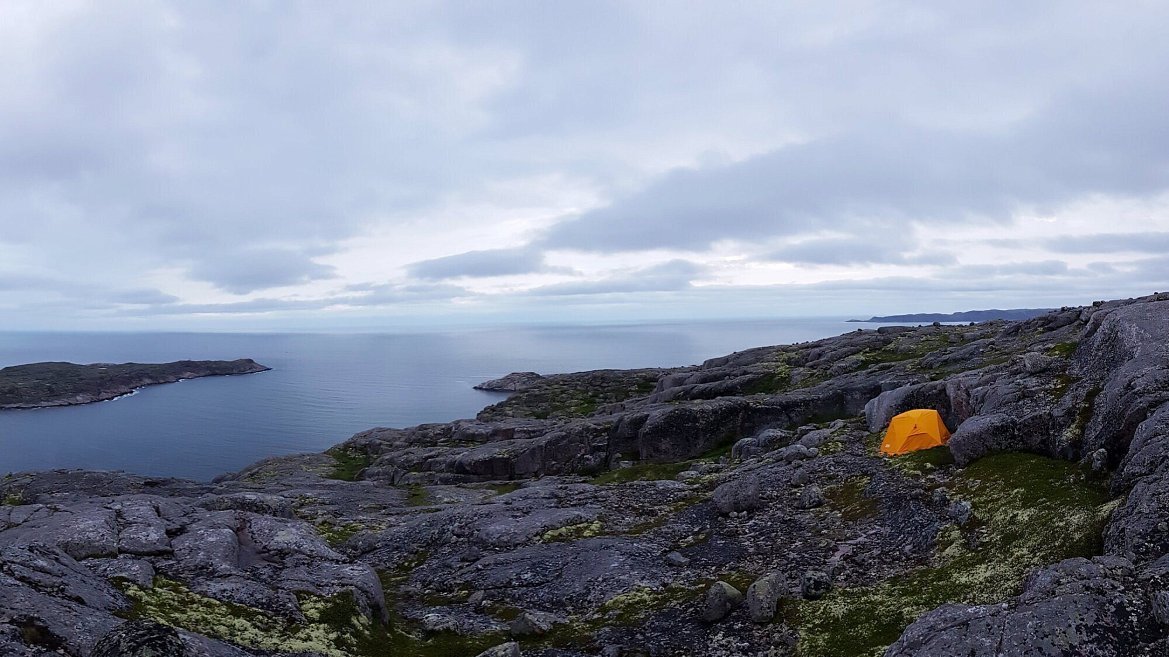
V-shaped and Y-shaped stakes are the most practical: unlike round pins, they don't twist in the ground. Personally, I use stakes less and less—I attach 2 mm cord loops to guy-out points and anchor them with rocks in stony terrain. For example, in the tundra of the Kola Peninsula, the Khibiny Mountains, Svaneti (Georgia), the Lycian Way (Turkey), the Caucasus, and the Trans-Ili Alatau (Kazakhstan), there were plenty of rocks to go without stakes entirely. In some areas, cord loops are an absolute necessity because driving a stake into rocky bedrock is virtually impossible.
Heavy weight for 1 stake: 20 g.
Good weight for 1 stake: 15 g.
Ultralight weight for 1 stake: under 10 g.
REPAIR KIT
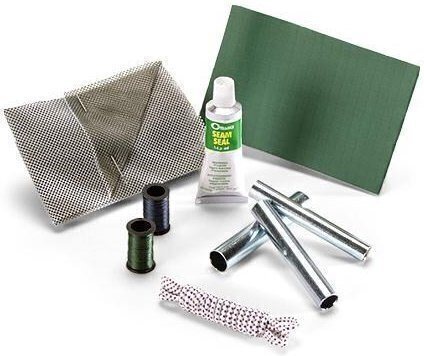
Must-haves for every tent trek: a small roll of heavy-duty tape, needle and thread, self-adhesive repair patches, a pole repair splint, or a spare pole segment. This way, you can fix a broken pole or torn fly immediately instead of struggling to patch a hole out of twigs and scraps.
WEIGHT
I put tent weight last because it should be the outcome of all features and intended conditions, not the starting point. Compare tent weights only across models with similar purposes, reliability, and comfort levels. That way, you get gear that meets your real needs and avoid the misery of holding your shelter up from the inside all night in a gale, waking up to snapped poles, torn fabric, cold drafts, or having nowhere to stow your gear.
High consumer demand pushes manufacturers to cut tent weight by any means possible. Weight savings naturally come from trimmed dimensions, thinner fabrics, and minimalist cuts, and keeping the tent dependable requires advanced materials and engineering. Sometimes that balance works; sometimes it does not. Premium shelters like Hilleberg or Big Agnes pull this off far more consistently than brands like Naturehike or Normal. When shaving grams, remember: your tent is often your only sanctuary in wild, beautiful, yet unforgiving conditions. Choose gear suited to your route. Going lighter comes with experience, when you know exactly where, when, and how you can afford to cut corners. If you are just starting out, do not chase ultralight extremes—pack with a safety margin and take care of yourself.

WHERE TO BUY
To make finding your dream tent easier, here are links to manufacturer websites, authorized dealers, and outdoor stores in Russia.




Comments (0)