
FOREWORD
“We are not rich enough to buy cheap things.”
The goal of this article is to break down the specifications and find the optimal trekking tent for your specific needs. Due to the solo format of my treks, I demand exceptional tent reliability, viewing it as the sole shelter that protects against harsh weather and forgives potential mistakes on the route across the northern regions of Russia.
The purpose of my treks is to enjoy nature, which is why I most often pitch my tent on fells, rocky ridges, and open terrain so that the evening views bring joy and beauty. Working at Sport-Marafon has helped shape my in-depth knowledge of tent design, construction details, and materials.
By the term trekking tent, I refer to shelters designed for lowland hiking, mountain trekking, mountaineering, bikepacking, and water expeditions.
Along with boots, a backpack, and a sleeping bag, a tent is part of your core gear that directly affects safety and comfort on the trail. If you are passionate about trekking, the difficulty of your routes and the diversity of regions will inevitably grow. It is well worth looking ahead and choosing models that will meet your demands in the future.

INTENDED USE AND SEASONALITY OF TENTS
Seasonality ratings are relative: July in the northern Khibiny Mountains, with its potential frosts, is very different from July in Crimea.
Moreover, tent manufacturers are based in different countries, test their gear across various climate zones, and design for distinct outdoor styles, meaning that seasonality ratings vary from brand to brand. For instance, US brands like MSR and Big Agnes design tents with trails like the 4,230-km Pacific Crest Trail in mind—passing through California and Oregon, where the climate is fairly warm, infrastructure is well-developed, and low weight is a priority, as long-distance thru-hikers cannot manage a 100-liter, 25-kg backpack. On the other hand, Scandinavian brands like Hilleberg and Helsport build gear specifically for harsh northern conditions with cold, windy summers—even their most 'summer-oriented' models feature solid inner tent fabric rather than mesh.
Seasonality must always be considered alongside the tent's intended use. Here is a general breakdown:
1. Time of year:
Spring — Summer — Autumn — Winter. Summer implies warm weather without prolonged precipitation. Spring and Autumn bring near-freezing or sub-zero temperatures, strong winds, prolonged rain, and occasional snow. Winter brings freezing temperatures, heavy snow loads, and severe winds.
If a tent is rated as:
2-season: essentially a summer tent designed for lowland use in above-freezing conditions.
3-season: the most nuanced category—to understand its true limits, consider the tent's intended purpose and the manufacturer's background.
4-season: primarily built for winter and sub-zero temperatures. Extremely durable, engineered for anything from high-altitude mountaineering to open tundra. Suitable for Spring — Summer — Autumn — Winter, though summer might be the least comfortable season for them due to limited ventilation, heavy-duty build, and weight.
2. Intended use:
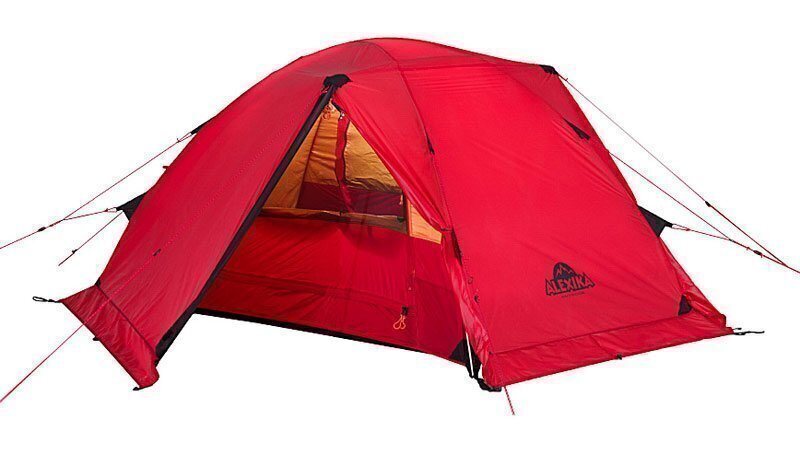
Extreme, mountaineering, expedition, and 4-season tents.
Extremely reliable. Built for prolonged use in severe weather conditions. Engineered to withstand gale-force winds, heavy precipitation, snow loading, and freezing temperatures; widely used in high-altitude trekking and mountaineering.
Key features include an outer flysheet reaching down to the ground or snow valances, and a solid inner tent with minimal mesh. Three or more full-length poles with larger diameters. A generous number of guy lines. Crafted from the most durable, resilient materials. Average weight of a 2-person tent is 2.7–3.5 kg. Poles are 9 mm or thicker, flysheet fabric around 40D, floor fabric 70D and 190T. (See the 'RAINFLY AND COATINGS' section below for explanations of D and T).
Can also be used in summer, especially models with dual entrances and double-layer mesh/fabric doors. This provides sufficient ventilation when night temperatures hover around +20 °C. Single-entrance models can feel stuffy in warm weather.
Trekking, backpacking, 3-season tents.
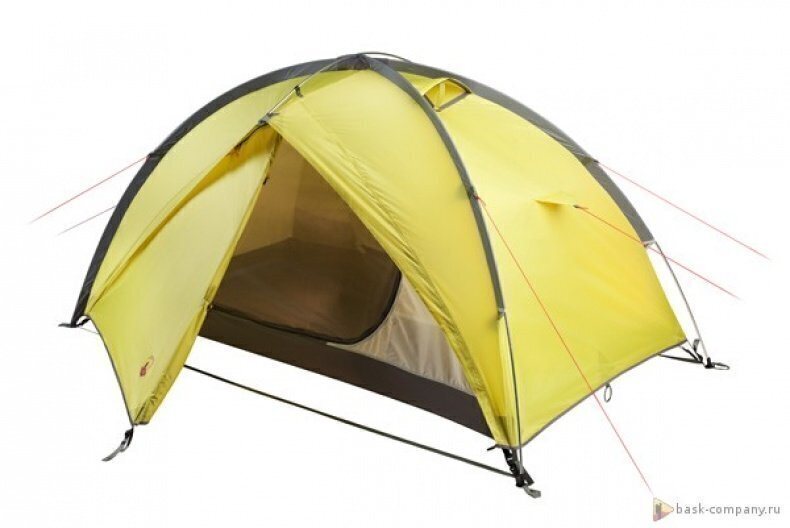
Versatile. Designed for both mountain and lowland terrain. They withstand strong winds, prolonged rain, and light snow. Ideal for mountain trekking, packrafting, and bikepacking.
Distinctive features include a short rainfly or a full-coverage fly extending to the ground, sometimes with a snow skirt. The inner tent features more solid fabric than mesh, or a 50/50 balance. Two full-length poles with single or double crossing. Often equipped with multiple guyline attachment points. Built from durable materials. The average weight of a 2-person tent is 2.2–3 kg. Flysheet density is around 30D, floor is 60D, 190T.
The most versatile and popular choice for treks at altitudes up to 3,000 m.
Ultralight, superlight, 2-season, and 3-season tents.
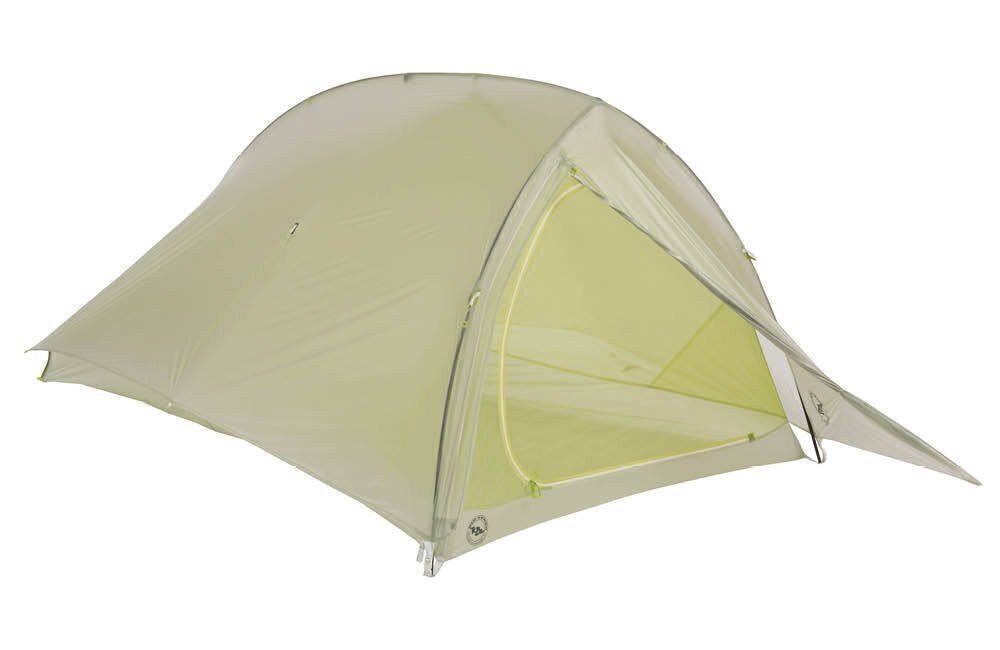
Lightweight. Designed for lowlands and low-altitude mountains with a moderate climate. Capable of enduring moderate wind and prolonged rain, but with lower waterproof durability. Used in trail races, lightweight backpacking, paddling, and bikepacking.
Distinctive features: cutaway rainfly, inner tent made predominantly of mesh. Quirky pole designs, typically utilizing a hub system. Either no full-length poles or just one. Constructed from ultralight, delicate fabrics. Average weight of a 2-person tent is 700 g to 2 kg. Flysheet fabrics range from 7D to 20D, floor 15D–20D.
Keep in mind that weight reduction is achieved by minimizing pole joints and using ultra-thin fabrics. Consequently, the structure is less wind-resistant and has a shorter lifespan. Due to the all-mesh inner tent, it is drafty and retains virtually no warmth. These factors combined cannot guarantee adequate safety in unpredictable mountain weather. Pictured: Big Agnes Fly Creek HV2 tent, weight: 907 g.
Conclusion: these features are general guidelines, as tent choices are vast and there are no absolute rules. If you need a tent for summer lowlands, beaches, or light hikes, go for a lightweight or ultralight model. Using such tents in more demanding or winter treks is only advisable for experienced hikers, where specialized gear and field skills compensate for the tent's limited resilience.
For remote mountain and wilderness treks far from civilization, opt for a rugged 3-season or 4-season expedition tent. It will last longer, allow you to take on tougher routes, explore new regions, and you won't need to buy a replacement in a couple of years as your backcountry skills progress.
FRAME GEOMETRY
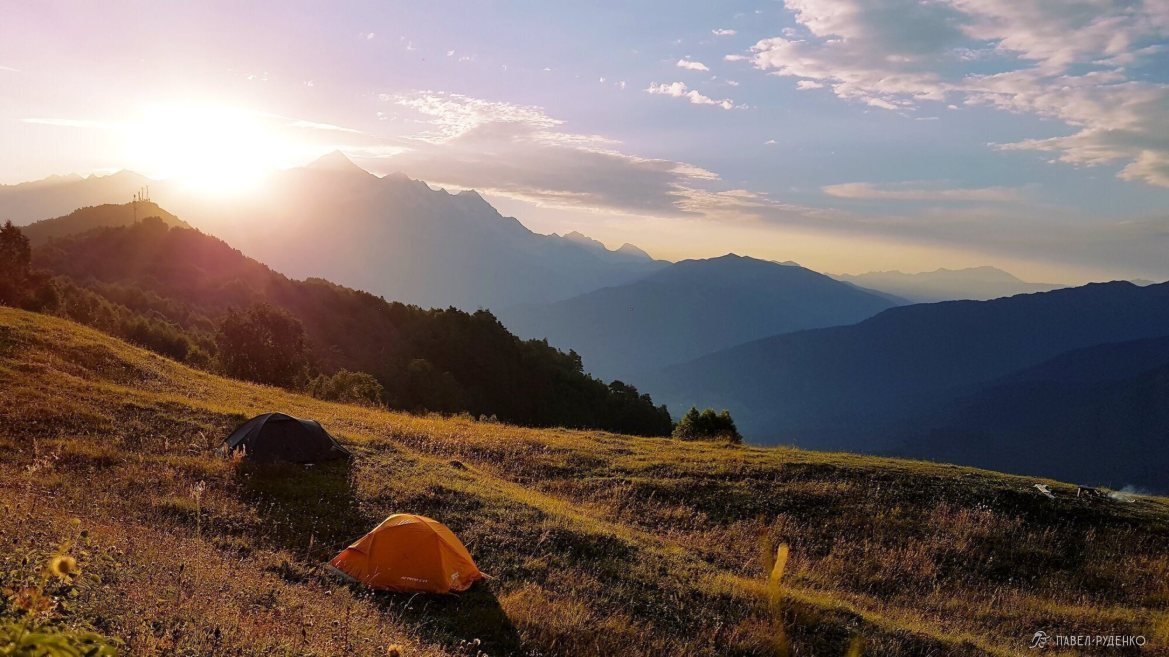
Y-shape and its variations. Truncated, partial poles reduce weight and, combined with a transverse ridge pole, maximize interior space. Commonly used in ultralight tents. Offers reduced strength and wind resistance. Due to custom poles and hubs, this geometry is harder to field-repair.
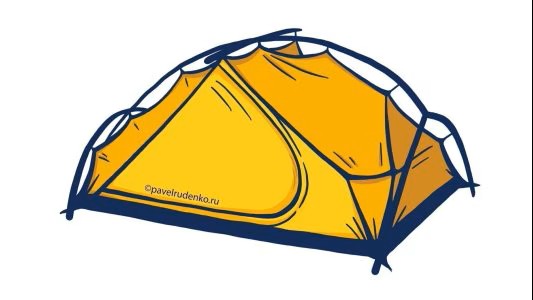
Dome, single crossover. A classic design, often featuring an additional top brow pole for the vestibule or a ridge pole to widen the entryway. A freestanding, durable design with a spacious interior that handles snow loads exceptionally well.
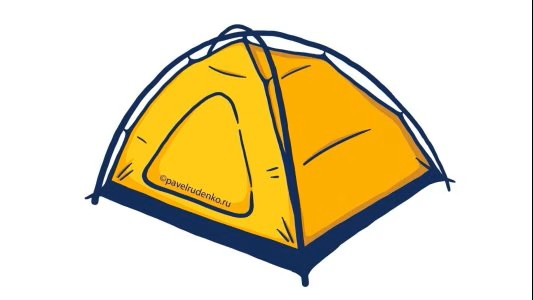
Dome tent, double crossover. Some models feature an additional brow pole that expands either the vestibule or the interior living space. Due to this pole crossing, models without the extra pole have noticeably less interior volume, making the tent warmer and easier to heat with body warmth. Thanks to its smaller footprint, it is lighter than a standard dome tent.
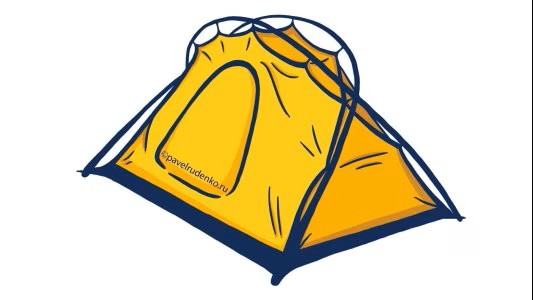
Conclusion: non-standard Y-pole designs are used in lightweight and ultralight tents, aimed at cutting pack weight. For mountain treks and dependable wind resistance, classic designs with two or more full-length poles featuring one or two crossovers are a much better fit.
More heavy-duty expedition tents use 3–4 full-length poles, making them exceptionally wind-stable and dependable. We haven't covered tunnel tents here yet—they are the premier choice for winter expeditions, and I will add detailed info on them later.
POLE ATTACHMENT SYSTEM
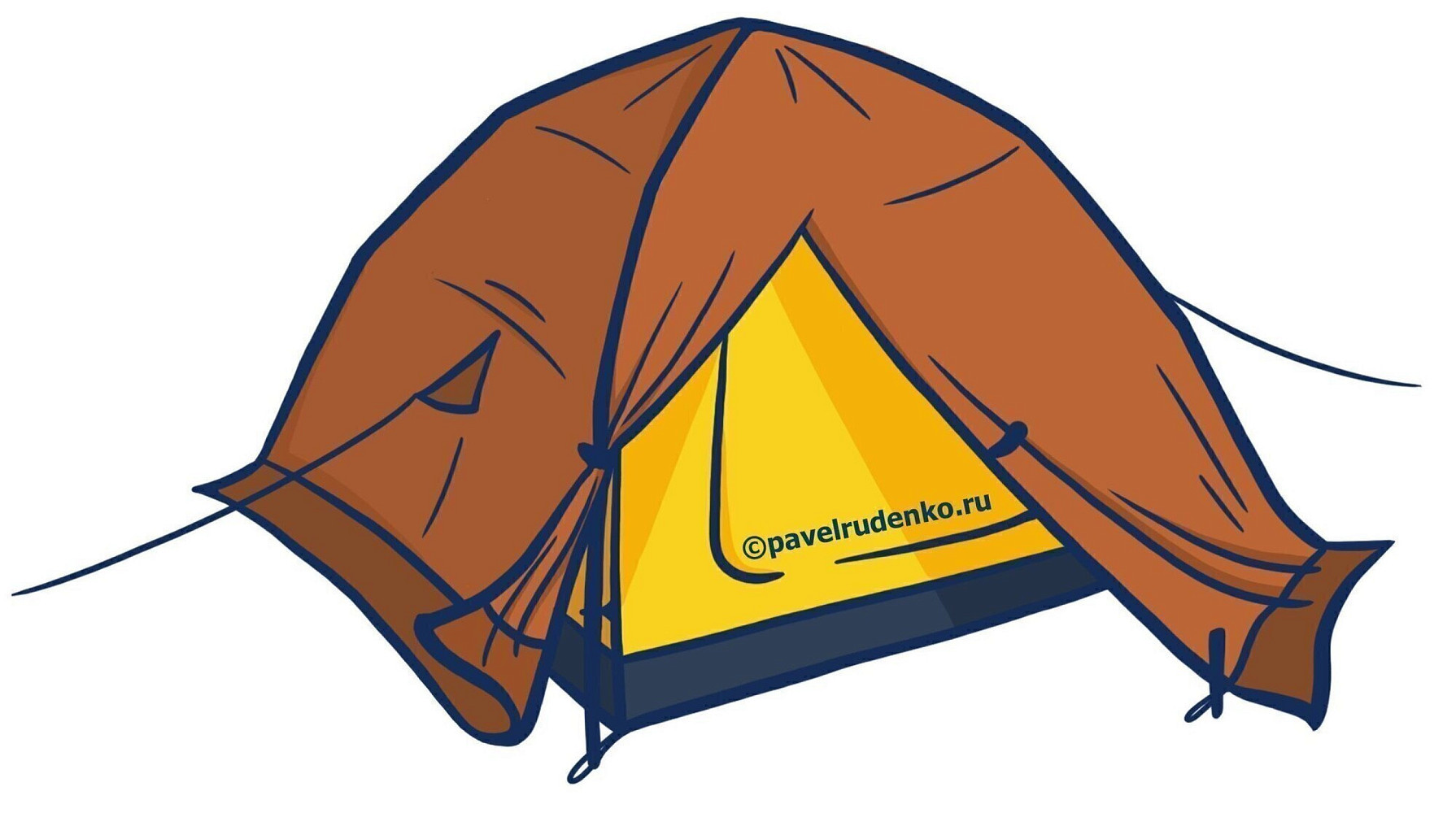
Poles can attach to either the inner tent or the rainfly, using pole sleeves or clips/hooks. Each system comes with its pros and cons. Here are their key features:
Inner-pitching poles (poles attach to the inner tent)
This design is best suited for lowland treks in warm, relatively dry climates. While it can technically be used in high alpine environments and winter, its main advantage is the ability to pitch the inner tent standalone.
- + You can pitch just the inner mesh tent to stargaze on hot, dry nights;
- + In the morning after rain, you can easily strip the rainfly off to dry while your gear stays sheltered inside the inner tent;
- - The rainfly cannot be pitched standalone without the inner tent (though I have never needed to do this on any trek, some might find it useful);
- - Pitching in the rain inevitably gets the inner tent wet. In light rain, I pitch as fast as possible; in heavy rain, I drape the fly over the frame and crawl beneath it to clip it in. This can be a real issue in rainy regions and wet seasons.
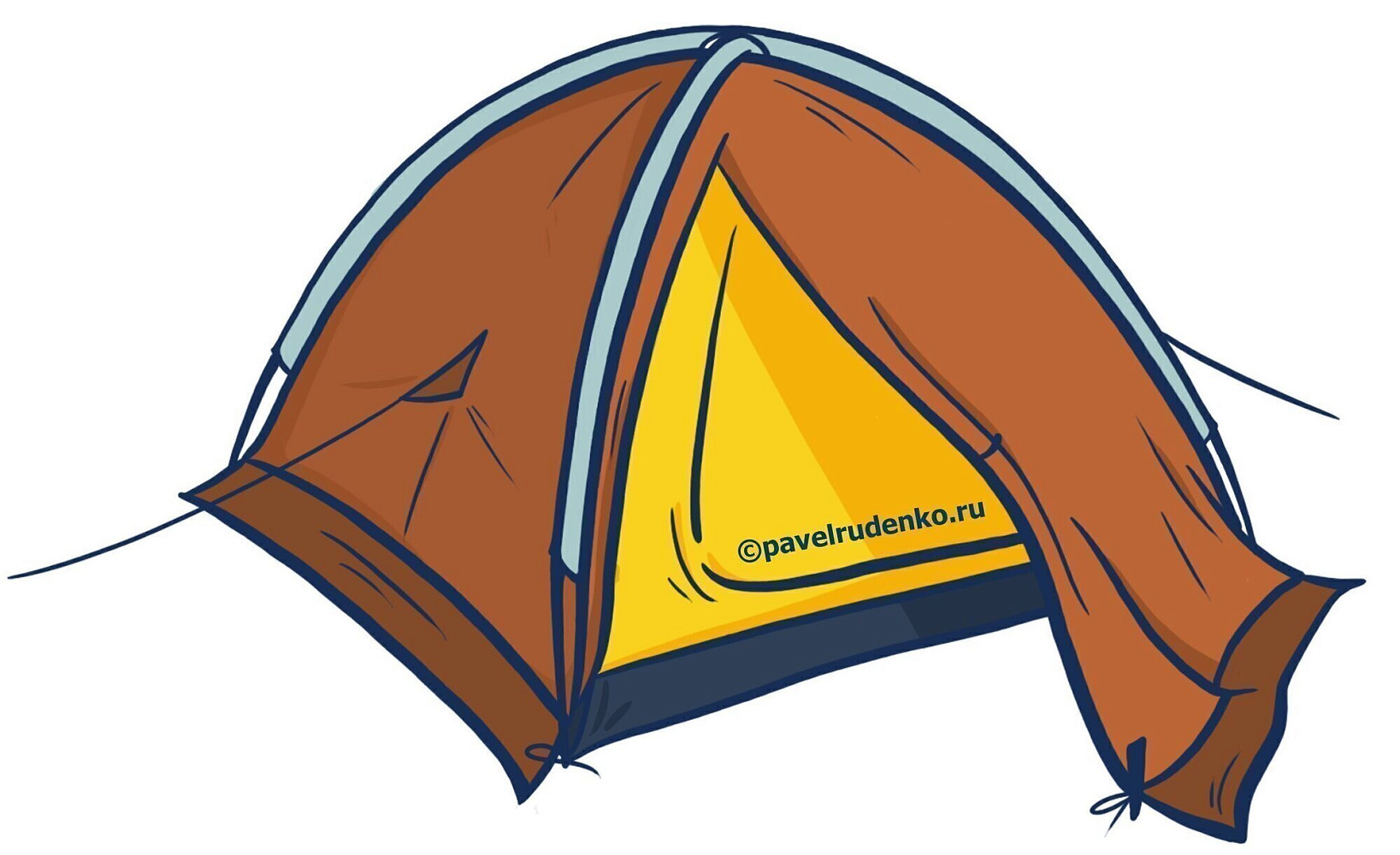
Outer-pitching poles (poles attach to the rainfly)
This setup is engineered for rainy climates, severe weather, and winter expeditions. The headline advantage is fast, storm-proof pitching.
- + In the rain, the fly goes up first, keeping the inner tent completely dry;
- + You can leave the inner tent attached to the fly, which drastically speeds up setup and pack-down, saving 2–4 minutes;
- - To dry the fly separately after rain, you have to unhook the inner tent, which adds extra packing time;
- - Reattaching the inner tent back into the fly can be somewhat tedious.
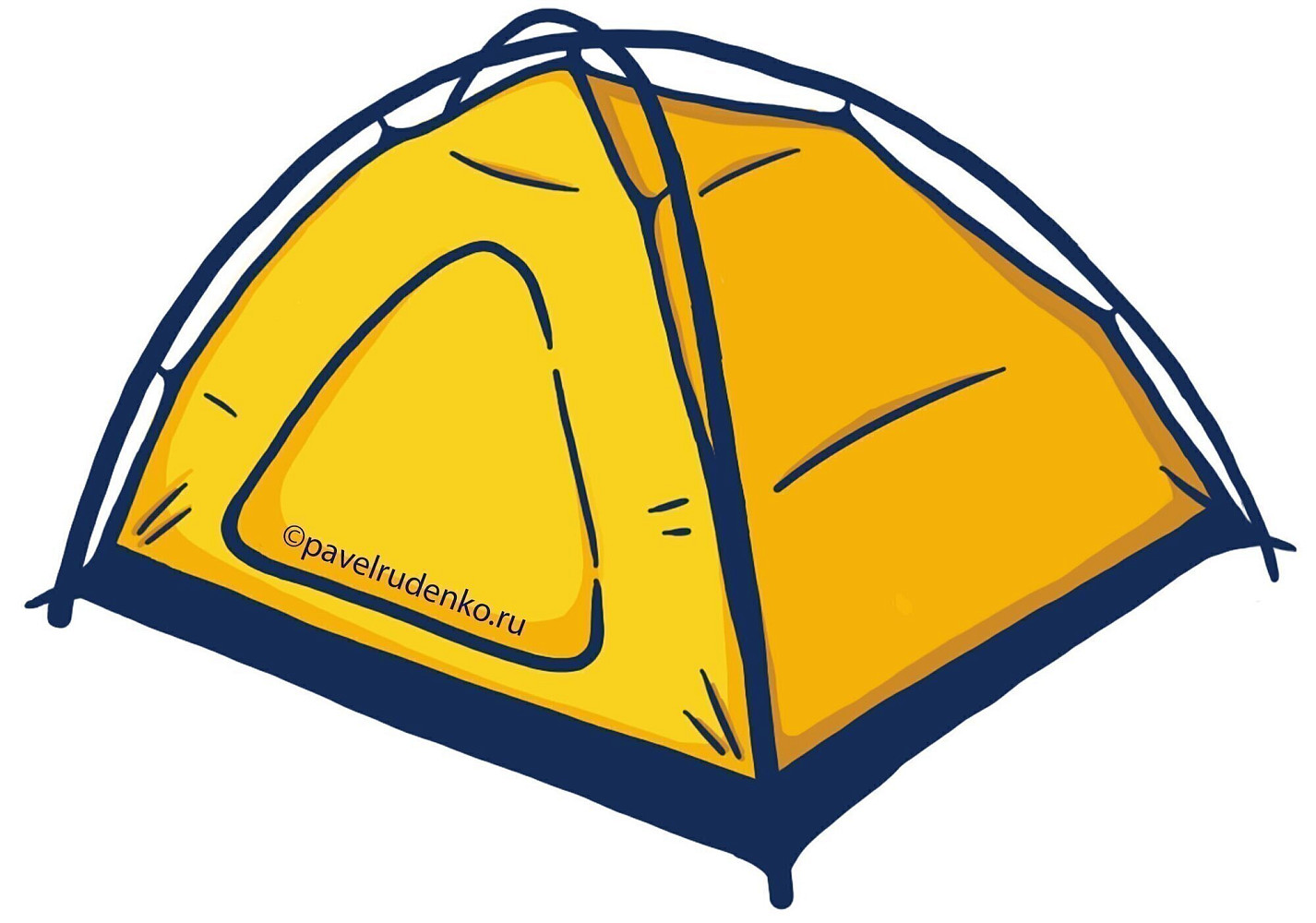
Clips / Hooks
- + With a reasonable number of clips, pitching is very fast. Some tents feature 18–20 clips, which is excessive and slows down setup.
- + If the hooks on the inner tent are mounted on elastic loops, it greatly reduces the risk of accidentally snapping poles from the inside if you lean against the walls.
- - With inner-pitching clip designs, a snapped pole has a high risk of puncturing the rainfly as it buckles outward under tension. I have broken poles three times; luckily, they were seated in pole sleeves rather than on clips. A shredded fly in the backcountry is bad news.
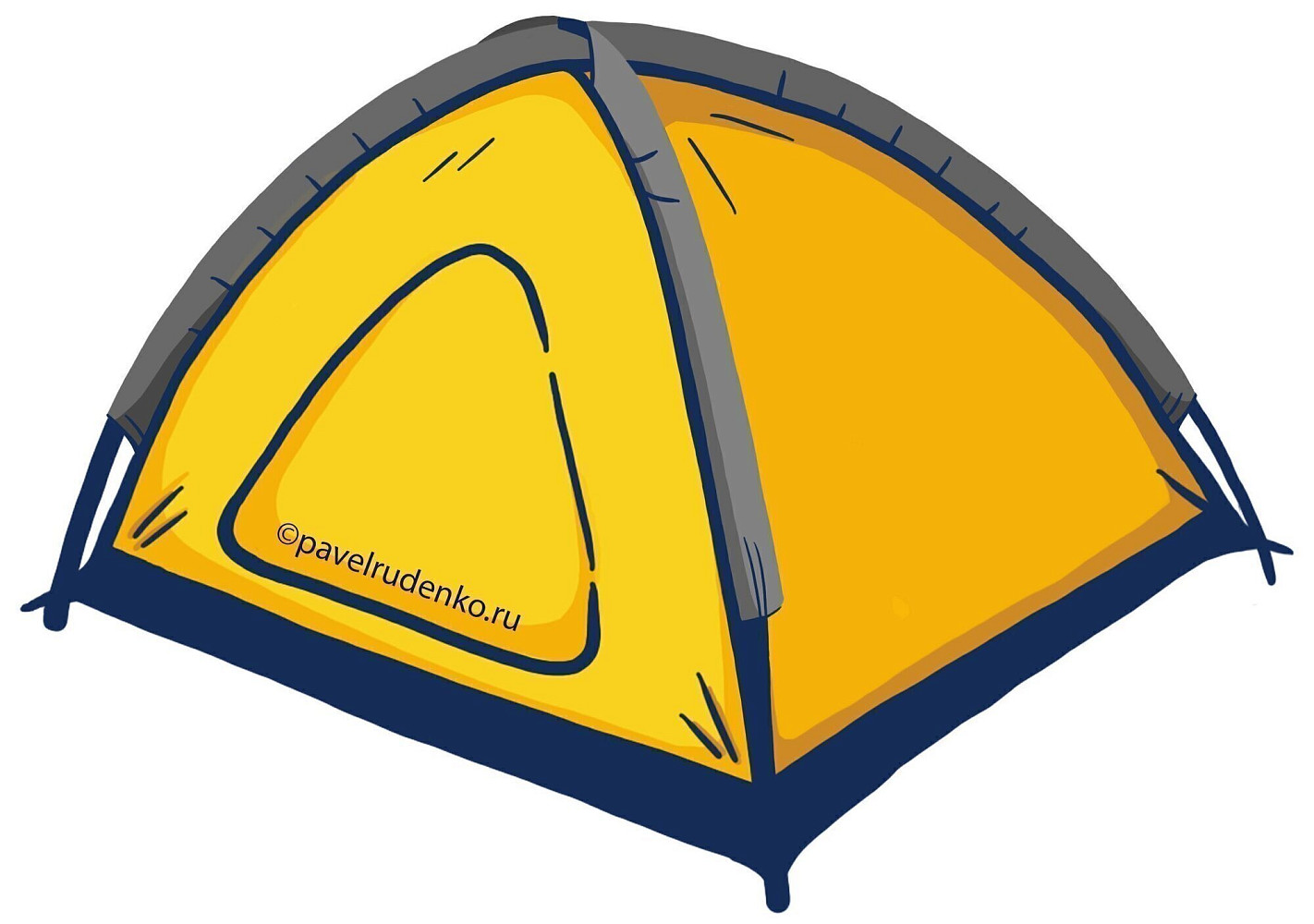
Pole sleeves
- + In the event of a pole fracture, the snapped section remains contained inside the sleeve, allowing you to ride out the storm without tearing your flysheet.
- + Exceptional structural strength: wind and snow loads are distributed evenly. The inner tent is more stable, easy to reposition, and stays evenly tensioned.
- + External pole sleeves deliver all these perks plus rapid all-in-one pitching, with the inner tent usually suspended on elastic toggles.
- - If an occupant pushes hard against the inner walls from the inside, direct force is transferred straight to the poles without the shock absorption that elastic clip attachments provide.
Conclusion:
For rainy regions, windy alpine conditions, and winter expeditions, an outer-pitch pole system is vastly superior. For warm destinations, an inner-pitch setup works well, allowing you to pitch the mesh inner alone to keep insects out.
Clip systems make for quicker pitching, while pole sleeves offer superior structural reliability.
TENT POLE MATERIALS
The gold standard is aluminum. It is used in the vast majority of performance tents and provides the best balance of properties.
A brief guide to pole materials:
Aluminum. Lightweight, dependable, resilient, and field-repairable. The most versatile and widely used choice.
Tents priced under 15,000 RUB typically feature generic Chinese unbranded poles; their specs are lower and they break more frequently, though they can still suffice for casual use. Premium, proven manufacturers include: DAC (South Korea), Yunan (South Korea), and Easton (USA). DAC is currently the undisputed leader in tent pole engineering!
There are two primary alloys:
- Alu 7001-T6: Flexible, flexes without snapping, lightweight, and dependable. Commonly used in 3-season and select 4-season tents.
- Alu 7075-T9: Rigid, resistant to deformation, and excels under high wind and snow loads. Slightly pricier and heavier. The standard for 4-season and expedition tents.
Fiberglass (fiberglass, durawrap/durapol): Inexpensive, 1.5 times heavier than aluminum, vulnerable to temperature swings, prone to shattering, and difficult to repair in the field. Used in budget tents (under 10,000 RUB) or car camping models; only suitable for lowland camping close to civilization. UNFIT for alpine conditions.
Easton Syclone: An advanced composite material representing the cutting edge of tent design. More flexible and resilient than aluminum, and 80% more resistant to bending under load. In wind tunnel tests, it fully retained its shape under winds up to 136 km/h, whereas 7075-T9 aluminum showed some bending—though neither failed. It is pricier and less common.
Carbon fiber: Half the weight of aluminum and extremely stiff, but demands advanced manufacturing to prevent brittleness. Quite rare.
Titanium: Lightweight, robust, and resilient, but prohibitively expensive, making it extremely rare.
Steel: Far too heavy, only viable for large basecamp or glamping tents. Exceptionally rare in trekking gear.
Conclusion: for treks lasting more than two days away from civilization, always choose aluminum poles for absolute reliability. The most budget-friendly tent with aluminum poles I have found costs around 7,000 RUB. In tents above 15,000 RUB, you can find DAC poles, which ensure top-tier reliability. Fiberglass poles are a clear sign that a tent is intended only for easy, single-overnight outings in mild weather, where a broken pole allows you to hike back to civilization within a single day.
Video Lecture
I shared my gear insights during a presentation at the Travelers Club; watch the video for visual demonstrations and extra details.
ENTRANCE AND VESTIBULE
For 2-, 3-, and 4-person tents, two entrances and two vestibules are a must
1 vestibule and 1 entrance are used to reduce weight, typically in ultralight tents or mountaineering. If a tent is designed for two or more people, this compromises living comfort and ventilation.
2 vestibules and 2 entrances: in one vestibule, you can cook on a camp stove in rain, snow, wind, morning laziness, or evening fatigue without crawling out of your sleeping bag, while using the other vestibule for entry, exit, or gear storage. You won't disturb your partner while packing up, and best of all, dual doors ensure excellent ventilation in warm weather.



Continued in the second part of the article:



Comments (0)