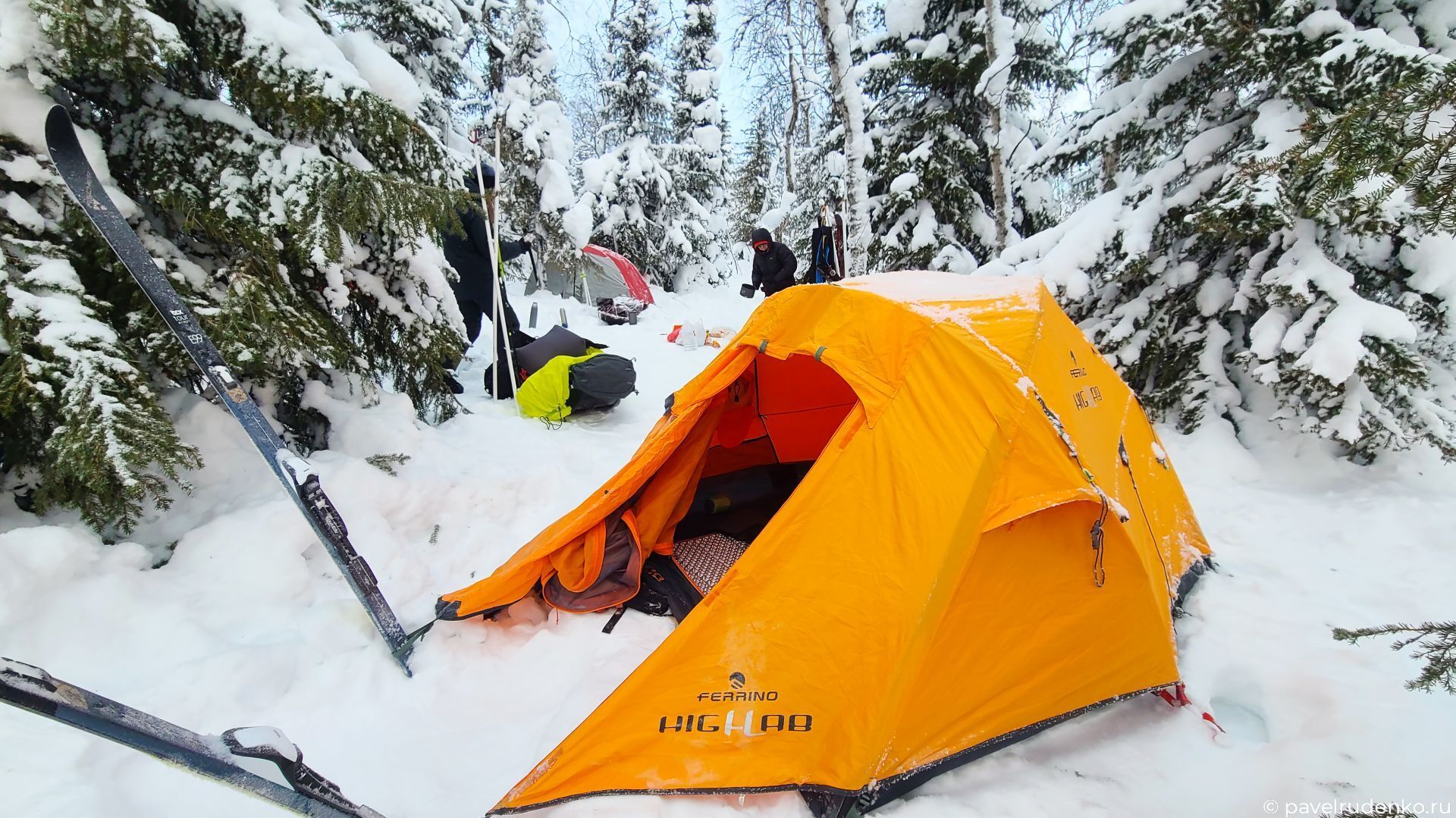
Tent review: Ferrino Piller 2
Thanks to my work in a camping store, I used many different models of Ferrino tents: Piller, Force, Trivor, Tenset and had the opportunity to assemble and thoroughly examine Ferrino models: SnowBound 3, Maverick 2, Solo, Svalbard 2, LighTent 2, Grit 2, Nemesi 1, Sintesi 2, Manaslu 2, Shaba 3, Flow 4.
I have many questions about Ferrino tents and did not plan to take them on serious trips, but the spirit of the explorer prompted me to take the Piller 2 on a ski trip to the Lovozero tundras in February.
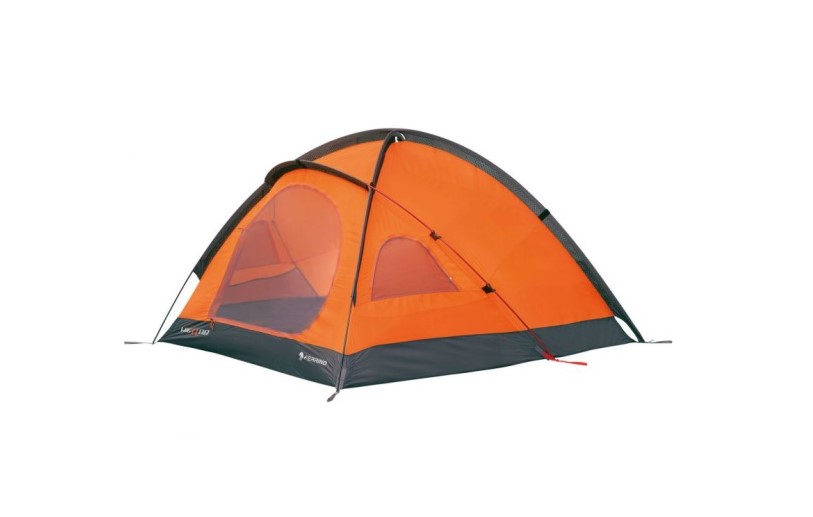
The Piller 2 was designed as a high-altitude tent for mountaineering tasks. A classic semi-sphere design with 3 arches and one entrance to minimize weight. After all, 1 entrance means half the number of zippers, seams, and also requires less space for the tent, which is a plus in the limited conditions of the highlands.

In ski tourism, with the simple task of contemplating nature, this design has a small drawback - 1 vestibule, less comfort for living with two people in winter conditions, not enough space for a backpack, shoes, cooking. But mountaineering is a sport, and in sports, such comfort cannot be talked about. The 3-person version of the Piller already has two entrances and vestibules.
Technical specifications
| Flysheet | polyester 50D 80 g/m2, treated with PU 4.000mm with flame retardant treatment |
| Bottom | polyester 70D 95 g/m2 PU 8.000mm |
| Inner | polyester 70D |
| Arches | aluminum 7001 alloy T6, 8.7mm. 3 arches. |
| Min. weight | 3.2 kg |
| Weight | 3.450 kg |
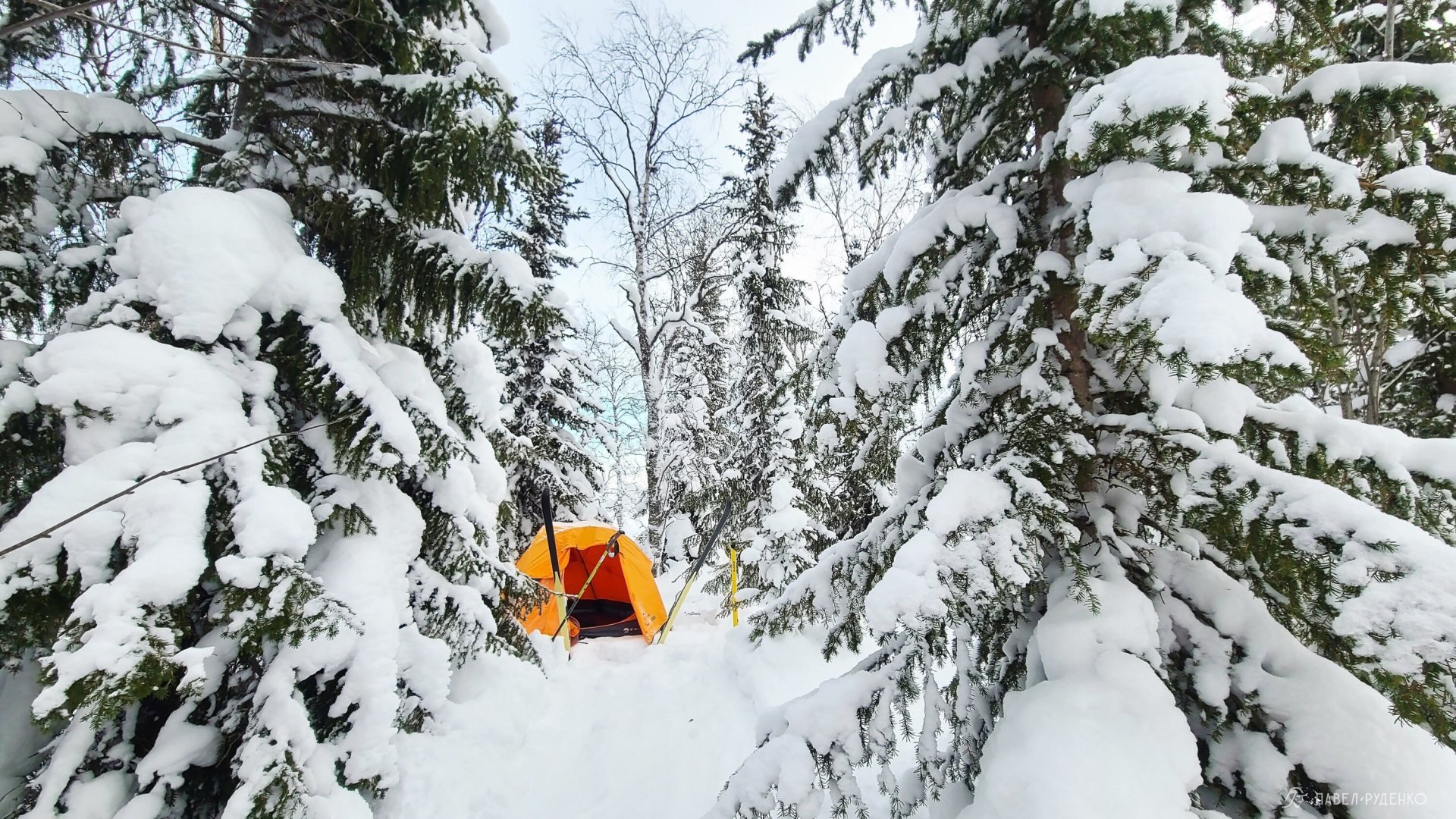
Living space
The inner area is gorgeous, 150 cm in the shoulders in the 2-person model, it's really nice. The walls are quite vertical, there is a lot of space, which allows you not to collect condensation when you are fiddling in the tent. In general, the living space left the best impression.
Ventilation is excellent, there is a lot of it, well located.

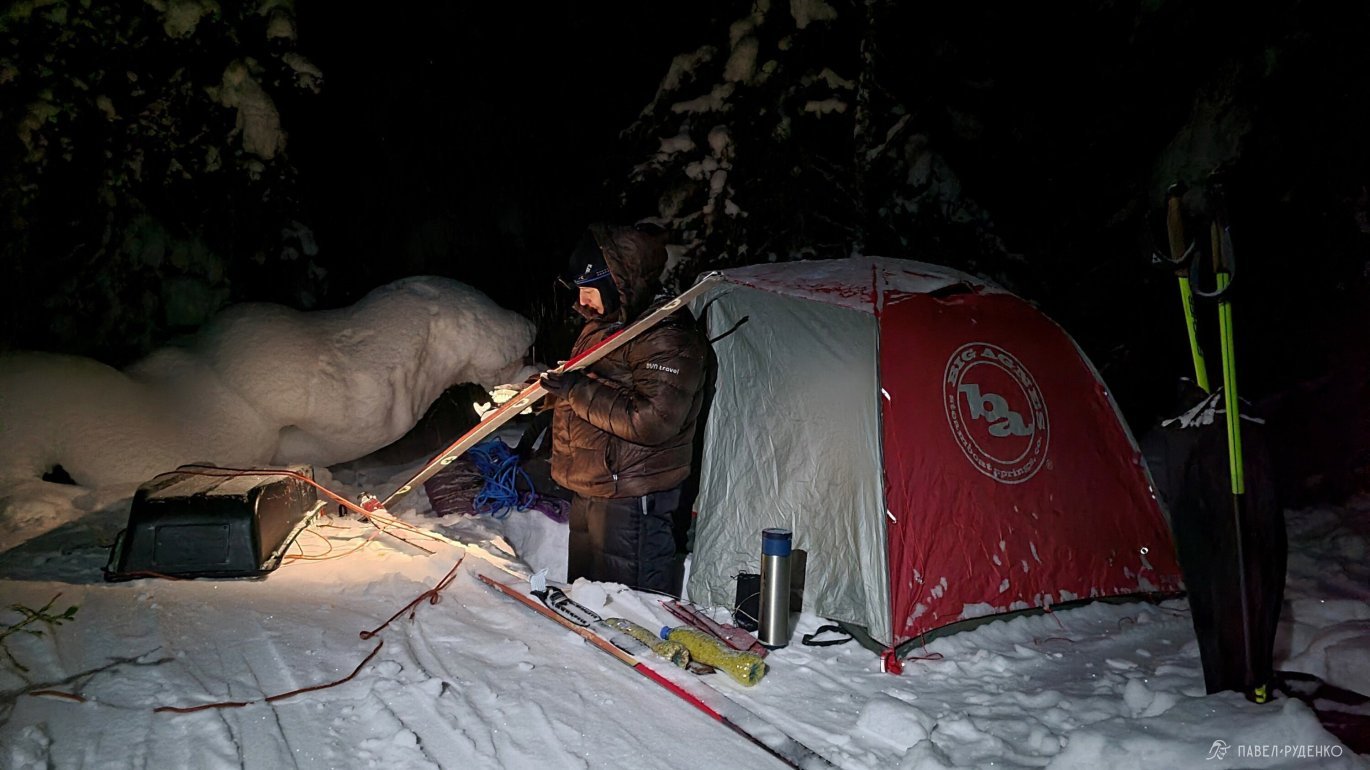
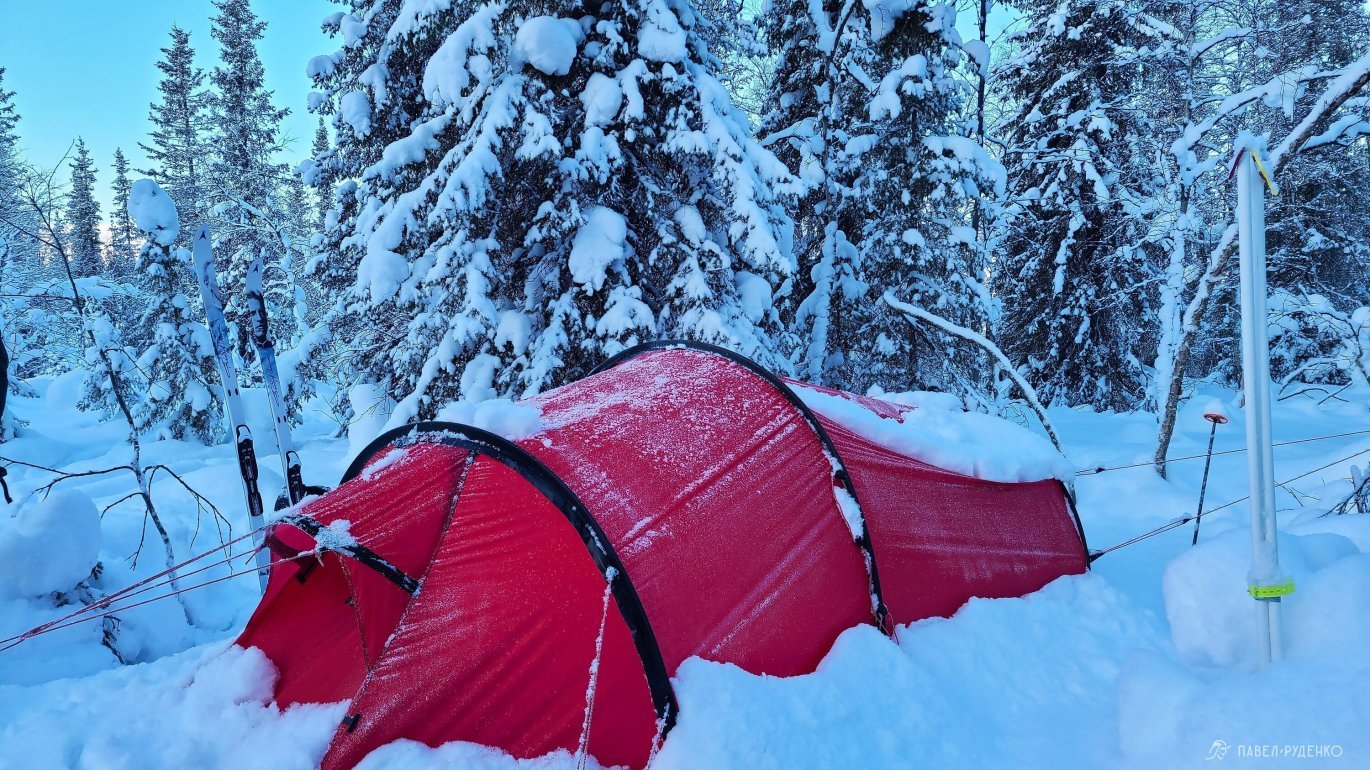
Maxim is looking and waiting for morning to come so we can change tents) In a week, everyone slept and tested Hilleberg Nallo 2 GT, Big Agnes Copper Spur Expedition 2 and Piller.
The decision to take the Ferrino Piller 2 was difficult. Like in the movie “Fear and Loathing in Las Vegas”, we had 3 Ferrino Pillers and assembled one solid one from them, taking the best parts from each donor))) Donors were from returns, defects, tests and other things.

The most fabulous overnight stay.
I used the 2020 model, which was produced with arches on the inner flysheet, they were threaded through fabric pockets, which is very useful. This better distributes the load and in case of an arch breakage, the aluminum joint remains clamped in the fabric and does not tear the flysheet. The pocket material was made of mesh, matte, sticky and тягучей, which made it difficult to thread the arch. This is the case when the manufacturer wanted to make a more expensive solution than the usual fabric pocket, but ended up increasing the weight, making it harder to thread the arch.
Arch fixation
At the end, the arch rests against a pocket, which is not reinforced in any way and tore in one of the evenings. Sewing at evening temperatures of -35C was not the most pleasant task, and in fact unsuccessful. We cobbled something together, the arch barely held on, and we survived two more nights until the end of the route. The engineering solution to sew the pocket in this way is the most stupid. Moreover, this is the second Piller in which the arch pocket tears in front of my eyes.
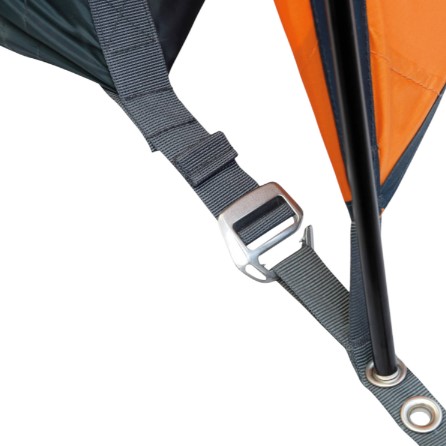
Sometimes in severe frosts the flysheet shrinks and it is problematic to insert it into the grommet, but we did not have this problem on this trip.
In addition, the arch must be inserted in a certain direction. That is, at one end there is a plug that needs to be lowered into the pocket, and at the other end there is a metal tip for the grommet. This is an absolutely idiotic solution, forcing the user in harsh conditions for which it was created, to think every time when installing the tent whether he is inserting the arch in the right direction. And if you make a mistake and realize when the arch does not fit into the grommet, take it out and start all over again. There is no humanity in Italians, what else can I say))
This problem is also found in other brands, offhand I can recall: TNF Assalt, MSR Advance PRO. The correct implementation lies in the installation of a plastic “cup”, as Fjallraven, Helsport, Hilleberg do. The main problem is the non-standard nature of this solution, because the grommet is easy to find, but the “cup” is not. But for Ferrino's sales volumes, it seems like a trifle.
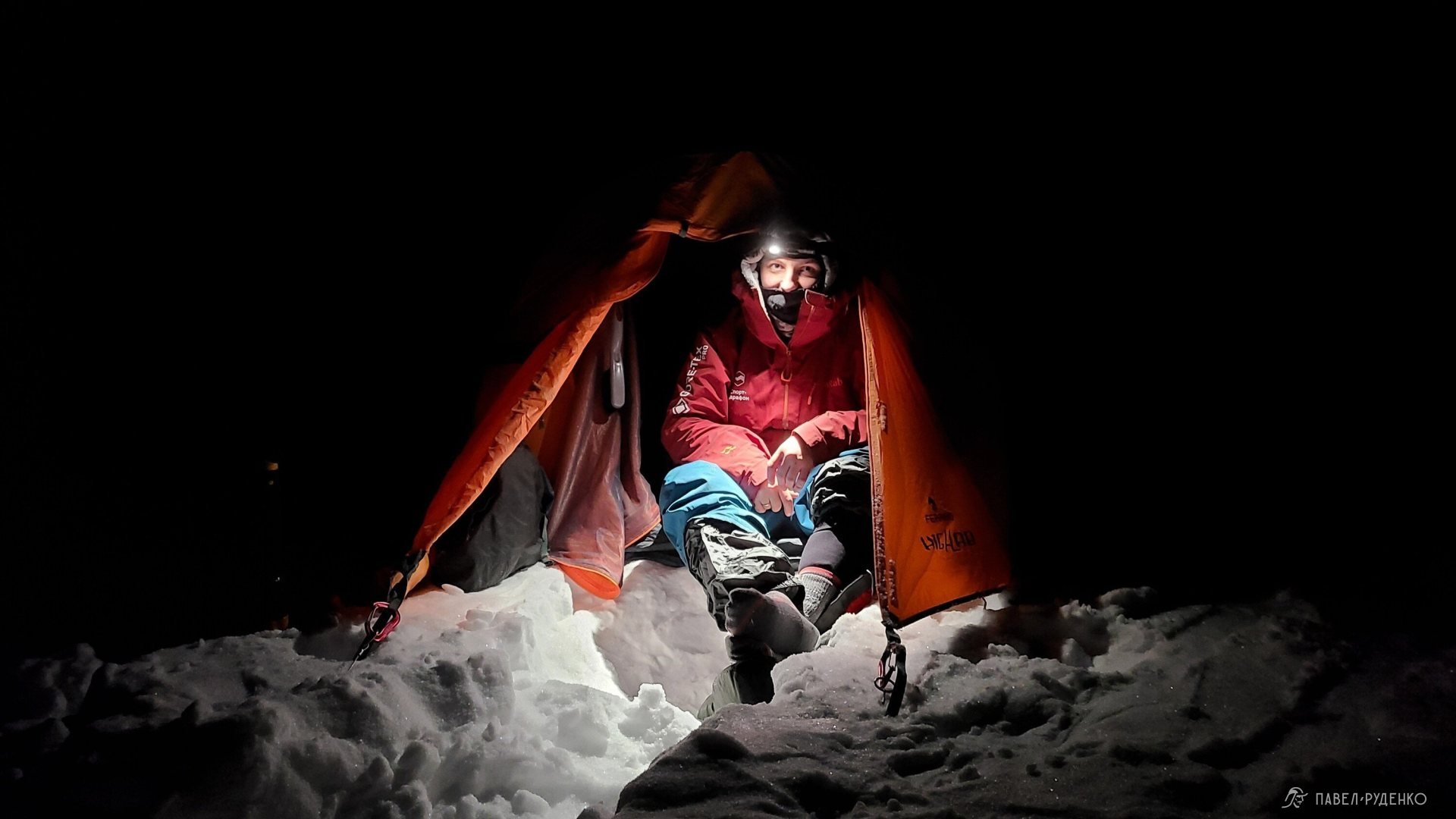
It's nice in the winter on the trip. Cozy, beautiful, quiet)
Updated Piller
Since 2022, the Ferrino Piller 2 has been updated, now the arches are on the outer flysheet, which is a definite plus. This allows you to set up the tent faster, especially in bad weather conditions.
Double tie-downs have appeared, just like those of adult Scandinavian manufacturers, although they are made aesthetically poor. The tie-down connecting the two fixation points to the flysheet is so short that when tensioned it does not create the usual sharp triangle.
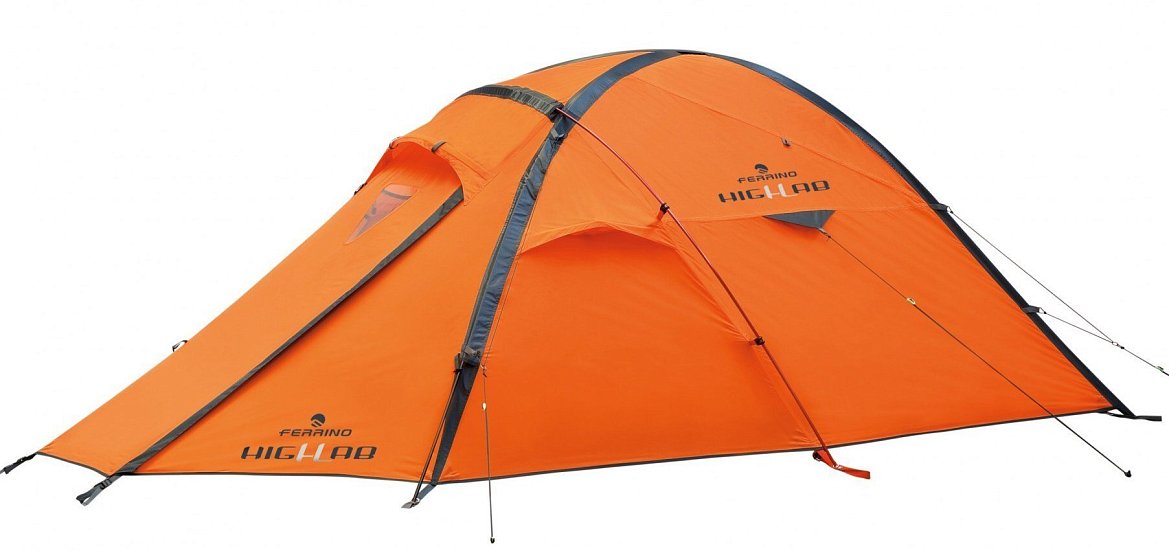
It always remains a mystery to me why make a wind tie-down on the flysheet when there is an unused arch nearby.
Window
Another idiotic solution is the transparent TPU window, which eventually peels off in most Ferrino models. Fixing it is not easy, and getting a hole in the flysheet on the trip is not worth it. Why is it needed? For nothing, except for the visual feature of an “expedition” tent.
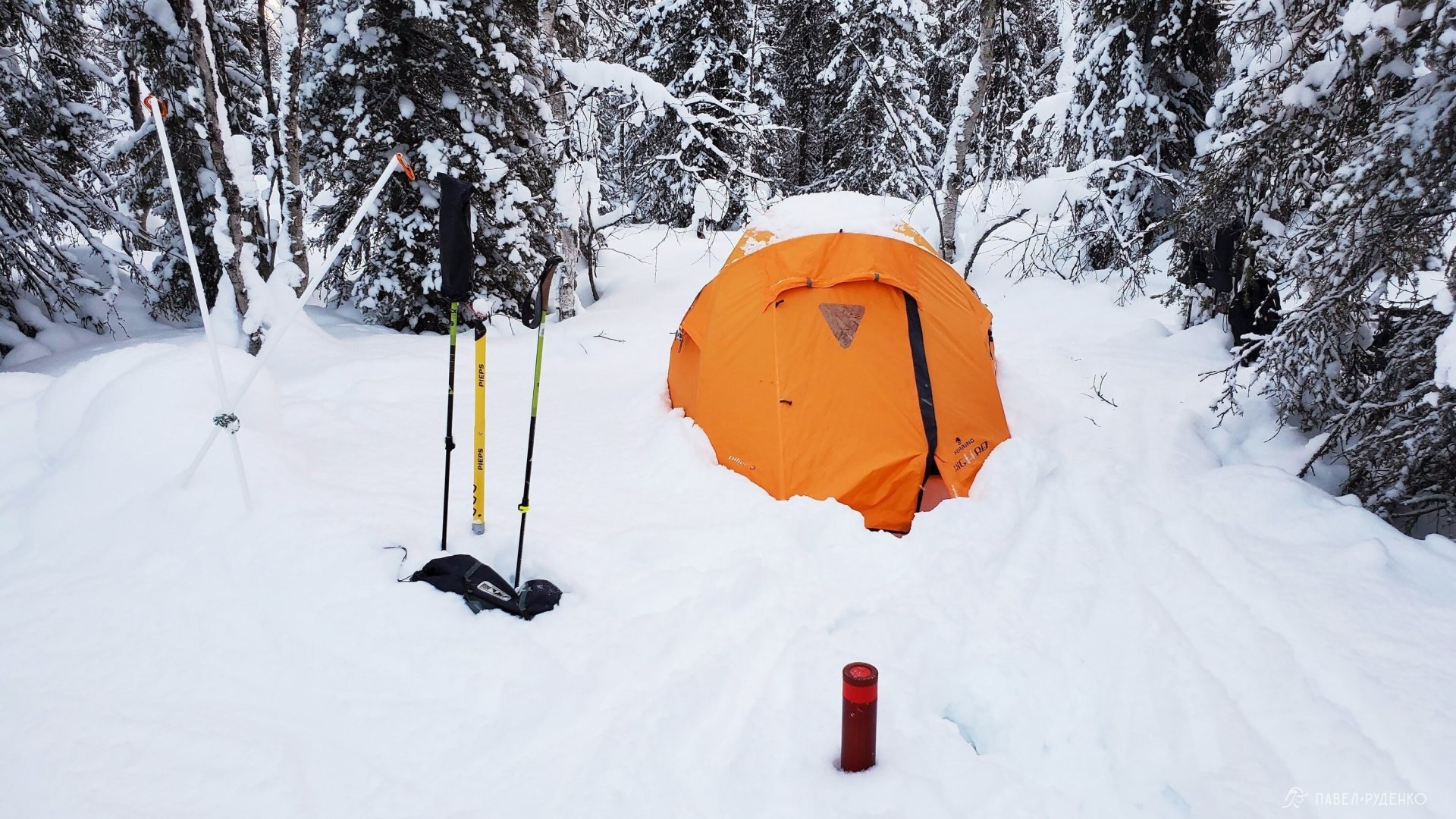
The snow stability of the design itself is good, the main thing is that the flimsy arches do not let us down))
Flysheet, inner, bottom
And now the most important thing - the materials of the tent.
Let's talk right away about the updated Piller model, the flysheet is made of polyester 50D 80 g/m2, treated with PU 4.000mm with flame retardant treatment. This is of course audacity and nonsense, to use such cheap materials in the form of polyester and polyurethane impregnation in a tent costing $670.
The floor is made of polyester 70D 95 g/m2 PU 8.000mm. Using PU impregnation is more justified on the bottom of the tent, because it works better in terms of wear resistance, but why polyester, Carl?)
The inner is made of polyester 70D, which raises questions, using such a thick and heavy thread on the inner tent is inexpedient, plus one, only the cheapness of such fabric. The thicker the thread, the easier it is to make and the cheaper it costs.
The weight of 3.450 grams is understandable based on the design and materials.

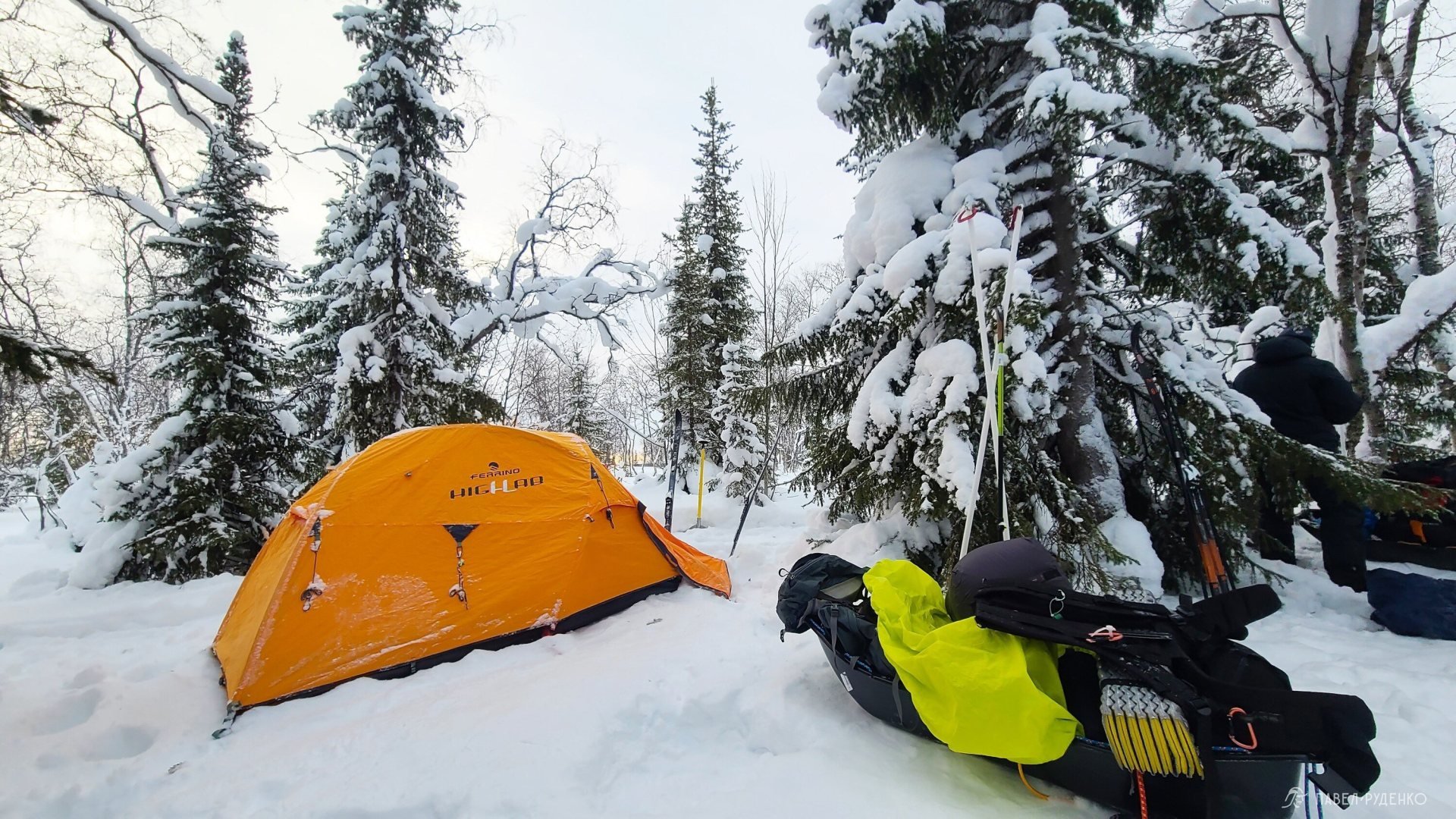
In winter, you can't have too many shovels, we took 3 for a team of 5 people spending the night in 3 tents.
Arches
Arches made of aluminum 7001 alloy T6. This alloy is often used in 3-season tents, it is lightweight and flexible and not designed for high wind and snow loads, and in addition, these are nameless arches of mediocre quality for a tent of this class and price range.
Arches with a thickness of 8.7mm, which is also used in lightweight, 3-season tents. One knee of the arch broke on our trip, we fixed it with a splint and taped it. All this in one trip without harsh exploitation...
Unfortunately, for some reason, the brand is unable to switch to the range of arches from the Korean manufacturer Yunan, although other brands in this price range often use the top range of DAC Featherlite NSL arches. Even MSR Elixir has more reliable Yunan arches.
These guys in the photo send the Italians a warm greeting from Russia, trying to stuff the tent into this incredibly narrow, like Italian trousers, case, for 15 minutes, freezing all their fingers. Grazie, miei cari italiani!
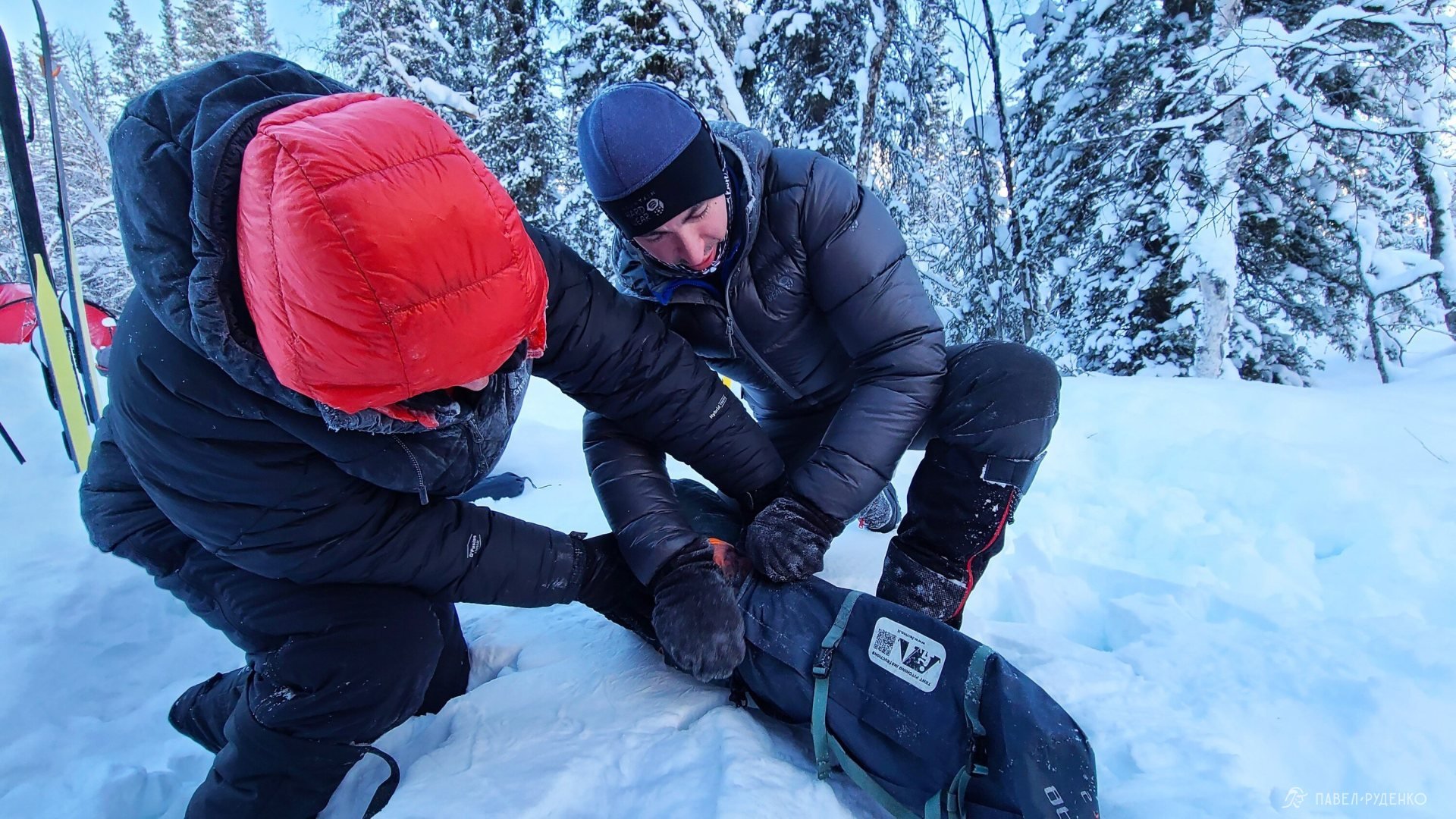
Small cases are a modern scourge of tent manufacturers. I like the cases from Hilleberg, MSR and Fjallraven the most, they are big and convenient.
Conclusion
The Piller 2 tent is interesting in terms of design and one of the most successful in the Ferrino lineup, but I have a lot of questions about it, primarily due to cheap materials at a high cost of the product. Secondly, about the execution, some details are done in a detrimental way, which is strange to see in a brand with such a long history.
The answer lies in that same history, the competition with other brands was lost and the once very high-quality brand Ferrino, which used to use DAC arches and PU/SI impregnation on the flysheet, changes strategy and cheapens materials and production quality to survive. For some time, relying on old merits.
That's why there is a dissonance, sometimes of good design and such отвратительной implementation. Which is of course sad, because it's good to have many competing brands of camping gear to choose from for every taste.
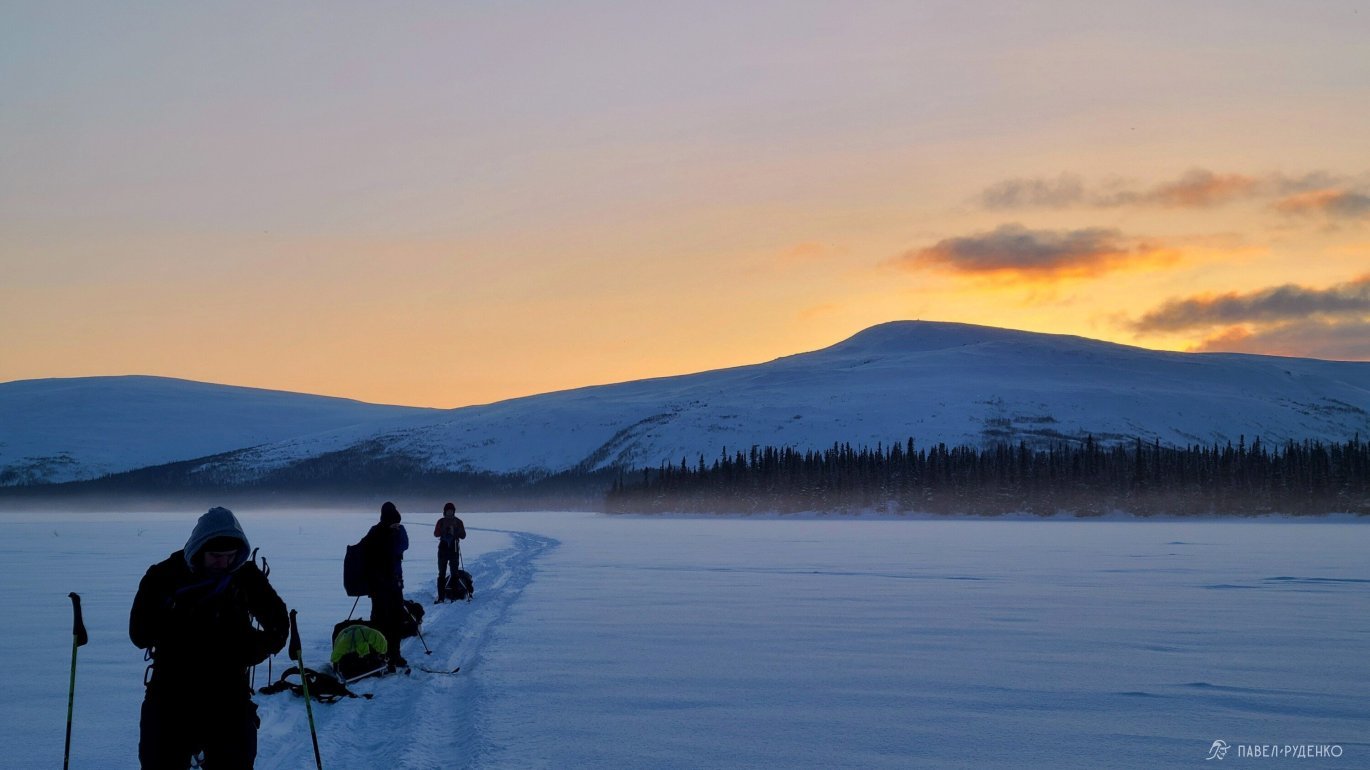


On the ice of Lake Lovozero. The ice is strong and there is a snowmobile track in winter, but for safety we took a rope in case of a swim and walked with sleds on a rigid coupling.
I can't recommend Ferrino tents, they are too cheap and use unreliable materials for their price, with many design issues, but I'll highlight the best of the worst: Piller, Snowbound, Maverick, Force and the camping Flow 4 with inflatable poles))
I often go on hikes, so follow me on social media to see a lot of cool content))

